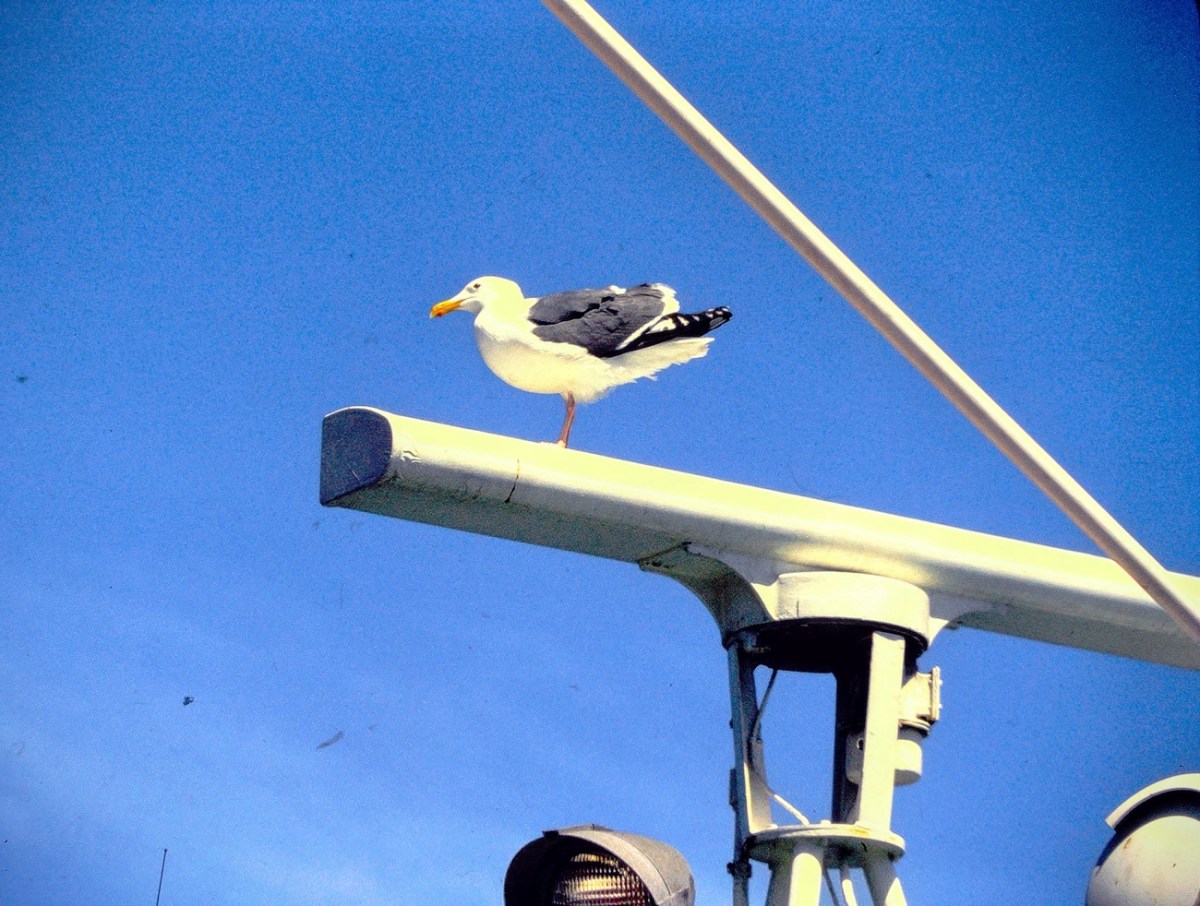
Location: Hearst San Simeon State Historical Monument; Hearst Ranch; San Simeon, California, USA
God Bless. Thank you for visiting. Have a wonderful week and enjoy the Outdoors. Thank you for sharing your time and thoughts with me. I appreciate y’all very much.
San Francisco Cable Car – Van Ness Ave California Street
Cable Cars have been carrying passengers in San Francisco since 1873. Cable cars were invented by Andrew Smith Hallidie. He based his system on early mining conveyance systems which dominated the city’s transit scene for more than 30 years.
The San Francisco cable car system is the world’s last manually operated cable car system and an icon of the city of San Francisco. Of the 23 cable car lines established between 1873 and 1890, only three remain (one of which combines parts of two earlier lines): two routes from downtown near Union Square to Fisherman’s Wharf, and a third route along California Street.
The vast majority of the millions of passengers who use the system every year are tourists. Due to the high volume of tourists desiring to ride the cable cars, the wait time to get on can be up to or exceeding two (2) hours. The Cable Cars are amongst the most significant tourist attractions in San Francisco, along with Alcatraz Island, the Golden Gate Bridge, and Fisherman’s Wharf.
The San Francisco Cable Cars are one (1) of two (2) street railways named on the National Register of Historic Places as a National Historic Landmark. The other street railway on the National Register of Historic Places is the St. Charles Streetcar Line in New Orleans.
While on our San Francisco Bay Discovery Cruise we were able to see beautiful views surrounding the Bay. We were able to view unique perspectives of the amazing architectural features of the Bay Area Bridges.
Looking at The Golden Gate Bridge from the waters below …
The Golden Gate Bridge is a suspensionbridge spanning the Golden Gate, the one-mile-wide (1.6 km) strait connectingSan Francisco Bay and the Pacific Ocean.
Golden Gate Bridge
The structure links the U.S. city of San Francisco, California—the northern tip of the San Francisco Peninsula—to Marin County, carrying both U.S. Route 101 and California State Route 1 across the strait.
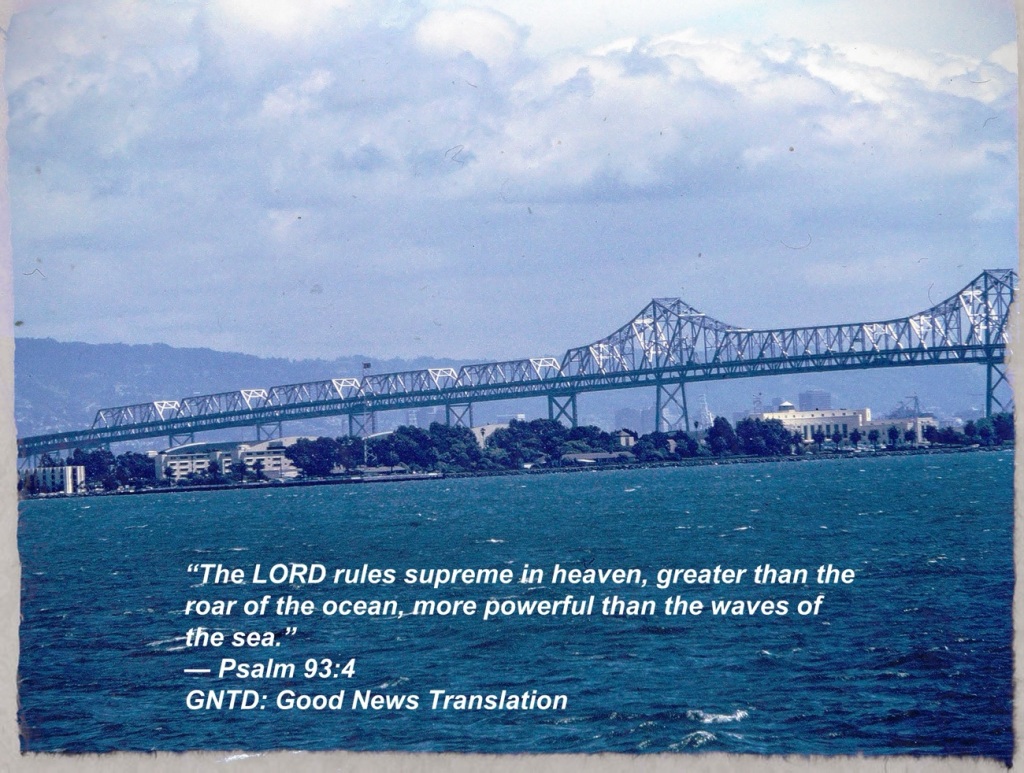
The San Francisco-Oakland Bay Bridge is made up of two (2) bridge segments: a skyway structure/single anchored suspension bridge between Oakland and Yerba Buena Island, and a suspension span from the island to San Francisco. The two (2) are connected by the world’s largest diameter bore tunnel.
The San Francisco-Oakland Bay Bridge is the region’s workhorse bridge, carrying more than a third of the traffic of all of the state-owned bridges combined. It is also a jewel along the San Francisco waterfront.
San Francisco Bay Bridge
The Eastern Span of the San Francisco-Oakland Bay Bridge underwent an extensive replacement renovation to replace a seismically unsound portion of the Bay Bridge with a new self-anchoredsuspension bridge (SAS) and a pair of viaducts. The span replacement took place between 2002 and 2013, and is the most expensive public works project in California history. The Eastern Span replacement upgrade was part of a plan to make the bridge more seismically sound. The replacement was necessary due to an earthquake of unanticipated magnitude of the horizontal motion caused by the Loma Prieta Earthquakecausing significant damage to the Bay Bridge. It also caused section of a major highway along the bay (a portion of it double-decked) to collapse; repairs on these were completed by the late 1990s.
Oakland Bay Bridge
The San Francisco-Oakland Bay Bridge was listed in the National Register of Historic Places in 2001. The Bay Bridge is significant for its influence in the California Bay Area.
Bay Bridge Architectural Design
The San Francisco-Oakland Bay Bridge’s multi-modal design is a direct example of the mindset of commuters during the 1930s. Constructed in 1936, the bridge was used to support the increase of automobiles and public transit lines in the early half of the 20th century.
San Francisco-Oakland Bay Bridge
Today the Bridge continues to pay a vital role in transportation as it serves as a major freeway connector for many who travel to and from the Bay Area.
Looking through the my dad’s old slides the photos of these Bridges reminds me of a 70’s song by Simon and Garfunkel called “Bridge Over Troubled Water.”
Hearst Castle is located up on a hill in San Simeon, the land was originally purchased by George Hearst. After his & his wife’s passing, the ownership of the property was transferred to William Randolph Hearst, their son.
William Randolph Hearst expanded on the property growing it to encompass approximately 250,00 acres. In 1919, Hearst collaborated with San Francisco architect Julia Morgan to build what would later become one of the world’s greatest showplaces and later an accredited museum.
The site originally known as “Camp Hill” was renamed “La Cuesta Encantada” which is Spanish for The Enchanted Hill.
After the passing of William Randolph Hearst, the estate opened its doors to the public in 1958. Hearst Castle comprising 90,000 square feet and Hearst’s world-class art collection. The property includes its own theater, billiard room, beauty salon and pair of dazzling swimming pools.
Among the rooms you can view while touring the Castle are:
Grand Social Rooms of Casa Grande —the largest house at Hearst Castle.
Assembly Room — located on the ground floor.
Refectory — where Hearst hosted lavish dinner parties and social occasions.
Billiard Room — where guests could relax and play billiards and pool.
Theatre — Hearst joined his guests here to watch movies and newsreels.
Doge’s Suite — here guests can admire the magnificent painted antique ceiling, marble balcony and Mountain View’s.
Main Library — It has an impressive collection containing more than 4,000 books.
Gothic Suite — located on the third floor it contains Hearst’s most treasured collections and sacred objects.
There are many more areas and rooms you may tour at Hearst Castle. The sculptures and architecture are amazing to see. As you can see, the various rooms have a variety of seating selections; each selection was once used by the vast number of guests visiting the property.
When touring the Castle ( depending on your choice of tour) you may learn about the paintings, sculptures, antiquities, tapestries and other works that comprise Hearst’s collection.
The Enchanted Hill doubled as a museum, bringing together centuries-old masterpieces in one stunning setting. These historic objects can still be viewed today among Hearst’s gardens, guest houses and Casa Grande.
Even though you can view and admire the numerous spacious rooms and seating arrangements around Hearst Castle, they are only for admiration and not for tourists to currently use.
Janet from sustainabilitea.wordpress.com is offering us all to participate in her“One Word Sunday”word Abandoned. I am choosing to participate, how about you?
Alcatraz
Have you ever thought about visiting or touring a federal prison? How about touring an Abandoned maximum security prison like Alcatraz? It is possible, you know.
Alcatraz was not always a maximum security prison. It was first used by Native Americans long before Europeans arrived in the area. The Island has been used for camping, hunting, and at one point it became an isolated and remote place where law violators were held during its history. Based on oral history of Indigenous people, it appears that Alcatraz was used as a place of isolation or ostracization for tribal members who had violated a tribal law or taboo, and was utilized also as a hiding place for many Indians attempting to escape from the California Mission system.
Alcatraz Barracks Building 64 United States Penitentiary Alcatraz Island
Building 64 was the first building constructed on the island of Alcatraz off the coast of San Francisco, California. The purpose of Building 64 was for the accommodation of the military officers and their families living on the island. It is located next to the dock on the southeastern side of the island below the Warden’s House. It’s a three-story apartment block that was built in 1905 on the site of a U.S. Army barracks which had been there from the 1860s. It functioned as the Military Guard Barracks from 1906 until 1933.
United States Penitentiary Alcatraz Island
Nowadays, it is possible to tour Alcatraz. You may select from an Alcatraz Day Tour or an Alcatraz Night Tour, or the Bay Discovery Cruise, or Alcatraz Behind the Scenes Tour. All Tours except the Bay Discovery Cruise allows access via ferry onto Alcatraz Island. Each tour has its own unique itinerary and the opportunities are expanded with the Night and Behind the Scenes tours.
The Bay Discovery Cruise does not dock at Alcatraz, but does (weather permitting) encircle Alcatraz Island and provides breathtaking views of the San Francisco Bay Area.
These photos were taken by my dad back in 1979 when we took a Bay Discovery Cruise. The San Francisco Bay Cruise lasts for Ninety (90) minutes sailing under the Golden Gate Bridge, encircling Alcatraz Island and allows for sensational views of the San Francisco Waterfront, the Presidio, Sausalito, Fort Baker, Angel Island and a lot more. [More scenes from the Bay Area Cruise coming in later posts.]