Kindergarten is not like it used to be, especially so much different from the time I was in Kindergarten.
I have been thinking about this subject since school began last fall and Coleman entered Kindergarten. It used to not be focused on academics like it is now. Back in the 1950’s and 1960’s, Kindergarten focus was on play-based learning and socialization emphasizing children’s natural development. It focused on developing students’ emotional, physical, and mental well-being.
Kindergarten prioritized the developing of these aspects of children’s learning over academic subjects like reading, writing, and mathematics. [I can remember not learning the academic subjects of reading, writing, and math until I entered First grade]. Now it is almost expected that a child already knows how to read, write, and do math prior to entering Kindergarten.
I’m sorry (not sorry) if I seem too old-fashioned, but I really do not understand the focus to push academia down upon a child’s early years of learning (especially his/her very first introduction into schooling).
Coleman attended two different elementary schools this year, both within the same school district. However, the two teachers and schools approached Kindergarten differently. His first Kindergarten teacher at his first elementary school did work with her students on letters and number recognition, emphasizing colour and shape recognition; very basic early learning skills. Some children may learn these basic skills in preschool or a four year old Kindergarten class.
I feel it necessary to point out that not all children have the ability to attend preschool or a 4-K program. Yes, some schools offer a 4-K program, however, they do not provide transportation (for children who have no transportation) to be able to attend. When a child/children are accepted into a program if that program is not in close proximity (without the need for a vehicle) to a child’s home, then they have no access or ability to attend the program.
The focus at Coleman’s second elementary school’s Kindergarten class was primarily on reading, writing, and math. It (to me) seemed like this particular teacher (maybe whole school) expected Kindergarteners to already know how to read basic sight words (which I know I did not learn before entering school), how to hold a writing utensil a specific way, already know how to spell and write their name, and how to do addition and subtraction.
When did the schools stop focusing on children’s emotional, physical, and mental health well-being? Why do schools not feel that Kindergarten age children should no longer have a rest/nap time during the day. When did schools/classrooms begin relying so much on technology, and I’m basically referring to Kindergarten classrooms/teachers?
Coleman’s first teacher and her assistant worked with students in groups and individually to help create a positive learning experience for their students. His second teacher relied heavily on technology in the classroom. Playing a computerized video (or according to Coleman, a TV show) for music time, using music videos to help rid students of excessive energy in between instructional learning sessions. Whereas, his first school had separate music and art teachers without the need for computerized technology.
I also know that the Kindergarten focus in the mid-1990’s focused more on social, emotional, physical, and mental development of students and not the strong emphasis on knowing how to read, hold a pencil a specific way. During that time period, students did learn to write their letters, numbers, and their first names. However, I do not recall my children learning to read, write, and do mathematics (no addition or subtraction or using number lines).
According to a number studies, direct academic instruction is both ineffective in preparing young children for further education and harmful to their social development. So why the switch?
By the early 2000’s the educational focus (even though still primarily developmental) began to grow an emphasis on academics although still allowing much needed opportunity for play and social development as possible. The pushing forces contributing to the switch to an academic focus in Kindergarten began by some parents pushing for more rigorous programs and new pilot programs which were amplified by the media. In 2001 a national law was passed where it expected children to spend more time sitting still (to me, an unrealistic expectation) and learning math and reading.
One other difference I noticed between the two schools/teachers was the difference in how the students were placed (assigned) to a particular class. Coleman’s first school placed child in Kindergarten classes based on their readiness ability assessment, placing like abilities within the same classroom. In his second school, all ability levels were integrated together. [My opinion only, I feel that at this early stage of learning integrating varying ability levels together was not beneficial to all students, and in my opinion might have been harmful. This could cause stress for the students new to such learning (at a very basic beginning level) and possible frustration for those students who are at a more advanced level of learning achievement.] I know Coleman struggled in his ability to hold a pencil, write numbers and letters and effectively communicate. A large number of people have a hard understanding what he is saying when he speaks. It takes patience, skillful listening, and understanding to know what he is saying when he speaks. I’m the one who’s with him the most and there are times when I do not always understand what he is trying to say and have to ask him to repeat. His first teacher really understood (even though she didn’t always know what he was saying) and helped to initiate speech therapy (which was also doctor prescribed) through the school. When he transferred to his second school, there was a delay of several weeks before he was receiving speech therapy again. With the delay, he lost ground in the process he had been making with his diction, his pronunciation of his words. He still struggles with blended consonants and s & k sounds. He is improving though.
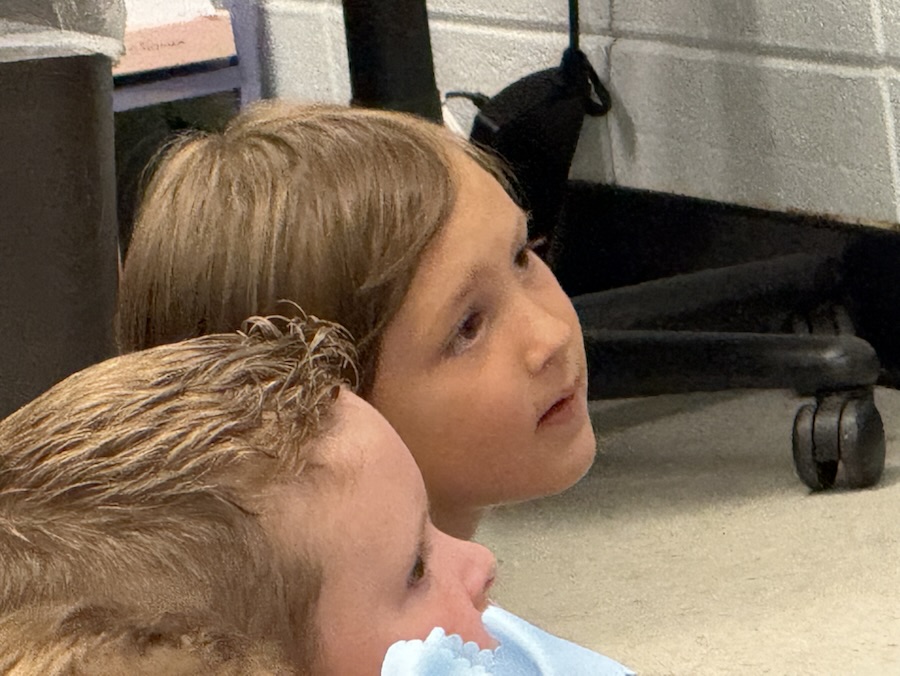
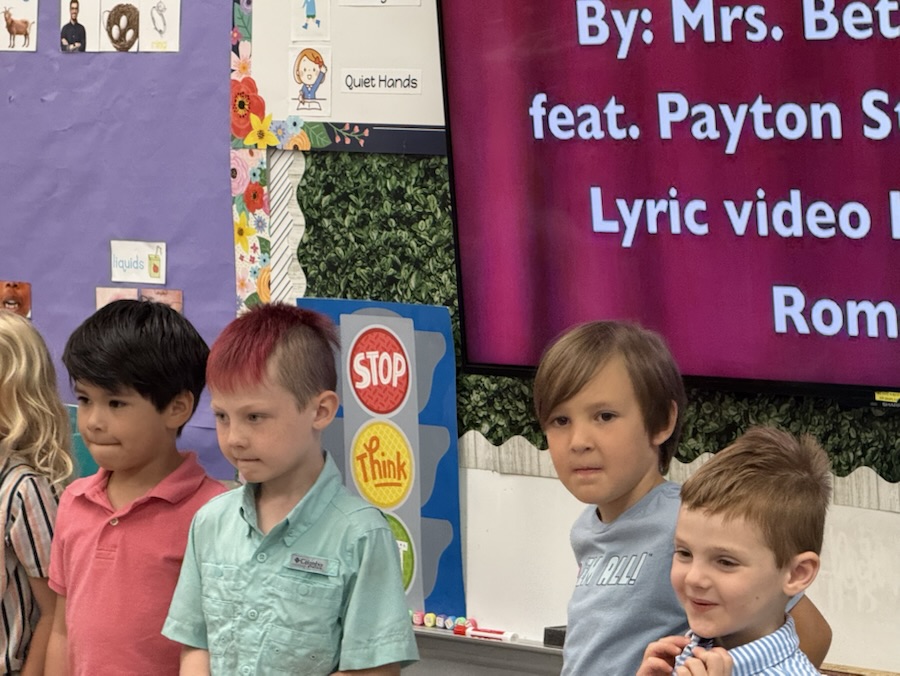
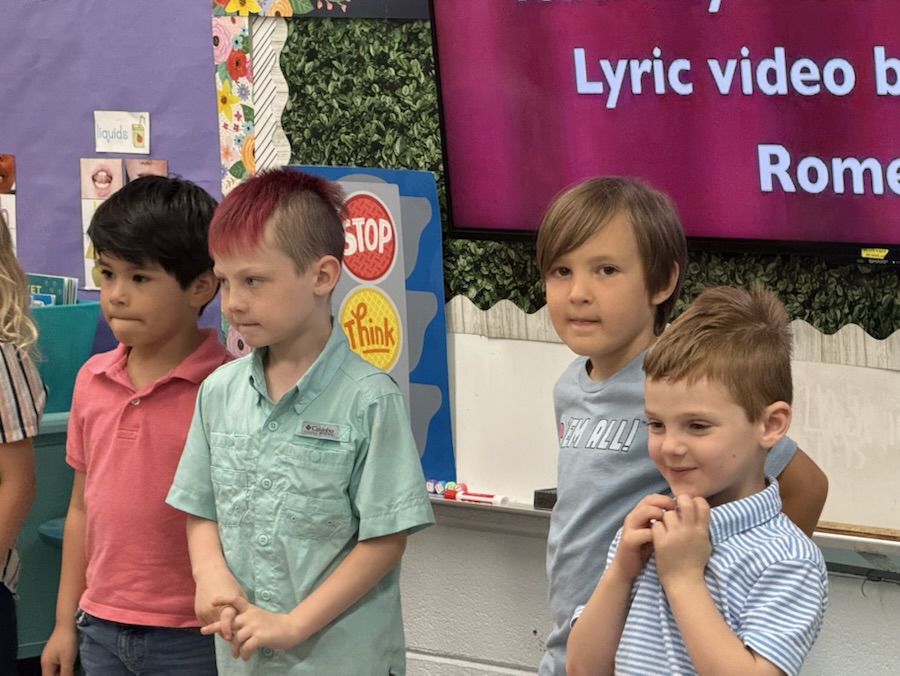
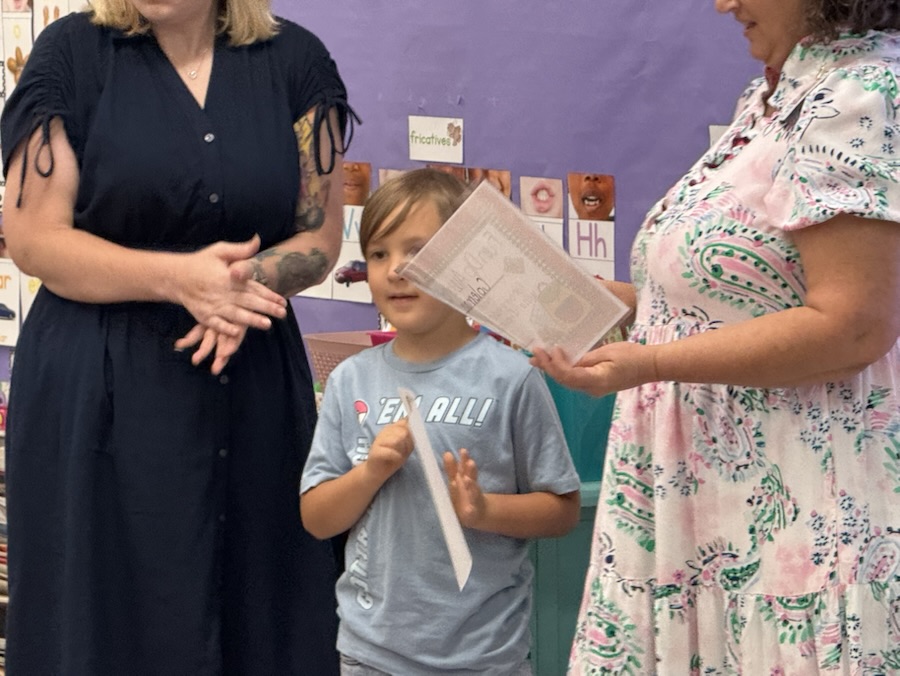
One last rant before I stop, most schools (that I know) hold special assemblies for Kindergarten graduation and teachers give their students a Kindergarten diploma. Coleman’s school did not hold a special assembly. They did invite parents/guardians to their student’s classroom for a Kindergarten end of year program. The program his teacher gave was highly dependent on technology using a computer and screen to show some things that the students “learned” in the classroom. [My opinion only, I do not believe that a lot of any technology belongs in a Kindergarten classroom]. His teacher handed out “awards” trying to give every child an “award” for something positive accomplishment. However, she didn’t always not hand out Kindergarten diplomas to any of the students.

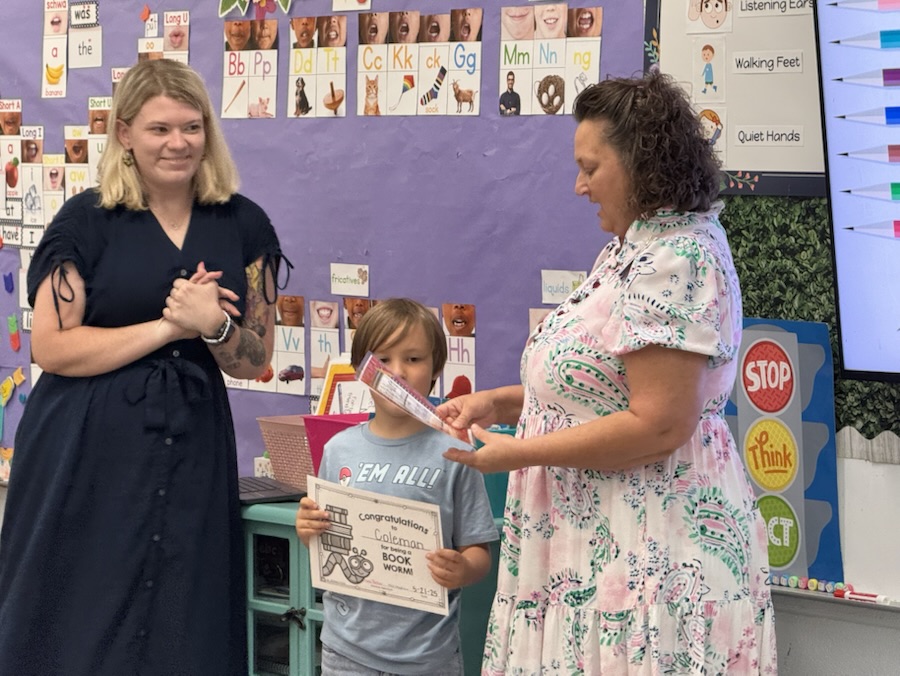


of Kindergarten
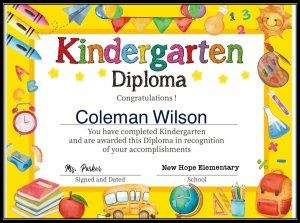
Okay, I’m done with my ranting and opinions on this subject. I did make my own Kindergarten diploma for Coleman showing he completed Kindergarten.
God Bless. Thank you for listening. Thank you for visiting and sharing your time and thoughts with us. I appreciate y’all very much.
 Gfpacificbee’s Insights & photography