Black-billed Magpie
One for sorrow
Two for joy
Three for a girl
Four for a boy
Five for silver
Six for gold
Seven for a secret never to be told.
This well-known rhyme has been around since the mid- nineteenth century when the number of magpies seen foraging together was regarded as forecaster of future events. Even though no bird is mentioned in this rhyme most people know it refers to the magpies.
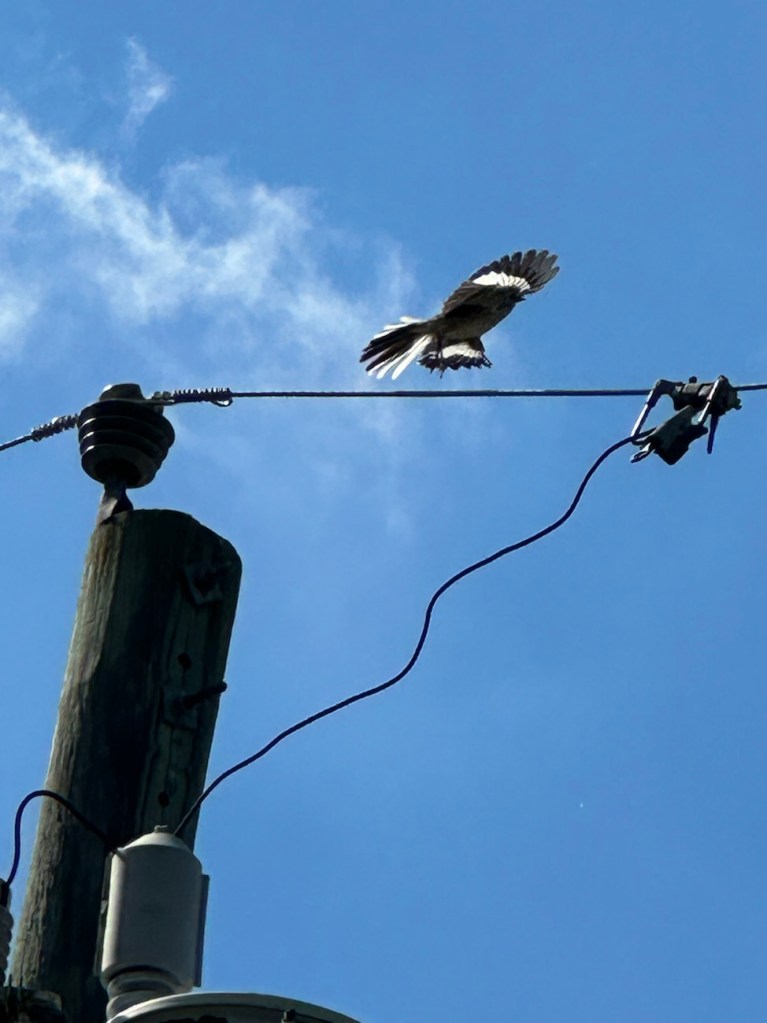
Magpies are members of the Corvidse family. They are smart and clever birds which sometimes leads them into trouble, however, that doesn’t deter them since they are great problem solvers. The Pica hudsonia, the Black-billed Magpie’s scientific name, is also referred to as the American Magpie. It was once thought to be found only in the Western half of North America, However, its habitats may range into the far eastern parts of the United States including occasionally into the South despite the high temperatures and humidity.
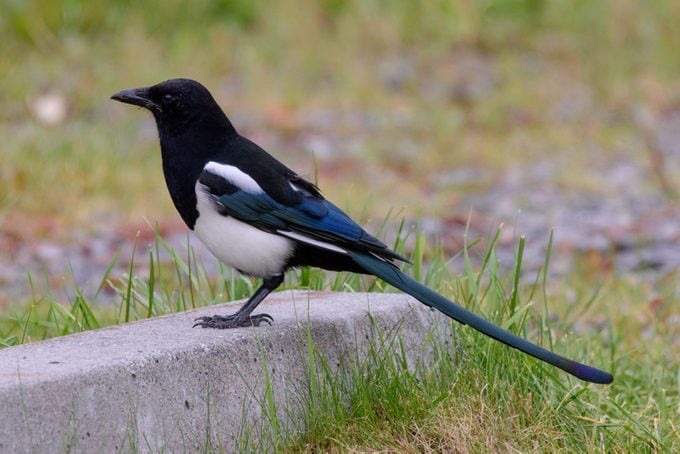
Black-billed Magpies are black and white, with the wings and tail showing black areas and iridescent hints of blue and blue-green. It is a medium-sized bird that measures 45–60 centimeters (18–24 in) from tip to tail. It is largely black, with white scapulars, belly, and primaries, and the wings and tail are an iridescent blue-green.
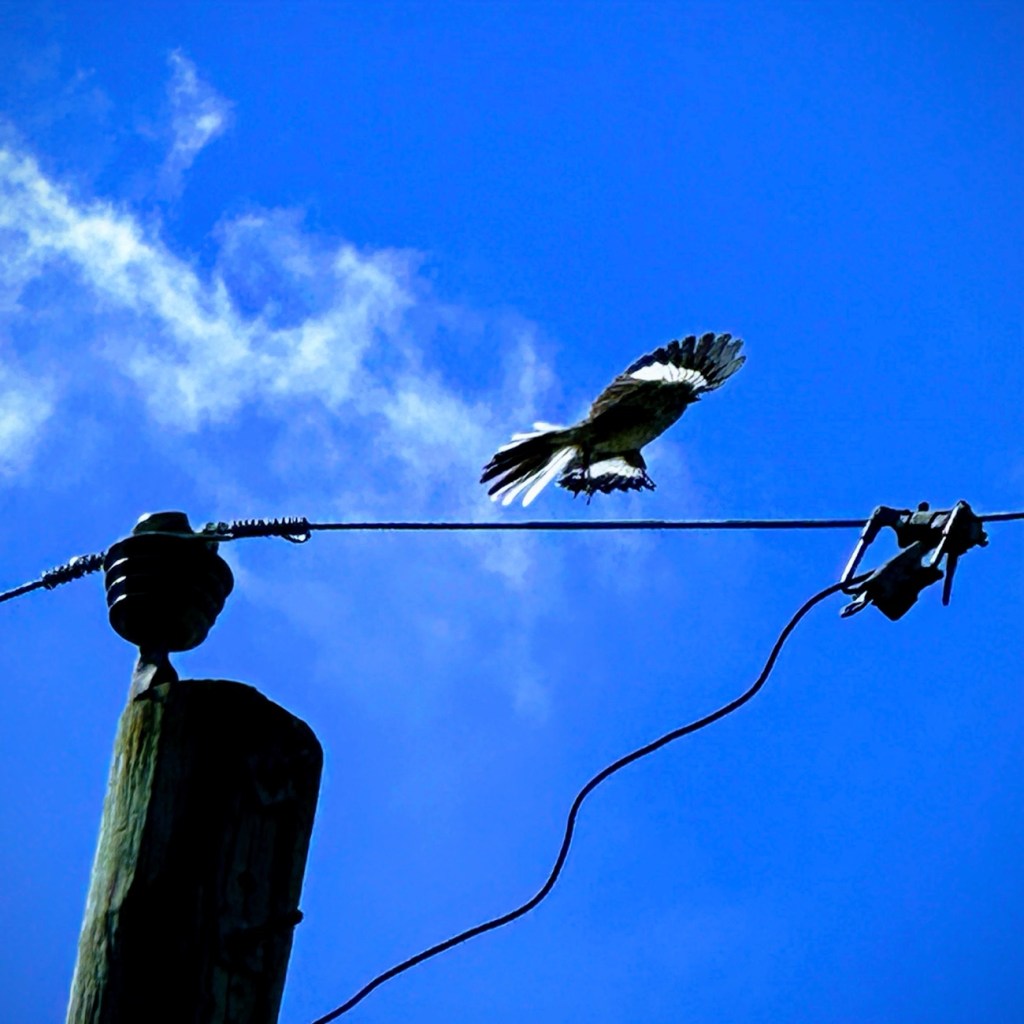
Eurasian magpies are visually very similar to black-billed magpies; however, Eurasian magpies are slightly larger and have shorter tails and wings. They can also be distinguished based on their different vocalizations, as well as by their non-overlapping ranges.
Black-billed Magpies are known talkers. Their vocalizations consist of a number of calls variously described as tweets, coos, purrs, shrills and squawks, but the most common is an alarm call, called a chatter, that is described as a ka-ka-ka-ka, sometimes preceded with a skah-skah. They have the unique ability to mimic sounds from other birds and even from humans they are around. [Interestingly, I have heard them mimicking me as I whistle. Their ability is amazing to hear as they mimic my exact tunes.]
God Bless. Thank you for visiting and sharing your time and thoughts with me. I appreciate y’all very much.

 Gfpacificbee’s Insights & photography
They look so dressed-up! Ready for a wedding, a cotillion or to wait tables in a fancy restaurant.
LikeLiked by 1 person
Thank you!
LikeLike
Nice portrait. Interesting that this is so similar to Eurasian magpies. I didn’t think this was a different species. Now my bird count ticks up.
LikeLiked by 1 person
Thank you! Yes, there are similarities, but two distinct species.
LikeLiked by 1 person