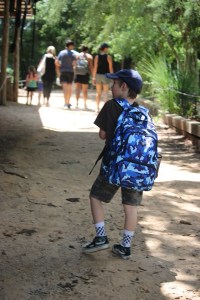
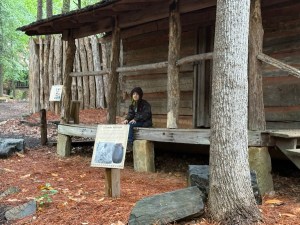
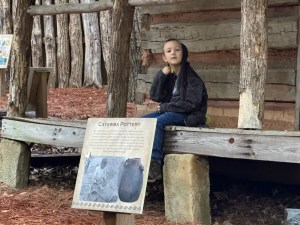
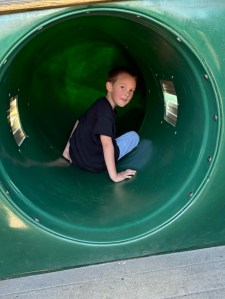
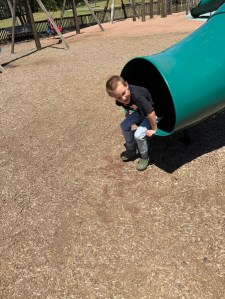
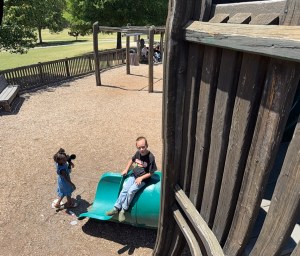
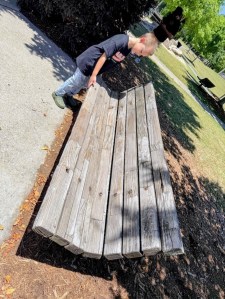
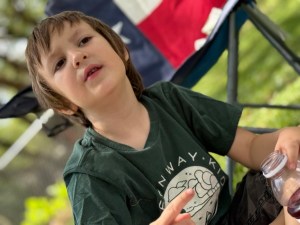
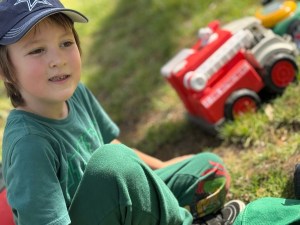
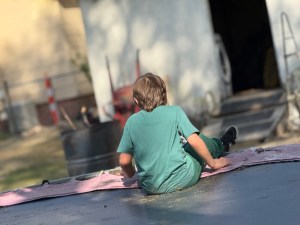
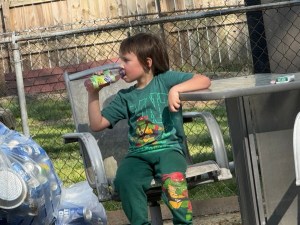
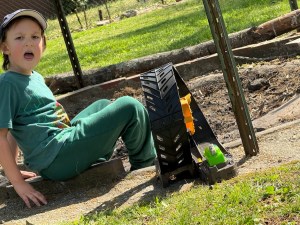
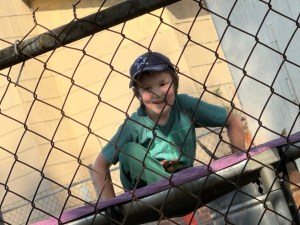
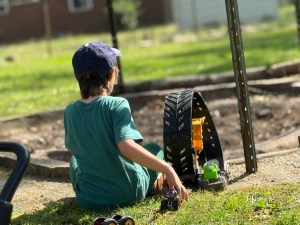
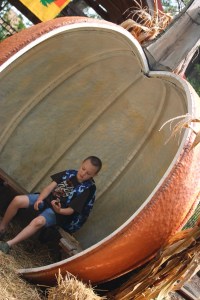
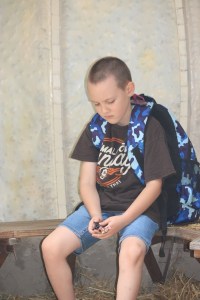
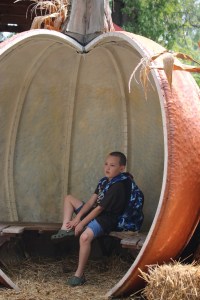
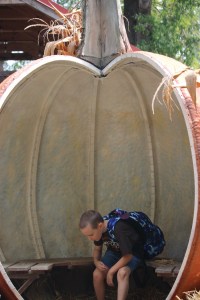
No matter where Coleman and I hike/walk you can guarantee he’ll find a place to Pull Up a Seat. Whenever he does you can most likely expect to see a variety of antics, expressions. He likes to have me take his picture, but sometimes he doesn’t. It is Autumn in an our area, so naturally the Schiele Museum has Autumn decor set out in The Farm. This year there is less hay to than in previous years (same affect on my allergies though). After waiting his turn inside the “Pumpkin”, he wasn’t really enthusiastic about my taking his picture as you might could tell.
Here are a few of what I managed to capture … of Coleman Pulling Up a Seat …
As we rode the Safari Wagon at the Lazy 5 Ranch many of the animals which reside on the property roam freely and tend to follow the Wagons as they bring visitors along the dirt road. It seems like all the animals know that the Safari Wagons have feed buckets aboard for the guests to feed them.
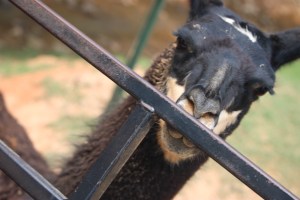
Hey there, I’m here.
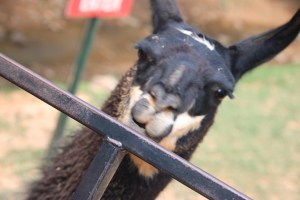
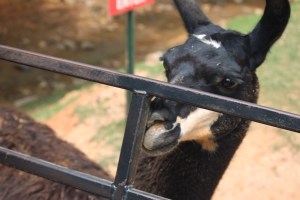
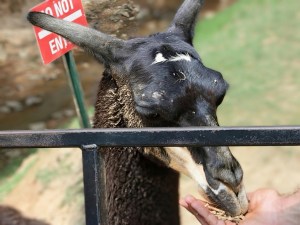
This Black Llama sure made its presence known to us (my family). The Black Llama was trying every possible means to get my daughter’s attention to be able to be handed feed from her feed bucket.
This is me trying to get your attention …
The Llama was first domesticated by the Indians of Peru around 4,000 years ago. The Llama is known for its surefooted travels in high mountain areas. It’s docile by nature, but can also be stubborn. When upset, a Llama may spit a foul smelling liquid.
Maybe if I turn this way you’ll notice me …
Let me assure you that at The Lazy 5 Ranch if they want feed, they are more than likely to receive it. Llamas are used as pack animals and can carry loads up to 130 pounds for up to 10-20 miles a day over rugged slopes in high altitudes, but they are not ridden. When weary or overloaded Llamas just lie down and refuse to move. The Llama is often referred to as the “South American Camel.” Its long, coarse wool is used in the weaving of textiles.
Finally, that’s exactly what I wanted.
Llamas are herbivores with a three-chambered stomach for digesting fibrous plants. They primarily graze on grasses and plants. Llamas are also very social animals, preferring to live in herds, and are known for being quite gentle and intelligent. You might hear their soft humming, which they use to communicate a range of emotions – from contentment to concern – they also have unique warning calls, like a high-pitched alarm, if they sense danger.
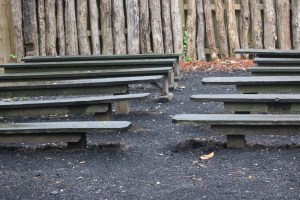
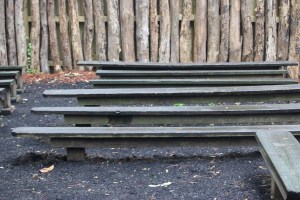
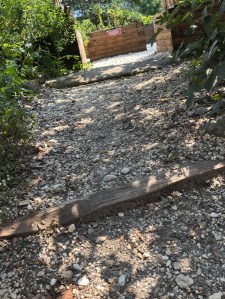
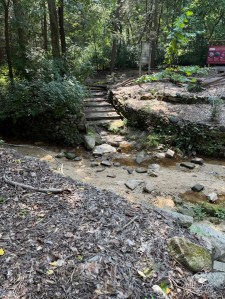
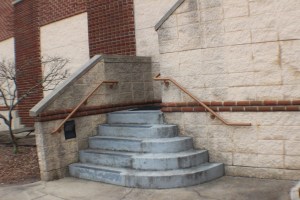
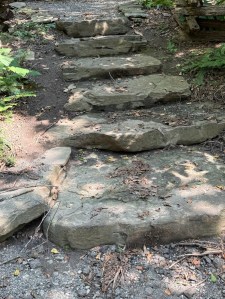
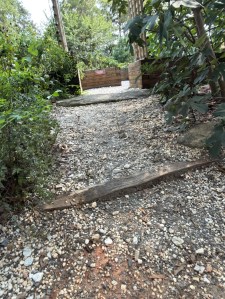
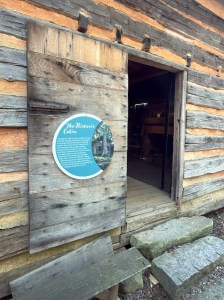
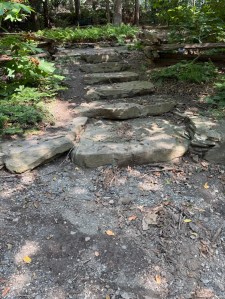
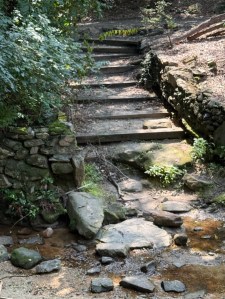
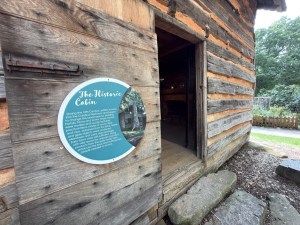
Welcome back to the Which Way Challenge (previously hosted by Cee Neuner). This week we are exploring Outdoor Steps or Stairs. You may not ordinarily think about photographing Outdoor Steps or Stairs, I usually do. So many places Coleman and I hike have Outdoor Steps or Stairs along trails which we climb to get to our intended destination before completing our journey.
These are some of the Outdoor Steps or Stairs we have climbed … at The Schiele Museum of Natural History in Gastonia, North Carolina.
CWWC Cee’s Which Way Challenge Deb’s Which Way Challenge
Click on each image to enlarge.
Thank you to those who have participated and supported the Which Ways Challenge. I appreciate y’all sharing your Which Ways with us.
For an idea of other’s Which Ways from this past week’s challenge, be sure to click on the following links below.
Photo Credit: 2026 Deb L. Waters … All Rights Reserved.
Camera: Apple iPhone 16 Pro Max
Location: The Farm and Nature Trail; The Schiele Museum of Natural History; Gastonia, North Carolina, USA
God Bless. Happy Adventures. Enjoy Nature. Thank you for visiting and sharing your time and thoughts with us. I appreciate y’all very much.
Next Week we will be moving from Outside/Outdoor to Inside/Indoors for a theme of: CWWC 2026: Any Which Way with Indoor Steps and/or Stairs [08.21.2026]
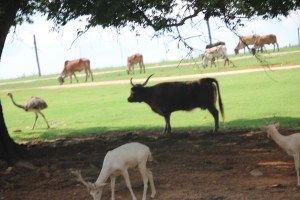
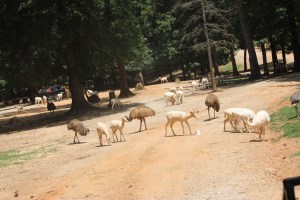
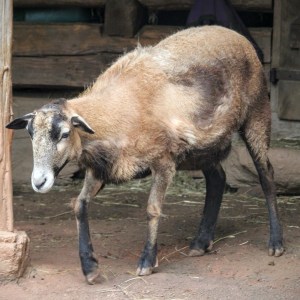
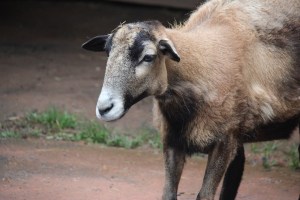
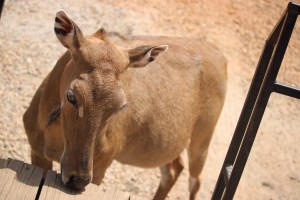
This Aoudad resides at the Lazy 5 Ranch in Mooresville, North Carolina. The habitat range for Aoudad’s is northern Algeria to central Mauritania, east to west Egypt & west Sudan. Their height averages around 30-40 inches with the Males weighing approximately 220-308 pounds and females weighing much less at about 88-121 pounds. They have a lifespan of around 20 years in captivity.
Aoudads are expert climbers and are often seen running at “top gun” speeds up very steep slopes. You probably won’t see them near the creek or pond at the Lazy 5 Ranch, but you might just see them on a stump, fallen tree, or running up a steep rocky slope. Aoudad’s can survive up to five (5) days without access to fresh water. Hey are herds animals so when see one most likely more are not too far away.
Aoudad are often referred to as sheep, but they are more closely related to goats. Unlike the young of sheep which are called lambs, the Aoudad and young are called kids.
Location: Piccolo’s Italian Restaurant; Lenoir, North Carolina, USA
God Bless. Enjoy nature’s beauty. Have a wonderful week. Thank you for visiting and sharing your time and thoughts with me. I appreciate y’all very much.
Last week I said I would share where we went via the transit system and what we saw along the trails. To visit last week’s post as Coleman and I traveled on the transit network for our Which Way click here.
Now to let you know where we traveled to on the Gastonia Transit system (aka the bus) to go hiking. Our destination to the Warlick Family YMCA here in Gastonia for a bit of hiking and communing with nature. Here are a few images showing the trails we hiked and what we saw along the way.
CWWC Cee’s Which Way Challenge Deb’s Which Way Challenge
Click on each image to enlarge.
Thank you to those who have participated and supported the Which Ways Challenge. I appreciate y’all sharing your Which Ways with us.
For an idea of other’s Which Ways from this past week’s challenge, be sure to click on the following links below.
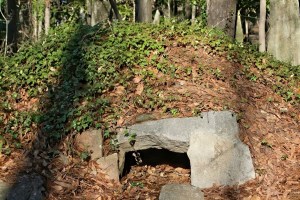
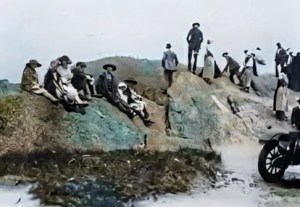
According to Google, a Hummock is a small, low rounded hill, knoll, or a raised mound of earth. Today, I am sharing two different types of Hummock’s from my archives.
The first is a Burial Mound located at The Schiele Museum of Natural History in Gastonia, North Carolina.
Burial Mound
Many stone age peoples around the world buried their dead in mounds of earth or stone. This single-chambered tomb replicates mounds from the British Isles roughly 5,000 years ago. The interior chamber measures just over 7 ft. long and could fit either one individual or the cremated remains of an entire family or clan. It took over 16,000 pounds of earth to build this mound by hand.
The second is a small hill my ancestors was gathered and sat upon enjoying the afternoon and each other’s company.
A Hummock where my ancestors chose to relax and visit with one another.
We had a really fantastic time the other week when the family visited the Lazy 5 Ranch. With over 700 exotic animals there were plenty to capture. I in no way captured them all with my camera (not that I didn’t try), but there were too many to adequately capture while riding on the guided Wagon Safari ride.
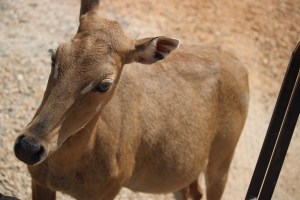
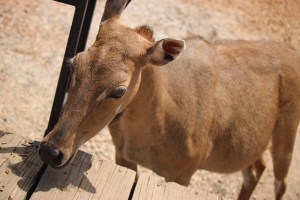
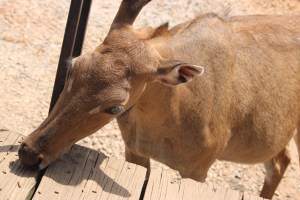
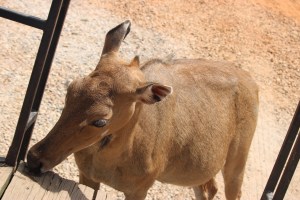
With this week’s Weekly Prompts Colour Challenge colour theme being Brown, I decided I would combine it with the Monday Portrait challenge and show y’all one of the many Brown exotic animals which reside at the Lazy 5 Ranch. Which exotic animal is featured here today? … The exotic animals featured in this post are Nilgai.
The Nilgai (Boselaphus tragocamelus), also called Blueback, is the largest antelope in its native land of India. The name Nilgai comes from the Hindustani word nil, which means blue referring to the slate blue (blue-gray coloration of the adult male Nilgai and the Persian word gaw, which means cow. The females and juveniles are orange to a tawny Brown in their coloration. These shown here are female Nilgai.
It is a large horse-like antelope with sloping back which is found in grasslands and scrublands. Nilgai are herbivores that primarily eat grass, but also browse on leaves and fruits.
They are known for their shy nature and keen senses. Hindus regard the Nilgai as a close relative of the sacred cow. In an era of endangered species, an animal that is protected by religious is considered lucky.
Nilgai cows and calves tend to live in small herds while males live alone except during rut (their mating season). All males have short smooth horns and occasionally females grow horns. Females commonly give birth to two (2) offspring. When being chased a Nilgai can run up to twenty-nine (29) miles per hour (mph).
Camera: Canon EOS Rebel T7 (2000D) with Canon EF-S55-250mm lens and Altura IV Filter attachment.
Location: Lazy 5 Ranch; Mooresville , North Carolina, USA
God Bless. Stay Cool. Stay Hydrated. Have a funtastic week. Thank you for visiting and sharing your time and thoughts with us. I appreciate y’all very much.
The Swamp Water Buffalo (Bubalus bubalis) is also referred to as Asian Water Buffalo. It is the second largest member of the bovid family. It has great strength and high fat milk content which has led to its domestication throughout the world. These buffalo spend most of the day submerged, sometimes up to their nostrils, in the water of rivers or swamps. Did you know there is a reason for this? It serves two (2) major purposes.
) These Buffalo do NOT possess adequate sweat glands to keep themselves cool through sweat evaporation along, so remaining submersible allows them to regulate their temperature in the hot , humid Southeast Asia climate.
) The water protects the buffalo from all manners of biting insects that also inhabit the jungle. Their hooves developed as widely splayed in order to prevent them from sinking into the thick mud of swamps and river bottoms.
Swamp Buffalo Lazy 5 Ranch
Water Buffalo eat grass, herbs shrubs, tree bark and other available greens. They are exclusively herbivores. At the Lazy 5 Ranch, as well as similar facilities, the Swamp Water Buffalos are fed free-choice, low-protein, high-fiber forage. They also rely heavily on coastal Bermuda grass, orchard grass, or Timothy hay. They provide freshly cut pasture grasses, sorghum, or maize fodder to simulate natural grazing. One other thing they do to guarantee they receive complete nutrition, the supplement the roughage with scientifically formulated pellets from exotic animal feed manufacturers like Mazuri Exotic Animal Nutrition or Zeigler Feed Manufacturing.
The visitors to the Ranch who desire to feed their swamp exotic animals during their tour are given buckets of compressed fiber pellets. The Swamp Buffalos love treats and will come up to the Wagons during a Safari tour to beg for handouts from the “treat” buckets. That is exactly what this particular Swamp Water Buffalo is doing, begging my daughter for treats from the feed bucket near her.
Camera: Canon EOS Rebel T7 (2000D) with Canon EF-S55-250 mm lens and Altura UV Filter attachment.
Location: Lazy 5 Ranch; Mooresville, North Carolina, USA
God Bless. Take time to enjoy nature. Have a funtastic week. Thank you for visiting and sharing your time and thoughts with us. I appreciate y’all very much.
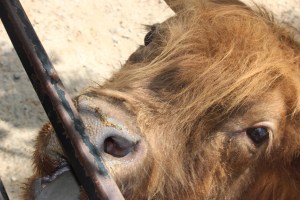
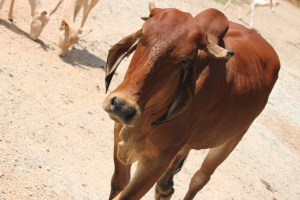
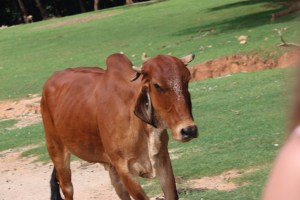
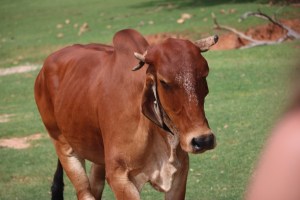
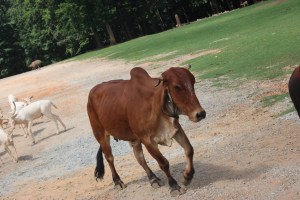
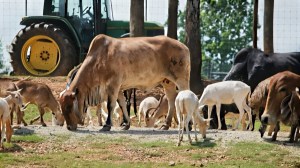
Coleman and I found the Wagon Ride at the Lazy 5 Ranch to be very interesting and I’d say educational. Coleman enjoyed seeing the many different types of exotic animals including the Red Sindhi cow which followed the Wagon for quite a ways as if it wanted to have an exciting adventure as well.
Red Sindhi
Red Sindhi belong to the heat-tolerant Bosindicus (Zebu) lineage. It is a specialized dairy breed originating from Pakistan.
Bos Indicus
The Red Sindhi yield substantial volumes of milk (averaging 4.5%-5% fat) even under extreme heat and stress (like we’ve been experiencing) and low quality forage. At the Ranch they are well fed and maintained.
Zebu aka Red Sindhi belong
The Red Sindhi are compact, smaller and rounder in comparison to the Red Brahma. The hump is well developed in bulls, but much smaller in cows.
Red Sindhi female
Its colouring is a Deep Red, ranging from yellowish-brown to dark brown; males are typically darker than females especially on the head, feet, and tail.
These images were all taken while looking out the back of the Wagon; noticing the Red Sindhi and other animals following behind and eventually alongside the Wagon. They really were delighted when the Wagon stopped off and on during the Safari ride. They knew whenever the Wagon stopped they could get feed from the Lazy 5 Ranch guests.
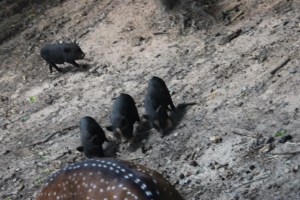
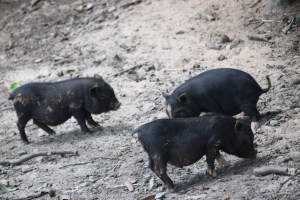
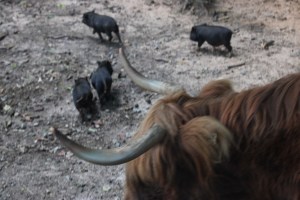
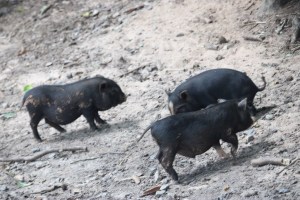
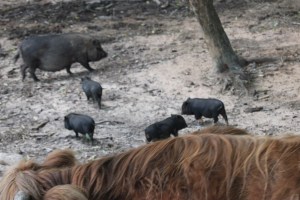
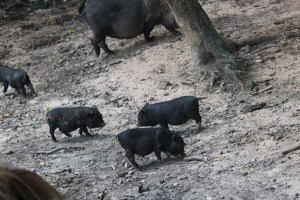
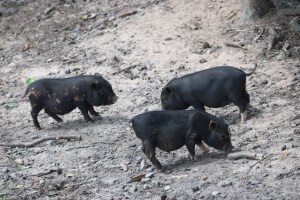
While traveling on the wagon Ride around the Lazy 5 Ranch we spotted Vietnamese Pot-bellied pigs in groups of three. Imagine that, how nice of them to group themselves as trios for my photographic adventures.
The Vietnamese Pot-bellied Pigs (Sus scrofa domestica) at the Lazy 5 Ranch were originally from the jungles of China and Vietnam. They were introduced into the United States as pets around 1985. Their backbone is bent like a saddle, which causes the abdomen to nearly drag on the ground. It is due to this effect why they received the pot-bellied name. At birth piglets normally weigh approximately one (1) pound (lb). They grow to a height of 10-12 inches (in) and a weight of about 125 pounds (lbs).
Vietnamese Pot-bellied Pigs Thursday Trios
Pot-Bellied Pigs are intelligent and can be taught to do simple tricks and to walk around on a leash. However, at the Lazy 5 Ranch they are free to roam around the pastures, pathways and around the many, many other exotic animals at the ranch. At the Ranch they are not taught any tricks, they do enjoy the feed. While on the Wagon ride you are allowed to feed the animals roaming about, some even approach alongside the Wagon begging for handouts (they know the visitors have feed buckets which they’ll gladly make disappear).
Camera: Canon EOS Rebel T7 (2000D) with Canon EF-S55-250mm lens and Altura UV Filter attachment.
Location: Lazy 5 Ranch; Mooresville, North Carolina, USA
God Bless. Get Outdoors. Take a Walk/Hike. Enjoy Nature’s Beauty. Thank you for visiting and sharing your time and thoughts with us. I appreciate y’all very much.
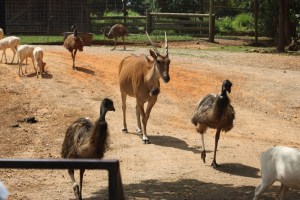
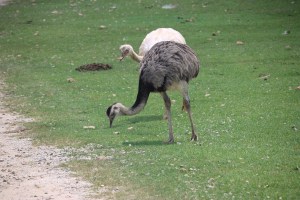
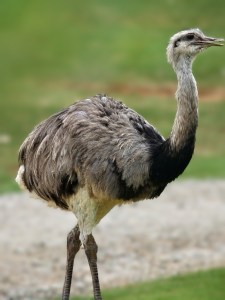
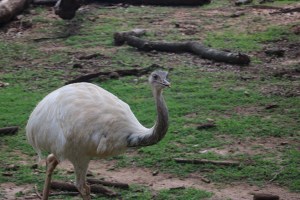
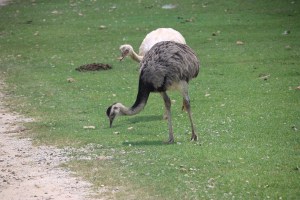
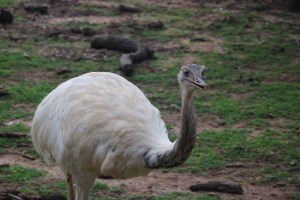
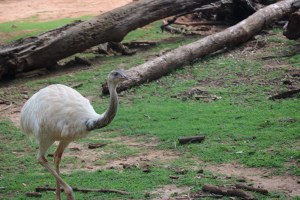
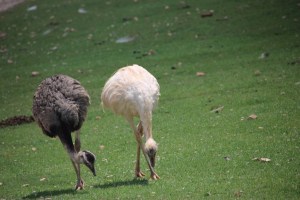
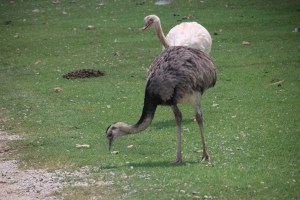
The Greater Rhea at the Lazy 5 Ranch roam freely amongst the many various Exotic animals within the pathways as well as in the grassy areas. Sometimes you can spot one by itself while at other times they’ll be in pairs, near Elands, or even alongside the Wagons that carry visitors around the Ranch.
Here are a few Greater Rheas we saw during our Adventure …
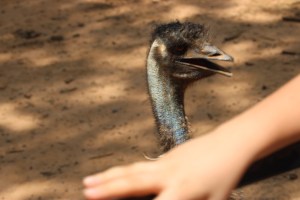
A Rhea next to the wagon & Coleman’s hand. Monday Portrait Greater Rhea Lazy 5 Ranch
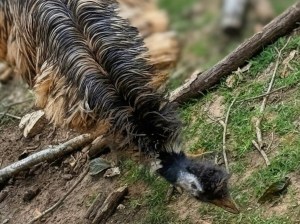
The Rhea (Rhea americana) is the third largest flightless bird in the world. They are smaller than African Ostriches and have three toes instead of two. The single male bird builds the nest for all the females in his harem to lay their eggs. A single male may incubate up to 50 eggs while in solitude. [Hey, guys how would you like the responsibility to incubate the female’s eggs?] Rheas rapidly run on long legs and travel in family groups of approximately six (6) birds except during the mating season. The mating season is when flocks of about twenty-five (25) congregate. How fast do you think Rheas can run? [Answer noted near end of post.]
Camera: Canon EOS Rebel T7 (2000D) with Canon EF-S55-250mm lens and Altura UV Filter Attachment.
Location: Lazy 5 Ranch; Mooresville, North Carolina, USA
God Bless. Take time to enjoy the flowers. Get Outdoors and commune with nature. Thank you for visiting and sharing your time and thoughts with us. I appreciate y’all very much.
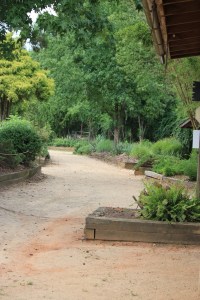
Welcome back to another Which Way Challenge (CWWC). I trust everyone has had a good week and able to spend some time to take a walk or hike in the vast outdoors. This week’s I’m allowing y’all to choose your own Which Ways for this week and next with the theme of CWWC: Any Which Way (Your Choice). The Which Way can be any path, sidewalk, trail, or road as long as the Which Way is clearly discernible. As always signs are always welcome.
For further information regarding the Which Way Challenge (CWWC) feel free to check out the home page here.
When I began preparing this post after last week’s went live I had thought of sharing a hiking adventure Coleman and I had two years ago in 2024. However, best laid plans do change occasionally as did mine for this week.
We had an incident with Coleman this week (I won’t go into details, but prays are appreciated). This is a special week for Coleman so his mom chose to take us on a special adventure up in Mooresville, North Carolina to the Lazy 5 Ranch.
I am sharing a few images of our adventures here with y’all.
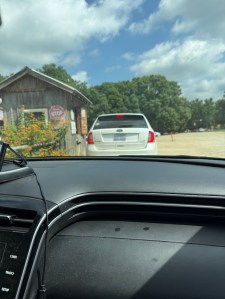
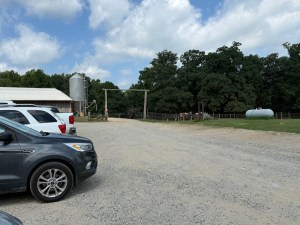
Arriving at Lazy 5 Ranch …
Arriving at Lazy 5 Ranch Cee’s Which Way Challenge
The Lazy 5 Ranchis approximately an hour’s drive north of us in the City of Mooresville, North Carolina. It is privately owned and operated by Henry Hampton. It receives no federal or state funding. Henry Hampton has been raising exotic animals for over 50 years. He started out with the exotic animals at his own home and allowed school groups to visit viewing the animals from the opposite side of the fence.
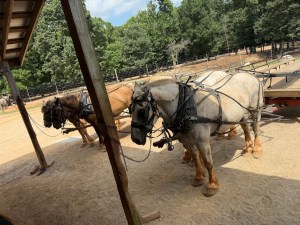
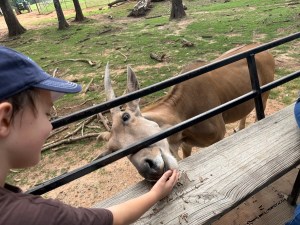
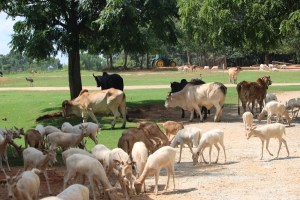
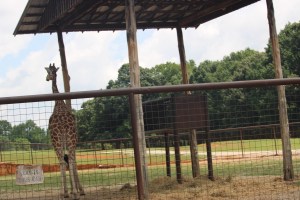
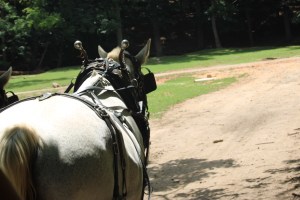
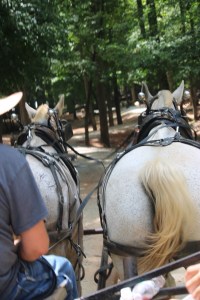
Exotic animals follow the Wagon Wagon HorseColeman feeding an ElandScotch Highland Cattle A Variety of Exotic animals Gazing up the hillLlamaGiraffesCee’s Which Way Challenge Exotic Animals at Lazy 5 Ranch
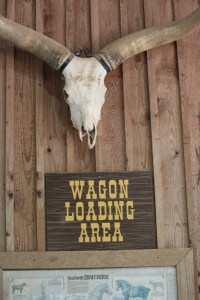
In May of 1993, Mr. Hampton’s dream became a reality and The Lazy 5 Ranch officially opened. It opened with just five (5) staff people and only two (2) operating wagons. We chose to have a Wagon Ride with the driver commenting on the animals we were seeing instructing everyone to remain seated as long as the Wagon was moving. We could move around or stand to take pictures when the wagon was stopped.
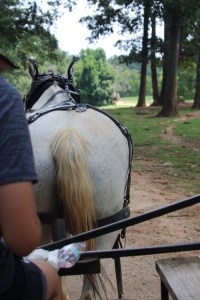
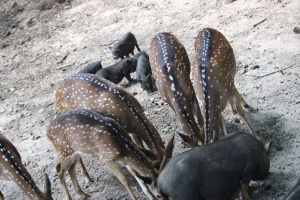
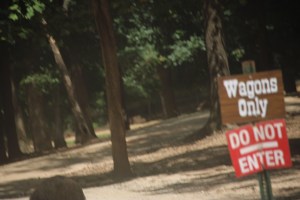
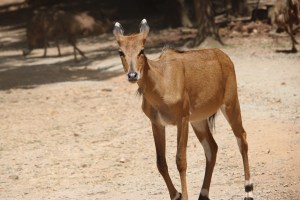
EmusOur Wagon Driver & Horses Axis Deer & Vietnamese Pot-bellied PigsWagon Horse Our Wagon Horses Wagons Only signNilgaiThe Exotic Animals roam the pathways Coleman after we left the wagon Our Wagon Ride Plus Exotic Animals We Saw Cee’s Which Way Challenge
The Lazy 5 Ranch has grown tremendously since its beginning with over 600 animals from six (6) continents. The animals can be viewed everyday all year long by horse drawn wagon or from your own personal vehicle while traveling along a 3 1/2 mile safari ride. As you can see, I have only shared a fraction of what we saw on our adventure visiting the Ranch.
Click on each image to enlarge.
Thank you to those who have participated and supported the Which Ways Challenge. I appreciate y’all sharing your Which Ways with us.
For an idea of other’s Which Ways from this past week’s challenge, be sure to click on the following links below.
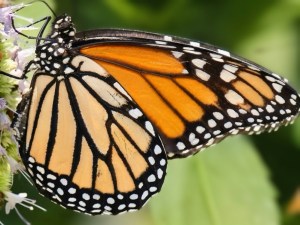
Monarch Butterflies are one of the most familiar and recognized species of butterflies of North America butterflies. The Danaus plexippus, which are widely known as Butterflies Monarch or Monarch Butterfly, are famous for their 3,000 mile annual migration.
Monarch Butterfly Butterfly Bungalow Daniel Stowe Botanical Garden
North and South Carolina serve as a crucial geographical corridor for the Eastern migratory population. Monarchs are a welcome sight in the Carolinas and a sign of seasonal change. The Monarchs pass through the Carolinas twice a year. Once in the Spring and again in the Fall.
When we see them arriving in the beginning of Spring (late March and April) they are migrating northward. The first generation Monarchs stop to lay eggs on emerging native milkweed. The second generation continues the migration journey all the way into Canada. In the Fall (Autumn)the “Methuselah generation” (aka the “super generation”), the Monarchs born at the end of summer, fly southward towards Mexico from September through mid-October.
This Monarch and ones shown in other posts are maintained in a controlled environment in the Butterfly Bungalow at Daniel Stowe Botanical Garden in Belmont, North Carolina. To see more Monarch Butterflies check out my Whatsoever is Lovely post by clicking here.
Camera: Canon EOS Rebel T7 (2000D) with Canon EF-S55-250 mm lens and Altura UV Filter attachment.
Location: Butterfly Bungalow; Daniel Stowe Botanical Garden; Belmont, North Carolina, USA
God Bless. Take time to enjoy nature. Admire the beautiful flowers and plants. Have a funtastic week. Thank you for visiting and sharing your time and thoughts with us. I appreciate y’all very much.
Welcome! This week I’m continuing with sharing various benches and chairs at Daniel Stowe Botanical Garden in Belmont, North Carolina. It is still extremely hot and humid here in our region of North Carolina. Here are a few more benches and chairs that are scattered here and there around the Gardens.
Here are my entries for this week …
#PullUpaSeat #DanielStoweConservancy Daniel Stowe Botanical Garden
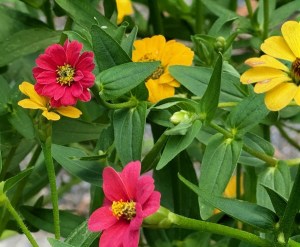
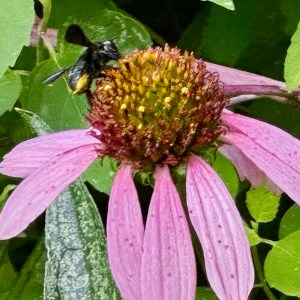
Good Day everyone! This week Terri with Second Wind Leisure Perspectives has given us the prompt of Groups of Three (3) or More. I have selected Groups of Three or More in The Gardens at Daniel Stowe Botanical Garden. Having selected floral Groups of Three (3) or More I am linking this post with Terri’s The #Flower Hour.
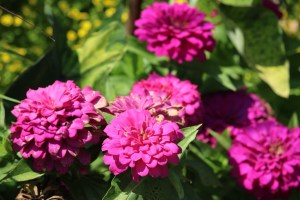
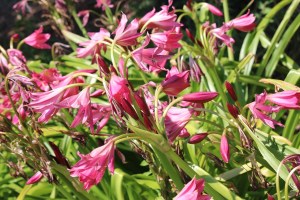
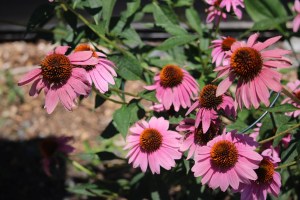
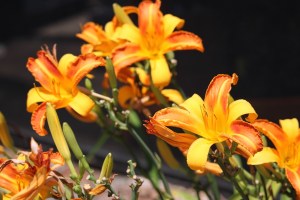
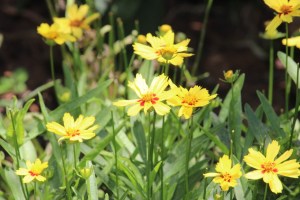
Zinnias Crinum liliesPurple coneflower (Echinacea purpurea)Coneflower Artisan Yellow OmbreYellow and Orange Day-lilies Plains Coreopsis — Coreopsis tinctoria var. tinctoriaTerri’s Sunday Stills Terri’s The #Flower Hour
Camera: Canon EOS Rebel T7 (2000D) with Canon EF-S55-250mm and Altura UV Filter Attachment.
Location: Daniel Stowe Botanical Garden; Belmont, North Carolina, USA
God Bless. Admire the beautiful Flowers. Enjoy Nature. Thank you for visiting and sharing your time and thoughts with me. I appreciate y’all very much.
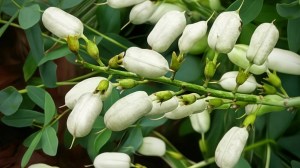
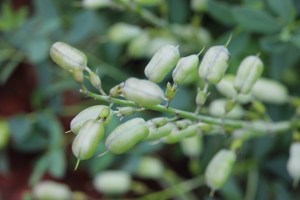
Baptisia alba, aka White Wild Indigo, or White False Indigo is a native herbaceous perennial plant in the bean family Fabaceae.
It is native to central and eastern North America and is typically found in open woodland areas prairies with tall grasslands. However, in this case the plant is grown in the landscape and garden areas of The Schiele Museum of Natural History in Gastonia, North Carolina.
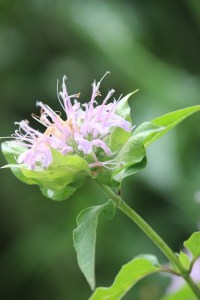
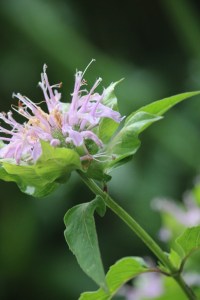
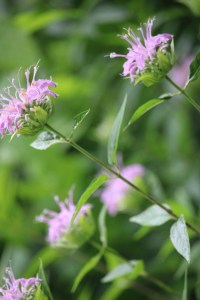
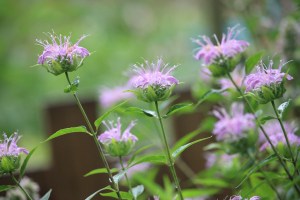
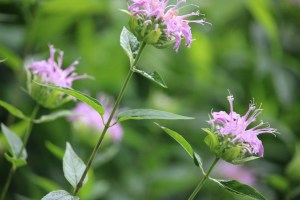
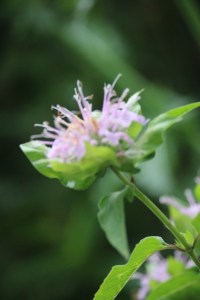
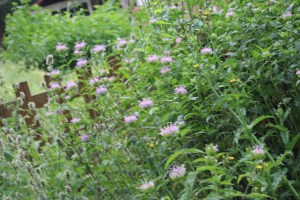
Monarda fistulosa (Wild Bergamot) is also referred to as wild bee balm, Appalachian Bergamot, Eastern Bergamot. It is a hardy, perennial wildflower native to North America and is in the mint genus family. It has distinctive lavender-pink blossoms, aromatic foliage which has an exceptional ability to attract pollinators and historically has been used for medicinal purposes.
It serves as a pollinator magnet drawing an enormous amount of bumblebees, native bees, predatory wasps, and butterflies. [The Garden where these are planted also has a section of four beehives with plenty of bees to help pollinate the flowers grown therein.]
For those interested in expanding their palates, you might want to try tasting its edible leaves and flowers. They add a spicy, citrusy, oregano-like kick to salads, jellies, and meat dishes. Also may note that historically the leaves have been used, by indigenous peoples, to brew teas to treat colds, flus, and digestive issues.
Wild bergamot (Monarda fistulosa) Terri’s The #Flower Hour
Camera: Canon EOS Rebel T7 (2000D) with Canon EF-S55-250 mm lens and Altura UV Filter attachment.
Location: The Garden; In The Farm; The Schiele Museum of Natural History; Gastonia, North Carolina, USA
God Bless. Admire the Flowers and the beauty found in nature. Have a fantastic week. Thank you for visiting and sharing your time and thoughts with us. I appreciate y’all very much.
Brian from Bushboys Worldhosts a monthly challenge called Last On the Card. His rules are simple to follow if you’re interested in participating.
Here are The rules:
1. Post the last photo on your SD card or last photo on your phone for the 30th or whenever your last photo was taken.
2. No editing – who cares if it is out of focus, not framed as you would like or the subject matter didn’t cooperate.
3. You don’t have to have any explanations, just the photo will do
4. Create a Pingback to this post or link in the comments
5. Use the tags The Last Photo and #LastOnTheCard
Here are my contributions …
From my Canon EOS T7 (2000D):
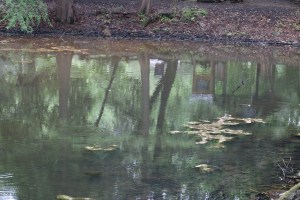
The Pond The Schiele Museum of Natural History Gastonia, NC
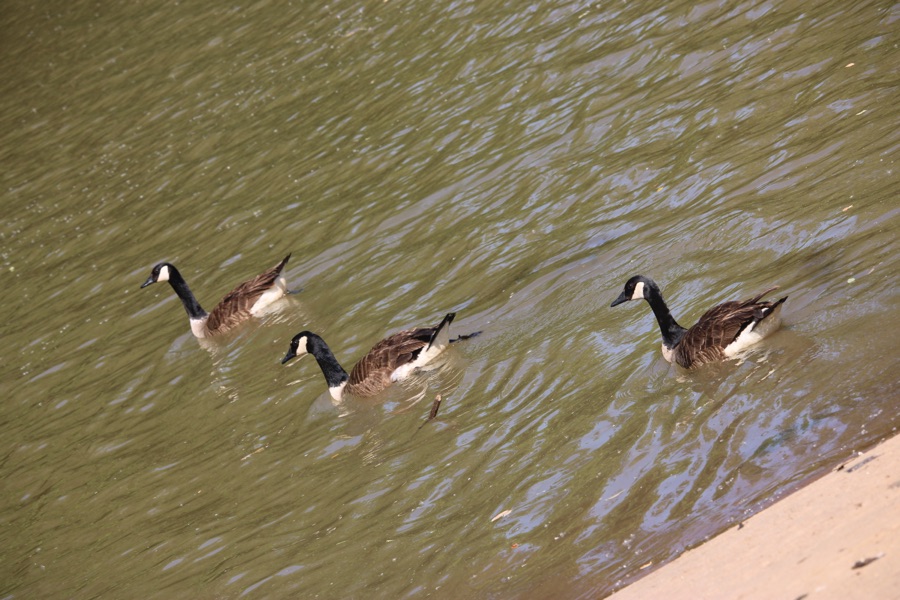
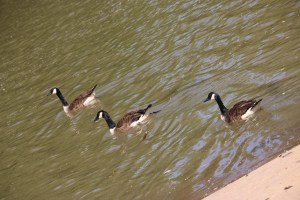
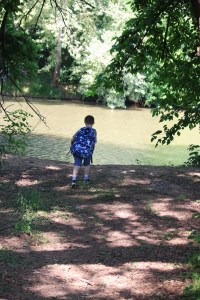
Last Wednesday Coleman and I ventured over to Goat Island Park and Greenway for a relaxing afternoon after he got home from his final day of school for the year. We decided to take a walk along the Catawba River before heading to the playground to allow him some Funtime and to burn off excess energy.
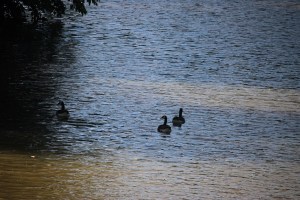
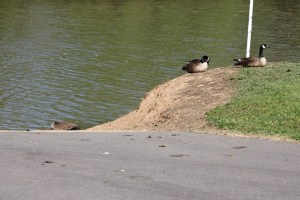
You know what we saw? We saw a group of three Canada Geese enjoying themselves sunning and swimming along and in the South Fork Catawba River. We hadn’t seen the Canada Geese at the River since the freezing temperatures of winter came roaring in upon us. It was fantastic to see (at least a few of) them returning to the river and enjoying themselves in the waters of the Catawba River.
Camera: Canon EOS Rebel T7 (2000D) with Canon EF-S55-250 mm lens and Altura UV Filter attachment.
Location: South Fork Catawba River; Goat Island Park and Greenway; Cramerton, North Carolina, USA
God Bless. Enjoy your Spring/Autumn Summer/Winter whichever the case may be. Get outdoors and commune with nature. Thank you for visiting and sharing your time and thoughts with us. I appreciate y’all very much.
Dale, the host of theCosmic Photo Challenge, has challenged us to show areas we have found Shade during the hot, scorching days. Last week we had high’s in the high 80’s and low 90’s. The weekend brought about thunderstorms that are lingering around all week. I’m glad I was able to get out and enjoy visiting a few places with Coleman last week.
The following are a few of the places we found shade …
At Goat Island Park and Greenway …
Shaded by the trees while looking at the South Fork Catawba River
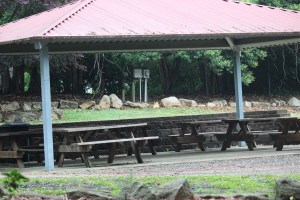
Covered Picnic Shelters provide Shade for a respite from the Hot Sun
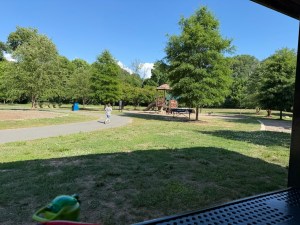
Sitting in a Shaded Picnic Shelter Looking out at Shady areas on the Playground
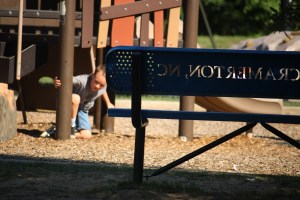
Coleman seeking Shade in the Playground
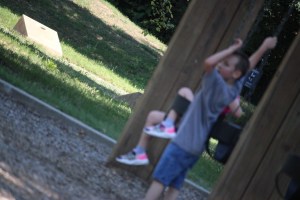
Coleman and a friend find Shade at the Swings
At The Schiele Museum of Natural History …
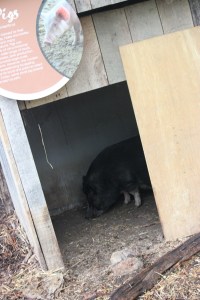
A Pig enjoys the Shade of the Pigsty
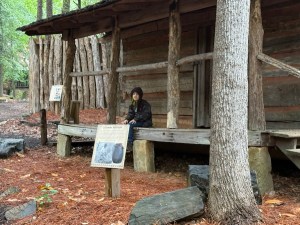
Coleman resting on a Shaded porch in the Catawba Indian Village at The Schiele Museum of Natural History
Shade at the Covered Picnic Shelter along the Nature Trail at The Schiele Museum of Natural History
As you can see Shade can be found just about anywhere if you’re Looking for Shade. Most everywhere Coleman and I hike there are shaded areas if you desire to get out of the sun. Where do you Look for Shade?
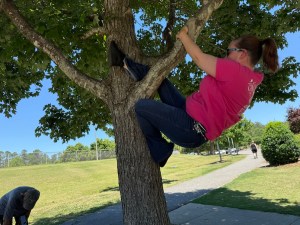
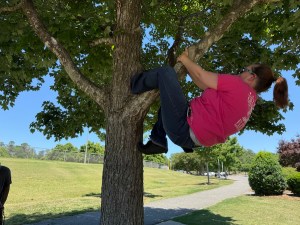
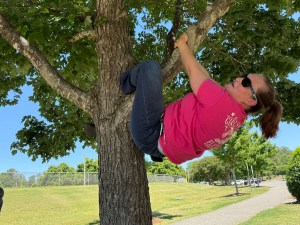
While at Martha Rivers Park, my daughter (Coleman’s mom), decided she wanted to see if she could still climb a tree and hang upside down. Here is the progression …
Location: Martha Rivers Park; Gastonia, North Carolina, USA
God Bless. May you have a lovely week filled with love, joy, and laughter. Thank you for visiting and sharing your time and thoughts with us. I appreciate y’all very much.
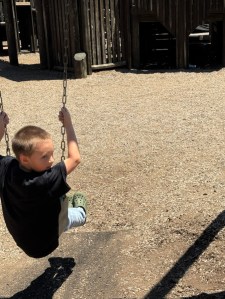
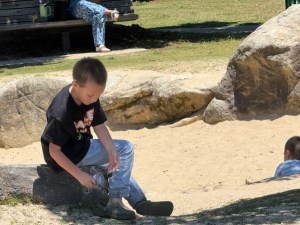
After Coleman’s end of year program on Tuesday afternoon we went to Martha Rivers Park, a city park in Gastonia, North Carolina, to allow him to run around and burn off steam and energy. It was a super hot day, so sweat was definitely happening. He did have tons of fun and other kids were enjoying the park for the afternoon as well.
As you may or may not have noticed, Coleman’s selections for Pulling Up a Seat are not always one’s typical seating choices for most people. The following are his choices on this day …
Pull Up a Seat 2026 – Week 21 Martha Rivers Park with Coleman
Location: Martha Rivers Park; Gastonia, North Carolina, USA
God Bless. Get Outdoors. Take a Walk/Hike. Enjoy Nature. Thank you for visiting and sharing your time and thoughts with us. I appreciate y’all very much.
Location: Unity Community; Gastonia, North Carolina, USA
God Bless. Look up. Count you many blessings. Have a wonderful week. Thank you for visiting and sharing your time and thoughts with us. I appreciate y’all very much.
Location: Unity Community; Gastonia, North Carolina, USA
God Bless. Have a funtastic weekend. Enjoy the Spring Florals. Thank you for visiting and sharing your time and thoughts with us. I appreciate y’all very much.
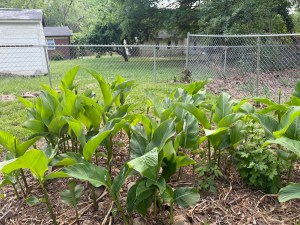
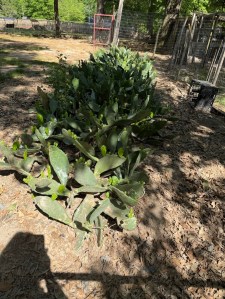
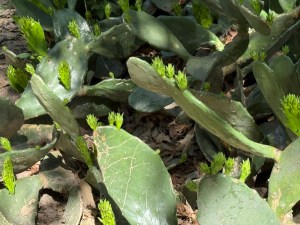
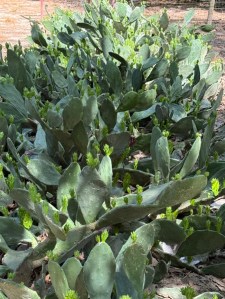
Dale, the host of the Cosmic Photo Challenge has asked the question “How does your garden grow?”. We haven’t lived in our current location long enough to plant a garden, but nonetheless, a small garden does exist on the property. I have shown a few pictures in other challenges, however, I show other pictures not previously posted.
These are some of the Eastern Skunk Cabbage growing in the garden …
Location: Home Gardens; Gastonia, North Carolina, USA
God Bless. May you be blessed with new adventures, new friendships, and an abundance of happiness. Thank you for visiting and sharing your time and thoughts with us. I appreciate y’all very much.
Location: Lower Trailhead; Stone Mountain State Park; Roaring Gap, North Carolina, USA
God Bless. Get Outdoors. Enjoy Nature. Capture the beauty all around you. Have a wonderful week. Thank you for visiting and sharing your time and thoughts with us. I appreciate y’all very much.
Location: N. Myrtle School Road; Gastonia, North Carolina, USA
God Bless. Admire the Flowers and the beauty found in nature. Have a fantastic week. Thank you for visiting and sharing your time and thoughts with us. I appreciate y’all very much.
Location: Our Backyard; Gastonia, North Carolina, USA
God Bless. Happy Passover and Easter! Enjoy your weekend. Thank you for visiting and sharing your time and thoughts with us. I appreciate y’all very much.
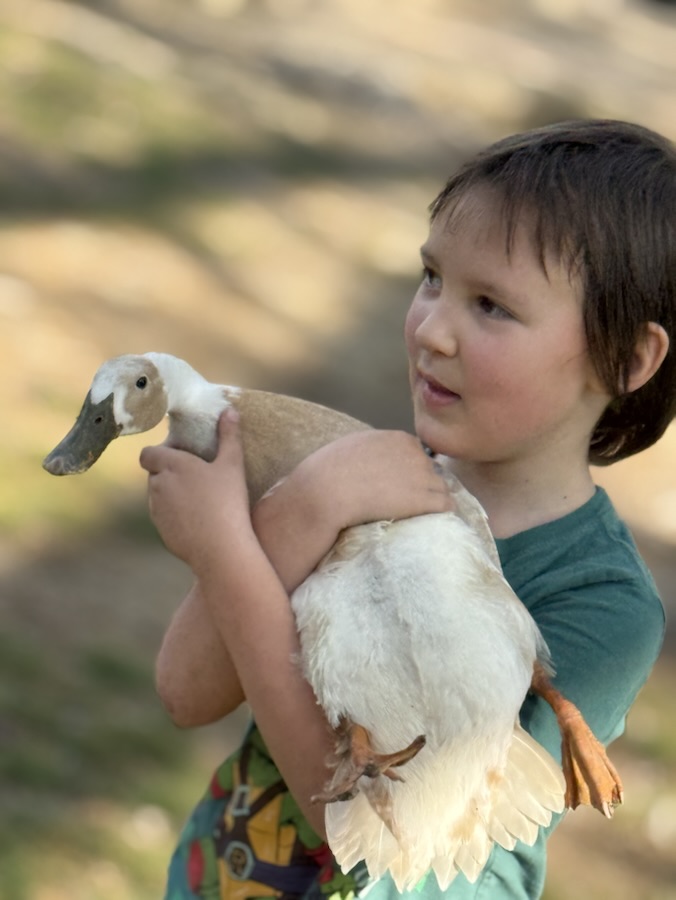
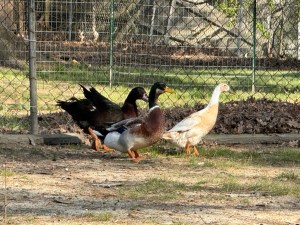
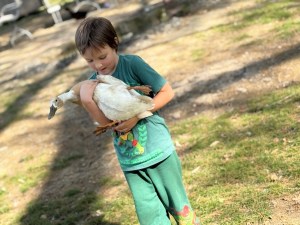
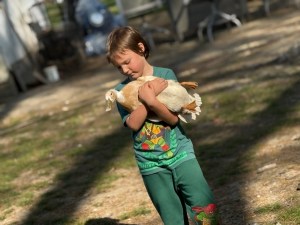
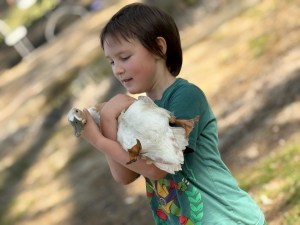
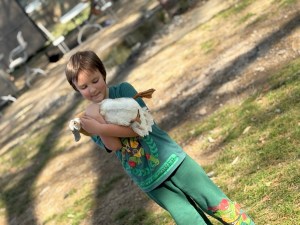
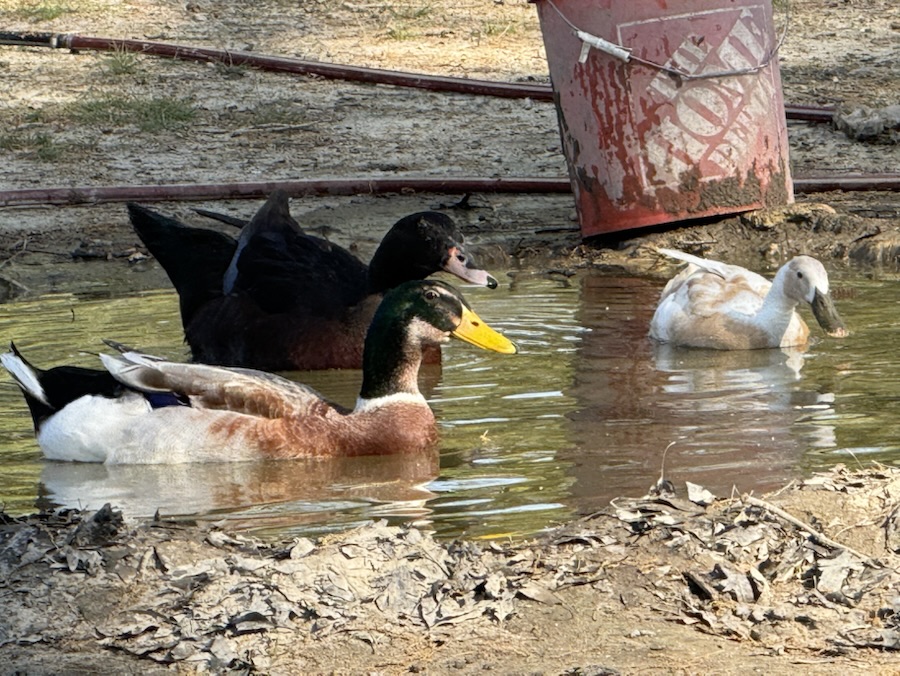
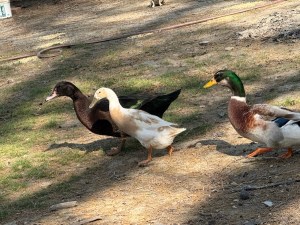
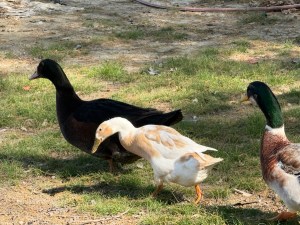
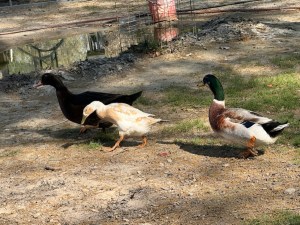
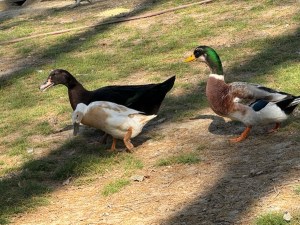
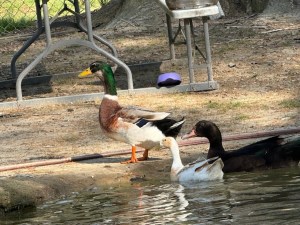
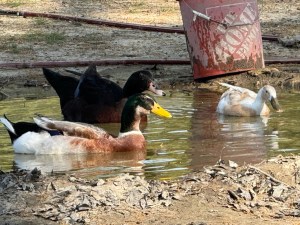
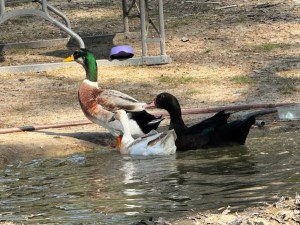
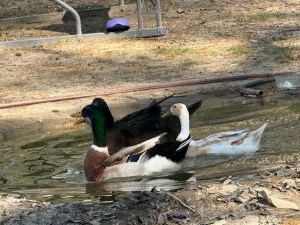
The Anas platyrhynchos domesticus, also known as the domestic duck. The ones pictured here are Indian Runner Ducks or referred to as Runner Duck.
The duck to the right, the white and fawn duck is the Indian Runner Duck.
The Indian Runner Ducks are unique in that they stand upright similar to penguins with a long slender body. Unlike the majority of ducks which waddle when they walk, the Indian Runner Ducks run. Runners have a straight-backed gait and move with a quick, running pace.
Don’t let the Indian name fool you, they actually originated from Southeast Asia. The Indian Runner Ducks were brought over from the Indonesian islands of Lombok, Java, and Bali to Europe and the Americas in the 19th century.
The Indian Runner Ducks ability to run and forage. Historically, they were herded into rice paddies to forage snails, slugs, and insects using them as natural pest controls. Having the runner Ducks in the rice paddies provided farmers with additional income and the Ducks provided natural manure beneficial to the rice crops, reducing the need for fertilizer.
Indian Runner Ducks
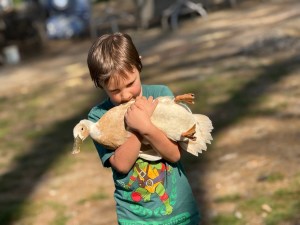
The Indian Runner Ducks may be known as fast runners, however, they were not fast enough to stop Coleman from catching them. They are also known to be prolific egg layers, producing white, hen-sized eggs. The females are able to produce approximately 150 to possibly over 300 eggs per year. (Too bad these don’t fly over the fence between our yards. If they did I wouldn’t need to buy so many eggs.)
Location: Neighbours Trampoline; From our Backyard; Gastonia, North Carolina, USA
God Bless. May the Lord God bring a ray of Sunshine into your lives and Sonshine into your souls. Thank you for visiting and sharing your time and thoughts with us. I appreciate y’all very much.
One, Two, Three Ducks running away from Coleman. Now that we live next door to chickens and ducks 🦆, Colemanhas a penchant for pursuing and chasing our neighbours chickens and ducks.
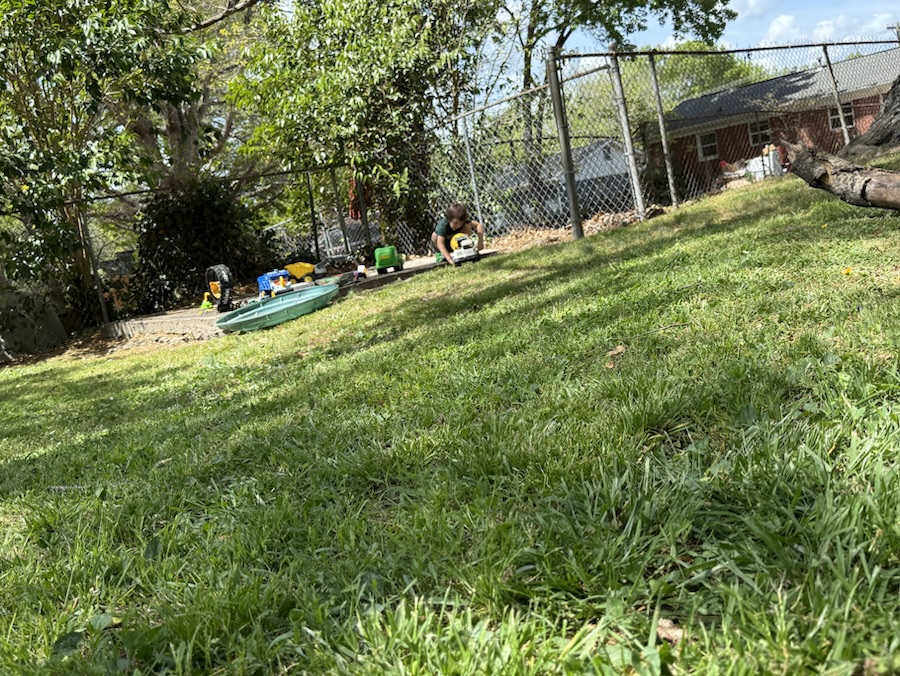
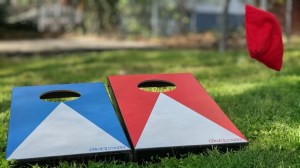
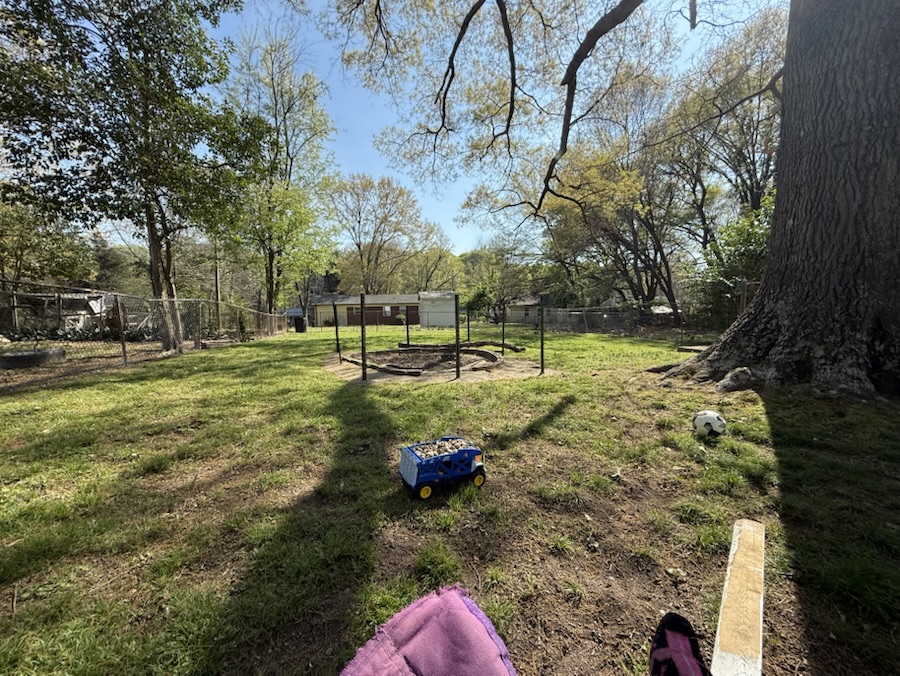
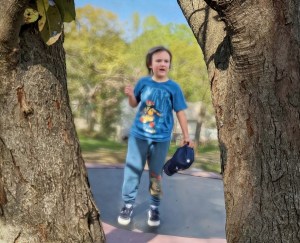
One never knows when Coleman will #PullUpaSeat or where he will #PullUpaSeat or what he’ll choose to #PullUpaSeat upon. It could be a chair, an outdoor fire pit, a Little Tyke Big Rig, or possibly a trampoline. Whenever he feels like Pulling Up a Seat, you can be one hundred per cent confident he’ll find something, somewhere to Pull Up a Seat.
This Friday (yesterday) was no exception. Here are Coleman’s choices …
God Bless. Enjoy Nature. Get Outdoors. Have a fabulous week. Thank you for visiting and sharing your time and thoughts with us. I appreciate y’all very much.
Camera: Canon EOS Rebel T3i with Canon EF-S55-250mm lens
Location: The Rooftop Garden; The Schiele Museum of Natural History; Gastonia, North Carolina, USA
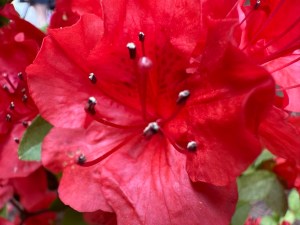
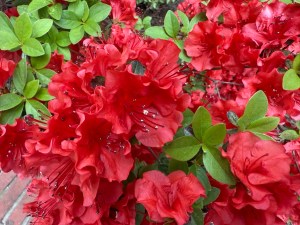
God Bless. Admire the Flowers and the beauty found in nature. Thank you for visiting and sharing your time and thoughts with us. I appreciate y’all very much.
Location: The Garden in the Farm; The Schiele Museum of Natural History; Gastonia, North Carolina, USA
God Bless. Admire the Flowers and the beauty found in nature. Thank you for visiting and sharing your time and thoughts with us. I appreciate y’all very much.












![CWWC 2026: Any Which Way with Outdoor Steps or Stairs. [08.14.2026]](https://gfpacificbeeintrospection.com/wp-content/uploads/2026/03/image-2.jpg?w=900)



![Which Way Challenge (CWWC): Any Which Way Along a Dirt Pathway, Trail, and/or Dirt Road [08.07.2026]](https://gfpacificbeeintrospection.com/wp-content/uploads/2026/08/untitled-august-02-2026-at-16.34.18.jpg?w=393)











![Which Way Challenge (2026) CWWC: Any Which Way (Your Choice) Week 1 —07.24.2026 -07.31.2026 Will run for 2 Weeks]](https://gfpacificbeeintrospection.com/wp-content/uploads/2025/06/image-1-1.jpg?w=489)