CWWC Cee’s Which Way Challenge Ripley’s Aquarium Myrtle Beach, SC
Click on each image to enlarge.
Thank you to all who have supported and contributed to the Which Way Challenge this past week or at any time. Be sure to check out other Which Ways by clicking on the links below.
Judy from Life Lessons blog hosts a weekly photo challenge called The Numbers Game.This week’s number is 229. Her instructions for playing along are listed below …
To play along, go to your photos file and type that number into the search bar. Then post a selection of the photos you find under that number and include a link to your blog in Judy’s Numbers Game blog of the day. If instead of numbers, you have changed the identifiers of all your photos into words, pick a word or words to use instead, and show us a variety of photos that contain that word in the title.
As stated in Judy’s rules for participating, I am choosing a theme of Ripley’s Aquarium instead of trying to find photos that match the number 229. We had a wonderful time visiting Ripley’s Aquarium during the winter break. We visited on December 31st, the second full day of our mini vacay in Myrtle Beach, South Carolina.
Please click on photos to enlarge.
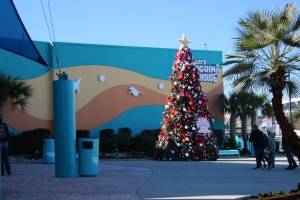
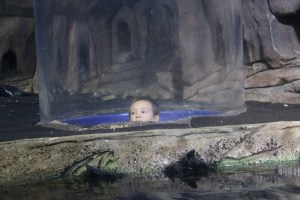
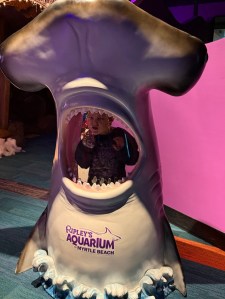
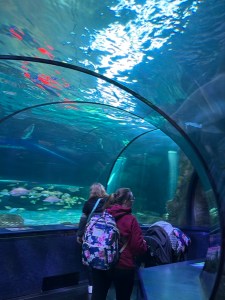
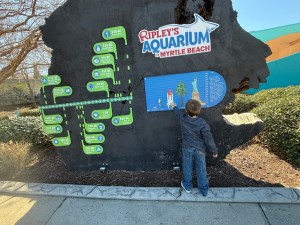
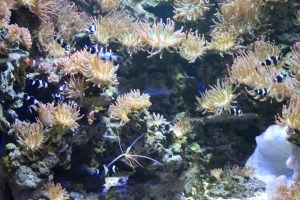
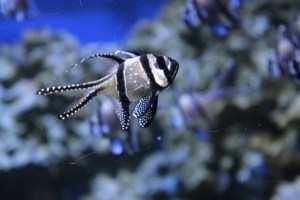
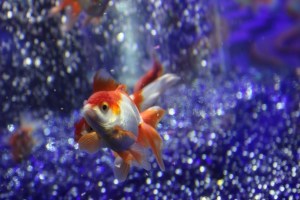
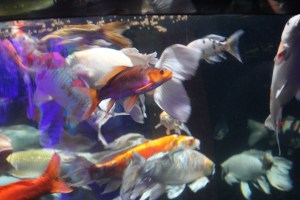
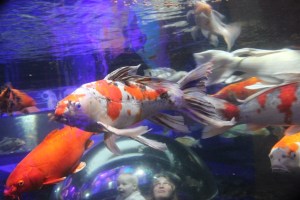
The Moment Coleman knew where we were going. Goldfish Realm Ripley’s Aquarium Penguin’s decked out for the holidays Welcome to Ripley’s Aquarium Myrtle Beach SCCondylactis giganteaBanggai cardinalfishRed-capped Oranda Goldfish & KoiGoldfish RealmRed Lionfish (Pterois volitans)JoyRipley’s Aquarium Ripley’s Aquarium Myrtle Beach, South Carolina
Camera: Canon EOS Rebel T7 (2000D) with Canon EF-S18-55mm lens
Location: Ripley’s Aquarium; Myrtle Beach, South Carolina, USA
God Bless. Have a wonderful week. Live life to the fullest. Make lasting memories. Take Care. Thank you for visiting and sharing your time and thoughts with us. I appreciate y’all very much.
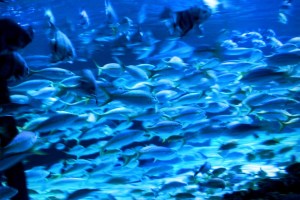
This month Terri with Second Wind Leisure Perspectives is challenging us to post images in Aquamarine and Icy Blue colour pallets. Here is what I have found which I believe fit into the colour pallets scheme.
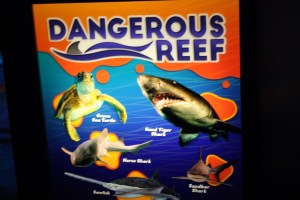
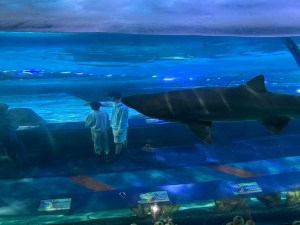
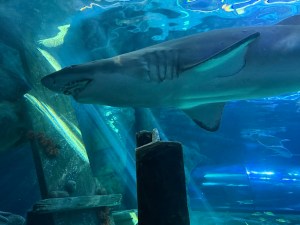
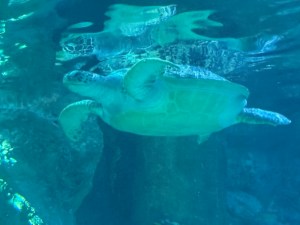
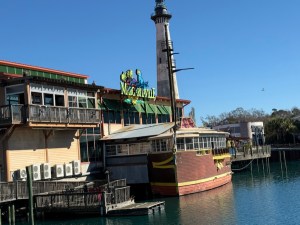
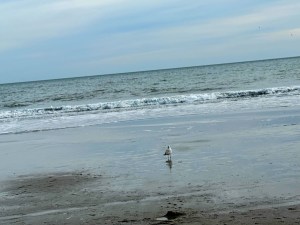
Pull Up a Seat Murrells Inlet, SCShark Ripley’s Aquarium Sea Turtle Ripley’s Aquarium Margaritaville Restaurant Margaritaville RestaurantAtlantic Ocean Myrtle Beach, SCAtlantic Ocean Myrtle Beach, SC
We are in our first week of 2026; what a week it has been. We spent the week in Myrtle Beach relaxing, “sightseeing,”visiting various attractions, and enjoying time on the beach. [More about those activities to come in future posts].
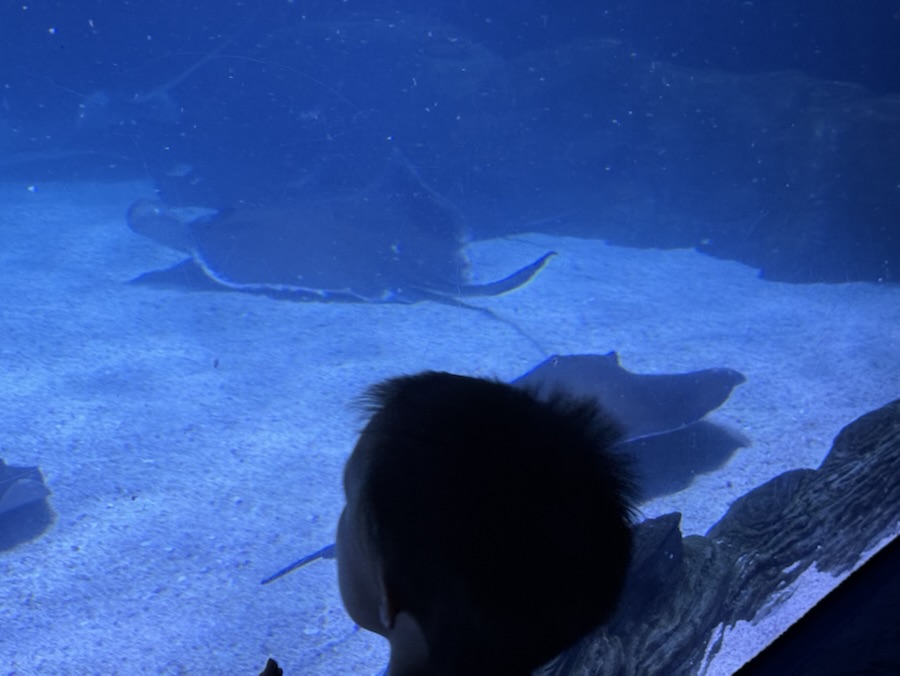
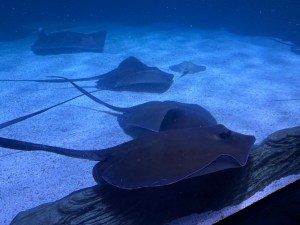
For the first Monday Portrait of 2026, let’s check out the Southern Stingrays At Ripley’s Aquarium in Myrtle Beach, South Carolina. This was Coleman’s first trip to the beach, he was extremely excited about being at the beach, as well as seeing the many different species of “fish” at Ripley’s Aquarium.
Let’s take a look now at the fascinating Southern Stingrays …
Southern Stingrays
The Southern Stingray (Hypanus americanus) is a whiptail stingray which is typically foundin tropical and subtropical waters of the western Atlantic Ocean, from as far north as New Jersey all the way down to southern Brazil.
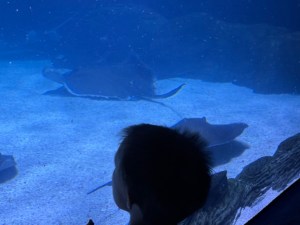
Even though we didn’t actually see them in the Atlantic Ocean, we (especially Coleman) were thrilled to see & pet them at Ripley’s Aquarium.
Coleman viewing the Southern Stingrays
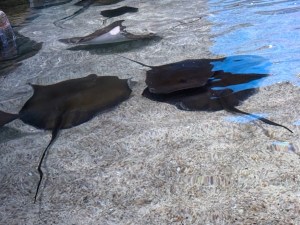
It is adapted for life on the sea bed, as you can see here they swim very close to the bottom most of the time, but not always.
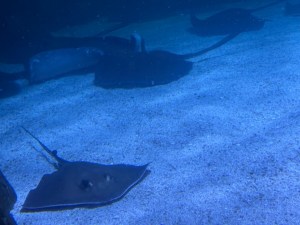
Southern Stingrays lying on the sea bed
Southern Stingrays are nocturnal predators, they spray water from their mouths or flap their fins vigorously to disturb the surface in order to expose hidden prey.
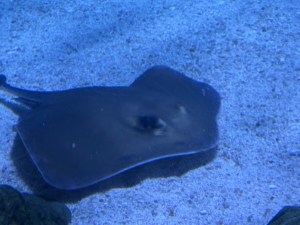
A Southern Stingray on the Aquarium sea bed.
Hypanus americanus exhibit wave-like locomotion using their pectoral fins. The wave-like locomotion allowed them to escape predators, forage efficiently, and generally maneuver quickly.
The Southern Stingrays were exciting and interesting to watch swimming and foraging in the aquarium at Ripley’s Aquarium.
Location: Ripley’s Aquarium; Myrtle Beach, South Carolina, USA.
God Bless. Have a funtastic week. May you have many exciting and memorable adventures. Thank you for visiting and sharing your time and thoughts with us. I appreciate y’all very much.
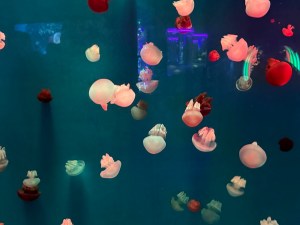
The Scyphozoa are exclusively marine class of the phylum Cnidaria. They are known to be referred to as true jellyfish. Currently, there are approximately 200 known species found in marine environments worldwide.
They are characterized by a cell-shaped body (Medusa) that lack a velum (a muscular membrane). Their bodies are mostly composed of a jelly-like substance, and lack a head, skeleton, and specialized respiratory or excretory organs.























 Gfpacificbee’s Insights & photography