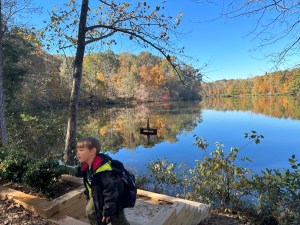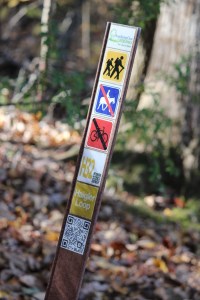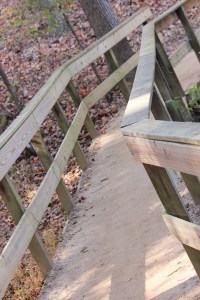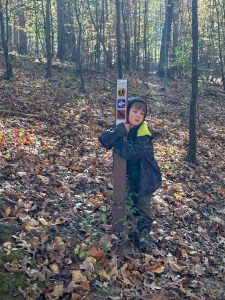
Egídio of Through Brazilian Eyes is this week’s host for the Lens-Artist Photo Challenge. She has challenged us with the theme of Where Does it Lead? There are many ways to understand and interpret this theme, as some have shown literal, compositional, and/ or interpretive. There are also figurative/metaphorical approaches to interpreting the question “Where Does It Lead?
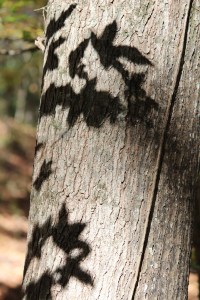
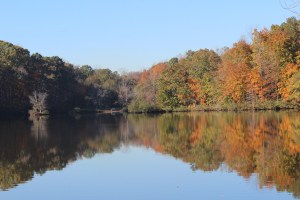
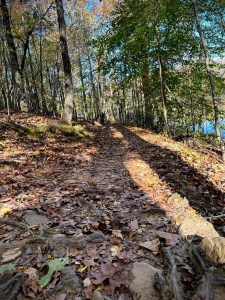
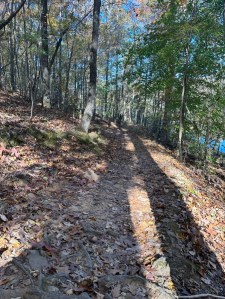
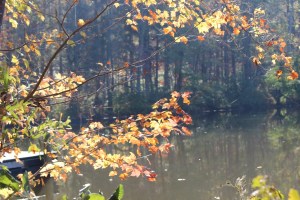
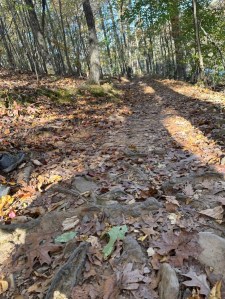
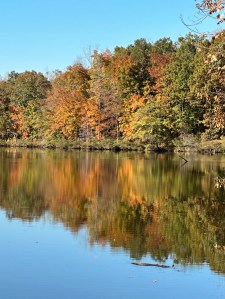
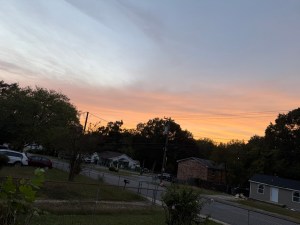
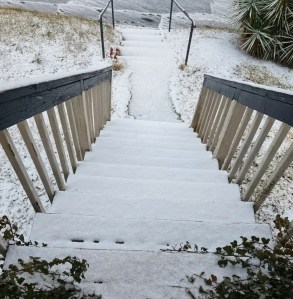
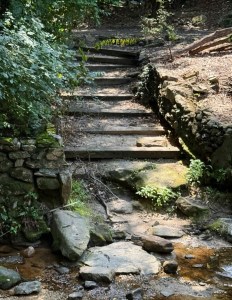
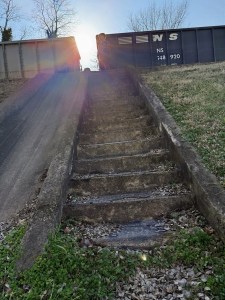
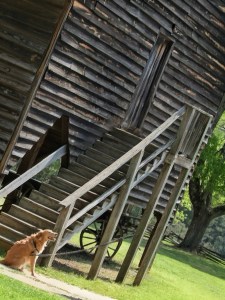
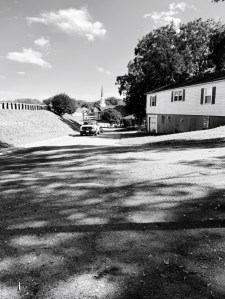
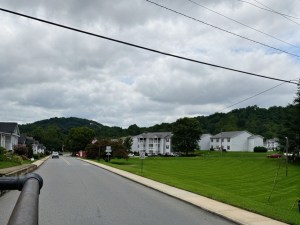
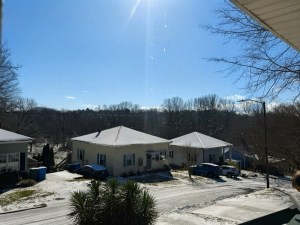
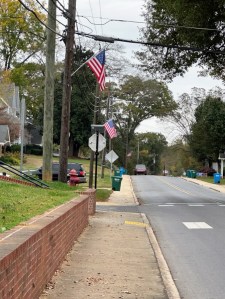
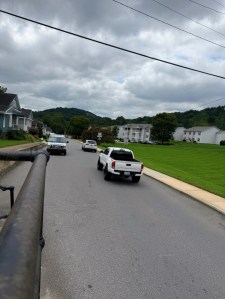
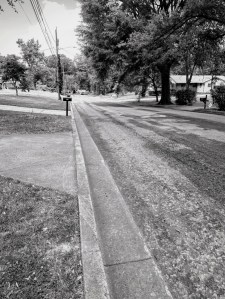
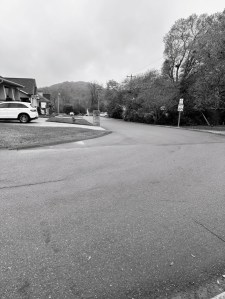
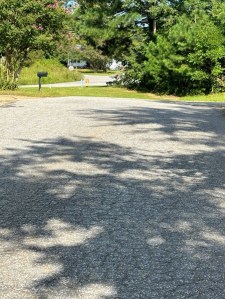
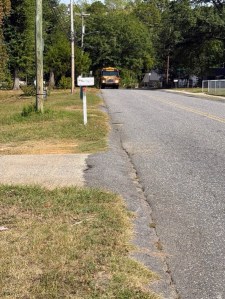
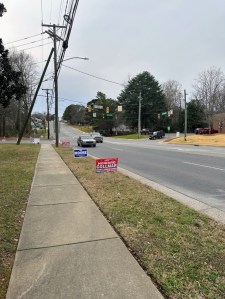
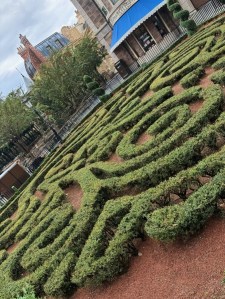
First, I will show a gallery of literal examples of expressing the concept of “Where Does It Lead?”



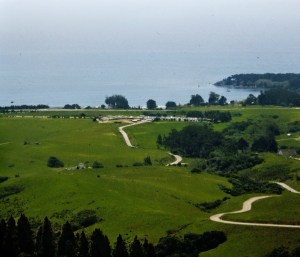
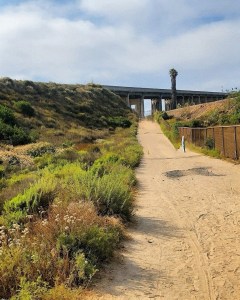
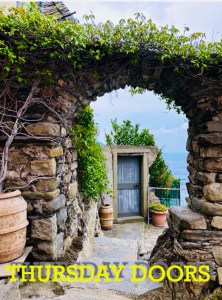
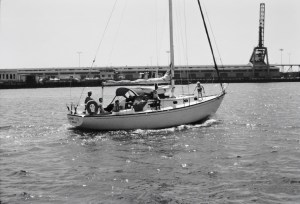
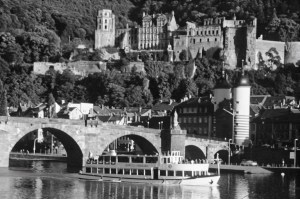
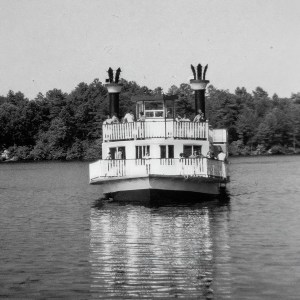
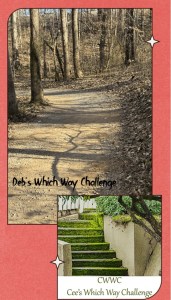
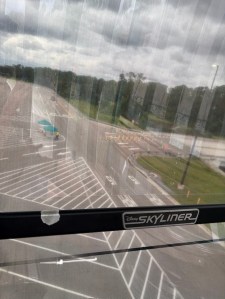
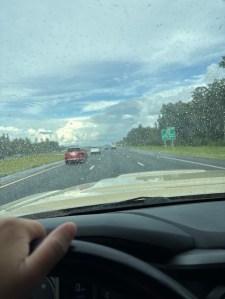
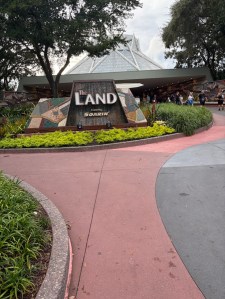
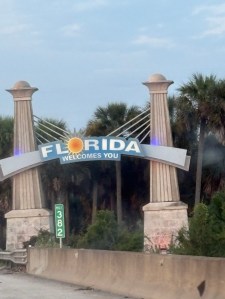
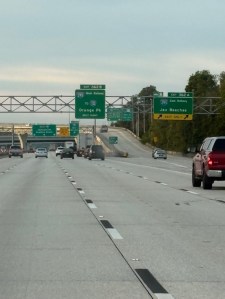
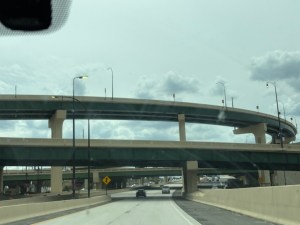
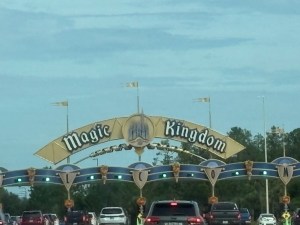
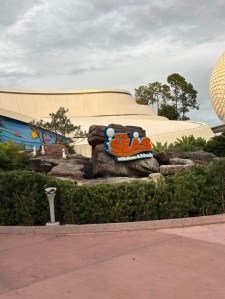
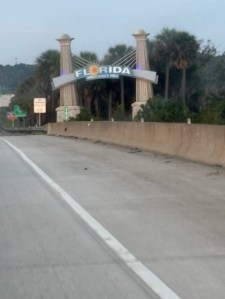
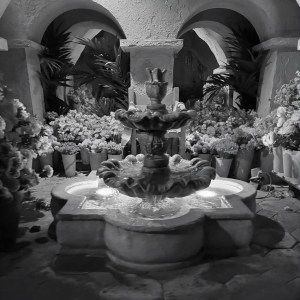
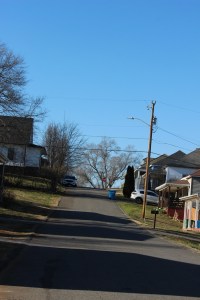
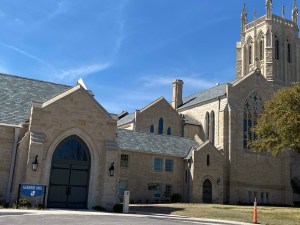
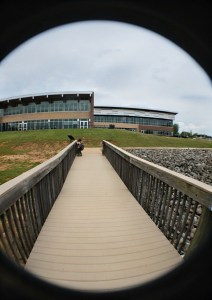
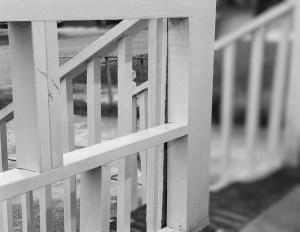
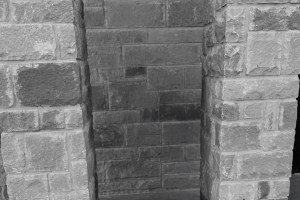
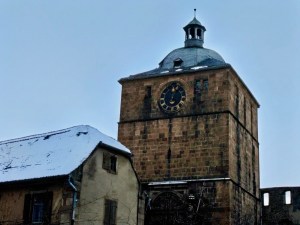
Literal paths can make you wonder what’s around the corner, the next bend, or even what might be waiting at the what might be waiting at the edge of the trees , or possibly what adventures you might find when you walk through a tunnel or under a bridge to new horizons. Adventures come in many ways and they are not all achieved through literal pathways.
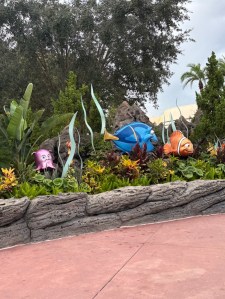
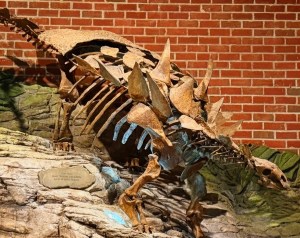
Where Does It Lead? When you read a book the story may Lead you on a wonderful or mysterious adventure. Following a character’s journey you might think Where Does this Dangerous Choice Lead them (or him/her)? Or What Future Does his/her decision Lead to? I love to read wholesome inspirational mysteries and in mysteries they share clues about the mystery that someone or a group is trying to solve. While reading, often times your curiosity gets the better of you and you try to guess (Where Does This Clue Lead?

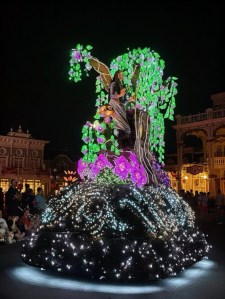
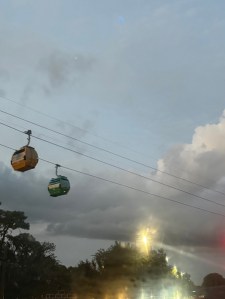
is from is from
Magic Kingdom’s
Swiss Family Treehouse
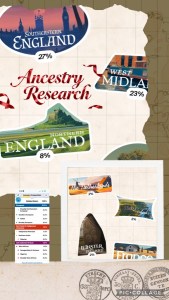
I do not know if any of you are interested in Ancestry/Family History and Research, but I’ve been reaching my family’s ancestors for many a years now. I’ve done my Ancestry DNA and every time I receive a new DNA match I ask myself “Where Does It Lead?” Does it Lead to known family connections or to family relationships, or countries beyond my wildest imagination. When I receive a new notice of a record, census, of photos; I think Where Does It Lead? Will it help me discover an unknown family member or branch? Will it lead to historical events my ancestors would have participated in? There are many different aspects of Ancestry Research where one might ask “Where Does It Lead?”.
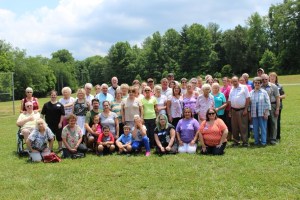
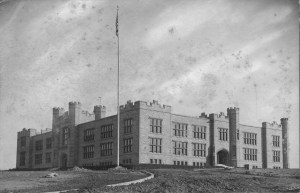
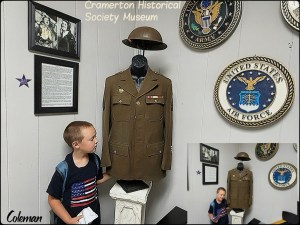
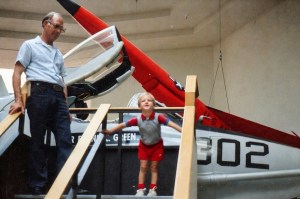
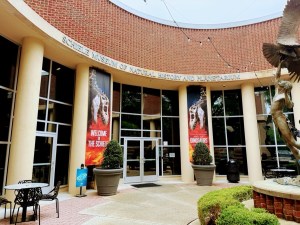
Another metaphorical example of “Where Does It Lead?” comes from seemingly ordinary events like Reunions. Regardless of whether it’s a school, military, or Family reunion; you can ask Where Does these Relationships Lead? Is there any future to these relationships? Sometimes people you meet at reunions are those you’ve had contact and connections with almost all your life. At other times like at family reunions, you might meet family members you’ve never met before and possibly have never even known about. Will it Lead to o regular communication? Will the connections at the reunion help to heal old wounds? Will it Lead to a new sense of belonging or possibly future annual traditions? Where Would a Reunion Lead You?

Family Reunion
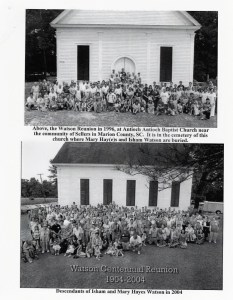
Descendants of
Isham & Mary Hayes Watson
For further information about the Lens-Artist Photo Challenge and/or to participate click the link to Egidio’s post here.
Egidio’s Lens-Artist Photo Challenge #417 – Where Does It Lead?
Click on each image to enlarge.
Photo Credit: Copyright ©️Deb L. Waters … All Rights Reserved.
God Bless. Be Happy. Be Cool. Be a Blessing to those around you. Thank you for visiting and sharing your time and thoughts with us. I appreciate y’all very much.













![CWWC 2026: Any Which Way with Paved Roads, Pathways or Sidewalks [10.16.2026]](https://gfpacificbeeintrospection.com/wp-content/uploads/2026/03/image-2.jpg?w=900)





















































![CWWC 2026: Any Which Way with Autumn Leaves – Week 2 [10.09.2026].](https://gfpacificbeeintrospection.com/wp-content/uploads/2026/08/untitled-august-02-2026-at-16.34.18.jpg?w=393)