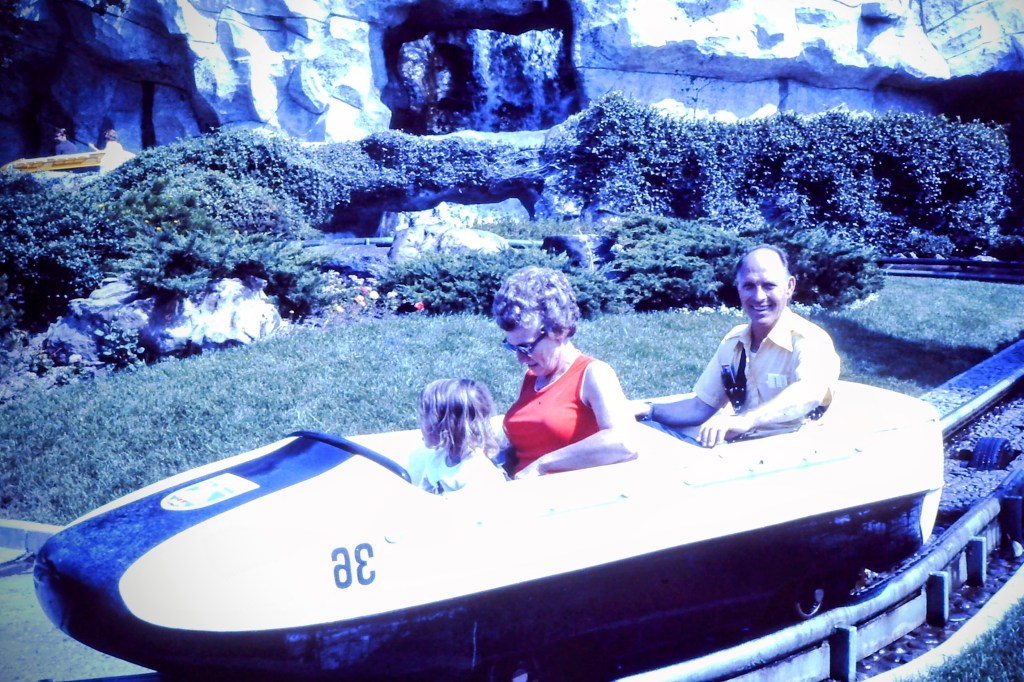
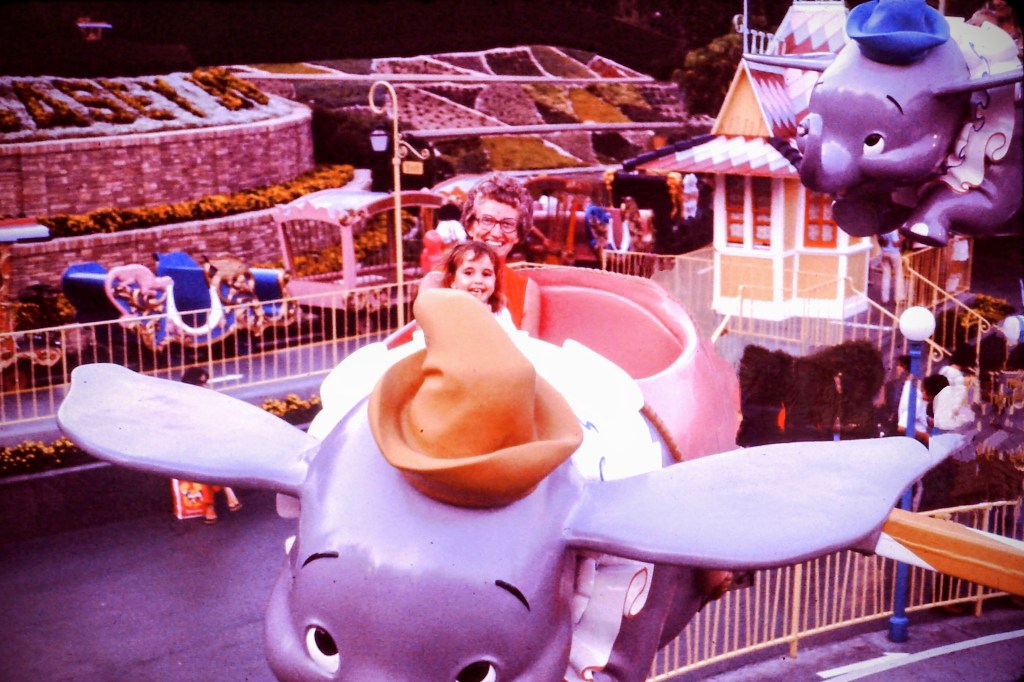
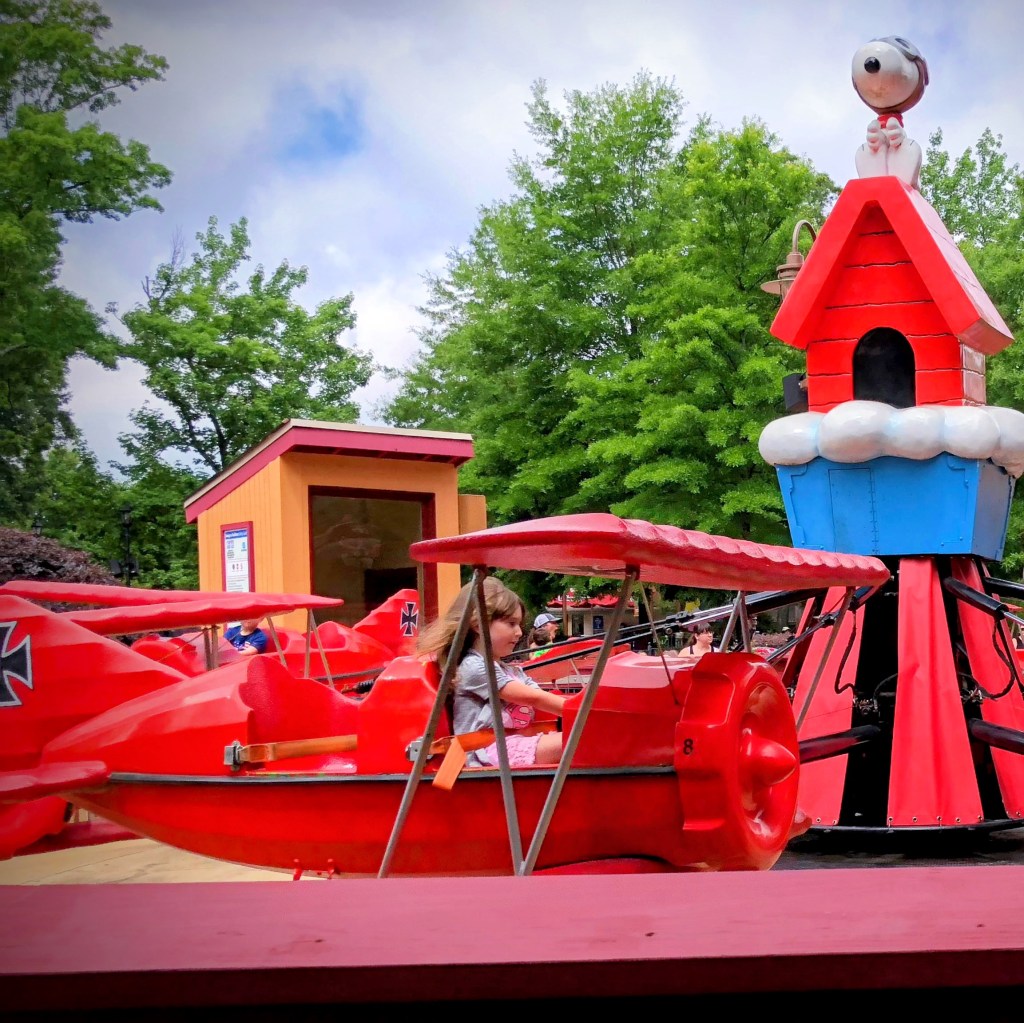
For this week’s challenge I dug into my archives to share some throwback photos of things one might choose to “Just Do It.”
Just Ride a Monorail 🚝 Throwback Photo – Mid 70’sJust Fly an Elephant Disneyland Mid 70’sJust Fly an Airplane Camp Snoopy Carowinds May 2018Just take a Drive Along the Blue Ridge Parkway October 2017
What is SCSPA? They are letters on a couple of my dad’s memorabilia from his high school days. You may wonder what they actually stand for as did I when I first saw them. Let me tell you, they stand for South Carolina Scholastic Press Association. I never knew my dad was apart of the South Carolina Scholastic Press Association. He never talked about his time growing up in South Carolina. The only part of South Carolina he shared was when he brought our family on vacation to visit his parents and his brother and sister. We visited Great Falls, South Carolina, where his parents lived, approximately every three to five years.
However, I am not discussing our vacations in this post. I am discussing the SCSPA and his small role in it.
OFFICIAL DELEGATE South Carolina Scholastic Press Association Nornal Waters Business Manager The Hi-Times Great Falls Eleventh Annual Convention April 10-11, 1947 Columbia, South Carolina
The South Carolina Scholastic Press Association promotes responsible scholastic journalism in South Carolina. We educate, evaluate and empower students and advisers who work with middle and high school literary magazine, newspaper, and yearbook programs in the state.
What I only learned recently is that my dad was a part of the Great Falls Hi-Times newspaper staff. He served as the school newspaper’s business manager. I found this interesting, my dad never talked about his school days. I thought it was cool to discover his involvement in this aspect of his high school.
The school newspaper business manager oversees the operations of all business-related operations of the Hi-Times, but will primarily be responsible for the promotion and tracking of advertising sales.
A few of my dad’s responsibilities were:
to obtain ad sales possibly by phone as well as in person.
Keeping and organizing record of all ad sales
Prepare a final sales report for each issue and makes sure the ad designer gets a copy
Serve as a member of the editorial board
A bit of History of SCSPA
“It all began as the journalist begins- with people, an idea, an empty page. Today, after more than half a century, the idea expands toward fulfillment as the pages are filled with a history. It is a story of people working toward excellence- people tending toward an ideal that promises to shine far, far into the future. It is a story of youth yearning toward an expression of truth. It is the story of the South Carolina Scholastic Press Association.”
The SCSPA holds annual fall and spring conferences which currently draws more than 600 participants. Not sure how many participants there were in 1947, only that my dad was one of those participants for the spring conference.
Students as well as their advisers from schools all over the state attend the annual SCSPA conference. It honors outstanding students and advisors during the spring conference. It recognizes contributions to scholastic journalism through awards and scholarships.
My dad’s attendance would have been an honor and recognition for his participation in his school’s Hi-Times newspaper. Through his memorabilia I am learning more and more about my dad and what his life was like before I came into existence.
What is a library card? A library card is a card provided by a library so that library patrons can borrow a variety of materials including books and magazines. A library card is often required if a person wants to take advantage of other library services as well. Public libraries issue library cards free of charge to people who live in the library’s city but require patrons to pay for replacement cards.
The early libraries were non-circulating libraries. That meant that patrons needed to use the book or books in the library, and could not check out any books to take home for usage by themselves or their families.
In the 19th century, a free public library movement began. Before 1850, libraries consisted of subscription collections for members only to use. The first known publicly funded library was established in Peterborough, New Hampshire, where in 1833 the town meeting voted to use a part of the state literary fund for the support of schools instead to purchase books for a free town library.
However, the free public library movement really began in 1849, when the New Hampshire legislature authorized towns to levy taxes for the establishment and support of public libraries.
When did library cards become necessary? With the public library movement in the 19th century, it became necessary to register users who were permitted to borrow books and connect those users with the borrowed items. Originally this was done with cumbersome ledger systems, with each page representing a borrower and the books borrowed (and returned) listed.
1955 Library Card San Diego, California
The above library card was issued to my mother with an expiration date of May 1955. My mom was avid reader all her life. I do not remember going to a brick and mortar public library in my grade school days. Where we lived a bookmobile came onto our street approximately a long block away from our home. I do recall going into the bookmobile and being allowed to check out books 📚 to bring home to read. In the beginning, my mom would accompany my brother and me to the bookmobile.
Gaston County Library Card
As you can see the contrast from the San Diego Library Card from the 1950’s and the present day Library Card, there are several differences and yet they both serve the same exact purpose. That of allowing someone to check out various materials such as 📚 to take home to peruse at their leisure.
I have had several library cards over the years and have taken great pleasure in checking out books, movies. I also enjoyed the ability to use the libraries resources and computers for family research, search for jobs or for whatever purpose I needed at various times.
How about you? Do you or have you owned a library card? A library card opens the world to a vast resource of knowledge.
Barn at Greenway Stables Entrance Anne Springs Close Greenway Fort Mill, South Carolina Gazebo at Daniel Stowe Botanical Gardens Belmont, North Carolina Fort Mill Dam Fort Mill, South Carolina Old School in Watauga County, North Carolina [This is an old school my maternal grandfather & ancestors attended.]Elizabeth Freese Elementary School San Diego, California [This is the elementary school I attended from Kindergarten through sixth grade.]2912 E Street House San Diego, California [This is the home where I often visited my maternal grandparents]
An old one room school house where my ancestors went to school. The school house was also used for community event gatherings back in its hey day.
Deep Gap(Yuma) School House
This house was an intricate part of family gatherings once upon a time. My grandfather would have gathered here with his family for special occasions or just to visit and play with his cousins. Family get togethers we’re a regular happening during those times.
Home of my Maternal Great Grandfather Ambrose Lee Parks Watson
Deep Gap, North Carolina From my maternal grandfather, Harvey Martin Watson’s photos given to me after his passing many years ago ( 1968). Photo most likely taken in early 1900’s or earlier.




 Gfpacificbee’s Insights & photography