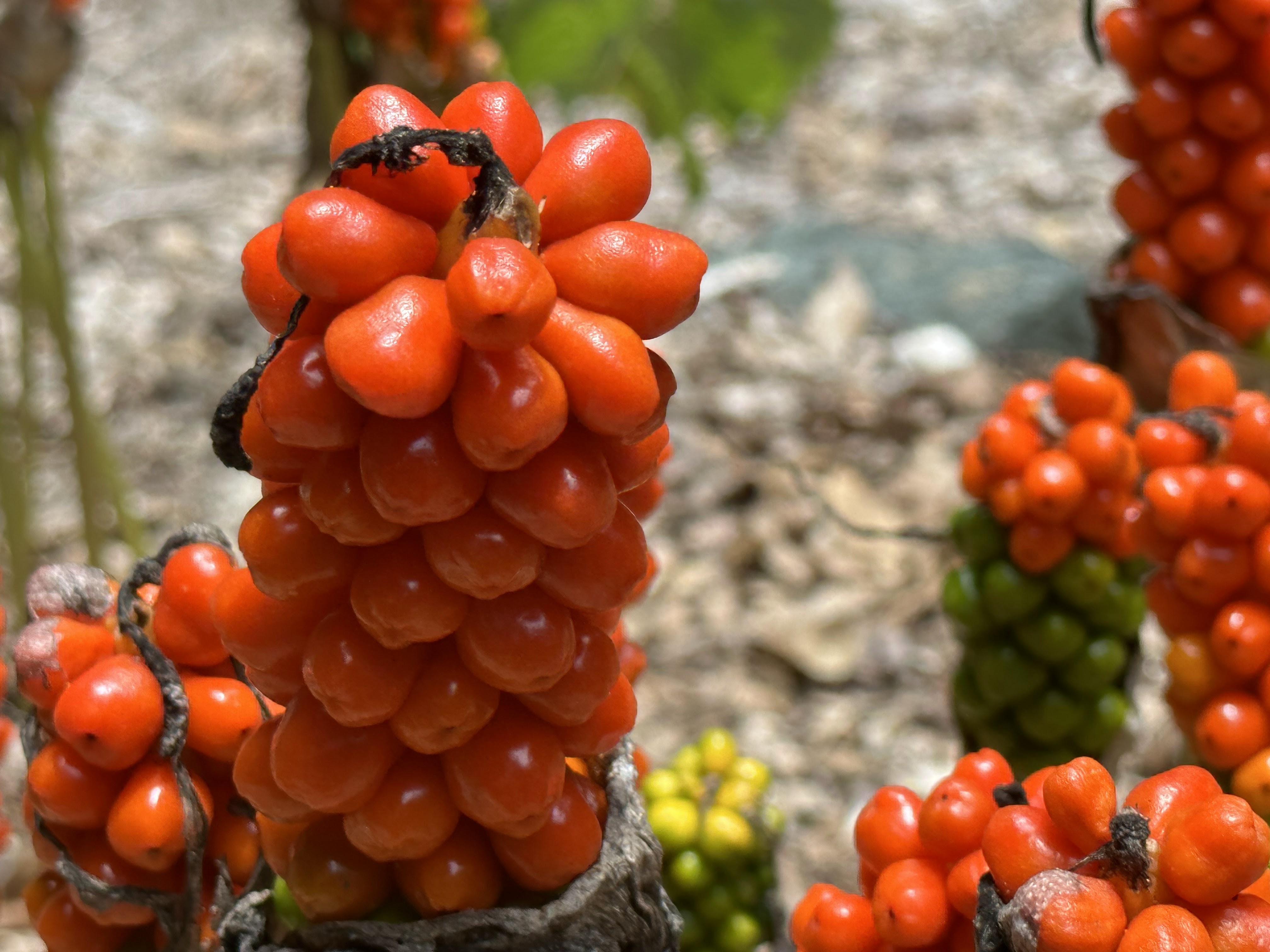
Italian Arum Botanical name: Arum italicum Other name(s): Italian or Large Cuckoo Pint, Italian Lords-and-Ladies Family: Araceae Edible: no, all plant parts are toxic.In early summer, white spathes of flowers are followed by spikes of bright orange red berries. Noteworthy Characteristics: Note that the berries may cause severe discomfort or illness if ingested. Contact with sap may irritate skin.
After a week of solid rainfall Coleman and I were itching to get outside to roam around in nature. It was decided on Friday that we should be adventurous, after errands were completed. Our errands took us down to Lancaster which is an hour and a half away from our current home. Coleman was being extremely patient, he deserved a break on the way make home. Therefore, to relieve his itch to run around, we stopped at one of his favorite places.
What is that favorite place, you ask? It is the expansive Anne Springs Close Greenway. It was an extremely hot 🥵 and humid summer day. We walked around along the trails, across the swinging bridge, and up to the Wildflower Meadow to observe which flowers were thriving.
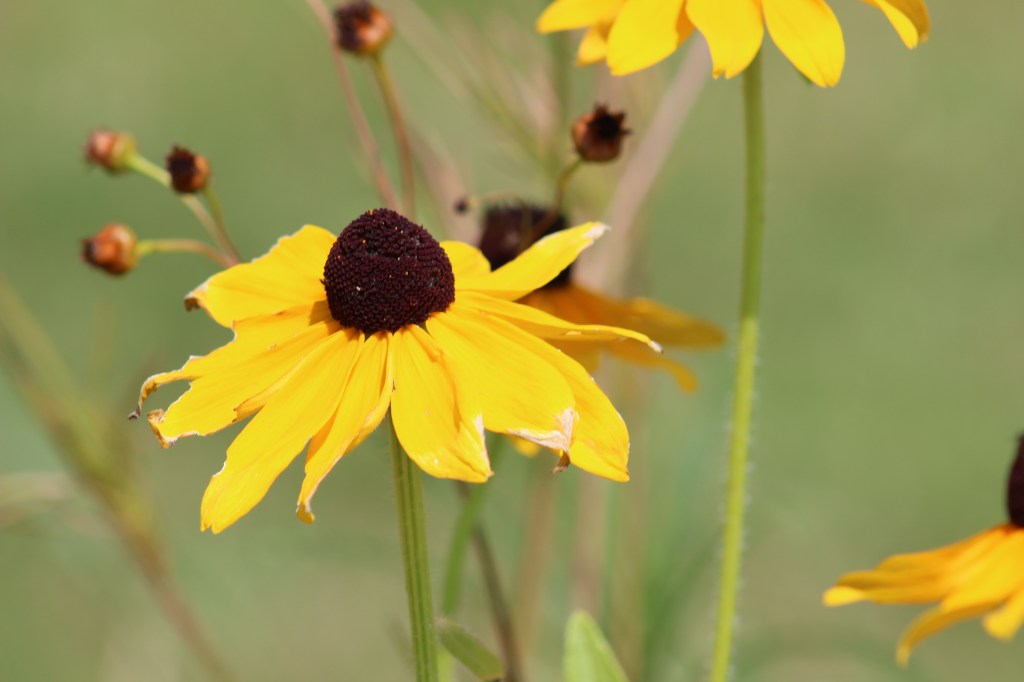
Rudbeckia hirta L. AKA: Black-eyed Susan, Common Black-eyed Susan, Brown-eyed Susan, Blackeyed Susan Asteraceae (Aster Family)
These coneflowers are common in the Mountains and the western Piedmont of the Carolinas. They are abundantly growing throughout the Greenway’s grounds.
We took a short break for a bite to eat at the Greenway’s Canteen. Enjoying the cool air was nice, but Coleman was itching for a different kind of relief from the hot 🥵 sunny summer weather. What kind of relief do you think he was desiring?
He was itching to get relief splashing in the water at the Greenway’s Spillway. The Spillway was low, however, it still produced enough water flowing across for many to cool 😎 off and enjoy a splashing 💦 wonderfully amazing good time. Coleman delighted in sloshing and splashing through the Spillway’s water 💦.
This type of plants are DECIDUOUS SHRUBS. Their typical butter yellow autumn leaves fall leaving the flowers exposed on this later flowering selection with slightly larger flowers than the species.
These particular witch-hazels were located near the Lake Trail at Crowders Mountain State Park in Kings Mountain, North Carolina.
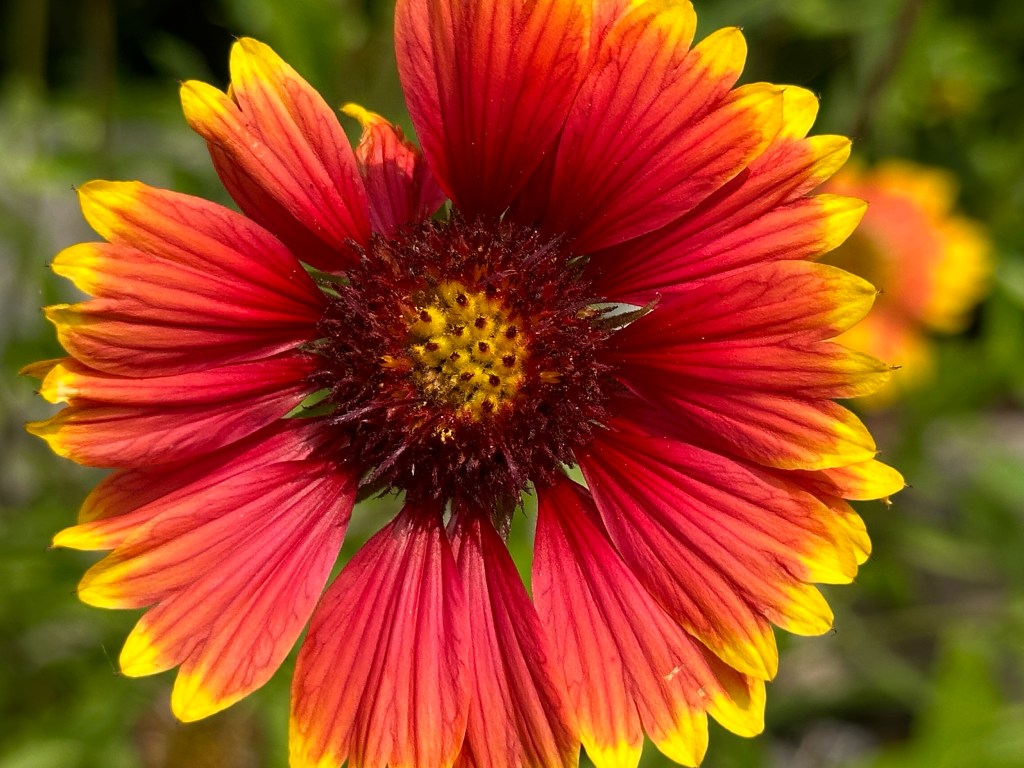
Gaillardia pulchella AKA: firewheel, Indian blanket, Indian blanketflower, or sundance It is a North American species of short-lived perennial or annual flowering plants in the sunflower family.The common name, Indian Blanket, may refer to the resemblance of the inflorescence to the brightly patterned blankets made by Native Americans, or to the ability of wild taxa to blanket the ground with colonies.
My grandson and I spotted these spectacular flowers near the entrance to the Nature Trail at The Schiele Museum of Natural History and Planetarium located in Gastonia, North Carolina when we went there to go hiking this past week.
Helianthus schweinitziiCommon Name: Schweinitz’s sunflowerIt is a member of the sunflower family (Asteraceae).
The Helianthus schweinitzii is a perennial wildflower endemic to the Piedmont physiographic province of North Carolina and South Carolina. It is one of the rarest species of sunflower in the United States. It is common along utility and highway rights-of-way in North Carolina and South Carolina. These particular Schweinitz’s sunflower are located along the Lake Trail at Crowders Mountain State Park.
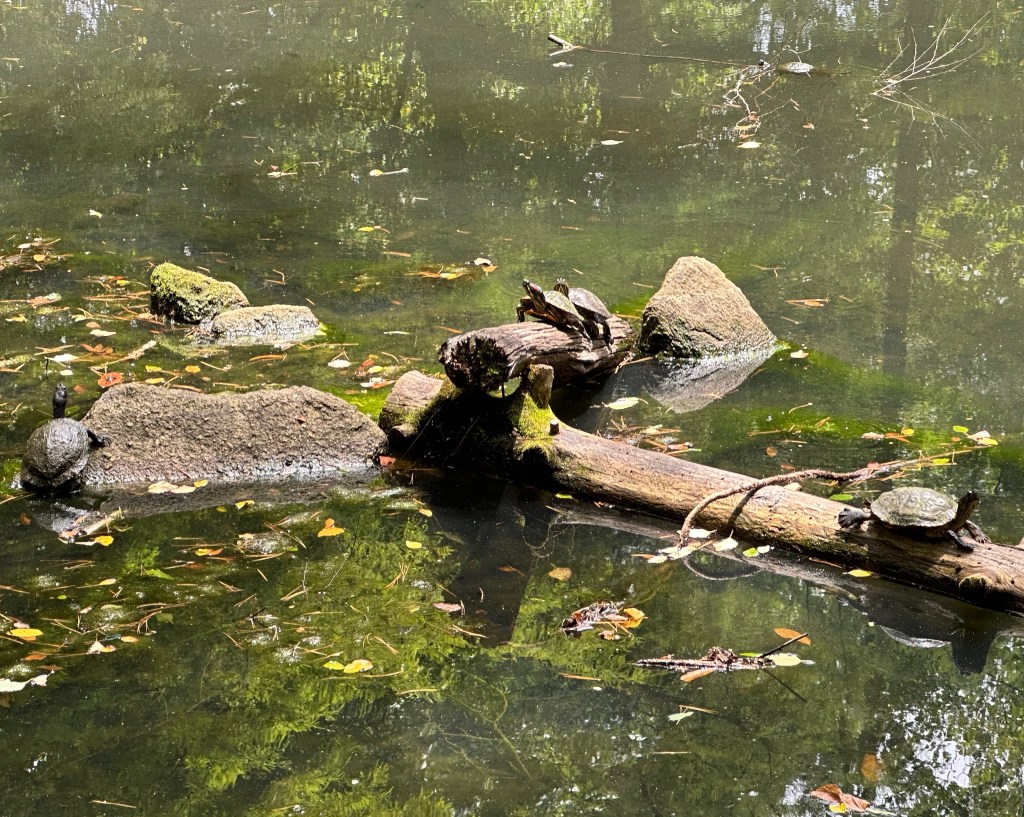
Turtles Sculpture Located at The Schiele Museum PondLittle Tyke Turtle filled with Water, Toys, & Coleman Coleman on his Radio Flyer Big Wheel Clarkia purpurea Calflora
Trifolium pratense, red clover, is a herbaceous species of flowering plant in the bean family Fabaceae, native to Europe, Western Asia, and northwest Africa, but planted and naturalized in many other regions.
Interesting Facts:
Red clover is a good pollen and nectar source for bumblebees.
Red clover’s flowers and leaves are edible, and can be added as garnishes to any dish.They can be ground into a flour.
The flowers often are used to make jelly and tisanes, and are used in essiac recipes. Their essential oil may be extracted and its unique scent used in aromatherapy.
It is widely grown as a fodder crop, valued for its nitrogen fixation, which increases soil fertility. For these reasons, it is used as a green manure crop.
Slender Vervain is a perennial that spreads by rhizomes and is native to South America. Is an annual north of zone 7 but needs winter protection in that zone. It has naturalized from southeastern North Carolina to Florida and is very tolerant of heat and drought.
These Verbena rigida are in the garden in front of The Schiele Museum of Natural History and Planetarium in Gastonia, North Carolina.
Petunia axillaris, the large white petunia, AKA: wild white petunia or white moon petunia, is an annual herbaceous plant in the family Solanaceae, genus Petunia.
Rubus idaeus ‘Caroline’ (Everbearing Raspberry) is a fall-fruit big cultivar producing high yields of large, highly flavored, red raspberries which are perfect for eating or preserves.
Raspberry plants can fruit on different types of canes, and these are categorized into primocane and floricane. Both primocane (first year) fruiting and floricane (second year) fruiting raspberries have both primocanes and floricanes growing from the plant after the first year.
Primocane fruiting raspberries, commonly called Everbearing raspberries, produce flowers and fruit on first year canes. Primocane varieties will produce a moderate crop in June and a much larger crop from late August until frost.
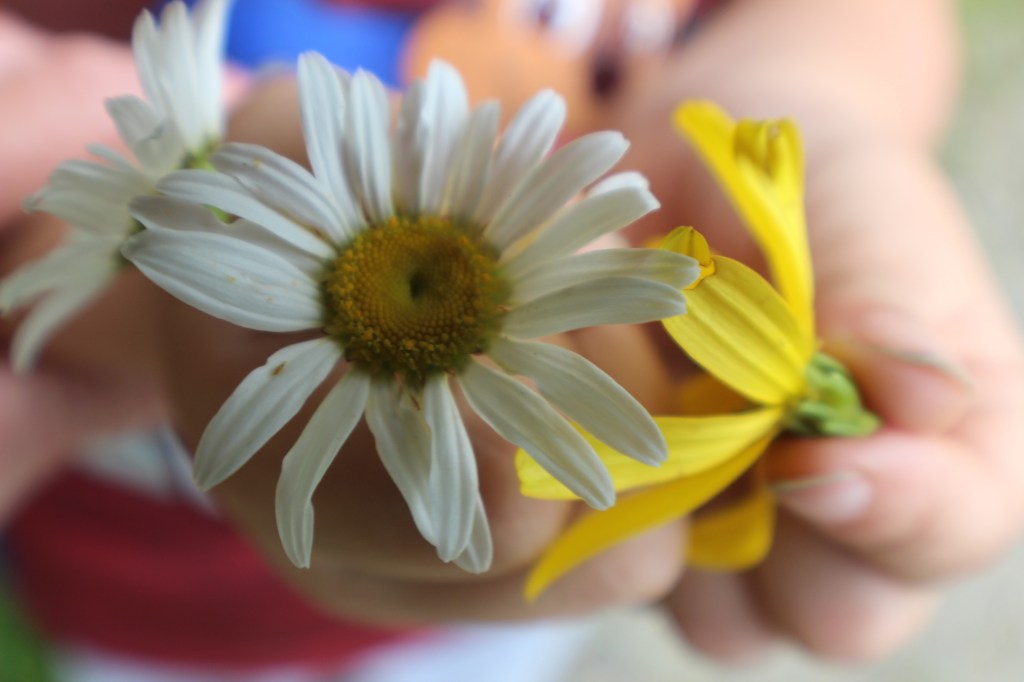
Erigeron annuus (formerly Aster annuus), AKA the annual fleabane, daisy fleabaneEastern Daisy fleabane is a species of herbaceous, annual or biennial floweringplant in the family Asteraceae.
Crocosmia aurea, common names falling stars, Valentine flower, or montbretia, is a perennial flowering plant belonging to the family Iridaceae. Crocosmia’s flowers are brilliantly colored and showy, making them a wonderful choice for flower arrangements. Sometimes called Montbretia, the tubular-shaped flowers are extremely attractive to hummingbirds. The brilliant red yellow or orange blooms appear in May or June with sword-shaped foliage.
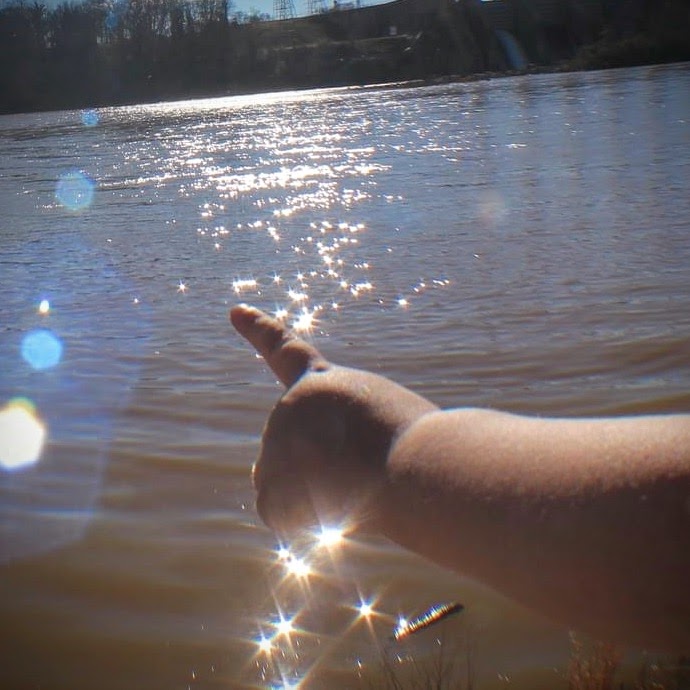
Ice on trees Tall Bearded Iris ‘Earl of Essex’ (Iris)Marantha Siberian IrisIris pseudacorus, AKA the yellow flag, yellow iris, or water flagColeman Pointing with his Left Index Finger
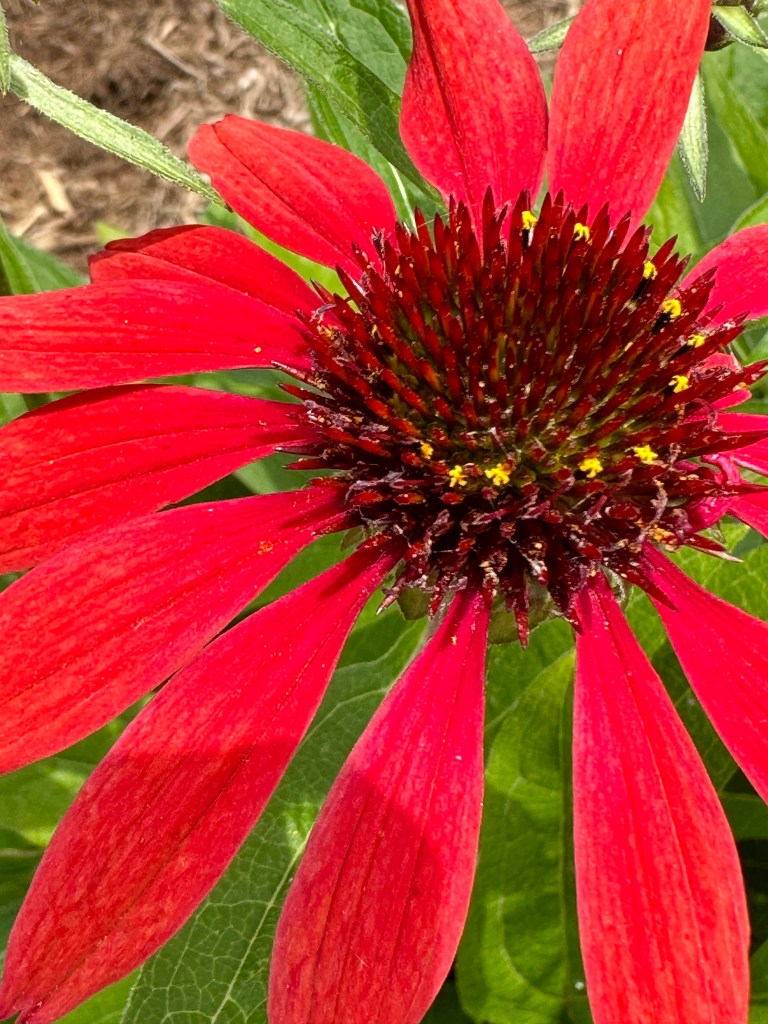
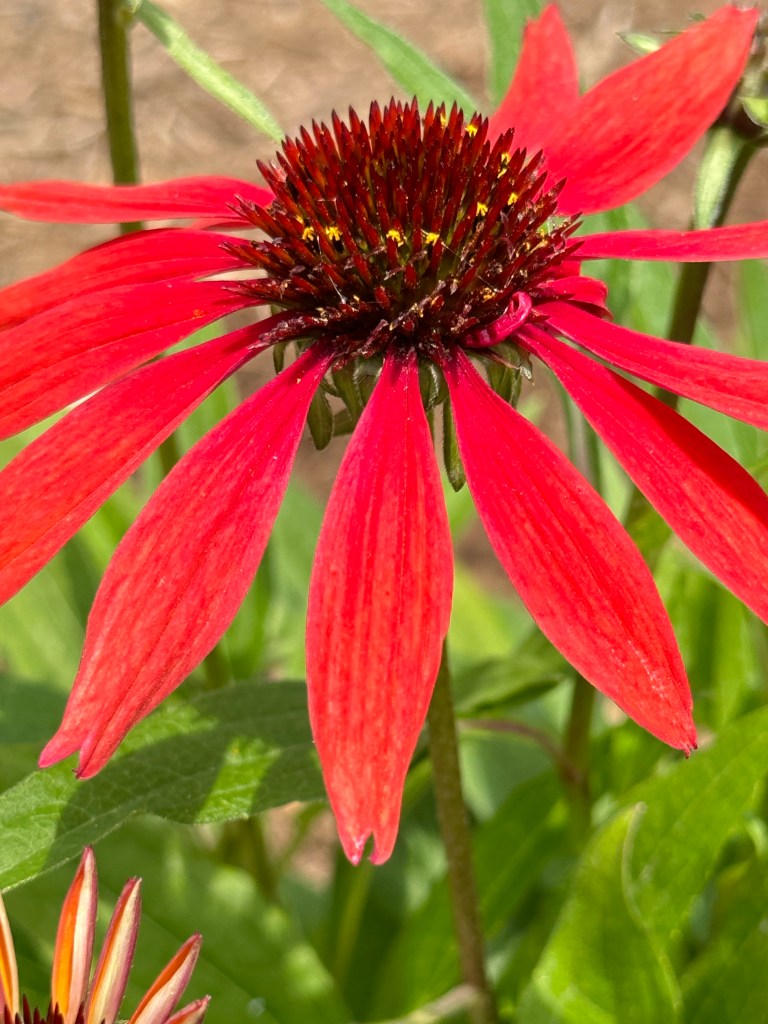
Echinacea Sombrero Salsa Red displays single rows of drooping, deep orange-red ray petals around a sombrero-shaped, orange-brown cone. The lightly fragrant flowers attract butterflies! They provide long lasting color in the garden.
Echinacea Sombrero Salsa Red Coneflower
These are reded daisy-like flowers with dark cones and are produced on strong, well branched stems. Echinacea is well known for its large, daisy-like flowers. It is a bold, sturdy perennial sporting flowers with a large cone-shaped center, hence its common name of Coneflower.
It is also known by African Arrowroot, Arrowroot, Canna, Edible Canna, and Wild Canna Lily among a few other names.
The rhizomes of cannas are rich in starch, and have many uses in agriculture. All of the plant material has commercial value, rhizomes for starch (consumption by humans and livestock), stems and foliage for animal fodder, young shoots as a vegetable, and young seeds as an addition to tortillas.
Other interesting usesincludethe hard black seeds of the Arrowroot having been used in the 19th century as bullets when ammunition was limited. The seeds are also used for making jewelry and musical instruments such as rattles.
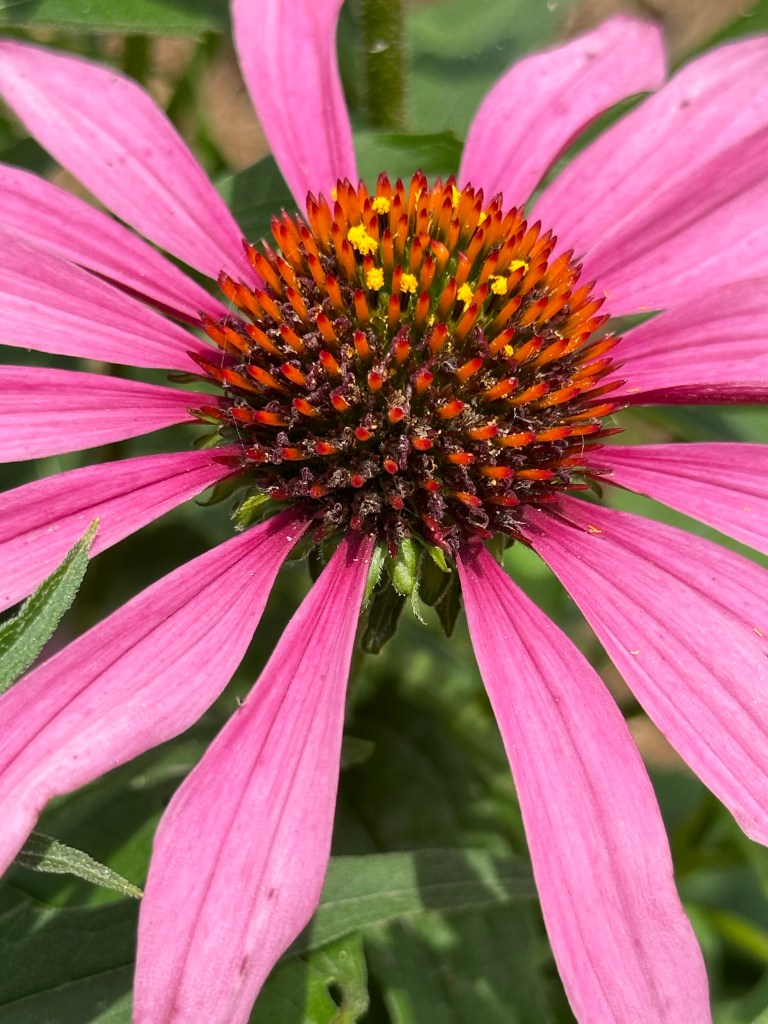
Echinacea purpurea is recognisable by its purple cone-shaped flowers. It is native to eastern North America and present to some extent in the wild in much of the eastern, southeastern and midwest United States. It is often known as the purple coneflower.
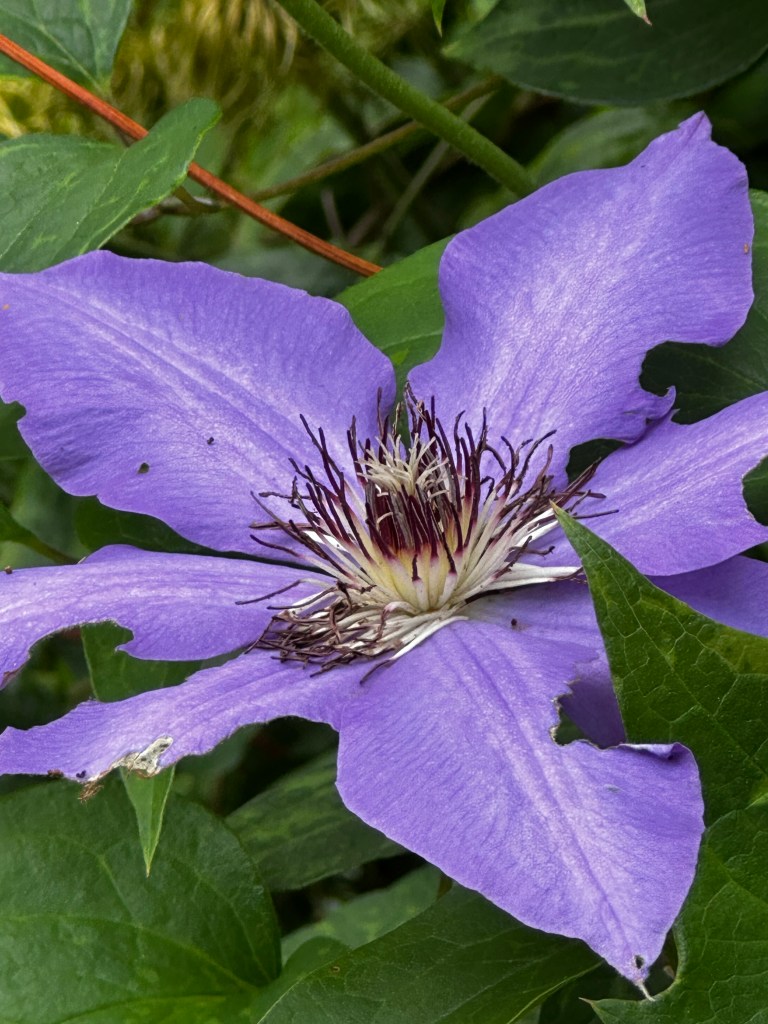
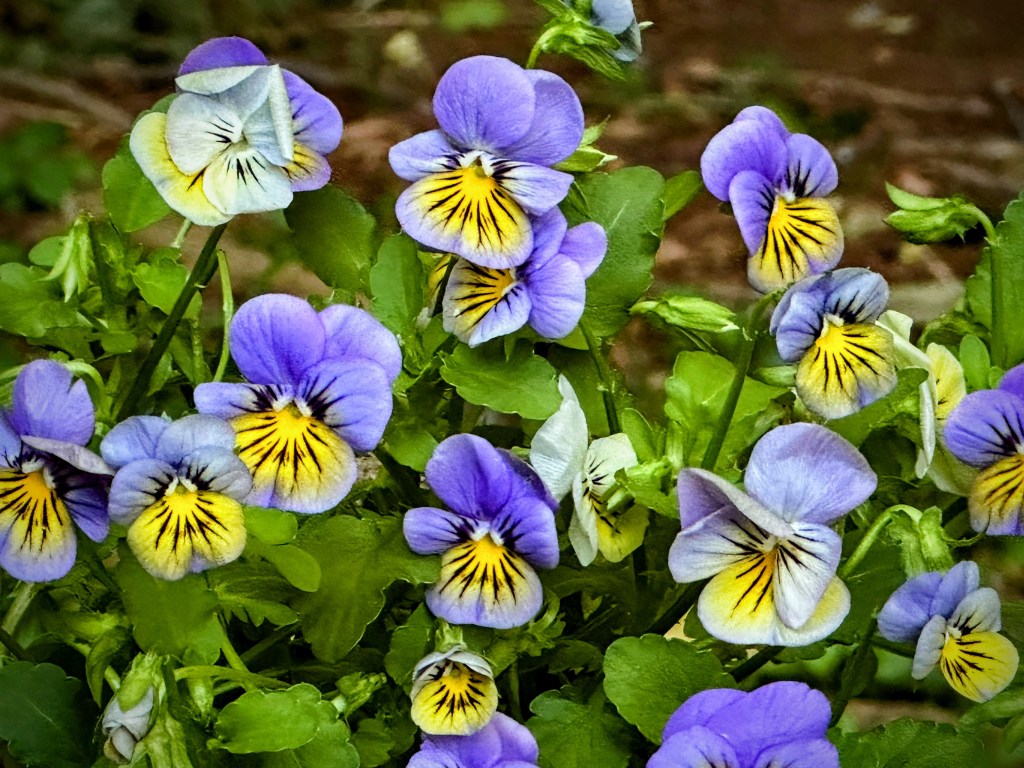
Clematis viticella, the Italian leather flower, purple clematis, or Virgin’s bower, is a species of flowering plant in the buttercup family Ranunculaceae, native to EuropeShades of Purple in a Garden PlanterSalvia officinalis, the common sage or just sage, is a perennial, with blue to purplish flowers. Sisyrinchium angustifolium, commonly known as narrow-leaf blue-eyed-grass Viola × williamsii, known as hybrid horned pansy, tufted pansy, or just horned pansy
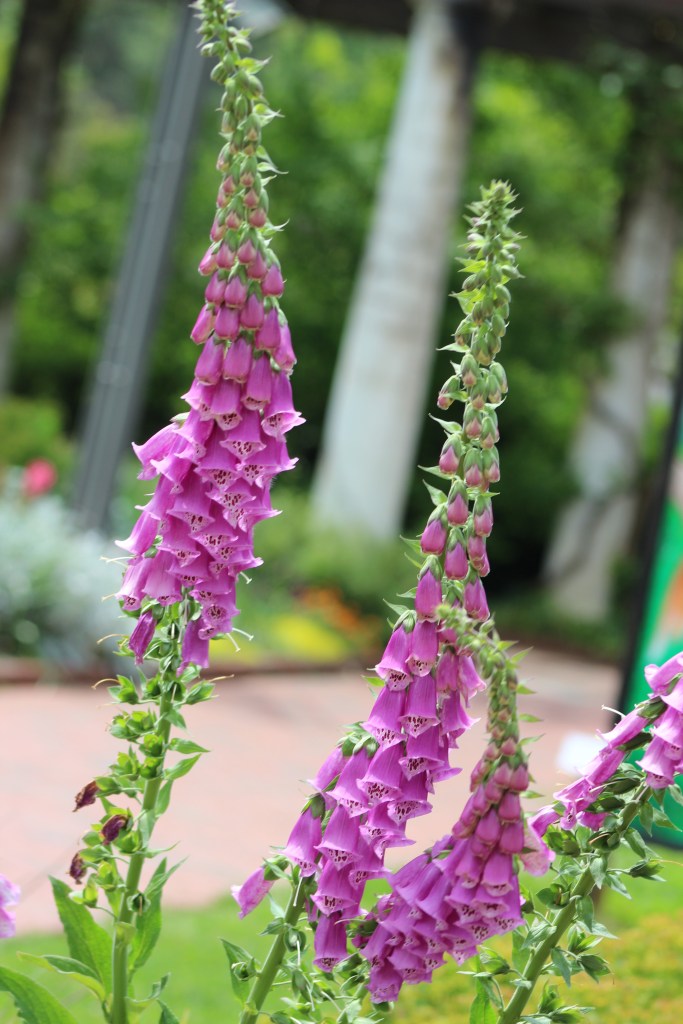
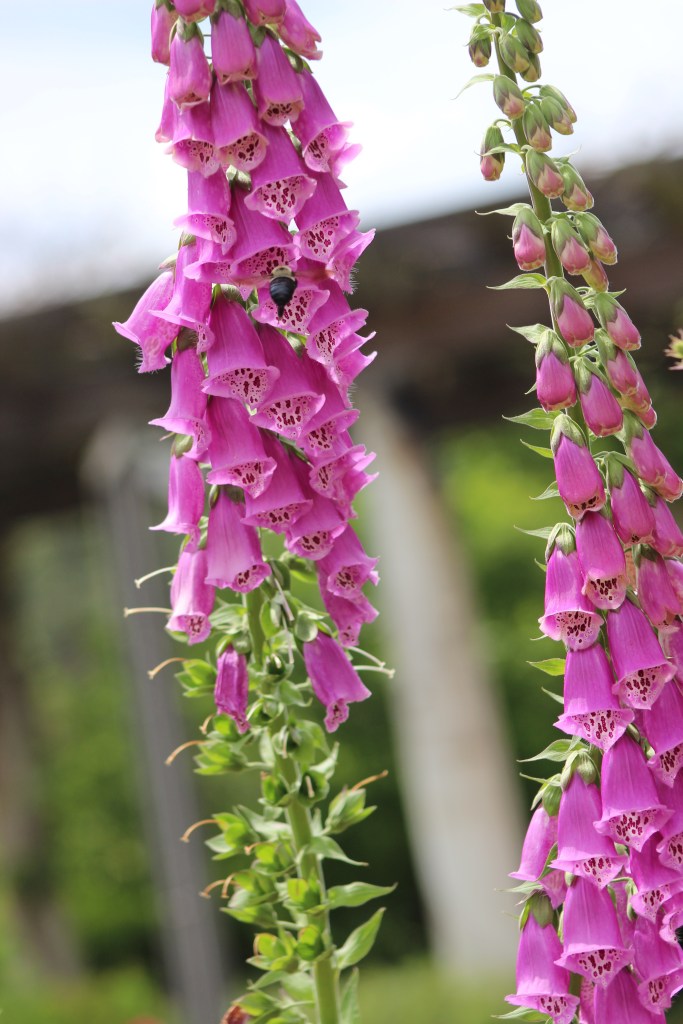
View from our picnic table Notice the Visitor Shot on Canon while Coleman snacked Eastern Carpenter Bee on Digitalis purpurea ‘Dalmatian Purple’ Foxglove Earliest blooming of all Foxglove.
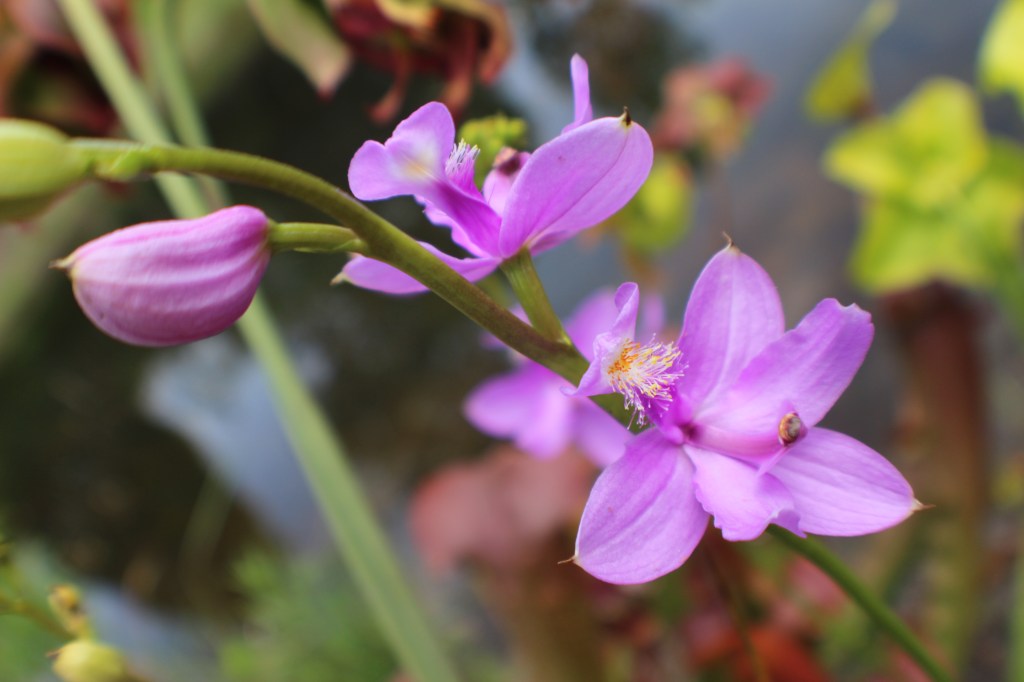
(Calopogon tuberosus var. simpsonii) This gorgeous wildflower is called grass pink and it is in the Orchid family (Orchidaceae). The genus name “Calopogon” is Greek and means “beautiful beard.” It refers to the hairlike structures on the upper petal. It has a bulb-like corm that resembles a tuber, hence the name “tuberosus.” The slender grass-like leaves give rise to the name “grass pink.” It is a stunning wildflower.
The Scilla Peruviana is also known as the Portuguese Squill. It is a spring-blooming bulb with striking, lavender-blue flowers. The flower heads can be as large as a softball, with star-like florets that open gradually over a period of 3 weeks or more. The plants have long, strappy leaves similar to a hyacinth, and grow 12-20” tall.
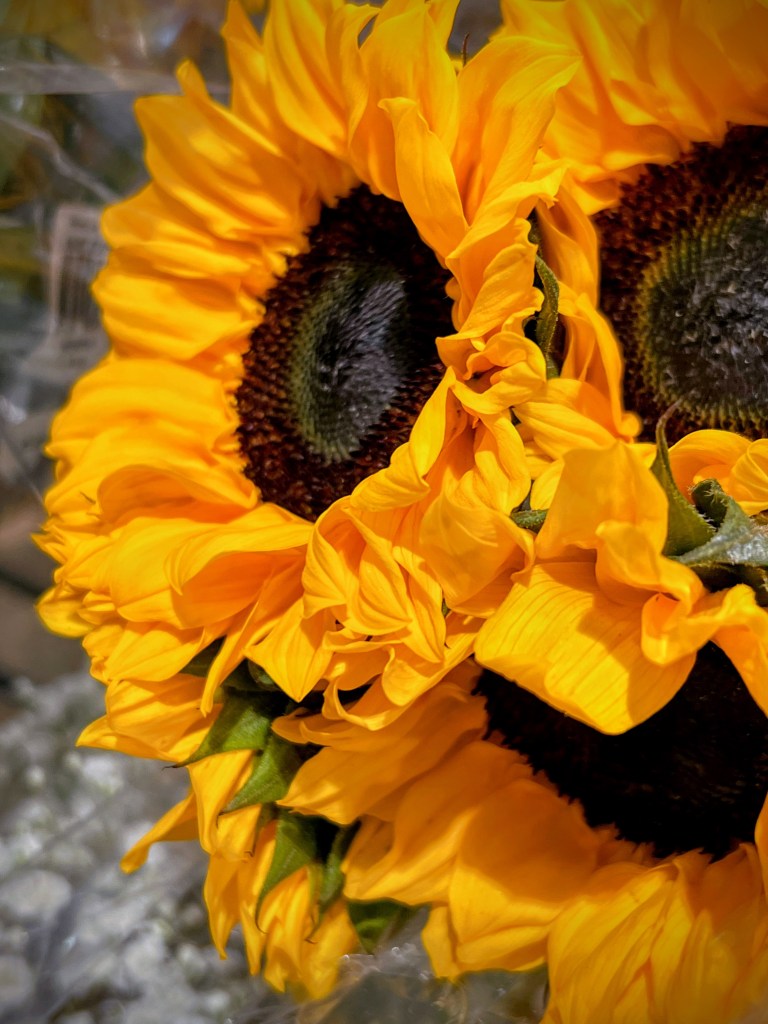
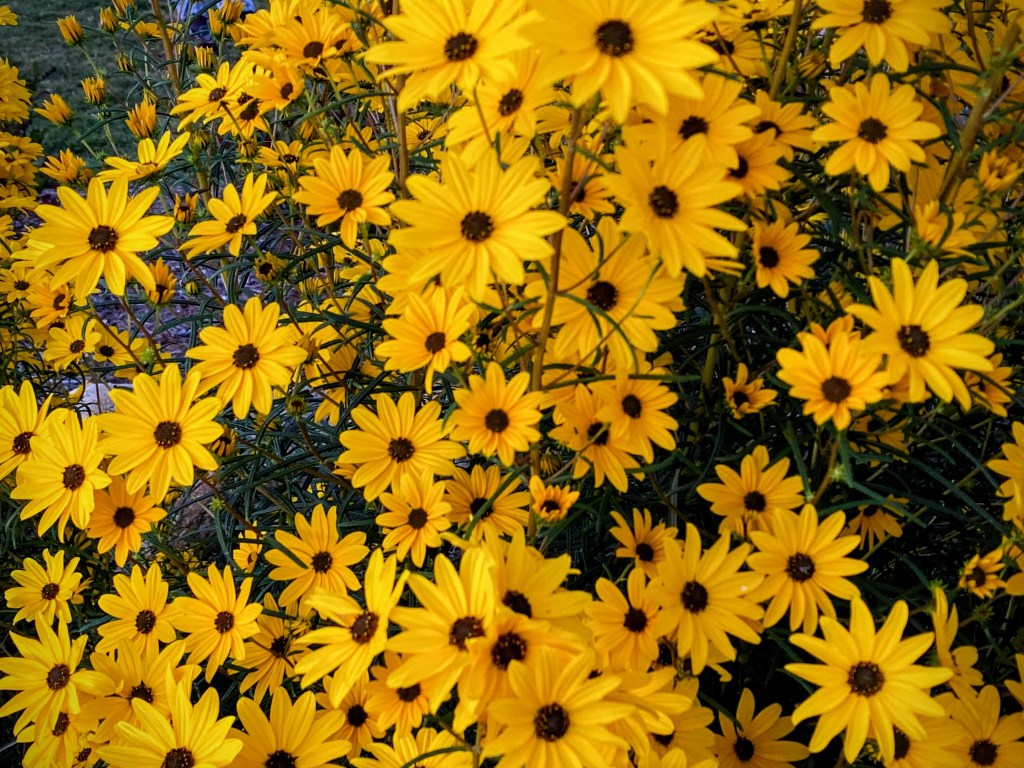
Common Sunflower Helianthus giganteus, the giant sunflower or tall sunflowerSwamp Sunflower Helianthus angustifoliusI’m Grateful for you crosscards.com
Lavender & Meadow SageMeadow Sage Salvia x sylvestrisLavender ‘May Night’ Sage
These Lavender & Sage plants and flowers are within the Memorial Garden which you can find along the Nature Trail at The Schiele Museum located in Gastonia, North Carolina.
Odontocidium, is the nothogenus comprising intergeneric hybrids of the two orchid genera Odontoglossum and Oncidium. Some refer to this orchid as a “Bacon Orchid.” The petals look similar to hanging bacon.
Glencairn Gardens is located in Rock Hill, South Carolina. It was started by David & Hazel Bigger in their backyard. It is now an 11 acre paradise located in the heart of Rock Hill. It is beautifully landscaped with walkways, lawns, fountains, as well as various plants and flowers. Mrs. Bigger deeded the garden to the city of Rock Hill after her husband’s passing in 1958.
Come See Me Festival Fountain
The Garden was the original inspiration for Rock Hill’s annual Come See Me Festival. The festival has developed into a ten day event which is held each spring at Glencairn Gardens and various other sites throughout Rock Hill.
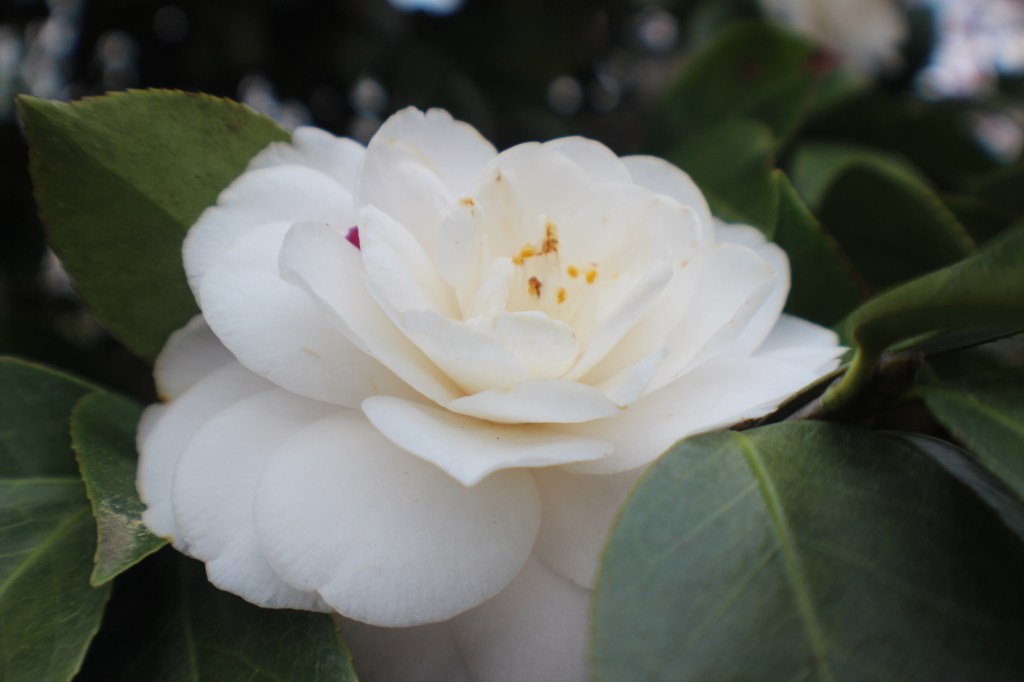
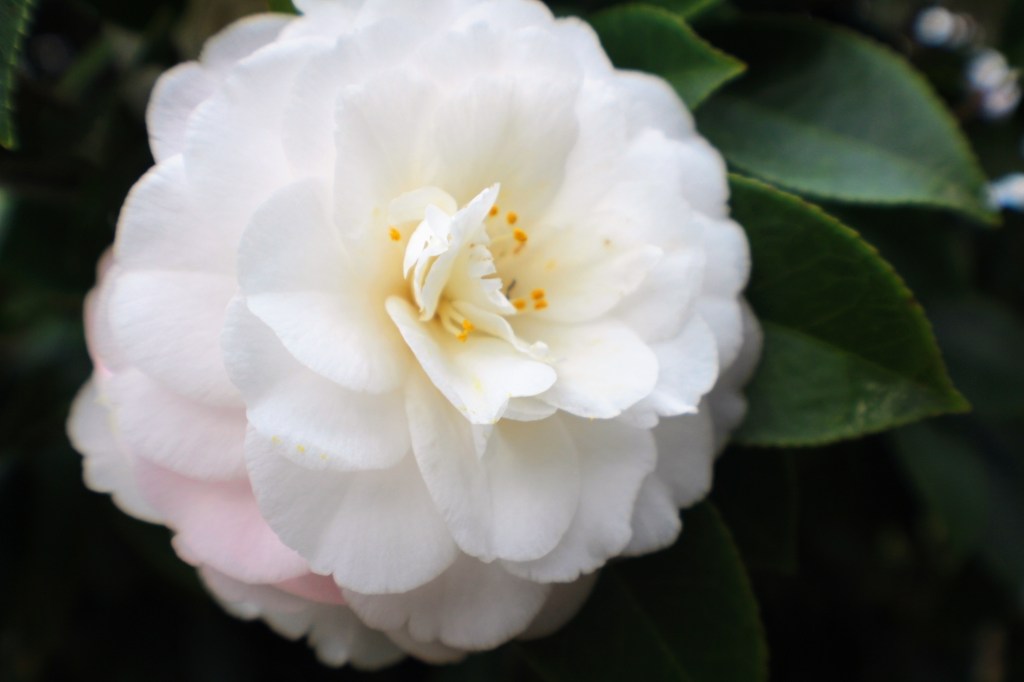
The Garden boasts a variety of blooms year round. They vary from Dogwoods and Wisteria to Azaleas and Camellias along with a variety of hardwood trees to be adorned by visitors strolling throughout the Gardens.
Circle of Friends
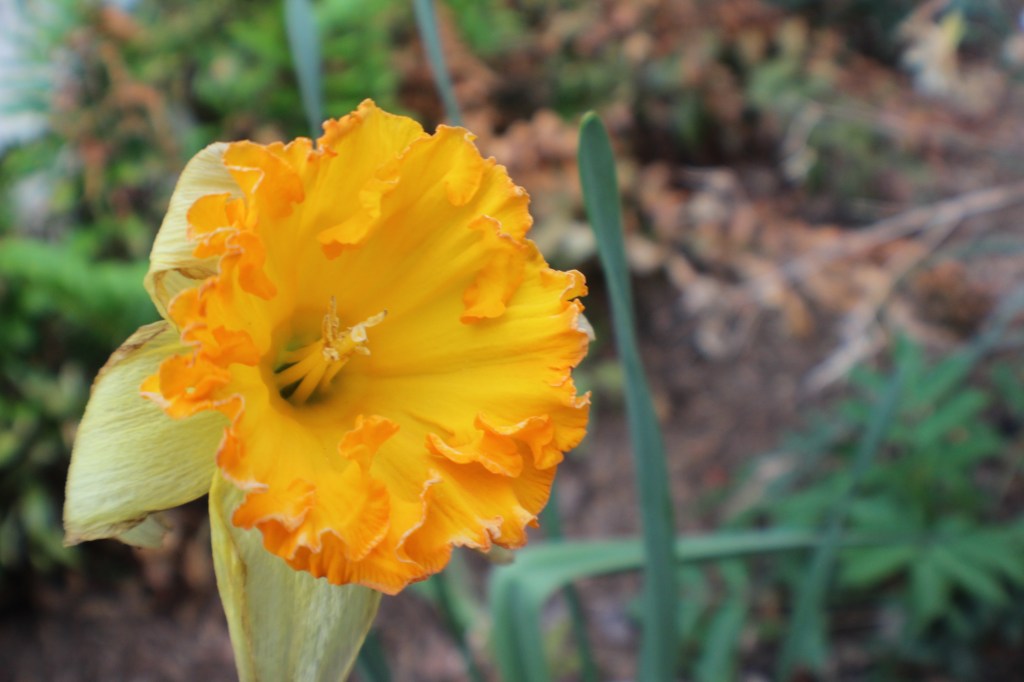
The peak blooming season is from late March to early April. With such a small window to observe and admire the various spectacular colors & the many different types of flowers in bloom — you wouldn’t want to miss visiting it. Don’t worry if you can’t make it during peak season, there is always something special to see year round. Some of which are the Crepe Myrtles and Day Lilies during the Summer, the changing of leave’s colors in Autumn. And lest you forget, there’s the daffodils and camellias, and the smell of honeysuckle to entice your senses throughout the winter.
Within Glencairn Gardens is also a Veterans Garden. The American Legion Post 34 and the Veterans of Foreign Wars Post 2889 partnered with the City of Rock Hill to create this hard that honors men and women from the past, present, and future who serve in the armed forces of the United States of America.





























 Gfpacificbee’s Insights & photography