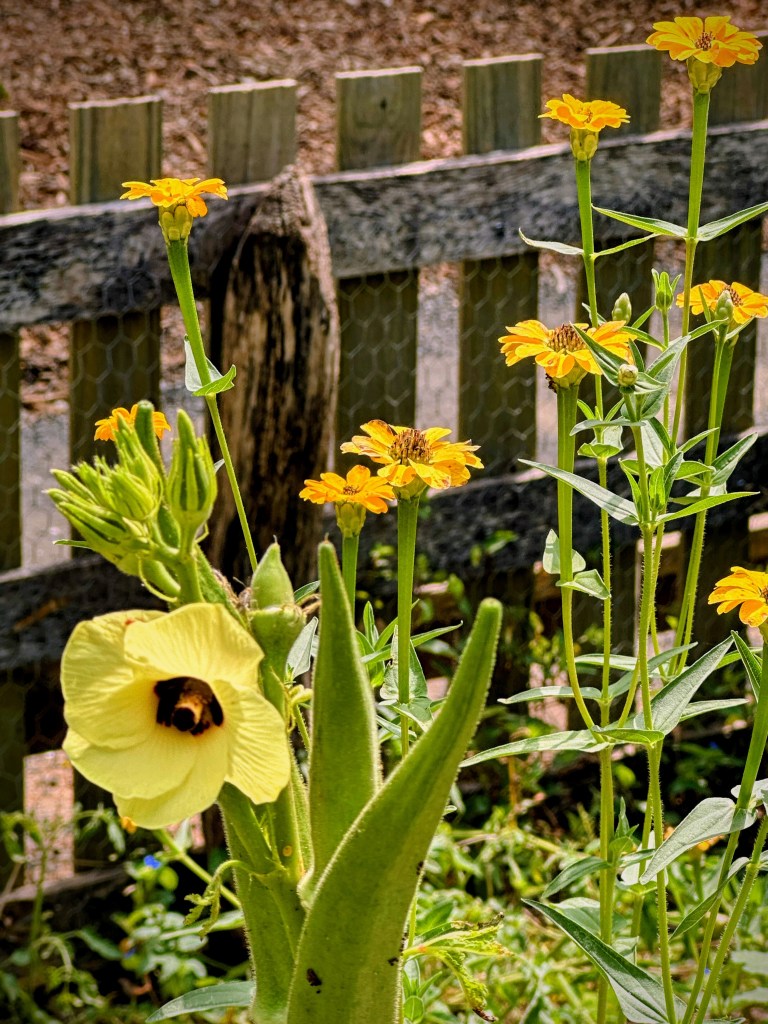
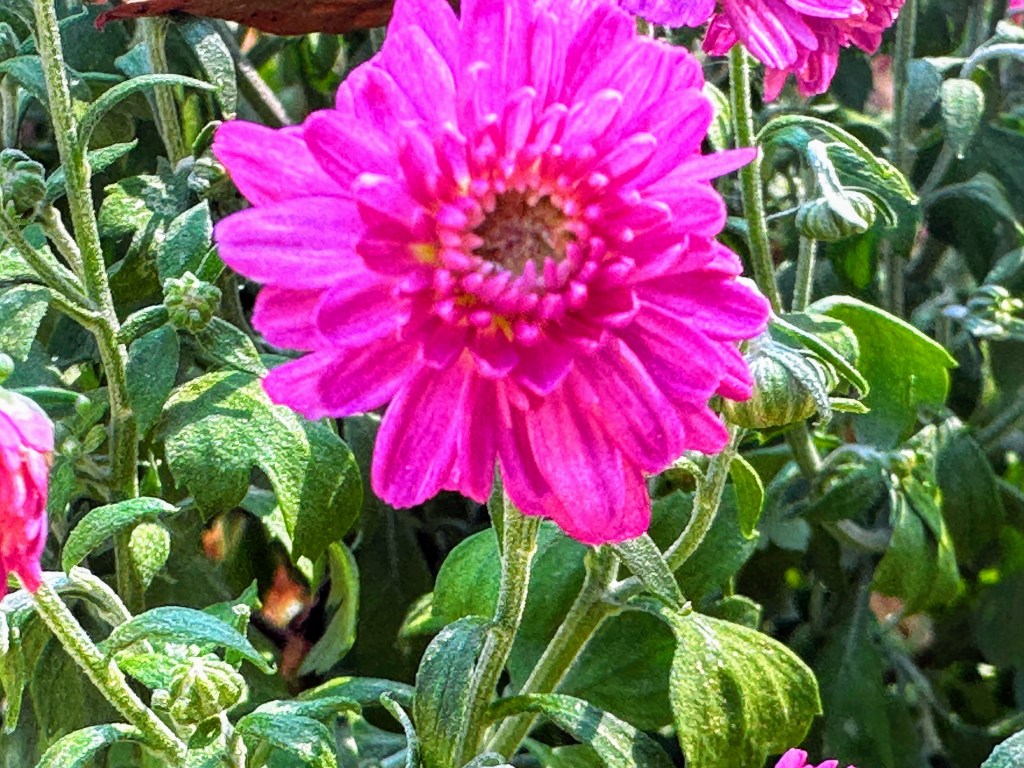
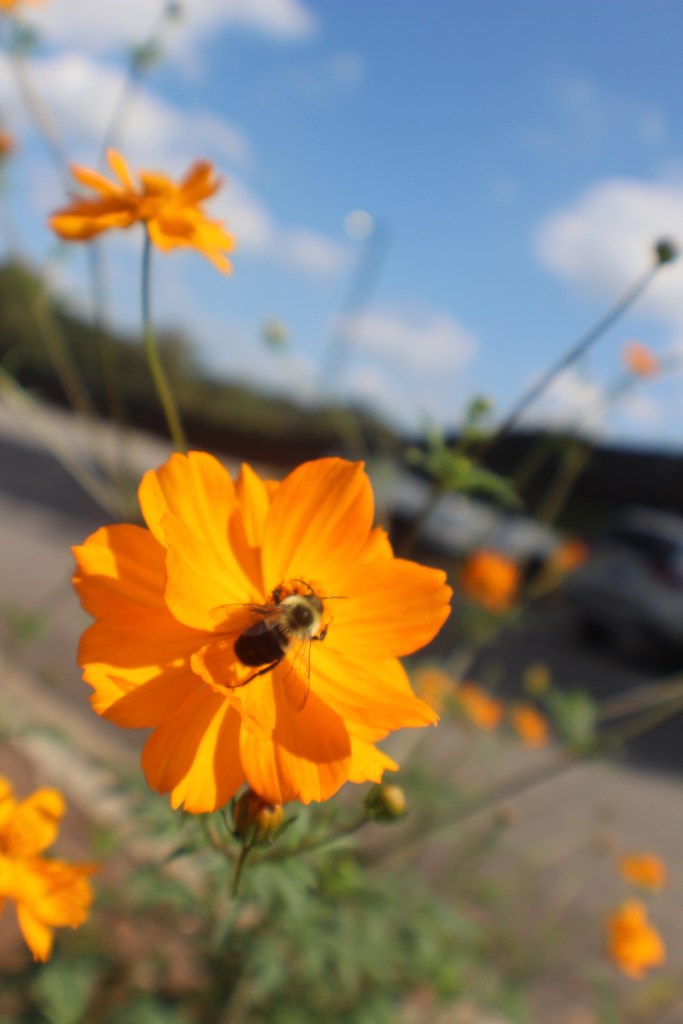
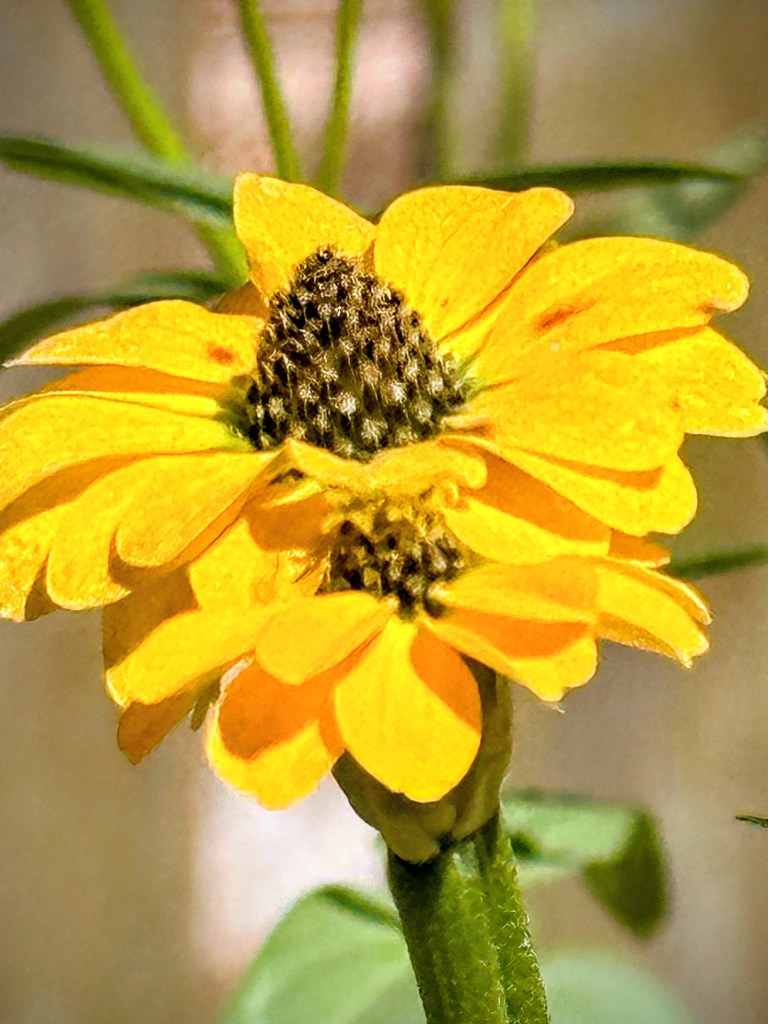
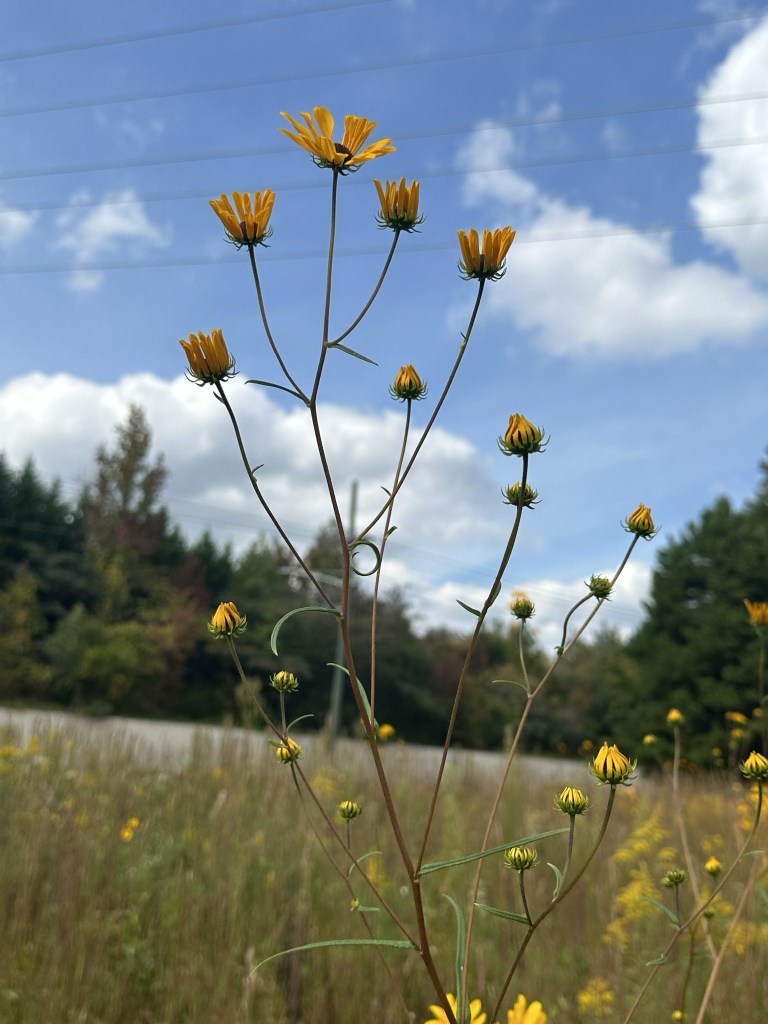
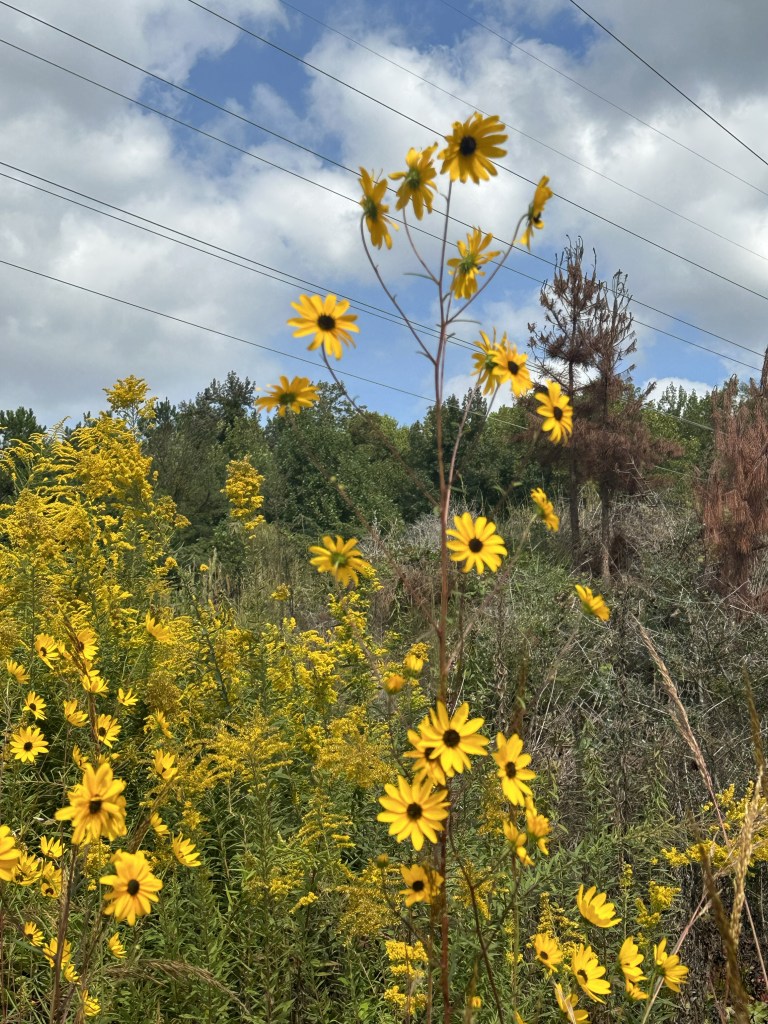
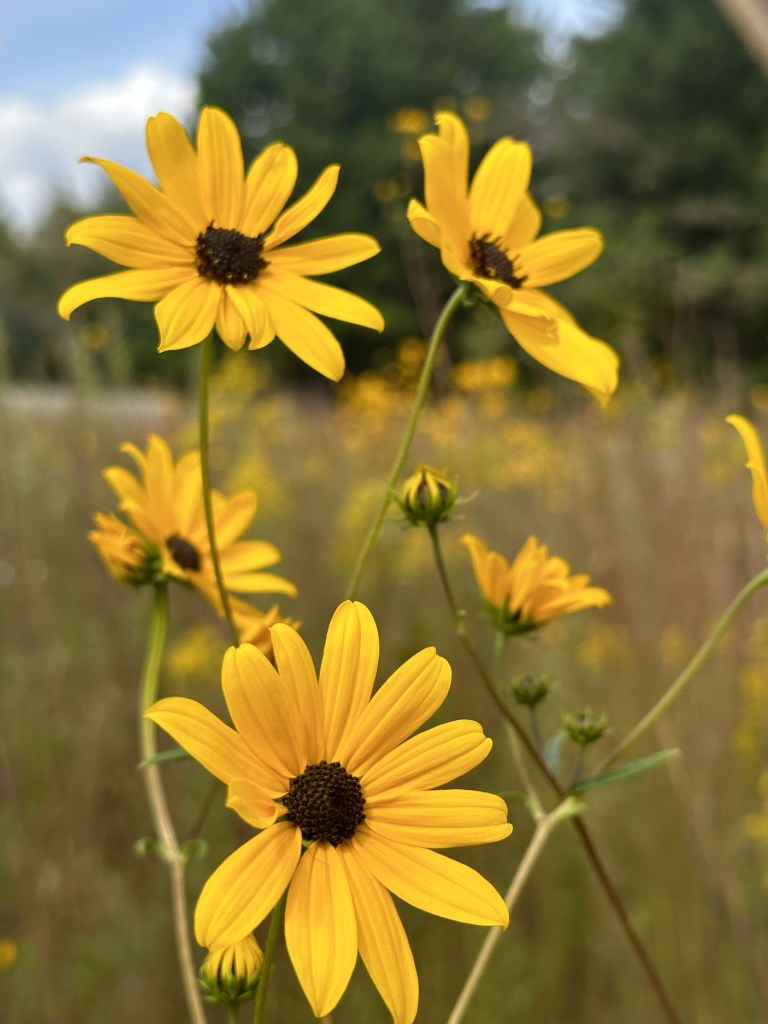
God Bless. Admire the Flowers and the beauty found in nature. Thank you for visiting and sharing your time and thoughts with us. I appreciate y’all very much.
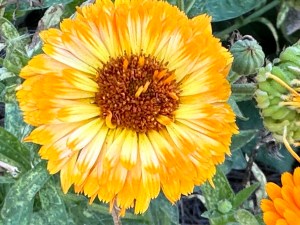
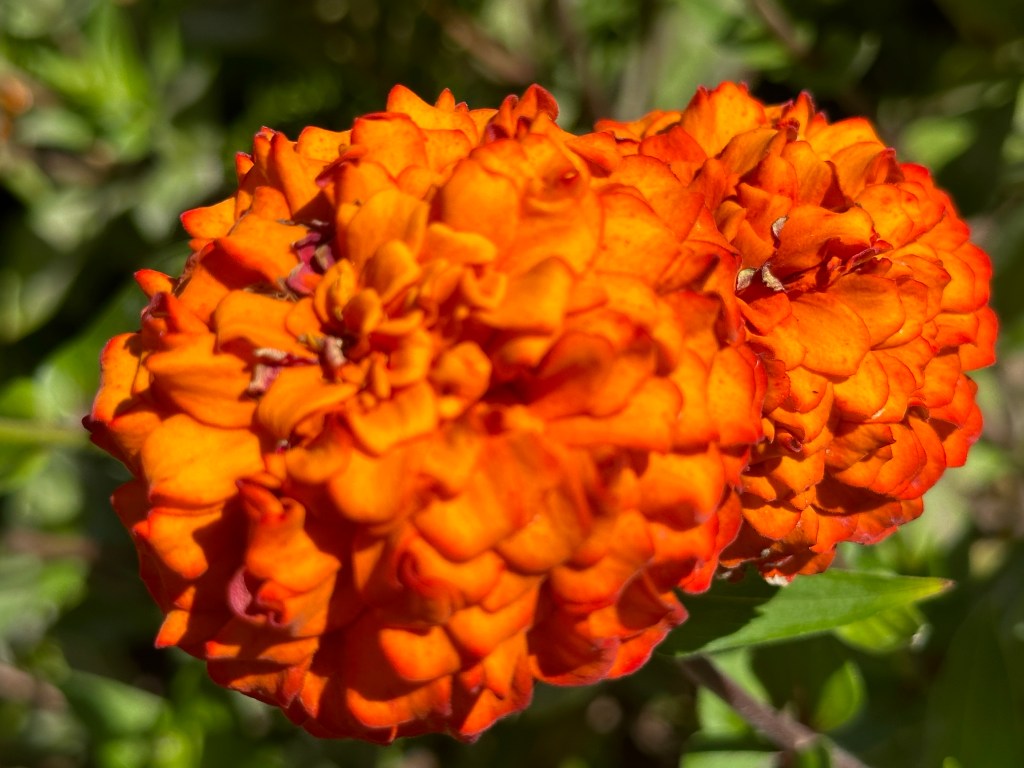
Plant M – Marigold, aka Calendula officinalis, Mary’s gold, common marigold, the pot marigold, Scotch marigold
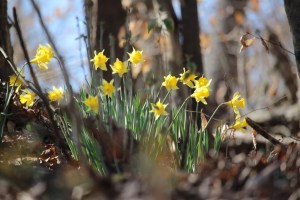
Plant N – Narcissus pseudonarcissus, aka the wild daffodil or Lent lily
Plant O – Moth Orchids (Phalaenopsis)
Also posting in remembrance of …
Cee’s Flower of the Day (FOTD)
Cee’s Flower of the Day (FOTD)
God Bless. Admire the Flowers and the beauty found in nature. Thank you for visiting and sharing your time and thoughts with us. I appreciate y’all very much.
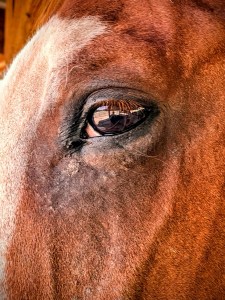
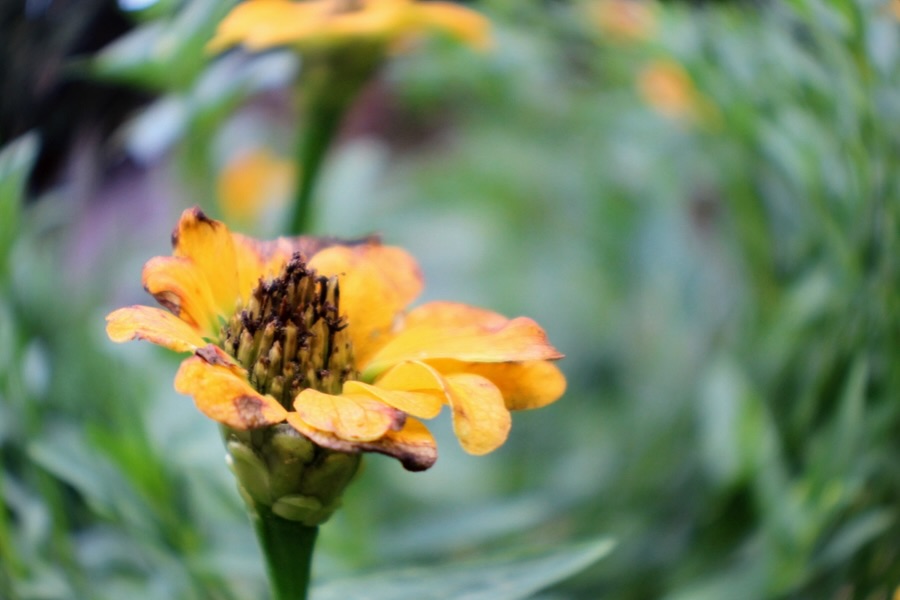
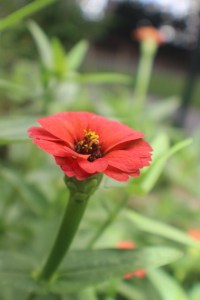
Dan Antion from No Facilities blog host’s Cee’s Fun Foto Challenge. This week he is continuing with his Perspective Challenges. This week is from a perspective of Up Close. This week I am combining CFFC with the Numbers Game using the Theme of Up Close.
Here are my Up Close photos I’ve pulled together for this week’s challenges.
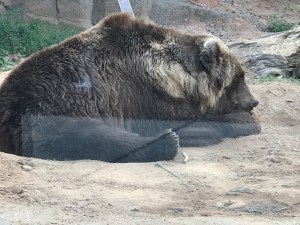
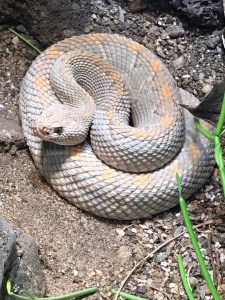
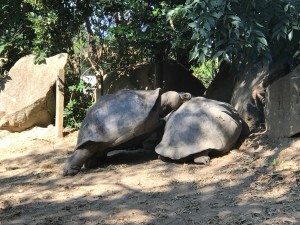
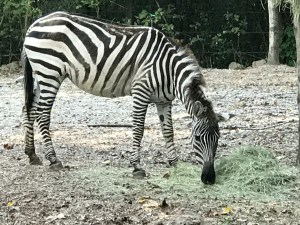
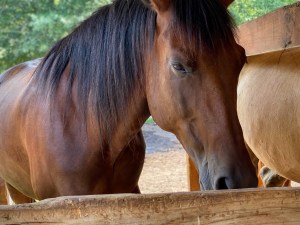
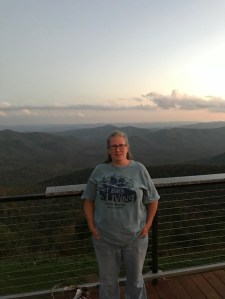
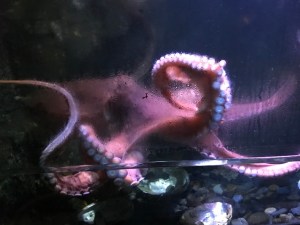
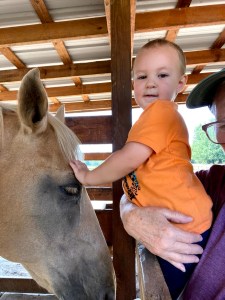
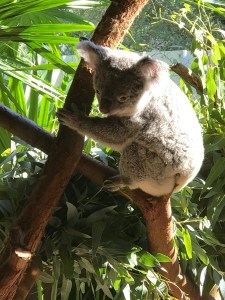
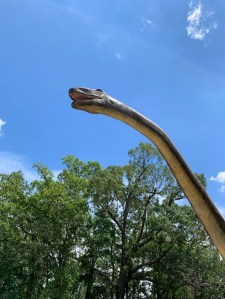
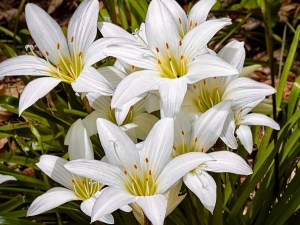
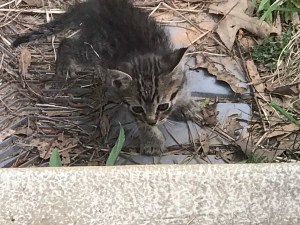
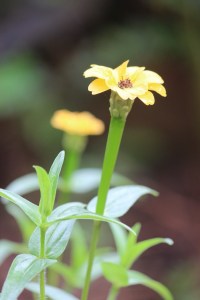
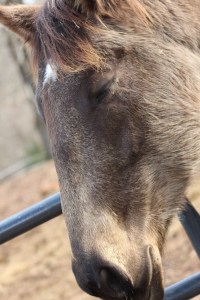
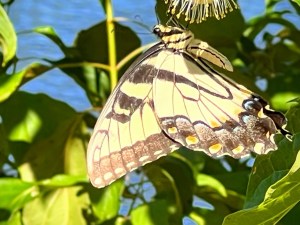
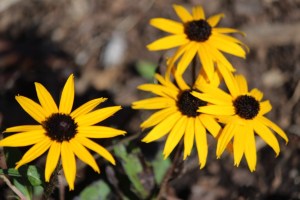
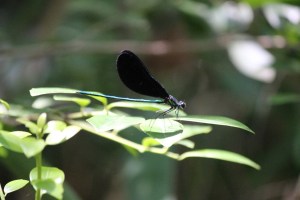
Brown Bear Riverbanks ZooRiverbanks Zoo & Aquarium Columbia, SCCrotalus unicolor Aruba Island RattlesnakeColeman 2021 Lake Wylie, SCGalápagos giant tortoise (Chelonoidis niger)Plains Zebra (Equus quagga)Sea Lion underwater ASCG HorseSea Lion underwaterPisgah Inn (me) Blue Ridge Parkway OctopusColeman visiting Greenway Horses 2021Koala Brachiosaurus at Carowinds ASCG HorseZinnia elegansAmerican beechZinnia peruvianaRocky Shoals Spider Lilies Landsford Canal State Park Feral Cat ZinniaColeman 2021Coleman 2025ASCG HorseEastern tiger swallowtailRudbeckia fulgidaColeman 2021Ebony jewelwing Calopteryx maculataLineberger ParkCarowinds
To play along, go to your photos file folder and type that number into the search bar. Then post a selection of the photos you find that include that number and post a link to your blog in my Numbers Game blog of the day. If instead of numbers, you have changed the identifiers of all your photos into words, pick a word or words to use instead, and show us a variety of photos that contain that word in the title. This prompt will repeat each Monday with a new number. If you want to play along, please put a link to your blog in comments.
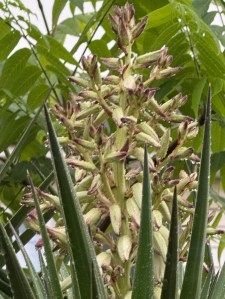
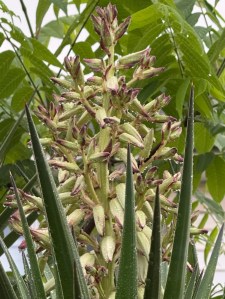
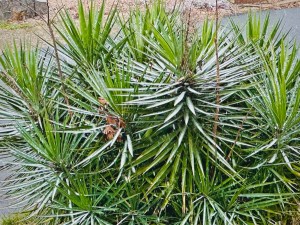
The Yucca Gloriosa, also known as Spanish Dagger, is a native evergreen yucca in the southeast USA on the coasts of North Carolina south to Florida. [This plant is in the Piedmont region of North Carolina.] It grows as a shrub or small tree and can grow up to 16 feet tall but is relatively slow-growing.
Yucca gloriosa
The leaves are in a basal rosette on younger plants and are sword-shaped with sharp tips. Eventually, it will develop a woody trunk with a more tree-like form. [This particular Yucca plant is a shrub with bayonet like leaves which are crowded in the lower area and spread outwards at the top. The plant is heat, humidity, drought and salt tolerant and can tolerate some cold and snow.
TheYucca gloriosa(Spanish Dagger) attracts the Yucca moth (Tegeticula yuccasella) for pollination as well as the larva feeding on the seeds. It is said that the Yucca plant flowers also attracts bees and hummingbirds, however, I have not seen them around it as of yet.
Camera: 1-2) Apple iPhone 16 Pro Max; 3) Apple iPhone 14 Pro Max
Location: Old Town; Riverside Community; Cramerton, North Carolina, USA
God Bless. Stop and enjoy the flowers. Have a lovely day. Thank you for visiting and sharing your time and thoughts with us. I appreciate y’all very much.
My entries this week for Cee’s Midweek Madness Challenge we’re all taken when Coleman and I went hiking at one of his favorite places, Anne Springs Close Greenway.
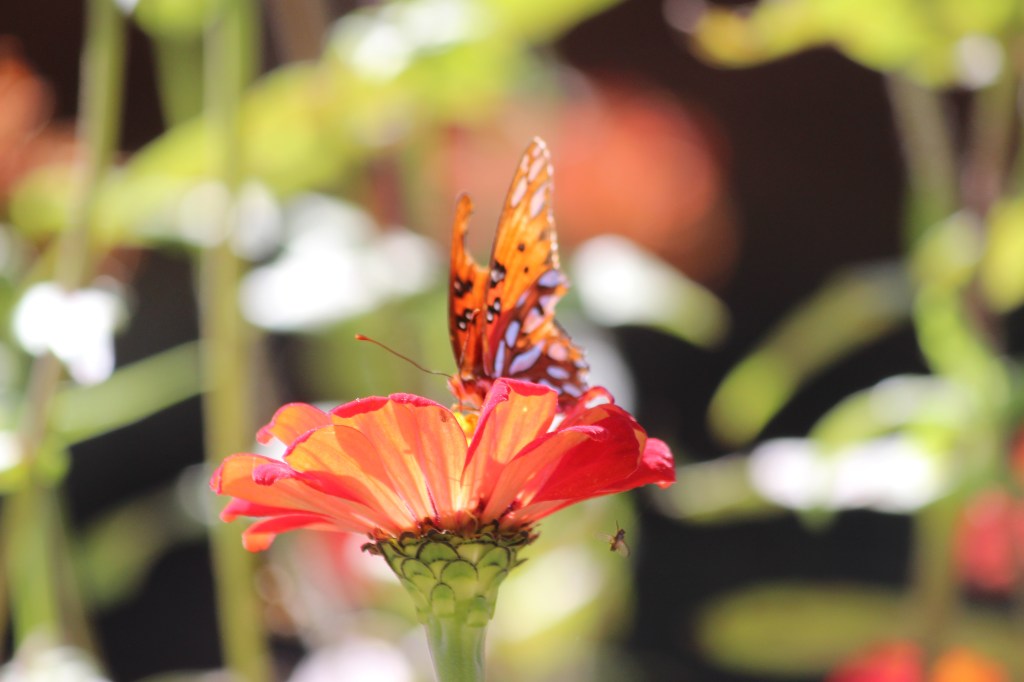
Muhlenbergia capillaris (Hair-awn or Pink Muhly) Checking you out …The Gulf fritillary or passion butterfly (Dione vanillae) on Zinnias
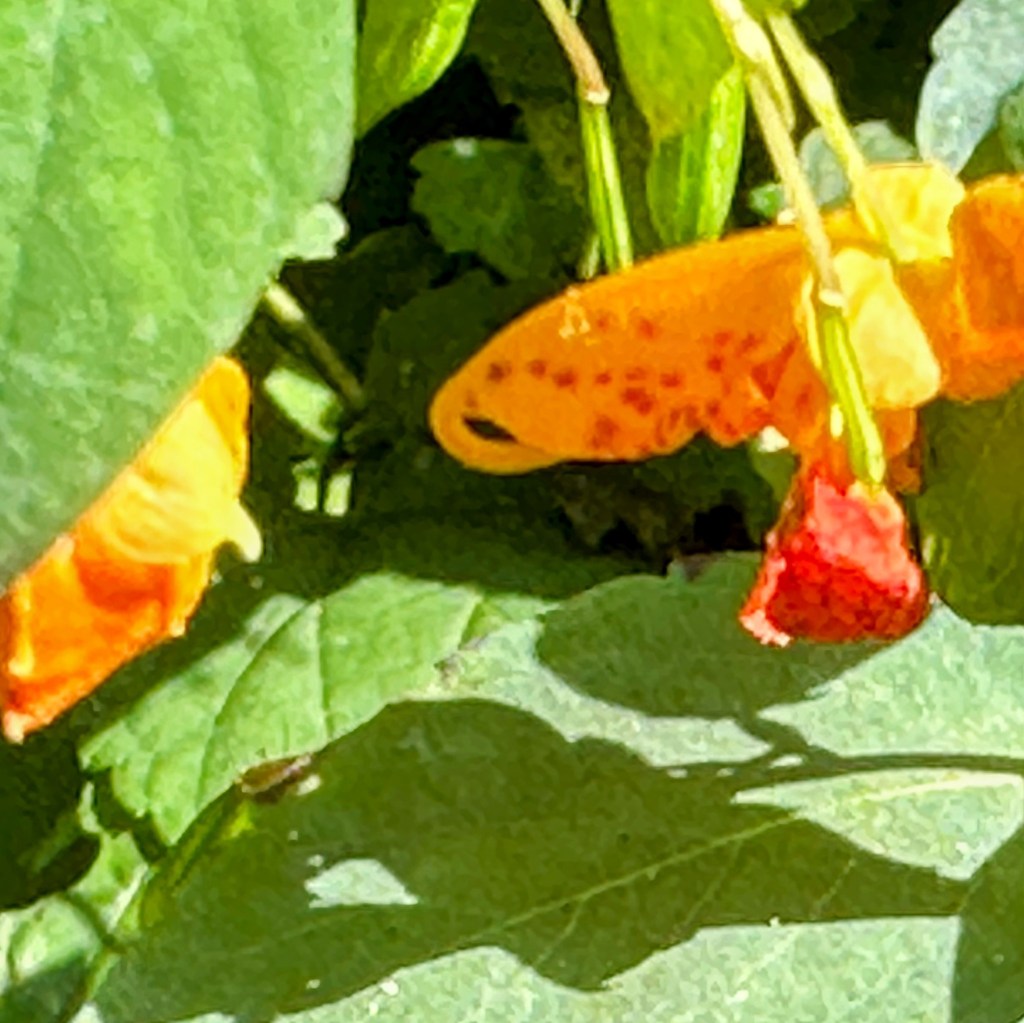
Spotted touch-me-notImpatiens capensis, the orange jewelweed, common jewelweed, spotted jewelweed, jewelweed, spotted touch-me-not, or orange balsam
Impatiens capensis, also known as, Jewelweed has a long history of use in Native American medicine. When applied topically, sap from the stem and leaves is said to relieve itching and pain from a variety of ailments, including hives, poison ivy, stinging nettle, and other skin sores and irritations.
Jewelweeds are found in locations all over the Piedmont region and other areas of the Carolinas. As you can see from the top picture the flowers are rather small. They feature 1″ long, rear-spurred, cornucopia-shaped, orange to orange-yellow flowers with reddish-brown spotting.
The flowers bloom from June to frost. Each flower dangles from a leaf axil on its own slender stalk. It is a herbaceous annual that may grow 3 to 5 feet tall. It can be naturally found in areas of moist soil including forests, streambanks, and bogs.
These particular Spotted touch-me-nots are located along a dense moist trail behind an unused soccer field. The dirt trail winds around and contains many elevated manholes which are accessible to city or county utility officials.
We have seen Jewelweeds in other areas we have hiked but until searching for more information I had not known the many medicinal applications it contains. They are attractive to hummingbirds for their nectar from June until early frost.
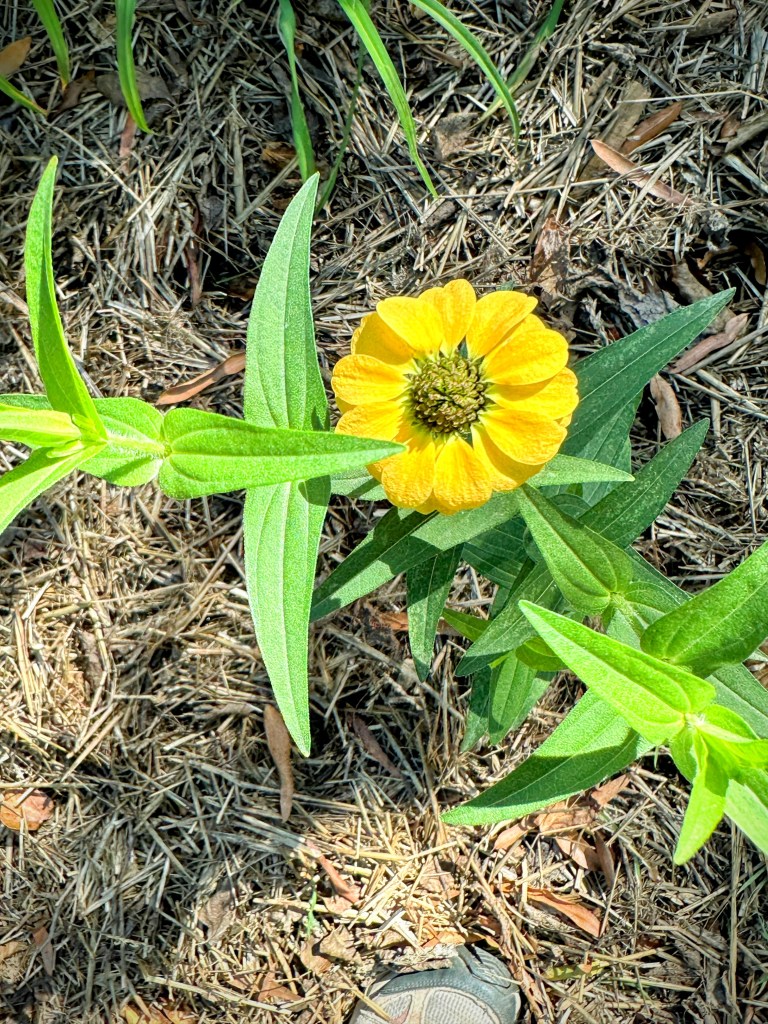
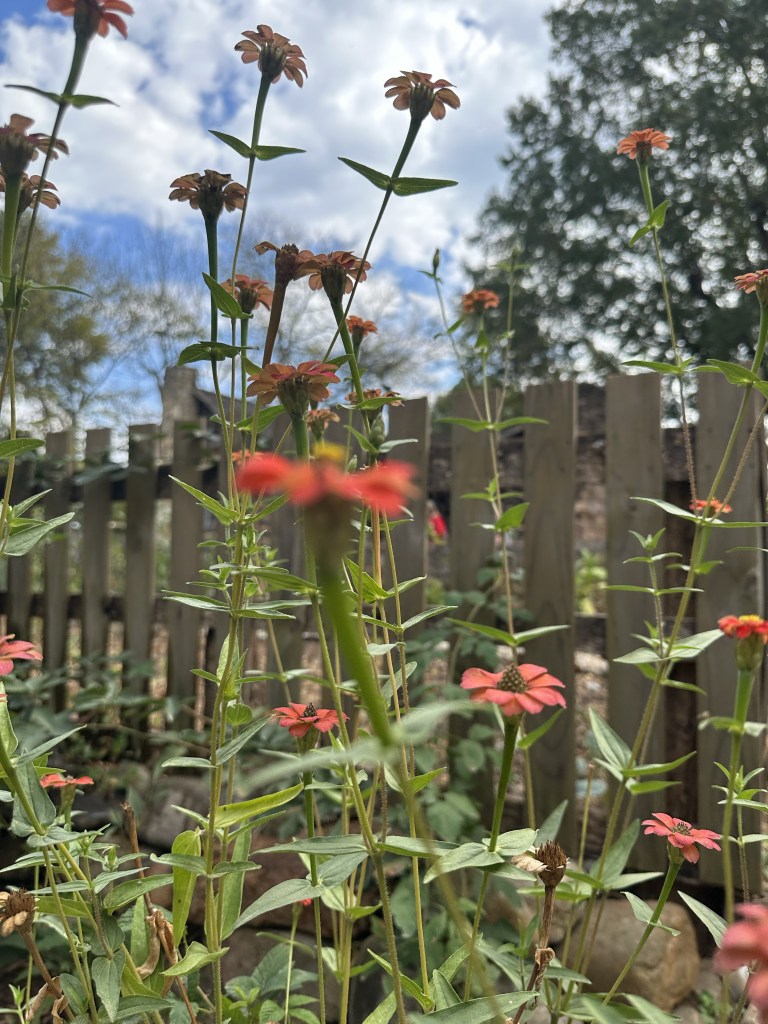
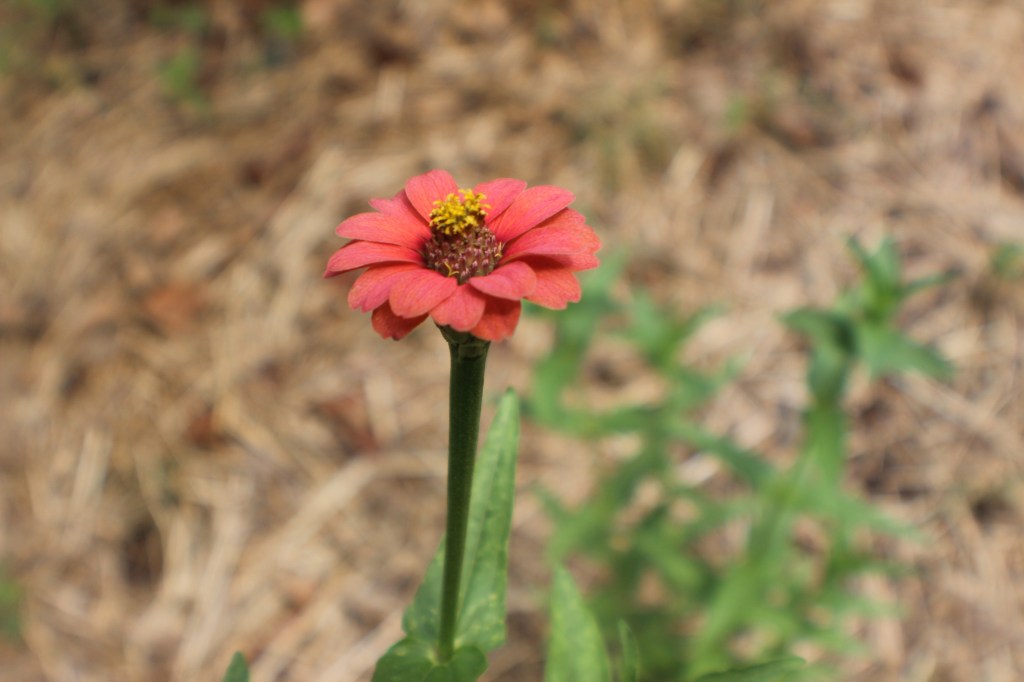
Zinnias are subtropical and tropical upright annual flowering plants in the Asteraceae family which boast an abundance of daisy-like flowers. They are native to North and South America.
Original Peruvian Zinnias
These and other Zinnias are grown in the Memorial Wildlife Garden contained within The Farm at The Schiele Museum of Natural History in Gastonia, North Carolina. The Farm is located to the left as you enter the Nature Trail area outside the Museum walls.
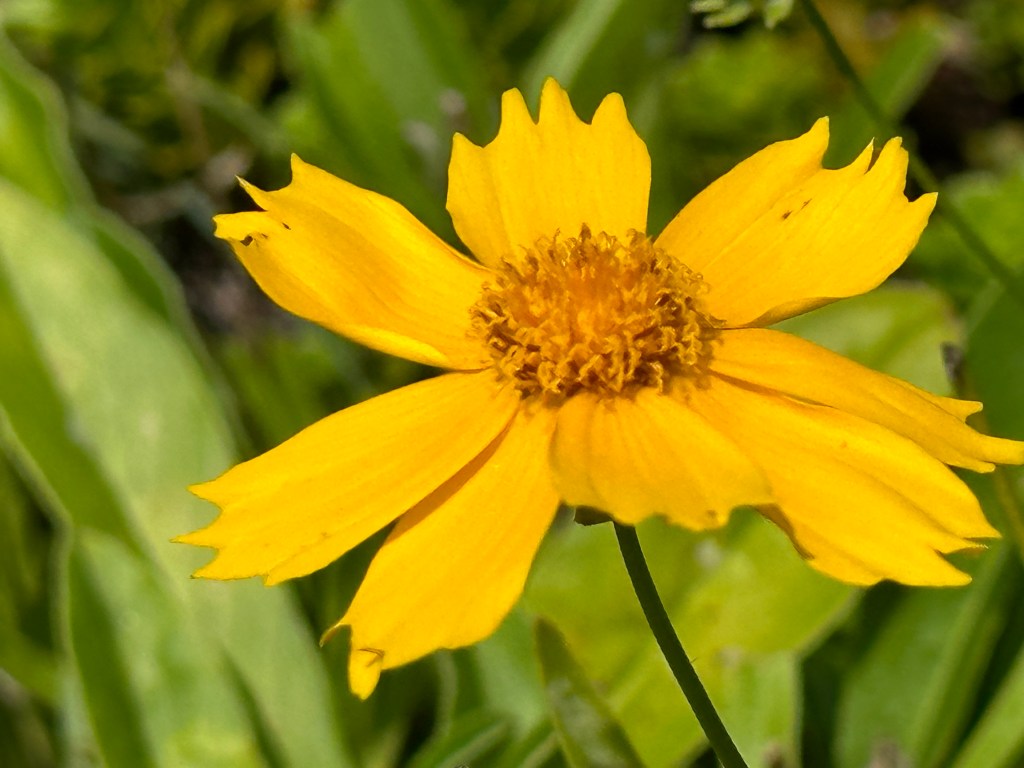
Coreopsis lanceolata is a North Americanspecies of tickseed in the family Asteraceae. It is native to the Eastern and Central parts of the United States, naturalized in Canada, the Western United States, Mesoamerica, South America, South Africa and Eastern Australia. It is found in open woodlands, prairies, plains, glades, meadows and savannas.
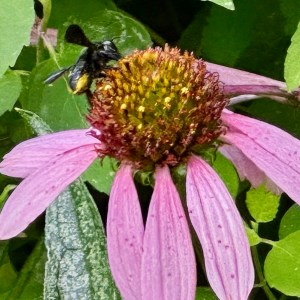
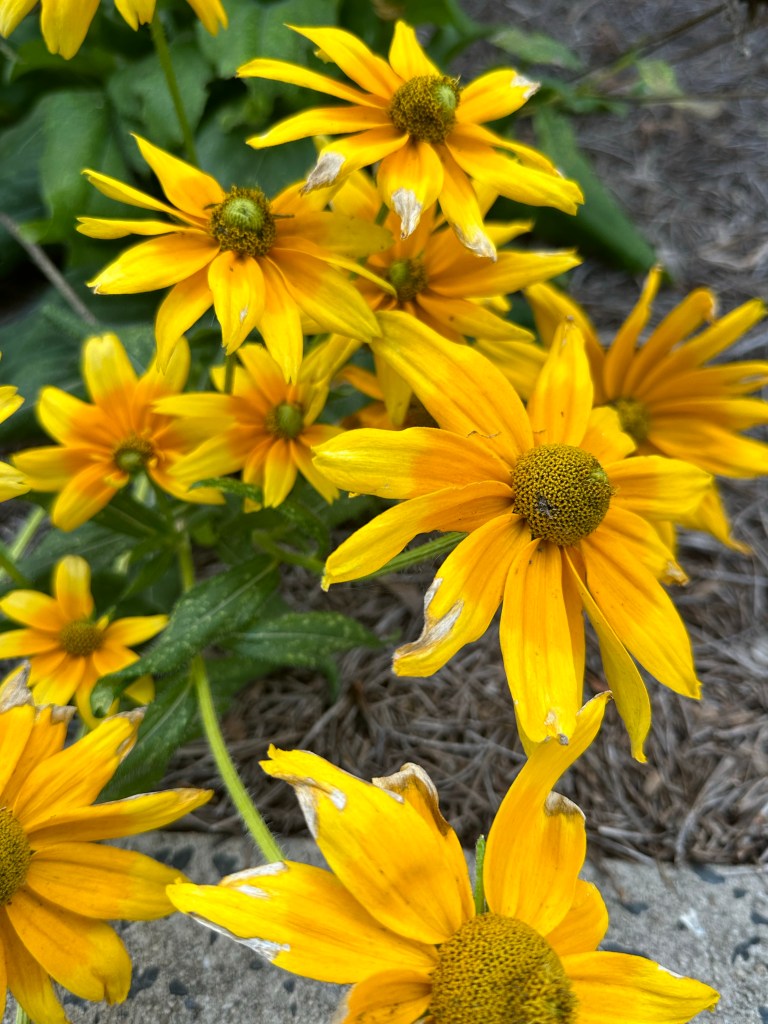
Rudbeckia hirta is a short-lived perennial that should be treated as an annual. It may likely endure few winters, but will often self-seed prolifically. The flowers are showier than other Rudbeckia species and have been widely hybridized. (Clemson.edu)
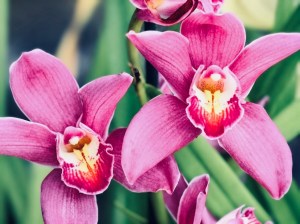
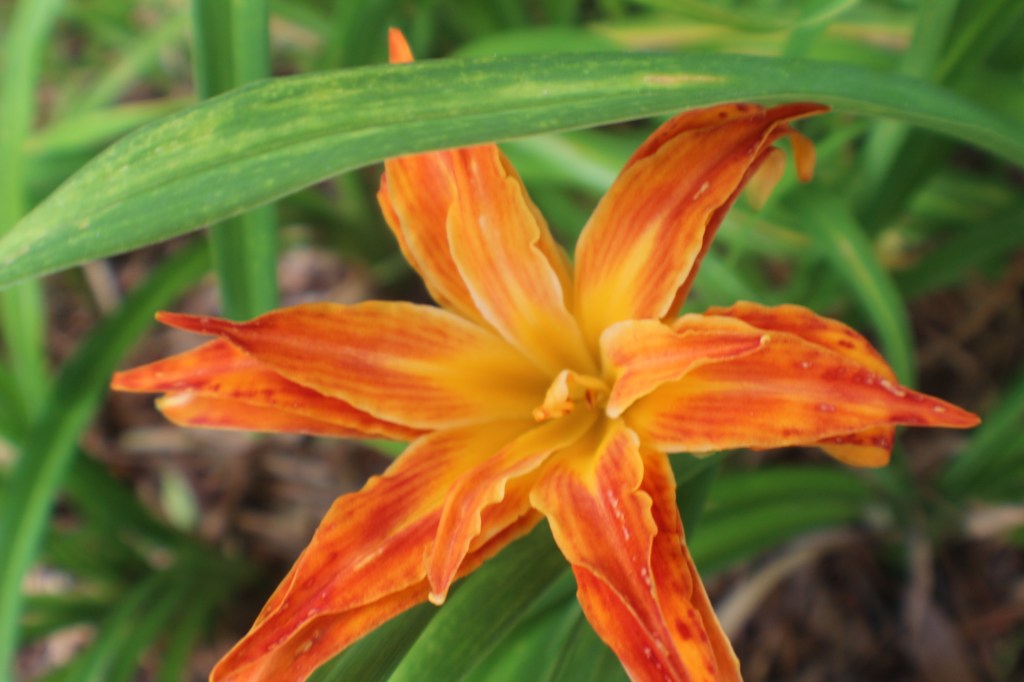
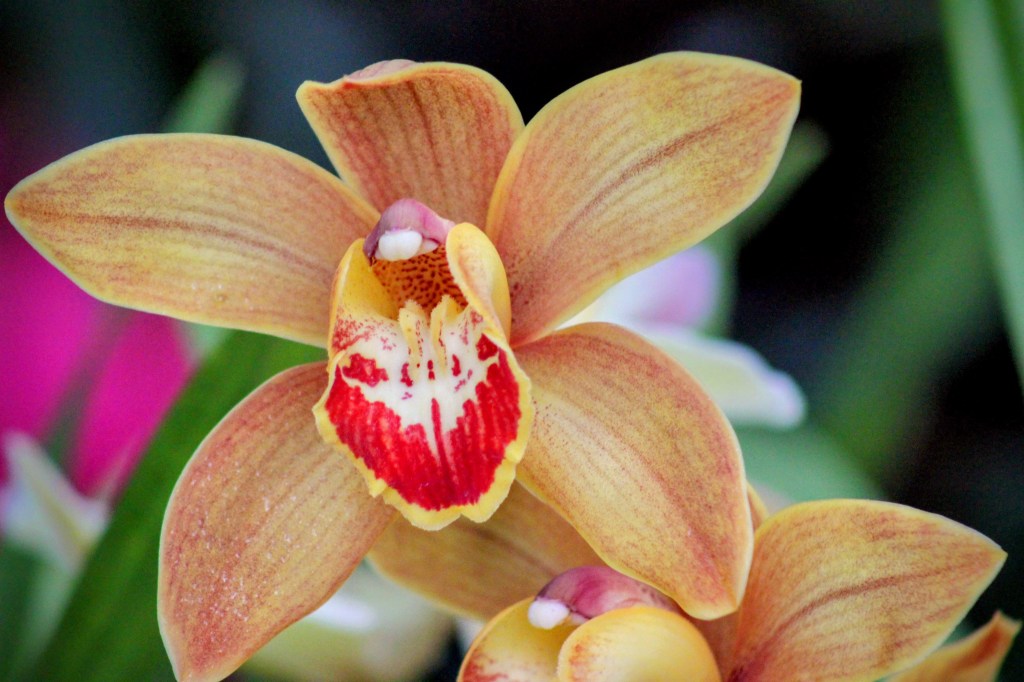
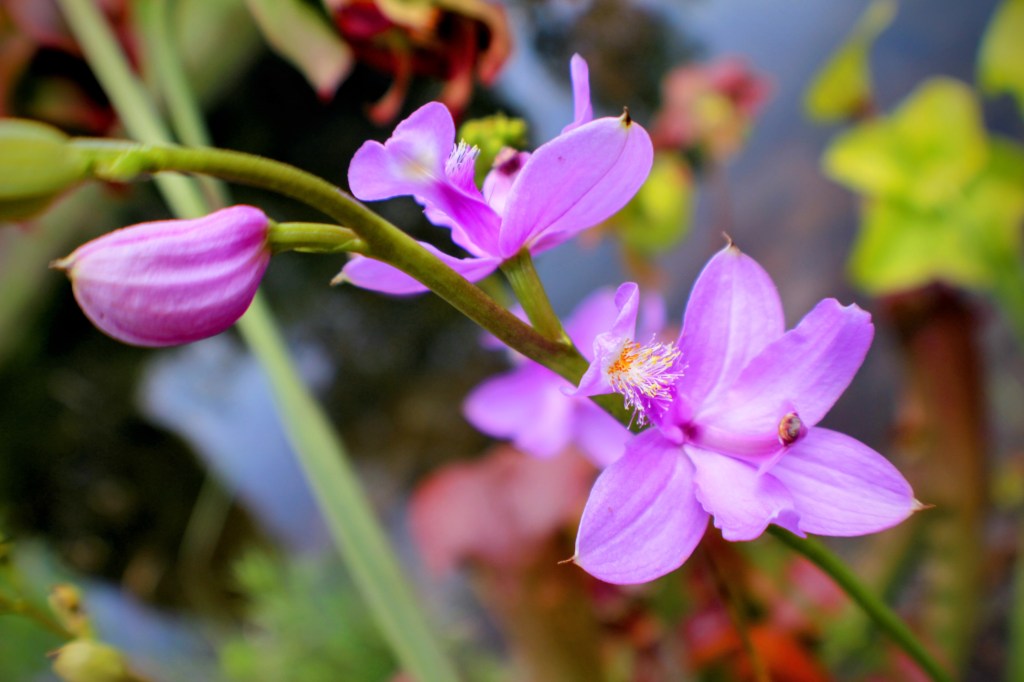
Ostrich Riverbanks Zoo Columbia, South Carolina Orange Day-lilyCymbidium Latigo ‘Cookesbridge Sunset’ OrchidSimpson’s grass pink and it is in the Orchid family (Orchidaceae)OrchidsOHIOAtlantic Ocean My Eldest Son and I at the Atlantic Ocean in Topsail Beach, North Carolina February 2017
Common Name(s): Carolina Wild-petunia Wild Petunia
The Carolina Wild Petunia are extremely common in North Carolina. They are found in lawns and woodlands. This Wild Petunia was seen at Anne Springs Close Greenway along the trails at the Adventure Road Entrance. Many times, even though these flowers are beautiful, they are overlooked and sometimes considered a lawn weed. The Carolina Wild Petunia’s flowers only last a day, but they also have a long flowering period which compensates for the shorter blooming time.
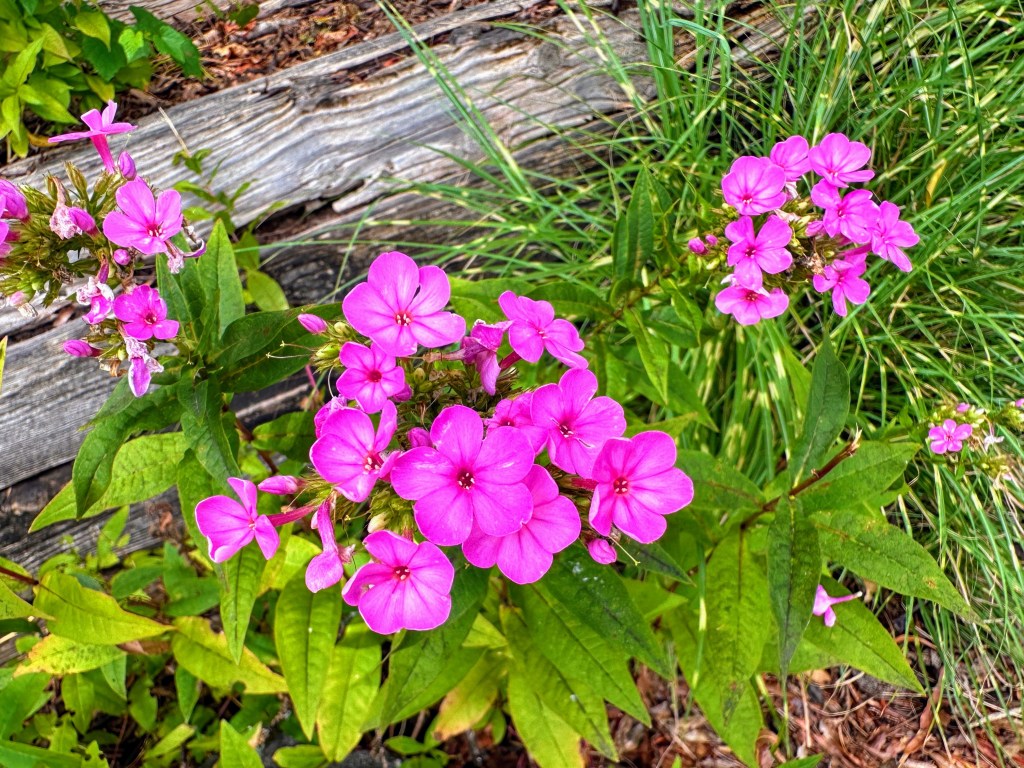
Carolina Phlox is a lovely long-flowering native with clusters of purple-pink flowers.Phlox carolina, the thickleaf phlox, is a species of flowering plant in the family Polemoniaceae.
The specific epithet carolina refers to its native habitat in the eastern United States. It grows in woodland edges and openings. Flowers attract bees, hummingbirds, and butterflies.
These flowers are really small herbaceous perennial. They have grass-like evergreen foliage and lilac-purple flowers which produce single-seeded berries on a spike in the fall.
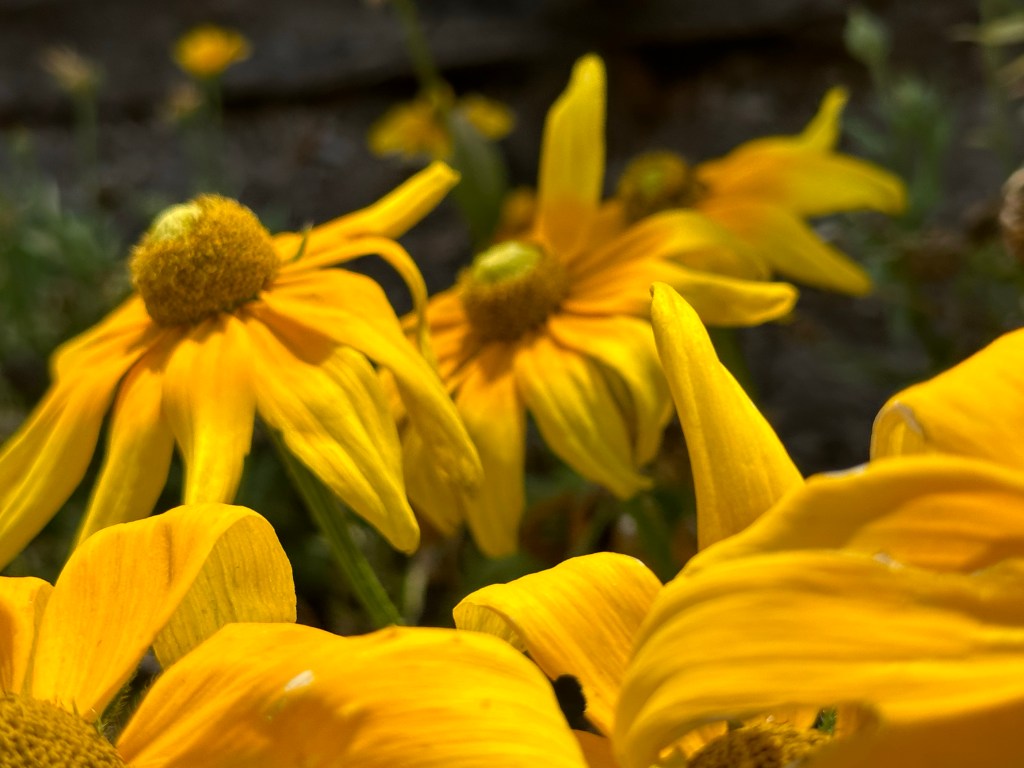
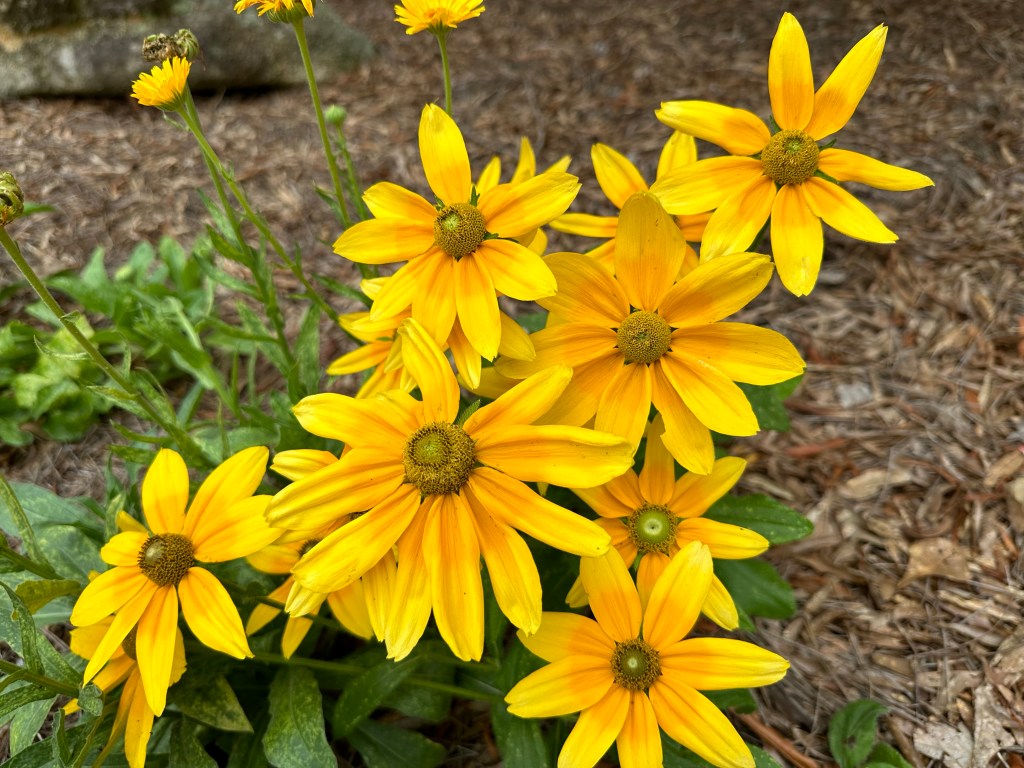
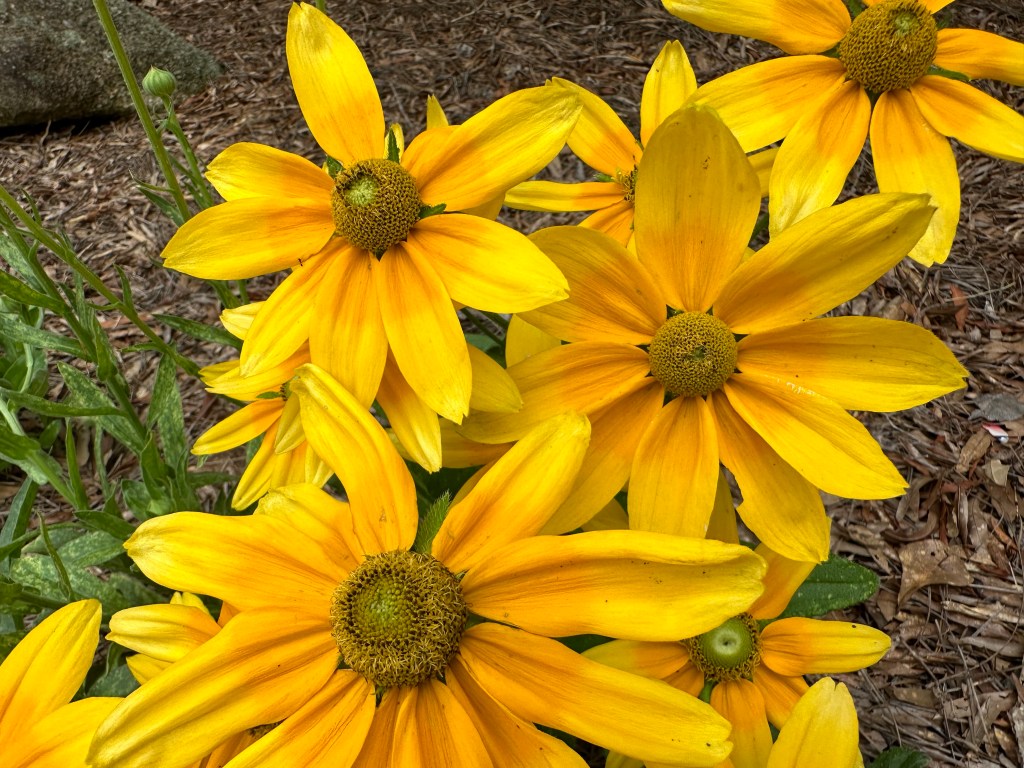
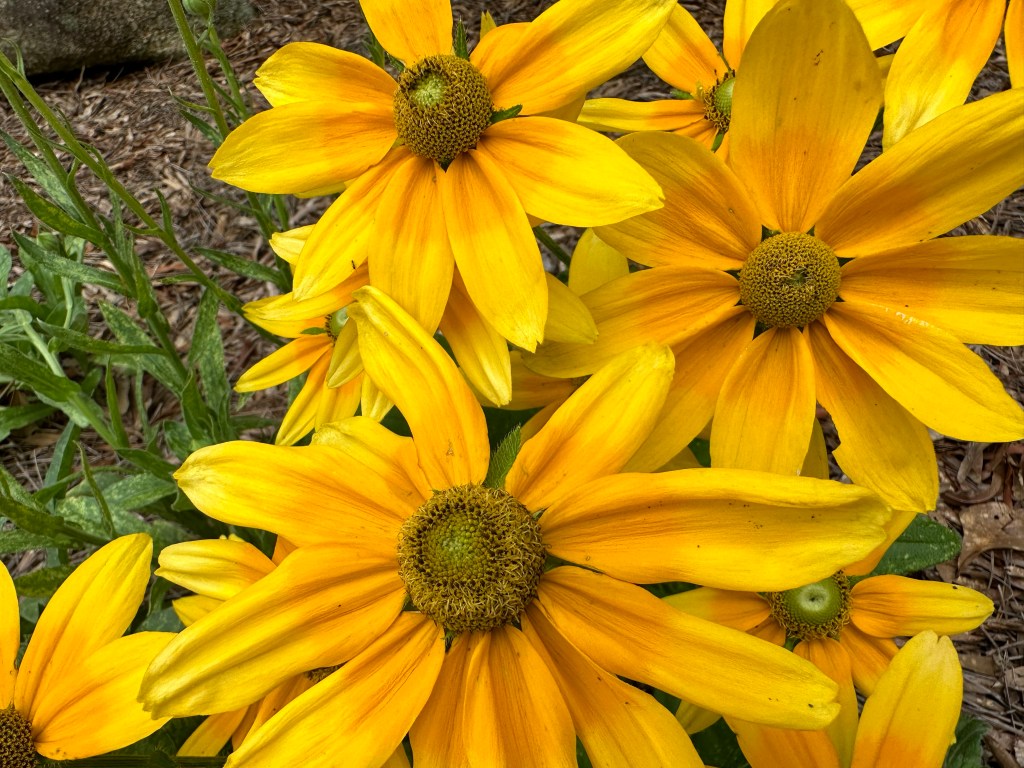
‘Prairie Sun’ Black-eyed SusanRudbeckia hirtaRudbeckia hirta is a variable species that provides a splash of color in the summer garden with its brightly-colored yellow and gold blooms.
Sunflowers follow the sun… But did you know
When it is cloudy and gray, they face each other and share their ENERGY. Imagine if PEOPLE would do this too.
Ipomoea pandurata (eep-oh-MEE-uh pand-yoor-RAY-tuh, shaped like a fiddle) is native to Florida and the eastern half of North America. It has a large root that can be eaten if cubed and boiled in at least two changes of water. Never eat it raw.
These are also known as Indian Potato, Man-of-the-Earth, Manroot, Morning Glory, Wild Potato Vine, Wild Sweet potato, Wild Sweet potato Vine.
Dale of The Cosmic Photo Challenge prompt is Freestyle this week.
Since this is freestyle week I decided to let you visit with me on one of the hikes Coleman and I took this past week. This hike was a little bit different in that we had my daughter, Coleman’s mom, along with us. On Tuesday we needed to be out of the home for awhile because a pest control company was going to come in and spray per the Complex management.
Therefore, we decided to go hiking in one of Coleman’s favorite places. The place we chose was Anne Springs Close Greenway about twenty minutes or so from our residence. Mind you now my daughter is not fond of hiking at all. When we arrived, we should them my membership card and proceeded to park. We thought Trisha, my daughter, was just gonna sit and relax near the canteen while Coleman and I hiked. It didn’t exactly go like we had thought. You see, Trisha brought her dog along with on our adventure ( he had to be out of the home as well).
Lake Haigler
Chewbacca, Trisha’s dog, decided he wanted to hike with us, therefore she had to tag along. We walked down to the lake and proceeded along the trail, Lake Haigler Loop, around the lake.
Haigler Loop
Coleman loves to run along the trail. I prefer a slower pace since I normally take many photos along the trail of the various sites we see. Often we observe different angles around the lake, seeing flowers, butterflies, sometimes turtles, bees, and even dragonflies.
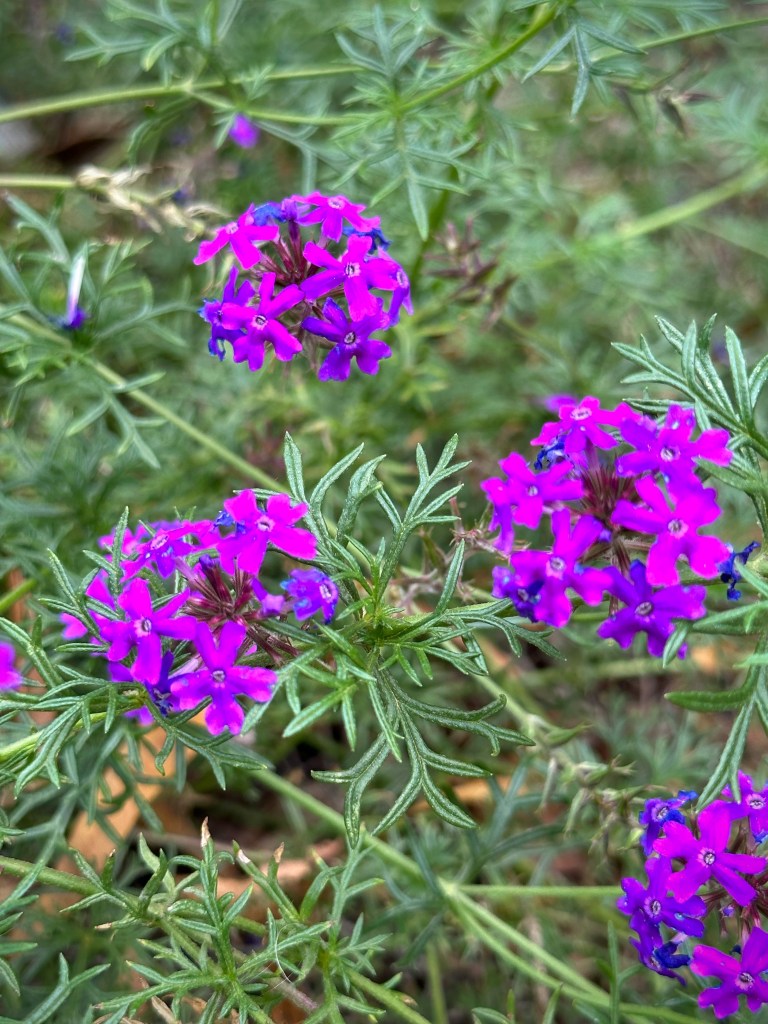
Brazilian Vervain (Verbena brasiliensis)
At other times we see amazing reflections in the water.
Reflections in Lake Haigler
I love seeing various creatures feasting on the nectar of wildflowers her at the Greenway.
Black Swallowtail, Eastern Bumblebee, and Delta Flower Scarab Beetle feasting on Buttonbush Cephalanthus occidentalis.
Further down the trail as we hike around the lake I notice what appears to be a shape of a triangle formed with the reflections in the lake.
Triangle formation from the water reflections. Surrounding Tree Reflections plus water shimmering
As we keep going I slow down observing butterflies flittering to and fro. Naturally I stop to snap a photograph. Meanwhile, my daughter’s trying to convince me to stop taking pictures. Guess what? She didn’t convince me, not one single solitary moment.
Eastern Tiger Swallowtail Pearl Crescent Butterfly
Next on our hike we come across a dragonfly and several turtles along the edge of the lake.
Widow Skimmer Dragonfly Turtles sunbathing on a log
By this time my daughter is tired and wants to get this hike over with. Naturally, Coleman and Chewbacca want to keep going. They’re enjoying the outdoors adventure. Hence, we keep chugging along.
Water Reflections Water Ripples
After awhile we decide to pull up a seat and relax a bit before finishing our hike. But first there’s more to observe as we near the picnic tables along the backside of the lake.
Trisha, Chewbacca, with Coleman leading the way. [He knows the trails better than most adults]. Ngaro Wīwi Priocnemis monachus delighting on Angelica genuflexa
Finally to a spot to snack relax near the water’s edge.
I hope you enjoyed trekking along with us on our hike around Lake Haigler. God Bless. Thank you for sharing your time and thoughts with us. I appreciate y’all.
Venus Fly TrapThe Venus flytrap (Dionaea muscipula) is a carnivorousplant native to subtropical wetlands on the East Coast of the United States in North Carolina and South Carolina.The English botanist John Ellis, who gave the plant its scientific name in 1768, wrote that the plant name tippitywichit was an indigenous word from either Cherokee or Catawba.
These particular Venus Fly Trap plants are on display in an aquarium in The Schiele Museum of Natural History and Planetarium in Gastonia, North Carolina.