God Bless. Thank you for sharing your time and thoughts with us. Please Pray for Hurricane Helene Victims, Relief Workers, & Volunteers during this difficult time. I appreciate y’all very much.
God Bless. Thank you for visiting. Have a wonderful week and enjoy nature. Thank you for sharing your time and thoughts with me. I appreciate y’all very much.
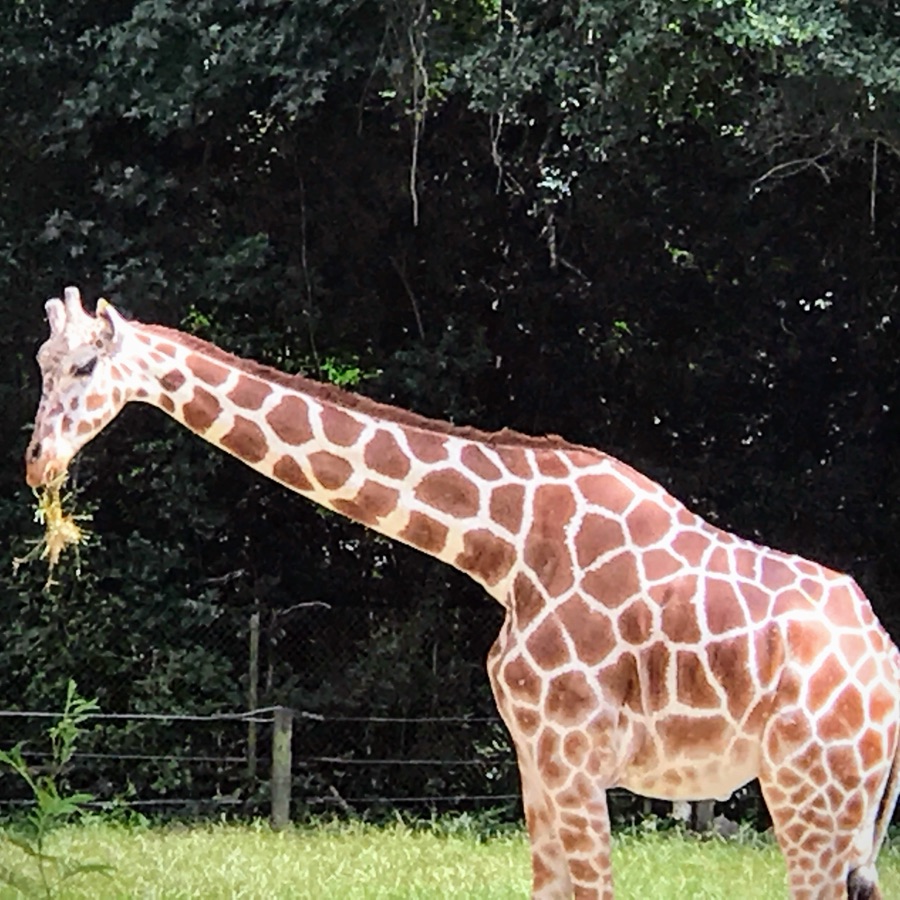
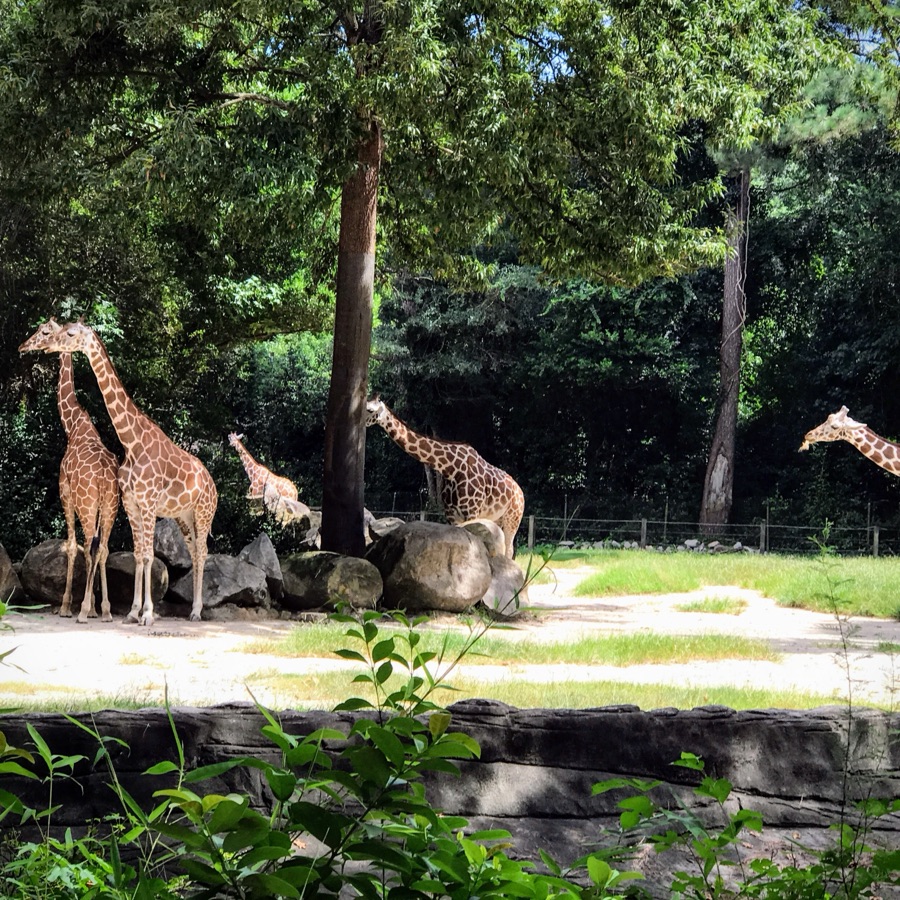
Location: The Schiele Museum of Natural History; Gastonia, North Carolina, USA
God Bless. Pray for Florida, South Carolina, North Carolina & Tennessee as they try to recovery from Hurricane Helene. Thank you for sharing your time and thoughts with me. I appreciate y’all very much.
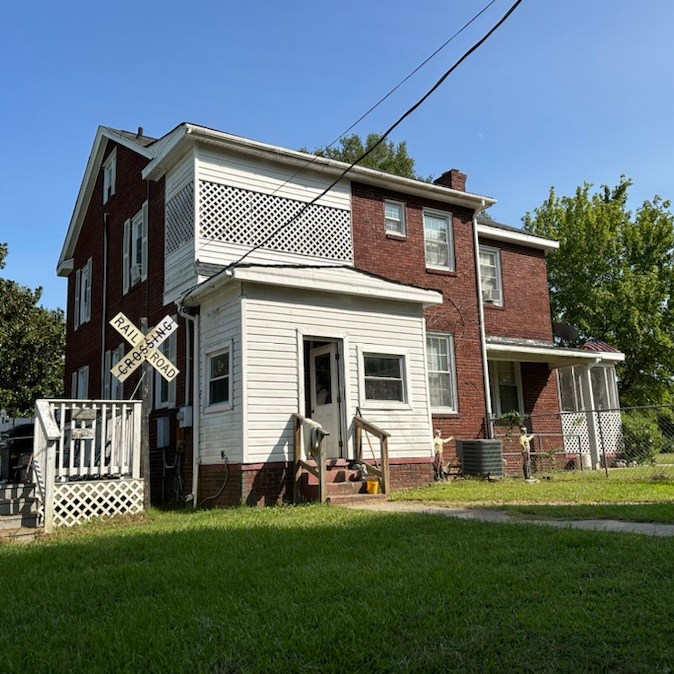
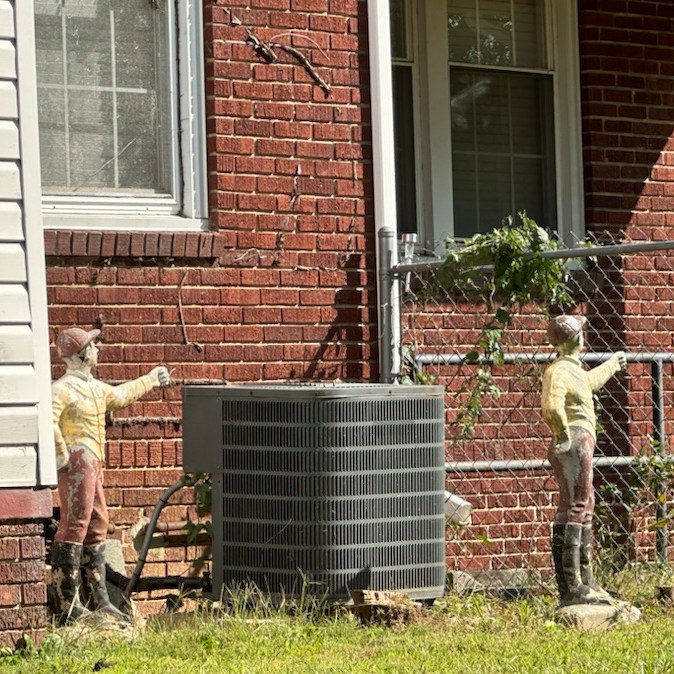
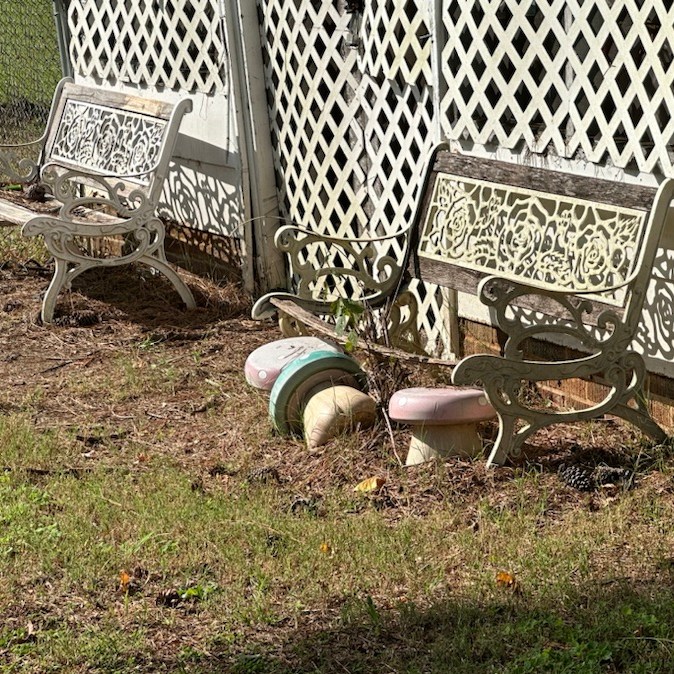
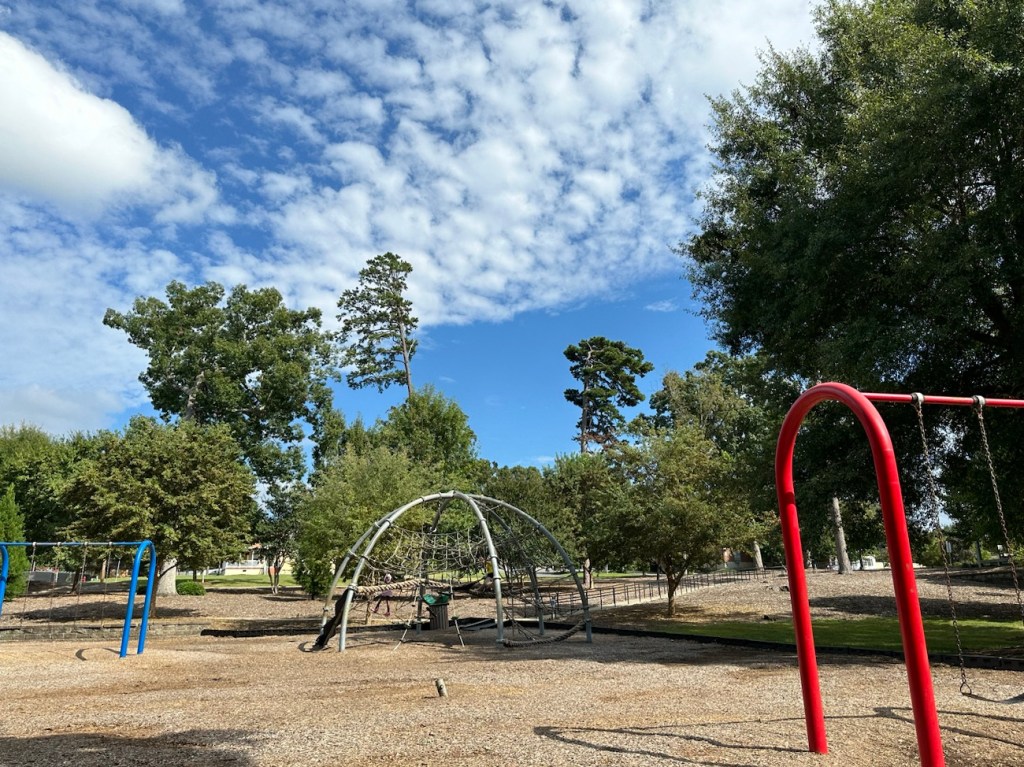
For Tina’s Lens-Artist Challenge this week I chose to show a recent neighbourhood belonging to a friend which we meandered around to check out the area. Our friend’s neighbourhood is in southern Lancaster County in South Carolina.
We enjoyed our stroll through the neighbourhood; hope you enjoyed sharing our walk.
God Bless. Thank you for visiting. Have a wonderful week and enjoy nature. Thank you for sharing your time and thoughts with me. I appreciate y’all very much.
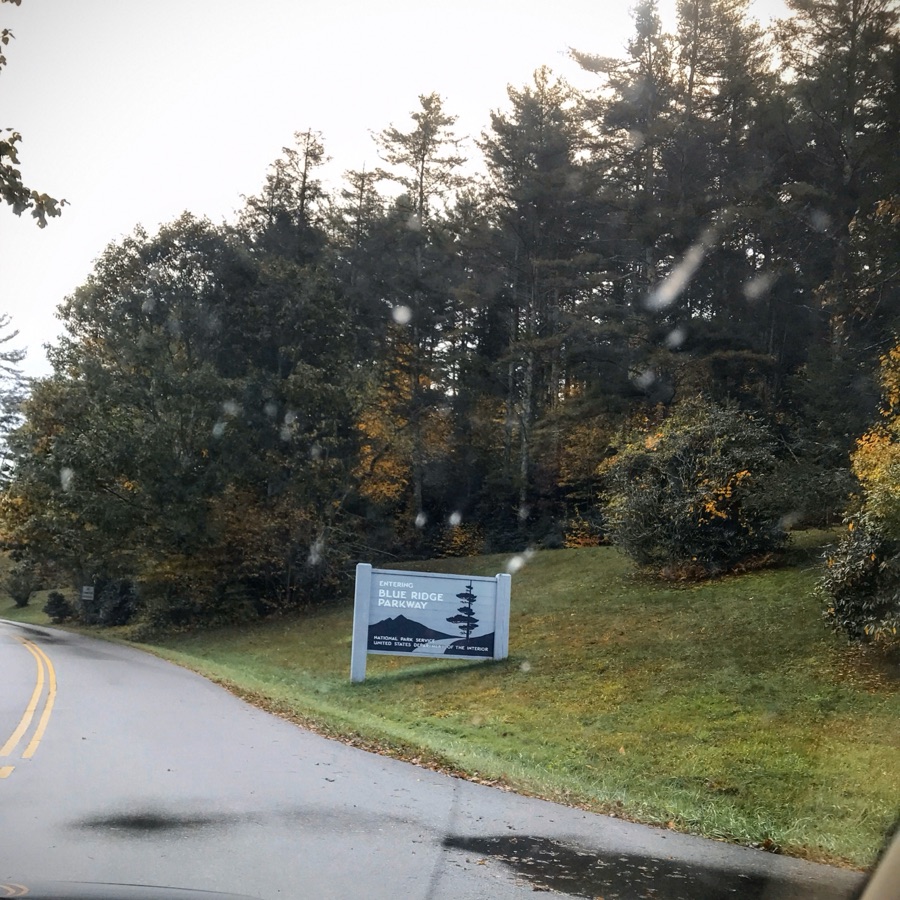
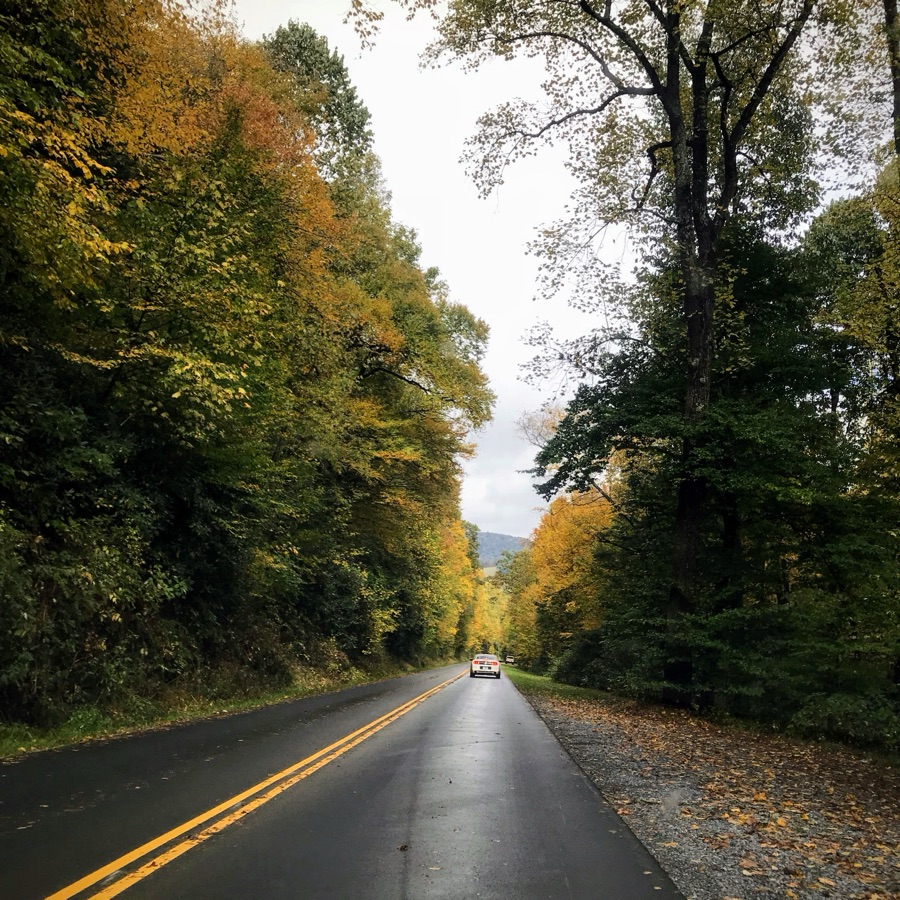
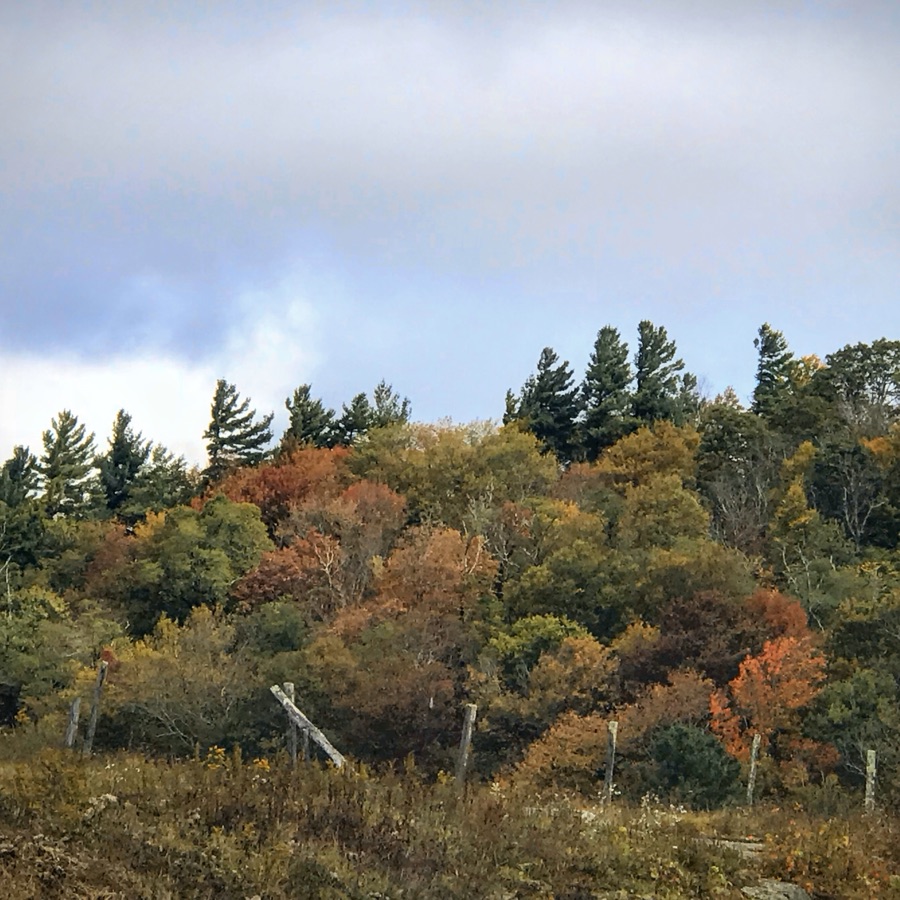
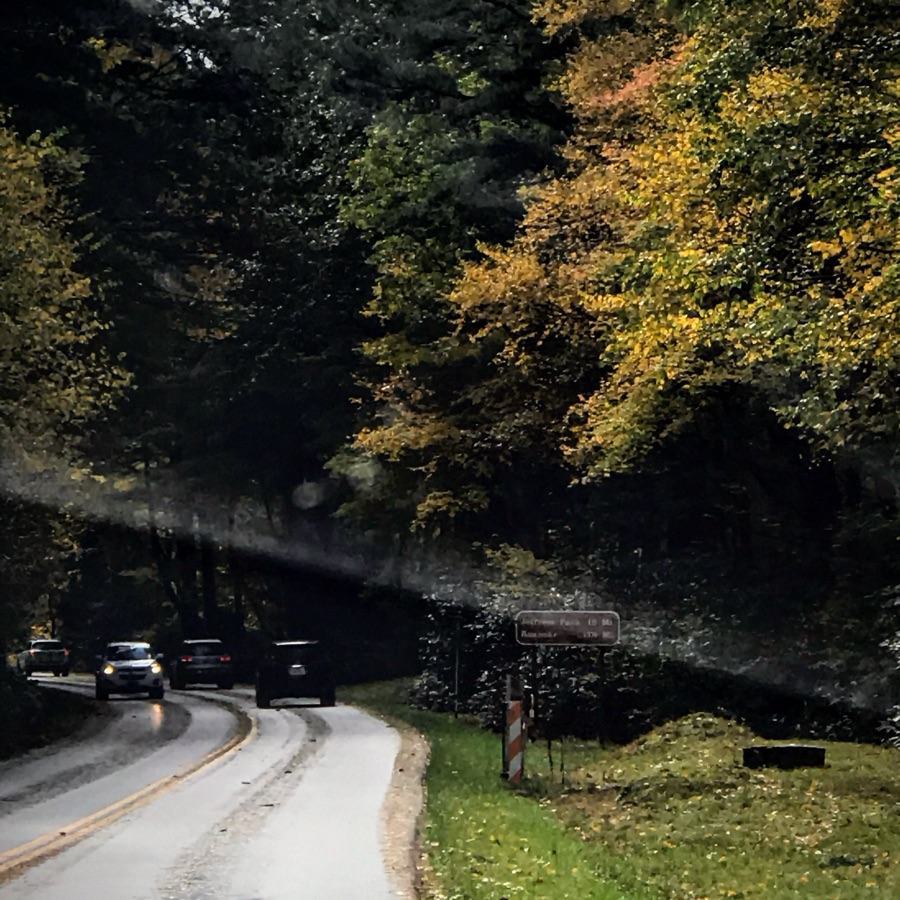
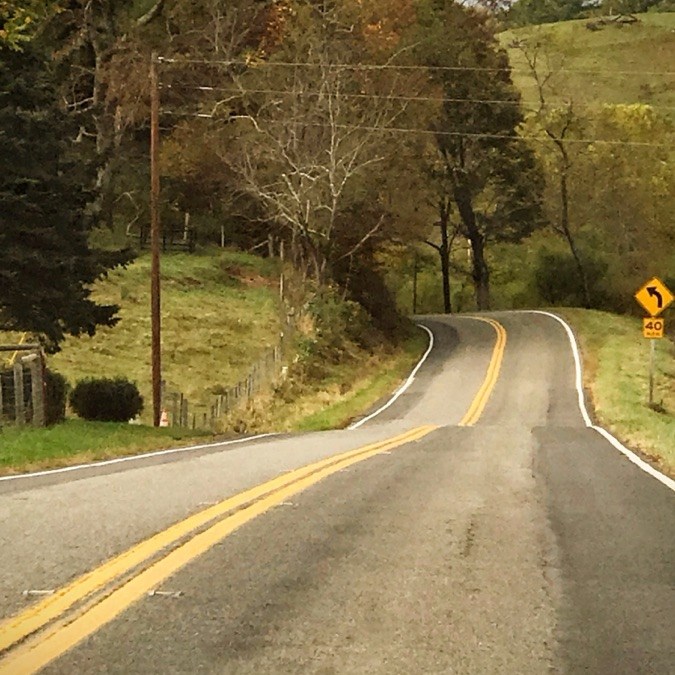
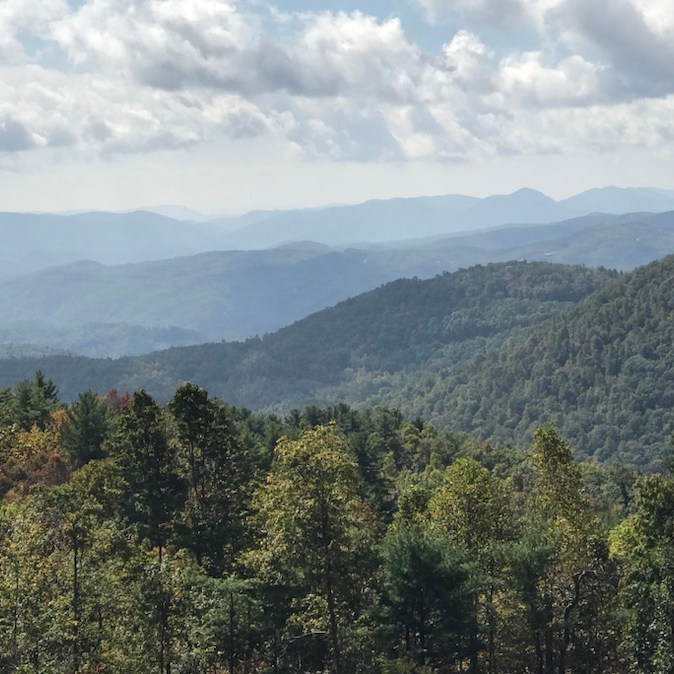
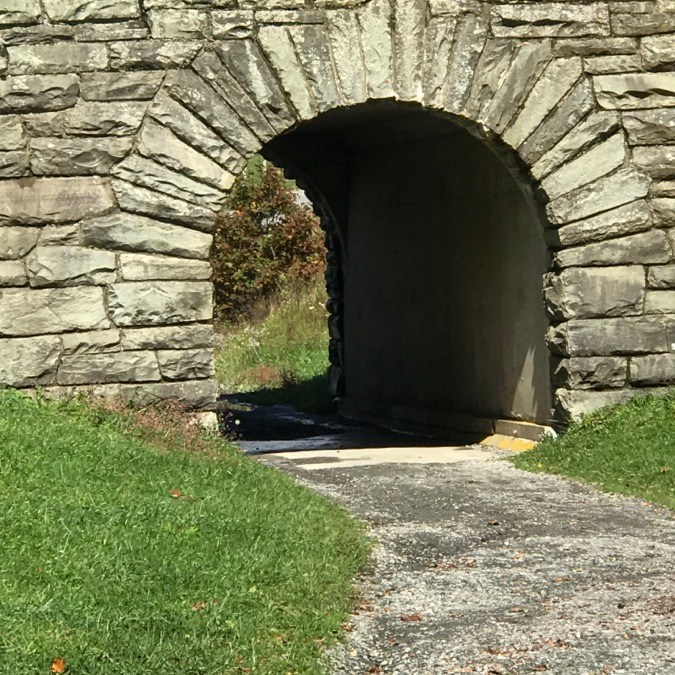
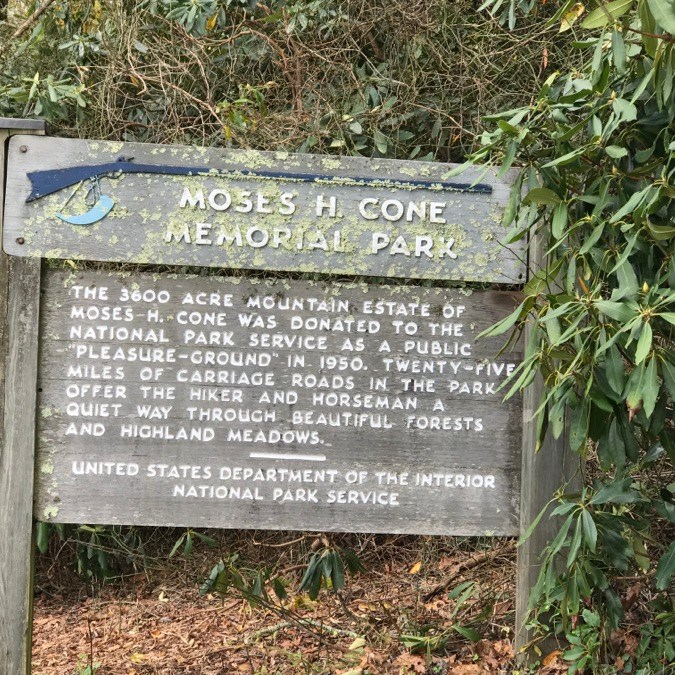
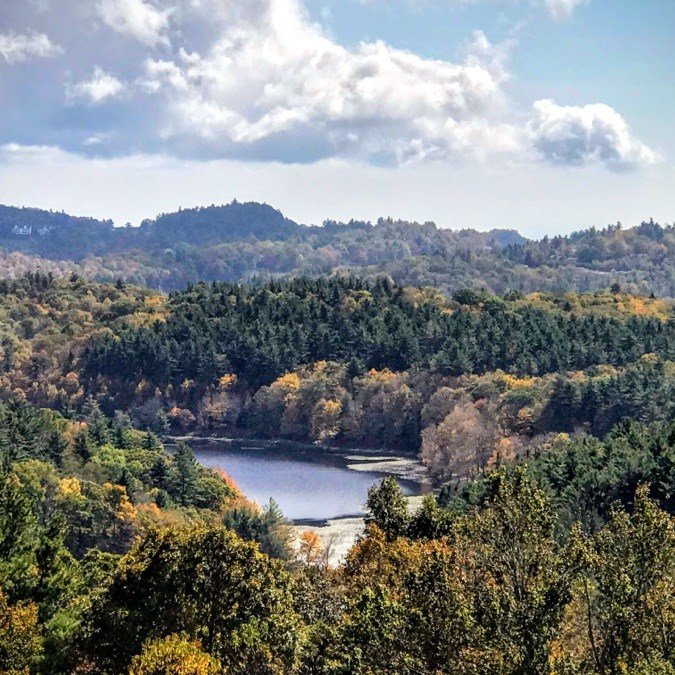
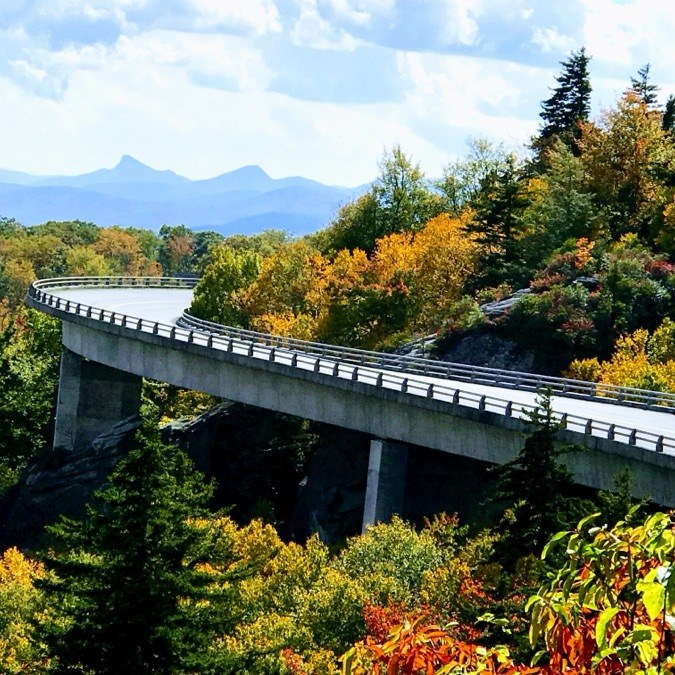
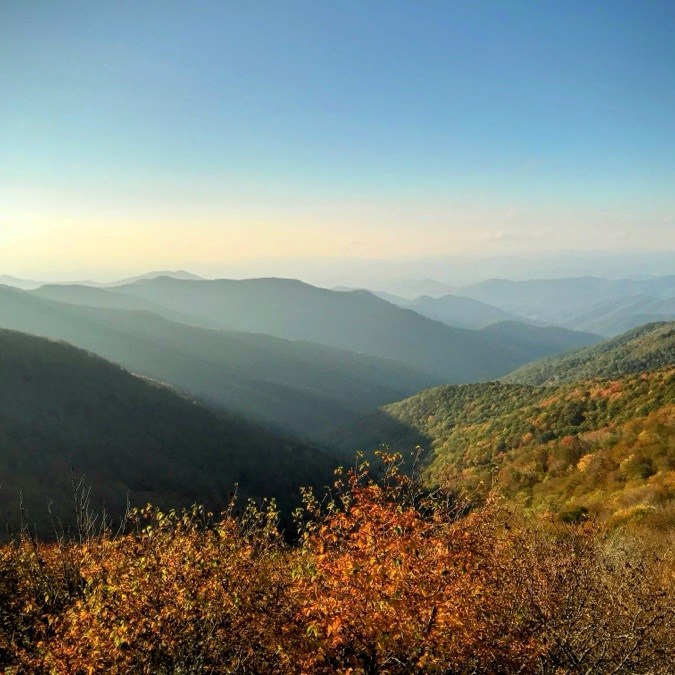
Driving the Blue Ridge Parkway from South Carolina to the Virginia Border and back down to Pisgah National Forest and then on into South Carolina once again was a trip I’ll always remember.
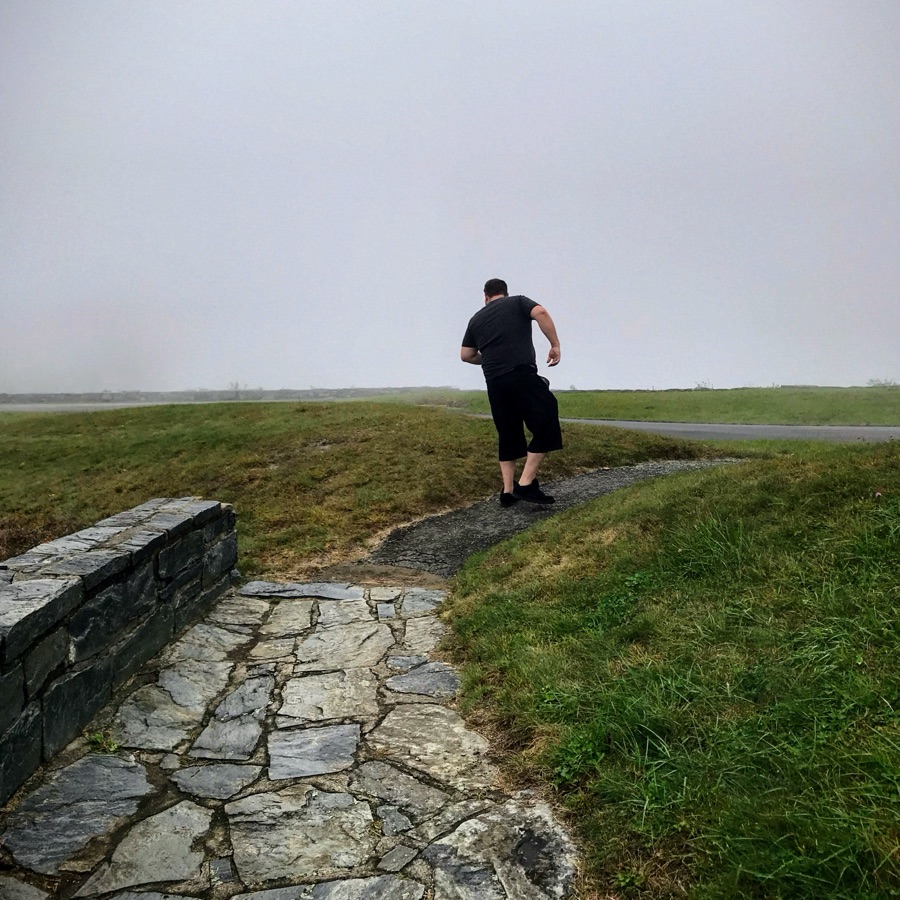
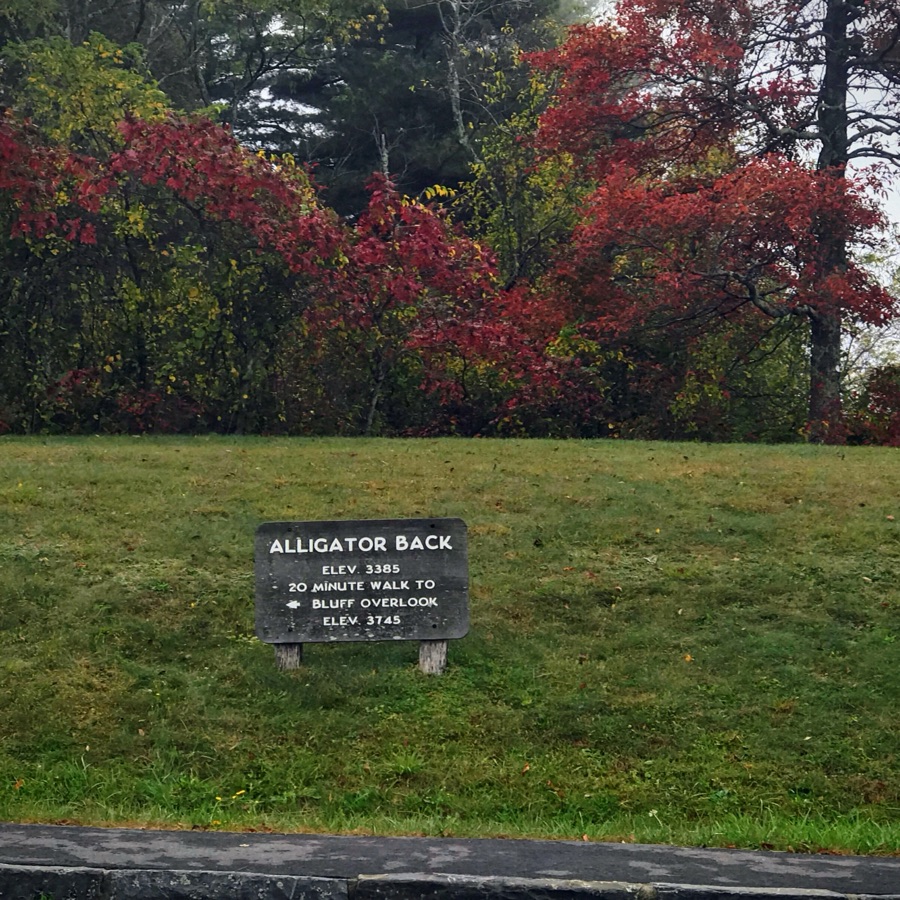
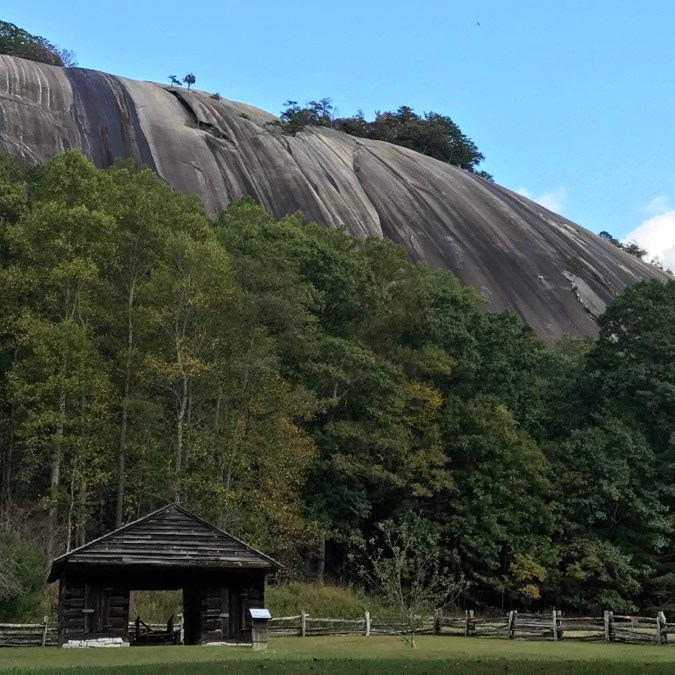
It has been seven years since I made that trip with my eldest son. We took the drive on his birthday weekend in October 2017. We stopped at various milestones along the Blue Ridge Parkway to see the beautiful views and tour a few different places along the route. We stopped at Stone Mountain State Park in Roaring Gap, North Carolina and hiked the Stone Mountain Loop Trail beginning at the Upper Trailhead. We continued driving the Blue Ridge Parkway once we left Stone Mountain State Park; we drove to Wilson, North Carolina (Wilson was my married name & the surname of my children.)
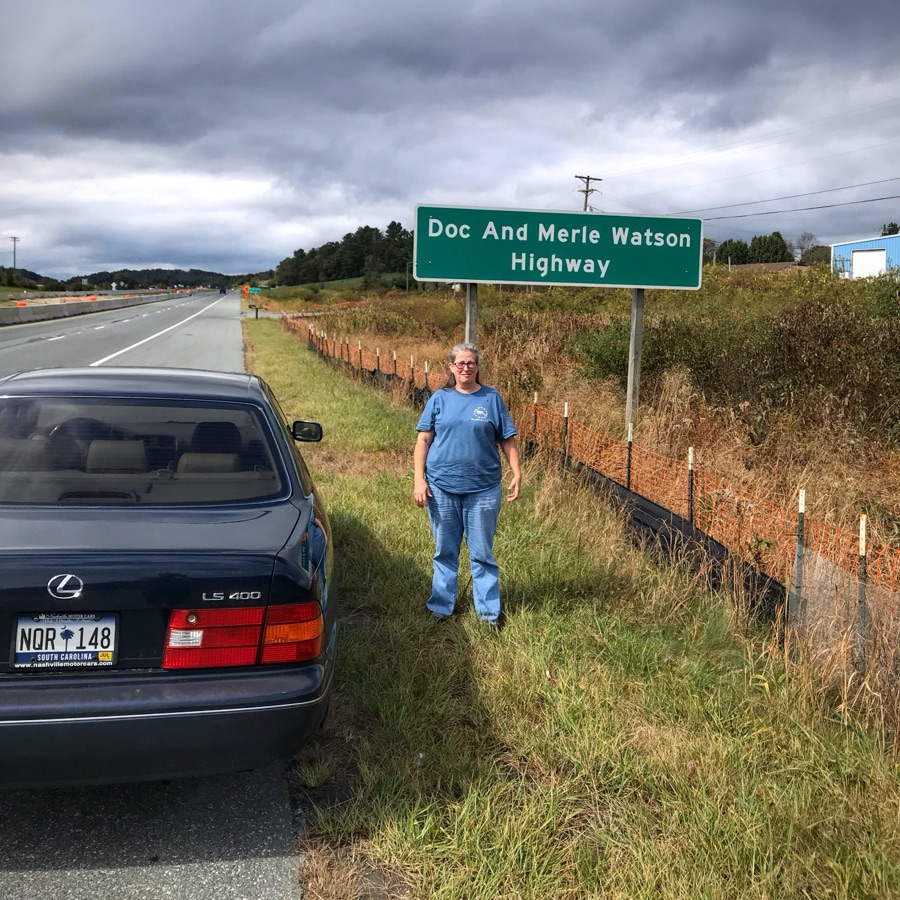
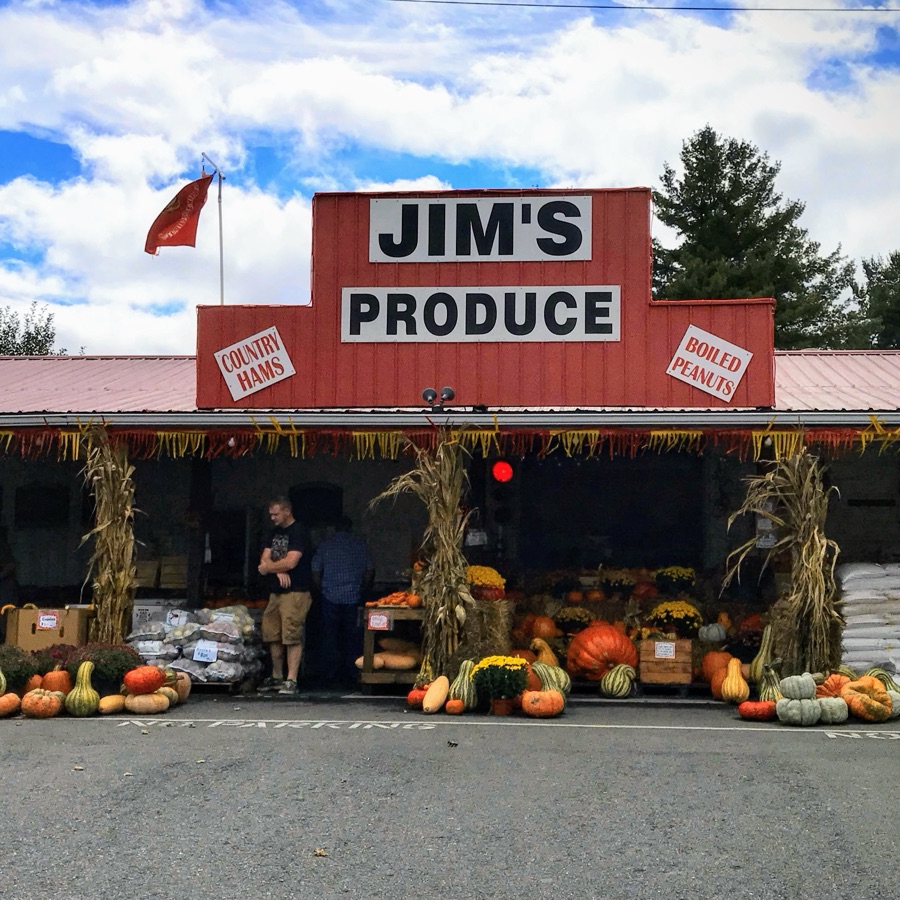
On the adventure South on the Parkway, we took a detour to my Cousin Jim’s Produce Market for some fresh produce & a break to stretch our legs. Before we arrived at Jim’s Produce, we stopped for a photo by the Doc and Merle Watson Highway sign ( Doc & Merle Watson are my fourth cousin & fourth cousin once removed respectively).
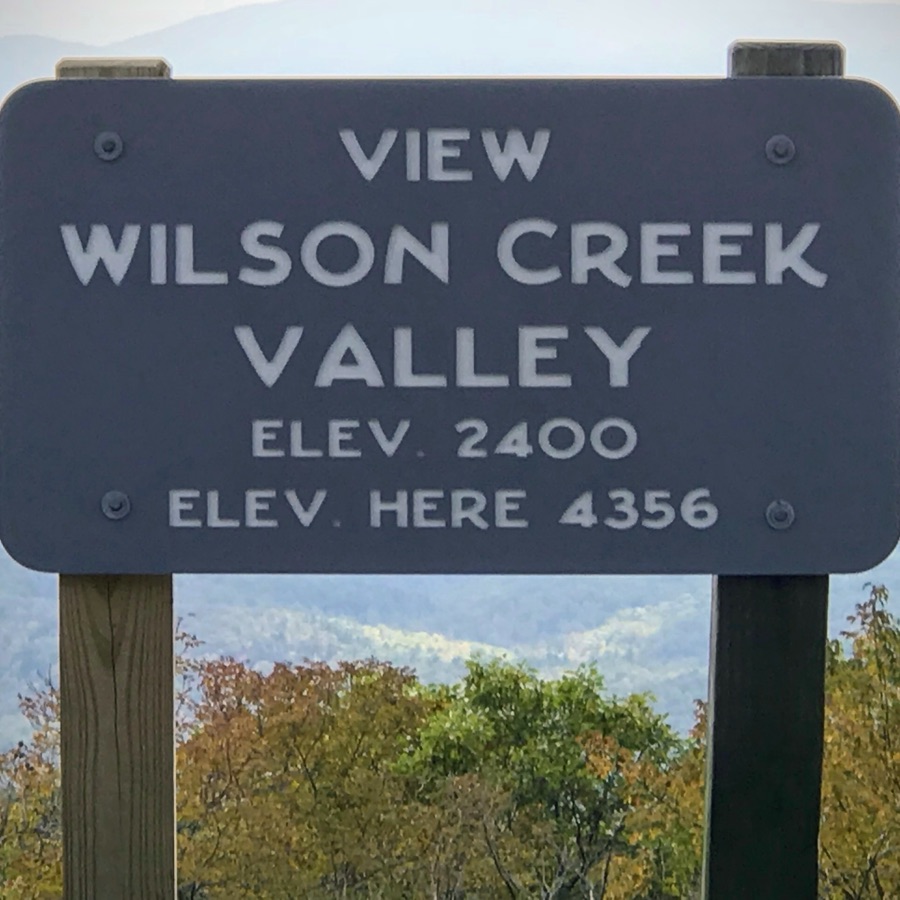
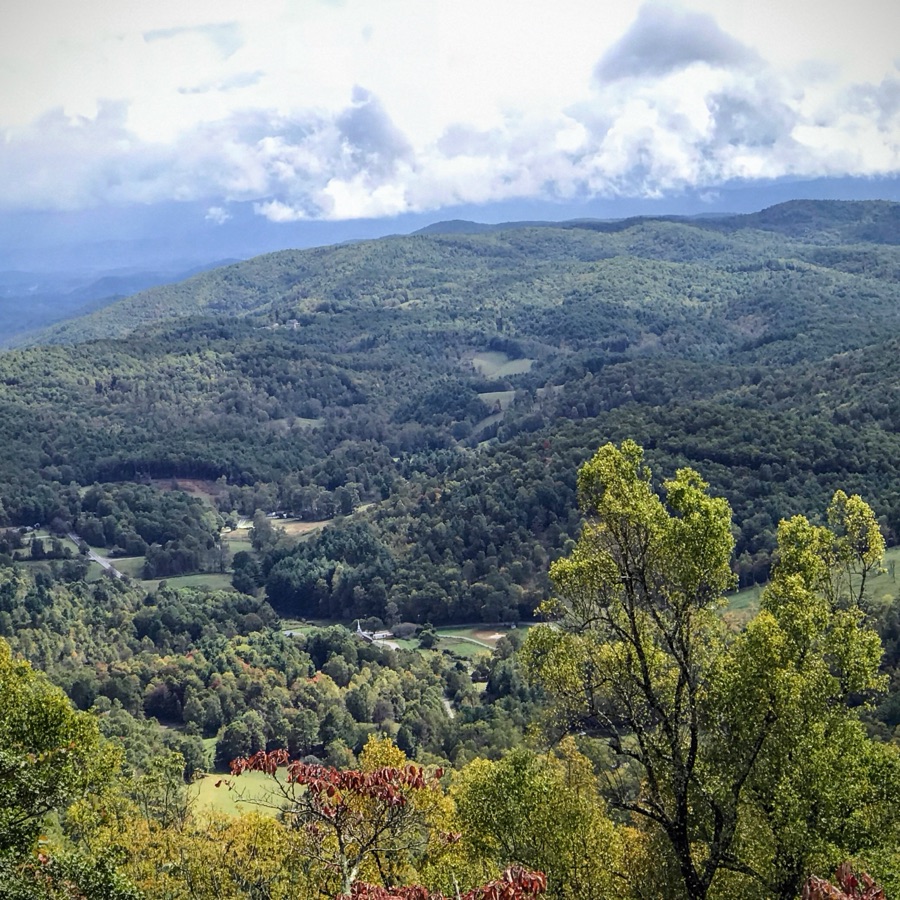
Venturing further south, we stopped at several more milestones to enjoy the beautiful scenery and views overlooking the valley. We stopped for supper at The Pisgah Inn’s restaurant. The food was delicious and the views were spectacular. The Pisgah Inn is located in the Pisgah National Forest amongst thesouthern end of the Blue Ridge Parkway (Blue Ridge Pkwy Milepost 408.6, Waynesville, NC).
It was a lovely and enjoyable trip, not just for the scenery, but always for the quality time spent with my son. Click on each photo for enhanced viewing. Have a wonderful day!
Location: Various locations along the Blue Ridge Parkway; North Carolina
God Bless. Thank you for visiting and sharing in our adventure memories. If you have the opportunity I’d recommend driving the Blue Ridge Parkway. You’ll enjoy the scenery as much as we did. I appreciate y’all very much.
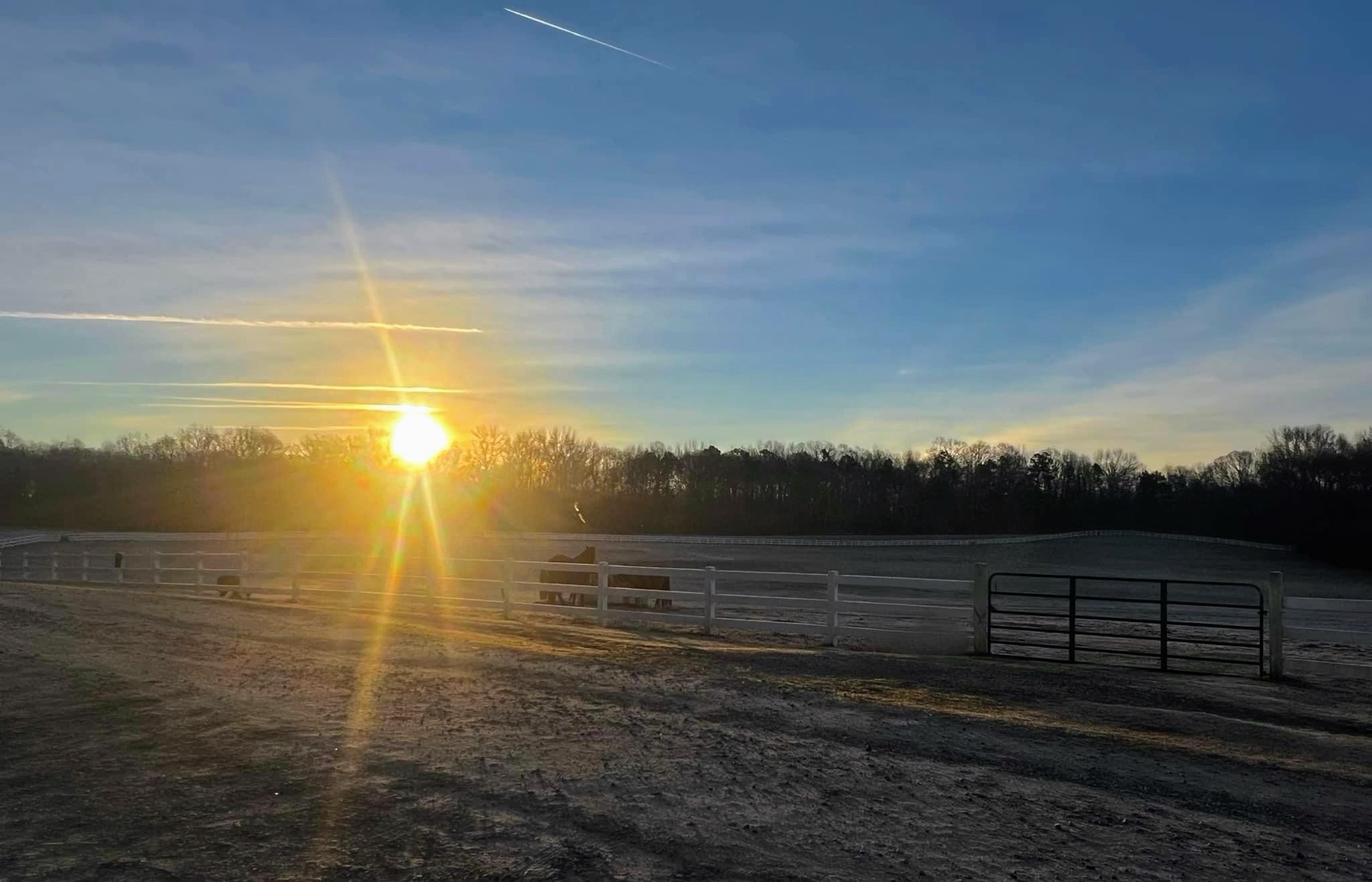
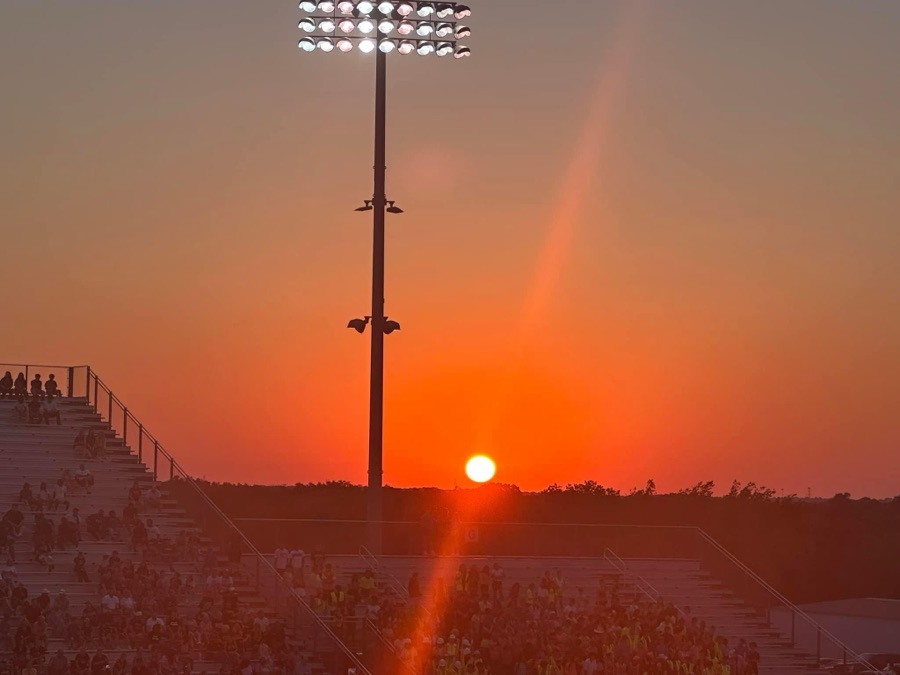
Soon Nightfall will begin earlier and earlier, as Autumn approaches the sunsets come more quickly (or so it may seem) and we adjust accordingly. These are some of my favourites, hope you enjoy them. Click on each photo to enlarge for enhanced viewing.
To play along, go to your photos file and type that number into the search bar. Then post a selection of the photos you find under that number and include a link to your blog in myNumbers Game blog of the day. If instead of numbers, you have changed the identifiers of all your photos into words, pick a word or words to use instead, and show us a variety of photos that contain that word in the title.
Here are my entries for this week’s Numbers Game. Click on photos to enlarge.
God Bless. Thank you for visiting. Have a wonderful week and enjoy nature. Thank you for sharing your time and thoughts with me. I appreciate y’all very much.
Location: The Huntington Library, Art Museum, and Botanical Gardens; San Marino, California, USA
God Bless. Thank you for visiting. Have a wonderful week and enjoy the nature. Thank you for sharing your time and thoughts with me. I appreciate y’all very much.
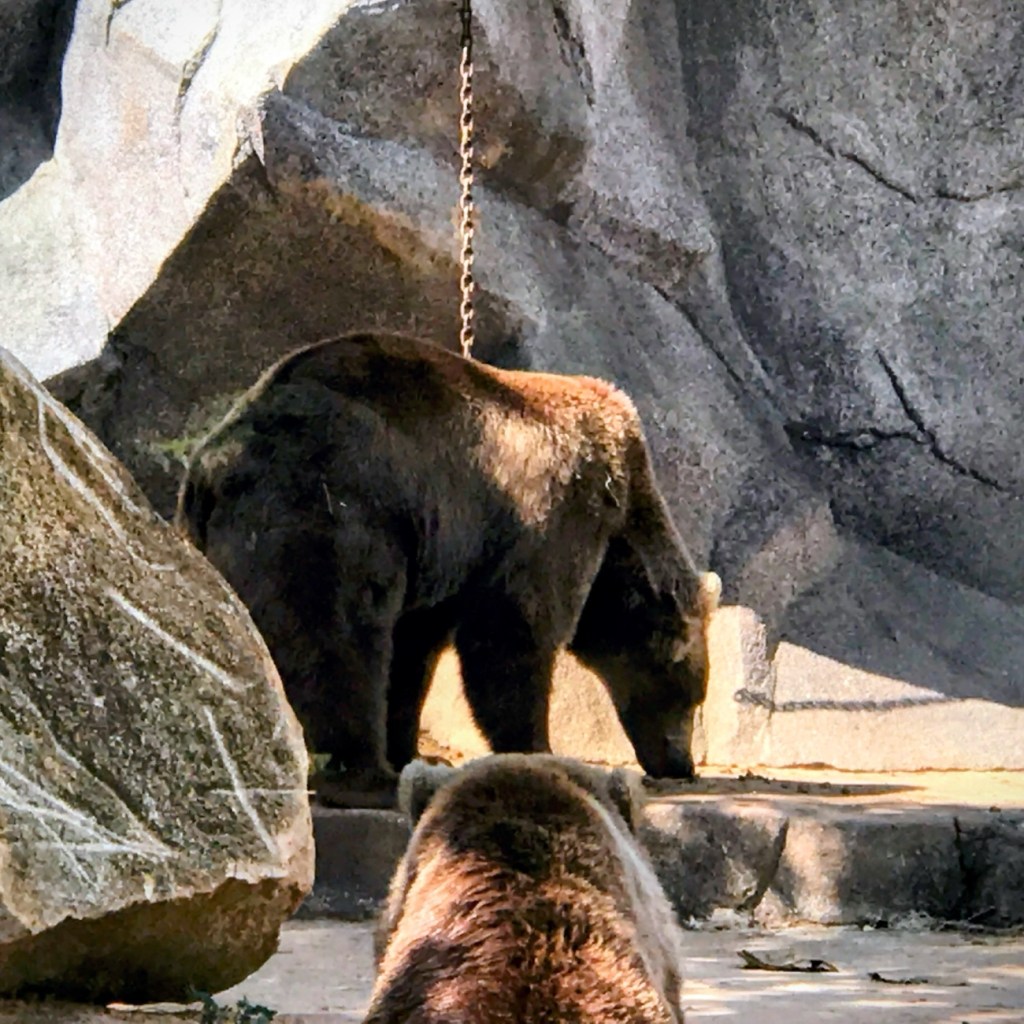
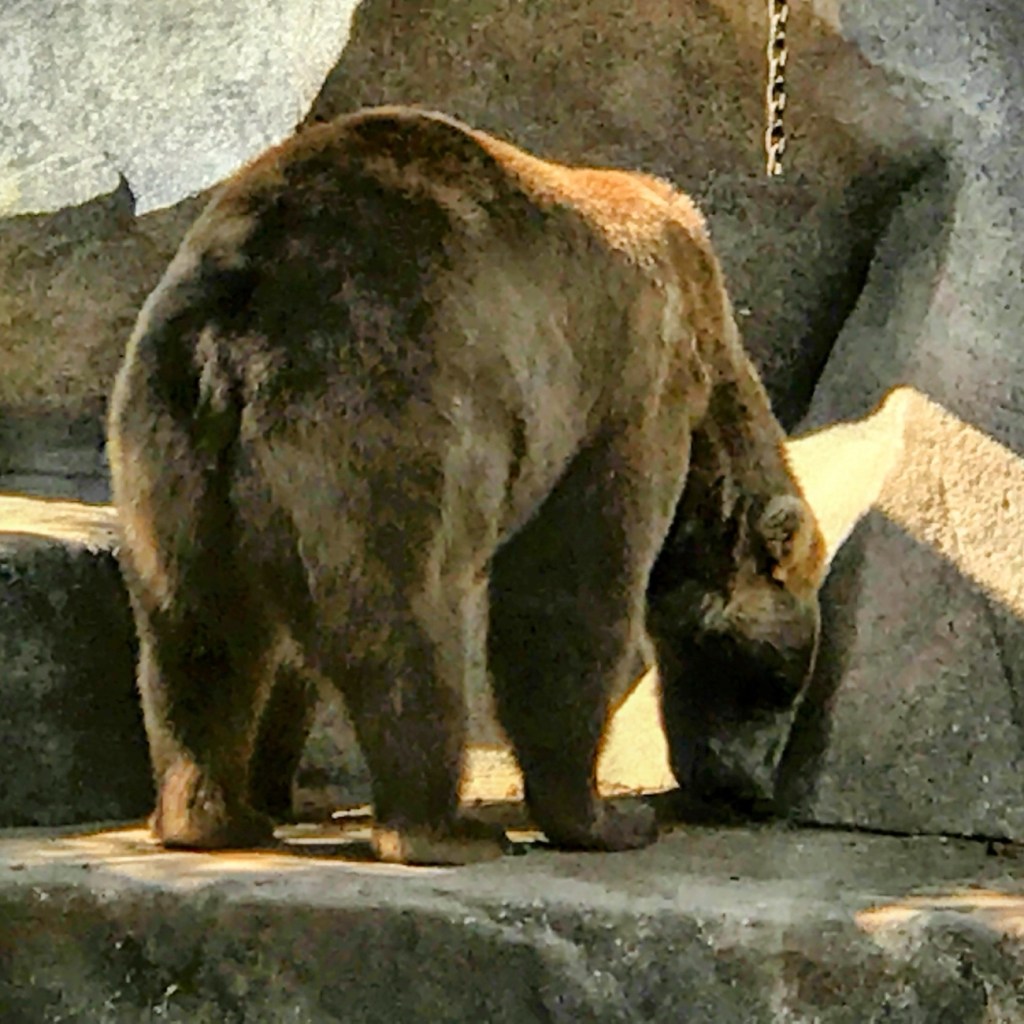
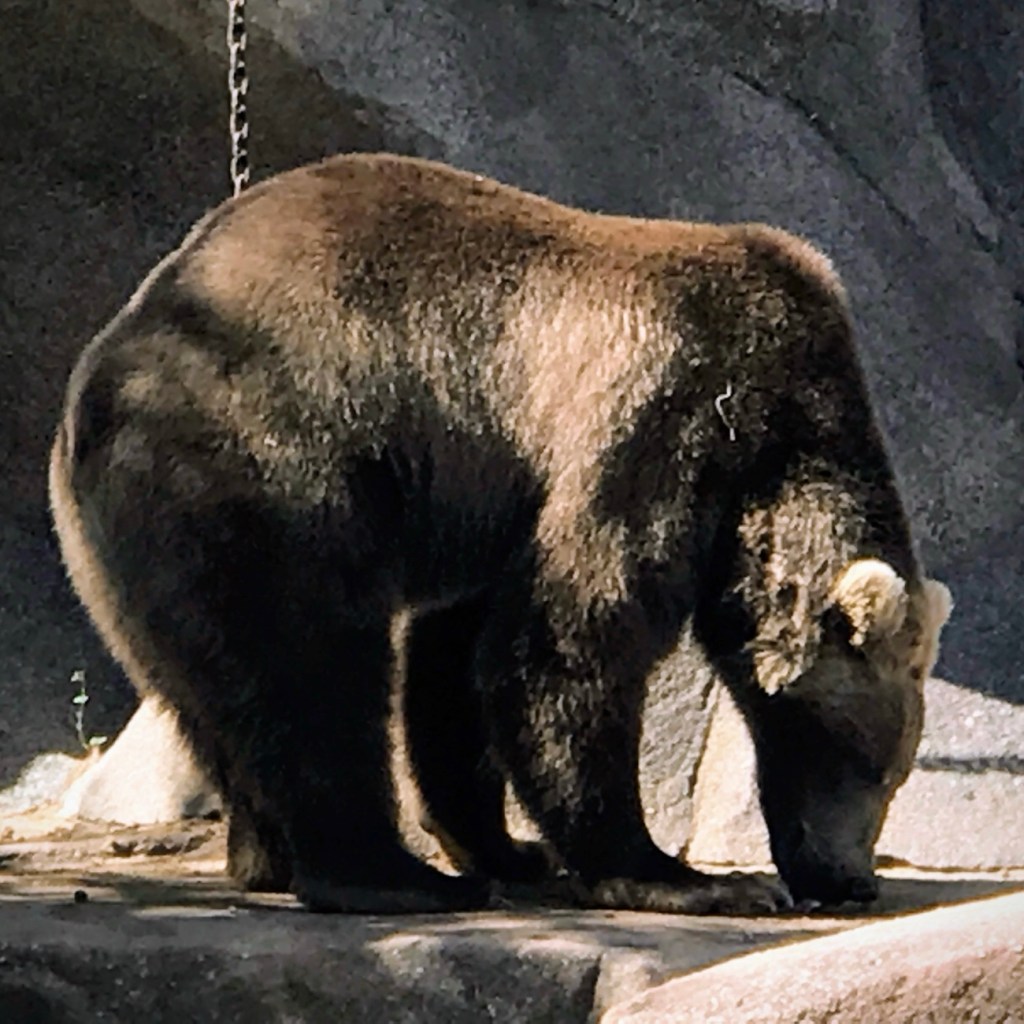
Riverbanks Zoo and Garden Columbia, South Carolina
I visited the Riverbanks Zoo and Garden in Columbia, South Carolina with my daughter, Trisha and granddaughter, Alona back in August of 2017 [Seven (7) years ago]. We were able to enjoy the various zoo animals and the entertaining antics of Sundance, the Sunshine Bear.
Sadly, Sundance passed away on April 30, 2022 due to declining health. He came to the Riverbanks Zoo along with his brother, Butch, at the young age of only nine (9) months old. Sundance had a gentle disposition, kind eyes, and loved to interact with his zookeepers. He was known as the Sunshine Bear, always bringing a bit of sunshine to those who came to see him.
This DSS facility, the County Courthouse, Sheriff’s Office, and County Jail were all designed by Stewart-Cooper-Newell Architects and were constructed simultaneously. These facilities firm the Gaston County Governmental Complex.
The Department of Social Services facility is approximately 127,890 square feet and contains all the Social Services offices and functions which were previously scattered throughout Gaston County.
I once lived very close to Southern California beaches, but I have not lived there for many years. Pacific Beach, Mission Bay, Coronado Beach, and La Jolla Shores are some of my favourites and hold precious memories.
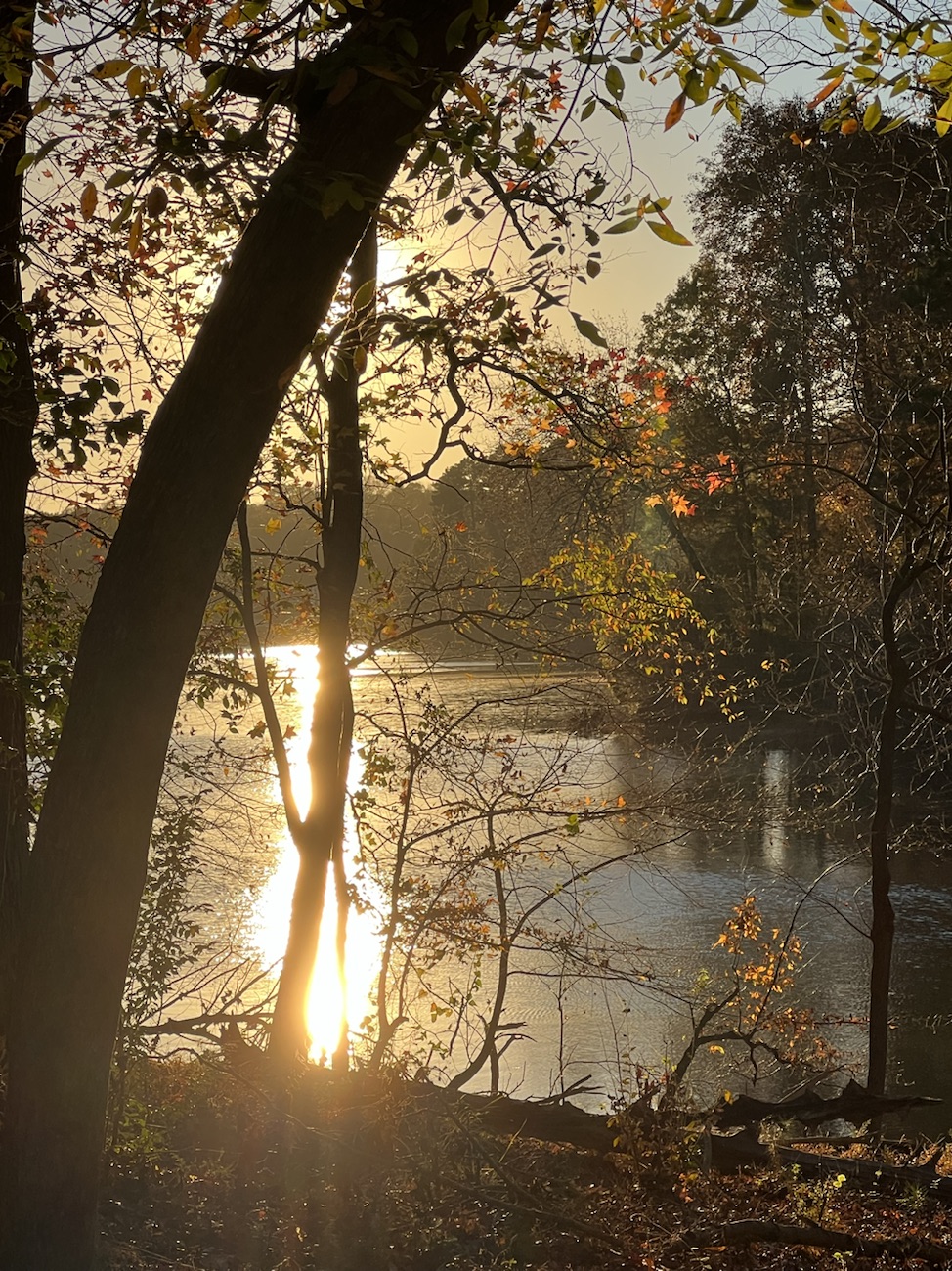
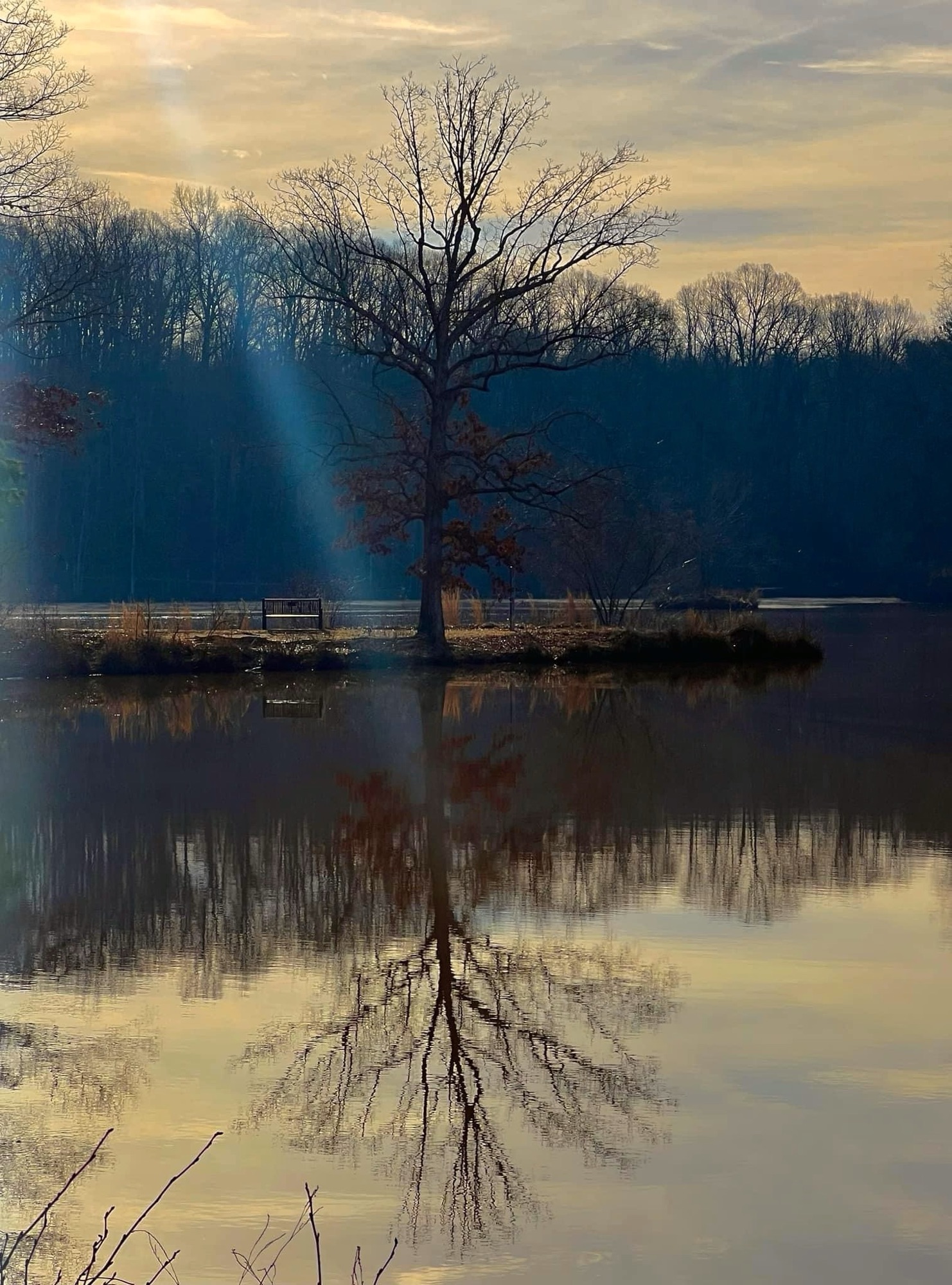
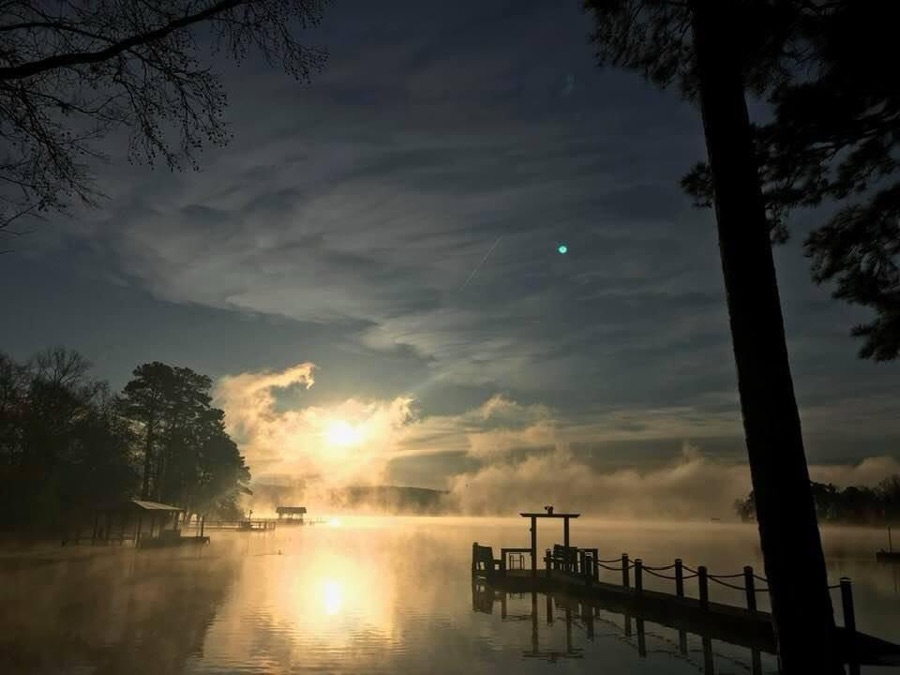
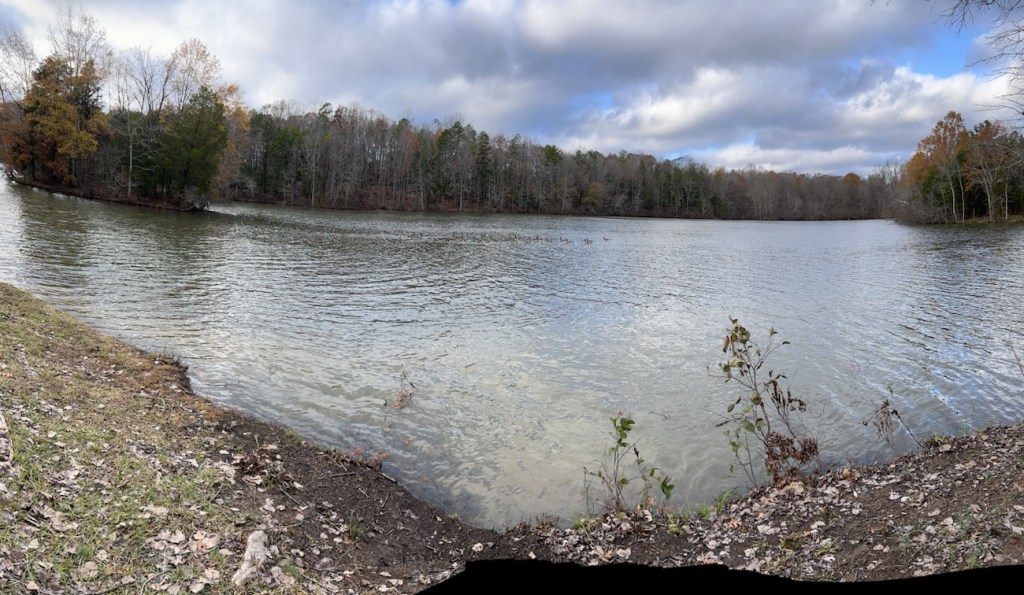
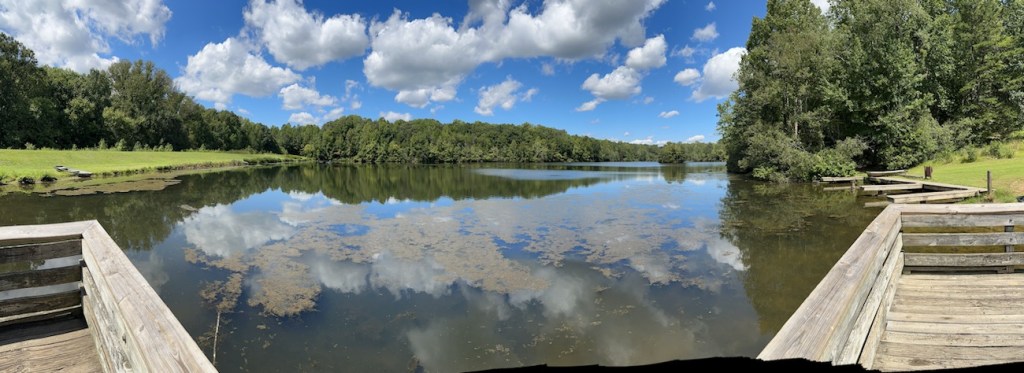
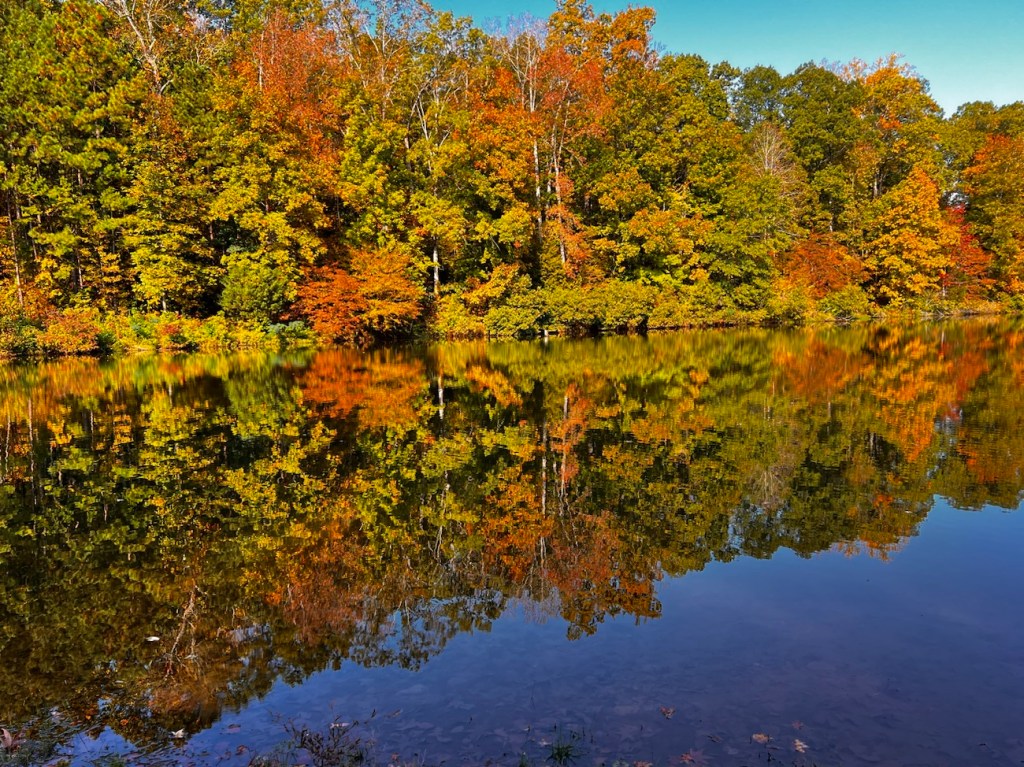
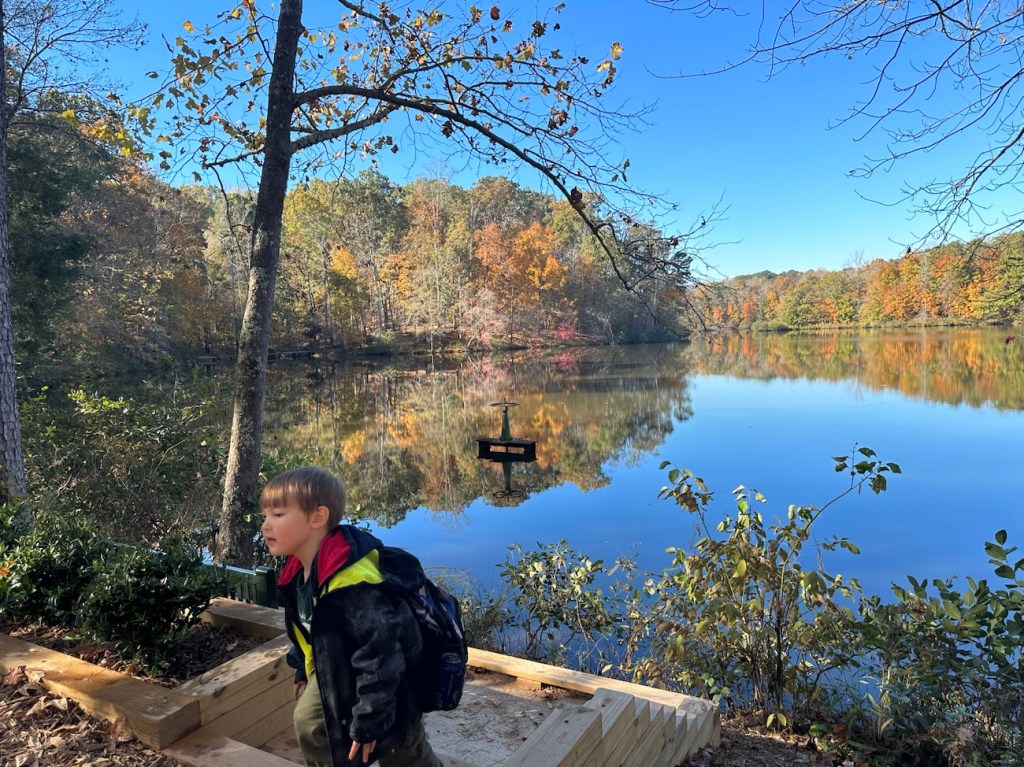
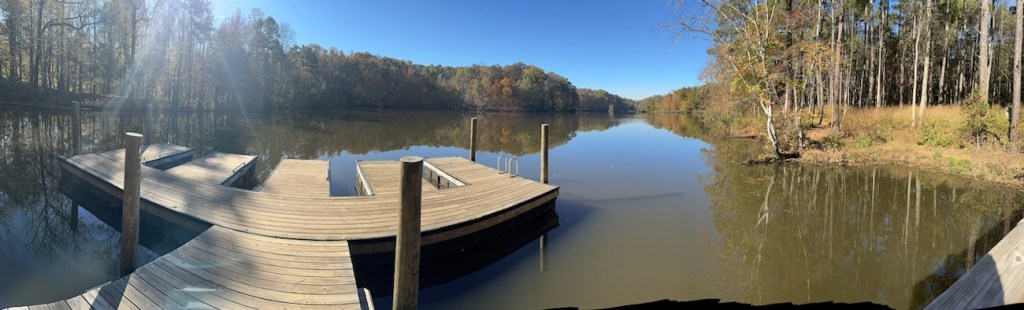
For years I have enjoyed the peacefulness of God near the shorelines of a couple different lakes. One of my all time favourites is the lake at Andrew Jackson State Park in Lancaster County, South Carolina.
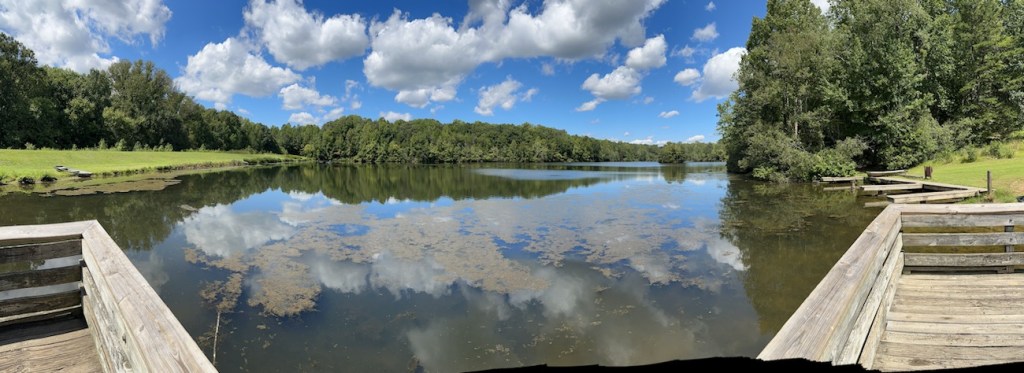
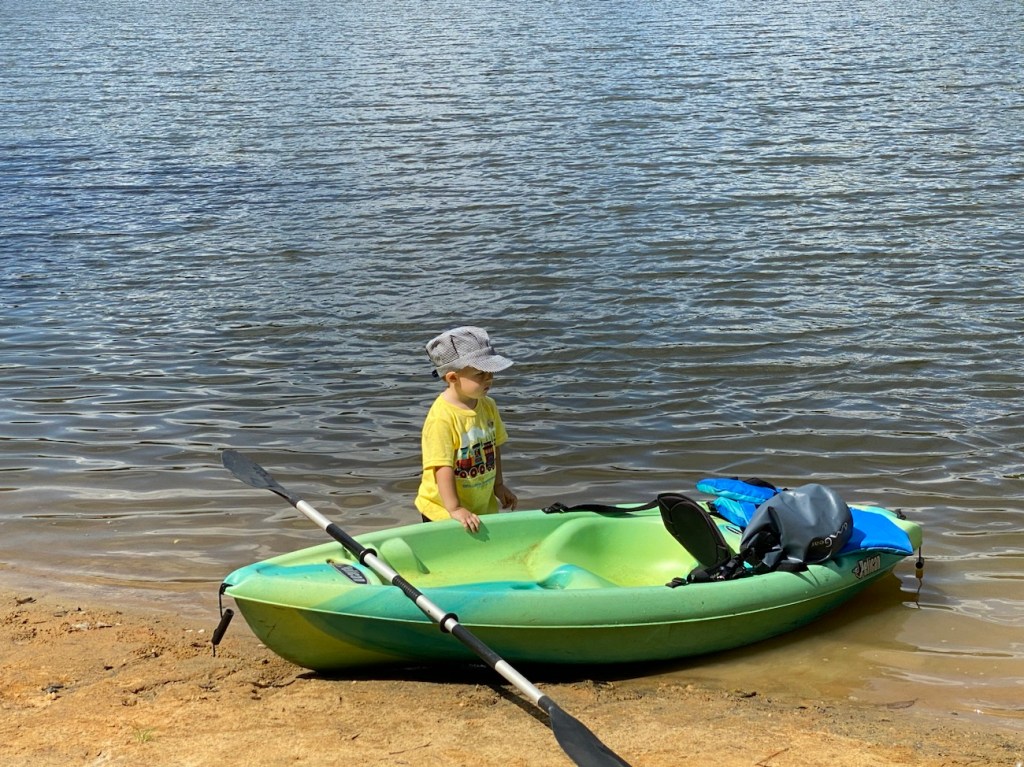
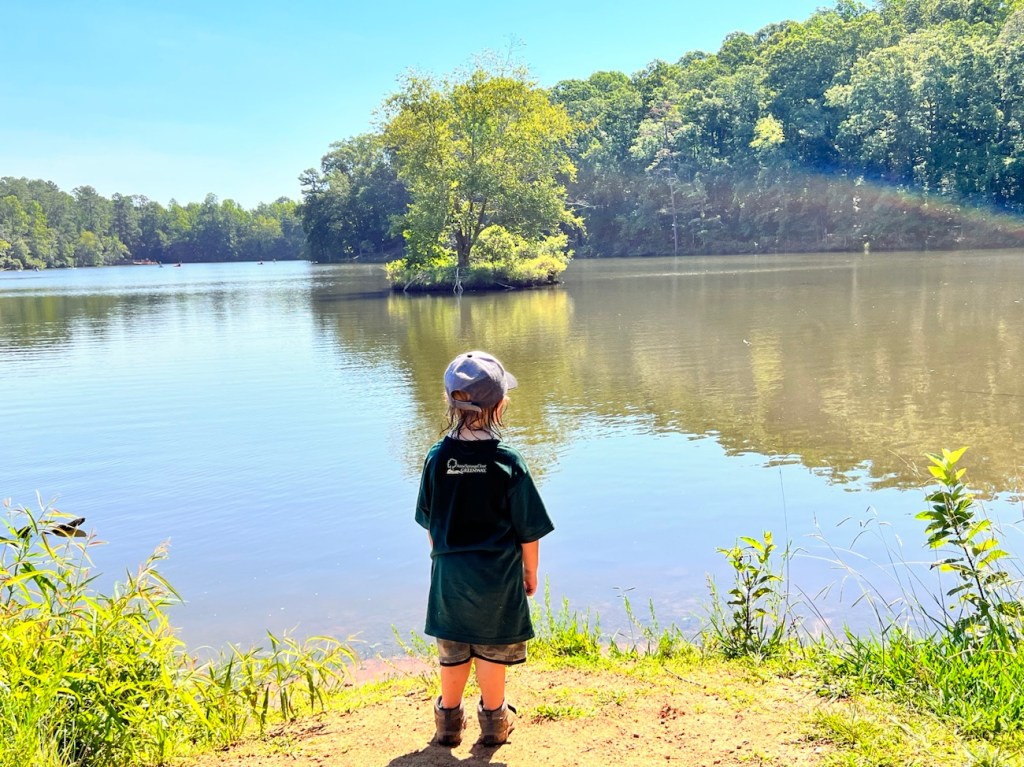
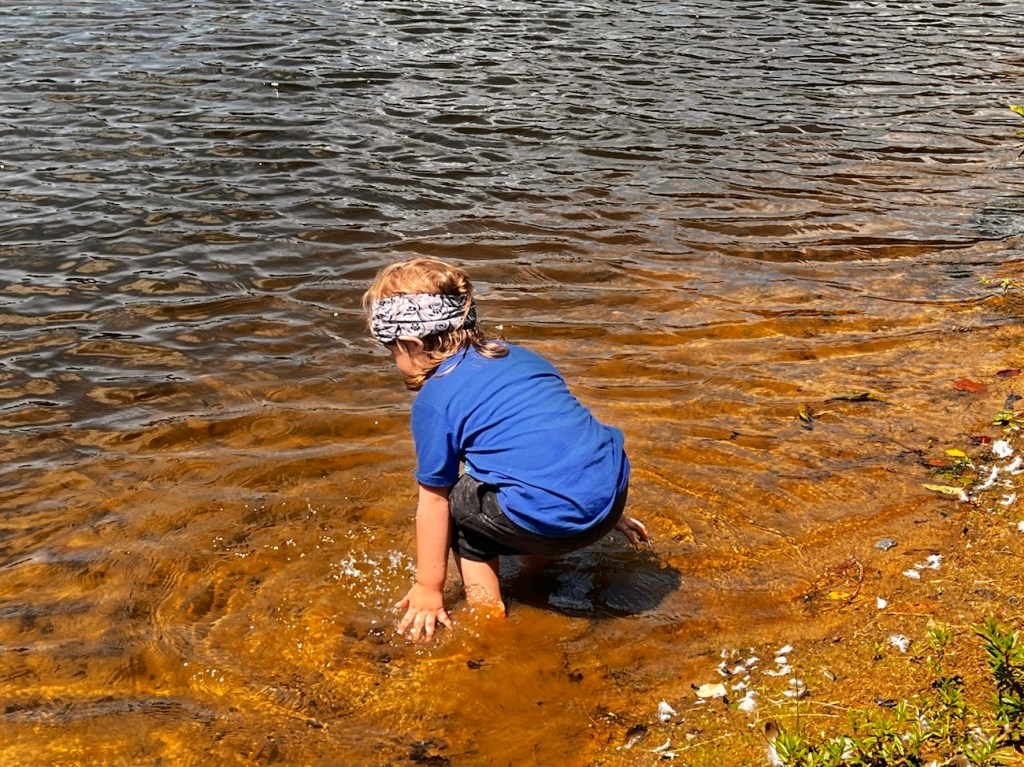
Another lake my grandson and I have enjoyed relaxing, observing nature, having fun is Lake Haigler at the Anne Springs Close Greenway in Fort Mill, South Carolina.
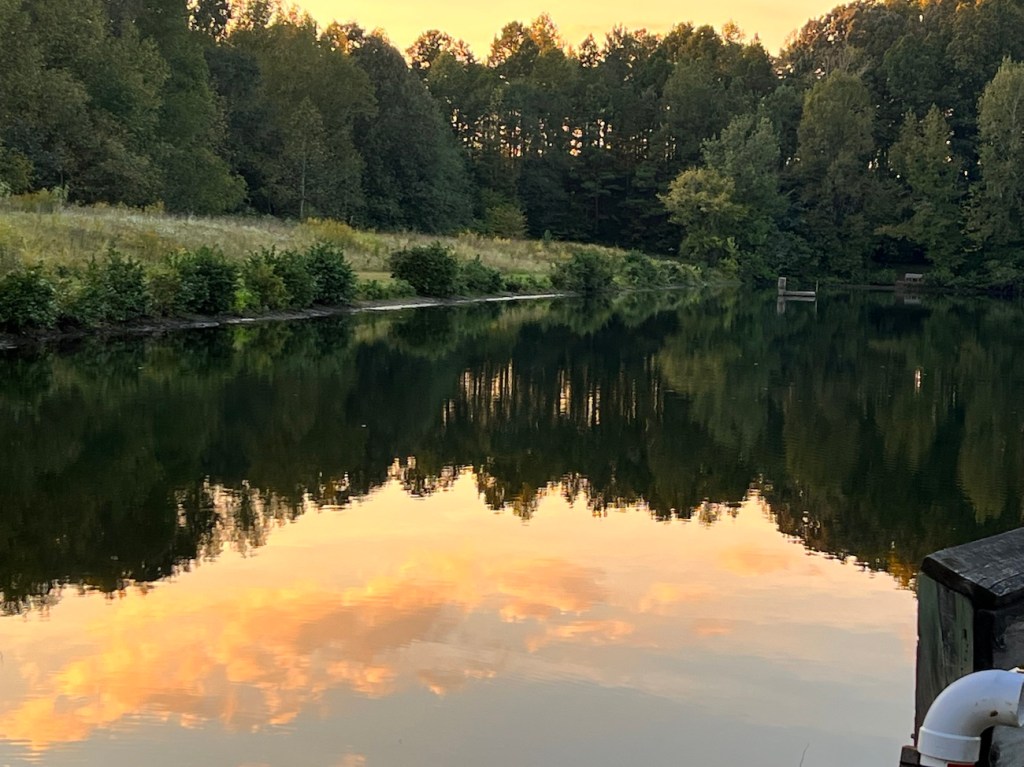
One last “lake” to share with y’all is one we visit and enjoy the peace and tranquility of the beautiful atmosphere is at Little Glade Millpond off the Blue Ridge Parkway in the North Carolina Mountains.
I could sit at the shore of a lake anytime anywhere. I dream of walking along the shores of the California coastline. I have fond memories of doing just that. Someday, I hope to take my grandson to see & play in the Pacific Ocean. What shoreline do you wish you could walk along everyday? Click one of the links below to join the challenge & link your own adventures along Shorelines.
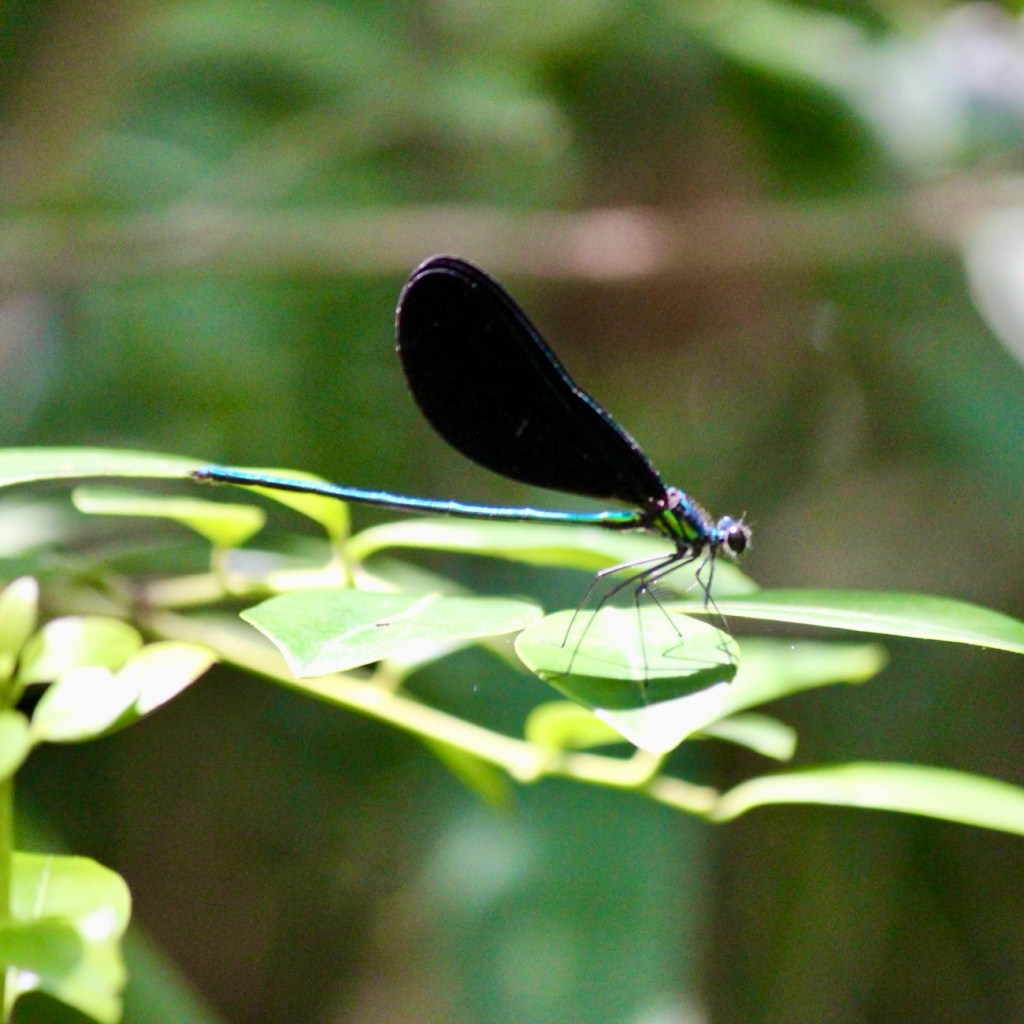
Ebony Jewelwing (Calopteryx maculata) AKA Black-winged Damselfly June 2017 on Canon EOS Rebel T3i Sesquicentennial State Park Columbia, South Carolina
Dos (Two, 2):
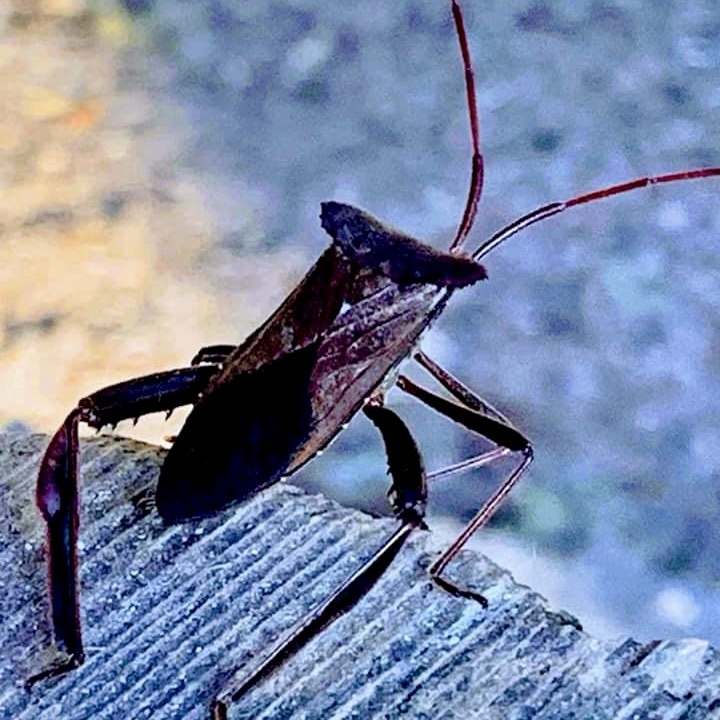
Acanthocephala Declivis Giant Leaf-footed Bug Anne Springs Close Greenway Fort Mill, South Carolina
Tres (Three, 3):
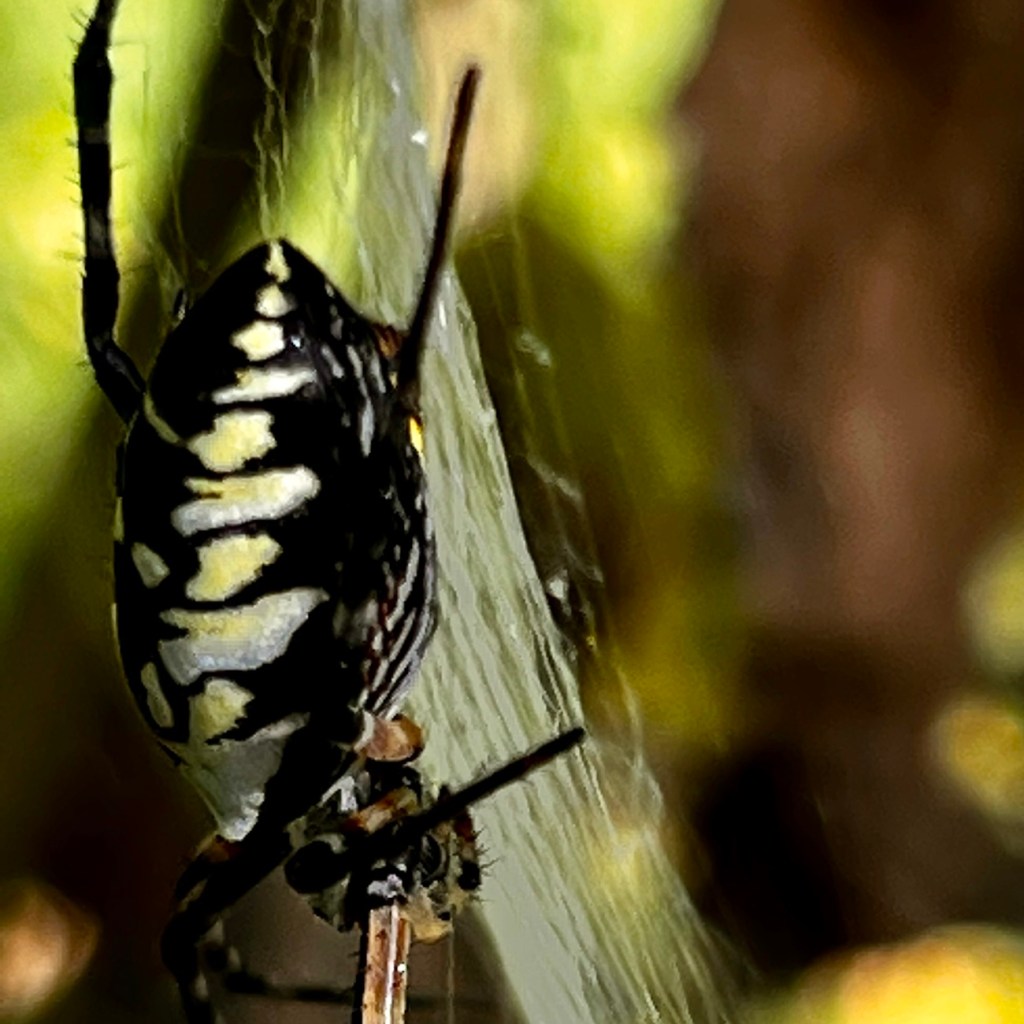
Argiope aurantia AKAyellow garden spider, Black and Yellow Garden Spider Apple iPhone 13 Pro Anne Springs Close Greenway Fort Mill, South Carolina
Cuatro (Four, 4):
Melanoplus differentialis Differential grasshopper Apple iPhone 13 Pro Anne Springs Close Greenway Fort Mill, South Carolina
Cinco (Five, 5):
Libellula luctuosa Widow skimmer Species of dragonfly July (7) 2023 Canon EOS Rebel T3i Lake Haigler Anne Springs Close Greenway Fort Mill, South Carolina
Seis (Six, 6):
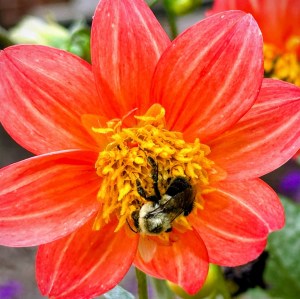
iPhone 14 Pro MaxCanon EOS Rebel T3iEastern Carpenter Bees The Schiele Museum of Natural History Gastonia, North Carolina
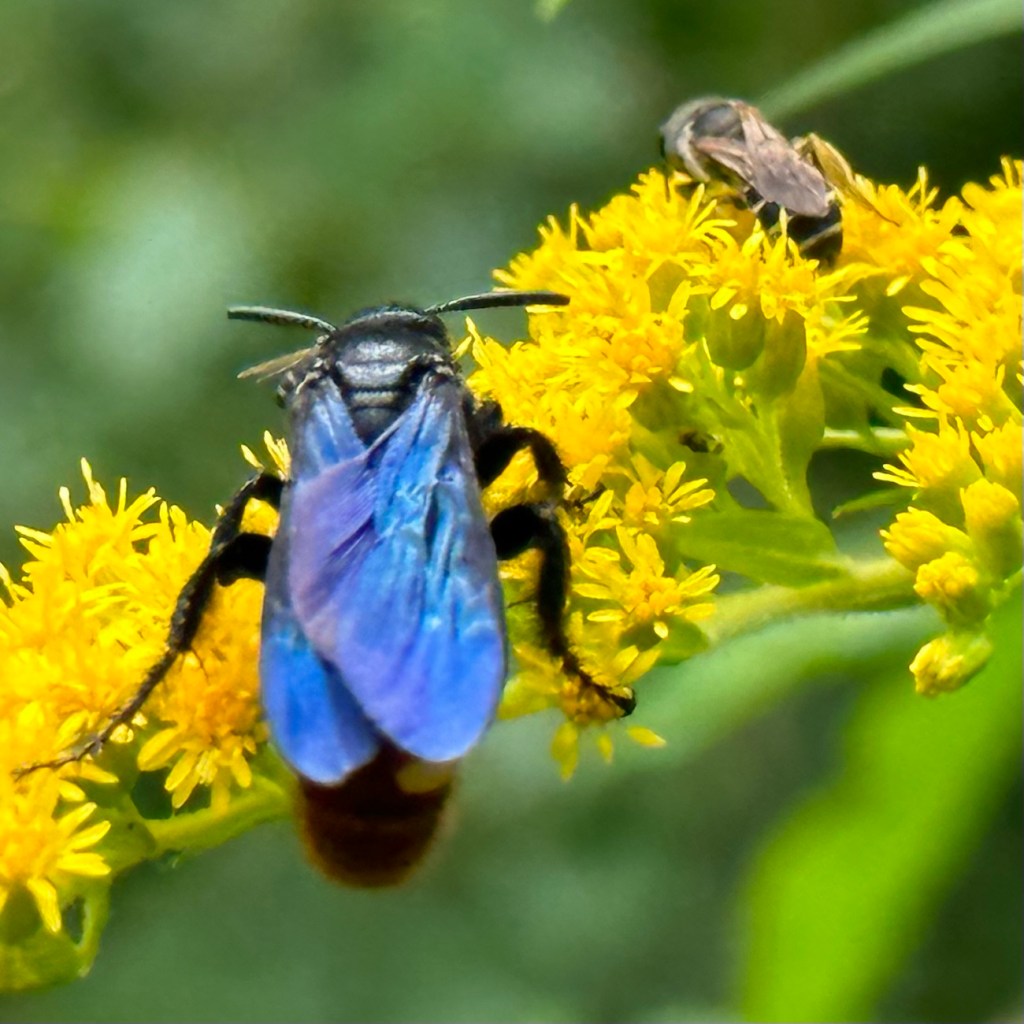
Siete (Seven, 7):
Scolia dubia AKA Two-spotted Scoliid Wasp or a Blue-winged Scoliid Wasp & Megachile montivaga Silver -tailed Petalcutter Bee Apple iPhone 14 Pro Max Warlick Family YMCA Gastonia, North Carolina
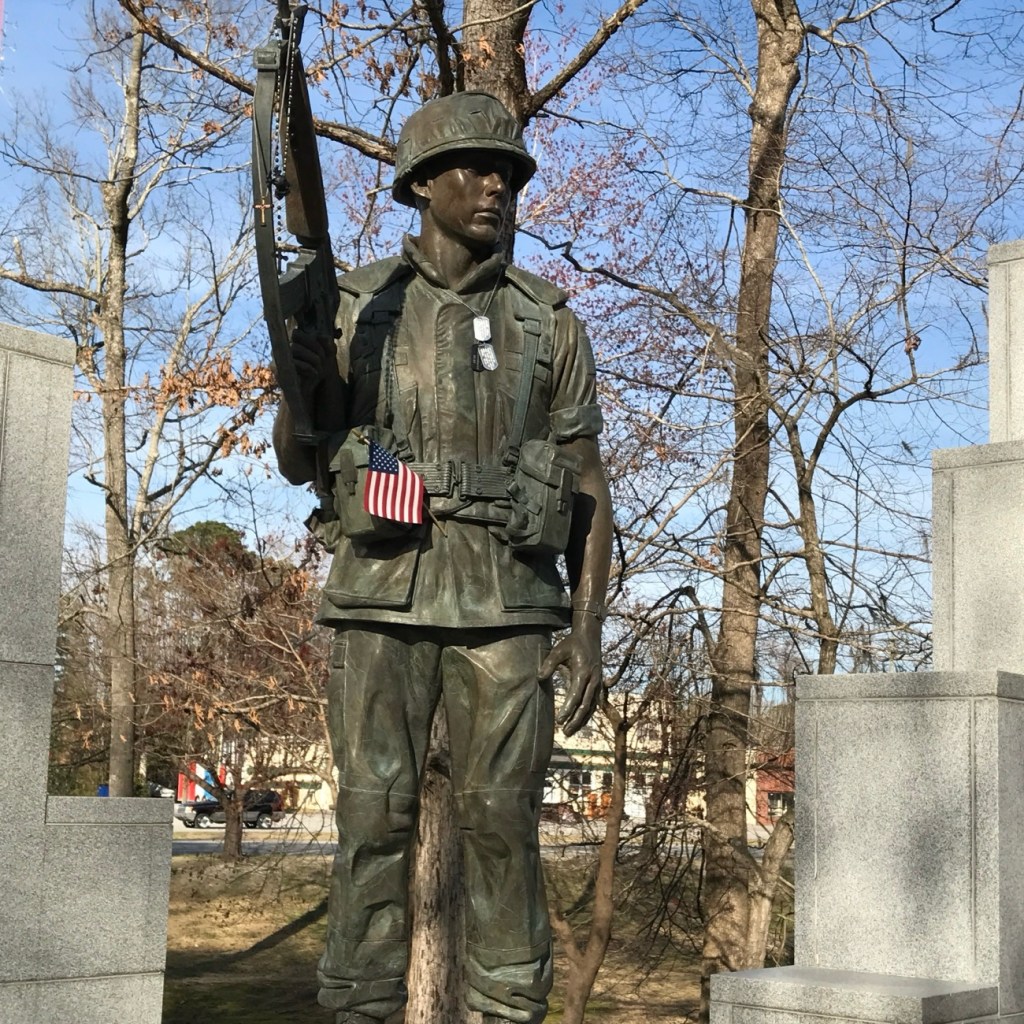
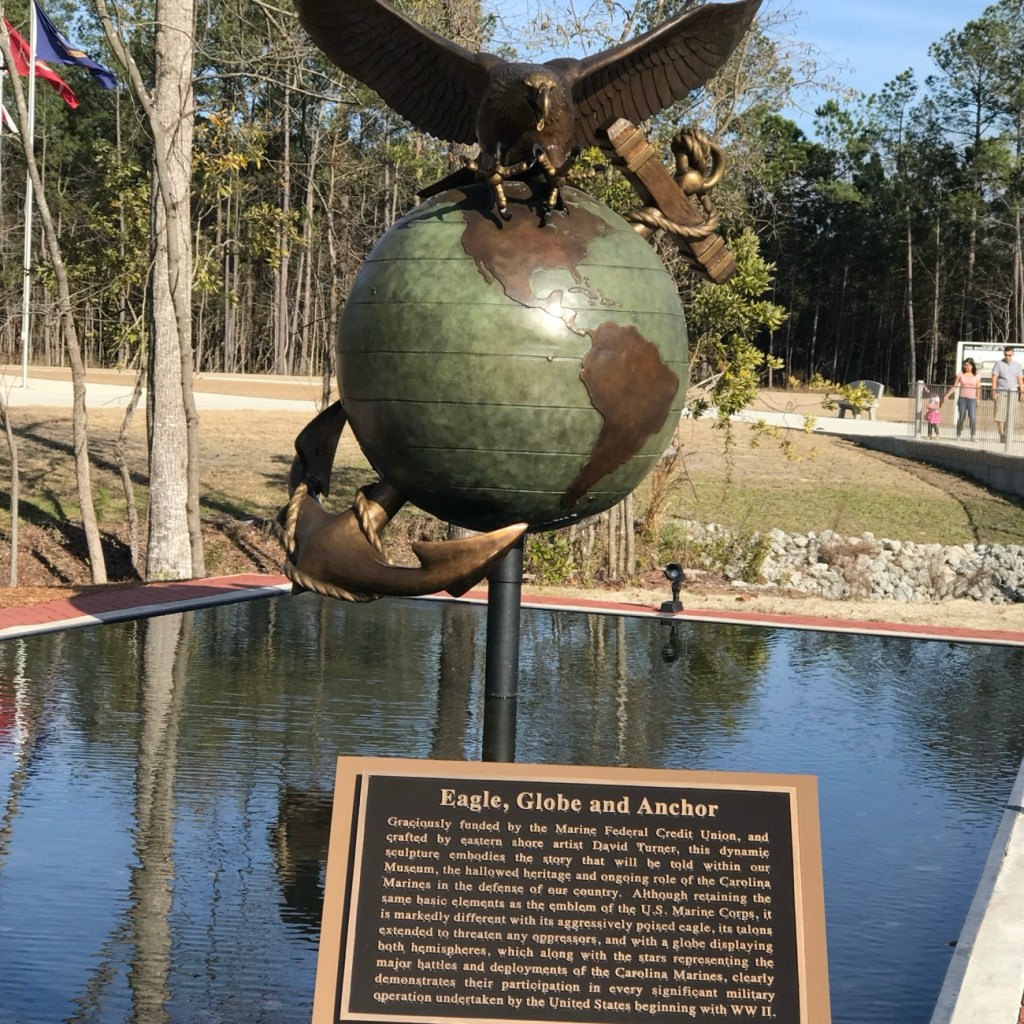
Looking back to a trip I took seven years ago to Jacksonville, North Carolina; I visited with my sons. My eldest son, John and I toured the Lejeune Memorial Gardens on February 2017. The Lejeune Memorial Gardens honors those who serve our country and is a place to gather to remember those who have given the greatest sacrifice for our freedom. It is home to the Beirut Memorial, the Onslow Vietnam Veterans Memorial, the Montford Point Marine Memorial, and 9/11 Memorial Beam from the World Trade Center.
Beirut Memorial Taken at 3:47pm in February 2017 (Also was the 7th photo I took at the Gardens)Eagle, Globe and Anchor Sculpture at Lejeune Memorial Gardens Taken at 3:27pm in February 2017.
Whenever I visit Veterans Memorial Gardens I reflect on the men and women in my family who have served in the United States Armed Services. I thank God for their services and sacrifices they made to ensure the Freedom I am so freely able to enjoy today.
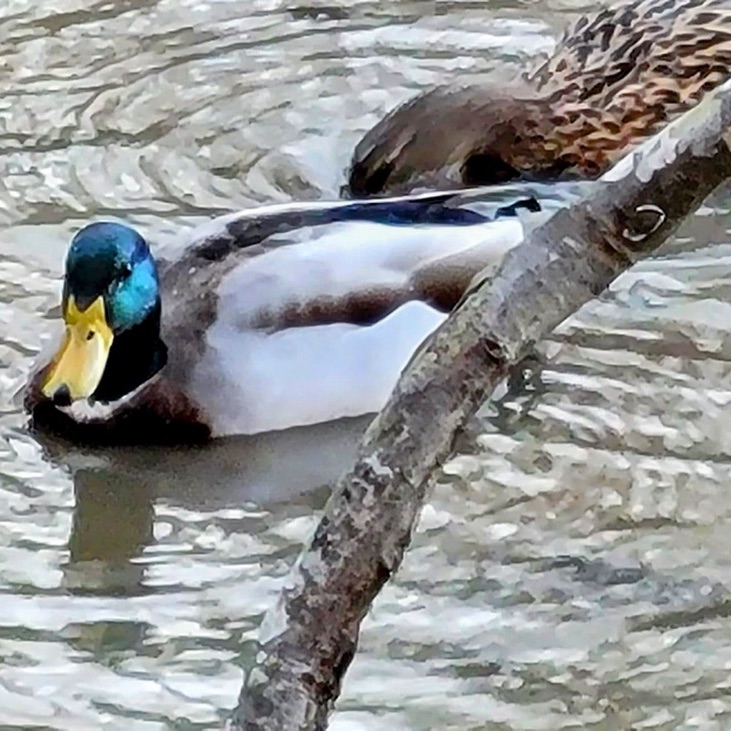
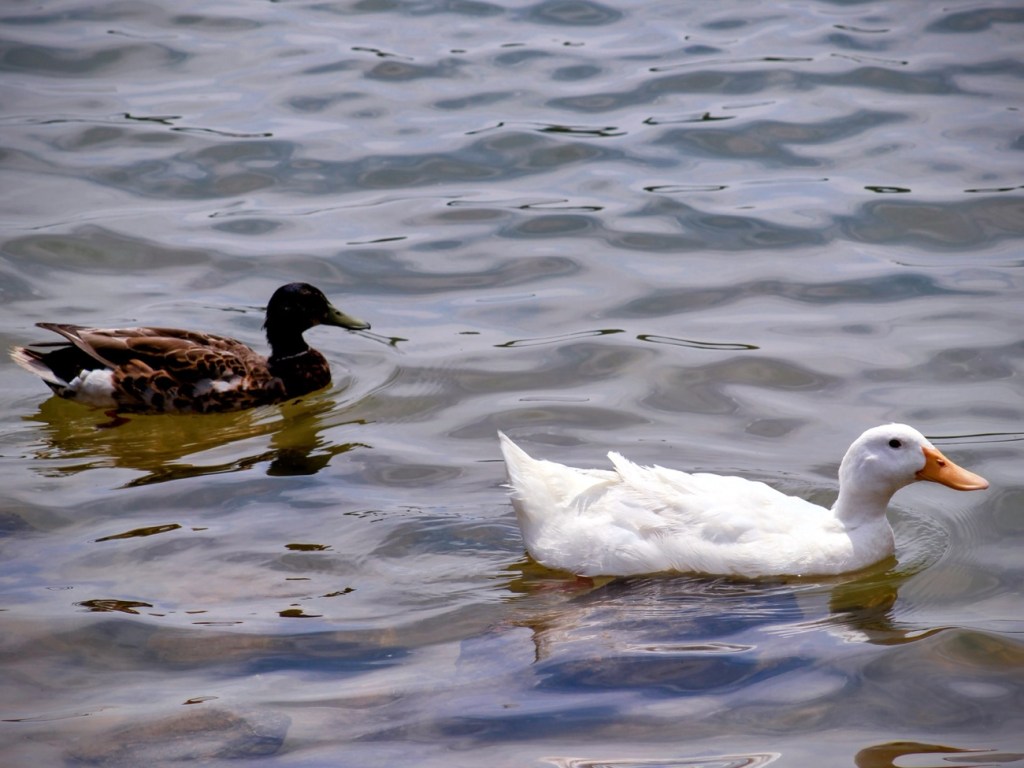
The Anas platyrhynchos is commonly known as Mallard or wild duck. The males (also called drakes) have green heads, while the females (called hens) have mainly brown speckled plumage.
The Mallard is approximately 50-65 centimeters (20-26 inches) long, the body making up the majority (about two-thirds) of their length. They are oftentimes slightly more heavier than the most othe dabbling ducks, weighing 0.7-1.6 kilograms (1.5-3.5 pounds).
Mallards live in wetlands, eat water plants and small animals, and are social animals preferring to congregate in groups or flocks of varying sizes. The Mallards shown here are quite commonly seen at Rankin Lake and other local lakes and parks in the vicinity.
They are a very adaptable species in that they are able to live and thrive in urban areas which may have supported more localised, sensitive species of waterfowl before development.
The name Mallard originally referred to any wild drake, and sometimes it is still associated in this way.
Mallards tend to frequently interbreed with their closest relatives in the genus Anas, which for example might be the American black duck. They might possibly interbreed with other species, such as the northern pintail or various hybrids that could be fertile.
In North America, Mallards winter in the south to southern United States and Northern Mexico. [The Mallards here were shot on camera in January, mid-winter for the southern United States.]
In summer, a combination of hot temperatures and reduced water levels place mallards at an increased risk of contracting botulism. Outbreaks of botulism among mallard populations can lead to mass die-offs.
Brian’s Busboys World is the host for Last on the Card requests us to share our last photo on our SD cards or on our phones for August 31 or whenever your last photo was taken. No editing — just however it came out in focus, blurry, or whatever it may be. No explanations necessary. Be sure to create a pingback to Brian’s post or leave a link in his comments. Be sure to tag your post with The Last Photo and #LastOnTheCard.
Becky has resumed her Square Challenge for September with the theme of Seven for September. It has been Seven (7) years since the first Squaring Challenge Adventures began, thus remembering the good times of Squaring for Seven.
I have not been Squaring for Seven years, however, I have enjoyed being apart of Becky’s Square Challenge. I will do my best with this new theme of Seven for September.
As Becky so cordially reminded us that September was originally the Seventh month of the year in the Roman calendar; it is fitting to see what everyone decides to post for Seven for September. September comes from the Latin word septem which means, you guessed it, seven.
Location:Huntersville, Mecklenburg County, North Carolina, USA
God Bless. Have a Sunny Square September Supercalifragilisticexpialidocious day. Thank you for sharing your time and thoughts with me. I appreciate y’all very much.
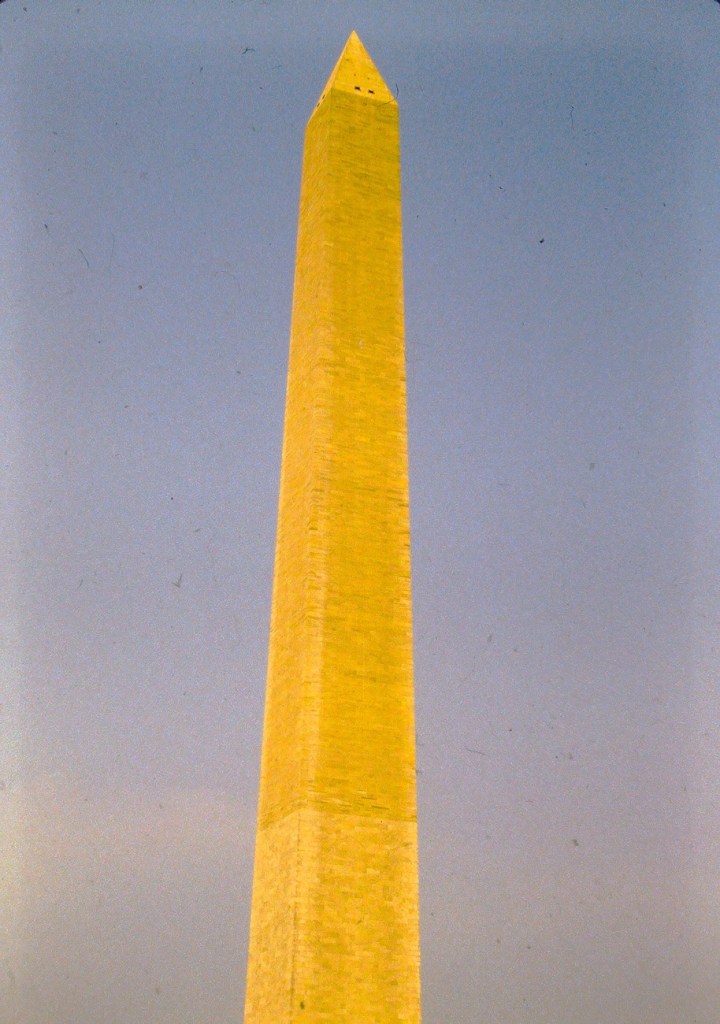
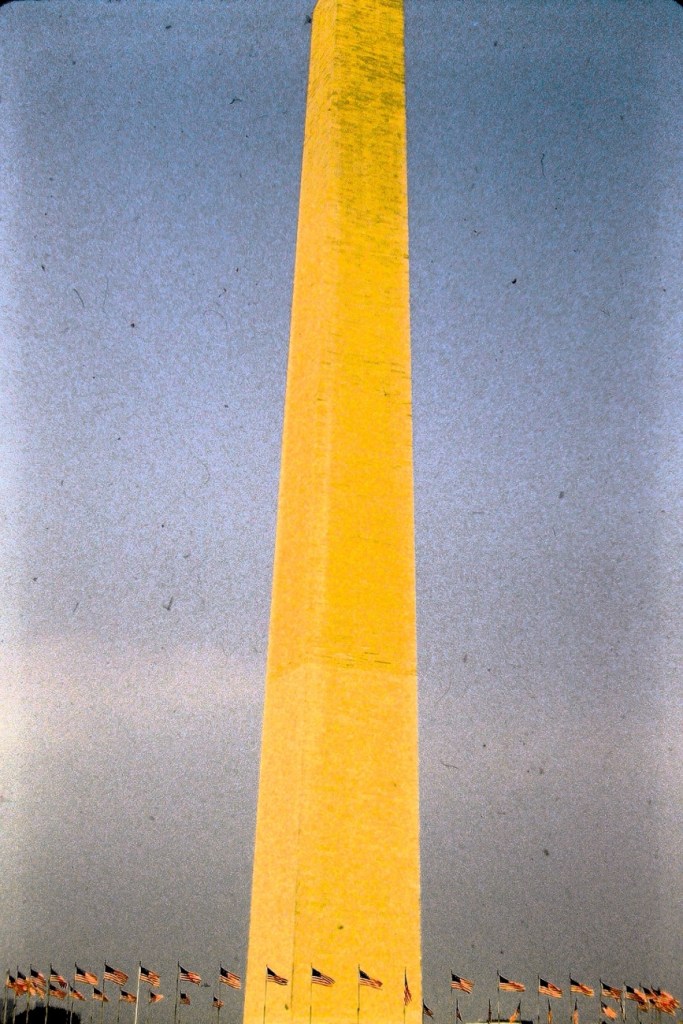
In the Summer of 1985 my parents went Road Trippin’ across the United States of America. They began their Road Trip leaving from their home in San Diego, California. They always planned what or whom they wanted to visit ahead of time.
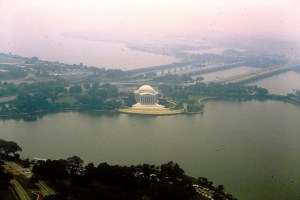
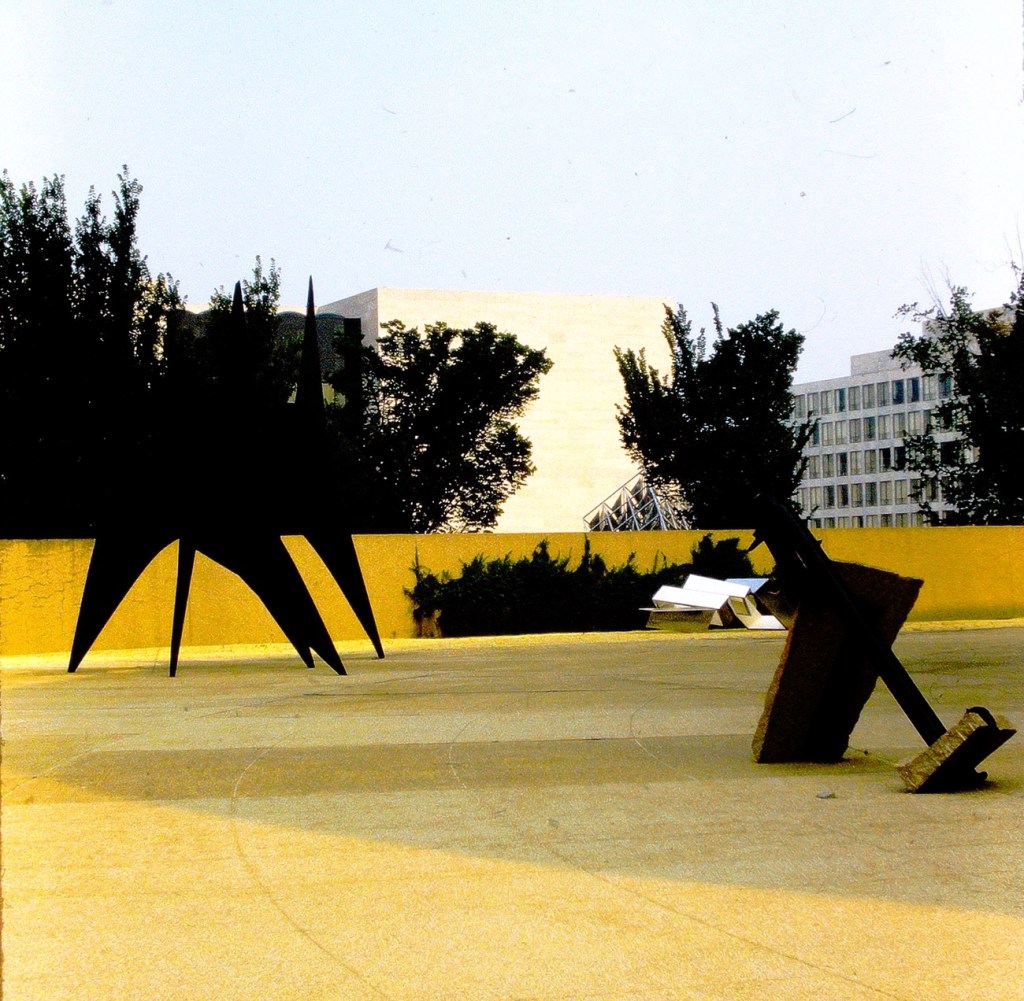
Continuing with their stop in Washington D.C. and a few sites in Manassas, Virginia with a side visit with my brother and his family.
The above are their last views of Washington D.C. before leaving the area. From D.C. my parents drove to near Manassas, Virginia to visit with my brother and his family for a spell.
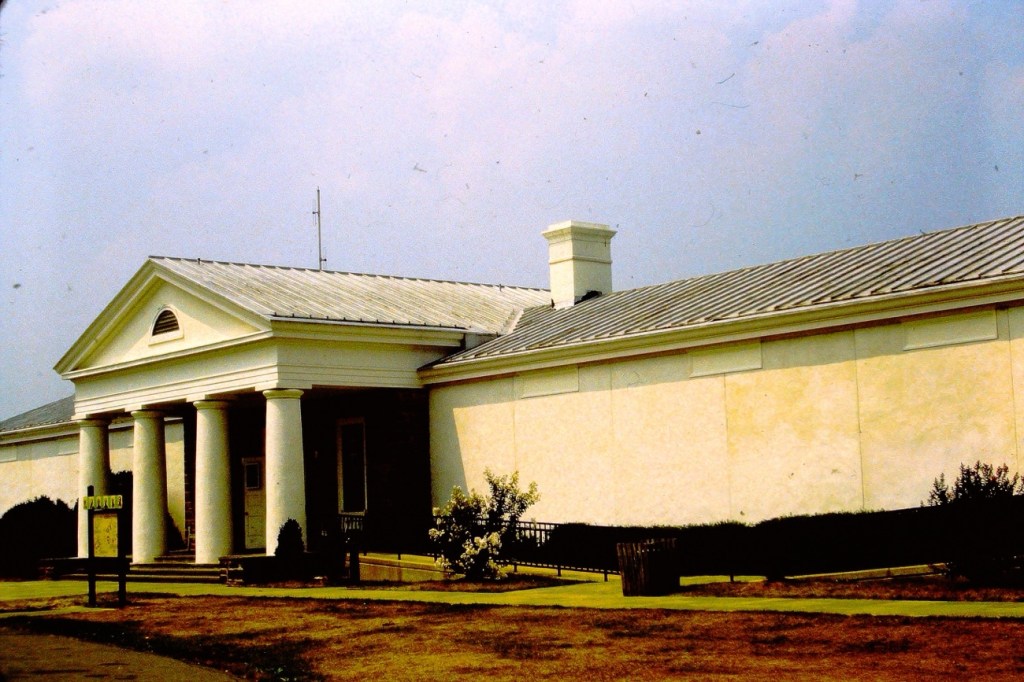
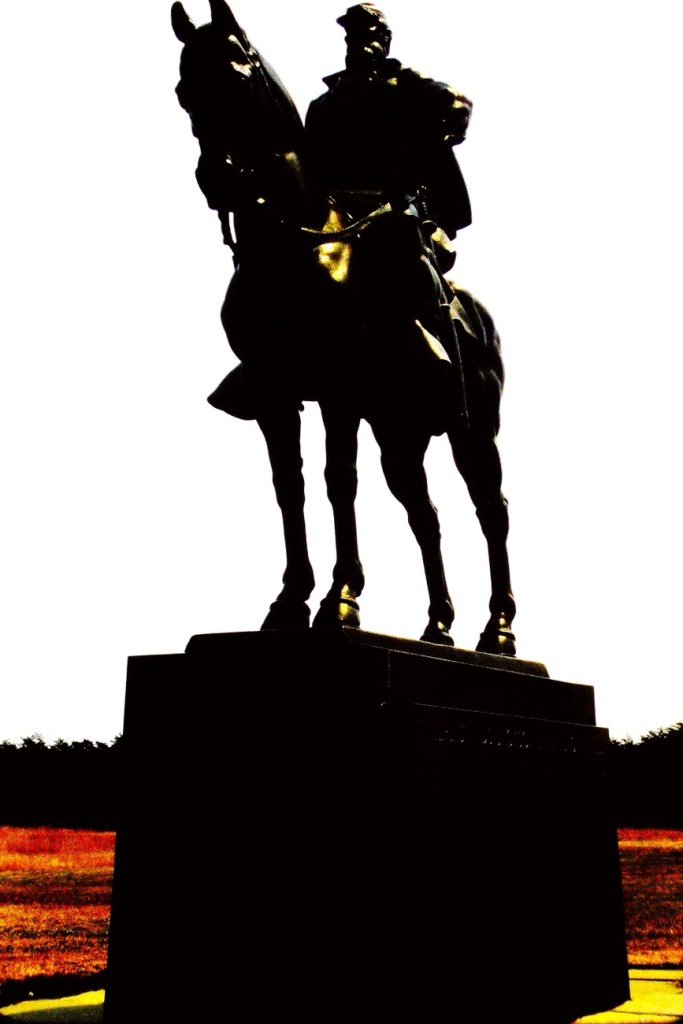
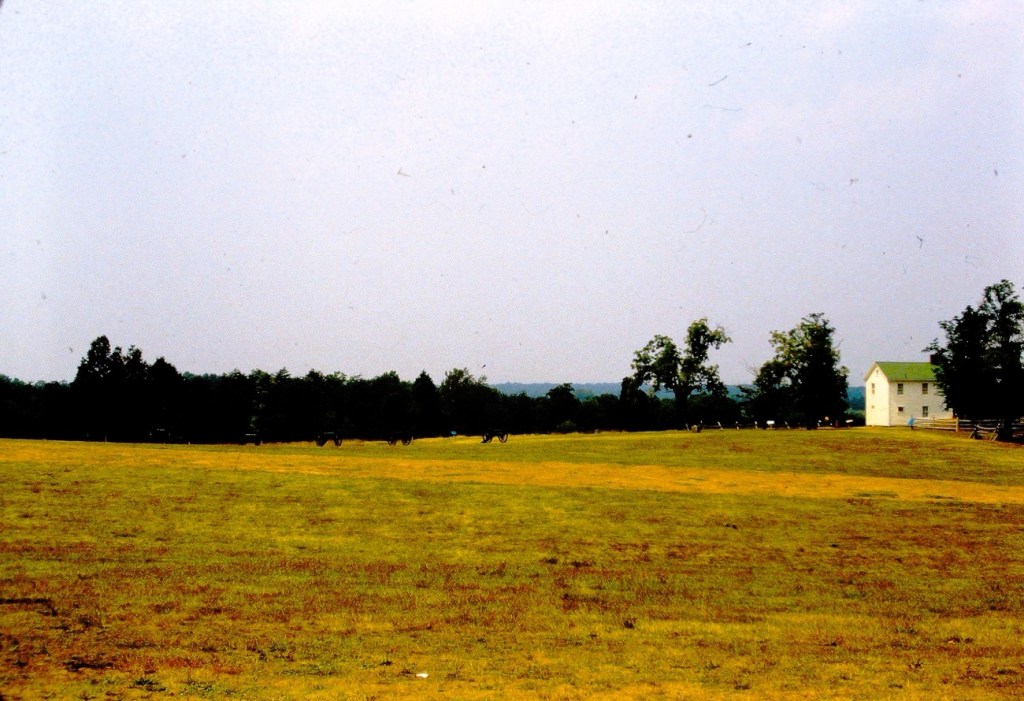
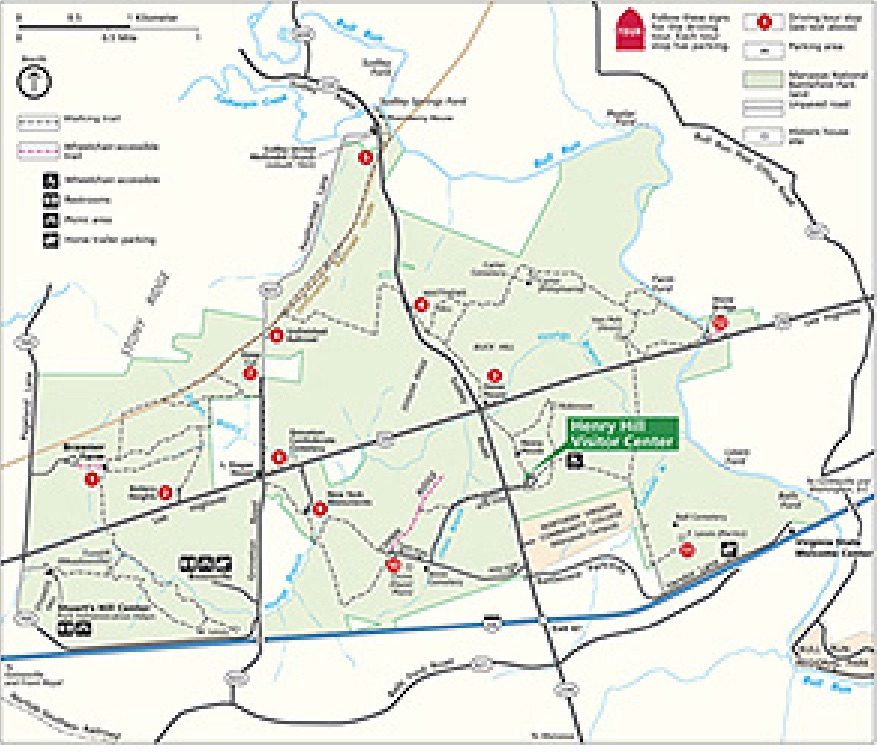
Having rested up and enjoyed a nice family visit, they set out again for further site seeing adventures. They stopped in Manassas enjoying several sites including the Manassas National Battlefield Park.
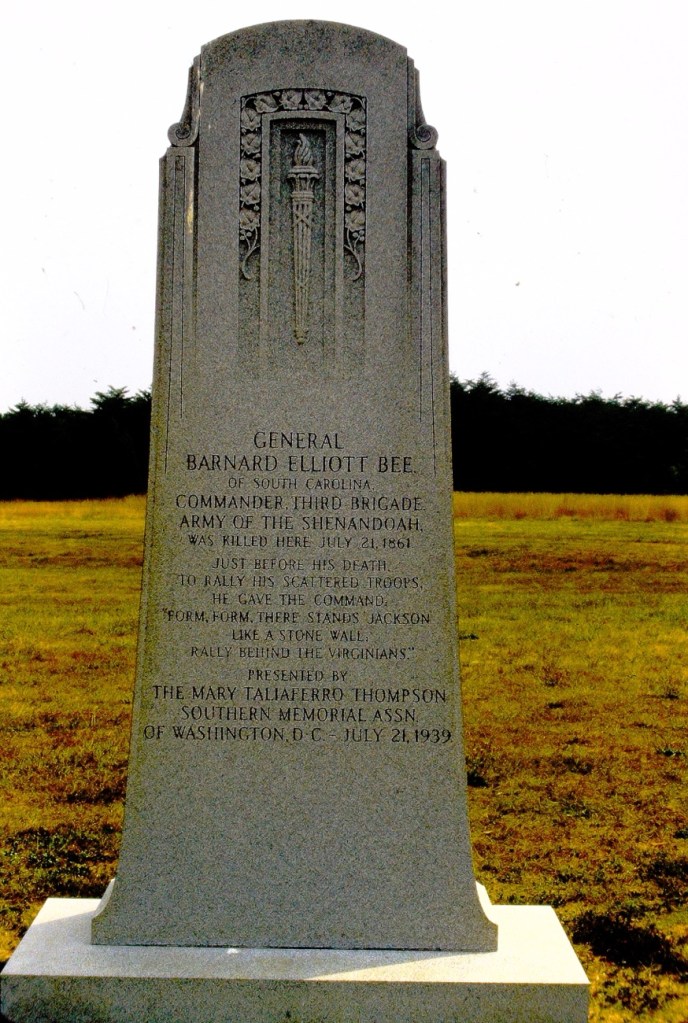
Henry Hill Visitor CenterConfederate General Barnard Elliott Bee Jr. Monument Brigadier General Thomas J. Jackson monument (AKA Stonewall Jackson)Manassas Loop TrailManassas National Battlefield Park Map
My dad loved to plan at least one stop on our vacations which had an historical significance. He would also plan a different site for our family to enjoy some fun. On this trip he and my mom planned to visit sites that held significant interest to them.
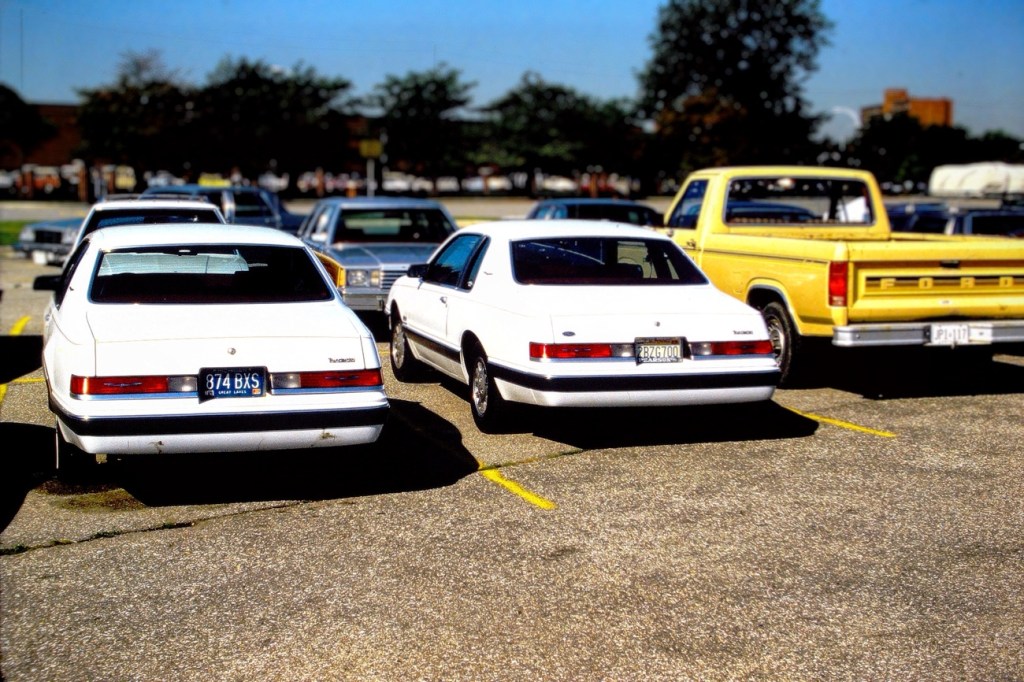
The next stop on their Road Trippin’ USA adventure was The Henry Ford – Museum Of American Innovation in Dearborn, Michigan.
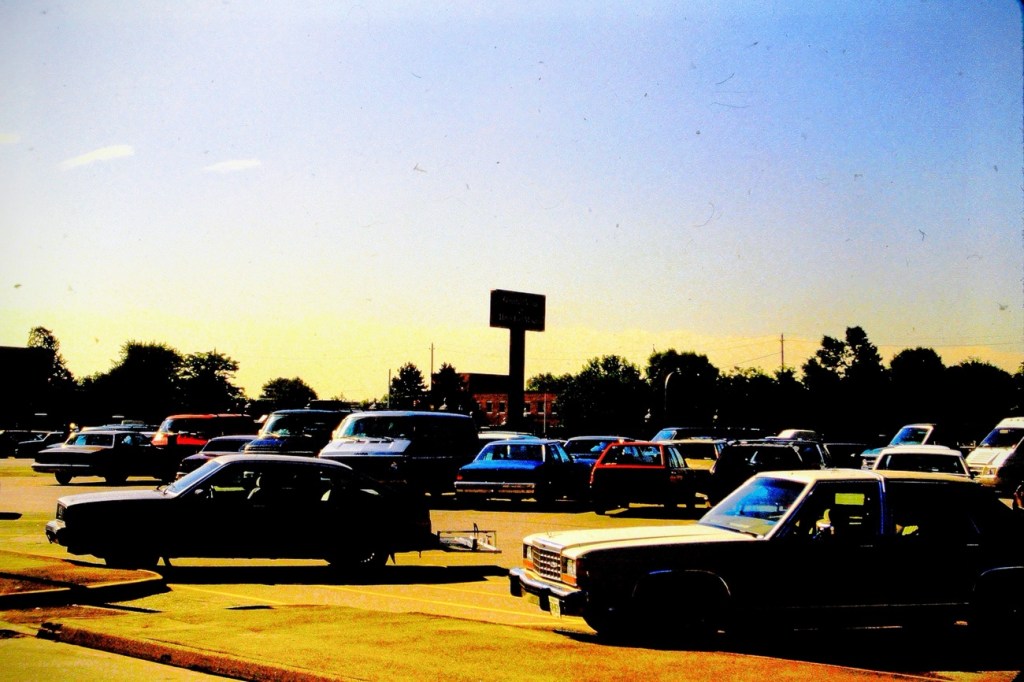
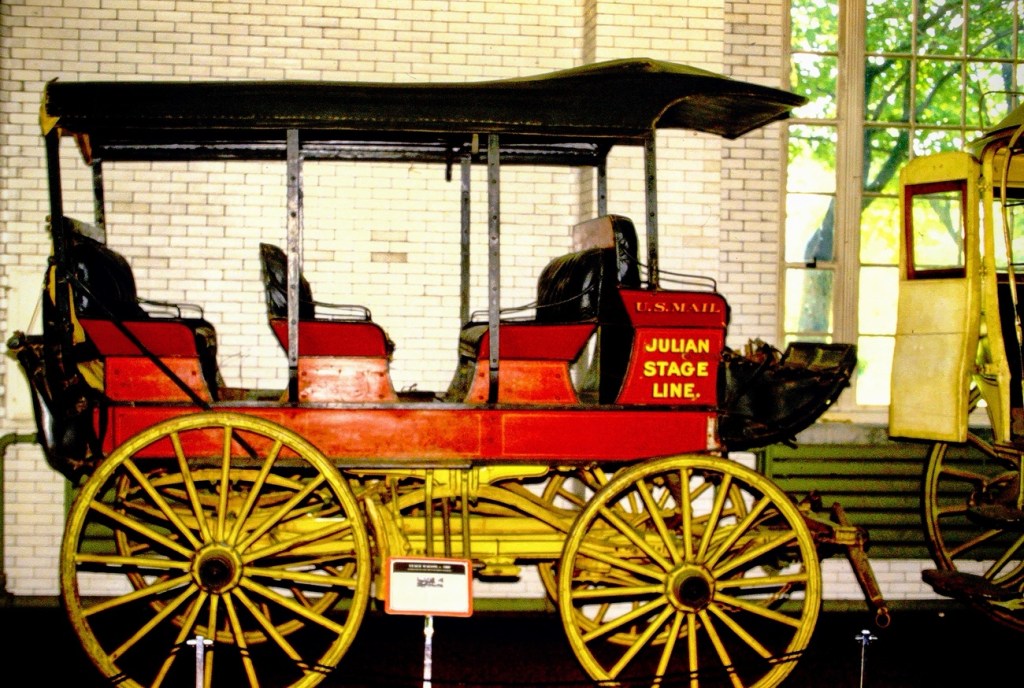
Parking Lot for The Henry Ford – Museum Of American InnovationJulian Stage Line
As they walked up to the entrance they enjoyed seeing the displays at the entrance like this Julian Stage Line vehicle. Julian reminds me of a town just a short ways east of San Diego County in California that has the best Apple pies and beautiful countryside.
Next week I’ll continue with their Road Trippin’ adventures for My Which Way of Cee’s Which Way Challenge at The Henry Ford – Museum Of American Innovation.
Location: Washington D.C.; Manassas National Battlefield Park; Manassas, Virginia; The Henry Ford – Museum Of American Innovation; Dearborn, Michigan, USA
God Bless. Thank you for visiting with us. Thank you for sharing your time and thoughts with us. I appreciate y’all very much.
Welcome to “The Numbers Game #36”. Today’s number is 157. To play along, go to your photos file and type that number into the search bar. Then post a selection of the photos you find under that number and include a link to your blog in my Numbers Game blog of the day. If instead of numbers, you have changed the identifiers of all your photos into words, pick a word or words to use instead, and show us a variety of photos that contain that word in the title.
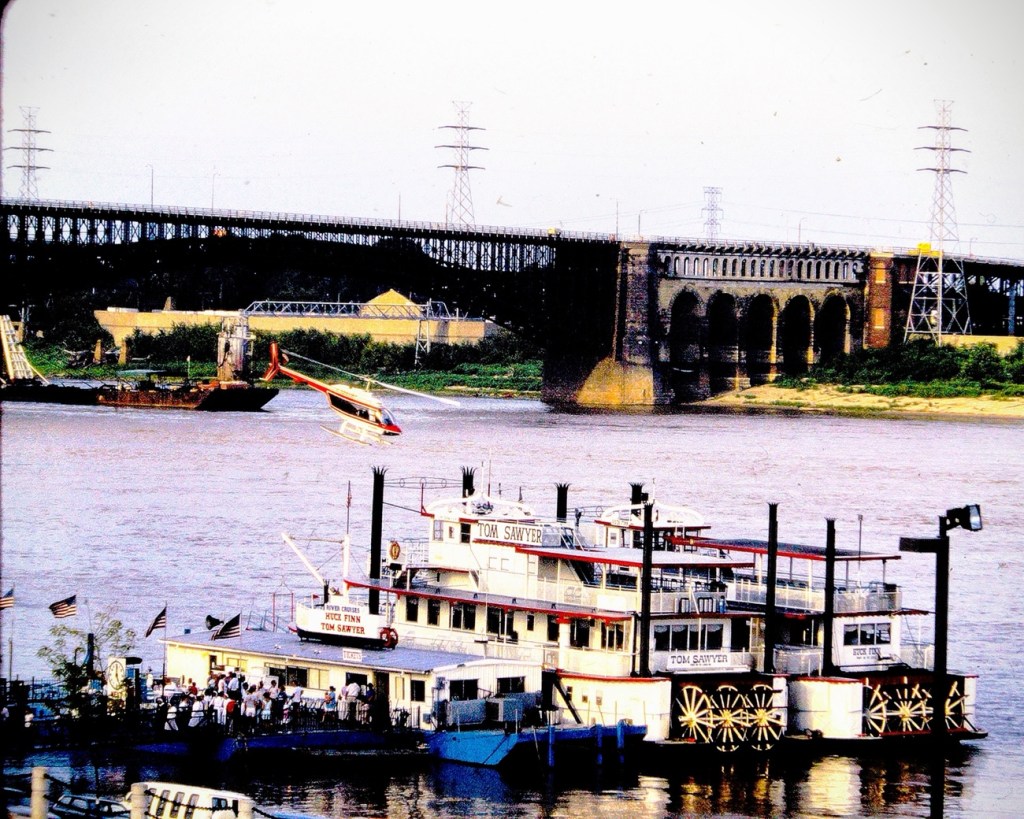
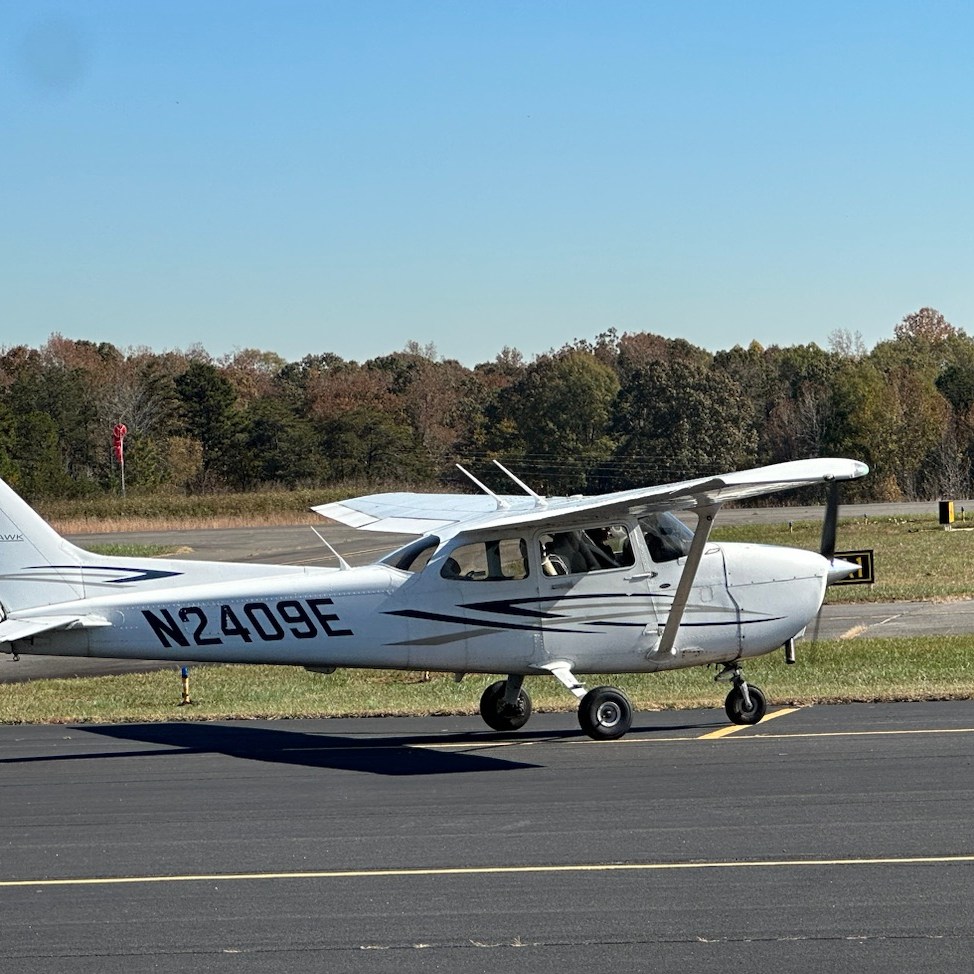
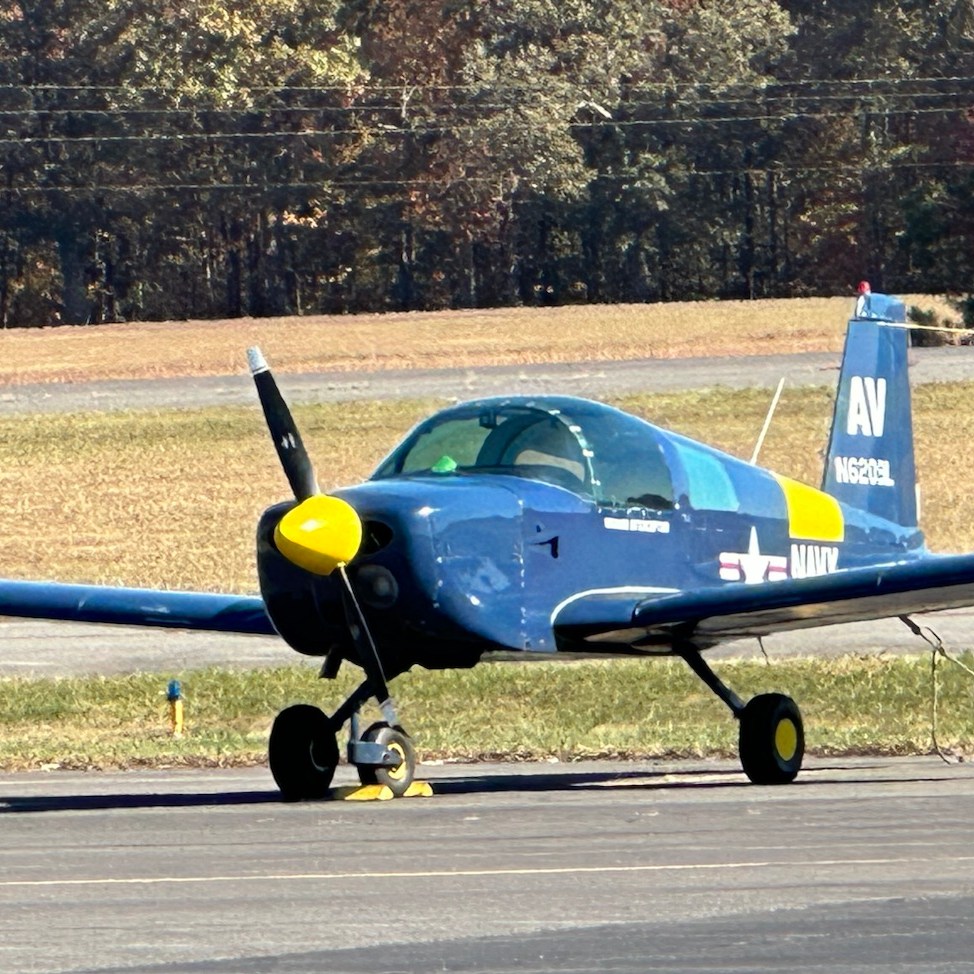
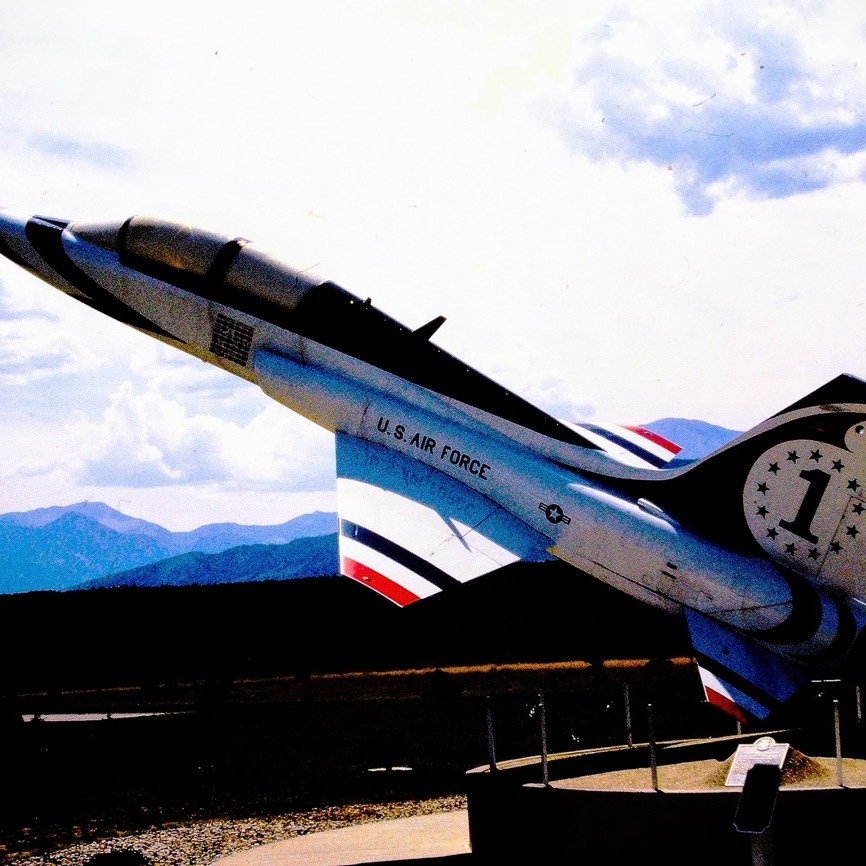
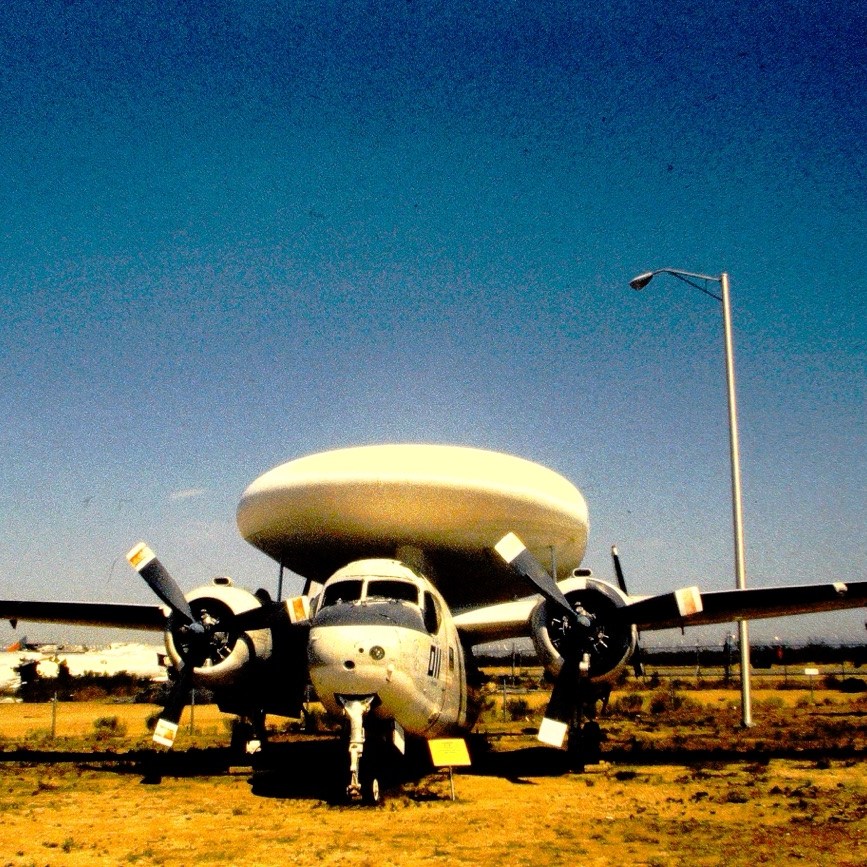
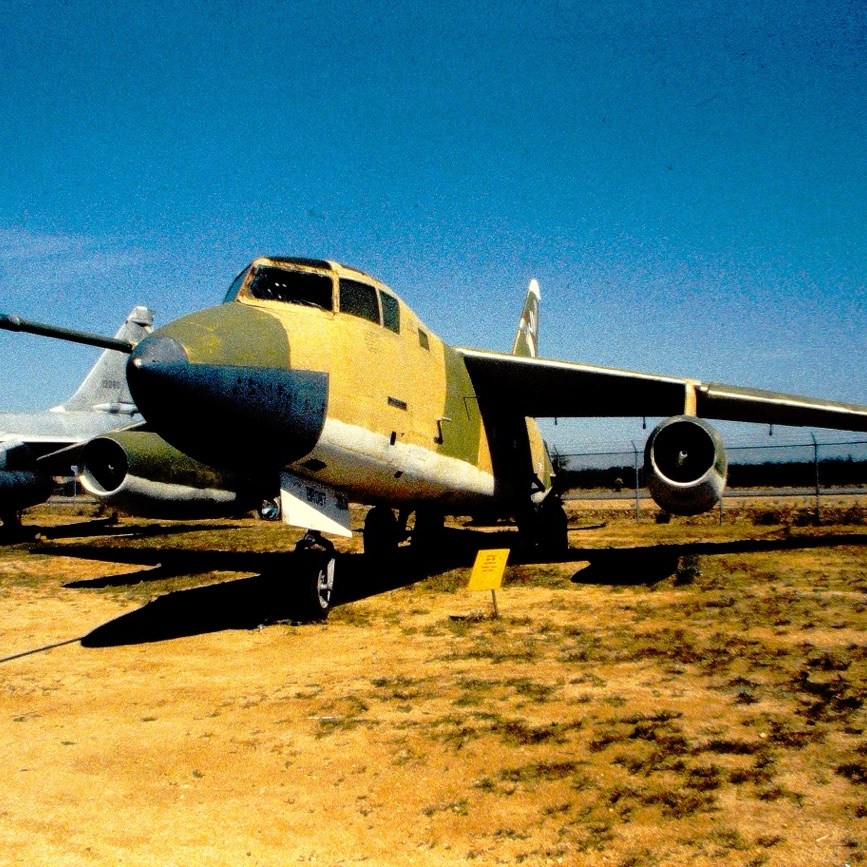
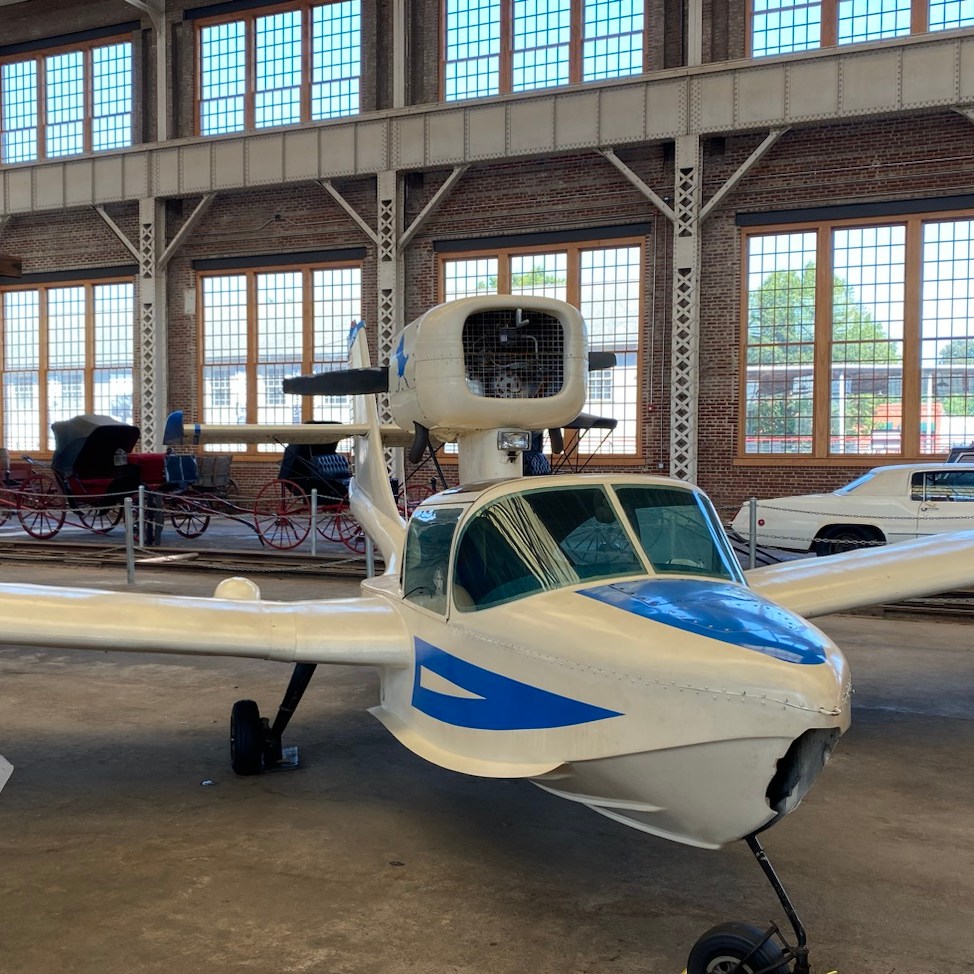
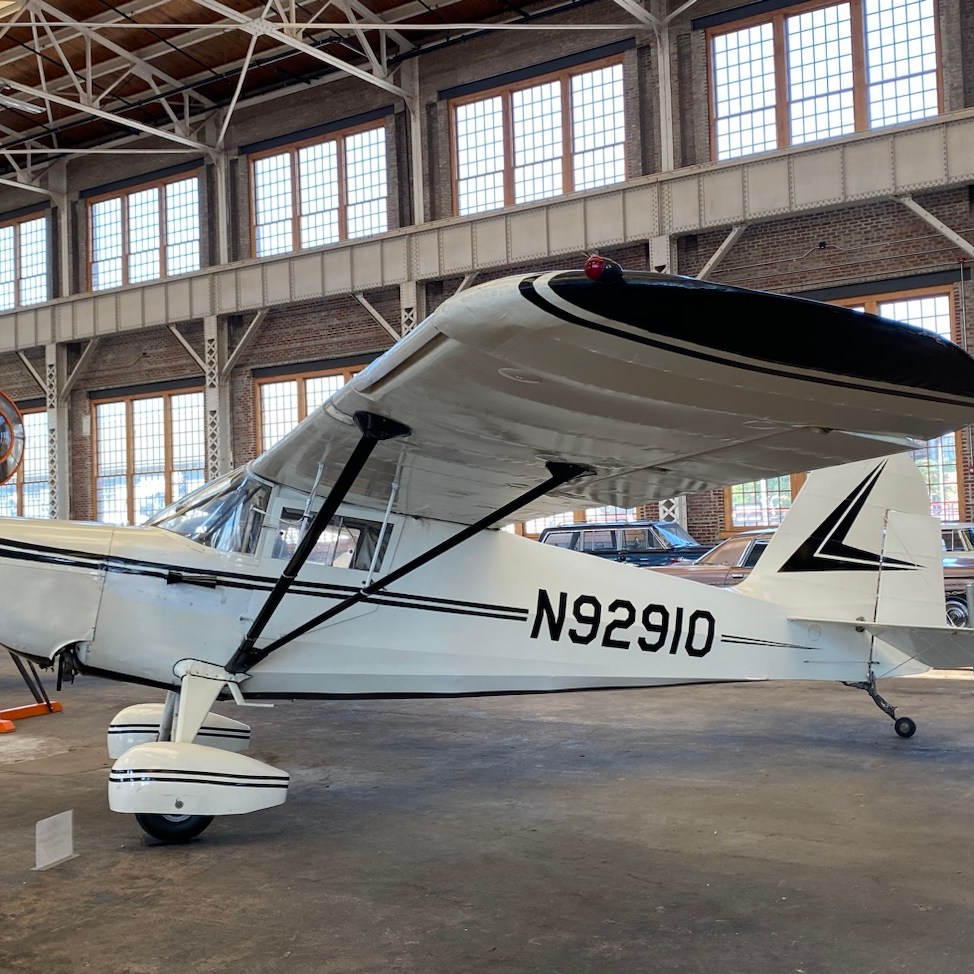
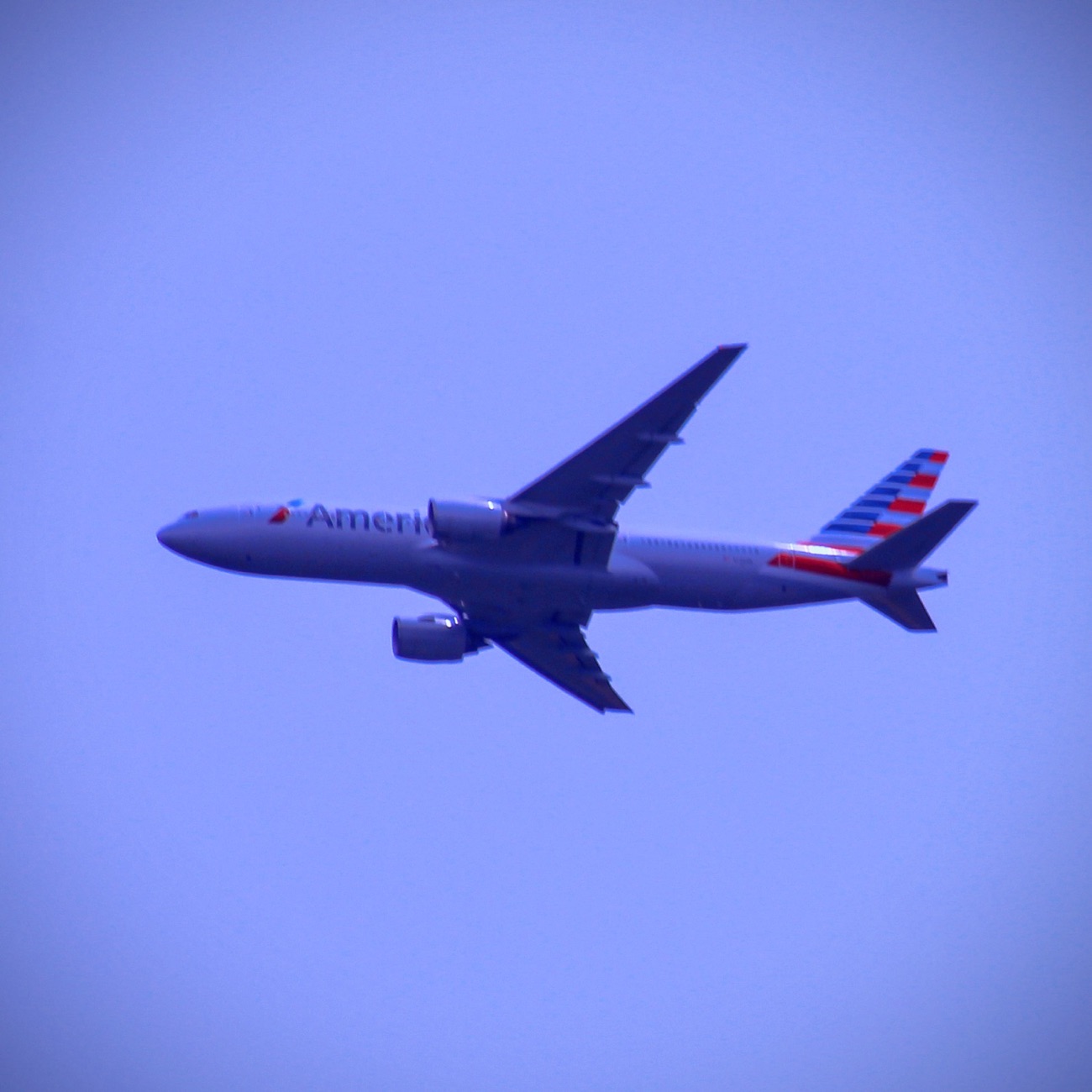
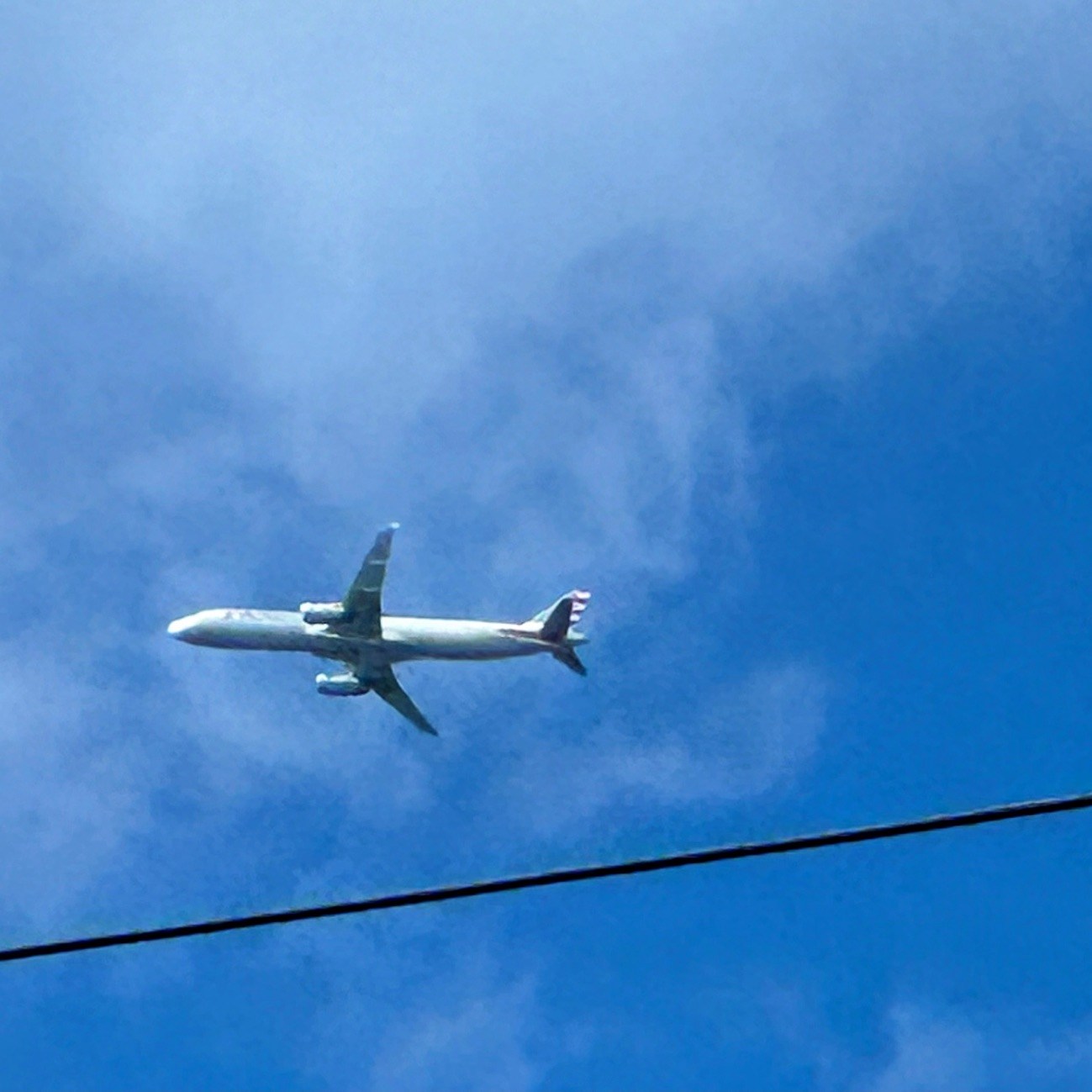
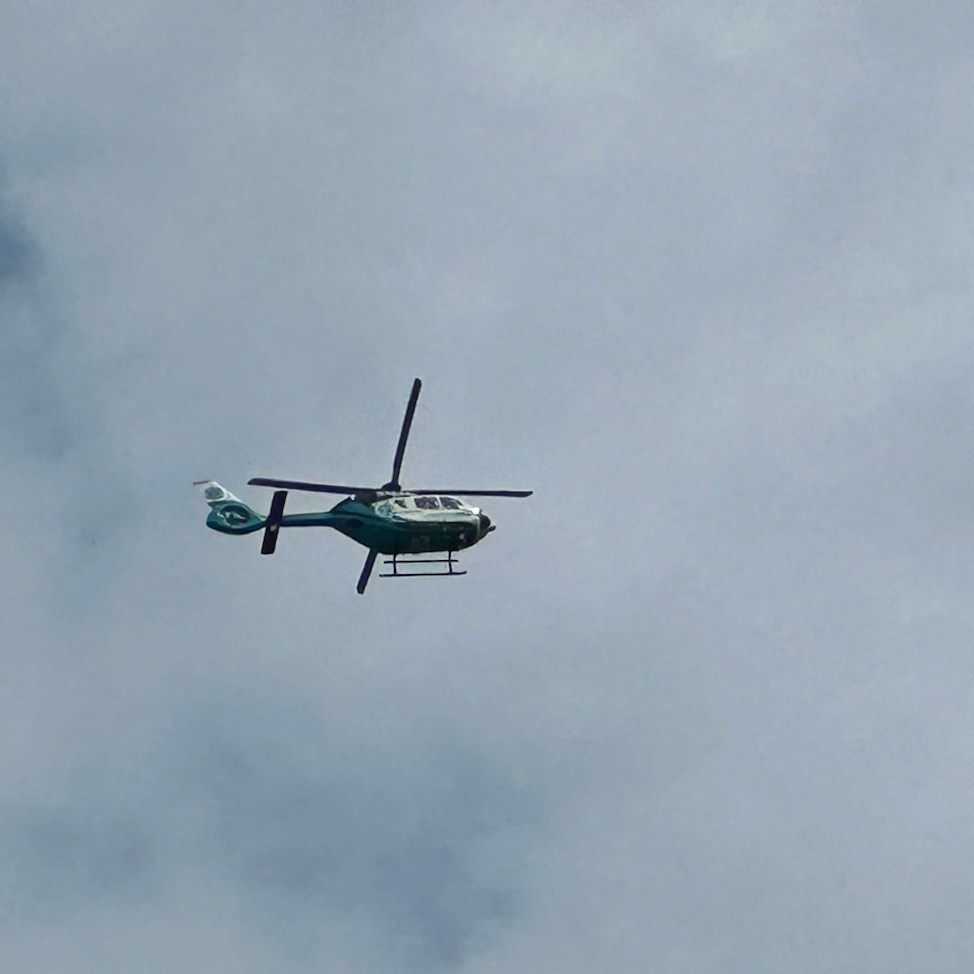
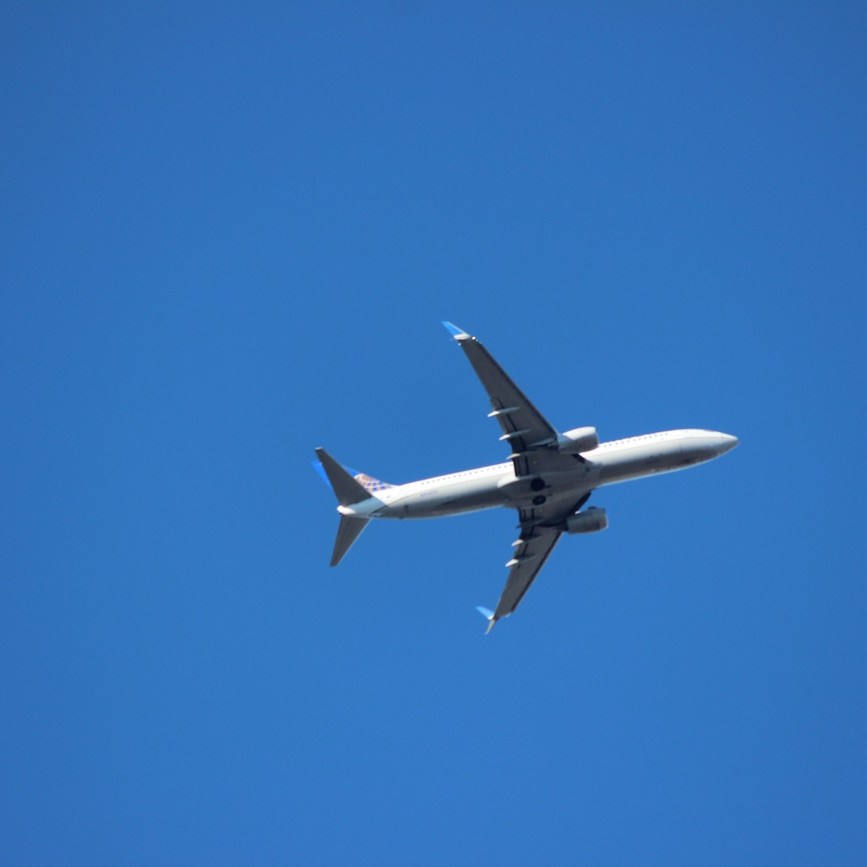
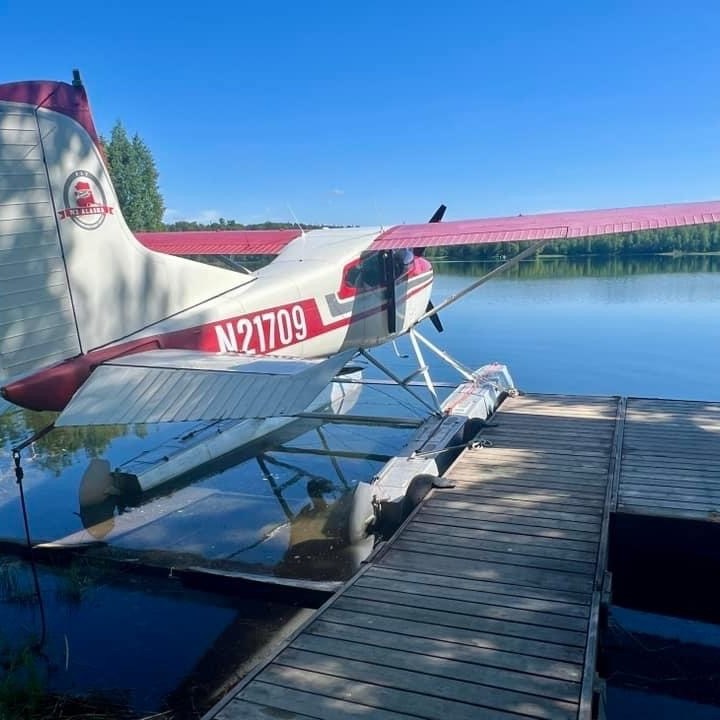
I couldn’t locate photos with the number 157, so I decided to choose a Word — Airplane.
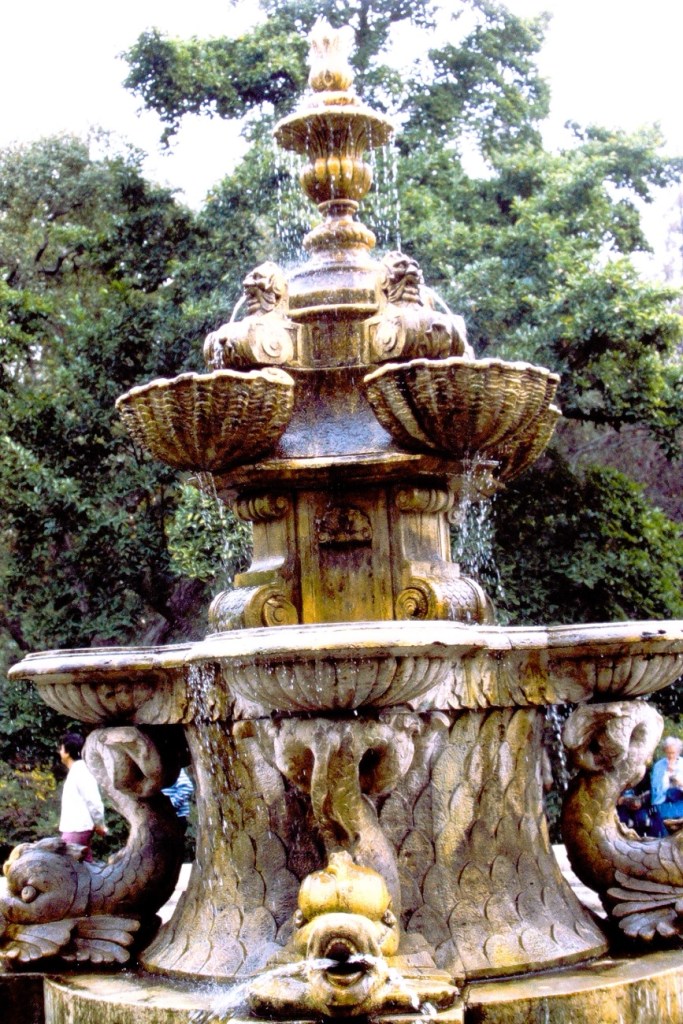
17th century, Istrian stone, Italian The Italian fountain was purchased by Henry Huntington in 1915. It was shipped from New York in 48 boxes that filled an entire railway car. Oddly enough, the fountain arrived without assembly instructions and with a few extra pieces. It eventually was installed in the garden of the Huntington Library, Art Museum, & Botanical Gardens in San Marino, California.
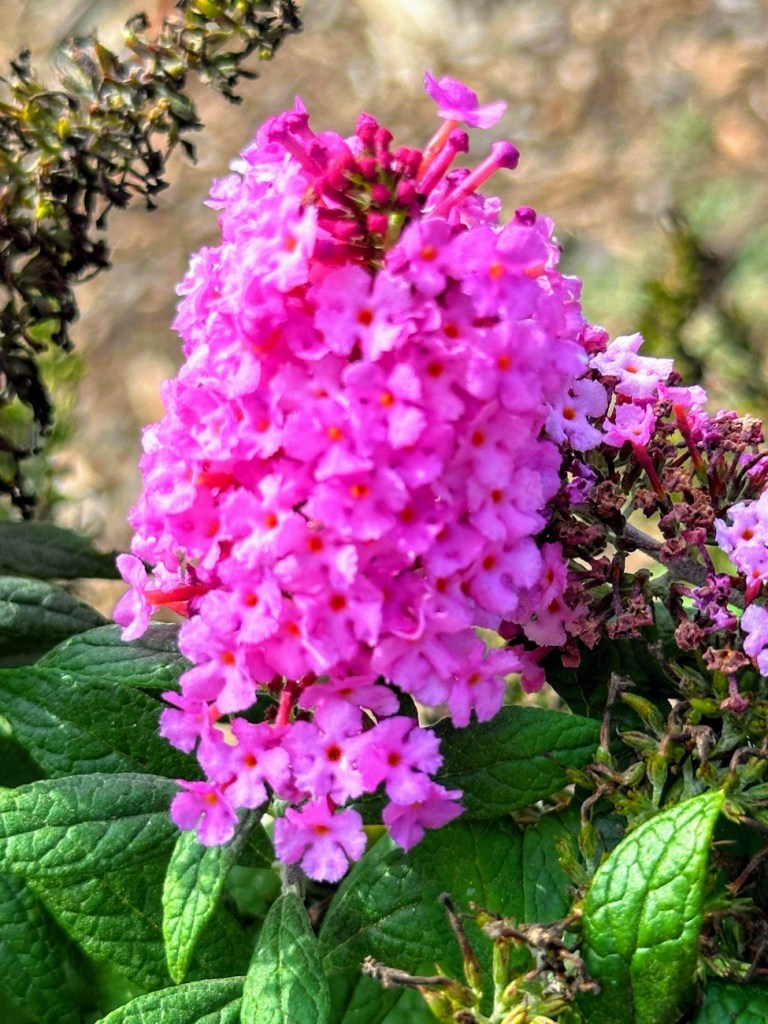
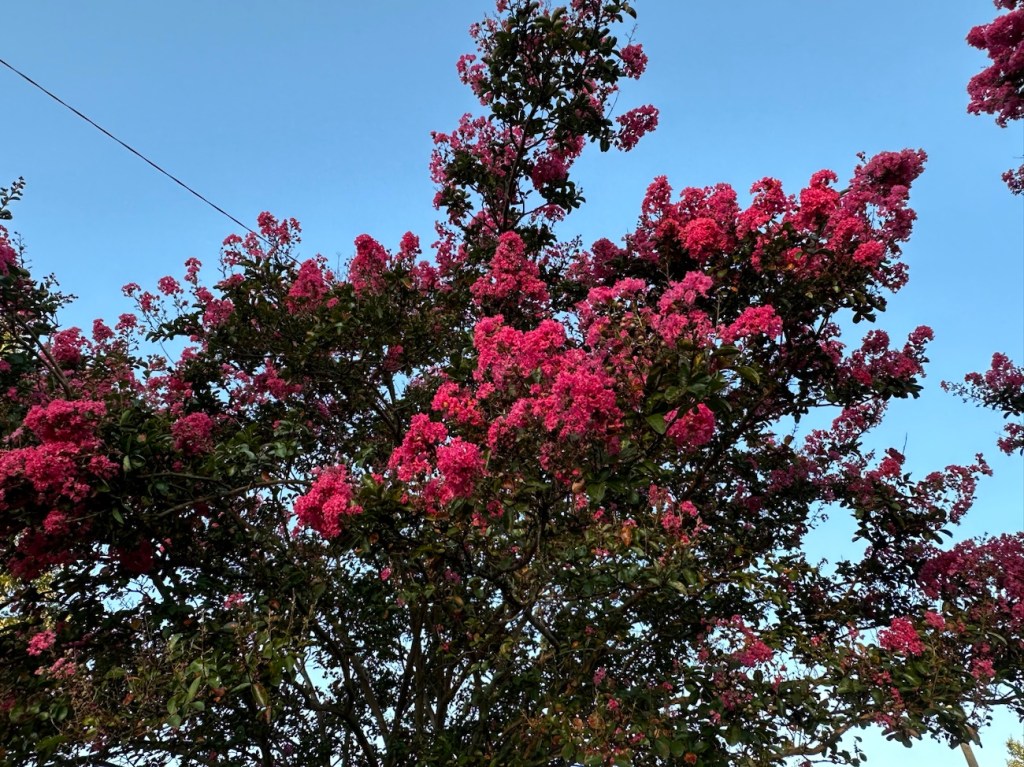
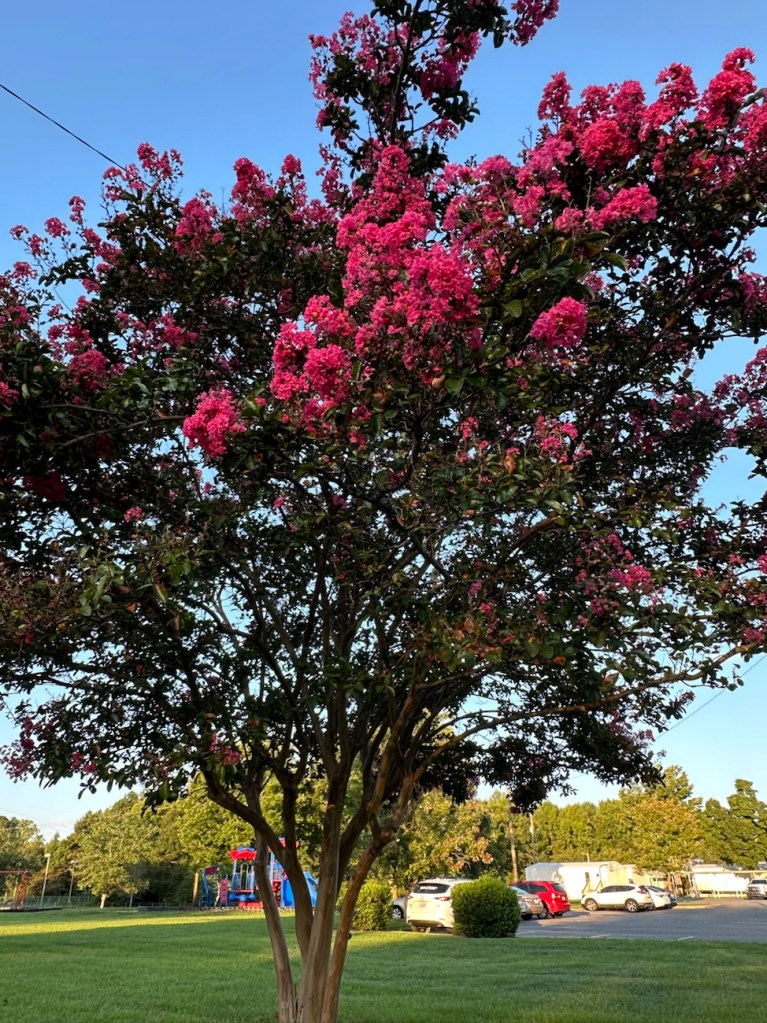
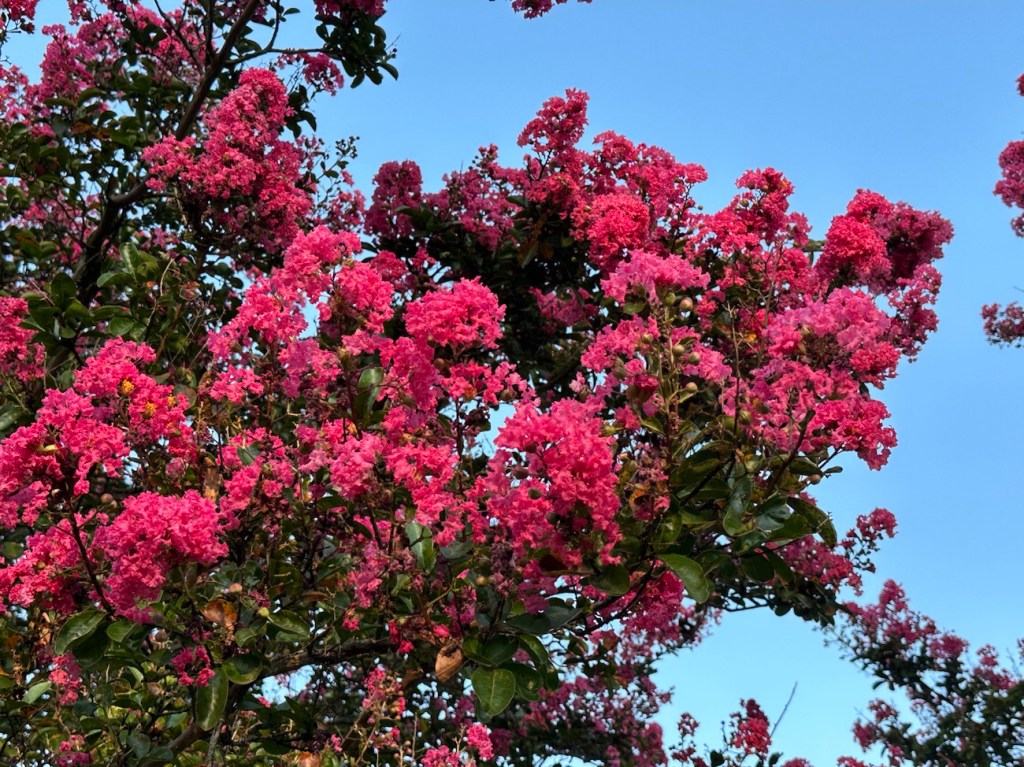
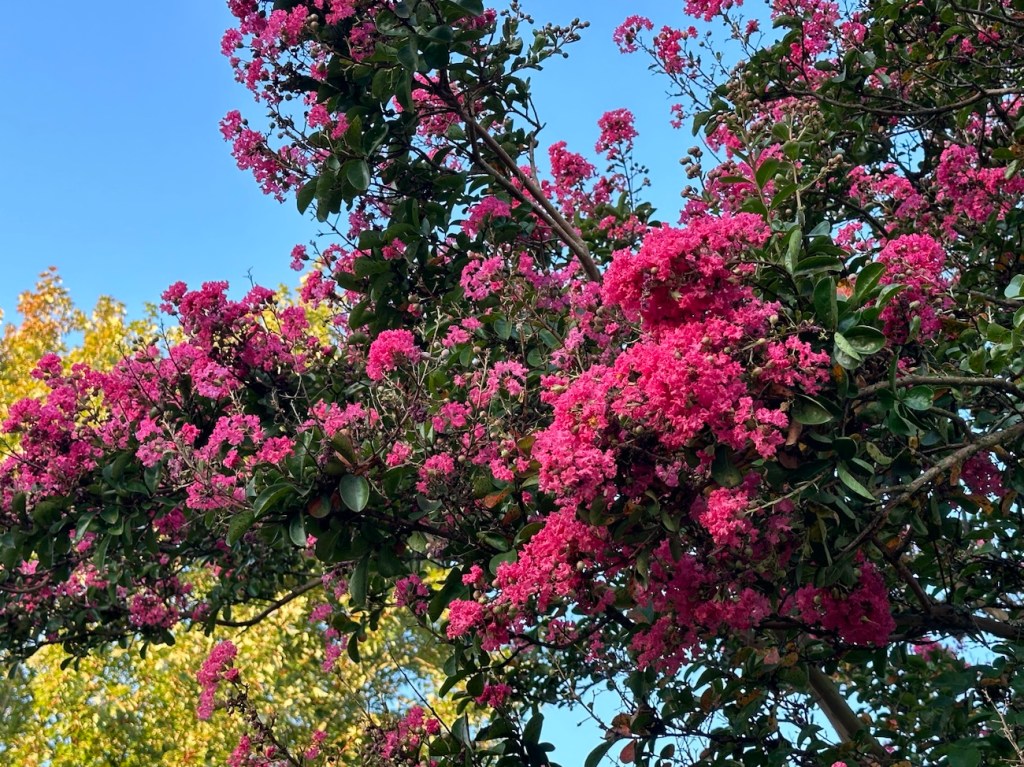
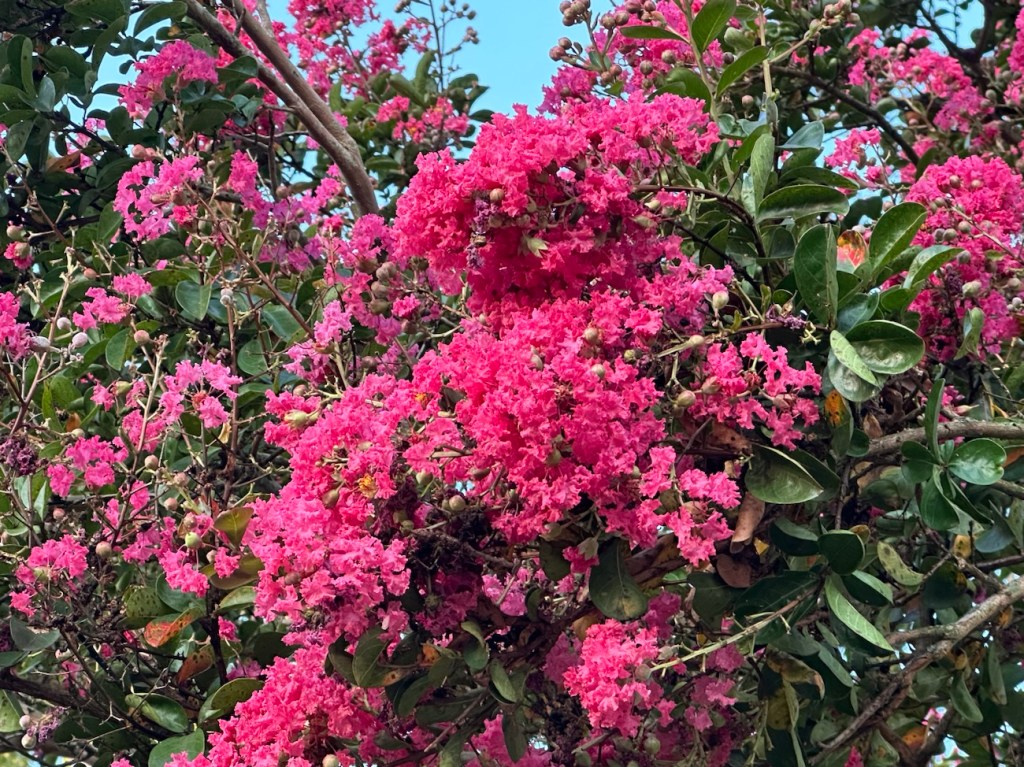
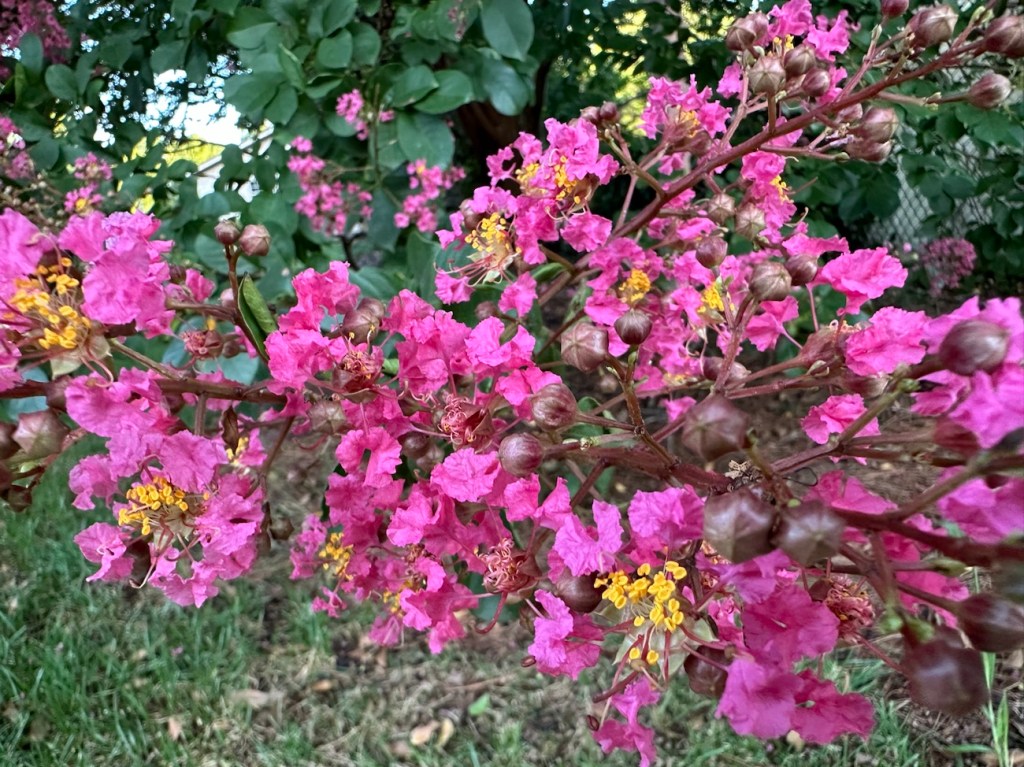
The Pink Velour Crape Myrtle is a type of Lagerstroemia indica crape myrtle tree. The flower colouring changes with the season. In the summer its blooms are a bright Hot Pink changing to a burgundy in the fall.
One can find the Lagerstroemia all across the Southern Atlantic States. Similar to the southern Magnolia, the crape Myrtle has come to symbolize the American South due to its extensive planting and ability to thrive in hot, humid summer climates with regular precipitation. It has brilliant color in late summer and autumn unlike other trees/shrubs which have already exhausted their blooms.
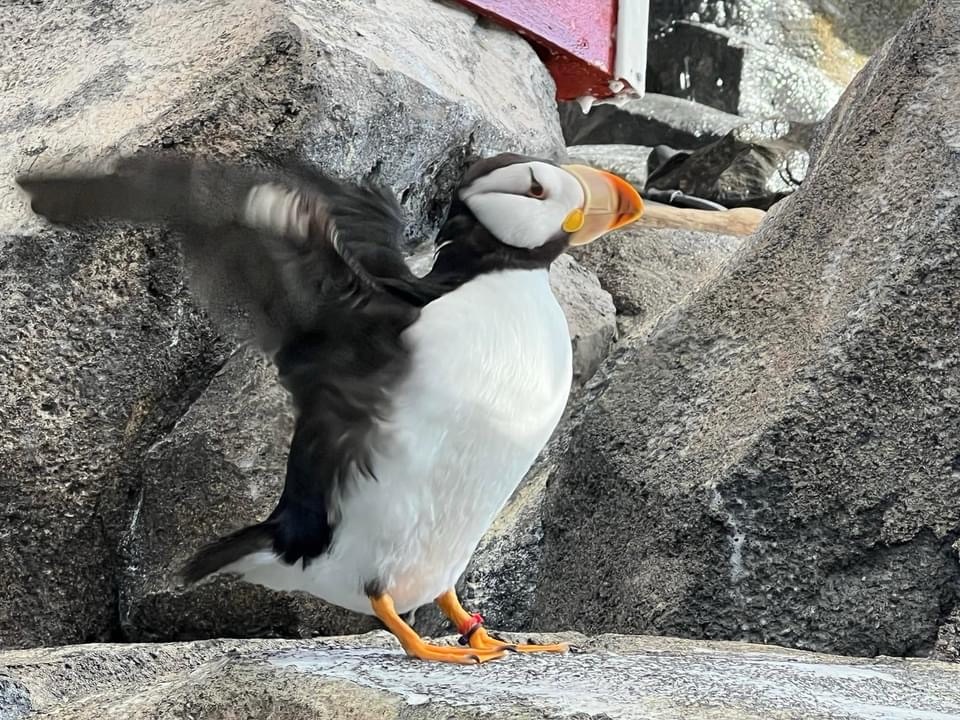
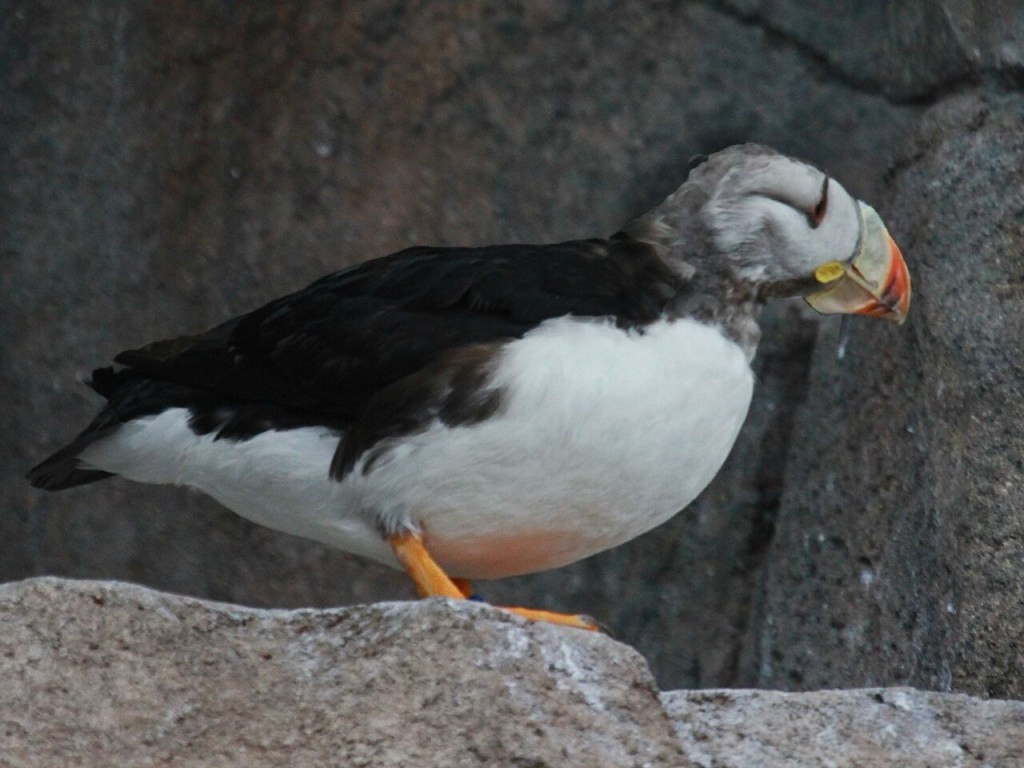
The Horned Puffins are similar in appearance to the Atlantic Puffins and its closest relative of the North Atlantic. It differs, however, by a “horn” of black skin located above the eye, present in adult birds.
The Horned Puffin is an auk found in the North Pacific Ocean, including the coasts of Alaska, Siberia, and British Columbia. [The puffin in the first picture was taken off the coast of Alaska by my cousin during their bucket list vacation.] It is a pelagic seabird that feeds primarily by diving for fish. It nests in colonies, often with other auks.
The height of the adult puffin is approximately 20 cm (8 in), the weight is approximately 500 g (18 oz), and the wingspan is approximately 58 cm (23 in). Horned Puffins are monomorphic; in other words both the male and female exhibits the same plumage coloration.
Sexually mature puffins have a small fleshy black “horn” extending upwards from the eye, from which the animal derives its common name; the horned puffin. The Horned Puffin’s bill is red at the tip and yellow at the base. It is also larger than those of other puffin species. The puffin’s bill has fluorescent properties which it uses to attract a partner. Puffins can see ultraviolet rays, allowing them to spot luminescence on the bills of other puffins during the courtship display.
Horned puffins live among steep rocky slopes and cliffs. They prefer rock crevices or shelters under piles of rock for home and shelter which differs from other puffins that dig burrows for their shelters.
To achieve flight, horned puffins either jump off a cliff to gain momentum, or races across the water to reaching the speed required for takeoff. They fly compactly and quickly, 10 to 30 meters (33 to 98 ft)above sea level. The wing beats are constant, rapid and regular.
When the puffins are on land they walk upright gripping rock surfaces with its claws, and climbs cliffs with ease. They do spend half of their time on water, paddling along the surface with their feet. They are extremely agile underwater. Their powerful wings serve as oars and their webbed feet work as a rudder. Their plumage, like most seabirds, are waterproof. This feature allows them to dive and prevents heat loss.
The Horned Puffins feed on a diet of fish, small invertebrates, crustaceans, polychaete worms and squid. They are also known to feed on small algae and marine plants.
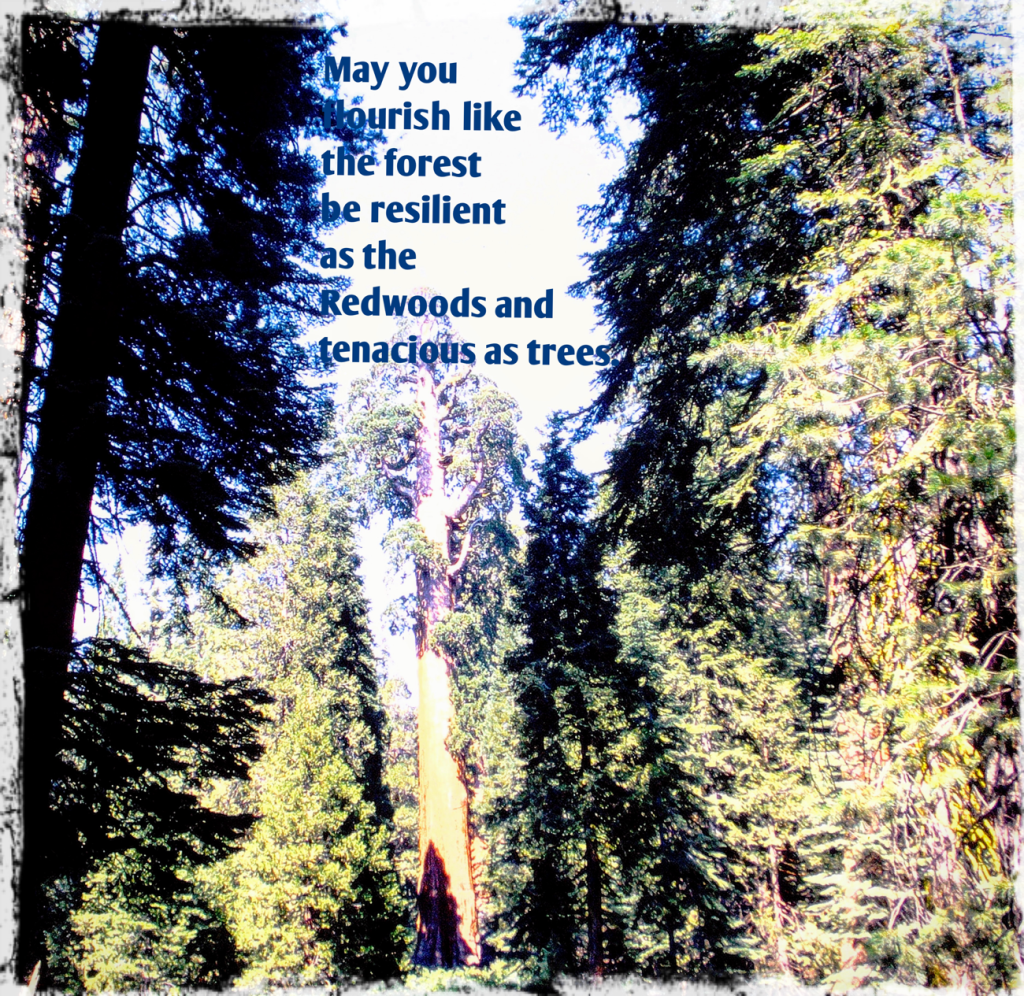
Location: Sequoia National Forest; Tulare County, California, USA
God Bless. Thank you for visiting. Have a wonderful week and enjoy the nature. Thank you for sharing your time and thoughts with me. I appreciate y’all very much.
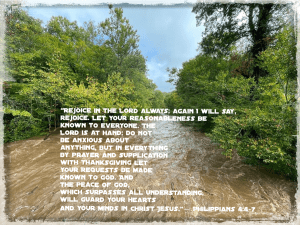
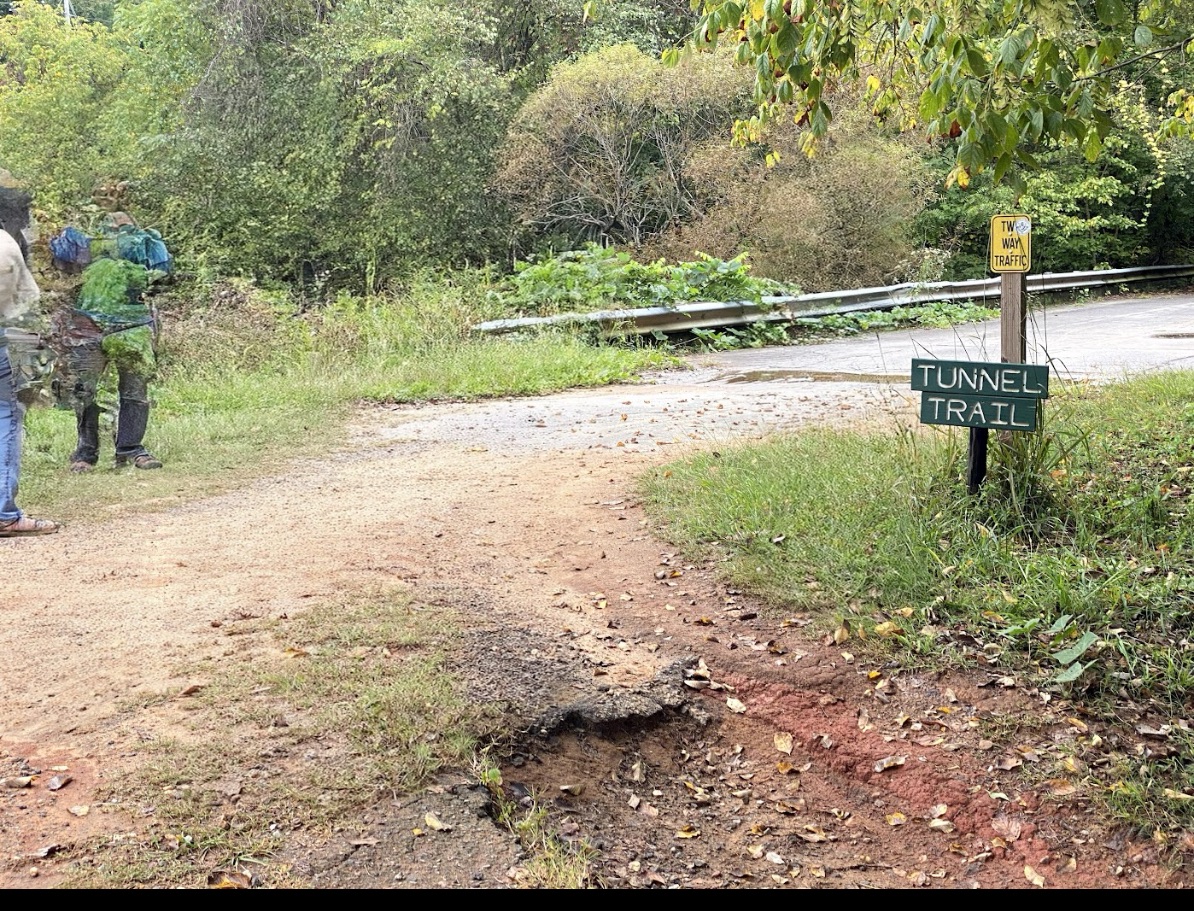
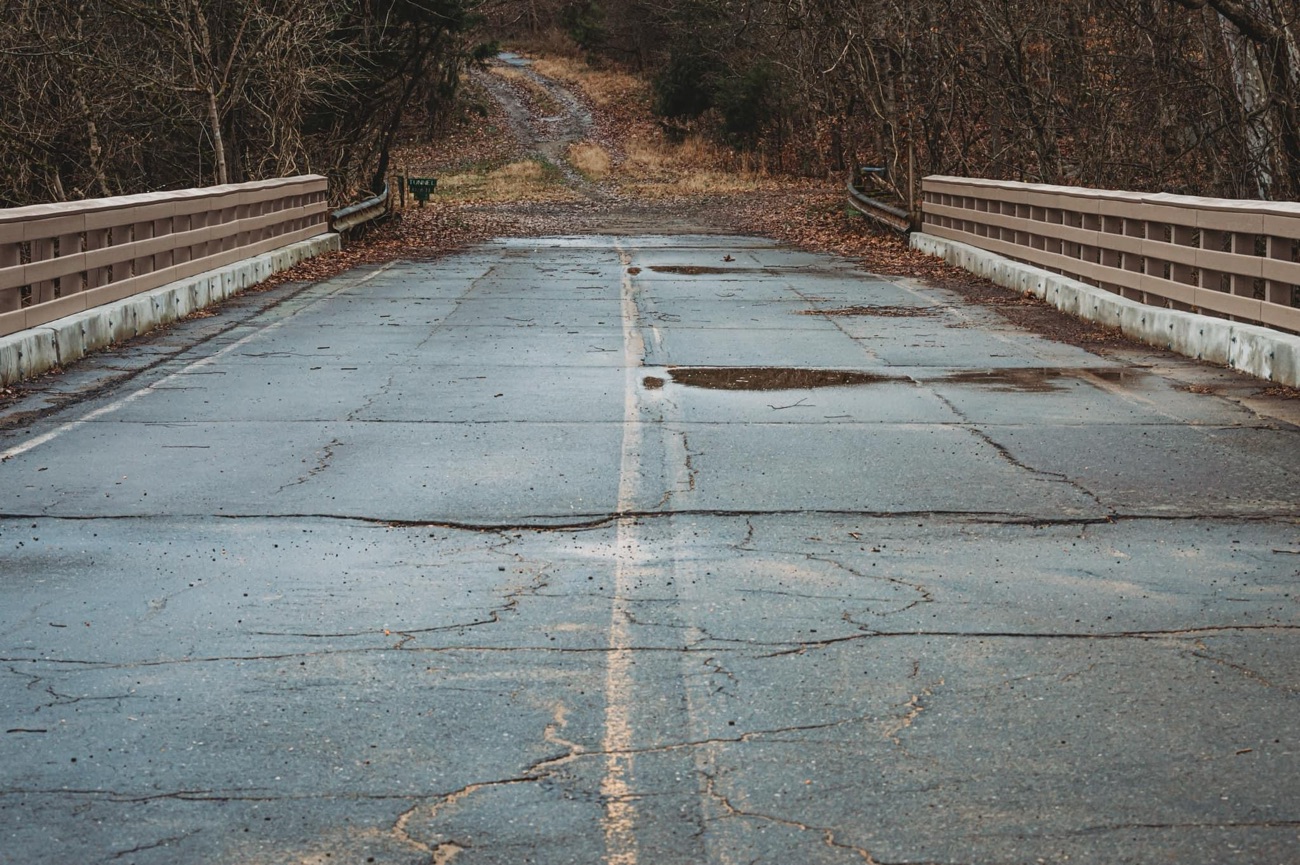
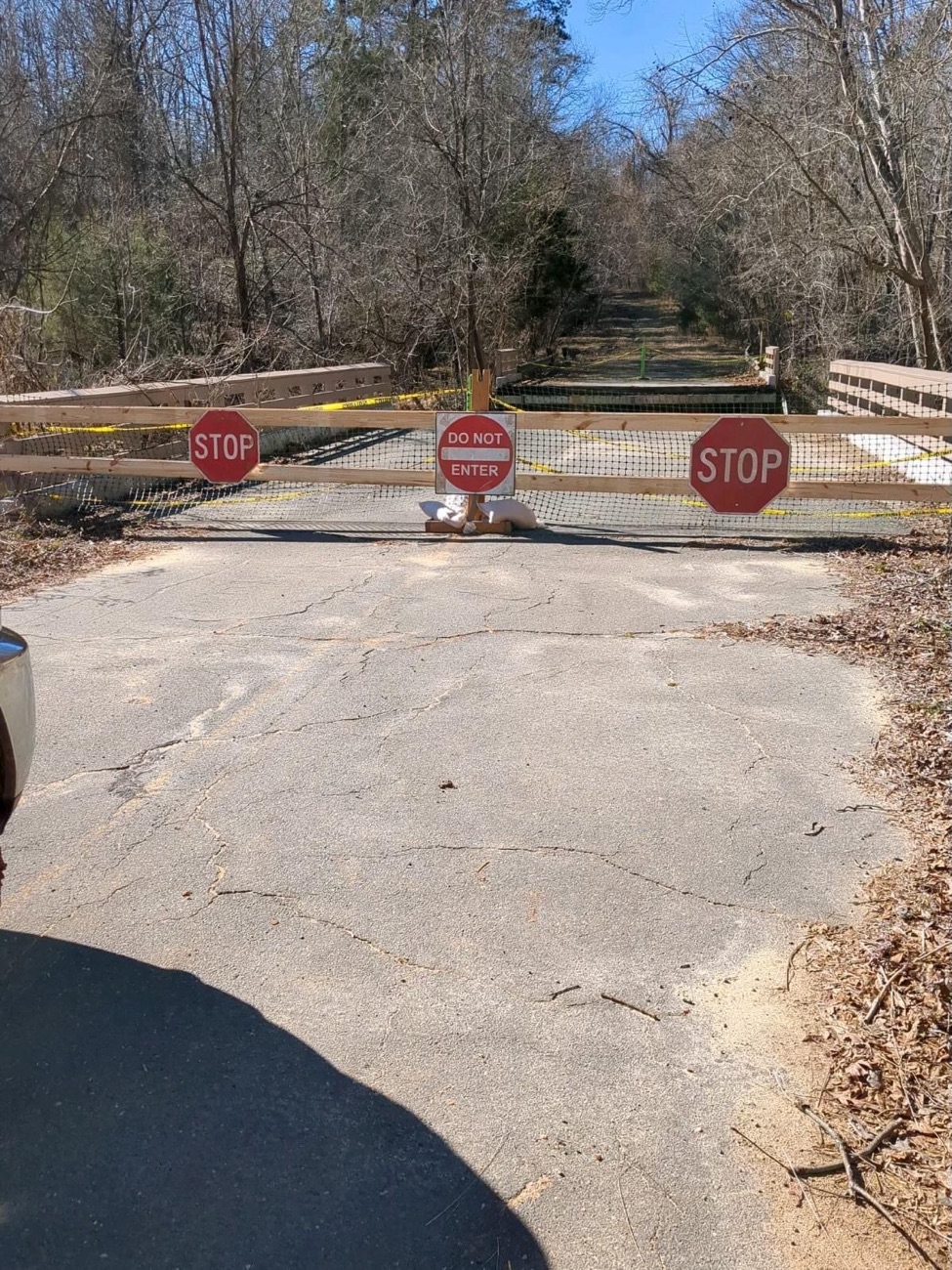
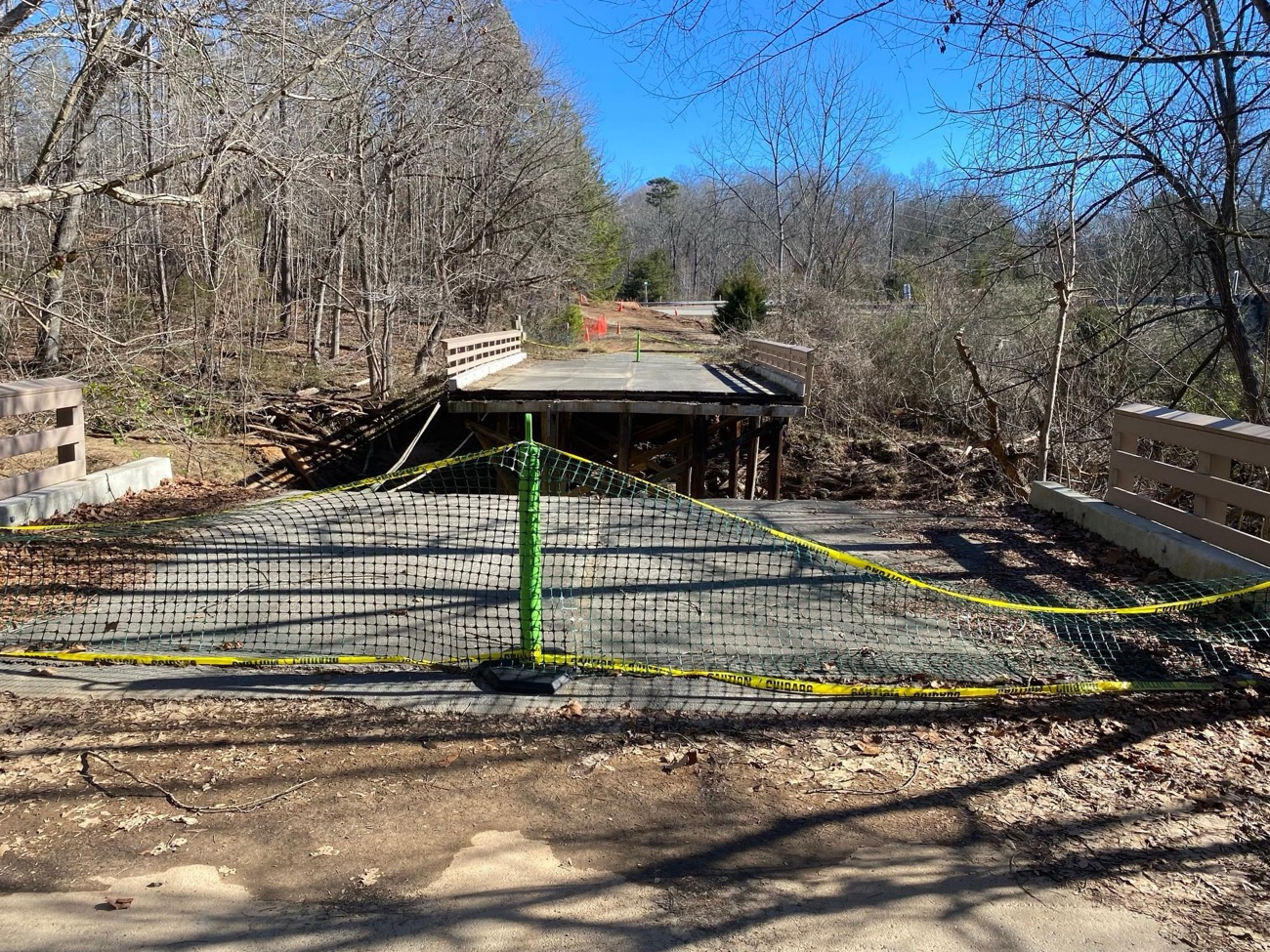
Landslides occur whenever they choose to happen even in the most unlikely of circumstances or in areas you least expect. This one happened on a portion of my cousin’s property. Better be careful where you walk. Never know what Mother Nature will decide to do next.
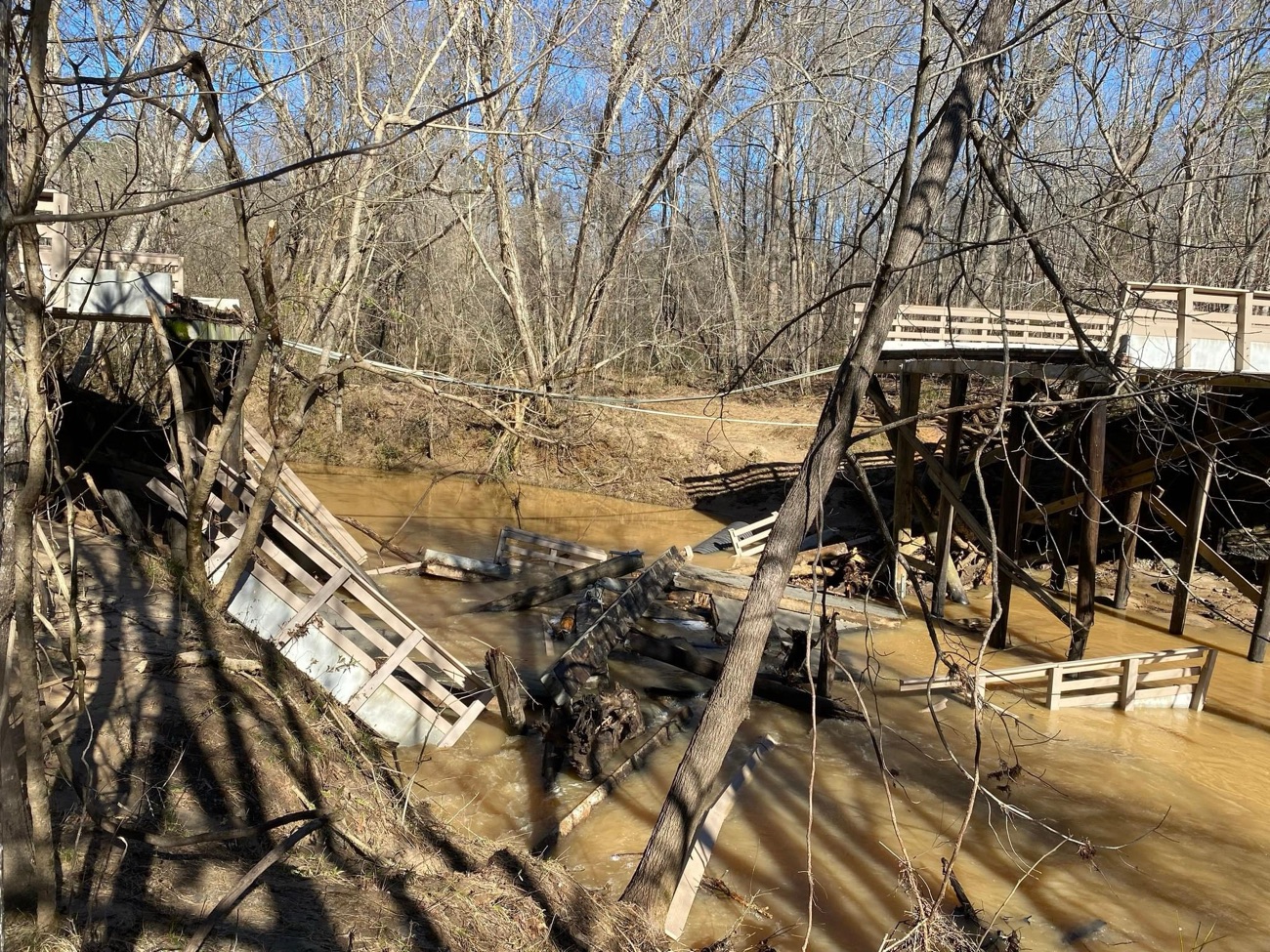
Along my cousin’s property after all the rain from Tropical Storms.




















































 Gfpacificbee’s Insights & photography