Plus Birds of the Carolinas
/Bird of the Week CXVI
Anas Platyrhynchos
The Anas Platyrhynchos also known as Mallards are one of several varieties of duck species, which include both resident and migratory birds. The Mallard is the most abundant duck in North America, often found in a variety of habitats. Even though apparently abundant, we have not seen many of the Mallards in or around the Catawba River.
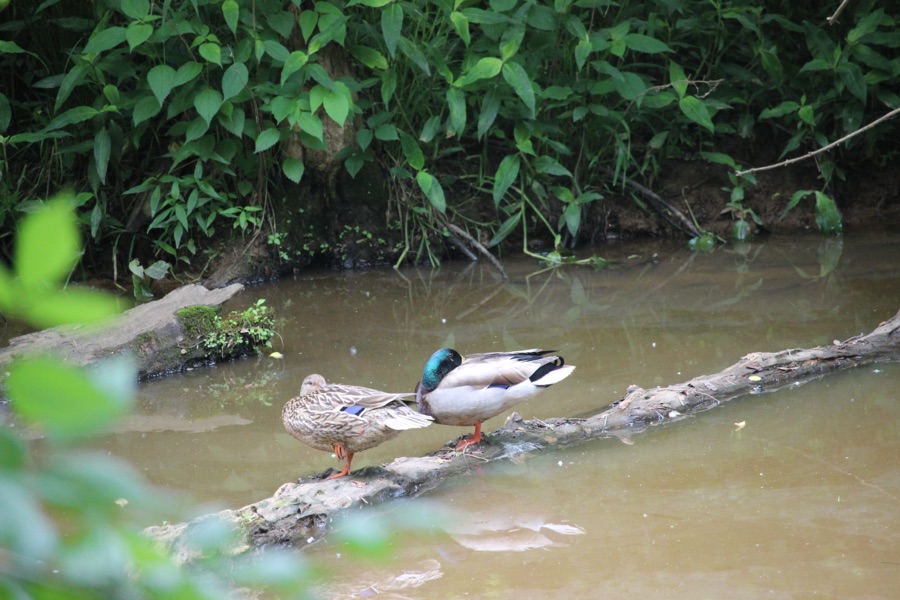
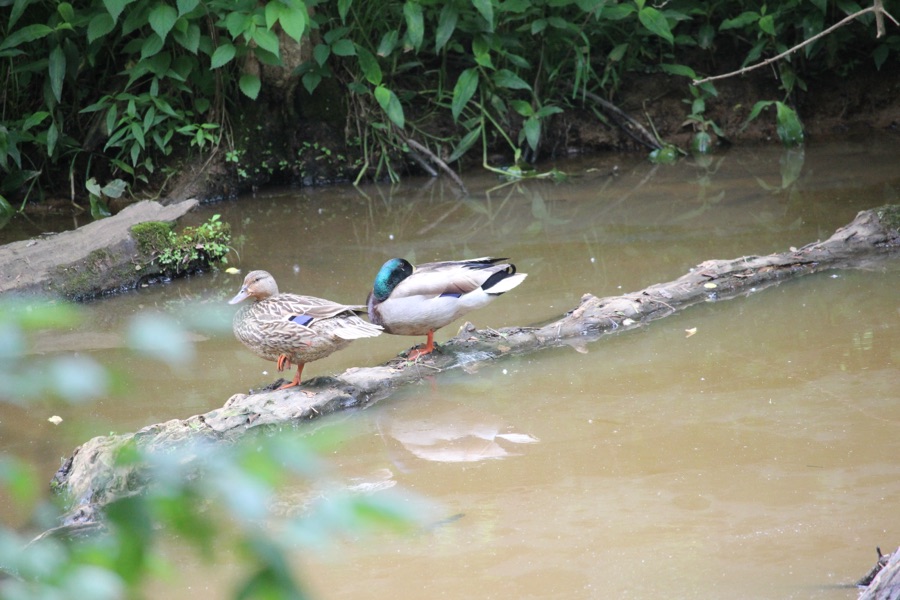
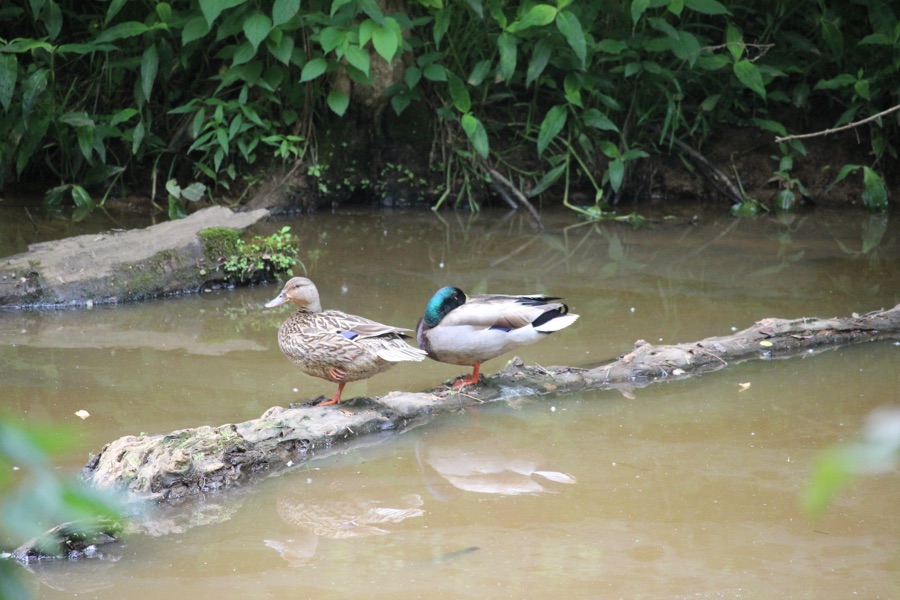
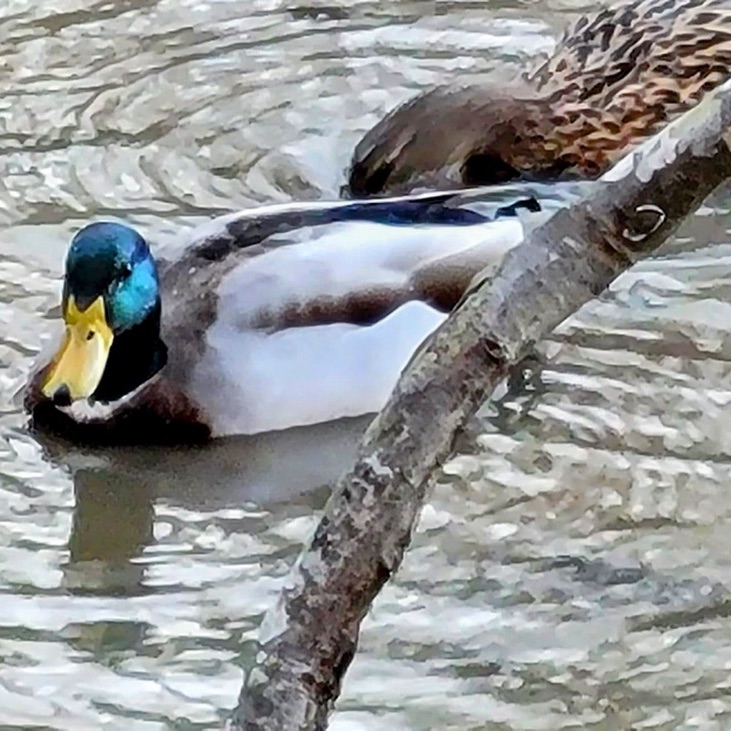
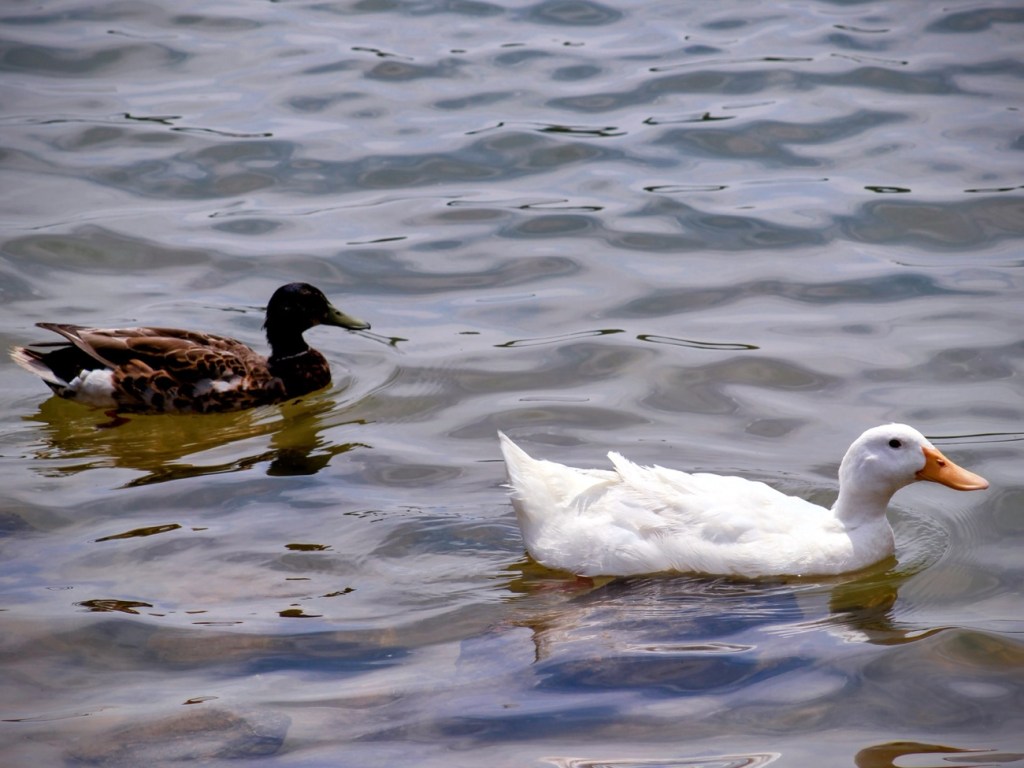
The Mallard (Anas platyrhynchos) is a widespread dabbling duck with a long body and high tail. The Mallard is easily identified by the male’s iridescent green head, white neck collar, and black tail curl. Females and juveniles have mottled brown bodies and dull orange bills. Both sexes have iridescent blue wing speculums. Mallards breed in fresh marshes surrounding lakes, ponds, beaver ponds, impoundments, open swamps, and such like areas, however, they do have a propensity to avoid nesting in brackish marshes.
in the
South Fork Catawba River
Coleman and I went hiking on the South Fork River Trail, a part of the Carolina Thread Trail, in Goat Island Park and Greenway on Saturday watching a partial day without rainfall (it rained again after we were safely home). While hiking the trail, Coleman and I were looking for the Turtles that often sun themselves on logs in the South Fork Catawba River. What were spotted prior to the Turtles were a pair of Mallards standing on a log checking out the River area. [This was the first time we’ve seen the Mallards in this region of the South Fork Catawba River.]
As we continued our hike we did encounter a lone Turtle sunning on a log which dove quickly into the river. But alas, we ventured on down the trail to find more Mallards on logs and in the river. It was fascinating to see and watch them especially since we had not previously seen the Mallards in this section of the Catawba River before.
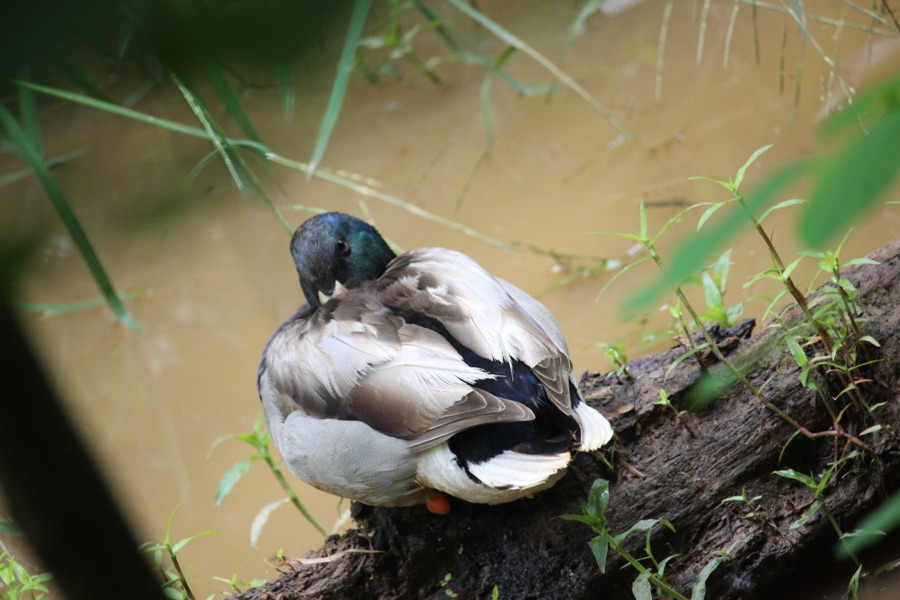
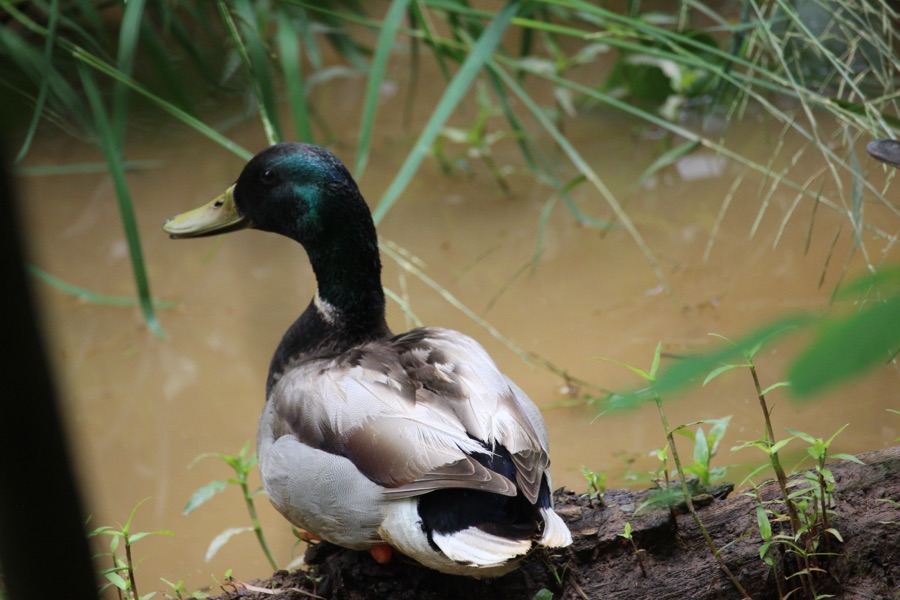
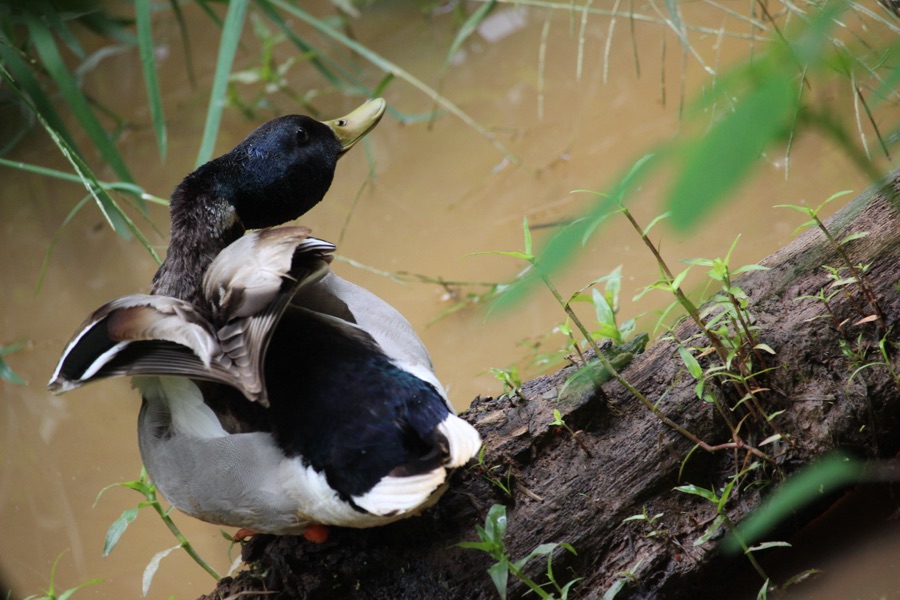
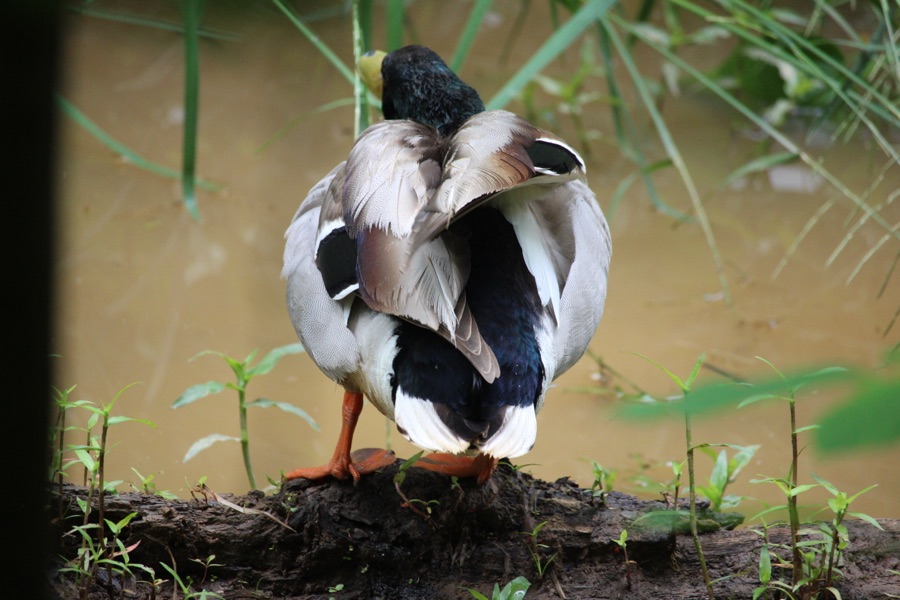
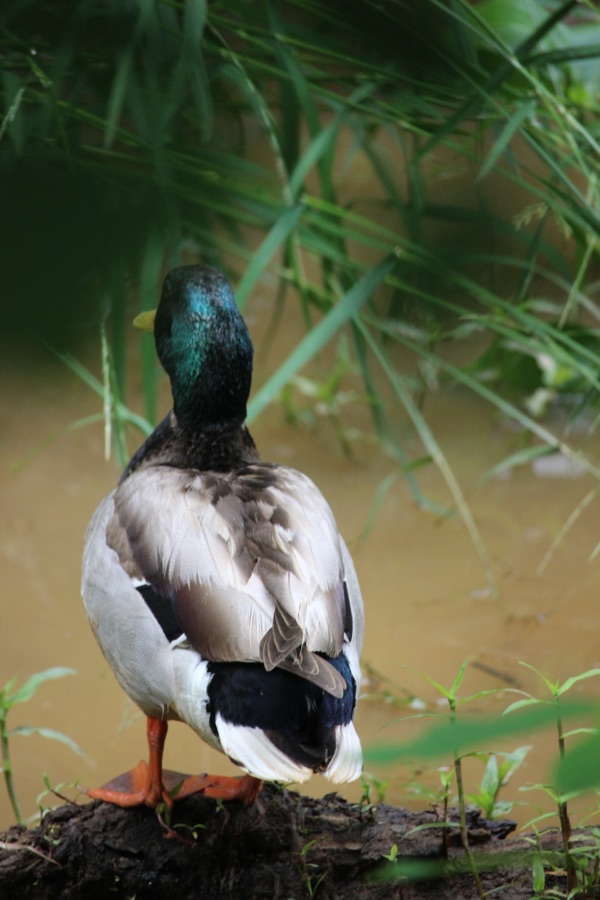
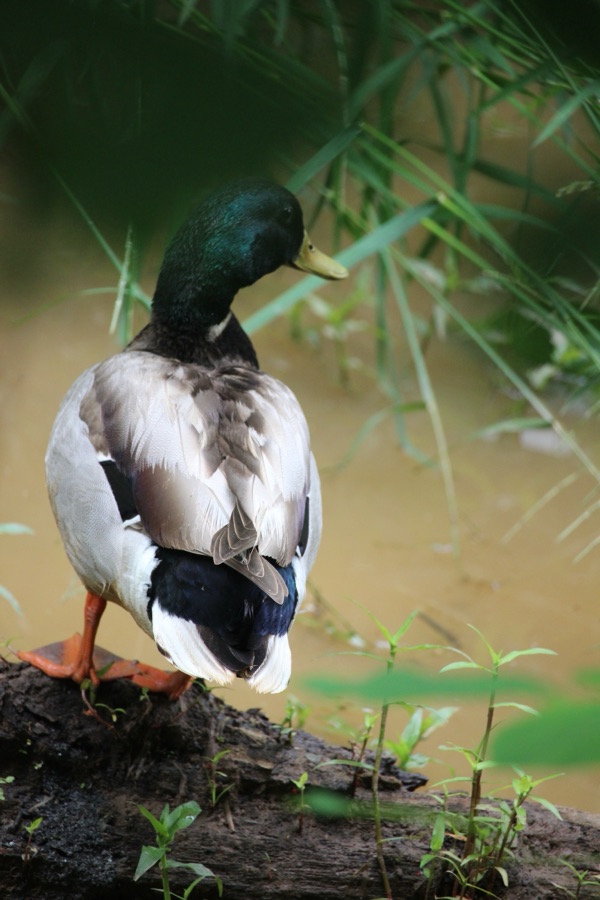
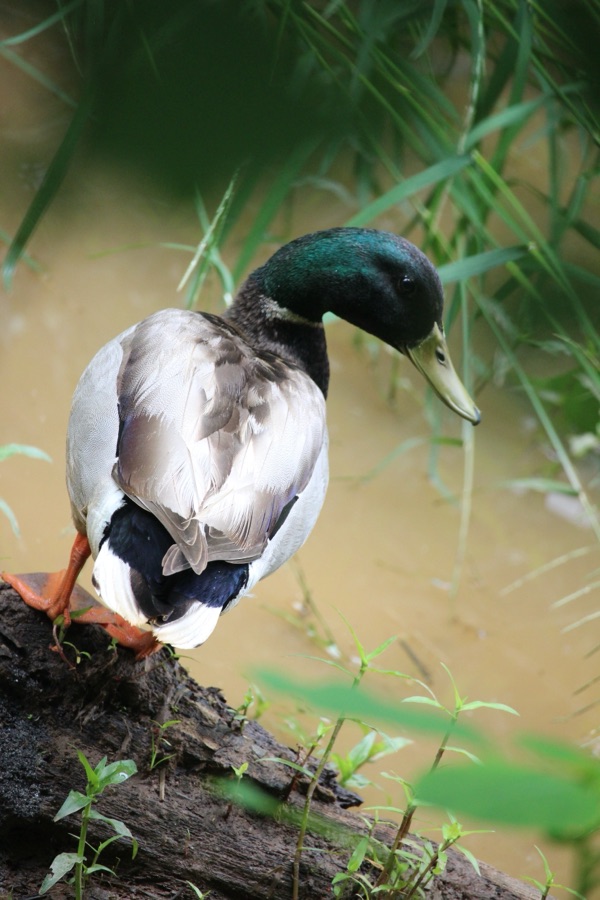
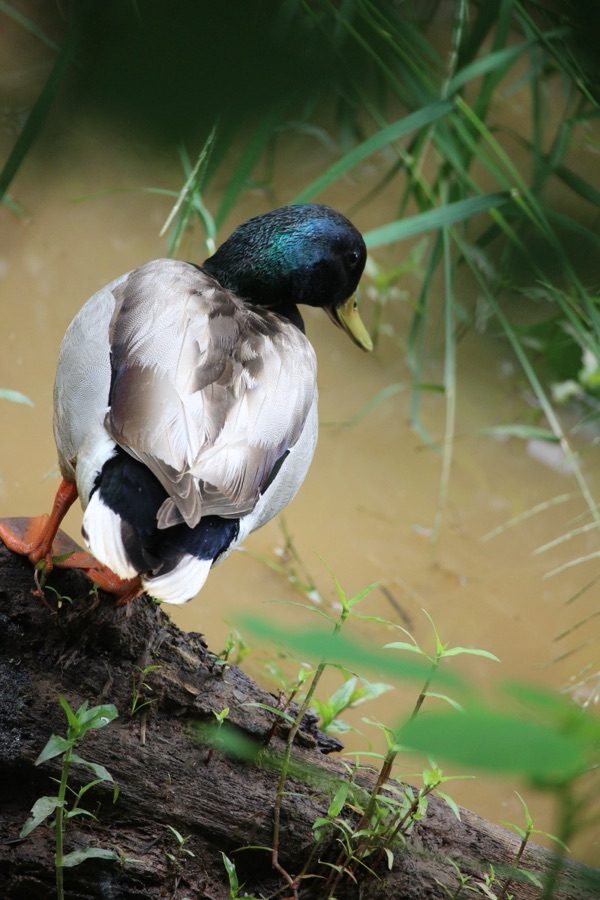
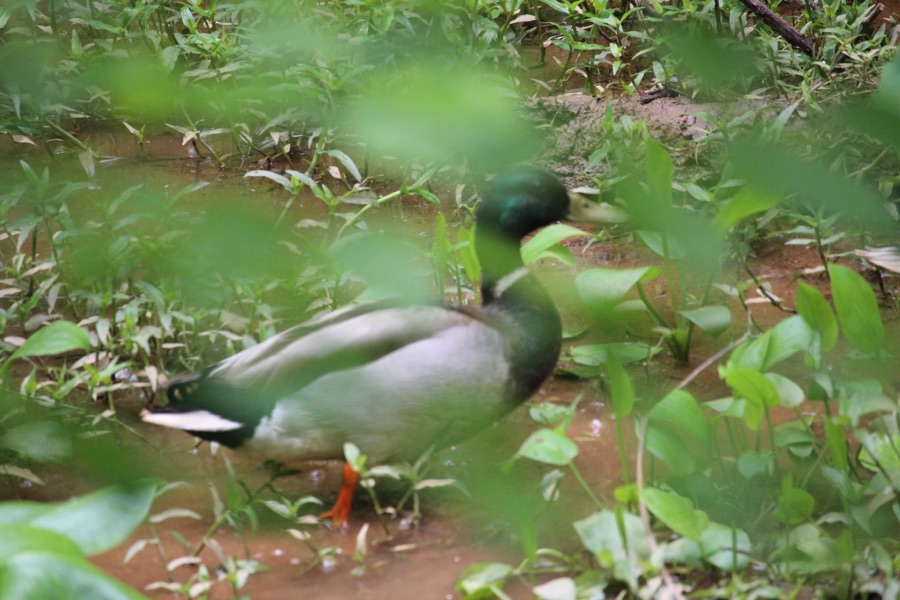
Mallards feed in the water by tipping forward and grazing on underwater plants. They almost never dive. They can be very tame ducks especially in city ponds, and often group together with other Mallards and other species of dabbling ducks.
Mallards are able to live in almost any wetland habitat, natural or artificial. Look for them on lakes, ponds, marshes, rivers, and coastal habitats, as well as nearby city and suburban parks and residential backyards.
Jez’s Water Water Everywhere #268
Photo Credit:©️2025 Deb L. Waters … All Rights Reserved.
Camera: Canon EOS Rebel T3i with Canon EF-S55-250mm lens and Altura UV filter attachment.
Settings: f/6.3 • 1/320 • 250mm • ISO800-2000
Location: South Fork Catawba River; South Fork River Trail; River Link Greenway; Goat Island Park and Greenway; Cramerton, North Carolina, USA
God Bless. Get outdoors and enjoy nature’s beauty and natural wildlife. Have a funtastic week. Thank you for visiting and sharing your time and thoughts with us. I appreciate y’all very much.

 Gfpacificbee’s Insights & photography