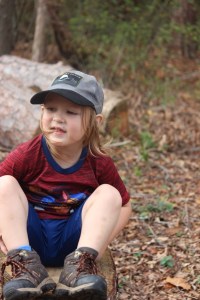
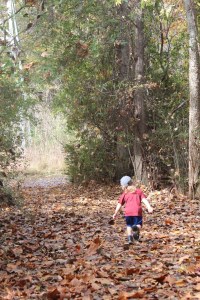
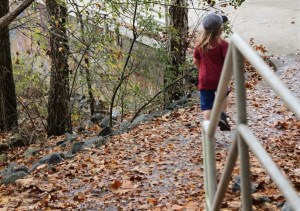
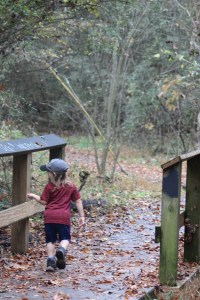
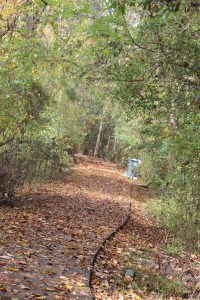
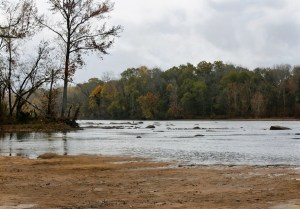
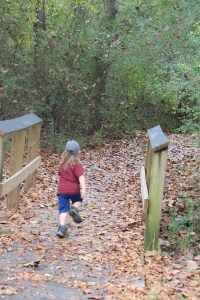
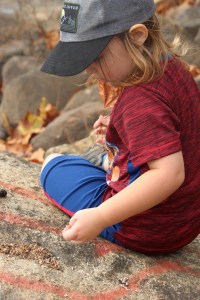
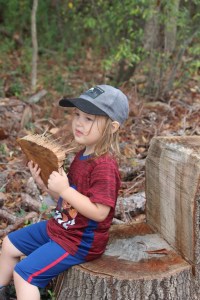
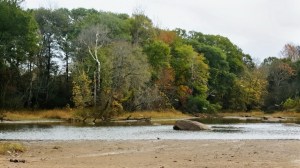
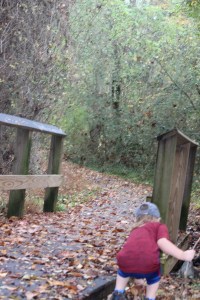
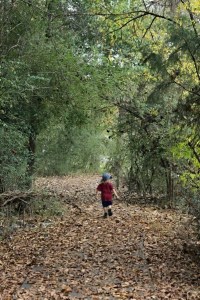
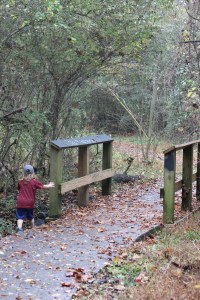
On Wednesday, with school being closed for Veterans Day Coleman and I planned an outing to Lineberger Park and Avon and Catawba Creek Greenway. What w didn’t realize before his mom dropped us off was that we’d also have Sophia Ruthann along with us in her stroller. All’s good, it ended being alright with Coleman pushing the stroller most of the time.
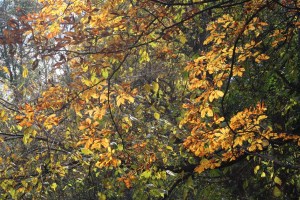
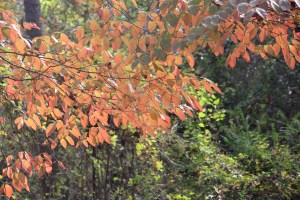
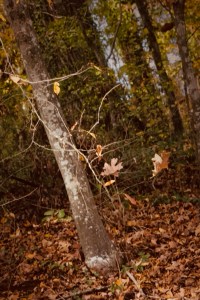
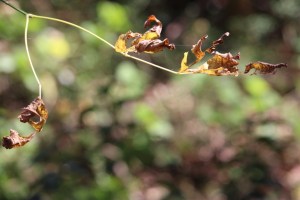
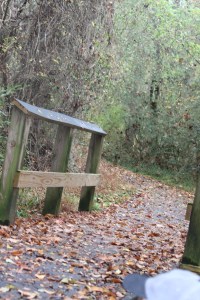
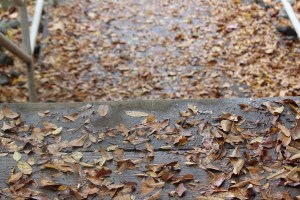
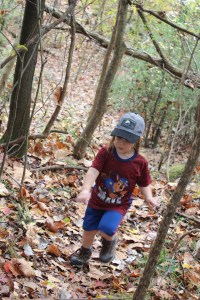
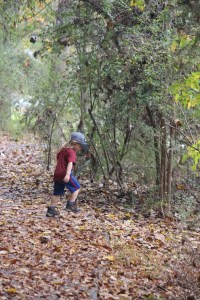
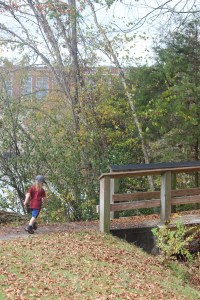
After a time of playing in the Playgrounds at Lineberger Park (Lineberger has two, one for younger children and one for older children), we went hiking on the Avon and Catawba Creeks Greenway. It was whilst hiking along the trail that our vision was inundated with awesome Autumn 🍂 colours and amazing Autumn leaves 🍁.
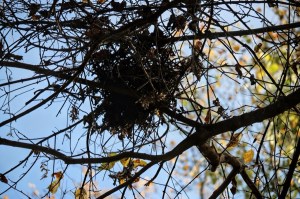
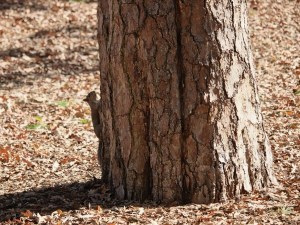
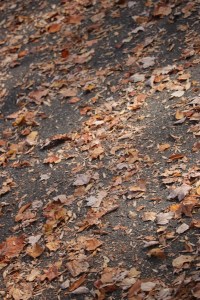
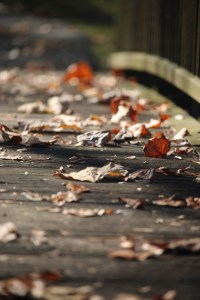
Here are a fraction of the Autumn Leaves 🍂 we observed …
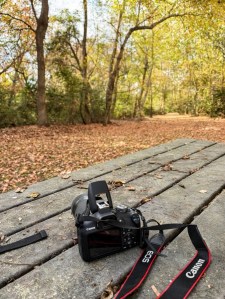
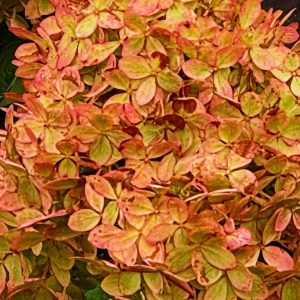
Catch the Falling … Even the vehicle blends inA Squirrel’s DreyNotice the squirrel 🐿️ blending in Apple iPhone 18 Pro Max captures the scene Dawn’s Festival of Leaves
Camera: Canon EOS Rebel T7 (2000D) with Canon EF-S55-250mm lens and Altura UV Filter attachment.
Location: Avon and Catawba Creeks Greenway; Gastonia, North Carolina, USA
God Bless. Get Outdoors. Enjoy a walk/hike amongst nature. Give thanks to the great creator for the amazing nature we’re able to enjoy. Thank you for visiting and sharing your time and thoughts with us. I appreciate y’all very much.
“My name is Susan, Black-Eyed Susan I am called, / I am hardy, one real tough fighting flower… / so, I went deep beneath the dark earth, waiting . . . / then, one day I peaked out- and decided to grow.”
On Wednesday, in the United States of America we celebrated Veterans Day while other countries celebrated Remembrance Day. In the U. S. it is a federally established holiday, therefore schools were closed.
In lieu of having Coleman practice school work (aka reading and arithmetic) I chose to give him a day off of work. Instead, Coleman, Sophia and I went to Lineberger Park and on to Avon and Catawba Creeks Greenway for a bit of hiking.
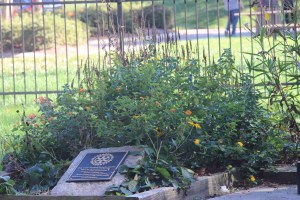
Why am I mentioning hiking in a park and greenway? Near the beginning of Avon and Catawba Creeks Greenway is a small flower garden maintained by the Rotary Club of Gastonia.
Rotary Club’s Flower Garden
The plaque in front of the garden states:
Rotary International This water fountain is dedicated to The City of Gastonia by the Rotary Club of Gastonia and is a tribute to Rotary International’s global movement to provide clean water and sanitation.
Rotary Club Garden at Avon & Catawba Creeks Greenway
“Bright and cheerful Black-eyed Susan / It seems you grow all over; / In gardens and beside the road / Happy flower, quite the rover.”
~ Sam Kauffman (Poet/Writer)
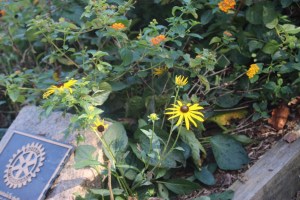
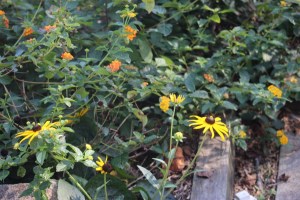
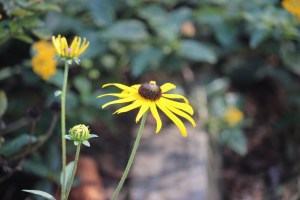
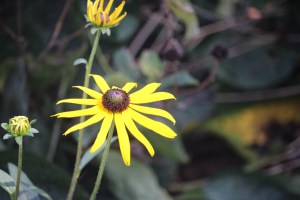
The Flowers that drew my attention are not Sunflowers, but rather Rudbeckia hirta, better known as Black-eyed Susan. They’re bright yellow petals surround a distinctive black or dark brown central cone.
Vibrant Black-eyed Susans and colorful Lantana blooming flowers
Black-eyed Susans are found all across America growing in fields, meadows, and along roadsides. Did you know that they are considered pioneer plants? They’re pioneer plants due to the fact that they are one of the first species to grow and thrive in bare, damaged, or disturbed soil where few other plants can survive.
Black-eyed Susans are also a favourite in gardens since they’re quite hardy and relatively easy to care for. Their typical growth and blooming season runs from summer through early autumn. They bring a splash of colour to landscapes.
The name Rudbeckia was given by Carl Linnaeus to honor his patron and fellow botanist at Uppsala University and also the late father of his patron, Olaf Rudbeck the younger and Olaf Rudbeck the elder. The elder Olaf Rudbeck is a distinguished Naturalist, Philologist, and Doctor of Medicine. He discovered the lymphatic system, and founded Sweden’s first botanic garden, which is now called the Linnaean Garden at Uppsala.
Black-eyed Susan (aka Rudbeckia Horta) has an impressive long history in traditional North American herbalism for treating colds, infections, inflammation, and minor wounds. Historically speaking, several Native American tribes including the Cherokee, Iroquois, Menominee, and Potawatomi have prepared infusions, poultices, and washes using primarily the plant’s roots.
Interesting fun facts:
A single bloom is actually a composite flower head. The bright yellow petals are sterile ray florets that draw bees to it. The dark cone in the middle is packed with with dozens of tiny, fertile disc flowers that bloom in rings from the outside in.
They are not actually Black-eyed. Regardless of the name, the central cone is never truly black. If you look closely, it is a rich deep chocolate brown or dark purplish-brown.
Prior to Carl Linnaeus shortened its name to Rudbeckia, it was called Obeliscotheca integrifolia radio aureo umbone atro rubente.
They are a symbol of encouragement, resilience, and justice. They are an excellent gift to give a friend going through hard times.
They are Natural Dye Makers. Early settlers and indigenous tribes would boil the blooms and roots to create rich yellow, gold, and olive-green dyes for fabrics and baskets.
The state of Maryland adopted the Black-eyed Susan as its state flower in 1918 because its black and gold colours match the state flag and the Calvert family crest.
Camera: Canon EOS Rebel T7 (2000D) with Canon EF-S55-250mm lens and Altura UV Filter attachment.
God Bless. Admire the Flowers and the beauty found in nature. Thank you for visiting and sharing your time and thoughts with us. I appreciate y’all very much.
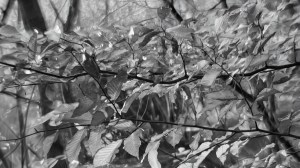
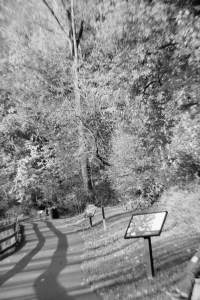
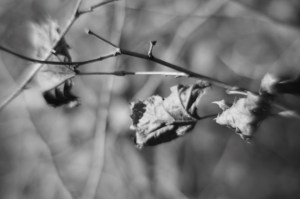
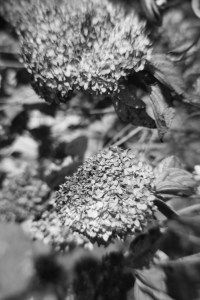
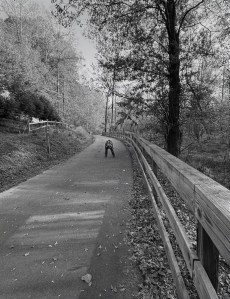
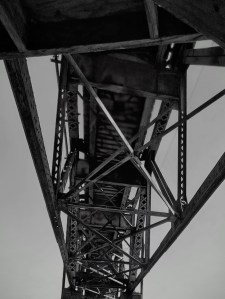
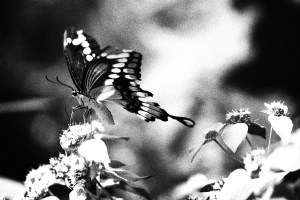
Dale, the host of theCosmic Photo Challenge, has challenged us to post a few images of Autumn in black and white for this week’s challenge. For this week’s challenge I am following Frank’s lead in sharing Autumn’s leaves found in nature with Black and White tones.
My contributions are taken from a hike Coleman and I enjoyed last November at Goat Island Park and Greenway in Cramerton, North Carolina.
#CosPhoChal Cosmic Photo Challenge Autumn in Black and White
God Bless. Get Outdoors. Be observant of all creatures large and small that call our Earth home. Thank you for visiting and sharing your time and thoughts with us. I appreciate y’all very much.
I’ve looked Up, Down, and around along nature trails, around home, and in surrounding woods and communities.
Here are my contributions …
First, we’ll take a look at what Triangles I found at home …
Care to play a game of Cornhole?
Maybe play with “Little Tikes Road & Rail Set from the early 1990’s with Coleman instead?
Or maybe just sit and watch Coleman create shapes and designs with Magna Tiles?
Next we’ll take a walk looking Upwards to see what Triangles we might find …
… Walking along Greenway Trails …
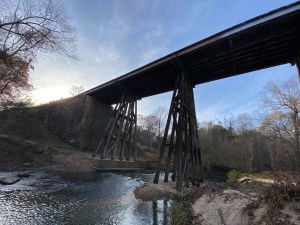
In Rock Hill, South Carolina as Coleman and I begin walking the Piedmont Medical Center Trail from the Catawba River Trailhead. We look Upwards as we walk underneath the Nation Ford Trestle. What do you think er spotted? An amazing engineering design of Sway Bracing & Sills and Caps structural beams and crossbars. It’s fascinating how these horizontal beams and diagonal crossbars form Triangles.
Nation Ford Trestle Piedmont Medical Center Trail Rock Hill, South Carolina
Moving on to a Footbridge at Goat Island Park and Greenway …
The underside of a Goat Island Greenway Footbridge Coleman and I walked underneath during a hike.
Looking Up at the Sky … I noticed the moon is framed by Triangles.
The moon framed by Triangles
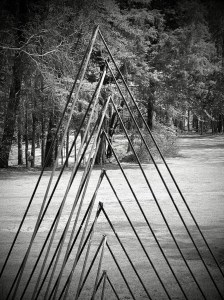
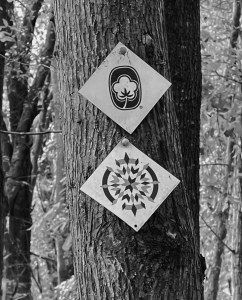
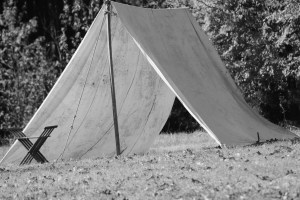
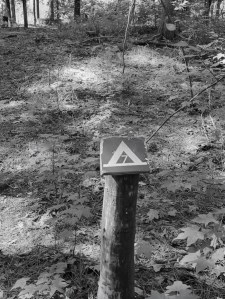
Other Triangles we see in nature (man-made) …
In the Woods in Lake Wylie, SC Trail Signs Founders Trail Rock Hill, SCTent & stool form triangles President James K. Polk State Historic Site – Pineville, NCUnderside bracing of a pier at Anne Springs Close Greenway Fort Mill, SCCampsite post & Nature’s sunlight Anne Springs Close Greenway Fort Mull, SCIn the Woods in Lake Wylie, SC Sarah’s Monochrome Madness #72 – Triangles
Brian from Bushboys Worldhosts a monthly challenge called Last On the Card. His rules are simple to follow if you’re interested in participating.
Here are The rules:
1. Post the last photo on your SD card or last photo on your phone for the 30th or whenever your last photo was taken.
2. No editing – who cares if it is out of focus, not framed as you would like or the subject matter didn’t cooperate.
3. You don’t have to have any explanations, just the photo will do
4. Create a Pingback to this post or link in the comments
5. Use the tags The Last Photo and #LastOnTheCard
Here are my contributions …
From my Apple iPhone 16 Pro Max:
“Ghost Spidey” (Sophia Ruthann, aka my granddaughter) with Superhero Cow and Trisha (her mom, aka daughter)
Sunday Stills Animal of the Month What’s #Scary in the Animal Kingdom?
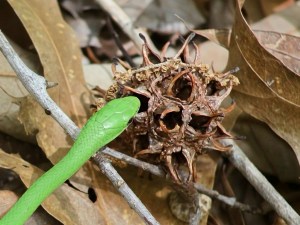
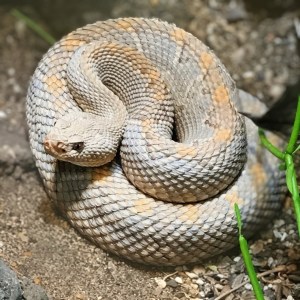
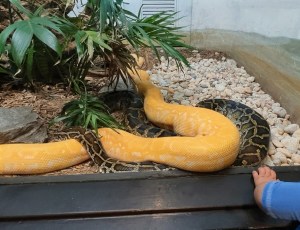
Terri has recently started a new theme for the Sunday Stills challenge called Animal of the Month. This month this theme is focusing onWhat’s #Scary in the Animal Kingdom?.For this challenge I have chosen the scary or sometimes no so scary (depending on your outlook) of Slithering Snakes.
Here are my contributions …
“There’s a snake lurking in the grass.”
Virgil
Seen at Wild Animal Park in San Diego, California
When are Snakes seemingly scary to me? Not when they’re encased in glass or cage encounters, then they are interesting to observe. However, when a Snake slithers across my path close to me, then my scary senses are on high alert.
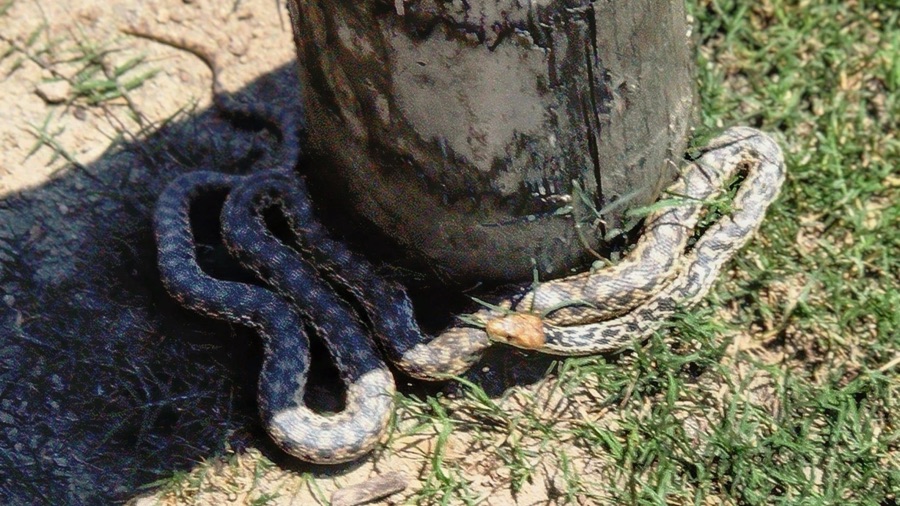
By our sliding glass door, seeming to hiss at us.
“No matter how brave a man is, he will always look twice at a snake.”
—African Proverb
Whenever Coleman and I are hiking along trails in the woods, I keep my eyes on full alert. You never know what might be lurking under the leaves and sticks on the side of a trail.
Seven Oaks Preserve Trail Belmont, North Carolina
Snakes and Spiders are the animals that humans think are the most scary to them. The smaller, everyday creatures (like snakes & spiders) are the ones that triggers the highest levels of raw, visceral fear and dread.
Riverbanks Zoo Columbia, South Carolina
“The snake is an absolute coldness. It has no warmth, no love, no voice. You can never tell what it is thinking, and that is why it terrifies us.”
— Unknown
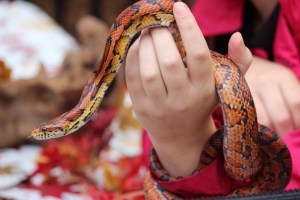
Would you hold a few Snake in your hand(s)? I’d rather not, regardless if the snake was harmless or not.
Snake demonstration & talk in The Farm The Schiele Museum of Natural History Gastonia, North Carolina
“It is the bright day that brings forth the adder, and that craves wary walking.”
– William Shakespeare
Why are some of us scared of Snakes? There are several possible reasons including evolutionary innate perceptual predisposition to quickly spot and easily learn to fear them. Other possible factors are unique physical traits, cultural stories, and learned fears; unfamiliarity with snakes, social conditioning, pop culture and/or movies, as well as myths and folklores about them.
“A snake knows more about what is happening around than any other creature, because it has no ears to listen to gossip – only direct perception.”
Jaggi Vasudev (Sadhguru)
To me, when I see snake on a trail, by my home, or on any path I might walk I am leery, not sure if I should perceive it as scary or whether I should ignore it and keep moving forward. When I see snakes at Zoos, or museums, then I am not afraid. Why not? They are enclosed in cages or glass enclosures and I know I am safe to observe and admire them within a safe environment.
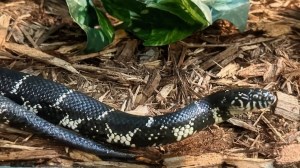
Eastern Kingsnake The Schiele Museum of Natural History Gastonia, NCBurmese Pythons Greenville Zoo Greenville, SCSunday Stills Scary Snakes
My grandson, as yet, doesn’t have fear of snakes, he finds them fascinating and enjoys reading about them in books.
Slither, Snake! A National Geographic Kids book borrowed from our local library.
“Kill the snake of doubt in your soul, crush the worms of fear in your heart and mountains will move out of your way.”
God Bless. Enjoy your week. Have a wonderful good and safe week. Thank you for visiting and sharing your time and thoughts with us. I appreciate y’all very much.
Dale, the host of theCosmic Photo Challenge, has challenged us to post a few images of Repetition for this week’s challenge. For this week’s challenge I needed to scour through my archives to see what I could find on this week’s theme. When I read Dale’s words that images didn’t necessarily need to conform to recognisable patterns, symmetry, or tessellations, but could be photographs that contained more than one of something it made it more likely that I’d find a few images that I’d like to use. Thank you Dale for the challenge.
Here’s what I found to share …
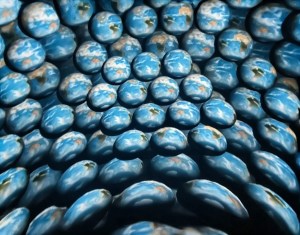
Looking at Earth in a Planetarium’s show .,,
Multiple Images of Planet Earth
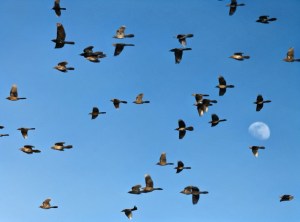
On to more down to Earth, a look at the sky over Murrells Inlet with flocks of European Starlings flying past a Daytime Moon …
European Starlings
The next image is a combination of two images sent from my daughter. The one image downloaded on my iPhone as a “negative” type image & I combined it with a regular photo image for this unique view of The St. Simons Island Lighthouse …
The St. Simons Island Lighthouse
Now to look at more personal images, first a view of Coleman’s creation using Learning Resources STEM Explorers Pixel Art Challenge …
Learning Resources STEM Explorers Pixel Art Challenge
And lastly, a blast from the past from my dad’s files and digitally uploaded to my computer files. This shows actual World War II fuel oil coupons (Form OPA R-1107 A). These coupons were explicitly issued for “Fuel Oil”, not gasoline for an automobile. They were used to buy oil for home heating furnaces, water heaters, and kerosene for cooking stoves.
There were strict controls for the use of these coupons; Each coupon allowed a family to purchase exactly one (1) gallon of heating oil. During the war, civilian homes had their heat strictly rationed to ensure the military had enough fuel. Families were told to lower their thermostats to 65 degrees during the day (and even lower at night) to stretch their coupons further.
World War II Fuel Oil Coupons belonging to my dad’s family.
I’m not sure why all of these were not used, however, possible reasons were my dad’s family practiced strict conservation to save money and stretch their supply. [The coupons were the maximum legal limit the family was allowed to buy, but they still had to pay real money for the actual fuel.] Fuel Oil and gasoline rationing ended almost immediately once World War II ended. At that time they no longer needed the coupons and many families stuck them in desk drawers.
God Bless. Get Outdoors. Be observant of all creatures large and small that call our Earth home. Thank you for visiting and sharing your time and thoughts with us. I appreciate y’all very much.
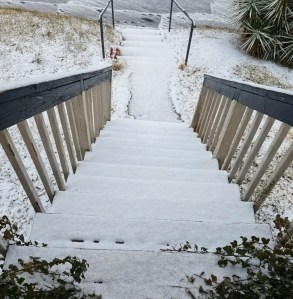
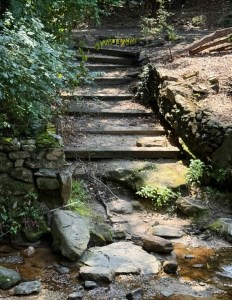
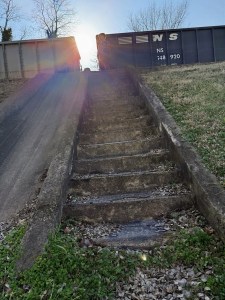
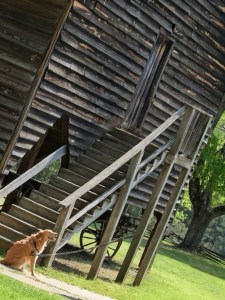
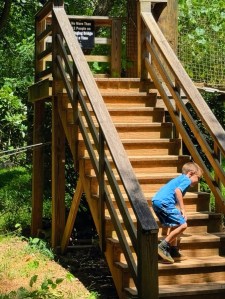
There are many ways we can look at Stairs and Steps, every step we take helps us continue on our life’s journey. We take steps every day whether we are just walking on solid ground or climbing a few steps or up the stairs to new adventures.
“For a stairs to be safe, every step on that stairs has to be safe!”
Mehmet Murat ildan
Snow & Ice covered Stairs
In life we may stumble as we embrace struggles, however, with every difficult step we take we build resilience and character.
“To get through the hardest journey we need take only one step at a time, but we must keep on stepping.”
~ Author unknown
Nature’s steps & stairs of rock, dirt & wood
Every Step we take in life shapes who we become, our personal journeys are rarely straight or smooth paths; instead they are built on our actions, unexpected stumbles, and our quiet passes and reflections.
“Every lesson you take from your past immediately turns into a stairs to the light!”
— Mehmet Murat Ildan
Looking at the Light above the Stairs to the Railroad Tracks
Focus on each Step in front of you. Looking all the way up to a distant landing can feel overwhelming and draining. It’s best to focus on the single step directly in front of you, making the task manageable.
“It is not enough to stare up the steps, we must step up the stairs,”
spoken by Václav Havel.
Dog waiting at base of Stairs on an Historic building
Instead of looking at the stairs of life and contemplating the steps, just take action and climb the stairs. Stop worrying about where each step is taking you, relax clarity will will come as you actively begin your ascent and proceed on your way.
“The greatest adventures often come from taking the smallest steps.”
~ Author unknown
Coleman – is he going up or down?
Don’t fret. Every great adventure starts with small consistent actions rather than massive leaps. Remember, every adventure, every journey in life begins when we are brave enough to take our first step.
Good Bless. Pray for clear skies, wildfires to stop spreading. No more Smoky air clouding our atmosphere. Thank you for visiting and sharing your time and thoughts with us. I appreciate y’all very much.
Camera: Canon EOS Rebel T7 (2000D) with Canon EF-S55-250mm lens and Altura UV Filter attachment.
Location: Historic Cabin; The Farm; The Schiele Museum of Natural History; Gastonia, North Carolina, USA
God Bless. Get Outdoors. Take a Walk/Hike. Enjoy Nature’s Beauty. Thank you for visiting and sharing your time and thoughts with us. I appreciate y’all very much.
Woolly Mammoth statue & Coleman Gaston County Dino Trail The Schiele Museum of Natural History
I thought about telling you all about Woolly Mammoths, but then I remembered something else about this particular Woolly Mammoth Statue. What did I remember? This Woolly Mammoth statue is one (1) of twenty-one Prehistoric Dinosaur statues along the Gaston County Dino Trail. This Prehistoric journey across Gaston County is a way for the county to celebrate The Schiele Museum’s new Elizabeth Williams RobinsonHall of Dinosaurs.
Pick up a map for the Dino Trail at The Schiele Museum or any one of the participating businesses and attractions. At each location you may collect Dinosaur Trading Cards and discover prehistoric surprises.
Gaston County Dino Trail
The Dino Trail runs from September 1st through December 31st. To find out more information about the Dino Trail and/or The Hall of Dinosaurs click here.
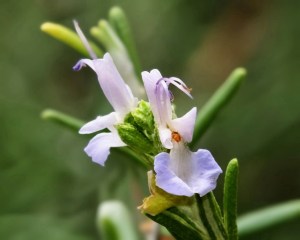
Salvia rosmarinus, Aka Rosemary, Rosmarinus officinalis
Rosemary, is one of several herbs grown in the Heritage Garden in The Farm at The Schiele Museum of Natural History in Gastonia, North Carolina. Its needle-like leaves are incredibly aromatic and have been a staple in Mediterranean cuisine for centuries. It is often used to flavour meats, vegetables, and bread. Cooking is not the only reason Rosemary is cherished, it is revered for its traditional medicinal properties. It is also occasionally associated with memory and remembrance.
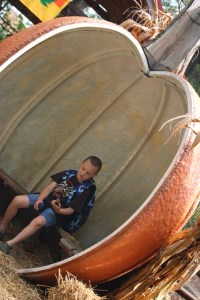
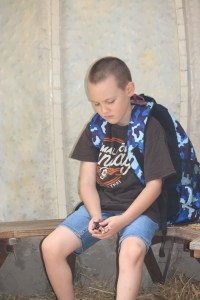
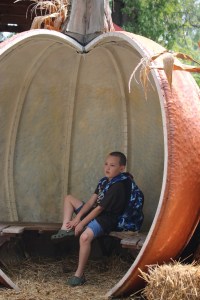
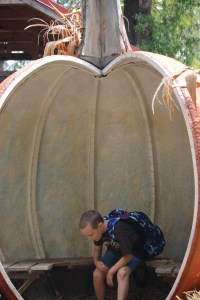
No matter where Coleman and I hike/walk you can guarantee he’ll find a place to Pull Up a Seat. Whenever he does you can most likely expect to see a variety of antics, expressions. He likes to have me take his picture, but sometimes he doesn’t. It is Autumn in an our area, so naturally the Schiele Museum has Autumn decor set out in The Farm. This year there is less hay to than in previous years (same affect on my allergies though). After waiting his turn inside the “Pumpkin”, he wasn’t really enthusiastic about my taking his picture as you might could tell.
Here are a few of what I managed to capture … of Coleman Pulling Up a Seat …
The Garden at the Schiele Museum of Natural History is ever changing with the seasons and years. The Gardens are maintained by museum staff, Community Volunteers and Interns, and the volunteer efforts of the Master Gardener Group of Gaston County.
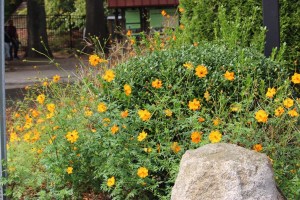
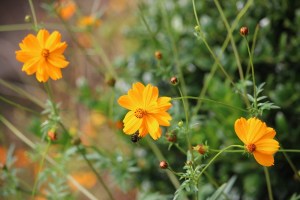
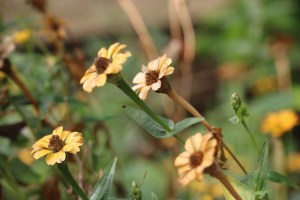
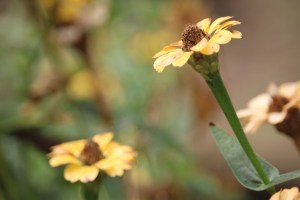
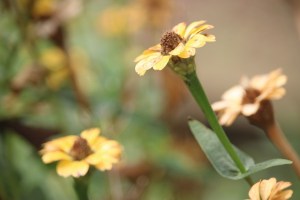
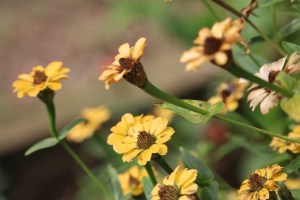
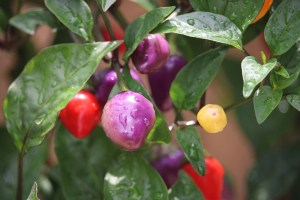
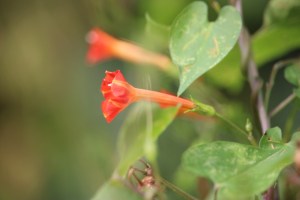
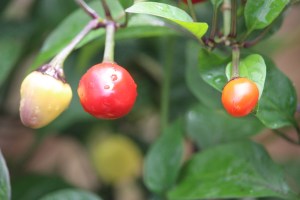
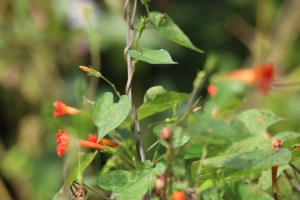
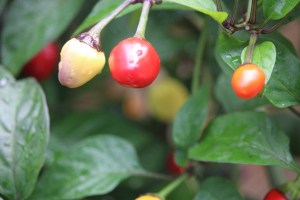
This season we have plenty of Cosmos sulphureus, aka Sulfur cosmos; Zinnia peruviana, aka the Peruvian zinnia; Ornamental peppers, and Ipomoea coccinea aka Red Morning Glory. They are beautiful flowers to enjoy and admire, but not as many florals as in previous years.
Walking towards The Farm from the parking lot we first spot these lovely Cosmos sulphureus …
Cosmos sulphureus, aka sulfur cosmos
A Beautiful Cosmos Trio
Walking around inside The Farm’s enclosed area, after visiting the goats, we spot these lovely Zinnia peruviana flowers …
As we walk through the Garden area in The Farm we notice several Ornamental Pepper plants and then a few Red Morning Glories. The peppers are so pretty and colourful that you can’t help, but be drawn to their natural beauty. While the Red Morning Glories are so small you might miss them if you weren’t truly searching for the wonderful flowers within the garden.
Camera: Canon EOS Rebel T7 (2000D) with Canon EF-S55-250mm lens and Altura UV Filter attachment.
Location: The Gardens; The Farm; Tge Schiele Museum of Natural History; Gastonia, North Carolina, USA
God Bless. Admire the Flowers and the beauty found in nature. Thank you for visiting and sharing your time and thoughts with us. I appreciate y’all very much.
Dale, the host of theCosmic Photo Challenge, has challenged us to post a few images of Moss, Ferns, and Fungus for this week’s challenge. For this week’s challenge I needed to scour through my archives to see what I could find on this week’s theme.
Here is what I discovered …
Moss …
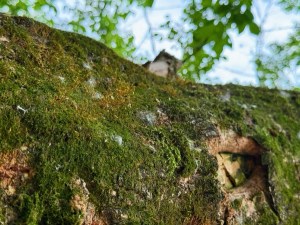
This Moss is growing on a tree branch at Riverside Park and Greenway in Cramerton, North Carolina.
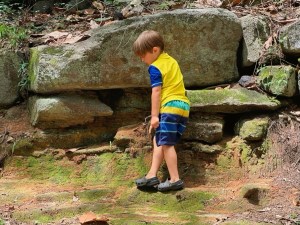
Coleman is walking on Moss that has grown on rocks along the Nature Trail at The Schiele Museum of Natural History in Gastonia, North Carolina.
Fungi …
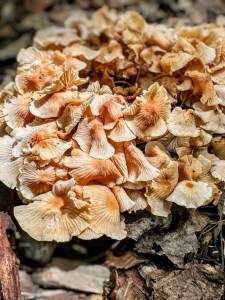
Gilled Mushrooms, part of a vast network of fungi that are essential “recyclers” in nature. The Schiele Museum Gastonia, North Carolina
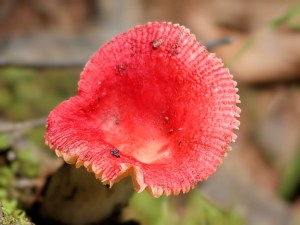
Russula, aka Brittle gills They have a unique, crumbly texture South Fork River Park McAdenville. Gaston, North Carolina
Ferns …
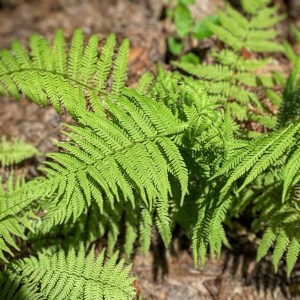
Athyrium filix-femina, Aka the lady fern or common lady-fern Kings Mountain State Park Blacksburg, North Carolina
Now to add a few non-typical Ferns …
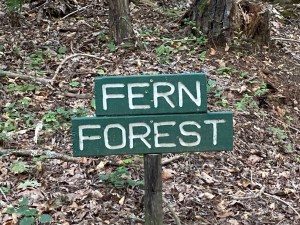
Fern Forest, a loop trail at Anne Springs Close Greenway Fort Mill, South Carolina
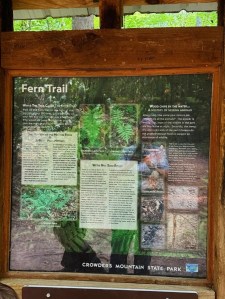
Fern Trail It is considered an easy short trail that connects to other trails. Crowders Mountain State Park Kings Mountain, North Carolina
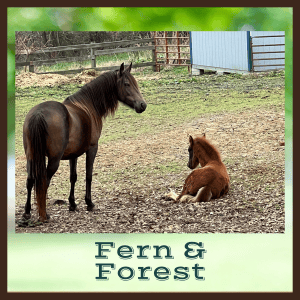
Fern is the mother of this baby colt. (No longer a baby, born in 2022).
God Bless. Get Outdoors. Be observant of all creatures large and small that call our Earth home. Thank you for visiting and sharing your time and thoughts with us. I appreciate y’all very much.
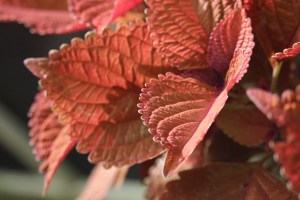
The Coleus plants pictured here are located near the Turkey enclosure in The Farm at The Schiele Museum of Natural History in Gastonia, North Carolina. It is a tropical perennial grown for its brightly coloured, velvety leaves which come in various shades of red, pink, yellow, green, and deep burgundy.
Coleus scutellarioides
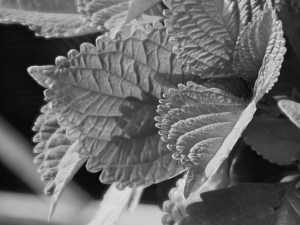
Coleus scutellarioides
The Coleus plant is linked with the mint family (Lamiaceae). They are primarily cultivated for their incredibly diverse and colorful foliage instead of their flowers. Besides the colours listed above you may occasionally find them in black. Their intricate design patterns and margins on their leaves make them quite attractive and intriguing to observe.
Welcome back to the Which Way Challenge (previously hosted by Cee Neuner). This week our theme is Which Way Challenge CWWC 2026: Any Which Way with Autumn Leaves [10.02.2026-10.09.2026]. It will run for two (2) weeks. Your Which Ways can be Outdoors, Paved or Unpaved, Dirt Trails or any natural surface as long as they are in the displaying Autumn Leaves 🍂.
Mine are from 2021 and 2022 as the leaves in our area have not as yet displayed their Autumn colours. These were taken at the Fort Mill Access to the Catawba River and the Fort Mill Dam. Feel free to link to Dawn’s Festival of Leaves or other appropriate links.
Here are my entries …
CWWC Cee’s Which Way Challenge Deb’s Which Way with Autumn Leaves
Click on images to enlarge.
Thank you to those who have participated and supported the Which Ways Challenge. I appreciate y’all sharing your Which Ways with us.
For an idea of other’s Which Ways from this past week’s challenge, be sure to click on the following links below.
Brian from Bushboys Worldhosts a monthly challenge called Last On the Card. His rules are simple to follow if you’re interested in participating.
Here are The rules:
1. Post the last photo on your SD card or last photo on your phone for the 30th or whenever your last photo was taken.
2. No editing – who cares if it is out of focus, not framed as you would like or the subject matter didn’t cooperate.
3. You don’t have to have any explanations, just the photo will do
4. Create a Pingback to this post or link in the comments
5. Use the tags The Last Photo and #LastOnTheCard
Here are my contributions …
From my Apple iPhone 16 Pro Max:
Sophia Ruthann attempting to stand without holding on in her new shoes.
XingfuMama hosts the weekly challenge Whatsoever Is Lovely. The challenge is simple. Just reflect back over your week and see what is lovely, whether a thing or a moment, share in a post what is precious and lovely to you.
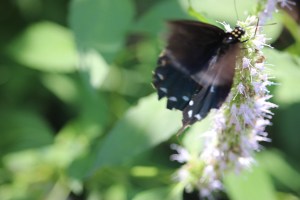
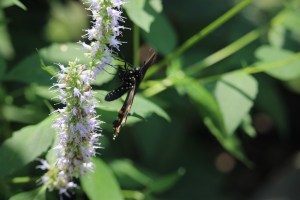
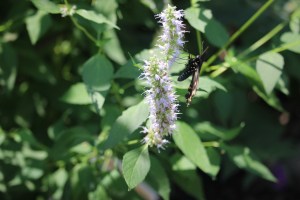
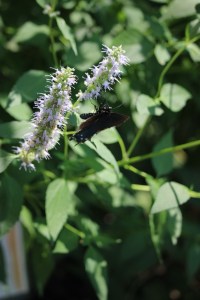
This week I am continuing with Whatsoever is Lovely to me; Beautiful Flowers & Butterflies #5. These images were taken on Coleman’s & my recent visit to the Daniel Stowe Botanical Garden in Belmont, North Carolina. The first area we visited was the Butterfly Bungalow. We had not previously visited the Butterfly Bungalowsince the times we’ve visited Daniel Stowe Conservancy before were in the Springtime.
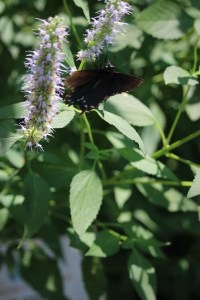
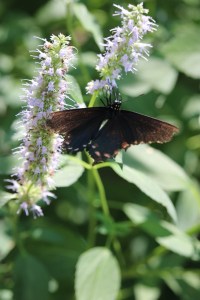
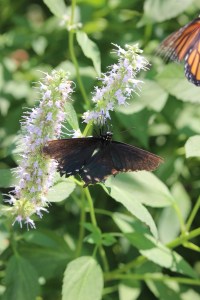
For this post I am focusing on the Spicebush Swallowtail (Papilio troilus), one of the many varieties of butterflies maintained within the Butterfly Bungalow at the Daniel Stowe Botanical Garden.
Spicebush Swallowtail (Papilio troilus)
The Spicebush Swallowtail (Papilio troilus) is a one of the most fascinating butterflies in eastern North America due to its specialized lifecycle, unique hosting plants, and their use of mimicry to survive.
Spicebush Swallowtail on Anise Hyssop (Agastache foeniculum)
The Papilio troilus, aka the Spicebush Swallowtail, or Green-clouded butterfly, is a common black Swallowtail butterfly only found in the Eastern United States and Southern Ontario, however, it can sometimes be seen in the American plains states, Cuba, Manitoba, and Colorado. .
Spicebush Swallowtail (Papilio troilus)
It is normally found in deciduous woods, or woody swamps. There they can be seen flying low and fast through shaded areas.
Spicebush Swallowtail
The Papilio troilus has two (2) subspecies, Papilio troilus troilus and Papilio troilus ilioneus. The Papilio troilus troilus is the one seen in this area and pictured in these images. Papilio troilus ilioneus is confined to the Southeastern coastal United States, mainly throughout Florida, along the coast of Georgia, and in places in Texas.
Spicebush Swallowtail (Papilio troilus)
The primary host plants for the Spicebush Swallowtail are most commonly the Spicebush ((Lindera benzoin) or WhiteSassafras (Sassafras albidum). Despite their preference to primarily feed Lauraceae plants, they do feed on Anise Hyssop (Agastache foeniculum), especially here in the Butterfly Bungalow. Anise Hyssop is widely known as one of the ultimate “pollinator magnets” that is typically added to gardens.
Spicebush Swallowtail on Anise Hyssop (Agastache foeniculum)
The Spicebush Swallowtail love the Anise Hyssop for its perfect landing pads. The dense, structural spikes are composed of hundreds of tiny, nectar-rich tubular flowers. The Spicebush Swallowtail can easily grasp the stalks with their legs while their long proboscis probes from bloom to bloom. They also love the Anise Hyssop for its continuous energy. Anise Hyssop has an exceptionally long blooming window,The plant typically produces fresh flowers from June through September.
This blooming season of the Anise Hyssop provides a vital, reliable energy source for late-summer generations of butterflies preparing to reproduce or move through woodland edges.
Spicebush Swallowtail (Papilio troilus) on Anise Hyssop (Agastache foeniculum)
Camera: Canon EOS Rebel T7 (2000D) with Canon EF-S55-250mm lens.
Location: Butterfly Bungalow; Daniel Stowe Botanical Garden; Bely, North Carolina, USA
God Bless. Have a lovely weekend filled with love, joy, and laughter. Thank you for visiting and sharing your time and thoughts with us. I appreciate y’all very much.
Following along with Terri’s Autumn Floral theme, I took a Look Back into my archives for Autumnal Florals (not just Autumn colours, but taken in Autumn) taken in early Autumn. My selections were all taken at various times and locations during the month of October. I know it’s not October yet, however, it soon will be in only a few more days.
Taken October 3, 2023 …
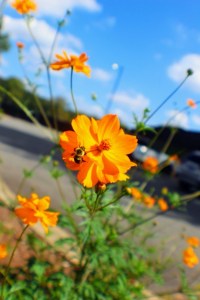
Common Eastern Bumblebee on an Orange Sulphur Cosmos
… at The Garden in The Farm at The Schiele Museum of Natural History in Gastonia, North Carolina.
Taken October 6, 2025 …
Panicle Hydrangea
… by the Bridge at Goat Island Park and Greenway in Cramerton, North Carolina.
Taken October 22, 2024 …
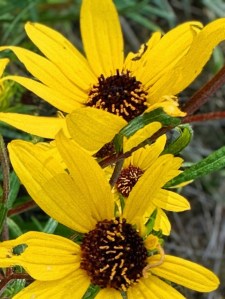
A Green Aphid on a Yellow Tickseed Sunflower
… near Lake Haigler along the Haigler Loop Trail at the Anne Springs Close Greenway’s Lake Haigler Entrance in Fort Mill, South Carolina.
Taken October 27, 2023 …
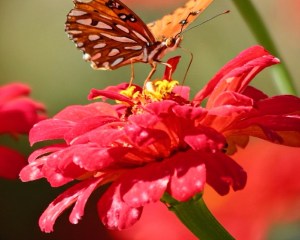
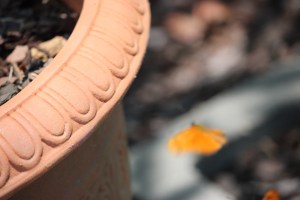
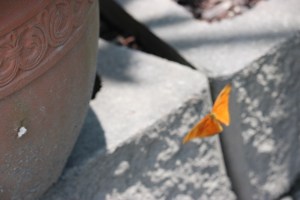
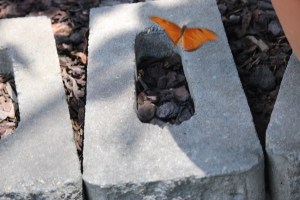
Gulf Fritillary Butterfly on Common Red Zinnias
… by the Gibson House at the Stables Entrance of the Anne Springs Close Greenway in Fort Mill, South Carolina.
God Bless. Admire the Flowers and the beauty found in nature. Thank you for visiting and sharing your time and thoughts with us. I appreciate y’all very much.
Location: Unity Community; Gastonia, North Carolina
God Bless. Have a lovely weekend filled with love, joy, and laughter. Thank you for visiting and sharing your time and thoughts with us. I appreciate y’all very much.
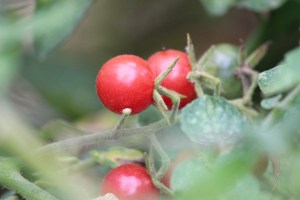
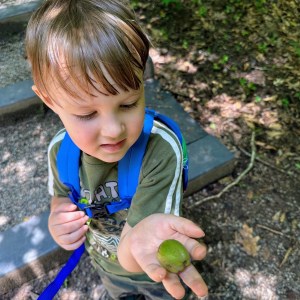
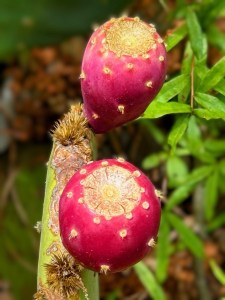
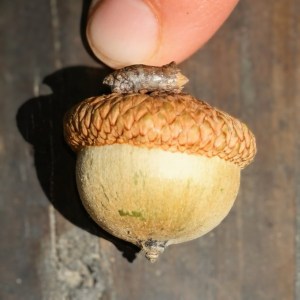
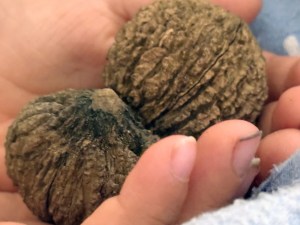
Dale, the host of theCosmic Photo Challenge, has challenged us to post a few images of Fruits, Nuts, and Seeds for this week’s challenge. Some Fruits are edible for birds, but bitter or not recommended for humans. Seeds may be in seed pods and reproduce as flowers, while others may still be in fruit and if planted with produce more fruit. Nuts are not just for humans to eat, squirrels and other animals enjoy them as well. Coleman likes to gather nuts and seed pods when we hike along various trails.
Here are my contributions …
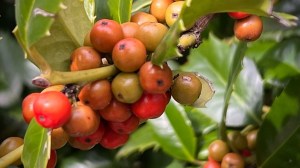
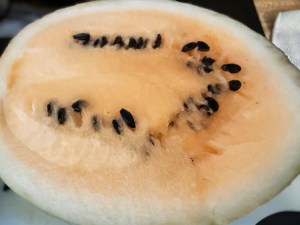
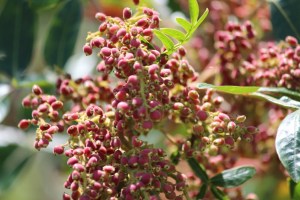
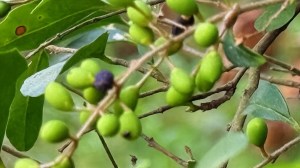
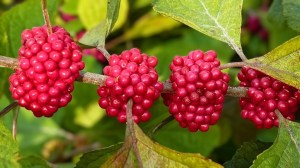
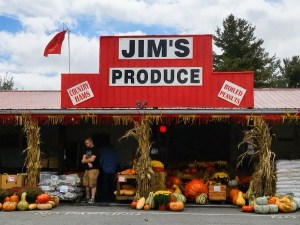
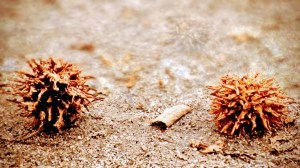
Holly Berries, for birds not humans Cherry Tomatoes (Botanically a fruit)Coleman holding an unripe Black WalnutPrickly pears, fruits of the Opuntia cactusAcorn Yellow WatermelonPeruvian pepper tree (Schinus molle)Unripe Privet BerriesAmerican Beautyberries, aka Callicarpa americanaBlack WalnutsJim’s Produce carries an assortment of Fruits, Seeds, and Nuts (also vegetables)Sweetgum tree seed podsCosmic Photo Challenge #CosPhoChal Fruits, Nuts, and Seeds
God Bless. Get Outdoors. Be observant of all creatures large and small that call our Earth home. Thank you for visiting and sharing your time and thoughts with us. I appreciate y’all very much.
XingfuMama hosts the weekly challenge Whatsoever Is Lovely. The challenge is simple. Just reflect back over your week and see what is lovely, whether a thing or a moment, share in a post what is precious and lovely to you.
This week I am continuing with Whatsoever is Lovely to me; Beautiful Flowers & Butterflies #4. These images were taken on Coleman’s & my recent visit to the Daniel Stowe Botanical Garden in Belmont, North Carolina. The first area we visited was the Butterfly Bungalow. We had not previously visited the Butterfly Bungalowsince the times we’ve visited Daniel Stowe Conservancy before were in the Springtime.
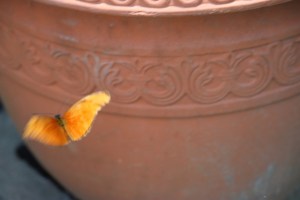
For this post I am focusing on the Dryas iulia, Aka Julia Longwing butterfly,Julia heliconian, the flame, or flambeau.
Dryas iulia
Dryas iulia is often misspelled incorrectly as julia. It is theonly representative in the genus Dryas. It is a species of brush-footed butterfly, native from Brazil to southern Texas and Florida. In the summertime it can sometimes be found as far north as eastern Nebraska. They are considered rare immigrants or temporary strays in both North and South Carolina. That doesn’t mean they won’t be spotted though. During the warm summer months, individual adults occasionally migrate or drift northwards from their permanent breeding grounds in southern Florida and southern Texas.
Julia Longwing butterfly
The Julia Longwing butterfly was are known for their striking bright orange wings. They can have black markings, and their have notably long and narrow forewings which gives them that “Longwing” moniker.
Julia heliconian
The Julia heliconian butterflies are extremely fast and erratic fliers; they were quite a challenge to capture with my camera. Their fast movements prevented me from being able to catch all of them clearly, however, I still did managed to catch a few good shots with my Canon.
Julia Butterfly
Besides being very fast fliers, they frequent clearings, paths, and margins of forests and woodlands. They feed on the nectar of flowers, like lantanas (Lantana) and shepherd’s-needle. They drink the tears of caiman, the eye of which the butterfly irritates to produce tears.
the flame
The Dryas iulia butterfly species is real popular in butterfly houses similar to the Butterfly Bungalow at the Daniel Stowe Conservancy. Their popularity is due to its longevity and its activity throughout the day. They were intensely fascinating to watch them zipping to and fro, hither and yonder faster than your (at least mine) eyes could follow them.
flambeau
These pictured here are maintained in the controlled environment of the Butterfly Bungalow inside the Gardens of Daniel Stowe Botanical Garden in Belmont, North Carolina. The Dryas iulia are a featured seasonal resident of the Butterfly Bungalow at Daniel Stowe Conservancy. Since these butterflies thrive in tropical environments, the Garden imports them chrysalides as part of their summer pollinator exhibition. The warm, humid greenhouse enclosure provides an ideal environment for them to fly alongside other native and tropical species like the Zebra Longwing and Malachite.
Camera: Canon EOS Rebel T7 (2000D) with Canon EF-S55-250mm lens.
Location: Butterfly Bungalow; Daniel Stowe Botanical Garden; Bely, North Carolina, USA
God Bless. Have a lovely weekend filled with love, joy, and laughter. Thank you for visiting and sharing your time and thoughts with us. I appreciate y’all very much.
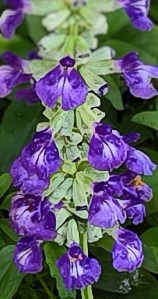
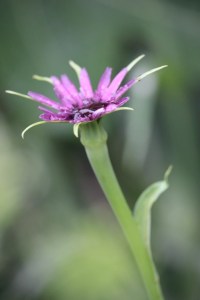
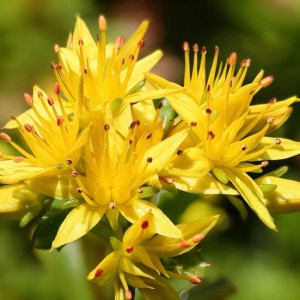
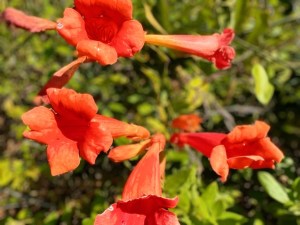
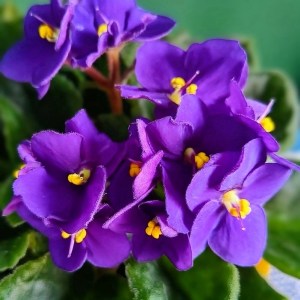
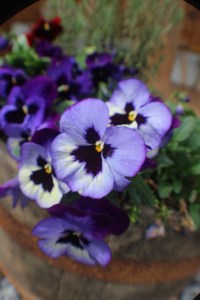
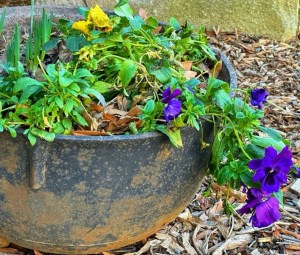
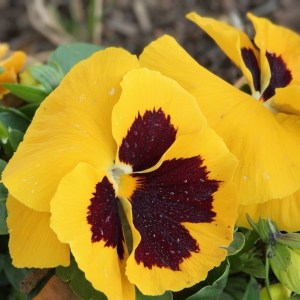
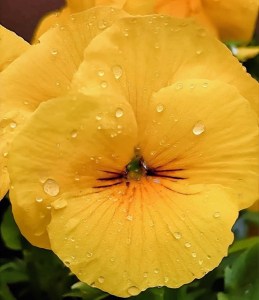
This week Terri, our host for The Flower Houris focusing on Floral ABC’s concentrating on STUV. Let’s have some fun. Here are my STUV Florals for this week’s challenge. It wasn’t too hard to locate flowers beginning with S and T, but U was extremely difficult, henceforth, I didn’t find any amongst my photo files. V was hard to locate any type of flowers other than Violets.
God Bless. Admire the Flowers and the beauty found in nature. Thank you for visiting and sharing your time and thoughts with us. I appreciate y’all very much.
Dan with No Facilities, the host ofCee’s Fun Foto Challenge is continuing with the theme of Where/What/When we do various things. This week’s focus is on Where/What/When We Shop. This new series will continue for approximately three (3) more weeks. We are currently in the third week of the Where/What/When CFFC series. This theme was inspired by Dawn M. Miller.
I have gathered a few images of Where/What/When I’ve Shopped over the years. Most of my shopping these days are done online via Amazon, Walmart, and Harlequin. I do still get out for groceries and other necessary or essential various sundries.
Here are my contributions …
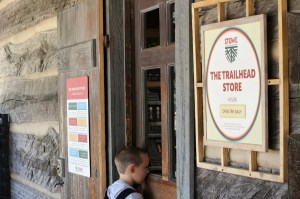
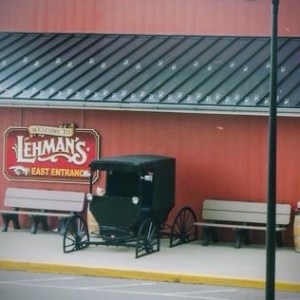
Jim’s Produce Deep Gap, NCJulian Pie Company Julian, CaliforniaArtisan Open Market Anne Springs Close Greenway Fort Mill, SCHarris Teeter Charlotte, NCBaby General Hospital Cleveland, GeorgiaAmazon.comGeneral Store Coshocton, Ohio Deep Gap Cash Store Deep Gap, NCThe Shop Antiques, Refinishing Abilene, TexasThe Trailhead Store Daniel Stowe Conservancy Belmont, NCLehman’s Kidron, Ohio https://www.lehmans.com/Ashe County Cheese West Jefferson, NC https://www.ashecountycheese.com/Cee’s Fun Foto Challenge Dan’s CFFC Where/What/When We Shop
God Bless. Have a wonderful week. Thank you for visiting and sharing your time and thoughts with us. I appreciate y’all very much.
Note: Outside the General Store in Ohio, the man on the left is my maternal grandfather. Coleman is outside the door of The Trailhead Store. Outside the Deep Gap Cash Store are my Great Aunt Sophrona (called Aunt Sophie, she’s my grandfather’s sister) and her husband (my great uncle.
Beth from Wandering Dawgsis this week’s host for the Lens-Artist Photo Challenge. She is asking us to select our favourite Bridges to share. She states that they “ any kind of bridge: natural bridges, foot bridges, swinging bridges, highway bridges, stone bridges, railroad bridges, or any other kind of bridge you can think of.” I’ve gathered a selection of Highway Bridges, Foot Bridges, Trestles, and a Swinging Bridge that I hope y’all will enjoy.
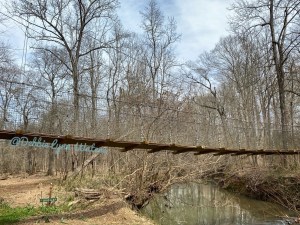
Swinging Bridge at Anne Springs Close Greenway can be trip to cross or fun depending on your outlook.
Swinging Bridge Lake Haigler Entrance Anne Springs Close Greenway Fort Mill, South Carolina
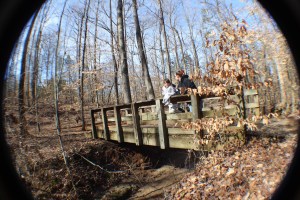
Foot Bridges oftenconstructed to accommodate crossing a creek or river to be easier and more accessible for animals, and humans. Coleman and I hike over these types of Bridges quite frequently.
Baxter Village Trail with Alona & Trisha Fort Mill, South Carolina
Glencairn Garden Rock Hill, South Carolina
Goat Island Park and Greenway crosses over South Fork Catawba River Cramerton, North Carolina
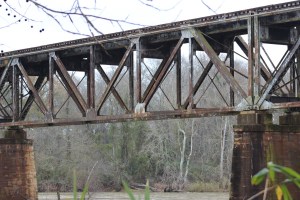
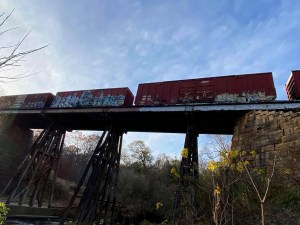
Trestle Bridges are made of many short spans supported by close frames. The purpose is usually to transport trains/train lines across a deep valley (like rivers and lakes) or ravines.
Showing both a Trestle and Highway Bridge Situated over the Catawba River Along the Piedmont Medical Center Trail from the Catawba River Trailhead Rock Hill, South Carolina
Other Trestles over the Catawba River …
Trestle Bridges Over the Catawba River Piedmont Medical Center Trail Rock Hill, South Carolina
Trestle Bridge over the Mississippi River …
Trestle Bridge viewed from the Tennessee Welcome Center after crossing the Mississippi River
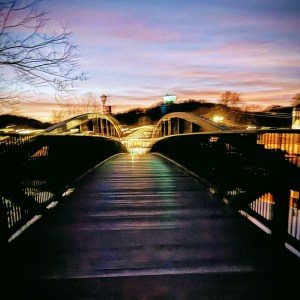
Highway/Road Bridges are designed to a road and its traffic over an obstacle such as a river, a valley, or even another road. First, we’ll look at a Road Bridge that crosses over a creek and a trail. The trail is the Blue Star Trail, part of which runs parallel to Steele Creek and under a Road Bridge. The Blue Star Trail in one of 25 unique trails which allows hikers, bikers, and equestrian riders to explore over 40 miles within the Anne Springs Close Greenway.
Road Bridge over Steele Creek and Blue Star Trail
Now on to California Highway Bridges …
In the San Francisco-Oakland Area …
San Francisco-Oakland Bay BridgeGolden Gate Bridge, San Francisco, California Golden Gate Bridge, San FranciscoSan Francisco Bay BridgeSan Francisco–Oakland Bay BridgeSan Francisco-Oakland Bay Bridge, a double suspension bridgeSan Francisco Bay BridgeLAPC – Bridges California’s San Francisco Bay Bridges All taken in April 1979 by my dad.
And last, but not least, the amazing San Diego-Coronado Bridge which connects San Diego with the city of Coronado. Construction on the Bridge began in February of 1967 after years of debate over the need and logistics of a bridge being built to cross the bay. The Navy feared a bridge could collapse due to an attack or an earthquake thus trapping navy ships stationed at Naval Base San Diego. The Navy finally, in 1964, agreed to support a Bridge if there was a minimum of 200 feet (61 Meters) of 660 feet in the main span for sufficient clearance for the Navy ships operating out of Naval Base San Diego to pass underneath it. [Side Note: Before the Bridge was constructed the only way to Coronado from San Diego or vice-versa was by Ferry.]
San Diego-Coronado Bridge
The Bridge itself is 11,179-foot-long (3,407 m or 2.1 mi) and ascends from Coronado at a 4.67 percent grade before curving 80 degrees toward San Diego. The Bridge was finally completed and opened to the public on August 3, 1969. It opened during the celebration of the 200th anniversary of the founding of San Diego. When it opened, a toll of 60¢ was charged in each direction. The toll charges were supposed to end when the bond was paid, but continued until 2002. This Bridge has five lanes, two eastbound, two westbound, and a reversible middle lane which could switch to correspond with traffic needs.
An interesting fact: Before its official opening to vehicular traffic on August 3, 1969, the Coronado Bridge had a special “Bridge Walk” on August 2, 1969. Thousands of people, including many bicyclists, participated in this dedication event, getting a unique chance to experience the bridge on foot and by bike before cars were allowed on it. I had many friends that road their bicycles across the San Diego-Coronado Bridge on that special day celebrating the bridge’s completion and opening.
God Bless. Be Happy. Be Cool. Be a Blessing to those around you. Thank you for visiting and sharing your time and thoughts with us. I appreciate y’all very much.
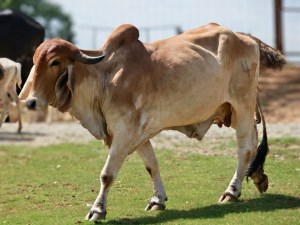
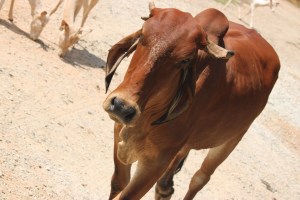
Brahman cattle originally came from India and are a hybrid of four different Indian cattle breeds. They are well-suited for the hot climates like we’ve been experiencing this summer.
We saw this one and others like it at The Lazy 5 Ranch in Mooresville, North Carolina. Their loose skin, short, sleek hair, and ability to sweat efficiently are the reasons they adapt so well to our hot and humid summer climates. Their distinctive hump on their shoulders is the key feature which helps store fat. They are known to be gentle temperament creatures.
Brian from Bushboys Worldhosts a monthly challenge called Last On the Card. His rules are simple to follow if you’re interested in participating.
Here are The rules: 1. Post the last photo on your SD card or last photo on your phone for the 30th or whenever your last photo was taken. 2. No editing – who cares if it is out of focus, not framed as you would like or the subject matter didn’t cooperate. 3. You don’t have to have any explanations, just the photo will do 4. Create a Pingback to this post or link in the comments 5. Use the tags The Last Photo and #LastOnTheCard
Here are my contributions …
From my Apple iPhone 16 Pro Max:
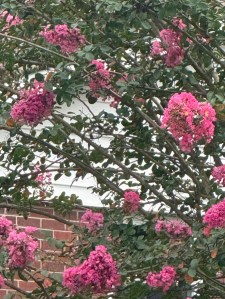
Lagerstroemia indica, aka Crepe-myrtle Gastonia, North Carolina
From my Canon EOS T7 (2000D):
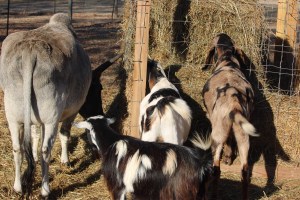
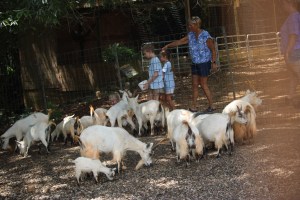
Angora Goats Walk-thru Petting Area Lazy 5 Ranch Mooresville, North Carolina
I do not visit the beach as often as I did in my youth, however, I do have memories of being at the beach with family and friends over the years.
Going back in time to see A vintage family day with my Aunt and Uncle at Springmaid Beach in Myrtle Beach, South Carolina.
Aunt Dalline & Uncle Shorty fishing at the beach.
In 2010, My “children” and I ventured down to Myrtle Beach, South Carolina to celebrate my daughter’s high school graduation.
In the foreground is my daughter, my sons are behind the wave waiting for the next one.
Moving forward in time to 2017, we (my eldest son and I) take a drive to North Topsail Beach from Jacksonville, North Carolina for a relaxing stroll along the waterfront.
My eldest son, John and myself at North Topsail Beach, North Carolina.
Let’s take a sidetrack from the East Coast Carolina beaches to visit west coast beaches in San Diego County, California.
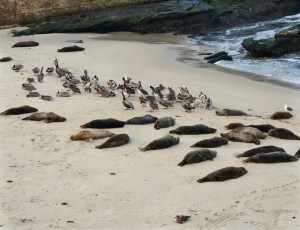
Sea Lions on the beach at La Jolla Cove in La Jolla, California
Coronado Beach, Coronado, San Diego County, California
Now back to the East coast and our adventures at Myrtle Beach, South Carolina.
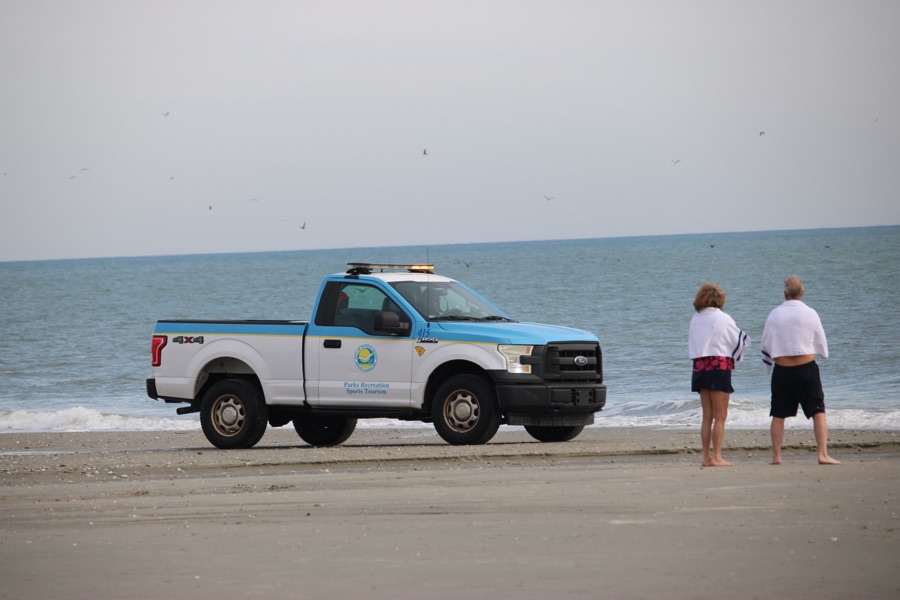
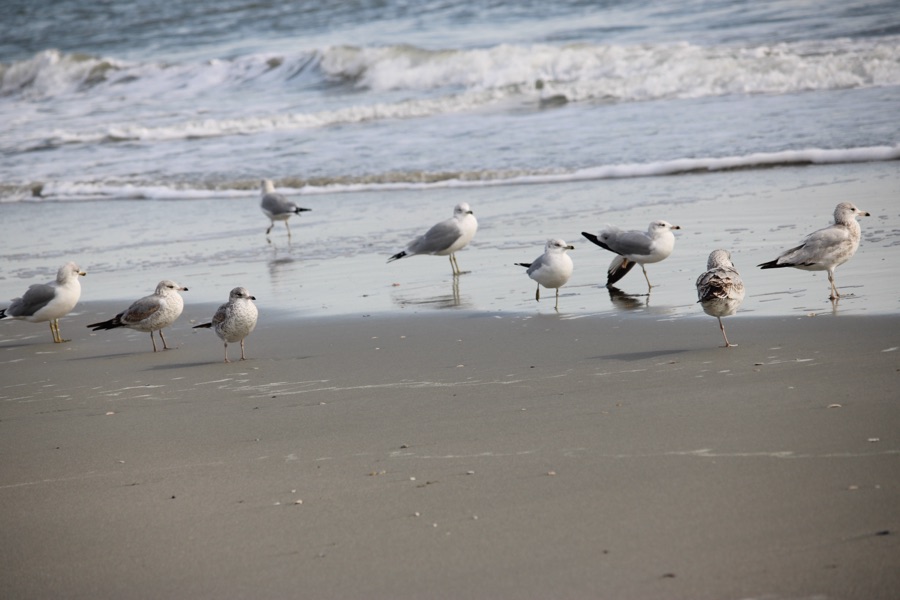
Parks Recreation Sports Tourism Truck on Myrtle Beach Ring-billed GullsColeman having a splashing good time. Myrtle Beach, South Carolina with my daughter and grandchildren (Coleman & Sophia)
Well, that’s all folks. Till next time have a splendid week filled with love, happiness, and laughter. God Bless. Thank you for visiting and sharing your time and thoughts with us. I appreciate y’all very much.
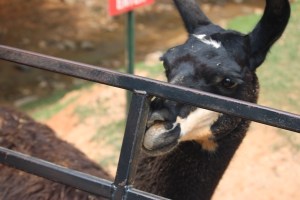
As we rode the Safari Wagon at the Lazy 5 Ranch many of the animals which reside on the property roam freely and tend to follow the Wagons as they bring visitors along the dirt road. It seems like all the animals know that the Safari Wagons have feed buckets aboard for the guests to feed them.
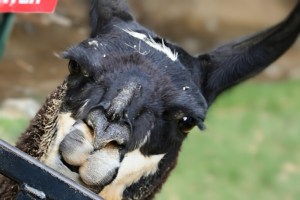
Hey there, I’m here.
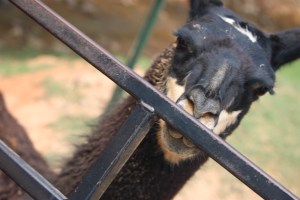
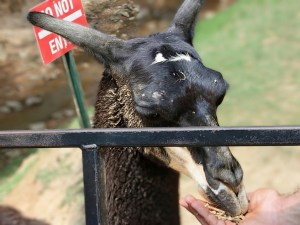
This Black Llama sure made its presence known to us (my family). The Black Llama was trying every possible means to get my daughter’s attention to be able to be handed feed from her feed bucket.
This is me trying to get your attention …
The Llama was first domesticated by the Indians of Peru around 4,000 years ago. The Llama is known for its surefooted travels in high mountain areas. It’s docile by nature, but can also be stubborn. When upset, a Llama may spit a foul smelling liquid.
Maybe if I turn this way you’ll notice me …
Let me assure you that at The Lazy 5 Ranch if they want feed, they are more than likely to receive it. Llamas are used as pack animals and can carry loads up to 130 pounds for up to 10-20 miles a day over rugged slopes in high altitudes, but they are not ridden. When weary or overloaded Llamas just lie down and refuse to move. The Llama is often referred to as the “South American Camel.” Its long, coarse wool is used in the weaving of textiles.
Finally, that’s exactly what I wanted.
Llamas are herbivores with a three-chambered stomach for digesting fibrous plants. They primarily graze on grasses and plants. Llamas are also very social animals, preferring to live in herds, and are known for being quite gentle and intelligent. You might hear their soft humming, which they use to communicate a range of emotions – from contentment to concern – they also have unique warning calls, like a high-pitched alarm, if they sense danger.
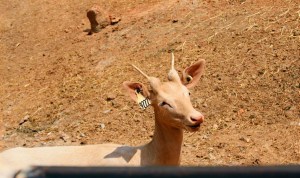
This Aoudad resides at the Lazy 5 Ranch in Mooresville, North Carolina. The habitat range for Aoudad’s is northern Algeria to central Mauritania, east to west Egypt & west Sudan. Their height averages around 30-40 inches with the Males weighing approximately 220-308 pounds and females weighing much less at about 88-121 pounds. They have a lifespan of around 20 years in captivity.
Aoudads are expert climbers and are often seen running at “top gun” speeds up very steep slopes. You probably won’t see them near the creek or pond at the Lazy 5 Ranch, but you might just see them on a stump, fallen tree, or running up a steep rocky slope. Aoudad’s can survive up to five (5) days without access to fresh water. Hey are herds animals so when see one most likely more are not too far away.
Aoudad are often referred to as sheep, but they are more closely related to goats. Unlike the young of sheep which are called lambs, the Aoudad and young are called kids.
Last week I said I would share where we went via the transit system and what we saw along the trails. To visit last week’s post as Coleman and I traveled on the transit network for our Which Way click here.
Now to let you know where we traveled to on the Gastonia Transit system (aka the bus) to go hiking. Our destination to the Warlick Family YMCA here in Gastonia for a bit of hiking and communing with nature. Here are a few images showing the trails we hiked and what we saw along the way.
CWWC Cee’s Which Way Challenge Deb’s Which Way Challenge
Click on each image to enlarge.
Thank you to those who have participated and supported the Which Ways Challenge. I appreciate y’all sharing your Which Ways with us.
For an idea of other’s Which Ways from this past week’s challenge, be sure to click on the following links below.
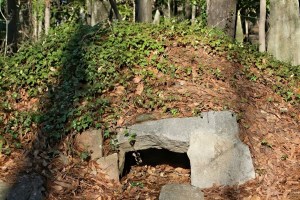
According to Google, a Hummock is a small, low rounded hill, knoll, or a raised mound of earth. Today, I am sharing two different types of Hummock’s from my archives.
The first is a Burial Mound located at The Schiele Museum of Natural History in Gastonia, North Carolina.
Burial Mound
Many stone age peoples around the world buried their dead in mounds of earth or stone. This single-chambered tomb replicates mounds from the British Isles roughly 5,000 years ago. The interior chamber measures just over 7 ft. long and could fit either one individual or the cremated remains of an entire family or clan. It took over 16,000 pounds of earth to build this mound by hand.
The second is a small hill my ancestors was gathered and sat upon enjoying the afternoon and each other’s company.
A Hummock where my ancestors chose to relax and visit with one another.
Camera: Canon EOS Rebel T7 (2000D) with Canon EF-S55-250mm lens and Altura UV Filter attachment
Location: Lazy 5 Ranch; Mooresville, North Carolina, USA
God Bless. Have a lovely weekend filled with love, joy, and laughter. Thank you for visiting and sharing your time and thoughts with us. I appreciate y’all very much.
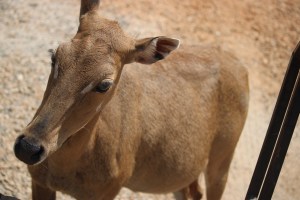
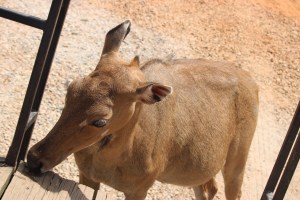
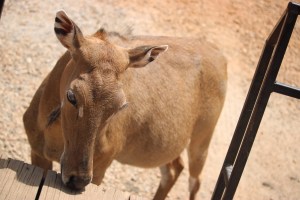
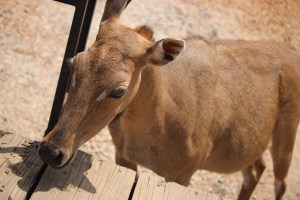
We had a really fantastic time the other week when the family visited the Lazy 5 Ranch. With over 700 exotic animals there were plenty to capture. I in no way captured them all with my camera (not that I didn’t try), but there were too many to adequately capture while riding on the guided Wagon Safari ride.
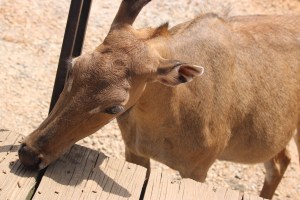
With this week’s Weekly Prompts Colour Challenge colour theme being Brown, I decided I would combine it with the Monday Portrait challenge and show y’all one of the many Brown exotic animals which reside at the Lazy 5 Ranch. Which exotic animal is featured here today? … The exotic animals featured in this post are Nilgai.
The Nilgai (Boselaphus tragocamelus), also called Blueback, is the largest antelope in its native land of India. The name Nilgai comes from the Hindustani word nil, which means blue referring to the slate blue (blue-gray coloration of the adult male Nilgai and the Persian word gaw, which means cow. The females and juveniles are orange to a tawny Brown in their coloration. These shown here are female Nilgai.
It is a large horse-like antelope with sloping back which is found in grasslands and scrublands. Nilgai are herbivores that primarily eat grass, but also browse on leaves and fruits.
They are known for their shy nature and keen senses. Hindus regard the Nilgai as a close relative of the sacred cow. In an era of endangered species, an animal that is protected by religious is considered lucky.
Nilgai cows and calves tend to live in small herds while males live alone except during rut (their mating season). All males have short smooth horns and occasionally females grow horns. Females commonly give birth to two (2) offspring. When being chased a Nilgai can run up to twenty-nine (29) miles per hour (mph).
Camera: Canon EOS Rebel T7 (2000D) with Canon EF-S55-250mm lens and Altura IV Filter attachment.
Location: Lazy 5 Ranch; Mooresville , North Carolina, USA
God Bless. Stay Cool. Stay Hydrated. Have a funtastic week. Thank you for visiting and sharing your time and thoughts with us. I appreciate y’all very much.
The Swamp Water Buffalo (Bubalus bubalis) is also referred to as Asian Water Buffalo. It is the second largest member of the bovid family. It has great strength and high fat milk content which has led to its domestication throughout the world. These buffalo spend most of the day submerged, sometimes up to their nostrils, in the water of rivers or swamps. Did you know there is a reason for this? It serves two (2) major purposes.
) These Buffalo do NOT possess adequate sweat glands to keep themselves cool through sweat evaporation along, so remaining submersible allows them to regulate their temperature in the hot , humid Southeast Asia climate.
) The water protects the buffalo from all manners of biting insects that also inhabit the jungle. Their hooves developed as widely splayed in order to prevent them from sinking into the thick mud of swamps and river bottoms.
Swamp Buffalo Lazy 5 Ranch
Water Buffalo eat grass, herbs shrubs, tree bark and other available greens. They are exclusively herbivores. At the Lazy 5 Ranch, as well as similar facilities, the Swamp Water Buffalos are fed free-choice, low-protein, high-fiber forage. They also rely heavily on coastal Bermuda grass, orchard grass, or Timothy hay. They provide freshly cut pasture grasses, sorghum, or maize fodder to simulate natural grazing. One other thing they do to guarantee they receive complete nutrition, the supplement the roughage with scientifically formulated pellets from exotic animal feed manufacturers like Mazuri Exotic Animal Nutrition or Zeigler Feed Manufacturing.
The visitors to the Ranch who desire to feed their swamp exotic animals during their tour are given buckets of compressed fiber pellets. The Swamp Buffalos love treats and will come up to the Wagons during a Safari tour to beg for handouts from the “treat” buckets. That is exactly what this particular Swamp Water Buffalo is doing, begging my daughter for treats from the feed bucket near her.
Camera: Canon EOS Rebel T7 (2000D) with Canon EF-S55-250 mm lens and Altura UV Filter attachment.
Location: Lazy 5 Ranch; Mooresville, North Carolina, USA
God Bless. Take time to enjoy nature. Have a funtastic week. Thank you for visiting and sharing your time and thoughts with us. I appreciate y’all very much.
Brian from Bushboys Worldhosts a monthly challenge called Last On the Card. His rules are simple to follow if you’re interested in participating.
Here are The rules: 1. Post the last photo on your SD card or last photo on your phone for the 30th or whenever your last photo was taken. 2. No editing – who cares if it is out of focus, not framed as you would like or the subject matter didn’t cooperate. 3. You don’t have to have any explanations, just the photo will do 4. Create a Pingback to this post or link in the comments 5. Use the tags The Last Photo and #LastOnTheCard
Camera: Canon EOS Rebel T7 (2000D) with Canon EF-S55-250mm lens and Altura UV Filter attachment.
Location: Lazy 5 Ranch; Mooresville, North Carolina, USA
God Bless. Take time to enjoy the flowers. Get Outdoors and commune with nature. Thank you for visiting and sharing your time and thoughts with us. I appreciate y’all very much.
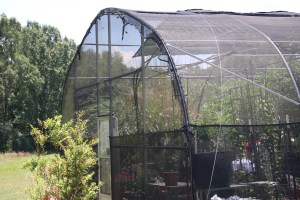
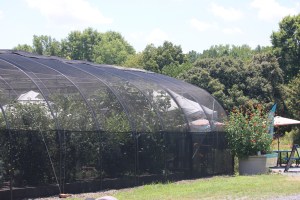
The Butterfly Bungalow at the Daniel Stowe Botanical Garden in Belmont, North Carolina. Not what you’d typically thing of when you think of Bungalow, however, it works great for the many Butterflies maintained within its enclosure as well as the flowers that nourish them.
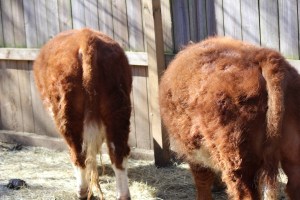
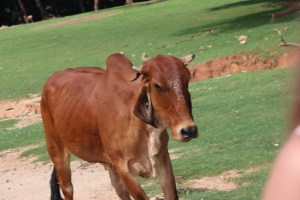
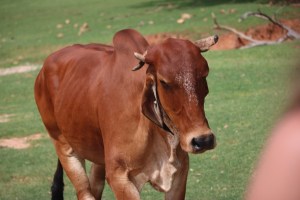
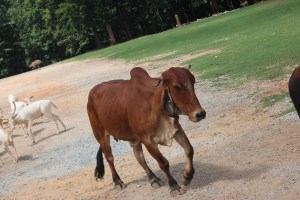
Coleman and I found the Wagon Ride at the Lazy 5 Ranch to be very interesting and I’d say educational. Coleman enjoyed seeing the many different types of exotic animals including the Red Sindhi cow which followed the Wagon for quite a ways as if it wanted to have an exciting adventure as well.
Red Sindhi
Red Sindhi belong to the heat-tolerant Bosindicus (Zebu) lineage. It is a specialized dairy breed originating from Pakistan.
Bos Indicus
The Red Sindhi yield substantial volumes of milk (averaging 4.5%-5% fat) even under extreme heat and stress (like we’ve been experiencing) and low quality forage. At the Ranch they are well fed and maintained.
Zebu aka Red Sindhi belong
The Red Sindhi are compact, smaller and rounder in comparison to the Red Brahma. The hump is well developed in bulls, but much smaller in cows.
Red Sindhi female
Its colouring is a Deep Red, ranging from yellowish-brown to dark brown; males are typically darker than females especially on the head, feet, and tail.
These images were all taken while looking out the back of the Wagon; noticing the Red Sindhi and other animals following behind and eventually alongside the Wagon. They really were delighted when the Wagon stopped off and on during the Safari ride. They knew whenever the Wagon stopped they could get feed from the Lazy 5 Ranch guests.
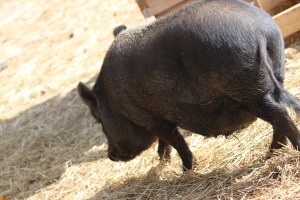
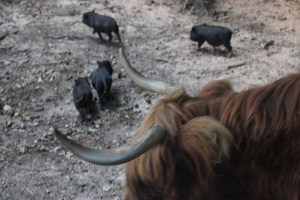
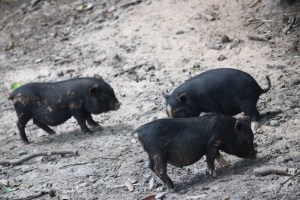
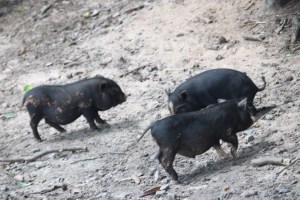
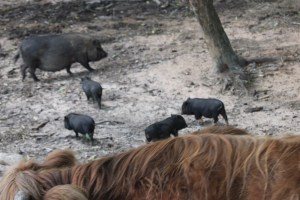
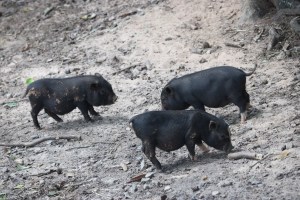
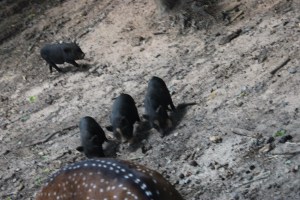
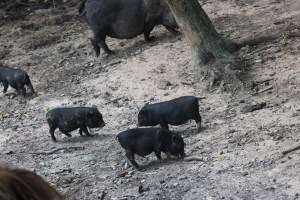
While traveling on the wagon Ride around the Lazy 5 Ranch we spotted Vietnamese Pot-bellied pigs in groups of three. Imagine that, how nice of them to group themselves as trios for my photographic adventures.
The Vietnamese Pot-bellied Pigs (Sus scrofa domestica) at the Lazy 5 Ranch were originally from the jungles of China and Vietnam. They were introduced into the United States as pets around 1985. Their backbone is bent like a saddle, which causes the abdomen to nearly drag on the ground. It is due to this effect why they received the pot-bellied name. At birth piglets normally weigh approximately one (1) pound (lb). They grow to a height of 10-12 inches (in) and a weight of about 125 pounds (lbs).
Vietnamese Pot-bellied Pigs Thursday Trios
Pot-Bellied Pigs are intelligent and can be taught to do simple tricks and to walk around on a leash. However, at the Lazy 5 Ranch they are free to roam around the pastures, pathways and around the many, many other exotic animals at the ranch. At the Ranch they are not taught any tricks, they do enjoy the feed. While on the Wagon ride you are allowed to feed the animals roaming about, some even approach alongside the Wagon begging for handouts (they know the visitors have feed buckets which they’ll gladly make disappear).
Camera: Canon EOS Rebel T7 (2000D) with Canon EF-S55-250mm lens and Altura UV Filter attachment.
Location: Lazy 5 Ranch; Mooresville, North Carolina, USA
God Bless. Get Outdoors. Take a Walk/Hike. Enjoy Nature’s Beauty. Thank you for visiting and sharing your time and thoughts with us. I appreciate y’all very much.
XingfuMama hosts the weekly challenge Whatsoever Is Lovely. The challenge is simple. Just reflect back over your week and see what is lovely, whether a thing or a moment, share in a post what is precious and lovely to you.
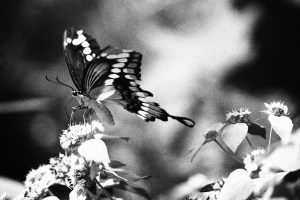
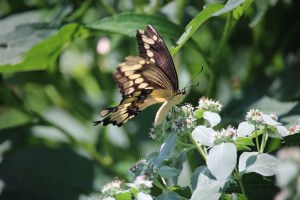
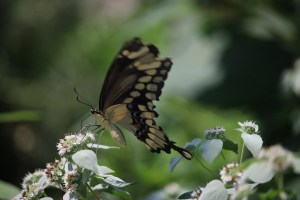
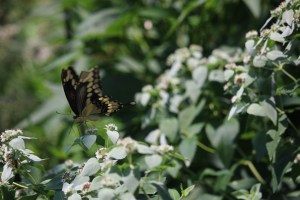
This week I am continuing with Whatsoever is Lovely to me; Beautiful Flowers & Butterflies #3. These images were taken on Coleman’s & my recent visit to the Daniel Stowe Botanical Garden in Belmont, North Carolina. The first area we visited was the Butterfly Bungalow. We had not previously visited the Butterfly Bungalowsince the times we’ve visited Daniel Stowe Conservancy before were in the Springtime.
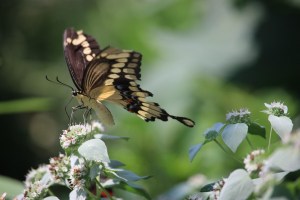
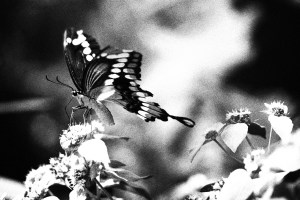
For this post I am focusing on the Giant Swallowtail (Polygonia comma). The Giant Swallowtail is the largest butterfly located in North America. It is known for its black wings with striking yellow stripes and its large wingspan. The Giant Swallowtails can have a massive wingspan of up to six (6) inches long.
Interestingly, their abdomen and outer wings are a light yellow shade with red and blue markings along the bottom of their wings while they have black and yellow stripes directly above their heads.
These Giant Swallowtails (Polygonia comma) are also referred to as Eastern Comma. They can typically be seen in shaded areas or near bodies of water. The Eastern Comma feed on sap, rotting fruit, dung, salt and minerals. They are a confident , aggressive, and social butterfly.
These Giant Swallowtails are feasting on Pycnanthemum incanum, aka Hoary Mountain Mint. The Mountain Mint is a hardy, aromatic perennial in the mint family which is native to eastern North America. It is known for its silvery-white foliage with clusters of small white to lavender flowers that bloom during the summertime. It is an excellent magnifier pollinators like bees, butterflies, and wasps. (I prefer watching the butterflies to bees or wasps.)
These pictured here are maintained in the controlled environment of the Butterfly Bungalow inside the Gardens of Daniel Stowe Botanical Garden in Belmont, North Carolina.
Camera: Canon EOS Rebel T7 (2000D) with Canon EF-S55-250mm lens.
Location: Butterfly Bungalow; Daniel Stowe Botanical Garden; Bely, North Carolina, USA
God Bless. Have a lovely weekend filled with love, joy, and laughter. Thank you for visiting and sharing your time and thoughts with us. I appreciate y’all very much.
Sarah from Travel with Meis the host for this week’s themed Monochrome Madness challenge. She has chosen a theme of Numbers (not quantity, but actual numbers) we see all around us in the places we wander around and through in our daily lives.
God Bless. Have a funtastic week ahead. May your week be filled with love, laughter, and happiness. Thank you for visiting and sharing your time and thoughts with us. I appreciate y’all very much.