This blog is for my insights on life, the Bible, hiking adventures with my grandson and whatever is important to me
Author: Deb L Waters
I am an avid reader. I read mostly Amish fiction but also read other novels. I enjoy romance, mystery, and Christian devotionals. I enjoy hiking in the outdoors, especially in Greenways and State or National Parks. I love my grandson. He is my favorite subject, so I'll post about him and his antics.
I wish I had a telescope 🔭 and could take pictures through it. This week the evening sky is delightful. Several planets are visible and a rare planetary parade is coming to the skies on the 21st. That’s why I wish I had a telescope, six planets (maybe seven) will be visible including Venus, Mars, Jupiter, Saturn, Neptune and Uranus.
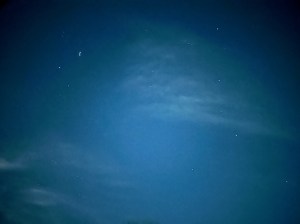
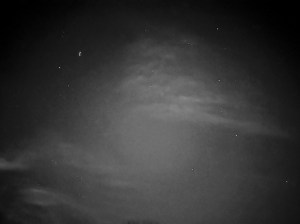
Enough of my wishes and here’s to show you what I could see just through my iPhone tonight.
Original
Reel Filter effect
Vista Monochrome filter effect
According to Google Lens Search what I captured is the Constellation Orion.
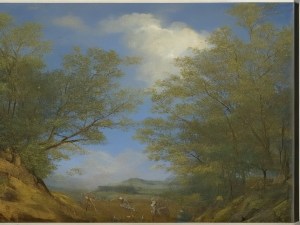
Now to show you what stylized creation Google Photos Al created of my evening sky.
Google Al Stylized effect
Before you ask, I will tell you that I really do not comprehend how Al arrived at this interpretation of my evening sky. Your guess would be as good as mine.
Location: Our Backyard View; Cramerton, North Carolina, USA
God Bless. Look up and enjoy the fantastic wonders of the 🌌. Thank you for visiting and sharing your time and thoughts with us. I appreciate y’all very my.
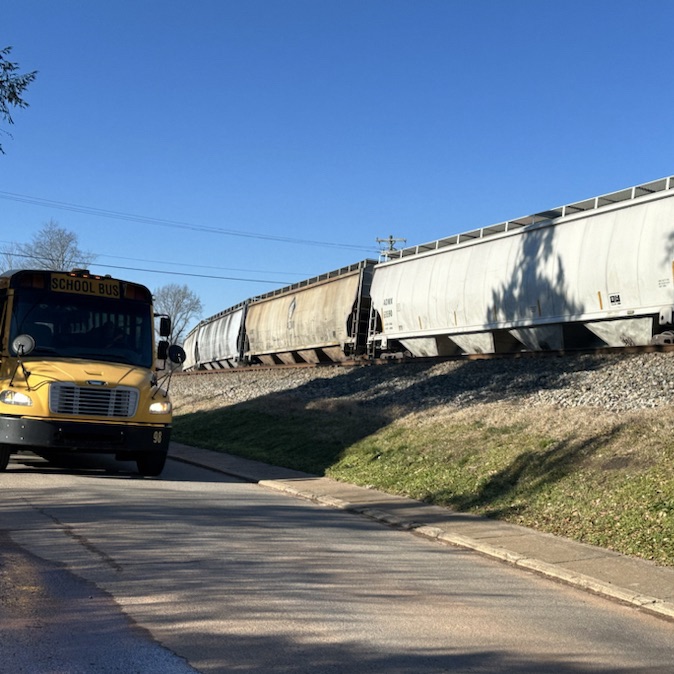
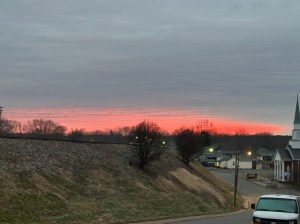
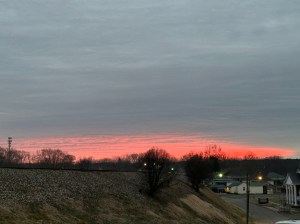
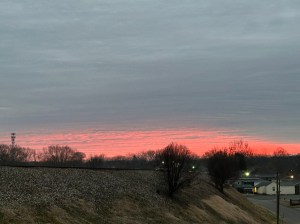
On Monday, after our weekend winter weather, was a delayed start for school for Coleman. Therefore, we were at the bus stop an hour later than normal and were treated with an amazing Red Sky. I am not sure if we need to take warning, that bad weather is coming or not. The weather forecast keeps changing from possible more winter weather to only rainy days ahead.
Welcome to the third Which Way Challenge for 2025. This week I have chosen a theme of Any Which Way with People in it. It can be where you capture people unaware as your out and about on the road, path, or trail. As always, signs are welcome in your Which Ways.
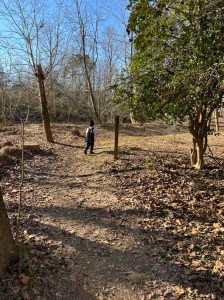
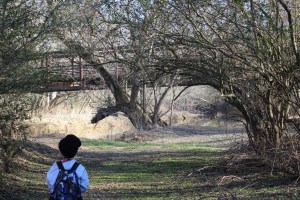
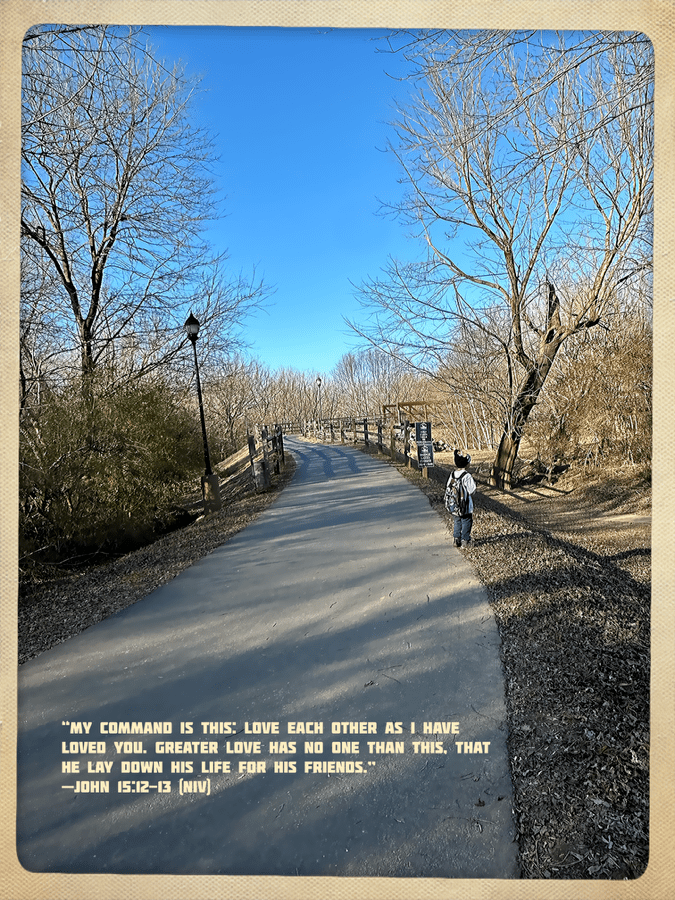
Coleman and I went hiking along the Disc Golf Trail at Goat Island Park and Greenway before the freezing cold weather it our area. The Disc Golf Trail is a natural dirt trail, mostly smooth with some tree roots and lots of leaves this time of the year.
Coleman on the trail
Coleman loves to lead the way and is often ahead of me. I allow some lead way as long as he’s in my line of sight.
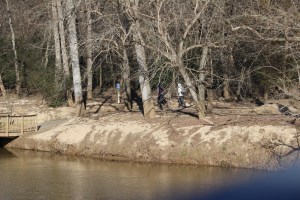
Looking across the river at another trail, we spot a small group of visitors checking out the fishing access.
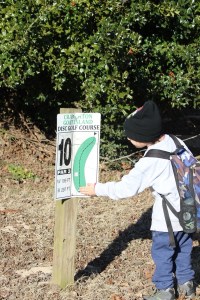
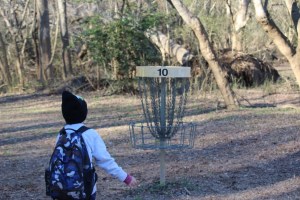
Moving along the way we came across several of the disc catchers. This is number 10 of 20 along the trail course.
Coleman checking out the disc golf sign and catcher.
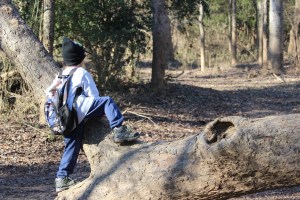
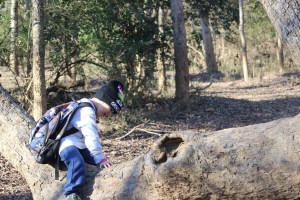
While hiking along the trail Coleman spots a downed tree and decided to climb up And investigate. He hence Pulls Up a Seat waiting for me to catch up.
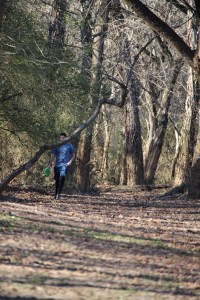
Crossing over onto another section of the trail we encounter a man jogging through the trail.
A Lone Jogger
Continuing on our hike we try to maneuver around to reach the bridge.
Coleman heading towards the Bridge
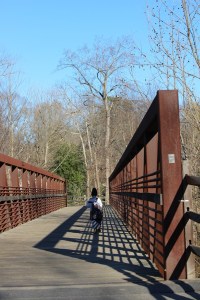
We managed to reach the bridge and were able to venture on towards where we began.
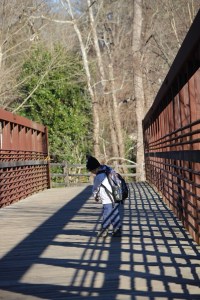
Coleman crossing the bridge & noticing the shadows
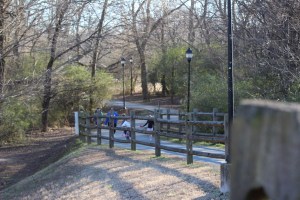
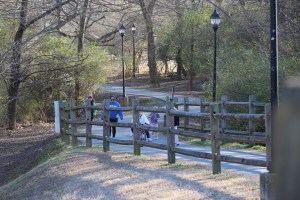
As we near the end of the bridge heading back to the entrance, we see a family approaching our way. One of the little girls is attempting to ride her bike up the hill.
I am looking forward to seeing y’all’s Which Ways with People. I am grateful for those who have chosen to participate and support this challenge. Won’t you take the initiative and join the Which Way Challenge? For more information on the Which Way Challenge Check out the new Which Way Challenge Page here.
Still a bit behind, but better late than never. Trying to catch up … too cold (for me) to go hiking. That’s okay, it gives me more time to think and write.
Here are my answers to this week’s questions:
1. Of all the household chores (laundry, dusting, hoovering, washing up, cooking etc) which is your least favourite?
My least favourite household chore tends to be sweeping and dusting. ( Does that count as one? Oops it’s probably two, but go hand in had.) I have allergies to dust, so anything that stirs dust up is put off until absolutely deemed necessary.
2. With food prices going up all the time, do you buy less, find substitutes, or don’t buy at all?
Regardless of food prices, we try to continue buying the food items we prefer and or need. I have always tended to buy store brand labels whenever possible. All store brand products are manufactured by name brand suppliers and most of the time are equal to the brand name labels. My grandson does not like meat unless it’s veggie meat with the exception of tuna. He prefers to eat fruits and vegetables. For any can or frozen fruit and vegetables, I buy store brand products. And yes, they may cost more but we do buy him plenty of fresh fruits. However, we try to buy them when they are on sale.
3. Do you enjoy meals with left overs?
I grew up having leftovers for meals at least once a week. Serving leftovers for meals helps reduce waste and helps reduce stored food in the refrigerator. So, yes, we still have leftovers for meals at least once a week.
4. Do you prefer bagels, crusty bread, or toast?
Let’s add a few more selections like muffins or biscuits.For breakfast, I prefer Bagels and/or Biscuits. I tend to alternate them throwing in toasted Oat Bread for egg sandwiches on occasion. For lunch, if I have bread it is Oat Nut Bread. For Supper, I like to have Biscuits or Crescents depending on what I choose to fix. Some meals I do not eat any bread.
Gratitude:
“Happiness cannot be traveled to, owned, earned, worn or consumed. Happiness is the spiritual experience of living every minute with love, grace, and gratitude.”
God Bless. Enjoy Nature. Take time to Smell the Flowers. I am Grateful for each and every one of y’all. Thank you for sharing your time and thoughts with me. I appreciate y’all very much.
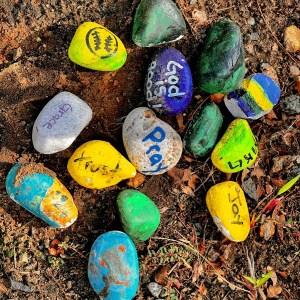
Let’s roam around and embrace numbers in life and in nature. As many of you might know my grandson, Coleman and I enjoy hiking together out amongst the trees, along Greenways, and within our state and local parks. This first image is of a group of about eleven painted rocks some of which display a message which the painter wishes to convey. Others are just for the fun and beauty to hopefully bring you joy and a smile.
“Embrace life with a smile.” Author unknown
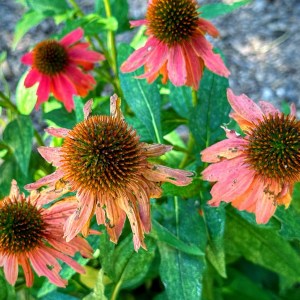
“Life is a journey, not a destination.”(Author unknown). As we continue embracing life and nature, shall we stop and enjoy the beauty of five flowers along the pathway.
“Where flowers bloom so does hope.” — Lady Bird Johnson
As the flowers bloom and remind us there is hope for the world and life needs to be embraced wherever and whenever possible.
Embracing the living creatures two by two different yet enjoying the same space and time. Embrace the NumbersTwo Horses sharing the pasture with Two Canada Geese at Anne Springs Close Greenway.,
“Strength lies in differences, not in similarities.” — Stephen R. Covey
Whether one is out in nature or in a classroom, there is unity in numbers. Children learn the importance of Embracing Togetherness. They can learn that even though we are different, we are all the same, united for a purpose.
Nine Students and a teacher all wearing green and embracing togetherness in the classroom.
“The unlike is joined together, and from differences results the most beautiful harmony.” — Heraclitus
Leaving the indoor classroom for the classroom in nature, we can learn to embrace the beauty, the elegance, the love one for another, and the strength and power in unity and in numbers.
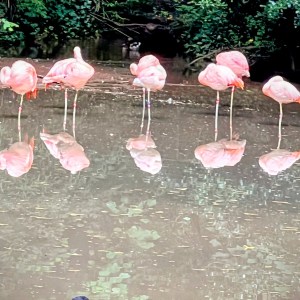
We can enjoy the beauty and elegance in every flamingo. We can admire their stance and embrace their uniqueness as we observe Five Flamingos and their reflections.
“Embrace the elegance of a flamingo, and let it inspire your life.” — Unknown
Each friendship is as unique and beautiful as a flamingo.”- Unknown. Every creature whether human or animal is unique and beautiful in their own way. Every family has its own uniqueness. They may have the same numbers as other families or may not. They maybe similar, but still different in their own special way. No two families are exactly alike, that’s why we should embrace our own families with love and respect.
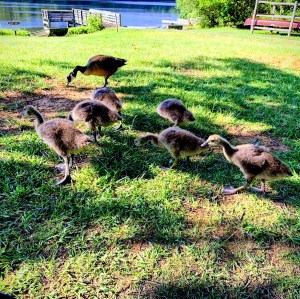
We see and observe various “families” in nature, like this family of Seven Canada Geese sticking together yet apart at Andrew Jackson State Park.
We are each of us angels with only one wing, and we can only fly by embracing one another. — Luciano De Crescenzo
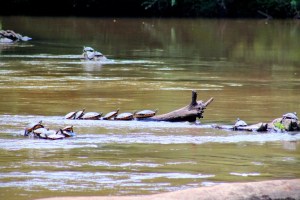
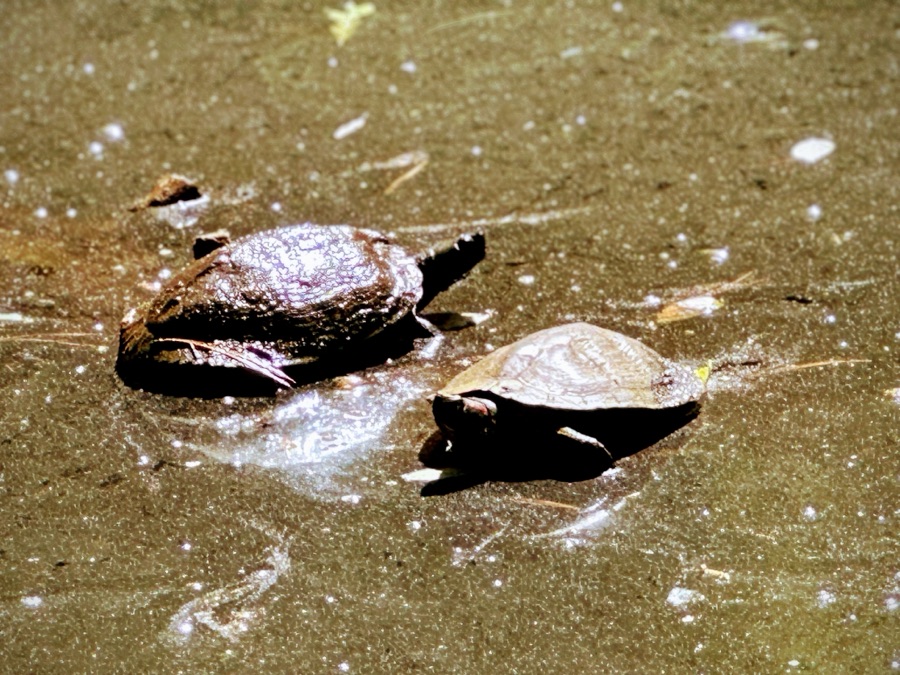
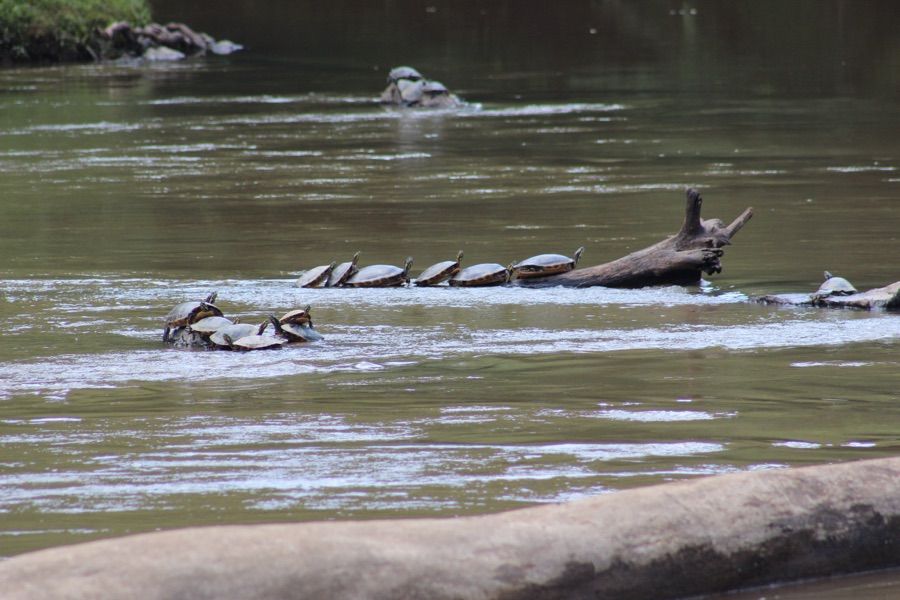
Let’s keep on moving and striving for unity for there is power in numbers. Turtles gather together in numbers sunning on logs and enjoying time swimming together in a river. Fourteen Turtles embracing the warmth of the sun and being together in the South Fork Catawba River by South Fork River Park in Northern section of Gastonia, North Carolina.
“There is power in unity, and there is power in numbers.” From Dr. Martin Luther King’s speech “Keep on Moving.”
Now for each of y’all to embrace the challenge and show us how you Embrace the Numbers.
God Bless. Embrace Life. Embrace One Another. Embrace Togetherness. Embrace the Numbers. Thank you for visiting and sharing your time and thoughts with us. I appreciate y’all very much.
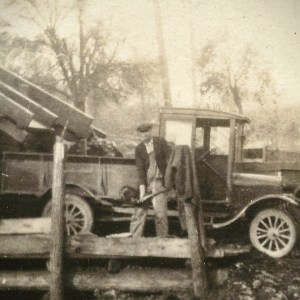
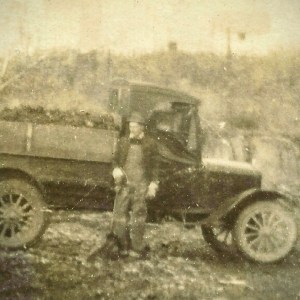
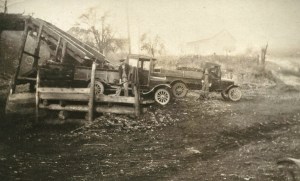
These Throwback images are from my maternal grandfather’s collection of photos I was given from my maternal grandmother after his passing back in 1968. The photo images were originally on personal post cards.
Old Coal Trucks in early 1900’s.
Not sure, but I think this is my maternal grandfather next to the truck.
Original image
I have always thought these were taken in Deep Gap, North Carolina, but I am not one hundred percent (100%) sure. My maternal grandfather did work for a time for a coal mining company.
Remember for enhanced viewing click on each image.
Location: Old Town; Riverside Community; Cramerton, North Carolina, USA
God Bless. Stay Safe. Keep Warm. Be Observant. Geometric shapes are all around. Thank you for visiting and sharing your time and thoughts with us. I appreciate y’all very much.
Today our high was 49° with a low of 26°. It was warmer than the weather we had over the weekend which dipped down into the upper teens and brought us a wee bit of Snow ❄️ (not enough make a Snowman ☃️ and lots of freezing rain overnight. But alas when the Sun came out the next day (even though still cold – low 40’s°) the Snow ❄️ and Ice 🧊 melted.
2. Have you booked your annual vacation yet?
No, I have not booked a vacation yet. Hopefully we will have one this year. Haven’t really had a vacation since 2020.
3. Do you have a passport, and when does it expire?
I do have a passport which I obtained in 2020 and is valid until 2030.
4. When was the last (or first) time you went abroad?
The first time I went abroad to another country was riding a church bus into Tecate, Baja California, Mexico with our church youth group to volunteer and minister to children at the Tecate Mission Orphanage. For this trip crossing into Mexico in the early 1970’s I didn’t need a passport; only needed my U.S. Birth Certificate.
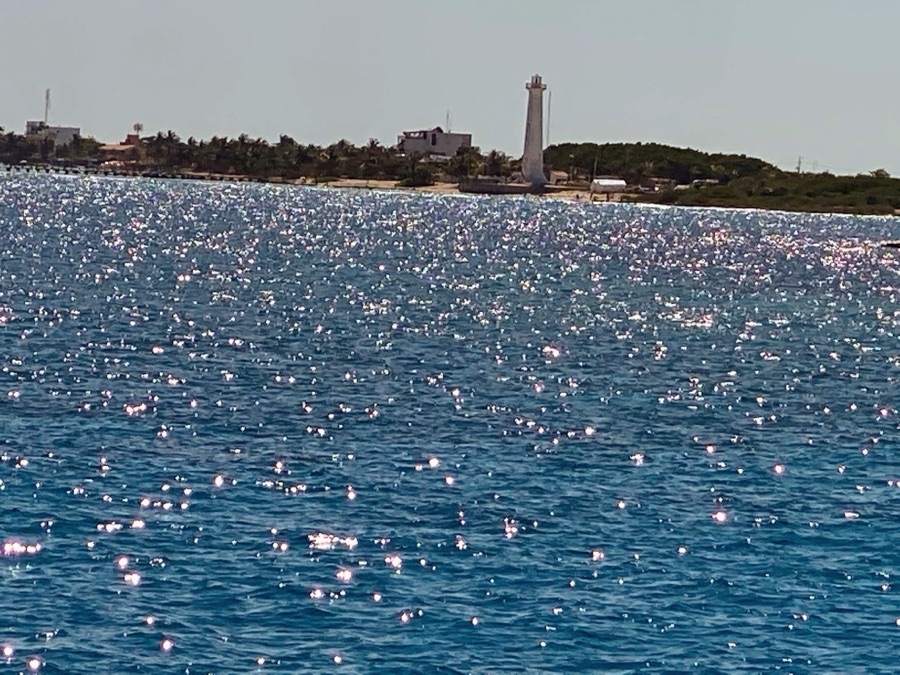
The last time I went abroad was on the Enchantment of the Seas Caribbean Cruise Ship in February of 2020. While on this cruise we docked in Costa Maya, Mexico and Cozumel, Mexico. While docked at the port, I disembarked and wandered around the ports checking out the shops and other places of interest.
Gratitude:
“Today I choose to live with gratitude for the love that fills my heart, the peace that rests within my spirit, and the voice of hope that says all things are possible.”
To do so, simply share the photo* you have set as your wallpaper;
Provide as little or as much detail as you wish;
Use a pingback, or post a link here so I know you have joined in on the fun;
Then finally, share the fun around.
I am sharing my Wallpaper from both my Laptop and my Smartphone. I enjoy looking at different images each month. Most of which revolve around Coleman (my grandson) and nature.
Here are my Smartphone Wallpapers:
Personal Focus
Coleman & Muscovy Duck in Riverside Park and Greenway
Hiking Focus
Coleman checking out the Disc Golf Catcher at Goat Island Park and Greenway
Reading Focus
Coleman playing in the Sand at Riverside Park and Greenway
Here are my Wallpapers from my Laptop:
Laptop Desktop Wallpaper
Coleman sitting on a Tree Limb Goat Island Park and Greenway
Cameras: 1-3) Apple iPhone 14 Pro Max; 4-5) Canon EOS Rebel T3i with Canon EF-S55-250mm lens and Altura UV Filter attachment.
Location: 1-2) Riverside Park and Greenway; 3-5) Goat Island Park and Greenway; Cramerton, North Carolina, USA
God Bless. Have a funtastic week. Keep Warm. Stay Safe. Thank you for visiting and sharing your time and thoughts with us. I appreciate y’all very much.
Judy invites us to join in with her to play “The Numbers Game #56.”Today’s number is 177. To play along, she suggests you go to your photos file and type that number into the search bar. Then post a selection of the photos you find that include that number and post a link to your blog in herNumbers Game blog of the day. If instead of numbers, you have changed the identifiers of all your photos into words, pick a word or words to use instead, and show us a variety of photos that contain that word in the title.This prompt will repeat each Monday with a new number. If you want to play along, please put a link to your blog in comments below.
Here are my contributions to The Numbers Game Challenge:
Camera: Canon EOS Rebel T3i with Canon EF-S55-250mm lens and Altura UV & Star filter attachment.
Location:Goat Island Park and Greenway; Cramerton, North Carolina, USA
God Bless. Thank you for visiting. Have a wonderful week and enjoy nature. Thank you for sharing your time and thoughts with me. I appreciate y’all very much.
Camera: Canon EOS Rebel T3i with Canon EF-S55-250mm lens and Altura UV and Star filter attachments.
Location: Banks of the South Fork Catawba River; Riverside Park and Greenway; Cramerton, North Carolina, USA
God Bless. Count your blessings one by one. Be Grateful for all you’ve been given. Thank you for visiting and sharing your time and thoughts with us. I appreciate y’all very much.
To join the challenge, release a post featuring a window or windows any time during the week.
► Tag your post “Monday Window” (NOTE: Put a space between Monday and Window, no “s”, Window is singular.) The WordPress Reader will show most of the recent posts tagged this way (alas, not all).
► Add a comment to the latest Monday Window post and include a link to your latest Monday Window post.
Please visit the participating blogs. You will be delighted and astounded by the rich and imaginative offerings by the bloggers from around the world.
Location: Outside Confluence South Fork; Cramerton, North Carolina, USA
God Bless. Be Kind. Love One Another as Yourself. Don’t let anything get your Goat. Thank you for visiting and sharing your time and thoughts with us. I appreciate y’all very much.
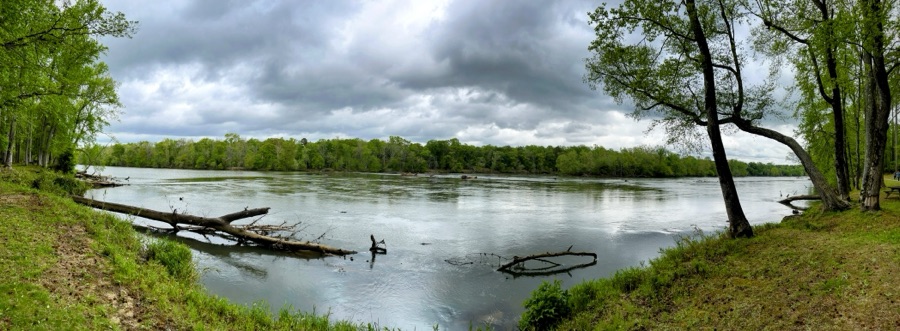
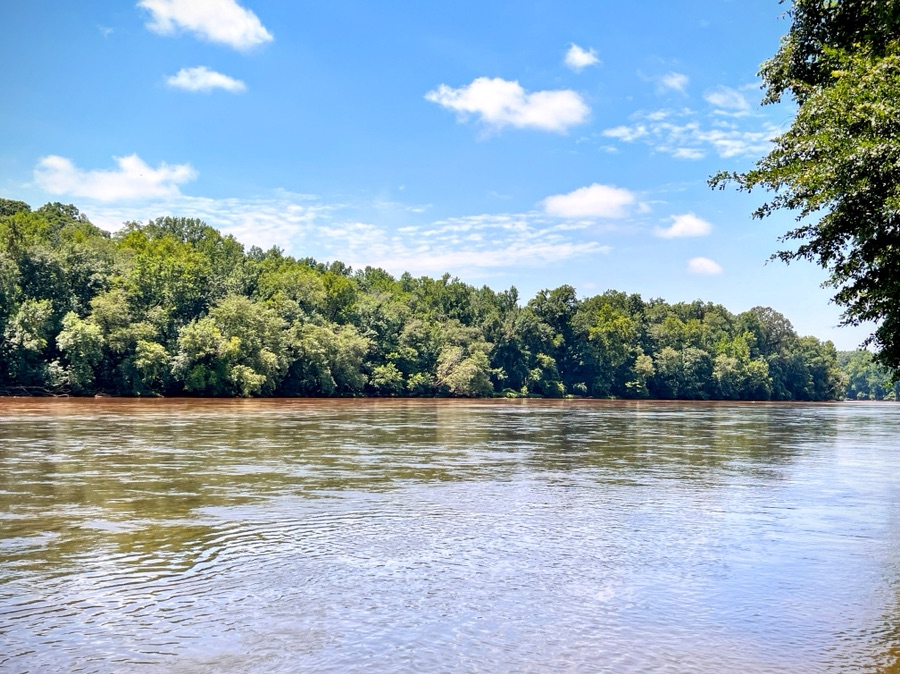
Location: South Fork Catawba River; Riverside Park and Greenway; Cramerton, North Carolina, USA
God Bless. Relax by the River. Be inspired to be You. Nature’s Beauty is amazing. Thank you for visiting and sharing your time and thoughts with us. I appreciate y’all very much.
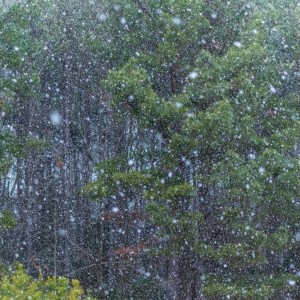
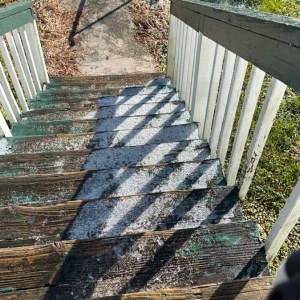
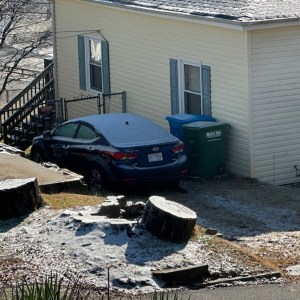
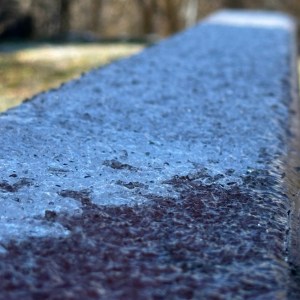
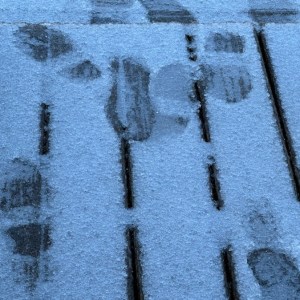
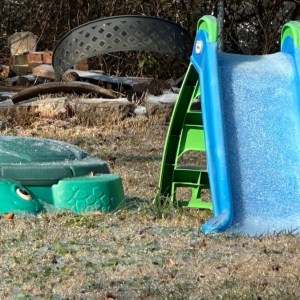
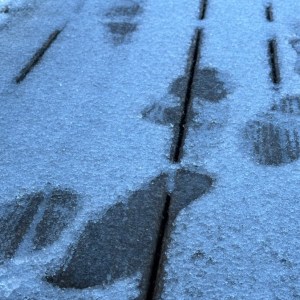
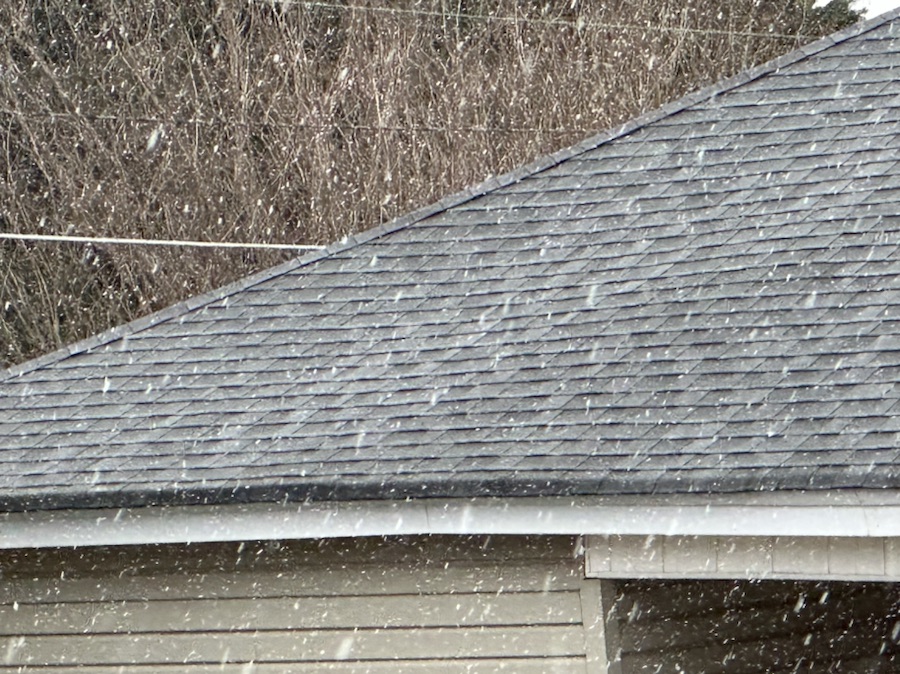
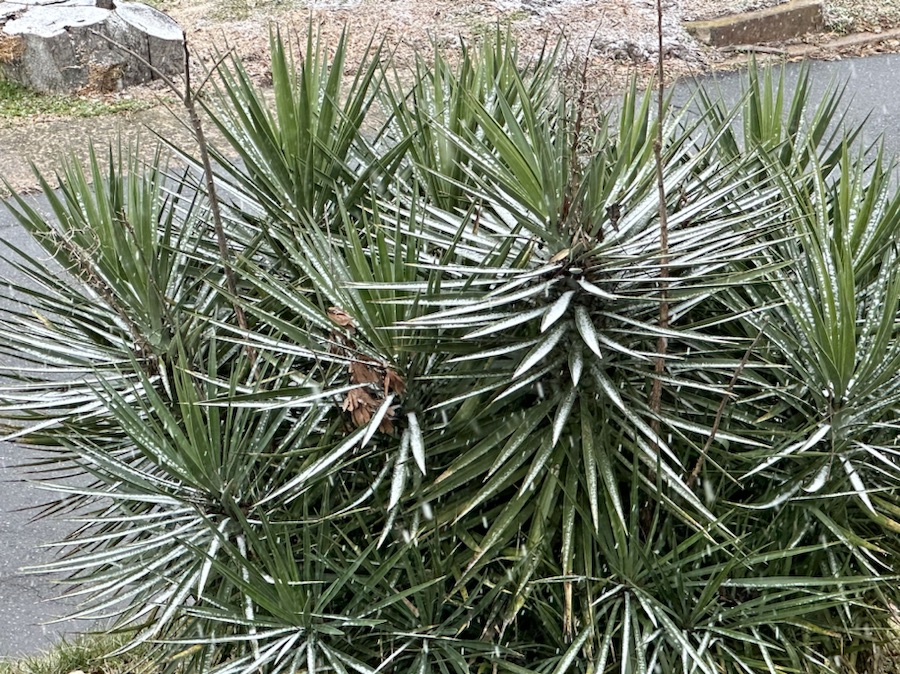
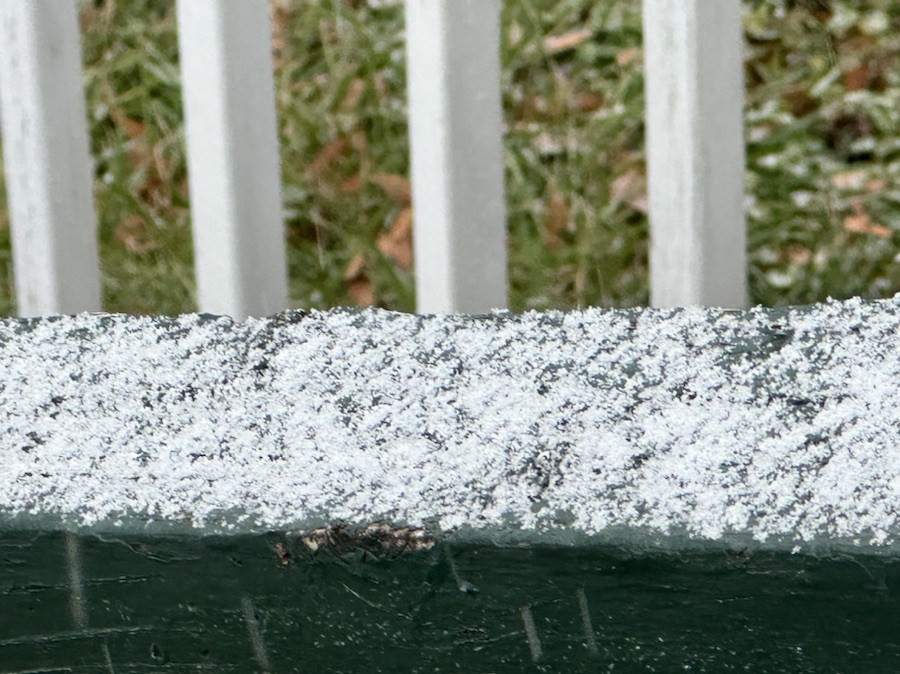
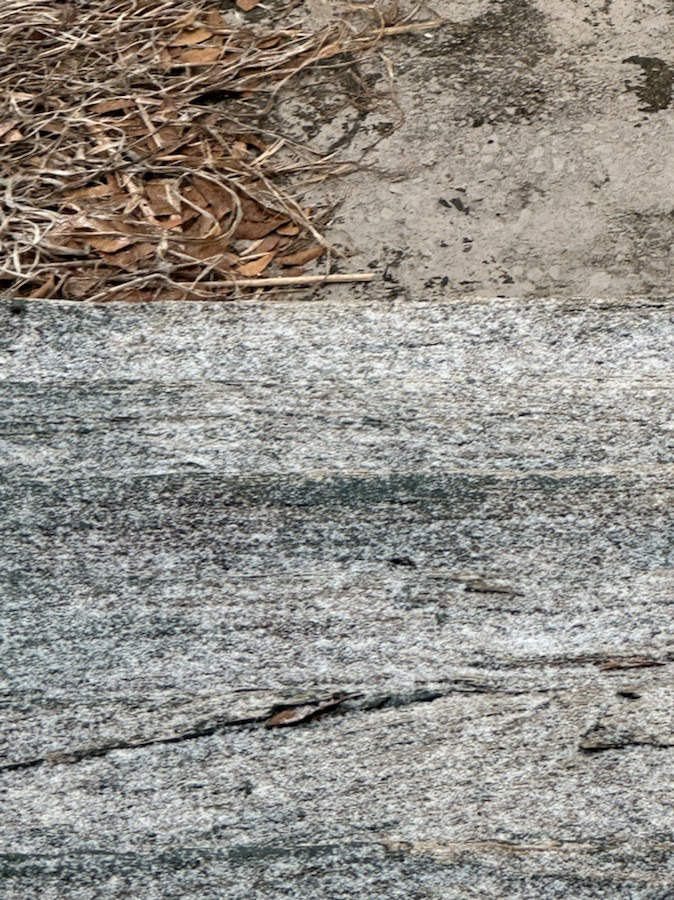
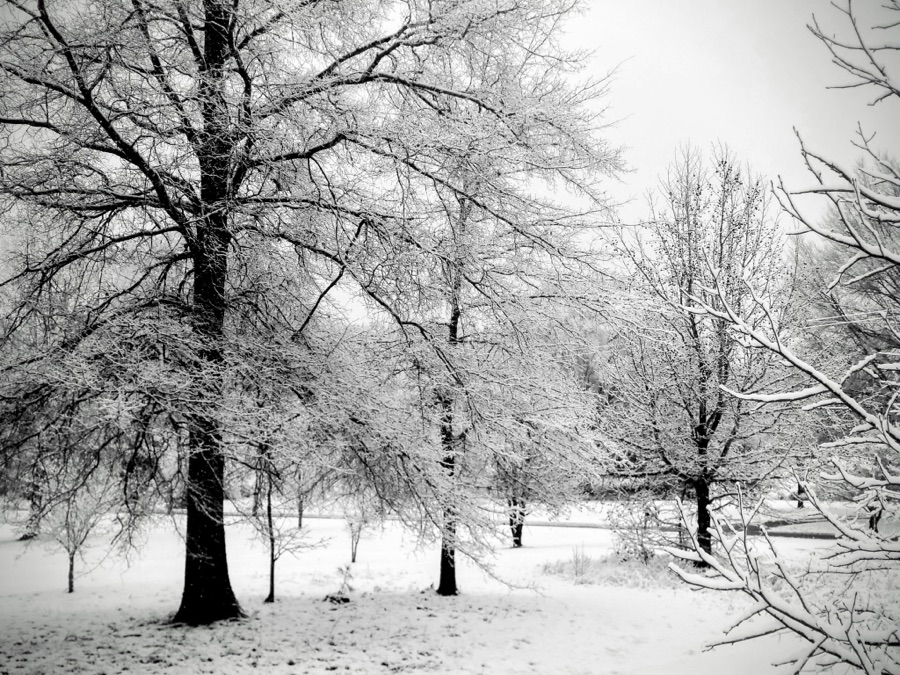
For some snow last longer than others depending on your location. In the southeast, snow is not a yearly occurrence. The last Snow we saw was in late January of 2022, three years ago. This year we only received a dusting of snow before it changed to a wintry mix ending with freezing rain.
Now for a look at The Day After …
For my friends in Atlanta, Georgia, they welcomed the snow. They had plenty for their to be played in, but alas it won’t last for long there either.
God Bless. Stay Safe. Keep Warm. Be Observant. Geometric shapes are all around. Thank you for visiting and sharing your time and thoughts with us. I appreciate y’all very much.
Thursday was cold with lows in the low twenties (21°) warming into the low 40’s.
Friday Afternoon, 01.10
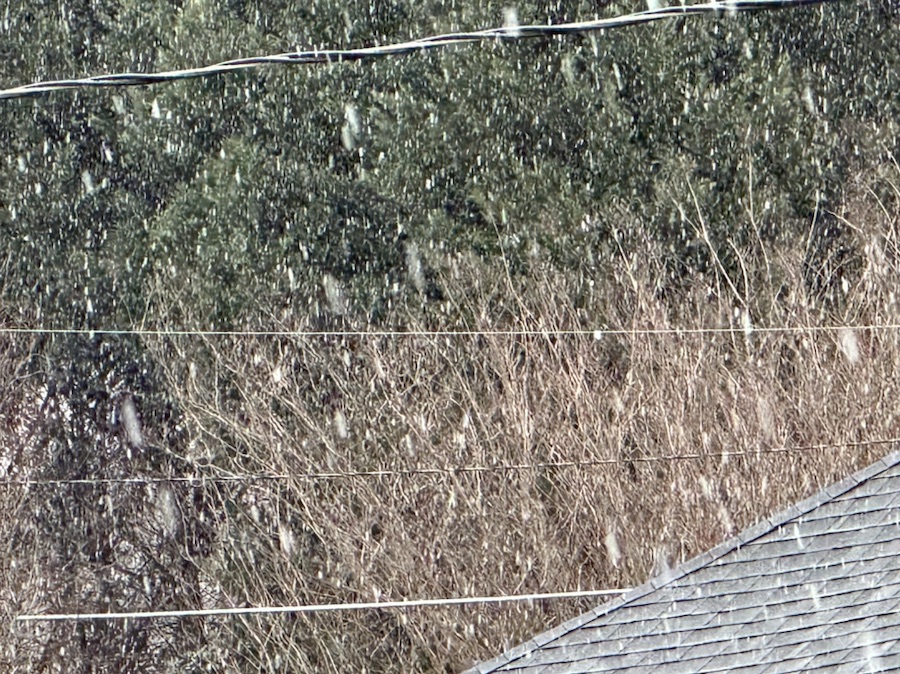
Currently, it is 29° and snowing where we live. Normally, if we get snow ❄️, we don’t get it until near the end of January/early February. We haven’t seen snow since mid-January 2022. WSOC 9 Now reported that this is the “First snow in Charlotte in 1076 days.” [The Town of Cramerton is just 18-20 minutes southwest of Charlotte International Airport.]
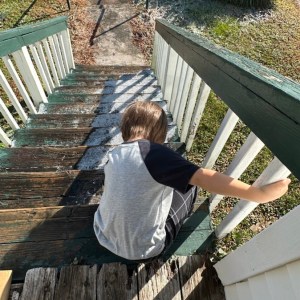
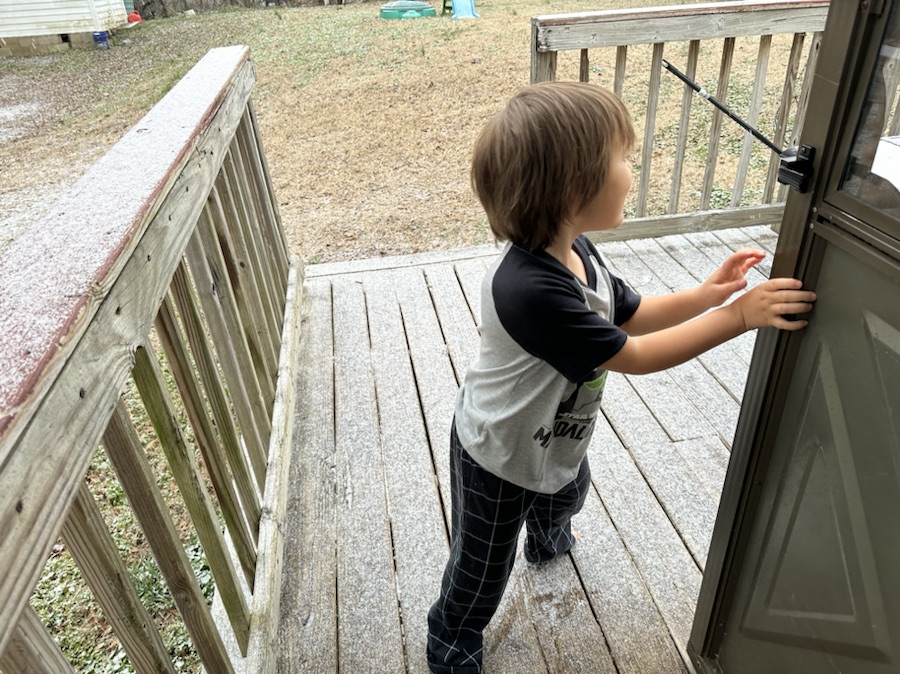
As you may have noticed, Coleman managed to scoot past me without proper attire to see our first drops of snow ❄️. Don’t worry, I didn’t let him stay out for very long with no jacket or shoes.
It is supposed to keep snowing until around 6:30 (more or less) and then switch over to a wintry mix throughout the evening and on into early Saturday morning.
God Bless. Enjoy Nature. Take time to Smell the Flowers. I am Grateful for each and every one of y’all. Thank you for sharing your time and thoughts with me. I appreciate y’all very much.
Judy invites us to join in with her to play “The Numbers Game #55.”Today’s number is 176. To play along, she suggests you go to your photos file and type that number into the search bar. Then post a selection of the photos you find that include that number and post a link to your blog in herNumbers Game blog of the day. If instead of numbers, you have changed the identifiers of all your photos into words, pick a word or words to use instead, and show us a variety of photos that contain that word in the title.This prompt will repeat each Monday with a new number. If you want to play along, please put a link to your blog in comments below.
Here are my contributions to The Numbers Game Challenge:
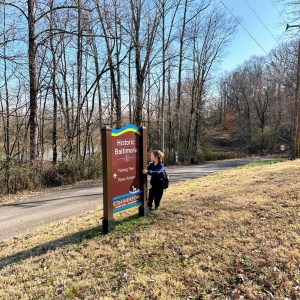
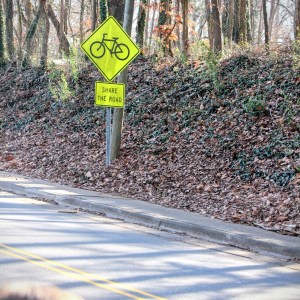
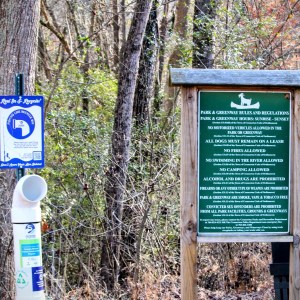
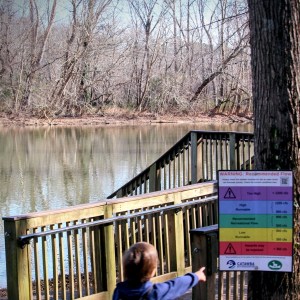
Signs can be found on almost any road, dirt road, trail or greenway. When Coleman and I go hiking we usually see a sign or two. It doesn’t matter if we are walking through town or hiking along a trail or greenway, signs help guide the way or possibly warn of danger. No matter the sign or location one can gather pertinent information and notice the different geometric shapes the signs represent.
Here are my entries for this week …
On the Road to the Historic Baltimore Fishing Pier
Share the Road Sign on Cramer Mountain Road
Fishing Line Recycling Bin Sign on left Park & Greenway Rules and Regulations Sign on right located on side of entrance to the Historic Baltimore Fishing Pier
Warning: Recommended Flow by the Catawba Riverkeeper Sign by the Ramp to the Fishing Pier
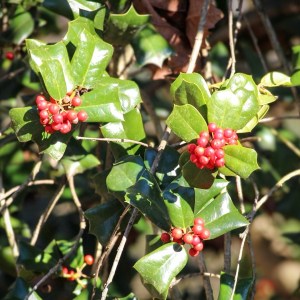
Ilex opaca, also known as American Holly, is a holly species which is native to the Eastern and South-Central United States. This Holly was loaded with its red berries bringing a bit of colour to the nature trail.
Seen while Coleman and I were hiking the Disc Golf Trail at Goat Island Park and Greenway in Cramerton.
Camera: Canon EOS Rebel T3i with Canon EF-S55-250mm lens and Altura UV Filter attachment.
Location: Disc Golf Trail; Goat Island Park and Greenway; Cramerton, North Carolina, USA
God Bless. Enjoy Nature. Be Observant. Show Gratitude. Love to all. Thank you for visiting and sharing your time and thoughts with us. I appreciate y’all very much.
This week has been pretty cold ( low’s in the low 20’s), I know that’s not as cold as some of y’all see but it’s freezing for us. Therefore, I chose to go through my archive file of doors. Look out all the lines, angles, squares, and rectangles. Can you spot other Geometric patterns/shapes? Hopefully you’ll enjoy viewing Coleman’s antics as I fondly remember them. I am also linking up with GeometricJanuary and Throwback Thursday.
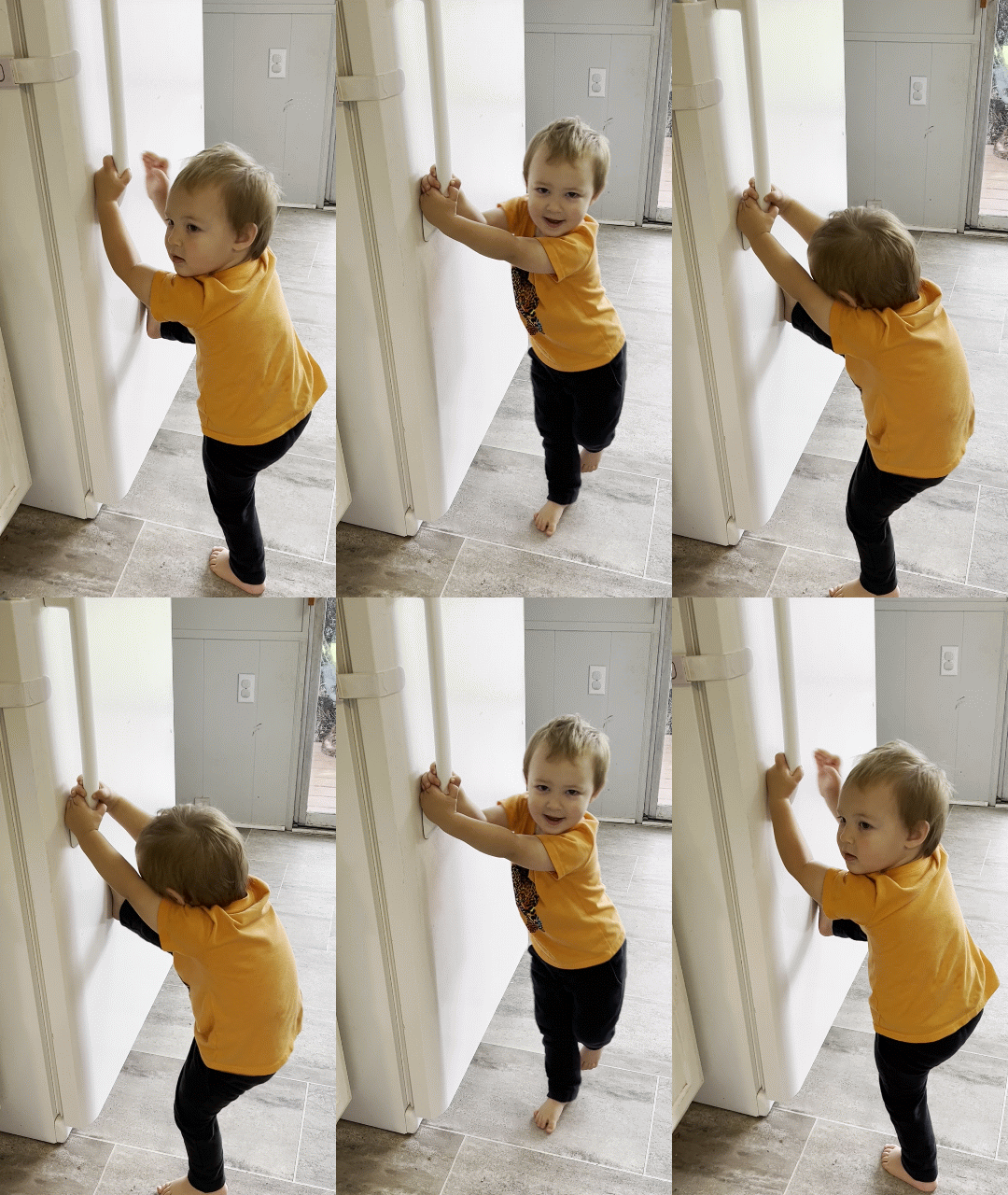
Coleman trying to open Refrigerator Door when he was two (2).
In this last photo (animation) we had a “lock” on the Refrigerator Door to try to keep him from getting into it. As you can see it didn’t keep him from trying.
God Bless. I’m Grateful for being allowed to watch Coleman grow up with all his antics, experiences, and expressions. Thank you for visiting and sharing your time and thoughts with us. I appreciate y’all very much.
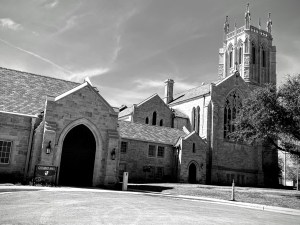
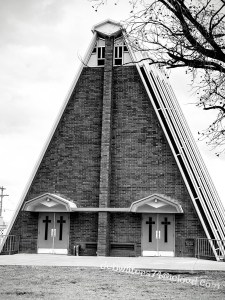
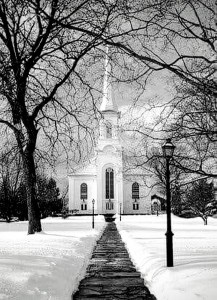
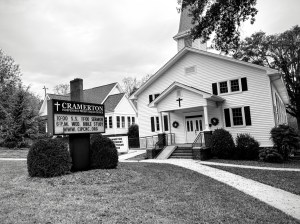
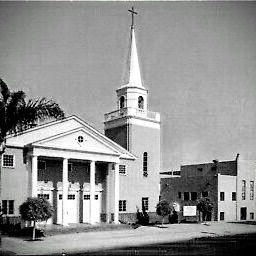
This week’s Monochrome Madness is hosted by Dawn from The Day After Blog. She has given us challenge theme of Places of Worship. For this challenge I selected a few from current and archived photos to use this week.
Here are my selections:
The first three were taken in 2020 when I went walking around my Aunt’s town while I was visiting her in Abilene, Texas.
Church of Christ 5th and Grape St Abilene, Texas
The Episcopal Church of the Heavenly Rest Abilene, Texas
The Galilee Baptist Church was built in 1963. Galilee Baptist Church 1011 Briarwood St Abilene TX 79603
The Westfield Presbyterian Church Westfield, New Jersey
Cramerton Independent Presbyterian Church 51 8th Ave, Cramerton, NC 28032, USA
This last church is the church I attended all through my growing up years (from Kindergarten through College). It is currently known as Grace Church San Diego. When I attended this church it was known as Scott Memorial Baptist Church and was pastored by Dr. Tim F. LaHaye, co-author of the Left Behind series of books.
Grace Church San Diego Formerly Known as Scott Memorial Baptist Church 4637 Oregon Street San Diego, CA 92116
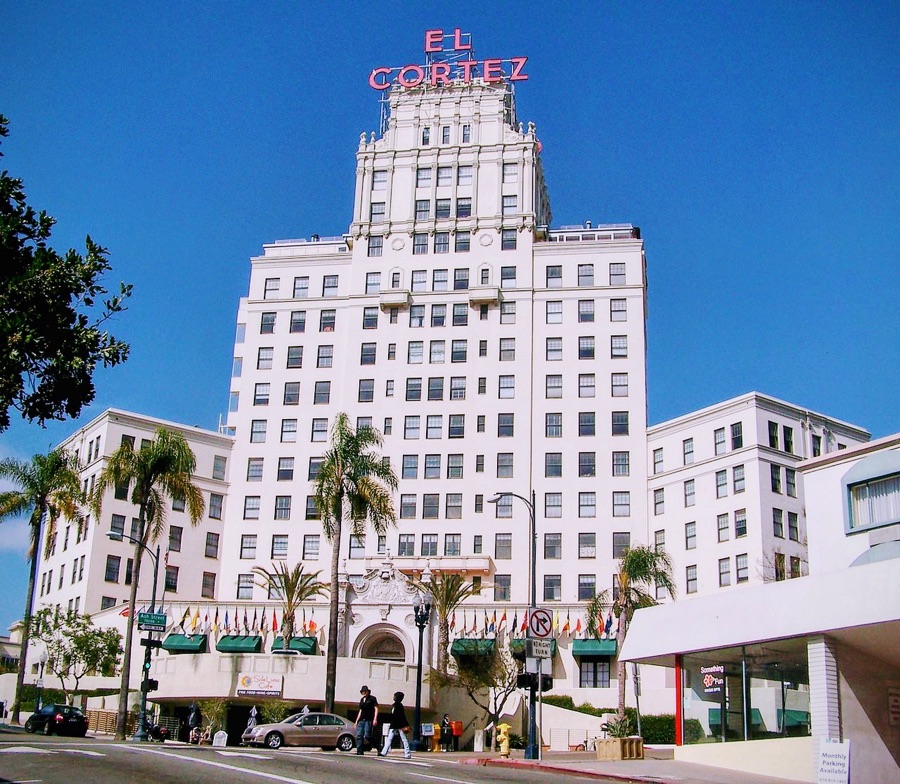
For this week’s challenge by Dan’s CFFCI decided to search through my archives to see what I could select for his challenge of Wide and Narrow. I believe these from my time in San Diego will work nicely.
El Cortez
The El Cortez was built from 1926-1927. At the time it was built, it was the tallest building in San Diego. It is located on top of a hill at the north end of San Diego.
When it first opened in 1927 and on through the 1950’s it was a renowned apartment-hotel. The large “El Cortez” sign (which is illuminated at night) was added in 1937 and could be seen for miles.
When I was in high school, several groups like the Kiwanis Club of San Diego would hold luncheons with guest speakers at the El Cortez. My American Government teacher allowed a few students during various weeks to attend the Kiwanis luncheon. He had one requirement for those who attended, that was to give a report regarding the speaker messages to the class the next class session. I was fortunate enough to have been given the privilege of attending of the Kiwanis Club luncheons at the El Cortez Hotel.
View of San Diego High-rises from across San Diego Bay. The Manchester Grand Hyatt Hotel is one of several High-Rises located near Seaport Village.
The Manchester Grand Hyatt consists of two towers, the 40-story Harbor Tower built in 1992 and the 33-story Seaport Tower which was added in 2003. The taller of the two towers stands as the highest waterfront building on the West Coast. It has 40 floors and 1,628 rooms. It is also considered the largest hotel in Southern California.
1. Would you consider 2024 to have been a good year?
I would consider 2024 to be a mixture of good and bad. We had some hard trying times with difficulties, but with perseverance we made it through with the Lord’s strength and guidance.
2. What has been the highlight of 2024 for you?
I am not sure what I would consider the highlight of 2024 to be, however, the best of times I experienced throughout 2024 were the many hiking adventures I had with my grandson, Coleman.
3. Did you keep any New Year resolutions if you made any in January?
I gave up making New Year’s Resolutions a long long time ago. I’ve tried setting goals, but even those are sometimes not met. I did make my reading goal though.
4. Are you looking forward to 2025?
I am actually, for once, looking forward to experiencing new adventures with Coleman and possibly with my daughter on occasion. Hopefully, we can make the trip we’ve been wanting to take since June of 2018. The trip would be to go out to Boulder City (just southwest of Las Vegas), Nevada to pay our respects at burial site of my husband and my children’s father. And hopefully as down to San Diego, California to visit with his only living brother.
Gratitude:
“Gratitude changes the pangs of memory into a tranquil joy.”
Camera: Canon EOS Rebel T3i with Canon EF-S55-250mm lens and Altura UV & Star filter attachment.
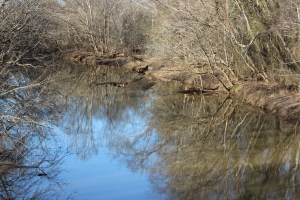
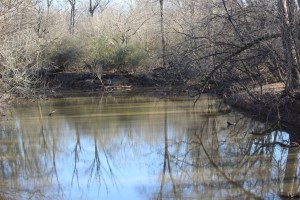
Location:South Fork Catawba River; Riverside Park and Greenway; Cramerton, North Carolina, USA
God Bless. Thank you for visiting. Have a wonderful week and enjoy nature. Thank you for sharing your time and thoughts with me. I appreciate y’all very much.
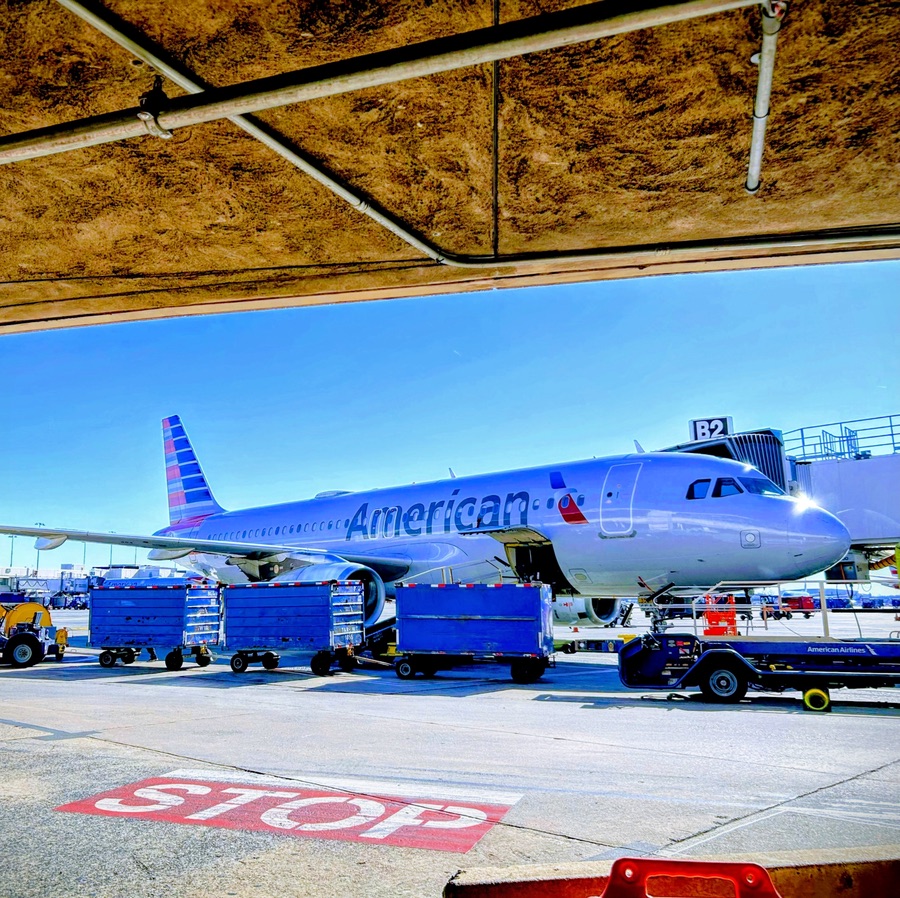
Location: Charlotte-Douglas International Airport; Charlotte, North Carolina, USA
Good Bless. Take time to be Grateful. Appreciate your Blessings. Thank you for visiting and sharing your time and thoughts with us. I appreciate y’all very much.
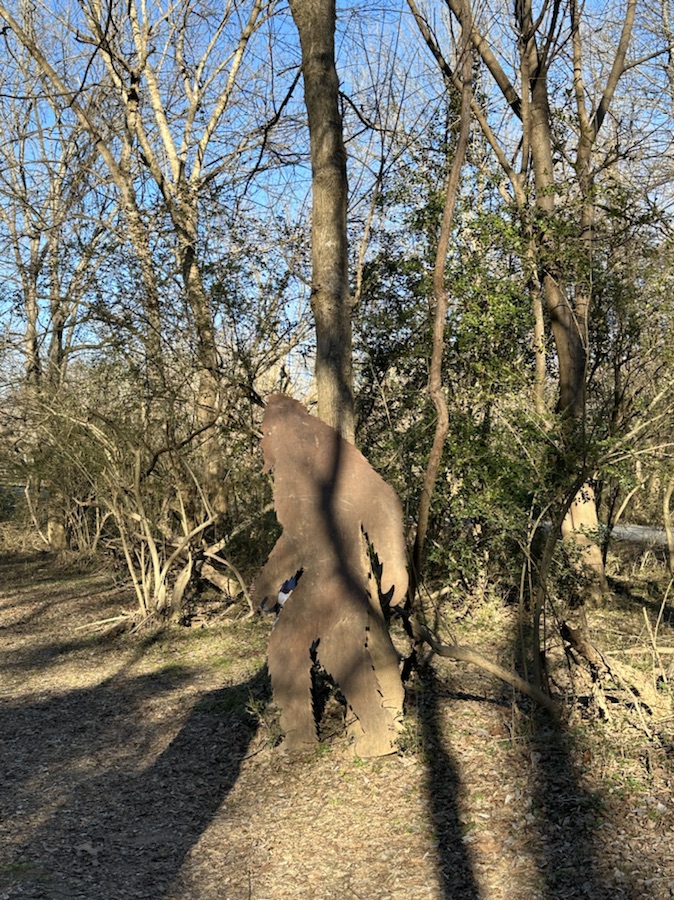
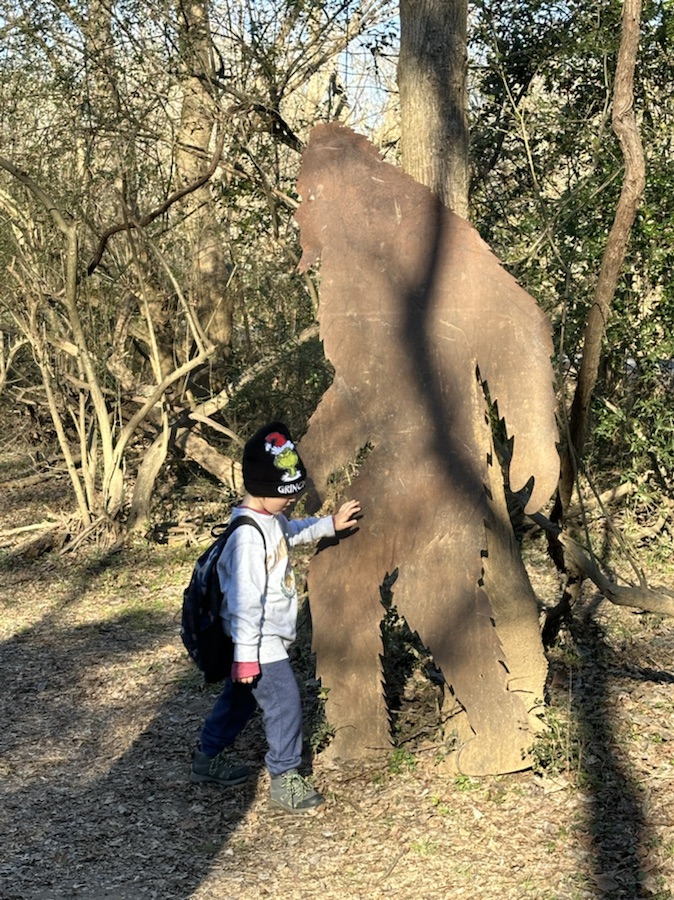
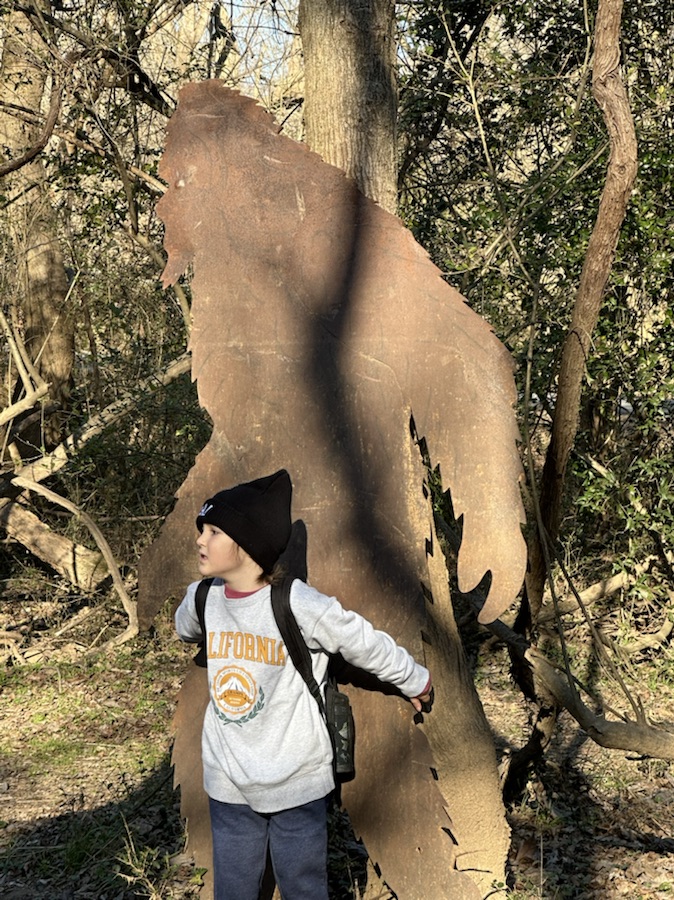
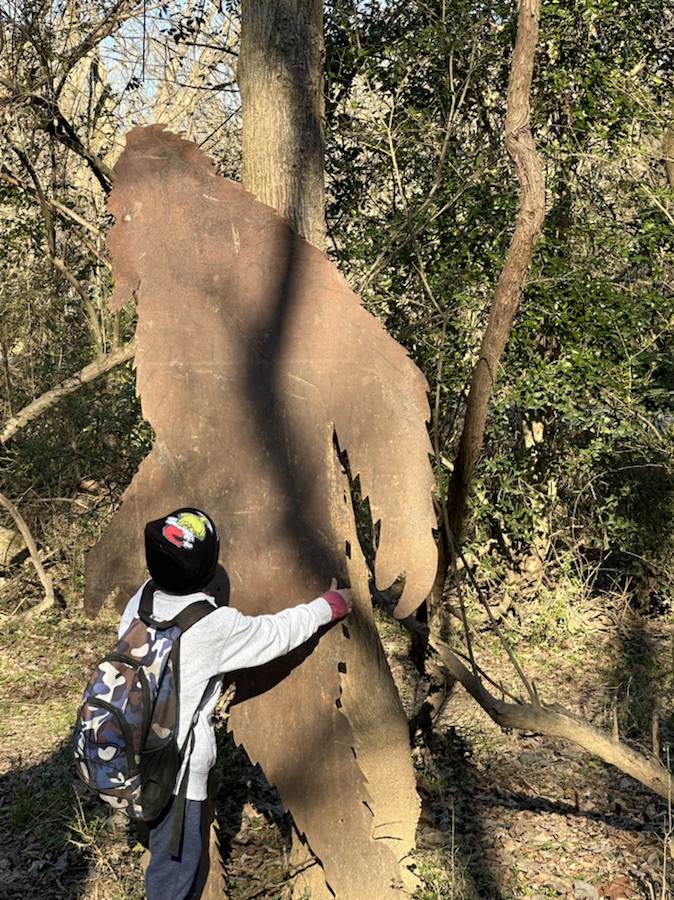
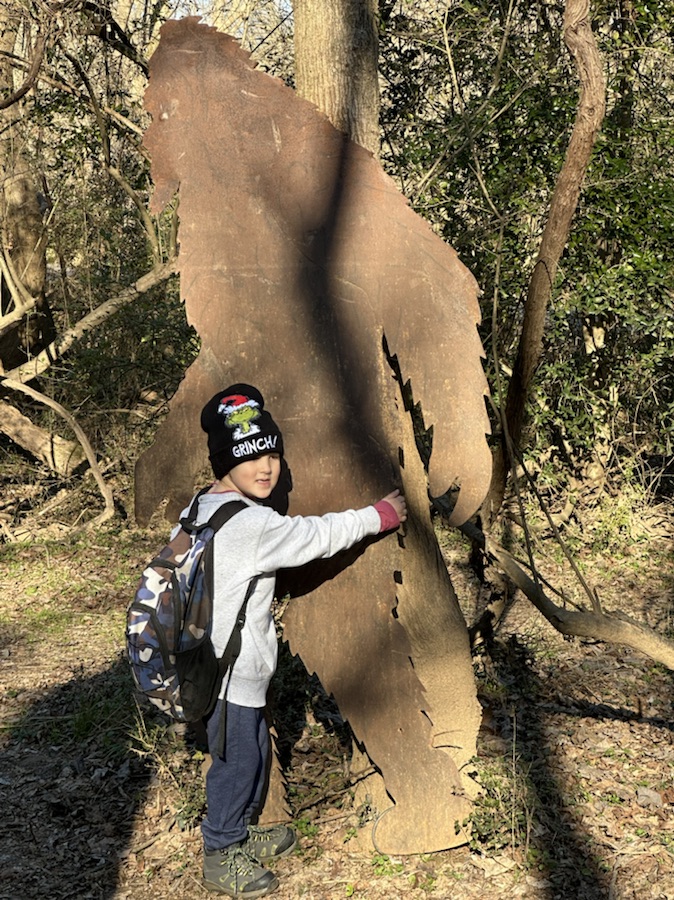
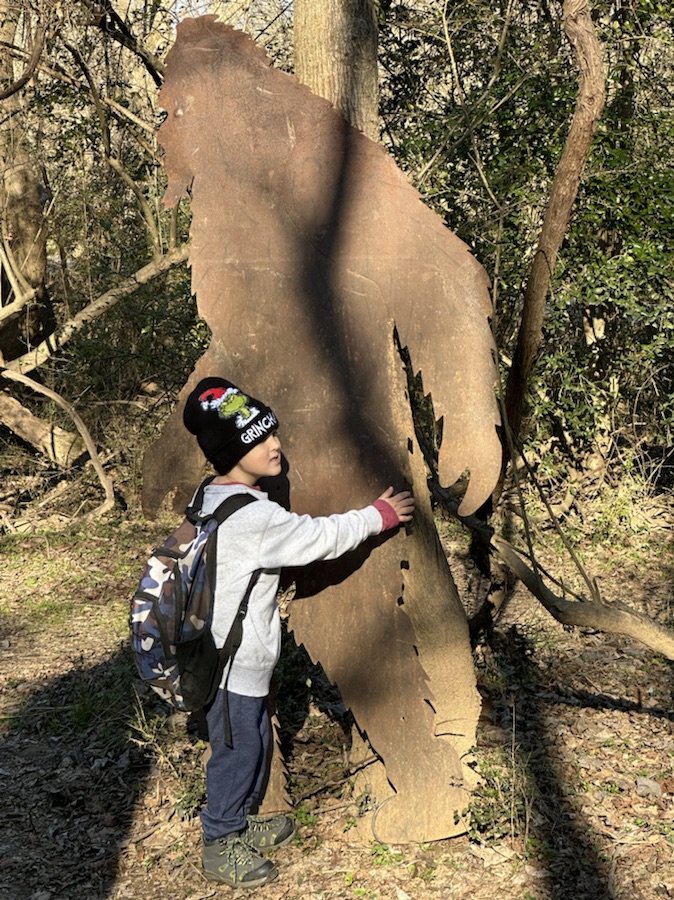
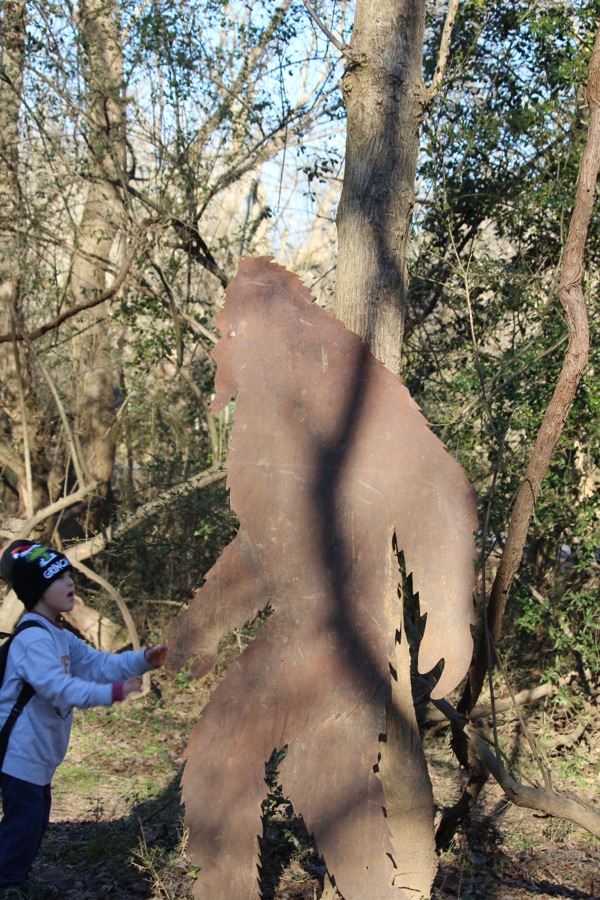
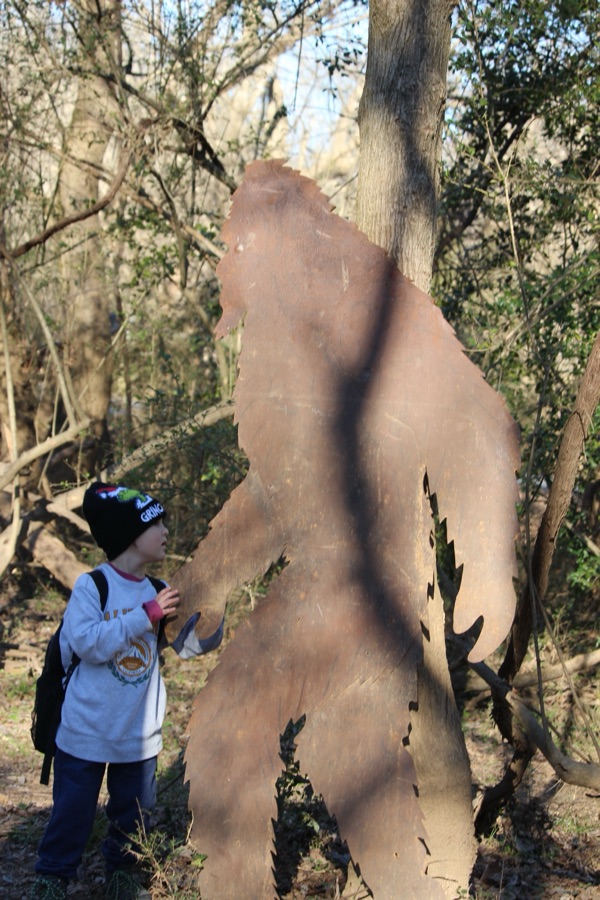
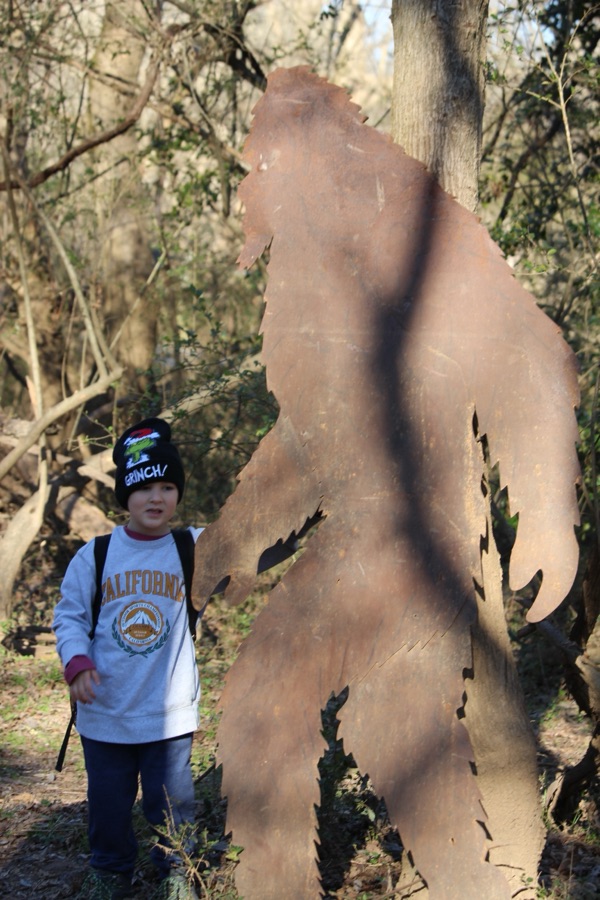
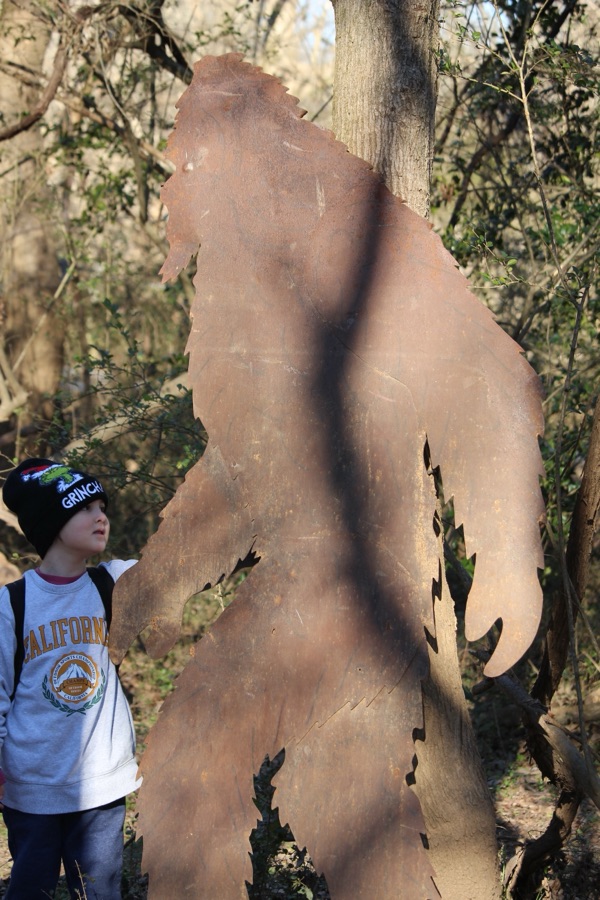
This (PPAC)of Bigfoot ( also known as Sasquatch) is located on the Disc Golf Trail at Goat Island Park and Greenway in Cramerton, North Carolina. This is the first time Coleman and I hiked this trail since Hurricane Helene. After the flood damage to the trail in the aftermath of Hurricane Helene; the trail was blocked off prohibiting access temporarily until repairs could be completed. We did not recall seeing Sasquatch previously. Coleman was fascinated by the Bigfoot and had to check it out.
One week of the New Year is done and gone, looking forward to all there is to discover as we continue moving forward in 2025. Here is my First Monday Window for 2025 …
Monday Window is a weekly blog post challenge featuring one or more photos of windows, prominently or as the main subject.
Monday Window posts are published each Monday morning at 3:15 UTC.
To join the challenge, release a post featuring a window or windows any time during the week.
► Tag your post “Monday Window” (NOTE: Put a space between Monday and Window, no “s”, Window is singular.) The WordPress Reader will show most of the recent posts tagged this way (alas, not all).
► Add a comment to the latest Monday Window post and include a link to your latest Monday Window post.
Please visit the participating blogs.You will be delighted and astounded by the rich and imaginative offerings by the bloggers from around the world.
Camera: Canon EOS Rebel T3i with Canon EF-S55-250mm lens and Altura UV & Star filter attachments.
Location: South Fork Catawba River; Riverside Park and Greenway; Cramerton, North Carolina, USA
God Bless. Relax by the River. Be inspired to be You. Nature’s Beauty is amazing. Thank you for visiting and sharing your time and thoughts with us. I appreciate y’all very much.
Location: South Fork Catawba River; Riverside Park and Greenway; Cramerton, North Carolina, USA
God Bless. Relax by the River. Be inspired to be You. Nature’s Beauty is amazing. Thank you for visiting and sharing your time and thoughts with us. I appreciate y’all very much.
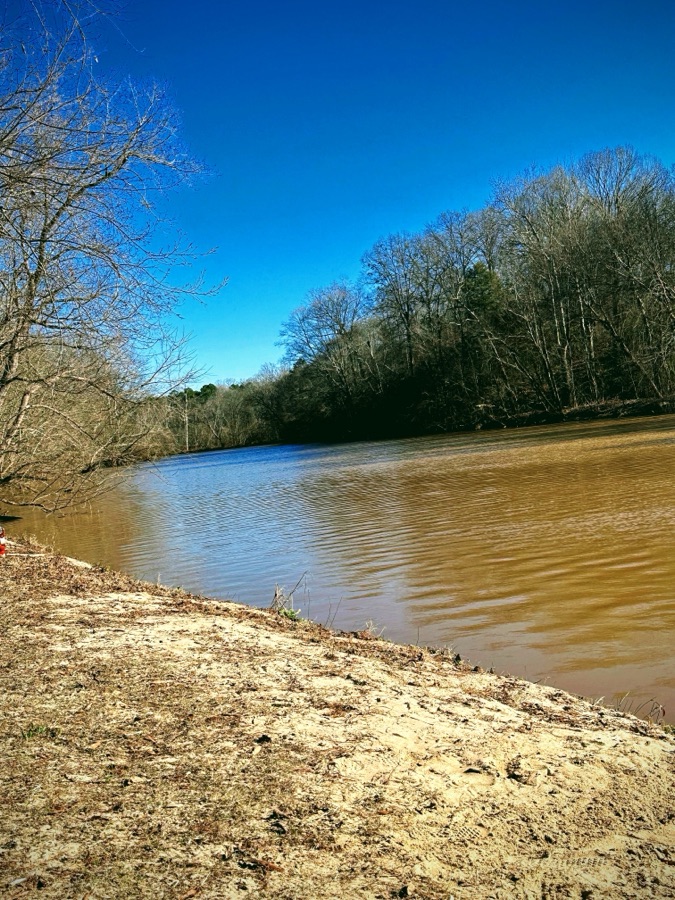
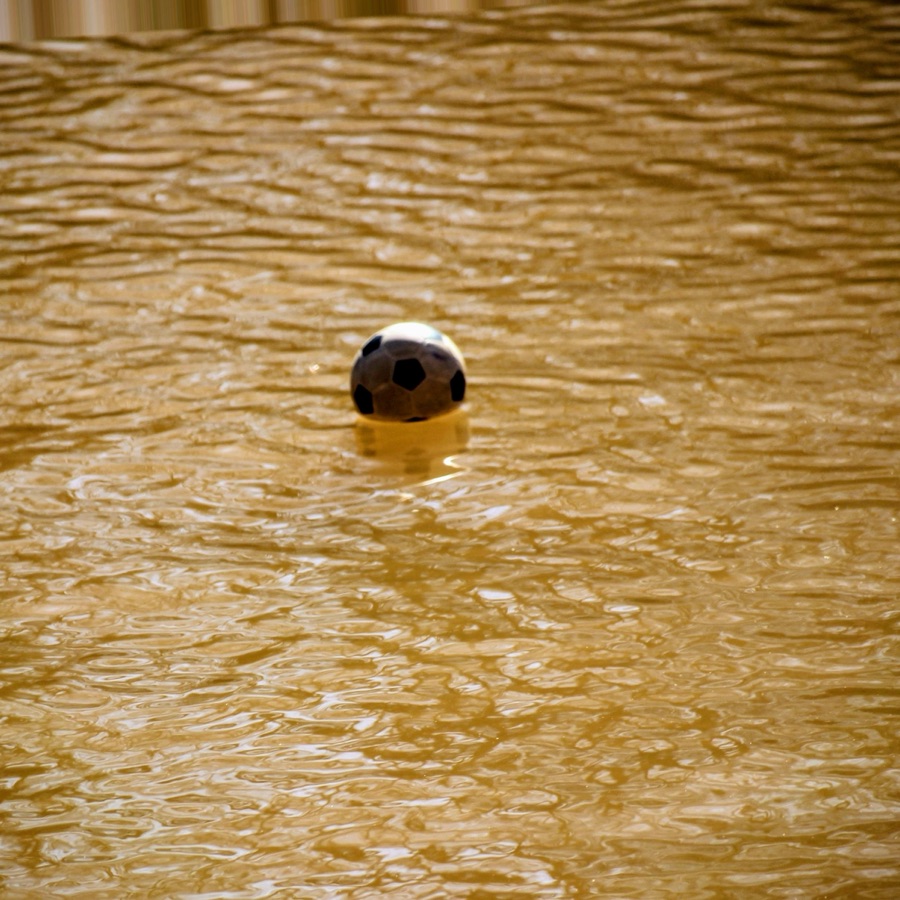
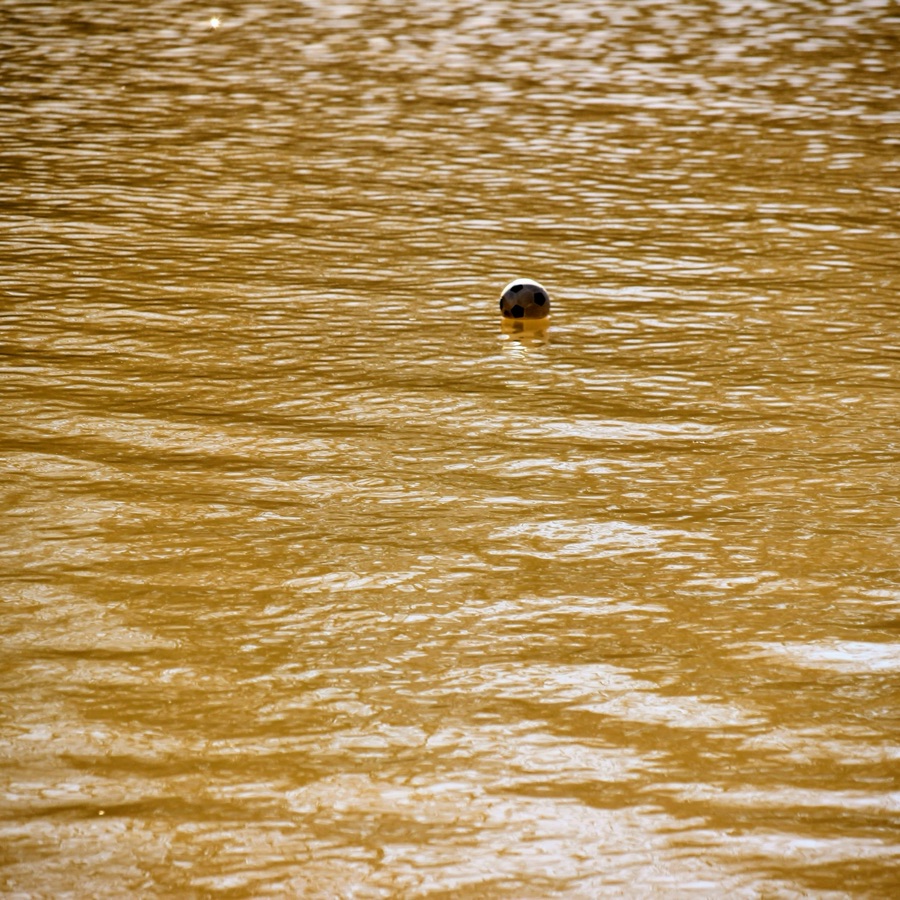
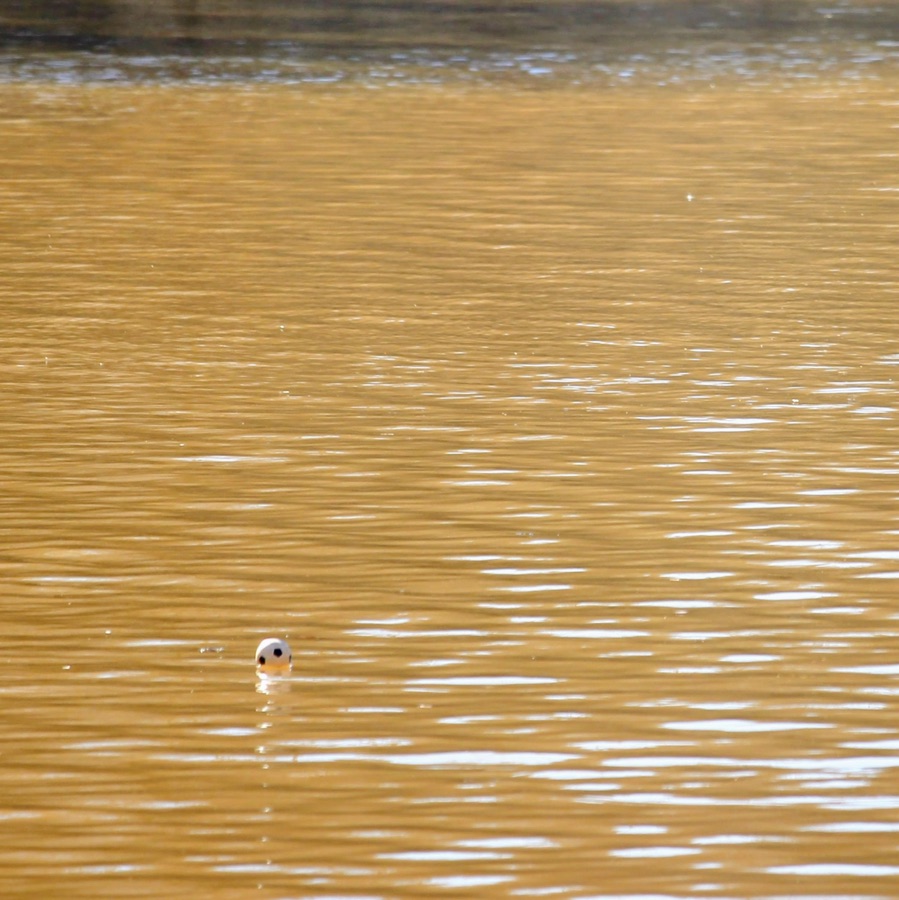
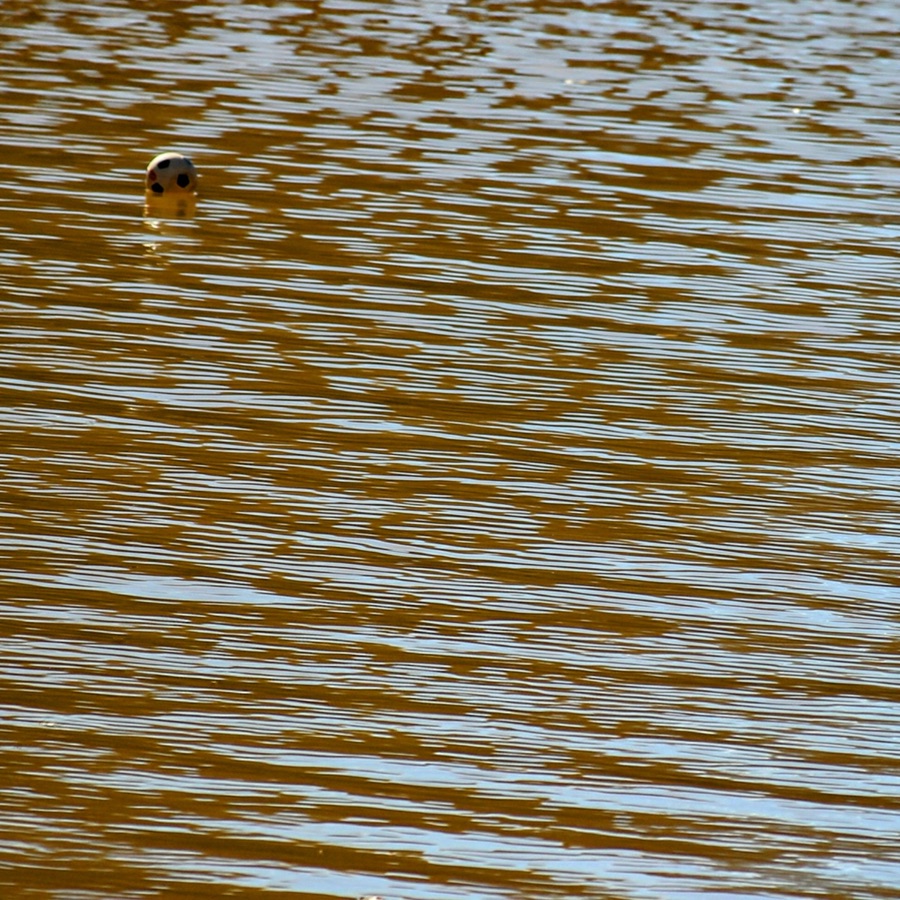
Coleman was playing with his small soccer ball on the bank of the South Fork Catawba River. He tried making a blockade to keep it from sliding into the water, but alas it failed. His soccer ball with its geometric shapes rolled down into the river.
These depict the travel of his soccer ball floating down the South Fork Catawba River, lost to him forever. Bye, bye soccer ball. Click on each image ( if desired) for larger enhanced viewing.
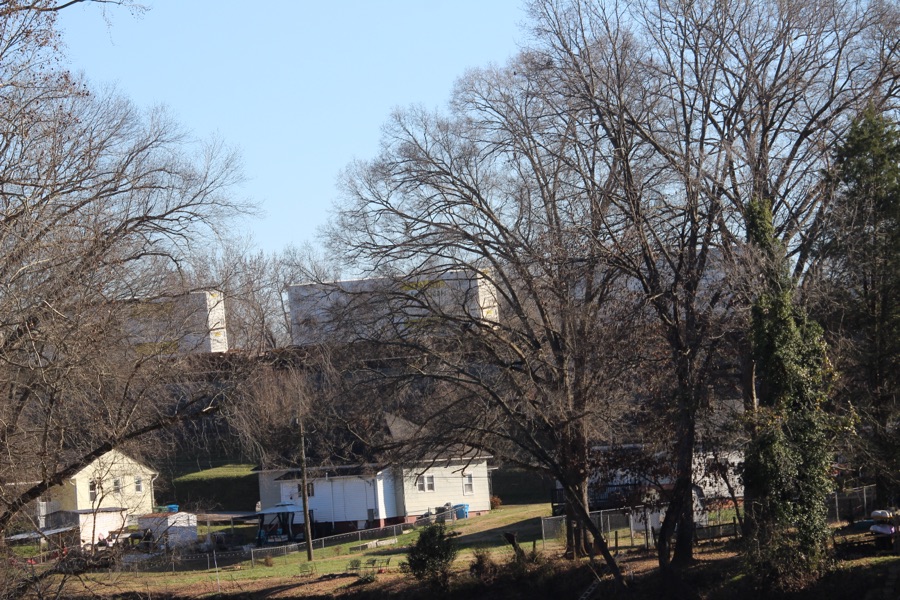
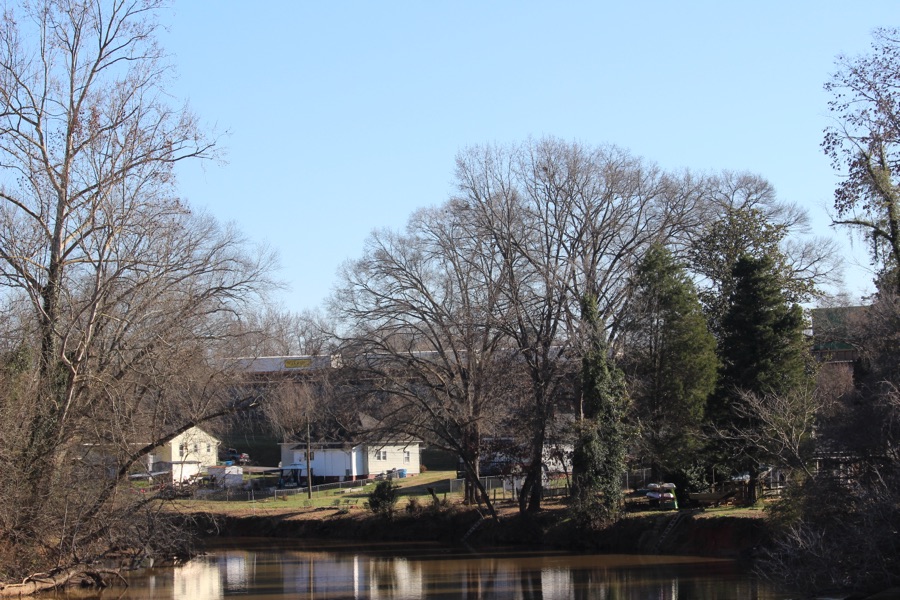
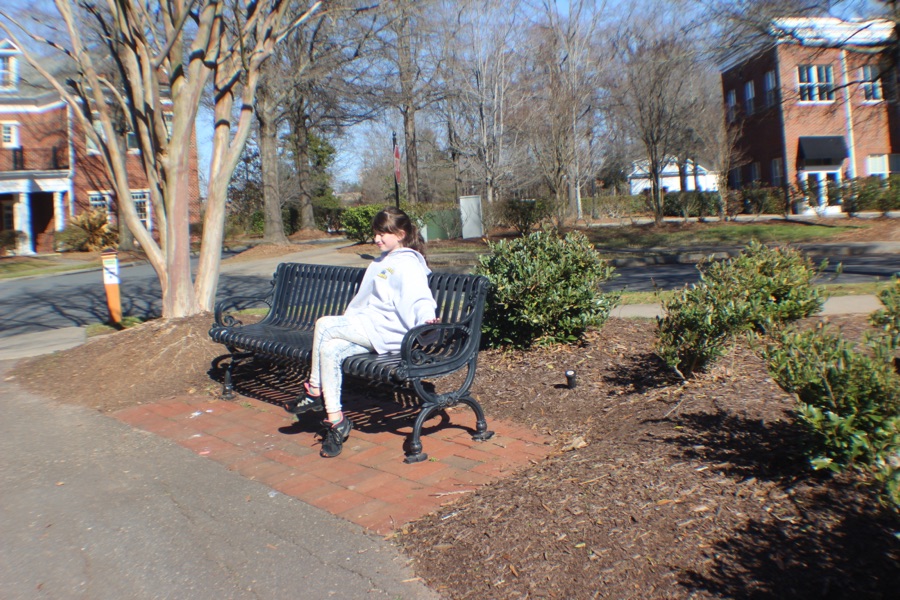
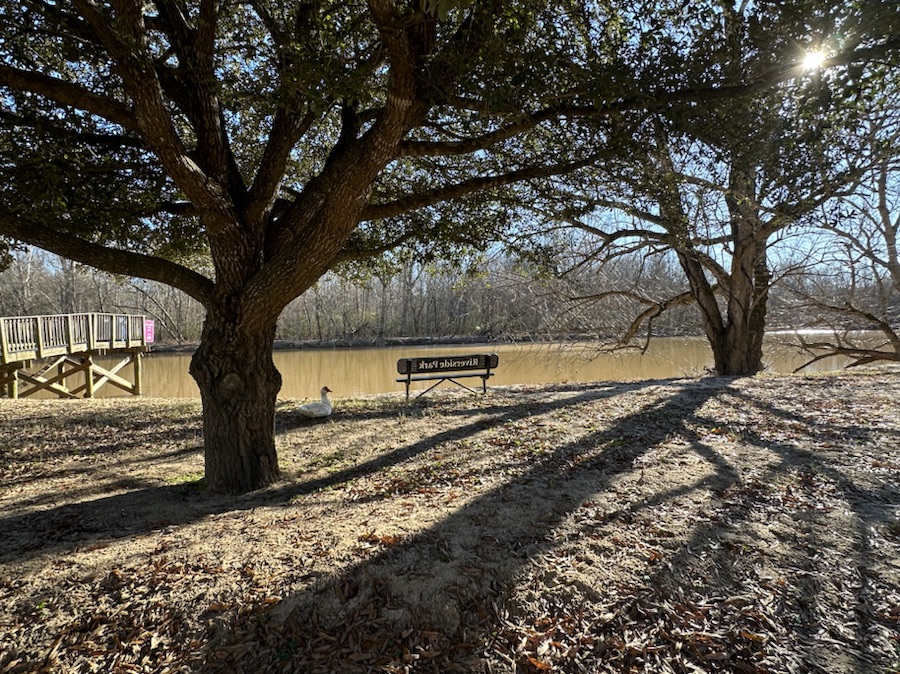
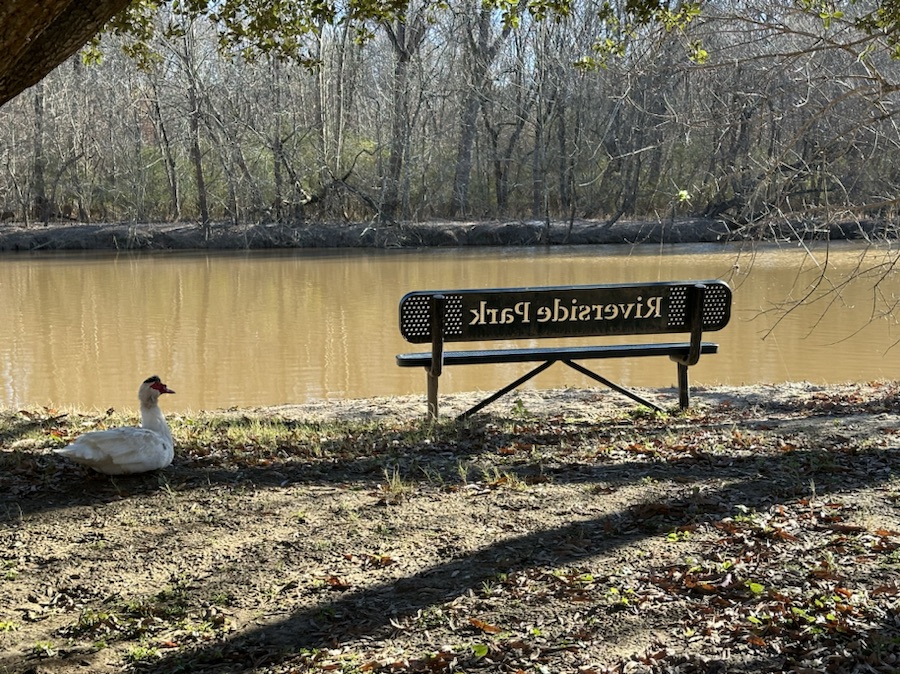
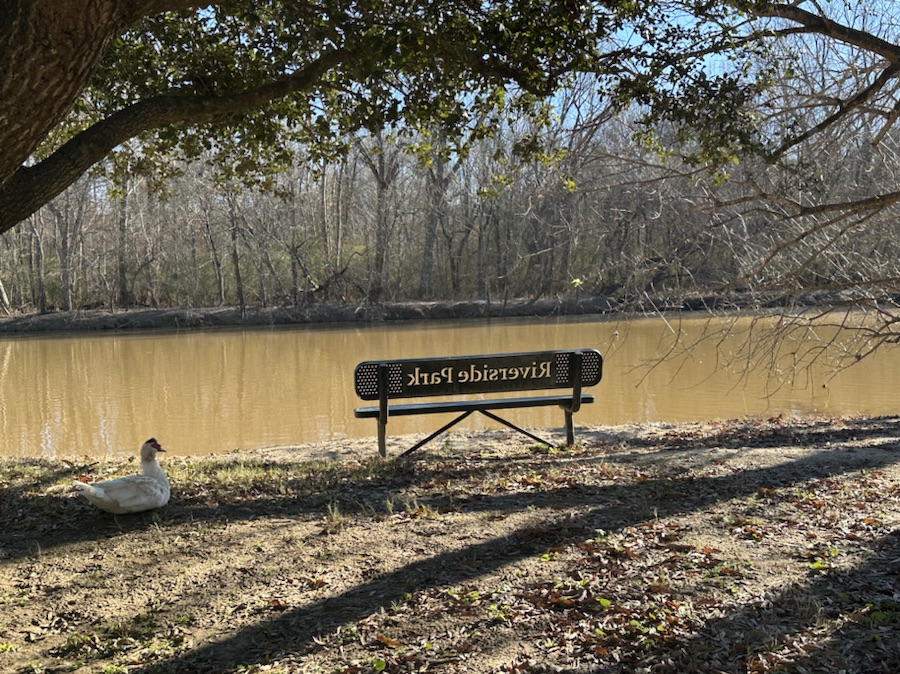
When Coleman and I visited the Greenway on New Year’s Afternoon we actually Pulled Up a Seaton a bench on the other side of the Pier. Couldn’t resist taking a picture of this one with the resident Muscovy Duck sitting nearby.
This Muscovy Duck was friendly with no qualms about approaching Coleman. ( Those pics are for a future post). It would come really super close to Coleman. When we first arrived Coleman sat down with his construction trucks and dinosaurs near his favourite tree. The Muscovy Duck seemed to think that tree was its spot. It appeared to be saying “Why are you in my area?” It walked all around Coleman and decided he was friendly enough, so he would share the area.
It wasn’t until some people came to the river with a dog that the duck switched locations to the area pictured above.
Location: At the South Fork Catawba River; Riverside Park and Greenway; Cramerton, North Carolina, USA
God Bless. Talk a Walk. Pull Up a Seat and Relax in Nature. Enjoy the Views. Thank you for visiting and sharing your time and thoughts with us. I appreciate y’all very much.
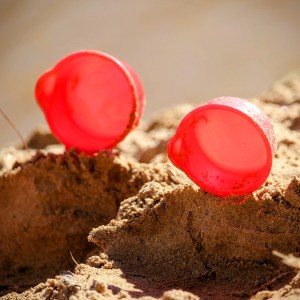
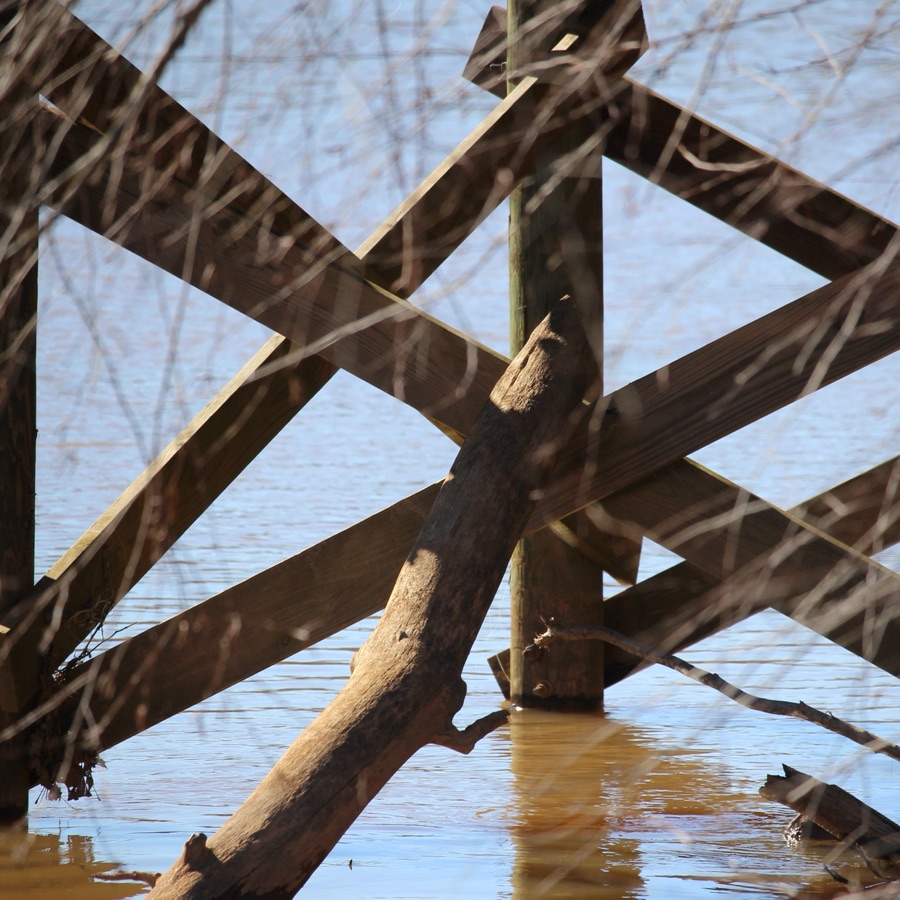
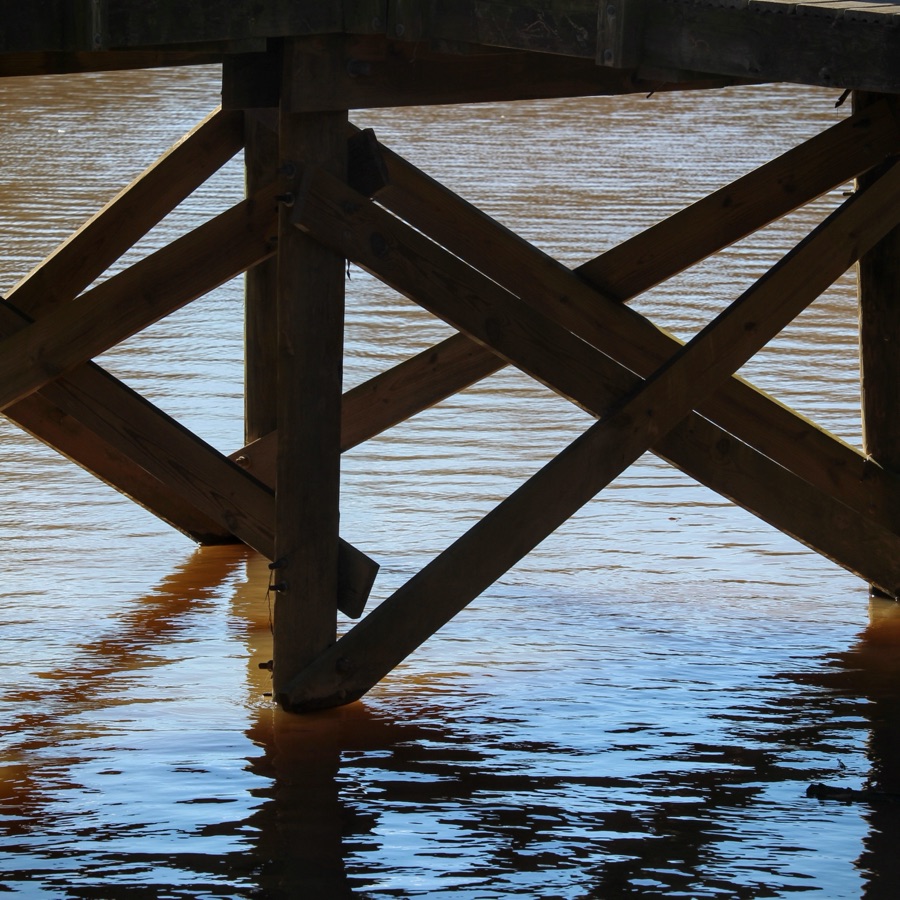
On January 1st, Coleman and I hiked a short ways to the Riverside Park and Greenway. While Coleman was playing in the sand by the South Fork Catawba River, snappy few shots with my camera. Being observant of my surroundings, I captured some fascinating GeometricJanuary shapes.
Look at all the joints holding the pier together. Amazing what you find when you look underneath.
Another angle 📐 of the underside of the fishing pier.
If you thought the architectural design of the joints on the underside were fascinating, then you would be astounded by the sun’s rays radiatingover the water. Don’t you think it looks radiant ?
Camera: Canon EOS Rebel T3i with Canon EF-S55-250mm lens and Altura UV filter attachment.
Location: Riverside Park and Greenway Fishing Pier; Riverside Park and Greenway; Cramerton. North Carolina, USA
God Bless. Take time to relax and enjoy yourself. Get Outdoors and admire the beauty in nature. Thank you for visiting and sharing your time and thoughts with us. I appreciate y’all very much.
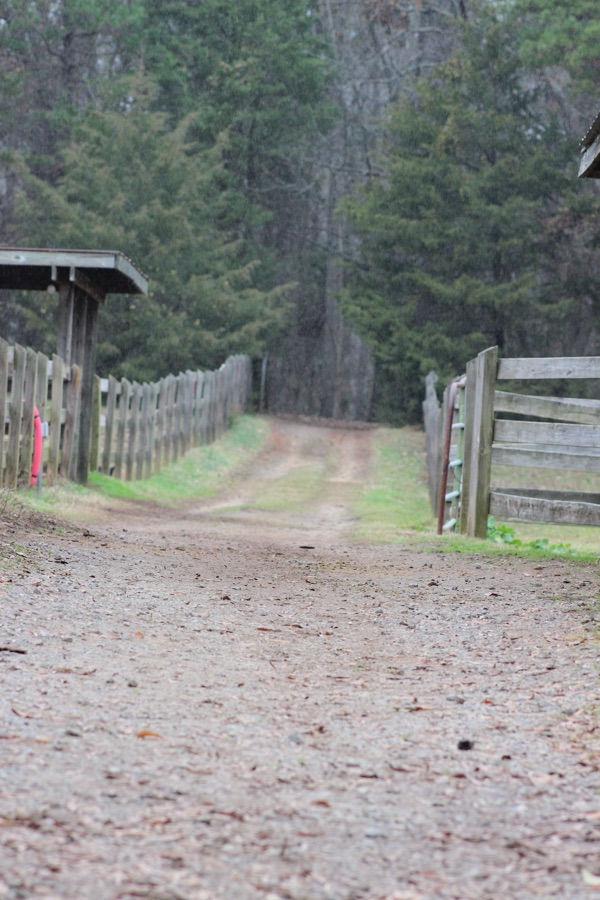
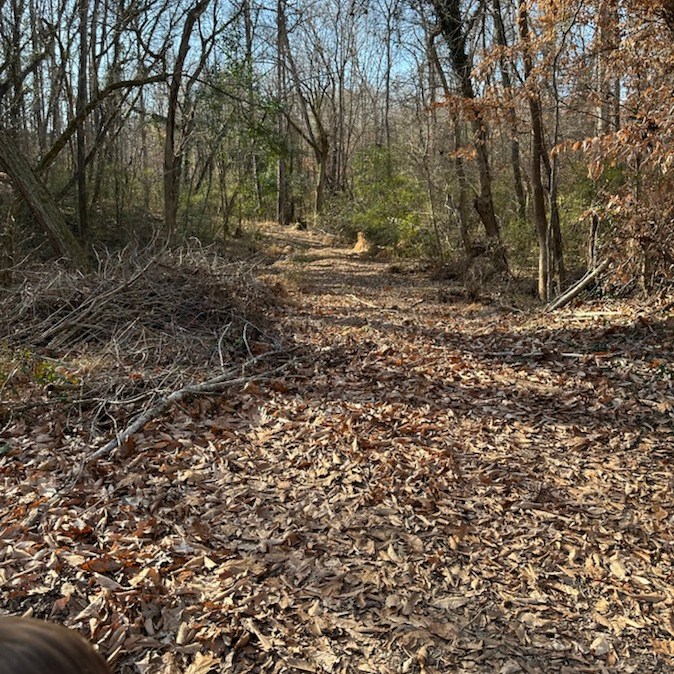
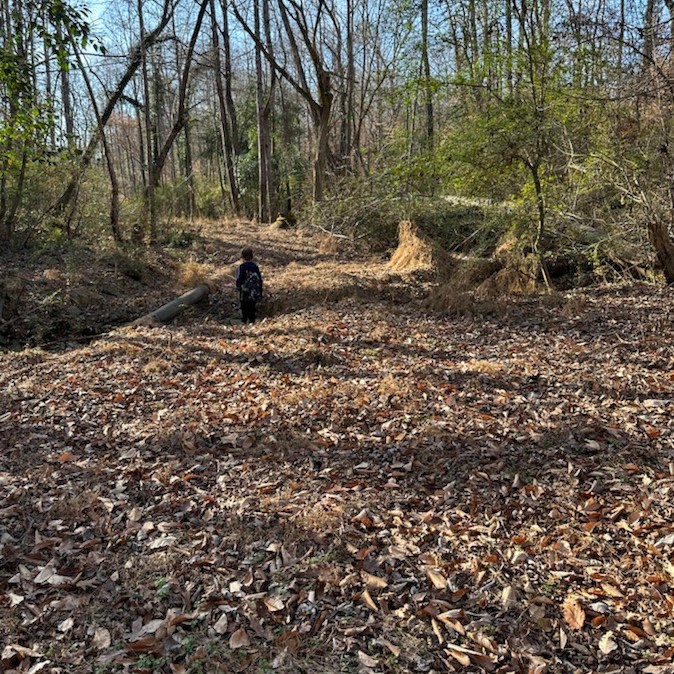
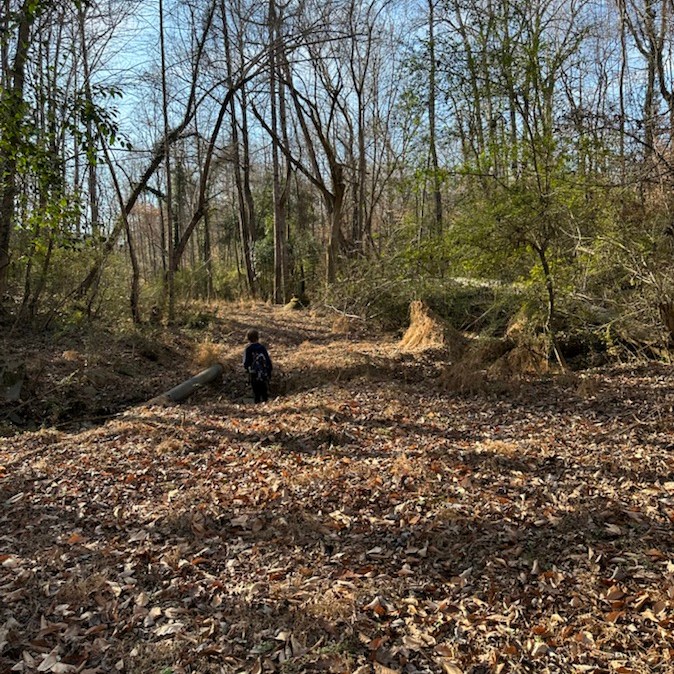
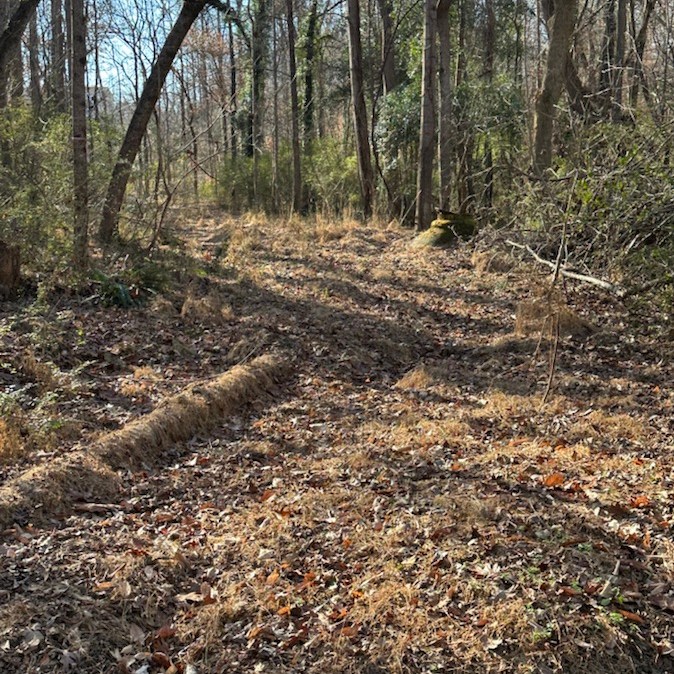
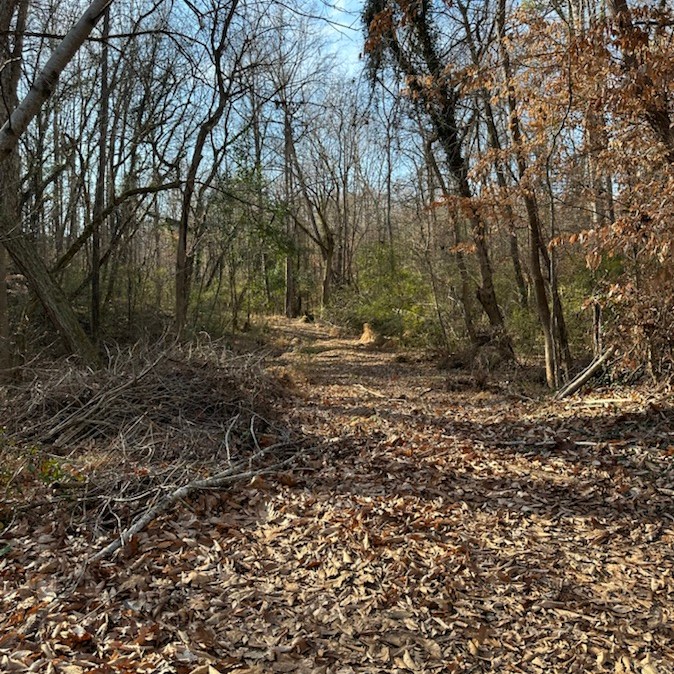
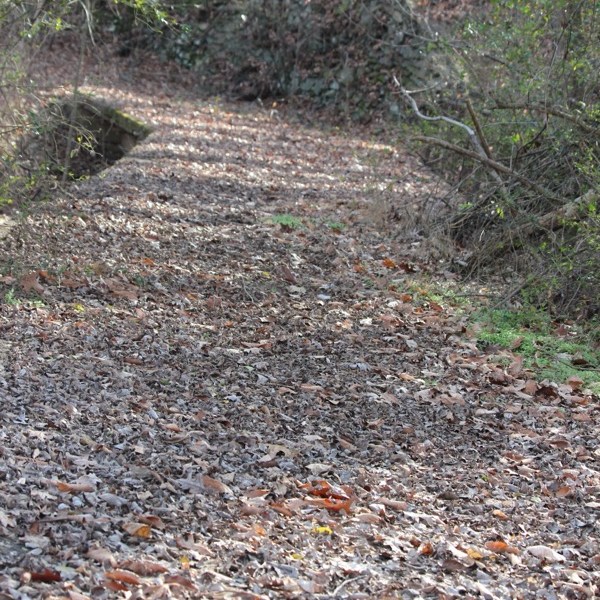
This week’s Which Way Challenge theme is Any Dirt roads or dirt pathways or trails. You may post one or as many as you like, just make sure your Which Way is clearly distinguishable. Remember signs are always welcome.
Here are my Which Ways for this week …
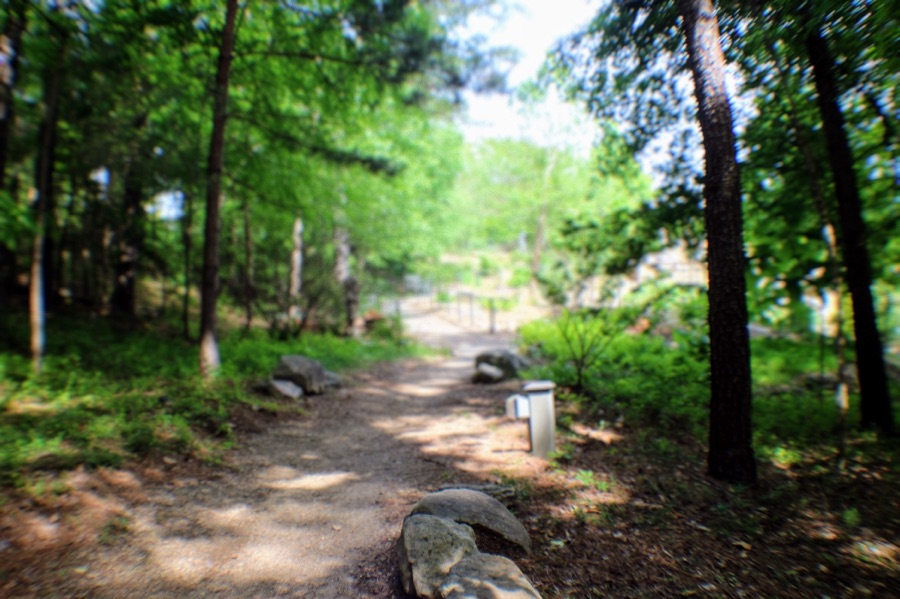
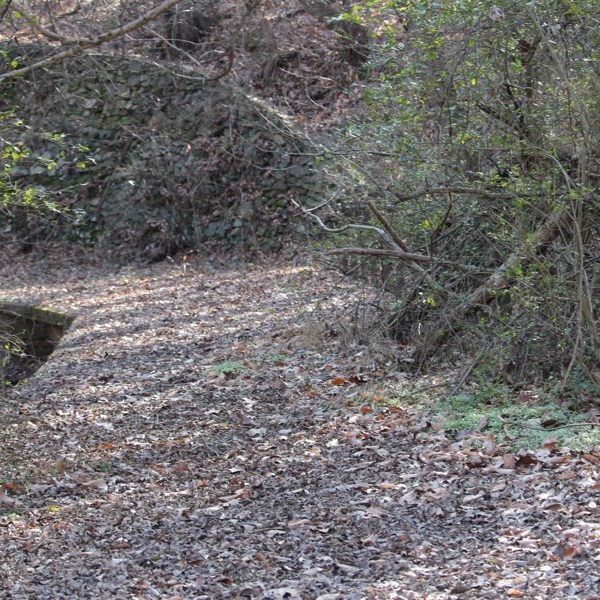
These are leaf covered dirt trails at the Historic Baltimore Fishing Pier location in Cramerton, North Carolina. Coleman and I hiked them, on Christmas Day, to see where they’d take us. Unfortunately, due to unrepaired damage to the trails from Hurricane Helene, parts of the trails are unrestored and nonfunctional at this time.
This Bridge was barricaded declaring it was unsuitable and hazardous rendering it off-limits to hikers/pedestrians.
Many thanks to WoollyMuses, for their Which Ways. You might want to check out their Silver and/or Gold Which Ways.
Cameras: 1-5) Apple iPhone 14 Pro Max; 6-7) Canon EOS Rebel T3i with Canon EF-S55-250mm lens and Altura NP filter attachment.
Location: Historic Baltimore Fishing Pier Trails; Cramerton, North Carolina, USA
God Bless. Thank you for visiting and sharing your time and thoughts with us. Hope to see your Which Ways showing your Dirt roads or dirt pathways or trails. I appreciate y’all very much.
God Bless. Happy New Year to one and all. Enjoy Nature. Take time to Smell the Flowers. I am Grateful for each and every one of y’all. Thank you for sharing your time and thoughts with me. I appreciate y’all very much.








































 Gfpacificbee’s Insights & photography

