This blog is for my insights on life, the Bible, hiking adventures with my grandson and whatever is important to me
Author: Deb L Waters
I am an avid reader. I read mostly Amish fiction but also read other novels. I enjoy romance, mystery, and Christian devotionals. I enjoy hiking in the outdoors, especially in Greenways and State or National Parks. I love my grandson. He is my favorite subject, so I'll post about him and his antics.
To play along, go to your photos file and type that number into the search bar. Then post your choice of photos you find under that number and include a link to your blog in myNumbers Game blog of the day. If instead of numbers, you have changed the identifiers of all your photos into words, pick a word or words to use instead, and show us a variety of photos that contain that word in the title.
Visiting the
Sequoia National Forest
“You have brains in your head. You have feet in your shoes. You can steer yourself any direction you choose. You’re on your own. And you know what you know. And YOU are the one who’ll decide where to go…”“You’re off to Great Places! Today is your day! Your mountain is waiting, So… get on your way!”
HERE THERE
ANYWHERE EVERYWHERE
The places You’ll GO!
~ Dr. Seuss, Oh, the Places You’ll Go
Dr. Seuss’s’ book “Oh, the Places You’ll Go” is most often thought of as a children’s book, but it is sometimes given as a gift to a graduate. Inferring to the amazing places and things a graduate can do. Did you ever wonder what places your parents went to without you or without your knowledge? Have you ever wondered about the kinds of things they did either as they were growing up or after you became an adult?
It’s interesting to see some of the things my parents did with and without me in years past. I honestly don’t recall every outing or trip we took together as a family. What is more surprising though is I do not remember them going off for weekend outings or week long trips and leaving me home. Mind you now, most of these trips/outings, took place after I was out of high school and supposedly a grown adult.
Yes, I was an adult, but I was only working part time and going to school. As I look over my dad’s slides, I wonder where I was. What was I doing when they were off to the mountains or wherever they were off gallivanting around with their friends?
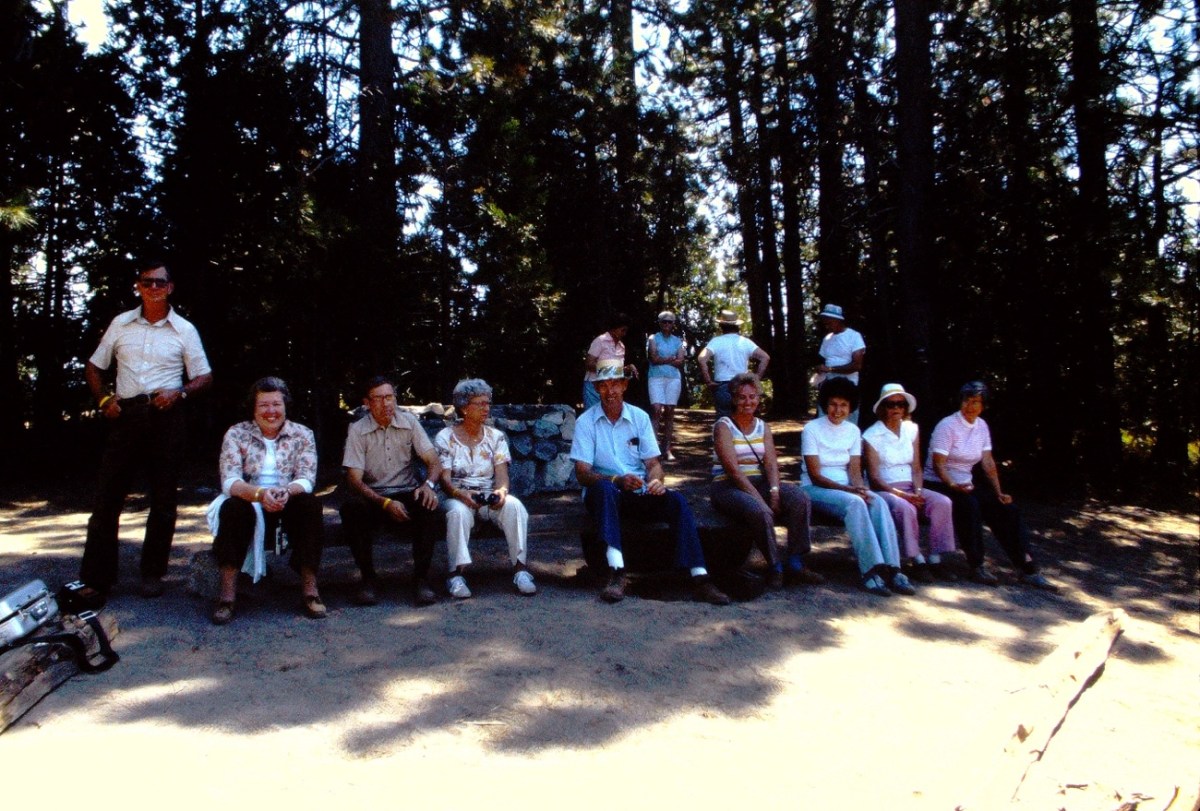
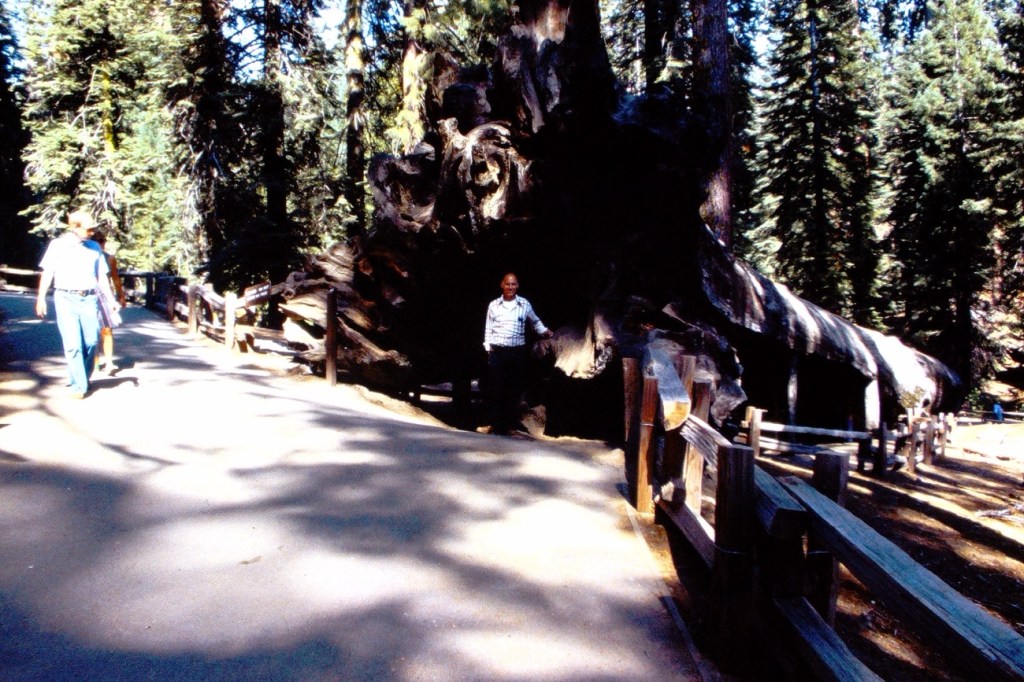
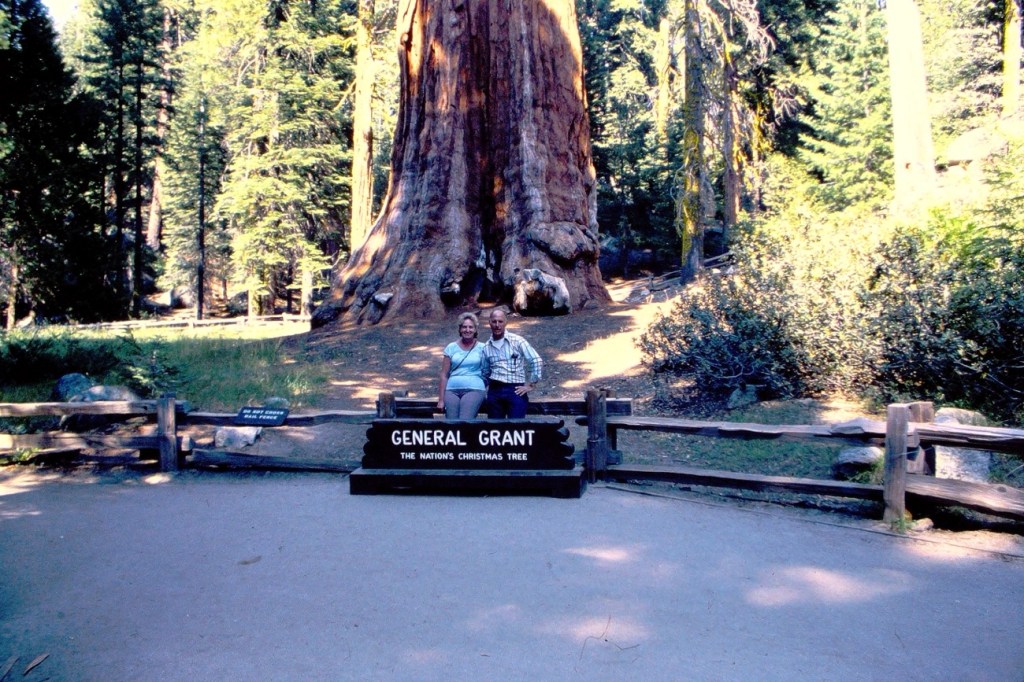
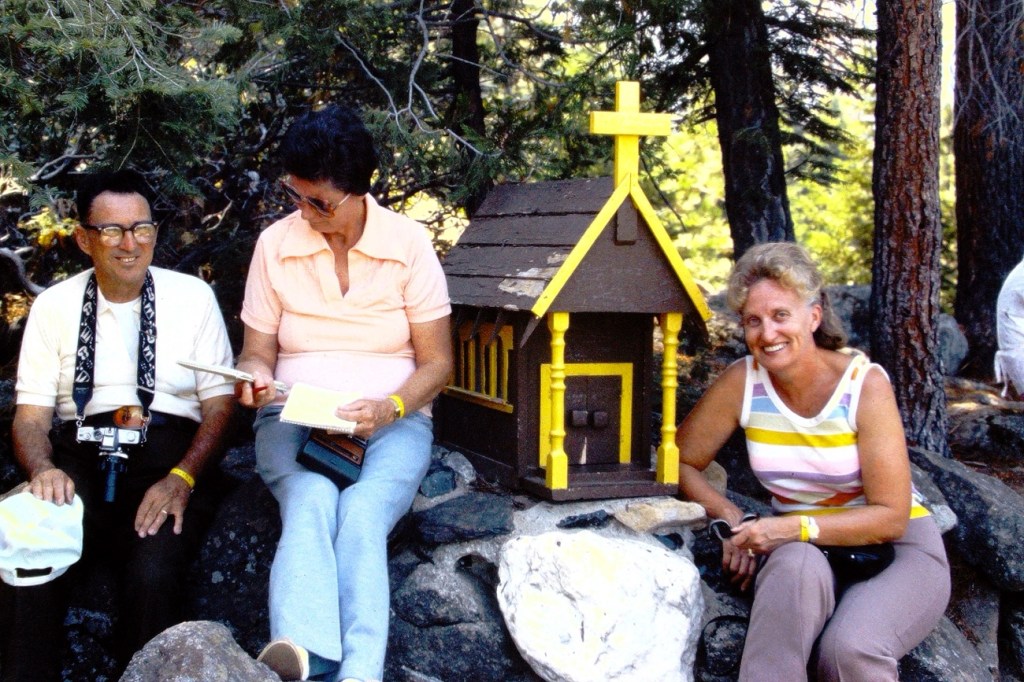
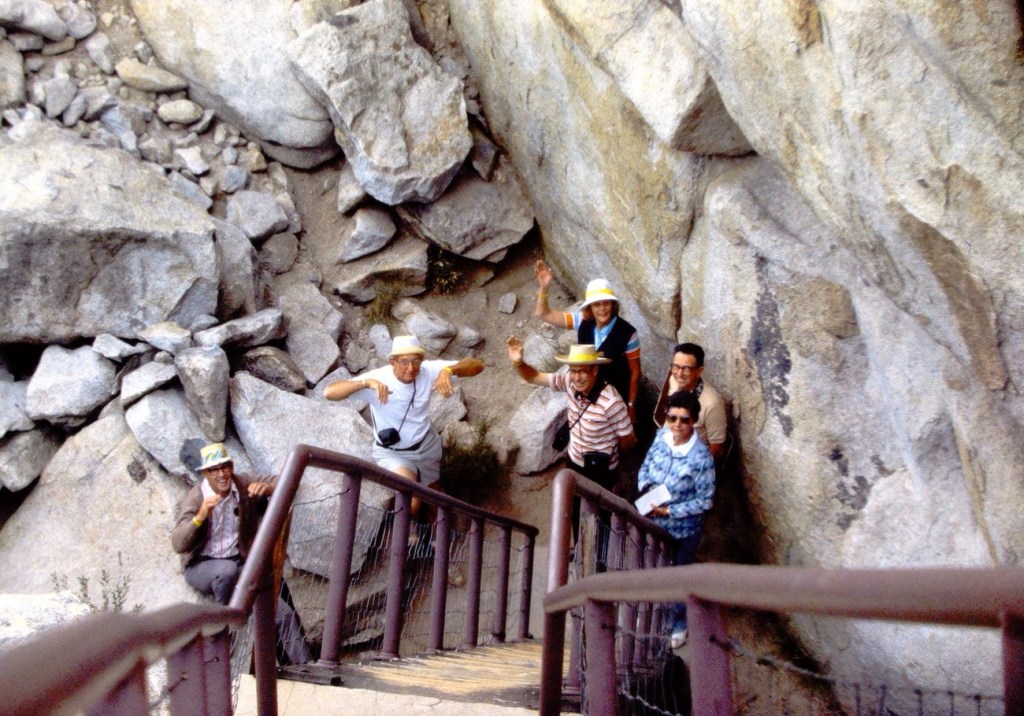
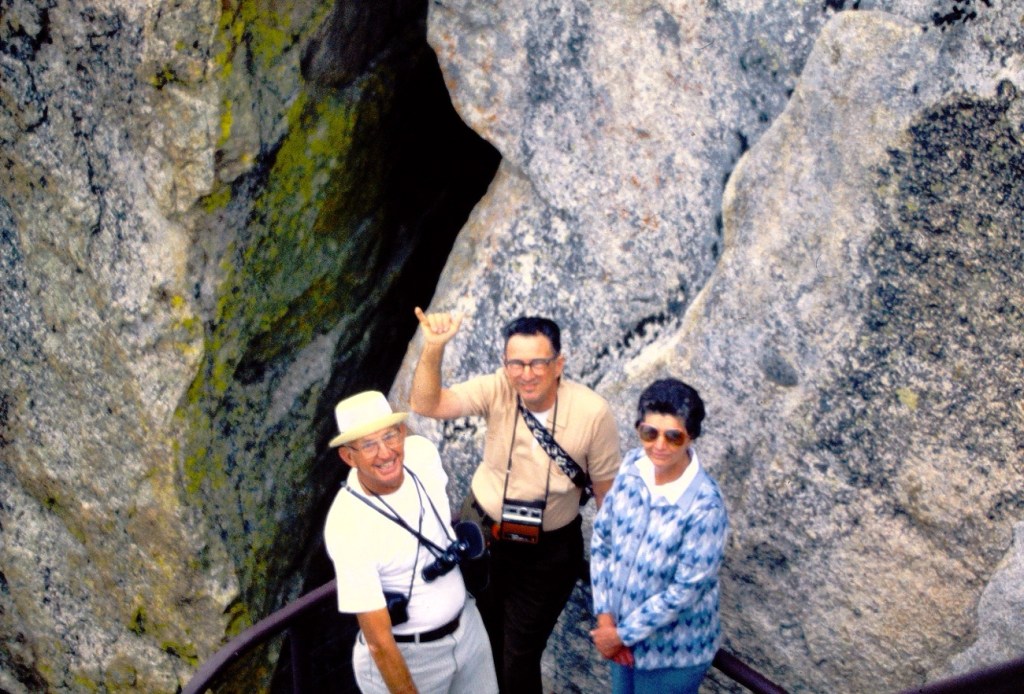
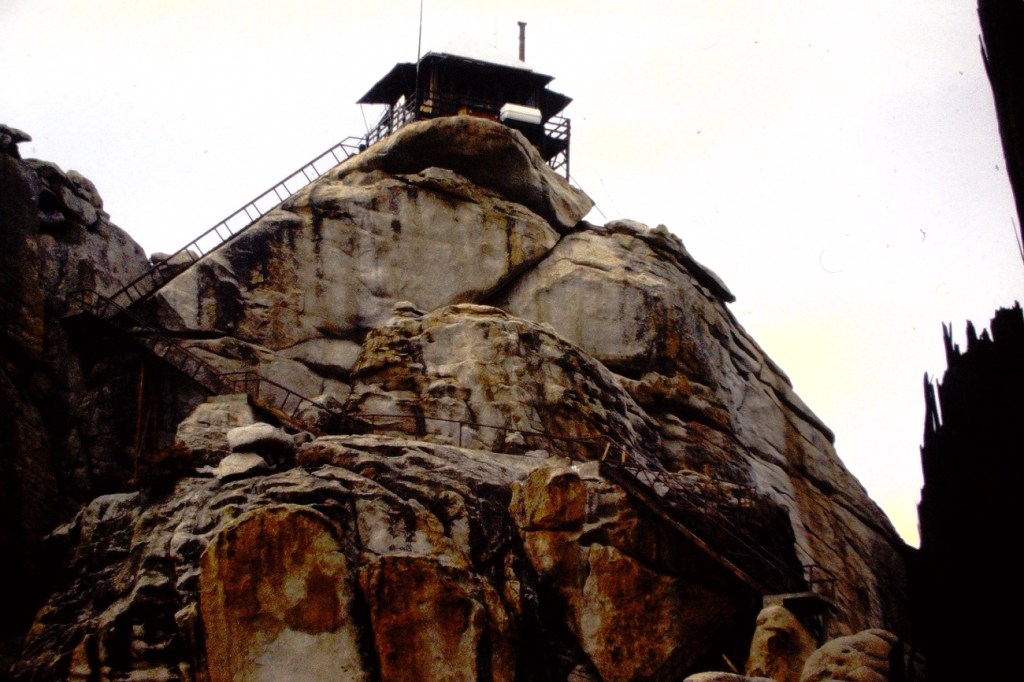
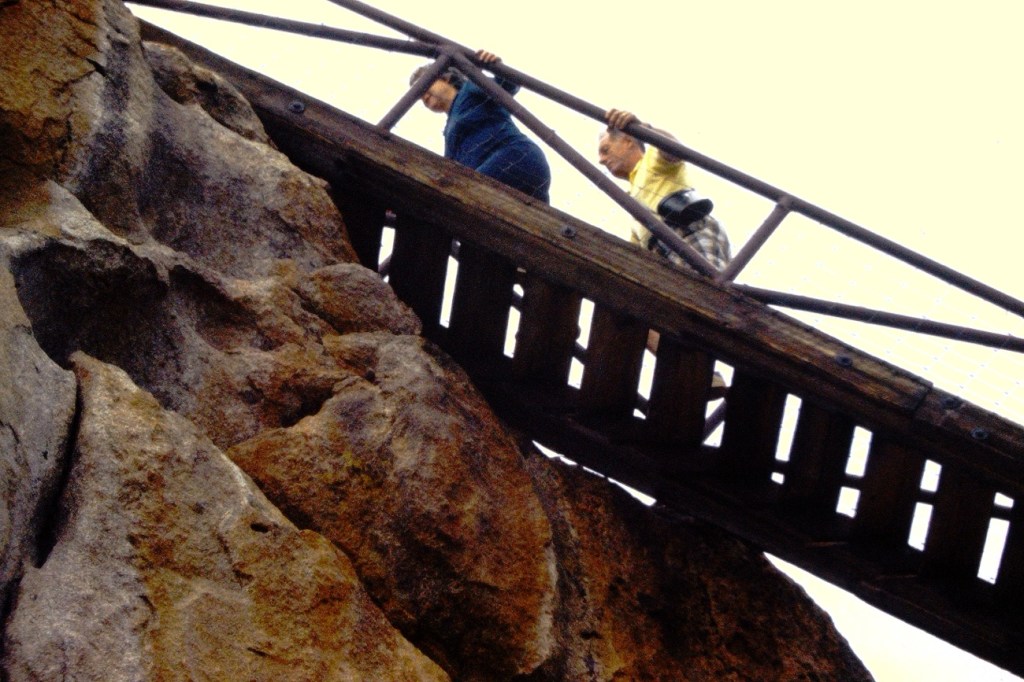
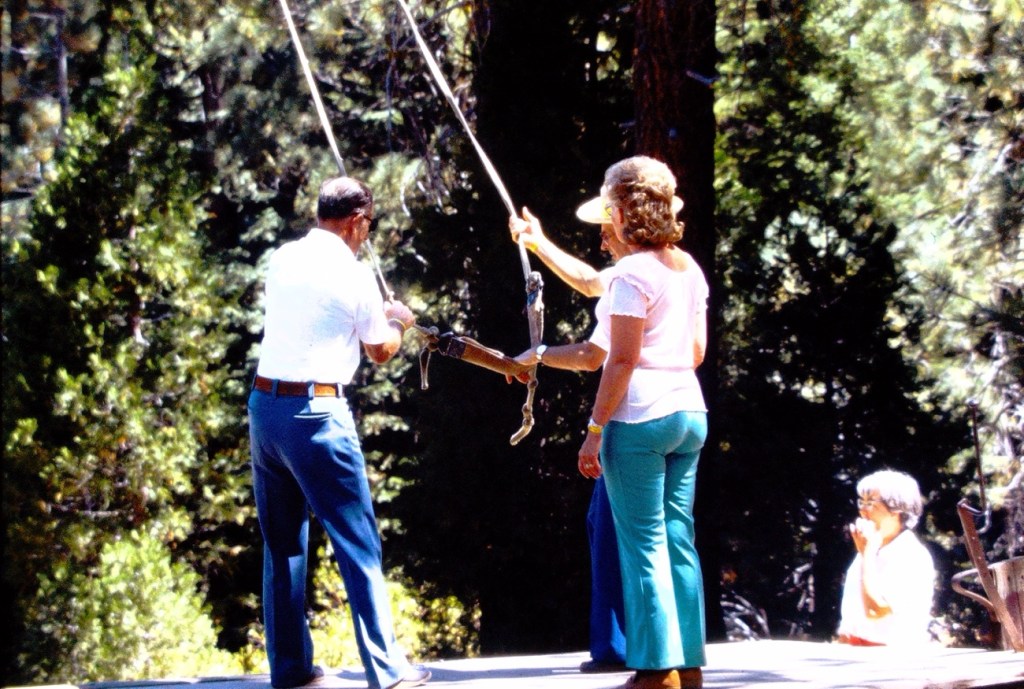
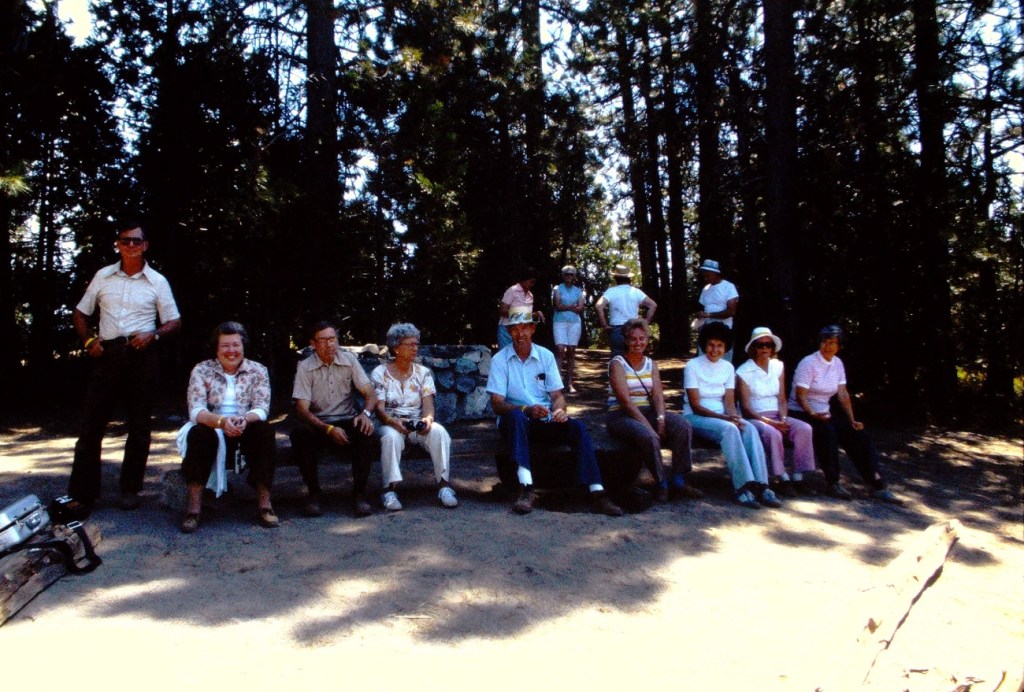
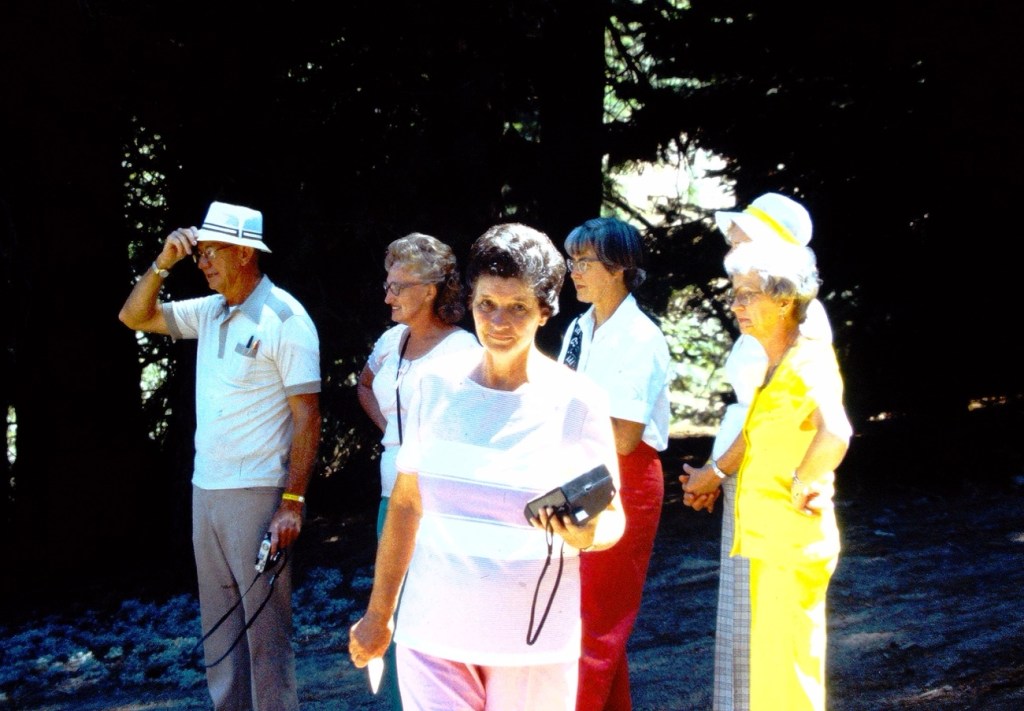
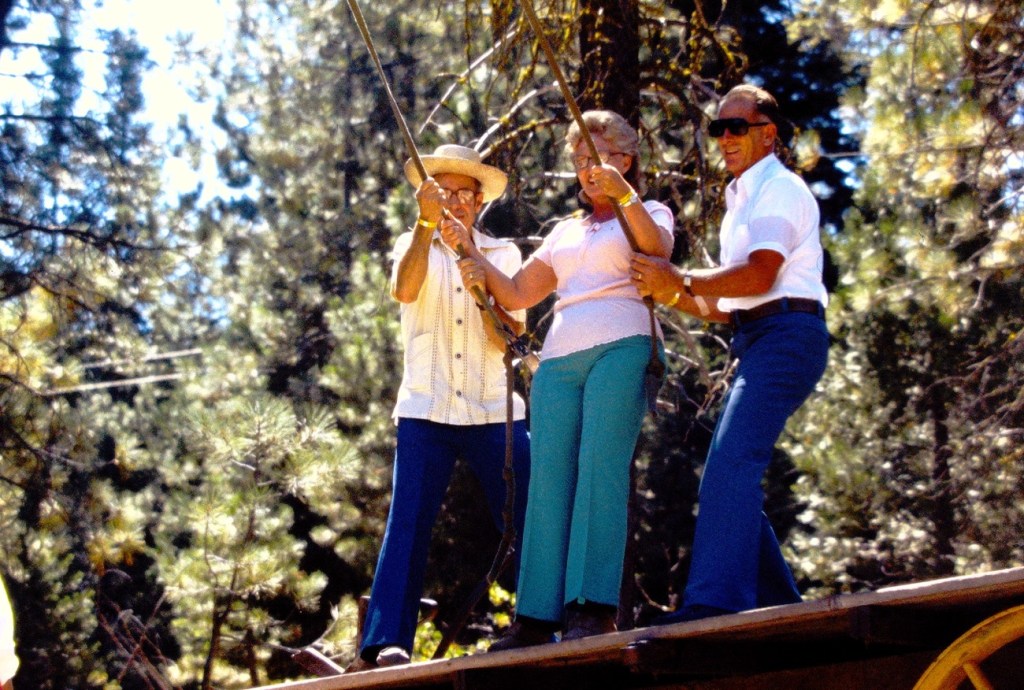
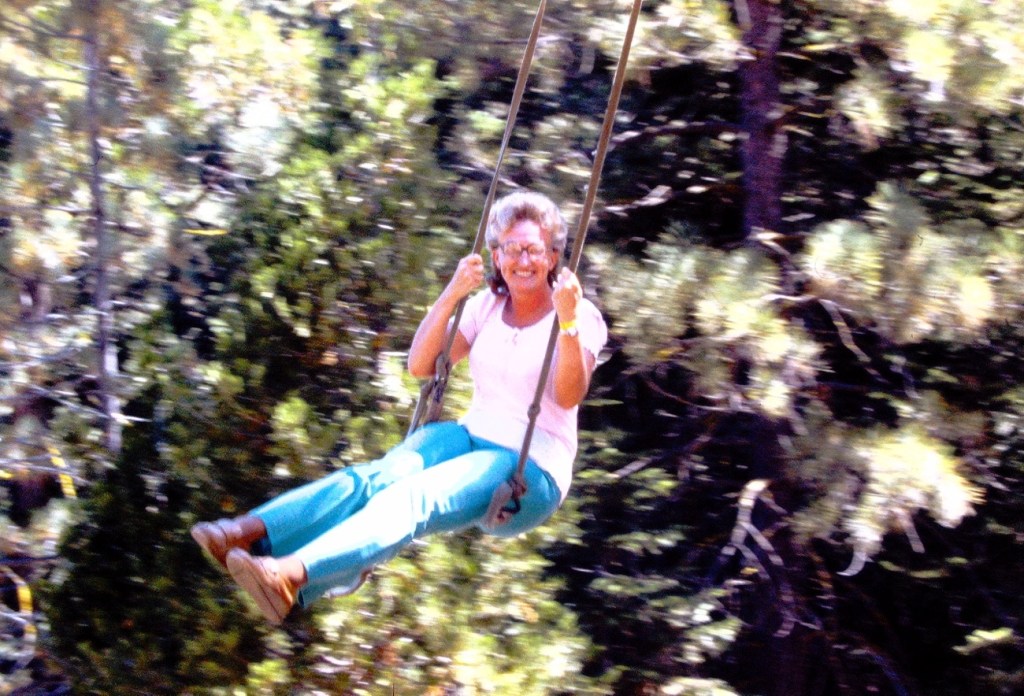
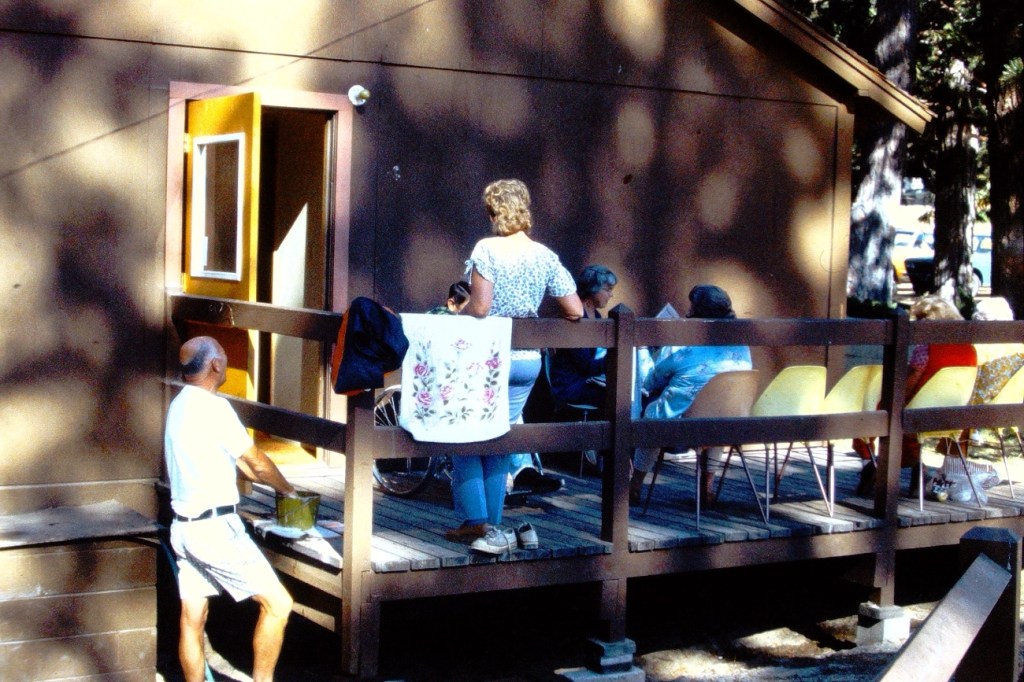
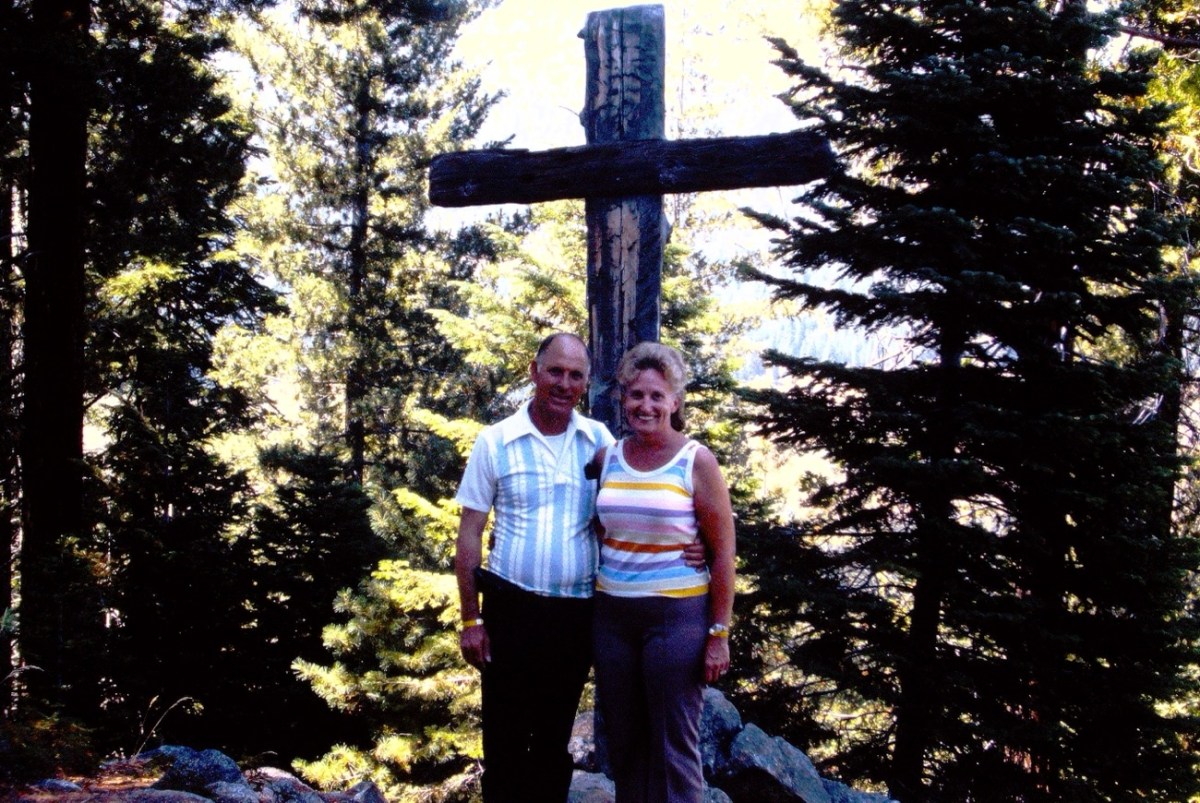
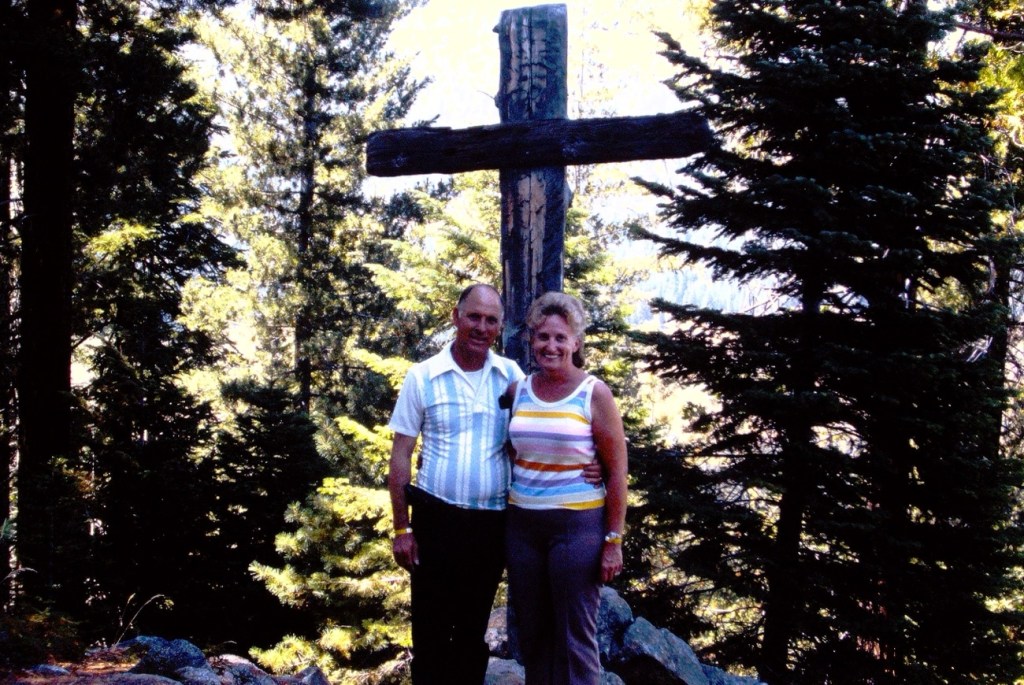
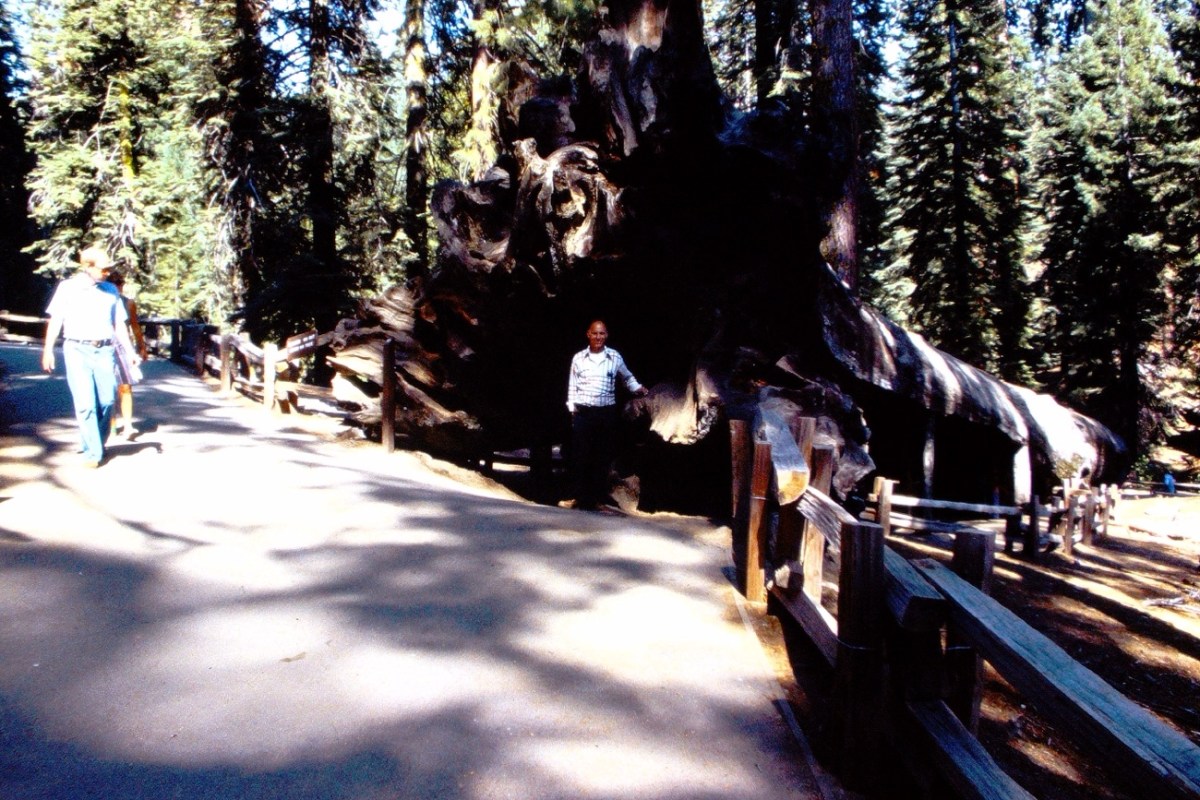
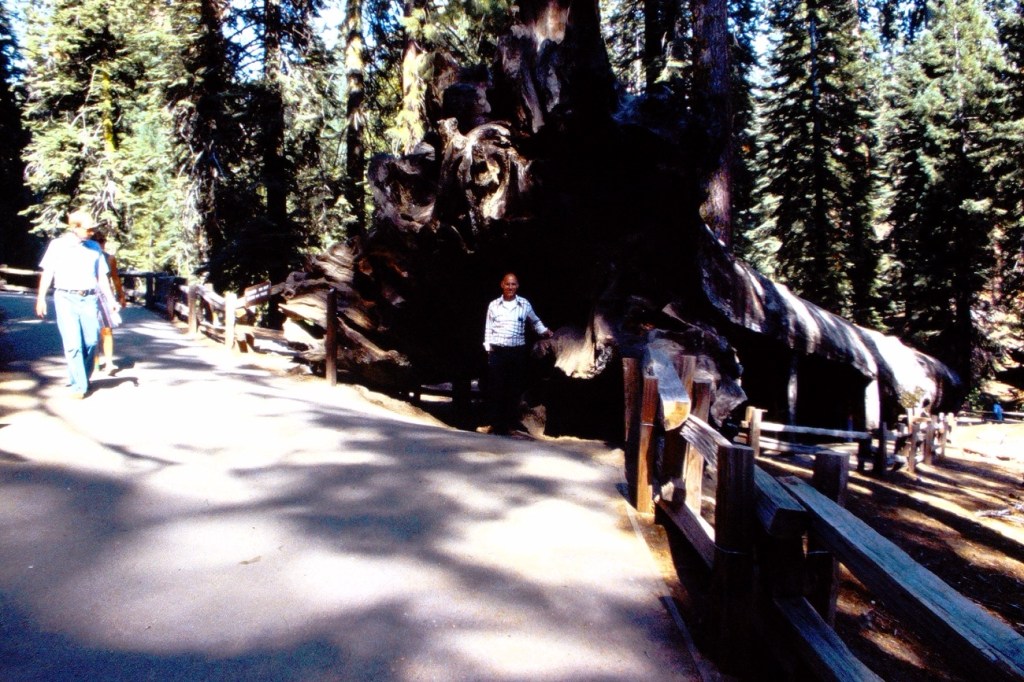
With all that in mind, these photos were taken when they went up to the Sequoias with their friends from church (just adults not children, well then we were all adults now).
Locations: Sequoia National Park; Tulare County; and Hume Lake Christian Camps; Hume, Fresno County, California, USA
God Bless. Thank you for visiting the Sequoias with us. Thank you for sharing your time and thoughts with us. I appreciate y’all very much. Have a wonderful day.
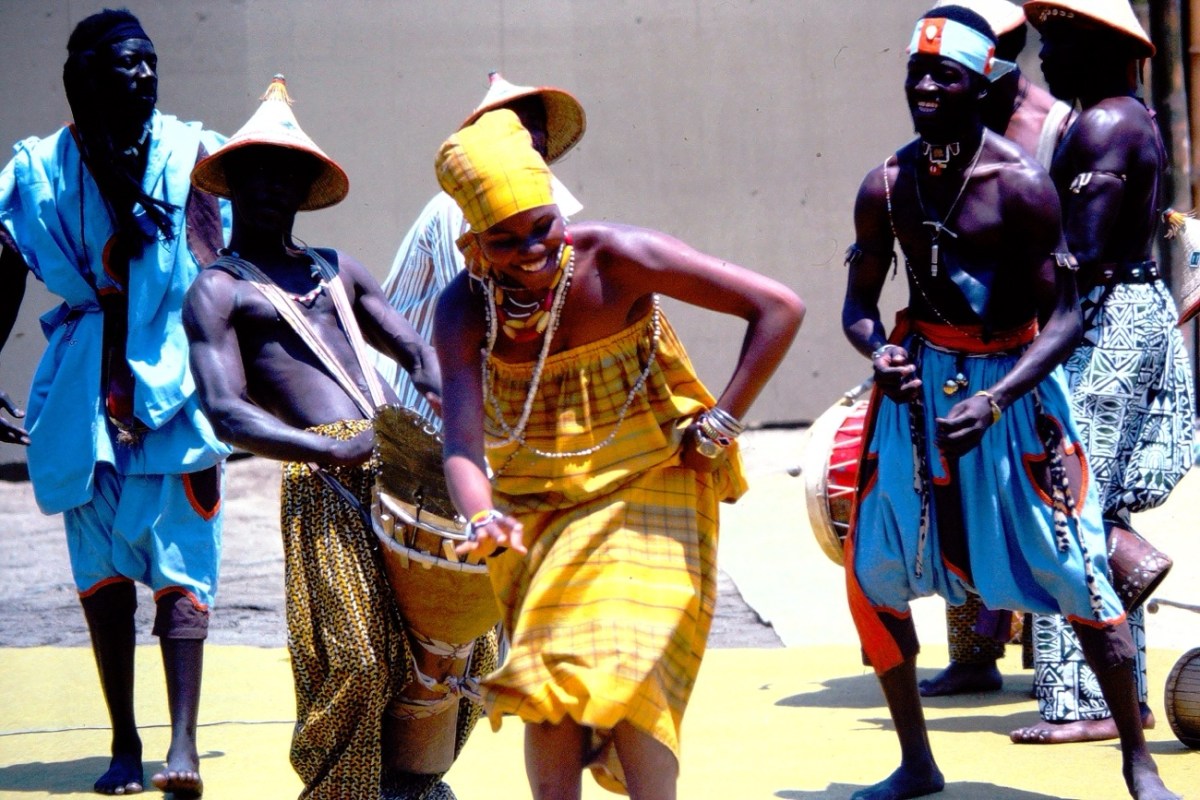
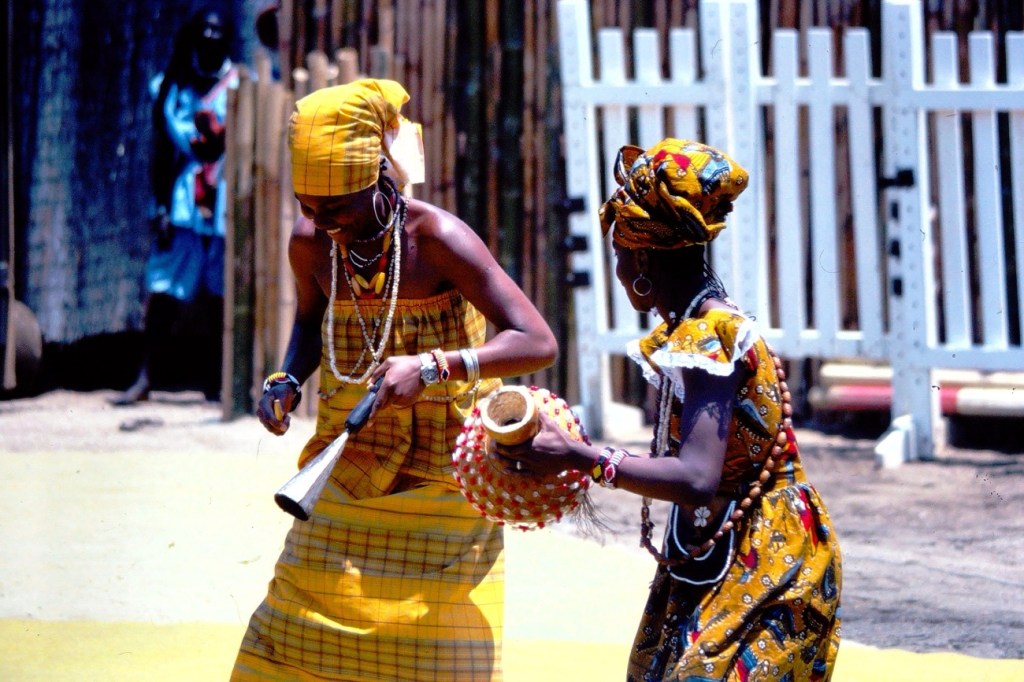
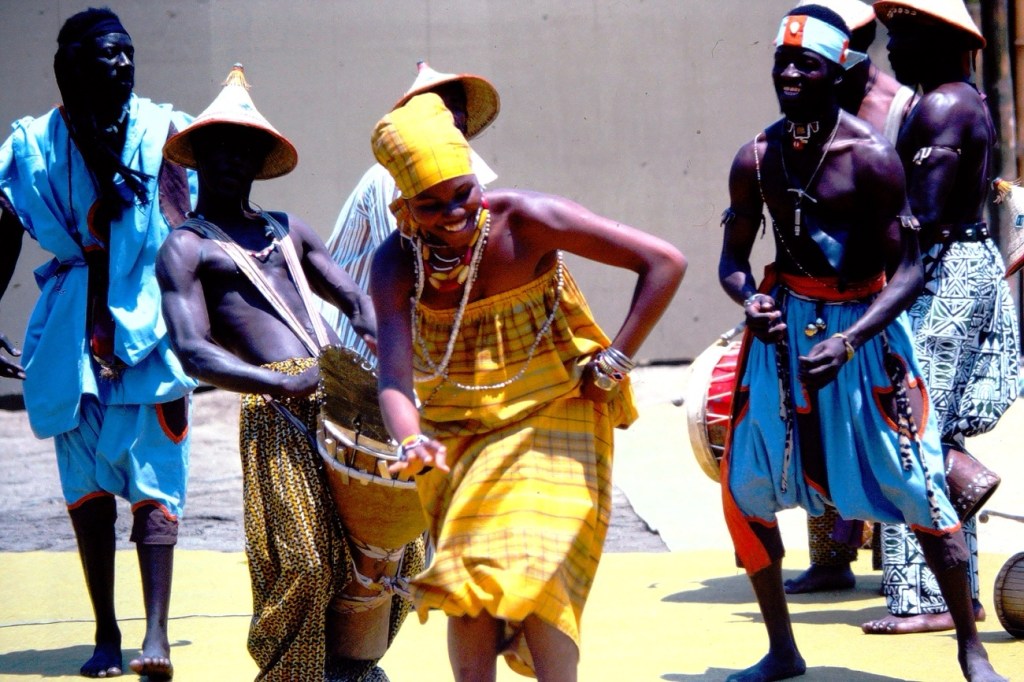
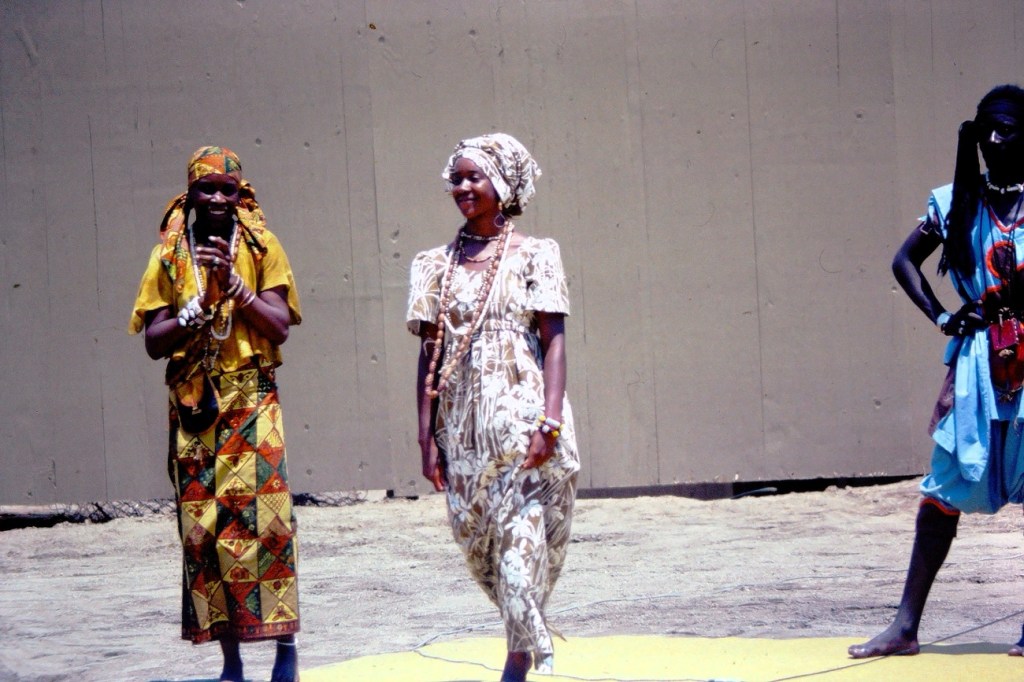
On our visit to the San Diego Wild Animal Park (Currently referred to as San Diego Zoo Safari Park) in May 1978; we saw some amazingly talented and delightful entertainers which included talented musicians and dancers from Africa. They were extraordinarily awesome-inspiring and spectacular performers to watch. They captivated and thrilled audiences throughout the day. Click on each photo for larger viewing.
San Diego Wild Animal Park’s Delightfully Amazing Entertainment
Location: San Diego Wild Animal Park; San Diego, California, USA
God Bless. Thank you for visiting and watching the dancers performance with us. Thank you for sharing your time and thoughts with us. Have a delightfully amazing weekend. I appreciate y’all very much.
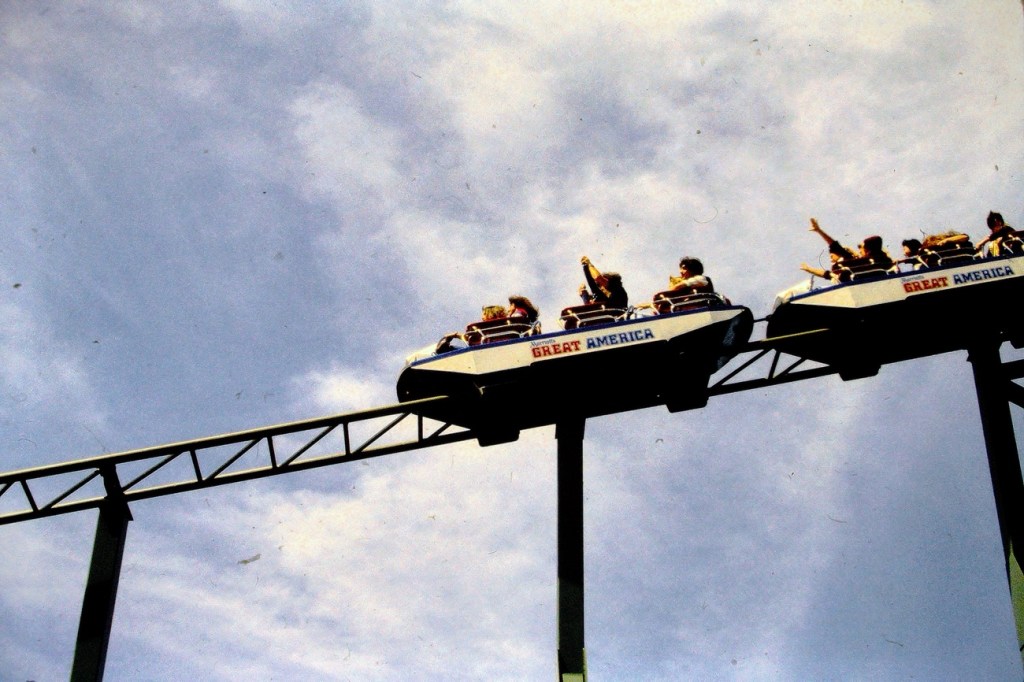
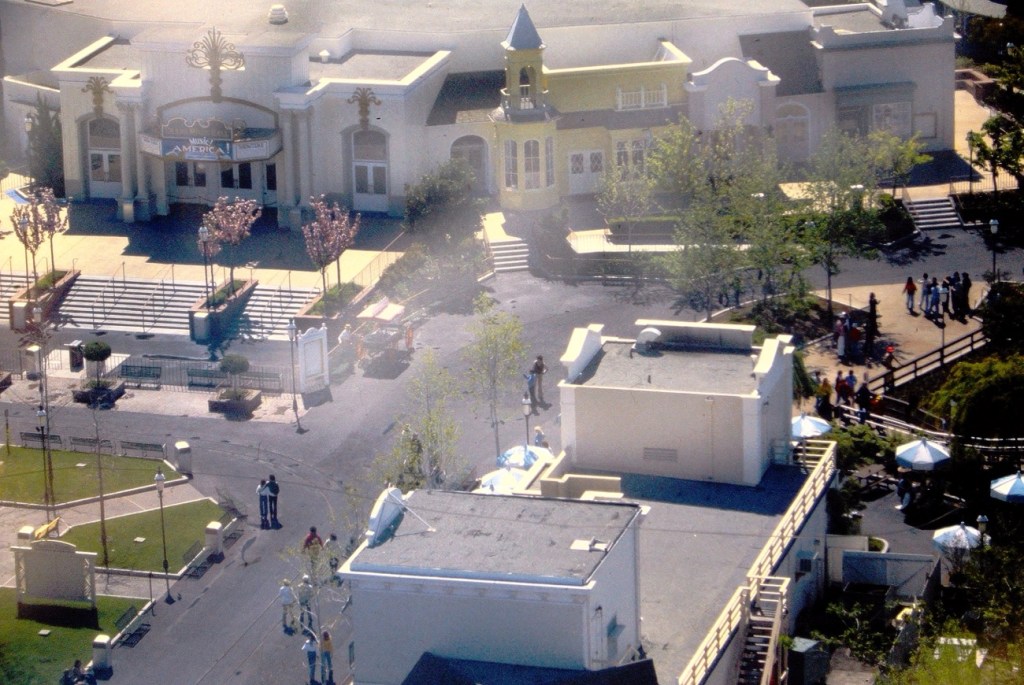
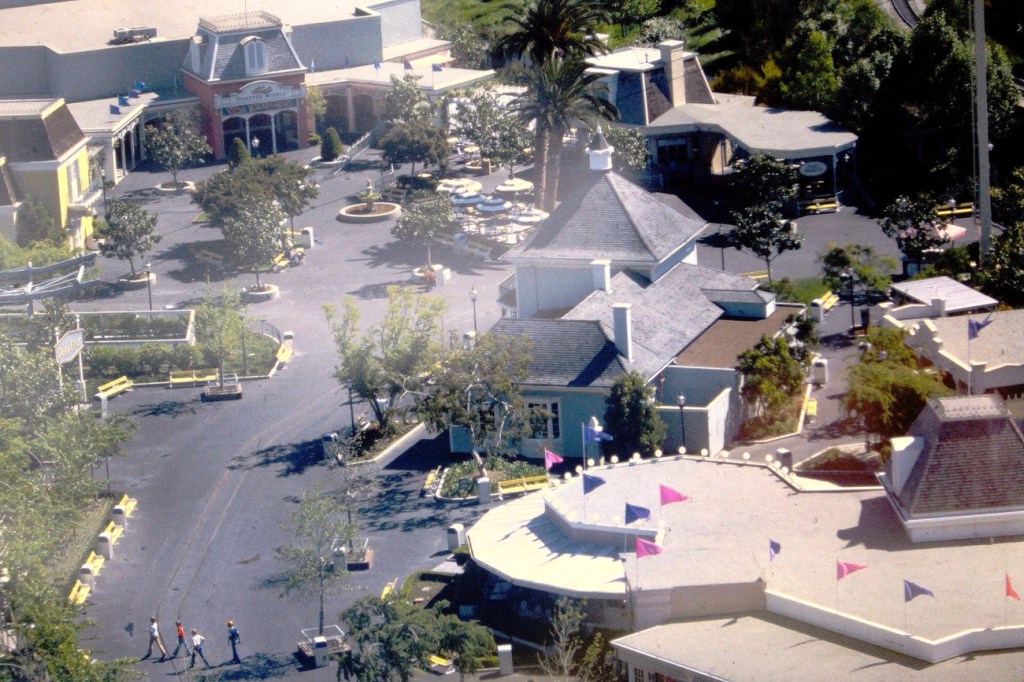
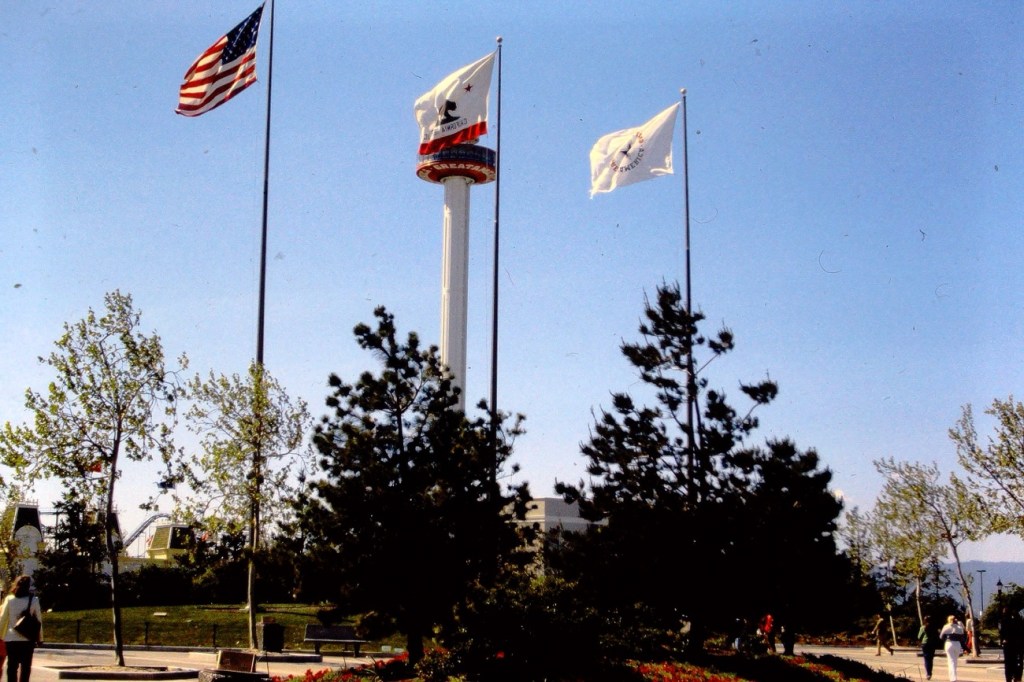
Continuing our adventures from long ago at California’s Great America; we come to segment #3 of the series with another roller coaster ride, won’t you Pull Up a Seat and ride with us.
Did you spot me on the ride? Let me know if you did. These were good times with family. Memories are a wonderful reminder of past experiences and remind us to be grateful for everything in our lives.
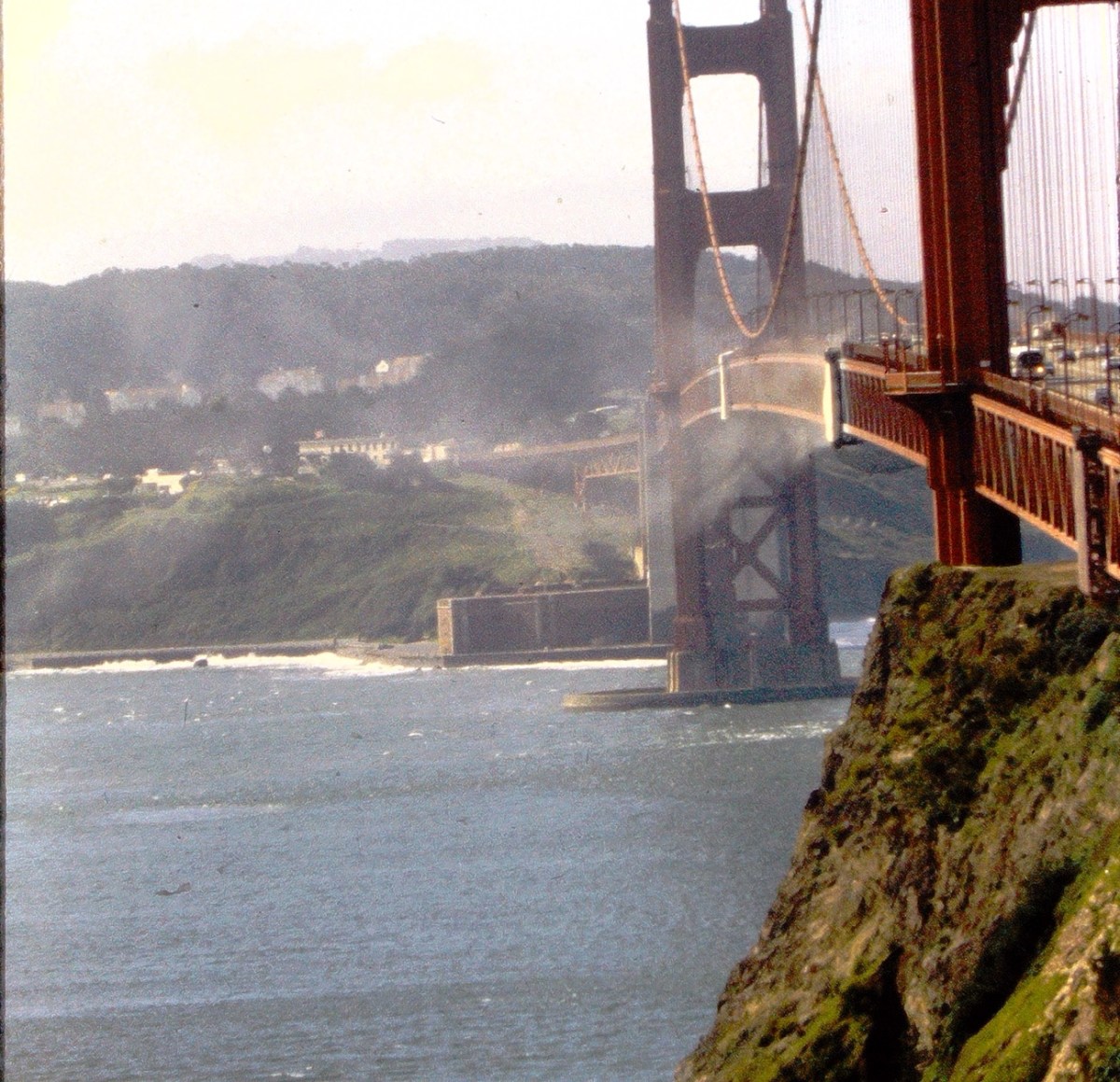
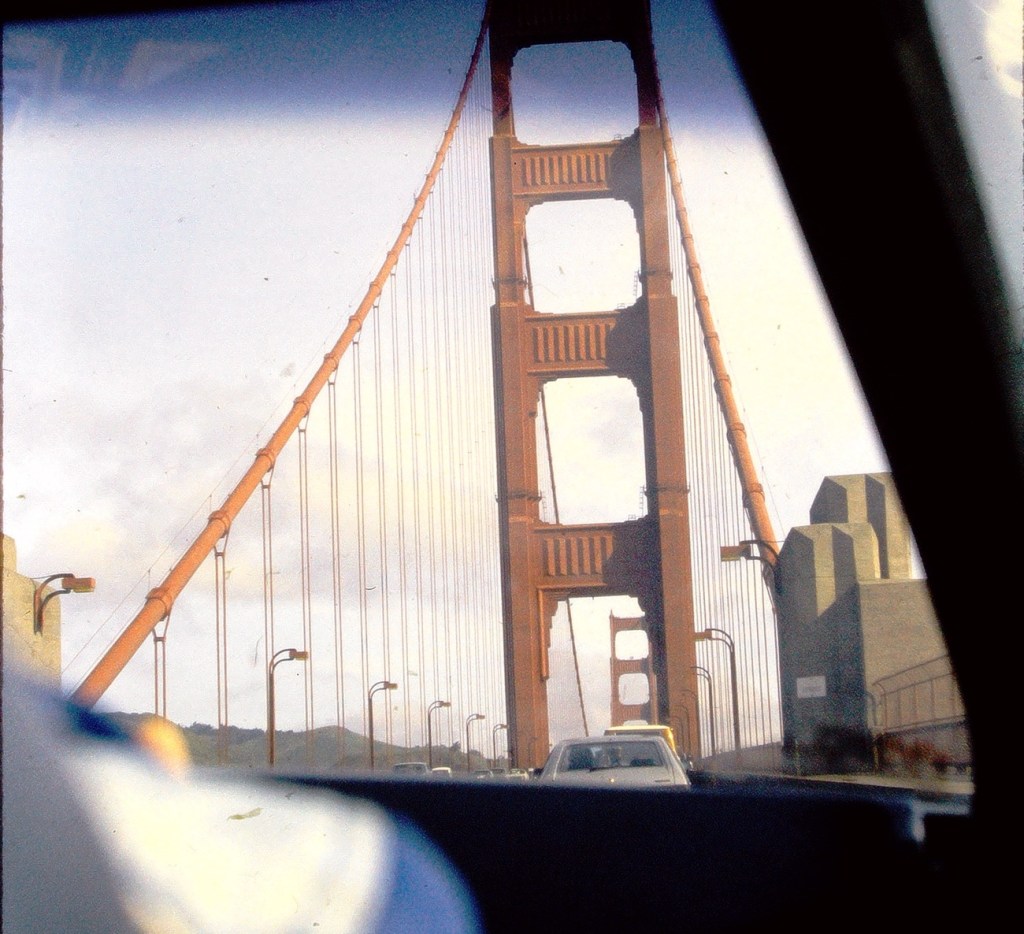
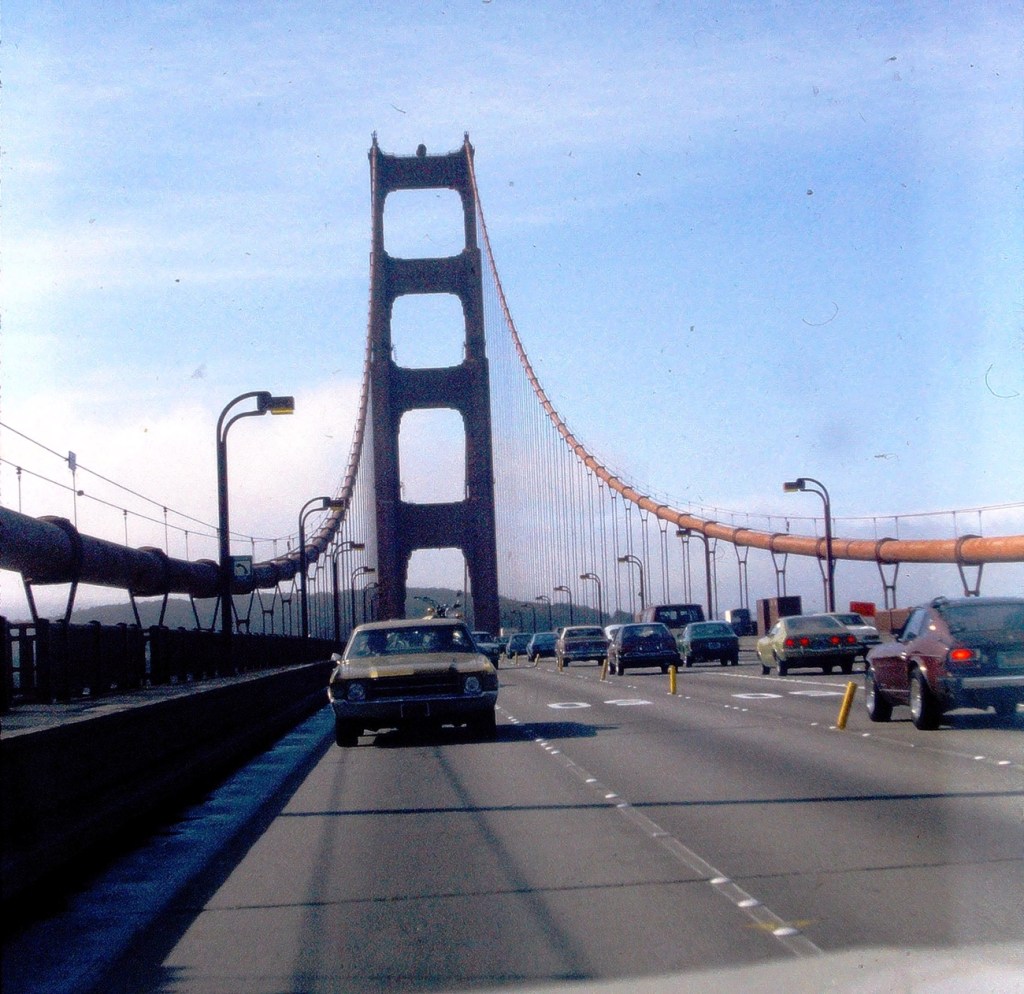
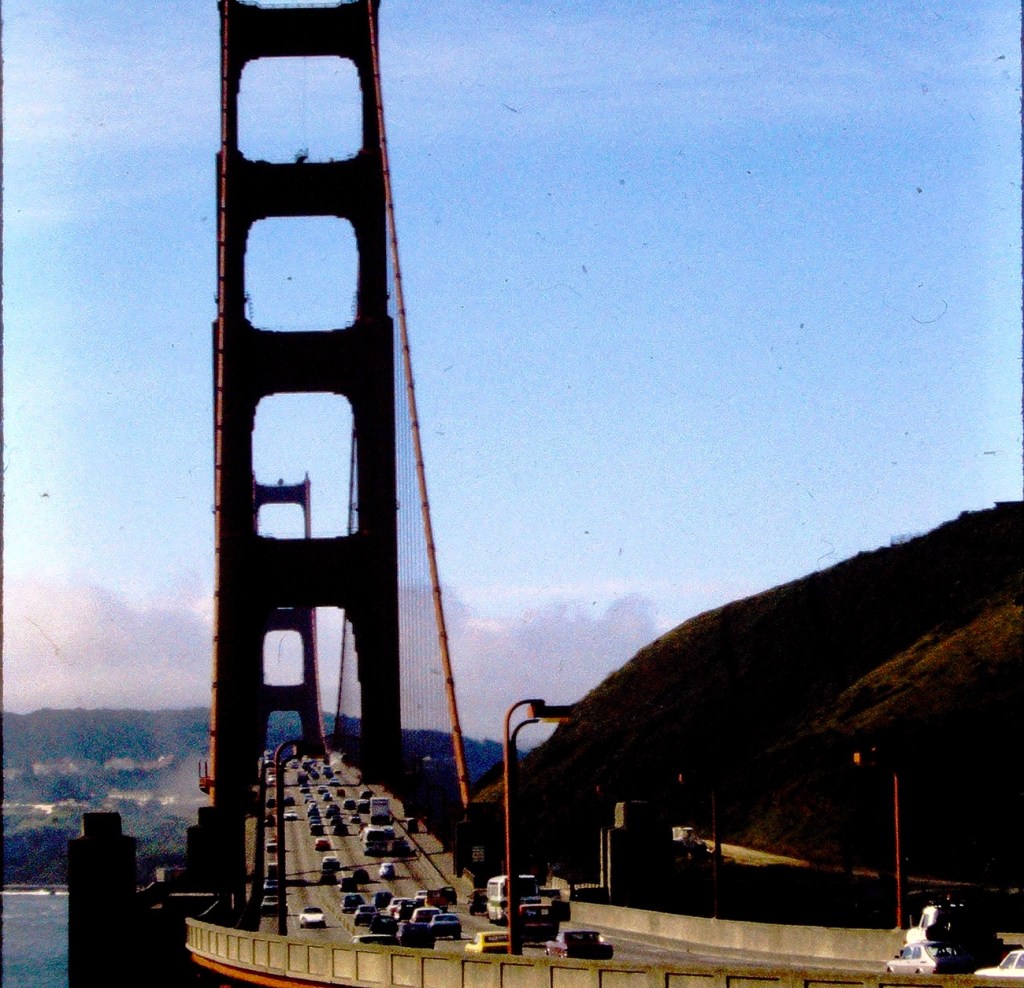
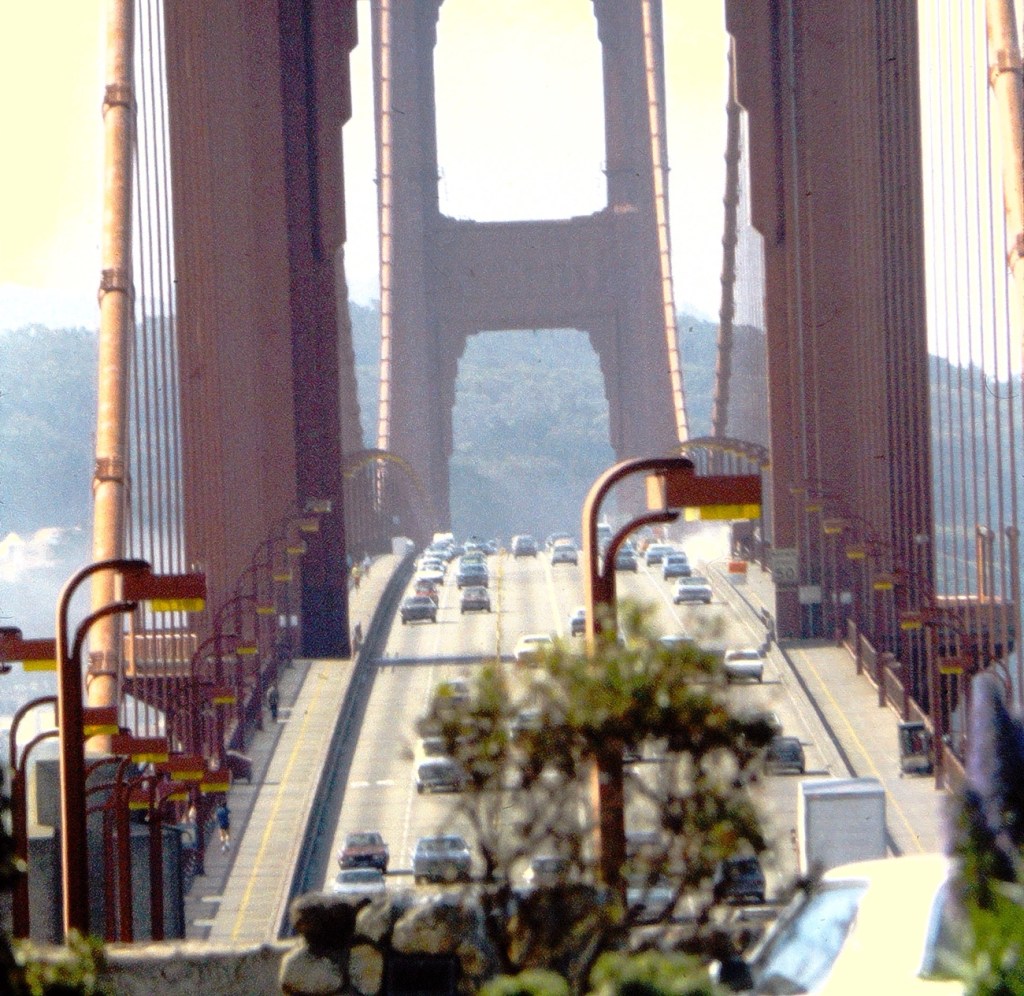
Golden Gate Bridge taken from the passenger seat while crossing the Bridge. Vehicles seen while Driving on the Golden Gate Bridge Golden Gate Bridge with Vehicles (cars, trucks, & buses)San Francisco’s Golden Gate Bridge loaded with Vehicles
My selections of Bridges with Vehicles were all taken during a family trip to San Francisco, California back in the Spring of 1979. Hope y’all enjoy the views and join in on the fun. Click here to link to My Which Way or here to link to Cee.
Today my grandson turned Five. Where has the time gone? He’s currently 43.78 inches tall and weighs 42.20 pounds. He will start kindergarten next month.
Coleman and his new train track set
God Bless. Have a funtastic day and a wonderful weekend. Thank you for stopping by and sharing your time and thoughts with us. I appreciate y’all very much.
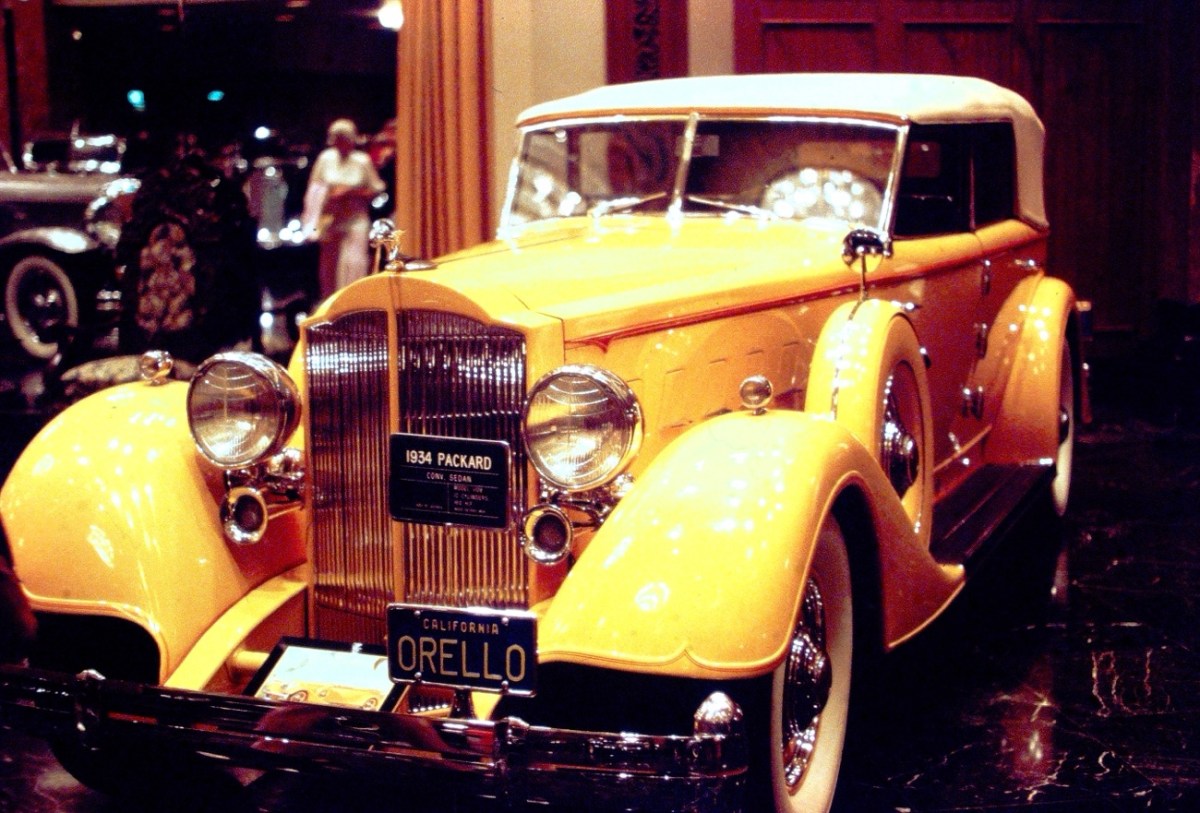
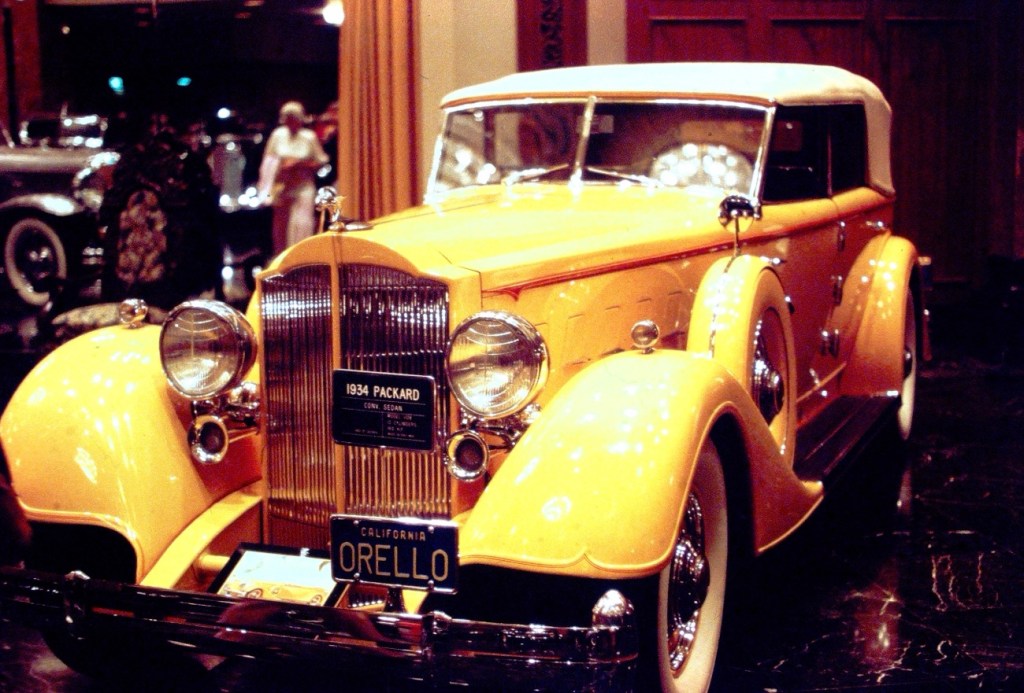
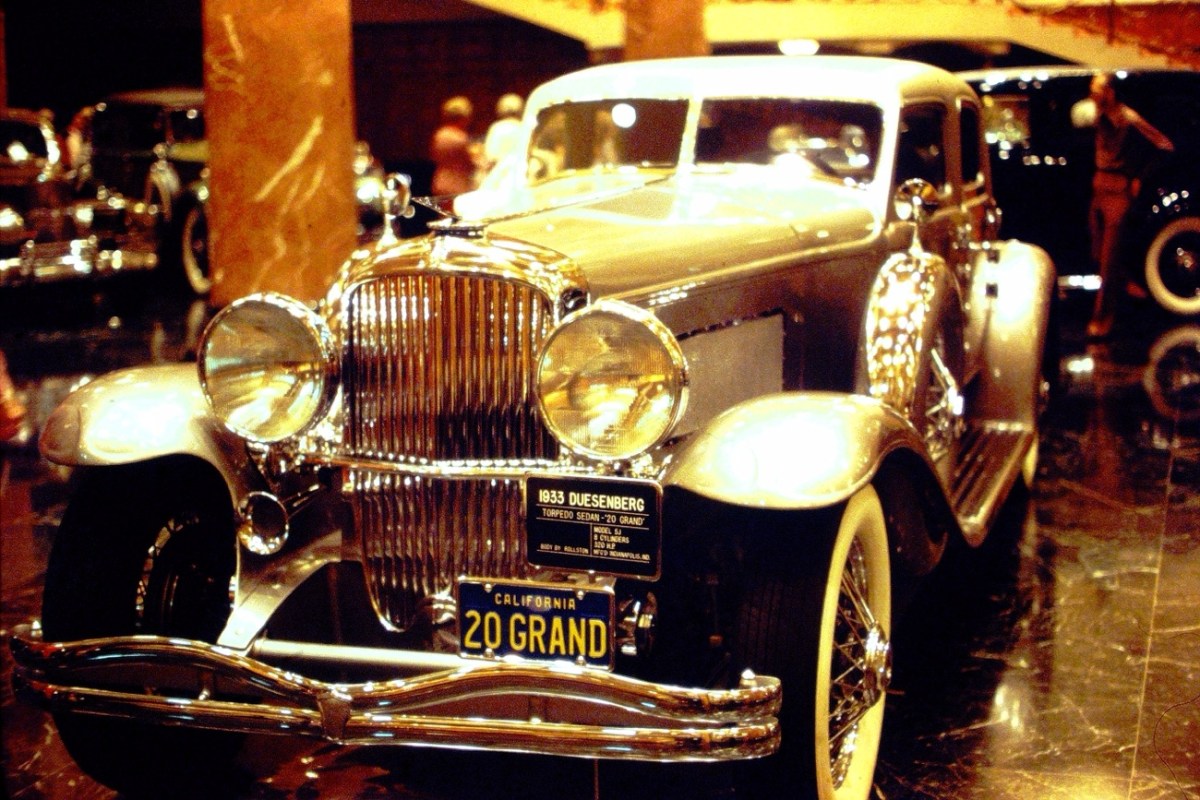
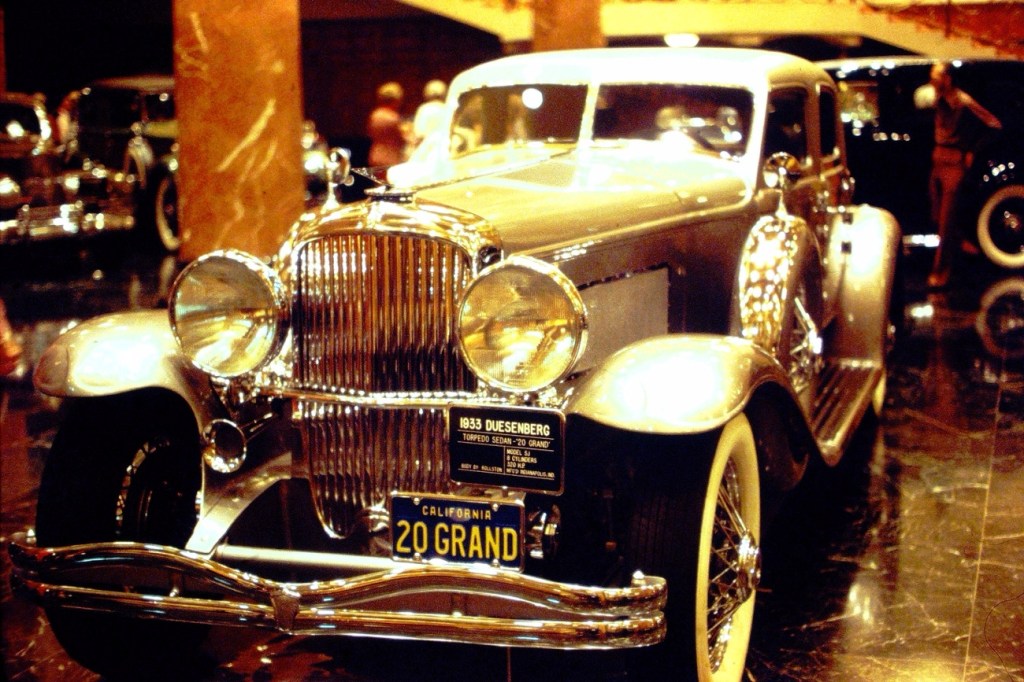
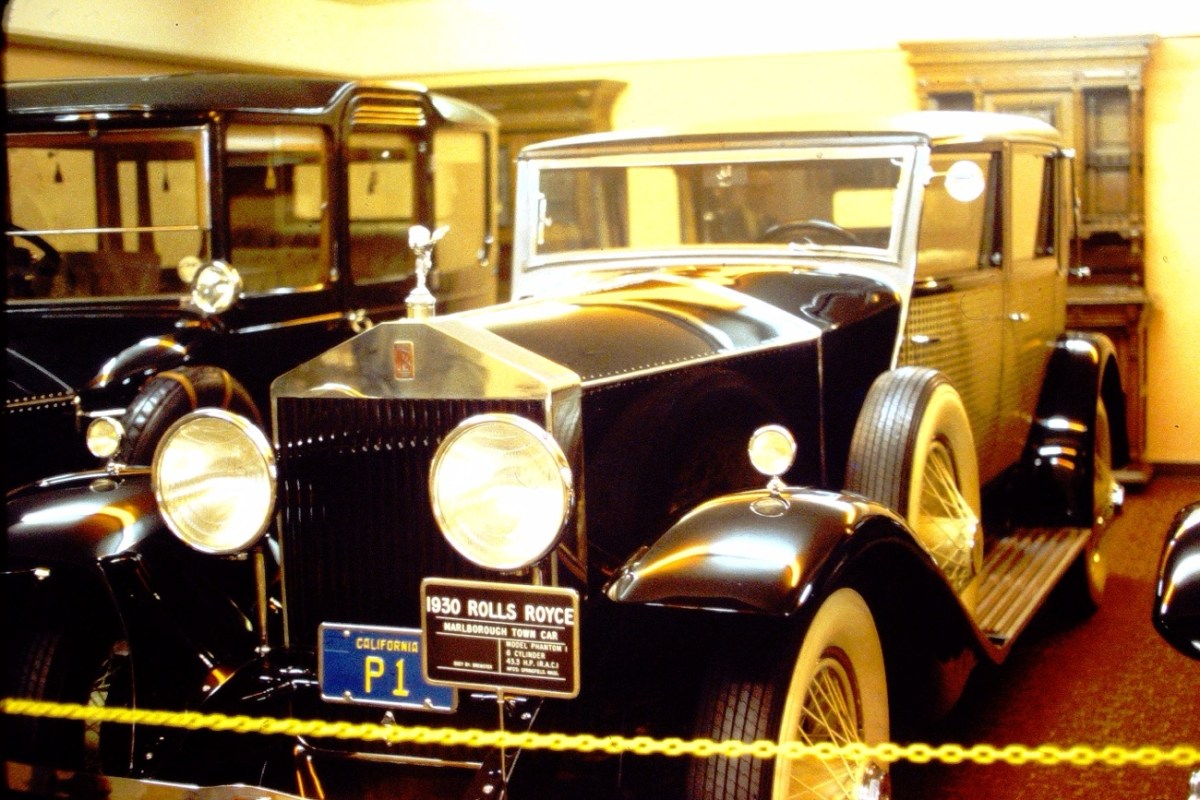
This is my Fourth installment of my combination of Thursday Doors & Monday Window featuring Antique Automobiles.
1934 Packard
Convertible Sedan
The antique automobiles I have been sharing were photographed by dad when he (possibly we) went to a car show in California way back in July of 1980. My dad loved attending Car Shows and we went to many of them over the years.
This week’s Monochrome Madness theme was selected & hosted by Sarah from Travel with Me; she has selected Trees as the theme for this week.
Trees are almost everywhere we go regardless of whether we are in the city, the country, near the beach, or in the mountains. I love spending time in the forests and especially when the forest is in the mountains.
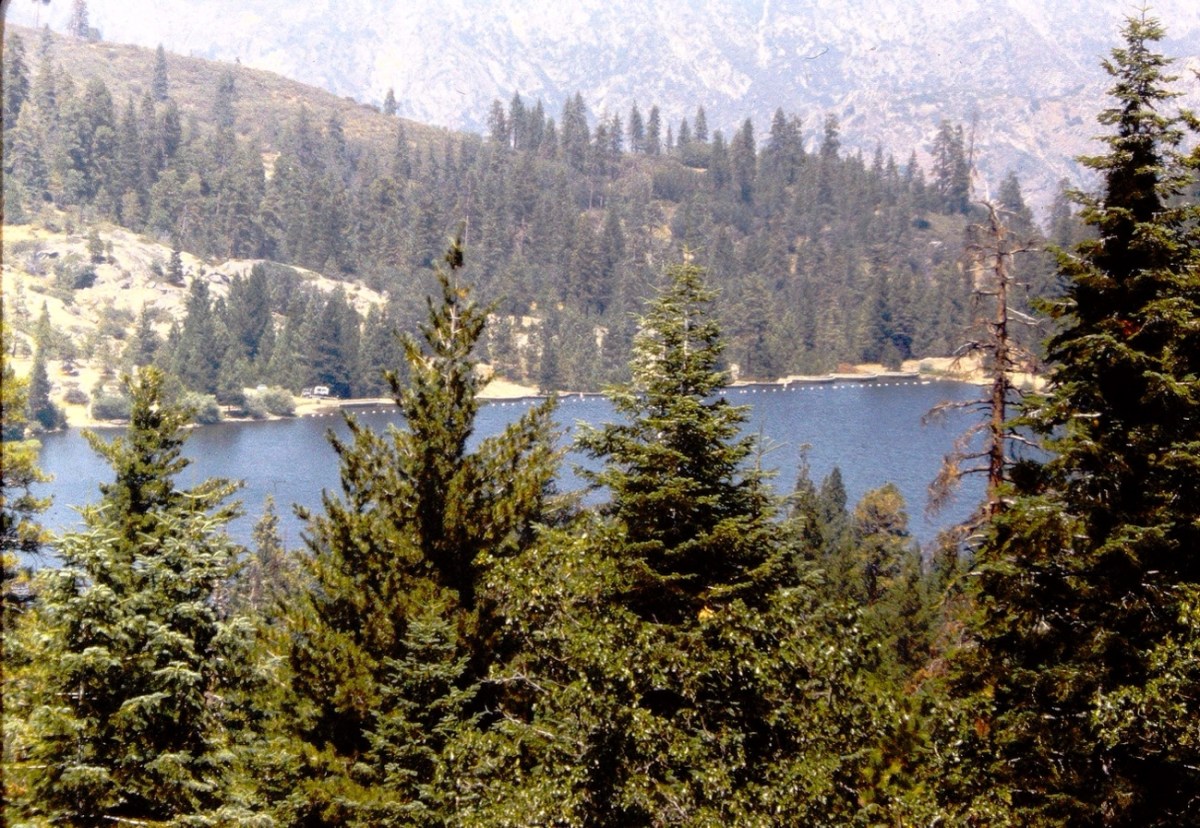
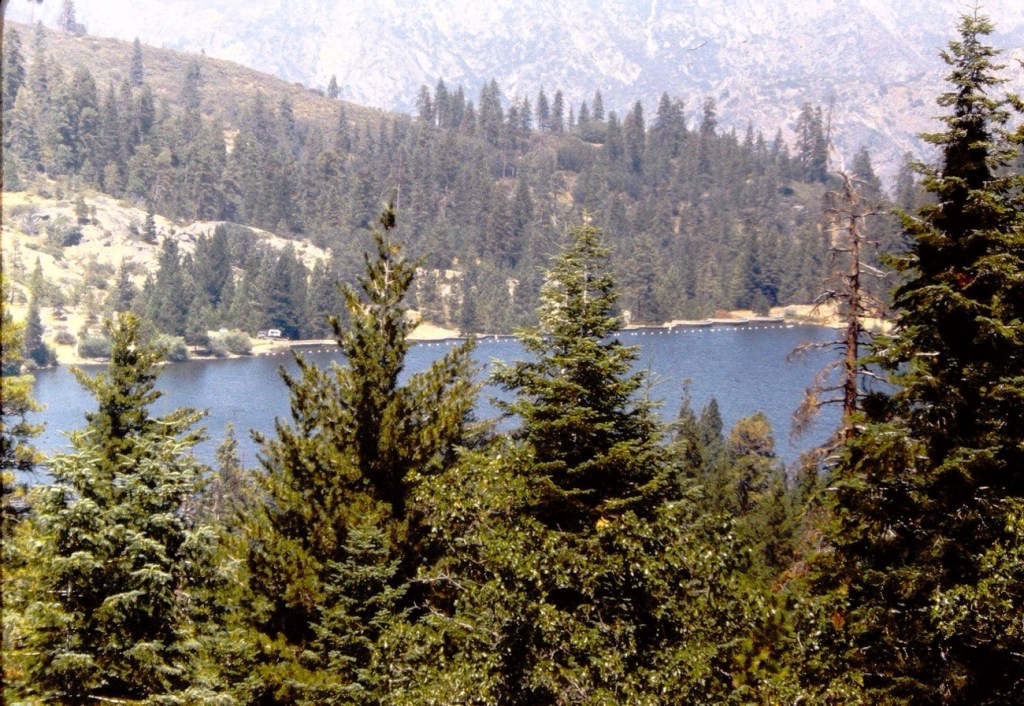
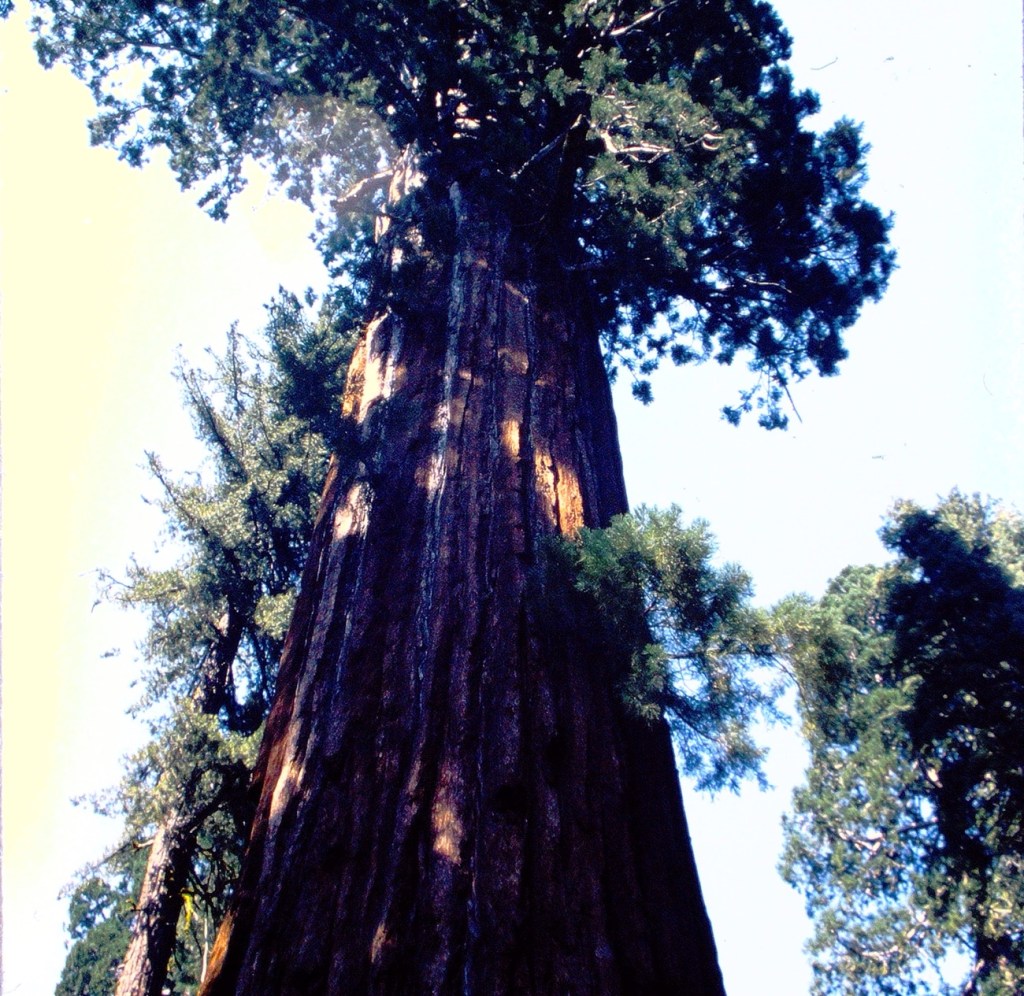
Looking back over my dad’s old slides as I have been doing these past few weeks, I have been enjoying the memories, or seeing what my parents enjoyed doing back in years past. The trees here are from their time in the Sequoia National Forest.
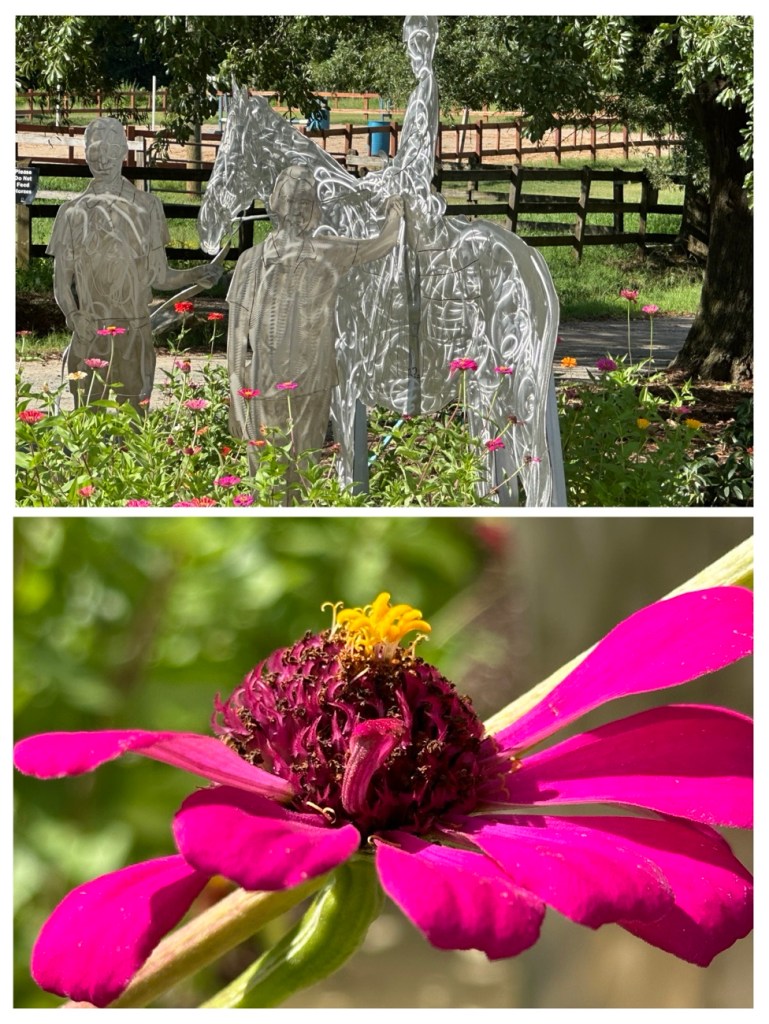
Location: Greenway Stables Entrance; Anne Springs Close Greenway; Fort Mill, South Carolina, USA
God Bless. Thankful for a slight break from all the rain. Wish we could have a break from this extreme heat. Thank you for sharing your time and thoughts with me. I appreciate y’all very much.
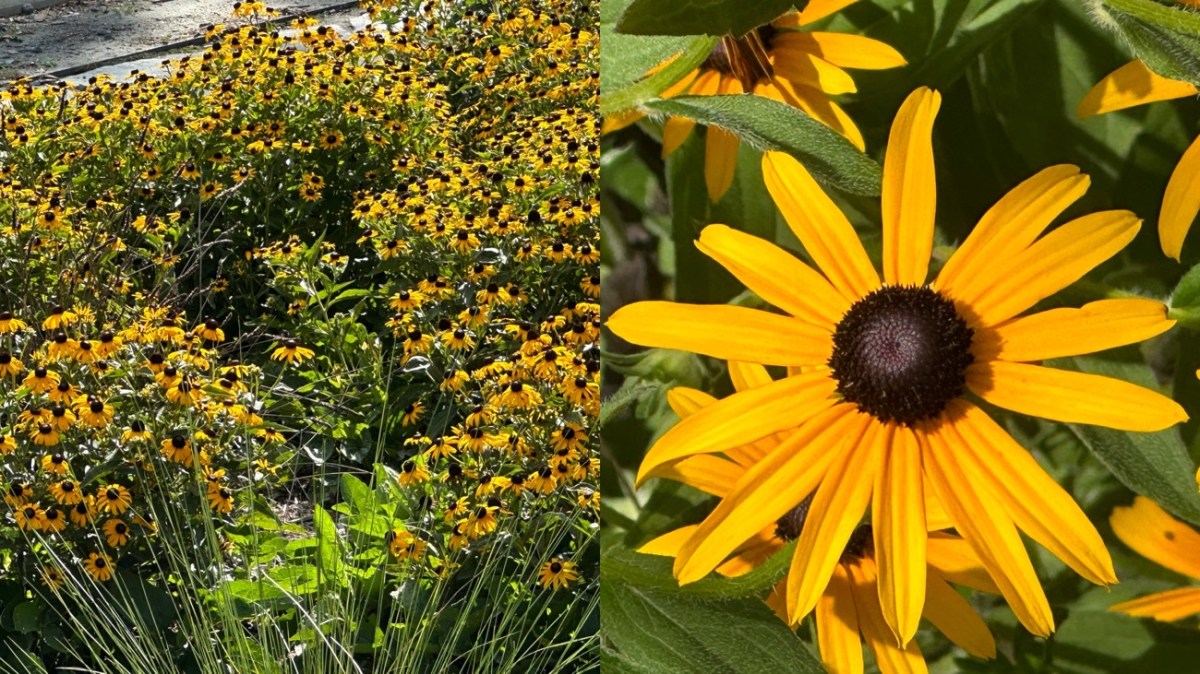
God Bless. Thank you for visiting. Have a wonderful week and enjoy the flowers. Thank you for sharing your time and thoughts with me. I appreciate y’all very much.
Viewing the Eastern Sierra Nevada Mountains and Hume Lake from Hume Lake Christian Campgrounds.
Hume Lake is a reservoir in the Sierra Nevada, located within the Sequoia National Forest 65 miles east of Fresno, California. It is in the unincorporated community of Hume, California adjacent to Hume Lake.
The 87-acre lake lies behind the world’s first concrete reinforced multiple arch dam, designed by John S. Eastwood and constructed in 1908 by the Hume-Bennett Lumber Company.
Hume Lake is a popular destination for a variety of recreational activities including camping, boating, fishing, hiking, and swimming.
Hume Lake Christian Camps is a non-denominational, nonprofit parachurch organization and is one of the largest operators of Christian camps and conference centers in the world. Hume has camps and conferences for every age group ( for children and adults alike).
My parents,along with other couples from our church, spent a weekend at Hume during the summer of 1979. I’m not sure if they were attending one of the marriage retreats offered at the campground or they were all volunteers for the weekend. It seems they had plenty of leisure time to explore and photograph the Sequoia National Forest and the Sierra Nevada Mountains.
I attended weekend at Hume in my late teens with others from my church one winter. Somewhere, not sure where, I have pictures from when I was there. I remember seeing and walking by the lake.
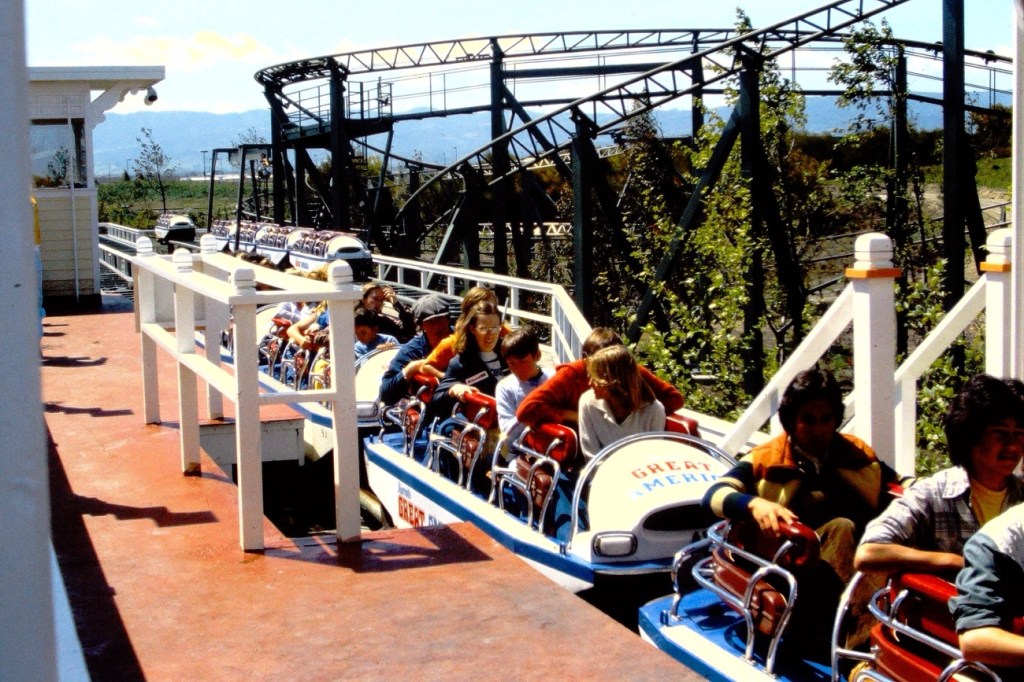
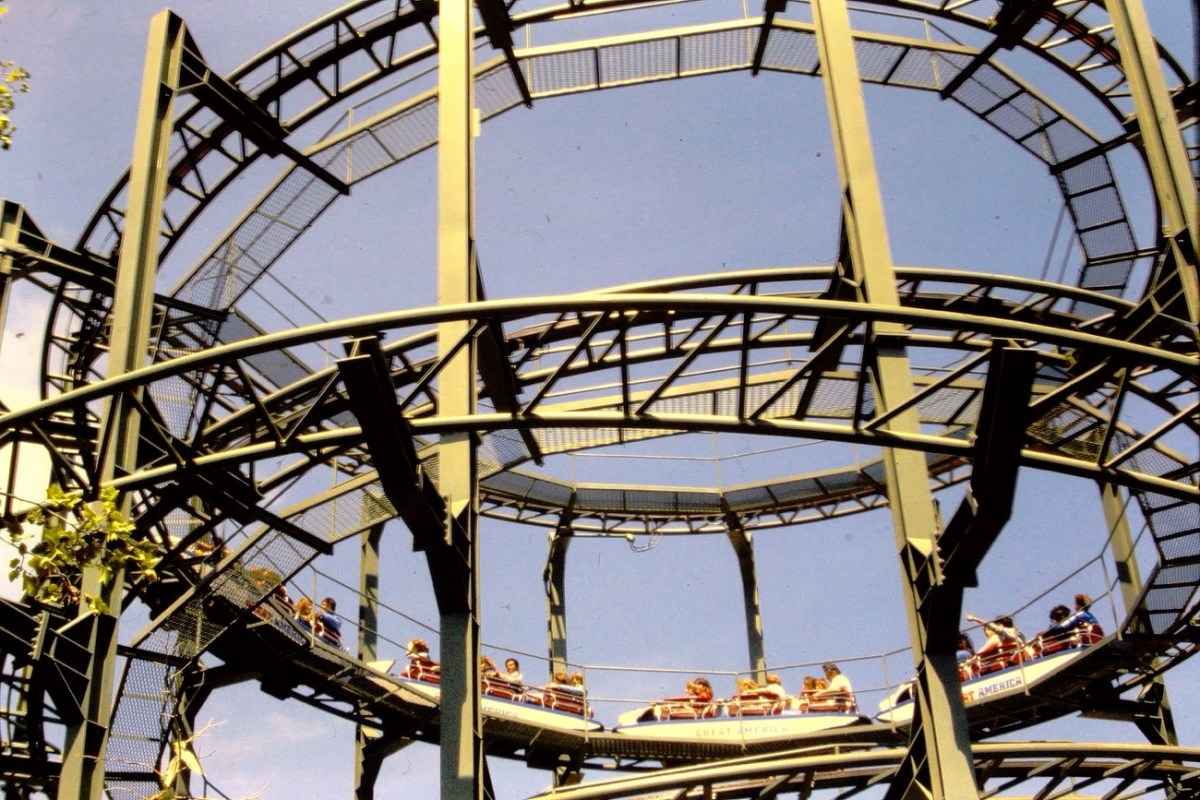
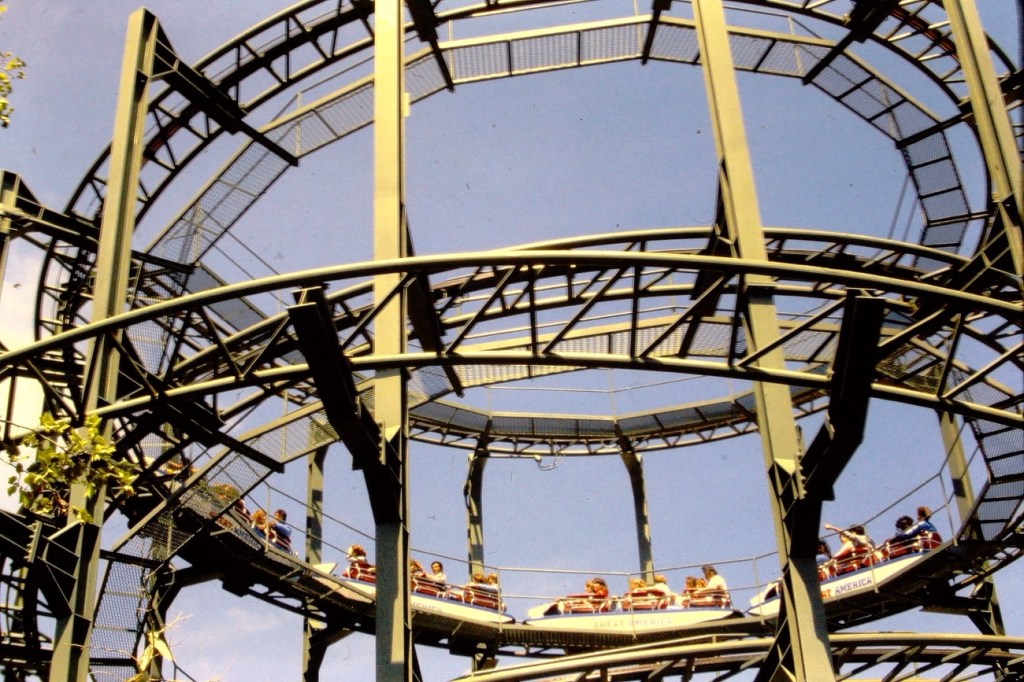
This week we are continuing our adventures from August 1979 allowing y’all to imagine the experience and excitement of Pulling Up a Seat with us … Let’s Ride!
… California’s Great America’s Willard Whizzer Roller Coaster in Santa Clara, California. A transition roller coaster was introduced later on in 1986 called Grizzly Roller Coaster, which helped kids adapt from the kiddie roller coaster versions of Lucy’s Crabbie Cabbies and Woodstock Express to more grown-up thrills.
Willard’s Whizzer’s hills and ground-hugging curves gave riders a heightened impression of speed. Lacking inversions, the coaster has been a favorite of families. In the beginning, the ride didn’t have lap bars or seat belts. Small children rode side by side with a parent helping them to feel comfortable and protected. The forces of the ride were designed to keep well-behaved riders in their seats according to the laws of physics. For many children, at the time, this was their very first “big” roller coaster ride.
A walk back in time to visit a place my mom and dad visited with friends, remembering the love they shared. I believe this was a day trip they took with friends from their Sunday school class.
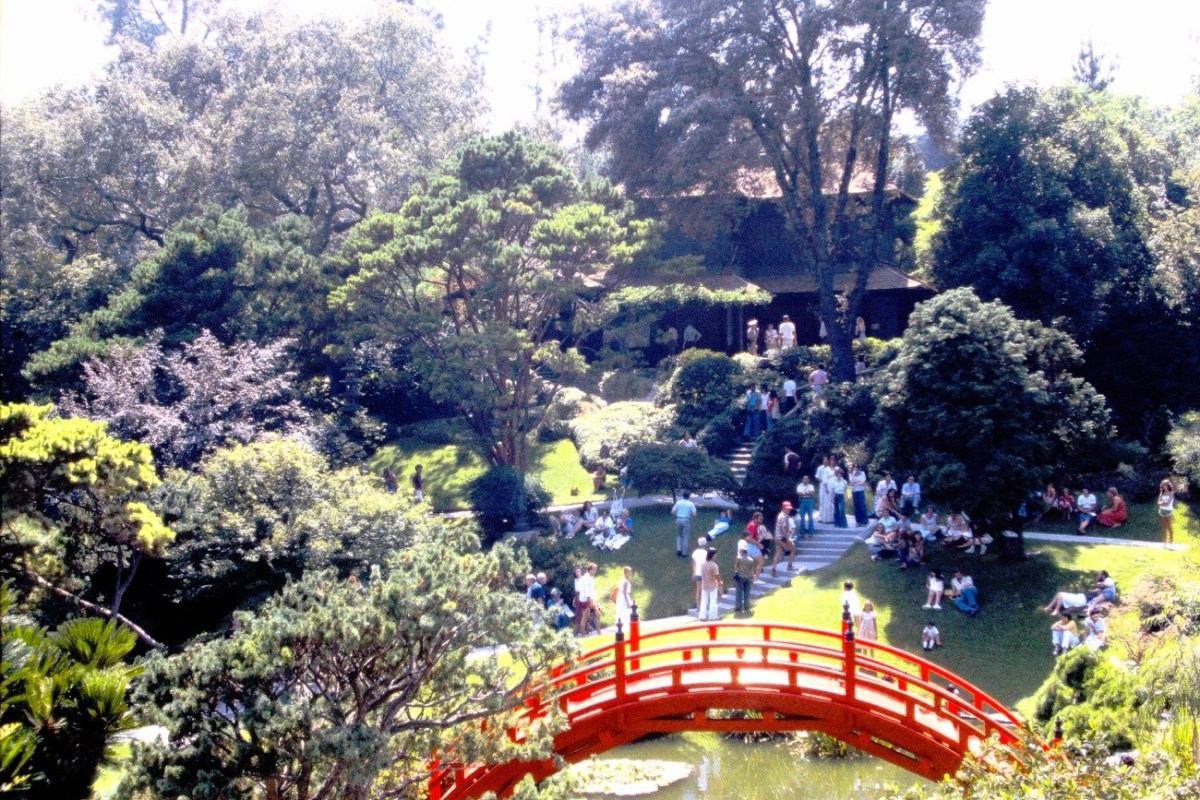
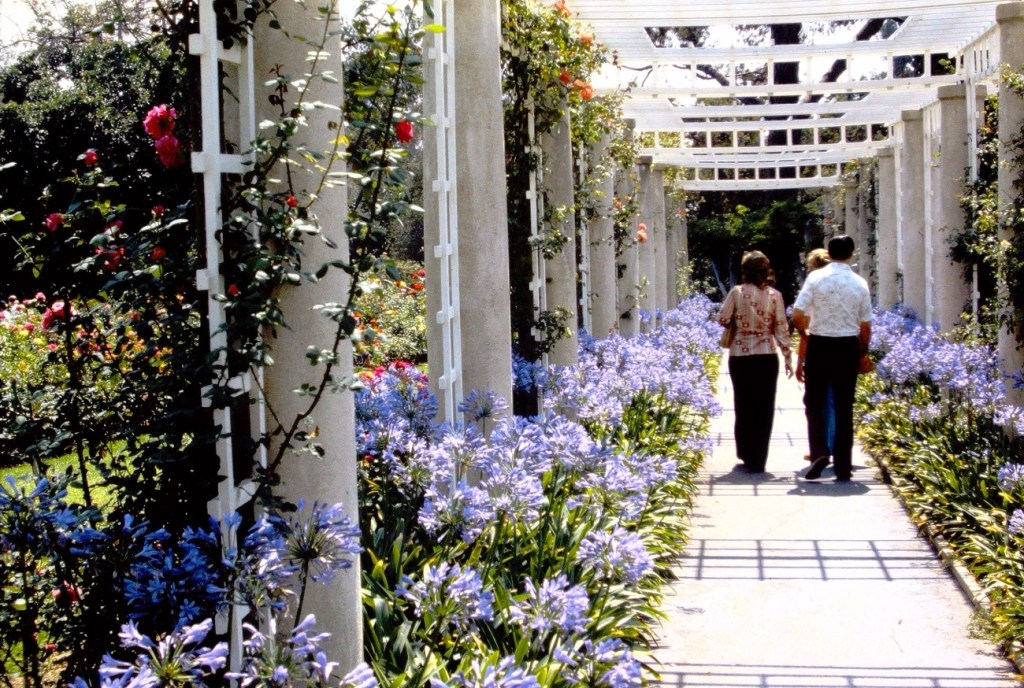
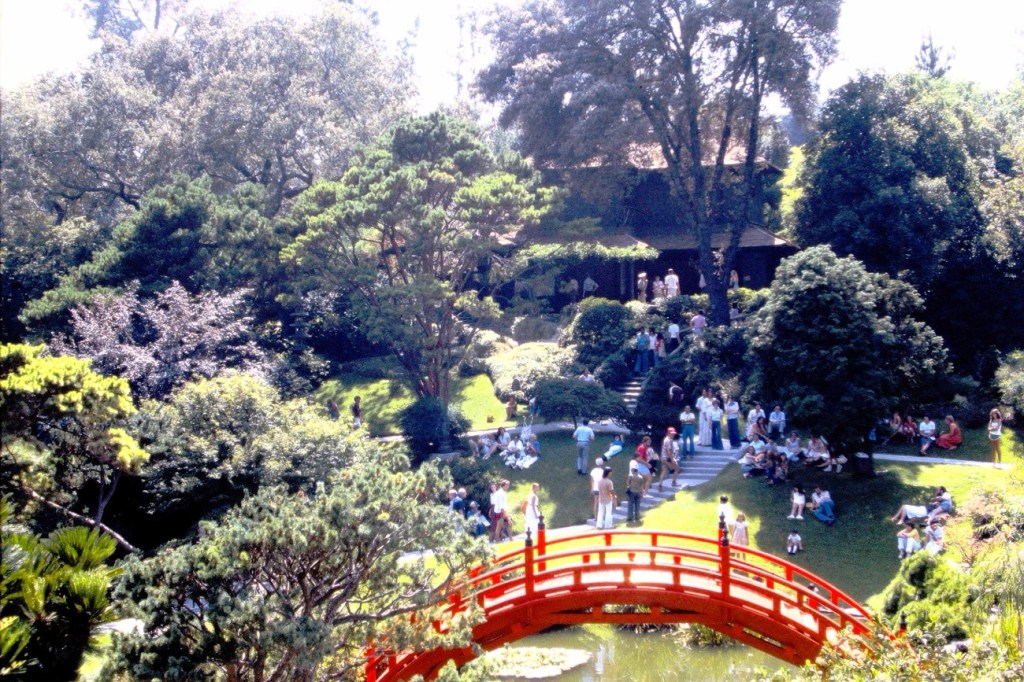
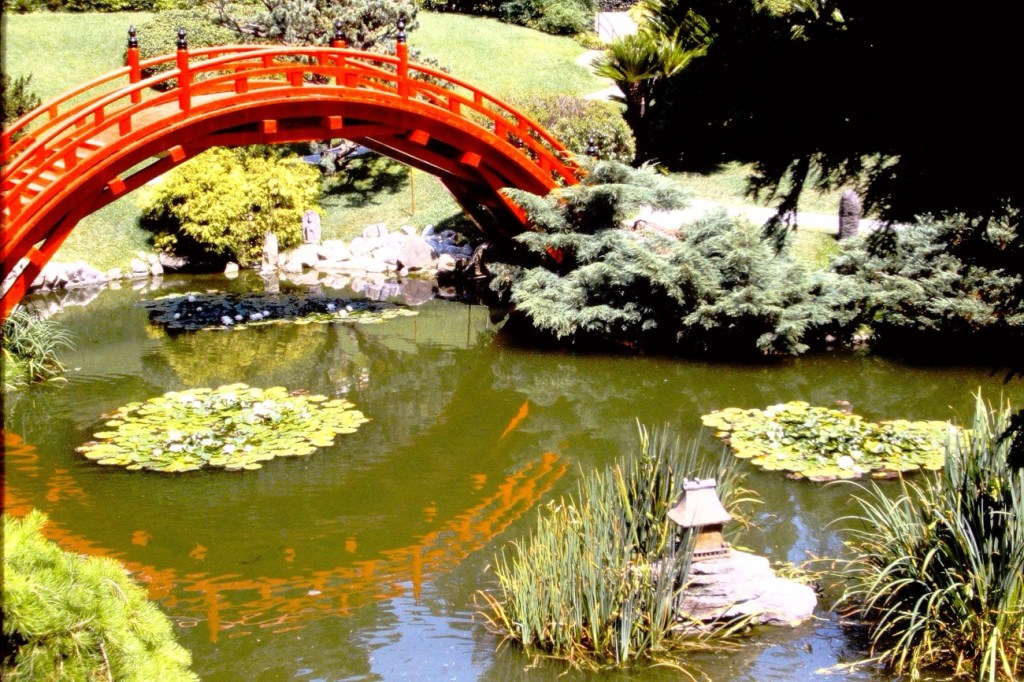
On this day trip from San Diego, California, in 1979, they ventured to The Huntington Library, Art Museum and Botanical Gardens located in San Marino, California. The Botanical Gardens section of Huntington has approximately 120 acres of specialized botanical landscaped gardens, including the “Japanese Garden”, the “Desert Garden”, and the “Chinese Garden”.
Walking through a floral passageway with friends.
The Huntington’s Botanical Gardens showcase plants from around the world. Huntington worked diligently to make them thrive in the generous climate conditions of California. The gardens are divided into more than a dozen themes including the ones mentioned earlier.
Japanese Garden
The Japanese Garden creation began in 1911 with a donation from art dealer George Turner Marsh and was completed in 1912. However, it did not open to the public until 1928. In the Japanese Garden you can find three distinct gardens: the original stroll garden with koi-filled ponds and a drum or moon bridge, the raked-gravel dry garden which was added in 1968, and the traditionally landscaped tea garden.
Japanese Garden Bridge
An interesting side note: the gardens are frequently used as a filming location. Shits can be seen in the Carpenter’s music video, “Only Yesterday” (1975), in Star Trek the Next Generation’s episode Justice (1987), in CSI Miami’s episode of You May Now Kill the Bride (2008) and in many other productions.
The Huntington Botanical Gardens were honored on May 13, 2020 with a postal stamp as part of the American Gardens stamps. The Desert Garden was featured on the postal stamp.
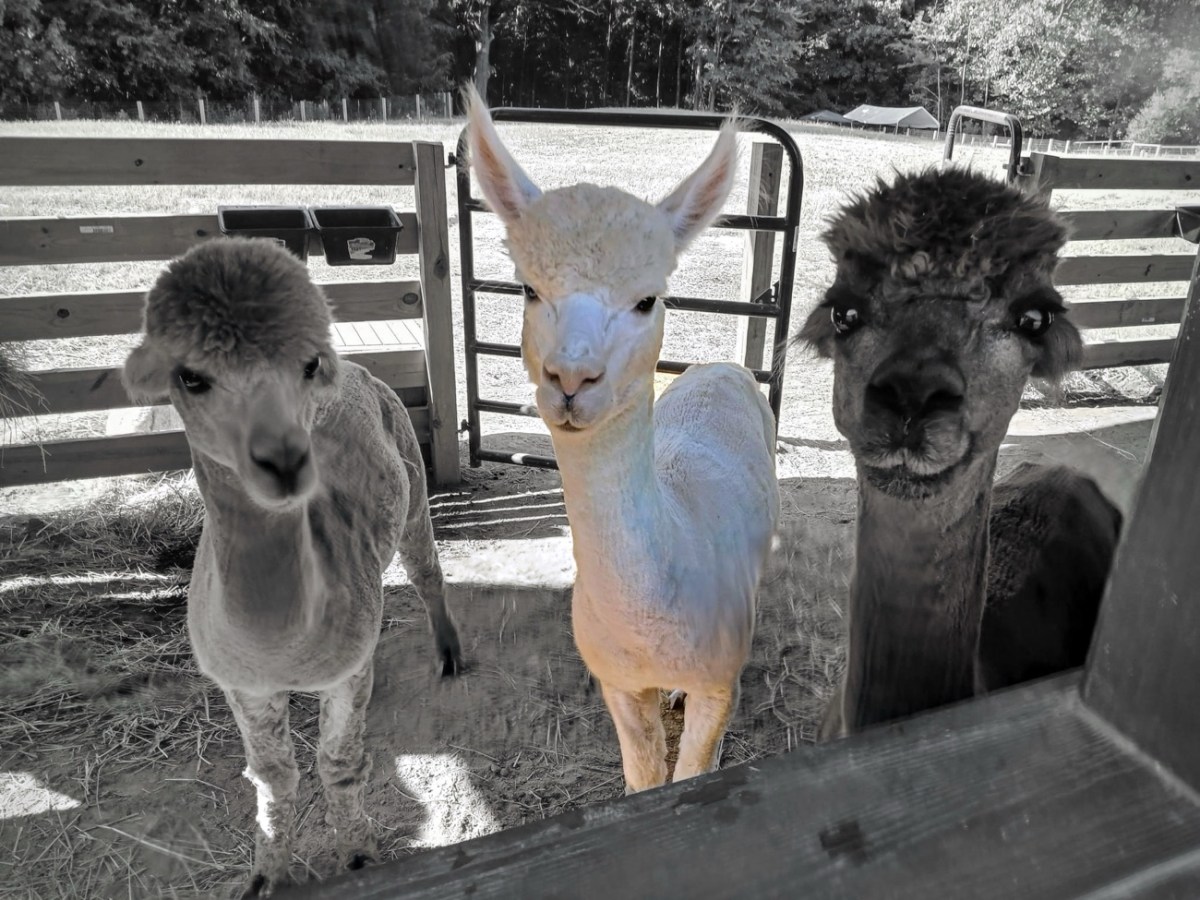
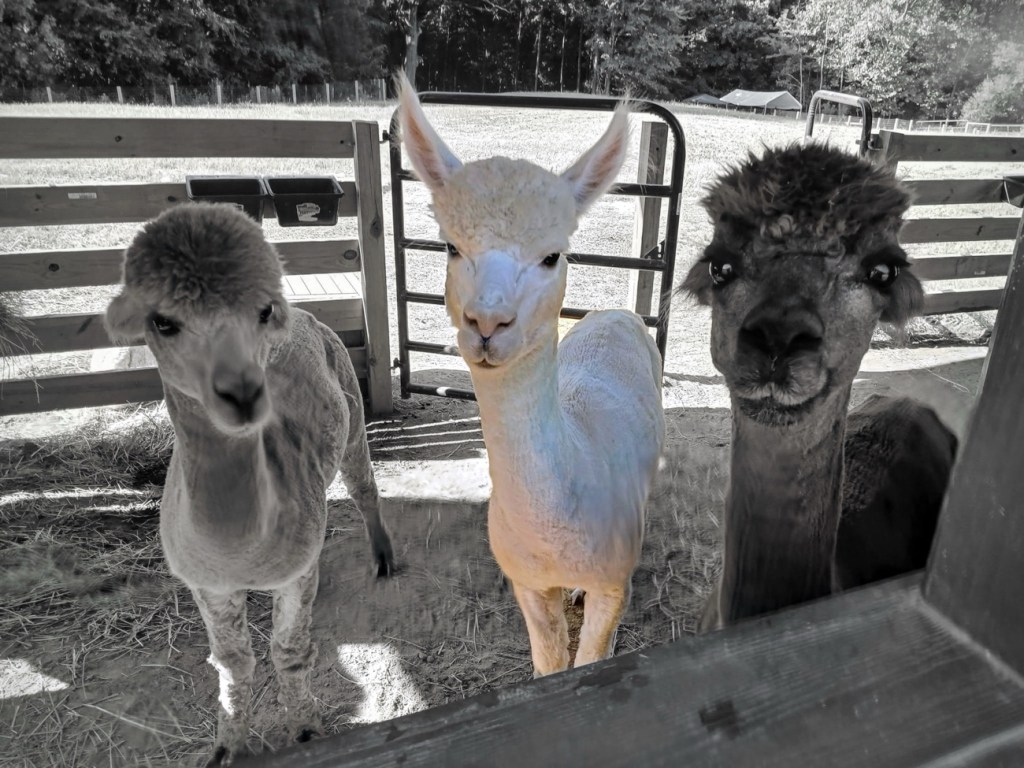
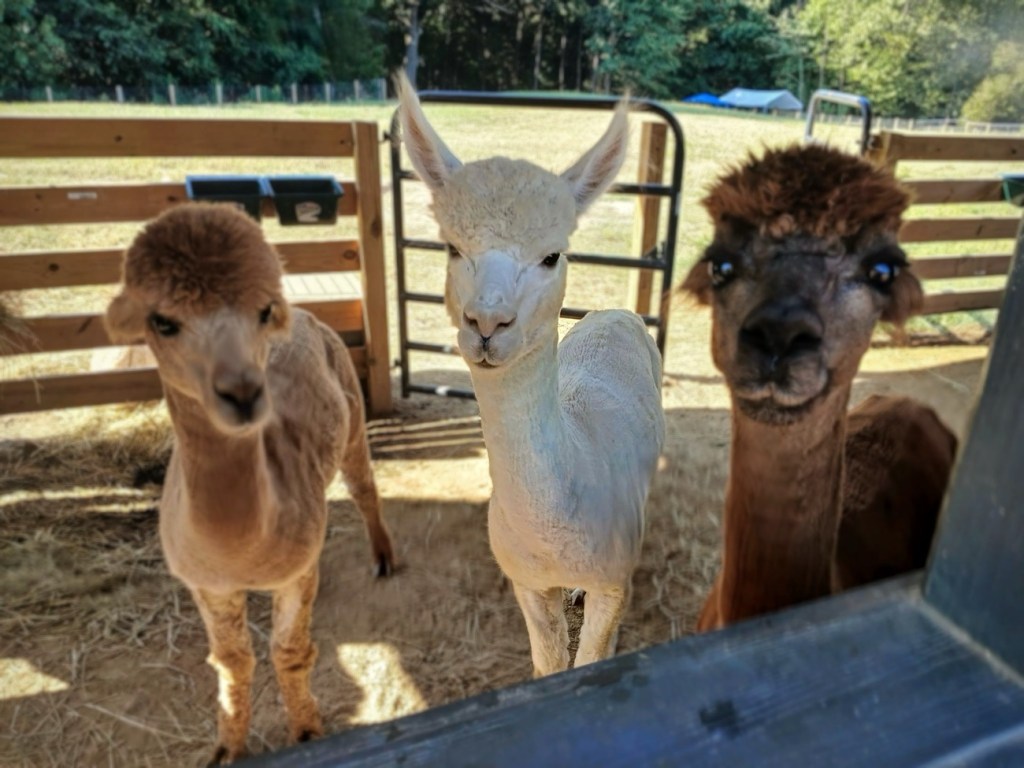
These three Alpacas can be visited at the Crandall Bowles Children’s Farm at the Horse Road Entrance to the Anne Springs Close Greenway. The Crandall Bowles Children’s Farm offers a unique blend of education and exploration for visitors of all ages.
Integrating the former petting zoo and adding a pastoral habitat, observation areas for various animals, a half-mile loop trail, gathering lawn, educational garden, and open-air learning center, the Children’s Farm aims to provide daily interpretation and demonstrations on a variety of topics in an immersive learning environment.
Tours of the Children’s Farm are self-guided. On Saturdays and Sundays Animal Care Volunteers may possibly be on site during specified times. If interested, please check the Greenway’s website prior to visiting for further details.
According the Oxford Dictionary, a Pathway is a path which you can walk along or a route you can take and a Passage is a way of exit or entrance; the act or process of moving through, under, over, or past something on the way from one place to another.
For Judy’s “The Numbers Game #30”Today’s number is 151. To play along, go to your photos file and type that number into the search bar. Then post a selection of the photos you find under that number and include a link to your blog in myNumbers Game blog of the day. If instead of numbers, you have changed the identifiers of all your photos into words, pick a word or words to use instead, and show us a variety of photos that contain that word in the title.
California Adventures
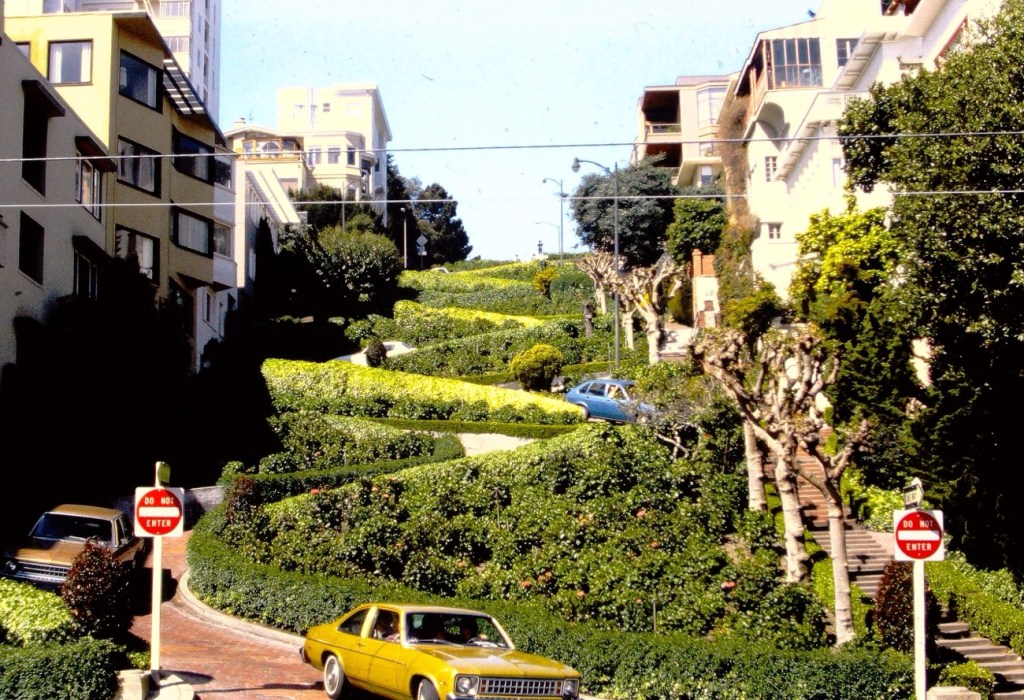
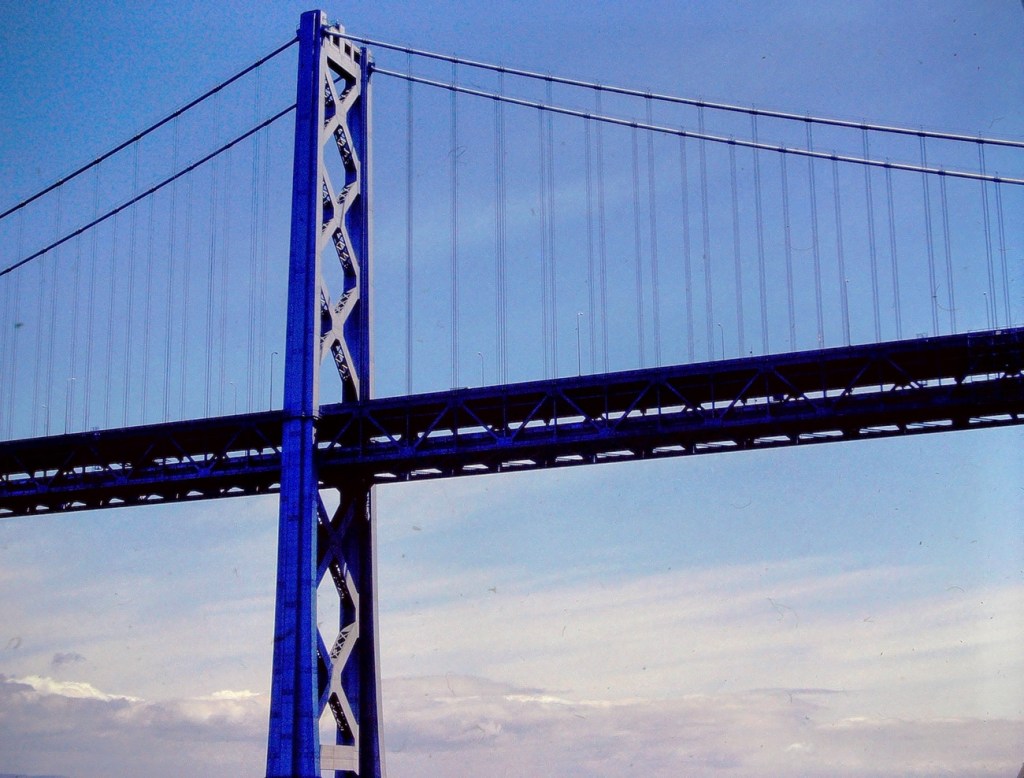
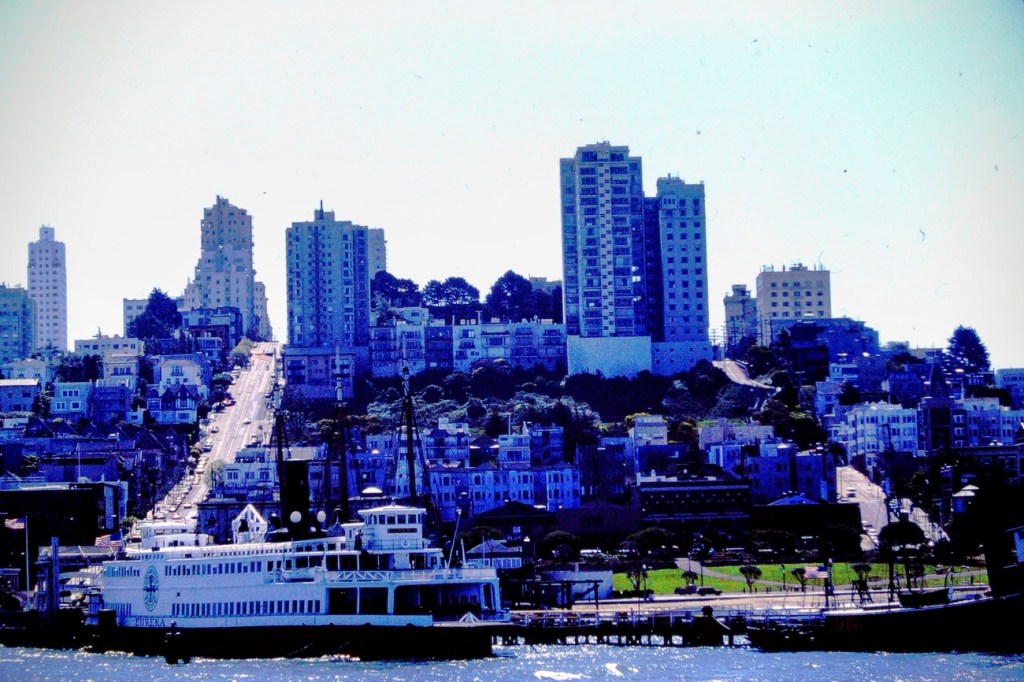
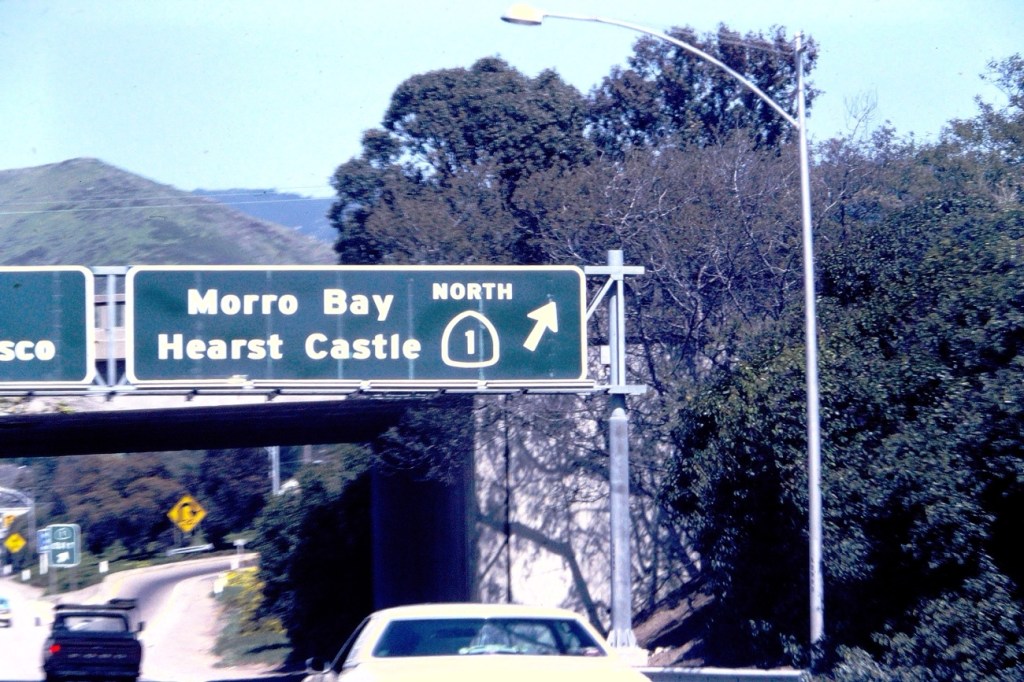
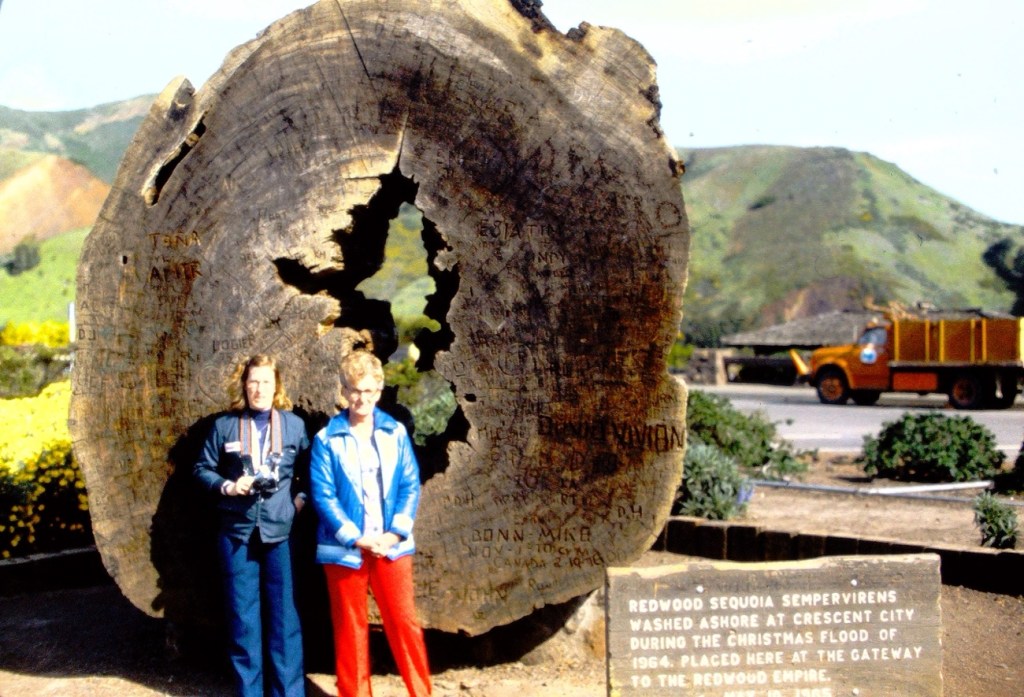
Since I have been working on digitizing my dad’s old slides more than photographing outdoors in our extreme heat, I decided to share some of my dad’s slides and my memories from our California adventures with all y’all.
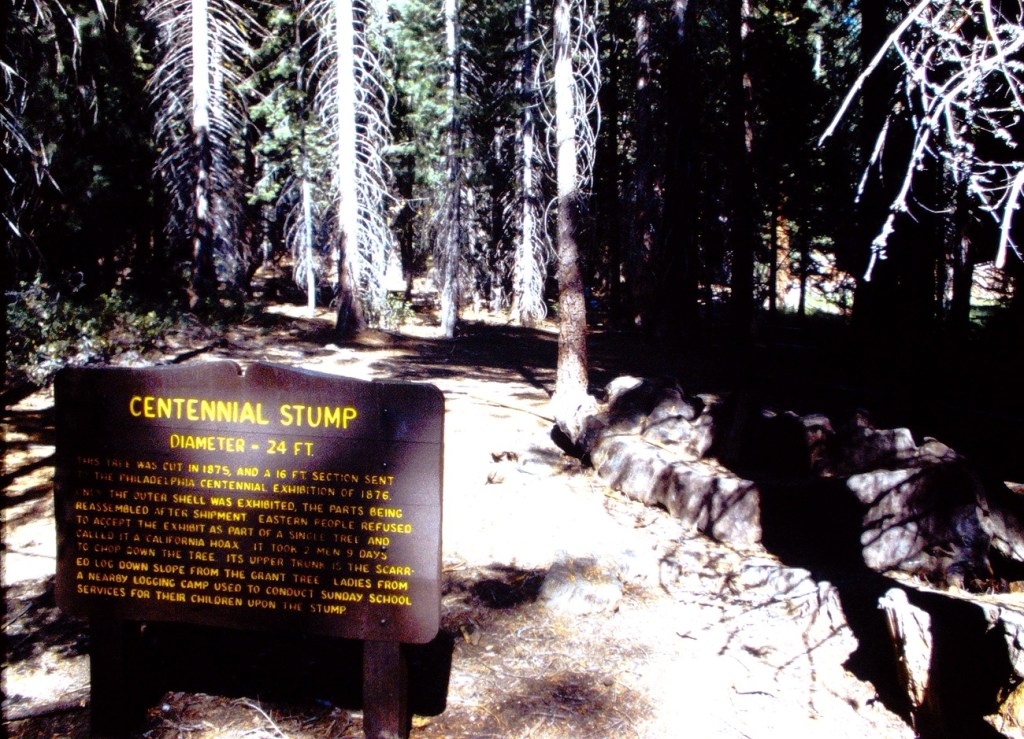
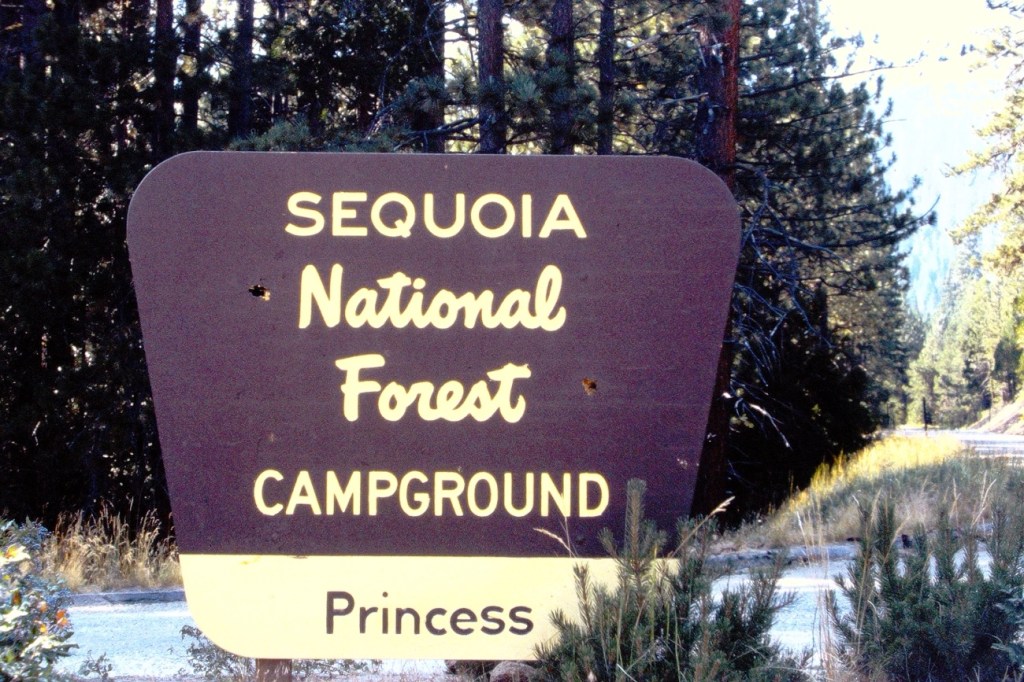
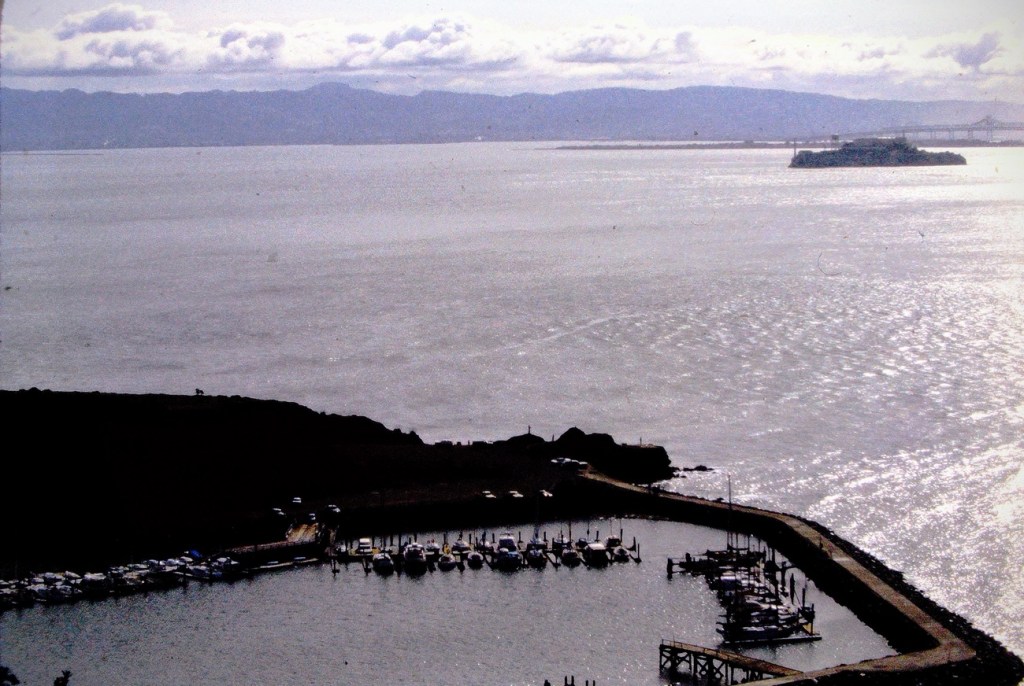
Lombard Street San Francisco, CaliforniaSan Francisco Bay Bridge San Francisco, California Turn Off to PCH 1 Doyce Eileen Waters ( My mom) and Myself Redwood Sequoia Sempervirens Washed Ashore at Crescent City During The Christmas Flood Of 1964. Placed Here At The Gateway To The Redwood Empire.Nornal Hule Waters (My dad) Sequoia National Park Three Rivers, Tulare County, California Centennial Stump Sequoia National ForestSequoia National Forest Campground Princess Sequoia Sempervirens Coastal California Redwood Sequoia National Forest
Locations: 1-5) San Francisco, California; 6-9) Sequoia National Forest Campground; Three Rivers, Tulare County, California, USA
God Bless. Thank you for visiting and sharing your time and thoughts with us. Sharing memories are precious and a delight to behold. I appreciate y’all very much.
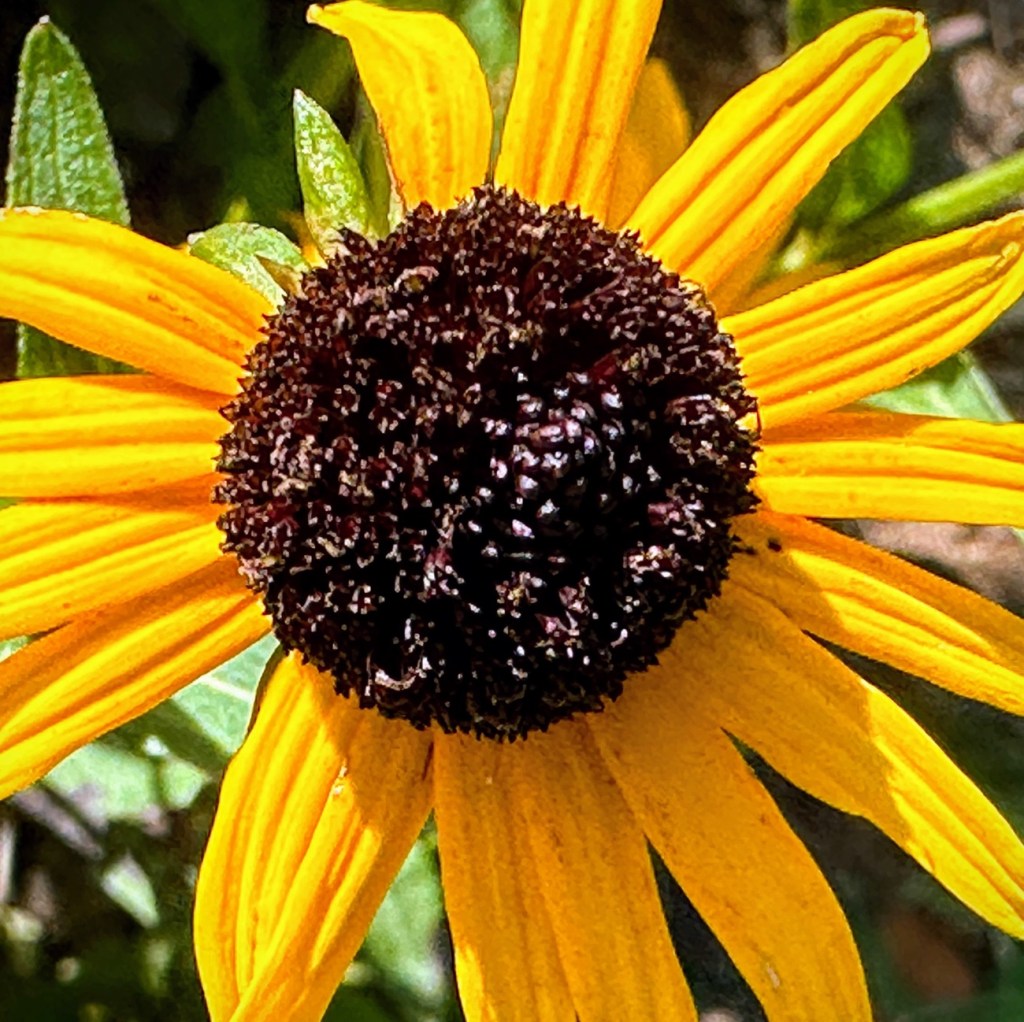
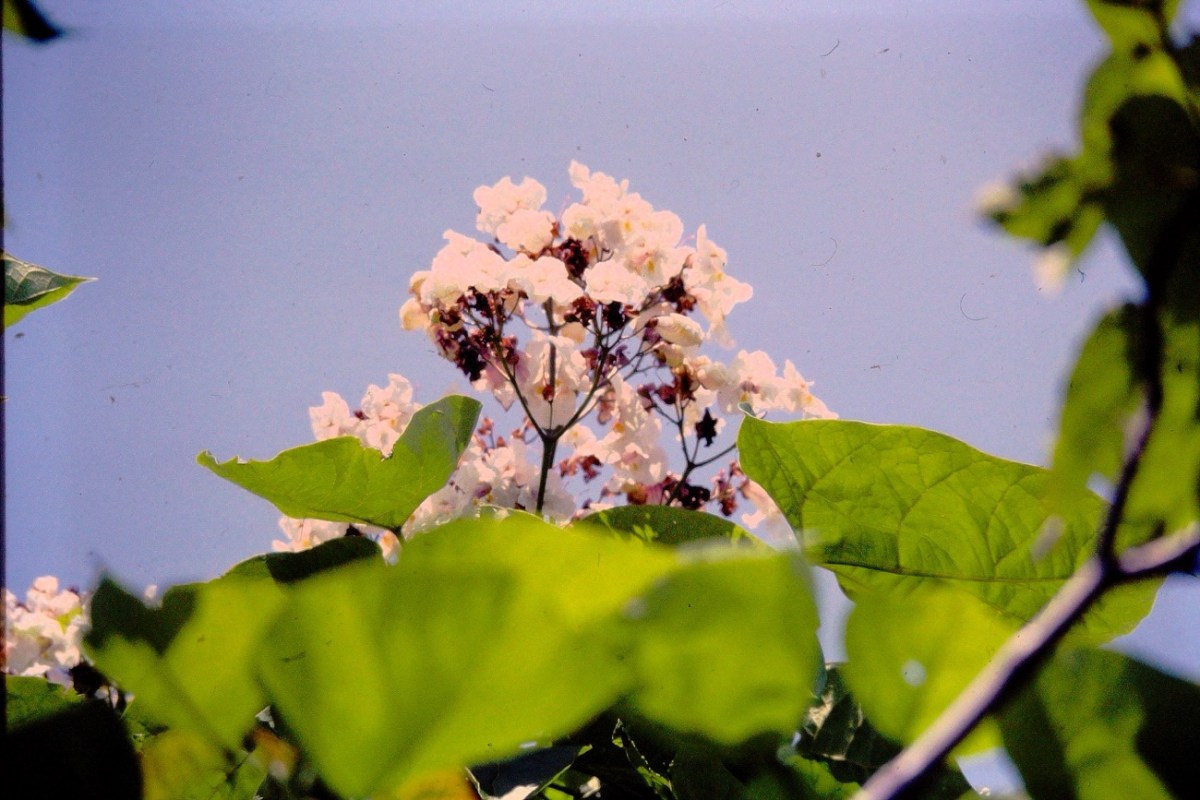
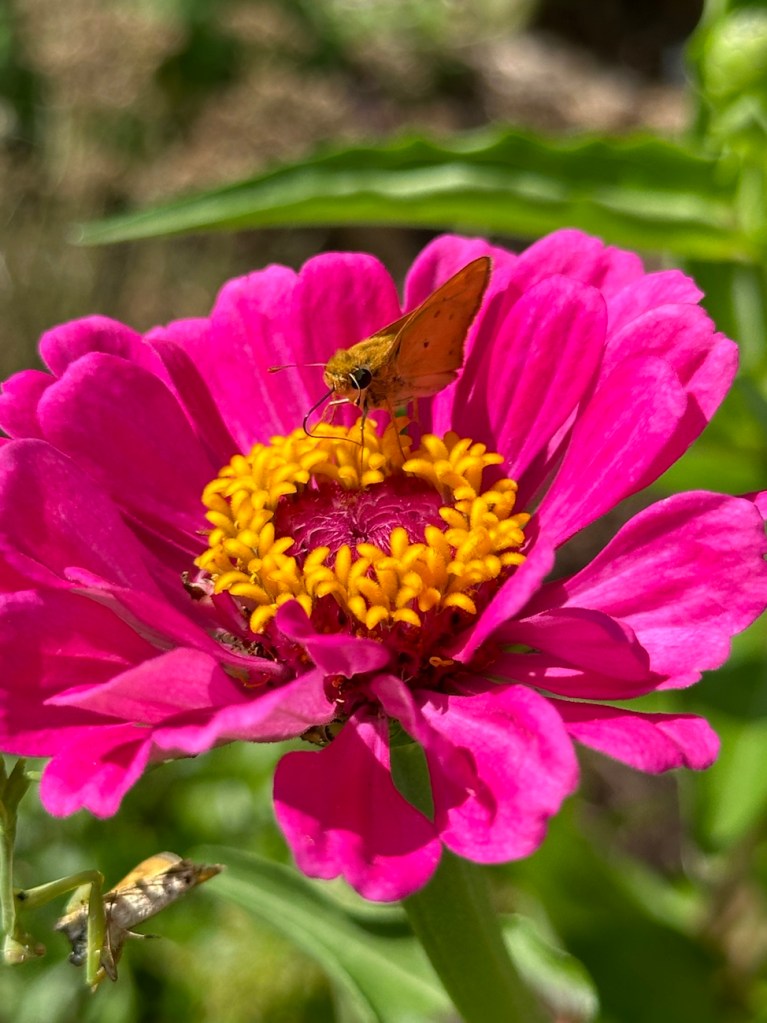
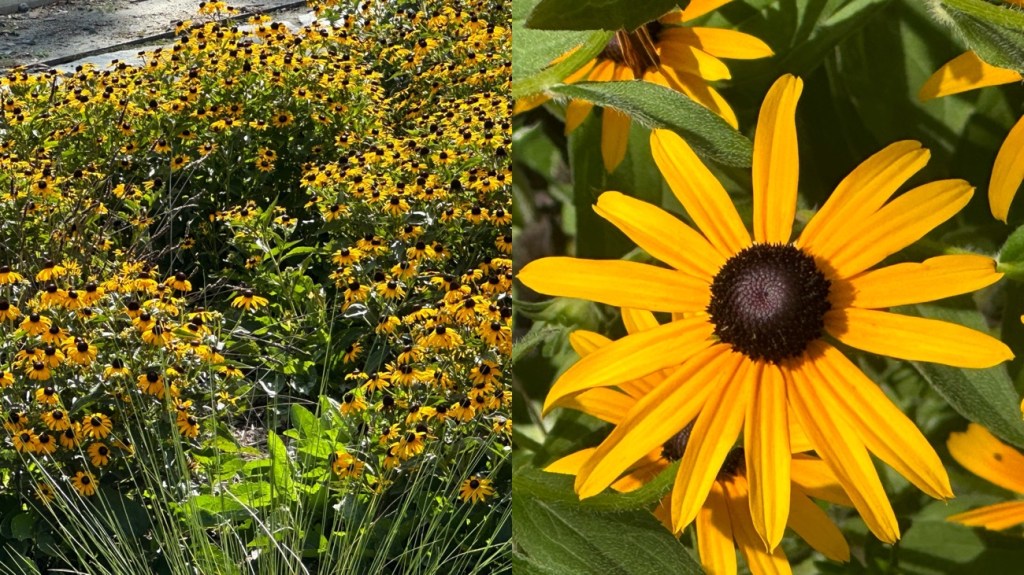
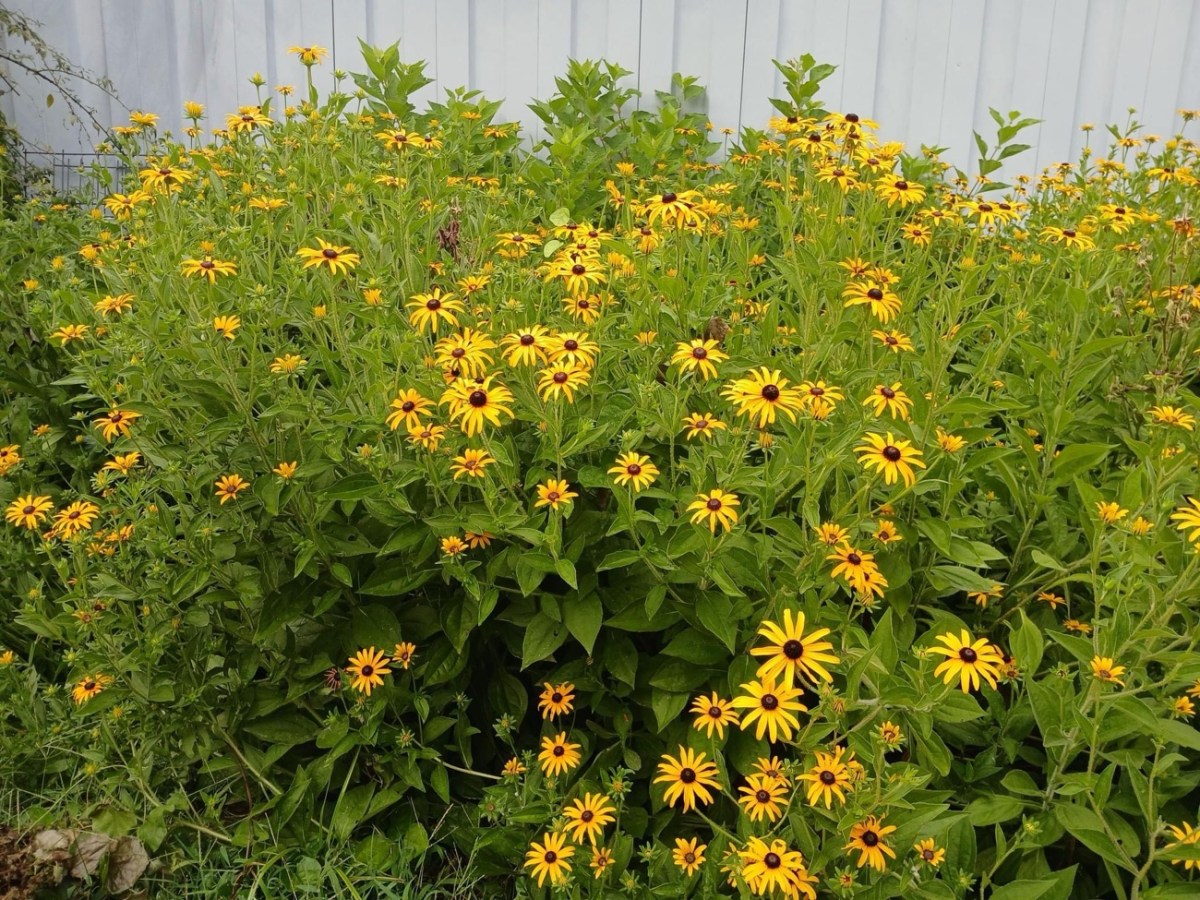
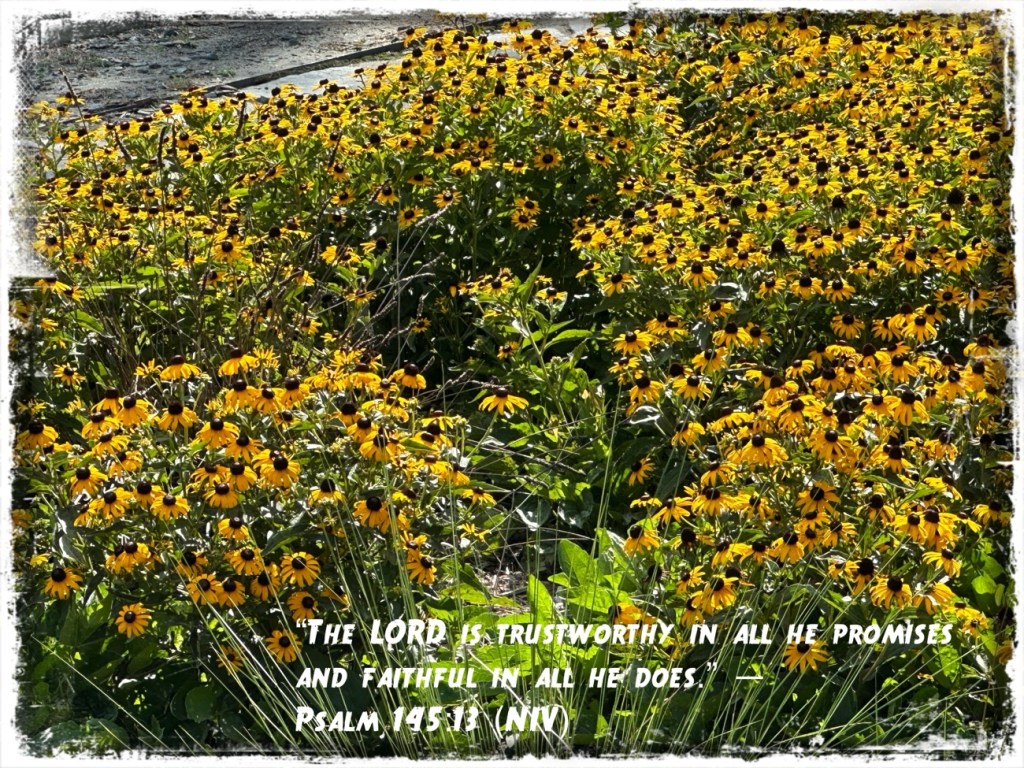
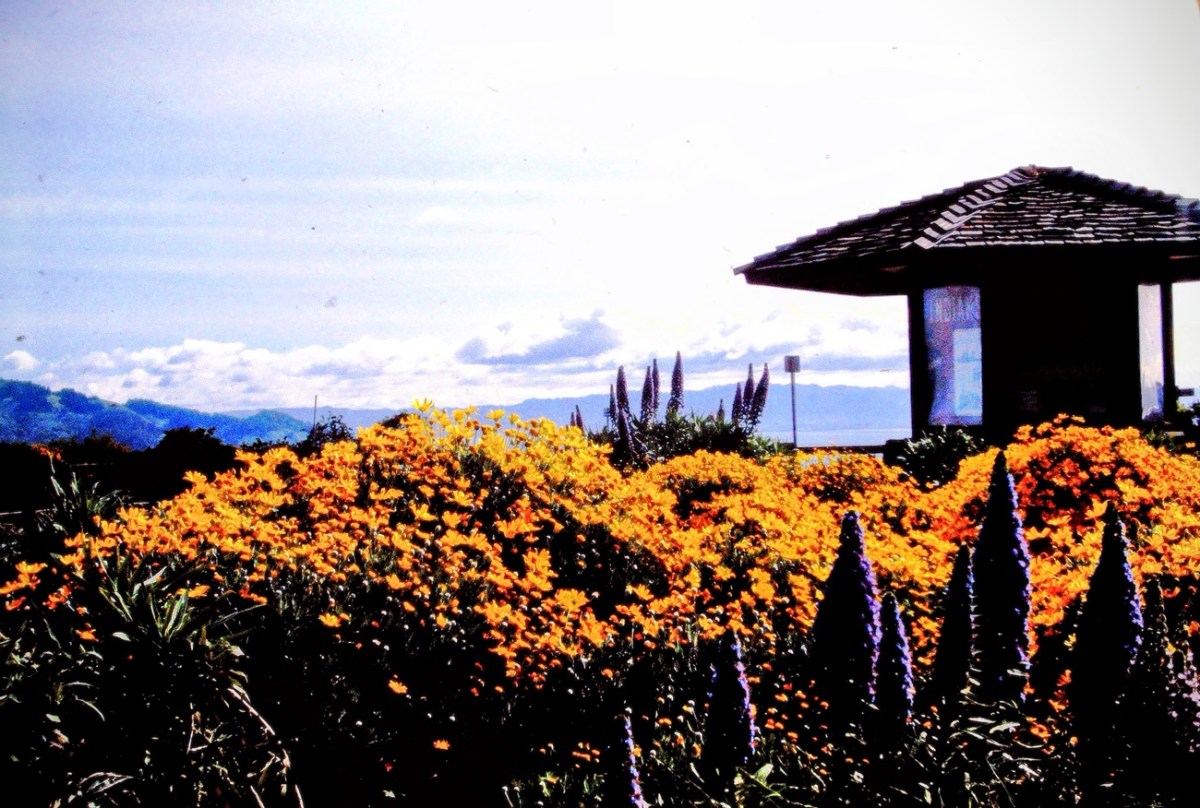
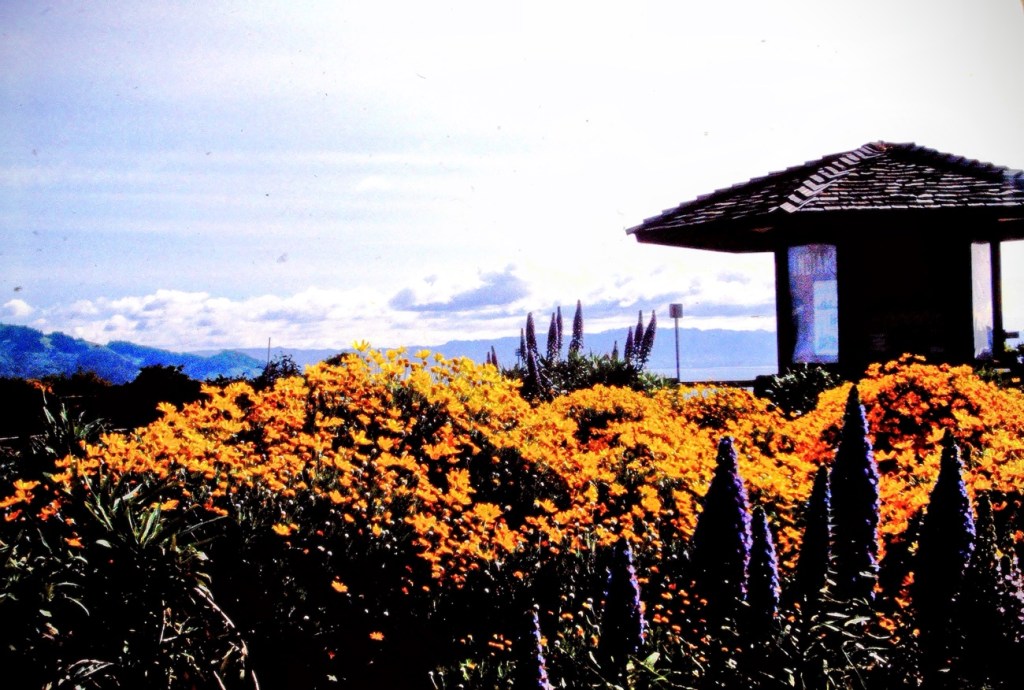
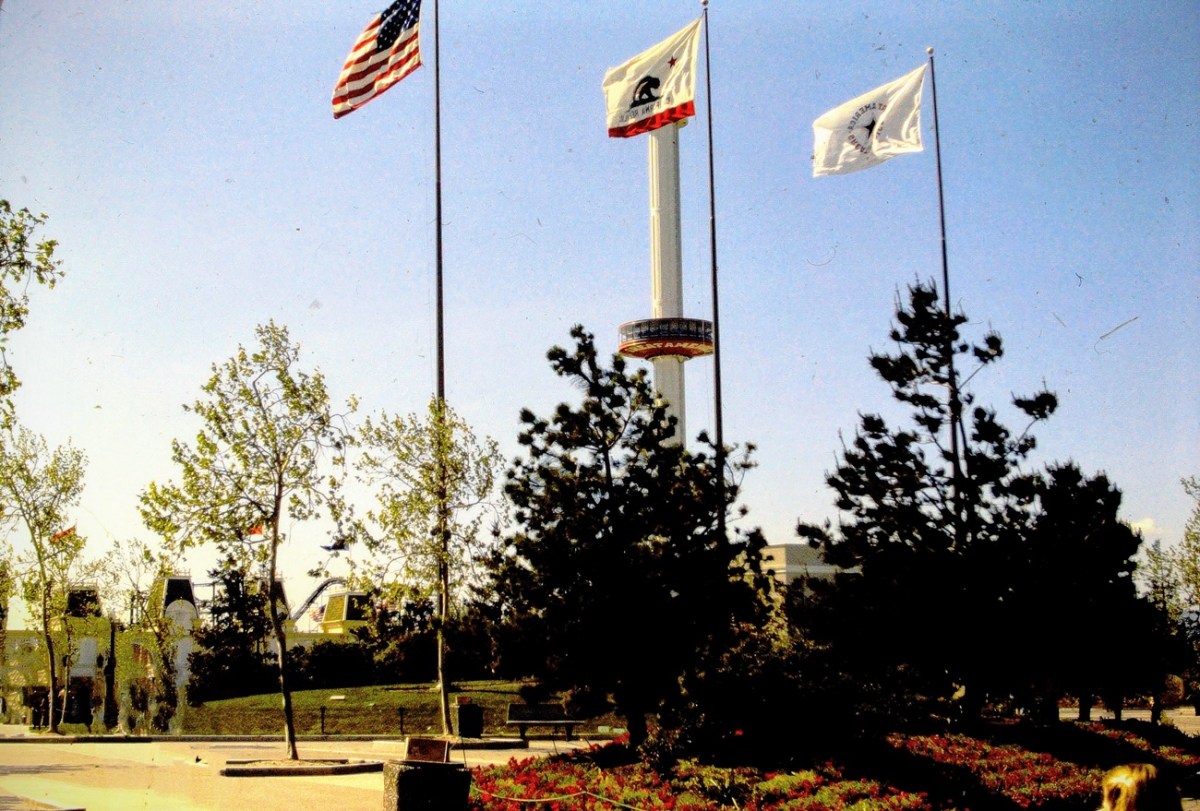
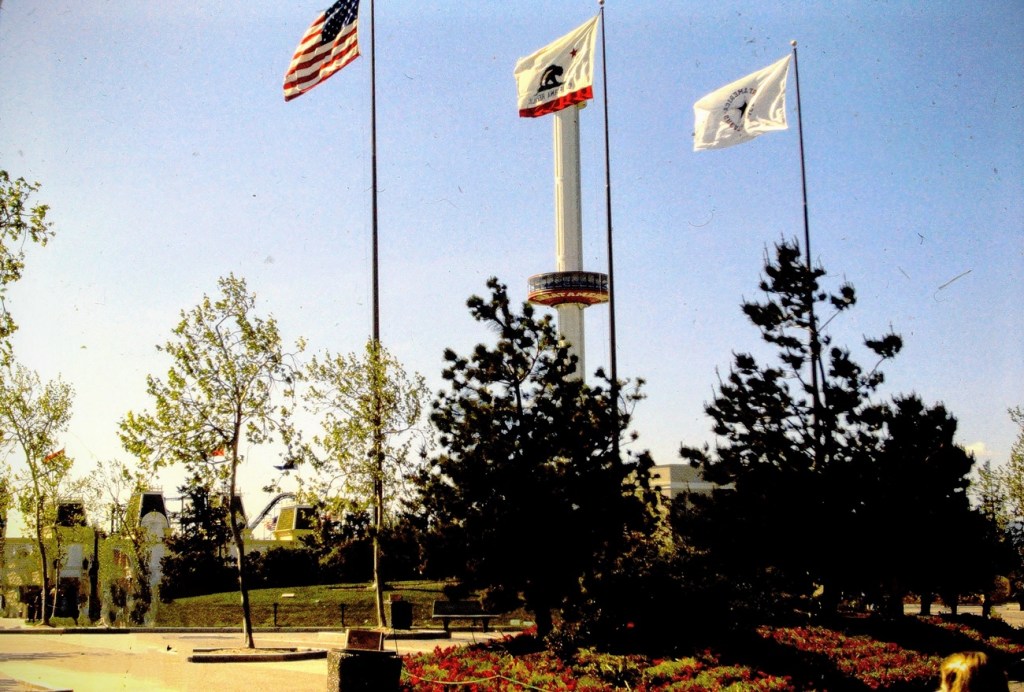
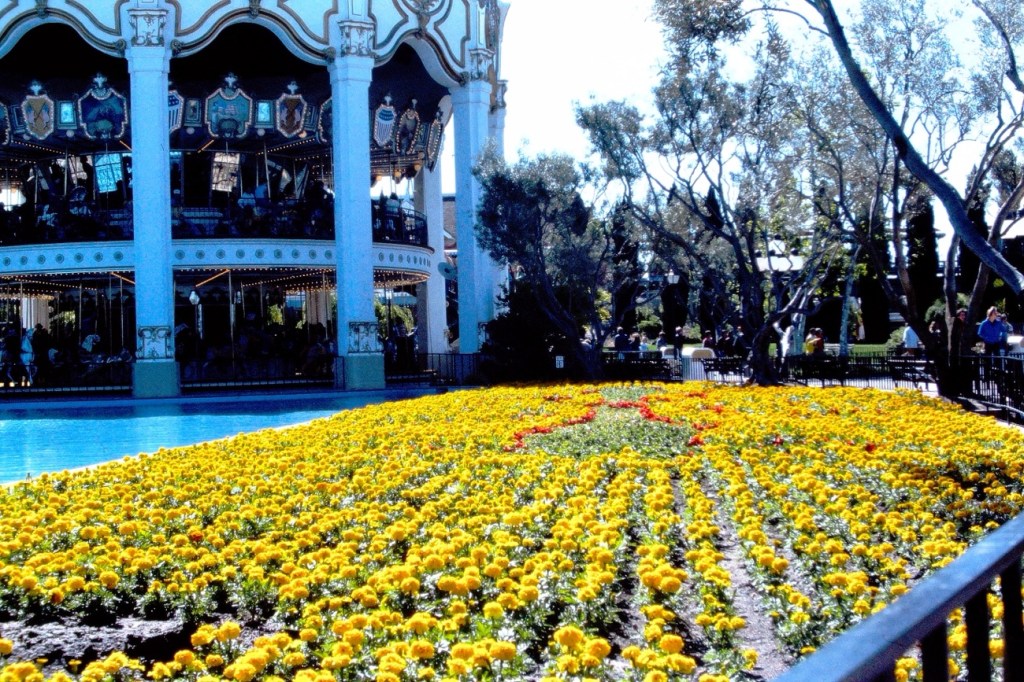
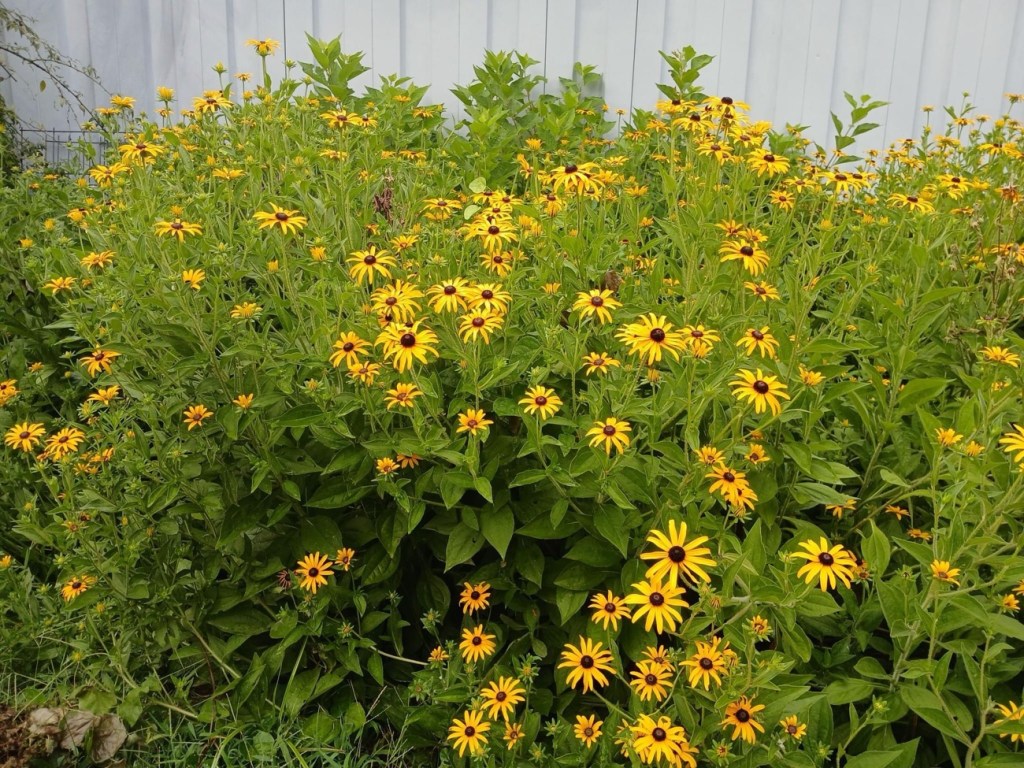
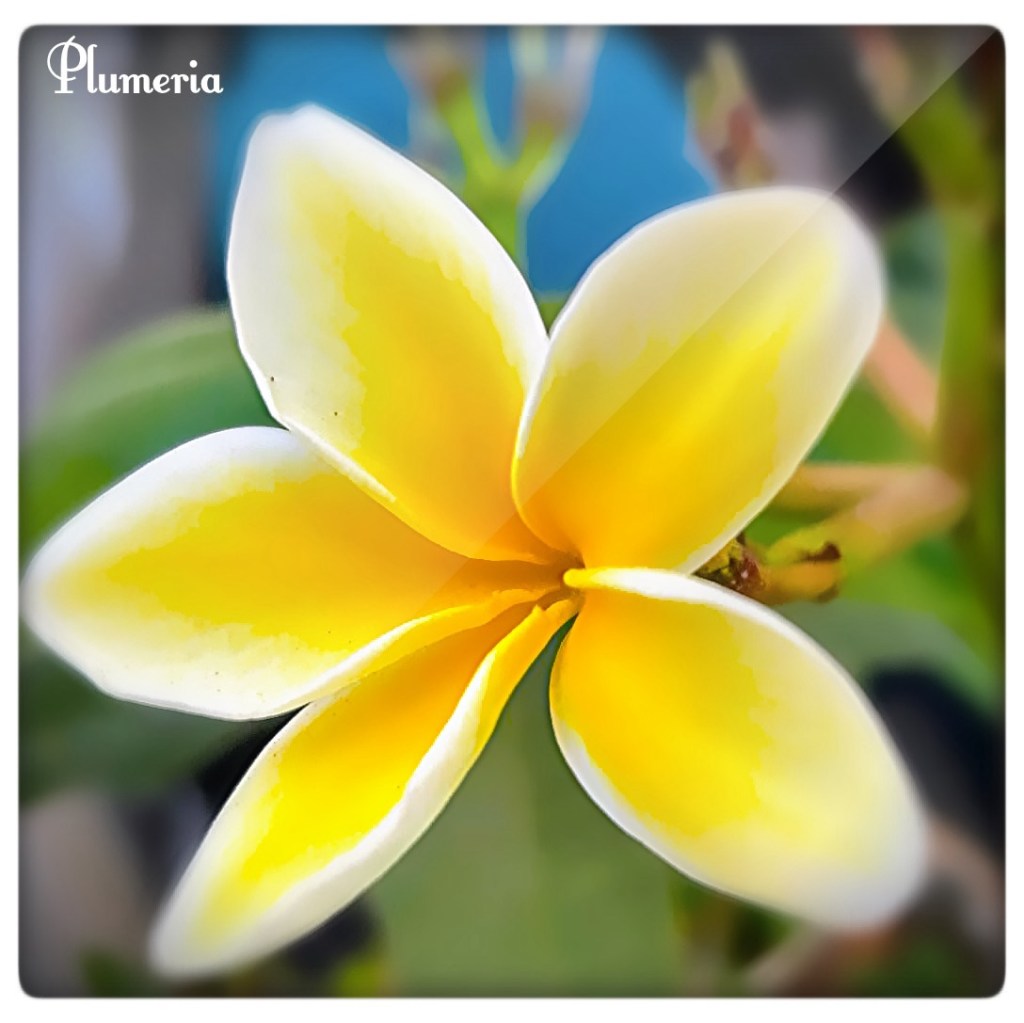
Yellow Flowers in April 1979 Marriott’s Great America Santa Clara, California Rudbeckia hirta AKA Black-eyed Susan In July 2024 Anne Springs Close Greenway Fort Mill, South Carolina
God Bless. Thank you for visiting. Have a wonderful week and enjoy the flowers. Thank you for sharing your time and thoughts with me. I appreciate y’all very much.
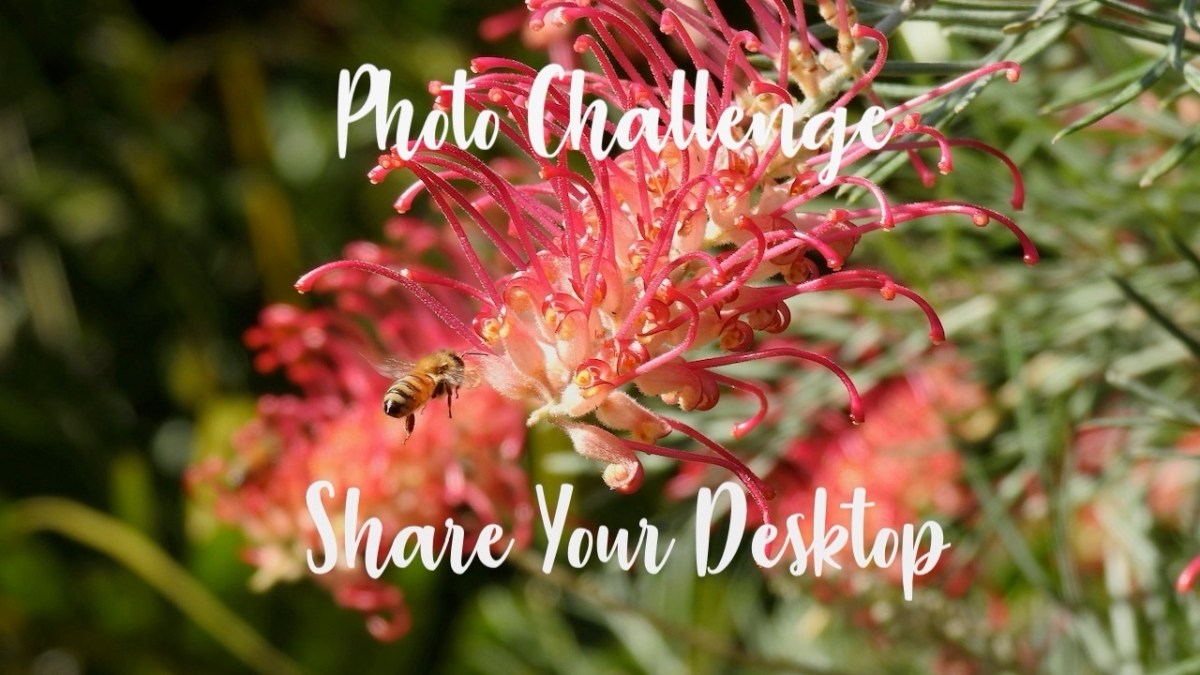
Clare from Clare’s Cosmos is asking all of us once again to share our desktops. All you need to do is share the photo (not your actual desktop) you have set as your wallpaper. Provide whatever information you desire about the photo. Use a pingback, or post a link to her blog hereso she knows you’ve joined in on the fun. Then, enjoy sharing the fun around.
Here are my July Desktops:
From my Laptop:
Wallpaper:
Catawba River near the Great Falls Dam Great Falls, South Carolina
Screensaver:
Coleman My ❤️ My Grandson
From my Smartphone
(iPhone 14 Pro Max)
Hiking Focus:
Nornal Hule Waters (my dad) and Larry Dean Waters (my brother) taken in Great Falls, South Carolina in July 1963.
Television Focus:
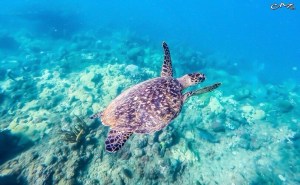
Hawksbill Turtle Ocean Conservancy
Personal Focus:
Coleman playing with his Titan Magnetic Tiles
Reading Focus:
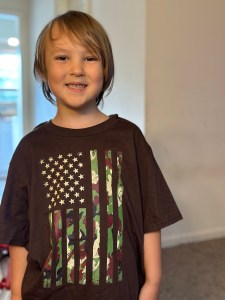
Coleman in his Camouflage Flag Shirt
Come on along and join the fun. Share one or more, it doesn’t matter whether the photos are from your desktop, laptop, tablet, or your smartphone wallpaper(s).
God Bless. Thank you for visiting and sharing your time and thoughts with us. Looking forward to seeing y’all’s desktop photos. Have a wonderful week. I appreciate y’all very much.
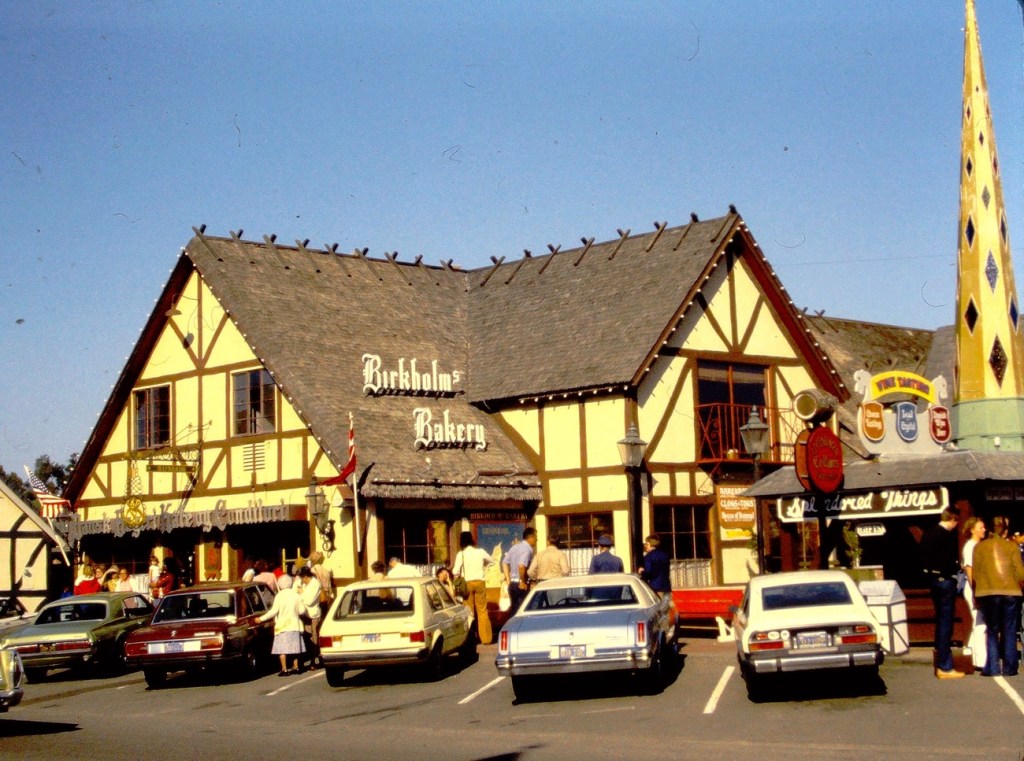
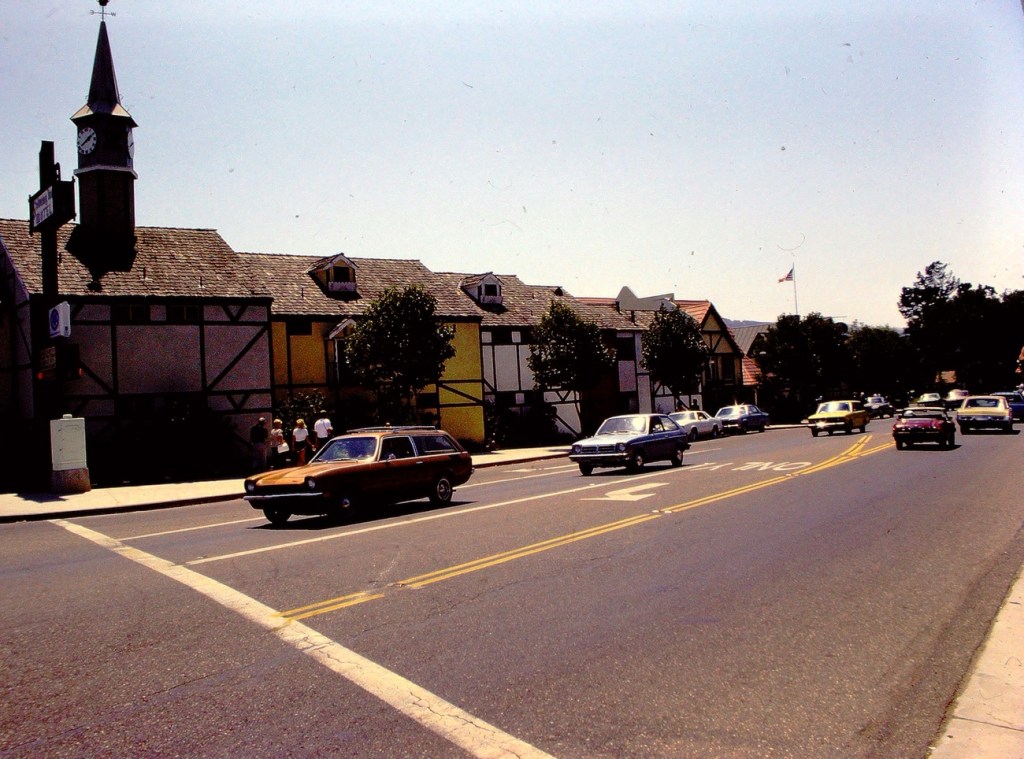
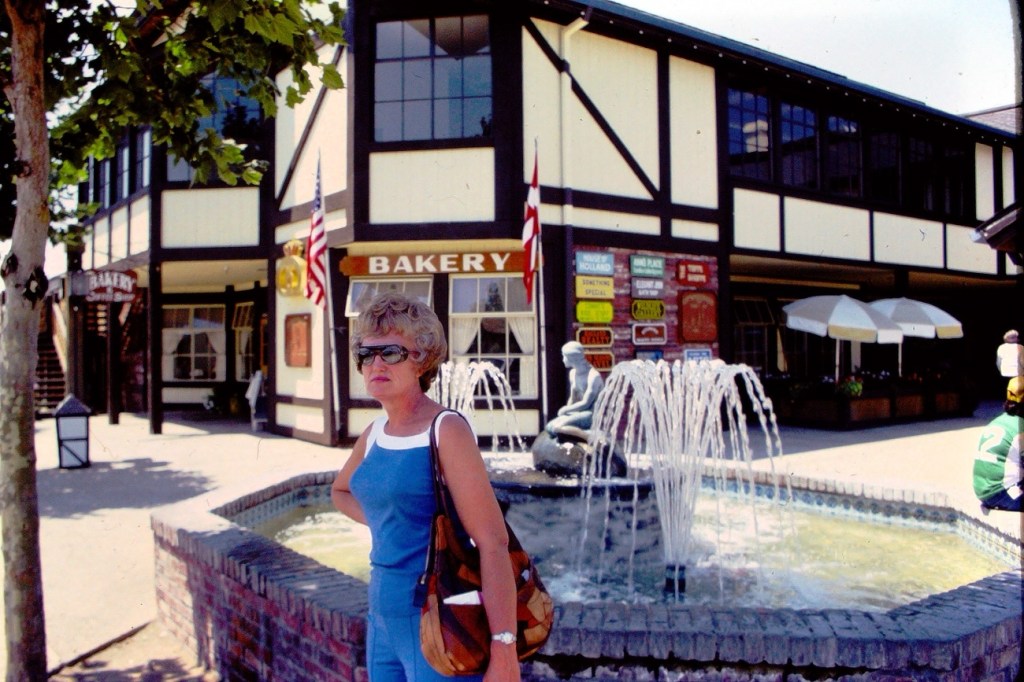
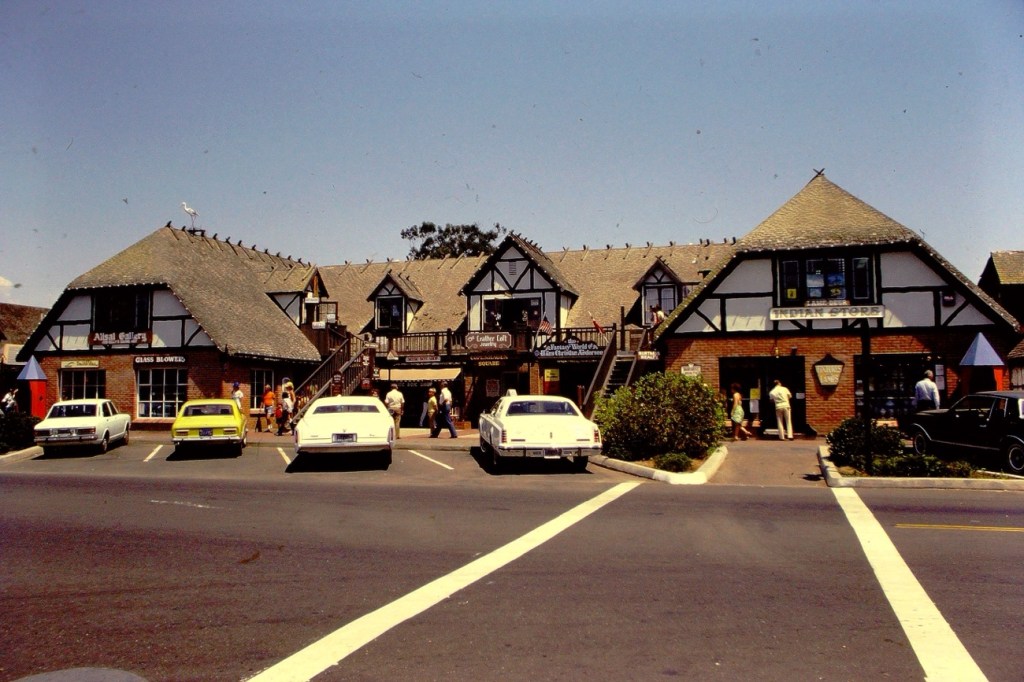
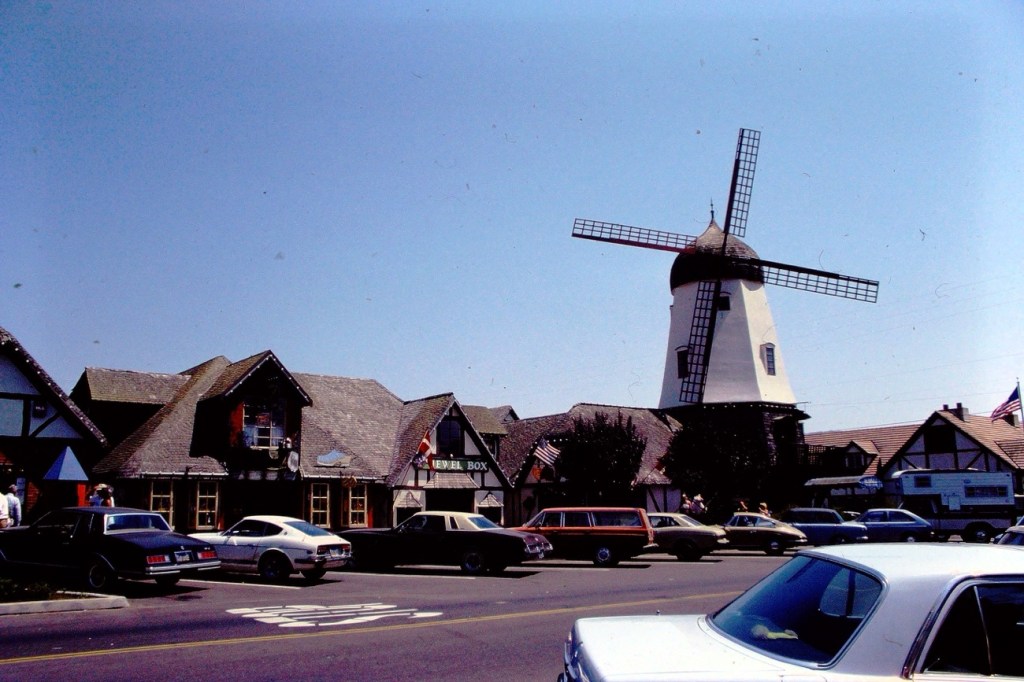
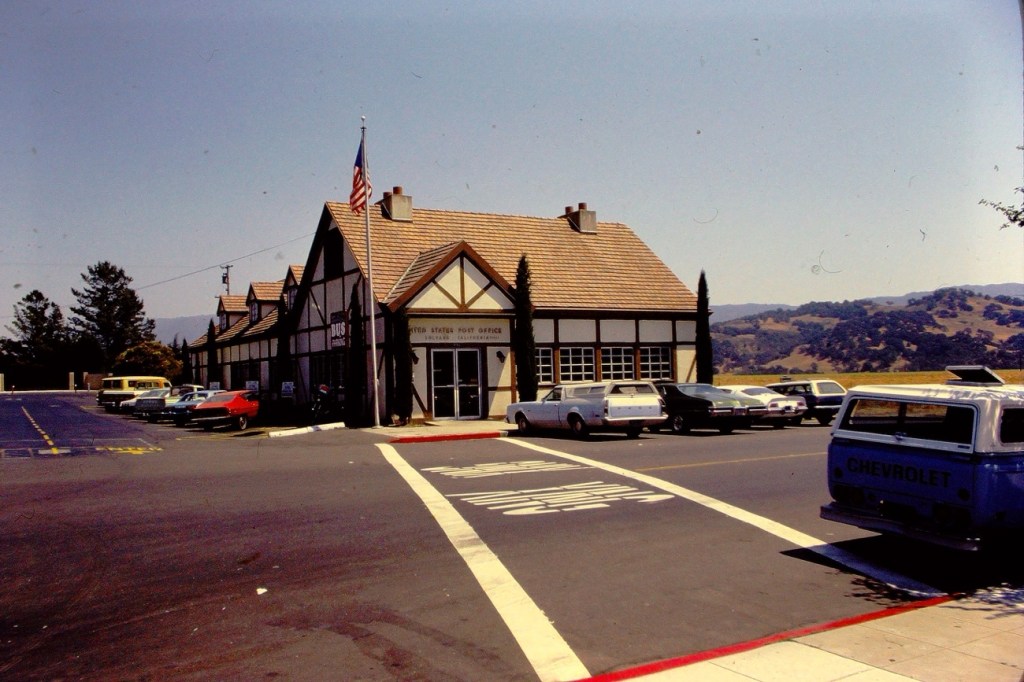
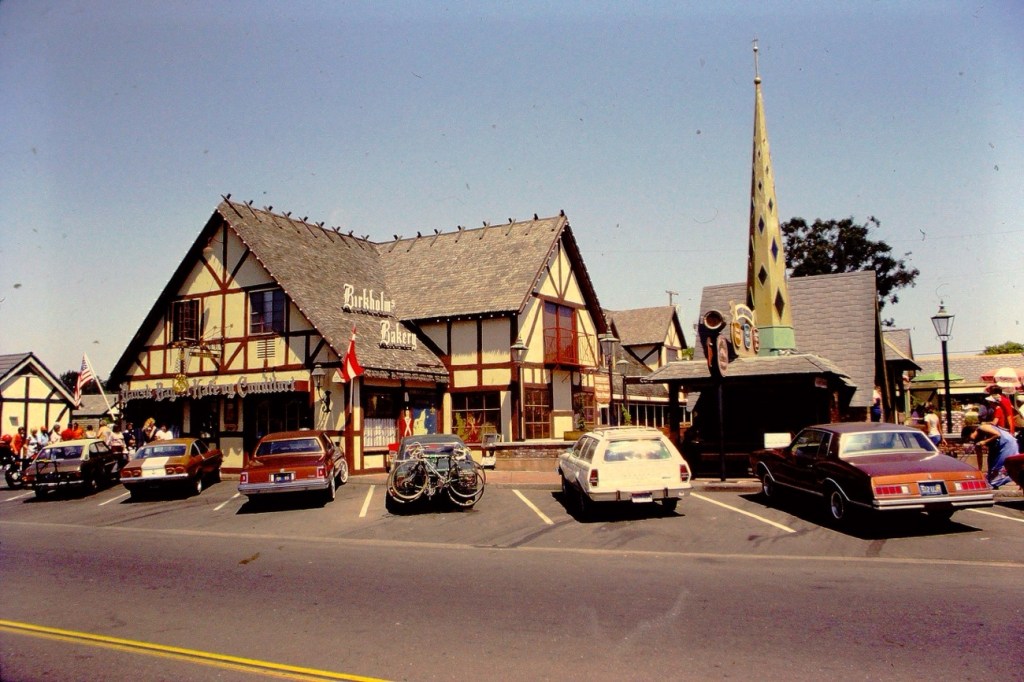
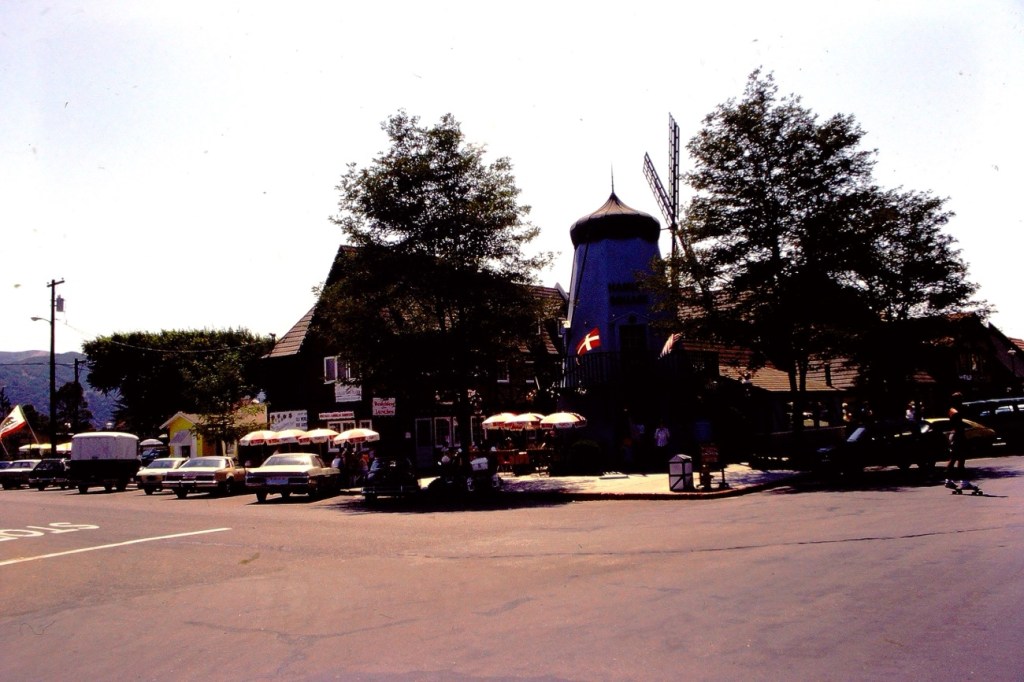
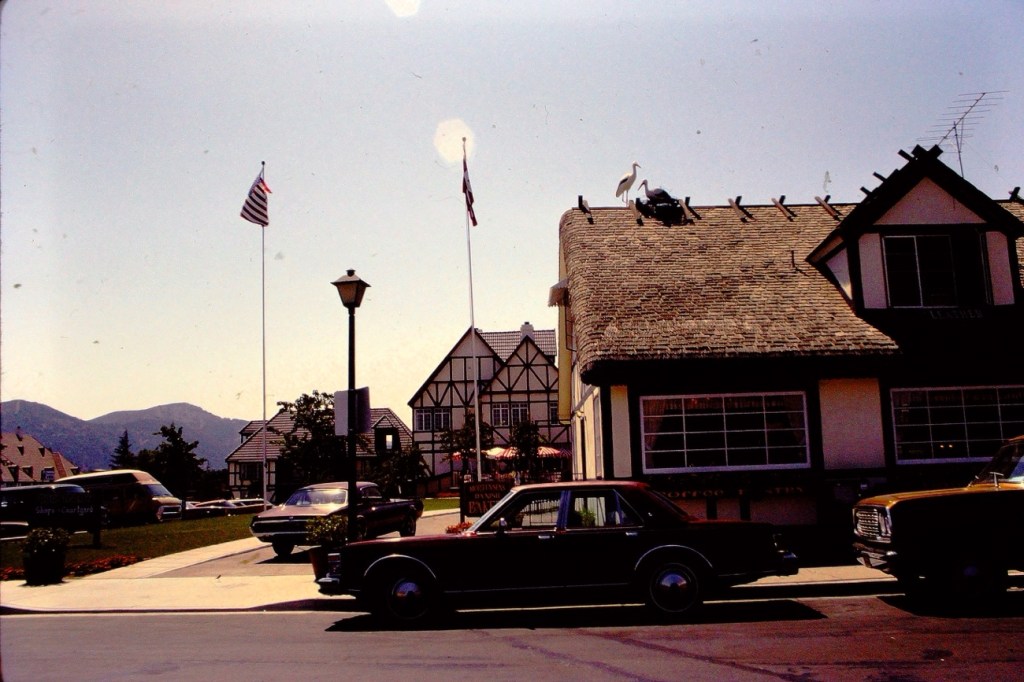
With Solvang being the Danish Capital of America, the Businessmen’s Association thought it would be too their advantage to capitalize on their natural advantages and adopt Danish style architecture in their buildings and in the remodeling of old buildings. Danish architectural styles had been developed in Solvang from its earliest stages of development, however, there was a more intensive effort conducted after their business meeting in 1946.
The Round Table Pizza building originally housed the Roeser Milling Company building (built in the 1930s). Back in the late 1970’s, tourists loved to stop for a bite at Round Table Pizza helping to contribute to their booming business. It is no longer in operation in Solvang, California, but there are plenty of other eateries to delight your appetite.
Location: Dairy Barn Entrance; Anne Springs Close Greenway; Fort Mill, South Carolina, USA
God Bless. Enjoy the beautiful outdoors. Hope it’s not too hot for all y’all. Thank you for sharing your time and thoughts with me. I appreciate y’all very much.
Girasol Anne Springs Close Greenway Fort Mill, South Carolina
The ‘Titan’ sunflower, as the name suggests, is a giant annual sunflower variety with an extra thick stem, supporting huge, alternating leaves, and a massive flower head that can reach 16-22 inches across! Plus Titan sunflowers can grow to heights of 12-14 feet! Blooms from July to September. Sunflowers attract a myriad of pollinators including bees, birds, butterflies and many others as well.
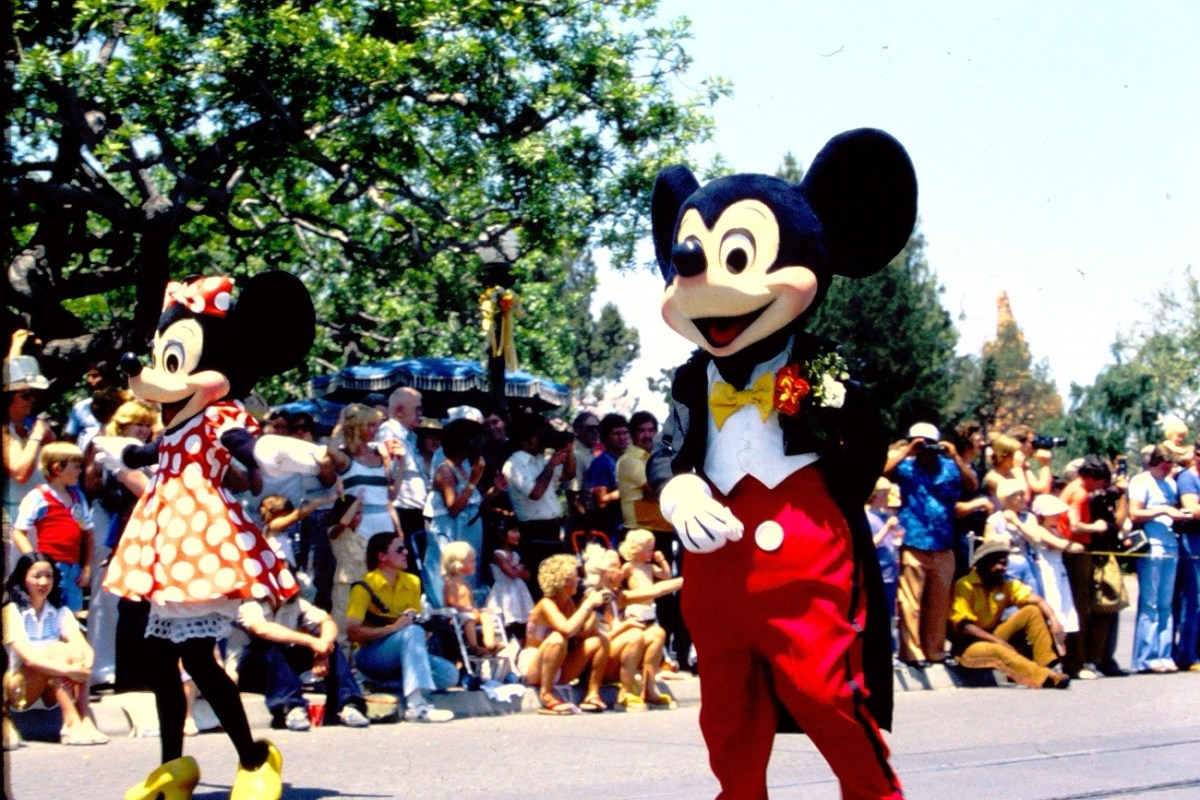
Disneyland’s first parade was held on Sunday, July 17, 1955. The Opening Day was dedicated at an “International Press Preview” event which was open only to invited guests and the media.
The dedication and other special events of the opening were televised nationwide and anchored by three of Walt Disney’s friends from Hollywood: Art Linkletter, Bob Cummings, and Ronald Reagan. It was broadcast live by ABC. Even though the Special Event was by invitation only, many people succeeded in sneaking into the park soaring the number of attendees to an astounding 28,000 people.
Disneyland has been having parades at the amusement park since that very first day except during the Coronavirus pandemic in 2020 when the park was closed. The theme of the parades change periodically with the seasons and significant historical events of the times. The Characters Parade occurred most years, as well as an annual Christmas parade and were popular among the tourists visiting the park.
In 1979, the Dumbo Circus Parade theme featured the same basic “Character Parade” floats with added circus decor. This particular theme parade only ran in 1979.
Although none of the floats were captured by my dad on this particular visit to Disneyland, many of the Characters were captured by his 35 mm camera. I am so glad that I am able to digitize his slides for preservation and am able to share them with all y’all.
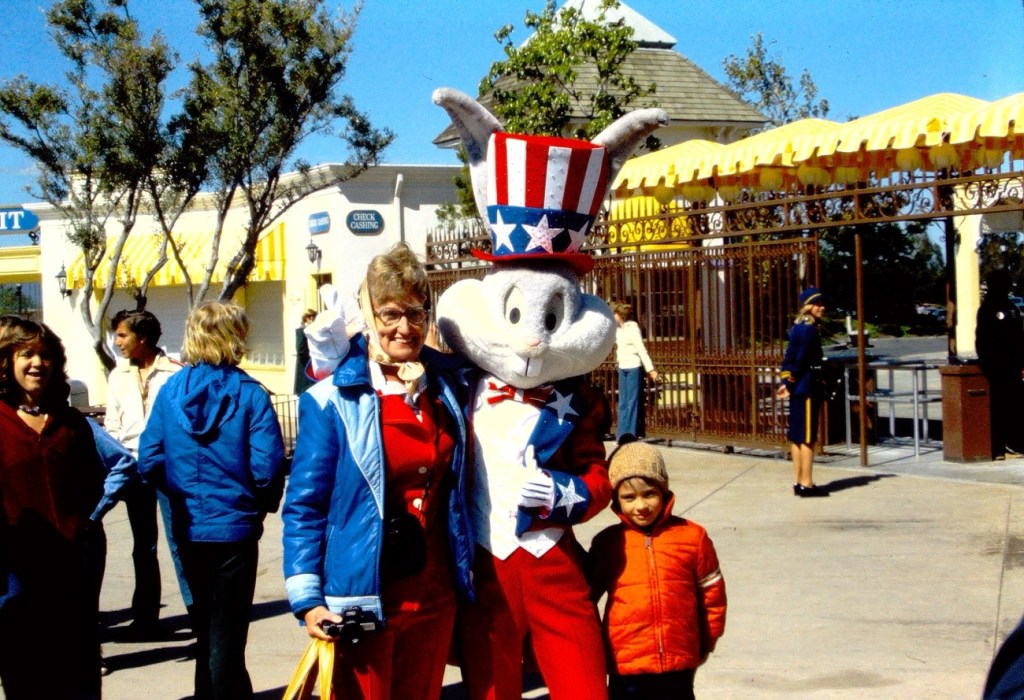
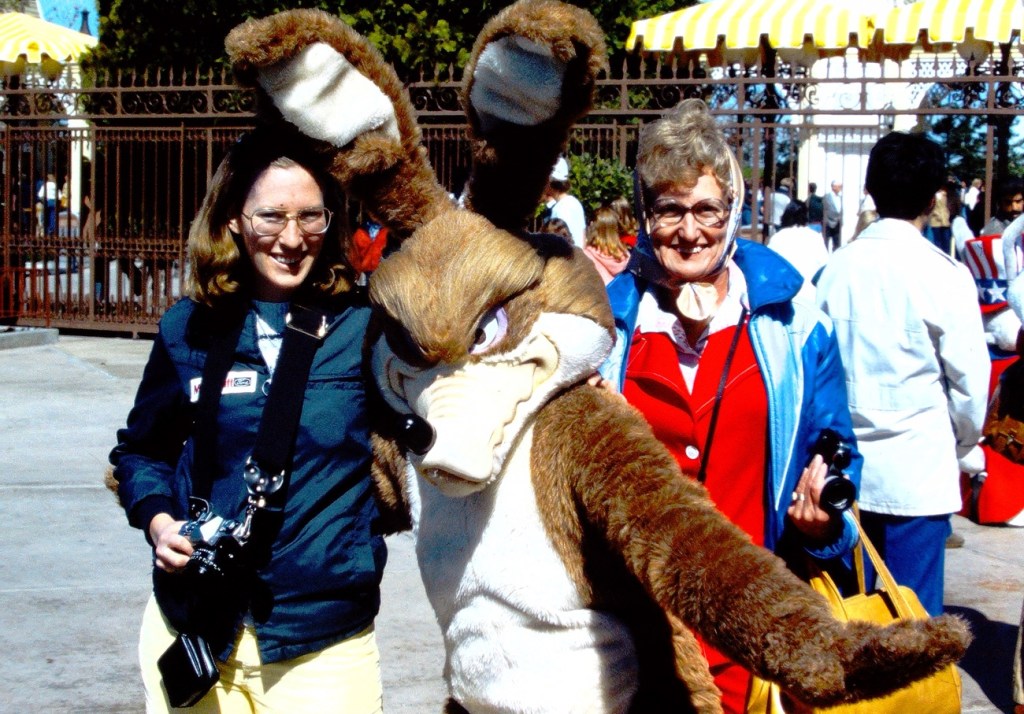
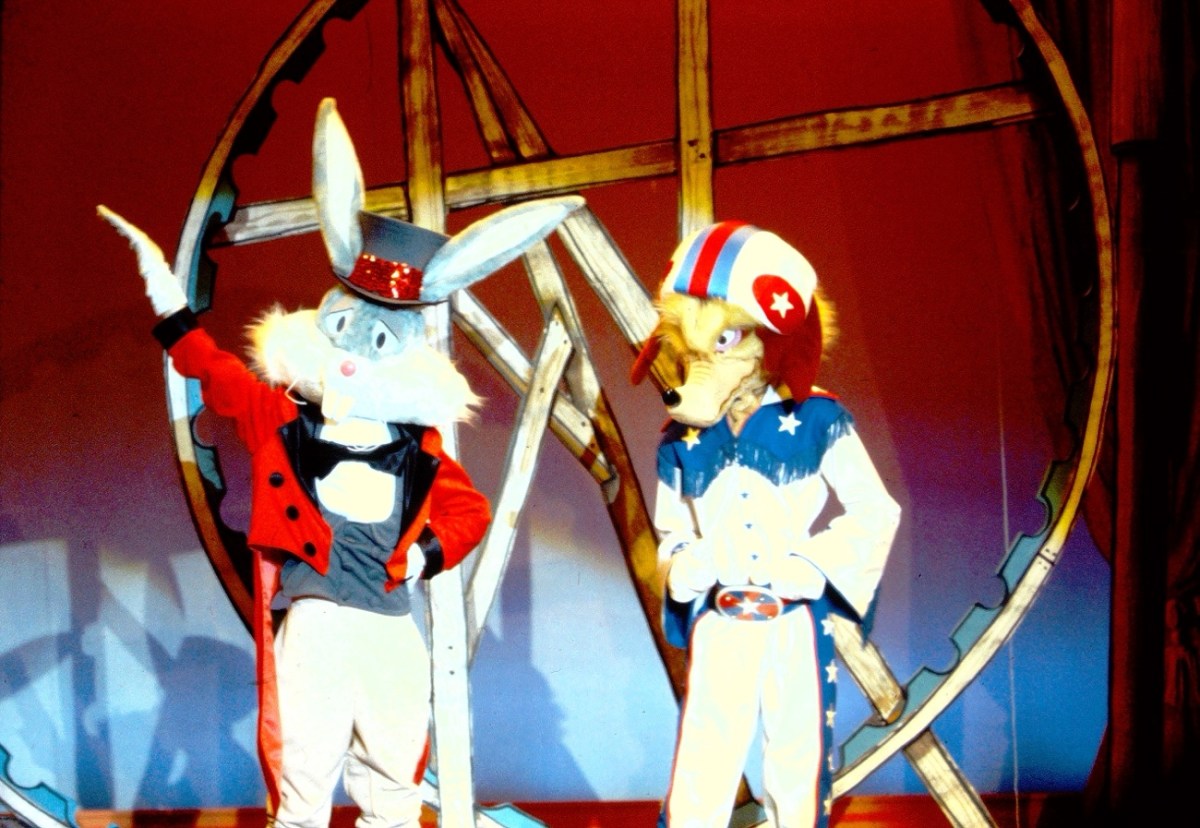
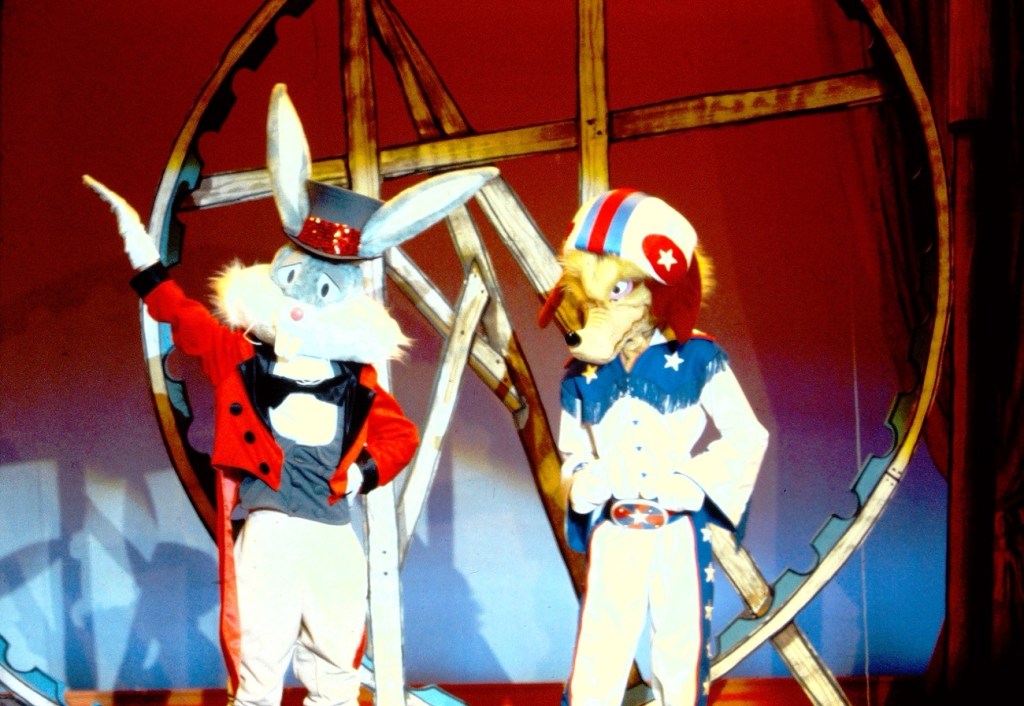
Bugs Bunny & Wile E. Coyote at California’s Great America
Since the Opening of California’s Marriott’s Great America in 1976, the park featured appearances from Warner Bros. Looney Tunes characters. Some of the Looney Tunes characters included Bugs Bunny, Wile E. Coyote, Porky Pig, Elmer Fudd, Daffy Duck, Tweety, and Yosemite Sam. The Looney Tunes characters would roam around the park greeting visitors as well as putting on a fun entertaining show.
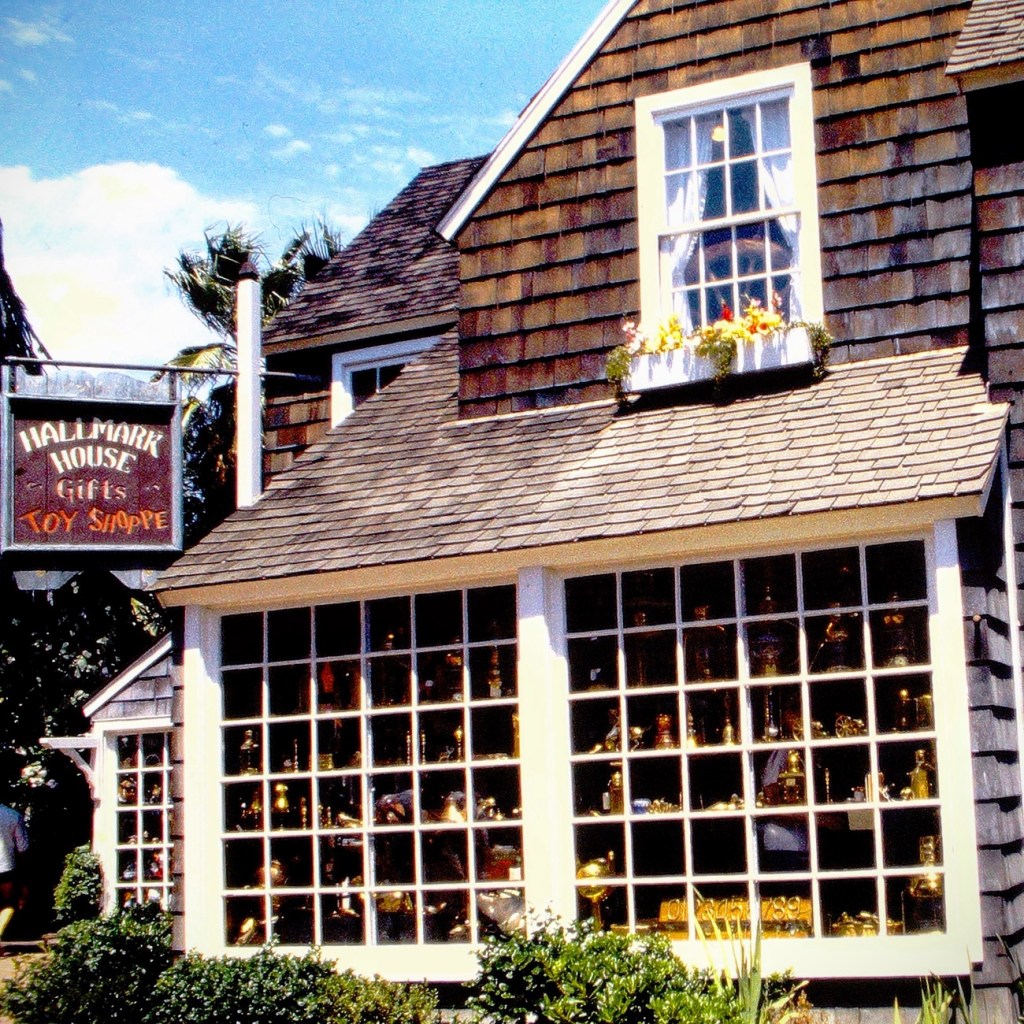
Here is my entry for this week. These are from a trip to Solvang, California back in September of 1978. Solvang is known as “Danish Capital of America” because of its Danish heritage and European-inspired culture, architecture, and museums.
Solvang is a sun-soaked slice of Danish culture in the Santa Ynez Valley, where California wine cellars mix with European bakeries and shops. It’s where you can drink, dine and shop like a Dane without ever leaving the California sunshine.
The name Solvang means “sunny fields” in Danish. The city of Solvang was founded in 1911 by a group of Danish immigrants who purchased 9’000 acres of land near the Old Mission Santa Inés and built a community to preserve and promote Danish culture.
An interesting note (especially for Hallmark fans), A still from “A Very Charming Christmas Town,” the Lifetime Christmas movie set in Solvang.
God Bless. Thank you for visiting and sharing your time and thoughts with us. Take Care Cee! Chris thank you for taking good care of our friend. I appreciate y’all very much.
My selections for this week’s challenge were captured on film in 1978 in Solvang, California many years ago.
11270 KM To Copenhagen
This Statue is a milestone marker indicating the distance from Solvang to Copenhagen, Denmark, a mere 11270 kilometers apart.
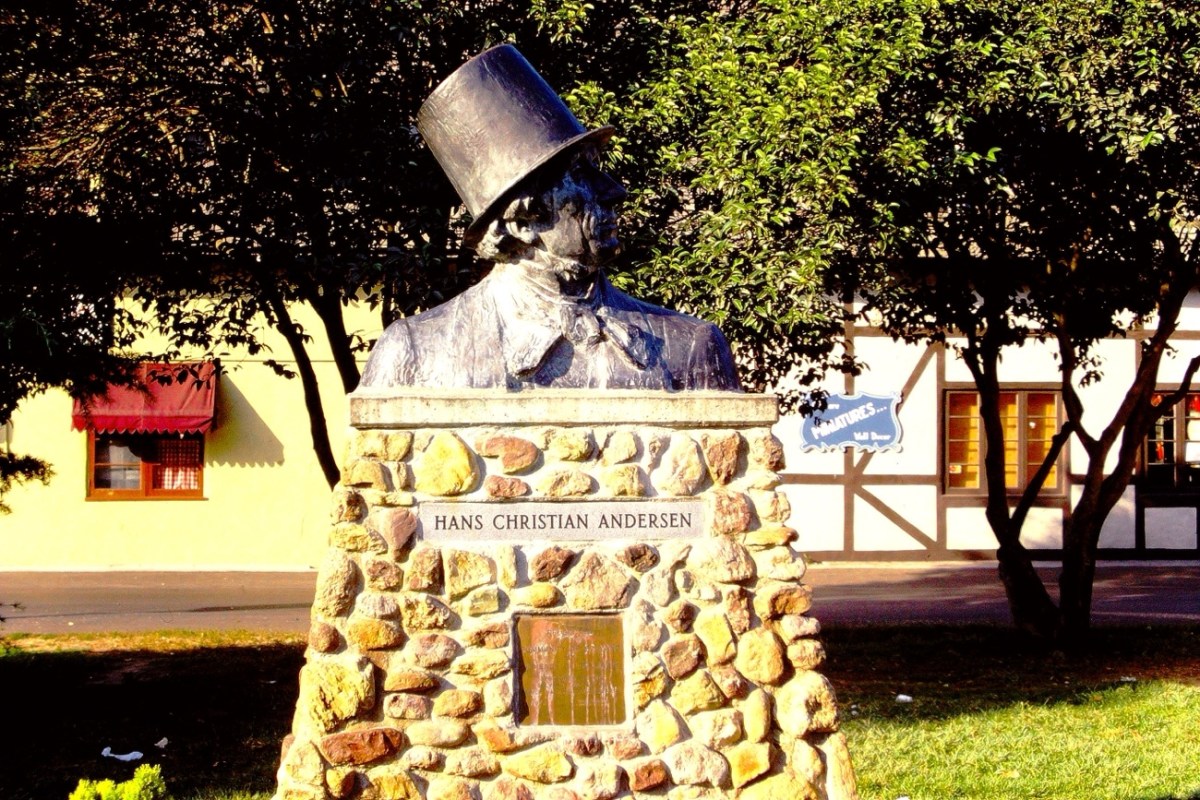
Hans Christian Andersen Statue
The Bronze Statue of Hans Christian Andersen is located in Hans Christian Andersen Park in Solvang, California. This Park is a tribute to the renowned Danish author, Hans Christian Andersen and was founded in 1970.
Presented To The Community Of Solvang By Friends Of Denmark Sponsored By The Solvang Chapter Of Rebuild National Park Society 1976
Solvang is known as the “Danish Capital of America” with its strong Danish heritage and European-inspired culture. It was founded in 1911. It wasn’t incorporated as a city until May 1, 1985.
Besides the Statue of Hans Christian Andersen there is a museum dedicated to him you might be interested in visiting. The monument of Hans Christian Andersen Denmark’s renowned Fairy Tale Writer was created by Henry Luckow Nielsen of Copenhagen, Denmark.
God Bless. Thank you for visiting and sharing your time and thoughts with us. Take Care Cee! Chris, thank you for taking good care of our friend. I appreciate y’all very much.
The Whizzer is a steel roller coaster located in the Hometown Square section of Marriott’s Great America. This one pictured here was taken at The California Marriott’s Great America amusement park in April of 1979.
The Whizzer, originally named “Willard’s Whizzer,” was one of two identical roller coasters built for each of the Marriott’s Great America parks. The Whizzer roller coasters made their debut when the parks opened in May of 1976.
The California Great America Whizzer operated from 1976-1988. My family visited the California location of Marriott’s Great America in Santa Clara, California in April of 1979. I am not sure if I actually Pulled Up a Seatand ride the roller coaster or not (I’m not too keen on large high-speed roller coasters.) The second location for Marriott’s Great America (currently known as Six Flags Great America) is in Gurnee, Illinois.
From the very beginning, both versions of Whizzer suffered with problems surrounding the braking system. The braking system would sometimes allow the trains to collide in the station. From 1976-1979, there were at least 11 recorded instances of station collisions on the California’s Great America version, resulting in an unknown number of injuries. The Illinois’ Great America Whizzer also had two station collisions which occurred less than a month apart in 1976. A total of 31 riders were injured in the Gurnee collisions.
The Steel Roller Coasters were manufactured by Anton Schwarzkopf of Germany. These two versions of Whizzer were the last “Speedracer” models ever built.
If you want to have a chance to Pull Up a Seat on the Whizzer, you’ll need to visit the Gurnee, Illinois location of Six Flags Great America.
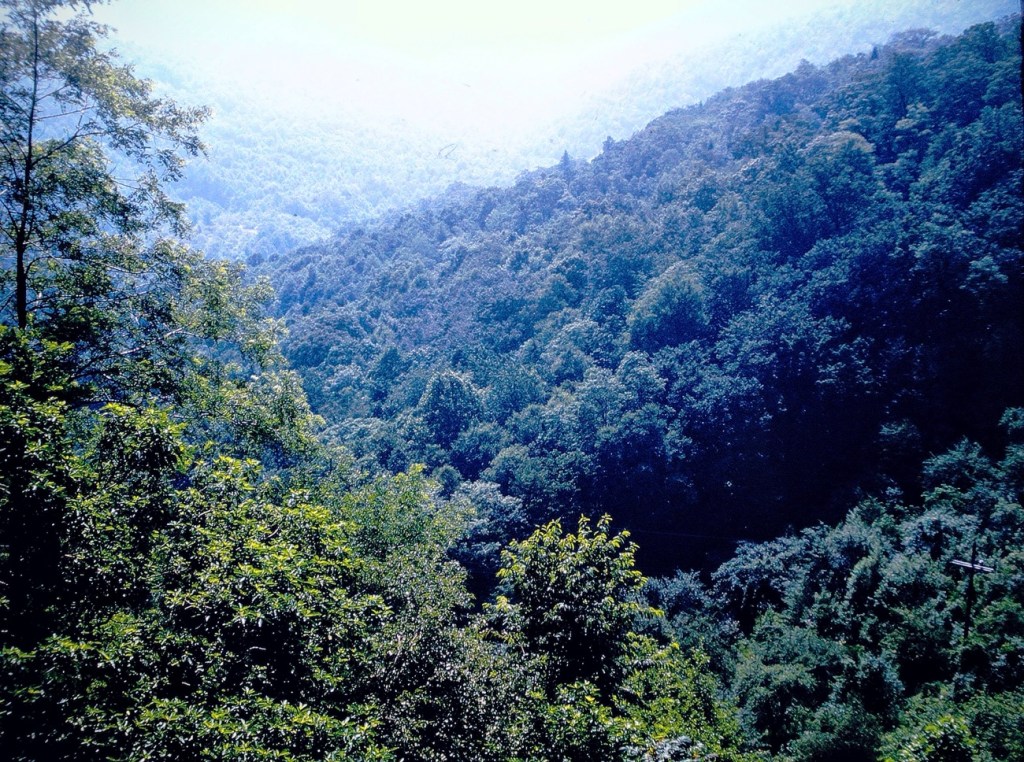
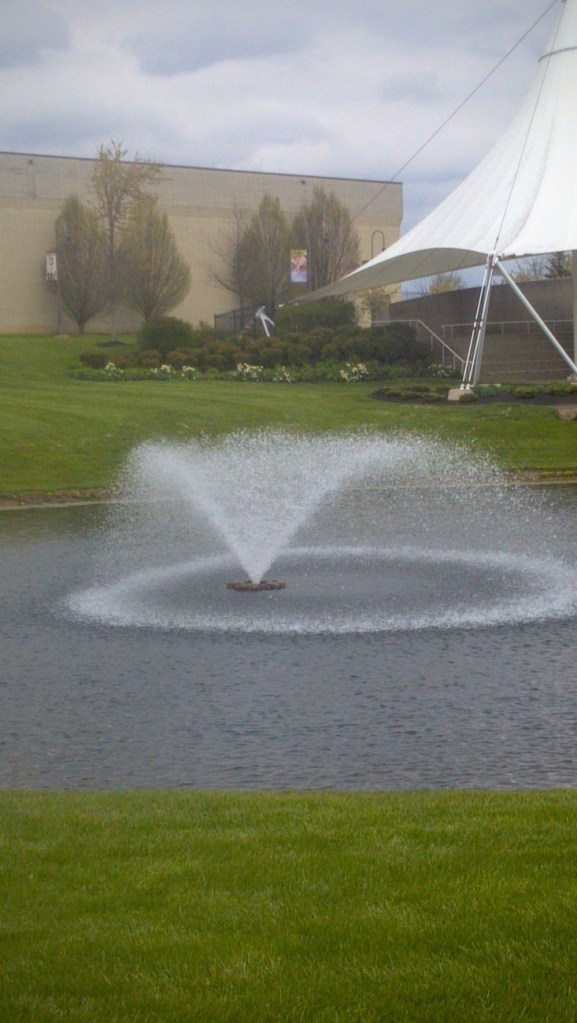
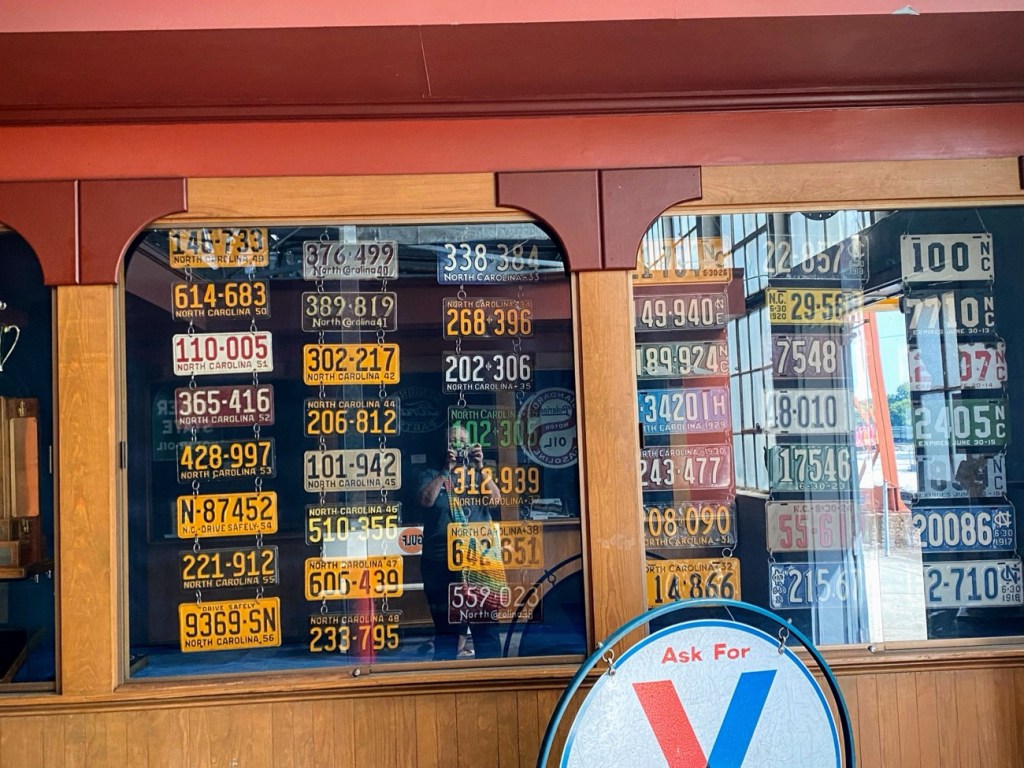
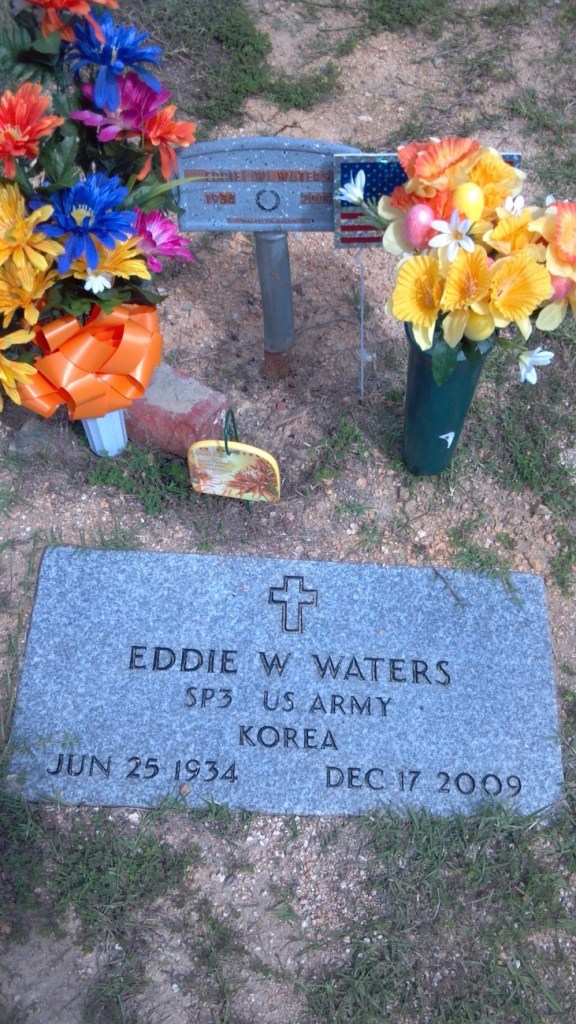
Blue Ridge Mountains North Carolina, USAFountain at Central Ohio Technical College Newark, Ohio License Plates Display NC Transportation Museum Spencer, North Carolina Business Garden Gastonia, North Carolina Grave Marker for Eddie W. Waters ( my Paternal Uncle) Great Falls, South Carolina
A Hodgepodge of Coleman
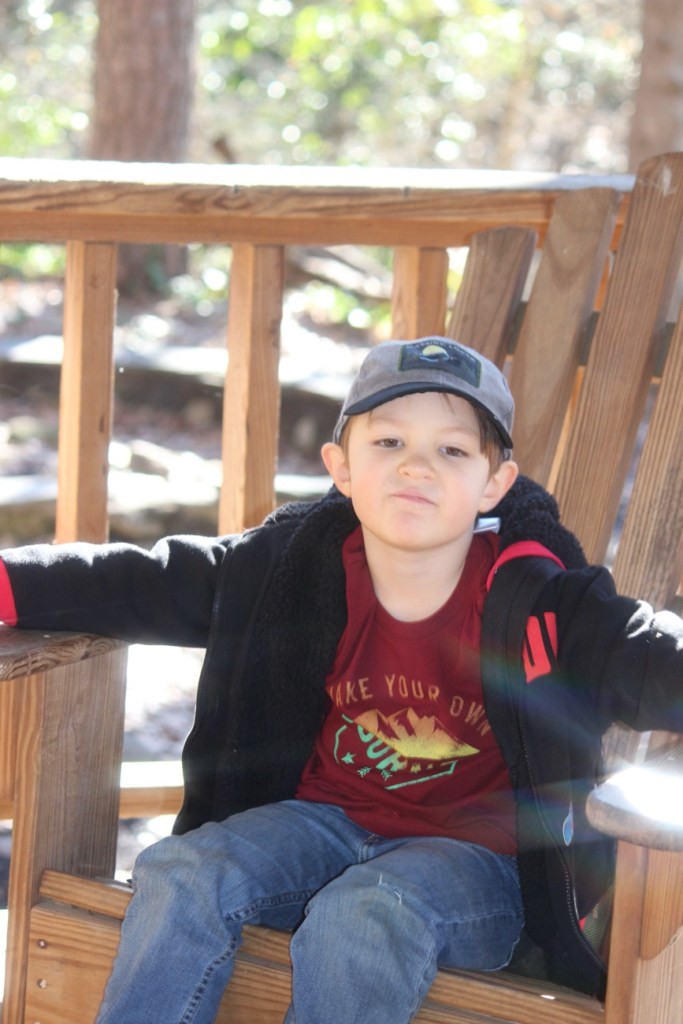
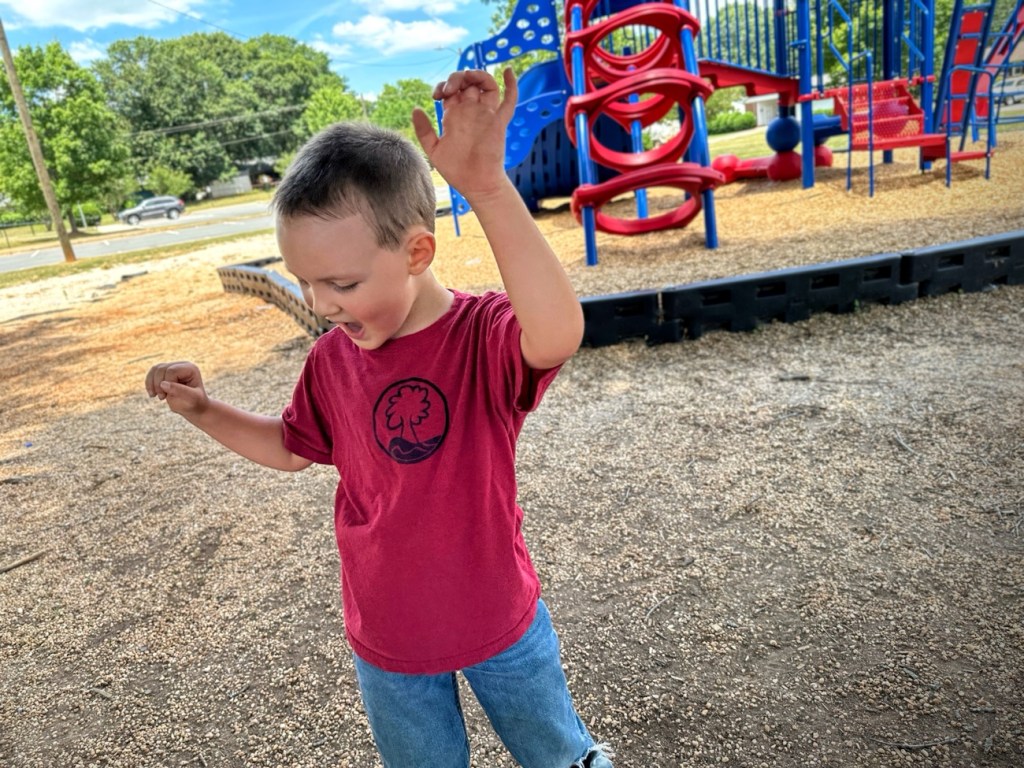
At the Fort Mill DamAt The Schiele Museum of Natural History At Gardner Park Elementary Playground At Neighborhood Playground
God Bless. Thank you for visiting and sharing your time and thoughts with us. I look forward to seeing y’all’s pictures for Judy’s Numbers Game. I appreciate y’all very much.










































 Gfpacificbee’s Insights & photography