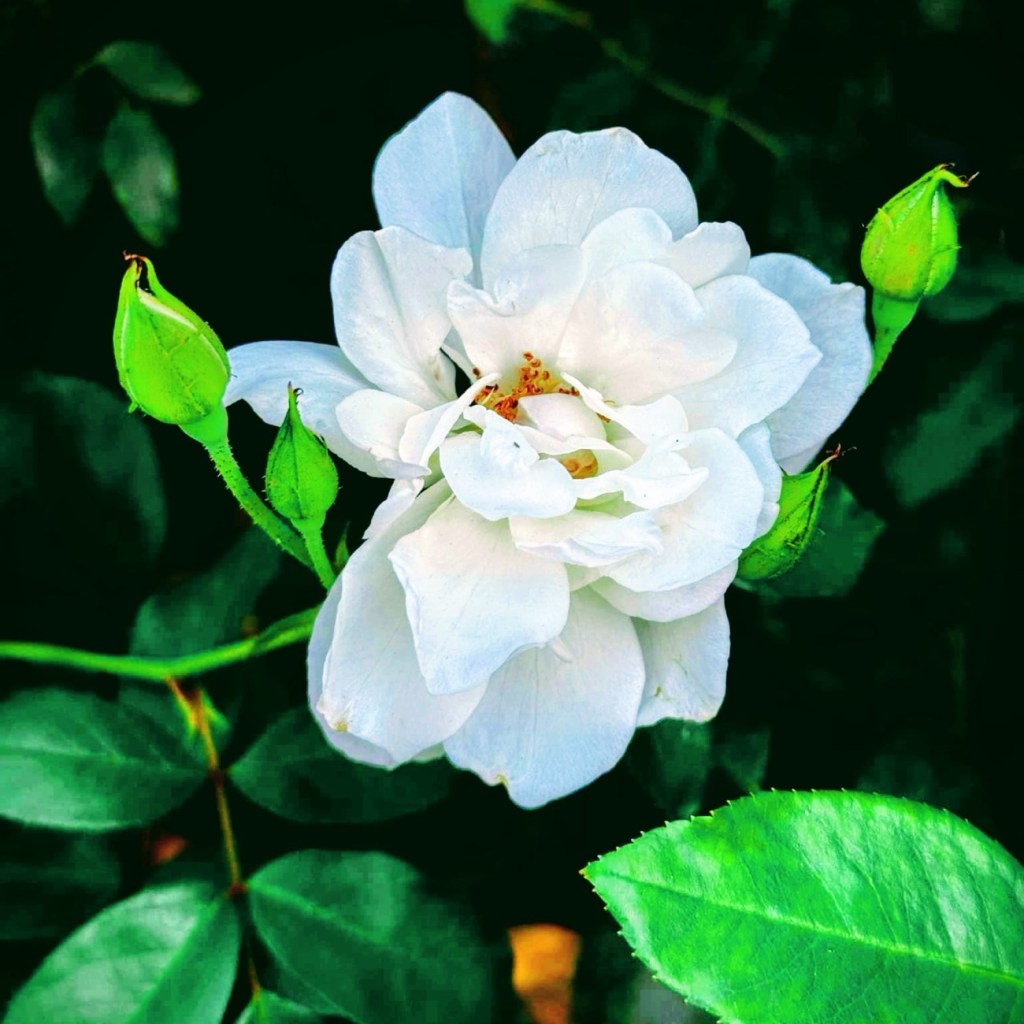
Begonias landscaped around the entrance to Harris Teeter (local grocery store).
Begonia cucullata are also known as clubbed begonia and wax begonia. When grown as groundcover, the flowers of the plant are red, pink, or white that bloom in summer or year-round in warmer places, and the fruits have three wings. [This time of year it is extremely hot here (I know it could be hotter) in the mid-nineties. These begonias thrive where we (Coleman and I) are overwhelmed by the extreme heat and are rolling in sweat just walking him to school and back home.
In the Summer of 1985 my parents went Road Trippin’ across the United States of America. They began their Road Trip leaving from their home in San Diego, California. They always planned what or whom they wanted to visit ahead of time.
Continuing with their stop in Washington D.C. and a few sites in Manassas, Virginia with a side visit with my brother and his family.
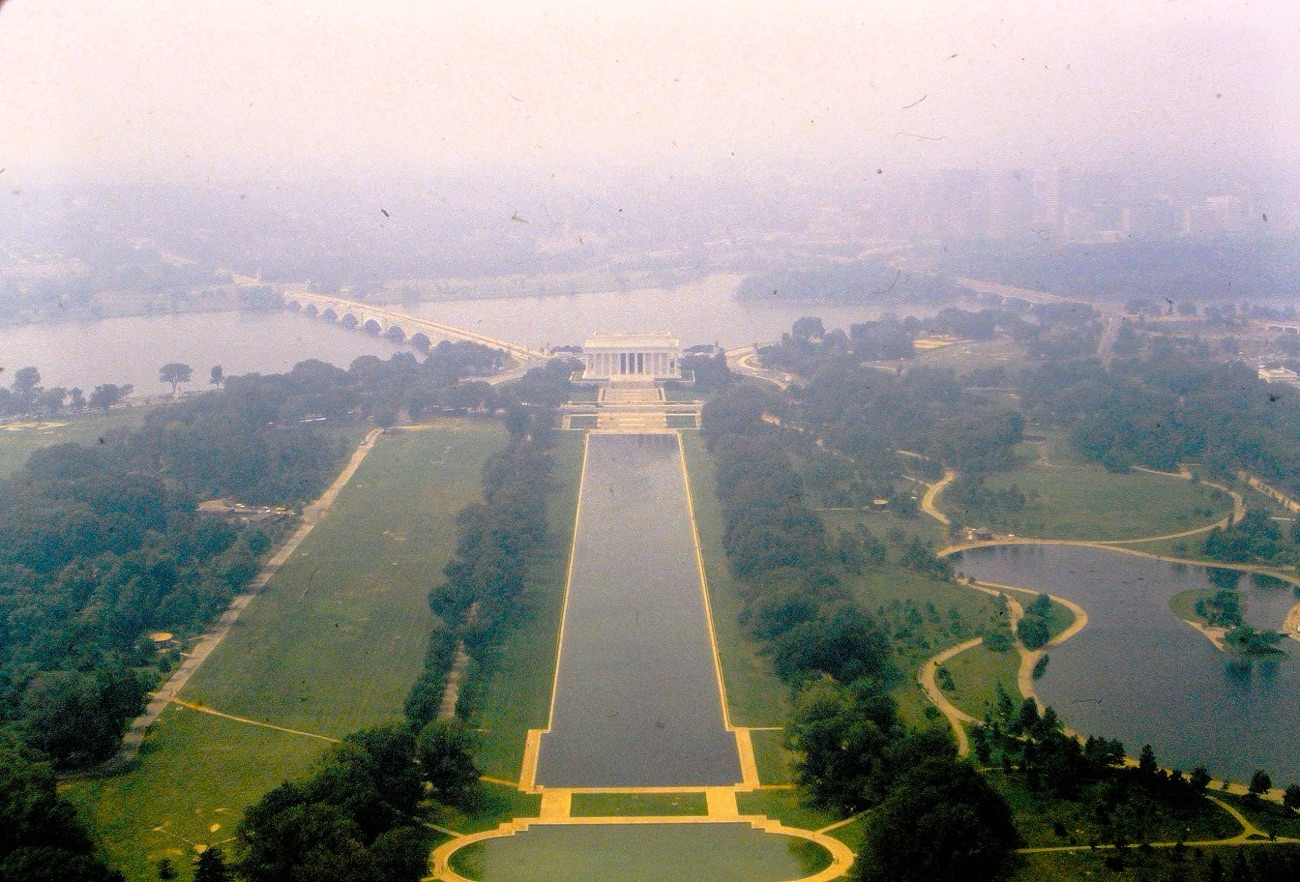
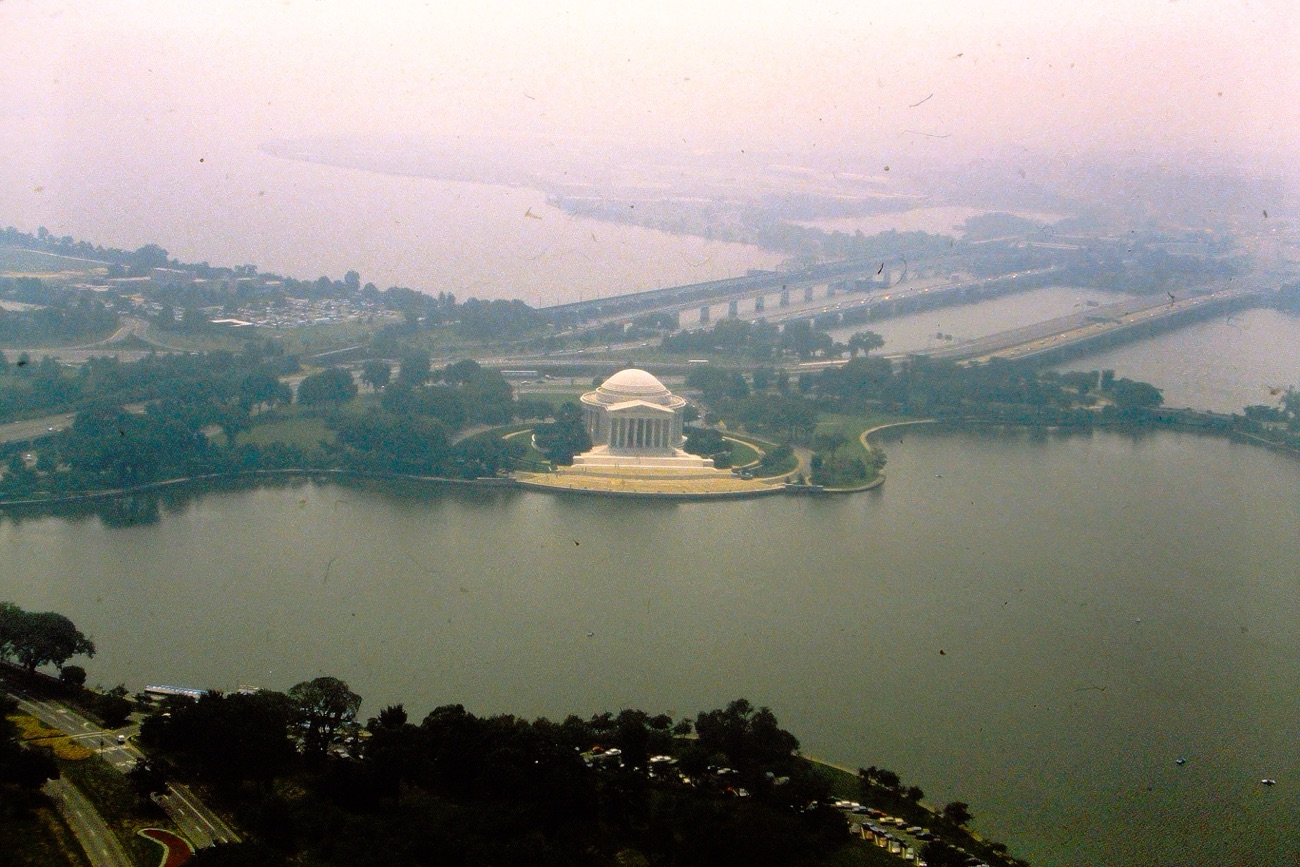
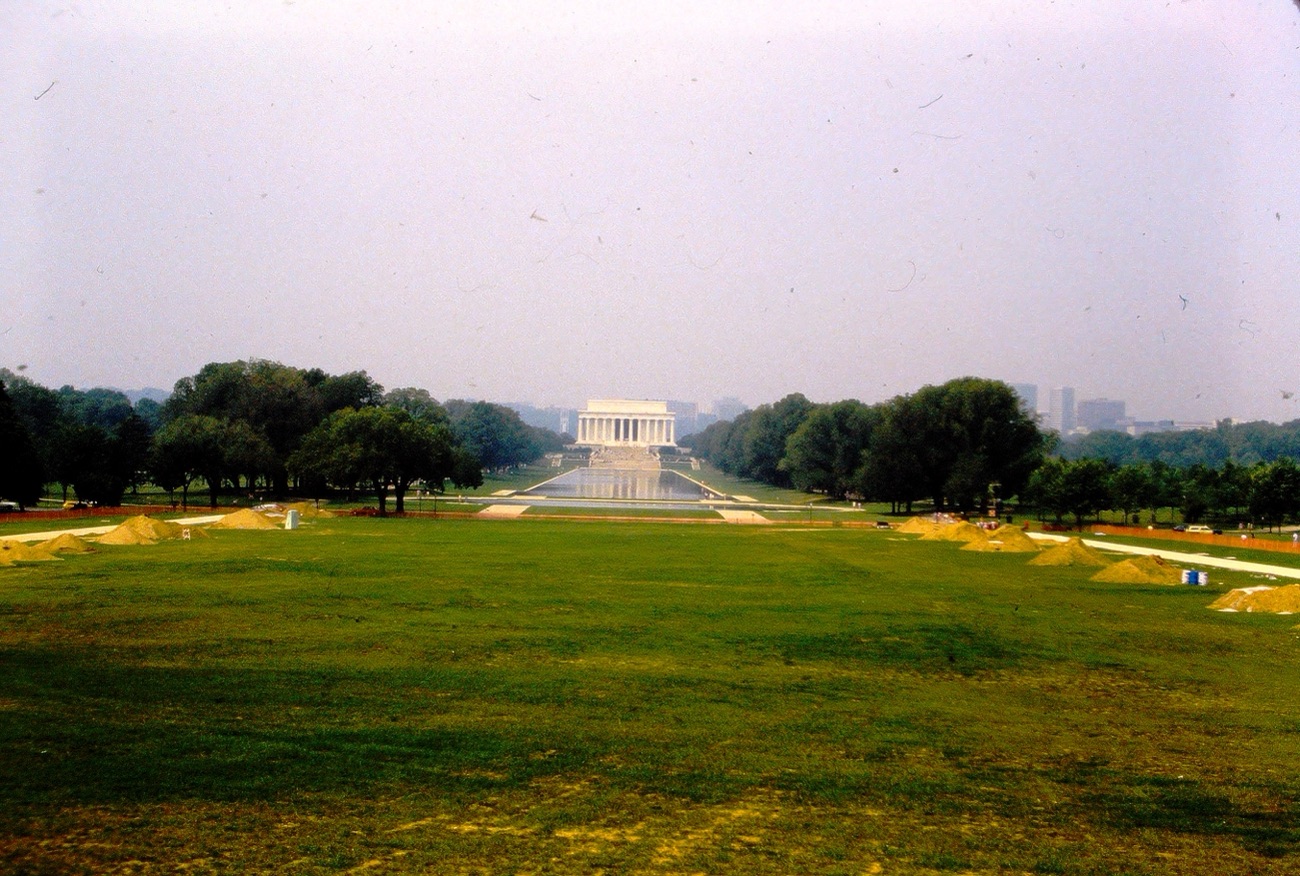
The above are their last views of Washington D.C. before leaving the area. From D.C. my parents drove to near Manassas, Virginia to visit with my brother and his family for a spell.
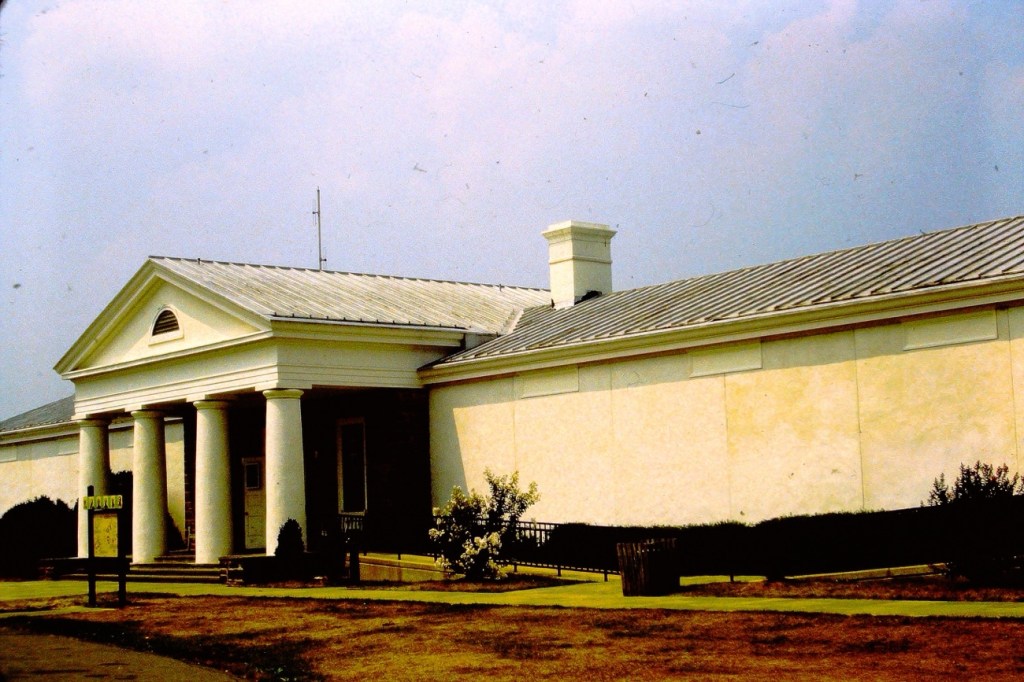
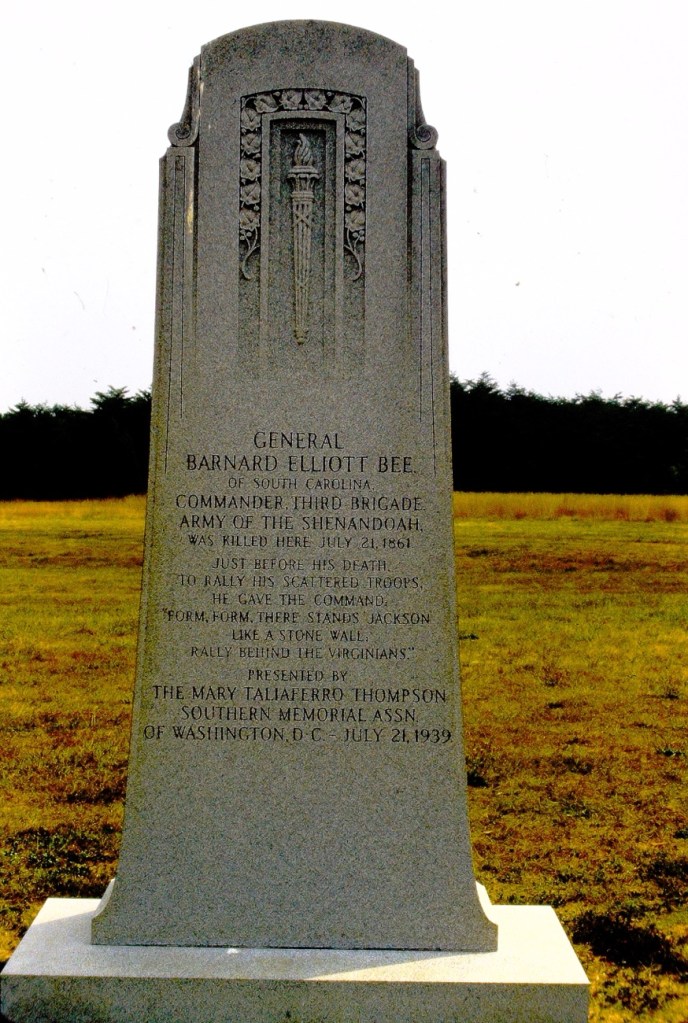
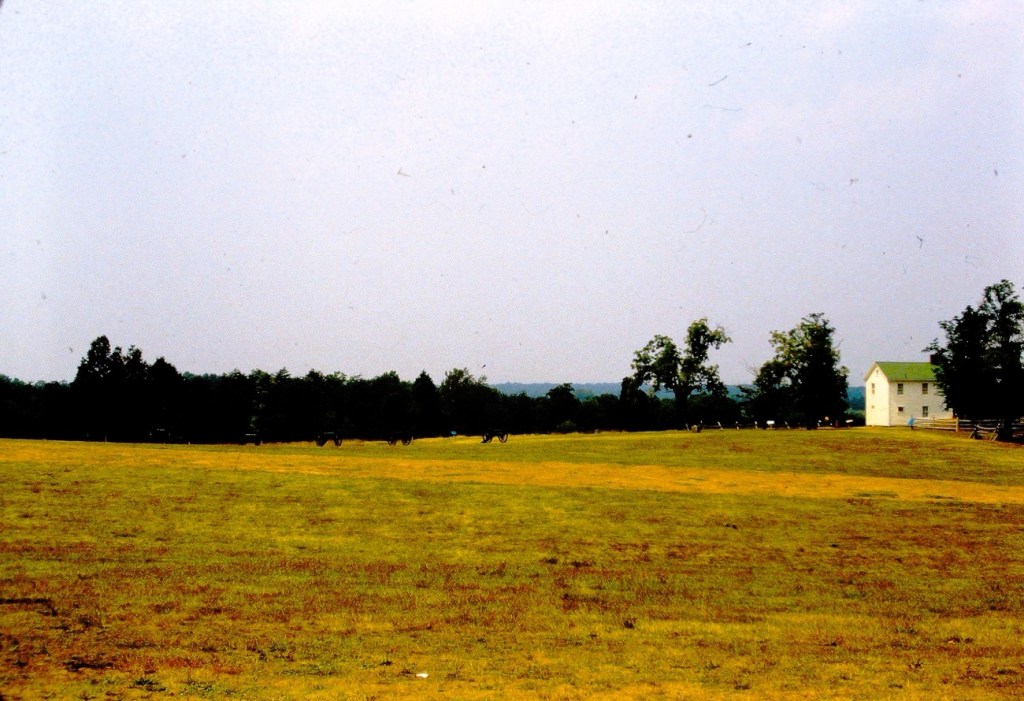
Having rested up and enjoyed a nice family visit, they set out again for further site seeing adventures. They stopped in Manassas enjoying several sites including the Manassas National Battlefield Park.
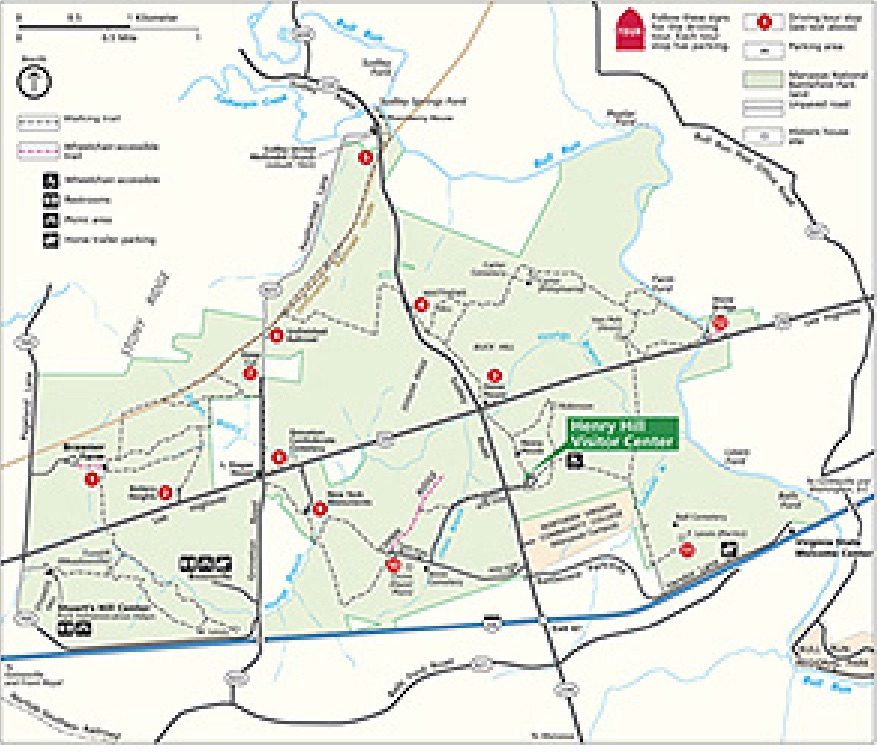
Henry Hill Visitor CenterConfederate General Barnard Elliott Bee Jr. Monument Brigadier General Thomas J. Jackson monument (AKA Stonewall Jackson)Manassas Loop TrailManassas National Battlefield Park Map
My dad loved to plan at least one stop on our vacations which had an historical significance. He would also plan a different site for our family to enjoy some fun. On this trip he and my mom planned to visit sites that held significant interest to them.
The next stop on their Road Trippin’ USA adventure was The Henry Ford – Museum Of American Innovation in Dearborn, Michigan.
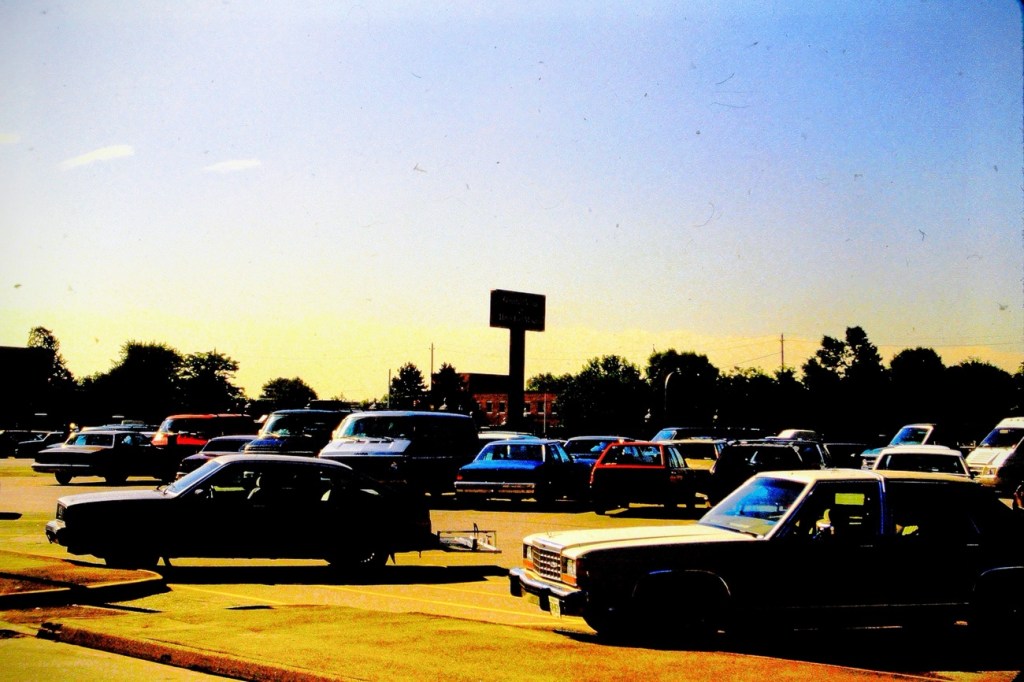
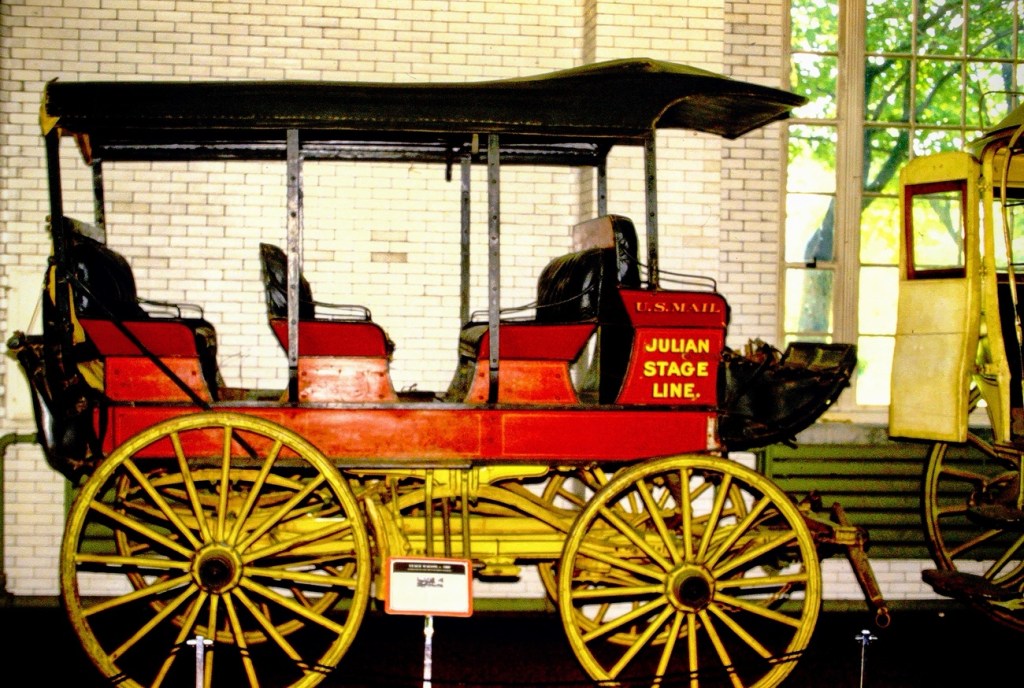
Parking Lot for The Henry Ford – Museum Of American InnovationJulian Stage Line
As they walked up to the entrance they enjoyed seeing the displays at the entrance like this Julian Stage Line vehicle. Julian reminds me of a town just a short ways east of San Diego County in California that has the best Apple pies and beautiful countryside.
Next week I’ll continue with their Road Trippin’ adventures for My Which Way of Cee’s Which Way Challenge at The Henry Ford – Museum Of American Innovation.
Location: Washington D.C.; Manassas National Battlefield Park; Manassas, Virginia; The Henry Ford – Museum Of American Innovation; Dearborn, Michigan, USA
God Bless. Thank you for visiting with us. Thank you for sharing your time and thoughts with us. I appreciate y’all very much.
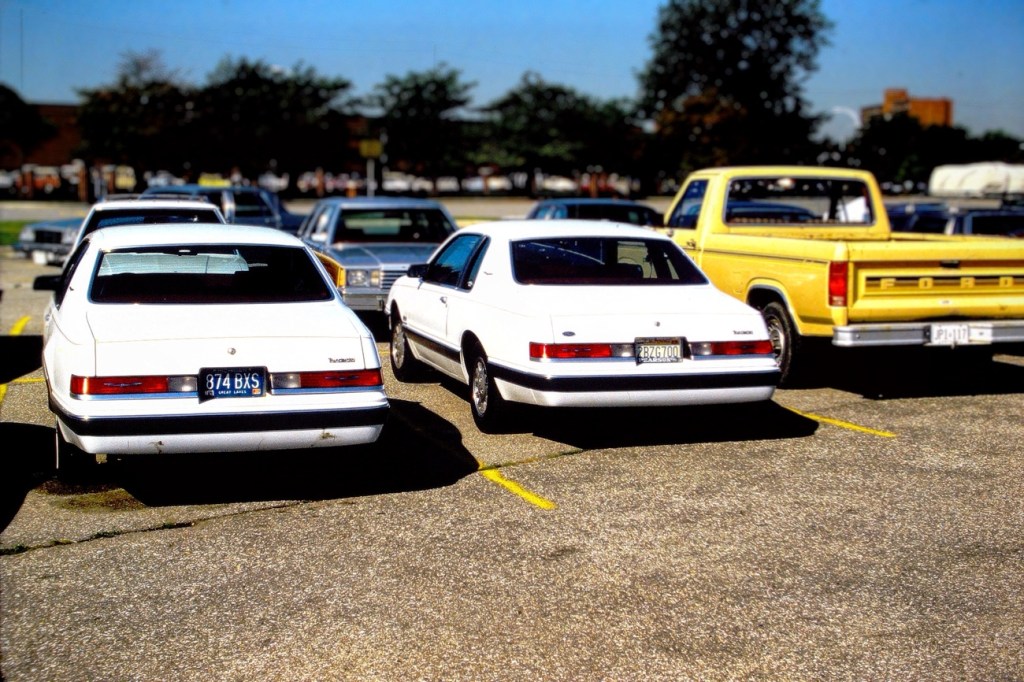
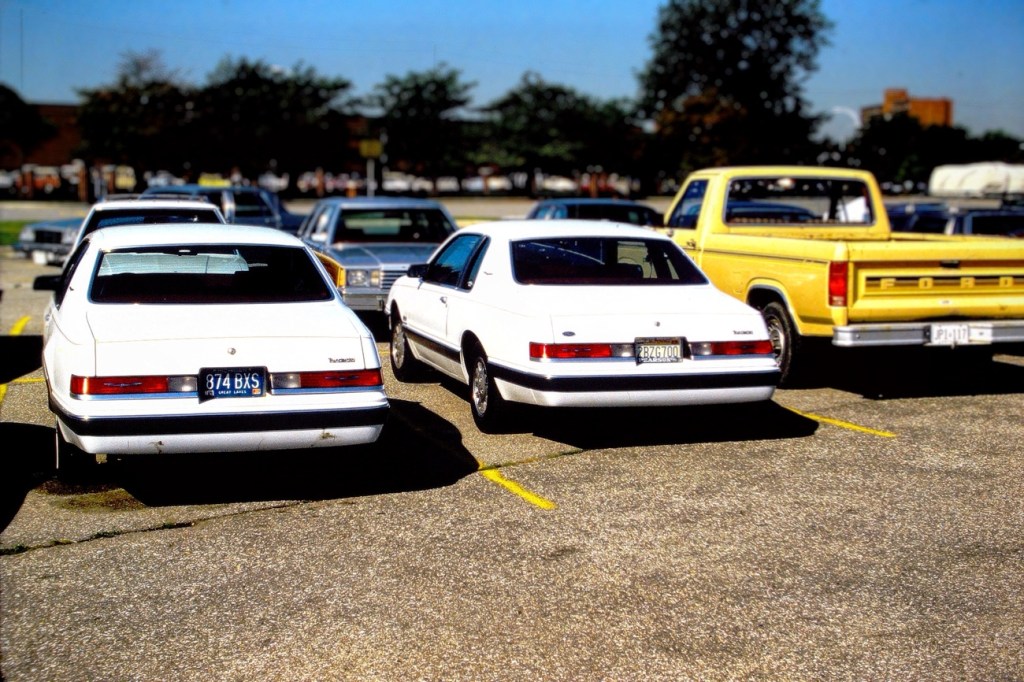
My dad snapped this photo, probably since they parked next to a similar Ford Thunderbird, before heading into the Henry Ford Museum of American Innovation.
Location: Parking Lot; Henry Ford Museum of American Innovation; Dearborn, Michigan, USA
God Bless. Thank you for visiting The Huntington with us. Thank you for sharing your time and thoughts with me. Have a fantastic week. I appreciate y’all very much.
This is my Ninth installment of my combination of Thursday Doors & Monday Window featuring Antique Automobiles. For the past seven weeks I’ve been posting Antique Automobiles from California. Last week I will began posting Antique Automobiles from Washington D. C. and now continuing on from the East Coast before moving on to Dearborn, Michigan.
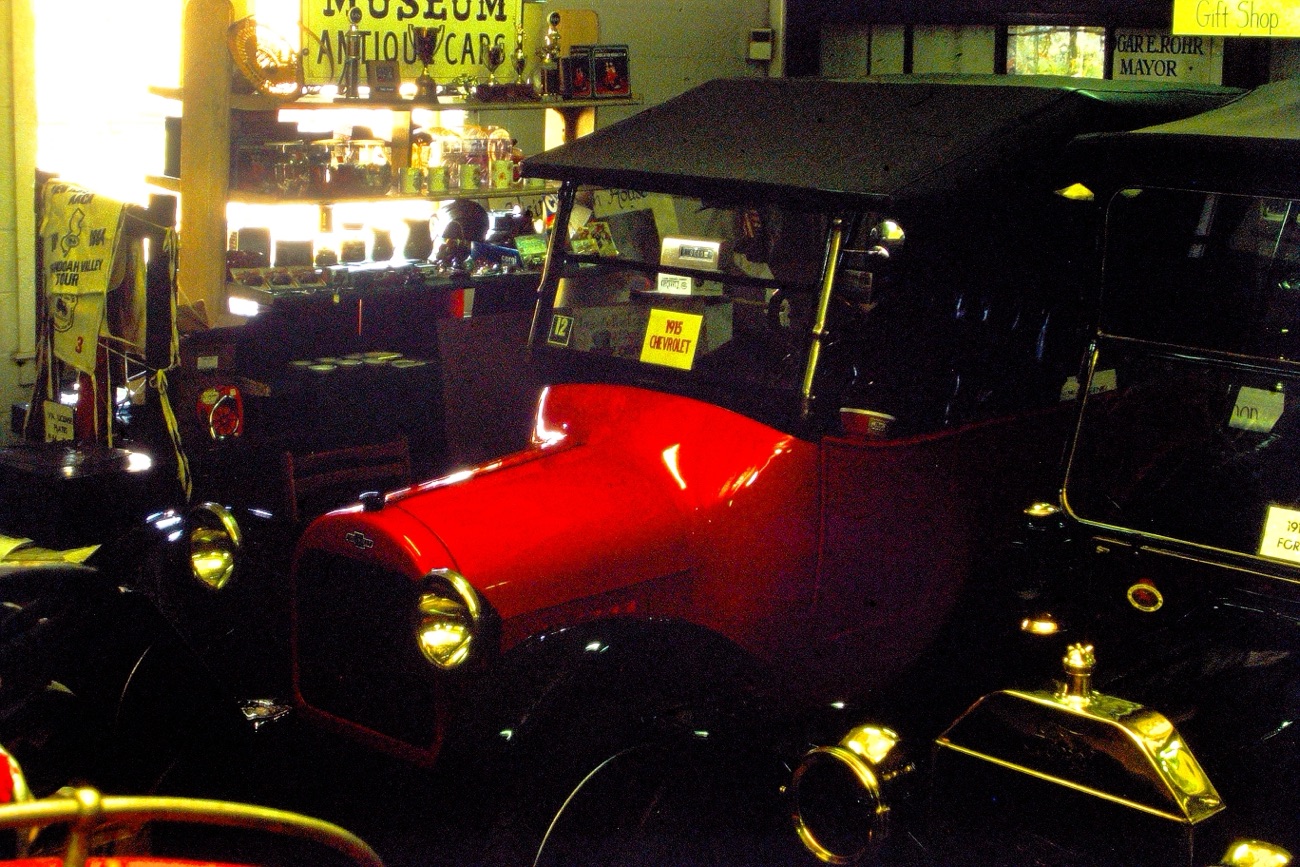
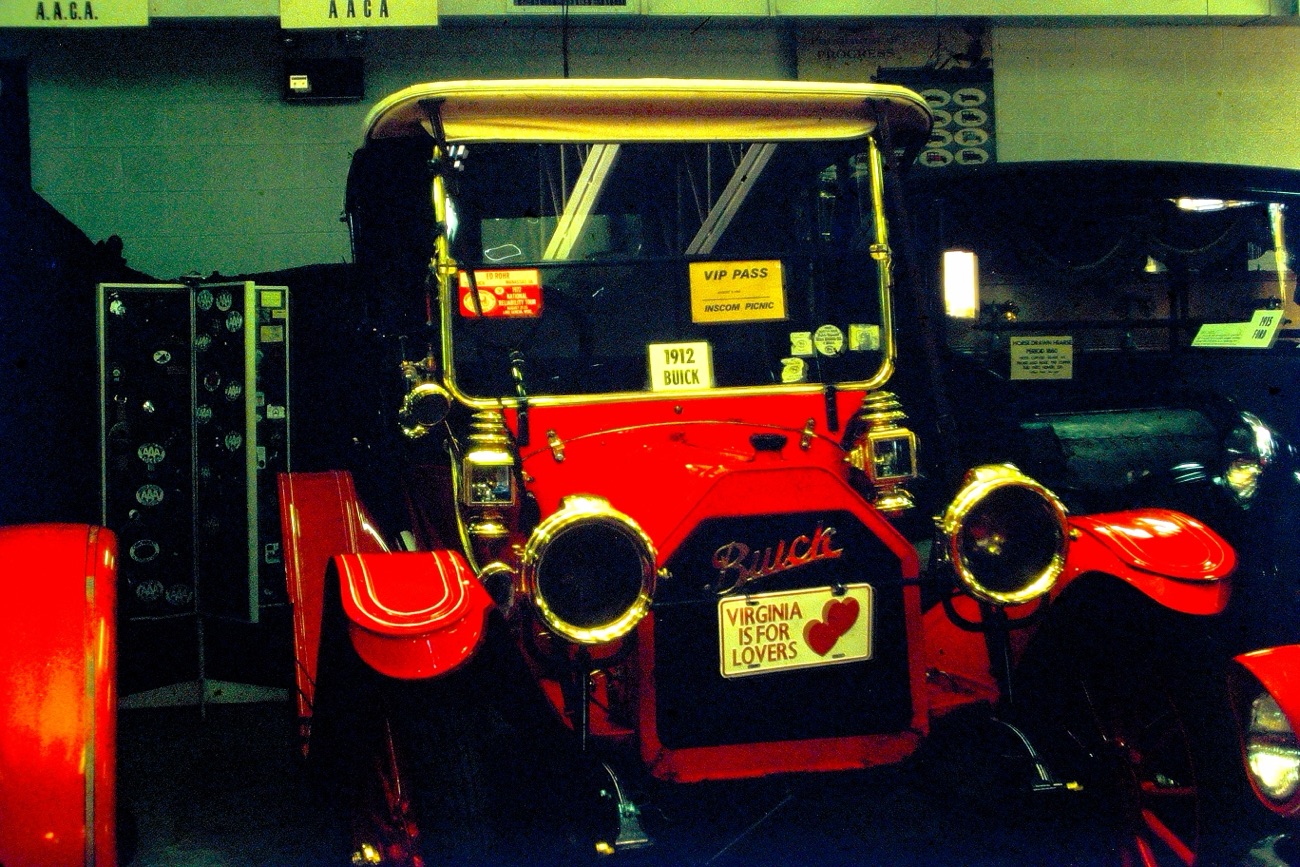
This week I decided to post photos of antique automobiles from the Rohr Museum of Antique Cars. I am not sure if this museum was apart of the National Museum of American History’s Smithsonian Automobile Collection in Washington D.C. or a separate museum possibly in Manassas, Virginia. I have googled the museum but cannot find any information regarding the Rohr Antique Automobile Museum. I do know my parents toured the National Museum of American History in D.C. and then drove through Manassas to my brother’s home before driving to Dearborn, Michigan.
In these photos you can see the Virginia license plates and the Rohr Museum Antique Cars sign hanging near a window. Next week I’ll be showing antique automobiles and such from Dearborn, Michigan. Stay tuned for further adventures into the Antique Automobile World.
Welcome to “The Numbers Game #36”. Today’s number is 157. To play along, go to your photos file and type that number into the search bar. Then post a selection of the photos you find under that number and include a link to your blog in my Numbers Game blog of the day. If instead of numbers, you have changed the identifiers of all your photos into words, pick a word or words to use instead, and show us a variety of photos that contain that word in the title.
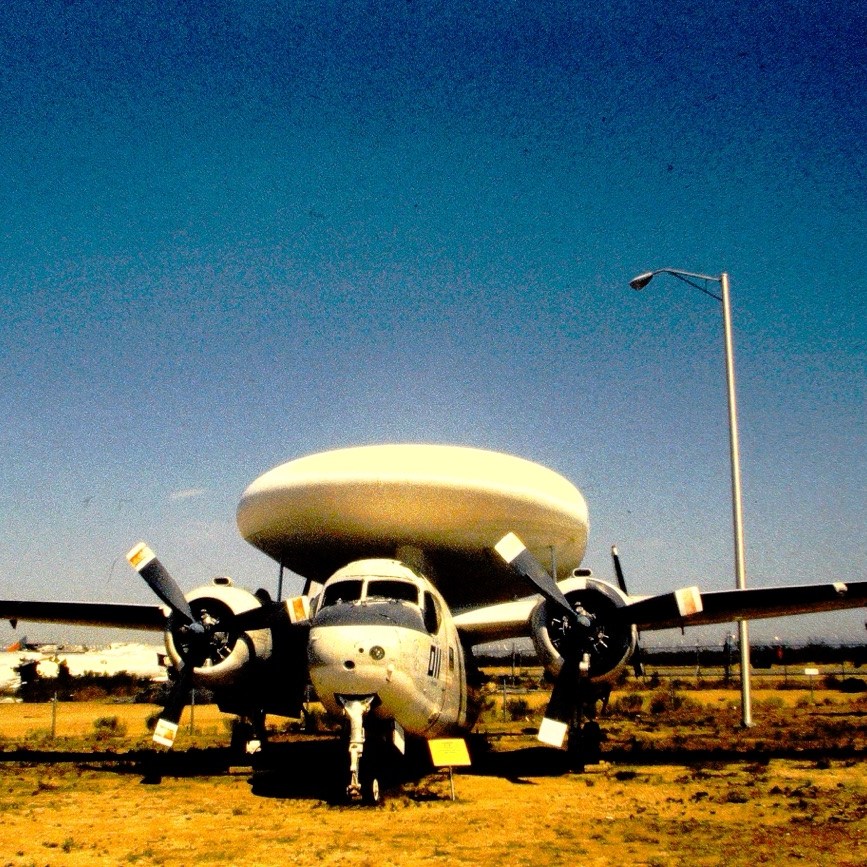
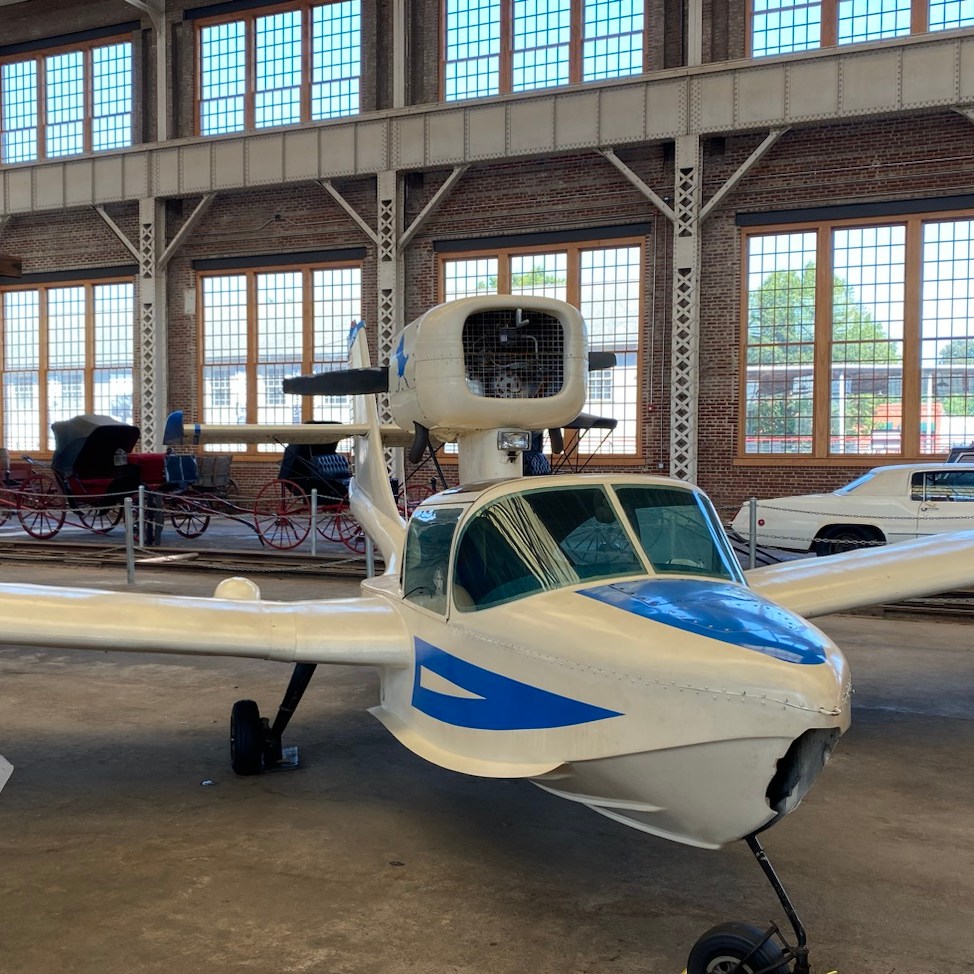
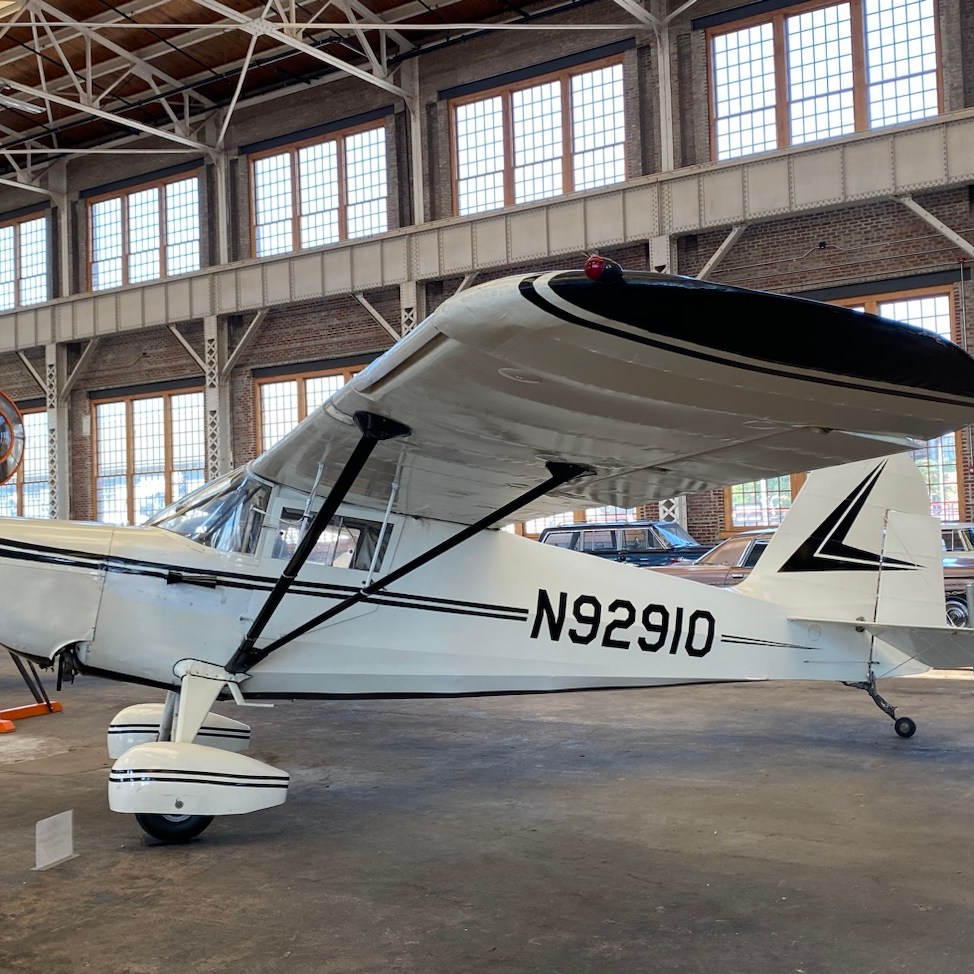
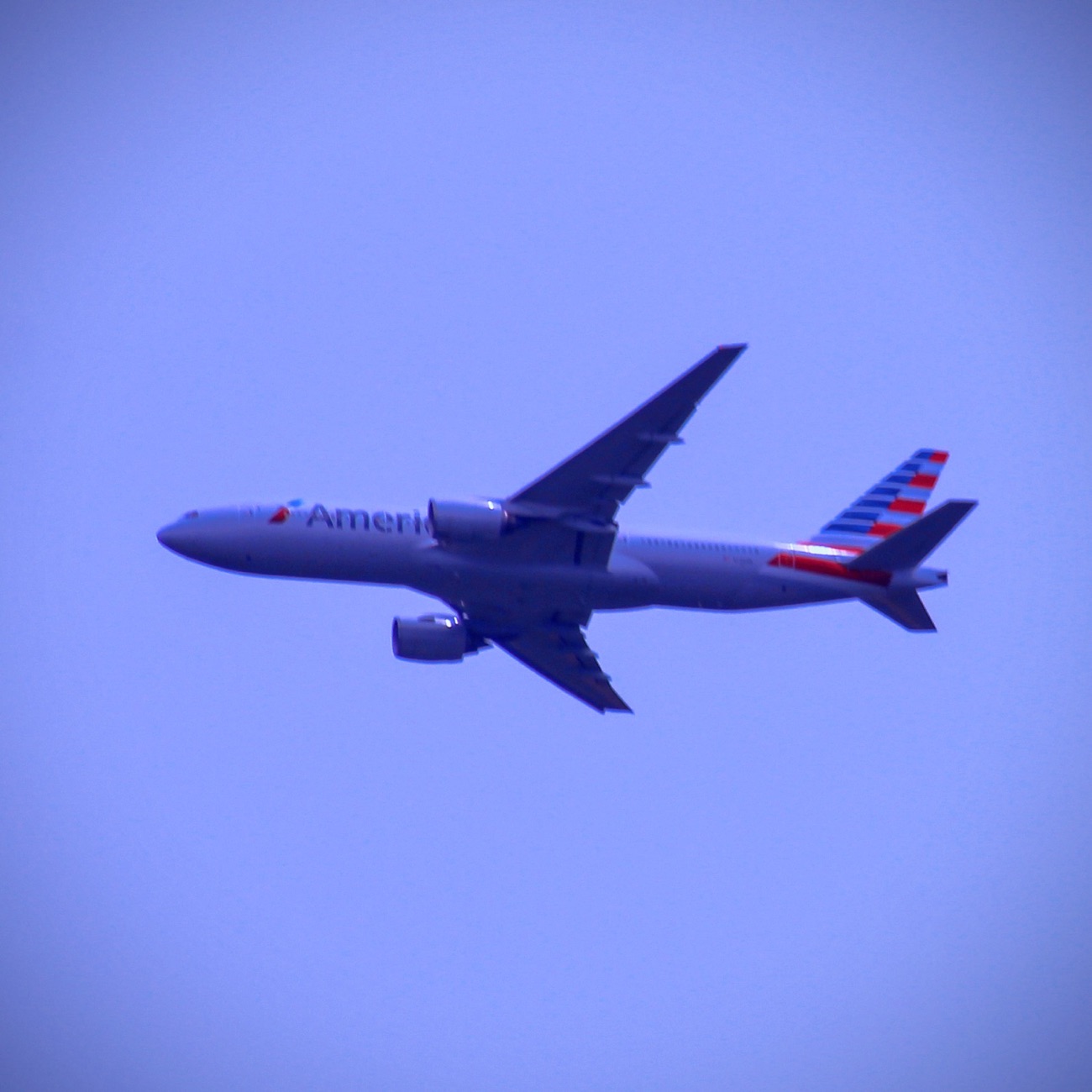
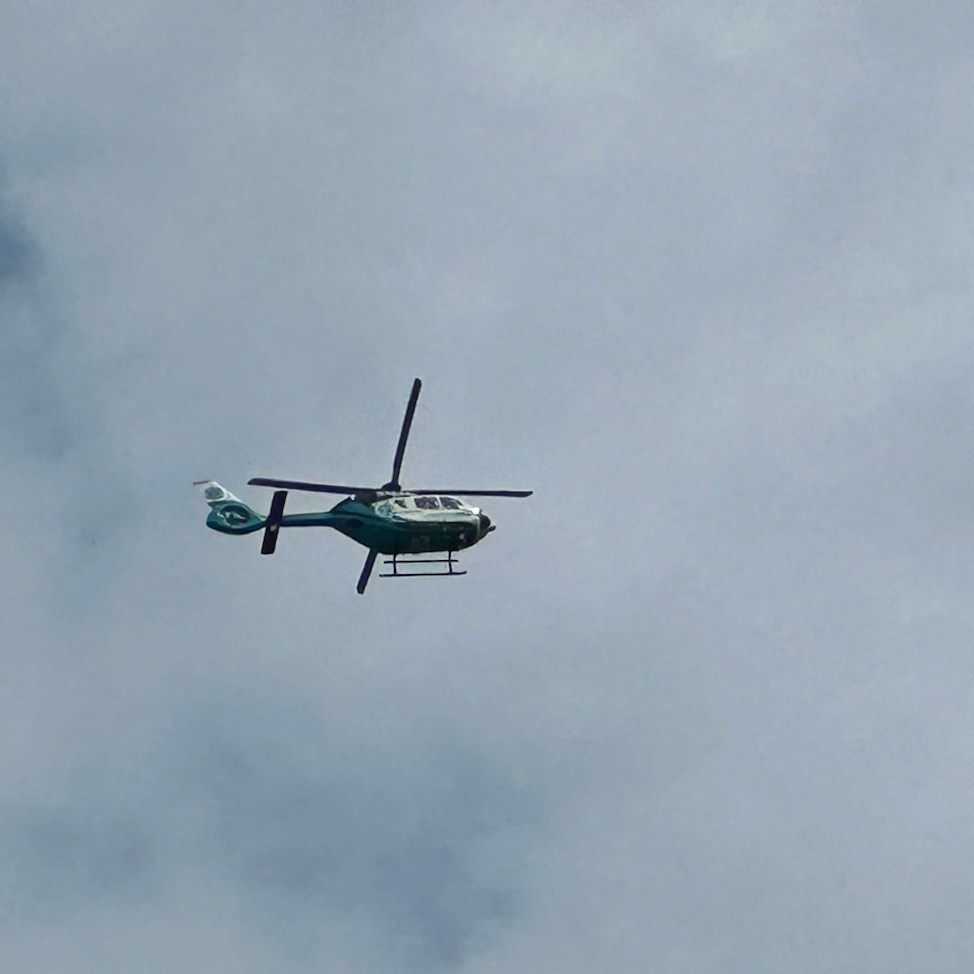
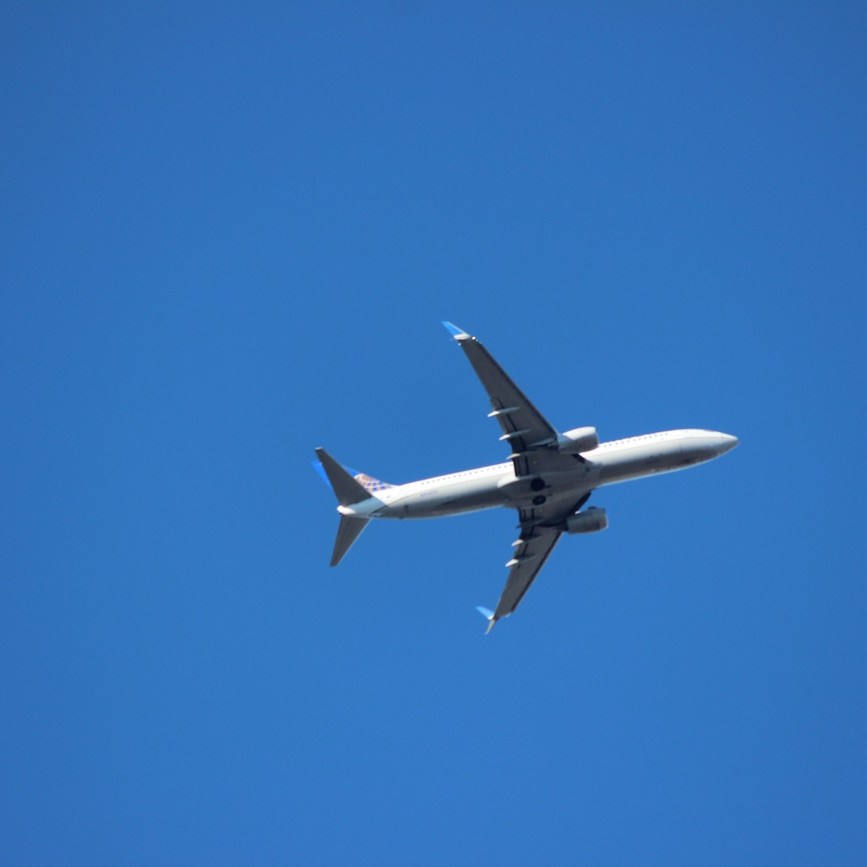
I couldn’t locate photos with the number 157, so I decided to choose a Word — Airplane.
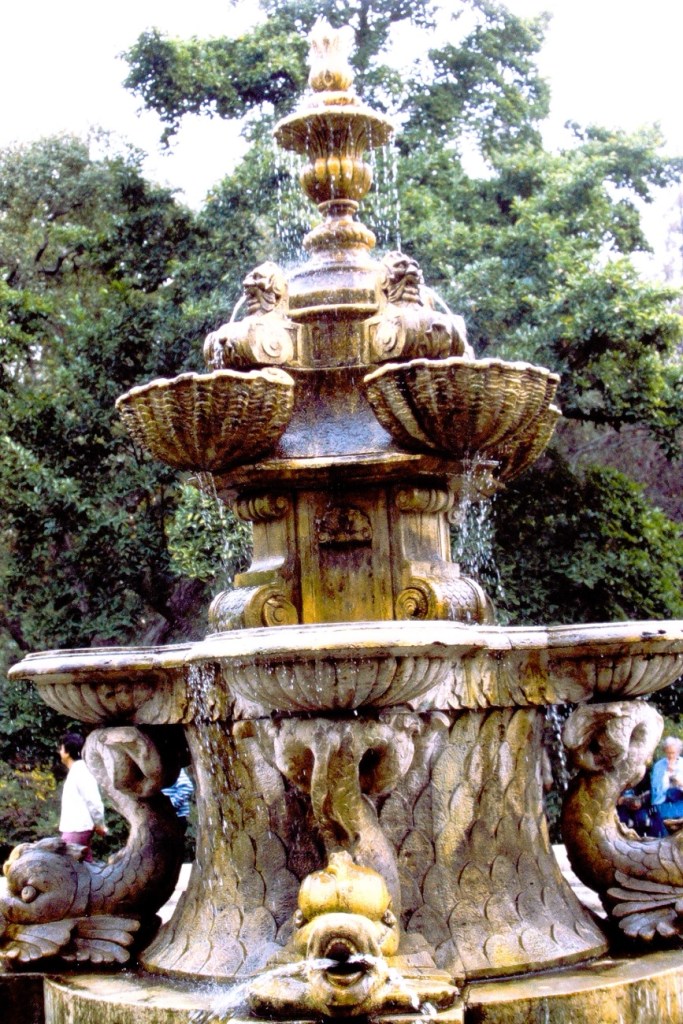
17th century, Istrian stone, Italian The Italian fountain was purchased by Henry Huntington in 1915. It was shipped from New York in 48 boxes that filled an entire railway car. Oddly enough, the fountain arrived without assembly instructions and with a few extra pieces. It eventually was installed in the garden of the Huntington Library, Art Museum, & Botanical Gardens in San Marino, California.
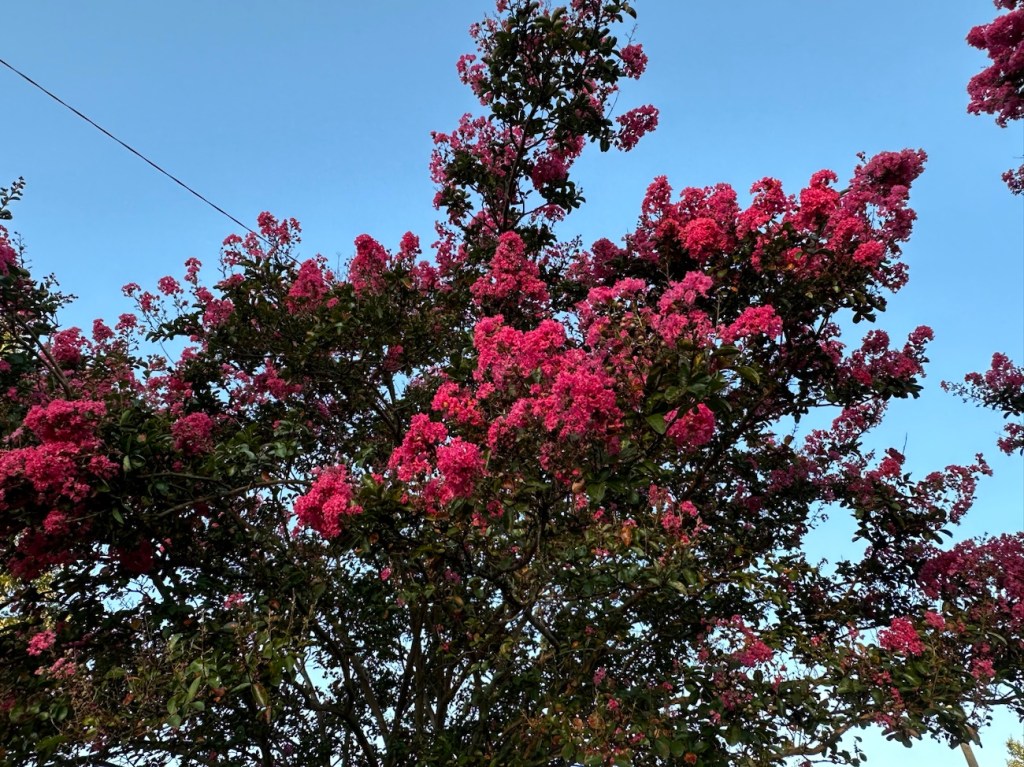
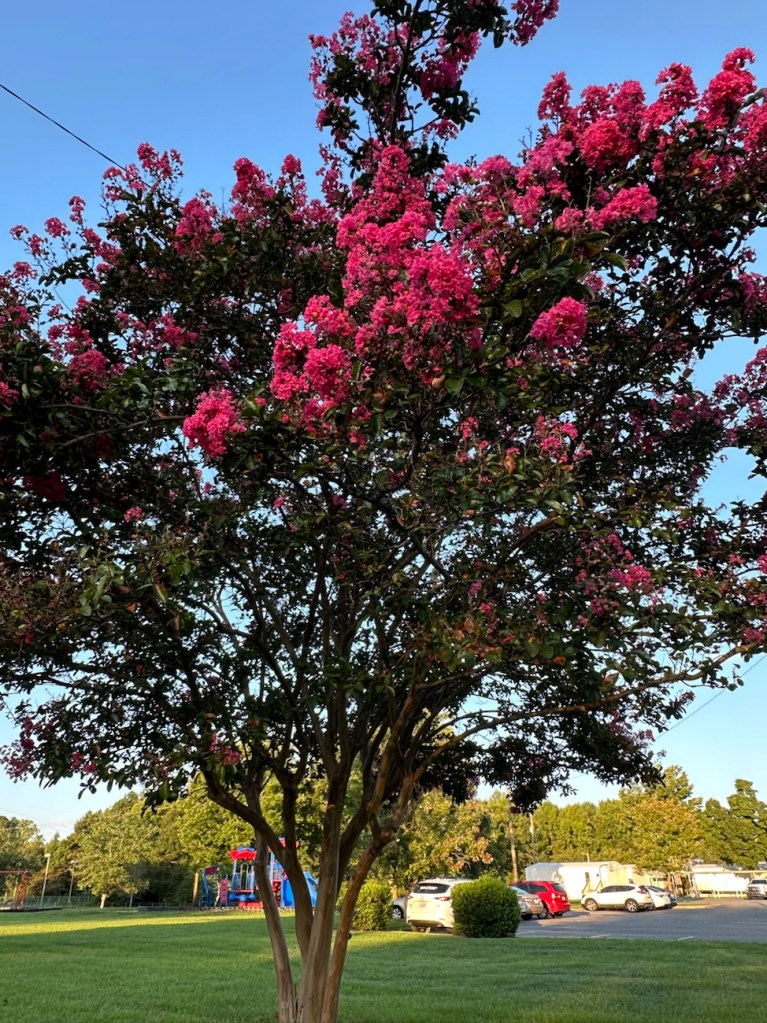
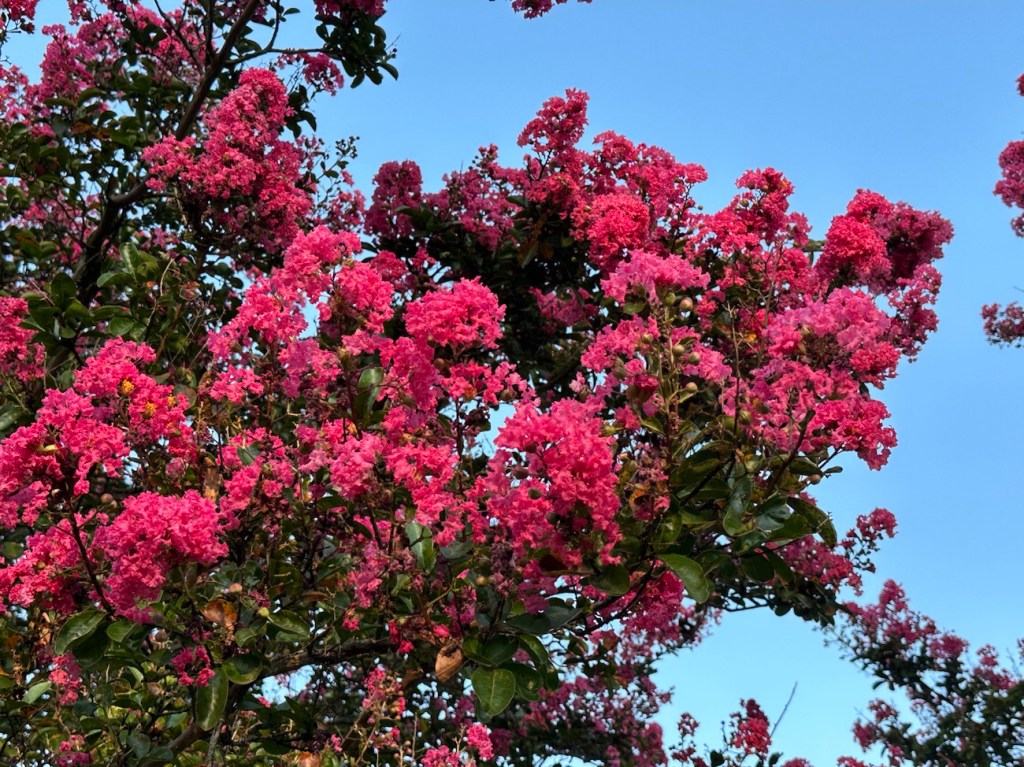
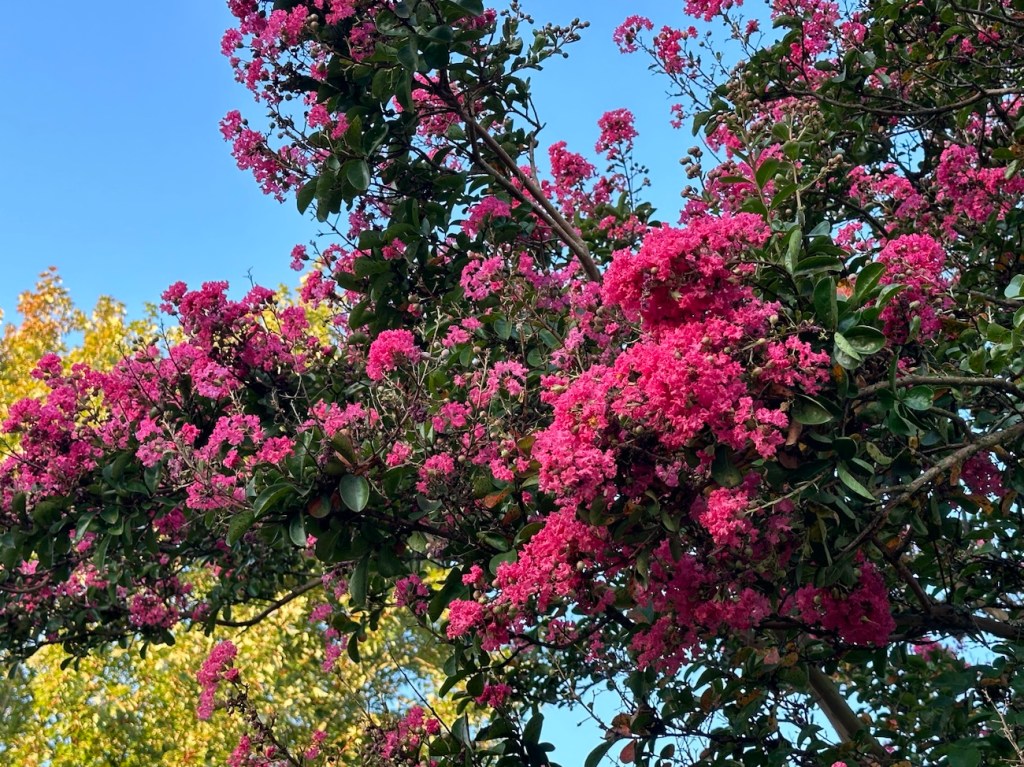
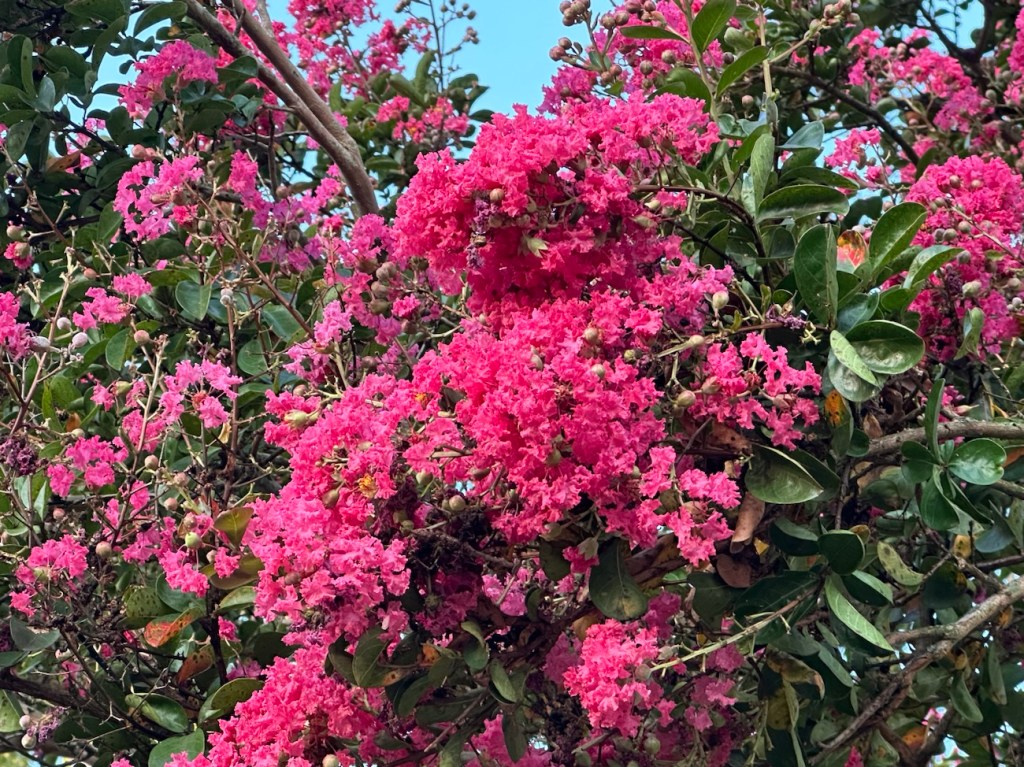
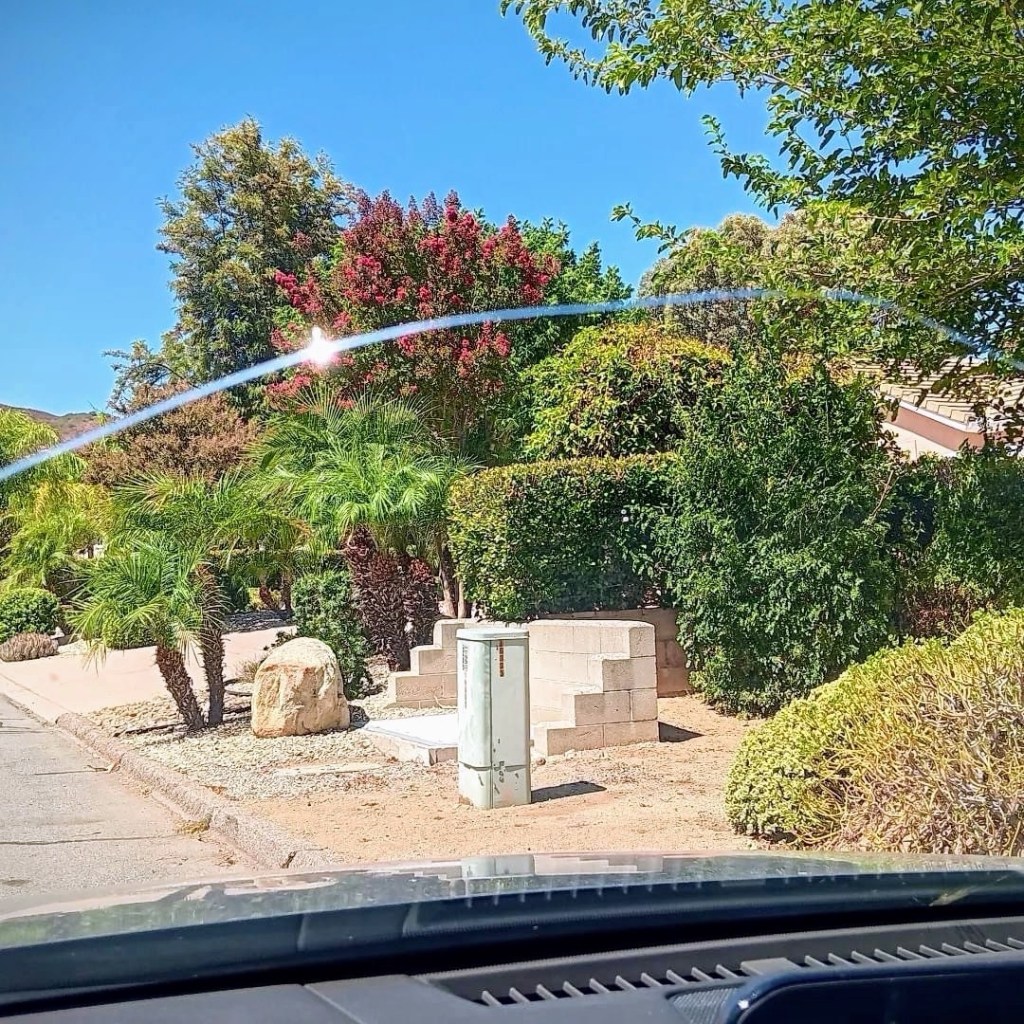
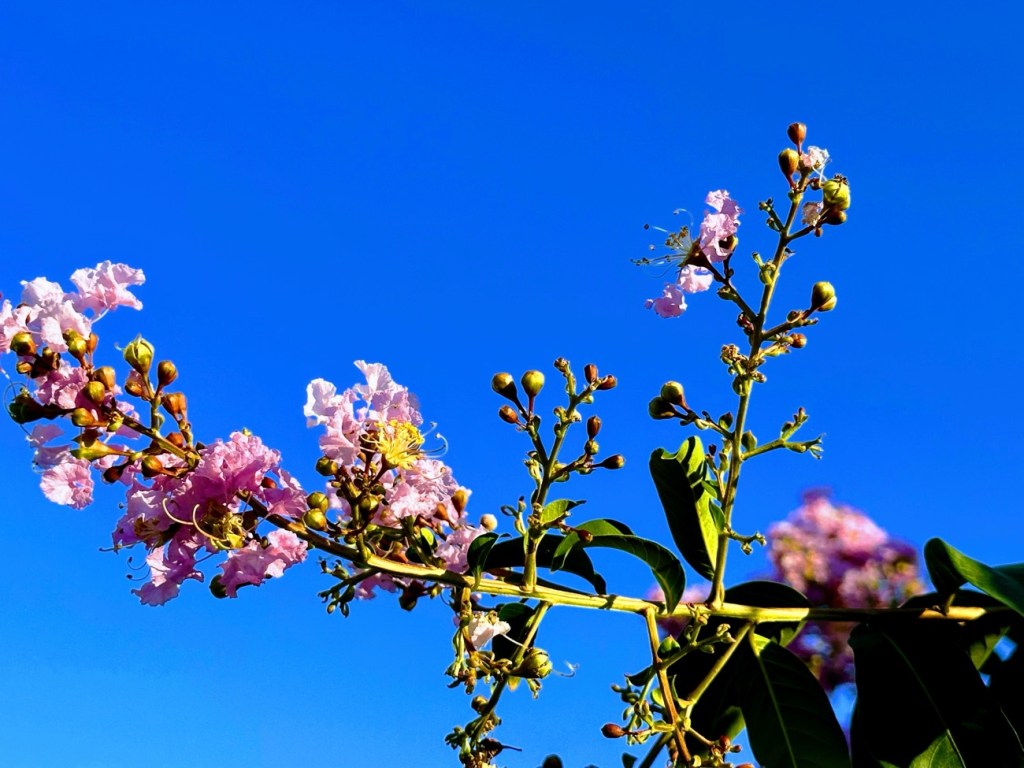
The Pink Velour Crape Myrtle is a type of Lagerstroemia indica crape myrtle tree. The flower colouring changes with the season. In the summer its blooms are a bright Hot Pink changing to a burgundy in the fall.
One can find the Lagerstroemia all across the Southern Atlantic States. Similar to the southern Magnolia, the crape Myrtle has come to symbolize the American South due to its extensive planting and ability to thrive in hot, humid summer climates with regular precipitation. It has brilliant color in late summer and autumn unlike other trees/shrubs which have already exhausted their blooms.
The Horned Puffins are similar in appearance to the Atlantic Puffins and its closest relative of the North Atlantic. It differs, however, by a “horn” of black skin located above the eye, present in adult birds.
The Horned Puffin is an auk found in the North Pacific Ocean, including the coasts of Alaska, Siberia, and British Columbia. [The puffin in the first picture was taken off the coast of Alaska by my cousin during their bucket list vacation.] It is a pelagic seabird that feeds primarily by diving for fish. It nests in colonies, often with other auks.
The height of the adult puffin is approximately 20 cm (8 in), the weight is approximately 500 g (18 oz), and the wingspan is approximately 58 cm (23 in). Horned Puffins are monomorphic; in other words both the male and female exhibits the same plumage coloration.
Sexually mature puffins have a small fleshy black “horn” extending upwards from the eye, from which the animal derives its common name; the horned puffin. The Horned Puffin’s bill is red at the tip and yellow at the base. It is also larger than those of other puffin species. The puffin’s bill has fluorescent properties which it uses to attract a partner. Puffins can see ultraviolet rays, allowing them to spot luminescence on the bills of other puffins during the courtship display.
Horned puffins live among steep rocky slopes and cliffs. They prefer rock crevices or shelters under piles of rock for home and shelter which differs from other puffins that dig burrows for their shelters.
To achieve flight, horned puffins either jump off a cliff to gain momentum, or races across the water to reaching the speed required for takeoff. They fly compactly and quickly, 10 to 30 meters (33 to 98 ft)above sea level. The wing beats are constant, rapid and regular.
When the puffins are on land they walk upright gripping rock surfaces with its claws, and climbs cliffs with ease. They do spend half of their time on water, paddling along the surface with their feet. They are extremely agile underwater. Their powerful wings serve as oars and their webbed feet work as a rudder. Their plumage, like most seabirds, are waterproof. This feature allows them to dive and prevents heat loss.
The Horned Puffins feed on a diet of fish, small invertebrates, crustaceans, polychaete worms and squid. They are also known to feed on small algae and marine plants.
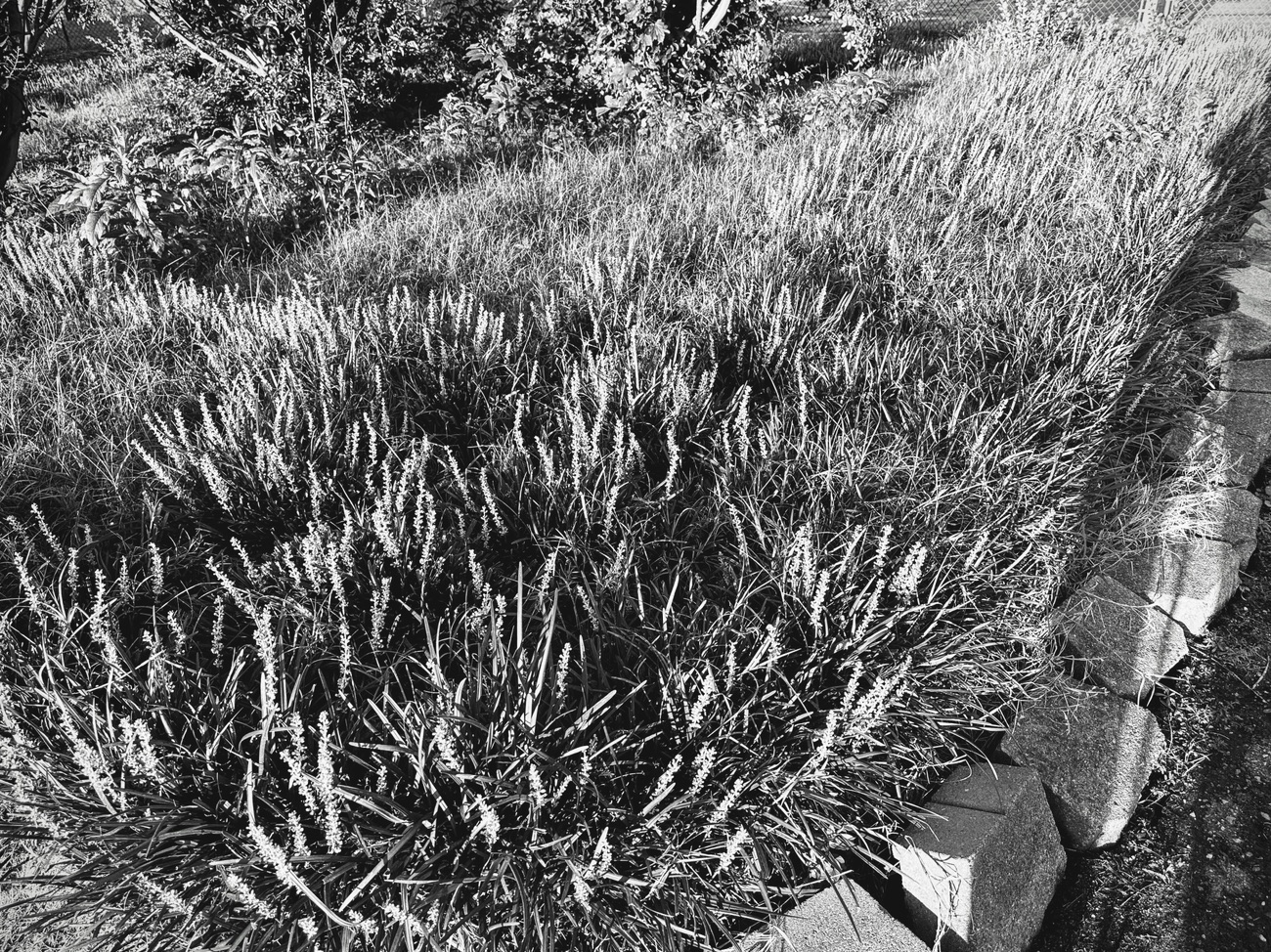
Liriope muscari is commonly referred to as big blue lilyturf, lilyturf, border grass, and monkey grass. It has grass-like evergreen foliage and lilac-purple flowers which produce single-seeded berries on a spike in the fall.
It is late summer here, however, these Big Blue Lilyturf can be spotted around all over the city in landscape manicured gardens. They are one of the few plants in bloom right now besides the varieties of Crape Myrtle.
Being an easy plant to grow, landscapers tend to use the Liriope muscari as groundcover for borders along sidewalks, trails, driveways, shrubbery, and trees. It is one of the most popular groundcovers in the southeastern United States.
The majority of beaches are more than three hours away from where we live except for around the lakes. It has been awhile since I’ve been to any beaches, so I combed through my archives to see what I could sea.
Here are my findings from out along the WEST Coast and Pacific Northwest Coast.
Moving back to the East Coast, we can Sea these beautiful and interesting beach finds.
In the Summer of 1985 my parents went Road Trippin’ across the United States of America. They began their Road Trip leaving from their home in San Diego, California. They always planned what or whom they wanted to visit ahead of time.
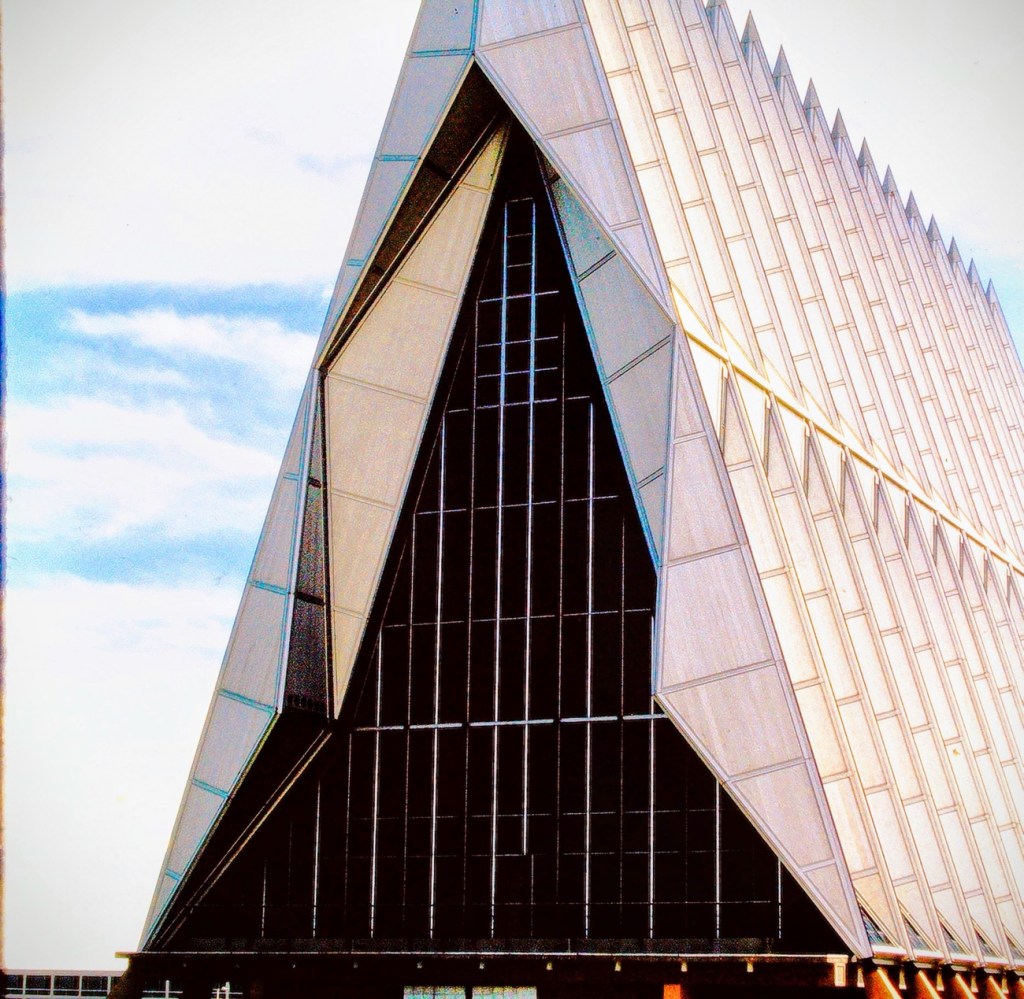
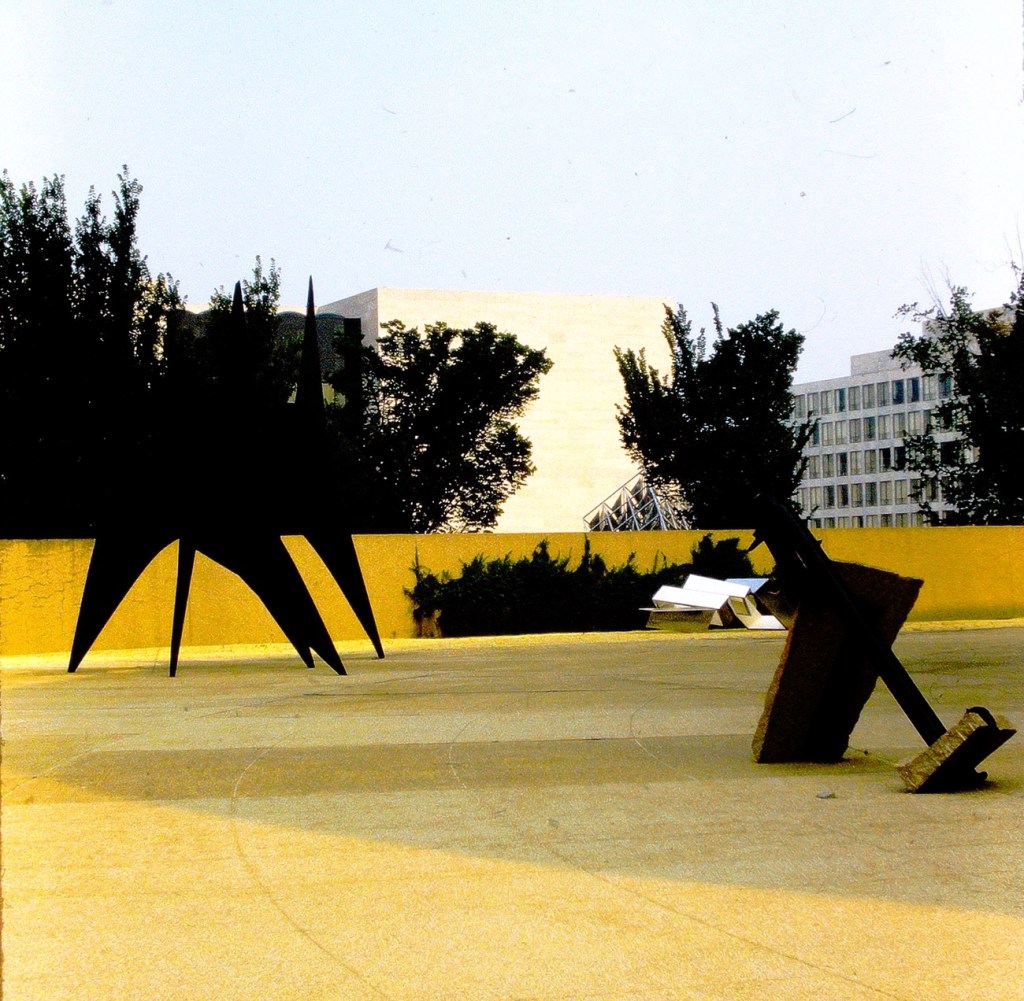
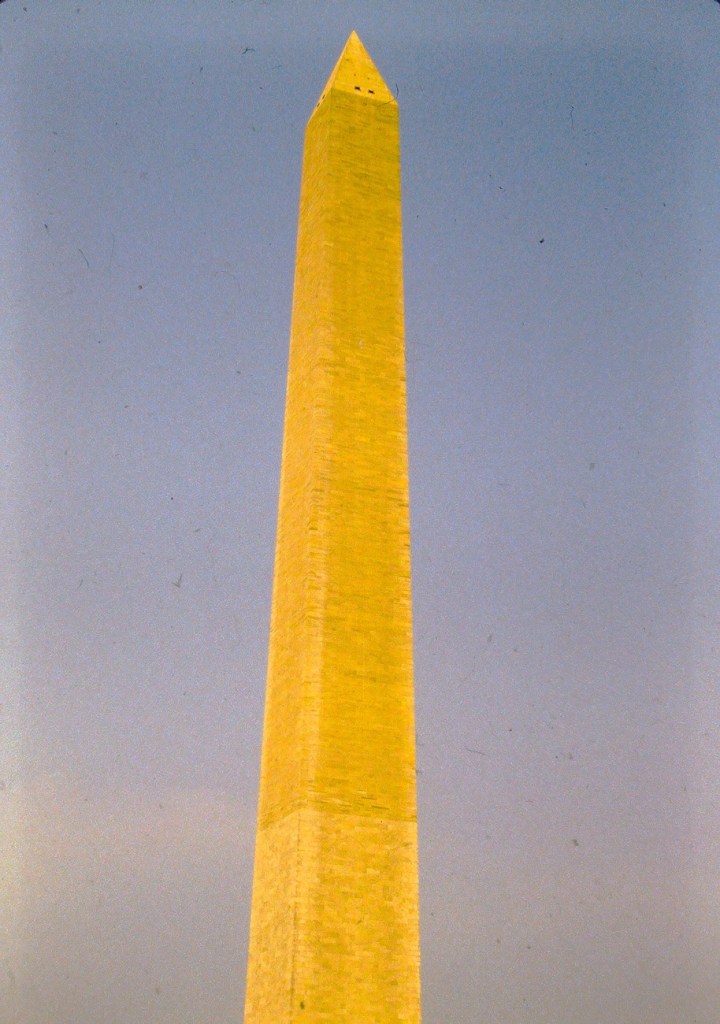
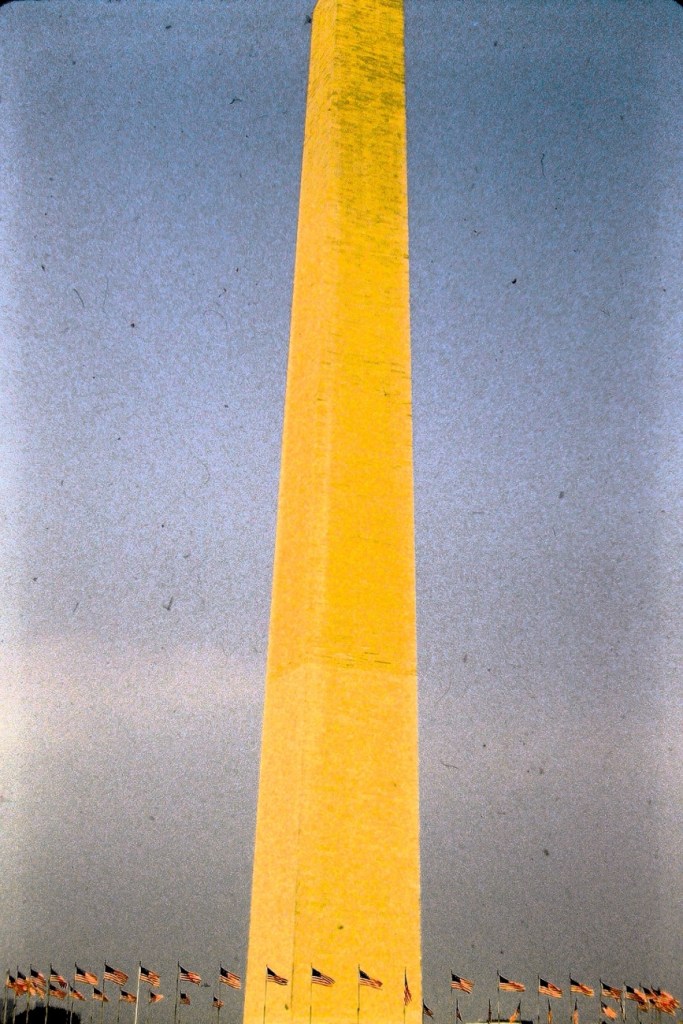
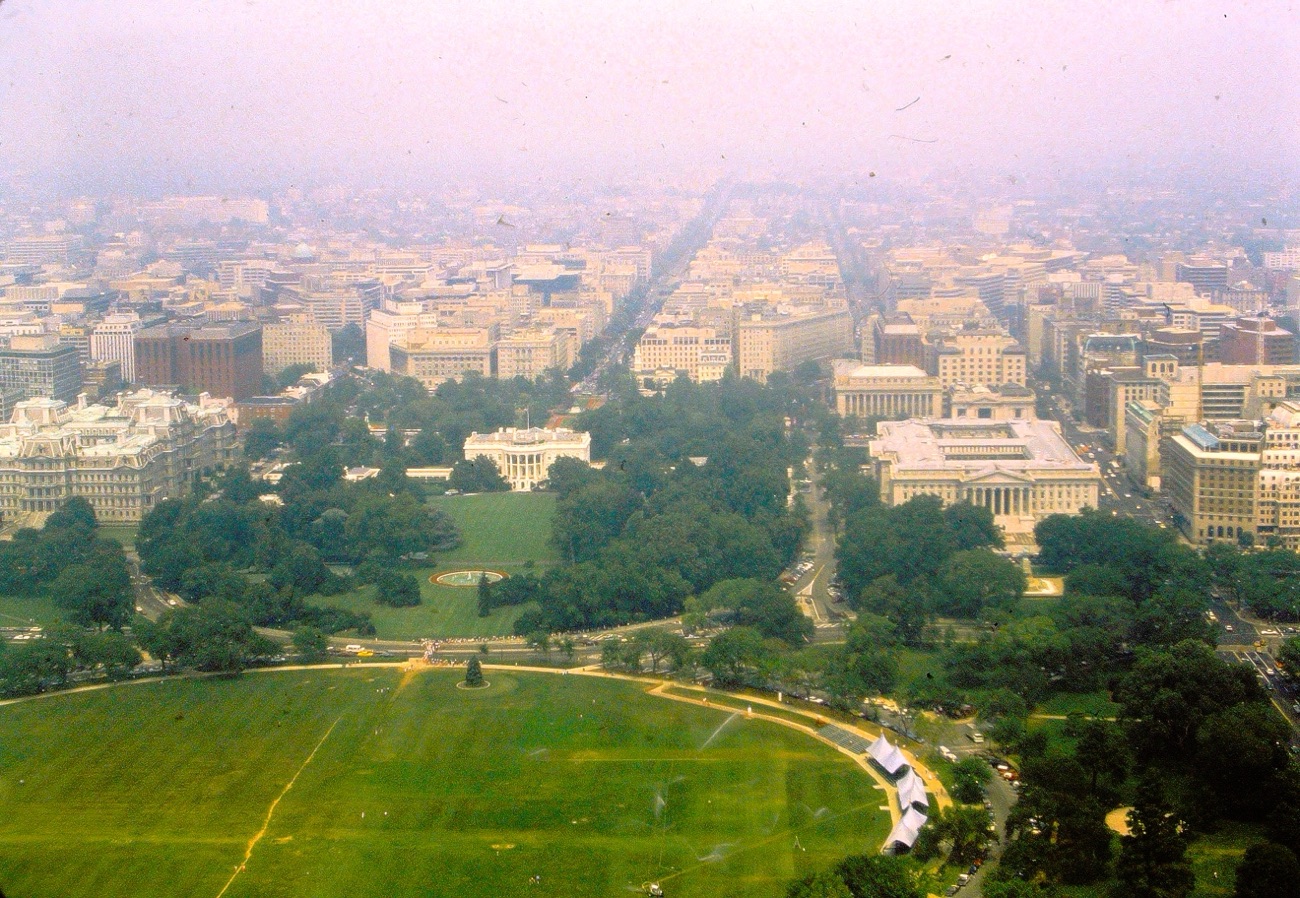
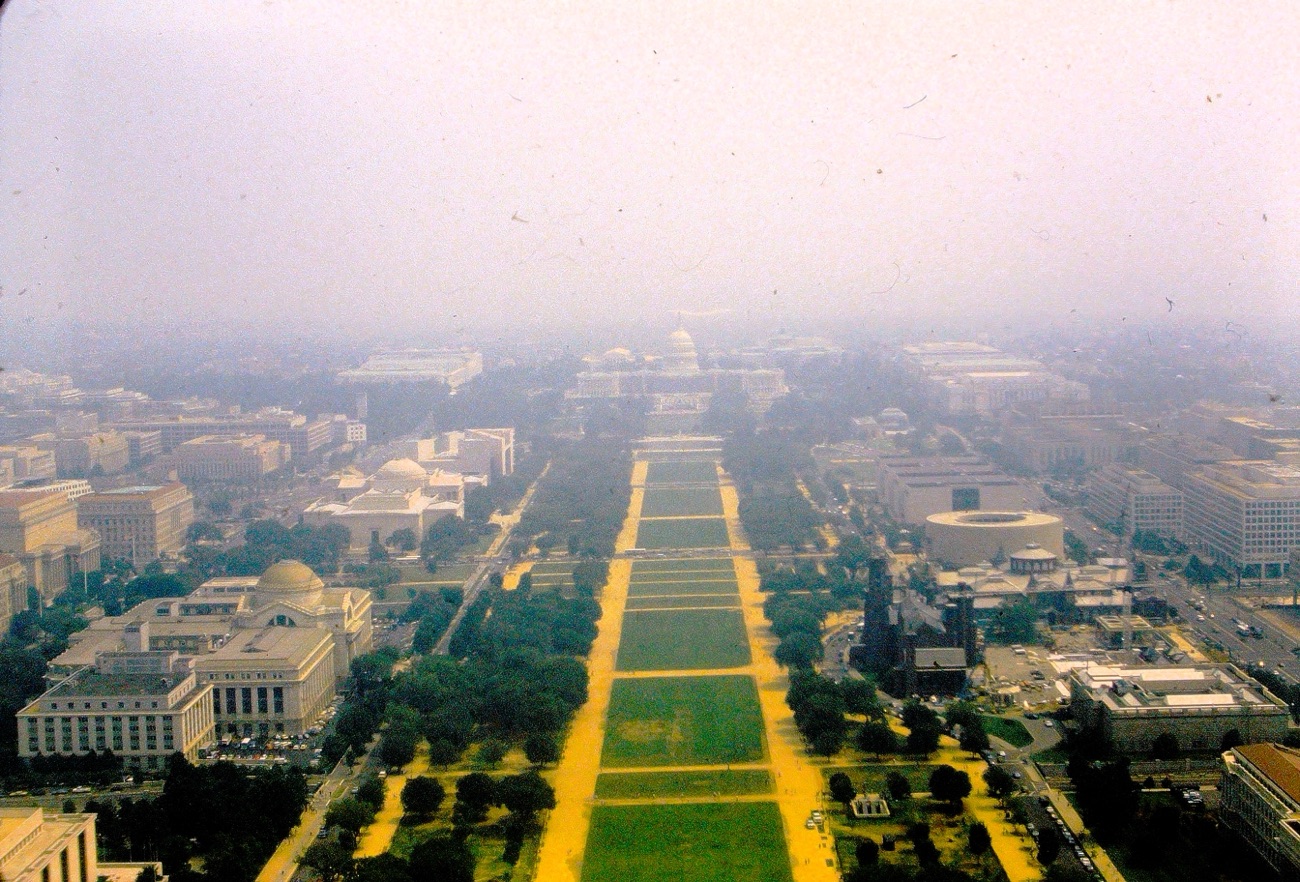
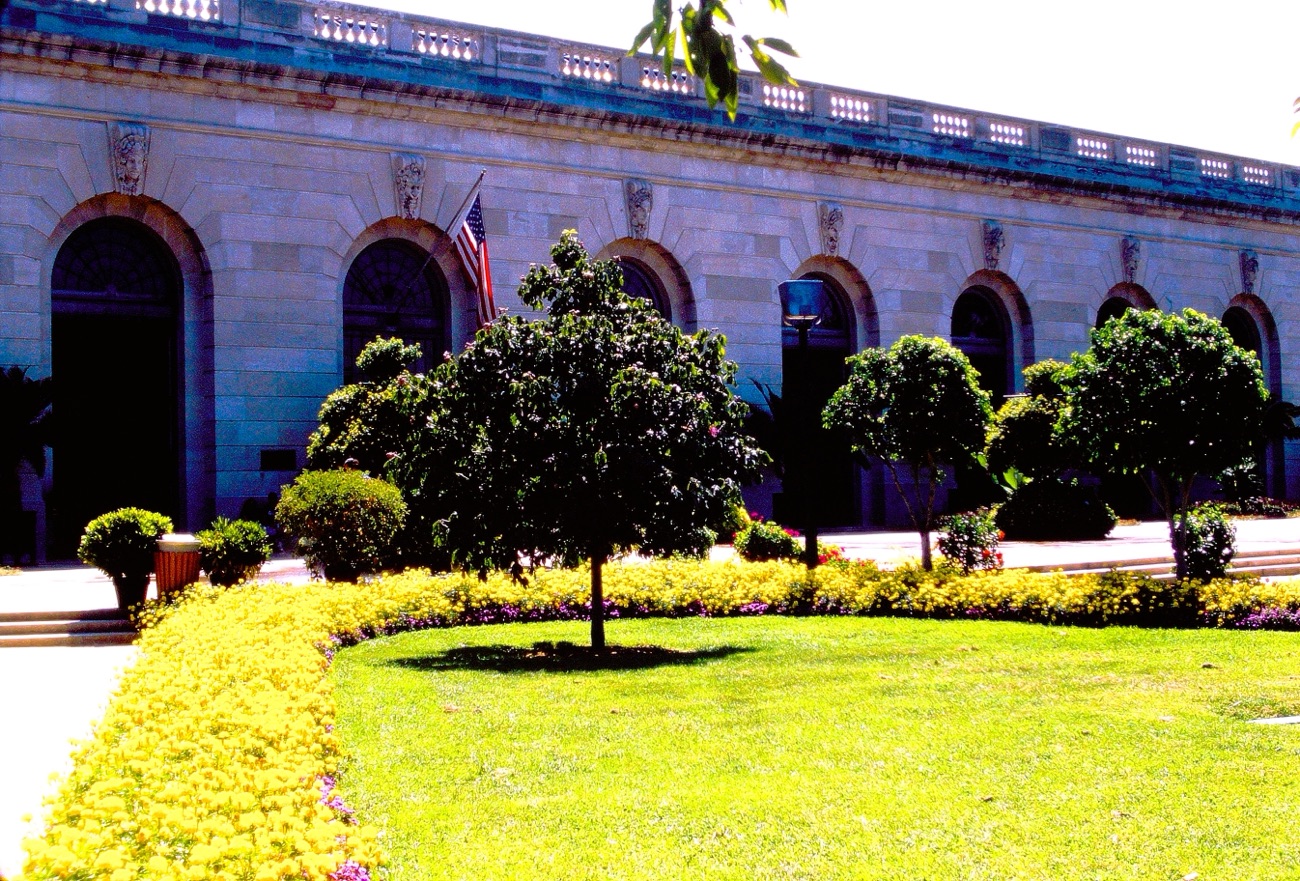
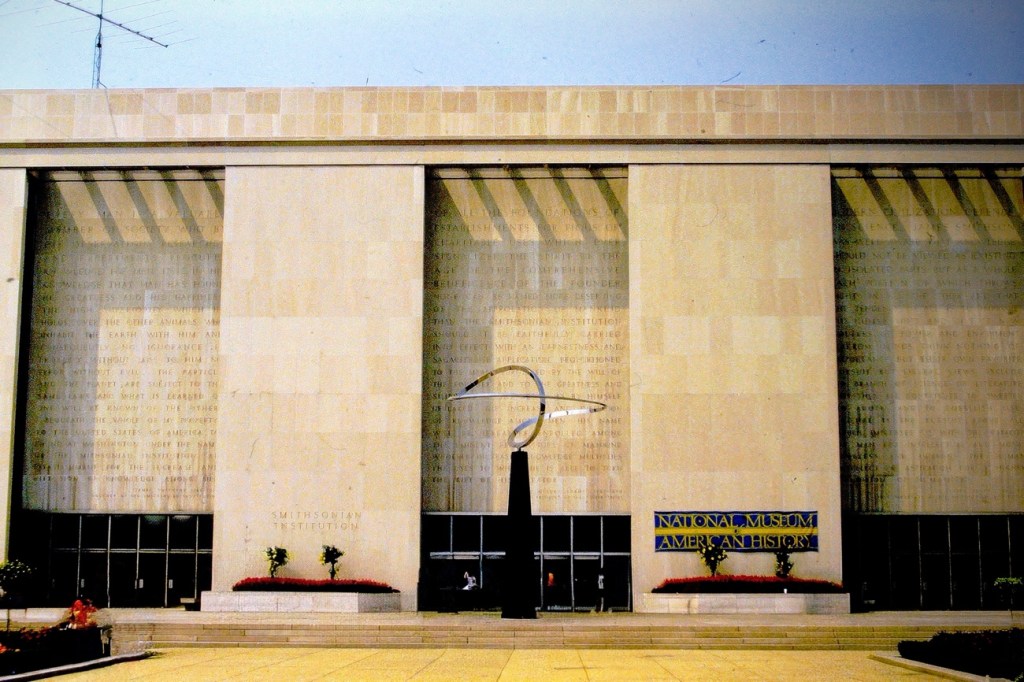
On the road again, their next planned stop was in Washington D.C. after a side visit to my brother near Manassas, Virginia. My parents toured many of the historical sites and monuments around the area. Some of the sites were seen via a tour bus while others were seen via self-guided walking tour routes. They toured the Bureau of Engraving and Printing Building, the National Museum of American History, The Washington Monument, The Lincoln Memorial, The Smithsonian Castle, Capitol Hill and the Ulysses S. Grant Memorial Statue. What would be your interests if you toured Washington D.C. or your country’s Capitol?
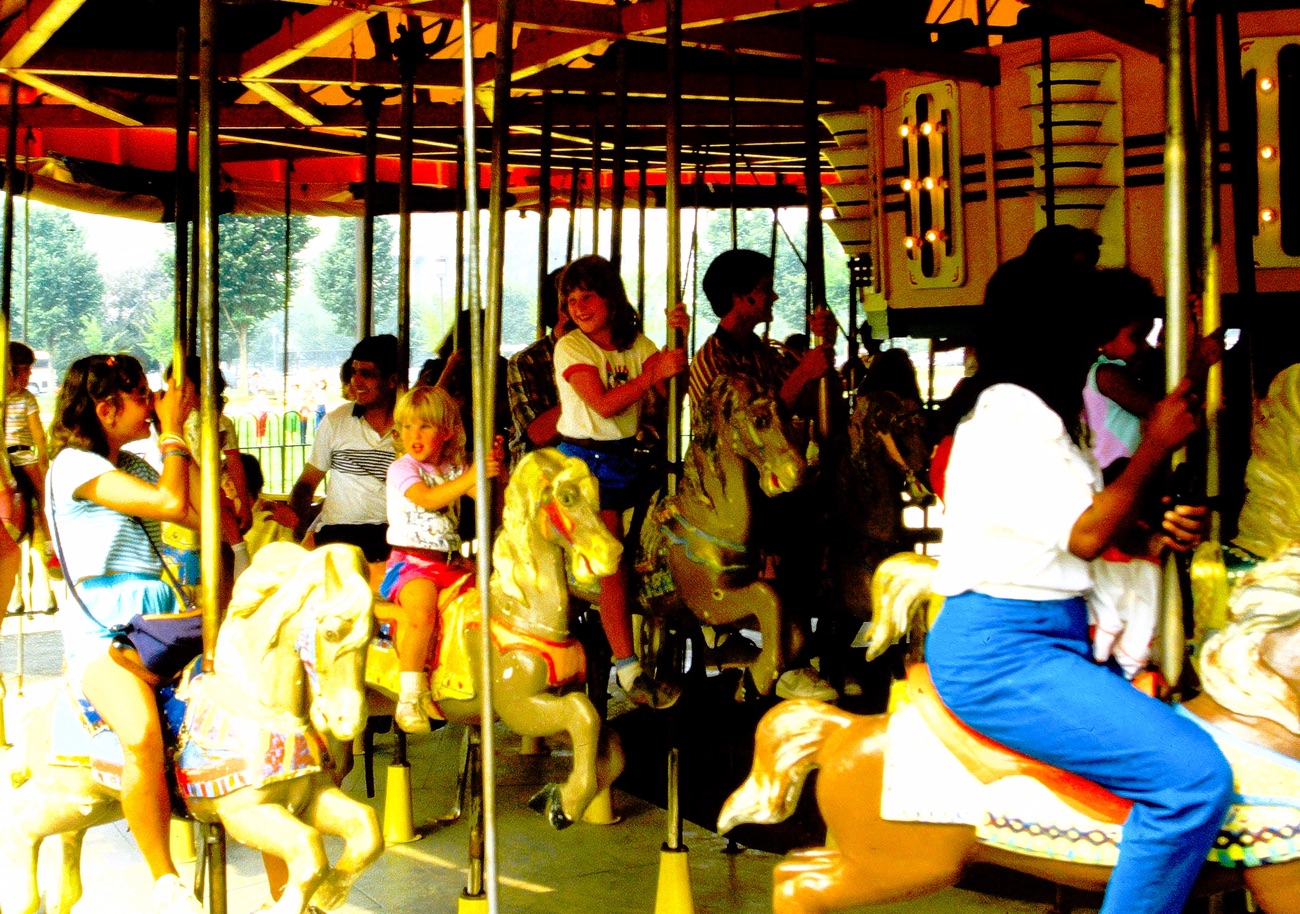
Here you may see some of the Roads, Routes, or Pathways they took on their tour of D.C.:
The last photo isn’t exactly a pathway unless you consider going round and round on a merry-go-round one you’d also enjoy taking on occasion.,
This is my Eighth installment of my combination of Thursday Doors & Monday Window featuring Antique Automobiles. For the past seven weeks I’ve been posting Antique Automobiles from California. This week I will begin posting Antique Automobiles from Washington D. C. and then moving on to Dearborn, Michigan.
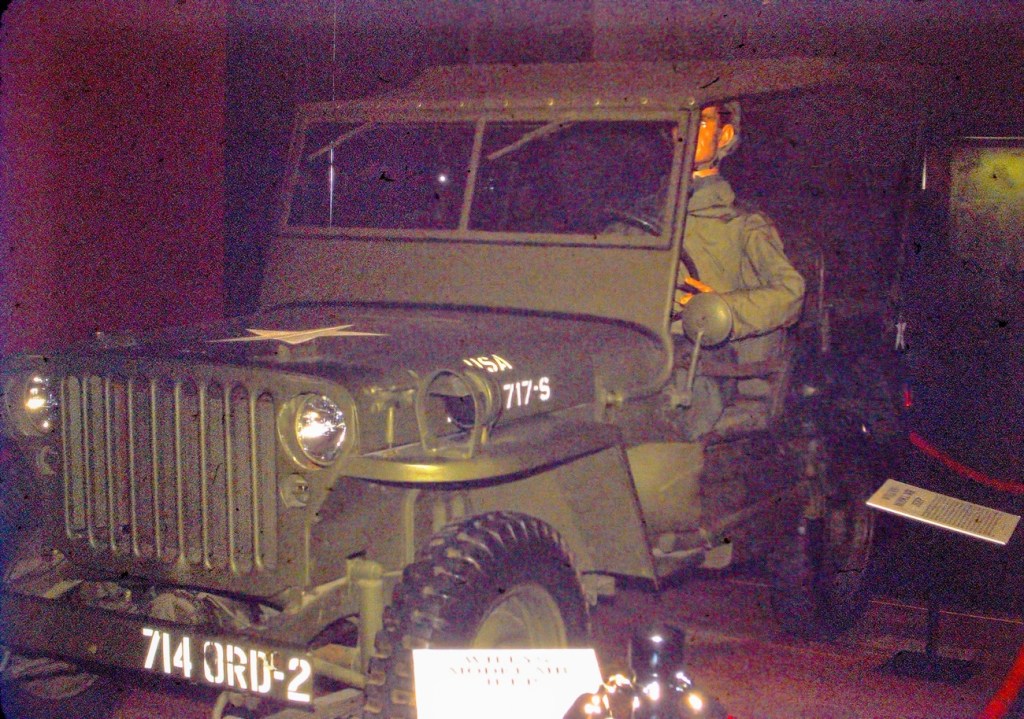
Today’s featured Antique Automobile comes from the National Museum of American History in Washington D.C..
Willys MB
U.S. military vehicle of WW II
“Jeep”
714 ORD-2 USA 717-S
The Willys MB was formally called the U.S. Army truck, 1/4-ton, 4×4, command reconnaissance. It was commonly known as the Willys Jeep, Jeep, or jeep. The Willys Jeeps were highly successful American off-road capable, light military utility vehicles.
There were greater than 600,000 Willy MB built to a single standardized design, for the United States and the Allied forces in World War II, from 1941 until 1945. It was highly regarded, by Dwight D. Eisenhower, as one of the five pieces of equipment most vital to success in Africa and Europe. In 1991, the MB Jeep was designated an “International Historic Mechanical Engineering Landmark” by the American Society of Mechanical Engineers.
After World War II, the original Jeep continued to serve in the Korean War as well as other conflicts until updates were done with the M38 Willys MC in 1949and later the M38A1 Willys MD in 1952.
Interestingly enough, the Willys Jeep was the inspiration for recreational 4WDs and SUVs, making “four-wheel drive” a household term, and numerous incarnations of military light utility vehicles.
National Museum of American History Washington D.C.
Location: The Huntington Library, Art Museum, and Botanical Gardens; San Marino, California
God Bless. Thank you for visiting The Huntington with us. Thank you for sharing your time and thoughts with me. Have a fantastic week. I appreciate y’all very much.
Good Day y’all! For this week’s challenge I dug into my archives to see what Lime or Lemon colours I could find to fit the theme. Hope y’all enjoy the selections I found.
The Blue-faced honeyeater is a passerine bird of the honeyeater family, Meliphagidae. The Blue-faced honeyeater is considered large at 29.5 centimeters ( 11.6 inches) in length. Its plumage is distinctive in coloration; having olive upper parts, white underparts, and a black head and throat with white nape and cheeks. Unlike some other bird species, males and females are similar in external appearance.
Common name: Blue-faced honeyeater Binomial name: Entomyzon cyanotis AKA Bananabird
The Blue-faced honeyeaters are found in open woodland, parks, and gardens. [This one was shot at the Riverbanks Zoo & Garden in Columbia, South Carolina.] They are common in northern and eastern Australia, and southern New Guinea.
These birds feast on a diet of mostly invertebrates along with nectar and fruit. The name of banana-bird was given to it due to its propensity for feeding on the flowers and fruit of bananas in North Queensland. One of the early naturalist, George Shaw, called it the blue-faced honey-sucker in 1826.
Location: Riverbanks Zoo & Garden; Columbia, South Carolina, USA
God Bless. Thank you for visiting Riverbanks with us. Thank you for sharing your time and thoughts with me. Have a fabulous week. I appreciate y’all very much.
To play along, go to your photos file and type that number into the search bar. Then post a selection of the photos you find under that number and include a link to your blog in myNumbers Game blog of the day. If instead of numbers, you have changed the identifiers of all your photos into words, pick a word or words to use instead, and show us a variety of photos that contain that word in the title.
Here are my 156 & variation contributions for this week of Judy’s Numbers Game #35-156 (Hope the numbers right—I got in a hurry, sorry).
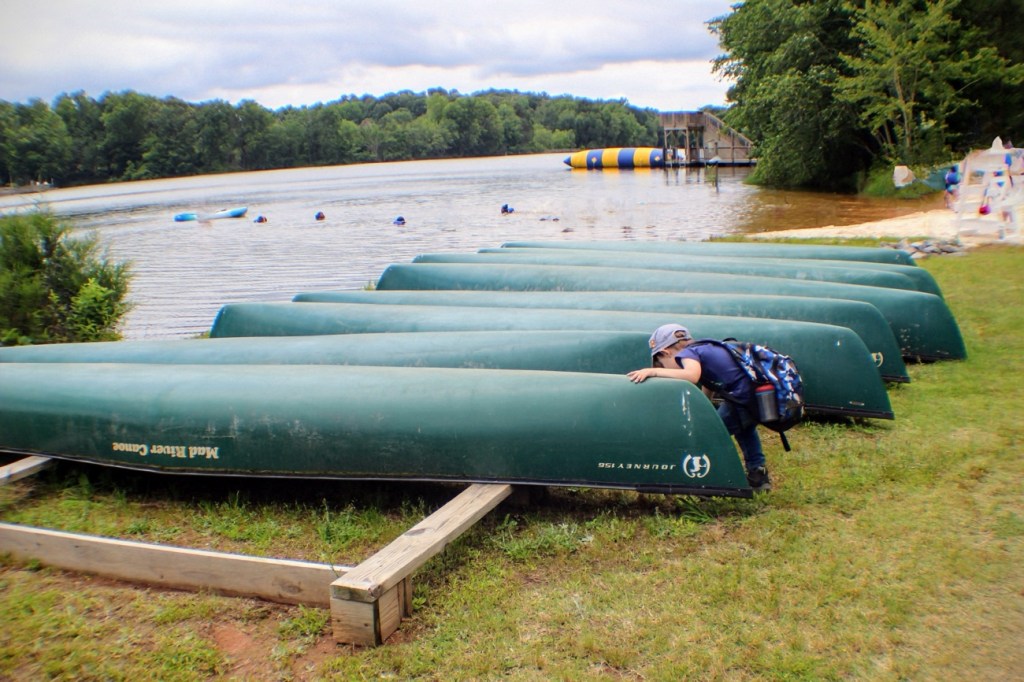
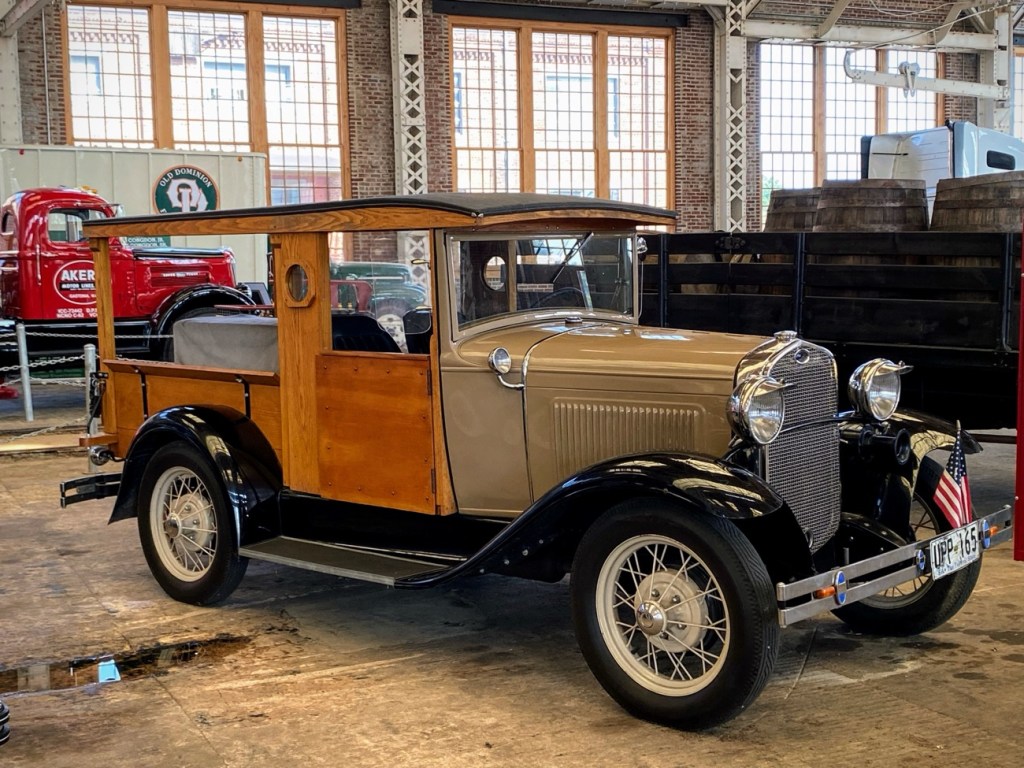
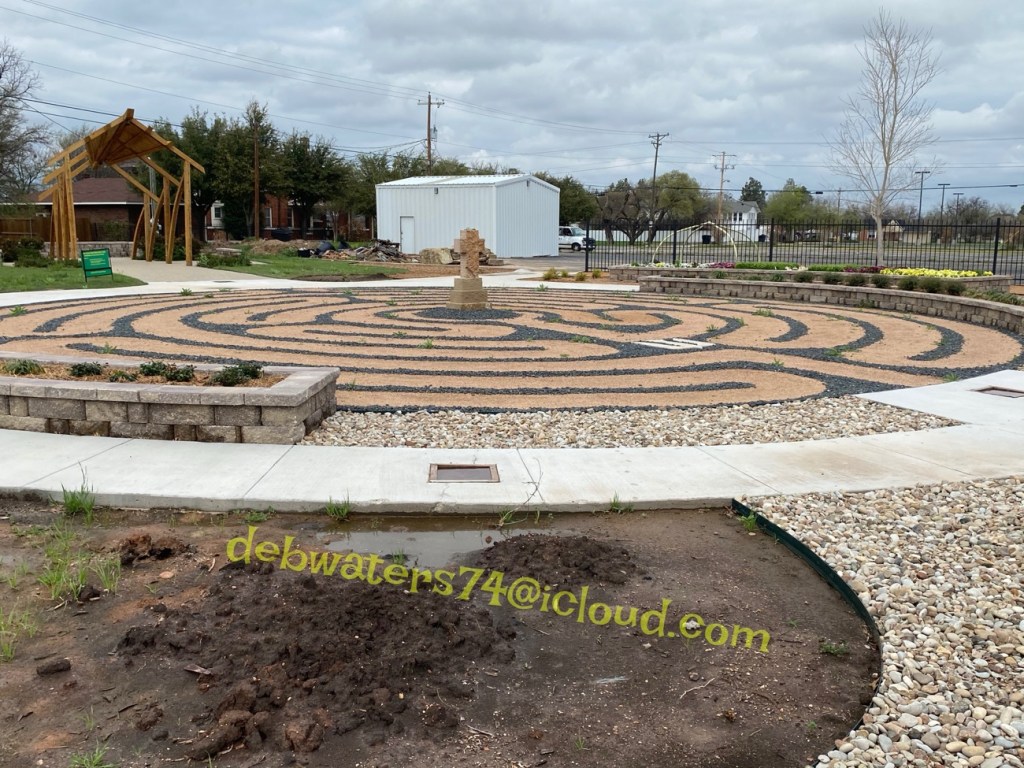
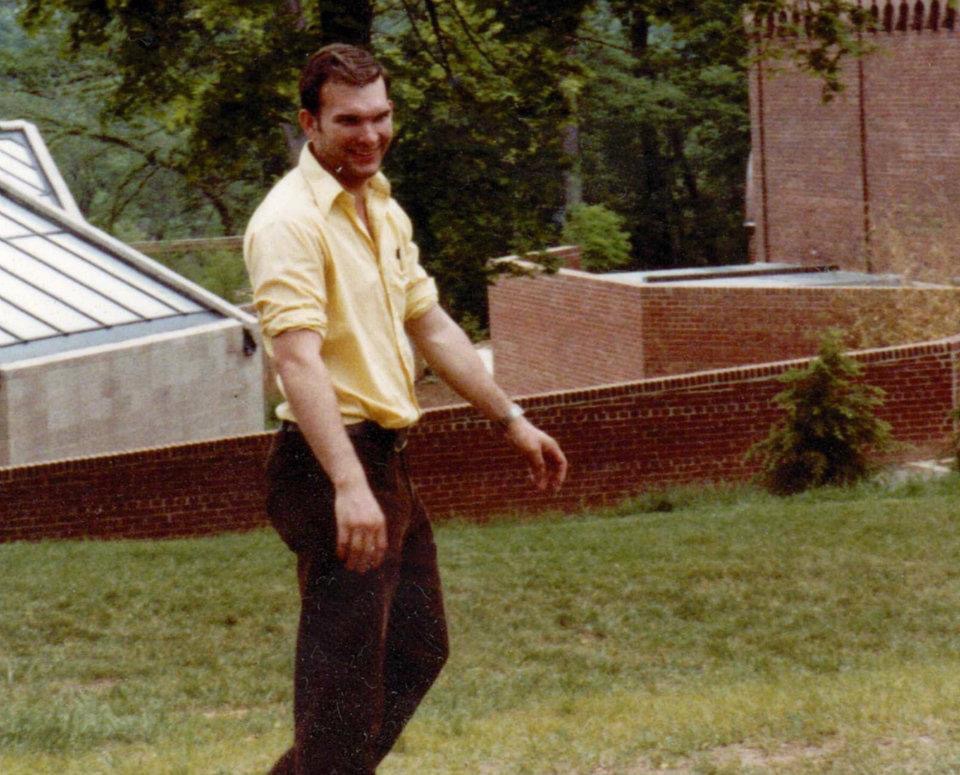
Coleman Warlick YMCANorth Carolina Transportation Museum Alona & Linus Carowinds Labyrinth Abilene, TexasLarry D. Waters my brother Coleman Miracle ParkHorse Anne Springs Close Greenway Coleman & his train setKristie Wilson Coleman’s cousin Lake Haigler Anne Springs Close Greenway
The Apotheosis of Washington is located in the eye of the U.S. Capital Building’s Rotunda in Washington D.C.. It was painted by Constantino Brumidi in 1865. The painting depicts George Washington rising to the heavens in glory, flanked by female figures representing Liberty and Victory/Fame and surrounded by six groups of figures.
The Apotheosis of Washington was painted in the true fresco technique. Constantino Brumidi was born and trained in Rome; having already painted in the Vatican and Roman palaces prior to emigrating to the United States in 1852. He was a master of creating the illusion of three-dimensional forms and figures on flat walls. He painted frescoes and murals throughout the Capitol from 1855 until his death.
The Apotheosis of Washington, was painted in eleven (11) months at the end of the civil war. A rainbow arches at George Washington’s feet and thirteen maidens symbolizing the original states flank the three central figures.
George Washington, The United States of America’s first president, had a substantial impact on the nation. He never actually graced the halls of the United States Capital, however, his presence, influence, and his likeness is everywhere. There are approximately thirty-five (35) pieces of art which include Washington’s likeness in the U.S. Capitol.
In the Summer of 1985 my parents went Road Trippin’ across the United States of America. They began their Road Trip leaving from their home in San Diego, California. They always planned what or whom they wanted to visit ahead of time.
On this Road Trip, their first stop was to visit my dad’s sister in Charlotte, North Carolina. That stop was a brief visit; a time of relaxation before continuing on their long journey they had planned for themselves.
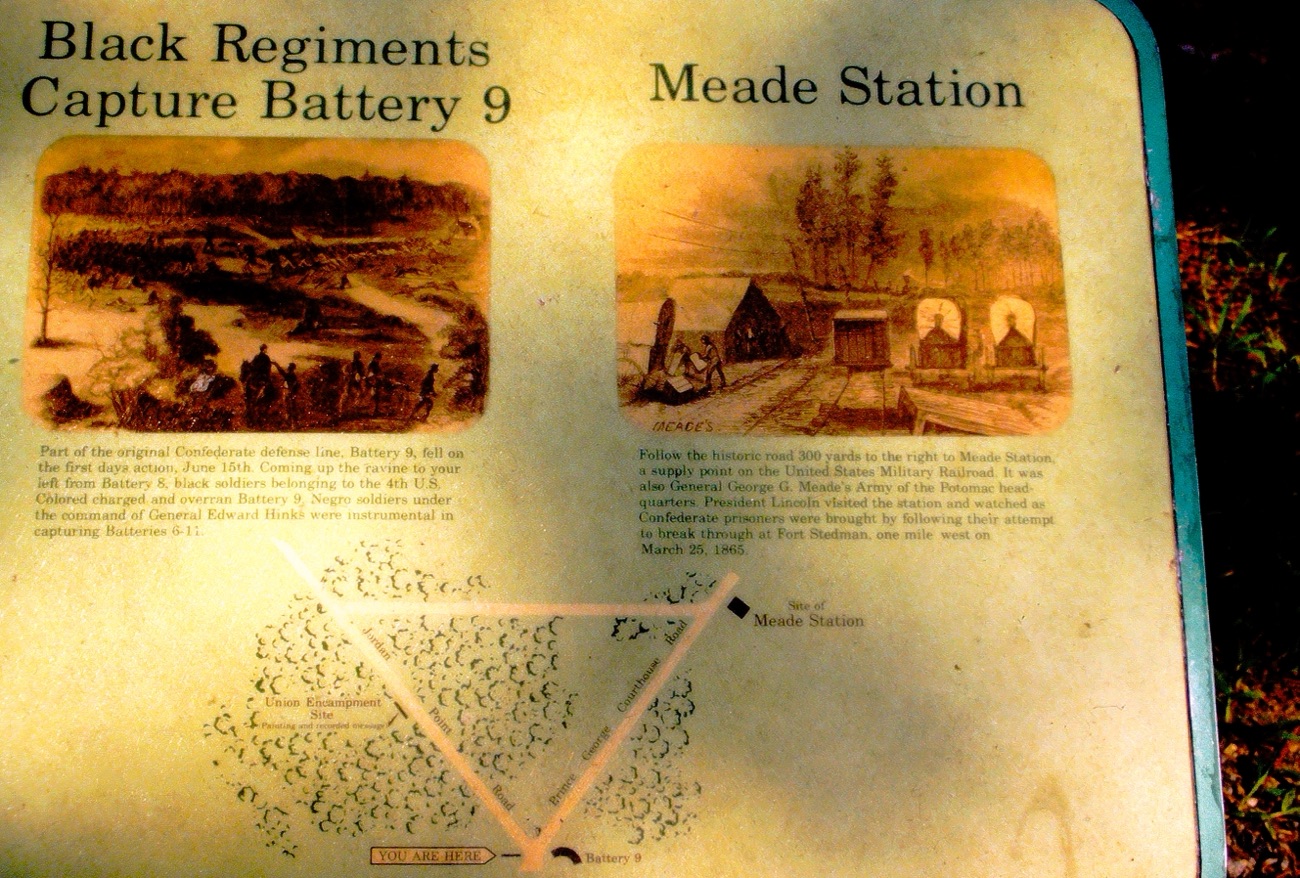
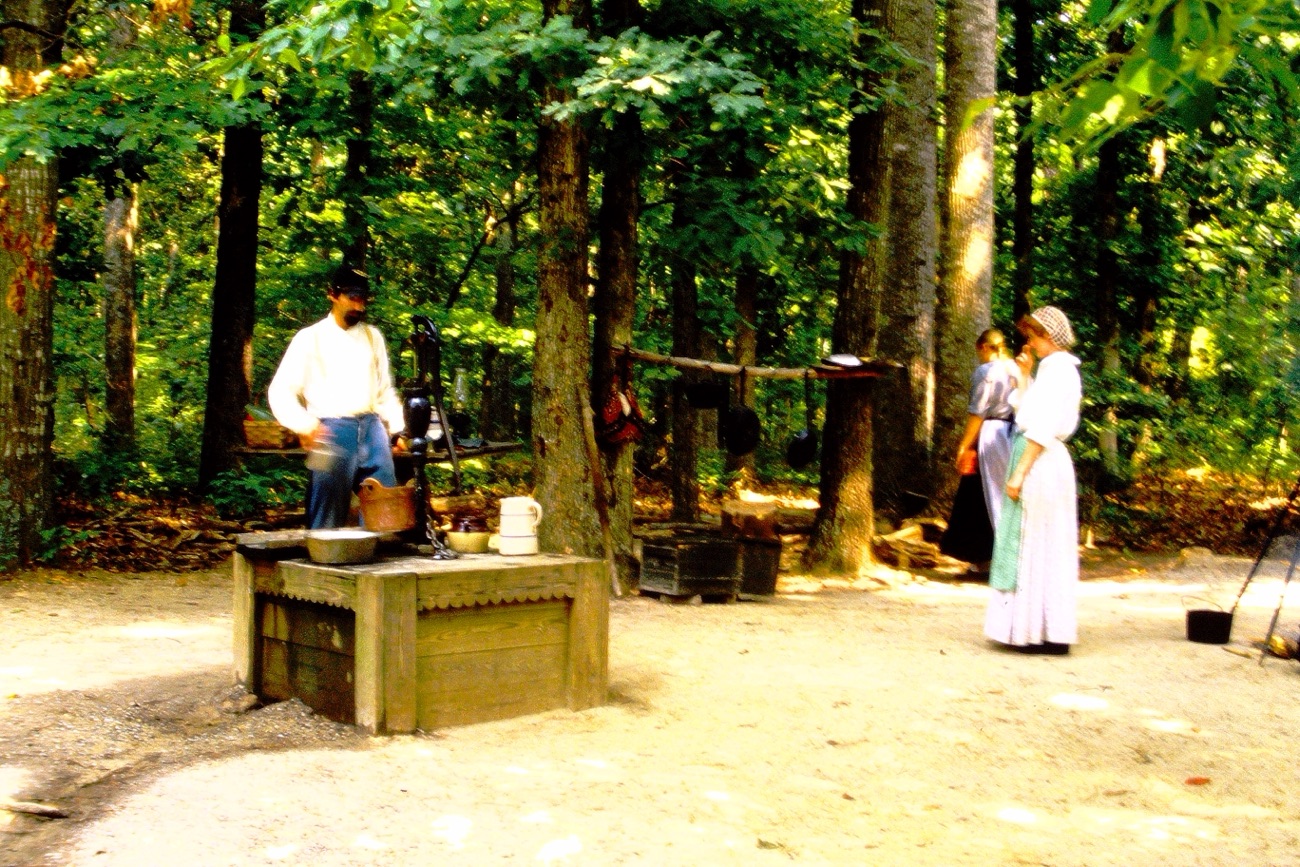
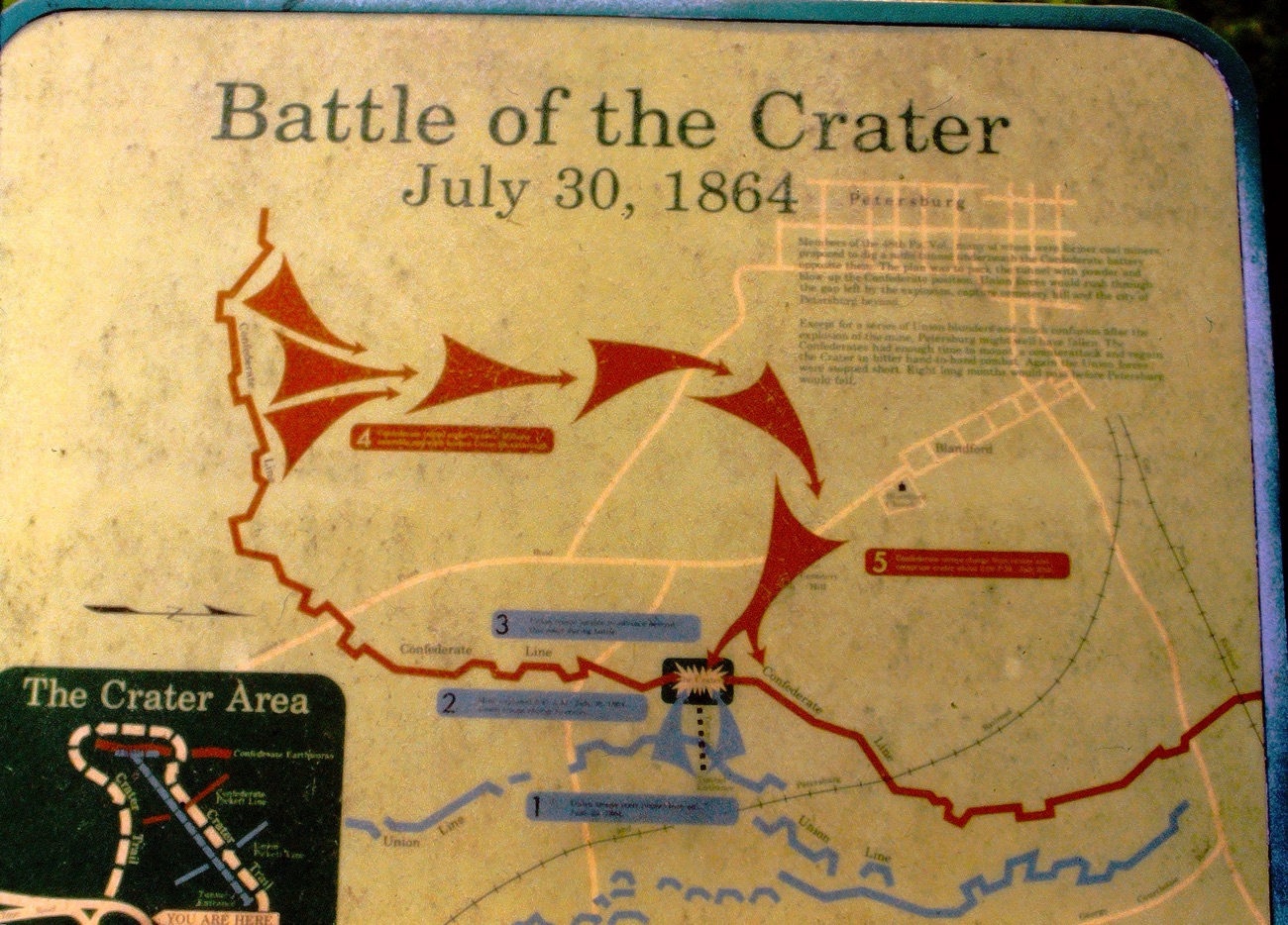
Their first planned stop after leaving my Aunt and Uncle’s home was to visit the Petersburg National Battlefield in Petersburg, Virginia. These are a few of the sights they saw while walking around the battlefield grounds and trails.
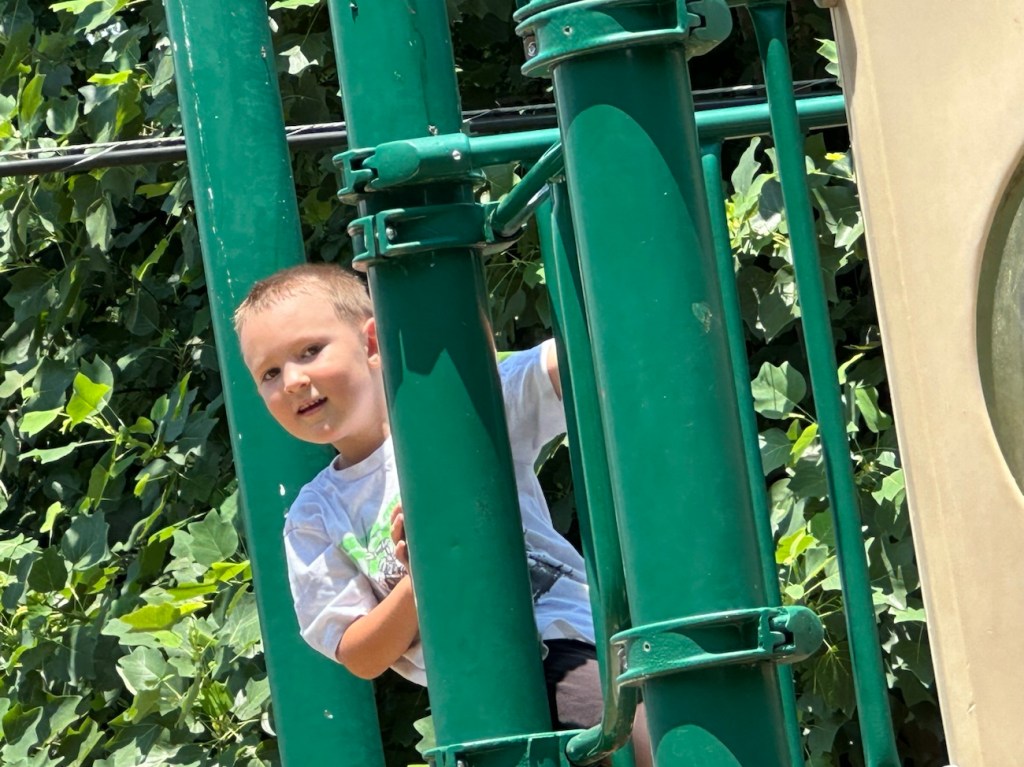
Coleman’s First Day of School First Day of Kindergarten
Coleman’s Excited … Grandma’s jittery.
I do not recall being this jittery when my children went to their first days of school. How is it so different now than then? Do I worry too much? Am I more protective of my grandson than I was with my own children? Definitely things to ponder and pray about.,
The First Day of School I’ve got a brand-new lunchbox. My shoes are shiny clean. I’ve got a cool, new bookbag And a pencil box that’s green. But I don’t know my teacher, Or where my desk will be. I don’t know if I’ll like the kids, Or if they’ll play with me. I peek inside my classroom. I stand there for a while. My teacher’s tall and kind of loud, But has a great big smile. And, best of all, she’s got my Favorite book upon the shelf! I kiss my mother Grandma at the door And walk in by myself.
Clare from Clare’s Cosmos is asking all of us once again to share our desktops. All you need to do is share the photo (not your actual desktop) you have set as your wallpaper. Provide whatever information you desire about the photo. Use a pingback, or post a link to her blog hereso she knows you’ve joined in on the fun. Then, enjoy sharing the fun around.
Come on along and join the fun. Share one or more, it doesn’t matter whether the photos are from your desktop, laptop, tablet, or your smartphone wallpaper(s).
God Bless. Thank you for visiting and sharing your time and thoughts with us. Looking forward to seeing y’all’s desktop photos. Have a wonderful week. I appreciate y’all very much.
Welcome to “The Numbers Game #34”.Today’s number is 155. To play along, go to your photos file and type that number into the search bar. Then post a selection of the photos you find under that number and include a link to your blog in myNumbers Game blog of the day. If instead of numbers, you have changed the identifiers of all your photos into words, pick a word or words to use instead, and show us a variety of photos that contain that word in the title.
Glencairn Gardens is ideal for a Spring stroll through the gardens of blooming azaleas, pansies, wisteria, and periwinkle. When visiting the Gardens be sure to meander through the Veterans Garden which pays tribute to Veterans of all branches of service. Also, during Spring, you be able to enjoy the blossoms of Viburnum, Pink and white Dogwoods, Redbuds, peonies, magnolia trees, and flowering Yoshino and Kwanzan cherry trees.
There is beauty to be seen no matter when one decides to visit Glencairn Gardens. Summertime brings on the colourful bright blooms of crape myrtles, daylilies and hundreds of other annuals.
The trails through the Gardens pass by several fountains, ponds, as well as the vast variety of flowering plants and trees. we enjoy strolling pass the Fountains, especially when they are flowing during the springtime. We always stop by the Veterans Garden when we go visit and remember our family members who have served in our Armed Forces.
Glencairn Gardens began in 1928 as a backyard garden by David and Hazel Bigger who lived in the h9use that serves as the park’s welcome center. It was the inspiration for Rock Hill’s annual Come-See-Me Festival which is a festival celebrating music, frogs, and fun. The Bigger’s gifted this Gardens to the City of Rock Hill through a deed in 1958. The peak blooming season is from the end of March to the middle of April. The Veterans Garden was created with the partnership with The American Legion Post 34 and the Veterans of Foreign Wars Post 2889. It h9onors women and men from the past, present, and future who served in the United States armed forces.
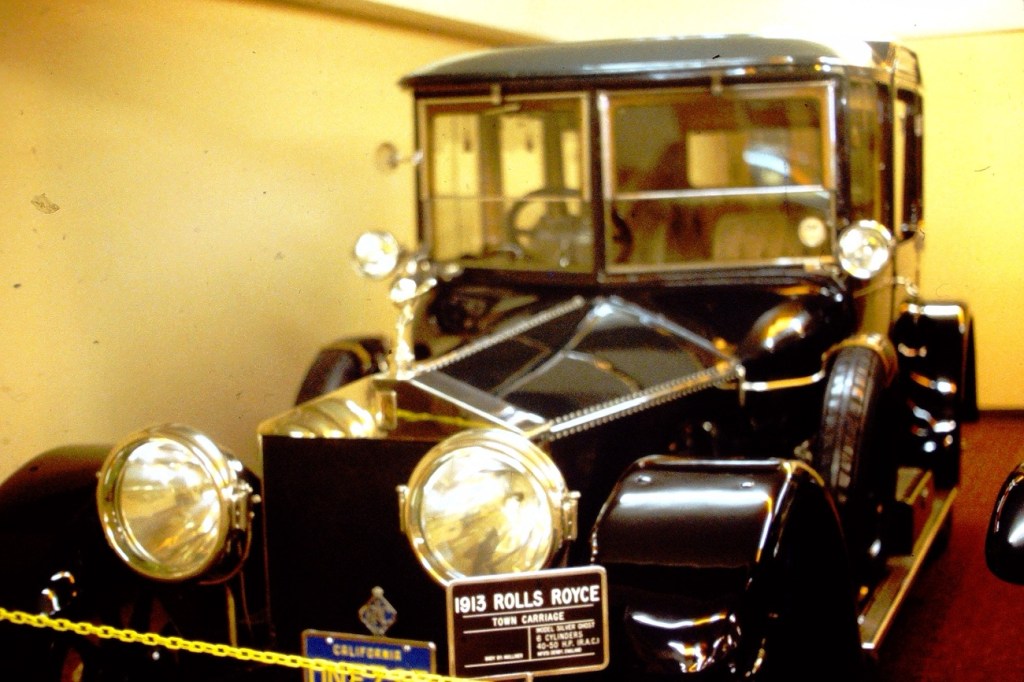
This is my Seventh installment of my combination of Thursday Doors & Monday Window featuring Antique Automobiles. This is the final one from this batch of antique automobiles from California. Next week I will begin posting Antique Automobiles from Washington D. C. and then moving on to Dearborn, Michigan.
1913 Rolls Royce
Town Carriage
6 Cylinders
California
After doing a bunch of research, I think the antiques I’ve posted thus far were captured by my dad when they toured The Nethercutt Collection located in Sylmar, California. The Collection houses what it calls “functional fine art.” It contains a collection of pristine vintage automobiles and unique antique mechanical music instruments.
The Brown Thrasher’s name stems from its unique feeding behavior of foraging on the ground for its food. It usually forages amongst leaf litter and other thick ground cover. It quickly sweeps or thrashes its long bill in a side-to-side motion thrashing through leaf litter and other ground cover to uncover food. Its distinctive feeding strategy of thrashing for its food is shared with western relatives like the Bendire’s Thrasher.
Brown Thrasher Aka Toxostoma rufum
The Brown Thrasher can be seen in abundance throughout the Eastern and Central United States. Interesting enough, the Brown Thrasher is the only thrasher which lives primarily east of the Rockies and central Texas. It is the state bird of Georgia. The photos of these Brown Thrashers were taken in Lancaster County, in the Piedmont region of South Carolina.
Brown Thrasher “Mimic Thrush”
It is known as the “Mimic Thrush”, however, it is out mimicked by the Northern Mockingbird. It only repeats one or two phrases unlike the mockingbird which repeats three or more. Its sound is more mellow and musical in quality.
Brown Thrasher range map by ABC
Springtime is the best time of the year if you desire to spot a Brown Thrasher. After they pair off, they tend to become more elusive, staying hidden underneath thick cover. They are monogamous during breeding season and both males and females incubate the eggs ( around 3-5) and feed the nestlings. Even so, the females still do the majority of the incubation.
The Brown Thrasher typically feeds heavily on insects during the breeding season and on fruits, berries, and seeds during other times of the year.
“At the Lord’s command Moses recorded the stages in their journey. This is their journey by stages …”— Numbers 33:2(NIV)
We are all at different stages of our journey of life. We have differences and similarities in our journeys. Just as Moses recorded the stages in the Israelites Journeys, so we record, in our blogs, our journeys through our various stages in our lives for ourselves. We share our thoughts we have recorded regarding our experiences along our journey with each of you, our blogging community, with our friends, and those we love and care about deeply.
Location: San Diego Wild Animal Park (now known as San Diego Zoo Safari Park); Escondido, San Diego County, California, USA
God Bless. Thank you for visiting. Have a wonderful week and enjoy the flowers. Thank you for sharing your time and thoughts with me. I appreciate y’all very much.
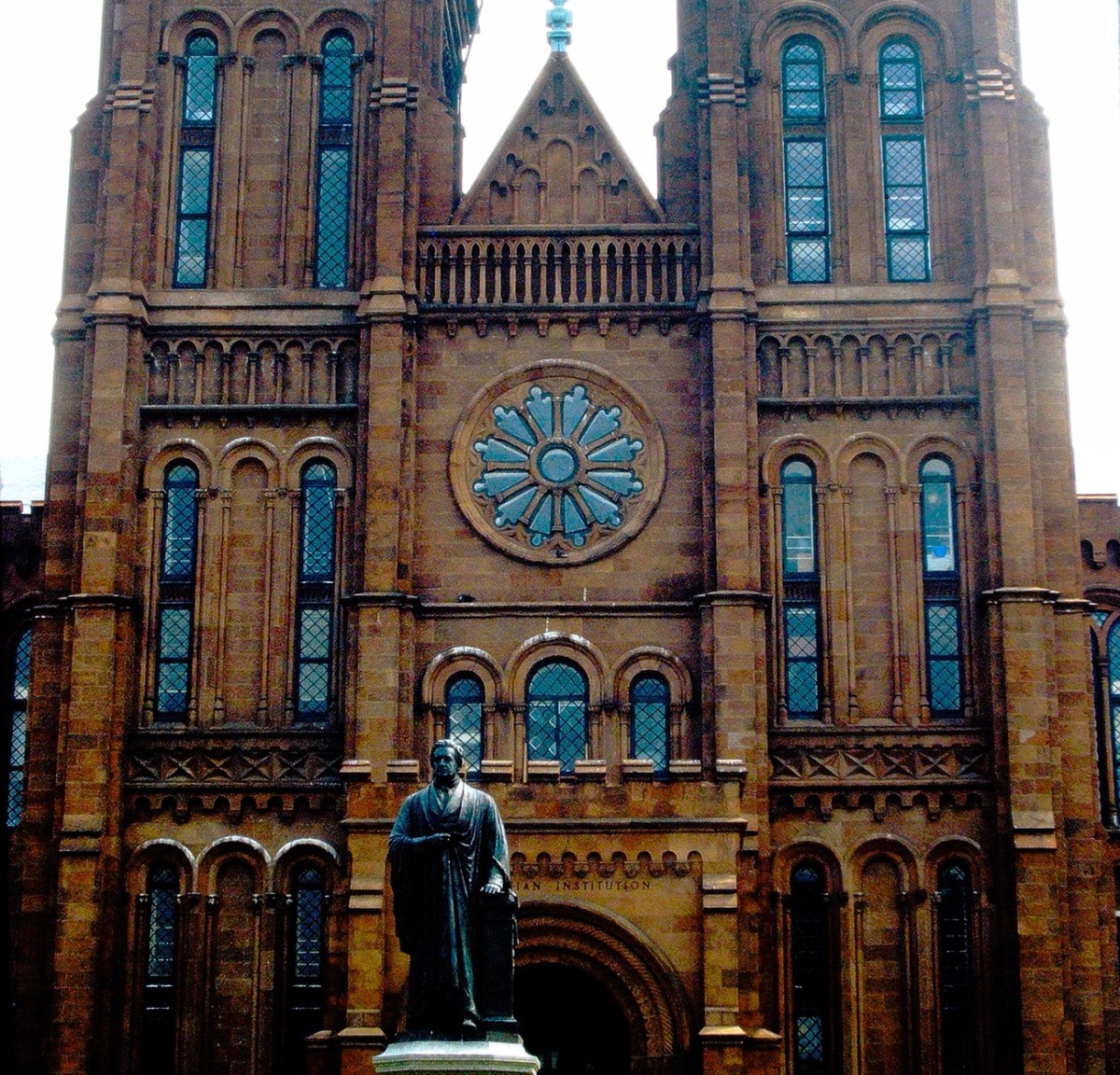
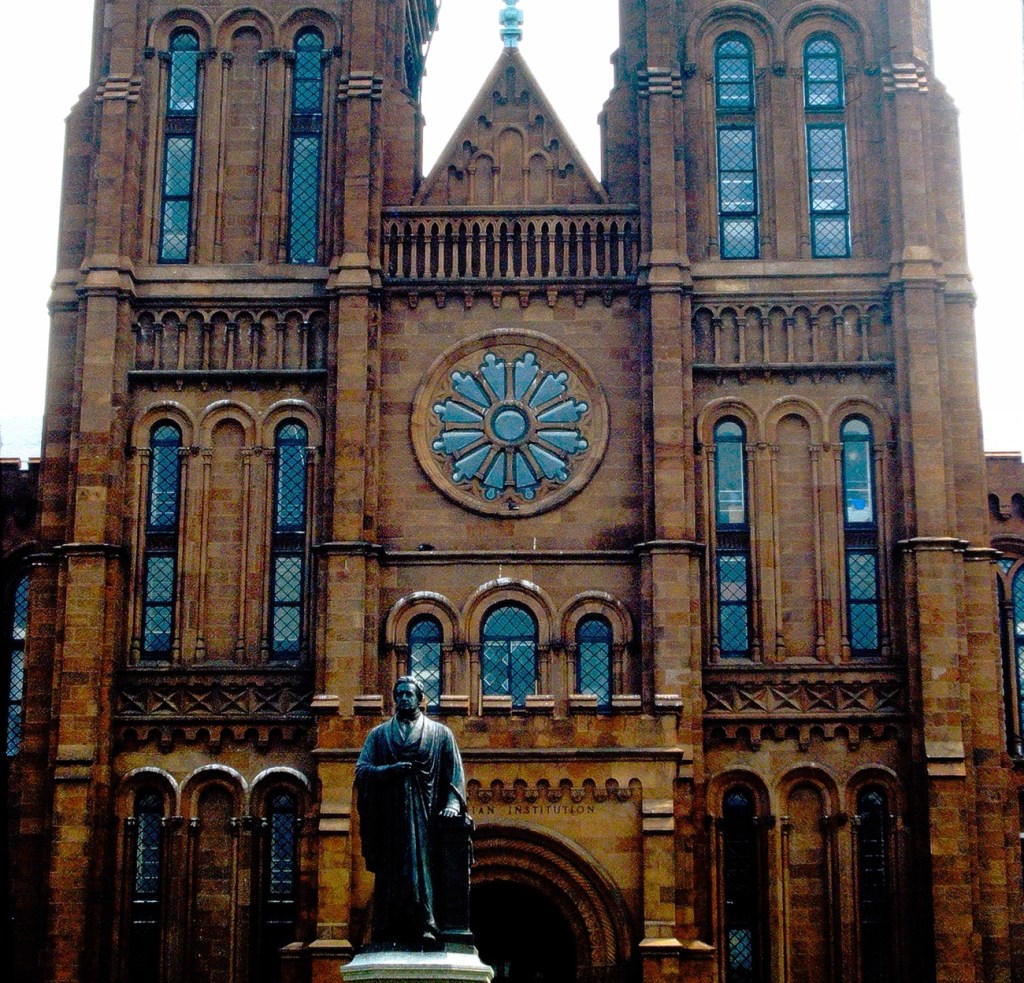
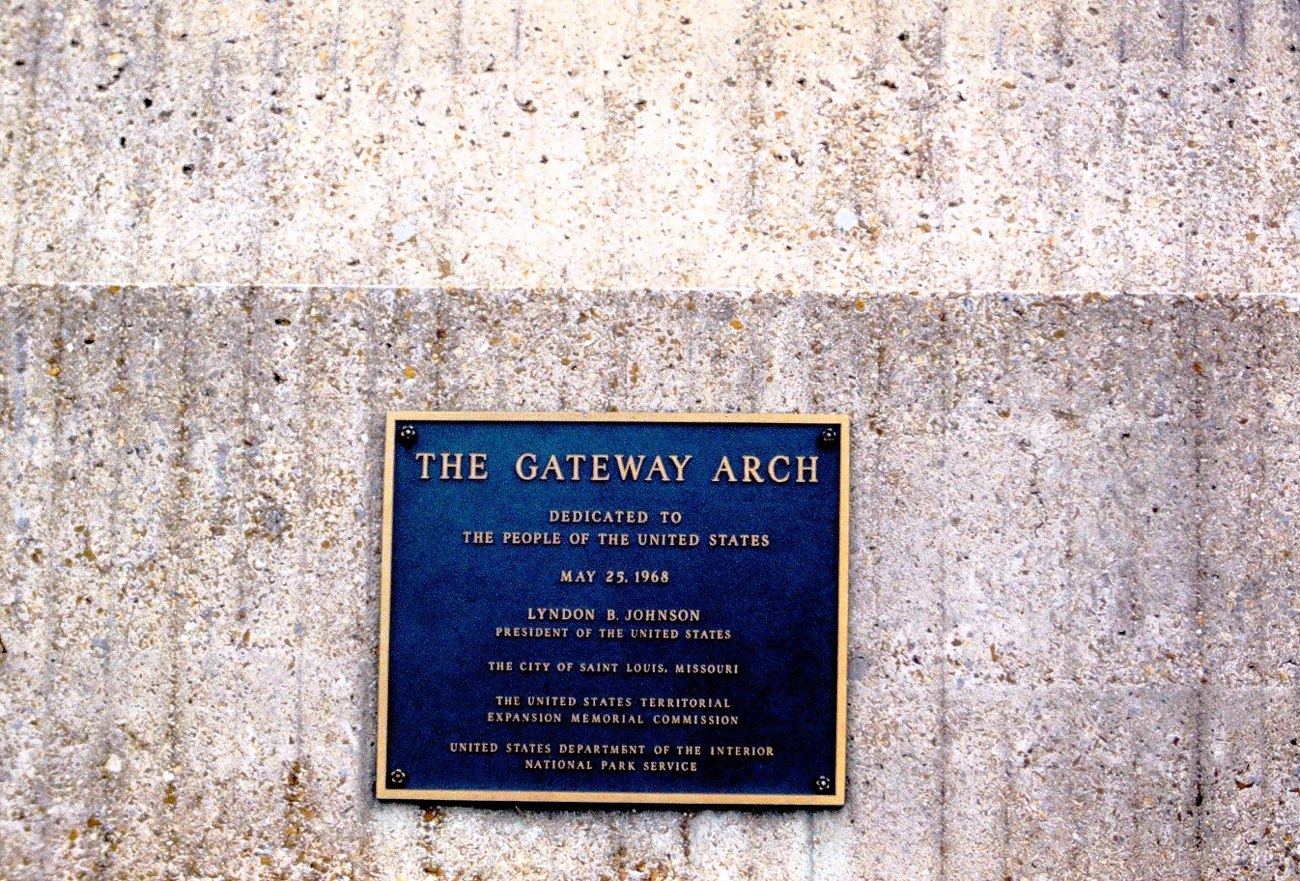
This was one of the many stops on my parents cross country vacation during the summer of 1985. They visited The Smithsonian Institution Building on their Washington D. C. Tour.
The Smithsonian Institution Building is Aka Smithsonian Castle, The Castle
The Castle was the first Smithsonian Building. It was designed by architect James Renwick Jr. and built between 1847 and 1855 to house the Smithsonian Institution, which was established by Congress in 1846. It was designed in the Norman Revival style, which combines late Romanesque and early Gothic motifs. It is made up of Seneca red sandstone from the Seneca Quarry in Montgomery County, Maryland.
Close Up of Joseph Henry Statue
The Joseph Henry Statue is located at the entrance of the Smithsonian Institution Building, or “Castle.” Joseph Henry was the first secretary of the Smithsonian Institution from 1846 to 1878. The bronze statue of him was commissioned in 1880 and installed in 1883. At its installation it faced the Smithsonian Building (The Castle.) In 1965, the bronze statue was turned to face the National Mall.
Continuing our adventures from long ago at California’s Great America; we come to segment #5 of the series with TheLobster; won’t you Pull Up a Seat and ride with us.
At Marriott’s Great America in Santa Clara, California; The Lobster was located in the Yankee Harbor section of the amusement park. The ride in Santa Clara opened for the public in 1976. This Lobster was an Eyerly Aircraft Monster ride.
This Lobster has six (6) arms with the end of each arm having four (4) passenger cars. The Lobster in Santa Clara ride had to lower two arms at a time to allow for the unloading and loading of eight passenger cars simultaneously. This was repeated two additional times per cycle to complete the unloading and loading for all six (6) arms.
This outing was so long ago I do not remember if I rode this ride or not, but then again my dad did take the shot.
You can no longer ride this particular Lobster ride since the Santa Clara location of Great America closed, however, you may ride a similar one at the Six Flags Great America in Gurnee, Illinois.
God Bless. Thank you for visiting and sharing with us your time and thoughts. Remember you may click on each image for enhanced visibility. I appreciate y’all very much.
I’m hoping to have some sunny sunshine anyways. We’ve been having a tremendous amount of rain and wind from the outskirts of Hurricane Debby/Tropical Storm Debby ( now Tropical Depression Debby). At least I can dream of sunshine even if we do not get it for several days yet.
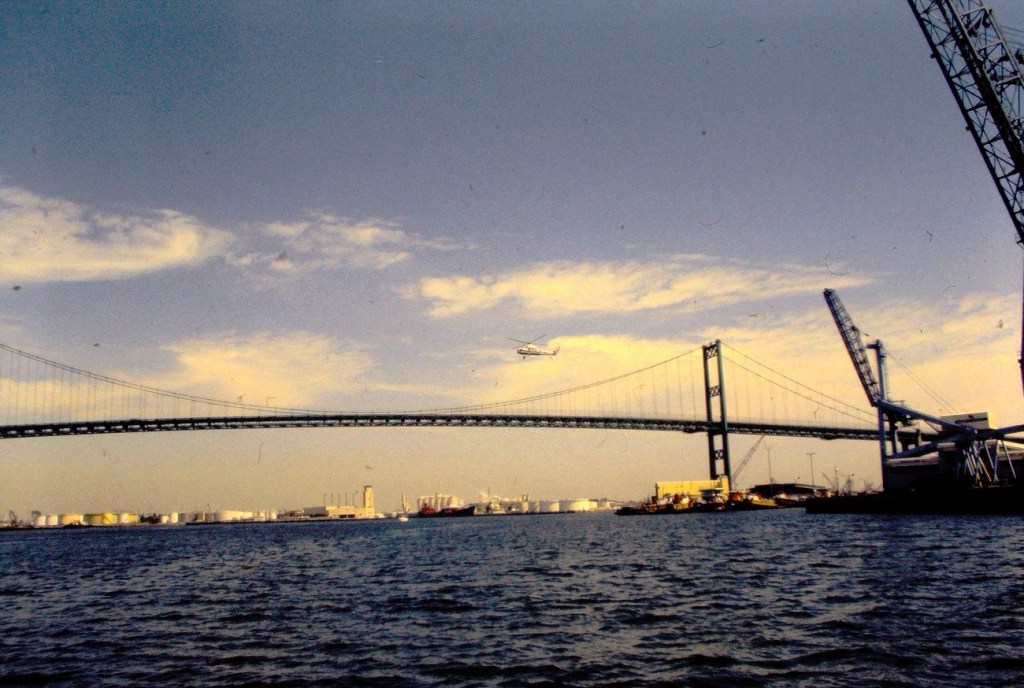
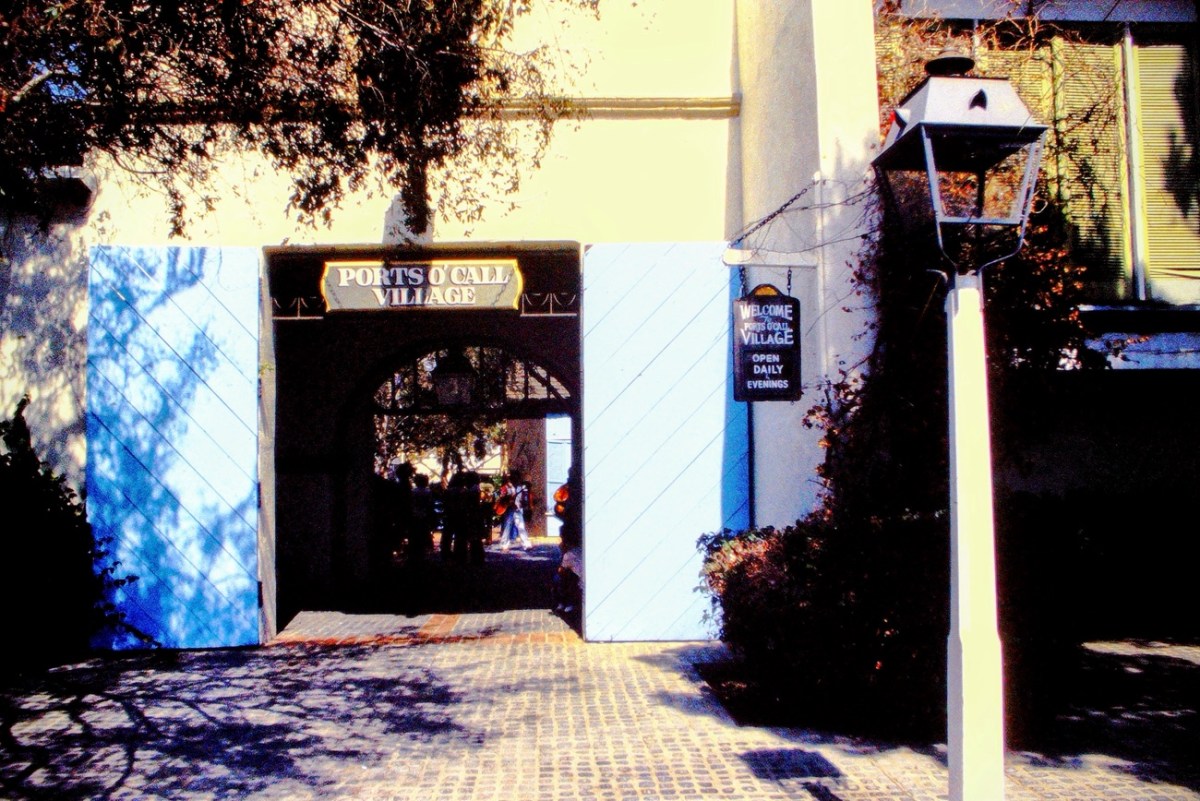
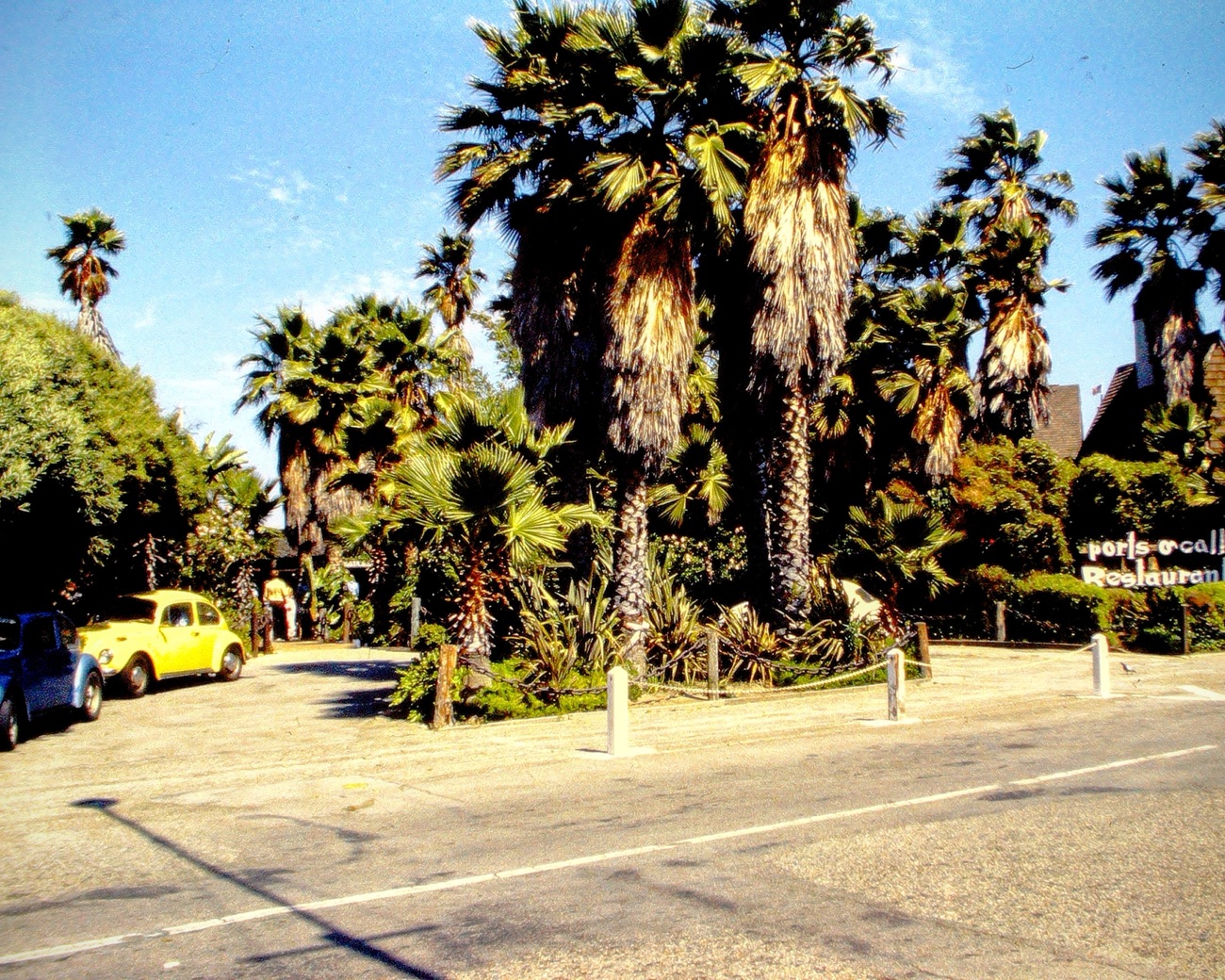
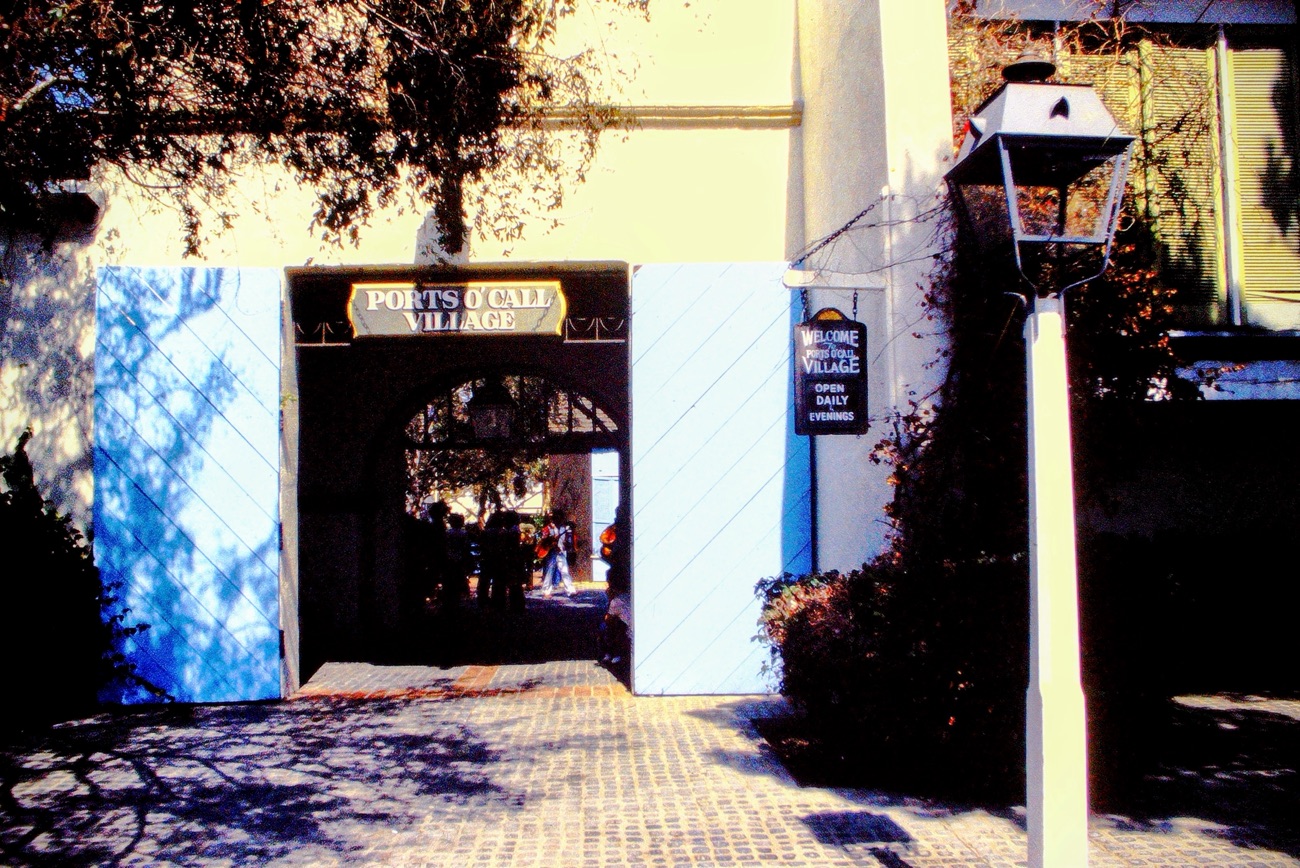
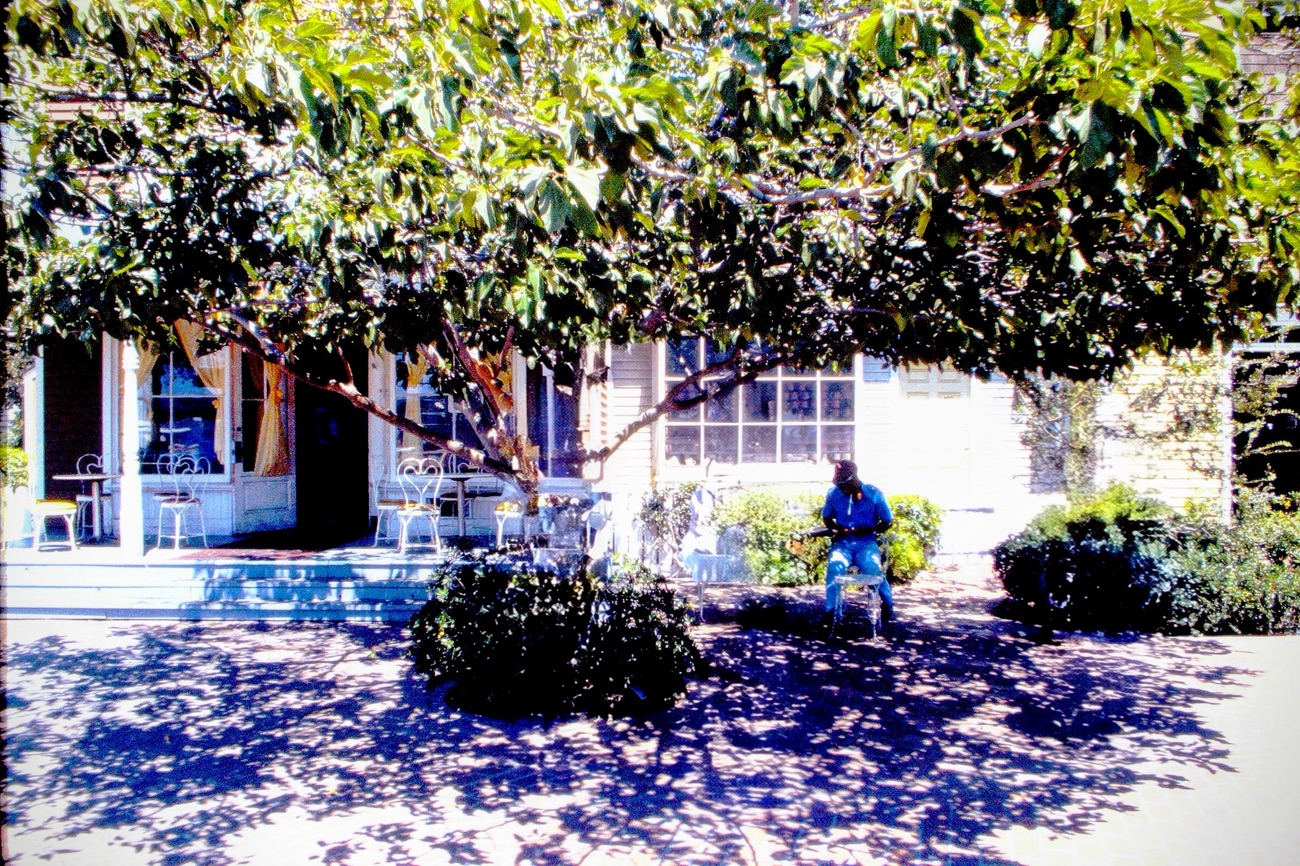
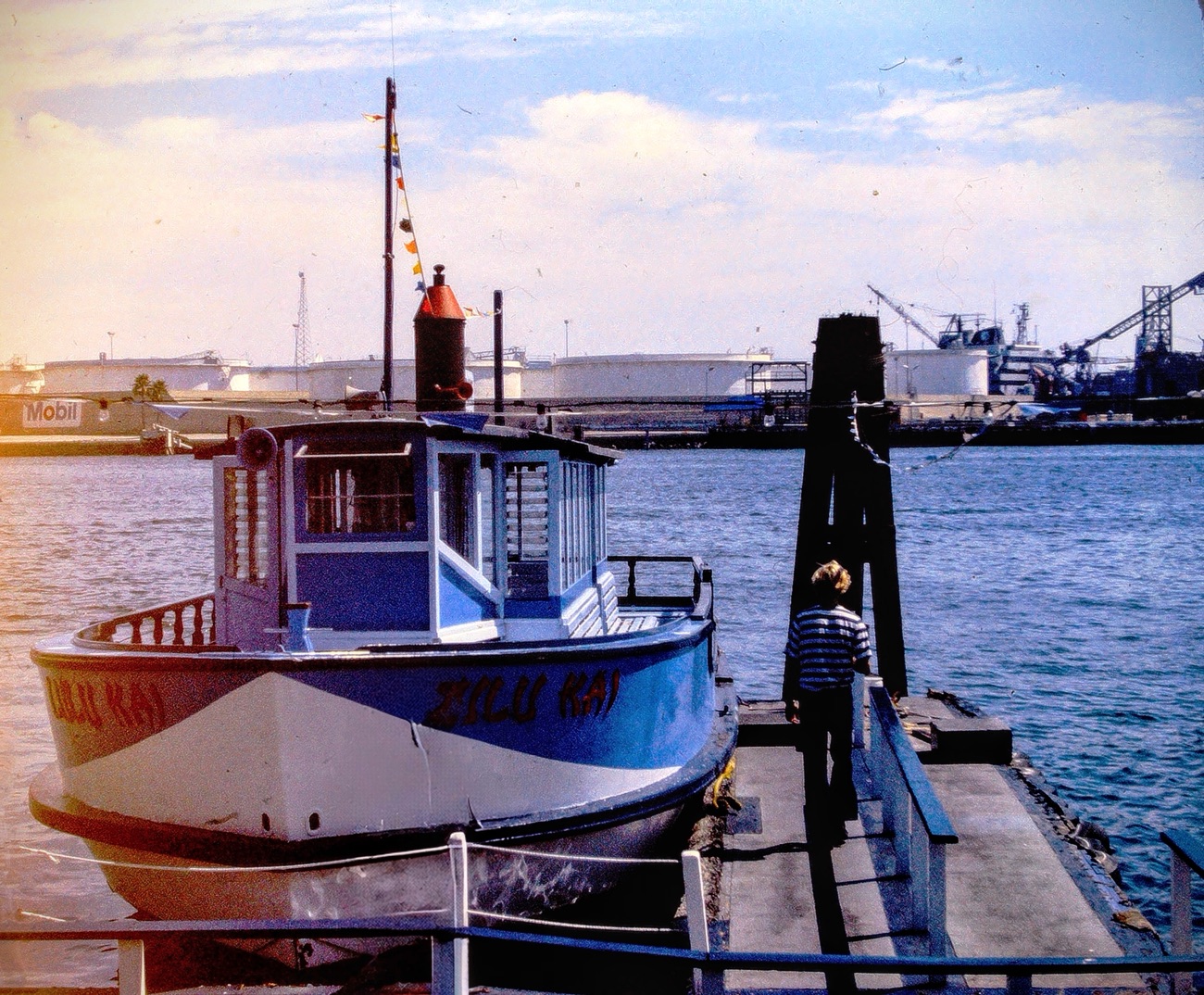
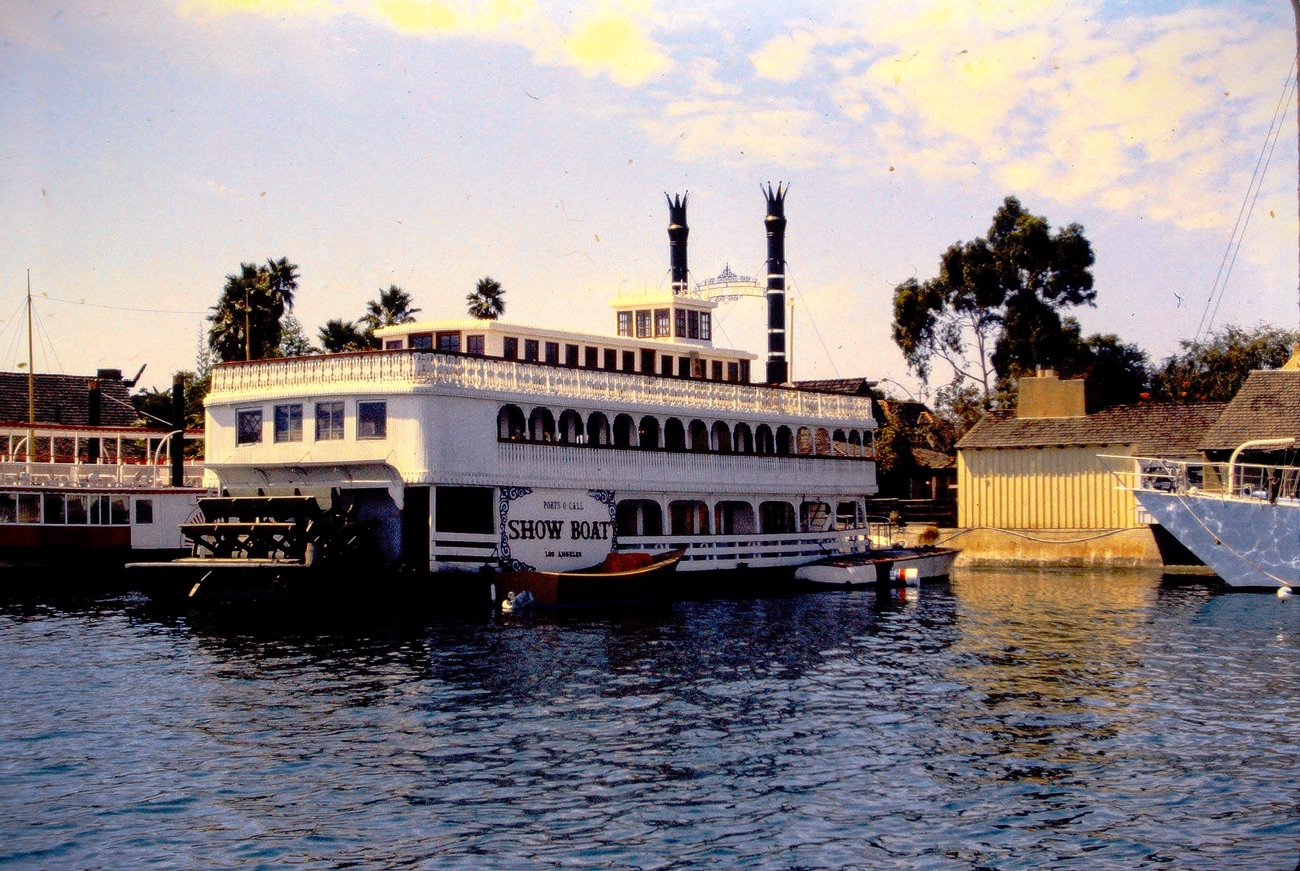
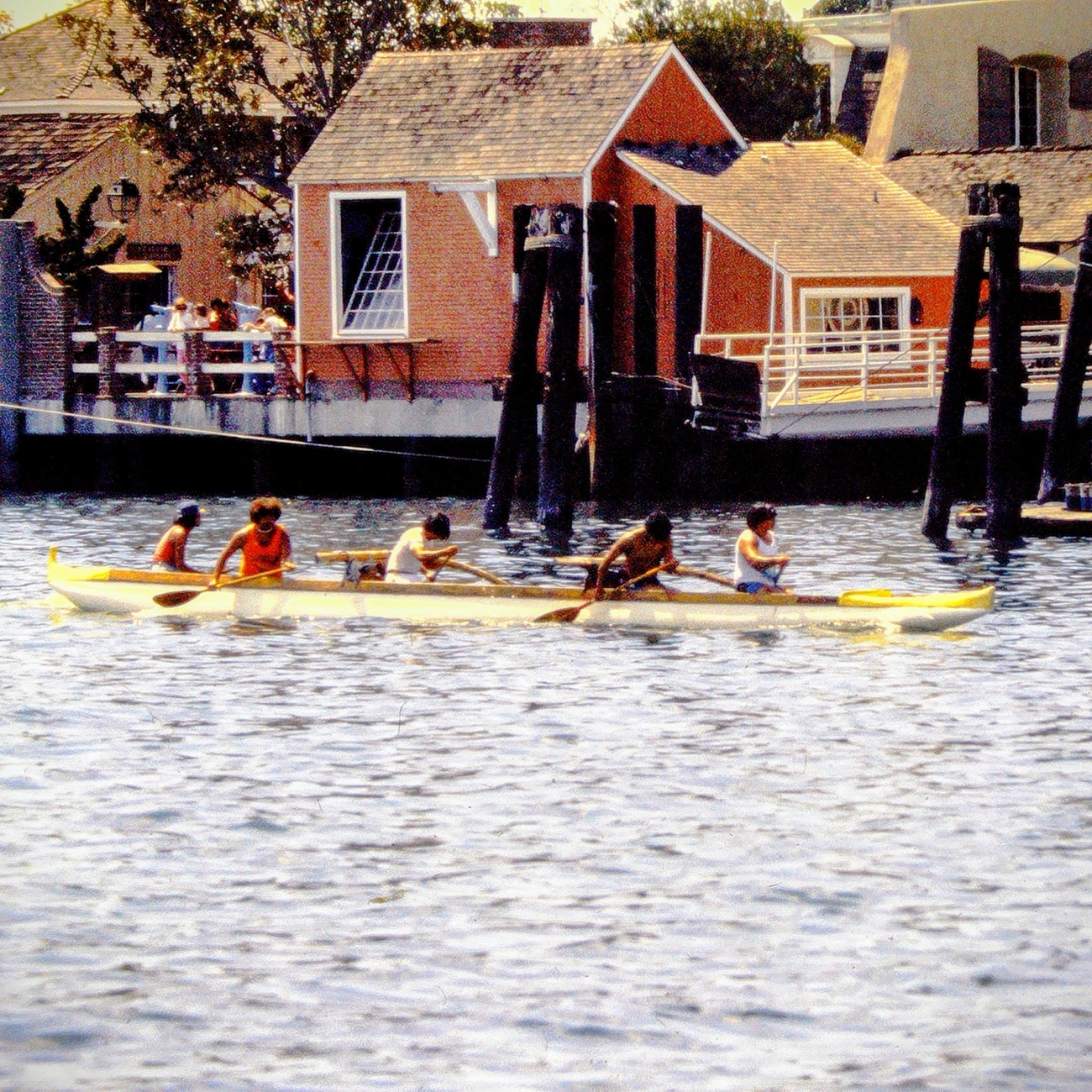
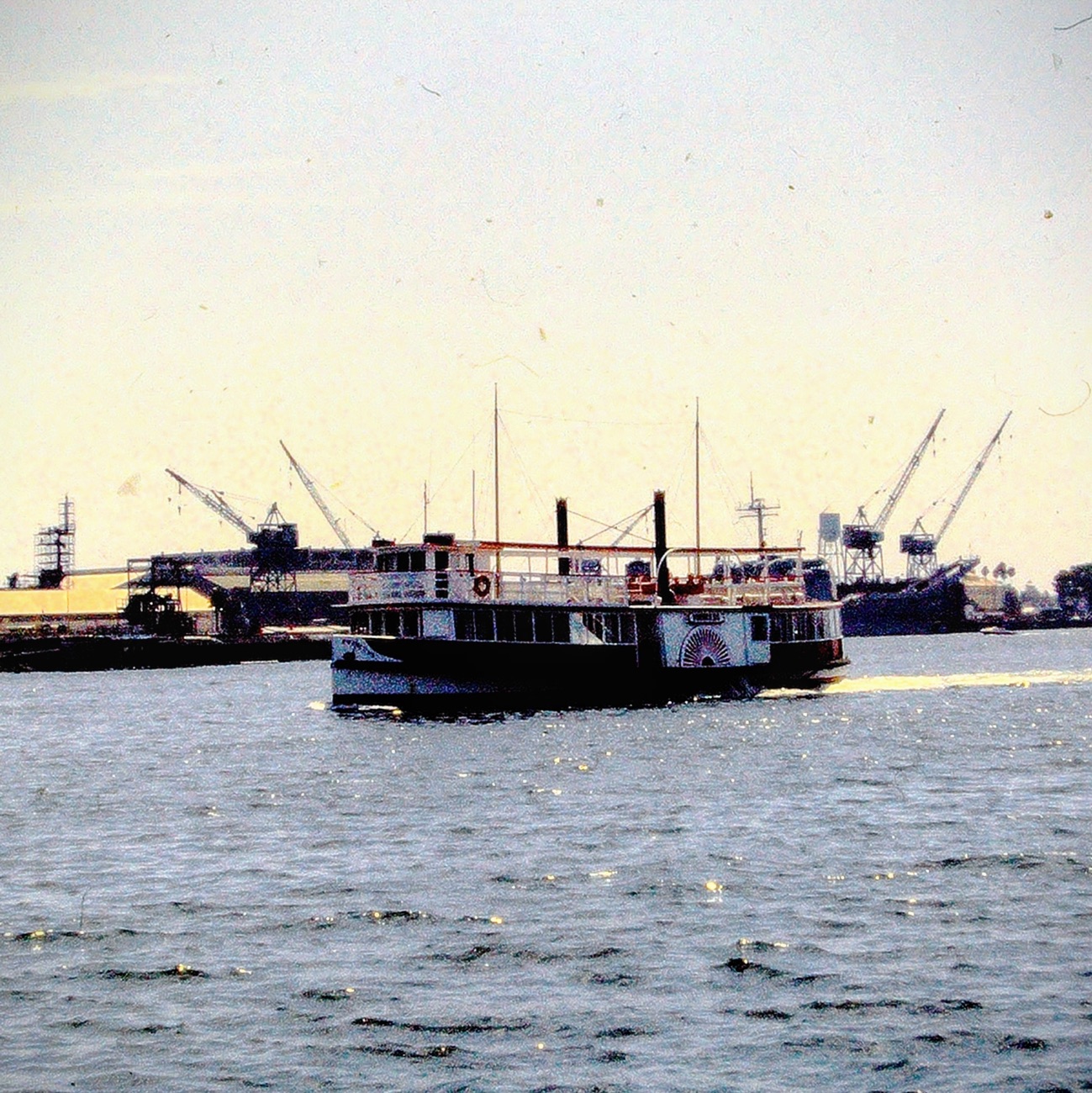
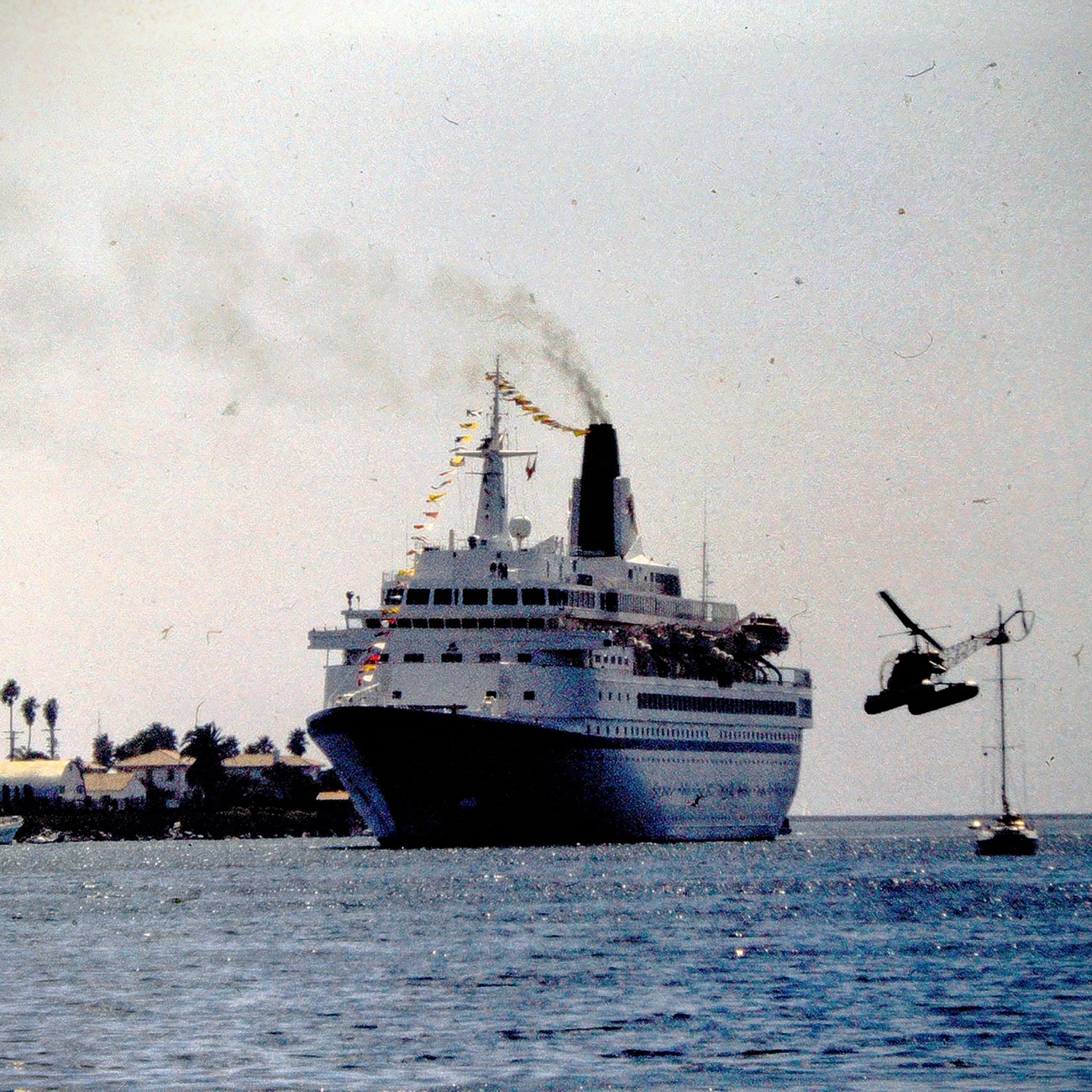
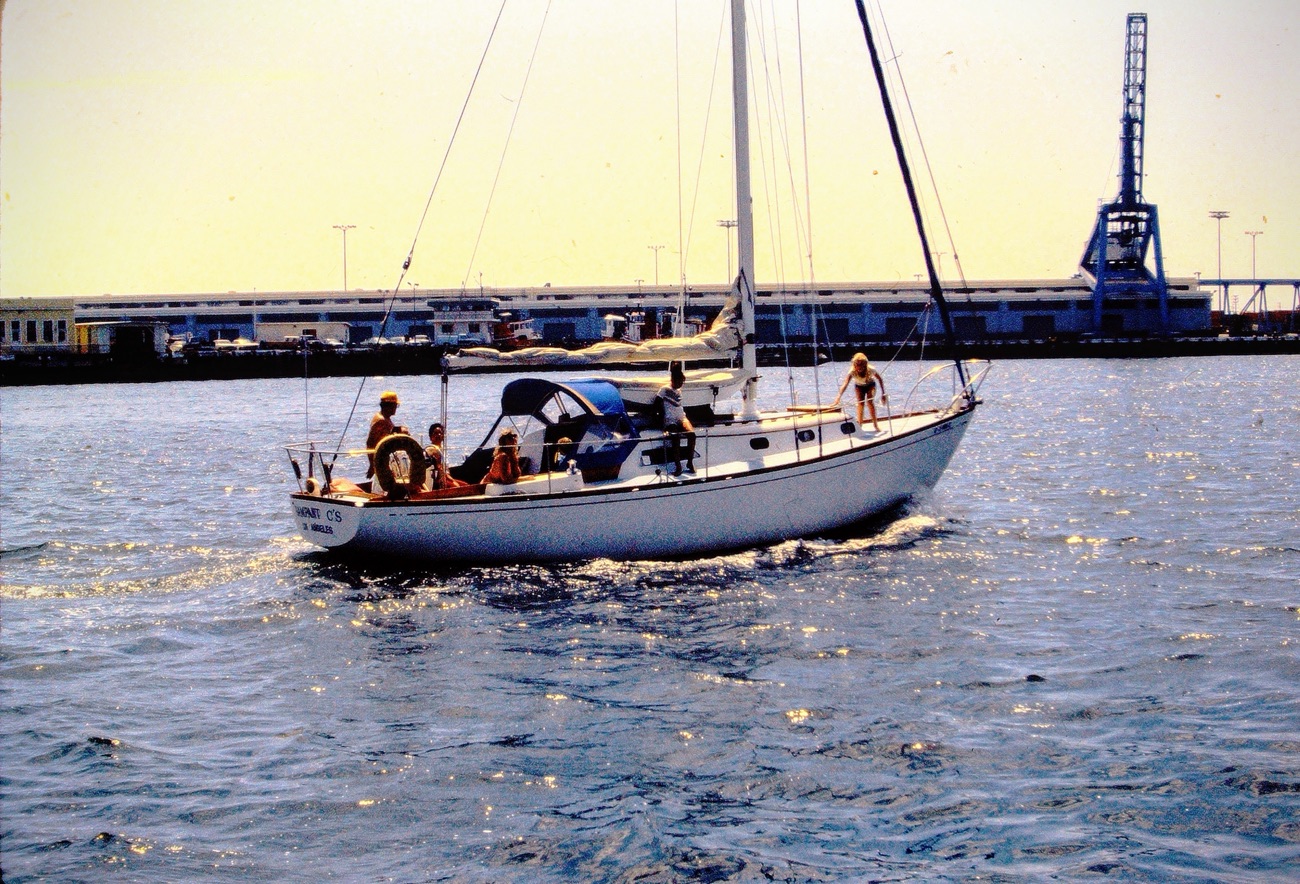
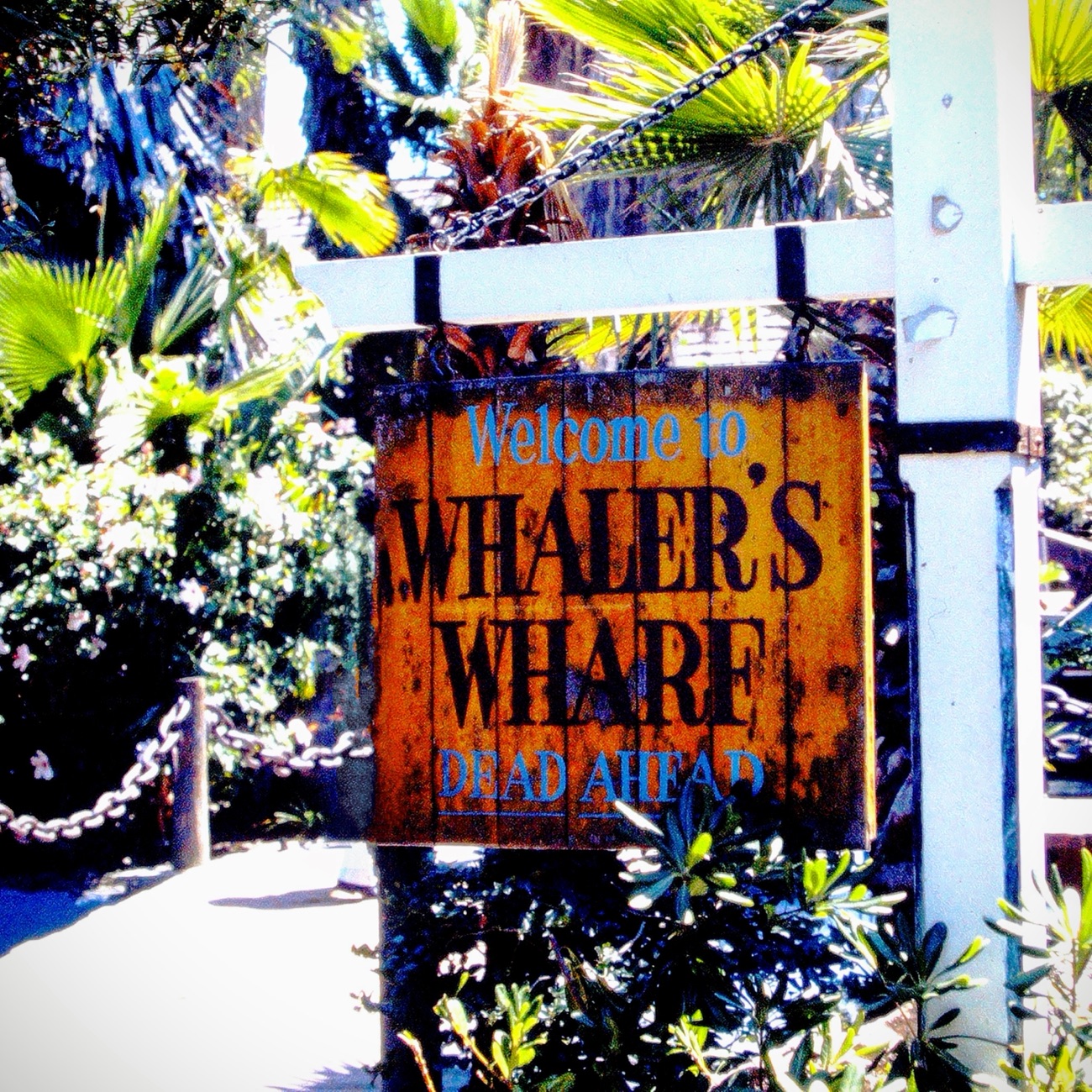
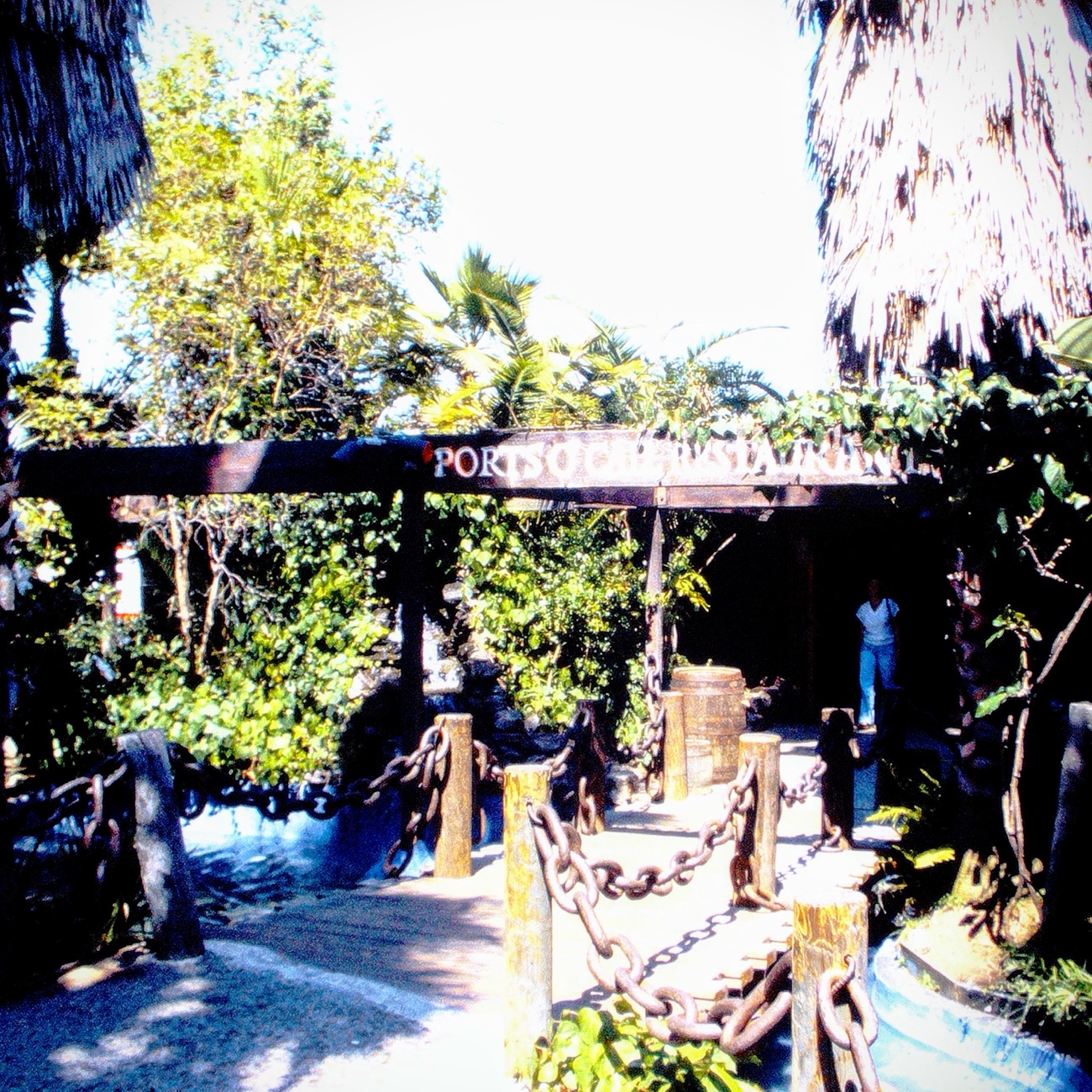
For my own Which Way this week I have combined it with Sunday Stills Challenge from Terriwith her theme of#Float, #Afloat. In other words, my Which Ways are on both Land and Sea. These are from a visit my parents took to The Ports O’ Call in San Pedro, California. They toured the Ports O’ Call Village walking the pathways and took a tour cruise around the Bay. My dad loved to take pictures when they went places (thus my love of photography).
Location: Ports O’ Call, San Pedro, California, USA
God Bless. Thank you for visiting the Ports O’ Call Village with us. Thank you for sharing your time and thoughts with us. I appreciate y’all very much.
Dawn from The Day Afteris this week’s host for Monochrome Madness with her chosen theme of Shadows and Silhouettes . I decided to display my shadows in two different monochrome aspects to see which aspect the shadows are represented better.
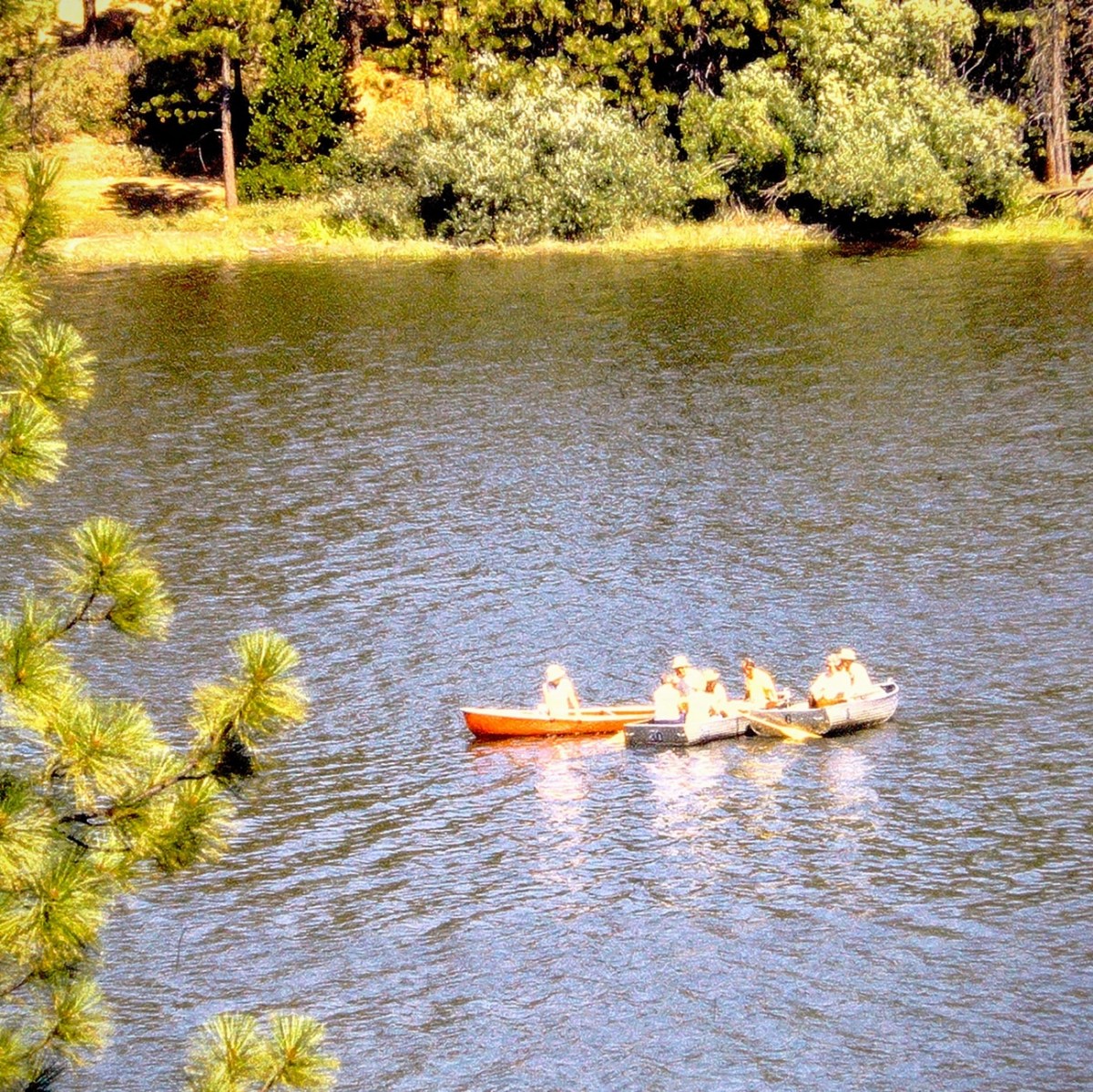
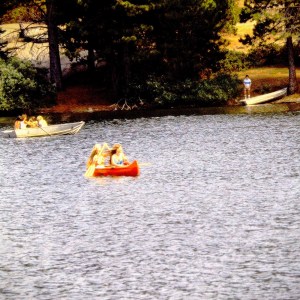
These photos were all taken at Hume Lake Christian Camps located in Hume, California. They were taken by my dad using his Minolta XG-7 35 mm camera. For enlarged viewing click on each image.
Locations: Hume Lake Christian Camps; Hume, Fresno County, California, USA
God Bless. Thank you for visiting the Sequoias with us. Thank you for sharing your time and thoughts with us. I appreciate y’all very much. Have a wonderful day.
Click on each photo for enlarged viewing of images. These were taken at Hume Lake Christian Campgrounds in Hume, California by my dad back in 1979 with his Minolta XG-7 35 mm camera. Fun and relaxing times can be had at Hume Lake.,












































































































 Gfpacificbee’s Insights & photography