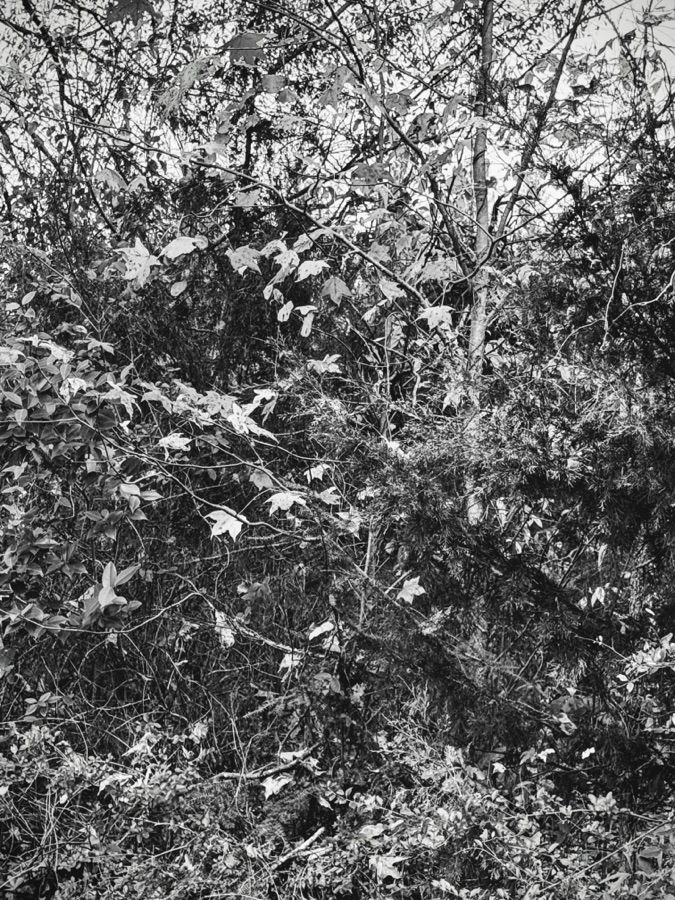
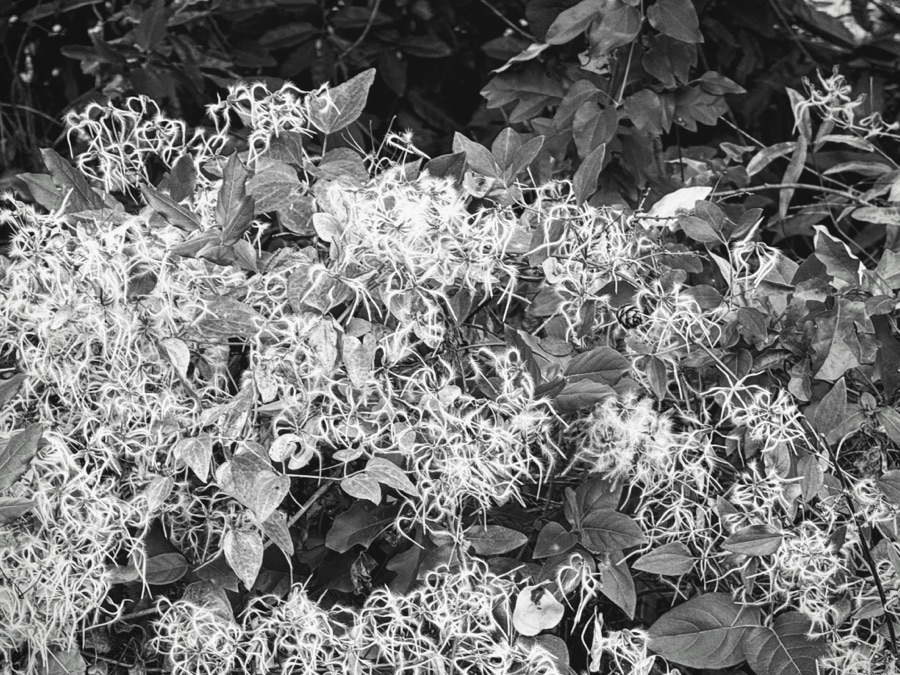
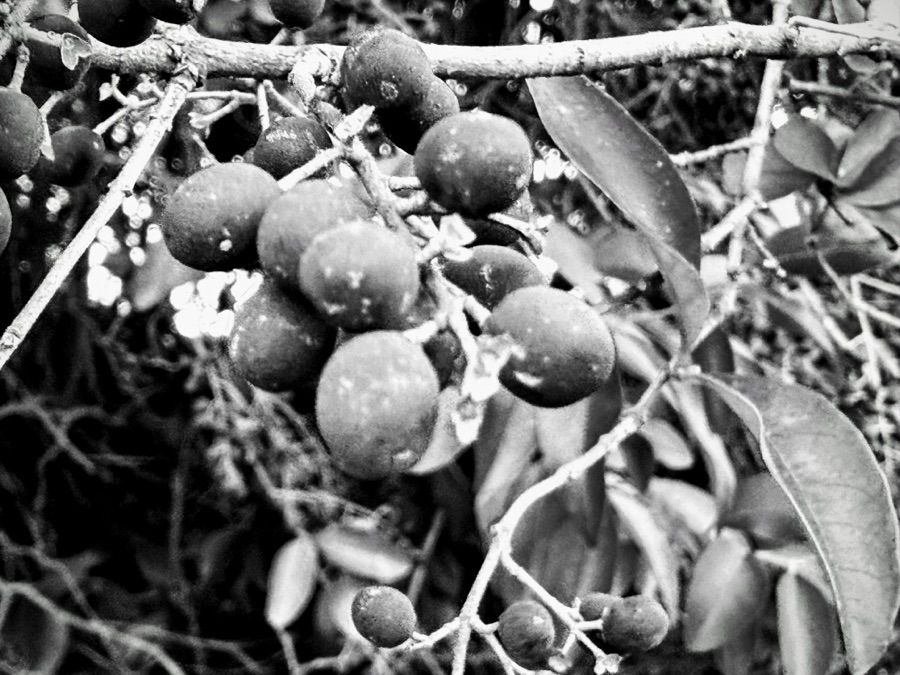
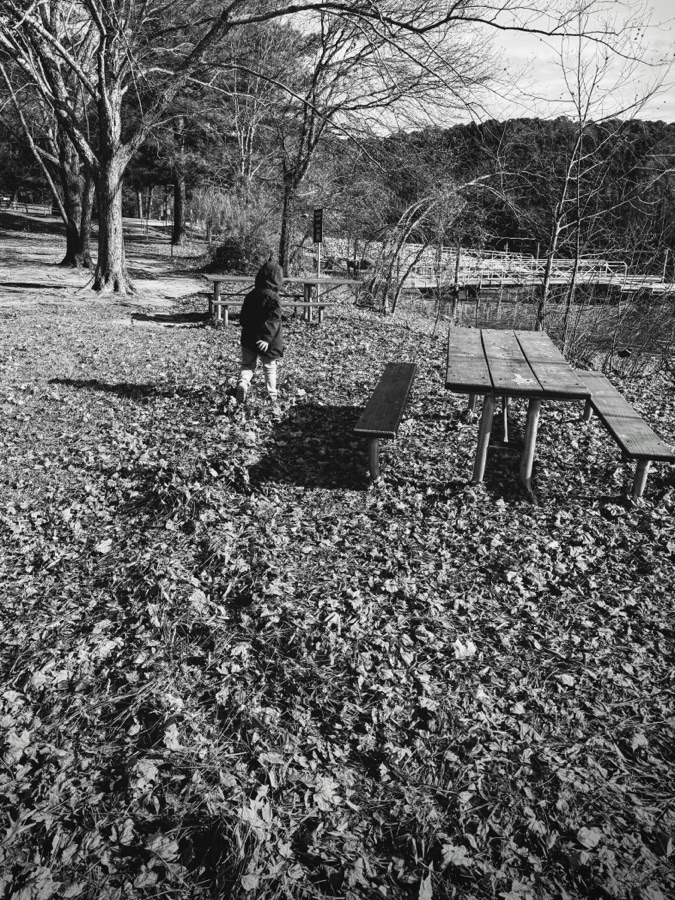
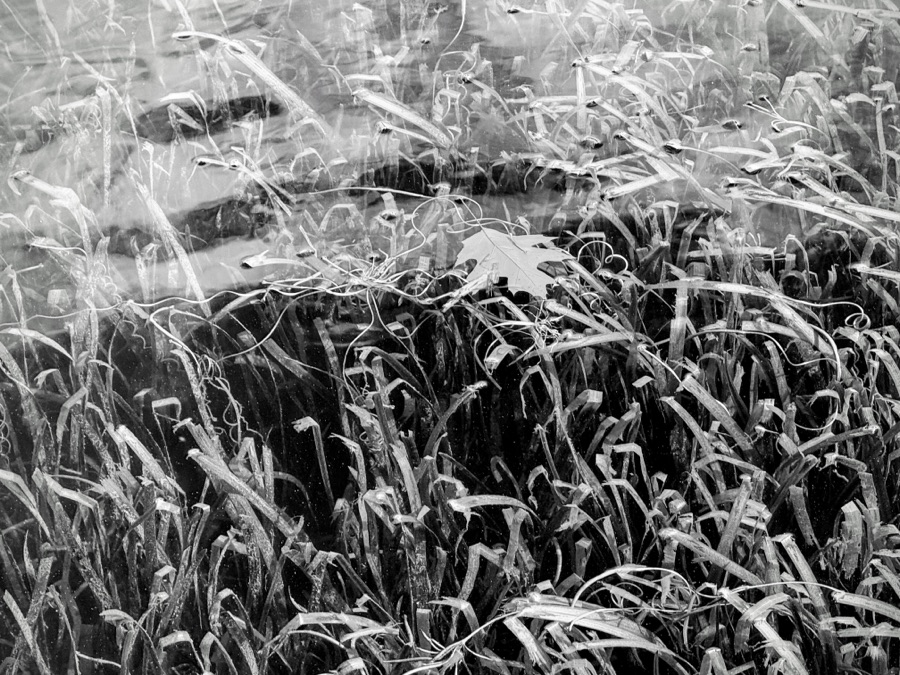
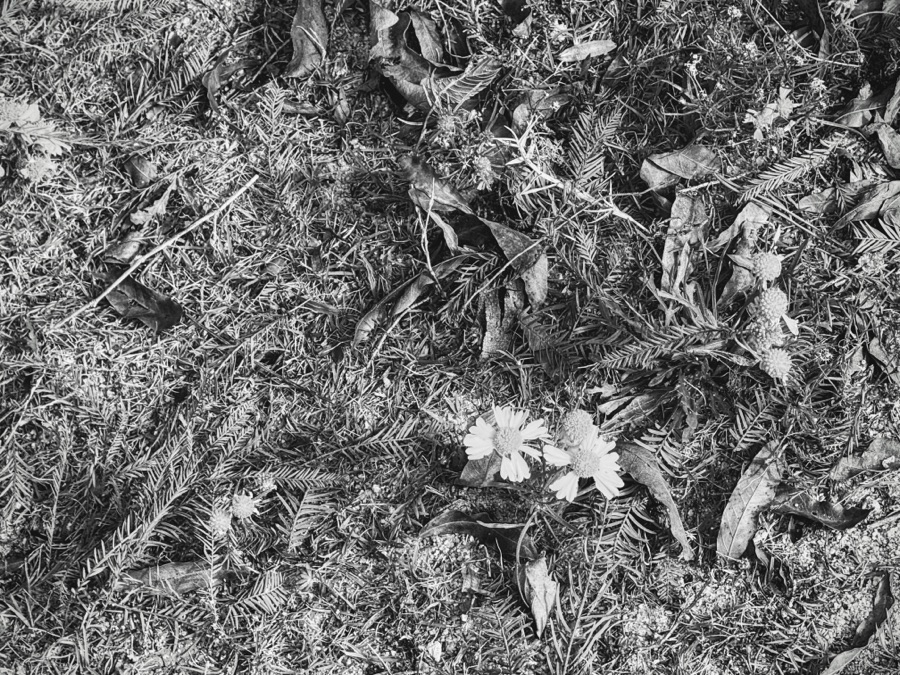
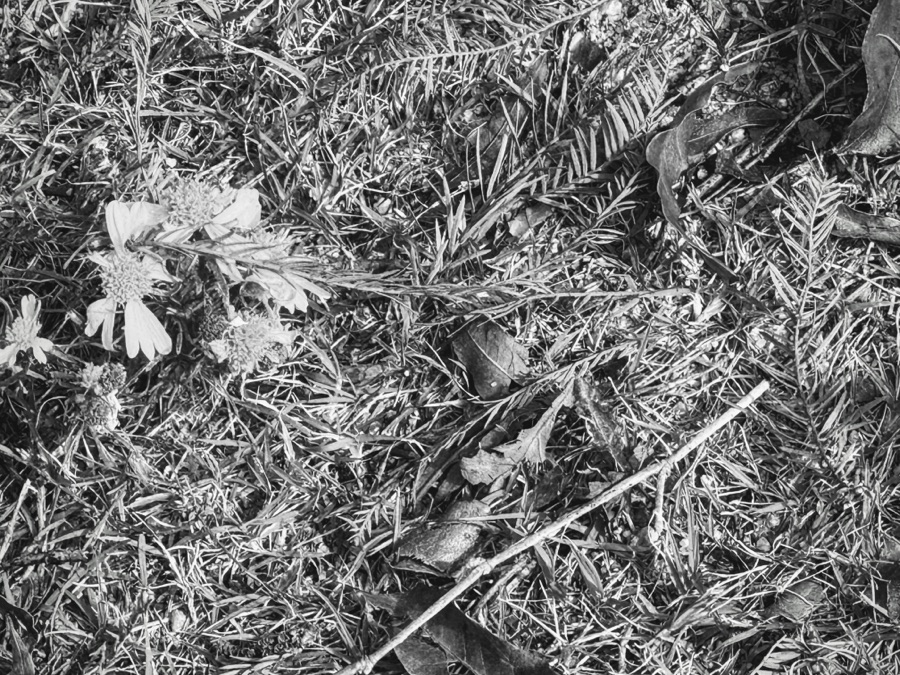
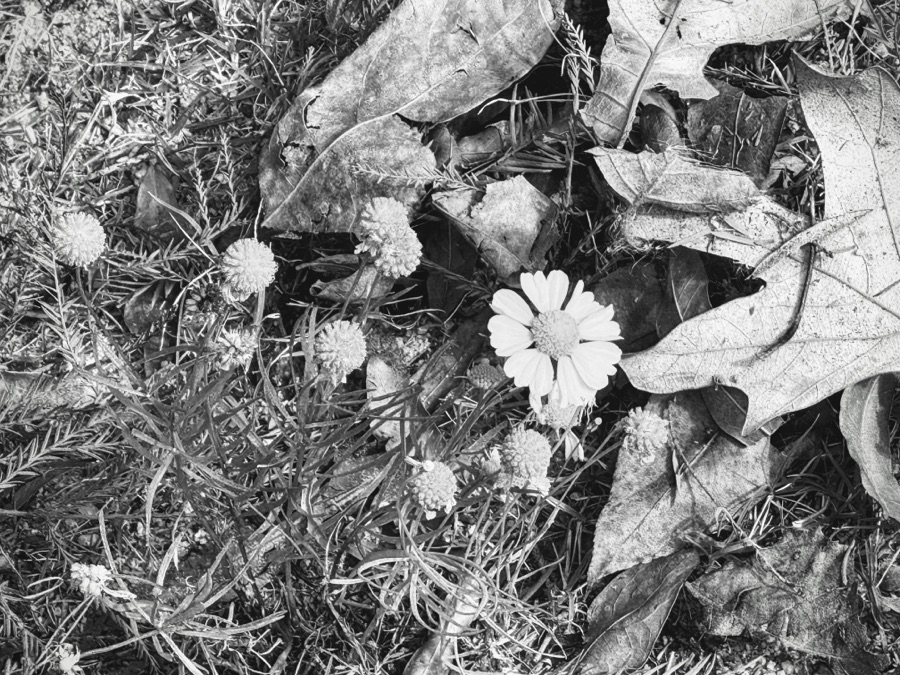
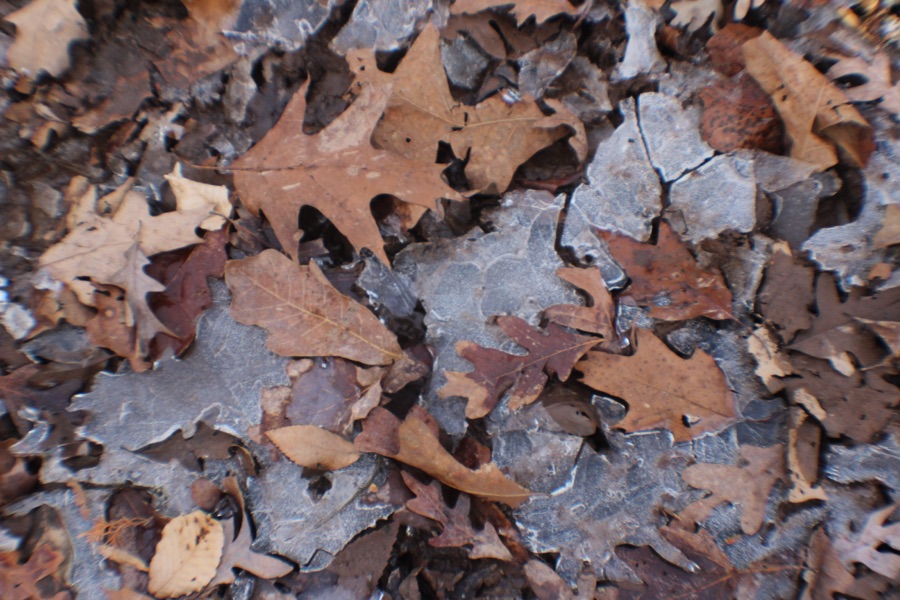
Dawn from The Day Afteris hosting this week’s Monochrome Madness; she has chosen a theme of Leaves and Petals. A few of the leaves are from here in Cramerton and the rest are from an outing we took on Thanksgiving Day to do a little bit of hiking.
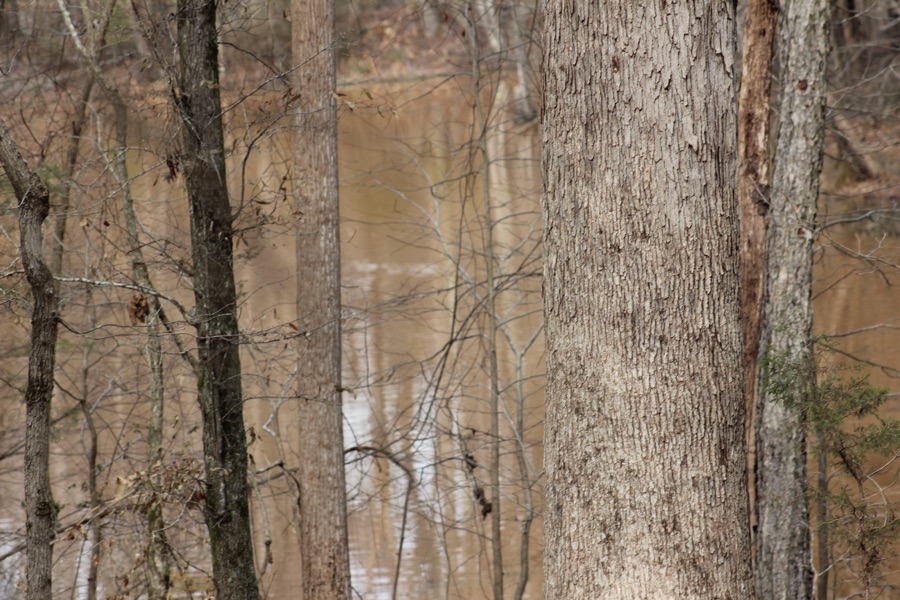
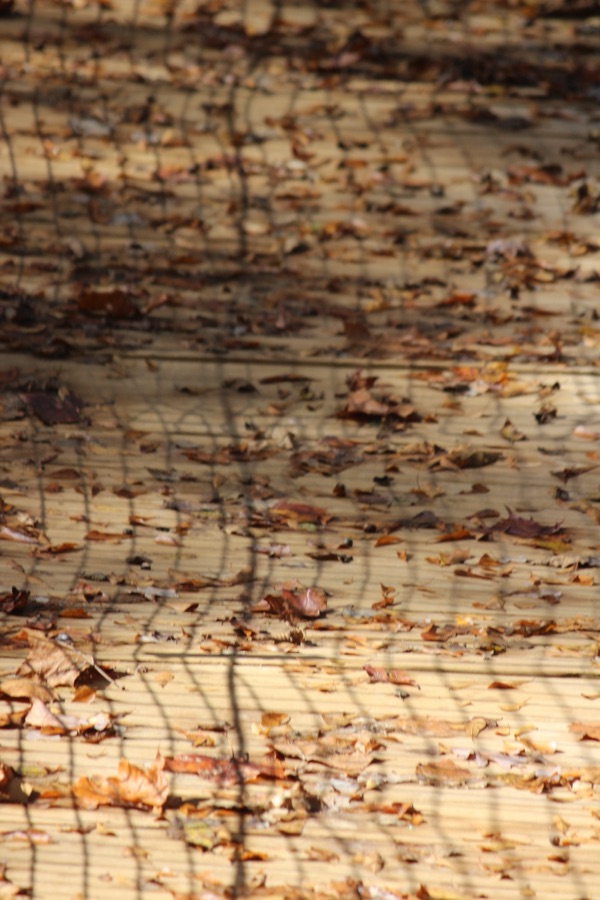
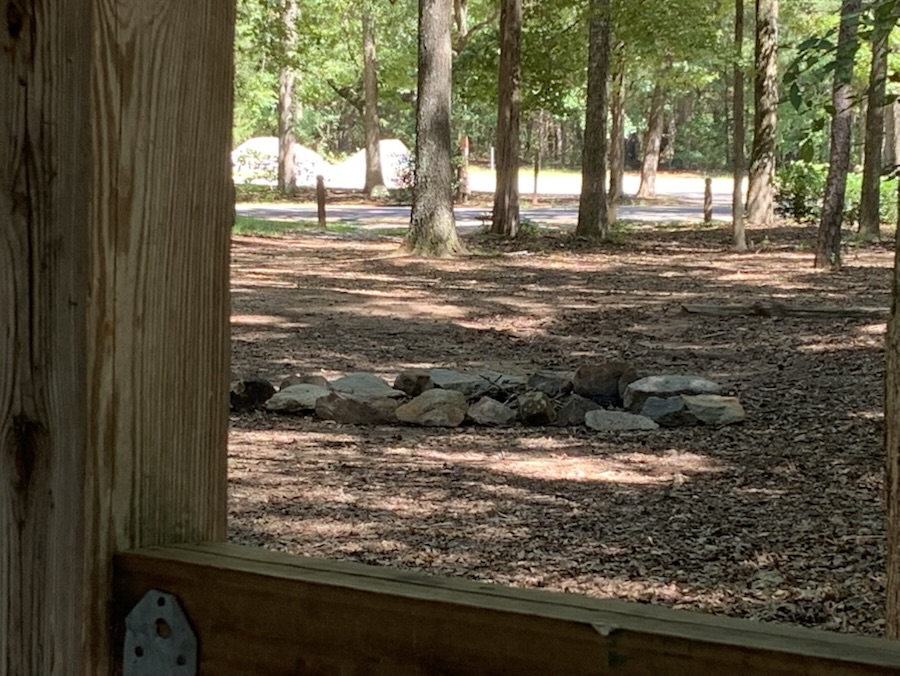
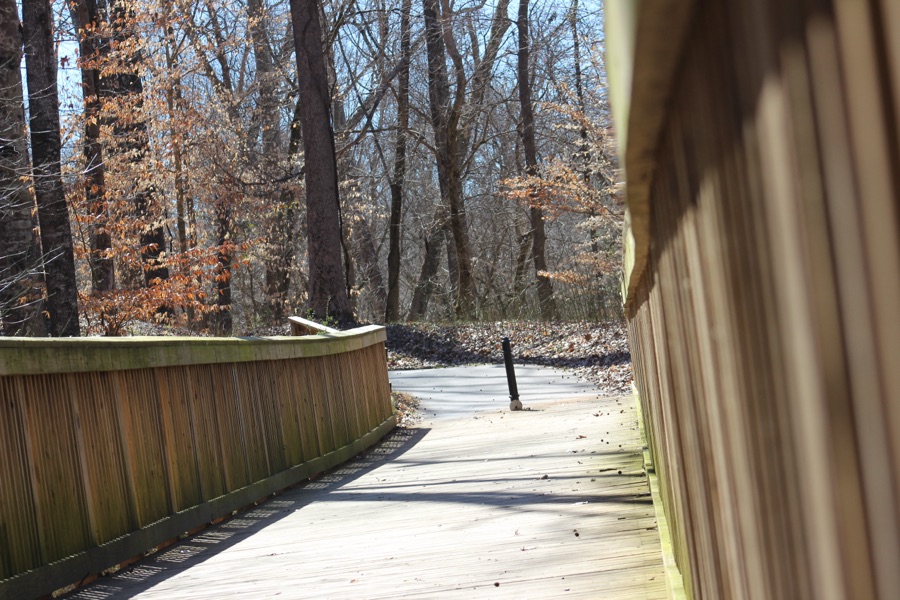
This week Terri, host of Sunday Stills is offering the challenge prompt of Monthly Colour Challenge in Any Shade of Brown and/or Gray. I’ve scoured through my photos for shades of Brown, I have discovered many of them are from This Trail, That Trail & Trails Over There.
Terri, host of Sunday Stills has challenged us to show our #Leaf colours. In our area are #Leaves have slowing been displaying their Autumnal colour schemes. Sunday we had a beautiful Sun Shiny day with a high in the low 70’s°, unlike the past couple of days with highs only in the upper 40’s° and freeze warnings.
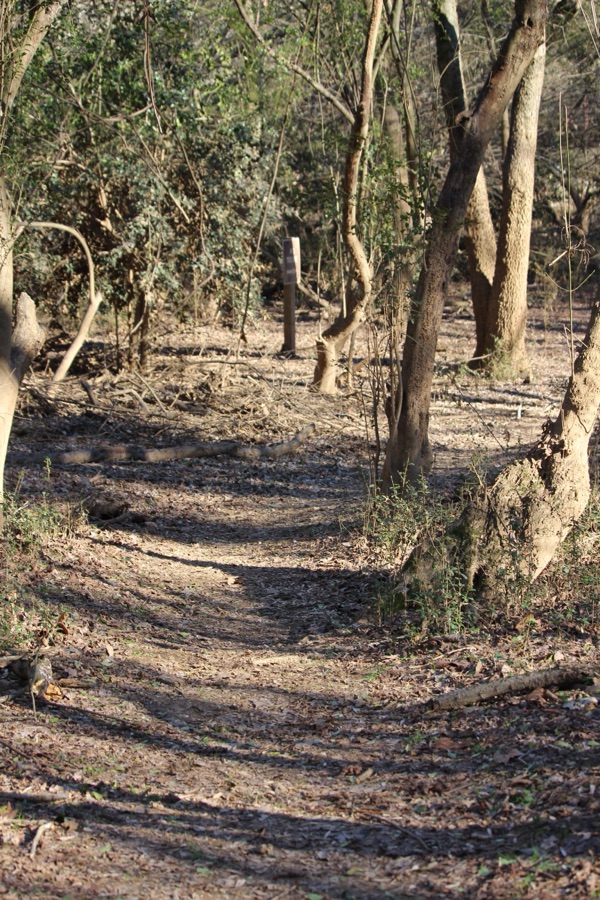
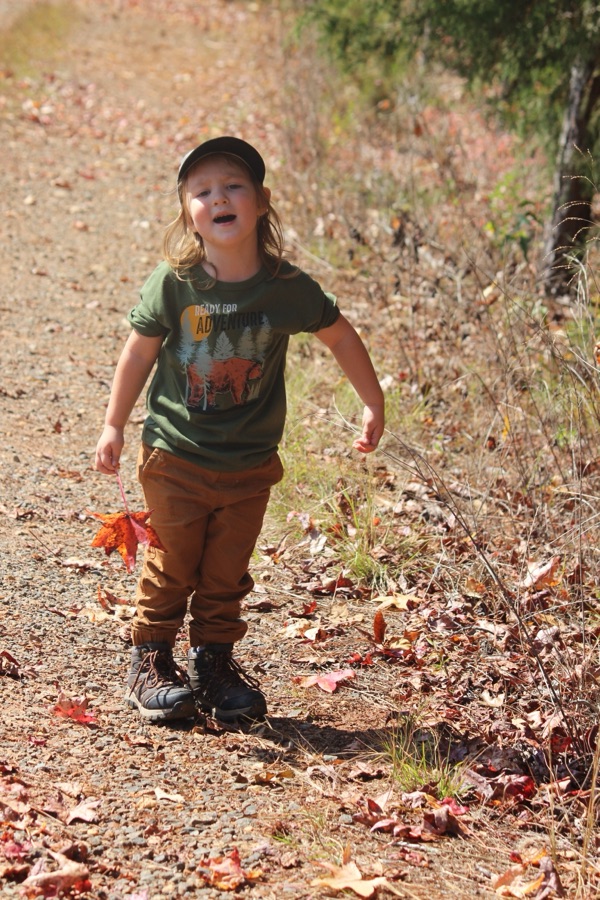
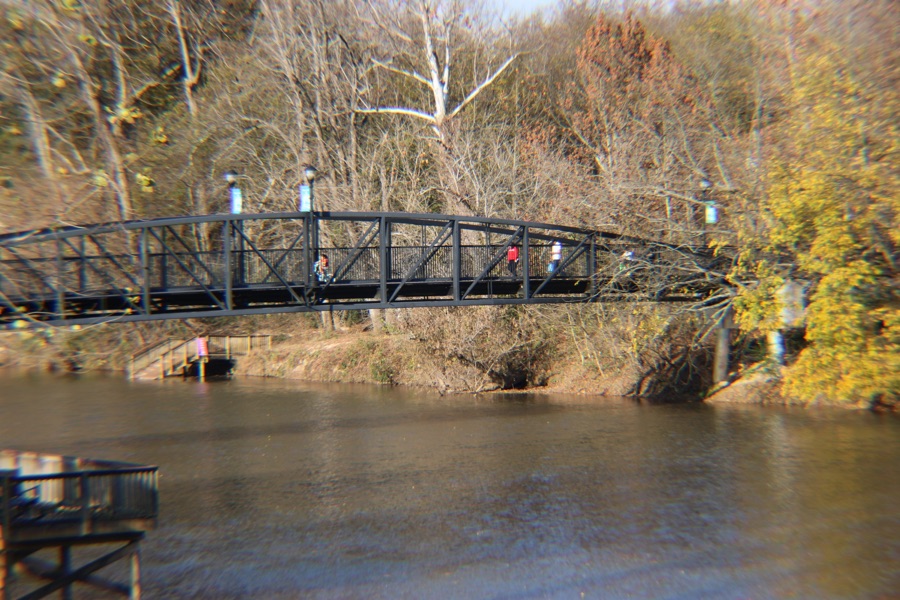
With a rare warm sunny day Coleman and I meandered down to Goat Island Park and Greenway for a hike along the River Link Greenway to check out the amazingly gorgeous Autumn colours vibrantly painted throughout the trail.
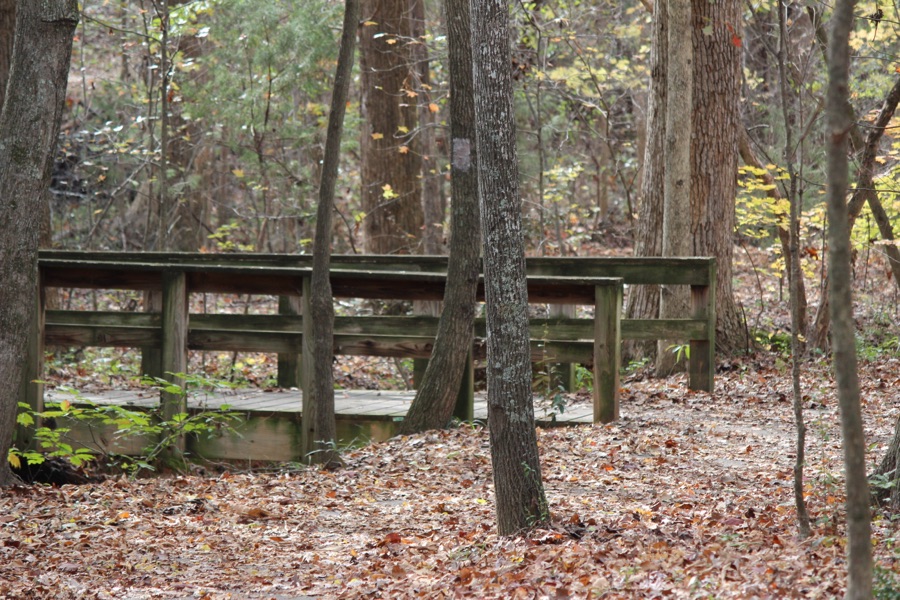
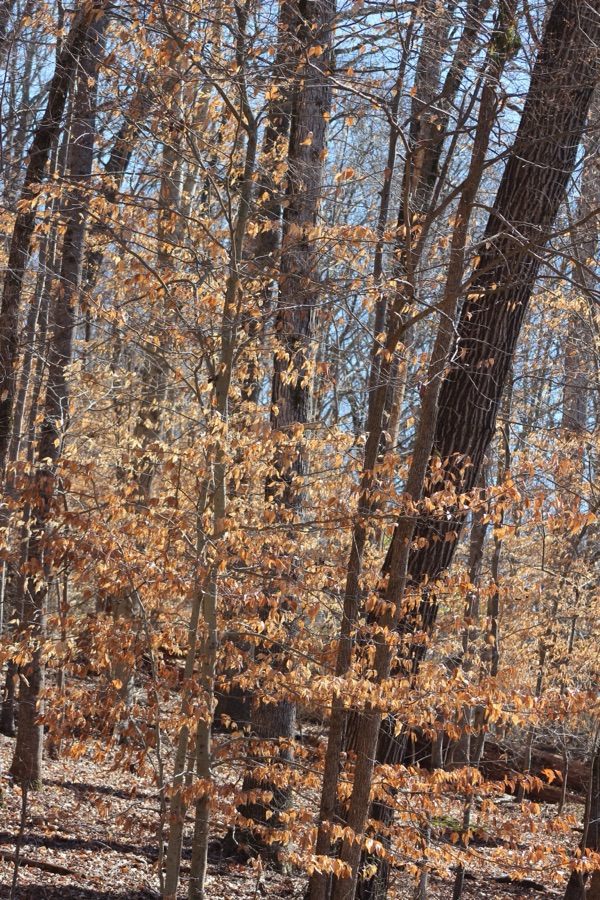
Here are a selection of images from our hike #Leaf Peeping through the Greenway …
Hope y’all enjoy the video clip of our #Leaf Peeping through the Greenway.
Camera: Canon EOS Rebel 2000D with Canon EF-S55-250mm lens
Location: Goat Island Park and Greenway; Cramerton, North Carolina, USA
God Bless. Get Outdoors. Take a hike/walk. Enjoy communing with nature. Thank you for visiting and sharing your time and thoughts with us. I appreciate y’all very much.
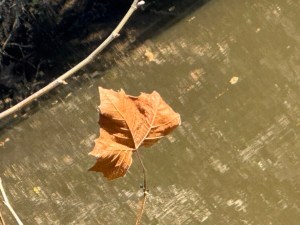
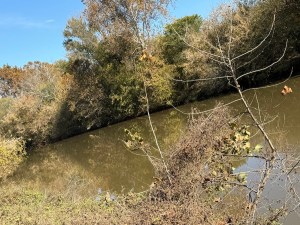
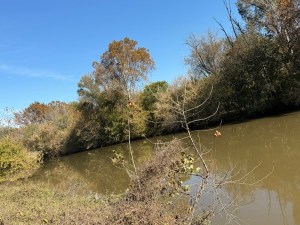
Capturing Leaves and such along the South Fork Catawba River before church this beautiful Sunny morning with Coleman. We enjoy walking along the riverbanks whenever the opportunity arises. And since we were feeling a bit better after being sick, it was an opportune time.
Platanus occidentalis
Leaves of American Sycamore trees …
The American Sycamore tree is native to Eastern North America; which includes the eastern and central United States, the mountains of northeastern Mexico, extreme southern Ontario, and extreme southern Quebec.
The American Sycamore is a long-lived species, typically surviving at least 200 years and likely as long as 500–600 years. Interestingly the species epithet occidentalis is Latin for “western,” referring to the Western Hemisphere and named as such by Carl Linnaeus since the only other species in the genus was P. orientalis (“eastern “), native to the Eastern Hemisphere. Therefore, it became confusing due to the fact that the American Sycamore was first known in the Eastern United States. Hence, it is sometimes referred to as the Eastern Sycamore in order to distinguish it from Platanus racemosa which was discovered later in the Western United States and called western sycamore.




 Gfpacificbee’s Insights & photography