Location: Centennial Center; Cramerton, North Carolina, USA
God Bless. Admire the Flowers and the beauty found in nature. Thank you for visiting and sharing your time and thoughts with us. I appreciate y’all very much.
Salvia rosmarinus, Aka Rosemary, Rosmarinus officinalis
Rosemary, is one of several herbs grown in the Heritage Garden in The Farm at The Schiele Museum of Natural History in Gastonia, North Carolina. Its needle-like leaves are incredibly aromatic and have been a staple in Mediterranean cuisine for centuries. It is often used to flavour meats, vegetables, and bread. Cooking is not the only reason Rosemary is cherished, it is revered for its traditional medicinal properties. It is also occasionally associated with memory and remembrance.
The Garden at the Schiele Museum of Natural History is ever changing with the seasons and years. The Gardens are maintained by museum staff, Community Volunteers and Interns, and the volunteer efforts of the Master Gardener Group of Gaston County.
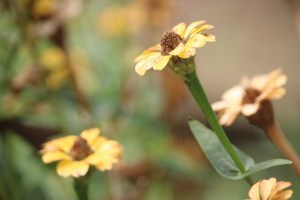
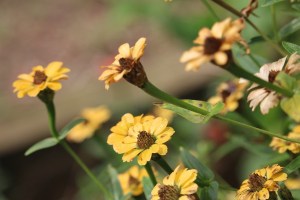
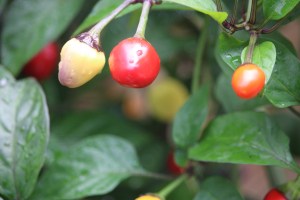
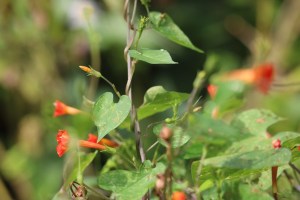
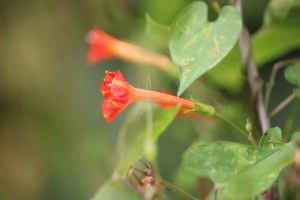
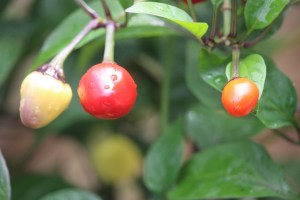
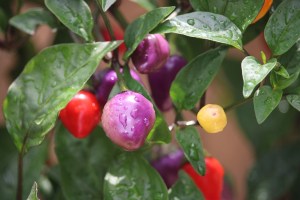
This season we have plenty of Cosmos sulphureus, aka Sulfur cosmos; Zinnia peruviana, aka the Peruvian zinnia; Ornamental peppers, and Ipomoea coccinea aka Red Morning Glory. They are beautiful flowers to enjoy and admire, but not as many florals as in previous years.
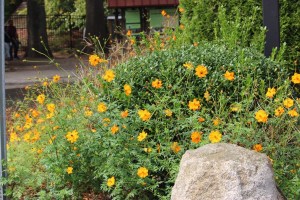
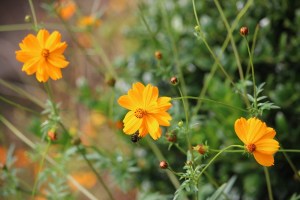
Walking towards The Farm from the parking lot we first spot these lovely Cosmos sulphureus …
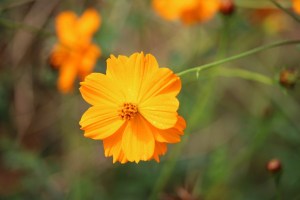
Cosmos sulphureus, aka sulfur cosmos
A Beautiful Cosmos Trio
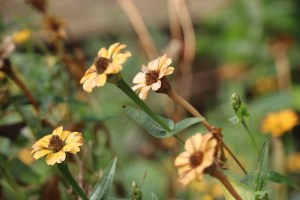
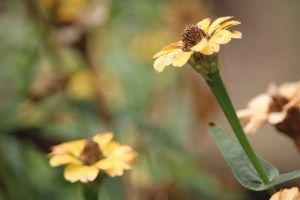
Walking around inside The Farm’s enclosed area, after visiting the goats, we spot these lovely Zinnia peruviana flowers …
As we walk through the Garden area in The Farm we notice several Ornamental Pepper plants and then a few Red Morning Glories. The peppers are so pretty and colourful that you can’t help, but be drawn to their natural beauty. While the Red Morning Glories are so small you might miss them if you weren’t truly searching for the wonderful flowers within the garden.
Camera: Canon EOS Rebel T7 (2000D) with Canon EF-S55-250mm lens and Altura UV Filter attachment.
Location: The Gardens; The Farm; Tge Schiele Museum of Natural History; Gastonia, North Carolina, USA
God Bless. Admire the Flowers and the beauty found in nature. Thank you for visiting and sharing your time and thoughts with us. I appreciate y’all very much.
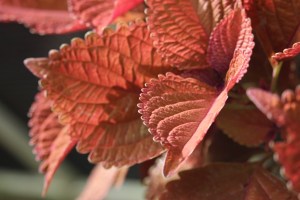
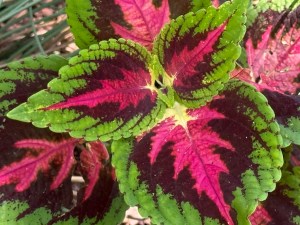
The Coleus plants pictured here are located near the Turkey enclosure in The Farm at The Schiele Museum of Natural History in Gastonia, North Carolina. It is a tropical perennial grown for its brightly coloured, velvety leaves which come in various shades of red, pink, yellow, green, and deep burgundy.
Coleus scutellarioides
Coleus scutellarioides
The Coleus plant is linked with the mint family (Lamiaceae). They are primarily cultivated for their incredibly diverse and colorful foliage instead of their flowers. Besides the colours listed above you may occasionally find them in black. Their intricate design patterns and margins on their leaves make them quite attractive and intriguing to observe.
Camera: Canon EOS Rebel T7 (2000D) with Canon EF-S55-250mm lens and Altura IV Filter attachment; Apple iPhone 16 Pro Max
God Bless. Stay Cool. Stay Hydrated. Have a funtastic week. Thank you for visiting and sharing your time and thoughts with us. I appreciate y’all very much.
This week Terri, our host for The Flower Houris focusing on Floral ABC’s concentrating on WXYZ. This is the last week for the Floral ABC’s as we’ve come to the conclusion of the alphabet. Let’s have some fun. Here are my WXYZ Florals for this week’s challenge. It wasn’t too hard to locate flowers beginning with W or Y and Z but X was impossible to locate, henceforth, I didn’t find any Xflowers amongst my photo files.
Here’s looking at the W’s …
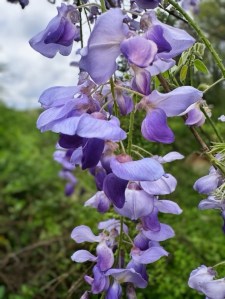
Wisteria sinensis
Wisteria sinensis, aka Chinese Wisteria Gastonia, North Carolina
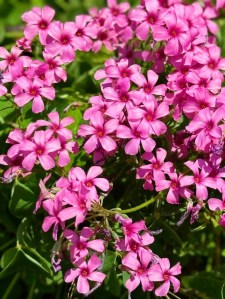
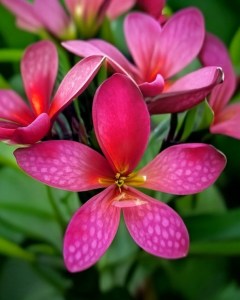
Windowbox Woodsorrel
Aka Oxalis articulata, pink-sorrel, pink wood sorrel, windowbox wood-sorrel, sourgrass Gardner Park, Gastonia, North Carolina
God Bless. Admire the Flowers and the beauty found in nature. Thank you for visiting and sharing your time and thoughts with us. I appreciate y’all very much.
Following along with Terri’s Autumn Floral theme, I took a Look Back into my archives for Autumnal Florals (not just Autumn colours, but taken in Autumn) taken in early Autumn. My selections were all taken at various times and locations during the month of October. I know it’s not October yet, however, it soon will be in only a few more days.
Taken October 3, 2023 …
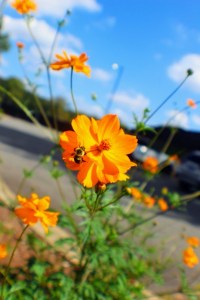
Common Eastern Bumblebee on an Orange Sulphur Cosmos
… at The Garden in The Farm at The Schiele Museum of Natural History in Gastonia, North Carolina.
Taken October 6, 2025 …
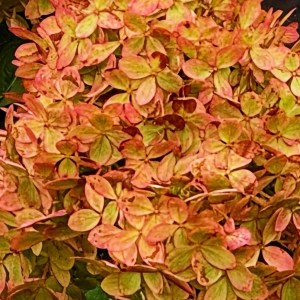
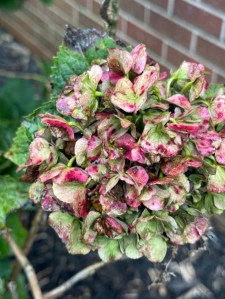
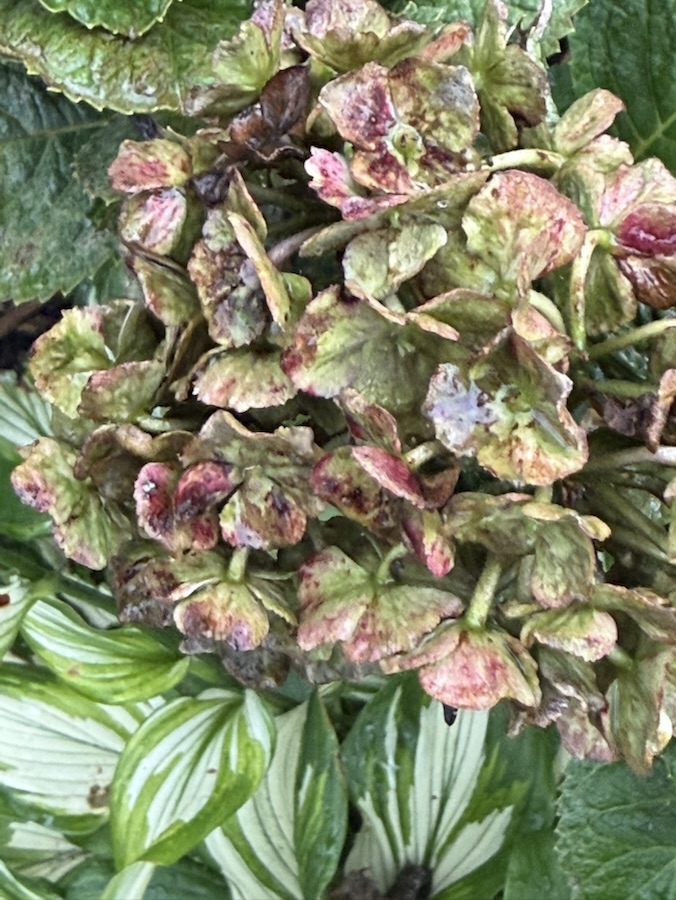
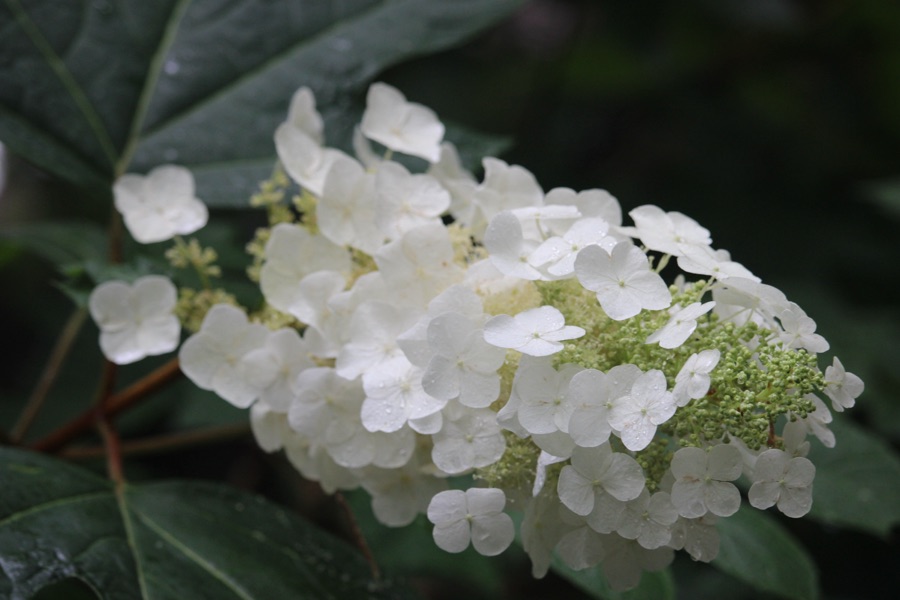
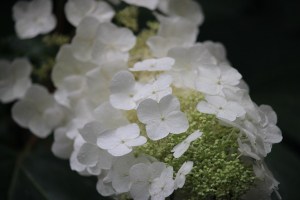
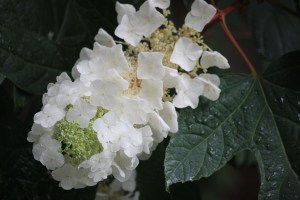
Panicle Hydrangea
… by the Bridge at Goat Island Park and Greenway in Cramerton, North Carolina.
Taken October 22, 2024 …
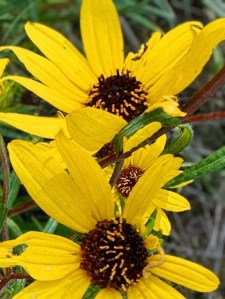
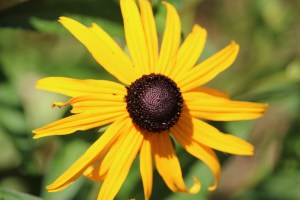
A Green Aphid on a Yellow Tickseed Sunflower
… near Lake Haigler along the Haigler Loop Trail at the Anne Springs Close Greenway’s Lake Haigler Entrance in Fort Mill, South Carolina.
Taken October 27, 2023 …
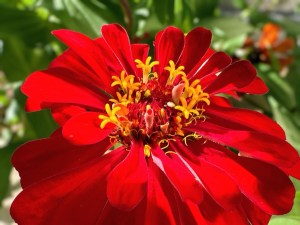
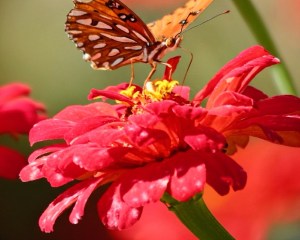
Gulf Fritillary Butterfly on Common Red Zinnias
… by the Gibson House at the Stables Entrance of the Anne Springs Close Greenway in Fort Mill, South Carolina.
God Bless. Admire the Flowers and the beauty found in nature. Thank you for visiting and sharing your time and thoughts with us. I appreciate y’all very much.
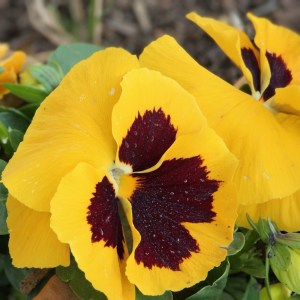
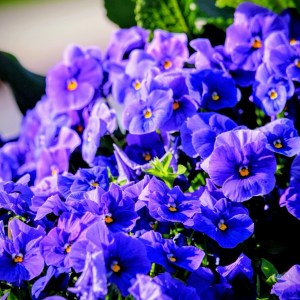
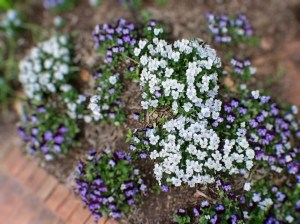
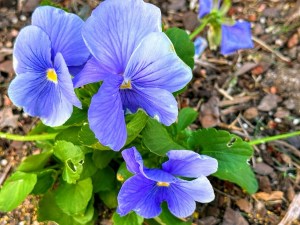
This week Terri, our host for The Flower Houris focusing on Floral ABC’s concentrating on STUV. Let’s have some fun. Here are my STUV Florals for this week’s challenge. It wasn’t too hard to locate flowers beginning with S and T, but U was extremely difficult, henceforth, I didn’t find any amongst my photo files. V was hard to locate any type of flowers other than Violets.
God Bless. Admire the Flowers and the beauty found in nature. Thank you for visiting and sharing your time and thoughts with us. I appreciate y’all very much.
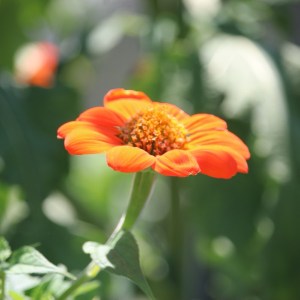
These sunflowers are not the type of flower you’d normally picture if someone said Sunflower, however, they are still beautiful in their own unique way.
Tithonia rotundifolia
The Mexican Sunflower is a plant in the Asteraceae family whose native origins range from Mexico to Central America.
Red Sunflower
They’re beloved by gardeners for their bright, fiery orange or red-orange petals and yellow centers, which resemble small sunflowers.
Mexican sunflower
They thrive in full sun and warm weather, which is typical for Gastonia’s weather. They are attractive to pollinators such as butterflies, bees, and hummingbirds which absolutely adore them, making them a fantastic addition to any garden looking to support local wildlife.
Tithonia rotundifolia, the Red sunflower or Mexican sunflower
The Tithonia rotundifolia, aka Mexican sunflower is not actually a true sunflower from the Helianthus family. However, their daisy-like blooms give off a similar sunny vibe. They are quite resilient and easy to grow. These flowers are surrounding my neighbours mailbox giving colour and beauty to the neighbourhood.
Location: Unity Community; Gastonia, North Carolina, USA
God Bless. Stop and smell the flowers. Admire them and the beauty found in nature. Have a fantastic week. Thank you for visiting and sharing your time and thoughts with us. I appreciate y’all very much.
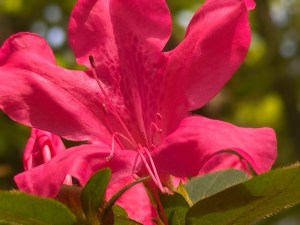
Azaleas differ from other Rhododendrons by only having five (5) stamens per flower instead of the typical ten (10) or more on other Rhododendrons. They are popular ornamental plants, known for their showy blooms in a wide variety of colours.
Their colours range from vibrant pink to white, purple, and red. I normally see the pink and red varieties in the gardens around town. They are always available to be seen in the Garden in The Farm at The Schiele Museum of Natural History in Gastonia, North Carolina.
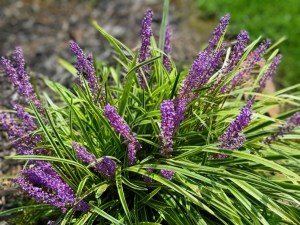
Liriope muscari is a species of flowering plant from the region of Easr Asia. It is also known as Big Blue Lilyturf, Lilyturf, Border Grass, and Monkey Grass.
A Trio of Liriope muscari
Lilyturf is highly valued for its beautiful striped leaves and its purple flower spikes. It is an evergreen perennial, meaning its foliage stays green year round. Gardeners tend to favourite as a border plant, ground cover (as it usually used here), or as a means to help prevent erosion. It spreads nicely and creates a dense mat.
Liriope muscari, Big Blue Lilyturf
Liriope muscari usually blooms in late summer to early Autumn/Fall. Coleman first notice the purple spike flowers a little over a week ago and insisted I take pictures with my phone. As the days progressed more and more of the lilac-purple flower spikes began popping up bringing colour to the garden.
God Bless. Stop and smell the flowers. Admire them and the beauty found in nature. Have a fantastic week. Thank you for visiting and sharing your time and thoughts with us. I appreciate y’all very much.
God Bless. Admire the Flowers and the beauty found in nature. Thank you for visiting and sharing your time and thoughts with us. I appreciate y’all very much.
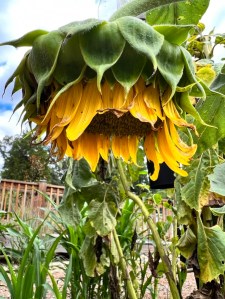
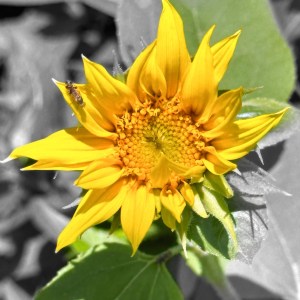
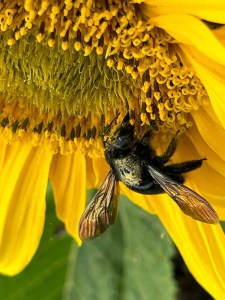
Following Terri’s and Brian’s lead on Sunflowers, I went in search of Sunflowers amongst my archives. I found some common sunflowers and some uncommon ones as well.
Here are my entries …
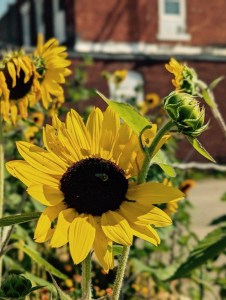
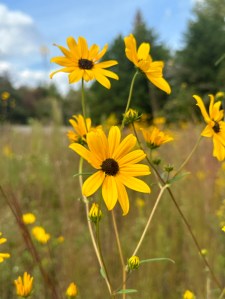
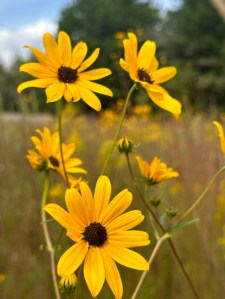
Common Sunflower Swamp SunflowersHelianthus angustifolius, aka Narrowleaf Sunflower Wild Sunflowers Common Sunflower Common Sunflower Common Sunflower Carpenter Bee enjoying the Sunflower’s pollen Terri’s The Flower Hour Cee’s Flower of the Day
God Bless. Admire the Flowers and the beauty found in nature. Thank you for visiting and sharing your time and thoughts with us. I appreciate y’all very much.
God Bless. Admire the Flowers and the beauty found in nature. Thank you for visiting and sharing your time and thoughts with us. I appreciate y’all very much.
God Bless. Stay Strong, Spread Cheer, Love, and Happiness. Thank you for visiting and sharing your time and thoughts with us. I appreciate y’all very much.
Location: Unity Community; Gastonia, North Carolina, USA
God Bless. Stop and smell the flowers. Admire them and the beauty found in nature. Have a fantastic week. Thank you for visiting and sharing your time and thoughts with us. I appreciate y’all very much.
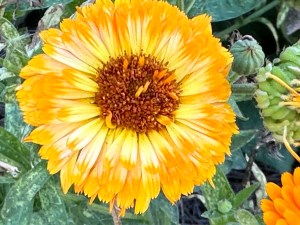
Plant M – Marigold, aka Calendula officinalis, Mary’s gold, common marigold, the pot marigold, Scotch marigold
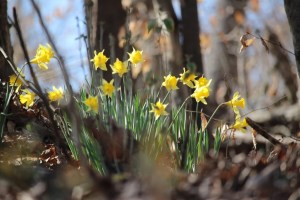
Plant N – Narcissus pseudonarcissus, aka the wild daffodil or Lent lily
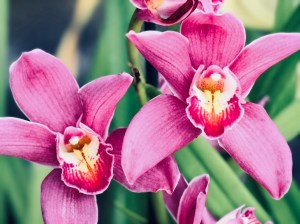
Plant O – Moth Orchids (Phalaenopsis)
Also posting in remembrance of …
Cee’s Flower of the Day (FOTD)
Cee’s Flower of the Day (FOTD)
God Bless. Admire the Flowers and the beauty found in nature. Thank you for visiting and sharing your time and thoughts with us. I appreciate y’all very much.
Location: The Farm; The Schiele Museum of Natural History; Gastonia, North Carolina, USA
God Bless. Take time to enjoy nature. Have a funtastic week. Thank you for visiting and sharing your time and thoughts with us. I appreciate y’all very much.
It has been extremely hot and humid in our area causing havoc on gardens and flowers to wither and fade away. Currently, There are not many left in bloom. However, I did manage to find a few.
These are from The Garden in The Farm at The Schiele Museum of Natural History…
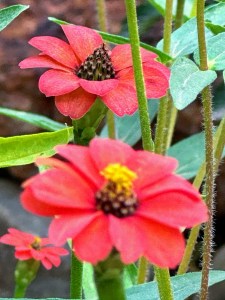
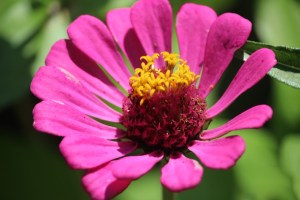
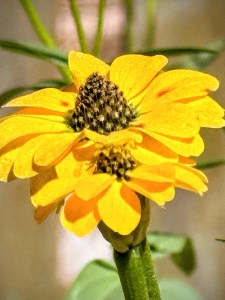
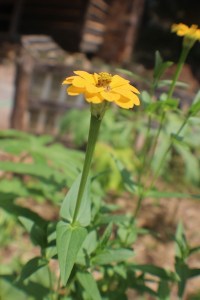
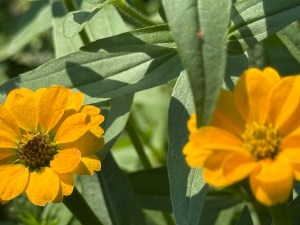
A Pair of Yellow Zinnias …
Zinnias
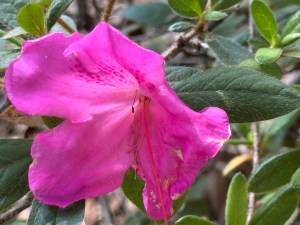
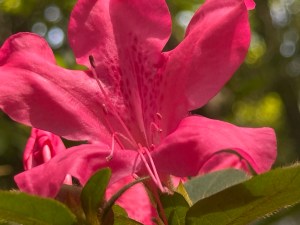
A Look at a Couple of Rhododendron indicum, aka Azalea indica L. …
Pink Azalea
Rhododendron indicum, aka Southern Indian azalea, has showy, vibrant funnel-shaped red, scarlet, or pink flowers that bloom in mid to late spring and occasionally again in the fall. ]These are both from the same Rhododendron (Azalea) Shrub.]
Rhododendron indicum, aka Satsuki azalea or Southern Indian azalea.
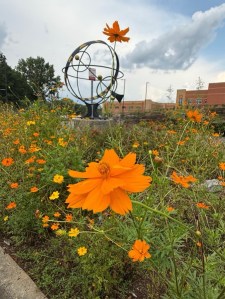
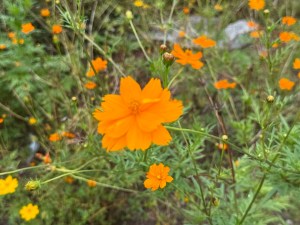
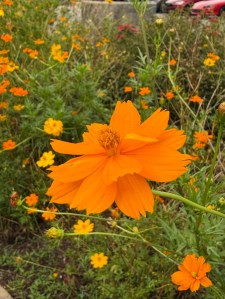
Now before we leave let’s take a look at an array of Sulfur cosmos (Cosmos sulphureus) …
Sulfur cosmos (Cosmos sulphureus) The #Flower Hour Cee’s Flower of the Day Bren’s Floral Friday
That’s all I have for y’all today. Till next time, have a fabulously fun and productive weekend filled with love, laughter, and happiness.
Location: The Garden; The Farm; The Schiele Museum of Natural History; Gastonia, North Carolina, USA
God Bless. Stop and smell the flowers. Admire them and the beauty found in nature. Have a fantastic week. Thank you for visiting and sharing your time and thoughts with us. I appreciate y’all very much.
Isaiah 40:8: “The grass withers, the flower fades, but the word of our God will stand forever.” KJV
Terri’s The #Flower Hour Cee’s Flower of the Day
“For all flesh is as grass, and all the glory of man as the flower of grass. The grass withereth, and the flower thereof falleth away:” I Peter 1:24 KJV
God Bless. Admire the Flowers and the beauty found in nature. Thank you for visiting and sharing your time and thoughts with us. I appreciate y’all very much.
Let’s take a look at what #Yellow’s I have found …
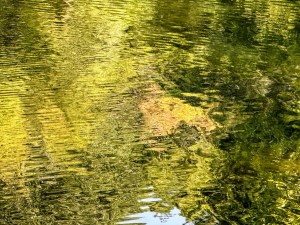
First, here are some water reflections with #Yellow …
Yellow Water Reflections in Lake Crandall Anne Springs Close Greenway
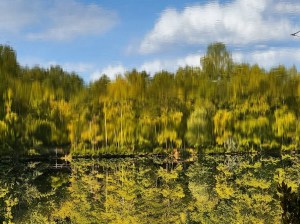
And a few tress with yellow leaves reflected in Lake Haigler at Anne Springs Close Greenway in Fort Mill, South Carolina.
Yellow Tree Reflections in Lake Haigler
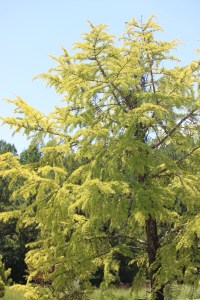
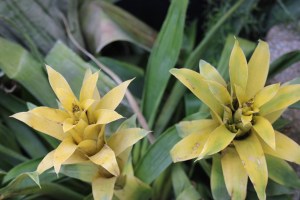
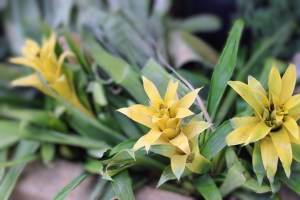
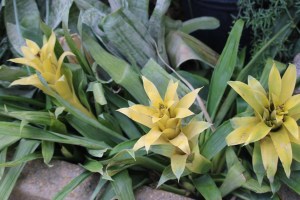
Moving right along in nature we spot a solitary yellow tree and a few yellow Bromeliad Guzmania.
Golden Larch Daniel Stowe Botanical Garden
Yellow Bromeliad Guzmania William H. Williamson III Orchid Conservatory Daniel Stowe Botanical Garden Belmont, North Carolina
Now we’ll take a last look at yellow with images of yellow vehicles …
1954 Ford F150 Pickup Truck used by Evans Shell on display at the NC Transportation Museum 1931 Ford Model A 5 window coupe.North Carolina School bus for Sadler Elementary 2022 John Deere 700L LGP Crawler Dozer1934 Packard #Yellow Vehicles Sunday Stills Monthly Color Challenge
At last, but not least, Coleman wearing a yellow shirt …
God Bless. Admire the beautiful Flowers. Enjoy Nature. Thank you for visiting and sharing your time and thoughts with me. I appreciate y’all very much.
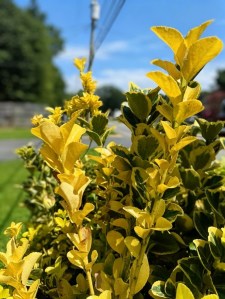
The border of are front yard is landscaped with these plants which to me are filler borders used by landscapers to dress up a yard. I never knew they actually flowered until Coleman discovered the tiny macro flowers started to bloom on a few of the plants.
Coleman is holding the leaves back to ensure that I could accurately photograph them. He always points out new blooms to me asking me to take a picture. If he hadn’t shown it to me I probably never would’ve noticed them.
Location: Unity Community; Gastonia. North Carolina, USA
God Bless. Take time to admire the little things in life. Admire the beautiful flowers and how they bloom. Thank you for visiting and sharing your time and thoughts with us. I appreciate y’all very much.
God Bless. Admire the Flowers and the beauty found in nature. Thank you for visiting and sharing your time and thoughts with us. I appreciate y’all very much.
Dan with No Facilities, the host of Cee’s Fun Foto Challengeis continuing with Crayola Box of 8 for this week’s challenge. Instead of just one colour Dan is asking us to Pair With White any or all of the Crayola Box of 8.
Here are my selections for this week’s CFFC …
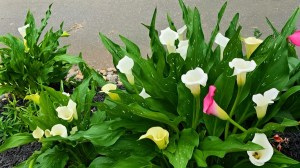
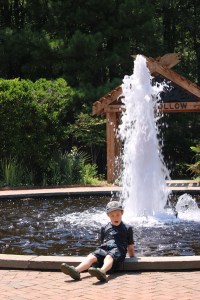
Zantedeschia aethiopica, aka calla lily, arum lilyAlona 4KMy Friend Norm’s car has the Surf Board San Diego CAColeman on front porch Seven Seas Marine Life Park1972 Arlington, Texas Coleman at Early Explorers The Schiele Museum Daniel Stowe Botanical GardenCome Together Cramerton NCSan Diego Air & Space Museum with my dad & eldest son, John in 1984Coleman by the Fountain at DSBG Belmont NCDaniel Stowe Botanical Garden Blue Star Trail Anne Springs Close Greenway Cee’s Fun Foto Challenge Dan’s CFFC Paired with White
God Bless. Have a lovely week. Enjoy a walk/hike if possible. Keep Cool. Thank you for visiting and sharing your time and thoughts with us. I appreciate y’all very much.
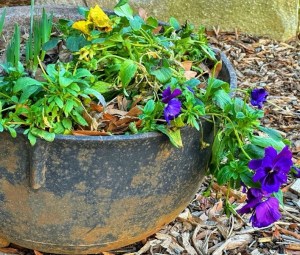
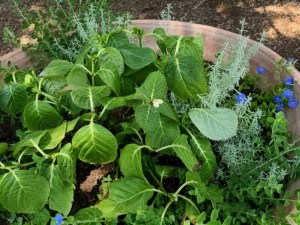
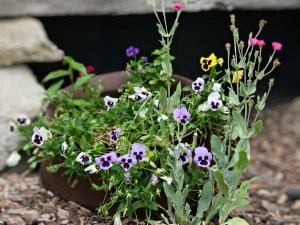
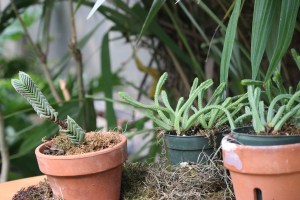
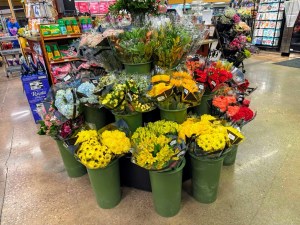
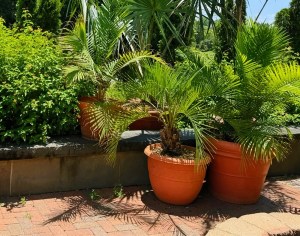
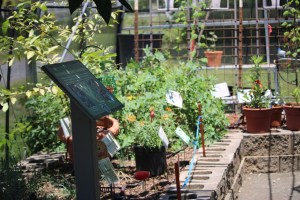
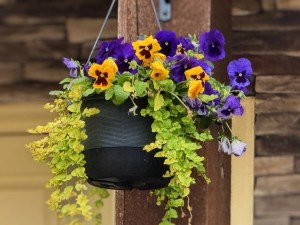
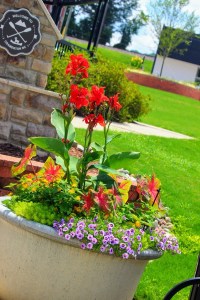
This week Terri from Second Wind Leisureis giving us a theme of Plants/Flowers in Planters. Most of my recent flower shots have not been located in planters, therefore, I went searching through my archives to locate a few images that should fit the challenge.
Here are my entries …
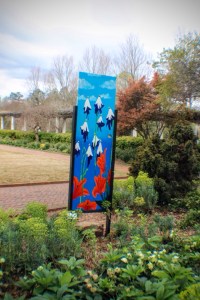
Daniel Stowe ConservancyCramerton, NCThe Farm The Schiele Museum Daniel Stowe Botanical Garden Kroger Garden City, SCDaniel Stowe Conservancy DSBG Belmont, NCCentennial Park Cramerton, NCCentennial Park Cramerton, NCPlants/Flowers in Planters/Pots Terri’s The #Flower Hour #41
God Bless. Admire the Flowers and the beauty found in nature. Thank you for visiting and sharing your time and thoughts with us. I appreciate y’all very much.
Camera: Canon EOS Rebel T7 (2000D) with Canon EF-S55-250 mm lens and Altura UV Filter attachment.
Location: Daniel Stowe Botanical Garden; Belmont, North Carolina, USA
God Bless. Take time to enjoy nature. Admire the beautiful flowers and plants. Have a funtastic week. Thank you for visiting and sharing your time and thoughts with us. I appreciate y’all very much.
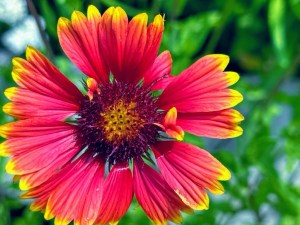
Plant G – Gaillardia pulchella (Aka Indian Blanket)
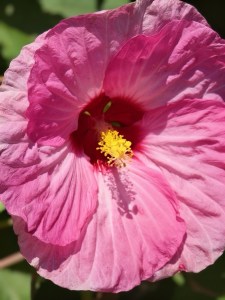
Plant H – Hibiscus moscheutos ‘Luna Pink Swirl’
(Hardy Hibiscus)
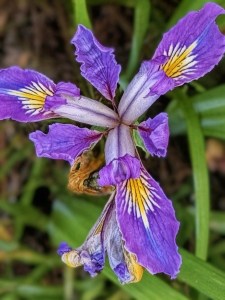
Plant I – Iris tenax
Aka Toughleaf Iris, Tough-leaf Iris, Oregon Iris
Also posting in remembrance of …
Bren’s Floral Friday
Cee’s Flower of the Day (FOTD)
Cee’s Flower of the Day (FOTD)
God Bless. Admire the Flowers and the beauty found in nature. Thank you for visiting and sharing your time and thoughts with us. I appreciate y’all very much.
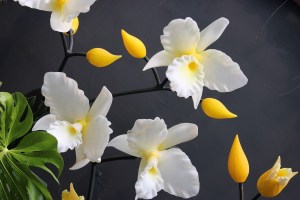
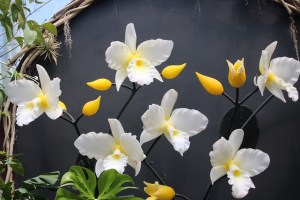
While these may look like real, they are not. These “Cattleya Orchid” are glass blown orchids created by master glassblower JasonGamrath. He specifically tailored this highly intricate large scale Cattleya Orchid glass statue for Daniel Stowe Conservancy (formerly known as Daniel Stowe Botanical Garden). His Cattleya sculpture was designed to display all progressive phases of the flower’s life. This statue was originally apart of a Grandiflora Exhibition. Jason created the Cattleya Orchid glass statue by using highly intense, collaborative modelling and glass-blowing process.
“Cattleya Orchid” Sculptures
Even though Jason calls the sculpture “Cattleya Orchid” according to the Daniel Stowe Conservancy website call these flowers Glass Daffodils. However, in its description it calls the statue an orchid piece stating that Jason’s purpose was to allow people to “observe with the same eyes through which ‘he’ humbly and graciously experiences our natural world” (Quote by Jason Gamrath).
Camera: Canon EOS Rebel T7 (2000D) with Canon EF-S55-250mm lens and Altura UV Filter attachment.
Location: William H. Williamson, III Orchid Conservatory; Daniel Stowe Botanical Garden; Belmont, North Carolina, USA
God Bless. Get Outdoors. Take a Walk/Hike. Enjoy Nature’s Beauty. Thank you for visiting and sharing your time and thoughts with us. I appreciate y’all very much.
Good Day everyone! This week Terri with Second Wind Leisure Perspectives has given us the prompt of Groups of Three (3) or More. I have selected Groups of Three or More in The Gardens at Daniel Stowe Botanical Garden. Having selected floral Groups of Three (3) or More I am linking this post with Terri’s The #Flower Hour.
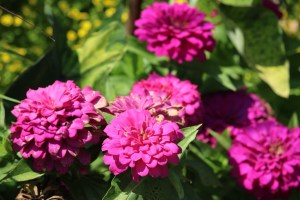
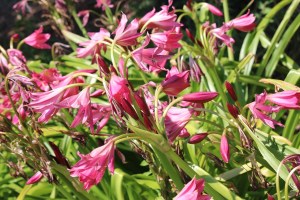
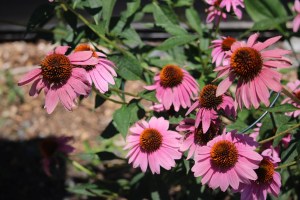
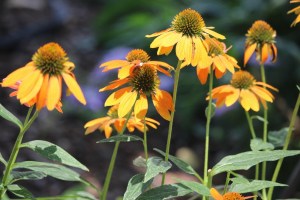
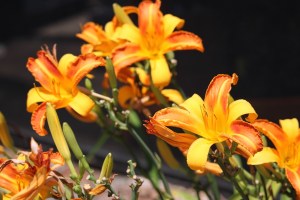
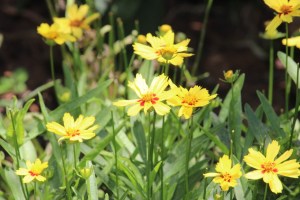
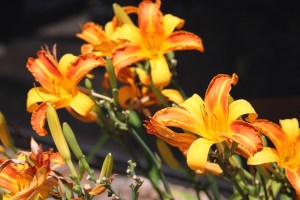
Zinnias Crinum liliesPurple coneflower (Echinacea purpurea)Coneflower Artisan Yellow OmbreYellow and Orange Day-lilies Plains Coreopsis — Coreopsis tinctoria var. tinctoriaTerri’s Sunday Stills Terri’s The #Flower Hour
Camera: Canon EOS Rebel T7 (2000D) with Canon EF-S55-250mm and Altura UV Filter Attachment.
Location: Daniel Stowe Botanical Garden; Belmont, North Carolina, USA
God Bless. Admire the beautiful Flowers. Enjoy Nature. Thank you for visiting and sharing your time and thoughts with me. I appreciate y’all very much.
God Bless. Have a lovely week. Enjoy a walk/hike if possible. Keep Cool. Thank you for visiting and sharing your time and thoughts with us. I appreciate y’all very much.
Camera: Canon EOS Rebel 2000D with Canon EF-S55-250mm lens and Altura UV Filter attachment.
Location: Daniel Stowe Botanical Garden; Belmont, North Carolina, USA
God Bless. Take time to enjoy the flowers. Get Outdoors and commune with nature. Thank you for visiting and sharing your time and thoughts with us. I appreciate y’all very much.
XingfuMama hosts the weekly challenge Whatsoever Is Lovely. The challenge is simple. Just reflect back over your week and see what is lovely, whether a thing or a moment, share in a post what is precious and lovely to you.
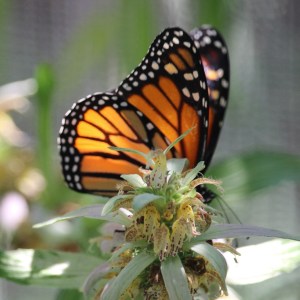
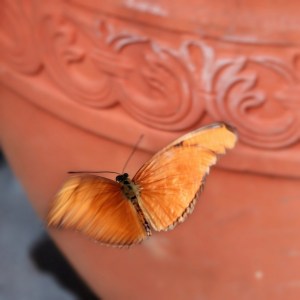
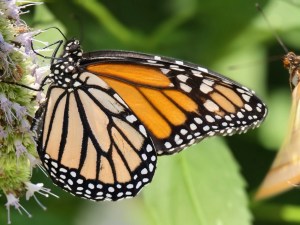
Summertime in the Carolinas is extremely hot and humid, too hot to want to walk around outside. However, it is the best time of year to view and watch the amazing fluttering of beautiful Butterflies. What better way to observe them than in an enclosed Butterfly Bungalow.
That’sexactly what Coleman and I did on Wednesday. It was wonderful and oh so lovely to watch the Butterflies flittering around. They move so fast it was difficult to keep up with them to photograph them.
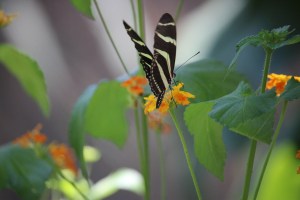
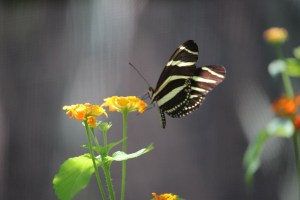
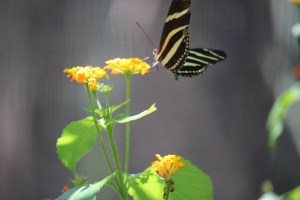
Here’s a few Butterflies flitting to and fro enjoying the nectar of their favourite flowers.
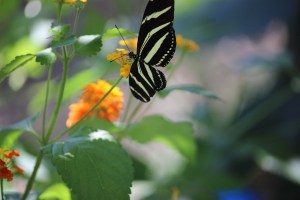
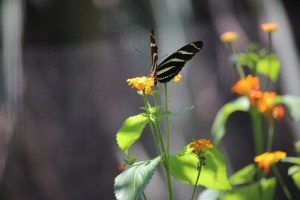
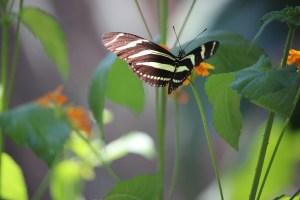
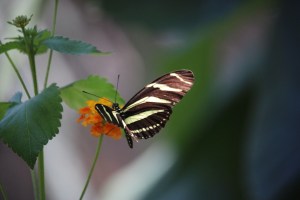
This week’s featured Butterfly is the Heliconius charithonia, also known as Zebra Longwing or Zebra heliconian. It is distinctively known for its long, black wings with pale yellow stripes. Their wing pattern serves as a warning to potential predators that their toxicity.
One thing which is unique to the Zebra Longwing is that the adult butterflies feed on both nectar and pollen. The pollen enables them synthesize cyanogenic glycosides which makes their bodies toxic to predators.
The Zebra Longwing Butterflies may be spotted in South America, Central America, the West Indies, and the Southeastern United States. Adults will migrate into the Carolinas during the warmer summer months. These pictured here are maintained in the controlled environment of the Butterfly Bungalow inside the Gardens of Daniel Stowe Botanical Garden in Belmont, North Carolina.
Camera: Canon EOS Rebel T7 (2000D) with Canon EF-S55-250mm lens.
Location: Butterfly Bungalow; Daniel Stowe Botanical Garden; Bely, North Carolina, USA
God Bless. Have a lovely weekend filled with love, joy, and laughter. Thank you for visiting and sharing your time and thoughts with us. I appreciate y’all very much.
Camera: Canon EOS Rebel T7 (2000D) with Canon EF-S55-250mm lens and Altura UV Filter attachment.
Location:
God Bless. Get Outdoors. Take a Walk/Hike. Enjoy Nature’s Beauty. Thank you for visiting and sharing your time and thoughts with us. I appreciate y’all very much.
God Bless. Stop and smell the flowers. Admire them and the beauty found in nature. Have a fantastic week. Thank you for visiting and sharing your time and thoughts with us. I appreciate y’all very much.
Camera: Canon EOS Rebel T3i with Canon EF-S18-55mm lens
Location: Anne Springs Close Greenway; Fort Mill, South Carolina, USA
God Bless. Stop and smell the flowers. Admire them and the beauty found in nature. Have a fantastic week. Thank you for visiting and sharing your time and thoughts with us. I appreciate y’all very much.
Camera: Canon EOS Rebel T3i with Canon EF-S55-250mm lens; Apple iPhone 13 Pro; Apple iPhone 14 Pro Max
God Bless. Stop and smell the flowers. Admire them and the beauty found in nature. Have a fantastic week. Thank you for visiting and sharing your time and thoughts with us. I appreciate y’all very much.
As the months pass by it seems like there’s another plant deciding to bloom sharing its exquisitely alluring beauty for all to see and admire.
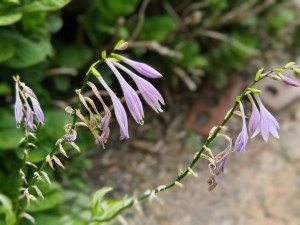
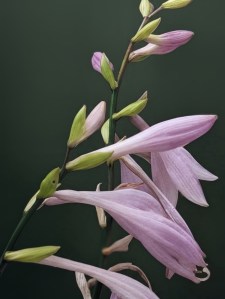
Hosta ‘Fragrant Bouquet’ (aka the Plantain Lily)
This variegated foliage plant, I had thought was just an ornamental landscaping element (to me) surprisingly blossomed recently. Coleman said to me, “Take a picture.” So I complied with his request and am sharing a couple with y’all.
Plantain Lilies
The Hosta ‘Fragrant Bouquet’ also referred to as Plantain Lily is a fast growing perennial with variegated foliage and is highly aromatic with its summer blooms. It forms a lush, open mound of heart-shaped, apple-green leaves highlighted by creamy-yellow margins.
It has large trumpet-shaped flowers that range in colour from near-white to pale lilac. The sweet fragrance is said to attract hummingbirds and butterflies, however, I have not seen evidence of that on this plant.
First stage of Blooming Plantain Lily
It is planted next to a hydrangea bush and almost covering it completely as if hidden from view until it began to increase in growth and its blossoms became evident in the summer breeze.
Location: Unity Community; Gastonia, North Carolina, USA
God Bless. Stop and smell the flowers. Admire them and the beauty found in nature. Have a fantastic week. Thank you for visiting and sharing your time and thoughts with us. I appreciate y’all very much.
God Bless. Take time to Enjoy Nature’s Beauty. Smell the amazing fragrance of flowers. Thank you for visiting and sharing your time and thoughts with us. I appreciate y’all very much.
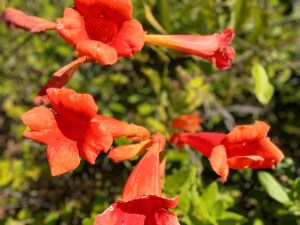
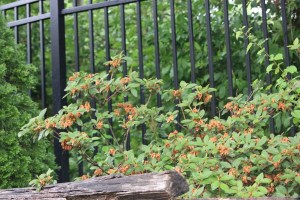
The Mexican Fire Bush (Hamelia patens) is grown as an annual in Gastonia, North Carolina. It is a vibrant, fast-growing tropical shrub known for its fiery orange-red tubular flowers. It is highly prized for attracting pollinators like hummingbirds and butterflies. It typically grows 2 to 4 feettall in a single season. Sinc North Carolina winters are too cold for it to remain evergreen, the plant will experience dieback, but it serves as an exceptional summer filler for local gardens.
The gardens at The Schiele Museum of Natural History are supported and maintained by the Master Gardener Group of Gaston County. This is not your traditional private garden club, but instead it is an organization that is a specialized volunteer network extension of theNC State Extension Master Gardener Program. The certified Extension Master Gardener Volunteers manage and improve the specialized flora spaces at The Schiele Museum which include The Farm and Along the entrance and nature trail. The Garden in the Farm at The Schiele Museum showcases Piedmont-native agricultural crops and plant varieties.
Camera: Canon EOS Rebel T7 (2000D) with Canon EF-S55-250mm lens and Altura UV Filter Attachment.
Location: Entrance Gardens; The Schiele Museum of Natural History; Gastonia, North Carolina, USA
God Bless. Take Care. Help those in need. Spread Love and Kindness all around you. Thank you for visiting and sharing your time and thoughts with us. I appreciate y’all very much.
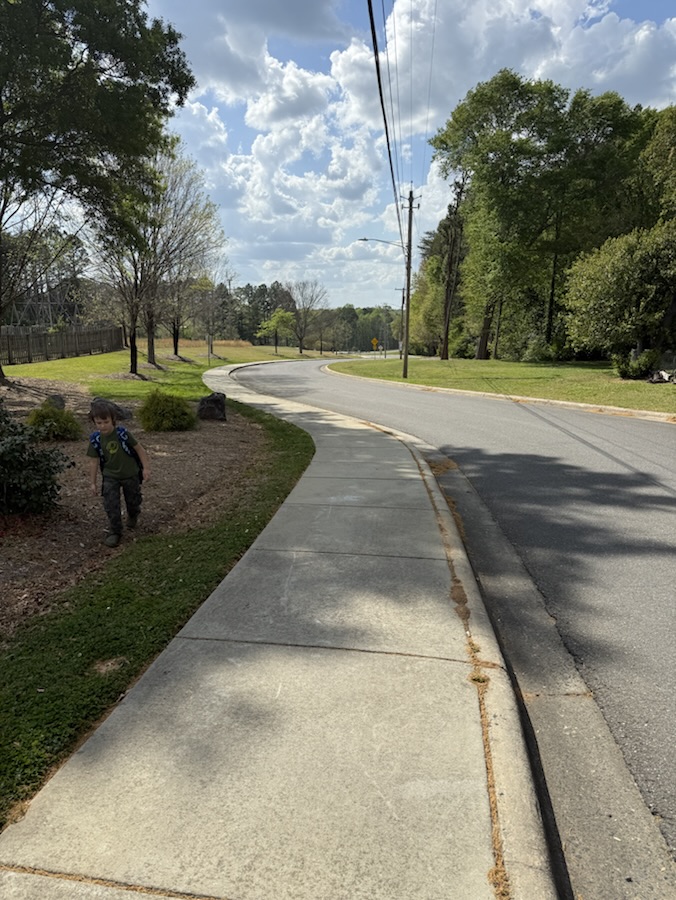
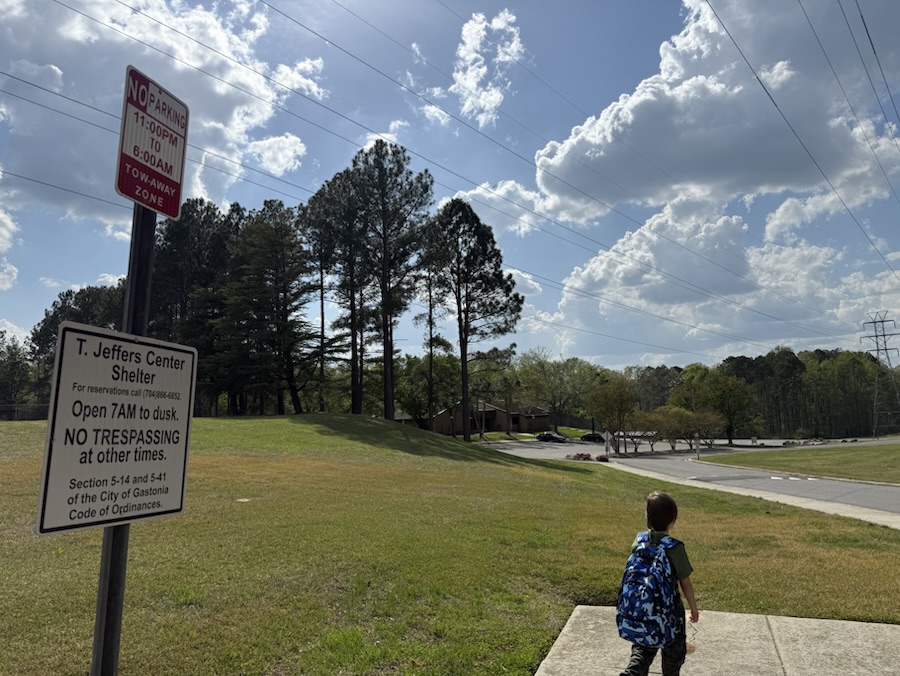
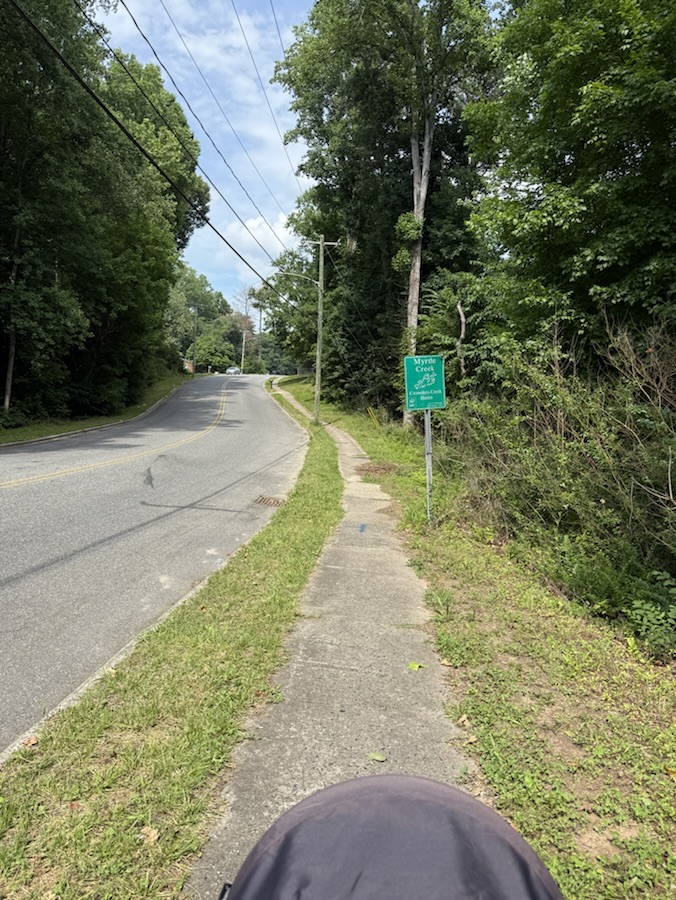
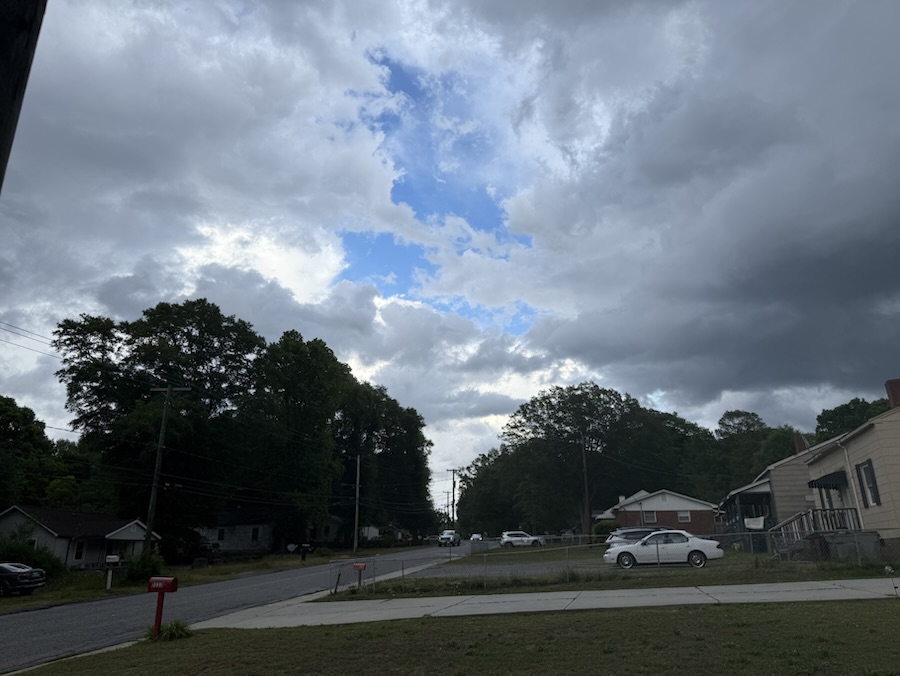
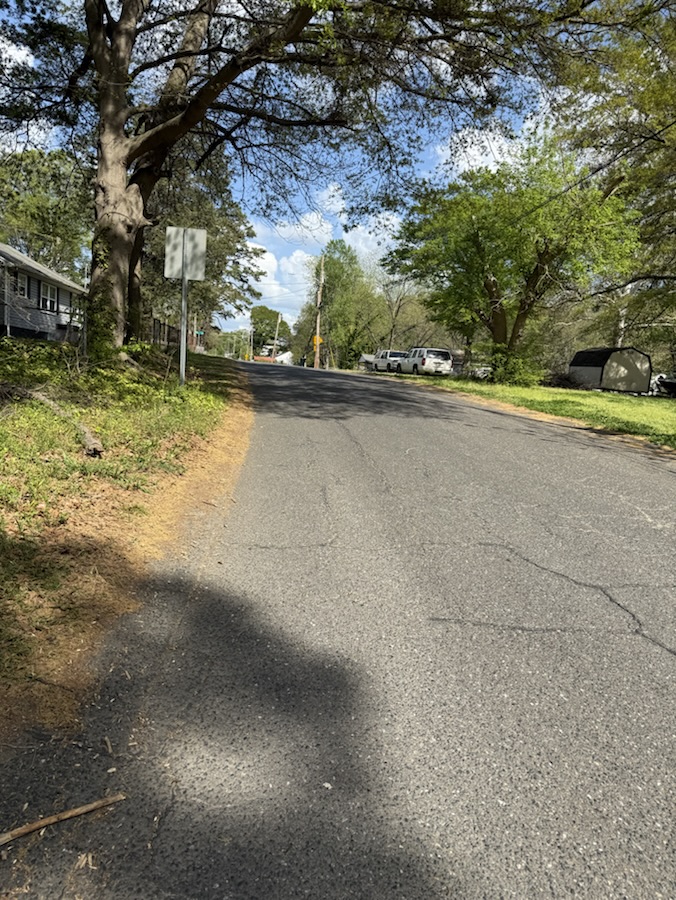
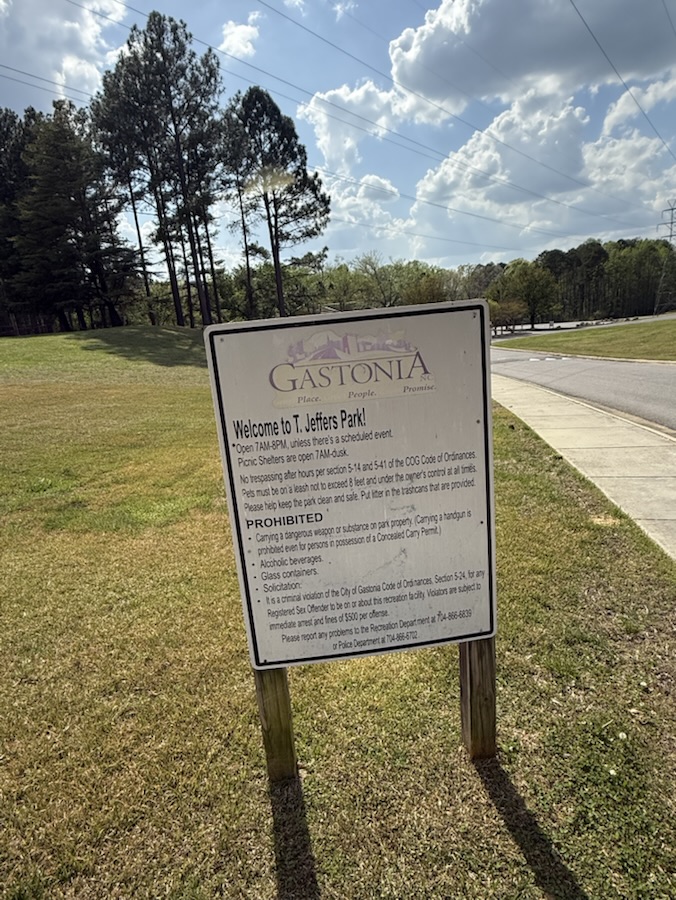
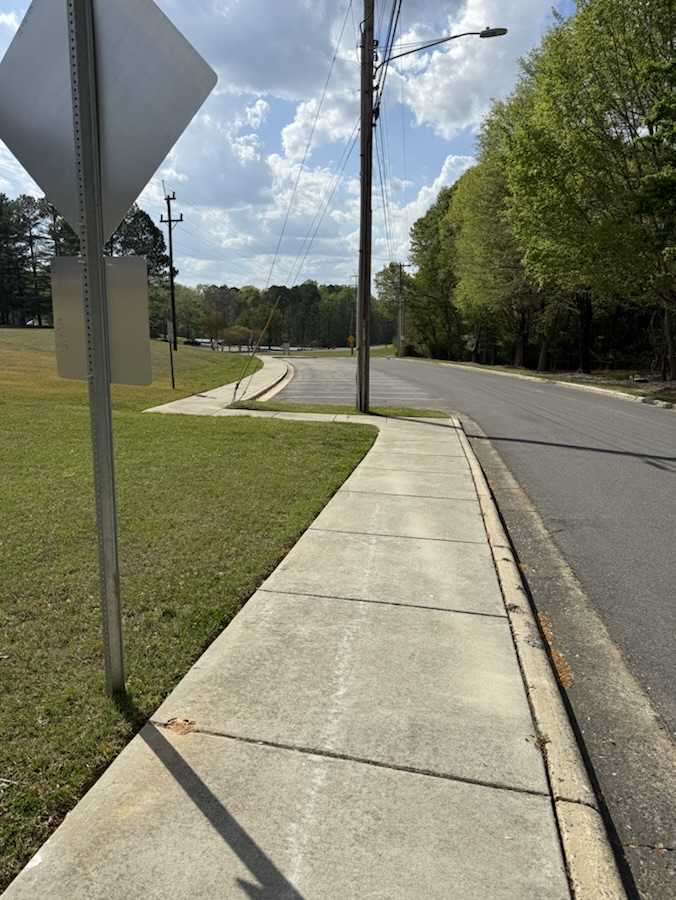
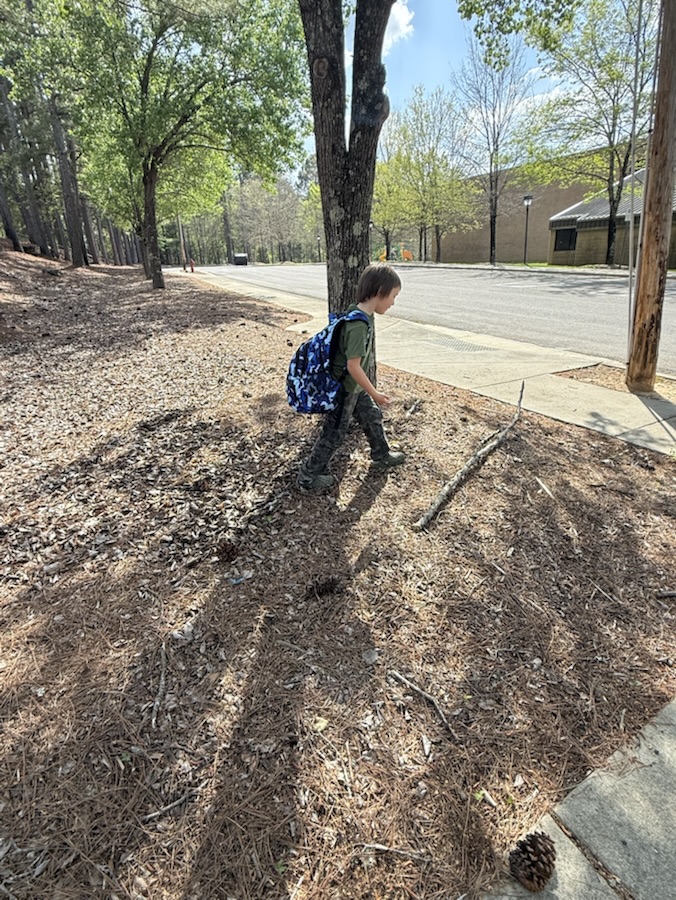
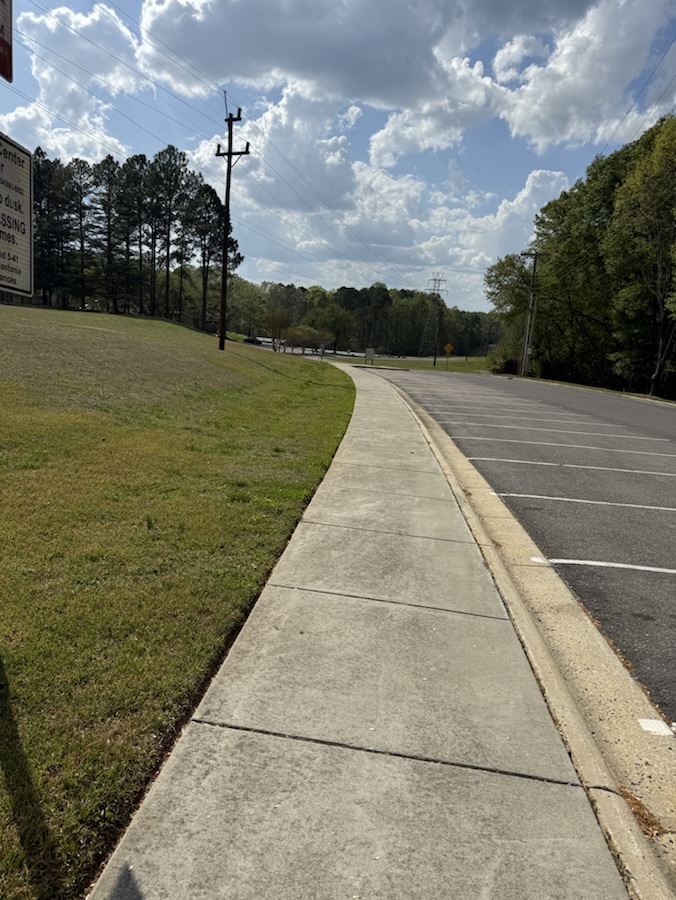
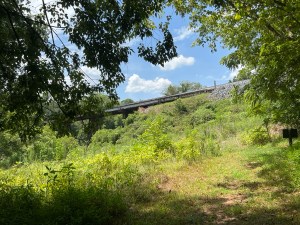
Welcome back to another Which Way Challenge (CWWC). I trust everyone has had a good week and able to spend some time to take a walk or hike in the vast outdoors. This week’s theme for the Which Way Challenge is CWWC: Any Which Way in Your Neighbourhood 06.19.2026]. The Which Way can be Any Which Way you choose in your own neighbourhood as long as the Which Way is clearly discernible. As always signs are always welcome.
For further information regarding the Which Way Challenge (CWWC) feel free to check out the home page here.
Here are my entries …
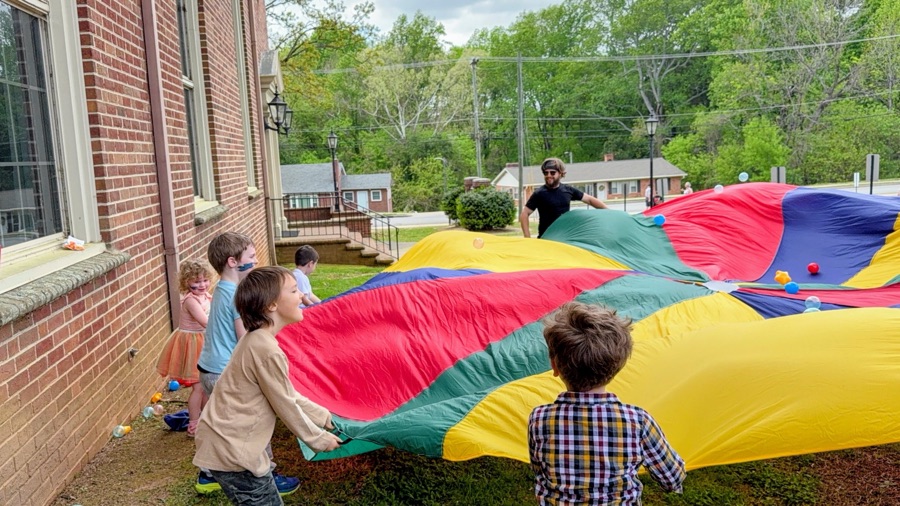
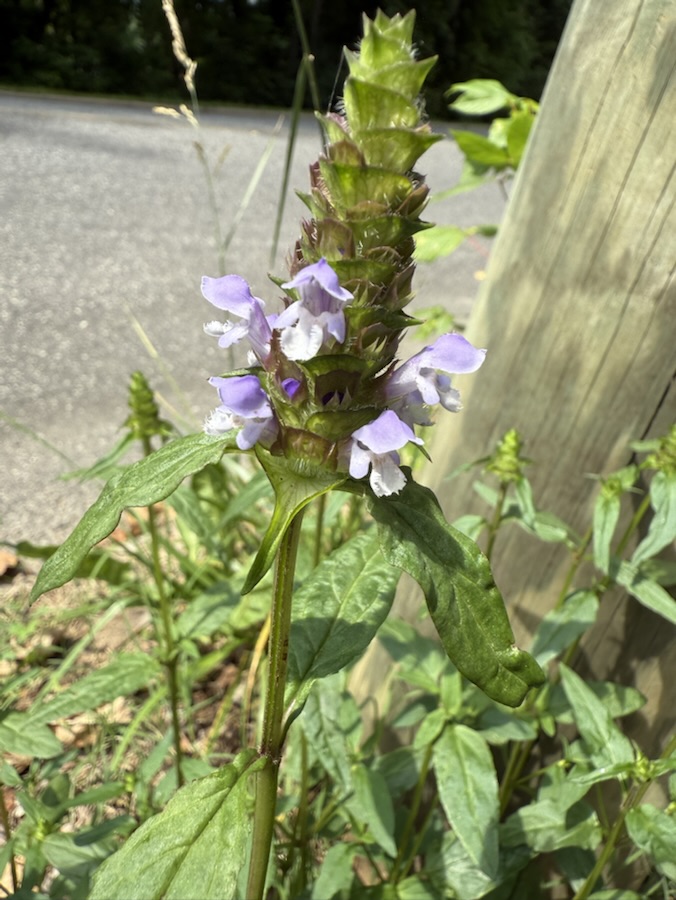
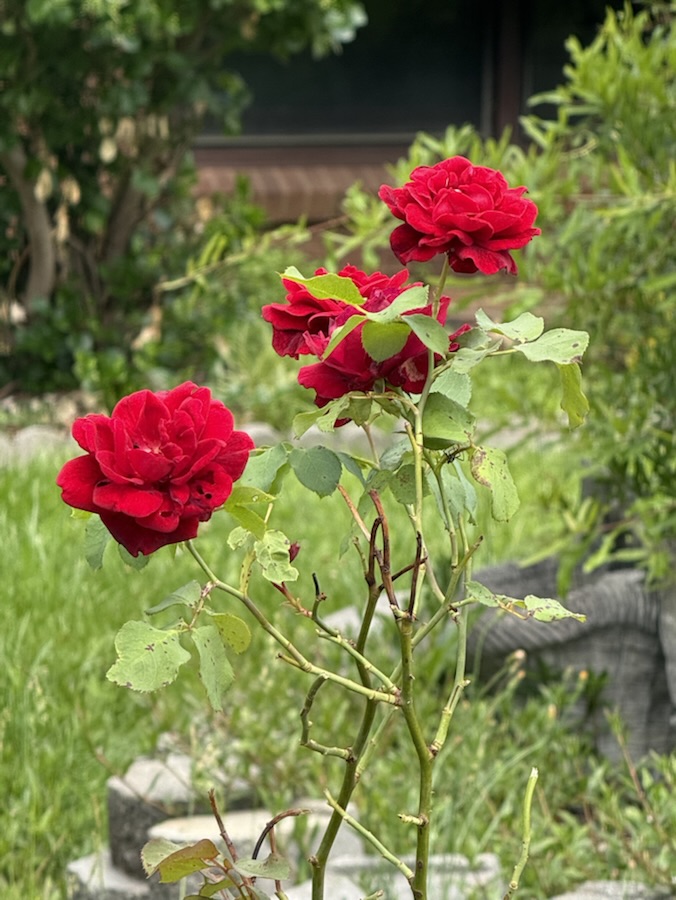
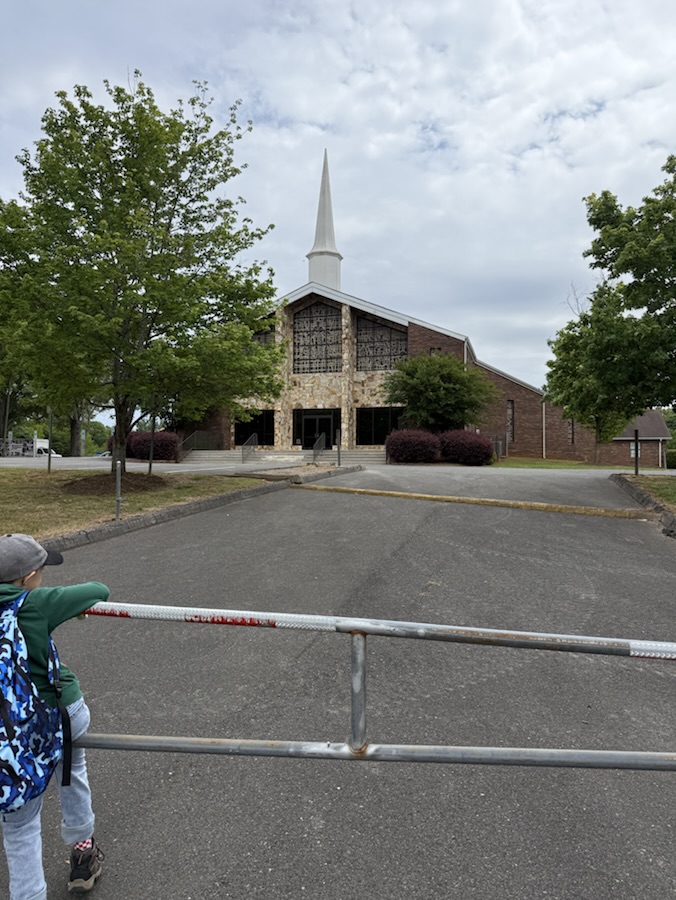
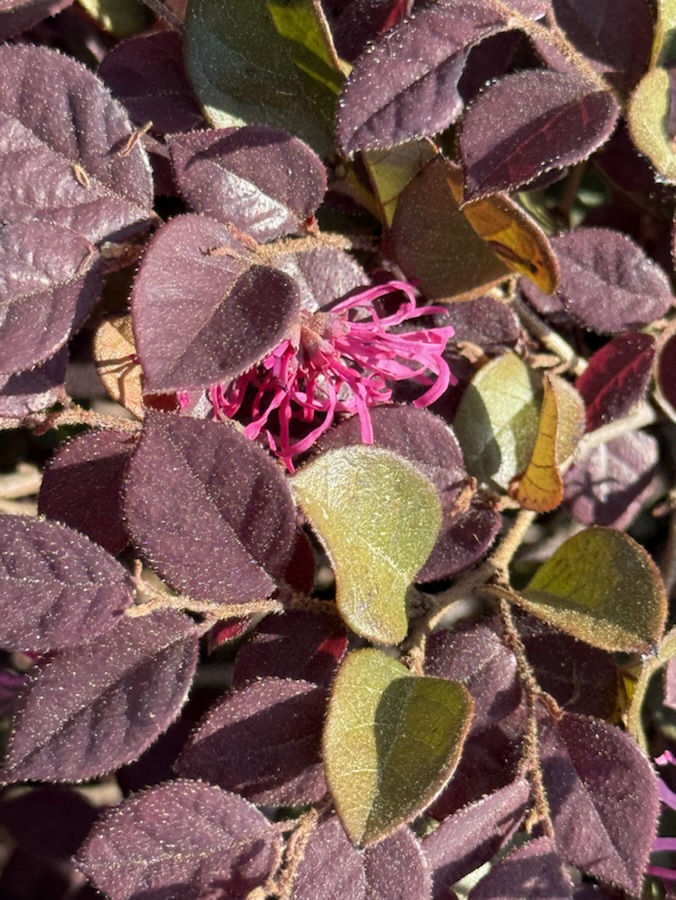
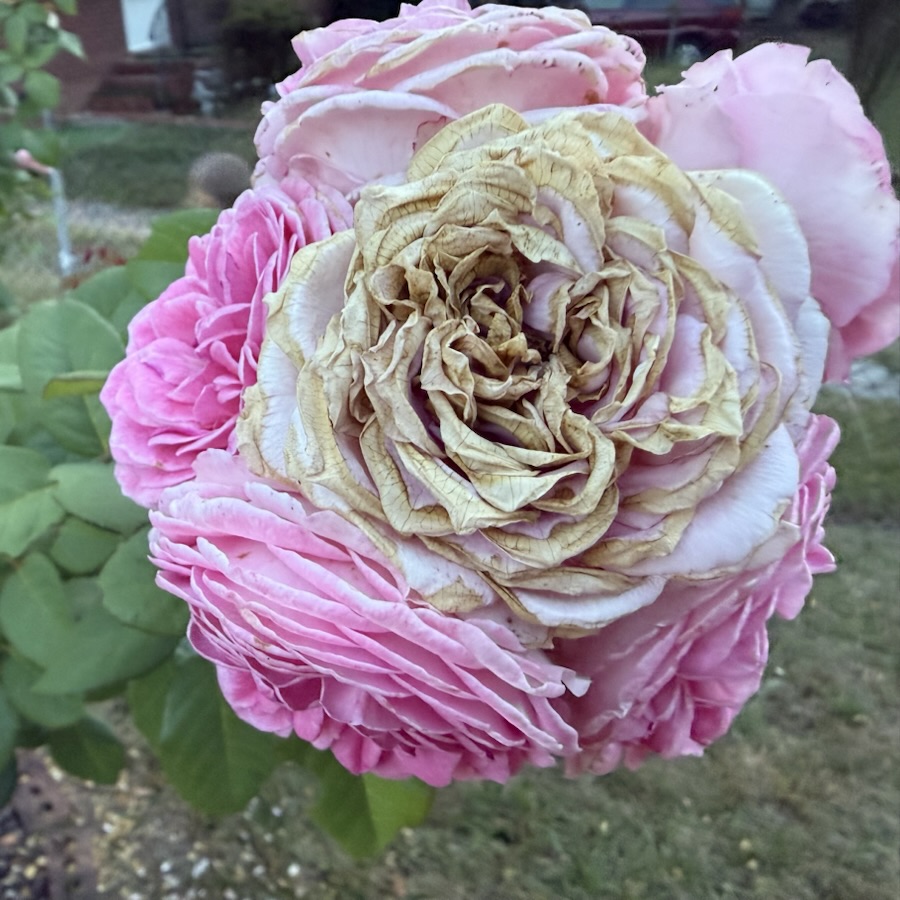
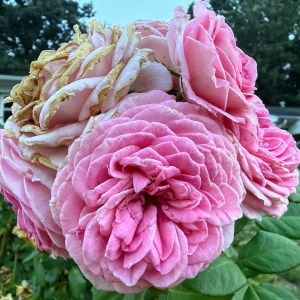
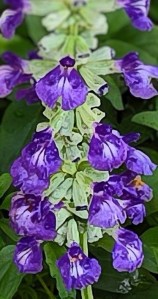
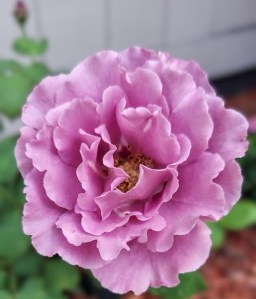
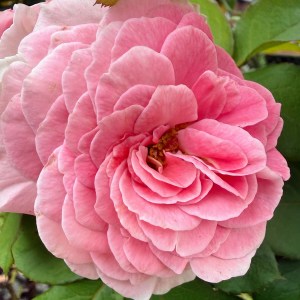
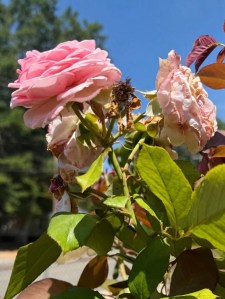
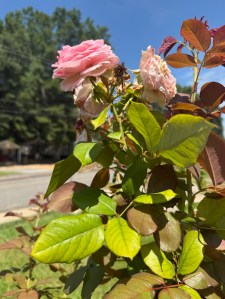
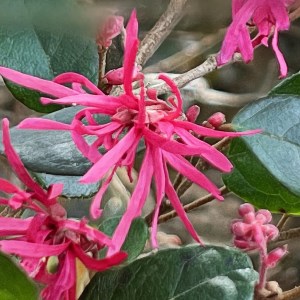
Unity Baptist Church Easter Activities Prunella vulgaris, aka common self-heal, heal-allRosa × damascena aka the Damask roseMount Zion Restoration Church T Jeffers CenterLoropetalum chinense, aka loropetalum, Chinese fringe flower and strap flowerCWWC Cee’s Which Way Challenge
Click on each image to enlarge.
Thank you to those who have participated and supported the Which Ways Challenge. I appreciate y’all sharing your Which Ways with us.
For an idea of other’s Which Ways from this past week’s challenge, be sure to click on the following links below.
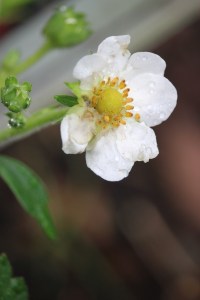
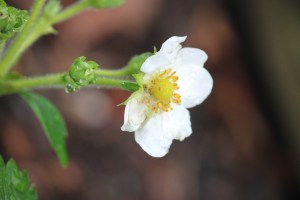
The Fragaria virginiana, is also known Scarlett Strawberry and Wild Strawberry. It is a flowering perennial that produces edible fruit. It spreads by runners making it an easy choice for use as groundcover. It can also be used as erosion control holding soil on slopes.
Fragaria virginiana
Wild Strawberries are native to North America, from Newfoundland and Alberta in Canada , south down Georgia, Tennessee, and Oklahoma as well as the states in between like North and South Carolina. The plant produces small white flowers in the Spring with tiny, highly flavorful red berries following in late spring and early summer. They are primarily pollinated by a diverse mix of native bees, hoverflies, and small butterflies.
North Carolina’s native Wild Strawberry
These Scarlett Strawberries (Fragaria virginiana) are grown in the garden in The Farm at The Schiele Museum of Natural History in Gastonia, North Carolina. The Garden also contains several bee hives providing the bees which pollinate many of the flowers grown here.
Camera: Canon EOS Rebel T7 (2000D) with Canon EF-S55-250mm lens and Altura UV Filter attachment.
Location: The Garden; The Farm; The Schiele Museum of Natural History; Gastonia, North Carolina, USA
God Bless. Take time to Enjoy Nature’s Beauty. Smell the amazing fragrance of flowers. Thank you for visiting and sharing your time and thoughts with us. I appreciate y’all very much.
Dan from No Facilitieshosts the Fun Foto Challenge at and this week he is asking for our The Crayola Box of 8 -Yellow. I have gone into my recent files to see what I could locate to best represent this week’s theme. I am also linking this Friday’s CWWC with Dan’s CFFC for a Which Way Challenge theme of Any Which Way with Yellow along a Trail, Path, or Road.
Here are my entries …
Cee’s Fun Foto Challenge Crayola Box of 8 – Yellow
Location: Unity Community; Gastonia, North Carolina, USA
God Bless. Enjoy your week. May it be filled with love, joy, laughter, and lots of fun. Thank you for visiting and sharing your time and thoughts with us. I appreciate y’all very much.
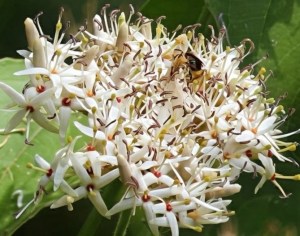
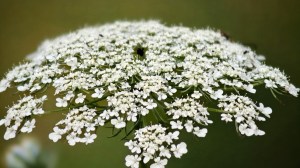
Xylocopa micans, Aka Southern Carpenter Bee feasting on a Cornus foemina, Aka SwampDogwood or stiff dogwood
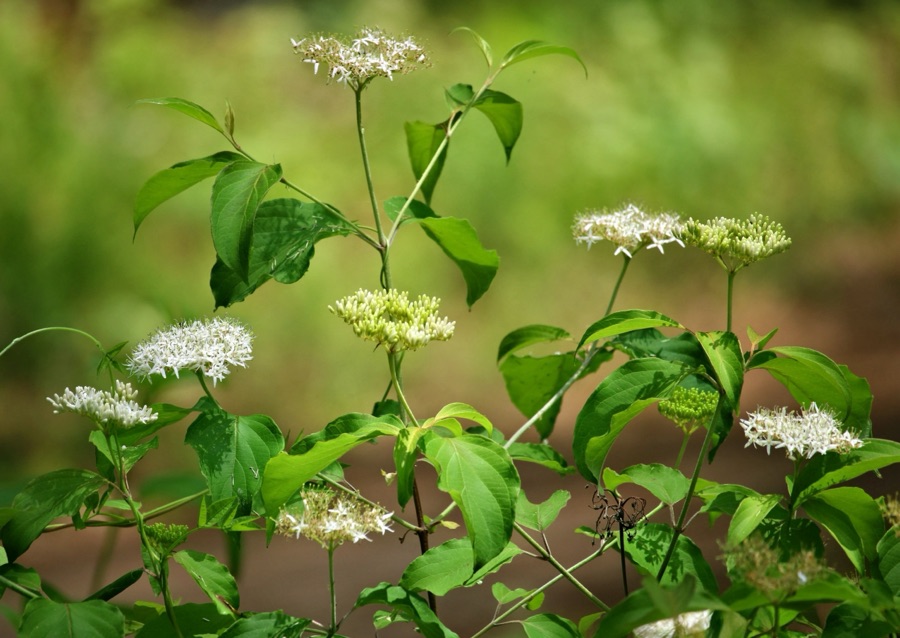
These Swamp Dogwood Flowers are located on the banks of Lake Haigler by the Hunter E. Martin Kayak Launch on Haigler Loop at Anne Springs Close Greenway in Fort Mill, South Carolina.
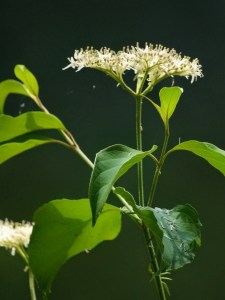
Cornus foemina, aka Swamp Dogwood or Stiff Dogwood



















































![Which Way Challenge (CWWC): Any Which Way in Your Neighbourhood [06.19.2026]](https://gfpacificbeeintrospection.com/wp-content/uploads/2025/06/image-1-1.jpg?w=489)