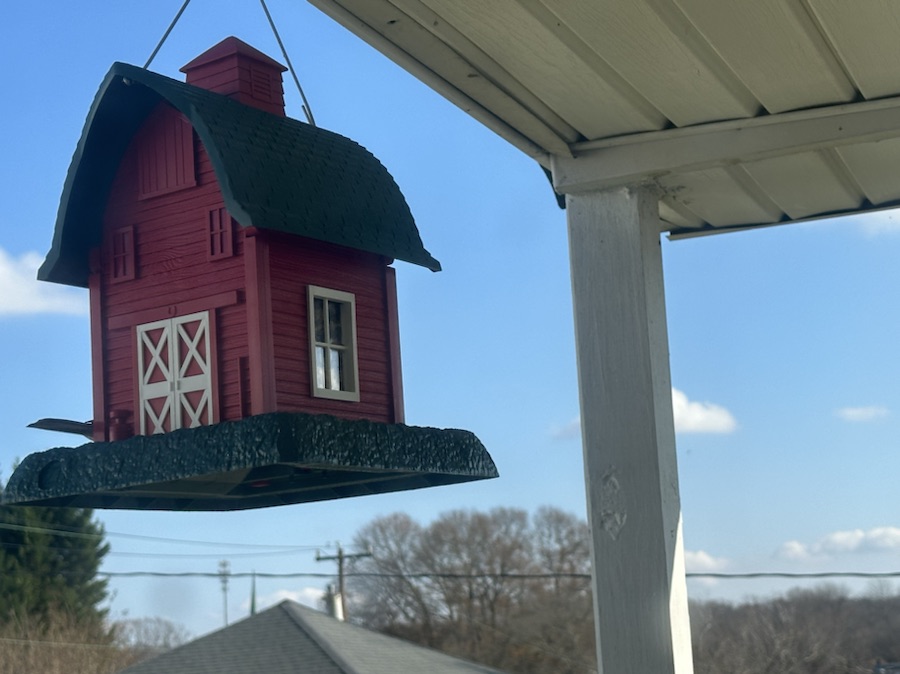
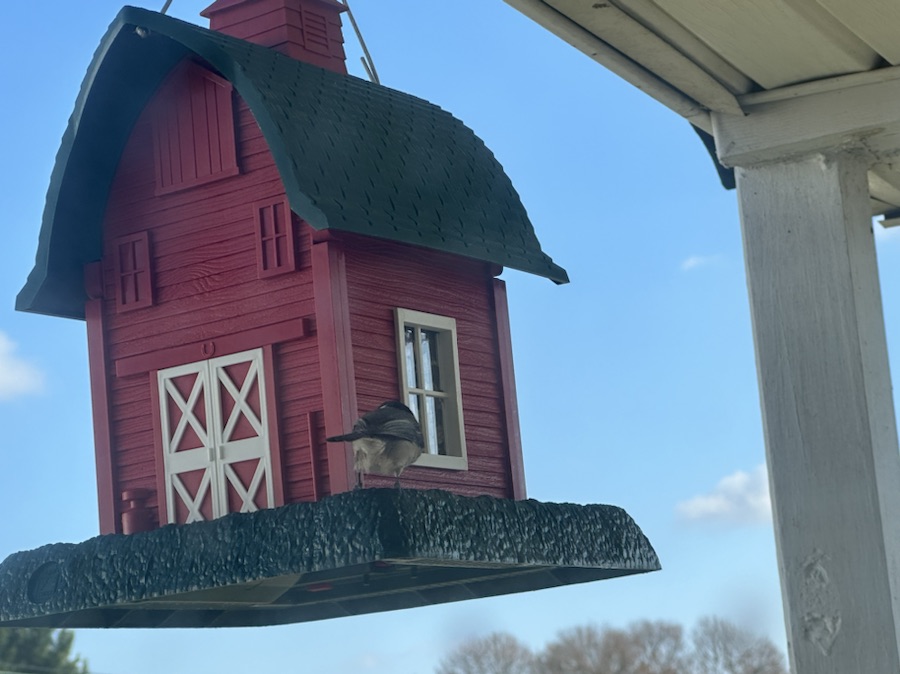
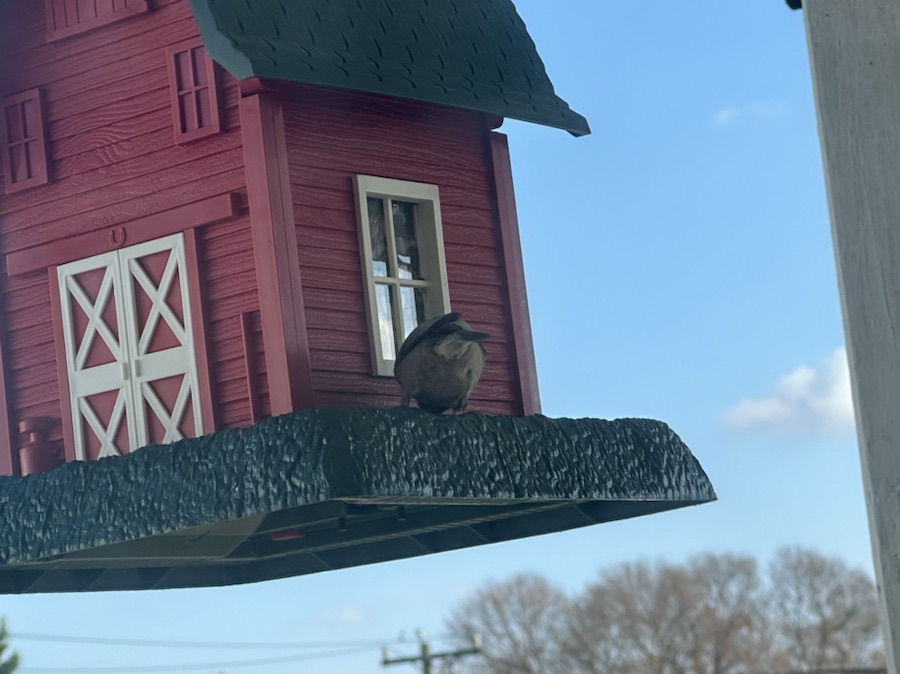
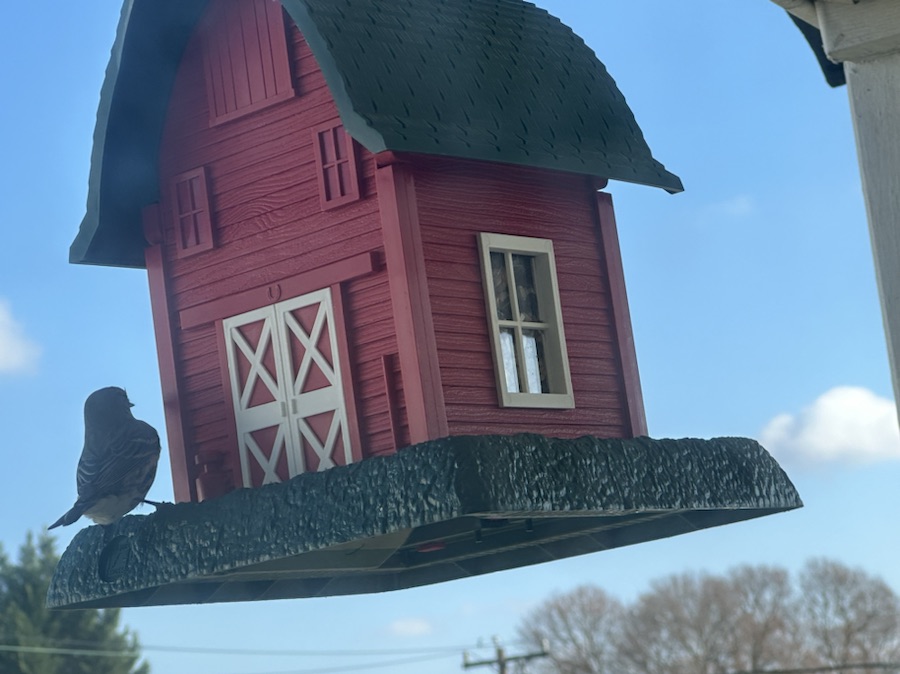
After we moved into our new place Coleman insisted, we needed a bird feeder. He watches the bird feeder every day to see if any birds come to eat from it. It was slow in the beginning, but after the birds investigated the feeder and spread the word, we have had plenty of activity on the feeder. However, the majority of activity seems to occur in the mornings after Coleman goes to school. He is delighted when he can see birds enjoying the feeder.
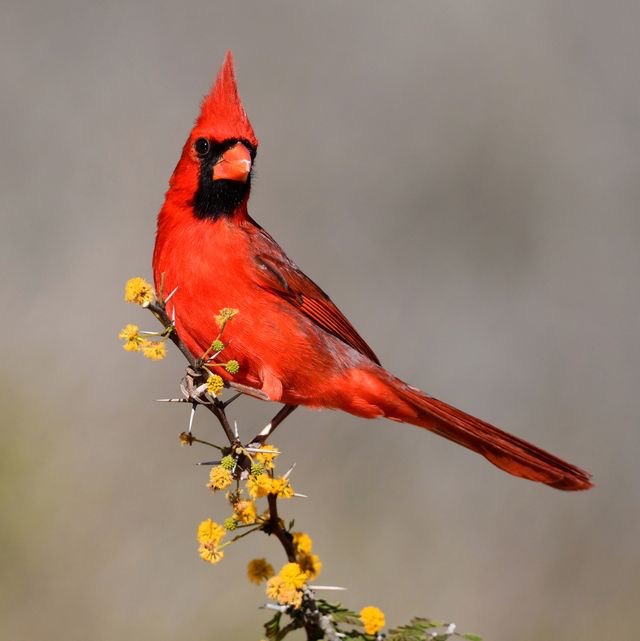
Northern Cardinals (Cardinalis cardinalis) are just one bird species out of hundreds that you might see feasting from your bird feeder in South Carolina.
Northern Cardinals are common backyard birds in North America and can be found in many locations in South Carolina, including Seabrook Island, Lexington, and Lancaster County.
Male Northern Cardinals are known for their bright red feathers, black eye masks, and short crests. Females are brown with red accents and crests.
Northern Cardinals are seed and berry eaters, but also eat insects, spiders, centipedes, and snails. They prefer to forage on the ground rather than in feeders.
Distinguished by their “mohawks” and reddish-orange beaks, both genders remain year-round residents in South Carolina.
Northern Cardinals are non-migratory birds, meaning that once you draw them to your yard they are likely to stay there year-round.
Natural fruits that attract these birds include blueberry bushes, mulberry trees, and other dark-colored berries. Bird seeds that have been known to attract Cardinals include black oil sunflower, cracked corn, suet, mealworms, peanuts, safflower, striped sunflower, and sunflower hearts and chips.
Jeff R Clow//Getty Images
In many cultures throughout the world, the vibrant red color of the cardinal is a symbol of good luck and abundance. It is also said to represent vitality. If a cardinalcrosses your path, it is meant to give you strength and hope.”
This well-known rhyme has been around since the mid- nineteenth century when the number of magpies seen foraging together was regarded as forecaster of future events. Even though no bird is mentioned in this rhyme most people know it refers to the magpies.
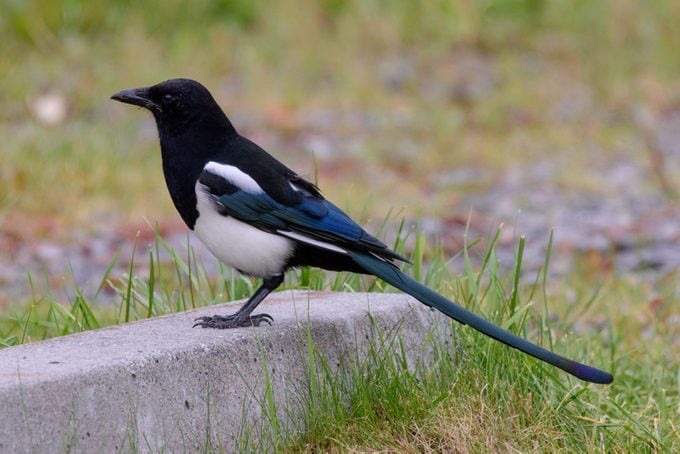
Magpies are members of the Corvidse family. They are smart and clever birds which sometimes leads them into trouble, however, that doesn’t deter them since they are great problem solvers. The Pica hudsonia, the Black-billed Magpie’s scientific name, is also referred to as the American Magpie. It was once thought to be found only in the Western half of North America, However, its habitats may range into the far eastern parts of the United States including occasionally into the South despite the high temperatures and humidity.
Black-billed Magpies are black and white, with the wings and tail showing black areas and iridescent hints of blue and blue-green. It is a medium-sized bird that measures 45–60 centimeters (18–24 in) from tip to tail. It is largely black, with white scapulars, belly, and primaries, and the wings and tail are an iridescent blue-green.
Eurasian magpies are visually very similar to black-billed magpies; however, Eurasian magpies are slightly larger and have shorter tails and wings. They can also be distinguished based on their different vocalizations, as well as by their non-overlapping ranges.
Black-billed Magpies are known talkers. Their vocalizations consist of a number of calls variously described as tweets, coos, purrs, shrills and squawks, but the most common is an alarm call, called a chatter, that is described as a ka-ka-ka-ka, sometimes preceded with a skah-skah. They have the unique ability to mimic sounds from other birds and even from humans they are around. [Interestingly, I have heard them mimicking me as I whistle. Their ability is amazing to hear as they mimic my exact tunes.]
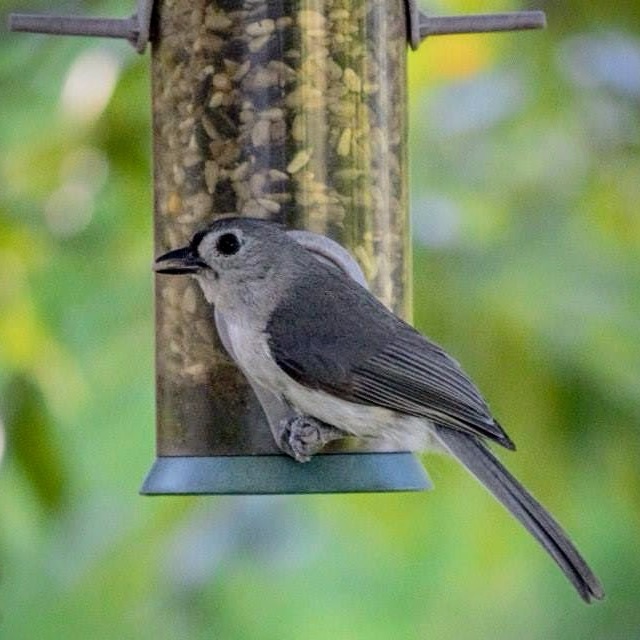
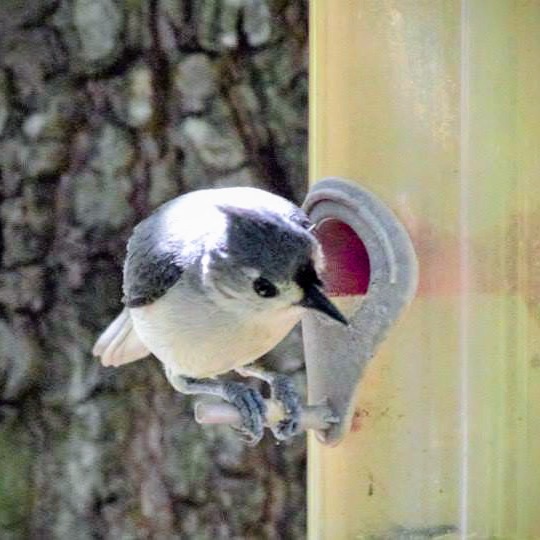
This week we are taking a look at the Tufted Titmouse which are common birds of South Carolina. The Tufted Titmouse have a white front with small silver-grey crests on their tops.
Tufted Titmouse Lancaster County, South Carolina
The Tufted Titmouse (Baeolophus bicolor) is a small songbird from North America which is a species in the Tit and Chickadee family. Its habitat is primarily deciduous and mixed woods. [When these shots were taken we lived in Lancaster County surrounded by Pine Trees and various other trees as well. I (at that time) maintained bird feeders hung in trees in our front yard. It was lovely to watch the variety of birds that would pay our feeders a visit.)
The Tufted Titmouse was once considered non-migratory and native to Ohio and Mississippi River Basins, however, bird feeders and other factors have caused these birds to occupy a larger territory across the United States and stretching into Ontario and Quebec in Canada.
They tend to gather food from the ground and from tree branches. They also enjoyed visiting our bird feeders to gather food. They enjoy a mixture of several varieties of berries, nuts, seeds, small fruits, insects, and other invertebrates. I often purchased bird feed/seed that was geared towards songbirds which contained berries, nuts, seeds, and dried fruit.
God Bless. May all your hopes, dreams, and prayers be fulfilled. Take care of yourselves and have a fantastic rest of your week. Thank you for visiting and sharing your time and thoughts with me. I appreciate y’all very much.
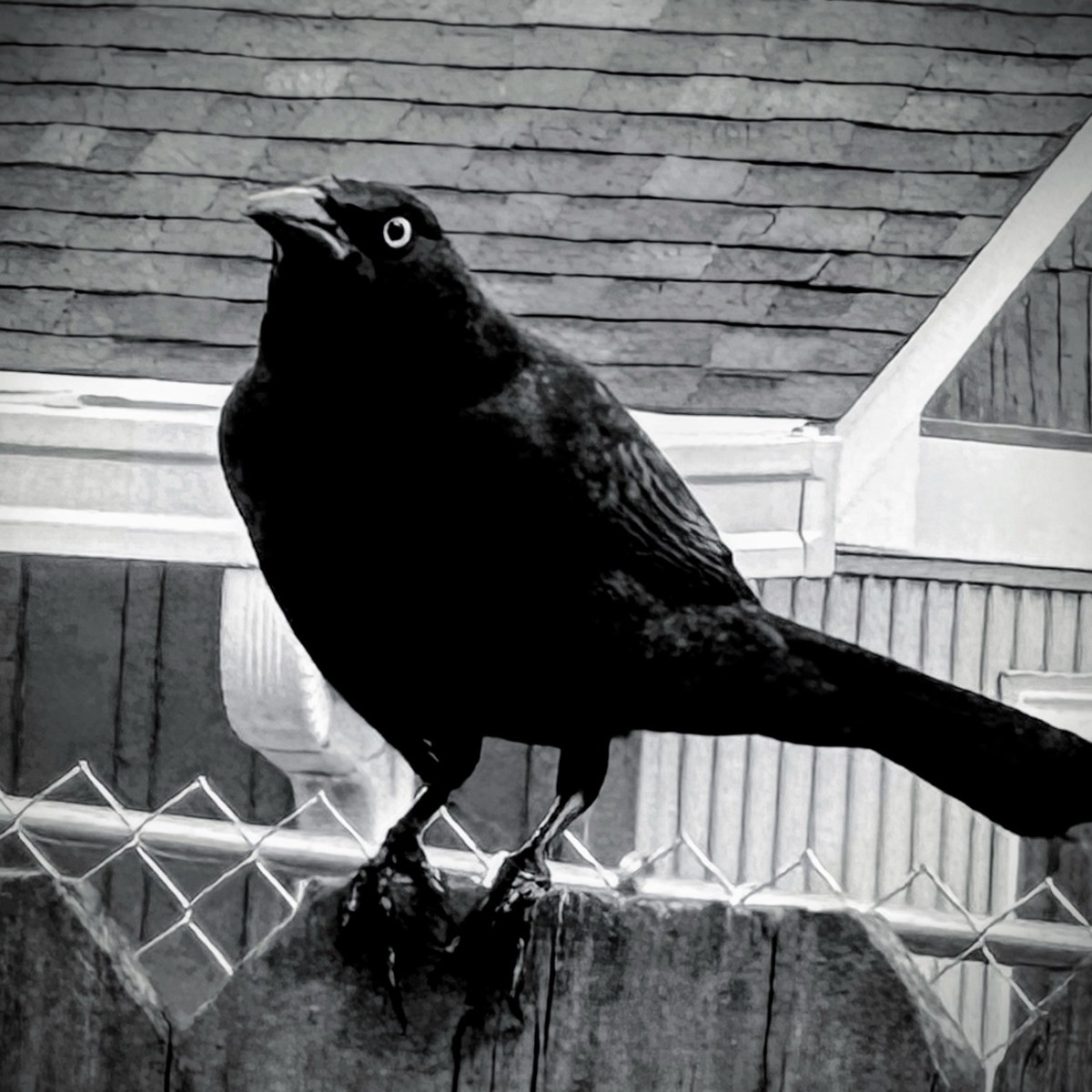
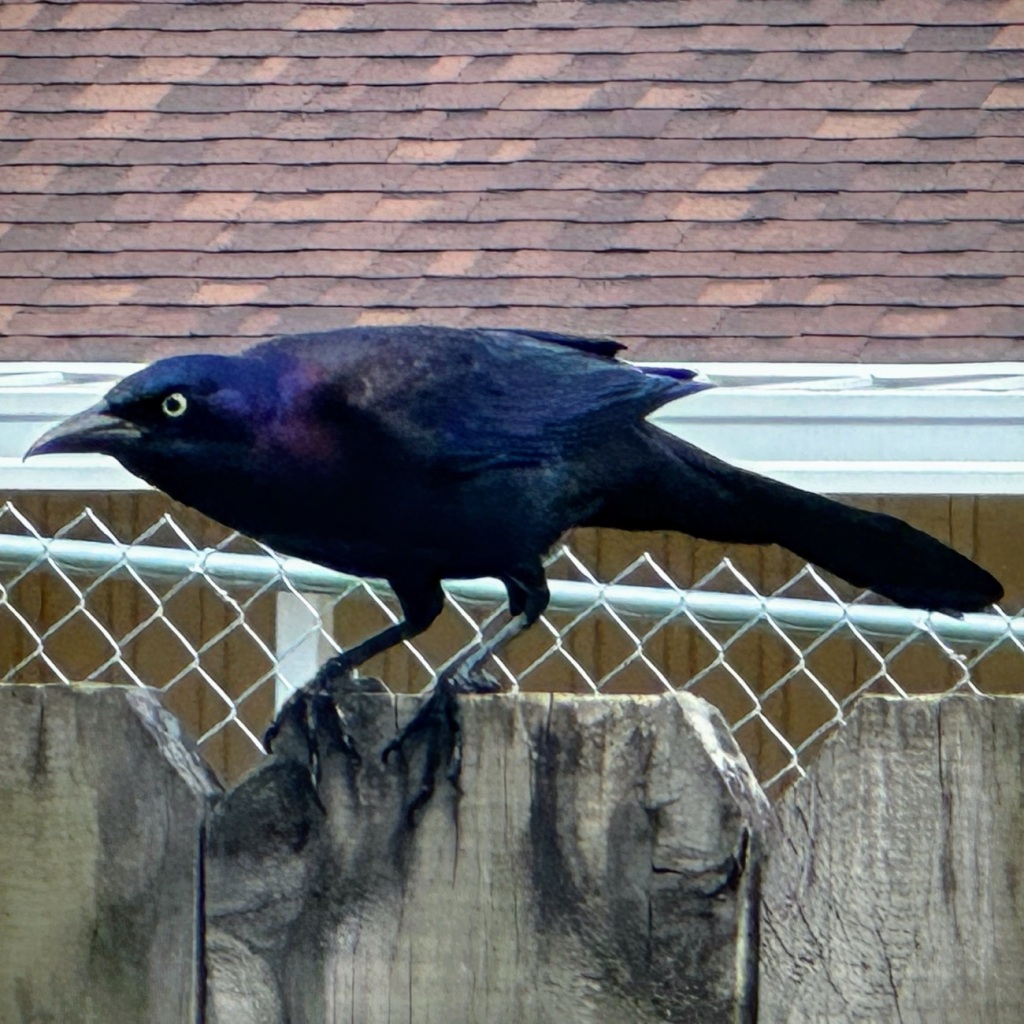
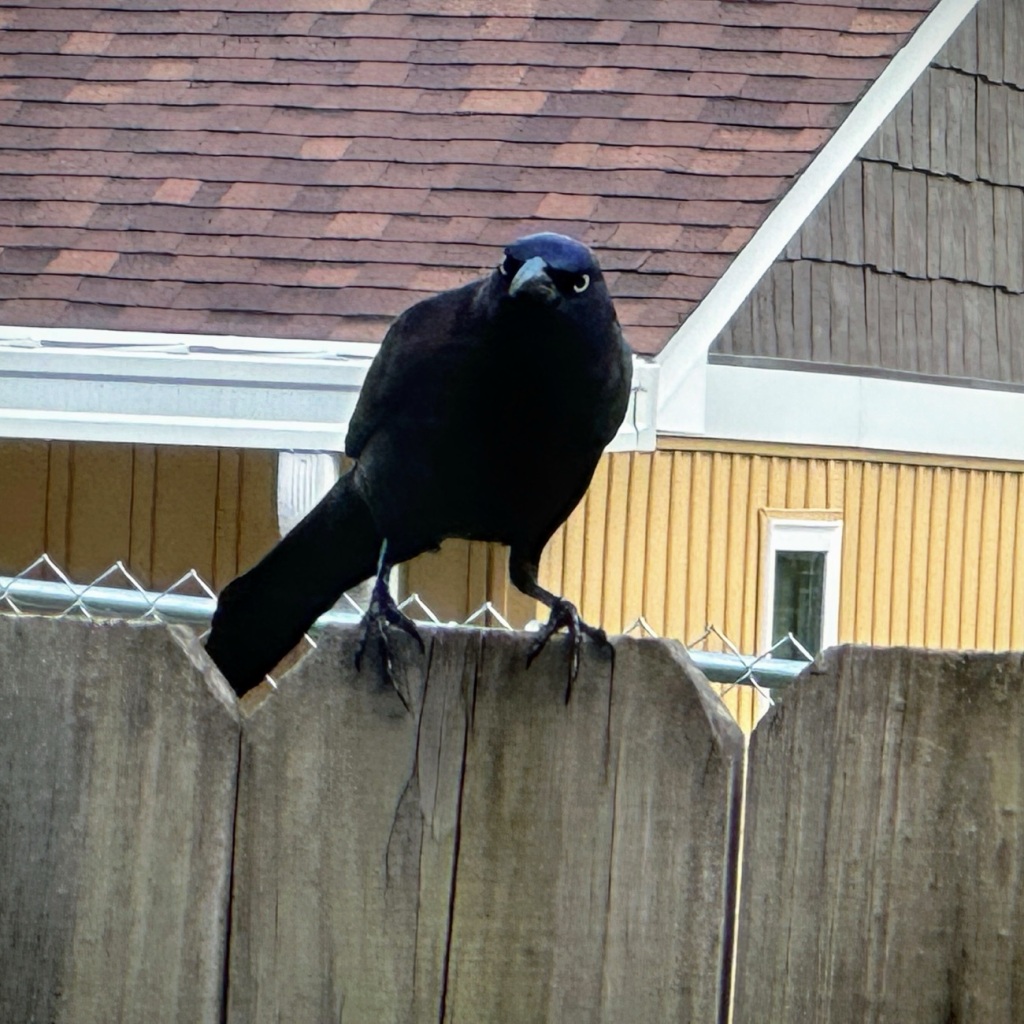
The Carib Grackle also referred to as the Common Grackle is a tropical blackbird which is taller and longer than the typical blackbird. The plumage of Grackles are entirely black, however it has a beautiful glossy iridescent body that may display violets, purples, blues, and greens when the sun is shining on them in just the right manner.
Quiscalus lugubris
Grackles eat almost anything and everything they can find. They commonly eat insects, minnows, frogs, lizards, berries, grains, and even small birds and mice. They will confiscate food from other birds. And sometimes as these Grackles pictured here are exemplifying HOPE for a few morsels of bread crust or crumbs that may get dropped on the ground or scattered for other birds.
Carib Grackle
The Carib Grackle’s song is a mixture of harsh and melodic musical squeaks, croaks, and whistles which seem to sound anywhere from guttural to high-pitched clear whistles. Some people have compared their singing as sounding like a rusty gate.
Carib Grackle Quiscalus lugubris in Monochrome
If you see them foraging around your yard or picnic table they are scavenging and are hoping you’ll share your food (or at least some bread crumbs) with them.
Location: Huntingtowne Neighbourhood; Gastonia, North Carolina, USA
God Bless. May all your hopes, dreams, and prayers be fulfilled. Take care of yourselves and have a fantastic rest of your week. Thank you for visiting and sharing your time and thoughts with me. I appreciate y’all very much.
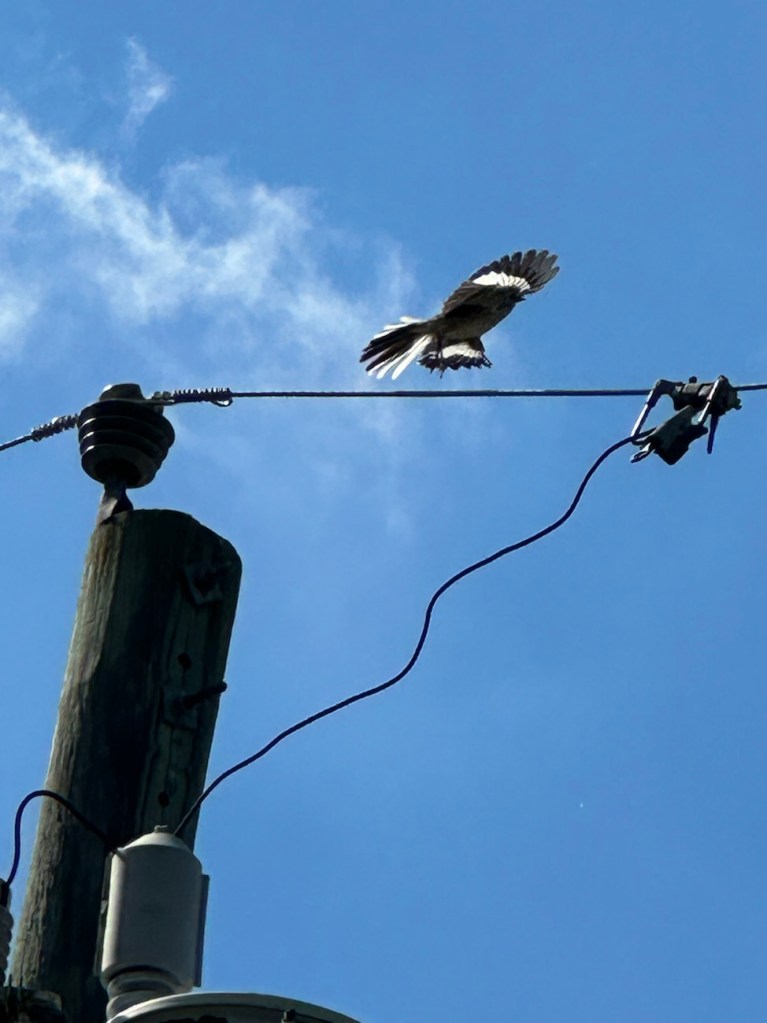
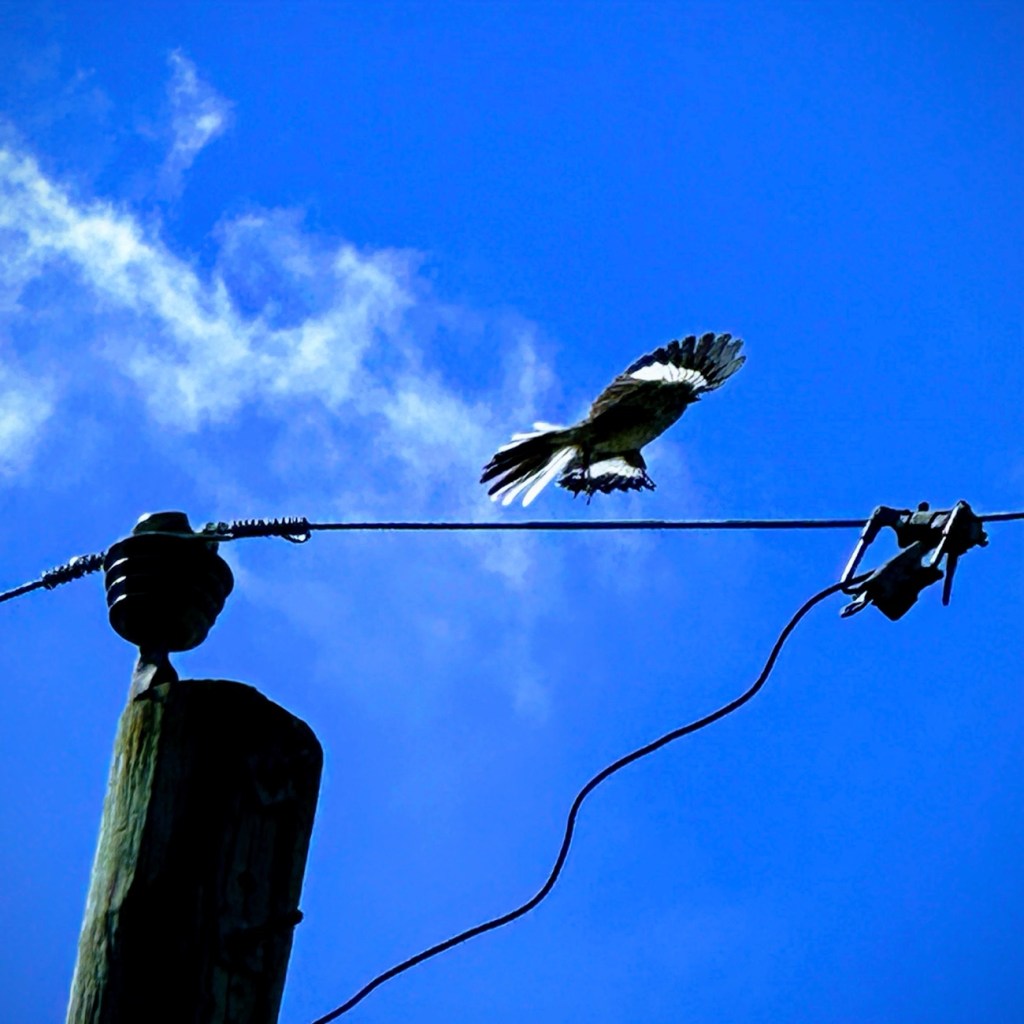
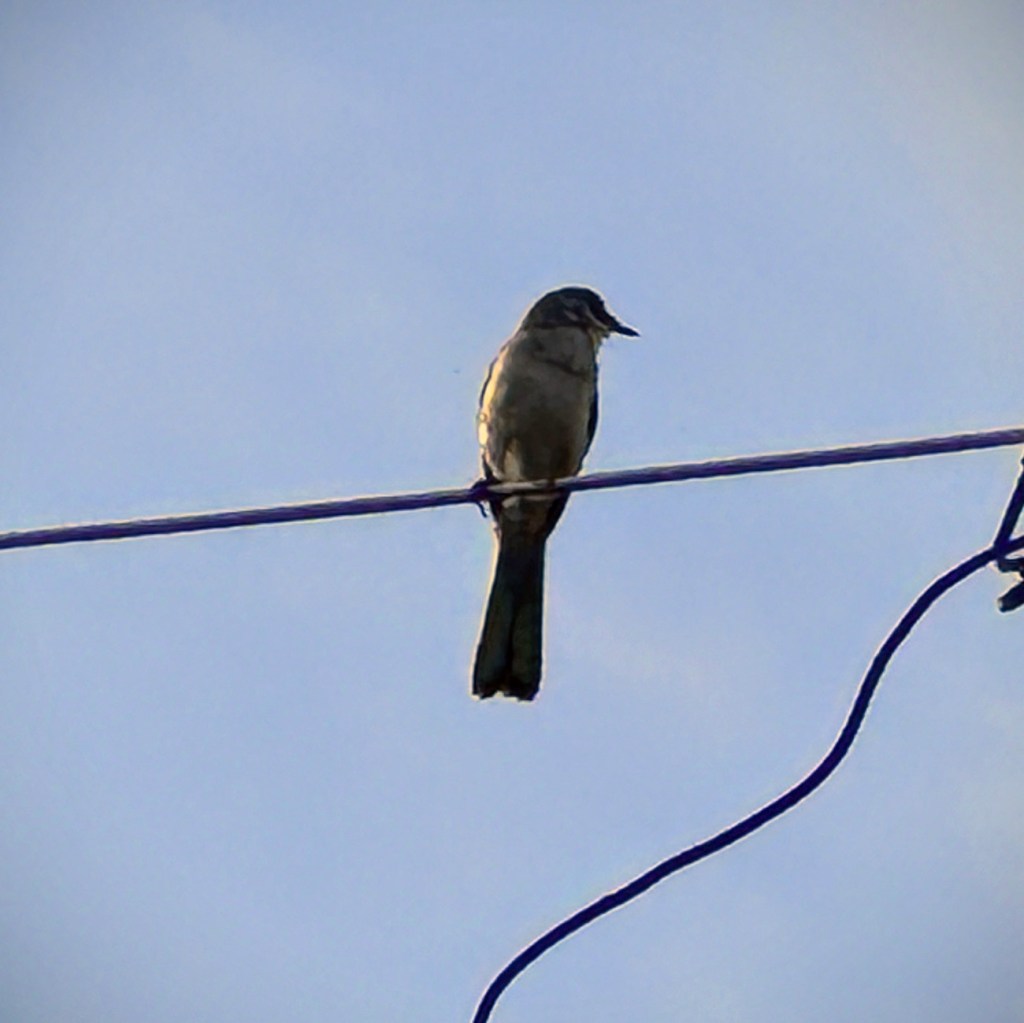
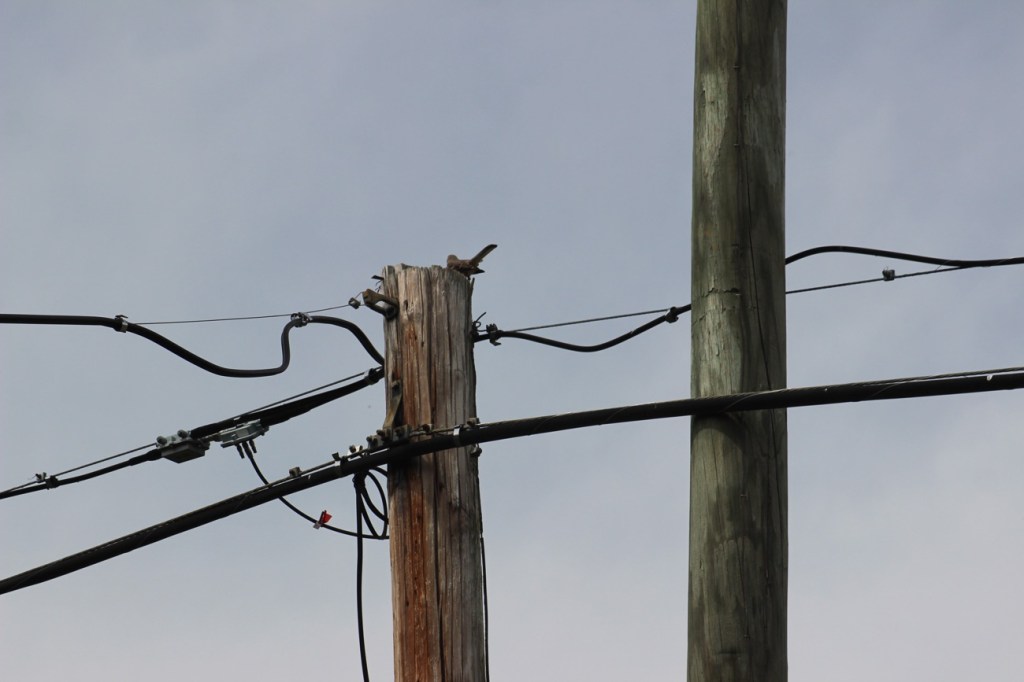
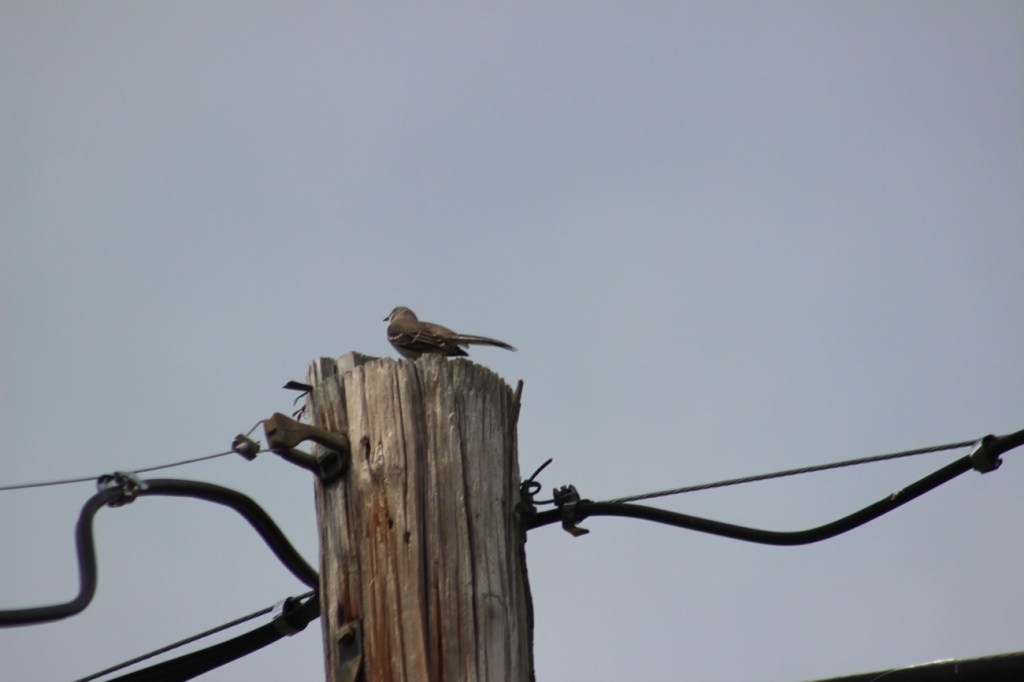
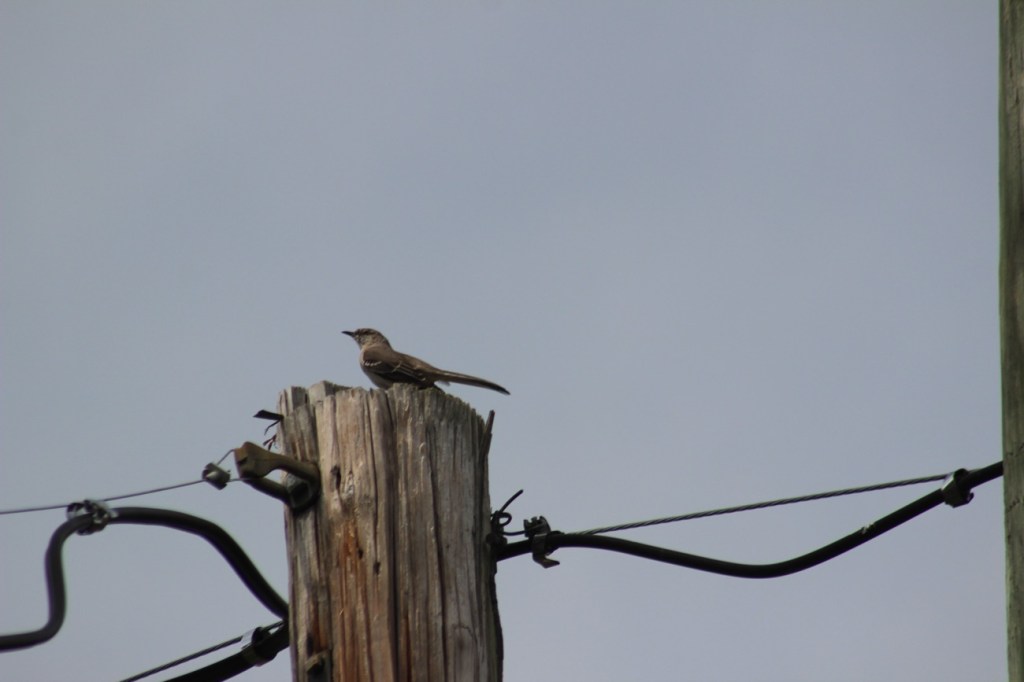
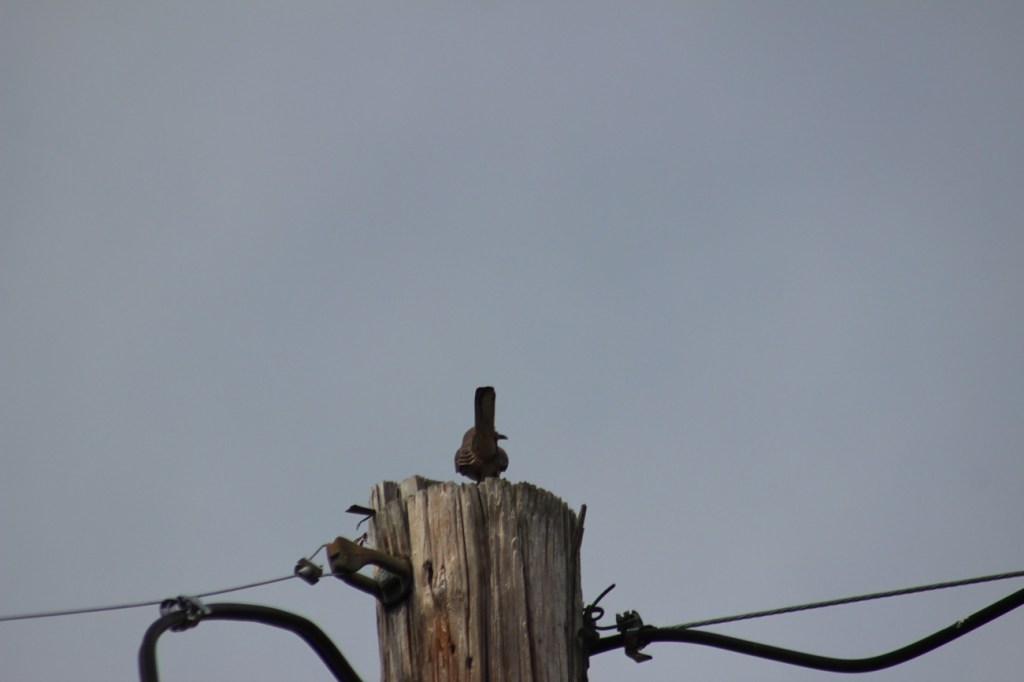
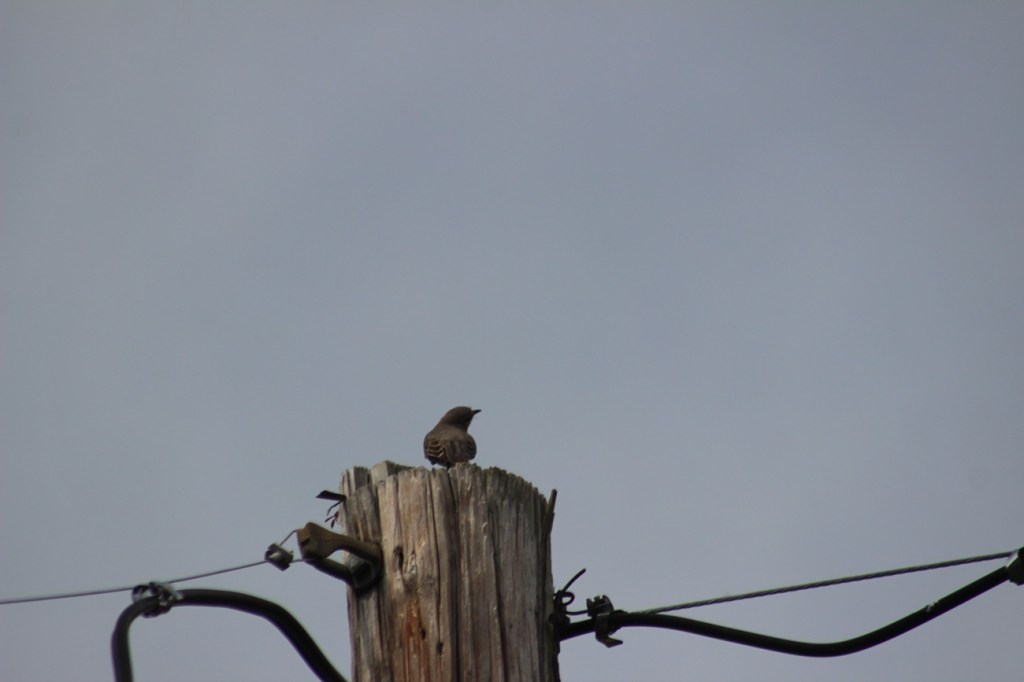
The Northern Mockingbird is one of the most plentiful birds in North America. You can identify a Northern Mockingbird by listening to its song. You’ll hear its song which usually mimics several other birds simultaneously. Their song can be heard long before you spot their location.
The Northern Mockingbirds continue to learn new sounds throughout their lifetime. What’s interesting (which I didn’t realize) is that a male Northern Mockingbird may possibly learn around two hundred (200) songs throughout its entire life.
Northern Mockingbirds are medium-sized birds with long legs, small heads, and long, thin bills. They are slightly slimmer than a thrush and have longer tails.
Here’s an interesting fact; The Northern Mockingbird is the state bird of five states:
Arkansas
Florida
Mississippi
Tennessee
Texas
Northern Mockingbirds can be spotted year-round in places with shrubby vegetation like fruiting bushes, thickets, hedges, and open ground. They can be discovered in every state in the United States and parts of Mexico, Canada, and the Caribbean.
In the South with our cold and sometimes freezing weather temperatures the Northern Mockingbirds tend to “fly south” for the winter months. I have just recently been able to see them back in our neighborhood. As more often than not, I hear their songs way before I am able to spot their location. When you hear the songs of the Northern Mockingbirds you know Spring has arrived.









 Gfpacificbee’s Insights & photography