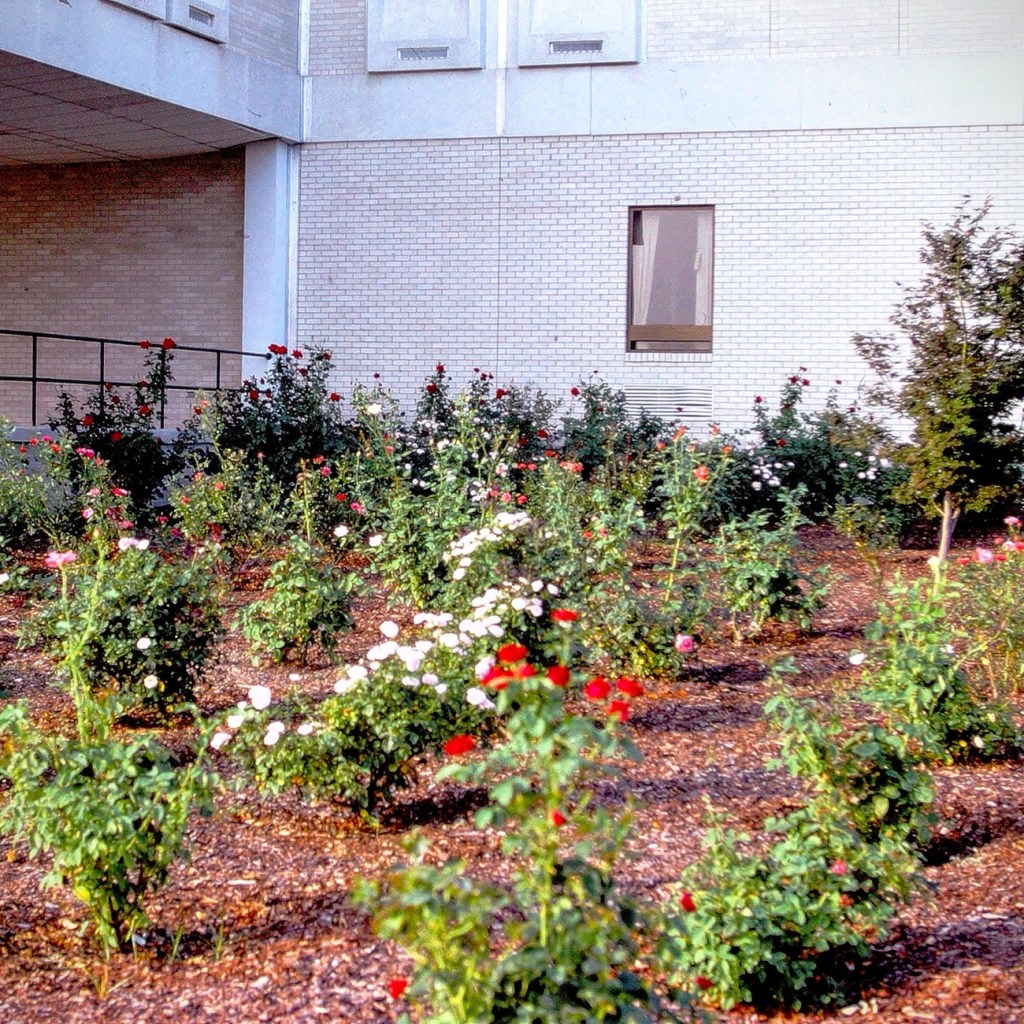
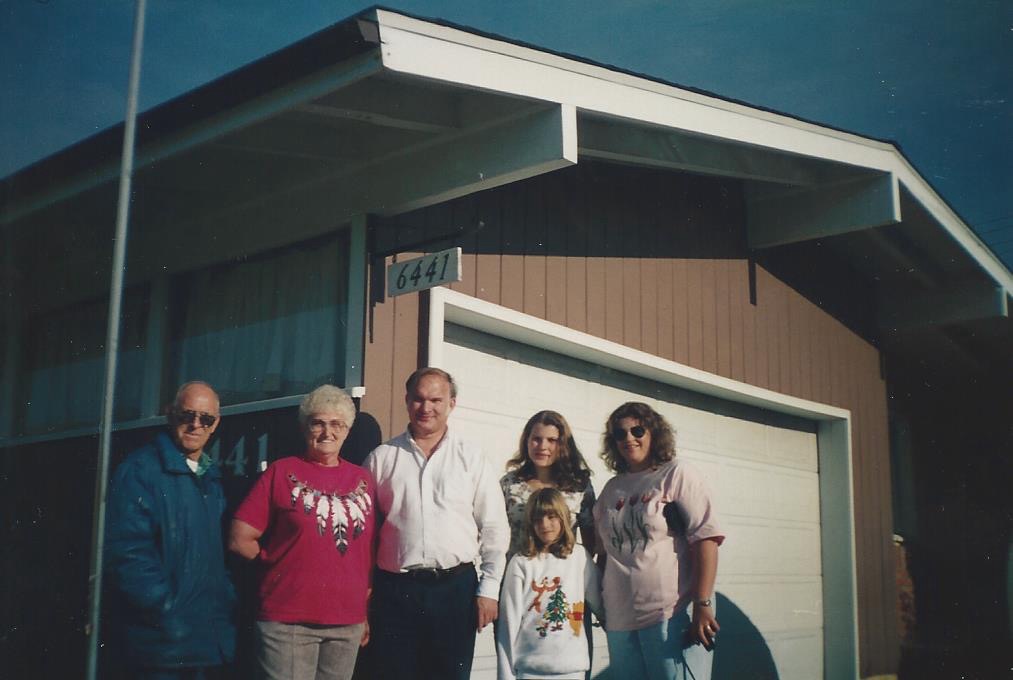
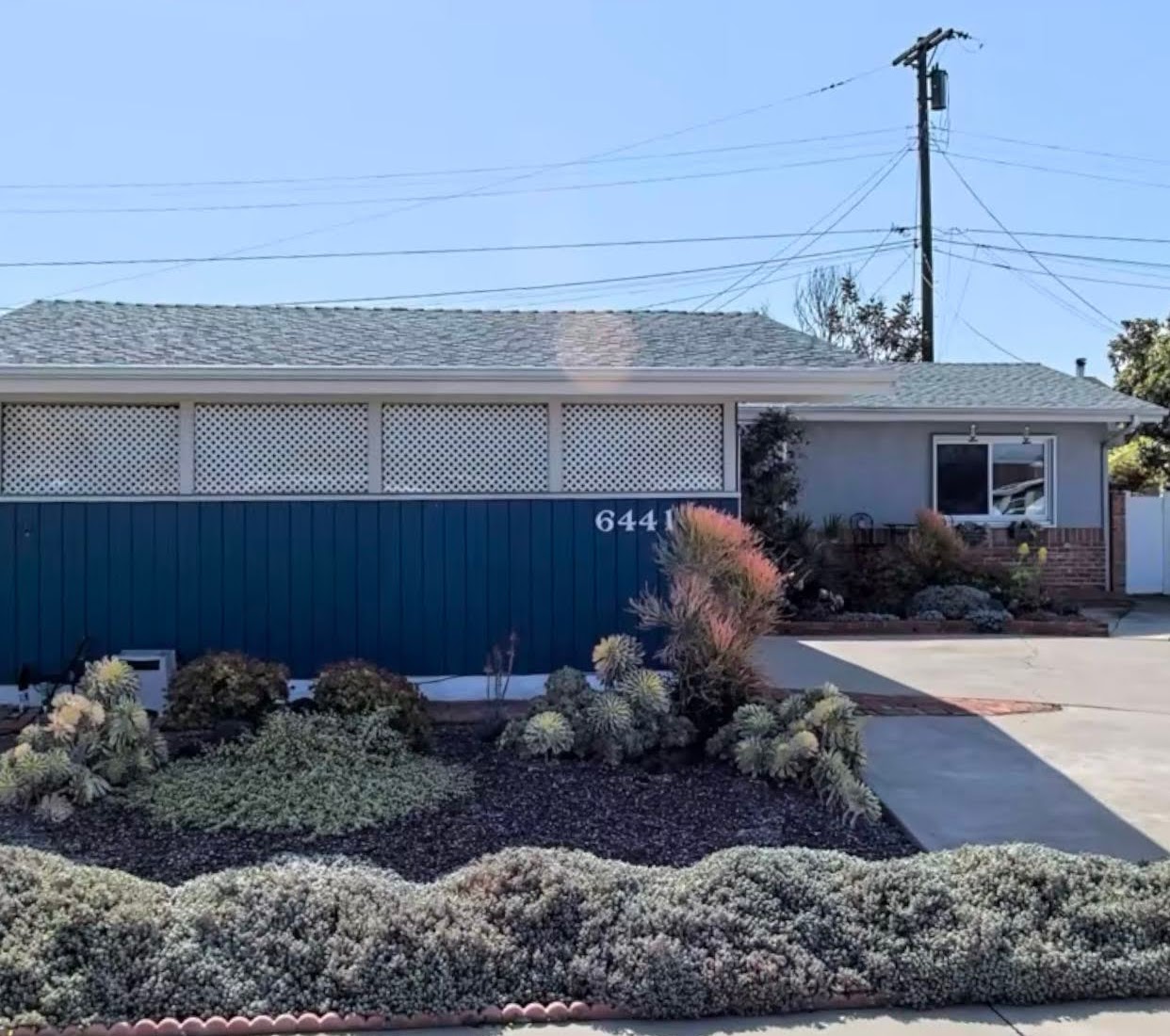
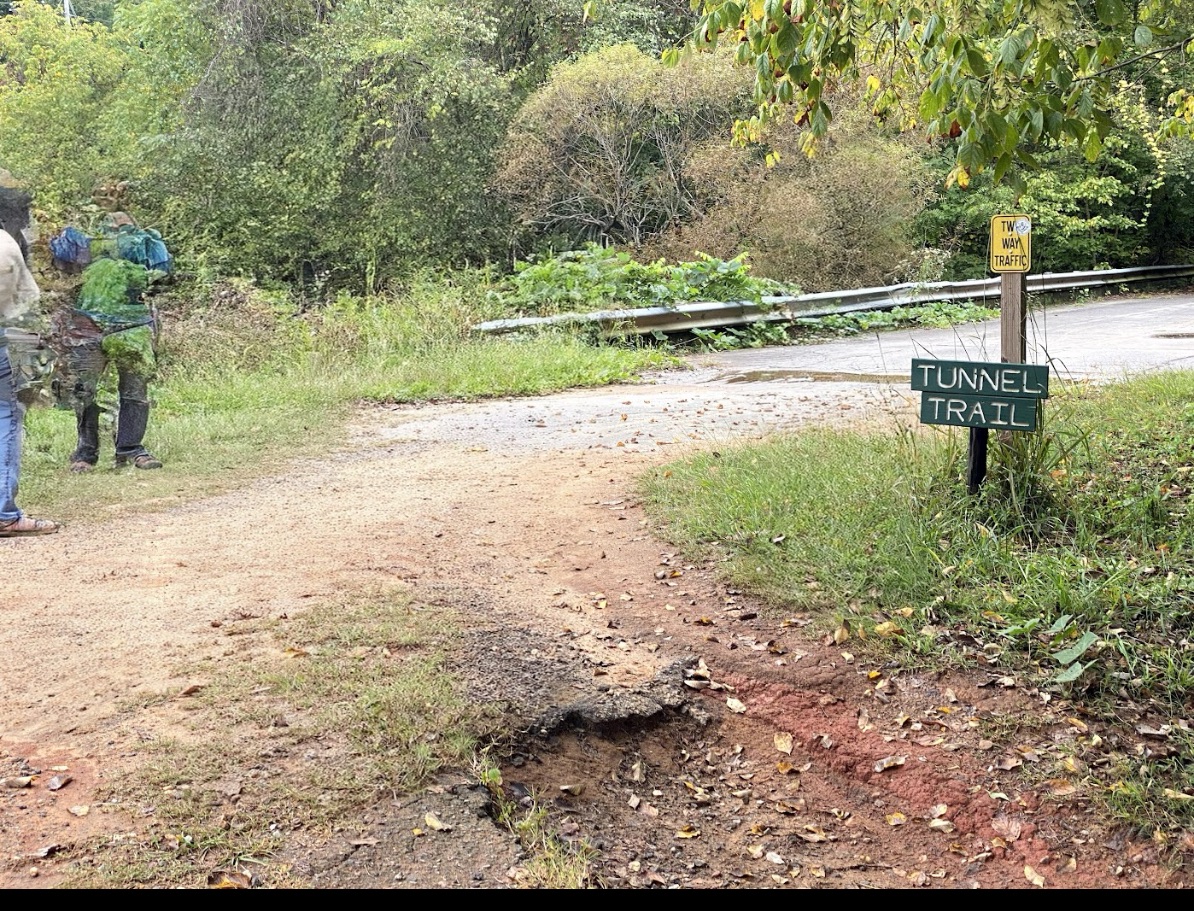
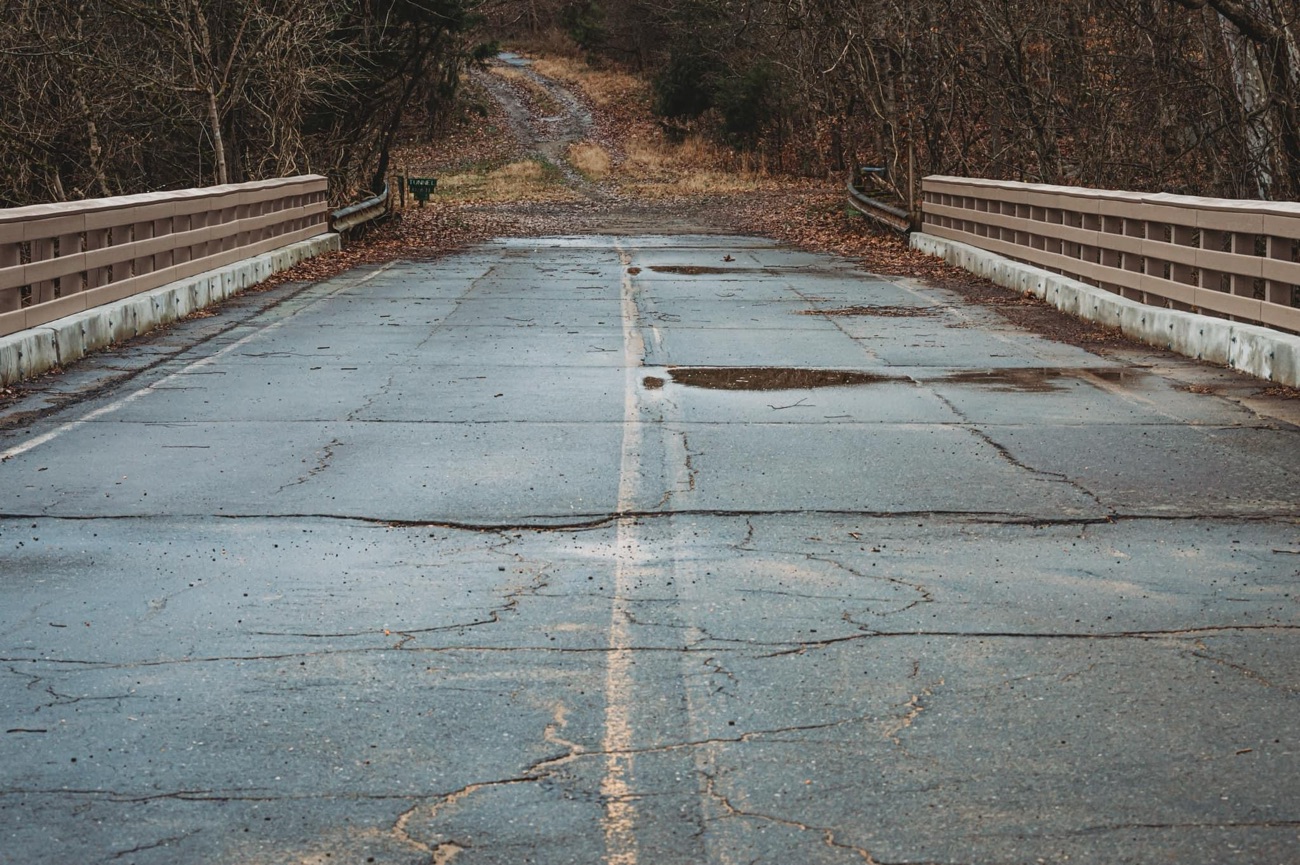
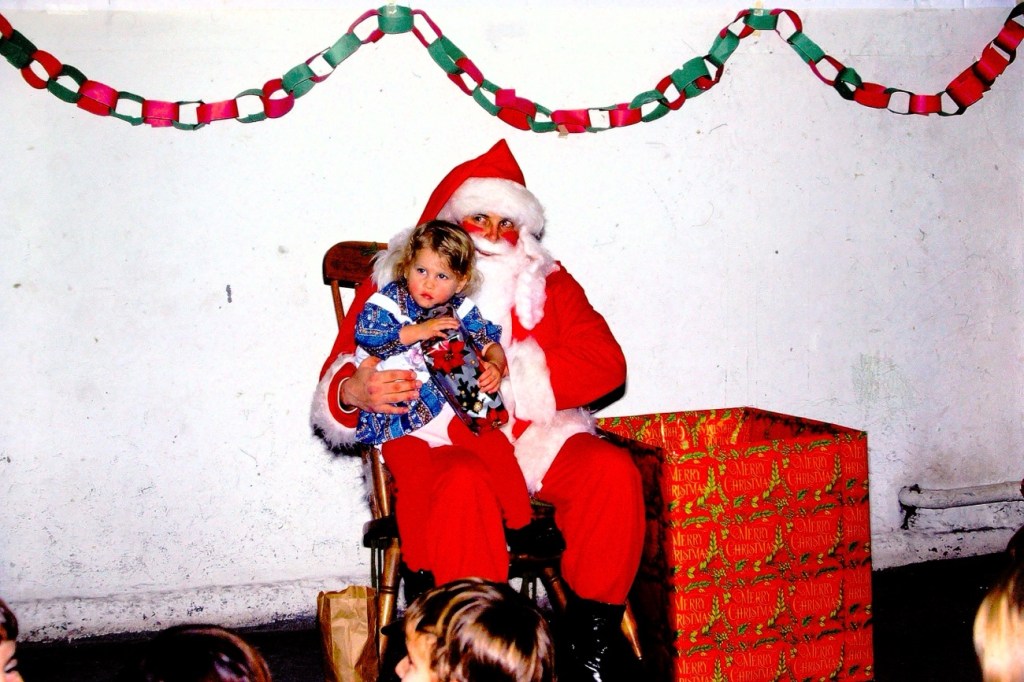
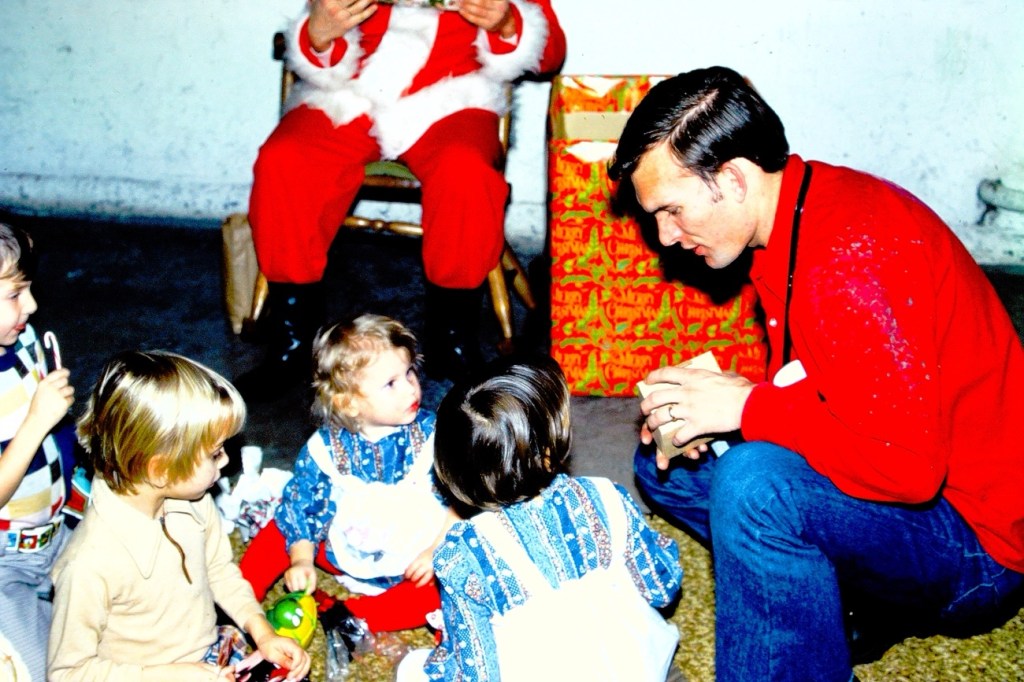
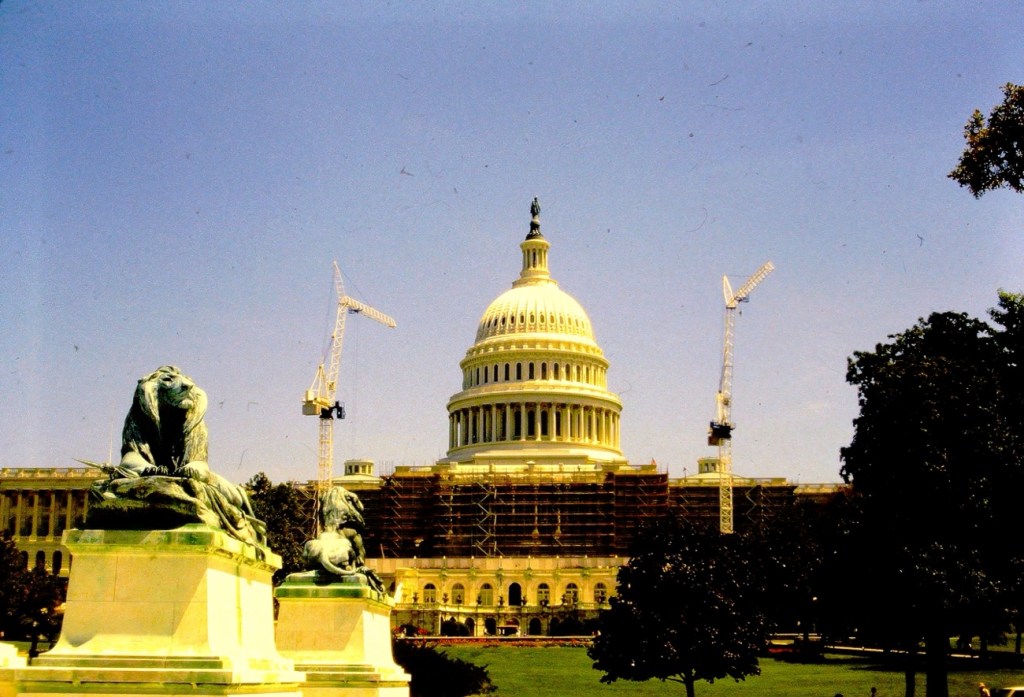
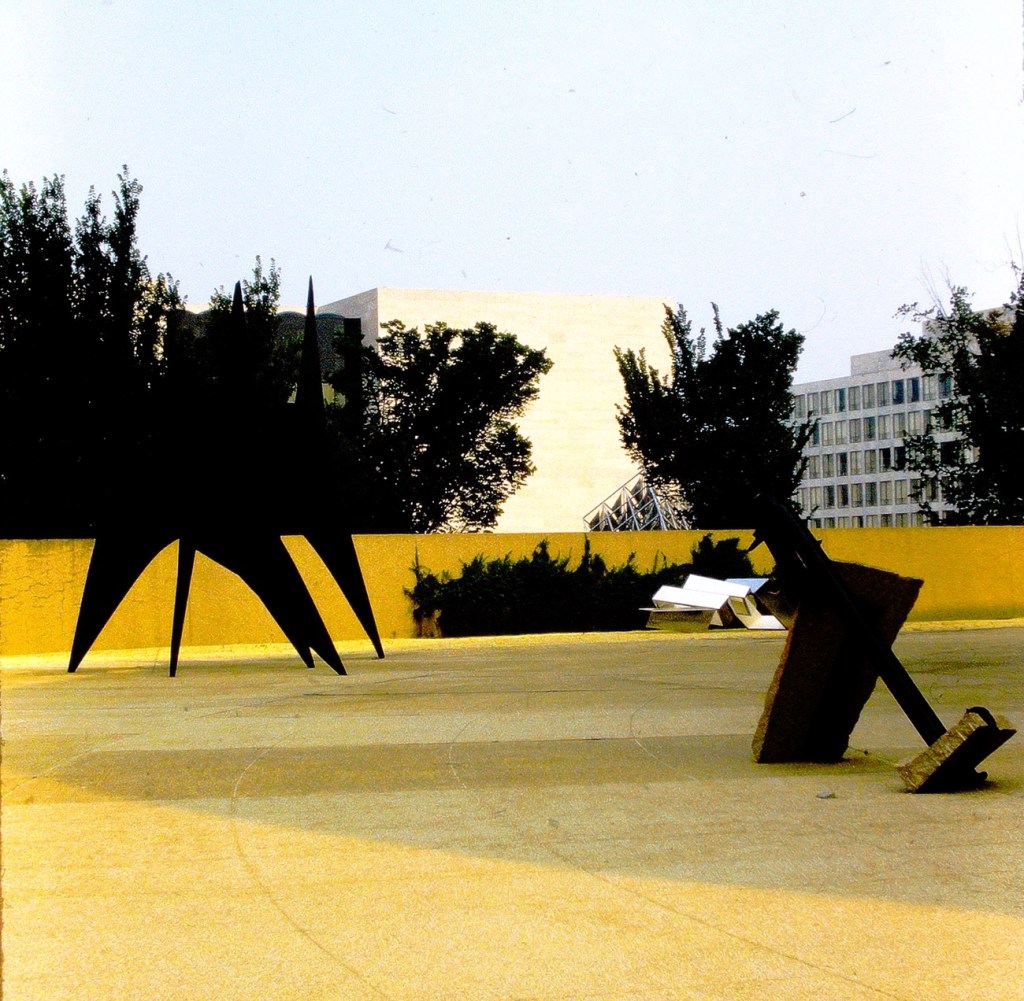
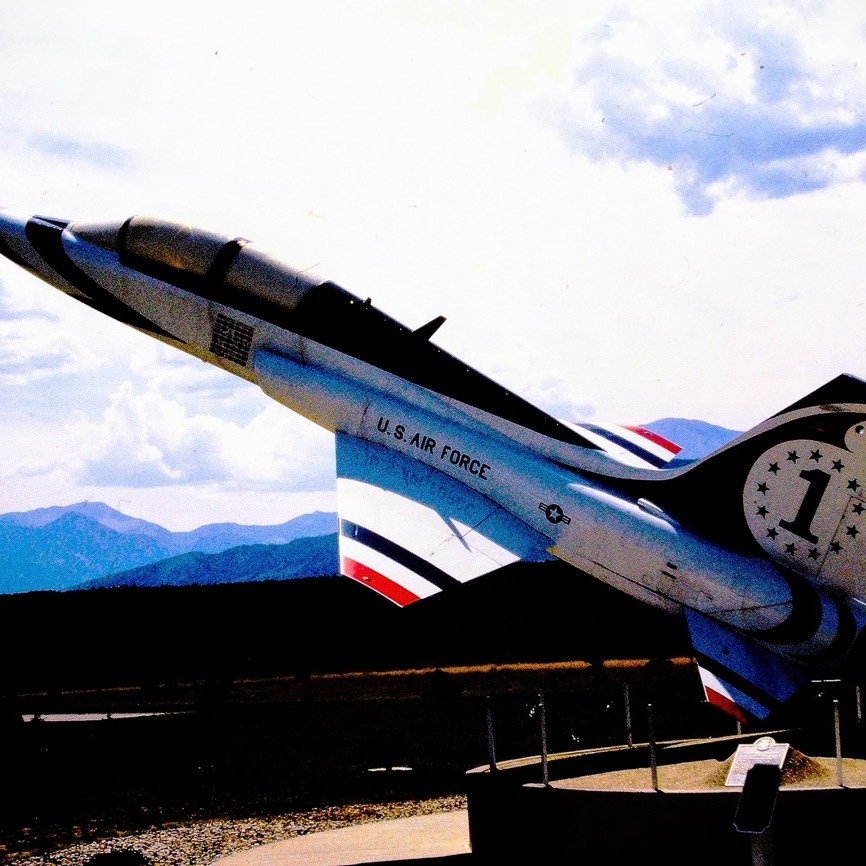
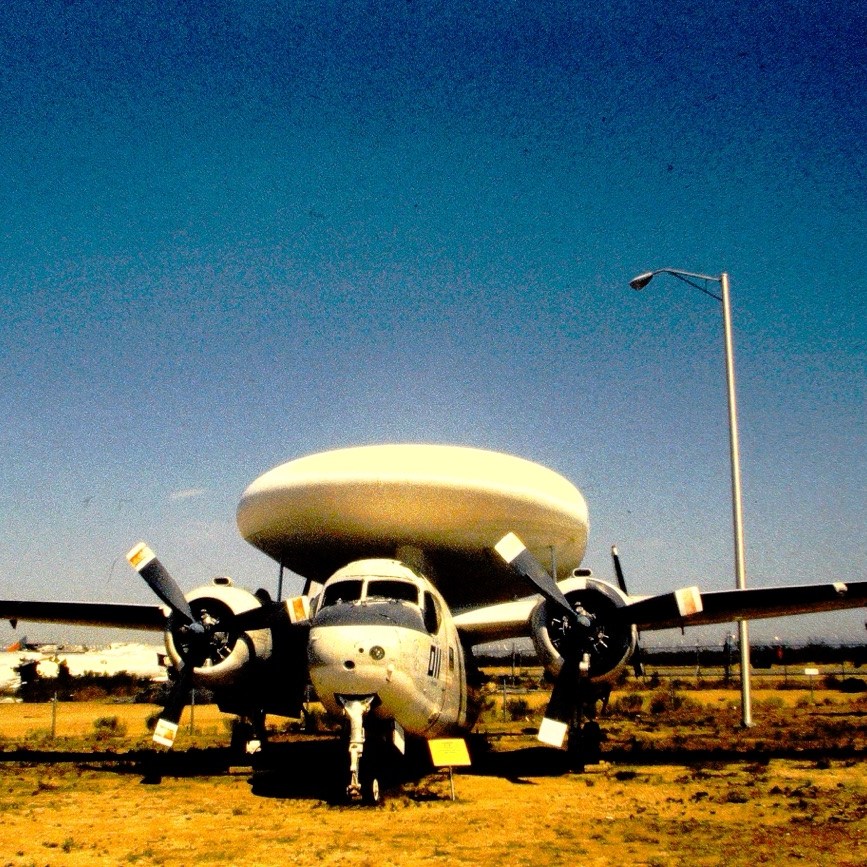
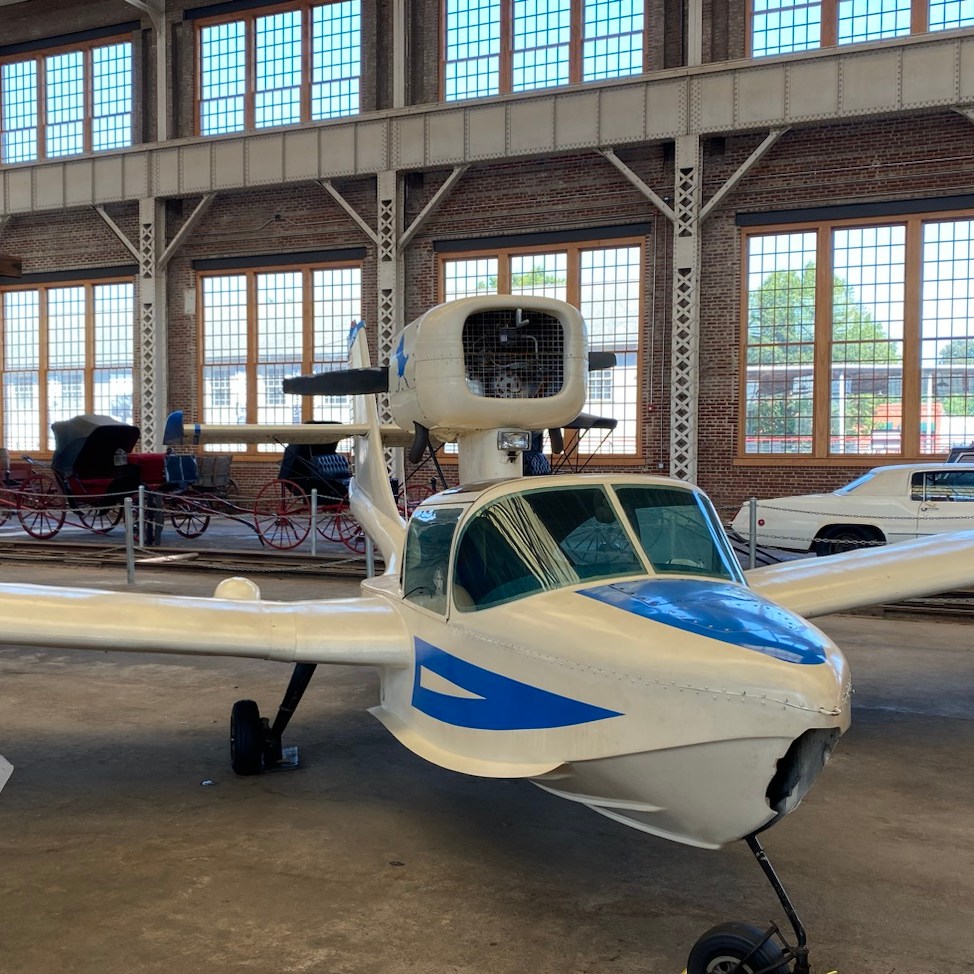
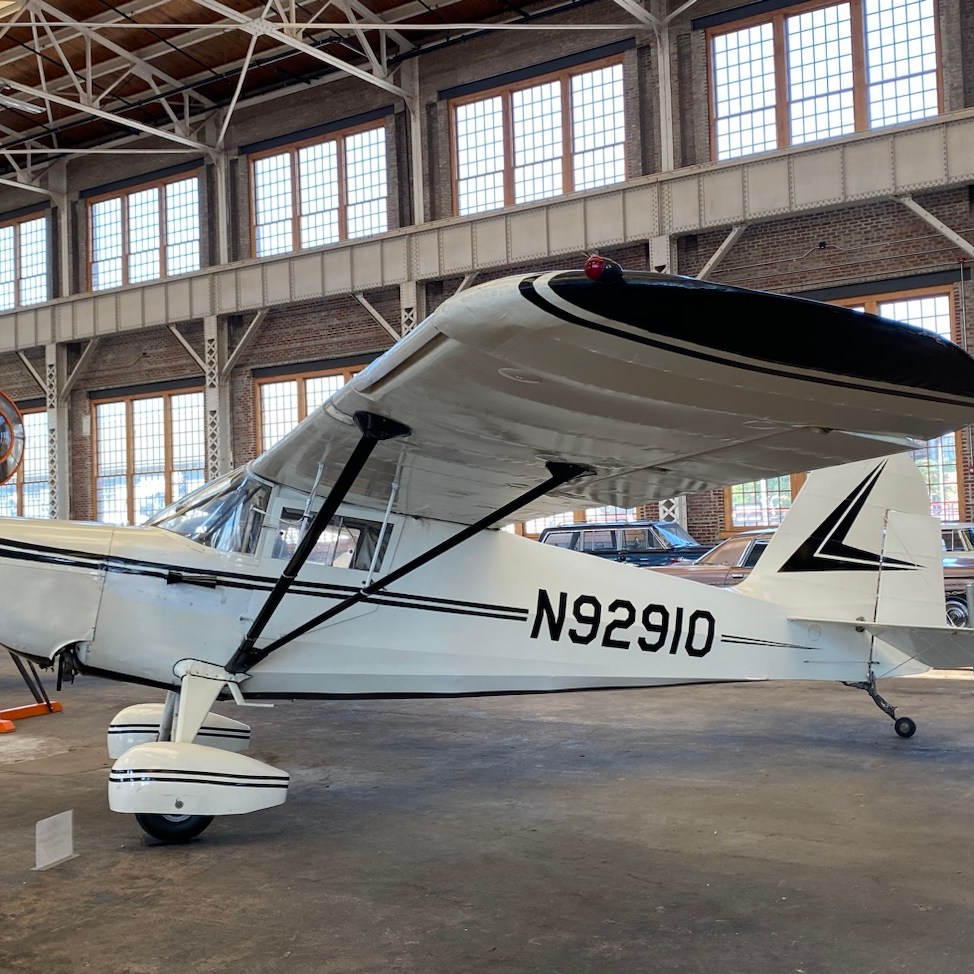
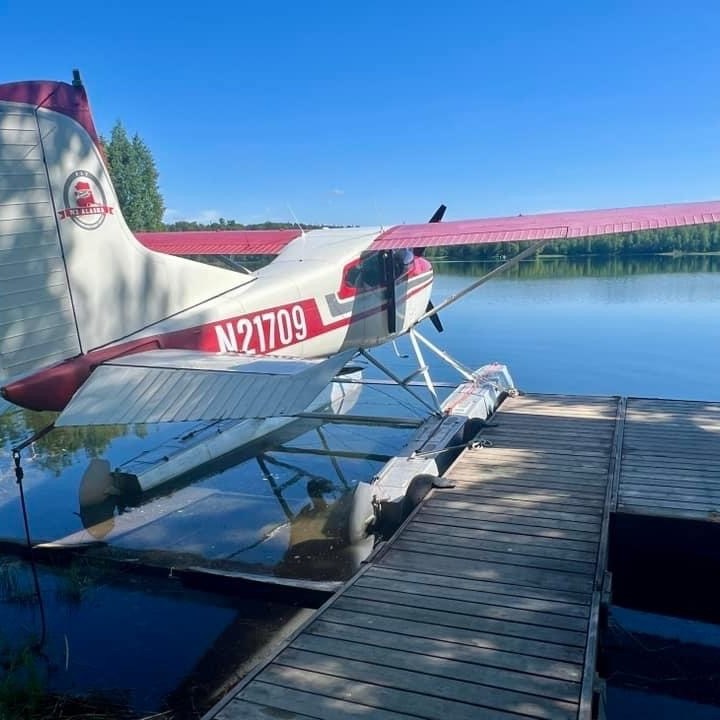
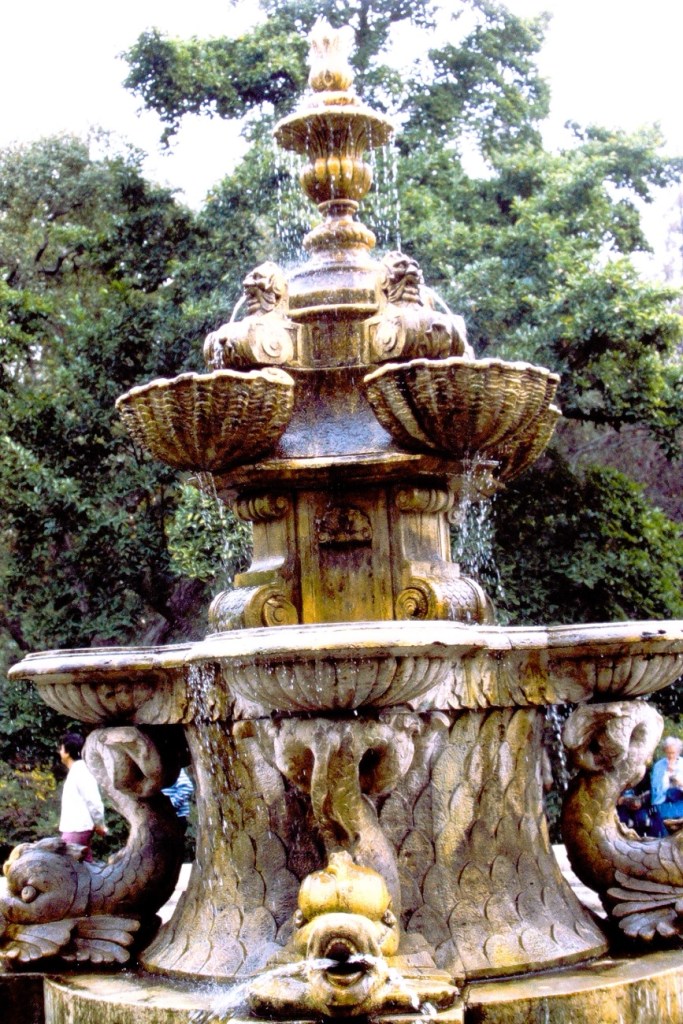
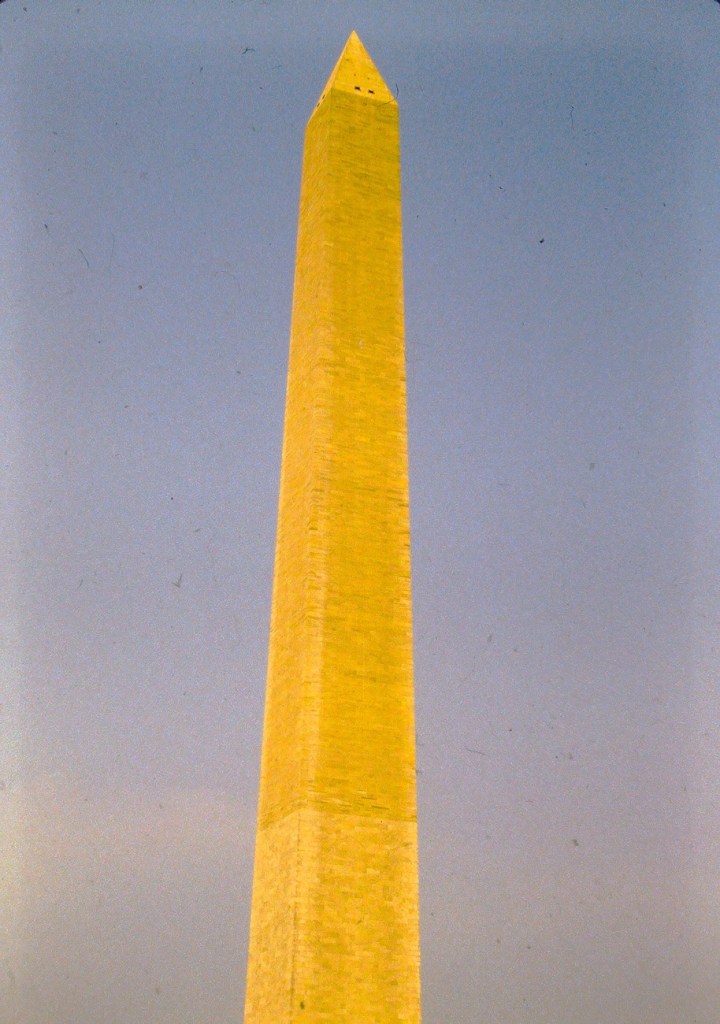
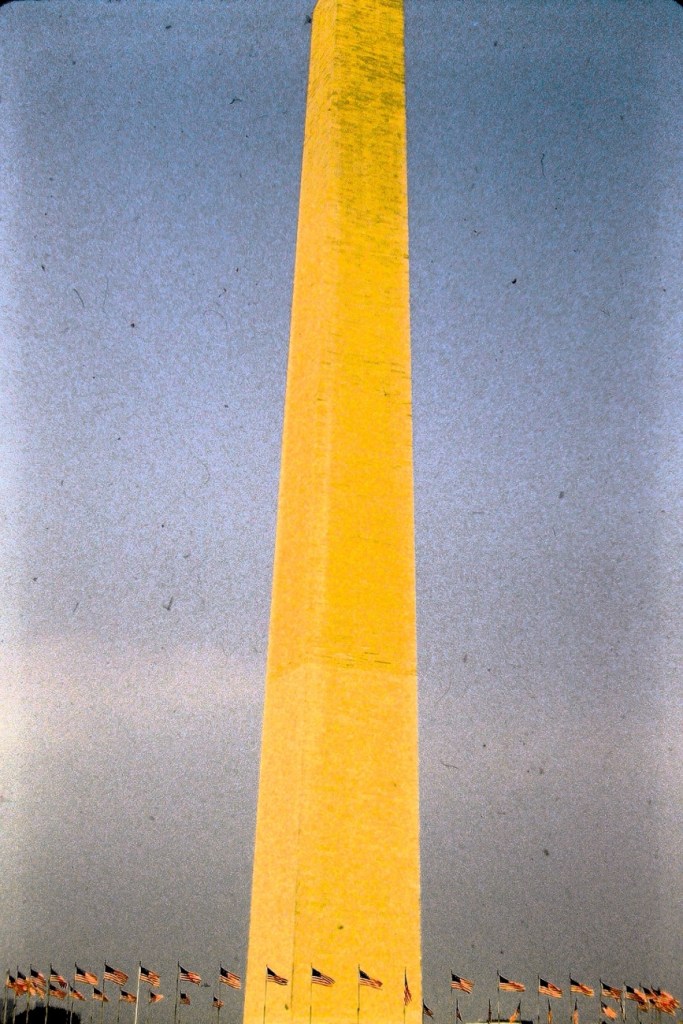
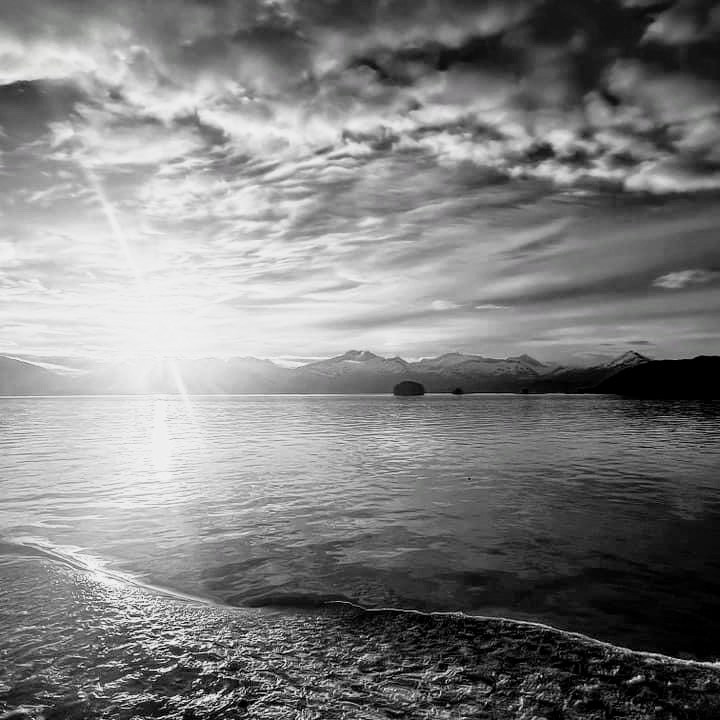
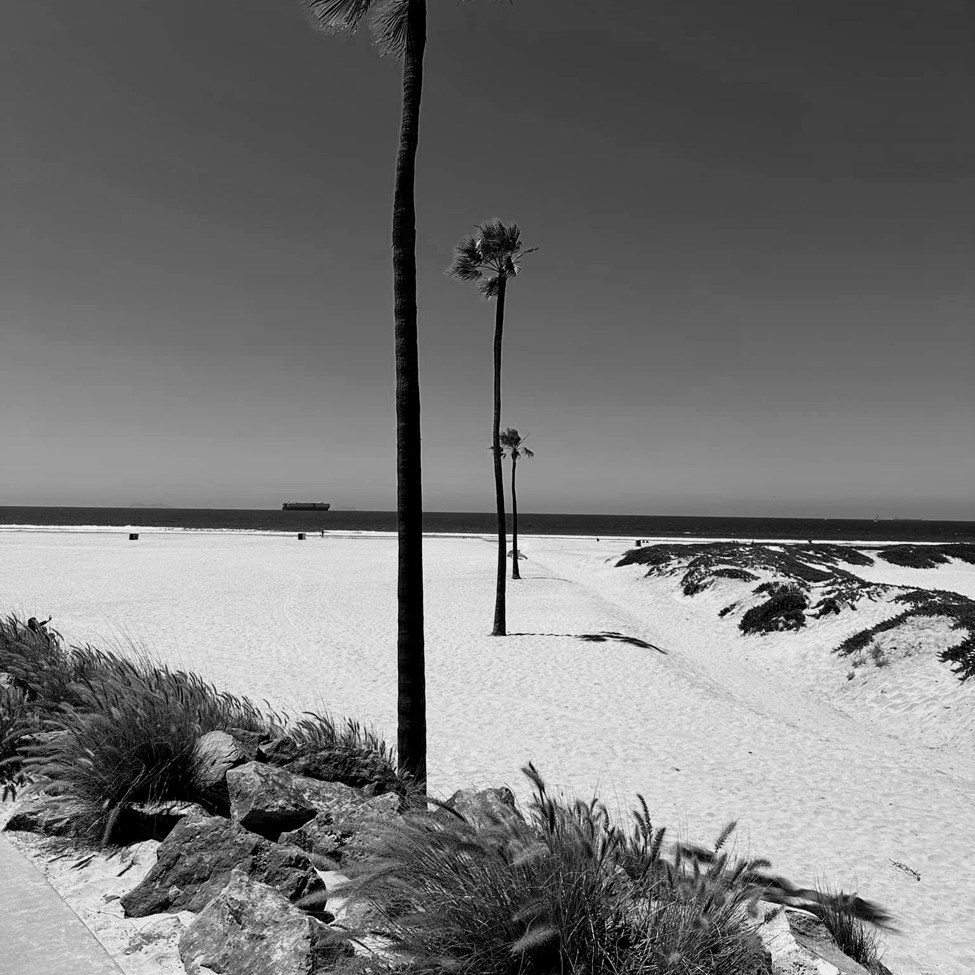
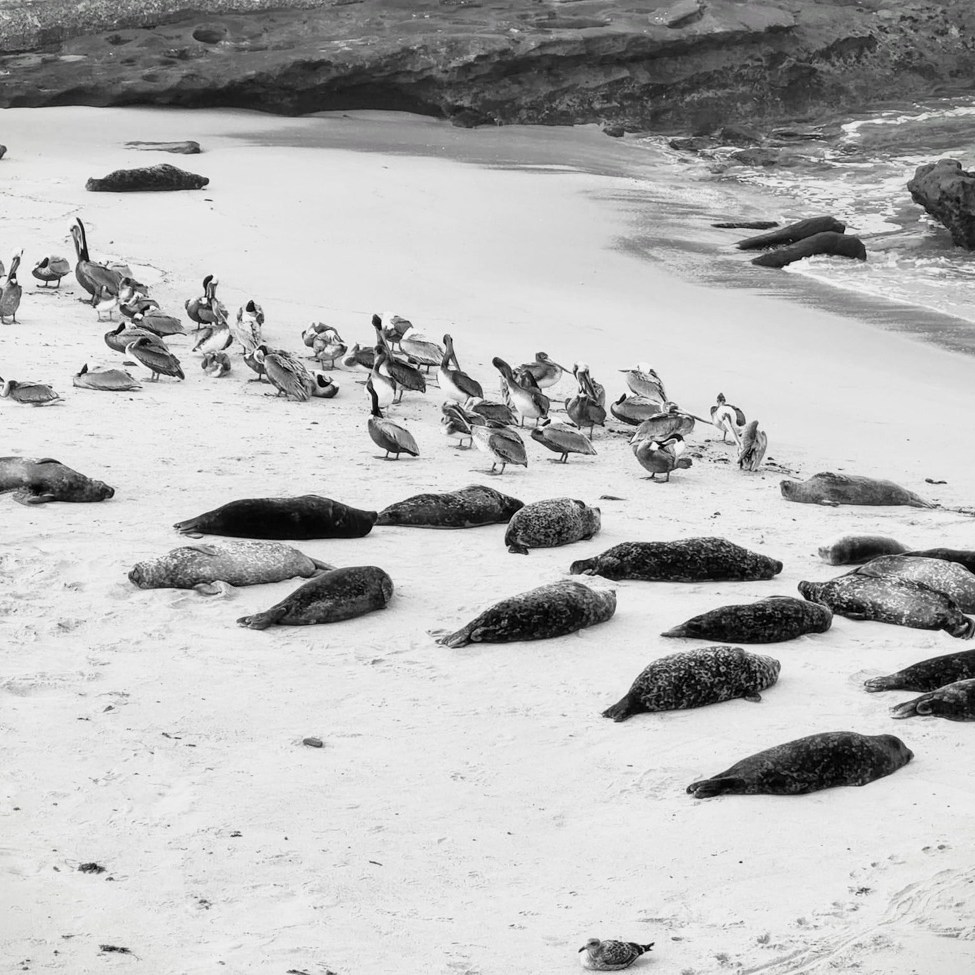
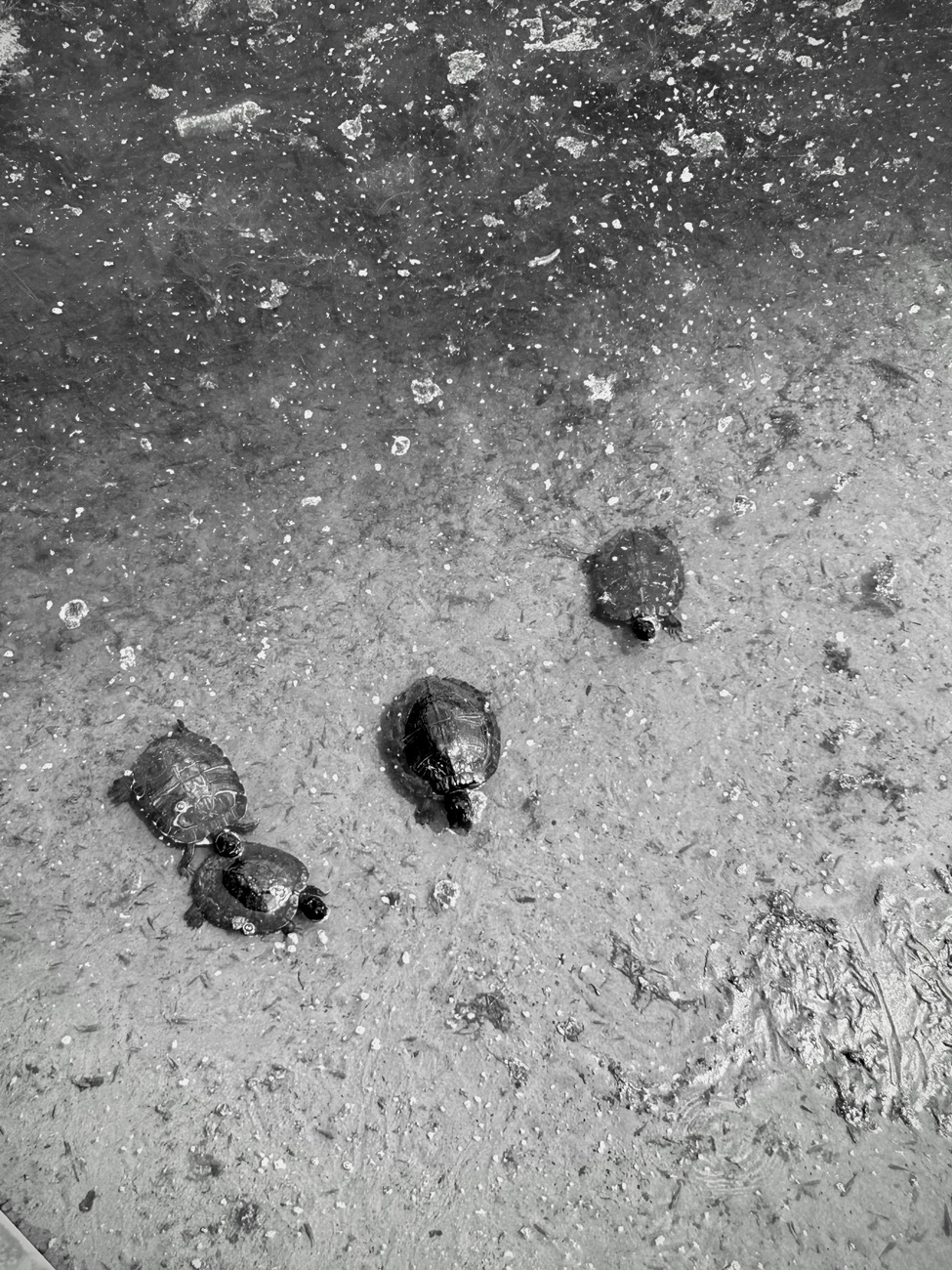
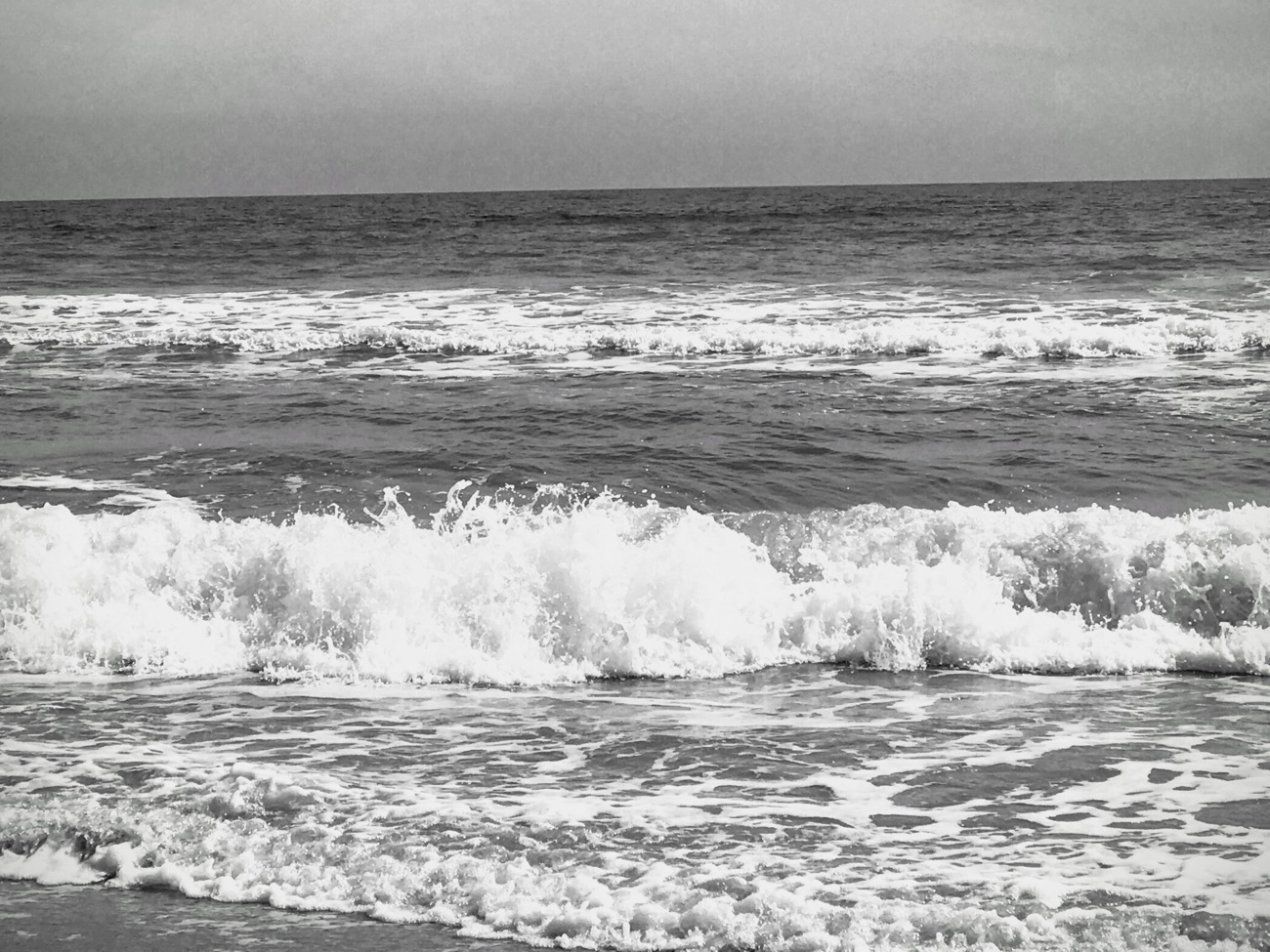
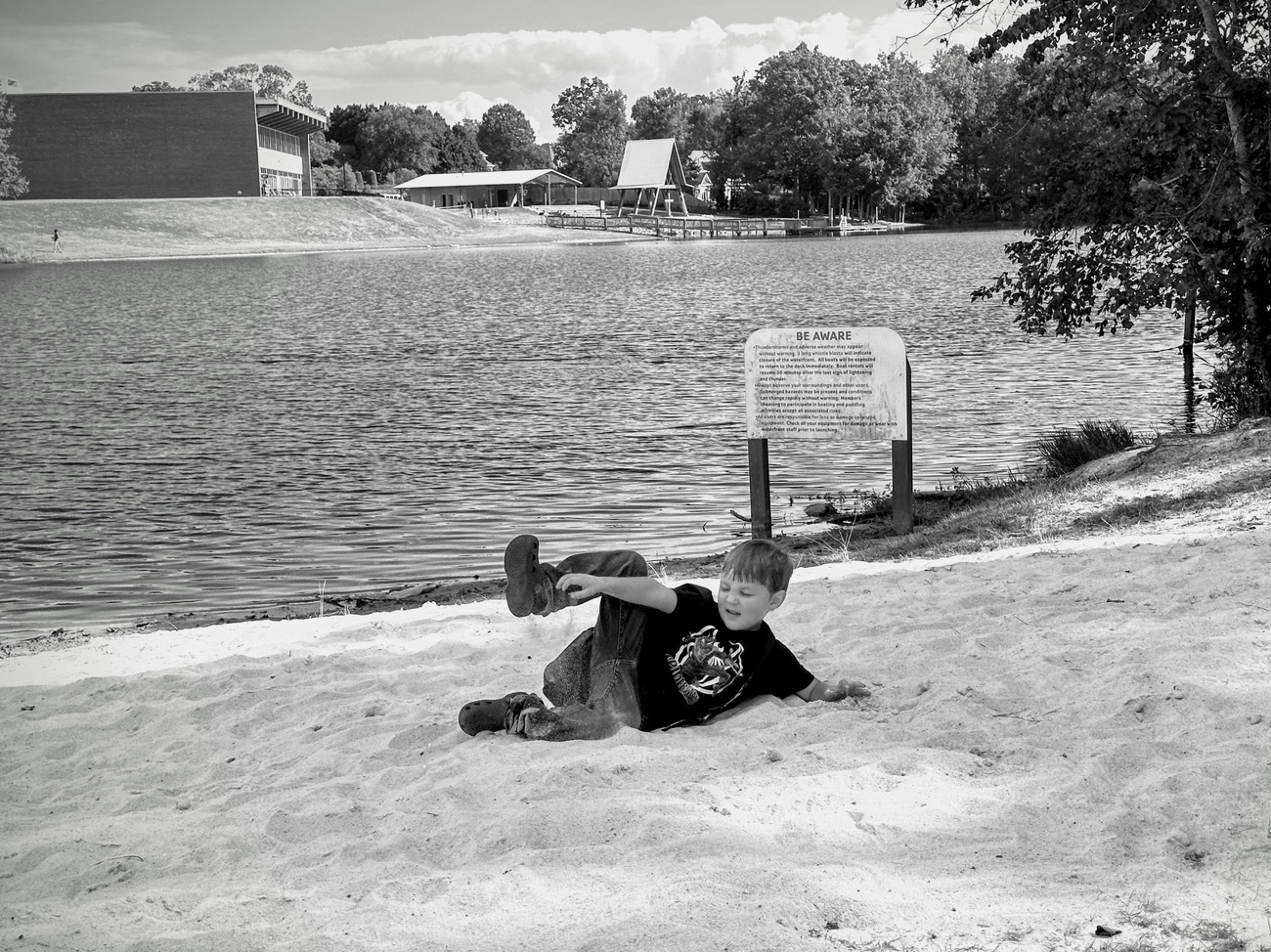
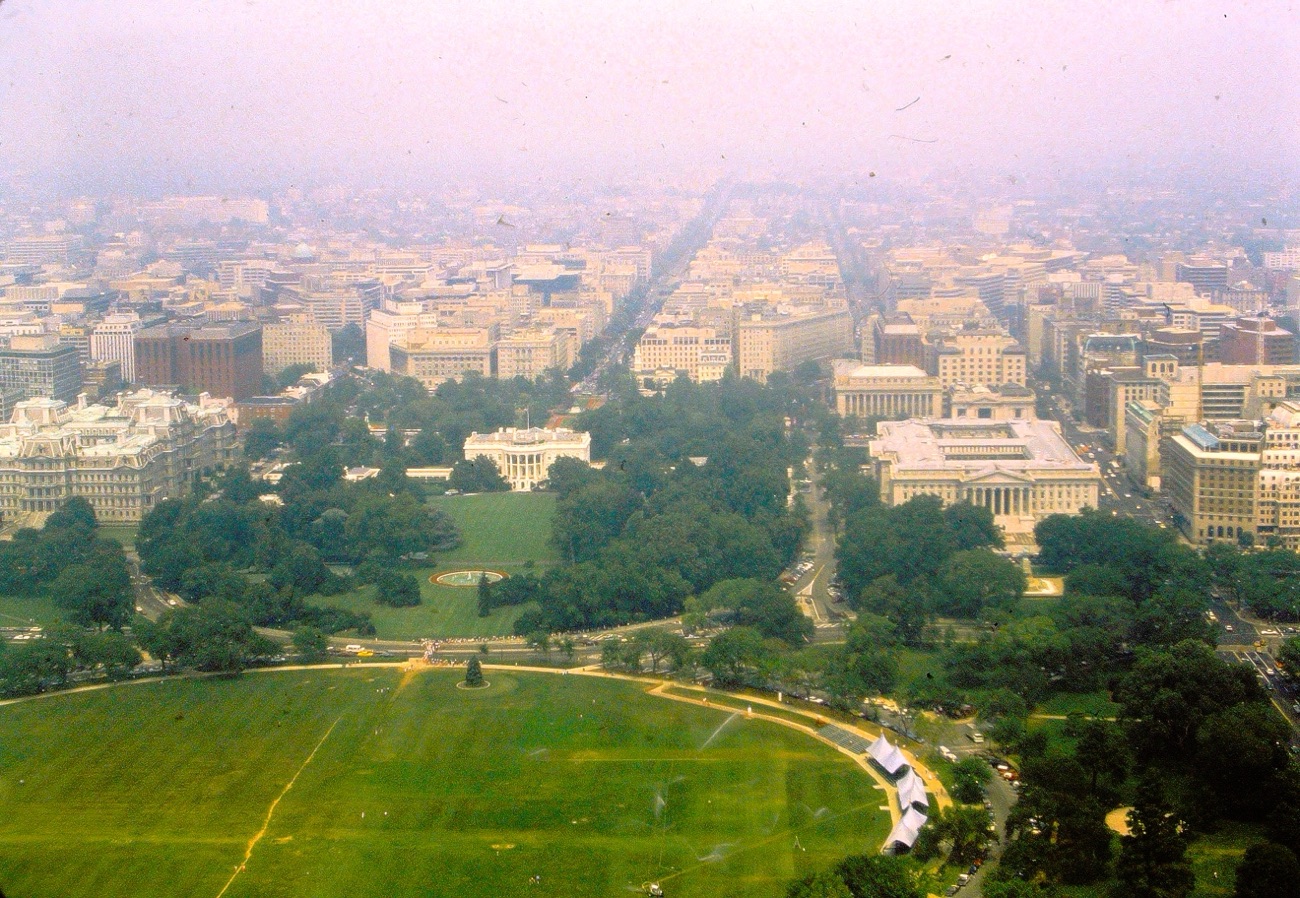
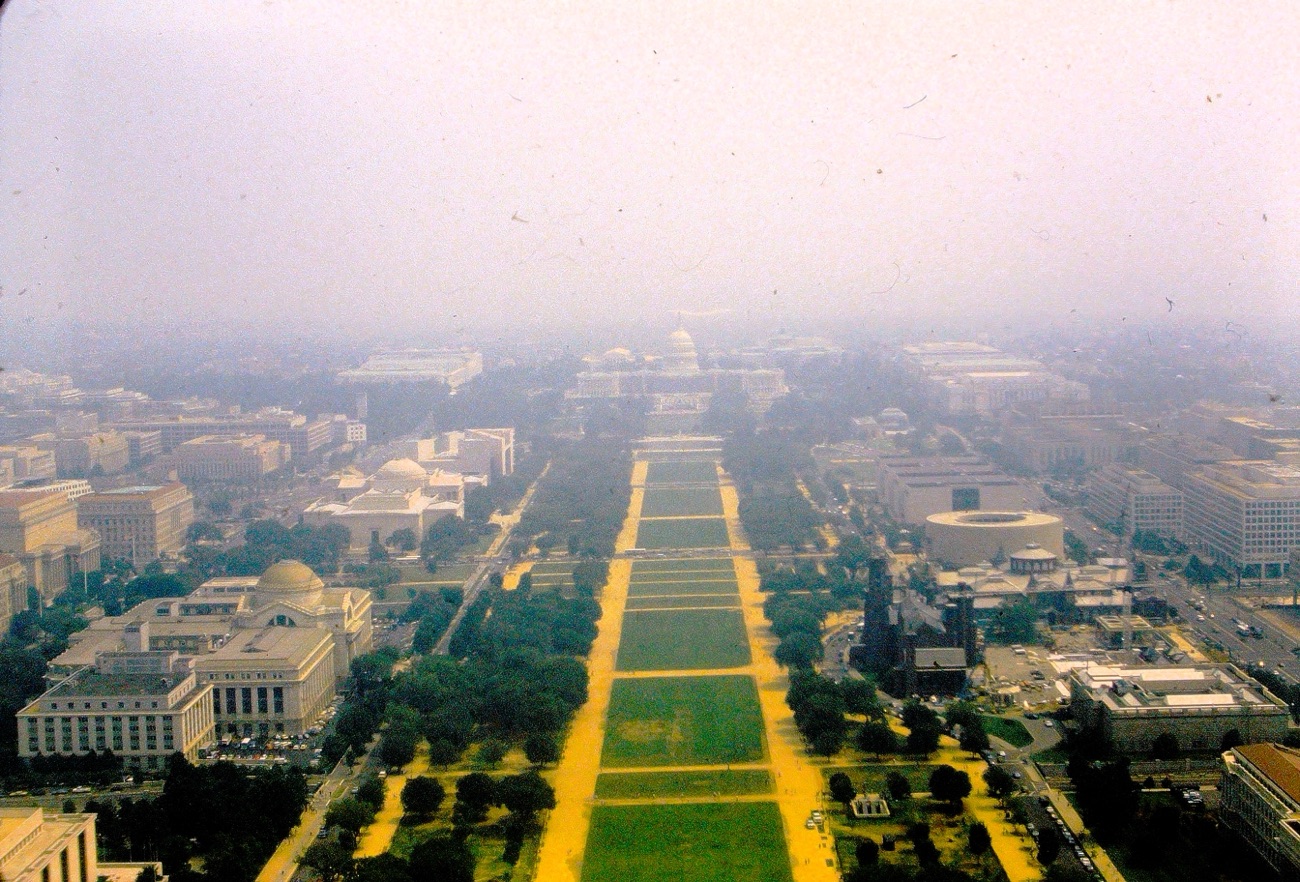
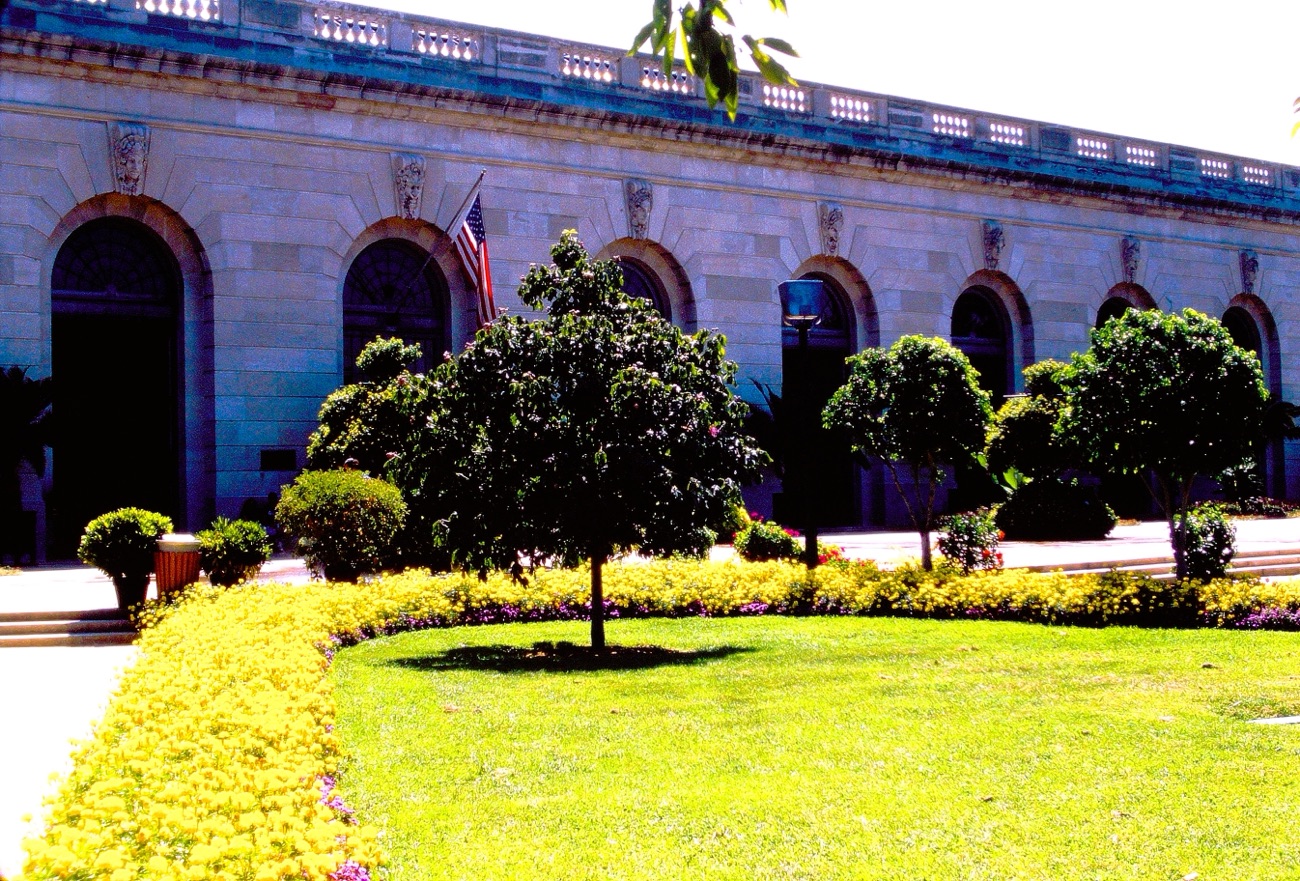
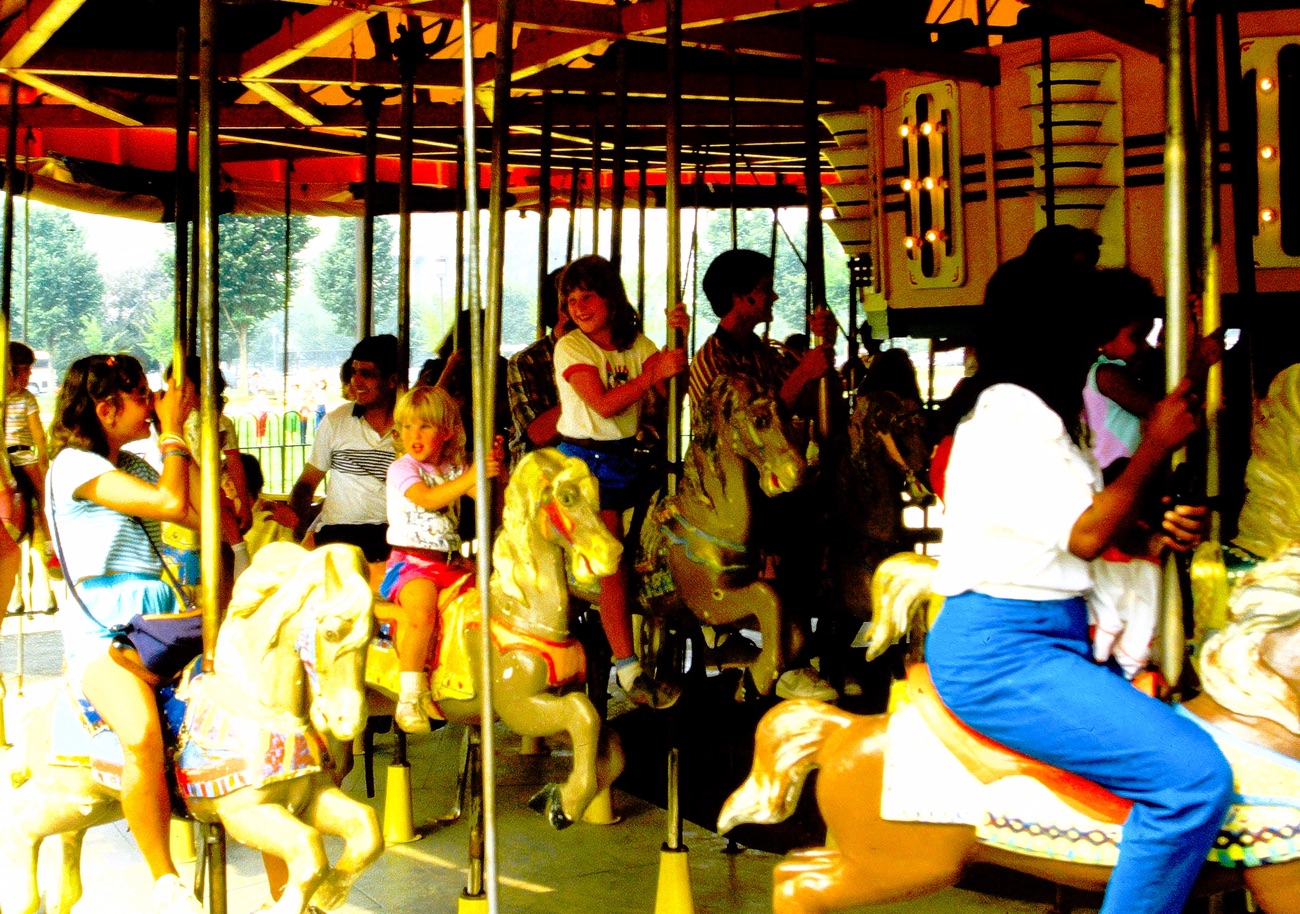
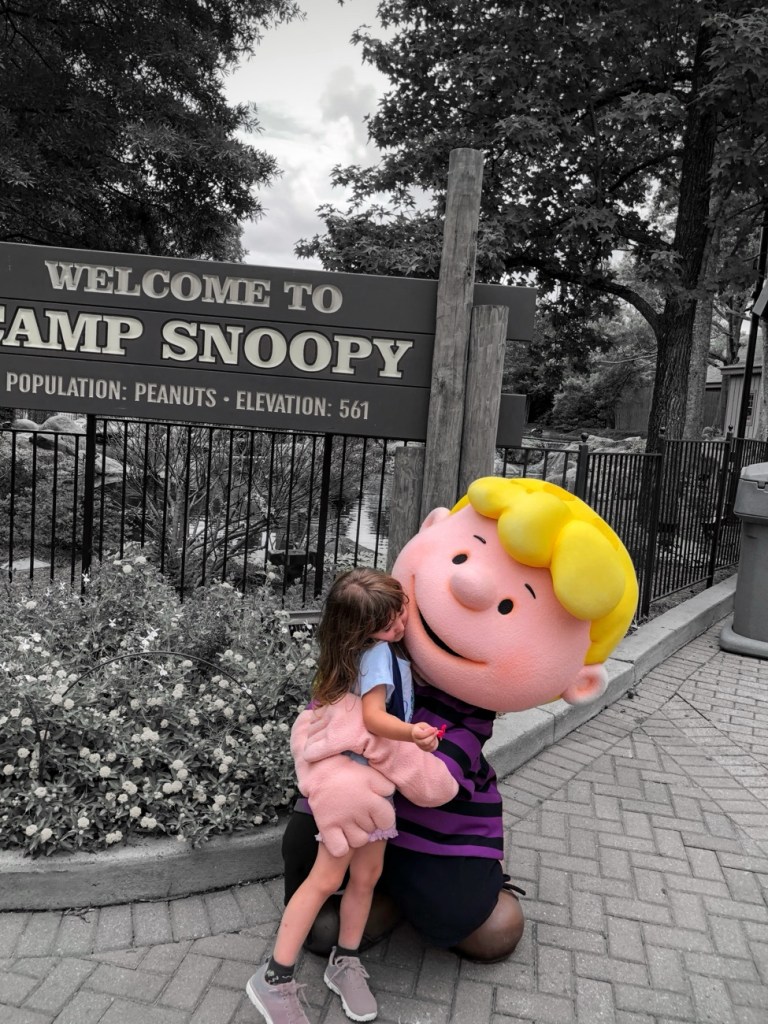
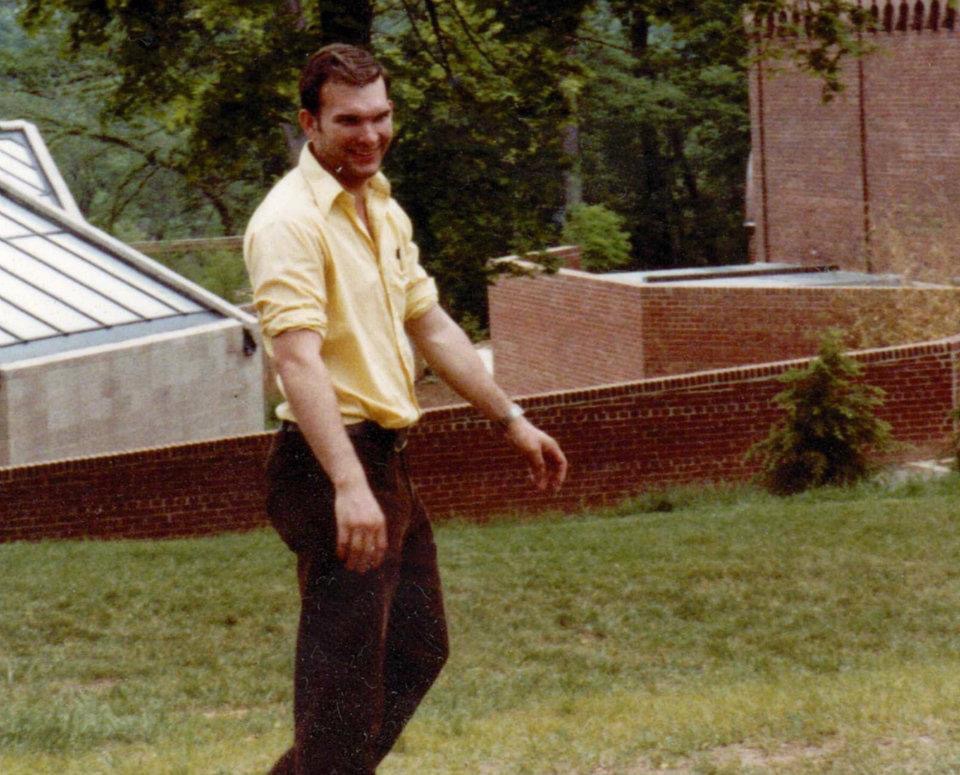
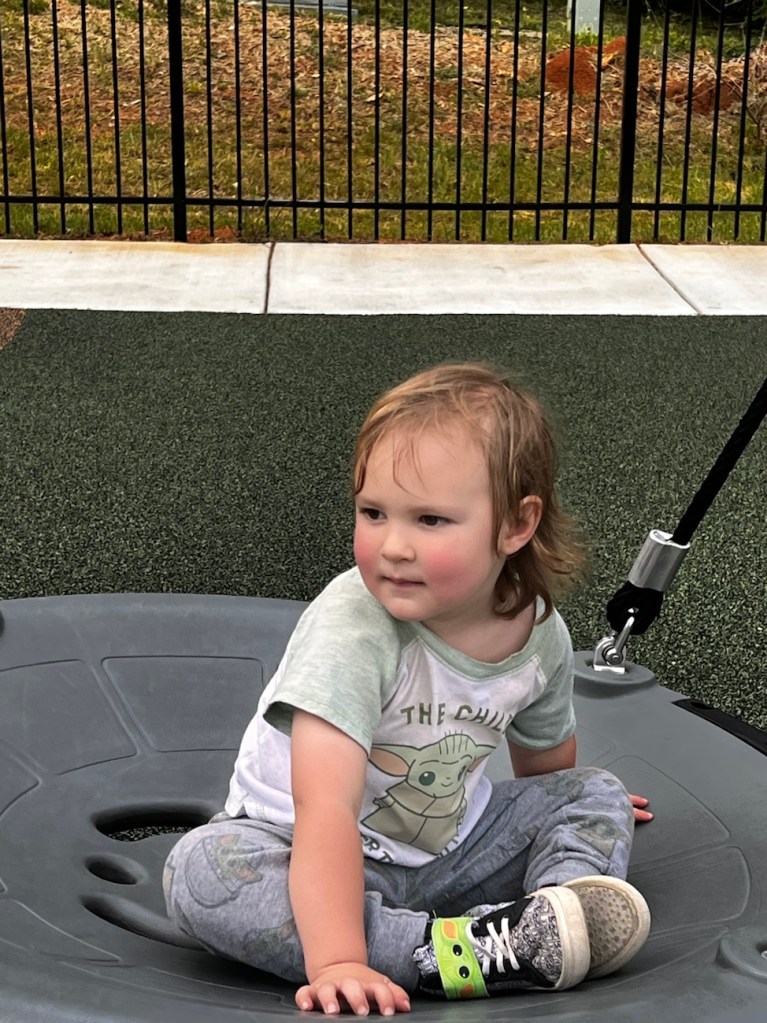
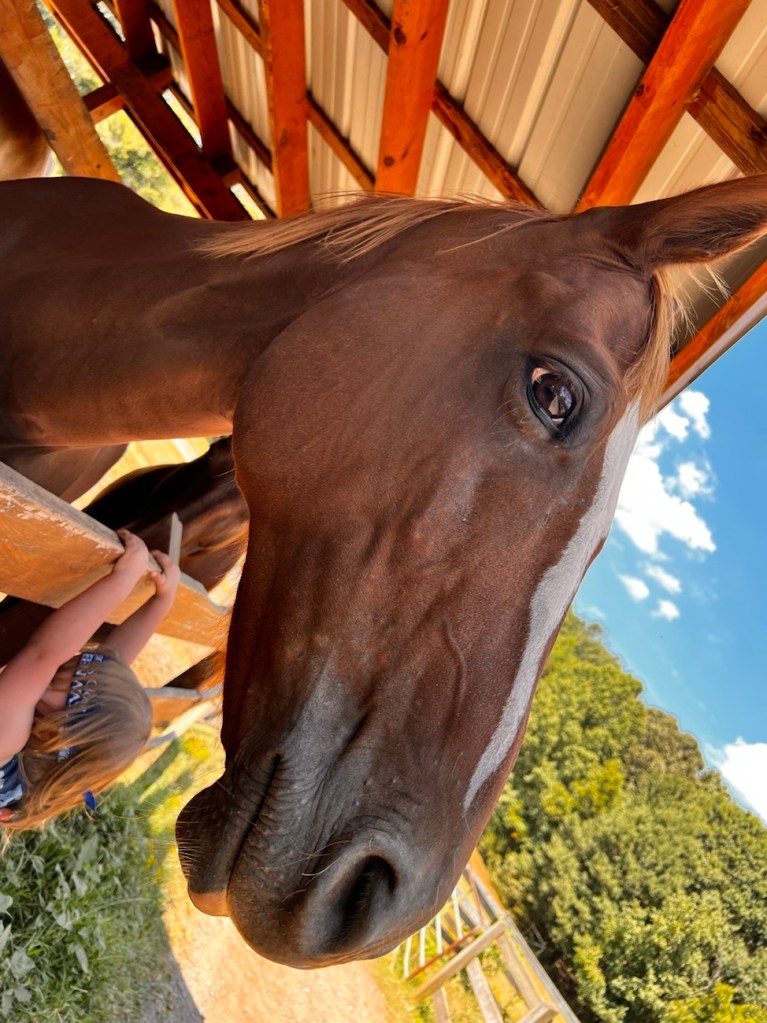
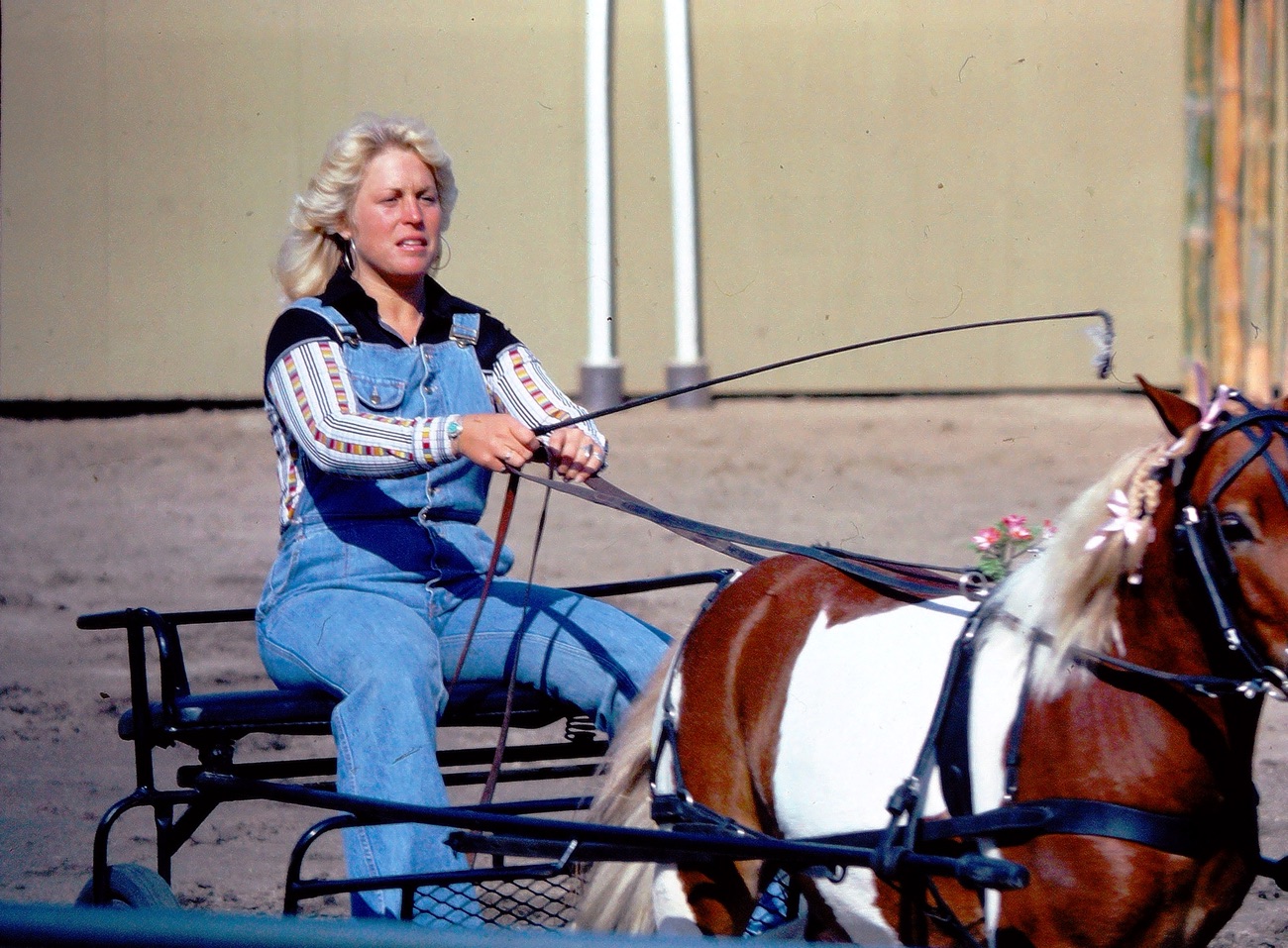
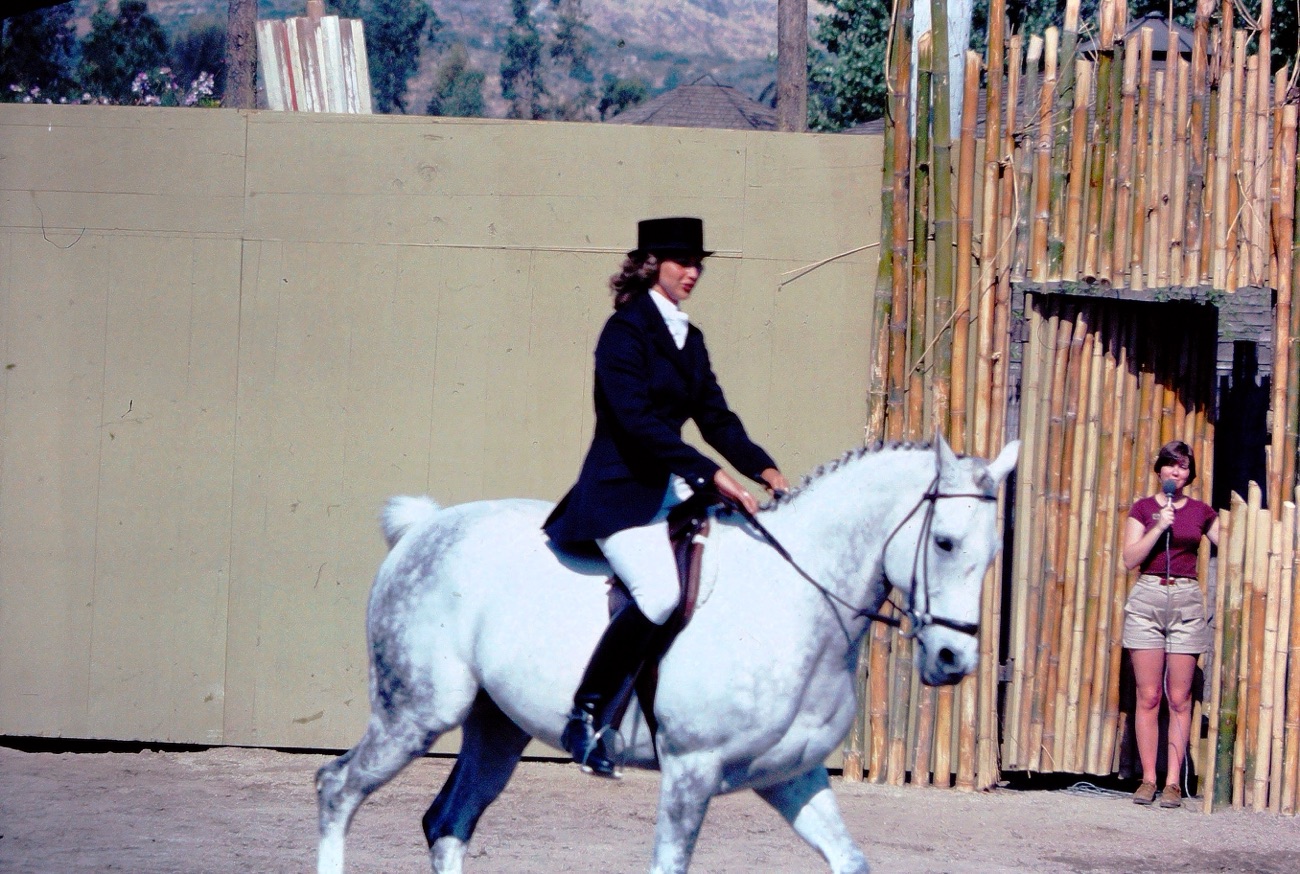
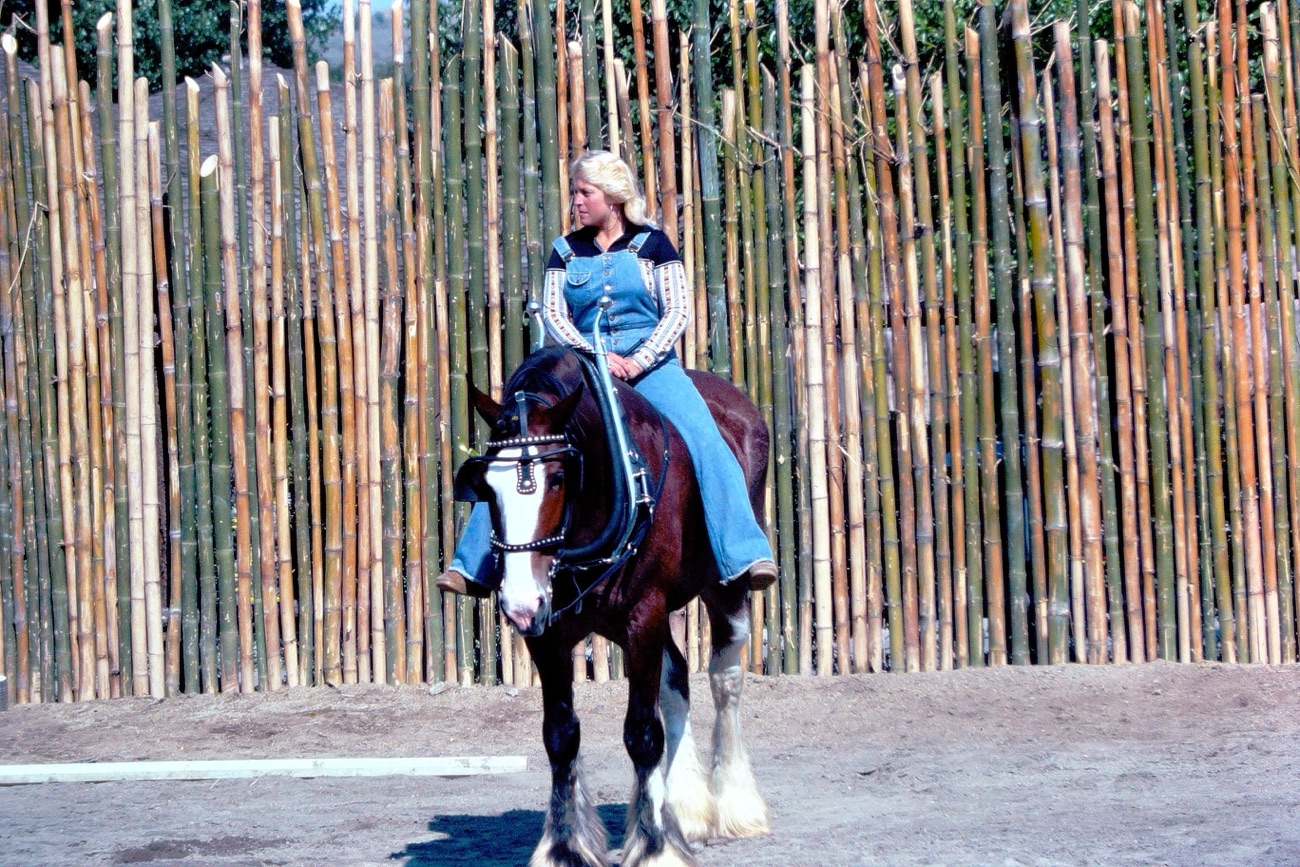
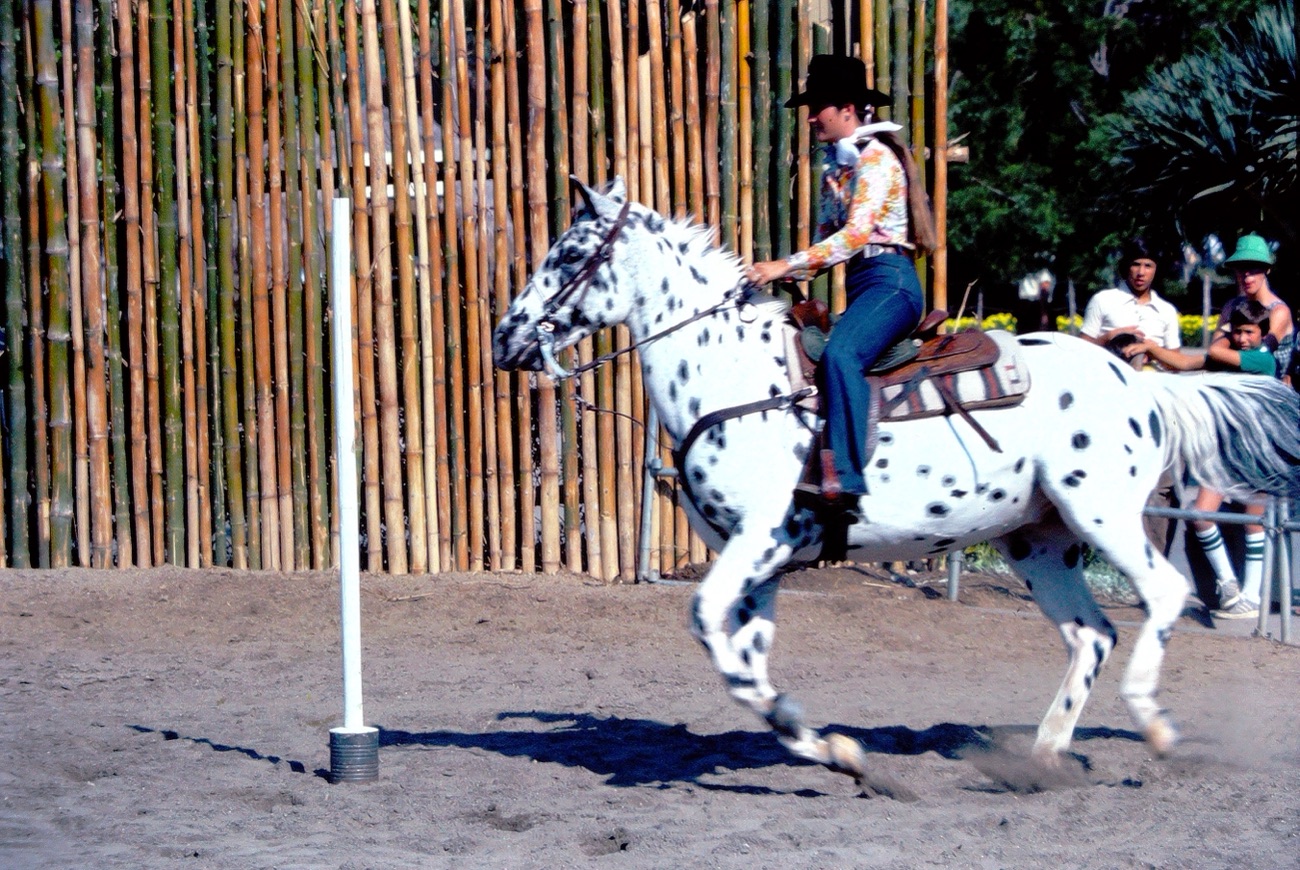
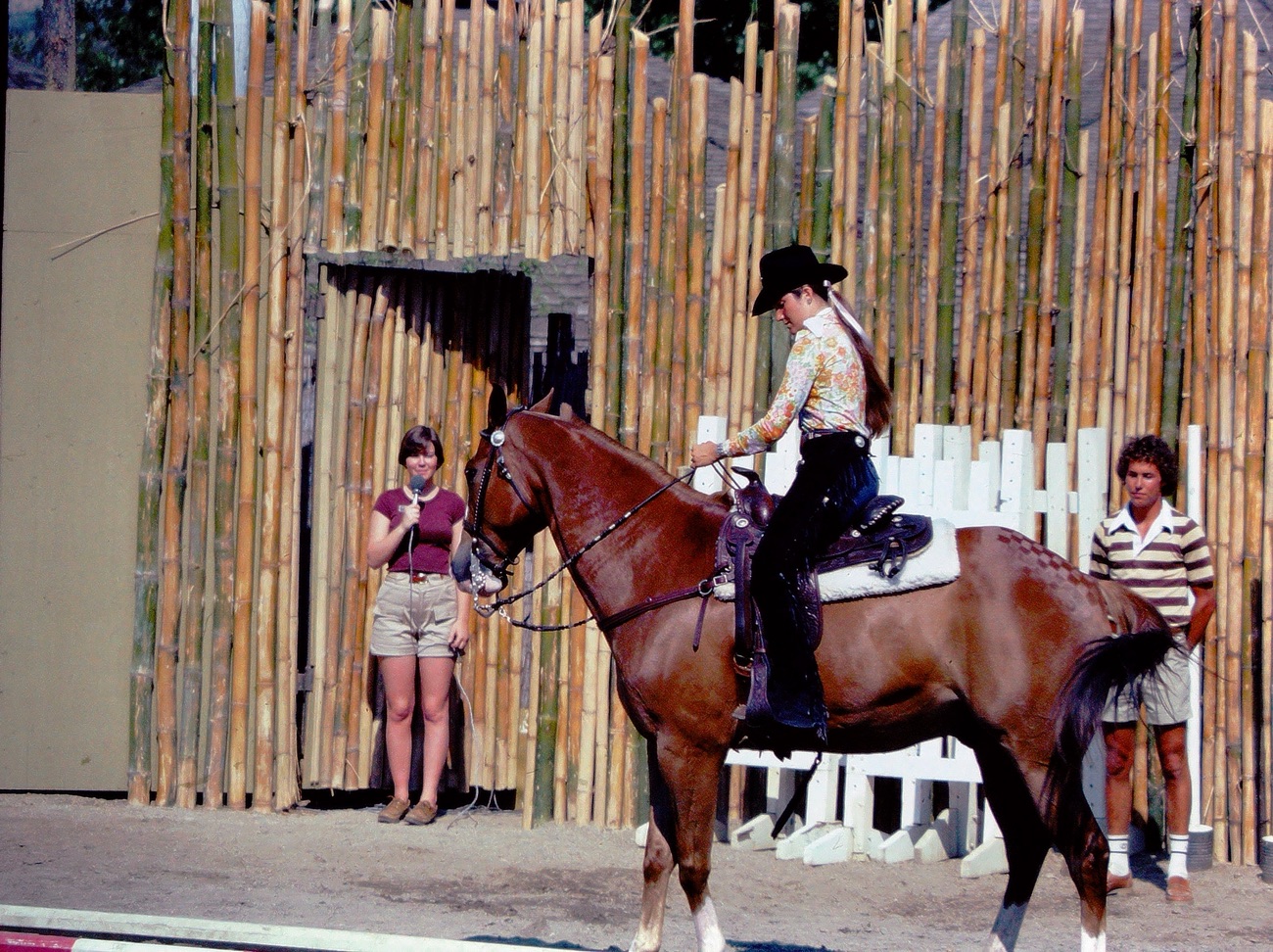
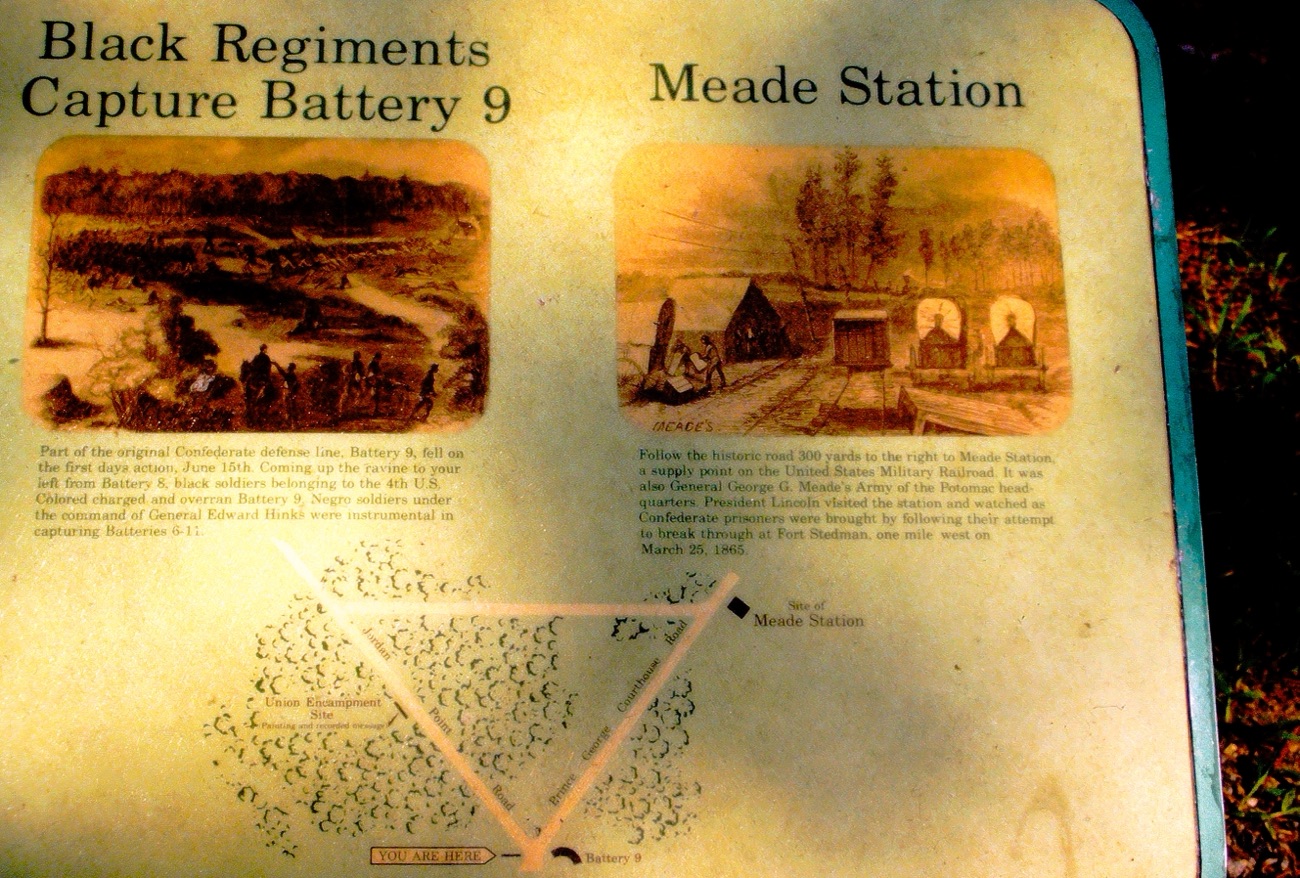
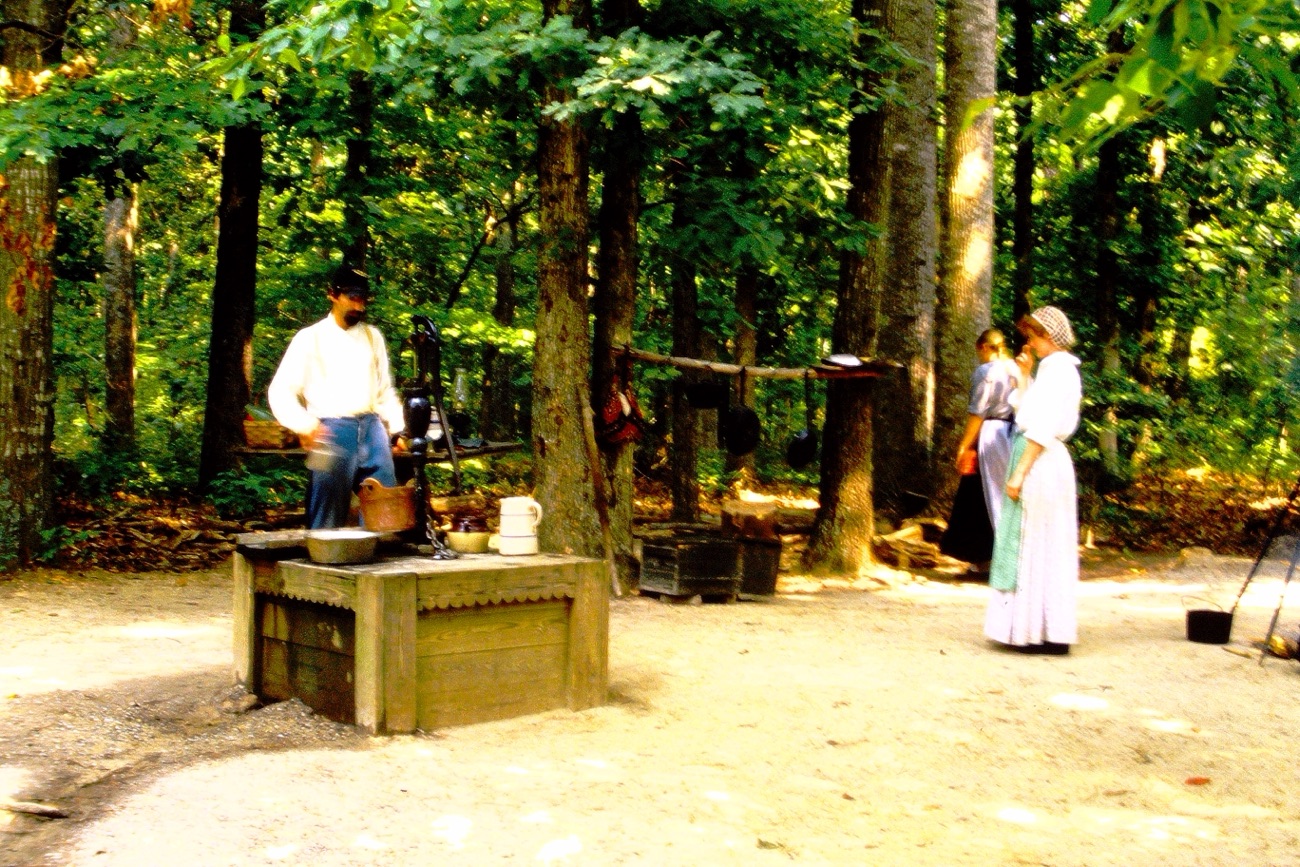
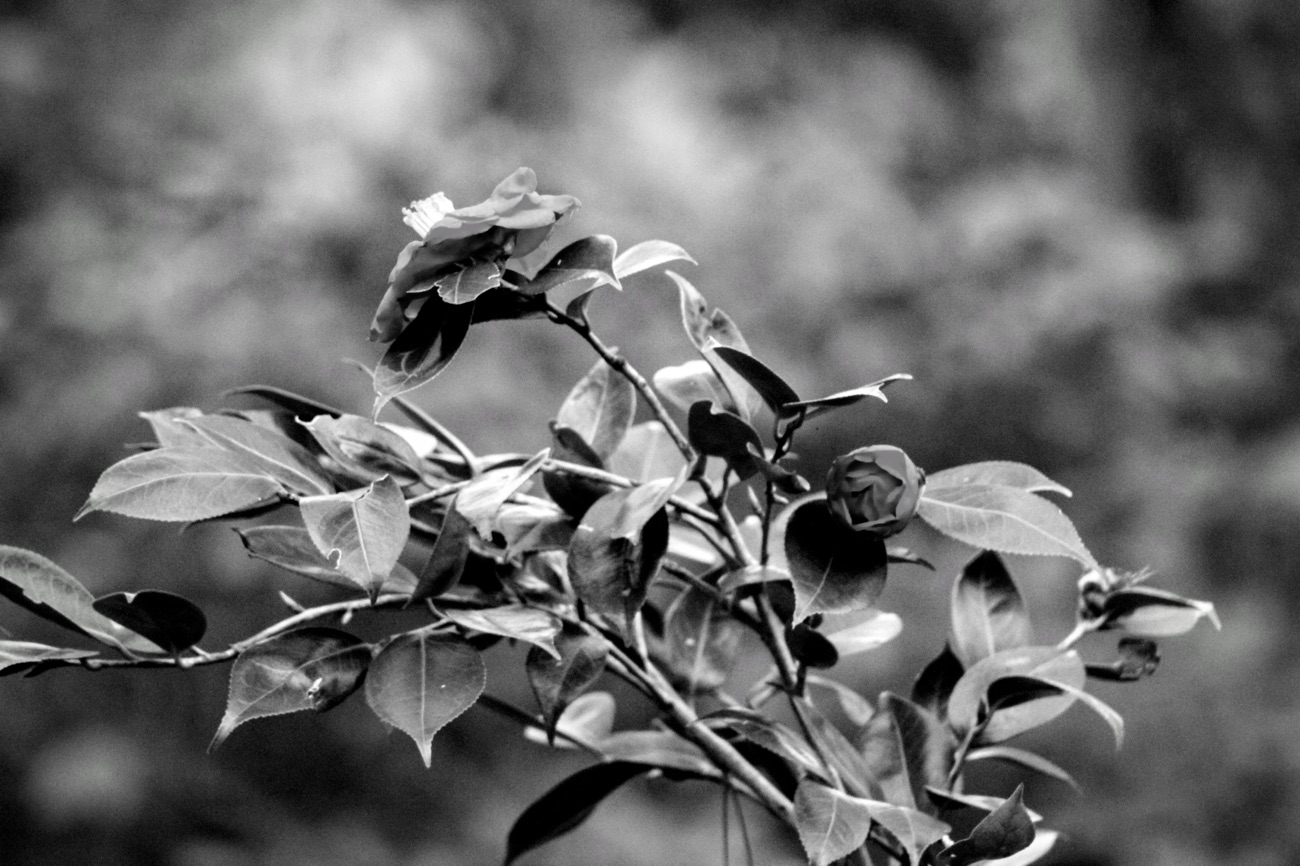
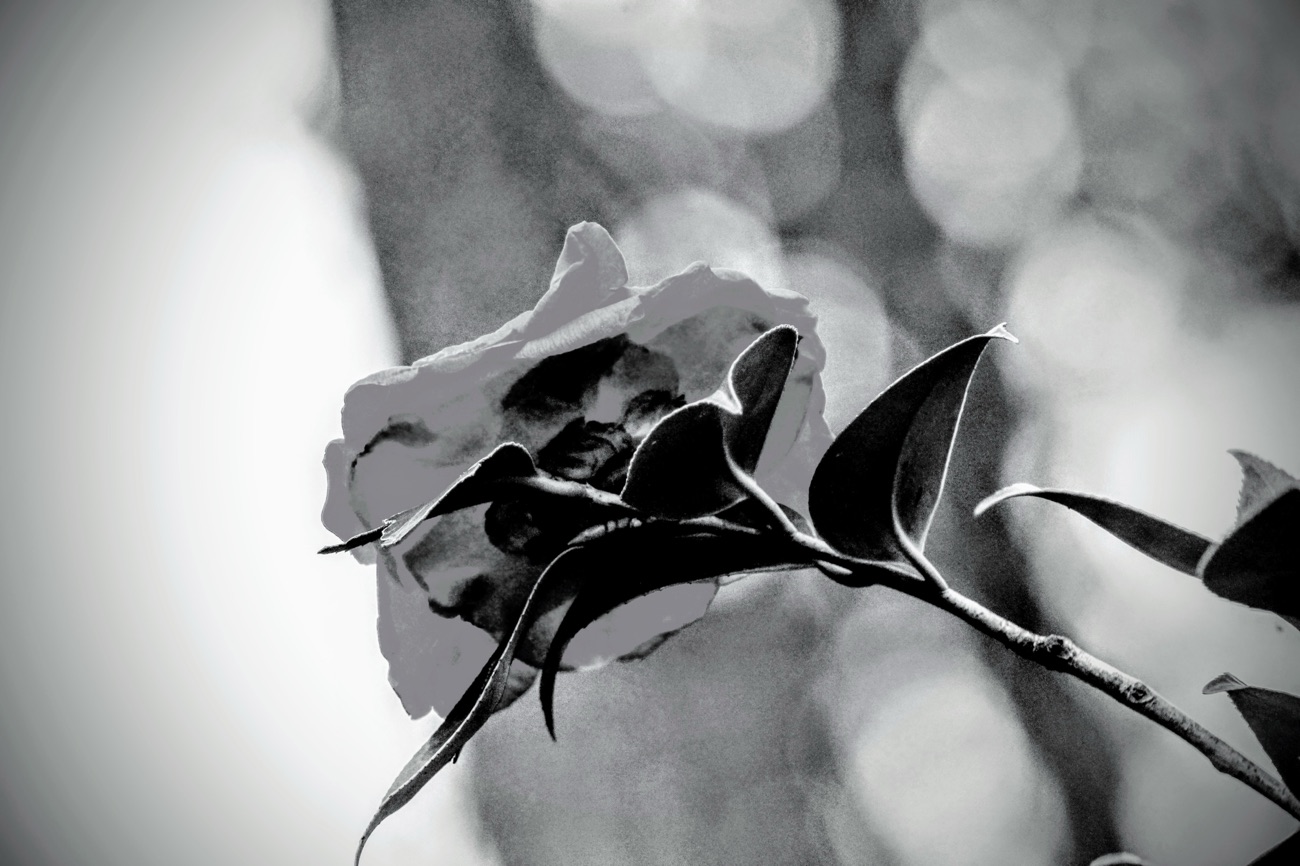
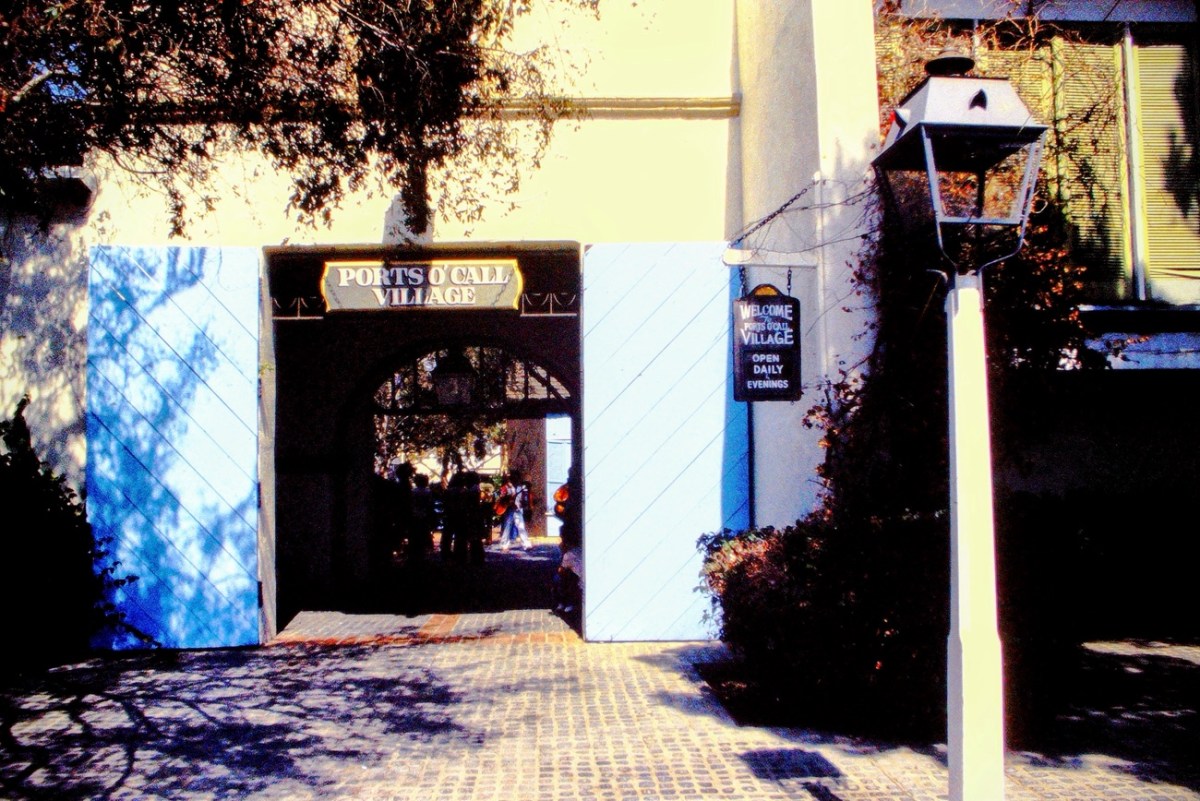
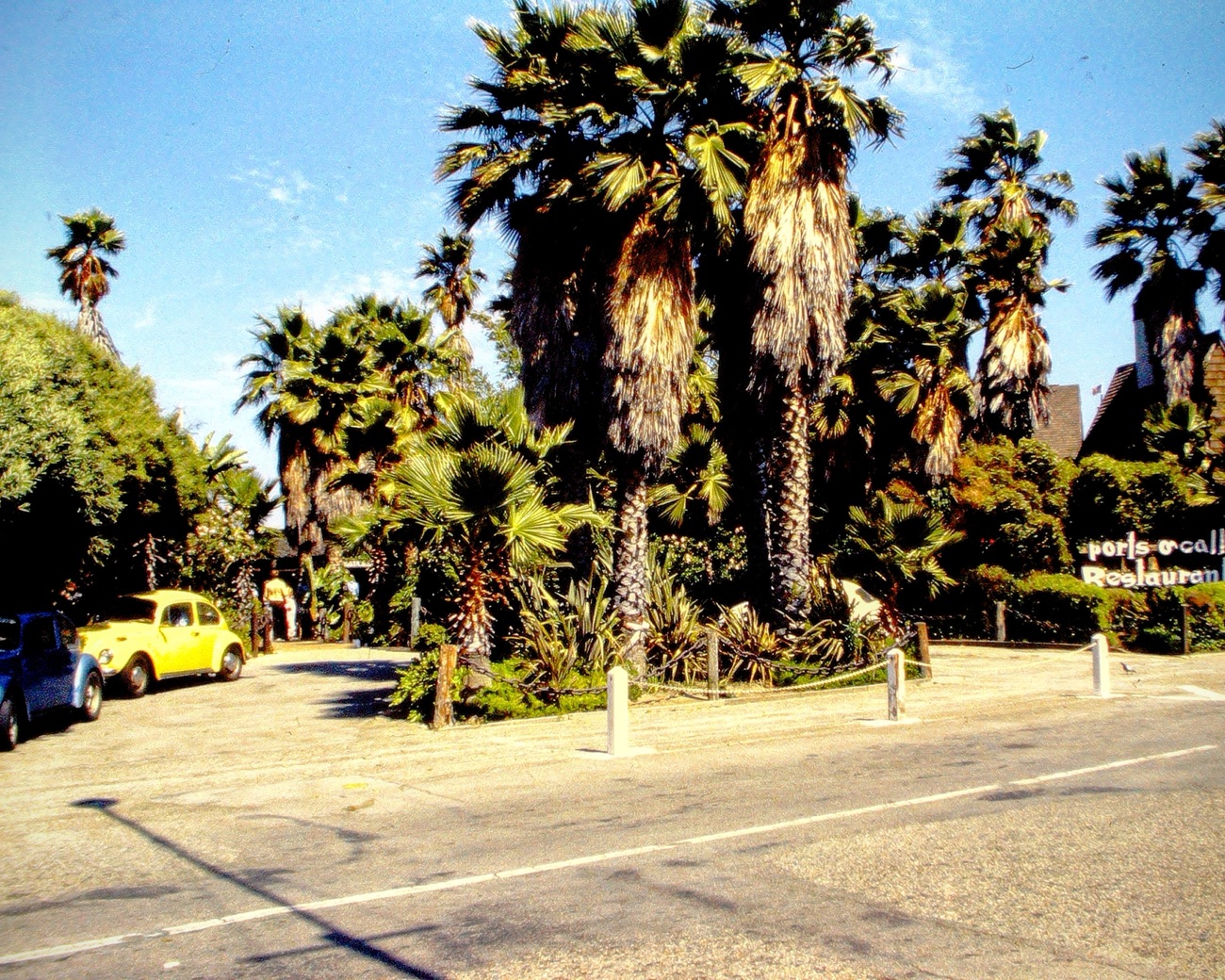
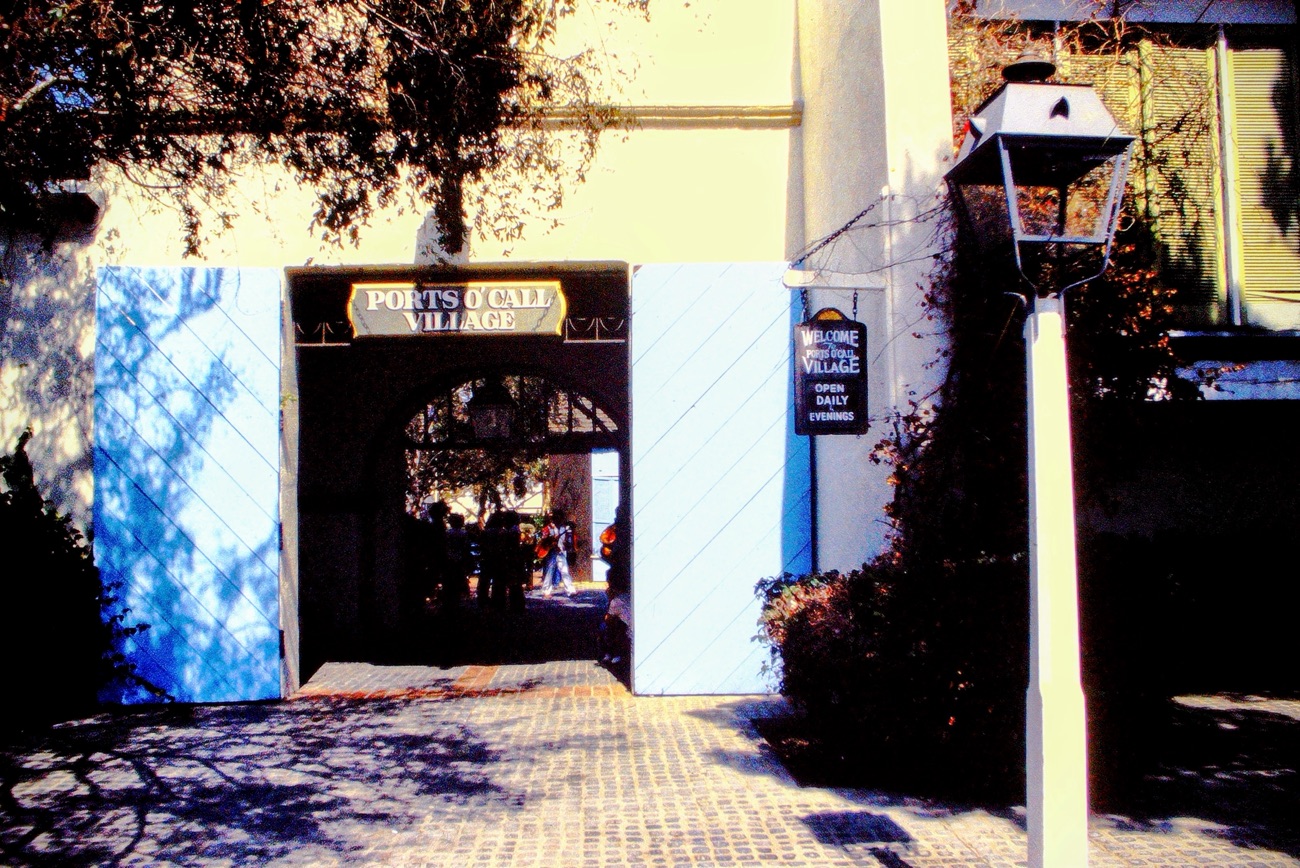
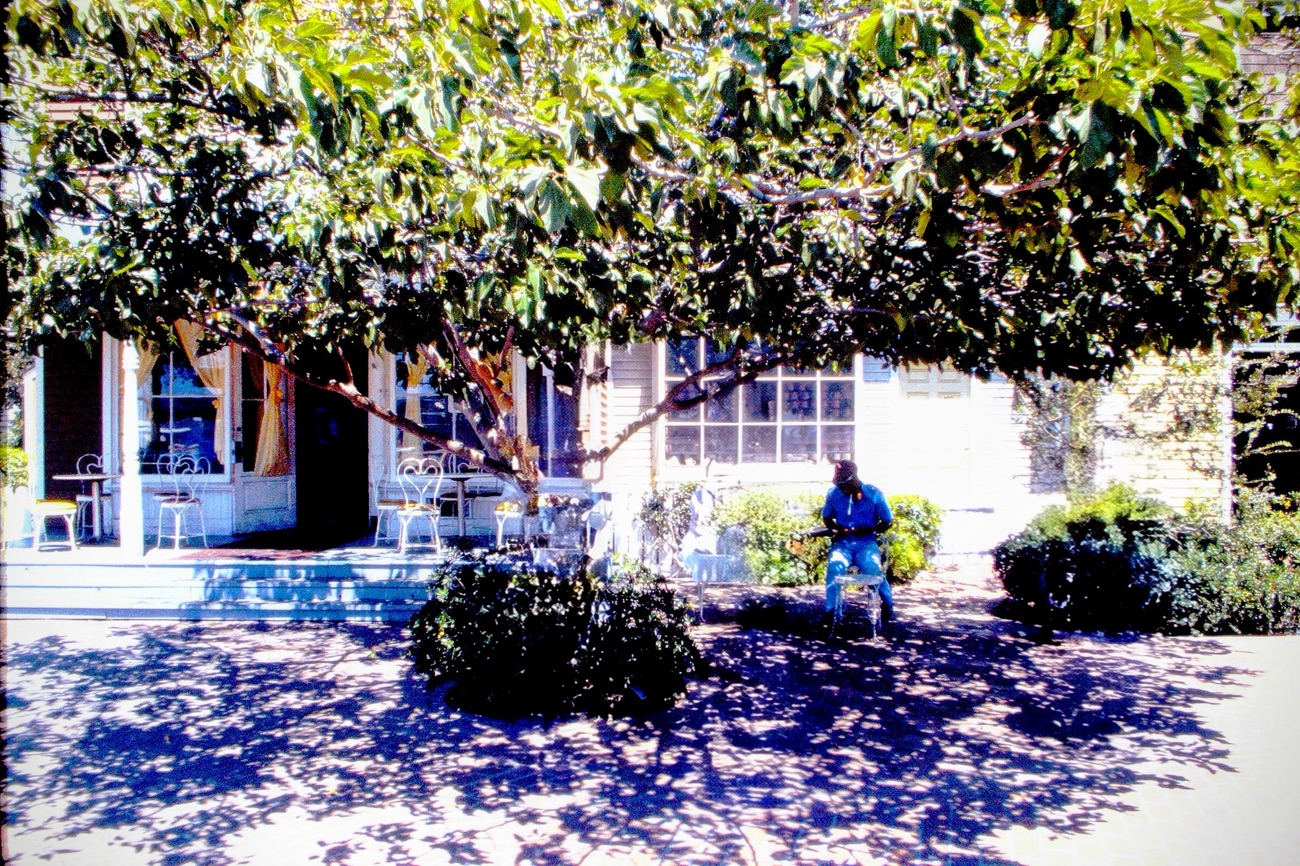
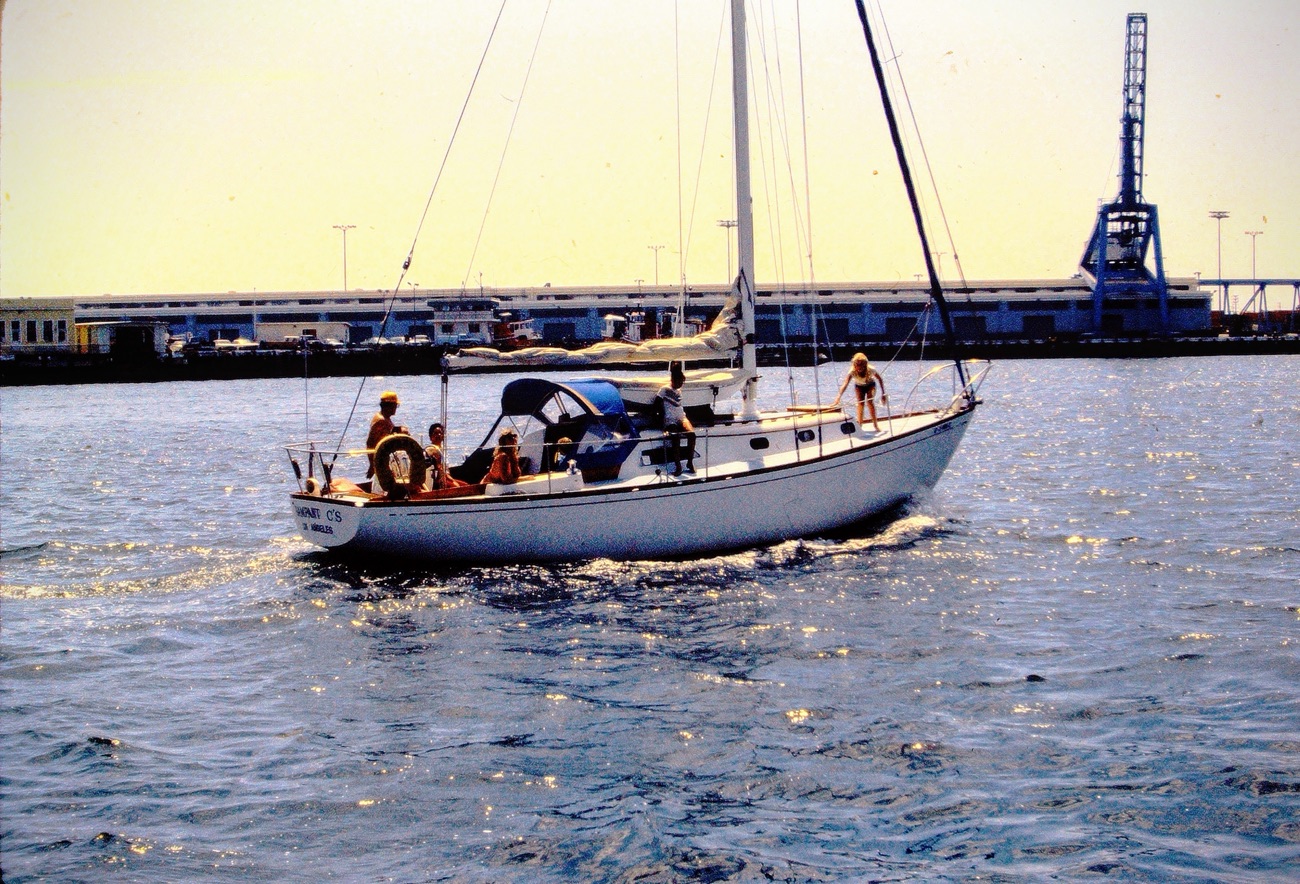
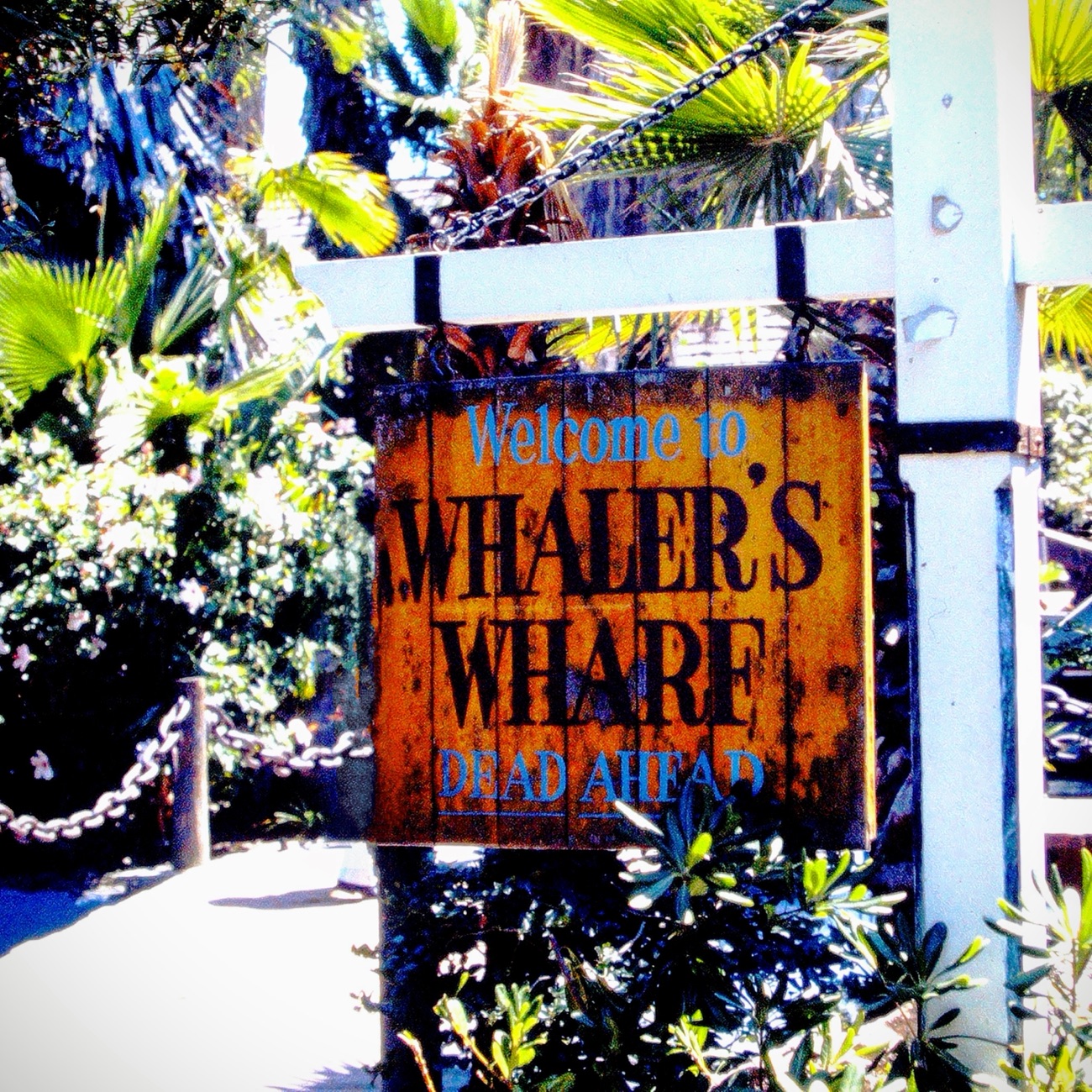
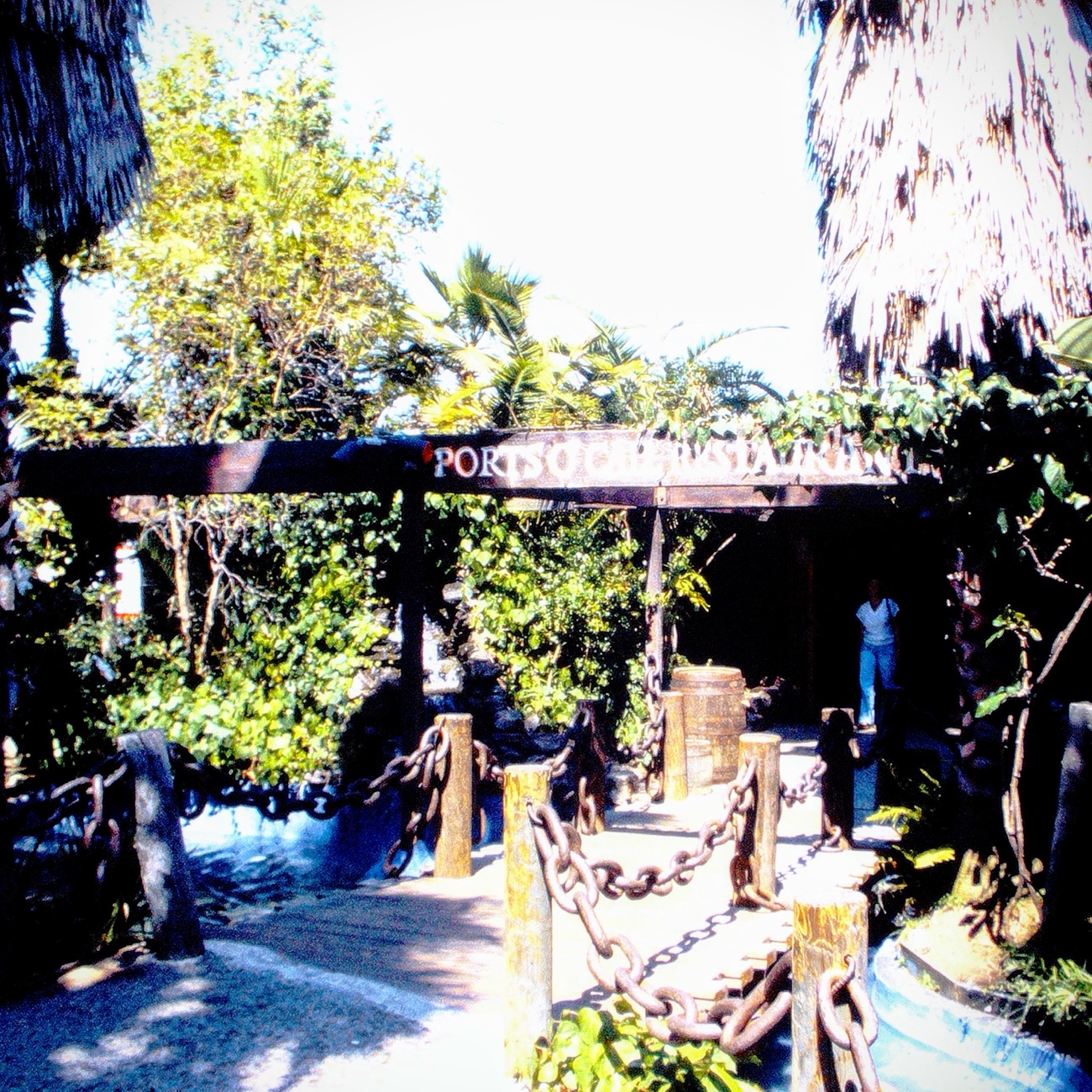
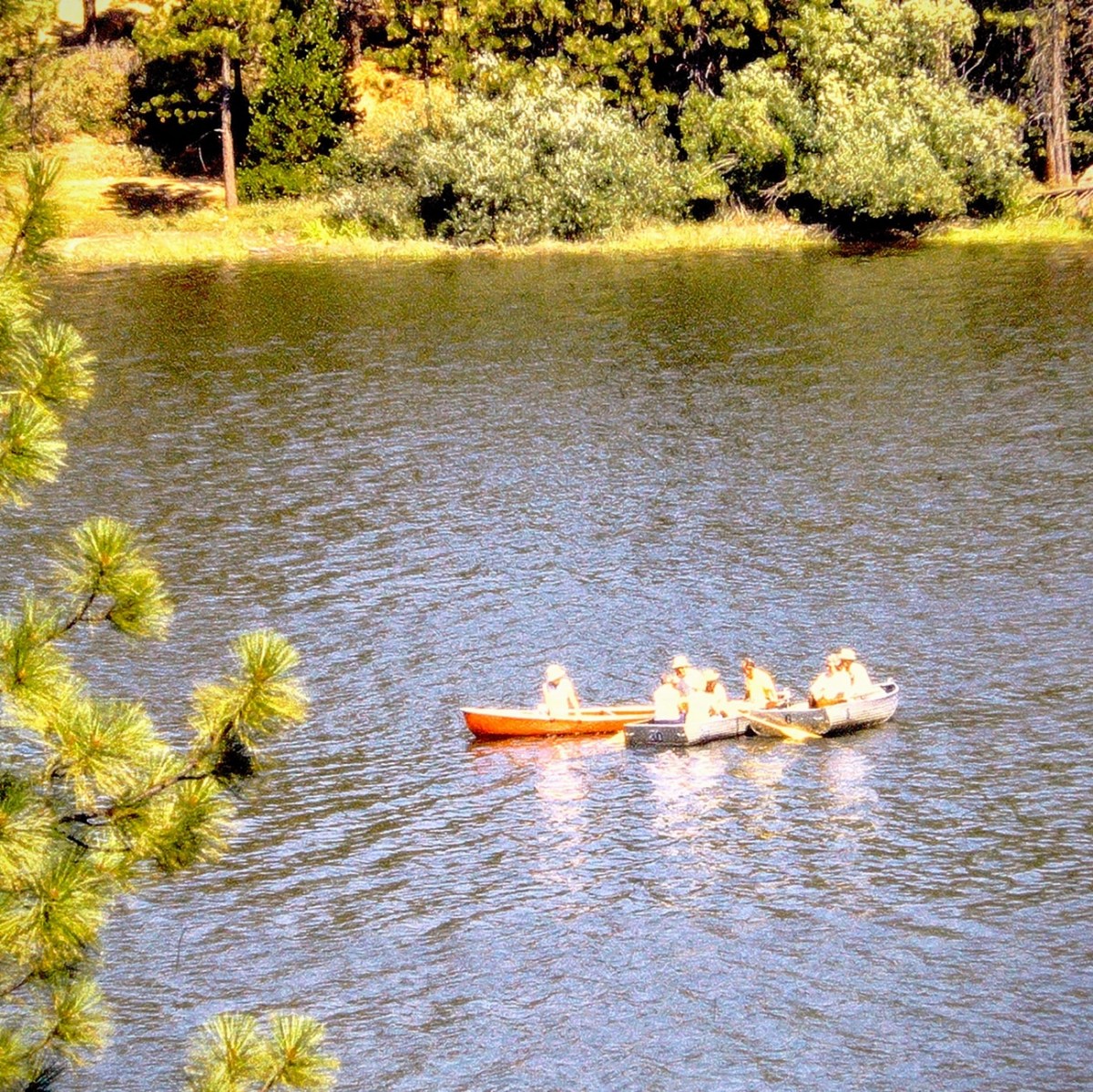
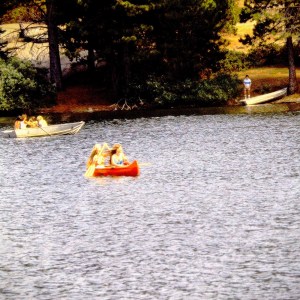
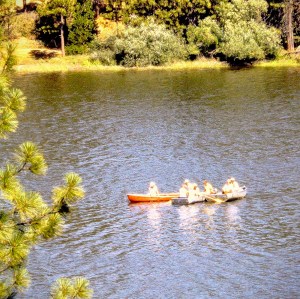
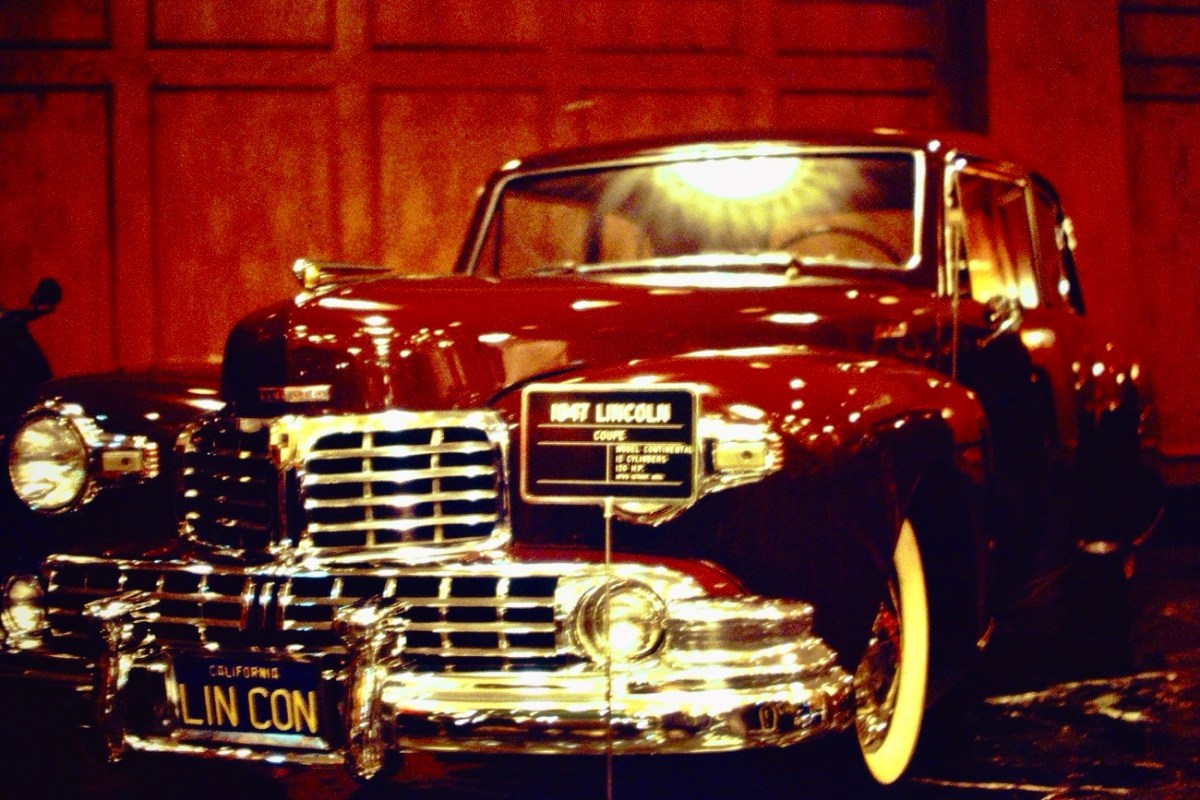
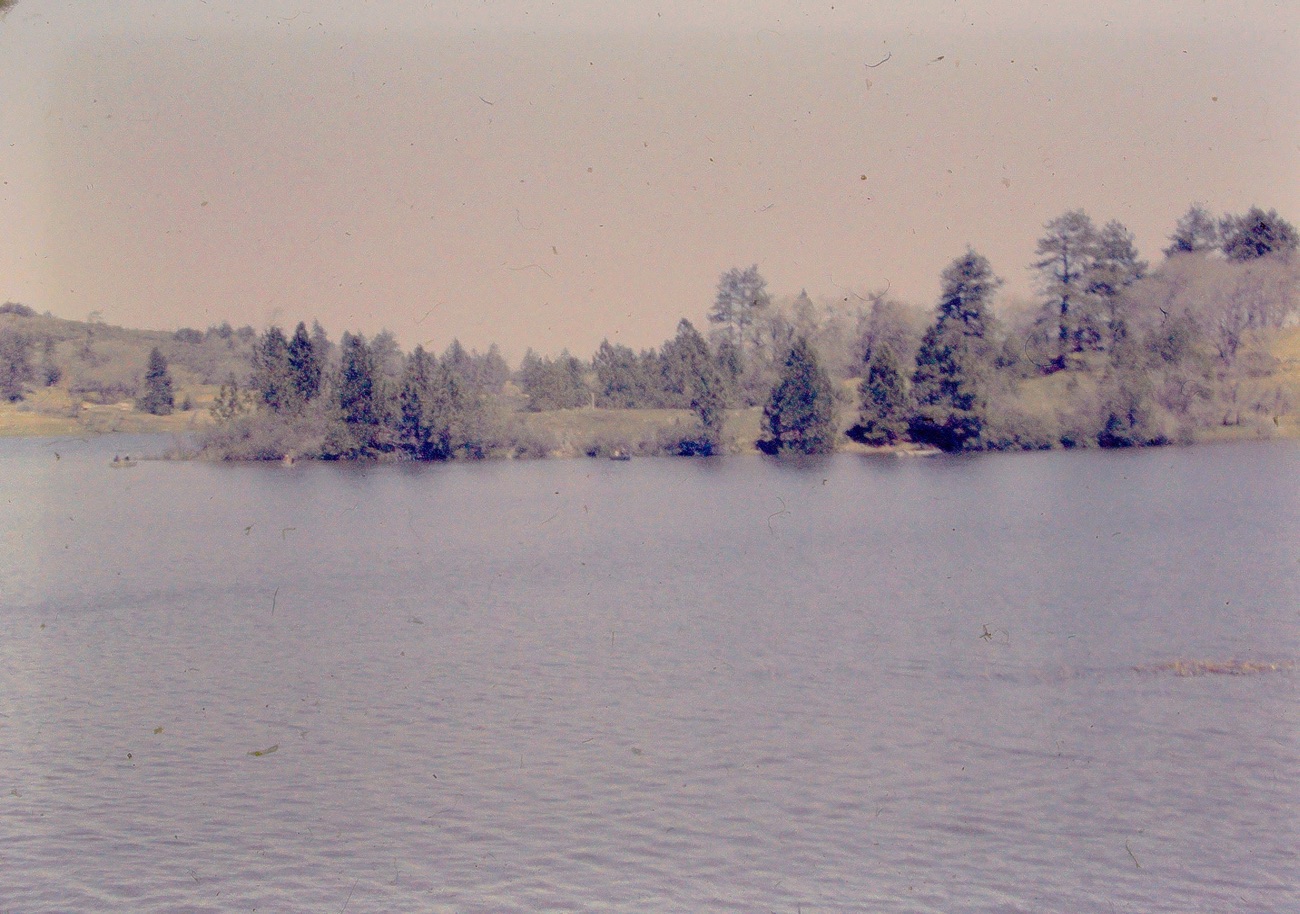
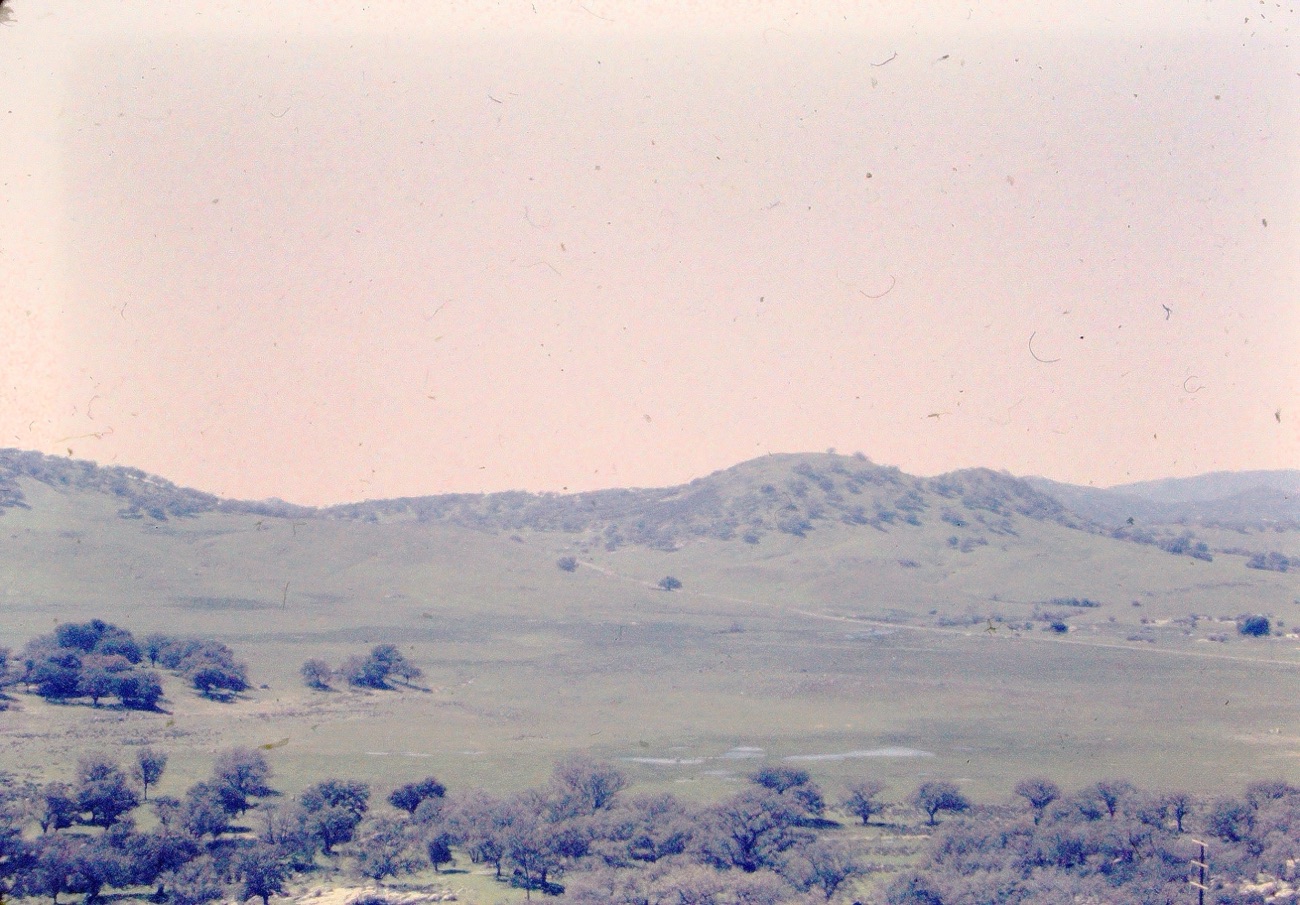
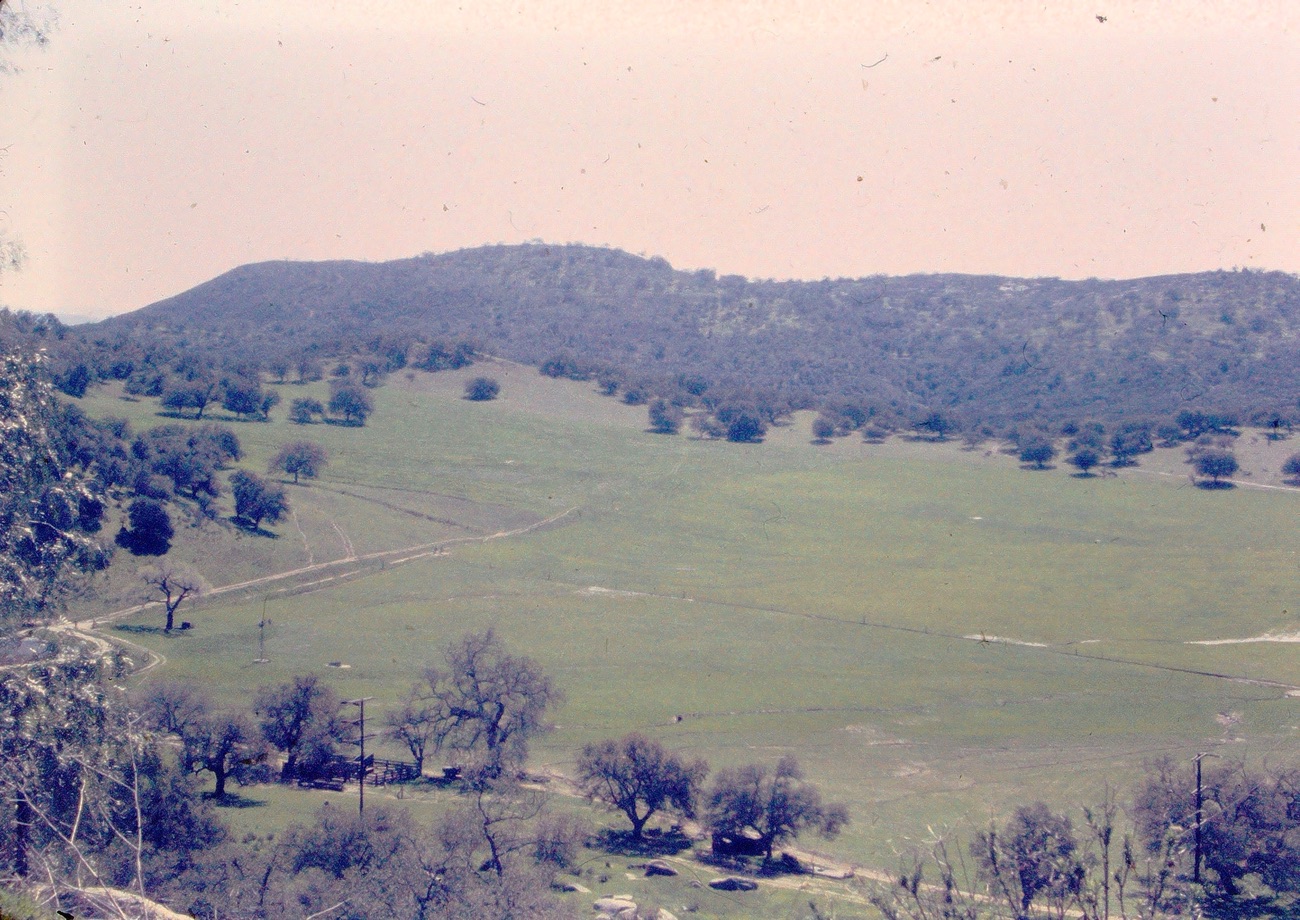
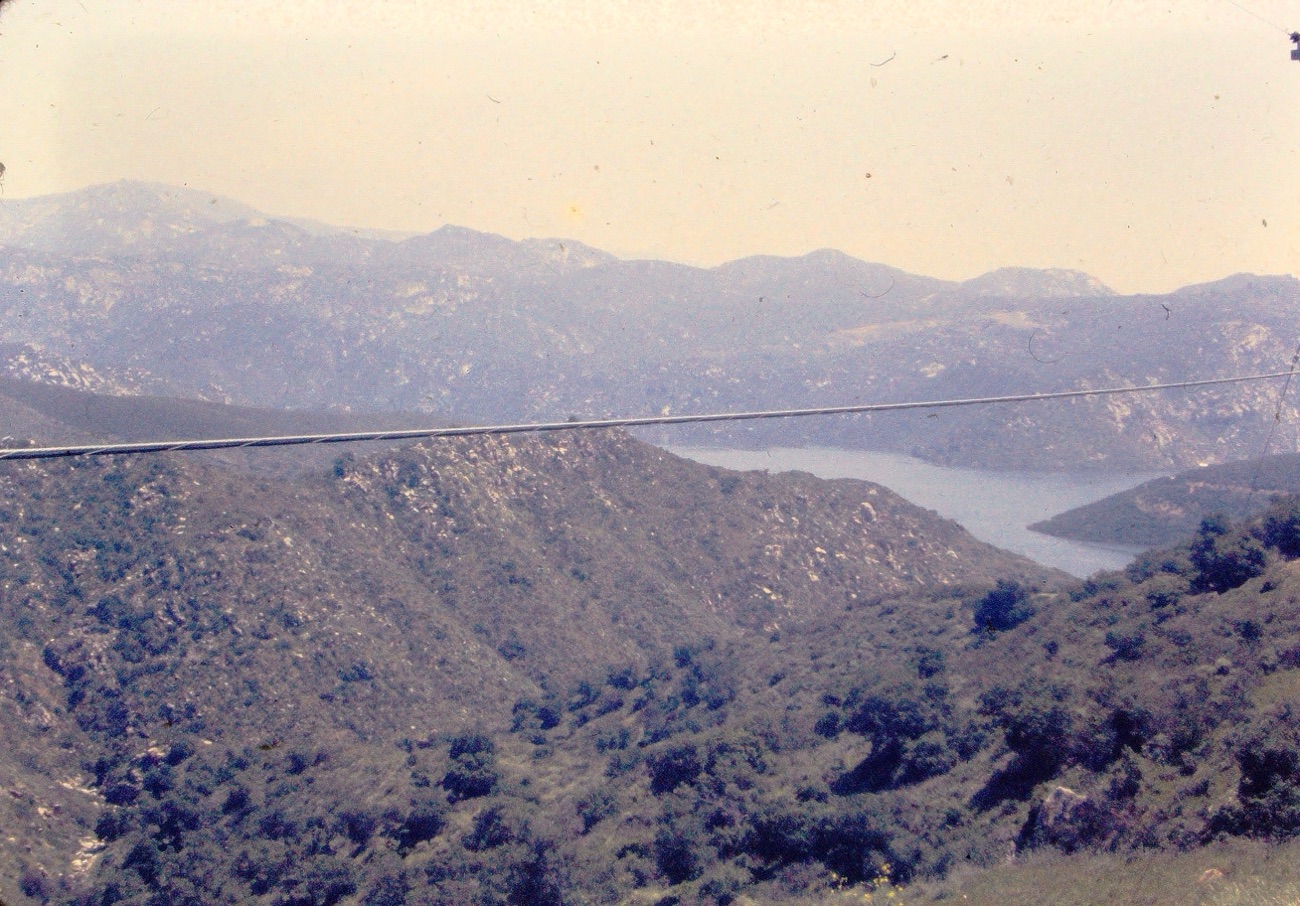
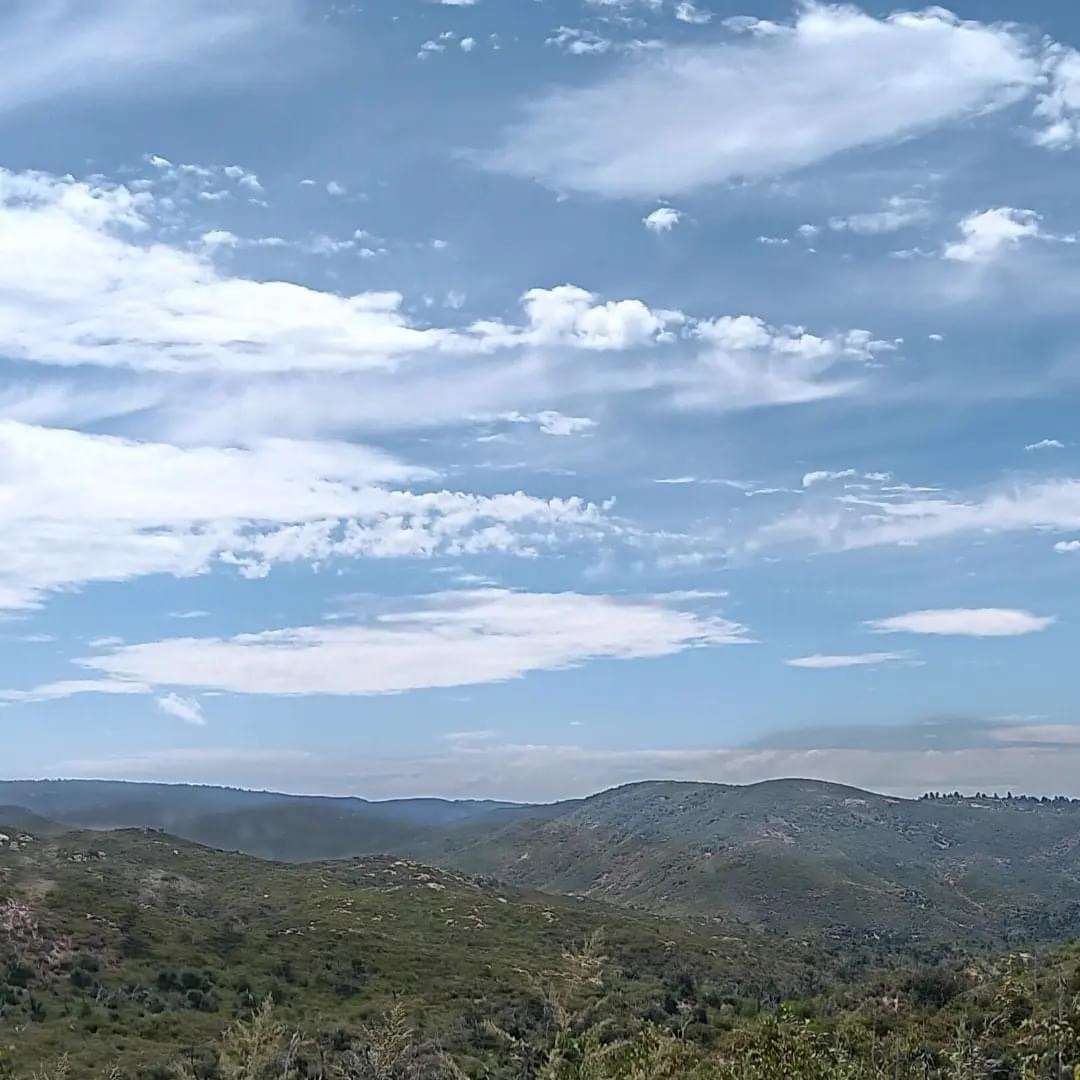
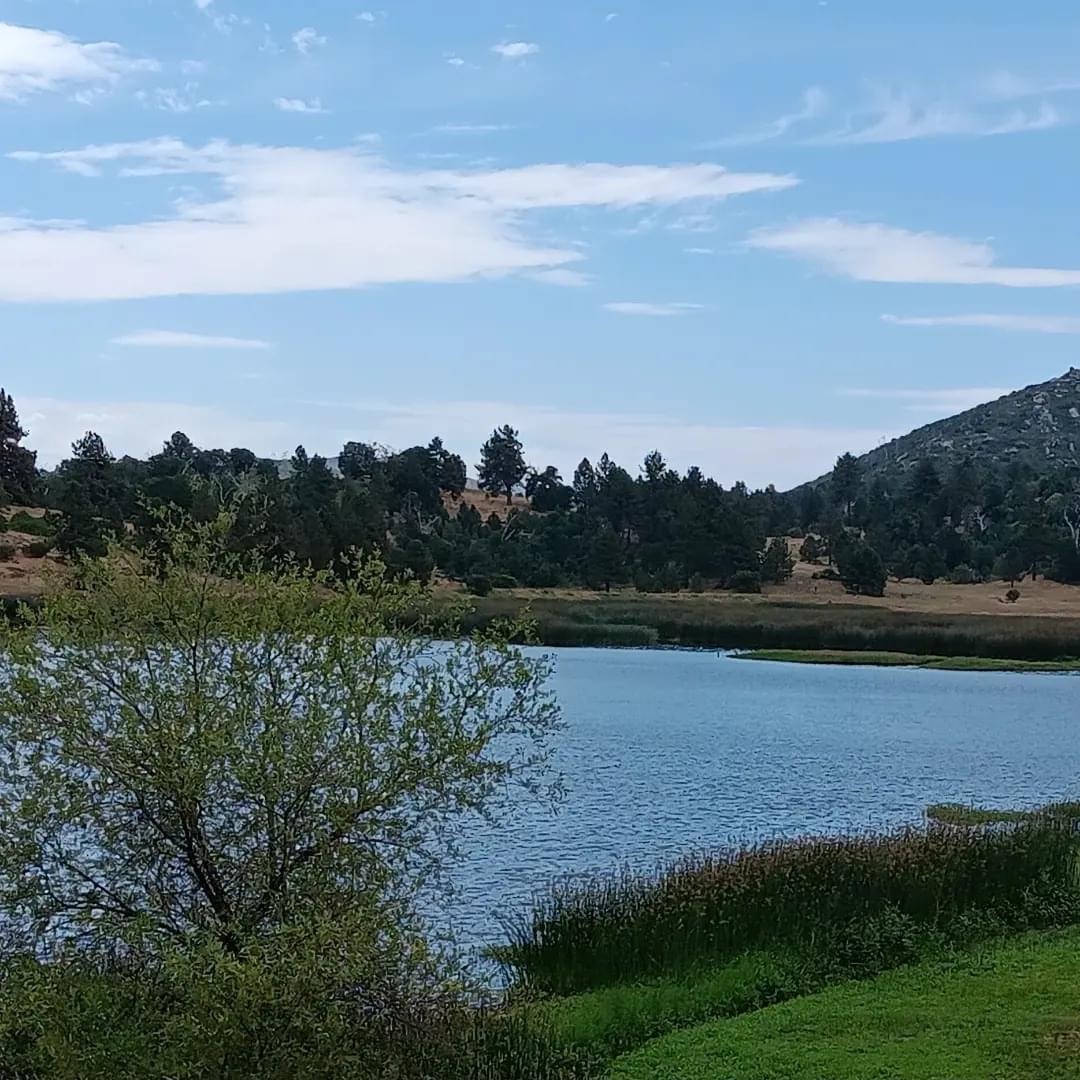
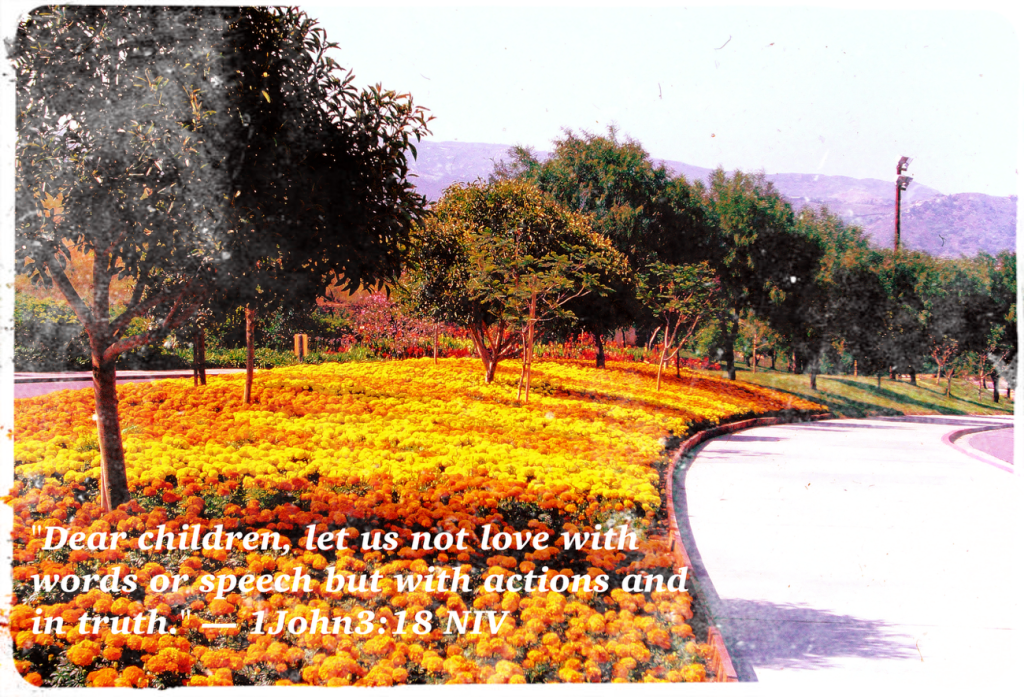
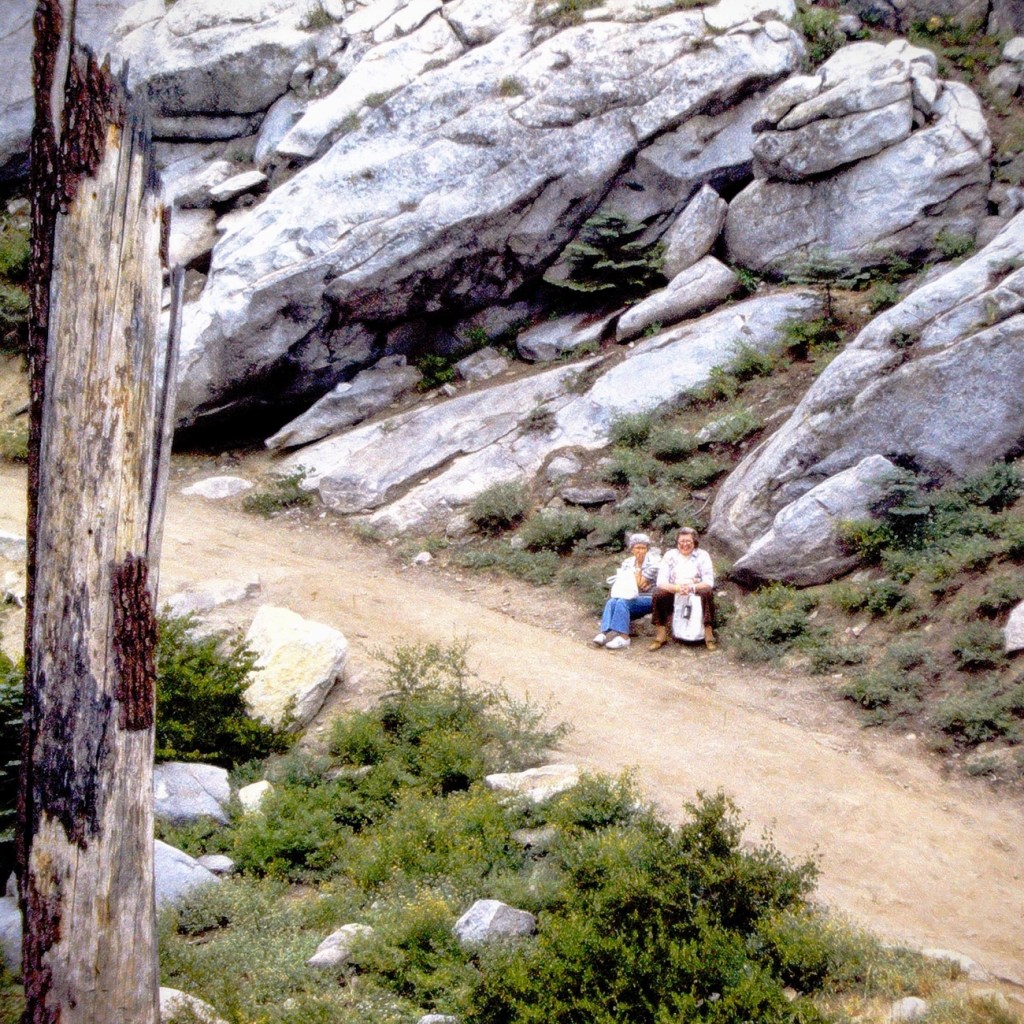
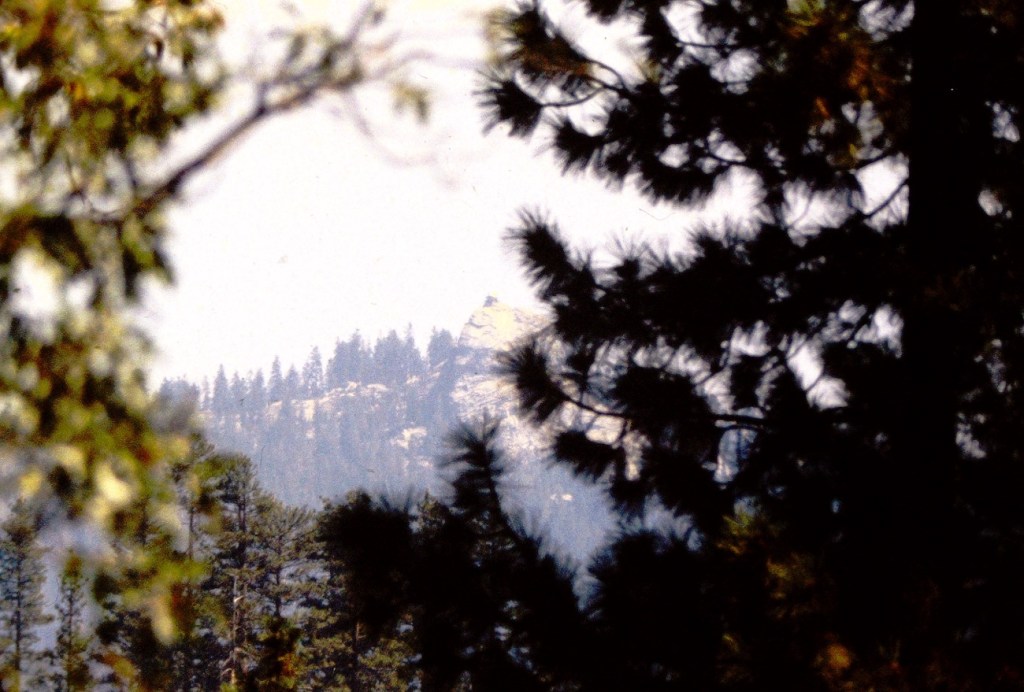
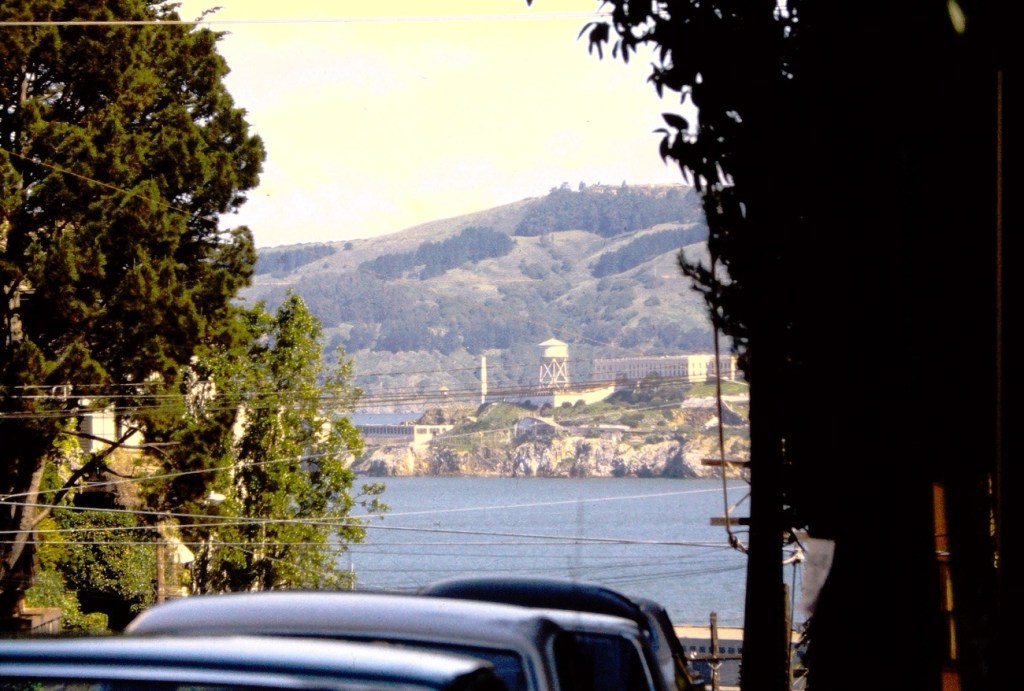
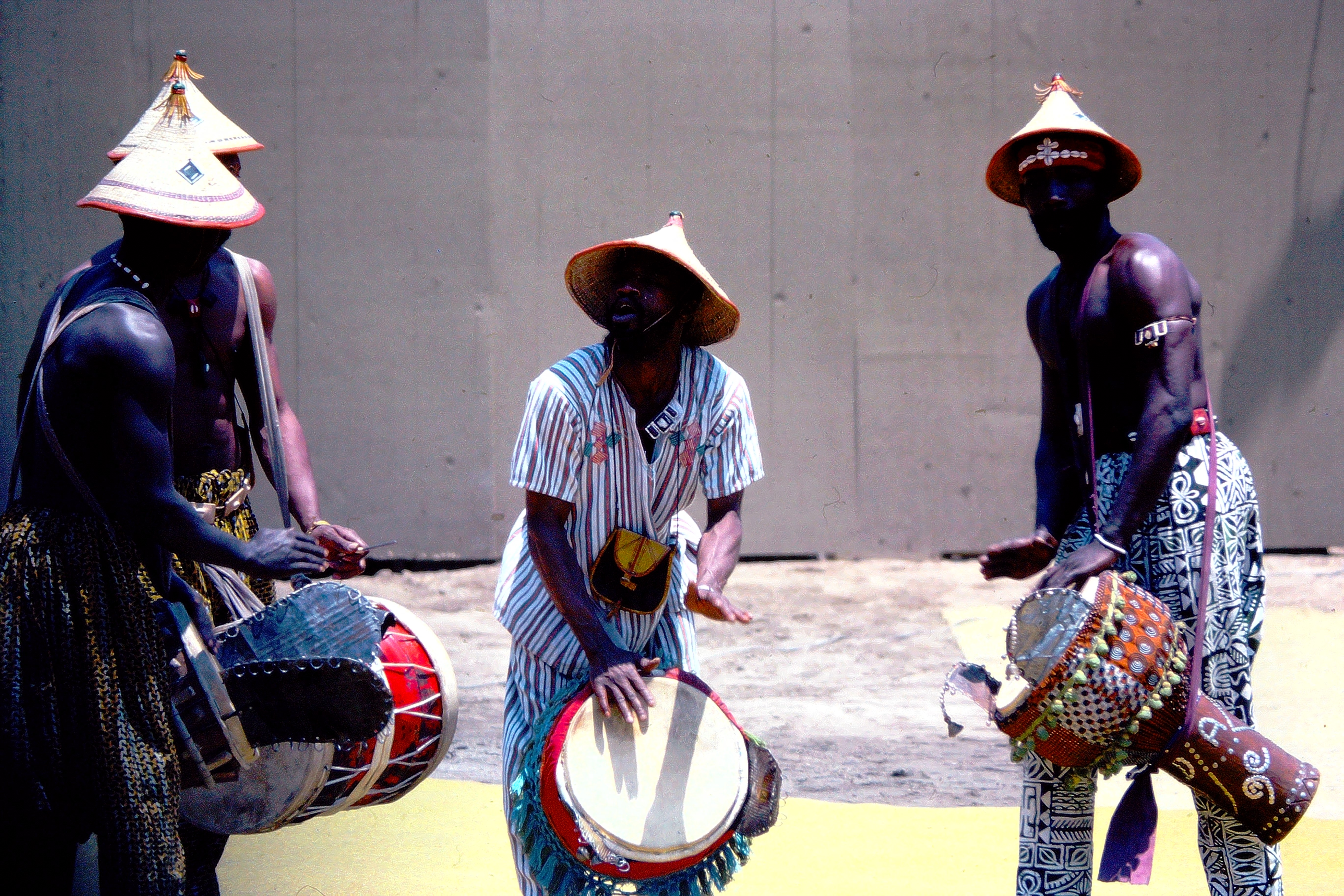
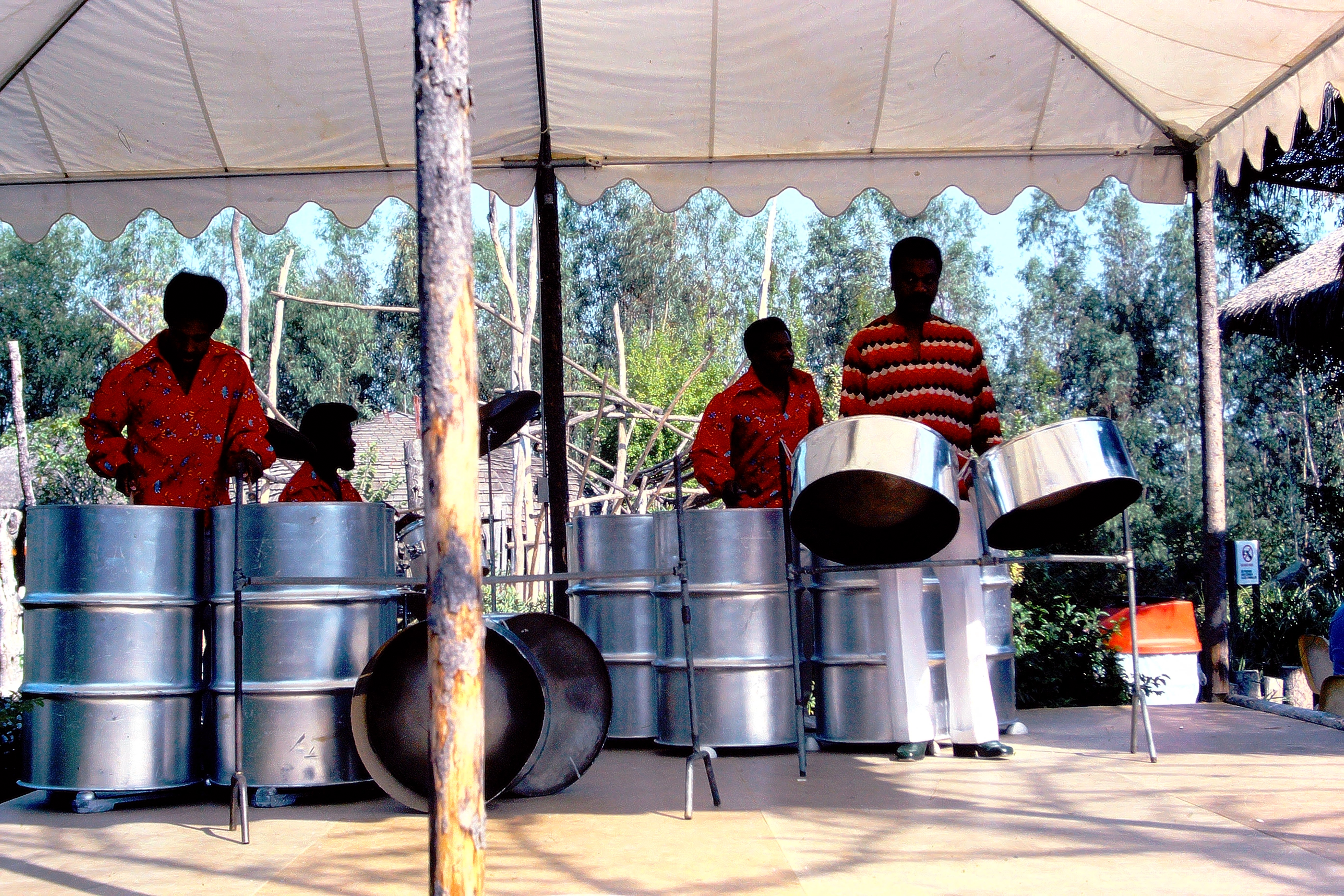
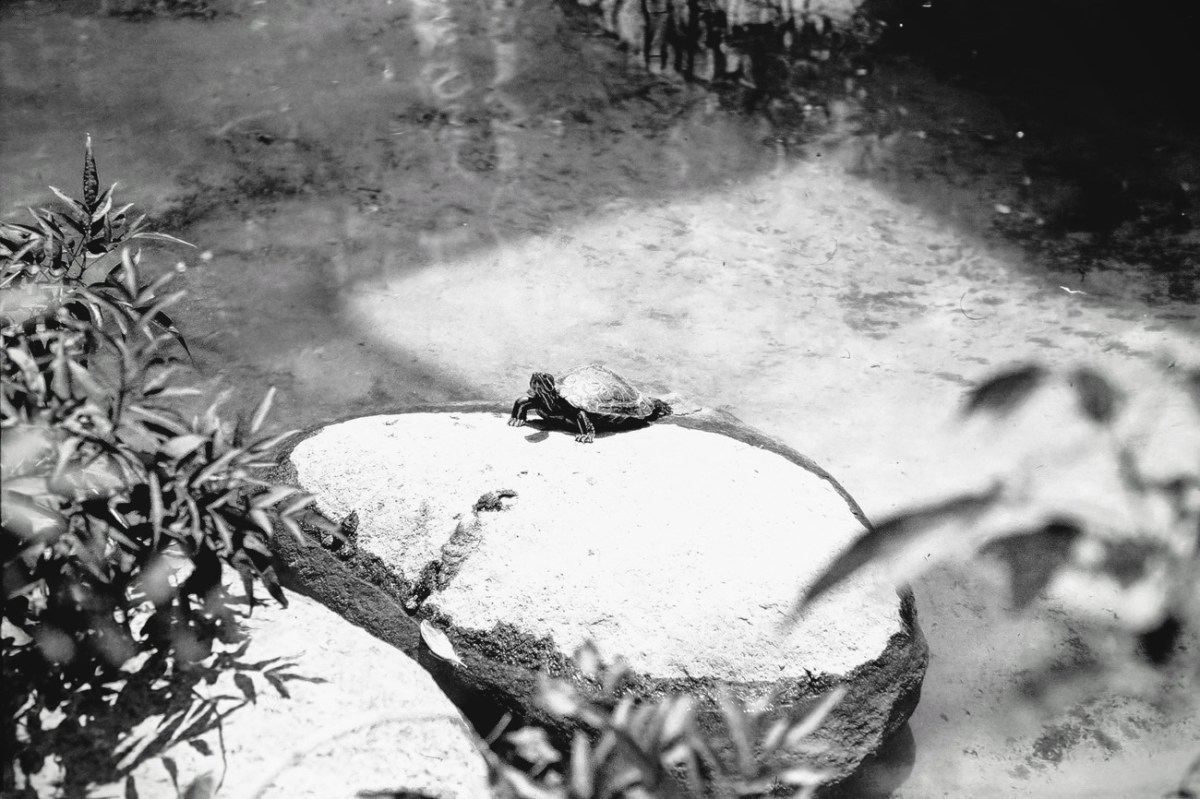
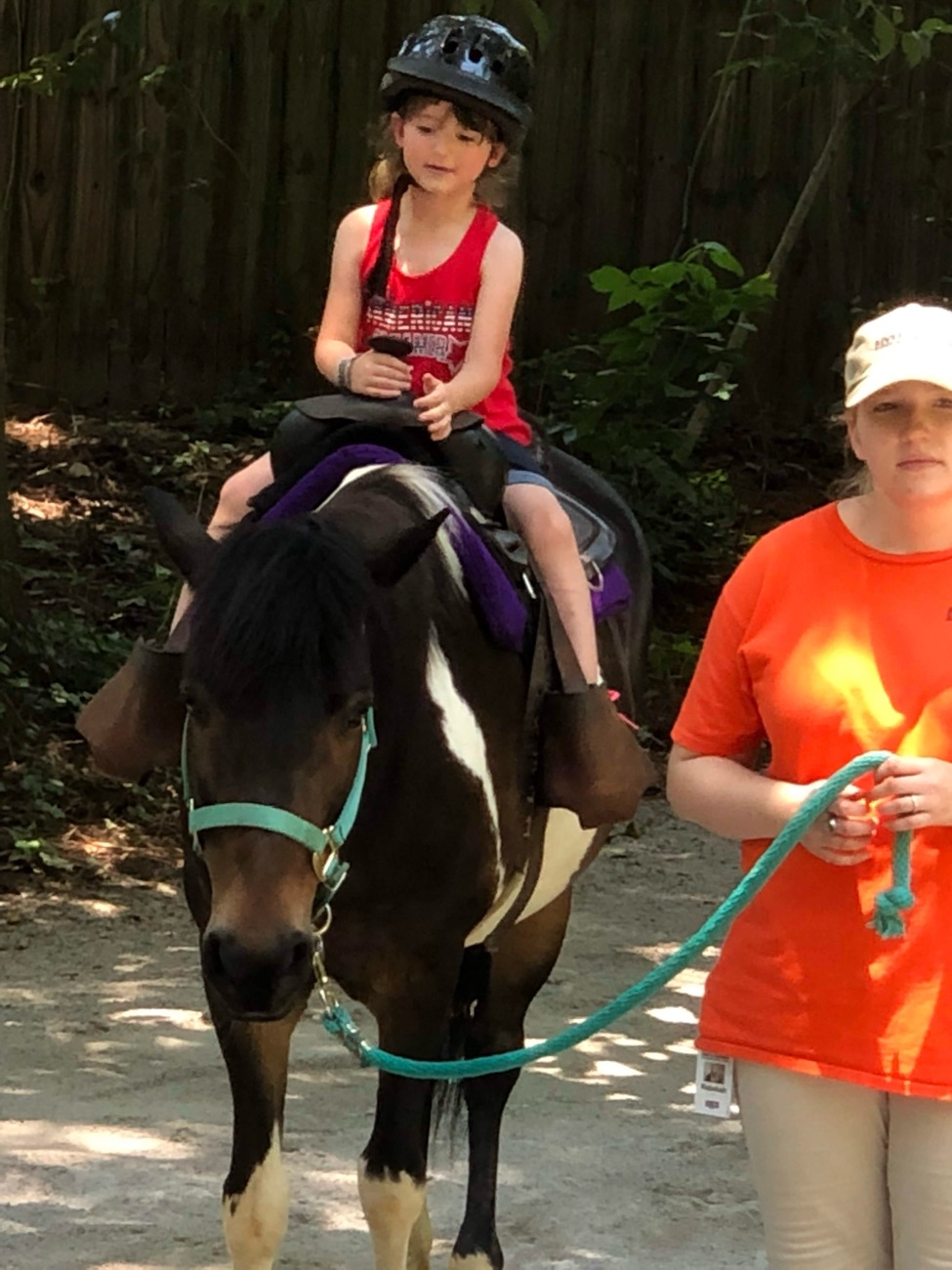
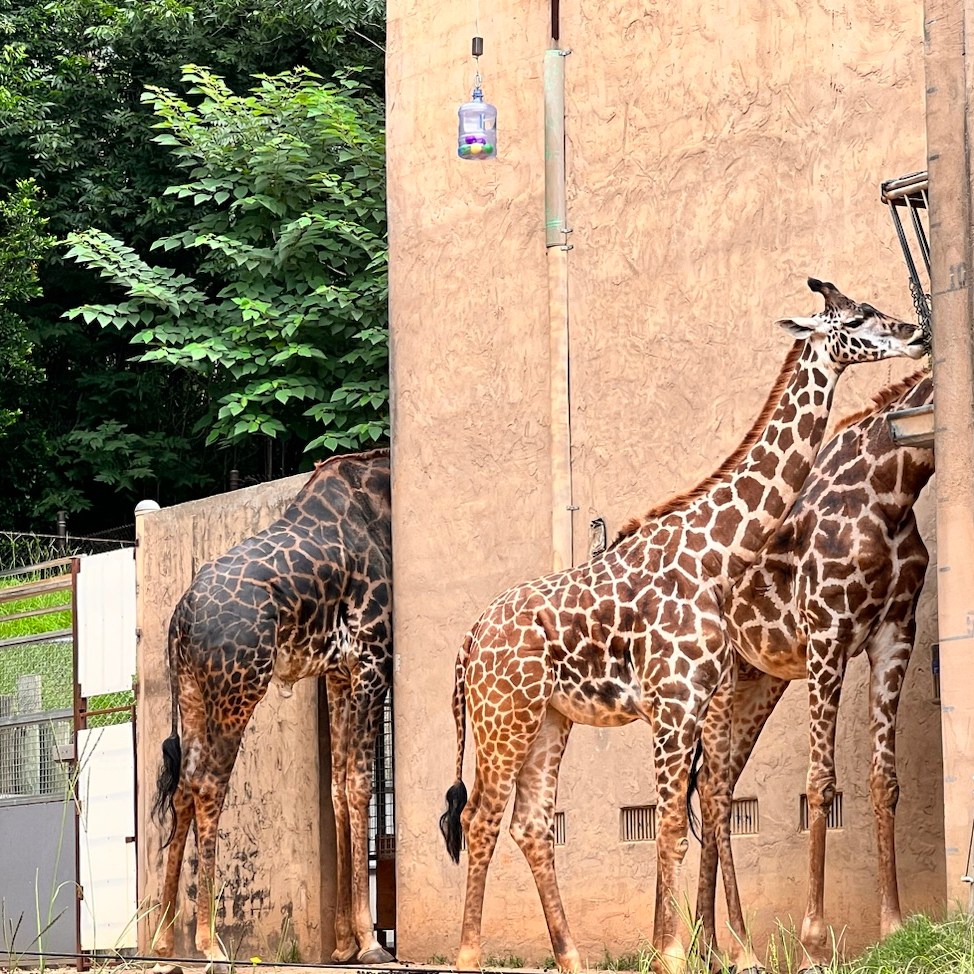
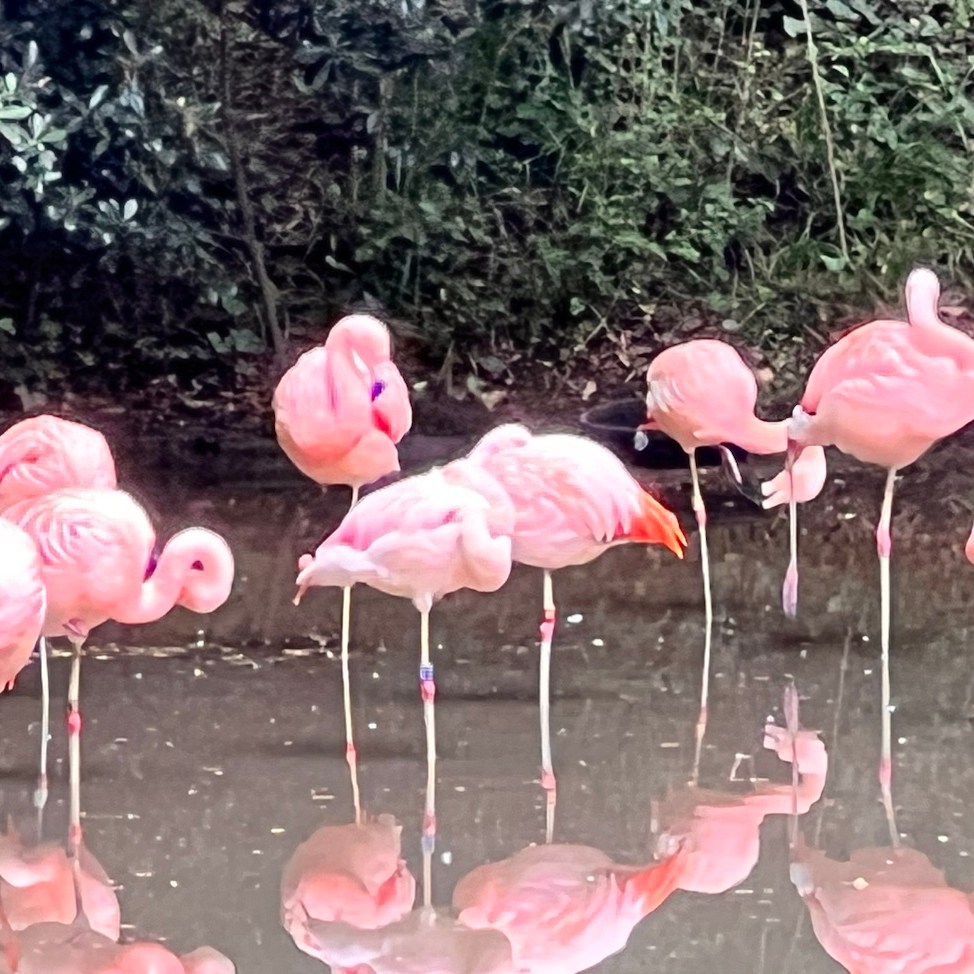
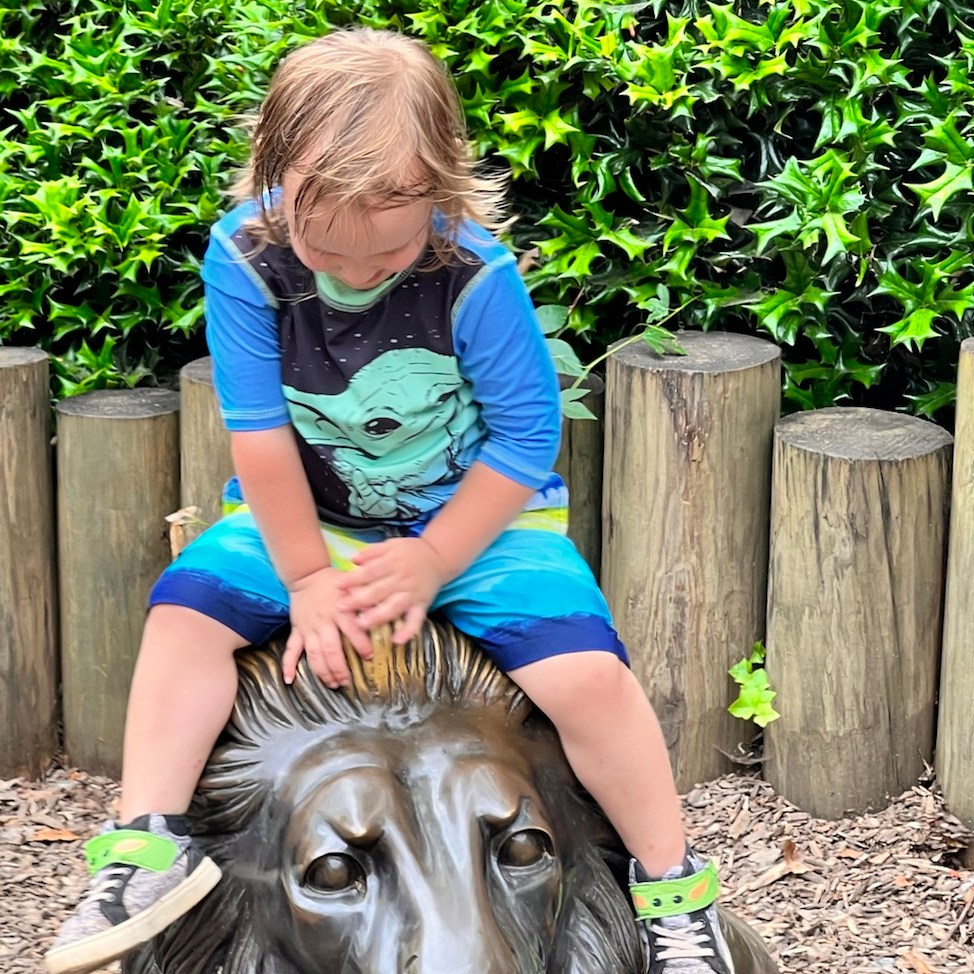
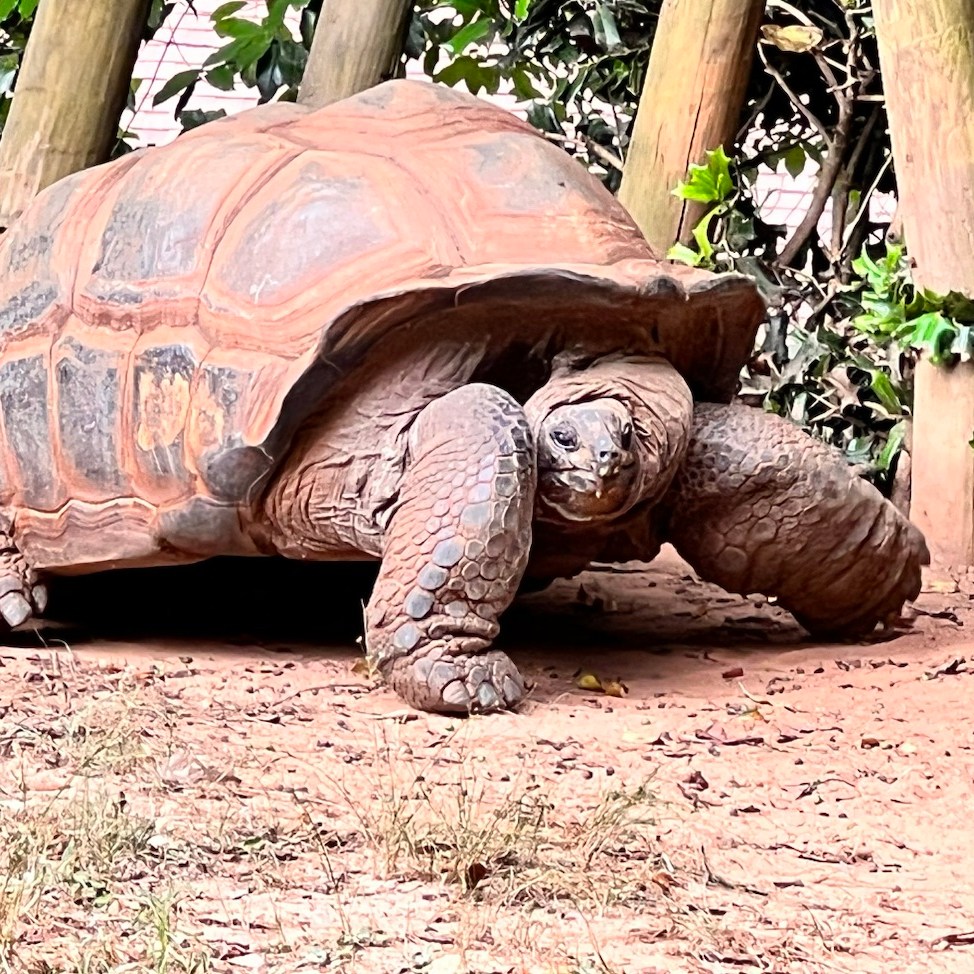
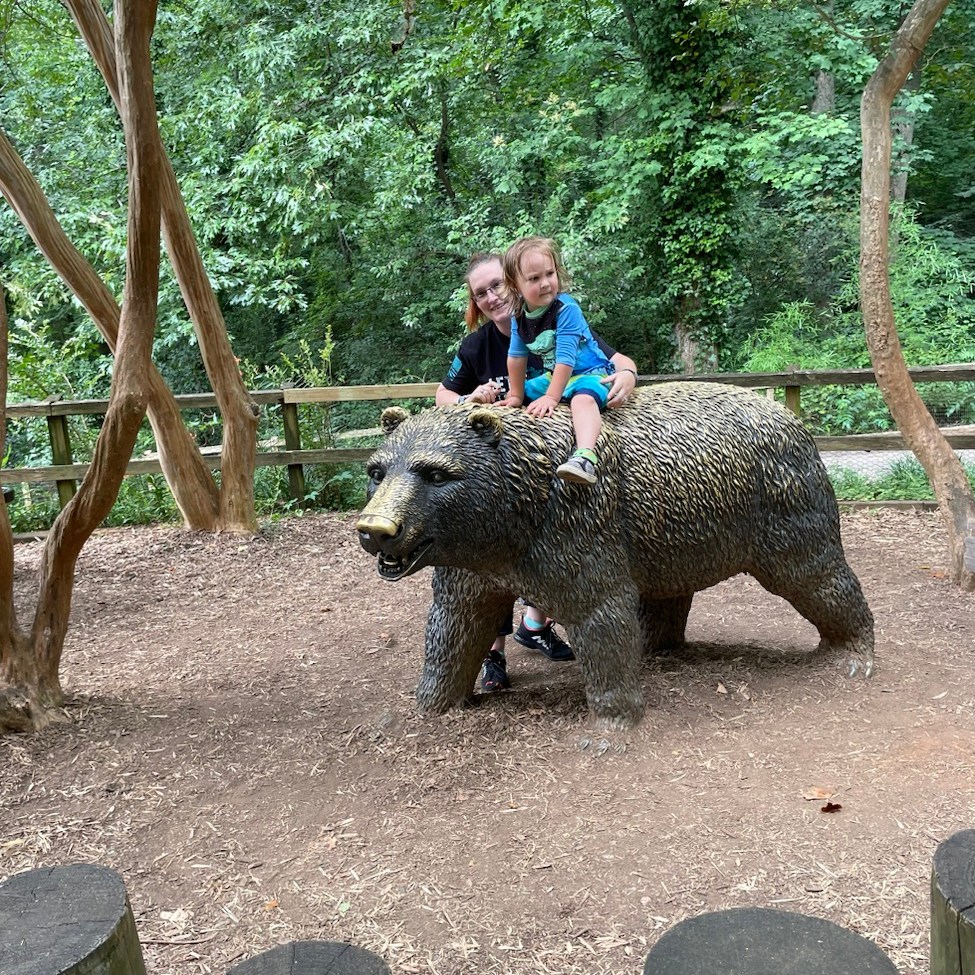
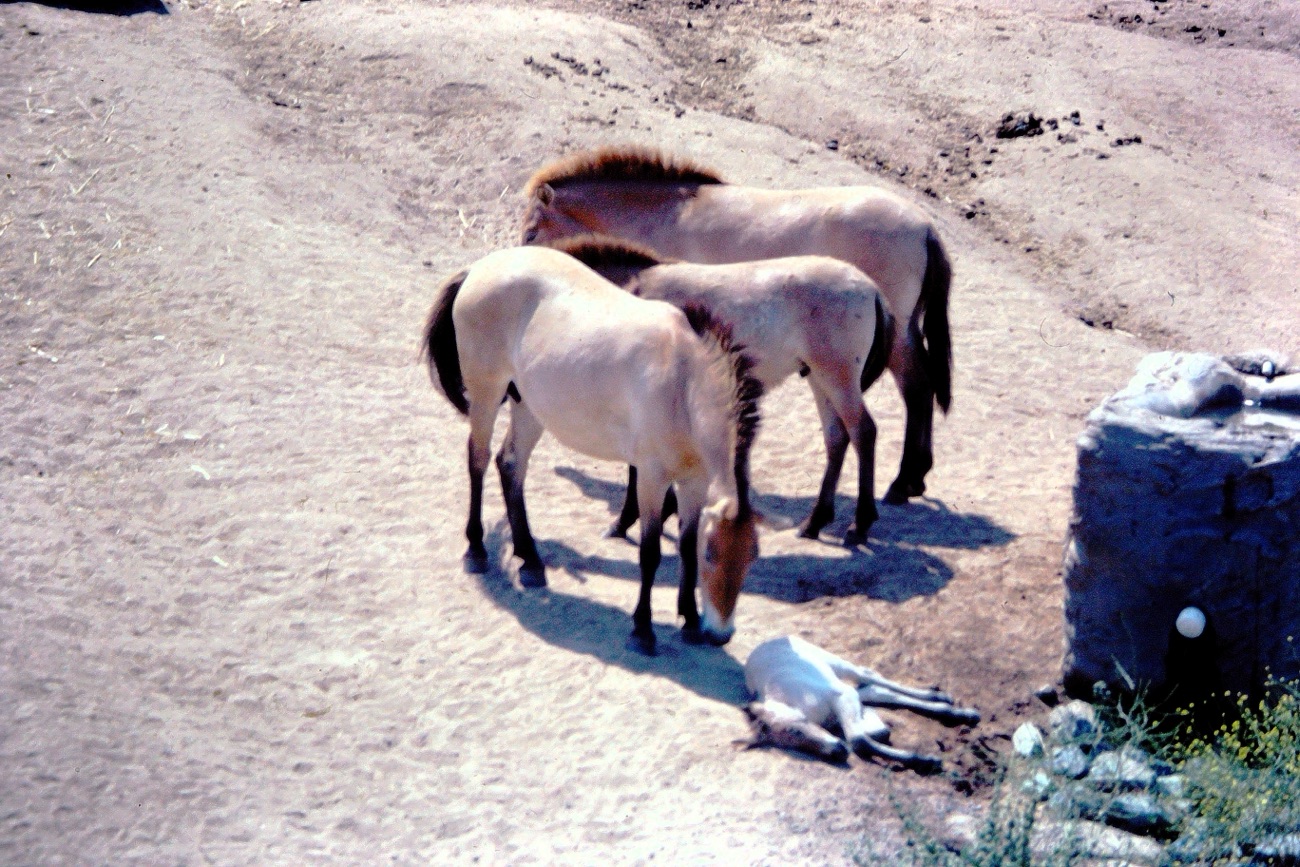
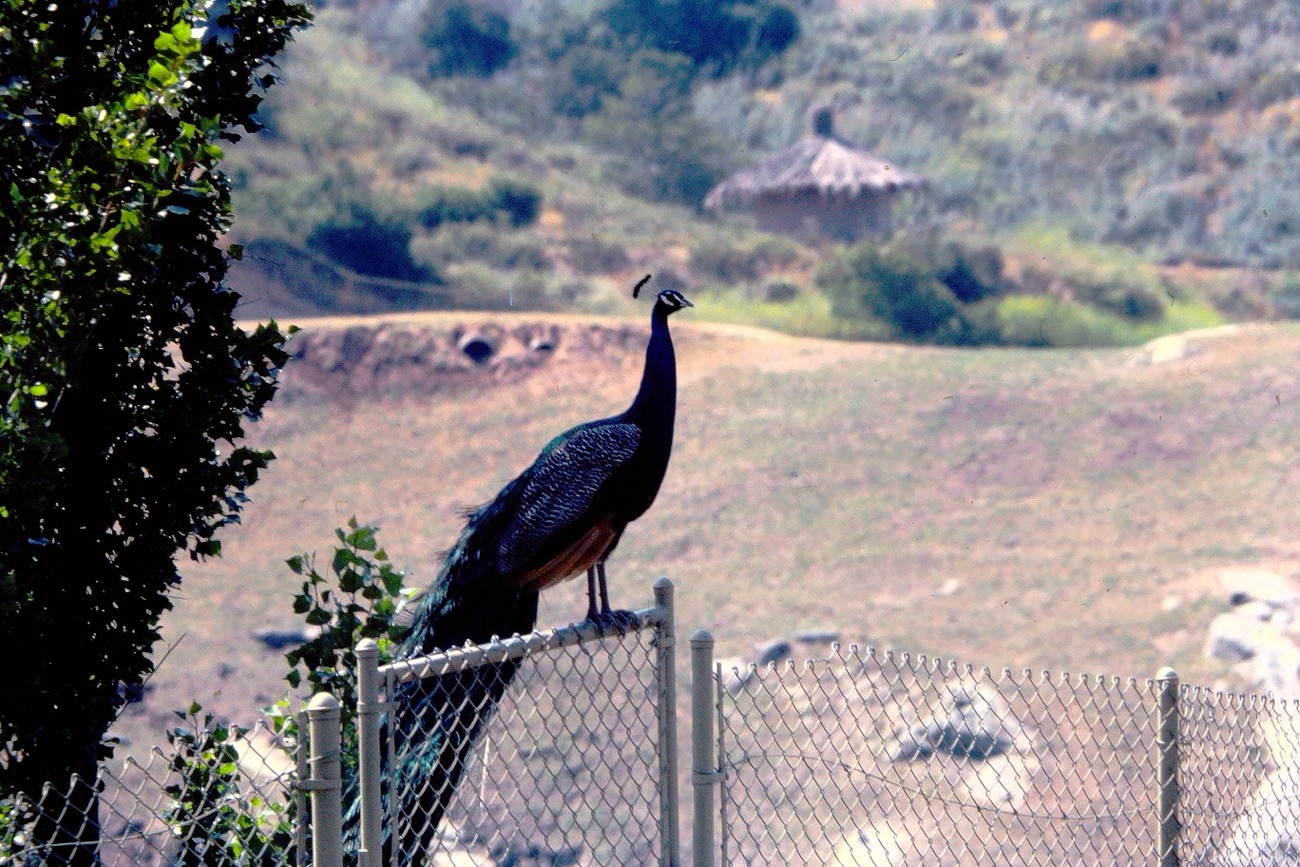
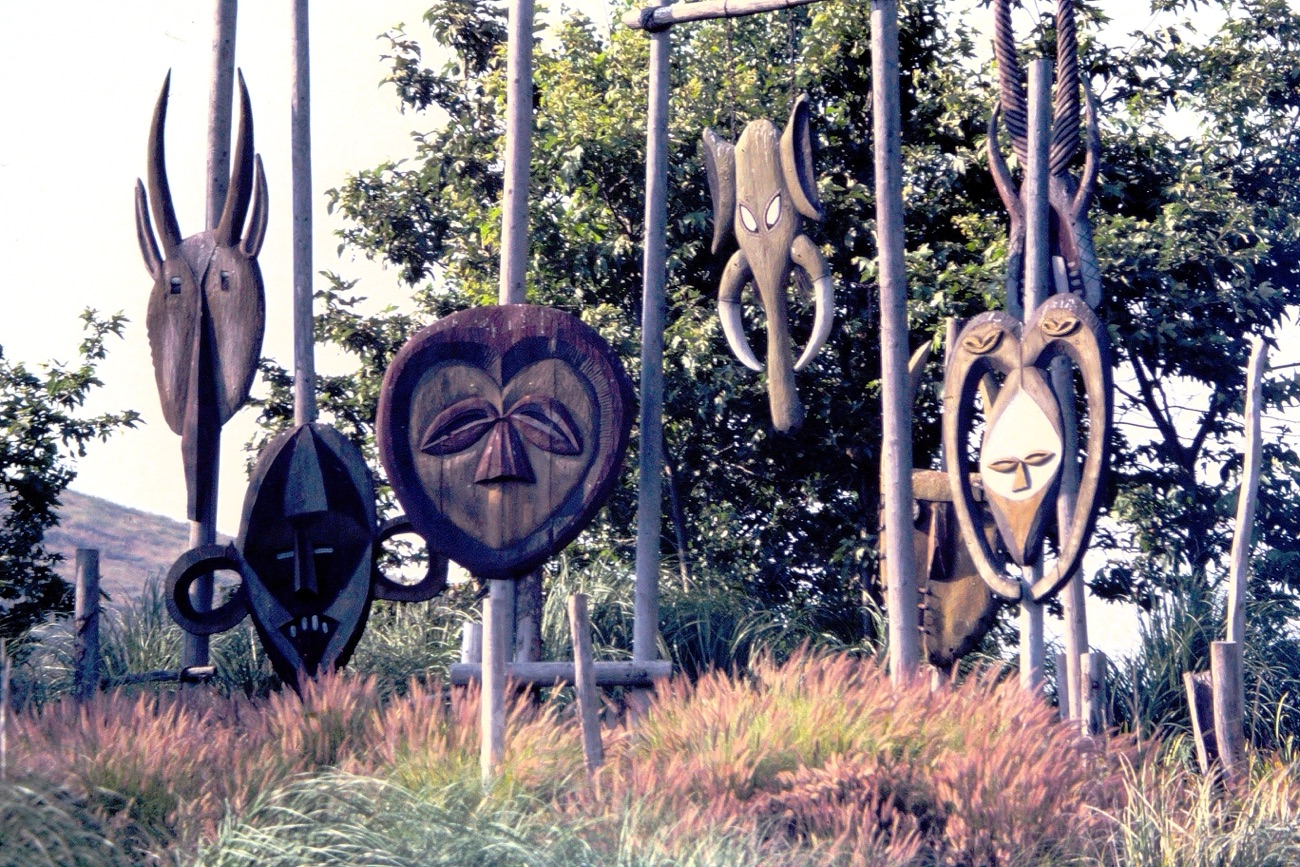
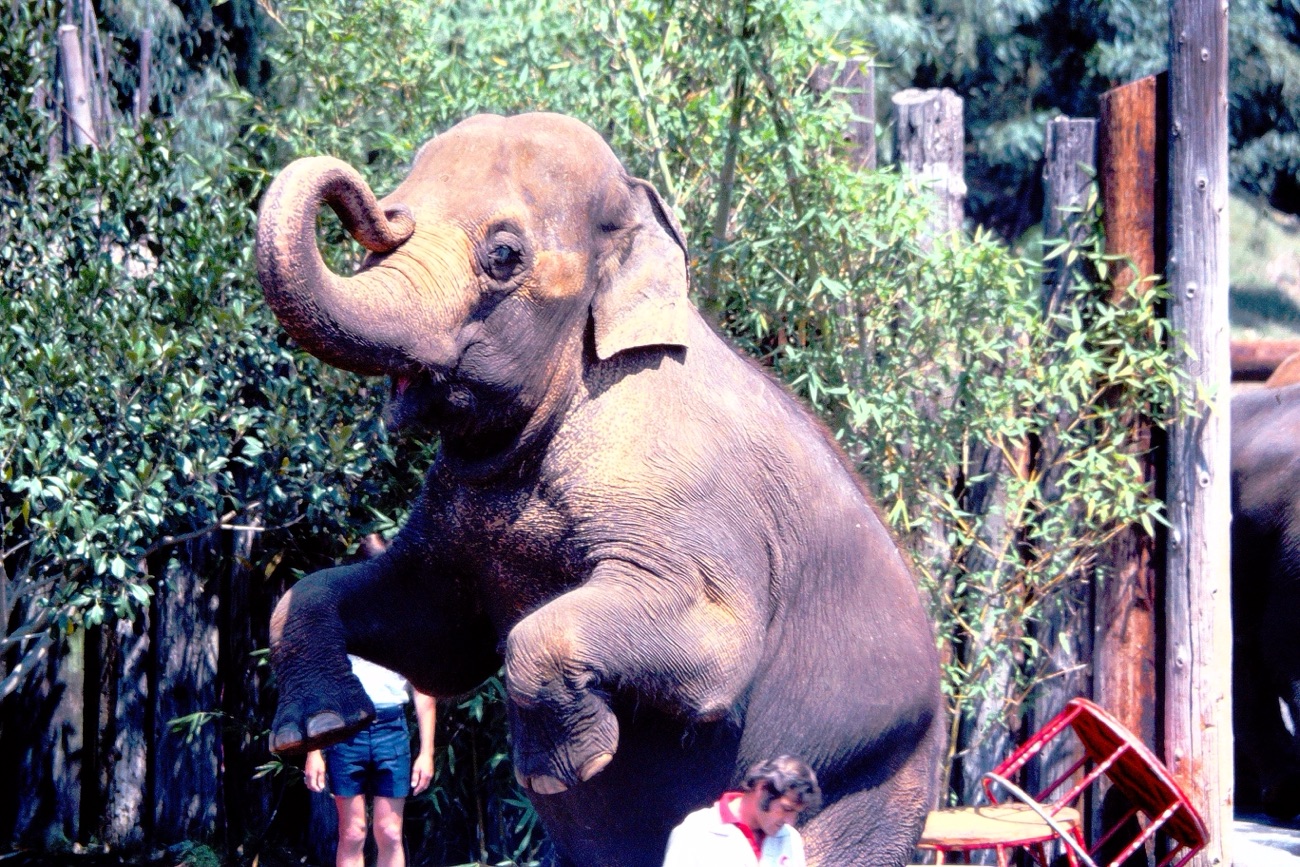
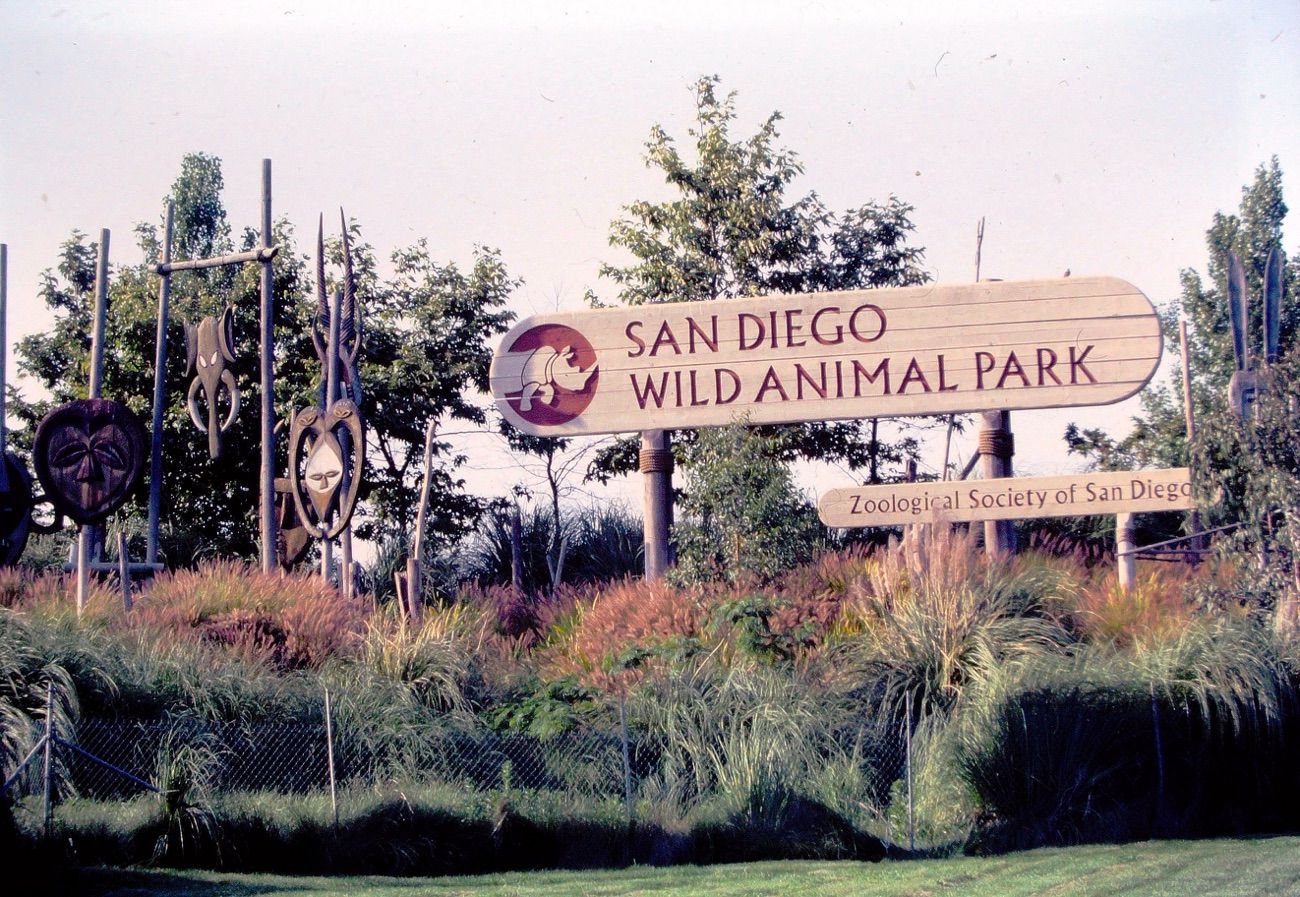
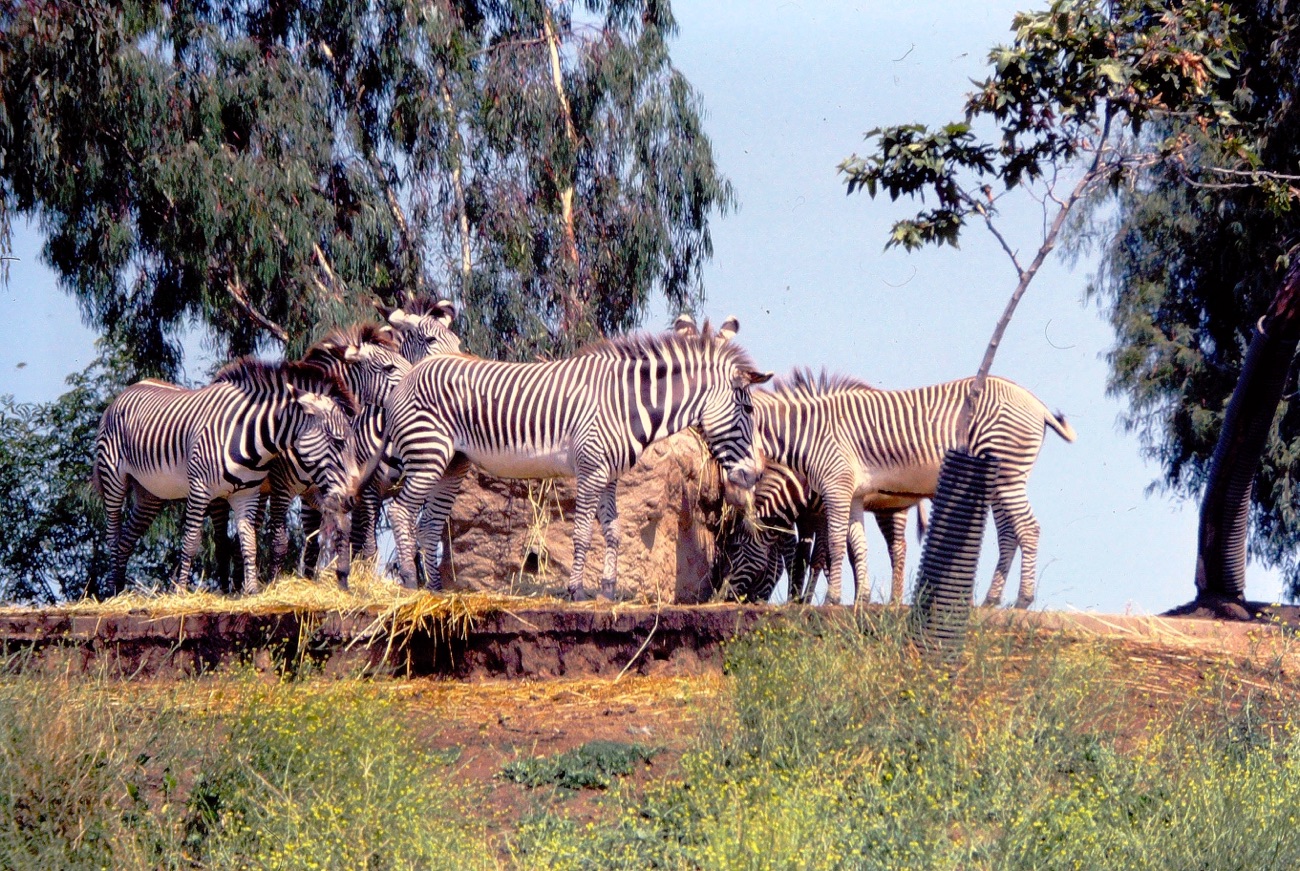
Yellow Flowers in April 1979 Marriott’s Great America Santa Clara, California Rudbeckia hirta AKA Black-eyed Susan In July 2024 Anne Springs Close Greenway Fort Mill, South Carolina
Clare from Clare’s Cosmos is asking all of us once again to share our desktops. All you need to do is share the photo (not your actual desktop) you have set as your wallpaper. Provide whatever information you desire about the photo. Use a pingback, or post a link to her blog hereso she knows you’ve joined in on the fun. Then, enjoy sharing the fun around.
Here are my July Desktops:
From my Laptop:
Wallpaper:
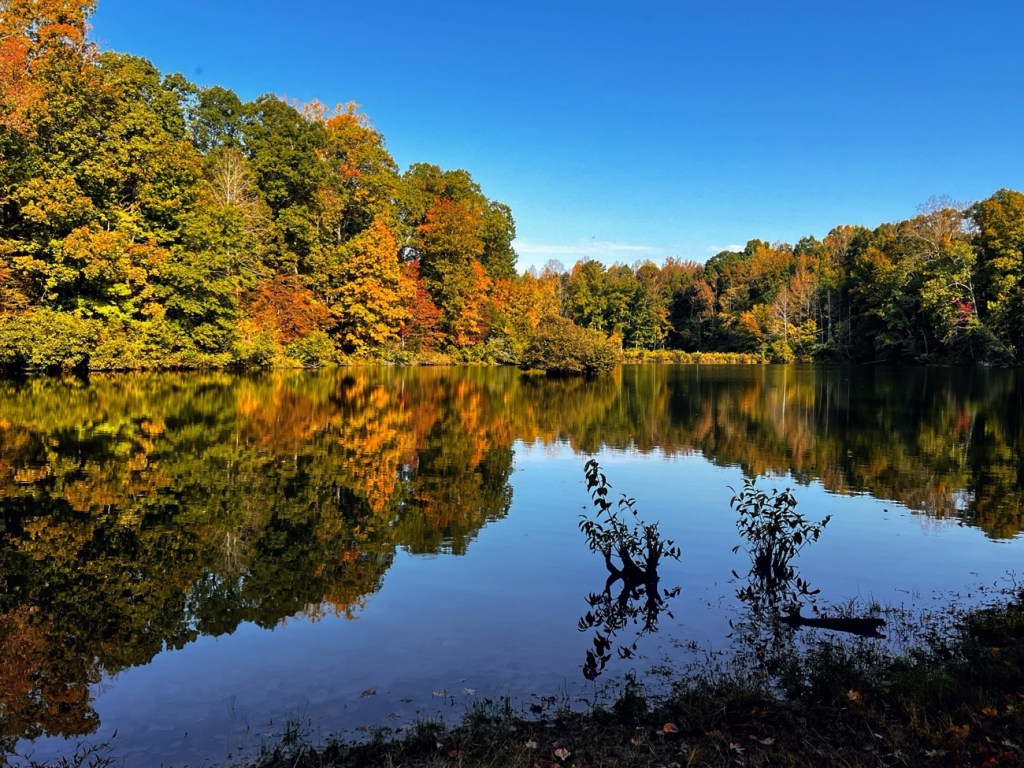
Catawba River near the Great Falls Dam Great Falls, South Carolina
Screensaver:
Coleman My ❤️ My Grandson
From my Smartphone
(iPhone 14 Pro Max)
Hiking Focus:
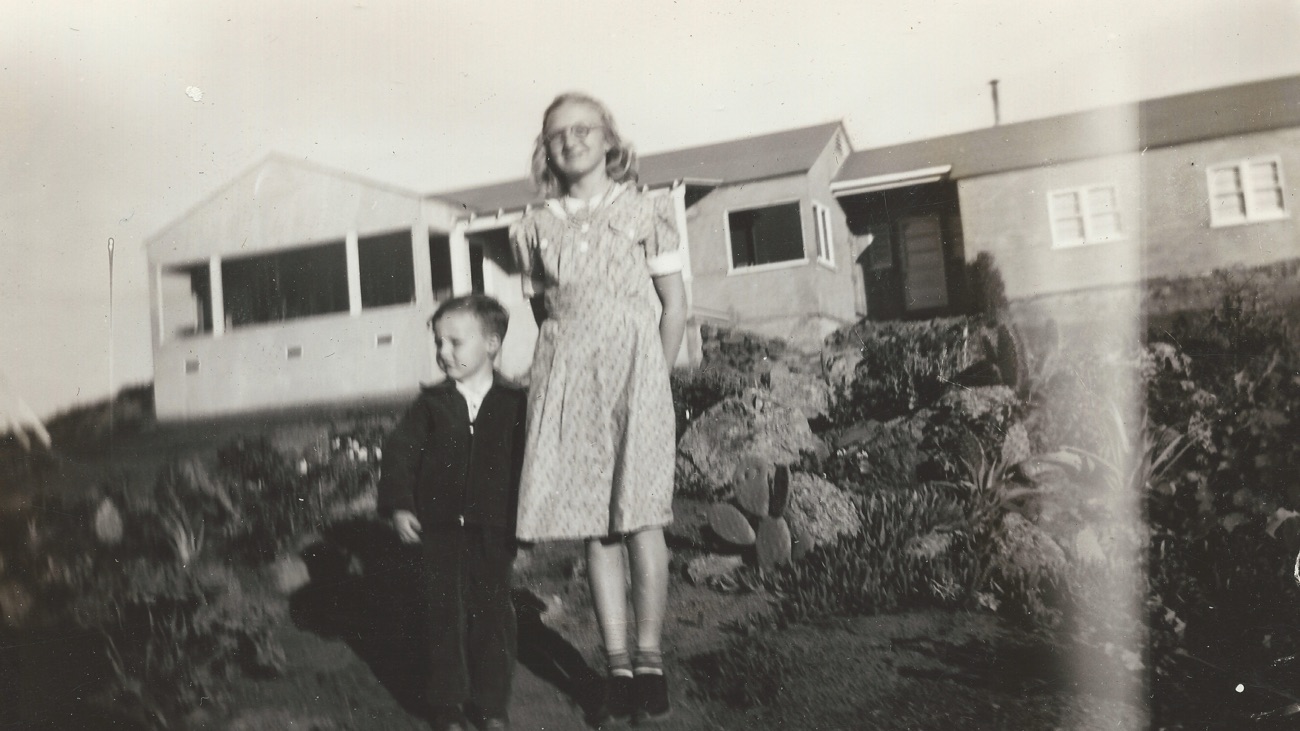
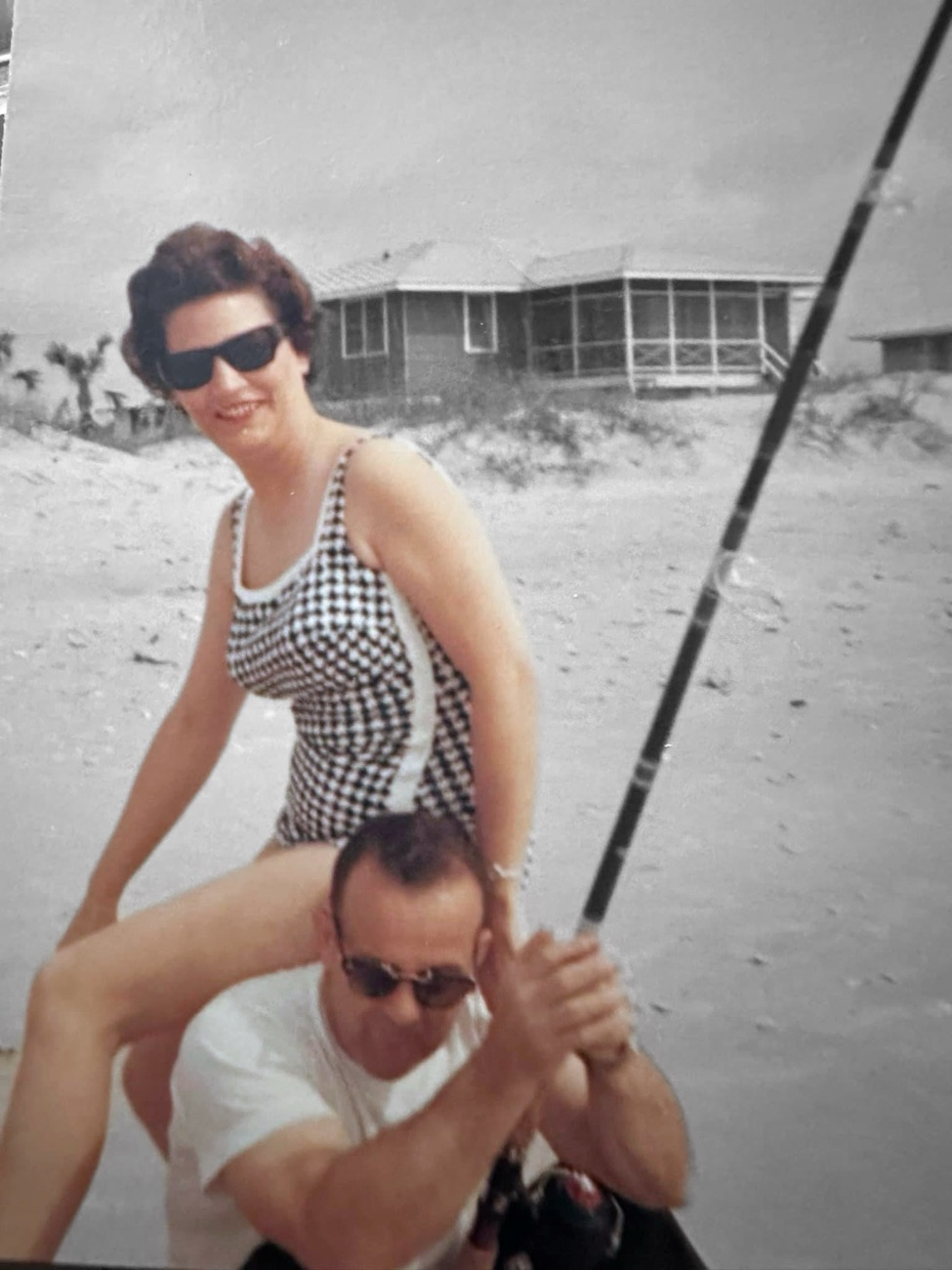
Nornal Hule Waters (my dad) and Larry Dean Waters (my brother) taken in Great Falls, South Carolina in July 1963.
Television Focus:
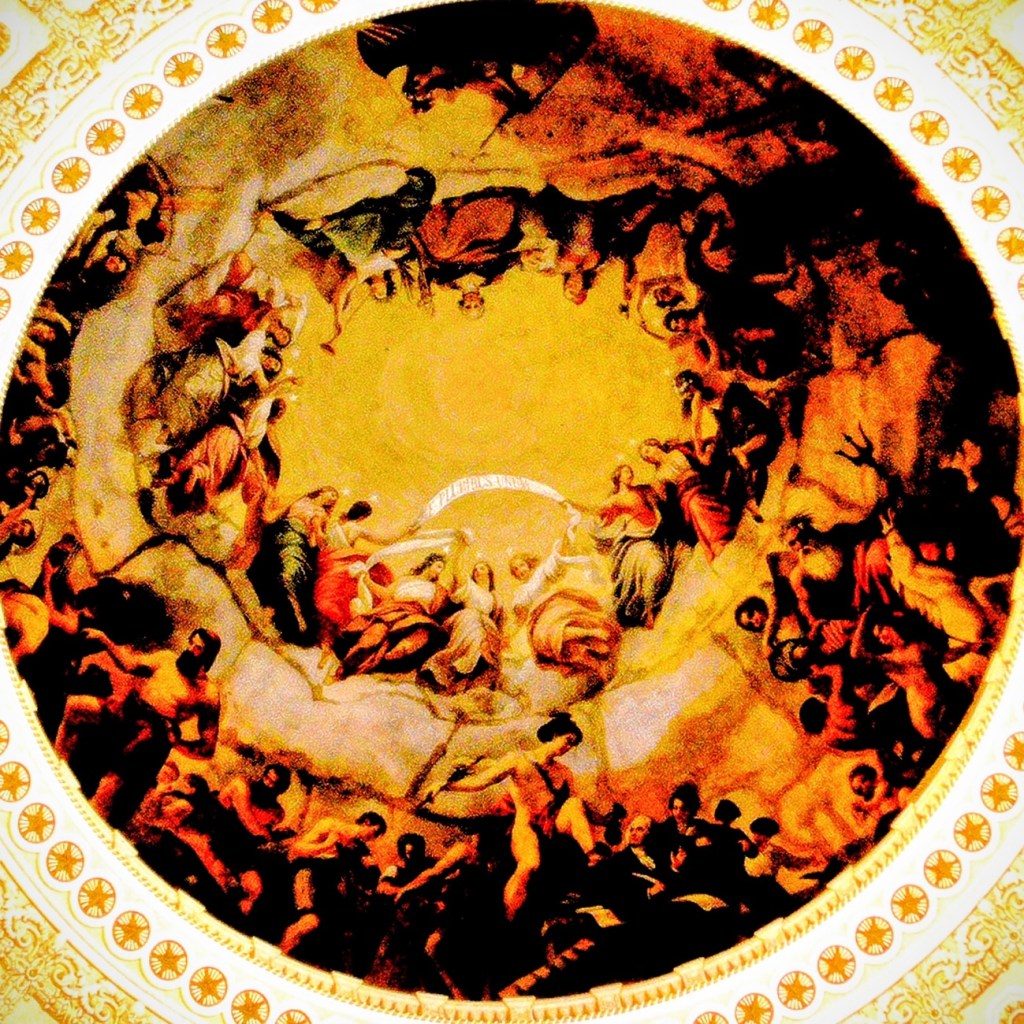
Hawksbill Turtle Ocean Conservancy
Personal Focus:
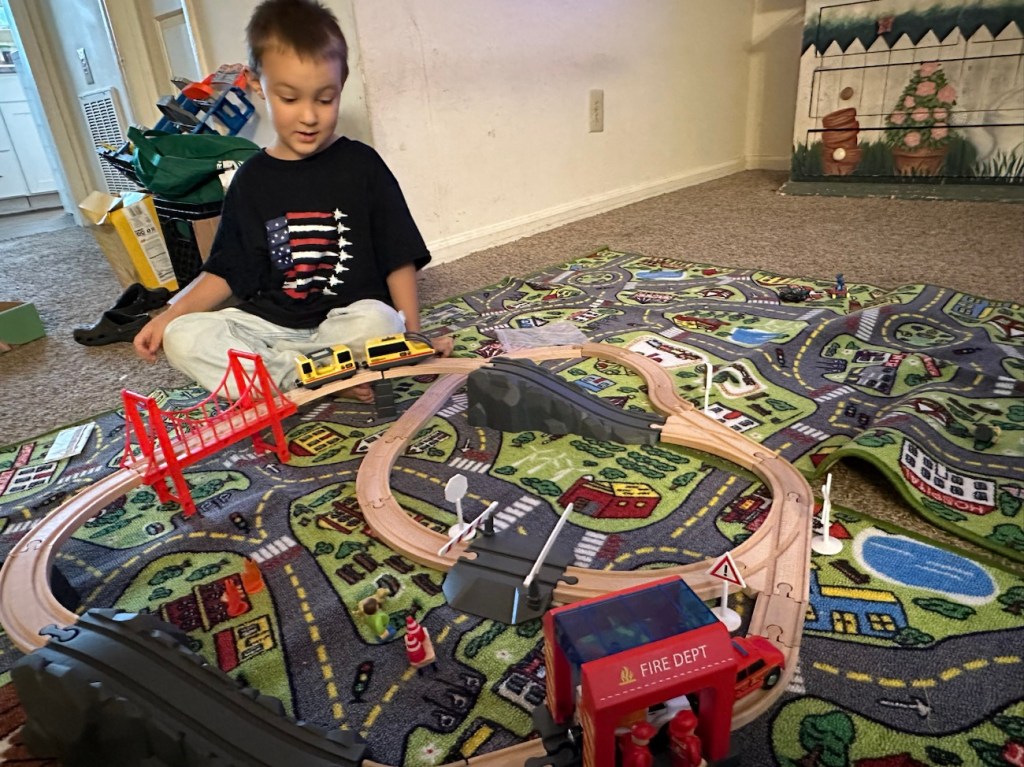
Coleman playing with his Titan Magnetic Tiles
Reading Focus:
Coleman in his Camouflage Flag Shirt
Come on along and join the fun. Share one or more, it doesn’t matter whether the photos are from your desktop, laptop, tablet, or your smartphone wallpaper(s).
God Bless. Thank you for visiting and sharing your time and thoughts with us. Looking forward to seeing y’all’s desktop photos. Have a wonderful week. I appreciate y’all very much.
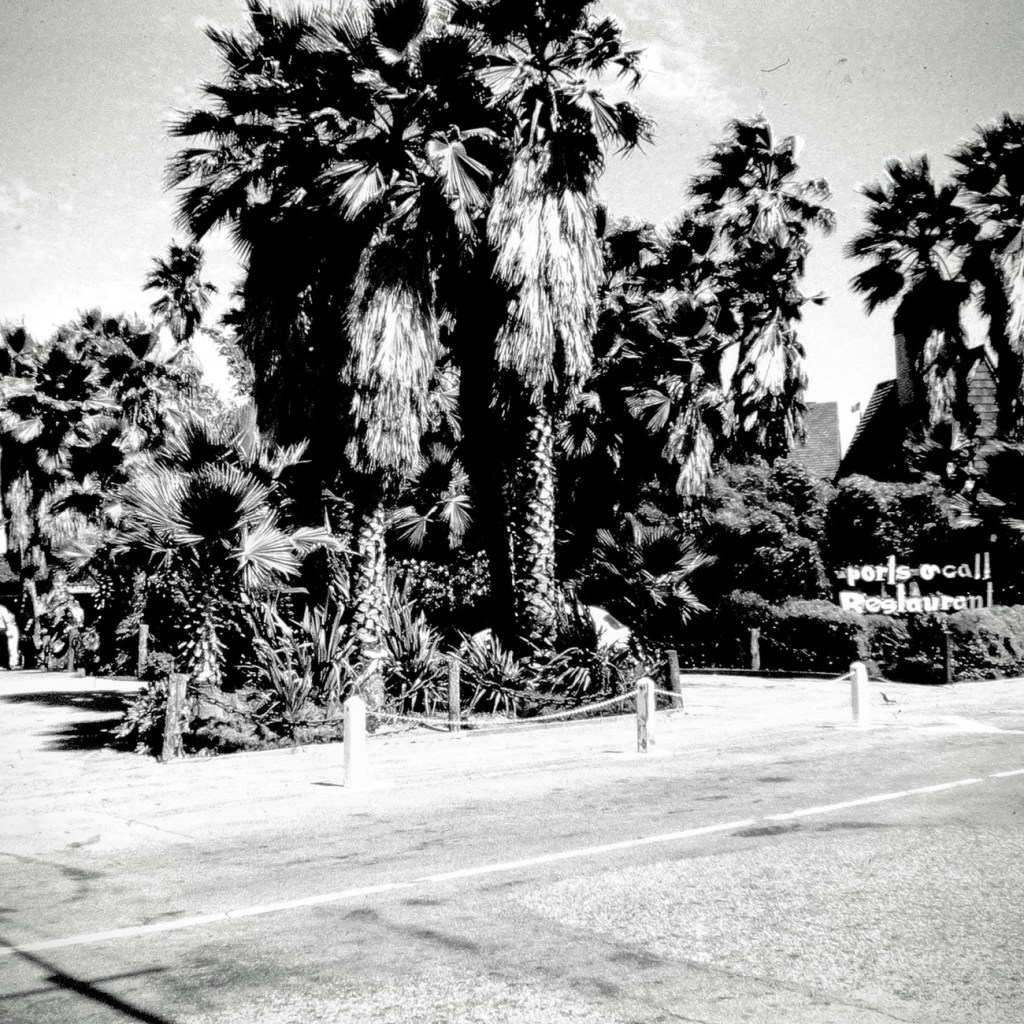
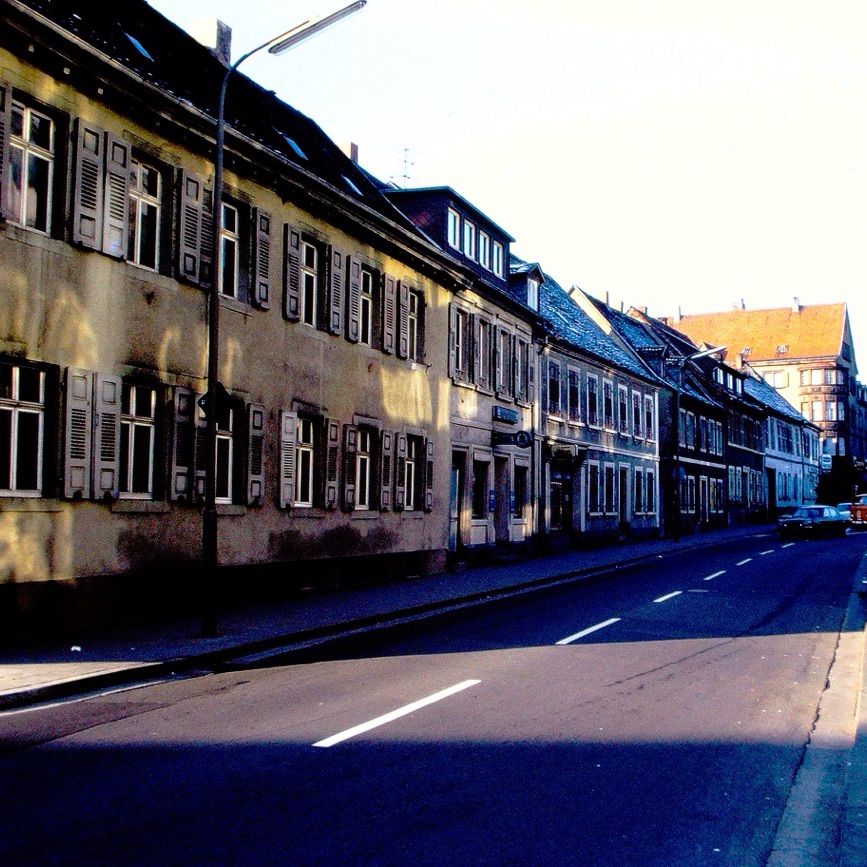
With Solvang being the Danish Capital of America, the Businessmen’s Association thought it would be too their advantage to capitalize on their natural advantages and adopt Danish style architecture in their buildings and in the remodeling of old buildings. Danish architectural styles had been developed in Solvang from its earliest stages of development, however, there was a more intensive effort conducted after their business meeting in 1946.
The Round Table Pizza building originally housed the Roeser Milling Company building (built in the 1930s). Back in the late 1970’s, tourists loved to stop for a bite at Round Table Pizza helping to contribute to their booming business. It is no longer in operation in Solvang, California, but there are plenty of other eateries to delight your appetite.
Disneyland’s first parade was held on Sunday, July 17, 1955. The Opening Day was dedicated at an “International Press Preview” event which was open only to invited guests and the media.
The dedication and other special events of the opening were televised nationwide and anchored by three of Walt Disney’s friends from Hollywood: Art Linkletter, Bob Cummings, and Ronald Reagan. It was broadcast live by ABC. Even though the Special Event was by invitation only, many people succeeded in sneaking into the park soaring the number of attendees to an astounding 28,000 people.
Disneyland has been having parades at the amusement park since that very first day except during the Coronavirus pandemic in 2020 when the park was closed. The theme of the parades change periodically with the seasons and significant historical events of the times. The Characters Parade occurred most years, as well as an annual Christmas parade and were popular among the tourists visiting the park.
In 1979, the Dumbo Circus Parade theme featured the same basic “Character Parade” floats with added circus decor. This particular theme parade only ran in 1979.
Although none of the floats were captured by my dad on this particular visit to Disneyland, many of the Characters were captured by his 35 mm camera. I am so glad that I am able to digitize his slides for preservation and am able to share them with all y’all.
Bugs Bunny & Wile E. Coyote at California’s Great America
Since the Opening of California’s Marriott’s Great America in 1976, the park featured appearances from Warner Bros. Looney Tunes characters. Some of the Looney Tunes characters included Bugs Bunny, Wile E. Coyote, Porky Pig, Elmer Fudd, Daffy Duck, Tweety, and Yosemite Sam. The Looney Tunes characters would roam around the park greeting visitors as well as putting on a fun entertaining show.
Here is my entry for this week. These are from a trip to Solvang, California back in September of 1978. Solvang is known as “Danish Capital of America” because of its Danish heritage and European-inspired culture, architecture, and museums.
Solvang is a sun-soaked slice of Danish culture in the Santa Ynez Valley, where California wine cellars mix with European bakeries and shops. It’s where you can drink, dine and shop like a Dane without ever leaving the California sunshine.
The name Solvang means “sunny fields” in Danish. The city of Solvang was founded in 1911 by a group of Danish immigrants who purchased 9’000 acres of land near the Old Mission Santa Inés and built a community to preserve and promote Danish culture.
An interesting note (especially for Hallmark fans), A still from “A Very Charming Christmas Town,” the Lifetime Christmas movie set in Solvang.
God Bless. Thank you for visiting and sharing your time and thoughts with us. Take Care Cee! Chris thank you for taking good care of our friend. I appreciate y’all very much.
My selections for this week’s challenge were captured on film in 1978 in Solvang, California many years ago.
11270 KM To Copenhagen
This Statue is a milestone marker indicating the distance from Solvang to Copenhagen, Denmark, a mere 11270 kilometers apart.
Hans Christian Andersen Statue
The Bronze Statue of Hans Christian Andersen is located in Hans Christian Andersen Park in Solvang, California. This Park is a tribute to the renowned Danish author, Hans Christian Andersen and was founded in 1970.
Presented To The Community Of Solvang By Friends Of Denmark Sponsored By The Solvang Chapter Of Rebuild National Park Society 1976
Solvang is known as the “Danish Capital of America” with its strong Danish heritage and European-inspired culture. It was founded in 1911. It wasn’t incorporated as a city until May 1, 1985.
Besides the Statue of Hans Christian Andersen there is a museum dedicated to him you might be interested in visiting. The monument of Hans Christian Andersen Denmark’s renowned Fairy Tale Writer was created by Henry Luckow Nielsen of Copenhagen, Denmark.
God Bless. Thank you for visiting and sharing your time and thoughts with us. Take Care Cee! Chris, thank you for taking good care of our friend. I appreciate y’all very much.
The Whizzer is a steel roller coaster located in the Hometown Square section of Marriott’s Great America. This one pictured here was taken at The California Marriott’s Great America amusement park in April of 1979.
The Whizzer, originally named “Willard’s Whizzer,” was one of two identical roller coasters built for each of the Marriott’s Great America parks. The Whizzer roller coasters made their debut when the parks opened in May of 1976.
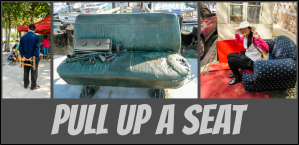
The California Great America Whizzer operated from 1976-1988. My family visited the California location of Marriott’s Great America in Santa Clara, California in April of 1979. I am not sure if I actually Pulled Up a Seatand ride the roller coaster or not (I’m not too keen on large high-speed roller coasters.) The second location for Marriott’s Great America (currently known as Six Flags Great America) is in Gurnee, Illinois.
From the very beginning, both versions of Whizzer suffered with problems surrounding the braking system. The braking system would sometimes allow the trains to collide in the station. From 1976-1979, there were at least 11 recorded instances of station collisions on the California’s Great America version, resulting in an unknown number of injuries. The Illinois’ Great America Whizzer also had two station collisions which occurred less than a month apart in 1976. A total of 31 riders were injured in the Gurnee collisions.
The Steel Roller Coasters were manufactured by Anton Schwarzkopf of Germany. These two versions of Whizzer were the last “Speedracer” models ever built.
If you want to have a chance to Pull Up a Seat on the Whizzer, you’ll need to visit the Gurnee, Illinois location of Six Flags Great America.
Leanne’s Monochrome Madness is a non-themed week; my own theme this week is surrounded by photos I’ve recently digitized about Heritage USA. To make viewing easier, I have made a slideshow of the monochrome photos in the beginning and ending with the original photos from my dad’s slides.
Heritage USA was a Christian -themed amusement park opened in 1978 by televangelists Jim and Tammy Faye Bakker, founders of The PTL Club. At its peak, it was the third-largest park in the USA behind Disney World and Disney Land, with almost 6 million visitors annually.
In the late 1980’s, Heritage USA was rocked by two debilitating scandals all while they were in the middle of a massive expansion. The organization had its tax-exempt status revoked after Jim Bakker was indicted on various federal fraud charges. Later he was accused of sexual improprieties with an encounter with a church secretary.
To add to the problems Heritage USA was experiencing, the park was heavily damaged by Hurricane Hugo in 1989, it shut down for good shortly after.
In this present day and age, only a few remnants of the park are still visible. The abandoned 21-story Heritage USA Hotel stands as an eerie and empty shell looming over the suburban landscape. The Upper Room Chapel was purchased sometime after the park’s closing and is maintained as a prayer room for a local ministry. The Heritage Grand Hotel is now the Heritage International Ministries Conference Center.
This month is going to be a little different for me since I haven’t been anywhere to use my camera this month. I have been busy digitizing my dad’s old slides. I hope it’s alright to post the last picture from the last roll of his I converted to digital format.
From my Dad’s Minolta XG-7 35mm:
My dad’s reflection of him taking the photo is in the mirror.
Dirt Path to the Boat DockDirt Road to the Catawba RiverDirt Pathway between the Trees Dirt Paths along the Catawba River & Great Falls DamBattle of Fishing Creek Sign by Road Great Falls, South Carolina
Location: Catawba River; Great Falls Dam; Great Falls, South Carolina, USA
God Bless. Thank you for visiting the Great Falls Dam. Enjoy the beautiful great outdoors. Thank you for sharing your time and thoughts with us. I appreciate y’all very much.
Huntersville Oaks is a short-term nursing and rehabilitation facility located in Huntersville, North Carolina. Huntersville is in northern Mecklenburg County just north of Charlotte, North Carolina.
My paternal grandfather stayed here receiving short-term medical care during the summer of 1980. When he was released, my dad took him back to his home in Great Falls, South Carolina.
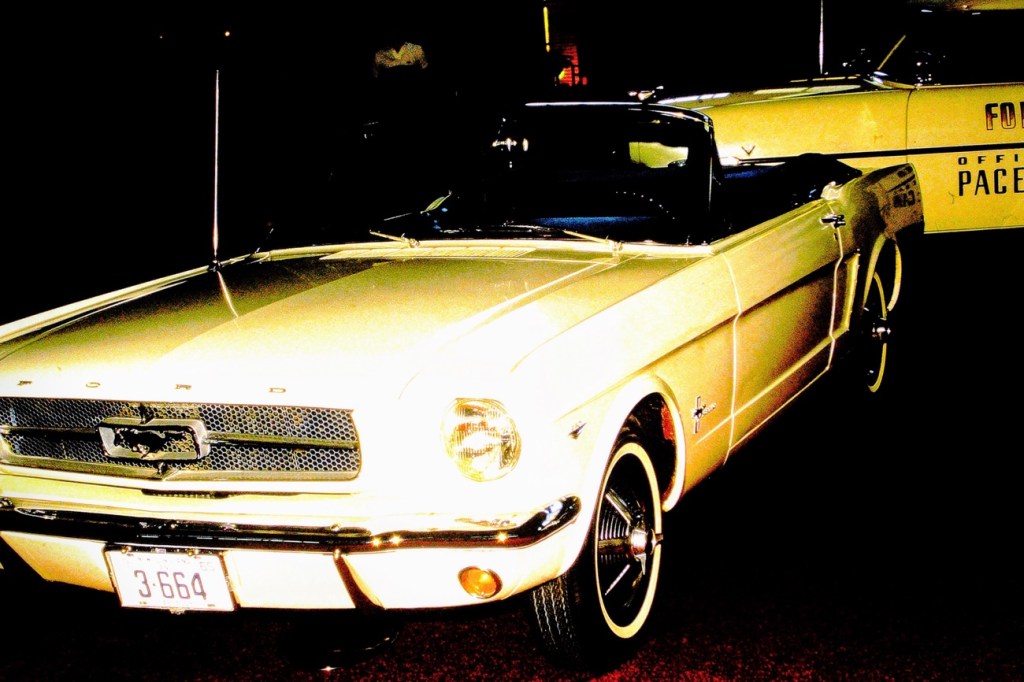
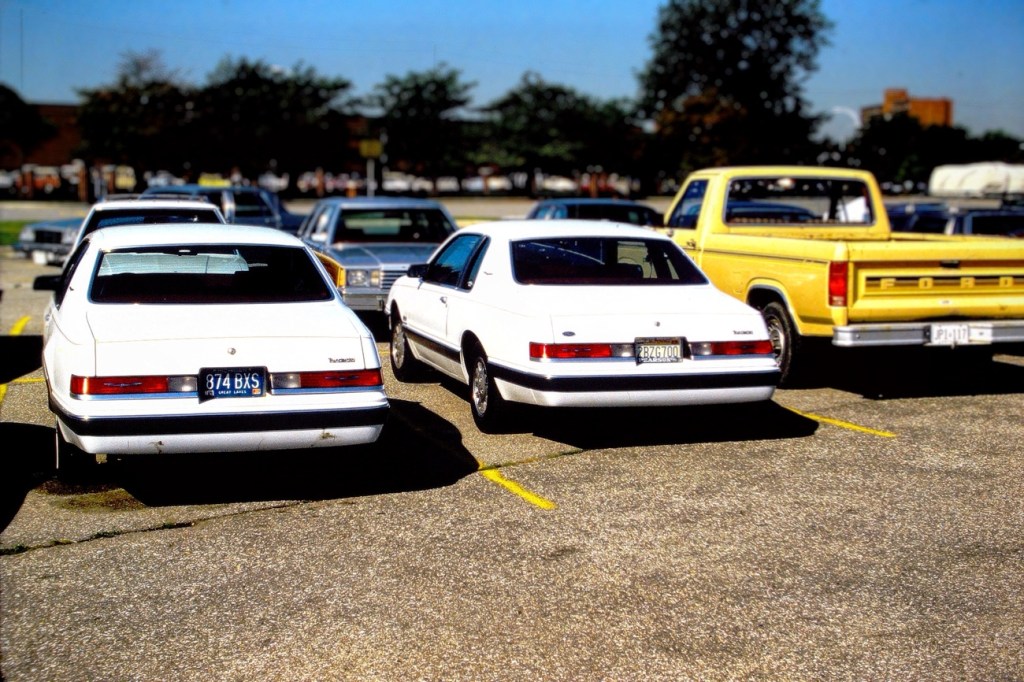
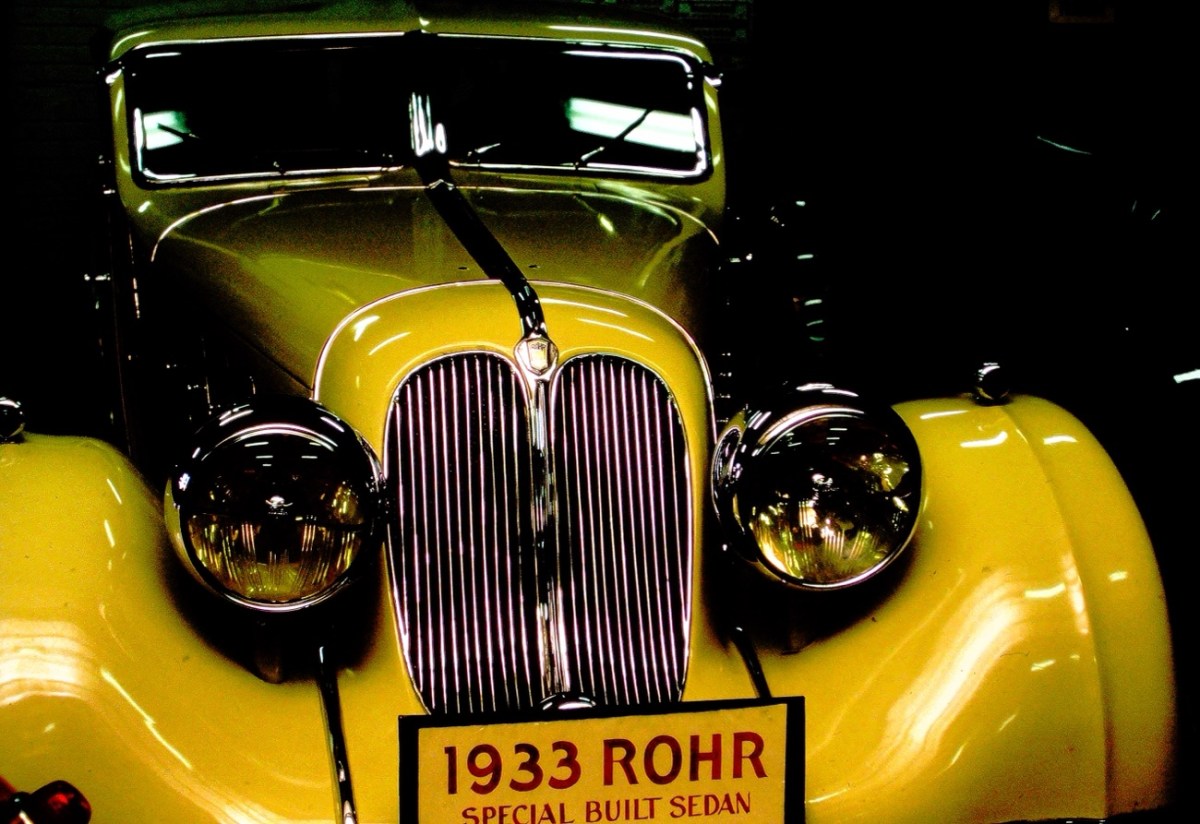
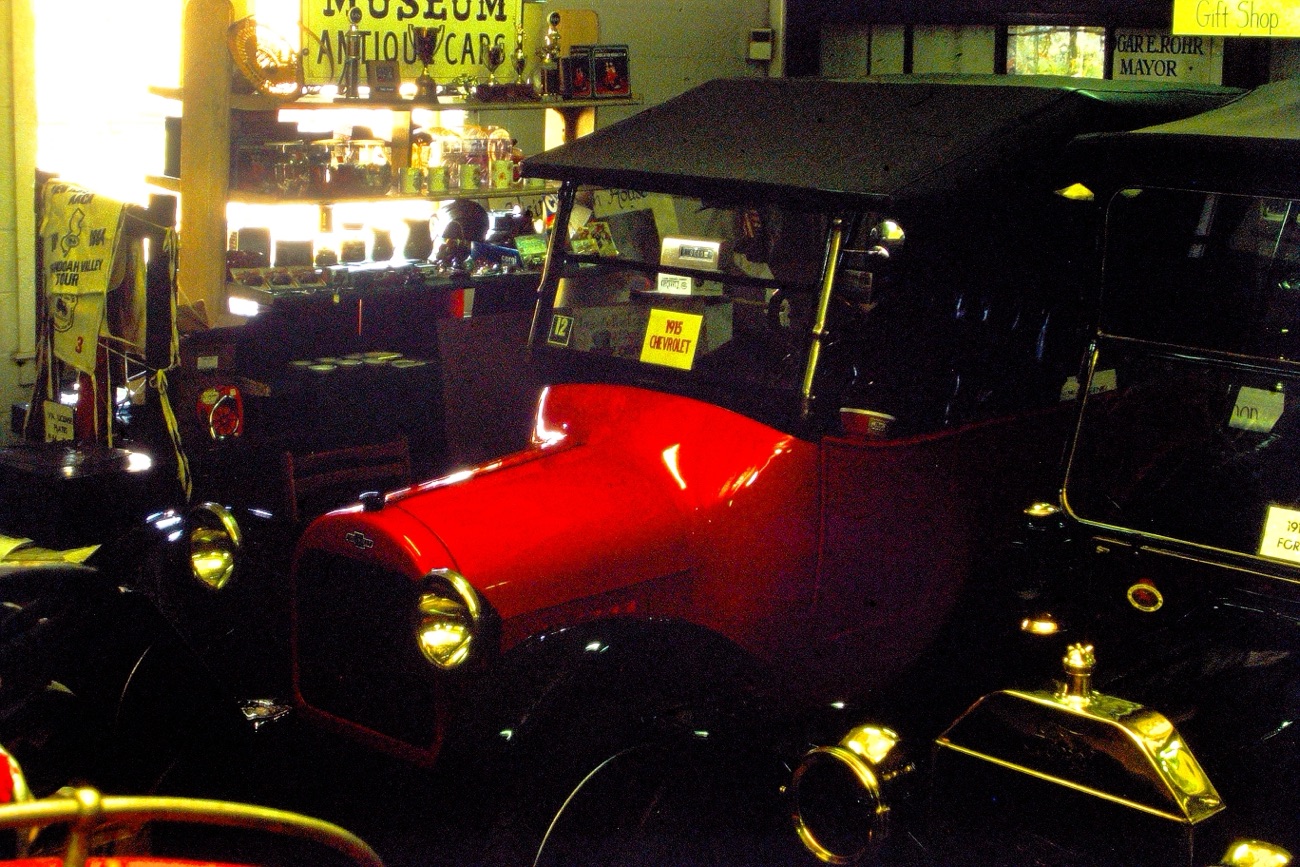
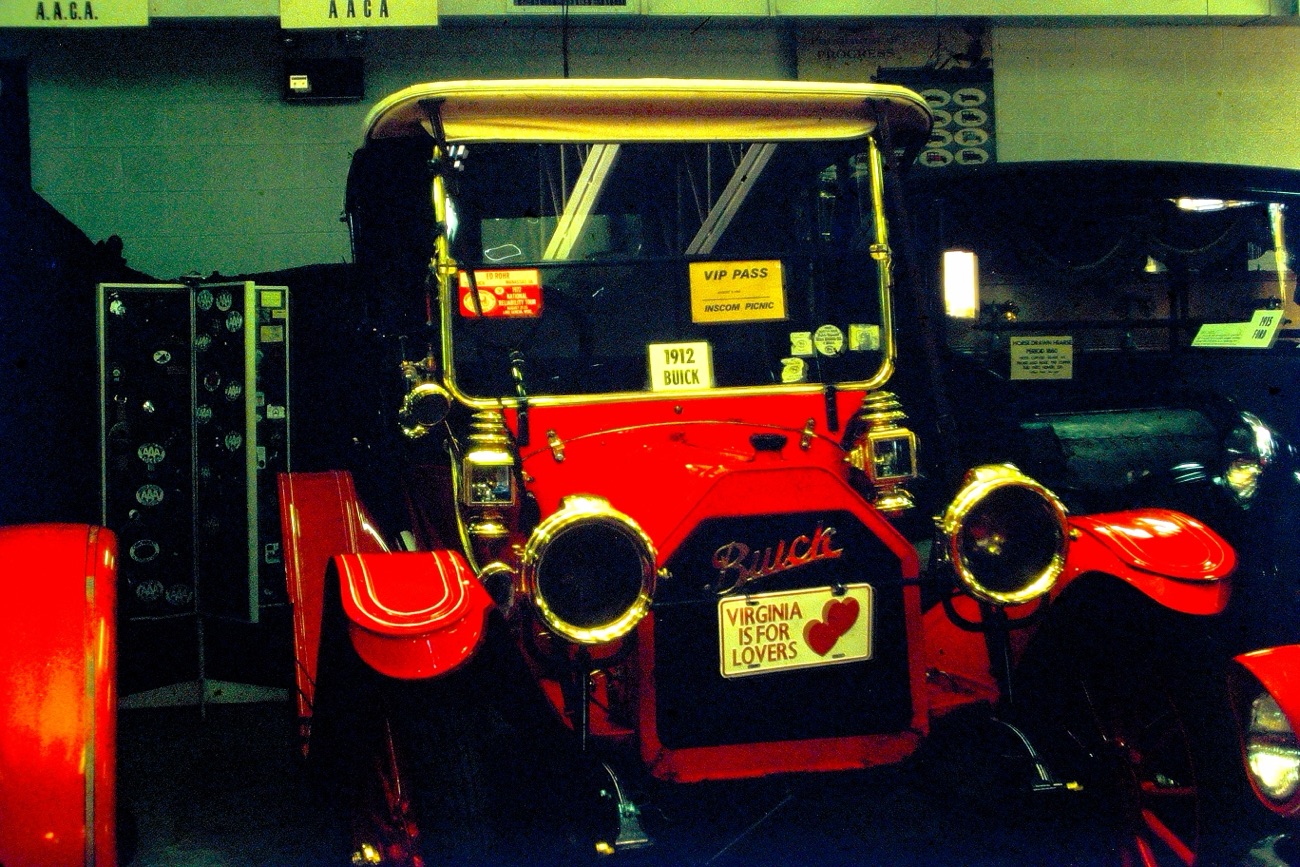
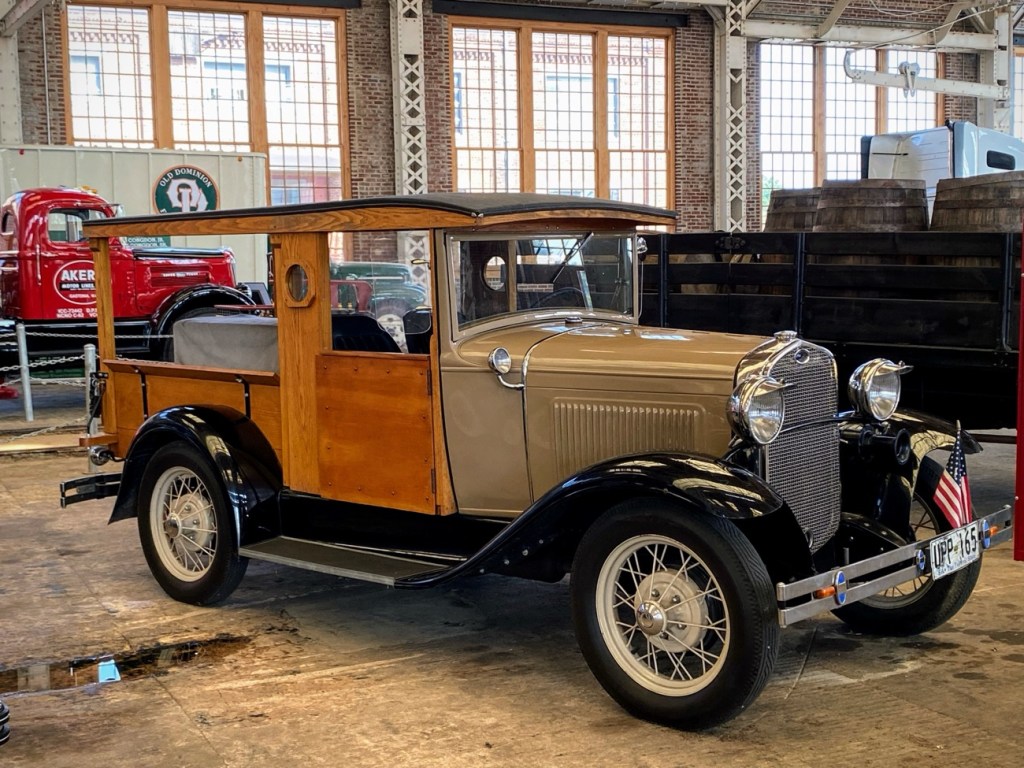
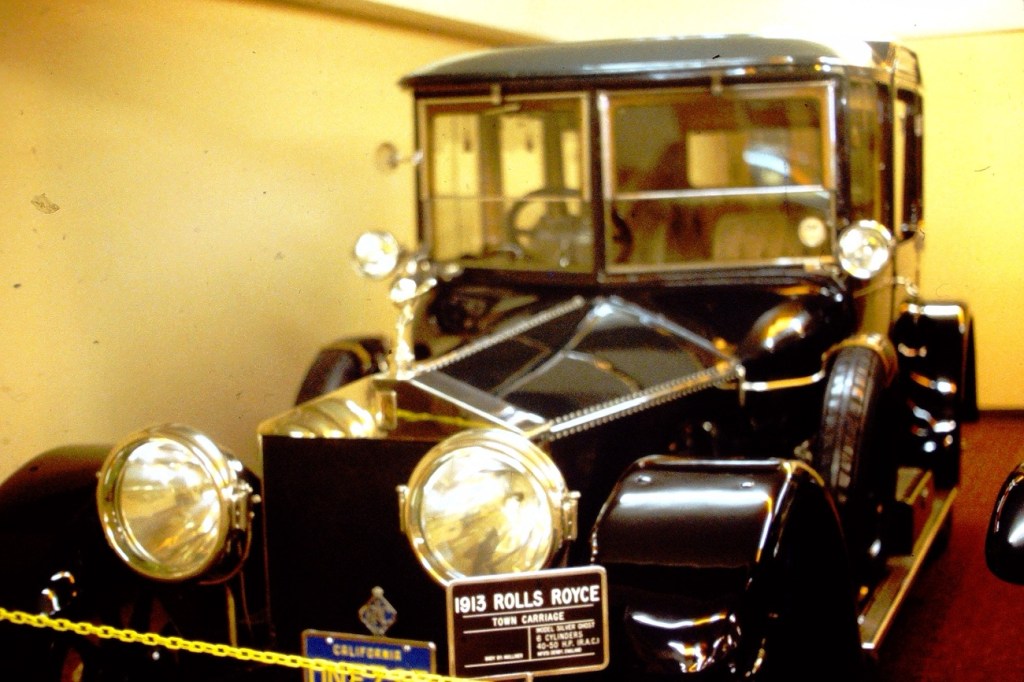
This is be the first in a line of Antique Car Doors and Windows that I’ll be posting from my dad’s photo albums of old slides. My dad worked for FORD most of his adult life except during his service in the U.S. Navy. He loved to attend car shows of any kind. These weekly features will be from an Antique Car Show he attended somewhere in California ( I’m guessing here since all the cars have California license plates.) The cars appear to possibly be from a private collection.
Do you like to attend cars shows? I have attended car shows in the past, however, I do not plan a whole day or outing around a car show like my dad used to do.
God Bless. Thank you for visiting. Have a wonderful week and enjoy the Outdoors. Thank you for sharing your time and thoughts with me. I appreciate y’all very much.
This hospital is currently known as Atrium Health Huntersville. It was formerly operated under the name of Charlotte-Mecklenburg Hospital Authority and was formerly known by Carolinas HealthCare System.
This was how it looked in the summer of 1978 when my paternal grandfather was receiving medical treatment here. My dad and his brother both visited frequently and stayed with him periodically until he was able to return home.
Location: Huntersville Hospital, Huntersville, Mecklenburg County, North Carolina, USA
God Bless. Take care of yourself and your loved ones. Appreciate them. Thank you for visiting and sharing your time and thoughts with me. I appreciate y’all very much.
Hearst Castle, known formally as La Cuesta Encantada (Spanish for “The Enchanted Hill”), is a historic estate in San Simeon, located on the Central Coast of California.
Conceived by William Randolph Hearst, the publishing tycoon, and his architect Julia Morgan, the castle was built between 1919 and 1947.
Currently, Hearst Castle is a museum open to the public as a California State Park and registered as a National Historic Landmark and California Historical Landmark.
Interestingly, Hearst, his castle and his lifestyle were satirized by Orson Welles in his 1941 film Citizen Kane. Hearst sought to suppress this film and Welles’ allusions to his art collections ( paintings, statues, pictures, etc) and his references to acquiring so many acquisitions to equal enough for ten museums being the loot of the world.
Casa Grande, inspired by the Church of Santa María la Mayor, Ronda, Spain, forms the centerpiece of Hearst’s estate.
This is Great Falls Elementary School (formerly called Mebane Grammar School.) This is the school my dad attended when he was growing up in Great Falls, South Carolina.
Monochrome Rectangular Windows + Bricks, Doors & SignOriginal
This week I’m continuing Cee’s Which Way Challenge doing it My Way. Therefore for this the third week of June I have chosen a theme of Roads/Dirt Roads. I welcome anyone who desires to join me on this week’s Which Way Challenge.
As I have been working to digitize my dad’s old slides I have come across several photos my dad took of Roads in Great Falls, South Carolina back in 1963.
We are starting our (my) Which Way with the Road in front of my Paternal Grandparents home. Their home was originally a Mill Duplex Home and converted into a single family residence.
Walnut Street Home of John & Alma Waters My Paternal Grandparents
Next, we come to the corner of Walnut Street and Argonne Avenue. This is the location of the J P Stevens & Company Mill where my paternal grandfather worked. The Mills in Great Falls were formerly known as Republic Cotton Mills. [Closed in the early 1980’s.]
Cottom Mill #3
1923 Republic Cotton Mill #3 – a silk mill production. The building had a unique saw-tooth roof. There was Village housing and a neighborhood grocery store.
Continuing on our journey, we drive along Chester Avenue. On this Road we can see the Bradley Motor Company ( a FORD Dealership) where my dad worked when he finished high school and again when he first was discharged from the U S Navy.
Bradley Motor Company
As we continue cruising through the Town of Great Falls, we see a Dirt Road behind the Power plant. Here we notice old Railroad tracks no longer in use. They would have kept extremely busy in the heyday of the town.
The Town of Great Falls is located in Chester County, South Carolina. The name of the Great Falls came from the nearby waterfalls on the Catawba River. The Town was founded by the power company owned by Mr. J.B. Duke. J.B. Duke built hydro electric plants on the Catawba and was the founder of the three Republic Cotton Mills.
Location: Town of Great Falls, Chester County, South Carolina, USA
God Bless. Thank you for visiting in my reminiscing of the Town of Great Falls, SC. Thank you for sharing your time and thoughts with me. I appreciate y’all very much.
This FOWC is in alignment with the latest of my dad’s slides I have recently (just yesterday) digitized. They are of the familial burial grounds of my paternal grandparents.
Waters’ Headstone of my paternal grandparents
My father took them on one of our trips to visit his dad, his brother, his sister and her family. The location of the cemetery can be walked to through a path off of the street below my grandparents home.
Alma J. Jan. 18, 1904 – Aug. 3, 1970 My paternal grandmother
This was the first time we (my immediate family) had been to the cemetery since my paternal grandmother’s passing in 1970. When she passed, my dad was the only one of us that could fly back for her funeral service.
This view allows us to see both the Headstone and my paternal grandmother’s Foot Marker in the Greenlawn Cemetery.
My eldest son and I took a drive along the Blue Ridge Parkway back in the Fall of 2017 as a way to celebrate his birthday. During our drive we stopped at several overlooks prior to stopping at Stone Mountain State Park in North Carolina. At Stone Mountain State Park there is the Upper and Lower Waterfalls you may hike towards.
We hiked along Stone Mountain Loop Trail to view the Upper Waterfalls. I took several photos along the route as we watched the Waterfall cascading down over Stone Mountain.
Enjoy the view, however, I would prefer you not to YAWN during the viewing. I would hope it would not bore you but rather enable you to dawn a smile instead.
Can you just visualize the water streaming down over the stones?
The Waterfall slowly increases its strength and speed as it continuously cascades down the Mountain.
Location: Stone Mountain State Park; Roaring Gap, North Carolina, USA
God Bless. Thank you for viewing the Waterfalls at Stone Mountain State Park with us. Thank you for sharing your time and thoughts with me. I appreciate y’all very much.
Rummaging through my dad’s old slides I ran across these pictures of a crashed and smashed car where you could clearly see the damage done to the doors, the windows, the hood, and trunk of the car.
Crashed & Smashed Car Doors
I am not sure who the car belonged to, but I know the children who are shown looking at the crashed and smashed vehicle. They are my cousin and my brother. I do not even want to consider what happened to the person or persons who might have been in the car. By looking at those car doors it would have been a miracle if anyone survived without injuries.
Crashed Car Trunk “Door”
I believe I would prefer the Public Service District truck which drives around Great Falls performing the necessary maintenance and repairs making sure the Town of Great Falls is safe, secure, and it proper working order.
Location: Town of Great Falls, Chester County, South Carolina, USA
God Bless. Thank you for visiting the Town of Great Falls with us. Hope you have a fantastic day filled with joy, laughter, and no wrecks. Thank you for sharing your time and thoughts with me. I appreciate y’all very much.
Judy’s Numbers Game can bring about interesting results and insights from those who choose to participate. The challenge is alive, let’s get Blogging. In searching for the #147 and its variations the results that popped up all had the central focus around Hearst. Therefore, I selected a variety of photos around the Word Hearst and Hearst Castle.
As we approach Hearst Castle we see the sign informing us we are arriving at our desired destination.
Hearst San Simeon State Historical Monument
The long and winding road up to the top where Hearst Castle is located.
Touring the outside grounds at Hearst San Simeon we see statues poolside …
And by the stairs leading upward …
Continuing our tour of the grounds we come upon the Hearst Ranch. William Randolph Hearst kept Fifty (50) species of herbivores on his ranch. They included around 126 Zebras plus bison, fallow deer, antelope, zebras, elk, camels, kangaroos, and giraffes.
We also could see the vastness of the Hearst Ranch where the numerous animals grazed.
At last we come to the end of today’s tour as more about Hearst Castle will come in a later post.
Location: Hearst San Simeon State Historical Monument; San Simeon, California, USA
God Bless. Thank you for tagging along on our tour. Thank you for sharing your time and thoughts with us. Have a wonderful week. I appreciate y’all very much.
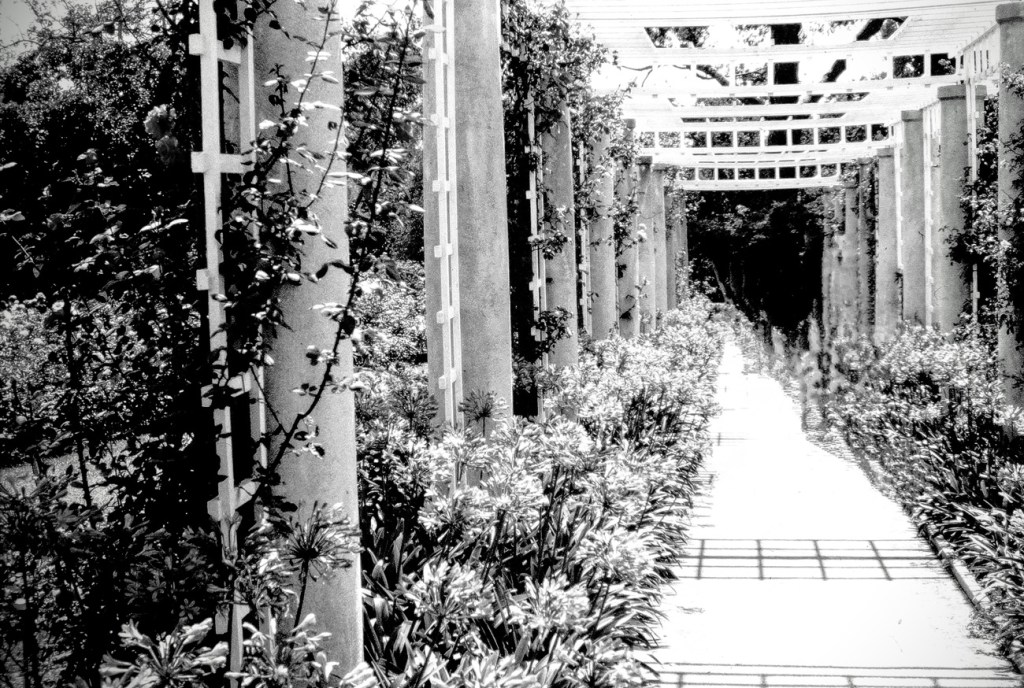
Location: Hearst San Simeon State Historical Monument; Hearst Ranch; San Simeon, California, USA
God Bless. Thank you for visiting. Have a wonderful week and enjoy the Outdoors. Thank you for sharing your time and thoughts with me. I appreciate y’all very much.
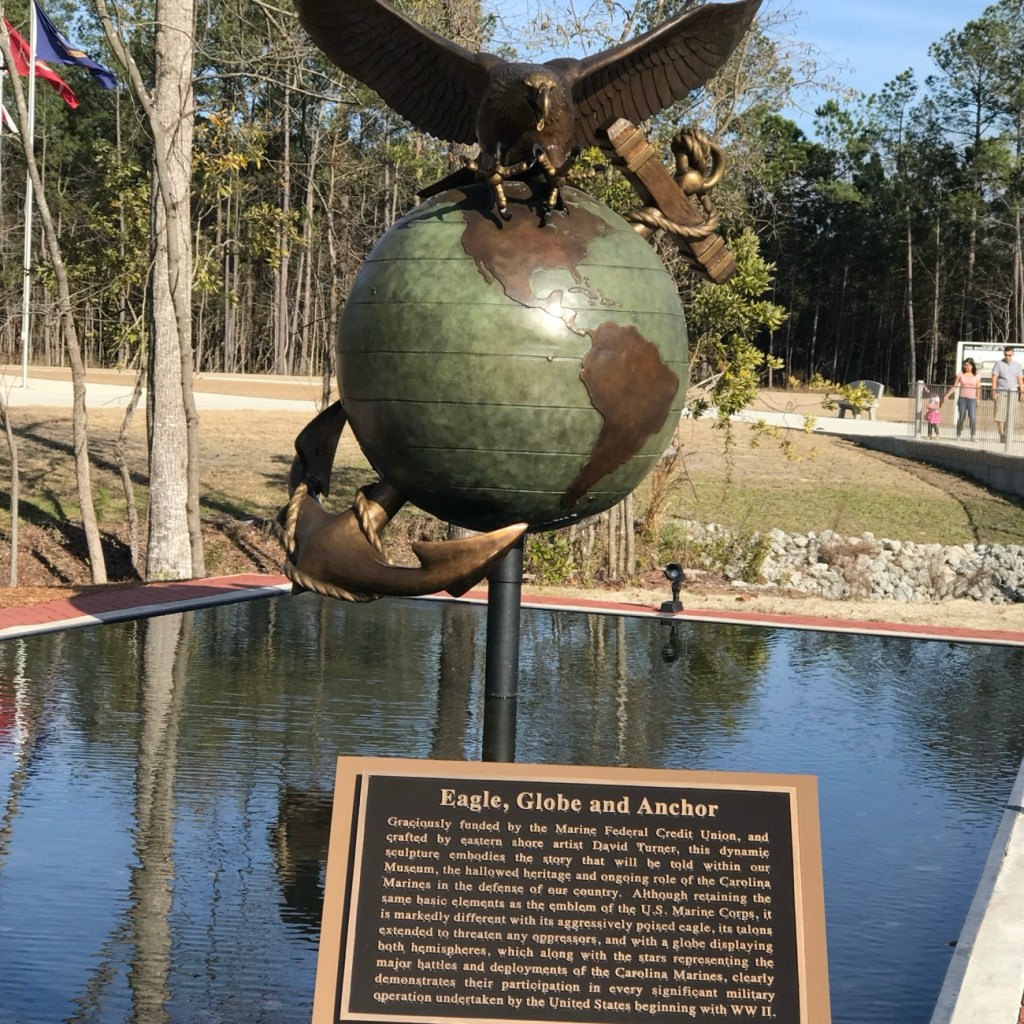
Ritvais this week’s host for the Lens-Artist Photography Challenge; she has chosen the theme of behind. What backgrounds to choose may seem easy, but some thought process may determine just the right background & balance you what to achieve and capture when you are snapping your photos.
Battle of Beckhamville Marker Beckhamville, Chester, South Carolina, USA
BATTLE OF BECKHAMVILLE
May 1780
Inscription.
British under Houseman surprised and defeated by band of 33 patriots under Capt. John McLure with 9 Gaston brothers and neighbors, who struck first blow for liberty and resisted attempt to subject people to oath of allegiance to king.
Erected.
By Citizens of Chester County
Mary Adair Chapter DAR
May 10, 1942
This Historical Marker was taken by my father in the summer of 1963. It is located at 34° 35.424′ N, 80° 55.194′ W in Beckhamville, South Carolina. Beckhamville is located in Chester County just south of Great Falls where my dad grew up. You can find the Marker at the intersection of State Highway 97 and State Highway 99, on the left when traveling east on State Highway 97.
The Battle of Beckhamville is recorded to have been fought during the Revolutionary War around June 6, 1780. This was following the disasters at Charleston and Waxhaws where Patriot forces struck a blow against the British in South Carolina.
On June 6, 1780, Captain McClure and his small force, wearing hunting shirts, wool hats and deer-skin caps and each armed with a knife and rifle, attacked Houseman and routed about 200 of the gathered loyalists at Alexander’s Old Fields. The Battle of Beckhamville’s victory helped solidify resistance to the Crown in this up country area.
Beckhamville was also known by Beckham’s Old Field and Alexander’s Old Field. Chester County has battlefields, historic markers, monuments, cemeteries, and stories that relate to the important role this area played in our winning our Independence from England.
DAR stands for the Daughters of the American Revolution. The DAR strives to promote the historic preservation, education, and patriotism.
Location: Beckhamville, Chester County, South Carolina, USA
God Bless. Thank you for taking a trip with me to visit an historical marker near my father’s hometown. Thank you for sharing your time and thoughts with me. I appreciate y’all very much.

San Francisco Cable Car – Van Ness Ave California Street
Cable Cars have been carrying passengers in San Francisco since 1873. Cable cars were invented by Andrew Smith Hallidie. He based his system on early mining conveyance systems which dominated the city’s transit scene for more than 30 years.
The San Francisco cable car system is the world’s last manually operated cable car system and an icon of the city of San Francisco. Of the 23 cable car lines established between 1873 and 1890, only three remain (one of which combines parts of two earlier lines): two routes from downtown near Union Square to Fisherman’s Wharf, and a third route along California Street.
The vast majority of the millions of passengers who use the system every year are tourists. Due to the high volume of tourists desiring to ride the cable cars, the wait time to get on can be up to or exceeding two (2) hours. The Cable Cars are amongst the most significant tourist attractions in San Francisco, along with Alcatraz Island, the Golden Gate Bridge, and Fisherman’s Wharf.
The San Francisco Cable Cars are one (1) of two (2) street railways named on the National Register of Historic Places as a National Historic Landmark. The other street railway on the National Register of Historic Places is the St. Charles Streetcar Line in New Orleans.
While on our San Francisco Bay Discovery Cruise we were able to see beautiful views surrounding the Bay. We were able to view unique perspectives of the amazing architectural features of the Bay Area Bridges.
Looking at The Golden Gate Bridge from the waters below …
The Golden Gate Bridge is a suspensionbridge spanning the Golden Gate, the one-mile-wide (1.6 km) strait connectingSan Francisco Bay and the Pacific Ocean.
Golden Gate Bridge
The structure links the U.S. city of San Francisco, California—the northern tip of the San Francisco Peninsula—to Marin County, carrying both U.S. Route 101 and California State Route 1 across the strait.
The San Francisco-Oakland Bay Bridge is made up of two (2) bridge segments: a skyway structure/single anchored suspension bridge between Oakland and Yerba Buena Island, and a suspension span from the island to San Francisco. The two (2) are connected by the world’s largest diameter bore tunnel.
The San Francisco-Oakland Bay Bridge is the region’s workhorse bridge, carrying more than a third of the traffic of all of the state-owned bridges combined. It is also a jewel along the San Francisco waterfront.
San Francisco Bay Bridge
The Eastern Span of the San Francisco-Oakland Bay Bridge underwent an extensive replacement renovation to replace a seismically unsound portion of the Bay Bridge with a new self-anchoredsuspension bridge (SAS) and a pair of viaducts. The span replacement took place between 2002 and 2013, and is the most expensive public works project in California history. The Eastern Span replacement upgrade was part of a plan to make the bridge more seismically sound. The replacement was necessary due to an earthquake of unanticipated magnitude of the horizontal motion caused by the Loma Prieta Earthquakecausing significant damage to the Bay Bridge. It also caused section of a major highway along the bay (a portion of it double-decked) to collapse; repairs on these were completed by the late 1990s.
Oakland Bay Bridge
The San Francisco-Oakland Bay Bridge was listed in the National Register of Historic Places in 2001. The Bay Bridge is significant for its influence in the California Bay Area.
Bay Bridge Architectural Design
The San Francisco-Oakland Bay Bridge’s multi-modal design is a direct example of the mindset of commuters during the 1930s. Constructed in 1936, the bridge was used to support the increase of automobiles and public transit lines in the early half of the 20th century.
San Francisco-Oakland Bay Bridge
Today the Bridge continues to pay a vital role in transportation as it serves as a major freeway connector for many who travel to and from the Bay Area.
Looking through the my dad’s old slides the photos of these Bridges reminds me of a 70’s song by Simon and Garfunkel called “Bridge Over Troubled Water.”
Hearst Castle is located up on a hill in San Simeon, the land was originally purchased by George Hearst. After his & his wife’s passing, the ownership of the property was transferred to William Randolph Hearst, their son.
William Randolph Hearst expanded on the property growing it to encompass approximately 250,00 acres. In 1919, Hearst collaborated with San Francisco architect Julia Morgan to build what would later become one of the world’s greatest showplaces and later an accredited museum.
The site originally known as “Camp Hill” was renamed “La Cuesta Encantada” which is Spanish for The Enchanted Hill.
After the passing of William Randolph Hearst, the estate opened its doors to the public in 1958. Hearst Castle comprising 90,000 square feet and Hearst’s world-class art collection. The property includes its own theater, billiard room, beauty salon and pair of dazzling swimming pools.
Among the rooms you can view while touring the Castle are:
Grand Social Rooms of Casa Grande —the largest house at Hearst Castle.
Assembly Room — located on the ground floor.
Refectory — where Hearst hosted lavish dinner parties and social occasions.
Billiard Room — where guests could relax and play billiards and pool.
Theatre — Hearst joined his guests here to watch movies and newsreels.
Doge’s Suite — here guests can admire the magnificent painted antique ceiling, marble balcony and Mountain View’s.
Main Library — It has an impressive collection containing more than 4,000 books.
Gothic Suite — located on the third floor it contains Hearst’s most treasured collections and sacred objects.
There are many more areas and rooms you may tour at Hearst Castle. The sculptures and architecture are amazing to see. As you can see, the various rooms have a variety of seating selections; each selection was once used by the vast number of guests visiting the property.
When touring the Castle ( depending on your choice of tour) you may learn about the paintings, sculptures, antiquities, tapestries and other works that comprise Hearst’s collection.
The Enchanted Hill doubled as a museum, bringing together centuries-old masterpieces in one stunning setting. These historic objects can still be viewed today among Hearst’s gardens, guest houses and Casa Grande.
Even though you can view and admire the numerous spacious rooms and seating arrangements around Hearst Castle, they are only for admiration and not for tourists to currently use.
I have been reminiscing about the good old days as I go thru processing my dad’s old slides into a digital format. These are from 1974 and 1975 when we toured the Queen Mary in Long Beach, California.
Here I am looking out over the ships railing into the parking lot waiting for everyone to climb aboard.
Other people are milling about conversing with one another as they wait for the tour to proceed.
Let’s take a gander over yonder at the Pacific Ocean . Isn’t it amazing how vast and beautiful the views are watching the ripples in the ocean waters.
Hey look, there’s a father and son looking out over towards Long Beach.
What do you know? Seems somebody took a photo of my mom and dad.
Mom & DadColor Pop
Are you ready? The tour is over and people are waiting for us to disembark.
Queen Mary
Thank you for joining us on our tour of the Queen Mary.
Janet from sustainabilitea.wordpress.com is offering us all to participate in her“One Word Sunday”word Abandoned. I am choosing to participate, how about you?
Alcatraz
Have you ever thought about visiting or touring a federal prison? How about touring an Abandoned maximum security prison like Alcatraz? It is possible, you know.
Alcatraz was not always a maximum security prison. It was first used by Native Americans long before Europeans arrived in the area. The Island has been used for camping, hunting, and at one point it became an isolated and remote place where law violators were held during its history. Based on oral history of Indigenous people, it appears that Alcatraz was used as a place of isolation or ostracization for tribal members who had violated a tribal law or taboo, and was utilized also as a hiding place for many Indians attempting to escape from the California Mission system.
Alcatraz Barracks Building 64 United States Penitentiary Alcatraz Island
Building 64 was the first building constructed on the island of Alcatraz off the coast of San Francisco, California. The purpose of Building 64 was for the accommodation of the military officers and their families living on the island. It is located next to the dock on the southeastern side of the island below the Warden’s House. It’s a three-story apartment block that was built in 1905 on the site of a U.S. Army barracks which had been there from the 1860s. It functioned as the Military Guard Barracks from 1906 until 1933.
United States Penitentiary Alcatraz Island
Nowadays, it is possible to tour Alcatraz. You may select from an Alcatraz Day Tour or an Alcatraz Night Tour, or the Bay Discovery Cruise, or Alcatraz Behind the Scenes Tour. All Tours except the Bay Discovery Cruise allows access via ferry onto Alcatraz Island. Each tour has its own unique itinerary and the opportunities are expanded with the Night and Behind the Scenes tours.
The Bay Discovery Cruise does not dock at Alcatraz, but does (weather permitting) encircle Alcatraz Island and provides breathtaking views of the San Francisco Bay Area.
These photos were taken by my dad back in 1979 when we took a Bay Discovery Cruise. The San Francisco Bay Cruise lasts for Ninety (90) minutes sailing under the Golden Gate Bridge, encircling Alcatraz Island and allows for sensational views of the San Francisco Waterfront, the Presidio, Sausalito, Fort Baker, Angel Island and a lot more. [More scenes from the Bay Area Cruise coming in later posts.]
Growing up we made several vacation trips to the Carolinas from San Diego. On one of our trips to the Carolinas we made a stopover in Georgia to visit Franklin Delano Roosevelt’s (FDR) The Little White House in Warm Springs.
When you arrive at The Little White House Historic Site you walk along the Avenue of Flags ( also called the Walk of Flags and Stones.)
My parents and brother on the Walk of Flags and Stones
The Walk of Flags and Stones at the Little White House serves as a tribute to President Franklin Delano Roosevelt, the 32nd President of the United States. Each of the 50 states and Washington D.C. brought a native stone to be put on display at the site.
Moving Forward along through the Walk of Flags and Stones you may notice several stone benches in case you need to Pull Up a Seat and rest a spell. Another option, if you choose, would be to Sit on the bench just outside the front door of The Little White House.
Franklin Delano Roosevelt’s (FDR’s) The Little White House
FDR’s The Little White House was his personal retreat and is located in the Historic District of Warm Springs, Georgia. It is a single-story, plain Colonial Revival constructed of Georgia pine.
Architect Toombs expanded the residence in 1932 with a detached garage/servants’ quarters, a guesthouse in 1933 and the Georgia Wilkins Cottage in 1934. The Cottage was later converted into a museum by Toombs in 1959.
The Little White House was originally approached from the cottage area of the rehabilitation center via an unpaved road; it was more secluded than it is today.
“Tally Ho” stage coach
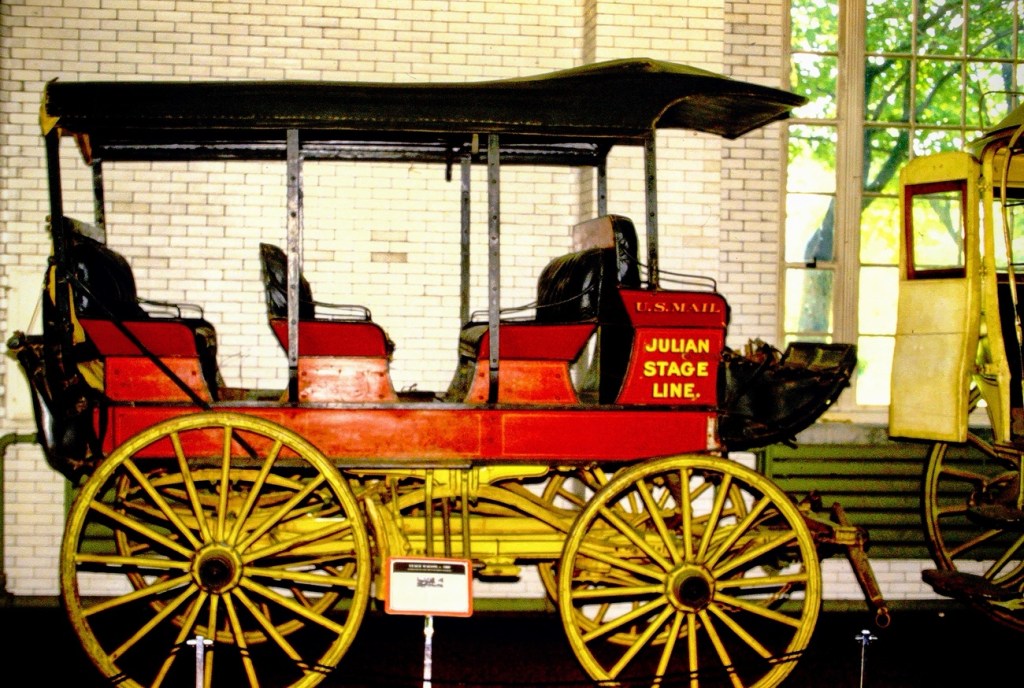
While you’re touring The Little White House, you might as well took a look at some of FDR’s vehicles. One of those “vehicles” is the “Tally Ho” stage coach.
The “Tally Ho” stage coach came with the Warm Springs property. FDR and Eleanor dressed up as George and Martha Washington and rode in it for the parade to celebrate his election as NY Governor.
Breaching the Waters of Time, we drift back to 1972 when my family stopped for some time of relaxing entertainment at the Seven Seas Marine Life Park in Arlington, Texas.
Newtka, a Killer Whale
Seven Seas Marine Life Park was a marine mammal park, and animal themepark built and owned by the city of Arlington, Texas, United States. It opened in 1972, and closed in 1976. The 35-acre (14 ha) site was located in north Arlington off Interstate 30 near Six Flags Over Texas and adjacent to Arlington Stadium. The facility housed killer whale Nootka from 1972 to 1975.
Pictured here is the Killer Whale Stadium at Seven Seas Marine Life Park. If you look closely you might can see the two trainers and Orchin, the Seven Seas Mascot standing on the platform stage area within the stadium. The castle themed backdrop is visible behind the platform.
The theme park had seven (7) sections:
Arctic Ocean
Caribbean Sea
Indian Ocean
Mediterranean Sea
Sea of Cortez
Sea of Japan
South Seas
Newtka (also spelled Nootka) the killer whale: A 6,000-pound (2,700 kg) and 18-foot (5.5 m) female orca that resided in the park’s largest animal performance stadium. Other animals that were housed and performed at the park were: Jannie, Rodney, Debbie are three of the twelve bottle-nosed dolphins which performed in the Dolphin Show; Pancho the Elephant Seal; Over fourteen (14) California sea lions for the Sea-lion circus; and Several Rockhopper Penguins and one Magellanic Penguin for the Penguin Troop Performance. Seven Seas Marine Life Park also had a few rides and Pearl Diving.
The city council of Arlington voted to close the park in 1976 because it did not generate enough revenue to both pay its operating expenses and pay off the bonded indebtedness.
The property is now the site of the Arlington Sheraton Hotel and has several buildings on the property that date back to the park.
Location: Seven Seas Marine Life Park; Arlington, Texas, USA
God Bless. Thank you for visiting the Seven Seas Marine Life Park with us. Thank you for sharing your time and thoughts with me. I appreciate y’all very much.
This long straight hilly 15-mile stretch of US 21 is the road that leads us to Great Falls, South Carolina coming out of Georgia. We would travel this road every three (3) to five (5) years to visit my dad’s parents and his brother and sister’s families. My dad grew up in Great Falls, but left when he joined the US Navy. It was only on these long summer trips that I was able to spend time with my dad’s family. Often when we came back to visit we would all go visit an attraction together on one of the days we were here.
Cee, I pray you’re better and home soon. In the meanwhile I’m continuing with the CWWC – Any Which Way in my Way until you are back well and able choose a theme. Anyone care to join me, let’s let Cee know we’re thinking and caring about her.
Back in the day there were three (3) ways you could choose from to get to Land of Oz. One could choose the Hot Air Balloon ride, the Gondola Lift, or a shuttle bus to reach the Land of Oz location in Beech Mountain.
People milling about deciding which option they want to take to reach the Land of Oz.
The Hot Air Balloon ride up to the Land of Oz offers a different perspective, a different and unique experience and yet similar in approach to the Gondola Lift. Both the Hot Air Balloons and the Gondola Lift operate similar to a ski resorts ski lift would operate.
They are both aerial lifts that uses a continuous cable loop to transport passengers up a mountain. The cable is driven by a bullwheel at each end of the lift, which is usually connected to an electric motor or engine. The cable runs through sheaves at towers that support the cabins, or carriers, as they travel up the mountain. The cabins are attached to the cable by detachable grips that allow for secure boarding and exiting at slow speeds.
Having chosen our method of reaching the top of Beech Mountain for our Land of Oz adventure, we are delighted we are on our way up.
Up, up, up we go … look at our amazing climb through the air. It seems as if I chose to ride in a Hot Air Balloon while others in the family chose to ride in one of the Gondolas.
Visitors to the Land of Oz walking along the trail after exiting their chosen path.
The Gondolas continue throughout the day to carry visitors to the Land of Oz.
Once you’ve completed your ride, follow the Yellow Brick Road to the Emerald City and your adventure begins.
When your tiredness overwhelms you, take a breather from following the Yellow Brick Road and sit a spell and enjoy the show.
Amphitheater hosting the Magic Moment Show
The Magic Moment Show was staged every half hour. During the show Dorothy appeared with her friends to meet the Wizard and entertain the park’s guests.
The photo of these Wizard of Oz Sculptures were taken in the Summer of 1972 at The Land of Oz Museum at the Land of Oz Attraction in Beech Mountain, North Carolina.
Original Slight Colour PopBlack and White Monochrome A Bit of Colour Splash, a bit of Dean effect, a bit of brightening, a little of this – a little of that …
Welcome Friends, Guests, and Visitors! This is June 2024, I am realizing that the Older I get the harder it is for me to Rise. It is harder for me to Rise in the mornings, and harder for me to Rise from the floor. Let’s face it the Older I get the harder it is for me to do a lot of things. But, do I let that stop me? No. The Older I get the more determined I am to Rise above any and all obstacles that may arise.
Now that all that has been said, how about we take a ride down memory lane (or in this instance – tracks.) As I have been looking back through my dad’s Old old slides, I realise how much I do not remember about the family trips we took. I remember taking them, but the details are obscure. In the process of digitizing his old slides, the memories are Rising to the forefront of my mind.
On this trip down memory lane, I can see the photos and recall our ride on a vintage Railroad at Stone Mountain Park in Georgia.
The Stone Mountain Scenic Railroad is an open-air train that chugs around the 5-mile base of Stone Mountain. The ride takes 40 minutes and includes a live “train robbery” skit. Trains depart from Railroad Depot, an old-fashioned train station, where there’s a restaurant with all the fixings for a fried-chicken picnic, just in case you forgot to bring your own.
Train Robbers escaping from the Sheriff
The Stone Mountain Scenic Railroad, Inc. was formed in 1960 to construct a tourist railroad encircling the mountain. Three secondhand steam locomotives and several rebuilt passenger cars were purchased for hauling mountain visitors. Attempts were made to backdate two of the steamers to appear more like Civil War era engines, as the railroad’s theme was based on the “Great Locomotive Chase” involving the General and the Texas.
A single locomotive pulls a consistent of open-air cars and often a caboose around the 3.88 mile loop track. Two or more trains are run during busy park hours. Passengers board at the Train Station near the Memorial Lawn. On the far side of the mountain, trains often stop for skit entertainment in the small yard area that includes mock up building fronts, a maintenance shed, and several spurs that store previous rolling stock.
Don’t let the clown face fool you, this is no good guy. He is attempting to “rob” the train.
The Stone Mountain Scenic Railroad ride is just one of several activities one may choose to take part in while visiting the Park. Regardless of whether you’re into history, hiking, or want to enjoy some relaxing entertainment Stone Mountain Park can accommodate your interests. For more information about what to do and see at the Park click here.