2026 Thursday Trios: 08 January

A Gallery of

Ring-Billed Gulls

for Thursday Trios

& Bird of the Week CL

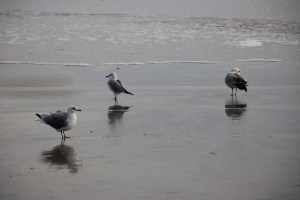
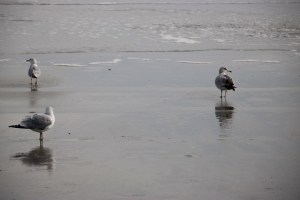
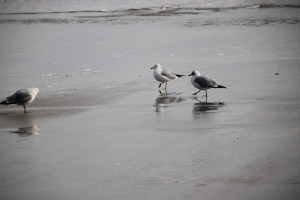
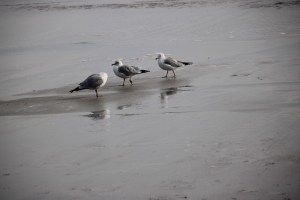
We spent the week before New Year’s down south at Myrtle Beach along the coast of the Atlantic Ocean. We had so many activities going on each day that we didn’t spend all day every day on the beach, but the days Coleman and I spent on the beach were beautiful amazing memory making enjoyable times of the week. We saw an enormous amount of birds at the beach both in Murrells Inlet and by our resort in Myrtle Beach.

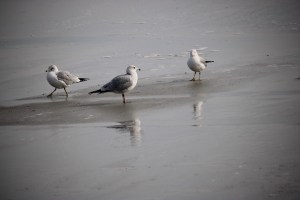
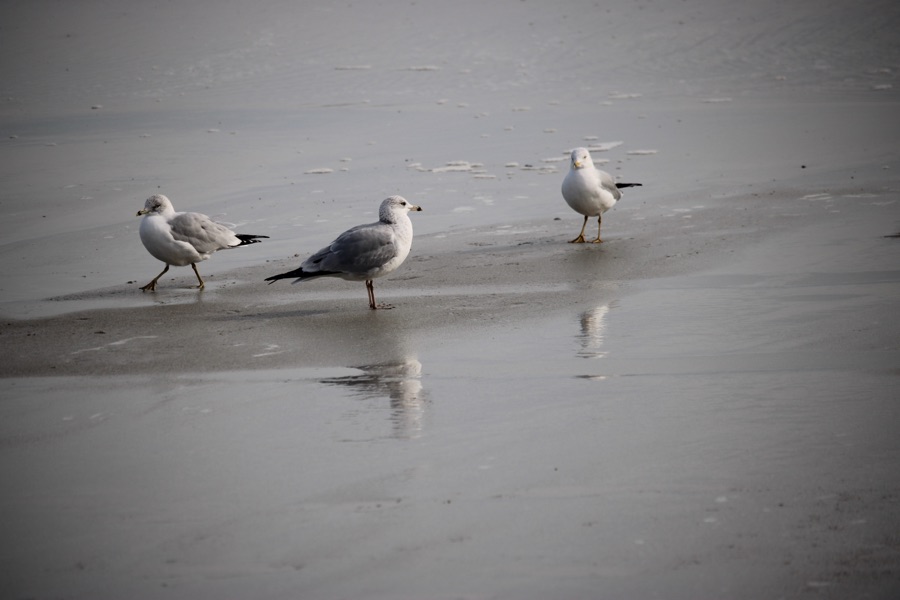
On the Friday before we left we saw a tremendous amount of Ring-Billed Gulls flying to and fro as well as walking on the sand by the seashore. Ring-Billed Gulls (aka Larus delawarensis) are medium-sized gulls native to Northern America. They breed in Canada and the northern Contiguous United States. They winter mainly in the United States of America and northern Mexico.

The Ring-Billed Gull’s breeding habitat is near lakes, rivers, or the coast across the majority of Canada and the northern United States. (We live in the Southeastern United States). These seagulls can also be seen in several North American parking lots.
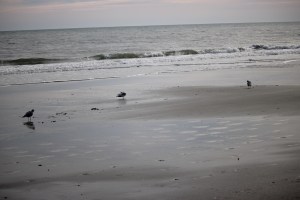
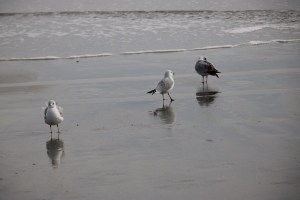
The Ring-Billed Gulls are migratory with the majority of them moving southward towards the Gulf of America (formerly the Gulf of Mexico), and the Atlantic and Pacific coasts of the United States and northern Mexico.

The Ring-Billed Gulls we saw were numerous and fascinating to watch. You could walk pretty close to them before they took flight. They tended to stay in groups, surprisingly (to us) in groups of three.

Even though they forage in flight or pick up objects while swimming, walking, or wading; they also steal food from other birds or even people’s unattended food. Some beachgoers consider the Ring-Billed Gulls pests due to their willingness to steal unguarded food on crowded beaches. (We didn’t notice them stealing any food while we were walking alongside the ocean waters or anyone annoyed with the beautiful gulls.) Most were merely enjoying the beautiful day, and time with family along the coastal beaches.

Carol’s Thursday Trios

Bird of the Week CL

Birds of the Carolinas

Jez’s Water Water Everywhere

Photo Credit:©️2026 Deb L. Waters … All Rights Reserved.

Camera: Canon EOS Rebel T7 (2000D) with Canon EF-S55-250mm lens and Altura UV Filter attachment.

Location: Atlantic Ocean; Myrtle Beach, South Carolina, USA

God Bless. Take care of yourselves. Get Outdoors and enjoy nature. Thank you for visiting and sharing your time and thoughts with us. I appreciate y’all very much.

2025 Monday Portrait: 22 December

Emden Geese

Embden Geese
Crandall Bowles Children’s Farm

Embden (Emden) Geese are a German breed of domestic geese recognized primarily for their pure white plumage and striking bright blue eyes. ( I know it’s hard to see their blue eyes from the picture, but they are blue) The Embden is one of the oldest and most popular breeds around the world.

These Embden Geese reside at the Crandall Bowles Children’s Farm at the Anne Springs Close Greenway. Children of all ages are welcome to come visit them, but trying to pet them or pick them up is not recommended. Feed for them can be purchased at an extra cost to the entrance fee.

Monday Portrait

Bird of the Week CXLVII

Photo Credit:©️2025 Deb L. Waters … All Rights Reserved.

Camera: Canon EOS 2000D ( Rebel T7) with Canon EF-S55-250mm lens and Altura UV Filter attachment.

Settings: f/5.6 • 1/100s • 70mm • ISO100

Location: Crandall Bowles Children’s Farm; Greenway Stables and Farm Entrance; Anne Springs Close Greenway; Fort Mill, South Carolina, USA

God Bless. Have a wonderful Christmas holiday week. Merry Christmas! Thank you for visiting and sharing your time and thoughts with us. I appreciate y’all very much.

2025 Numbers Game #64 — 185

Birds of the Carolinas

Bird of the Week

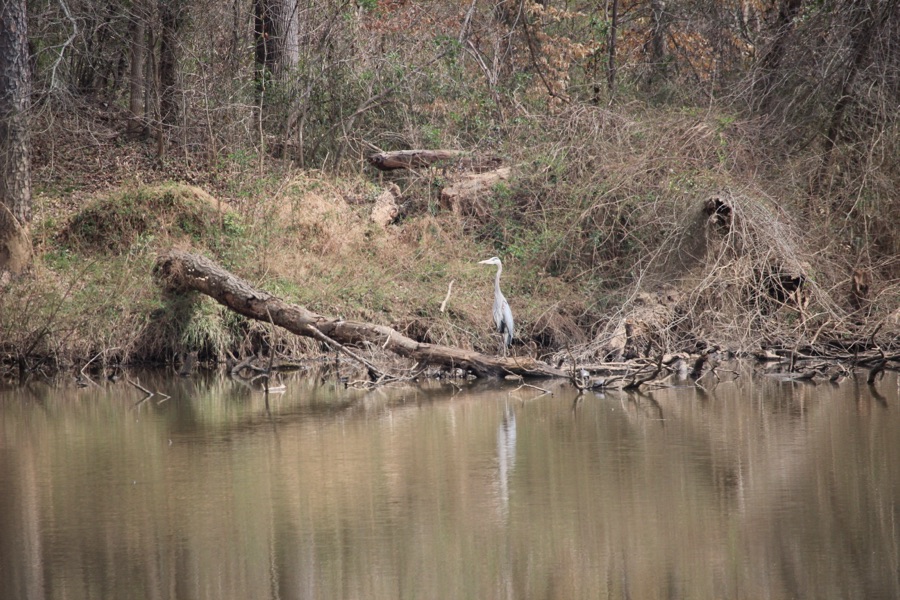
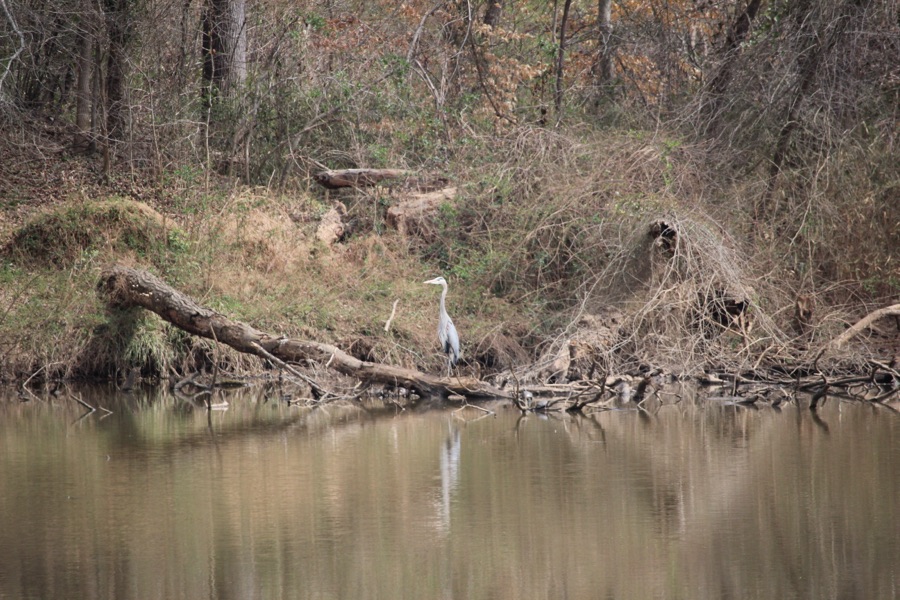
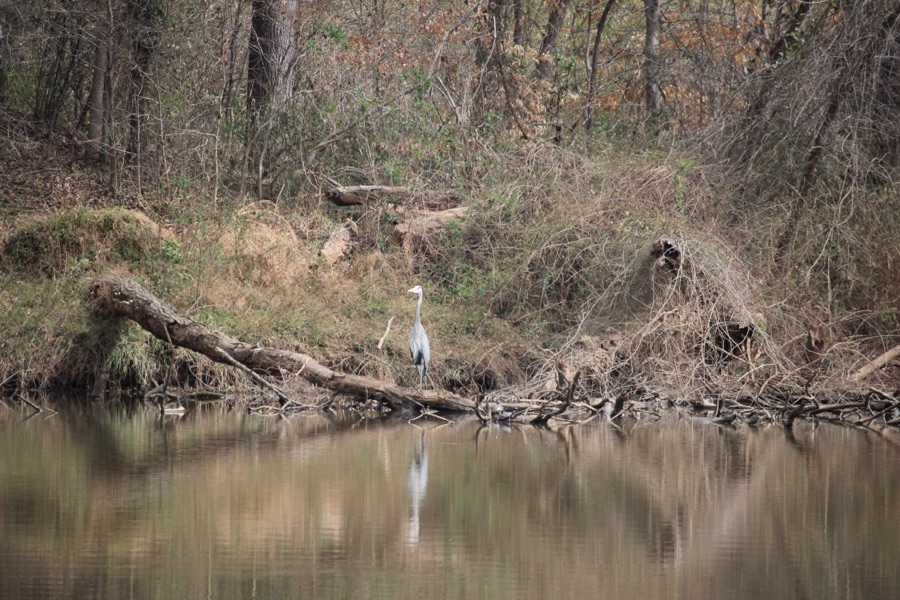
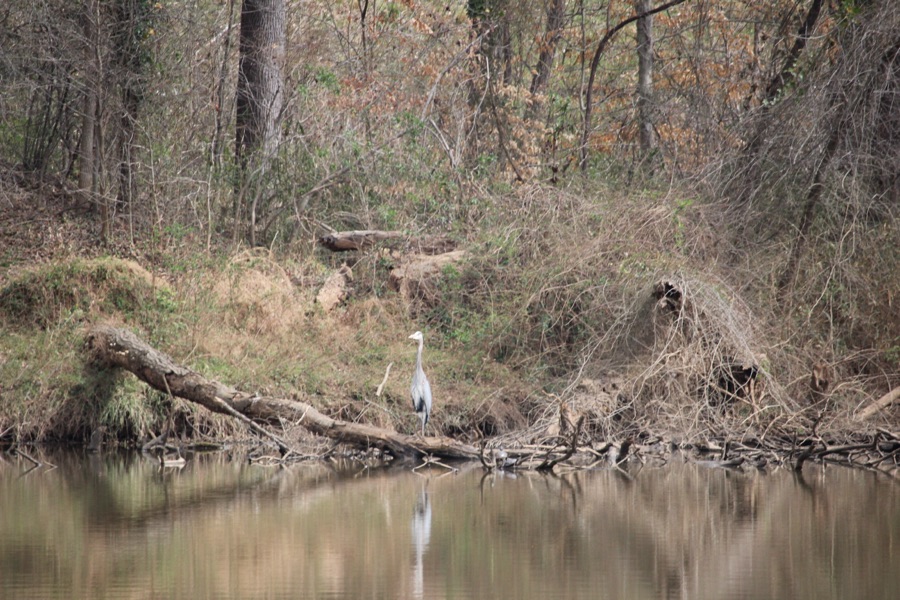
Great Blue Heron

Admiring the Views

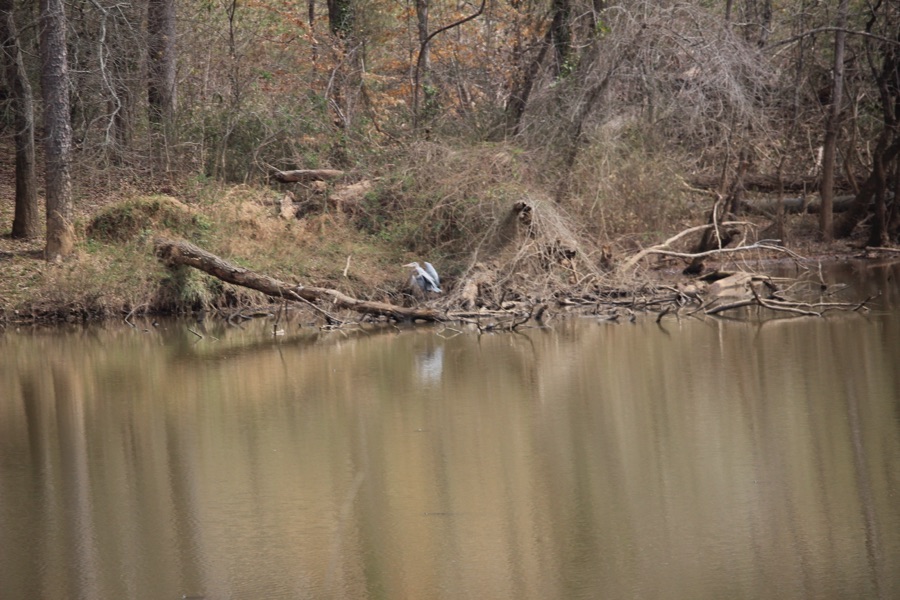
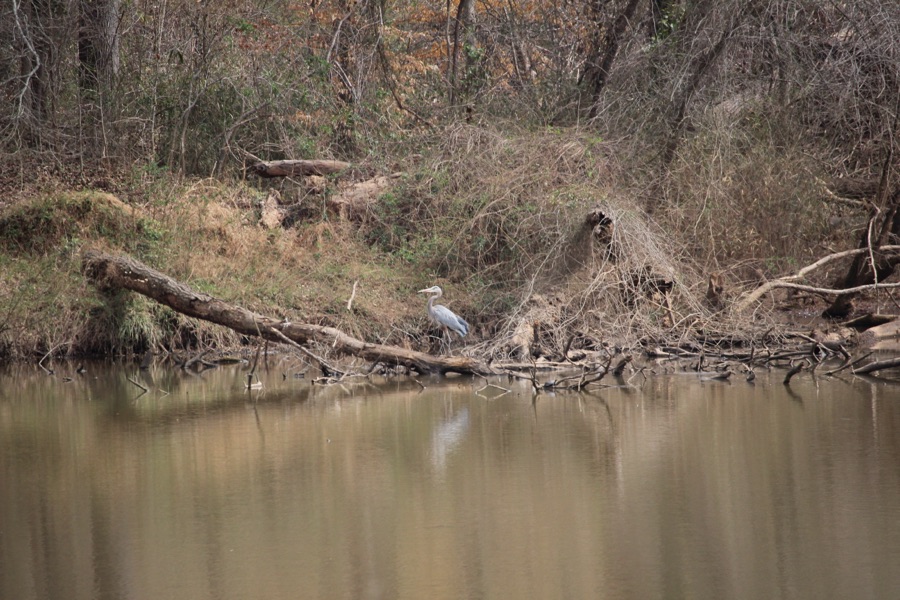
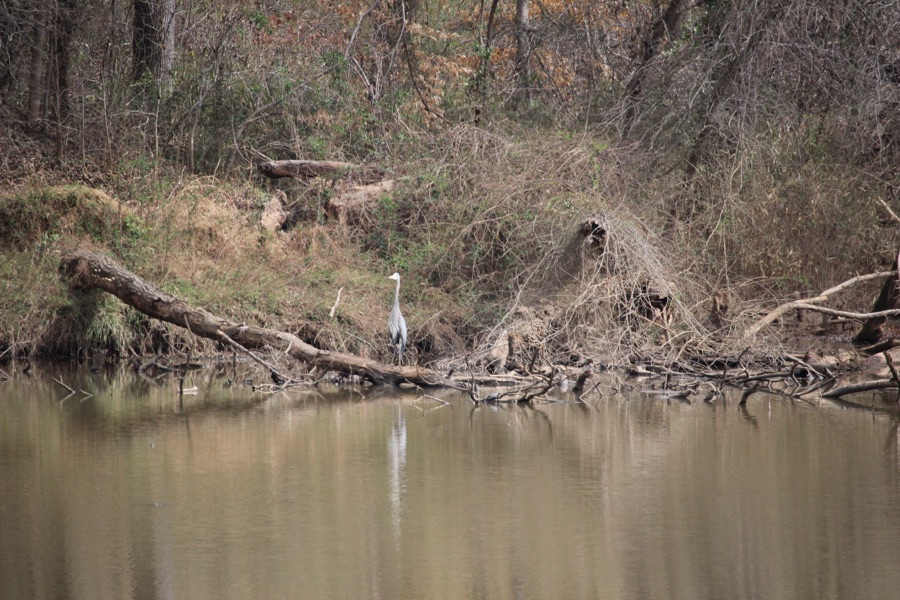
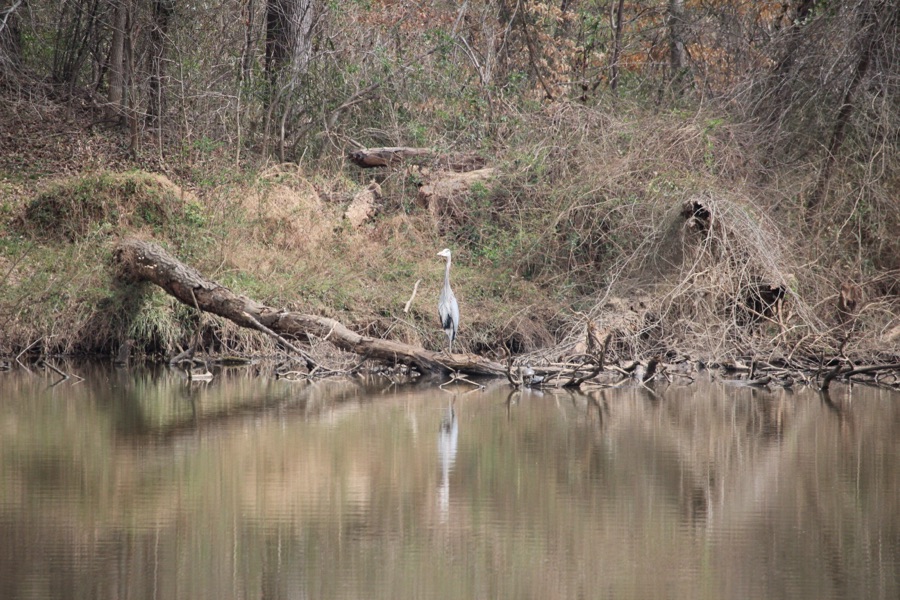
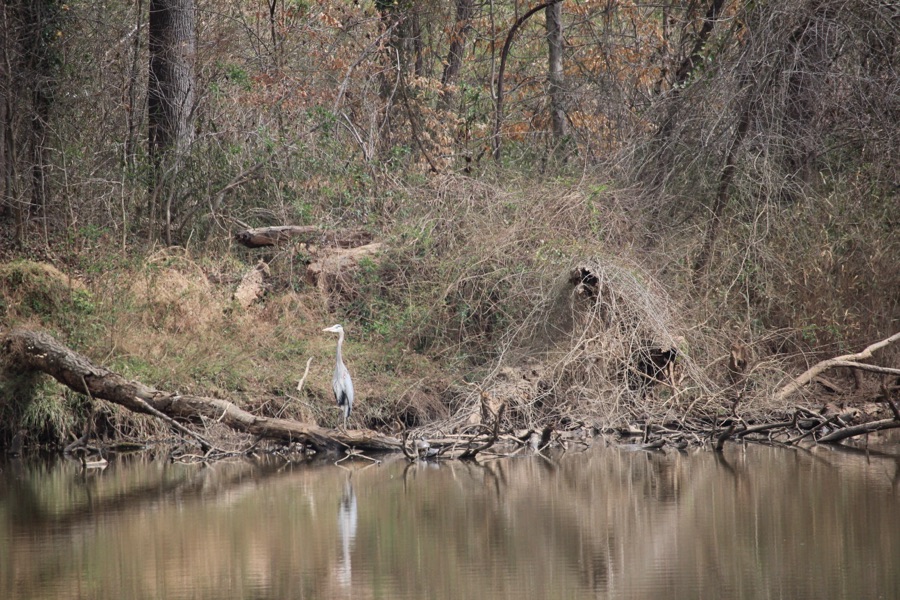
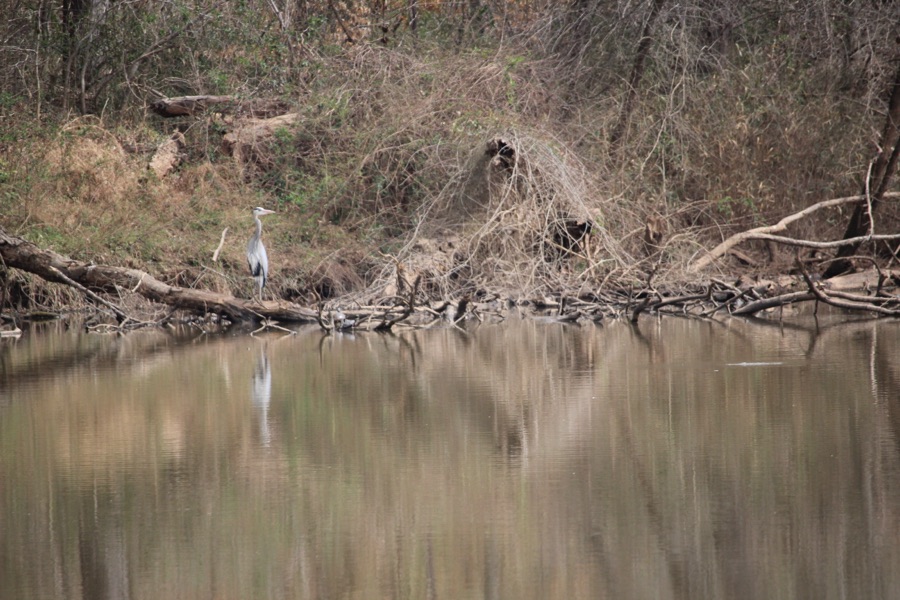
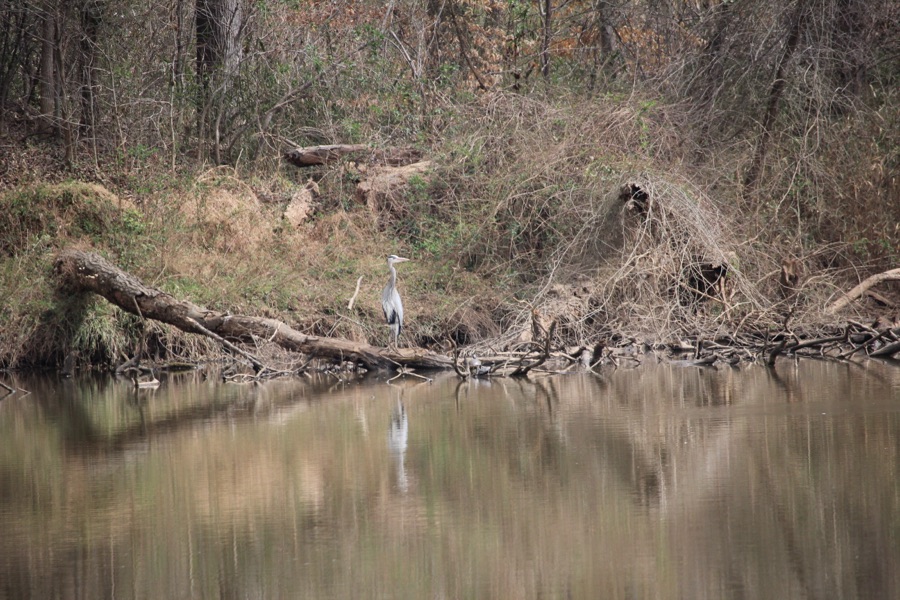
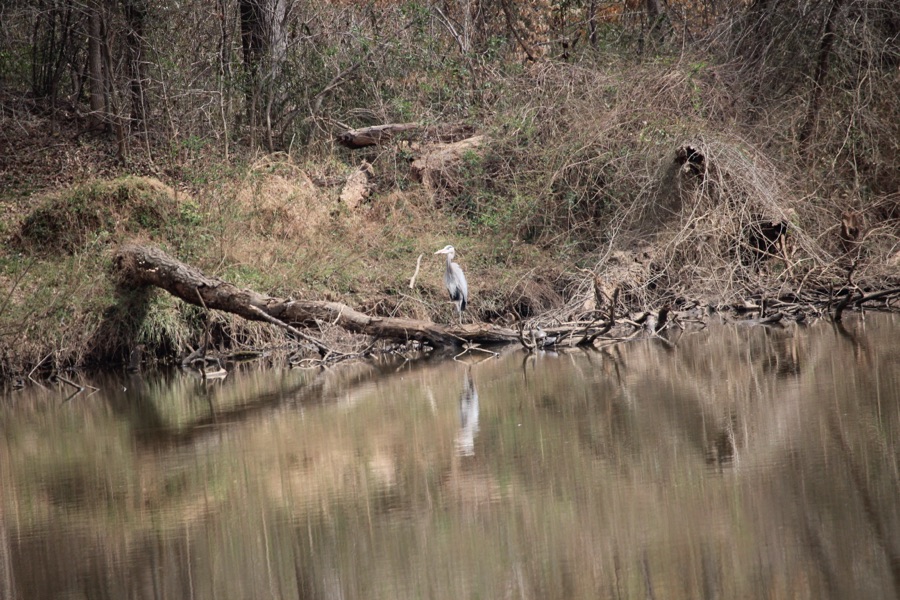
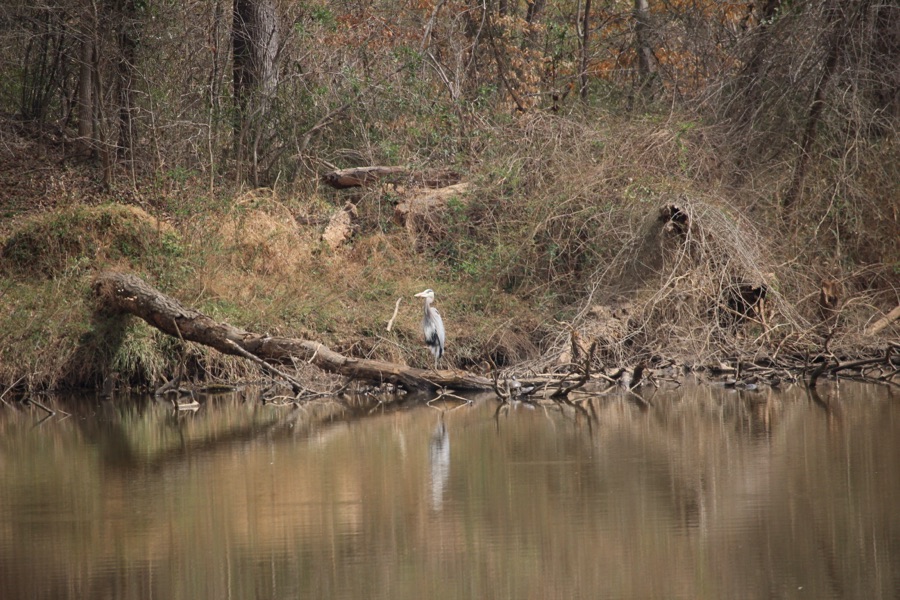
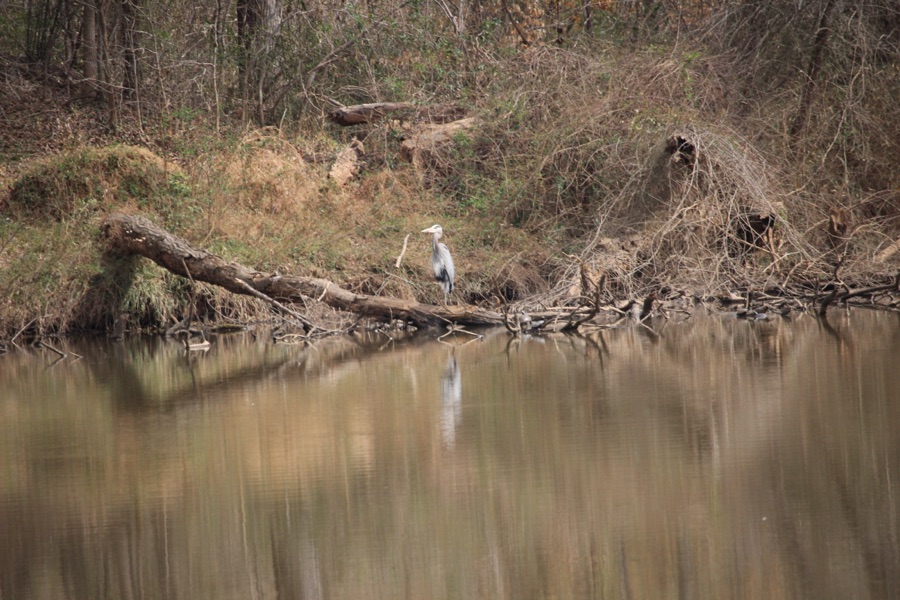
… Watching the Great Blue Heron Looking around admiring his views and insights on the South Fork Catawba River.

The Great Blue Heron is stated to be seen year-round in the Carolinas, however, in our area of Southwestern North Carolina the Herons and other Cormorants tend to be seasonal in the inland regions. On this day, it was the first time the Cormorants and Great Blue Herons had been spotted since the end of summer.

The Great Blue Heron (Egretta thula) is the largest heron in North America and one of North Carolina’s most familiar and frequently seen wading birds. It is commonly observed around shores of open water and in wetlands where it stands  silently or walks very slowly waiting for prey to get close enough so it can spear it with a rapid thrust of its bill.

The Great Blue Heron stands more than three (3) feet tall as an adult and weighs approximately 5.5 pounds (lbs). Its wingspan extends nearly 6.5 feet.

The Great Blue Herons live in both freshwater and saltwater habitats, including marshes, swamps, shores, rivers and tidal flats. These sightings were located near the shoreline of the South Fork Catawba River around Goat Island in Cramerton, North Carolina.

For the most part the South Fork Catawba River is a slow-moving river with calm waters. The Great Blue Heron prefers the calm waters to forage and the ability to feed on almost anything that comes within striking distance of its long, pointed bill. They typically feed in shallow waters. 

Coleman and I were delighted to watch the Great Blue Heron soar over the river and land on the opposite bank from where we were hiking. Naturally, I aimed my camera towards the Great Blue Heron and proceeded to snap several shots. The Great Blue Heron stood tall and upright looking all around the waters of the South Fork Catawba River being observant of his entire environment.

Judy’s Numbers Game #64-185

Bird of the Week CVIII

Birds of the Carolinas

Ragtag Daily Prompt Sunday-Watch

Jez’s Water Water Everywhere #261

Photo Credit:©️2025 Deb L. Waters … All Rights Reserved.

Camera: Canon EOS Rebel T3i with Canon EF-S55-250mm lens and Altura UV Filter attachment. [This was a time I wished I had a longer lens or at least a 2X converter to capture a closer view.]

Location: South Fork Catawba River; Goat Island Park and Greenway; Cramerton, North Carolina, USA

God Bless. Be Observant. Be Kind. Have a wonderful day. Thank you for visiting and sharing your time and thoughts with us. I appreciate y’all very much.