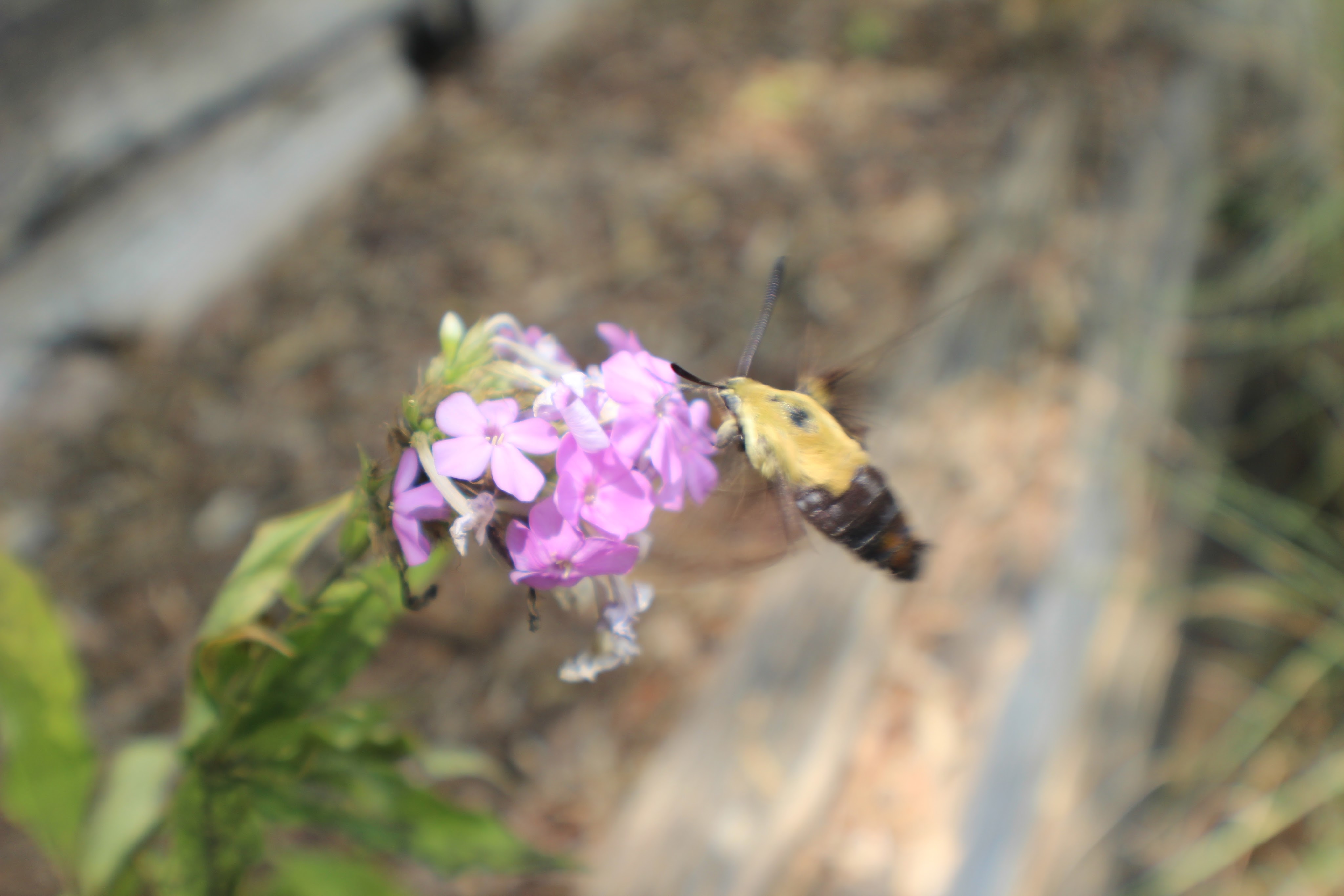
The Snowberry Clearwing (Hemaris deffinis) is a moth of the order Lepidoptera, family Sphingidae. It mimics a bumblebee in appearance. It is sometimes called a “Hummingbird Moth” due to its ability to dark quickly from flower to flower, and its ability to hover over nectar sources.
The Snowberry Clearwing is hovering from flower to flower, which are called Phlox Carolina ‘Gypsy Love’. The Phlox carolina ‘Gypsy Love’ have narrow, pointed foliage and pink flowers in early summer. The Carolina Phlox are native to the southeastern United States. They are an herbaceous perennial boasting broadly cylindrical clusters of lavender to pink or white flowers over a long season.
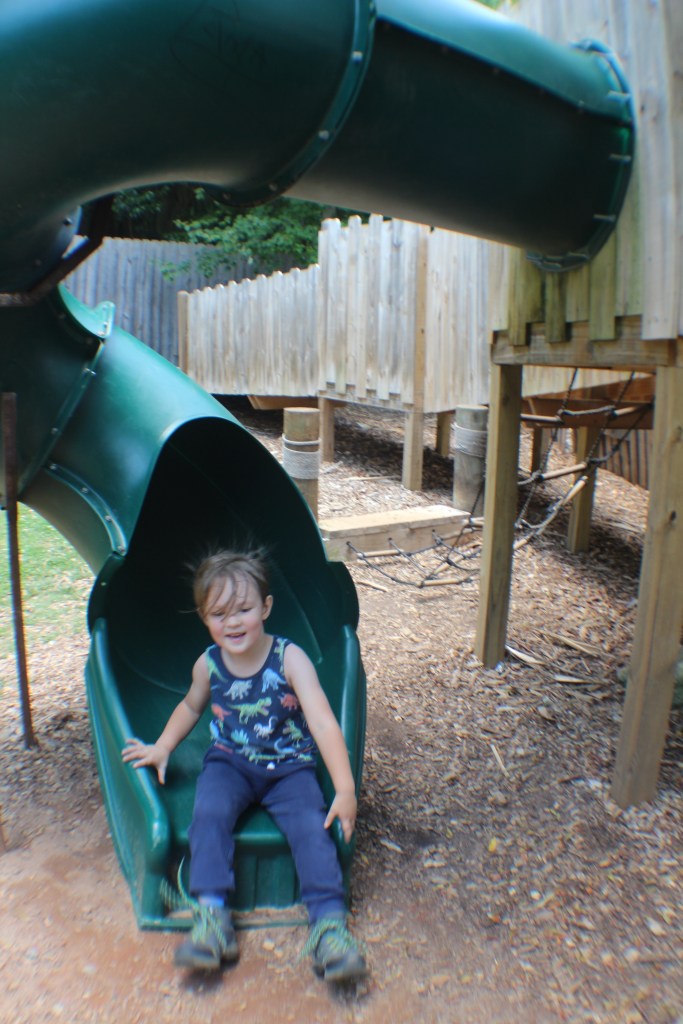
Coleman’s choices for Pulling Up a Seat in August differentiated from various Playground equipment to Picnic Table and Lounge chairs and even to Sand and Rocks. I never know where he’ll select to Pull Up a Seat. Where will you Pull Up a Seat this week?
Three Railroad Crossing Signs Lineberger Park Gastonia, North Carolina Veterans Memorial Walls Cramerton, North Carolina Trio of Rudbeckia fulgida (Aka Black-Eyed Susan)Collage of Three Photos of Coleman
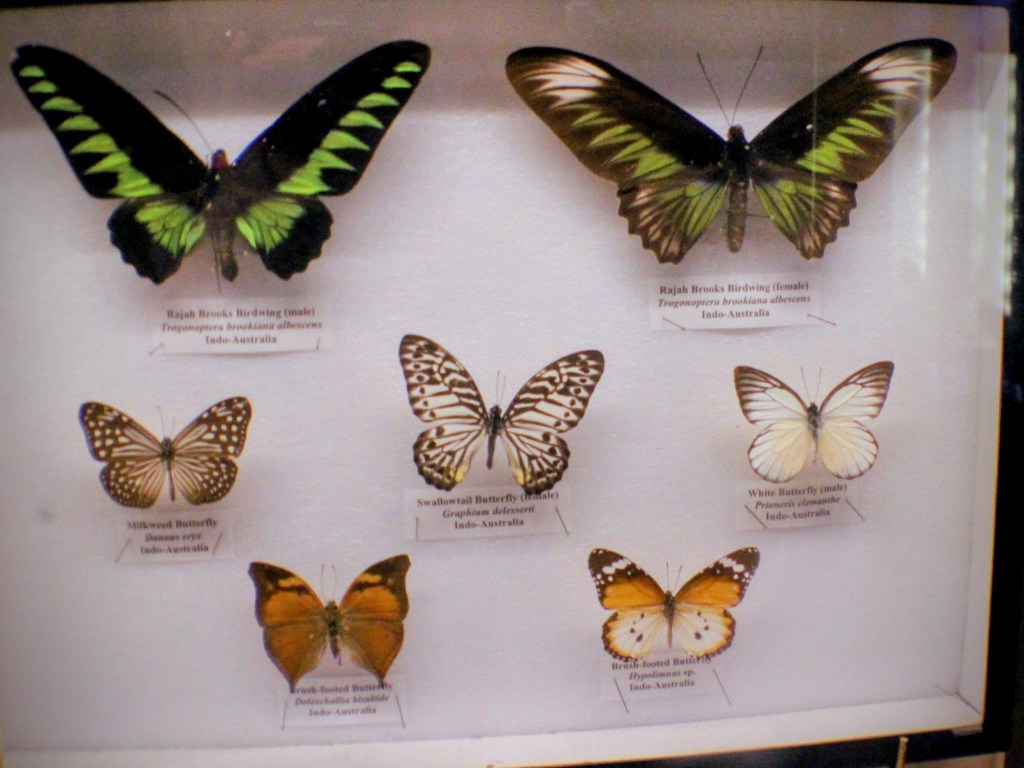
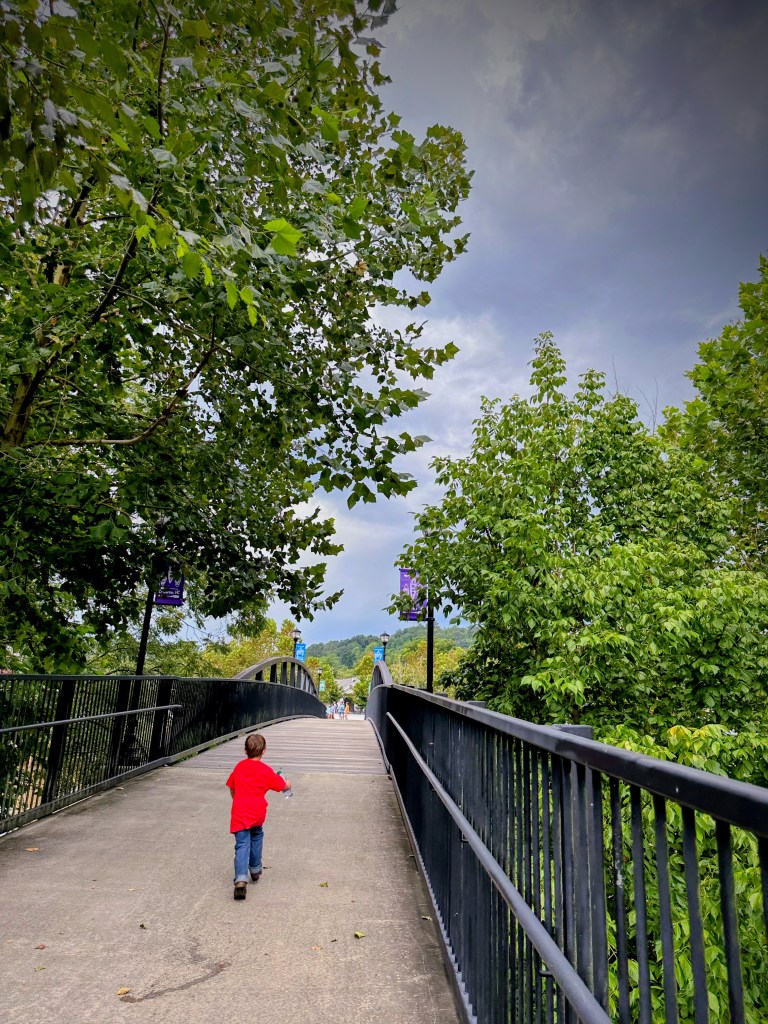
Pull Up a Seat Noodles and Company Gastonia, North Carolina Butterflies encased in a Frame Schiele Museum Gastonia, North Carolina Lake Crandall Enframed by the Tree-lines Anne Springs Close Greenway Fort Mill, South Carolina Coleman Lineberger Park Gastonia, North Carolina Coleman Encompassed by the Bridge & Trees Goat Island Park and Greenway Cramerton, North Carolina
Coleman Enjoying Time in the Sunshine with His Mom
This is a rare occasion when Coleman has his mom running around and playing with him. She’s usually working all the time, seven days a week. She’s usually exhausted when she gets home from working and her only desire is to relax. Therefore, seeing her having fun outdoors with Coleman brings joy and sunshine 🌞 to my soul.
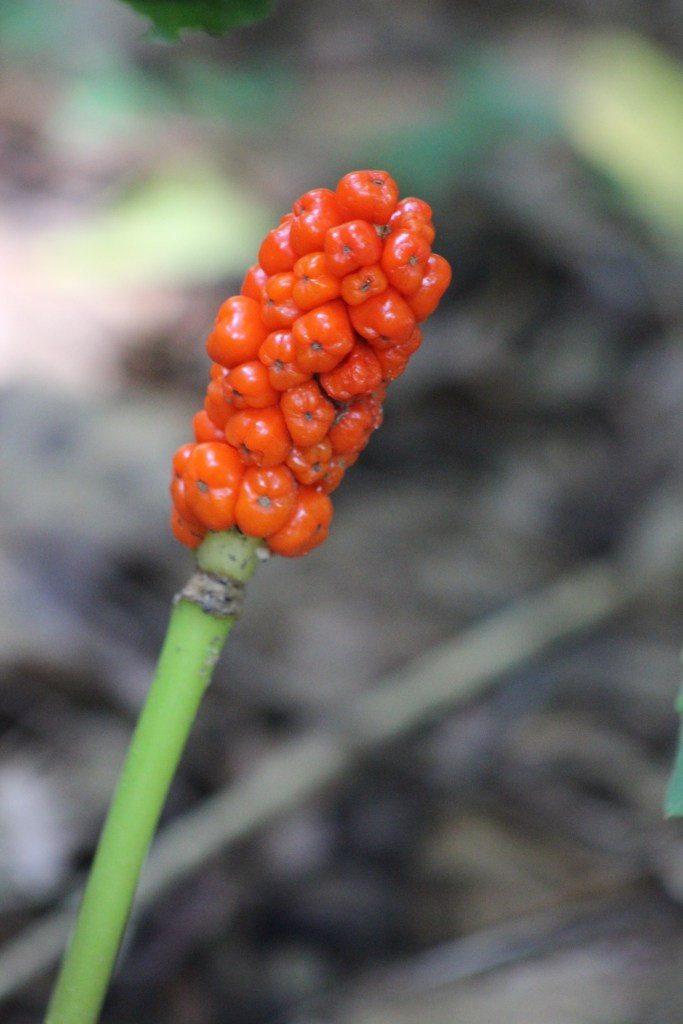
Common Name(s): Cuckoo’s Pint Italian Arum Italian Lily Italian Lords and Ladies Orange Candle Flower Previously known as: Arisarum italicumItalian Arum is a herbaceous perennial and member of the Araceae family. It was originally planted as an ornamental groundcover. It is now considered invasive in some parts of the United States because it is difficult to control and spreads rapidly. All parts of this plant are poisonous to humans and wildlife. The plant can cause skin irritation and illness. North Carolina Extension Gardener Plant Toolbox
Catawba Woven Basket Disc Golf MarkerIpomoea pandurata Wild Potato Vine Shot on Canon EOS Rebel T3iCampsis radicans American Trumpet Vine Coleman on his New 2-Wheel Bicycle
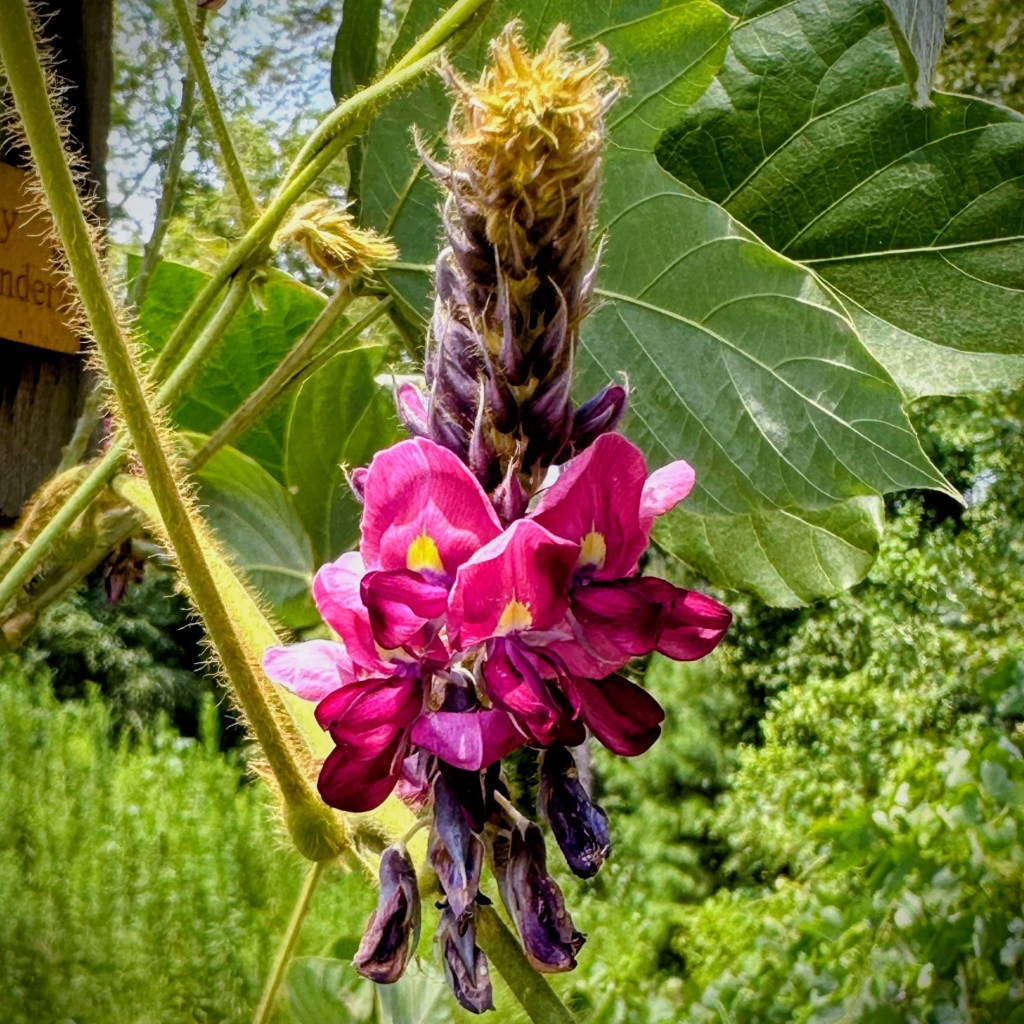
Ipomoea pandurata (eep-oh-MEE-uh pand-yoor-RAY-tuh, shaped like a fiddle) is native to Florida and the eastern half of North America. It has a large root that can be eaten if cubed and boiled in at least two changes of water. Never eat it raw.
These are also known as Indian Potato, Man-of-the-Earth, Manroot, Morning Glory, Wild Potato Vine, Wild Sweet potato, Wild Sweet potato Vine.
Dale of The Cosmic Photo Challenge prompt is Freestyle this week.
Since this is freestyle week I decided to let you visit with me on one of the hikes Coleman and I took this past week. This hike was a little bit different in that we had my daughter, Coleman’s mom, along with us. On Tuesday we needed to be out of the home for awhile because a pest control company was going to come in and spray per the Complex management.
Therefore, we decided to go hiking in one of Coleman’s favorite places. The place we chose was Anne Springs Close Greenway about twenty minutes or so from our residence. Mind you now my daughter is not fond of hiking at all. When we arrived, we should them my membership card and proceeded to park. We thought Trisha, my daughter, was just gonna sit and relax near the canteen while Coleman and I hiked. It didn’t exactly go like we had thought. You see, Trisha brought her dog along with on our adventure ( he had to be out of the home as well).
Lake Haigler
Chewbacca, Trisha’s dog, decided he wanted to hike with us, therefore she had to tag along. We walked down to the lake and proceeded along the trail, Lake Haigler Loop, around the lake.
Haigler Loop
Coleman loves to run along the trail. I prefer a slower pace since I normally take many photos along the trail of the various sites we see. Often we observe different angles around the lake, seeing flowers, butterflies, sometimes turtles, bees, and even dragonflies.
Brazilian Vervain (Verbena brasiliensis)
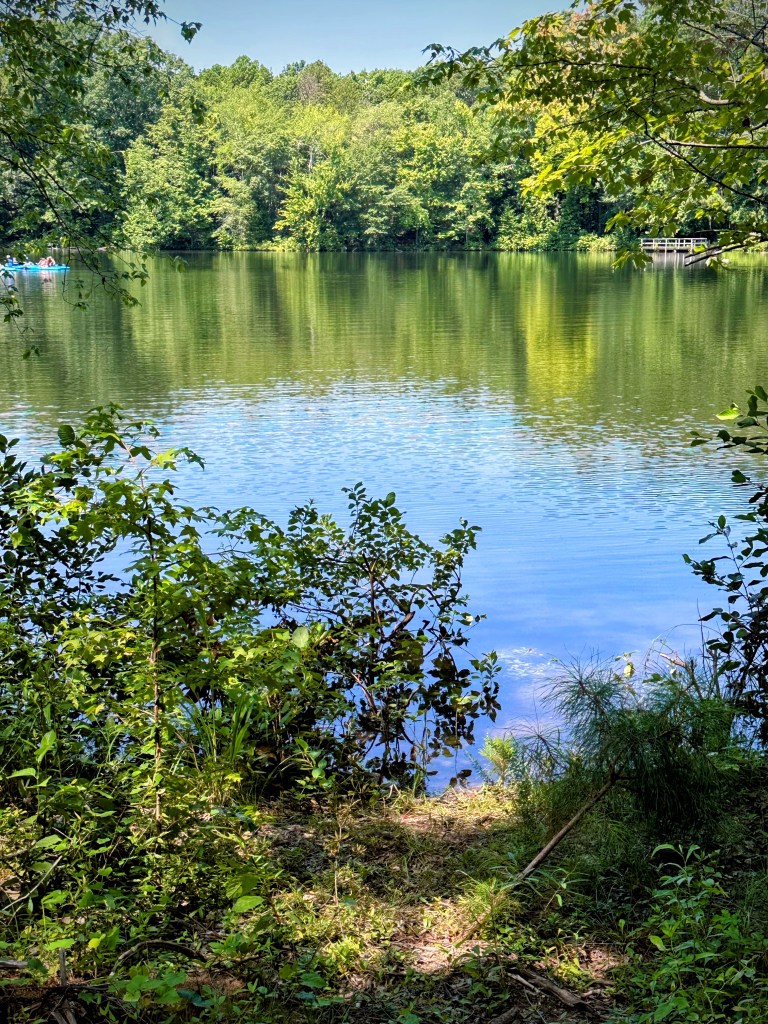
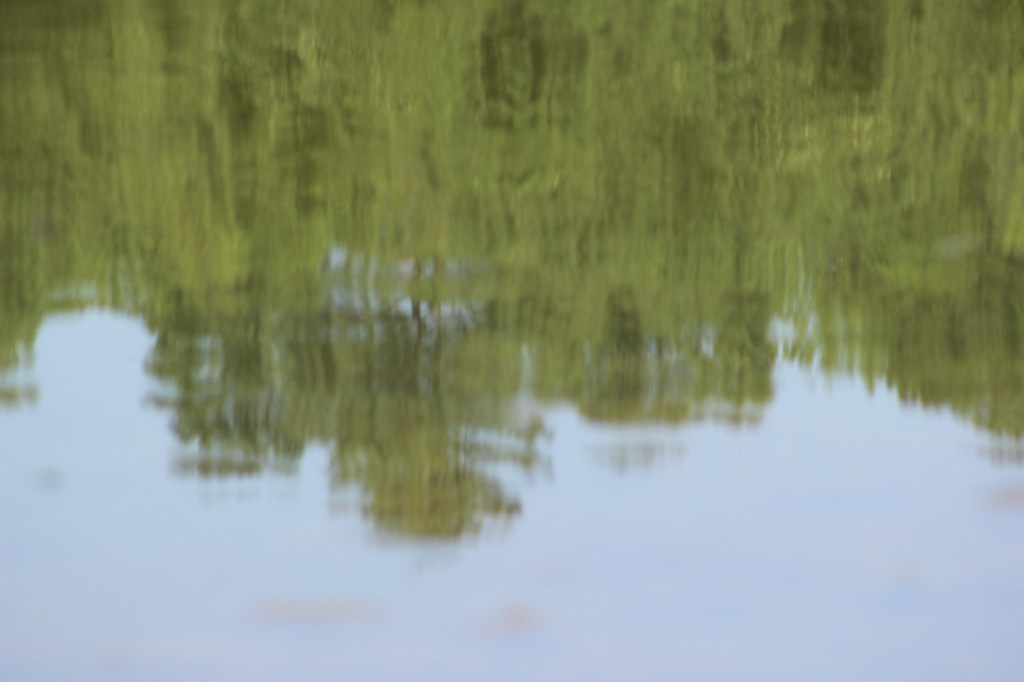
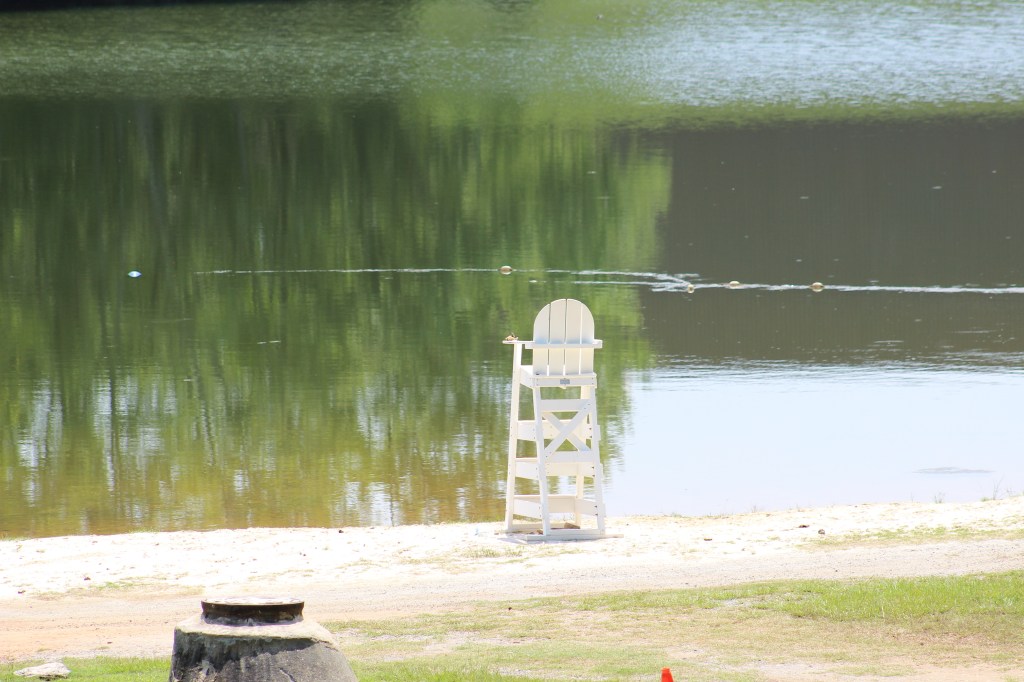
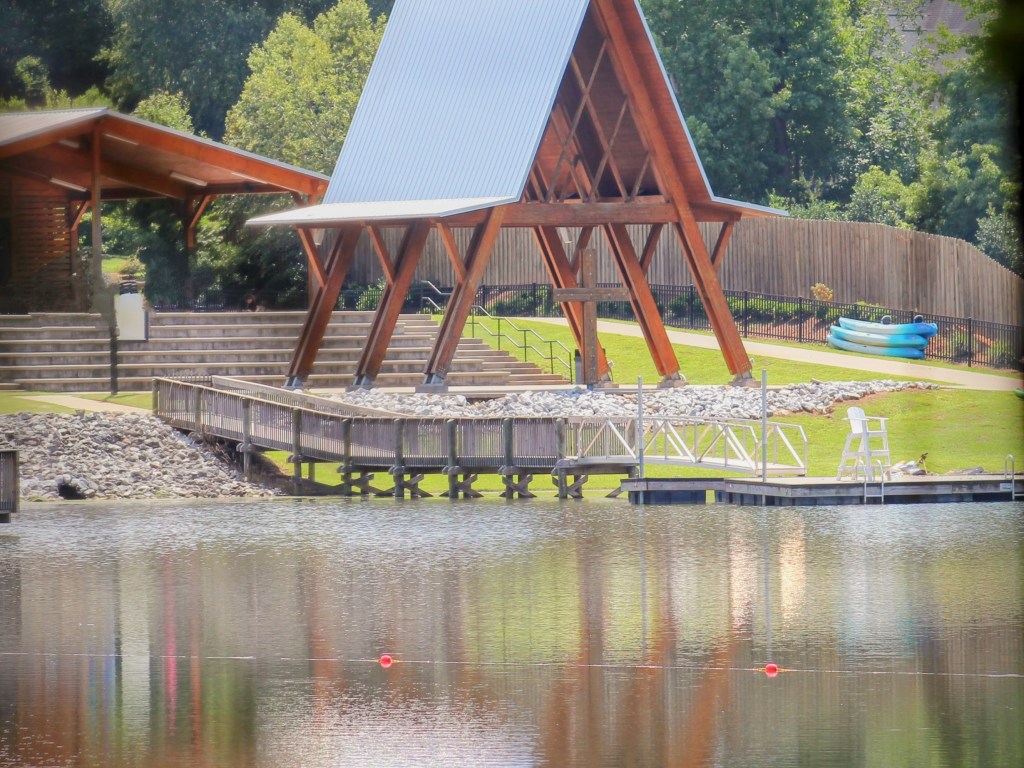
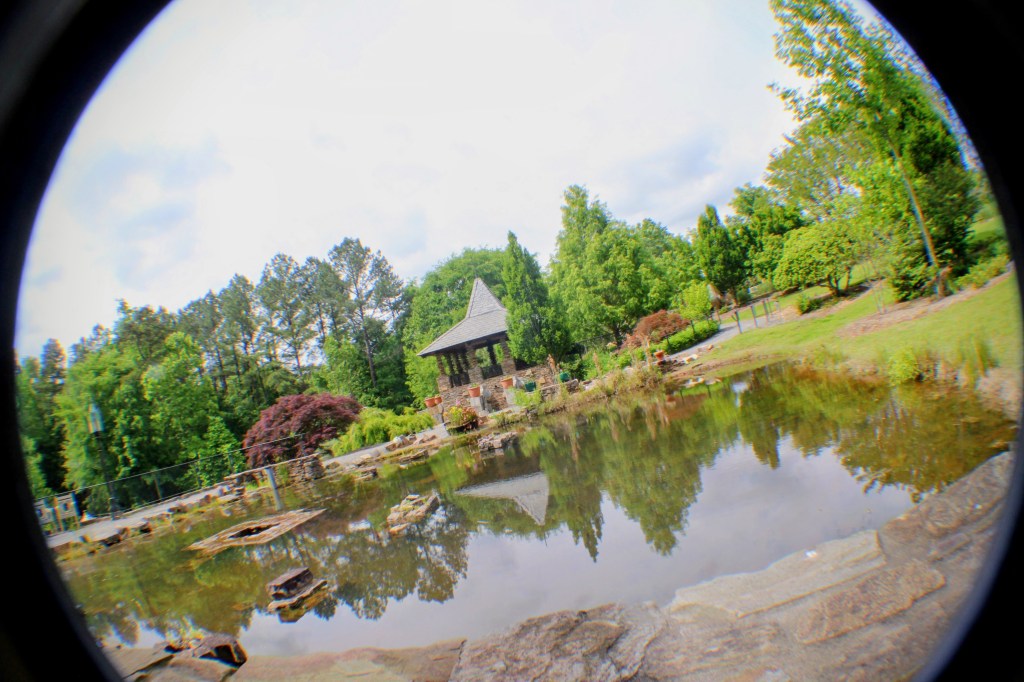
At other times we see amazing reflections in the water.
Reflections in Lake Haigler
I love seeing various creatures feasting on the nectar of wildflowers her at the Greenway.
Black Swallowtail, Eastern Bumblebee, and Delta Flower Scarab Beetle feasting on Buttonbush Cephalanthus occidentalis.
Further down the trail as we hike around the lake I notice what appears to be a shape of a triangle formed with the reflections in the lake.
Triangle formation from the water reflections. Surrounding Tree Reflections plus water shimmering
As we keep going I slow down observing butterflies flittering to and fro. Naturally I stop to snap a photograph. Meanwhile, my daughter’s trying to convince me to stop taking pictures. Guess what? She didn’t convince me, not one single solitary moment.
Eastern Tiger Swallowtail Pearl Crescent Butterfly
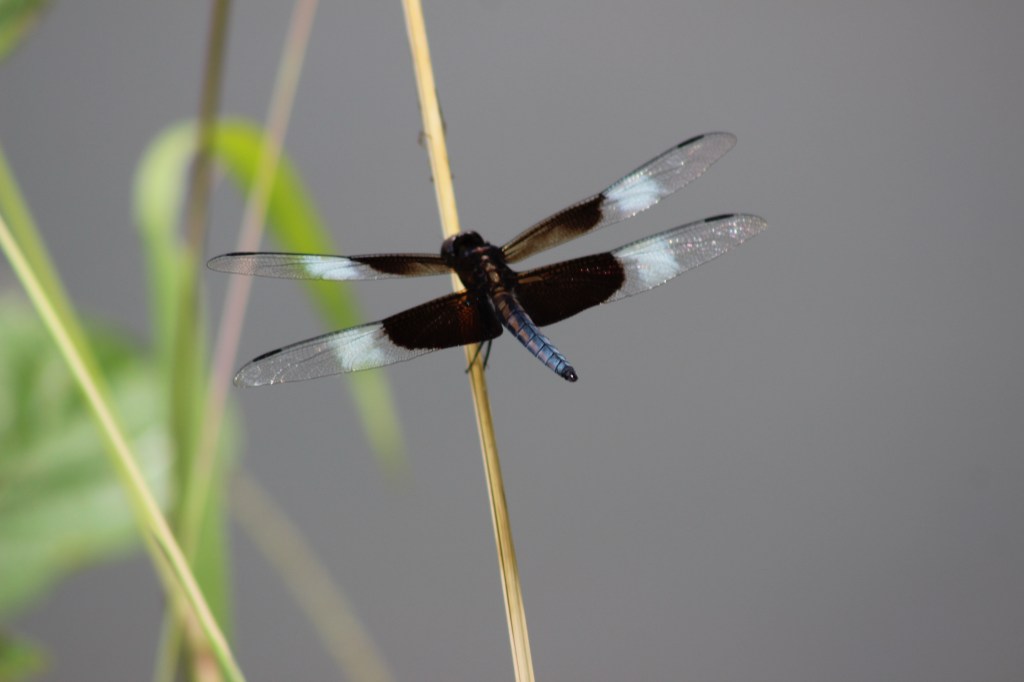
Next on our hike we come across a dragonfly and several turtles along the edge of the lake.
Widow Skimmer Dragonfly Turtles sunbathing on a log
By this time my daughter is tired and wants to get this hike over with. Naturally, Coleman and Chewbacca want to keep going. They’re enjoying the outdoors adventure. Hence, we keep chugging along.
Water Reflections Water Ripples
After awhile we decide to pull up a seat and relax a bit before finishing our hike. But first there’s more to observe as we near the picnic tables along the backside of the lake.
Trisha, Chewbacca, with Coleman leading the way. [He knows the trails better than most adults]. Ngaro Wīwi Priocnemis monachus delighting on Angelica genuflexa
Finally to a spot to snack relax near the water’s edge.
I hope you enjoyed trekking along with us on our hike around Lake Haigler. God Bless. Thank you for sharing your time and thoughts with us. I appreciate y’all.
The widow skimmer (Libellula luctuosa) is one of the group of dragonflies known as king skimmers. This species is found commonly in muddy substrates, or still bodies of waters such as ponds, lakes, streams, and creeks. They are predators that prey on other insects such as mosquitoes. They catch their prey using their legs and use their fangs to bring prey into their mouth.
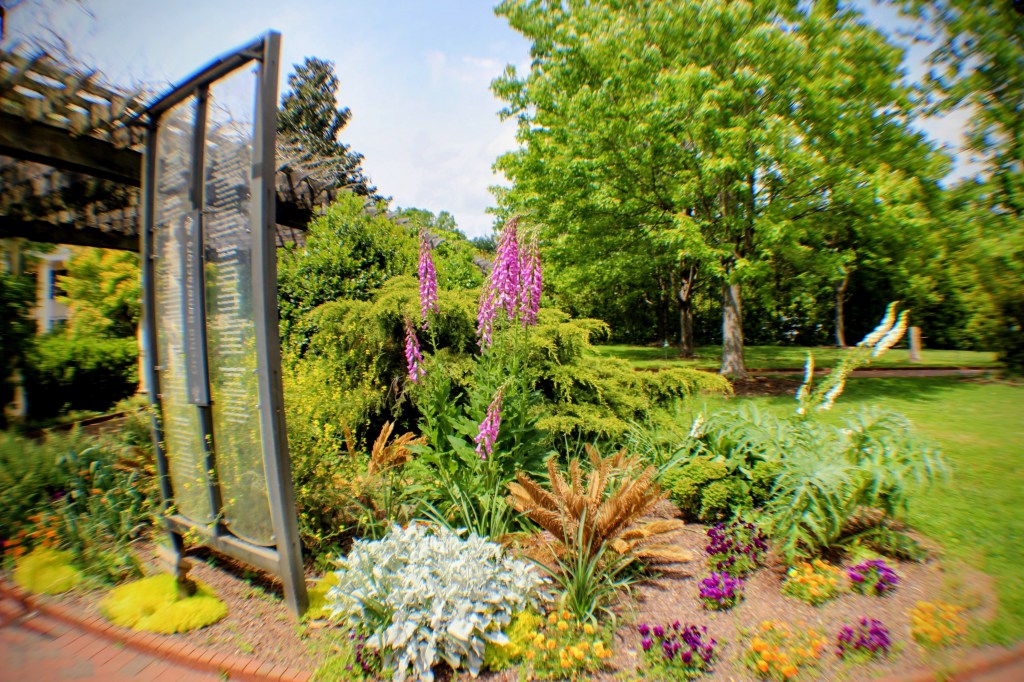
I do not have my own personal garden where I currently reside. There are various Gardens close by where I am able to visit occasionally with my grandson. The following are a few examples of what can be seen at the Daniel Stowe Botanical Gardens in Belmont, North Carolina.
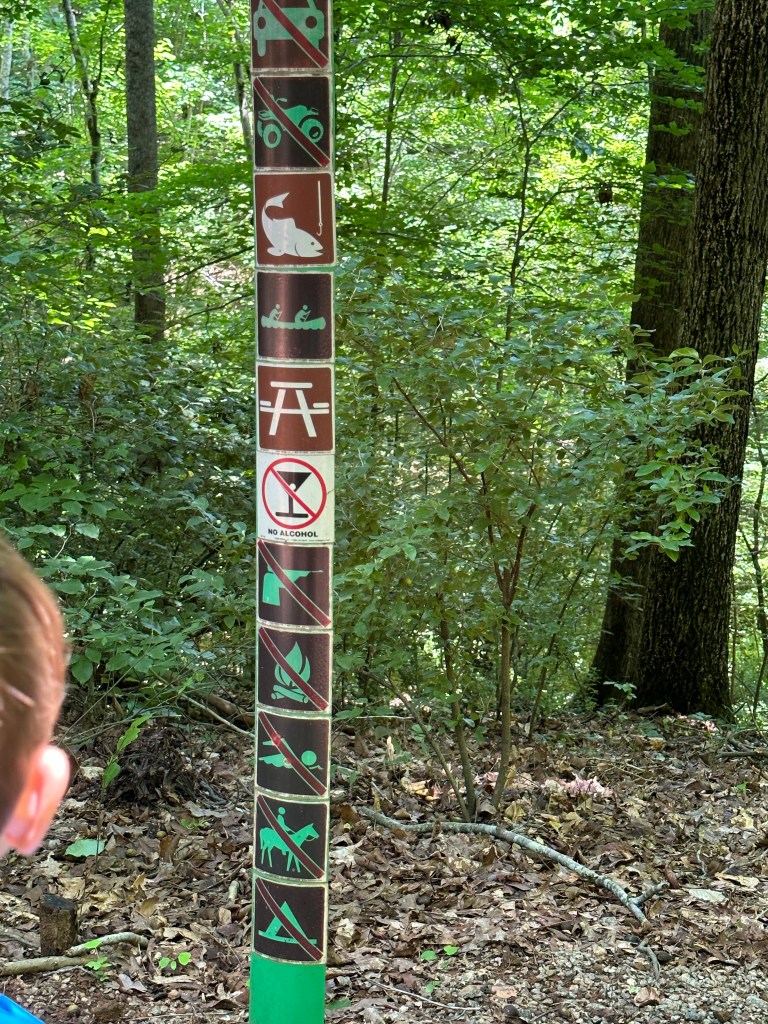
Double the Warning South Fork River Access McAdenville, North Carolina ( Shot on iPhone 14 Pro Max)It takes 2 to practice Jousting Mallard orwild duck and a White Pekin Duck
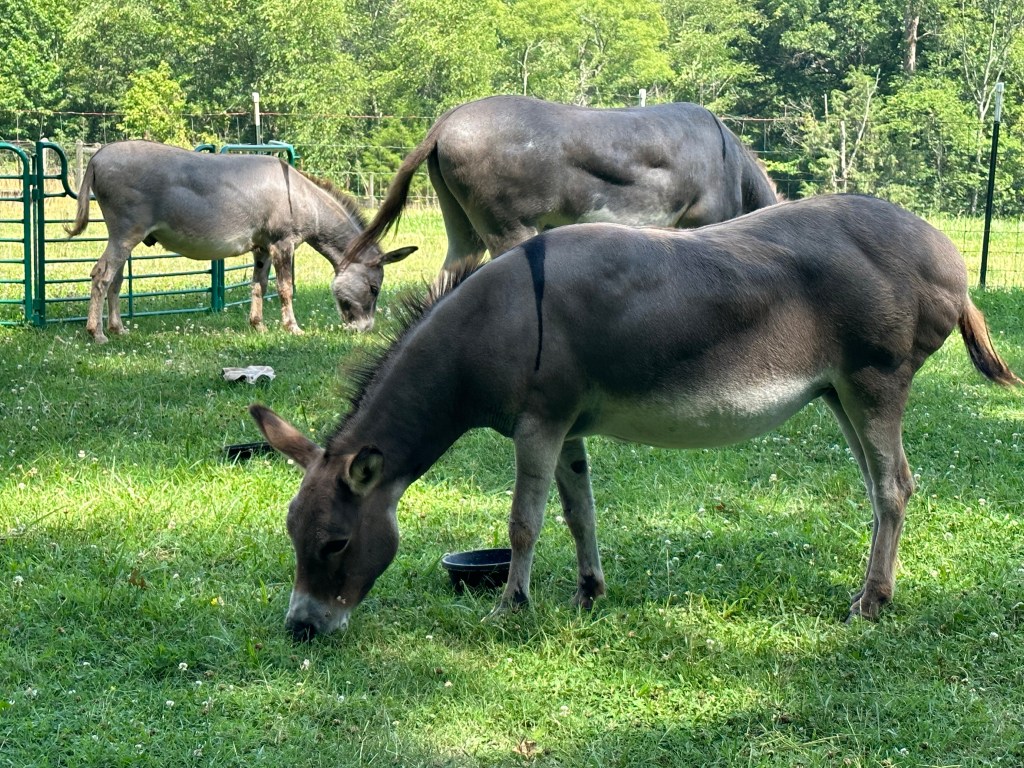
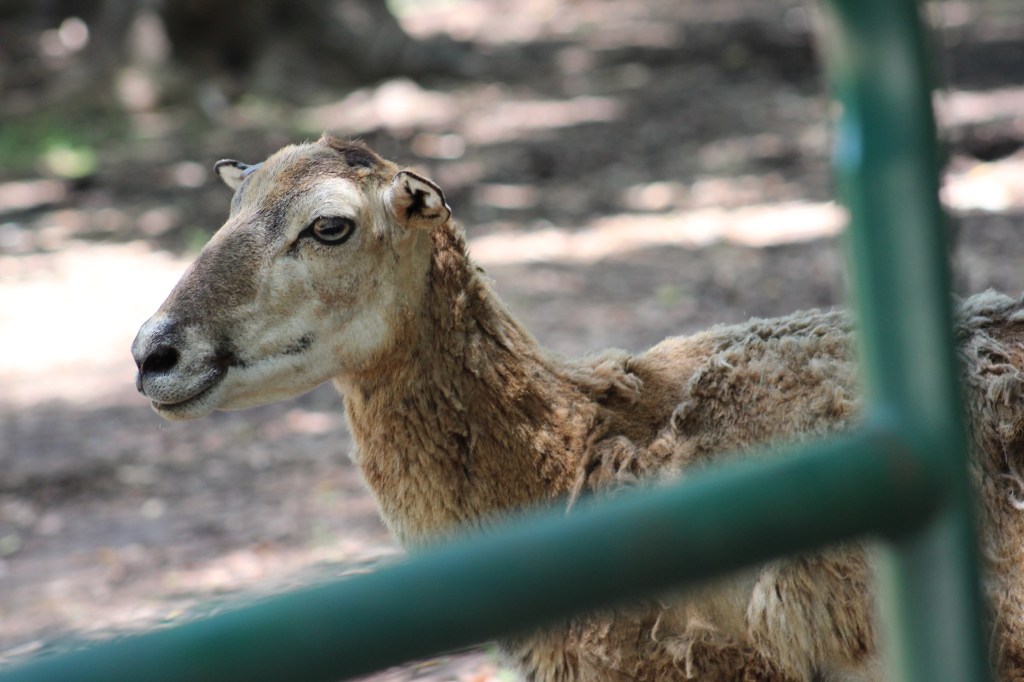
3 Jolly Ball Horse Toy Hung in the Goat Area The Schiele Museum Farm Gastonia, North Carolina Trio of Picnic Tables Anne Springs Close Greenway Dairy Barn Entrance Fort Mill, South Carolina Three Grazing Horses Anne Springs Close Greenway Dairy Barn Entrance Fort Mill, South Carolina A Trio of Donkeys Anne Springs Close Greenway Dairy Barn Entrance Fort Mill, South Carolina
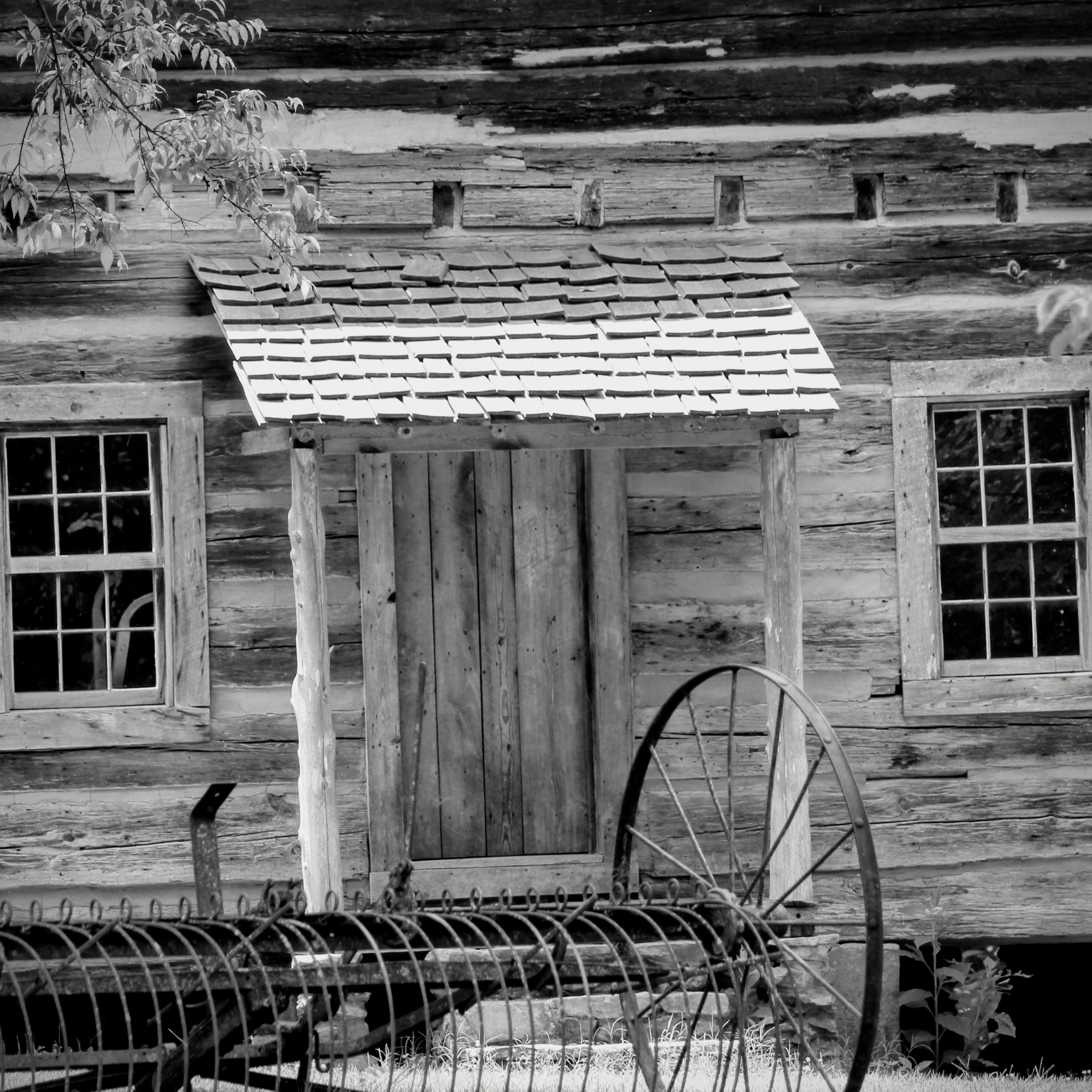
These historic cabin windows are attached to the Crook Graham Cabin. The cabin is located at Anne Springs Close Greenway in Fort Mill, South Carolina.
What makes these windows and this cabin historic, you might wonder? Let me tell you a little something about the significance of this particular historic cabin. The Crook Graham Cabin once belonged to Billy Graham’s paternal grandfather, William Crook Graham. He lived in a log house in Fort Mill, South Carolina, Billy Graham’s hometown.
The Graham Cabin is preserved on the Anne Springs Close Greenway a few miles south of Charlotte, North Carolina and is open to the public.
William Crook Graham later acquired acreage along a dirt track called Park Road, that land became a dairy farm.
These photos were taken of the right side of the cabin and the upper front window. On the front side of the cabin are wooden rocking chairs for visitors to relax and enjoy the views. My grandson, Coleman loves to take a break from hiking and relax on one of the rocking chairs for a bit.
After a week of solid rainfall Coleman and I were itching to get outside to roam around in nature. It was decided on Friday that we should be adventurous, after errands were completed. Our errands took us down to Lancaster which is an hour and a half away from our current home. Coleman was being extremely patient, he deserved a break on the way make home. Therefore, to relieve his itch to run around, we stopped at one of his favorite places.
What is that favorite place, you ask? It is the expansive Anne Springs Close Greenway. It was an extremely hot 🥵 and humid summer day. We walked around along the trails, across the swinging bridge, and up to the Wildflower Meadow to observe which flowers were thriving.
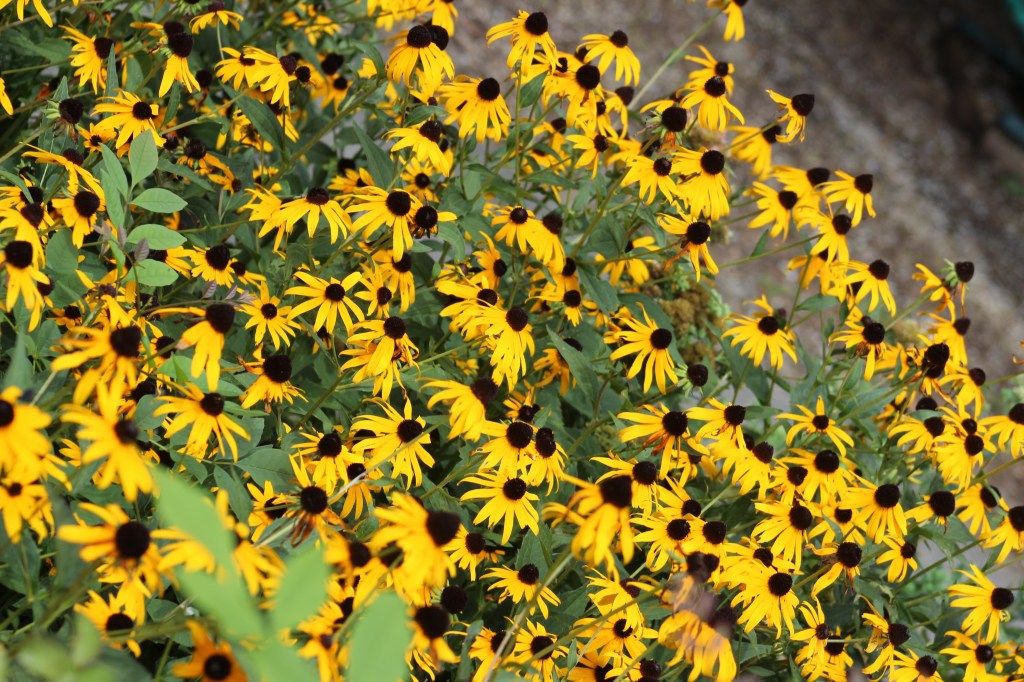
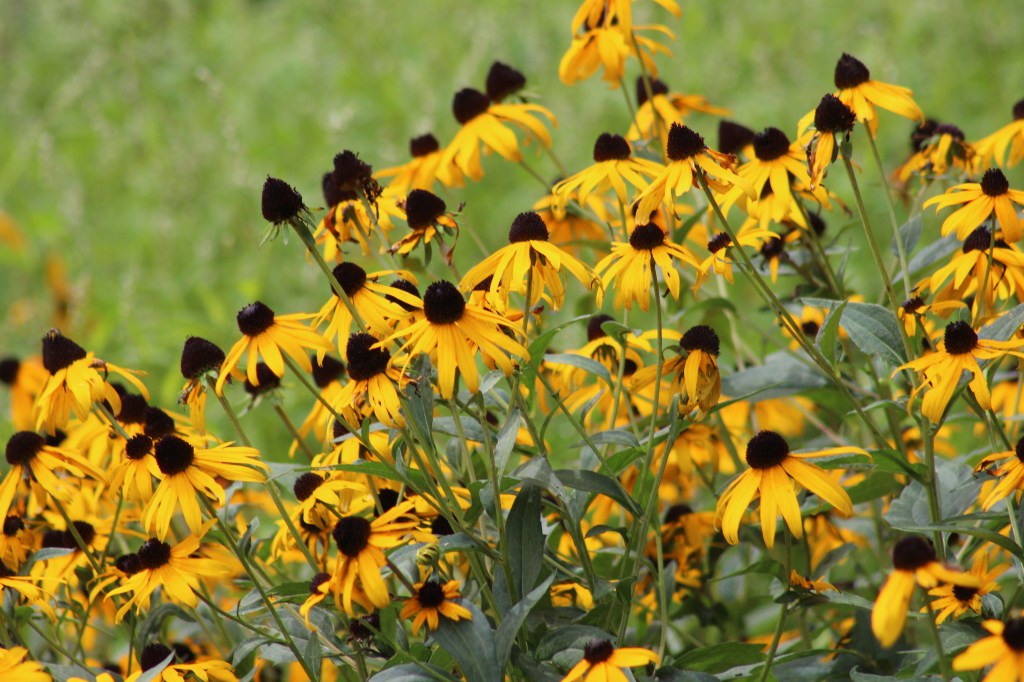
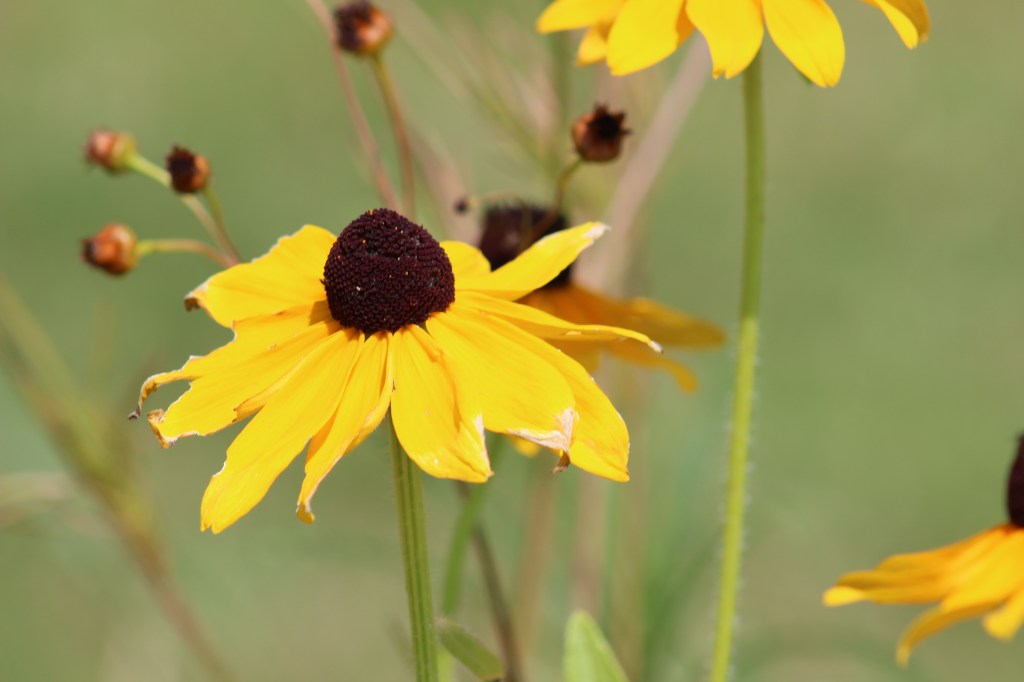
Rudbeckia hirta L. AKA: Black-eyed Susan, Common Black-eyed Susan, Brown-eyed Susan, Blackeyed Susan Asteraceae (Aster Family)
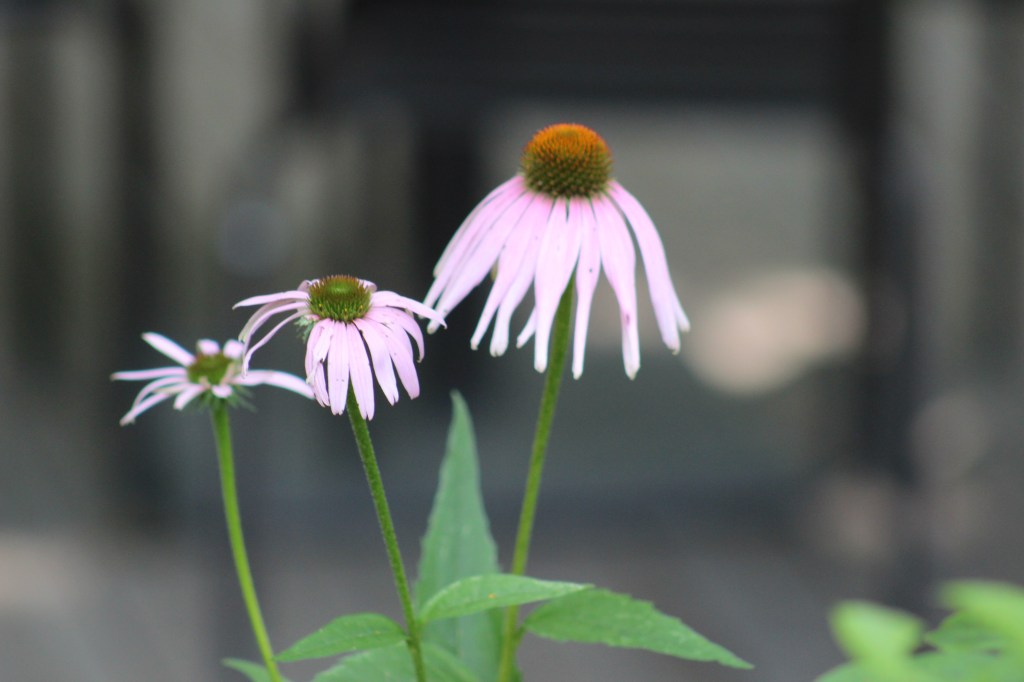
These coneflowers are common in the Mountains and the western Piedmont of the Carolinas. They are abundantly growing throughout the Greenway’s grounds.
We took a short break for a bite to eat at the Greenway’s Canteen. Enjoying the cool air was nice, but Coleman was itching for a different kind of relief from the hot 🥵 sunny summer weather. What kind of relief do you think he was desiring?
He was itching to get relief splashing in the water at the Greenway’s Spillway. The Spillway was low, however, it still produced enough water flowing across for many to cool 😎 off and enjoy a splashing 💦 wonderfully amazing good time. Coleman delighted in sloshing and splashing through the Spillway’s water 💦.
Here you go I’ll pose for you. Which side do you think is my best side? The Left or the Right? Or maybe you need to take a closer look? I think I like the close-up view the best. How about you?
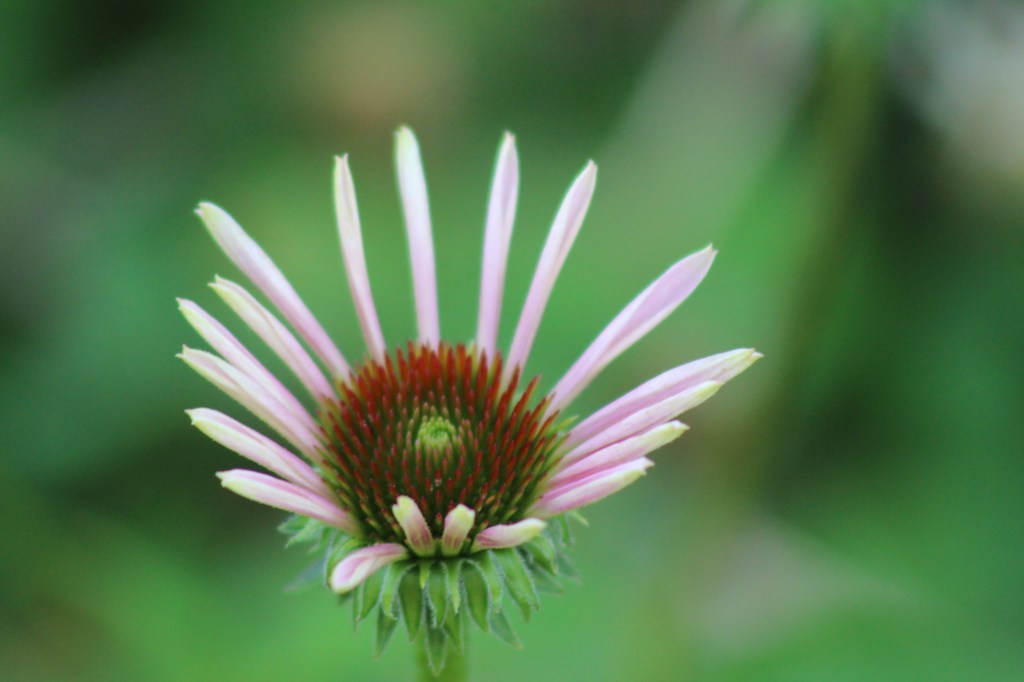
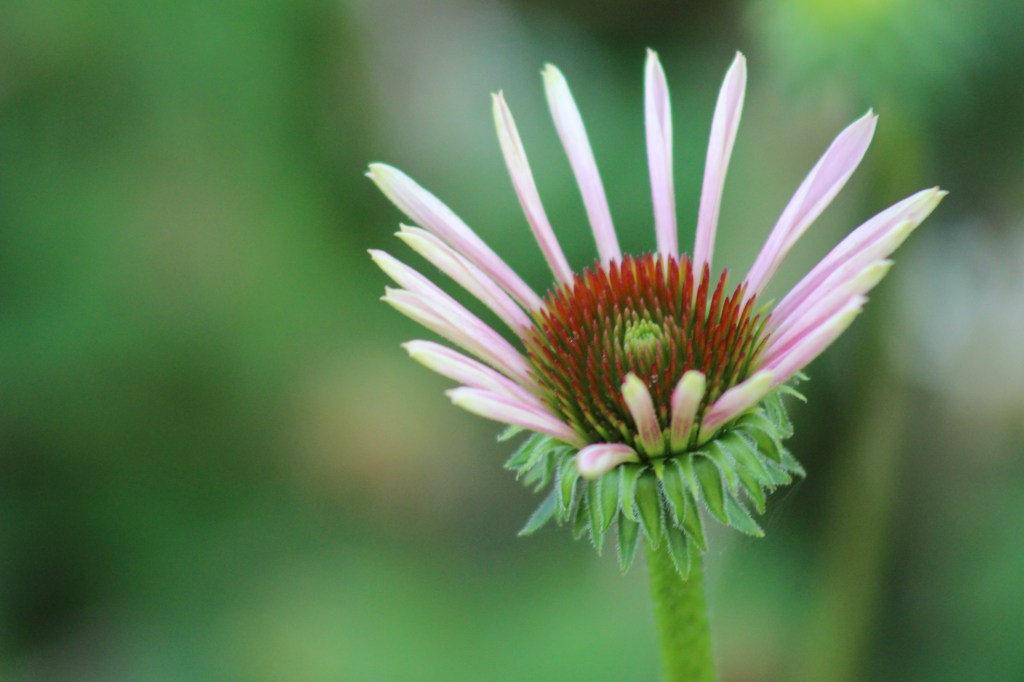
Pale Purple ConeflowerPreviously known as: Brauneria pallida Echinacea pallida f. albida Rudbeckia pallidaThe Pale Purple Coneflower is a herbaceous perennial of the genus Echinacea.
These coneflowers are native to North America, and there are nine known species of Echinacea. Echinos is Greek for “hedgehog” or “sea urchin” which is reflective of the plants spiny center cone. Pallida is Latin and translated means “pale.” This is in reference to their petal color which is a pale pink-purple.
Interesting Medicinal Information:
Echinacea was first used by Native Americans for treatment of insect stings and bites as well as snake bites. Currently, Echinacea is used to prevent colds, flu, and other respiratory tract infections. It has also been proven to boost the immune system and treat urinary tract infections. Echinacea preparations can also be topically applied for wounds or skin problems. The roots and whole plant possess a cortisone-like antibacterial property.
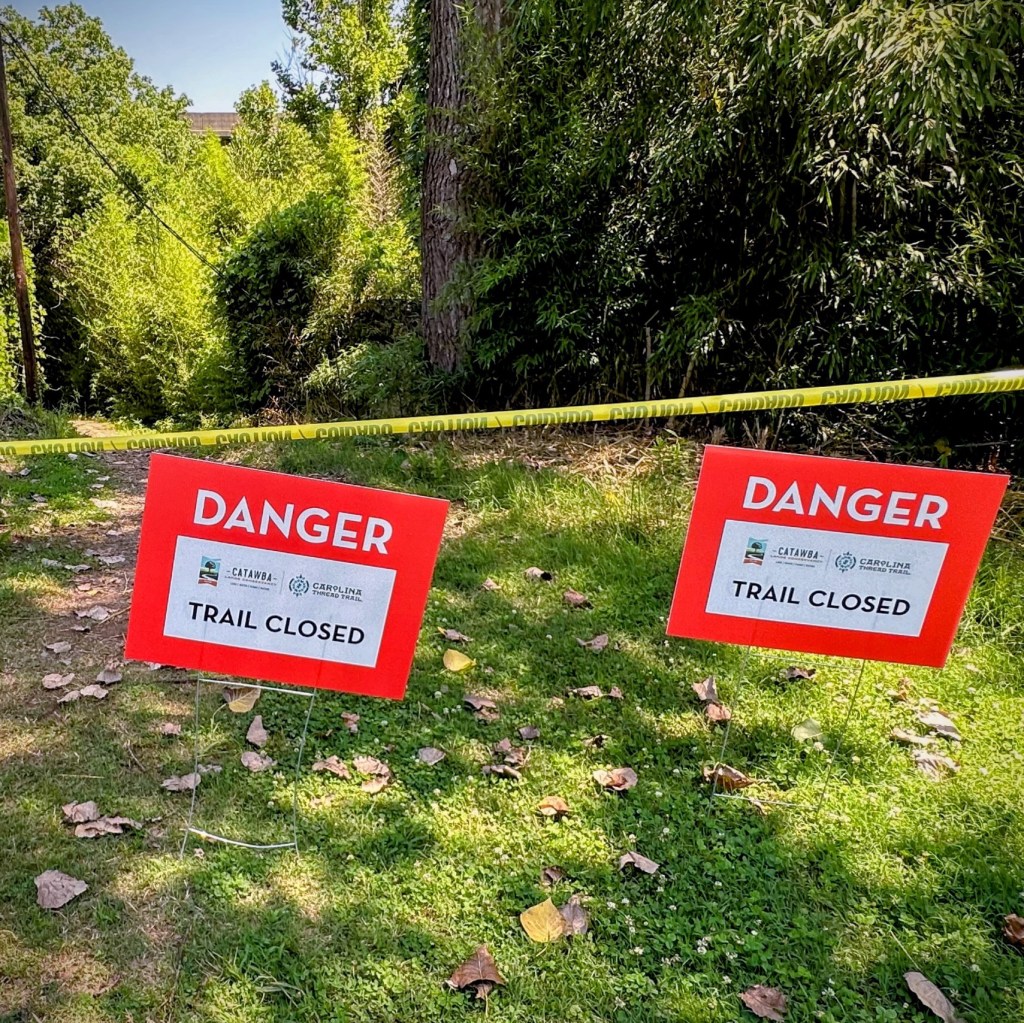
The Misadventures to our Adventures began on Late Sunday morning, 2023 June 25th. Deciding not to use to much of my daughter’s gas (No car of my own), I chose to take my grandson to the South Fork Trail and Blueway Access to do some hiking. However, when we arrived, we encountered the Danger Trail Closed signs preventing us from hiking the South Fork Trail.
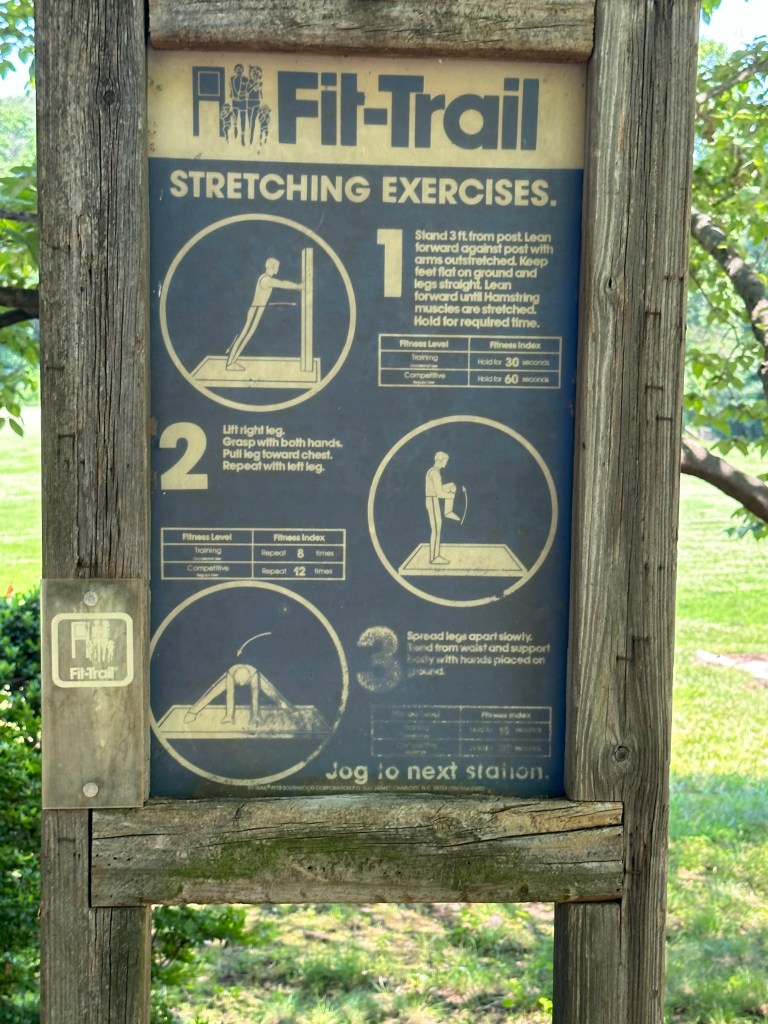
Upon seeing the Danger Trail Closed signs, we climb back into the car, and I search for where to go next to try to accomplish our hike for the day. I looked up the Carolina Thread Trail and it was closed for the day as well. The next stop on our Misadventure to Adventures was the McDonald Field at the Pharr Family YMCA. There didn’t appear to be a trail that we could hike at that location just a short Fit-Trail. Therefore, we decided to get back in the car and figure out where to try next.
Pharr Family YMCA(c)Deb L. Waters
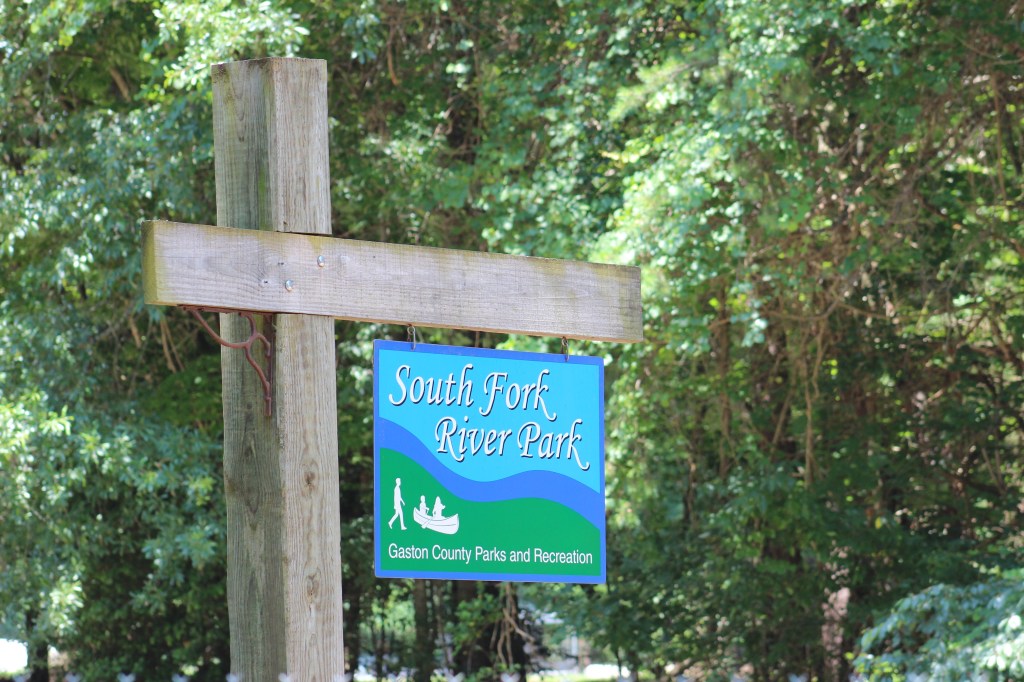
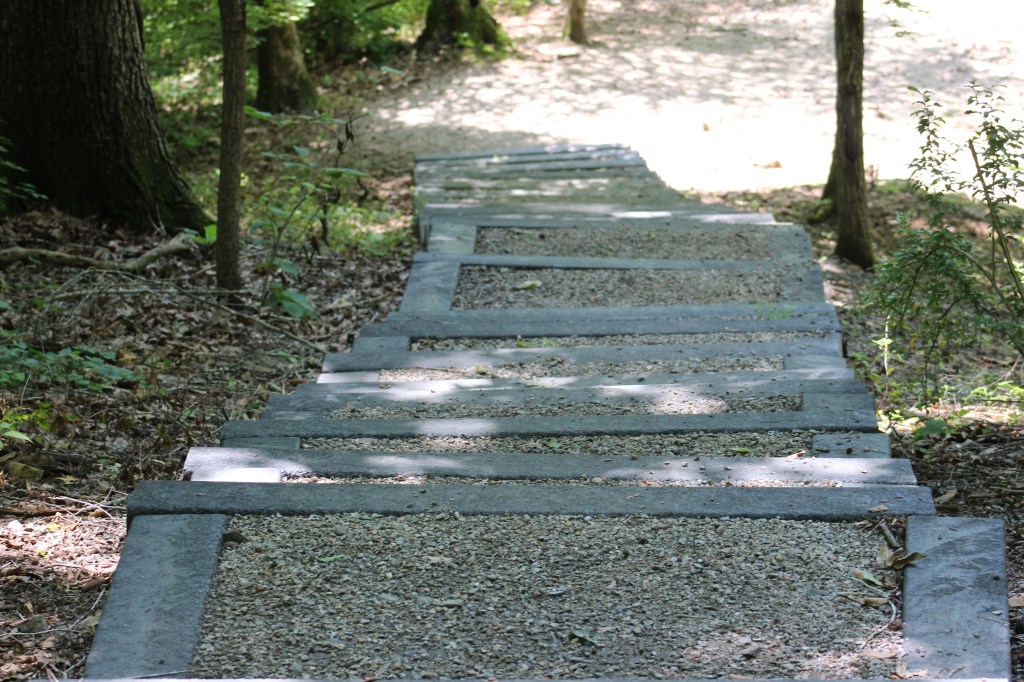
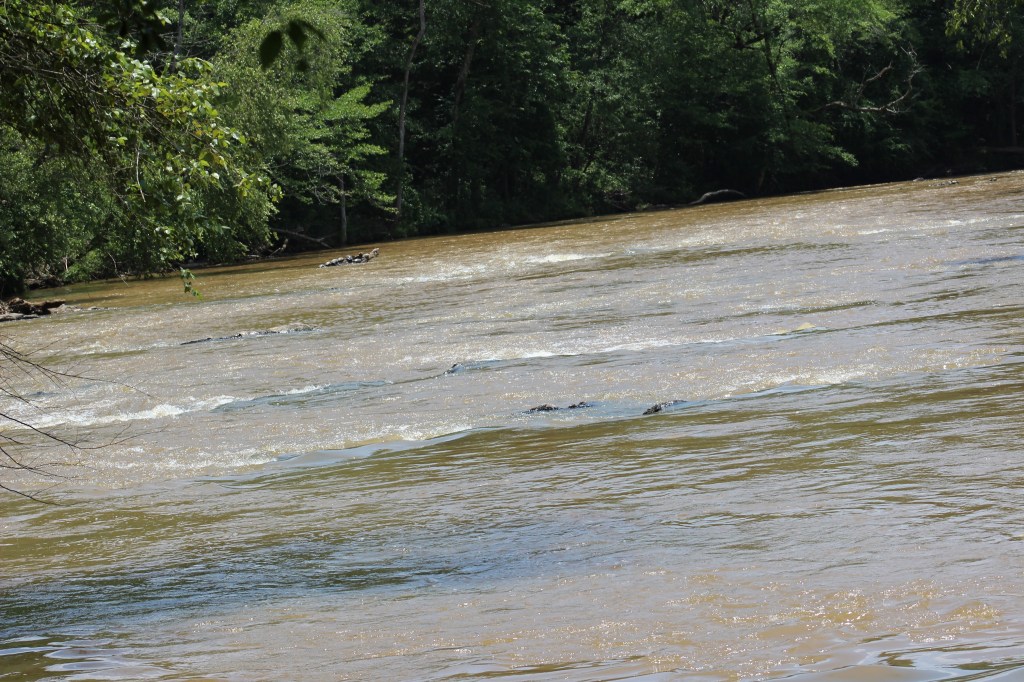
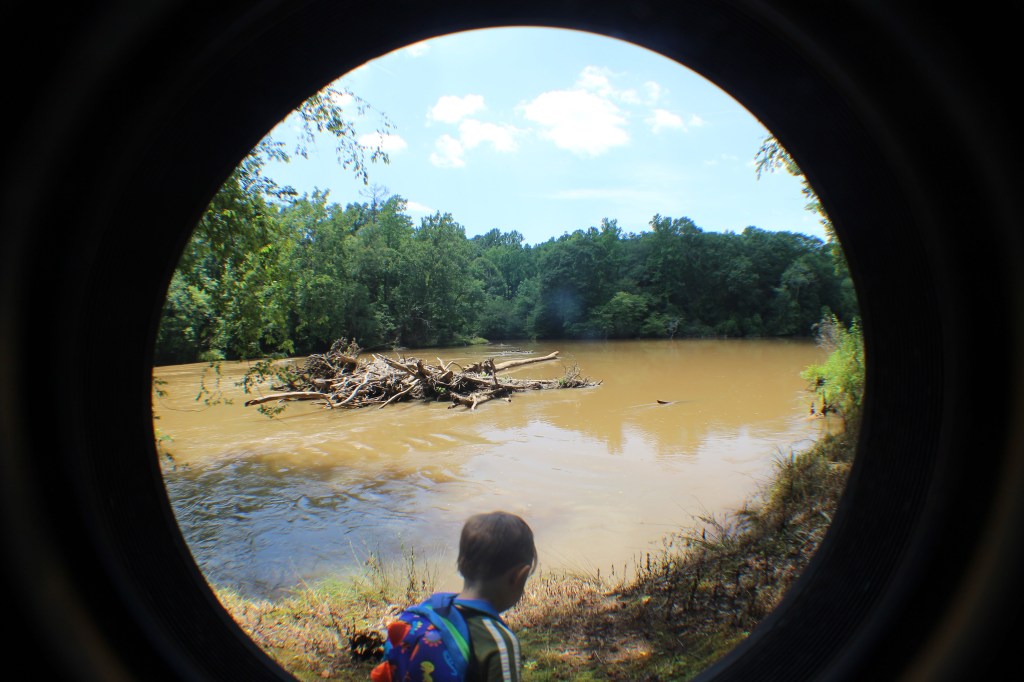
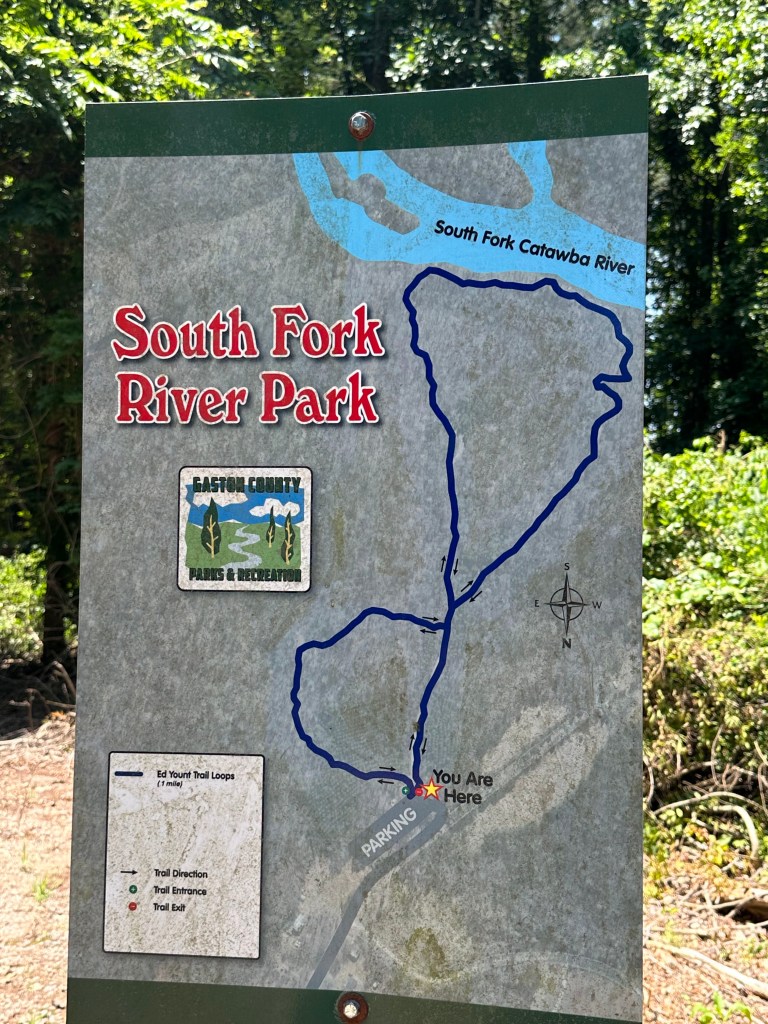
After a short drive Coleman and I arrive at our fourth destination of the day, The South Fork River Park. This location looked more promising. So once again we climb out of the car, load ourselves with our backpacks (mine with camera equipment, his with snacks) and proceed to locate the trailhead. We found the trailhead with no problems and proceeded to hike on the natural surface trail which was approximately 1.25-mile loop trail and also included 800 feet of river frontage. The day was hot and humid; however, I believe Coleman enjoyed his time hiking by the riverfront.
Coleman enjoyed hiking by the river. He probably would have liked it better if I had allowed him to get in the river, but we were not prepared for that adventure. Even though this was a wonderful adventure, our day was not over yet.
On our way back to the car, Coleman heard some noise and thought we should investigate what was making the bleat or baaing sound. Located just across the road from the parking lot was a farm with several goats. I was not sure at first how close to allow Coleman to get to the goats. Turns out the farmer was out in the yard and heard Coleman approaching the gated area. The farmer was friendly and gave permission for him to pet the goats. He liked that idea but was a little shy about doing so.
This turned out to be a pleasant day even though it started out with a few mishaps. Once back in the car, the afternoon was still bright and calling for more adventure. I drove us to another park for more hiking and adventure. I will leave those tells for another day.
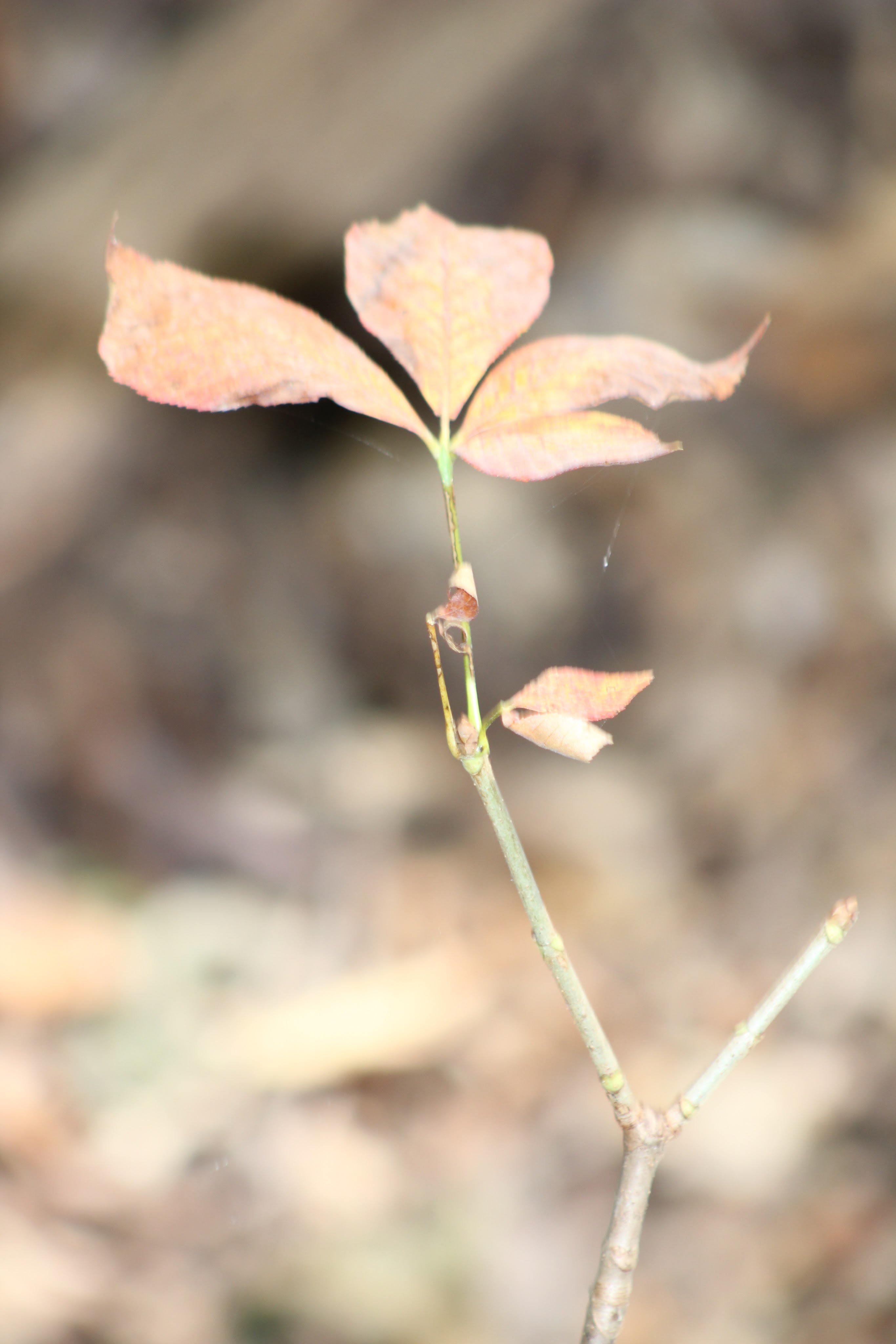
This type of plants are DECIDUOUS SHRUBS. Their typical butter yellow autumn leaves fall leaving the flowers exposed on this later flowering selection with slightly larger flowers than the species.
These particular witch-hazels were located near the Lake Trail at Crowders Mountain State Park in Kings Mountain, North Carolina.



































































 Gfpacificbee’s Insights & photography