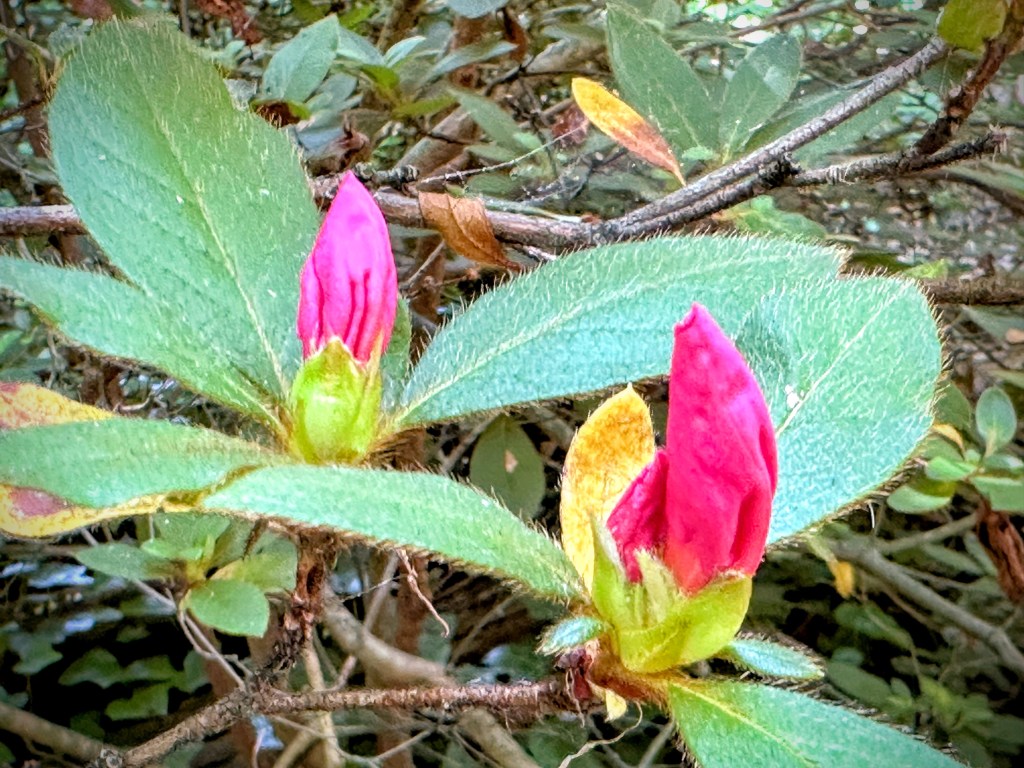
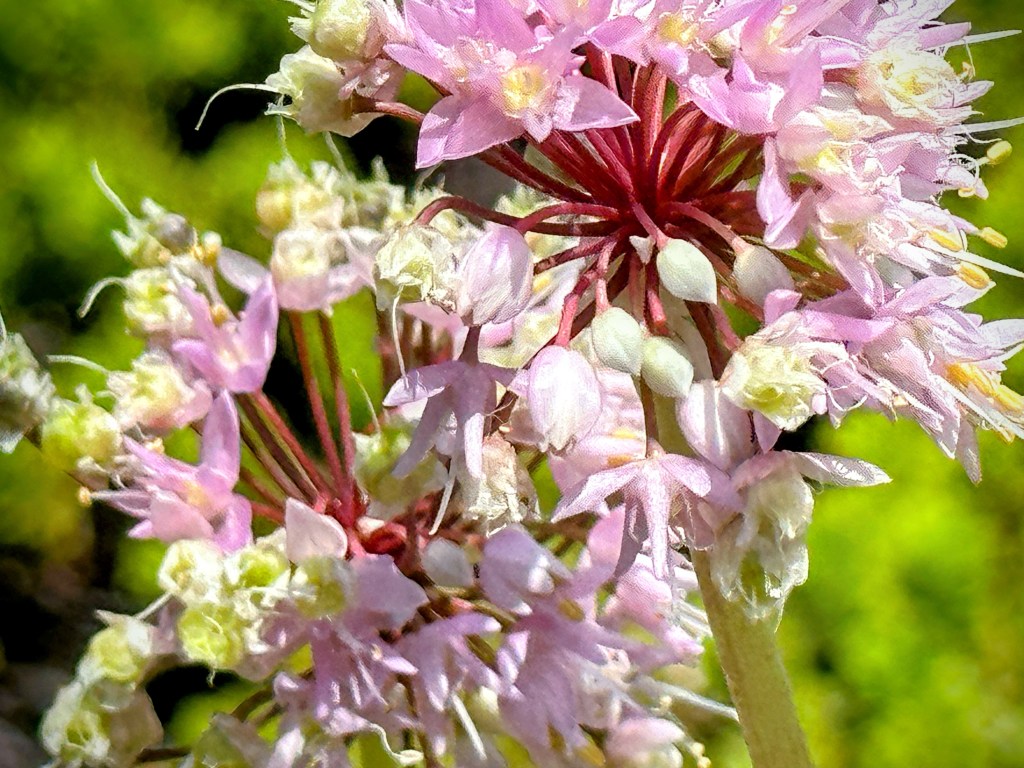
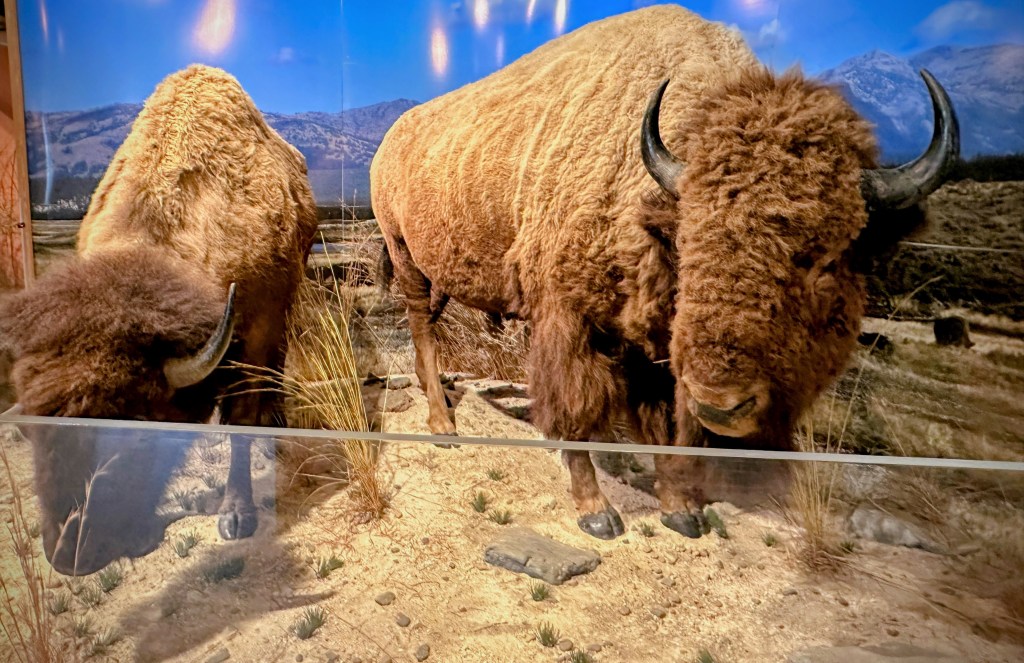
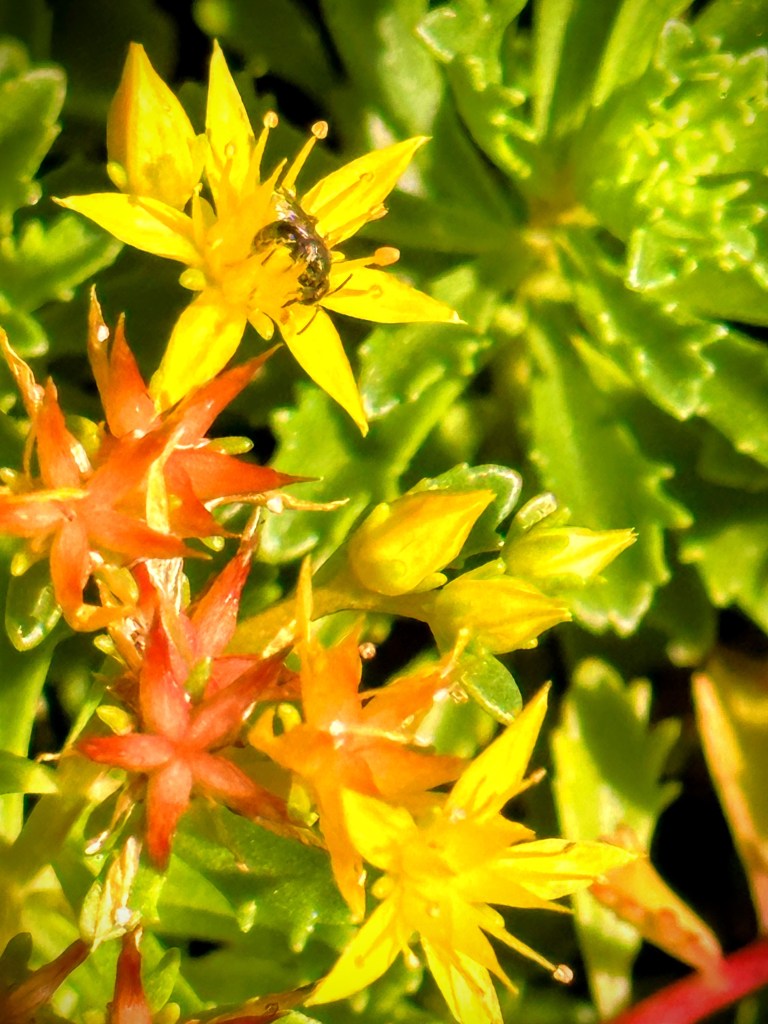
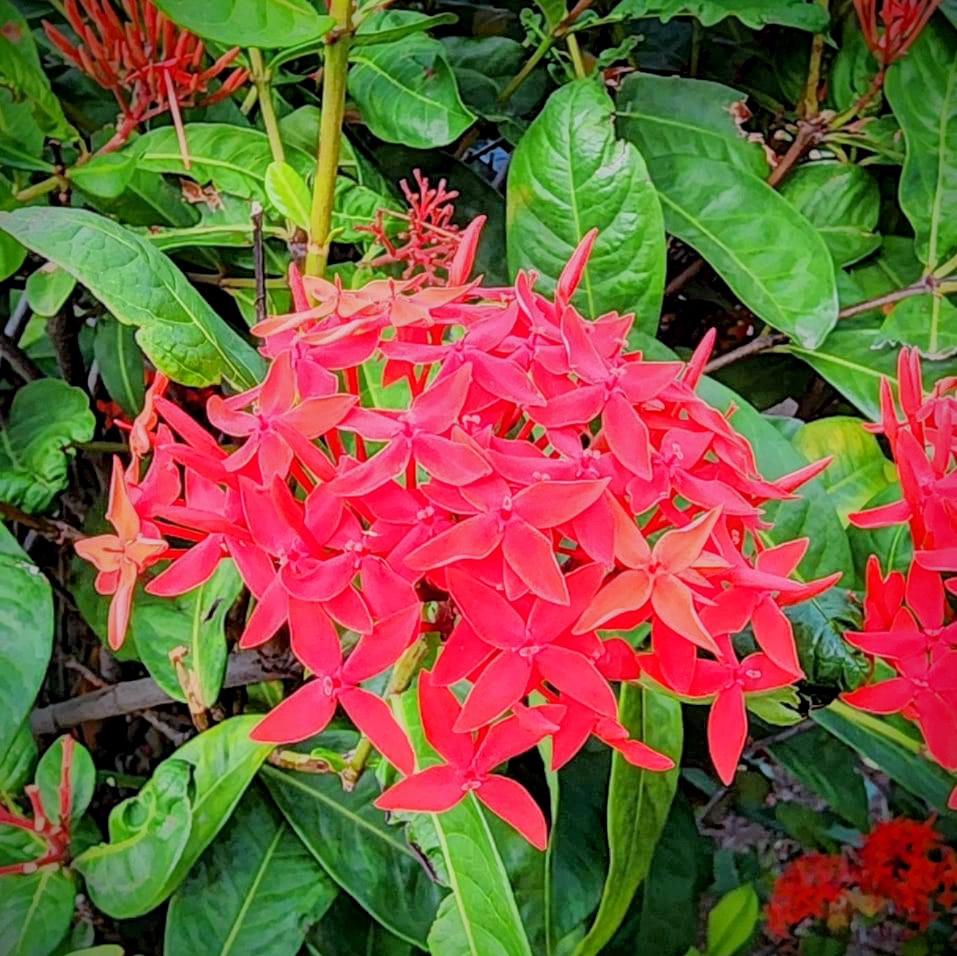
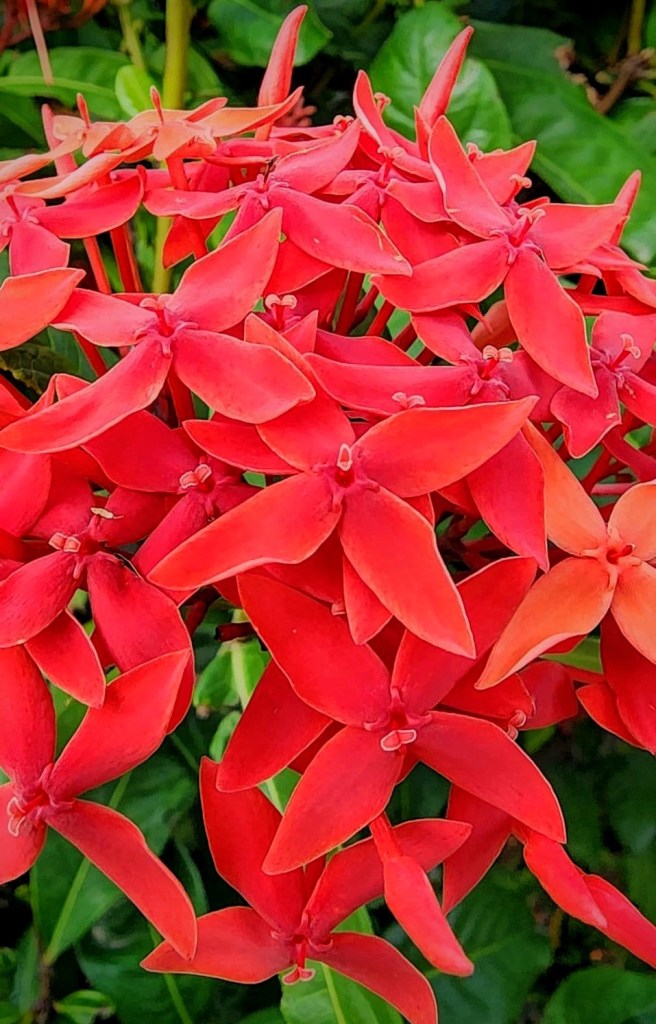
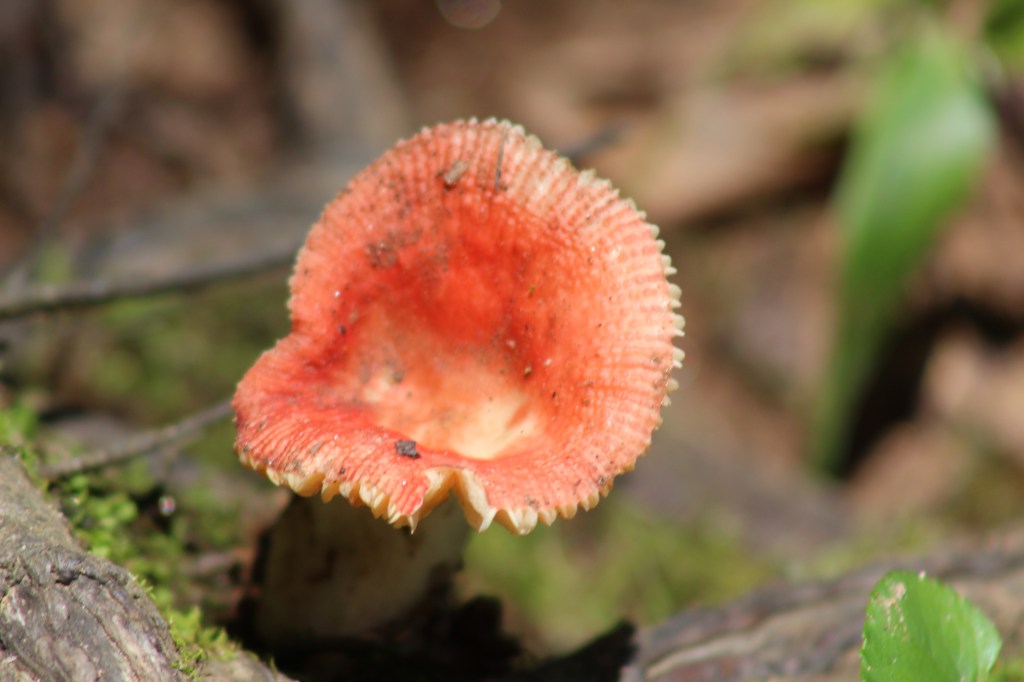
Two Buds of Rhododendron indicum is an Azalea Rhododendron species. Allium stellatum, AKA: the autumn onion, prairie onion, cliff onion, or glade onion, is a North American species of wild onion in the Amaryllidaceae family.American Bison times TwoTwo Hands up from Big Dipper
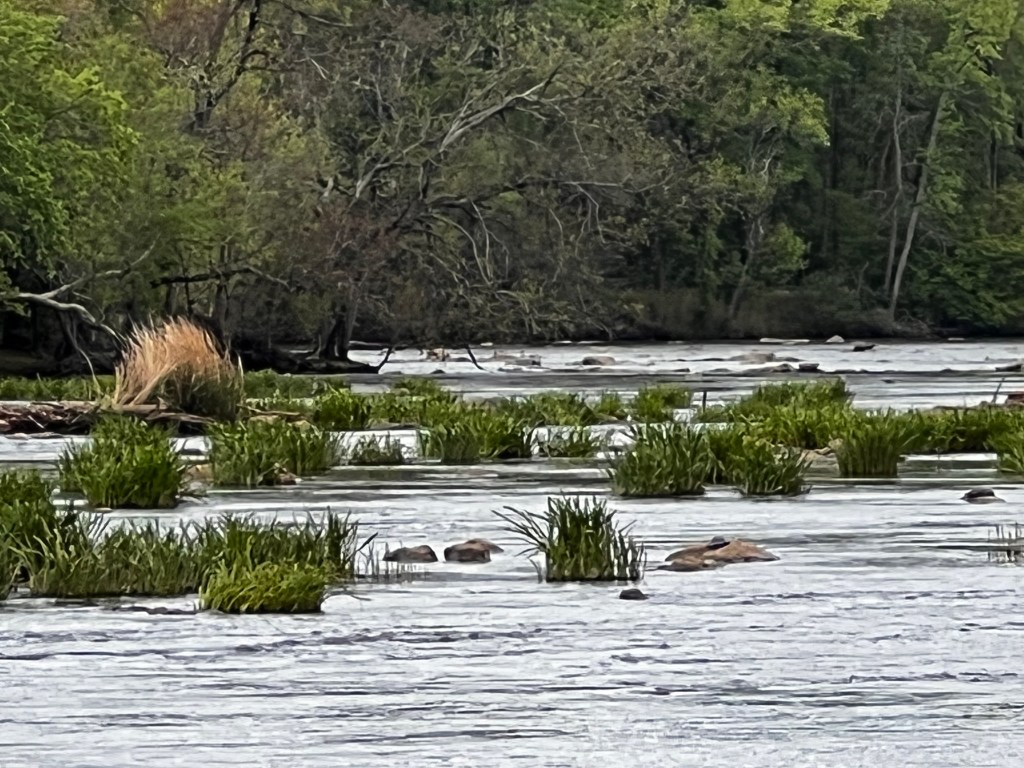
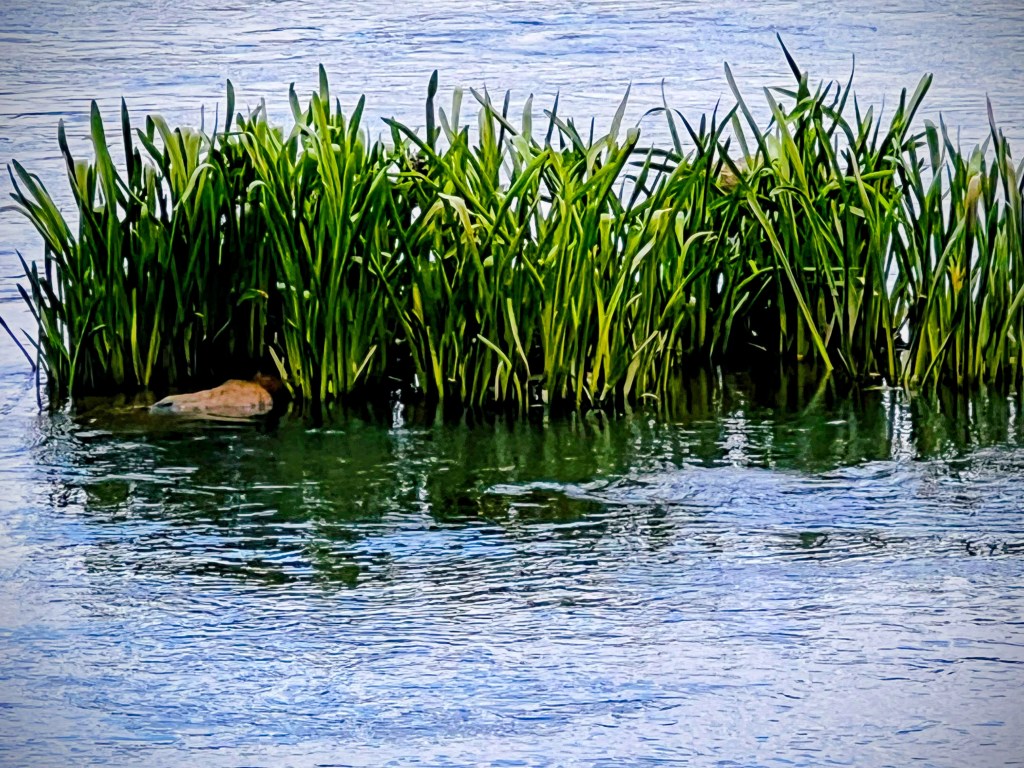
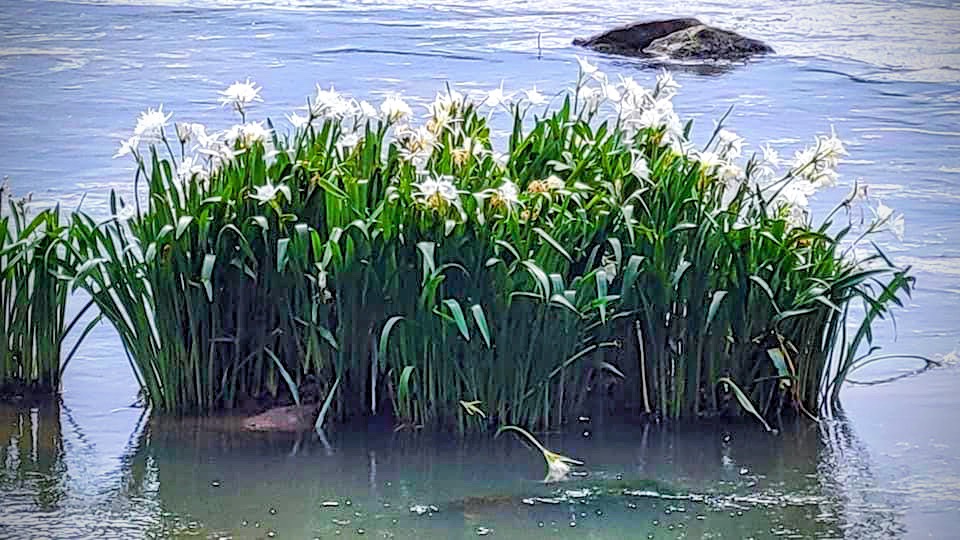
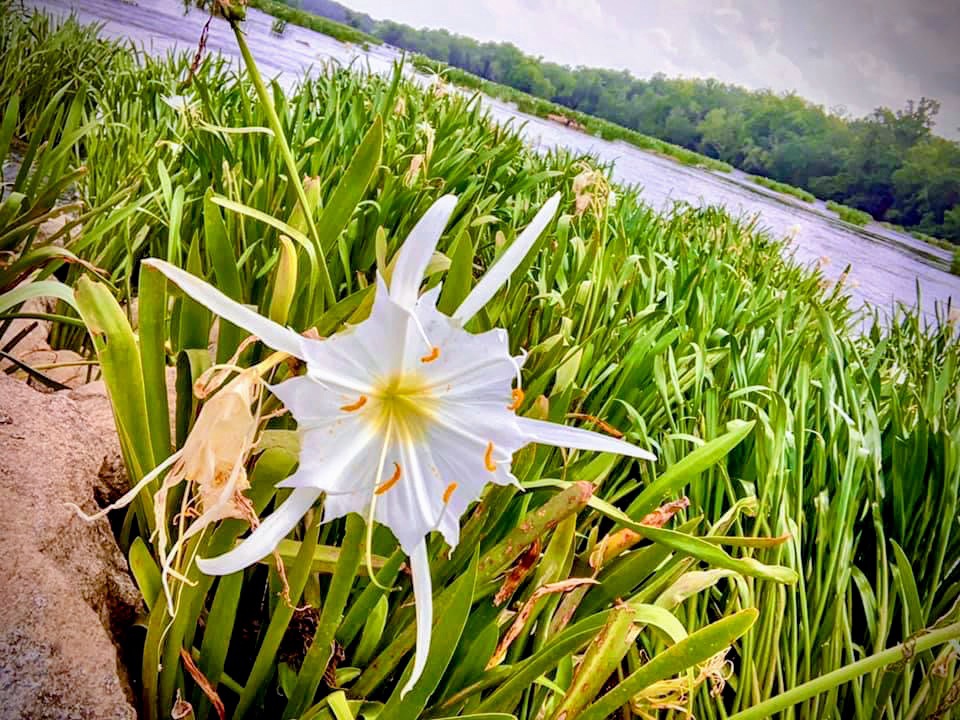
The best time of the year to photograph water lilies or spider lilies in the Carolinas is mid-May through early June. That is when they are at their peak and estimated in 100% full peak of magnificence. These Rocky Shoals Spider Lilies were shot at Landsford Canal State Park. The Landsford Canal State Park is the home of the world’s largest population of Rocky Shoals Lilies. They bloom annually on the shoals along the Catawba River. You can get a closer look at the Spider Lilies if you access the river via a canoe or kayak. There is a 1.5-mile roundtrip Canal Trail you can hike which will take you to an overlook where you can get a panoramic view of the botanical white wonder of the Rocky Shoals Spider Lilies. Landsford Canal State Park is located in Catawba, Chester County, South Carolina.
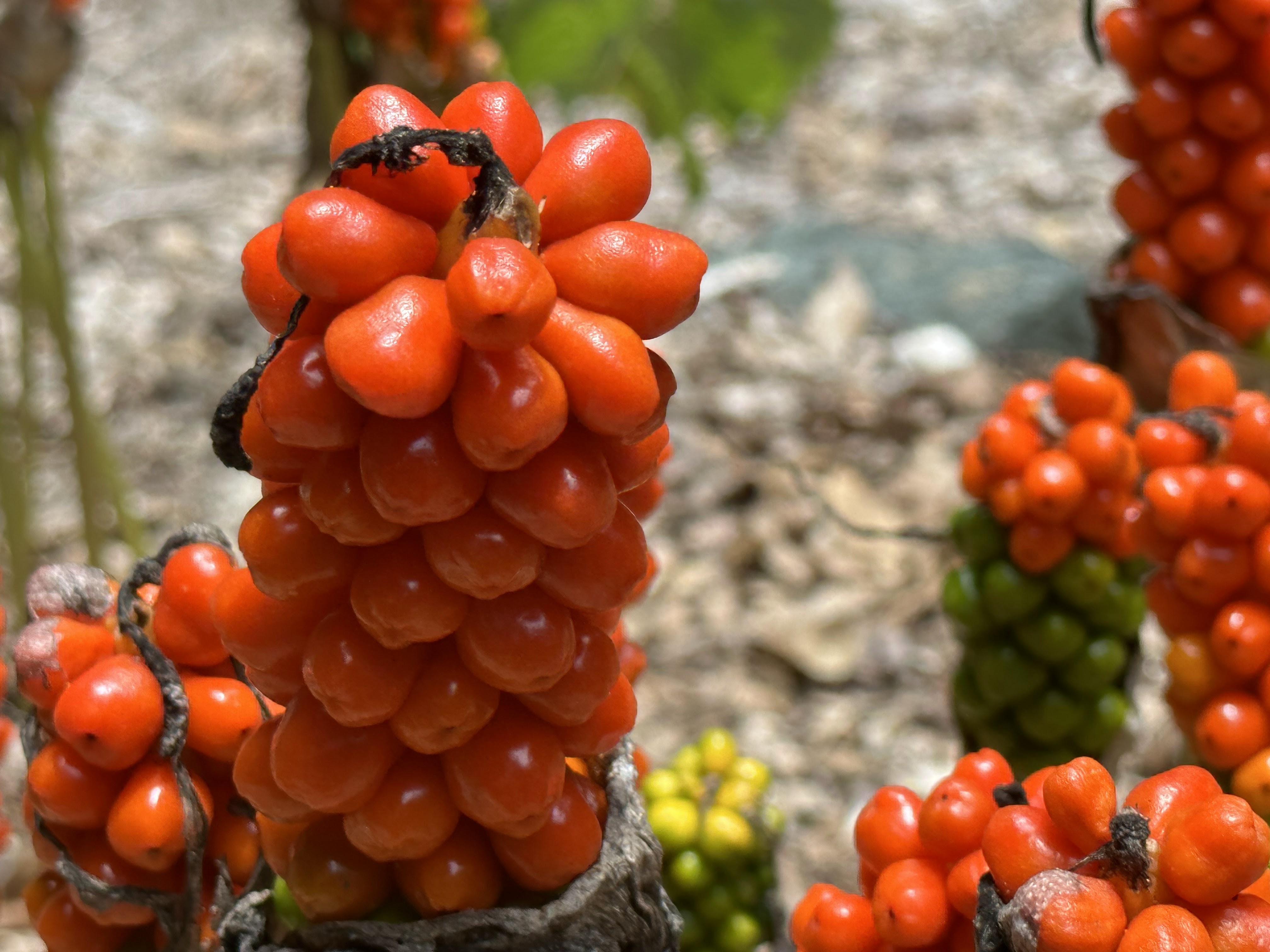
Italian Arum Botanical name: Arum italicum Other name(s): Italian or Large Cuckoo Pint, Italian Lords-and-Ladies Family: Araceae Edible: no, all plant parts are toxic.In early summer, white spathes of flowers are followed by spikes of bright orange red berries. Noteworthy Characteristics: Note that the berries may cause severe discomfort or illness if ingested. Contact with sap may irritate skin.
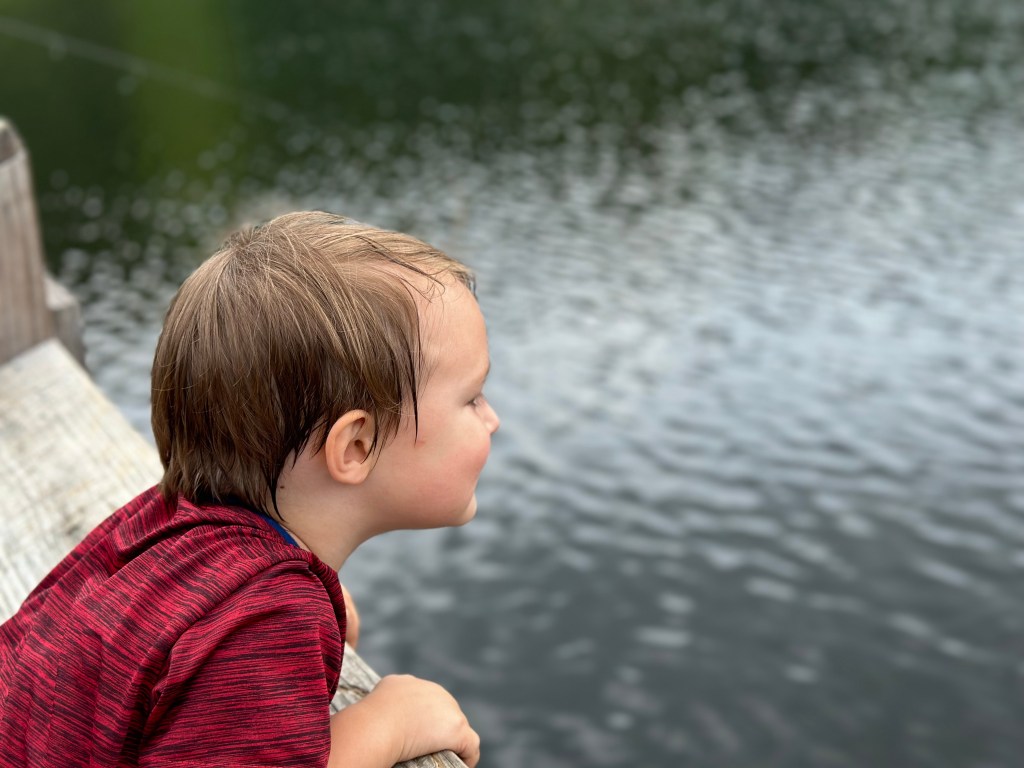
After a week of solid rainfall Coleman and I were itching to get outside to roam around in nature. It was decided on Friday that we should be adventurous, after errands were completed. Our errands took us down to Lancaster which is an hour and a half away from our current home. Coleman was being extremely patient, he deserved a break on the way make home. Therefore, to relieve his itch to run around, we stopped at one of his favorite places.
What is that favorite place, you ask? It is the expansive Anne Springs Close Greenway. It was an extremely hot 🥵 and humid summer day. We walked around along the trails, across the swinging bridge, and up to the Wildflower Meadow to observe which flowers were thriving.
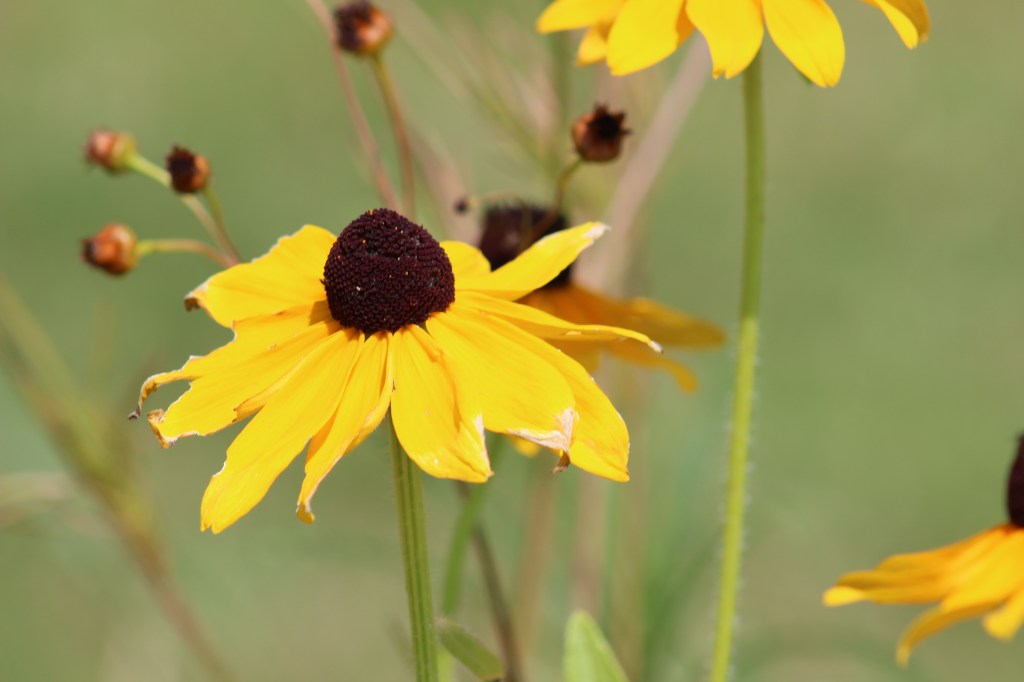
Rudbeckia hirta L. AKA: Black-eyed Susan, Common Black-eyed Susan, Brown-eyed Susan, Blackeyed Susan Asteraceae (Aster Family)
These coneflowers are common in the Mountains and the western Piedmont of the Carolinas. They are abundantly growing throughout the Greenway’s grounds.
We took a short break for a bite to eat at the Greenway’s Canteen. Enjoying the cool air was nice, but Coleman was itching for a different kind of relief from the hot 🥵 sunny summer weather. What kind of relief do you think he was desiring?
He was itching to get relief splashing in the water at the Greenway’s Spillway. The Spillway was low, however, it still produced enough water flowing across for many to cool 😎 off and enjoy a splashing 💦 wonderfully amazing good time. Coleman delighted in sloshing and splashing through the Spillway’s water 💦.
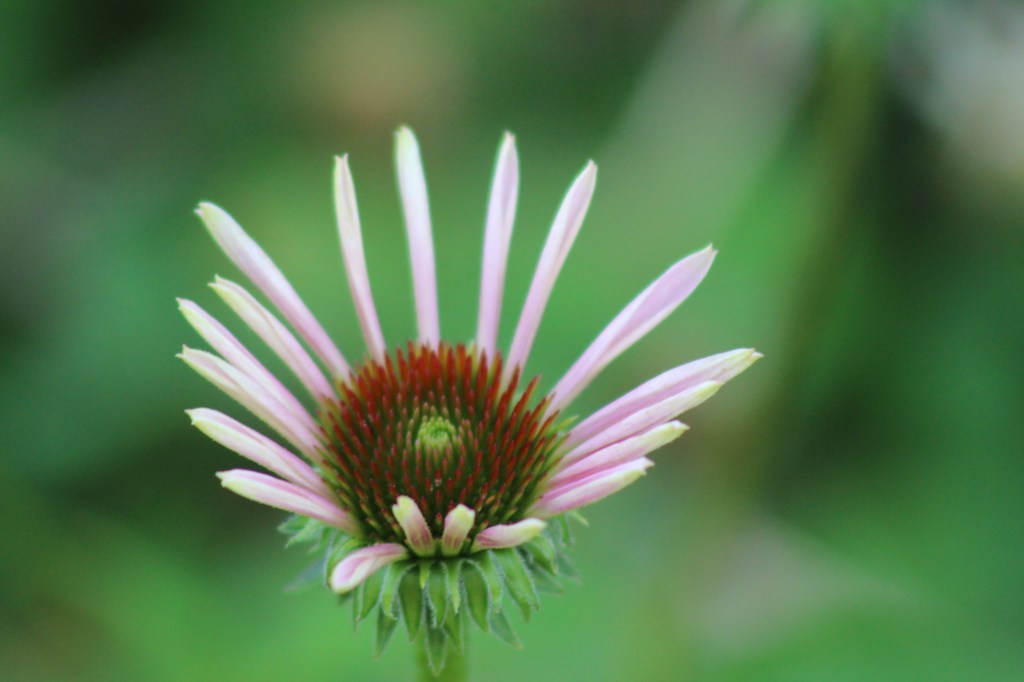
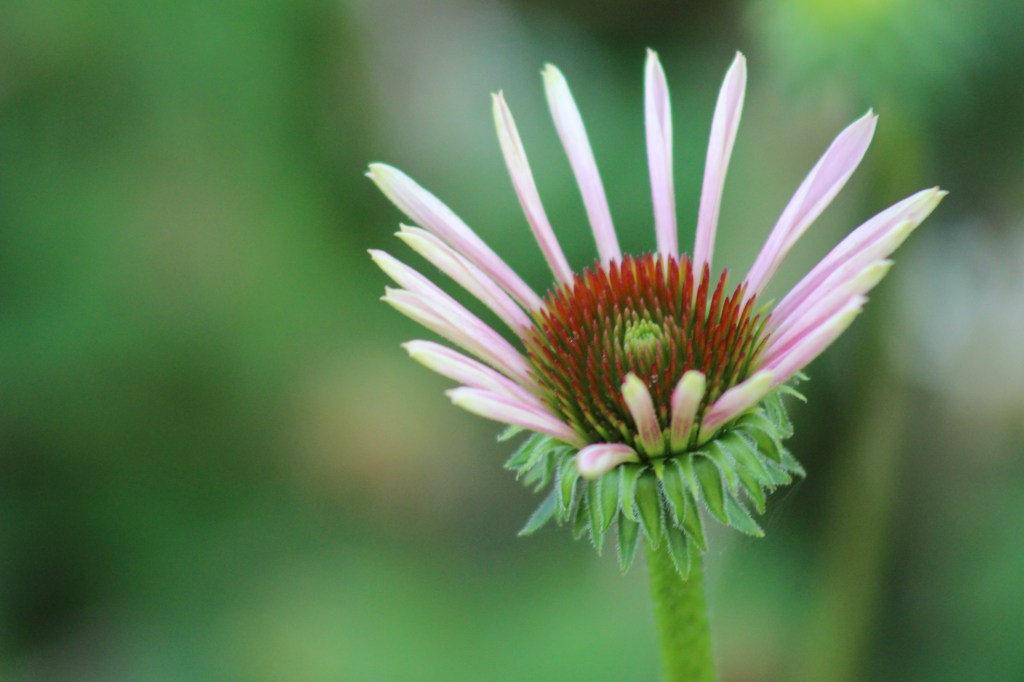
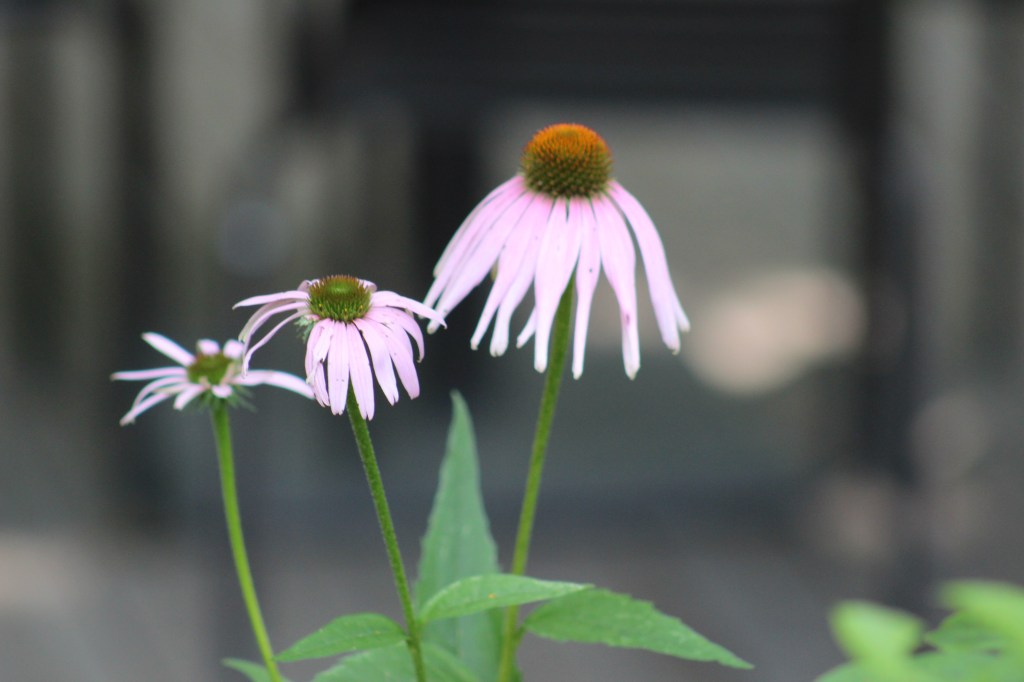
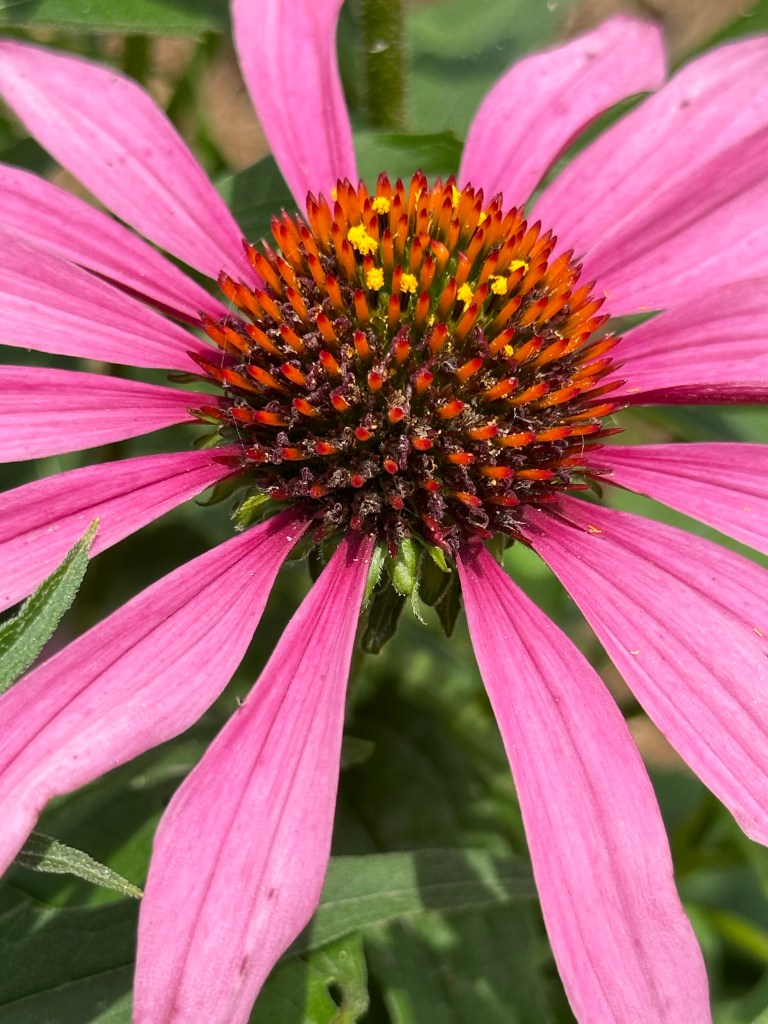
Pale Purple ConeflowerPreviously known as: Brauneria pallida Echinacea pallida f. albida Rudbeckia pallidaThe Pale Purple Coneflower is a herbaceous perennial of the genus Echinacea.
These coneflowers are native to North America, and there are nine known species of Echinacea. Echinos is Greek for “hedgehog” or “sea urchin” which is reflective of the plants spiny center cone. Pallida is Latin and translated means “pale.” This is in reference to their petal color which is a pale pink-purple.
Interesting Medicinal Information:
Echinacea was first used by Native Americans for treatment of insect stings and bites as well as snake bites. Currently, Echinacea is used to prevent colds, flu, and other respiratory tract infections. It has also been proven to boost the immune system and treat urinary tract infections. Echinacea preparations can also be topically applied for wounds or skin problems. The roots and whole plant possess a cortisone-like antibacterial property.
Lagerstroemia indicathe crape myrtle (also crepe myrtle, crêpe myrtle, or crepeflower)It is a species of flowering plant in the genus Lagerstroemia of the family Lythraceae. It is an often multi-stemmed, deciduous tree with a wide spreading, flat topped, rounded, or even spike shaped open habit. The tree is a popular nesting shrub for songbirds and wrens.
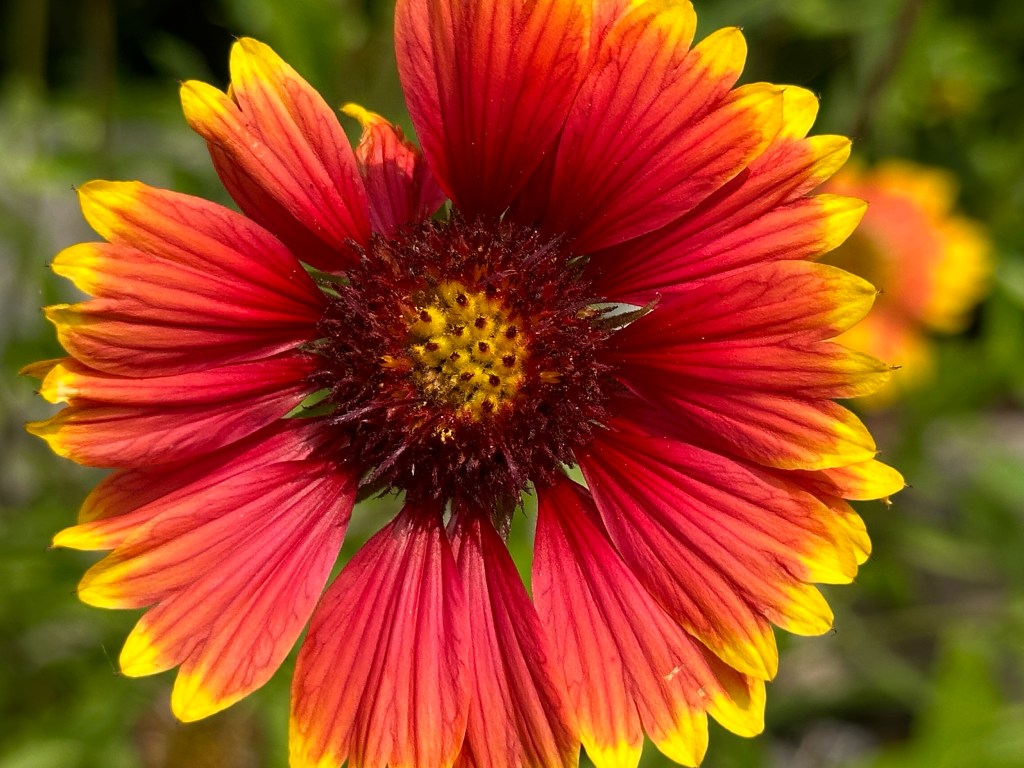
Gaillardia pulchella AKA: firewheel, Indian blanket, Indian blanketflower, or sundance It is a North American species of short-lived perennial or annual flowering plants in the sunflower family.The common name, Indian Blanket, may refer to the resemblance of the inflorescence to the brightly patterned blankets made by Native Americans, or to the ability of wild taxa to blanket the ground with colonies.
My grandson and I spotted these spectacular flowers near the entrance to the Nature Trail at The Schiele Museum of Natural History and Planetarium located in Gastonia, North Carolina when we went there to go hiking this past week.
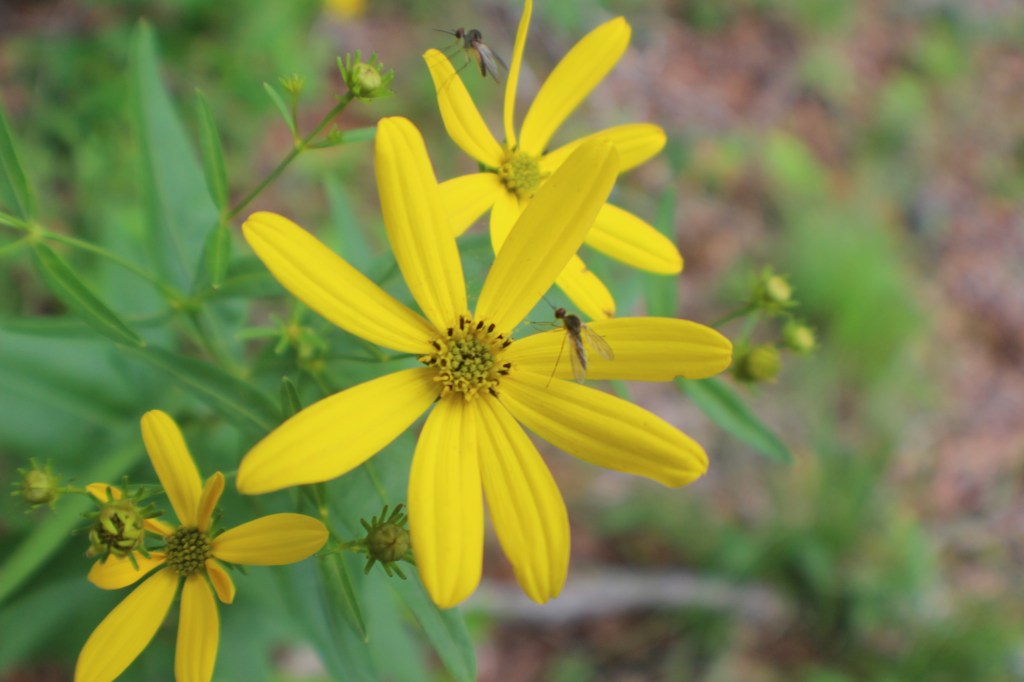
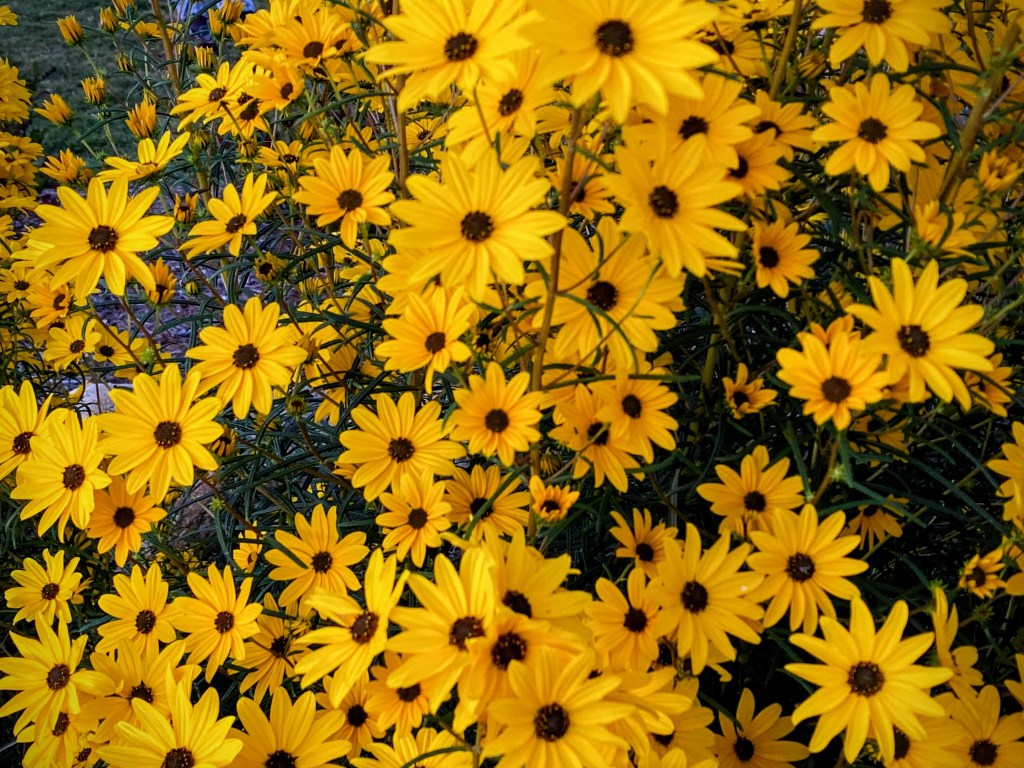
Helianthus schweinitziiCommon Name: Schweinitz’s sunflowerIt is a member of the sunflower family (Asteraceae).
The Helianthus schweinitzii is a perennial wildflower endemic to the Piedmont physiographic province of North Carolina and South Carolina. It is one of the rarest species of sunflower in the United States. It is common along utility and highway rights-of-way in North Carolina and South Carolina. These particular Schweinitz’s sunflower are located along the Lake Trail at Crowders Mountain State Park.
Slender Vervain is a perennial that spreads by rhizomes and is native to South America. Is an annual north of zone 7 but needs winter protection in that zone. It has naturalized from southeastern North Carolina to Florida and is very tolerant of heat and drought.
These Verbena rigida are in the garden in front of The Schiele Museum of Natural History and Planetarium in Gastonia, North Carolina.
Petunia axillaris, the large white petunia, AKA: wild white petunia or white moon petunia, is an annual herbaceous plant in the family Solanaceae, genus Petunia.
Rubus idaeus ‘Caroline’ (Everbearing Raspberry) is a fall-fruit big cultivar producing high yields of large, highly flavored, red raspberries which are perfect for eating or preserves.
Raspberry plants can fruit on different types of canes, and these are categorized into primocane and floricane. Both primocane (first year) fruiting and floricane (second year) fruiting raspberries have both primocanes and floricanes growing from the plant after the first year.
Primocane fruiting raspberries, commonly called Everbearing raspberries, produce flowers and fruit on first year canes. Primocane varieties will produce a moderate crop in June and a much larger crop from late August until frost.
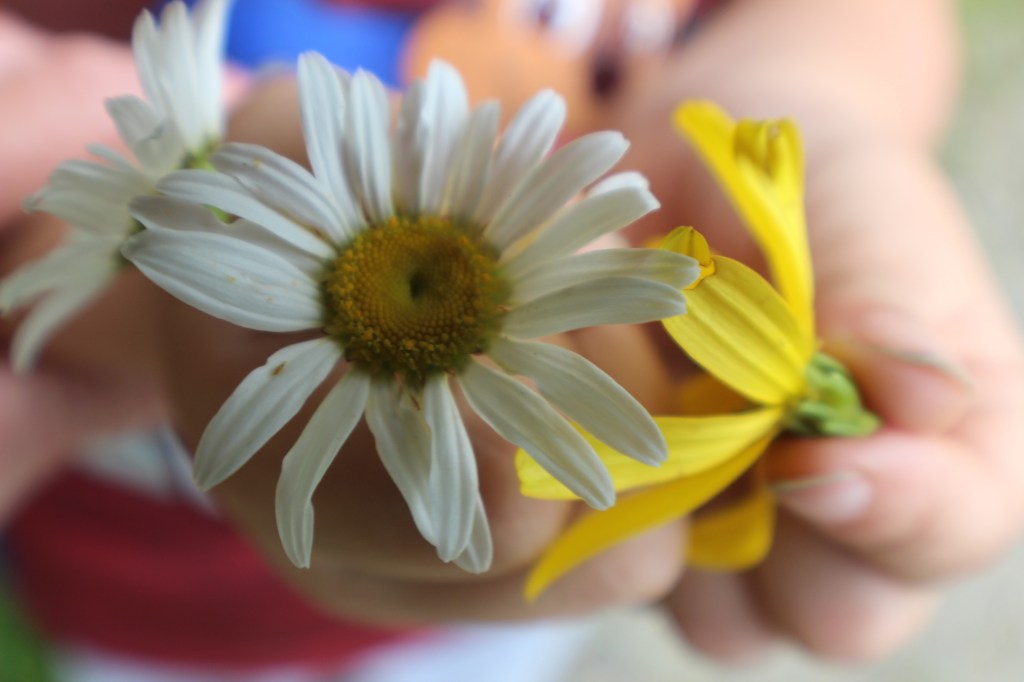
Erigeron annuus (formerly Aster annuus), AKA the annual fleabane, daisy fleabaneEastern Daisy fleabane is a species of herbaceous, annual or biennial floweringplant in the family Asteraceae.
Crocosmia aurea, common names falling stars, Valentine flower, or montbretia, is a perennial flowering plant belonging to the family Iridaceae. Crocosmia’s flowers are brilliantly colored and showy, making them a wonderful choice for flower arrangements. Sometimes called Montbretia, the tubular-shaped flowers are extremely attractive to hummingbirds. The brilliant red yellow or orange blooms appear in May or June with sword-shaped foliage.
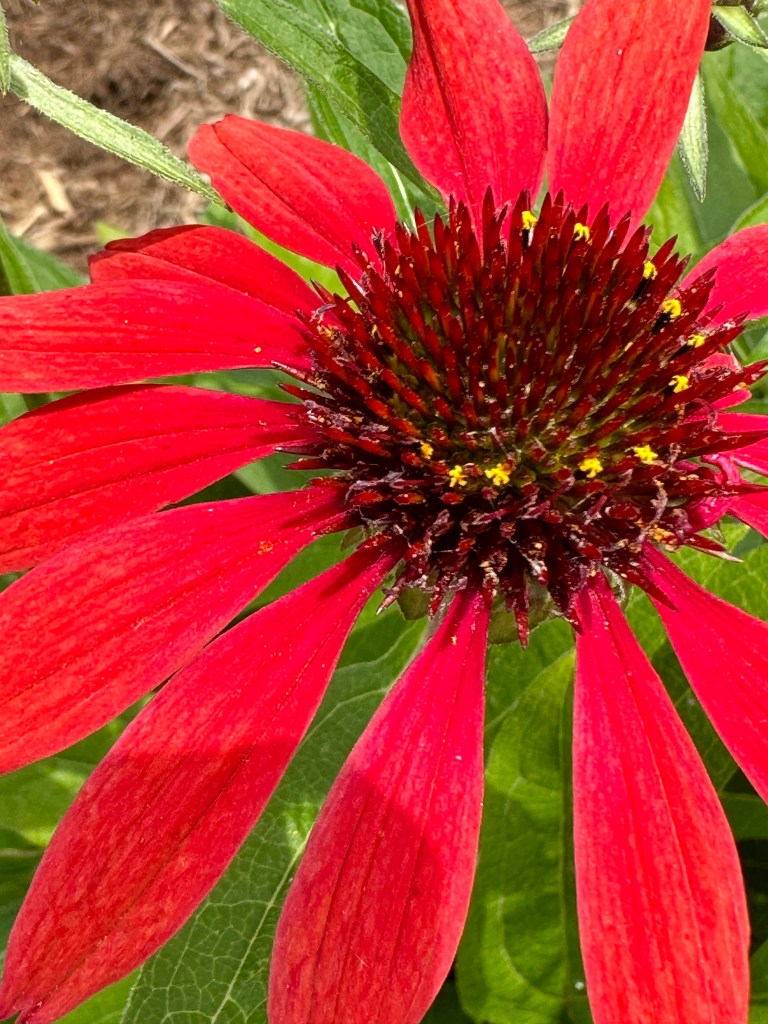
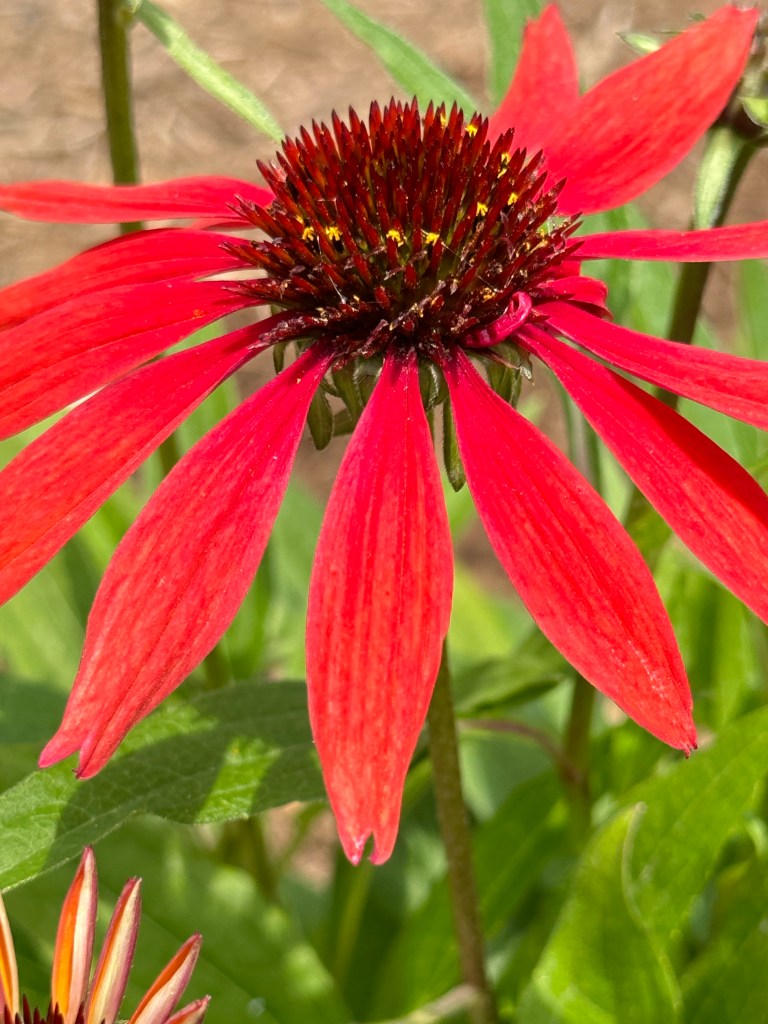
Echinacea Sombrero Salsa Red displays single rows of drooping, deep orange-red ray petals around a sombrero-shaped, orange-brown cone. The lightly fragrant flowers attract butterflies! They provide long lasting color in the garden.
Echinacea Sombrero Salsa Red Coneflower
These are reded daisy-like flowers with dark cones and are produced on strong, well branched stems. Echinacea is well known for its large, daisy-like flowers. It is a bold, sturdy perennial sporting flowers with a large cone-shaped center, hence its common name of Coneflower.
It is also known by African Arrowroot, Arrowroot, Canna, Edible Canna, and Wild Canna Lily among a few other names.
The rhizomes of cannas are rich in starch, and have many uses in agriculture. All of the plant material has commercial value, rhizomes for starch (consumption by humans and livestock), stems and foliage for animal fodder, young shoots as a vegetable, and young seeds as an addition to tortillas.
Other interesting usesincludethe hard black seeds of the Arrowroot having been used in the 19th century as bullets when ammunition was limited. The seeds are also used for making jewelry and musical instruments such as rattles.
Echinacea purpurea is recognisable by its purple cone-shaped flowers. It is native to eastern North America and present to some extent in the wild in much of the eastern, southeastern and midwest United States. It is often known as the purple coneflower.
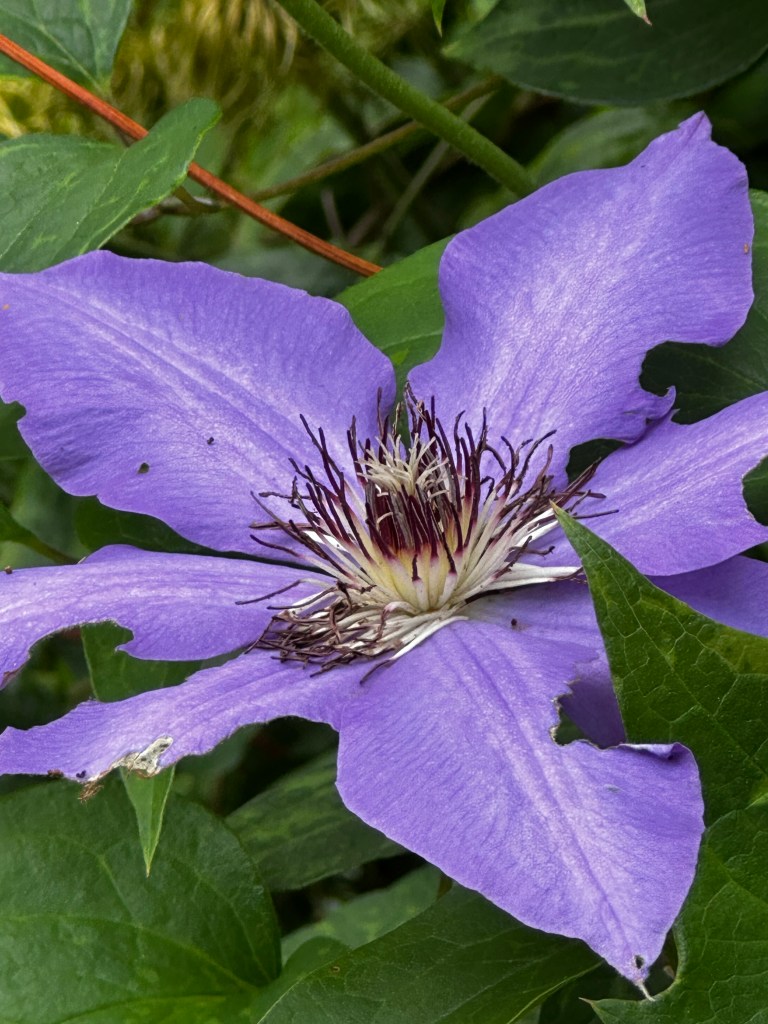
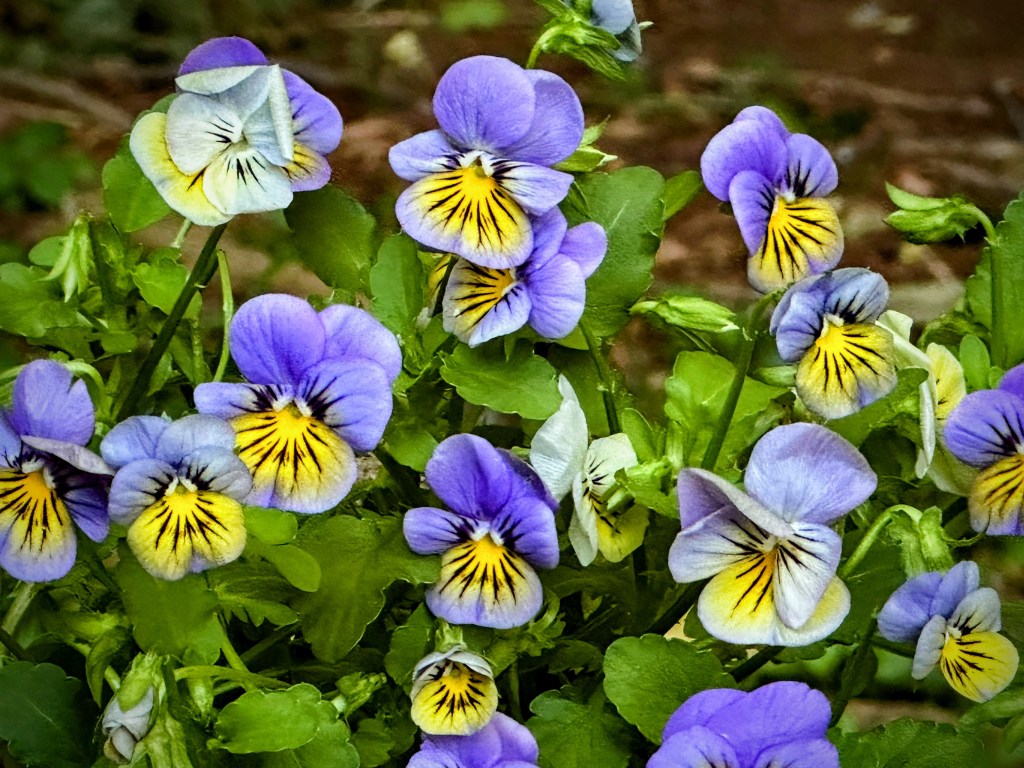
Clematis viticella, the Italian leather flower, purple clematis, or Virgin’s bower, is a species of flowering plant in the buttercup family Ranunculaceae, native to EuropeShades of Purple in a Garden PlanterSalvia officinalis, the common sage or just sage, is a perennial, with blue to purplish flowers. Sisyrinchium angustifolium, commonly known as narrow-leaf blue-eyed-grass Viola × williamsii, known as hybrid horned pansy, tufted pansy, or just horned pansy
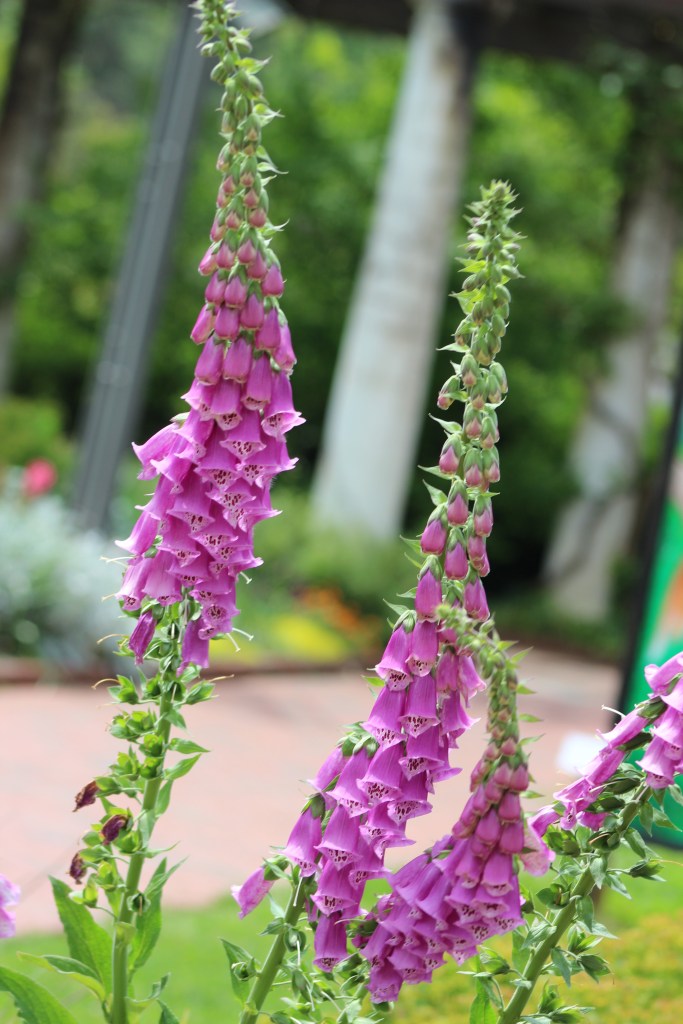
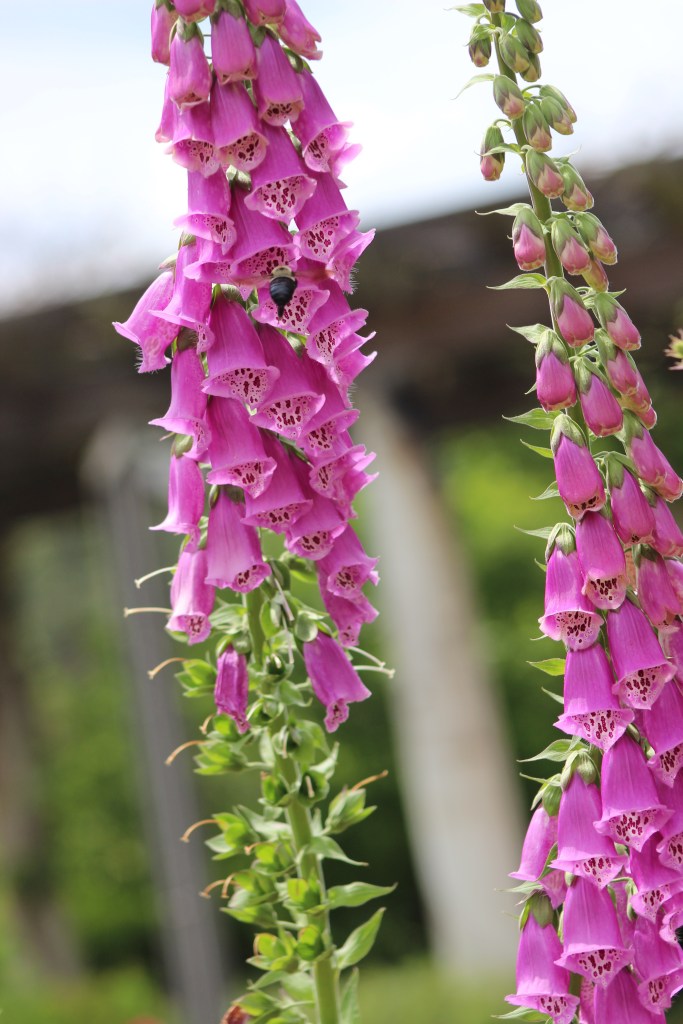
View from our picnic table Notice the Visitor Shot on Canon while Coleman snacked Eastern Carpenter Bee on Digitalis purpurea ‘Dalmatian Purple’ Foxglove Earliest blooming of all Foxglove.
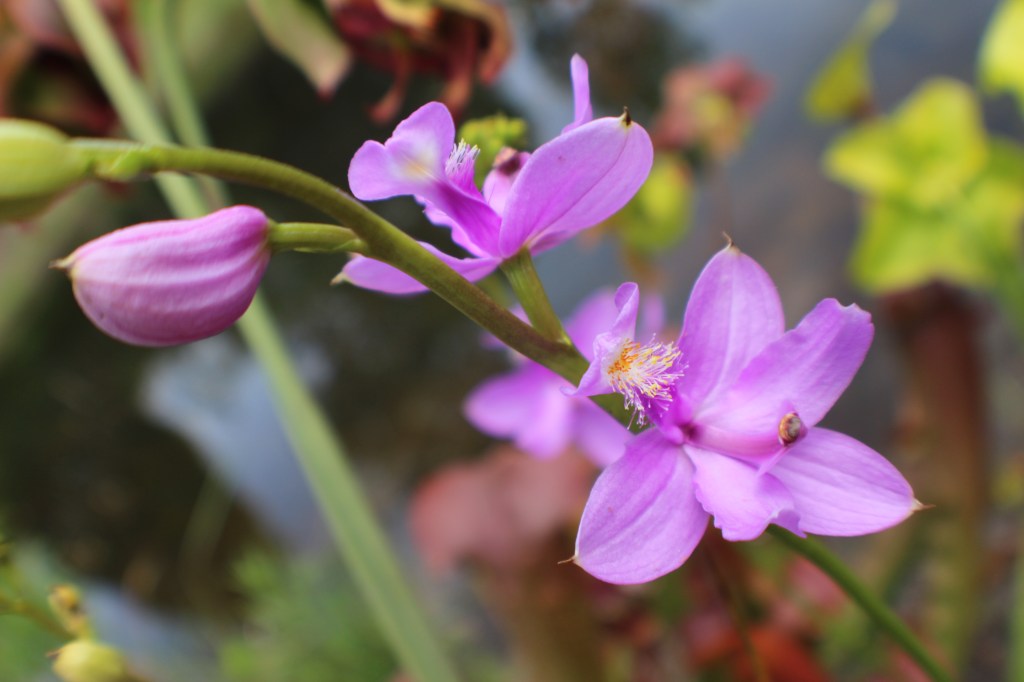
(Calopogon tuberosus var. simpsonii) This gorgeous wildflower is called grass pink and it is in the Orchid family (Orchidaceae). The genus name “Calopogon” is Greek and means “beautiful beard.” It refers to the hairlike structures on the upper petal. It has a bulb-like corm that resembles a tuber, hence the name “tuberosus.” The slender grass-like leaves give rise to the name “grass pink.” It is a stunning wildflower.
The Scilla Peruviana is also known as the Portuguese Squill. It is a spring-blooming bulb with striking, lavender-blue flowers. The flower heads can be as large as a softball, with star-like florets that open gradually over a period of 3 weeks or more. The plants have long, strappy leaves similar to a hyacinth, and grow 12-20” tall.
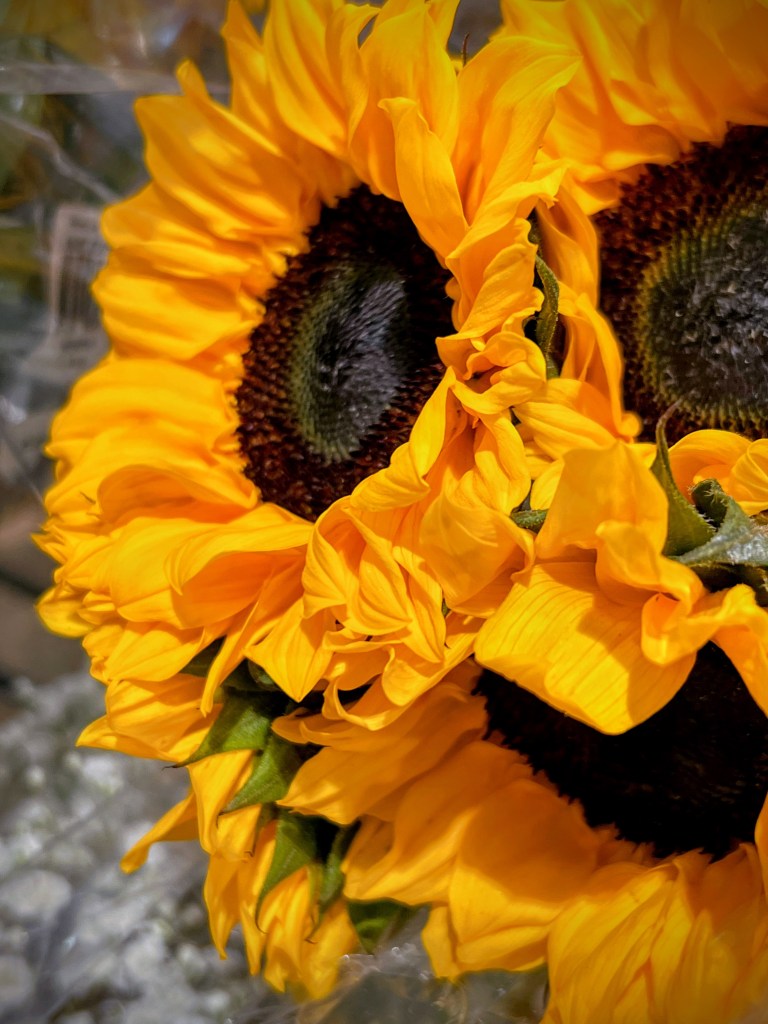
Common Sunflower Helianthus giganteus, the giant sunflower or tall sunflowerSwamp Sunflower Helianthus angustifoliusI’m Grateful for you crosscards.com
Lavender & Meadow SageMeadow Sage Salvia x sylvestrisLavender ‘May Night’ Sage
These Lavender & Sage plants and flowers are within the Memorial Garden which you can find along the Nature Trail at The Schiele Museum located in Gastonia, North Carolina.
This week my choices for Cee’s Fun Foto Challenge comes from the Midwestern United States, the West Coast, and Southward towards the Gulf of Mexico. Hopefully you’ll enjoy my selections as I enjoyed the memories while selecting them.
The Big Basket Longaberger Basket Building 🧺
Longaberger, founded by Dave Longaberger in 1973, is an American home and collectibles brand known for artisanal handcrafted and home décor products. For generations, the family has handwoven maplewood baskets in Dresden, OH.
The Big Basket, which opened in 1997, is a scaled-up version of Longaberger’s signature Medium Market Basket. Most of the cherry wood used in the Big Basket came from the grounds of the Longaberger Golf Club in Hanover.
The Big Basket also boasts two enormous handles, heated during the winter to thaw ice. “The basket is a symbol of overcoming adversity, of what you can achieve.”
Royal Caribbean’s Enchantment of the Seas Cruise Ship
The Royal Caribbean’s Enchantment of the Seas Cruise Ship sails out of Galveston, Texas. This is the cruise ship I was on in late February of 2020. I sailed with my sister-in-law’s sister, Monica. She was not much for social interaction, however that did not prevent me from enjoying myself. Her peculiar intricacies were beyond my realm of understanding. I went because she wanted someone to share her cabin on the cruise. I thought we would be doing things together, but she preferred to stay in the cabin most of the time.
I, myself, chose to partake of my meals in the dining room, watch the live entertainment, walk around the ship and not stay cooped up in the room. The ship docked in Cozumel and Costa Maya, Mexico. I visited the shops while on shore. Not knowing if my cabin mate would come ashore or not, I didn’t wander very far. I did enjoy the parts I visited though.
Coronado-San Diego Bay Bridge
Even though there were several earlier proposals, one was not approved until 1964. The proposal to build a bridge was approved by the Pentagon with assistance from the California State Division of Highways. Groundbreaking began in 1967 taking two years to complete the construction.
The bridge opened with a special ceremony held on August 2, 1969. Apart of the opening ceremonies was a parade of Vintage cars.
Prior to the building of the Coronado Bridge, as it is referred to by locals, the only way to travel from San Diego to Coronado was by ferry. You could drive you vehicle onto the ferry (or walk, if one chose) and the ferry would take you across to the other side. Either transporting you from San Diego to Coronado or from Coronado to San Diego.
This spectacular bridge is a beautiful sparkling blue and more than two miles in length. It has a visually dramatic 90-degree shift at mid-point. The bend makes the bridge famous and unique. The elegant structure of the bridge is high enough for the tallest Navy ships to pass under and is artfully supported by arches with side panels of just 34 inches to allow for spectacular views while traveling across the bay.
I have been fortunate enough to have traveled to Coronado via ferry and across the Coronado Bridge. While going across by ferry was amazing at one time, the views you see while crossing the Bridge by car are incredibly beautiful.
Mt.Soledad National Veterans Memorial San Diego, California
The very tip of Mt. Soledad, located in La Jolla, bears a cross that can be seen from many miles away. The Mt. Soledad Cross was first built in 1913 and was later dedicated as the Mt. Soledad Easter Cross in 1954.
The cross on top of Mt. Soledad was always amazing to gaze upon while growing up. I remember there were special sunrise services held there early on Easter Sunday mornings. People from all walks of faith would gather to worship at the foot of the cross to celebrate the risen Christ.
The cross was challenged in court in the 1980’s and was then designated as a Korean War memorial. It has always been a source of great controversy, clearly displaying a religious symbol on government property.
In July 2015, a group called the Mt. Soledad Memorial Association bought the half-acre of land under the cross from the Department of Defense. This officially no longer put the cross on government property.
The views are spectacular. Mt. Soledad offers a stunning panoramic glimpse of San Diego. If you’re ever in the area be sure to bring your camera. You won’t want to miss capturing the views.
Odontocidium, is the nothogenus comprising intergeneric hybrids of the two orchid genera Odontoglossum and Oncidium. Some refer to this orchid as a “Bacon Orchid.” The petals look similar to hanging bacon.