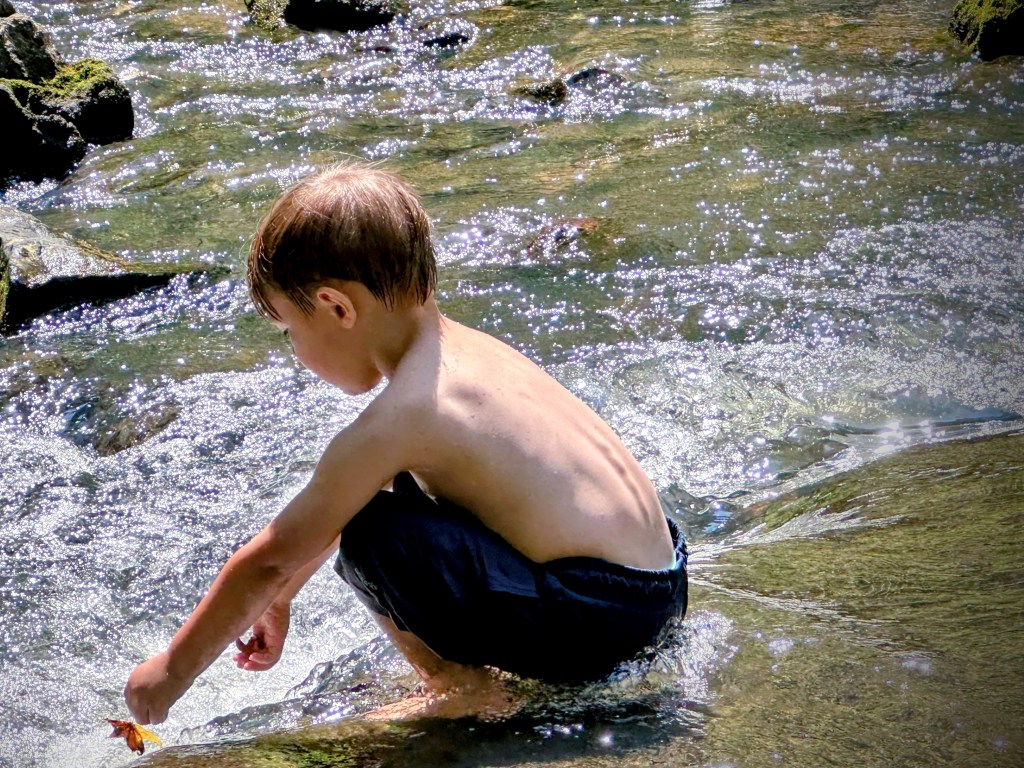
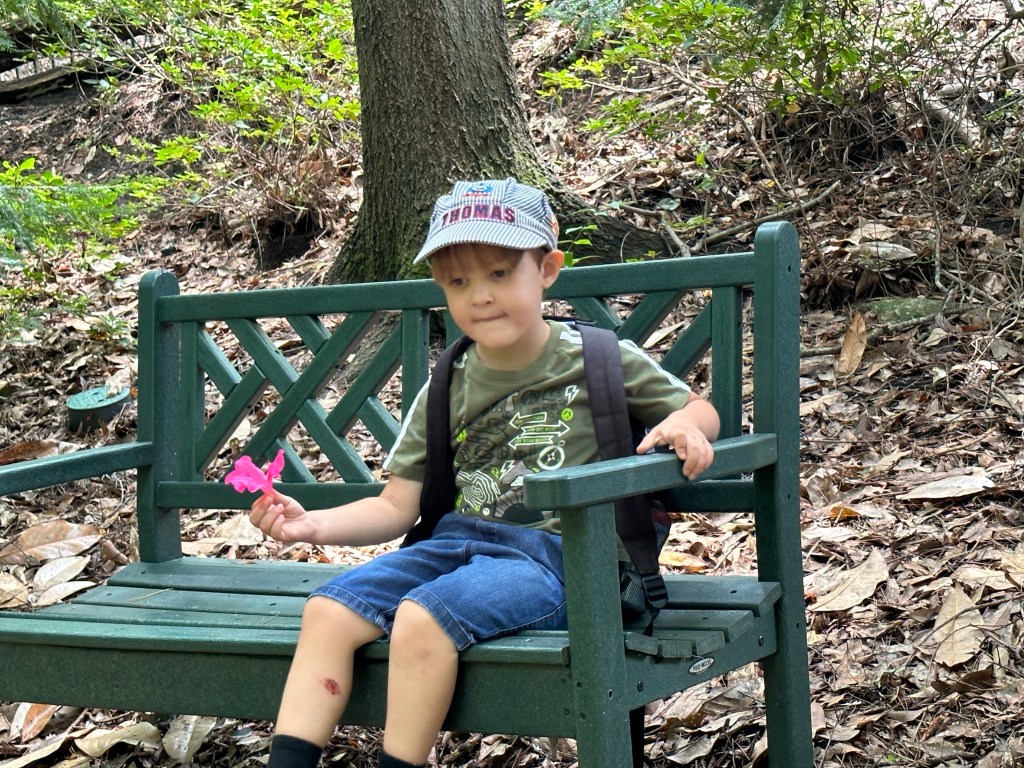
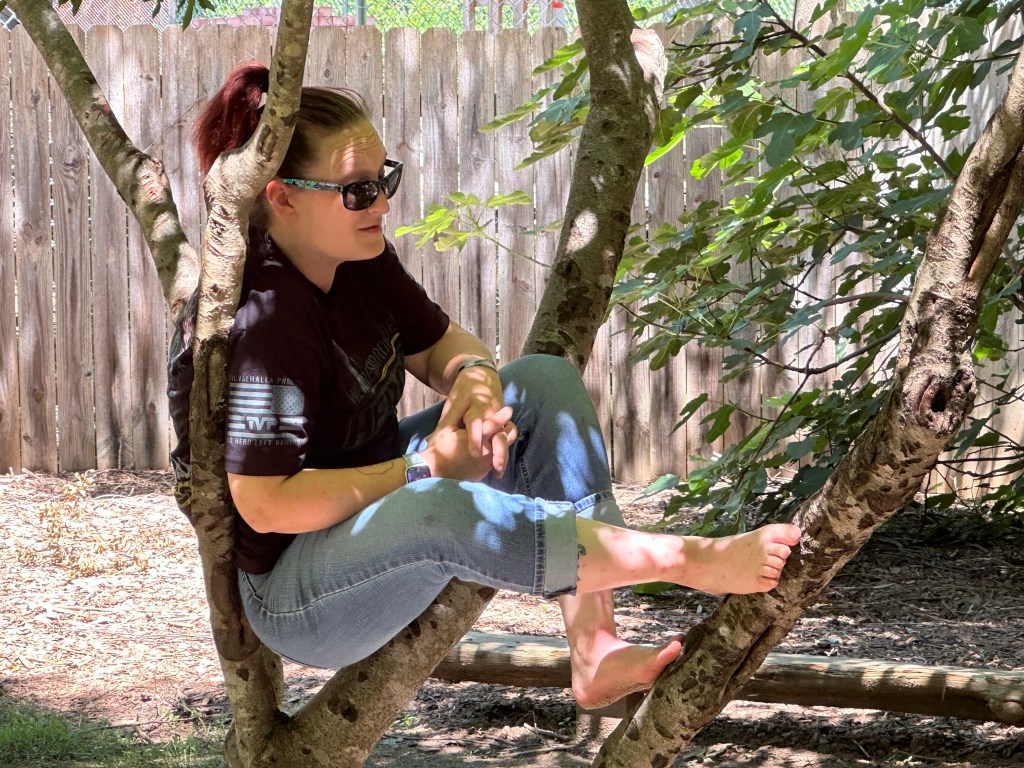
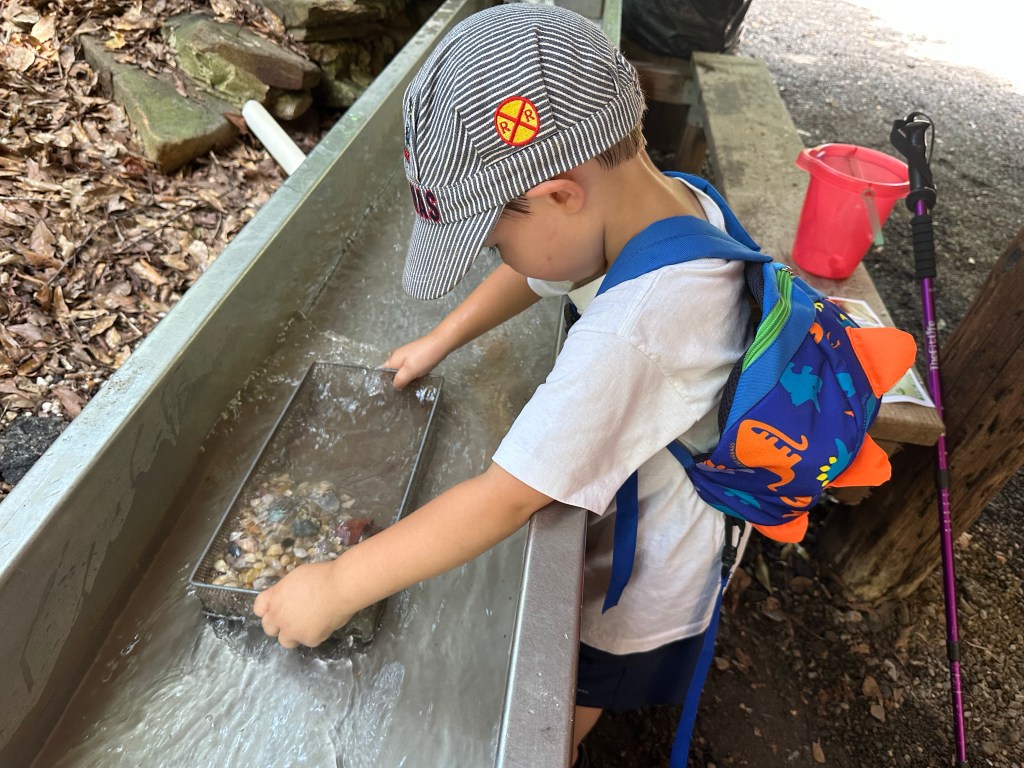
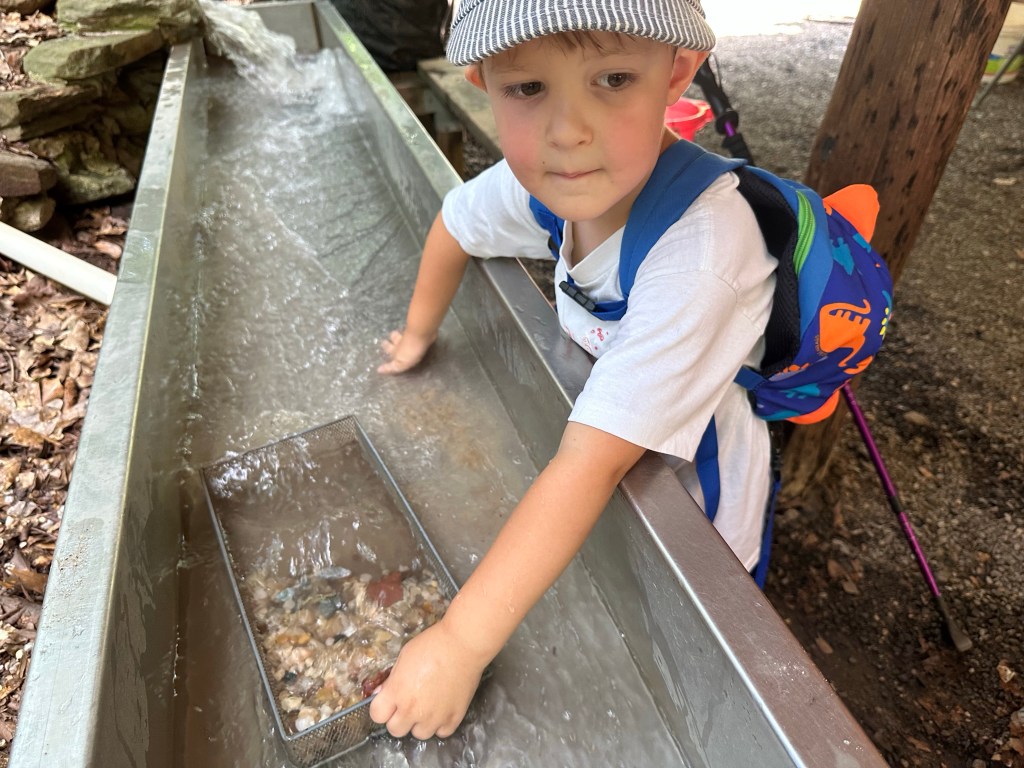
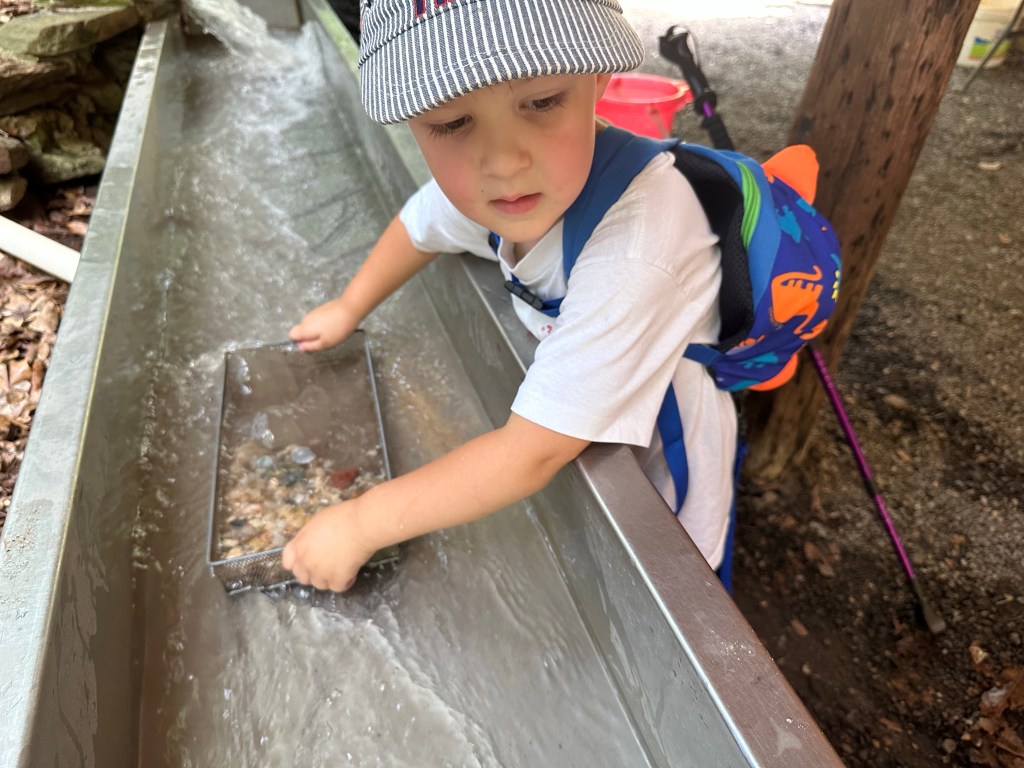
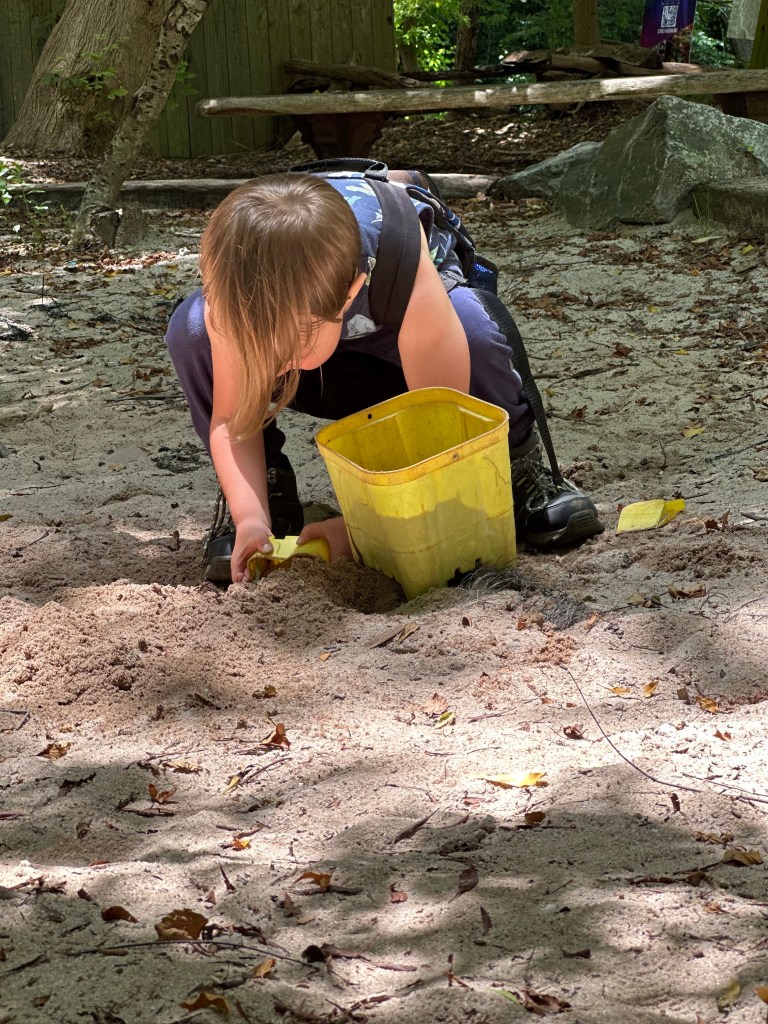
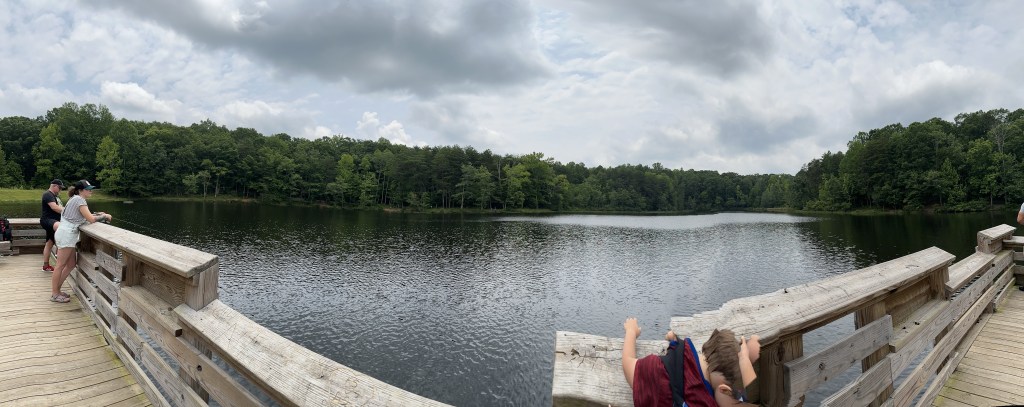
Playing in his Turtle SandboxSplashing in the Greenway Spillway Relaxing on our New Recliner Loveseat A Year Comparison Playing in Lake Crandall Riding His New 2-Wheel Bicycle
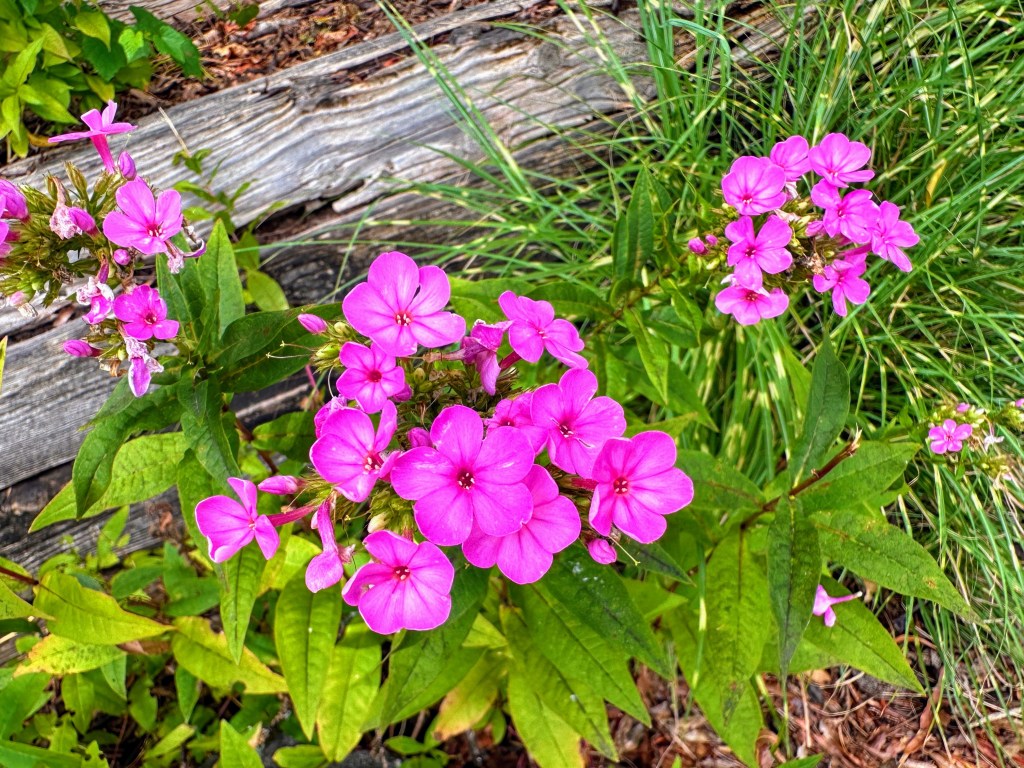
Carolina Phlox is a lovely long-flowering native with clusters of purple-pink flowers.Phlox carolina, the thickleaf phlox, is a species of flowering plant in the family Polemoniaceae.
The specific epithet carolina refers to its native habitat in the eastern United States. It grows in woodland edges and openings. Flowers attract bees, hummingbirds, and butterflies.
Catawba Woven Basket Disc Golf MarkerIpomoea pandurata Wild Potato Vine Shot on Canon EOS Rebel T3iCampsis radicans American Trumpet Vine Coleman on his New 2-Wheel Bicycle
What is a library card? A library card is a card provided by a library so that library patrons can borrow a variety of materials including books and magazines. A library card is often required if a person wants to take advantage of other library services as well. Public libraries issue library cards free of charge to people who live in the library’s city but require patrons to pay for replacement cards.
The early libraries were non-circulating libraries. That meant that patrons needed to use the book or books in the library, and could not check out any books to take home for usage by themselves or their families.
In the 19th century, a free public library movement began. Before 1850, libraries consisted of subscription collections for members only to use. The first known publicly funded library was established in Peterborough, New Hampshire, where in 1833 the town meeting voted to use a part of the state literary fund for the support of schools instead to purchase books for a free town library.
However, the free public library movement really began in 1849, when the New Hampshire legislature authorized towns to levy taxes for the establishment and support of public libraries.
When did library cards become necessary? With the public library movement in the 19th century, it became necessary to register users who were permitted to borrow books and connect those users with the borrowed items. Originally this was done with cumbersome ledger systems, with each page representing a borrower and the books borrowed (and returned) listed.
1955 Library Card San Diego, California
The above library card was issued to my mother with an expiration date of May 1955. My mom was avid reader all her life. I do not remember going to a brick and mortar public library in my grade school days. Where we lived a bookmobile came onto our street approximately a long block away from our home. I do recall going into the bookmobile and being allowed to check out books 📚 to bring home to read. In the beginning, my mom would accompany my brother and me to the bookmobile.
Gaston County Library Card
As you can see the contrast from the San Diego Library Card from the 1950’s and the present day Library Card, there are several differences and yet they both serve the same exact purpose. That of allowing someone to check out various materials such as 📚 to take home to peruse at their leisure.
I have had several library cards over the years and have taken great pleasure in checking out books, movies. I also enjoyed the ability to use the libraries resources and computers for family research, search for jobs or for whatever purpose I needed at various times.
How about you? Do you or have you owned a library card? A library card opens the world to a vast resource of knowledge.
Early Log House Catawba Indian Village Schiele Museum of Natural History Gastonia, North Carolina
A Look Inside an Early Log House:
Sleeping Area Eating Area
Hand Woven Basket Fireplace Wooden Chair and TableHand Woven Baskets on Floor
Outside an Early Log House:
Coleman Looking Inside the Door Coleman thinking about Shutting the Door
Weakened by diseases. broken treaties , and the loss of tribal lands to European settlers, many Catawba people moved westward into the North Carolina Mountains where they were greatly influenced by their Cherokee neighbors, This cabin known as a Log House (ca. 1860) contains European-style fumiture, crockery, and other items that reflect the time period. It reflects the continued assimilation of the Catawba People into European settler culture and is similar to many 19th century homes found in non-native seftlements of the mountains and piedmont.
These photos of an Early Log House and its contents are examples of how the Catawba Indians lived and how European culture influenced their everyday existence.
Hello, my community circle of friends. We do live in a big world in the atmosphere of Earth. We all share a common interest in a blogging universe. We want to share our voice, with the world. We may share it through our words, through our photography, or through our stories. Regardless of our methods we all share a love with our circle, our community of friends both online and in person, within our vast differences and our commonalities.
Thank y’all for being my friends, for being a part of my community, for being within my circle of friends, and sharing your photos, your gracious comments, your interests, your challenges and also your encouragement. I am blessed to be in this community, having each of you in my circle of friends. Thank you!
These flowers are really small herbaceous perennial. They have grass-like evergreen foliage and lilac-purple flowers which produce single-seeded berries on a spike in the fall.
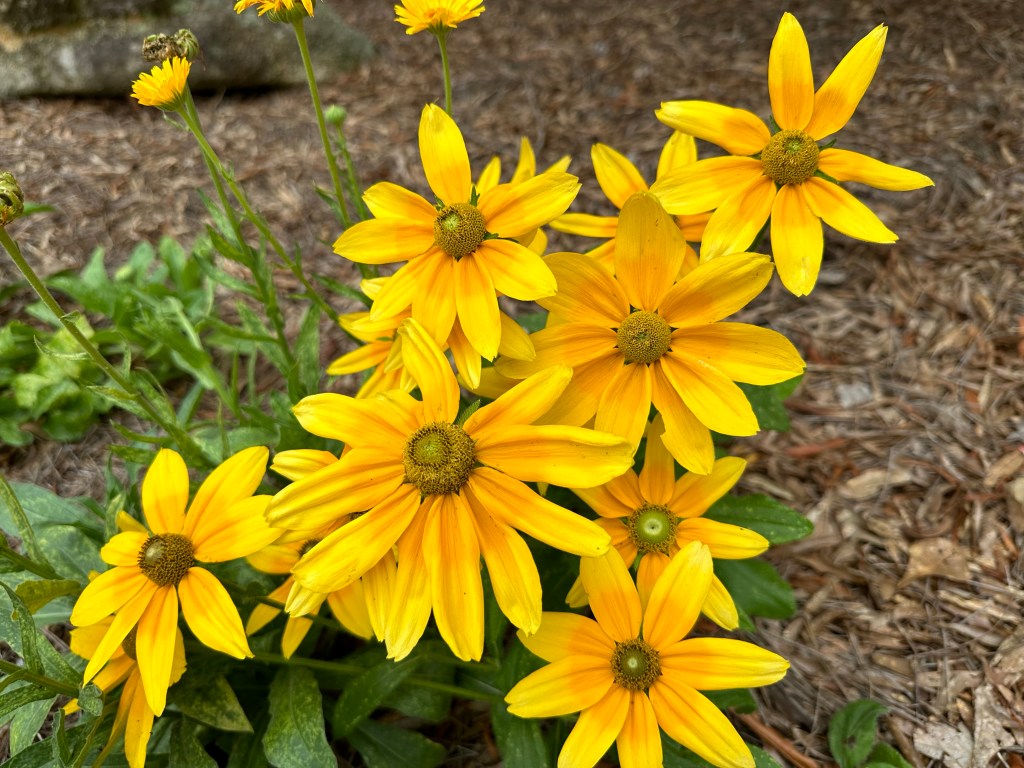
‘Prairie Sun’ Black-eyed SusanRudbeckia hirtaRudbeckia hirta is a variable species that provides a splash of color in the summer garden with its brightly-colored yellow and gold blooms.
Sunflowers follow the sun… But did you know
When it is cloudy and gray, they face each other and share their ENERGY. Imagine if PEOPLE would do this too.
Disc golf, formerly known as frisbee golf, is a flying disc sport in which players throw a disc at a target; it is played using rules similar to golf.
Anne Springs Close Greenway in Fort Mill recently installed a Disc Golf Course which can be accessed through their Adventure Road Entrance. The first “hole” is just off the first parking lot.
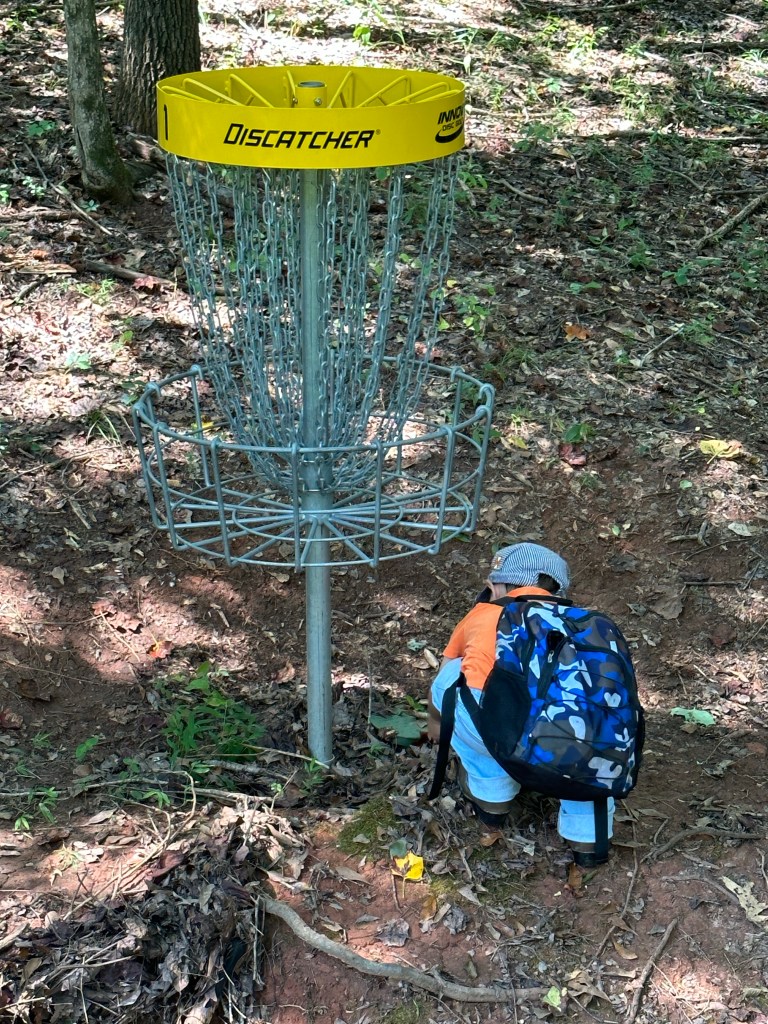
Hole 1 141 ft Par 3Hole 1 Basket
The sport is usually played on a course with 9 or 18 holes (baskets). Players complete a hole by throwing a disc from a tee pad or area toward a target, known as a basket, throwing again from where the previous throw landed, until the basket is reached.
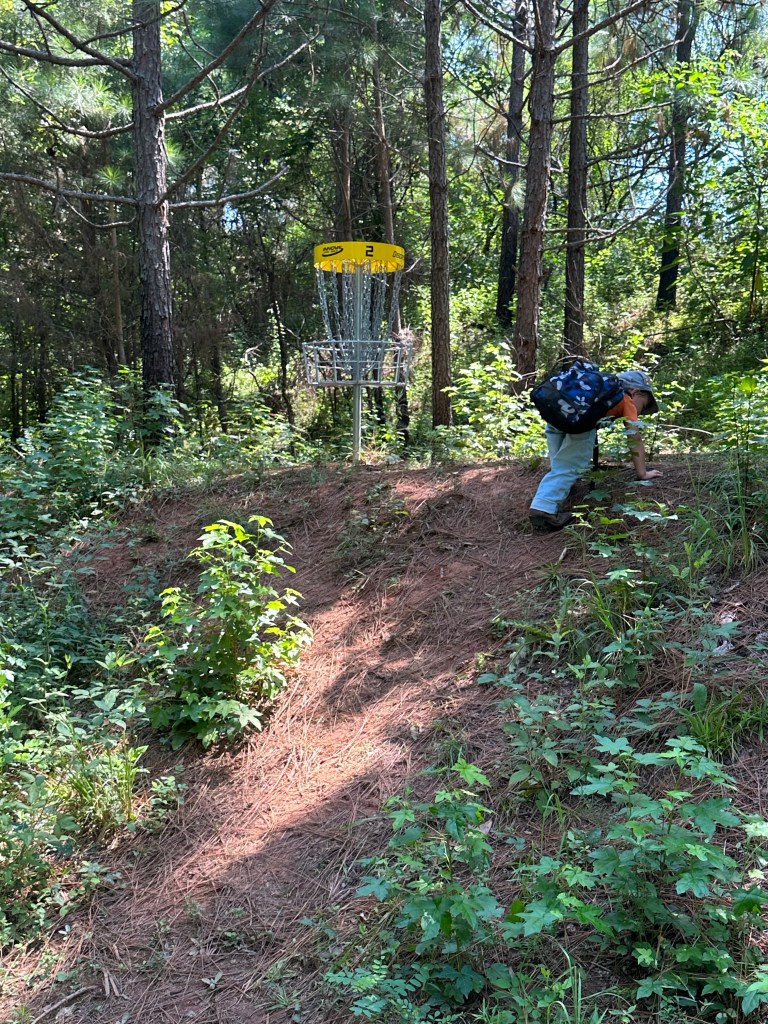
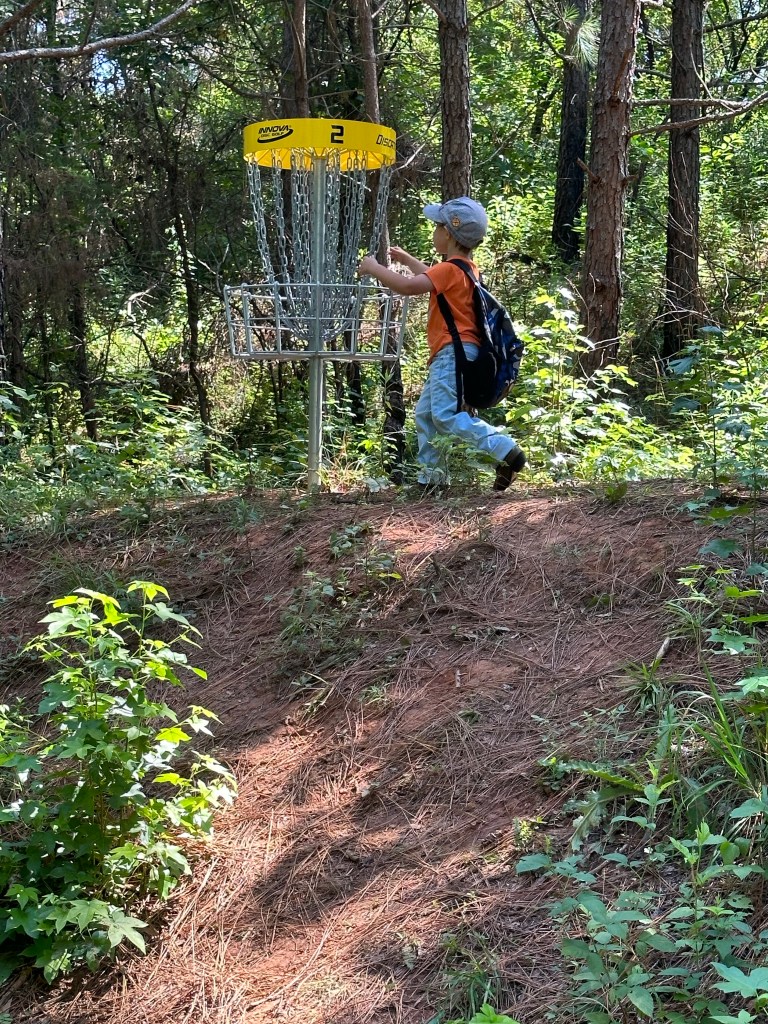
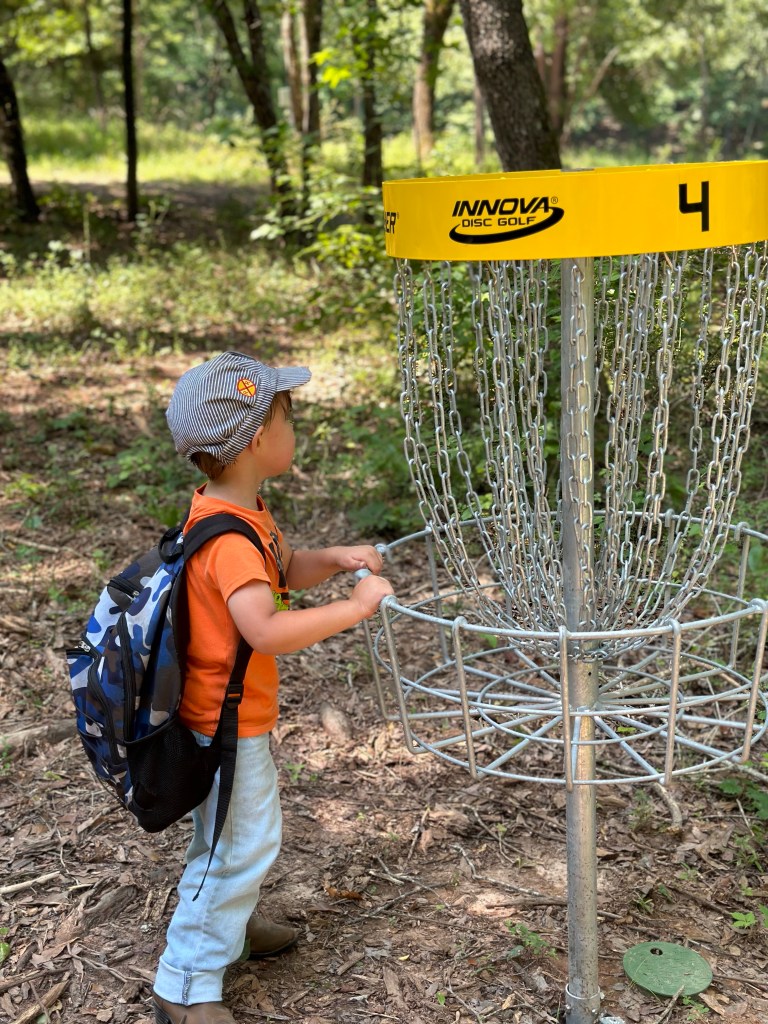
Hole Information Disc PadColeman climbing to Basket 2“Hole” Basket 2 with Coleman
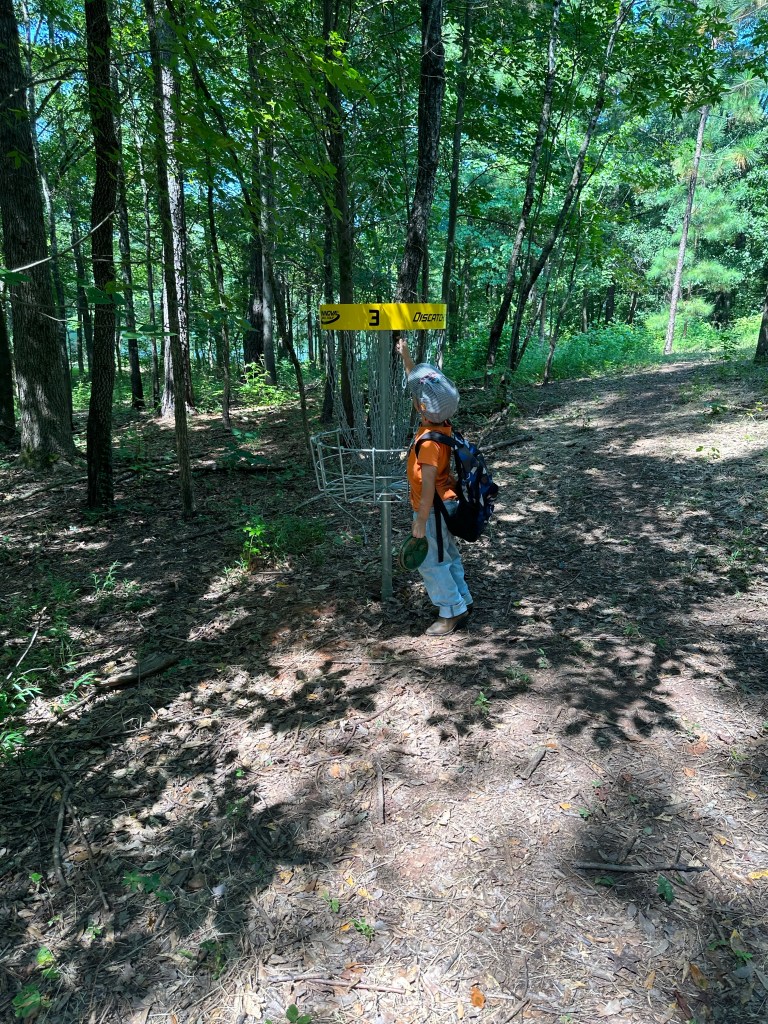
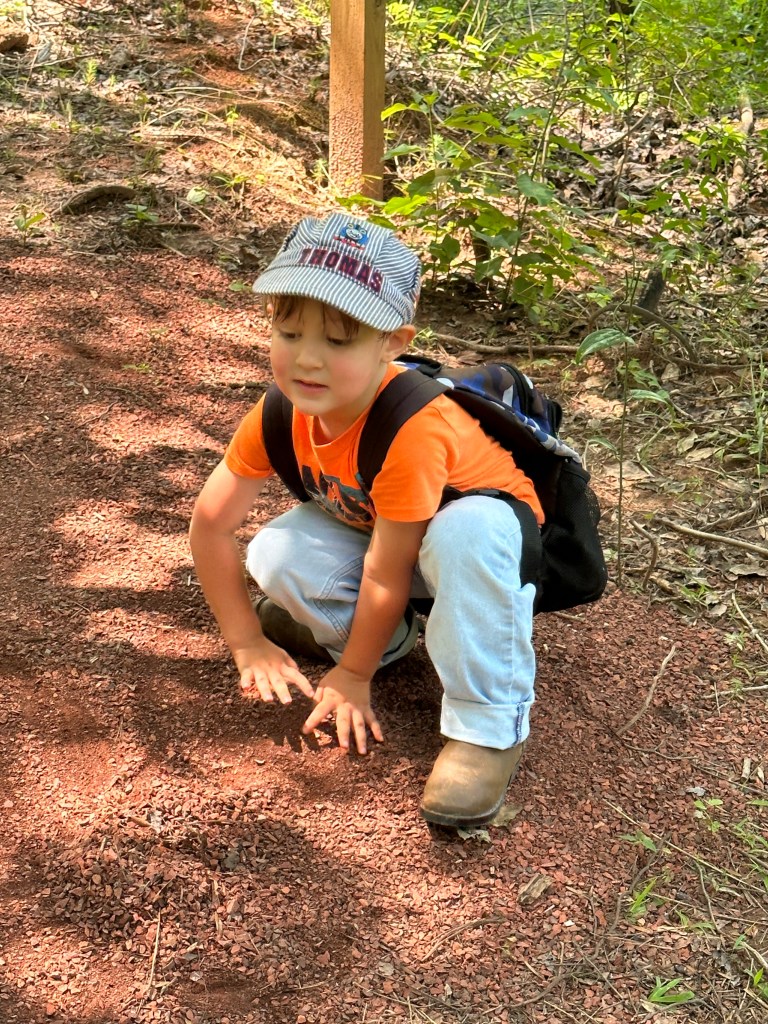
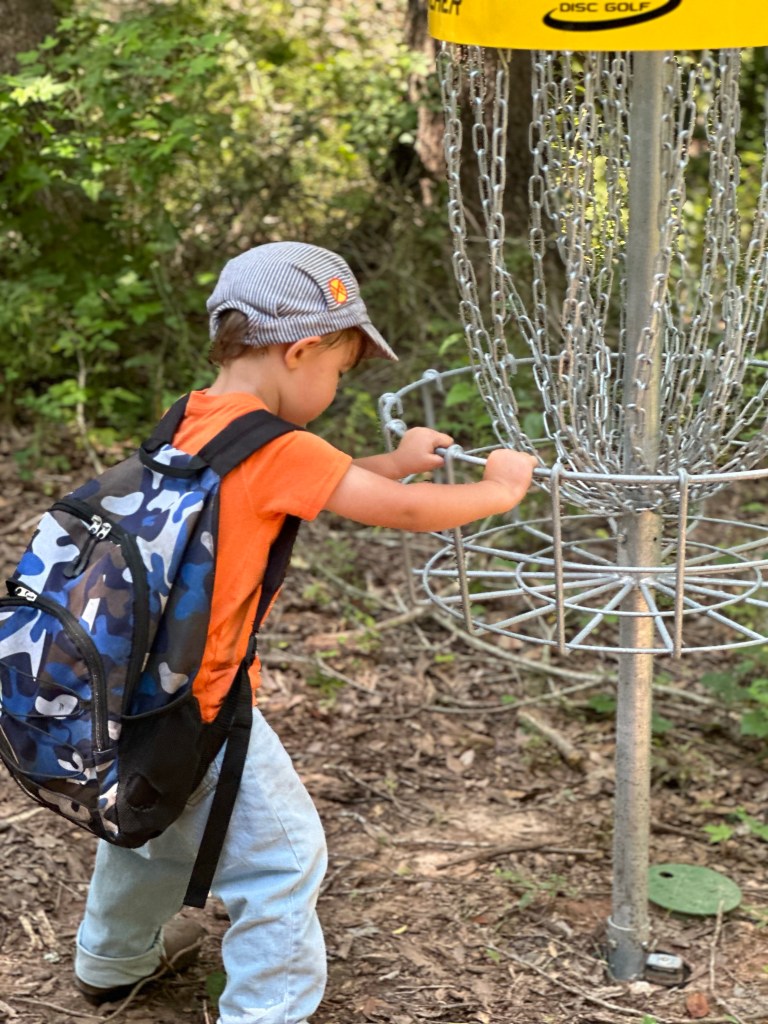
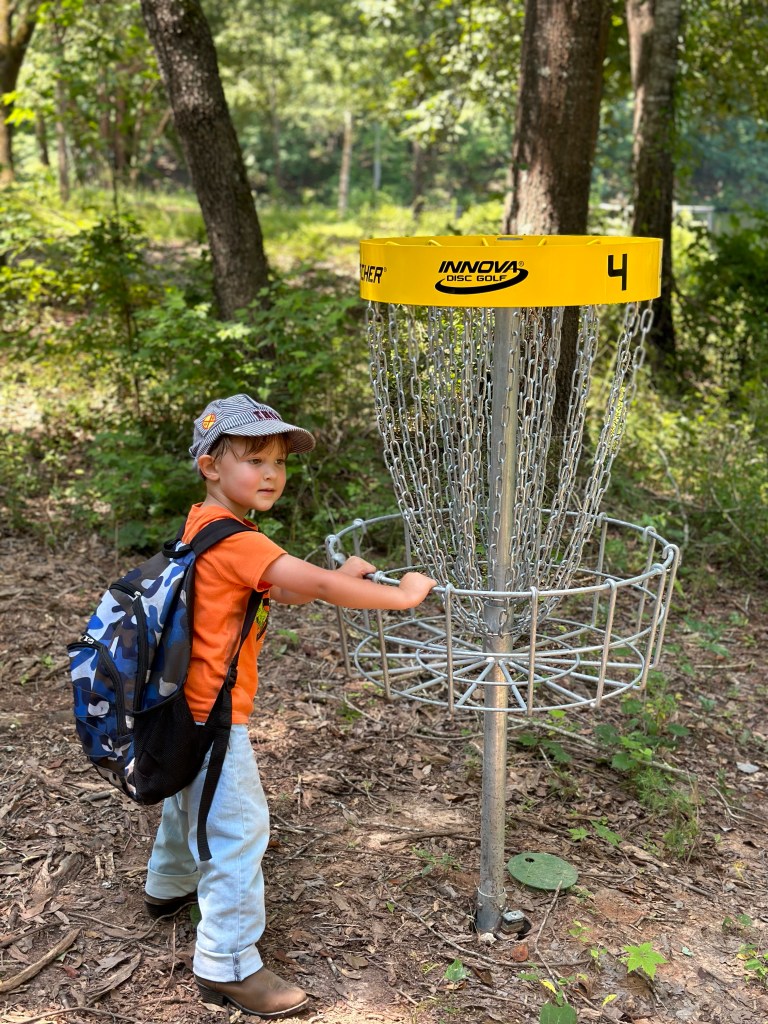
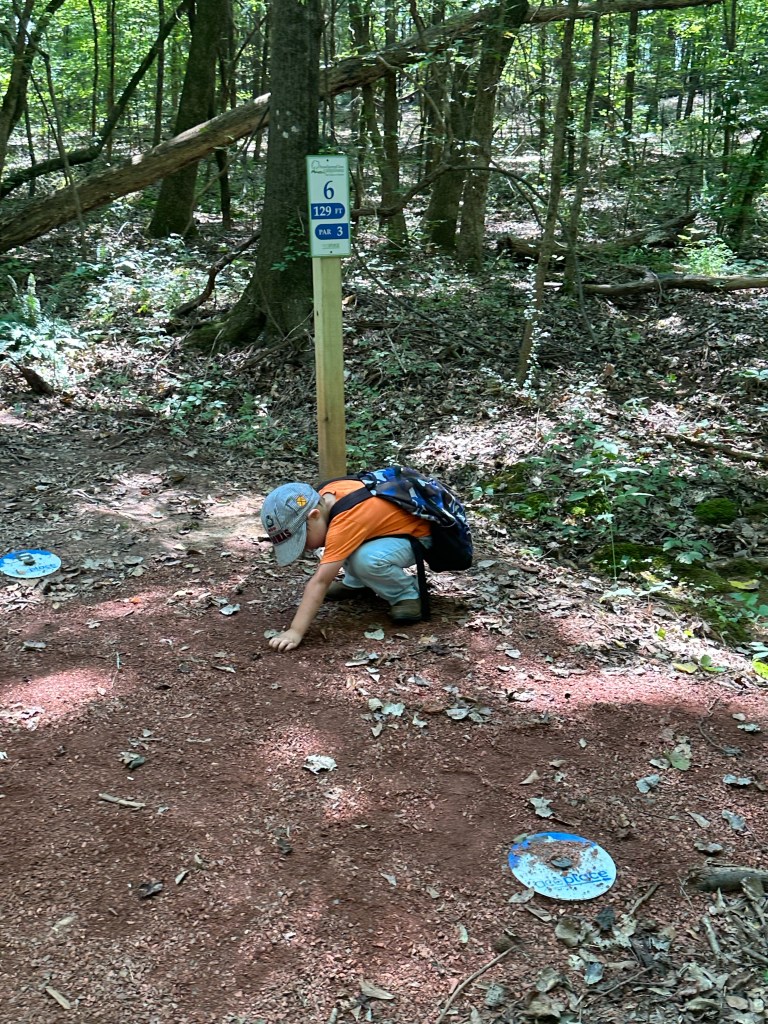
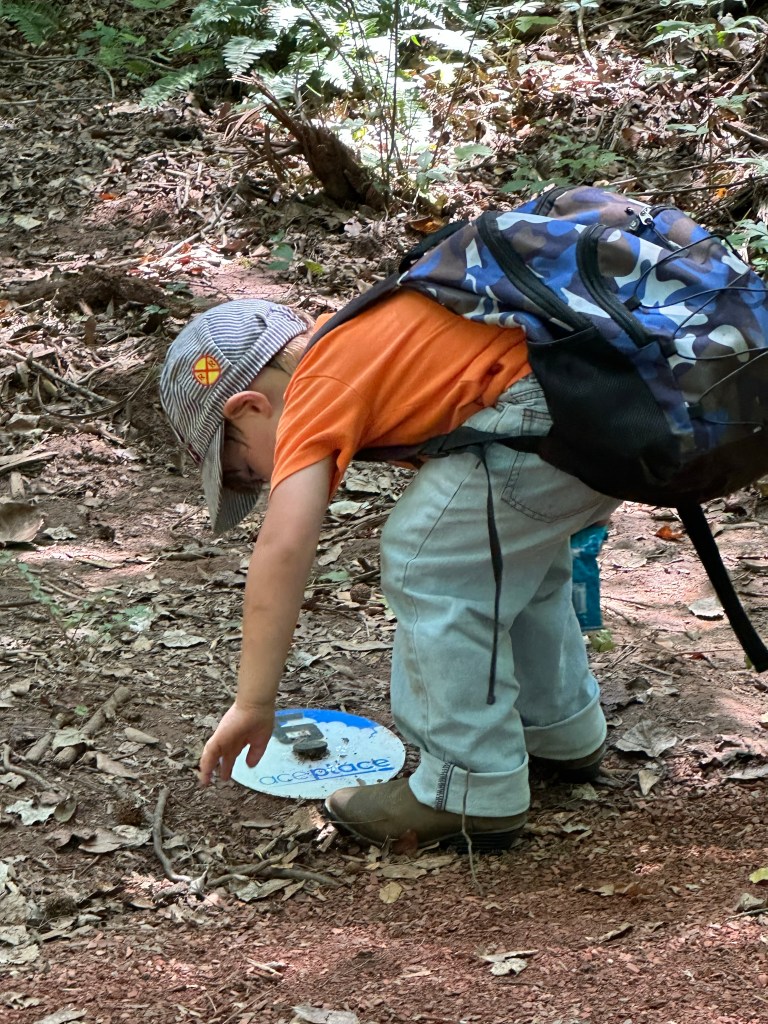
The Greenway’s Disc Golf Course consists of 9 “holes” which wind around through the woods near Lake Crandall. Coleman and I didn’t bring a disc with ( discs are not provided ). I’m not sure that he’s ready to land a disc in the baskets yet. He still needs to learn how to throw one first.
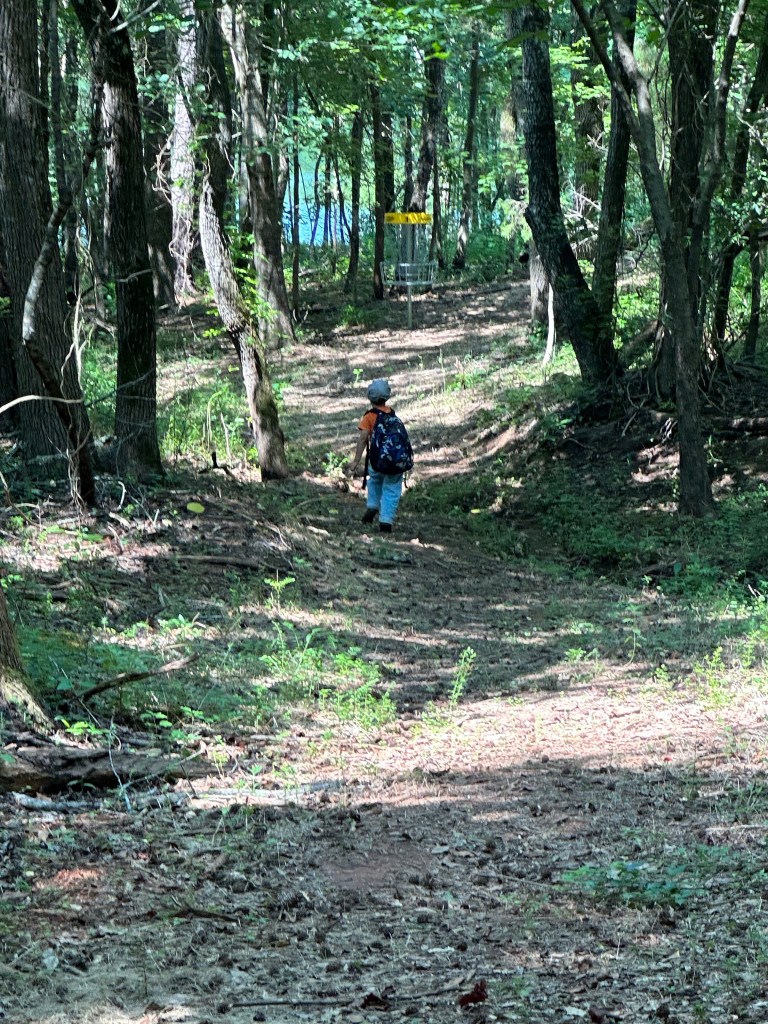
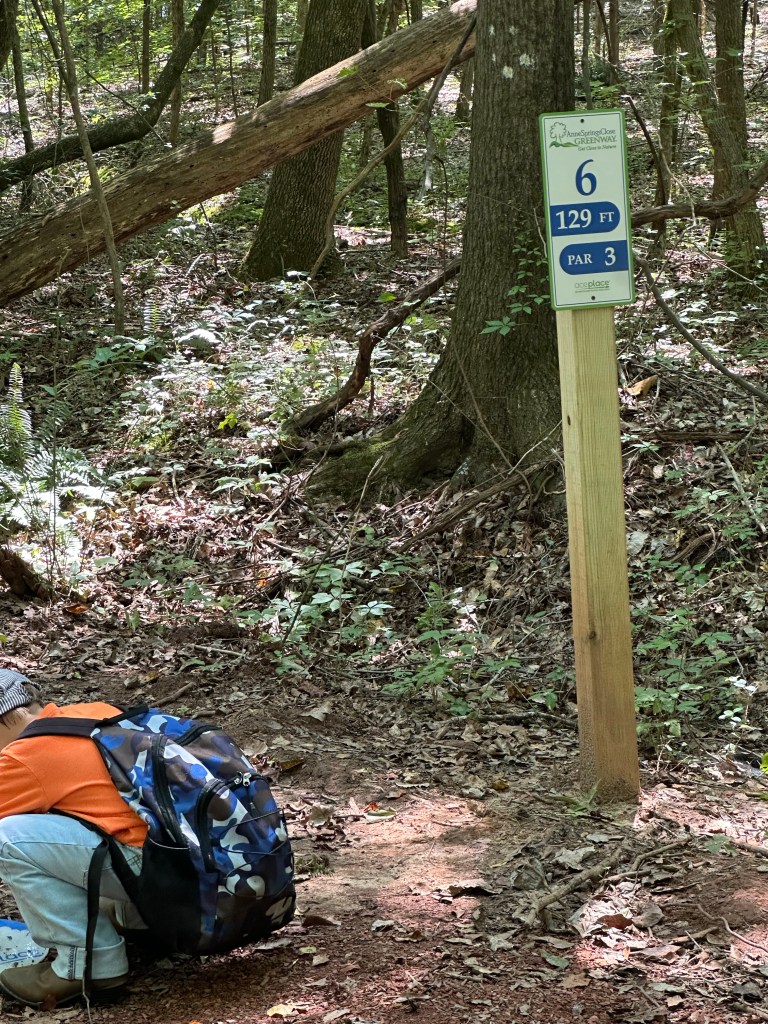
Hole 3 126 ft. Par 3Coleman hiking to next BasketBasket 3Coleman at Basket/Hole 3
Usually, the number of throws a player uses to reach each basket is tallied (often in relation to par), and players seek to complete each hole in the lowest number of total throws. Par is the number of strokes an expert player is expected to make for a given hole or a group of holes (usually 9 or 18).
Have you ever played Disc/Frisbee Golf? I actually have never played Disc Golf even though in my youth I has thrown a Frisbee a time or two. Maybe one day I’ll give it a try. I’m sure the Disc Golf Course at the Greenway will get much use given time. It was only I stay couple of months ago so people need time to become aware of its existence.
Here I sit thinking about what words to type regarding Climate. Where I live now the climate can change within a matter of minutes sometimes catching you unaware. It can be bright and sunny 🌞 needing shades 😎 in the morning, beautiful white ☁️ clouds ⛅️ rolling in the afternoon, and pouring down rain with thunder and lightning ⚡️ ⛈️ by early evening.
Now the Climate in the county where I lived when I was growing up you could travel to the beach, the mountains, and the desert all in one day. If you did ; the Climate would be so you’d need your bathing suit and sunglasses 😎 and sunscreen at the beach, a warm jacket 🧥 in the mountains, and possibly all of the above in the desert 🏜️ depending on time of day and how long you intended to be there. Now don’t forget to bring along an umbrella 🌂 ☂️ ☔️ because you never know when the rains will come tumbling down upon you.
From Morning to Afternoon (Rains came a few later):
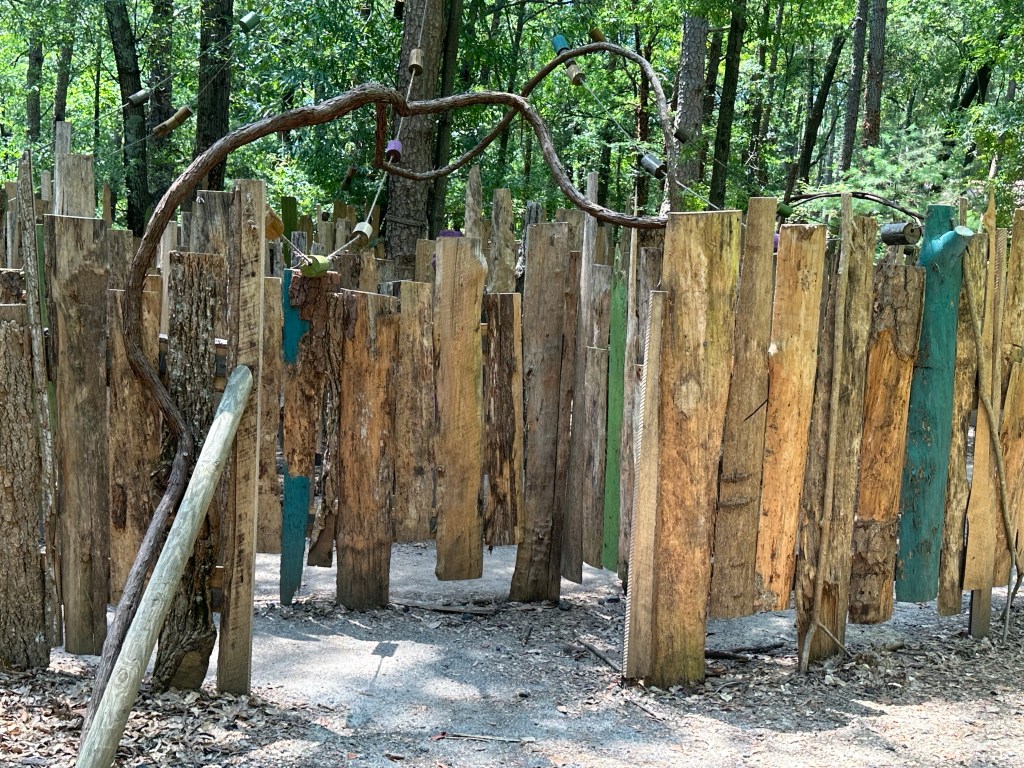
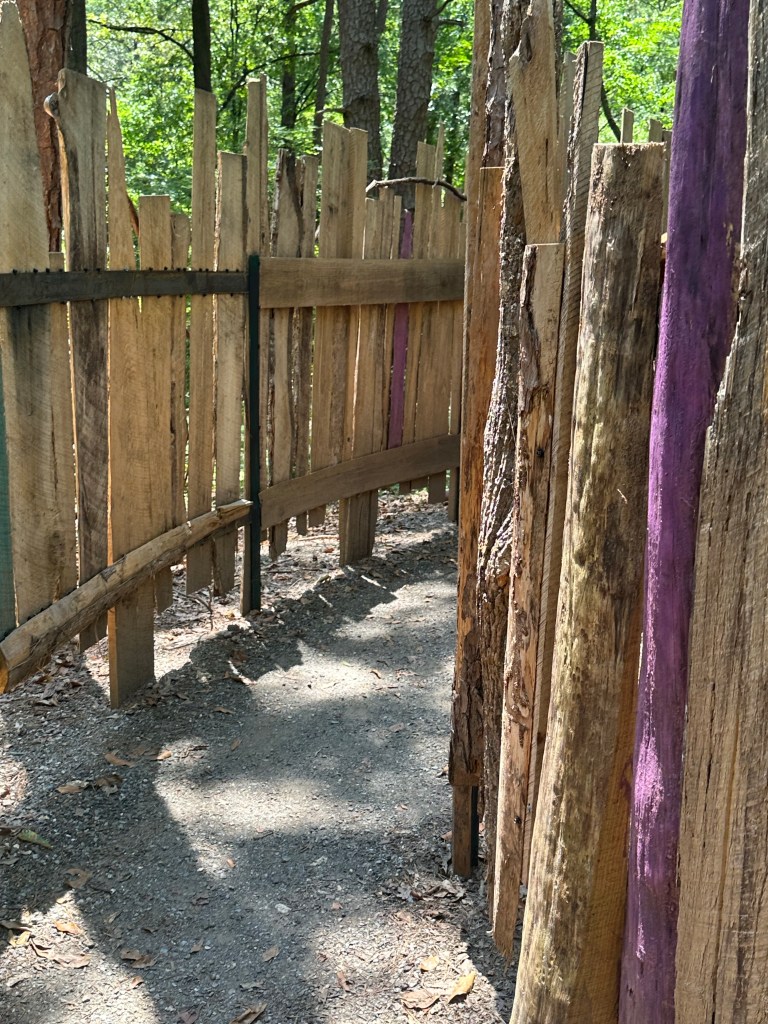
Coleman expressions on the busColeman having fun at the YColeman playing in the SandColeman going Round and Round in the MazeColeman in shades on his 4th Birthday 07/25/23
Have you lived through any type of rationing during your lifetime? Rationing has occurred off and on throughout the United States for various reasons. I remember back in the early seventies one could only buy gas on odd or even days. During the seventies Odd-even rationing was introduced — meaning that if the last digit on your license plate was odd, you could get gas only on odd-numbered days. The same reasoning was applied if the last digit on your license plate was even, you could only buy gas on even-numbered days.
1945 Fuel Ration Stamps
What is rationing? Maybe you’ve heard about rationings throughout history. Maybe it is a new concept for you. However, some form of rationing has occurred for various reasons throughout history and not just in the United States.
Rationing is the controlled distribution of scarce resources, goods, or services, or an artificial restriction of demand. Rationing controls the size of the ration, which is one person’s allotted portion of the resources being distributed on a particular day or at a particular time.
Rationing in the United States was introduced in stages during World War II. During World War I food rationing was mandatory, however, it was highly suggested for people to curb their food consumption.
1945 Fuel Ration Book
During the summer of 1941, Americans were warned of potential gasoline, steel, aluminum, and electricity shortages. It was believed that due to factories converting to military production and their consuming a tremendous number of critical supplies, rationing would be deemed a necessity when the country entered the war. The Office of Price Administration (OPA) established a rationing system after the attack on Pearl Harbor. They came up with the idea to issue ration books and the use of exchanging used stamps for certificates. These were handled by some 5,500 volunteer workers selected by local officials.
Fuel oil and gasoline were rationed only to those who could justify a need. Each ration stamp had a generic drawing of an airplane, gun, tank, aircraft carrier, ear of wheat, fruit, etc. and a serial number. Some stamps had alphabetic lettering.
The above fuel oil ration stamps are numbered with the amount a person could get per ration stamp. These ration stamps and the ration book belonged to my paternal grandfather and were among my father’s belongings I acquired after my mom passed. I had never seen a ration book or ration stamps prior to going through this particular collection of objects my dad had accumulated and preserved. Growing up I heard about the various wars the United States had been involved in including World War I and II. Hearing about them at the time I just figured that was a part of our country’s history. I never considered previously how the wars affected my parents, grandparents and ancestors. Seeing the ration book and ration stamps makes what people, my family, went through during those times of war. Learning how the war affected my family members makes everything more real and brought an understanding of their struggles.
Dale of The Cosmic Photo Challenge prompt is Freestyle this week.
Since this is freestyle week I decided to let you visit with me on one of the hikes Coleman and I took this past week. This hike was a little bit different in that we had my daughter, Coleman’s mom, along with us. On Tuesday we needed to be out of the home for awhile because a pest control company was going to come in and spray per the Complex management.
Therefore, we decided to go hiking in one of Coleman’s favorite places. The place we chose was Anne Springs Close Greenway about twenty minutes or so from our residence. Mind you now my daughter is not fond of hiking at all. When we arrived, we should them my membership card and proceeded to park. We thought Trisha, my daughter, was just gonna sit and relax near the canteen while Coleman and I hiked. It didn’t exactly go like we had thought. You see, Trisha brought her dog along with on our adventure ( he had to be out of the home as well).
Lake Haigler
Chewbacca, Trisha’s dog, decided he wanted to hike with us, therefore she had to tag along. We walked down to the lake and proceeded along the trail, Lake Haigler Loop, around the lake.
Haigler Loop
Coleman loves to run along the trail. I prefer a slower pace since I normally take many photos along the trail of the various sites we see. Often we observe different angles around the lake, seeing flowers, butterflies, sometimes turtles, bees, and even dragonflies.
Brazilian Vervain (Verbena brasiliensis)
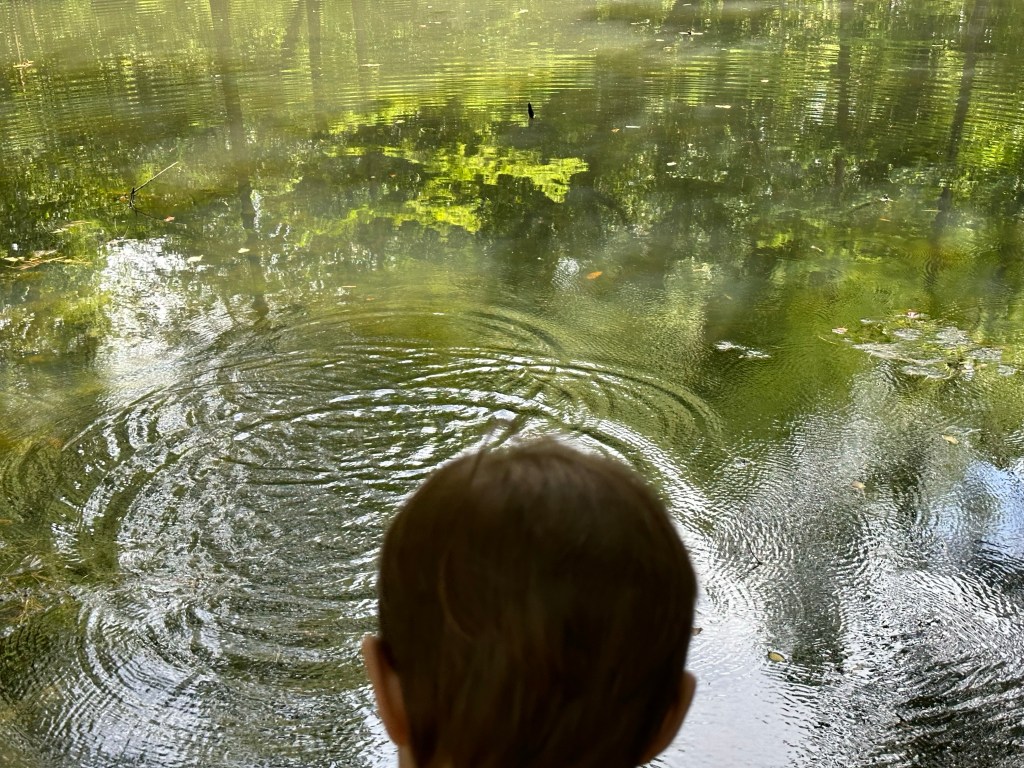
At other times we see amazing reflections in the water.
Reflections in Lake Haigler
I love seeing various creatures feasting on the nectar of wildflowers her at the Greenway.
Black Swallowtail, Eastern Bumblebee, and Delta Flower Scarab Beetle feasting on Buttonbush Cephalanthus occidentalis.
Further down the trail as we hike around the lake I notice what appears to be a shape of a triangle formed with the reflections in the lake.
Triangle formation from the water reflections. Surrounding Tree Reflections plus water shimmering
As we keep going I slow down observing butterflies flittering to and fro. Naturally I stop to snap a photograph. Meanwhile, my daughter’s trying to convince me to stop taking pictures. Guess what? She didn’t convince me, not one single solitary moment.
Eastern Tiger Swallowtail Pearl Crescent Butterfly
Next on our hike we come across a dragonfly and several turtles along the edge of the lake.
Widow Skimmer Dragonfly Turtles sunbathing on a log
By this time my daughter is tired and wants to get this hike over with. Naturally, Coleman and Chewbacca want to keep going. They’re enjoying the outdoors adventure. Hence, we keep chugging along.
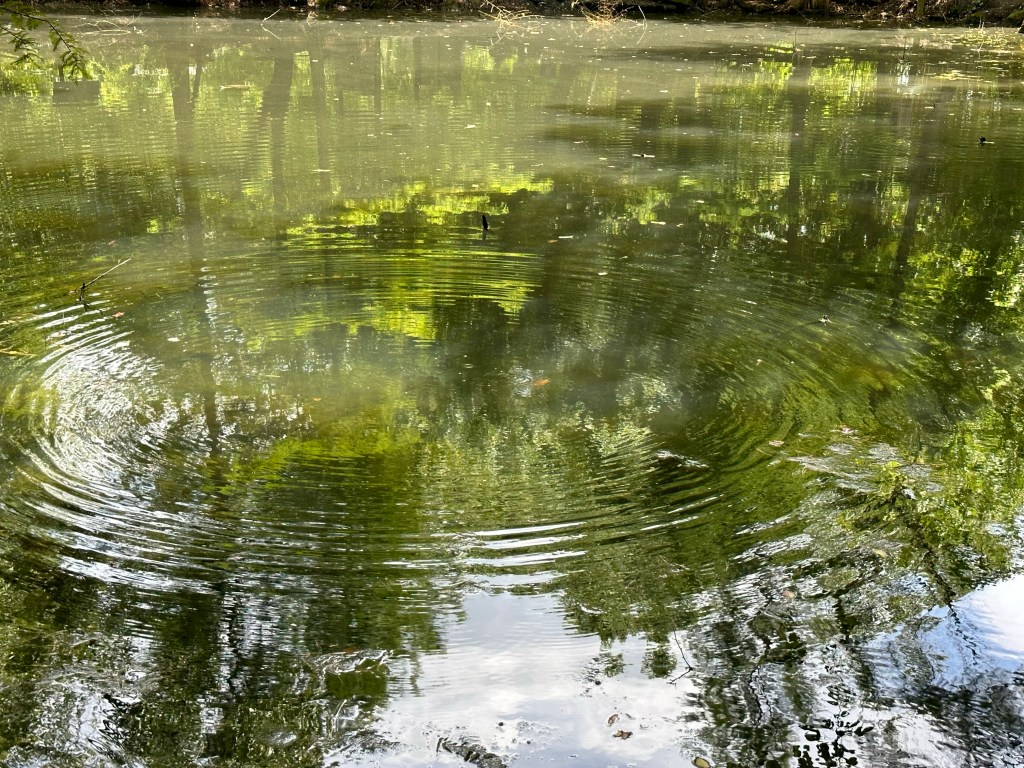
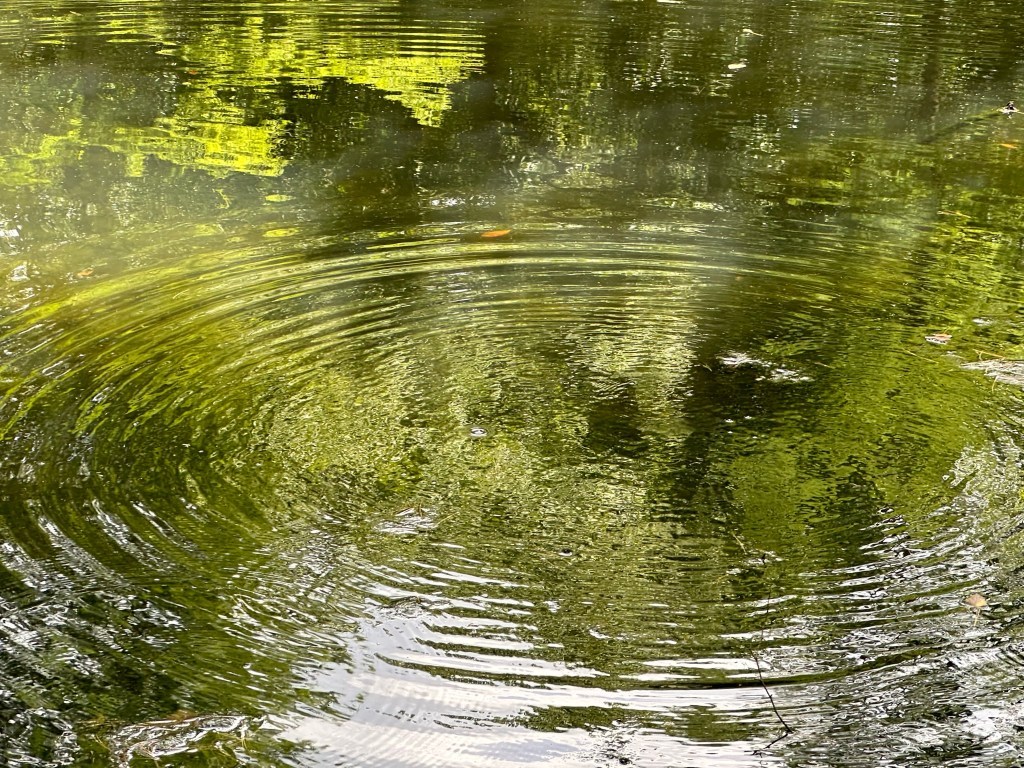
Water Reflections Water Ripples
After awhile we decide to pull up a seat and relax a bit before finishing our hike. But first there’s more to observe as we near the picnic tables along the backside of the lake.
Trisha, Chewbacca, with Coleman leading the way. [He knows the trails better than most adults]. Ngaro Wīwi Priocnemis monachus delighting on Angelica genuflexa
Finally to a spot to snack relax near the water’s edge.
I hope you enjoyed trekking along with us on our hike around Lake Haigler. God Bless. Thank you for sharing your time and thoughts with us. I appreciate y’all.
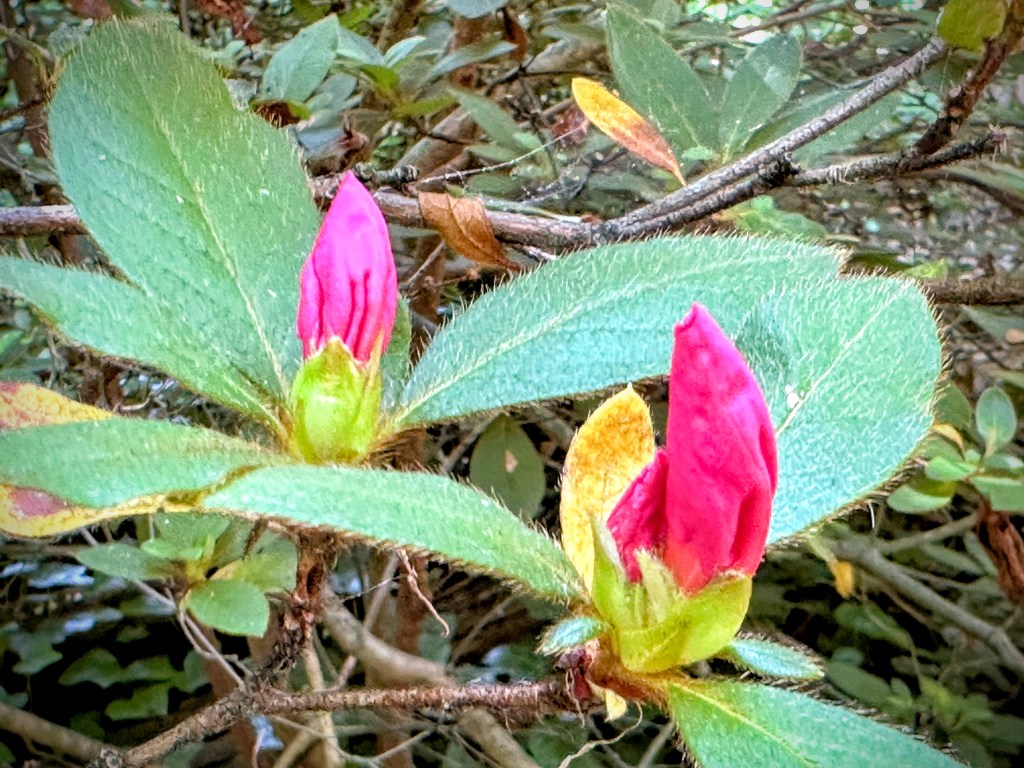
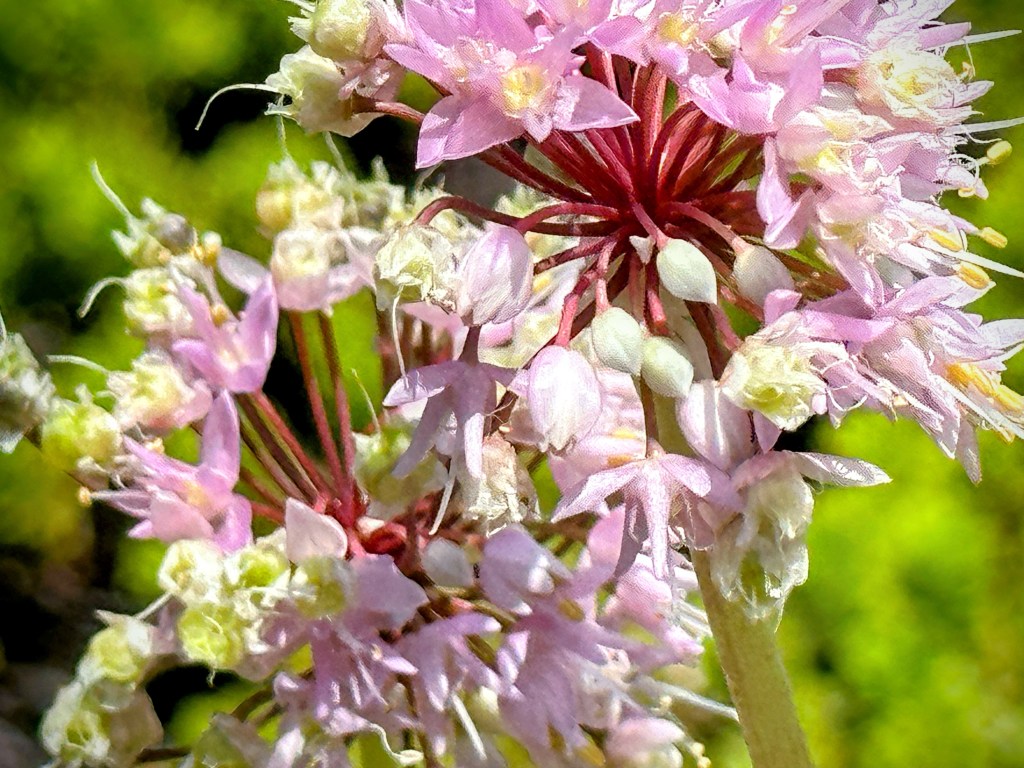
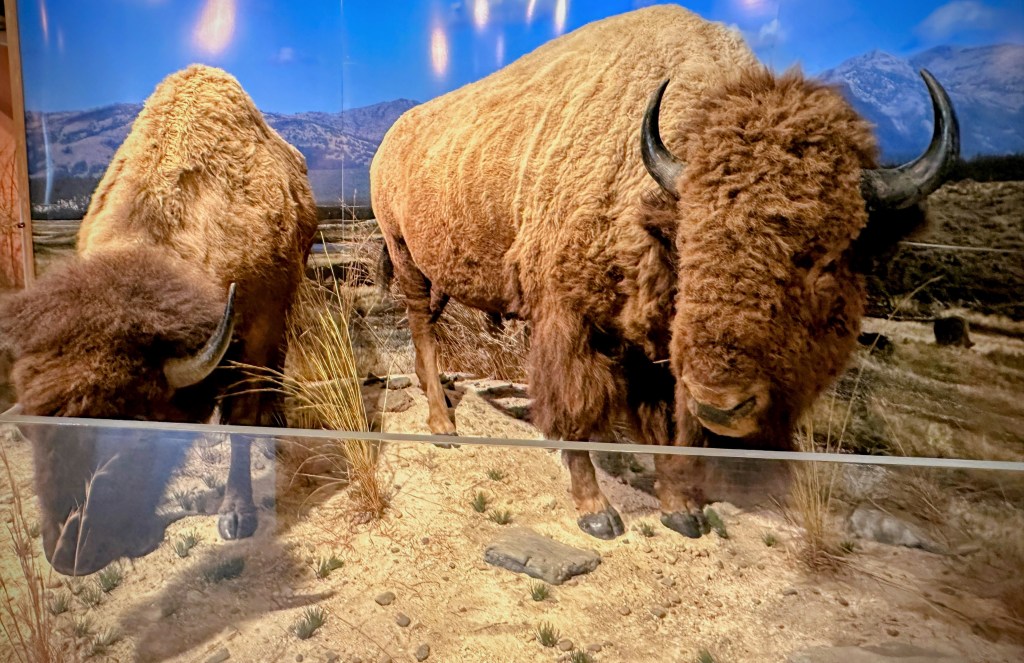
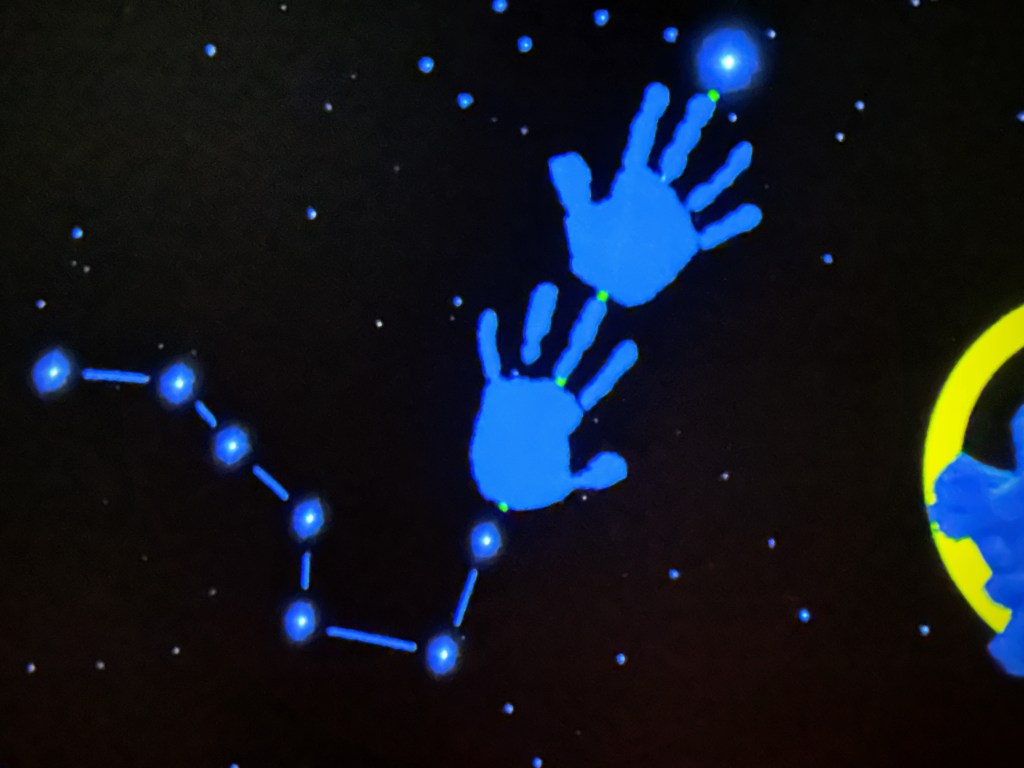
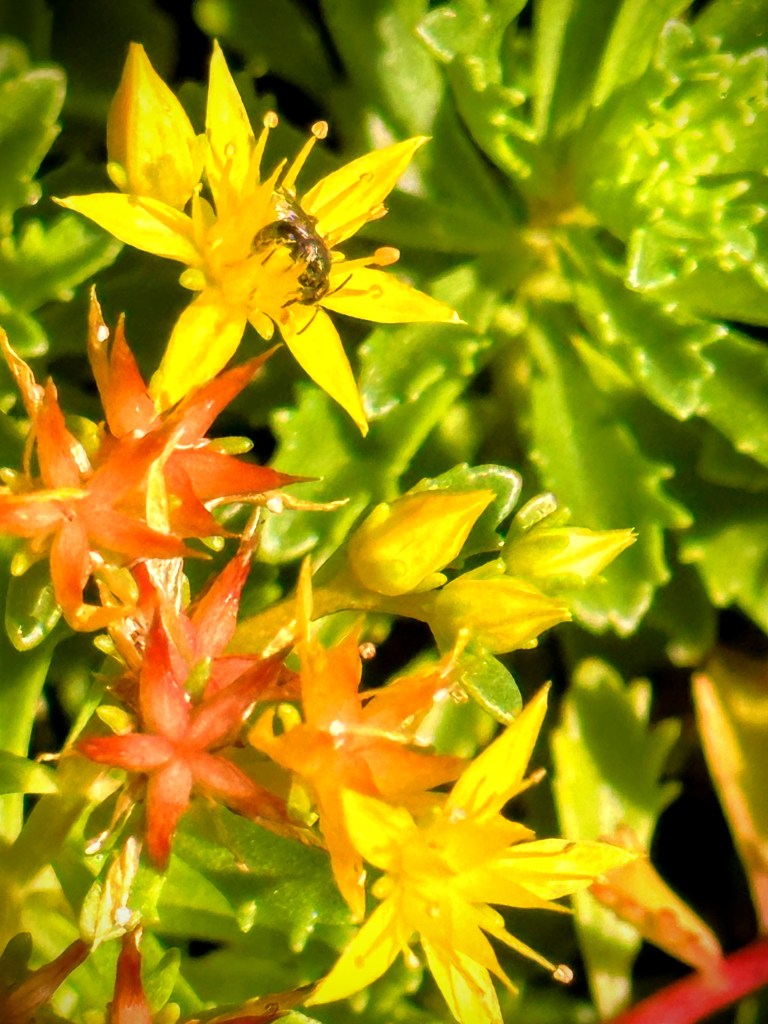
Two Buds of Rhododendron indicum is an Azalea Rhododendron species. Allium stellatum, AKA: the autumn onion, prairie onion, cliff onion, or glade onion, is a North American species of wild onion in the Amaryllidaceae family.American Bison times TwoTwo Hands up from Big Dipper
In a maze one chooses to go this way or that way. Sometimes the way you choose leads to a dead end and sometimes other choices lead you on the path that leads you out of the maze. In life it is similar; we decide which pathway we want to venture on. Sometimes the choices we make lead us to no where and other choices lead us to a more fulfilling path for our lives.
Tiny White CloverTrifolium repens, the white clover, is a herbaceous perennial plant in the bean family Fabaceae.Tiny Roly-PolyThe common woodlouse, pillbug, or roly-poly (Armadillidium vulgare). It can roll itself into a ball (thus “pill bug”).Little House Fly – Fannia canicularisSmall FeetSmall/BigSmall Boy with his Small Cars
Please don’t troll on by, stop and have a look. Trolling doesn’t always have a negative connotation. Fishermen troll the waters while trying to catch fish. Bargain Hunters troll Flea Markets and Yard Sales for terrific finds to take home.
This troll I’ve had for a very long time. My small trolls are packed away somewhere in a box. This is a Troll I bought for my daughter when she was a little girl.
Have you ever seen a metal driver’s license? I had never seen one before myself until I started going through my dad’s old photo albums. This particular album had various items my dad saved over the years.
My Dad’s SC Driver’s License Expires June 30, 1957
According to the South Carolina Department of Public Safety, from 1933 to 1957, motorists were required to carry their South Carolina driver’s license on a stamped brass tag, usually carried on a key ring. This required drivers to turn off the ignition to show an officer their license. The brass tags were not used during the time immediately before and after World War II when metals were scarce.
Expires June 30, 1953 Nornal H. Waters South Carolina Drivers License
The stamped brass South Carolina Driver’s License Tag included the year of expiration on top, followed by the driver’s name, address, city, & state. On the bottom of the Brass Tag is stamped South Carolina Driver’s License.
My dad’s Brass South Carolina Driver’s License tag was definitely an interesting item for me to discover. I have barely started going through this photo album with the various items he saved over the years. Stay tuned for more interesting discoveries.
God Bless. Thank you for sharing your time and thoughts with me. I appreciate y’all so very much.
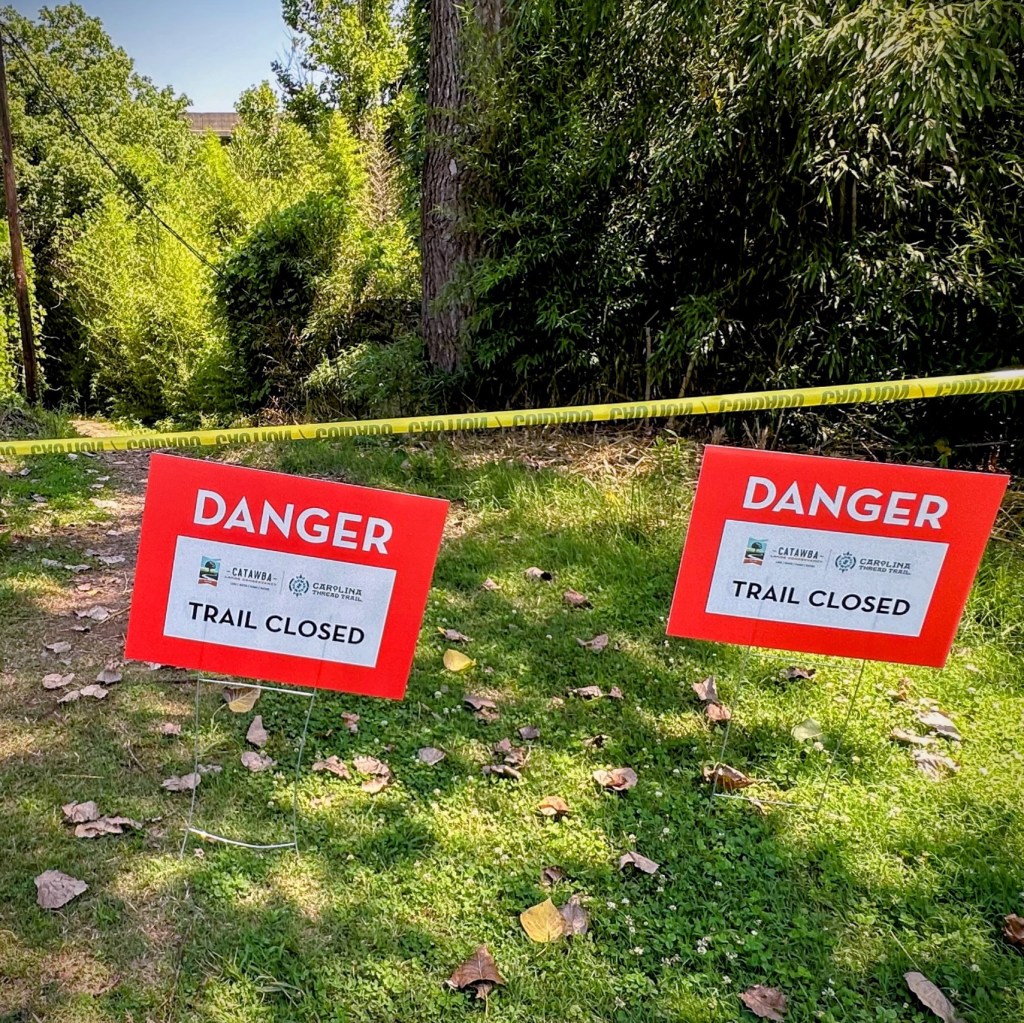
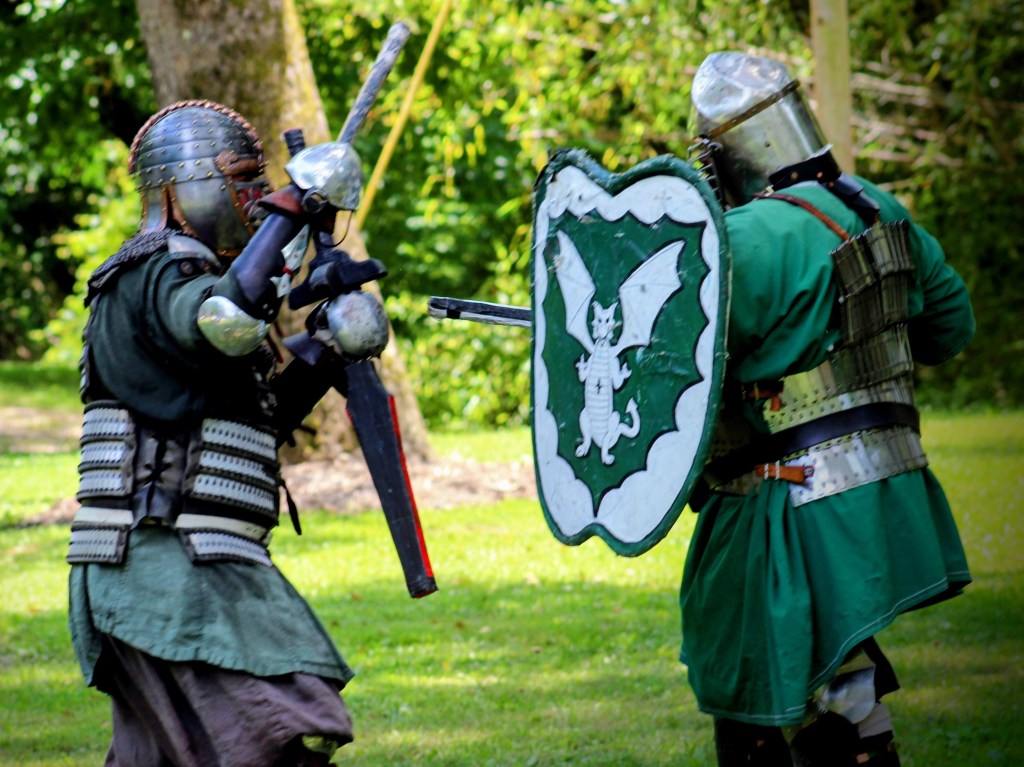
Double the Warning South Fork River Access McAdenville, North Carolina ( Shot on iPhone 14 Pro Max)It takes 2 to practice Jousting Mallard orwild duck and a White Pekin Duck
My grandson kept watching the skies today. He has amazing vision and can see much better than I, so much so he’ll point to where things are in the vast sky when I can only hear and am unable to see. He recognises the sound of airplanes ✈️ and wants me to capture them on camera. Unfortunately I only had the camera on my iPhone today. You’ll need to click on each photo and look closely by zooming, if necessary, to be able to the various images of aeroplanes.
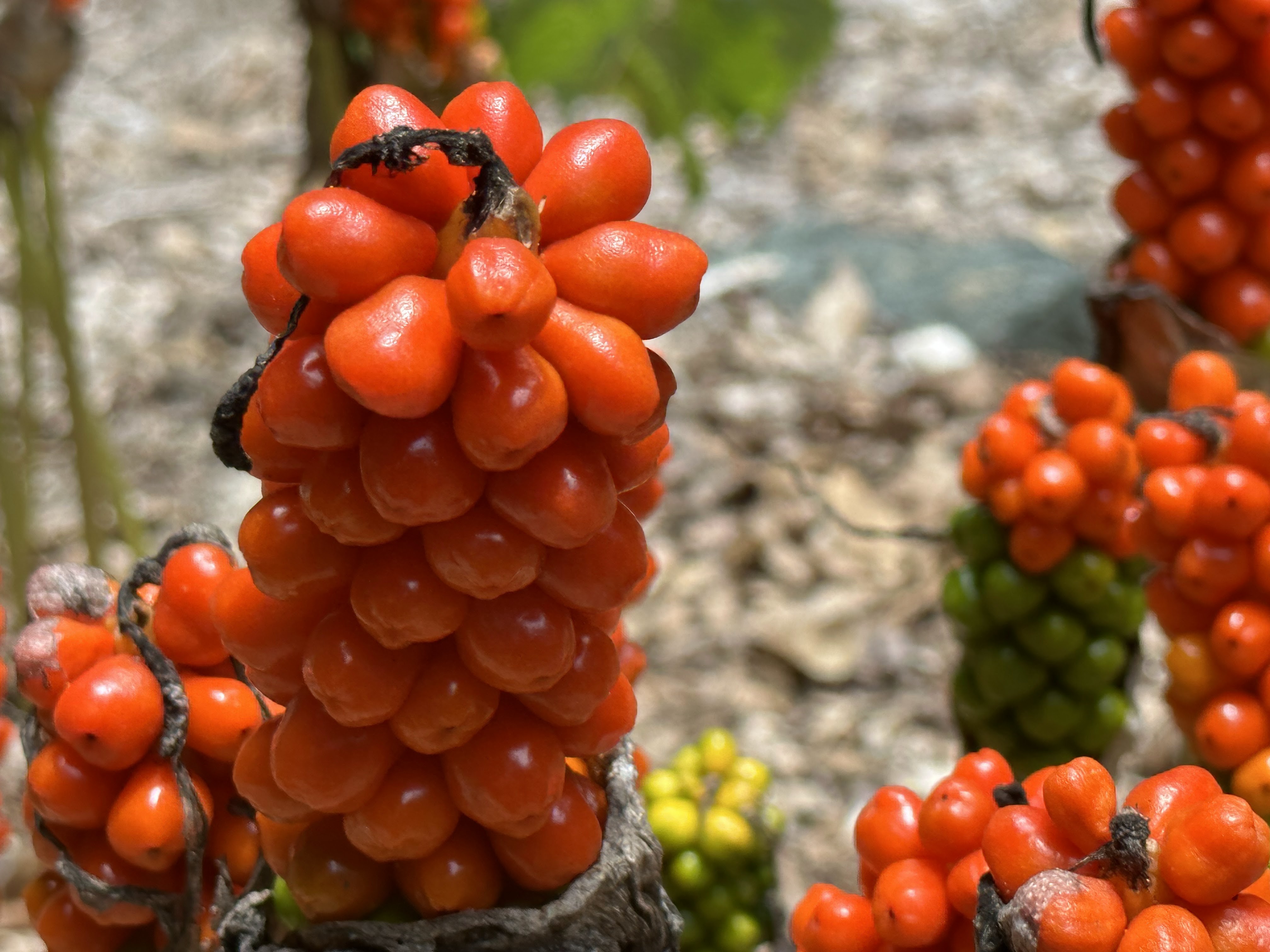
Italian Arum Botanical name: Arum italicum Other name(s): Italian or Large Cuckoo Pint, Italian Lords-and-Ladies Family: Araceae Edible: no, all plant parts are toxic.In early summer, white spathes of flowers are followed by spikes of bright orange red berries. Noteworthy Characteristics: Note that the berries may cause severe discomfort or illness if ingested. Contact with sap may irritate skin.
Venus Fly TrapThe Venus flytrap (Dionaea muscipula) is a carnivorousplant native to subtropical wetlands on the East Coast of the United States in North Carolina and South Carolina.The English botanist John Ellis, who gave the plant its scientific name in 1768, wrote that the plant name tippitywichit was an indigenous word from either Cherokee or Catawba.
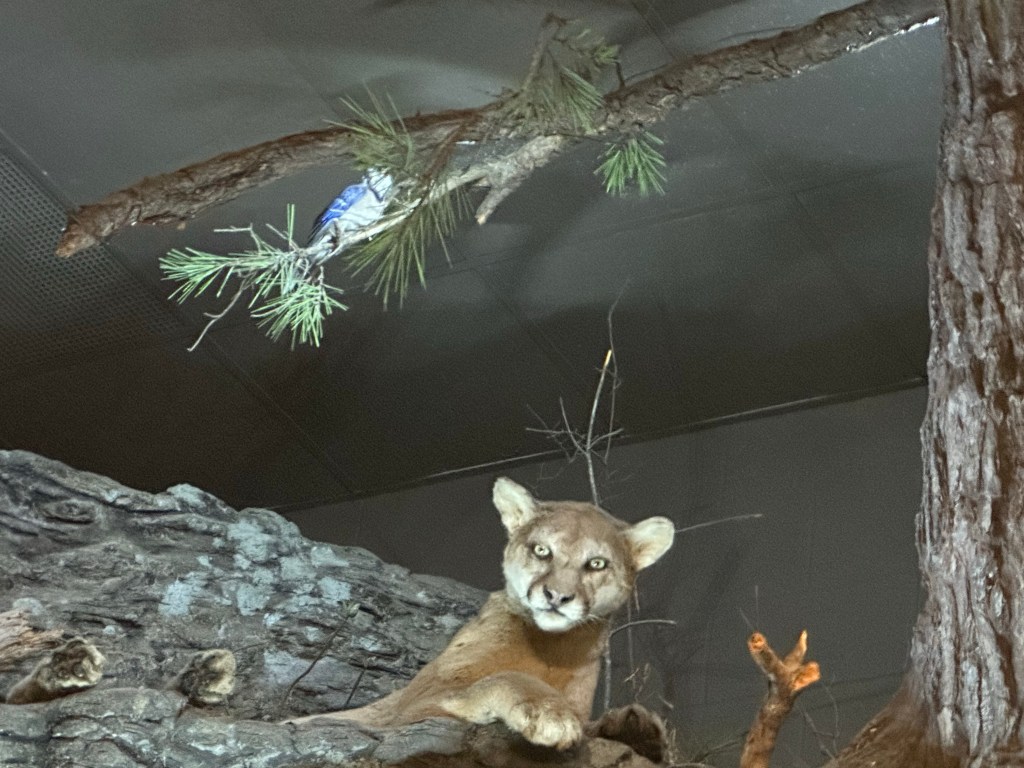
These particular Venus Fly Trap plants are on display in an aquarium in The Schiele Museum of Natural History and Planetarium in Gastonia, North Carolina.
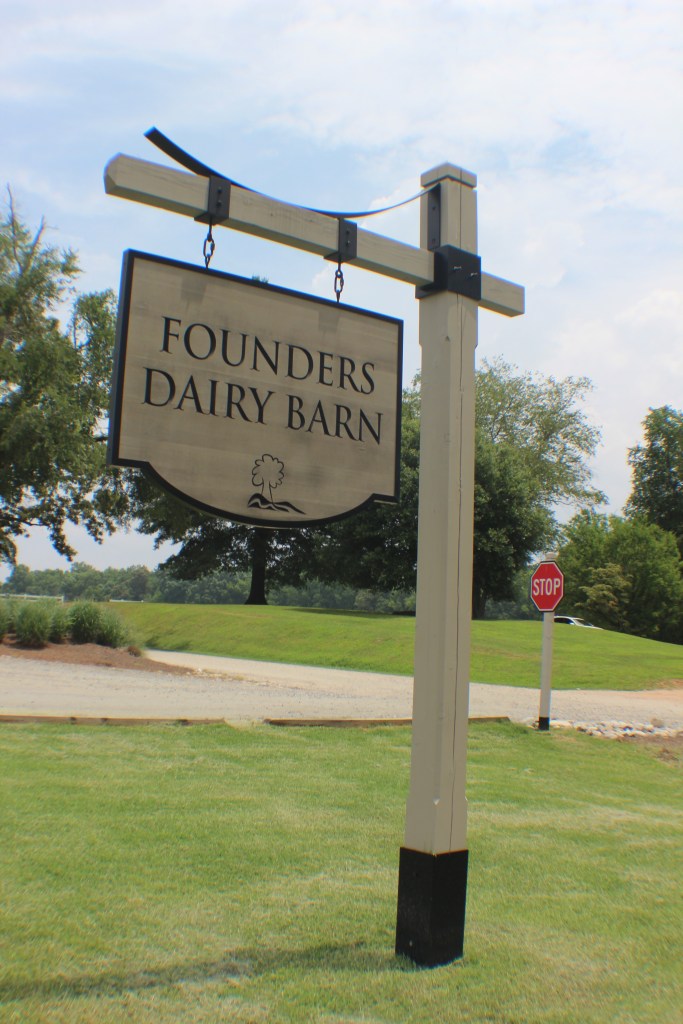
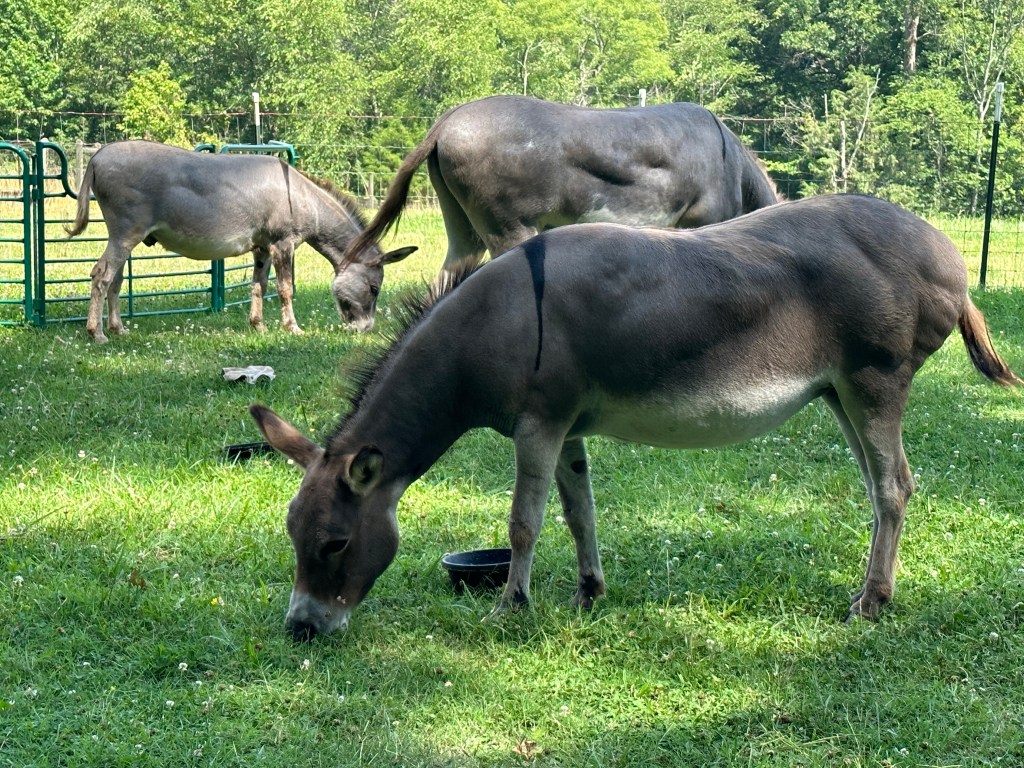
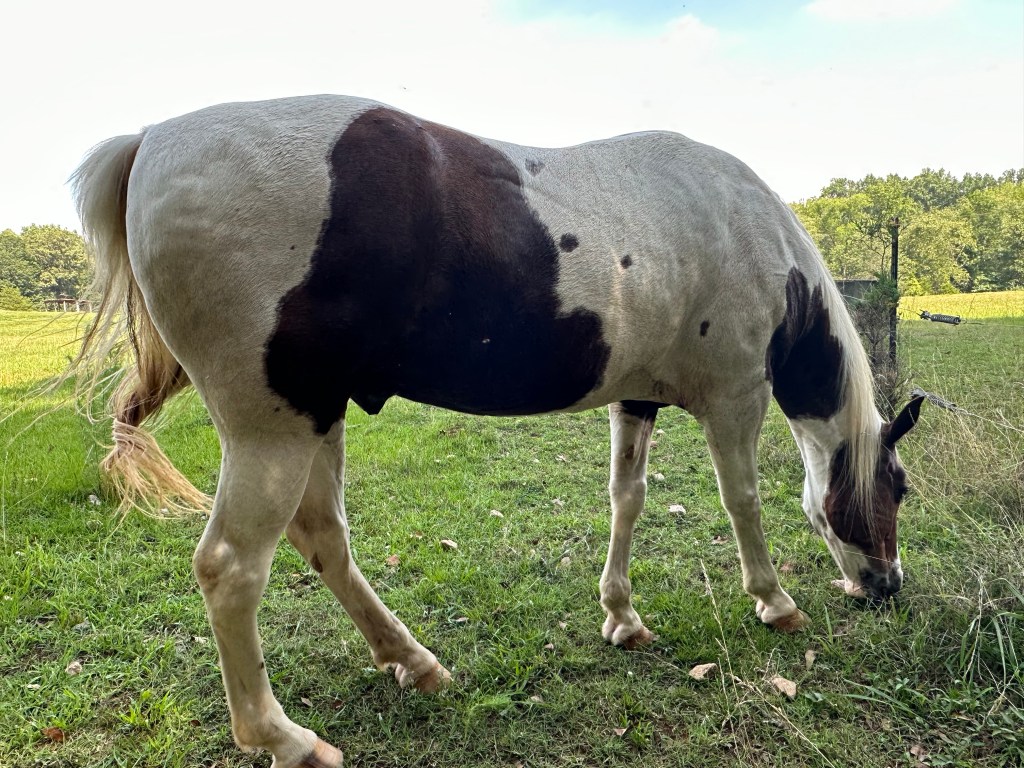
3 Jolly Ball Horse Toy Hung in the Goat Area The Schiele Museum Farm Gastonia, North Carolina Trio of Picnic Tables Anne Springs Close Greenway Dairy Barn Entrance Fort Mill, South Carolina Three Grazing Horses Anne Springs Close Greenway Dairy Barn Entrance Fort Mill, South Carolina A Trio of Donkeys Anne Springs Close Greenway Dairy Barn Entrance Fort Mill, South Carolina
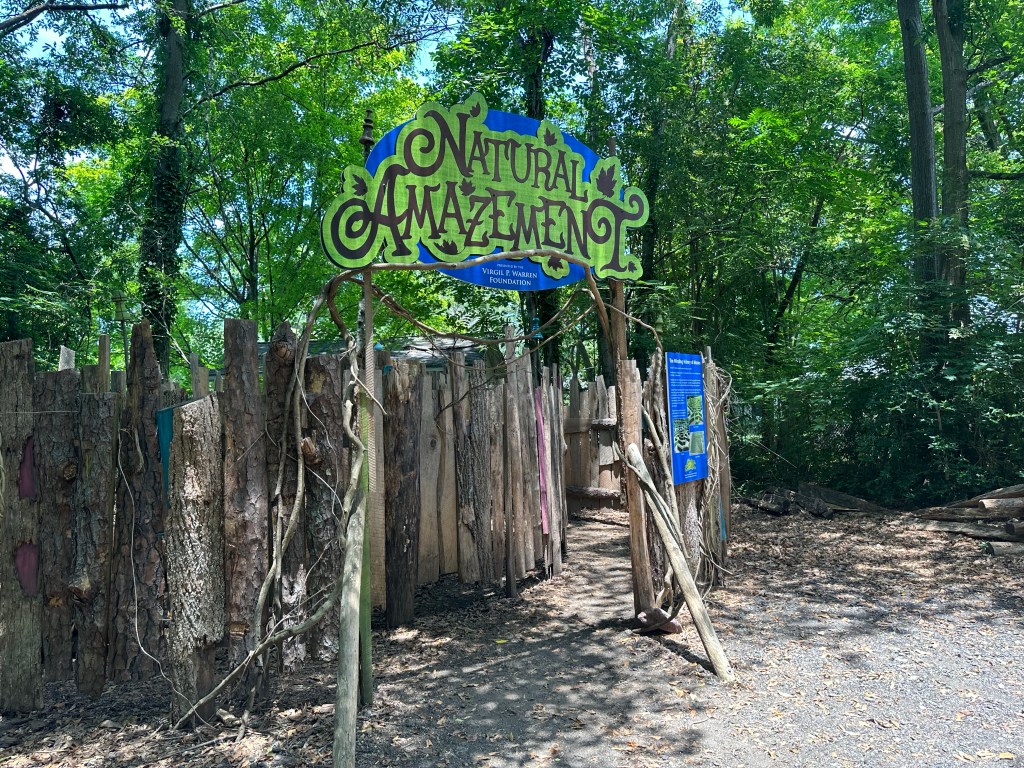
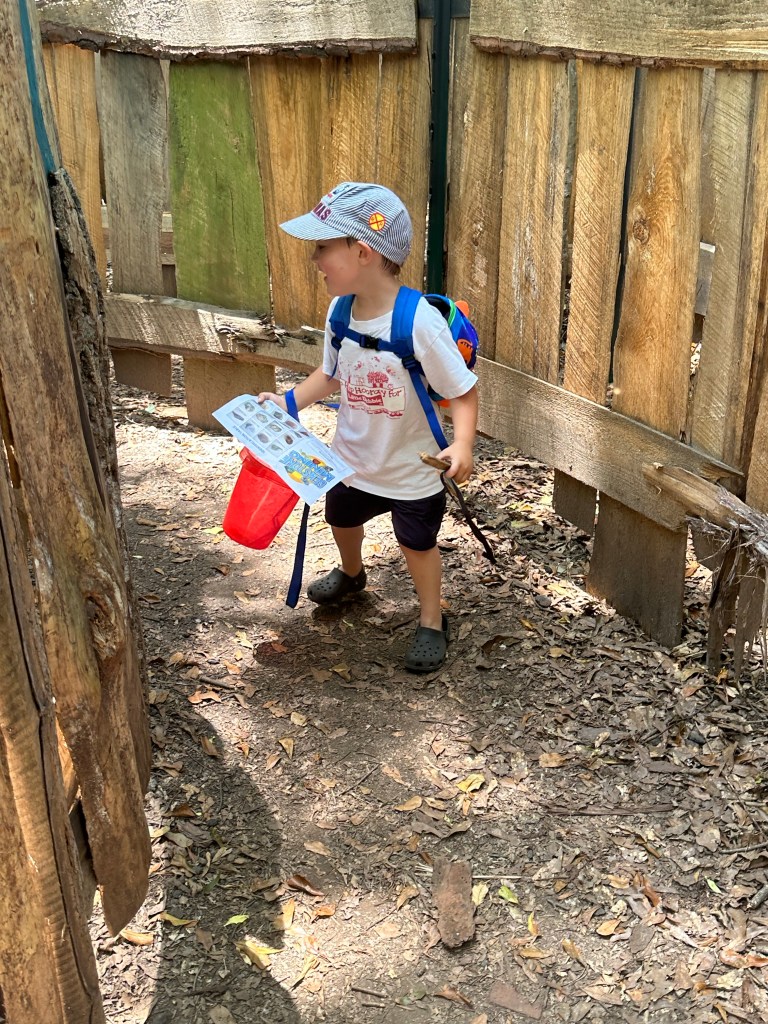
Location: Natural Amazement, The Schiele Museum of Natural History’s Nature Trail, The Schiele Museum of Natural History and Planetarium, Gastonia, North Carolina
God Bless. Thank you for visiting the Natural Amazement with Coleman and myself. I appreciate y’all.
After a week of solid rainfall Coleman and I were itching to get outside to roam around in nature. It was decided on Friday that we should be adventurous, after errands were completed. Our errands took us down to Lancaster which is an hour and a half away from our current home. Coleman was being extremely patient, he deserved a break on the way make home. Therefore, to relieve his itch to run around, we stopped at one of his favorite places.
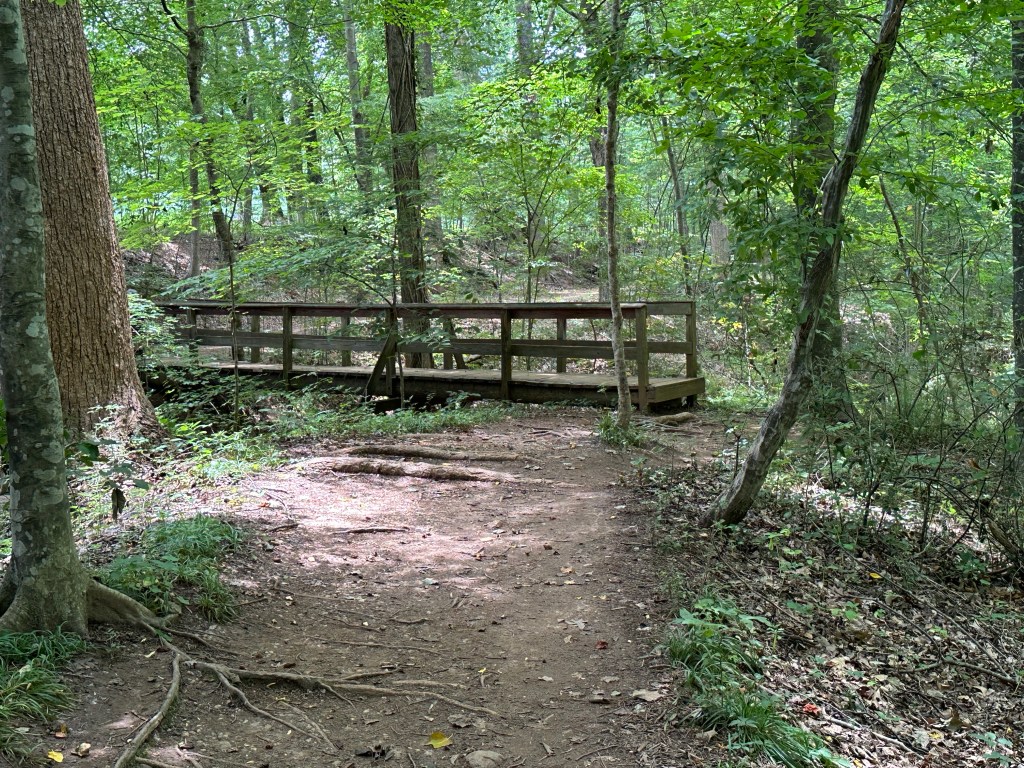
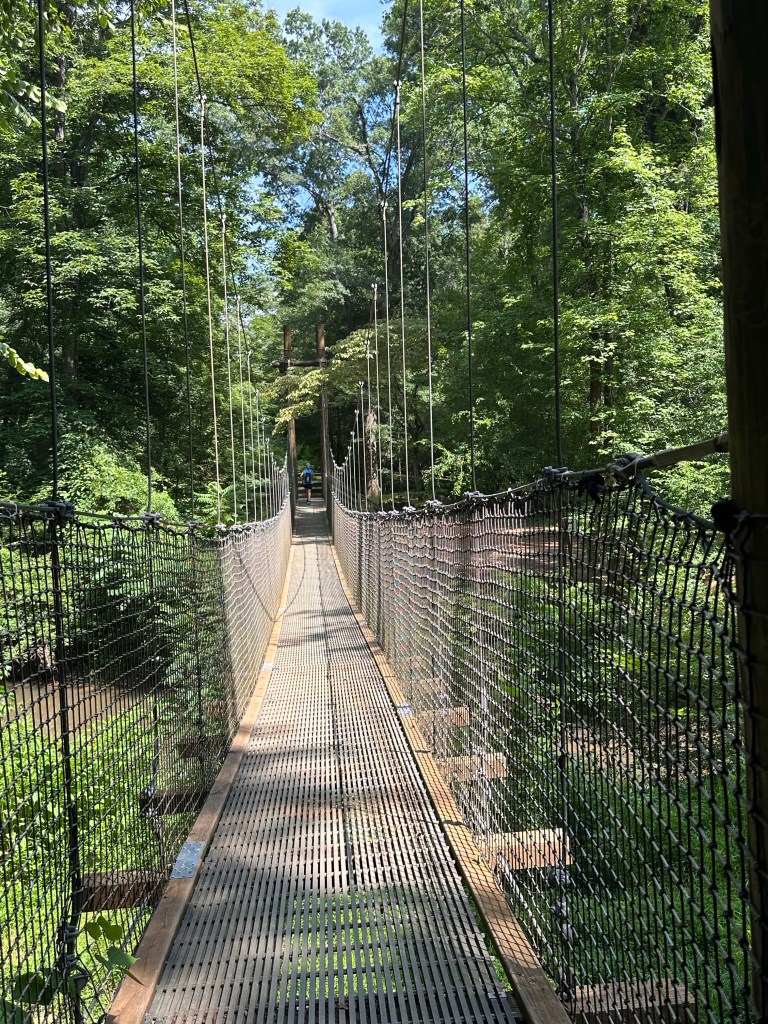
What is that favorite place, you ask? It is the expansive Anne Springs Close Greenway. It was an extremely hot 🥵 and humid summer day. We walked around along the trails, across the swinging bridge, and up to the Wildflower Meadow to observe which flowers were thriving.
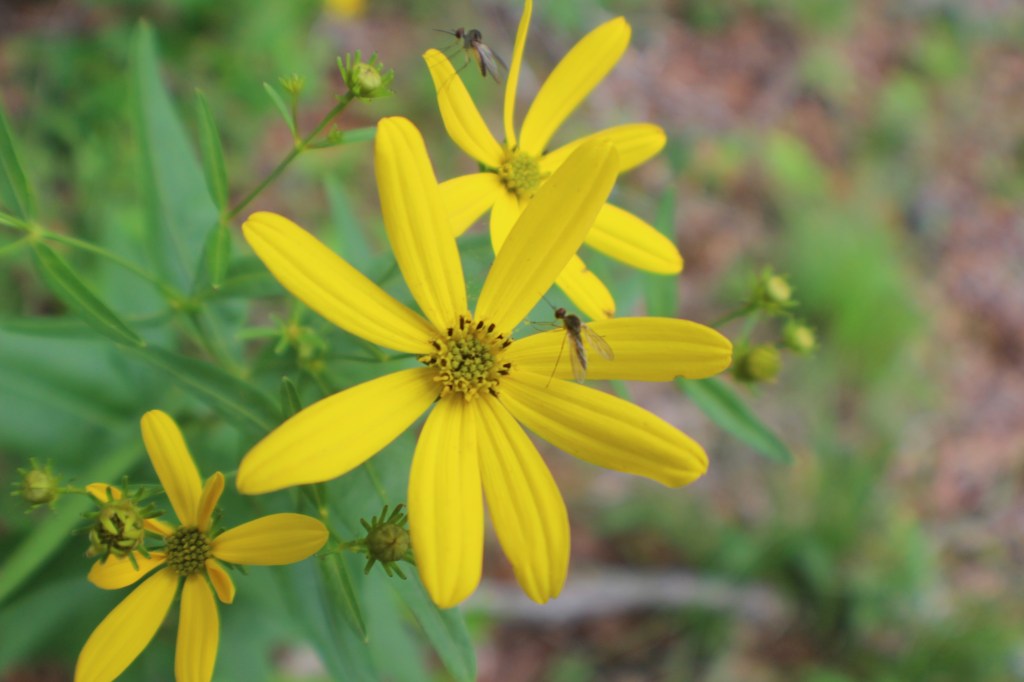
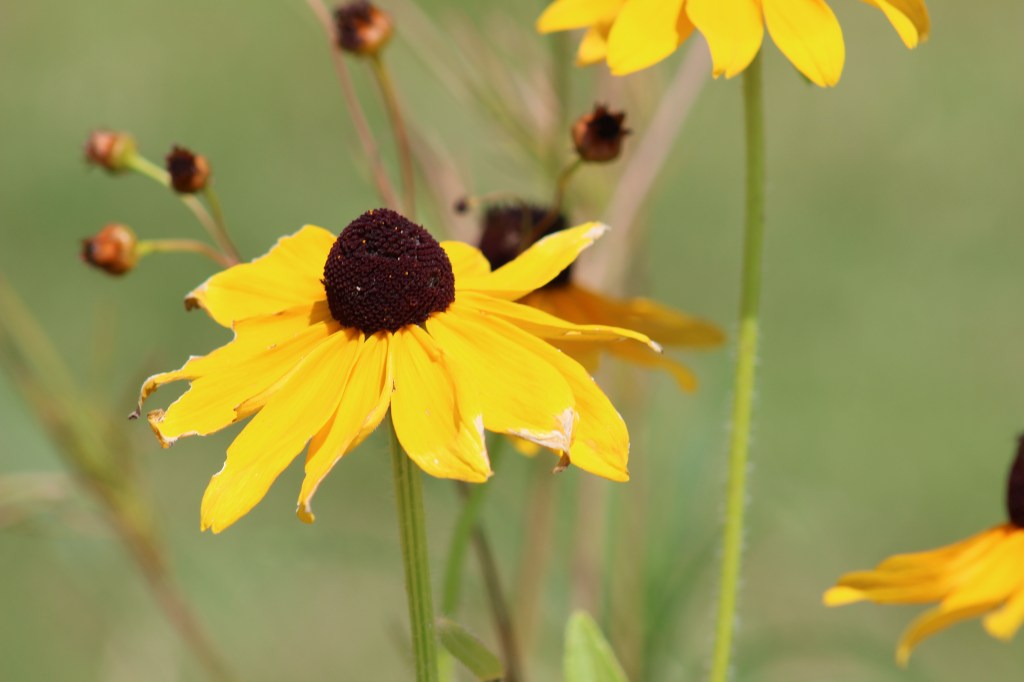
Rudbeckia hirta L. AKA: Black-eyed Susan, Common Black-eyed Susan, Brown-eyed Susan, Blackeyed Susan Asteraceae (Aster Family)
These coneflowers are common in the Mountains and the western Piedmont of the Carolinas. They are abundantly growing throughout the Greenway’s grounds.
We took a short break for a bite to eat at the Greenway’s Canteen. Enjoying the cool air was nice, but Coleman was itching for a different kind of relief from the hot 🥵 sunny summer weather. What kind of relief do you think he was desiring?
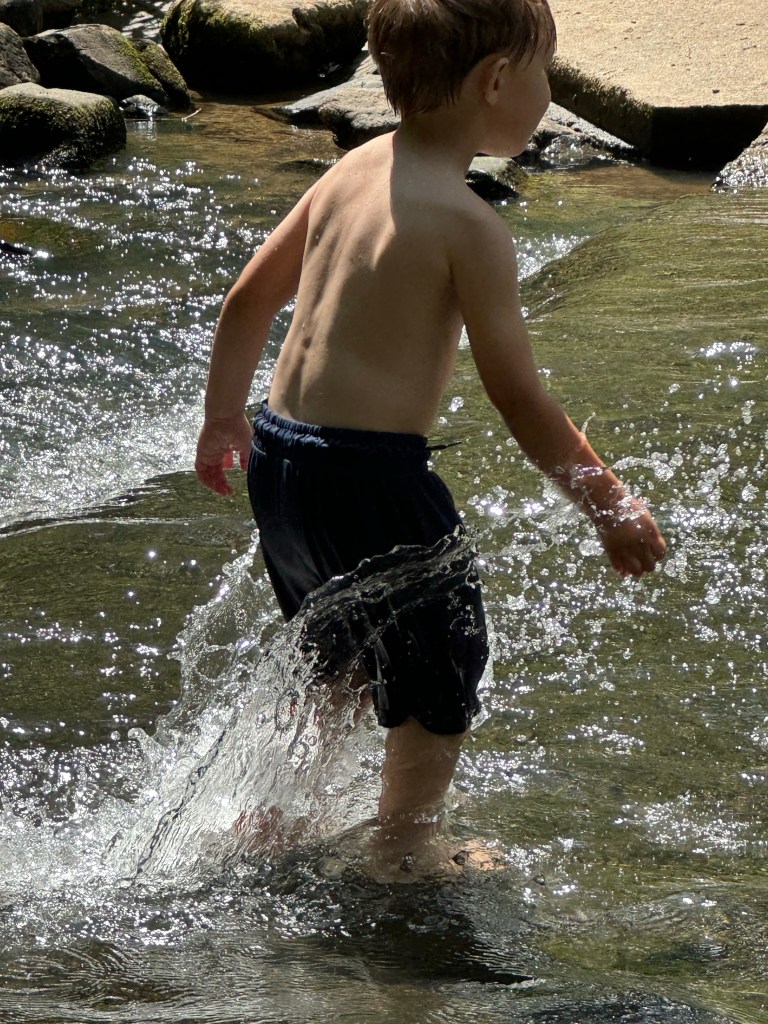
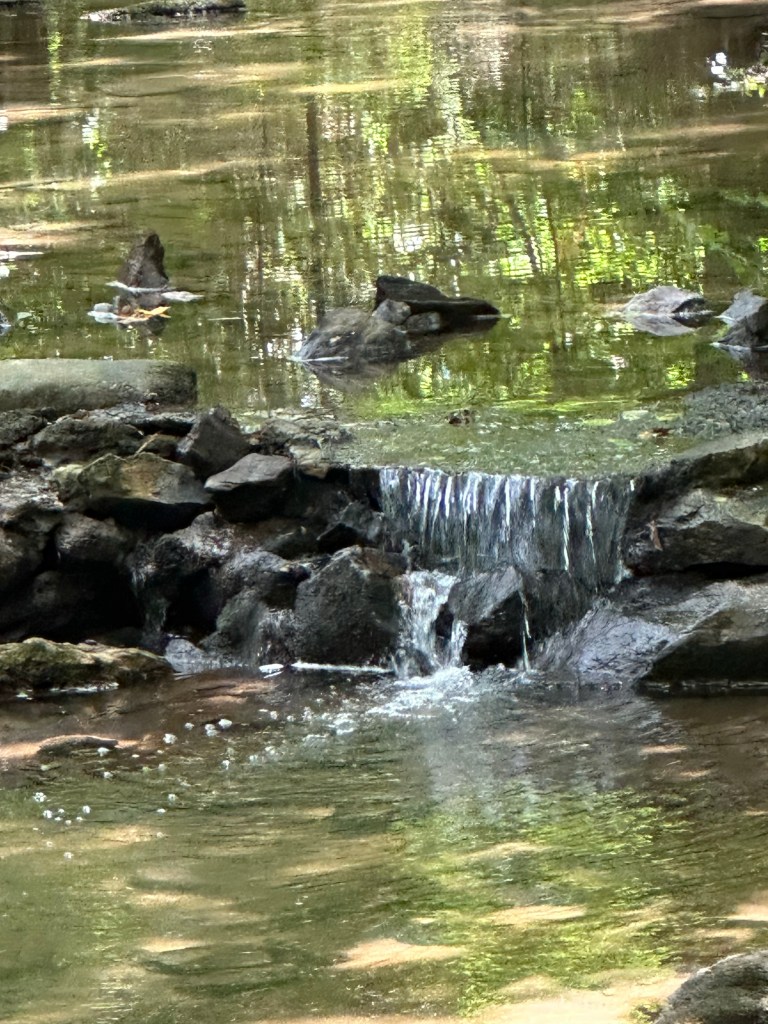
He was itching to get relief splashing in the water at the Greenway’s Spillway. The Spillway was low, however, it still produced enough water flowing across for many to cool 😎 off and enjoy a splashing 💦 wonderfully amazing good time. Coleman delighted in sloshing and splashing through the Spillway’s water 💦.
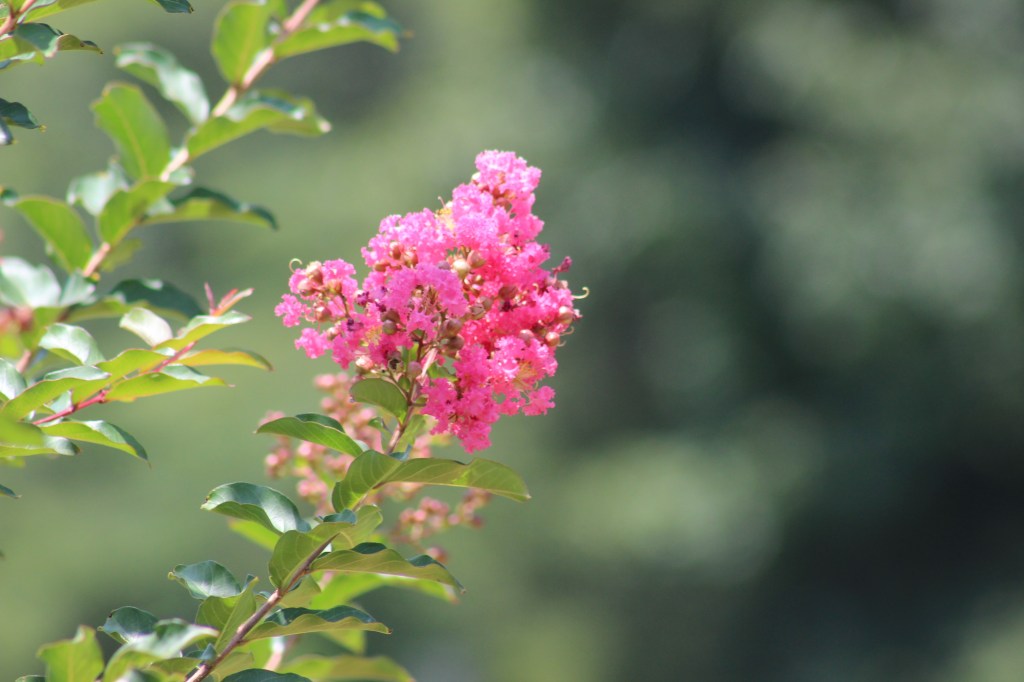
Lagerstroemia indicathe crape myrtle (also crepe myrtle, crêpe myrtle, or crepeflower)It is a species of flowering plant in the genus Lagerstroemia of the family Lythraceae. It is an often multi-stemmed, deciduous tree with a wide spreading, flat topped, rounded, or even spike shaped open habit. The tree is a popular nesting shrub for songbirds and wrens.
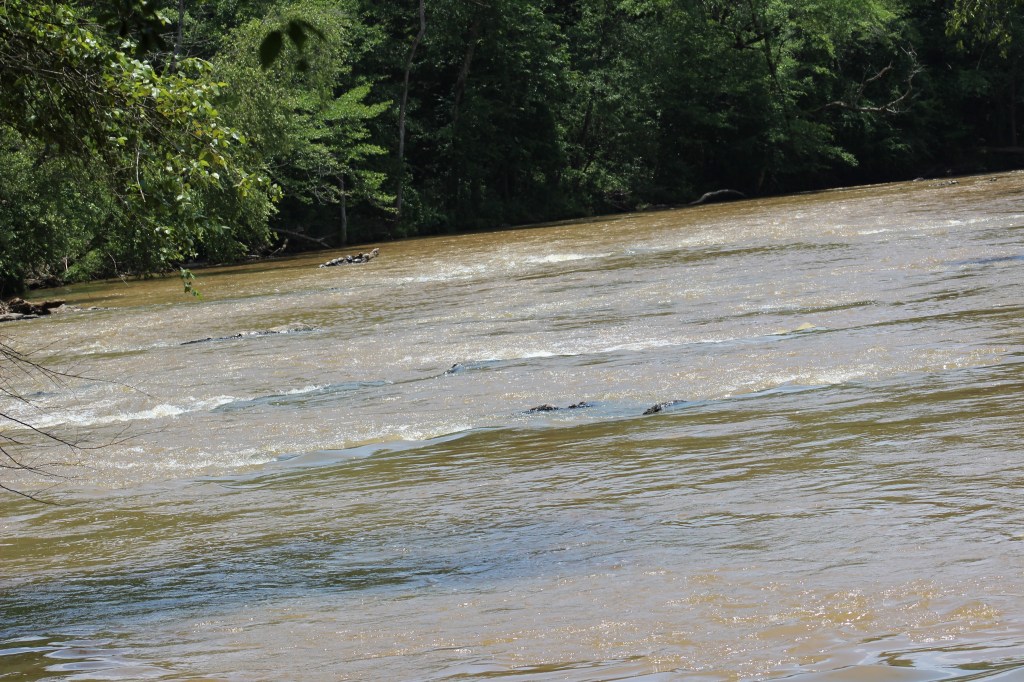
The Misadventures to our Adventures began on Late Sunday morning, 2023 June 25th. Deciding not to use to much of my daughter’s gas (No car of my own), I chose to take my grandson to the South Fork Trail and Blueway Access to do some hiking. However, when we arrived, we encountered the Danger Trail Closed signs preventing us from hiking the South Fork Trail.
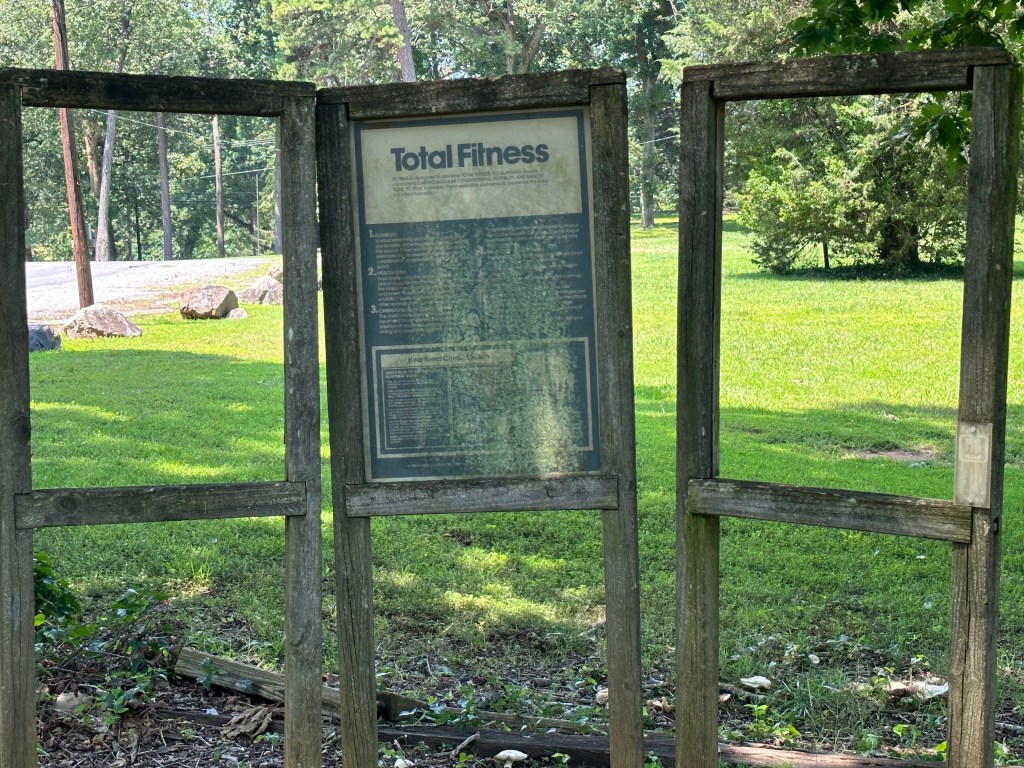
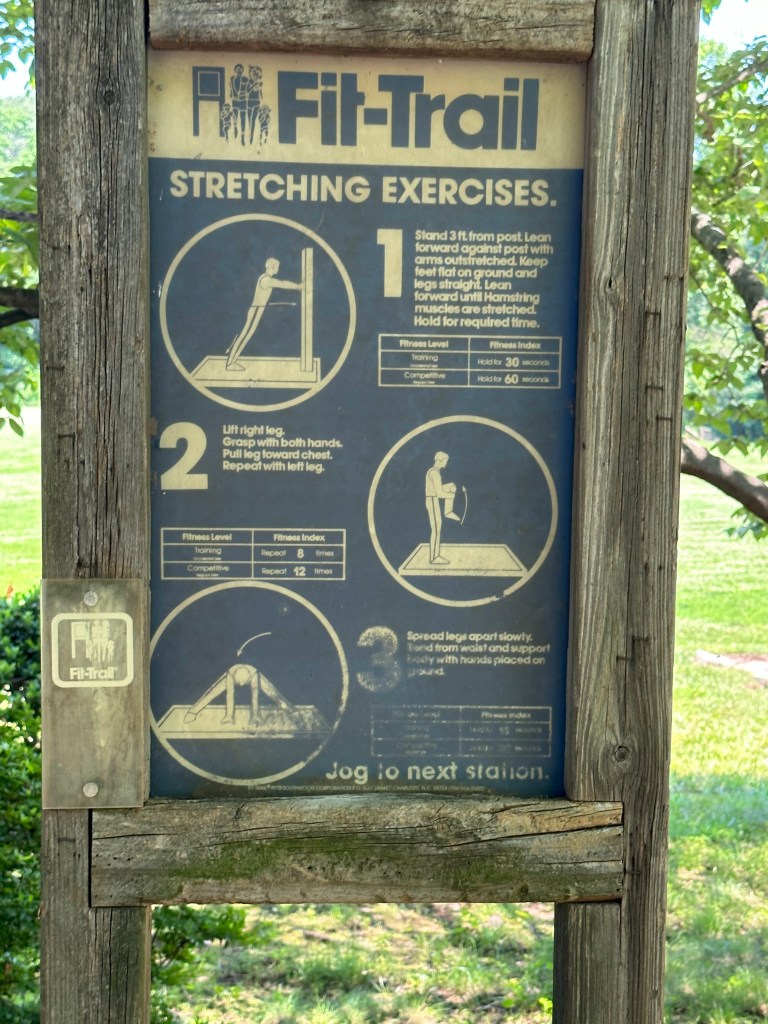
Upon seeing the Danger Trail Closed signs, we climb back into the car, and I search for where to go next to try to accomplish our hike for the day. I looked up the Carolina Thread Trail and it was closed for the day as well. The next stop on our Misadventure to Adventures was the McDonald Field at the Pharr Family YMCA. There didn’t appear to be a trail that we could hike at that location just a short Fit-Trail. Therefore, we decided to get back in the car and figure out where to try next.
Pharr Family YMCA(c)Deb L. Waters
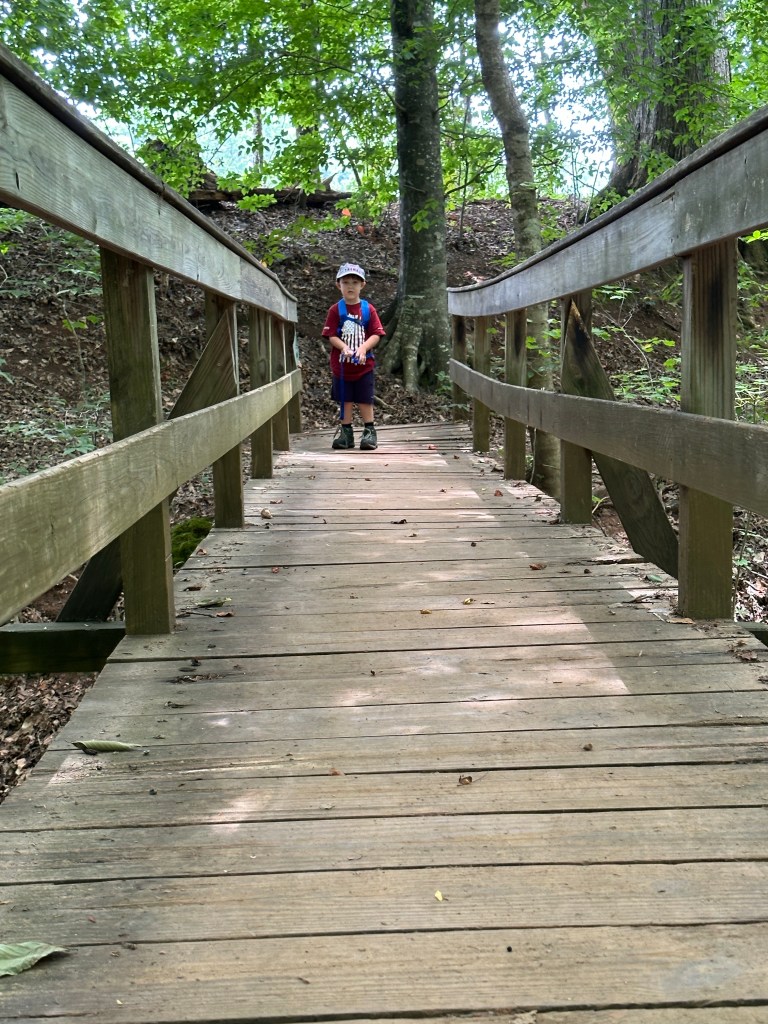
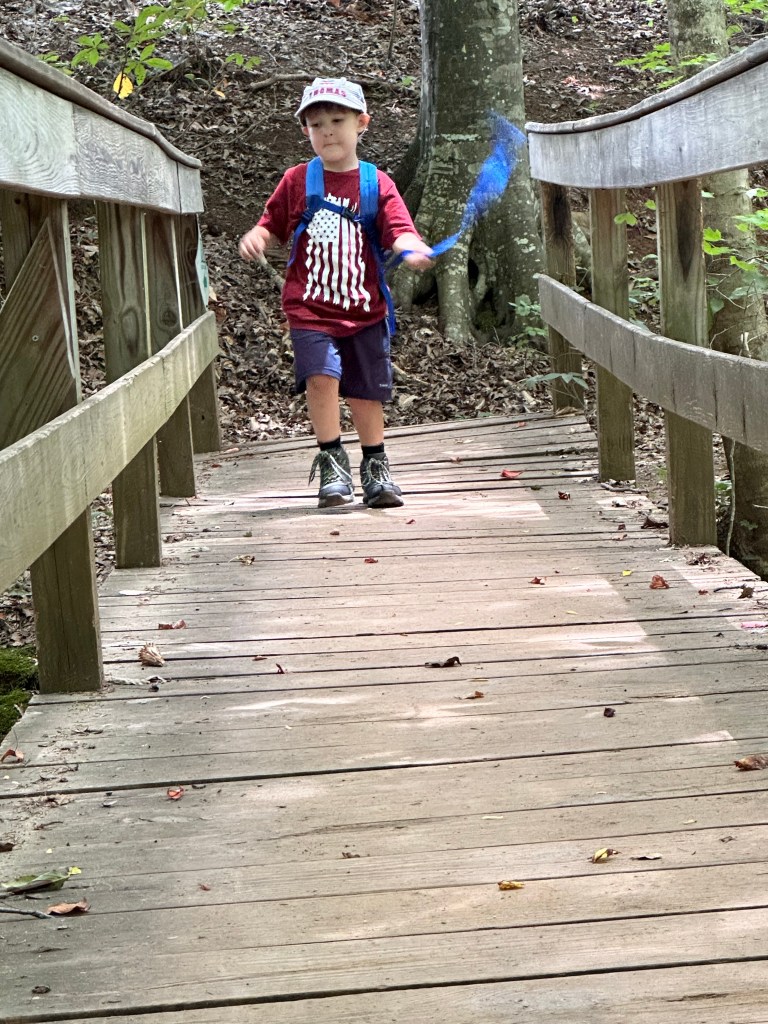
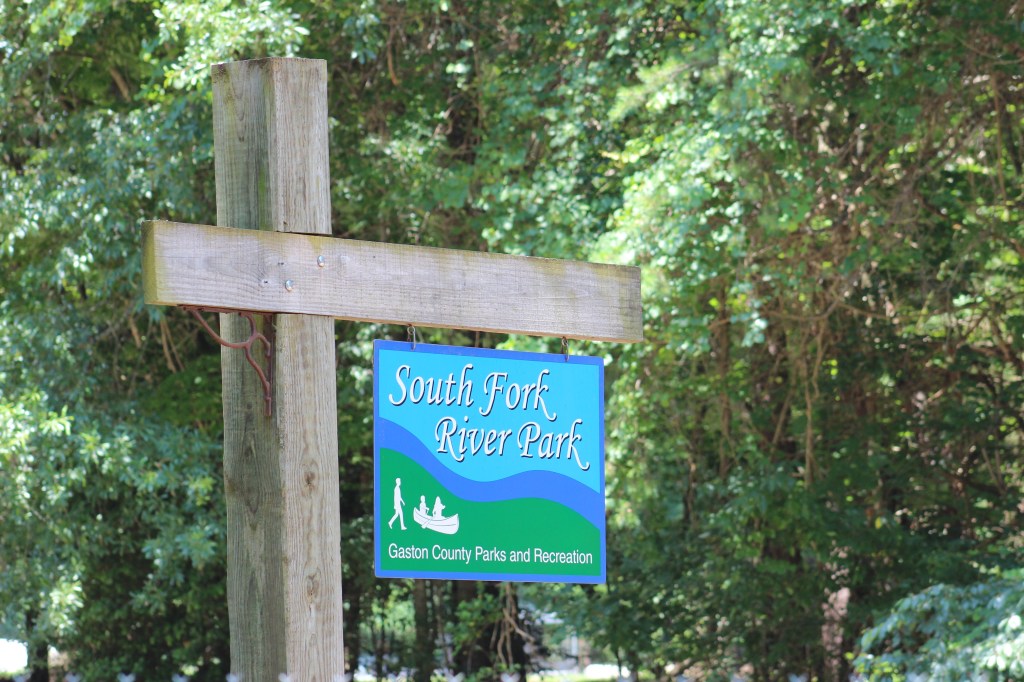
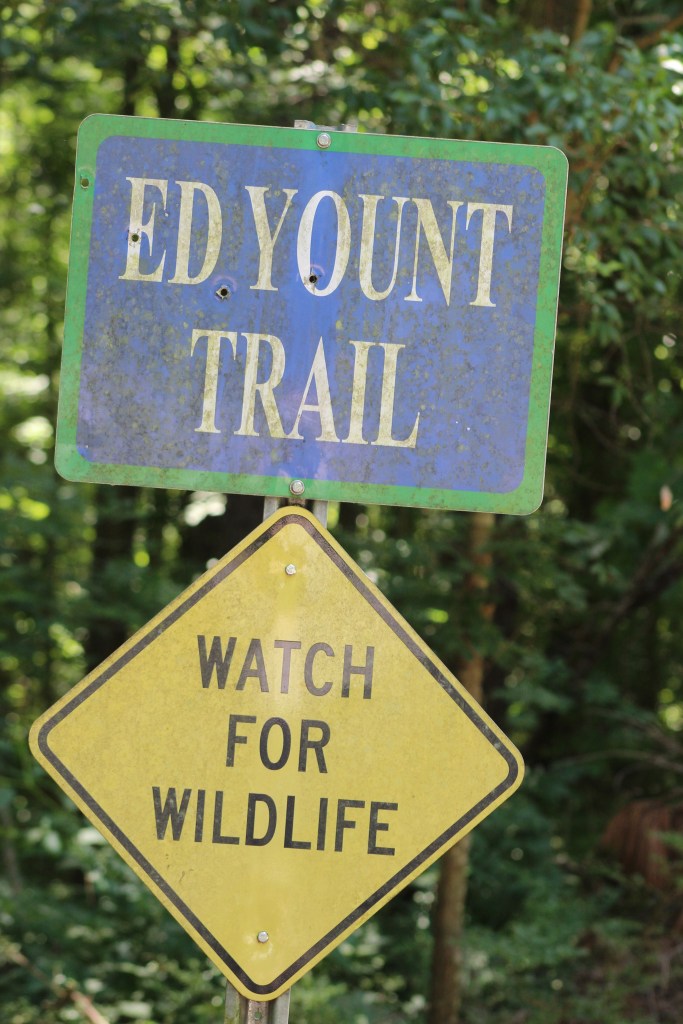
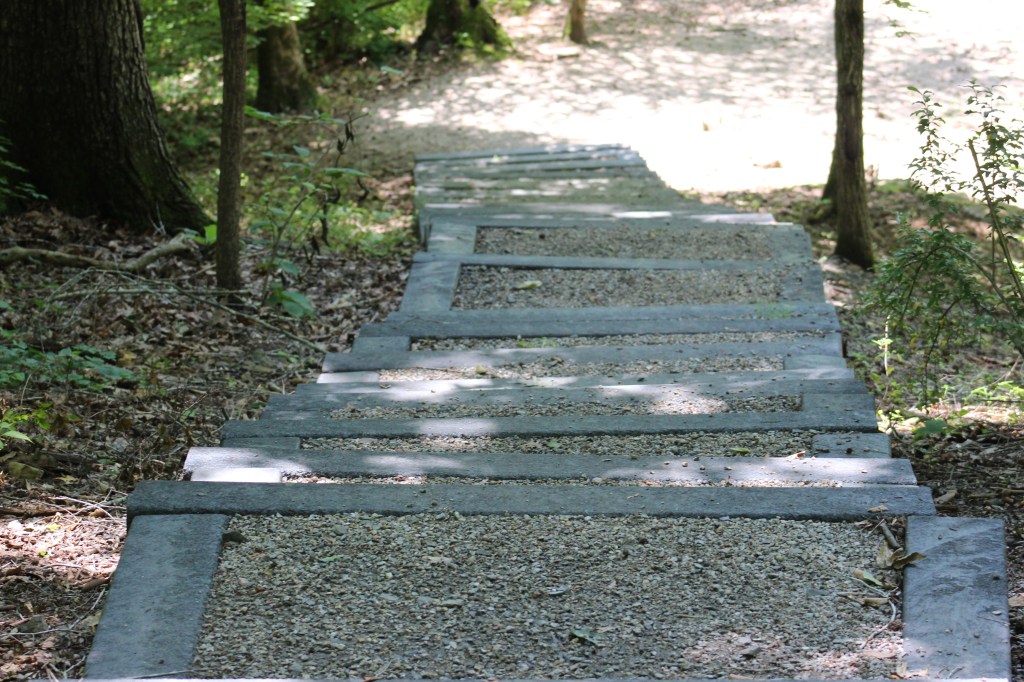
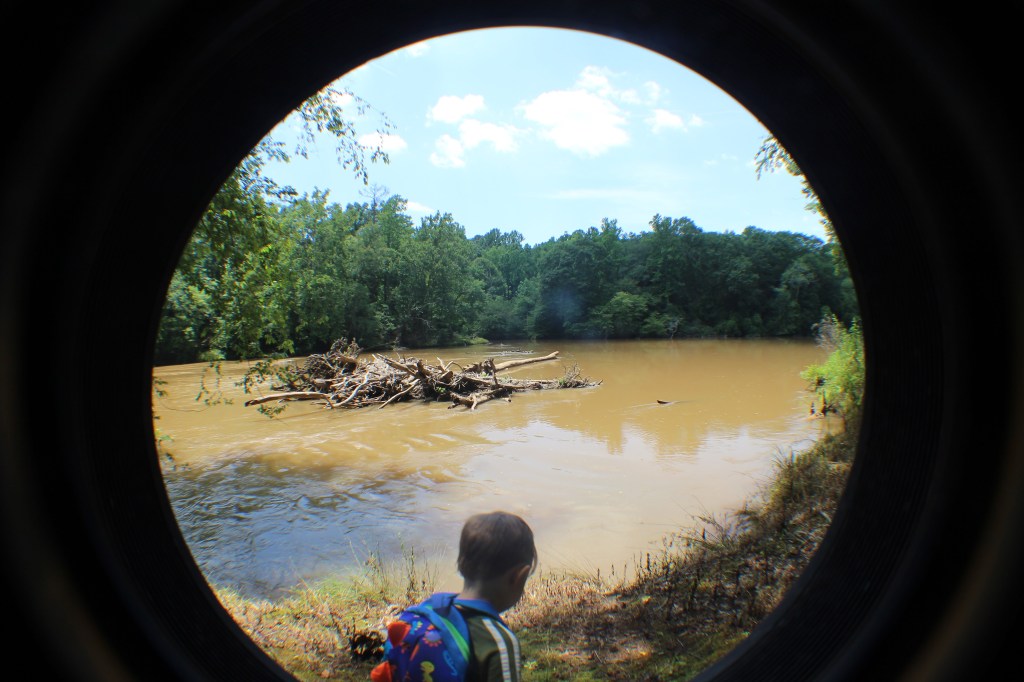
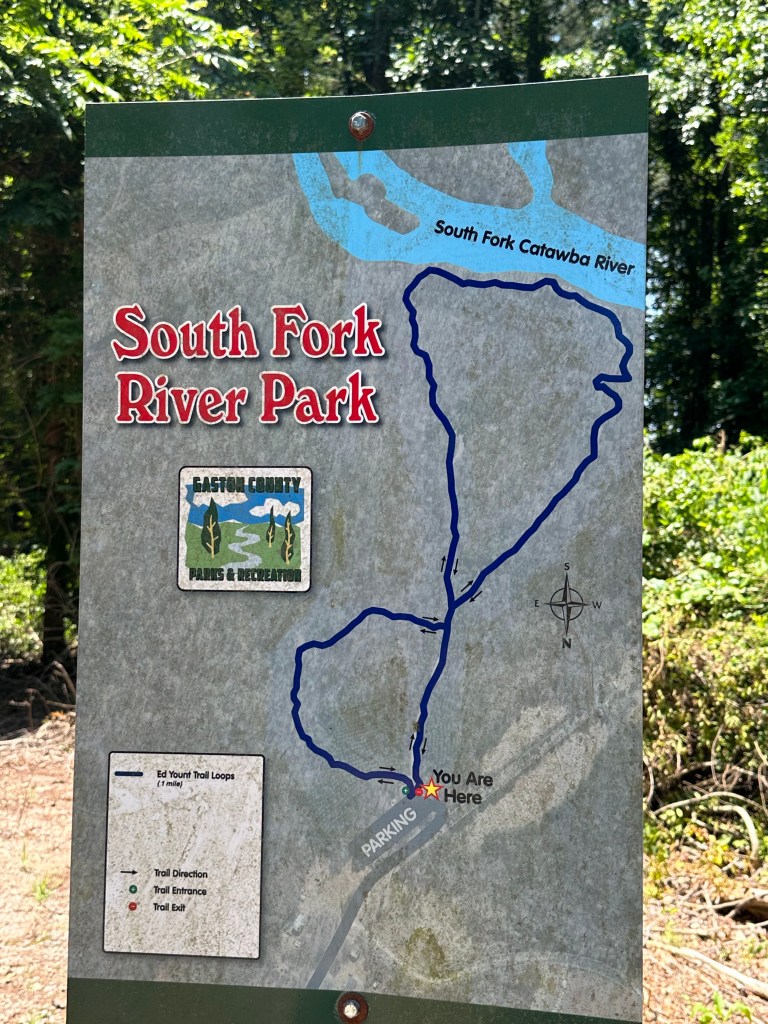
After a short drive Coleman and I arrive at our fourth destination of the day, The South Fork River Park. This location looked more promising. So once again we climb out of the car, load ourselves with our backpacks (mine with camera equipment, his with snacks) and proceed to locate the trailhead. We found the trailhead with no problems and proceeded to hike on the natural surface trail which was approximately 1.25-mile loop trail and also included 800 feet of river frontage. The day was hot and humid; however, I believe Coleman enjoyed his time hiking by the riverfront.
Coleman enjoyed hiking by the river. He probably would have liked it better if I had allowed him to get in the river, but we were not prepared for that adventure. Even though this was a wonderful adventure, our day was not over yet.
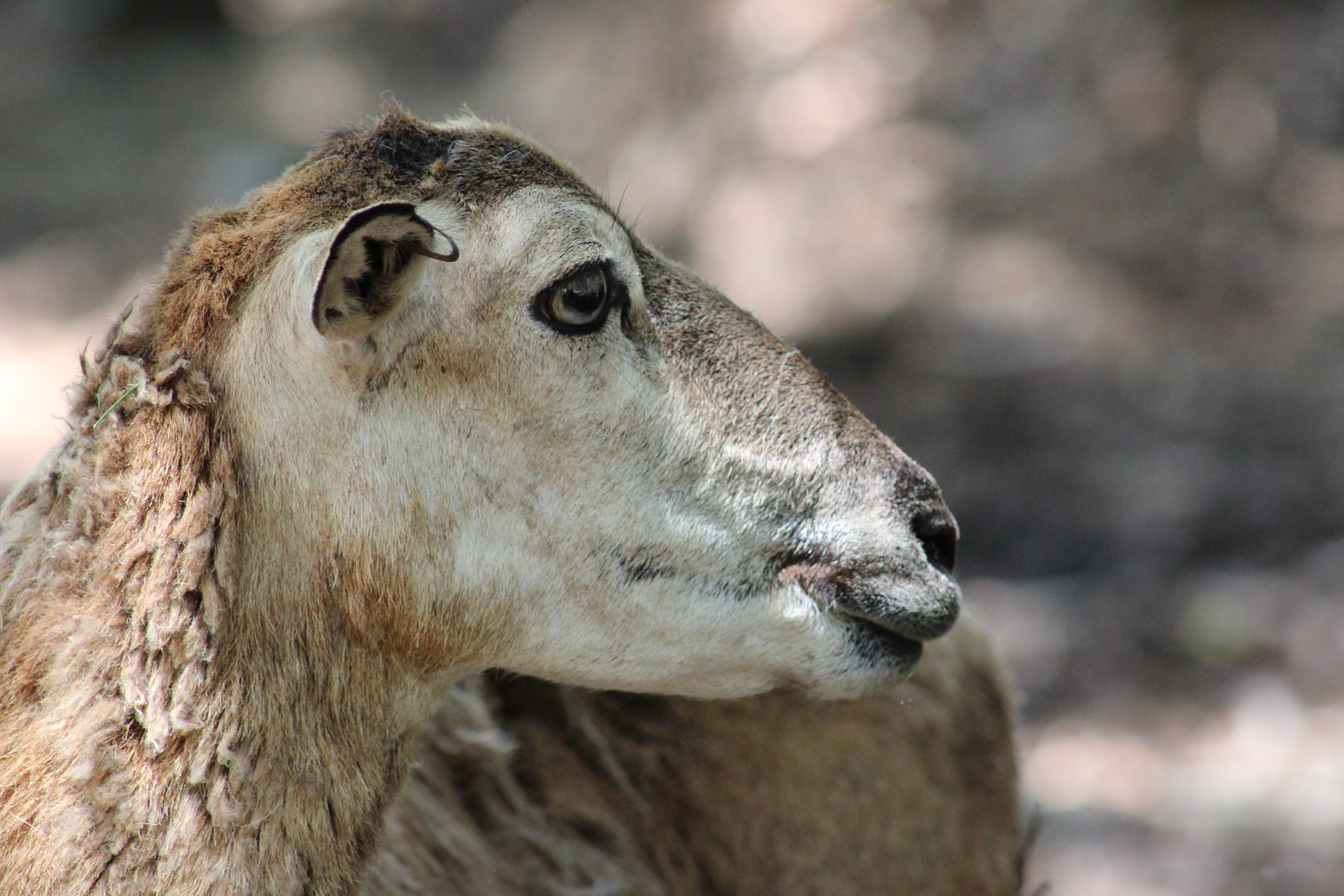
On our way back to the car, Coleman heard some noise and thought we should investigate what was making the bleat or baaing sound. Located just across the road from the parking lot was a farm with several goats. I was not sure at first how close to allow Coleman to get to the goats. Turns out the farmer was out in the yard and heard Coleman approaching the gated area. The farmer was friendly and gave permission for him to pet the goats. He liked that idea but was a little shy about doing so.
This turned out to be a pleasant day even though it started out with a few mishaps. Once back in the car, the afternoon was still bright and calling for more adventure. I drove us to another park for more hiking and adventure. I will leave those tells for another day.
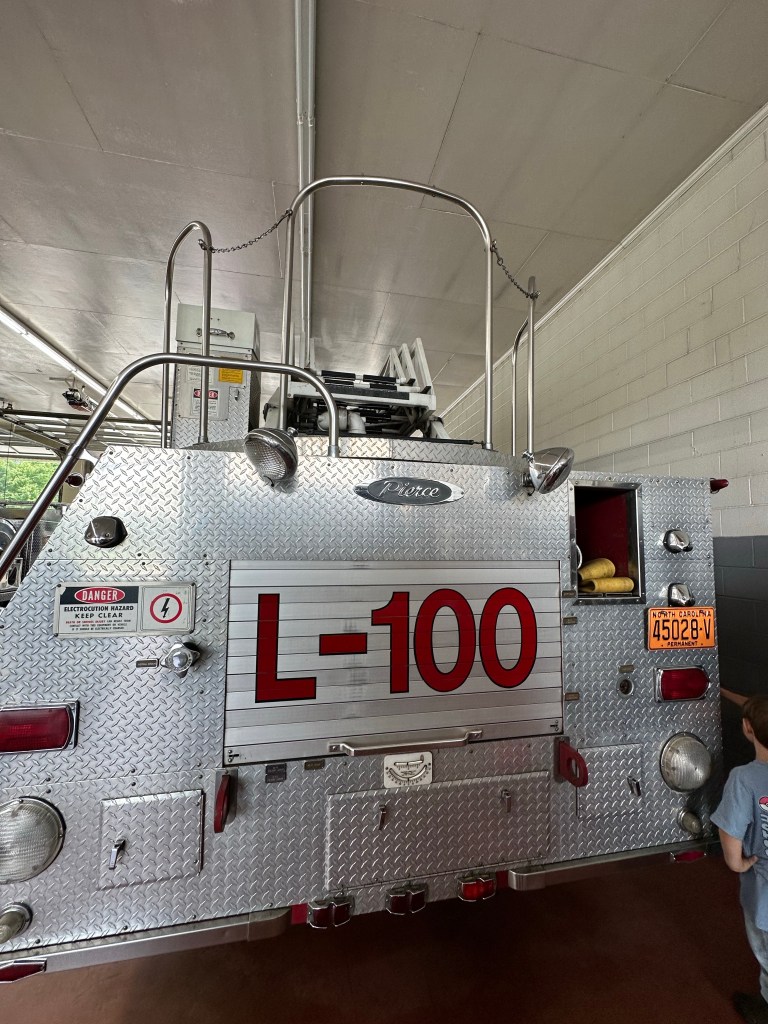
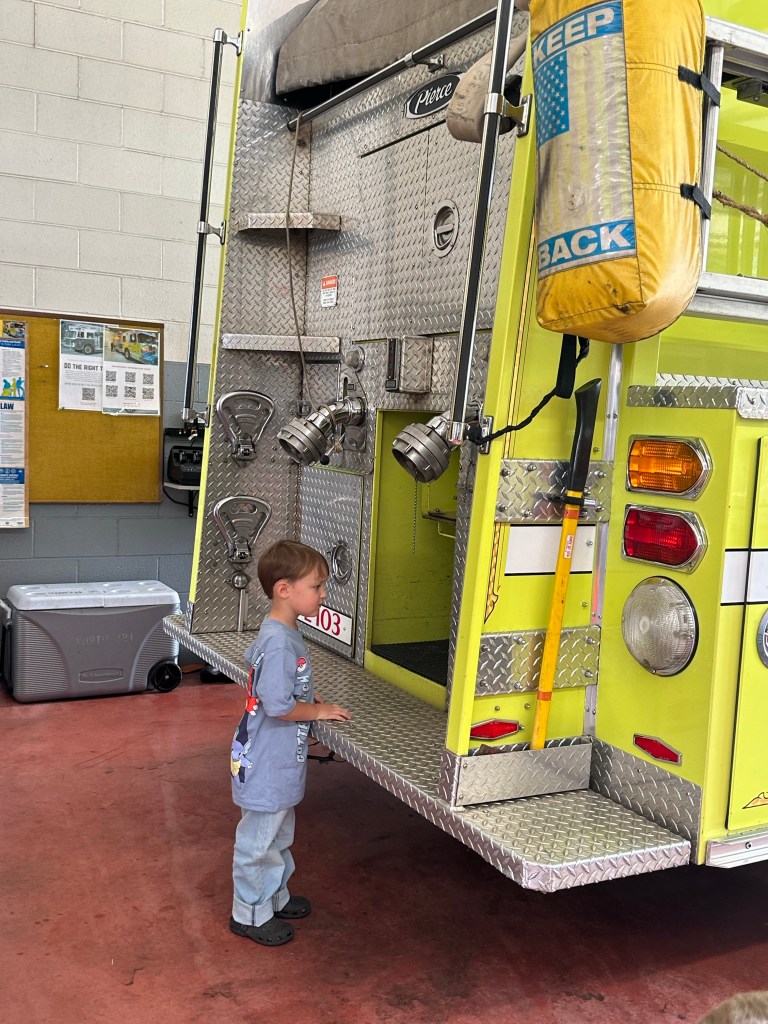
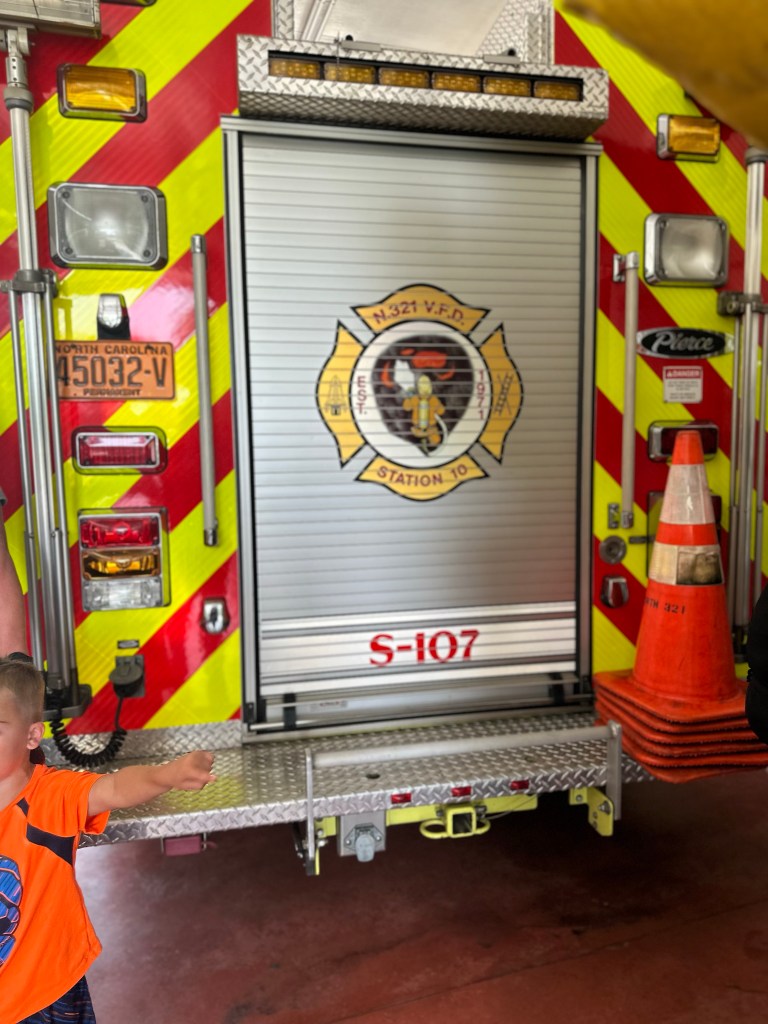
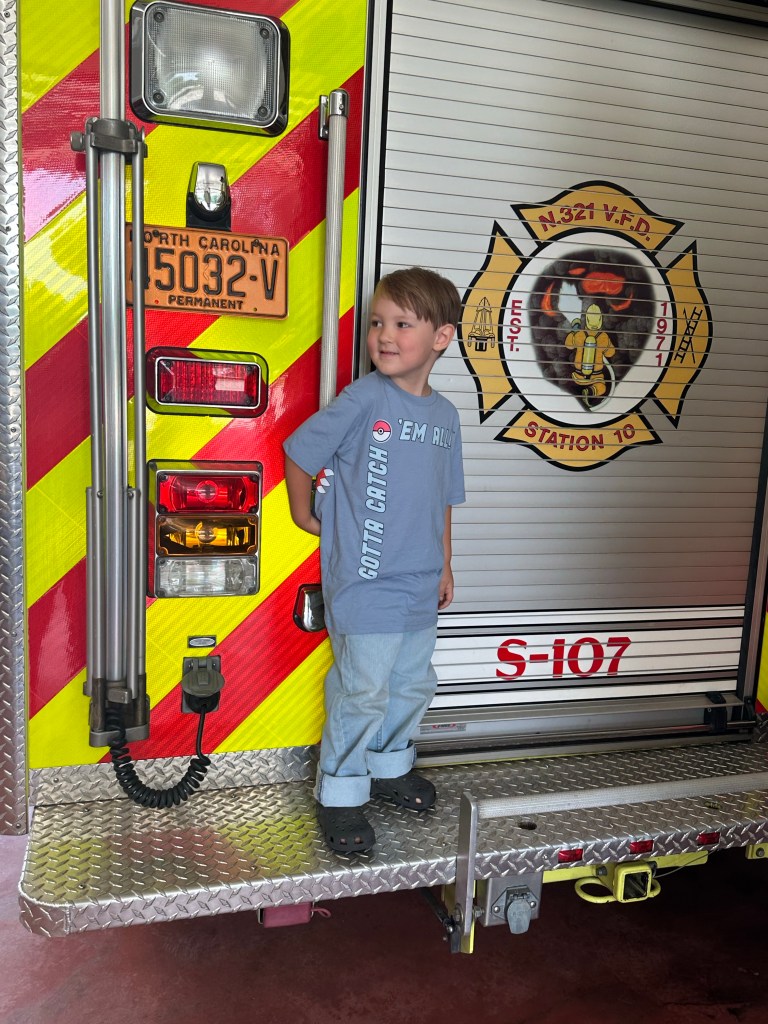
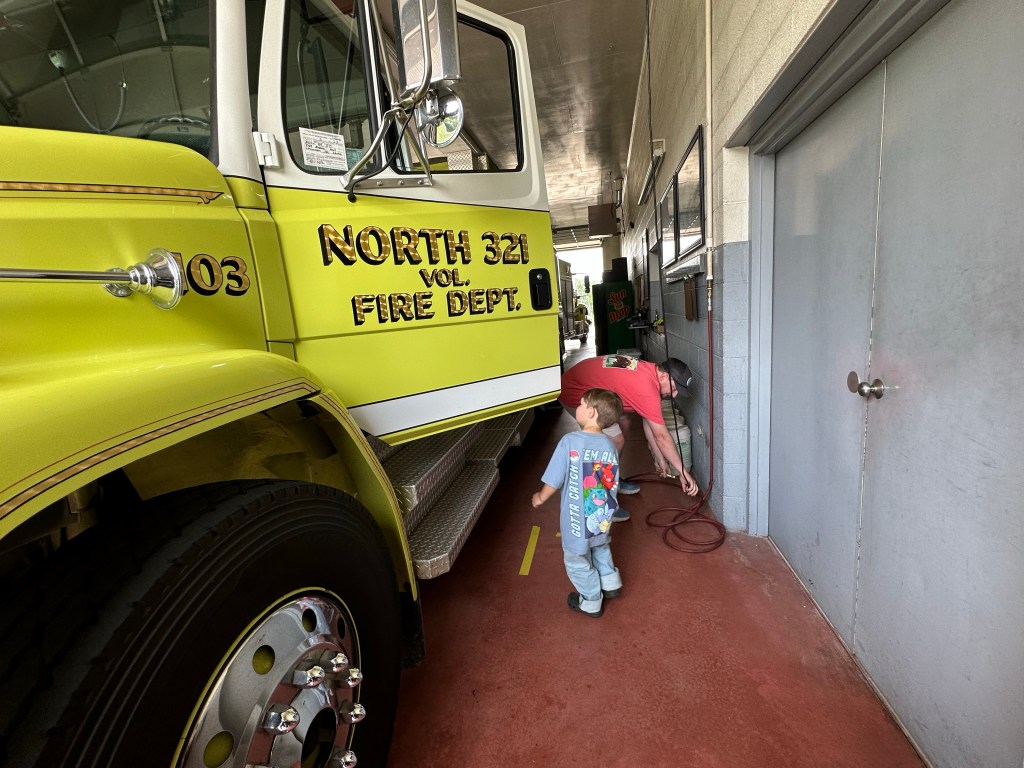
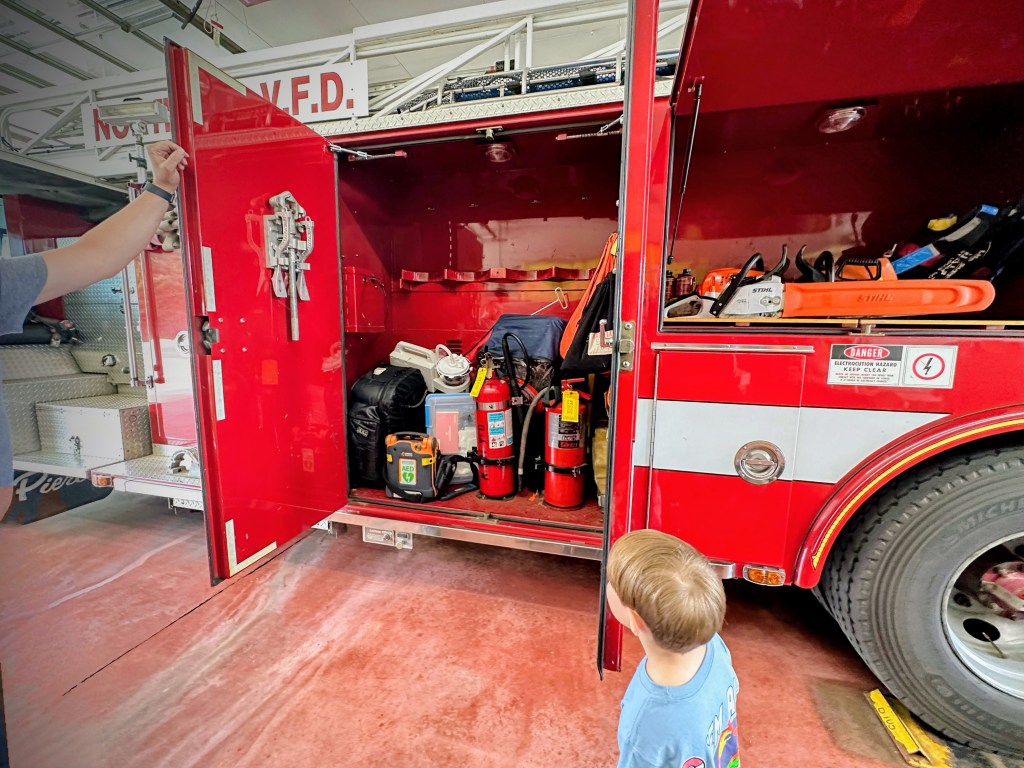
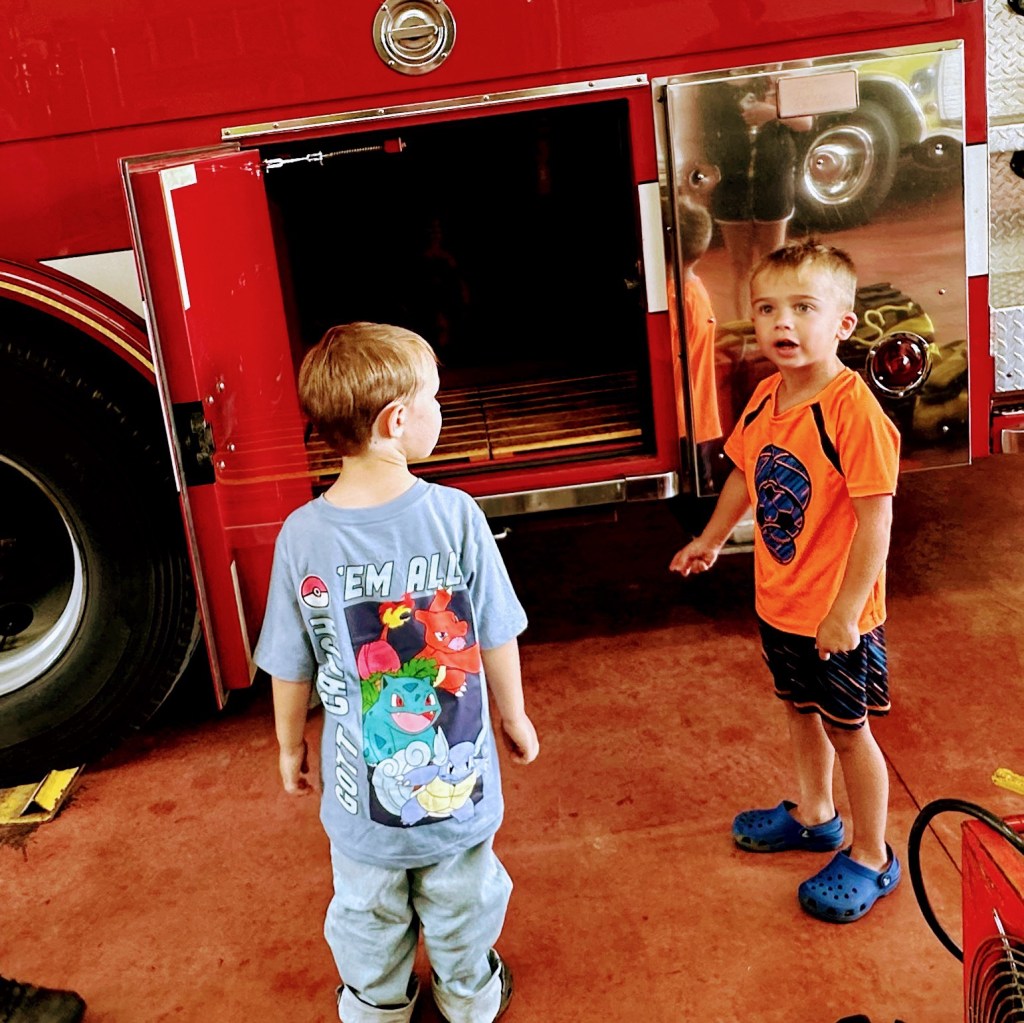
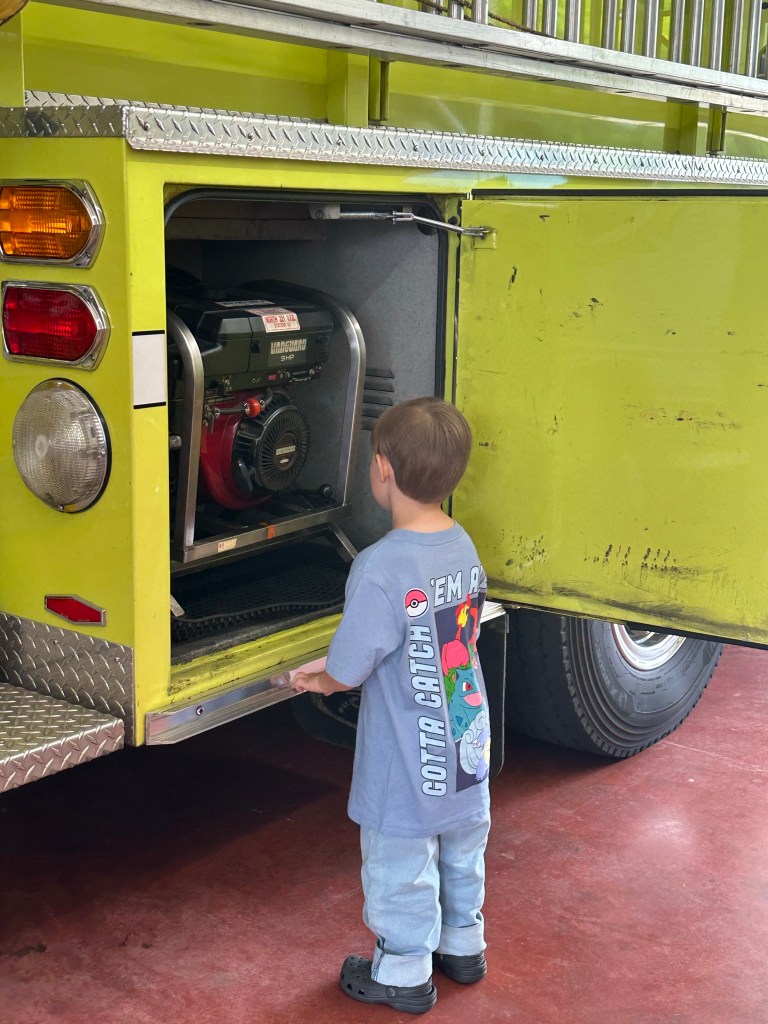
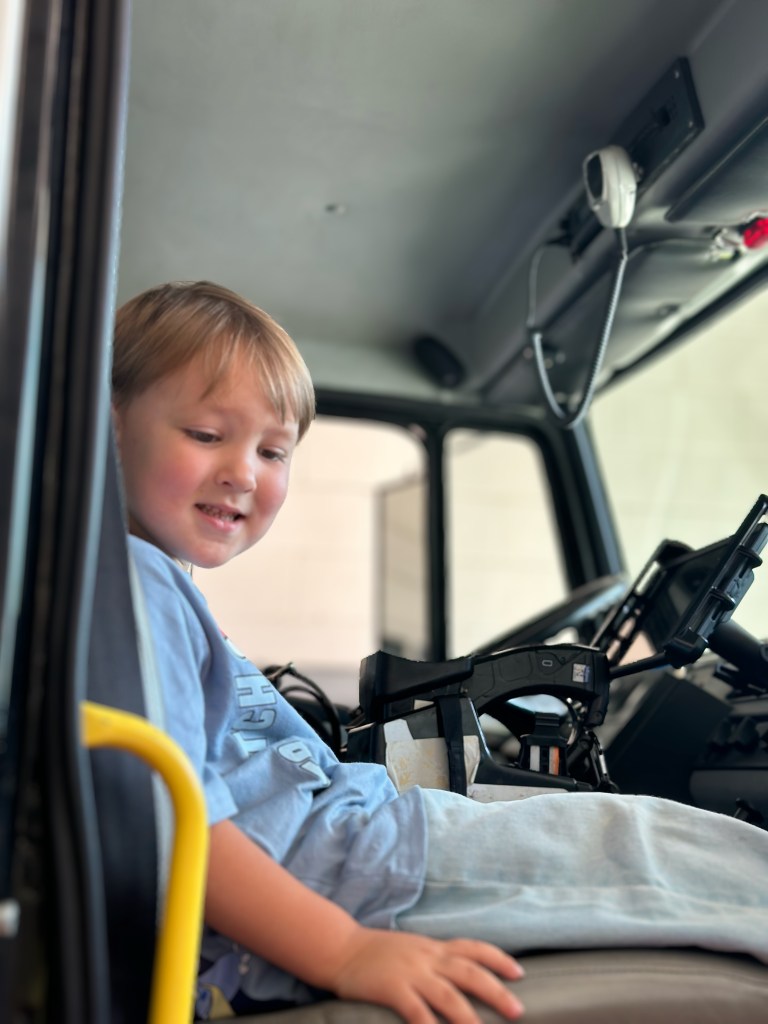
North 321 Vol. Fire Dept. Coleman peeping in the Firetruck DoorColeman checking out the inside of Firetruck Equipment DoorA Four year old telling Coleman all about what is kept in this Equipment DoorColeman investigating the Firetruck Generator Door A Look at Coleman through a Firetruck DoorInside a Firetruck Door, Who do we see? Coleman Smiling Ear to Ear
Gaillardia pulchella AKA: firewheel, Indian blanket, Indian blanketflower, or sundance It is a North American species of short-lived perennial or annual flowering plants in the sunflower family.The common name, Indian Blanket, may refer to the resemblance of the inflorescence to the brightly patterned blankets made by Native Americans, or to the ability of wild taxa to blanket the ground with colonies.
For Coleman and me, The Schiele Museum of Natural History and Planetarium is just a short jaunt of a bus ride away. The bus stop is an even shorter jaunt away from our place than the Planetarium.
Bus StopColeman
The following is what we saw at the Planetarium when we jaunted out for an amazing adventure.
Trifolium pratense, red clover, is a herbaceous species of flowering plant in the bean family Fabaceae, native to Europe, Western Asia, and northwest Africa, but planted and naturalized in many other regions.
Interesting Facts:
Red clover is a good pollen and nectar source for bumblebees.
Red clover’s flowers and leaves are edible, and can be added as garnishes to any dish.They can be ground into a flour.
The flowers often are used to make jelly and tisanes, and are used in essiac recipes. Their essential oil may be extracted and its unique scent used in aromatherapy.
It is widely grown as a fodder crop, valued for its nitrogen fixation, which increases soil fertility. For these reasons, it is used as a green manure crop.