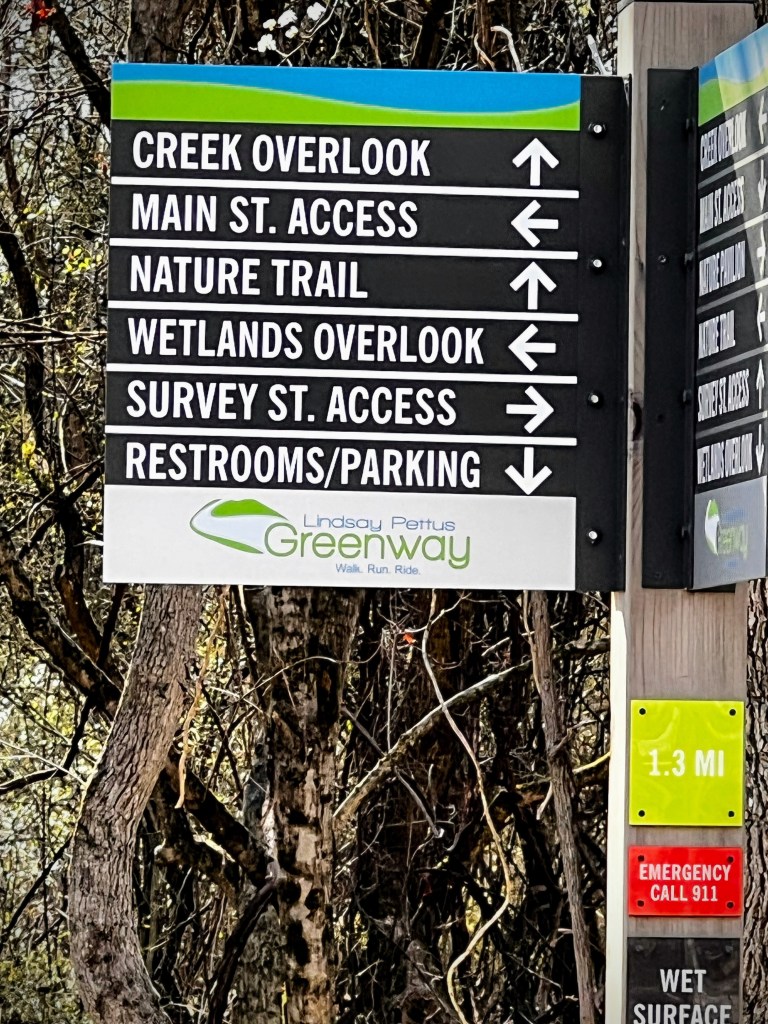
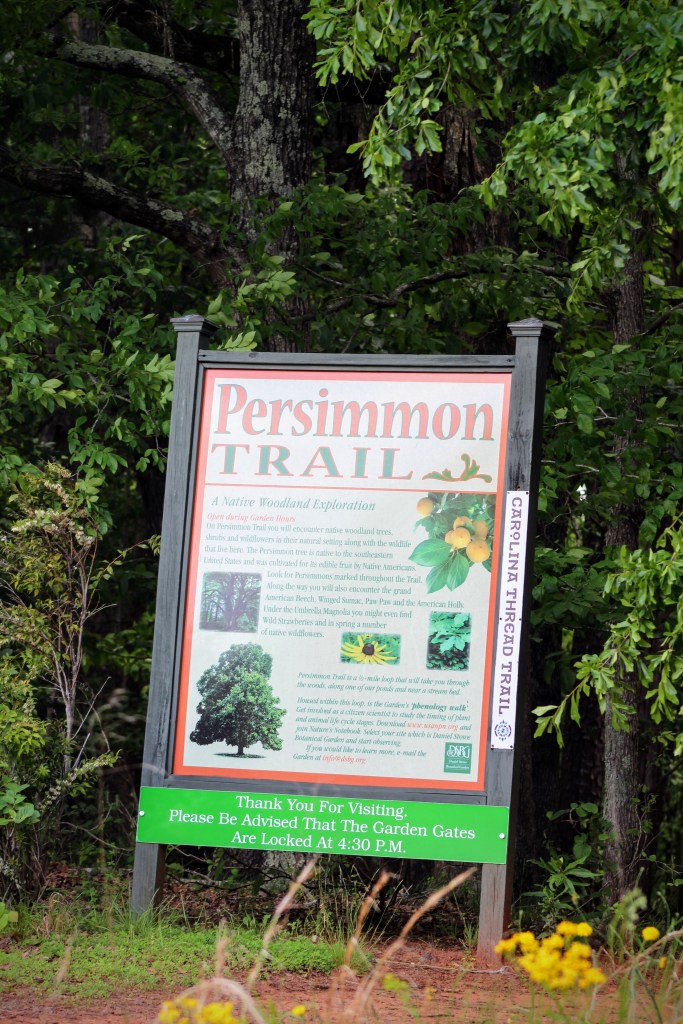
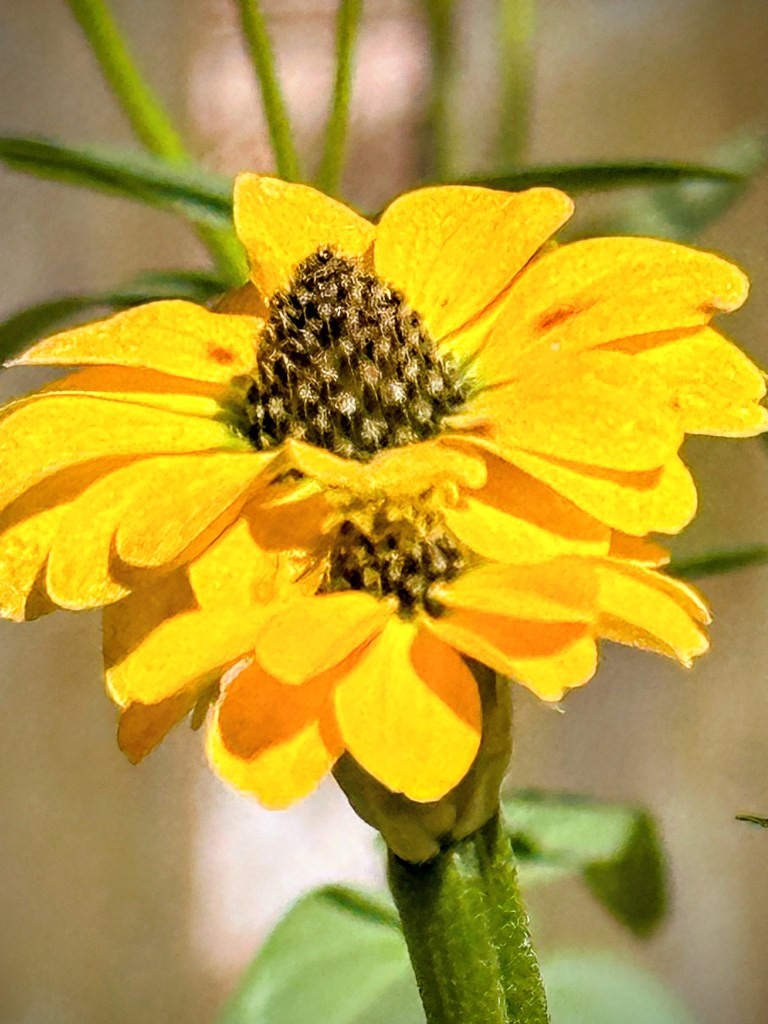
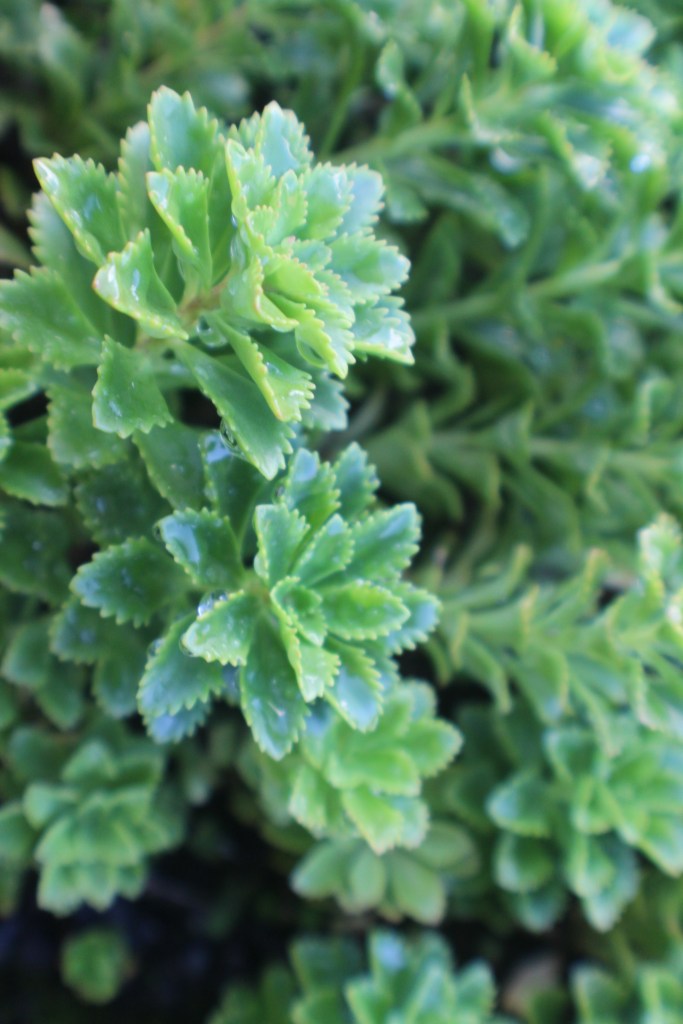
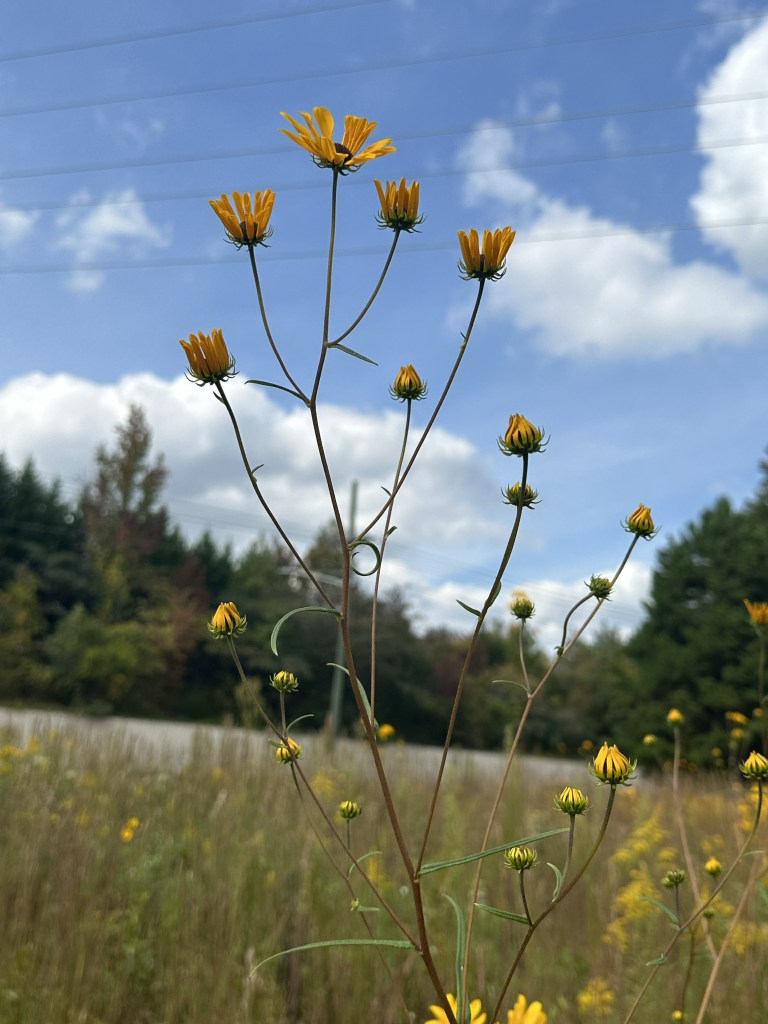
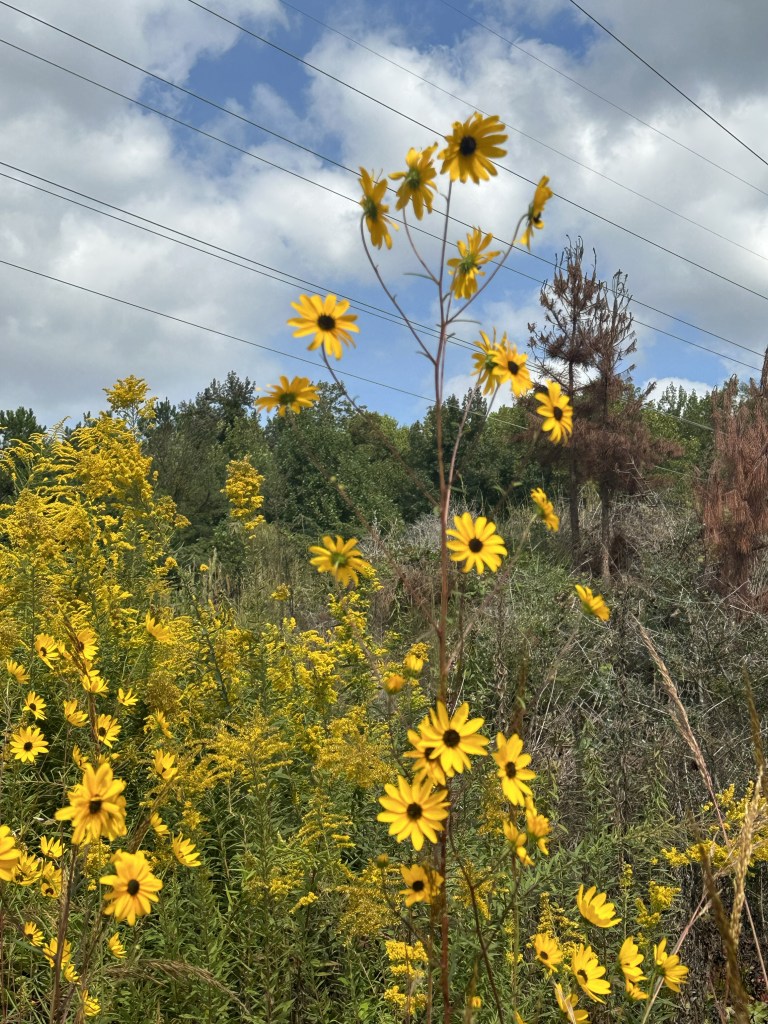
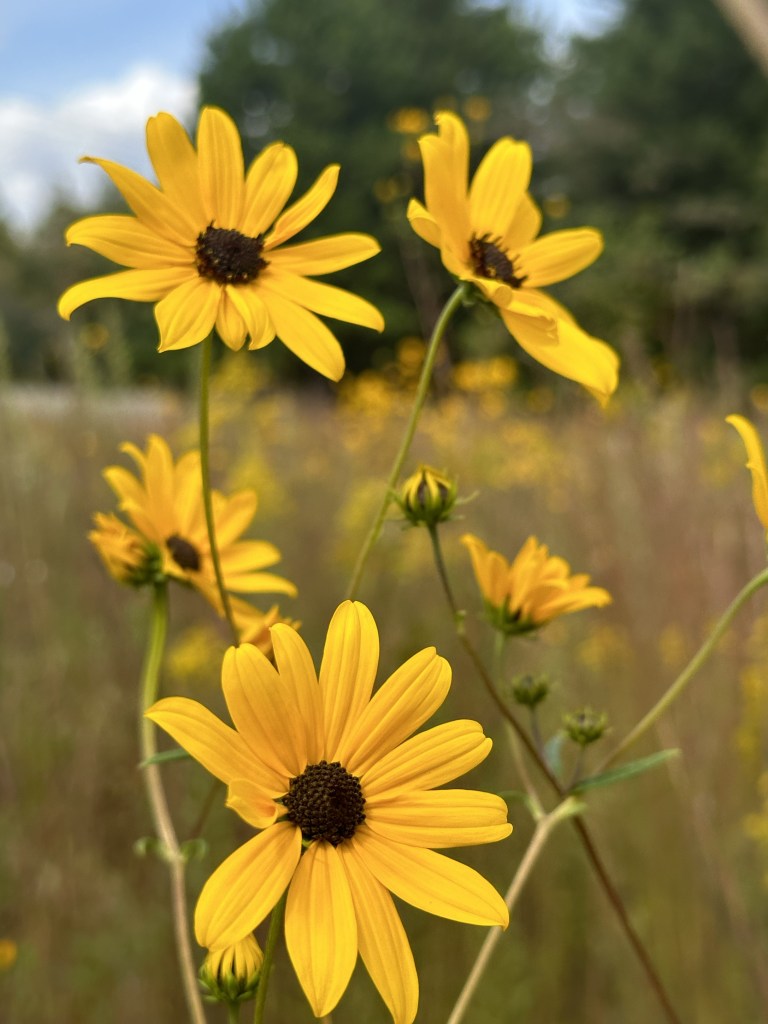
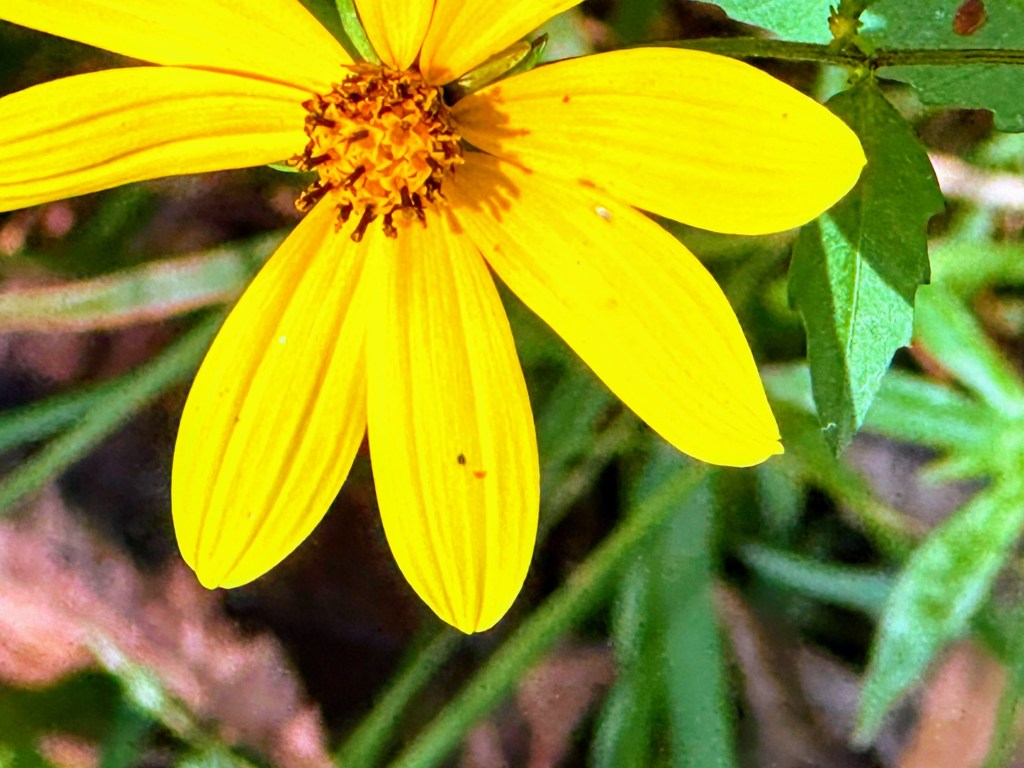
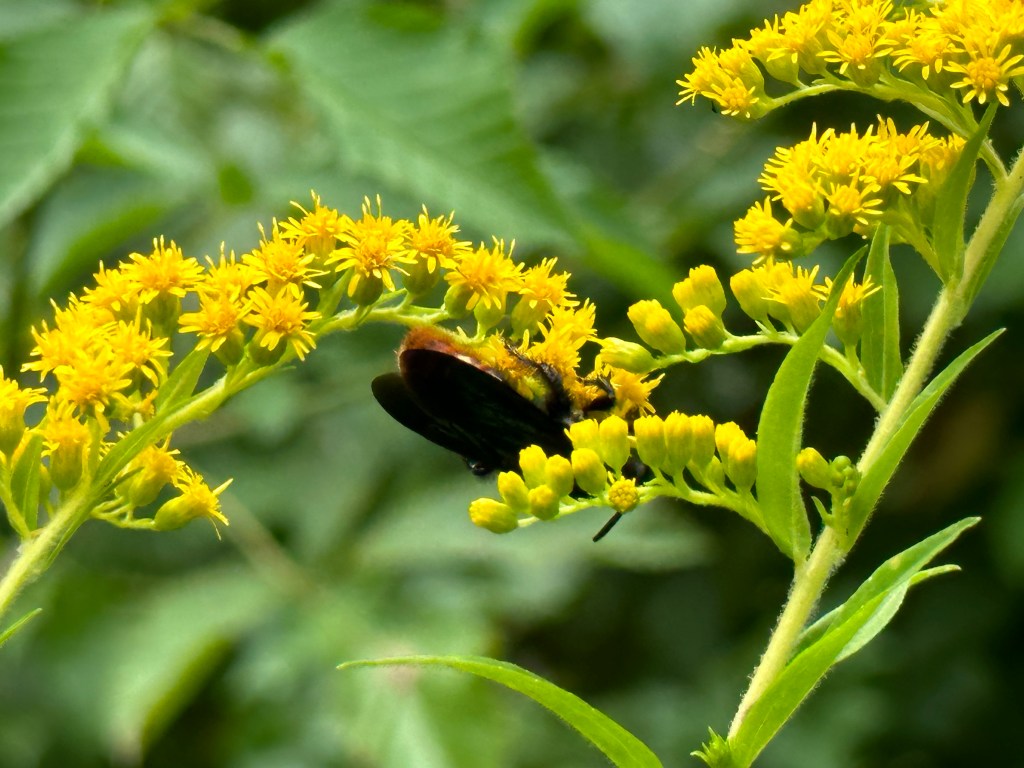
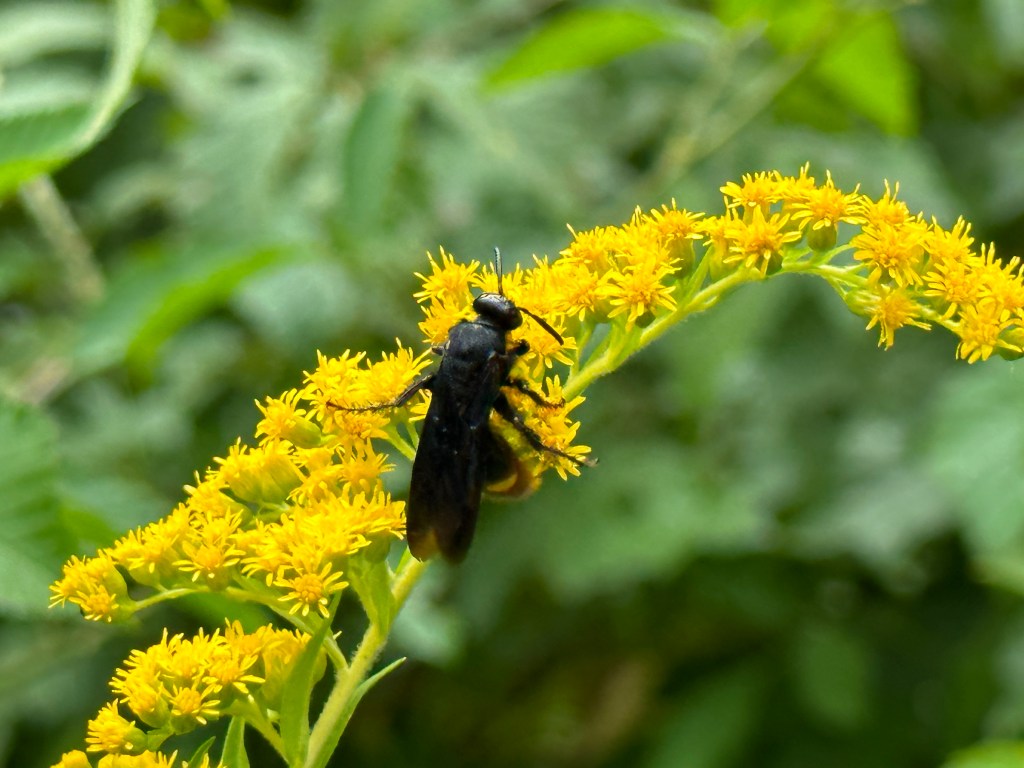
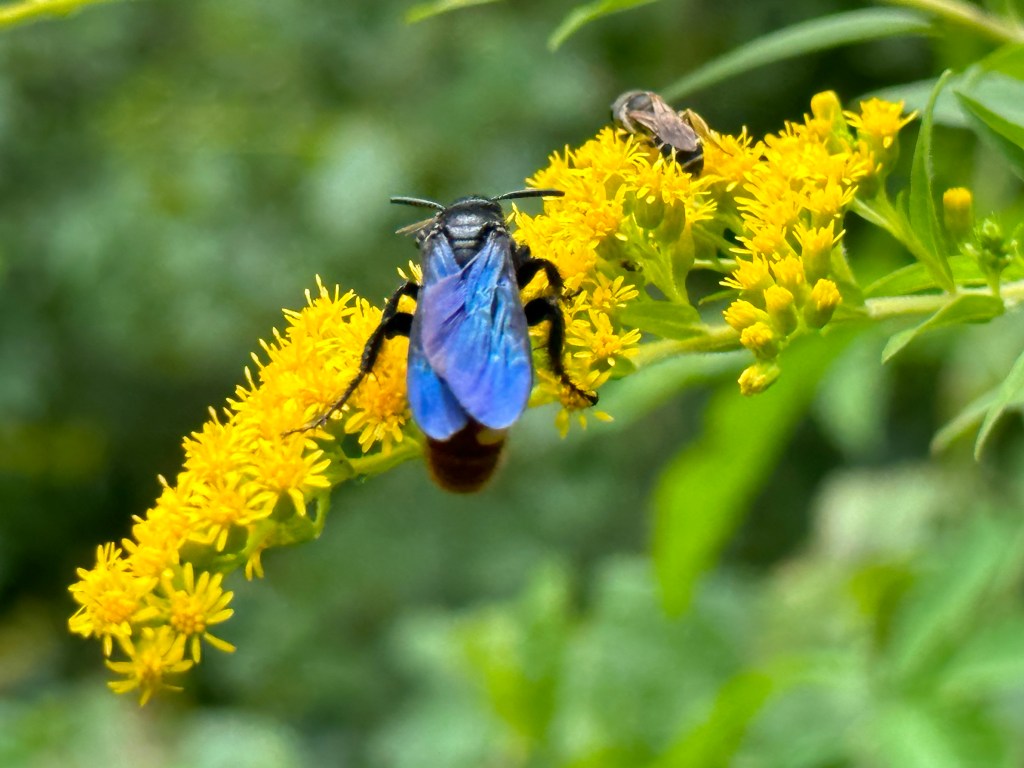
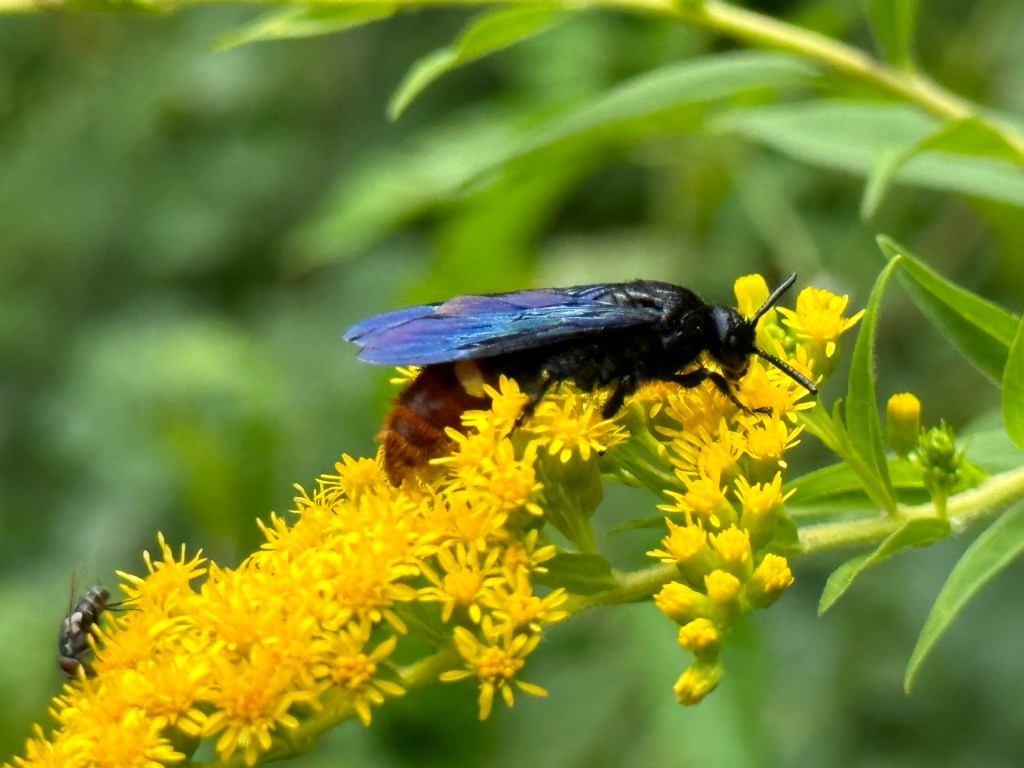
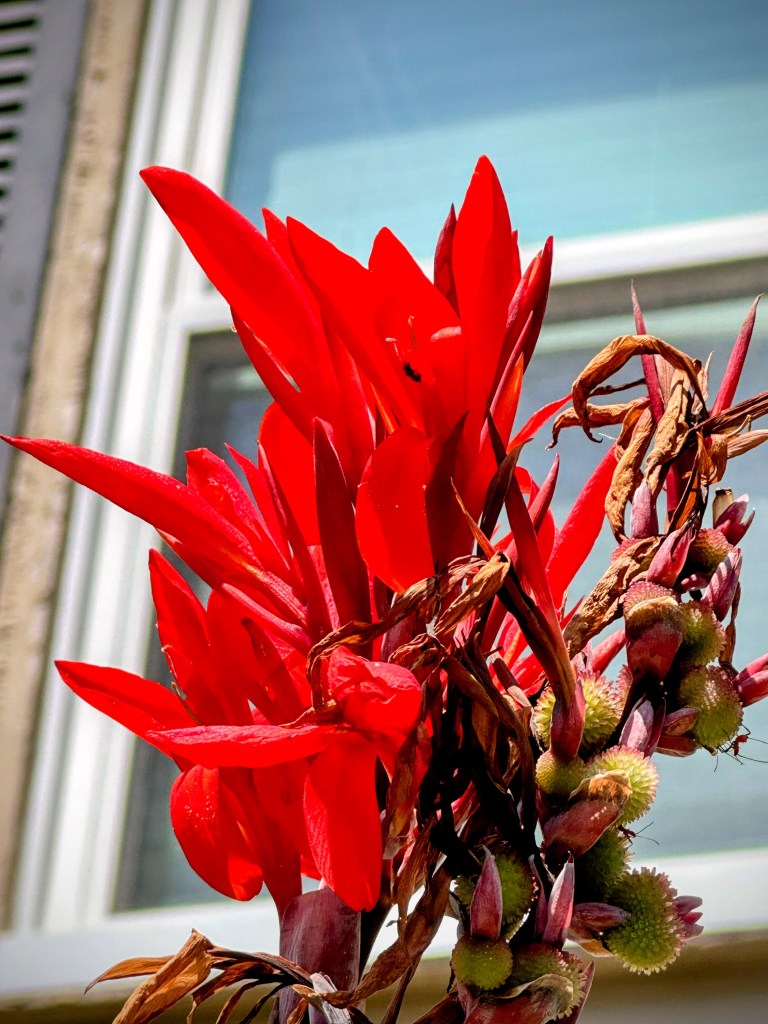
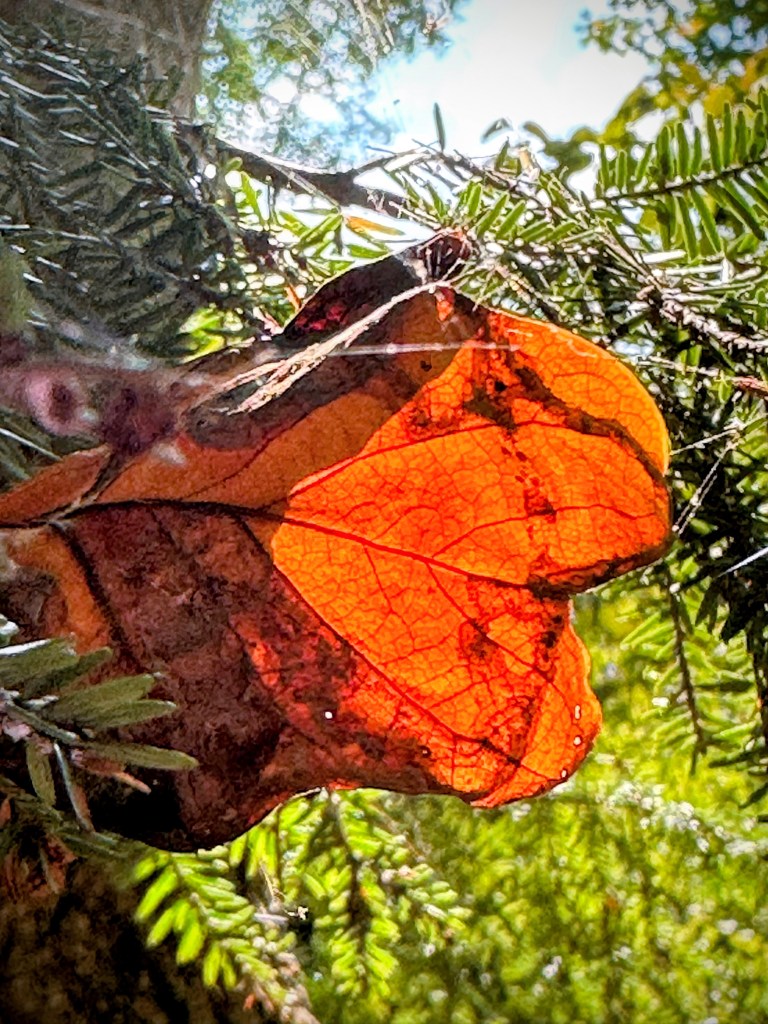
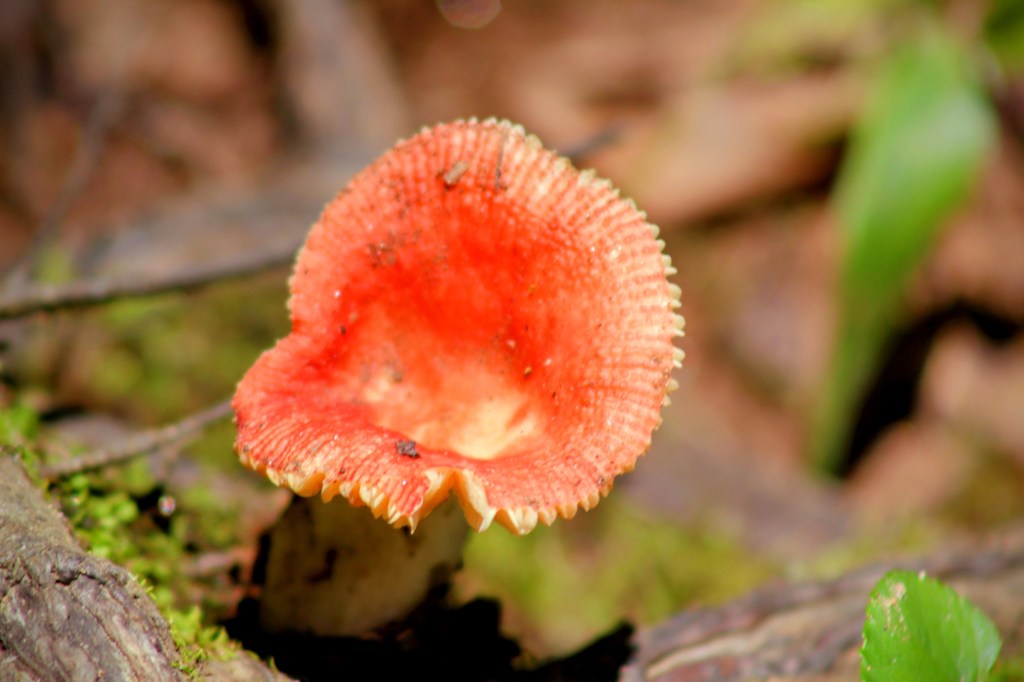
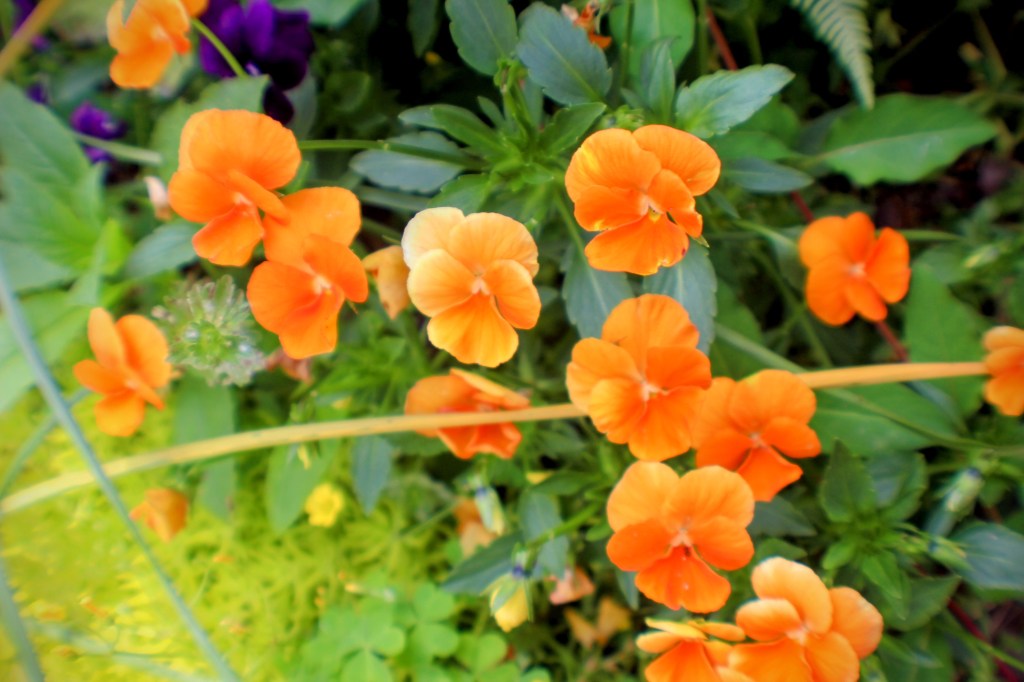
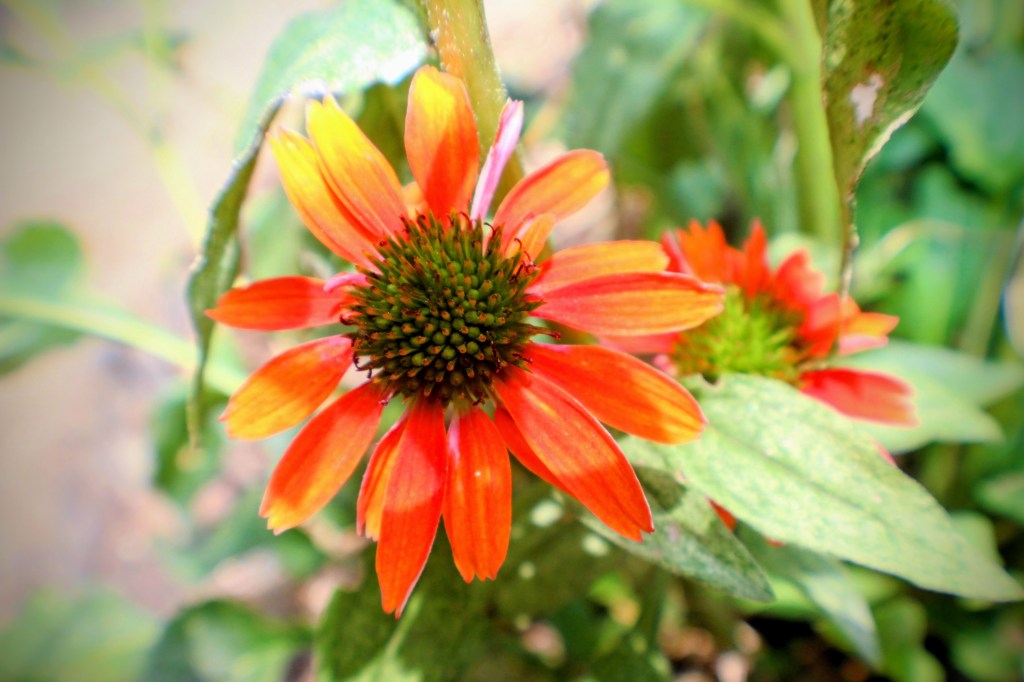
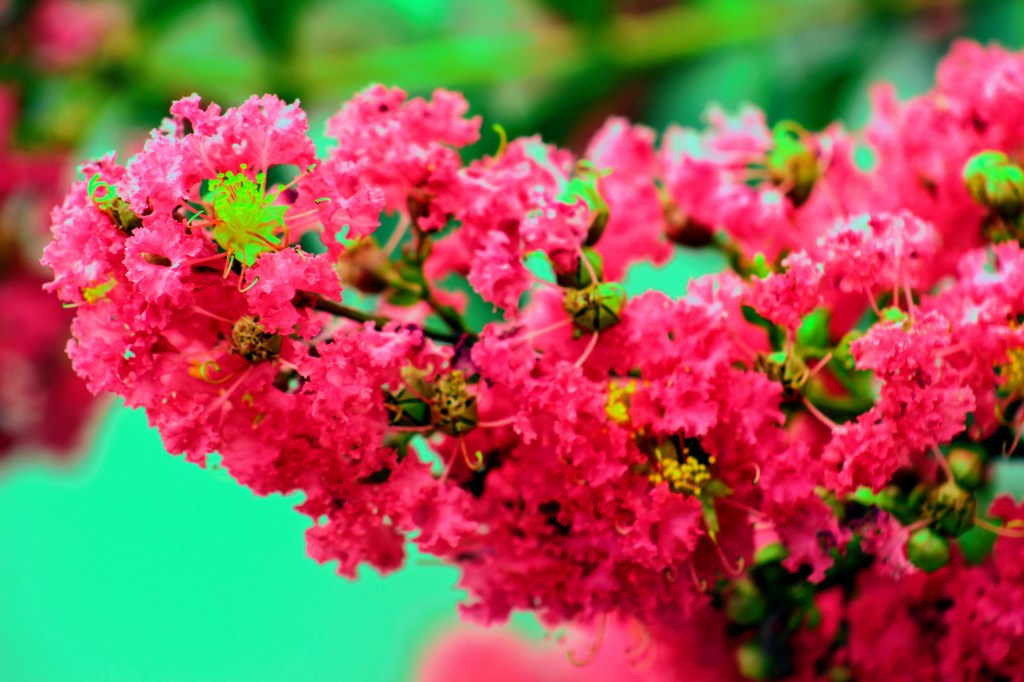
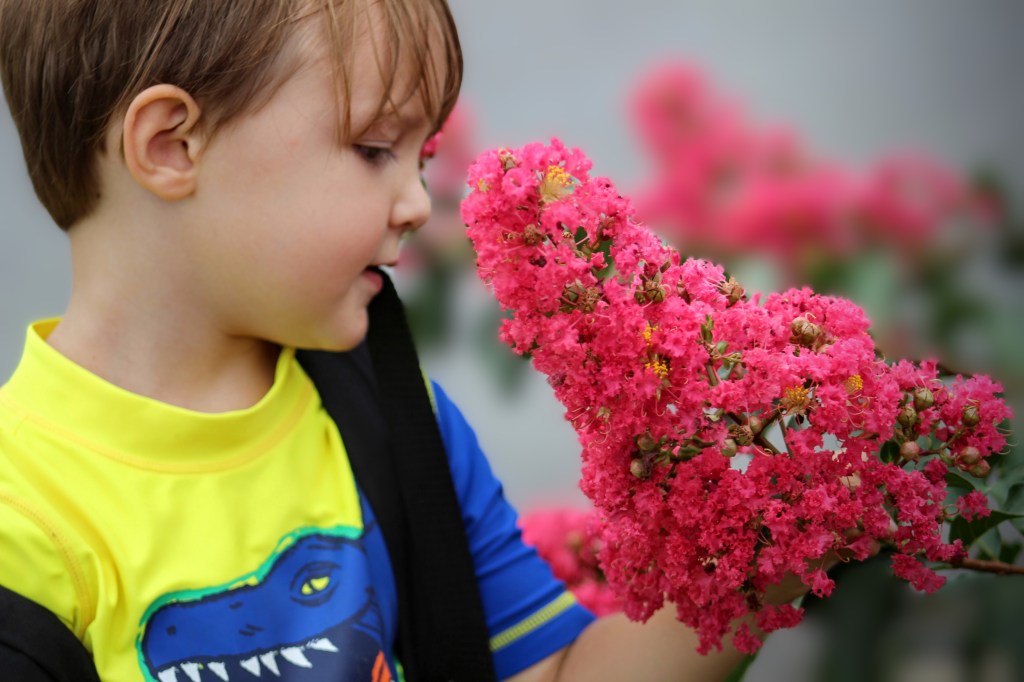
My entries this week for Cee’s Midweek Madness Challenge we’re all taken when Coleman and I went hiking at one of his favorite places, Anne Springs Close Greenway.
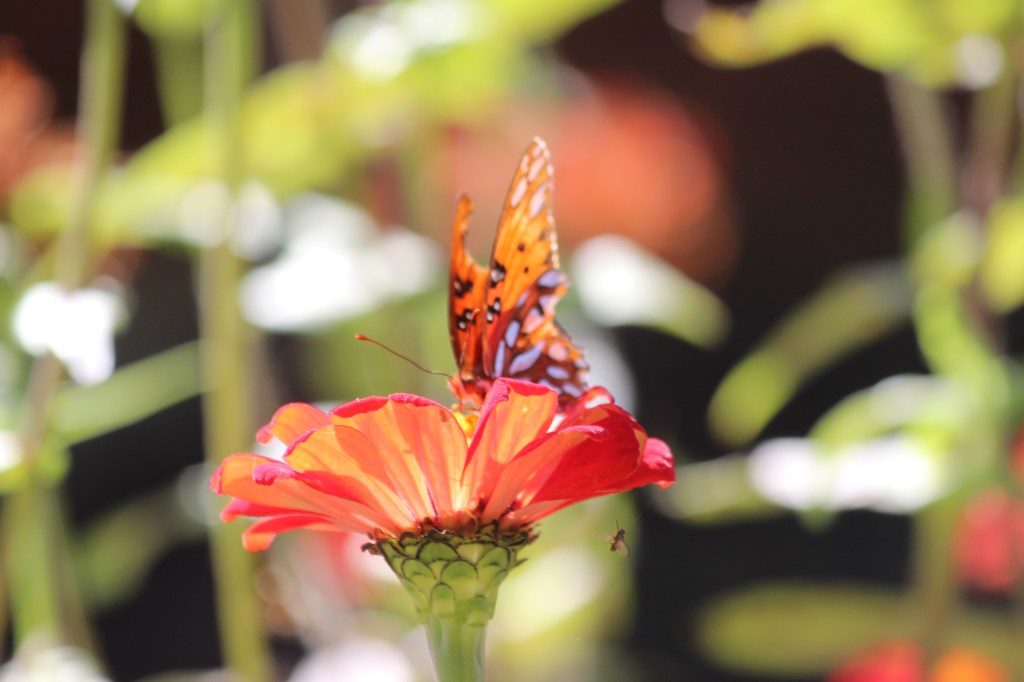
Muhlenbergia capillaris (Hair-awn or Pink Muhly) Checking you out …The Gulf fritillary or passion butterfly (Dione vanillae) on Zinnias
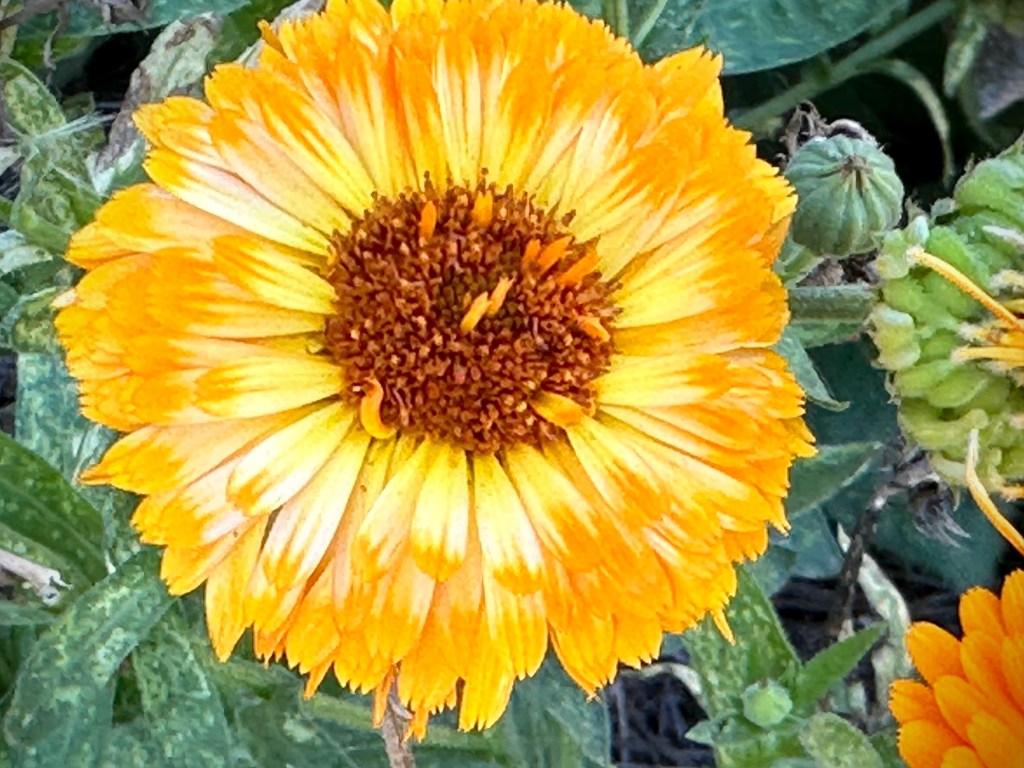
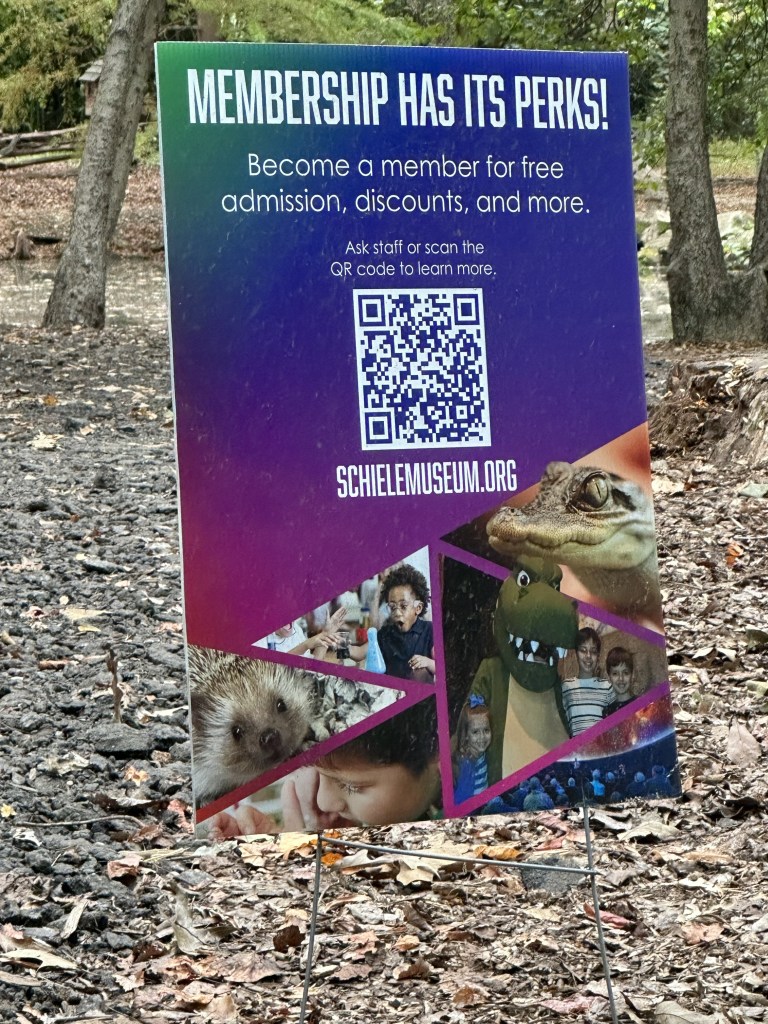
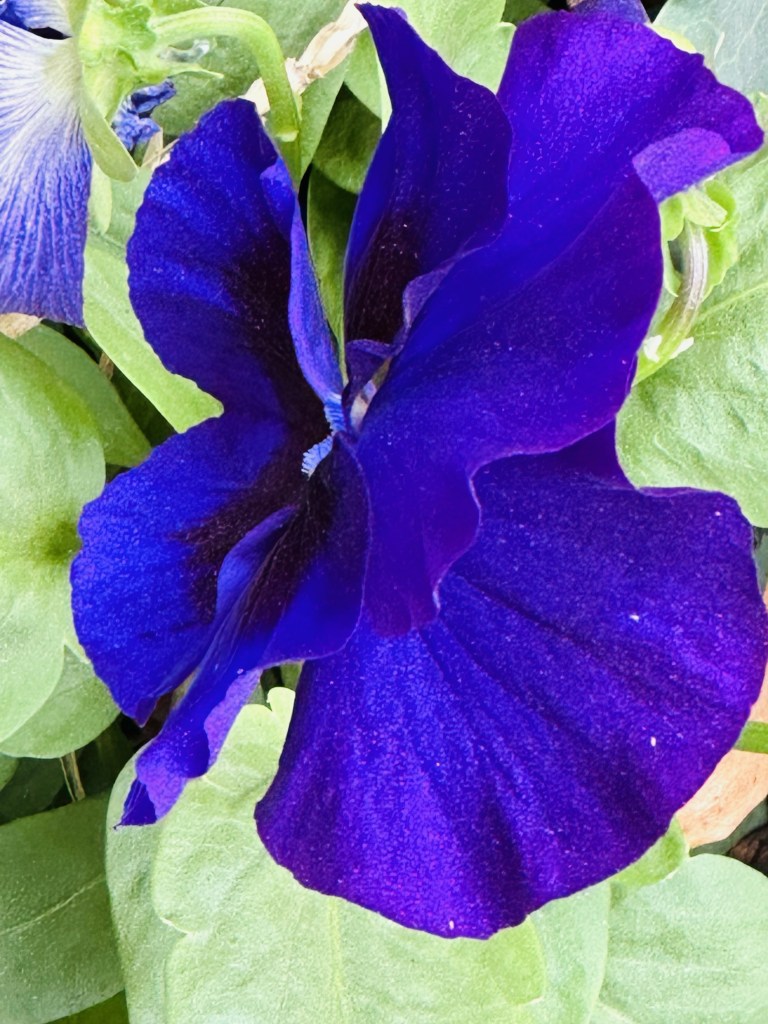
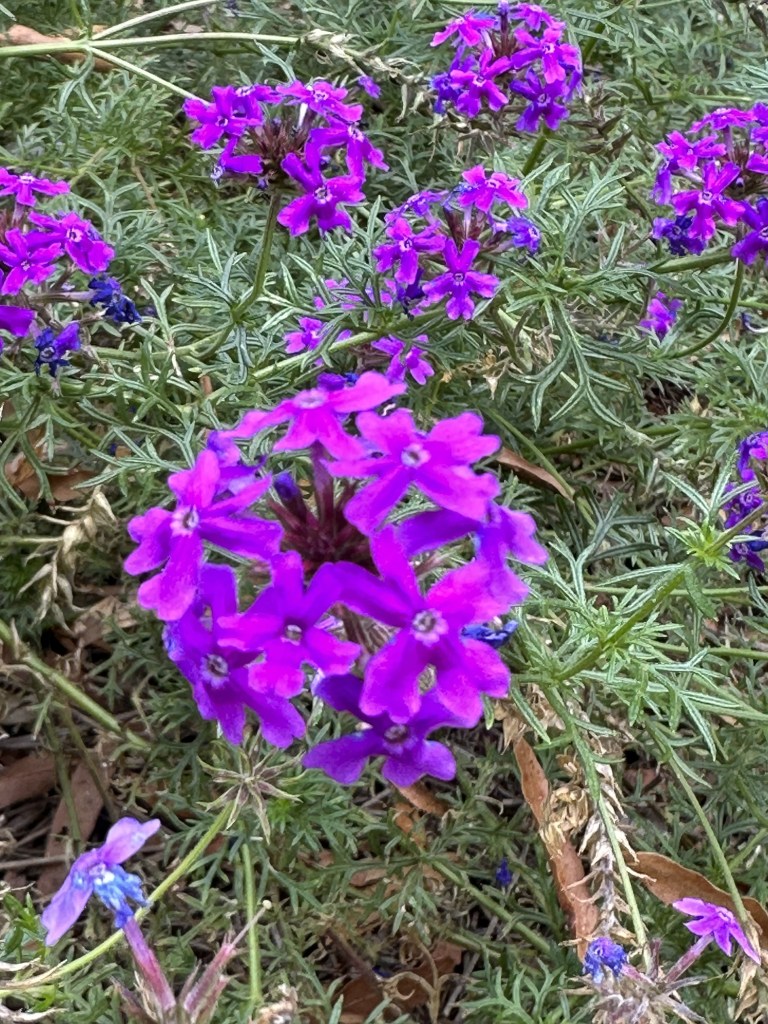
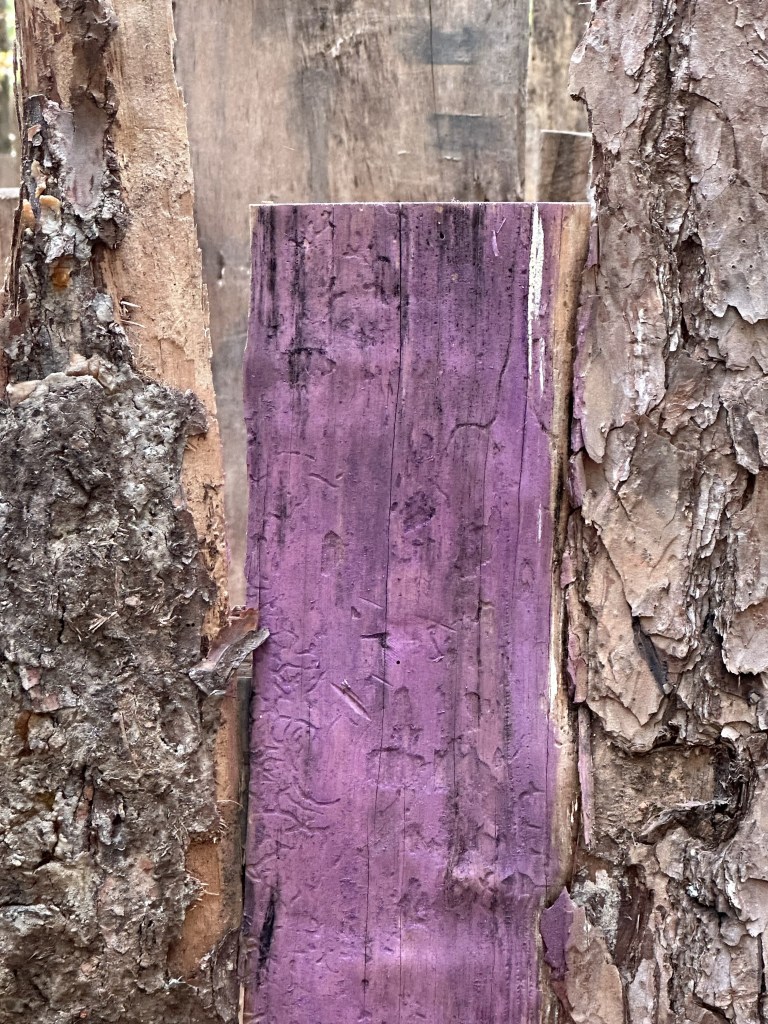
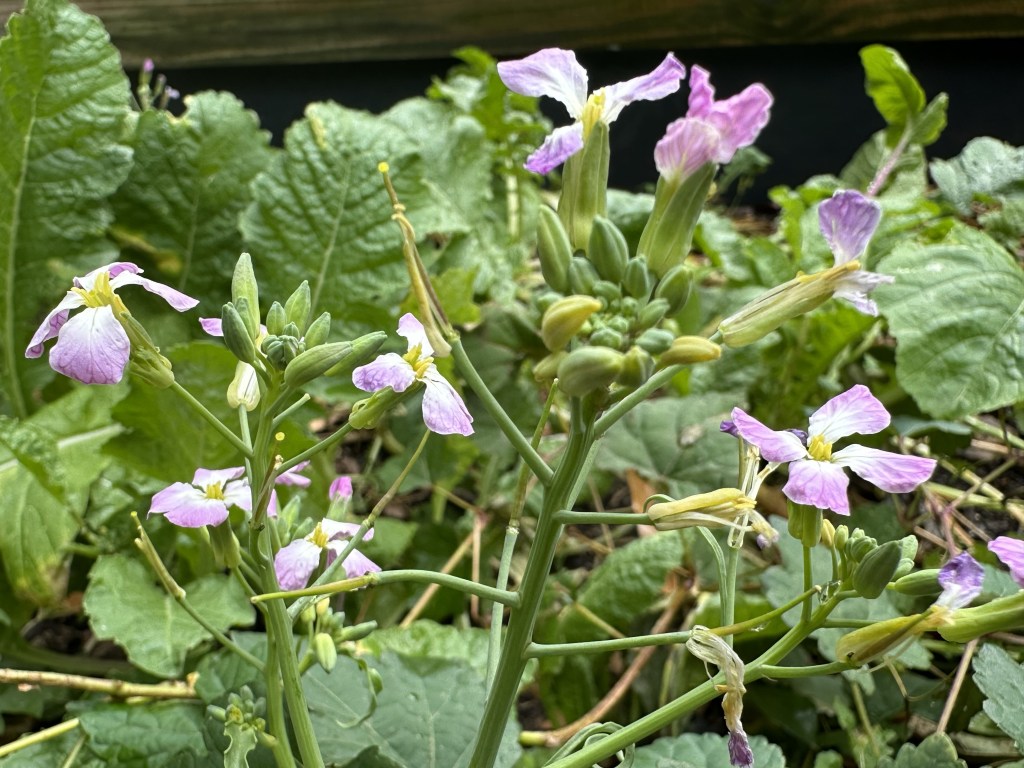
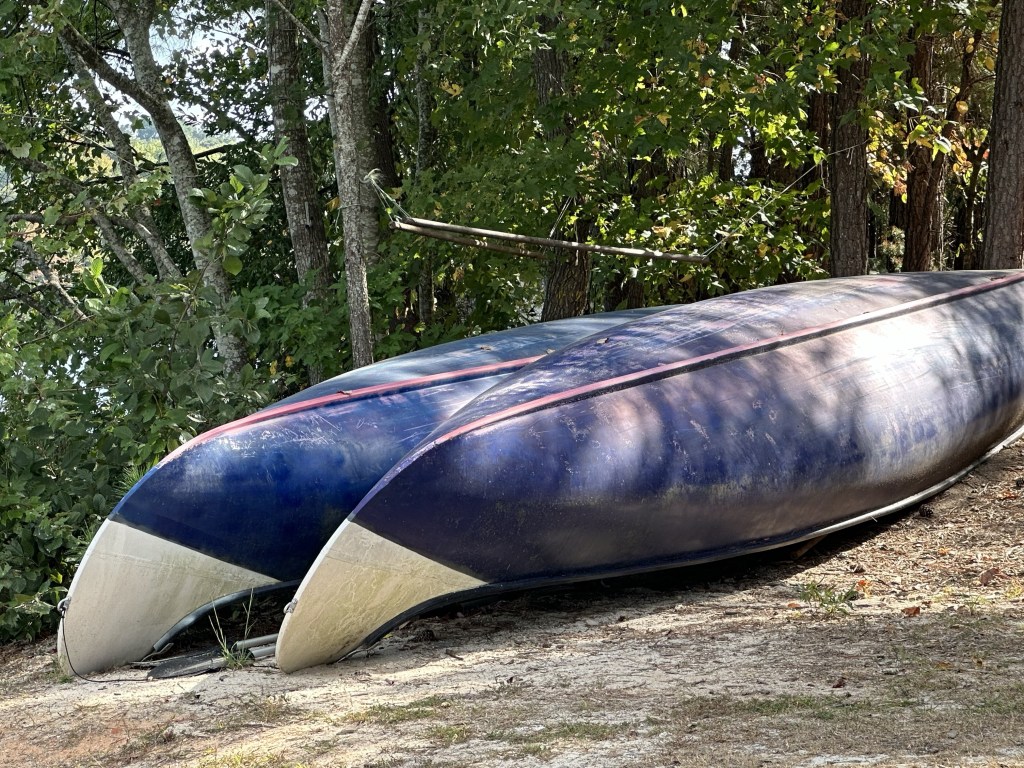
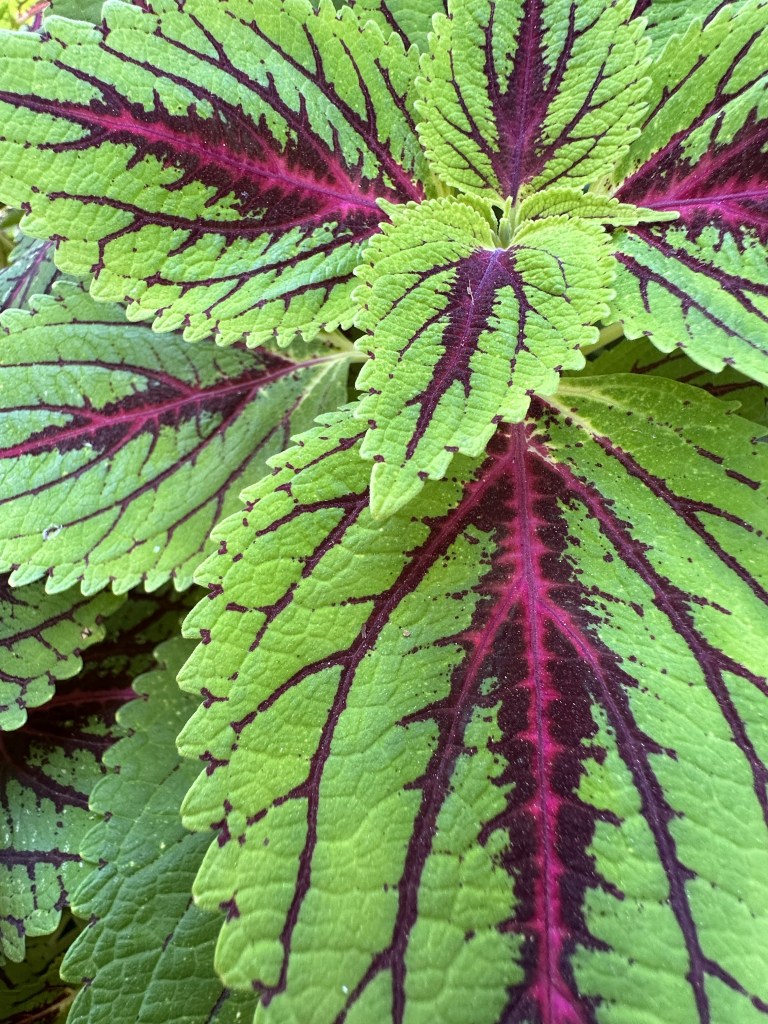
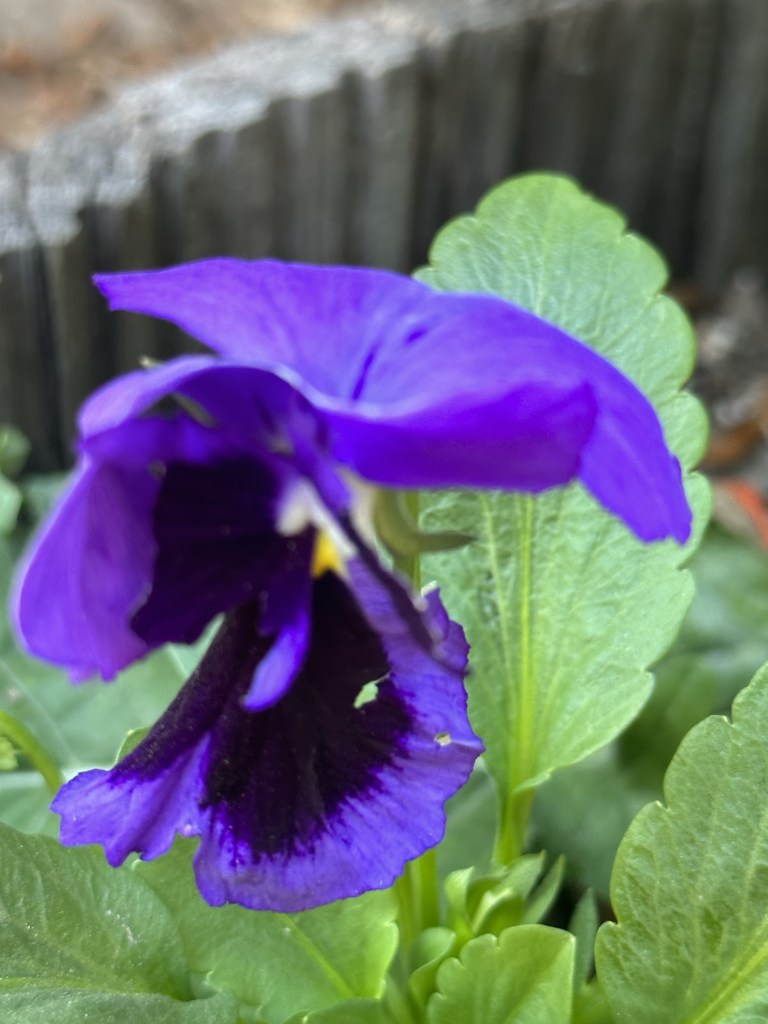
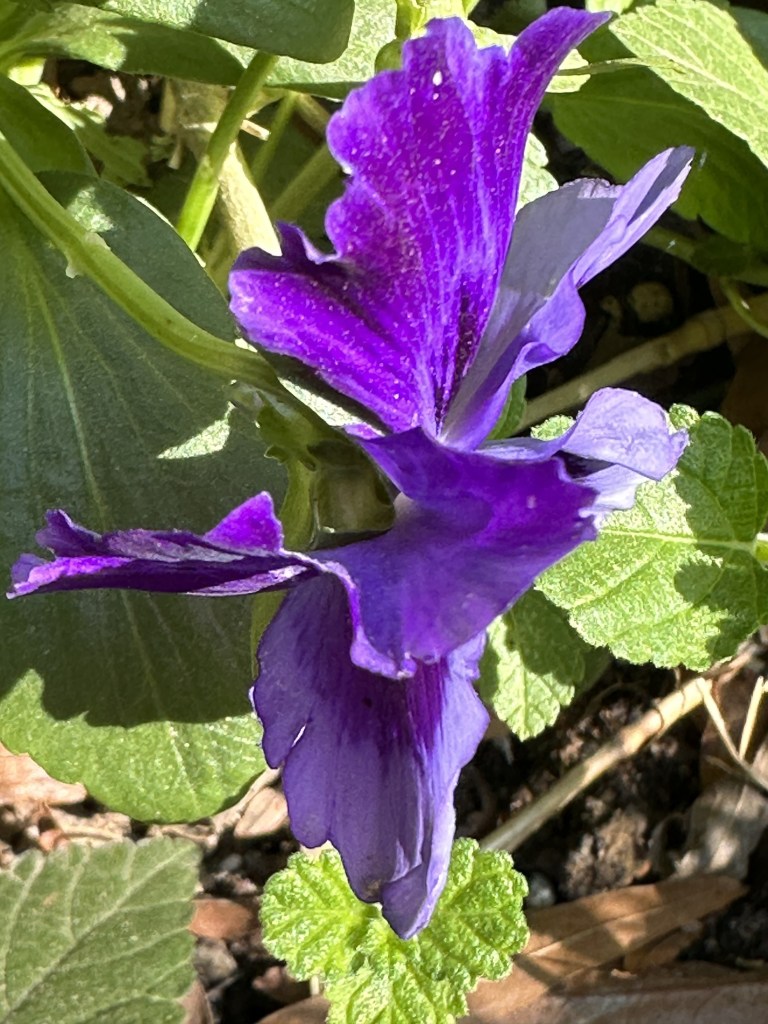
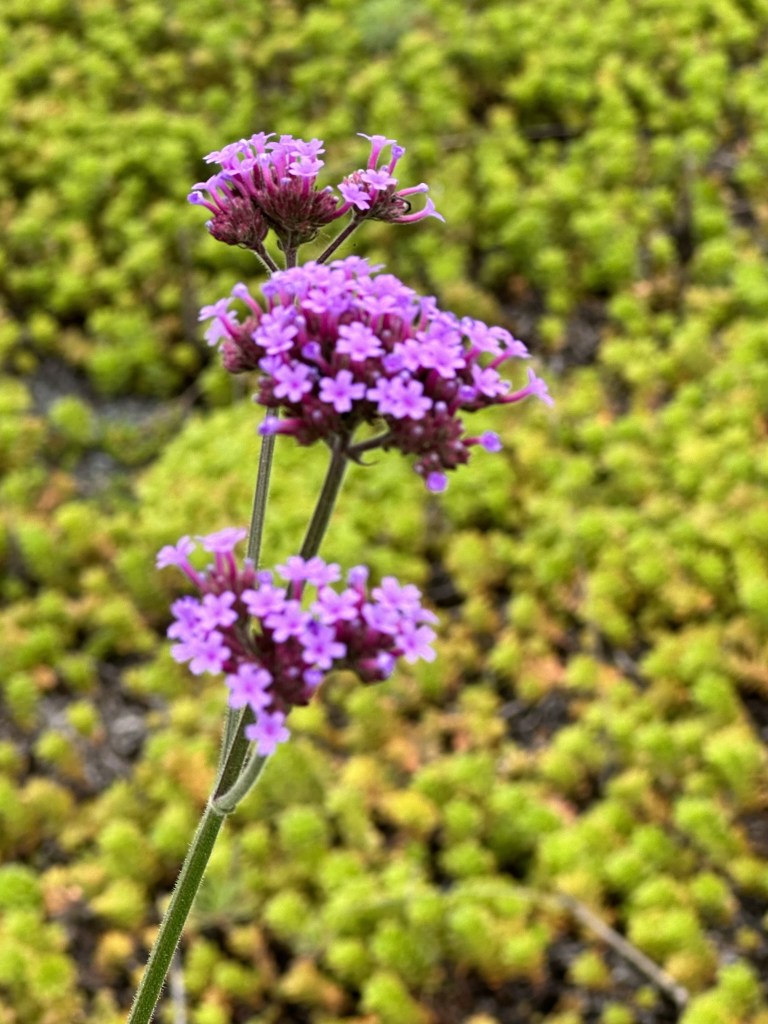
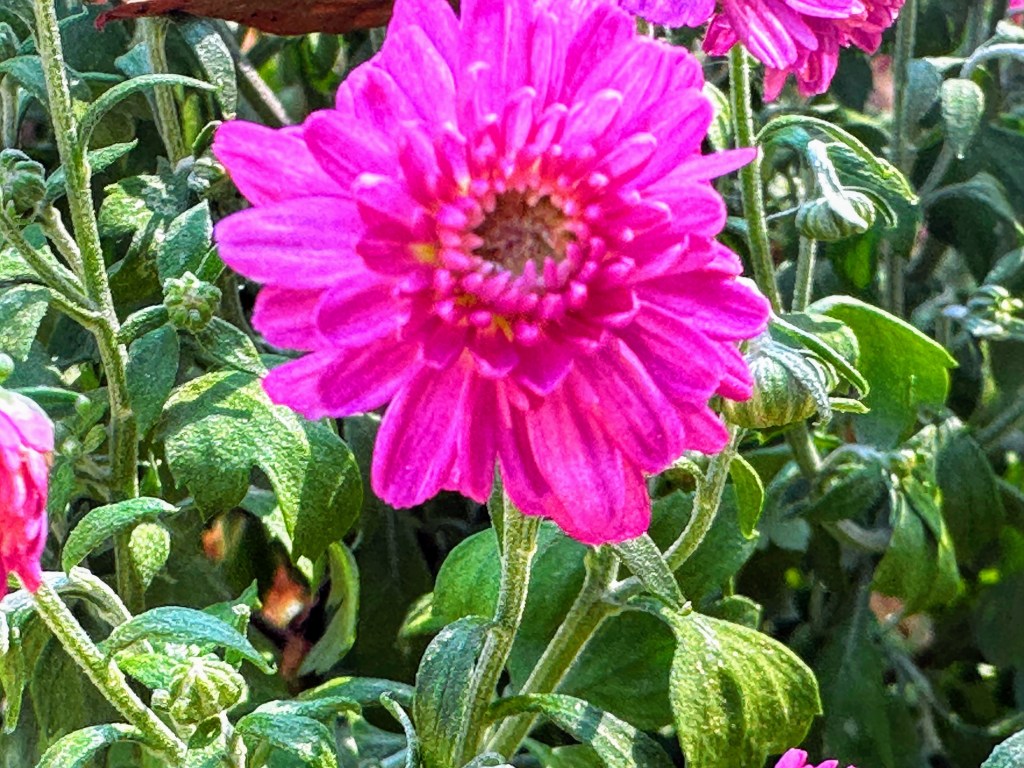
For this Cee’s CMMC this week I thought I would show you some of the Plum (purple) Coleman and I have seen this week on our hiking adventures at The Schiele Museum of Natural History and along trails at the Warlick Family YMCA. They range from purple colored wood on the maze to purple canoes and plenty of purplish flowers. Hope y’all will enjoy the slideshow.
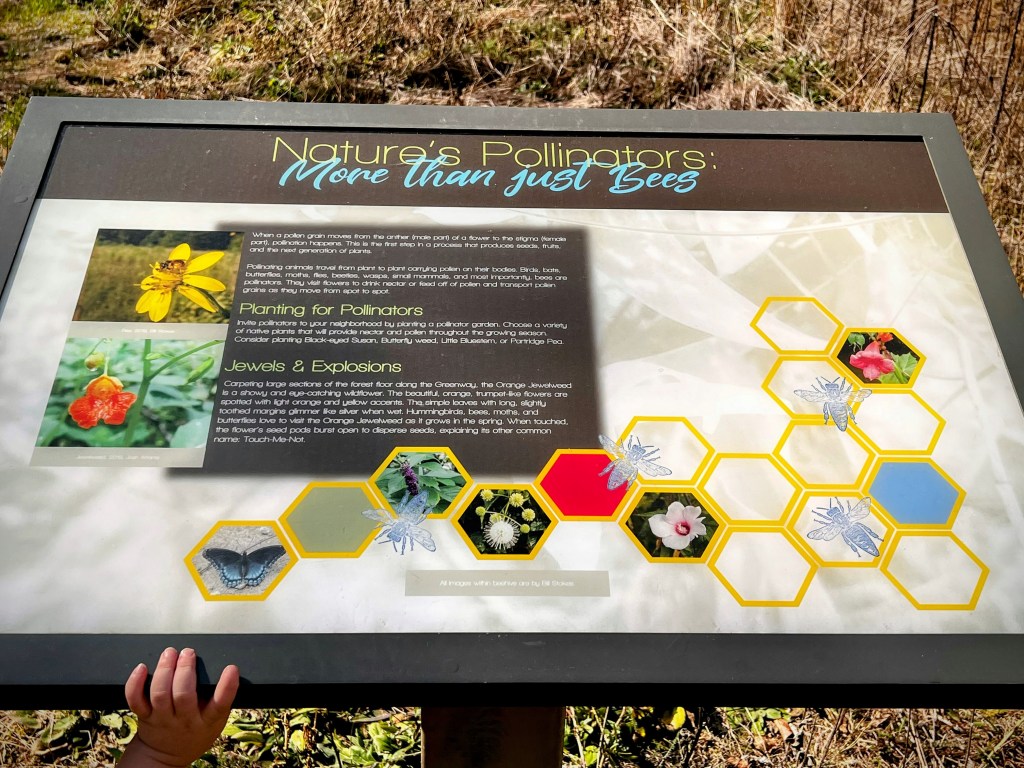
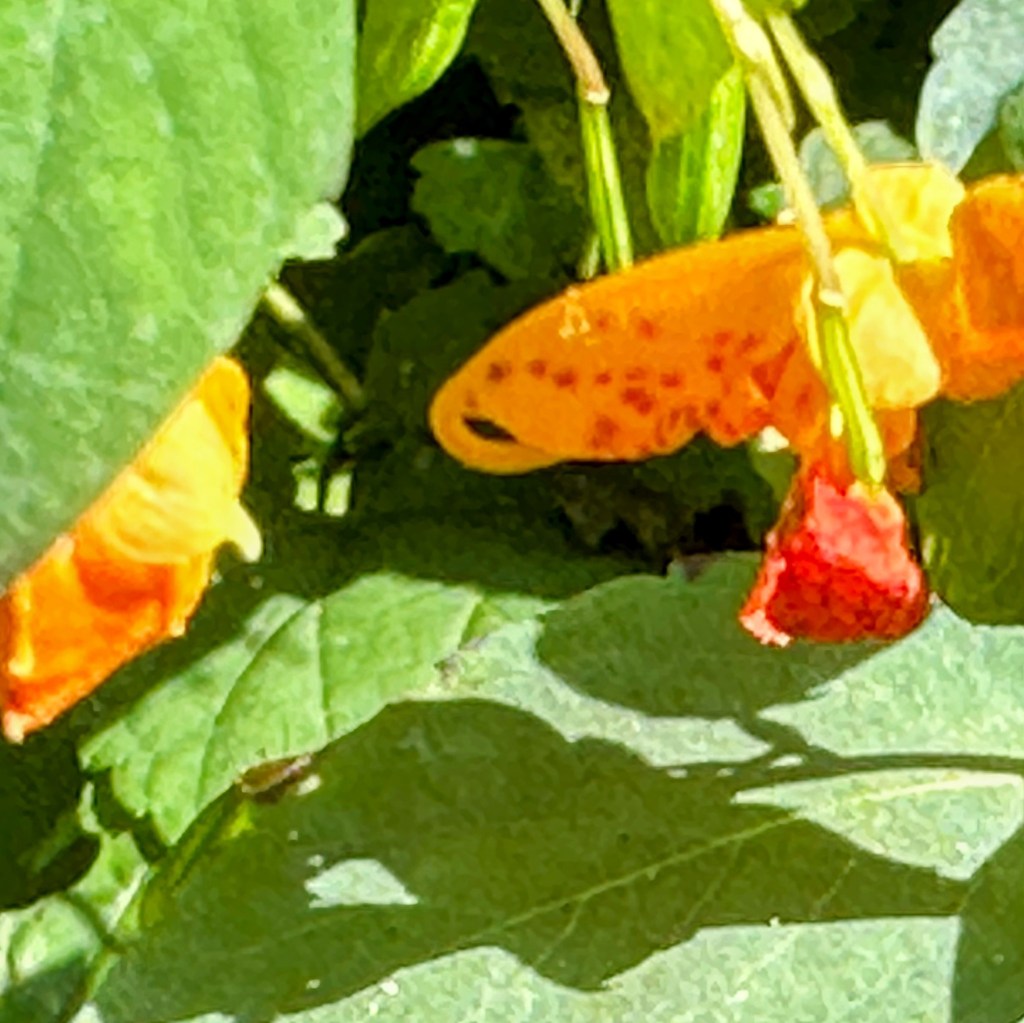
Spotted touch-me-notImpatiens capensis, the orange jewelweed, common jewelweed, spotted jewelweed, jewelweed, spotted touch-me-not, or orange balsam
Impatiens capensis, also known as, Jewelweed has a long history of use in Native American medicine. When applied topically, sap from the stem and leaves is said to relieve itching and pain from a variety of ailments, including hives, poison ivy, stinging nettle, and other skin sores and irritations.
Jewelweeds are found in locations all over the Piedmont region and other areas of the Carolinas. As you can see from the top picture the flowers are rather small. They feature 1″ long, rear-spurred, cornucopia-shaped, orange to orange-yellow flowers with reddish-brown spotting.
The flowers bloom from June to frost. Each flower dangles from a leaf axil on its own slender stalk. It is a herbaceous annual that may grow 3 to 5 feet tall. It can be naturally found in areas of moist soil including forests, streambanks, and bogs.
These particular Spotted touch-me-nots are located along a dense moist trail behind an unused soccer field. The dirt trail winds around and contains many elevated manholes which are accessible to city or county utility officials.
We have seen Jewelweeds in other areas we have hiked but until searching for more information I had not known the many medicinal applications it contains. They are attractive to hummingbirds for their nectar from June until early frost.
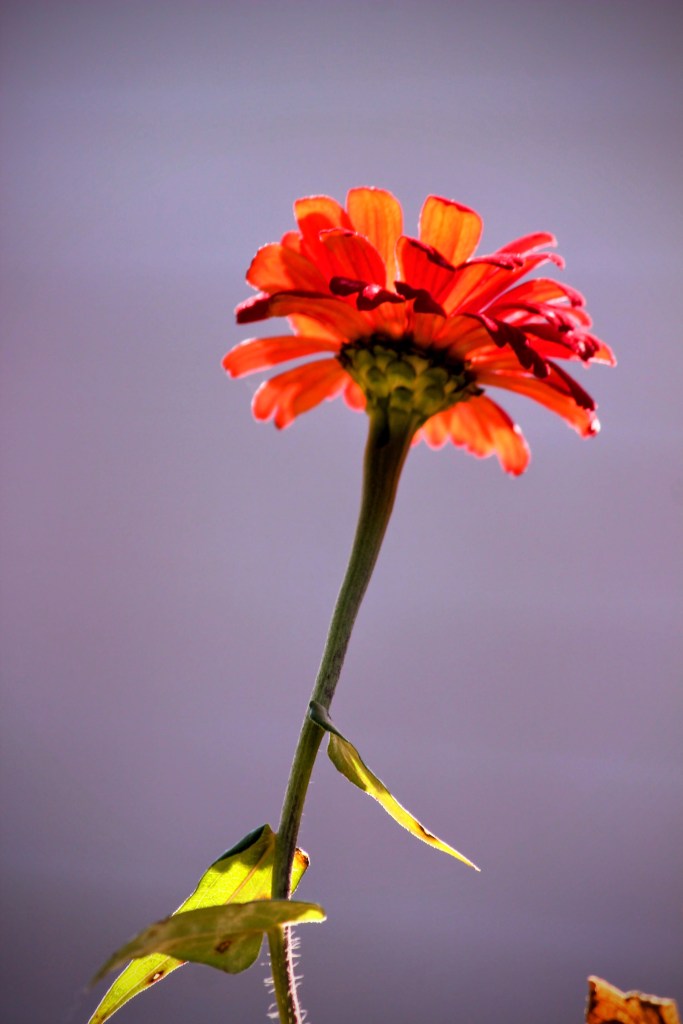
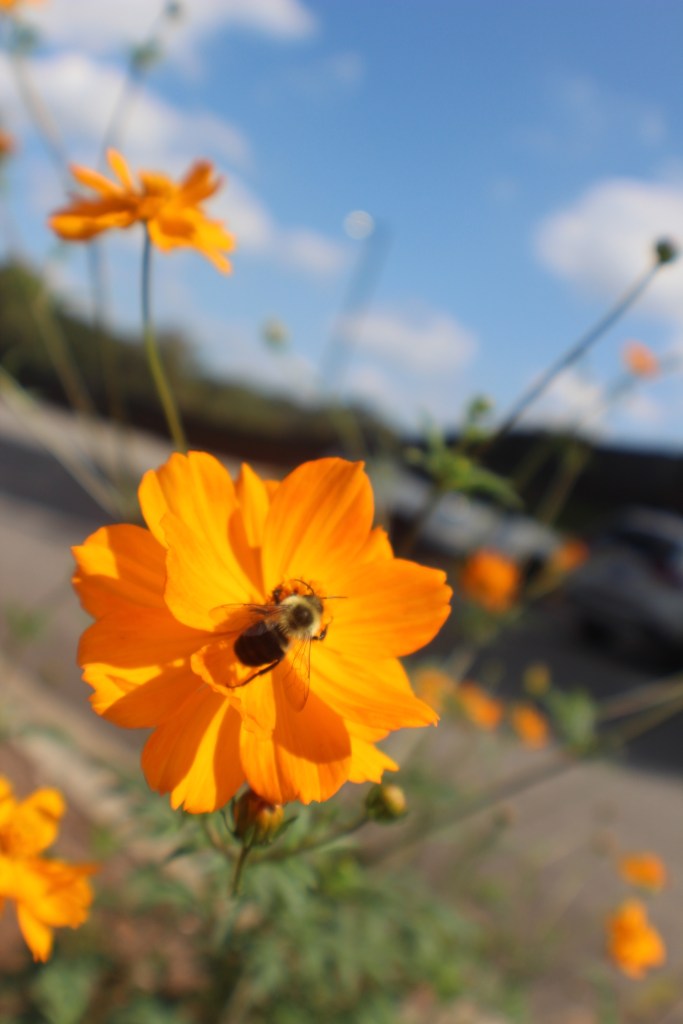
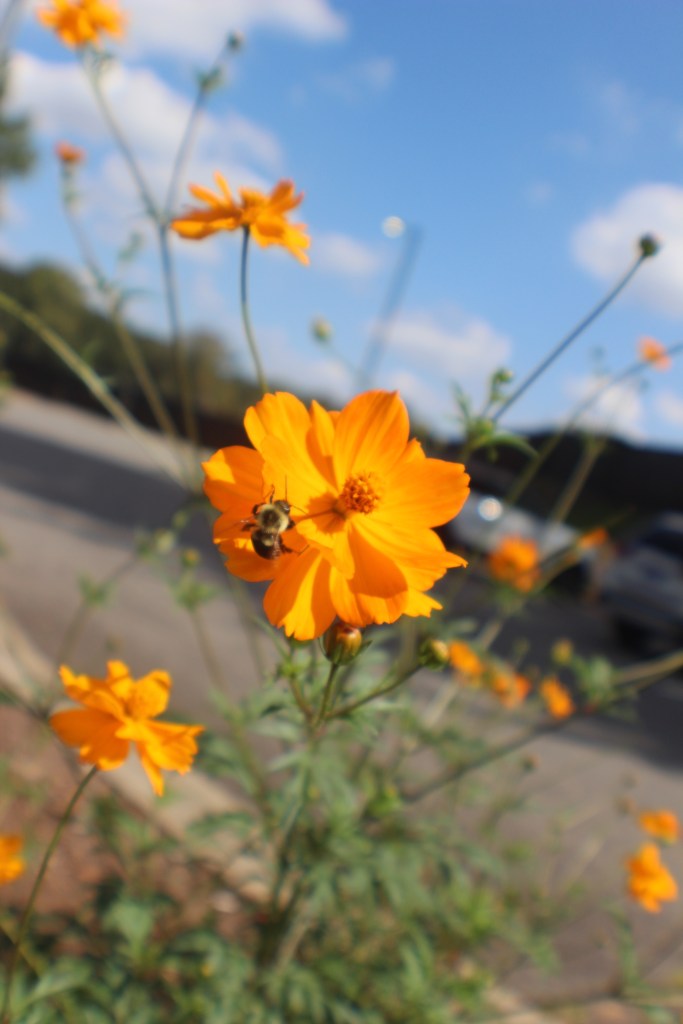
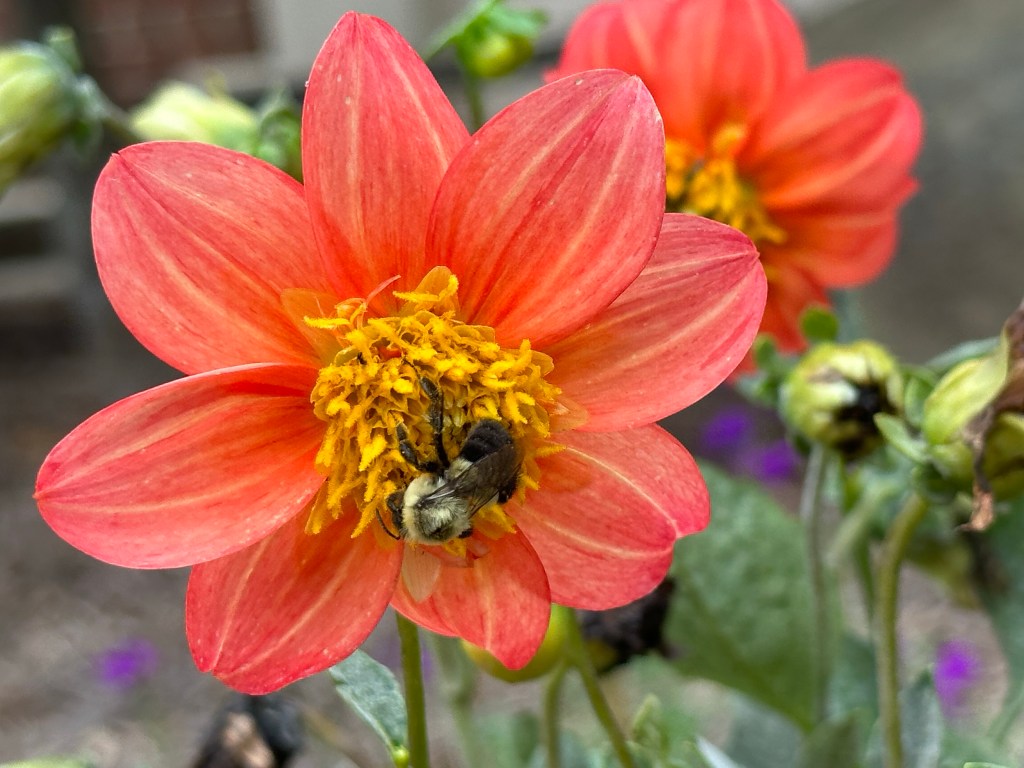
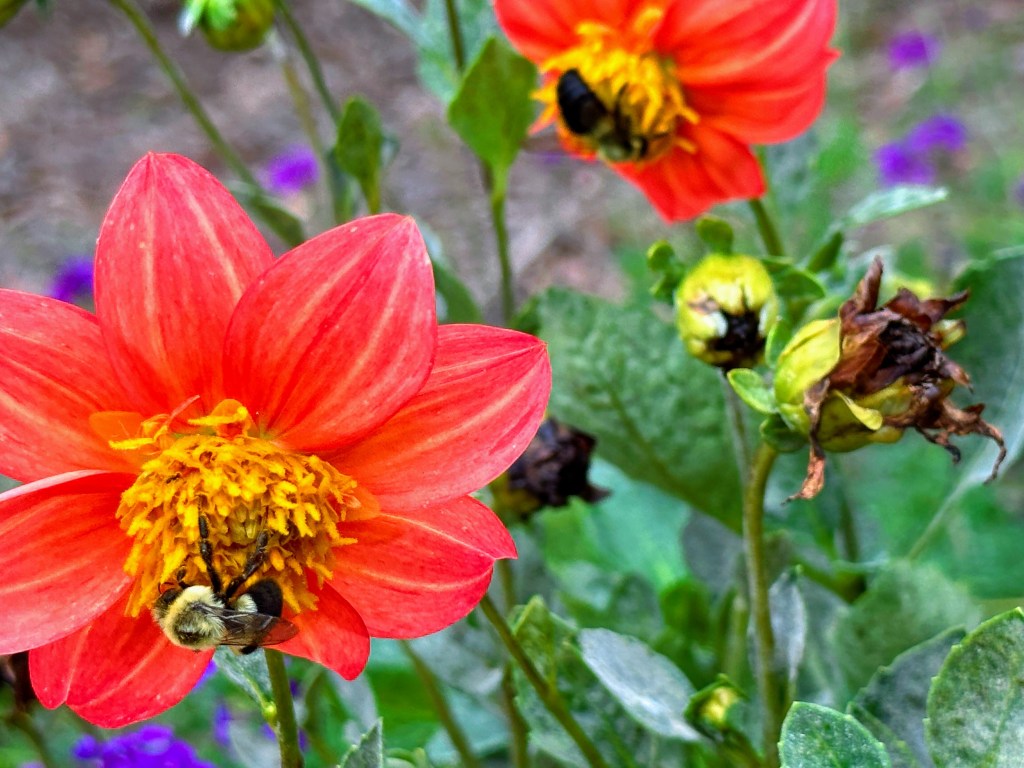
Its common name is red dahlia, although the flowers can be orange or occasionally yellow, as well as the more common red. Common Eastern Bumblebee feasting on its nectar. Dahlia coccinea
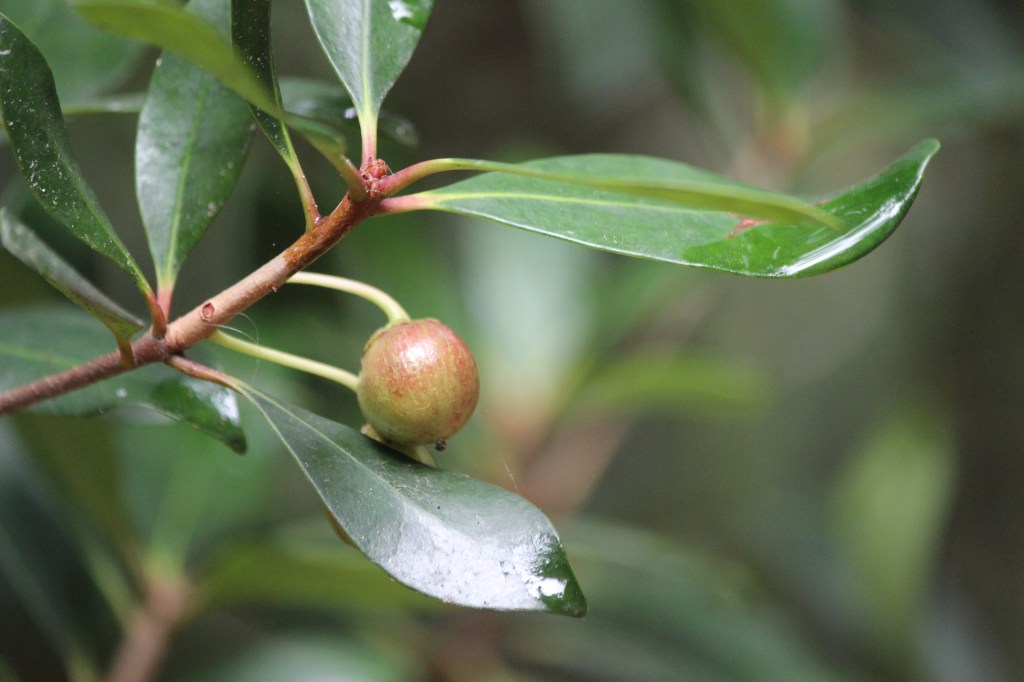
Dahoon (Ilex cassine) Schiele Museum Gastonia, North Carolina Dahoon is a rare evergreen holly found at the borders of limesink ponds. Schiele Museum Gastonia, North Carolina.
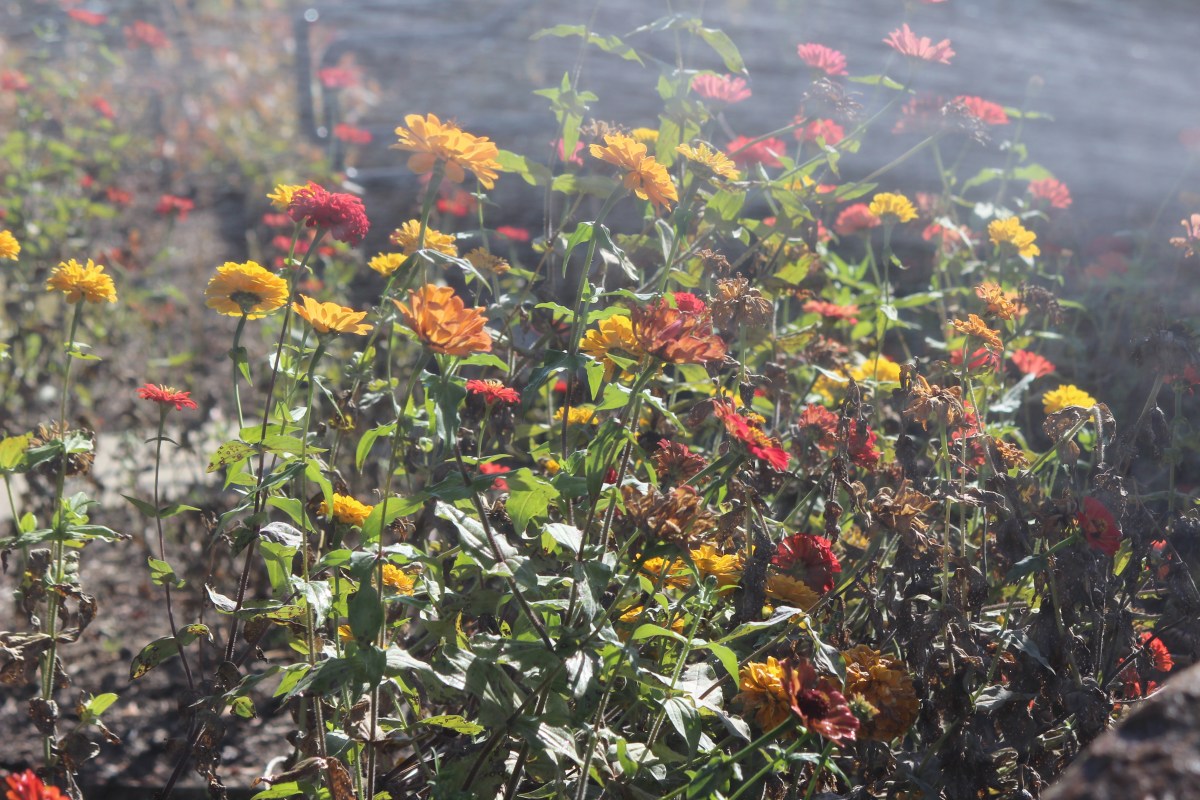
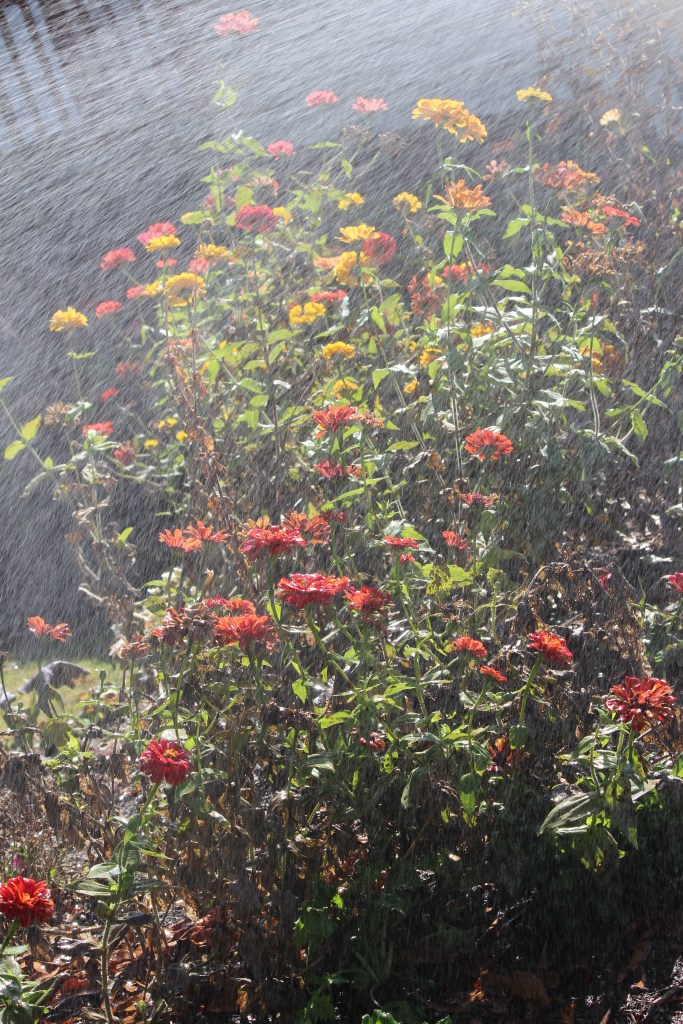
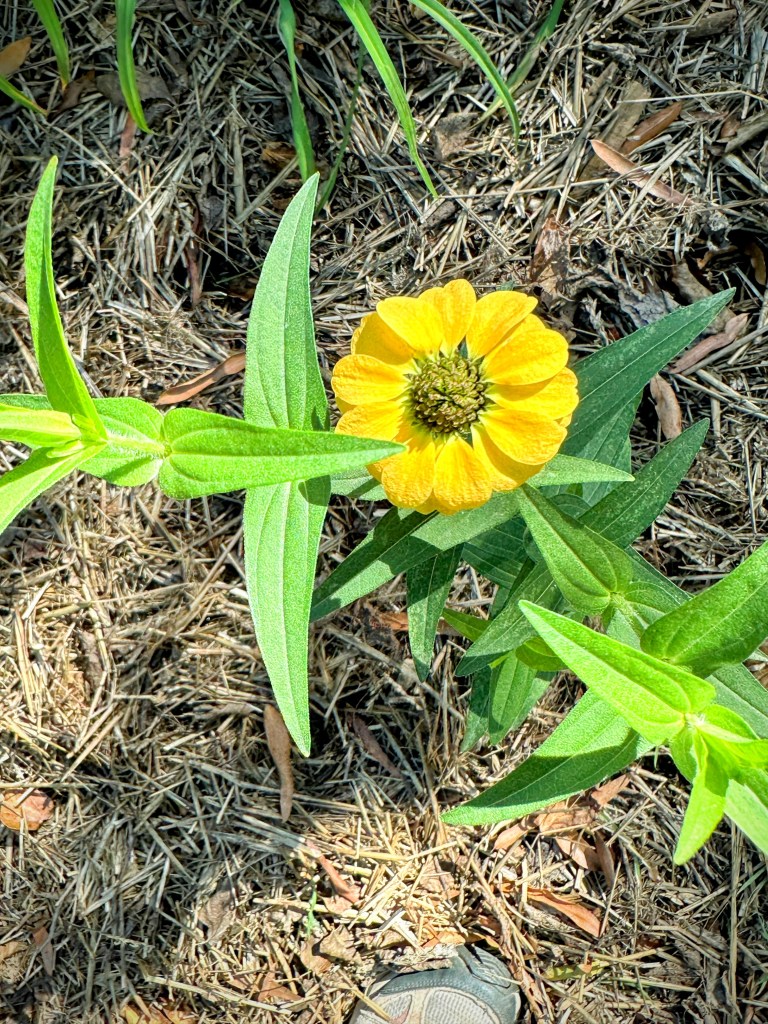
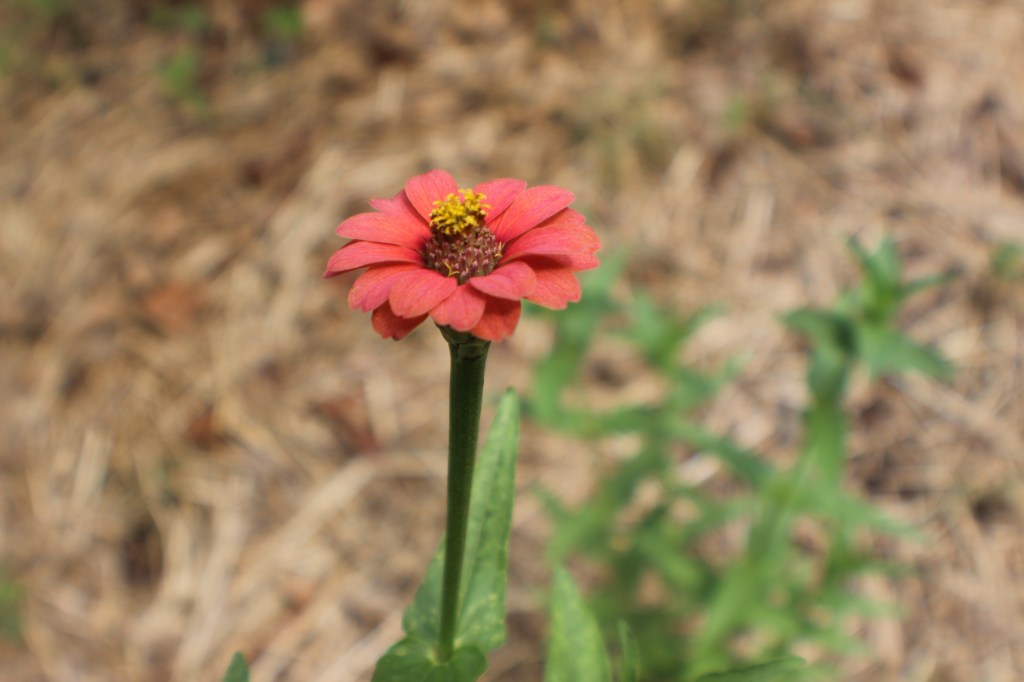
Zinnias are subtropical and tropical upright annual flowering plants in the Asteraceae family which boast an abundance of daisy-like flowers. They are native to North and South America.
Original Peruvian Zinnias
These and other Zinnias are grown in the Memorial Wildlife Garden contained within The Farm at The Schiele Museum of Natural History in Gastonia, North Carolina. The Farm is located to the left as you enter the Nature Trail area outside the Museum walls.
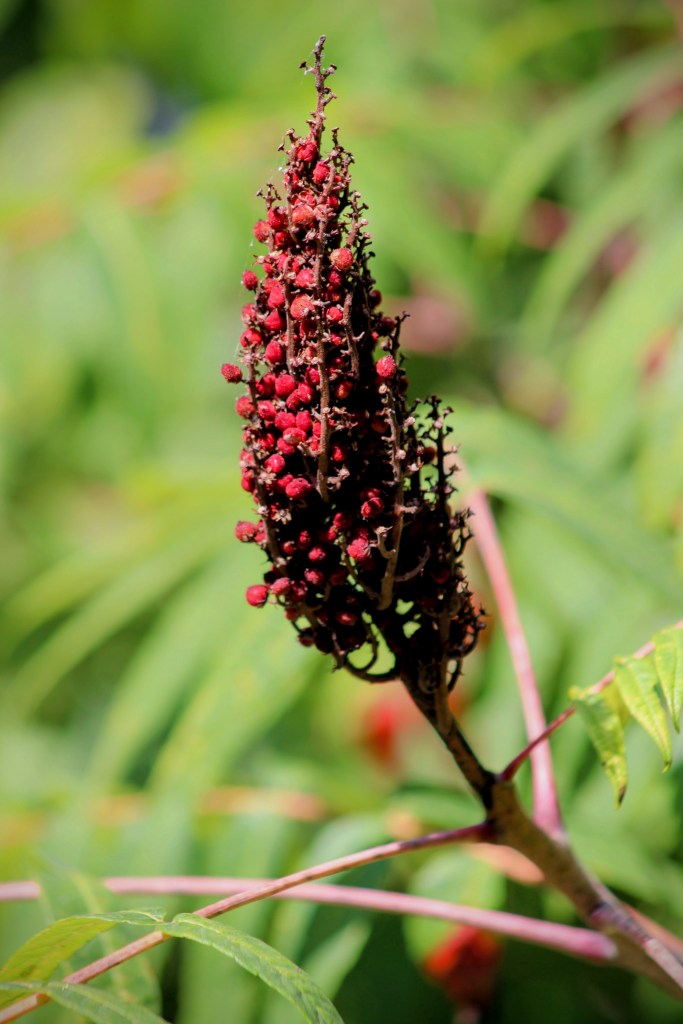
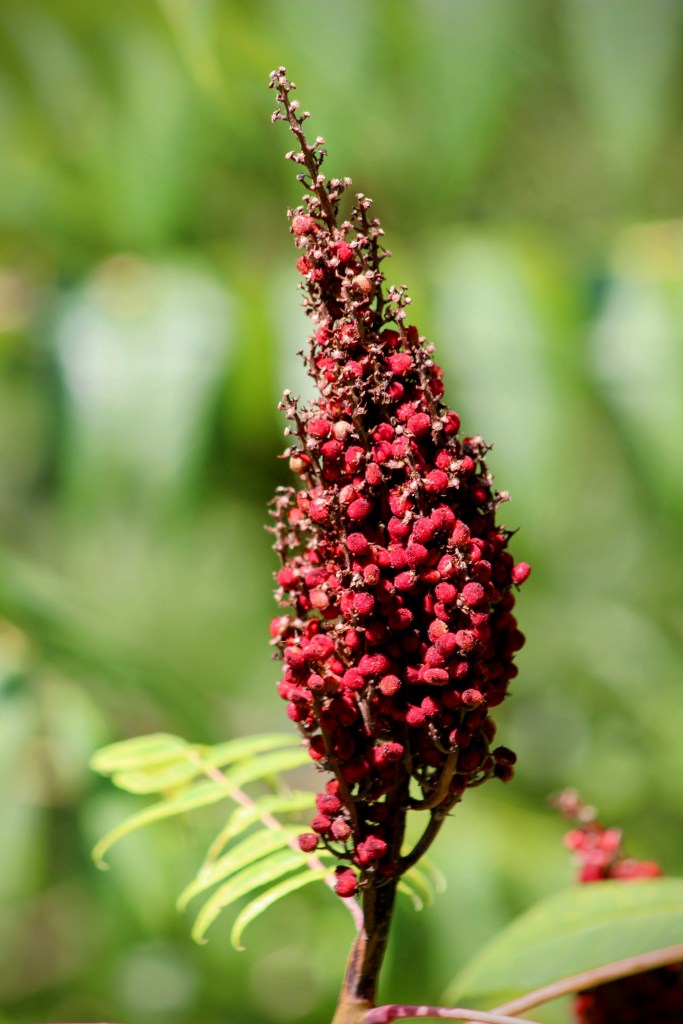
Rhus glabra, (AKA white sumac, upland sumac, or scarlet sumac) is a species of sumac in the family Anacardiaceae, native to North America.Native Americans ate the young sprouts as a salad. The fruit is sour and contains a large seed, but can be chewed (to alleviate thirst) and made into a lemonade-like drink.
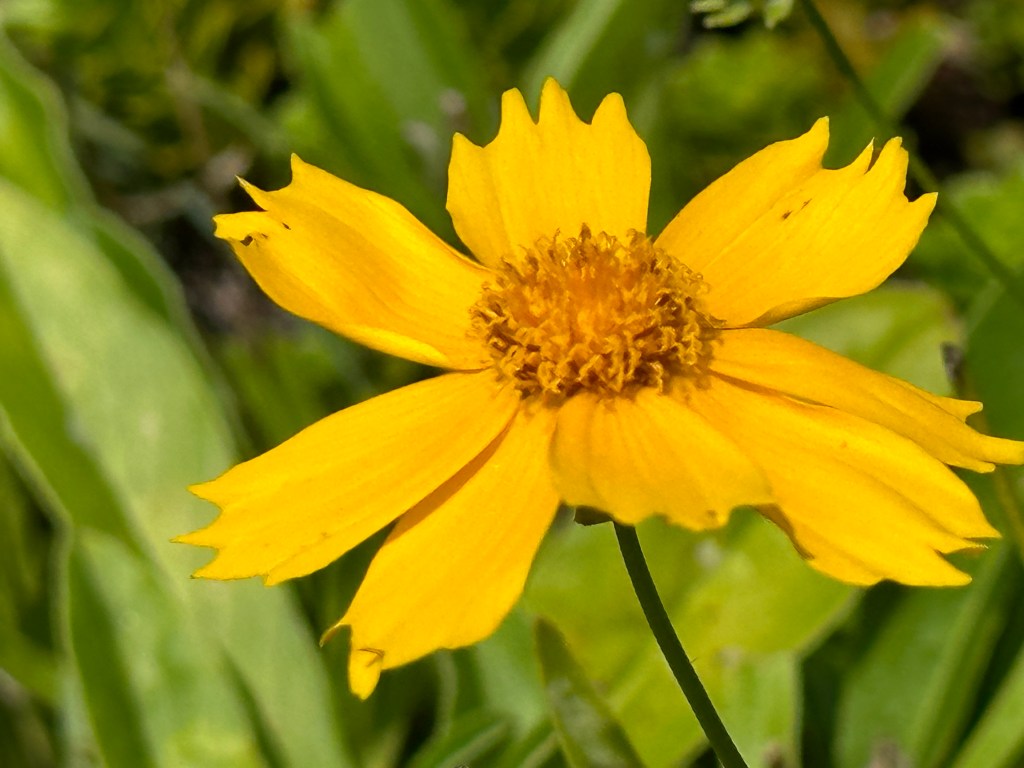
Coreopsis lanceolata is a North Americanspecies of tickseed in the family Asteraceae. It is native to the Eastern and Central parts of the United States, naturalized in Canada, the Western United States, Mesoamerica, South America, South Africa and Eastern Australia. It is found in open woodlands, prairies, plains, glades, meadows and savannas.
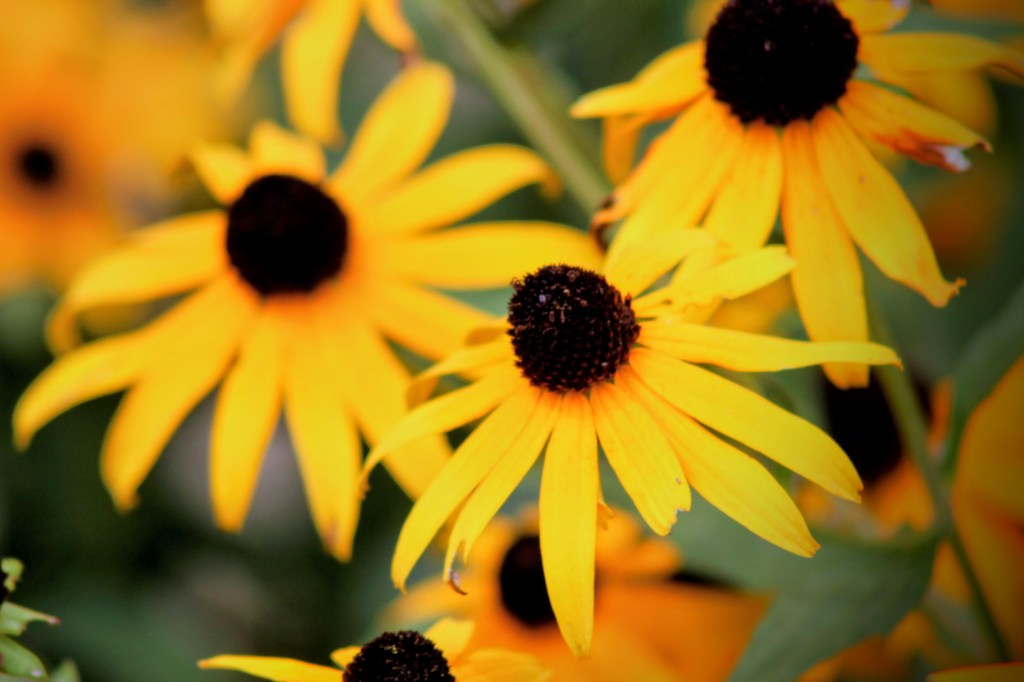
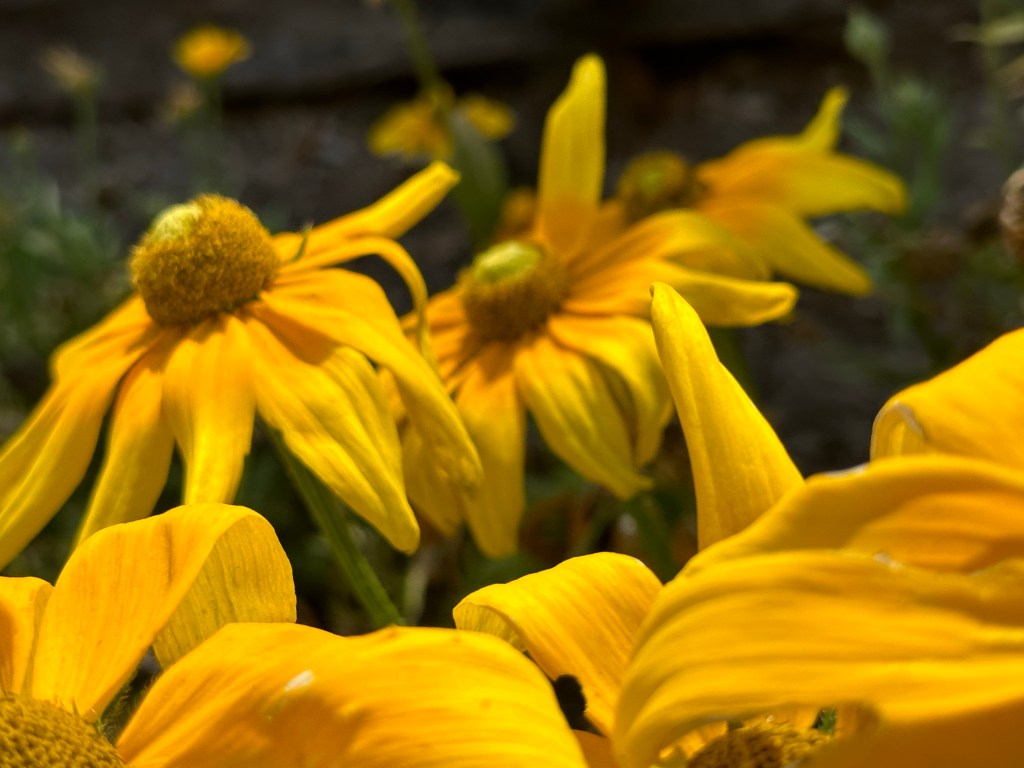
Rudbeckia hirta is a short-lived perennial that should be treated as an annual. It may likely endure few winters, but will often self-seed prolifically. The flowers are showier than other Rudbeckia species and have been widely hybridized. (Clemson.edu)
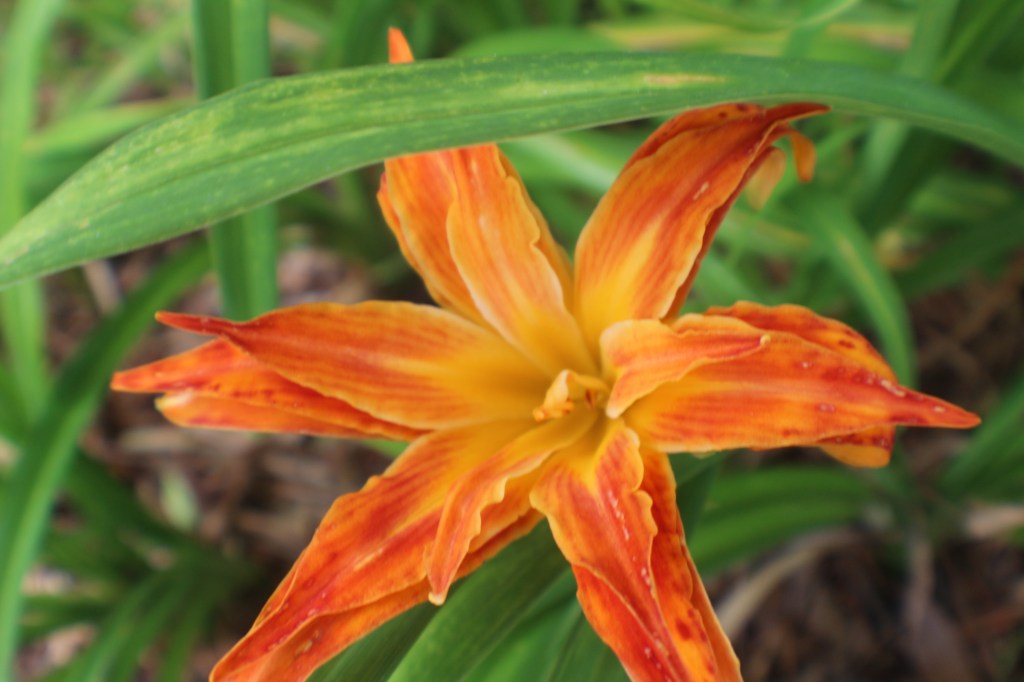
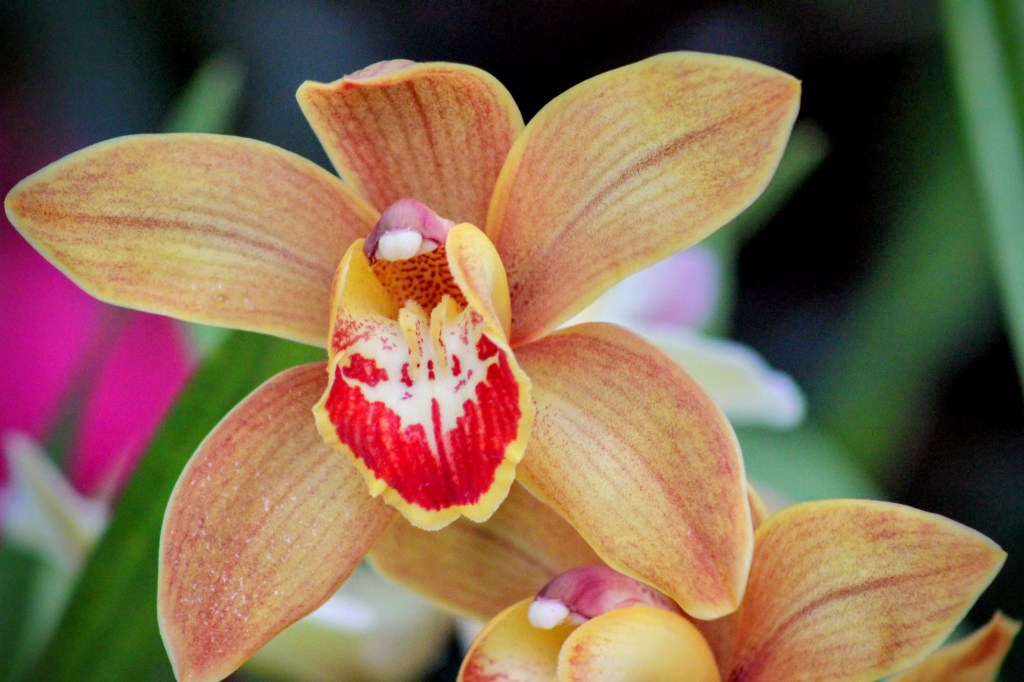
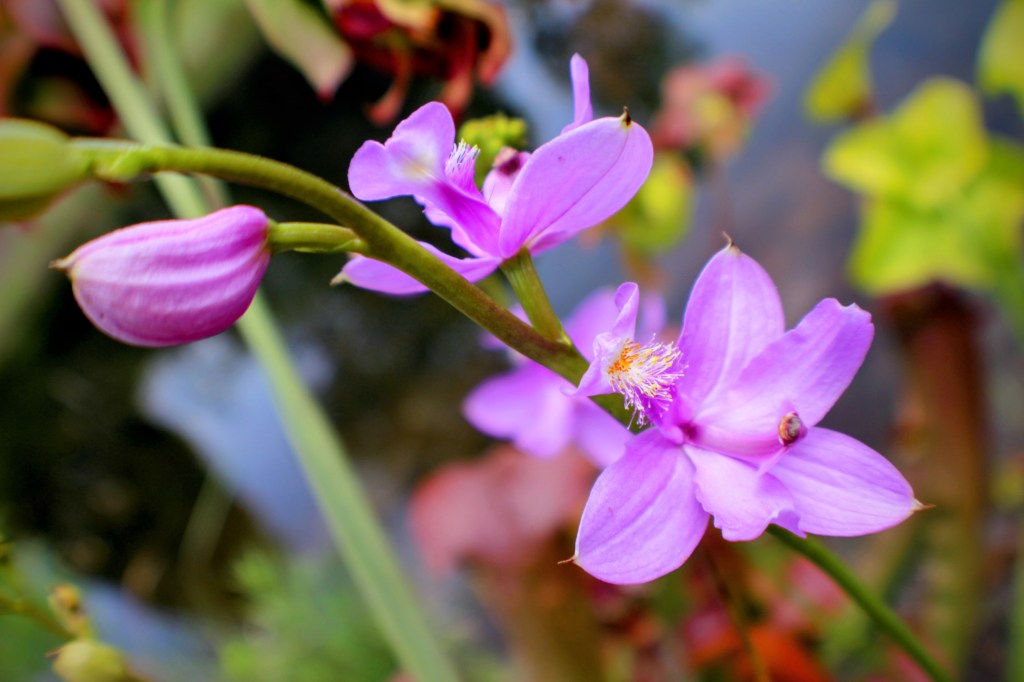
Ostrich Riverbanks Zoo Columbia, South Carolina Orange Day-lilyCymbidium Latigo ‘Cookesbridge Sunset’ OrchidSimpson’s grass pink and it is in the Orchid family (Orchidaceae)OrchidsOHIOAtlantic Ocean My Eldest Son and I at the Atlantic Ocean in Topsail Beach, North Carolina February 2017