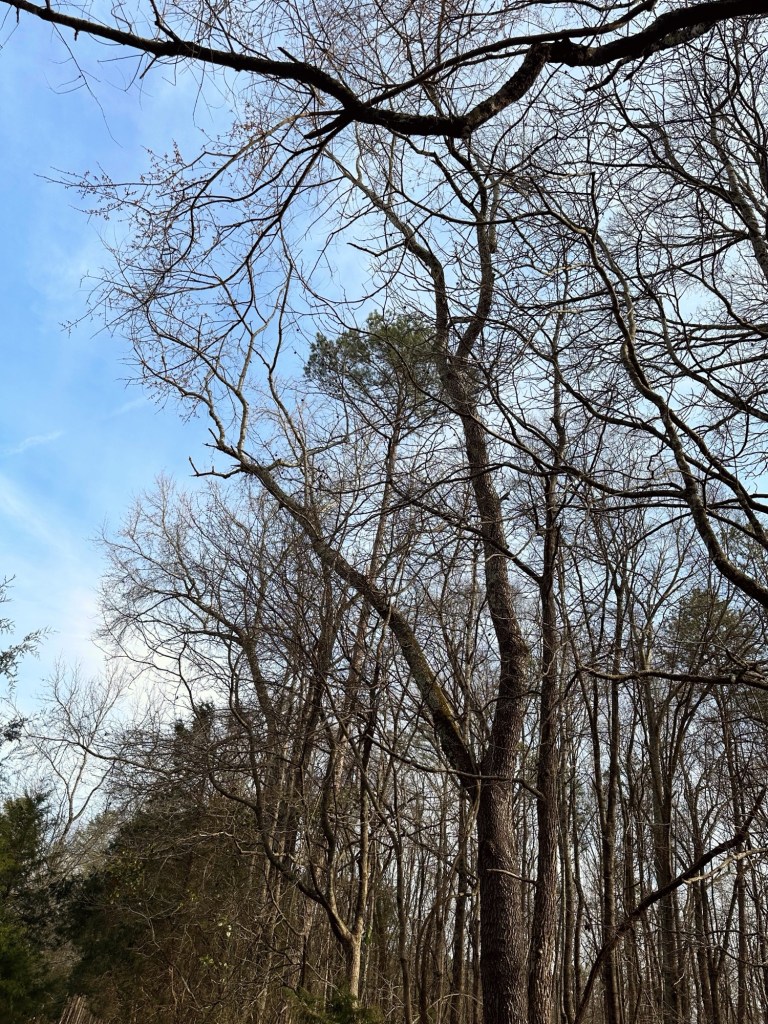
I never thought about squirrels leaping or jumping from the ground to high branches in trees before. Normally, I see squirrels clambering up trees or from tree to tree. This week we literally saw a squirrel leap (or jump) from the ground to a branch high up in a tree in one swift effortless movement.
Squirrel 🐿️ Action
Evidently, high enough is however high a squirrel wants to leap to reach its destination.
Coleman Hiking & Playing Along the Avon and Catawba Creeks Greenway
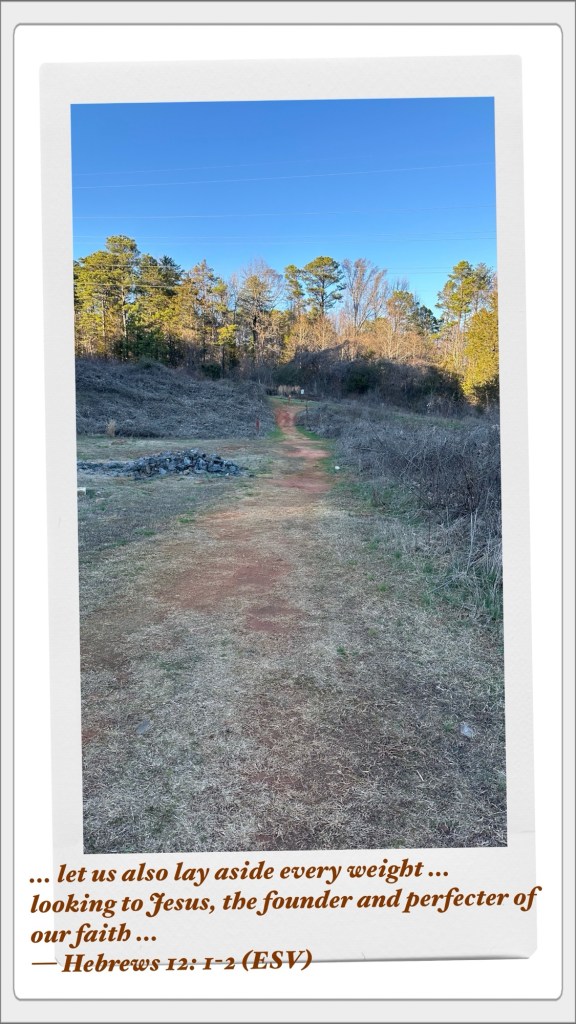
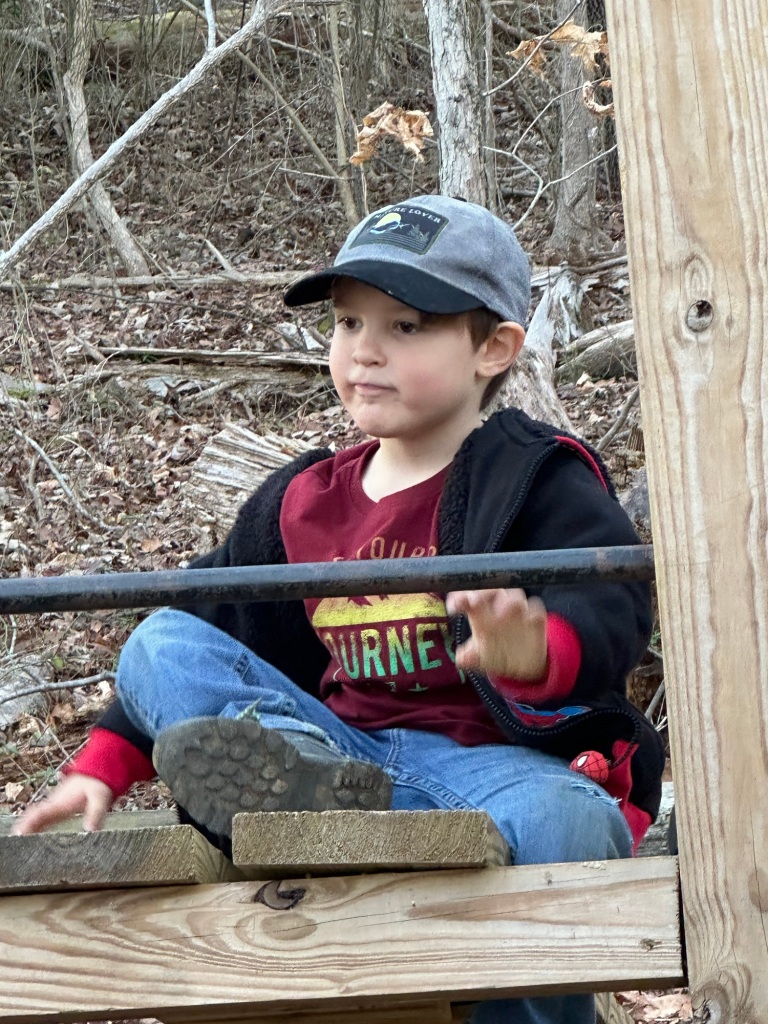
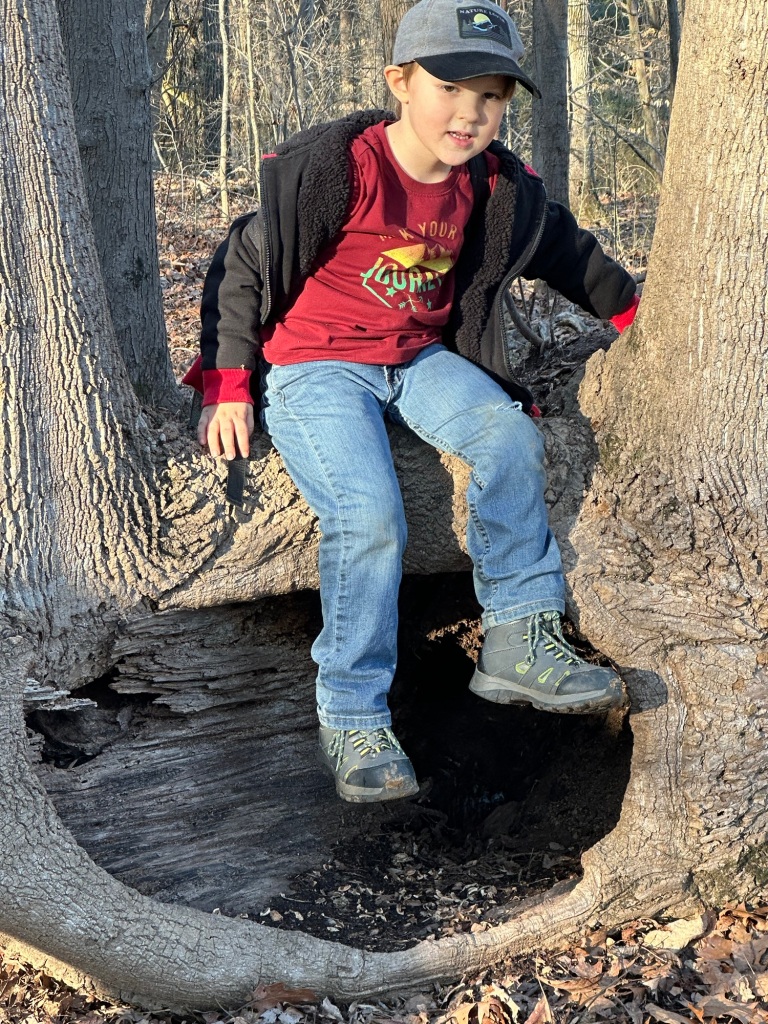
The hiking adventures with Coleman are always fun and interesting. He doesn’t always stick to actual pathways or trails, however, he always gets to where he wants to go and has a fantastic time along the way.
The first shots I snapped turning slightly in each direction to capture what we saw from various angles. The last three were shot when Coleman and I took a short walk around the neighborhood.
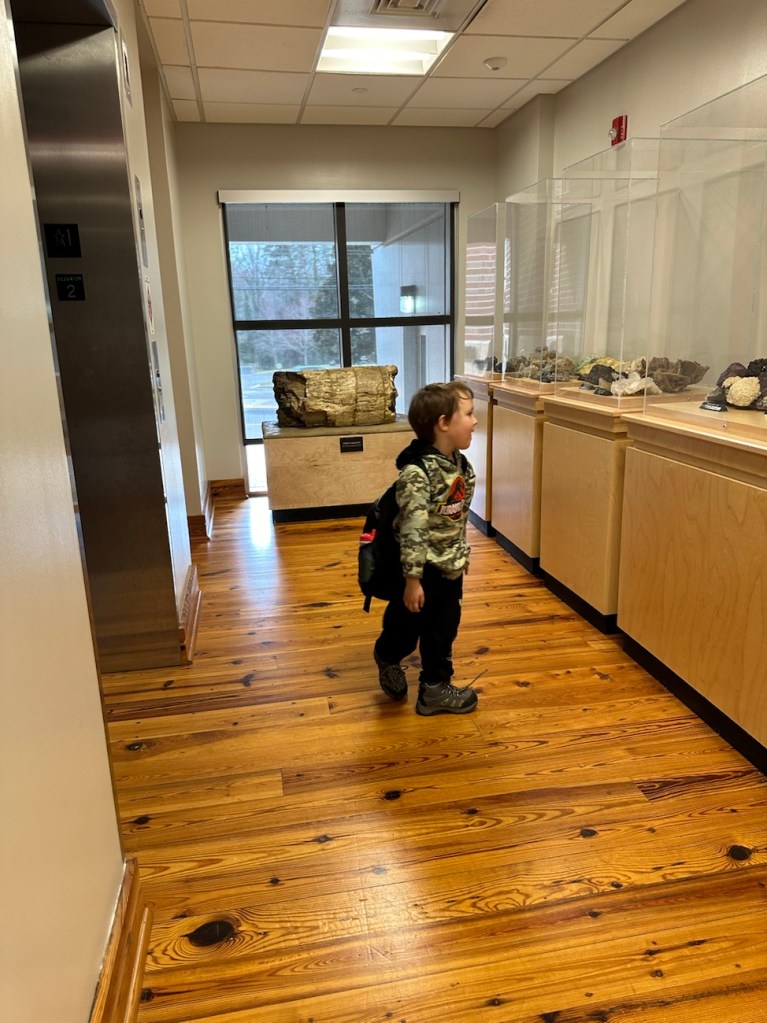
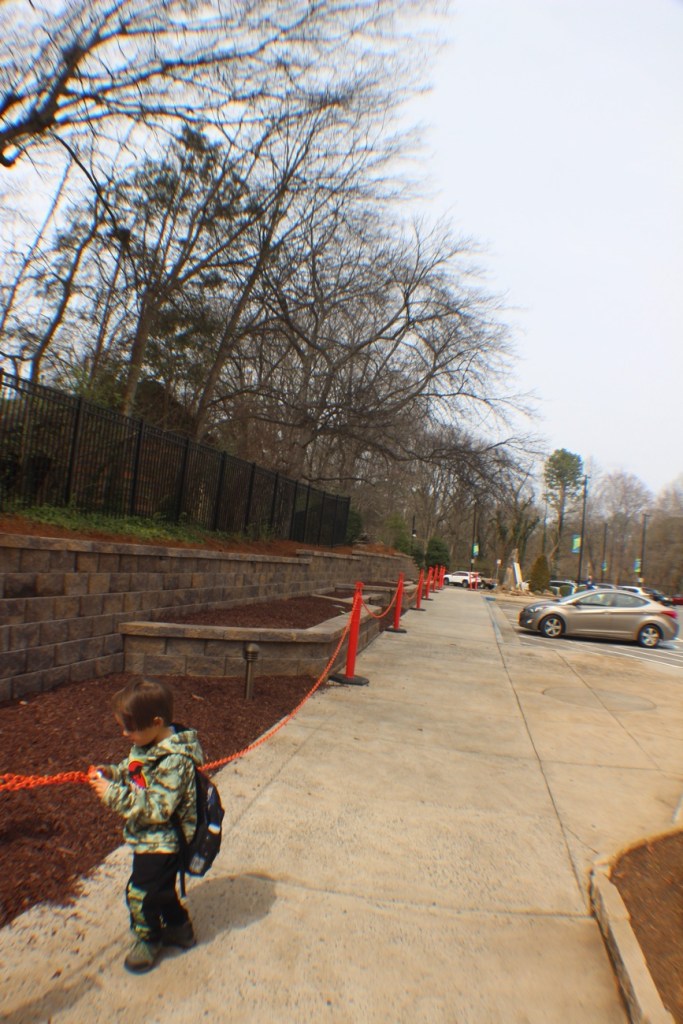
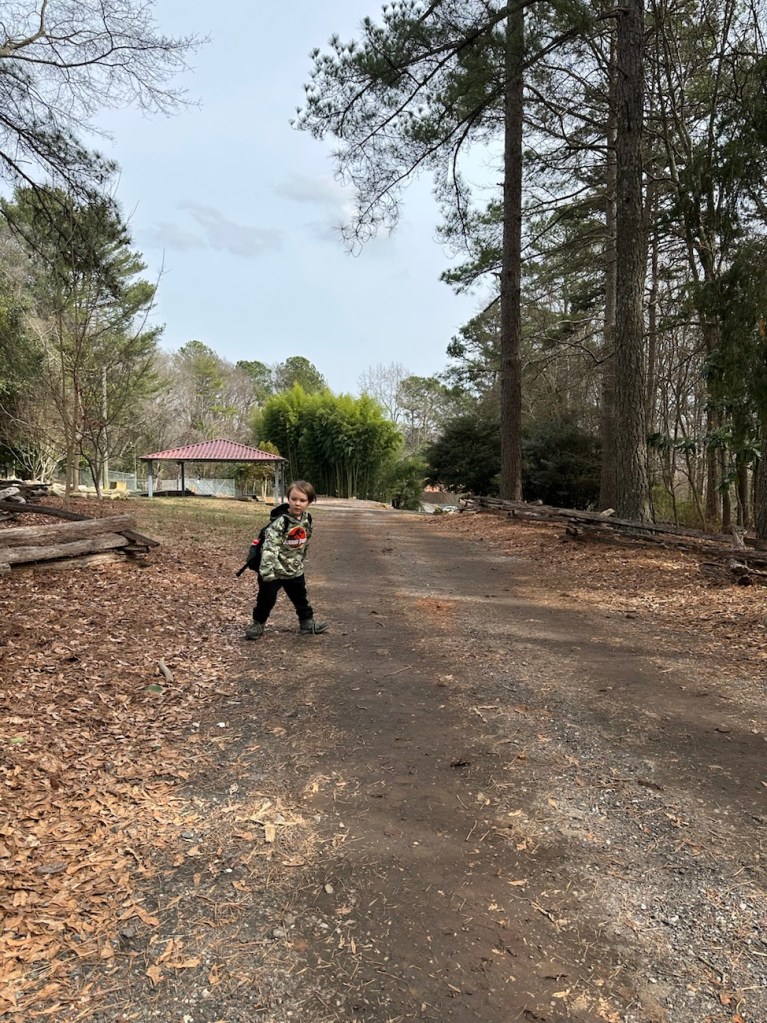
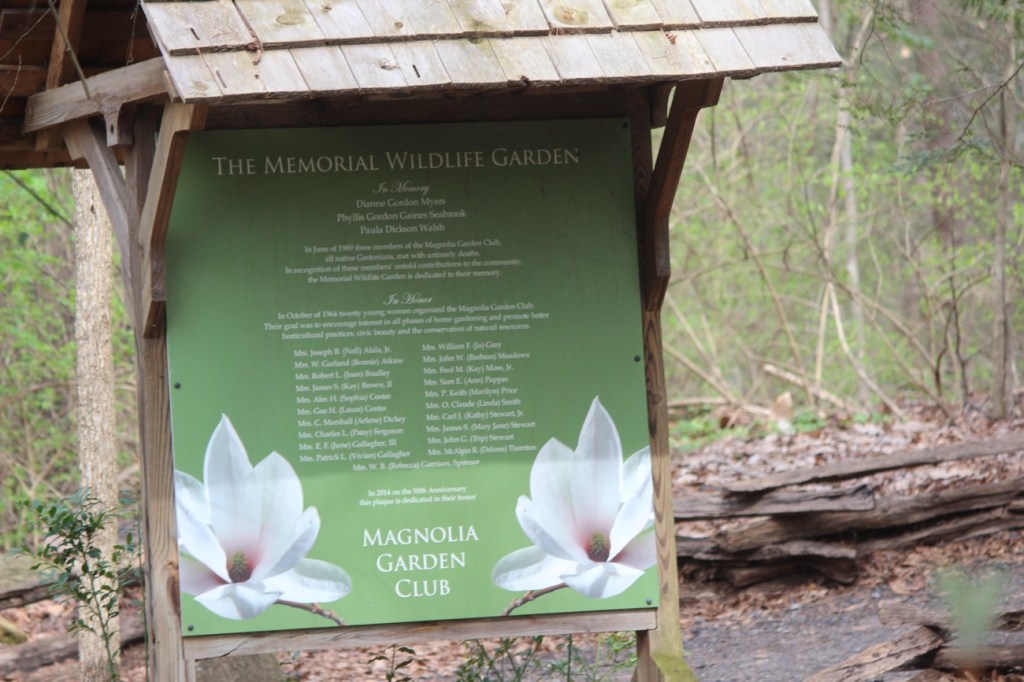
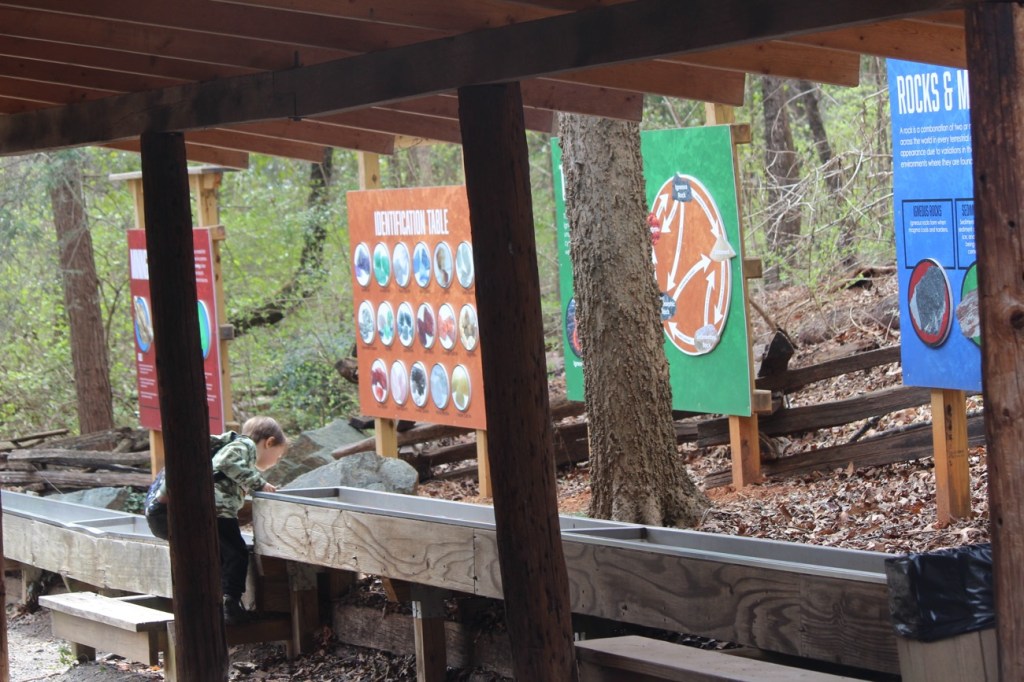
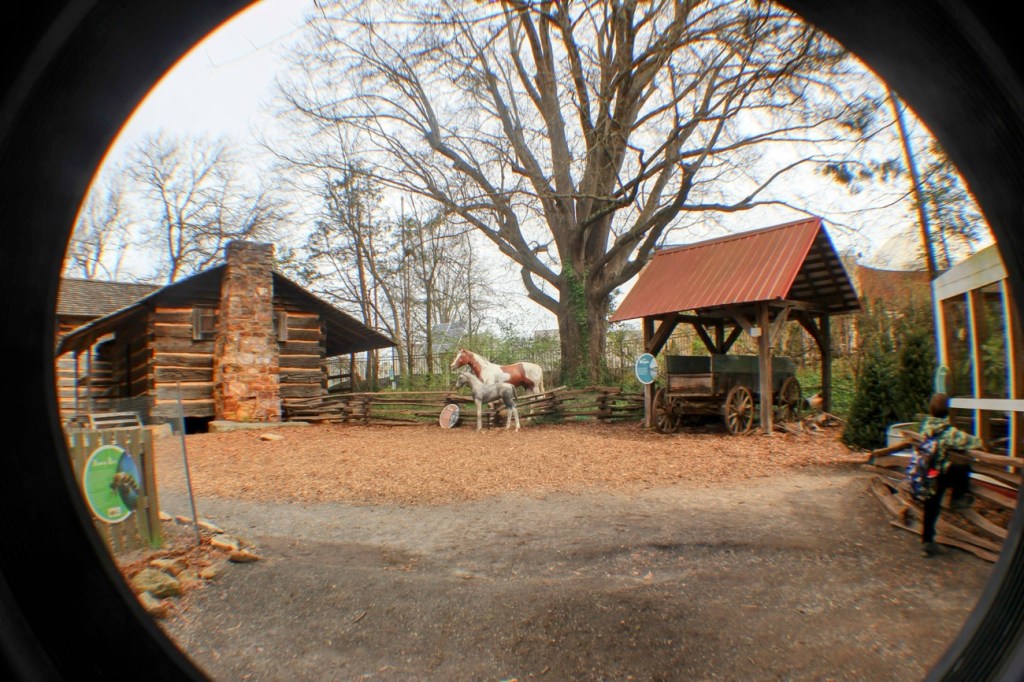
My entries for this week show pathways and signs in and around The Schiele Museum. Enjoy the walk with Coleman and I as we show you some scenes of our recent visit.
These close-ups were all captured during mine & Coleman’s latest visit to (I was so worried you lay down. You don’t just – Apple iPhone’s Siri trying to type what was said to my grandson, oops) our local museum’s nature trail.
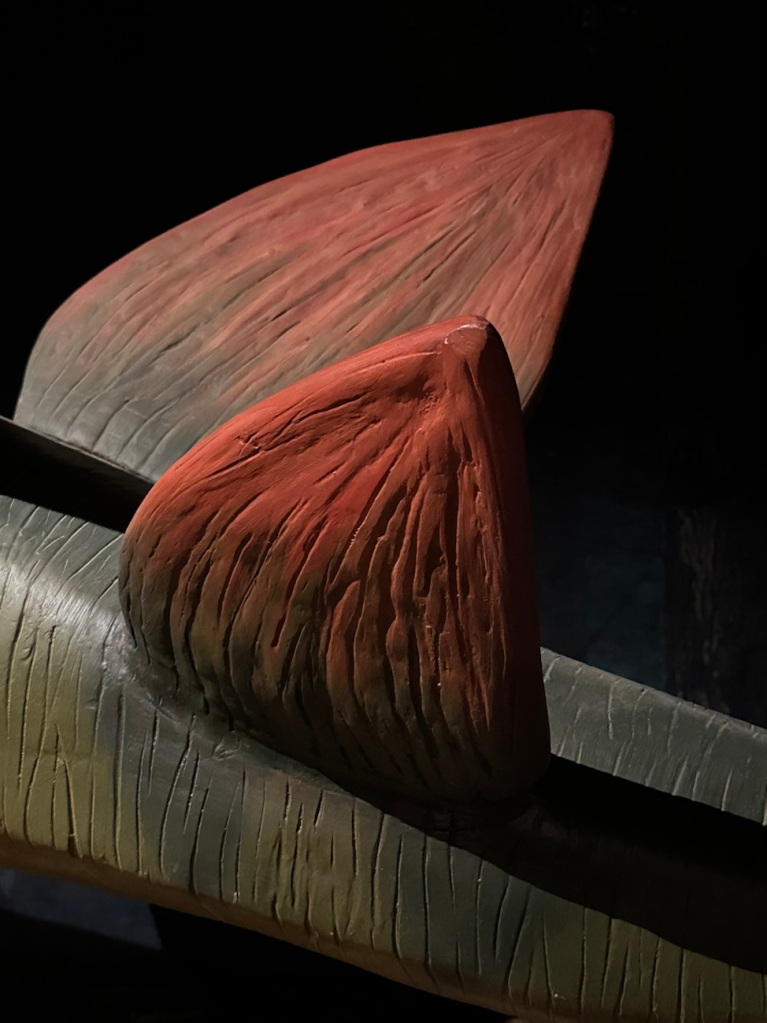
We started this visit with a walk through the Dinosaurs Exhibitions …
Stegosaurus Plates
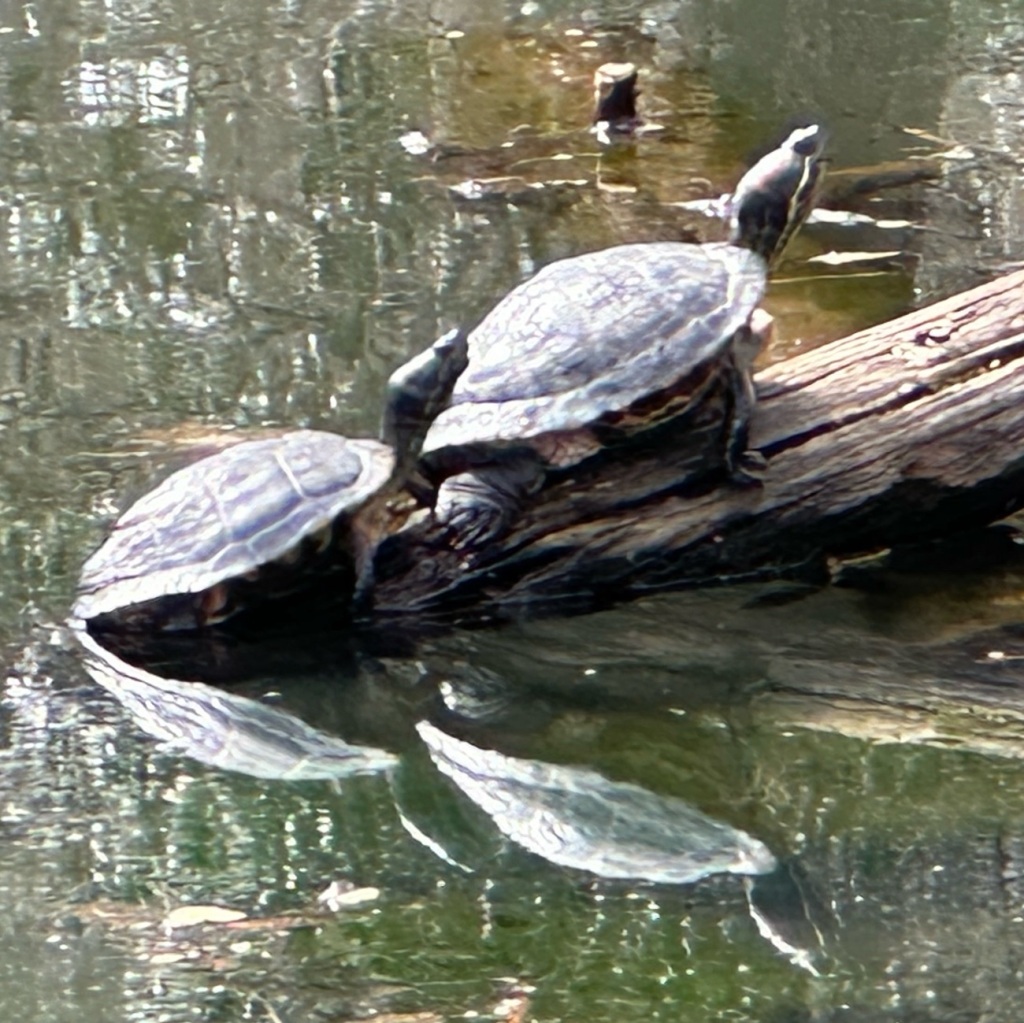
Then we moved on the Nature Trail and a walk around the Pond …
Turtles & their Reflections
And ended our visit with a stroll through the Garden in The Farm …
Great Mullein Verbascum thapsus
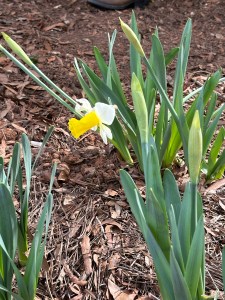
New life is slowly starting to arrive and in the next few weeks new growth will begin to emerge in abundance.
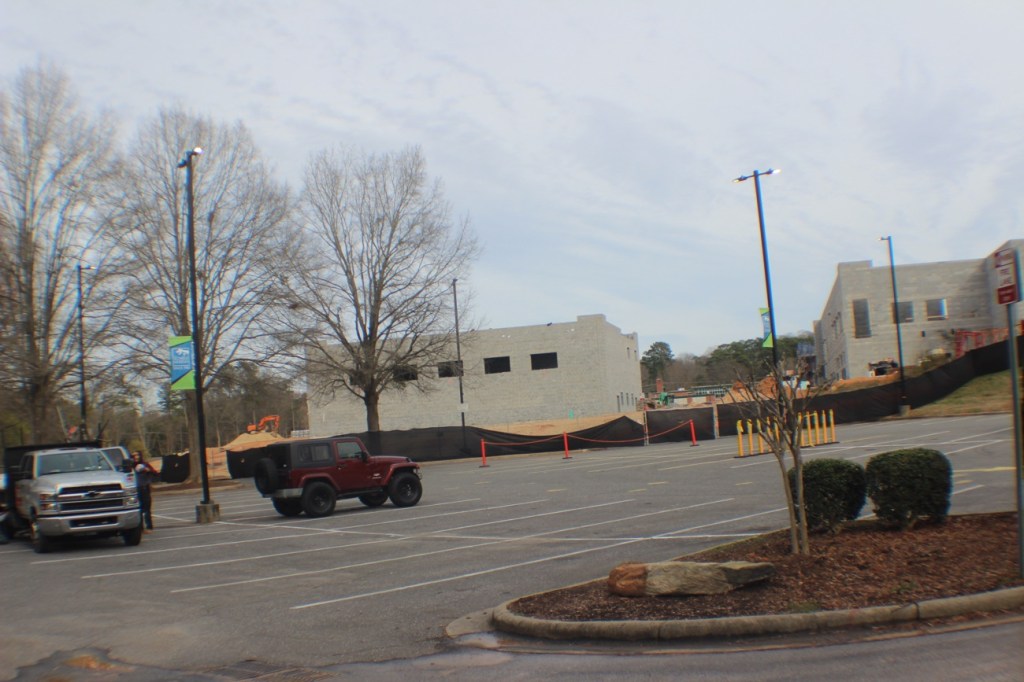
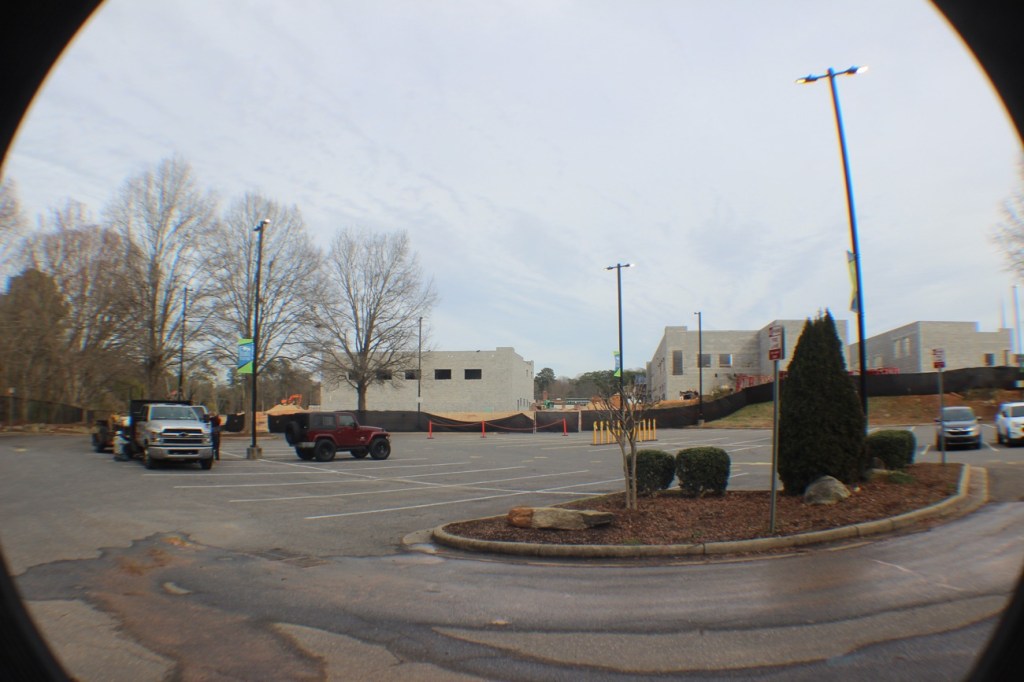
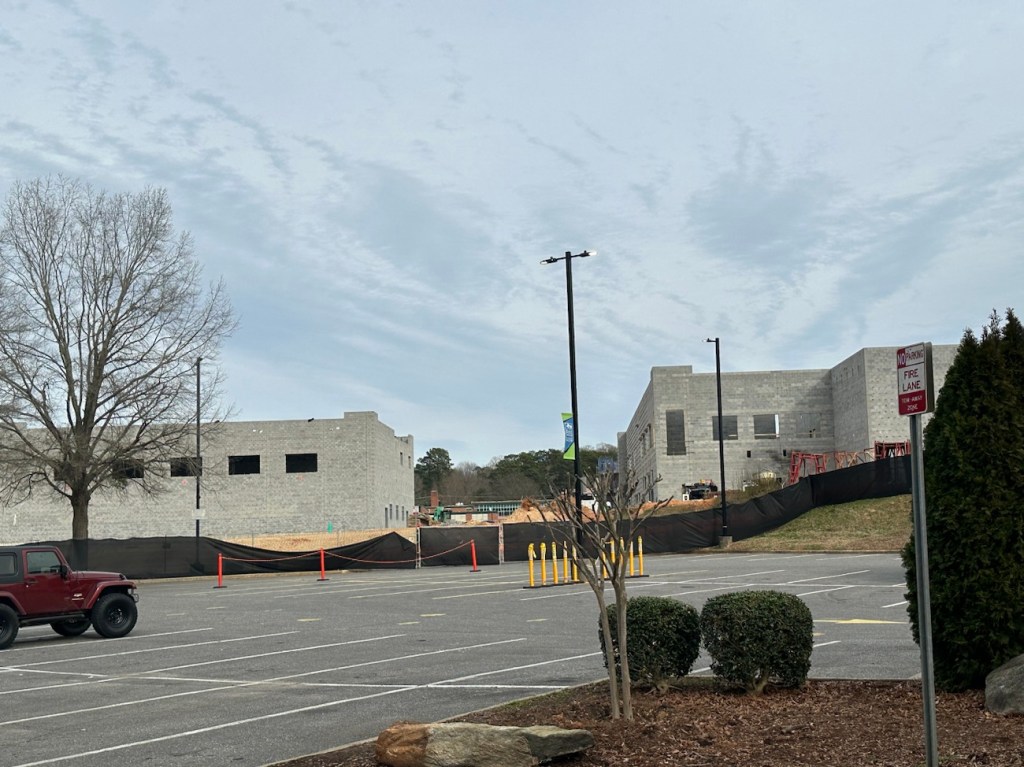
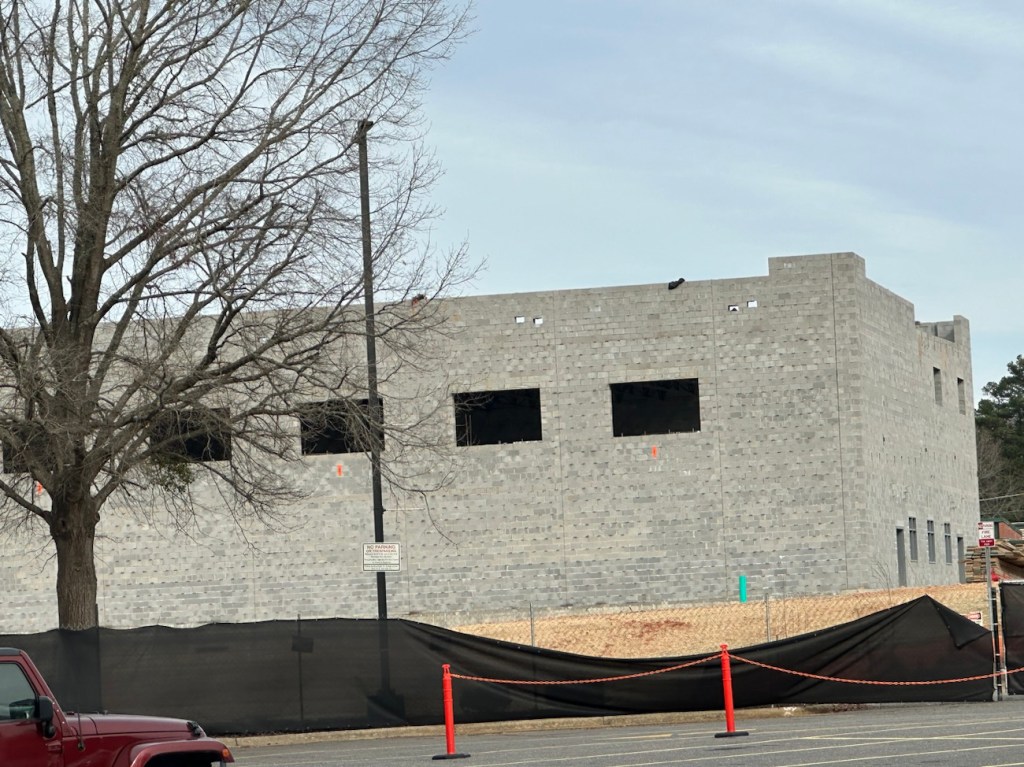
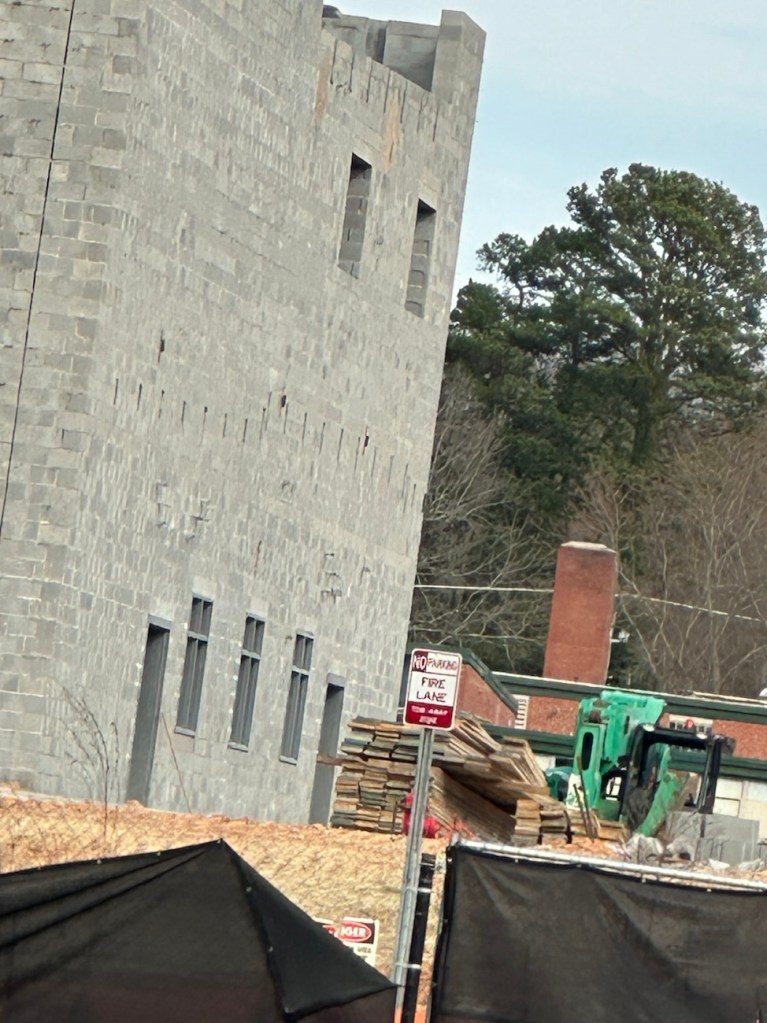
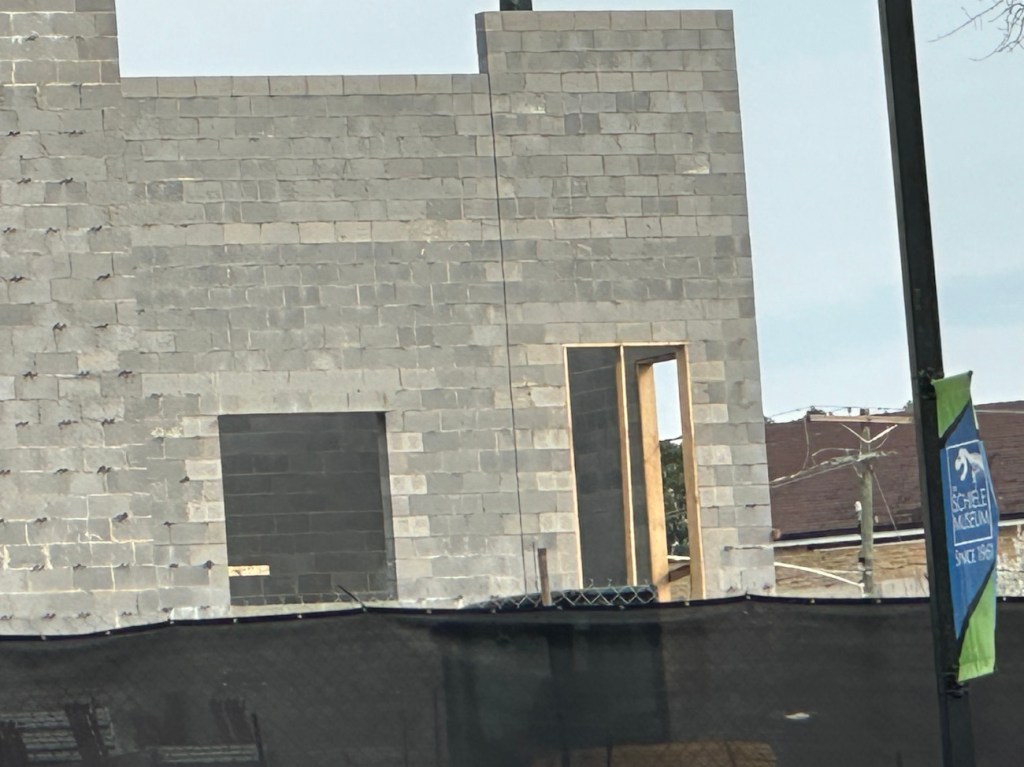
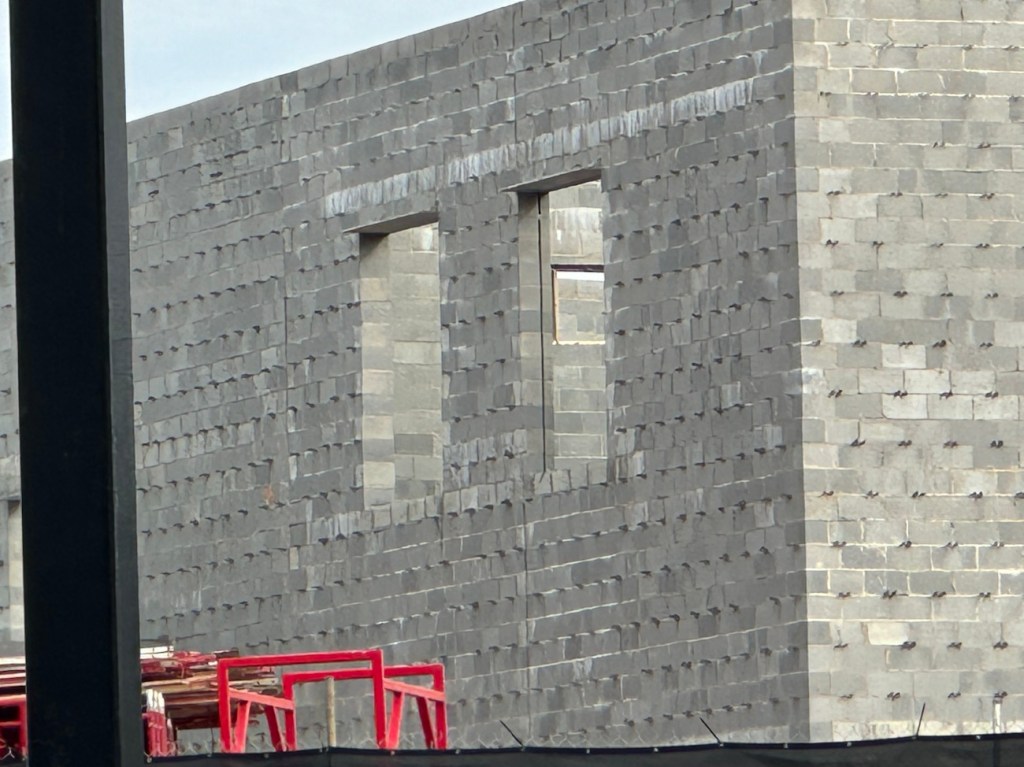
The construction of the new school is coming along nicely now that spring is on the way. You can observe the different sizes and shapes of the windows taking shape in the school buildings.
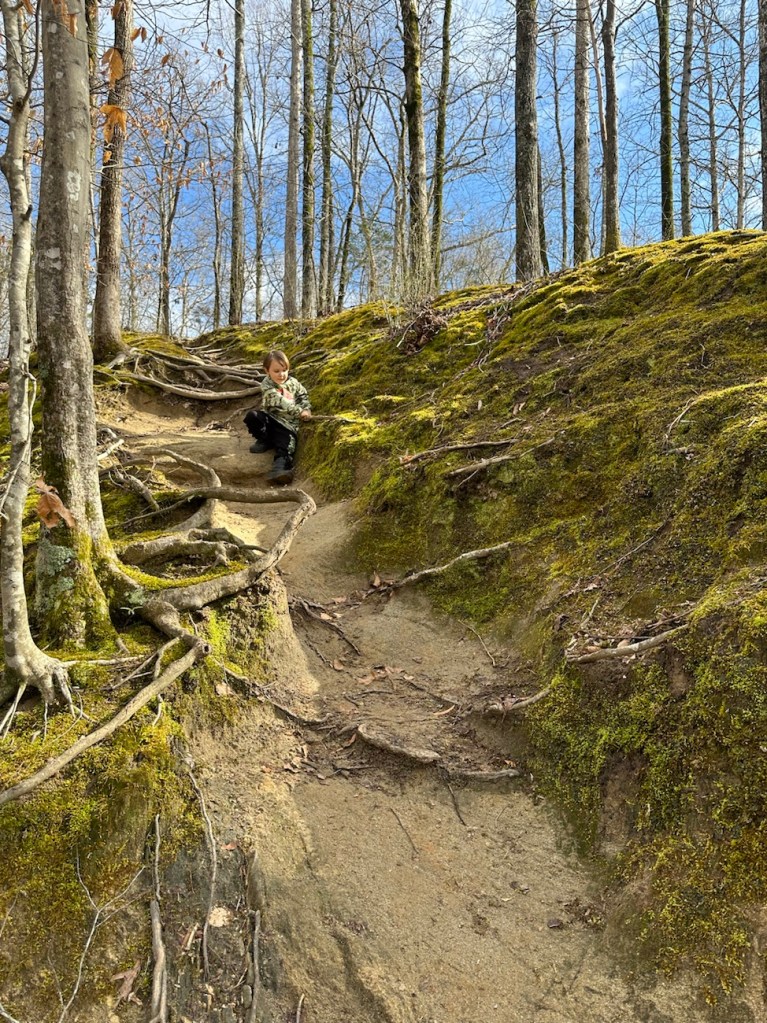
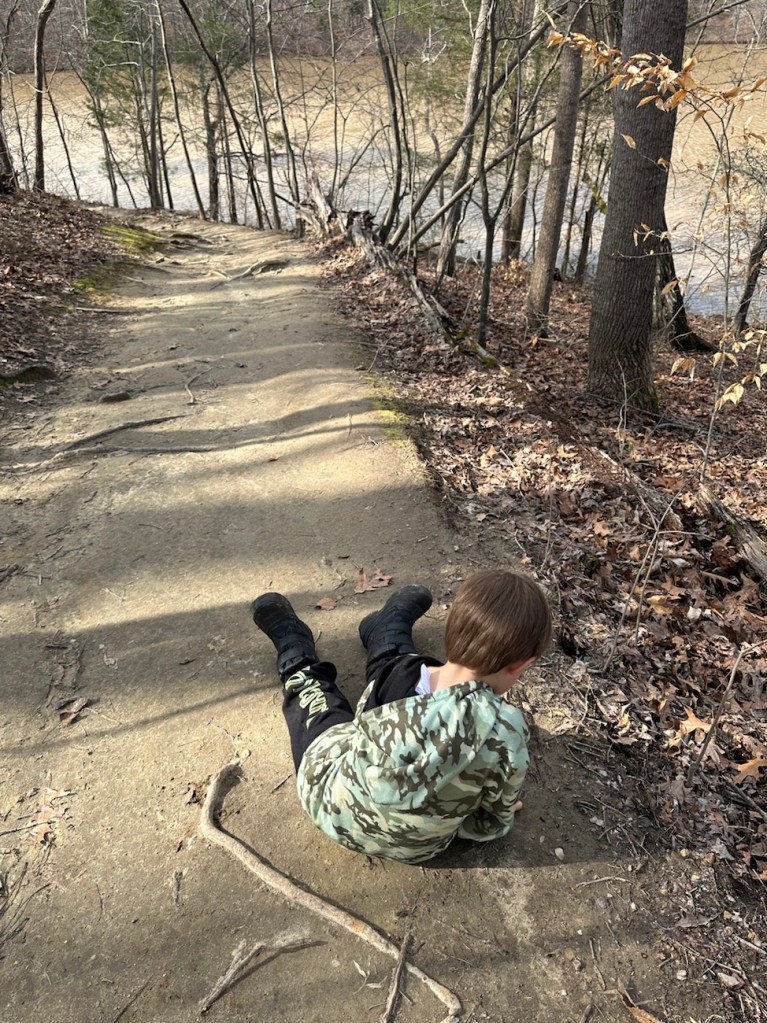
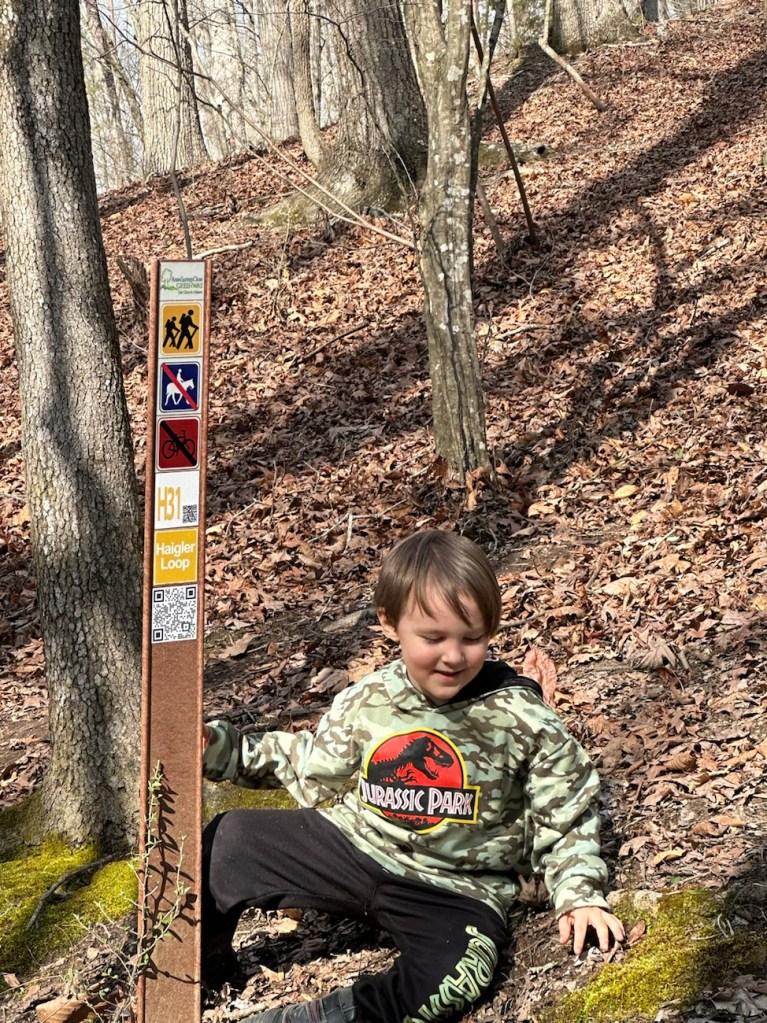
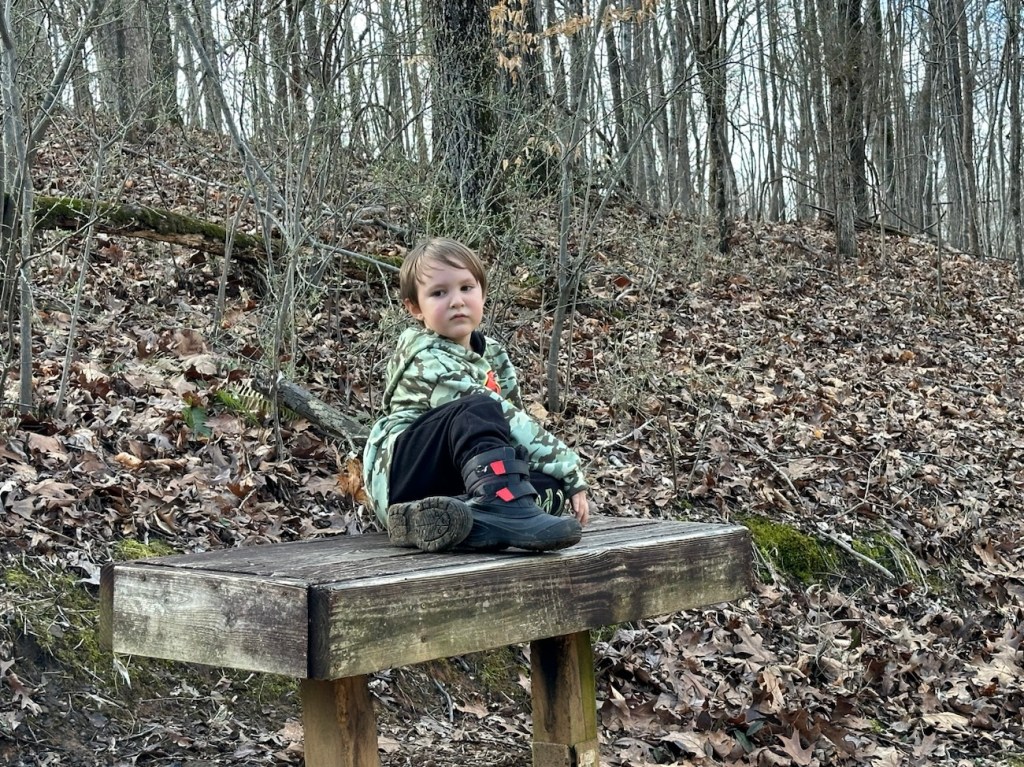
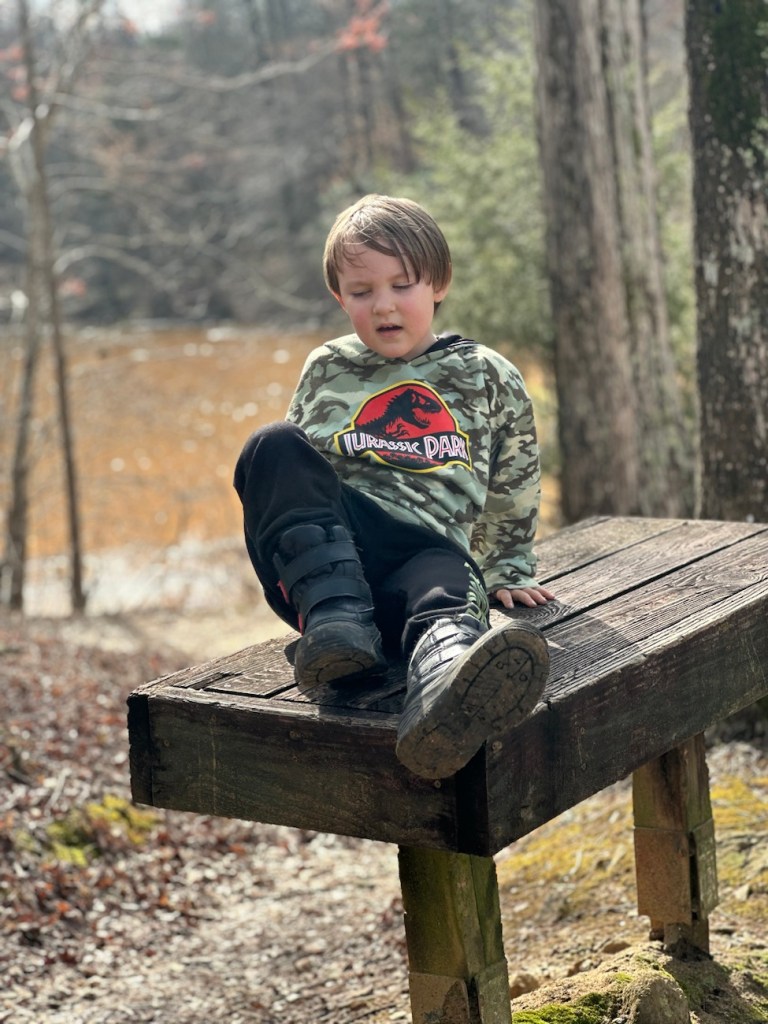
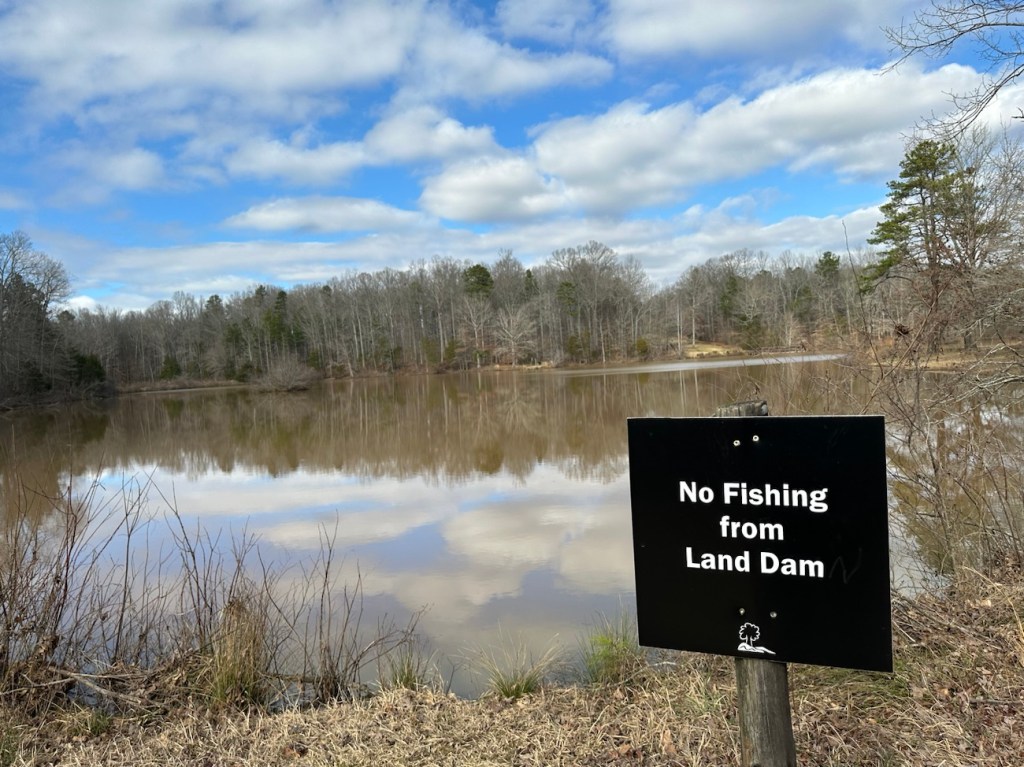
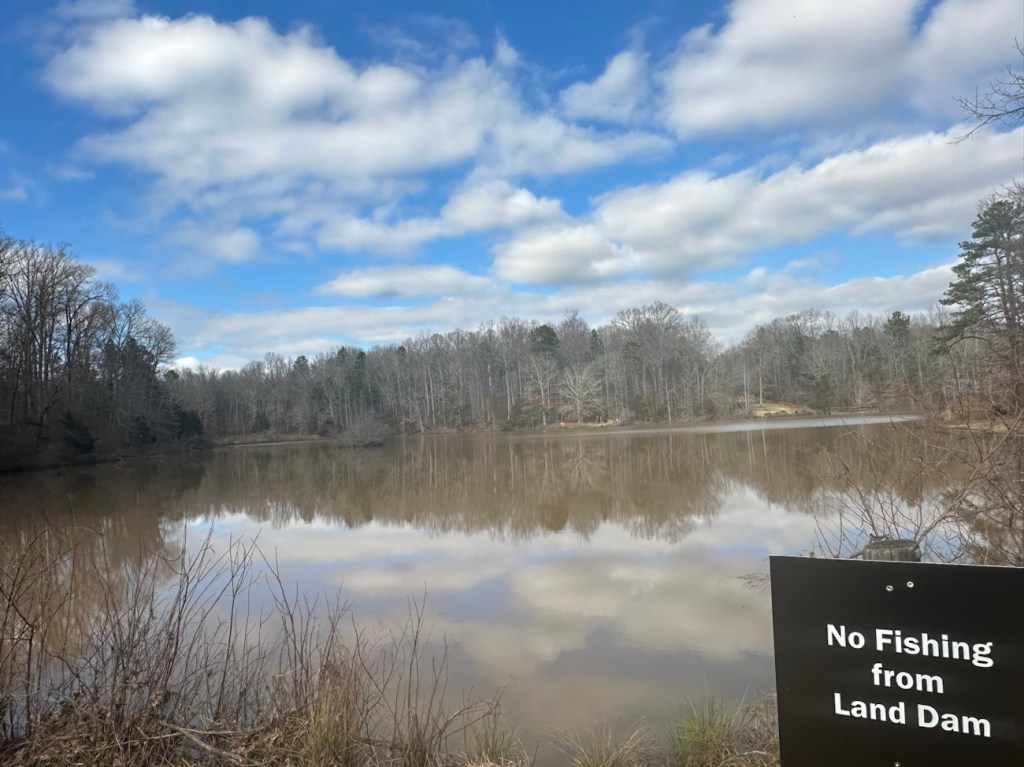
It is almost guaranteed that while Coleman and I are out hiking along a trail, he’ll decide to sit and rest a second or two before moving on. He can choose to just plop on the ground or hop up on one of the benches scattered along the trail. On this day we chose to hike around Lake Haigler at the Greenway.
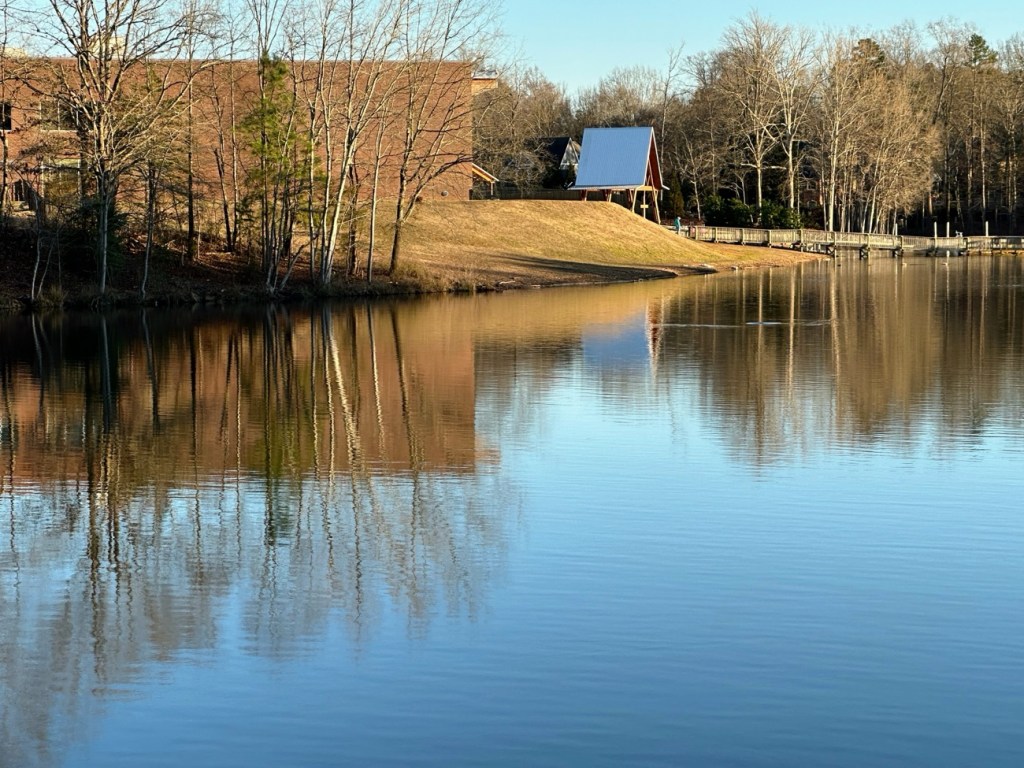
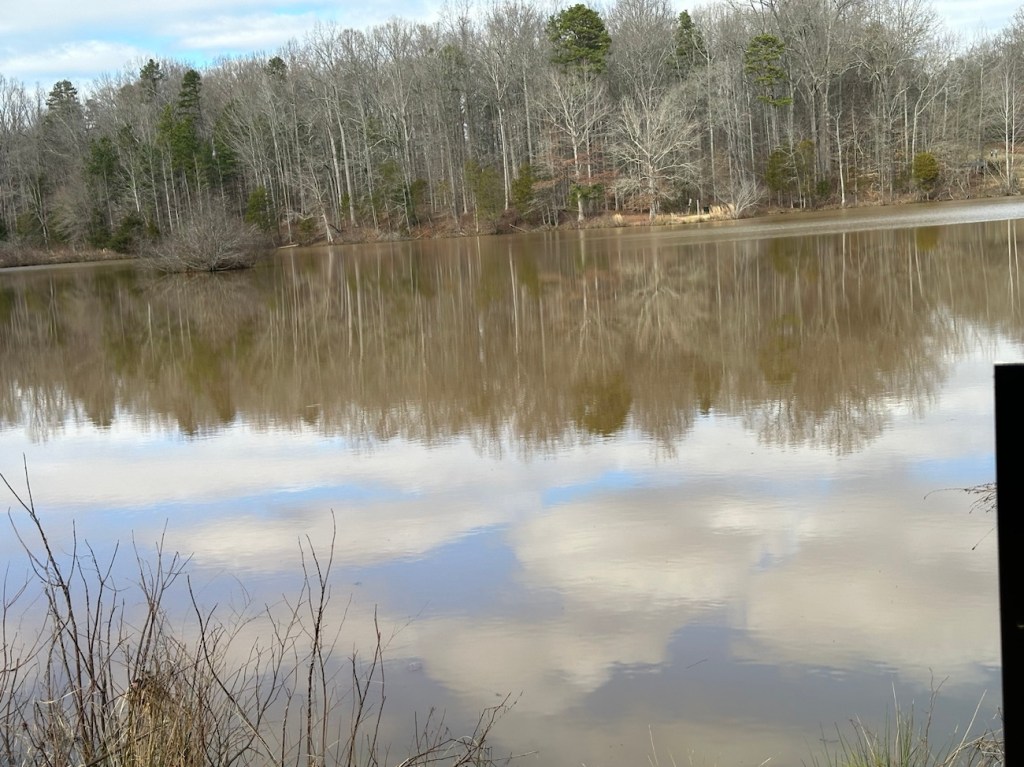
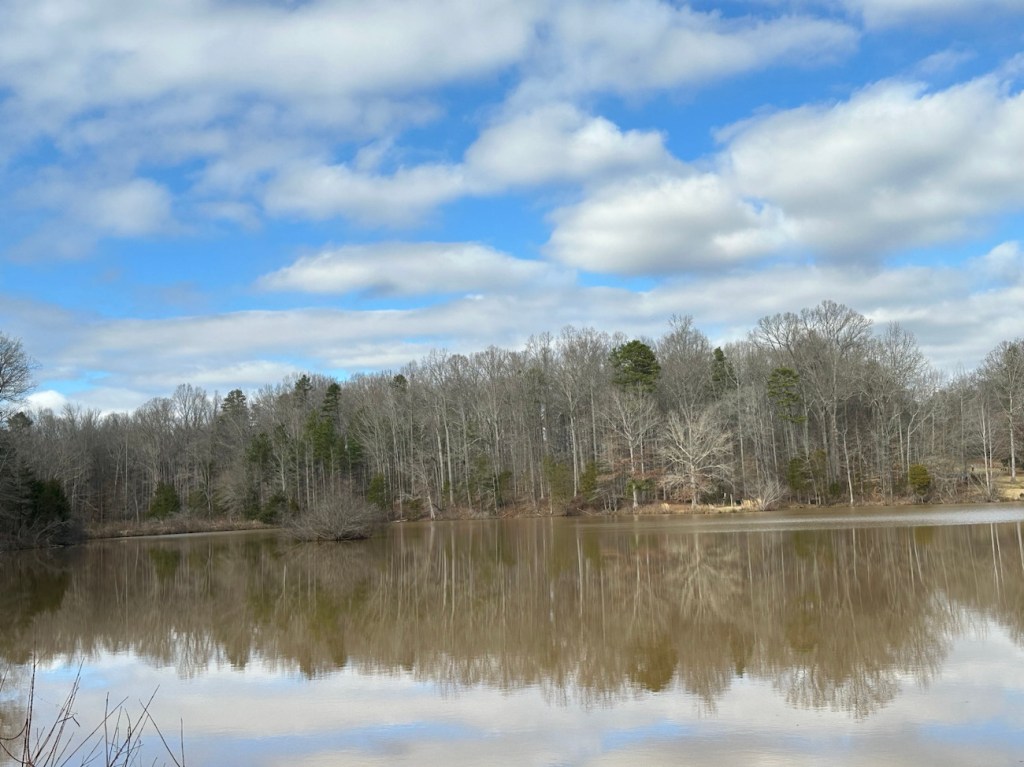
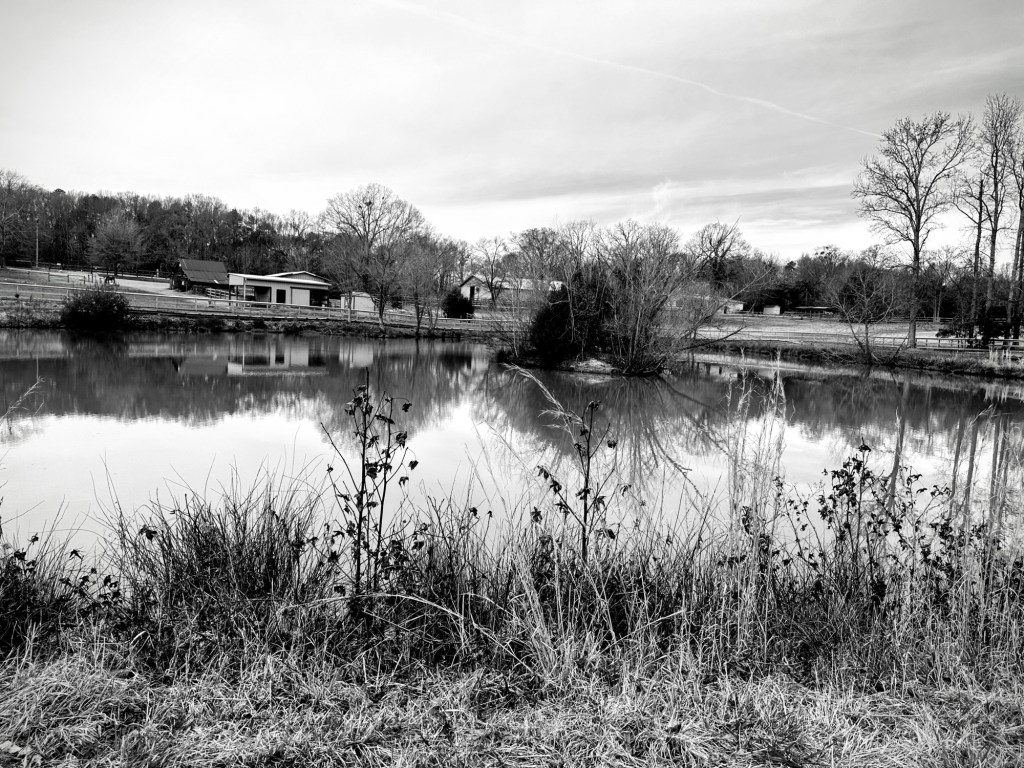
Yesterday was a loving day to spend hiking in the Greenway. Unlike the day before when it rained all day and all night. The trails were a bit muddy, however, the views were beautiful with gorgeous skylines and amazing reflection.
Hope y’all had a pleasant Leap Day. I know Coleman and I did. First day in a while with no rain, so it was a good day to venture outside and visit the Schiele Museum, one of Coleman’s favourite places.
Conveniently, it gave me an opportunity for capturing some interesting moments on this Leap/Last Day. Therefore, here are my last on the card shot for February.
In Memory & Cancer Awareness for Grandmother & Dad ( My Daughter’s Tatoo)
A Tattoo on my Husband’s Arm
These tattoos all have meanings behind them. I do not remember my husband, Terry’s meaning for his tattoo. Regrettably I do not have a better quality photo of it. May he continue to Rest in Peace.
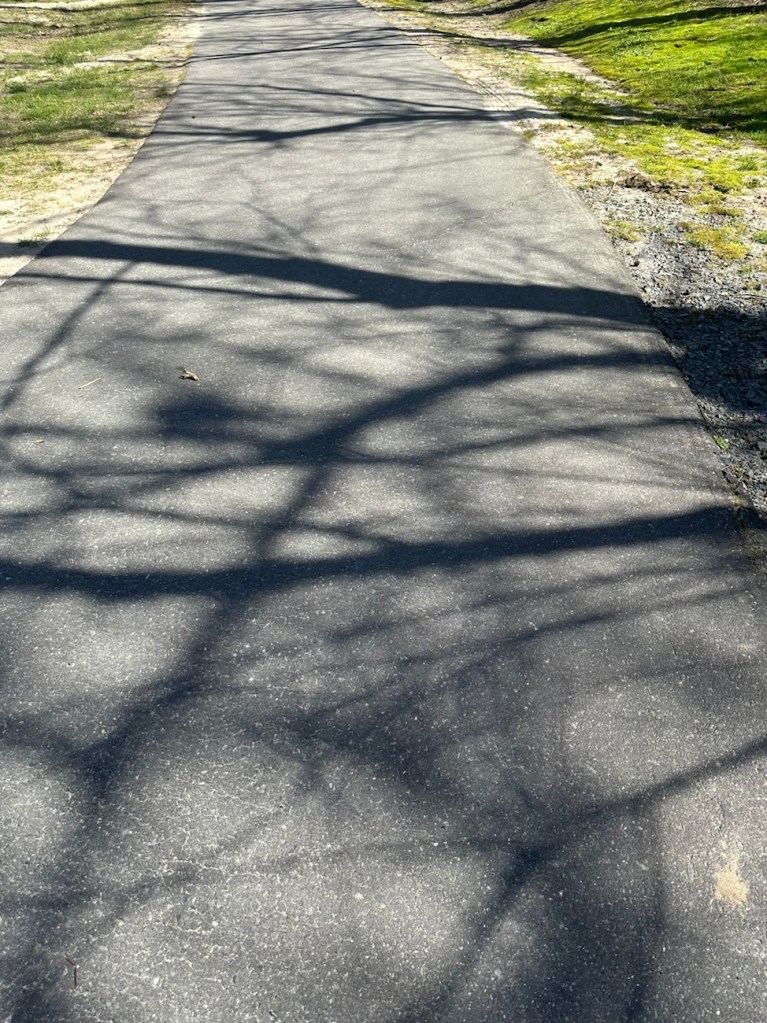
Shadows can be seen everywhere, at least when the sun is shining brightly. Shadows materialize along walkways, piers, and trails as well as anywhere imaginable.
Here are my entries for Debbie’s OWS Challenge this week which calls for us to show our SHADOW.
Shadows of Bushes, Trees, & Coleman Warlick Family YMCA
Shadows of the Fencing & Coleman Warlick Family YMCA
Shadows of Trees The Schiele Museum of Natural History
Shadows of Trees, Coleman, & Myself Anne Springs Close Greenway
Shadows along the Pier & in the Lake Anne Springs Close Greenway
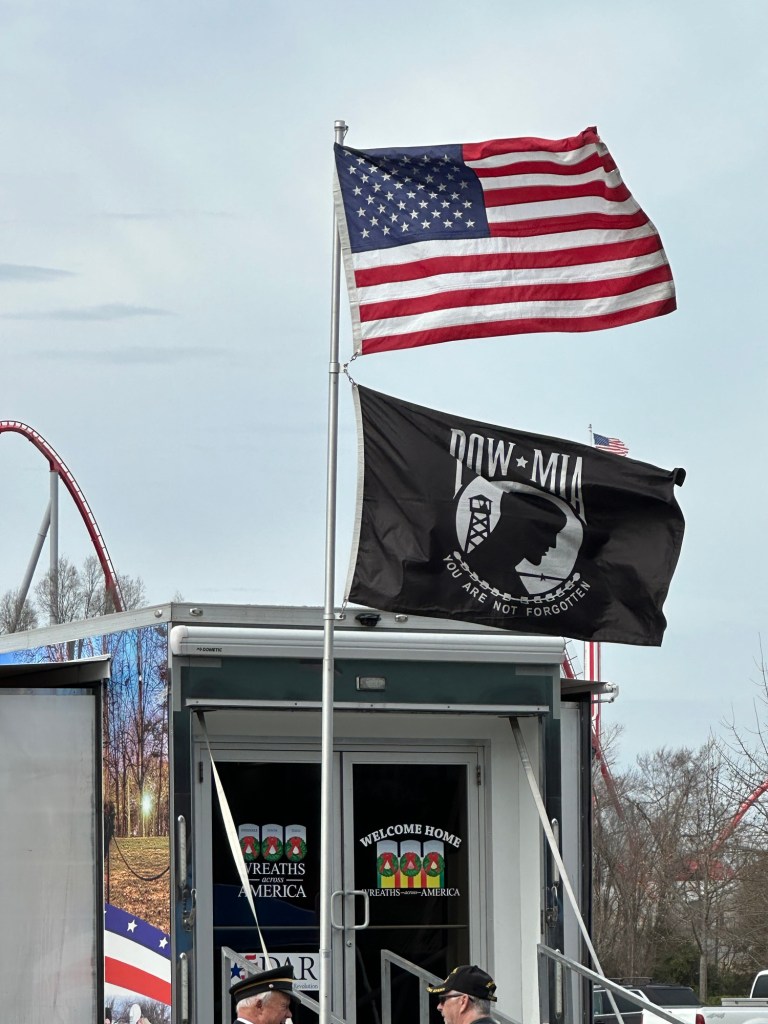
Normally, most people would only think about wreaths and or the laying of wreaths at cemeteries around the Christmas holiday season. The Christmas Season being the annual time for wreaths to be laid in the Arlington National Cemetery as well as other cemeteries across America.
Wreaths Across America Mobile Unit
Wreaths Across America was formed in 2007 by the Worcestershire Family with the support of Veterans Organizations and a variety of other groups. These groups had previously helped with their annual wreath ceremony in Arlington. Wreaths Across America was formed as a non-profit 501(c)(3) organization, to continue and expand this effort, and support others around the country who wanted to do the same.
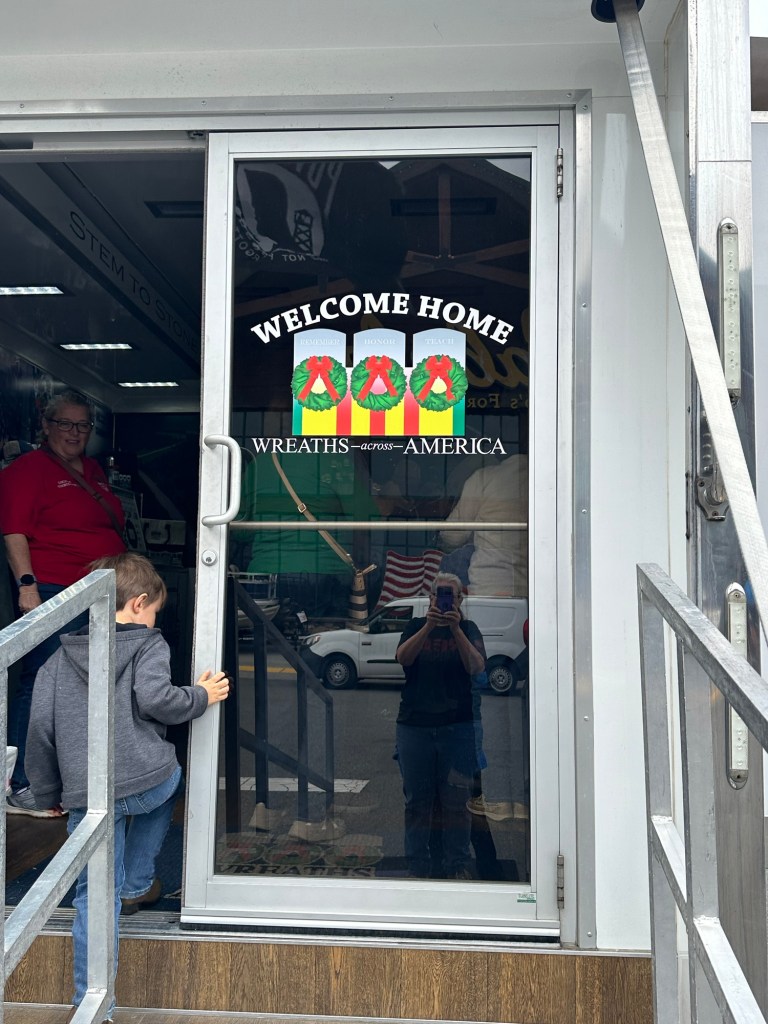
Welcome Home Wreaths Across America
The organization’s mission which was established is to Remember. Honor. Teach.
WELCOME HOME [Signabove Door]
Wreaths Across America is dedicated to teaching all generations about the value of their freedoms, and the importance of honoring those who sacrificed so much to protect those freedoms.
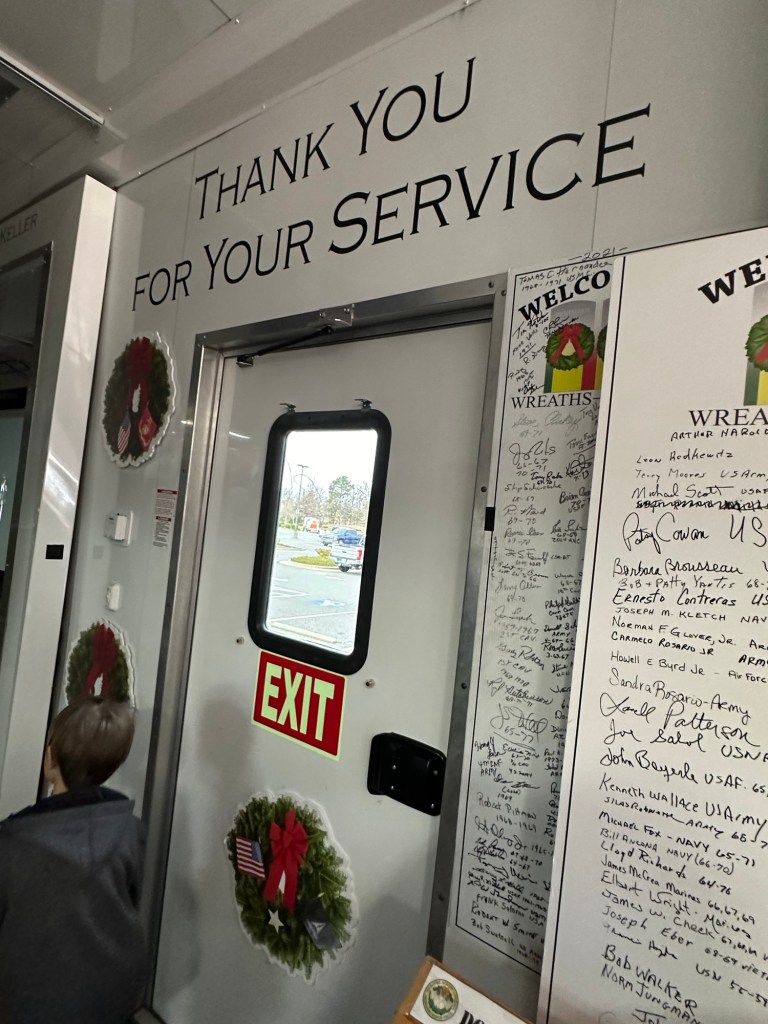
THANK YOU FOR YOUR SERVICE
In 2022, the organization launched its expanded TEACH Program and collaborated with like-minded organizations focused on character development and service projects for young people of all ages, with lesson plans for all grade levels and learning abilities.
POW-MIA WELCOME HOME Wreaths Across America
The Wreaths Across America (WAA) continues its commitment to remember our fallen servicemen and women all throughout the year. One way they do this is with the Remembrance Tree Program.
The Remembrance Tree Program was established as another way to remember and honor our veterans. WAA established this program for families of veterans to provide a living memorial to their lost loved ones.
Wreaths Across America Mobile Unit
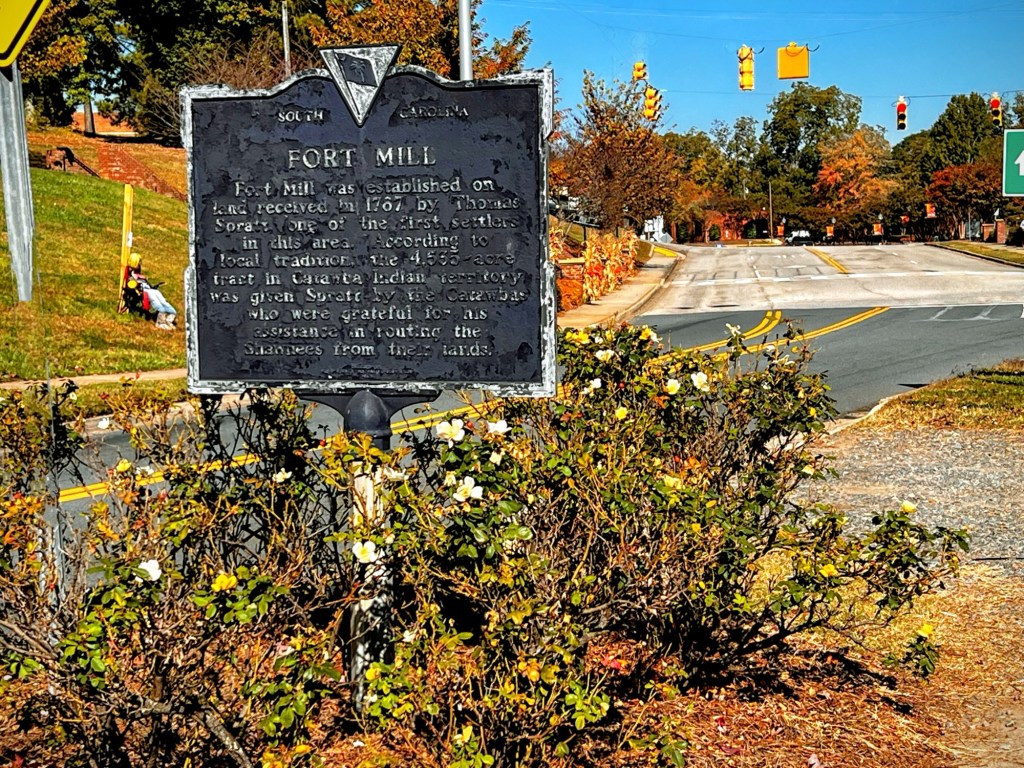
The Remembrance Tree Program is a part of the Wreaths Across America organization that we ( my daughter and I) had not been familiar with prior to visiting the Wreaths Across America Mobile Unit when it came to Fort Mill, South Carolina.
The WAA purchased their own dog-tag machine which allows feed families of the veteran the ability to customize their message for the dog-tag. The family or their representative is taken out to the balsam tip land, in Harrington, Maine, to find a tree that will become a living memorial to their loved one. The dog-tag is then placed on the trunk of an evergreen tree of their choosing and a red marker is placed on the tree to show that it has been chosen as a memorial.
One of the Volunteers with Wreaths Across America was kind enough to inform us of this special program and gave us the opportunity to provide the information for a dog-tag to be made. The information has been given and we are waiting to hear when it will be placed on a tree as a living memorial to my late husband and father to my children, Sgt. Terry Leon Wilson Vietnam Veteran (1954-2018).
“To be killed in war is not the worst that can happen. To be lost is not the worst that can happen… to be forgotten is the worst.”
— Pierre Claeyssens (1909-2003)
The WAA is continuing doing all they can to ensure that no veteran is ever forgotten. They have been traveling all across America with their mobile unit to provide support and assistance to honor their commitment to Remember. Honor. Teach.
To all who have served and or are serving, Thank You for your Service. To all Vietnam Veterans, Welcome Home!
Location: Greenway Stables Entrance; Anne Springs Close Greenway; Fort Mill, South Carolina, USA
God Bless. Take a hike. Enjoy Nature. Thank you for visiting the Greenway and for sharing your time and thoughts with us. I appreciate y’all very much.
Location: The Schiele Museum of Natural History; Gastonia, North Carolina, USA
God Bless. Take time for yourself, take a walk, smell the flowers and enjoy your week. Thank you for sharing your time and thoughts with me. I appreciate y’all very much.
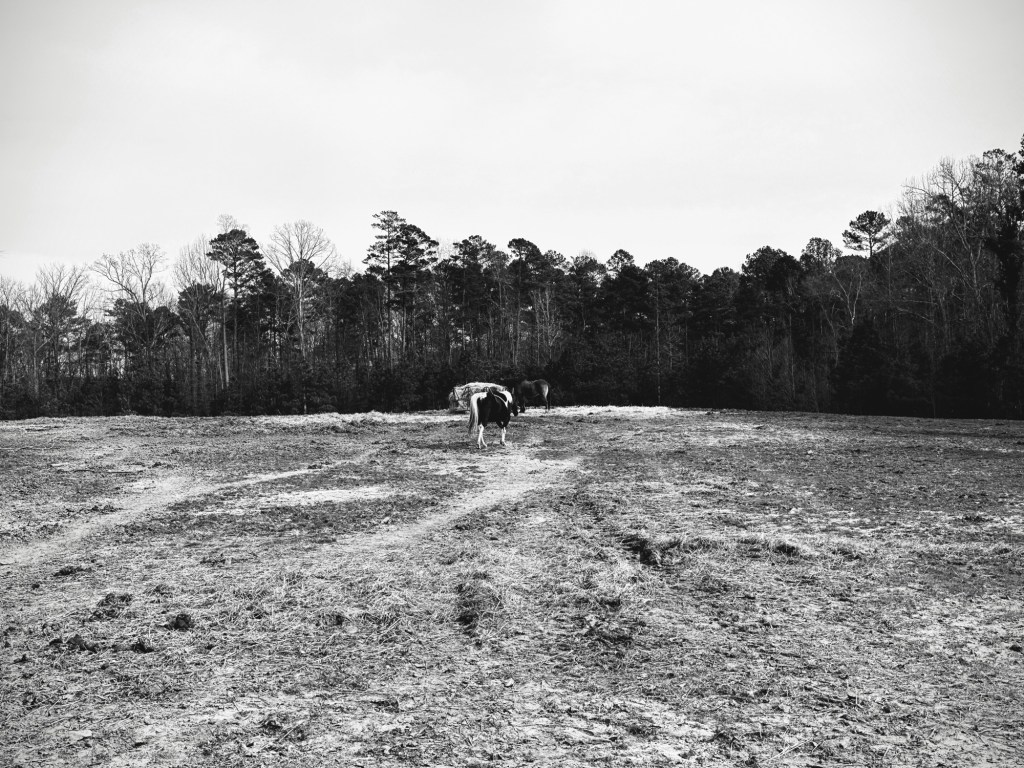
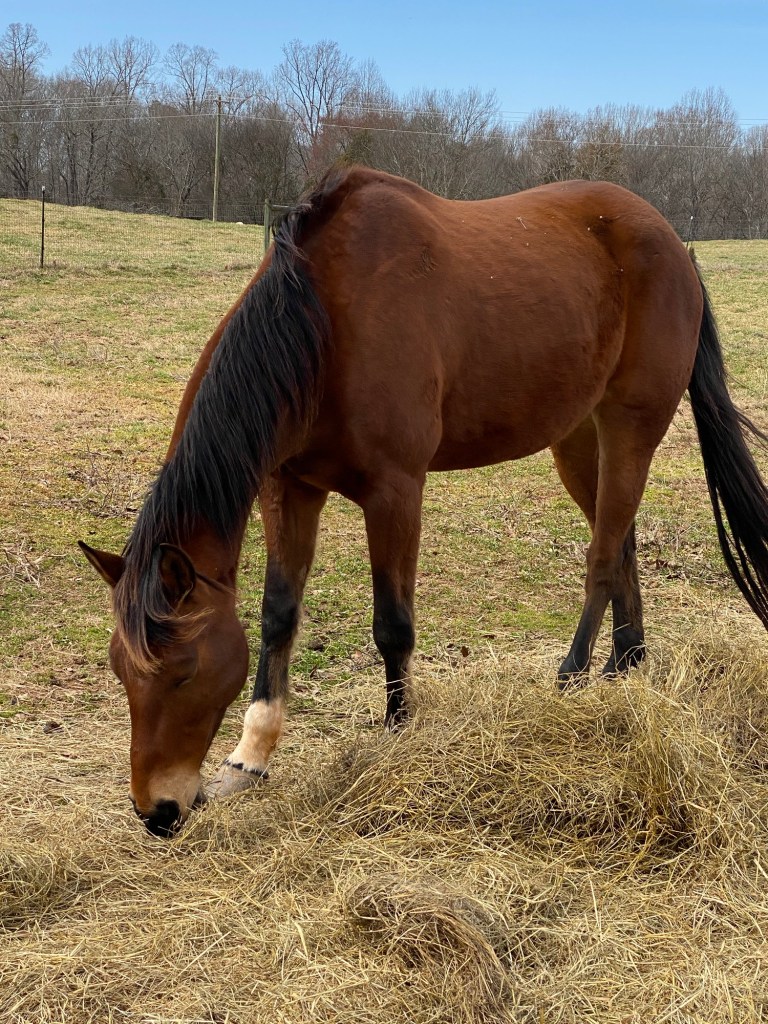
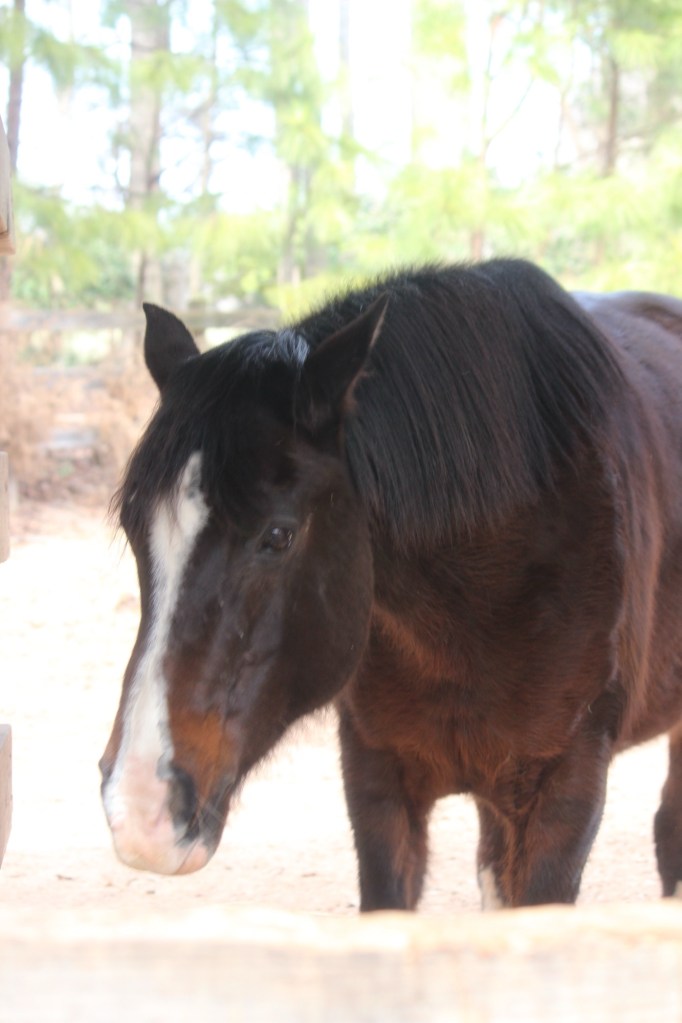
When Coleman and I visited The Farm On at The Schiele Museum on Tuesday Mike and Lucky were busy chomping away. It was feeding time and they were hungrily munching their food to their hearts (and belly’s) contentment.
I do not believe I would partake in their diet, however, they did appear to enjoy it themselves.
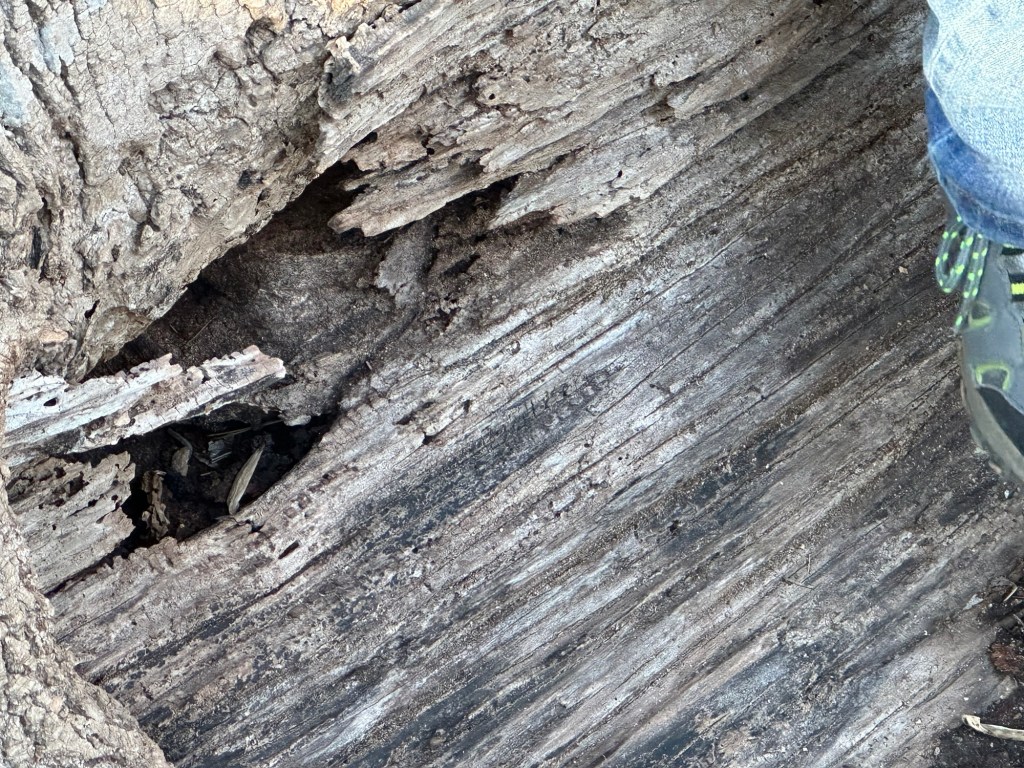
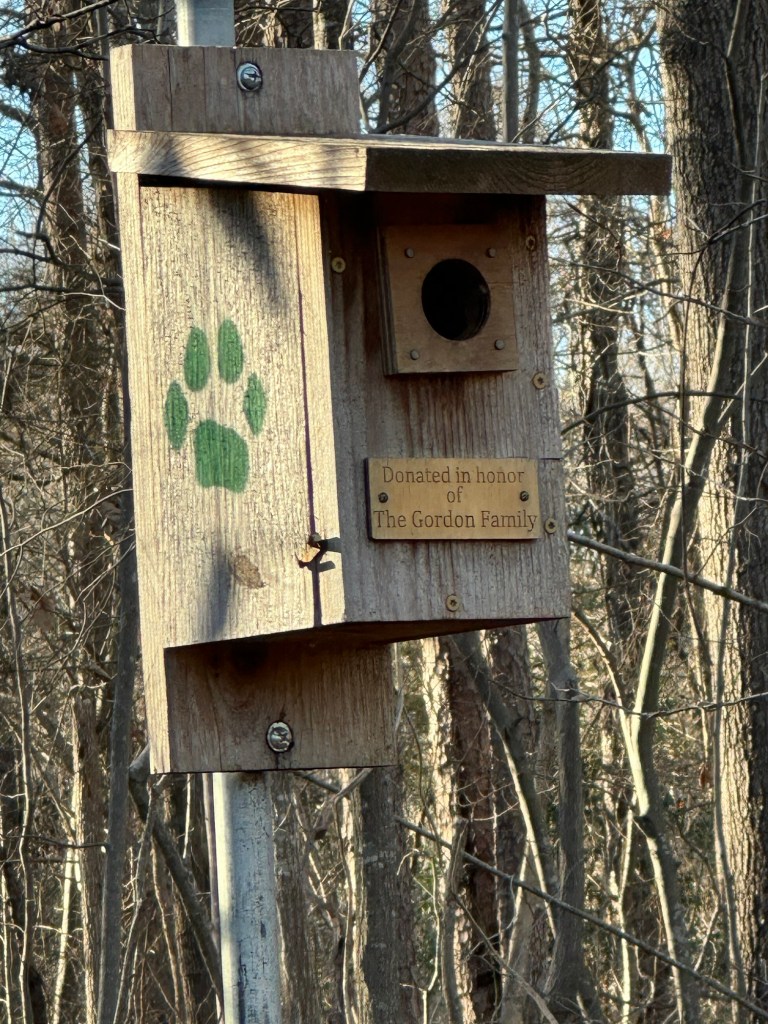
With the weather somewhat improving and a bit warmer (still not warm enough – jacket weather), Coleman and I are able to venture out on the trails for some delightful hiking. The trails are pretty muddy due to all the strong rainstorms we’ve been experiencing. Some of the trails are blocked off as closed for maintenance due to the damage occurring from the storms.
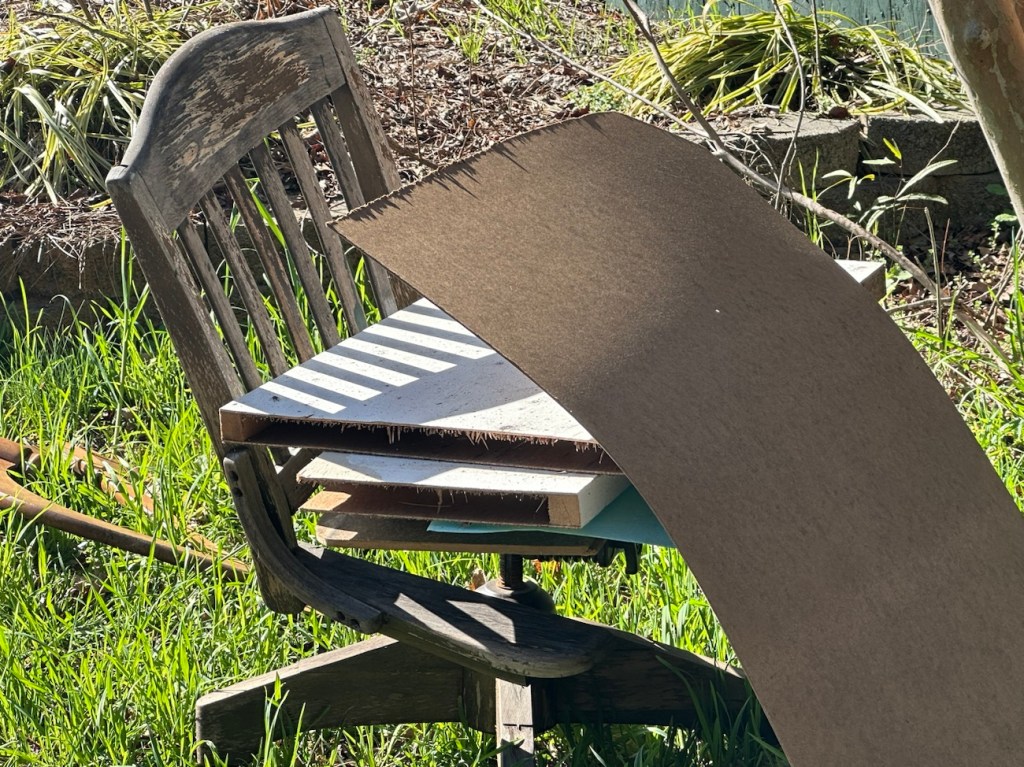
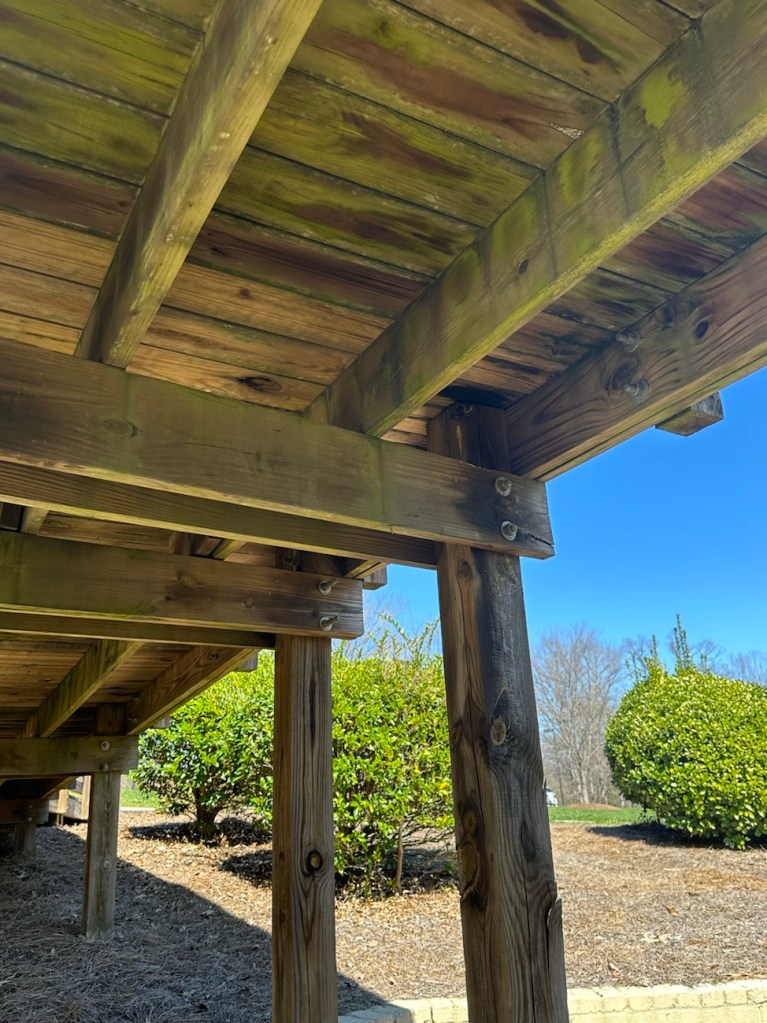
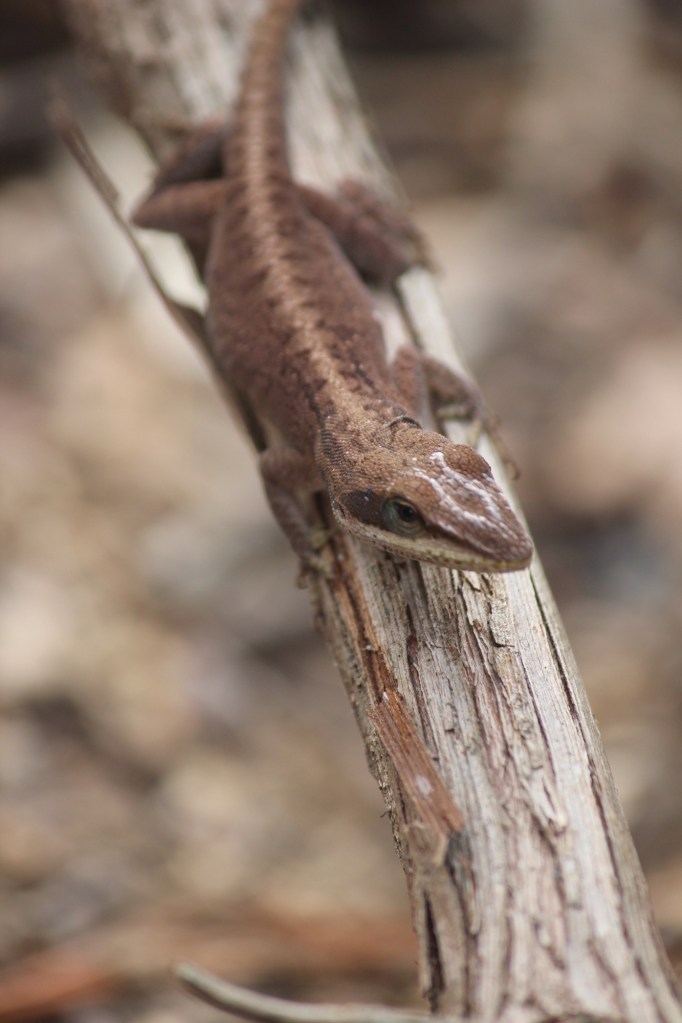
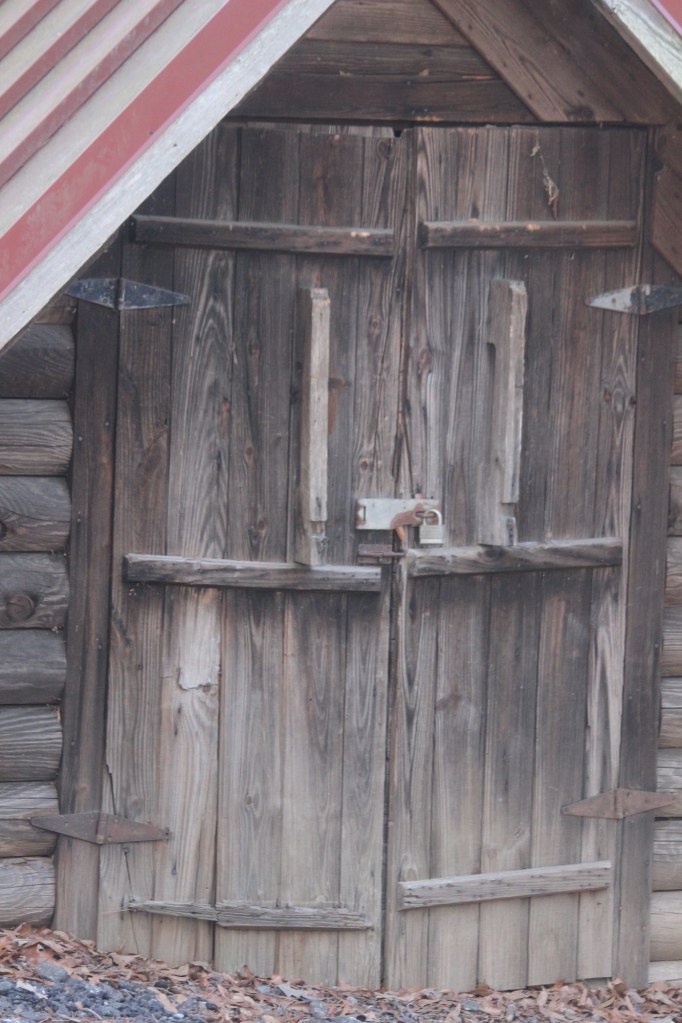
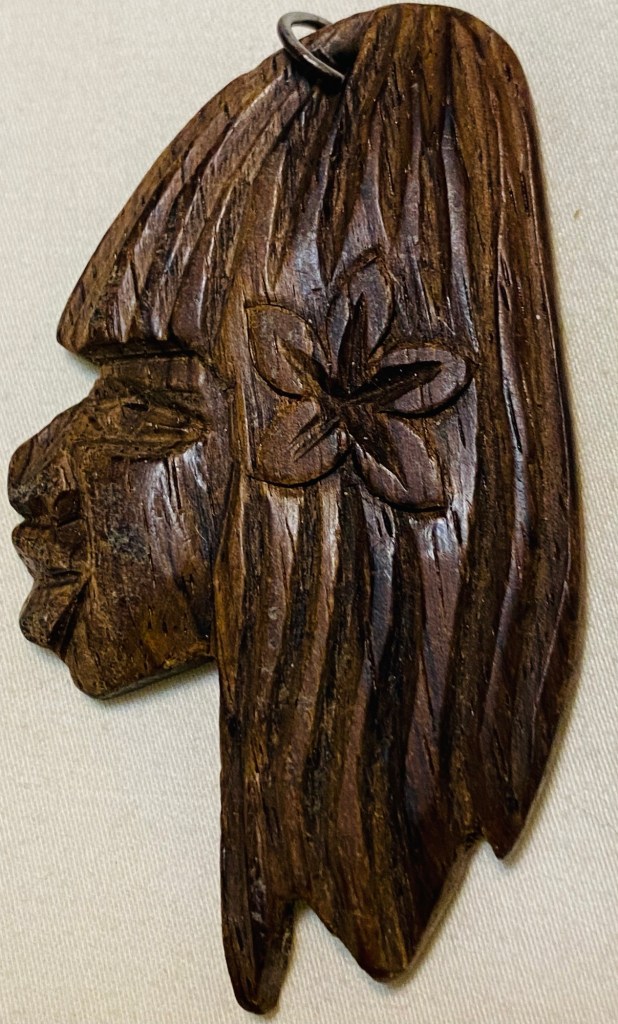
However, we managed to observe some amazingly beautiful sights ( not posted here.) Since we always hike in the woods, we (I) were able to capture a variety of weathered wood for this week’s challenge of Cee’s CFFC.
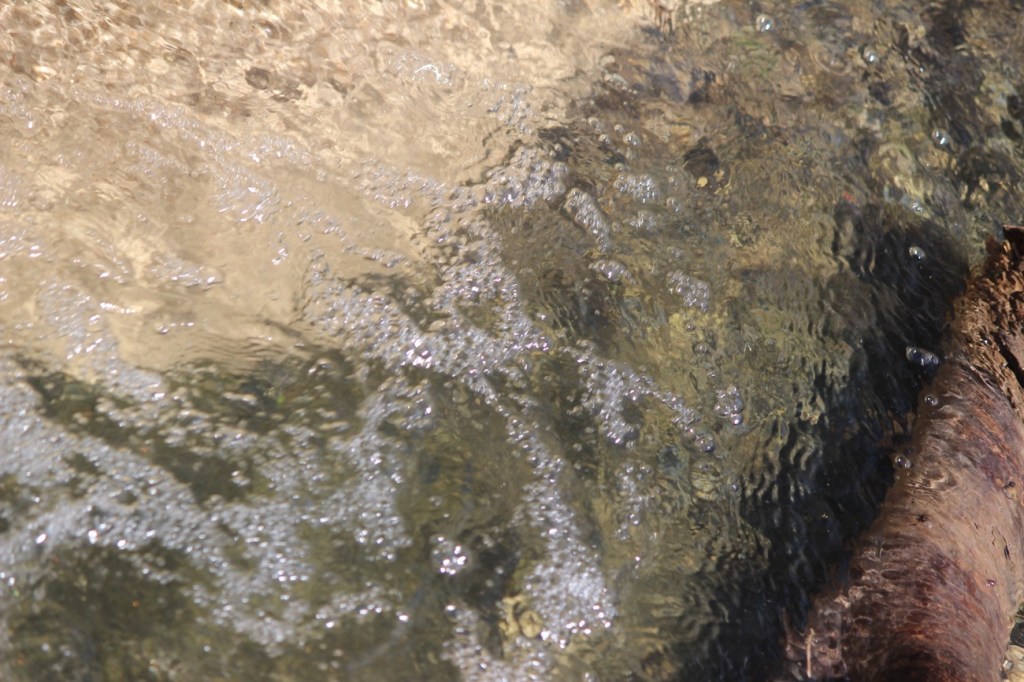
Weathered Wood Inside a Tree Trunk Bird HousesWeathered Log Floating in Robinwood Lake