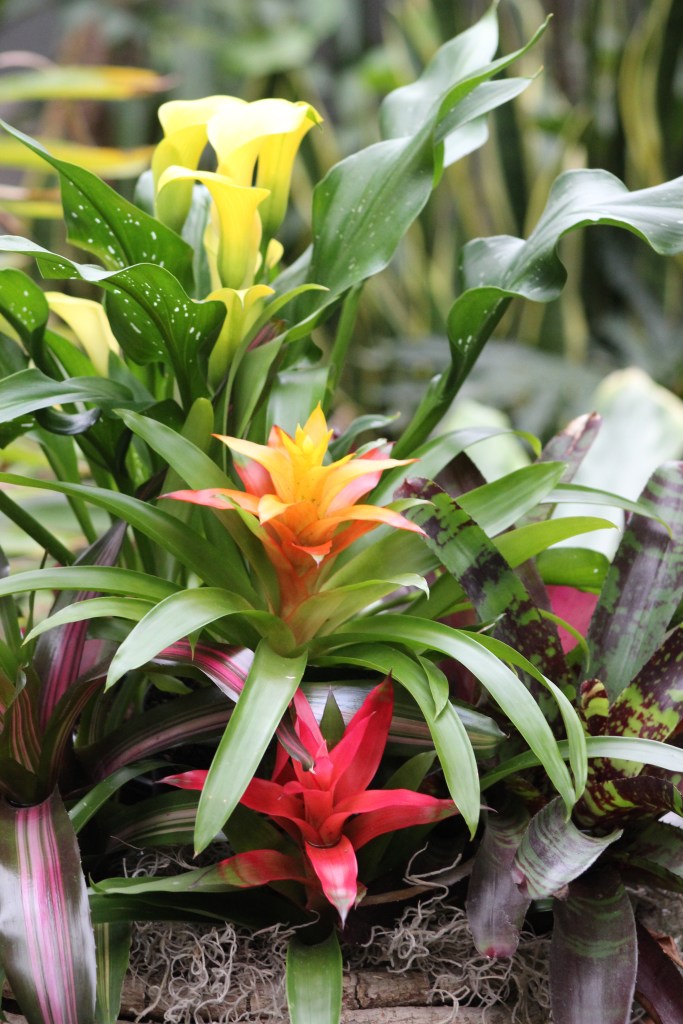
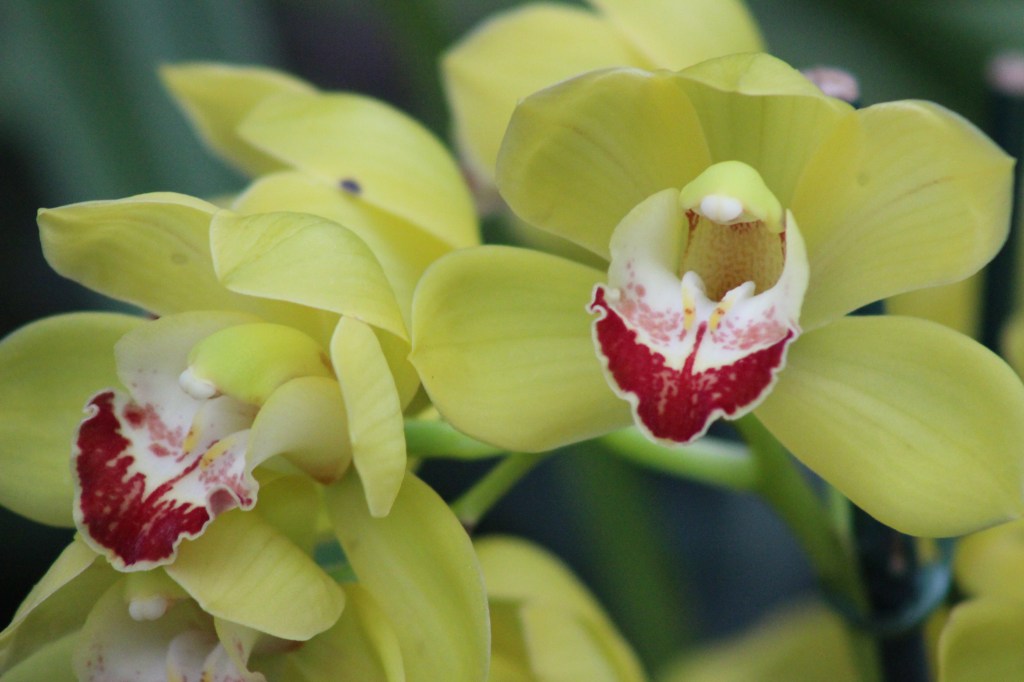
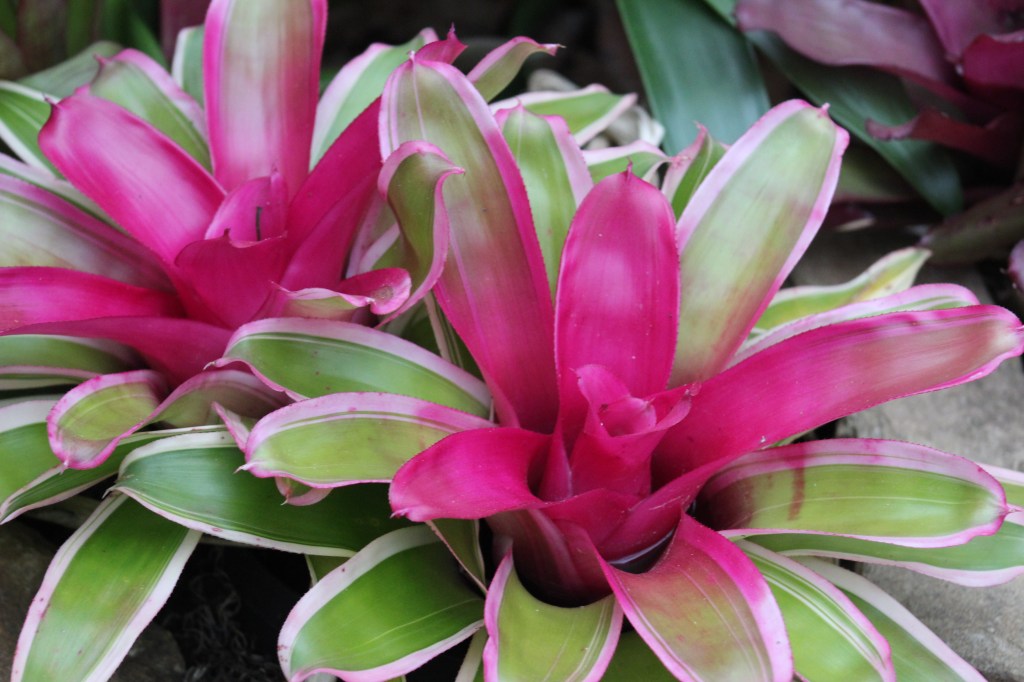
Phalaenopsis – Moth Orchid – Double Spike Orchid (Cymbidium) Neoregelia carolinae, the blushing bromeliad, is a species of flowering plant in the genus Neoregelia.Orchid Cambria Odontoglossum ‘Francine’ Pink
One can select a variety of seating of your choosing around the beautiful picturesque Gardens.
In Loving Momory of Maria Ann SmalEnjoy the views as you relax in a Adirondack Chair Or have a snack or drink by one of the patio tablesHowever, it is not wise to choose Coleman’s choice of Seating.
Eastern Tree Caterpillar nests are commonly found on wild cherry, apple, and crab apple, but may be found on hawthorn, maple, cherry, peach, pear and plum as well. There is one generation of the Eastern tent caterpillar per year. The insects overwinter as egg masses on twigs, and they hatch in April. They turn into moths which are reddish-brown with two pale stripes running diagonally across each forewing. Photinia ‘ Red Robin ‘ P x fraseri also known as the Christmas Berry makes an attractive hedging plant with its glossy red new growth. Wisteria sinensis ‘Cooke’s Purple’Hally Jolivette Cherry (Prunus) is one of the best flower ornamental cherry trees available.
Cordyline Fruticosa Ti Plant Cordyline fruticosa is an evergreen flowering plant in the family Asparagaceae. It is identified by a wide variety of common names, including ti plant, palm lily, cabbage palm.
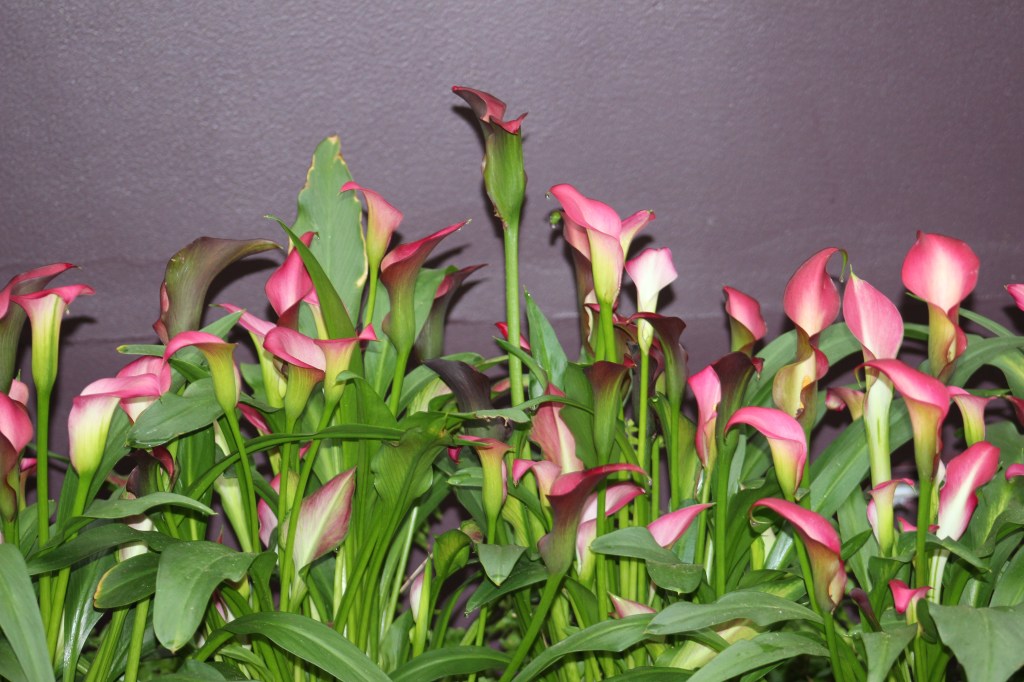
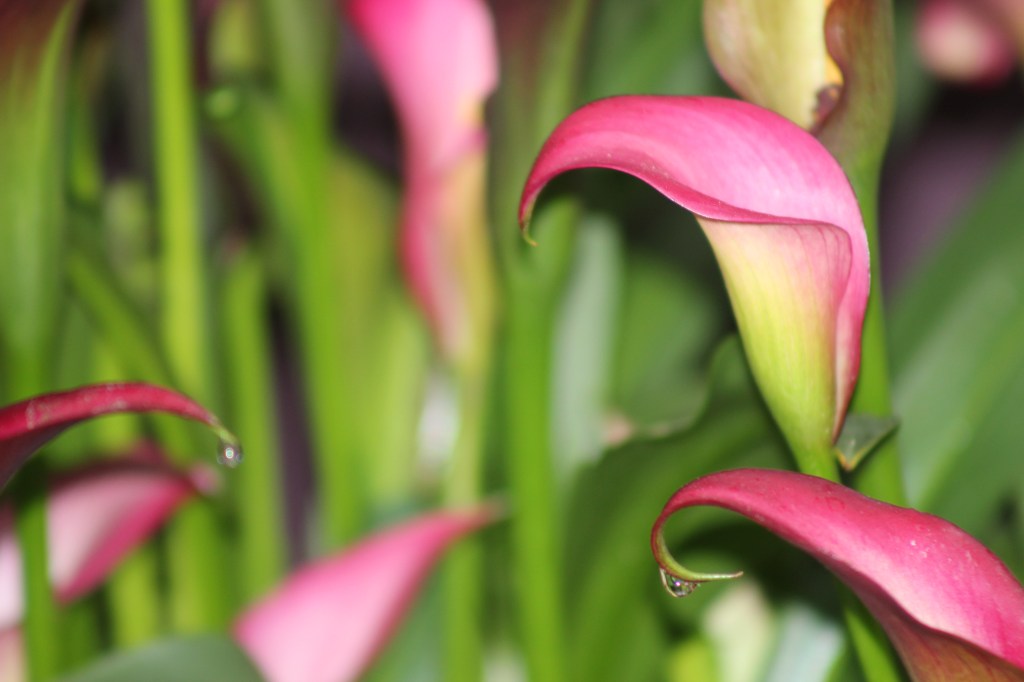
My grandson and myself saw many beautiful plant and flowers while we had a short visit (short due to rain) to Daniel Stowe Botanical Gardens in Belmont, North Carolina. This photo was taken with my iPhone 14 Pro Max at f/1.8 •1/57 • 6.86mm • ISO 250.
Pink Carnations Loropetalum chinense is commonly known loropetalum, Chinese Fringe Flower and Strap FlowerFlowers on an Eastern Redbud (Cercis canadensis) Pink RosePink for Breast Cancer No one should FIGHT ALONE Til Valhalla Project No Hero Left Behind
Floral Arrangements Arthel “Doc” Watson Statue Boone, North Carolina
Arthel “Doc” Watson (1923-2012), an 8-time Grammy winner, was born down the road in Deep Gap and always remained “Just One of The People,” as this sculpture states. [As a side note: “Doc” is my maternal 4th cousin.]
Doc became part of the Folk Revival and is known worldwide for his flat-picking style of guitar playing. The Town of Boone celebrates Doc Watson Day every year with a concert at the Jones House. This bronze statue of Doc Watson was dedicated on June 24, 2011, and sculpted by Alexander M. Hallmark.
Sitting by my cousin, Arthel “Doc” Watson’s Bronze Statue Boone, North Carolina
Photo Credit: Copyright (c)2022@gfpacificbeeintrospection.com … All Rights Reserved.
God Bless. Thank You for Visiting. Hope y’all had a wonderful Christmas, Hanukkah, Kawanza, or your special holiday with family and friends. Remember I appreciate y’all.
Spotted this plant by the checkout counter at our local Aldi’s.
Christmas Kalanchoe
The Kalanchoe is a group of exotic succulents prized for their unusual foliage and flowers. The scientific name is Kalanchoe blossfeldiana. It is a herbaceous and is commonly cultivated as a house plant of the genus Kalanchoe native to Madagascar. A few of the English common names are flaming Katy, Christmas kalanchoe, florist kalanchoe and Madagascar widow’s thrill.
It’s been cold and rainy all week. On Wednesday, Coleman and I decided to try to beat the rain and ventured out to visit Forest at Anne Springs Close Greenway Horse Stables. It was sure cold 🥶 though. However, Coleman enjoyed his time visiting the horses. [Those pictures are saved for another post].
Hanging Planter on the ground at the Gibson House
We spotted these Violet and White Flowers by the Gibson House on the way back to the car whilst trying not to get the camera wet. So naturally I had to capture them with a few snapshots. After all I did have my camera around my neck.





 Gfpacificbee’s Insights & photography