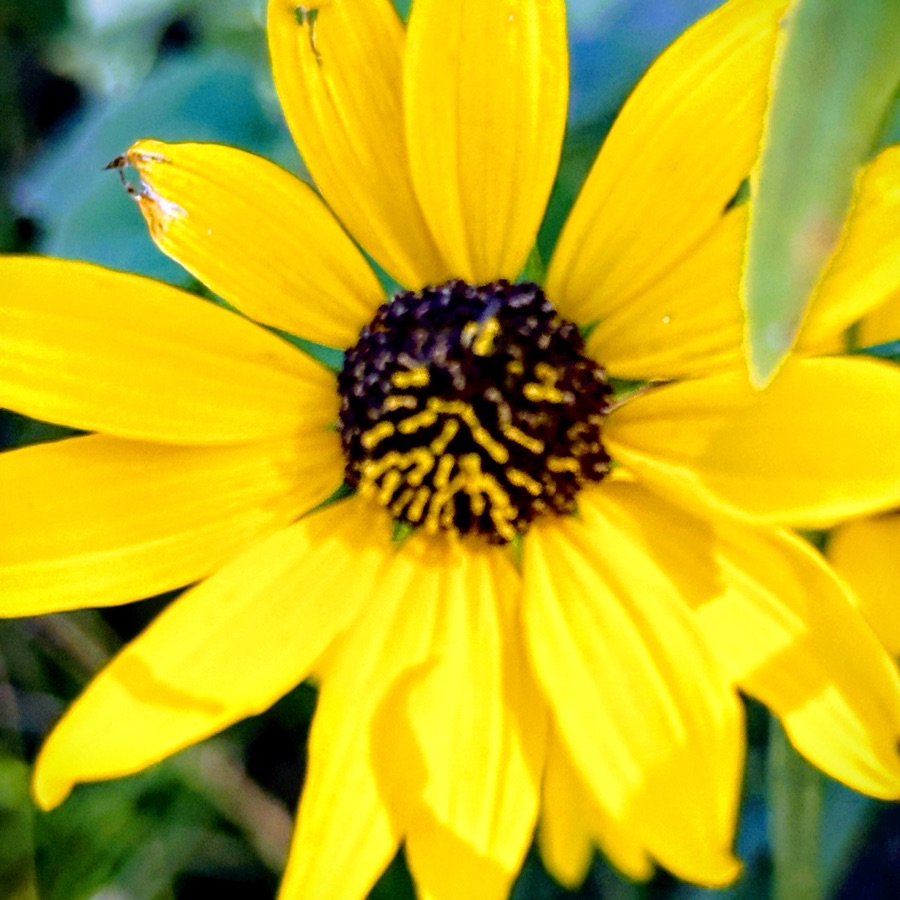
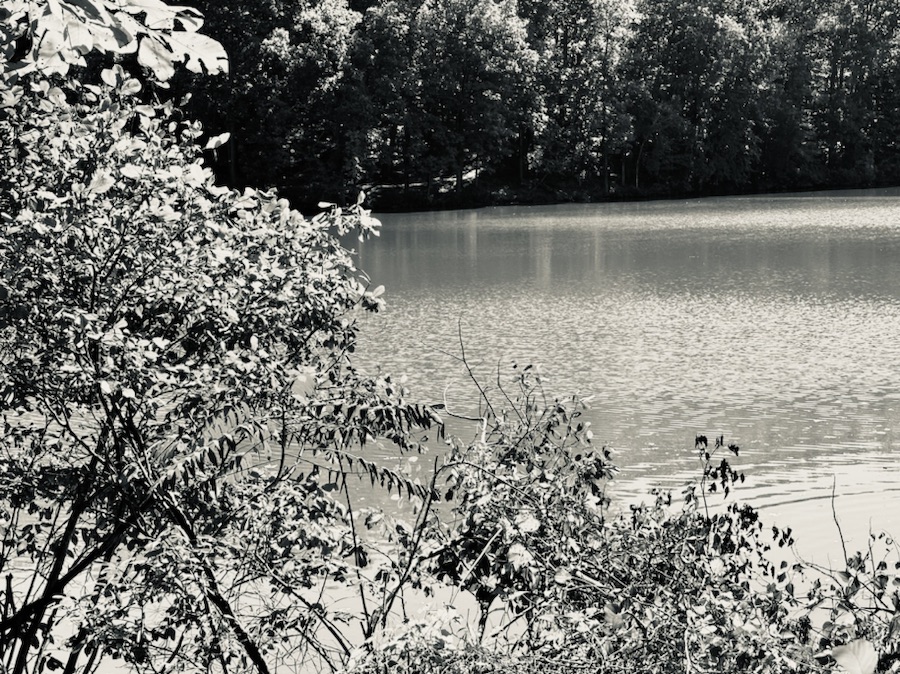
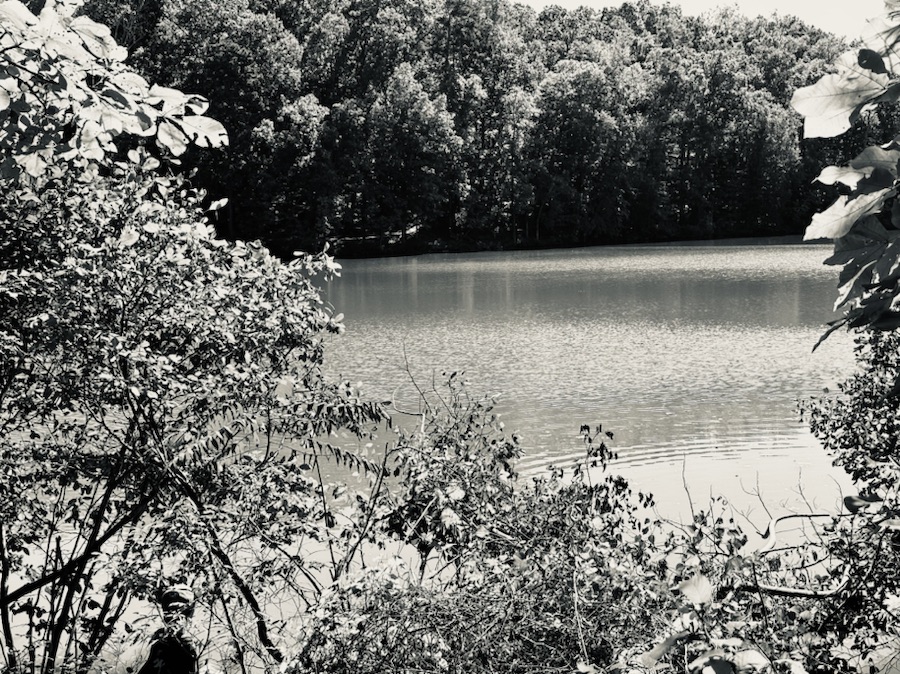
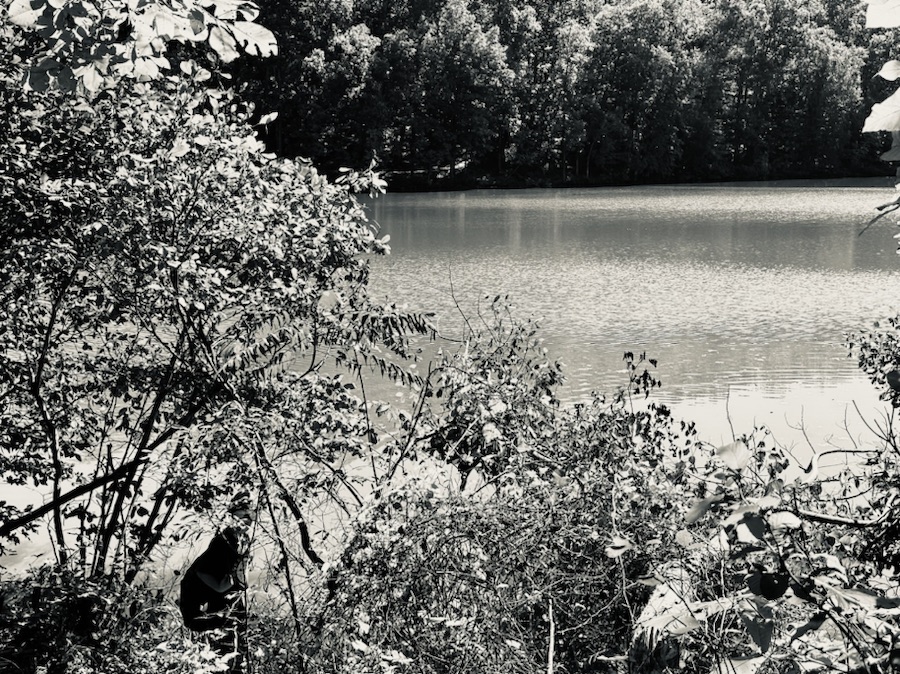
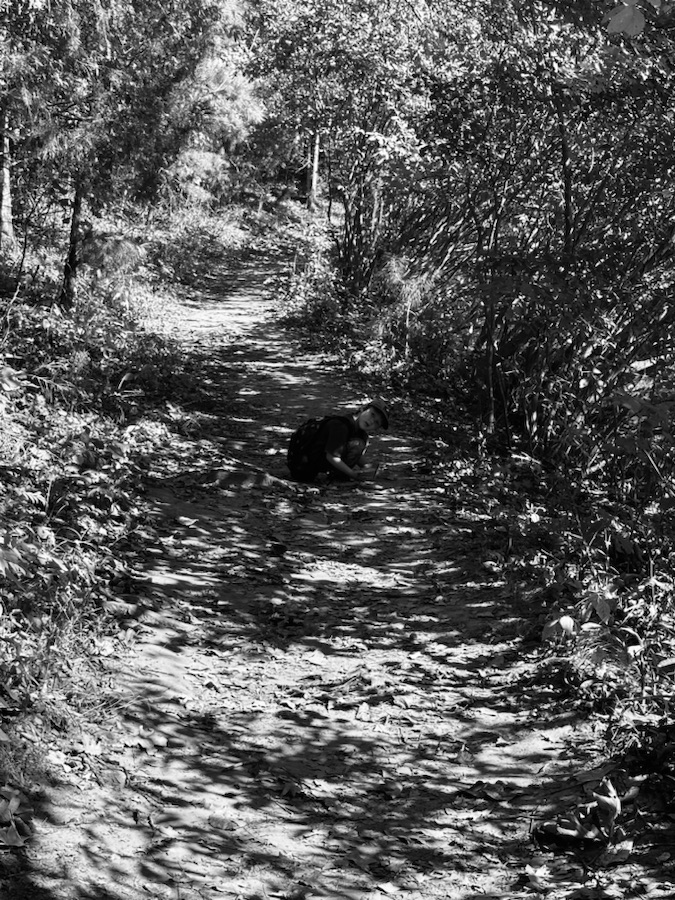
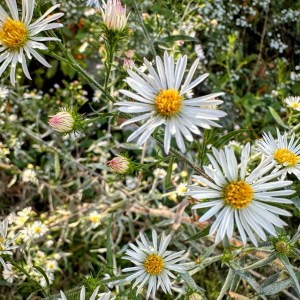
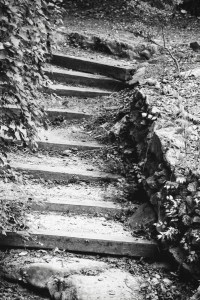
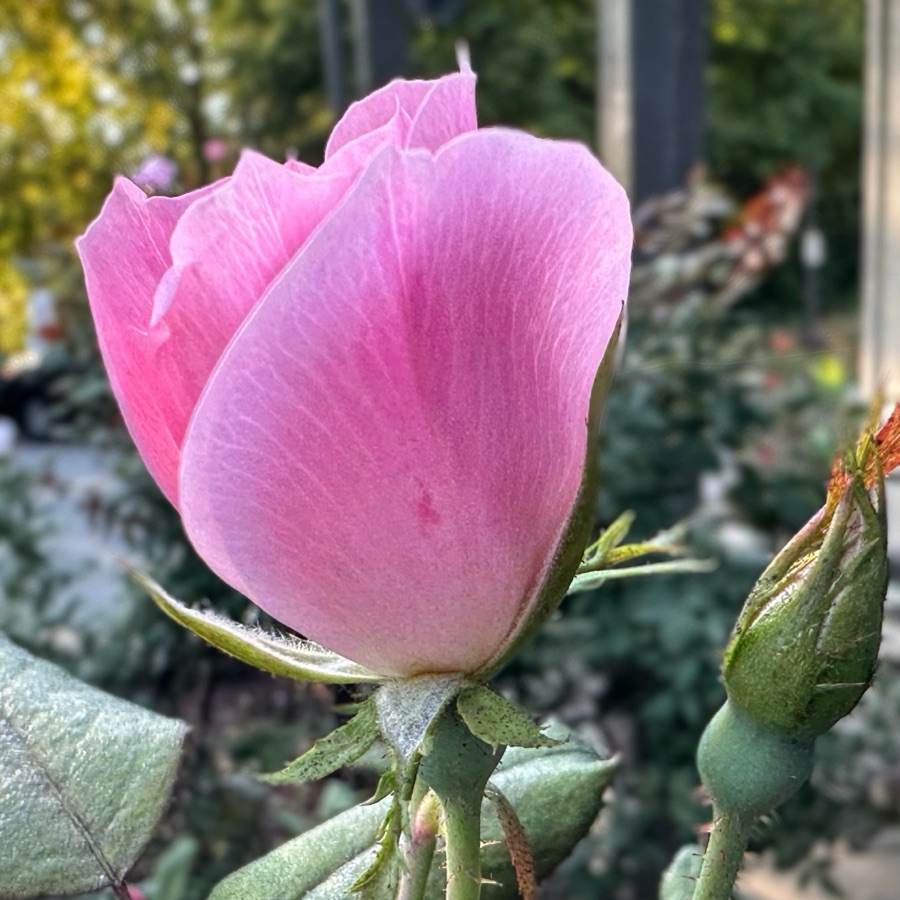
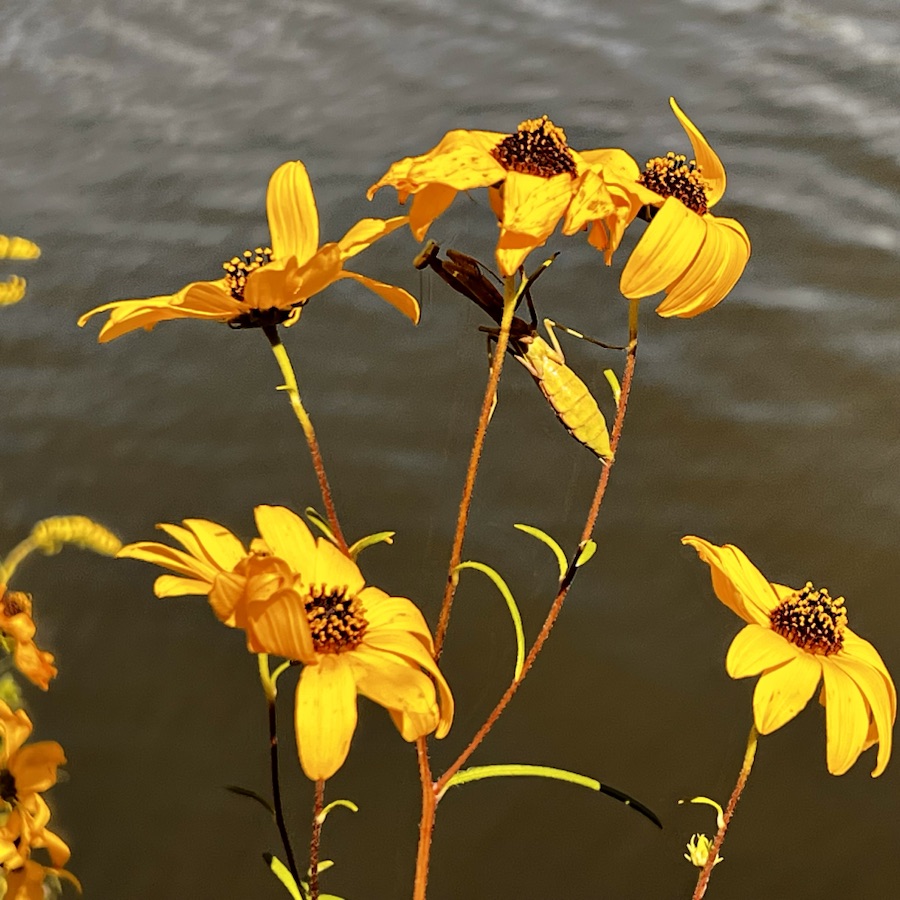
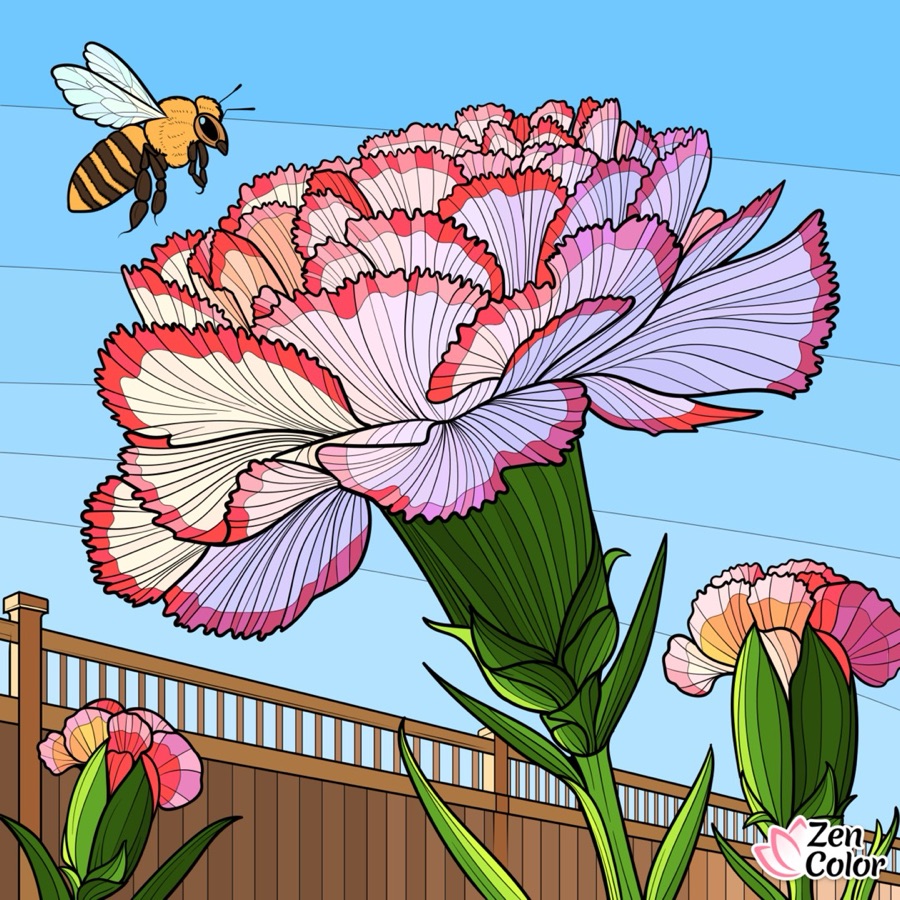
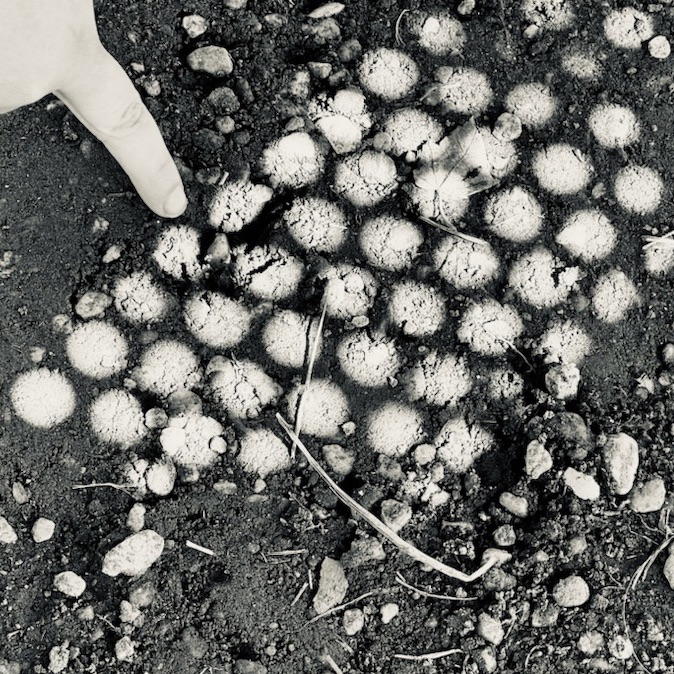
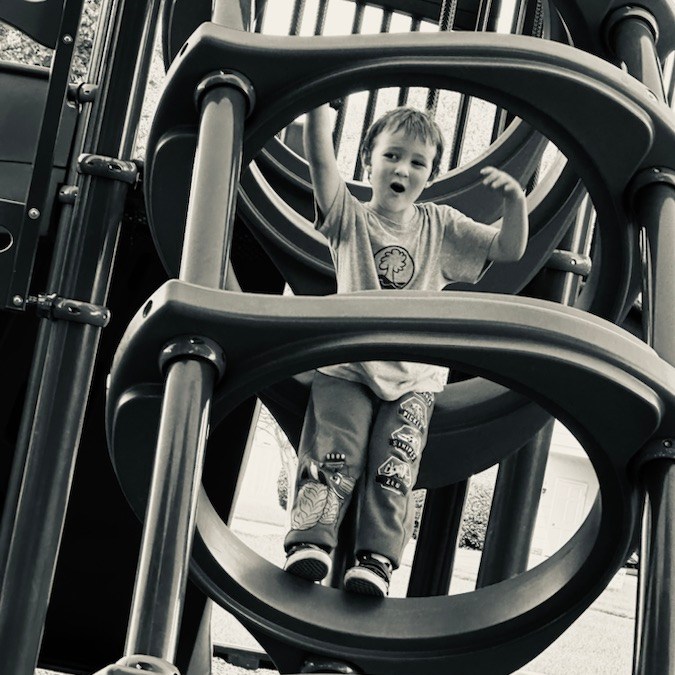
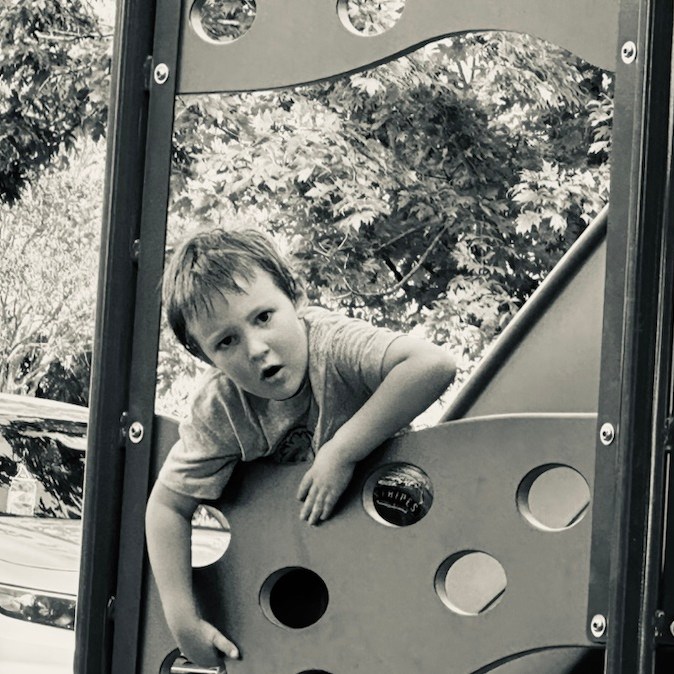
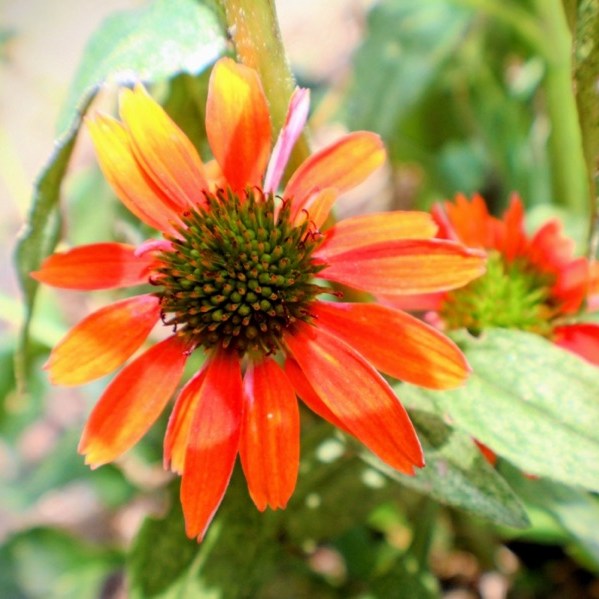
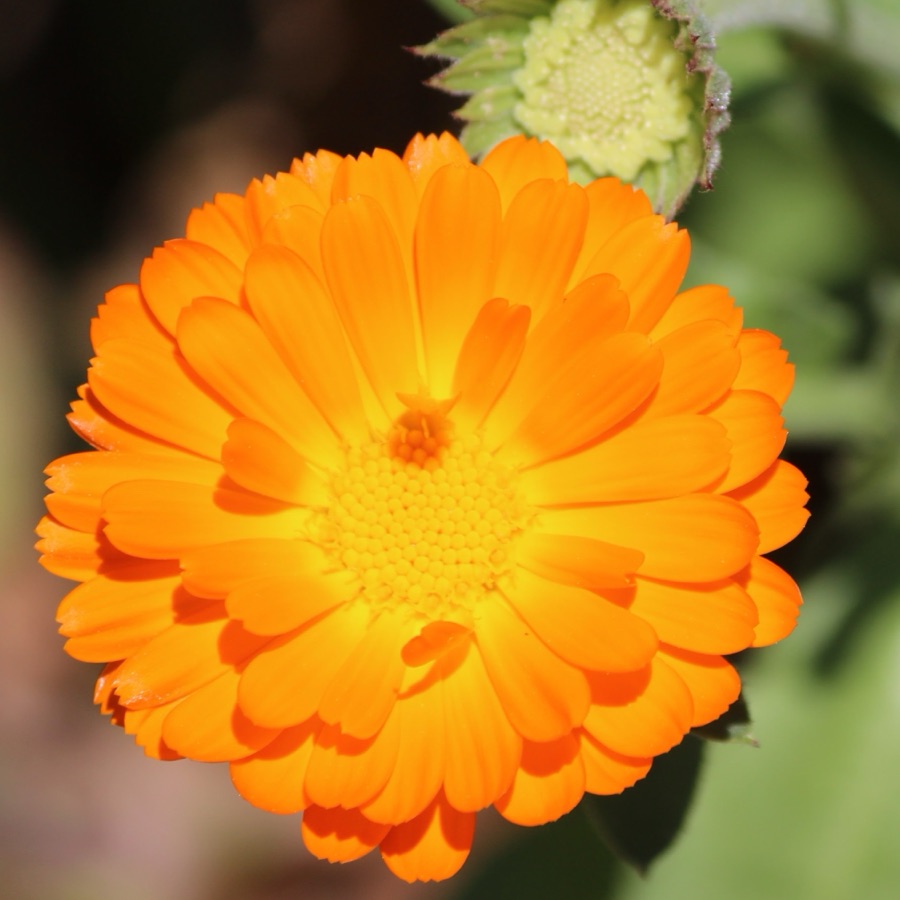
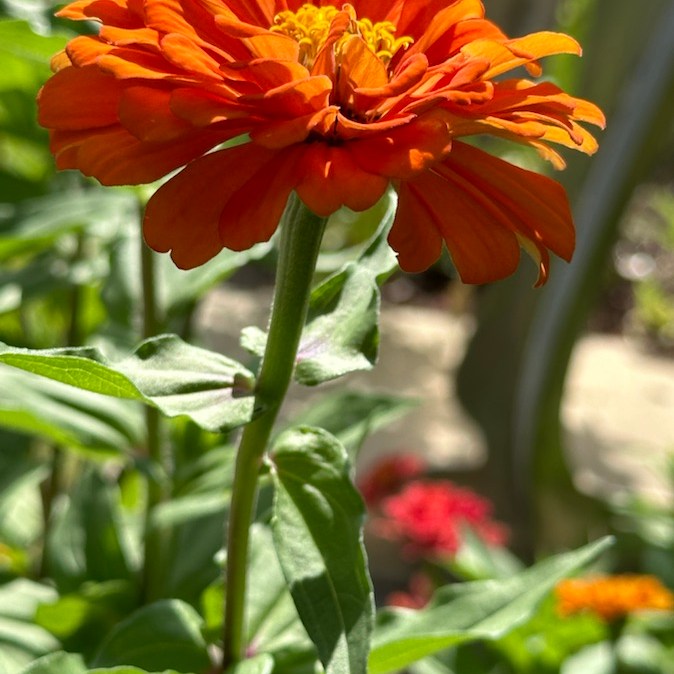
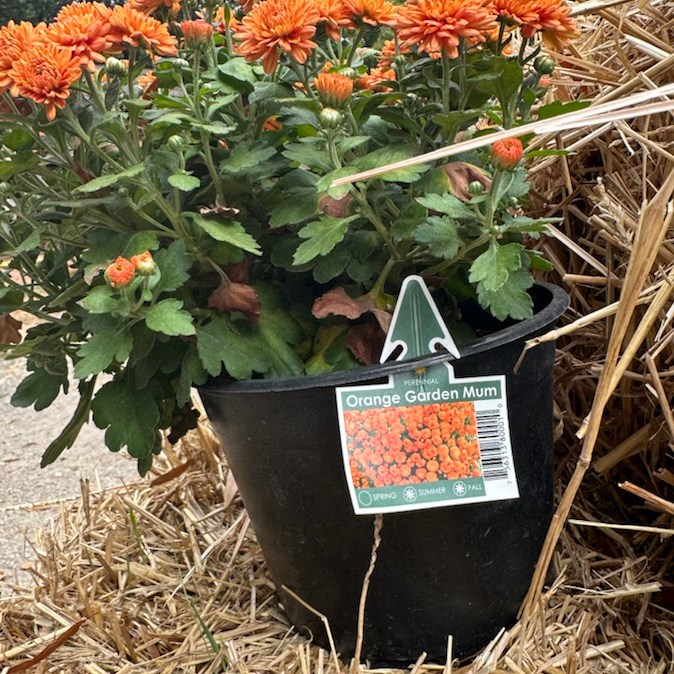
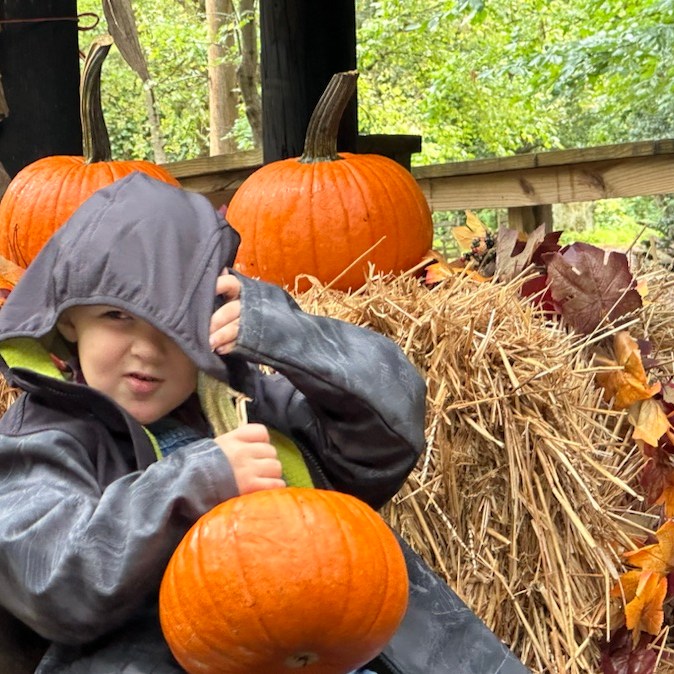
In Monochrome Playing around with Photoleap Tried to create water droplets on petals. This is the effect I received. Harrison Effect in Pixlr with a touch of splash
Clare at Clare’s Cosmos hosts the Share Your Desktop Challenge. She invites us all to share our desktops; whether that be from our desktops, laptops, tablets, or smartphones it does not matter. Join in the challenge and let us all see what you look at every day.
Here are my desktops, wallpapers, wall savers, from my Laptop and my iPhone:
From my HP Laptop:
Laptop Wallpaper:
My Grandson, Coleman Anne Springs Close Greenway
Laptop Desktop:
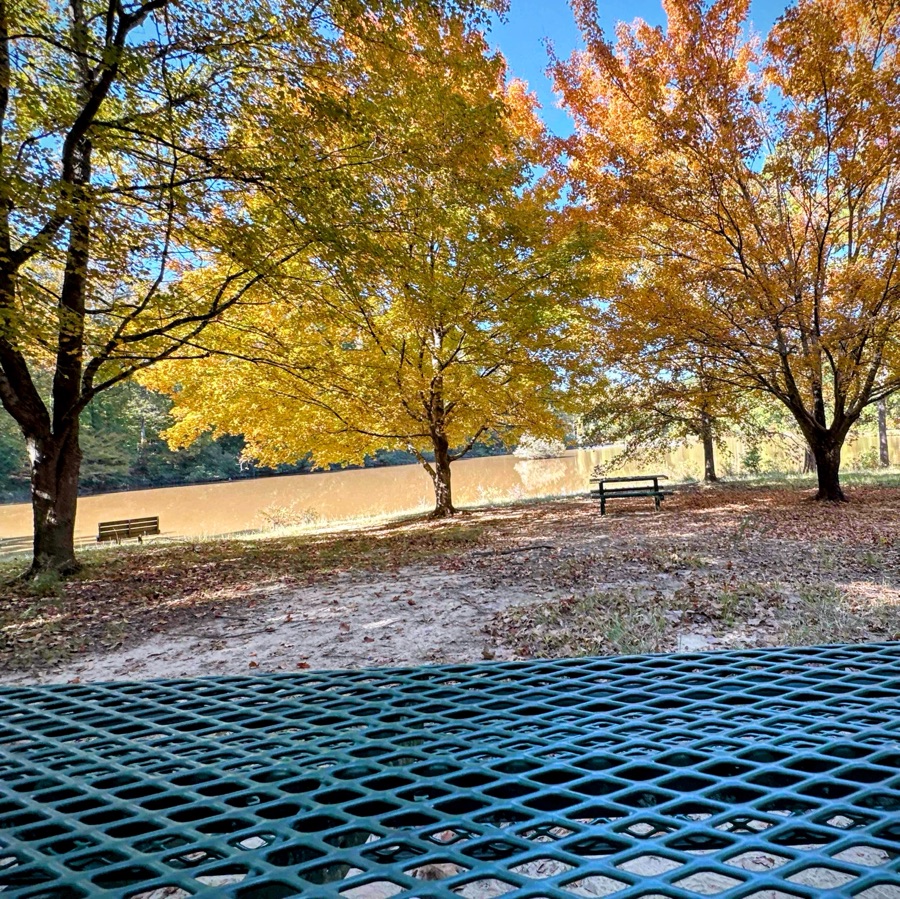
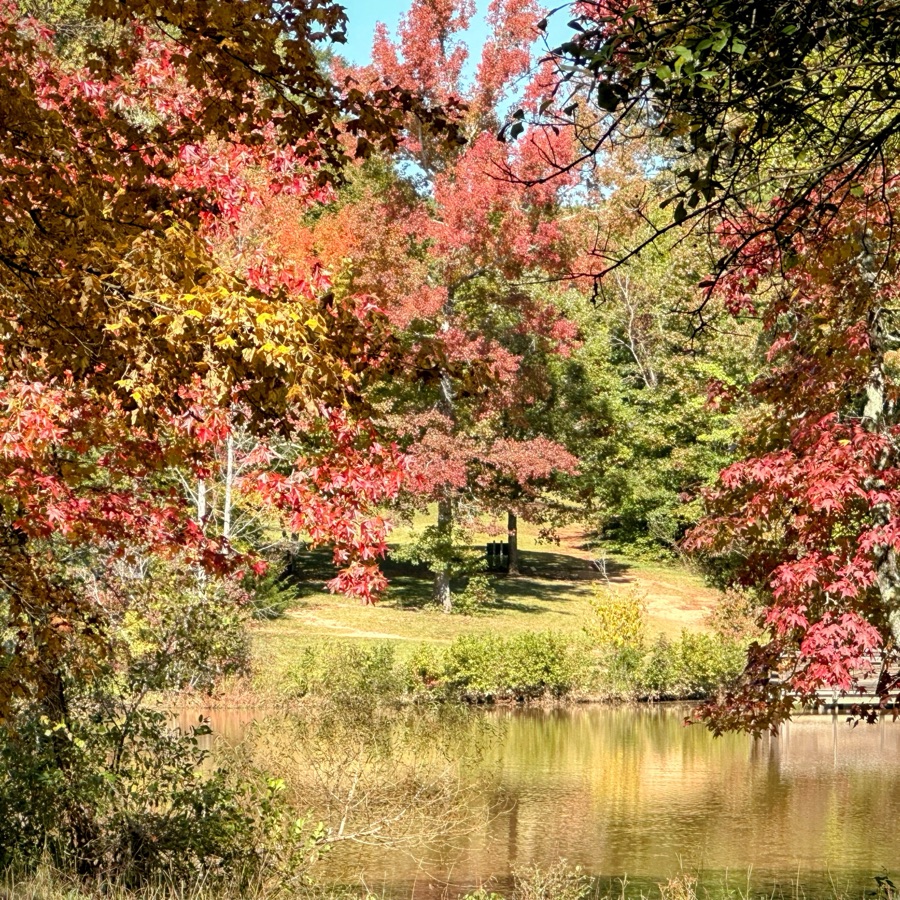
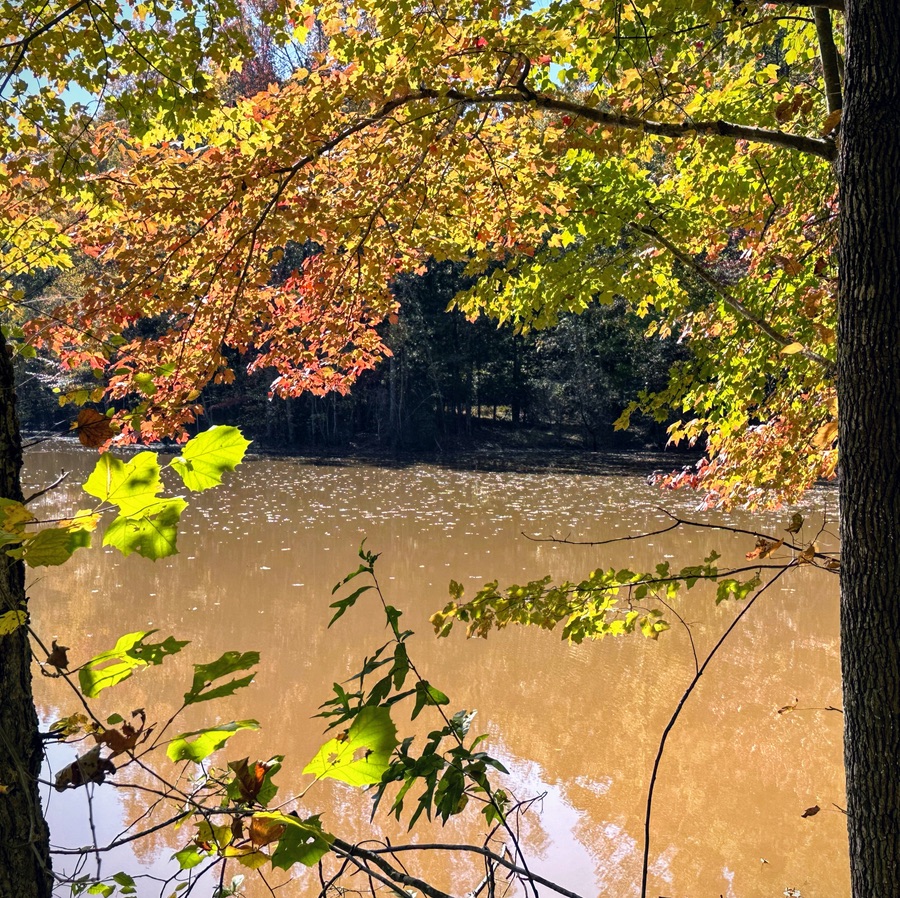
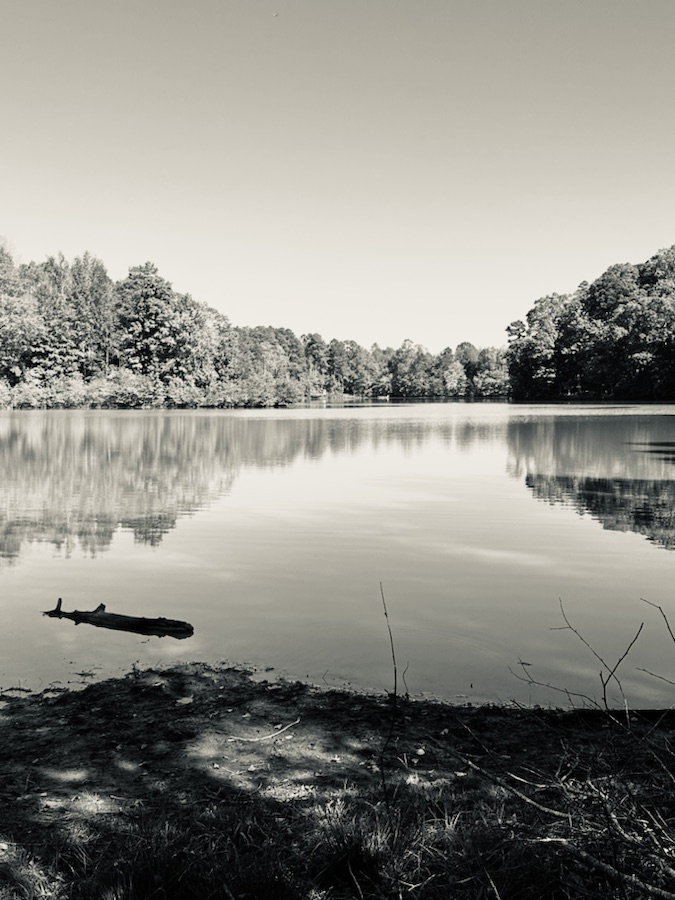
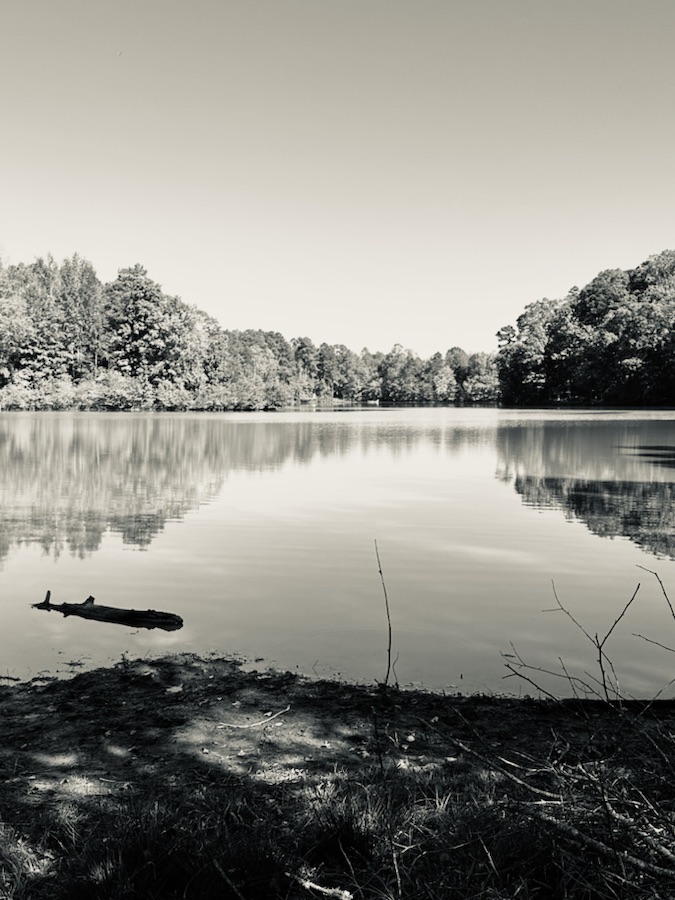
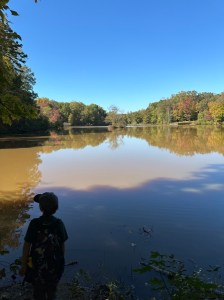
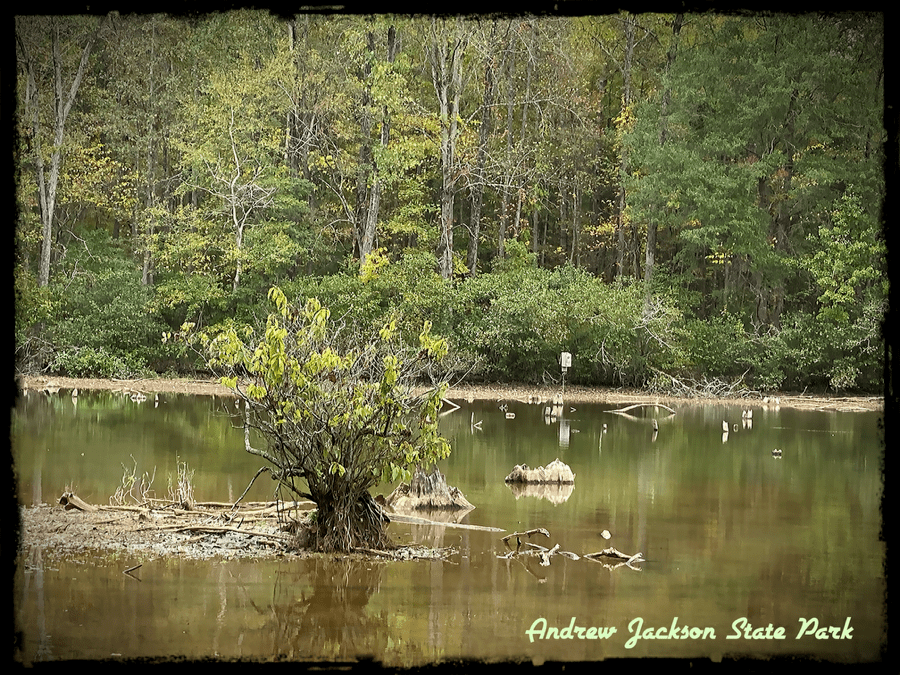
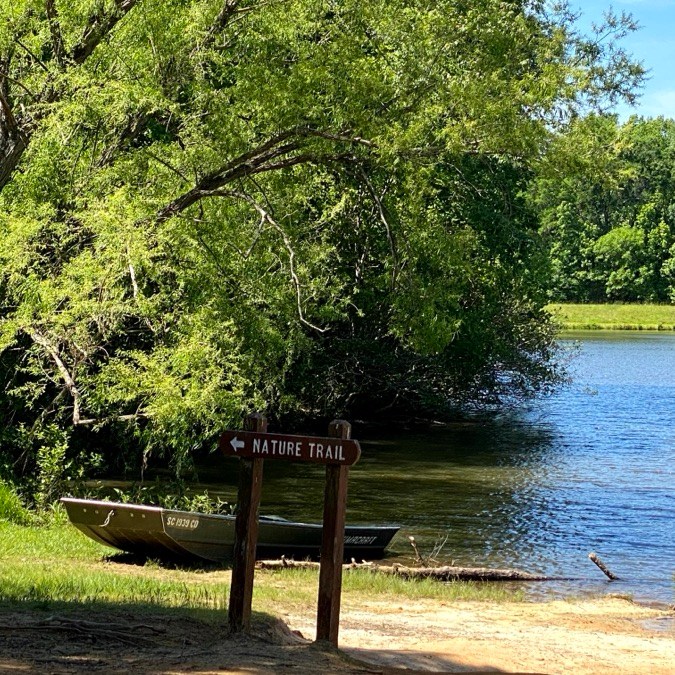
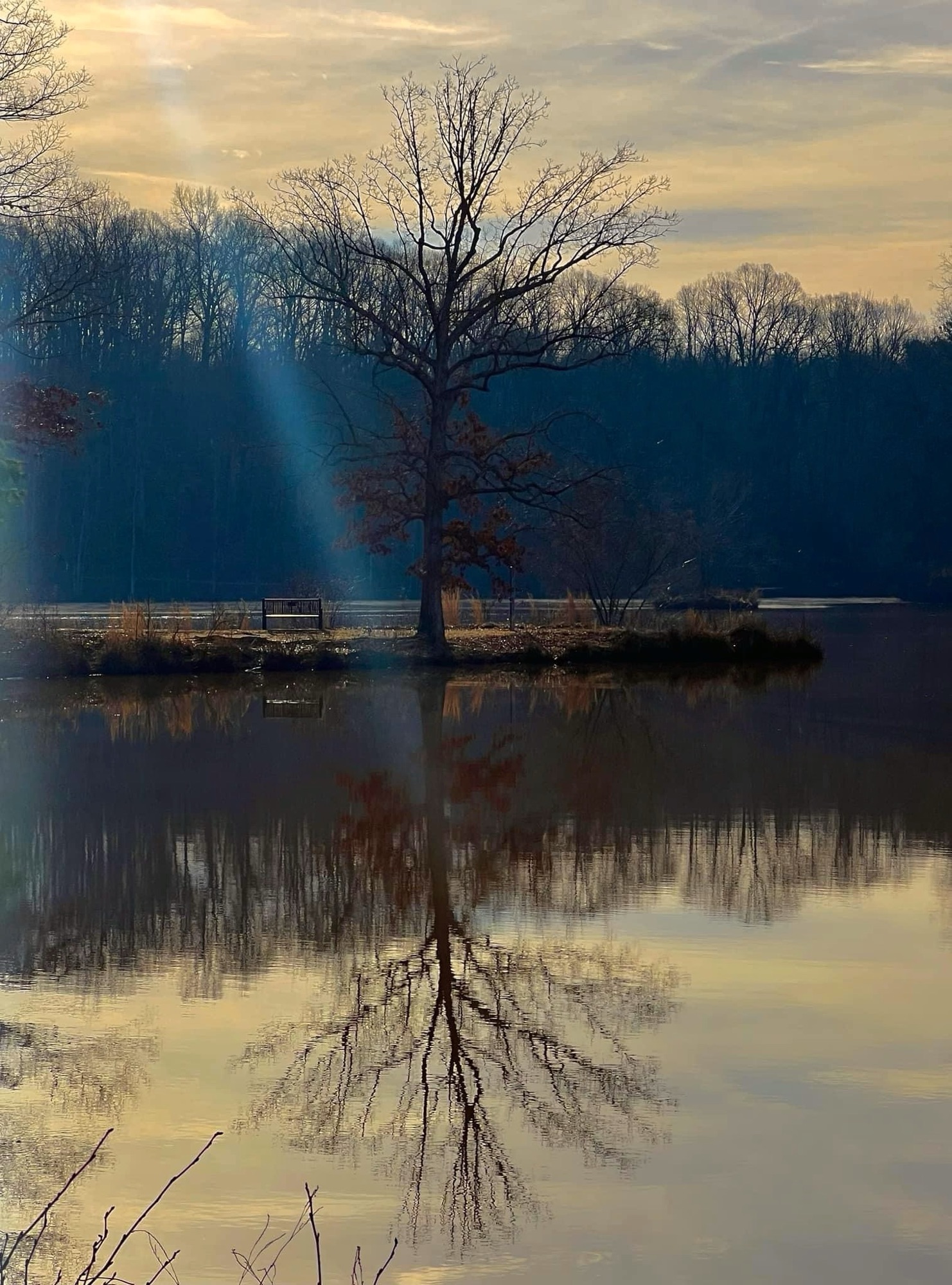
Patterson Pond Anne Springs Close Greenway
From my iPhone 14 Pro Max:
Reading Focus:
Alpaca Crandall Bowles Children’s Farm Anne Springs Close Greenway
Television Focus:
Horse Drinking Water Greenway Stables Entrance Anne Springs Close Greenway
Personal Focus:
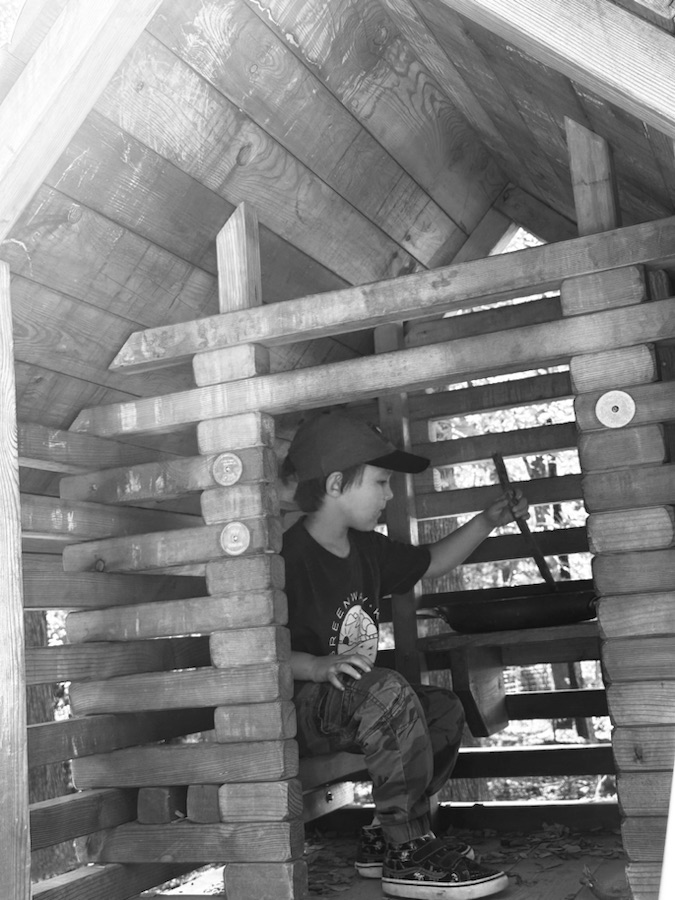
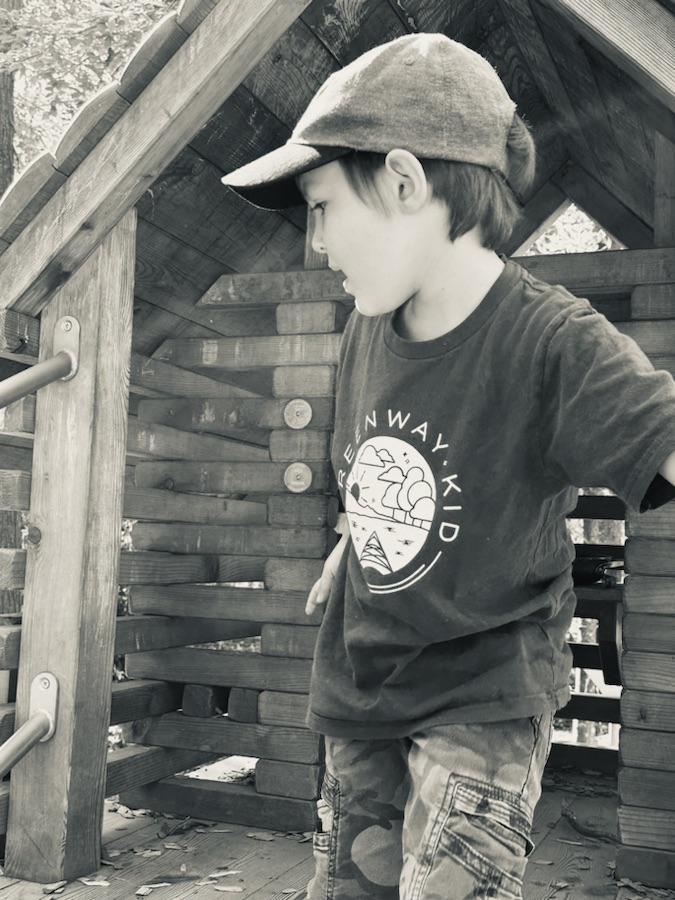
Coleman with the Horses Greenway Stables Anne Springs Close Greenway
Hiking Focus:
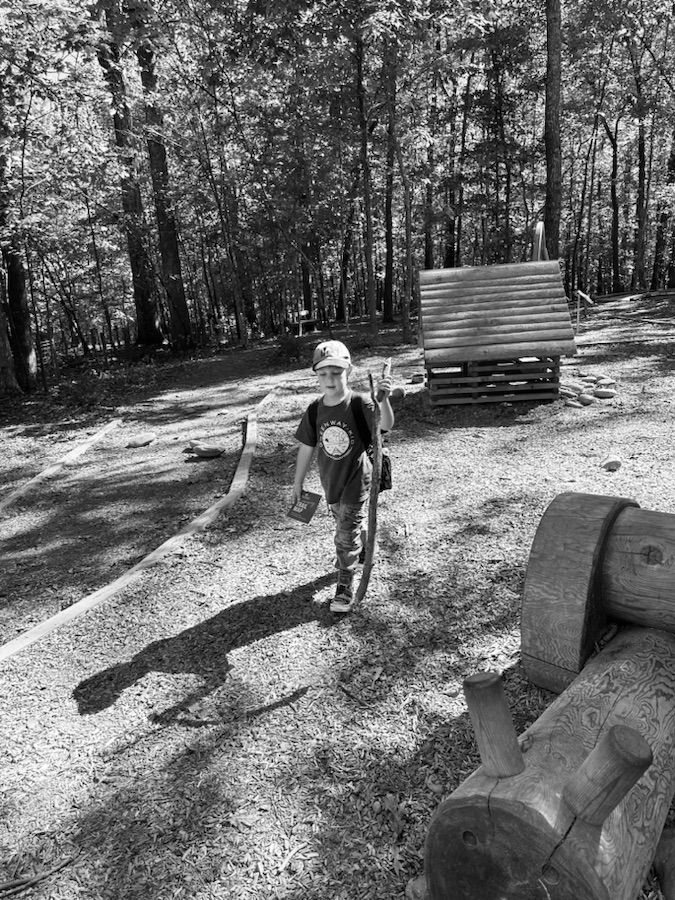
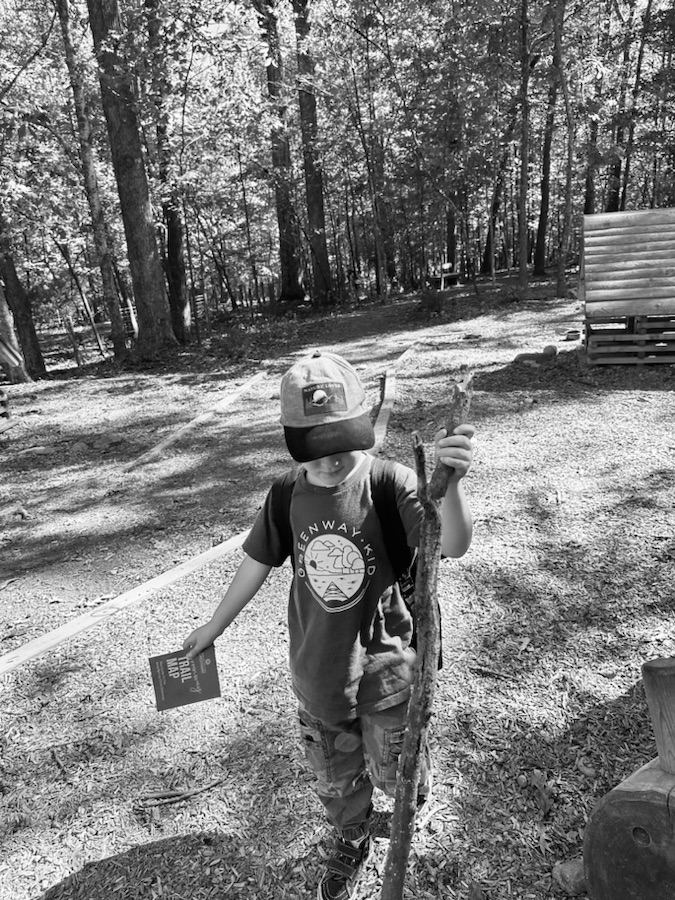
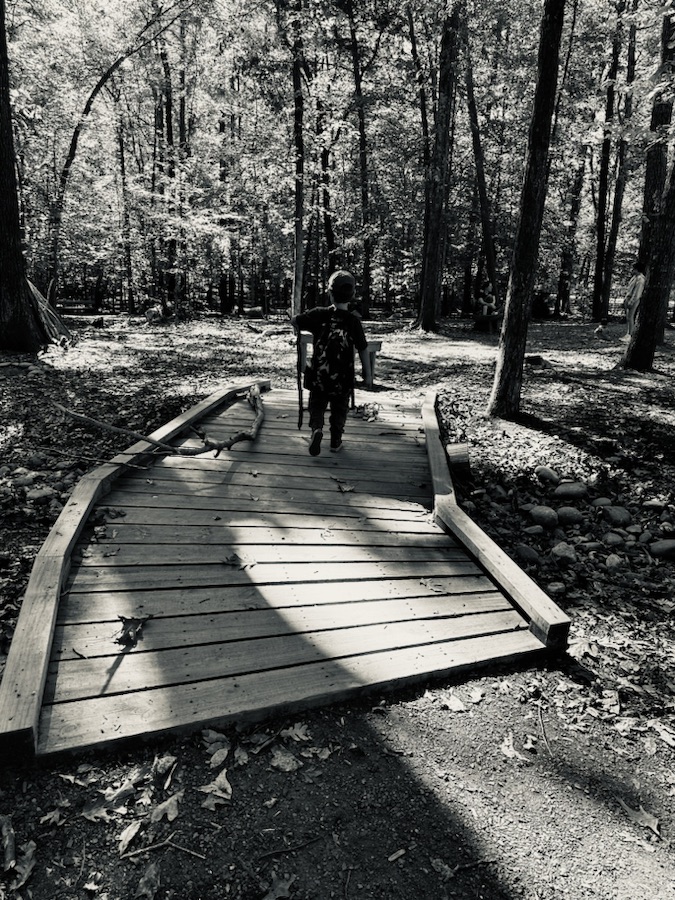
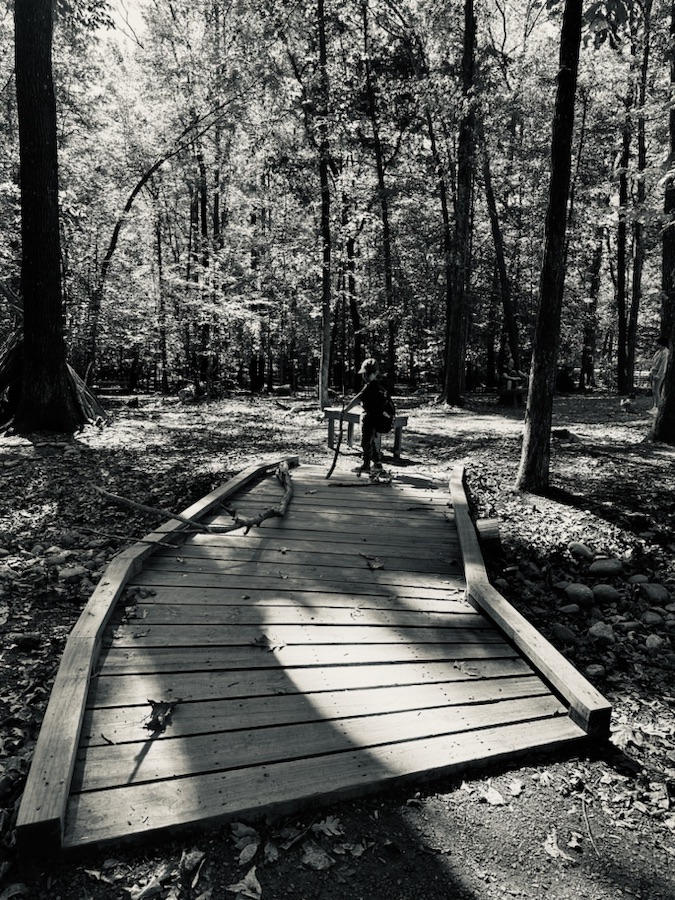
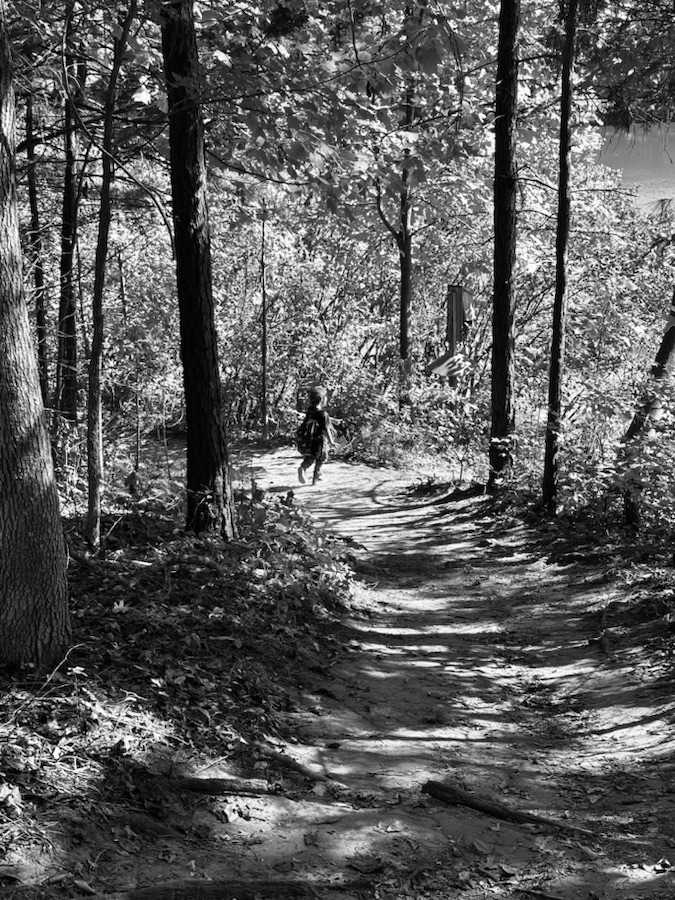
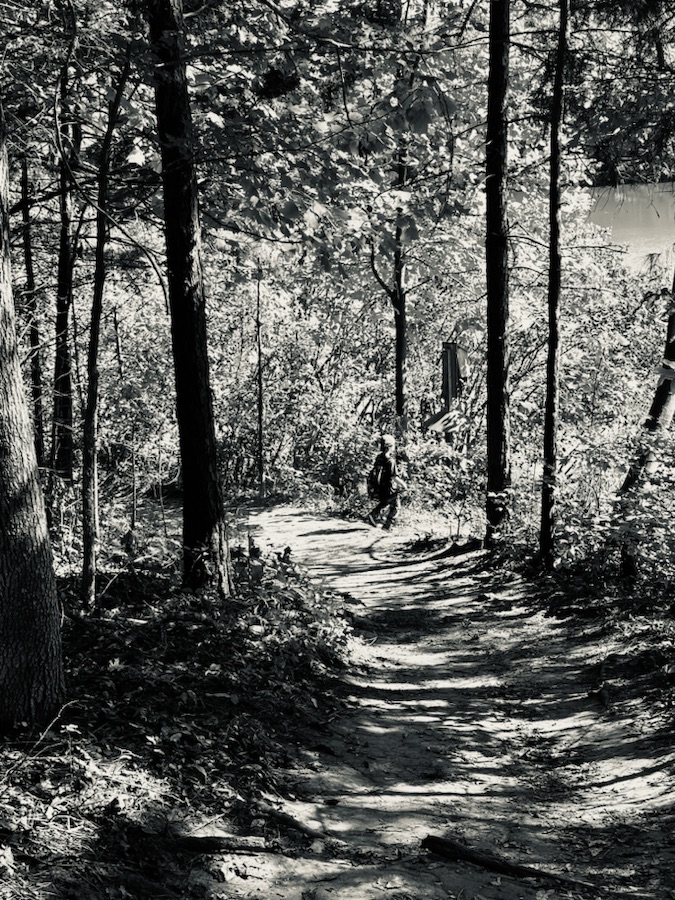
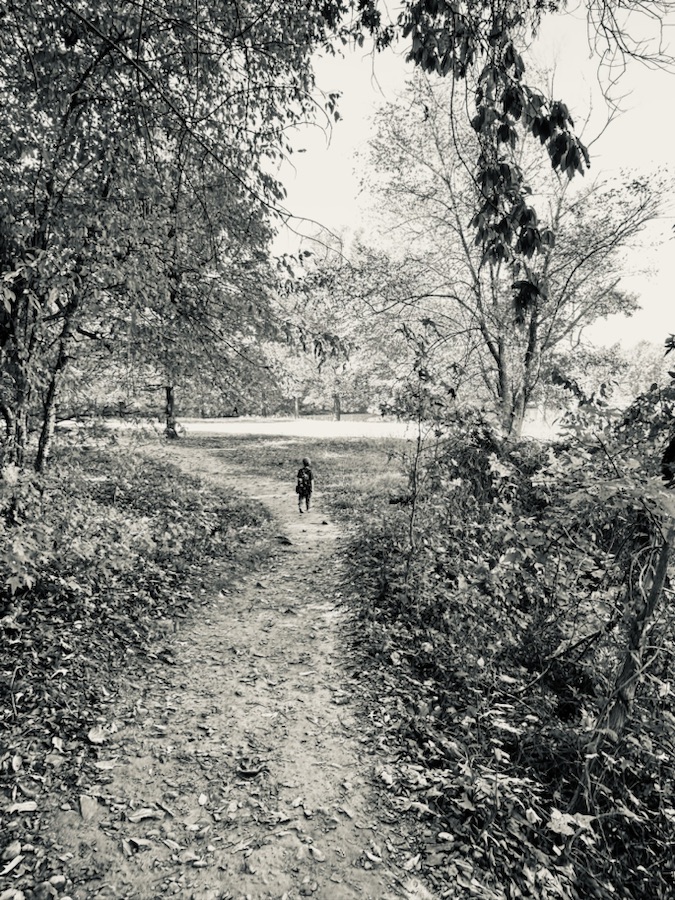
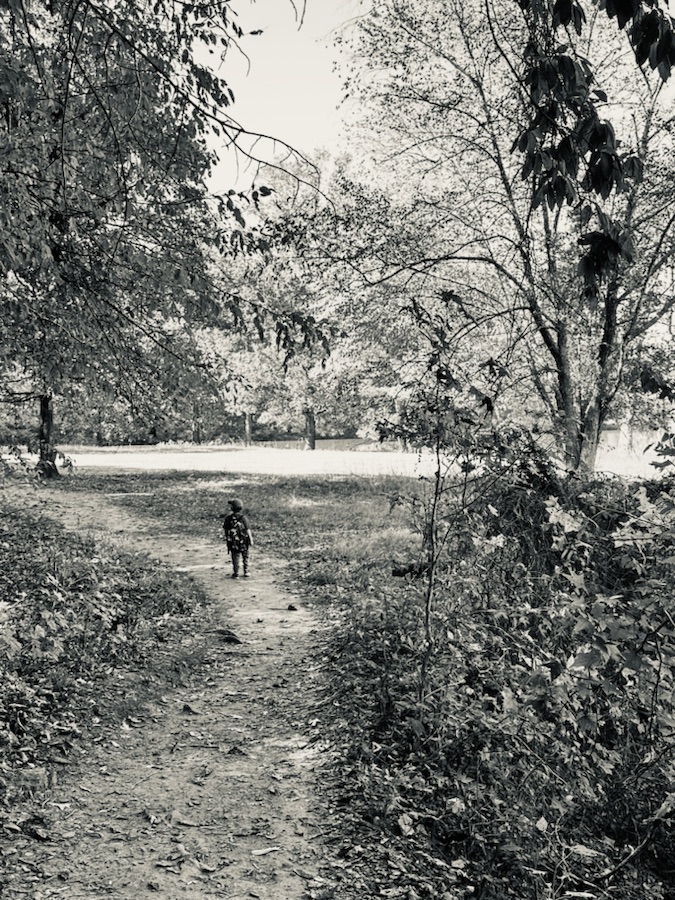
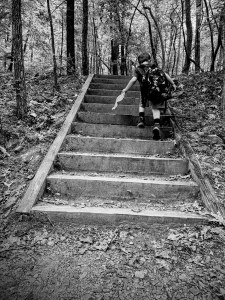
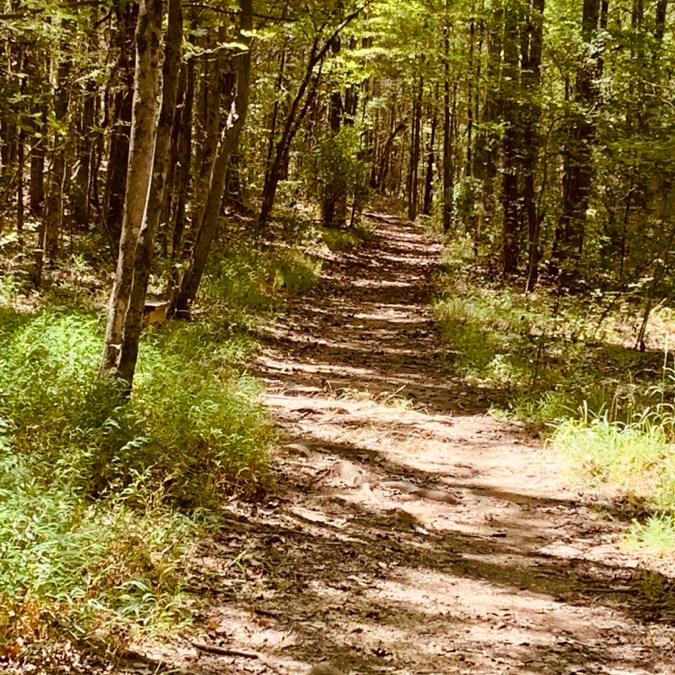
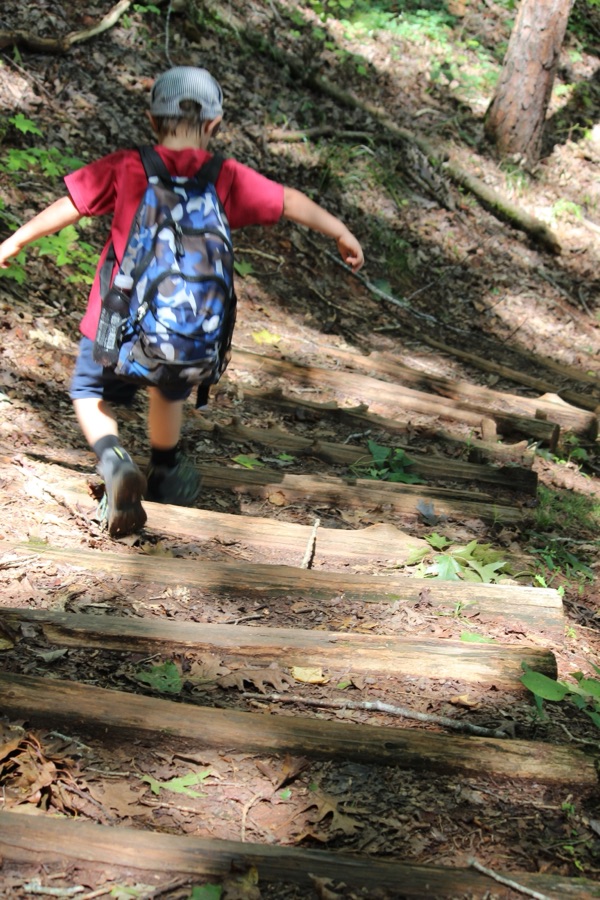
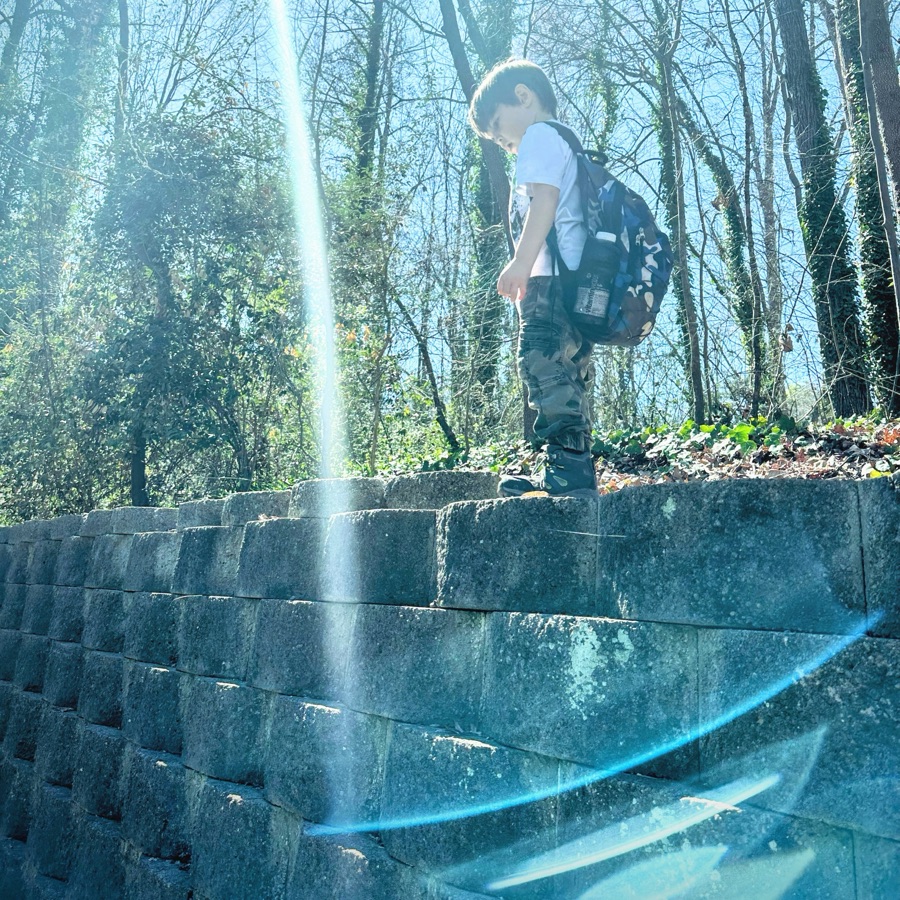
Coleman Hiking Dogwood Trail Anne Springs Close Greenway
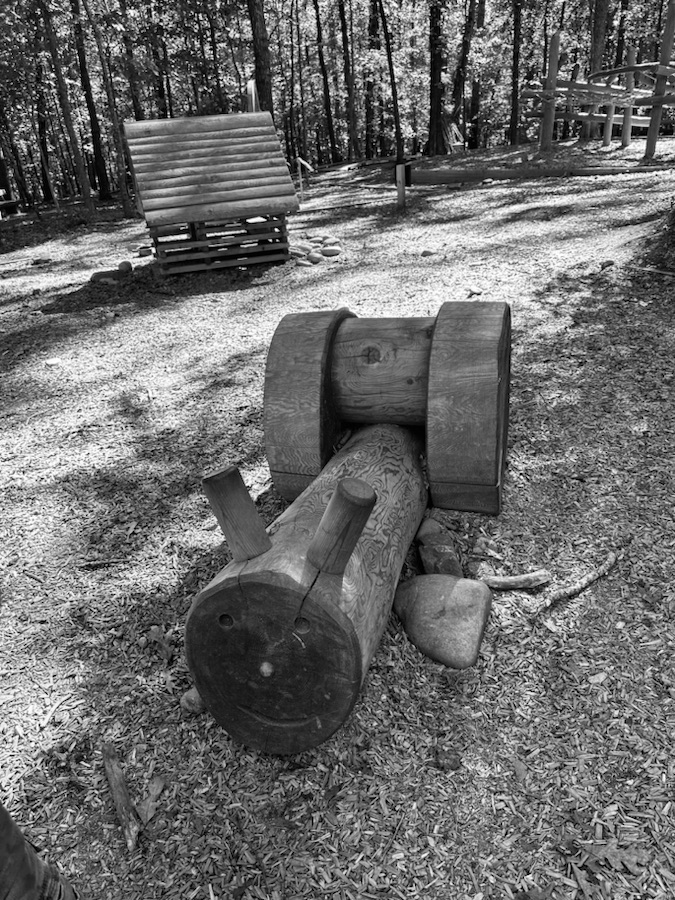
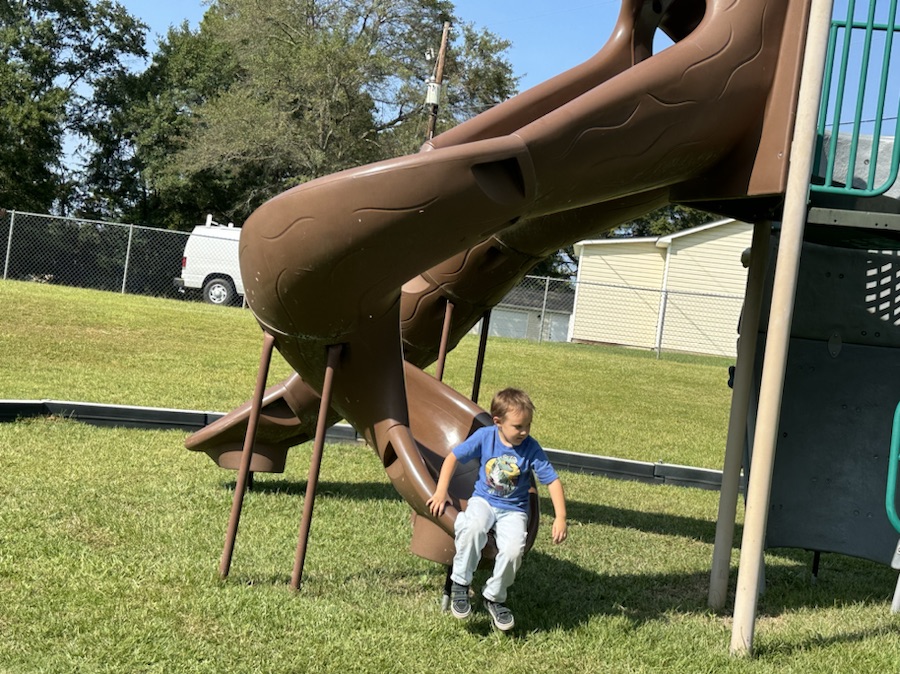
The weather has been hot and Sunny 🌞 during the day and stormy at night. Decided to switch out the sand in my grandson’s “Turtle” for Water 💧 to allow him to enjoy 😊 water playtime in the Warm Sunshine.
This well-known rhyme has been around since the mid- nineteenth century when the number of magpies seen foraging together was regarded as forecaster of future events. Even though no bird is mentioned in this rhyme most people know it refers to the magpies.
Magpies are members of the Corvidse family. They are smart and clever birds which sometimes leads them into trouble, however, that doesn’t deter them since they are great problem solvers. The Pica hudsonia, the Black-billed Magpie’s scientific name, is also referred to as the American Magpie. It was once thought to be found only in the Western half of North America, However, its habitats may range into the far eastern parts of the United States including occasionally into the South despite the high temperatures and humidity.
Black-billed Magpies are black and white, with the wings and tail showing black areas and iridescent hints of blue and blue-green. It is a medium-sized bird that measures 45–60 centimeters (18–24 in) from tip to tail. It is largely black, with white scapulars, belly, and primaries, and the wings and tail are an iridescent blue-green.
Eurasian magpies are visually very similar to black-billed magpies; however, Eurasian magpies are slightly larger and have shorter tails and wings. They can also be distinguished based on their different vocalizations, as well as by their non-overlapping ranges.
Black-billed Magpies are known talkers. Their vocalizations consist of a number of calls variously described as tweets, coos, purrs, shrills and squawks, but the most common is an alarm call, called a chatter, that is described as a ka-ka-ka-ka, sometimes preceded with a skah-skah. They have the unique ability to mimic sounds from other birds and even from humans they are around. [Interestingly, I have heard them mimicking me as I whistle. Their ability is amazing to hear as they mimic my exact tunes.]
Trifolium pratense Fabaceae Red cloverPanaeolus foenisecii, AKA the mower’s mushroom, haymaker, haymaker’s panaeolus, or brown hay mushroomAntheraea polyphemus, the Polyphemus moth, is a North American member of the family Saturniidae, the giant silk moths.Canada Goose
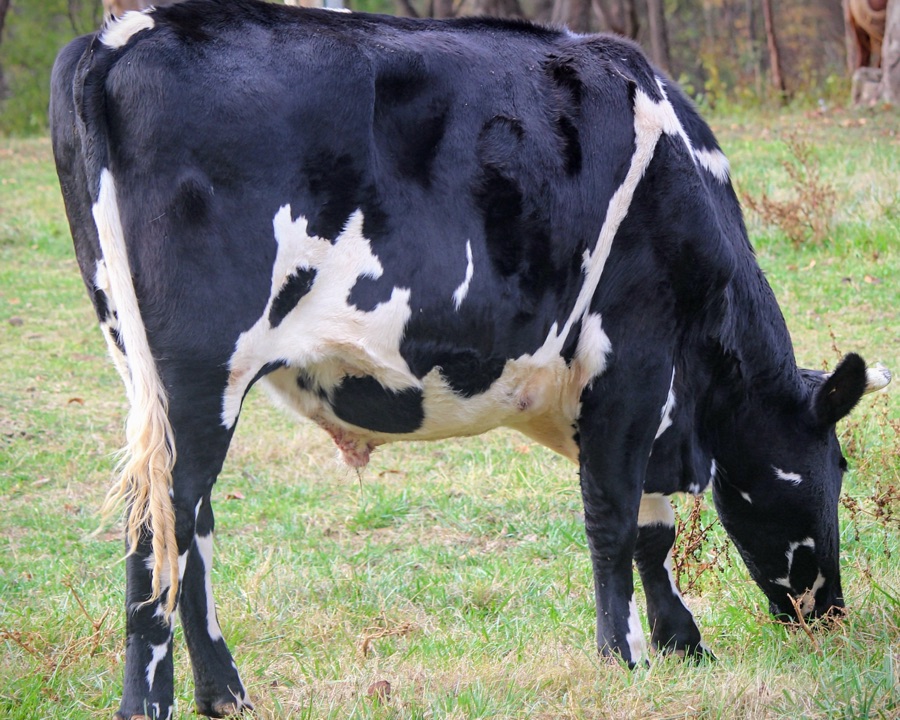
The Zebu (Bos indicus or Bos taurus indicus), sometimes known in the plural as indicine cattle, Camel cow or humped cattle, is a species or subspecies of domestic cattle originating in South Asia.
Zebu cattle are well known for being resistant to really high temperatures with high humidity concentrations (like we have here in the Carolinas.) They also have a greater resistance to parasites such as ticks, and have maternal behavior that allows them to take care of their offspring from possible predators, however, they are also docile if they are frequently handled.
Brahman are a breed of Zebu. This breed of Zebu is developed in the United States from cattle imported from India and Brazil. There are two distinct types of Brahman cattle; the Red Brahman and the Grey Brahman.
Rain lily, Atamasco lily, Zephyranthes atamasca, is a native Southeastern member of the regular “old” amaryllis family.
Rain Lilies
These were taken at Landsford Canal State Park while hiking the Canal Trail. The Canal Trail is an easy 1.5 mile hiking trail that runs alongside the Catawba River.
The Great Cormorant are most likely to nest in colonies near wetlands, rivers, and sheltered inshore waters. It builds its nest, which is made from sticks, in trees, on the ledges of cliffs, and on the ground on rocky islands that are free of predators.
Great Cormorant (Phalacrocorax carbo)
The Great Cormorant feeds on fish it dives to capture. It primarily feeds on are wrasses, but will also feast on sand smelt, flathead and common soles. Cormorants consume all fish of appropriate size that they are able to catch in summer and noticeably select for larger, mostly torpedo-shaped fish in winter.
Great Cormorant Lake Haigler Anne Springs Close Greenway Fort Mill, South Carolina, USA
The Great Cormorants were once near extinction due to fishermen hunting them. The fishermen saw them as competition. With terrific conservation efforts, their numbers increased once again.
Even though it is still illegal, in many areas, to kill a bird within a license some are in danger anyway. Fisheries claim that the Cormorants are eating the fish they have in their fish farms. Some licenses are used to reduce and/or control the cormorant population for the purpose of reducing its predation. Cormorant fishing is practiced in China, Japan, and in other areas around the globe. In Norway, the Cormorant is cones traditional game bird. However, in Northern Norway Cormorants are seen as semi-sacred. They are often regarded as good luck for them to gather around or near a village or settlement.
The Great Cormorants are spotted periodically at Lake Haigler in the Greenway. They are amazing to watch and sometimes you can see them diving for their feed. Other times you see them perched on a log or branch in the water or flying off around the lake.
Location: Lake Haigler; Anne Springs Close Greenway; Fort Mill, South Carolina, USA
God Bless. May all your hopes, dreams, and prayers be fulfilled. Take care of yourselves and have a fantastic rest of your week. Thank you for visiting and sharing your time and thoughts with me. I appreciate y’all very much.
Just You Wait … I’m Coming Closer … I Want Some Too
Goats can be interesting creatures to watch, the antics they display anticipating and desiring attention from their caretakers as well as visitors to the Greenway. These goats are domesticated and will often calmly approach people. So don’t be afraid when they come close, lean toward you, or even nibble or lick your hand. Goats are very intelligent and curious animals. You, standing outside their area, entices their curiosity so they just want to explore and investigate your unfamiliarity. It is okay to show them affection, they thrive on the attention.
Crandall Bowles Children’s Farm Sign at Entrance Patterson Pond on the pathway to the Farm Animals Canada Goose Swimming in Patterson PondCanada Geese Flying away from the PondA Horse by the Greenway Stables Spotting a Couple of Horses in the Pasture
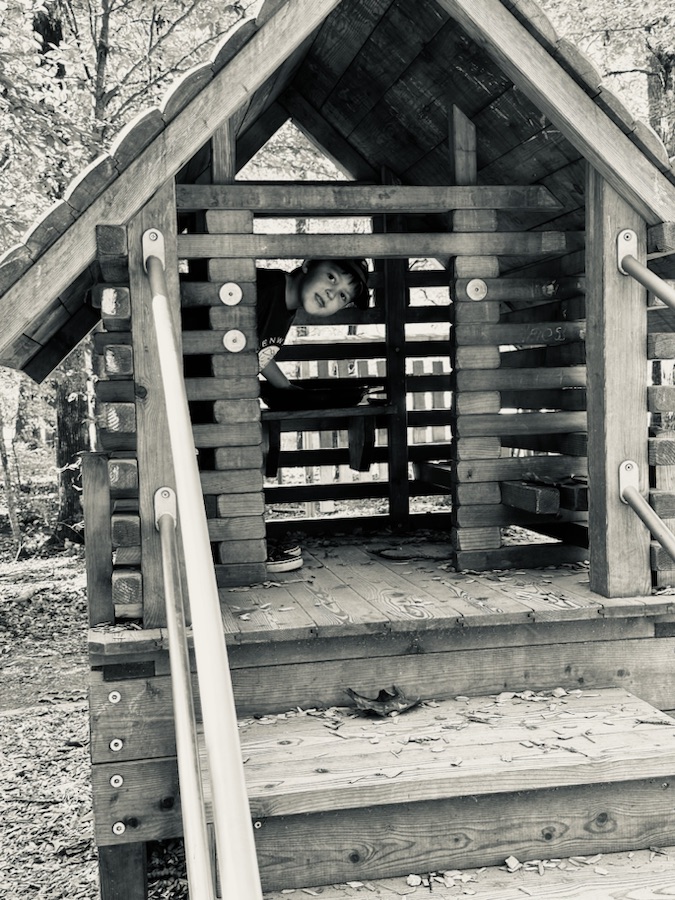
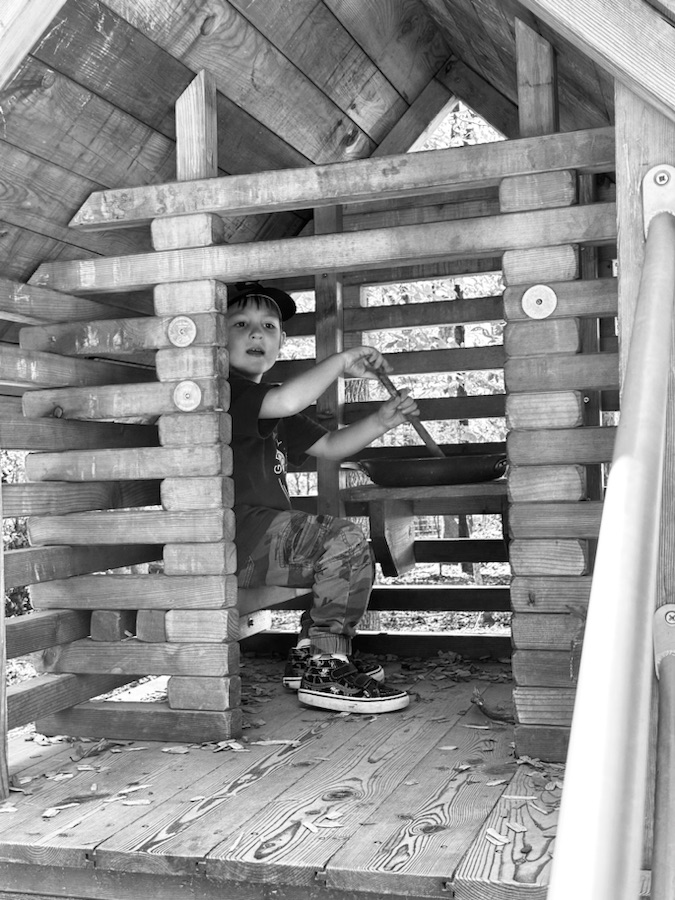
It just happened by chance that all my “143” photos were taken at Anne Springs Close Greenway. My grandson and I love moving forward along the trails and pathways enjoying a relaxing time surrounded by nature and the reconstructedChildren’s Farm.
Location: Patterson Pond; Greenway Stables Entrance; Anne Springs Close Greenway; Fort Mill, South Carolina, USA
God Bless. May your day be filled abundantly with love, peace, and happiness. Thank you for sharing your time and thoughts with us. I appreciate y’all very much.
Do you think the eyes being the windows to the soul are only for humans? Have you ever really looked into a horse’s eyes? What do you see? One can tell a lot about a horse by looking into the eyes. You can see his/her strength, calmness, his playfulness, gentleness, and/or her steadfast heartbeat.
Do you see yourself in the horse’s eyes? Does the horse see you as playful, gentle, generous, knowledgeable. and a kind calm steadfast friend?
Horses can sense the type of person you are. They can tell whether you are frustrated, stressed, or irritable. They can also tell whether you are relaxed, calm, trusting, playful, and/or friendly. Horses can sense your mood and respond accordingly.
“The eyes are the mirror of the soul and reflect everything that seems to be hidden; and like a mirror, they also reflect the person looking into them.”
The horses my grandson, Cole, and I visit at the Greenway can sense our love for them. They respond to his friendliness and calm loving manners. Sometimes they approach much closer than we expect, knowing they will receive gentle loving attention and affection.
I see their strength, their gentleness, their trusting spirit, and their responsiveness to our hearts and our touch. I also see the reflections of the beauty surrounding them within the Greenway. I can also see the reflection of myself in their eyes.
You wanna See Me? Here I Am. Do you Like What you See?Monochrome Close-Up
This is one of several Alpacas 🦙 in the Crandall Bowles Children’s Farm. As you might can tell, he is not afraid of getting close to visitors. He would welcome your visit if you were ever in his neighborhood.
Location: Greenway Stables Entrance; Anne Springs Close Greenway; Fort Mill, South Carolina, USA
God Bless. Sending y’all my birthday wishes of happiness, good health, peace, and an abundance of love throughout 2024 and beyond. Thank you for visiting and sharing your time and thoughts with me. I appreciate y’all very much.
I’m not sure if these are actually Cobalt Blue or not, but they’re the closest I have for this month’s color challenge for Terri’s Sunday Stills.
Here’s looking at the Blue Sky as we begin hiking on Dogwood Trail. Another day, another beautiful blue sky When we hike around Patterson Pond we spot a Canada Goose swimming in the Blue Waters.This is one of the views we saw when we were searching the skies for the Northern Lights.
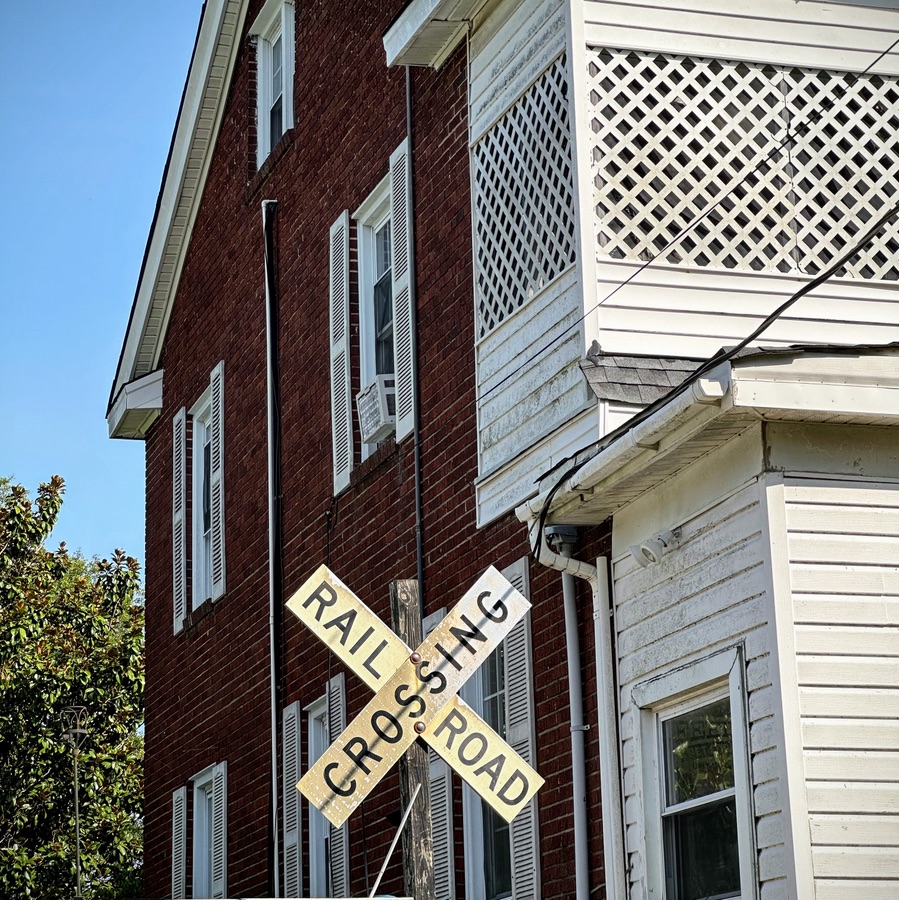
Luckily we had a beautiful sunny day on Sunday which enabled me to capture plenty of signs, and shots with words in them as Cee’s CMMC – Pick a Topic from my Photorequests us all to post.
Our visit to Anne Springs Close Greenway is extremely accommodating in the aspect of Signs and various Objects with Words.
Signs can be found all around the Reconstructed Children’s Farm ..,
Ducks Signage by Patterson Pond
Along all the various Trails …
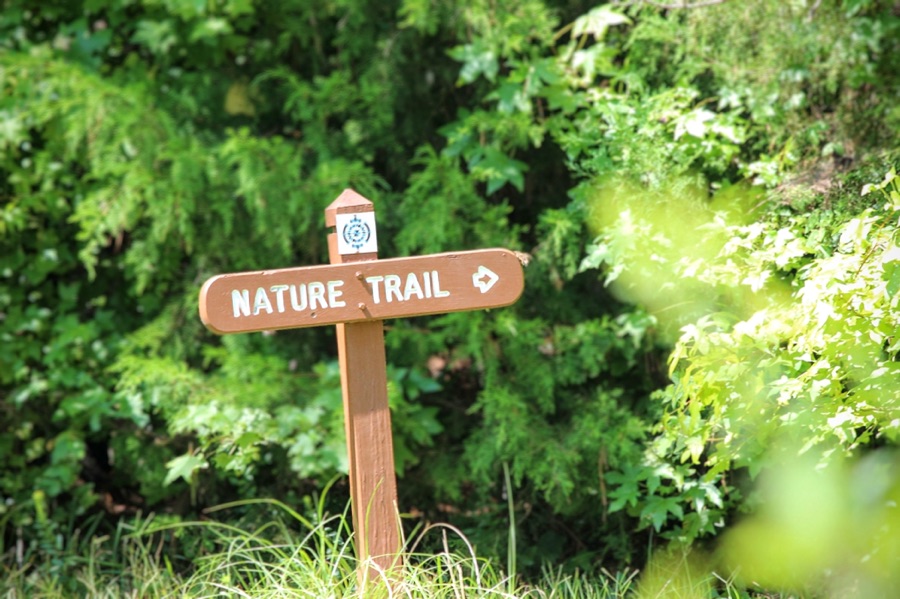
Trail Signs
In front of buildings such as The Hangar …
The Hangar
Or on and in front of an Historic Tack Shed …
Historic Tack Shed
And even in a flower bed informing everyone about the Sylvia Epps Baker Metal Sculpture.
Can you believe it? We are half through the month of May and one-fourth (1/4) of the way through twenty twenty-four (2024). It is already time for another ofClare’s Share Your Desktopwhere Clare asks us to share our desktops/wallpaper either from our desktop, laptop, tablet, or smartphones.
Now it’s my turn to share my desktops/wallpapers with you. First up is from my iPhone followed by my laptop.
From my iPhone 14 Pro Max:
Personal Focus
Coleman
Hiking Focus
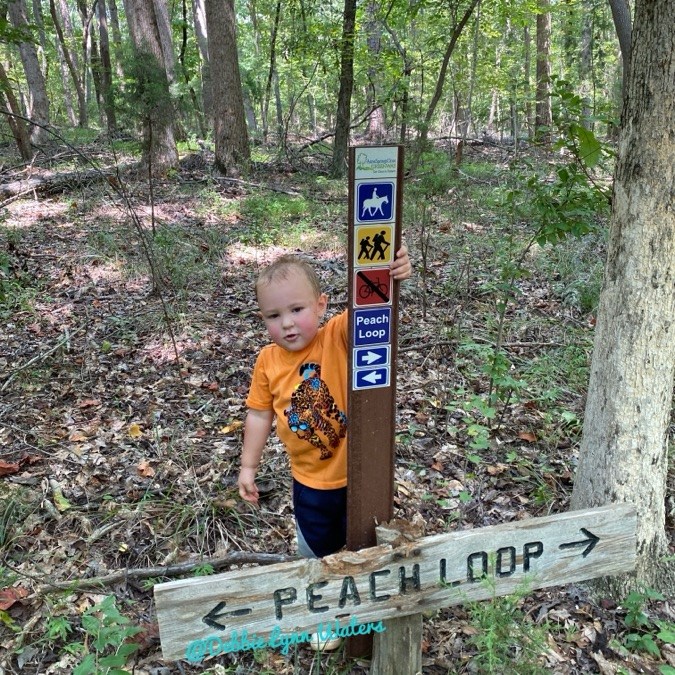
Coleman at a crossroads between Dogwood, Timberline and Peach LoopTrails
Reading Focus
Lake Haigler Anne Springs Close Greenway
From my HP Laptop:
Screensaver Wallpaper
Coleman
Desktop
Horses at Dairy Barn Entrance Anne Springs Close Greenway
Location: Horse Stables; Greenway Stables Entrance; Anne Springs Close Greenway; Fort Mill, South Carolina, USA
God Bless. Have a fabulous rest of your week. Enjoy the Outdoors. Thank you for visiting and sharing your time and thoughts with us. I appreciate y’all very much.
Sylvia Epps Baker Exceptional Equestrians Program Established in 1983 and renamed in memory of Sylvia, a loyal supporter of the Anne Springs Close Greenway from its inception.
The Carib Grackle also referred to as the Common Grackle is a tropical blackbird which is taller and longer than the typical blackbird. The plumage of Grackles are entirely black, however it has a beautiful glossy iridescent body that may display violets, purples, blues, and greens when the sun is shining on them in just the right manner.
Quiscalus lugubris
Grackles eat almost anything and everything they can find. They commonly eat insects, minnows, frogs, lizards, berries, grains, and even small birds and mice. They will confiscate food from other birds. And sometimes as these Grackles pictured here are exemplifying HOPE for a few morsels of bread crust or crumbs that may get dropped on the ground or scattered for other birds.
Carib Grackle
The Carib Grackle’s song is a mixture of harsh and melodic musical squeaks, croaks, and whistles which seem to sound anywhere from guttural to high-pitched clear whistles. Some people have compared their singing as sounding like a rusty gate.
Carib Grackle Quiscalus lugubris in Monochrome
If you see them foraging around your yard or picnic table they are scavenging and are hoping you’ll share your food (or at least some bread crumbs) with them.
Location: Huntingtowne Neighbourhood; Gastonia, North Carolina, USA
God Bless. May all your hopes, dreams, and prayers be fulfilled. Take care of yourselves and have a fantastic rest of your week. Thank you for visiting and sharing your time and thoughts with me. I appreciate y’all very much.
When we see an infiltration of these Tipulidae we know summer is approaching and we do not want a burgeoning of them like we’re having with the cicadas.
TipulaLuna
Crane flies are harmless to people but can cause damage to plants and your lawn. Plus, they can be really annoying if they make their way into your house!
Acutipula
Most species of crane flies have no mouth parts, and the ones that do only drink nectar. Crane flies don’t bite. They don’t sting, either. Though they may show up in large numbers and can be obnoxious, crane flies are harmless.
True Cranefly
Crane Flies need a moist environment to survive and we have had more than our share of rain 🌧️ and thunderstorms ⛈️ practically daily as of late.
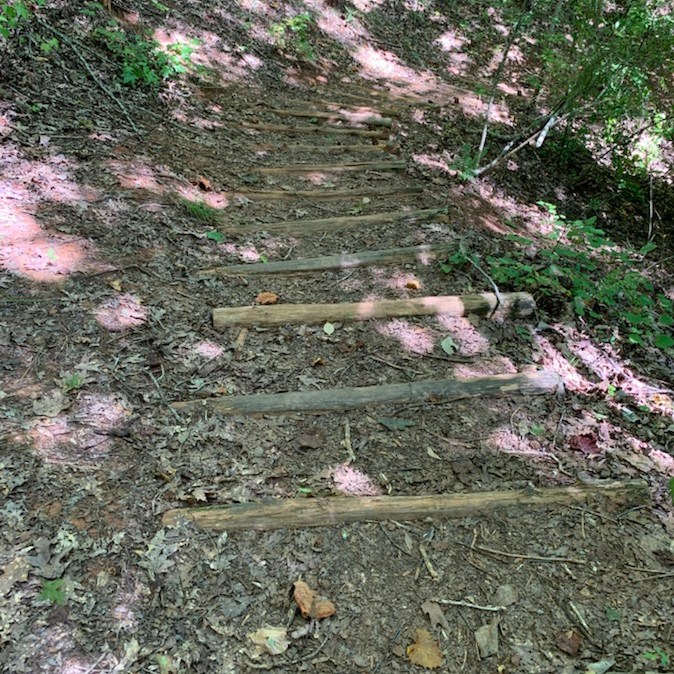
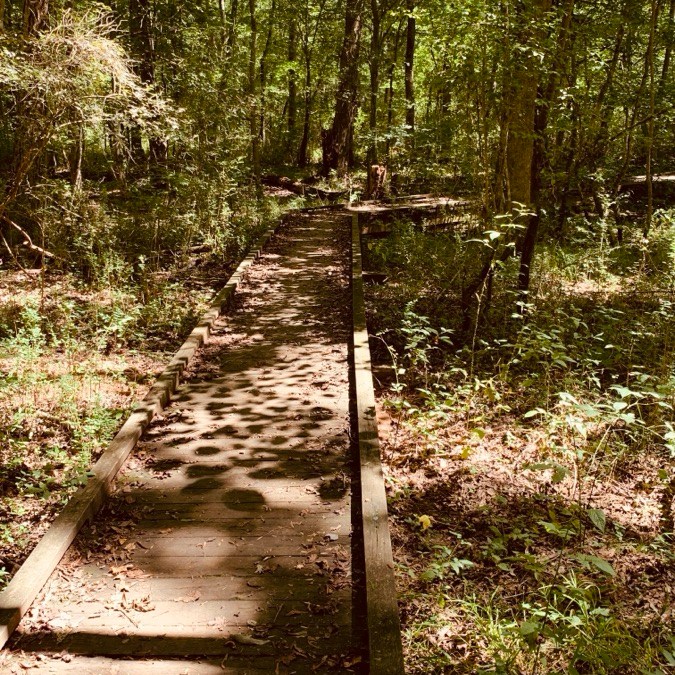
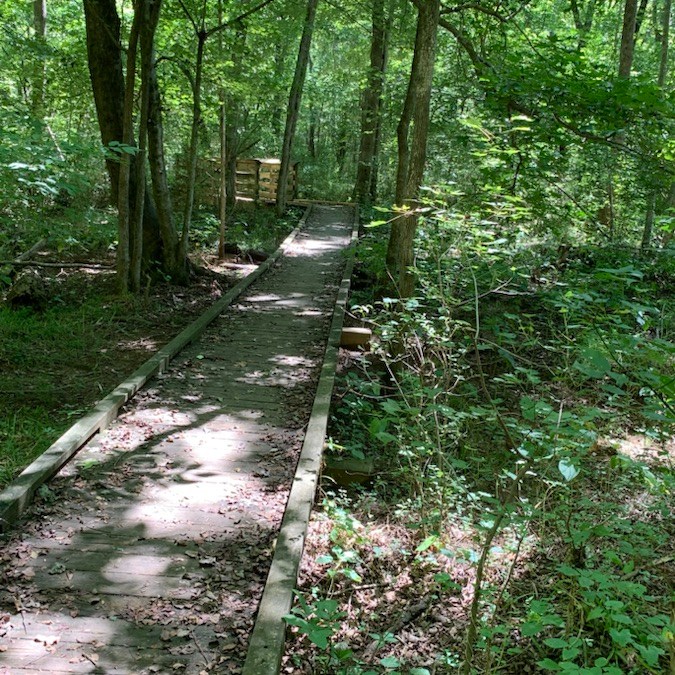
The forward thinking of concerned citizens, volunteers, business partners, and in partnership with the Katawba Valley Land Trust; the ideas, planning, and reconstruction of certain areas into a Greenway of trails in Lancaster began to develop beginning in 2014. The Greenway includes numerous pedestrian connections with linkages to residential, commercial, and local school properties, trail heads, and nature centers, bridge crossings, and sidewalk improvements.
Comporium Communications Trail Access is the starting point for Coleman’s and my hike along the first phase of the Greenway’s Master Plan. The first phase of the Reconstruction of Land in Lancaster was completed in 2019. Our hike took place in February of 2022.
As we moved forward in our adventure, we encountered several informational signs which were a tremendous help in guiding us as we moved forward along the Greenway.
Coleman and I decided to move forward together along the nature trail towards creek overlook and eventually the Wetlands Overlook.
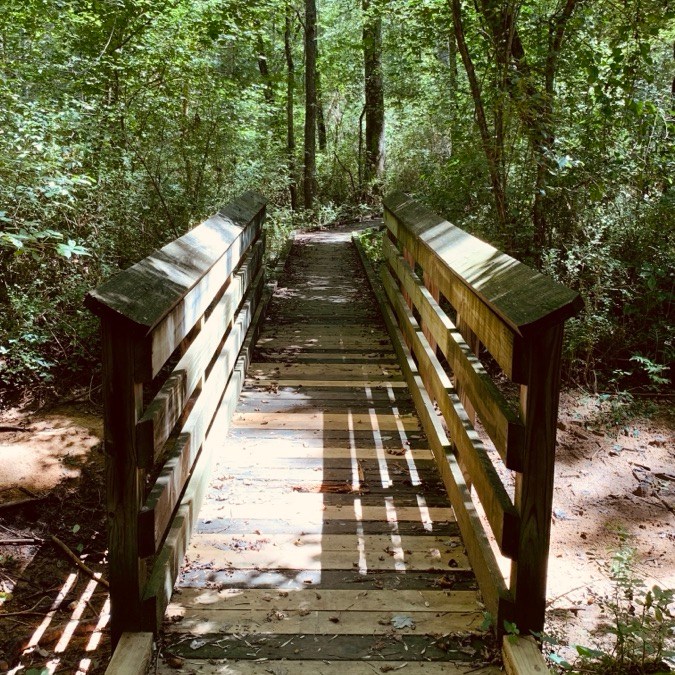
Here Coleman takes a minute to look out over the bridge at the creek below.
Coleman can’t resist climbing on the bridges railing at this next point or interest.
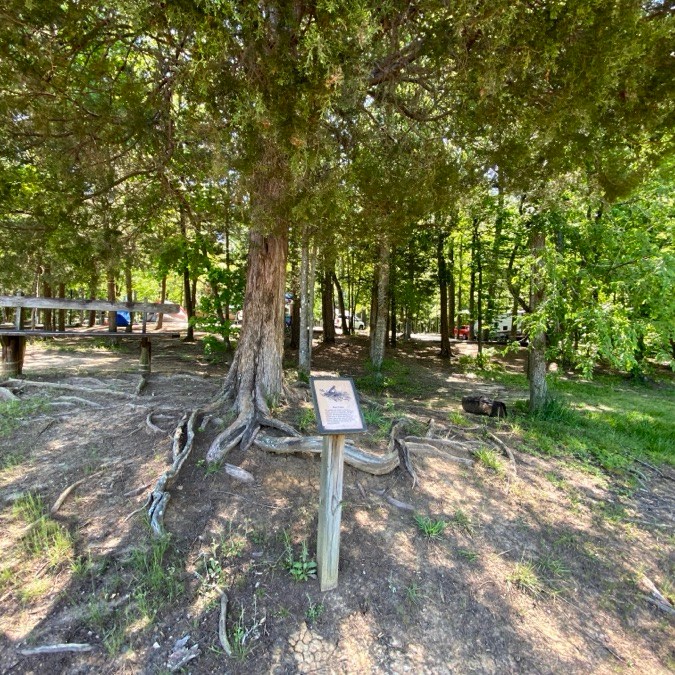
Informational Signs are located strategically throughout the Greenway. This particular one gives information about out the Lindsay Pettus Greenway and Lindsay Pettus himself.
The forward thinking of Mr. Lindsay Pettus and the many volunteers ensured the Greenway is and will continually be accessible to everyone regardless of their mobility needs.
St. Simons Lighthouse is one of only five remaining Georgia lighthouse towers. The Lighthouse and keeper’s Dwelling were built in 1872. The original Lighthouse which this Lighthouse replaced was built in 1810 by James Gould of Massachusetts, the first lighthouse keeper. The original Lighthouse was destroyed by Confederate forces in 1861 in order to prevent the beacon’s use by Federal troops during the Civil War.
St. Simons Island Lighthouse
The Lighthouse still serves as an active aid to navigation for ships entering St. Simons Sound, casting its beam as far as 23 miles to sea. The Lighthouse is located near the pier on the southern tip of St. Simons Island, Georgia, United States of America. Its purpose is to guide ships into St. Simons Sound and warns them of the many sandbars in the area.
Inside St. Simons Island Lighthouse Museum
In 1972, the lightkeepers’ cottage was leased to Glynn County. The Coastal Georgia Historical Society spent three years restoring the two-story Victorian light keepers’ cottage at the base of the lighthouse, which was then converted into a museum.
St. Simons Island Lighthouse Museum
Currently, the public can tour the museum and climb the 129 steps to the top of the Lighthouse for a view of St. Simons Sound and the surrounding area. The admission cost to tour the Lighthouse Museum and climb the 129 steps is $12 for adults; $6 for ages 6-12; $2 Military discount is offered with Valid Military ID. Children under 6 are free.
St. Simons Island Lighthouse and View from the Top
Some of the spectacular, panoramic views of the coast including Jekyll Island, the mainland (Brunswick), and the south end of St. Simons Island can be seen from the top of the Lighthouse.
The Keeper’s Dwelling is a two-story Victorian structure which was the home of the lighthouse keepers from 1872 up until the 1959’s. It currently houses the Lighthouse Museum and includes interactive exhibits, rare artifacts, and period rooms that reveal the history of St. Simons Island and the life of a lighthouse keeper.
My Daughter, Trisha, climbed the 129 Steps to the Top of the Lighthouse so I could see the View.
Cee’s Fun Foto Challengewas is a weekly themed challenge where Cee asks everyone to search through their photos and post photos they feel meet the criteria of the week’s current theme. This week Cee is challenging everyone to post photos of Locks, Keys, Knobs, and Handles.
My interpretation of this week’s challenge I know is different from what you might expect, but then again it is my insight for this challenge regarding Locks, Keys, Knobs, and Handles where I am focusing on Locks.
The Upper Lifting Locks Landsford Canal State Park
The land along the Catawba River, now apart of Landsford Canal State Park, played a vital integral role in the lives of the surrounding inhabitants for over a thousand years. It was used by the native people like the Catawba as a ford to cross the river, a long long time prior to Tomas Land acquiring the land in 1754.
The Ford’s importance as a river crossing was extremely significant during the American Revolution when it was used as a staging ground by Patriot general Thomas Sumter before the battle of Hanging Rock. The British Army under Lord Charles Cornwallis also used the ford as they withdrew from Charlotte after the Battle of Kings Mountain.
The Guardlock. Landsford Canal State Park
After the War of 1812, the Port of Charleston lost its significant importance to the Port of New Orleans. In an attempt to revitalize the port, projects were undertaken around the state to improve the ability of moving freight to and from the port and within the State of South Carolina.
One of those projects included constructing a series of four canal. The Landsford Canal construction was the last and northern most in the canal system. It was built under the supervision of Scotsman Robert Leckie by both Irish Masons and the local enslaved population. The Canal ran approximately two (2) miles along the Catawba River at its most treacherous point.
The Canal required a total of four lifting locks and a dread lock for the thirty-two feet of descent along its length. It was completed in 1823, was twelve feet wide, ten feet deep, and two miles long. Five locks raised and lowered barges through the thirty-two-foot fall of the river. Three bridges crossed the canal, and six storm culverts carried streams underneath it.

Today, Landsford Canal is the last of the Catawba River Canals and still accessible as well as one of the last in the entire state. The remains of the Canal still visible are the earthen walls of its upper side, four lifting locks and a dread lock. None of the bridges still remain, but the stone foundations are still intact. Ruins of stone culverts and retaining walls still stand in their original locations. The Canal Trail runs along the ruins of the old canal. Hiking the 1.5 mile length you can see the diversion dam in the Catawba River, The dead Lock upstream that let water into the canal, and the Lifting Locks near the south entrance. Along the way you can also see the ruins of much of the stone work and retaining walls. Interpretive signage points out major points of interest.
In Early May hundreds of visitors flock to Landsford Canal State Park. The majority of them are more interested in seeing the Rocky Shoals Spider Lilies. I have hiked the entire length of the nature trail and found the historical signage interesting and informative.
TheRed-tailed Hawk is the most often-seen large hawk in North Carolina. It perches on telephone poles along highways and soars over open fields in search of food. [This Red-Tailed Hawk chose to perch on our electrical wires outside our back patio. The area outside our patio is a wide open grassy landscape area which seems to attract a wide variety of birds.]
Red-tailed Hawks like a mix of open country and deciduous forests, but they adapt to urban areas ( such as our Gastonia neighbourhood.) Red-tailed Hawks frequently can be seen perching on telephone poles, tall trees or snags along roadsides. They sit high mainly to rest, but constantly keep watch for the slightest movement down below.
Red-tailed Hawks eat mostly mammals, so they’re less likely to visit a popular feeder than a Cooper’s or Sharp-shinned hawk is. It’s very rare for a Red-tailed Hawk to go after dogs or cats.
The Red-tailed Hawk has a thrilling, raspy scream that sounds exactly like a raptor should sound. An interesting fact is that whenever a hawk or eagle appears onscreen, no matter what species, the shrill cry on the soundtrack is almost always a Red-tailed Hawk.
The Eastern subspecies (borealis) tends to have a plain red tail with neat black band near the tip. When the Red-tailed Adult Hawks are hunting, they often hang in the air scanning for prey below. This behavior is known as kiting. They also perch motionless in trees along roadsides or slowly scan for prey from its perch.