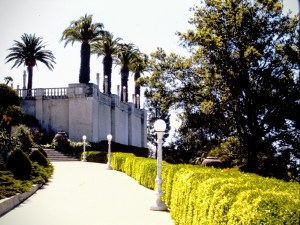
Welcome back to another Which Way Challenge (CWWC). This week we are continuing with thetheme – Any Which Way with Spring or Autumn Which Ways [2nd Week — pm04.03.2026]) for this week’s theme. The Which Way can be any Dirt trail, road, pathway, sidewalk as long as the Which Way is clearly discernible. As always signs are always welcome.
For further information regarding the Which Way Challenge (CWWC) feel free to check out the home page here.
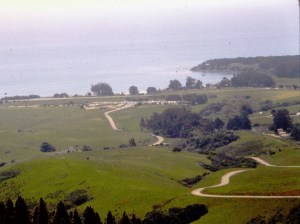
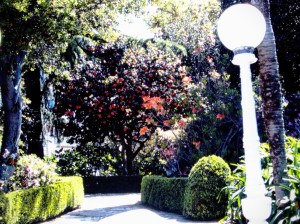
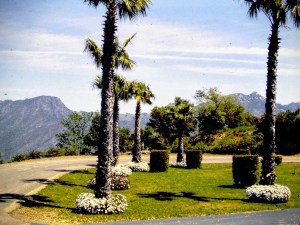
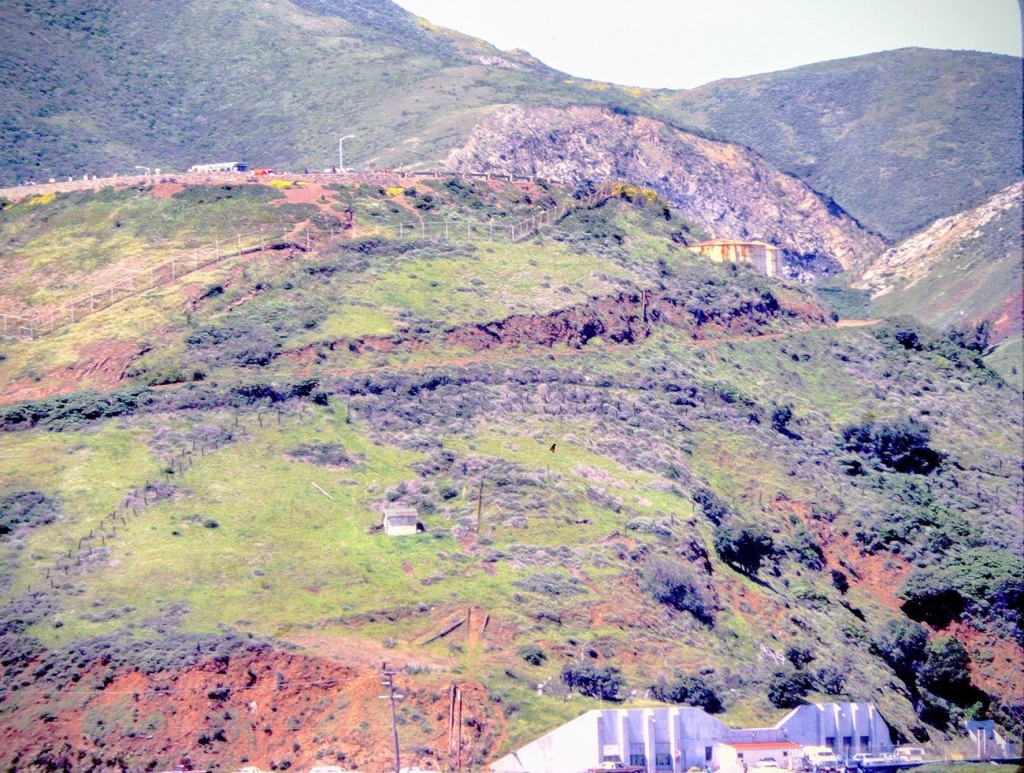
For my entries this week I am going way way back to April of 1979 when I visited Hearst Castle with friends and family …
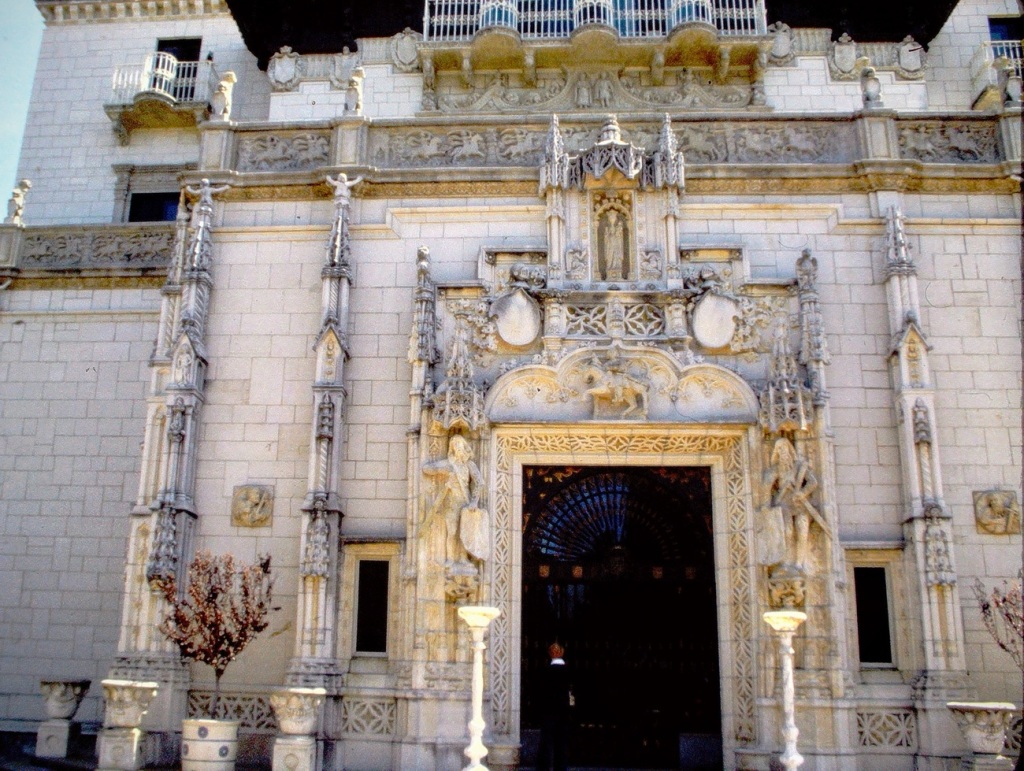
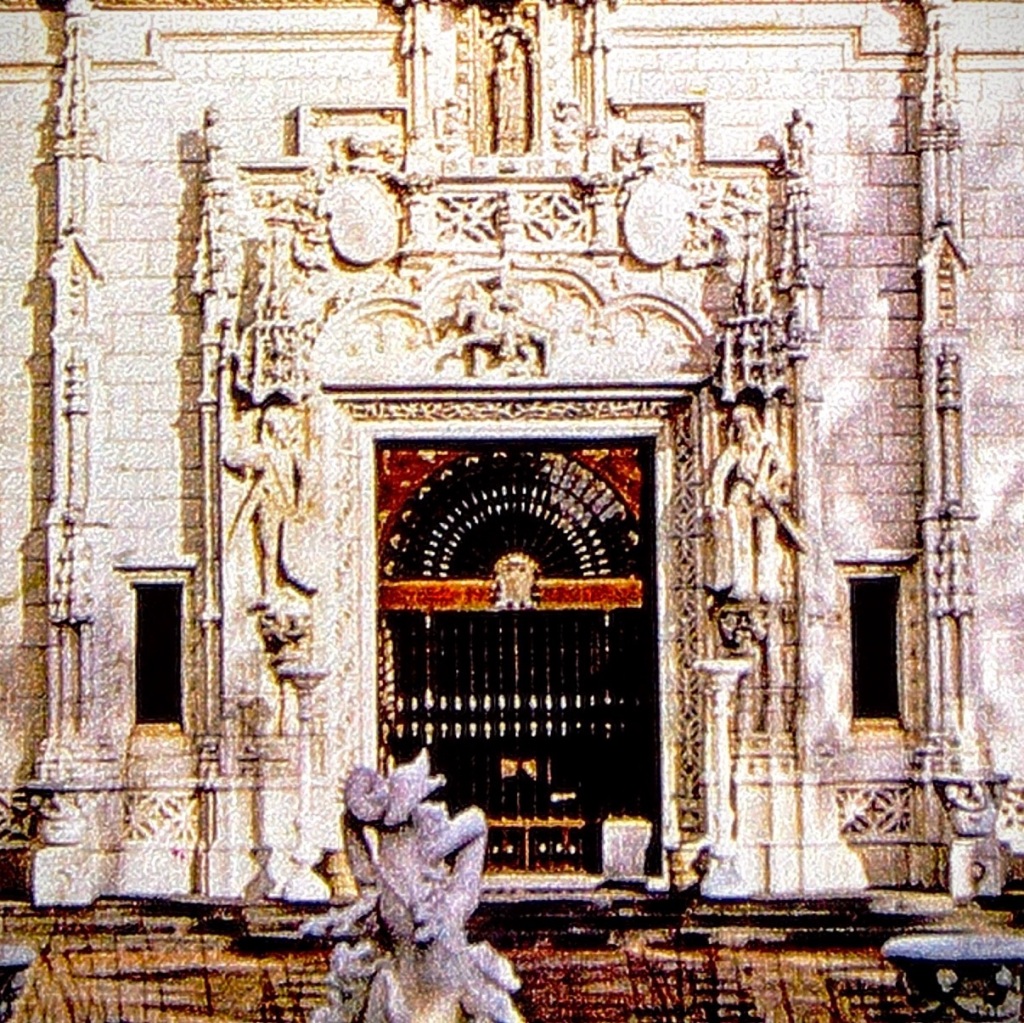
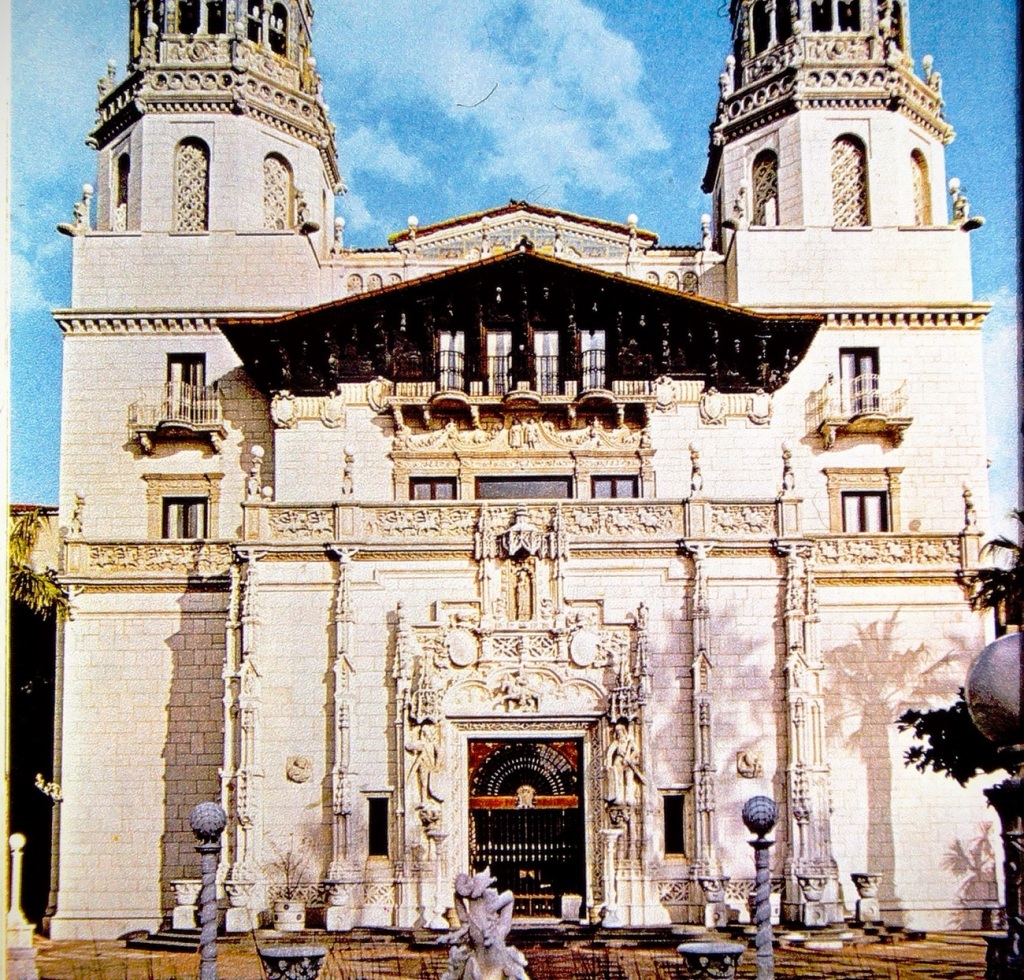
Hearst Castle “La Cuesta Encantada” Built by William Randolph Hearst San Simeon, San Luis Obispo, California
Click on each image to enlarge.
Thank you to those who have participated and supported the Which Ways Challenge. I appreciate y’all sharing your Which Ways with us.
For an idea of other’s Which Ways from this past week’s challenge, be sure to click on the following links below.
Location: Hearst Castle; San Simeon, San Luis Obispo, California, USA
God Bless. Blessings on Passover. Happy Easter! May you be blessed with Sunshine, Happiness, and Peace. Thank you for visiting and sharing your time and thoughts with us. I appreciate y’all very much.
Note: Next Week’s Theme will be combined with Dan’s CFFC for a theme of – Which Way Challenge (CWWC) 2026: Any Which Way with Views from a walk or hike.
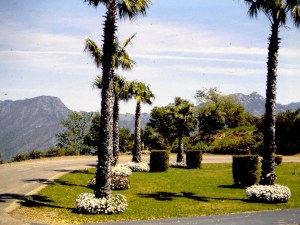
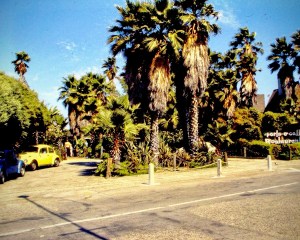
The Mexican Fan Palm is known for its slender, columnar trunk that can reach 100 feet tall and swell slightly at the base. Its trunk is brown and bumpy when young, but smooths and grays over time. It has large, fan-shaped leaves that can grow 3–5 feet wide and have sharp spines at the base.
Washingtonia robustais one of two species in the genus Washingtonia. The other species closely related to it is the Washingtonia filifera (California Fan Palm). Both Washingtonia are grown as ornamental trees. The Mexican Washingtonia has a narrower trunk (which is typically somewhat wider at the base), and grows slightly faster and taller; it is also somewhat less cold hardy than the California fan palm, hardy to about −8 °C (18 °F).
Aka the Mexican fan palm, Mexican washingtonia, or skyduster
The Mexican Fan Palm is normally grown in the desert areas of the Southwestern United States. Those areas include California, Arizona, and southern Nevada, as well as the extreme southwestern regions of Utah and Texas.
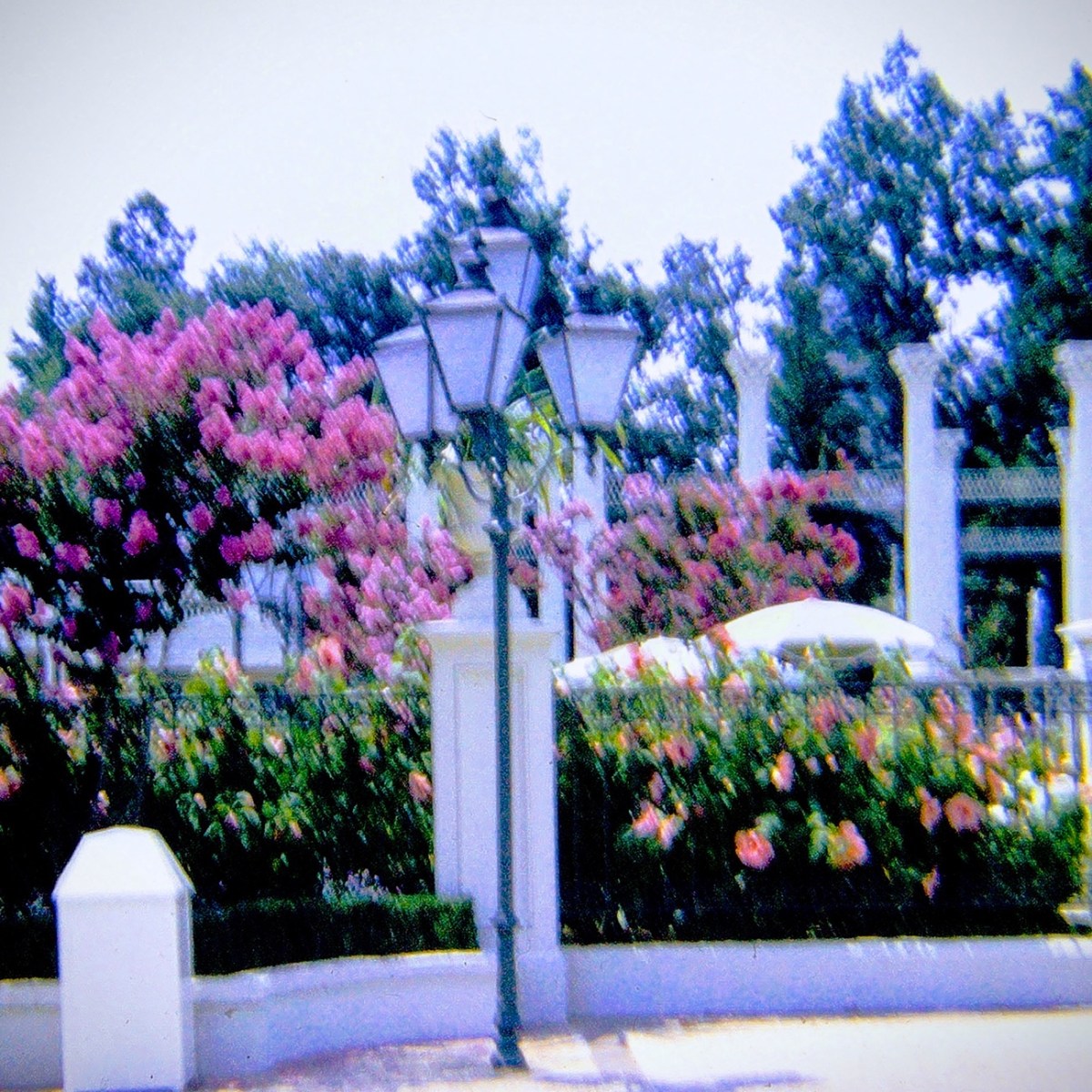
Both of the above locations for the Washingtonia robusta are located inland a short distance area from the Coast of the Pacific Ocean. The images were taken in Spring and Summer of 1979 by my father when we visited these places.
Location: 1) Hearst Castle; San Simeon, California; 2) Ports O’ Call Village; San Pedro, California, USA
God Bless. Have a marvelous week. Explore Your World. Enjoy Nature. Thank you for visiting and sharing your time and thoughts with us. I appreciate y’all very much.
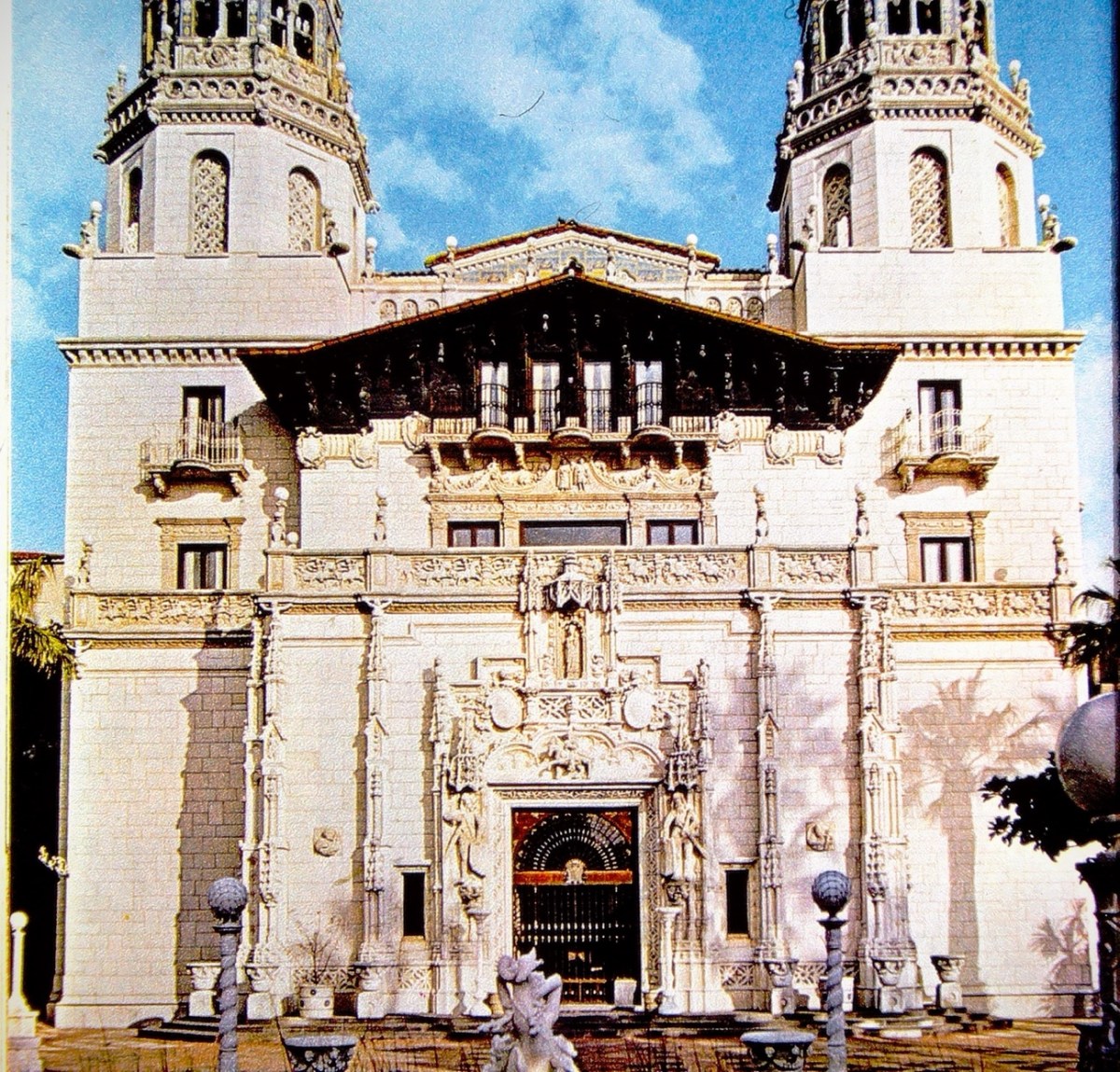
Hearst Castle, known formally as La Cuesta Encantada (Spanish for “The Enchanted Hill”), is a historic estate in San Simeon, located on the Central Coast of California.
Conceived by William Randolph Hearst, the publishing tycoon, and his architect Julia Morgan, the castle was built between 1919 and 1947.
Currently, Hearst Castle is a museum open to the public as a California State Park and registered as a National Historic Landmark and California Historical Landmark.
Interestingly, Hearst, his castle and his lifestyle were satirized by Orson Welles in his 1941 film Citizen Kane. Hearst sought to suppress this film and Welles’ allusions to his art collections ( paintings, statues, pictures, etc) and his references to acquiring so many acquisitions to equal enough for ten museums being the loot of the world.
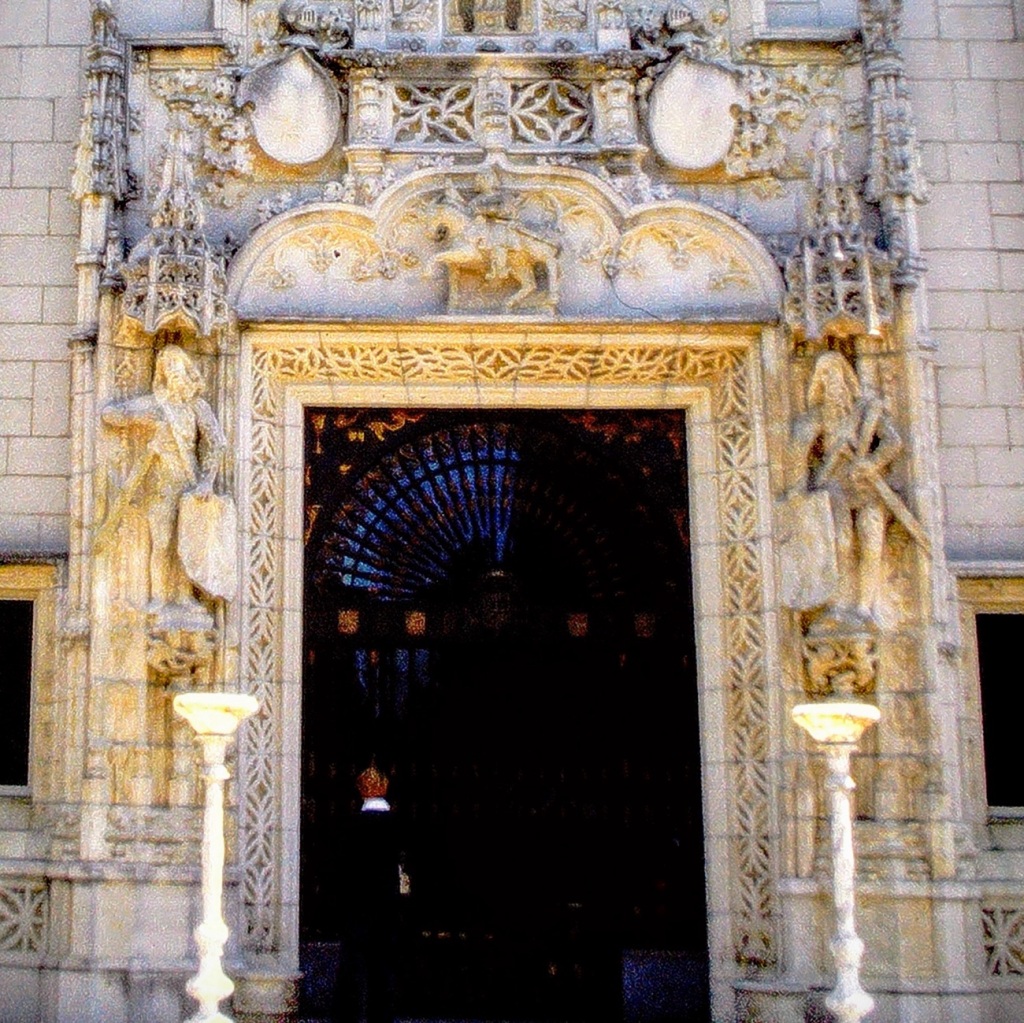
Casa Grande, inspired by the Church of Santa María la Mayor, Ronda, Spain, forms the centerpiece of Hearst’s estate.
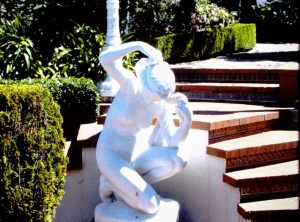
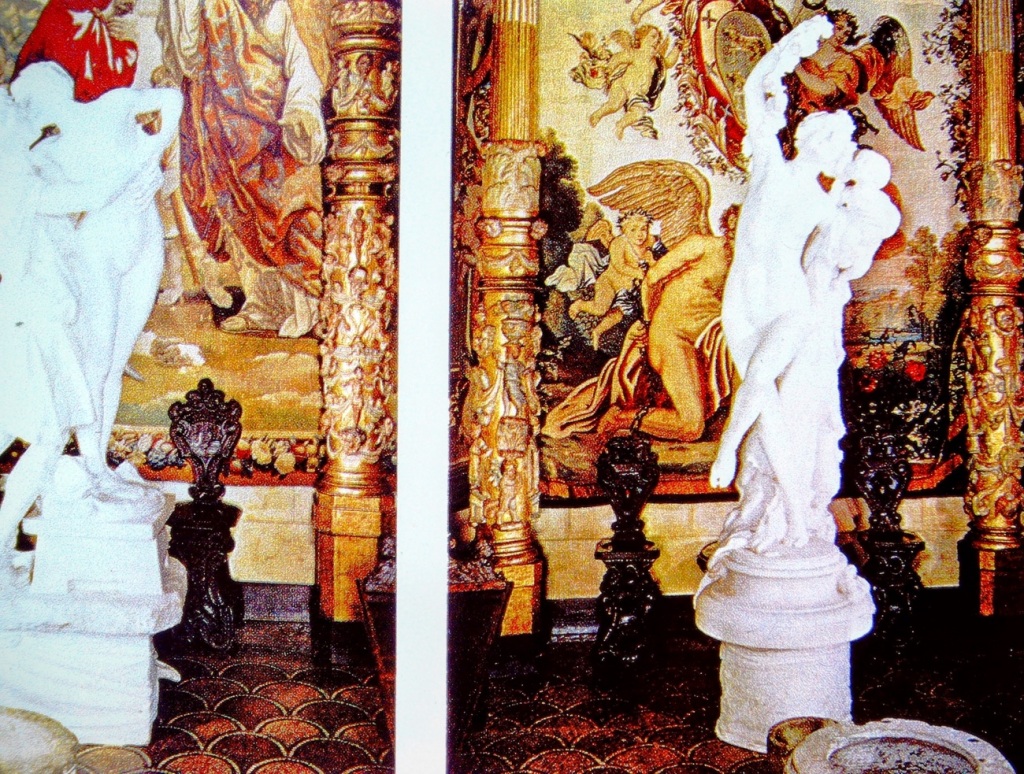
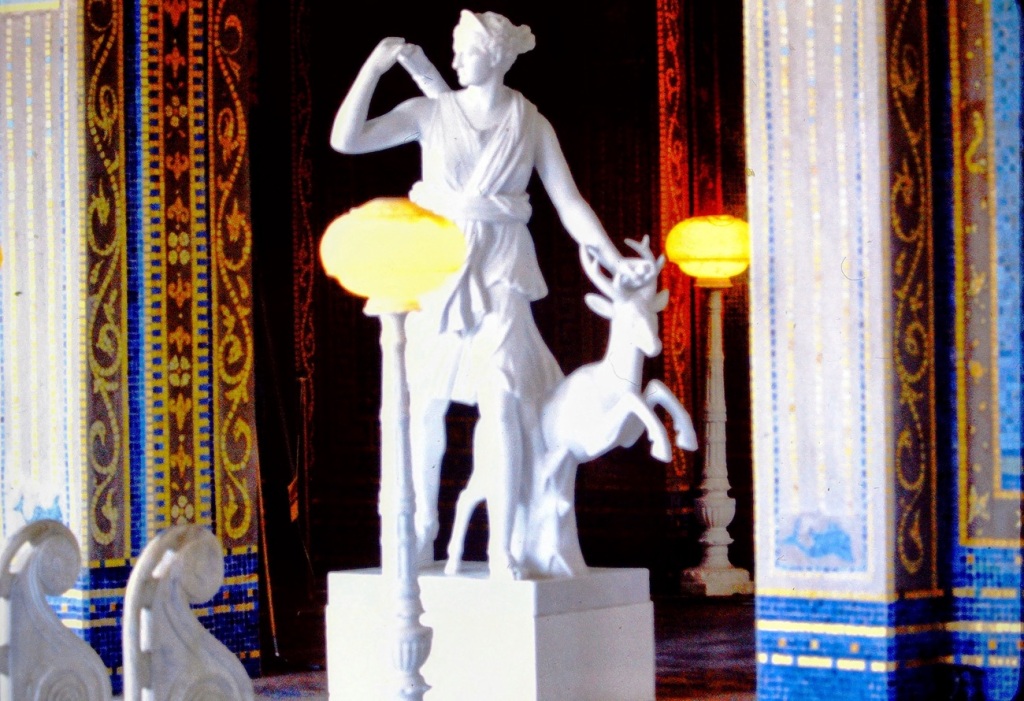
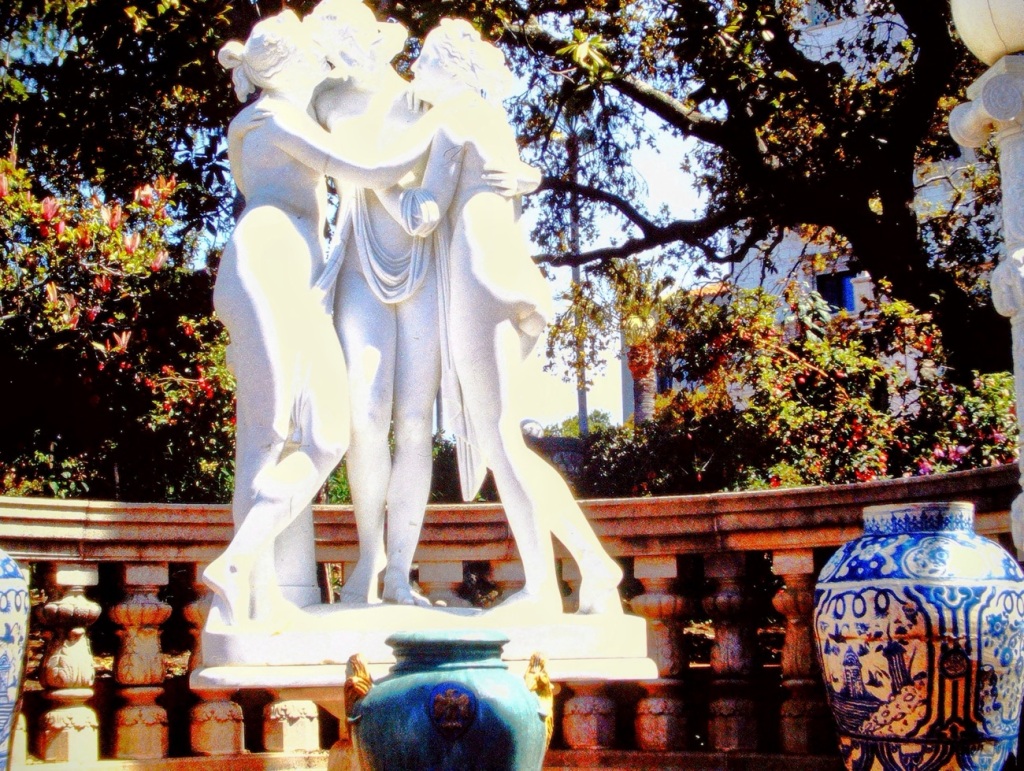
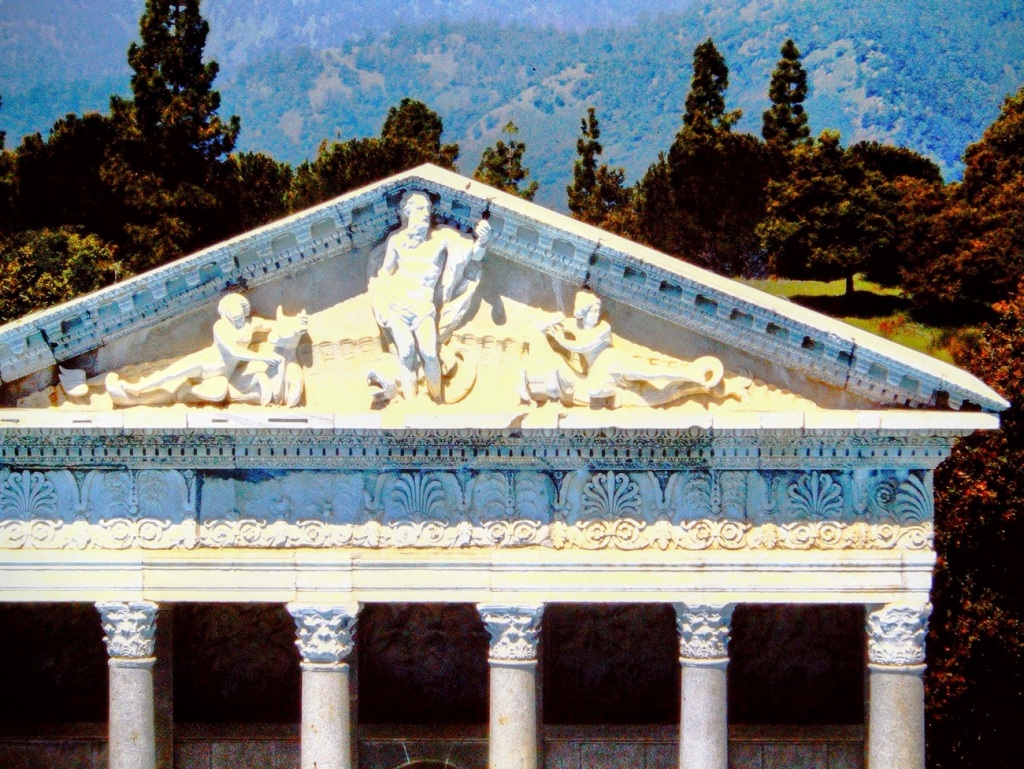
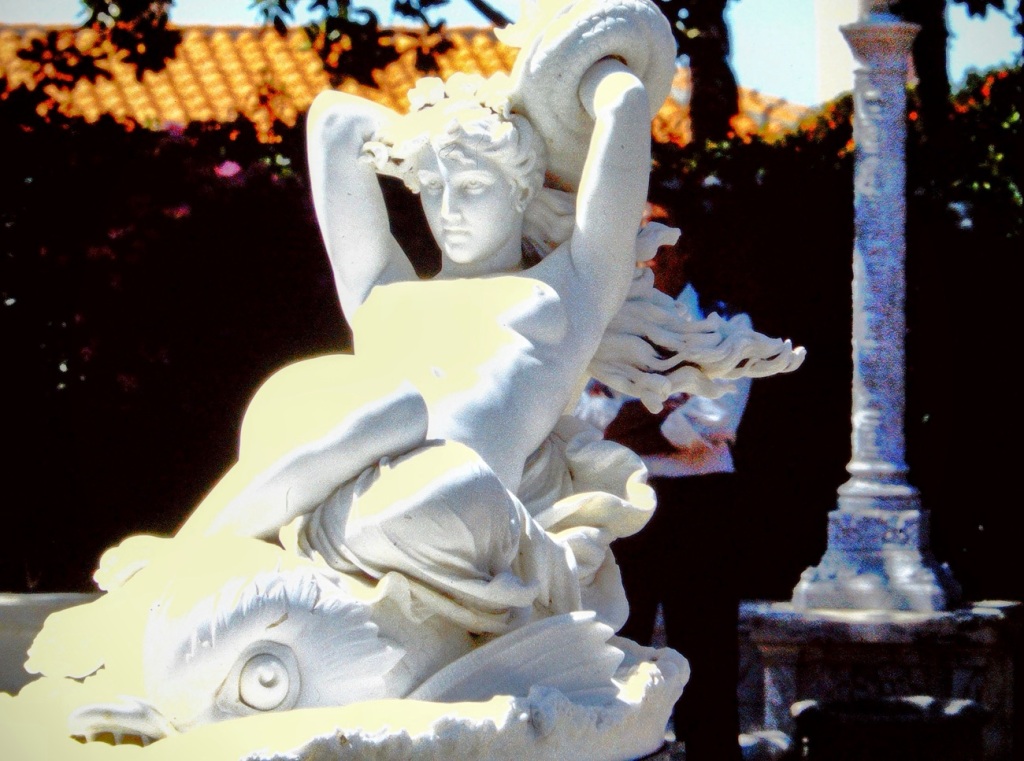
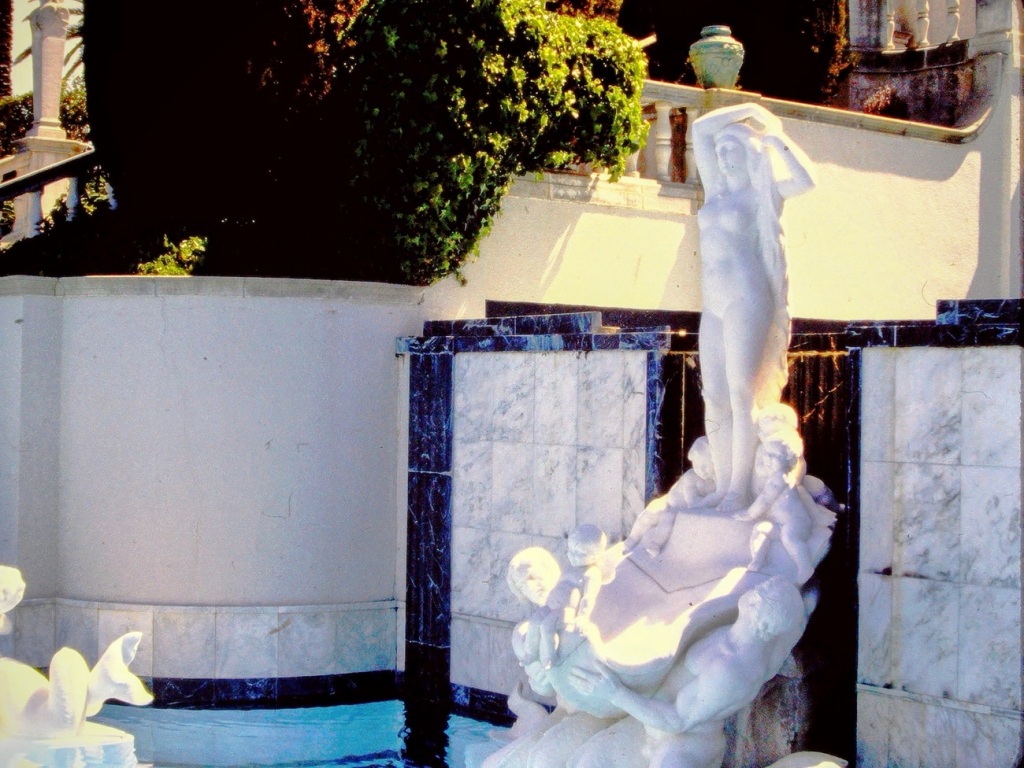
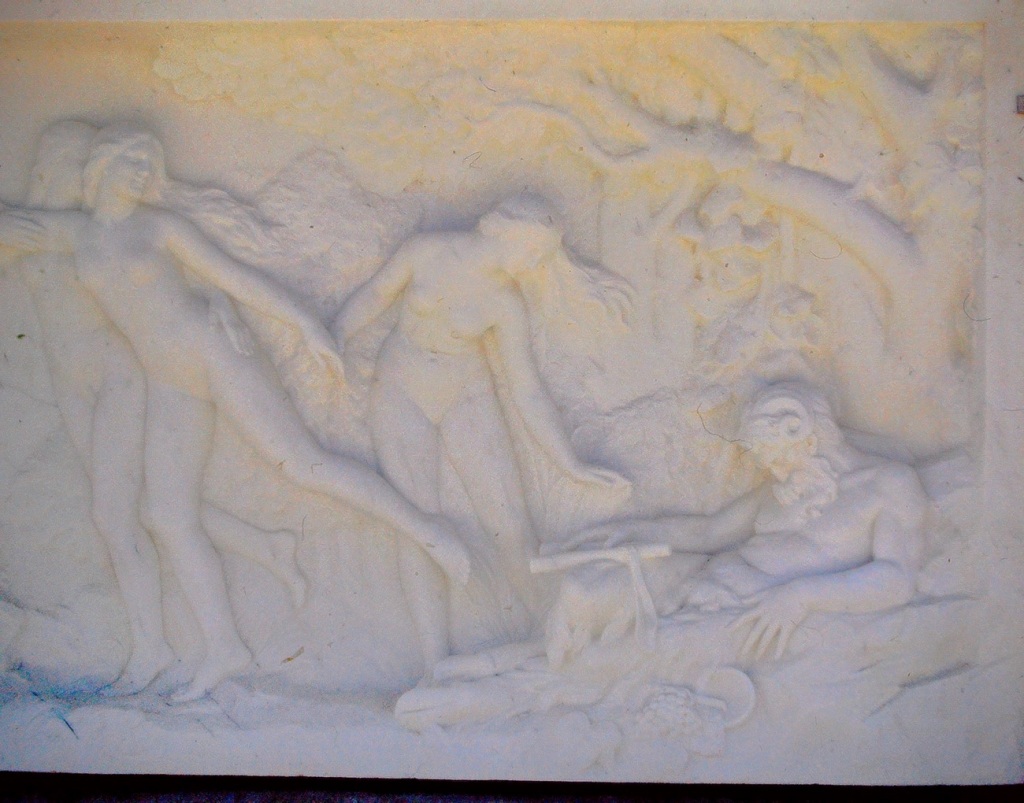
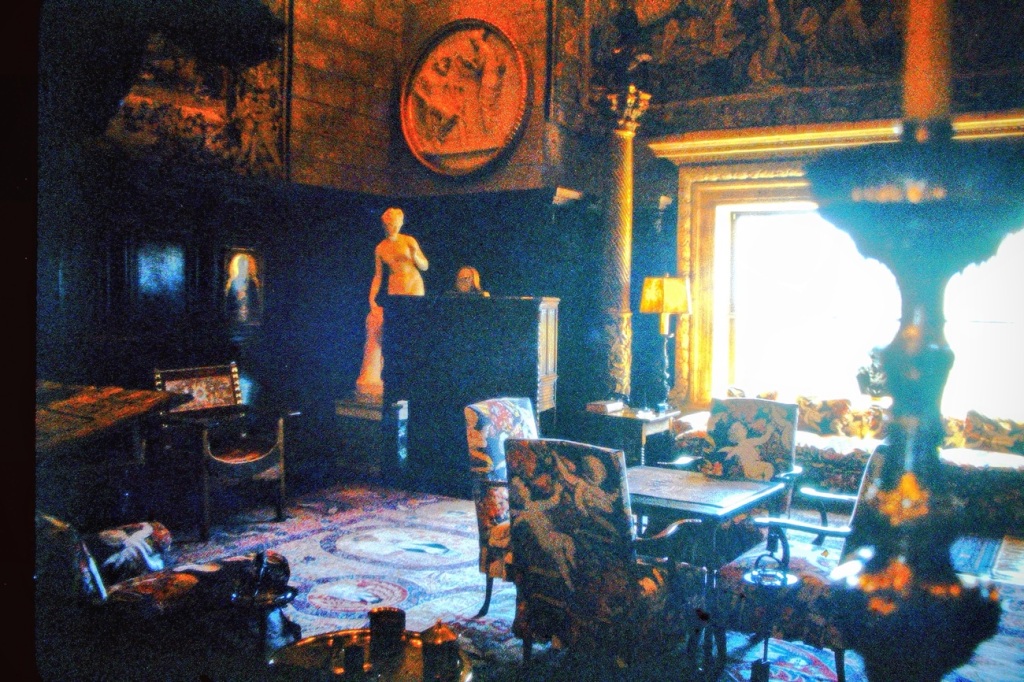
For this CosPhoChal, Dale has challenged us to post photos depicting Art for Art’s Sake. I chose to continue on our tour of Hearst Castle by allowing you to see some of the art and sculptures we saw when we were there that day. I formatted the pictures into a slideshow, while I was blogging on this post, for enhanced view and entertainment. Relax and enjoy the show.
Location: Hearst Castle; HearstSan Simeon State Historical Monument; San Simeon, California, USA
God Bless. Thank you for visiting and watching our slideshow. Thank you for sharing your time and thoughts about my blogging posts. I appreciate y’all very much.
Judy’s Numbers Game can bring about interesting results and insights from those who choose to participate. The challenge is alive, let’s get Blogging. In searching for the #147 and its variations the results that popped up all had the central focus around Hearst. Therefore, I selected a variety of photos around the Word Hearst and Hearst Castle.
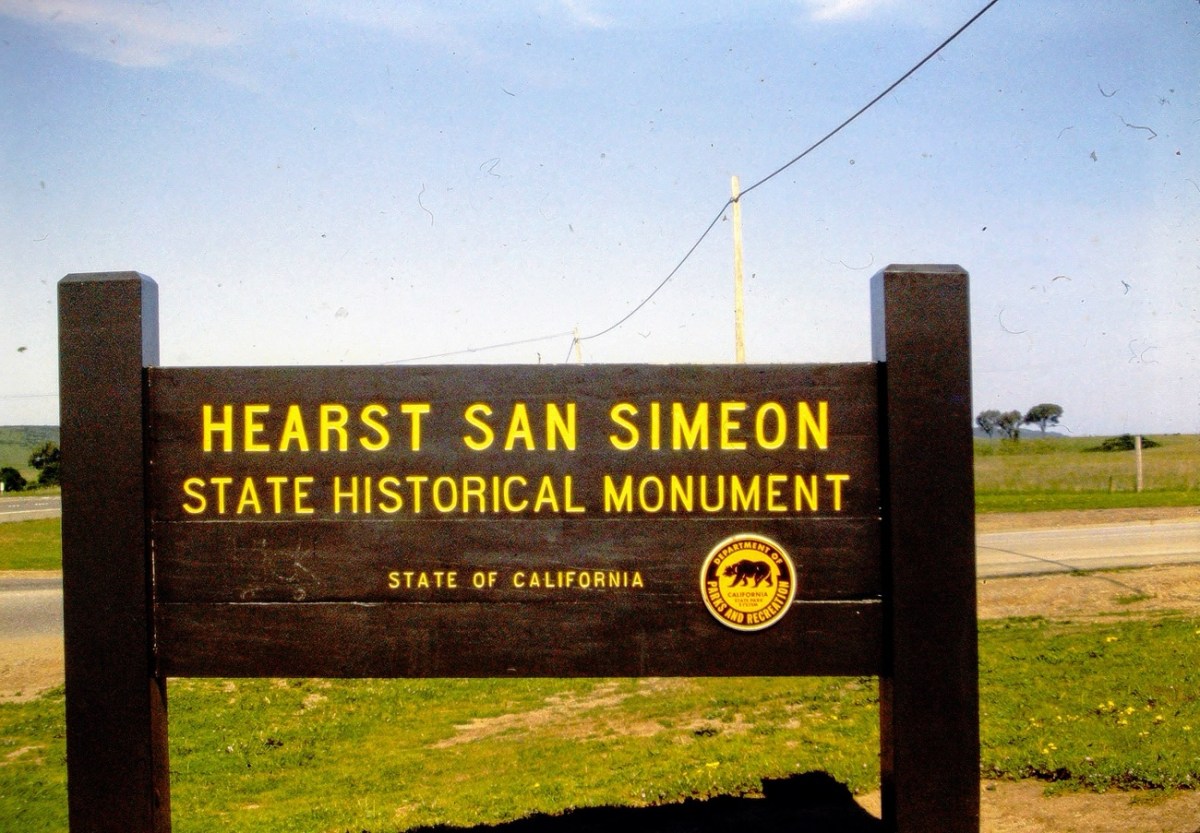
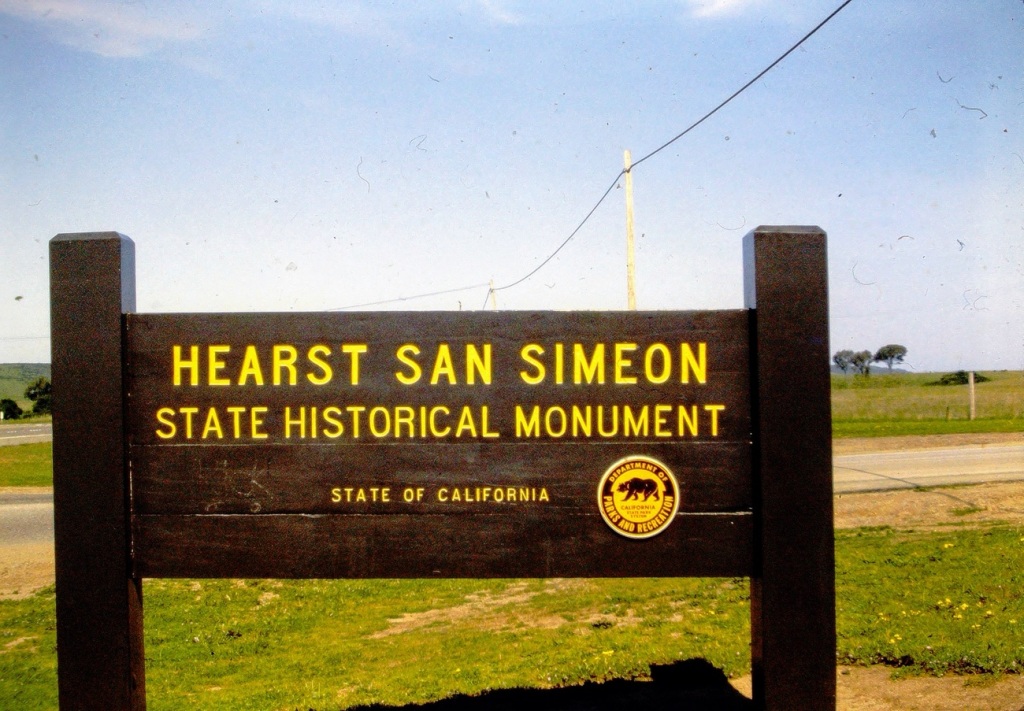
As we approach Hearst Castle we see the sign informing us we are arriving at our desired destination.
Hearst San Simeon State Historical Monument
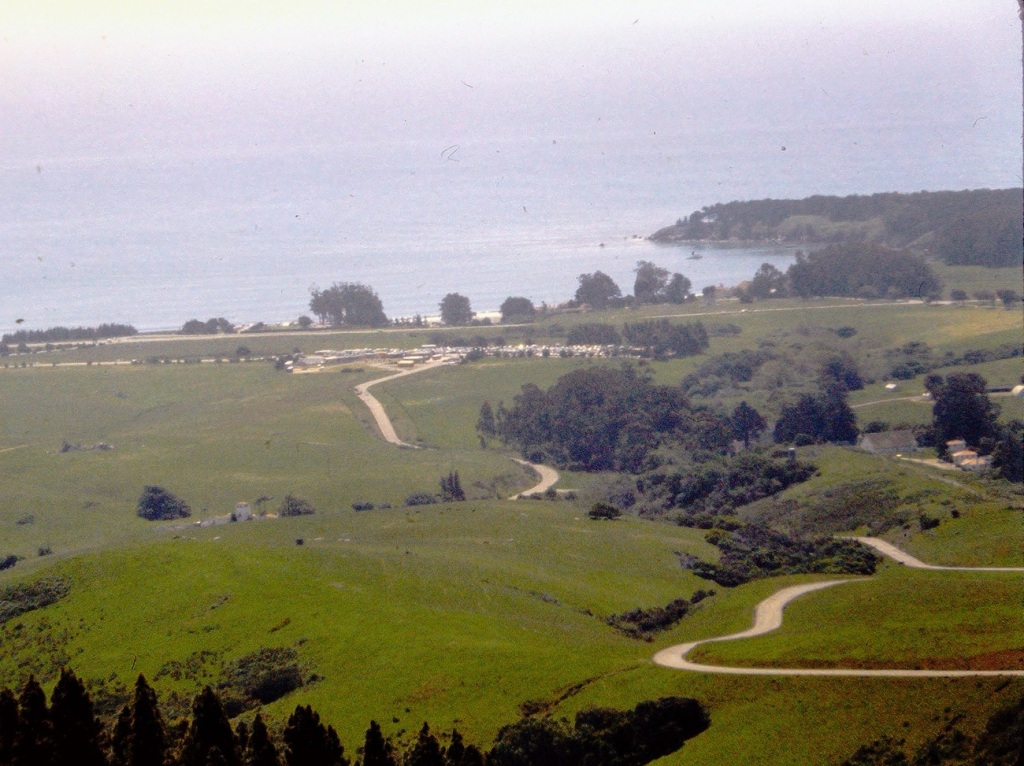
The long and winding road up to the top where Hearst Castle is located.
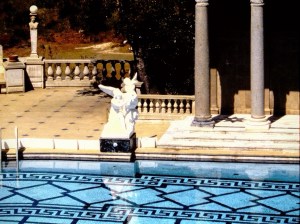
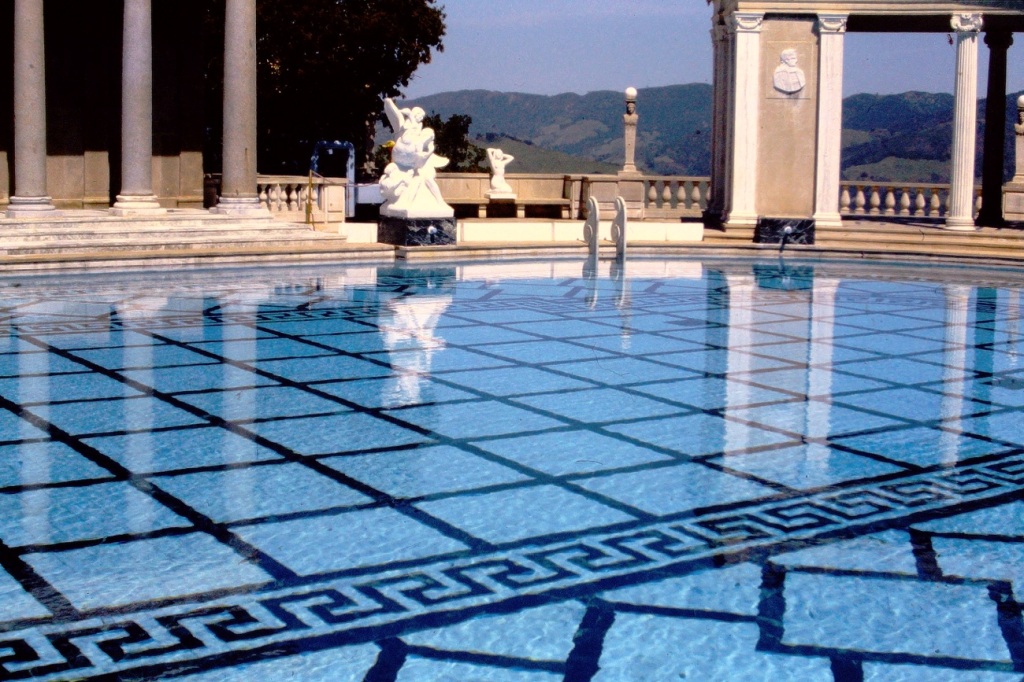
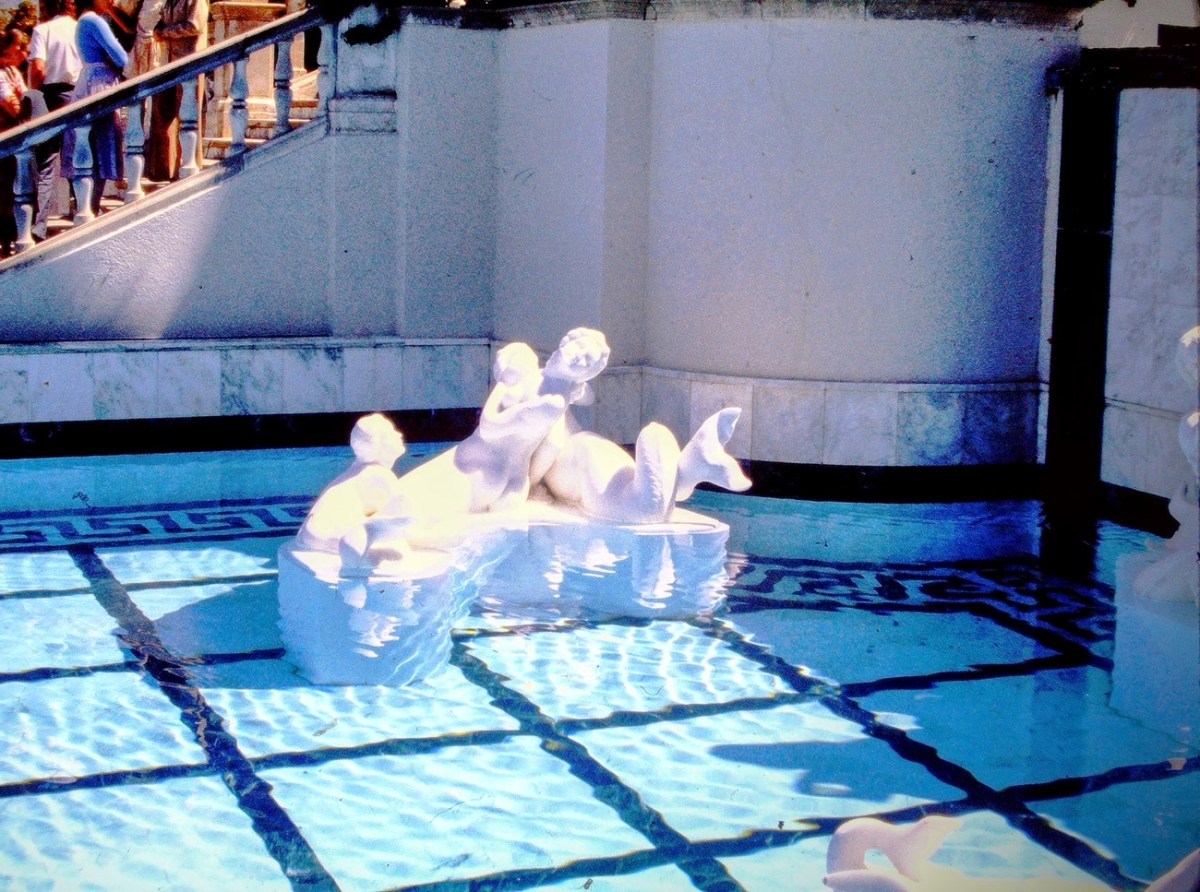
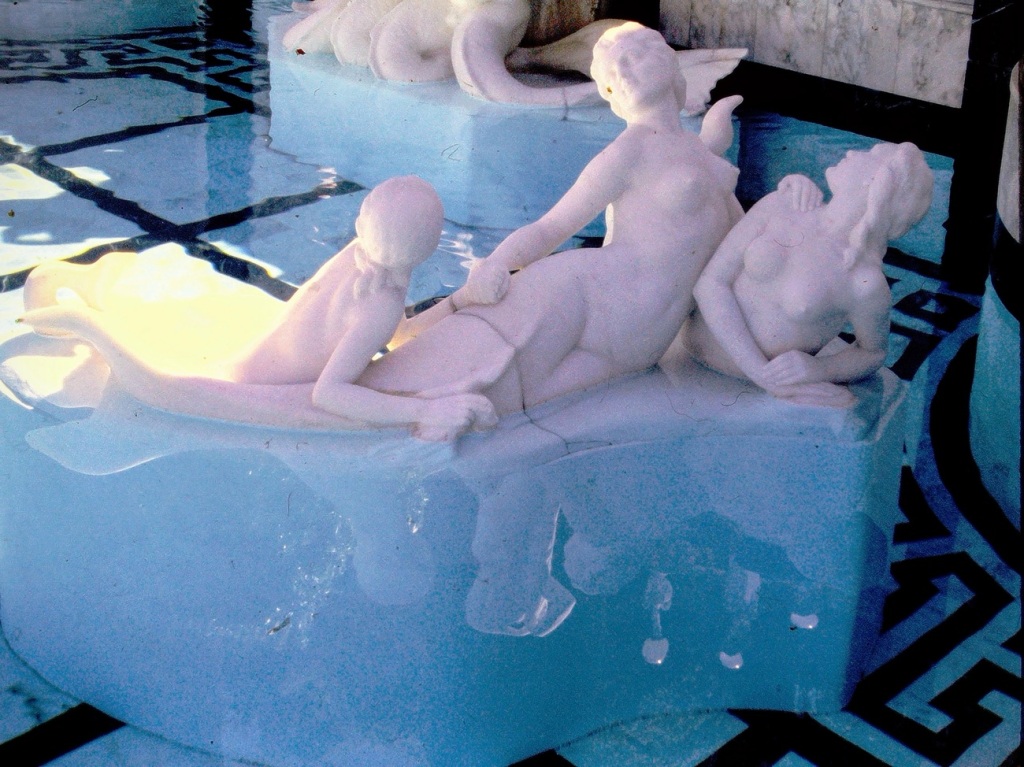
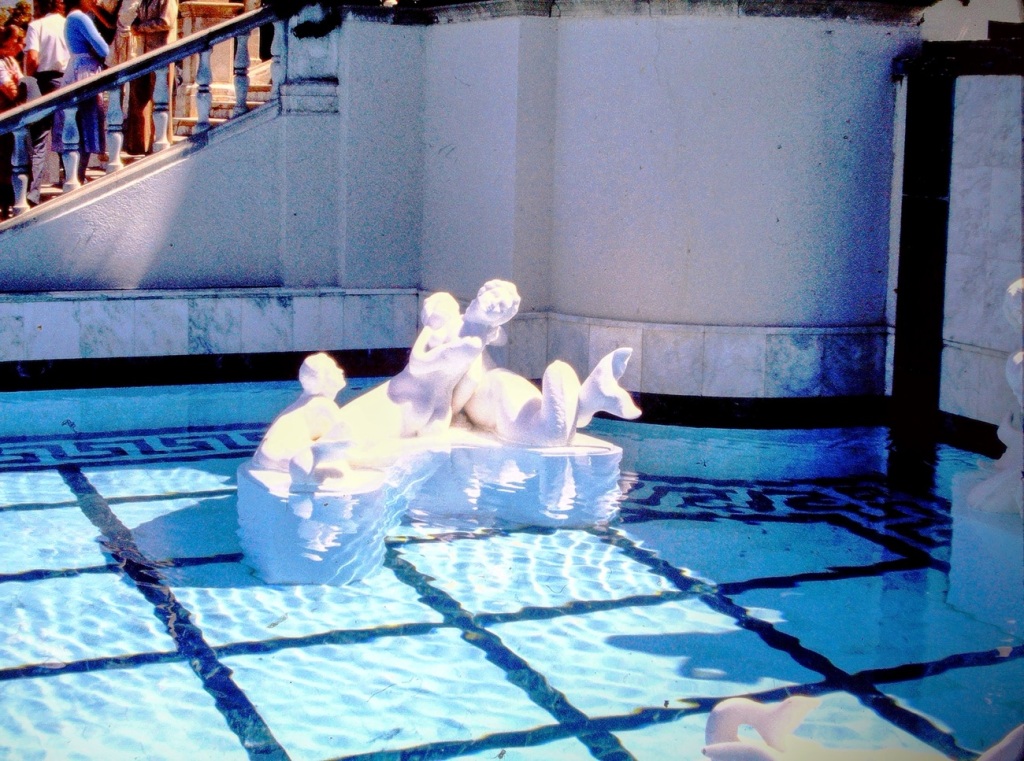
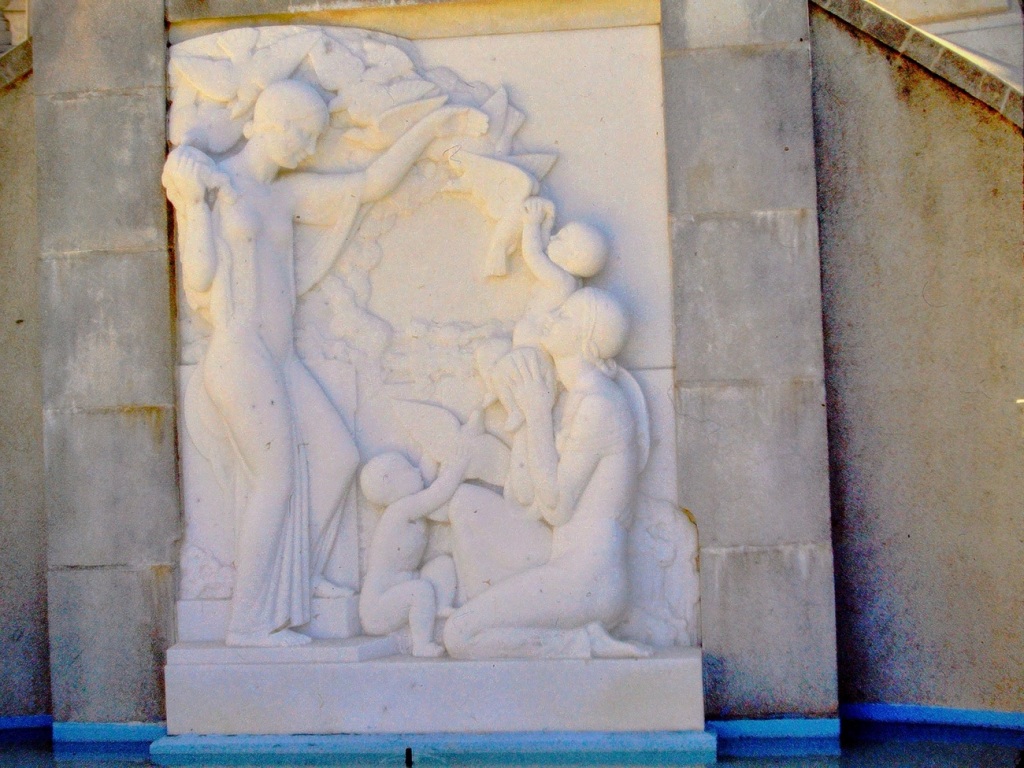
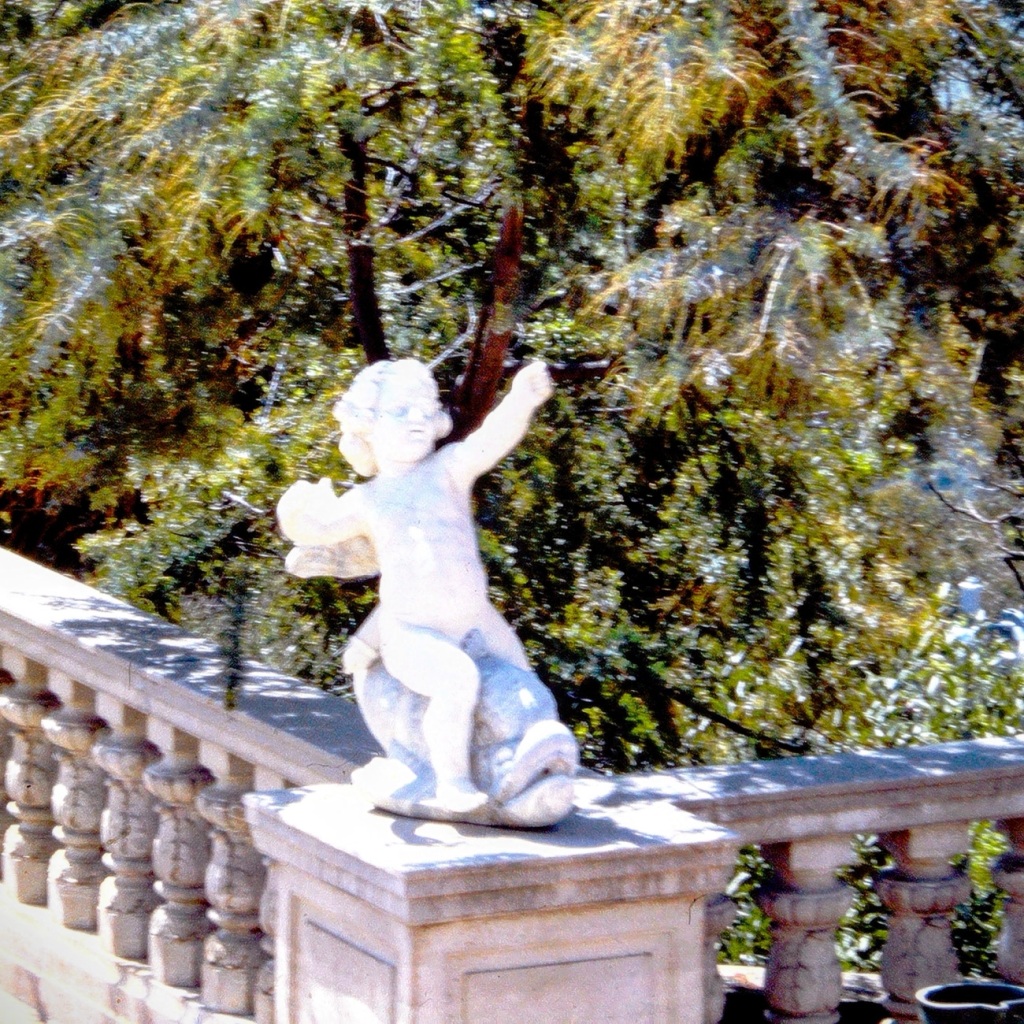
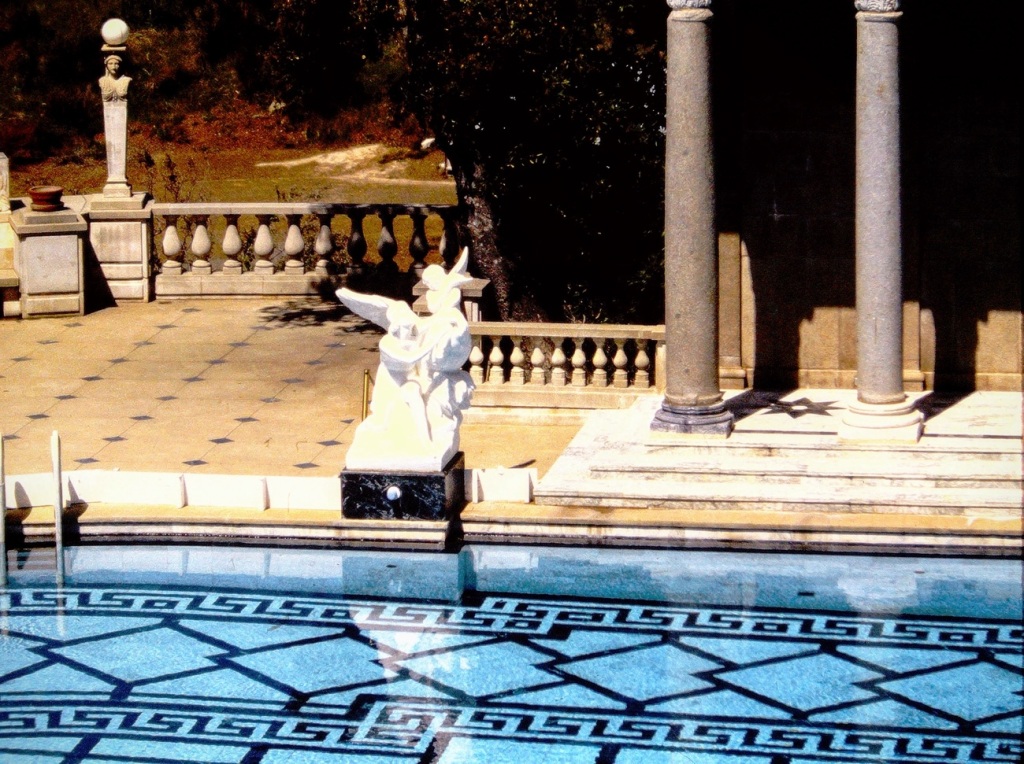
Touring the outside grounds at Hearst San Simeon we see statues poolside …
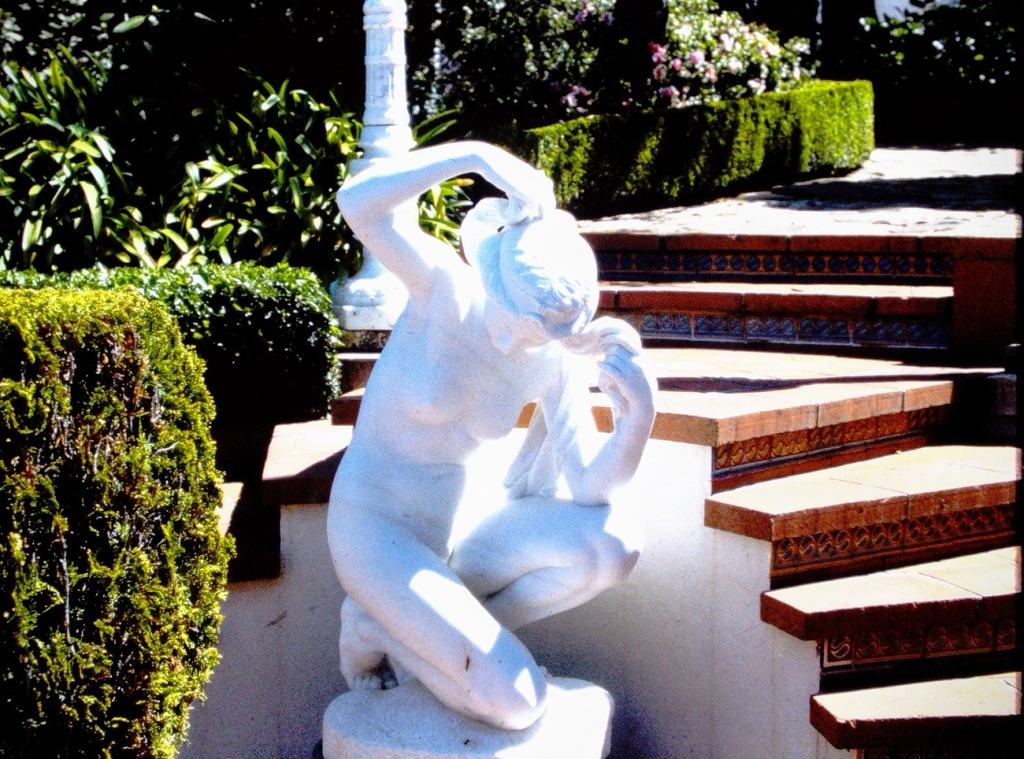
And by the stairs leading upward …
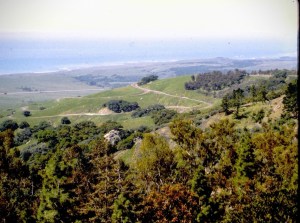
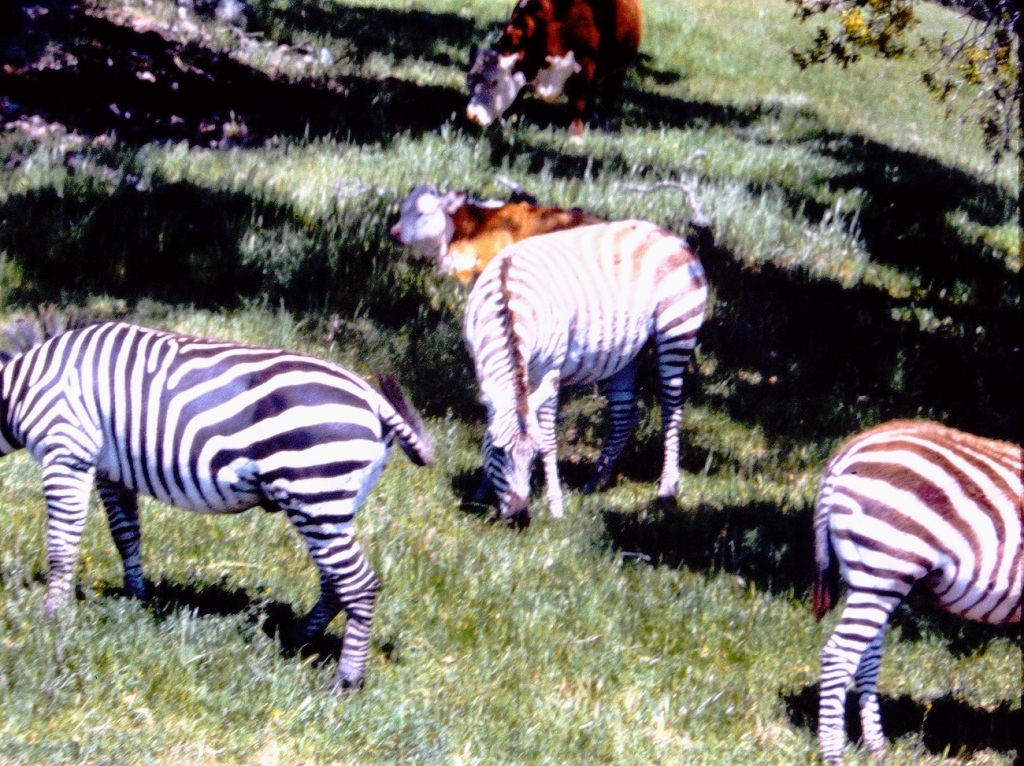
Continuing our tour of the grounds we come upon the Hearst Ranch. William Randolph Hearst kept Fifty (50) species of herbivores on his ranch. They included around 126 Zebras plus bison, fallow deer, antelope, zebras, elk, camels, kangaroos, and giraffes.
We also could see the vastness of the Hearst Ranch where the numerous animals grazed.
At last we come to the end of today’s tour as more about Hearst Castle will come in a later post.
Location: Hearst San Simeon State Historical Monument; San Simeon, California, USA
God Bless. Thank you for tagging along on our tour. Thank you for sharing your time and thoughts with us. Have a wonderful week. I appreciate y’all very much.
Hearst Castle is located up on a hill in San Simeon, the land was originally purchased by George Hearst. After his & his wife’s passing, the ownership of the property was transferred to William Randolph Hearst, their son.
William Randolph Hearst expanded on the property growing it to encompass approximately 250,00 acres. In 1919, Hearst collaborated with San Francisco architect Julia Morgan to build what would later become one of the world’s greatest showplaces and later an accredited museum.
The site originally known as “Camp Hill” was renamed “La Cuesta Encantada” which is Spanish for The Enchanted Hill.
After the passing of William Randolph Hearst, the estate opened its doors to the public in 1958. Hearst Castle comprising 90,000 square feet and Hearst’s world-class art collection. The property includes its own theater, billiard room, beauty salon and pair of dazzling swimming pools.
Among the rooms you can view while touring the Castle are:
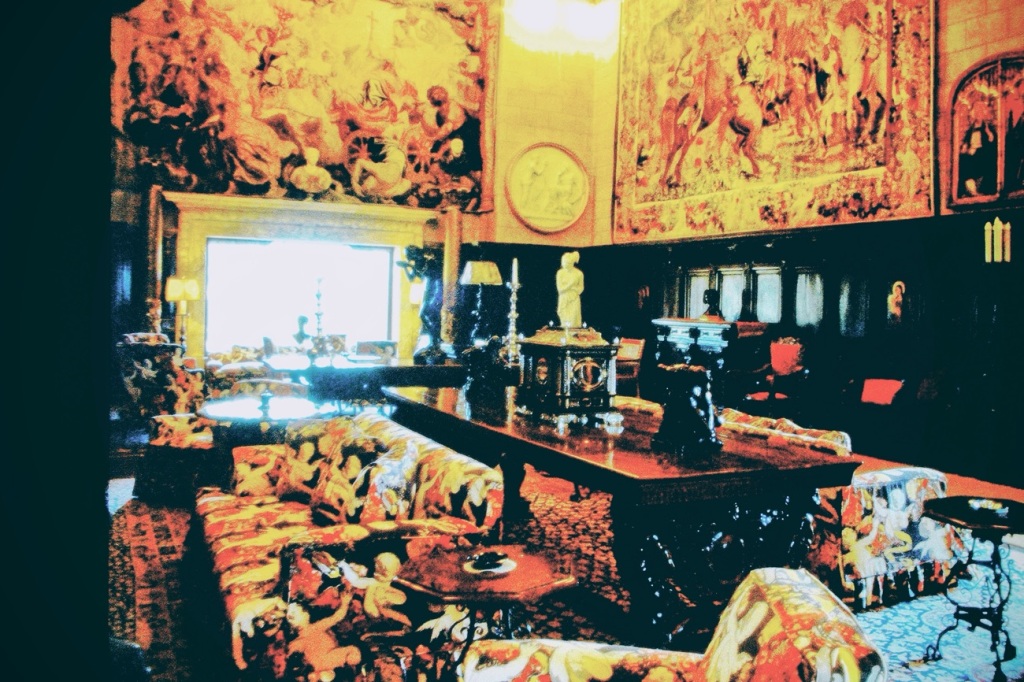
Grand Social Rooms of Casa Grande —the largest house at Hearst Castle.
Assembly Room — located on the ground floor.
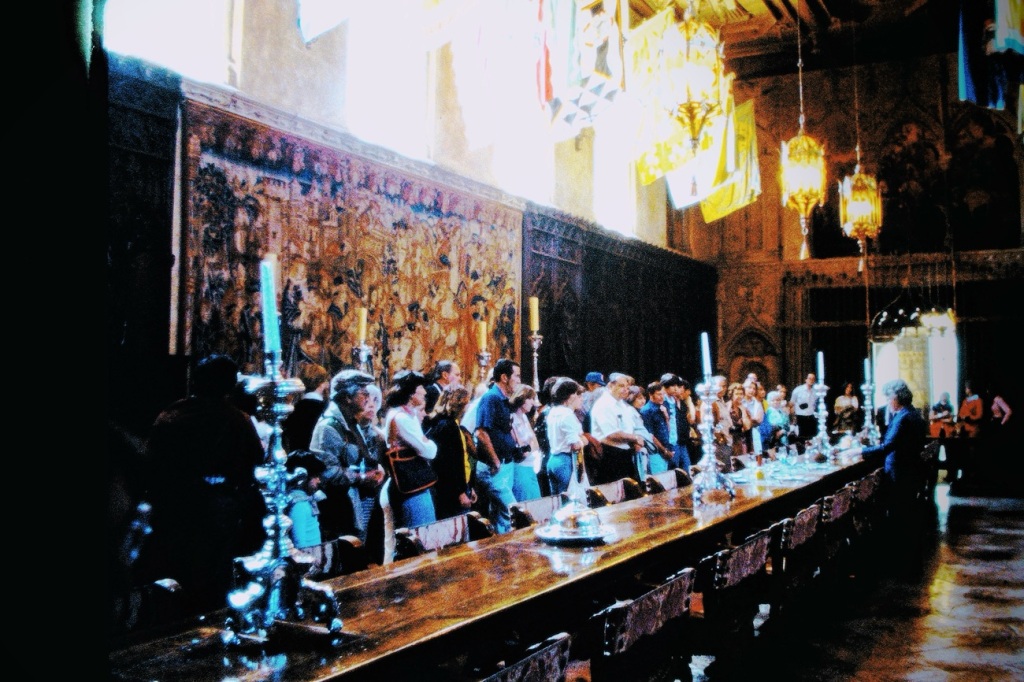
Refectory — where Hearst hosted lavish dinner parties and social occasions.
Billiard Room — where guests could relax and play billiards and pool.
Theatre — Hearst joined his guests here to watch movies and newsreels.
Doge’s Suite — here guests can admire the magnificent painted antique ceiling, marble balcony and Mountain View’s.
Main Library — It has an impressive collection containing more than 4,000 books.
Gothic Suite — located on the third floor it contains Hearst’s most treasured collections and sacred objects.
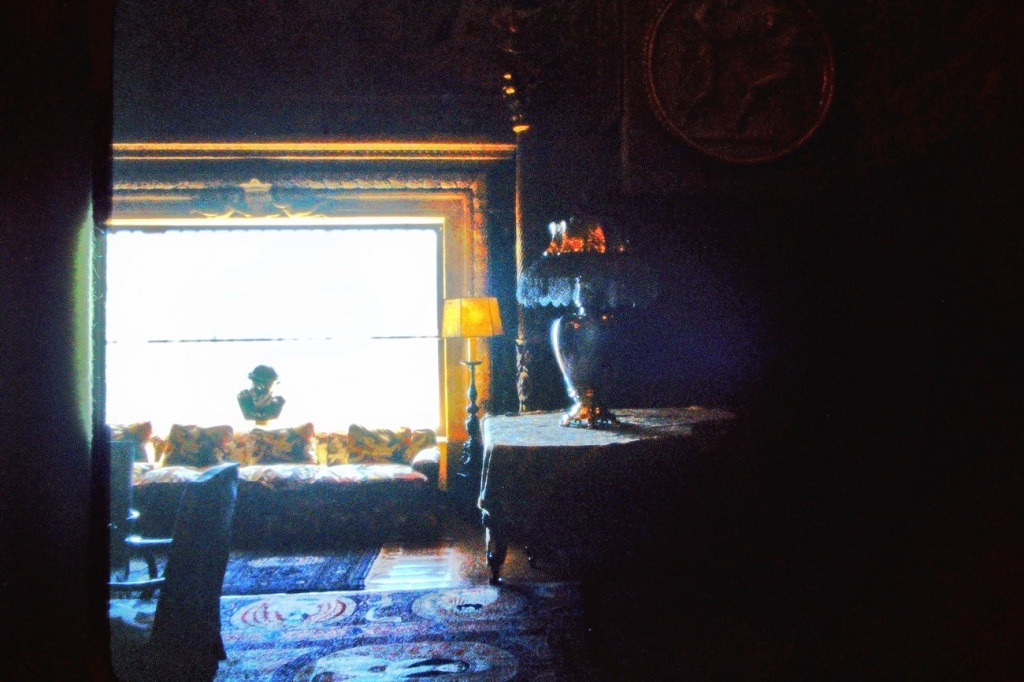
There are many more areas and rooms you may tour at Hearst Castle. The sculptures and architecture are amazing to see. As you can see, the various rooms have a variety of seating selections; each selection was once used by the vast number of guests visiting the property.
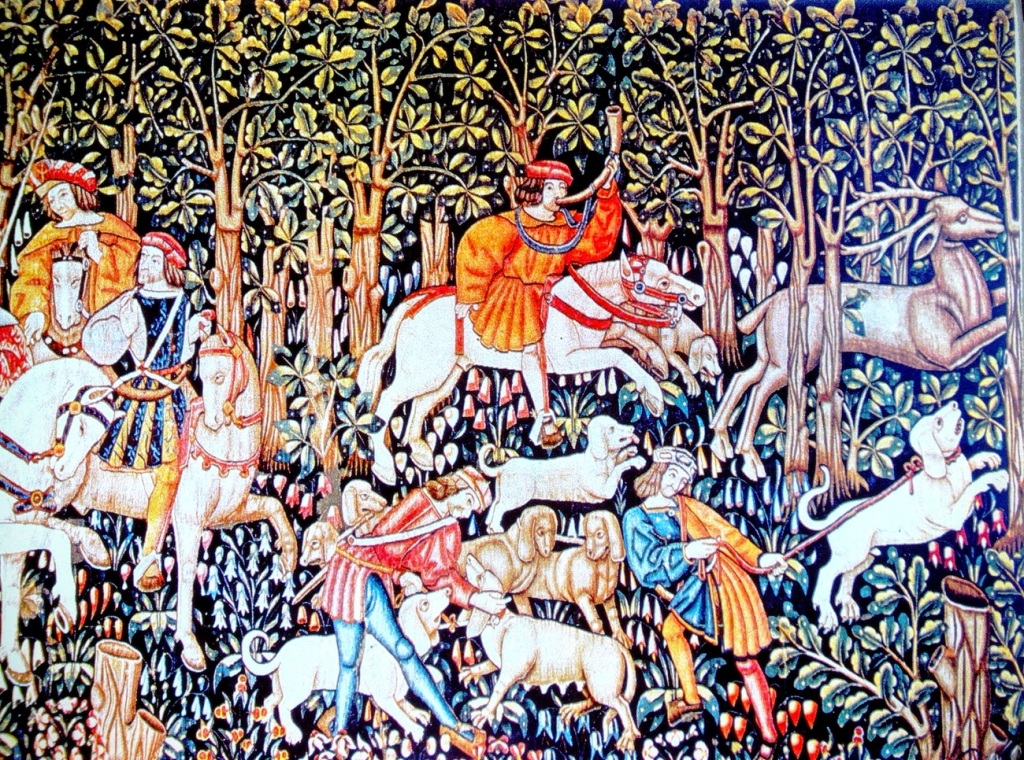
When touring the Castle ( depending on your choice of tour) you may learn about the paintings, sculptures, antiquities, tapestries and other works that comprise Hearst’s collection.
The Enchanted Hill doubled as a museum, bringing together centuries-old masterpieces in one stunning setting. These historic objects can still be viewed today among Hearst’s gardens, guest houses and Casa Grande.
Even though you can view and admire the numerous spacious rooms and seating arrangements around Hearst Castle, they are only for admiration and not for tourists to currently use.


![Which Way Challenge (CWWC) 2026 — Any Which Way with Spring or Autumn Which Ways [Second Week]](https://gfpacificbeeintrospection.com/wp-content/uploads/2025/06/image-1-1.jpg?w=489)