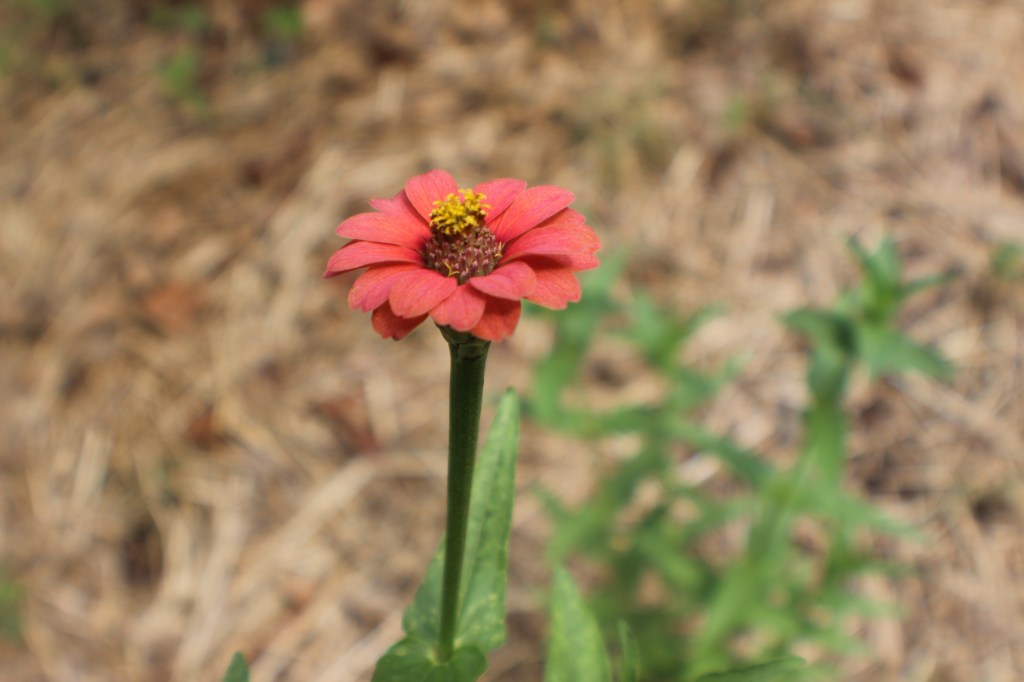
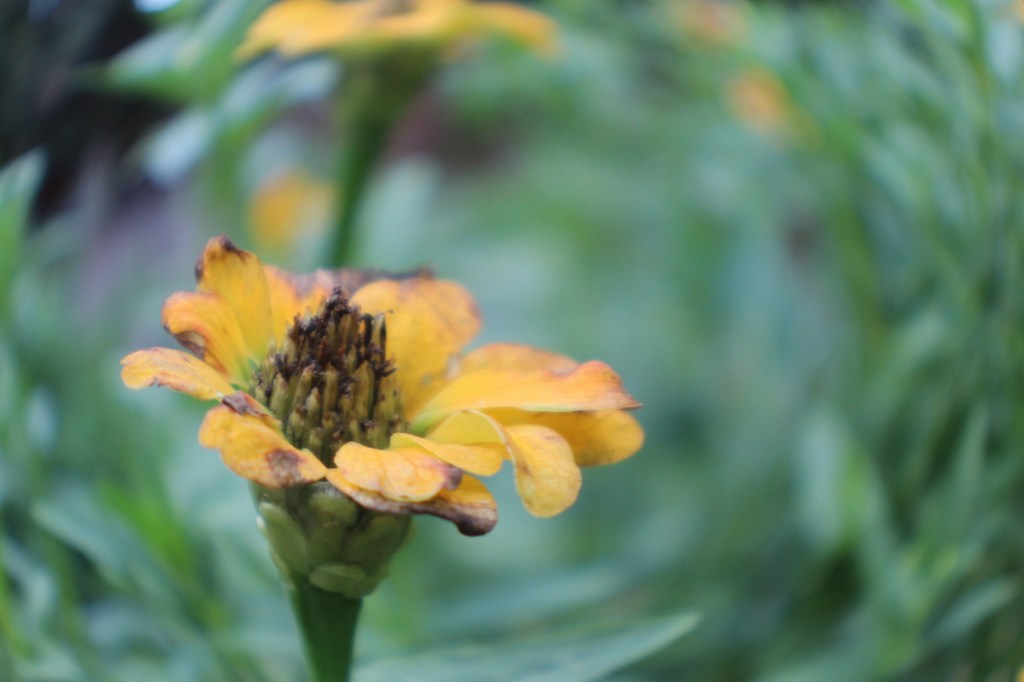
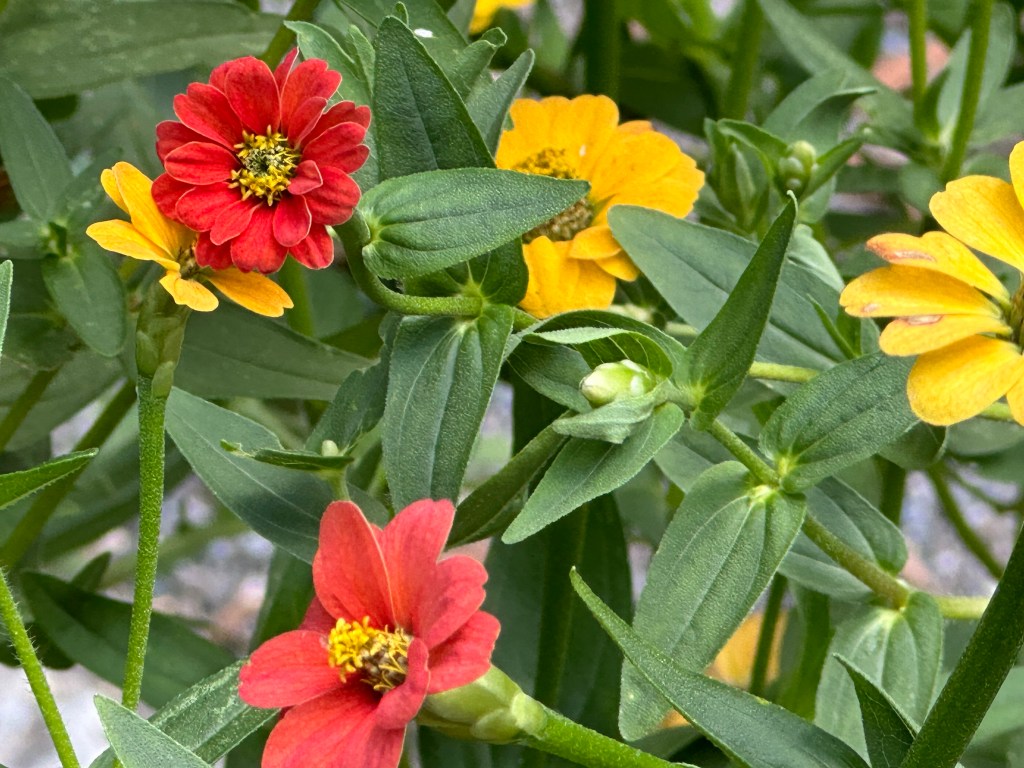
Zinnias are subtropical and tropical upright annual flowering plants in the Asteraceae family which boast an abundance of daisy-like flowers. They are native to North and South America.
Original Peruvian Zinnias
These and other Zinnias are grown in the Memorial Wildlife Garden contained within The Farm at The Schiele Museum of Natural History in Gastonia, North Carolina. The Farm is located to the left as you enter the Nature Trail area outside the Museum walls.
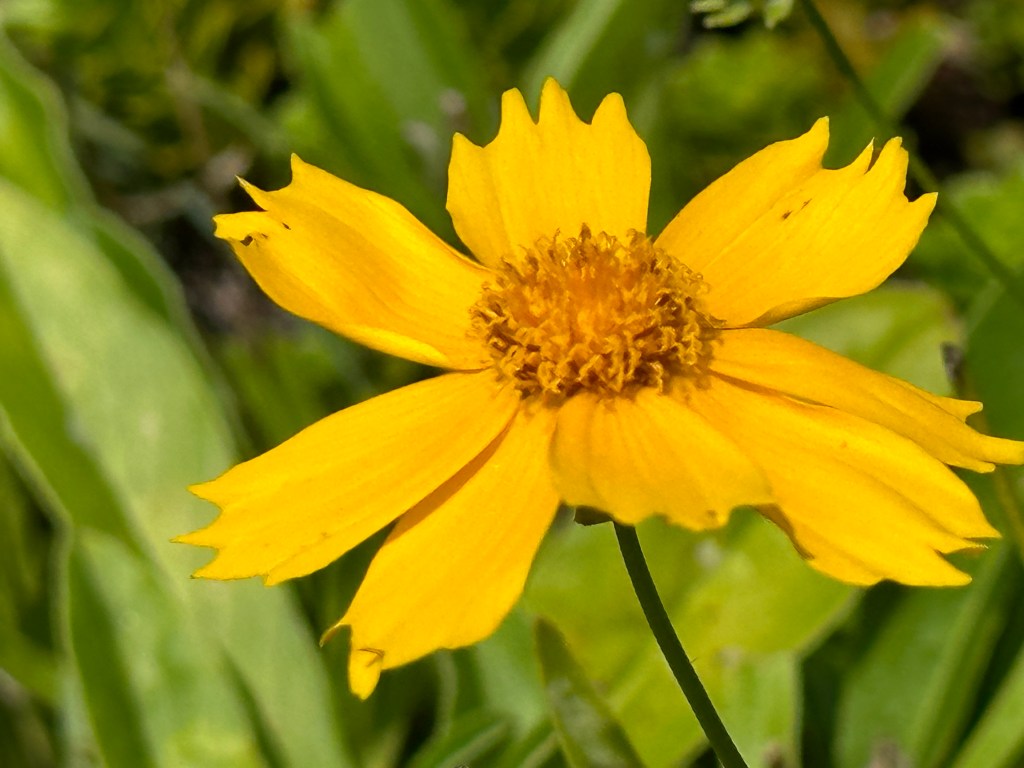
Coreopsis lanceolata is a North Americanspecies of tickseed in the family Asteraceae. It is native to the Eastern and Central parts of the United States, naturalized in Canada, the Western United States, Mesoamerica, South America, South Africa and Eastern Australia. It is found in open woodlands, prairies, plains, glades, meadows and savannas.
Rudbeckia hirta is a short-lived perennial that should be treated as an annual. It may likely endure few winters, but will often self-seed prolifically. The flowers are showier than other Rudbeckia species and have been widely hybridized. (Clemson.edu)
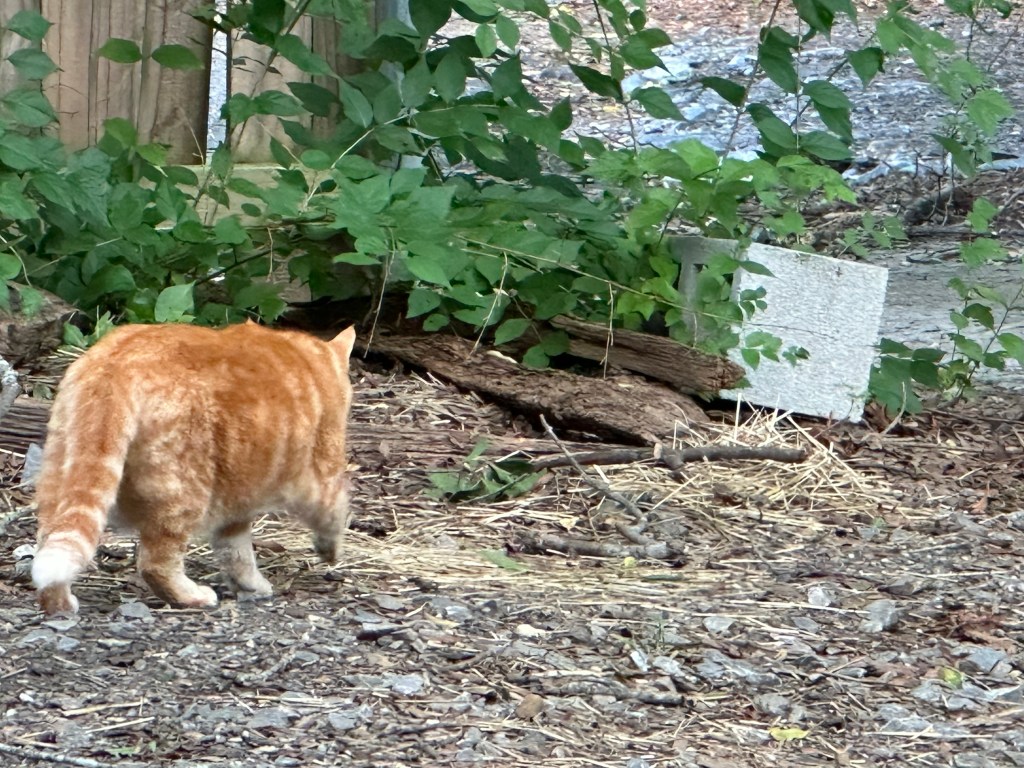
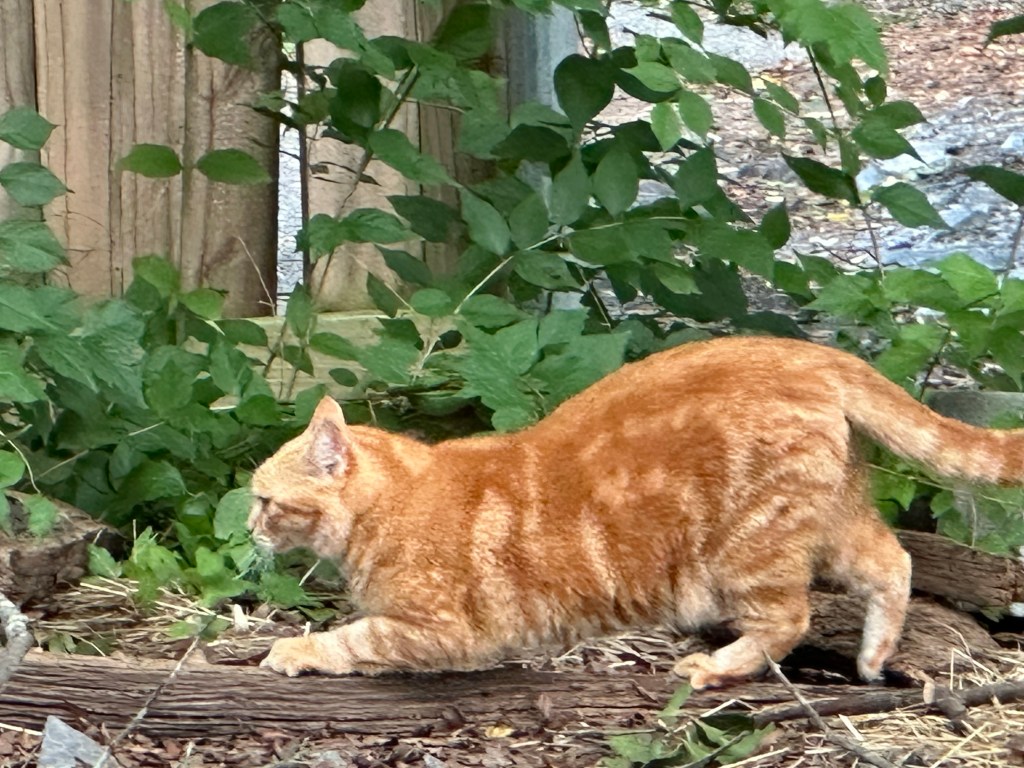
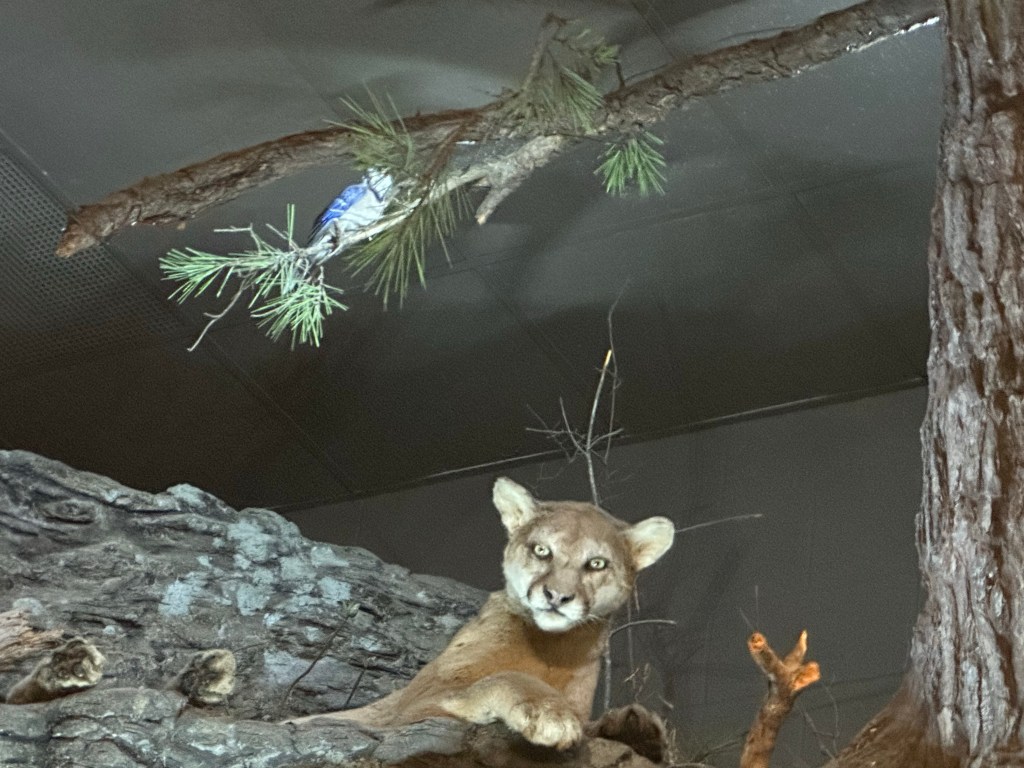
It just seems fitting that the Prompt for Wednesday is Cat. Coleman and I went to The Schiele Museum of Natural History and then across the road to the Gaston County Library. While we we walking around The Farm at the Museum I spotted a cat 🐈 roaming around behind the chicken coop.
Normally cats are not the type of animals one sees in The Farm. Goats 🐐, Sheep 🐑, Chickens 🐓, Rabbits, and Turkeys 🦃 are the farm animals that are kept and cared for here. Cats 🐈, however, are not what’s cared for here.
Evidently, this cat 🐈 thought it belonged roaming around at The Farm. Therefore, I snapped a few photos of it. Then, I read what the Prompt was and knew that it was fate that I spotted the cat 🐈 yesterday.
Deep Pink & Middle Yellow Flowers vs. Black & White Purple & lone Yellow Flowers vs. Black & White Red & Yellow Flowers vs. Black & White Pink & Yellow Quilt Square vs. Black & White [Side Note: Quilt made by my Maternal Grandmother]
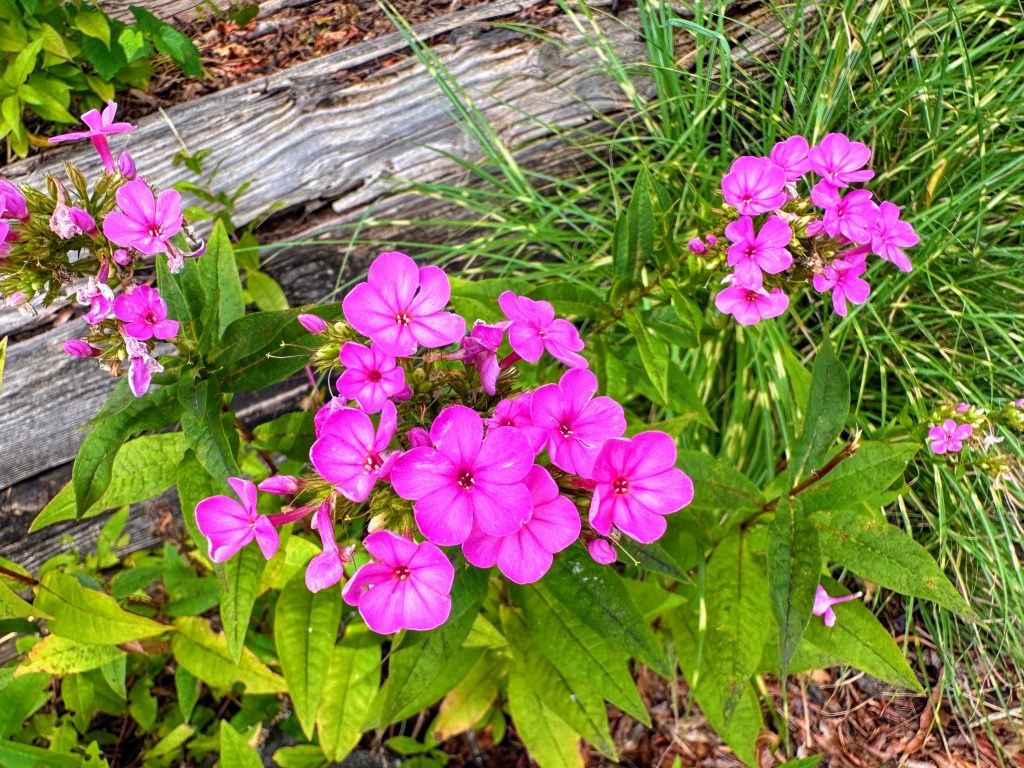
Carolina Phlox is a lovely long-flowering native with clusters of purple-pink flowers.Phlox carolina, the thickleaf phlox, is a species of flowering plant in the family Polemoniaceae.
The specific epithet carolina refers to its native habitat in the eastern United States. It grows in woodland edges and openings. Flowers attract bees, hummingbirds, and butterflies.
Early Log House Catawba Indian Village Schiele Museum of Natural History Gastonia, North Carolina
A Look Inside an Early Log House:
Sleeping Area Eating Area
Hand Woven Basket Fireplace Wooden Chair and TableHand Woven Baskets on Floor
Outside an Early Log House:
Coleman Looking Inside the Door Coleman thinking about Shutting the Door
Weakened by diseases. broken treaties , and the loss of tribal lands to European settlers, many Catawba people moved westward into the North Carolina Mountains where they were greatly influenced by their Cherokee neighbors, This cabin known as a Log House (ca. 1860) contains European-style fumiture, crockery, and other items that reflect the time period. It reflects the continued assimilation of the Catawba People into European settler culture and is similar to many 19th century homes found in non-native seftlements of the mountains and piedmont.
These photos of an Early Log House and its contents are examples of how the Catawba Indians lived and how European culture influenced their everyday existence.
These flowers are really small herbaceous perennial. They have grass-like evergreen foliage and lilac-purple flowers which produce single-seeded berries on a spike in the fall.
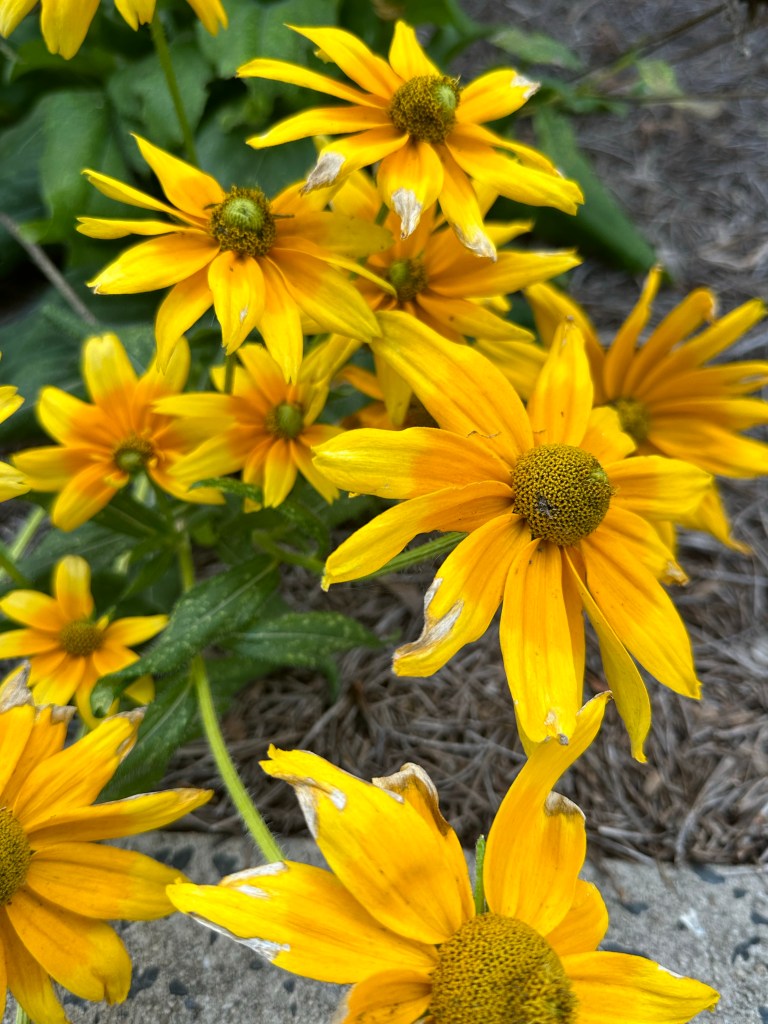
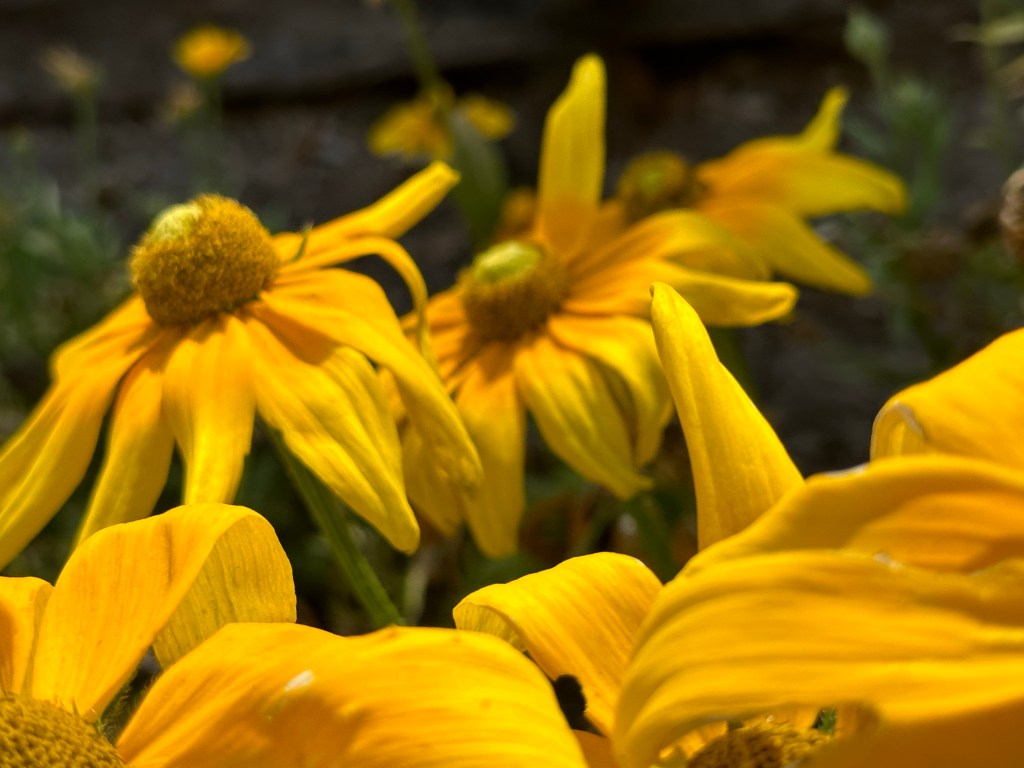
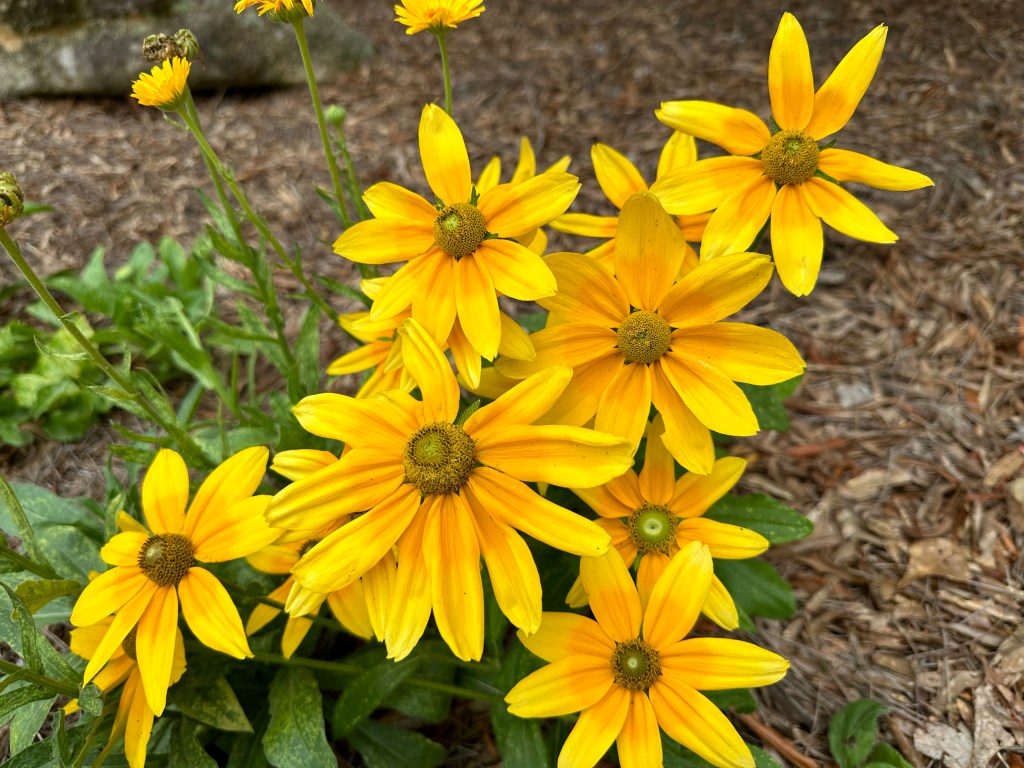
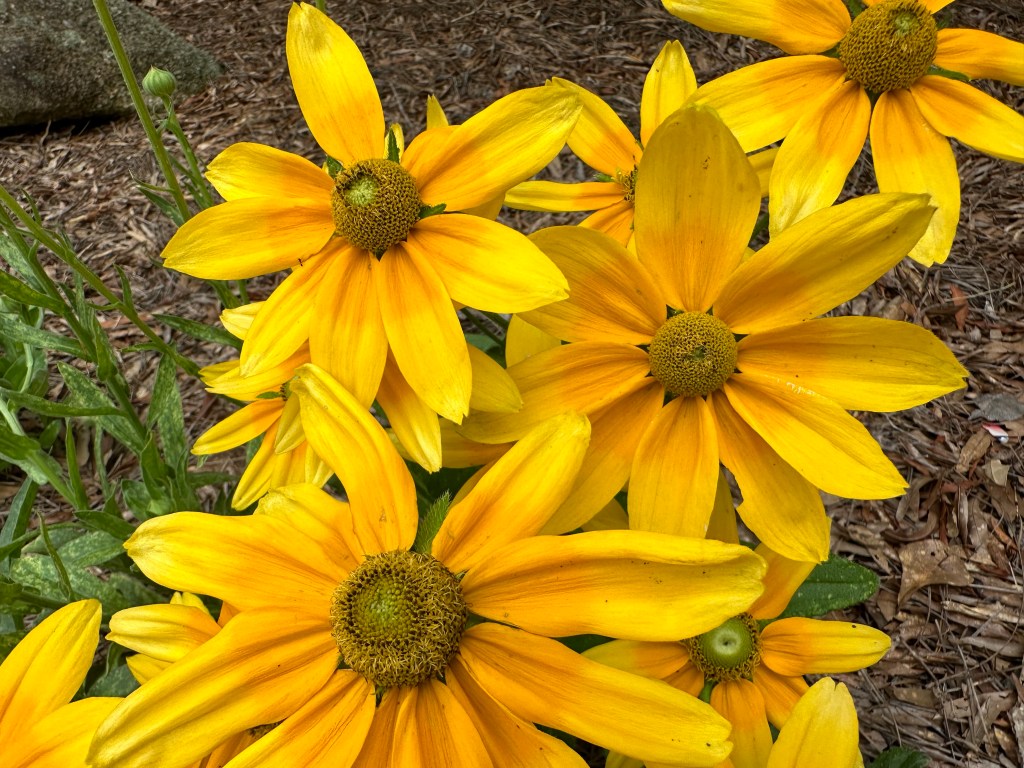
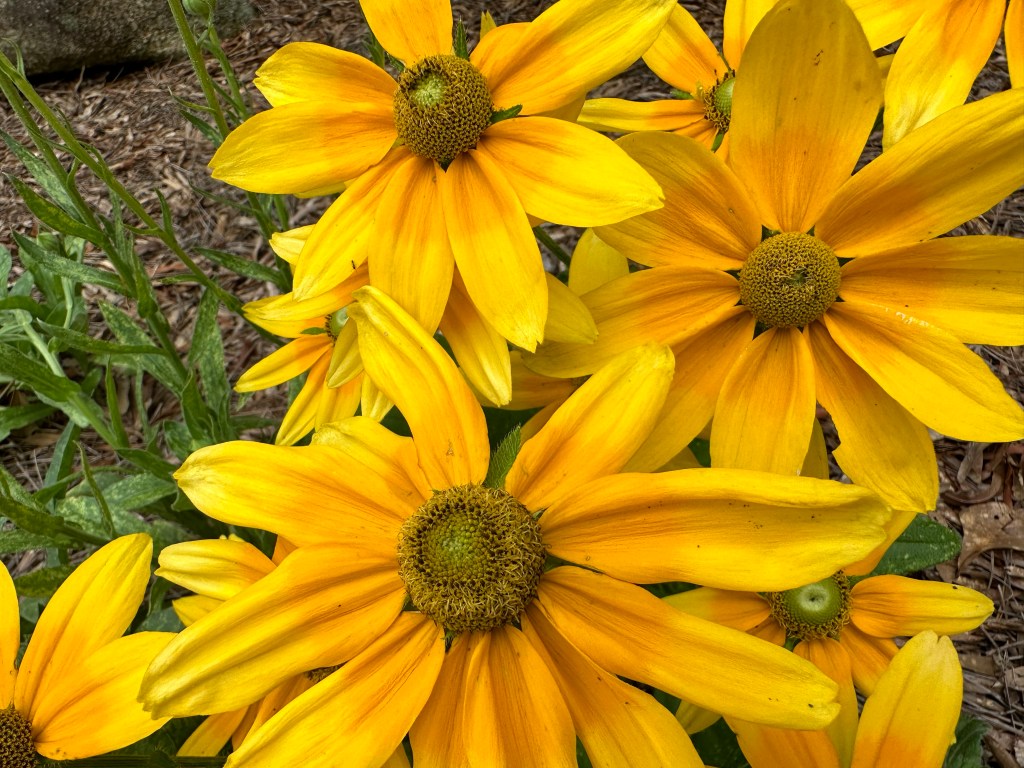
‘Prairie Sun’ Black-eyed SusanRudbeckia hirtaRudbeckia hirta is a variable species that provides a splash of color in the summer garden with its brightly-colored yellow and gold blooms.
Sunflowers follow the sun… But did you know
When it is cloudy and gray, they face each other and share their ENERGY. Imagine if PEOPLE would do this too.
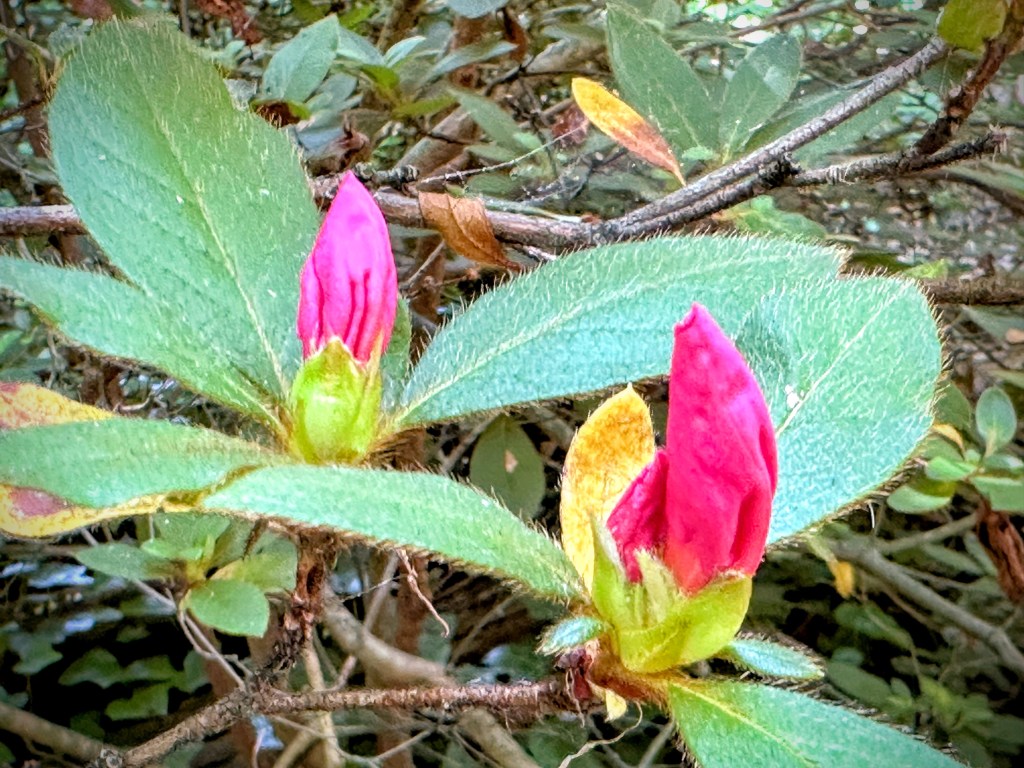
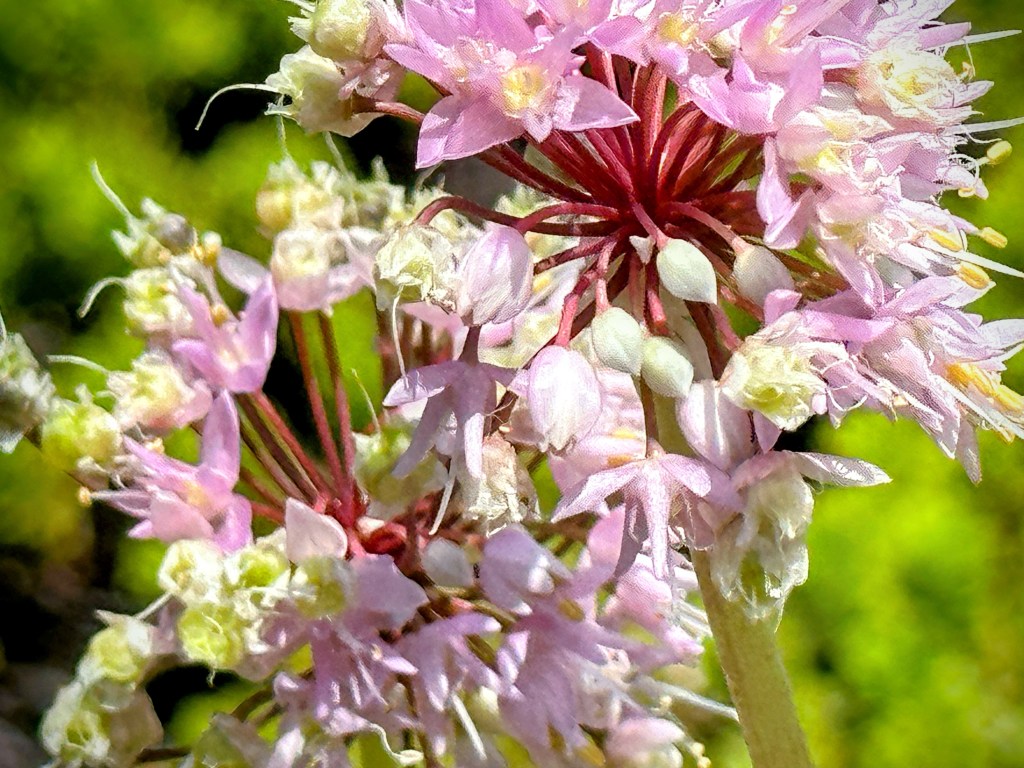
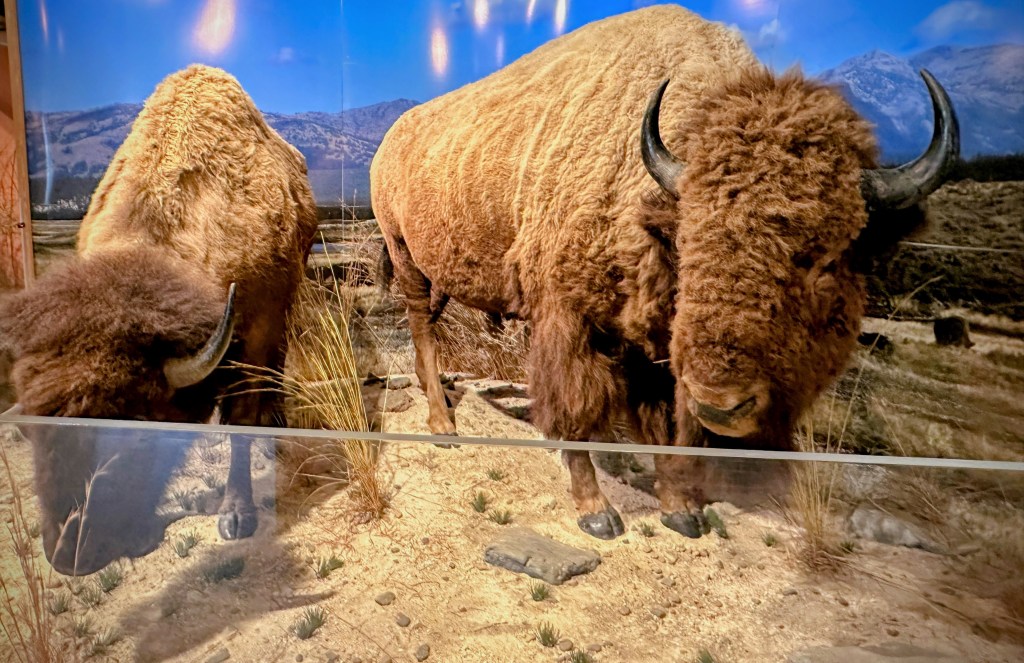
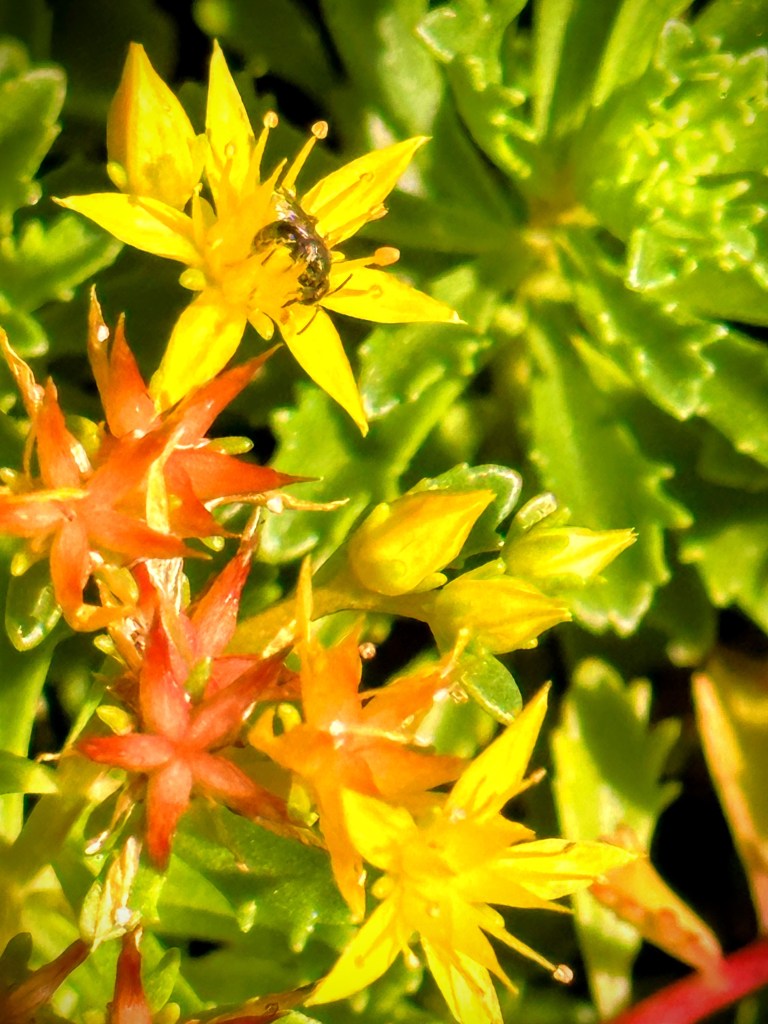
Two Buds of Rhododendron indicum is an Azalea Rhododendron species. Allium stellatum, AKA: the autumn onion, prairie onion, cliff onion, or glade onion, is a North American species of wild onion in the Amaryllidaceae family.American Bison times TwoTwo Hands up from Big Dipper
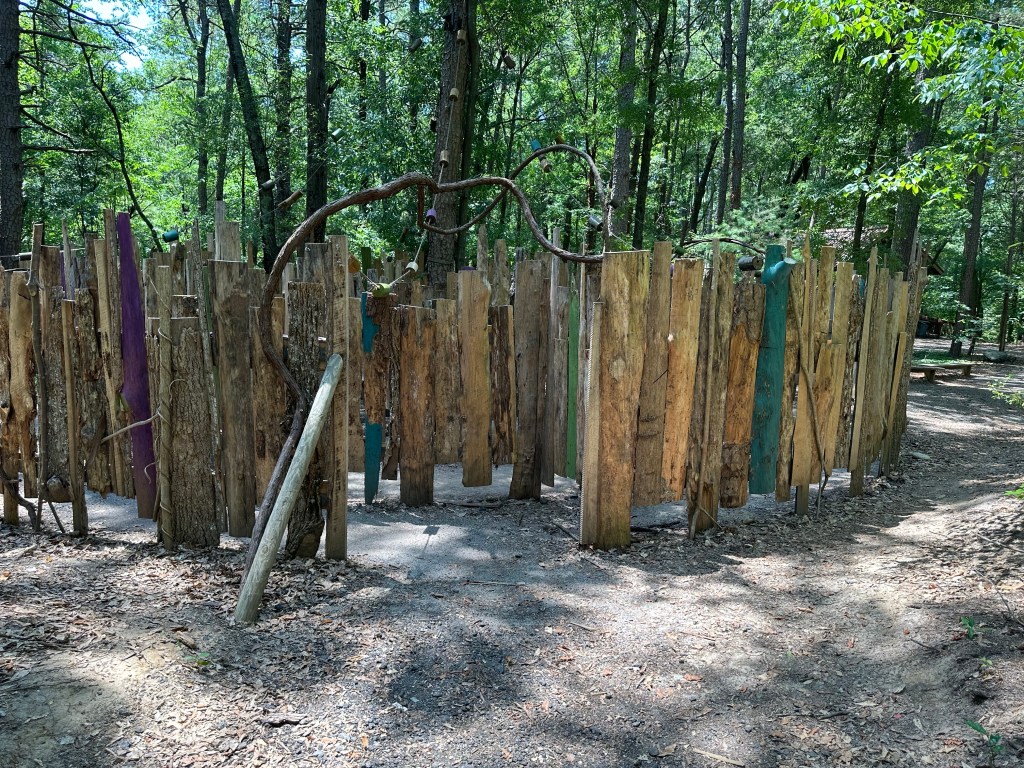
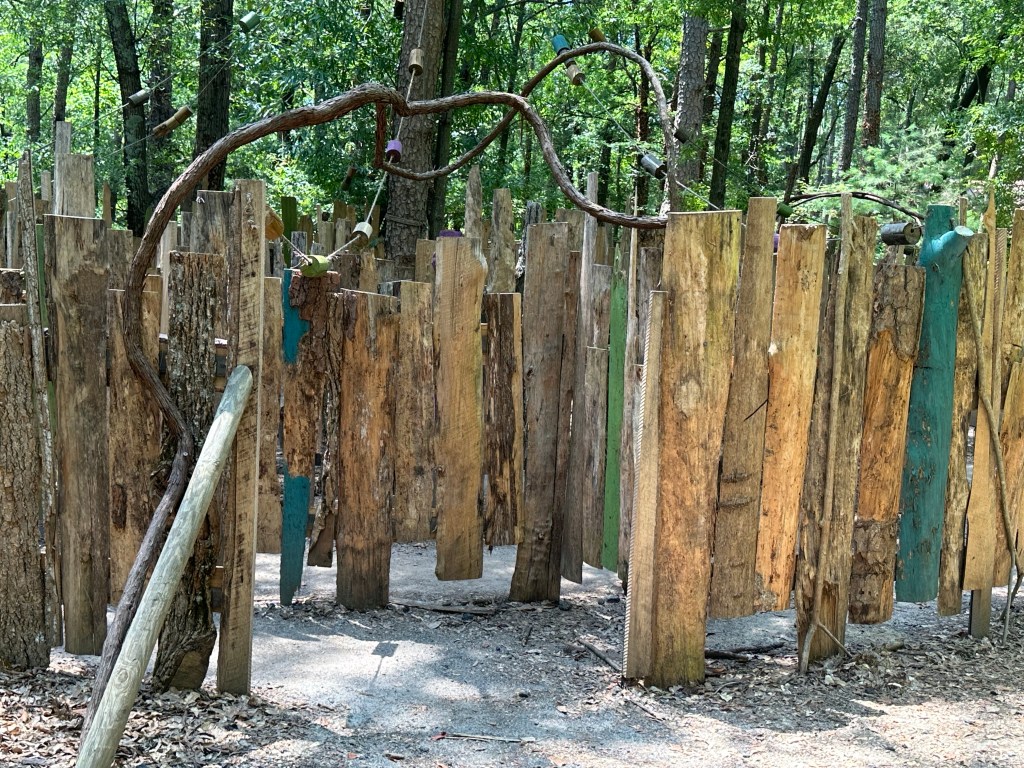
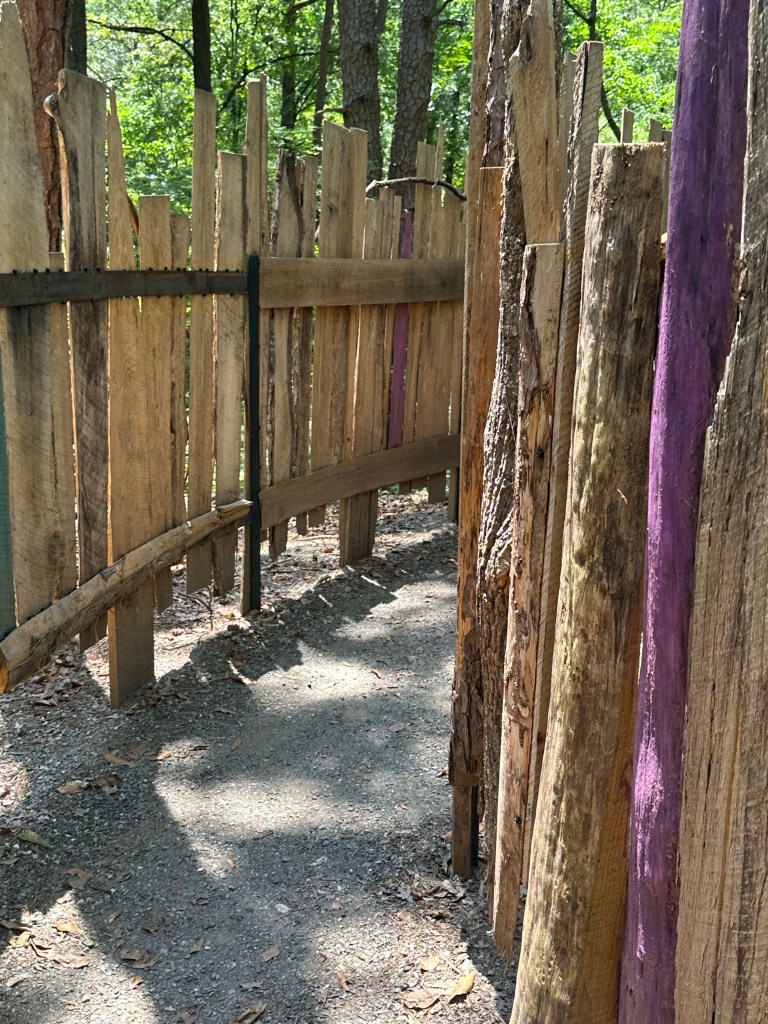
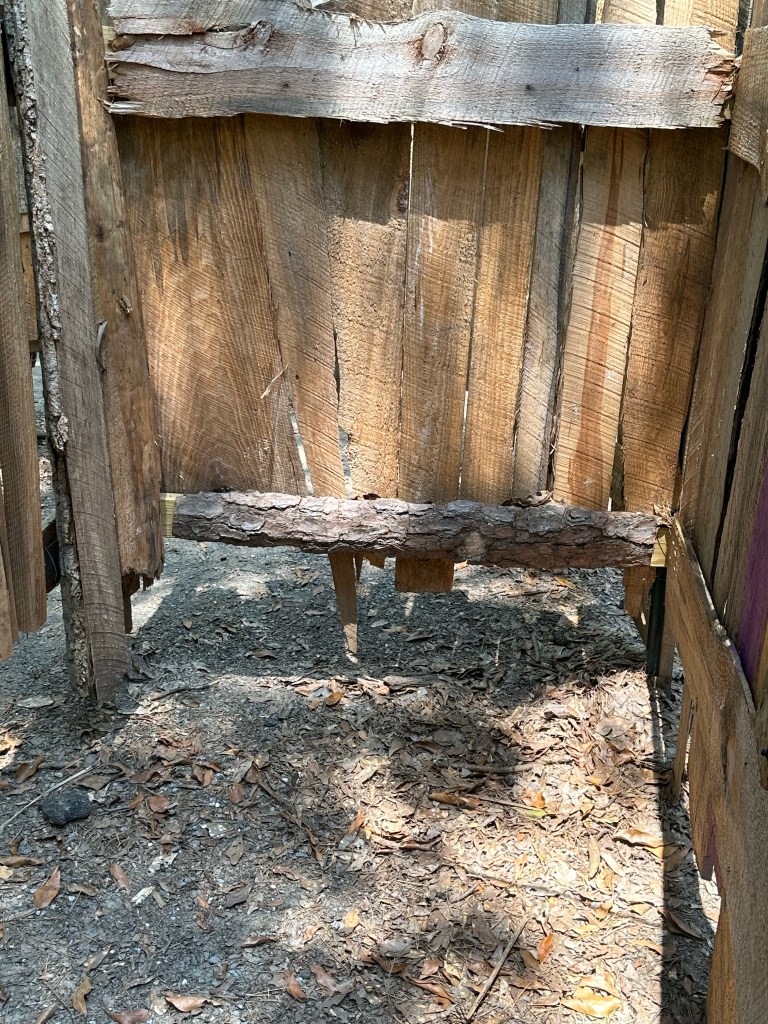
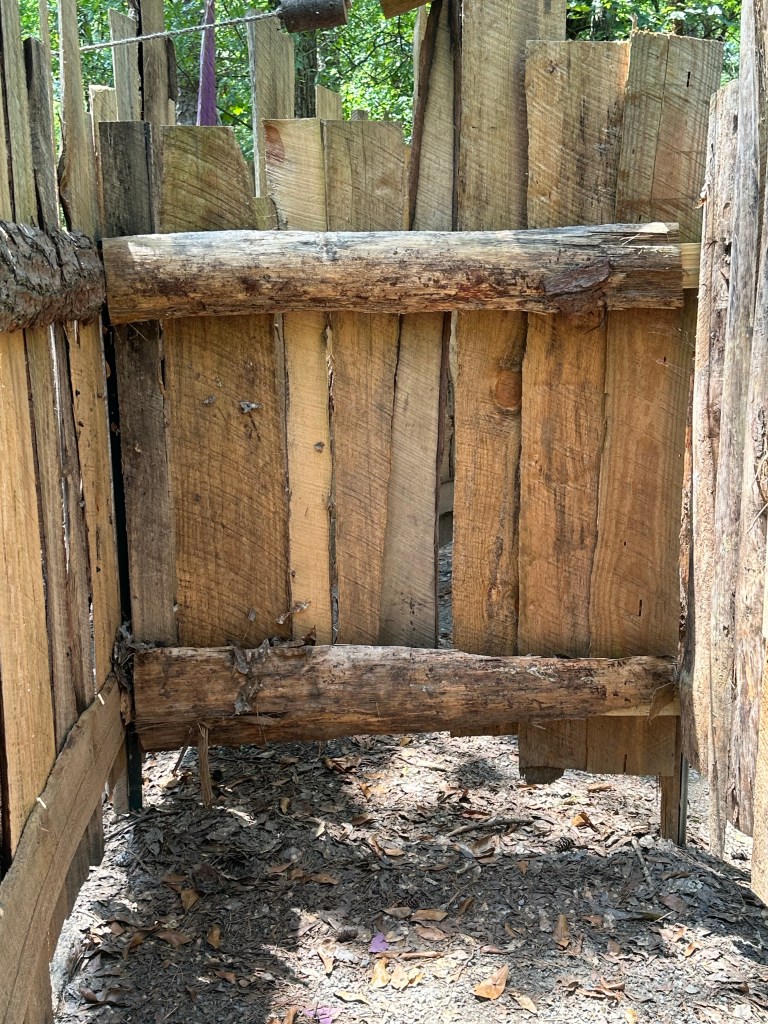
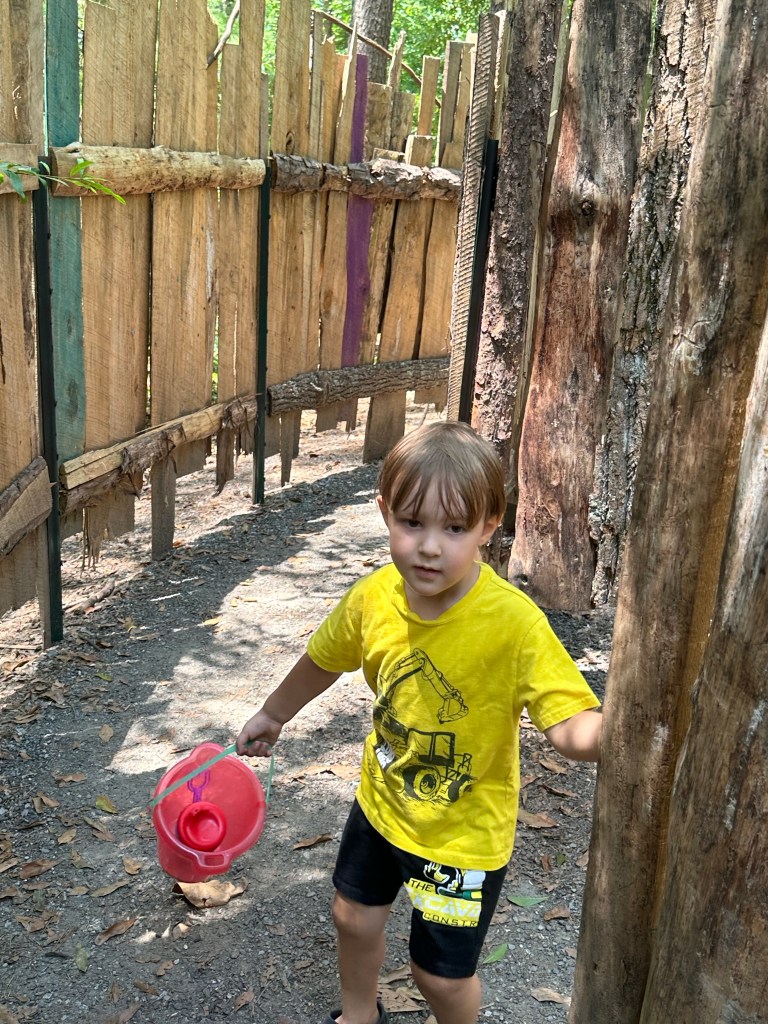
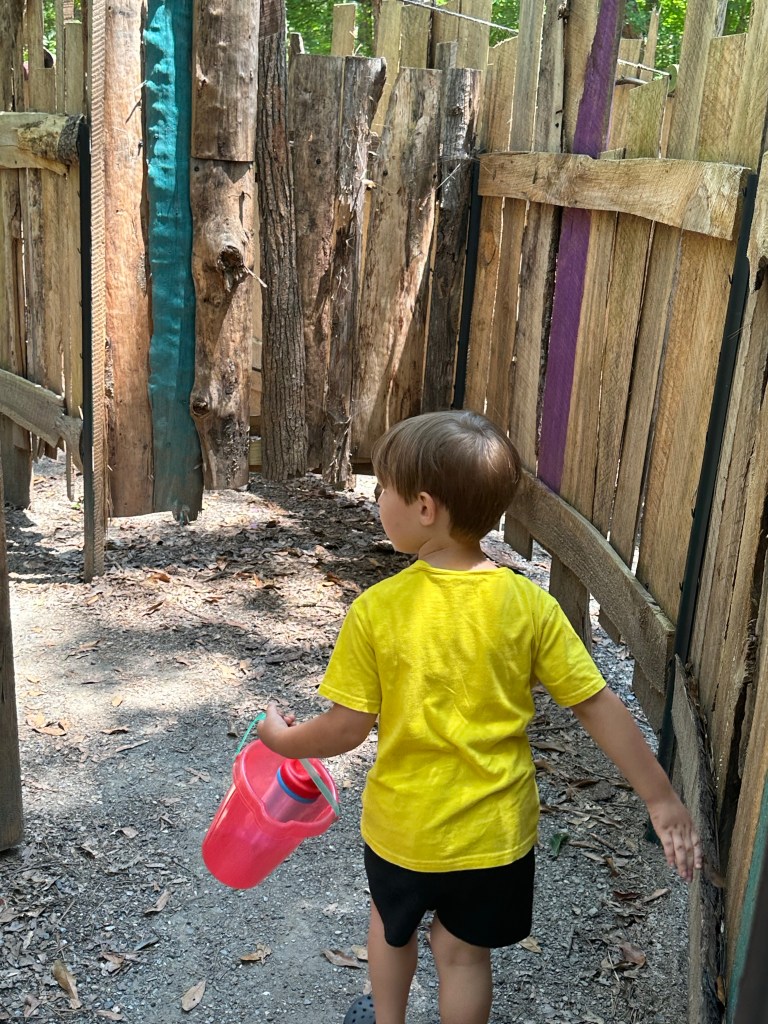
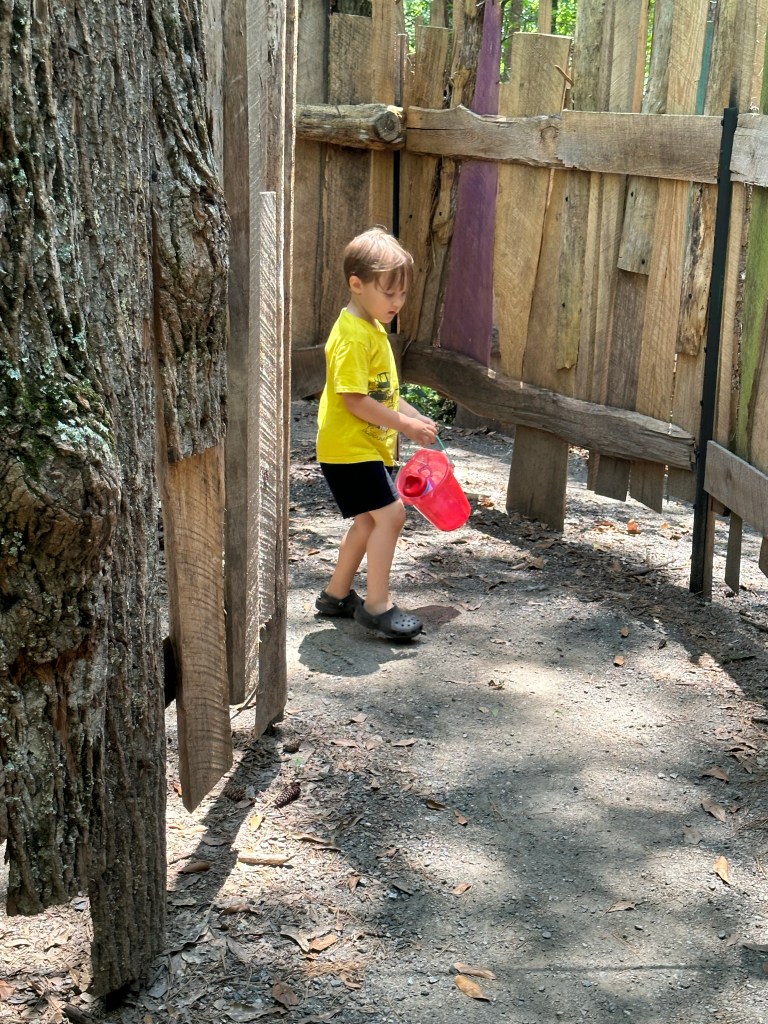
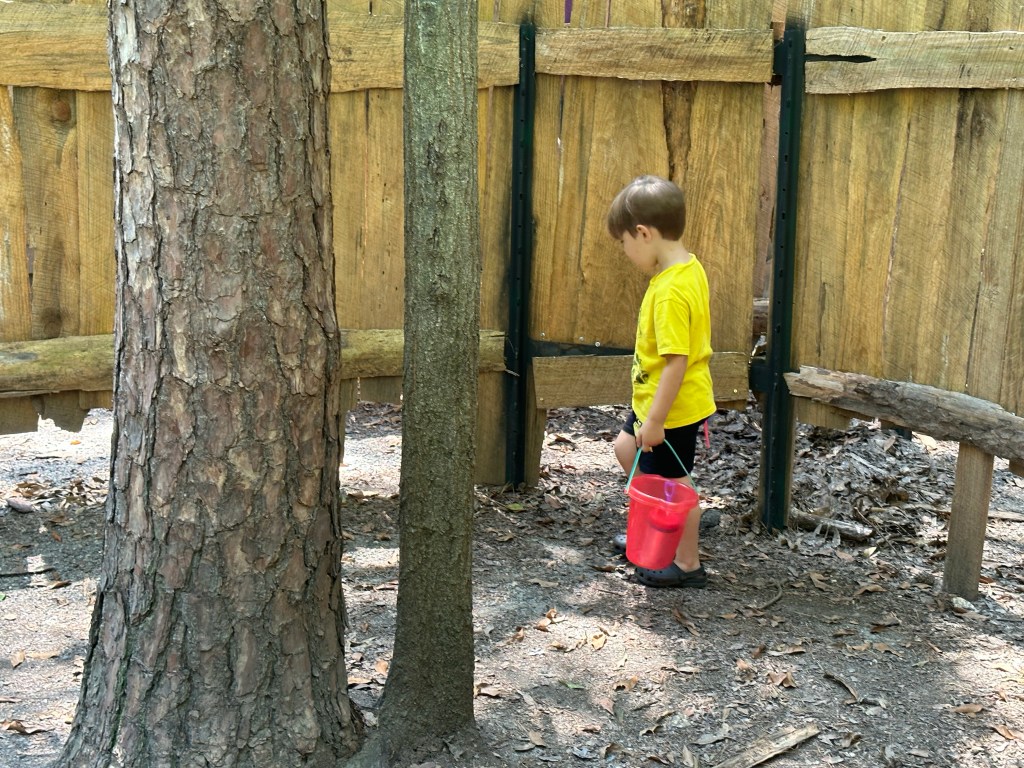
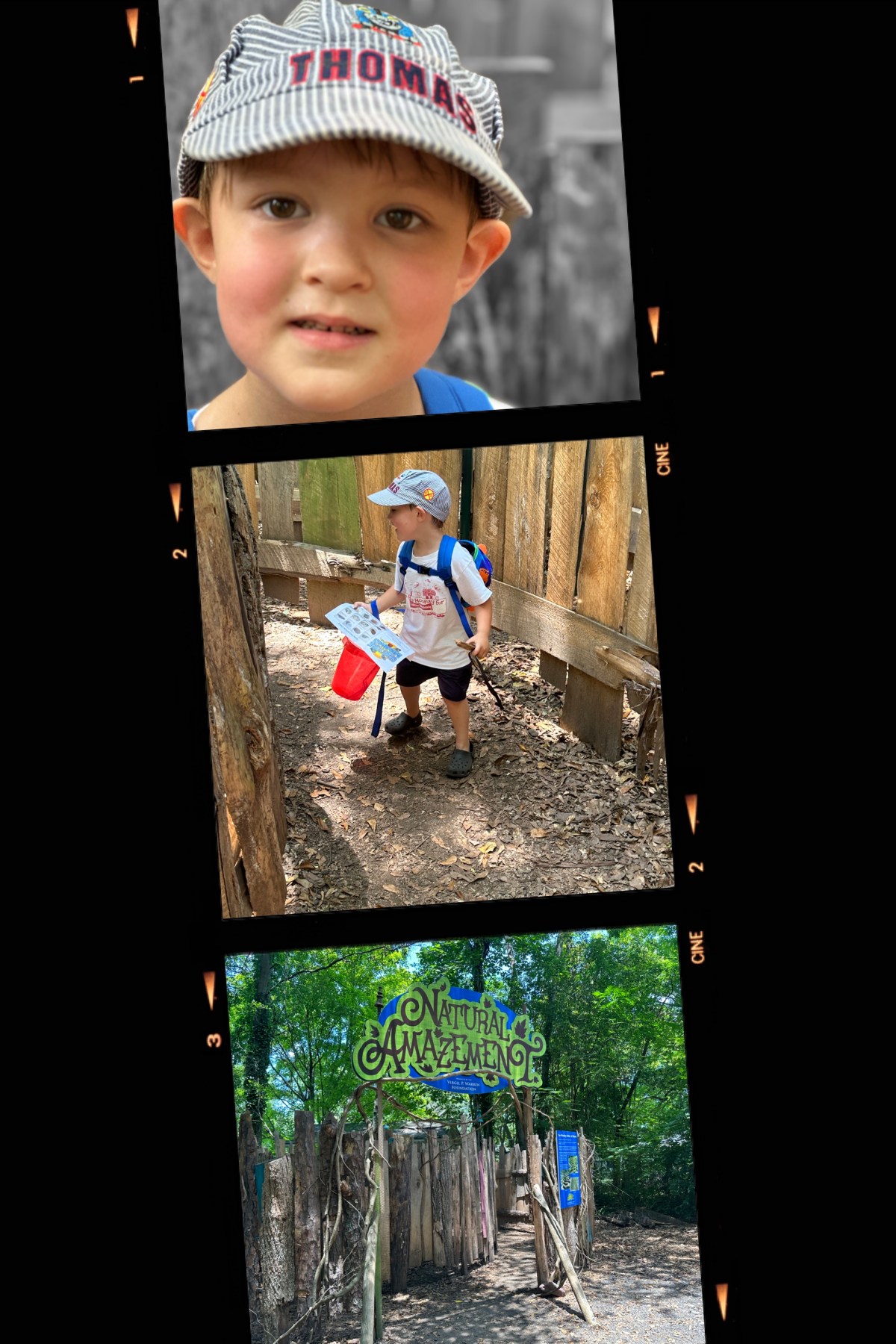
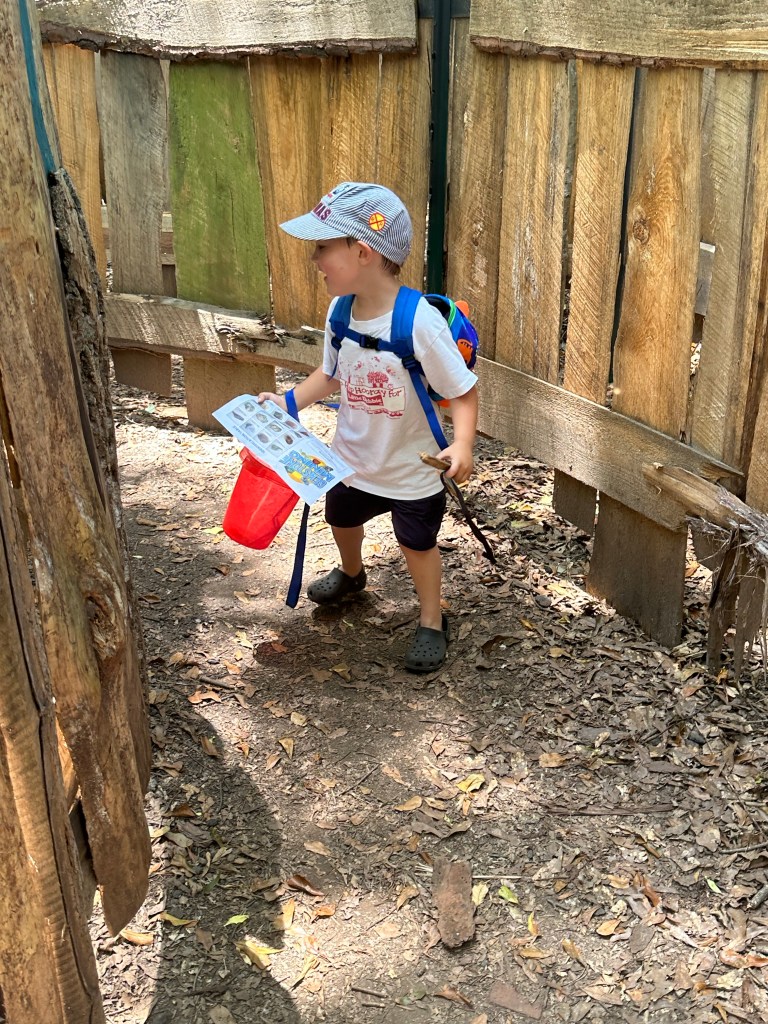
In a maze one chooses to go this way or that way. Sometimes the way you choose leads to a dead end and sometimes other choices lead you on the path that leads you out of the maze. In life it is similar; we decide which pathway we want to venture on. Sometimes the choices we make lead us to no where and other choices lead us to a more fulfilling path for our lives.
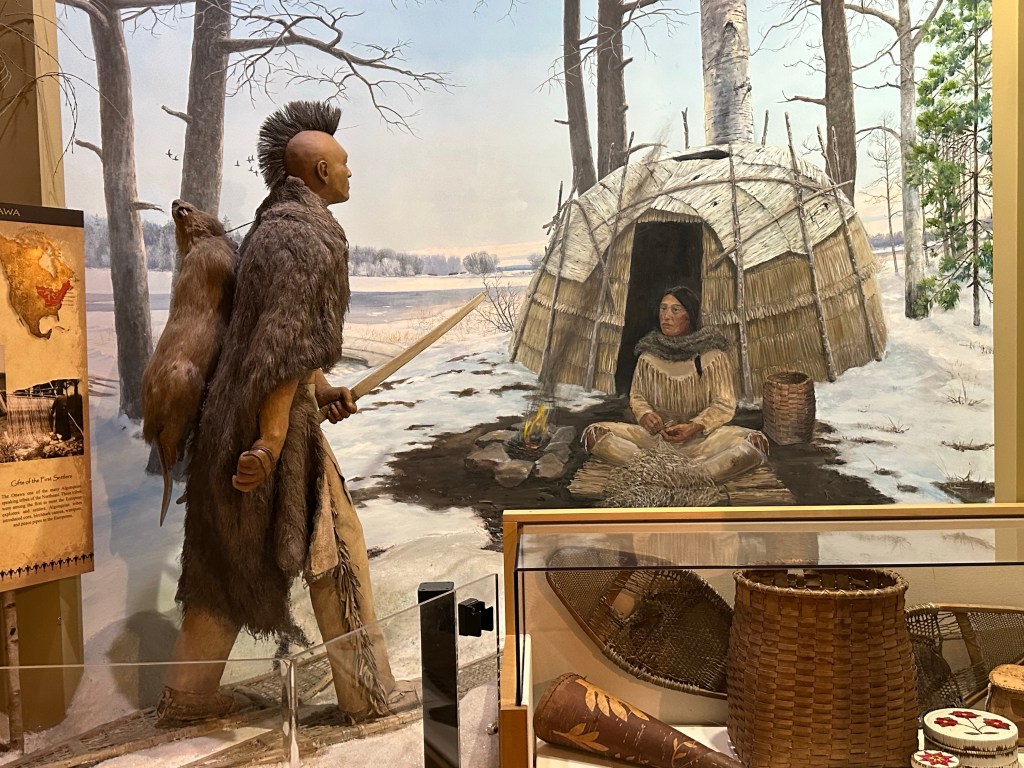
Thatched Hut Catawba Indian Village The Schiller Museum Gastonia, North Carolina Growing Plants Firewood Animal Hide& Skeletal Remains Woven Basket
Located in the Catawba Indian Village at The Schiele Museum of Natural History’s Nature Trail in Gastonia, North Carolina. This was the first time I stepped inside the hut to see the interior space. I was surprised and delighted to see the exhibits located in its interior.
Venus Fly TrapThe Venus flytrap (Dionaea muscipula) is a carnivorousplant native to subtropical wetlands on the East Coast of the United States in North Carolina and South Carolina.The English botanist John Ellis, who gave the plant its scientific name in 1768, wrote that the plant name tippitywichit was an indigenous word from either Cherokee or Catawba.
These particular Venus Fly Trap plants are on display in an aquarium in The Schiele Museum of Natural History and Planetarium in Gastonia, North Carolina.
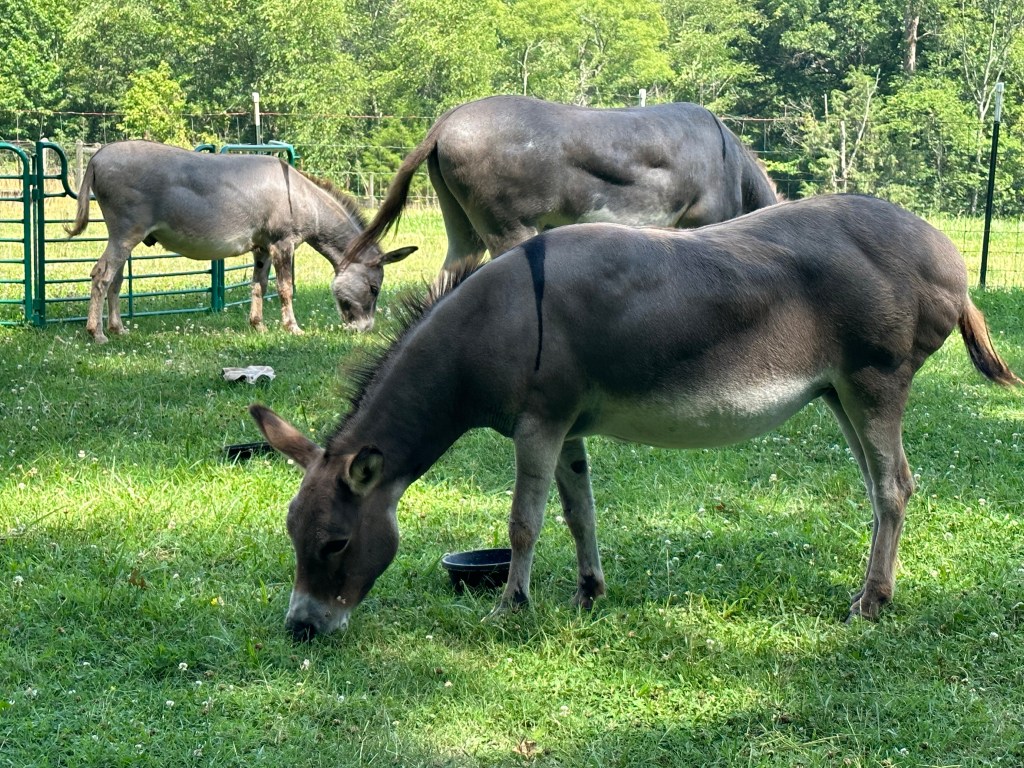
3 Jolly Ball Horse Toy Hung in the Goat Area The Schiele Museum Farm Gastonia, North Carolina Trio of Picnic Tables Anne Springs Close Greenway Dairy Barn Entrance Fort Mill, South Carolina Three Grazing Horses Anne Springs Close Greenway Dairy Barn Entrance Fort Mill, South Carolina A Trio of Donkeys Anne Springs Close Greenway Dairy Barn Entrance Fort Mill, South Carolina
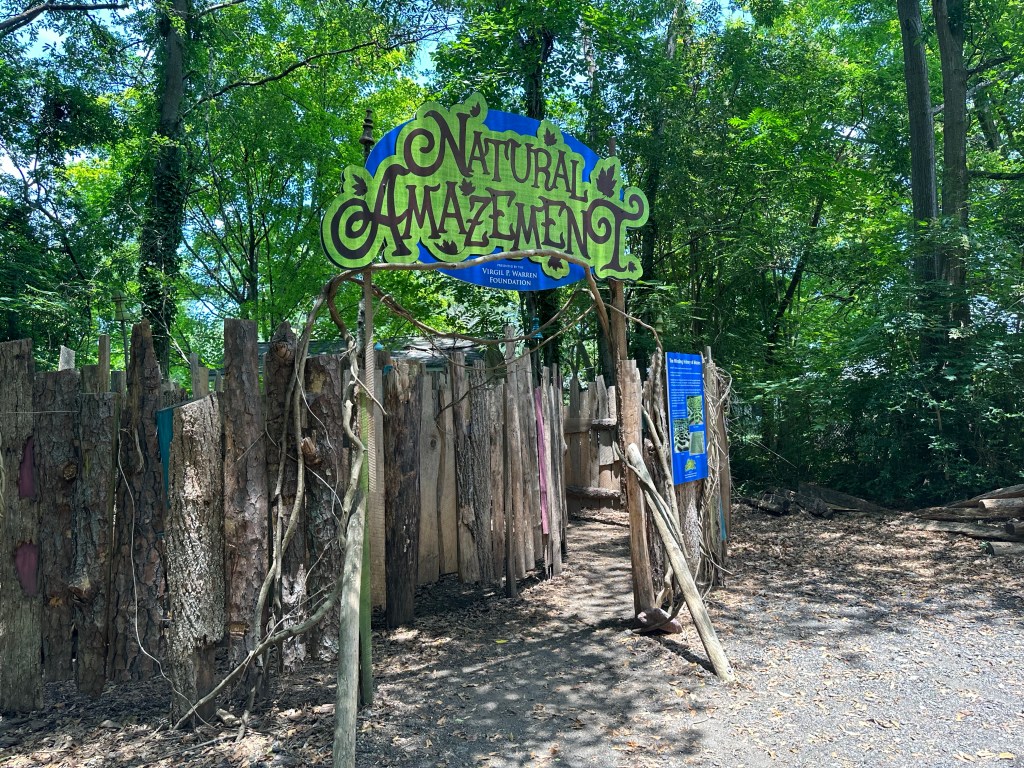
Location: Natural Amazement, The Schiele Museum of Natural History’s Nature Trail, The Schiele Museum of Natural History and Planetarium, Gastonia, North Carolina
God Bless. Thank you for visiting the Natural Amazement with Coleman and myself. I appreciate y’all.
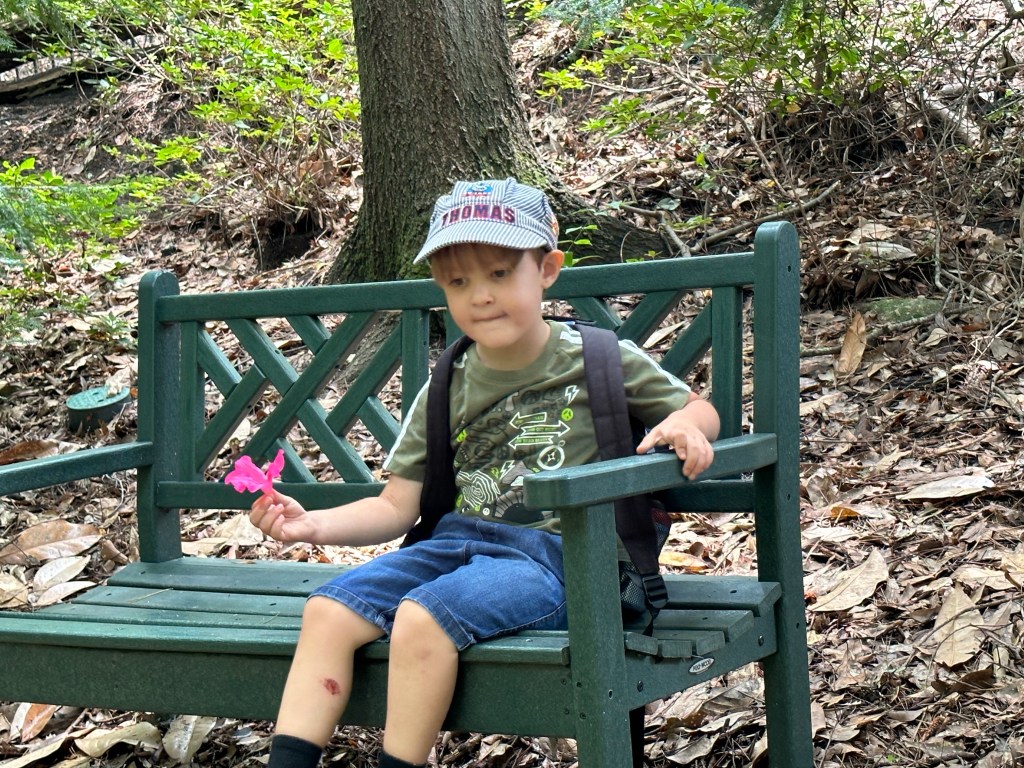
My grandson and I spotted these spectacular flowers near the entrance to the Nature Trail at The Schiele Museum of Natural History and Planetarium located in Gastonia, North Carolina when we went there to go hiking this past week.
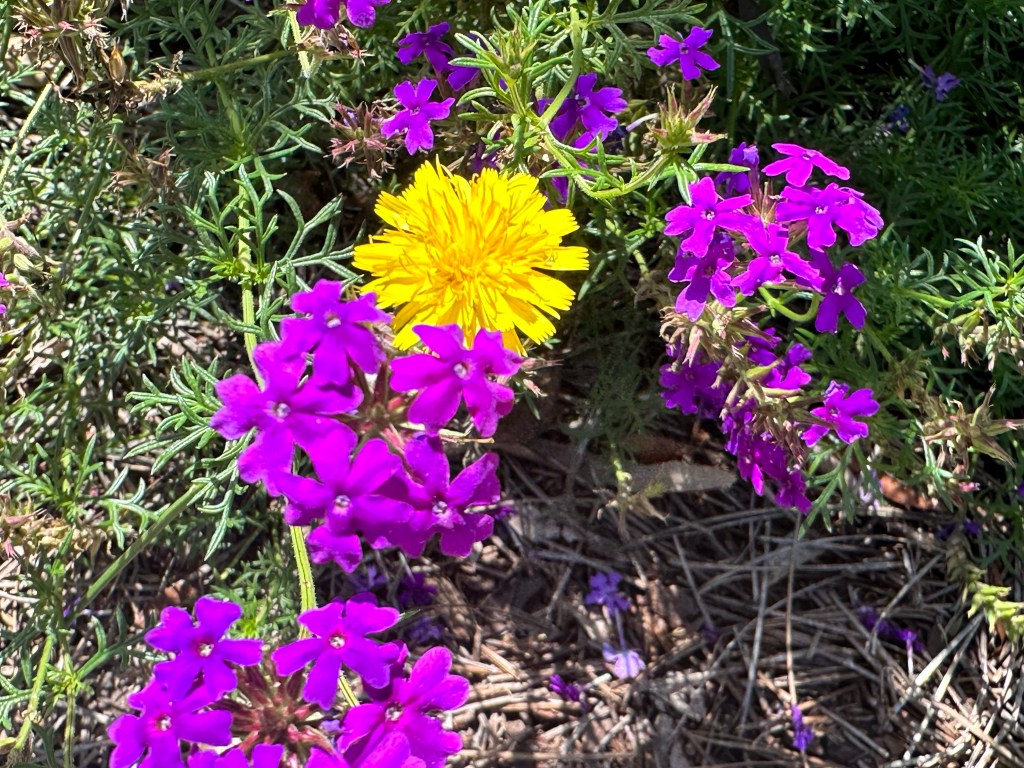
Slender Vervain is a perennial that spreads by rhizomes and is native to South America. Is an annual north of zone 7 but needs winter protection in that zone. It has naturalized from southeastern North Carolina to Florida and is very tolerant of heat and drought.
These Verbena rigida are in the garden in front of The Schiele Museum of Natural History and Planetarium in Gastonia, North Carolina.