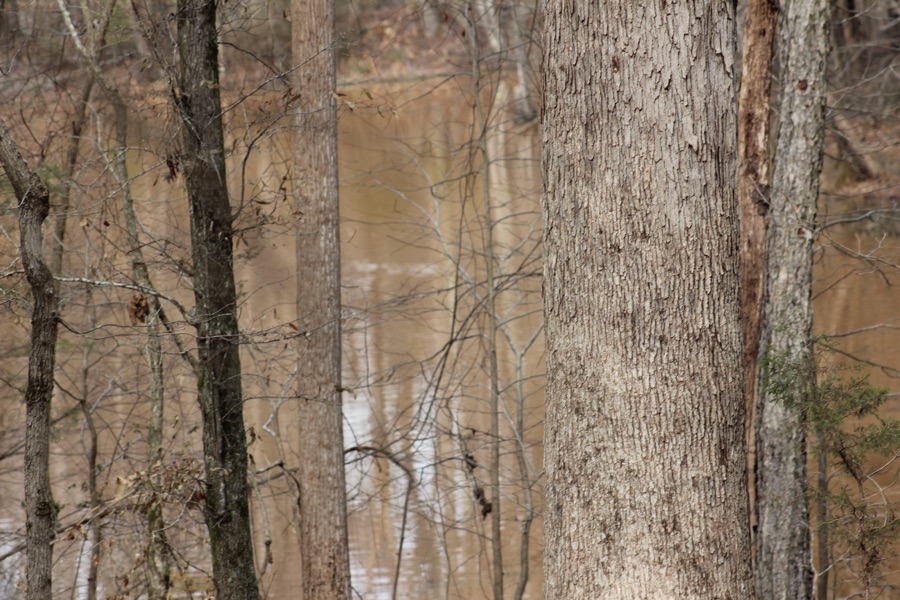
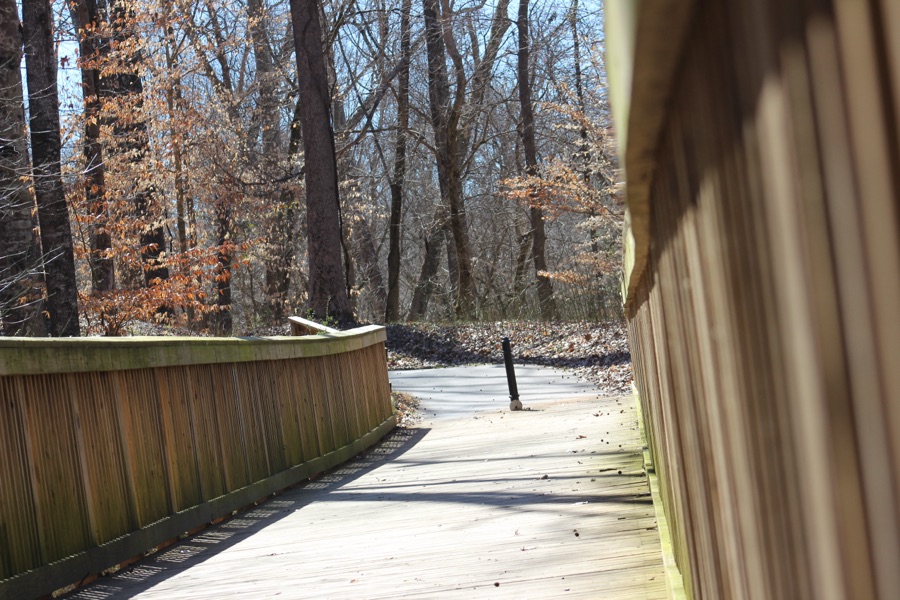
This week Terri, host of Sunday Stills is offering the challenge prompt of Monthly Colour Challenge in Any Shade of Brown and/or Gray. I’ve scoured through my photos for shades of Brown, I have discovered many of them are from This Trail, That Trail & Trails Over There.
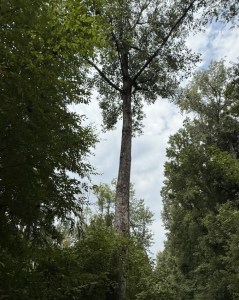
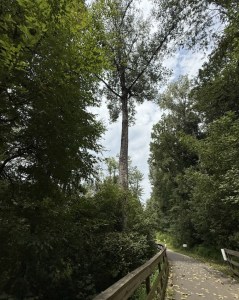
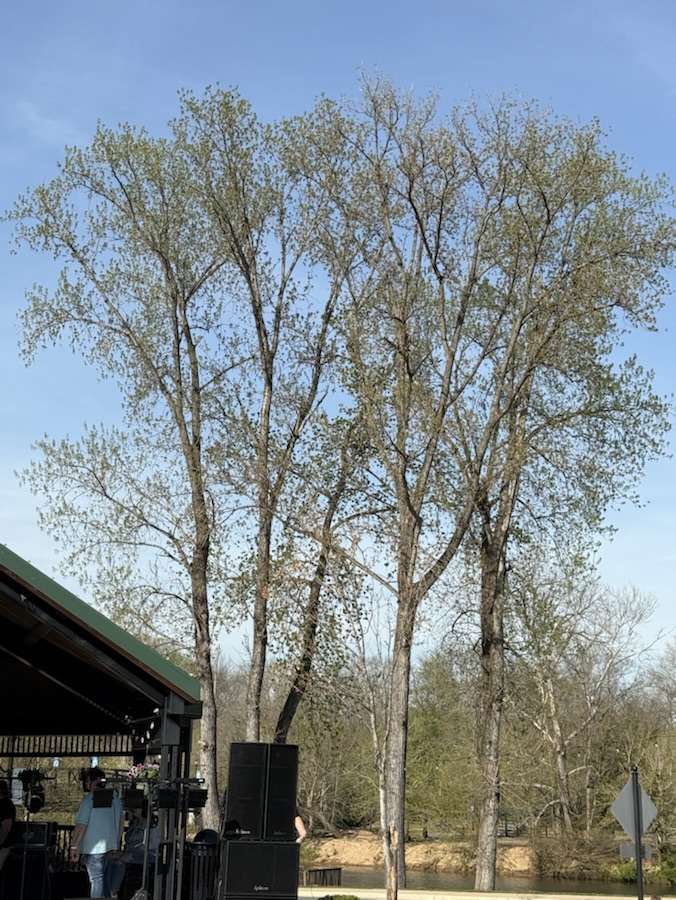
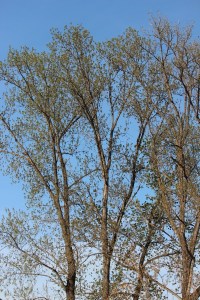
As scene on our hike at Goat Island Park and Greenway. The Eastern Cottonwood stood out tall and strong amongst the surrounding trees along the trail.
Aka Necklace Poplar
The Eastern Cottonwood is native throughout the Eastern, Central, and South Western United States of America. It also can be found in the Southern Canadian prairies, the southernmost part of eastern Canada, and northeastern Mexico.
The Populus deltoides (Eastern Cottonwood) is a large tree which grows to 20-30 metres (65-100 feet) in height with a trunk up to 2.8 metres (9 ft 2 in) in diameter. It is one of the largest North American Hardwood trees. Its bark is silvery-white, smooth or lightly fissured when young, becoming dark gray and deeply fissured on old trees.
What stands out when you are out walking about in your area?
Location: Catawba River Link Greenway Trail; Goat Island Park and Greenway; Cramerton, North Carolina, USA
God Bless. Enjoy the Outdoors. Have a rest under a shade tree. Thank you for visiting and sharing your time and thoughts with us. I appreciate y’all very much.
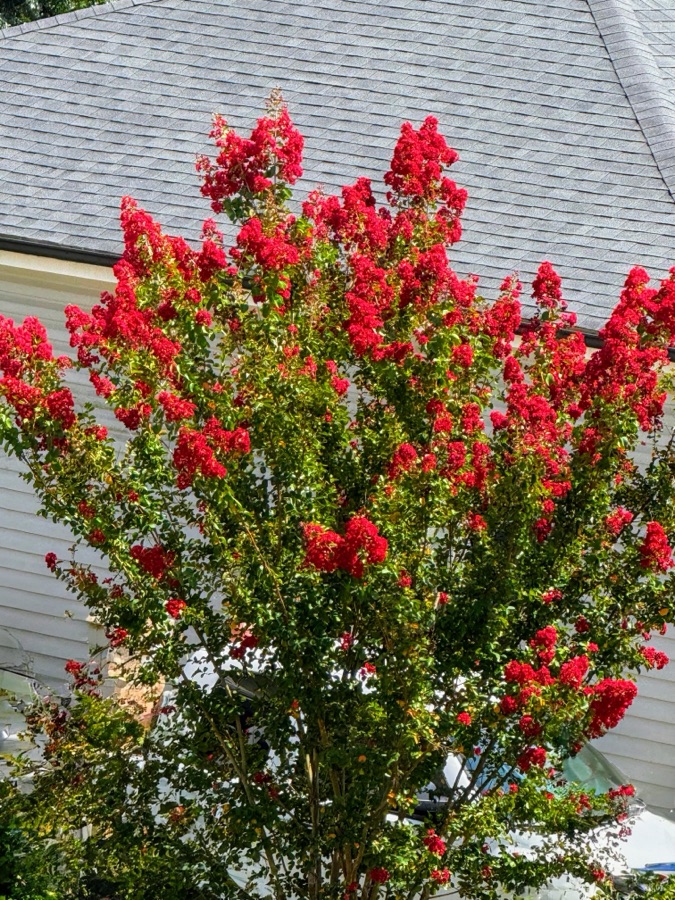
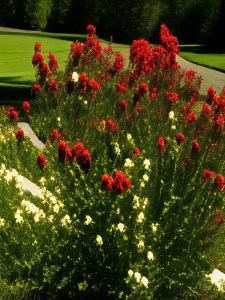
The Lagerstroemia Indica “Whit II” is noted for its true red blossoms. It is a splendid, upright, deciduous tree with a profusion of large clusters, packed with crinkly , cherry red flowers at its branch tips.
The Dynamite Crape Myrtle is a long blooming summer flowering tree. [The one pictured here began blooming near the end of July across the street from us.] It will bloom through early autumn.
Google AI version
The Lagerstroemia Indica “Whit II” – Dynamite Crape Myrtle is an attractive ornamental shrub or small tree with smooth, peeling bark. The fiery red summer flowers with gradually change to vibrant orange-red fall foliage. Even after the leaves drop, the display is not over. Smooth but mottled bark showcases an attractive range of tan, gray, and brown which covers the trunk and branches of the Dynamite Crape Myrtle.
Location: Old Town; Riverside Community; Cramerton, North Carolina, USA
God Bless. Enjoy the Outdoors. Have a rest under a shade tree. Thank you for visiting and sharing your time and thoughts with us. I appreciate y’all very much.
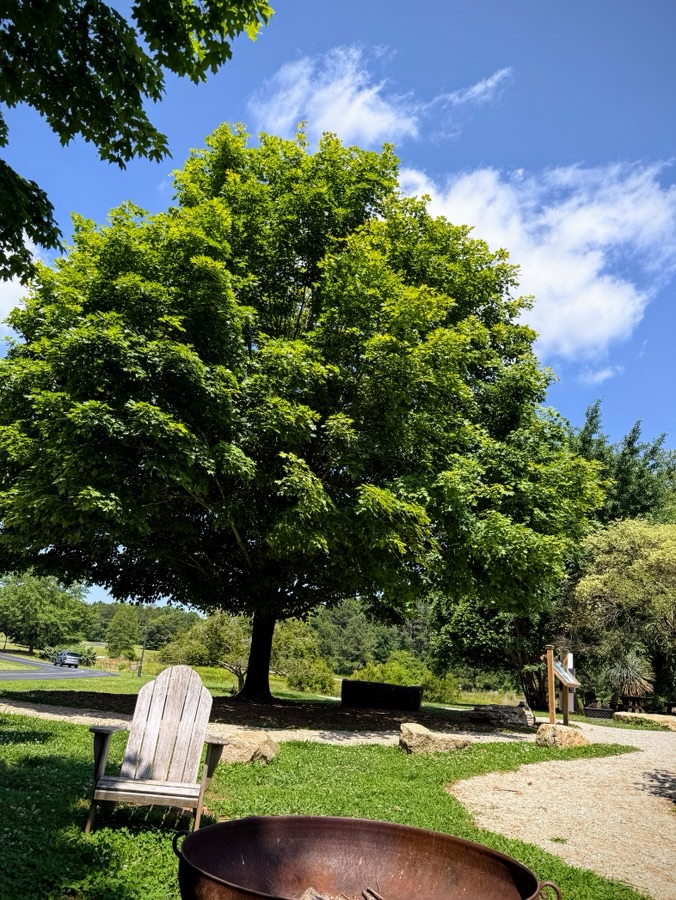
The Northern Sugar Maple is a deciduous tree in the soapberry family (Sapindaceae) native to Eastern and central North America from Canada south through the Appalachian Mountains to Georgia and west to Minnesota to northeast Texas.
Aka Hard Maple
Here in North Carolina, it is found in the mountains and sporadically in the Piedmont region. Northern Sugar Maple trees may reach around fifty (50) to one hundred twenty (120) feet tall with a dense, spreading crown that provides heavy shade and grows slowly to medium, although it may grow faster in open areas. It tends to grow best in moist, well-drained, slightly acidic, fertile soil in full sun, but it tolerates average well-drained soils in sun to part shade.
Aka Northern Sugar Maple
This particular tree is located on the grounds of The Trailhead Store, a property of Daniel Stowe Conservancy. It provides shade for visitors to enjoy a respite from the hot sun and humid heat of a sunny summer day.
Location: The Trailhead Store; Daniel Stowe Conservancy; Belmont, North Carolina, USA
God Bless. Enjoy the Outdoors. Have a rest under a shade tree. Thank you for visiting and sharing your time and thoughts with us. I appreciate y’all very much.
The Juglans nigra, Eastern American Black Walnut is a species of deciduous tree in the Walnut family, Juglandaceae, native to central and eastern North America. Black Walnut trees are used commercially for its rich deep brown colour and is easily worked.
The Walnut seeds (aka nuts) are cultivated for their distinctive and desirable taste. Walnut trees are grown for lumber and food. An interesting note is that in 2017, the United States Department of Agriculture valued U.S. Walnut timber at $530 billion. Also noted that a significant portion is grown in Missouri.
In my youth my church youth group would go camping 🏕️ up in the Sequoia National Forest and sleep in big green military tents amongst the “gentle giants.”
Sequoiadendron gigantism aka Giant Sequoia
Girls would be in one or two small army tents and boys would be in separate tents in a separate area of the camp. Each tent had a capacity of up to 21 people, however, I think we only had about a dozen teenagers plus 1-2 adult chaperones per tent. [Side Note: when I camp I still sleep in tents].
Sequoia sempervirens aka Coast Redwood
It is amazing to walk amongst the Giant Sequoias often referred to as Coastal Redwoods, Coast Redwoods, and “Gentle Giants.” To look up at the sky through the center of a California Pacific Coast Redwood and walk amongst the trees so tall as if reaching up towards the heavens is mesmerizing.
Location: Avenue of the Giants; Humboldt Redwoods State Park; Weott, California, USA
God Bless. Do you have any giant trees in your neck of the woods? Coleman and I love to walk in the woods enjoying nature. Thank you for visiting and sharing your time and thoughts with us. I appreciate y’all very much.
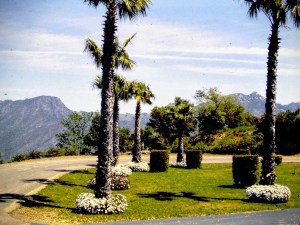
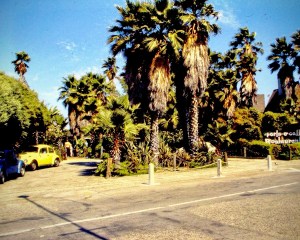
The Mexican Fan Palm is known for its slender, columnar trunk that can reach 100 feet tall and swell slightly at the base. Its trunk is brown and bumpy when young, but smooths and grays over time. It has large, fan-shaped leaves that can grow 3–5 feet wide and have sharp spines at the base.
Washingtonia robustais one of two species in the genus Washingtonia. The other species closely related to it is the Washingtonia filifera (California Fan Palm). Both Washingtonia are grown as ornamental trees. The Mexican Washingtonia has a narrower trunk (which is typically somewhat wider at the base), and grows slightly faster and taller; it is also somewhat less cold hardy than the California fan palm, hardy to about −8 °C (18 °F).
Aka the Mexican fan palm, Mexican washingtonia, or skyduster
The Mexican Fan Palm is normally grown in the desert areas of the Southwestern United States. Those areas include California, Arizona, and southern Nevada, as well as the extreme southwestern regions of Utah and Texas.
Both of the above locations for the Washingtonia robusta are located inland a short distance area from the Coast of the Pacific Ocean. The images were taken in Spring and Summer of 1979 by my father when we visited these places.
Location: 1) Hearst Castle; San Simeon, California; 2) Ports O’ Call Village; San Pedro, California, USA
God Bless. Have a marvelous week. Explore Your World. Enjoy Nature. Thank you for visiting and sharing your time and thoughts with us. I appreciate y’all very much.
1linerWeds (Badge by Laura @riddlefromthemiddle.com)
“For in the true nature of things, if we rightly consider, every green tree is far more glorious than if it were made of gold and silver.” — Martin Luther King Jr.
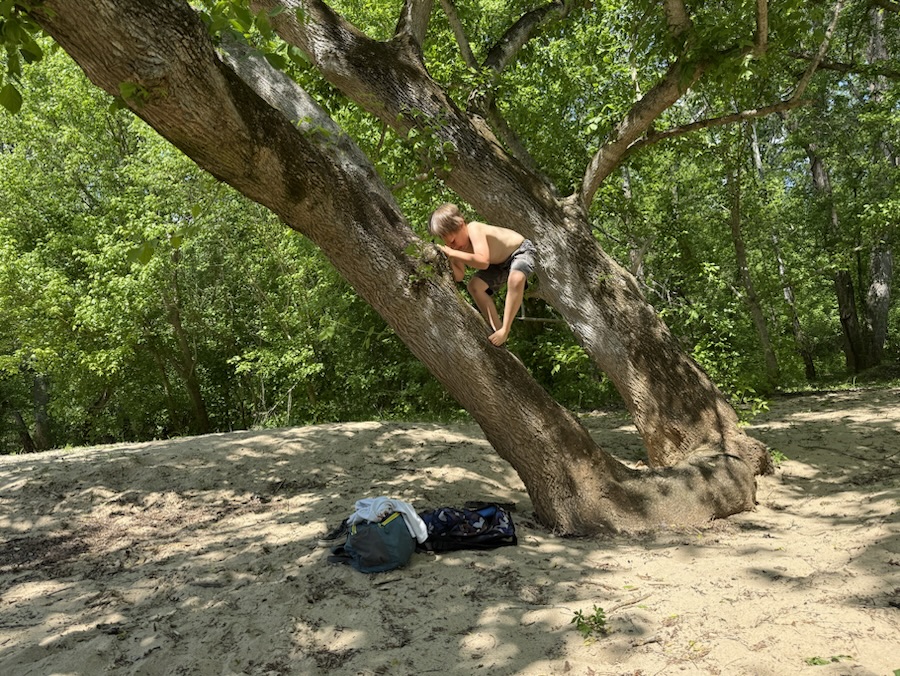
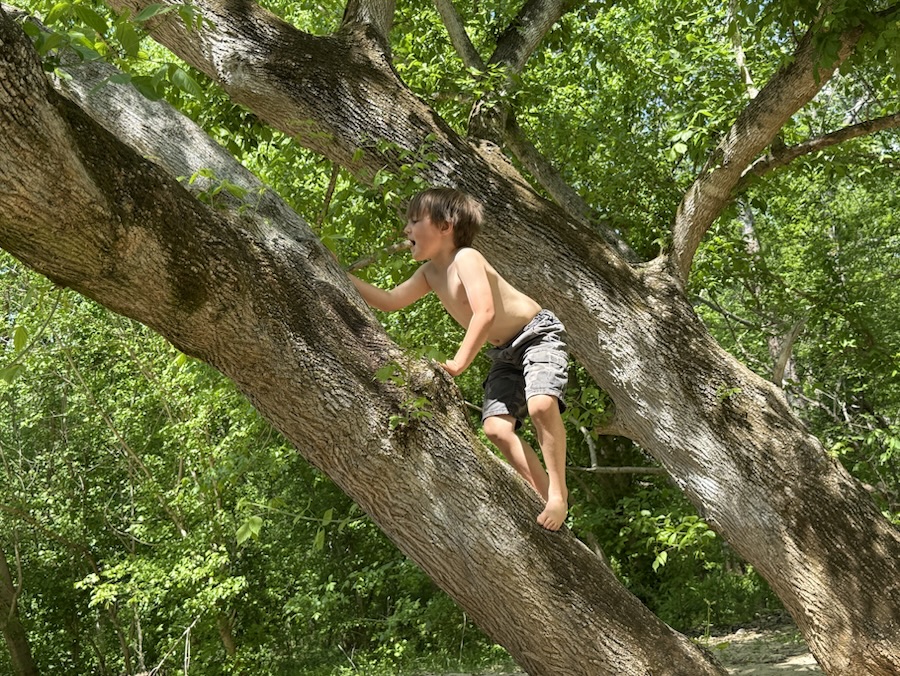
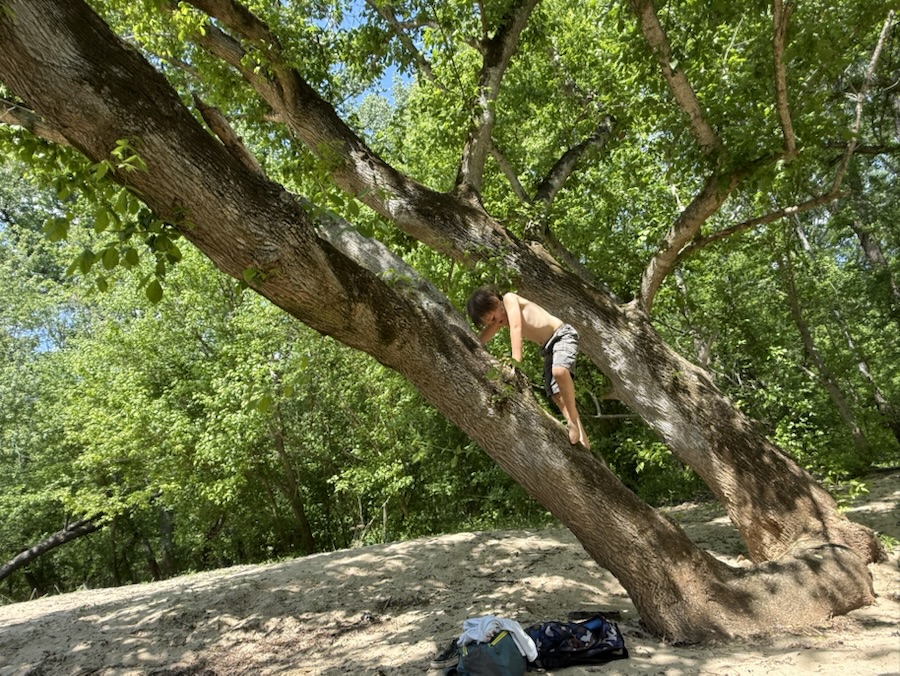
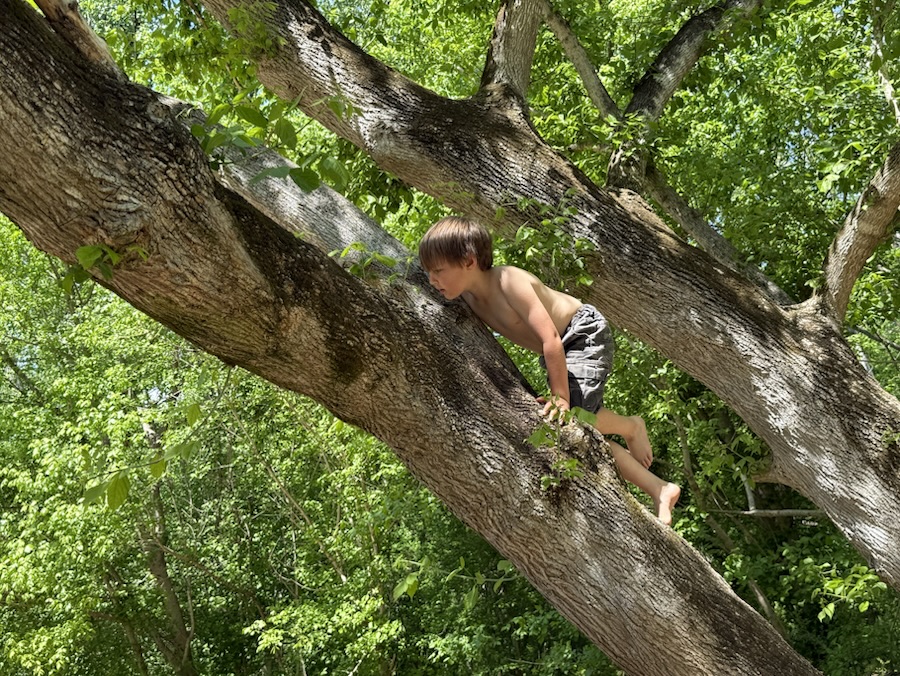
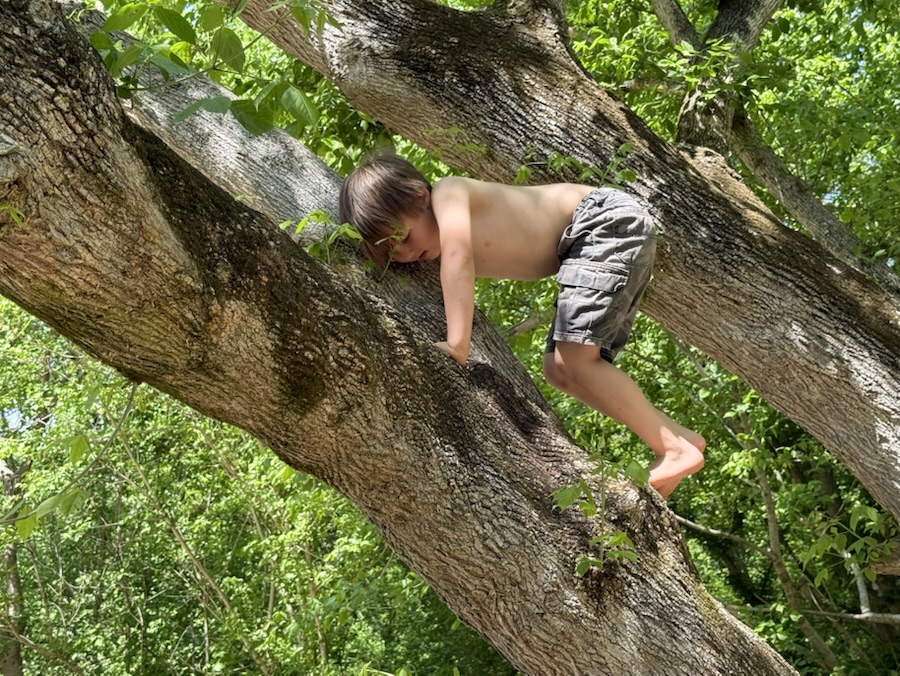
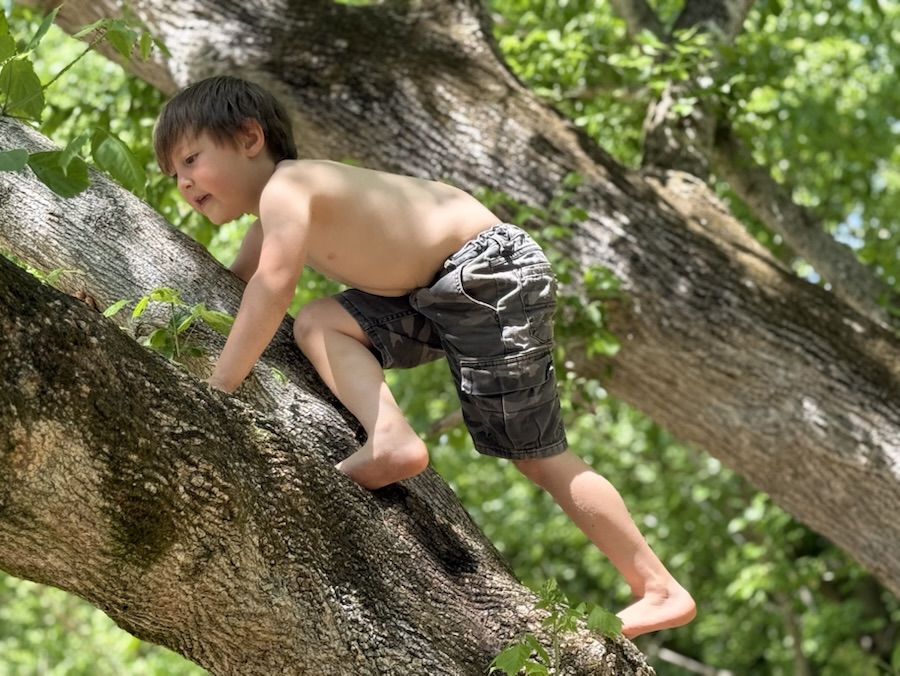
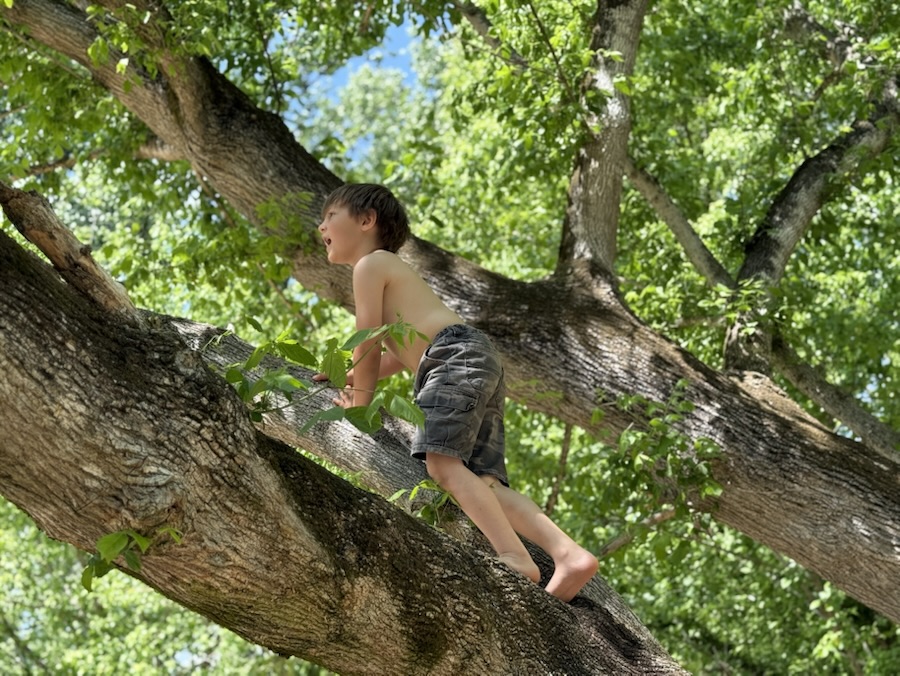
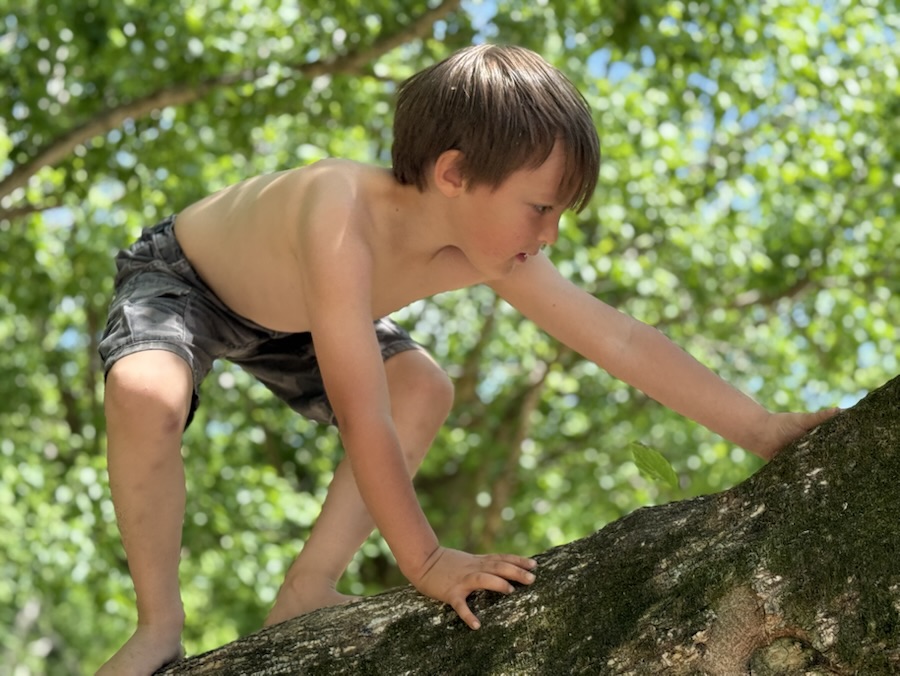
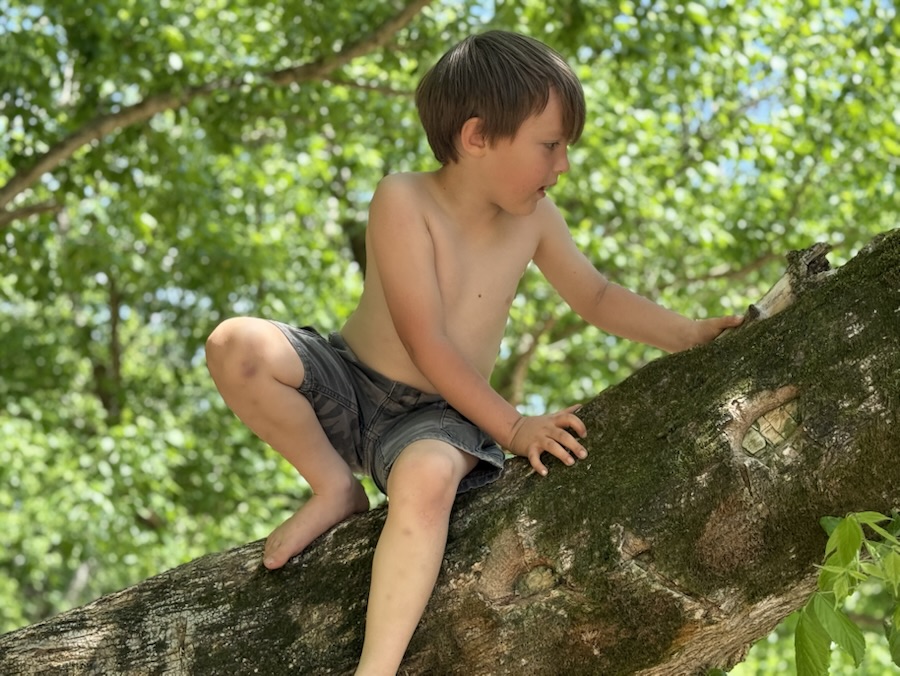
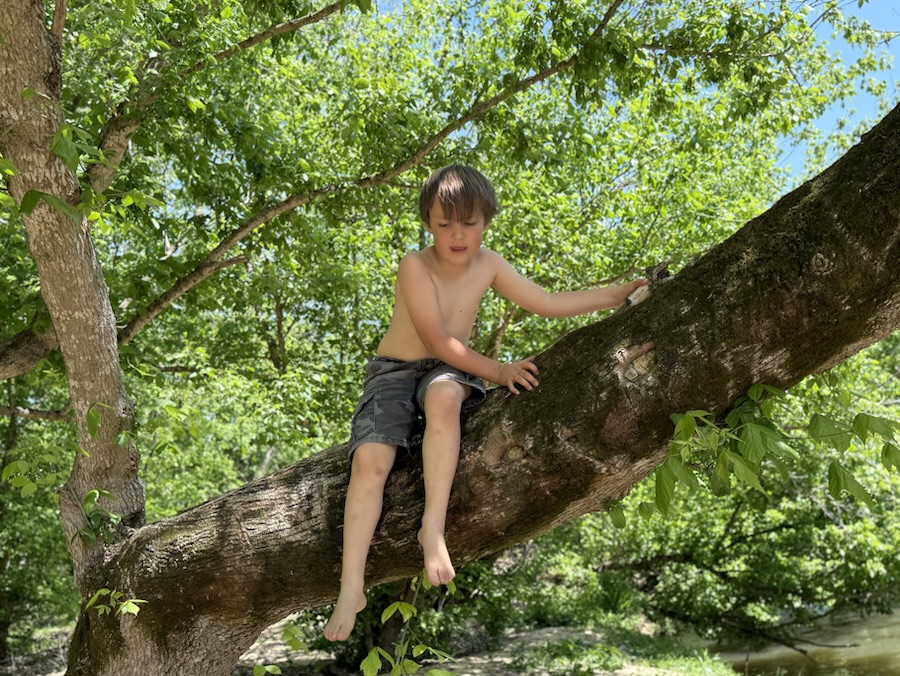
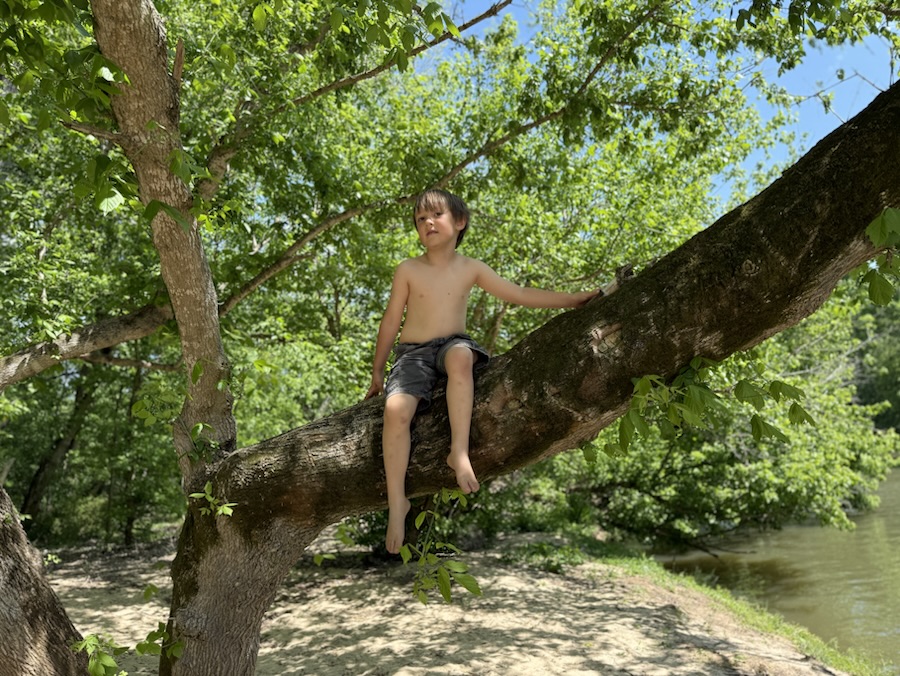
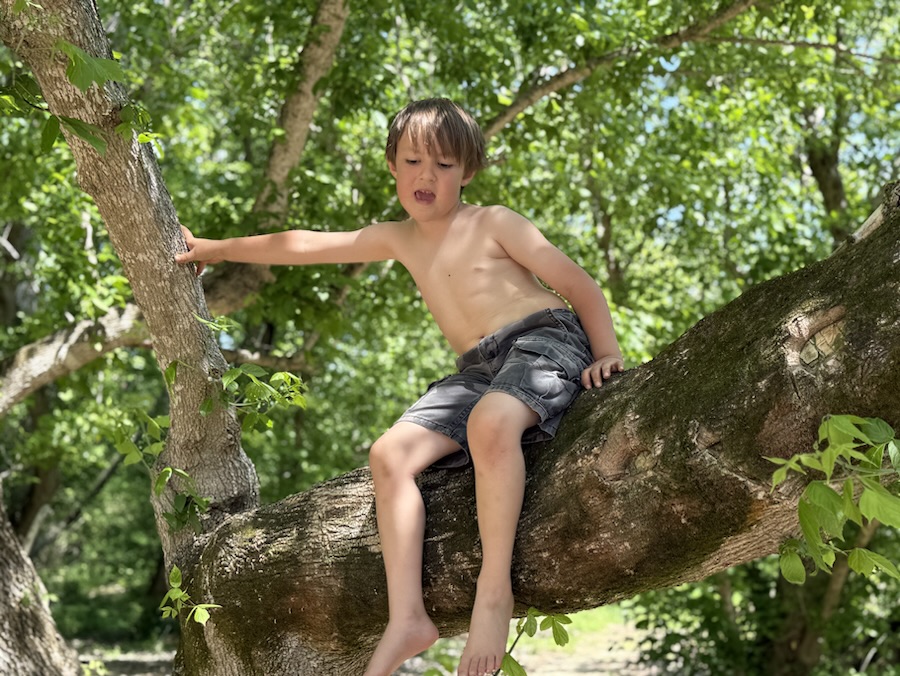
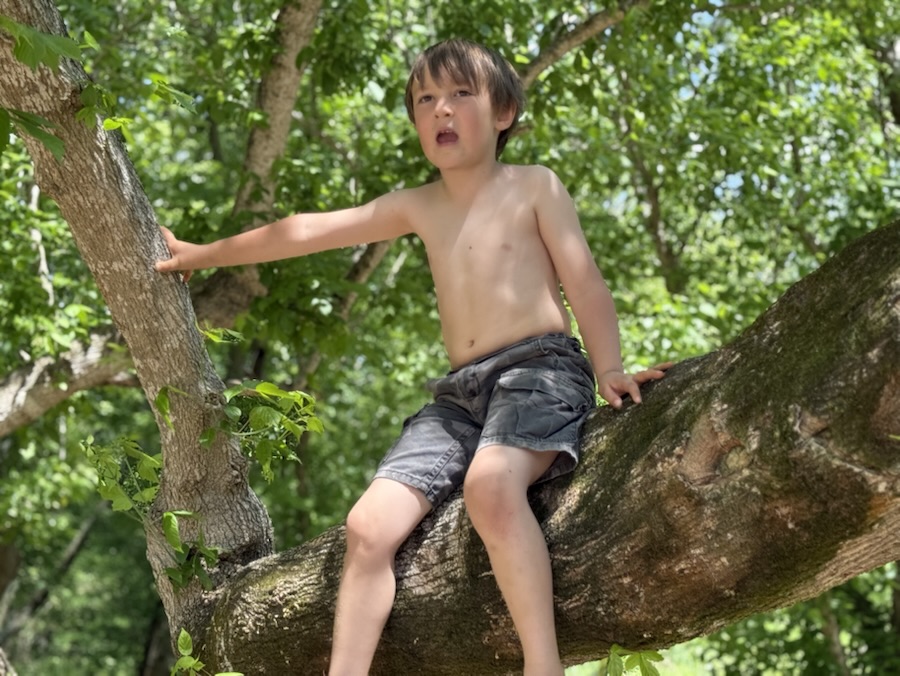
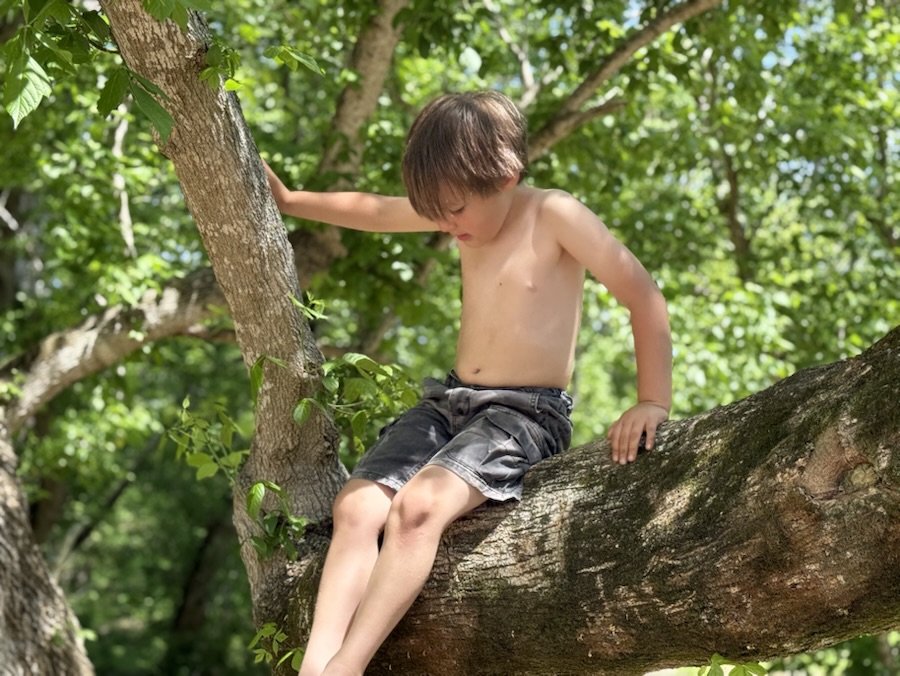
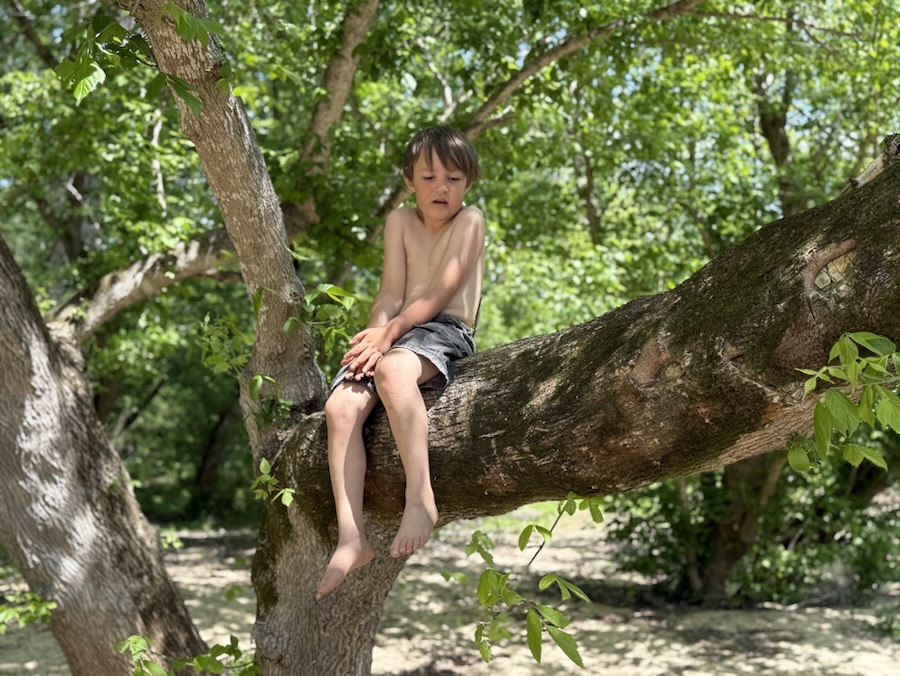
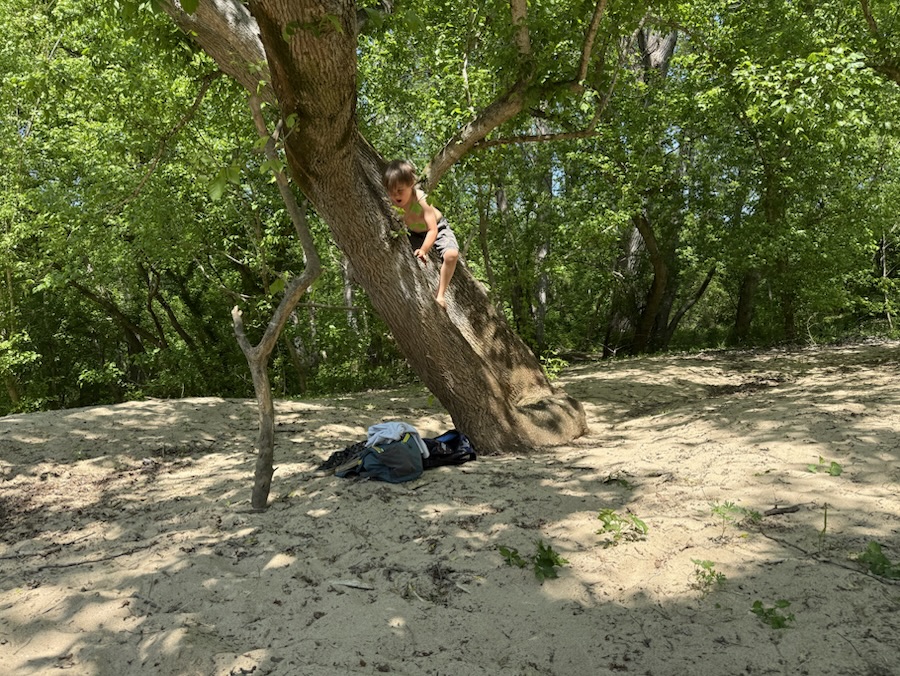
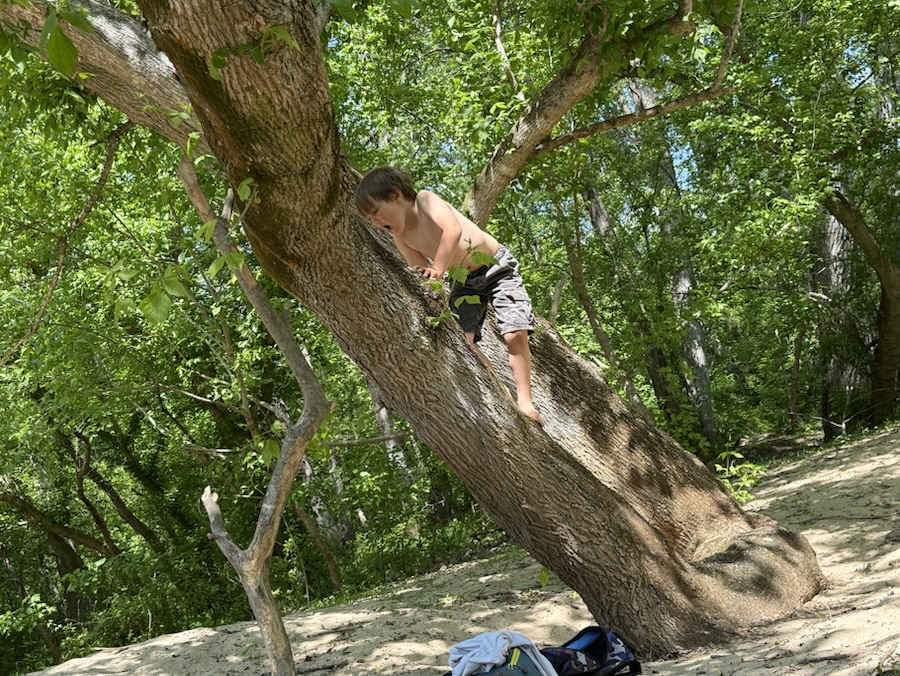
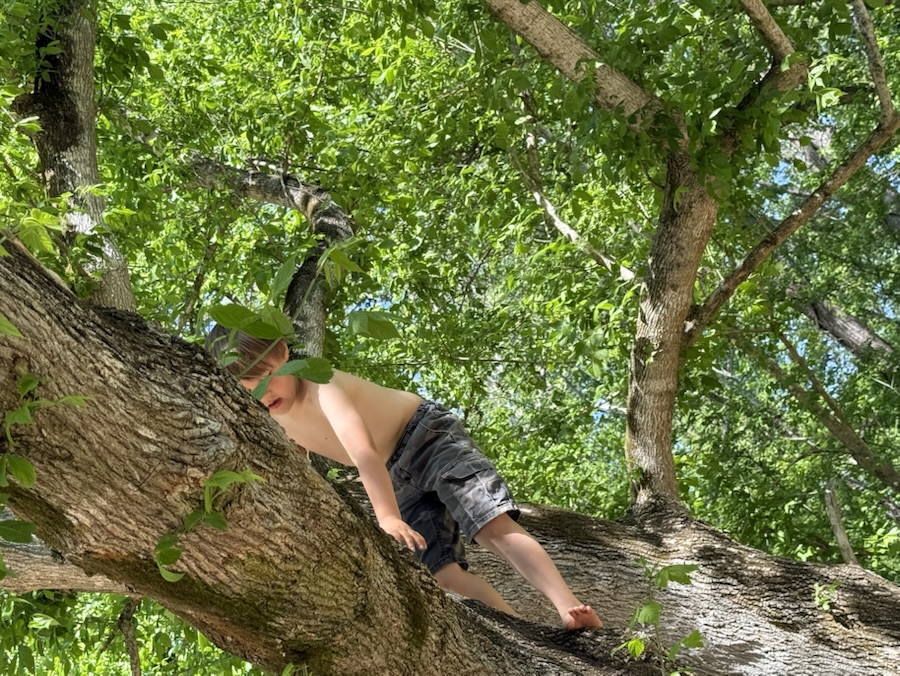
Coleman loves to play in the sand by the river. He’ll also climb anything he sees worthy of his climbing capabilities. Yesterday, his climbing took him up an American Hornbeam (Carpinus caroliniana) tree toPull Up a Seat.
The ascending progression …
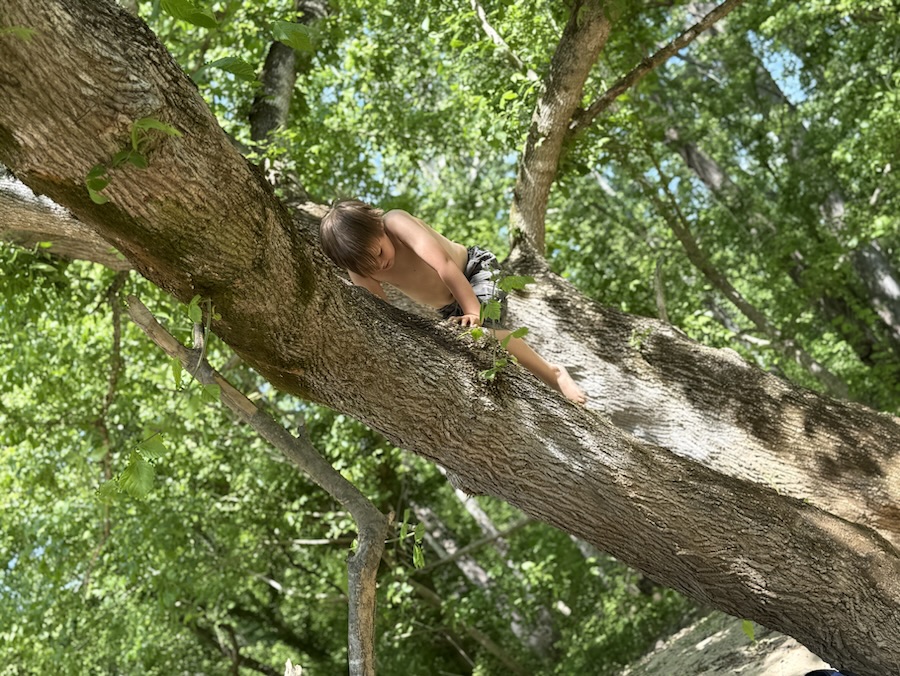
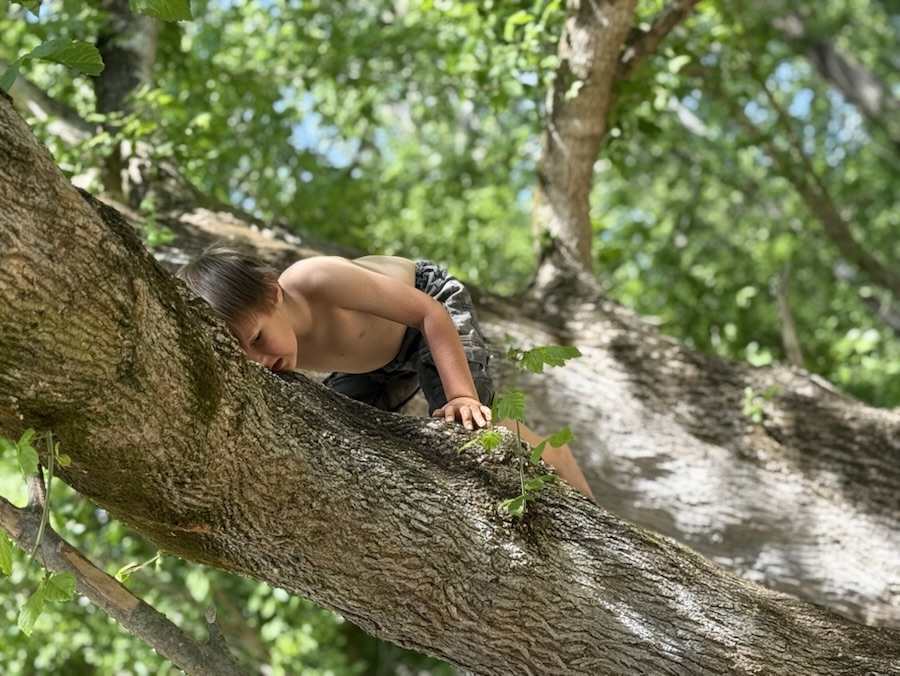
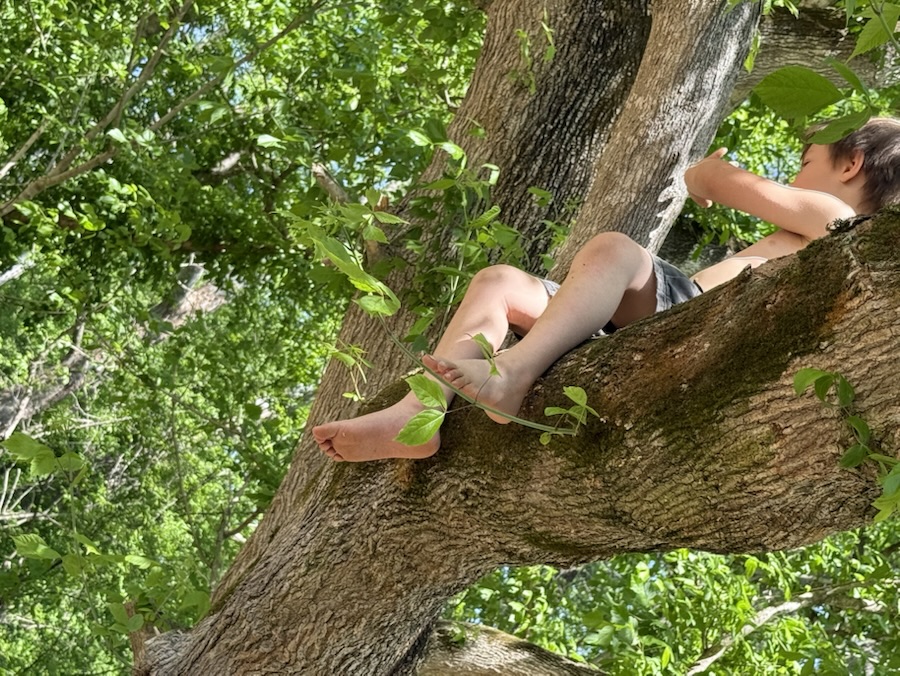
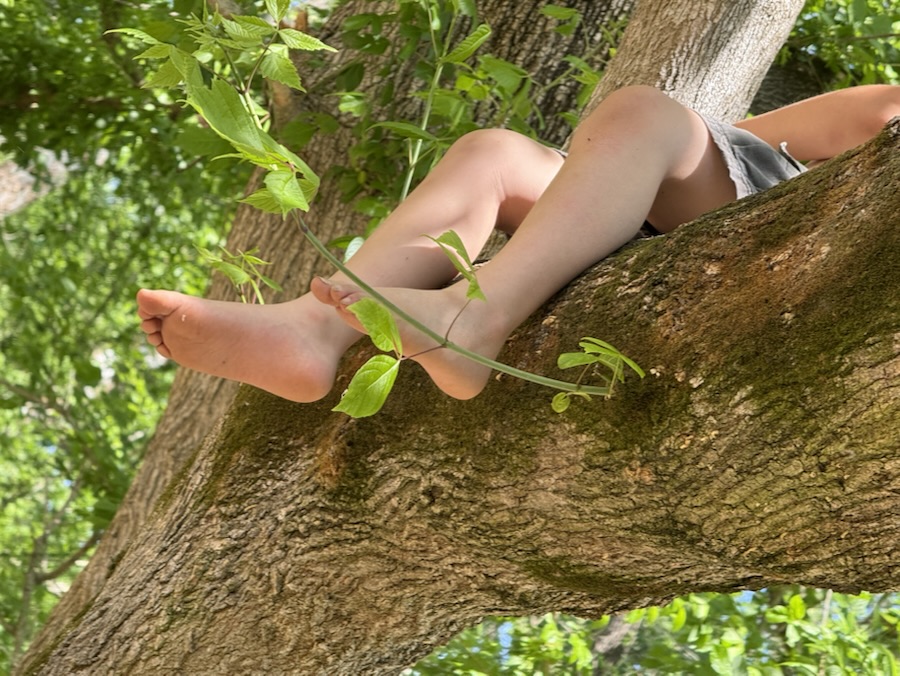
The Sitting Adjustment:
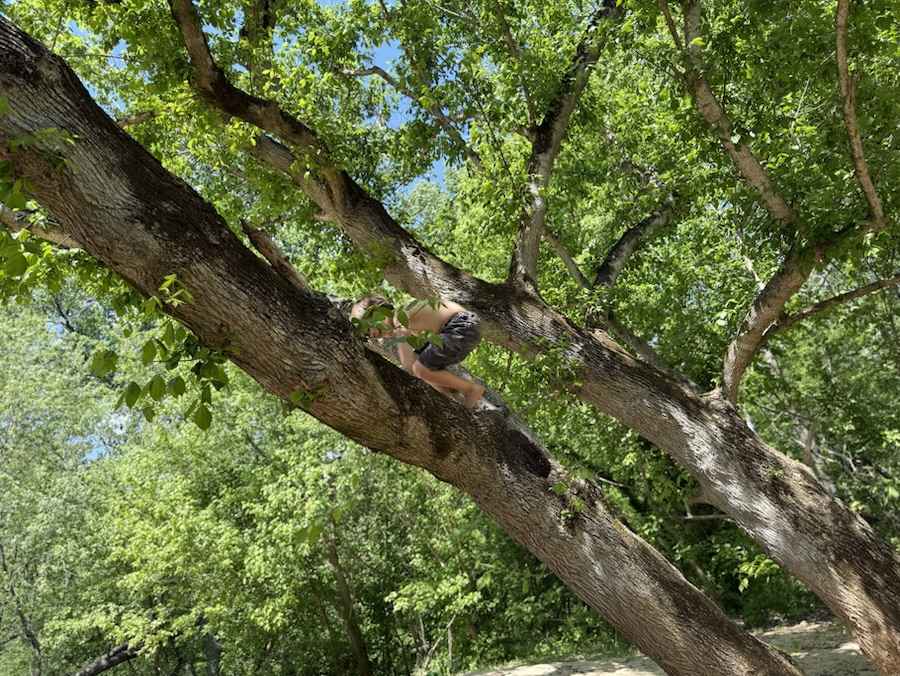
And Back Up a Tree again to perch on a limb …
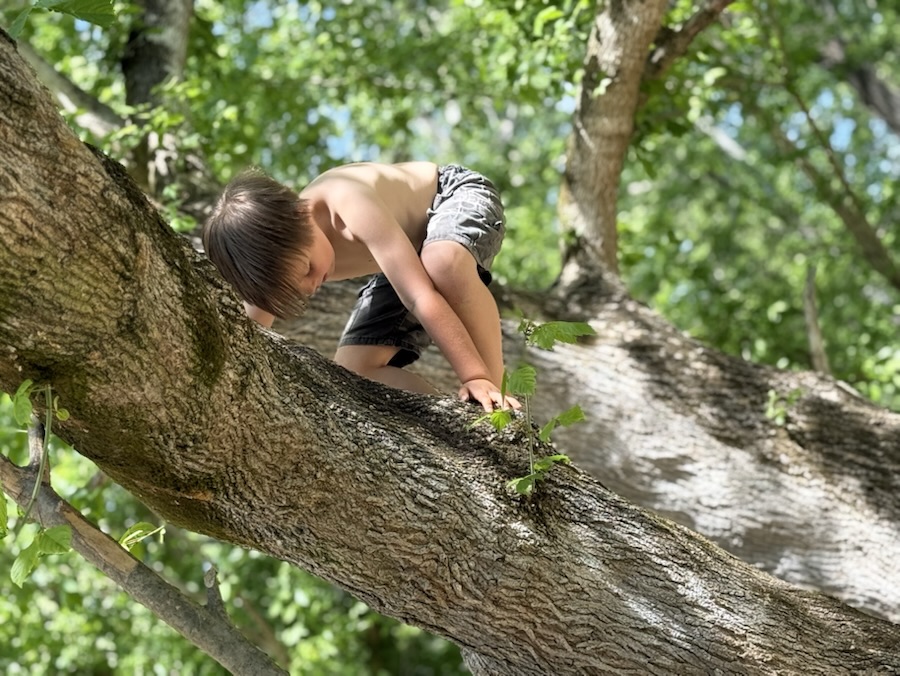
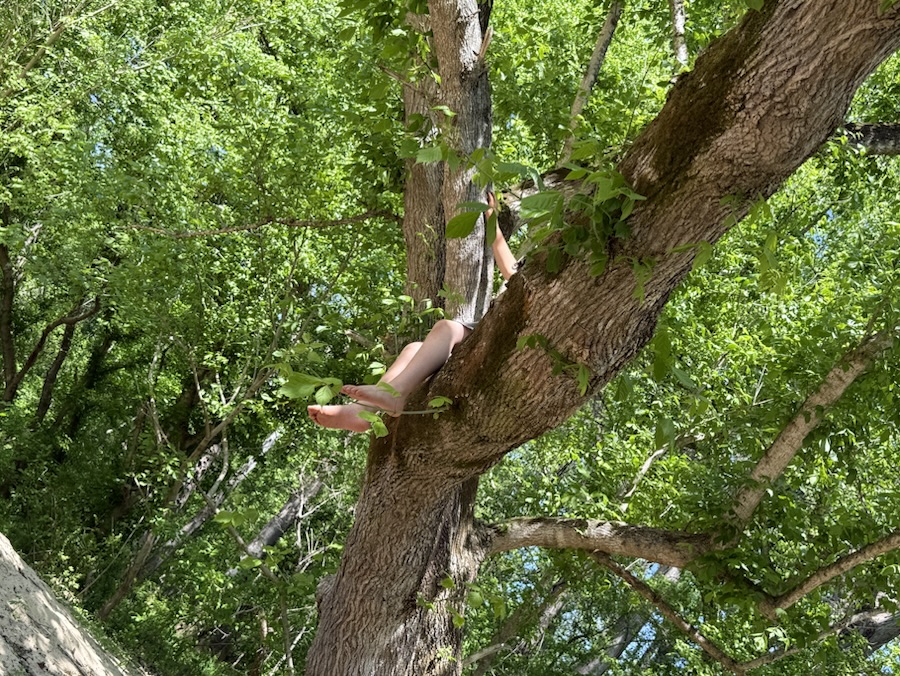
Where did Coleman disappear? … See his legs dangling up so high like a monkey in a tree?
Location: By the South Fork Catawba River; Riverside Park and Greenway; Cramerton, North Carolina, USA
God Bless. Do or did you like to climb trees like Coleman does? Where is your favourite place to Pull Up a Seat? Thank you for visiting and sharing your time and thoughts with us. I appreciate y’all very much.












 Gfpacificbee’s Insights & photography