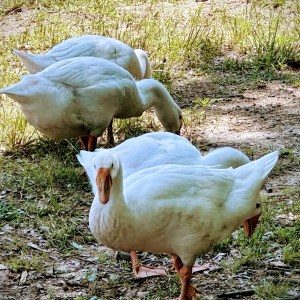
Embden (Emden) Geese are a German breed of domestic geese recognized primarily for their pure white plumage and striking bright blue eyes. ( I know it’s hard to see their blue eyes from the picture, but they are blue) The Embden is one of the oldest and most popular breeds around the world.
These Embden Geese reside at the Crandall Bowles Children’s Farm at the Anne Springs Close Greenway. Children of all ages are welcome to come visit them, but trying to pet them or pick them up is not recommended. Feed for them can be purchased at an extra cost to the entrance fee.
Camera: Canon EOS 2000D ( Rebel T7) with Canon EF-S55-250mm lens and Altura UV Filter attachment.
Settings: f/5.6 • 1/100s • 70mm • ISO100
Location: Crandall Bowles Children’s Farm; Greenway Stables and Farm Entrance; Anne Springs Close Greenway; Fort Mill, South Carolina, USA
God Bless. Have a wonderful Christmas holiday week. Merry Christmas! Thank you for visiting and sharing your time and thoughts with us. I appreciate y’all very much.
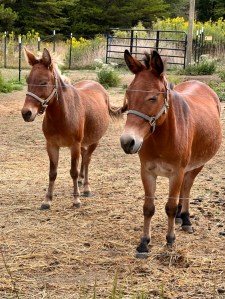
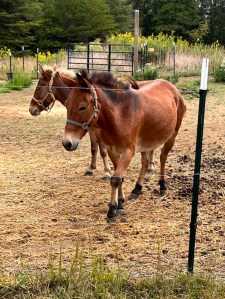
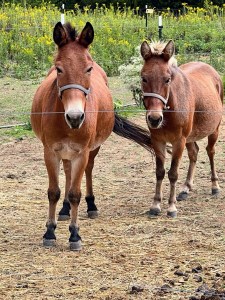
Equus is a genus of mammals that includes Horses, Donkeys, Asses, and Zebras.
These Jackasses were introduced to us by our former landlord. He brought to a portion of his land adjacent to our rental property to raise with the assistance of his daughters.
A Jackass is an adult male donkey, females are called Jenny. Jacks or Jackasses (male donkeys) are often mated with female horses to produce mules. At one time the more common term for the donkey was Ass.
From the 18th century, donkey gradually replacedassand jenny replaced she-ass, which is now considered archaic.
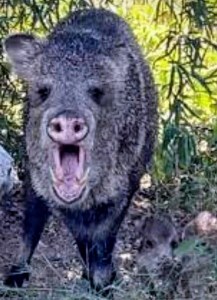
My longtime friend had an unexpected and seemingly unusual visitor around her garbage cans the other night. A visitor she had not witnessed before in her neighbourhood, nor had any of her neighbours.
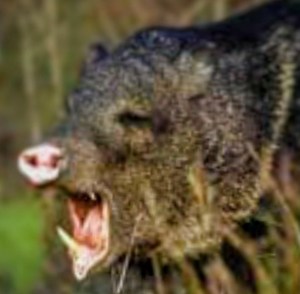
Aka Javelina
What was this unusual visitor you might ask? It was the creature pictured here known by many as the Javelina. In Arizona the Collared Peccaries are known by their Spanish name Javelina. What are Collared Peccaries or Javelinas? You might think they are some type of pig looking at their stout and pig-like bodies, but they are not pigs.
In fact, they are wild, pig-like mammals common in Arizona deserts, woodlands, and grasslands. Javelinas are known for their social behaviour and adaptation to urban environments. Even though they are primarily herbivores, feeding on prickly pear cactus, mesquite beans, and other desert plants, they will also eat insects and are known for raiding garbage cans for easy food access.
Javelina in Arizona neighbourhood
Javelinas have sharp teeth and can be aggressive if they feel threatened. It’s best to keep dogs (pets) away from areas that Javelinas might wander. They can be an enormous nuisance to homeowners due to their attraction to garbage and gardens. Make sure to never feed a Javelina. Javelinas are most active during the twilight hours, specifically between dusk and dawn.
Javelinas can be found in Arizona, New Mexico, Texas, through Mexico and south all the way down to Argentina. Javelina live in desert washes, saguaro and palo verde forests, oak woodlands and grasslands. Houses that are close to washes will likely have javelina in the neighborhood and are a usual sighting in Tucson, Arizona. [My friend lives in Maricopa, Pinal County, Arizona which is located within the Sonoran Desert a short distance south of Phoenix.]
October 4th was World #Animal Day. This year’s theme is “Save Animals, Save the Planet.” The idea behind the theme is to highlight how protecting animal lives supports a healthier, sustainable planet. 2025 marks the 100th Anniversary of World Animal Day.
Many of us (speaking specifically for myself) do not see Safari, exotic, or any non domesticated animal species other than perhaps in one of the many Zoos around the world.
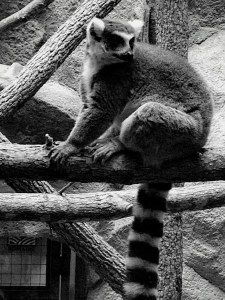
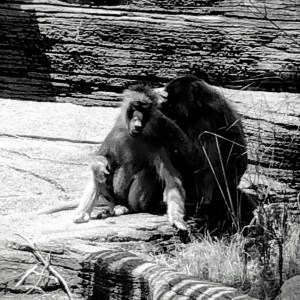
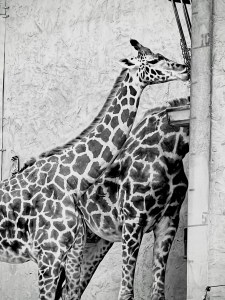
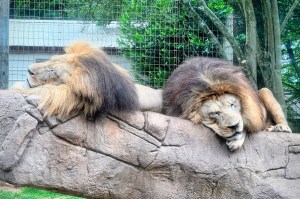
Here are a few photos I have captured of Animals living in a Zoo or Safari Park environment.
Lemur Riverbanks Zoo & Garden Columbia, South Carolina
Baboons Riverbanks Zoo & Garden Columbia, South Carolina
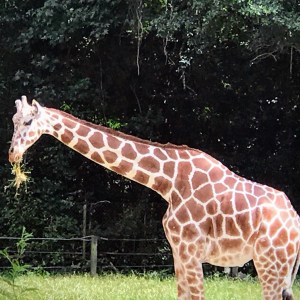
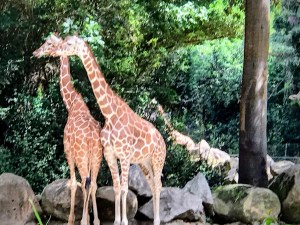
Giraffes Greenville Zoo Greenville, South Carolina
Chuma and Saied (2022) Greenville Zoo Greenville, South Carolina
Sadly, Saied, one of the African Lions who called the Greenville Zoo home since 2010 is no longer amongst us. Saied was a 15-year old African Lion who had a rapid and irreversible worsening of degenerative joint disease and spinal neurological issues. After much discussion, testing, and constant monitoring the Greenville Zoo staff had the hard decision to consult and come to an agreement on what was best for Saied. It was with a heavy heart that the consensus reached was to euthanize Saied and relief him once and for all of his suffering.
It is extremely important for us to recognize the value of the Animals which share our planet. They cannot speak for themselves, so we must speak for them. Each species which exist here on earth have unique ways in which they help to support life.
World #Animal Day is a reminder for us to maintain and continue protecting animals. Without the animals our very existence and survival would be nearly impossible and meaningless. When we protect the animals, we are essentially protecting ourselves.
God Bless. Remember we must protect the Animals to protect and preserve the earth and ourselves. Thank you for visiting and sharing your time and thoughts with us. I appreciate y’all very much.
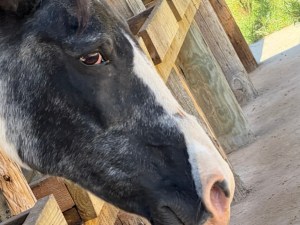
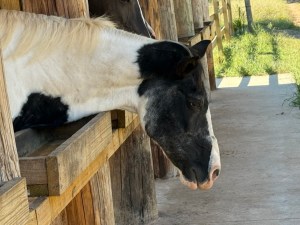
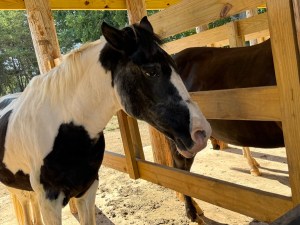
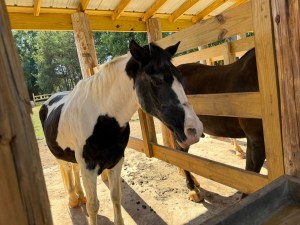
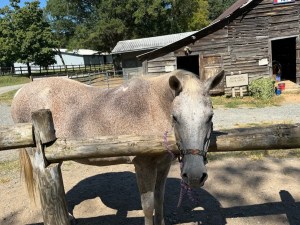
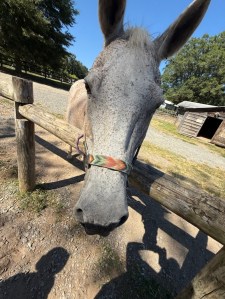
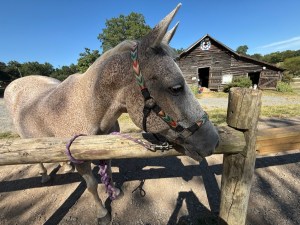
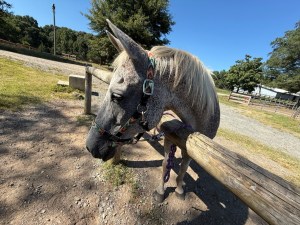
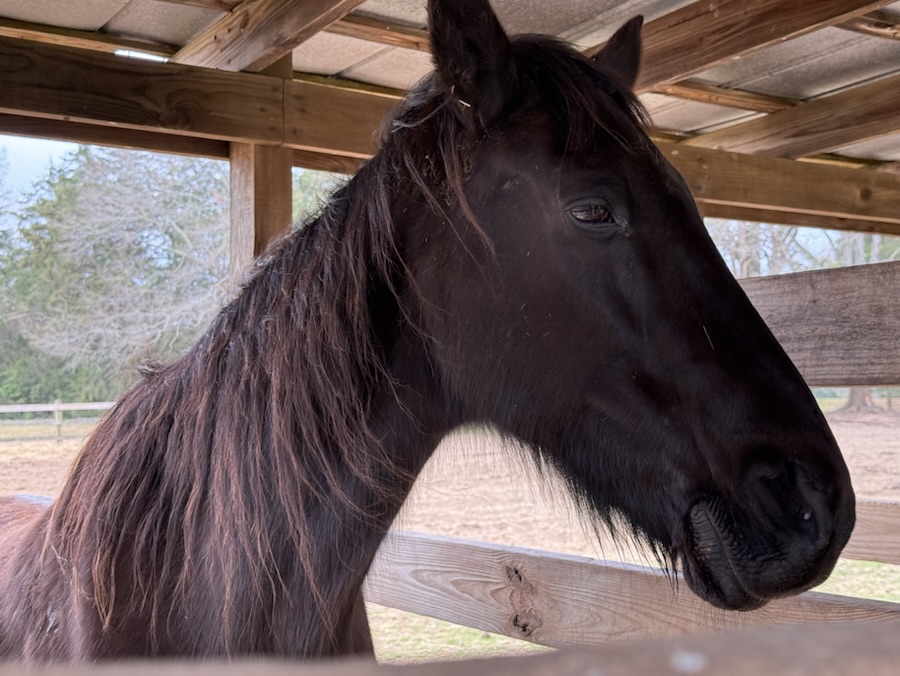
While visiting the horses on an outing to the Greenway, it seemed like this particular horse was posing for us showing us every possible angle.
Watching us walking up
The horse was tethered to the railing across from the Historic Tack Shed waiting patiently for its rider to return.
Checking us out; Giving us a Frontal Headshot
Almost all the horses stabled at the Greenway are privately owned and cared for by their owners. If asked a lot of the owners will allow you to gently pet the horse.
Turns so we can capture the Right Side
I found it fascinating how the horse would first turn one way and then another as if showing off all of its beautiful features.
Location: By the Historic Tack Shed waiting; Greenway Farm and Stables Entrance; Anne Springs Close Greenway; Fort Mill, South Carolina, USA
God Bless. Have a terrific week. Enjoy the outdoors. Admire Nature’s beauty. Thank you for visiting and sharing your time and thoughts with us. I appreciate y’all very much.
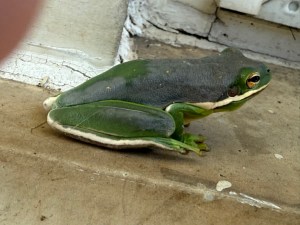
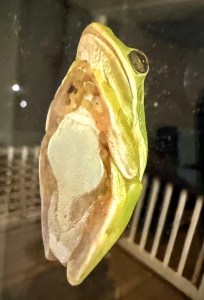
This American Green Tree Frog paid us a visit and chose to hang around for a while. It was to our surprise when we opened the front door and saw him looking at us looking at him. To him, it was the most natural thing in the world for him to hang around on our front storm door.
Dryophytes cinereus aka American green tree frog
The American Green Tree Frog is a common adaptable amphibian found in the Southeastern United States. [We had previously seen them in our yard blended in with the grass, but not usually hanging on our front door.] They are known for their bright green colour, large toe pads, and ability to change color based on temperature and activity.
The American Green Tree Frogs are often found near water sources like ponds, lakes, and marshes. [I know we live near a river and frogs are quite frequently spotted in the area, but on our door was unexpected.] They play a role in controlling insect populations. [This is always a good thing.]
These frogs eat small insects and other invertebrates like crickets, moths and flies. They can often be found clinging to windows or walls, trying to feed on insects that are attracted to light. [We learn something new everyday. Now we now that it is normal behavior for the Green Tree Frog to cling onto our storm door especially since it is a glass door.]
Location: Our Home; Old Town; Riverside Community; Cramerton, North Carolina, USA
God Bless. Be kind. Love your Neighbour (even strange ones). Thank you for visiting and sharing your time and thoughts with us. I appreciate y’all very much.
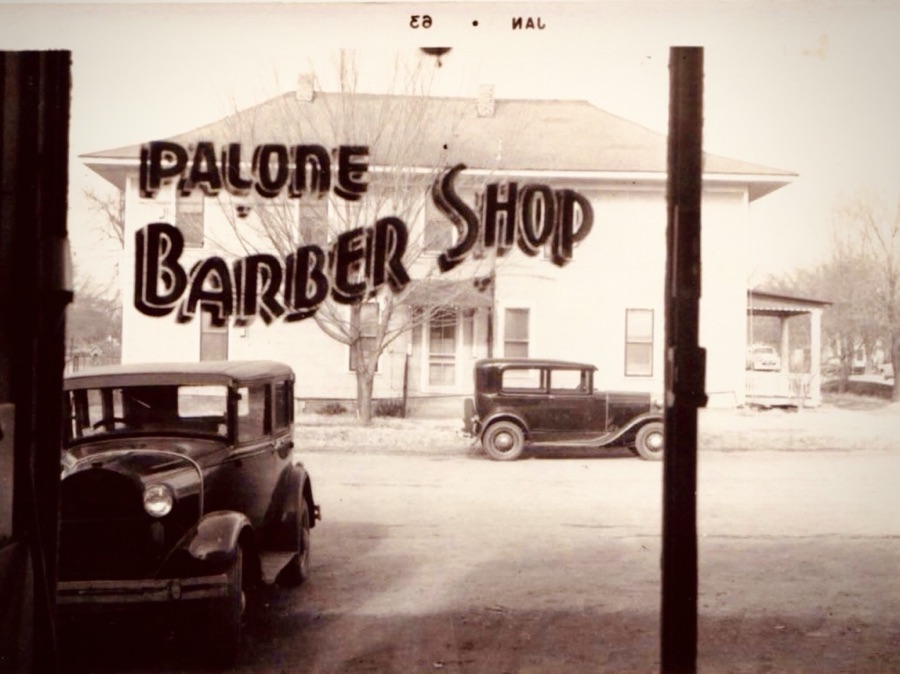
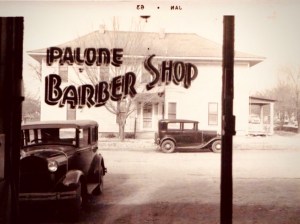
Who was Robert Palone and Why is the Palone Barber Shop in a Museum? Those are two excellent questions. Let me begin by telling you about the Palone Barber Shop in relation to Robert Palone.
Robert Palone owned a Barber Shop where he was a renowned barber for nearly sixty (60) years. [That’s a long time to successfully run a business and work in a field.] He was admired and respected by his customers and his community. Prior to owning and operating a barber shop, Robert served in the United States Navy during World War II and the Korean War.
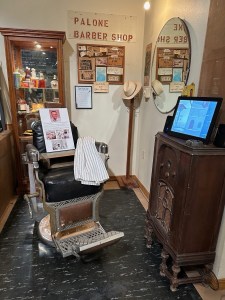
Nowata Museum Delaware, Oklahoma
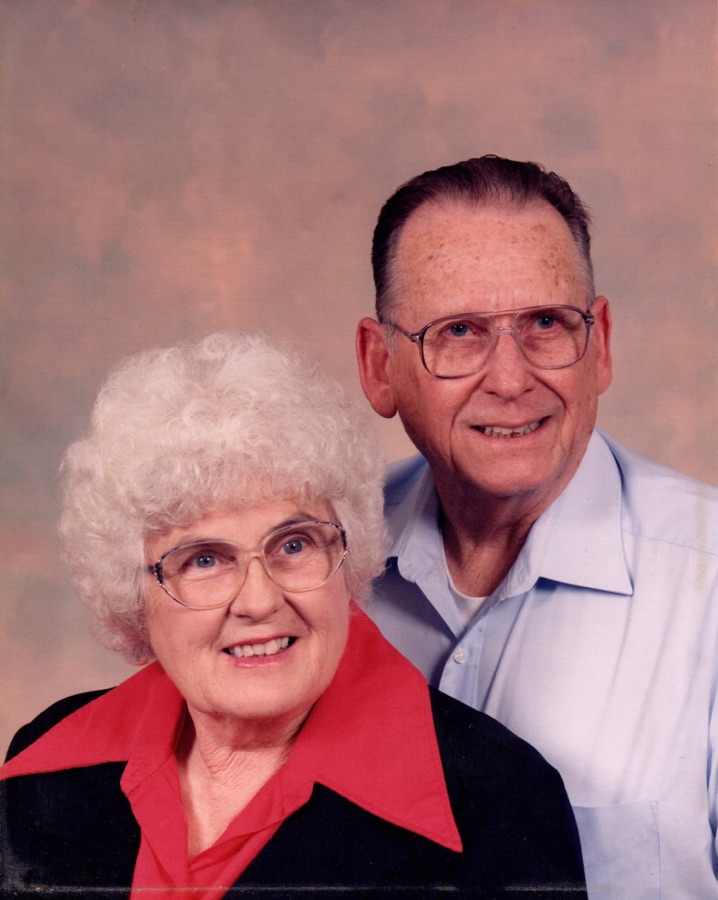
Besides being a Barber and owning his own successful Barber Shop; Robert and his wife, Lorene (McKee) Palone owned and operated the Landers Brothers Grocery Store in Delaware, Oklahoma. Robert Palone and Lorene McKee were married on June 26, 1950. In 2020 they celebrated their seventieth (70) wedding anniversary, a milestone in and of itself. Robert passed away just two shirt months after their 70th anniversary. [Side Note: I was supposed to be able to meet them in person and join the family in their celebration, however, with the COVID-19 lockdown that occurrence didn’t happen.]
Lorene McKee Palone lived another four years after his passing. After which the Palone family donated everything you see in the second image which was once owned by Robert & Lorene and was used and contained within the Palone Barber Shop to the Nowata Museum. The Nowata Museum is run by the Nowata County Historical Society in Delaware, Oklahoma. Everything that was furnished by the Palone family was used to construct a new exhibit depicting a mid century barber shop.
Robert Palone Robert & Lorene Palone (my cousins)
Let’s now move on to who Robert Palone and his significance to me personally. Robert connects to me through his wife Lorene’s mother’s side of the family. Lorene’s mother was my maternal grandmother’s sister. Therefore, Lorene is my maternal cousin making us family and hence, making Robert my family as well. Do you understand now who Robert Palone is and his story’s importance to me?
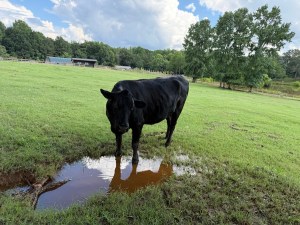
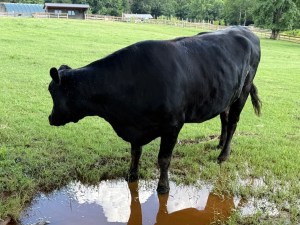
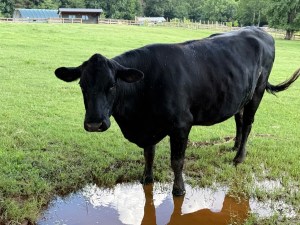
Hello Everyone! Welcome to my World. My name is Wish. I am an American Angus and Holstein crossbreed, born on February 18, 2020 at Anne Springs Close Greenway.
I lost my mom, Annabelle in September 2020 making me an orphan needing the help of humans to survive. Thanks to the staff at AnneSprings Close Greenway I grew up with human friends and horses in the Greenway’s Dairy Barn pastures.
Being a tenderhearted cow, I helped raise and nurture Billy. He was also orphaned and bottle fed by the Greenway staff.
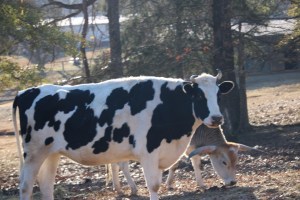
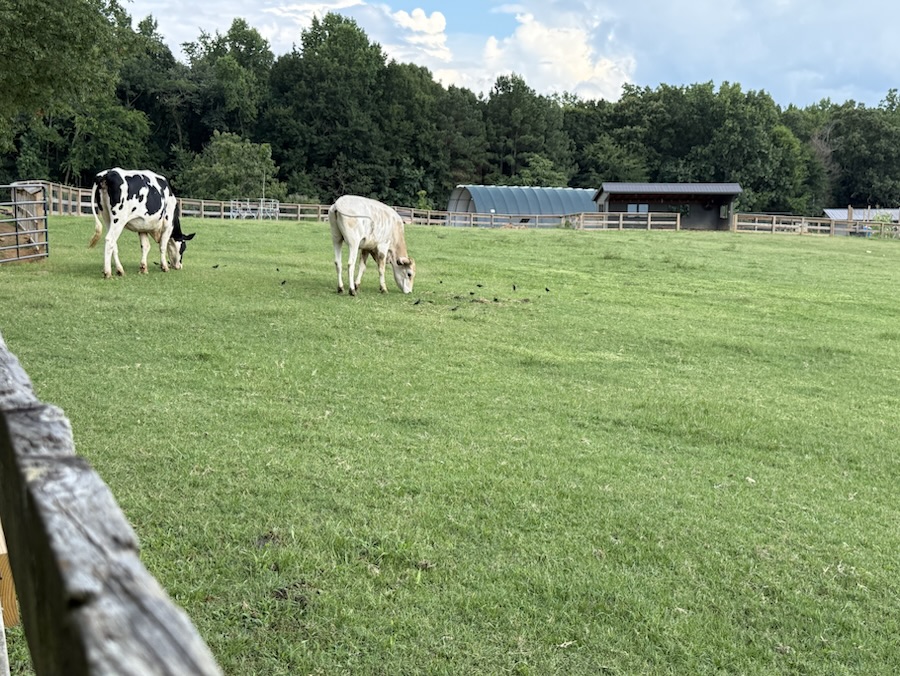
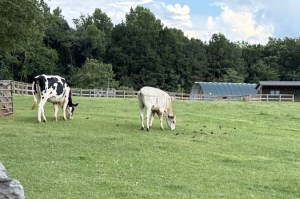
In April of 2024 I was moved to the Crandall Bowles Children’s Farm at the Greenway’s Stables and Farm Entrance. I have made new friends both four-legged and human. My best friend is Clarabelle, a black and white Holstein cow.
I am really excited and waiting patiently to see y’all at Anne Springs Close Greenway’s Crandall Bowles Children’s Farm.
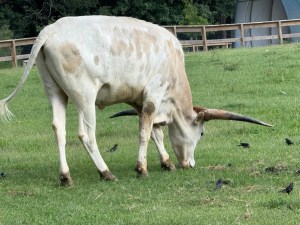
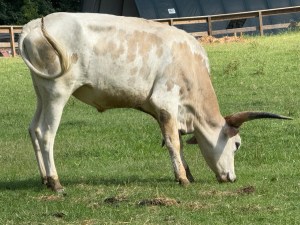
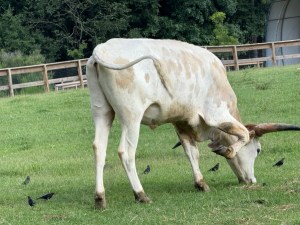
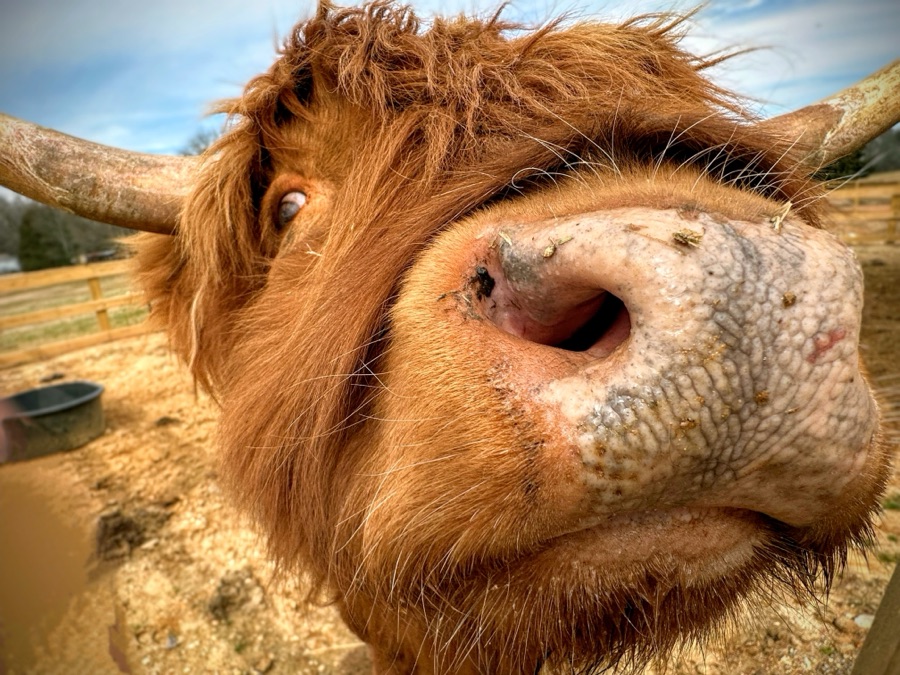
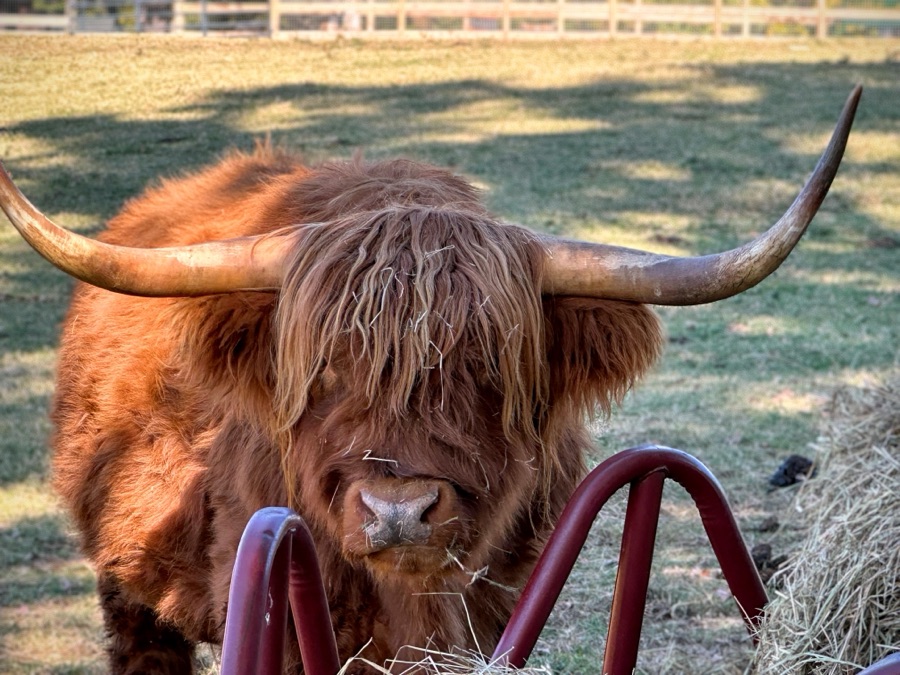
Bos Taurus is the scientific name for Texas Longhorns also referred to as American Longhorn. They are a domestic breed of cattle known for their characteristic horns which can extend up to five feet, from tip to tip.
The breed was developed originally as a result of cross breeding between feral and domestic cattle. They are a result from hybrid breeding of Spanish retinto (criollo) stock and English cattle.
Anglo-American frontiersmen brought the English cattle to Texas from southern and midwestern states in the 1820s and 1830s.
The colouring of the Longhorn is the most spectacularly of all cattle. They have shadings and combinations so varied that no two are alike.
Even though Texas Longhorns are primarily associated with the history of Texas, they have a lesser known connection to South Carolina’s past.
Spanish cattle, including those that would eventually be known as Texas Longhorns, were brought to Florida by Spanish settlers. These cattle, along with others brought by British settlers, were captured during raids and taken to South Carolina, where they interbred with existing British breeds. This interbreeding resulted in a distinct cattle population in South Carolina with characteristics that reflected both Spanish and British influences.
Holstein Friesian and Bos taurus Anne Springs Close Greenway
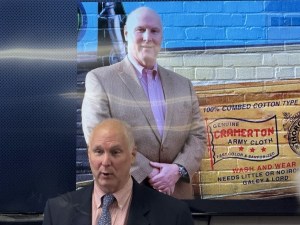
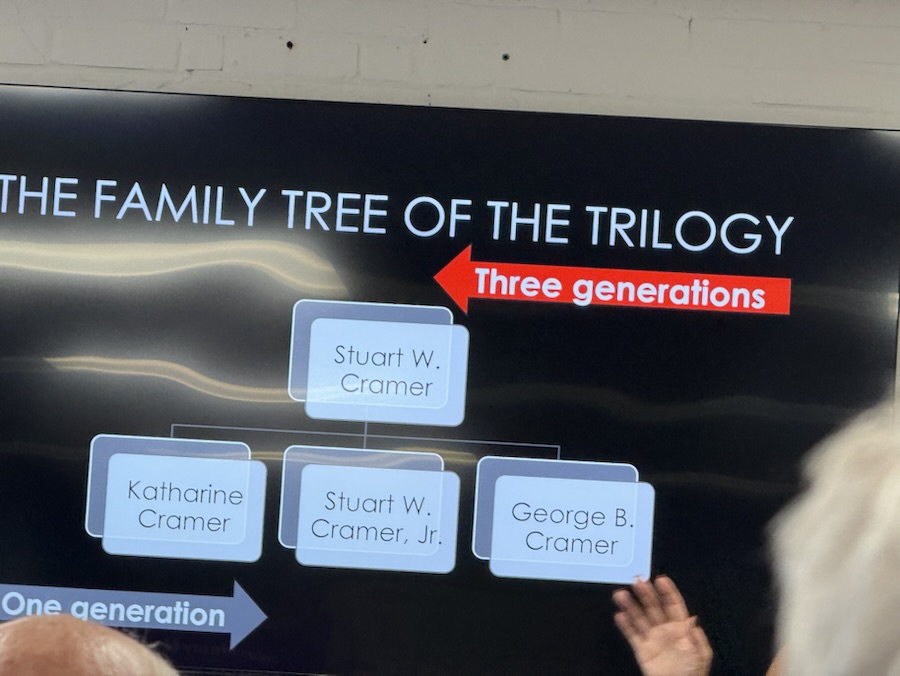
R. Warren Cramer is the grandson of Stuart W. Cramer, founder of the Town of Cramerton. He is co-authoring a historical fiction trilogy about the Cramer family and the Town of Cramerton. The trilogy delves into the history of the Cramer family and their achievements.
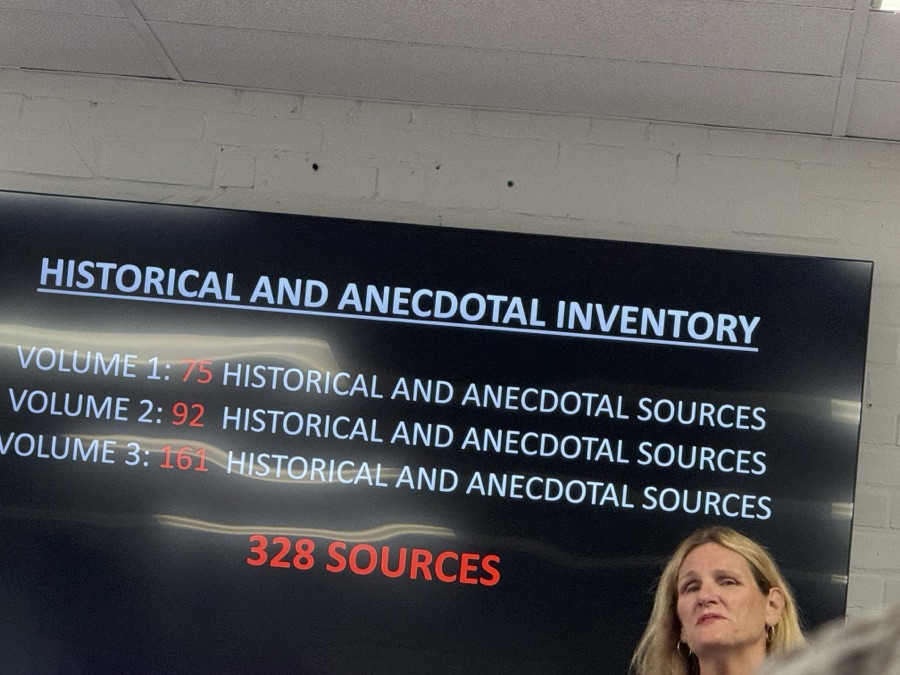
R. Warren Cramer has been (and continues to be) involved in preserving and sharing the history of his grandfather and the town of Cramerton, North Carolina, which Stuart W. Cramer founded. He has collaborated with author Dixie F. Abernathy on “Cramerton: A Trilogy,” a book series detailing the history of Cramerton and the Cramer family. He provided the research and family history regarding the Cramer family and their significance in American history and culture. He is one of four editors for the “Cramerton: A Trilogy”.
The concept for this book has been developed over decades. When he graduated Duke University in 1981 his father George Cramer encouraged him to write a book about his grandfather, Stuart W. Cramer. The accumulation of efforts to bring the book to fruition began in 2016 with a Cramerton native, Jeff Ramsey introduced author Dixie Abernathy and local historian R. Warren Cramer.
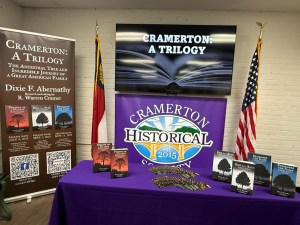
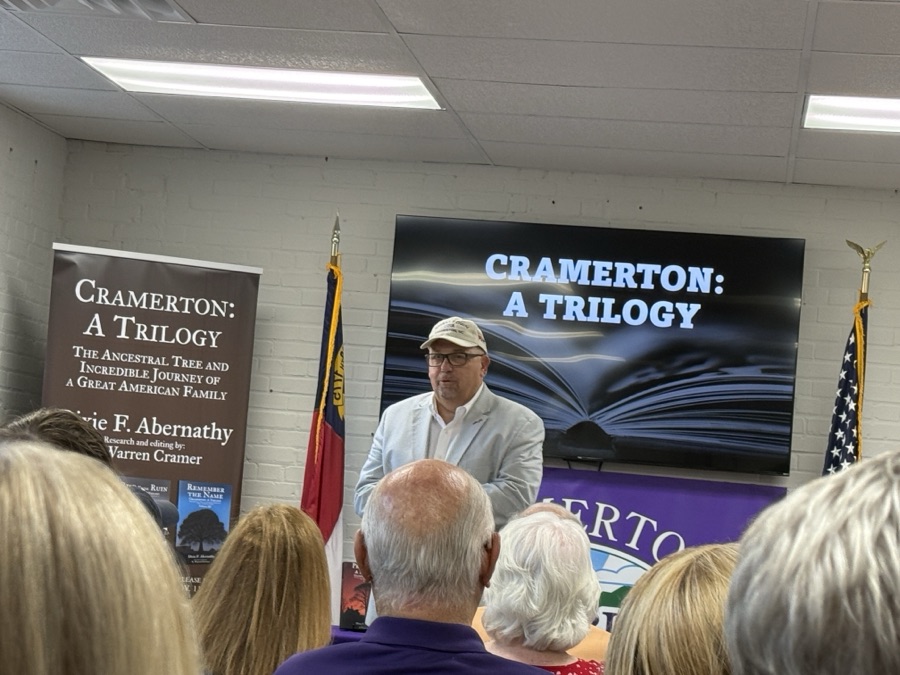
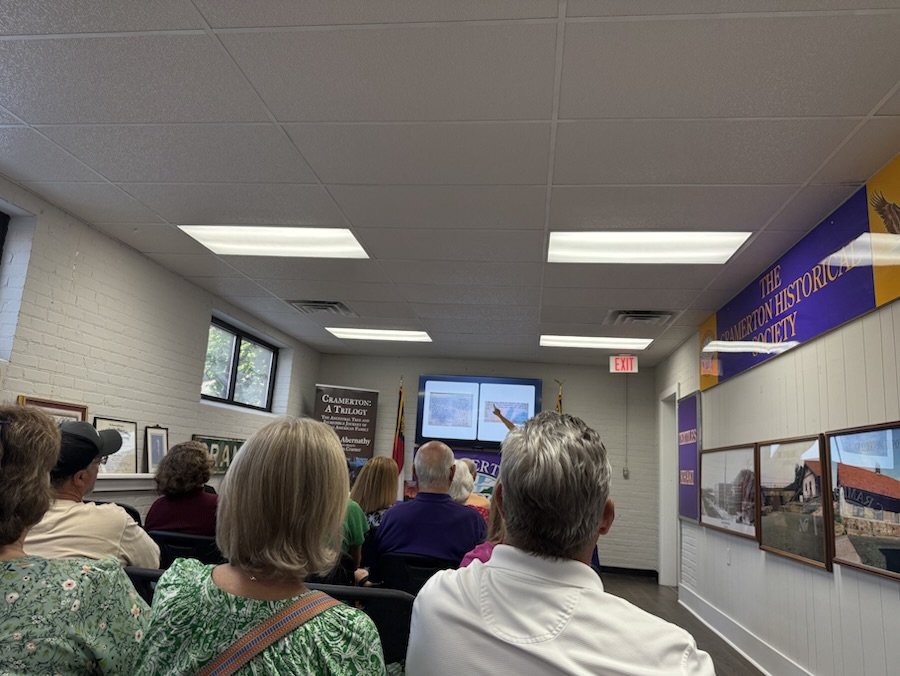
On Saturday, The Cramerton Historical Society Museum held a book signing for the Promise of a NationCramerton: A Trilogy Volume I with author Dixie F. Abernathy and R. Warren Cramer.
Promise of a Nation Cramerton: A Trilogy Dixie F. Abernathy R. Warren Cramer
They shared the ideas behind the trilogy project, the vast number of edits & rewrites and enough to entice interesting buying and reading the first book of the trilogy about the Cramer family and the Town of Cramerton. I look forward to reading it once the ebook is available on the Fourth of July (advanced paperback copies were available at the book signing).
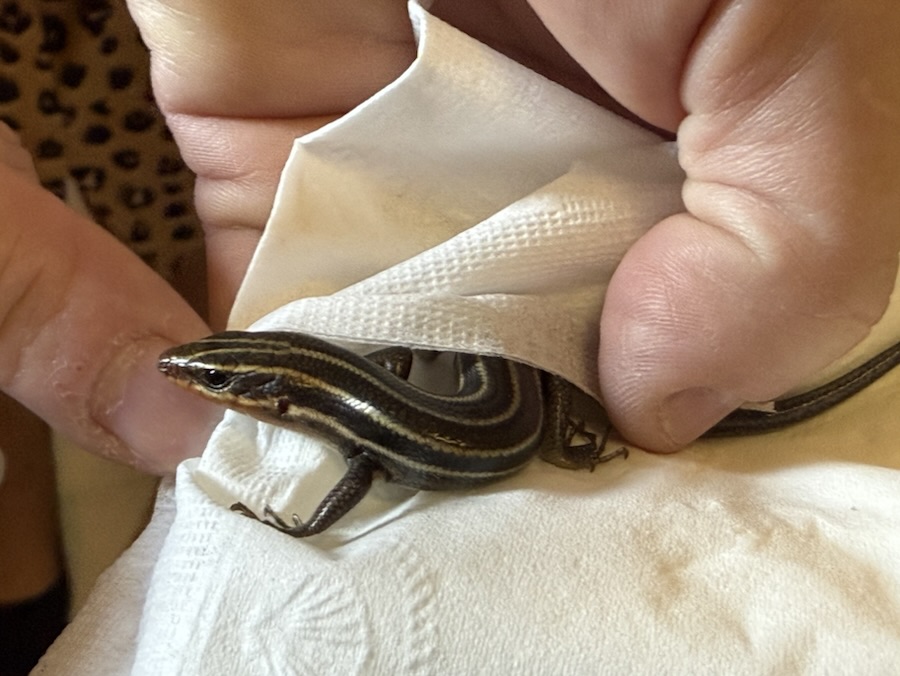
The Plestiodon fasciatus, also known as the American Five-lined Skink, is a species of lizard in the family Scincidae. The species is endemic to North America. It is one of the most common lizards in the eastern U.S. and one of the six native species of lizards in Canada.
Calling it the American five-lined skink to distinguishes it from the African skink Trachylepis quinquetaeniata (otherwise known as five-lined mabuya).
They are small to medium in size, growing to approximately 12.5 to 21.5 centimetres (4.9 to 8.5 in) total length (including tail). The young American Five-lined skinks are dark brown to black with five distinct white to yellow stripes (this one’s are yellowish) running along the body and a bright blue tail. The blue color fades to light blue with age, and the stripes also may slowly disappear.
The range of the American Five-lined skink extends in the north to southern Ontario, Michigan and eastern New York. The western border is in Minnesota, Missouri and eastern Kansas, Nebraska, Oklahoma, Florida, Mississippi, Louisiana, Tennessee and Texas.
P. fasciatus is inclined to be most abundant on the coastal plain in the southeastern United States and along the Gulf Coast.
The American Five-lined skink is a ground-dwelling animal. It prefers moist, hardwood areas with a permanent water source such as rivers or streams, as well as sites to bask in the sun. [The church this skink visited sits along the South Fork Catawba River, so it didn’t have to wander to far to meander inside.]
The common five-lined skink’s diet consists primarily of a variety of arthropods, particularly spiders, crickets, beetles and other insects. However, they have been reported to also eat newborn mice, frogs, and other lizards. [Tiny frogs, beetles, spiders, and other insects are easily found along the banks of the South Fork Catawba River, easy feasts for skinks].
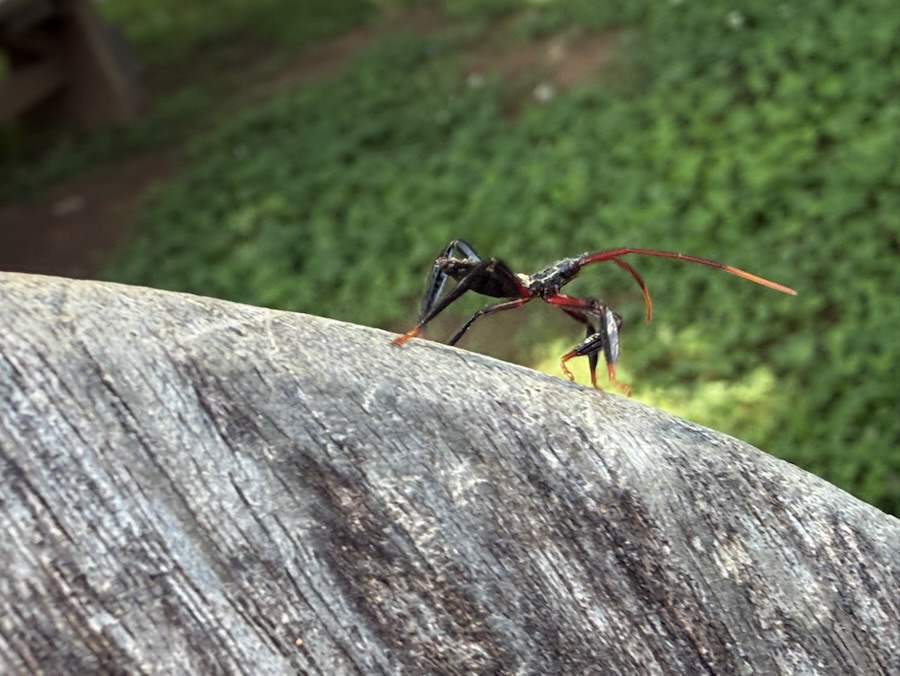
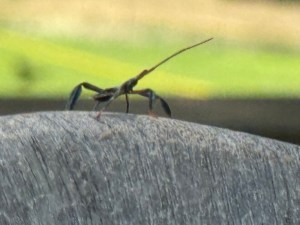
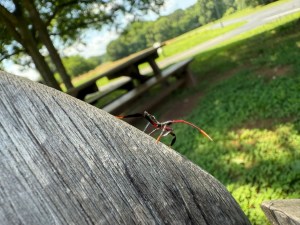
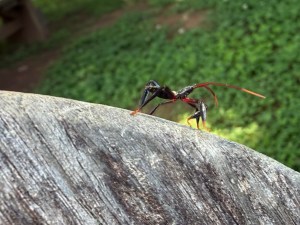
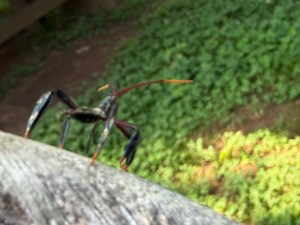
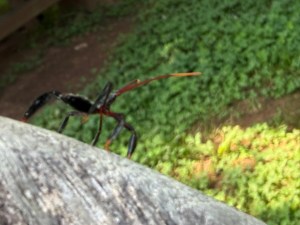
Aka the North American wheel bug or simply wheel bug, a species of large assassin bug in the family Reduviidae and the only species of wheel bug found in the United States.
The North American Wheel Bug is one of the largest terrestrial true bugs in North America, reaching up to 1.5 inches (38 mm) in length in its adult stage.
North American wheel bugs prey on caterpillars and beetles, such as Japanese beetles, the cabbageworm, orange dogs, tent caterpillars, and the Mexican bean beetle, all of which they pierce with their beak to inject salivary fluids that dissolve soft tissue.
The North American wheel bug is most active in daylight, but may engage in predatory behaviors at night in areas illuminated by lights.
It is considered beneficial since most of its prey are pests, however, I did not consider myself a pest and didn’t care for it as my sitting companion.
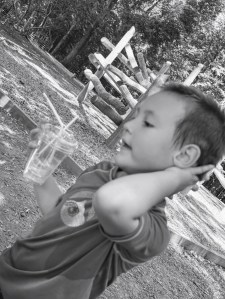
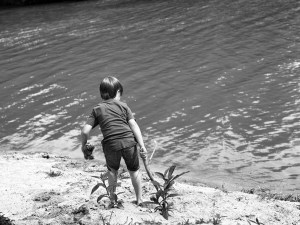
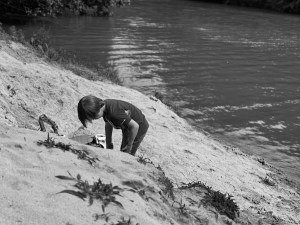
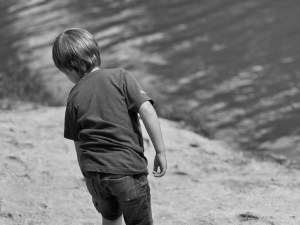
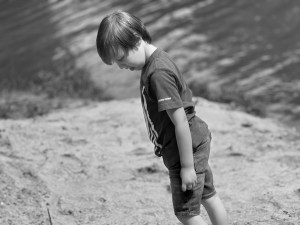
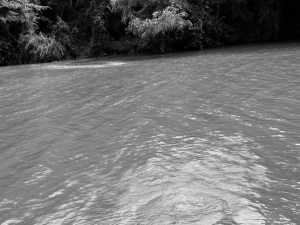
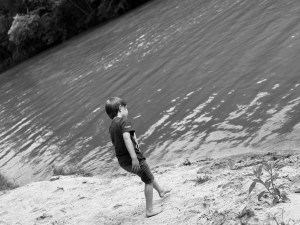
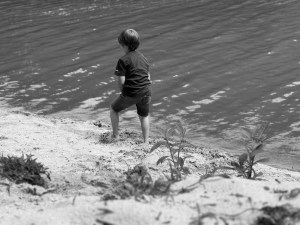
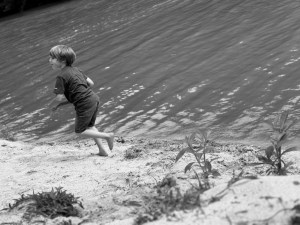
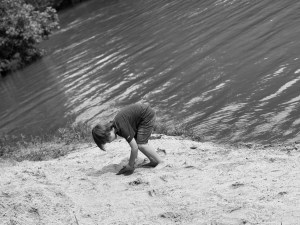
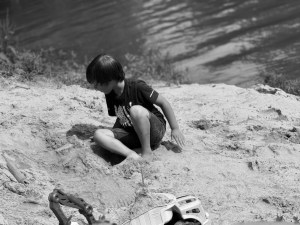
While Coleman was enjoying playing in the sand near the South Fork Catawba River, I changed the setting my iPhone to Muted B & W for some shots and Stage Light Mono for taking Portraits of Coleman at play. Enjoy watching Coleman in his element.
Coleman South Fork Catawba River Riverside Park and Greenway
Location: The Big Sand Pit; By the South Fork Catawba River; Riverside Park and Greenway; Cramerton, North Carolina, USA
God Bless. Have Fun. Enjoy Nature’s beauty in the great outdoors. Thank you for visiting and sharing your time and thoughts with us. I appreciate y’all very much.
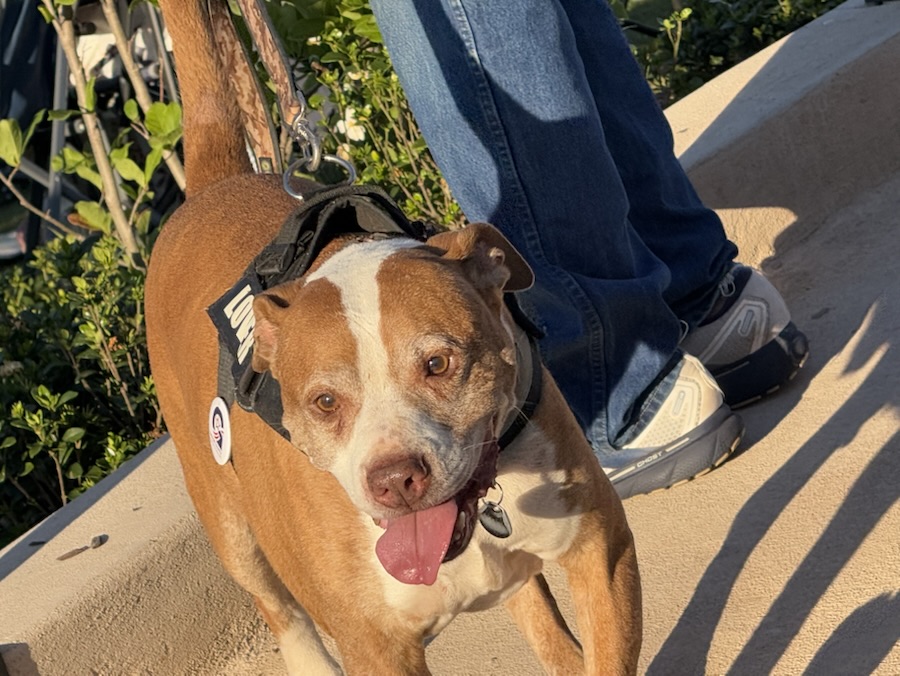
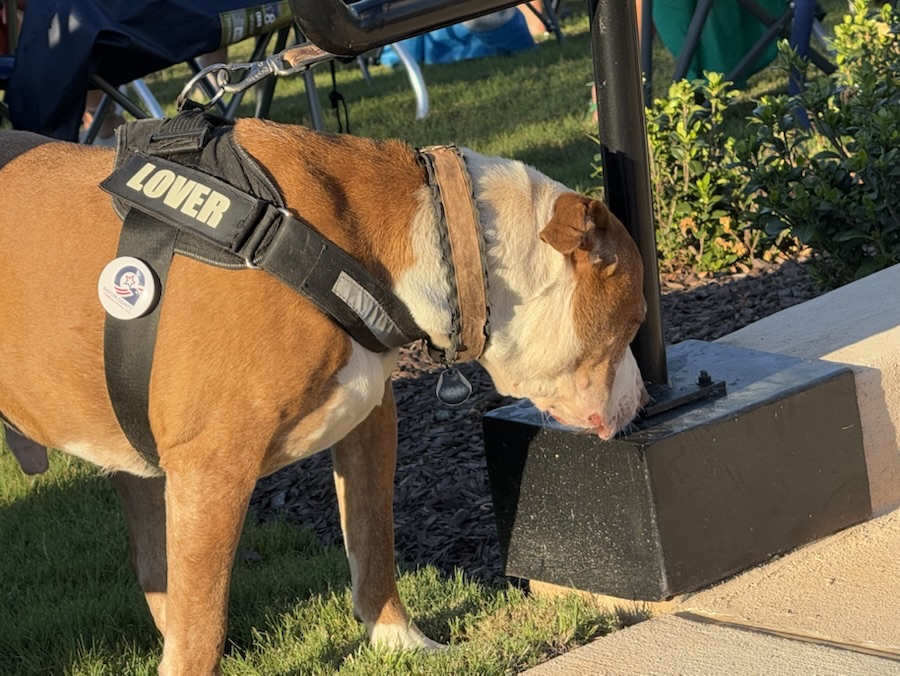
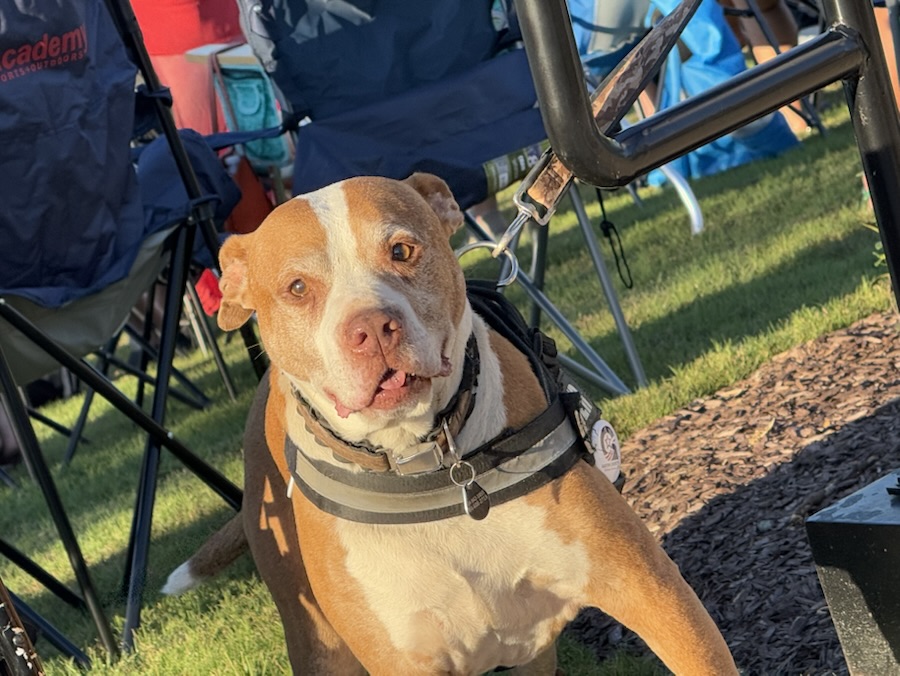
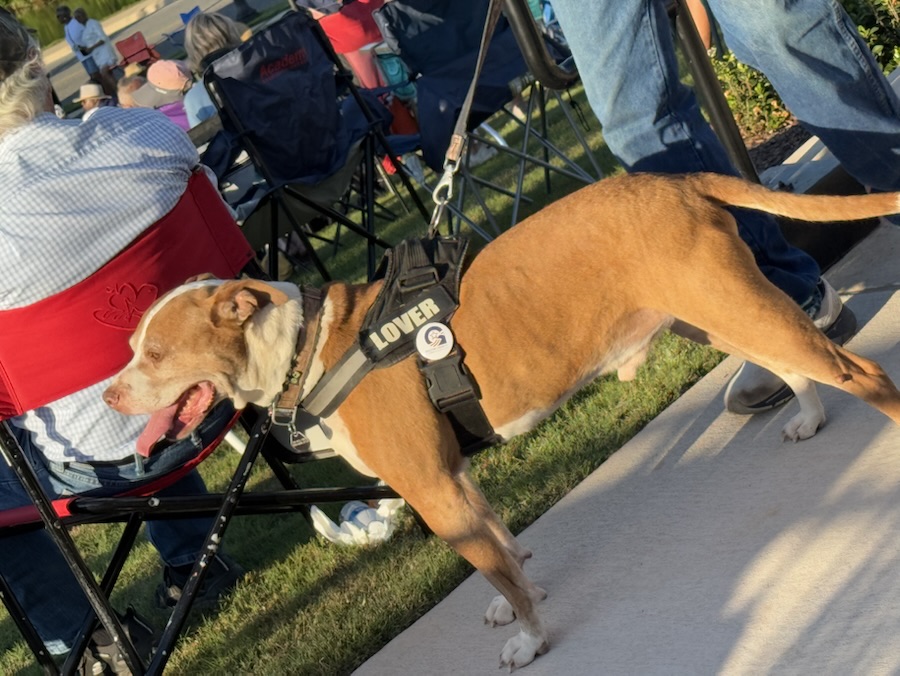
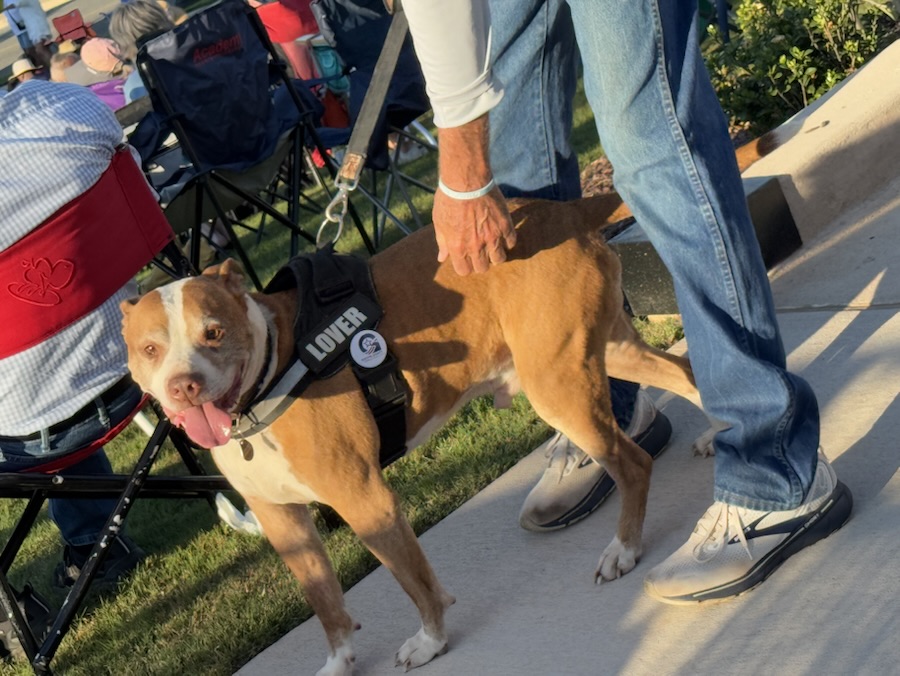
Friday evening Cramerton had a concert in Centennial Center Park. Large crowds of people and a few dogs gathered outside to listen to a mixture of R&B and Soul music from the Detroit, Michigan based group called “Chairmen of the Board.”
This American Pitbull weaved in and out of the crowds and then looked our way as if to pose for his photo op.
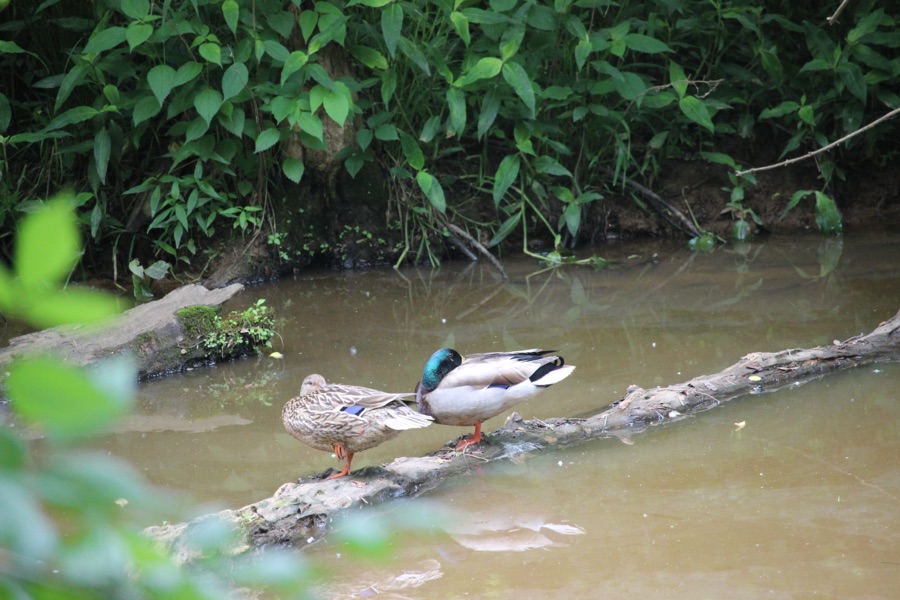
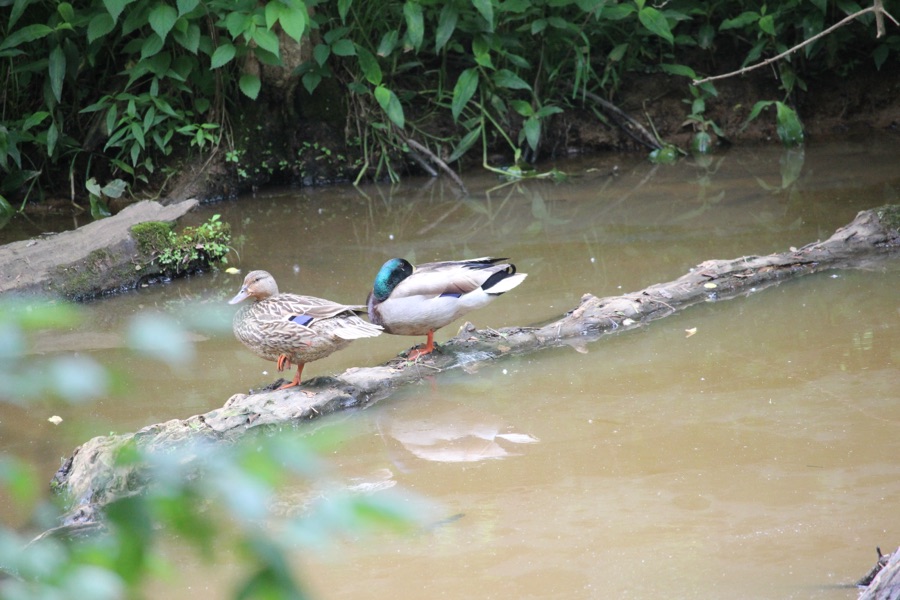
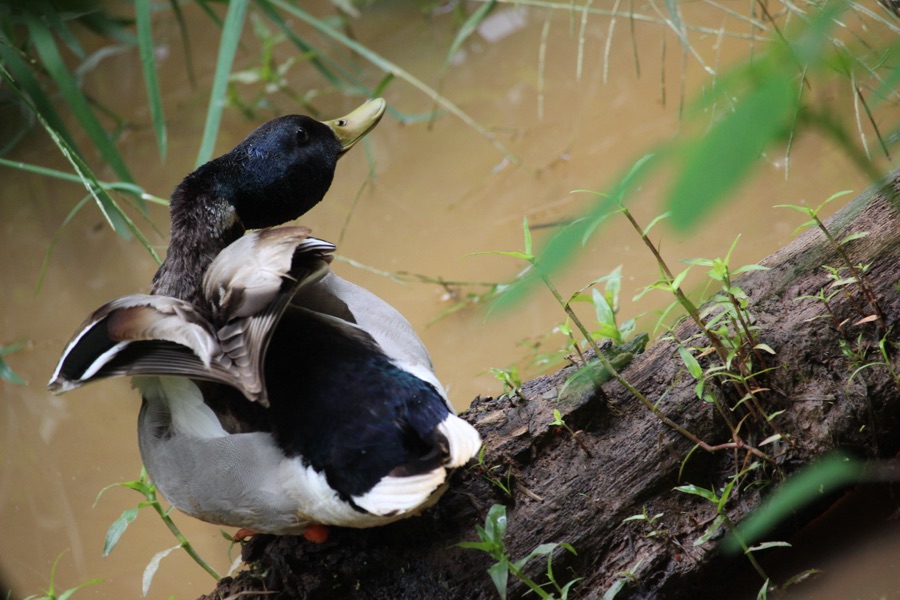
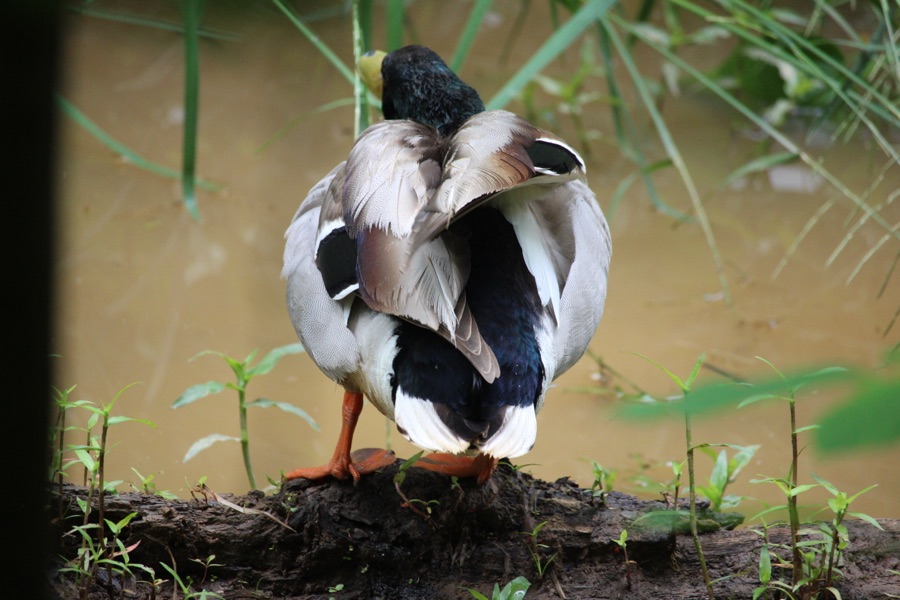
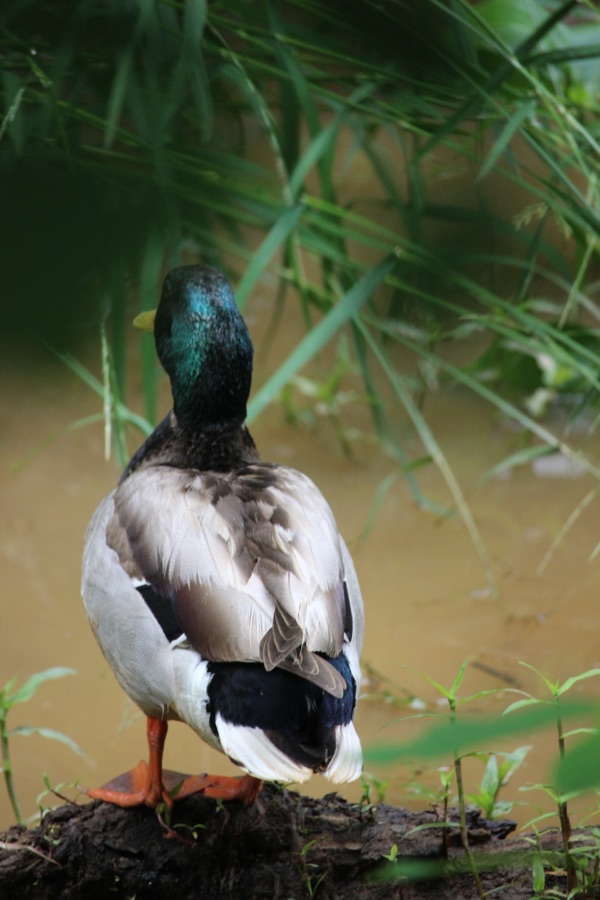
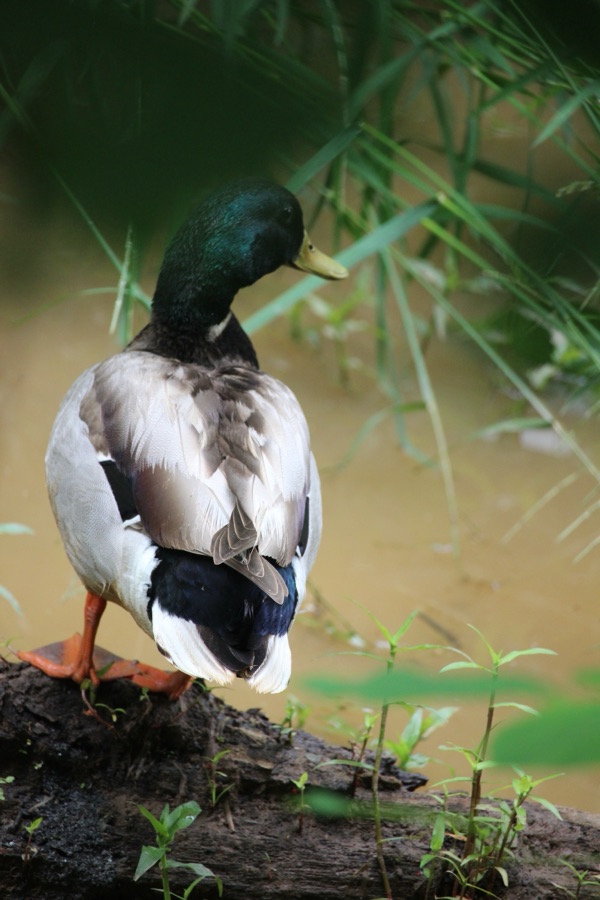
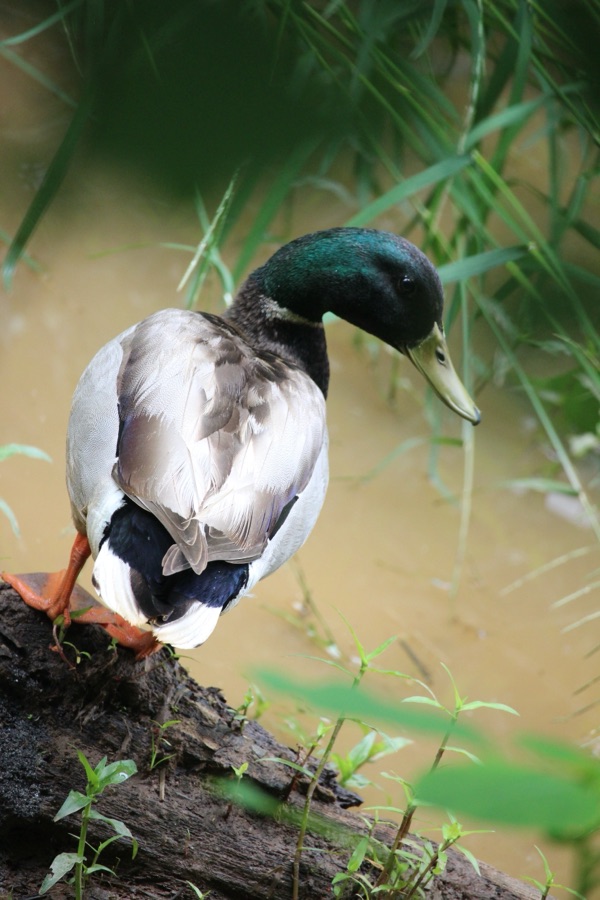
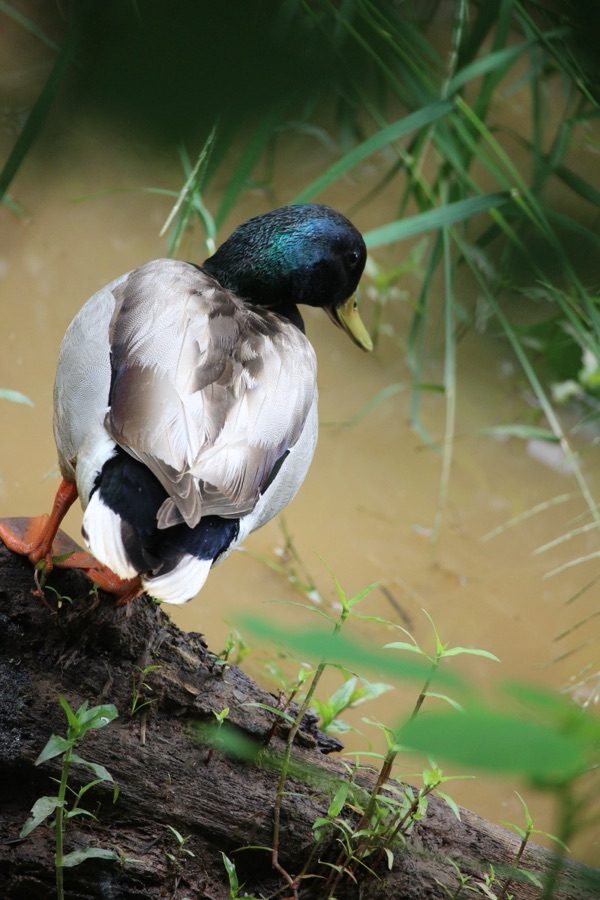
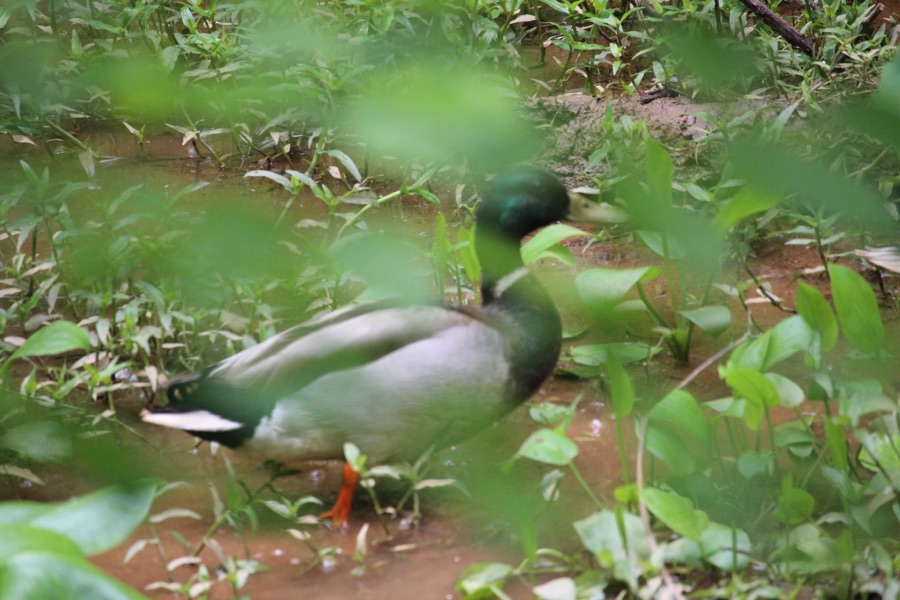
The Anas Platyrhynchos also known as Mallards are one of several varieties of duck species, which include both resident and migratory birds. The Mallard is the most abundant duck in North America, often found in a variety of habitats. Even though apparently abundant, we have not seen many of the Mallards in or around the Catawba River.
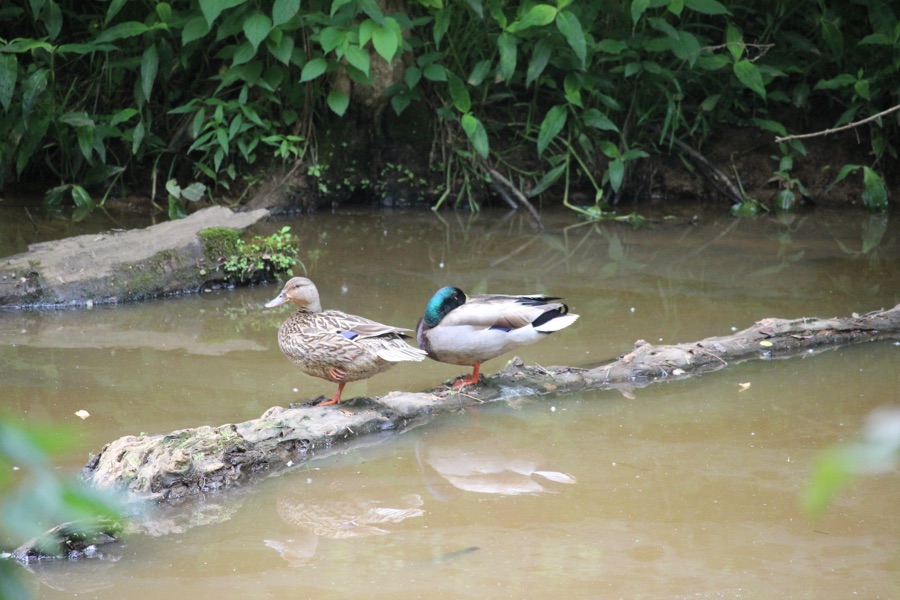
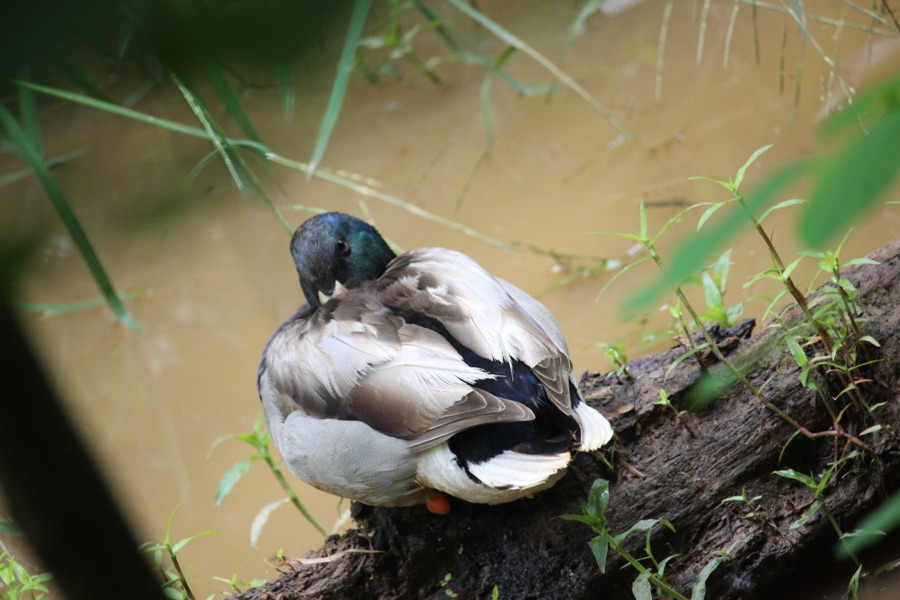
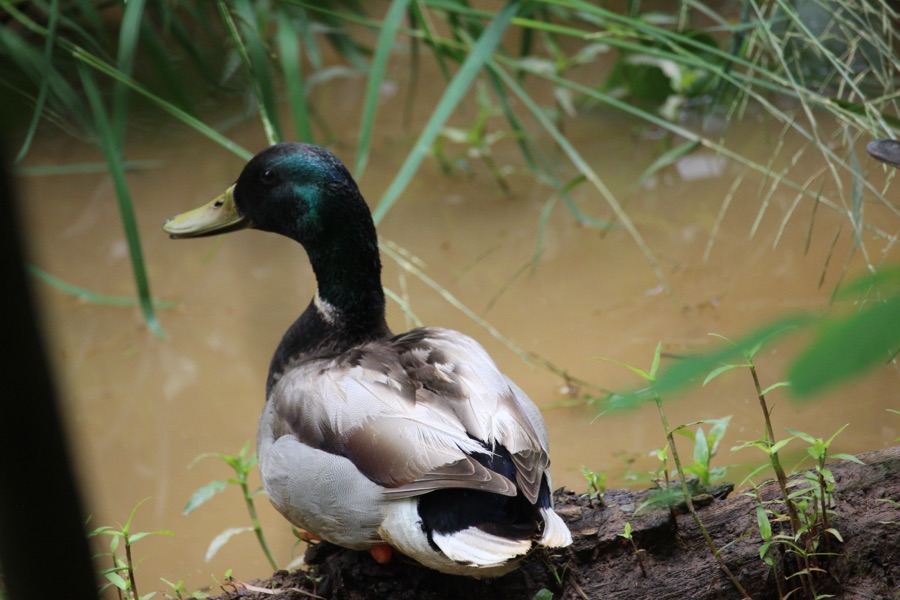
The Mallard (Anas platyrhynchos) is a widespread dabbling duck with a long body and high tail. The Mallard is easily identified by the male’s iridescent green head, white neck collar, and black tail curl. Females and juveniles have mottled brown bodies and dull orange bills. Both sexes have iridescent blue wing speculums. Mallards breed in fresh marshes surrounding lakes, ponds, beaver ponds, impoundments, open swamps, and such like areas, however, they do have a propensity to avoid nesting in brackish marshes.
Mallard ducks in the South Fork Catawba River
Coleman and I went hiking on the South Fork River Trail, a part of the Carolina Thread Trail, in Goat Island Park and Greenway on Saturday watching a partial day without rainfall (it rained again after we were safely home). While hiking the trail, Coleman and I were looking for the Turtles that often sun themselves on logs in the South Fork Catawba River. What were spotted prior to the Turtles were a pair of Mallards standing on a log checking out the River area. [This was the first time we’ve seen the Mallards in this region of the South Fork Catawba River.]
As we continued our hike we did encounter a lone Turtle sunning on a log which dove quickly into the river. But alas, we ventured on down the trail to find more Mallards on logs and in the river. It was fascinating to see and watch them especially since we had not previously seen the Mallards in this section of the Catawba River before.
Mallards feed in the water by tipping forward and grazing on underwater plants. They almost never dive. They can be very tame ducks especially in city ponds, and often group together with other Mallards and other species of dabbling ducks.
Mallards are able to live in almost any wetland habitat, natural or artificial. Look for them on lakes, ponds, marshes, rivers, and coastal habitats, as well as nearby city and suburban parks and residential backyards.
Camera: Canon EOS Rebel T3i with Canon EF-S55-250mm lens and Altura UV filter attachment.
Settings: f/6.3 • 1/320 • 250mm • ISO800-2000
Location: South Fork Catawba River; South Fork River Trail; River Link Greenway; Goat Island Park and Greenway; Cramerton, North Carolina, USA
God Bless. Get outdoors and enjoy nature’s beauty and natural wildlife. Have a funtastic week. Thank you for visiting and sharing your time and thoughts with us. I appreciate y’all very much.
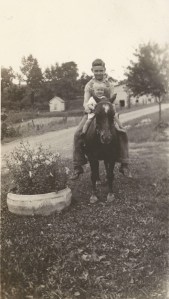
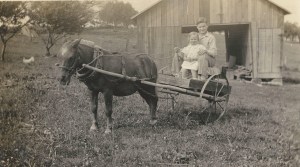
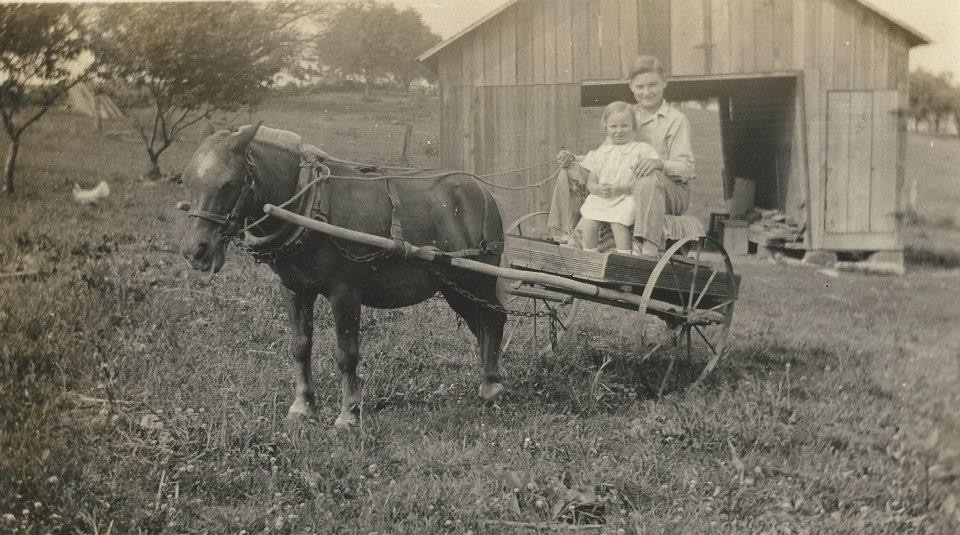
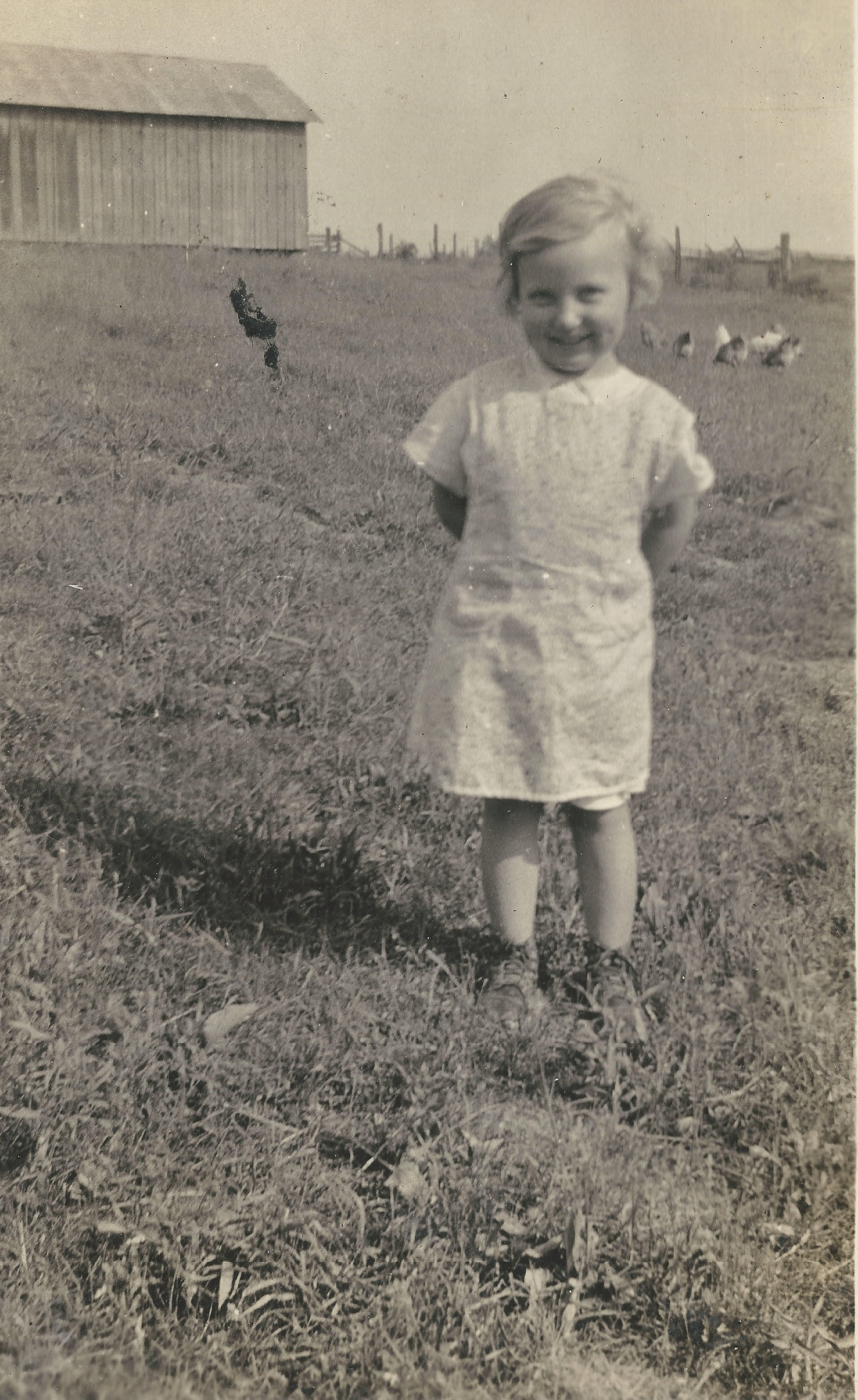
These images were taken in 1934 in Coshocton, Ohio. They are of my mom when she was about two and a half (2 1/2) years of age and her older brother. When my mom was a young child she lived on a farm and as you can see from the bottom photo they had a pony cart they could ride in. My mom rode, my uncle (her brother) held the reins to drive the pony cart.
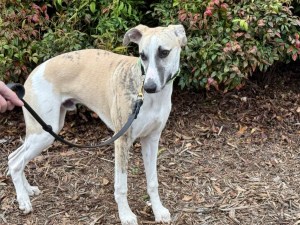
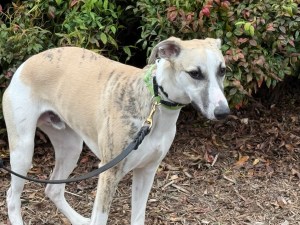
Stig the Whippet was a visitor at the Cruz-In For Christ which was held on Saturday, 13 April 2025. The Cruz-In had a variety of antique automobiles, a blood drive, a bouncy house, as well as free food, free drinks, free desserts, and a free car wash. All free as a way to minister to the community.
Stig, a Whippet
The Cruz-In Stig visited was held by the First Baptist Church of Cramerton. We missed most of the antique automobiles by the time we arrived, but still captured a few with my iPhone camera and Coleman got to enjoy the bouncy house.
The Whippet dog breed was developed by crossing Greyhounds with Terriers. The Kennel Club officially recognized the Whippet Dog breed in 1891. However, it was actually recognized three (3) years earlier by the American Kennel Club in 1888.
The Whippet was originally bred to pursue and capture small game. They were first brought to America by English mill operatives of Massachusetts. They make excellent watchdogs considering they are not snappy or one to bark a lot. They are a quiet and intelligent breed, and do not bark unnecessarily. They are pretty fast when they run with the capability to reach speeds of up to 35mph.
Whippets are generally gentle and affectionate, but can sometimes exhibit behavioral issues such as separation anxiety, aggression, and nervousness. Whippets are sighthounds and need to have secure environment from preventing them from chasing after things. They tend to form strong with their owners; it is not recommended to leave them alone for love periods of time. If you think about acquiring a Whippet, be prepared to have it right next to you even in your bed. They’ll lay next to you touching you when they sleep.
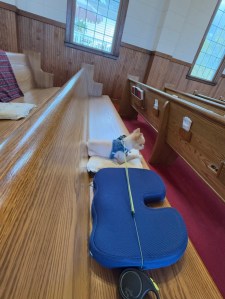
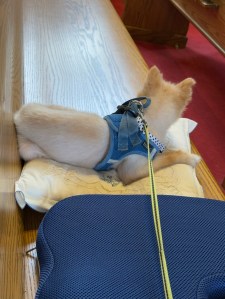
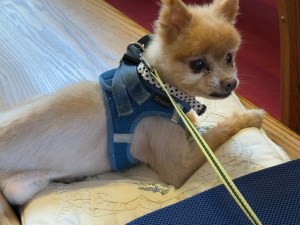
On Sunday morning, Coleman and I visited a local church. We were surprised to see one particular parishioner in attendance. His name is Teddy and he is a dog. That’s right I said a dog. I know, you’re thinking what’s a dog doing in a church? I did think it was strange, never saw a dog in a church before. Teddy, the canine parishioner, appeared to be an emotional support dog accompanying the elder gentleman wherever he went. Anyone care toPull Up a Seatnext to Teddy? We sat behind Teddy during the church service.
For this week I am combining Monday Portrait with the Lens-Artist Photography Challenge. This week’s Lens-Artist Challenge #340 is hosted by Ritva with a theme of Portraits.
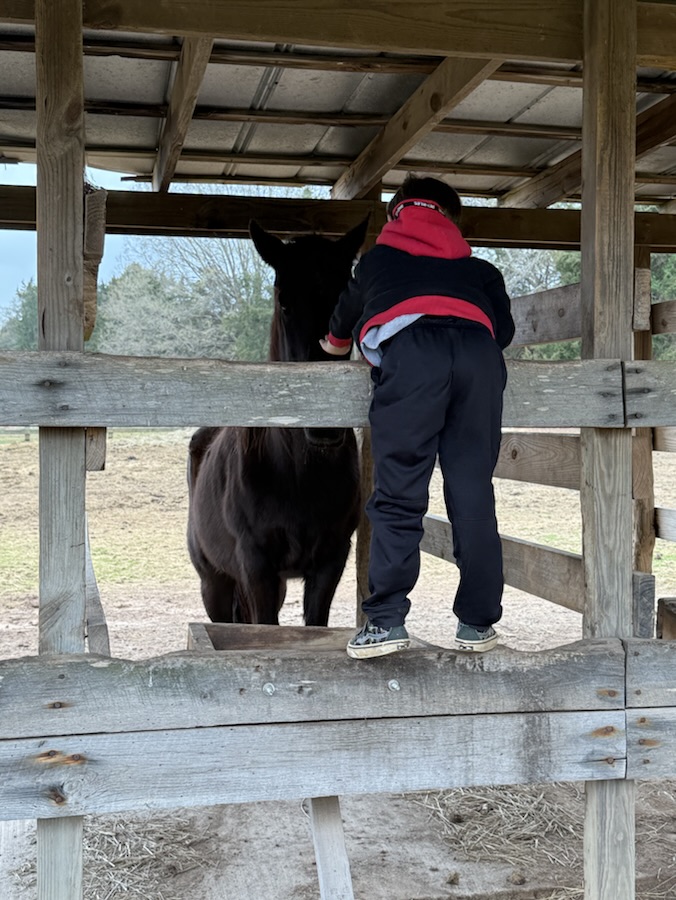
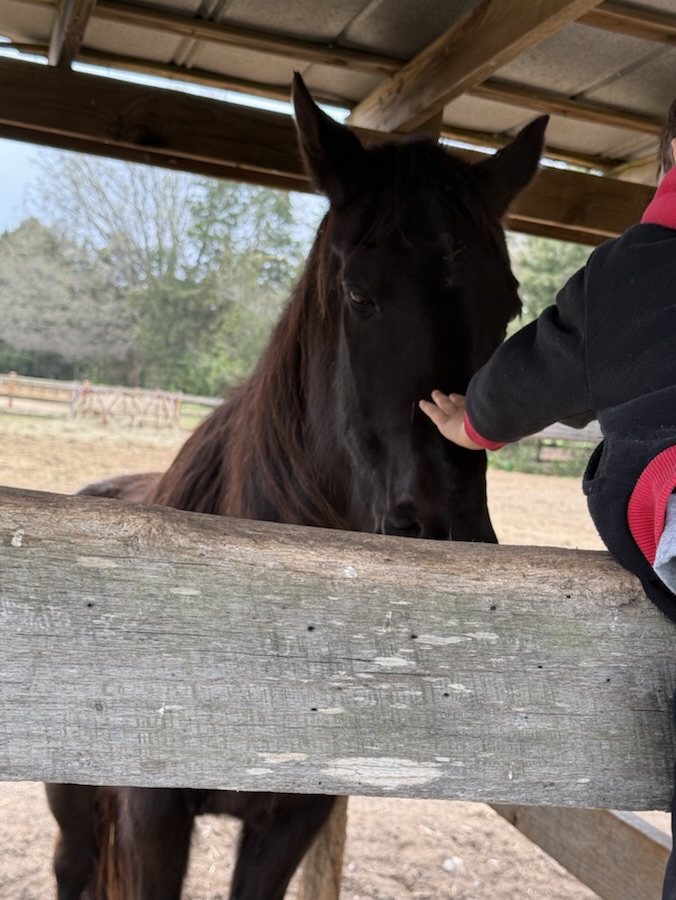
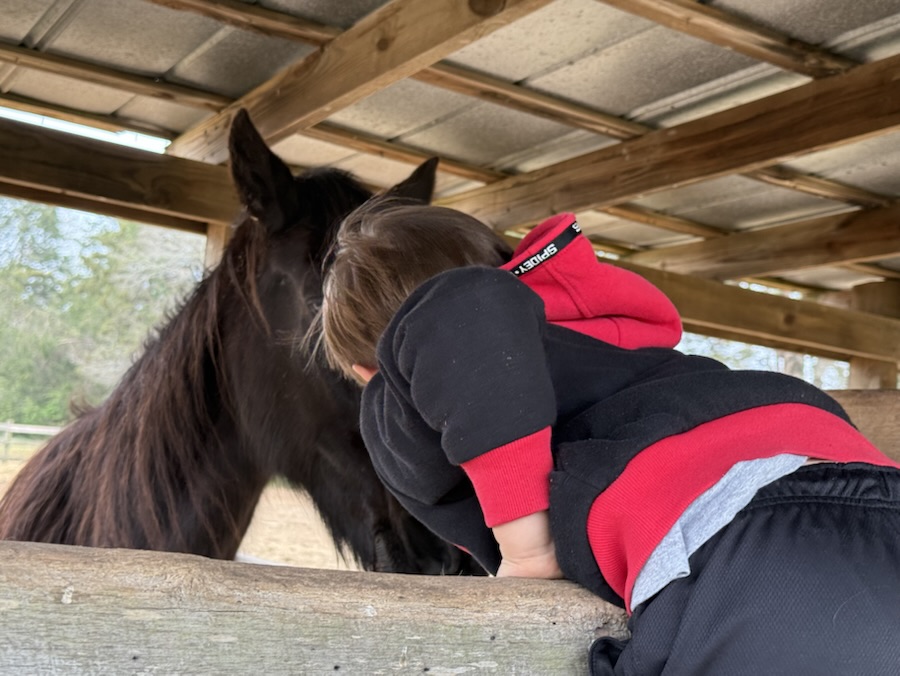
My Portraits for these challenges were taken when we visited the Horses at Anne Springs Close Greenway. Coleman loves visiting the Horses whenever an opportunity presents itself. From the images you can visualize how much he loves visiting the Horses and the respond affectionately towards him.
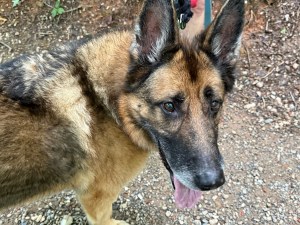
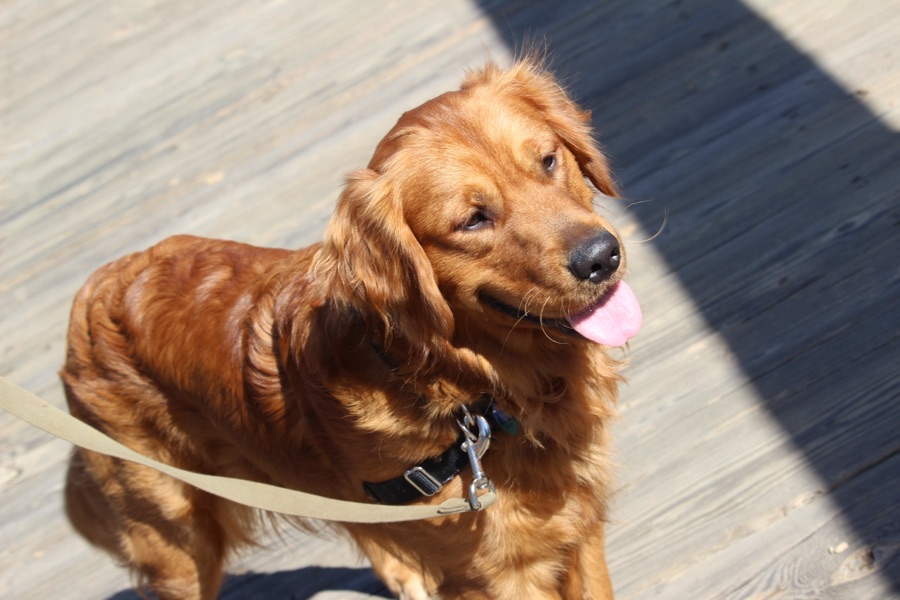
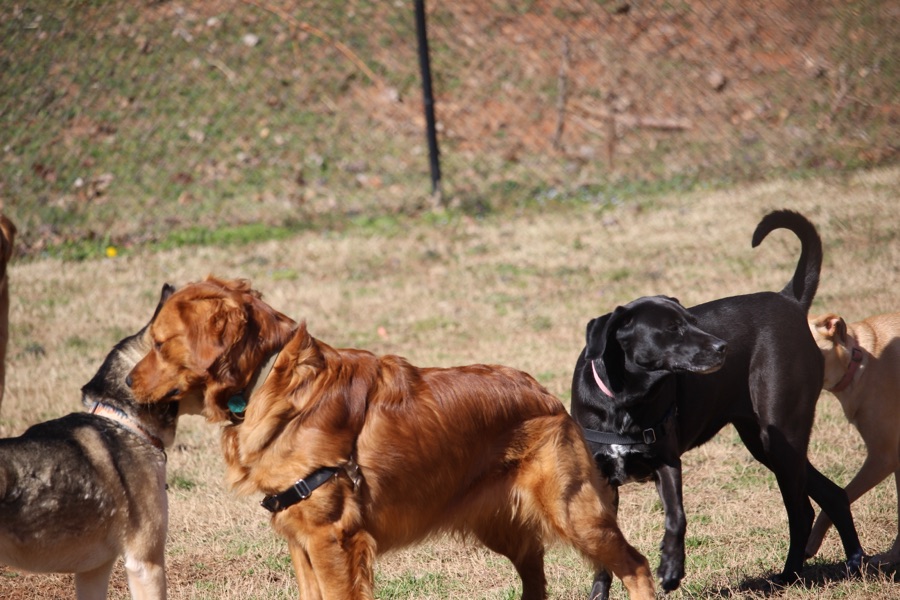
Coleman and I met Lou and his owner while hiking the Carolina Thread Trail at Goat Island Park and Greenway. He was friendly and welcomed the attention. Later he enjoyed romping around with the other dogs in the dog park located at the far end of the trail.
Camera: Canon EOS Rebel T3i with Canon EF-S55-250mm lens and Altura UV Filter attachment.
Location: Goat Island Park and Greenway; Cramerton, North Carolina, USA
God Bless. Get outdoors. Take a walk and enjoy the sunshine while seeing the beautiful landscape and interesting views all around. Thank you for visiting and sharing your time and thoughts with us. I appreciate y’all very much.
Coleman and I go hiking along trails whenever the weather isn’t too cold and windy to roam about outdoors. We often encounter other hikers/walkers walking their dogs on the trails in Greenways and, Nature Preserves, as well as State and Local Parks.
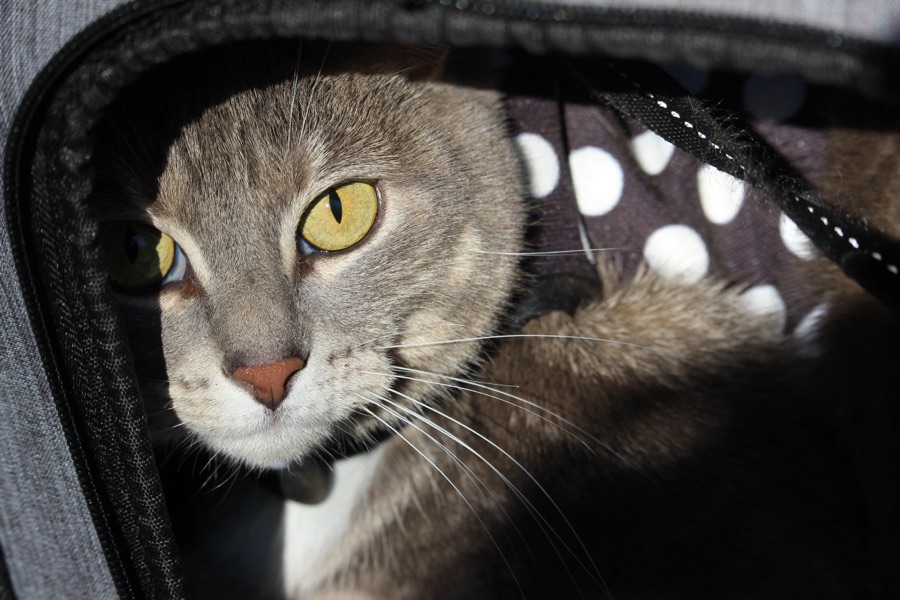
What or should I say whom we never expected to see while hiking on the trail was a man hiking with his Cat. He had a pet carrier on his back with the Cat inside on a leash. The Cat could (and did) leap to the ground, walk around and investigate the area and then spring back up to her carrier whenever she desired to do so.
These are shots of the Cat in his carrier people watching…
Camera: Canon EOS Rebel T3i with Canon EF-S55-250mm lens and Altura UV Filter attachment.
Location: Goat Island Park and Greenway; Cramerton, North Carolina, USA
God Bless. Get outdoors. Take a walk and enjoy the sunshine while seeing the beautiful landscape and interesting views all around. Thank you for visiting and sharing your time and thoughts with us. I appreciate y’all very much.
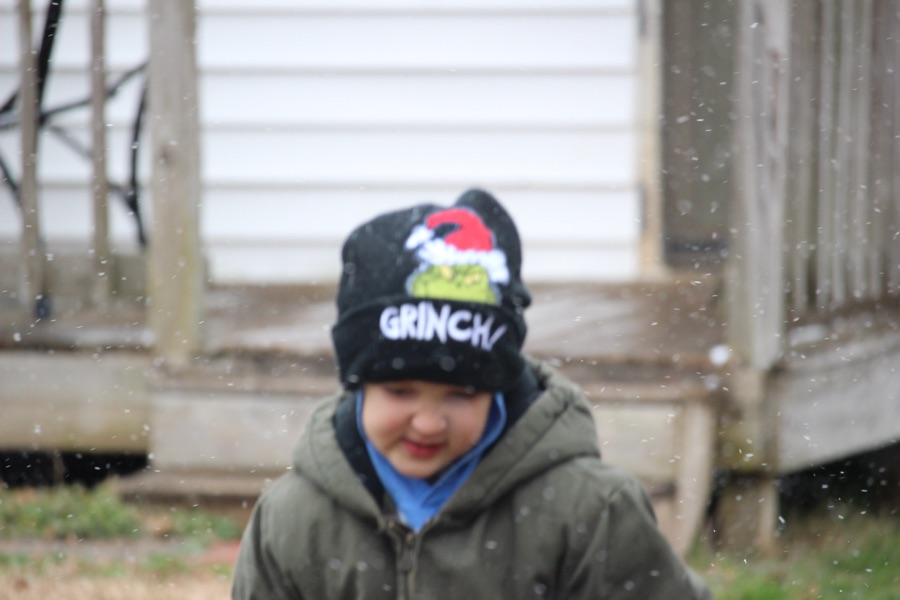
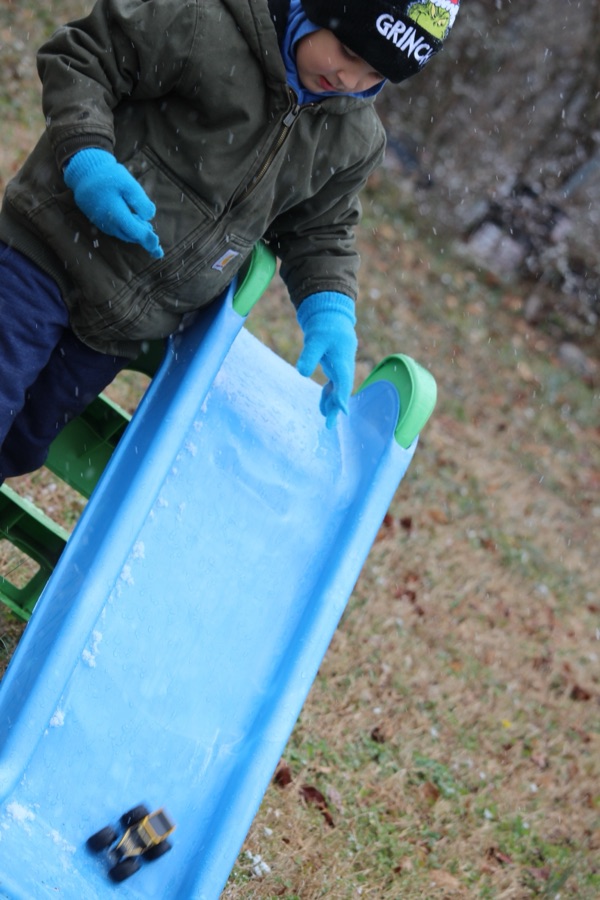
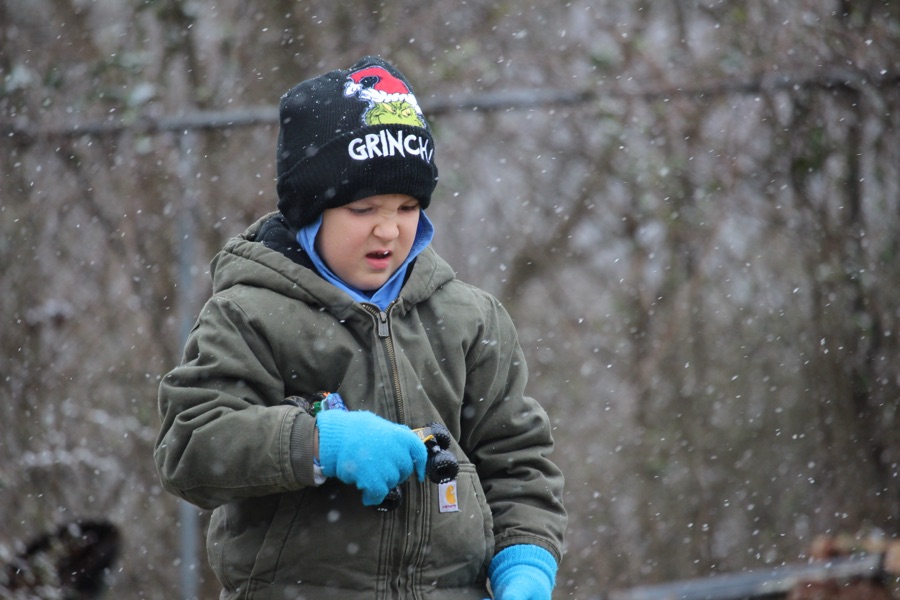
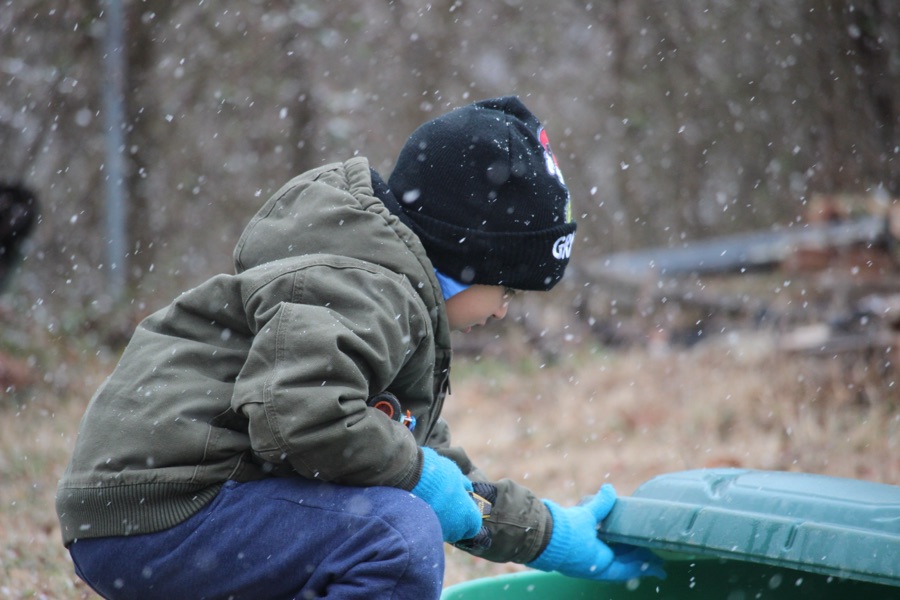
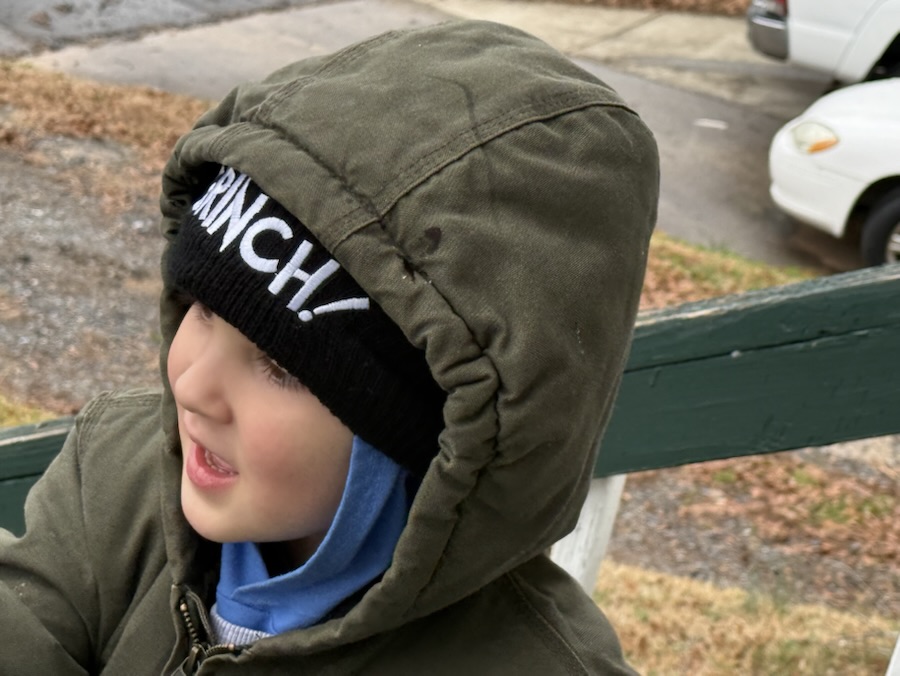
This past week Coleman was out of school for Two days due to winter weather advisory reporting impending snow and possible hazardous road conditions. Since We only get snow in our area every two-three years, I decided to bundle Coleman up to protect him from the elements and allowed him to run around outside while it was snowing. He had fun even though there wasn’t enough snow to adequately play with … nosnowman … nosnowballs … just light fluffy snow falling lightly to the ground.
Cameras: 1-5) Canon EOS Rebel T3i with Canon EF-S55-250mm lens with Altura UV filter attachment; 6) Apple iPhone 16 Pro Max.
Location: Home; Old Town; Riverside Community; Cramerton, North Carolina, USA
God Bless. Take Care. Stay Warm. Have a funtastic week. Thank you for visiting and sharing your time and thoughts with us. I appreciate y’all very much.
I have recently upgraded my smartphone from the Apple iPhone 14 Pro Max to the Apple iPhone 16 Pro Max. It has features which the iPhone 14 Pro Max did not have.
The Apple iPhone 16 Pro Max has in addition to the main camera, ultra-wide camera, and the telephoto camera it also has a Fusion camera. The Fusion camera has ten (10) different modes to choose from ranging from standard to Dramatic to Mute or Stark Black and White with several different options in between. In the Fusion Square you can slide between lighter or darker and control the amount of light desired for an image.
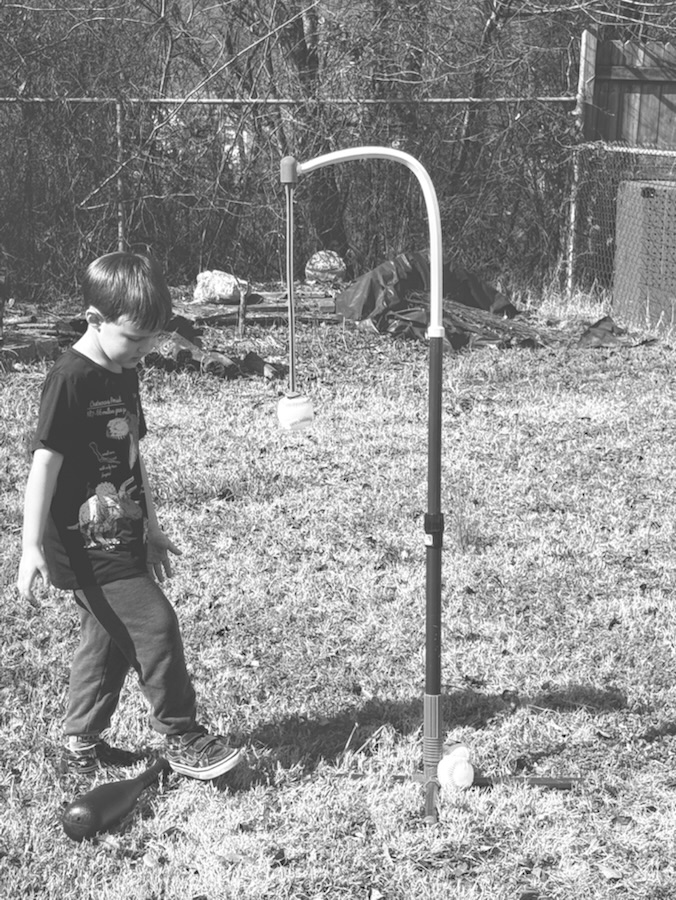
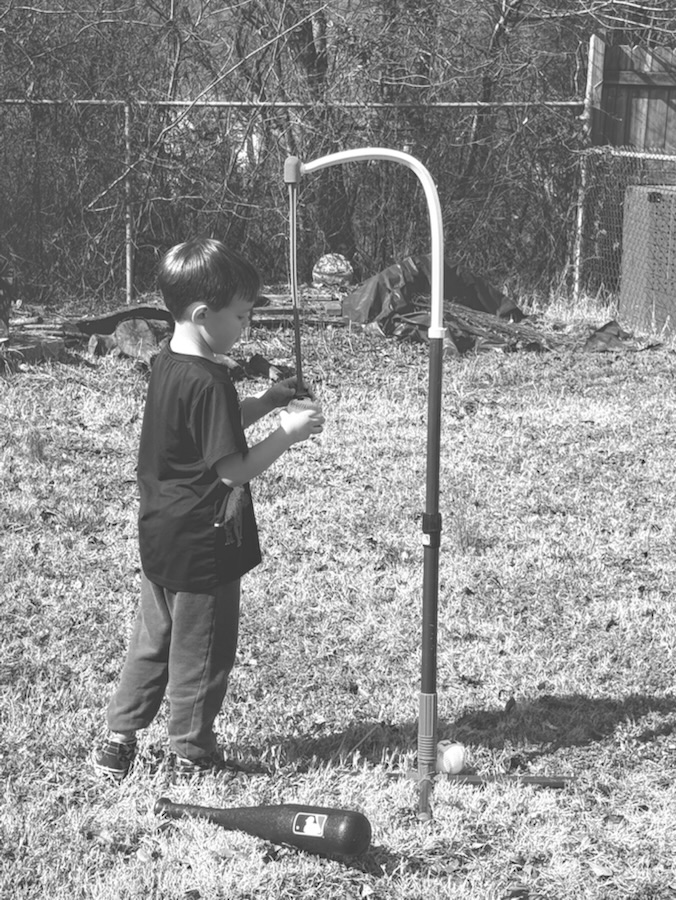
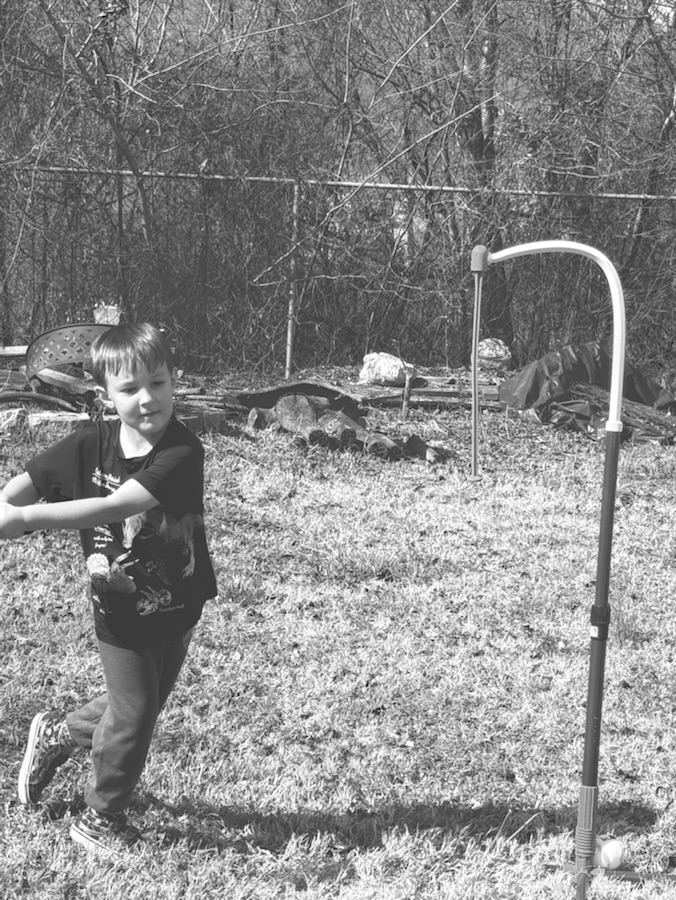
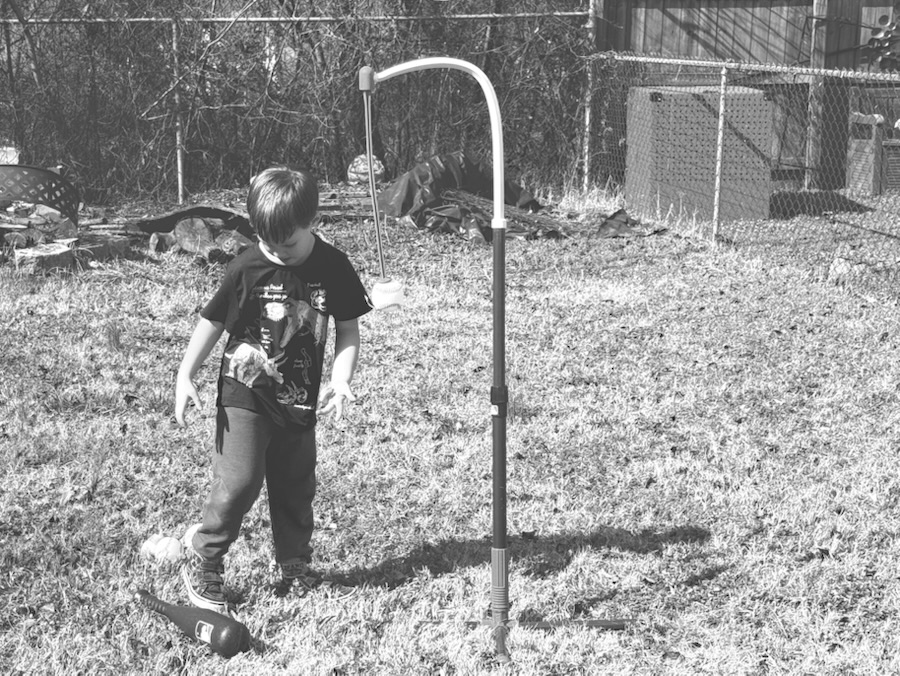
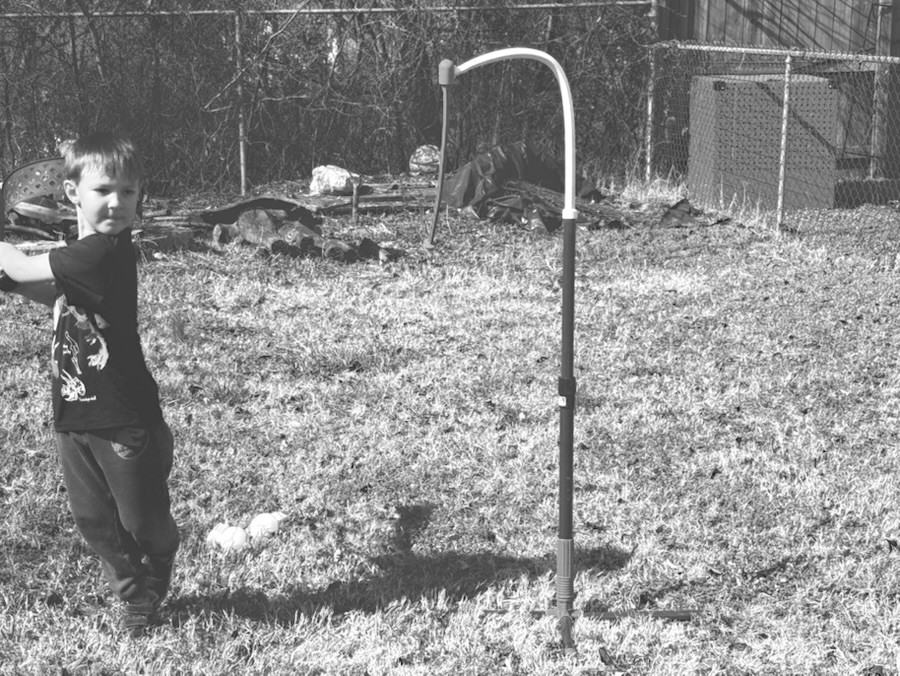
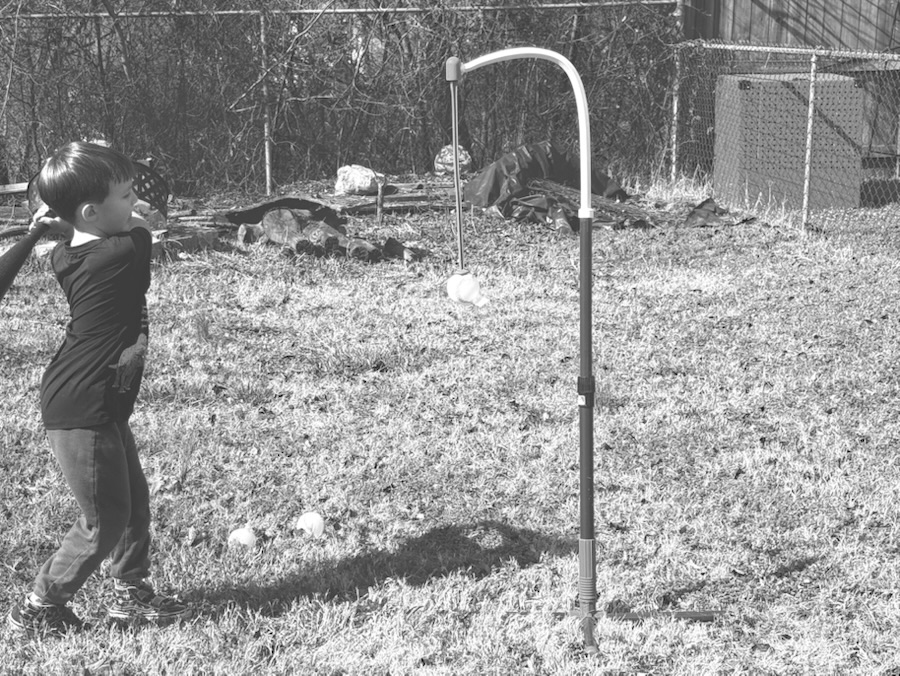
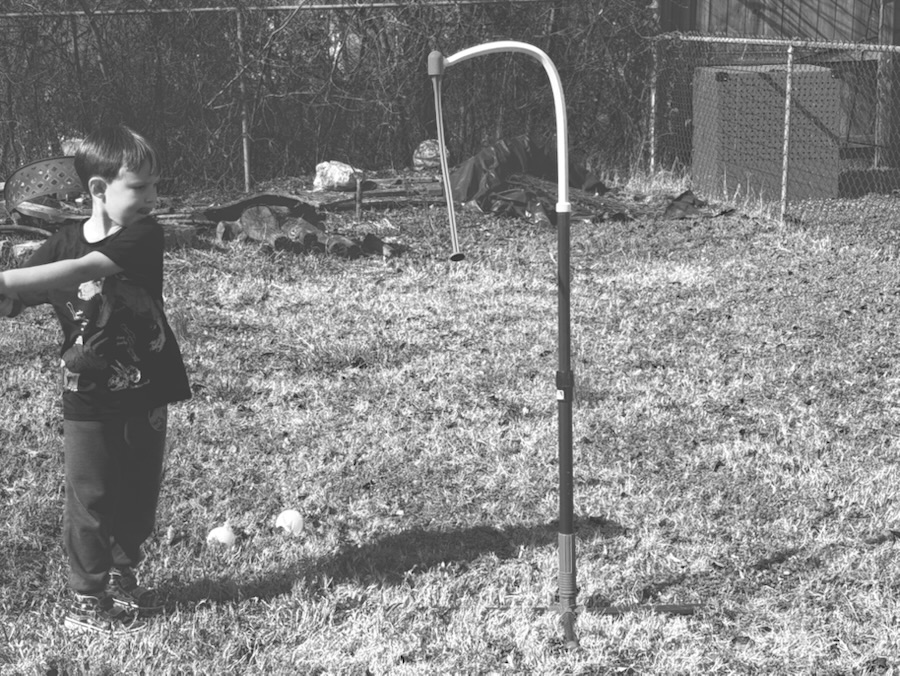
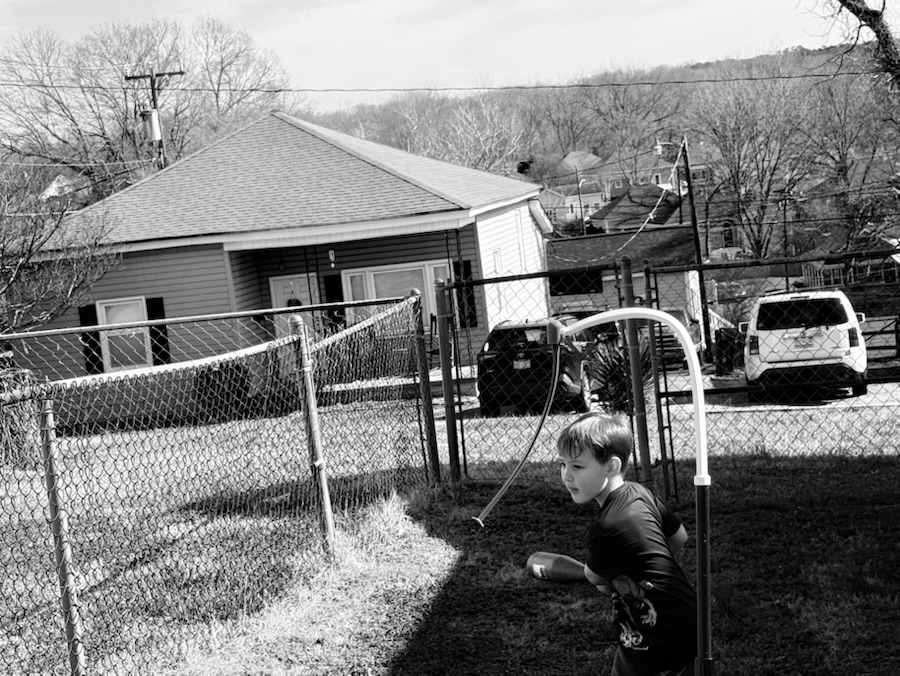
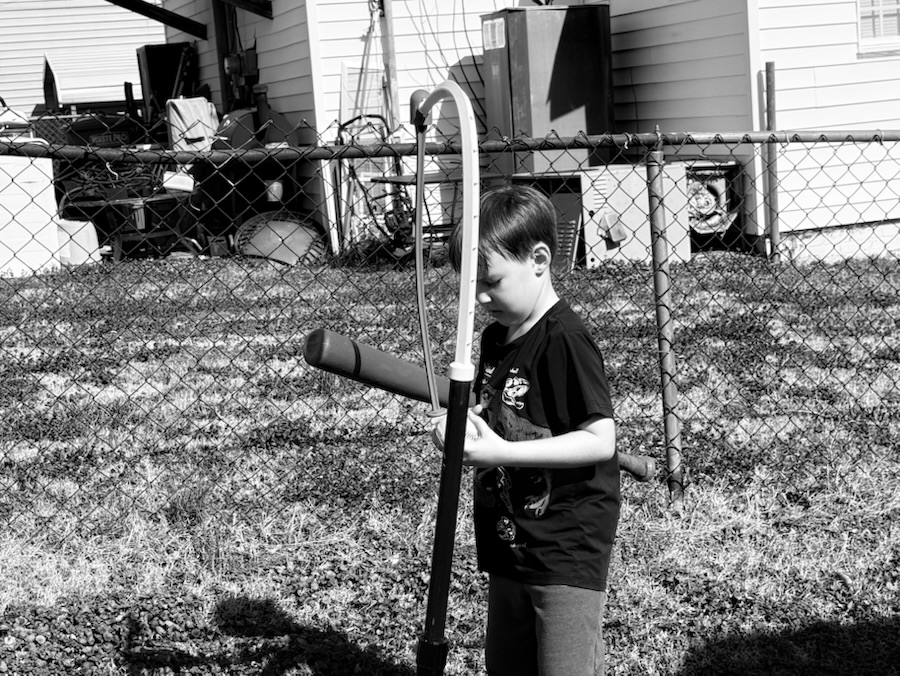
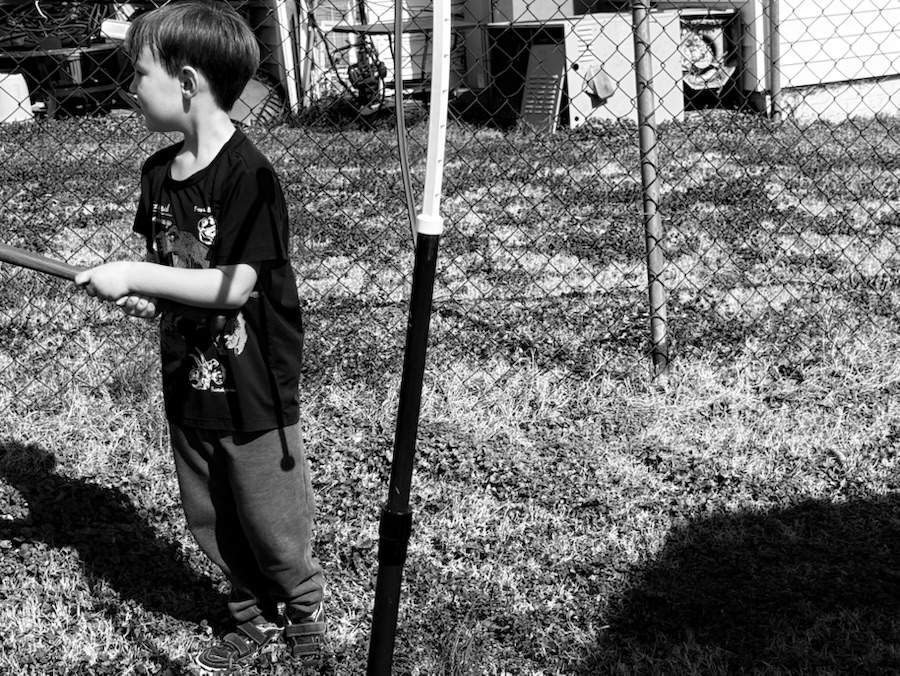
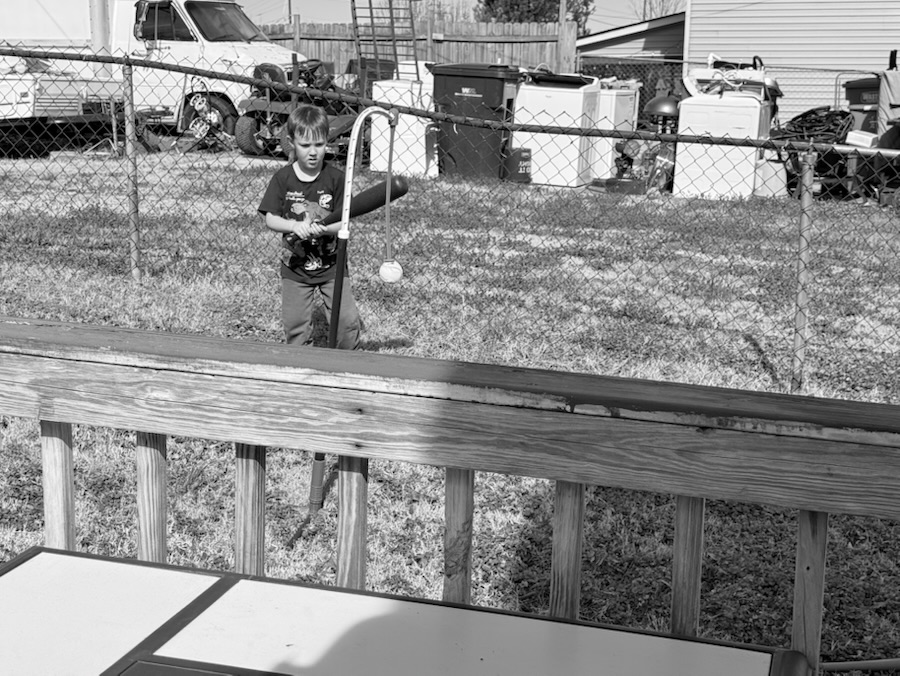
This Fusion Camera feature is all new and different to me. I have only had my Apple iPhone 16 Pro Max since last Monday and have not figured out all its new “bells and whistles” (new upgraded features). Today it was in the high 70’s here, warm enough to allow Coleman to play outside. Instead of going on a hike like we’d normally do, I decided to let him try out his T-ball set up. He will be playing T-Ball through our local Recreational Center and figured it wouldn’t hurt to let him try to practice hitting a ball.
The first eight (8) of these photos were taken using the Apple iPhone 16 Pro Mac’s Fusion camera with the Mute Black and White setting. The last seven (7) were taken using its Stark Black and White settings.
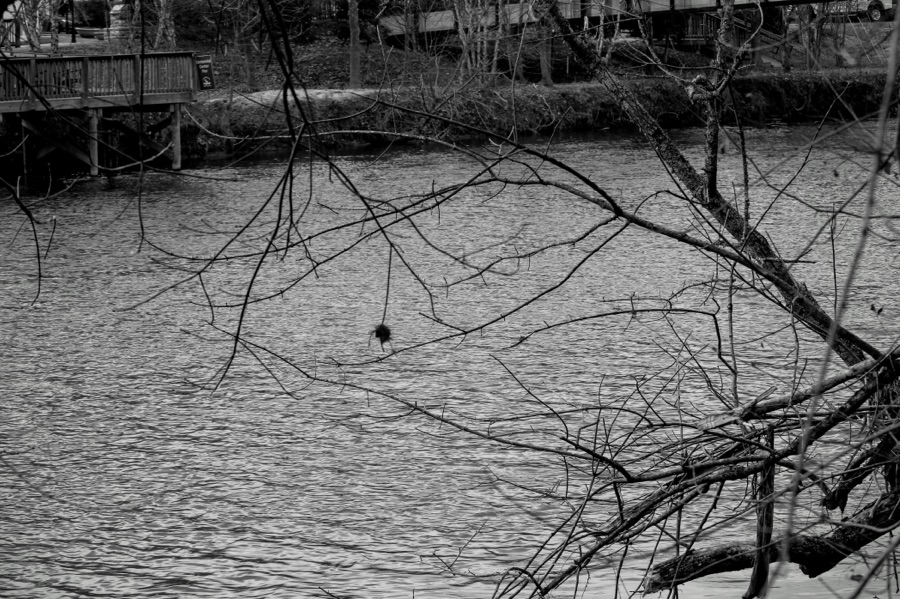
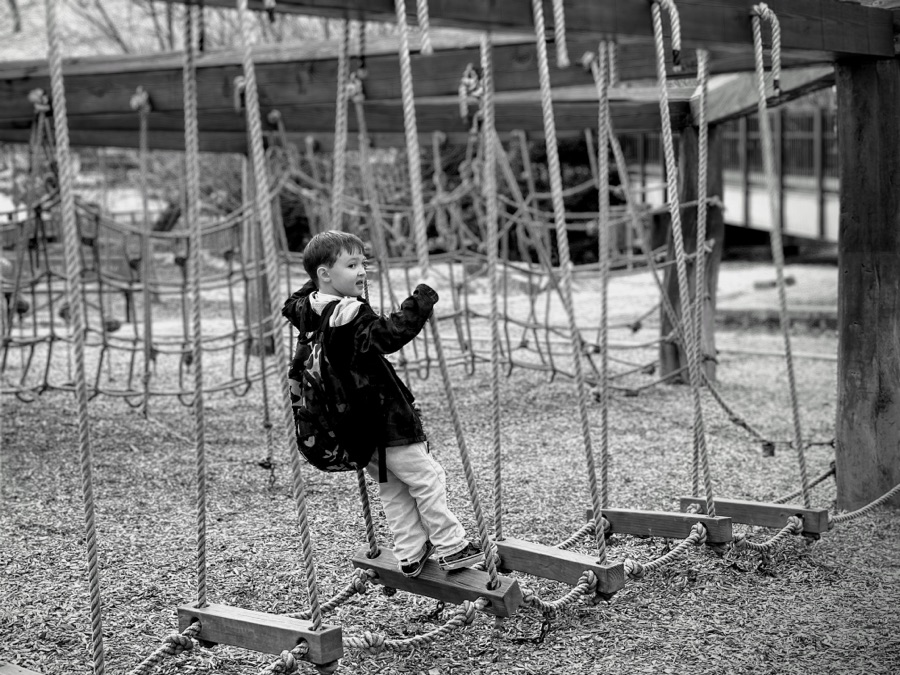
The Cosmic Photo Challenge prompt for this week is Black and White. Looking through this past week’s photos from Coleman and my visit to Goat Island Park and Greenway, I found few that I think would work for this challenge.
Here is what I have chosen for this week’s CPC prompt.
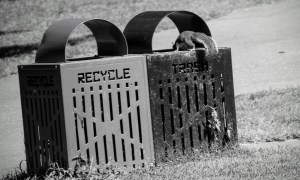
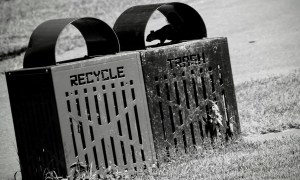
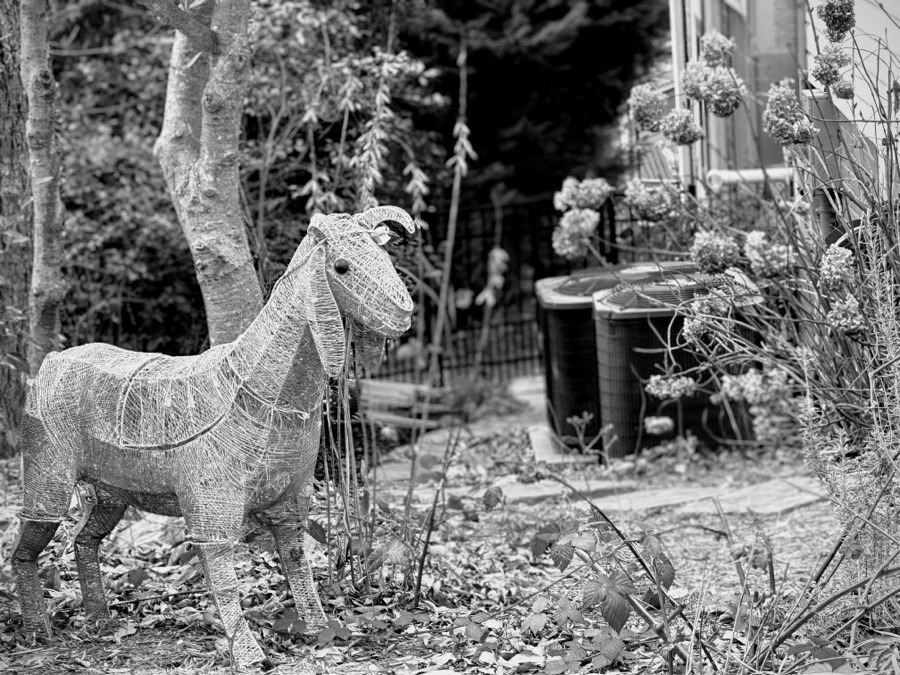
Tunnel with Car passing through under the Train. South Fork Catawba River Coleman Coleman Goat in Neighboring Yard
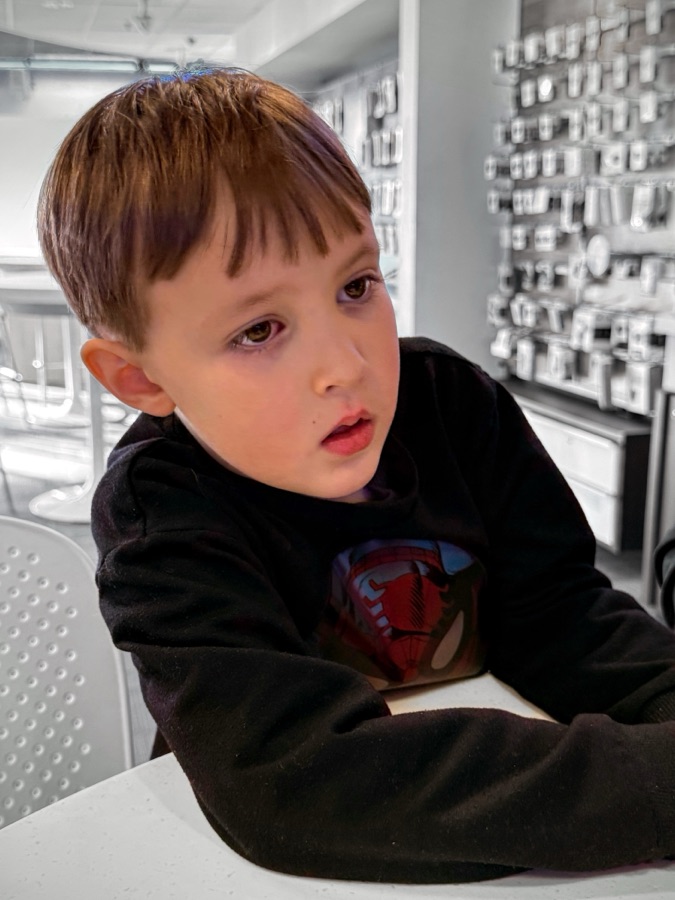
Now to show some of what I took today of Coleman using my new iPhone 16 Pro Max.
Coleman at the AT&T store patiently waiting for us to go.
Location: Crandall Bowles Children’s Farm; Greenway Stables Entrance; Anne Springs Close Greenway; Fort Mill, South Carolina, USA
God Bless. Enjoy the Outdoors. Ready for Spring yet? I am. Thank you for visiting and sharing your time and thoughts with us. I appreciate y’all very much.
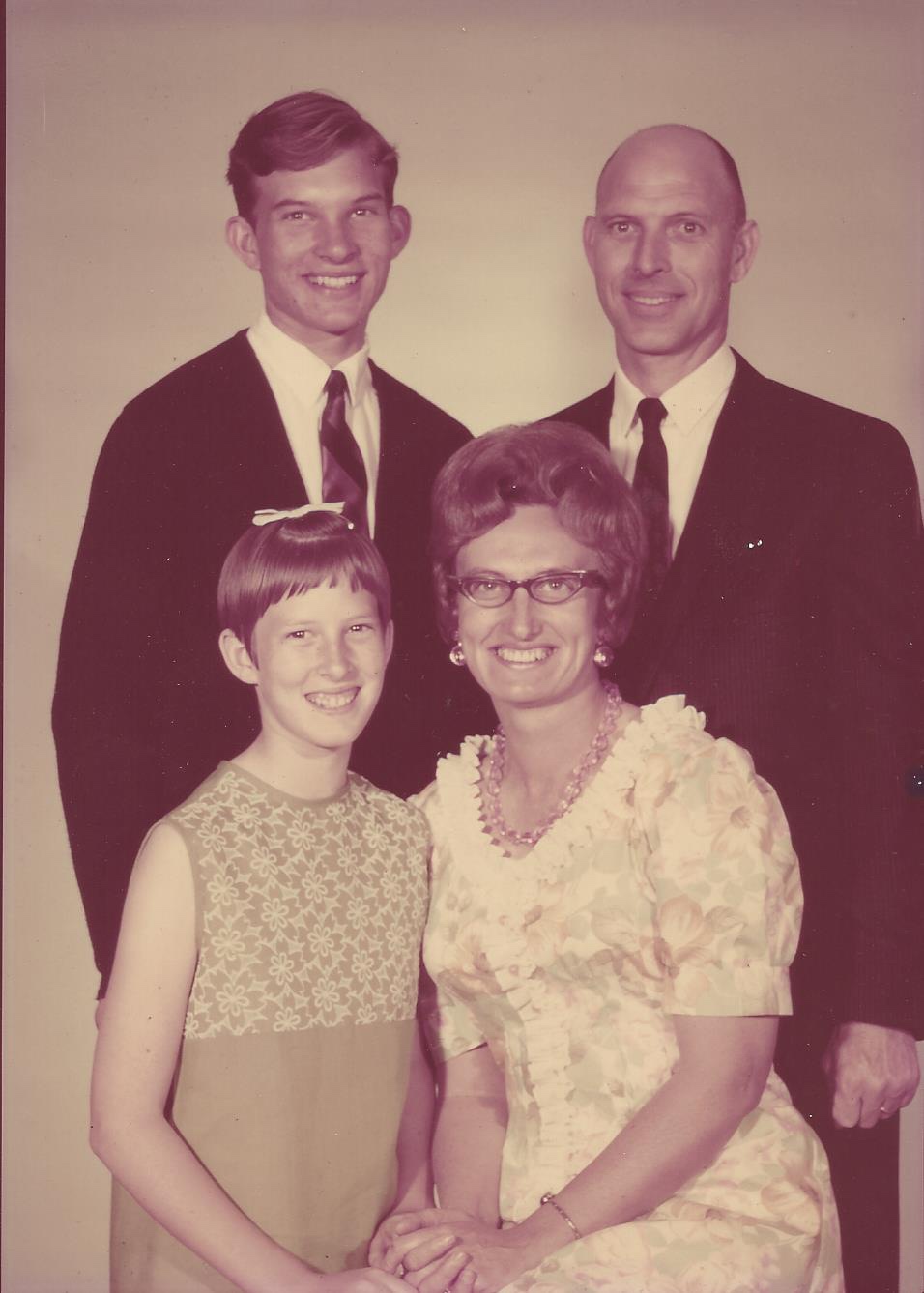
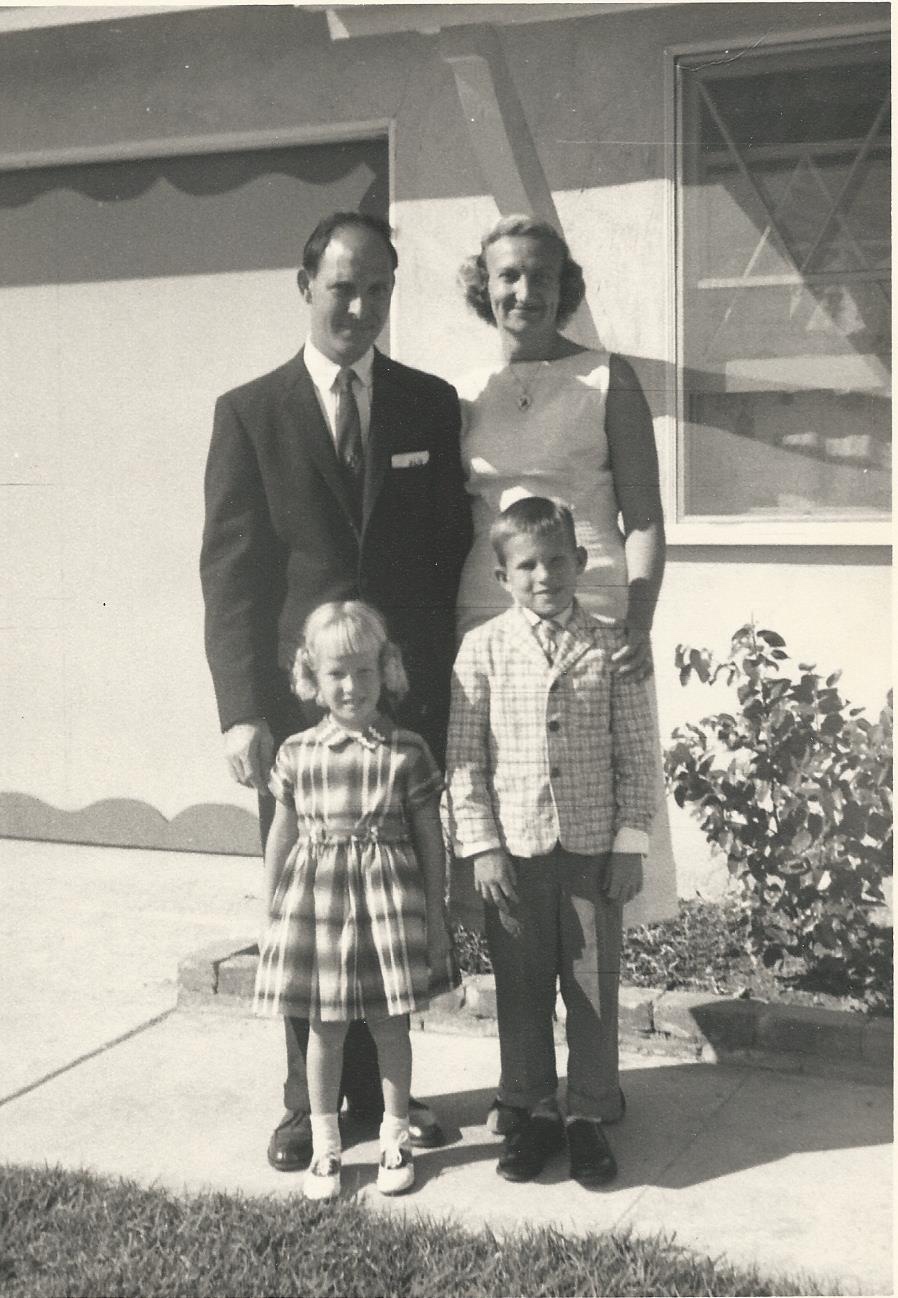
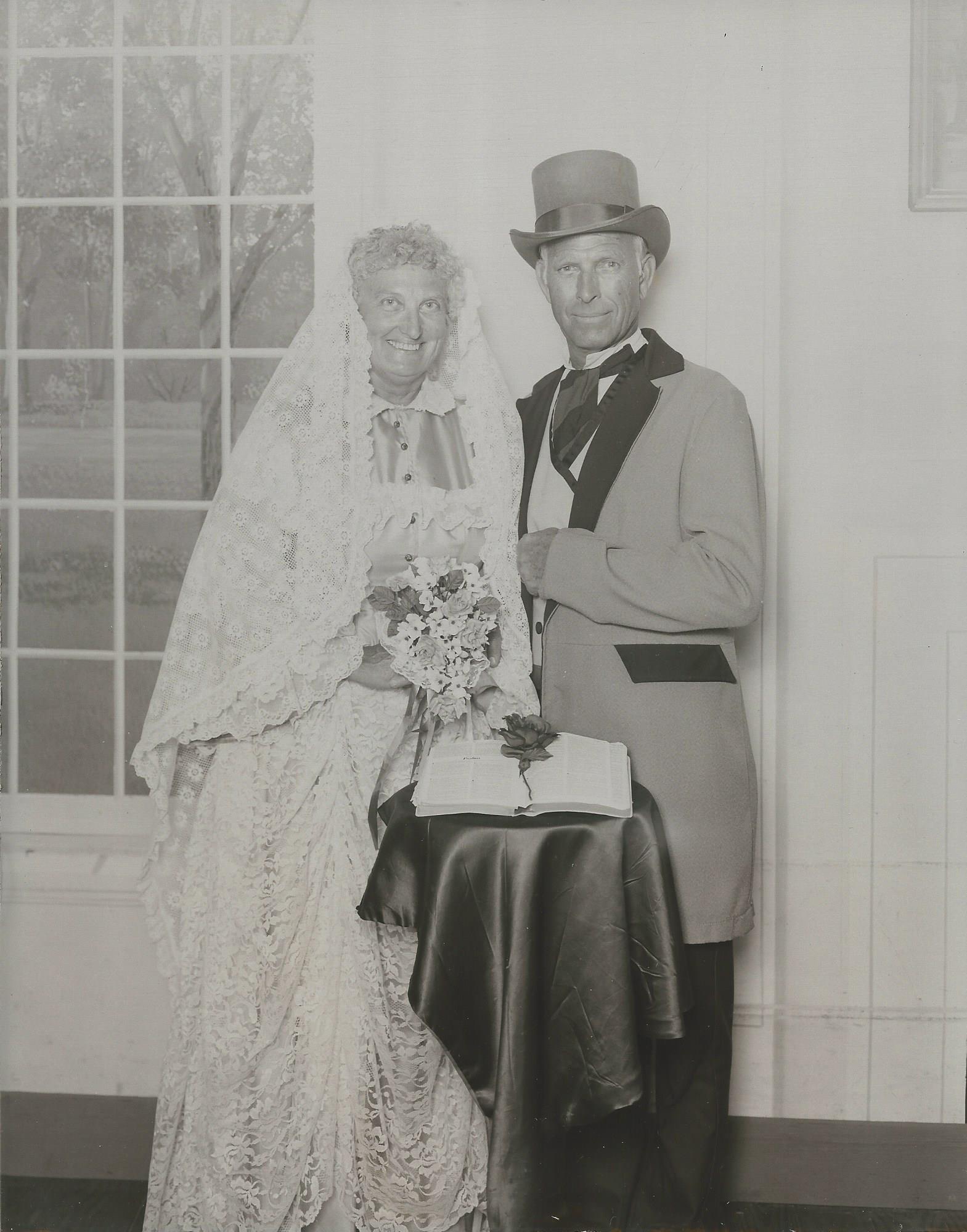
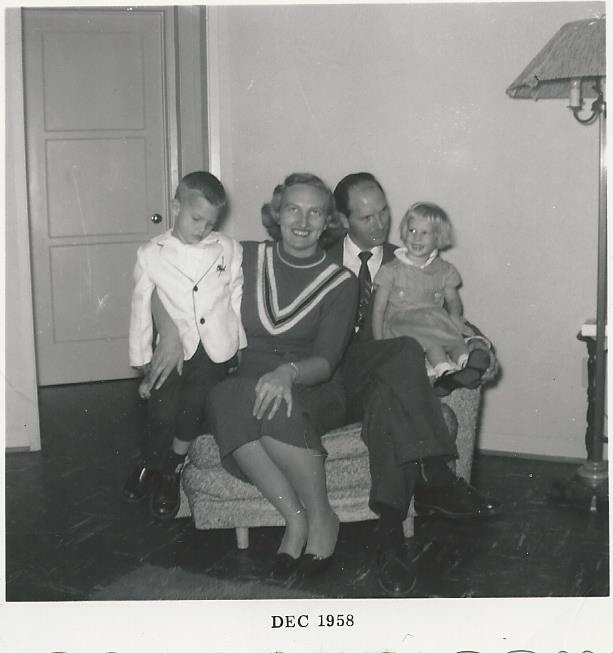
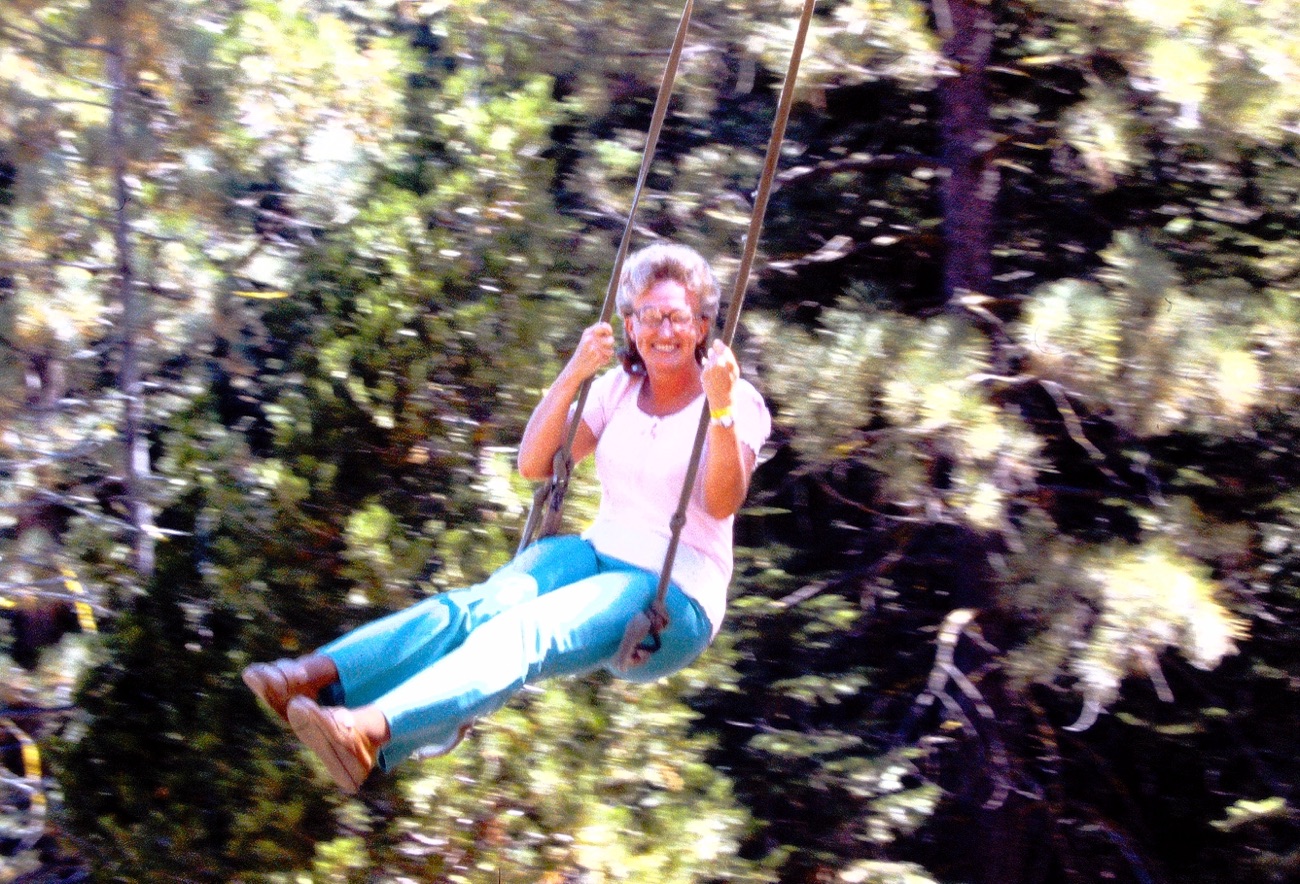
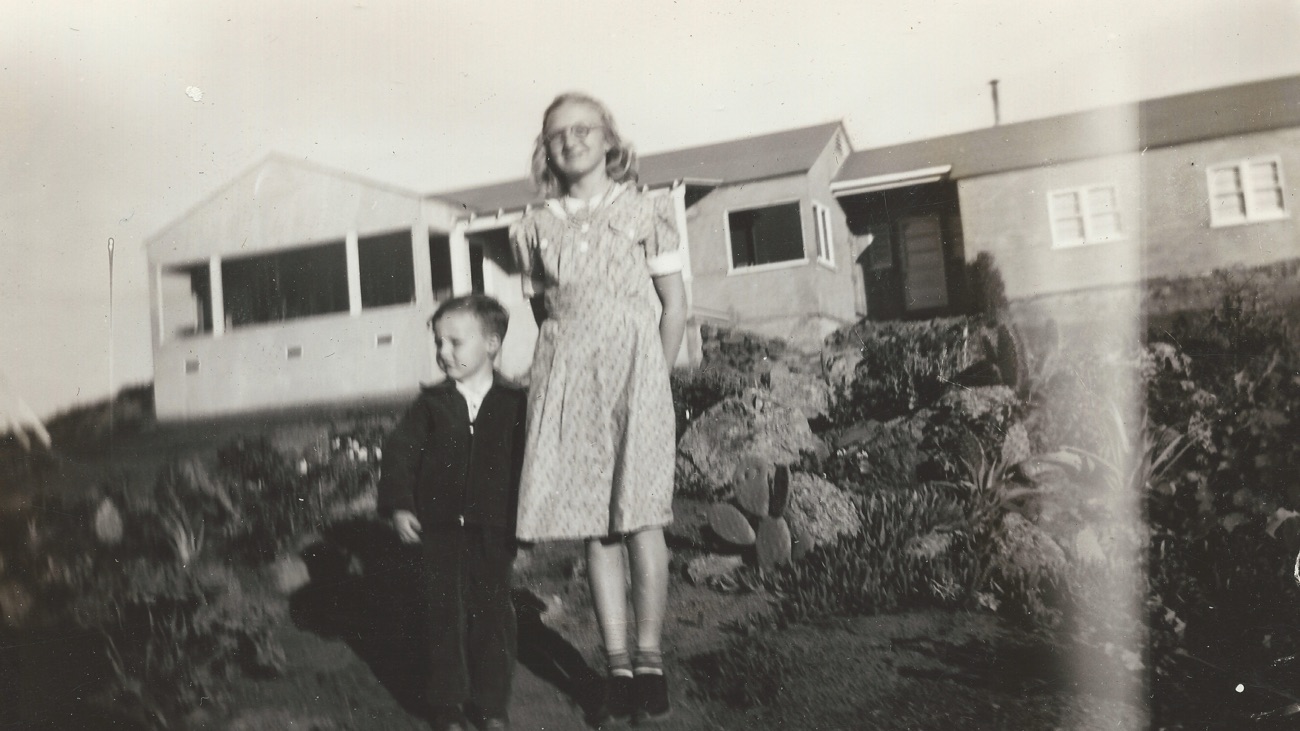
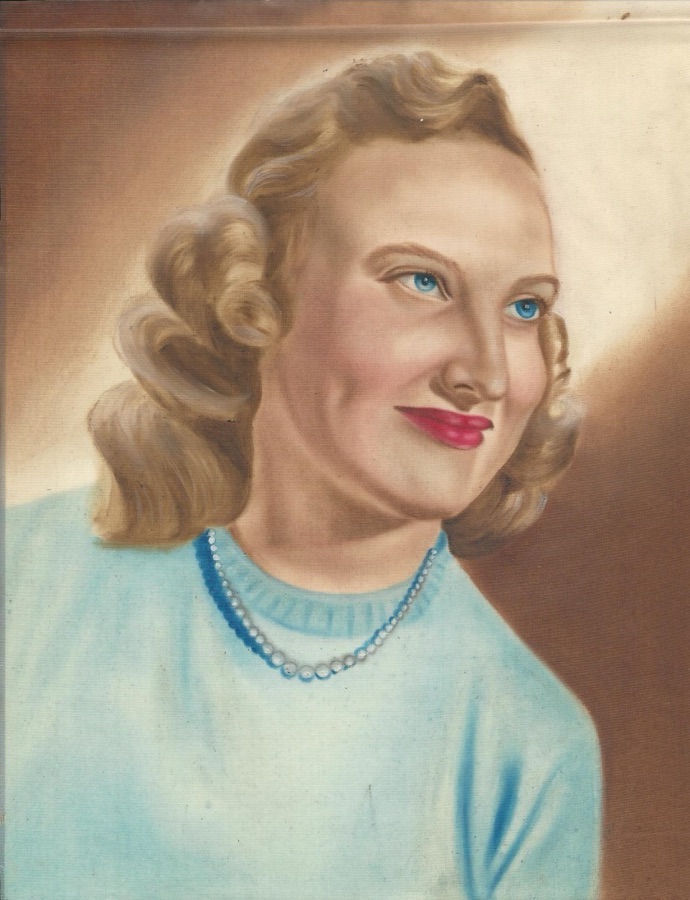
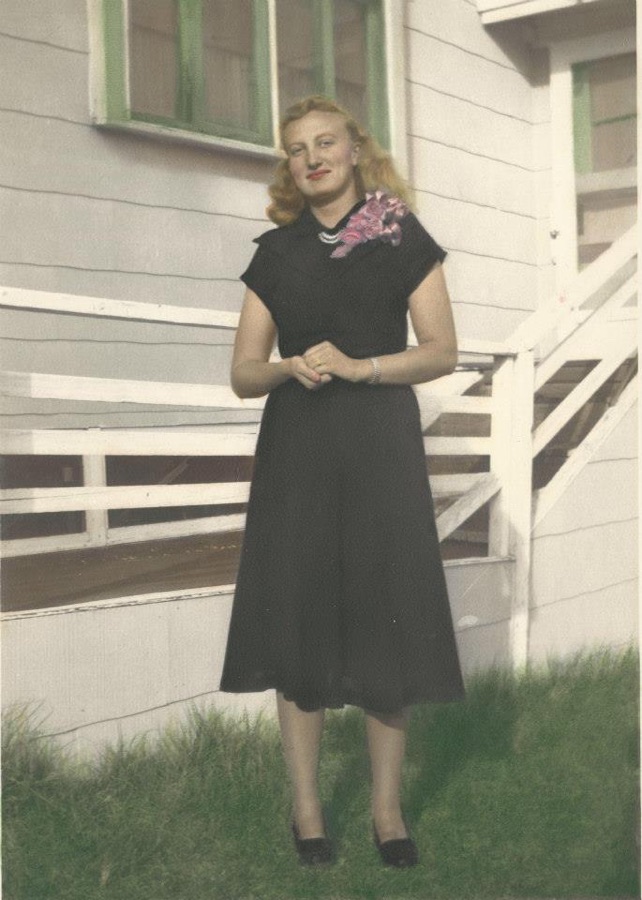
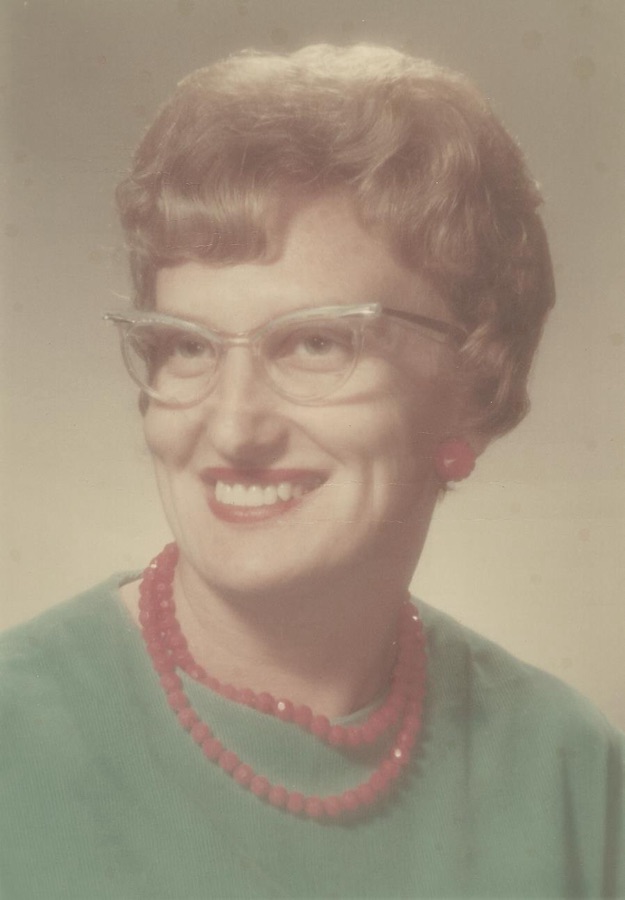
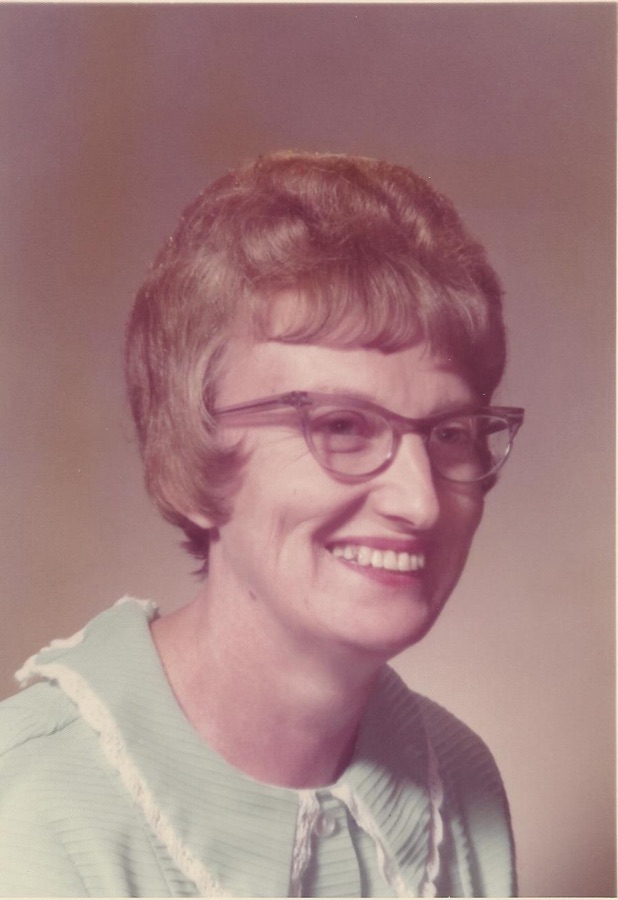
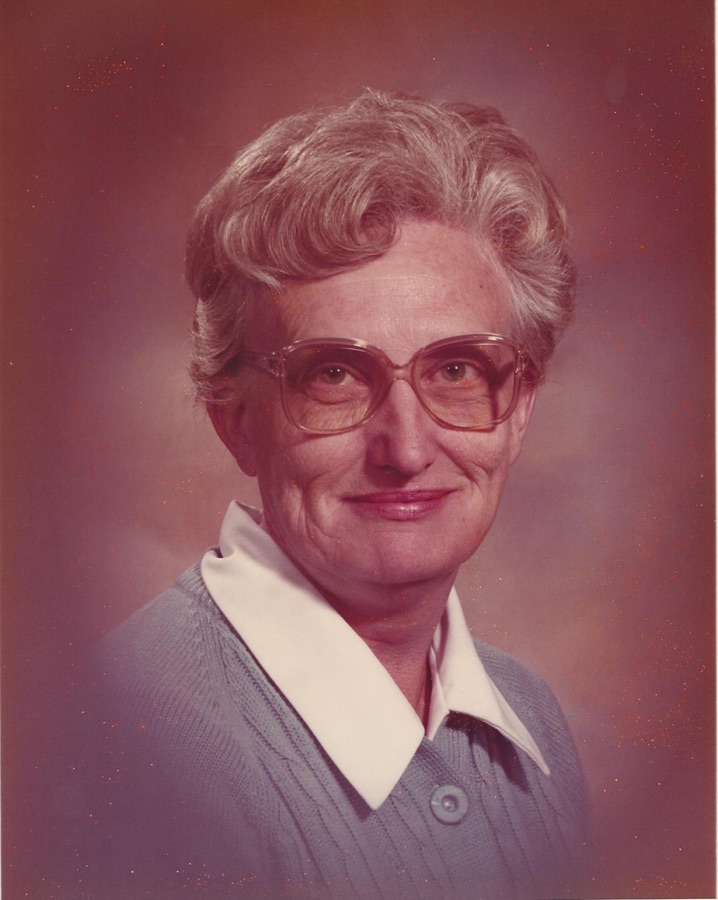
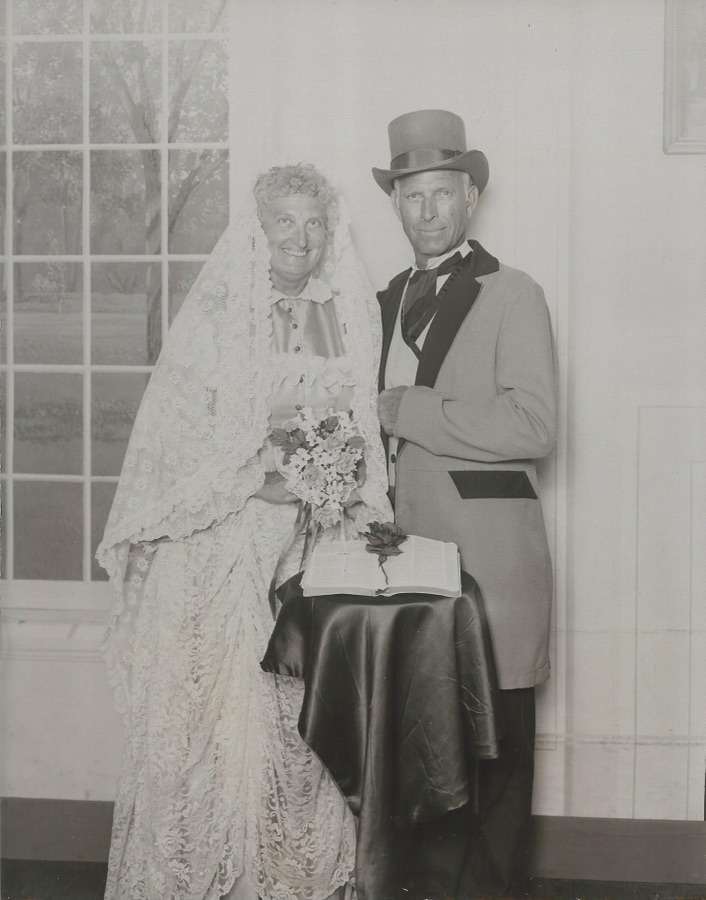
In Memory Doyce Eileen (Watson) Waters, aka my mom
Six years ago January 18, I received some devastating news, yet expected news. I was at work when my manager called me into his office saying I had a phone call. [Mind you now, I do not normally receive calls while I’m working and especially not on a work phone.]
What news did I receive, you ask? The phone call was from my brother in Texas. He called to let me know our mom had passed during the early morning hours. Yes, that is devastating news to receive and even more so while you are working. Needless to say, my work day ended after that phone call. I had arrangements I needed to make. Arrangements for my daughter and myself to travel to Texas for her memorial service and help my brother with the arrangements. Most of her arrangements were already preplanned.
Notice I said in the beginning the news was expected, just not the when. Why was it expected, you may wonder or might not? You see, my mom was dying from cancer. The type of cancer doesn’t matter. By this time in her life she had had several different types of cancers. She had received the chemotherapy, the radiation, and whatever was decided by her doctors for her previous cancers. This time around she made the decision that she wasn’t going to go through all of those treatments again. She had previously watched how the treatments affected my dad when he received the treatments when he was diagnosed and treated for cancer. (As of December 31st, it has been 28 years since my dad passed from cancer.) After receiving her diagnosis of cancer this last time, I believe she was ready to join her husband, loved ones, and friends in heaven.
Her passing affected me even though we were not close in my adult life. I loved my mom, don’t doubt that and I know she loved me. However, I truly felt that she did not like me or anything about me. To me, (my opinion only) she favored my brother and his family over me and my family. Now if you asked him, he’d probably disagree with my opinion. That doesn’t matter, that’s how I felt.
When she passed in January of 2019, I had not seen my mother since 2010 when she along with my brother came out to watch my daughter graduate from high school. Even then, she only spent a few hours with my daughter and myself the whole time she was in the Carolinas. They stayed with my dad’s sister, we saw them the for an hour the Thursday before my daughter’s graduation, at her graduation, and then for an hour at her graduation/birthday party the Sunday after her graduation. To me, it felt like very little time. Especially since afterwords, she moved from her home in San Diego to Plano, Texas to be near my brother and his family. Back then, I felt hurt and probably resented that she was closer to my brother.
Nowadays, I think I should have reached out to her more instead of just living my life struggling to provide for my family. It is sad that we didn’t have the kind of relationship that I now wish we had. The saying is true, you never know what you have or could have had until it is gone. I still think of my mom at times. Especially this time of year and in October around her birthday.
I do not mean to sound frustrating, angry, or like I’m having a “pity party.” Sometimes, you just need to let go of things, pour your heart out, and try to remember the good times.
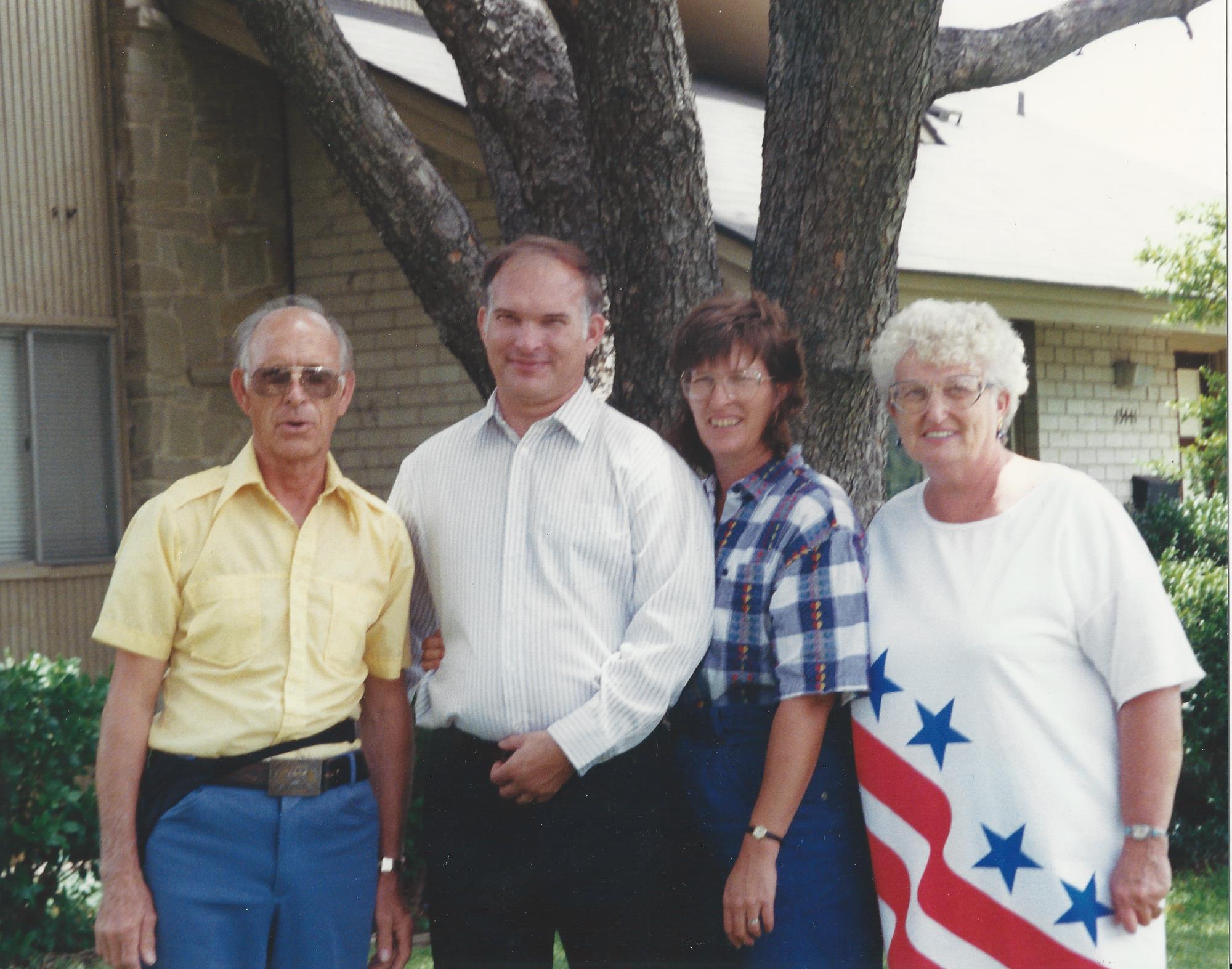
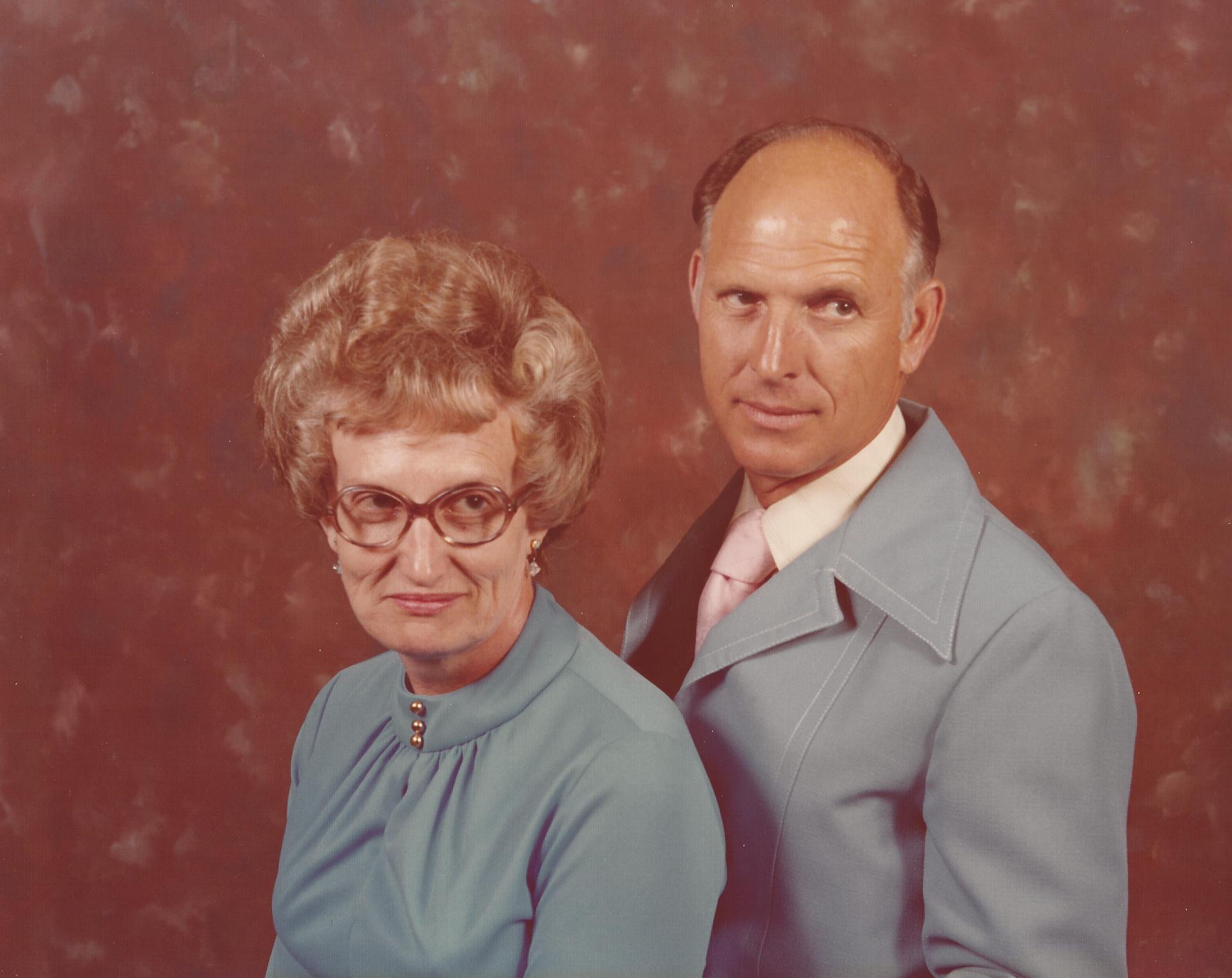
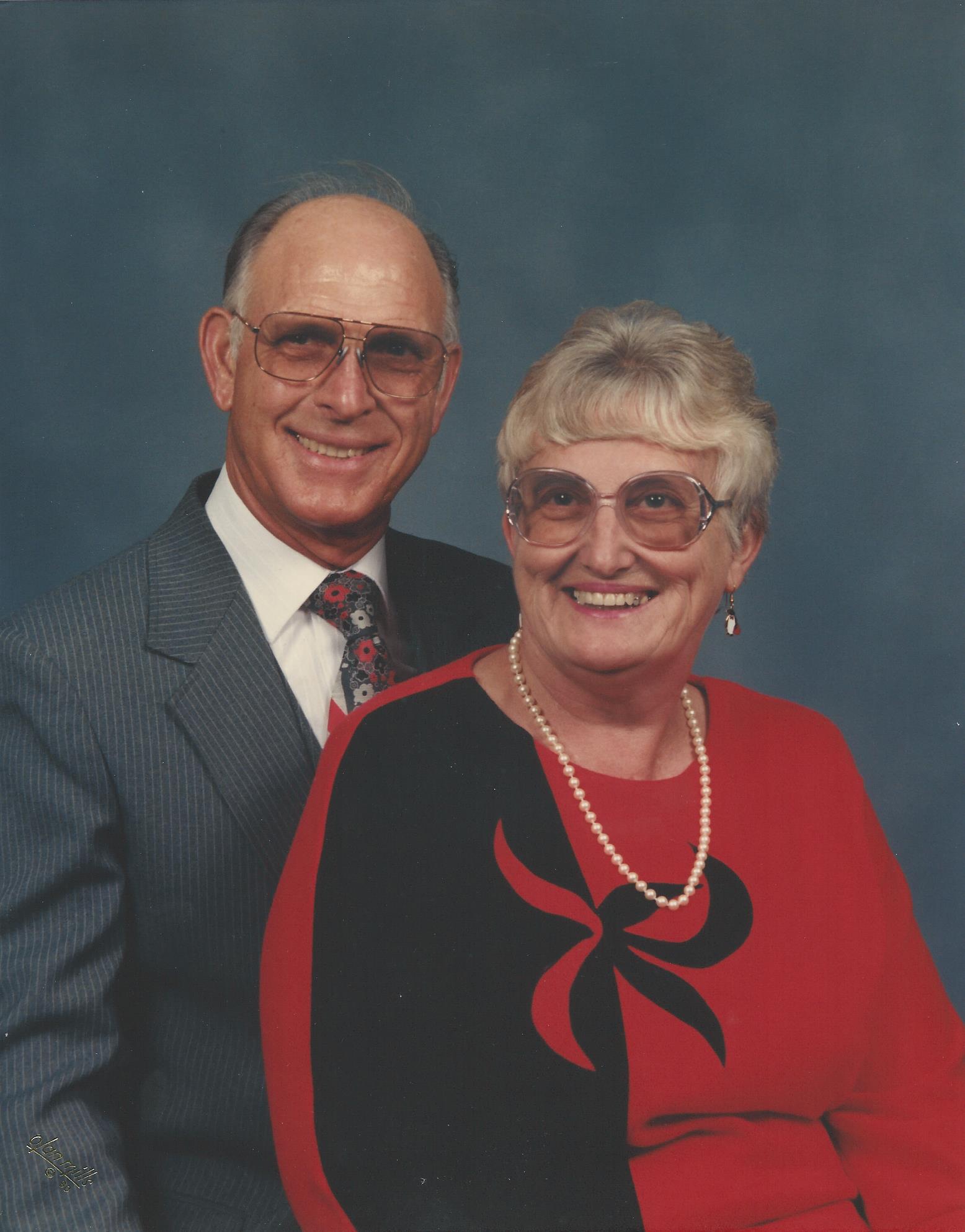
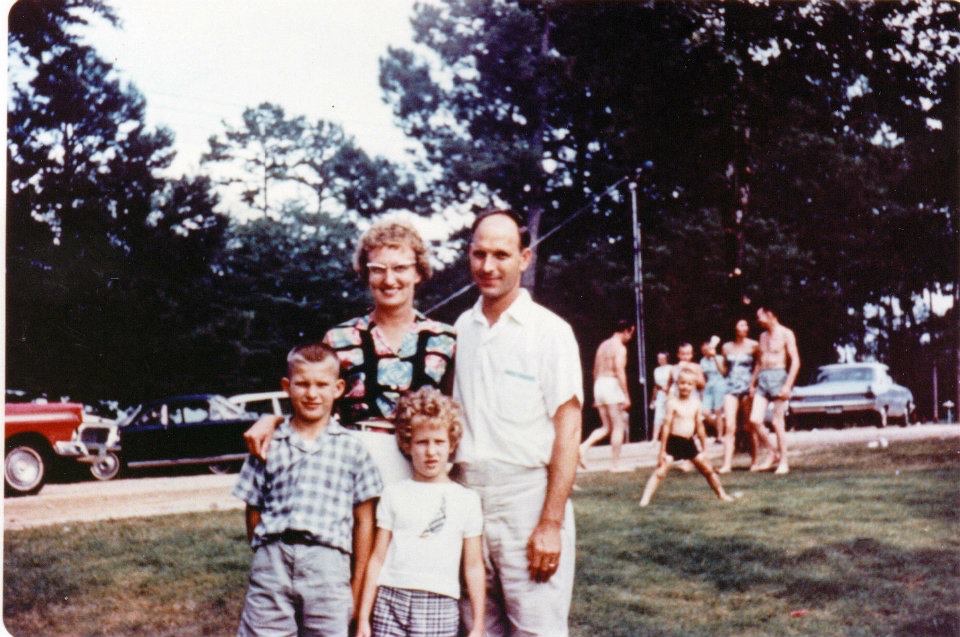
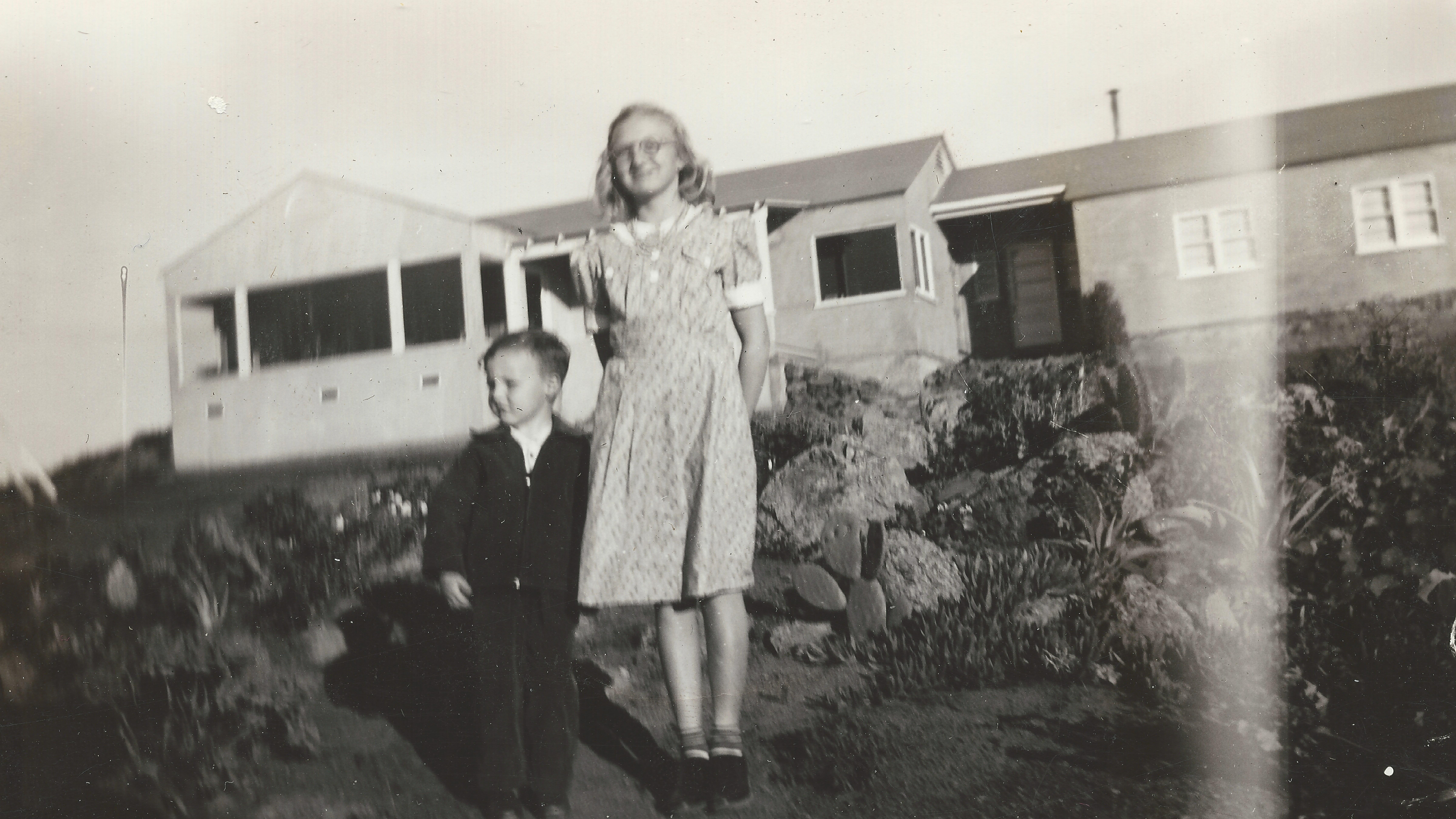
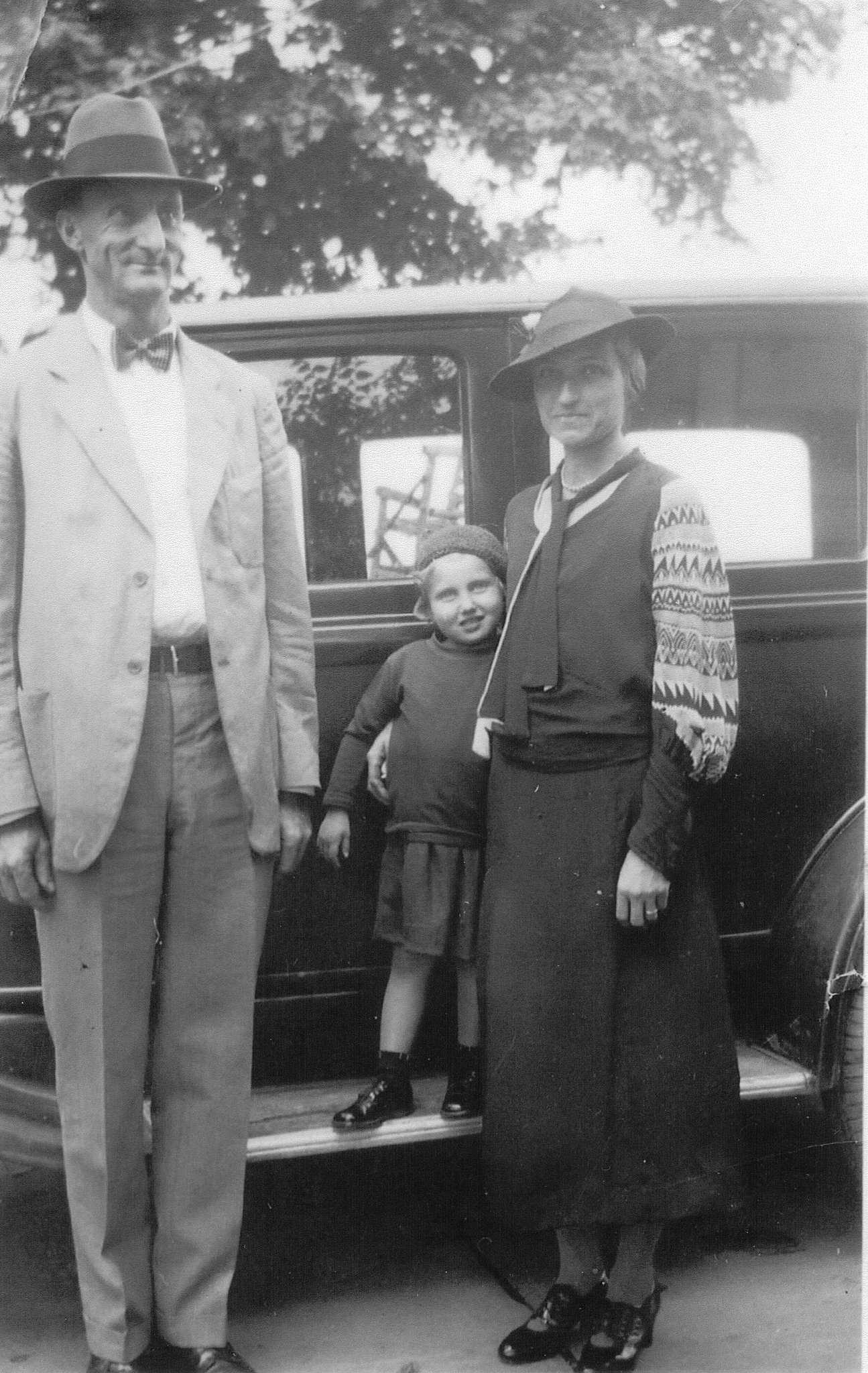
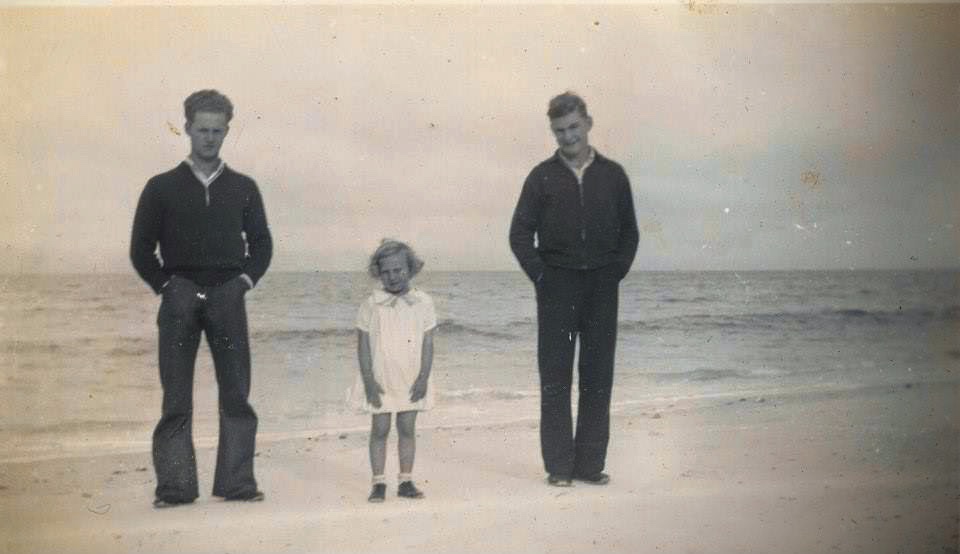
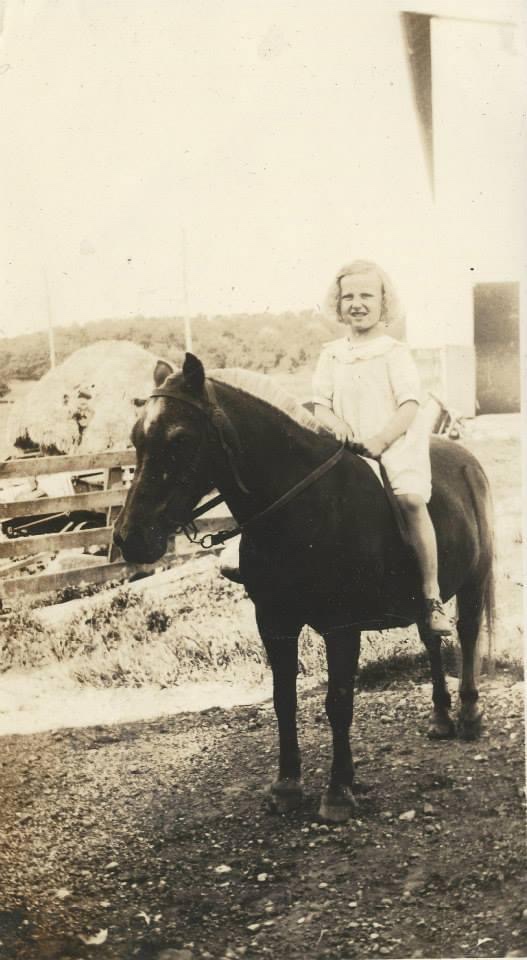
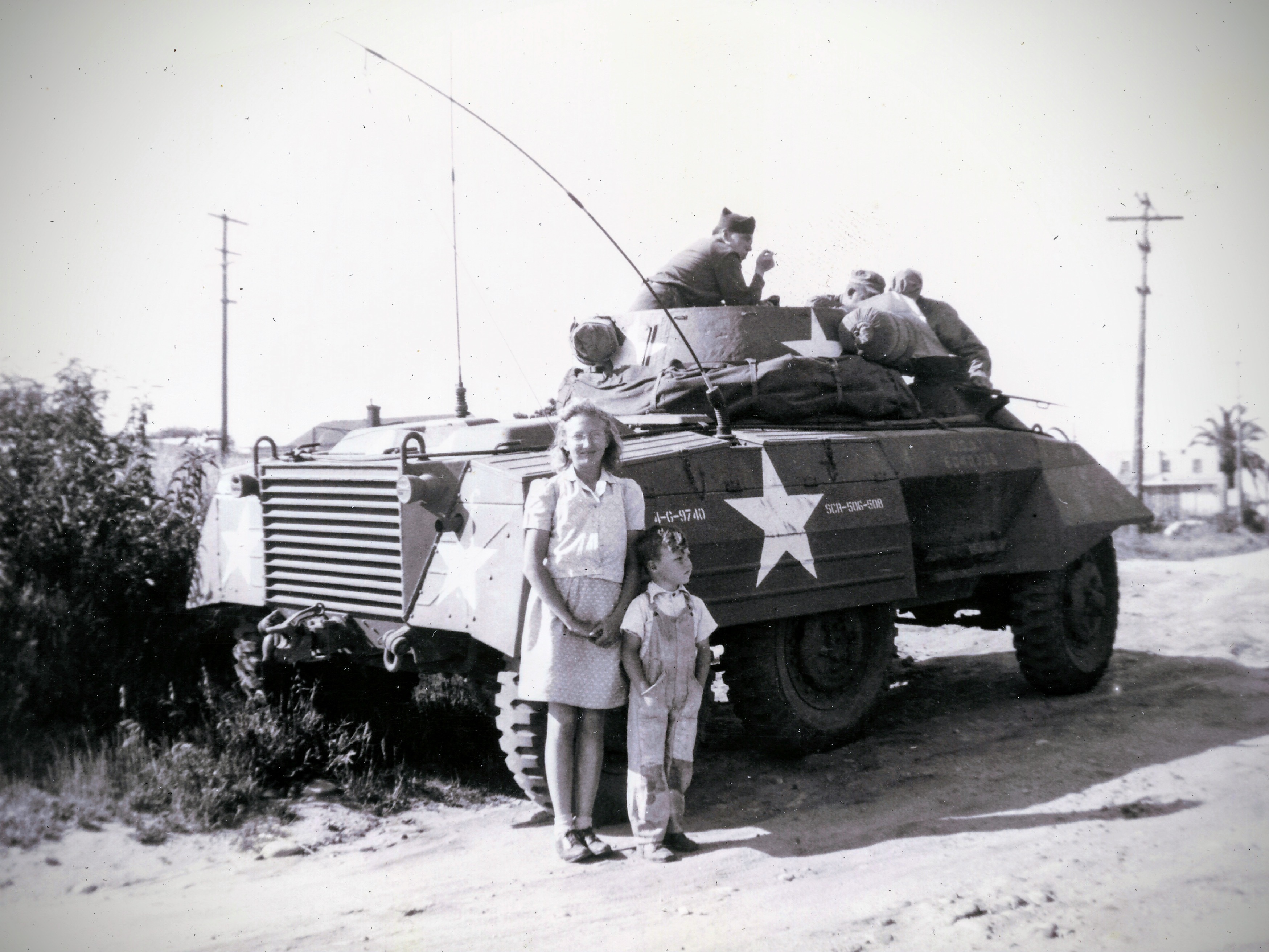
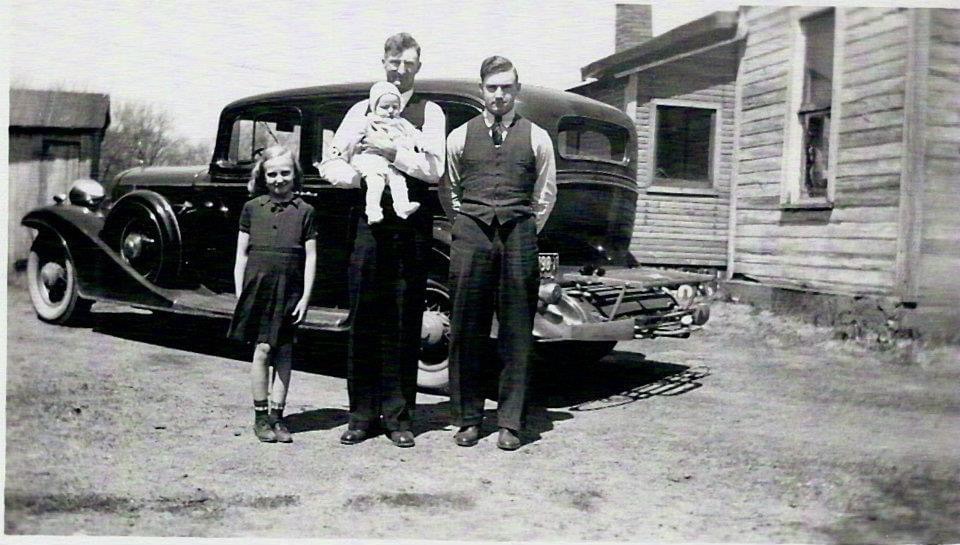
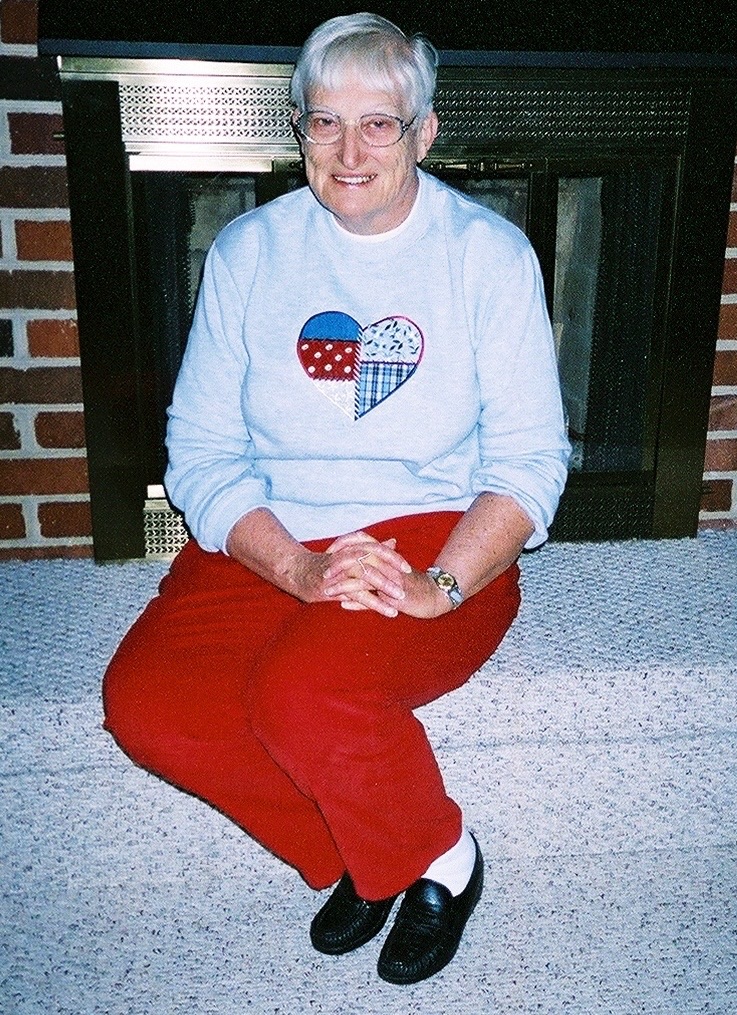
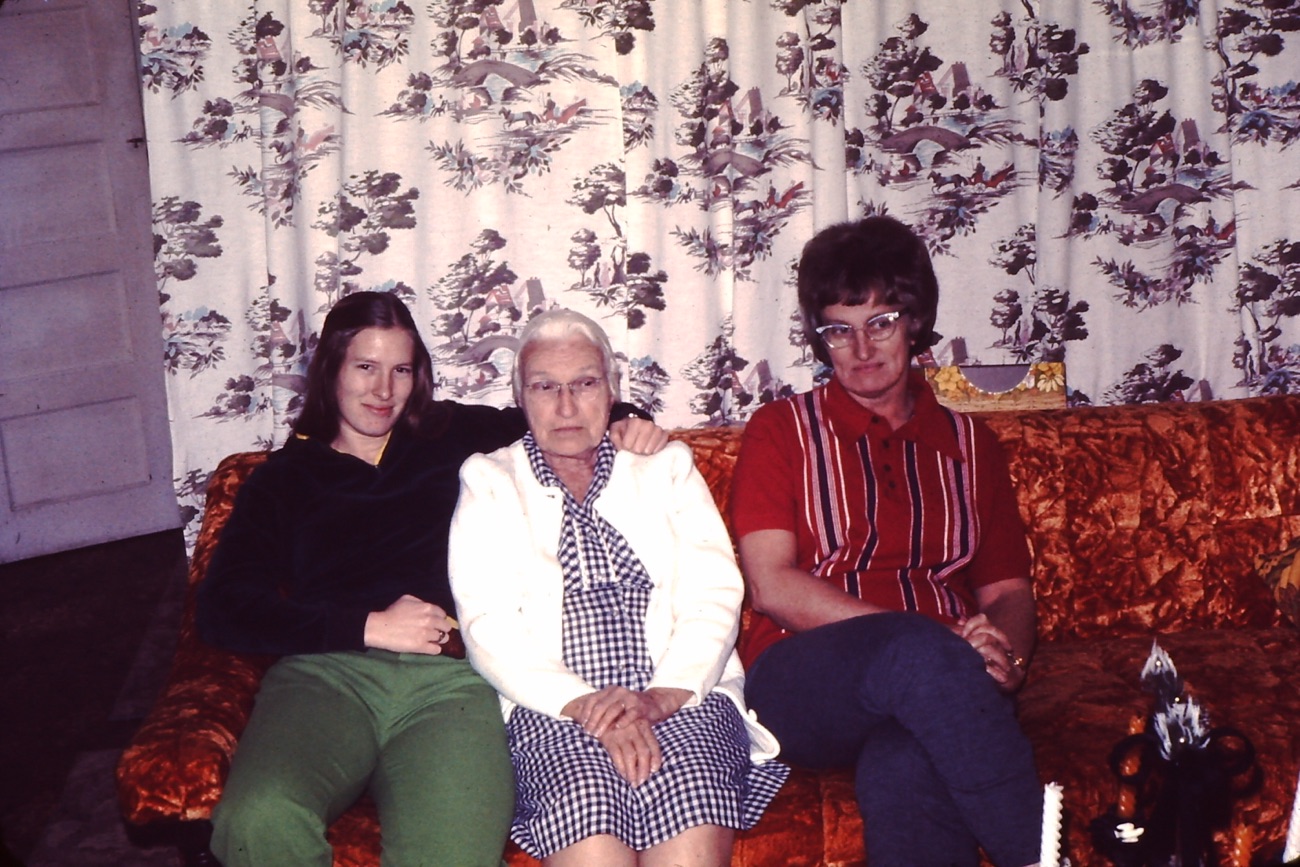
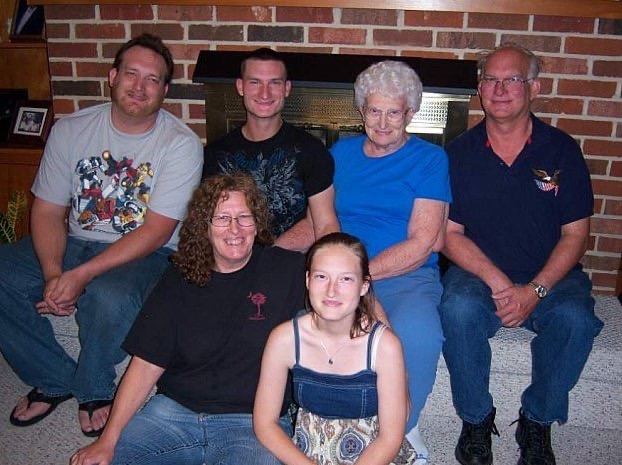
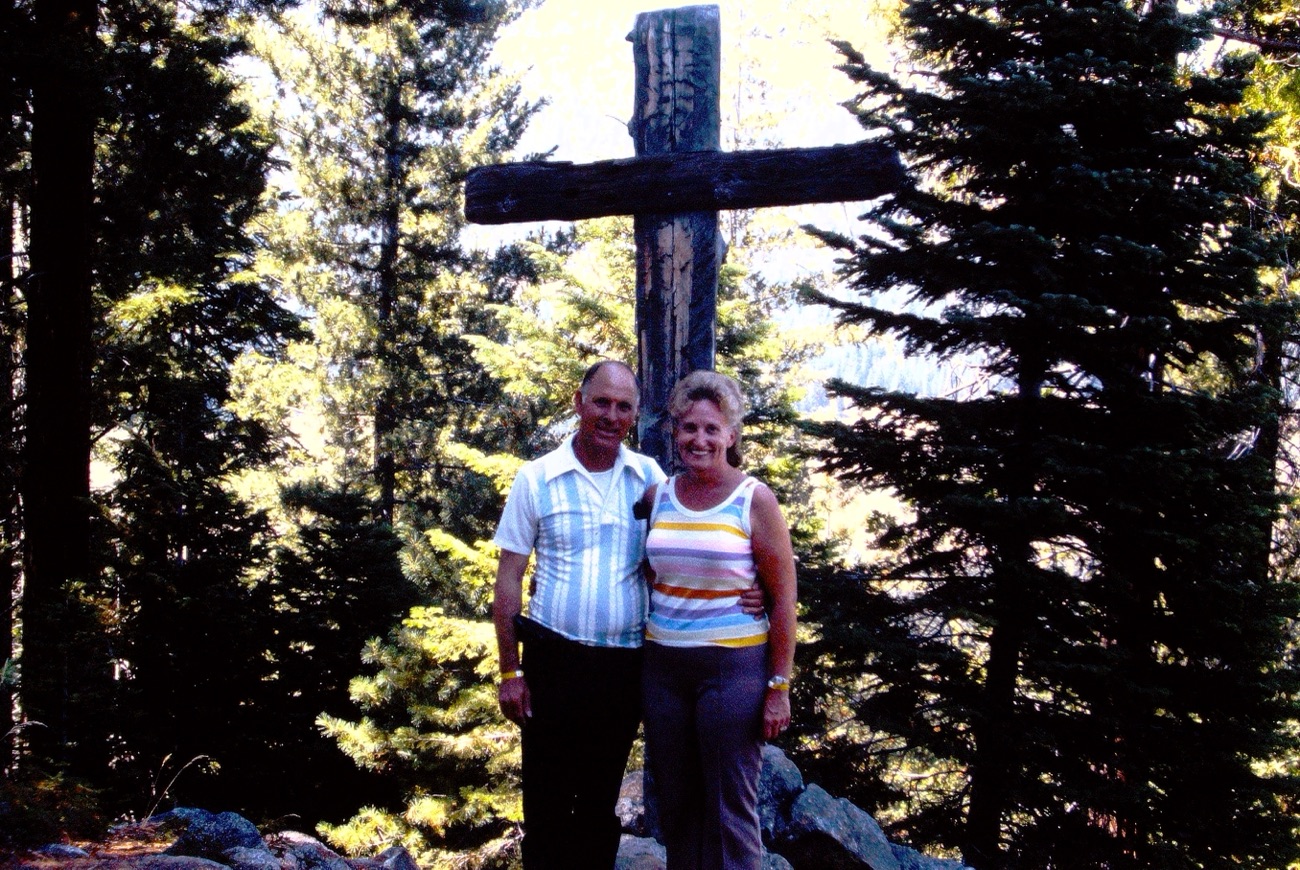
Here is a few photos of my mom …
Remember you may click on each photo for larger enhanced viewing.
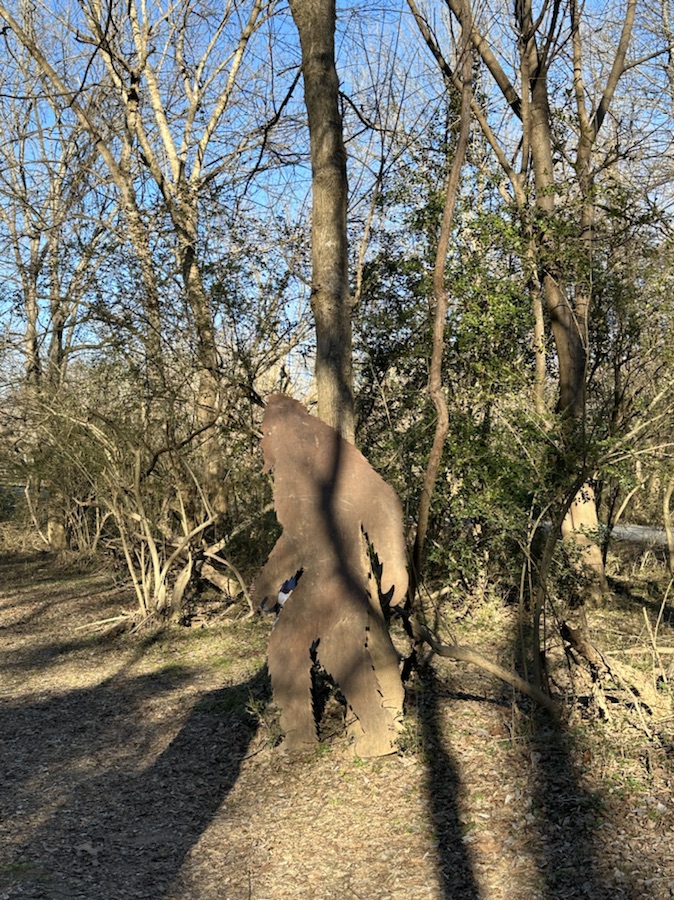
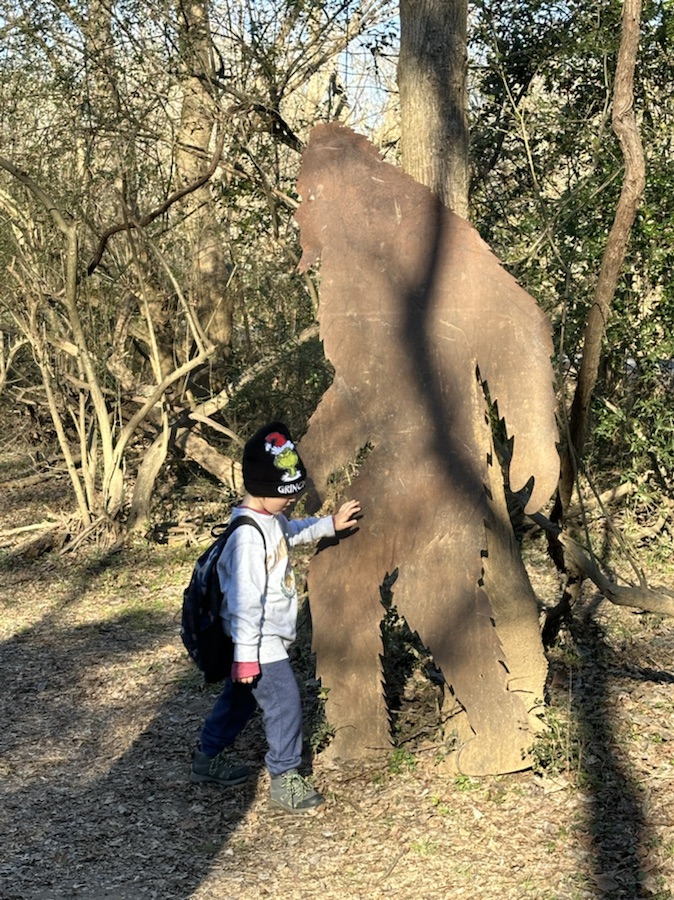
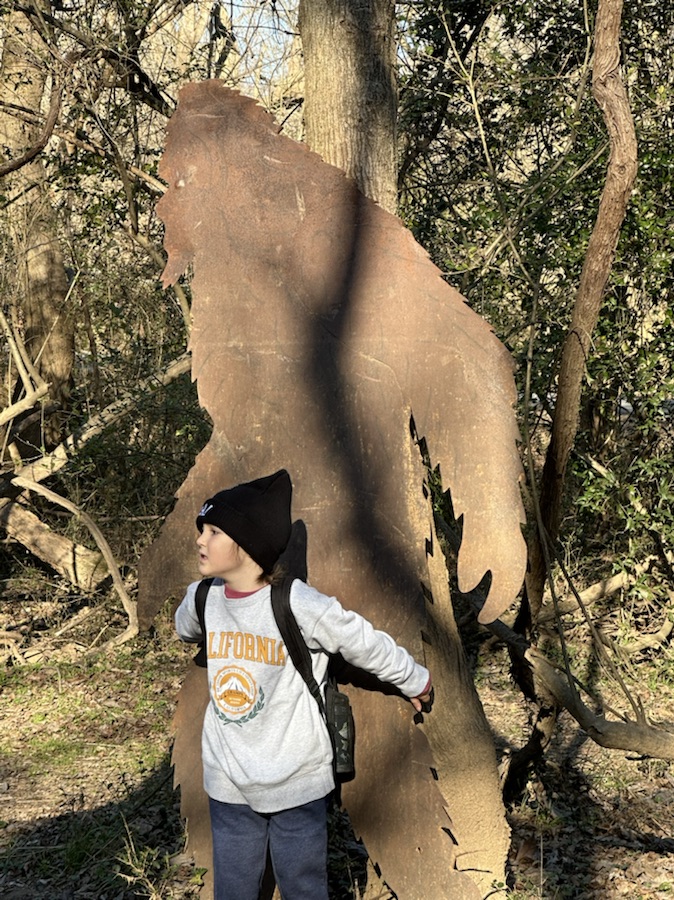
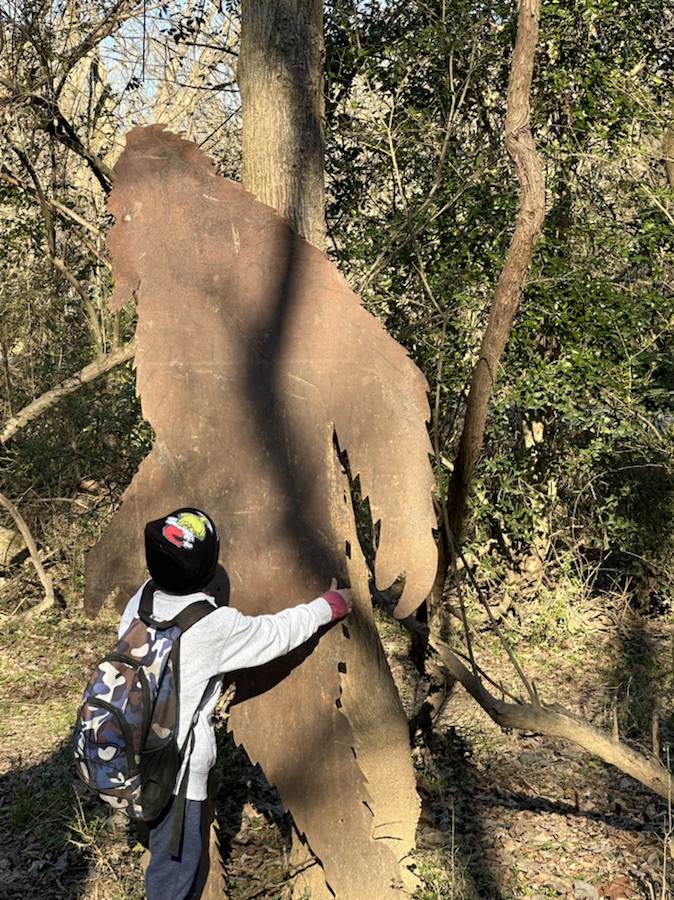
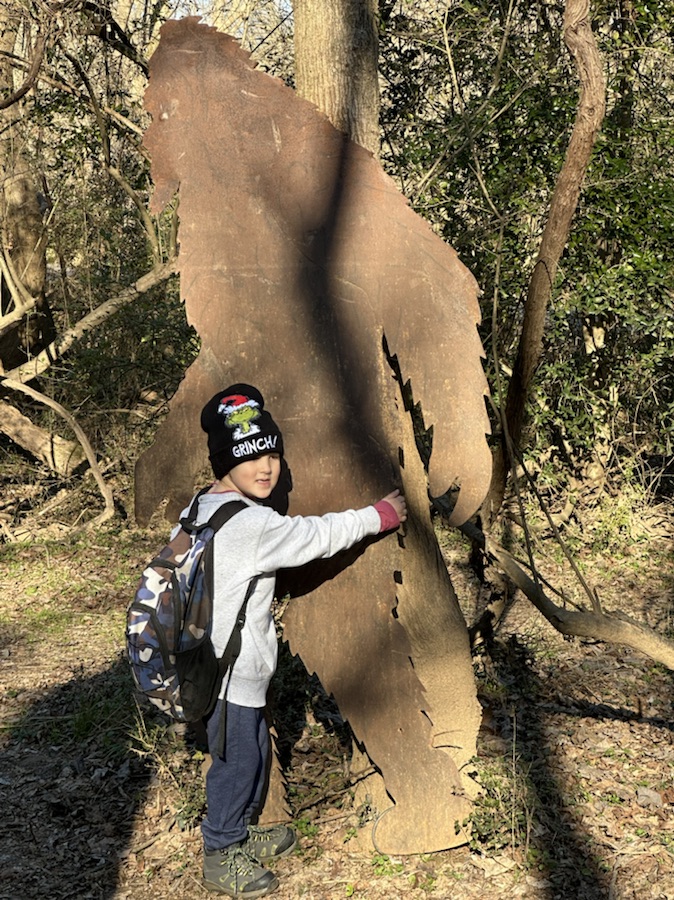
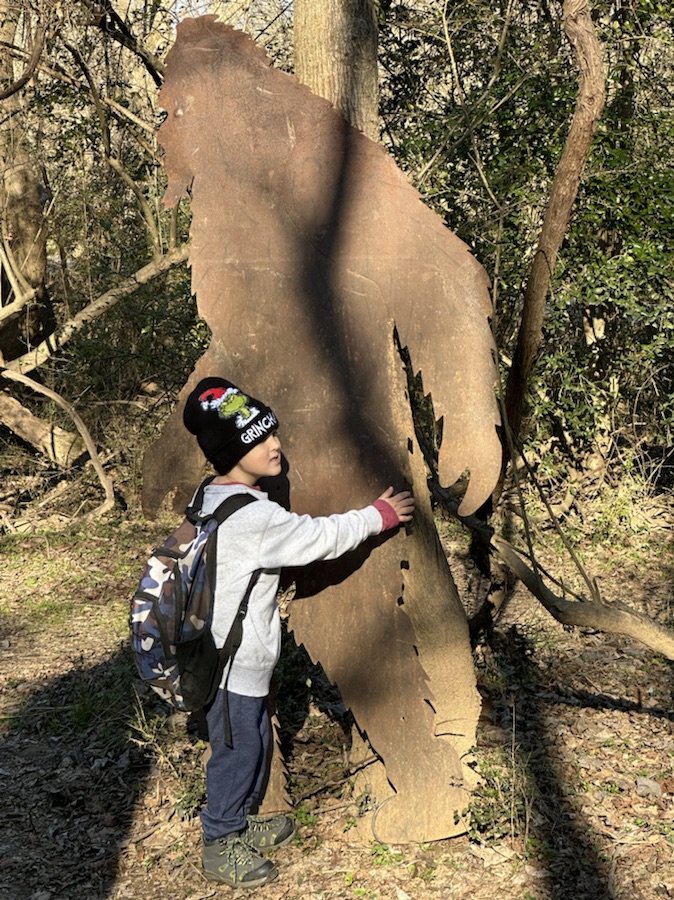
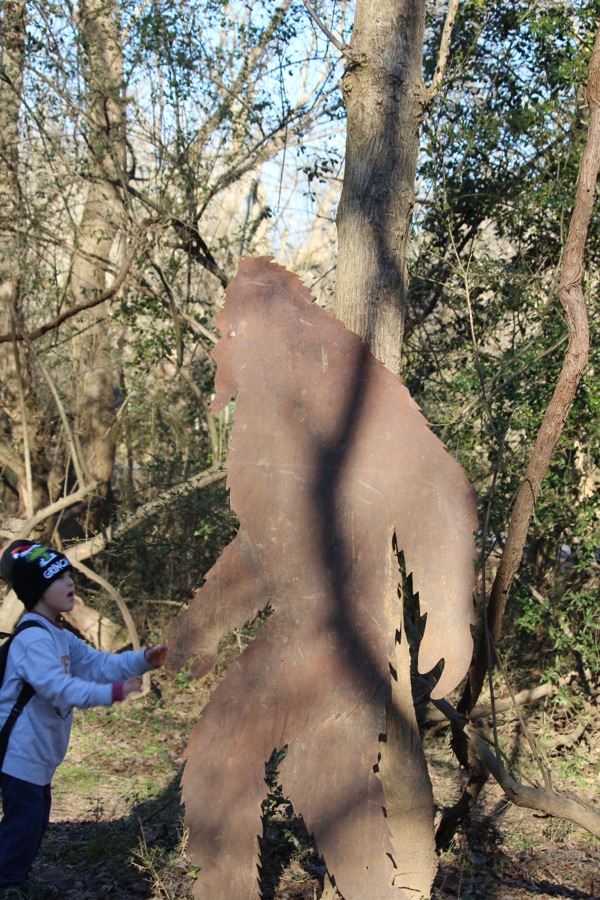
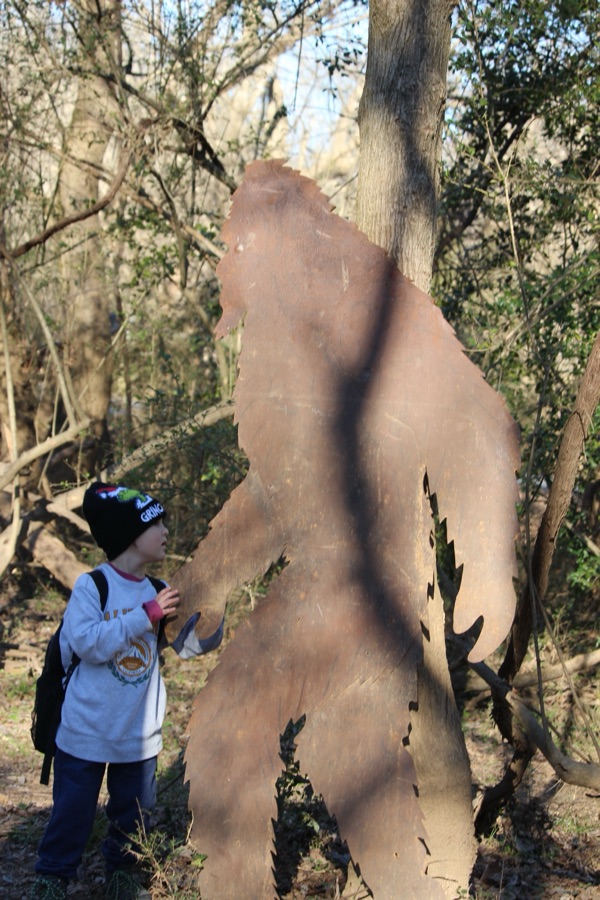
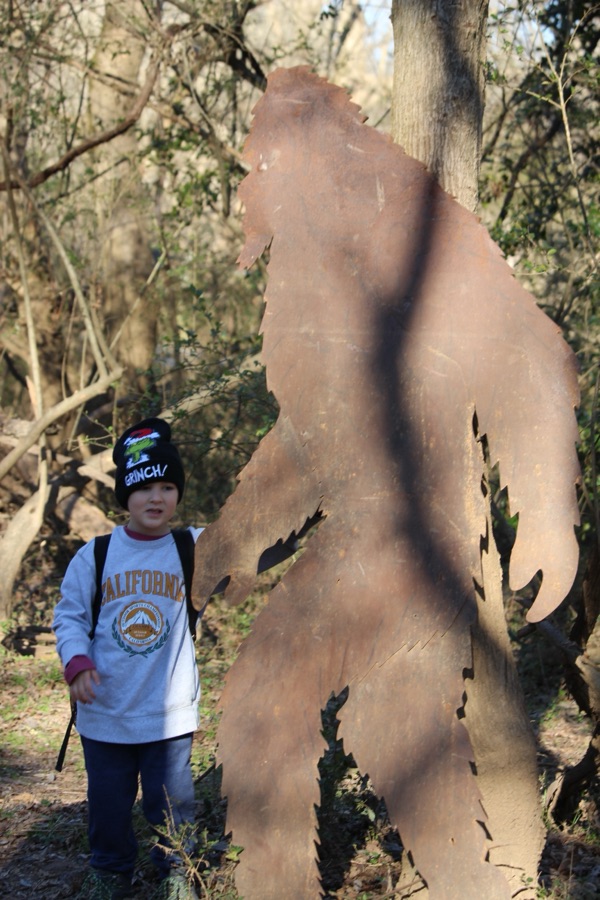
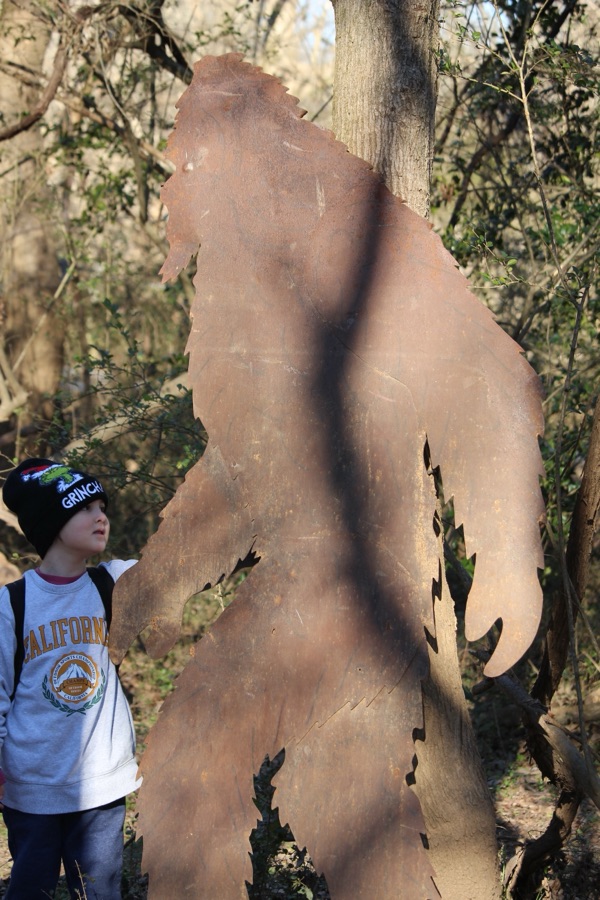
This (PPAC)of Bigfoot ( also known as Sasquatch) is located on the Disc Golf Trail at Goat Island Park and Greenway in Cramerton, North Carolina. This is the first time Coleman and I hiked this trail since Hurricane Helene. After the flood damage to the trail in the aftermath of Hurricane Helene; the trail was blocked off prohibiting access temporarily until repairs could be completed. We did not recall seeing Sasquatch previously. Coleman was fascinated by the Bigfoot and had to check it out.
















































 Gfpacificbee’s Insights & photography