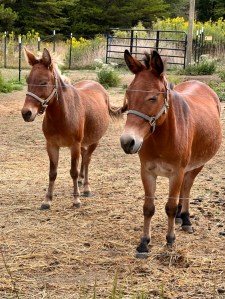
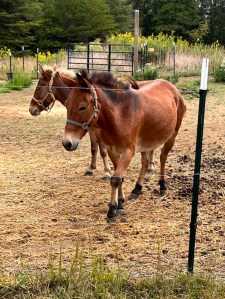
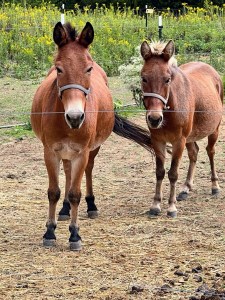
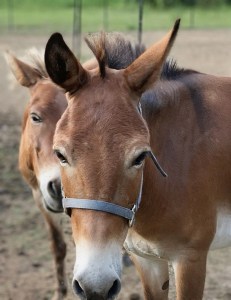
These are Mules, even though I heard their owner refer to them as Jackasses. They are Mules, a hybrid. Simply meaning they have one parent that is a male donkey (a jack) and one parent that is a female horse (a mare).
Mules receive their size, strength, and speed from their horse side and inherit their endurance, patience, and a surprising level of intelligence from their donkey side. Their feet a much tougher than those of horses, making them excellent for navigating challenging terrain.
Terri has recently started a new theme for the Sunday Stills challenge called Animal of the Month. I’m not sure if my animal fits this week’s animal of the month theme or not since I write mine in advance, but hopefully it’ll be alright.
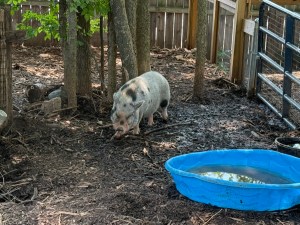
See the Pig Eyeing the Pool
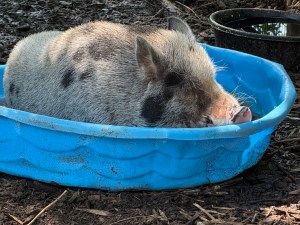
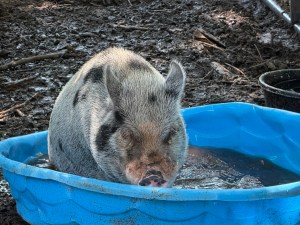
With our extreme heat wave we’ve been experiencing, I found it fascinating that even the Pigs in The Farm area at The Schiele Museum of Natural History thought it was too hot.
Pig slowly approaching pool
Coleman and I stood watching this Pig for a while enjoying its antics and Wallowing.
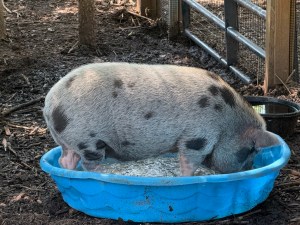
Pig’s by the pool. What’s he gonna do?
With it being so hot and humid what else should the Pig do but get in the pool and cool off.
Pig is in the pool.
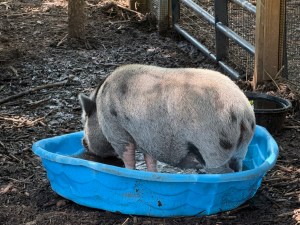
Turn, turn, turn …
Round and round goes the Pig …
Pig says it’s time to wallow.
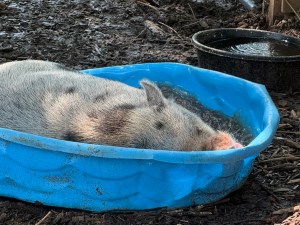
And keep wallowing till it’s completely cooled down …
Turn, turn, turn
Maybe I’ll just take one more spin wallowing in the pool before I get out and mingle.
Location: The Farm; The Schiele Museum of Natural History; Gastonia, North Carolina, USA
God Bless. Enjoy your week. Have a wonderful good and safe week. Thank you for visiting and sharing your time and thoughts with us. I appreciate y’all very much.
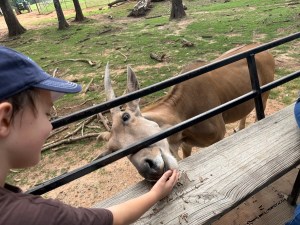
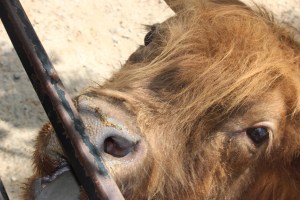
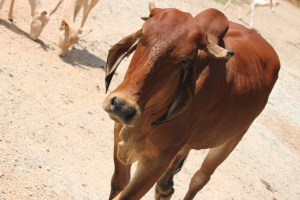
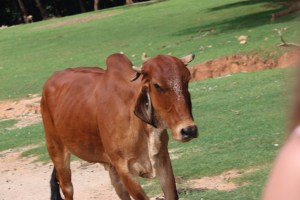
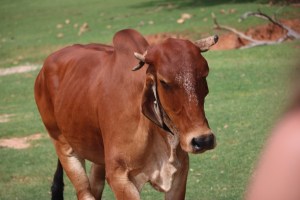
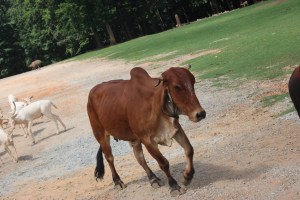
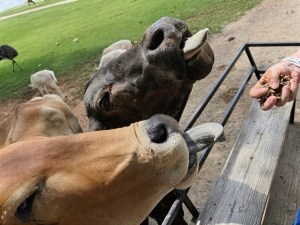
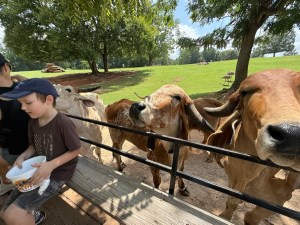
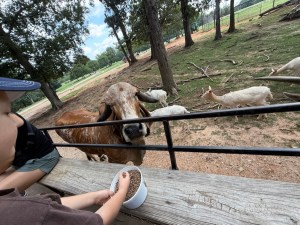
Coleman and I found the Wagon Ride at the Lazy 5 Ranch to be very interesting and I’d say educational. Coleman enjoyed seeing the many different types of exotic animals including the Red Sindhi cow which followed the Wagon for quite a ways as if it wanted to have an exciting adventure as well.
Red Sindhi
Red Sindhi belong to the heat-tolerant Bosindicus (Zebu) lineage. It is a specialized dairy breed originating from Pakistan.
Bos Indicus
The Red Sindhi yield substantial volumes of milk (averaging 4.5%-5% fat) even under extreme heat and stress (like we’ve been experiencing) and low quality forage. At the Ranch they are well fed and maintained.
Zebu aka Red Sindhi belong
The Red Sindhi are compact, smaller and rounder in comparison to the Red Brahma. The hump is well developed in bulls, but much smaller in cows.
Red Sindhi female
Its colouring is a Deep Red, ranging from yellowish-brown to dark brown; males are typically darker than females especially on the head, feet, and tail.
These images were all taken while looking out the back of the Wagon; noticing the Red Sindhi and other animals following behind and eventually alongside the Wagon. They really were delighted when the Wagon stopped off and on during the Safari ride. They knew whenever the Wagon stopped they could get feed from the Lazy 5 Ranch guests.
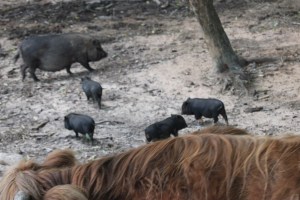
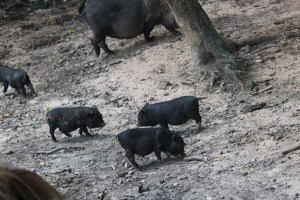
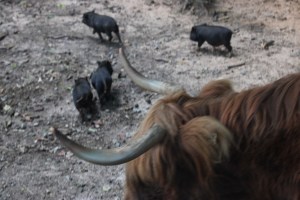
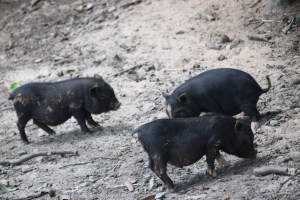
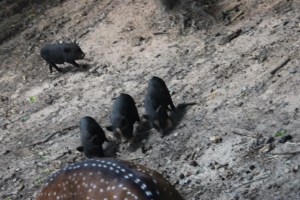
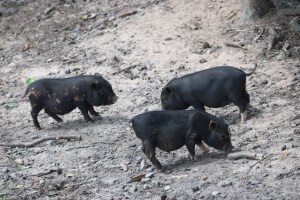
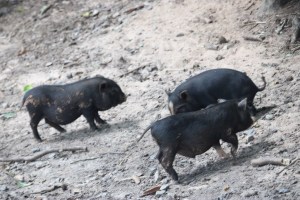
While traveling on the wagon Ride around the Lazy 5 Ranch we spotted Vietnamese Pot-bellied pigs in groups of three. Imagine that, how nice of them to group themselves as trios for my photographic adventures.
The Vietnamese Pot-bellied Pigs (Sus scrofa domestica) at the Lazy 5 Ranch were originally from the jungles of China and Vietnam. They were introduced into the United States as pets around 1985. Their backbone is bent like a saddle, which causes the abdomen to nearly drag on the ground. It is due to this effect why they received the pot-bellied name. At birth piglets normally weigh approximately one (1) pound (lb). They grow to a height of 10-12 inches (in) and a weight of about 125 pounds (lbs).
Vietnamese Pot-bellied Pigs Thursday Trios
Pot-Bellied Pigs are intelligent and can be taught to do simple tricks and to walk around on a leash. However, at the Lazy 5 Ranch they are free to roam around the pastures, pathways and around the many, many other exotic animals at the ranch. At the Ranch they are not taught any tricks, they do enjoy the feed. While on the Wagon ride you are allowed to feed the animals roaming about, some even approach alongside the Wagon begging for handouts (they know the visitors have feed buckets which they’ll gladly make disappear).
Camera: Canon EOS Rebel T7 (2000D) with Canon EF-S55-250mm lens and Altura UV Filter attachment.
Location: Lazy 5 Ranch; Mooresville, North Carolina, USA
God Bless. Get Outdoors. Take a Walk/Hike. Enjoy Nature’s Beauty. Thank you for visiting and sharing your time and thoughts with us. I appreciate y’all very much.
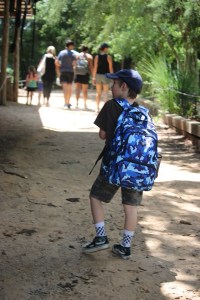
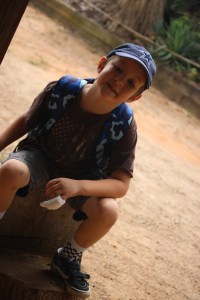
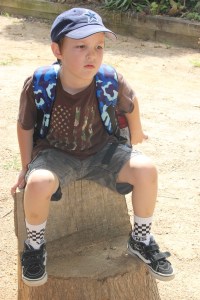
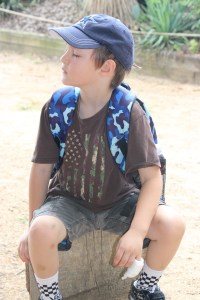
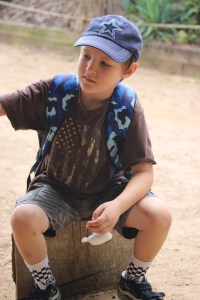
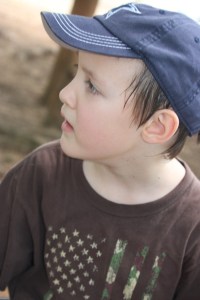
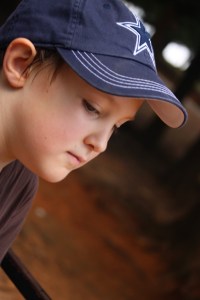
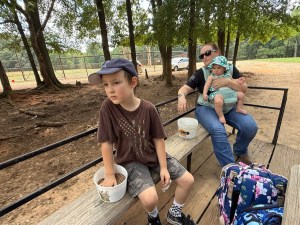
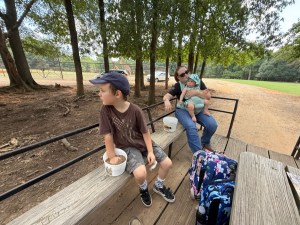
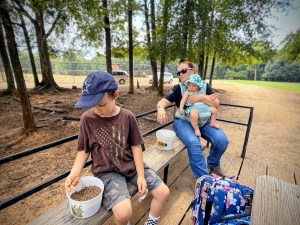
Before get into our adventures let me tell you that one of the reasons we went on our adventure was to give Coleman a special outing before his birthday (today’s his birthday). Coleman turned Seven (7). The first gallery of images show Coleman Pulling Up a Seat while waiting for the Wagon Ride.
Happy 7th Birthday Coleman!
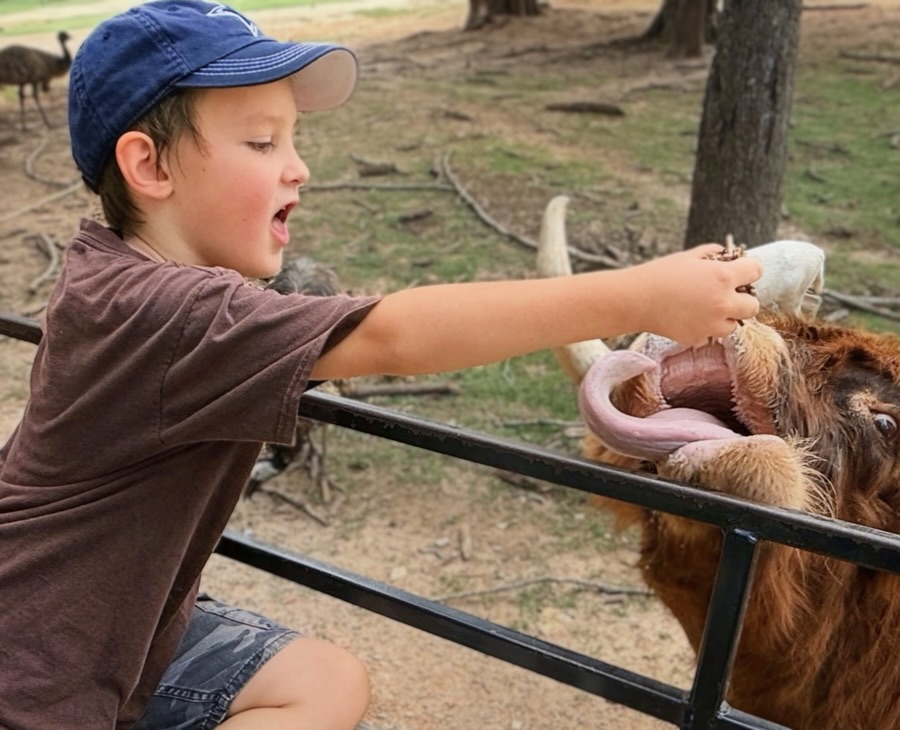
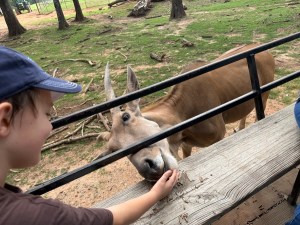
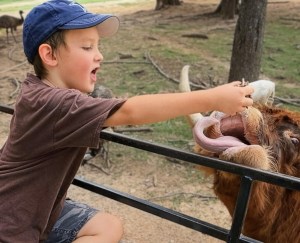
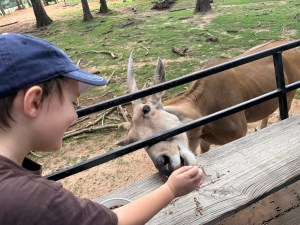
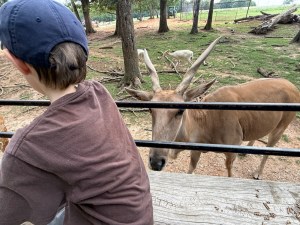
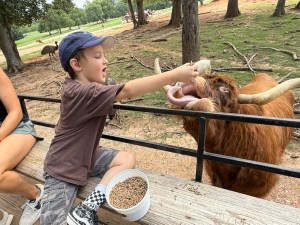
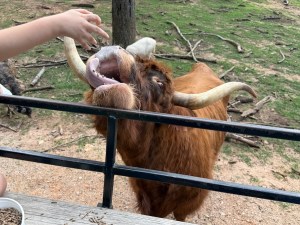
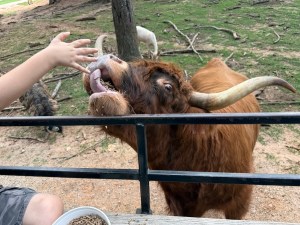
This next gallery depicts Coleman feeding some of the Exotic Animals that came alongside the Wagon we were riding on during our Safari adventure around the Lazy 5 Ranch.
Coleman Feeds Exotic Animals at Lazy 5 Ranch
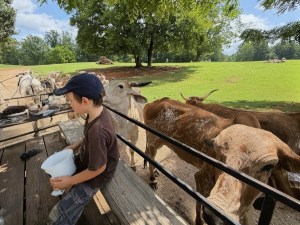
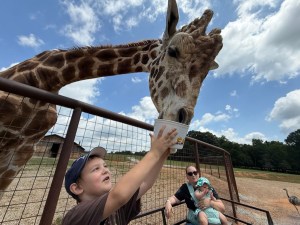
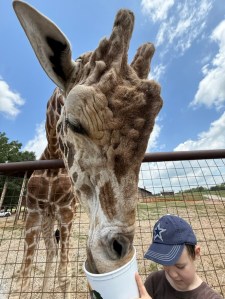
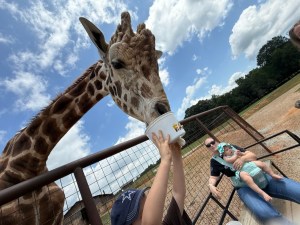
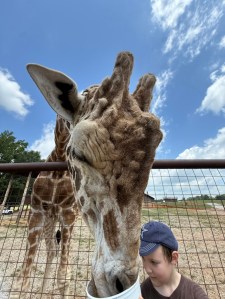
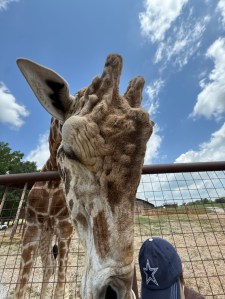
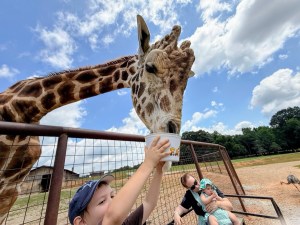
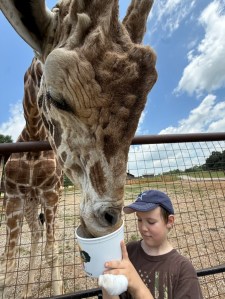
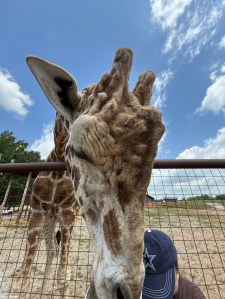
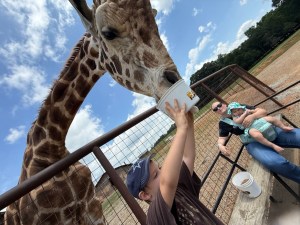
The last gallery illustrates Coleman feeding Giraffes during the Safari Wagon Ride plus showing a bit more of the Wagon.
Coleman Feeding the Giraffes on a stop during the Wagon Ride at Lazy 5 Ranch
Welcome back to another Which Way Challenge (CWWC). I trust everyone has had a good week and able to spend some time to take a walk or hike in the vast outdoors. This week’s I’m allowing y’all to choose your own Which Ways for this week and next with the theme of CWWC: Any Which Way (Your Choice). The Which Way can be any path, sidewalk, trail, or road as long as the Which Way is clearly discernible. As always signs are always welcome.
For further information regarding the Which Way Challenge (CWWC) feel free to check out the home page here.
When I began preparing this post after last week’s went live I had thought of sharing a hiking adventure Coleman and I had two years ago in 2024. However, best laid plans do change occasionally as did mine for this week.
We had an incident with Coleman this week (I won’t go into details, but prays are appreciated). This is a special week for Coleman so his mom chose to take us on a special adventure up in Mooresville, North Carolina to the Lazy 5 Ranch.
I am sharing a few images of our adventures here with y’all.
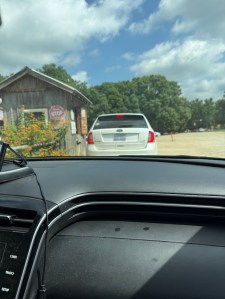
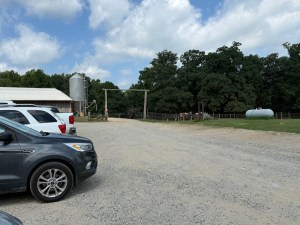
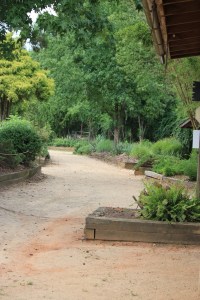
Arriving at Lazy 5 Ranch …
Arriving at Lazy 5 Ranch Cee’s Which Way Challenge
The Lazy 5 Ranchis approximately an hour’s drive north of us in the City of Mooresville, North Carolina. It is privately owned and operated by Henry Hampton. It receives no federal or state funding. Henry Hampton has been raising exotic animals for over 50 years. He started out with the exotic animals at his own home and allowed school groups to visit viewing the animals from the opposite side of the fence.
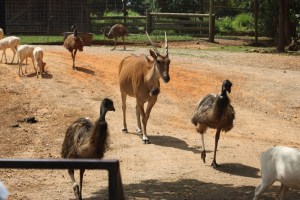
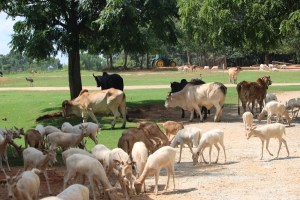
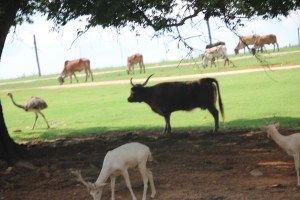
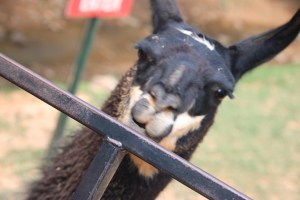
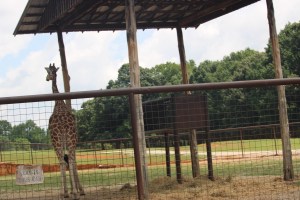
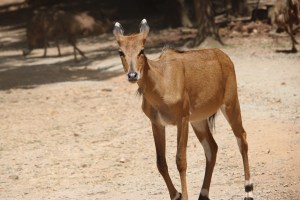
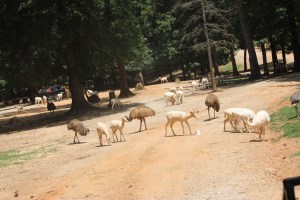
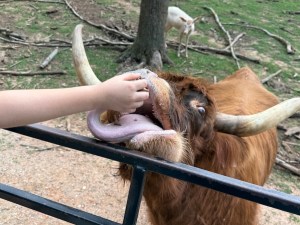
Exotic animals follow the Wagon Wagon HorseColeman feeding an ElandScotch Highland Cattle A Variety of Exotic animals Gazing up the hillLlamaGiraffesCee’s Which Way Challenge Exotic Animals at Lazy 5 Ranch
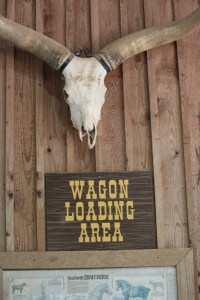
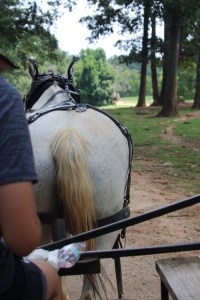
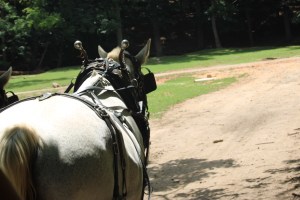
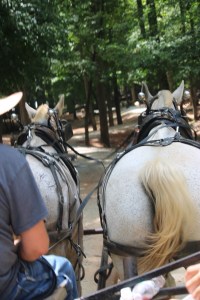
In May of 1993, Mr. Hampton’s dream became a reality and The Lazy 5 Ranch officially opened. It opened with just five (5) staff people and only two (2) operating wagons. We chose to have a Wagon Ride with the driver commenting on the animals we were seeing instructing everyone to remain seated as long as the Wagon was moving. We could move around or stand to take pictures when the wagon was stopped.
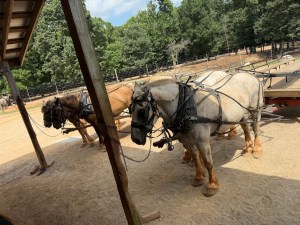
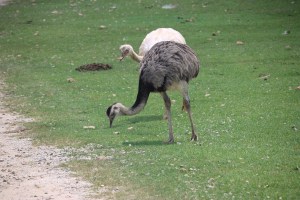
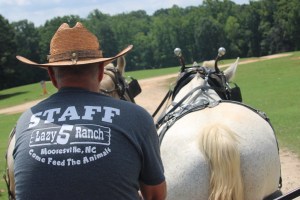
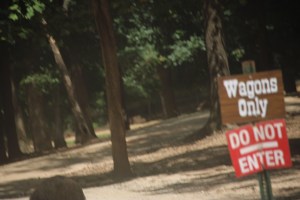
EmusOur Wagon Driver & Horses Axis Deer & Vietnamese Pot-bellied PigsWagon Horse Our Wagon Horses Wagons Only signNilgaiThe Exotic Animals roam the pathways Coleman after we left the wagon Our Wagon Ride Plus Exotic Animals We Saw Cee’s Which Way Challenge
The Lazy 5 Ranch has grown tremendously since its beginning with over 600 animals from six (6) continents. The animals can be viewed everyday all year long by horse drawn wagon or from your own personal vehicle while traveling along a 3 1/2 mile safari ride. As you can see, I have only shared a fraction of what we saw on our adventure visiting the Ranch.
Click on each image to enlarge.
Thank you to those who have participated and supported the Which Ways Challenge. I appreciate y’all sharing your Which Ways with us.
For an idea of other’s Which Ways from this past week’s challenge, be sure to click on the following links below.
The whole family went on an adventurous outing on Monday (unusual for our family). Coleman’s mom and I discussed where we might could go Sunday evening and decided it would be an excellent idea for us all to go with her driving. Where did we decide to go?
We chose to go on a wagon ride at the Lazy 5 Ranch in Mooresville, North Carolina. Why did we decide to spend the day together and not just have Coleman and myself go somewhere together? This coming Saturday is Coleman’s birthday. He’ll be turning Seven (7) and we wanted to do something special for him when his mom and baby sister, Sophia, could join us.
Of course, I brought my camera along and not just my iPhone. An outing like this doesn’t happen often; I needed to capture the adventure so we could enjoy the memories.
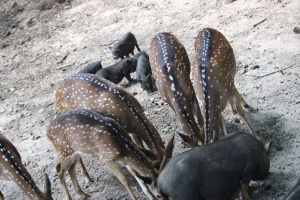
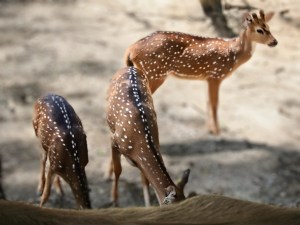
Here is just one set of trios from our adventure …
Axis Deer
As per the Lazy 5 Ranch’s Guidebookthis beautiful set of Trios are Axis Deer(Cervus axis). The Axis Deer are also known as Chital Deer which means spotted in Hindustani. Interestingly, the Axis Deer retains its spots throughout its lifespan (approximately 22 years). They are available to be seen at the Lazy 5 Ranch year round.
Camera: Canon EOS Rebel T7 (2000D) with Canon EF-S55-250mm lens and Altura UV Filter attachment.
Location: Lazy 5 Ranch; 15100 Mooresville Road; Mooresville, North Carolina, USA
God Bless. Get Outdoors. Take a Walk/Hike. Enjoy Nature’s Beauty. Thank you for visiting and sharing your time and thoughts with us. I appreciate y’all very much.
Note: I’ll be sharing more about our adventure at the Lazy 5 Ranch in future posts.
Location: Riverbanks Zoo and Garden; Columbia, South Carolina, USA
God Bless. Stay Cool. Stay Hydrated. Have a funtastic week. Thank you for visiting and sharing your time and thoughts with us. I appreciate y’all very much.
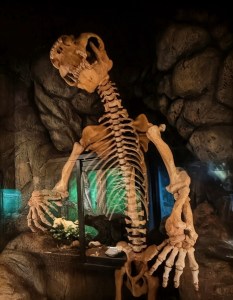
The Cave Bear is an extinct species which lived in Europe and Asia approximately 27,000 years ago. It is an early relative to many bears living in North America. Cave Bears are a type of ursine bear.
The Ursine group includes the brown, grizzly, Kodiak, polar, and black bears. All these bears originally lived in Europe and Asia before traveling across a land bridge during the Pliocene time period.
Ursus spelaeus The Cave Bear
A Cave Bear’s weight possibly ranged from 880 to 2,200 pounds. The largest of these would be comparable in size to today’s polar bears.
The Cave Bear skeleton in The Schiele Museum of Natural History comes quite a distance from the Ural Mountains in Russia. If you ever get the opportunity to visit The Schiele Museum come and say hello to The Cave Bear … don’t worry he won’t bite you.
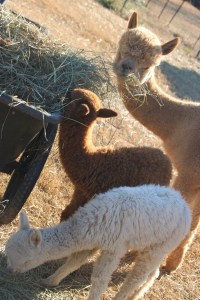
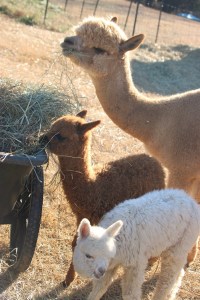
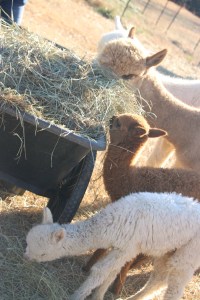
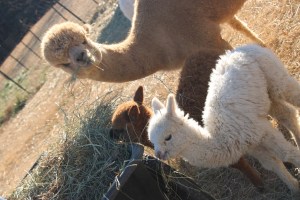
On Saturday, Coleman and I were able to borrow my daughter’s car and go down to the Crandall Bowles Children’s Farm at Anne Springs Close Greenway in Fort Mill, South Carolina. It is an hour away from where we currently live, so it is a bit of a drive. Traffic was terrible. I very rarely drive in traffic (I don’t care for heavy traffic, I try to avoid it if at all possible).
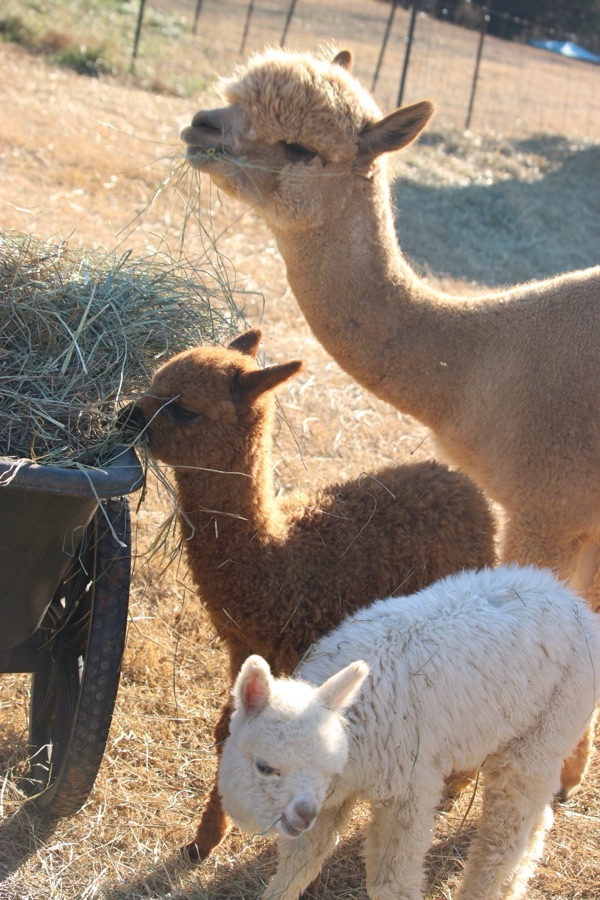
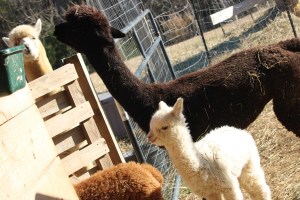
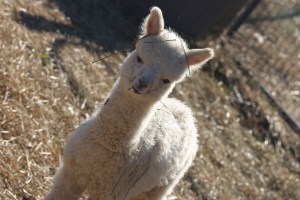
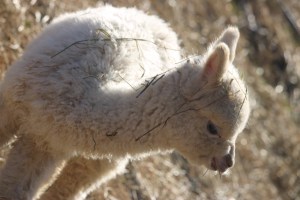
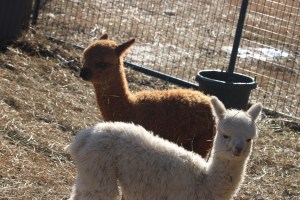
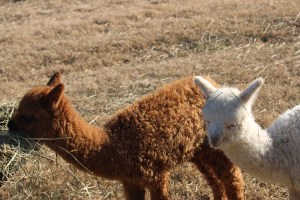
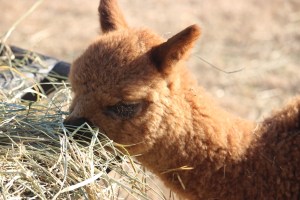
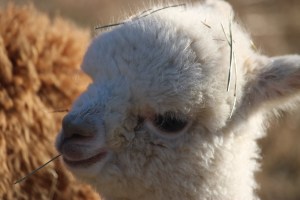
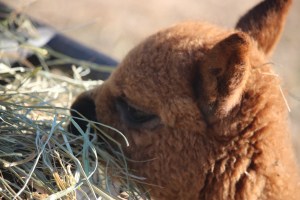
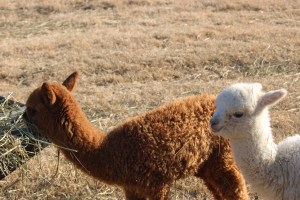
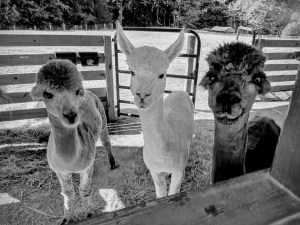
Anyway, after we arrived and maneuvered around the Farm to the Alpaca section, we were delighted to discover the new Baby Alpacas born recently at the Greenway. There is One White, and One Brown Baby Alpaca.
Here are a few shots of the Baby Alpacas …
Baby Alpacas in Crandall Bowles Children’s Farm at Anne Springs Close Greenway
Camera: Canon EOS 2000 D with Canon EF-S55-250mm lens and Altura UV Filter attachment.
Location: Crandall Bowles Children’s Farm; Greenway Stables and Farm Entrance; Anne Springs Close Greenway; Fort Mill, South Carolina, USA
God Bless. Get Outdoors. Enjoy Nature’s Beautiful Creations. Thank you for visiting and sharing your time and thoughts with us. I appreciate y’all very much.
Equus is a genus of mammals that includes Horses, Donkeys, Asses, and Zebras.
These Jackasses were introduced to us by our former landlord. He brought to a portion of his land adjacent to our rental property to raise with the assistance of his daughters.
A Jackass is an adult male donkey, females are called Jenny. Jacks or Jackasses (male donkeys) are often mated with female horses to produce mules. At one time the more common term for the donkey was Ass.
From the 18th century, donkey gradually replacedassand jenny replaced she-ass, which is now considered archaic.
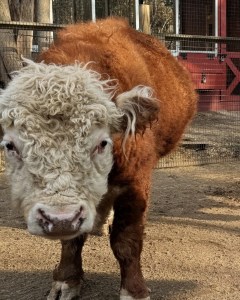
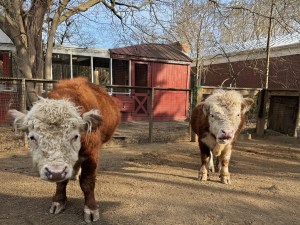
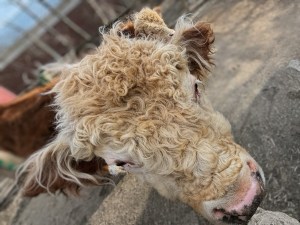
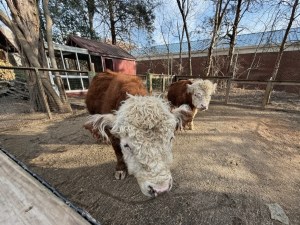
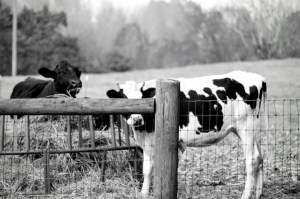
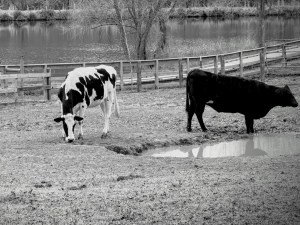
“There’s nothing better than watching your cows enjoy the life you gave them.”
Falling Sun Ranch
Cows in the Crandall Bowles Children’s Farm at Anne Springs Close Greenway in Fort Mill, South Carolina. This is a wonderful place to visit with children of all ages.
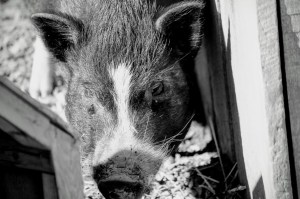
“Pigs are not a symbol of dirt, laziness or clumsiness, but a mirror to view our relationship with nature.”
Yi-Fu Tuan
The Farm at The Schiele Museum of Natural History Gastonia, North Carolina
Crandall Bowles Children’s Farm Anne Springs Close Greenway Fort Mill, South Carolina
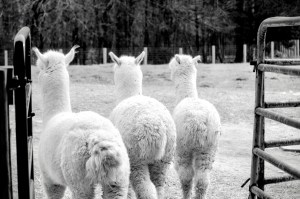
“Alpacas represent all that is good in this world.”
~ National Alpaca Association
Young Alpacas in the Crandall Bowles Children’s Farm at Anne Springs Close Greenway in Fort Mill, South Carolina.
“To my mind, the life of a lamb is no less precious than that of a human being.”
~ Mahatma Gandhi tryst
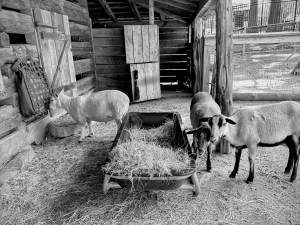
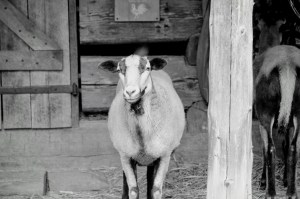
The Farm at The Schiele Museum of Natural History Gastonia, North Carolina
The Farm at The Schiele Museum of Natural History Gastonia, North Carolina
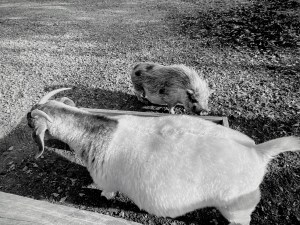
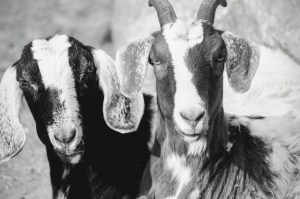
“Most of us are here to make the world happier and better. Even the goats.”
Lisa Kaplin
The Farm at The Schiele Museum of Natural History Gastonia, North Carolina
“There’s something about the outside of a horse that is good for the inside of a man.”
~ Winston Churchill
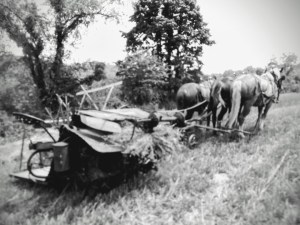
Working Horses on an Amish Farm in Millersburg, Ohio
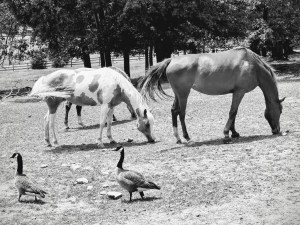
Horses in the pasture at Anne Springs Close Greenway in Fort Mill, South Carolina.
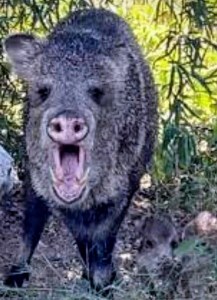
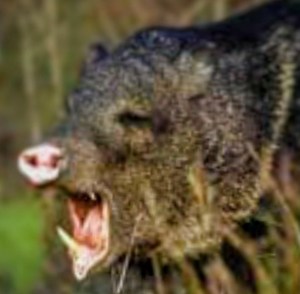
My longtime friend had an unexpected and seemingly unusual visitor around her garbage cans the other night. A visitor she had not witnessed before in her neighbourhood, nor had any of her neighbours.
Aka Javelina
What was this unusual visitor you might ask? It was the creature pictured here known by many as the Javelina. In Arizona the Collared Peccaries are known by their Spanish name Javelina. What are Collared Peccaries or Javelinas? You might think they are some type of pig looking at their stout and pig-like bodies, but they are not pigs.
In fact, they are wild, pig-like mammals common in Arizona deserts, woodlands, and grasslands. Javelinas are known for their social behaviour and adaptation to urban environments. Even though they are primarily herbivores, feeding on prickly pear cactus, mesquite beans, and other desert plants, they will also eat insects and are known for raiding garbage cans for easy food access.
Javelina in Arizona neighbourhood
Javelinas have sharp teeth and can be aggressive if they feel threatened. It’s best to keep dogs (pets) away from areas that Javelinas might wander. They can be an enormous nuisance to homeowners due to their attraction to garbage and gardens. Make sure to never feed a Javelina. Javelinas are most active during the twilight hours, specifically between dusk and dawn.
Javelinas can be found in Arizona, New Mexico, Texas, through Mexico and south all the way down to Argentina. Javelina live in desert washes, saguaro and palo verde forests, oak woodlands and grasslands. Houses that are close to washes will likely have javelina in the neighborhood and are a usual sighting in Tucson, Arizona. [My friend lives in Maricopa, Pinal County, Arizona which is located within the Sonoran Desert a short distance south of Phoenix.]








![Which Way Challenge (2026) CWWC: Any Which Way (Your Choice) Week 1 —07.24.2026 -07.31.2026 Will run for 2 Weeks]](https://gfpacificbeeintrospection.com/wp-content/uploads/2025/06/image-1-1.jpg?w=489)