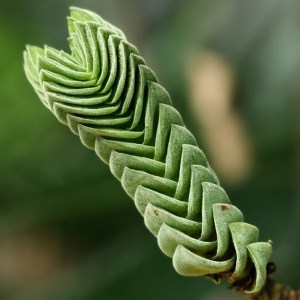
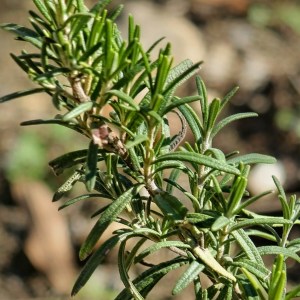
Salvia rosmarinus, Aka Rosemary, Rosmarinus officinalis
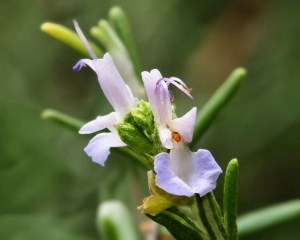
Rosemary, is one of several herbs grown in the Heritage Garden in The Farm at The Schiele Museum of Natural History in Gastonia, North Carolina. Its needle-like leaves are incredibly aromatic and have been a staple in Mediterranean cuisine for centuries. It is often used to flavour meats, vegetables, and bread. Cooking is not the only reason Rosemary is cherished, it is revered for its traditional medicinal properties. It is also occasionally associated with memory and remembrance.
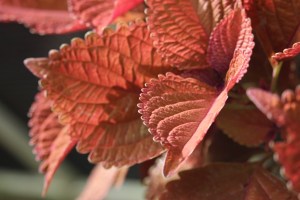
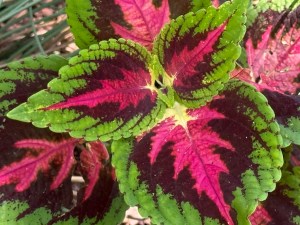
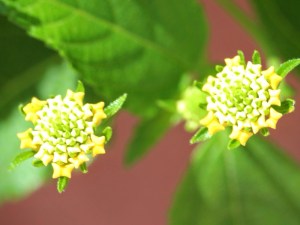
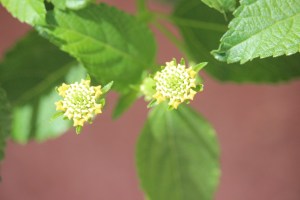
The Coleus plants pictured here are located near the Turkey enclosure in The Farm at The Schiele Museum of Natural History in Gastonia, North Carolina. It is a tropical perennial grown for its brightly coloured, velvety leaves which come in various shades of red, pink, yellow, green, and deep burgundy.
Coleus scutellarioides
Coleus scutellarioides
The Coleus plant is linked with the mint family (Lamiaceae). They are primarily cultivated for their incredibly diverse and colorful foliage instead of their flowers. Besides the colours listed above you may occasionally find them in black. Their intricate design patterns and margins on their leaves make them quite attractive and intriguing to observe.
XingfuMama hosts the weekly challenge Whatsoever Is Lovely. The challenge is simple. Just reflect back over your week and see what is lovely, whether a thing or a moment, share in a post what is precious and lovely to you.
This week I am continuing with Whatsoever is Lovely to me; Beautiful Flowers & Butterflies #5. These images were taken on Coleman’s & my recent visit to the Daniel Stowe Botanical Garden in Belmont, North Carolina. The first area we visited was the Butterfly Bungalow. We had not previously visited the Butterfly Bungalowsince the times we’ve visited Daniel Stowe Conservancy before were in the Springtime.
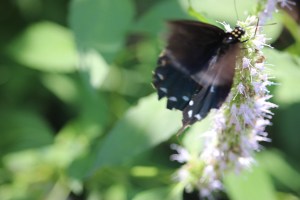
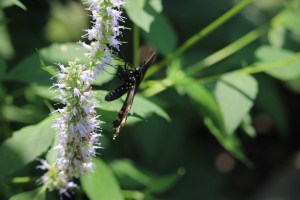
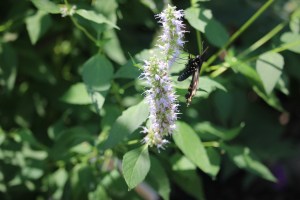
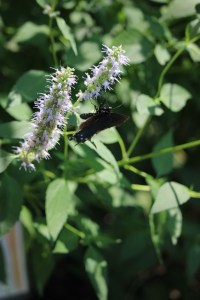
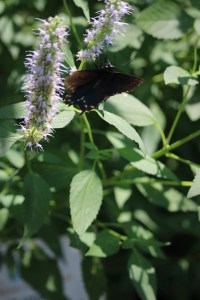
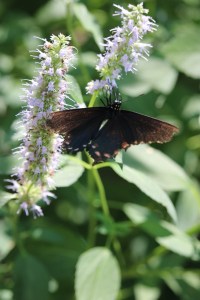
For this post I am focusing on the Spicebush Swallowtail (Papilio troilus), one of the many varieties of butterflies maintained within the Butterfly Bungalow at the Daniel Stowe Botanical Garden.
Spicebush Swallowtail (Papilio troilus)
The Spicebush Swallowtail (Papilio troilus) is a one of the most fascinating butterflies in eastern North America due to its specialized lifecycle, unique hosting plants, and their use of mimicry to survive.
Spicebush Swallowtail on Anise Hyssop (Agastache foeniculum)
The Papilio troilus, aka the Spicebush Swallowtail, or Green-clouded butterfly, is a common black Swallowtail butterfly only found in the Eastern United States and Southern Ontario, however, it can sometimes be seen in the American plains states, Cuba, Manitoba, and Colorado. .
Spicebush Swallowtail (Papilio troilus)
It is normally found in deciduous woods, or woody swamps. There they can be seen flying low and fast through shaded areas.
Spicebush Swallowtail
The Papilio troilus has two (2) subspecies, Papilio troilus troilus and Papilio troilus ilioneus. The Papilio troilus troilus is the one seen in this area and pictured in these images. Papilio troilus ilioneus is confined to the Southeastern coastal United States, mainly throughout Florida, along the coast of Georgia, and in places in Texas.
Spicebush Swallowtail (Papilio troilus)
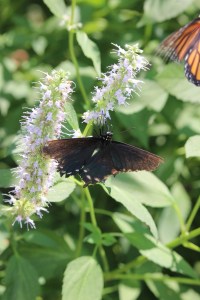
The primary host plants for the Spicebush Swallowtail are most commonly the Spicebush ((Lindera benzoin) or WhiteSassafras (Sassafras albidum). Despite their preference to primarily feed Lauraceae plants, they do feed on Anise Hyssop (Agastache foeniculum), especially here in the Butterfly Bungalow. Anise Hyssop is widely known as one of the ultimate “pollinator magnets” that is typically added to gardens.
Spicebush Swallowtail on Anise Hyssop (Agastache foeniculum)
The Spicebush Swallowtail love the Anise Hyssop for its perfect landing pads. The dense, structural spikes are composed of hundreds of tiny, nectar-rich tubular flowers. The Spicebush Swallowtail can easily grasp the stalks with their legs while their long proboscis probes from bloom to bloom. They also love the Anise Hyssop for its continuous energy. Anise Hyssop has an exceptionally long blooming window,The plant typically produces fresh flowers from June through September.
This blooming season of the Anise Hyssop provides a vital, reliable energy source for late-summer generations of butterflies preparing to reproduce or move through woodland edges.
Spicebush Swallowtail (Papilio troilus) on Anise Hyssop (Agastache foeniculum)
Camera: Canon EOS Rebel T7 (2000D) with Canon EF-S55-250mm lens.
Location: Butterfly Bungalow; Daniel Stowe Botanical Garden; Bely, North Carolina, USA
God Bless. Have a lovely weekend filled with love, joy, and laughter. Thank you for visiting and sharing your time and thoughts with us. I appreciate y’all very much.
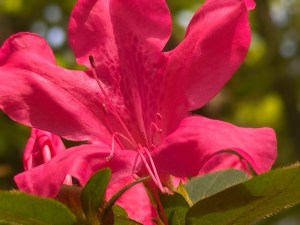
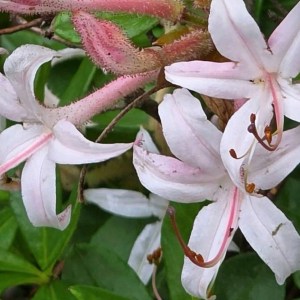
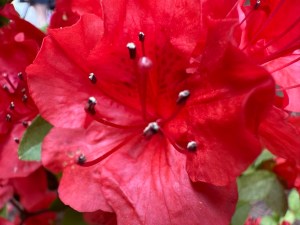
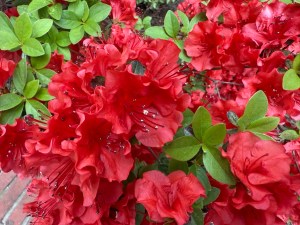
Azaleas differ from other Rhododendrons by only having five (5) stamens per flower instead of the typical ten (10) or more on other Rhododendrons. They are popular ornamental plants, known for their showy blooms in a wide variety of colours.
Their colours range from vibrant pink to white, purple, and red. I normally see the pink and red varieties in the gardens around town. They are always available to be seen in the Garden in The Farm at The Schiele Museum of Natural History in Gastonia, North Carolina.
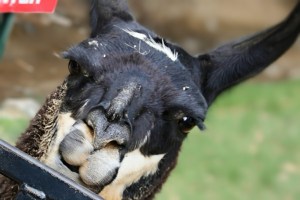
As we rode the Safari Wagon at the Lazy 5 Ranch many of the animals which reside on the property roam freely and tend to follow the Wagons as they bring visitors along the dirt road. It seems like all the animals know that the Safari Wagons have feed buckets aboard for the guests to feed them.
Hey there, I’m here.
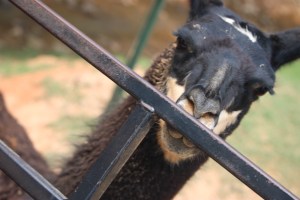
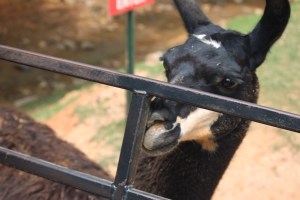
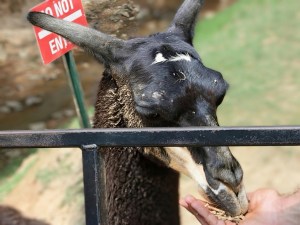
This Black Llama sure made its presence known to us (my family). The Black Llama was trying every possible means to get my daughter’s attention to be able to be handed feed from her feed bucket.
This is me trying to get your attention …
The Llama was first domesticated by the Indians of Peru around 4,000 years ago. The Llama is known for its surefooted travels in high mountain areas. It’s docile by nature, but can also be stubborn. When upset, a Llama may spit a foul smelling liquid.
Maybe if I turn this way you’ll notice me …
Let me assure you that at The Lazy 5 Ranch if they want feed, they are more than likely to receive it. Llamas are used as pack animals and can carry loads up to 130 pounds for up to 10-20 miles a day over rugged slopes in high altitudes, but they are not ridden. When weary or overloaded Llamas just lie down and refuse to move. The Llama is often referred to as the “South American Camel.” Its long, coarse wool is used in the weaving of textiles.
Finally, that’s exactly what I wanted.
Llamas are herbivores with a three-chambered stomach for digesting fibrous plants. They primarily graze on grasses and plants. Llamas are also very social animals, preferring to live in herds, and are known for being quite gentle and intelligent. You might hear their soft humming, which they use to communicate a range of emotions – from contentment to concern – they also have unique warning calls, like a high-pitched alarm, if they sense danger.
Location: The Farm; The Schiele Museum of Natural History; Gastonia, North Carolina, USA
God Bless. Take time to enjoy nature. Have a funtastic week. Thank you for visiting and sharing your time and thoughts with us. I appreciate y’all very much.
The Swamp Water Buffalo (Bubalus bubalis) is also referred to as Asian Water Buffalo. It is the second largest member of the bovid family. It has great strength and high fat milk content which has led to its domestication throughout the world. These buffalo spend most of the day submerged, sometimes up to their nostrils, in the water of rivers or swamps. Did you know there is a reason for this? It serves two (2) major purposes.
) These Buffalo do NOT possess adequate sweat glands to keep themselves cool through sweat evaporation along, so remaining submersible allows them to regulate their temperature in the hot , humid Southeast Asia climate.
) The water protects the buffalo from all manners of biting insects that also inhabit the jungle. Their hooves developed as widely splayed in order to prevent them from sinking into the thick mud of swamps and river bottoms.
Swamp Buffalo Lazy 5 Ranch
Water Buffalo eat grass, herbs shrubs, tree bark and other available greens. They are exclusively herbivores. At the Lazy 5 Ranch, as well as similar facilities, the Swamp Water Buffalos are fed free-choice, low-protein, high-fiber forage. They also rely heavily on coastal Bermuda grass, orchard grass, or Timothy hay. They provide freshly cut pasture grasses, sorghum, or maize fodder to simulate natural grazing. One other thing they do to guarantee they receive complete nutrition, the supplement the roughage with scientifically formulated pellets from exotic animal feed manufacturers like Mazuri Exotic Animal Nutrition or Zeigler Feed Manufacturing.
The visitors to the Ranch who desire to feed their swamp exotic animals during their tour are given buckets of compressed fiber pellets. The Swamp Buffalos love treats and will come up to the Wagons during a Safari tour to beg for handouts from the “treat” buckets. That is exactly what this particular Swamp Water Buffalo is doing, begging my daughter for treats from the feed bucket near her.
Camera: Canon EOS Rebel T7 (2000D) with Canon EF-S55-250 mm lens and Altura UV Filter attachment.
Location: Lazy 5 Ranch; Mooresville, North Carolina, USA
God Bless. Take time to enjoy nature. Have a funtastic week. Thank you for visiting and sharing your time and thoughts with us. I appreciate y’all very much.
Camera: Canon EOS Rebel T7 (2000D) with Canon EF-S55-250 mm lens and Altura UV Filter attachment.
Location: Daniel Stowe Botanical Garden; Belmont, North Carolina, USA
God Bless. Take time to enjoy nature. Admire the beautiful flowers and plants. Have a funtastic week. Thank you for visiting and sharing your time and thoughts with us. I appreciate y’all very much.
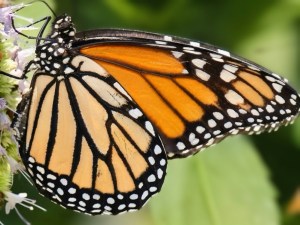
Monarch Butterflies are one of the most familiar and recognized species of butterflies of North America butterflies. The Danaus plexippus, which are widely known as Butterflies Monarch or Monarch Butterfly, are famous for their 3,000 mile annual migration.
Monarch Butterfly Butterfly Bungalow Daniel Stowe Botanical Garden
North and South Carolina serve as a crucial geographical corridor for the Eastern migratory population. Monarchs are a welcome sight in the Carolinas and a sign of seasonal change. The Monarchs pass through the Carolinas twice a year. Once in the Spring and again in the Fall.
When we see them arriving in the beginning of Spring (late March and April) they are migrating northward. The first generation Monarchs stop to lay eggs on emerging native milkweed. The second generation continues the migration journey all the way into Canada. In the Fall (Autumn)the “Methuselah generation” (aka the “super generation”), the Monarchs born at the end of summer, fly southward towards Mexico from September through mid-October.
This Monarch and ones shown in other posts are maintained in a controlled environment in the Butterfly Bungalow at Daniel Stowe Botanical Garden in Belmont, North Carolina. To see more Monarch Butterflies check out my Whatsoever is Lovely post by clicking here.
Camera: Canon EOS Rebel T7 (2000D) with Canon EF-S55-250 mm lens and Altura UV Filter attachment.
Location: Butterfly Bungalow; Daniel Stowe Botanical Garden; Belmont, North Carolina, USA
God Bless. Take time to enjoy nature. Admire the beautiful flowers and plants. Have a funtastic week. Thank you for visiting and sharing your time and thoughts with us. I appreciate y’all very much.
Camera: Canon EOS Rebel T7 (2000D) with Canon EF-S55-250 mm lens and Altura UV Filter attachment.
Location: Daniel Stowe Botanical Garden; Belmont, North Carolina, USA
God Bless. Take time to enjoy nature. Admire the beautiful flowers and plants. Have a funtastic week. Thank you for visiting and sharing your time and thoughts with us. I appreciate y’all very much.
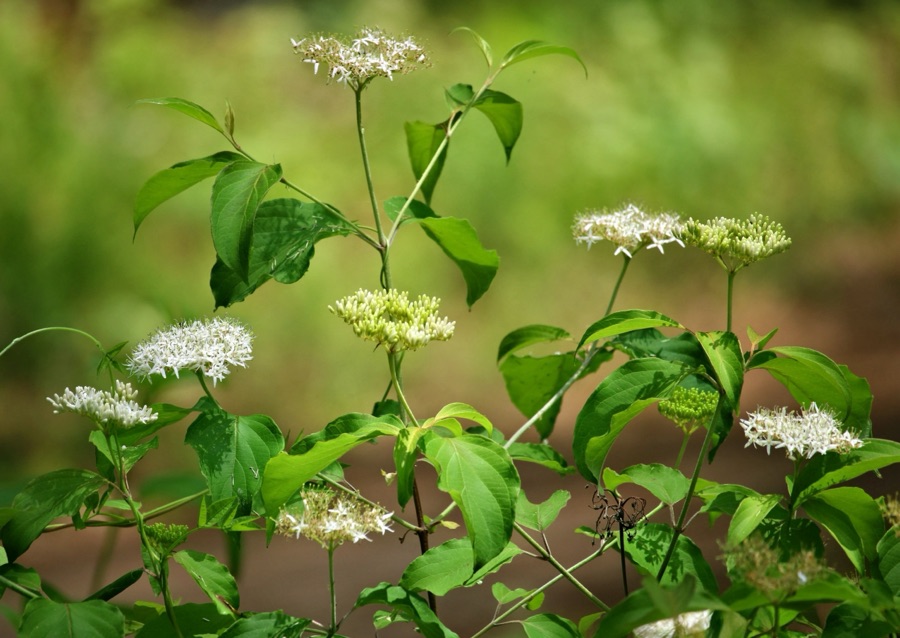
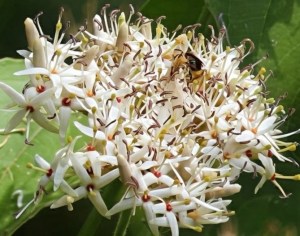
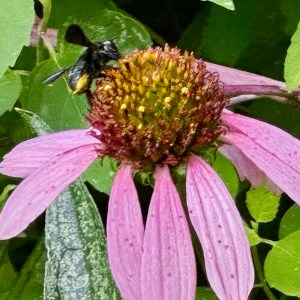
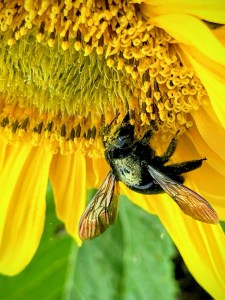
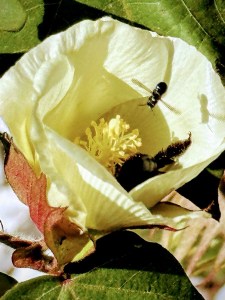
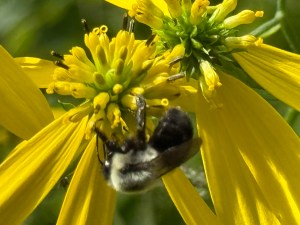
Xylocopa micans, Aka Southern Carpenter Bee feasting on a Cornus foemina, Aka SwampDogwood or stiff dogwood
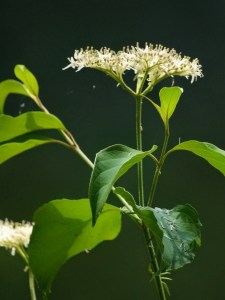
These Swamp Dogwood Flowers are located on the banks of Lake Haigler by the Hunter E. Martin Kayak Launch on Haigler Loop at Anne Springs Close Greenway in Fort Mill, South Carolina.
Cornus foemina, aka Swamp Dogwood or Stiff Dogwood
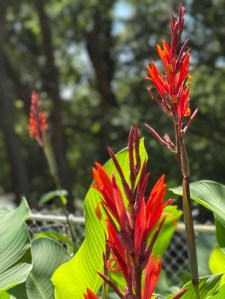
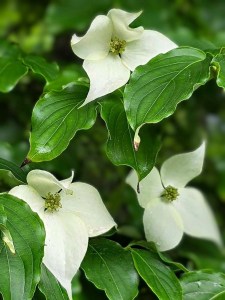
Tina with Travels and Trifles is this week’s host for the Lens Artist Photo Challenge. She has chosen a. Theme of The Rule of Three, not to be confused with The Rule of Thirds. I quite frequently post for Carol’s Thursday Trios so finding groups of three’s isn’t difficult for me. Whenever I am out and about I always look for possible three’s to use later on. For this challenge I am foxing The Rule of Three’s in Floral settings.
Canna discolor (aka Achira or edible canna) Gastonia, NC
Flowering Dogwood (Cornus florida) Native to the Eastern North America Official Flower of Tennessee
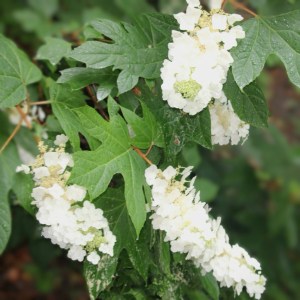
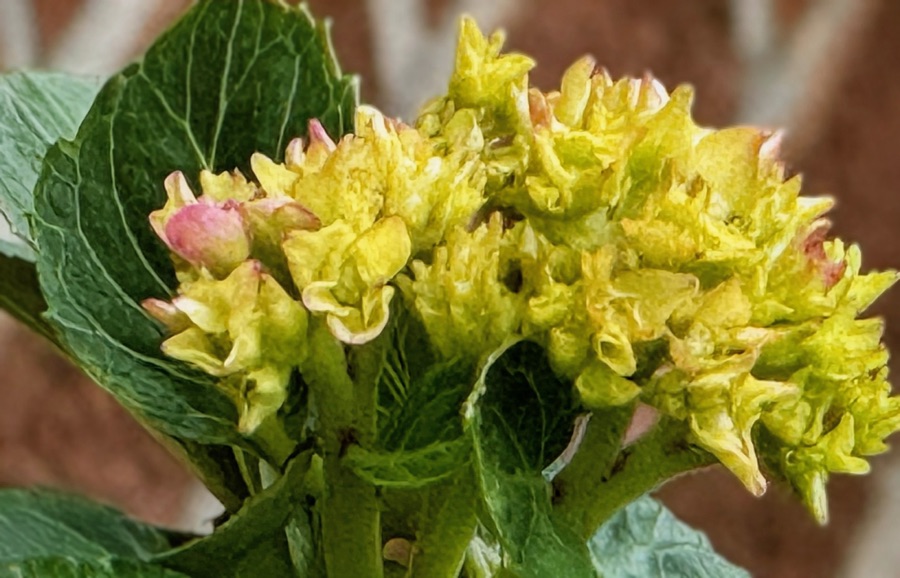
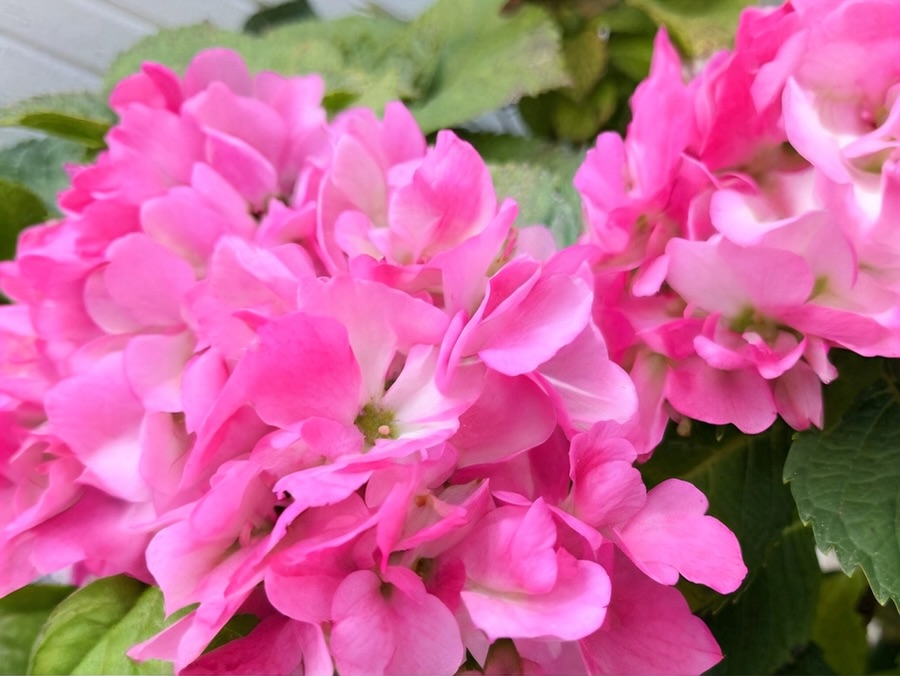
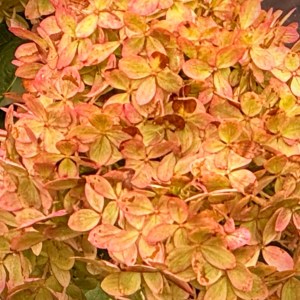
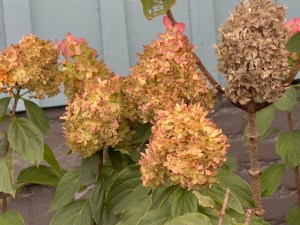
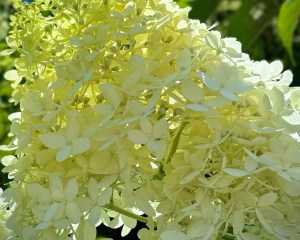
Oakleaf Hydrangea, Hydrangea quercifolia The Farm at The Schiele Museum of Natural History
God Bless. Admire the Flowers and the beauty found in nature. Have a fantastic week. Thank you for visiting and sharing your time and thoughts with us. I appreciate y’all very much.
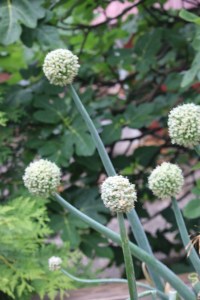
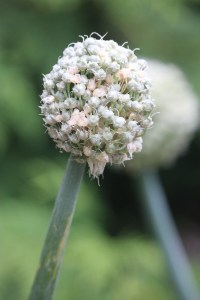
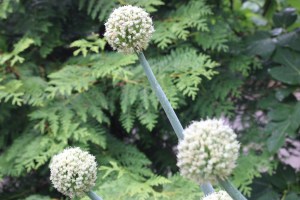
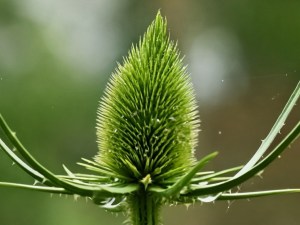
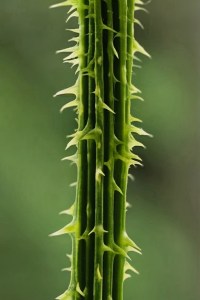
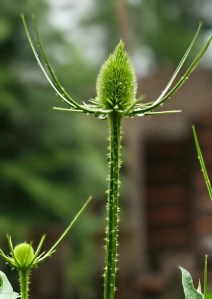
The Teasel pictured here are grown in a garden at The Farm at The Schiele Museum of Natural History. The Garden also has purple coneflowers, Oakleaf hydrangeas, Roses, Wild Bergamot, Lettuce, Cabbage, and many more varieties some of which will be featured in later posts.
Location: T. Jeffers Center and Park; Gastonia, North Carolina, USA
God Bless. Enjoy the Spring-like weather. Ours is bouncing back and forth from the low 60°’s to the low 80°’s. Thank you for visiting and sharing your time and thoughts with us. I appreciate y’all very much.
Location: N. Myrtle School Road; Gastonia, North Carolina, USA
God Bless. Admire the Flowers and the beauty found in nature. Have a fantastic week. Thank you for visiting and sharing your time and thoughts with us. I appreciate y’all very much.
God Bless. Admire the Flowers and the beauty found in nature. Have a fantastic week. Thank you for visiting and sharing your time and thoughts with us. I appreciate y’all very much.
Location: Cramerton Drugstore Landscape; Cramerton, North Carolina. USA
God Bless. Get Outdoors. Enjoy Nature. Have a wonderful week. Thank you for visiting and sharing your time and thoughts with us. I appreciate y’all very much.
Rosemary is a fragrant herb from the mint family grown in The Farm at The Schiele Museum of Natural History in Gastonia, North Carolina.
Rosemary grown in the Garden in the Farm has several qualities that are beneficial for the Garden and the Livestock living in the Farm.
A Natural Pest Repellent to keep mosquitoes and cabbage moths away
Boosts health in crops like sage and cabbage
An aromatic, woody, low-maintenance drought-tolerant evergreen hedging
The aromatic stalks can be used in chicken coops to reduce insects
The leaves can be fed to livestock in small quantities to boost immune systems
It invites beauty and life into the garden by being a magnet for pollinators. It attracts bees, honeybees, bumblebees, butterflies, and hummingbirds.
It can be added to feed for cows, goats, sheep, and pigs as a natural phytogenic feed additive.
How do you like to use rosemary? Do you plant it in your garden? There are many benefits of rosemary not only the health of farm animals, garden plants, and it has benefits for your health as well.
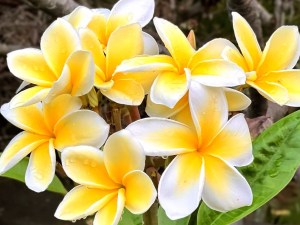
The Plumeria is the perfect example of the finest quality of flowers one can find in Hawaii. They are often used in making leis. They come in a variety of colours and shades including white, yellow, pink, and red. The flowers sweet fragrance and delicate beauty are characteristics that make it a favourite among the locals and tourists alike.
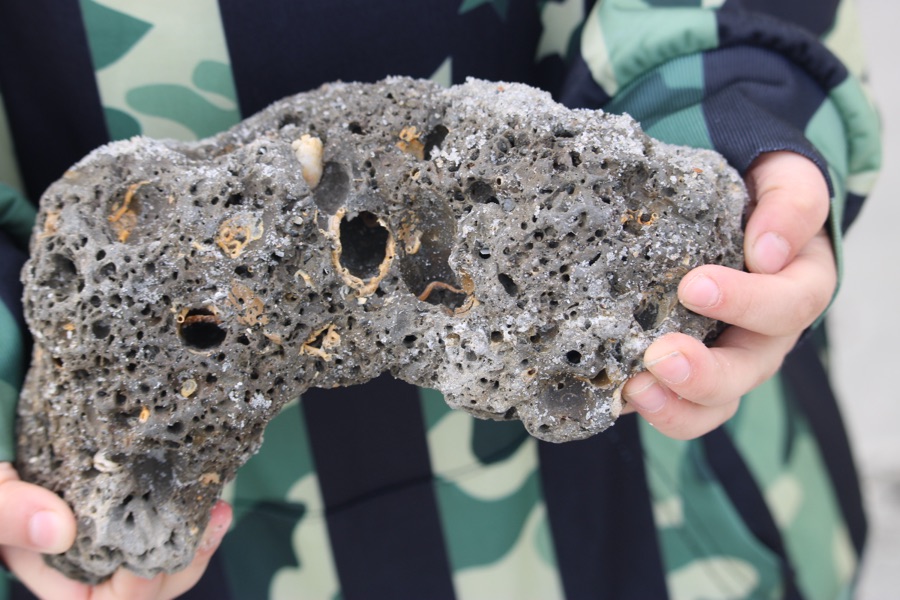
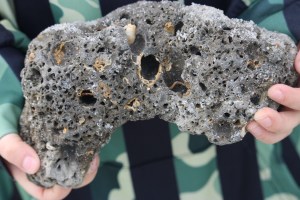
Coleman is holding a, Vesicular basalt, volcanic rock he found on the seashore in an area of the beach where he was finding seashells.
According to Google AI, Vesicular basalt is not naturally apart of Myrtle Beach’s local geological shoreline. It suggests that it could”be either Fossilized Peat or Coal (some found near the Grand Strand), “Beach Rot”or Fossilized Marls (Frequently seen near the 2nd Avenue Pier), or Piddock-Bored Rocks.
The Piddock-Bored Rocks appear vesicular since they are covered with small, circular holes. These holes are actually burrows made by piddock clams (rock-boring mollusks) in softer sedimentary rocks like limestone or siltstone.
Therefore, considering our location along Myrtle Beach’s seashore (we were walking along the Grand Strand near the 2nd Avenue Pier, it could instead be any one of these three. I’m inclined to lean towards the Piddock-Bored Rock, the area is covered with clam shells.
The Wild Potato Vine is a perennial, deciduous, tenacious flowering vine similar to Morning Glory and Sweet potato vine. It is native to North America and grows primarily in South East Canada to Central and Eastern United States of America. It is showy with large heart-shaped leaves, purple stems, and white flowers with pink to purple centers.
An interesting fact is that the Wild Potato Vine roots are used by Native Americans for poultices, infusions, read for treatment of a variety of medical problems. The roots can be eaten cooked, but raw, are a purgative. (A purgative has a strong laxative effect.)
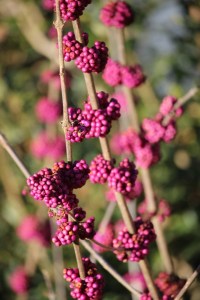
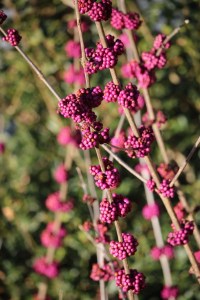
American Beautyberry is a woody deciduous, perennial shrub native to the southeastern United States including the Carolinas.
Clusters of small flowers bloom on the late spring and early summer. However, what you are seeing here are clusters of vibrant purple berries in the Carolinas that peak in late summer through autumn (August to November). The vibrant berries often persist into early winter providing significant food for birds and wildlife, making it a quintessential fall shrub for the region. The colors vary; most common is the vivid purple, though white and pink varieties exist.
American Beautyberry
The American Beautyberry offers many ecological services. How might you ask does it work? Its seeds and berries provide an important food source for a tremendous amount of songbirds of America. Some of those include American robin, brown thrasher, northern bobwhite, purple finch and eastern towhee. It is also a nectar source for butterflies and has fragrant foliage.
What I found interesting is that the American Beautyberry has been used by farmers successfully since at least the early 20th century to repel biting bugs from mules and horses by rubbing it on their coats and under harnesses. Why did I found this information so fascinating? The location of this particular American Beautyberry shrub is located near the horse stables at Anne Springs Close Greenway.
Cameras: Apple iPhones XS Max, 11 Pro Max, 13 Pro, 14 Pro Max, & 16 Pro Max
Locations Vary: 1-4 & 7-8) South Carolina; 5-6) North Carolina
God Bless. Coleman has my heart. Who has yours? Have a wonderful week. Thank you for visiting and sharing your time and thoughts with us. I appreciate y’all very much.
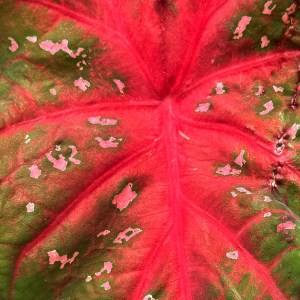
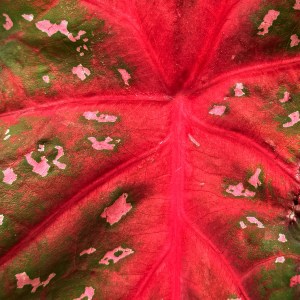
The Caladium bicolor(AkaHeart of Jesus) is typically grown as a houseplant for its large, heart or lance-shaped leaves with striking green, white, pink, and red blotching. [These Plants were planted in large landscape planters in and around Centennial Center in Downtown Cramerton.] It is alright to plant it outside in USDAHardiness Zone 10 as an ornamental.
The Caladium bicolor, called the Heart of Jesus, is named such as a nod to the Sacred Heart of Jesus, a symbol of divine love in Christian tradition. The plant’s heart-shaped leaves echo the symbol of the Sacred Heart, making it a living embodiment of this spiritual icon.
Caladium x hortulanum (fancy-leaved caladium)
Caution: Caladium bicolor contains calcium oxalate crystals, making all parts of the plant poisonous to humans, livestock, and pets. If its sap comes in contact with the skin it may cause skin irritation. Ingestion of this plant may cause burning and swelling of the lips, mouth, and tongue, as well as nausea, vomiting, and diarrhea. Be aware that if your pet consumes caladium your pet may exhibit vomiting. Other symptoms a pet may exhibit are drooling, pawing at mouth or face, and decreased appetite.
Caladium bicolor (Heart of Jesus) is pretty to look at, but it is extremely toxic if chewed or swallowed.
Location: Greenway Stables Entrance; Anne Springs Close Greenway; Fort Mill, South Carolina, USA
God Bless. Enjoy the rest of your week and have a marvelous weekend. Take time to admire the flowers wherever you may wander. Thank you for visiting and sharing your time and thoughts with us. I appreciate y’all very much.