2026 Monday Portrait #11 —30 March

Anas platyrhynchos domesticus

Birds of the Week CLX

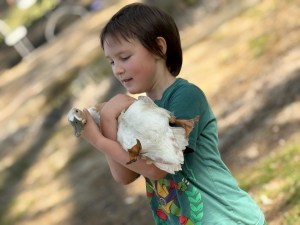
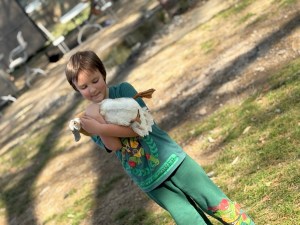
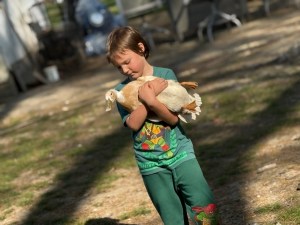
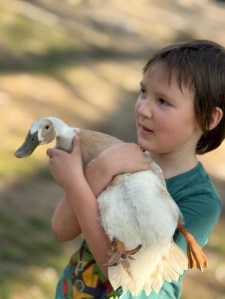
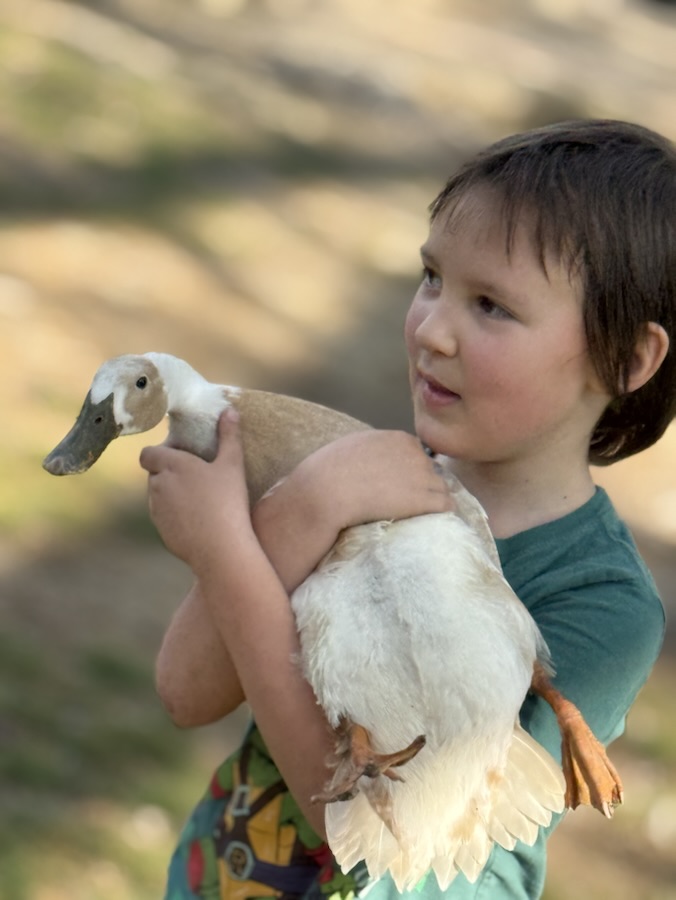
The Anas platyrhynchos domesticus, also known as the domestic duck. The ones pictured here are Indian Runner Ducks or referred to as Runner Duck.
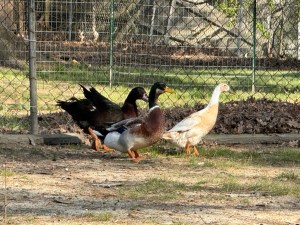
The duck to the right,
the white and fawn duck
is the Indian Runner Duck.

The Indian Runner Ducks are unique in that they stand upright similar to penguins with a long slender body. Unlike the majority of ducks which waddle when they walk, the Indian Runner Ducks run. Runners have a straight-backed gait and move with a quick, running pace.

Don’t let the Indian name fool you, they actually originated from Southeast Asia. The Indian Runner Ducks were brought over from the Indonesian islands of Lombok, Java, and Bali to Europe and the Americas in the 19th century.

The Indian Runner Ducks ability to run and forage. Historically, they were herded into rice paddies to forage snails, slugs, and insects using them as natural pest controls. Having the runner Ducks in the rice paddies provided farmers with additional income and the Ducks provided natural manure beneficial to the rice crops, reducing the need for fertilizer.
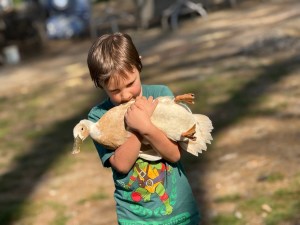
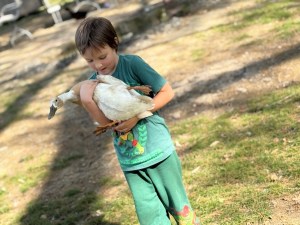
The Indian Runner Ducks may be known as fast runners, however, they were not fast enough to stop Coleman from catching them. They are also known to be prolific egg layers, producing white, hen-sized eggs. The females are able to produce approximately 150 to possibly over 300 eggs per year. (Too bad these don’t fly over the fence between our yards. If they did I wouldn’t need to buy so many eggs.)

Monday Portrait-2026.03.30

Birds of the Week CLX

Photo Credit:©️2026 Deb L. Waters … All Rights Reserved.

Camera: Apple iPhone 16 Pro Max

Location: Neighbours Backyard; Gastonia, North Carolina, USA

God Bless. Have a fantastic week. Thank you for visiting and sharing your time and thoughts with us. I appreciate y’all very much.
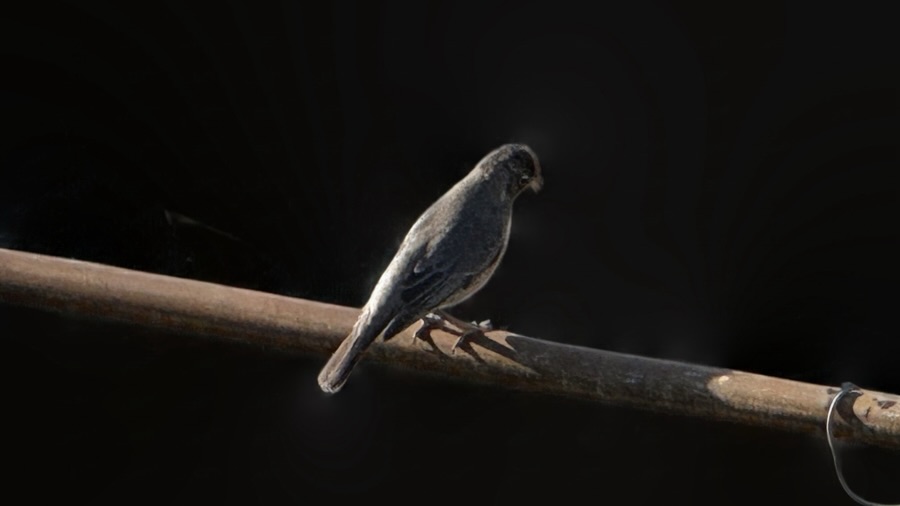
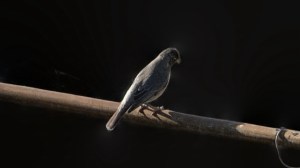
Silent Sunday: 2026.03.29

Bird on a Wire

American Robin

Click on image to enlarge.

Silent Sunday-2026.03.29

Photo Credit:©️2026 Deb L. Waters … All Rights Reserved. 

Camera: Apple iPhone 16 Pro Max

Location: Gastonia, North Carolina, USA 

God Bless. Enjoy Nature. Get Outdoors. Have a fabulous week. Thank you for visiting and sharing your time and thoughts with us. I appreciate y’all very much.
2026 Thursday Trios: 08 January

A Gallery of

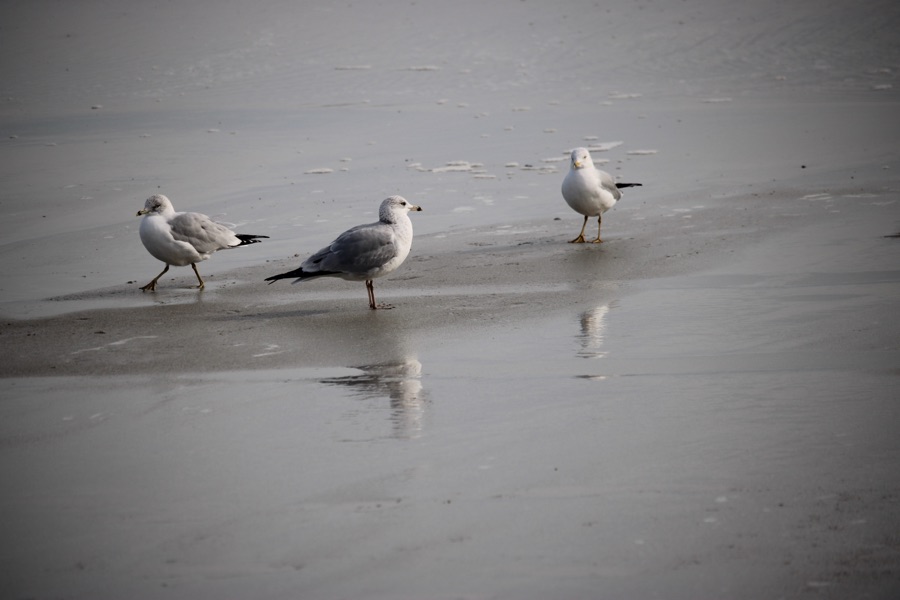
Ring-Billed Gulls

for Thursday Trios

& Bird of the Week CL

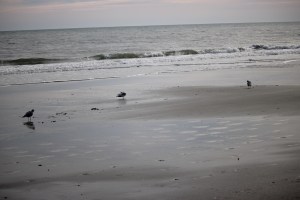
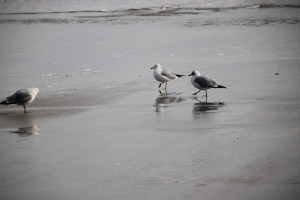
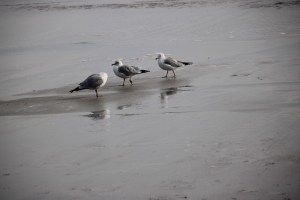
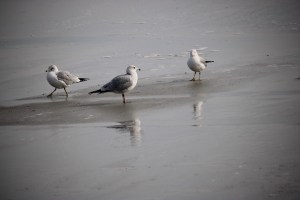
We spent the week before New Year’s down south at Myrtle Beach along the coast of the Atlantic Ocean. We had so many activities going on each day that we didn’t spend all day every day on the beach, but the days Coleman and I spent on the beach were beautiful amazing memory making enjoyable times of the week. We saw an enormous amount of birds at the beach both in Murrells Inlet and by our resort in Myrtle Beach.

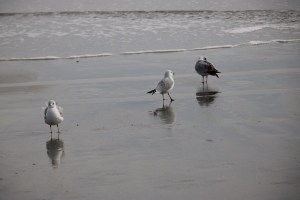
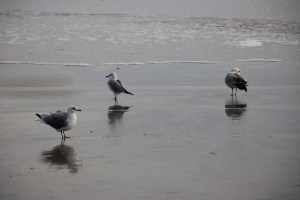
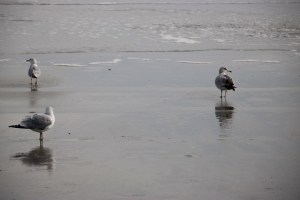
On the Friday before we left we saw a tremendous amount of Ring-Billed Gulls flying to and fro as well as walking on the sand by the seashore. Ring-Billed Gulls (aka Larus delawarensis) are medium-sized gulls native to Northern America. They breed in Canada and the northern Contiguous United States. They winter mainly in the United States of America and northern Mexico.

The Ring-Billed Gull’s breeding habitat is near lakes, rivers, or the coast across the majority of Canada and the northern United States. (We live in the Southeastern United States). These seagulls can also be seen in several North American parking lots.

The Ring-Billed Gulls are migratory with the majority of them moving southward towards the Gulf of America (formerly the Gulf of Mexico), and the Atlantic and Pacific coasts of the United States and northern Mexico.

The Ring-Billed Gulls we saw were numerous and fascinating to watch. You could walk pretty close to them before they took flight. They tended to stay in groups, surprisingly (to us) in groups of three.

Even though they forage in flight or pick up objects while swimming, walking, or wading; they also steal food from other birds or even people’s unattended food. Some beachgoers consider the Ring-Billed Gulls pests due to their willingness to steal unguarded food on crowded beaches. (We didn’t notice them stealing any food while we were walking alongside the ocean waters or anyone annoyed with the beautiful gulls.) Most were merely enjoying the beautiful day, and time with family along the coastal beaches.

Carol’s Thursday Trios

Bird of the Week CL

Birds of the Carolinas

Jez’s Water Water Everywhere

Photo Credit:©️2026 Deb L. Waters … All Rights Reserved.

Camera: Canon EOS Rebel T7 (2000D) with Canon EF-S55-250mm lens and Altura UV Filter attachment.

Location: Atlantic Ocean; Myrtle Beach, South Carolina, USA

God Bless. Take care of yourselves. Get Outdoors and enjoy nature. Thank you for visiting and sharing your time and thoughts with us. I appreciate y’all very much.