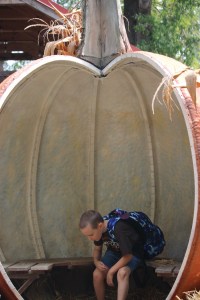
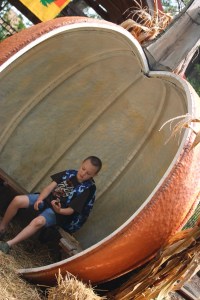
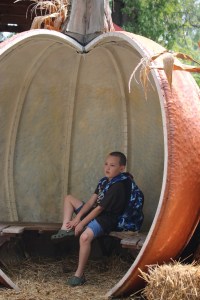
No matter where Coleman and I hike/walk you can guarantee he’ll find a place to Pull Up a Seat. Whenever he does you can most likely expect to see a variety of antics, expressions. He likes to have me take his picture, but sometimes he doesn’t. It is Autumn in an our area, so naturally the Schiele Museum has Autumn decor set out in The Farm. This year there is less hay to than in previous years (same affect on my allergies though). After waiting his turn inside the “Pumpkin”, he wasn’t really enthusiastic about my taking his picture as you might could tell.
Here are a few of what I managed to capture … of Coleman Pulling Up a Seat …
The Garden at the Schiele Museum of Natural History is ever changing with the seasons and years. The Gardens are maintained by museum staff, Community Volunteers and Interns, and the volunteer efforts of the Master Gardener Group of Gaston County.
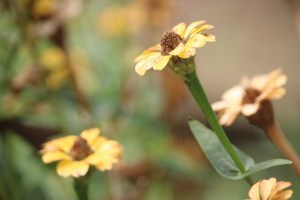
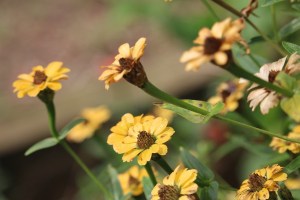
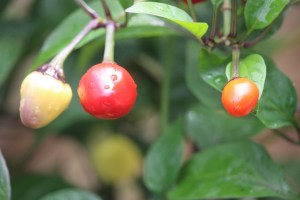
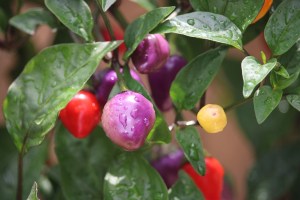
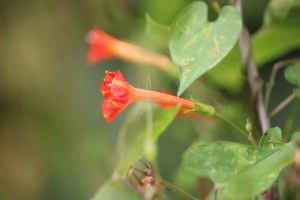
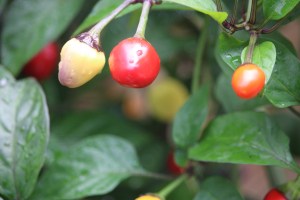
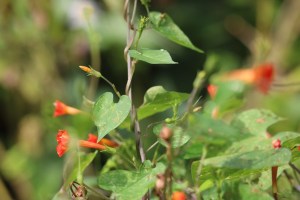
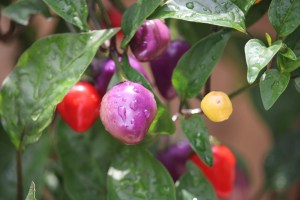
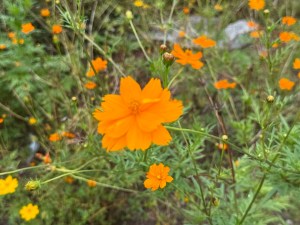
This season we have plenty of Cosmos sulphureus, aka Sulfur cosmos; Zinnia peruviana, aka the Peruvian zinnia; Ornamental peppers, and Ipomoea coccinea aka Red Morning Glory. They are beautiful flowers to enjoy and admire, but not as many florals as in previous years.
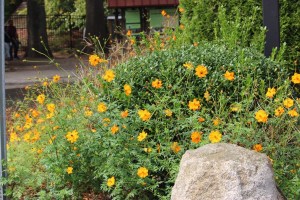
Walking towards The Farm from the parking lot we first spot these lovely Cosmos sulphureus …
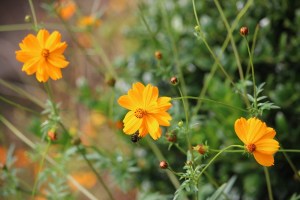
Cosmos sulphureus, aka sulfur cosmos
A Beautiful Cosmos Trio
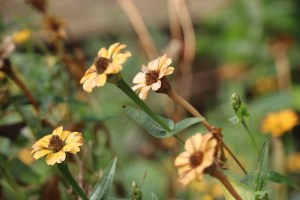
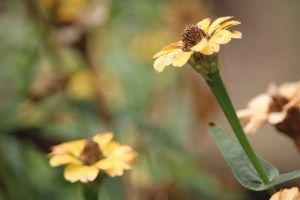
Walking around inside The Farm’s enclosed area, after visiting the goats, we spot these lovely Zinnia peruviana flowers …
As we walk through the Garden area in The Farm we notice several Ornamental Pepper plants and then a few Red Morning Glories. The peppers are so pretty and colourful that you can’t help, but be drawn to their natural beauty. While the Red Morning Glories are so small you might miss them if you weren’t truly searching for the wonderful flowers within the garden.
Camera: Canon EOS Rebel T7 (2000D) with Canon EF-S55-250mm lens and Altura UV Filter attachment.
Location: The Gardens; The Farm; Tge Schiele Museum of Natural History; Gastonia, North Carolina, USA
God Bless. Admire the Flowers and the beauty found in nature. Thank you for visiting and sharing your time and thoughts with us. I appreciate y’all very much.
Location: Entrance to the New Elizabeth Williams Robinson Hall of Dinosaurs; The Schiele Museum of Natural History; Gastonia, North Carolina, USA
God Bless. Have a wonderful week. Love & Peace to y’all. Thank you for visiting and sharing your time and thoughts with us. I appreciate y’all very much.
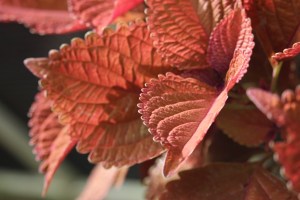
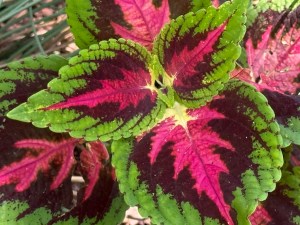
The Coleus plants pictured here are located near the Turkey enclosure in The Farm at The Schiele Museum of Natural History in Gastonia, North Carolina. It is a tropical perennial grown for its brightly coloured, velvety leaves which come in various shades of red, pink, yellow, green, and deep burgundy.
Coleus scutellarioides
Coleus scutellarioides
The Coleus plant is linked with the mint family (Lamiaceae). They are primarily cultivated for their incredibly diverse and colorful foliage instead of their flowers. Besides the colours listed above you may occasionally find them in black. Their intricate design patterns and margins on their leaves make them quite attractive and intriguing to observe.
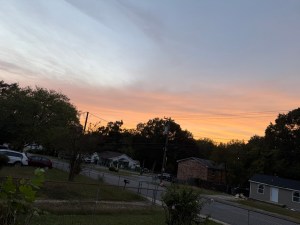
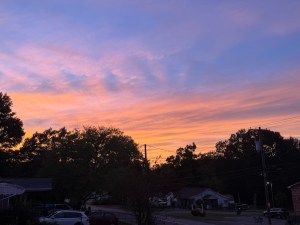
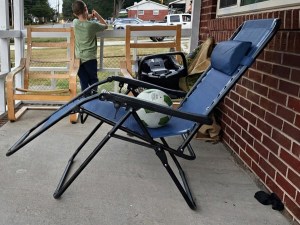
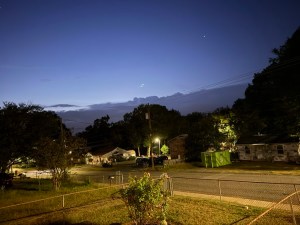
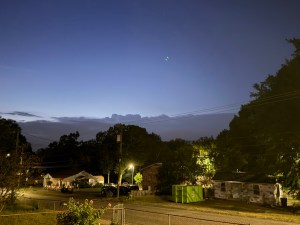
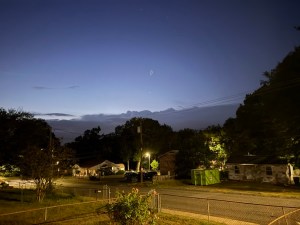
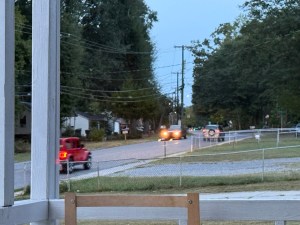
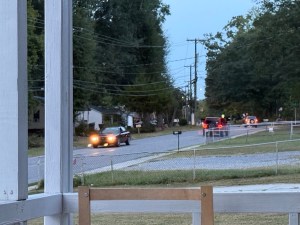
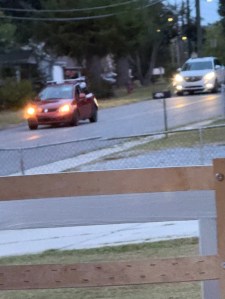
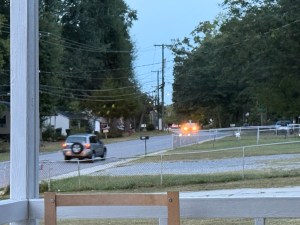
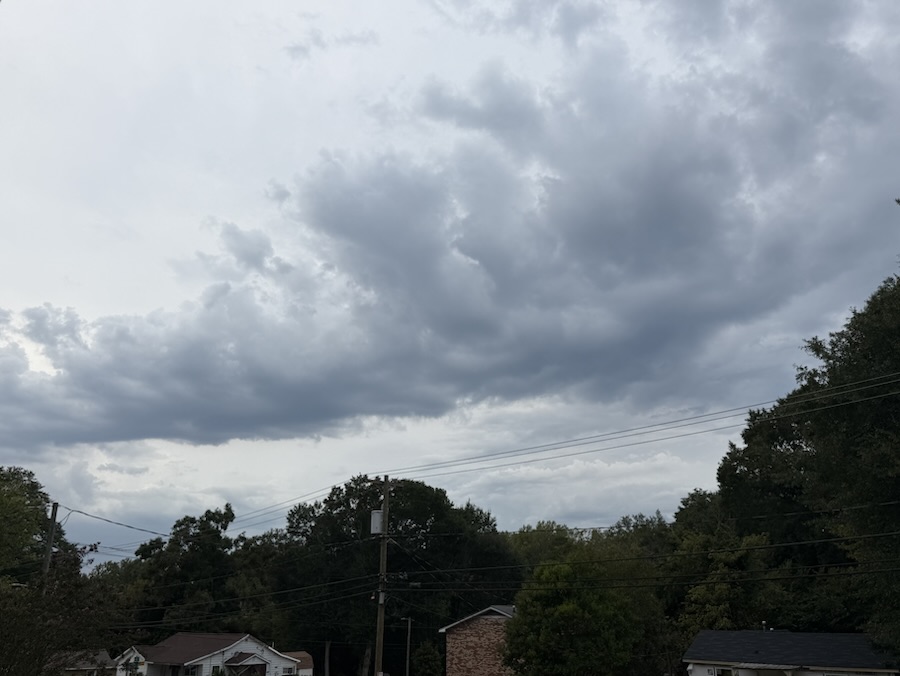
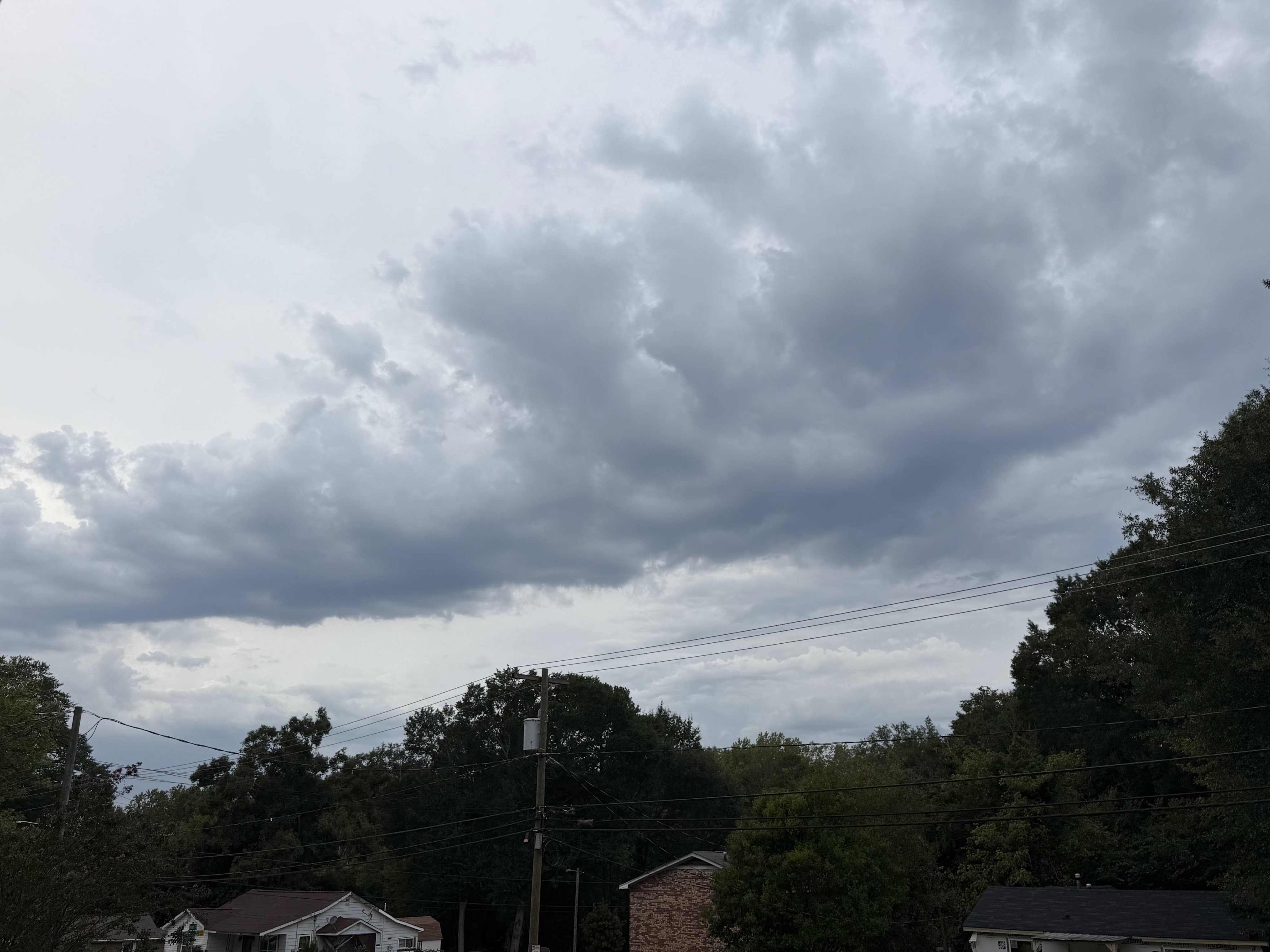
Welcome back to the Which Way Challenge (previously hosted by Cee Neuner). This week our theme is Which Way Challenge (CWWC) 2026: Any Which Way in the Evening (With or Without Rainy Weather) [09.25.2026]. Your Which Ways can be Outdoors, Indoors, Paved or Unpaved, Dirt Trails or any natural surface as long as they are in the evening. Your Choice is exactly that, Whichever Way you choose in the evening. As always Signs are always welcome.
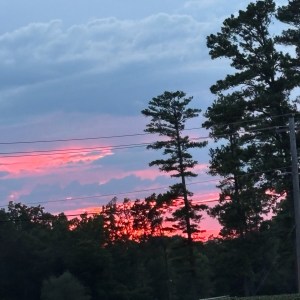
Here are my entries … a Wet and Rainy Evening …
CWWC Cee’s Which Way Challenge Deb’s Which Way Challenge
Click on images to enlarge.
Thank you to those who have participated and supported the Which Ways Challenge. I appreciate y’all sharing your Which Ways with us.
For an idea of other’s Which Ways from this past week’s challenge, be sure to click on the following links below.
Location: Unity Community; Gastonia, North Carolina
God Bless. Have a lovely weekend filled with love, joy, and laughter. Thank you for visiting and sharing your time and thoughts with us. I appreciate y’all very much.
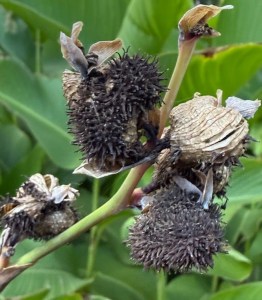
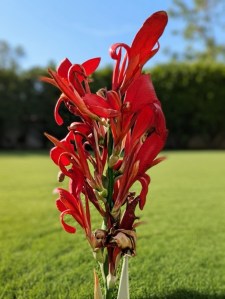
These Canna Lily seed pods are on an Indian Shot plant which is overgrown since the landscaper hasn’t decided to trim it yet. Looking at these you might think they were dead. However, that is not the case with these Canna Lily seed pods.
This is perfectly normal for Canna Lily seed pods in late summer and early Autumn (late summer, almost Autumn here). These seed pods are maturing and drying out, which means the seeds inside are ready to be dispersed. It is a natural part of their life cycle.
Coleman by “The Passage” Sculpture Warlick Family YMCA Gastonia, North Carolina
“The Passage” was created by artist Andrew K. Crawford, is a truly thoughtful sculpture. The stacked boats are intended to symbolize the journey itself. Each boat represents a different stage or experience we encounter. The figure at the very top is usually interpreted as looking towards the future, reflecting on the path taken and the continuous process of growth and transformation. It embodies the spirit of community and personal development.
Whenever Coleman and I visit The Schiele Museum of Natural History we almost always walk along The Nature Trail (we only miss it if we arrive too late and it’s already closed).
Coleman Style
at The Schiele Museum
of Natural History
Whenever Coleman and I visit The Schiele Museum of Natural History we almost always walk along The Nature Trail (we only miss it if we arrive too late and it’s already closed).
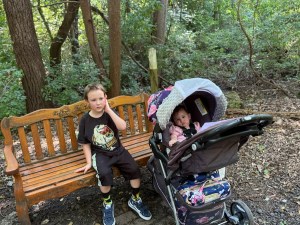
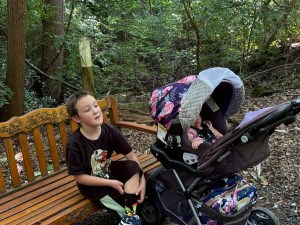
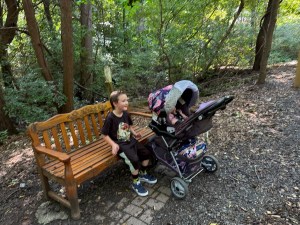
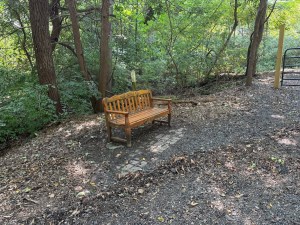
Walking around the Nature Trail, there are strategically placed benches for one to Pull Up a Seat and rest a spell if desired or needed. On this adventure Coleman pushed his sister, Sophia, along the dirt trail. While walking he came across a bench where he stopped and Pulled Up a Seat keeping the stroller with his sister by his side.
Here’s my contributions of Coleman Pulling Up a Seat …
XingfuMama’s Pull Up a Seat Coleman Style at The Schiele Museum of Natural History
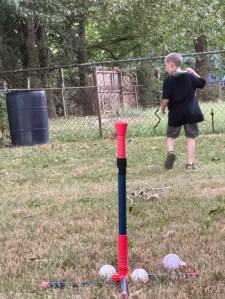
Being a cool early evening on Tuesday, Coleman and I spent some time
outside in the backyard. I relaxed while he played with his bat and balls. Take a look at some of his antics and expressions as you see trios of balls (not all are t-balls).
Thursday Trios Coleman’s Antics & Expressions Playing Ball in the Backyard
Location: Unity Community; Gastonia, North Carolina, USA
God Bless. Get Outdoors. Take a Walk/Hike. Enjoy Nature’s Beauty. Thank you for visiting and sharing your time and thoughts with us. I appreciate y’all very much.
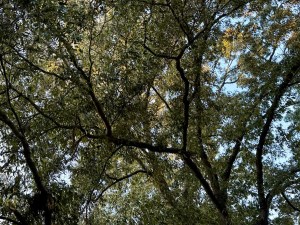
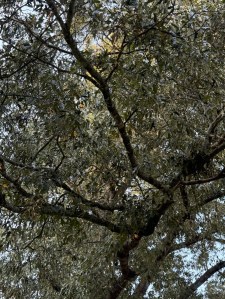
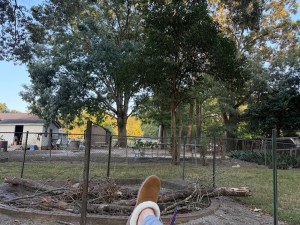
Today was slightly cooler than it has been all summer, giving us the perfect opportunity to photograph the surrounding foliage.
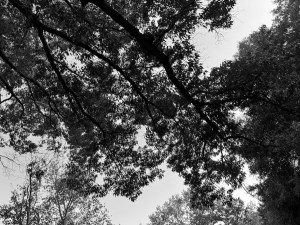
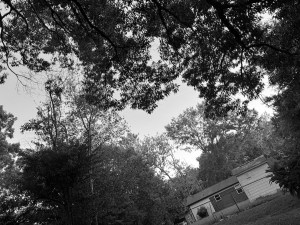
Dale, the host of theCosmic Photo Challenge, has challenged us to post a few images of foliage for this week’s challenge. Today was actually slightly cooler than it has been all summer, therefore, Coleman and I spent a couple of weeks in the backyard. While he was running around and playing I snapped a few pictures of the foliage surrounding us. I changed it up after a few minutes and shot in black and white.
Here are some of the Foliage I captured …
In Colour …
#CosPhoChal Cosmic Photo Challenge Foliage in Colour
Location: Unity Community; Gastonia, North Carolina, USA
God Bless. Get Outdoors. Be observant of all creatures large and small that call our Earth home. Thank you for visiting and sharing your time and thoughts with us. I appreciate y’all very much.
Location: Unity Community; Gastonia, North Carolina
God Bless. Have a lovely weekend filled with love, joy, and laughter. Thank you for visiting and sharing your time and thoughts with us. I appreciate y’all very much.
For the first time since moving to our current neighbourhood (back in March), I heard the Caw Caw sound of our first visitor in a long while. I happened to have been sitting on the porch with my granddaughter waiting for Coleman to arrive on the school bus. When I heard the cawing I stood up to see where it was perched. It was being watchful (scoping out the surroundings) atop a weathered sun-bleached utility pole.
What did I see when I looked up? The gleaming black feathers of an AmericanCrow (Corvus brachyrhynchos). American Crows are quite common here and throughout North Carolina. They can be seen from our coastal areas and on into our mountains. They are incredibly adaptable, thriving in urban areas, farmlands, forests, as well as in our coastal regions.
Let’s take a look at some interesting fun facts about the American Crow.
They are Master Problem Solvers: They can solve puzzles and use tools to get food for example, they can bend a wire to hook something out of a tube.
They have Excellent Memory: Crows are known for remembering faces, especially those who have been kind or unkind to them. They pass information about “dangerous” humans through their flock.
They have Complex Communication: They have a wide range of calls, more than just a simple “caw.” It is believed that they have different call for danger, for finding food, or even to distinguish individual crows within their group.
They are Social Creatures: Crows live in tight-knit family units. Their young often stay with their parents for several years. While they remain with their parents they help to raise their younger siblings (much like in a human family).
They have “Crow Funerals”: Who would have ever guessed? Whenever a crow dies, other crows often gather around it, sometimes ever for extended periods of time. This maybe a way for them to learn about potential dangers within their environment and it gives them an opportunity to mourn.
Location: Unity Community; Gastonia, North Carolina, USA
God Bless. Have a pleasant and peaceful weekend. May it be filled with love, happiness, and laughter. Thank you for visiting and sharing your time and thoughts with us. I appreciate y’all very much.
The Tymco SM74C is a popular model for municipal and contractor street sweepings. It is known for its regenerative air system which uses a high-velocity air blast to dislodge debris and then vacuums it into the hopper, making it very efficient at keeping our curbs and streets clean without the need for water unlike other sweeper type models.
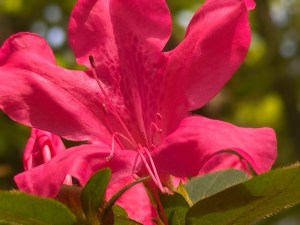
Azaleas differ from other Rhododendrons by only having five (5) stamens per flower instead of the typical ten (10) or more on other Rhododendrons. They are popular ornamental plants, known for their showy blooms in a wide variety of colours.
Their colours range from vibrant pink to white, purple, and red. I normally see the pink and red varieties in the gardens around town. They are always available to be seen in the Garden in The Farm at The Schiele Museum of Natural History in Gastonia, North Carolina.
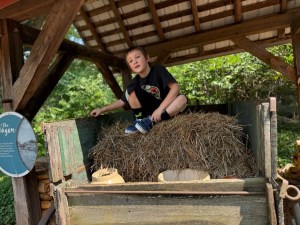
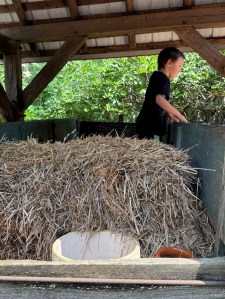
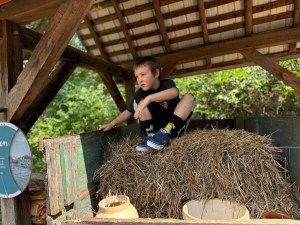
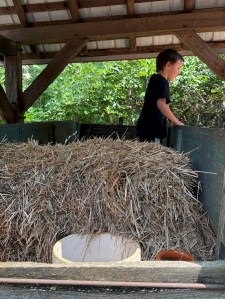
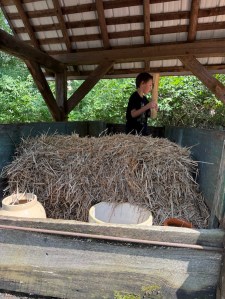
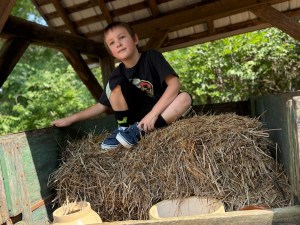
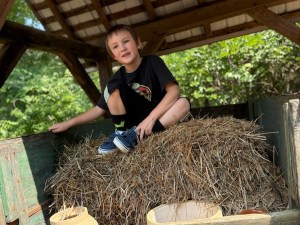
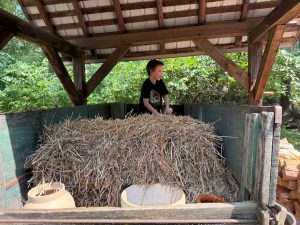
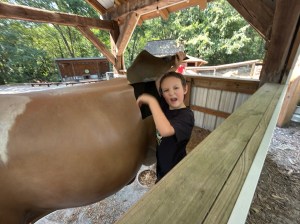
Whenever Coleman and I visit The Schiele Museum of Natural History we almost always visit The Farm (we only miss it if we arrive too late and it’s already closed). Walking around the Farm we visit the animals (the goats, the sheep, and Mike & Lucky, aka the cows) and admire the Flowers (at least I do anyway). Coleman likes to climb on the red tractor and other interesting things. What other things would interest a rambunctious little boy? An old wagon with a hay bale, of course. Yep, that’s right, he climbed up on the wagon and made himself at home by #PullingUpaSeat on a Hay Bale.
Here’s my contributions of Coleman Pulling Up a Seat on a Wagon’s Haystack …
#PullUpaSeat Coleman Style on a Haystack at The Schiele Museum of Natural History
Brian from Bushboys Worldhosts a monthly challenge called Last On the Card. His rules are simple to follow if you’re interested in participating.
Here are The rules: 1. Post the last photo on your SD card or last photo on your phone for the 30th or whenever your last photo was taken. 2. No editing – who cares if it is out of focus, not framed as you would like or the subject matter didn’t cooperate. 3. You don’t have to have any explanations, just the photo will do 4. Create a Pingback to this post or link in the comments 5. Use the tags The Last Photo and #LastOnTheCard
Here are my contributions …
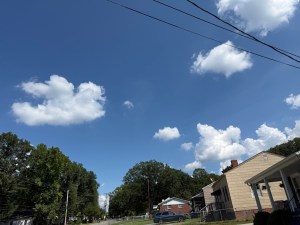
From my Apple iPhone 16 Pro Max:
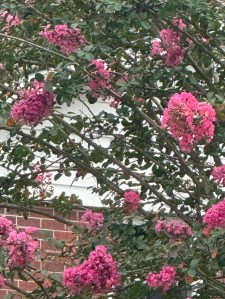
Lagerstroemia indica, aka Crepe-myrtle Gastonia, North Carolina
From my Canon EOS T7 (2000D):
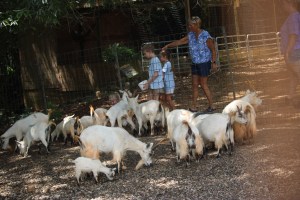
Angora Goats Walk-thru Petting Area Lazy 5 Ranch Mooresville, North Carolina
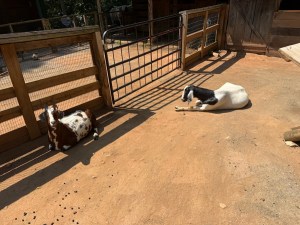
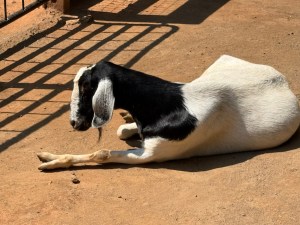
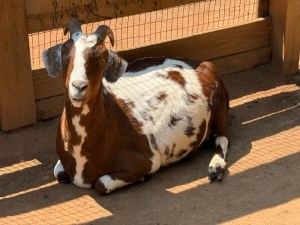
Goats don’t like the heat any more than humans do. We arrived at The Farm just after 3 in the afternoon. It was still in the high 80’s and even the Goats didn’t feel up to playing around or greeting their visitors.
Trying to Stay Cool
Normally, on a nice day the would come to the fence and greet us. Not today they said, “The humid midday air completely drained our energy.”
Nubian Goat
Ah, this spot in the shade feels just right, maybe a nice nap is exactly what we need.
Boer Goat
Maybe it’ll be cooler tomorrow, we can dream can’t we?
Embrace the adventure with CWWC 2026: Any Which Way – Your Choice! Whether you’re exploring nature trails, navigating indoor staircases, or venturing onto paved paths, there’s a route for everyone. Sign up now and discover your unique Which Way!
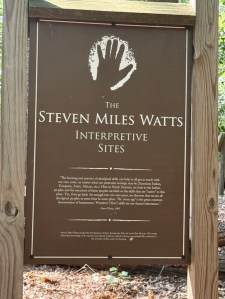
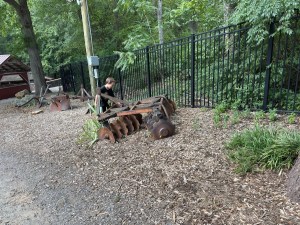
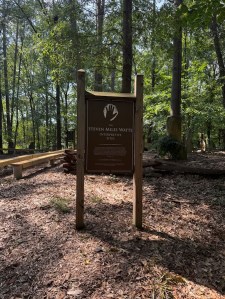
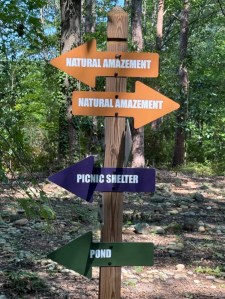
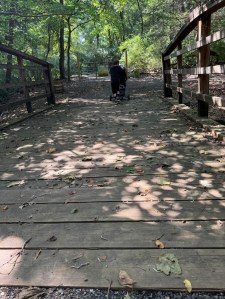
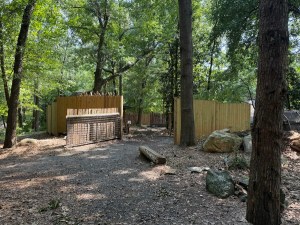
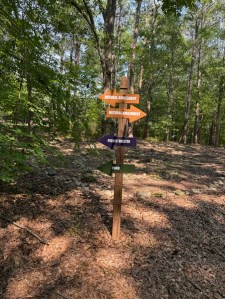
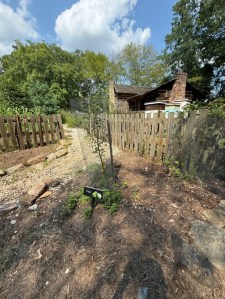
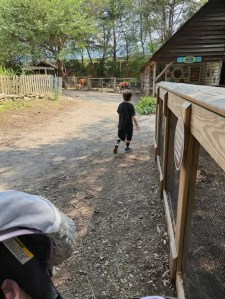
Welcome back to the Which Way Challenge (previously hosted by Cee Neuner). This week our theme is CWWC (2026): Any Which Way —Your Choice. Your Which Ways can be Outdoors, Indoors, Paved or Unpaved, Dirt Trails or any natural surface. Your Choice is exactly that, Whichever Way you choose. As always Signs are always welcome.
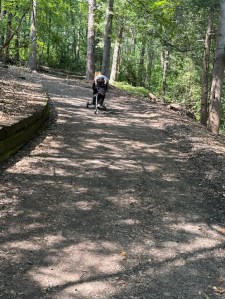
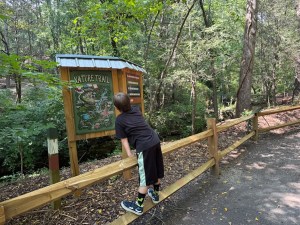
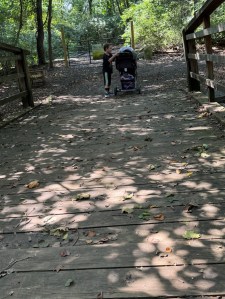
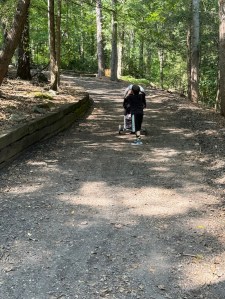
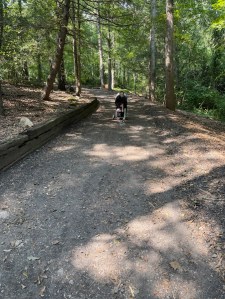
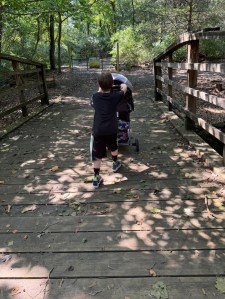
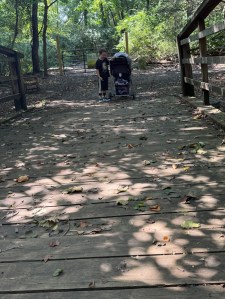
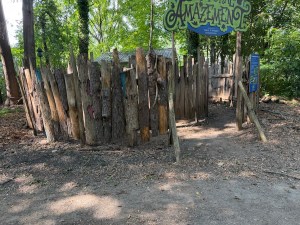
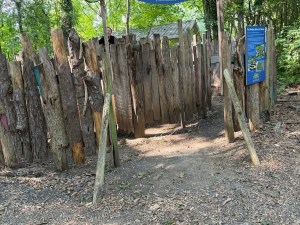
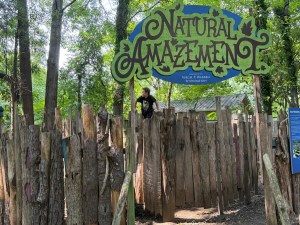
My choices for this week’s Which Way Challengeare naturalized surfaces on The Schiele Museum’s Nature Trail.
Here are my entries …
CWWC Cee’s Which Way Challenge Deb’s Which Way Challenge
Click on images to enlarge.
Thank you to those who have participated and supported the Which Ways Challenge. I appreciate y’all sharing your Which Ways with us.
For an idea of other’s Which Ways from this past week’s challenge, be sure to click on the following links below.
Location: The Schiele Museum of Natural History; Gastonia, North Carolina, USA
God Bless. Have a lovely weekend filled with love, joy, and laughter. Thank you for visiting and sharing your time and thoughts with us. I appreciate y’all very much.
God Bless. Admire the Flowers and the beauty found in nature. Thank you for visiting and sharing your time and thoughts with us. I appreciate y’all very much.
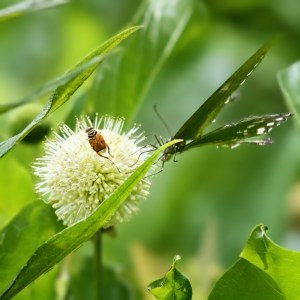
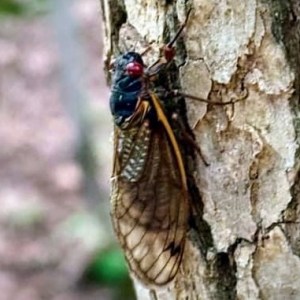
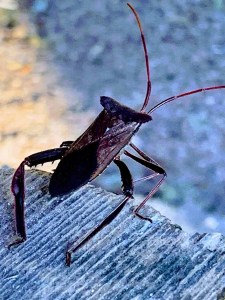
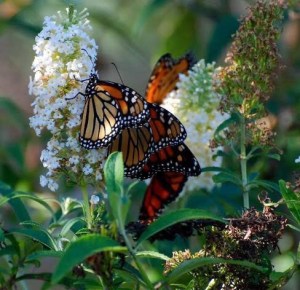
Terri has recently started a new theme for the Sunday Stills challenge called Animal of the Month. This month she is challenging us to share images of insects. Insects include a wide variety of animal species. Common examples of Insects are Bees, ants, wasps; Beetles, ladybugs, fireflies; Butterflies and Moths; True Bugs (Cicadas and aphids); as well as Dragonflies and Damselflies.
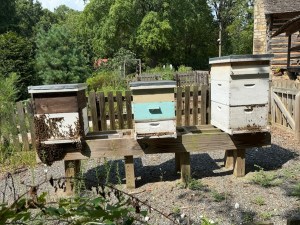
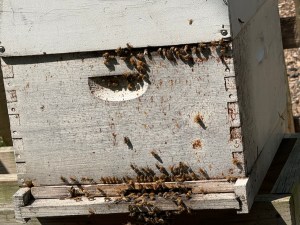
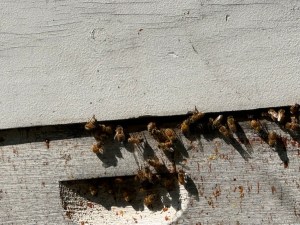
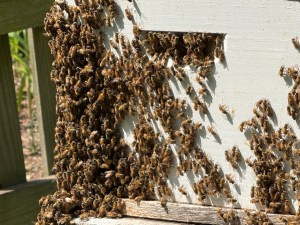
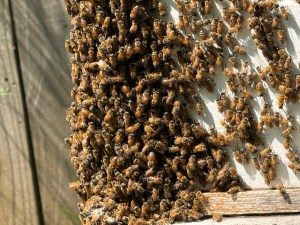
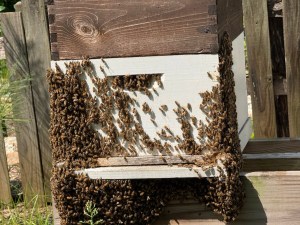
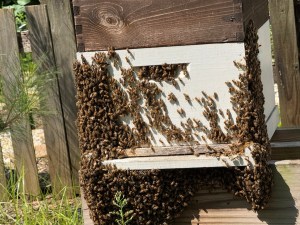
In this second Sunday Stills Animal of the Month post I am beginning with the European Honey Bees (Apis mellifera) located in The Farm at The Schiele Museum of Natural History in Gastonia, North Carolina.
The Beehives The Farm The Schiele Museum
North Carolina’s European honey bees are a highly social insect species native to Europe, Africa, and the Middle East.
The Schiele’s Honeybees
They are the world’s primary pollinator for agriculture. The Honey Bees at The Schiele Museum’s Farm pollinate the wide variety of plants and flowers grown in the Garden.
European honey bees
The European honey bee was first introduced to the Americas by European colonists in March of 1622. The English colonists shipped the first hives to Jamestown, Virginia.
Foraging to the Colony
The Schiele Museum of Natural History has four live apiaries located on The Farm. [The Farm is an outdoor exhibit showcasing Piedmont agricultural history alongside live farm animals.]
Returning to the Hive
Visitors to The Schiele Museum’s Farm are capable of safely look into an observation hive during the Annual Bug Day. During this special day visitors can watch honey bees crawl across honeycomb structures through an indoor -facing window housing a working observation hive.
The museum integrates their apiaries into seasonal student programming, including specialized “Buzz about bees” summer camps and hands-on pollination lab experiments.
European Honey Bees (Apis mellifera)
Enough about Honey Bees, shall we take a look at a gallery of other insects/bugs?
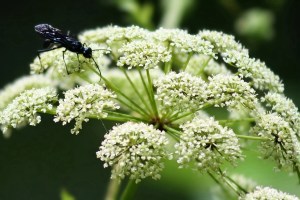
Papilio glaucus, aka the eastern tiger swallowtailEastern Boxelder bugTrigonopeltastes delta, aka delta flower scarabBrood XIX cicadaAcanthocephala declivis, aka the giant leaf-footed bugMonarch butterflies Eremnophila aureonotata, aka gold-marked thread-waisted waspCommon Blue Mud DauberSunday Stills Animal of the Month
Camera: Apple iPhone 16 Pro Max Telephoto; Gallery various cameras.
Location: The Farm; The Schiele Museum of Natural History; Gastonia, North Carolina, USA ; Gallery various locations.
God Bless. Enjoy your week. Have a wonderful good and safe week. Thank you for visiting and sharing your time and thoughts with us. I appreciate y’all very much.
Terri has recently started a new theme for the Sunday Stills challenge called Animal of the Month. I’m not sure if my animal fits this week’s animal of the month theme or not since I write mine in advance, but hopefully it’ll be alright.
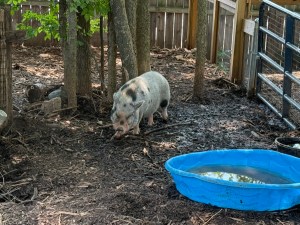
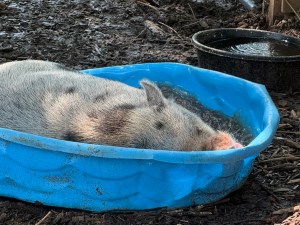
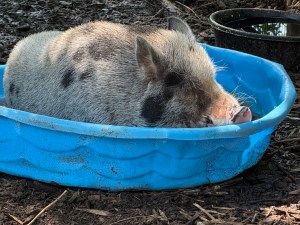
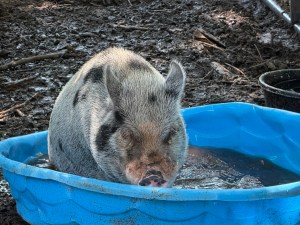
See the Pig Eyeing the Pool
With our extreme heat wave we’ve been experiencing, I found it fascinating that even the Pigs in The Farm area at The Schiele Museum of Natural History thought it was too hot.
Pig slowly approaching pool
Coleman and I stood watching this Pig for a while enjoying its antics and Wallowing.
Pig’s by the pool. What’s he gonna do?
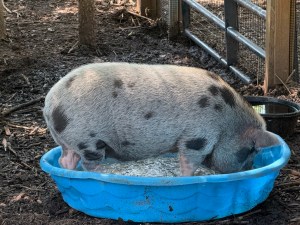
With it being so hot and humid what else should the Pig do but get in the pool and cool off.
Pig is in the pool.
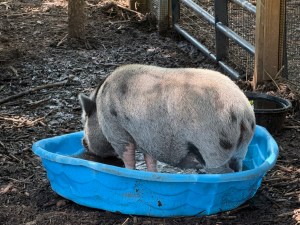
Turn, turn, turn …
Round and round goes the Pig …
Pig says it’s time to wallow.
And keep wallowing till it’s completely cooled down …
Turn, turn, turn
Maybe I’ll just take one more spin wallowing in the pool before I get out and mingle.
Location: The Farm; The Schiele Museum of Natural History; Gastonia, North Carolina, USA
God Bless. Enjoy your week. Have a wonderful good and safe week. Thank you for visiting and sharing your time and thoughts with us. I appreciate y’all very much.
Location: Unity Community; Gastonia, North Carolina, USA
God Bless. Stop and smell the flowers. Admire them and the beauty found in nature. Have a fantastic week. Thank you for visiting and sharing your time and thoughts with us. I appreciate y’all very much.
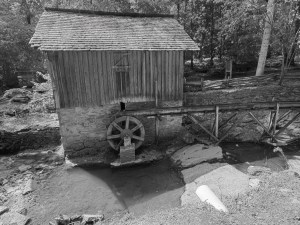
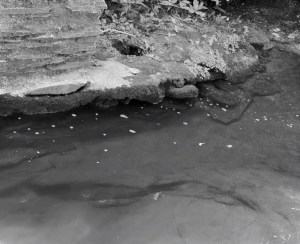
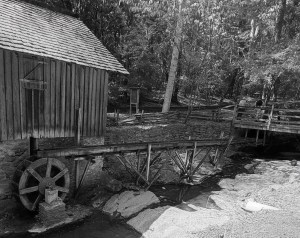
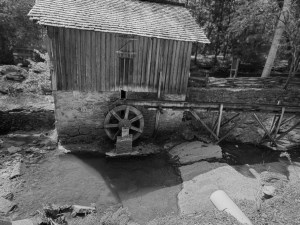
This is a free week for Leanne’s Monochrome Madness. I decided to show you images of a Grist Mill in black and white monochrome tones this week. This Grist Mill can be seen along the Nature Trail at The Schiele Museum of Natural History in Gastonia, North Carolina.
The Grist Mill Nature Trail The Schiele Museum of Natural History Leanne’s Monochrome Madness
Location: The Schiele Museum of Natural History; Gastonia, North Carolina, USA
God Bless. Have a lovely weekend filled with love, joy, and laughter. Thank you for visiting and sharing your time and thoughts with us. I appreciate y’all very much.
Location: The Farm; The Schiele Museum of Natural History; Gastonia, North Carolina, USA
God Bless. Take time to enjoy nature. Have a funtastic week. Thank you for visiting and sharing your time and thoughts with us. I appreciate y’all very much.
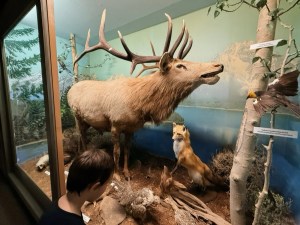
Coleman looking over a Native American Exhibit in the Henry Hall of the American Indian at The Schiele Museum of Natural History in Gastonia, North Carolina.
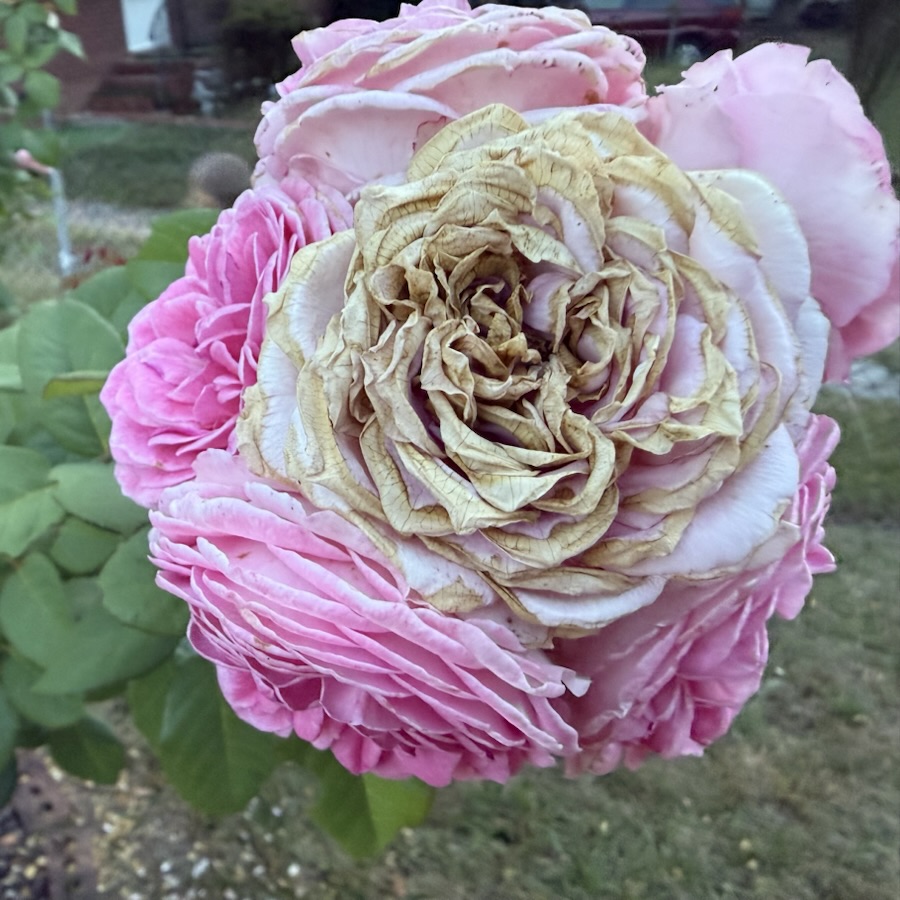
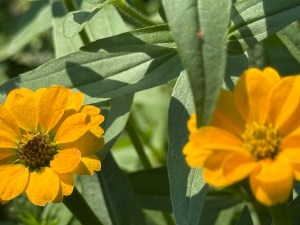
It has been extremely hot and humid in our area causing havoc on gardens and flowers to wither and fade away. Currently, There are not many left in bloom. However, I did manage to find a few.
These are from The Garden in The Farm at The Schiele Museum of Natural History…
A Pair of Yellow Zinnias …
Zinnias
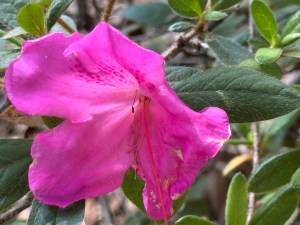
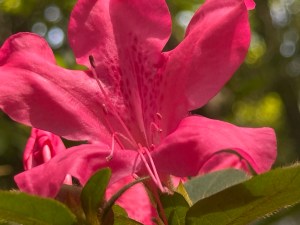
A Look at a Couple of Rhododendron indicum, aka Azalea indica L. …
Pink Azalea
Rhododendron indicum, aka Southern Indian azalea, has showy, vibrant funnel-shaped red, scarlet, or pink flowers that bloom in mid to late spring and occasionally again in the fall. ]These are both from the same Rhododendron (Azalea) Shrub.]
Rhododendron indicum, aka Satsuki azalea or Southern Indian azalea.
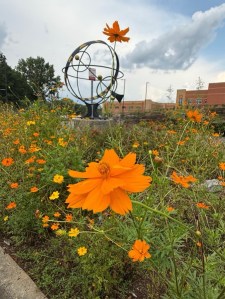
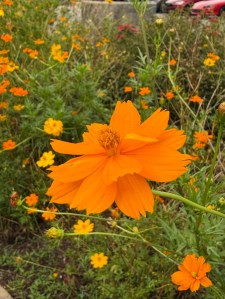
Now before we leave let’s take a look at an array of Sulfur cosmos (Cosmos sulphureus) …
Sulfur cosmos (Cosmos sulphureus) The #Flower Hour Cee’s Flower of the Day Bren’s Floral Friday
That’s all I have for y’all today. Till next time, have a fabulously fun and productive weekend filled with love, laughter, and happiness.
Location: The Garden; The Farm; The Schiele Museum of Natural History; Gastonia, North Carolina, USA
God Bless. Stop and smell the flowers. Admire them and the beauty found in nature. Have a fantastic week. Thank you for visiting and sharing your time and thoughts with us. I appreciate y’all very much.
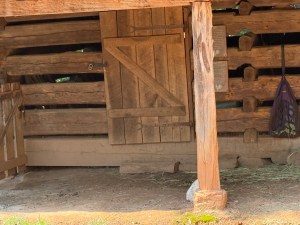
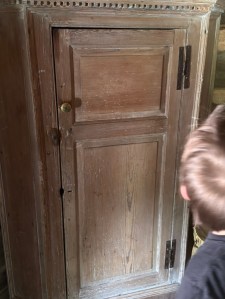
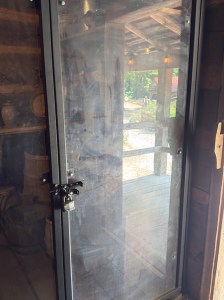
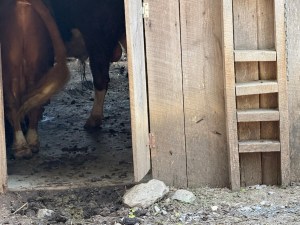
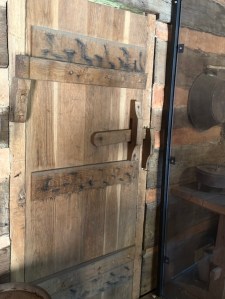
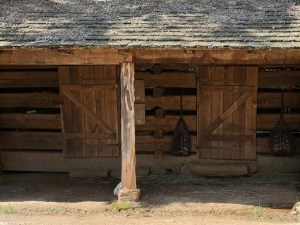
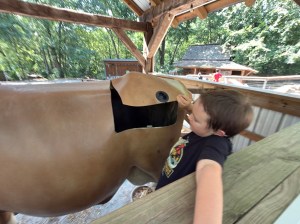
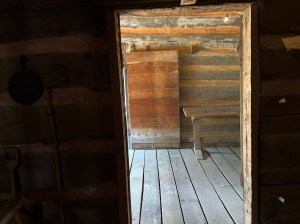
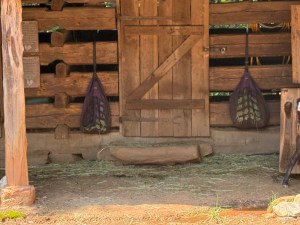
Visiting the Schiele Museum of Natural History on Duke Energy’s free Tuesday gave Coleman and I an opportunity to visit The Farm. It was extremely hot and humid so we didn’t stay too long outside before roaming around inside the museum. Below are a few doors we noticed while walking around the Farm.
Door? It lifts up like a door. Doors in the Sheep areaDoors in the Historic CabinDoors in the Historic CabinDoor in the Cow Section (Look closely & you might see them) Doors in the Historic CabinDoors in the Sheep areaColeman checks out the “Cow” DoorDoors in the Historic CabinDoors in the Sheep areaDan’s Thursday Doors
Location: The Farm; The Schiele Museum of Natural History; Gastonia, North Carolina, USA
God Bless. Have a funtastic rest of your week and weekend ahead. Thank you for visiting and sharing your time and thoughts with w. I appreciate y’all very much.
Location: The Farm; The Schiele Museum of Natural History; Gastonia, North Carolina, USA
God Bless. Have a lovely weekend filled with love, joy, and laughter. Thank you for visiting and sharing your time and thoughts with us. I appreciate y’all very much.
Last week I said I would share where we went via the transit system and what we saw along the trails. To visit last week’s post as Coleman and I traveled on the transit network for our Which Way click here.
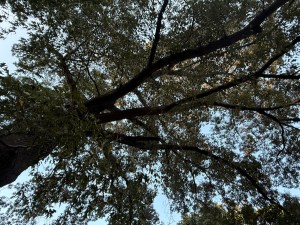
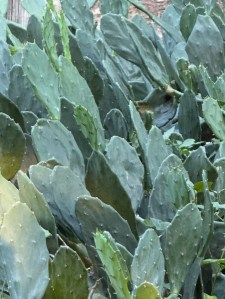
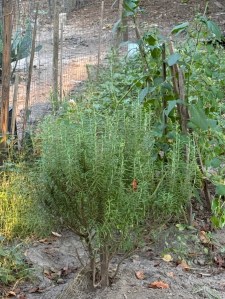
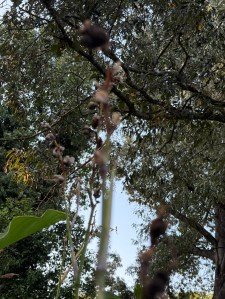
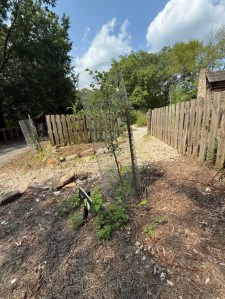
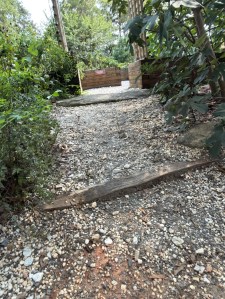
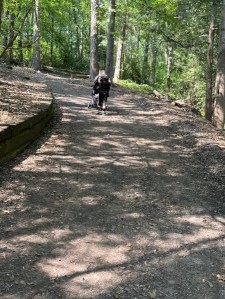
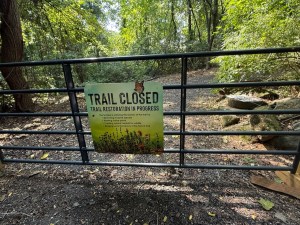
Now to let you know where we traveled to on the Gastonia Transit system (aka the bus) to go hiking. Our destination to the Warlick Family YMCA here in Gastonia for a bit of hiking and communing with nature. Here are a few images showing the trails we hiked and what we saw along the way.
CWWC Cee’s Which Way Challenge Deb’s Which Way Challenge
Click on each image to enlarge.
Thank you to those who have participated and supported the Which Ways Challenge. I appreciate y’all sharing your Which Ways with us.
For an idea of other’s Which Ways from this past week’s challenge, be sure to click on the following links below.
Back in 2024 the City of Gastonia ran buses to help people get around the city. Unfortunately, (at least for us) Gastonia discontinued the bus service. Now it is much harder to get around the city unless we are able to borrow my daughter’s car which isn’t too often.
Coleman and I used to travel on the city buses several times a week to go hiking at various locations around the city. Today, I decided on our free week (your choice) to share one of our adventures traveling by city transit and on foot.
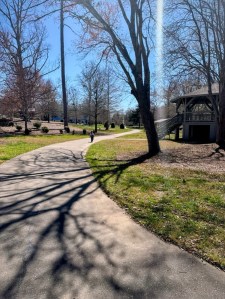
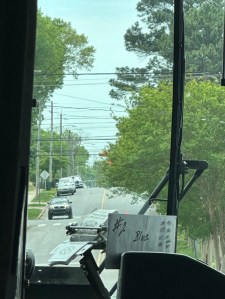
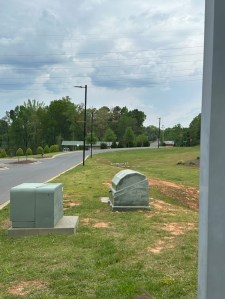
Downtown Gastonia as seen from the busPulling into the YMCAA paved trail in Lineberger Park Downtown GastoniaView from the front bus window Coleman waiting for the busThe Road where we waited for the busView from the YMCA Bus stop Waiting on the bus to go home Gazing at the YMCA building CWWC Cee’s Which Way Challenge #Your Choice Week 2
** Next week I’ll share where we went via the transit system and what we saw along the trails.
Click on each image to enlarge.
Thank you to those who have participated and supported the Which Ways Challenge. I appreciate y’all sharing your Which Ways with us.
For an idea of other’s Which Ways from this past week’s challenge, be sure to click on the following links below.




















![Which Way Challenge (CWWC) 2026: Any Which Way in the Evening (With or Without Rainy Weather) [09.25.2026]](https://gfpacificbeeintrospection.com/wp-content/uploads/2026/08/untitled-august-02-2026-at-16.34.18.jpg?w=393)










































































![Which Way Challenge (2026) CWWC: Any Which Way (Your Choice) Week 2 [07.31.2026]](https://gfpacificbeeintrospection.com/wp-content/uploads/2025/06/image-1-1.jpg?w=489)