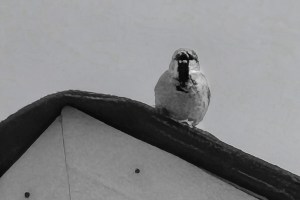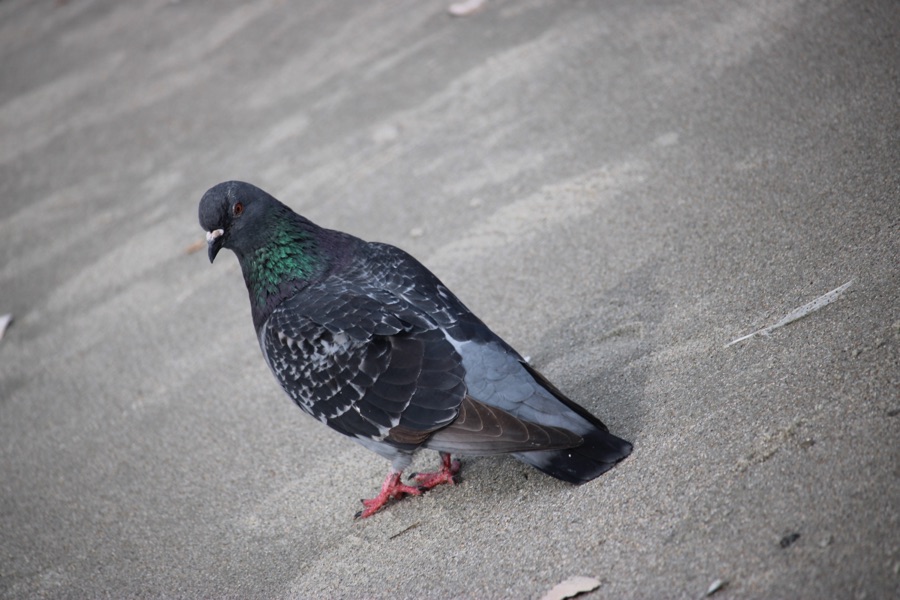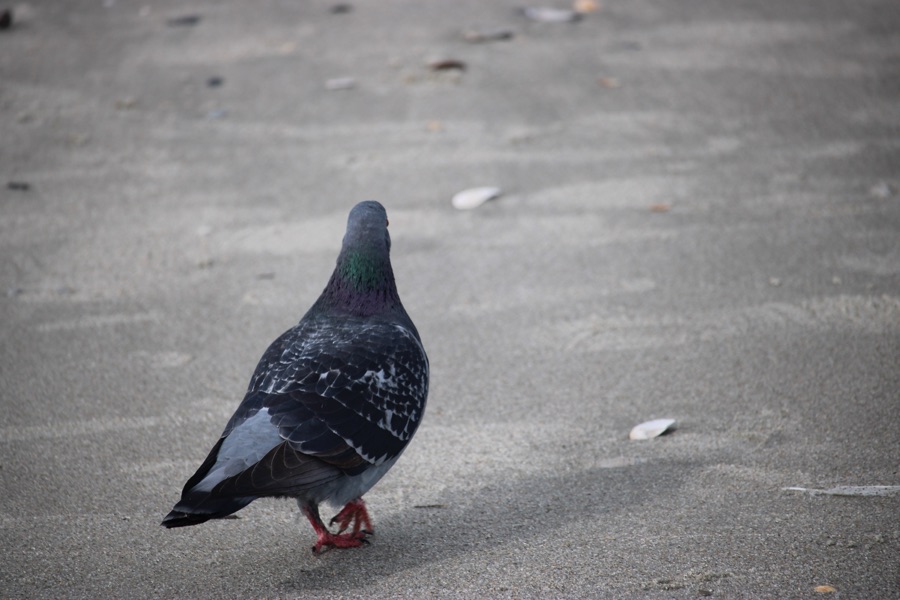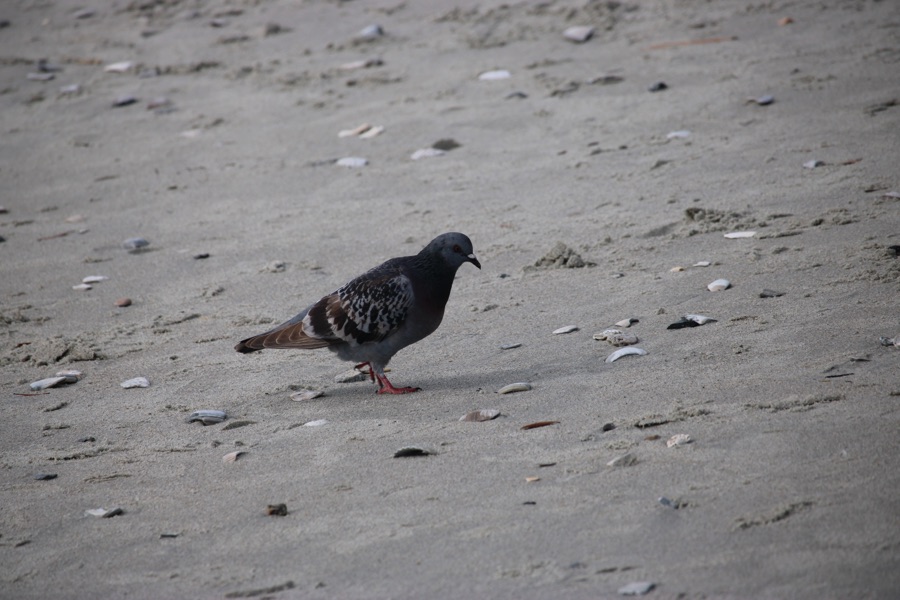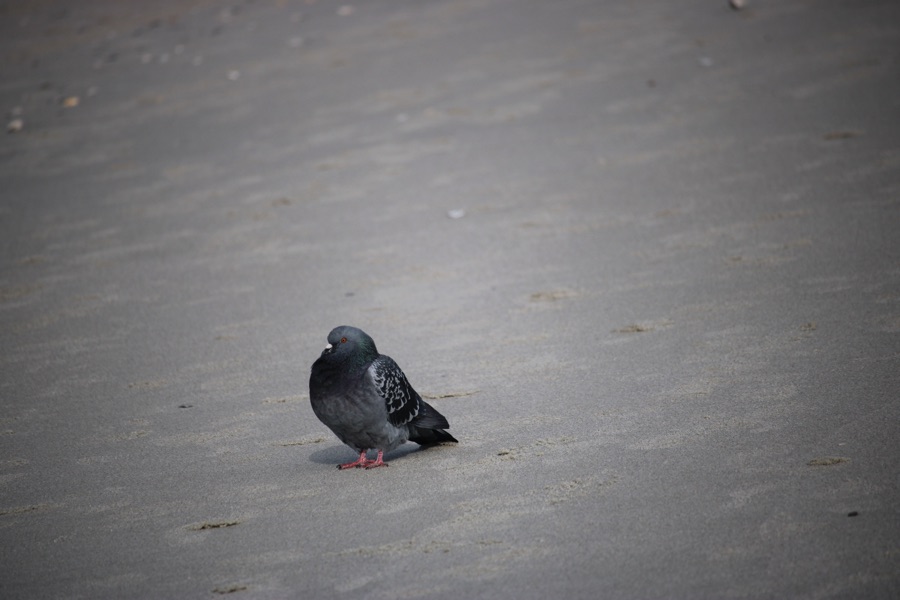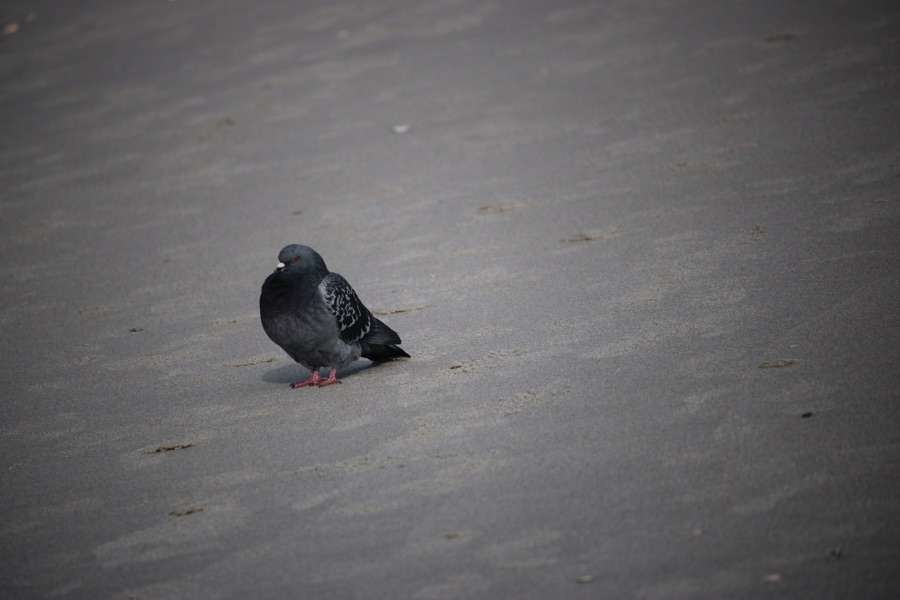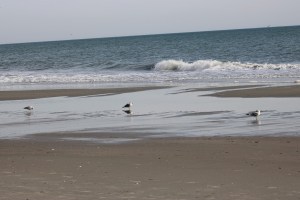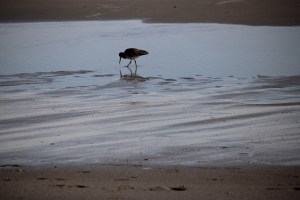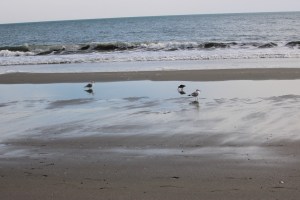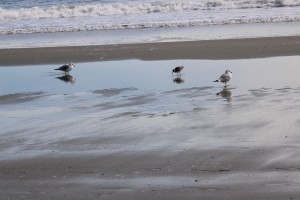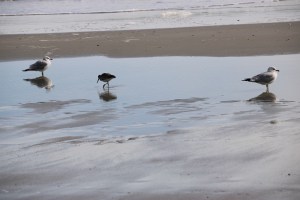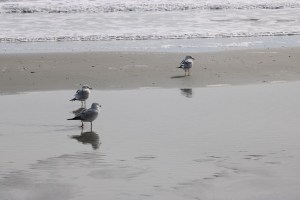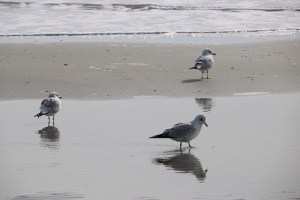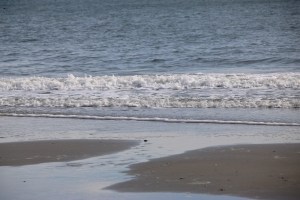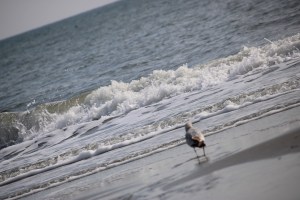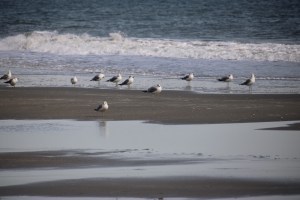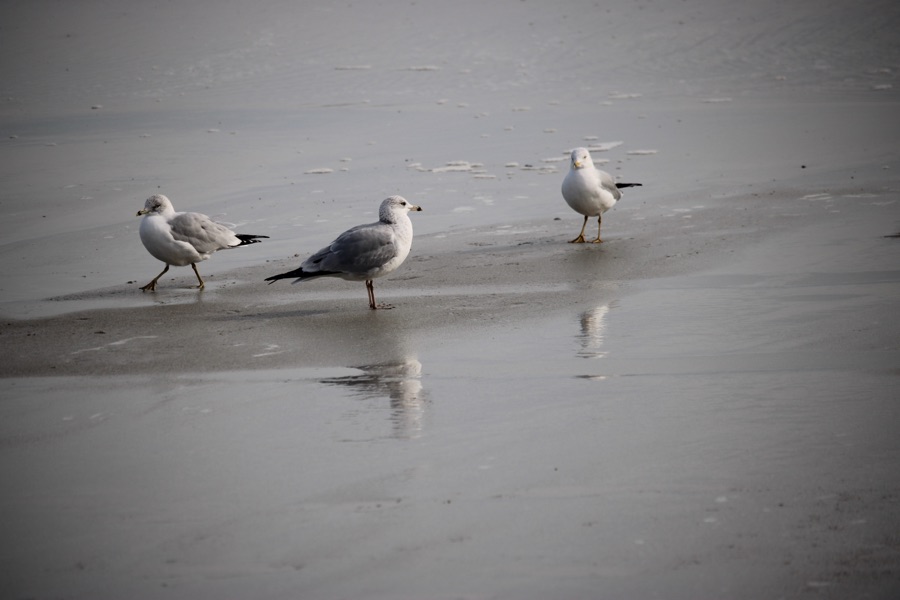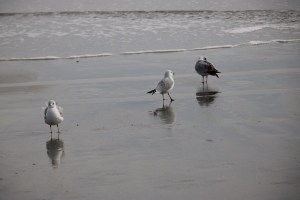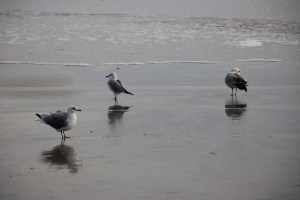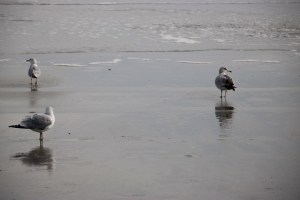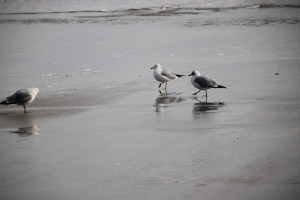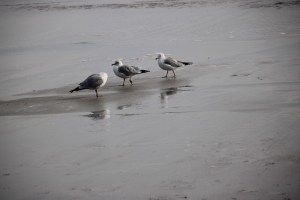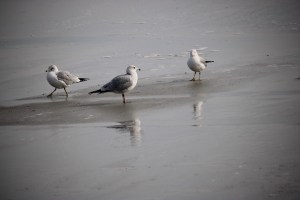
Rock Pigeons (Columba livia), aka Rock Doves, are a common non-native species throughout the Carolinas. Rock Pigeons and Ring-Billed Gulls are the two most commonly seen birds in Myrtle Beach. They can be seen in areas like the Boardwalk, around the Piers (especially 2nd Avenue Pier), parks, and as you can see here on the sandy seashore of Myrtle Beach.
The Rock Pigeons are highly adaptable to urban and coastal environments; often seen scavenging for food alongside native species like the gulls we saw an abundance of when we were walking on the beach.
Rock Pigeons come in many different shades and plumage patterns. Some of these patterns have been named; you may spot Bluebars (bluish-gray bird with 2black bands on wings and a black tail tip) – the most commonly seen; Red Bars (with Rusty red colour); Checkers (containing spots on their wings); Spreads (all black or all gray); and Pieds (birds of any colour with splotches of white).
Rock Pigeons on Myrtle Beach’s Sandy Seashore
An interesting fact: Rock Pigeons were once used to carry messages for the U.S. Army Signal Corps during World War I and II. Their messages provided vital strategic information and helped in saving lives.
Camera: Canon EOS Rebel T7 (2000D) with Canon EF-S18-55mm lens and Altura UV Filter attachment.
Location: Myrtle Beach, South Carolina, USA
God Bless. Take an adventure. Observe the Wonders of God’s Creations. Thank you for visiting and sharing your time and thoughts with us. I appreciate y’all very much.
What we saw as we walked out of our hotel room and walked onto the beach to observe the Atlantic Ocean was different and unique to our surroundings. It was the first time for Coleman to visit the beach and step into the Atlantic Ocean. I hadn’t been to this beach since 2010 or any other beach since 2020.
Here are a few interesting finds seen on our walk the day after New Year’s Day.
Our first sighting after walking out of the hotel …
The outdoor pool area with plenty of places to Pull Up a Seat.
Unfortunately, or maybe fortunately, the outdoor pool areas were closed for the season (unheated & closed).
The Pirate Shipwreck Lagoon Kids’ Waterpark
The outdoor pools and kids shipwreck area would not be comfortable to get into without any heat during the wintertime. Moving away from the pools here’s what we discover next …
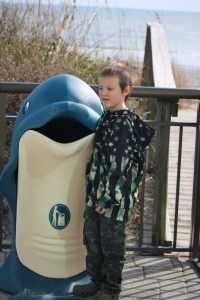
Coleman checks out the “Dolphin,” a unique design for a trash receptacle.
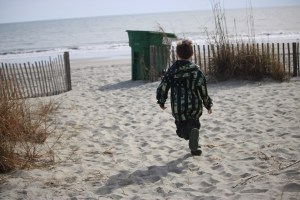
The next thing Coleman spots is the beach access, and away he goes …
Coleman headed out to the beach
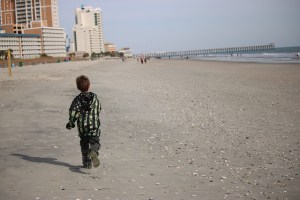
Once out onto the sandy beach, Coleman turns left to see what he might discover.
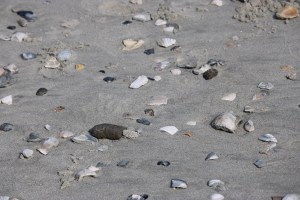
Naturally, Coleman is anxious to discover what he might find. Maybe some Seashells?
Mostly broken, but a few whole Seashells
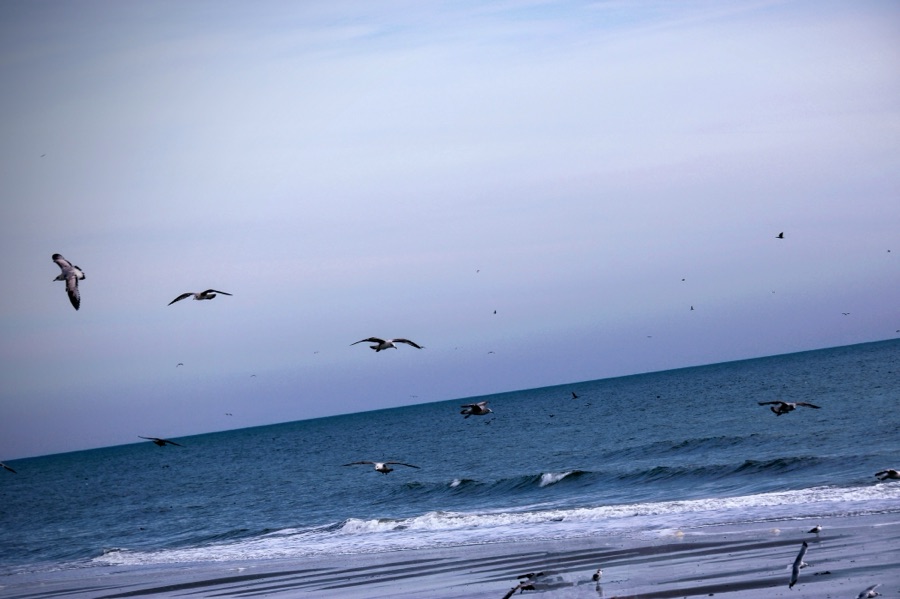
We walked quite a ways down the beach before turning around. Coleman was enthralled with watching the Ring-Billed Gulls (just known to him as Seagulls). Here are a few of our Gulls sightings …
Atlantic Ocean Myrtle Beach, South Carolina
And how can we not watch the waves rolling in and out of the Atlantic Ocean, you can’t go to the beach and not . Can you?
Our Walk along the Seashore of the Atlantic Ocean at Myrtle Beach, South Carolina
We hope y’all enjoyed walking along Myrtle Beach’s Seashore with us.
Camera: Canon EOS Rebel T7 (2000D) with Canon EF-S18-55mm lens and Altura UV Filter attachment.
Location: Myrtle Beach, South Carolina, USA
God Bless. Take an adventure. Observe the Wonders of God’s Creations. Thank you for visiting and sharing your time and thoughts with us. I appreciate y’all very much.
Yesterday, I tagged Debbie’s Six Word Saturday thinking Friday was Saturday. So, I’m posting another on Saturday for Debbie’s Six Word Saturday challenge.
Camera: Canon EOS Rebel T7 (2000D) with Canon EF-S55-250mm lens and Altura UV Filter attachment.
Location: Myrtle Beach, South Carolina, USA
God Bless. Enjoy your weekend. Here’s to sunny days ahead. (Our weekend is cloudy & rainy). Thank you for visiting and sharing your time and thoughts with us. I appreciate y’all very much.
We spent the week before New Year’s down south at Myrtle Beach along the coast of the Atlantic Ocean. We had so many activities going on each day that we didn’t spend all day every day on the beach, but the days Coleman and I spent on the beach were beautiful amazing memory making enjoyable times of the week. We saw an enormous amount of birds at the beach both in Murrells Inlet and by our resort in Myrtle Beach.
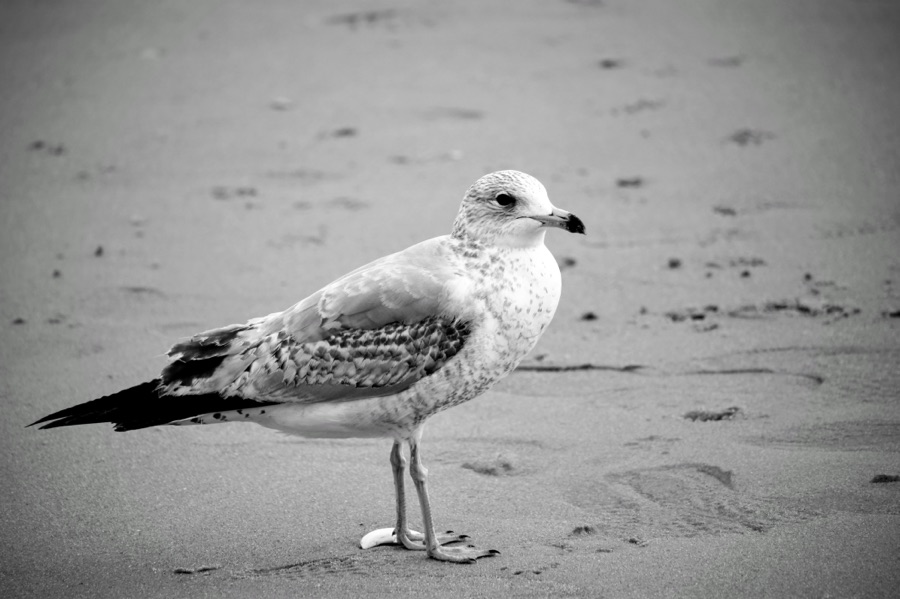
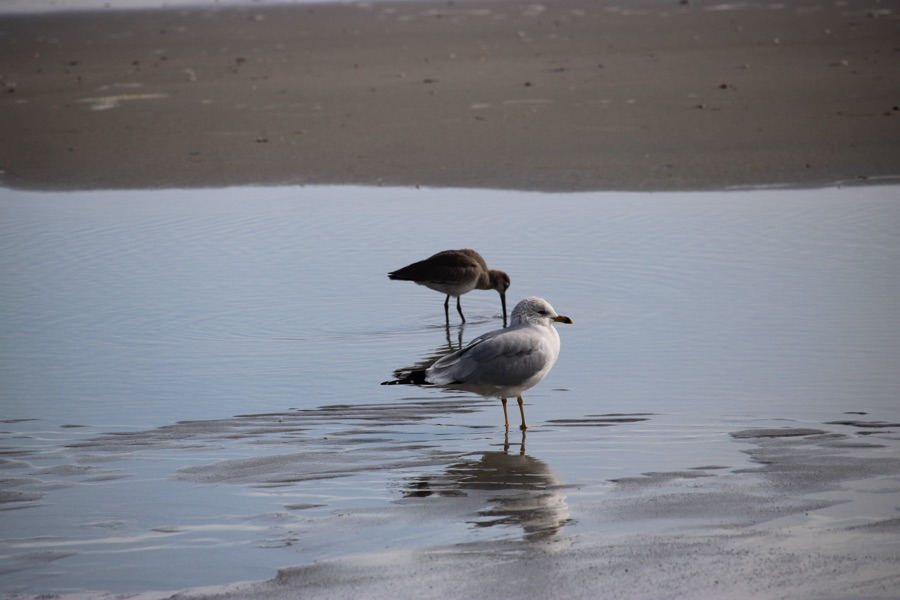
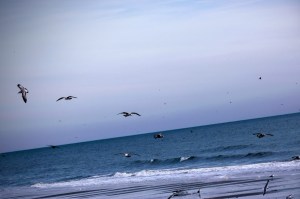
On the Friday before we left we saw a tremendous amount of Ring-Billed Gulls flying to and fro as well as walking on the sand by the seashore. Ring-Billed Gulls (aka Larus delawarensis) are medium-sized gulls native to Northern America. They breed in Canada and the northern Contiguous United States. They winter mainly in the United States of America and northern Mexico.
The Ring-Billed Gull’s breeding habitat is near lakes, rivers, or the coast across the majority of Canada and the northern United States. (We live in the Southeastern United States). These seagulls can also be seen in several North American parking lots.
Ring-Billed Gulls
The Ring-Billed Gulls are migratory with the majority of them moving southward towards the Gulf of America (formerly the Gulf of Mexico), and the Atlantic and Pacific coasts of the United States and northern Mexico.
The Ring-Billed Gulls we saw were numerous and fascinating to watch. You could walk pretty close to them before they took flight. They tended to stay in groups, surprisingly (to us) in groups of three.
Even though they forage in flight or pick up objects while swimming, walking, or wading; they also steal food from other birds or even people’s unattended food. Some beachgoers consider the Ring-Billed Gulls pests due to their willingness to steal unguarded food on crowded beaches. (We didn’t notice them stealing any food while we were walking alongside the ocean waters or anyone annoyed with the beautiful gulls.) Most were merely enjoying the beautiful day, and time with family along the coastal beaches.
Camera: Canon EOS Rebel T7 (2000D) with Canon EF-S55-250mm lens and Altura UV Filter attachment.
Location: Atlantic Ocean; Myrtle Beach, South Carolina, USA
God Bless. Take care of yourselves. Get Outdoors and enjoy nature. Thank you for visiting and sharing your time and thoughts with us. I appreciate y’all very much.
Good Day Everyone! I am a week late on my Nostalgia post, however, it was not Intentional to do so. I had intended to post about what brought Nostalgia to mind last week, but it fell by the wayside. Enjoying the last week of 2025 at the beach with family was more important.
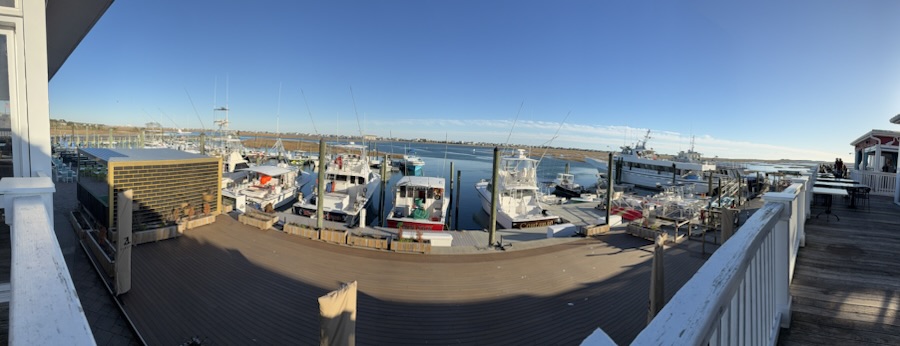
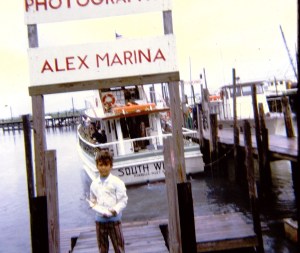
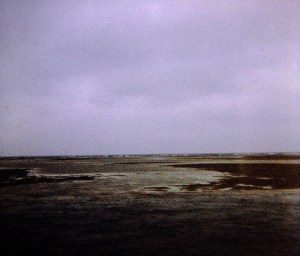
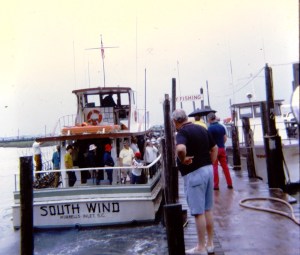
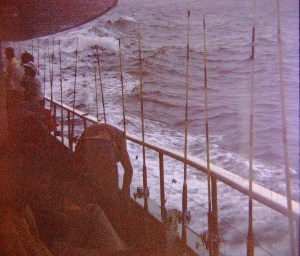
While on our mini vacay at Myrtle Beach, we took an adventure south down to Murrells Inlet.Our Murrells Inlet adventure was Intentionally planned ahead and also sparked a bit of Nostalgia. You might wonder why Murrells Inlet would spark Nostalgia within me. You see, back in the early 1970’s my family took a trip down to Murrells Inlet with my dad’s sister and her family. We had some similarities, some differences between then and now. Memories are vague, but my dad’s old photographs (in my possession) bring those times back to life.
Alex Marina Murrells Inlet 1972
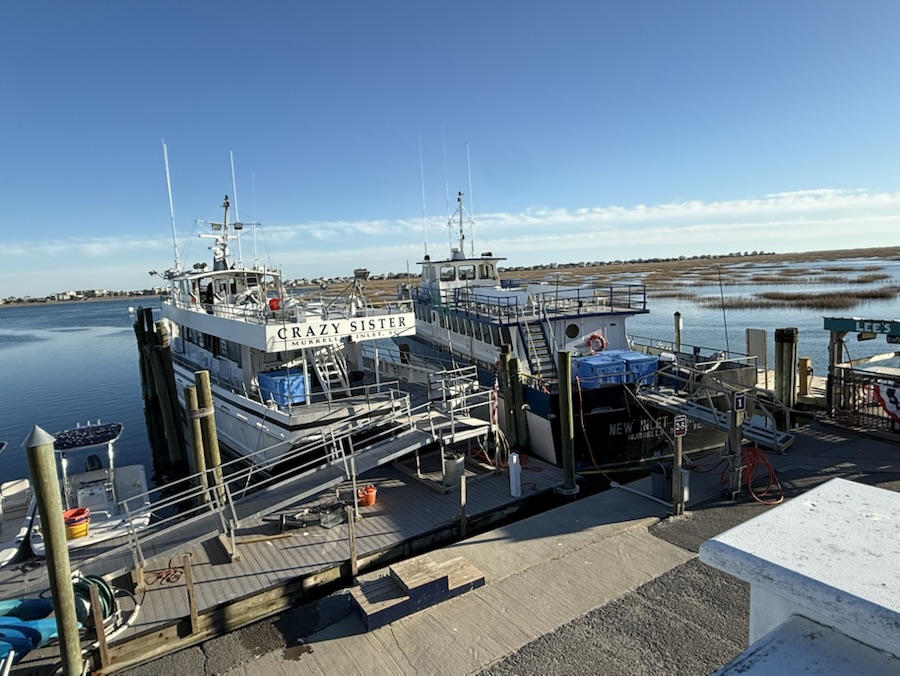
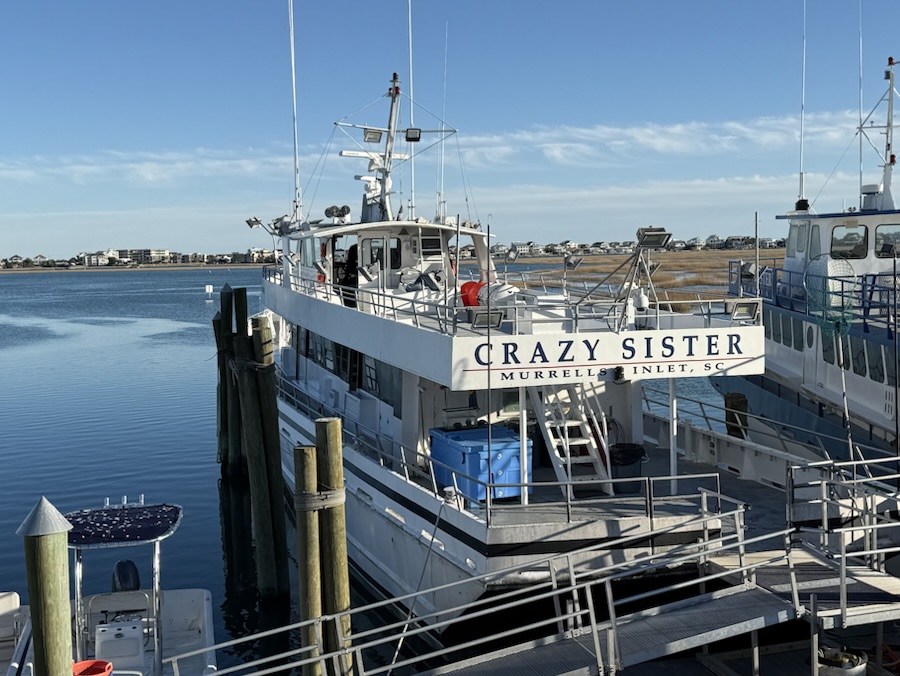
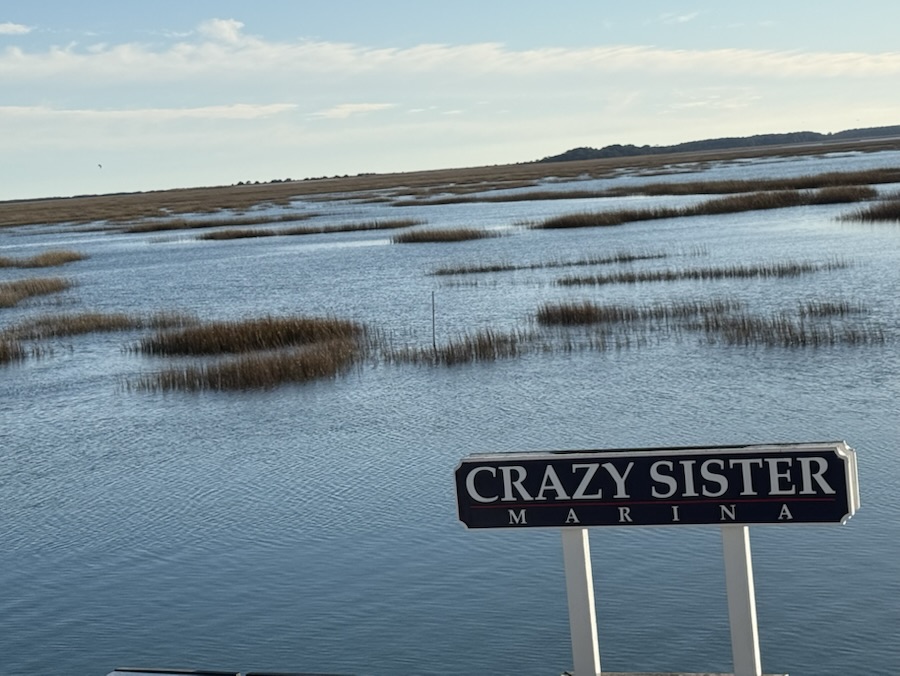
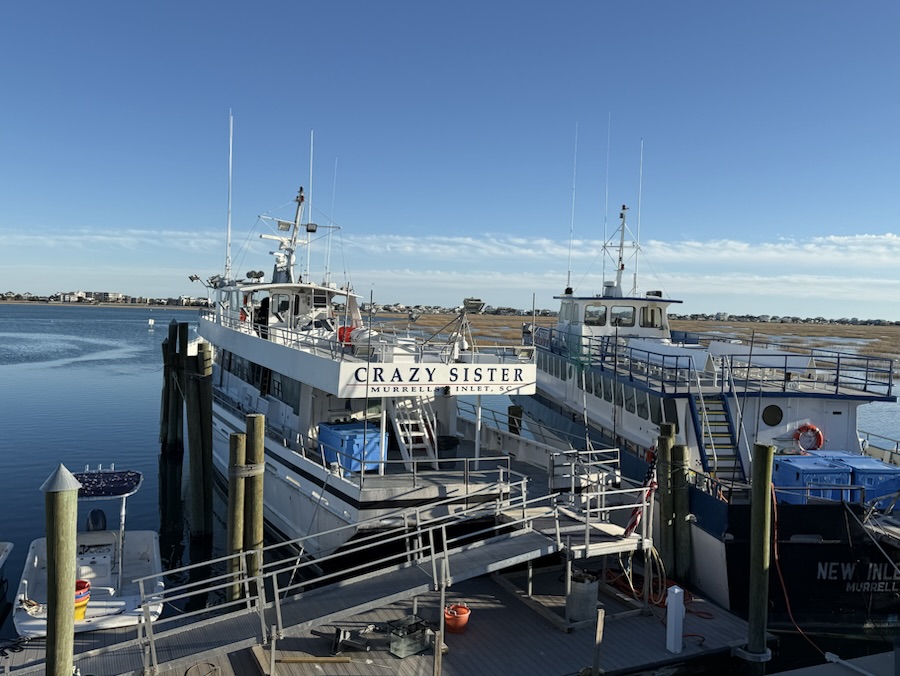
This past week we enjoyed Nature’s beauty on the water and on the beach. We had an amazing afternoon/early evening on the water on the Crazy Sister Marina’s boat. [Same pier, different boat]. I have pictures with my cousins and family on a Fishing boat for an afternoon of deep sea fishing. [Then a Fishing Boat, Now a Sightseeing Boat].
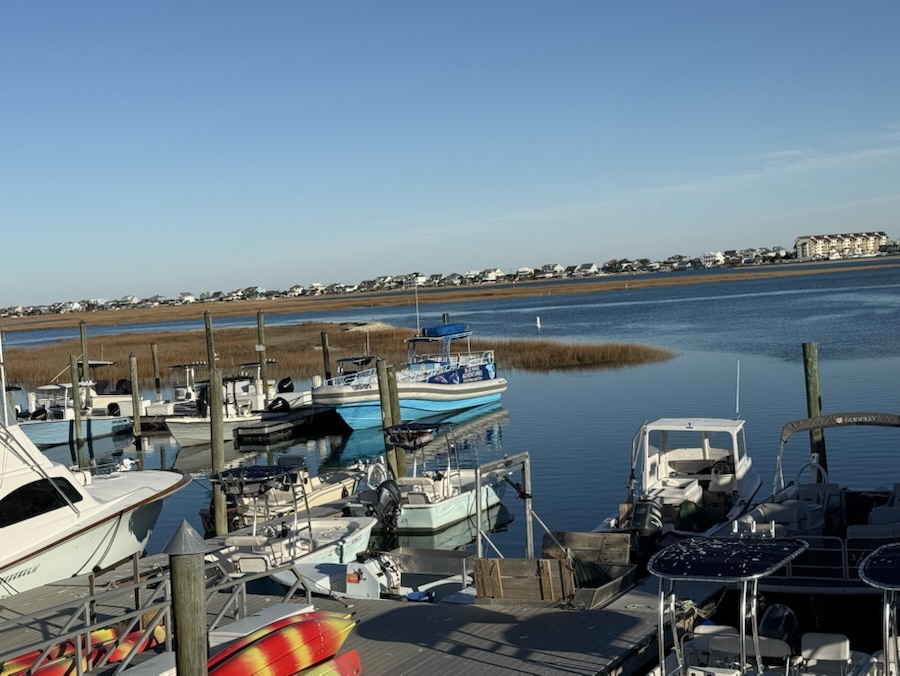
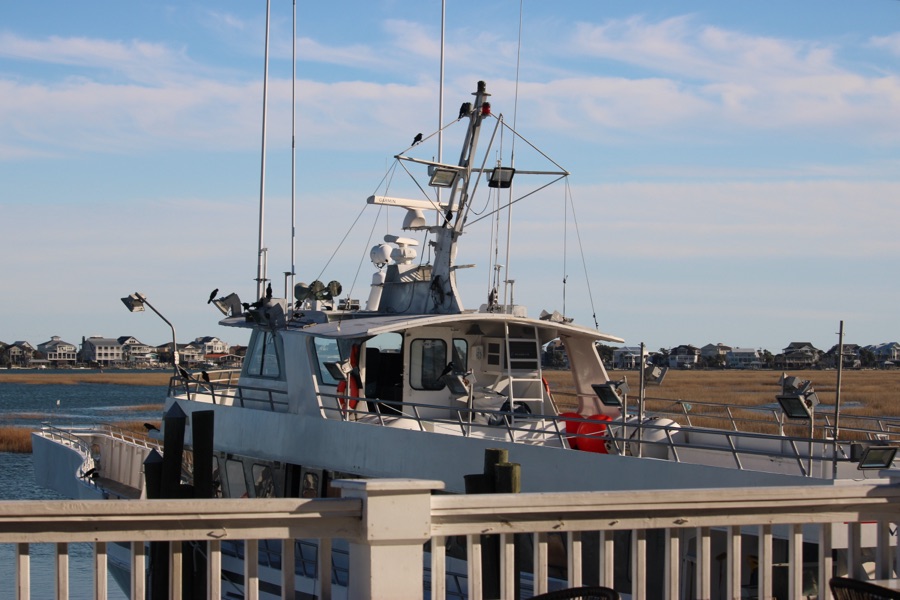
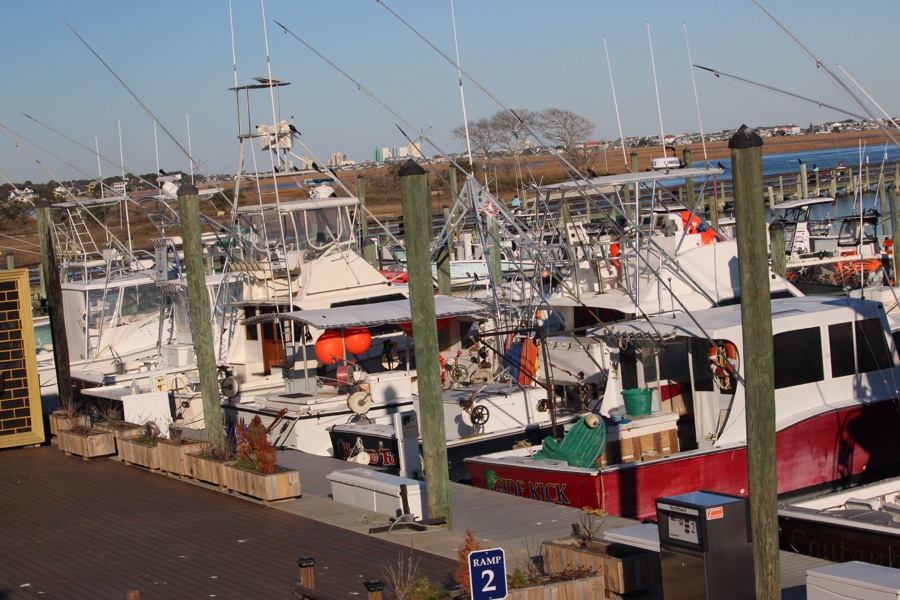
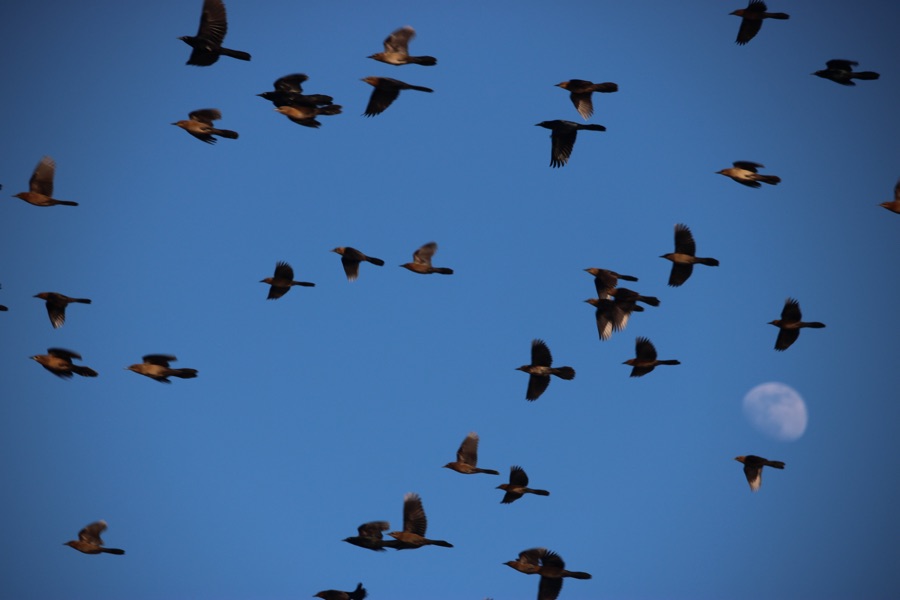
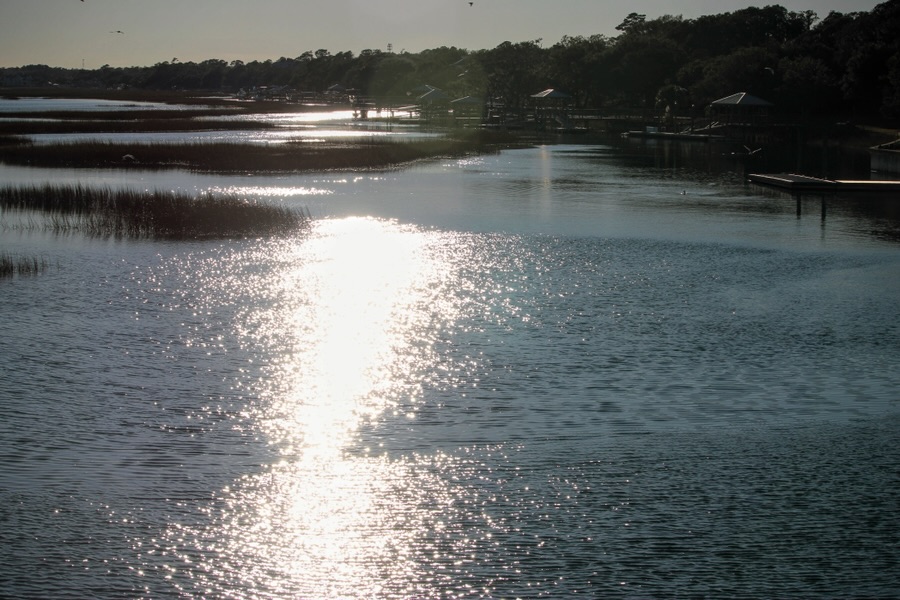
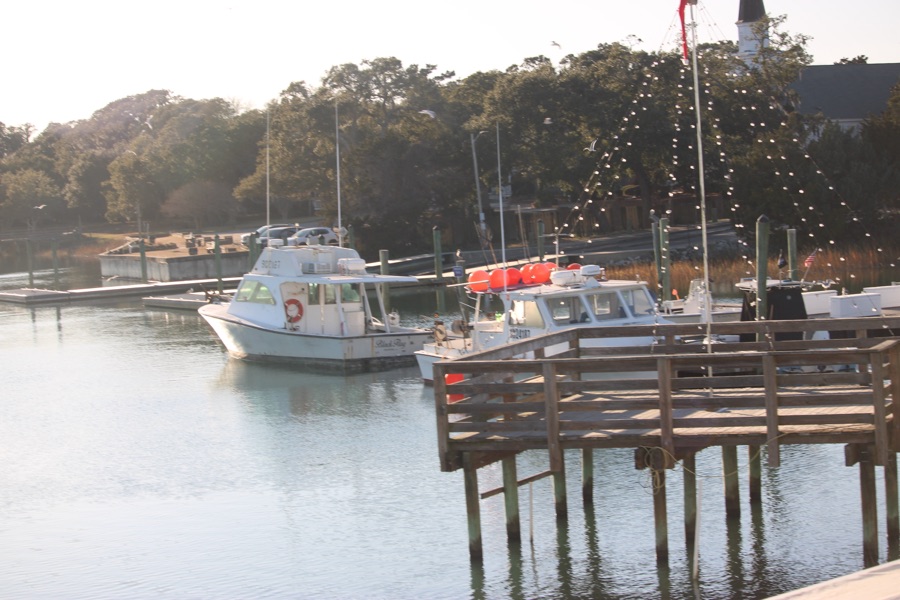
Back to the here and now, the Crazy Sister Marina was Full of boats, the sky was Full of birds, my view of the waters were Empty/Void of what we were supposed to be seeing. After all, we were on a Dolphin Sightseeing Cruise and I wasn’t able (nighttime visibility impairment) to see the Dolphins like Coleman and others were able to see.
Empty Boats Empty BoatsFull DockEmpty Inlet Empty BoatsEmpty BoatFull MarinaSky Full of Grackles Empty Inlet Waters Full MarinaMurrells Inlet, South Carolina
The afternoon enjoyment was Intentional and was not Empty, but Full of excitement, anticipation, and an Abundance of Amazement and Wonderful memories.
Cameras: 1-4) Minolta XG-7 35 mm; 5-14) Apple iPhone 16 Pro Max and Canon EOS Rebel T7 (2000D) with Canon EF-S55-250mm lens & Altura CPL Filter attachment.
Location: 1-4) Alex Marina; 5-14) Crazy Sister Marina; Murrells Inlet, South Carolina, USA
God Bless. Take some time to be Adventurous. Enjoy time making memories with Family and friends. Thank you for visiting and sharing your time and thoughts with us. I appreciate y’all very much.
Beth from Wandering Dawgsis this week’s host for the Lens-Artist Photo Challenge . She is challenging us to show off Wings of any kind. I am displaying Non-Feathered Wings as well as Wings on a variety of Feathered Friends with Wings.
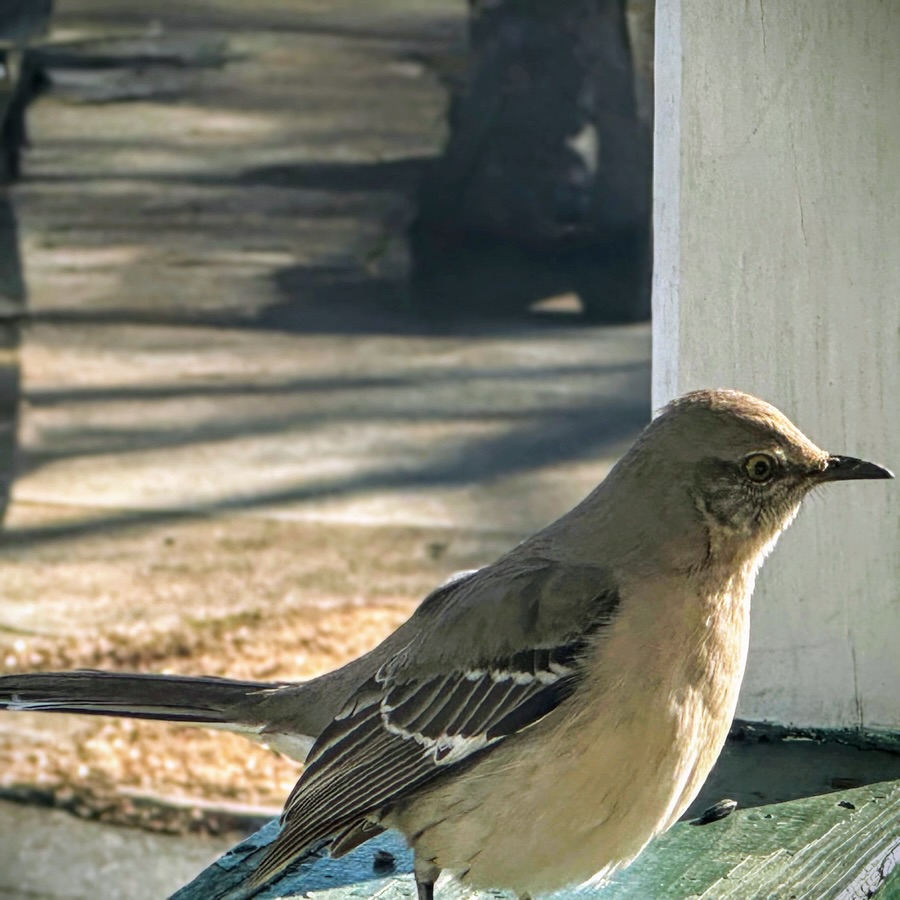
Let us first take a look at some of my Feathered Friends that grace my pathways.
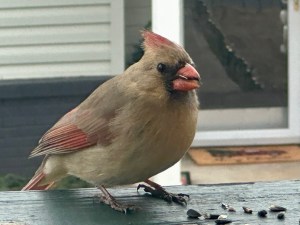
Female Northern Cardinal grace my porch railing enjoying a nice snack.
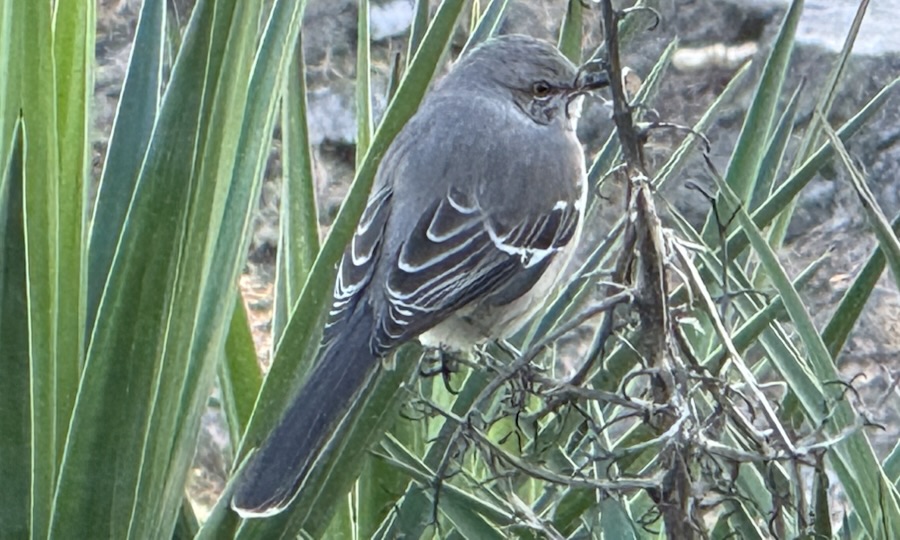
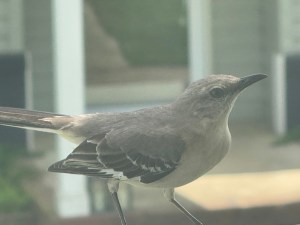
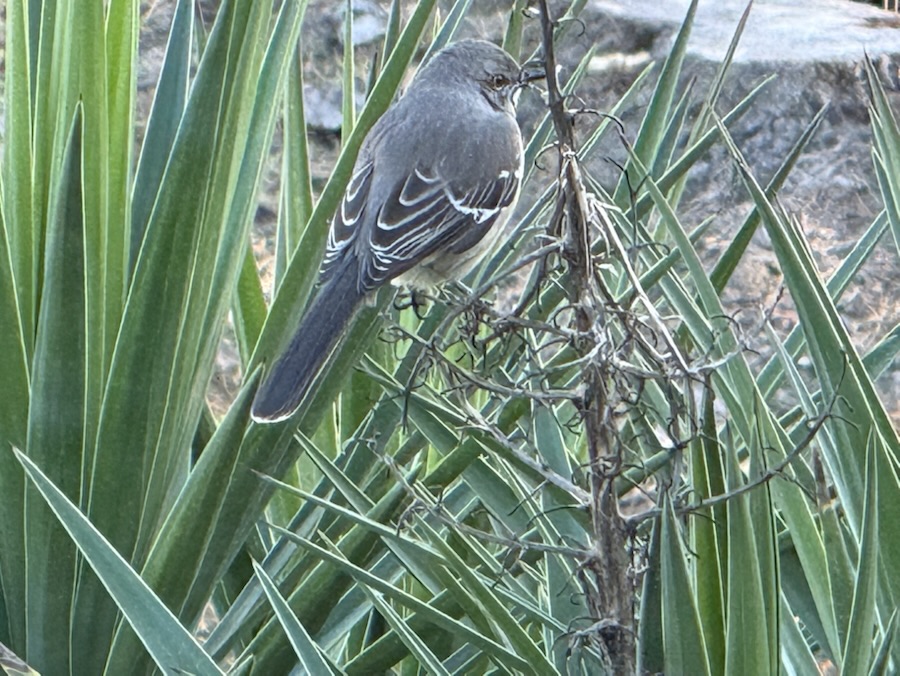
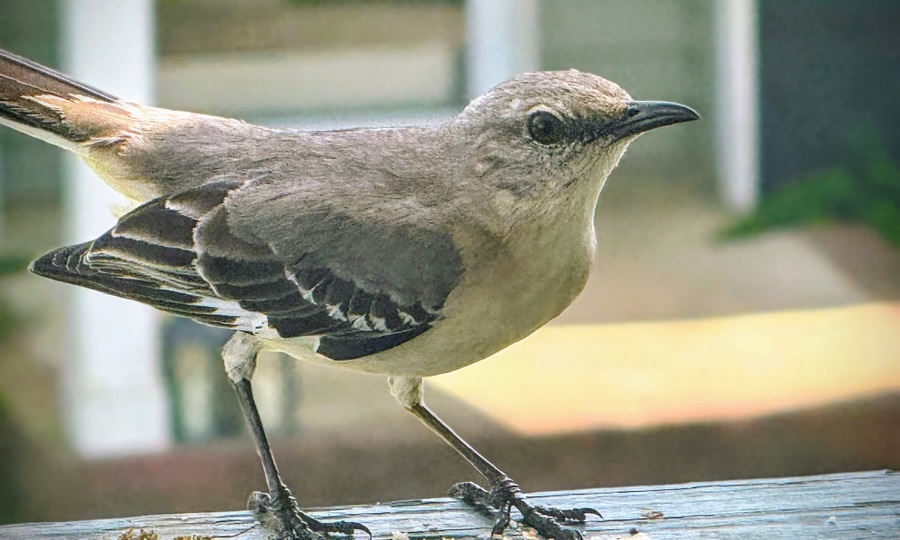
A Northern Mockingbird stopped by for a visit.
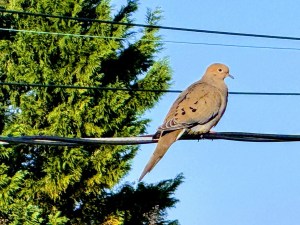
A Lovely Mourning Dove graces us with a beautiful song.
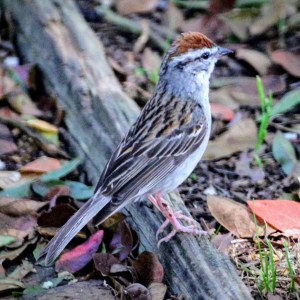
A Chipping Sparrow (Spizella passerina) graces our pathway while on a hike.
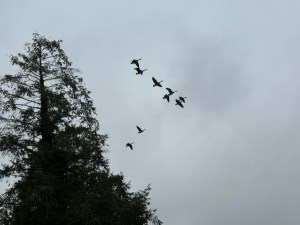
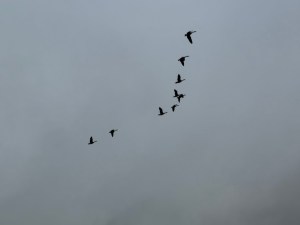
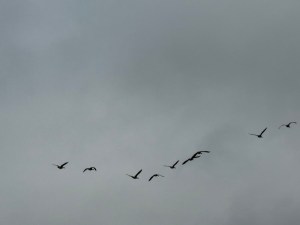
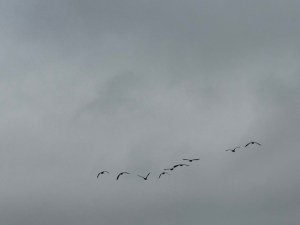
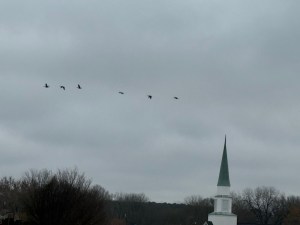
A Gallery of Geese Flying Overhead
Now to display a few Non-Feathered Wings Landing and Taking off from Charlotte-Douglas International Airport.
Frontier Airlines Frontier AirlinesAmerican Airlines American AirlinesAmerican AirlinesComing In & Flying Up, Up, & Away
Locations: Feathered Friends) Cramerton, North Carolina, USA; Non-Feathered Wings) Charlotte-Douglas International Airport, Charlotte, North Carolina, USA
God Bless. Have a wonderful week. Thank you for visiting and sharing your time and thoughts with us. I appreciate y’all very much.
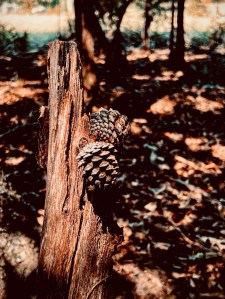
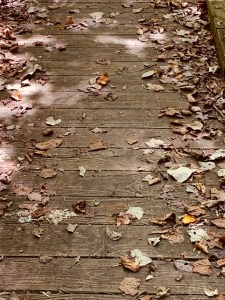
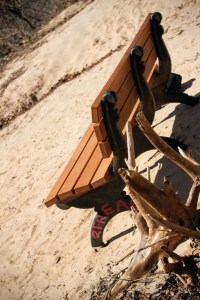
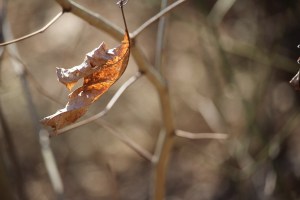
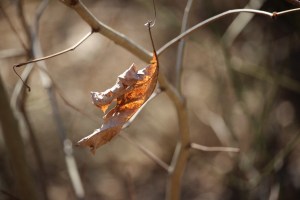
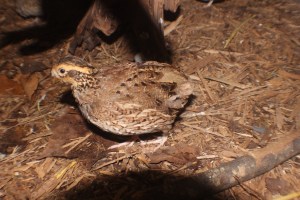
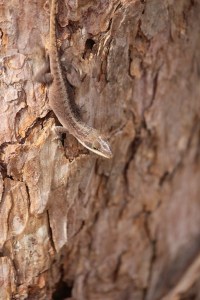
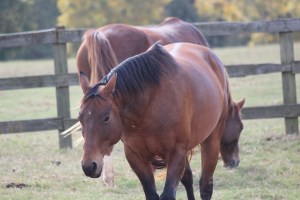
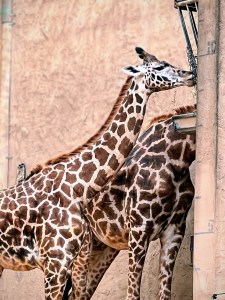
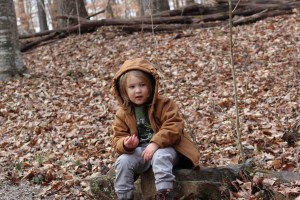
Look all around, there’s Brown everywhere you look out in nature. From the ground, to boardwalks, and even to the varying kinds of animals which roam around in the woods, in farms, and even in many greenways. Here are a few examples of Brown I have discovered.
Tree & Pinecones at ASCGBoardwalk at AJSPBench in the Sand at Riverside Park & Greenway Single Leaf on a limb at Goat Island Park & Greenway Single Leaf on a limb at Goat Island Park & GreenwayNorthern bobwhite (Colinus virginianus) aka Bobwhite quailAnolis carolinensisASCG HorsesGiraffes at the Greenville ZooColeman on a log surrounded by Brown leaves
God Bless. Get Outdoors. Explore Nature. Capture its Beauty. Thank you for visiting and sharing your time and thoughts with us. I appreciate y’all very much.
Location: Old Town; Riverside Community; Cramerton, North Carolina, USA
God Bless. May the Sun Shine upon you. May your week be filled with love, laughter, and happiness. Thank you for visiting and sharing your time and thoughts with us. I appreciate y’all very much.
Brian from Bushboys World hosts a monthly challenge called Last On the Card. His rules are simple to follow if you’re interested in participating.
Here are The rules: 1. Post the last photo on your SD card or last photo on your phone for the 31st July or whenever your last photo was taken. 2. No editing – who cares if it is out of focus, not framed as you would like or the subject matter didn’t cooperate. 3. You don’t have to have any explanations, just the photo will do 4. Create a Pingback to this post or link in the comments 5. Use the tags The Last Photo and #LastOnTheCard
Here are mine for July …
From my Canon EOS Rebel T3i:
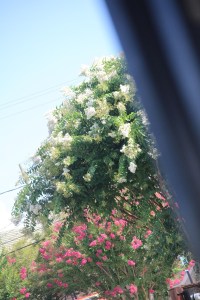
White & Pink Crape Myrtles across the Street from each other.
From my Apple iPhone 16 Pro Max:
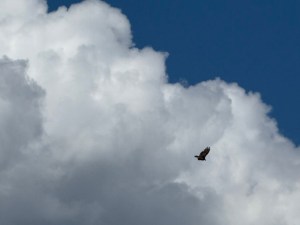
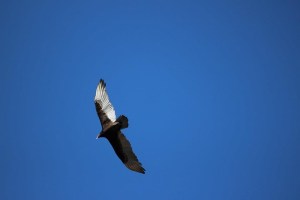
Black Vulture (Coragyps atratus)
God Bless. Have a funtastic weekend. Thank you for visiting and sharing your time and thoughts with us. I appreciate y’all very much.
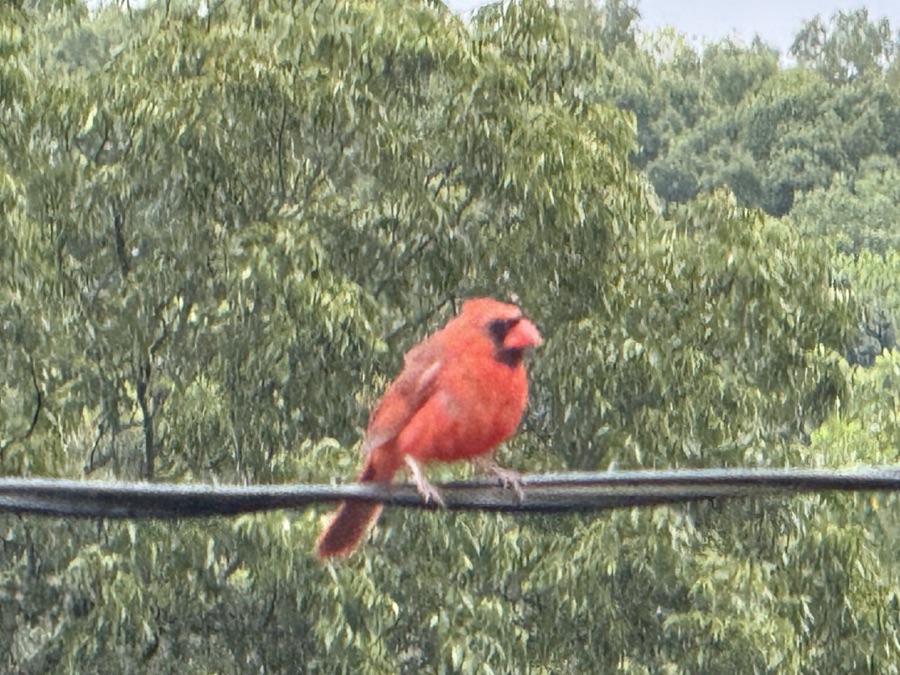
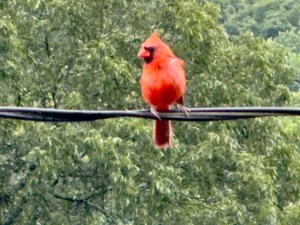
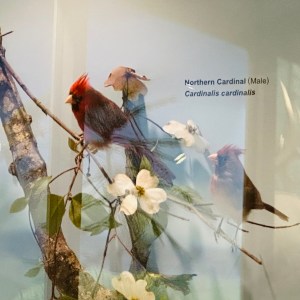
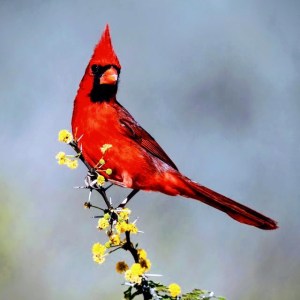
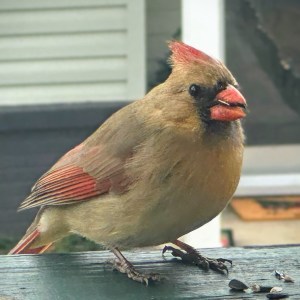
The Northern Cardinal is the official state bird of North Carolina. It was designated as such in 1943 by the North Carolina General Assembly. The bright red colour of the males feathers, black face mask and their distinctive crests make them easy to spot. The females are a duller reddish-brown with similar facial markings.
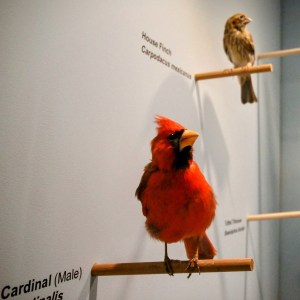
Cardinals display at The Schiele Museum of Natural History
The Northern Cardinals (also referred to as Cardinals or Redbirds) do not migrate and have adapted effortlessly to both suburban and city environments. They are the most abundant and cherished songbirds in North America.
Male Northern Cardinal
Cardinals are believed to be beneficial by providing services for the environment, such as keeping farms and gardens free of harmful plants and insects.
Cardinals are seedeaters that also eat insects, larvae, sap, and many types of fruit. They enjoy feasting on berries (even dried berries, cranberries, and raisins) sunflower seeds, safflower seeds, peanuts and cracked corn.
They have strong beaks adapted for cracking seeds. They eat seeds from a variety of sources, including weeds, grasses, and trees. Sunflower seeds, in particular, are a favorite.
Cardinals also consume a variety of wild fruits and berries, such as dogwood, wild grape, blackberry, raspberry, sumac, and cherries. They get important nutrients and sugars from these. Interestingly, the red pigments in the male cardinal’s plumage come from carotenoids found in the fruits they eat.
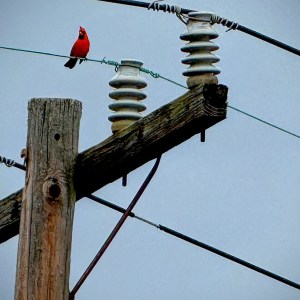
Northern Cardinal on our Wire
Cardinals thrive in a variety of habitats, including forests, woodlands, residential areas, and even parks. They are known for their loud, clear whistles and are territorial, often seen defending their space, even against their own reflection.
Hey you, I see you checking out my Feathers.
We often see Cardinals in our neighbourhood perching on wires, in trees, and checking out our bird feeder. Sometimes the wind will sway the feeder to and fro and seed will fall onto the porch railing or undeveloped planter box. This particular female Cardinal is enjoying a snack of sunflower seeds spilled onto the porch railing. Isn’t she just sitting prettily posing for me to capture her portrait?
What ya doing to me? This is not enough for my lunch. Ya gotta do better than this.
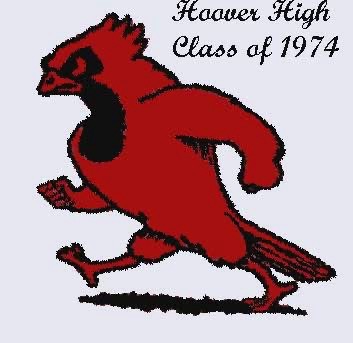
My high school mascot was Cardinals … these are recent renderings of the Cardinal for the Hoover High (San Diego) Class of 1974.
God Bless. Enjoy your week. Take time to commune with nature. Thank you for visiting and sharing your time and thoughts with us. I appreciate y’all very much.
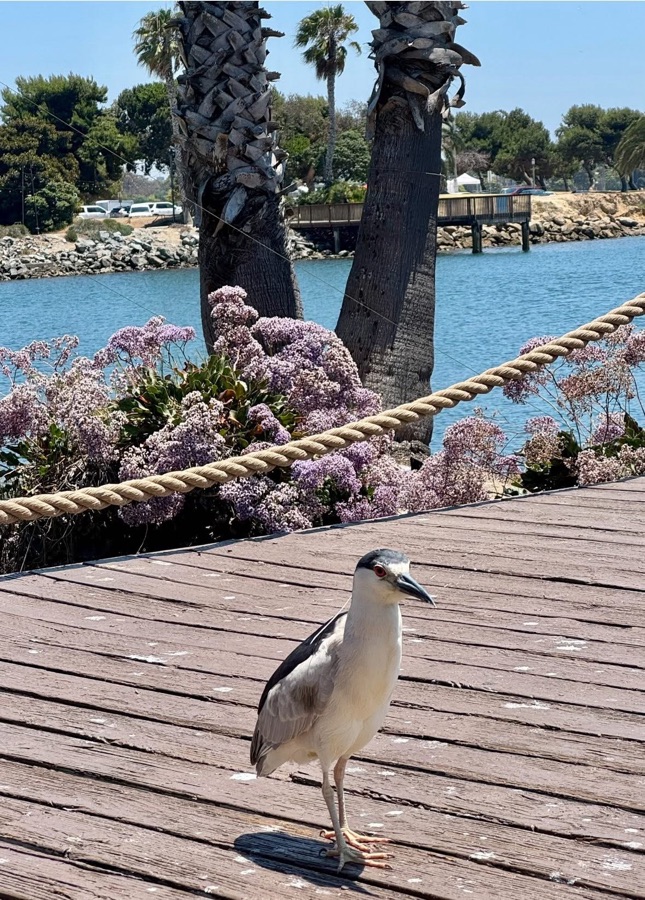
The Black-crowned Night Heron was previously described as Ardea nycticorax, based on specimens from southern Europe. The Swedish naturalist, Carl Linnaeus, placed it in the genus Ardea; the same grouping as herons, cranes and egrets.
It is currently placed in the genus Nycticorax that was described in 1817 by the English naturalist Thomas Forster.
The Black-crowned night heron (Nycticorax nycticorax) is a medium-sized heron found throughout a large part of the world, including parts of Europe, Asia, and North and South America.
Black-crowned night herons do not fit the typical body form of the heron family. They are relatively stocky with shorter bills, legs, and necks than their more familiar cousins, the egrets and “day” herons. When they are in a resting position their posture is somewhat hunched, but when they are hunting they extend their necks and look more like other wading birds.
These Black-crowned Night Herons can be spotted along Paradise Point at Mission Bay in San Diego, California.
This week I have chosen to combine Dan’s CFFCwith Judy’s Numbers Game. After all Judy gives the option (If instead of numbers, you have changed the identifiers of all your photos into words, pick a word or words to use instead, and show us a variety of photos that contain that word in the title.) Dan’s theme this week is View from Below—High Angle combining some of his chosen photos with my CWWC—Any animal in your which way.
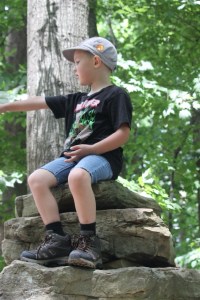
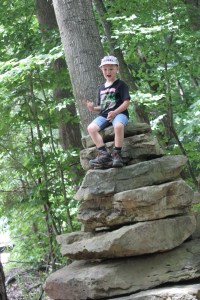
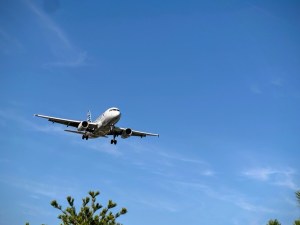
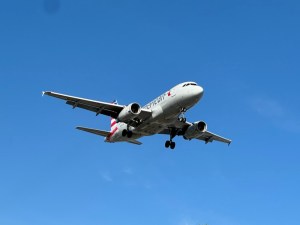
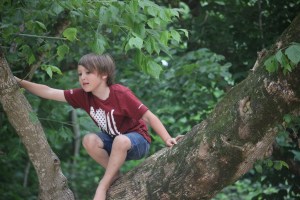
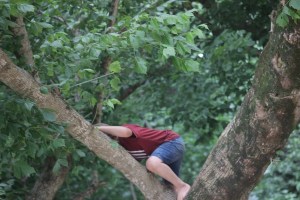
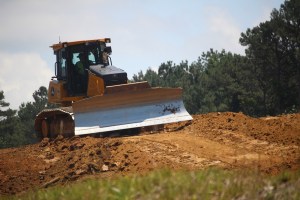
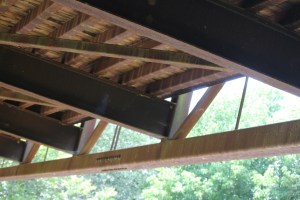
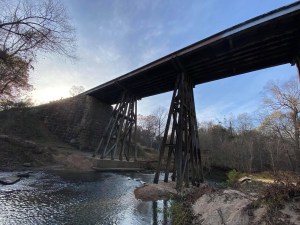
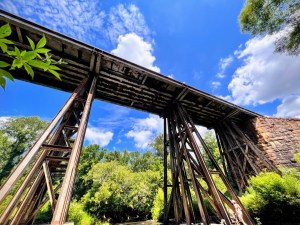
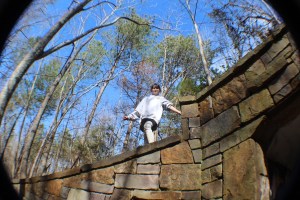
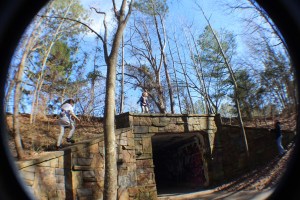
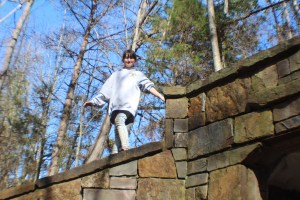
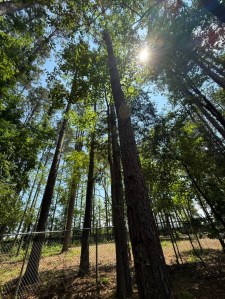
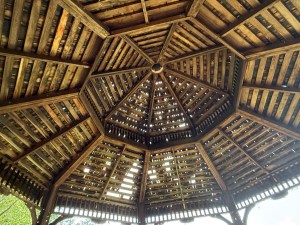
My entries for Dan’s Cee’s Fun Foto Challenge are a hodgepodge of photos shot from below (looking up) from various places and years.
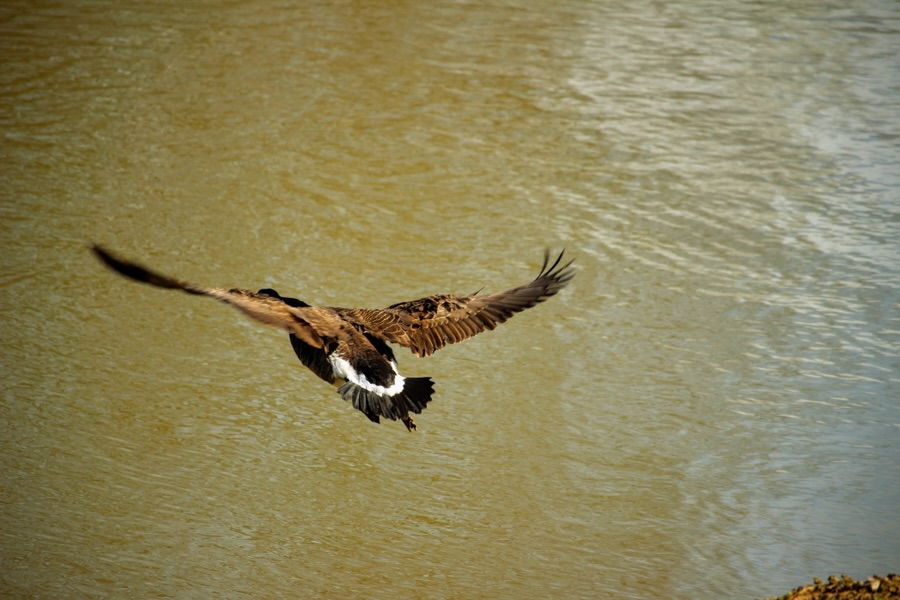
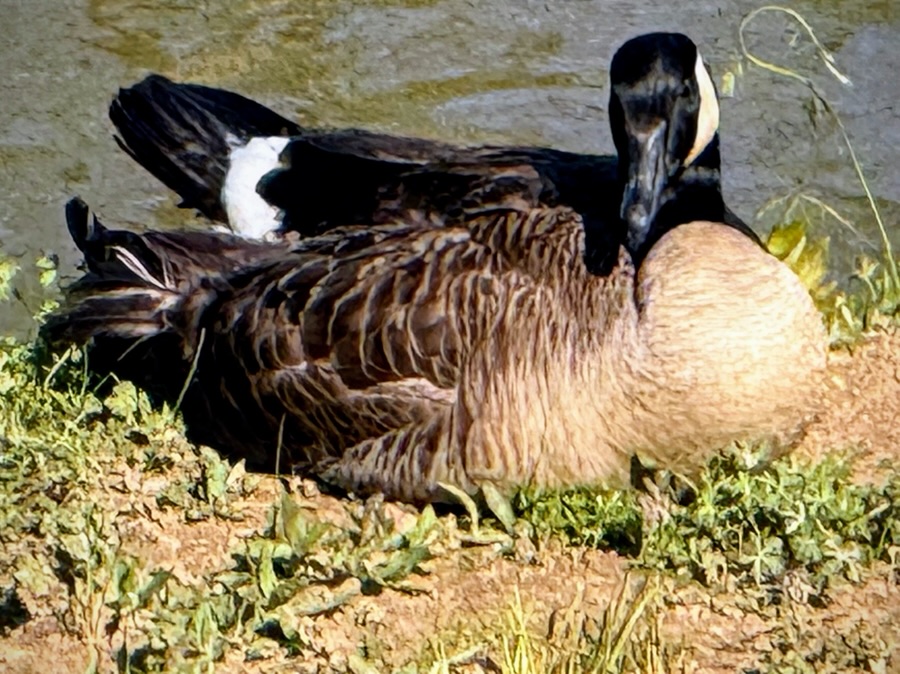
Canada Goose flying over the South Fork Catawba RiverLancaster, South Carolina Over the Fort Mill Dam Fort Mill, South Carolina Coleman on top of a Cairn Cramerton, NCColeman on top of a Cairn Cramerton, NCColeman on top of a Cairn Cramerton, NCAmerican Airlines Airplane Over Charlotte, NCAmerican Airlines Airplane Over Charlotte, NCAmerican Airlines Airplane Over Charlotte, NCAmerican Airlines Airplane Over Charlotte, NCColeman up a tree Cramerton, NCColeman walking on a low tree branchColeman up a tree Cramerton, NCLooking up at a construction site from the CTTUnderside of a Bridge Goat Island Park & Greenway Coleman on a Swinging Bridge at ASCGRailroad Trestle Piedmont Medical Center Trail Rock Hill, SCRailway Trestle ASCG Fort Mill, SCAlona on top of a tunnel Baxter Village Trail, Tega Cay, SCAlona & Coleman on top of a tunnel Baxter Village Trail, Tega Cay, SCAlona on top of a tunnel Baxter Village Trail, Tega Cay, SCLooking up through the Trees Belmont, NCUnderside of Gazebo Roof Belmont, NCCee’s Fun Foto Challenge Dan Antion Perspective-View from Below Judy’s Numbers Game Cee’s Which Way Challenge
God Bless. Have a wonderful week. Enjoy Nature’s Beauty. Thank you for visiting and sharing your time and thoughts with us. I appreciate y’all very much.