Terri from Second Wind Leisure Perspective is the host for The #Flower Hour. I am posting my last 2025 Floral images (December 31,2025) as my first Flower Hour post for 2026.
Location: By Dinopark; Broadway at the Beach; Myrtle Beach, South Carolina, USA
God Bless. Wishing y’all the best life filled with love, peace, and joy in 2026. Thank you for visiting and sharing your time and thoughts with us. I appreciate y’all very much.
The Wild Potato Vine is a perennial, deciduous, tenacious flowering vine similar to Morning Glory and Sweet potato vine. It is native to North America and grows primarily in South East Canada to Central and Eastern United States of America. It is showy with large heart-shaped leaves, purple stems, and white flowers with pink to purple centers.
An interesting fact is that the Wild Potato Vine roots are used by Native Americans for poultices, infusions, read for treatment of a variety of medical problems. The roots can be eaten cooked, but raw, are a purgative. (A purgative has a strong laxative effect.)
Terri from Second Wind Leisure Perspective is the host for The #Flower Hour #11. This week she is giving us a Last Chance to share our Holiday Florals. Having already posted several Holiday Florals I dug deep into my archives to reshare some Christmas Florals with all of you.
Poinsettias are a popular Christmas floral, however, you probably don’t see this one around your everyday Christmas displays.
Euphorbia pulcherrima (Stelle di Natale) Christmas Star, Poinsettia
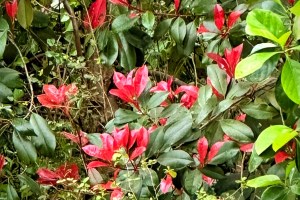
Let’s now take a look at a different Christmas floral known as the Christmas Berry. The Christmas Berry is a compact shrub with dark green elliptic leaves, but are crimson red when young in early spring. The shrub tolerates moderate shade and grows in well drained soil.
Photinia ‘Red Robin’ P x fraseri
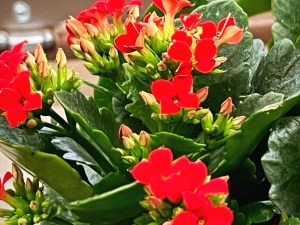
Next, we are admiring a succulent known as the Christmas Kalanchoe, a popular house plant known for its vibrant, long-lasting flowers in colors like red, white, pink, and orange. It is a succulent that thrives in bright, indirect light and well-drained soil, making it a great festive gift for the holidays.
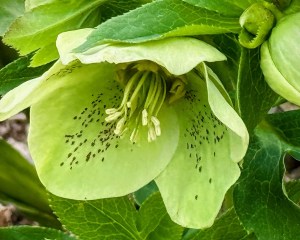
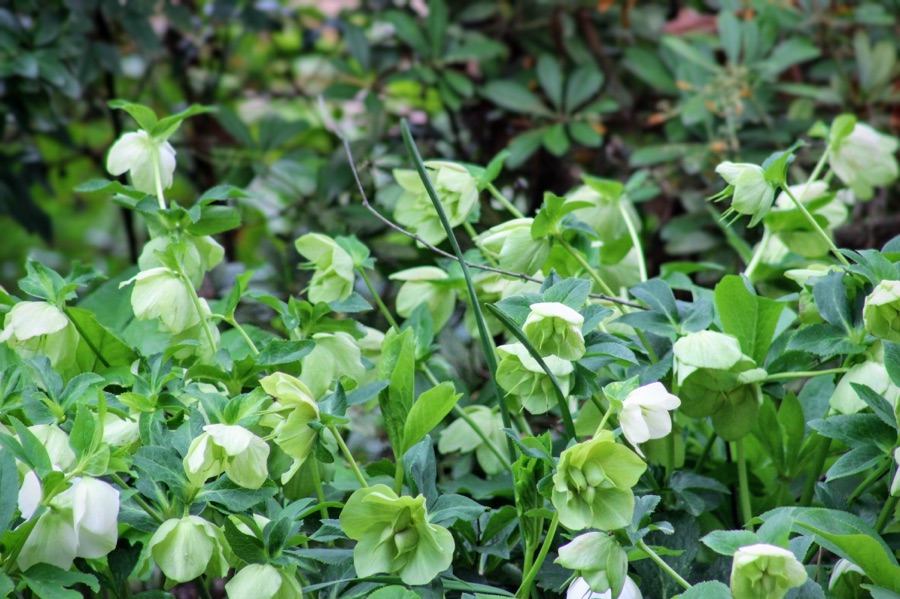
And finally, we are changing colours from red to green for our Christmas florals. This plant was seen at Anne Springs Close Greenway’s garden at the Stables Entrance. It is a Helleborusorientalis, often referred to as Christmas Rose, or Lenten Rose. It is a winter-blooming, broadleaf evergreen, clumping perennial in the Ranunculaceae or buttercup family.
Helleborus orientalis Aka Christmas Rose, Hellebore, Lenten Rose
God Bless. Have a very Merry Christmas Holiday Season. Thank you for visiting and sharing your time and thoughts with us. I appreciate y’all very much.
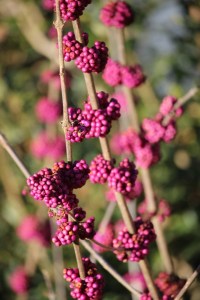
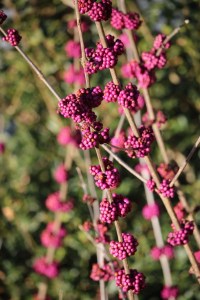
American Beautyberry is a woody deciduous, perennial shrub native to the southeastern United States including the Carolinas.
Clusters of small flowers bloom on the late spring and early summer. However, what you are seeing here are clusters of vibrant purple berries in the Carolinas that peak in late summer through autumn (August to November). The vibrant berries often persist into early winter providing significant food for birds and wildlife, making it a quintessential fall shrub for the region. The colors vary; most common is the vivid purple, though white and pink varieties exist.
American Beautyberry
The American Beautyberry offers many ecological services. How might you ask does it work? Its seeds and berries provide an important food source for a tremendous amount of songbirds of America. Some of those include American robin, brown thrasher, northern bobwhite, purple finch and eastern towhee. It is also a nectar source for butterflies and has fragrant foliage.
What I found interesting is that the American Beautyberry has been used by farmers successfully since at least the early 20th century to repel biting bugs from mules and horses by rubbing it on their coats and under harnesses. Why did I found this information so fascinating? The location of this particular American Beautyberry shrub is located near the horse stables at Anne Springs Close Greenway.
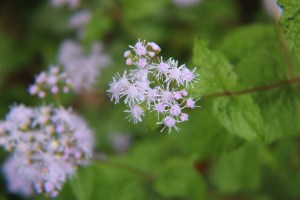
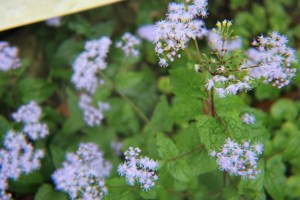
Conoclinium coelestinum also known as Blue Mistflower is a native perennial wildflower. It has fuzzy blue or violet flowers that bloom from late summer to frost. [These just recently popped up in the last week after lots of rain and thunderstorms.]
It is a member of the Asteraceae family. It was formerly classified in the genus Eupatorium, but phylogeneticanalyses in the late 20th century research indicated that that genus should be split, and the species was reclassified in Conoclinium.
The Blue Mistflower is native to the eastern part of the United States of America from New York down to Florida and west to Nebraska and Texas. It can grow up to three (3) feet tall and spreads quickly to form dense groundcover.
This species prefers moist soils and can be found in wood edges, sandy woodlands and clearings, wet meadows and stream banks. It can thrive in a variety of light conditions ranging from shade to full sun. [With the tropical storms and thunderstorms we’ve been experiencing the ground is extremely wet making the conditions viable for the growth of the Blue Mistflower.]
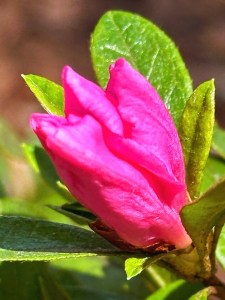
Azaleas are part of the Rhododendron family, which includes over 1,000 species.
Azaleas symbolize Beauty, Resilience, and Renewal.
Their Vibrant flowers signify the cycle of life, death, and rebirth.
Azaleas inspire embracing change, letting go of the past, and welcoming new opportunities in each new season.
Pink Azaleas represent love, romance , and femininity.
They convey affection and tenderness
Over a dozen different cities in the United States hold festivals during blooming season.
Azalea meaning encapsulated an array of artistic interpretation in art, literature, and horticulture, with many cultivars named after famous individuals or places.
Azaleas remind us of the beauty of nature and the promise of new beginnings that each season brings.
Location: The Nature Trail; The Schiele Museum of Natural History; Gastonia, North Carolina. USA
God Bless. Have a fantastic weekend. Enjoy Nature’s Beauty. Embrace Change and New Beginnings as Autumn is almost here. Thank you for sharing your time and thoughts. I appreciate y’all very much.
Location: Greenway Stables Entrance; Anne Springs Close Greenway; Fort Mill, South Carolina, USA
God Bless. May you have a Gardenof Love, Friendship, and Joy. Thank you for visiting and sharing your time and thoughts with us. I appreciate y’all very much.
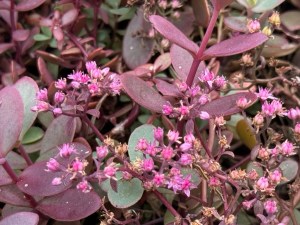
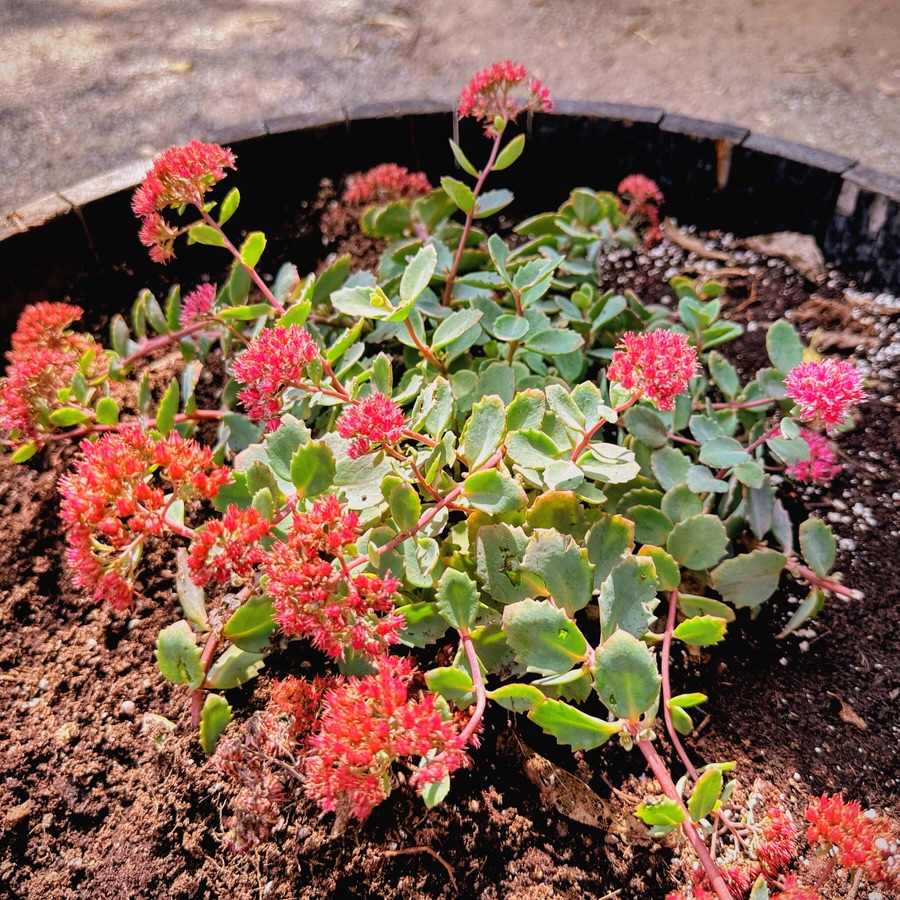
Sedums are large flowering plants in the Crassulaceae family, known as Stonecrops. They a leaf succulents found primarily in the Northern Hemisphere, but also extend into the Southern Hemisphere in Africa and South America.
Aka Stonecrops, Succulents
These Sedum Stonecrops are grown in a rectangular container planter outside of Confluence in downtown Cramerton, North Carolina.
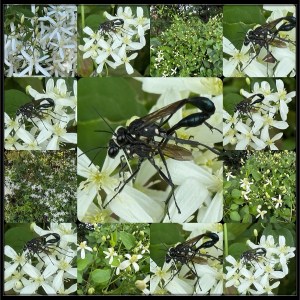
Sweet Autumn Clematis is a fast growing deciduous perennial vine which is adored for its masses of small, fragrant white flowers in late summer and fall. The Sweet Autumn Clematis plants are in abundance everywhere around here.
While being appreciated for their beautiful flowers which grow vigorously and abundantly, they are considered an invasive plant species in many parts of the Eastern and Midwestern United States. The plants aggressive self-seeding and rapid growth can lead to it escaping cultivation and outcompeting native vegetation.
Sweet autumn clematis Clematis terniflora with Eremnophila aureonotatawasp
The Clematis terniflora (Sweet autumn clematis) flowers are excellent magnets for attracting pollinators like bees, butterflies, and hummingbirds. As you can see from the images it also attracts wasps like the Eremnophila aureonotata, aka the gold-marked thread-waisted wasp. The Eremnophila aureonotata are in the family Sphecidae (“thread-waisted wasps”) which belong to the order of Hymenoptera (“ants, bees, wasps and sawflies”).
Location: Old Town; Riverside Community; Cramerton, North Carolina, USA
God Bless. Stop and smell the flowers. Capture their beauty. Enjoy Nature. Thank you for visiting and sharing your time and thoughts with us. I appreciate y’all very much.
Location: Old Town; Riverside Community; Cramerton, North Carolina, USA
God Bless. Take time to admire Nature’s Beauty. Smell the flowers. Thank you for visiting and sharing your time and thoughts with us. I appreciate y’all very much.
Location: Andrew Jackson State Park; Lancaster, South Carolina, USA
God Bless. Get Outdoors. Take time to smell the flowers. Thank you for visiting and sharing your time and thoughts with us. I appreciate y’all very much.
Looking back to a trip my daughter and I took to visit (meet in person) cousins from my mother’s side of the family in Coshocton, Ohio.
Memorial Garden Roscoe Village Coshocton, Ohio
There is an area in Coshocton known as the Historic Roscoe Village. The Historic Roscoe Village is an 1830 Restored Canal Town. Roscoe Village began as a small port town in 1816 after a bankrupt merchant bet that rural farmers would rather do business there than have to shell out 25 cents for the ferryboat to Coshocton.
Today, the restored Roscoe Village stands as a testament to Ohio’s bygone Canal era.
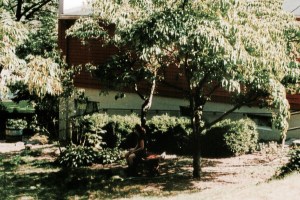
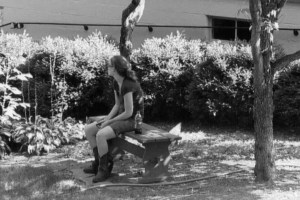
My daughter relaxing on a Welcoming Garden Bench
The Frances Montgomery Memorial Garden is one of nine gardens in Roscoe Village and is located near the Visitors’s Center. This Garden is dedicated to honor Mrs. Frances Montgomery and her passion for gardening. The Gardens are planted throughout this restored 1800’s canal town.
The flower beds were created in the early 1970’s by Frances Montgomery out of her love for gardening. Many of the gardens have historical significance and assist in the education mission of Roscoe Village.
God Bless. Have a wonderful week. Commune with Nature. Thank you for visiting and sharing your time and thoughts with us. I appreciate y’all very much.
God Bless. Stop and smell the flowers. Admire their beauty. Thank you for visiting and sharing your time and thoughts with us. I appreciate y’all very much.
Judy from Life Lessons blog hosts a weekly photo challenge called The Numbers Game. This week’s number is 206. Her instructions for playing along are listed below …
To play along, go to your photos file and type that number into the search bar. Then post a selection of the photos you find under that number and include a link to your blog in Judy’s Numbers Game blog of the day. If instead of numbers, you have changed the identifiers of all your photos into words, pick a word or words to use instead, and show us a variety of photos that contain that word in the title.
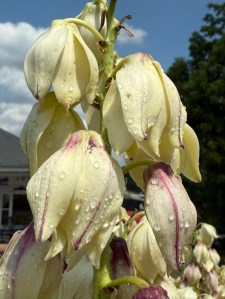
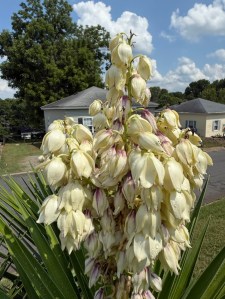
The Yucca gloriosa species is known by the common names moundlily yucca and soft-tipped yucca. The Yucca gloriosa is also known as Roman candle, candle yucca, palm lily, and Spanish needle.
Close-up of the Yucca Flowers
Yucca gloriosa is caulescent, usually with several stems arising from the base, the base thickening in adult specimens. The leaves are long narrow, straight and very stiff. [The tips of the leaves are extremely sharp to the touch.]
Yucca gloriosa with Raindrops
The inflorescence is a panicle up to 2.5 m (8 ft) long, of bell-shaped white flowers, sometimes tinged purple or red. The fruit is a leathery, elongate berry up to 8 cm (3 in) long. [We have not seen or noticed the berries on the Yucca plant as of yet.]
Moundlily Yucca and Soft-tipped Yucca
The habitat for Yucca gloriosa is normally on exposed sand dunes along the coast and barrier islands of the lower East Coast of the United States. [There are two (2) of the Yucca gloriosa grown as ornament plants on our front lawn.]
Yucca gloriosa has been known to cause skin irritation and even allergic reactions upon contact. The leaf points are even sharp enough to break the skin.
Throughout the month of July we have seen many Red Squares to pique our interests and delight us uplifting our spirits. Keep Calm you still have a few hours yet to join in and share your Red Squares.
Keep Calm Sign at Señor Frog’s in Cozumel, Mexico
I know myself and others have shared Red flowers in honor and in memory of Cee Neuner. What a beautiful way it has been to remember Cee in Becky’s #SimplyRedchallenge.
Call a friend and have some fun. Squaring may be almost over for now, but alas Becky will host another Square Challenge again before you know it. The time will pass quickly, however you can still join in on this one for a few hours more.
Pay Phone in Stone Mountain State Park Roaring Gap, North Carolina
Stop and enjoy a beautiful Red Sunrise …
Andrew Jackson State Park Lancaster, South Carolina
Red Sunrise
And Raise your flags proudly over the land …
United States of America Flag, North Carolina Flag & Gastonia Flag Warlick Family YMCA Gastonia, NC
Thank you Becky for hosting the Squares Challenge and challenging us with this month’s #SimplyRedtheme.
Judy from Life lessons hosts The Numbers Game . She has chosen the number 204 for this week’s #82” Numbers Game challenge. To play along, go to your photos file folder and type that number into the search bar. Then post a selection of the photos you find that include that number and post a link to your blog in my Numbers Game blog of the day. If instead of numbers, you have changed the identifiers of all your photos into words, pick a word or words to use instead, and show us a variety of photos that contain that word in the title. This prompt repeats each Monday with a new number. If you want to play along, please put a link to your blog post here.
Here are my contributions to the album.
Germany Faires/Coltharp Cabin#SimplyRedNornal, Dalline, & Eddie WatersAlonaAlona & ColemanAtlantic Ocean Alex Marina Murrells Inlet, South CarolinaAmerican PekinDiscovery Center Creation Museum Abilene, TexasHylotelephium cauticolaAnne Springs Close Greenway Coleman McDowell Nature Preserve New Braunfels Railroad Museum Greenville ZooThe Schiele Museum of Natural History
Camera: Canon EOS Rebel T3i with Canon EF-S18-55mm lens
Location: The Garden in The Farm; The Schiele Museum of Natural History; Gastonia, North Carolina, USA
God Bless. Missing Cee. Stop and admire the Flowers. Capture their Beauty. Thank you for visiting and sharing your time and thoughts with us. I appreciate y’all very much.
Location: Centennial Center; Downtown Cramerton; Cramerton, North Carolina, USA
God Bless. Enjoy the rest of your week and have a marvelous weekend. Thank you for visiting and sharing your time and thoughts with us. I appreciate y’all very much.
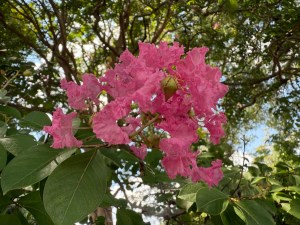
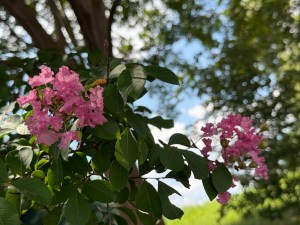
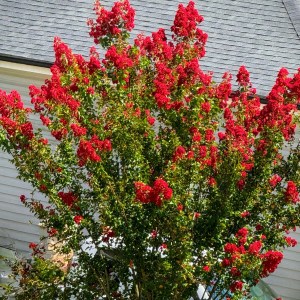
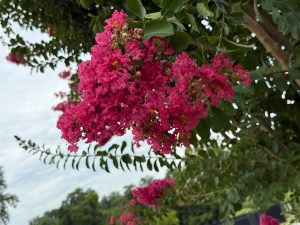
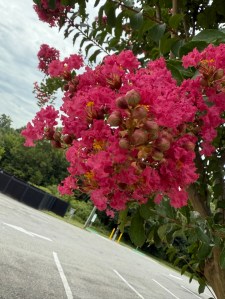
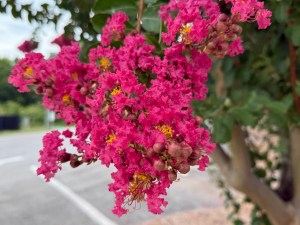
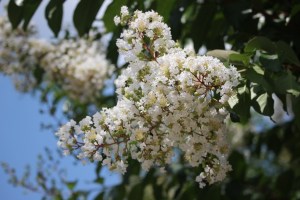
Crape Myrtle’s were introduced into the United States in the early 19th century. It gained popularity in the southern United States due to their ability to thrive in our warm climate.
Lagerstroemia indica
Crape Myrtle’s are referred to as the Flower of the South. It typically blooms from July to September when other types of plants are ceasing to bloom.
Aka Common Crape Myrtle Crape Flower, Crepe Myrtle, Indian Crape Myrtle, & Lilac of the South
The species epithet references its native origin in India. The common name is derived from the crepe paper-like petals and the bark and foliage features that are similar to the myrtle plant.
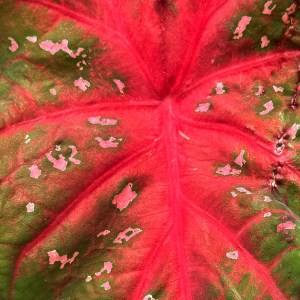
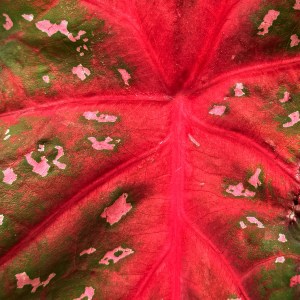
The Caladium bicolor(AkaHeart of Jesus) is typically grown as a houseplant for its large, heart or lance-shaped leaves with striking green, white, pink, and red blotching. [These Plants were planted in large landscape planters in and around Centennial Center in Downtown Cramerton.] It is alright to plant it outside in USDAHardiness Zone 10 as an ornamental.
The Caladium bicolor, called the Heart of Jesus, is named such as a nod to the Sacred Heart of Jesus, a symbol of divine love in Christian tradition. The plant’s heart-shaped leaves echo the symbol of the Sacred Heart, making it a living embodiment of this spiritual icon.
Caladium x hortulanum (fancy-leaved caladium)
Caution: Caladium bicolor contains calcium oxalate crystals, making all parts of the plant poisonous to humans, livestock, and pets. If its sap comes in contact with the skin it may cause skin irritation. Ingestion of this plant may cause burning and swelling of the lips, mouth, and tongue, as well as nausea, vomiting, and diarrhea. Be aware that if your pet consumes caladium your pet may exhibit vomiting. Other symptoms a pet may exhibit are drooling, pawing at mouth or face, and decreased appetite.
Caladium bicolor (Heart of Jesus) is pretty to look at, but it is extremely toxic if chewed or swallowed.
Location: Greenway Farm and Stables Entrance; Anne Springs Close Greenway; Fort Mill, South Carolina, USA
God Bless. Get Outdoors. Enjoy all of Nature’s Beauty. Thank you for visiting and sharing your time and thoughts with us. I appreciate y’all very much.
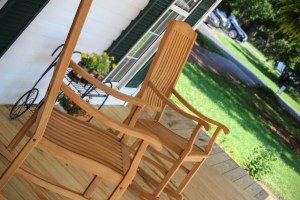
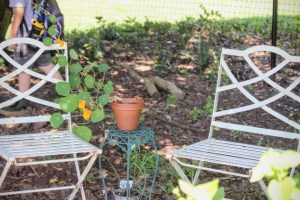
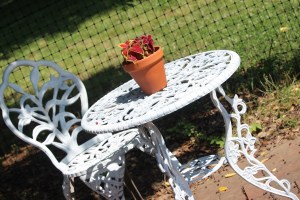
Welcome back to my saga of Benches, Chairs, and Other seating. This week we are continuing with Coleman’s Choices of Pulling Up a Seat at the Daniel Stowe Conservancy, we uncover a variety of seating arrangements Coleman selected to Pull Up a Seat. Coleman’s choices this week are located at The Farmhouse Garden Center on the grounds of The Village at Stowe.
#SimplyRED! Coleman’s Bench Pull Up a Seat Choices within the Gazebo
Click on each image for enhanced enlarged viewing.
Location: Greenway Stables Entrance; Anne Springs Close Greenway; Fort Mill, South Carolina, USA
God Bless. Enjoy the rest of your week and have a marvelous weekend. Take time to admire the flowers wherever you may wander. Thank you for visiting and sharing your time and thoughts with us. I appreciate y’all very much.
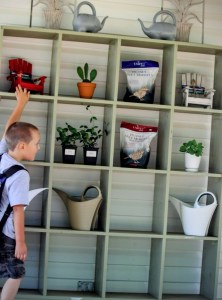
The Farmhouse Garden Center is located at The Village at Stowe, a part of the Daniel Stowe Conservancy. It is more than just a Garden shop, it is a delightfully warm and inviting destination for those who love and admire plants and flowers regardless of you are a home gardener or not. The flowers are beautiful and displays are enticing.
The Farmhouse Garden Daniel Stowe Conservancy Belmont, North Carolina
The Farmhouse offers educational opportunities such as workshops on wreath-making, floral arranging, gardening, and any and all other aspect related to plant care.
For more information about Thursday Trios check out Mama Cormier’s page by clicking here.
Camera: Canon EOS Rebel T3i with Canon EF-S55-250mm lens and Altura UV & CPL filter attachments.
Location: The Farmhouse Garden Center; Daniel Stowe Conservancy; Belmont, North Carolina, USA
God Bless. Enjoy the rest of your week and have a marvelous weekend. Take time to admire the flowers wherever you may wander. Thank you for visiting and sharing your time and thoughts with us. I appreciate y’all very much.
We didn’t do anything different on the 20th than we would normally do on any other day. Coleman and I enjoy being outdoors and wander through the woods whenever we possibly can. Right now in our area the weather is in the mid to high 90’s, much too hot to be out in the sun for any length of time.
With the heat advisory regarding the extreme heat temperatures, we only go out for short periods at a time. In those short periods Coleman likes to check to see what new blossoms have started blooming. These are some of what we have seen within the past week till now.
Location:The Center; Town of Cramerton, North Carolina, USA
God Bless. Have a wonderful week. Take time to admire the beautiful flowers. Thank you for visiting and sharing your time and thoughts with us. I appreciate y’all very much.
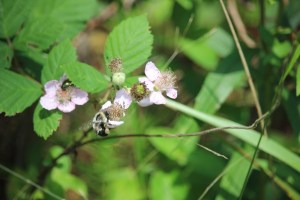
Walking along the Pathway parallel to the Big Pond we spotted the BlackberryFlowers. Coleman notices them quicker than I do, he really likes it if they have ripe blackberries on the vines.
Aka European Blackberry
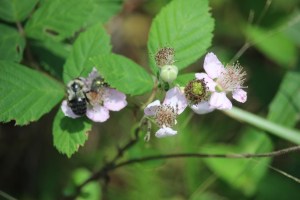
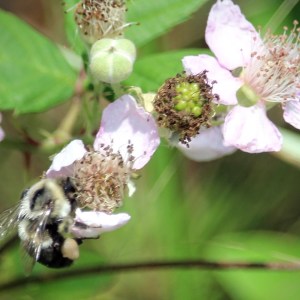
Getting a closer look we noticed the bee foraging the nectar from the flowers.
Aka Himalayan Blackberry
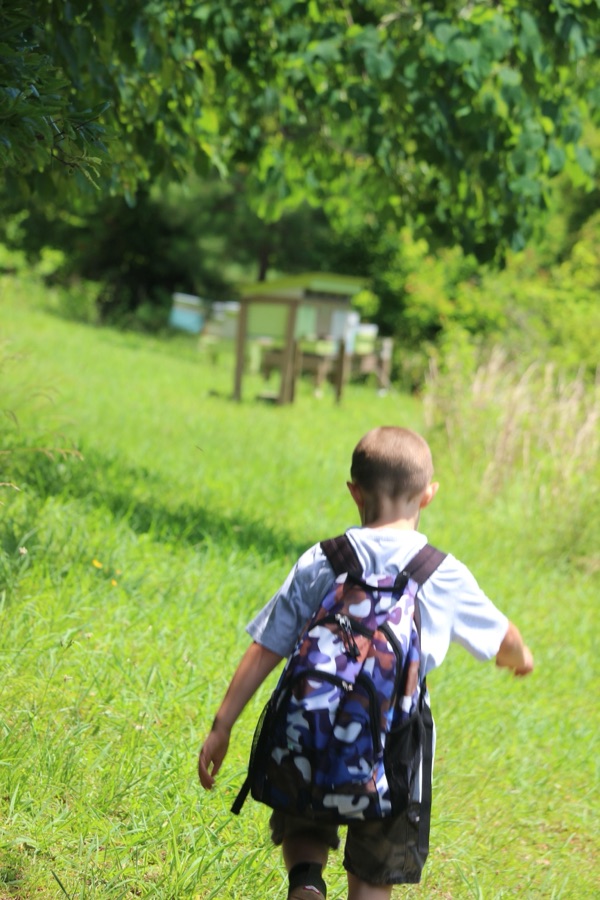
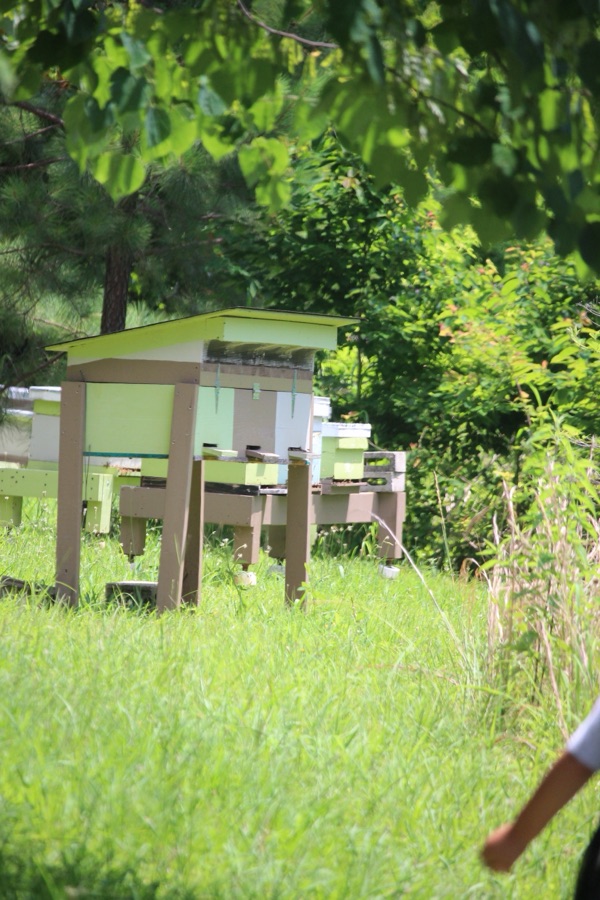
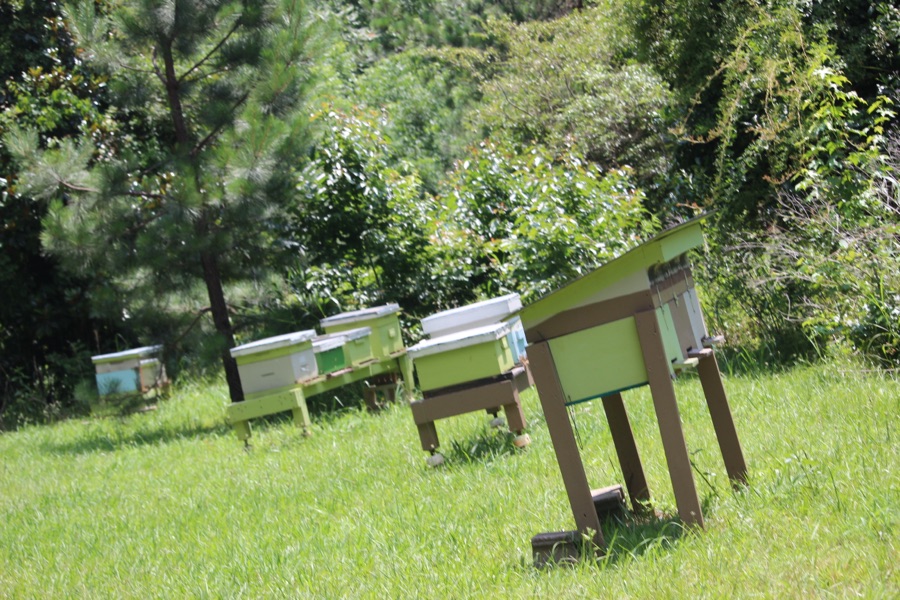
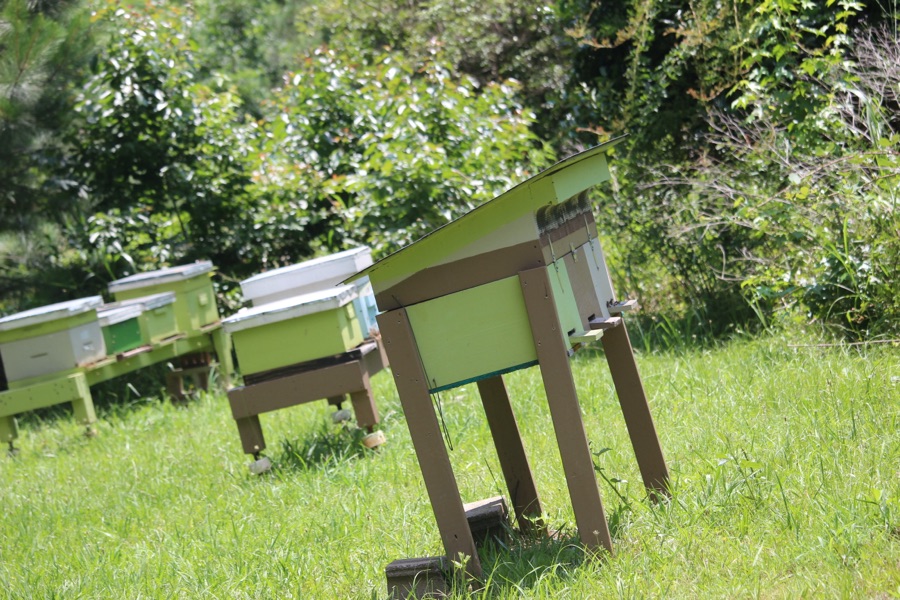
A little further down the pathway Coleman noticed some box-like structures through the grassy opening. As curious as he is he naturally wandered into the grassy opening to investigate the structures. After closer examination he informed me that they were Beehives.
Coleman walking towards the Bee Hives
Aka Common Eastern Bumblebee +Blackberry Flowers
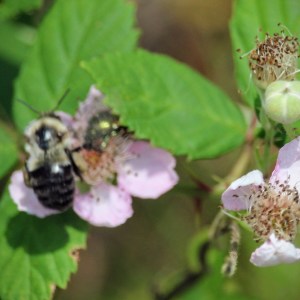
After checking out the Beehives from a safe distance, we walked back towards The Trailhead Store hiking past the Himalayan Blackberry Flowers. Noticing more than just the flowers, I zoomed in to examine what was feasting on its nectar. Then I noticed not only the Common Eastern Bumblebee, but also the Cetonia aurata, which is called the rose chafer or the green rose chafer.
Aka Common Eastern Bumblebee +Himalayan Blackberry Flowers
Two for one foraging on the European Blackberry flowers. Think it’s nice that different species can share their delicacies.
Camera: Canon EOS Rebel T3i with Canon EF-S55-250mm lens and Altura UV & CPL filter attachments.
Location: The Trailhead Store Pathway; The Village at Stowe; Belmont, North Carolina, USA
God Bless. Enjoy Nature. Admire its beauty and intricacies. Thank you for visiting and sharing your time and thoughts with us. I appreciate y’all very much.































































 Gfpacificbee’s Insights & photography