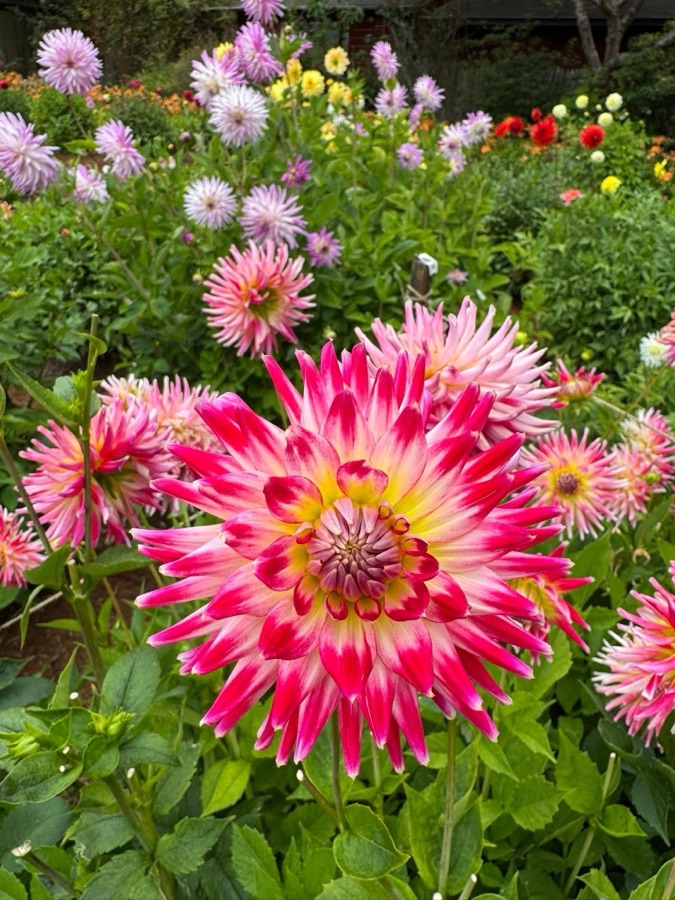
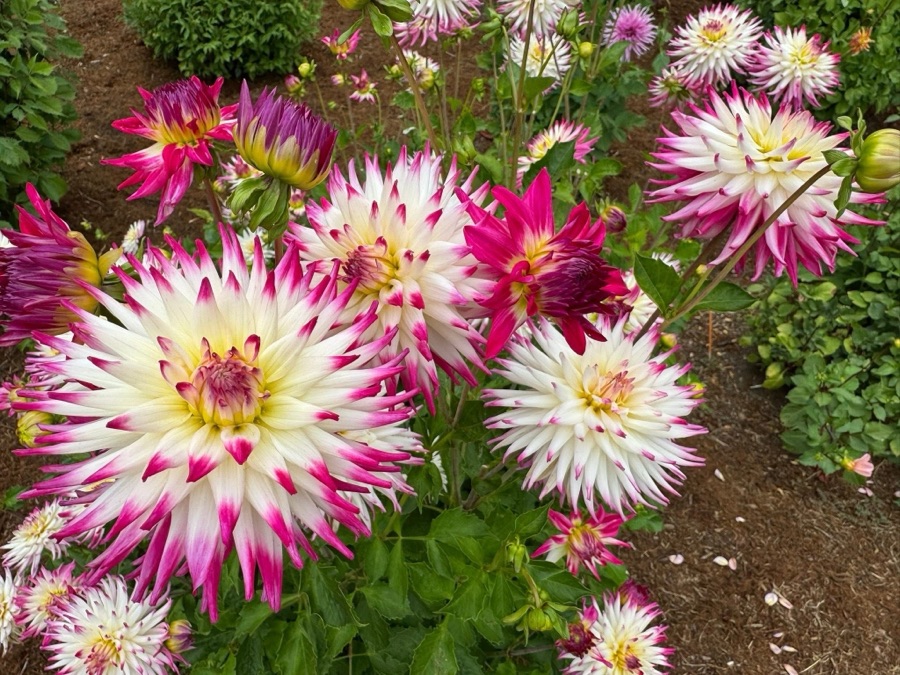
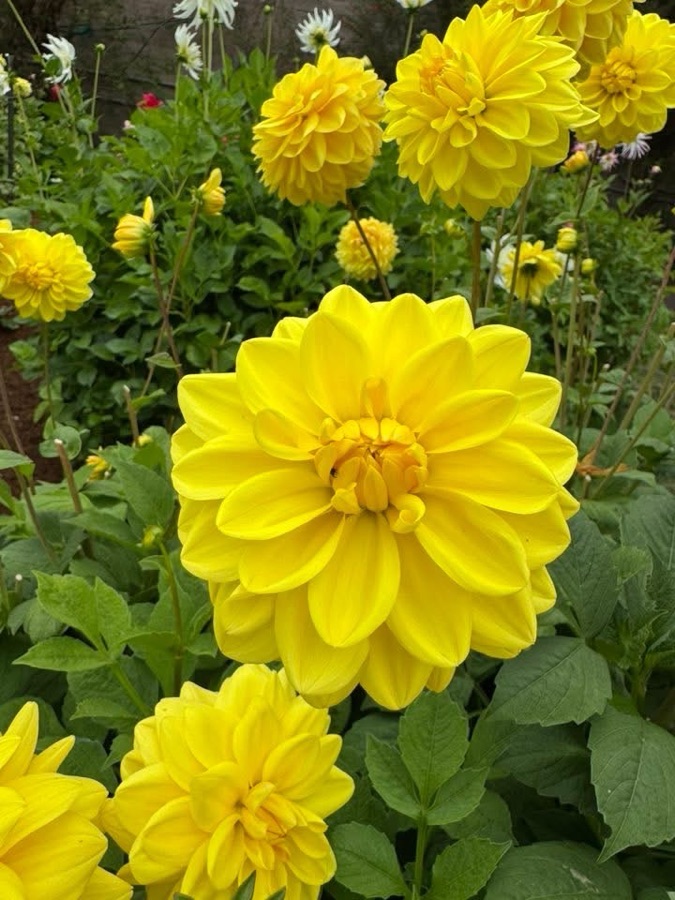
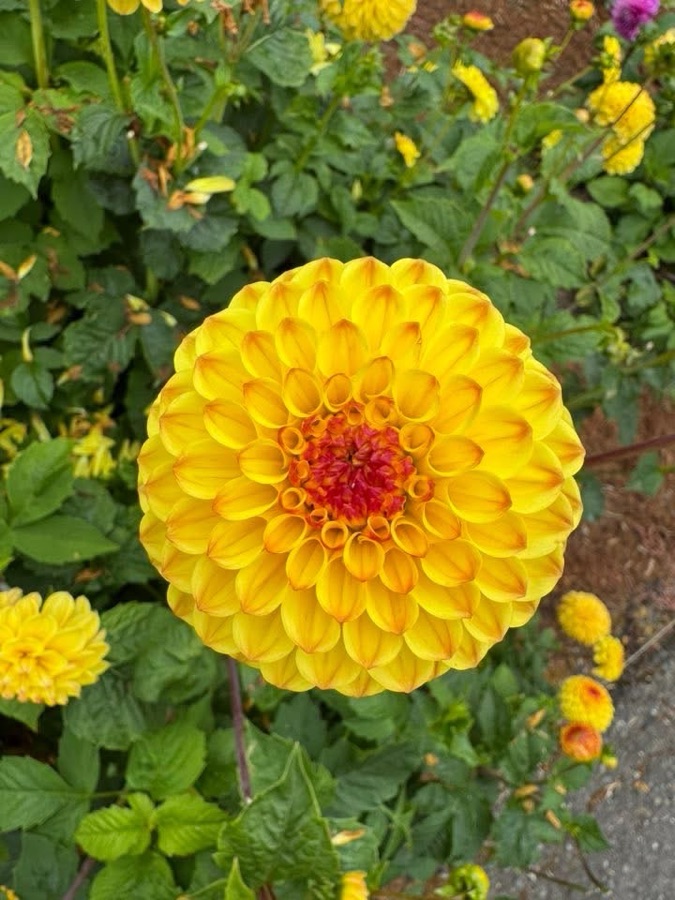
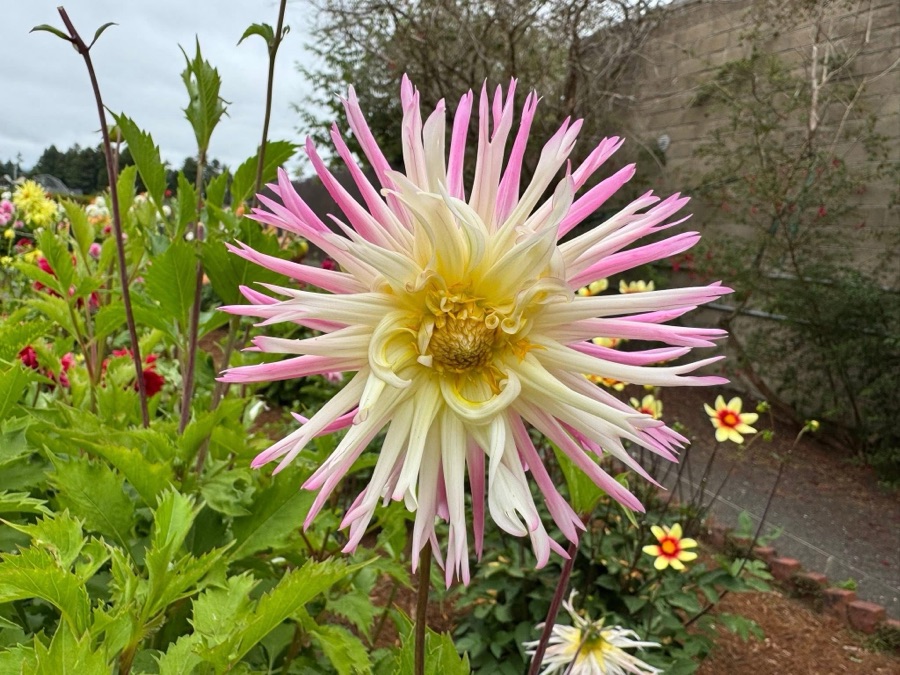
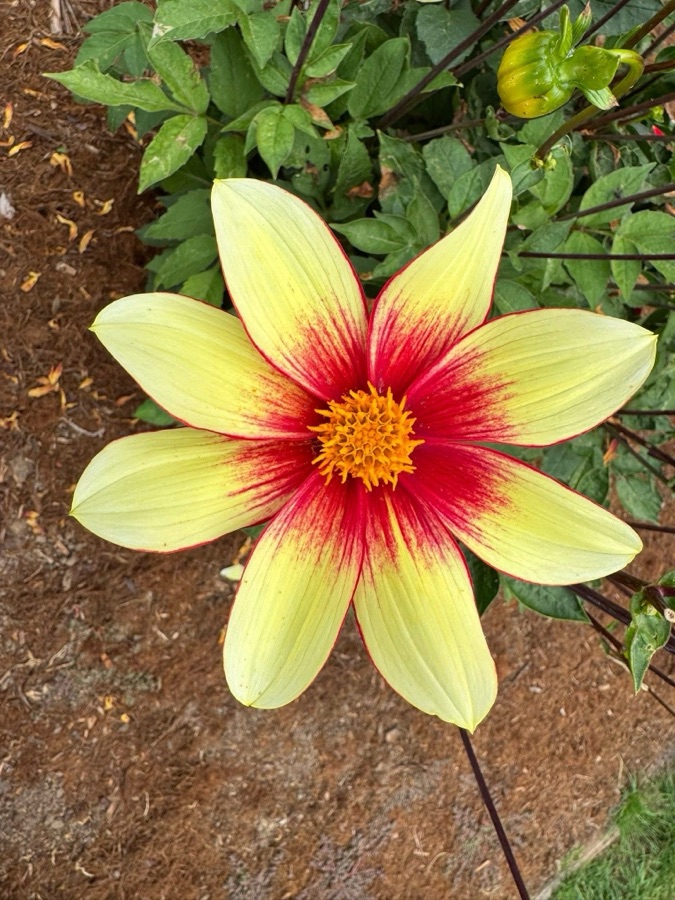
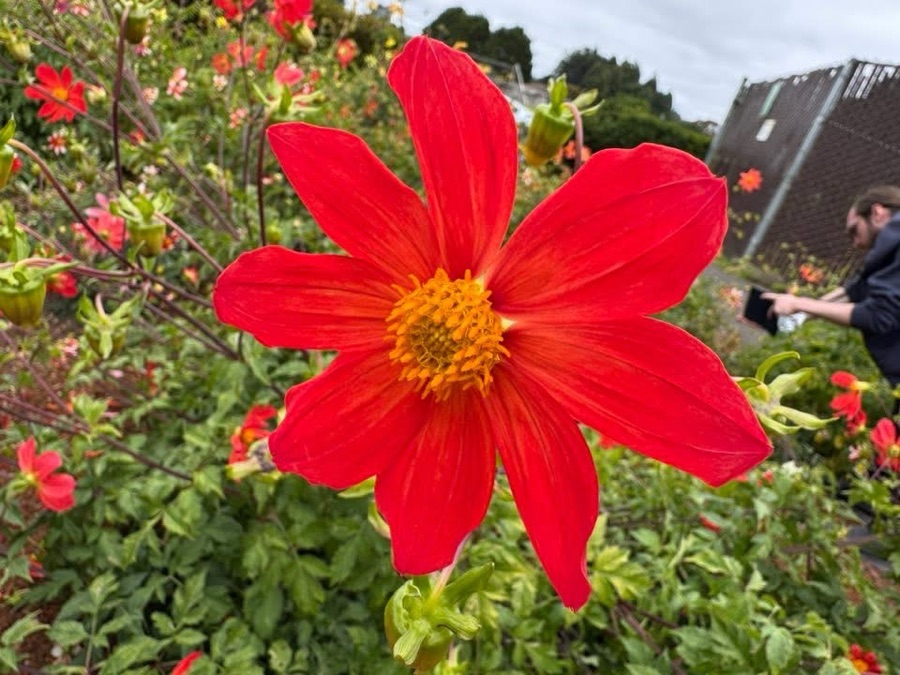
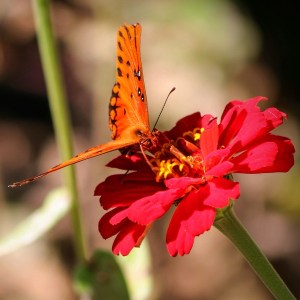
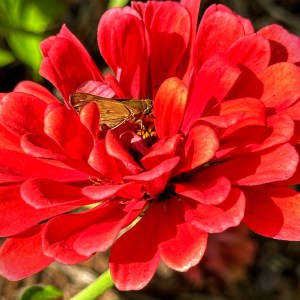
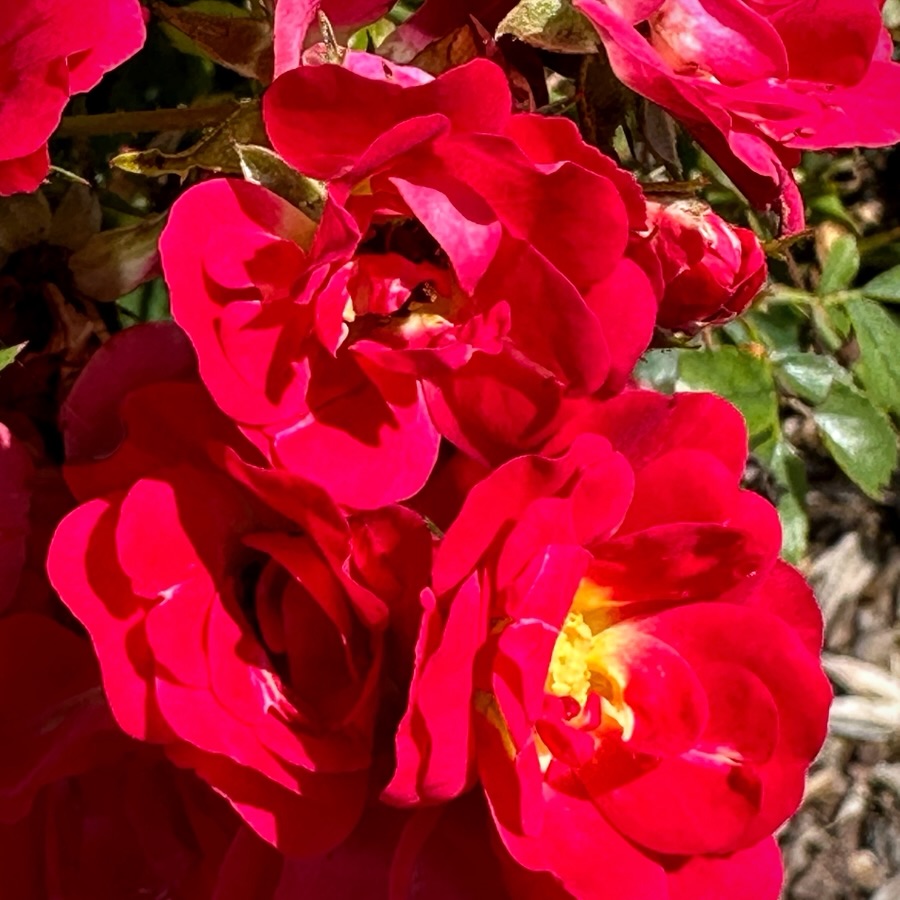
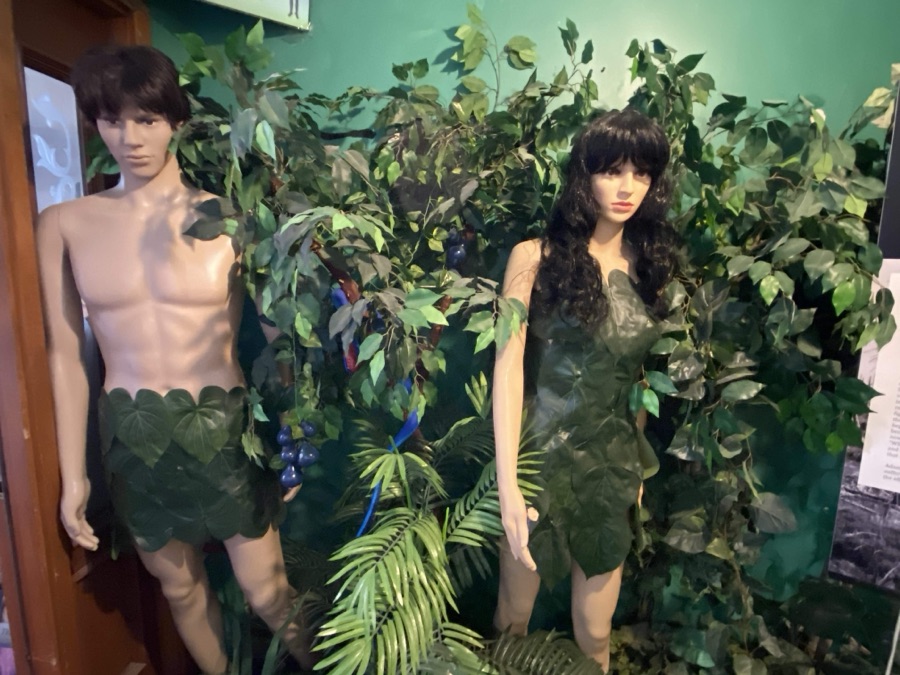
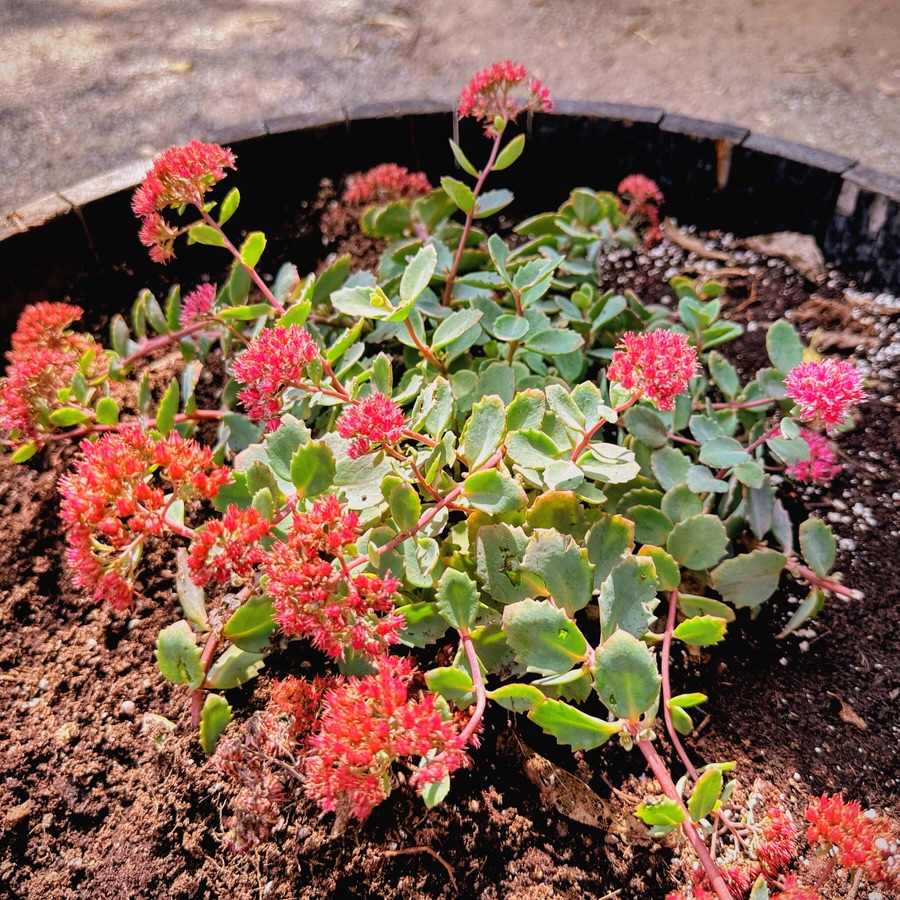
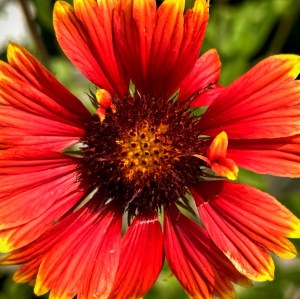
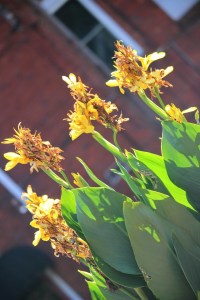
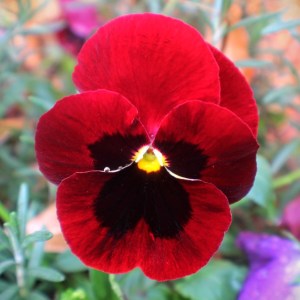
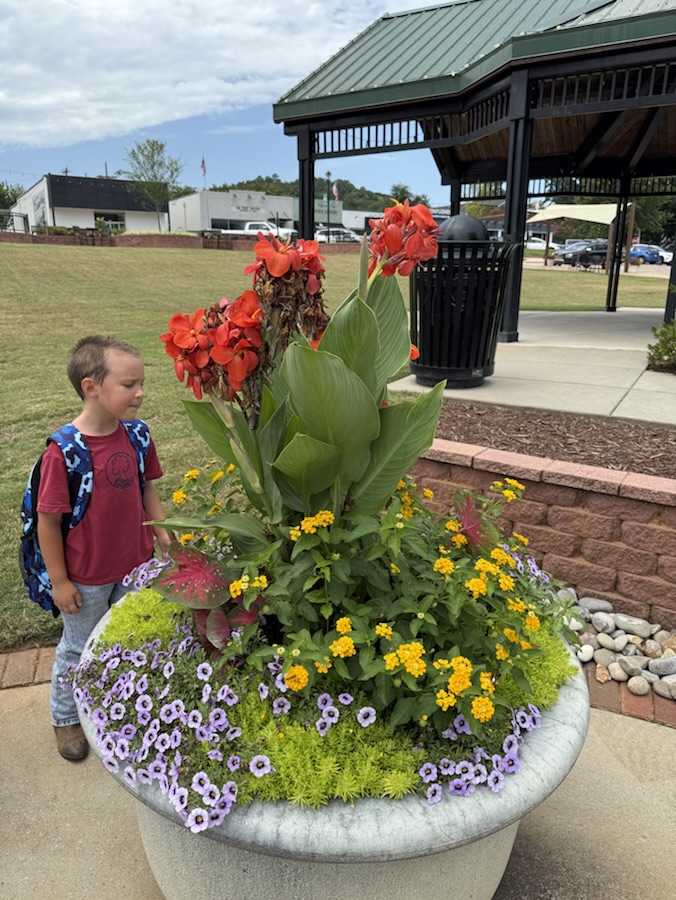
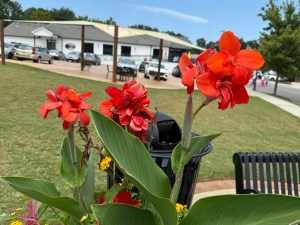
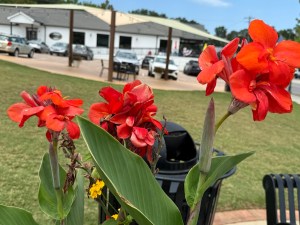
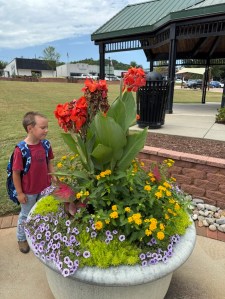
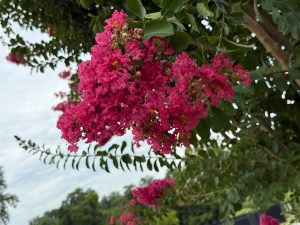
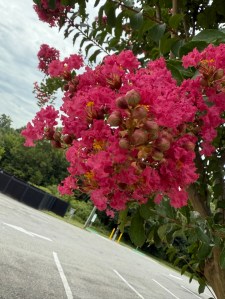
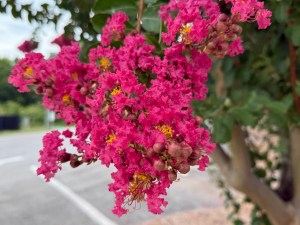
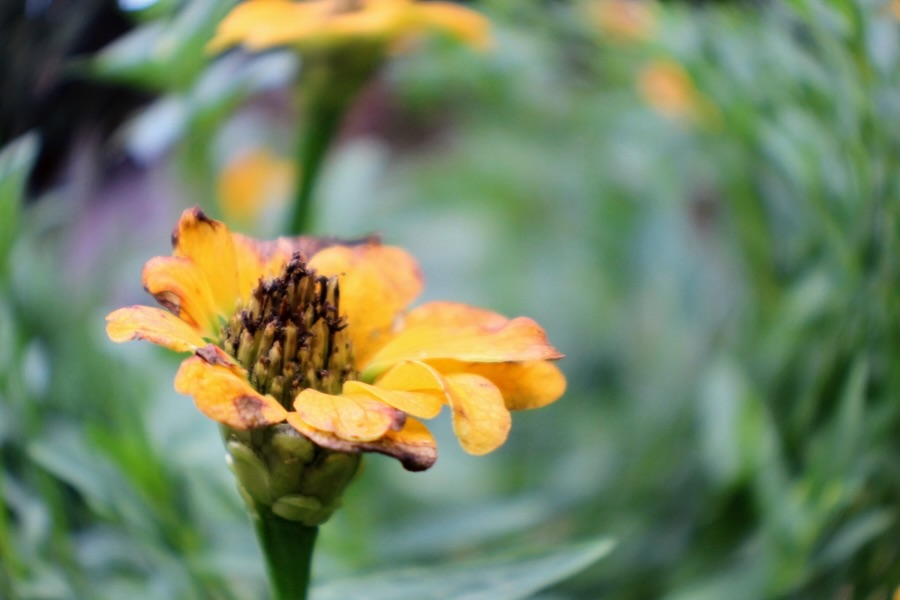
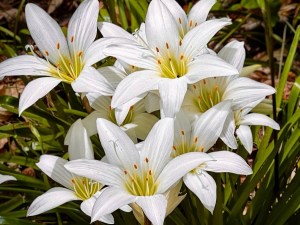
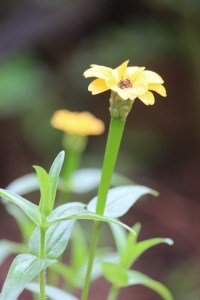
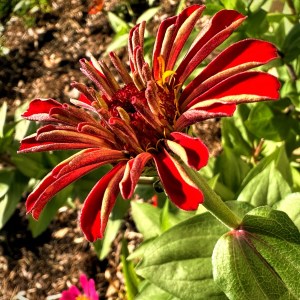
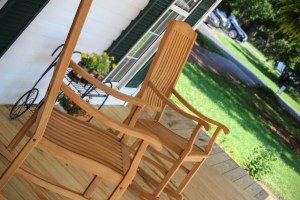
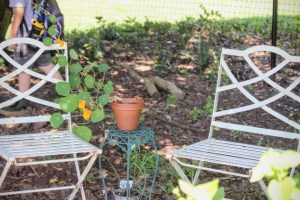
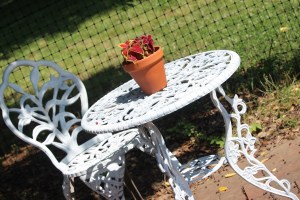
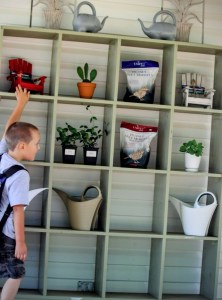
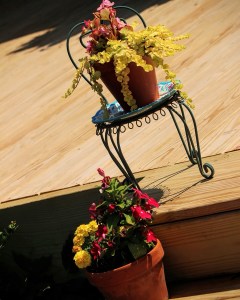
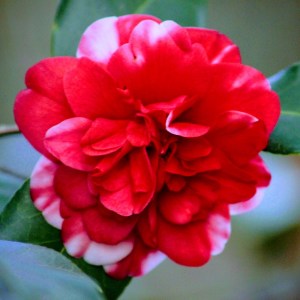
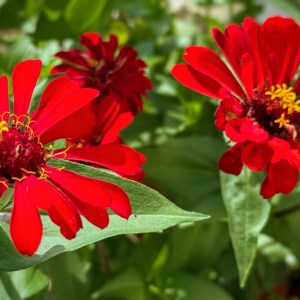
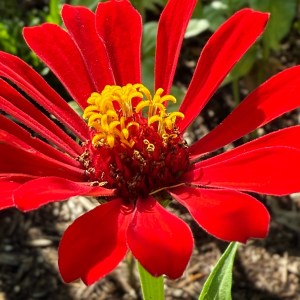
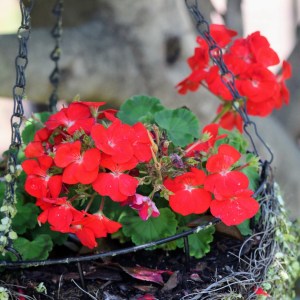
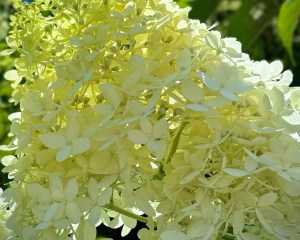
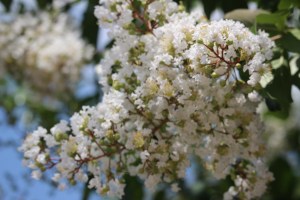
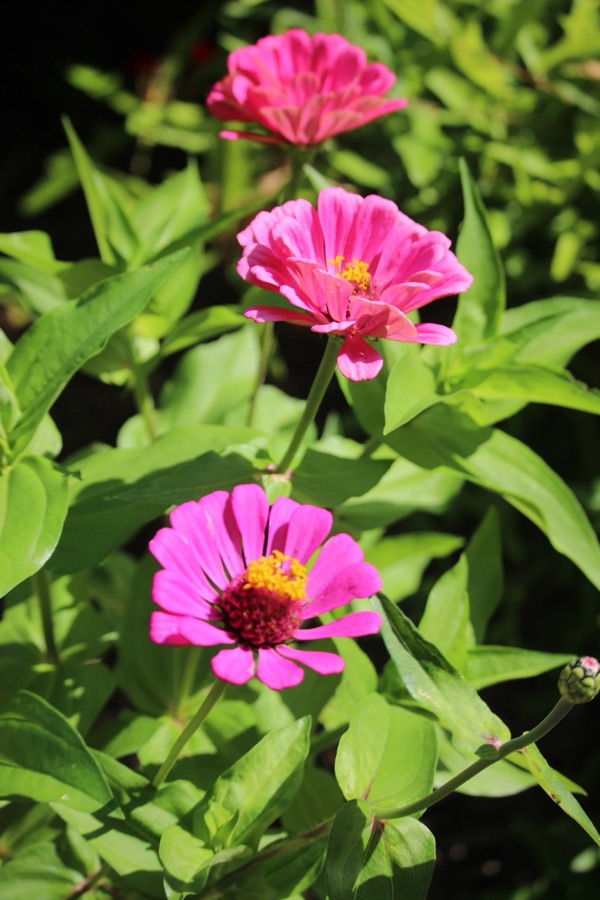
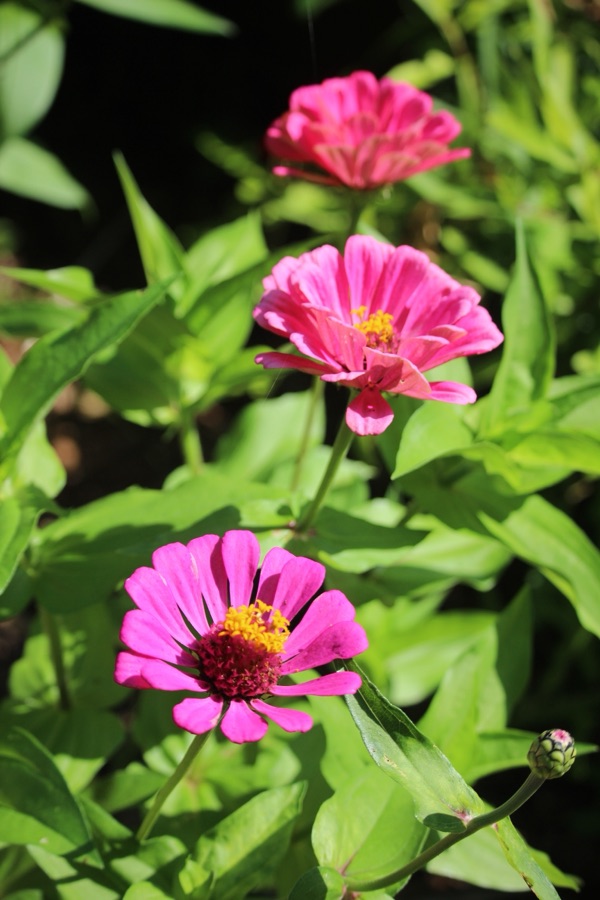
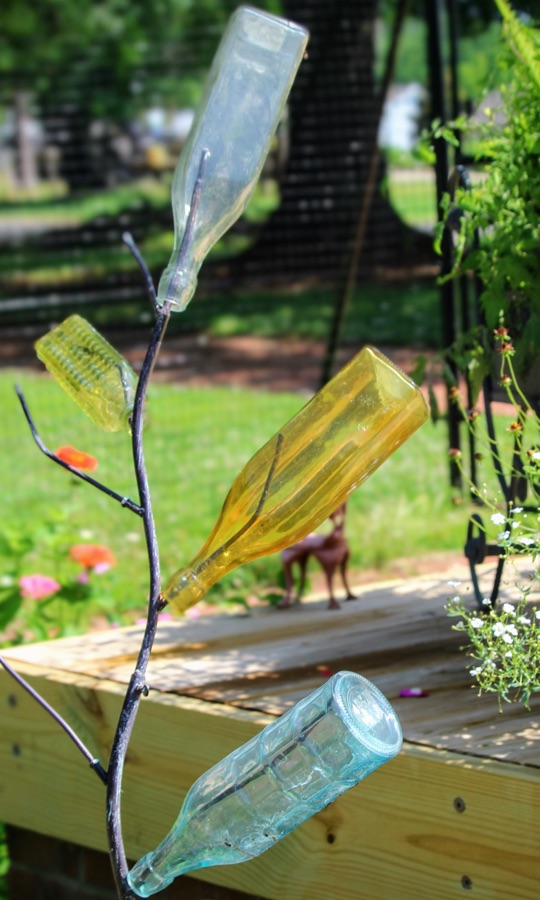
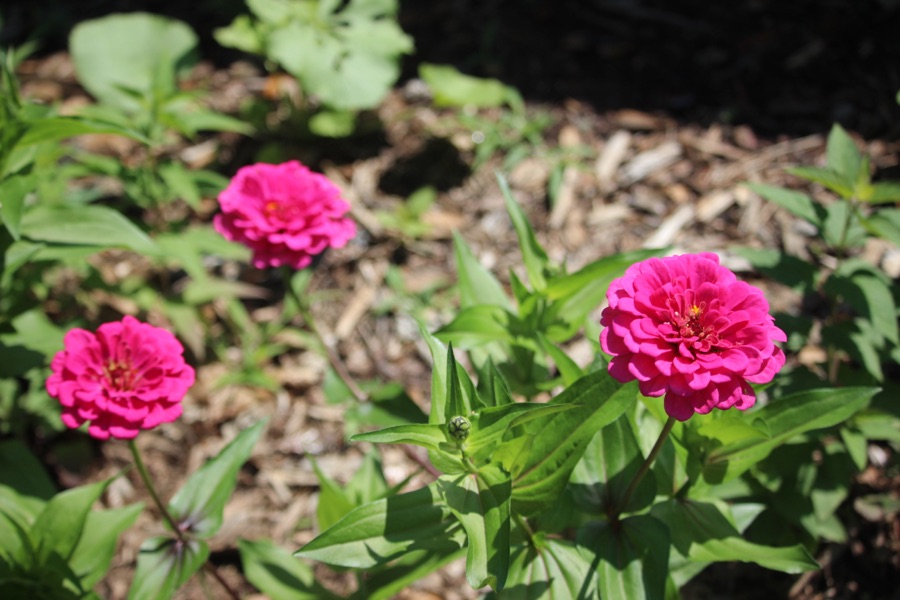
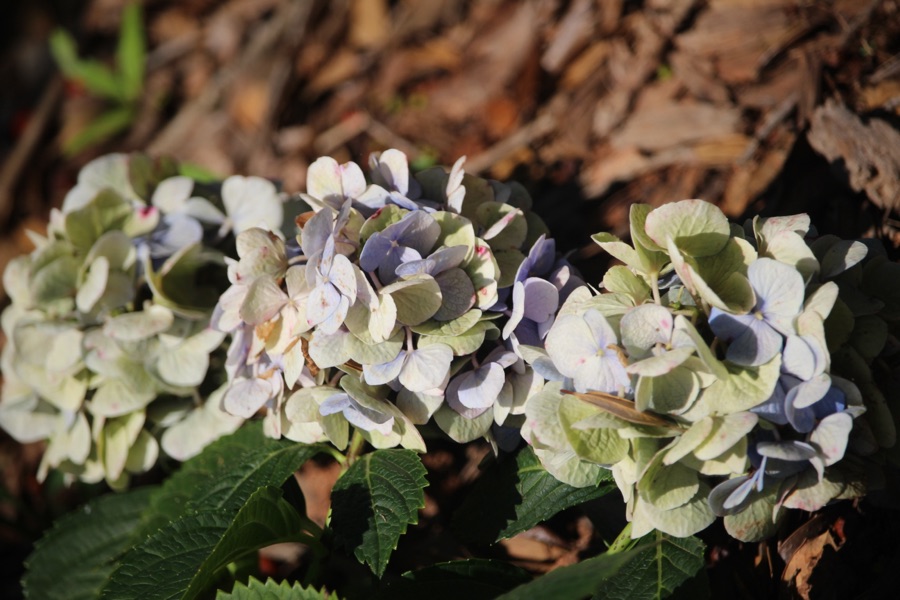
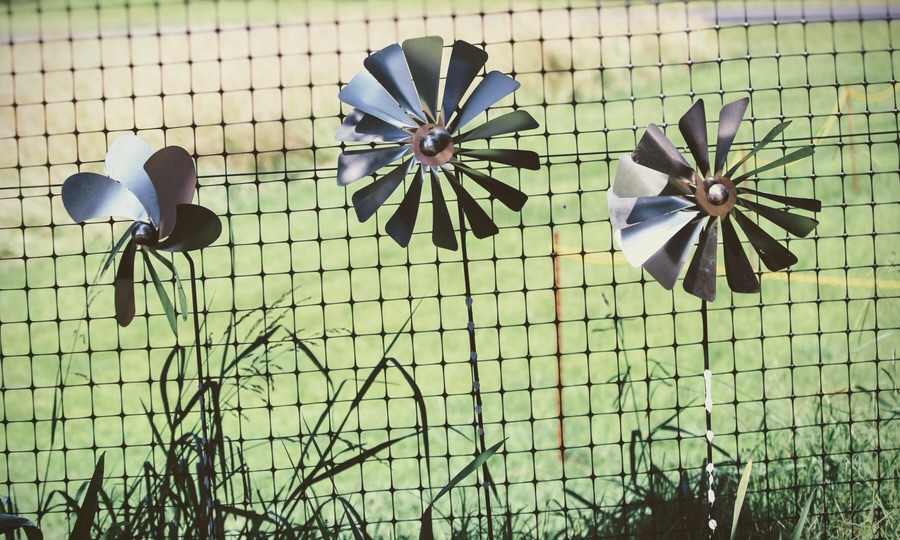
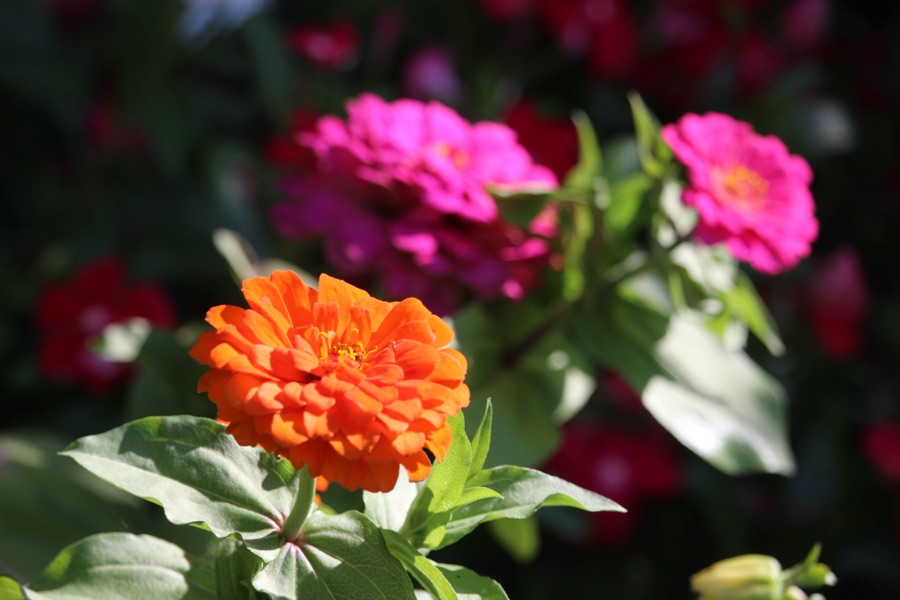
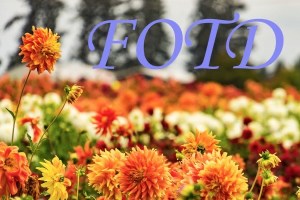
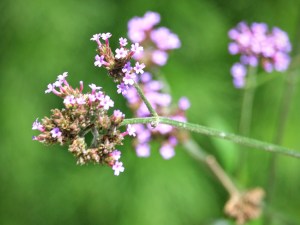
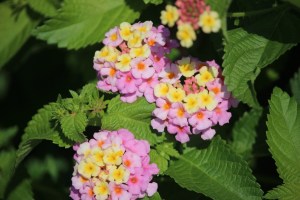
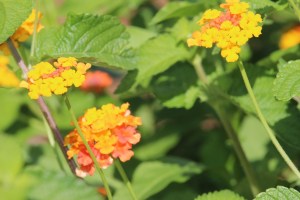
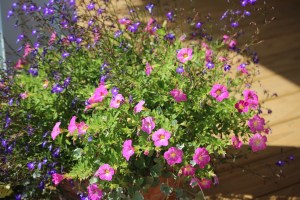
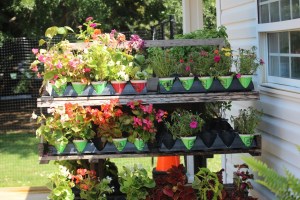
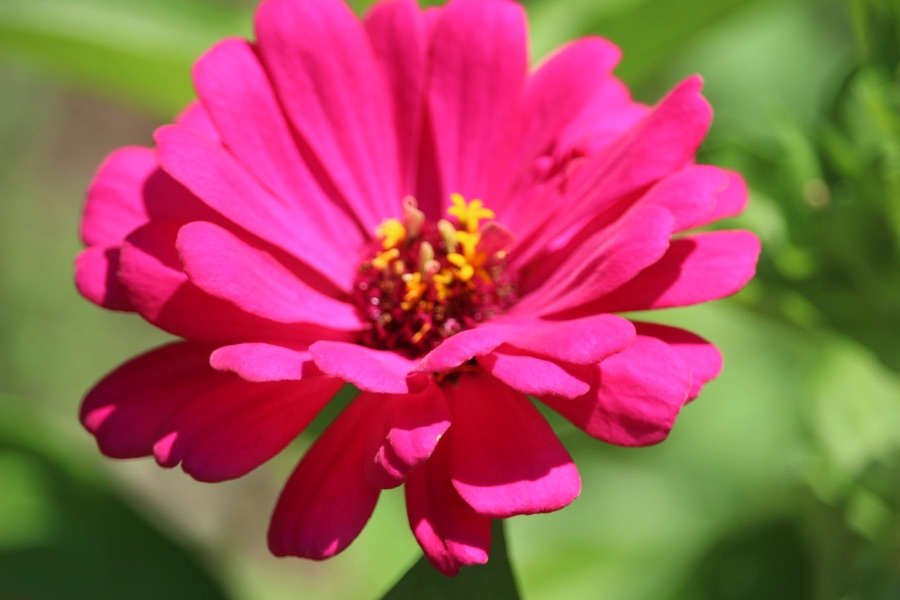
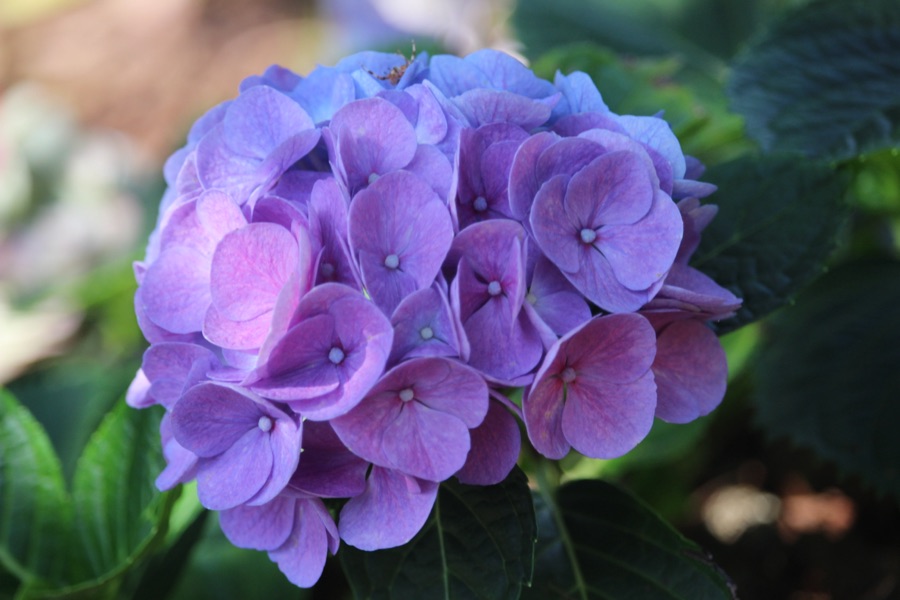
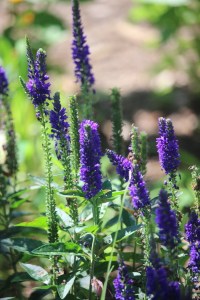
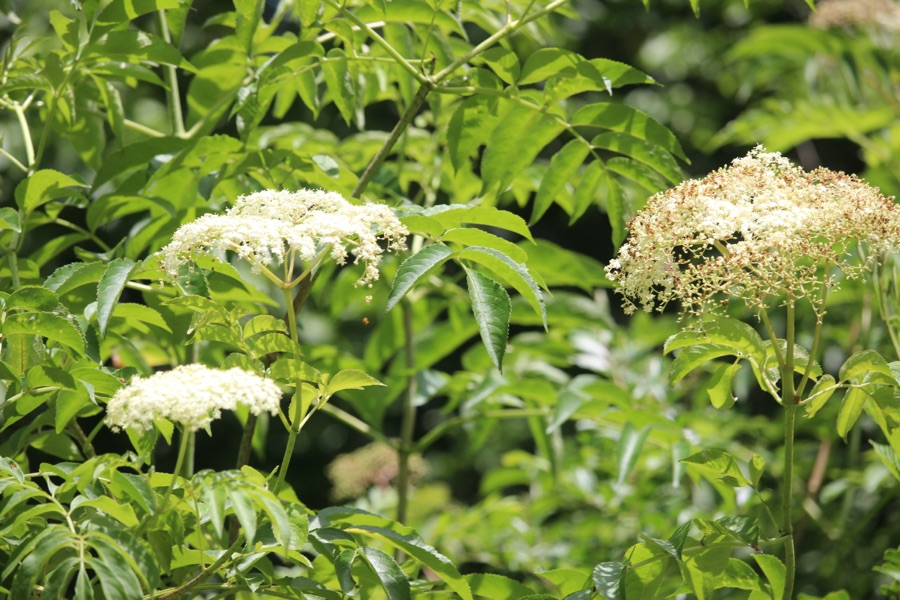
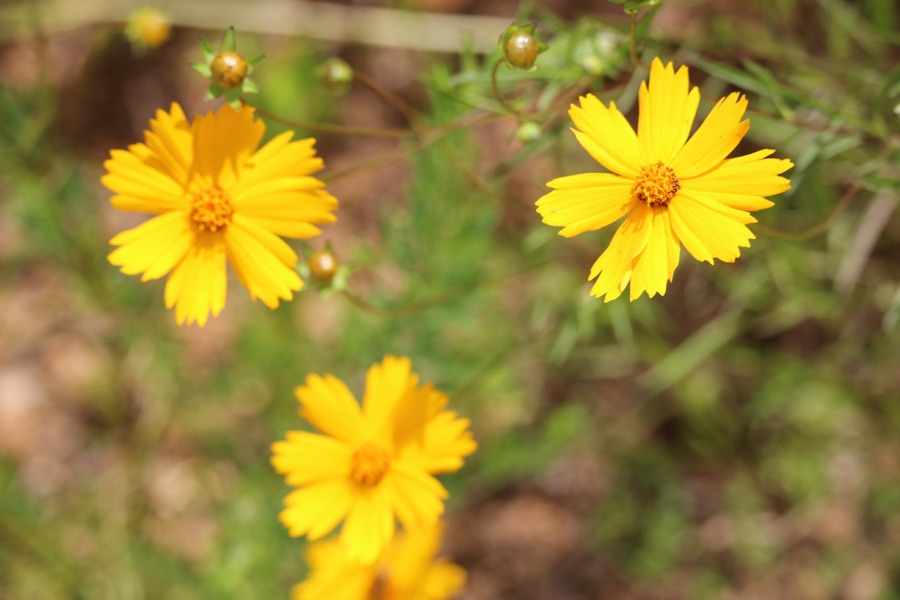
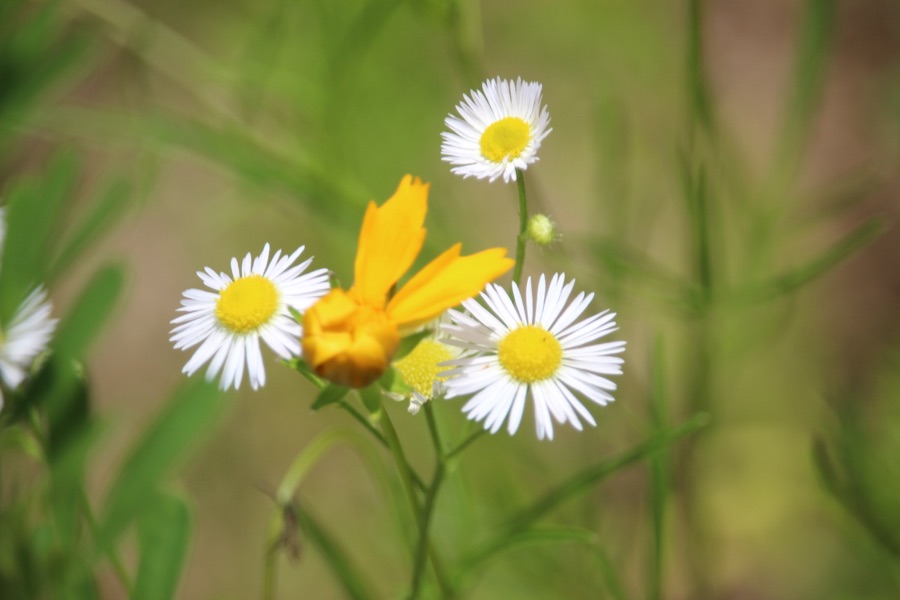
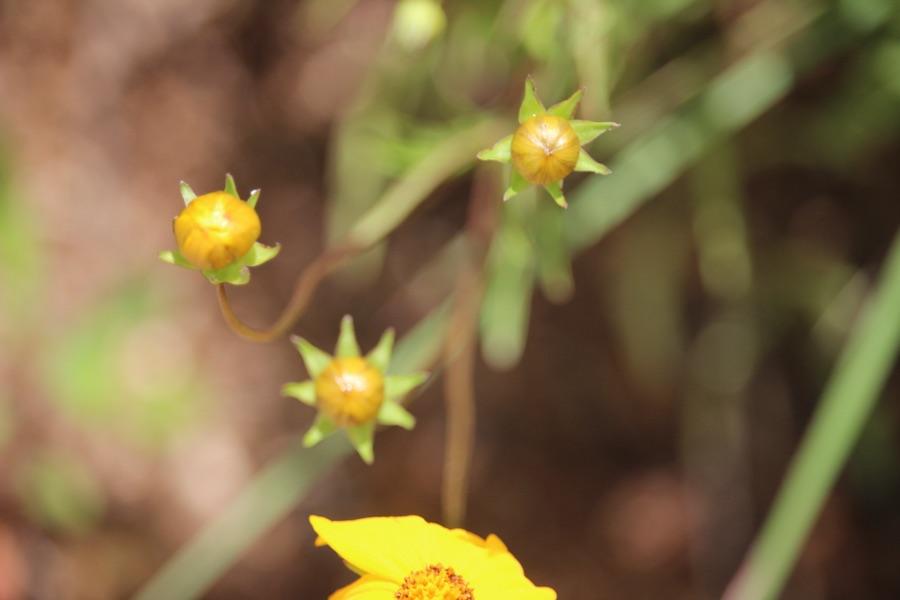
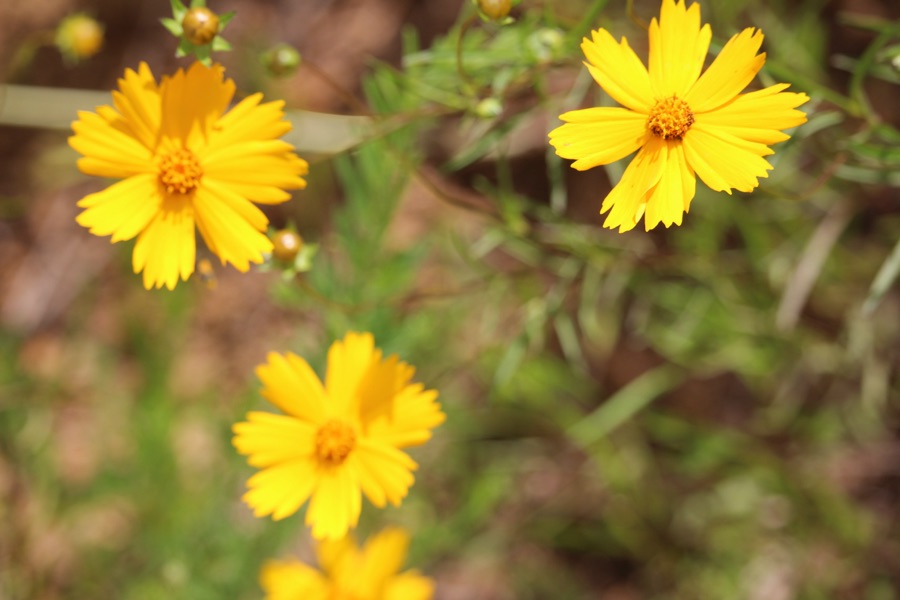
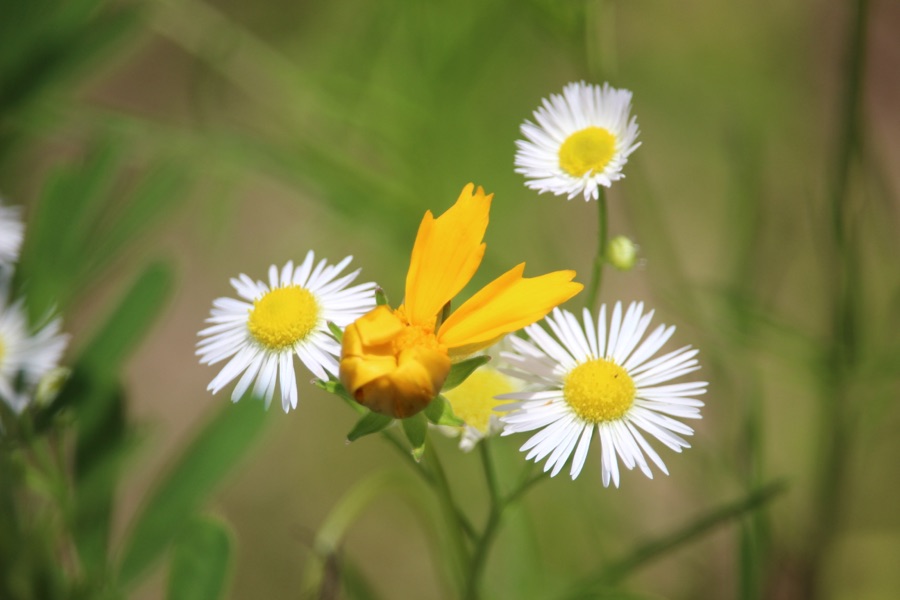
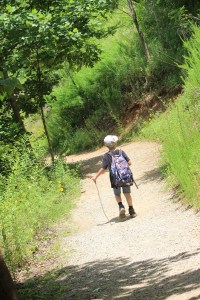
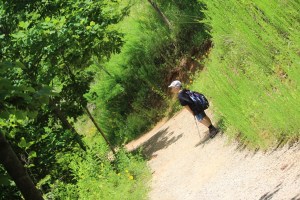
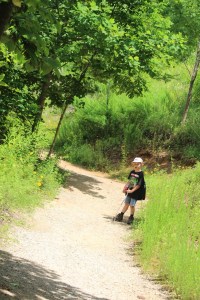
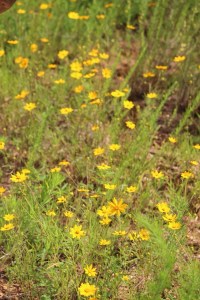
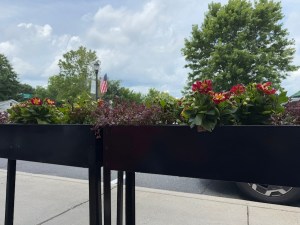
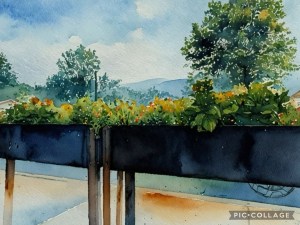
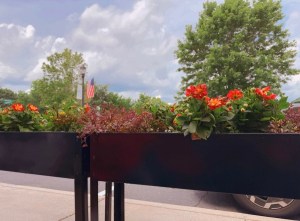
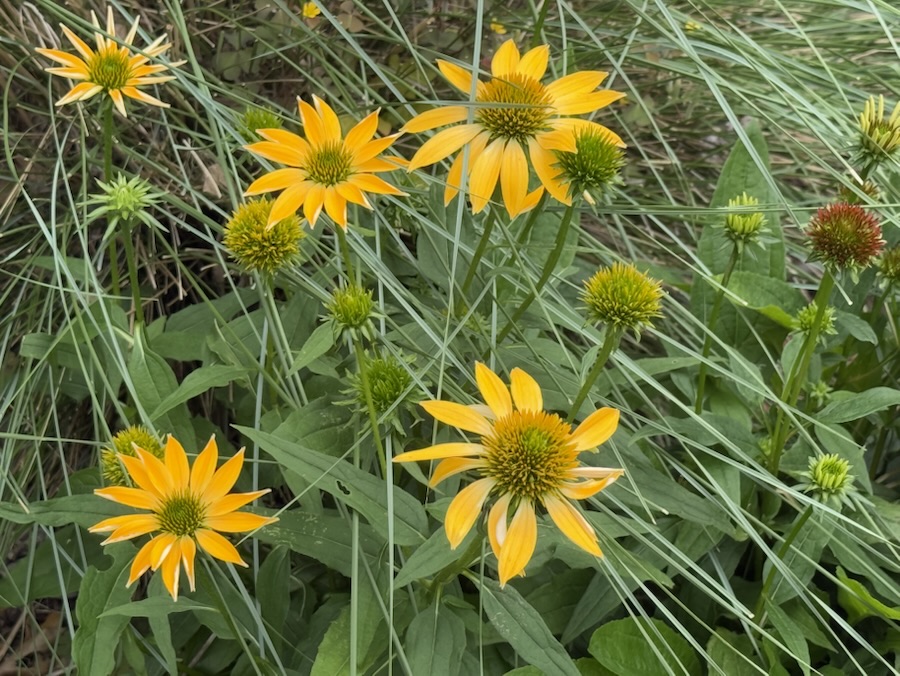
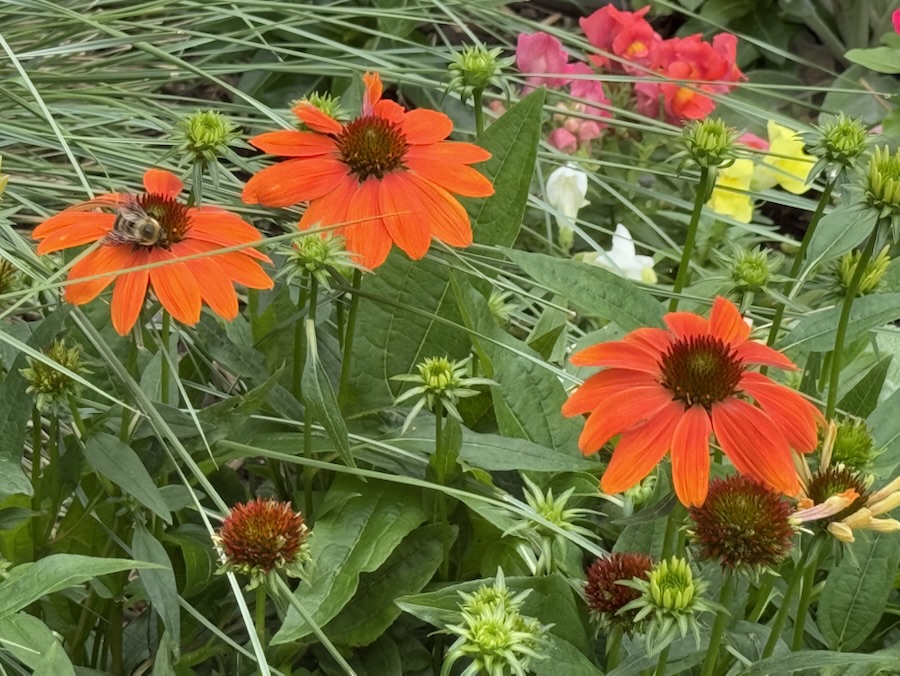
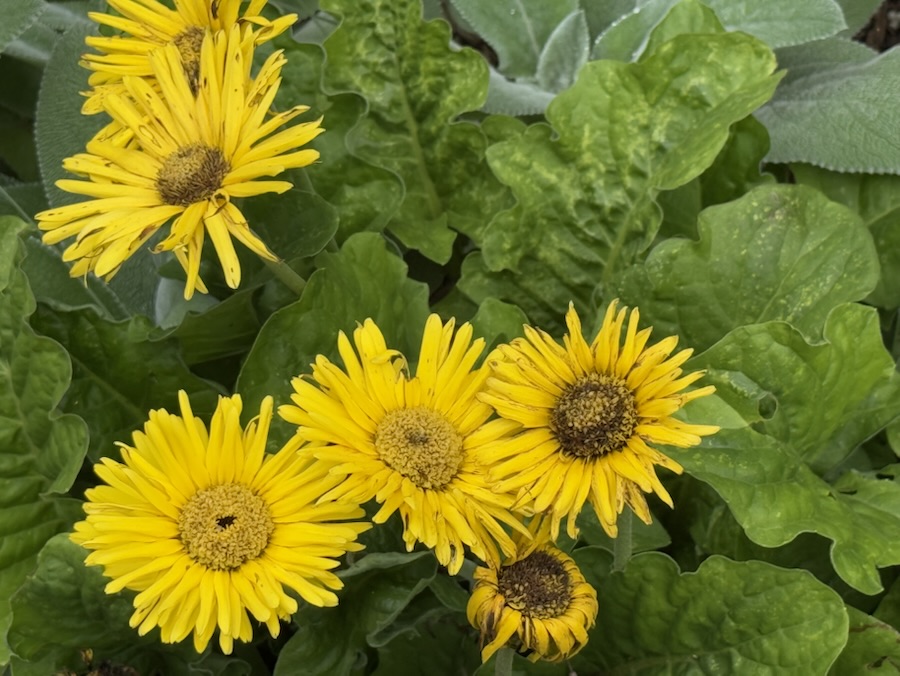
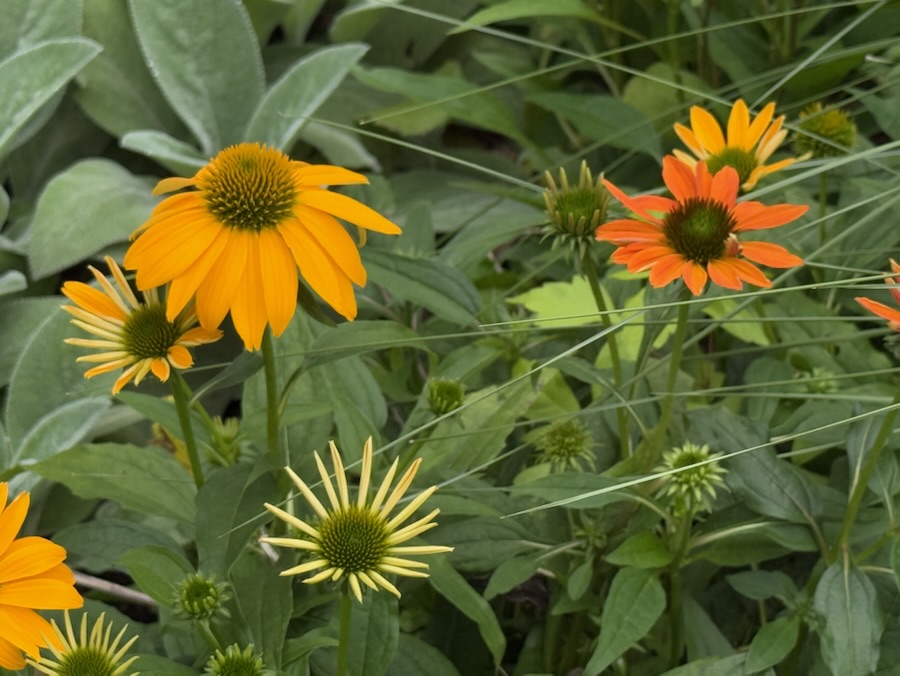
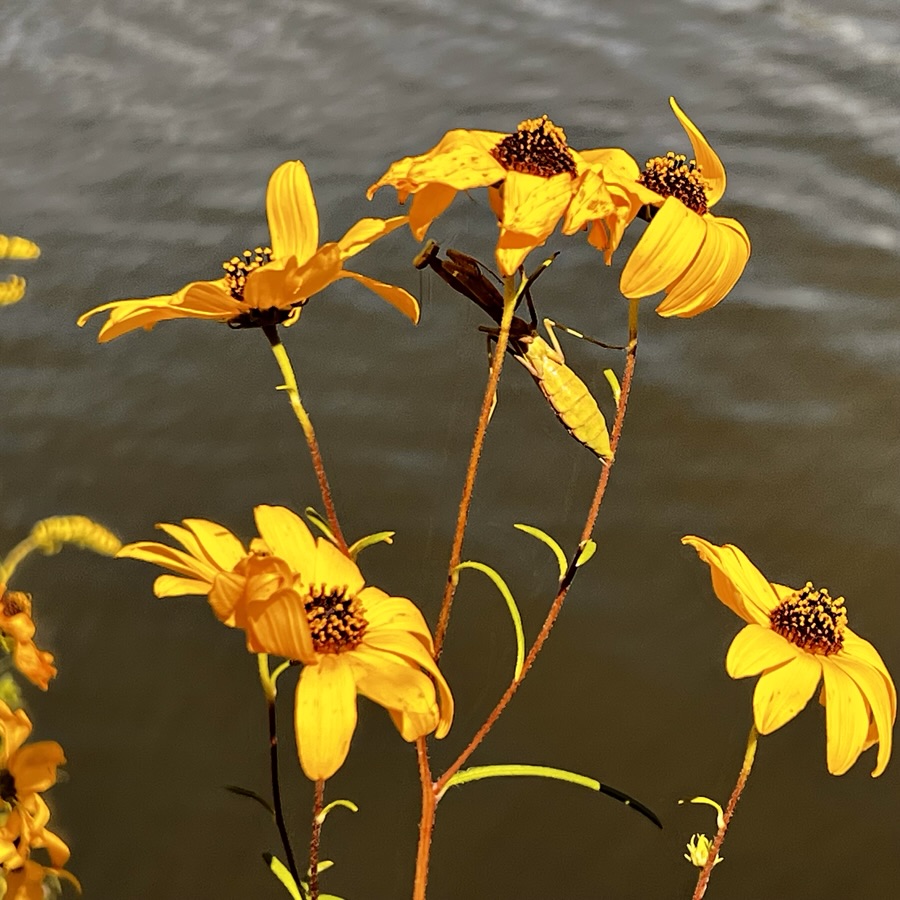
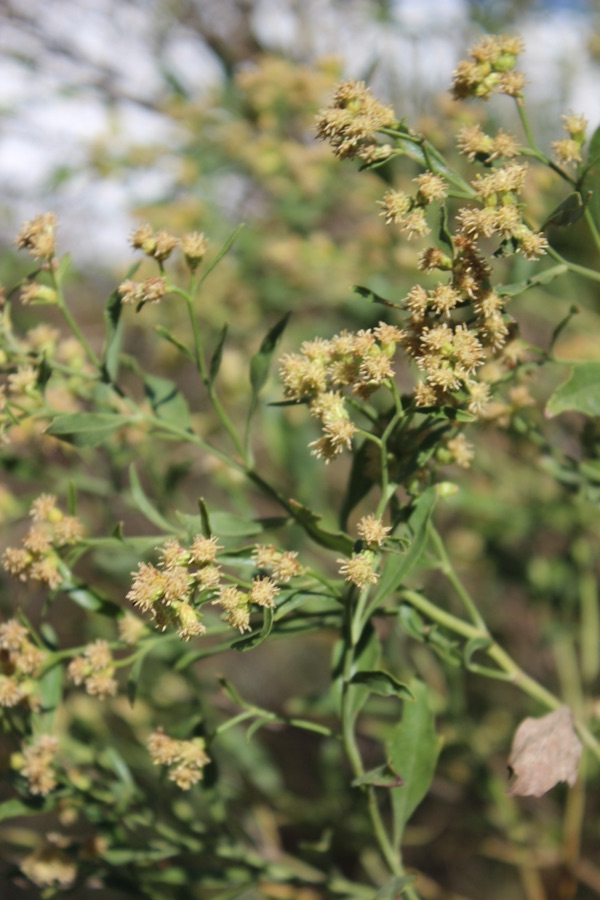
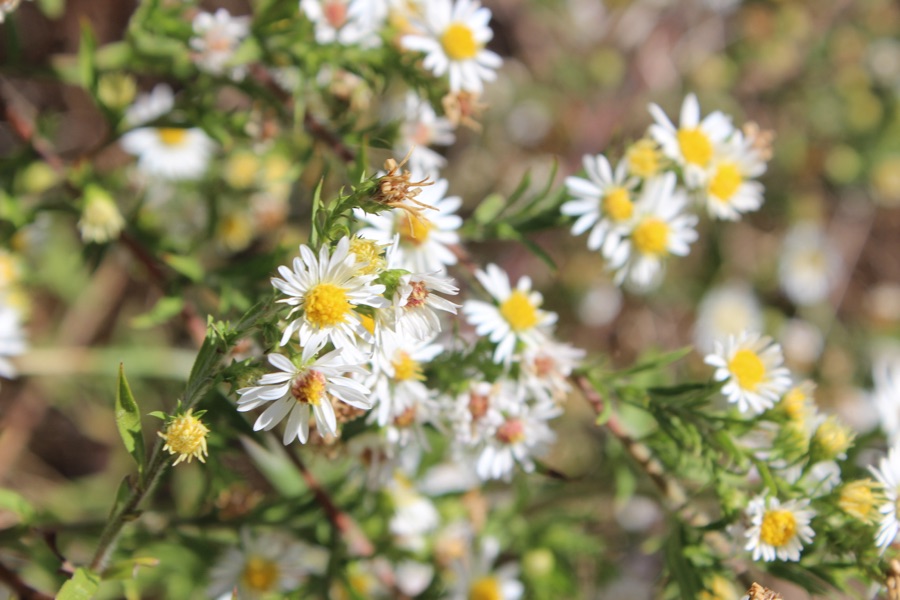
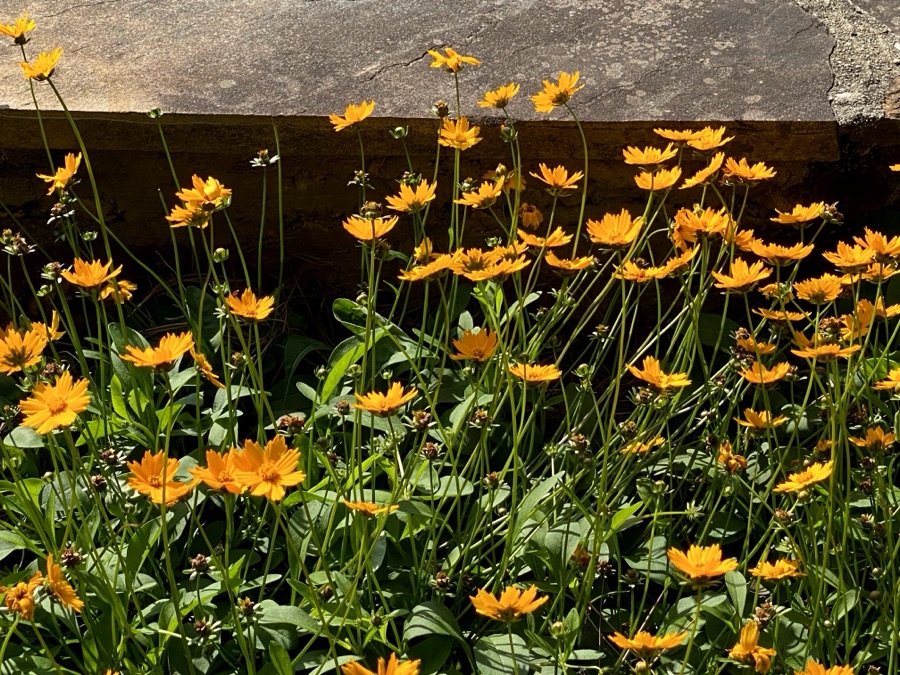
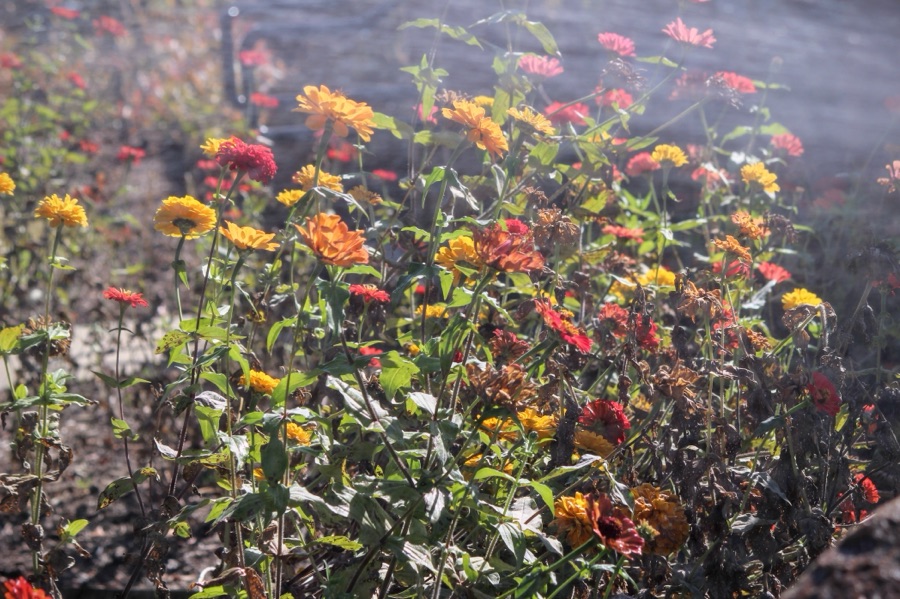
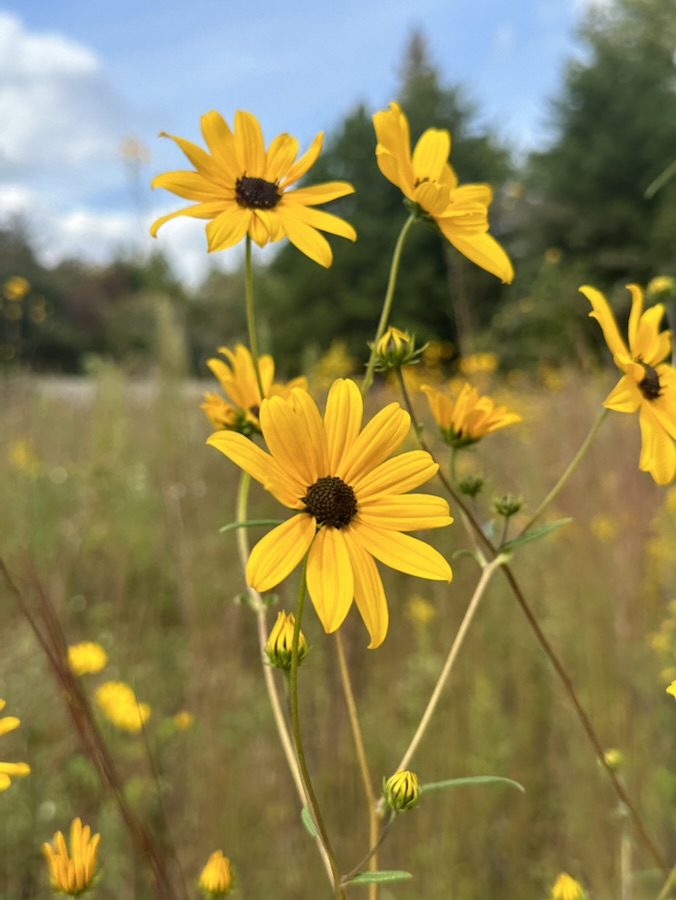
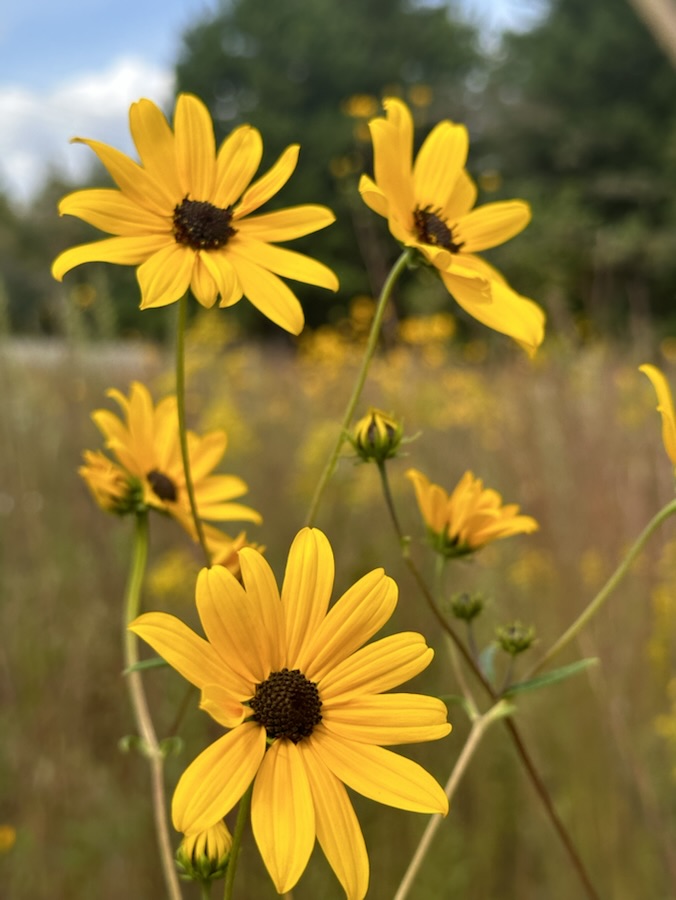
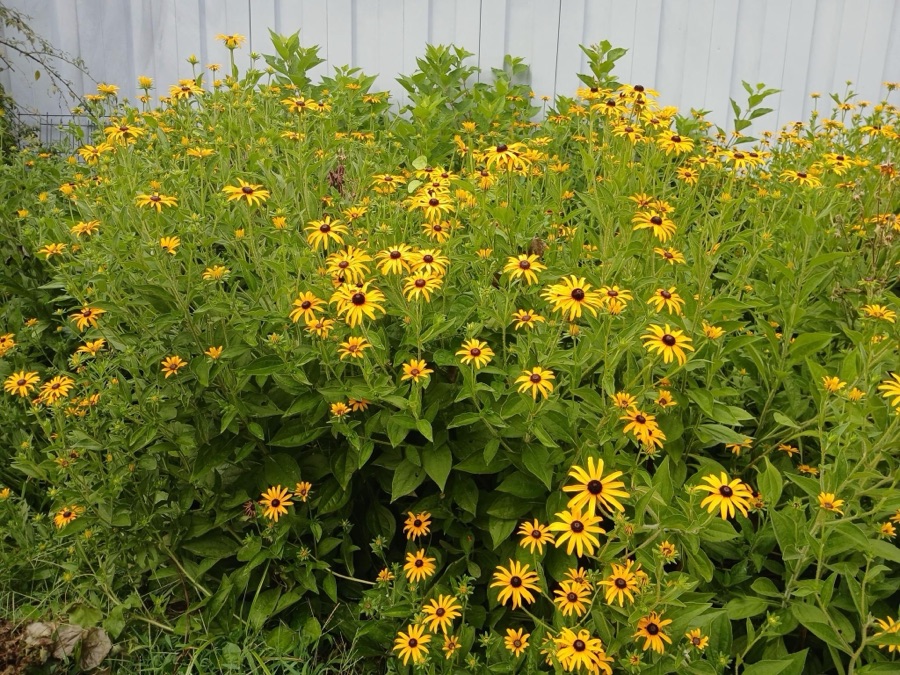
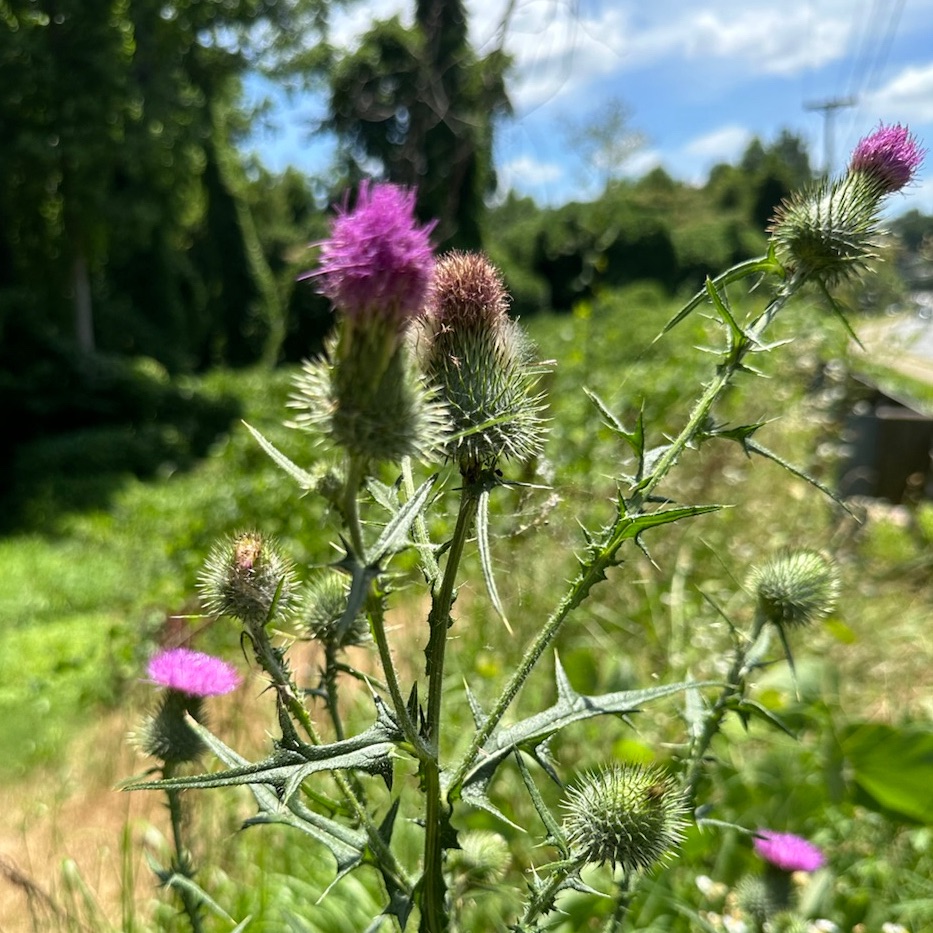
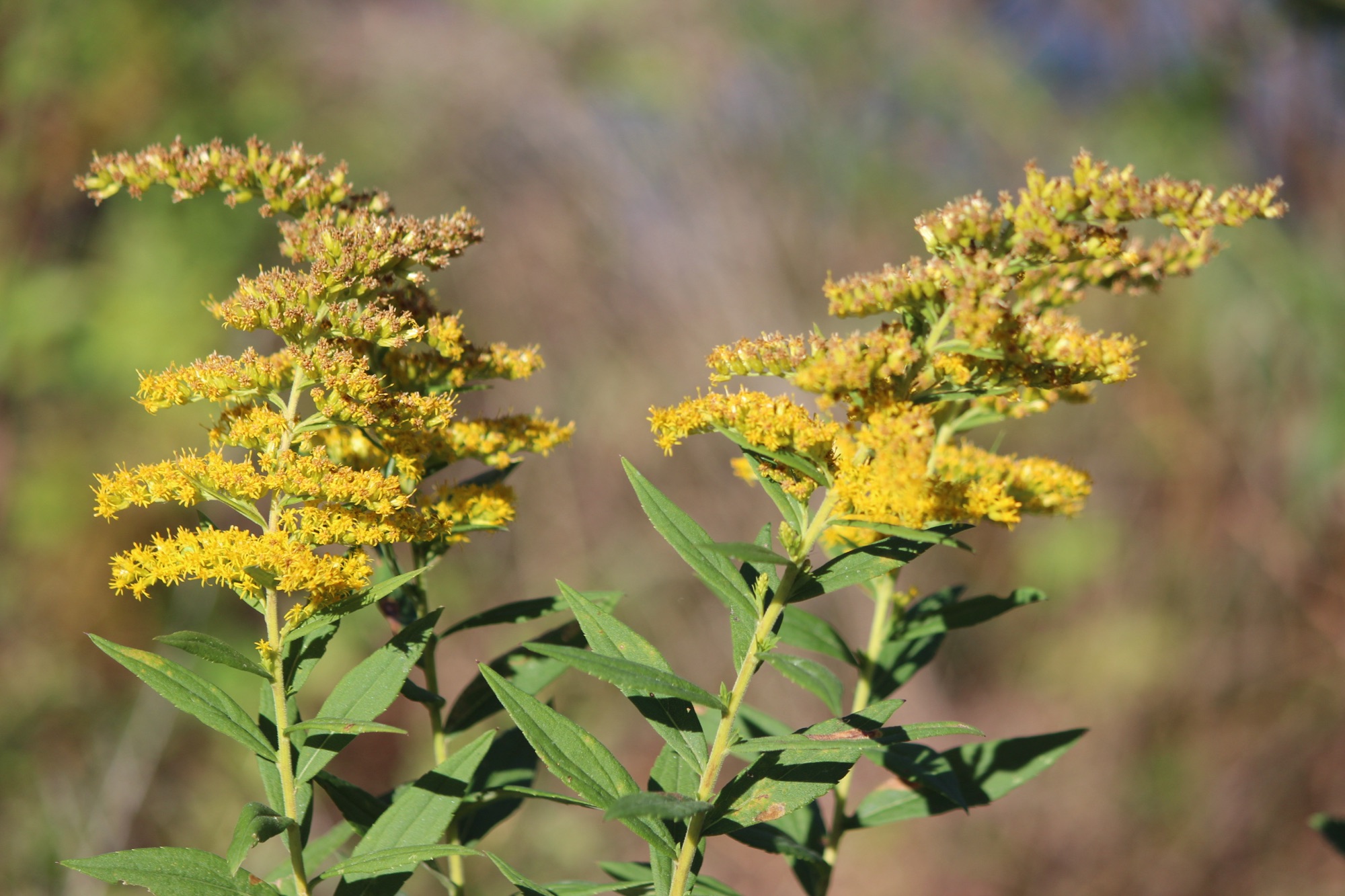
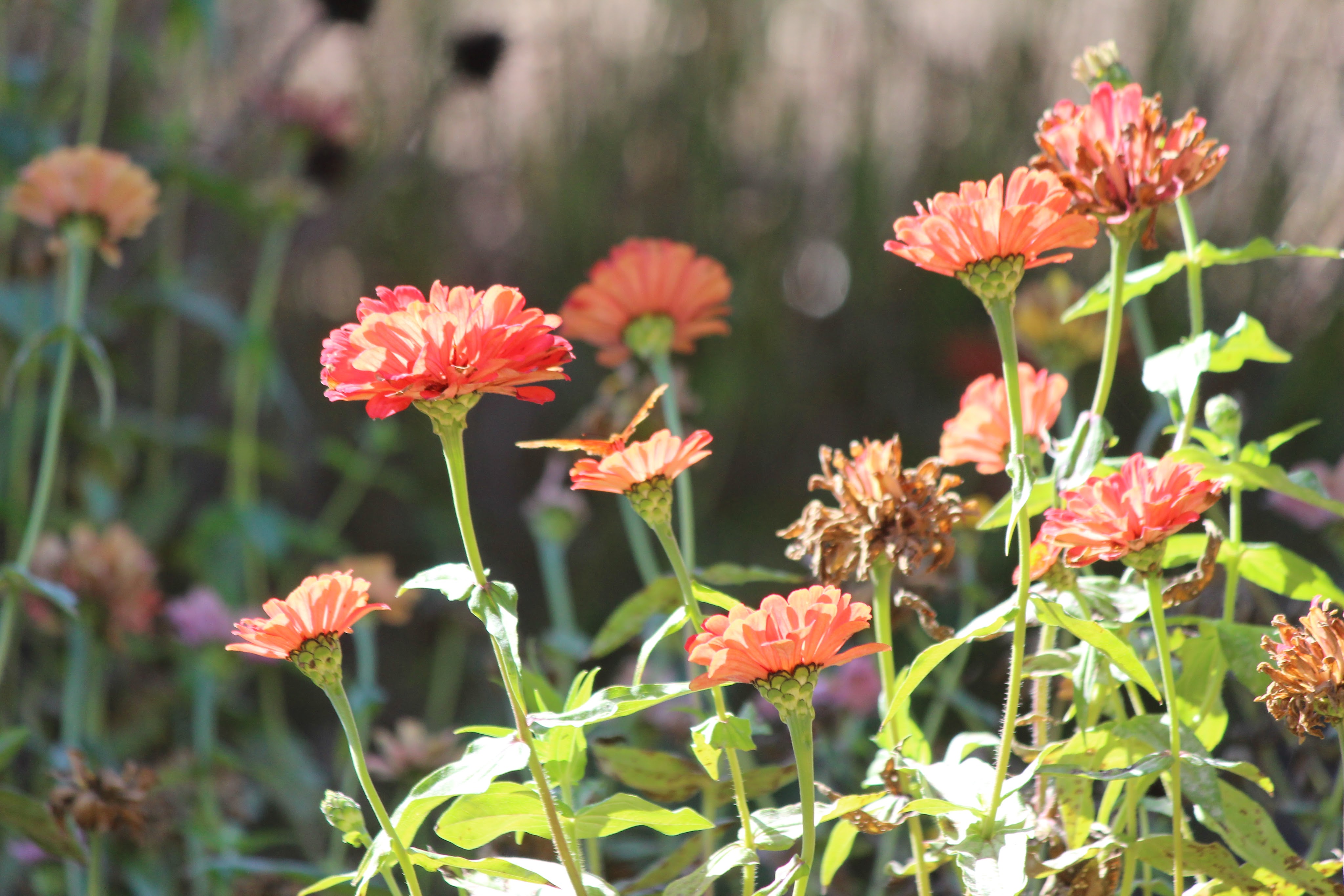
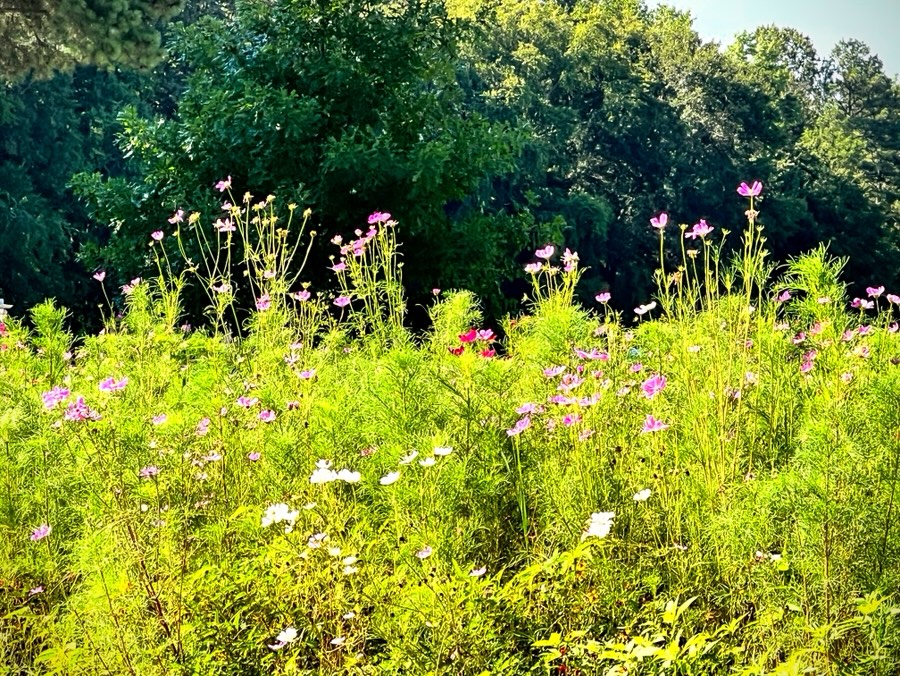
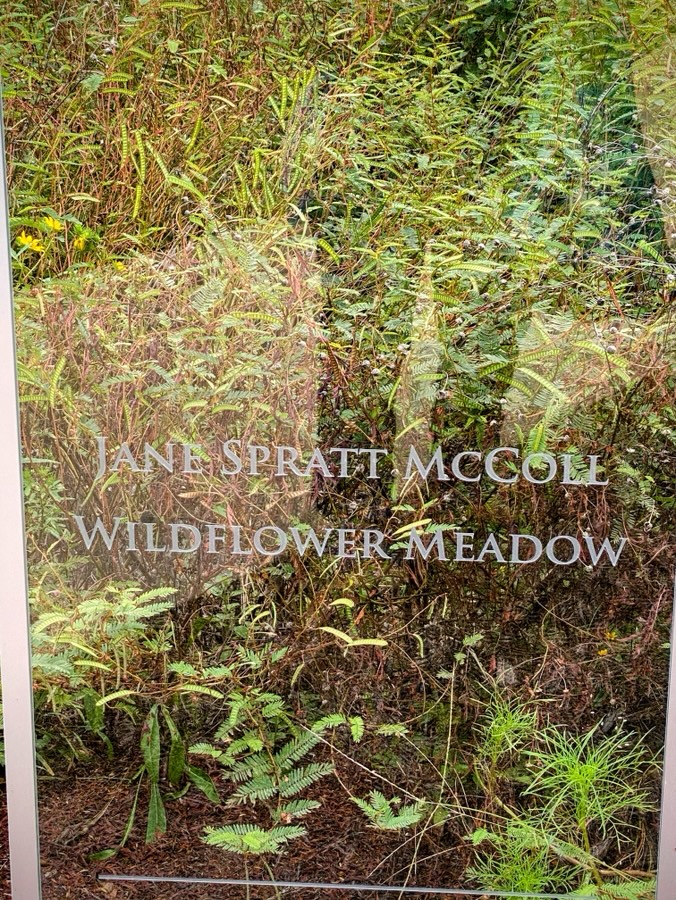
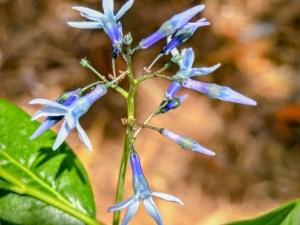
The Farmhouse Garden Center is located at The Village at Stowe, a part of the Daniel Stowe Conservancy. It is more than just a Garden shop, it is a delightfully warm and inviting destination for those who love and admire plants and flowers regardless of you are a home gardener or not. The flowers are beautiful and displays are enticing.
The Farmhouse Garden Daniel Stowe Conservancy Belmont, North Carolina
The Farmhouse offers educational opportunities such as workshops on wreath-making, floral arranging, gardening, and any and all other aspect related to plant care.
For more information about Thursday Trios check out Mama Cormier’s page by clicking here.
Camera: Canon EOS Rebel T3i with Canon EF-S55-250mm lens and Altura UV & CPL filter attachments.
Location: The Farmhouse Garden Center; Daniel Stowe Conservancy; Belmont, North Carolina, USA
God Bless. Enjoy the rest of your week and have a marvelous weekend. Take time to admire the flowers wherever you may wander. Thank you for visiting and sharing your time and thoughts with us. I appreciate y’all very much.
Location:The Center; Town of Cramerton, North Carolina, USA
God Bless. Have a wonderful week. Take time to admire the beautiful flowers. Thank you for visiting and sharing your time and thoughts with us. I appreciate y’all very much.
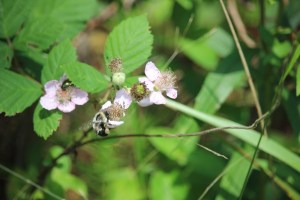
Walking along the Pathway parallel to the Big Pond we spotted the BlackberryFlowers. Coleman notices them quicker than I do, he really likes it if they have ripe blackberries on the vines.
Aka European Blackberry
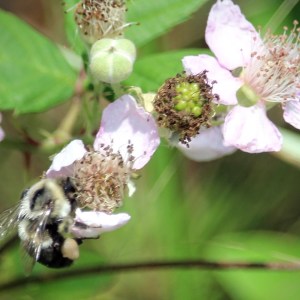
Getting a closer look we noticed the bee foraging the nectar from the flowers.
Aka Himalayan Blackberry
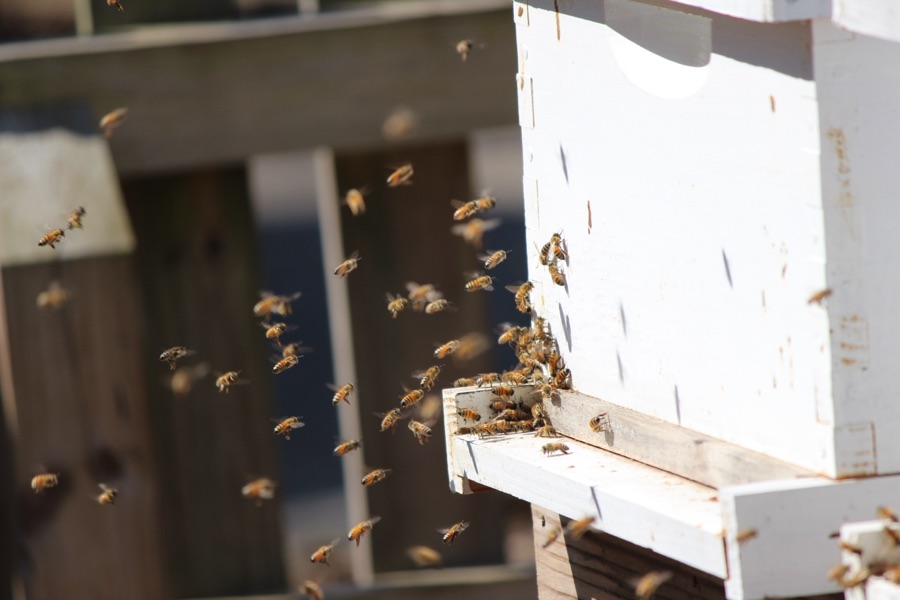
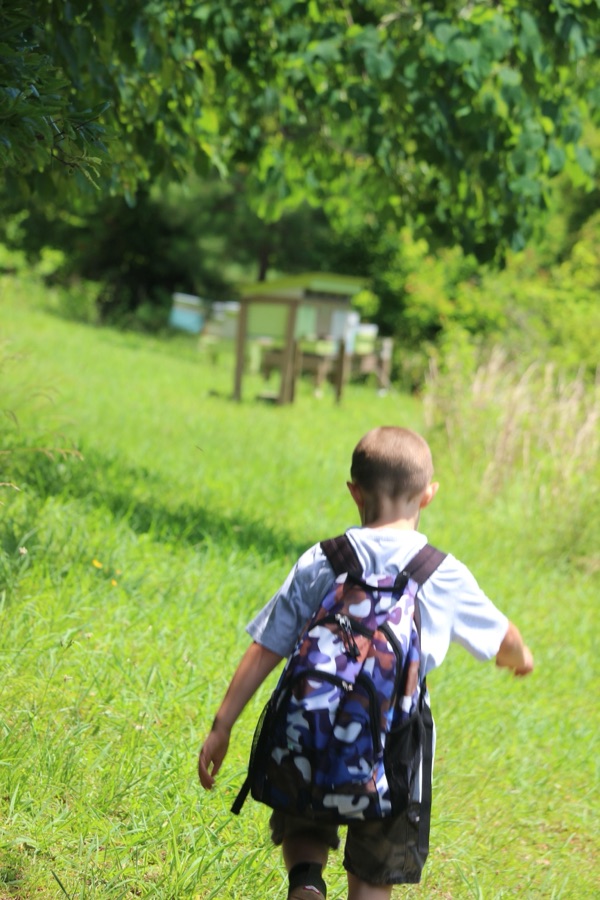
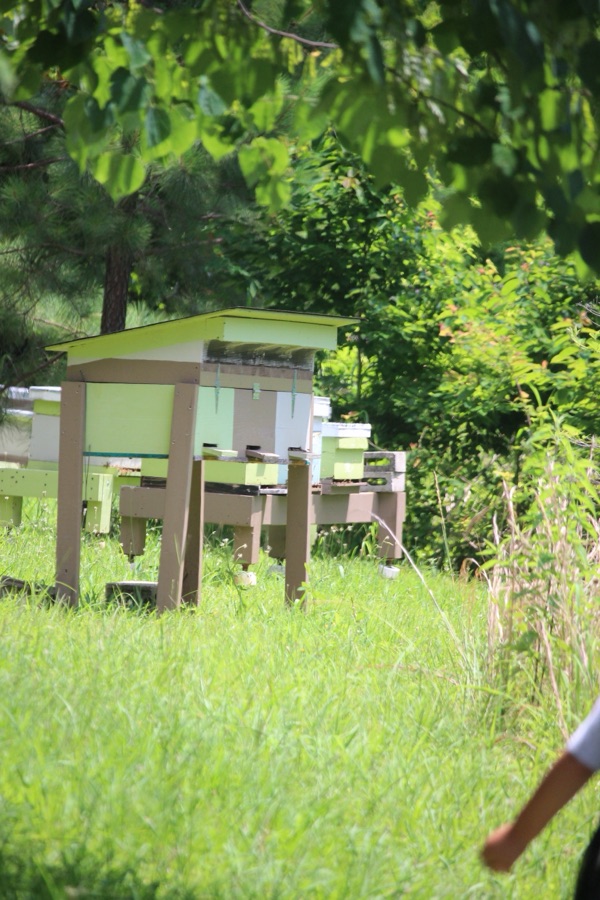
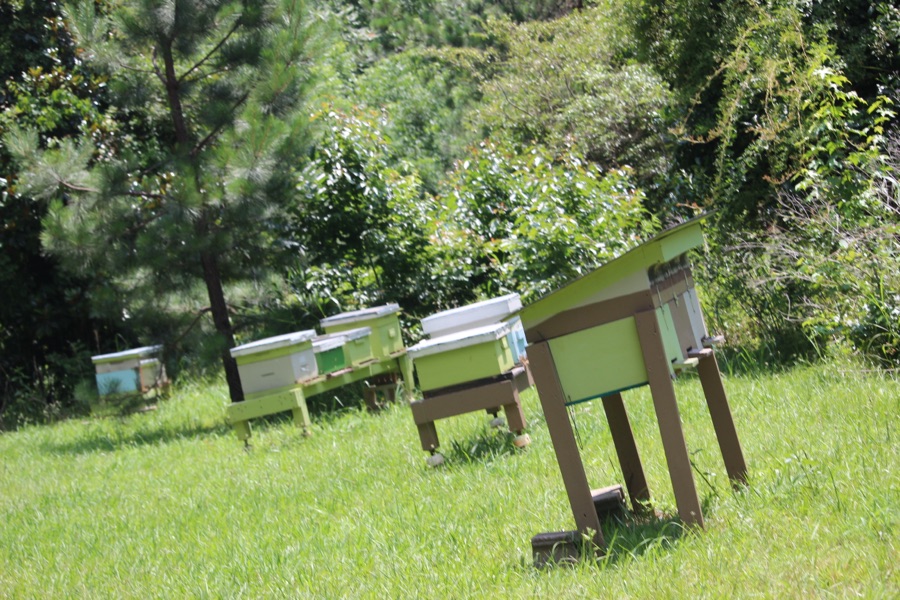
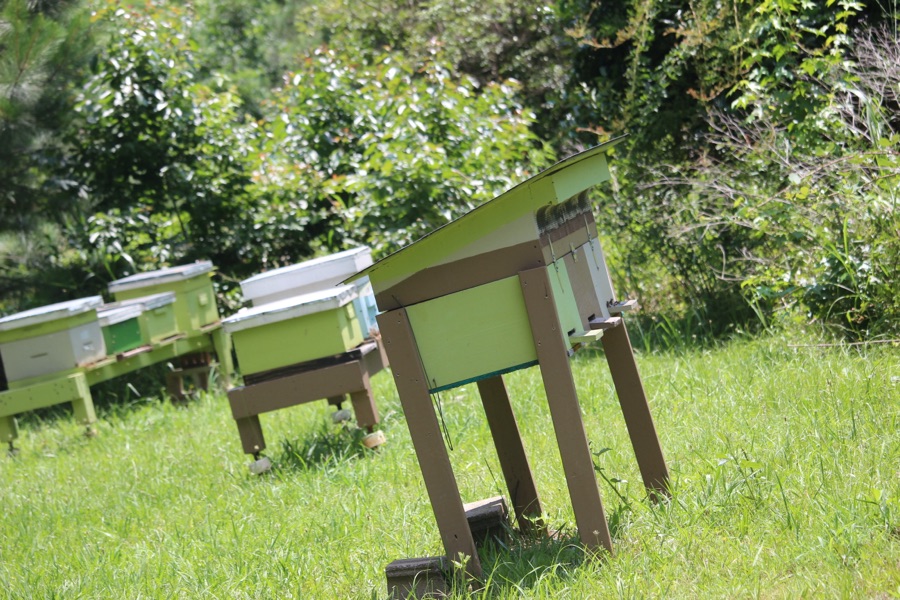
A little further down the pathway Coleman noticed some box-like structures through the grassy opening. As curious as he is he naturally wandered into the grassy opening to investigate the structures. After closer examination he informed me that they were Beehives.
Coleman walking towards the Bee Hives
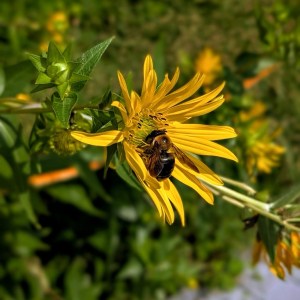
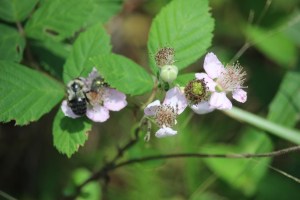
Aka Common Eastern Bumblebee +Blackberry Flowers
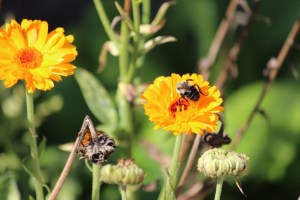
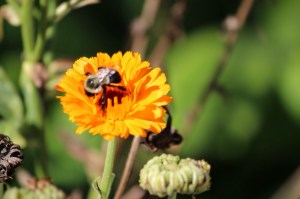
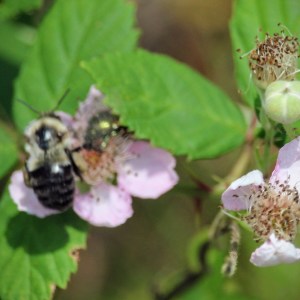
After checking out the Beehives from a safe distance, we walked back towards The Trailhead Store hiking past the Himalayan Blackberry Flowers. Noticing more than just the flowers, I zoomed in to examine what was feasting on its nectar. Then I noticed not only the Common Eastern Bumblebee, but also the Cetonia aurata, which is called the rose chafer or the green rose chafer.
Aka Common Eastern Bumblebee +Himalayan Blackberry Flowers
Two for one foraging on the European Blackberry flowers. Think it’s nice that different species can share their delicacies.
Camera: Canon EOS Rebel T3i with Canon EF-S55-250mm lens and Altura UV & CPL filter attachments.
Location: The Trailhead Store Pathway; The Village at Stowe; Belmont, North Carolina, USA
God Bless. Enjoy Nature. Admire its beauty and intricacies. Thank you for visiting and sharing your time and thoughts with us. I appreciate y’all very much.
Camera: Canon EOS Rebel T3i with Canon EF-S55-250mm lens and Altura UV & CPL filter attachments.
Location: The Farmhouse Garden Center; The Village at Stowe; Daniel Stowe Conservancy; Belmont, North Carolina, USA
God Bless. Enjoy the Outdoors. Visit a Garden. Admire Nature’s beauty. Thank you for visiting and sharing your time and thoughts with us. I appreciate y’all very much.
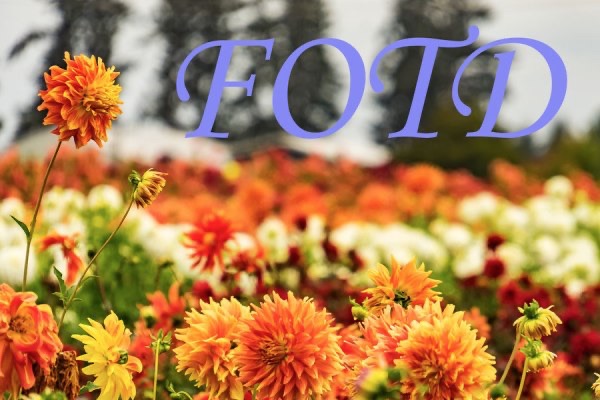
Camera: Canon EOS Rebel T3i with Canon EF-S55-250mm lens and Altura UV & CPL filter attachments.
Location: The Farmhouse Garden Center; Daniel Stowe Conservancy; Belmont, North Carolina, USA
God Bless. Stop and admire the Flowers. Enjoy Nature’s Beautiful Creations. Thank you for visiting and sharing your time and thoughts with us. I appreciate y’all very much.
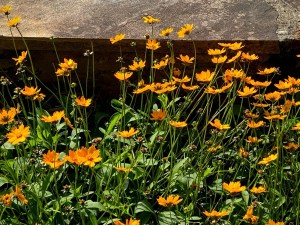
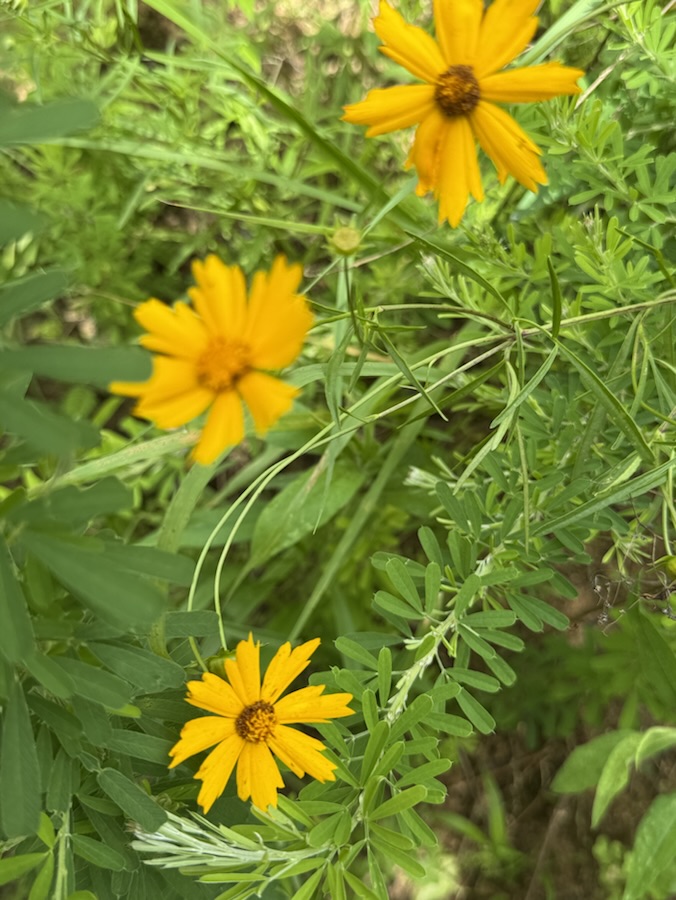
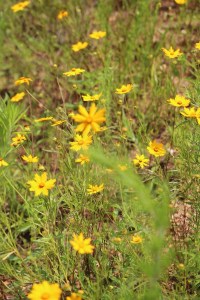
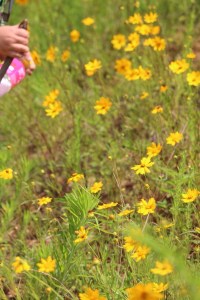
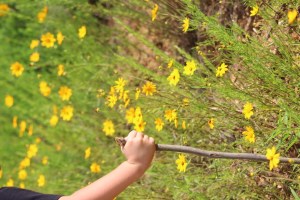
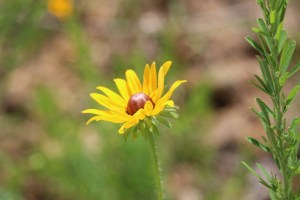
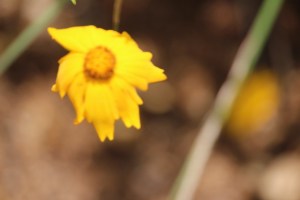
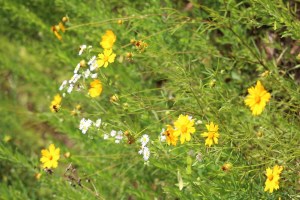
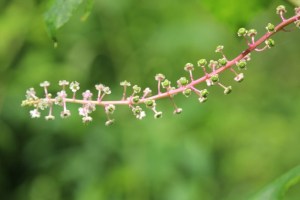
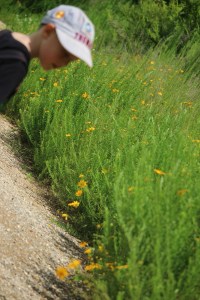
I’m a few days behind, but it’s still Springtime. While Coleman and I were on our long (just shy of 5 miles) hike on Saturday we noticed a few sections of the trail lined with beautiful Wildflowers.
Here are my Wildflower contributions …
Wildflowers on our Hike for National Trail Day June 07, 2025
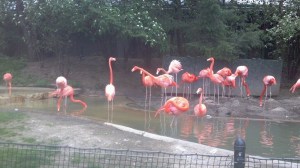
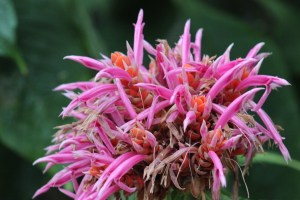
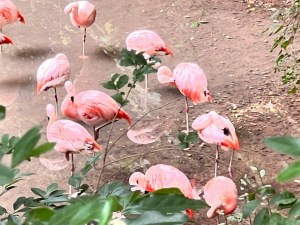
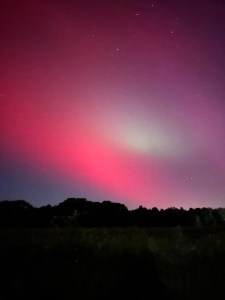
Terri from Second Wind Leisure Perspectives has given the challenge of showing #Pink in the Outdoors for this week’s Monthly Color Challenge.
Here are my entries for the Monthly Color Challenge. They are mostly outdoor #Pinks, I did include a few indoor #Pinks though.
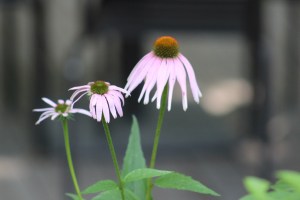
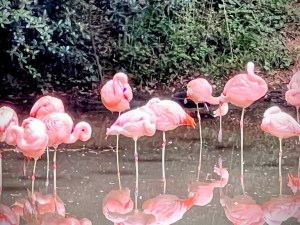
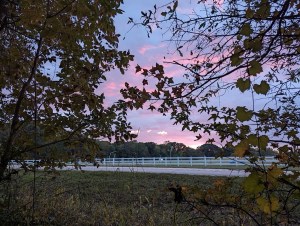
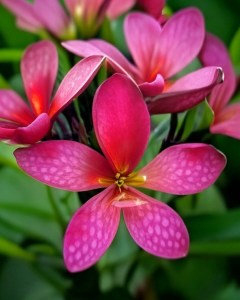
Pink in the SkyPink Rose Flamingos Greenville Zoo Greenville, SCBabyLand General Hospital Aurora BorealisAphelandra sinclairiana, Aka Coral Aphelandra, Panama QueenGreenville Zoo Greenville, SCBabyLand General Hospital Cleveland , Georgia Aurora BorealisEchinacea purpureaGreenville Zoo Greenville, SCBabyLand General Hospital Cleveland , GeorgiaBeautiful Pink SkyPlumeria rubraAlona 2013No One Should Fight Alone Breast Cancer Awareness
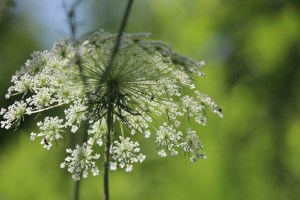
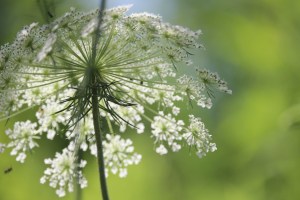
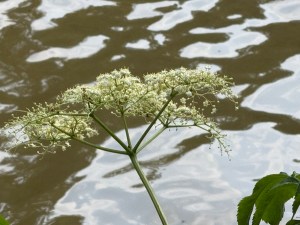
Also Known as Bee’s Nest-Plant; Bird’s-Nest; Devil’s Plague; Queen Anne’s Lace; and Wild Carrot
Queen Anne’s Lace is a summer biennial wildflower from the Apiaceae (carrot) family. In some states it is considered invasive. It has naturalized in many states and can be found in sun to partial shade along roadsides, old fields, and waste places. In our area of North Carolina Queen Anne’s Lace can be found along trails, in wooded areas, and near the Catawba River.
The 2 to 4 foot tall umbels of white flowers appear in its second year of growth from mid-summer to mid-fall and have a lacy look. The basal rosette consists of 5-inch long arching leaves with a few leaves occurring alternately up the main stem.
Instead of looking straight at these flowers I chose to shot them looking up at them from underneath for a unique perspective.
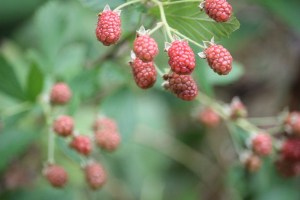
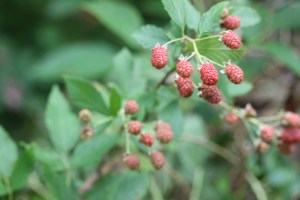
Caneberries are a group of berries which includes Blackberries, Raspberries, Boysenberries, Loganberries,and a few more varieties. Caneberries grow on tough, woody stems called canes. They are a part of the Rosaceae family and are also known as bramble berries. Caneberries are aggregate fruits, which means that they are made up of many clusters of individual drupelets. They thrive in cool, moist climates.
They are popular for their nutritional value and can be used in various culinary applications. Caneberry harvest typically occurs from June through August.
Caneberries are grouped by four plant characteristics: 1) growth habit (trailing, semi-erect, or erect); 2) fruiting habit (primocane or floricane); 3) presence or absence of thorns (thorny or thornless); and 4) fruit color (raspberries only).
These particular Caneberries are semi-erect; growing upright in the beginning and bending over to trail along the ground if not supported. In the Southern region of the United States, blackberries and raspberries benefit from a trellis for commercial production.
Caneberries are a good source of fiber, vitamins, and minerals. Caneberries can be enjoyed fresh, frozen, or used in jams, cobblers, ice cream, and other dishes. When they are ripe they can be eaten straight from the plant, which Coleman would have loved to do on our latest hike. Unfortunately for him, they were not ripe yet.
Camera: Canon EOS Rebel T3i with Canon EF-S55-250mm lens and Altura UV & CPL filter attachments
Location: South Fork Trail; River Link Greenway; Goat Island Park and Greenway; Cramerton, North Carolina, USA
God Bless. Have a fantastic week. Enjoy Nature. Capture its beauty. Thank you for visiting and sharing your time and thoughts with us. I appreciate y’all very much.

Yesterday, after talking a long hike along the South Fork River Trail we stopped in Confluence for a bit of respite and to cool off from the high humidity. Luckily it didn’t rain until after we arrived back home.
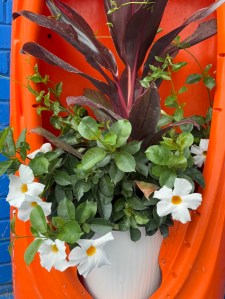
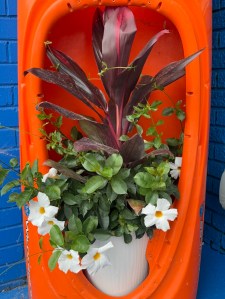
Sun Parasol® White Mandevilla
On display to the left of the entrance is a Kayak. Normally, it is just the kayak … no decoration inside of it. We found it to hold a pot of White Mandevilla which drew our attention to the beautiful flowers.
Location: Out Front; Confluence; Center Street; Cramerton, North Carolina, USA
God Bless. Take Care. Be Observant. Admire the beauty all around. Thank you for visiting and sharing your time and thoughts with us. I appreciate y’all very much.
Location: Old Town; Riverside Community; Cramerton, North Carolina, USA
God Bless. Take time to admire the beauty of God’s creations. Observe the Flowers, how they grow and blossom. Thank you for visiting and sharing your time and thoughts with us. I appreciate y’all very much.
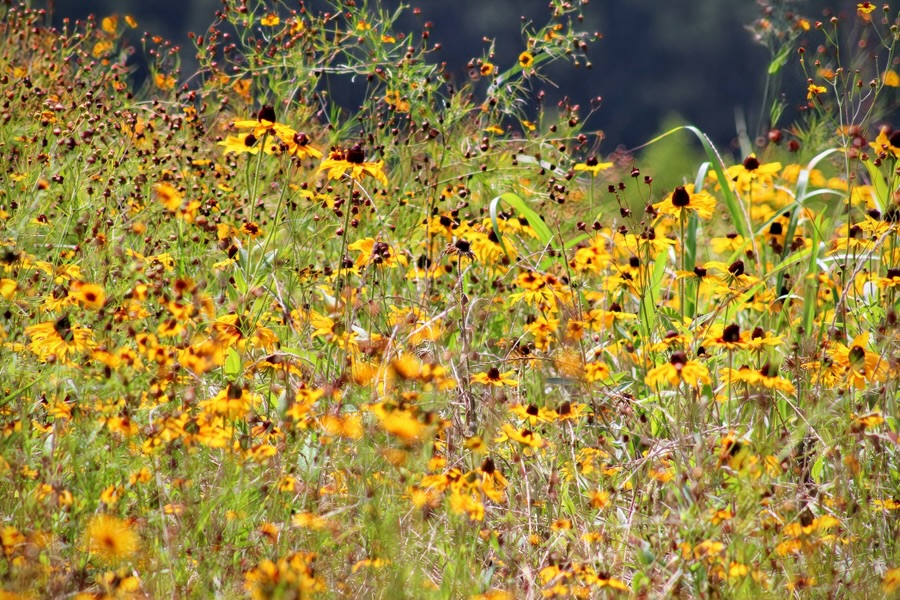
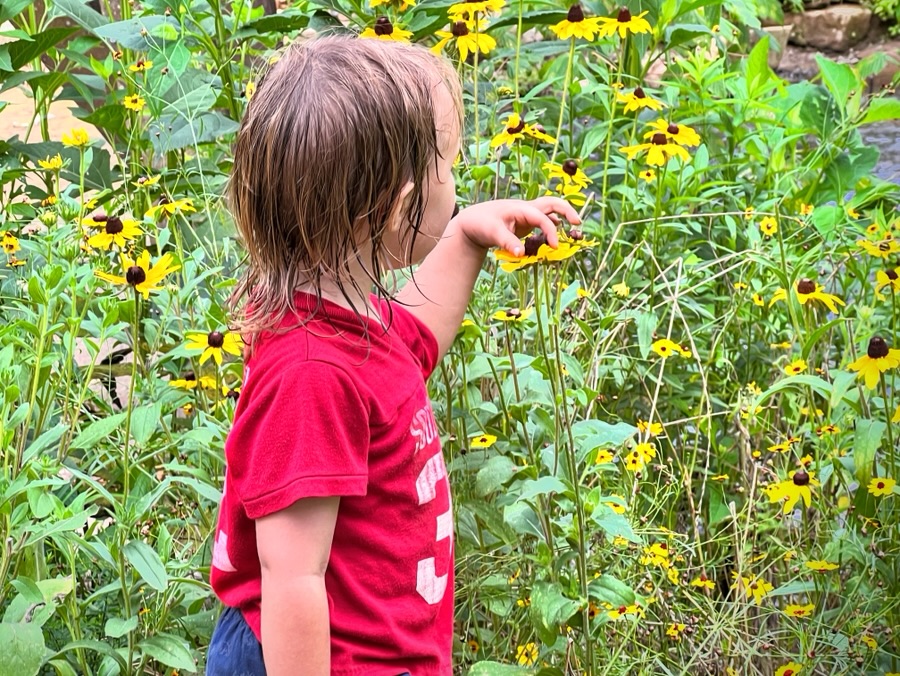
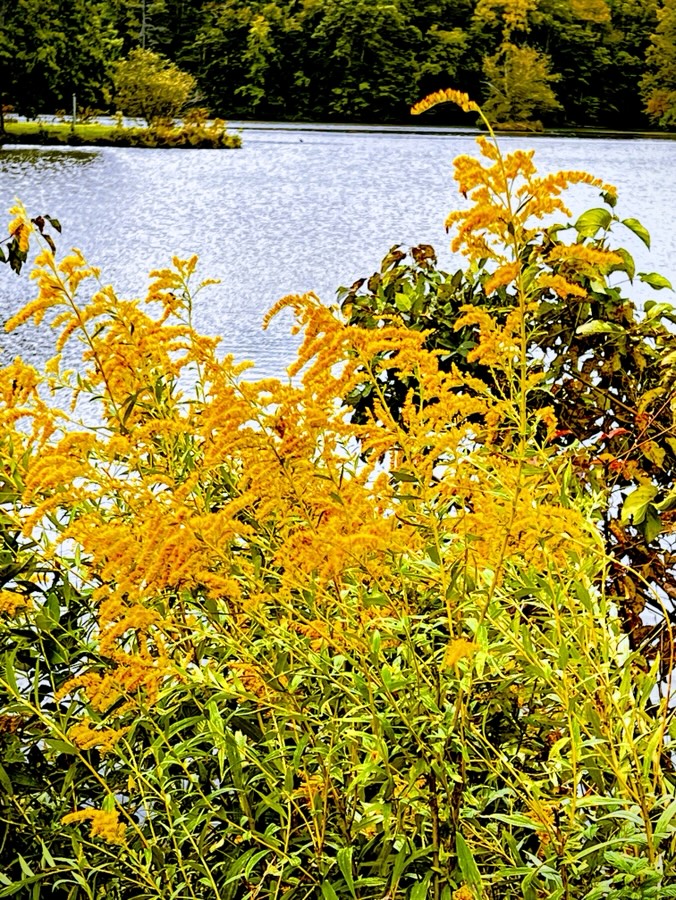
Wild for Wildflowers, regardless if they are along a walkway, beside the road, or in a Wildflower Garden or Meadow. Flowers are beautiful wherever they blossom.
Here are a few we have captured over the past few years.
Aka Eastern Bluestar, Blue Dogbane, Willow Amsonia, Woodland Bluestar
The Eastern Bluestar, of the Dogbane family, is a 1-3 ft., erect-stemmed perennialforming large, multi-stemmed clumps. The smooth stems are crowded with narrow, oval leaves which turn golden-yellow in the fall. The rim of the Blue, tubular flowers flare out into a star-shape, appear in loosely conjested clusters at the tips of the stems. These flowers grow in wet to moist and sandy soiled areas. The Blue Star’s growth has naturalized northeast as far as Massachusetts. However, its primary habitat is the southeastern and eastern regions of the United States.
Location: Crandall Bowles Children’s Farm; Greenway Stables Entrance; Anne Springs Close Greenway; Fort Mill, South Carolina, USA
God Bless. Have a wonderful week. Stay safe and dry. Thank you for visiting and sharing your time and thoughts with us. I appreciate y’all very much.
[Just a side note: when I typed in made of glass for Dan’s CFFC this flower popped up in the selected images. So I took it as a sign to use it for Cee’s FOTD.]
Location: Old Town; Riverside Community; Cramerton, North Carolina, USA
God Bless. Stop and Admire the Flowers. Enjoy Nature’s Beauty. Thank you for visiting and sharing your time and thoughts with us. I appreciate y’all very much.
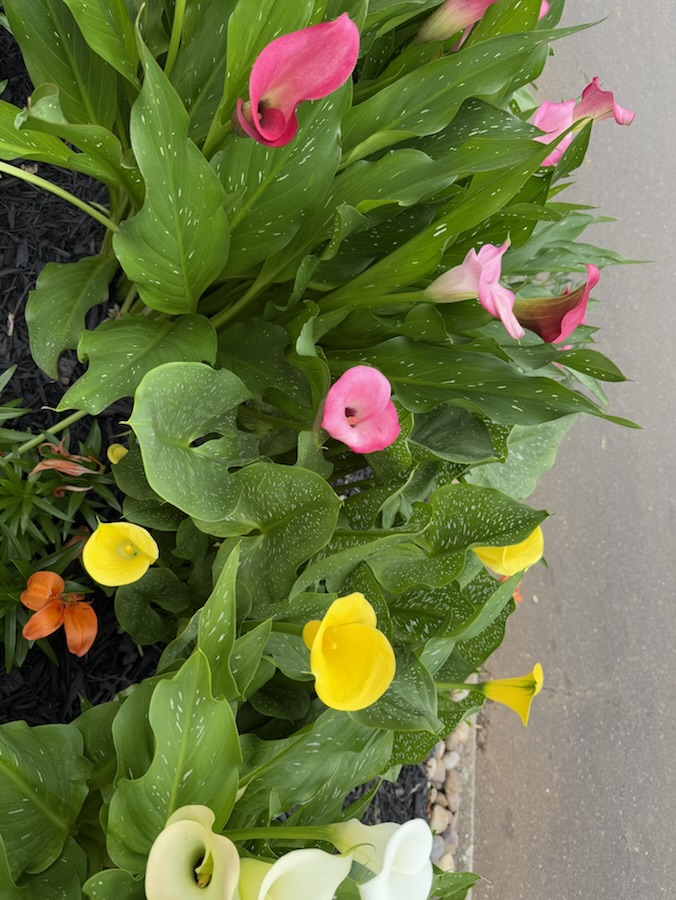
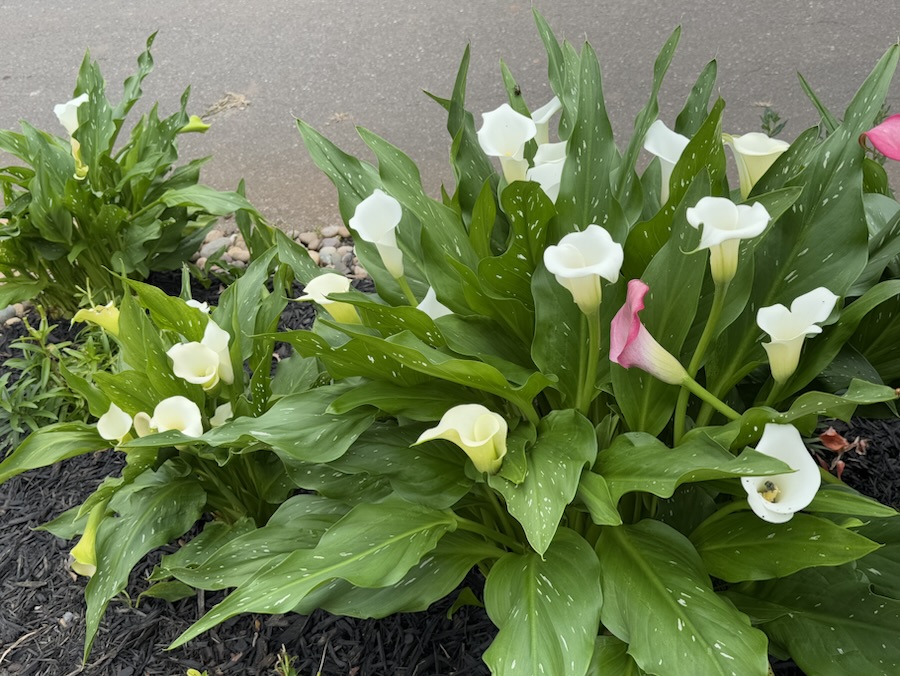
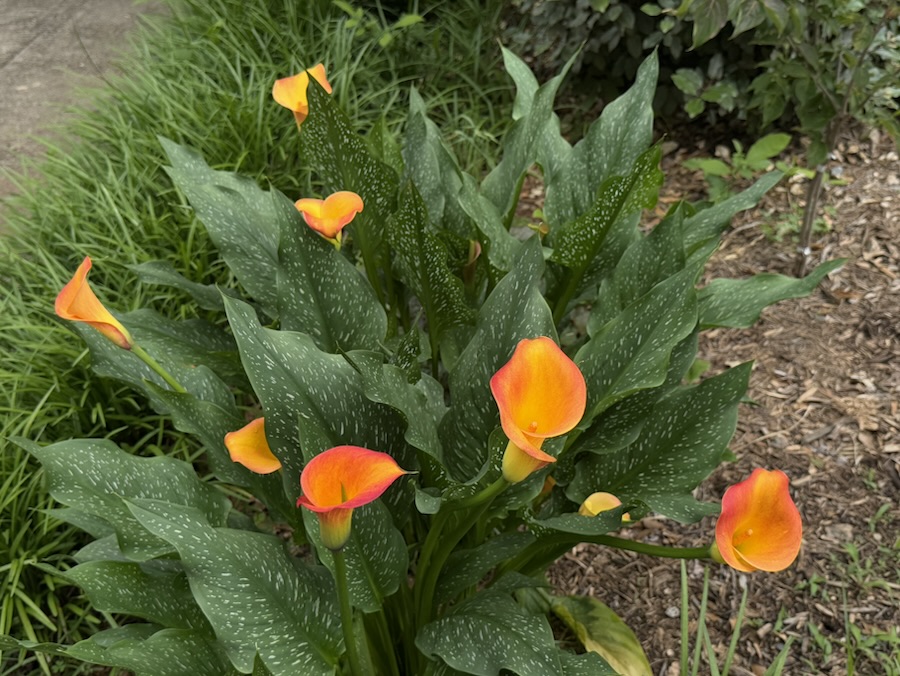
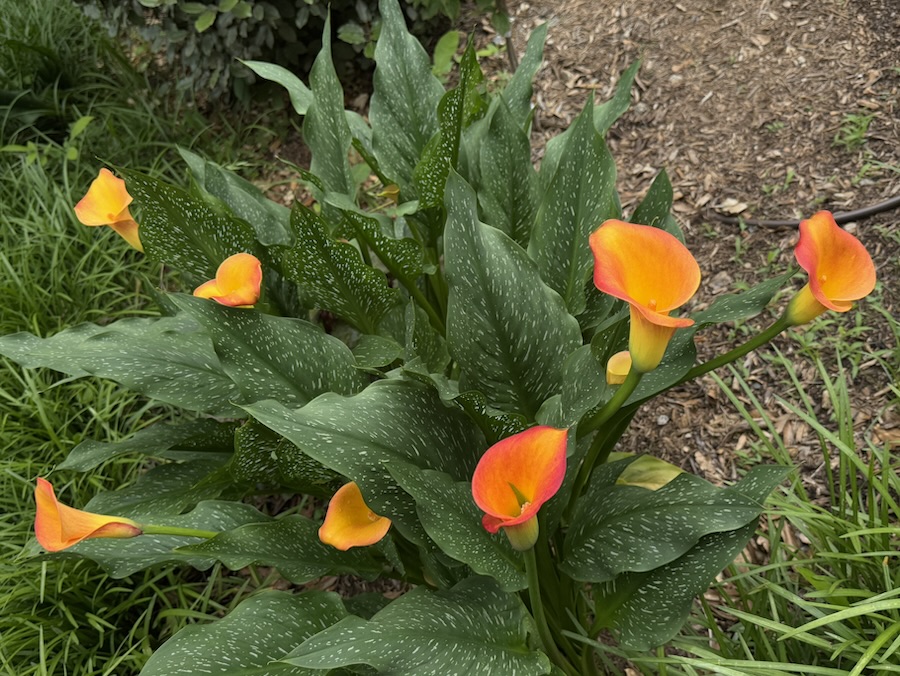
Welcome to my Week #9 Floral contribution to Dawn’s Spring Festival. This week I am displaying Calla Lilies at various stages from my neighbours garden. Coleman stops by their garden every day on the way to and from the school bus to see which flowers have blossomed from one day to the next.
Zantedeschia, (Calla Lilies) is the sole genus in the tribe Zantedeschieae in a 1997 classification of the Araceae. There are currently eight (8) recognized species. Portrayed here are the White, Yellow, and Pink Calla Lilies.
They are herbaceous, bulbous perennials with long, arrow-shaped leaves; some species have leaves with beautiful, window-like translucent spots. The uniquely shaped flower heads, consisting of small flowers in a spadix surrounded by a spathe, make great cut flowers. The spathe is usually white or green, but cultivars exist with yellow, pink, red, and purple hues. They bloom from late spring to early summer.
Calla Lilies can be grown in pots or in the ground. These images are of Calla Lilies grown in a small garden. ‘Calla lily’ is a member of the Arum family and is poisonous if eaten.
Calla lilies generally prefer full sun to partial shade, with full sun being ideal for cooler regions and partial shade being more suitable for warmer areas. They are perennial plants which may grow back every year and continue to produce beautiful blooms under the right conditions.
Calla Lilies may multiply spreading through their underground rhizomes, which develop additional growth buds and can be divided to create new plants. These particular Calla Lilies have been divided and multiplied continuously over time.
Location: Old Town; Riverside Community; Cramerton, North Carolina, USA
God Bless. Admire the flowers, watch them grow and bloom. Nature is a beautiful artist painting amazingly beautiful flowers and beautifully colourful landscapes. Thank you for visiting and sharing your time and thoughts with us. I appreciate y’all very much.
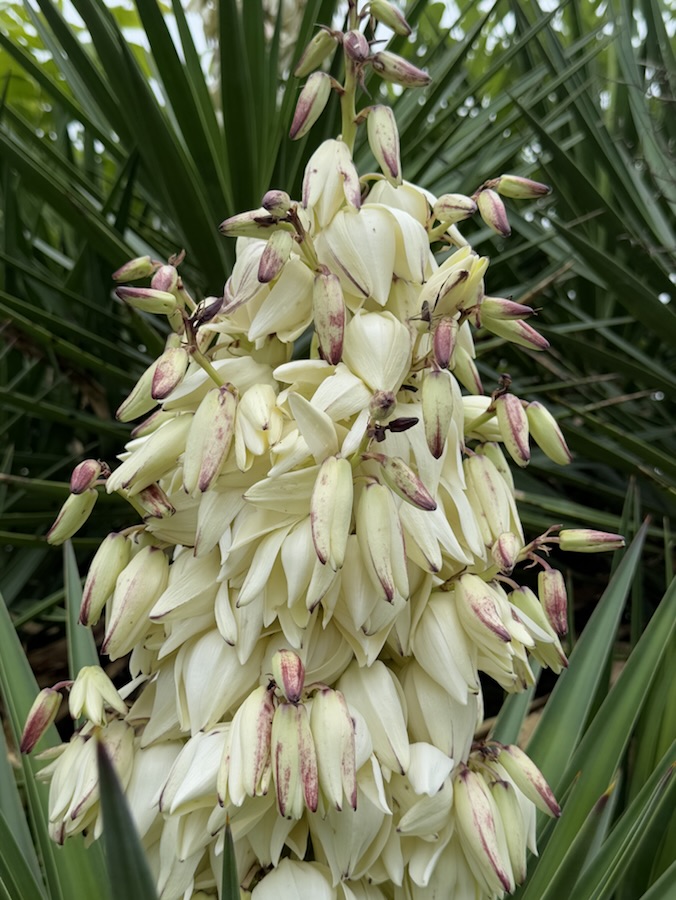
The Yucca Gloriosa, also known as Spanish Dagger, is a native evergreen yucca in the southeast USA on the coasts of North Carolina south to Florida. [This plant is in the Piedmont region of North Carolina.] It grows as a shrub or small tree and can grow up to 16 feet tall but is relatively slow-growing.
Yucca gloriosa
The leaves are in a basal rosette on younger plants and are sword-shaped with sharp tips. Eventually, it will develop a woody trunk with a more tree-like form. [This particular Yucca plant is a shrub with bayonet like leaves which are crowded in the lower area and spread outwards at the top. The plant is heat, humidity, drought and salt tolerant and can tolerate some cold and snow.
TheYucca gloriosa(Spanish Dagger) attracts the Yucca moth (Tegeticula yuccasella) for pollination as well as the larva feeding on the seeds. It is said that the Yucca plant flowers also attracts bees and hummingbirds, however, I have not seen them around it as of yet.
Camera: 1-2) Apple iPhone 16 Pro Max; 3) Apple iPhone 14 Pro Max
Location: Old Town; Riverside Community; Cramerton, North Carolina, USA
God Bless. Stop and enjoy the flowers. Have a lovely day. Thank you for visiting and sharing your time and thoughts with us. I appreciate y’all very much.
Camera: Canon EOS Rebel T3i with Canon EF-S55-250mm lens and Altura UV filter attachment.
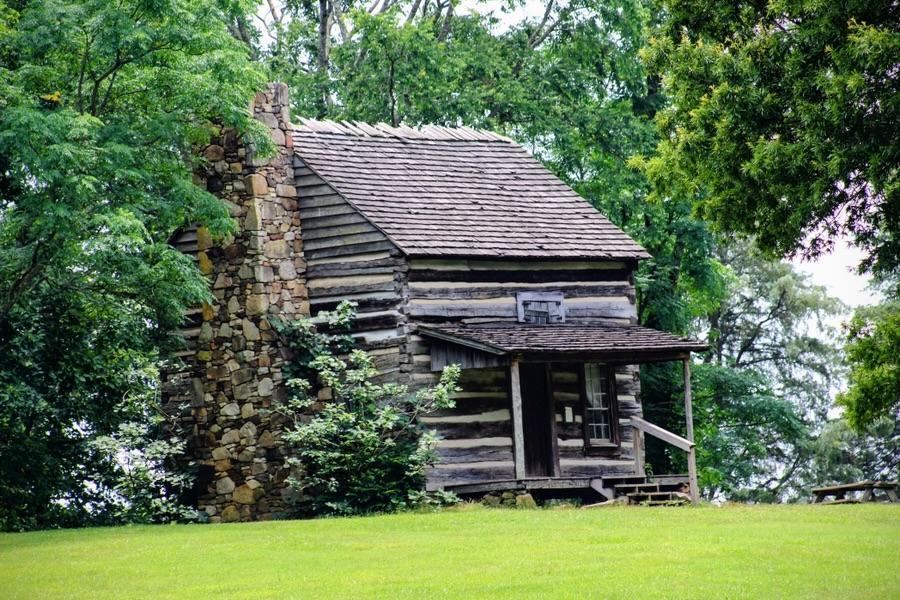
Location: Centennial Center; Downtown; Town of Cramerton; Cramerton, North Carolina, USA
God Bless. Happy Mother’s Day to all the Mothers and those as close as a Mother, and those soon to be Mothers. Treasure your family and remember the Mothers who only remain in our hearts. Thank you for visiting and sharing your time and thoughts with us. I appreciate y’all very much.