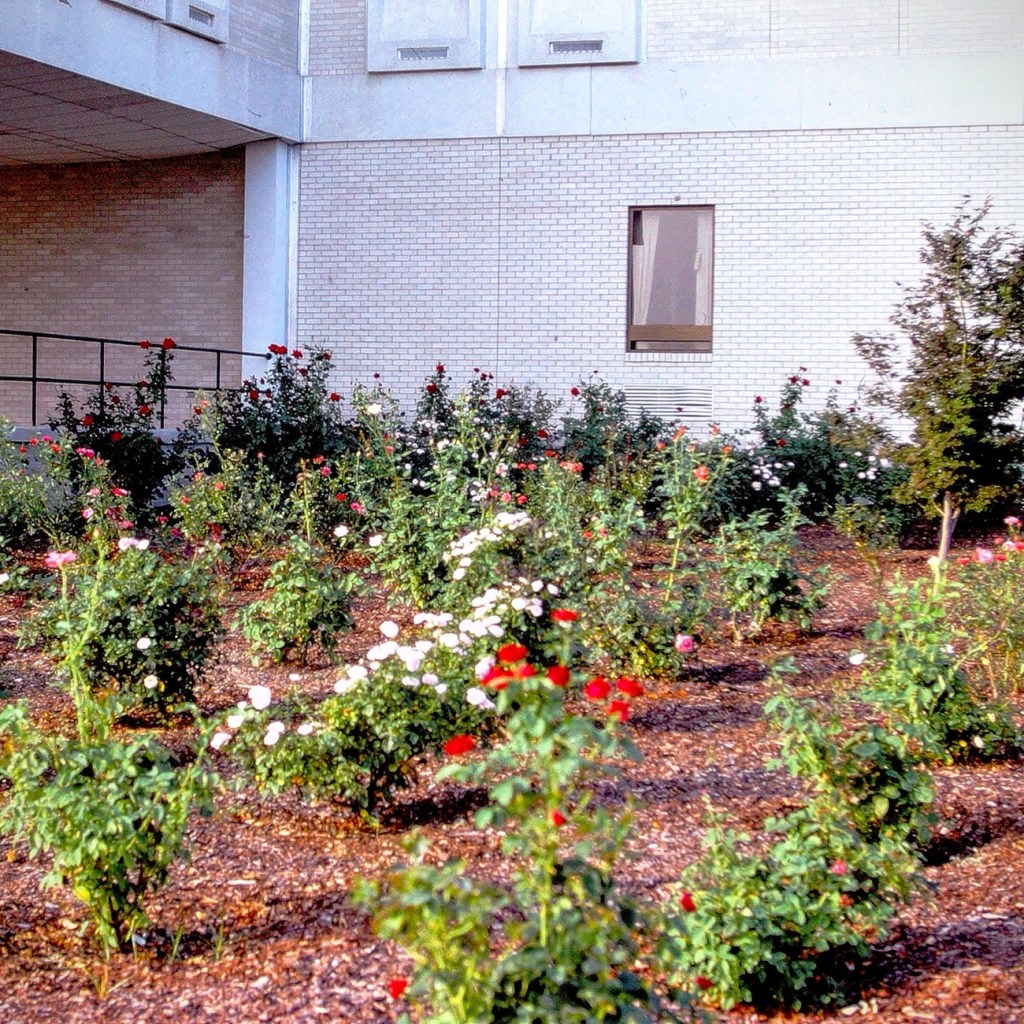
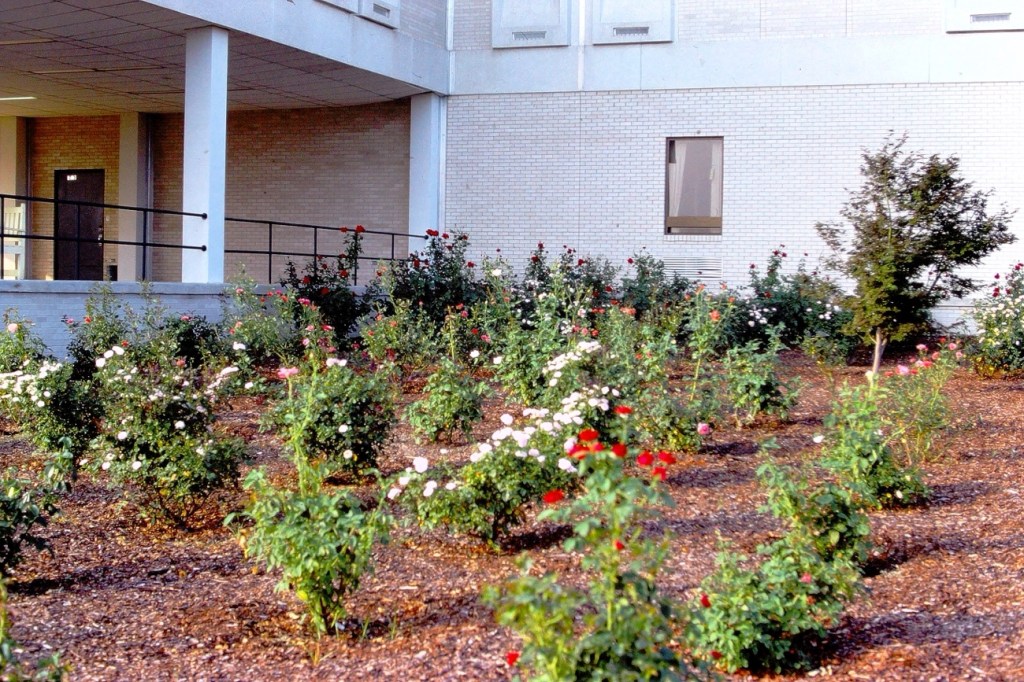
This DSS facility, the County Courthouse, Sheriff’s Office, and County Jail were all designed by Stewart-Cooper-Newell Architects and were constructed simultaneously. These facilities firm the Gaston County Governmental Complex.
The Department of Social Services facility is approximately 127,890 square feet and contains all the Social Services offices and functions which were previously scattered throughout Gaston County.
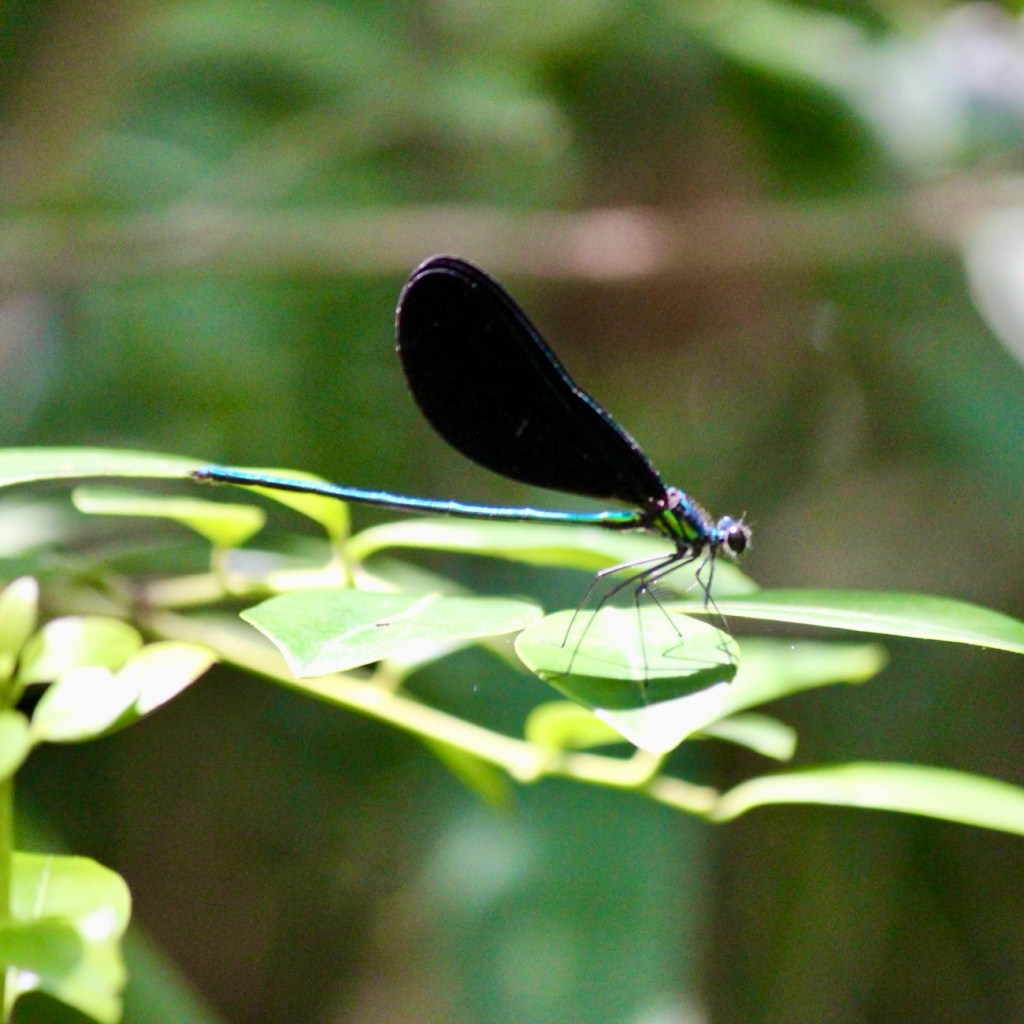
Ebony Jewelwing (Calopteryx maculata) AKA Black-winged Damselfly June 2017 on Canon EOS Rebel T3i Sesquicentennial State Park Columbia, South Carolina
Dos (Two, 2):
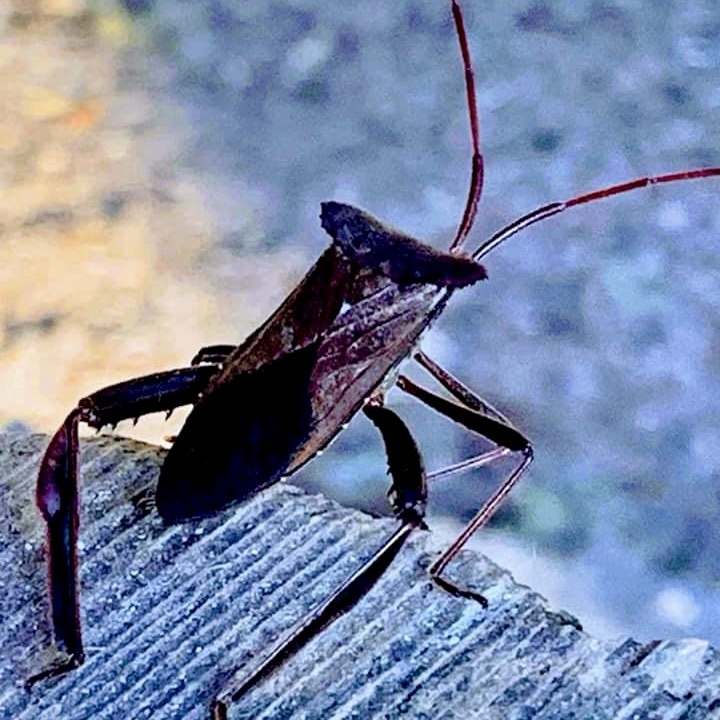
Acanthocephala Declivis Giant Leaf-footed Bug Anne Springs Close Greenway Fort Mill, South Carolina
Tres (Three, 3):
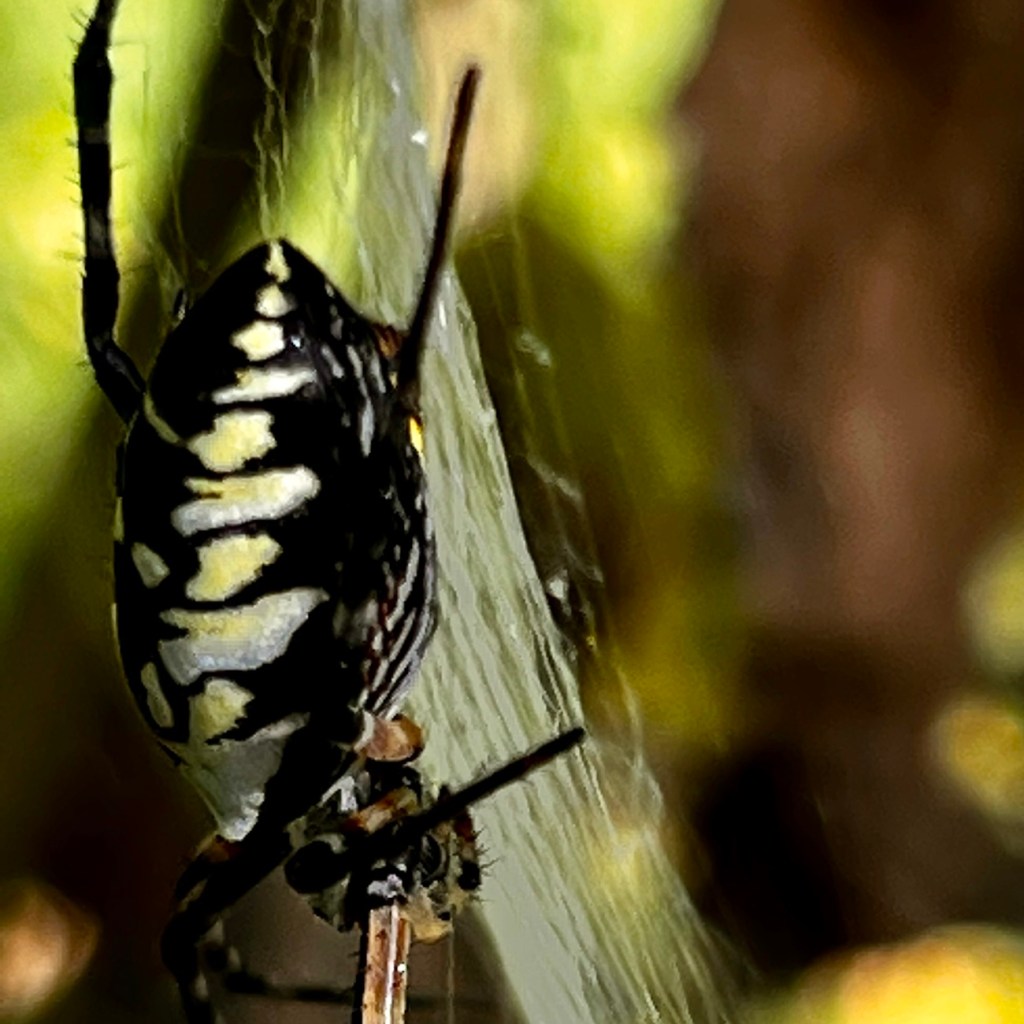
Argiope aurantia AKAyellow garden spider, Black and Yellow Garden Spider Apple iPhone 13 Pro Anne Springs Close Greenway Fort Mill, South Carolina
Cuatro (Four, 4):
Melanoplus differentialis Differential grasshopper Apple iPhone 13 Pro Anne Springs Close Greenway Fort Mill, South Carolina
Cinco (Five, 5):
Libellula luctuosa Widow skimmer Species of dragonfly July (7) 2023 Canon EOS Rebel T3i Lake Haigler Anne Springs Close Greenway Fort Mill, South Carolina
Seis (Six, 6):
iPhone 14 Pro MaxCanon EOS Rebel T3iEastern Carpenter Bees The Schiele Museum of Natural History Gastonia, North Carolina
Siete (Seven, 7):
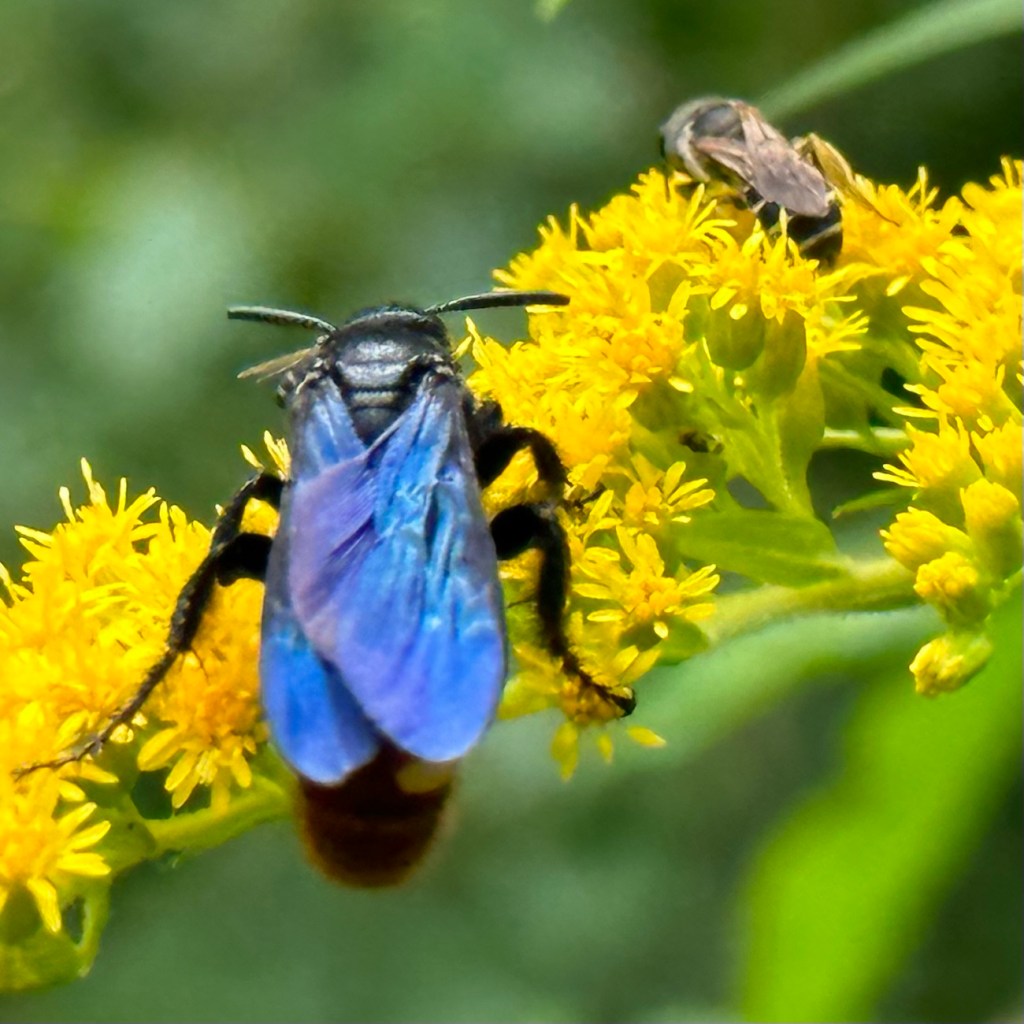
Scolia dubia AKA Two-spotted Scoliid Wasp or a Blue-winged Scoliid Wasp & Megachile montivaga Silver -tailed Petalcutter Bee Apple iPhone 14 Pro Max Warlick Family YMCA Gastonia, North Carolina
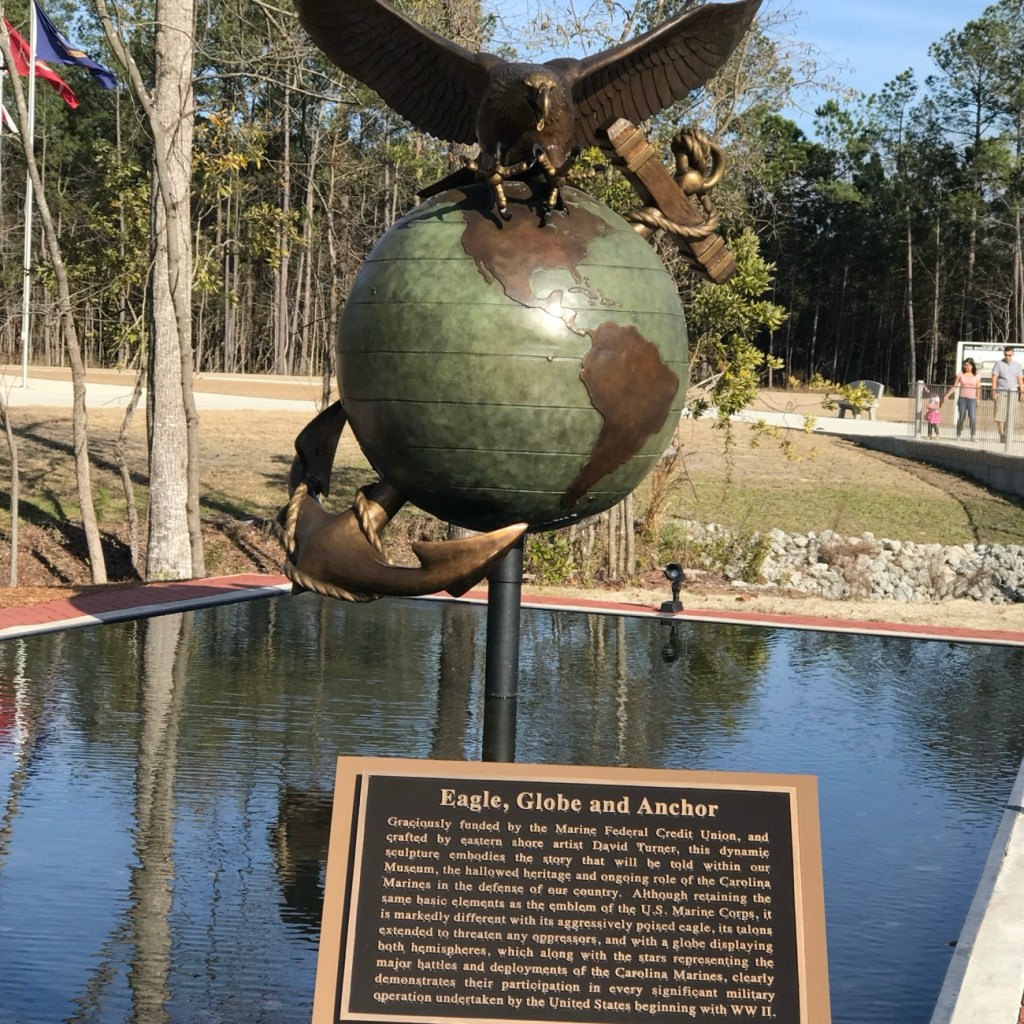
Looking back to a trip I took seven years ago to Jacksonville, North Carolina; I visited with my sons. My eldest son, John and I toured the Lejeune Memorial Gardens on February 2017. The Lejeune Memorial Gardens honors those who serve our country and is a place to gather to remember those who have given the greatest sacrifice for our freedom. It is home to the Beirut Memorial, the Onslow Vietnam Veterans Memorial, the Montford Point Marine Memorial, and 9/11 Memorial Beam from the World Trade Center.
Beirut Memorial Taken at 3:47pm in February 2017 (Also was the 7th photo I took at the Gardens)Eagle, Globe and Anchor Sculpture at Lejeune Memorial Gardens Taken at 3:27pm in February 2017.
Whenever I visit Veterans Memorial Gardens I reflect on the men and women in my family who have served in the United States Armed Services. I thank God for their services and sacrifices they made to ensure the Freedom I am so freely able to enjoy today.
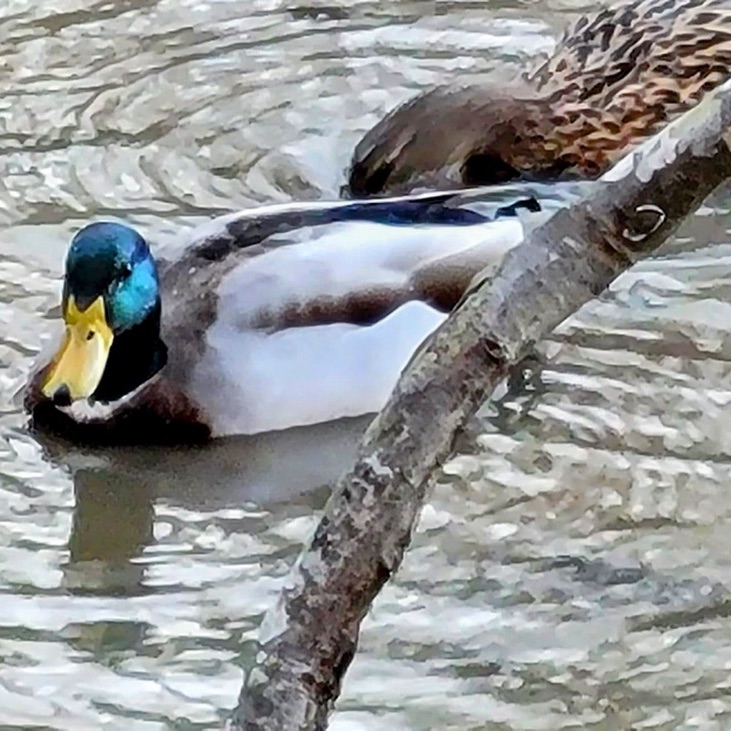
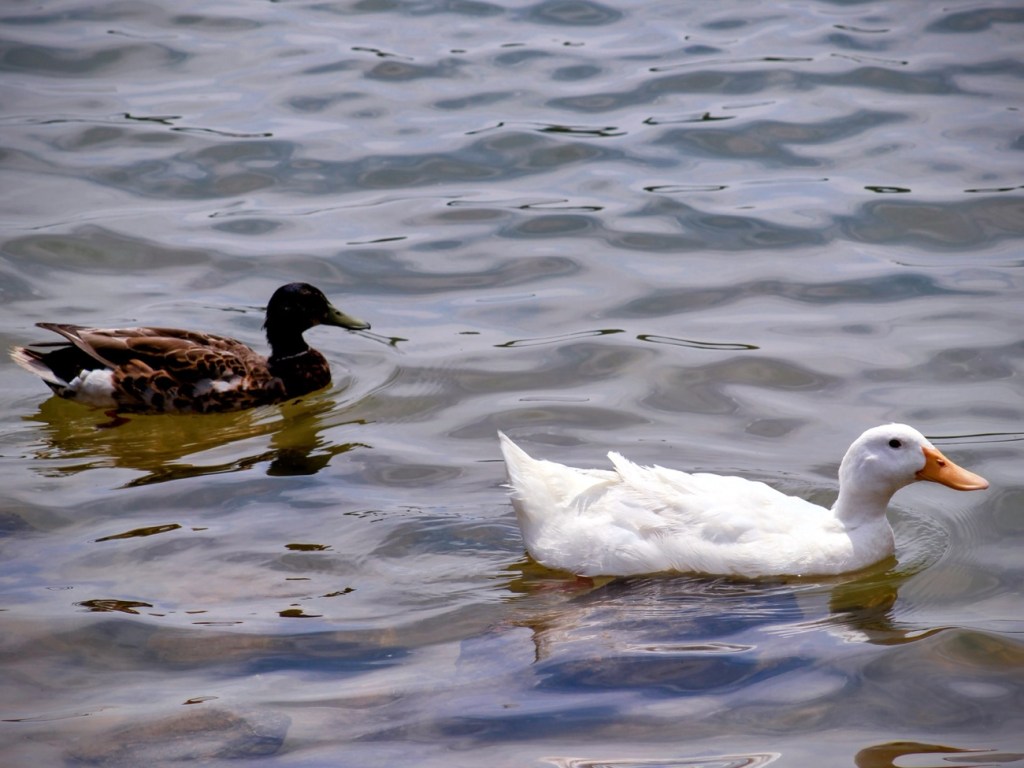
The Anas platyrhynchos is commonly known as Mallard or wild duck. The males (also called drakes) have green heads, while the females (called hens) have mainly brown speckled plumage.
The Mallard is approximately 50-65 centimeters (20-26 inches) long, the body making up the majority (about two-thirds) of their length. They are oftentimes slightly more heavier than the most othe dabbling ducks, weighing 0.7-1.6 kilograms (1.5-3.5 pounds).
Mallards live in wetlands, eat water plants and small animals, and are social animals preferring to congregate in groups or flocks of varying sizes. The Mallards shown here are quite commonly seen at Rankin Lake and other local lakes and parks in the vicinity.
They are a very adaptable species in that they are able to live and thrive in urban areas which may have supported more localised, sensitive species of waterfowl before development.
The name Mallard originally referred to any wild drake, and sometimes it is still associated in this way.
Mallards tend to frequently interbreed with their closest relatives in the genus Anas, which for example might be the American black duck. They might possibly interbreed with other species, such as the northern pintail or various hybrids that could be fertile.
In North America, Mallards winter in the south to southern United States and Northern Mexico. [The Mallards here were shot on camera in January, mid-winter for the southern United States.]
In summer, a combination of hot temperatures and reduced water levels place mallards at an increased risk of contracting botulism. Outbreaks of botulism among mallard populations can lead to mass die-offs.
Brian’s Busboys World is the host for Last on the Card requests us to share our last photo on our SD cards or on our phones for August 31 or whenever your last photo was taken. No editing — just however it came out in focus, blurry, or whatever it may be. No explanations necessary. Be sure to create a pingback to Brian’s post or leave a link in his comments. Be sure to tag your post with The Last Photo and #LastOnTheCard.
Becky has resumed her Square Challenge for September with the theme of Seven for September. It has been Seven (7) years since the first Squaring Challenge Adventures began, thus remembering the good times of Squaring for Seven.
I have not been Squaring for Seven years, however, I have enjoyed being apart of Becky’s Square Challenge. I will do my best with this new theme of Seven for September.
As Becky so cordially reminded us that September was originally the Seventh month of the year in the Roman calendar; it is fitting to see what everyone decides to post for Seven for September. September comes from the Latin word septem which means, you guessed it, seven.
Location:Huntersville, Mecklenburg County, North Carolina, USA
God Bless. Have a Sunny Square September Supercalifragilisticexpialidocious day. Thank you for sharing your time and thoughts with me. I appreciate y’all very much.
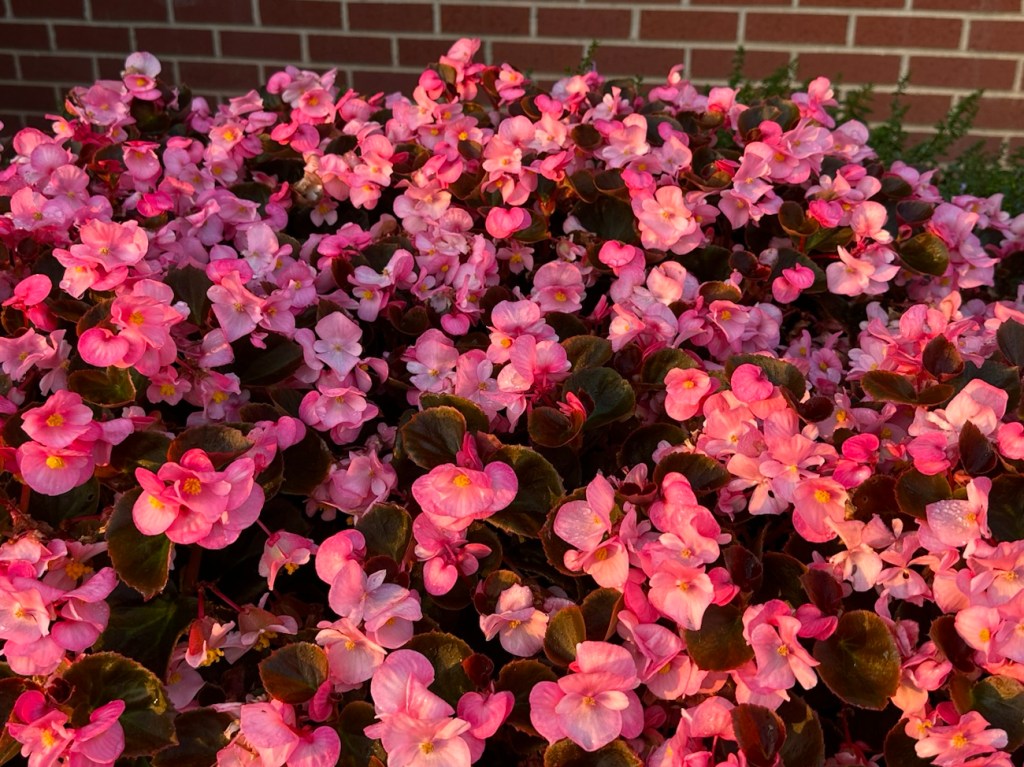
Begonias landscaped around the entrance to Harris Teeter (local grocery store).
Begonia cucullata are also known as clubbed begonia and wax begonia. When grown as groundcover, the flowers of the plant are red, pink, or white that bloom in summer or year-round in warmer places, and the fruits have three wings. [This time of year it is extremely hot here (I know it could be hotter) in the mid-nineties. These begonias thrive where we (Coleman and I) are overwhelmed by the extreme heat and are rolling in sweat just walking him to school and back home.
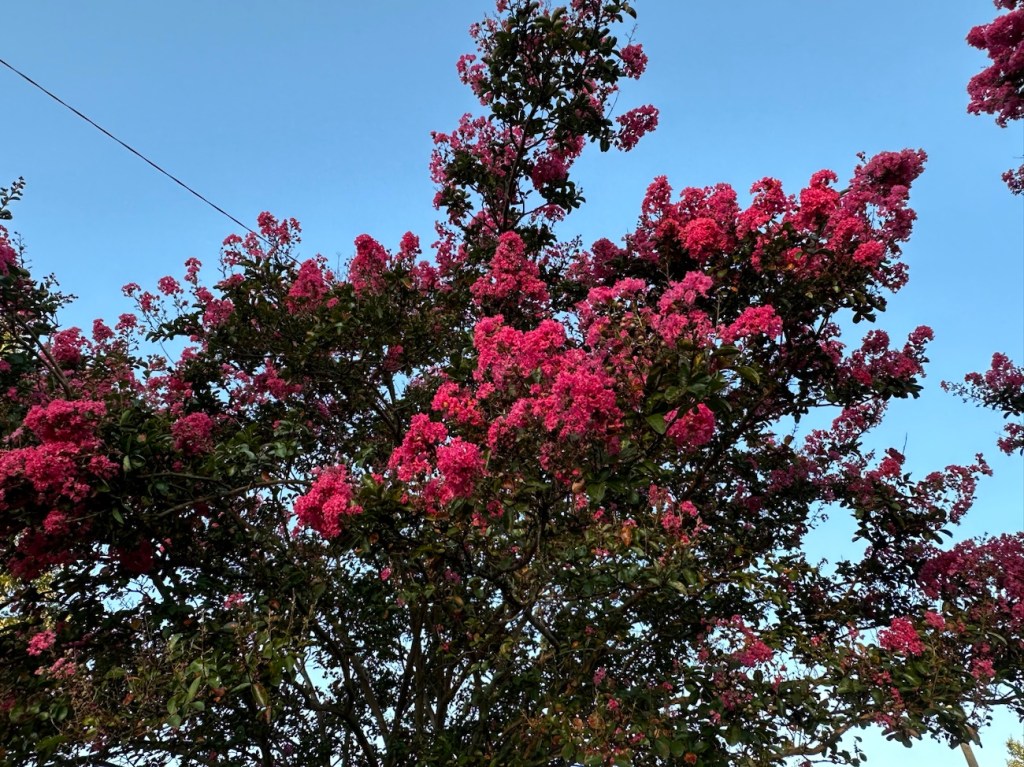
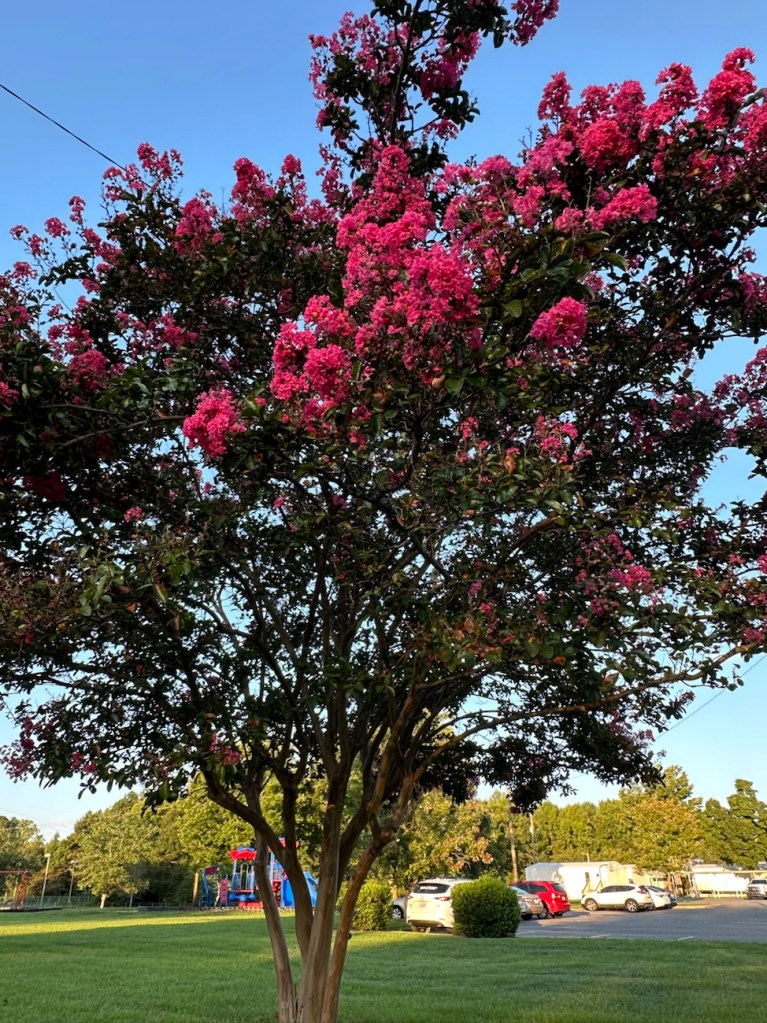
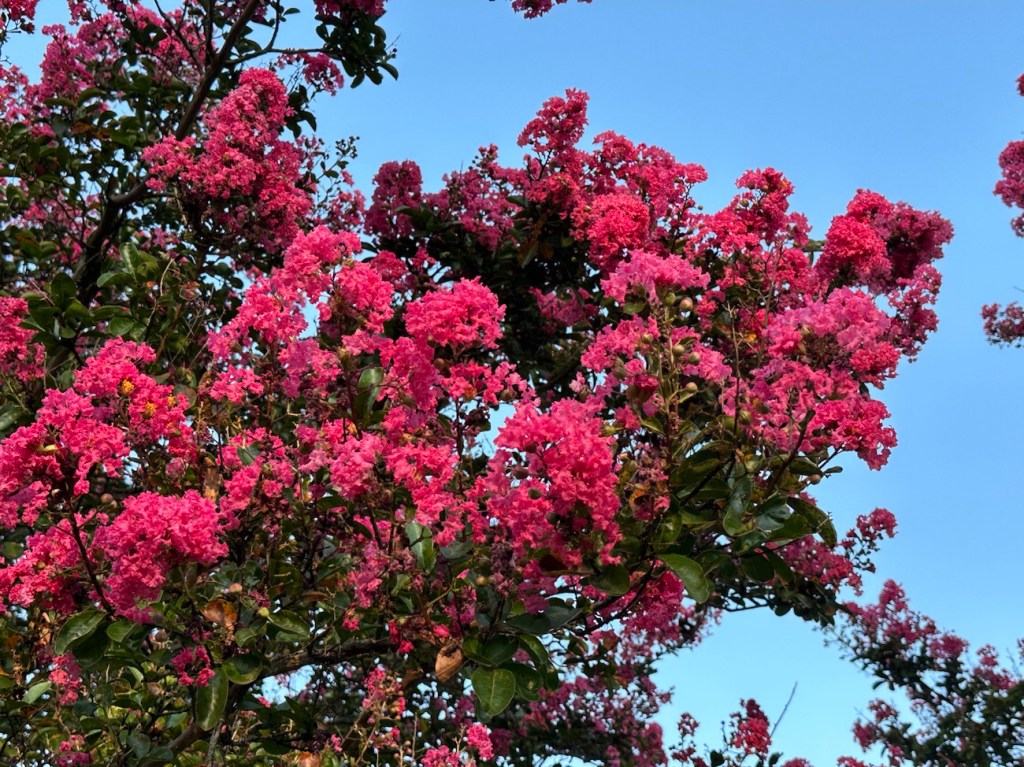
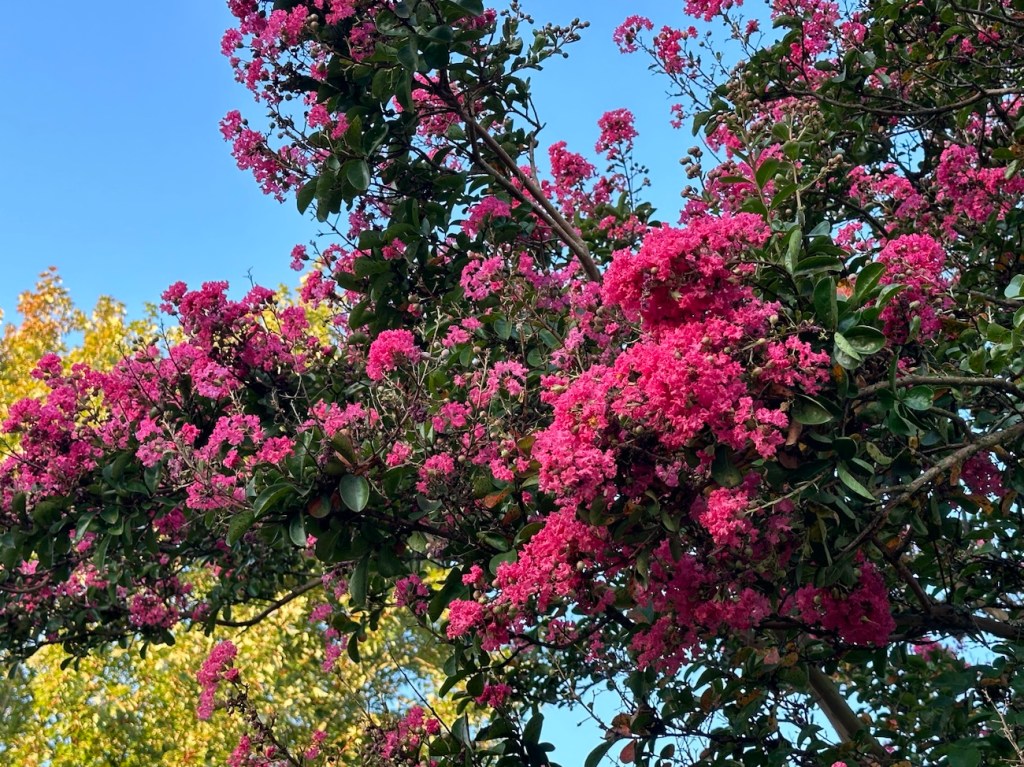
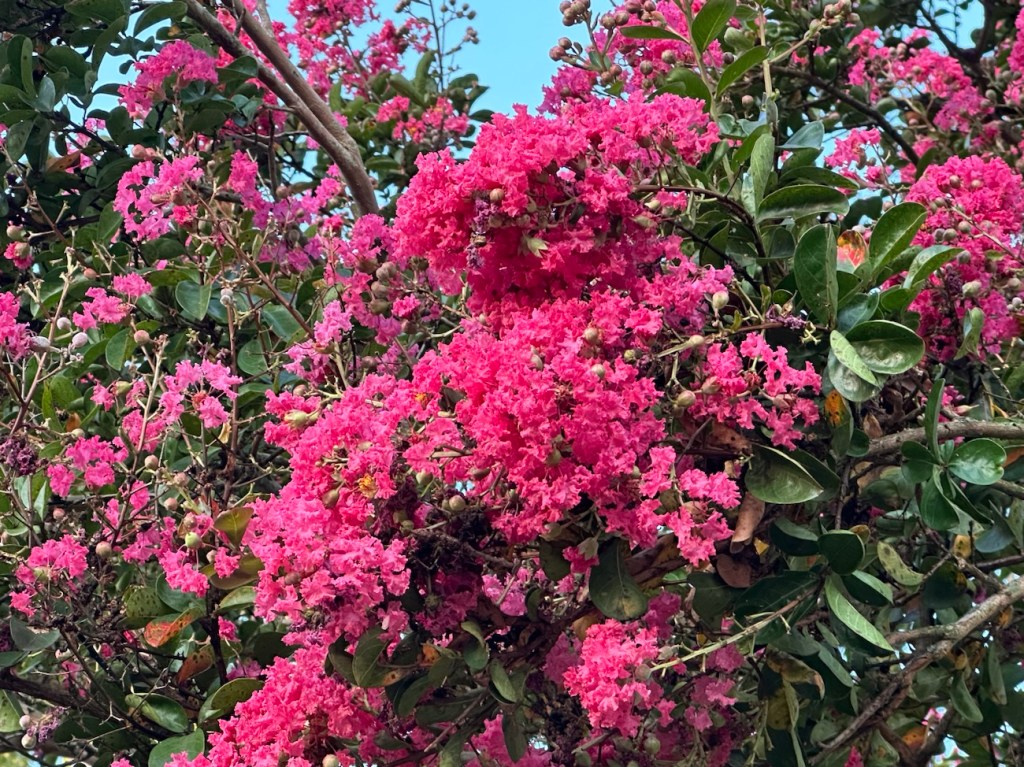
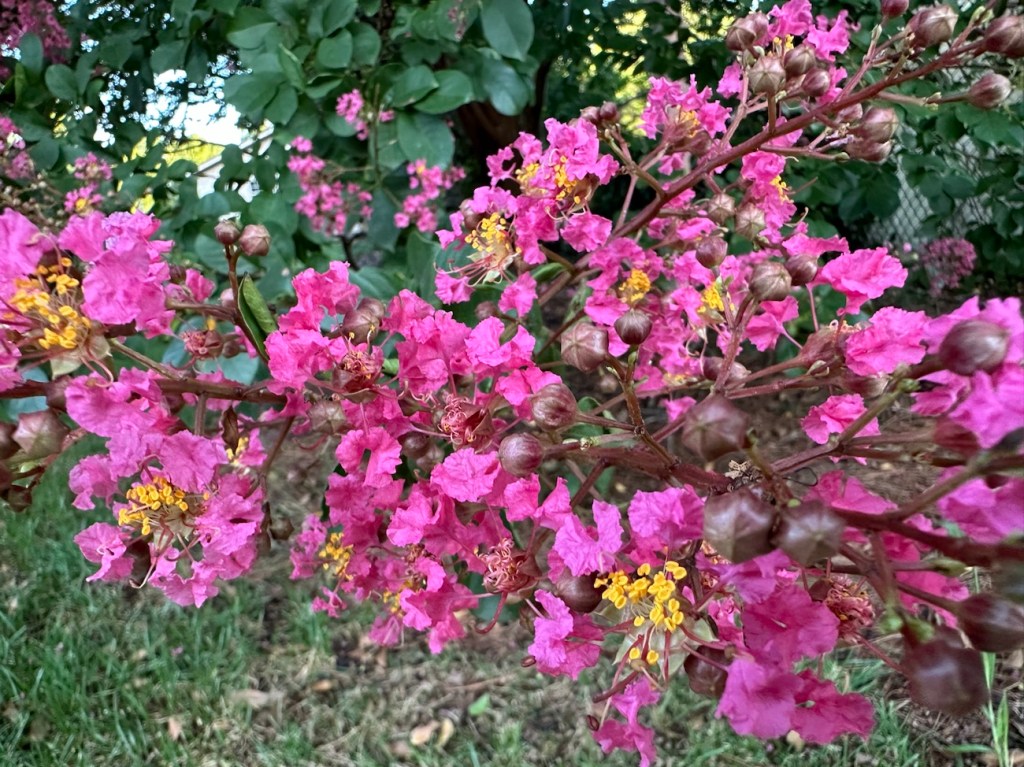
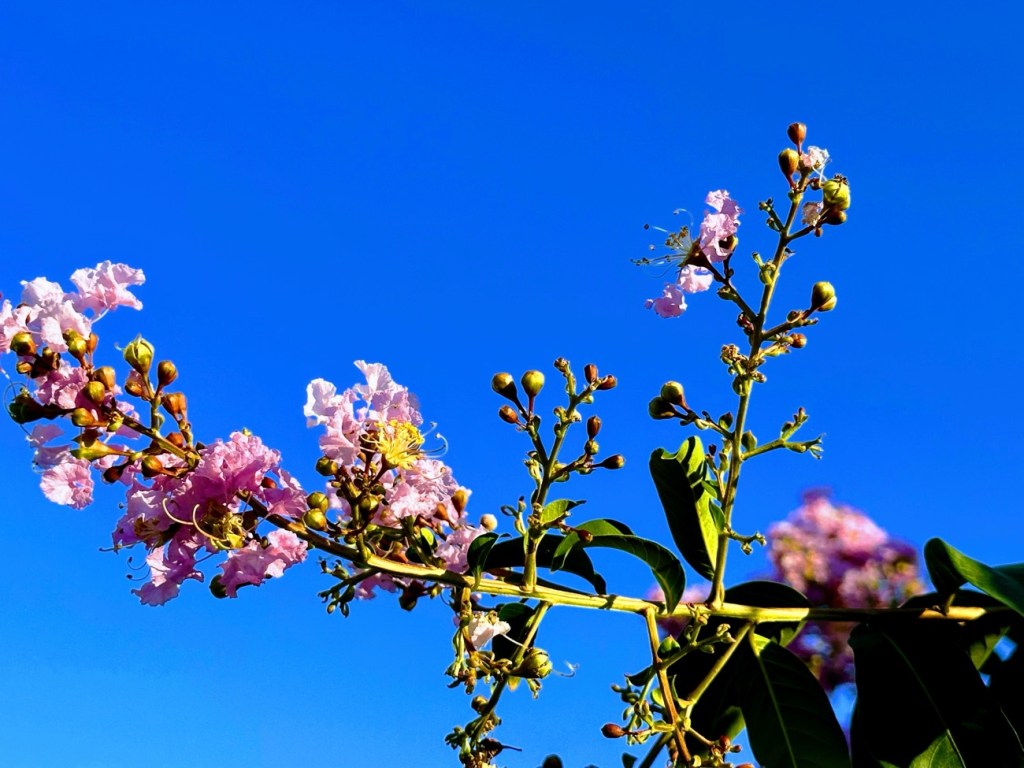
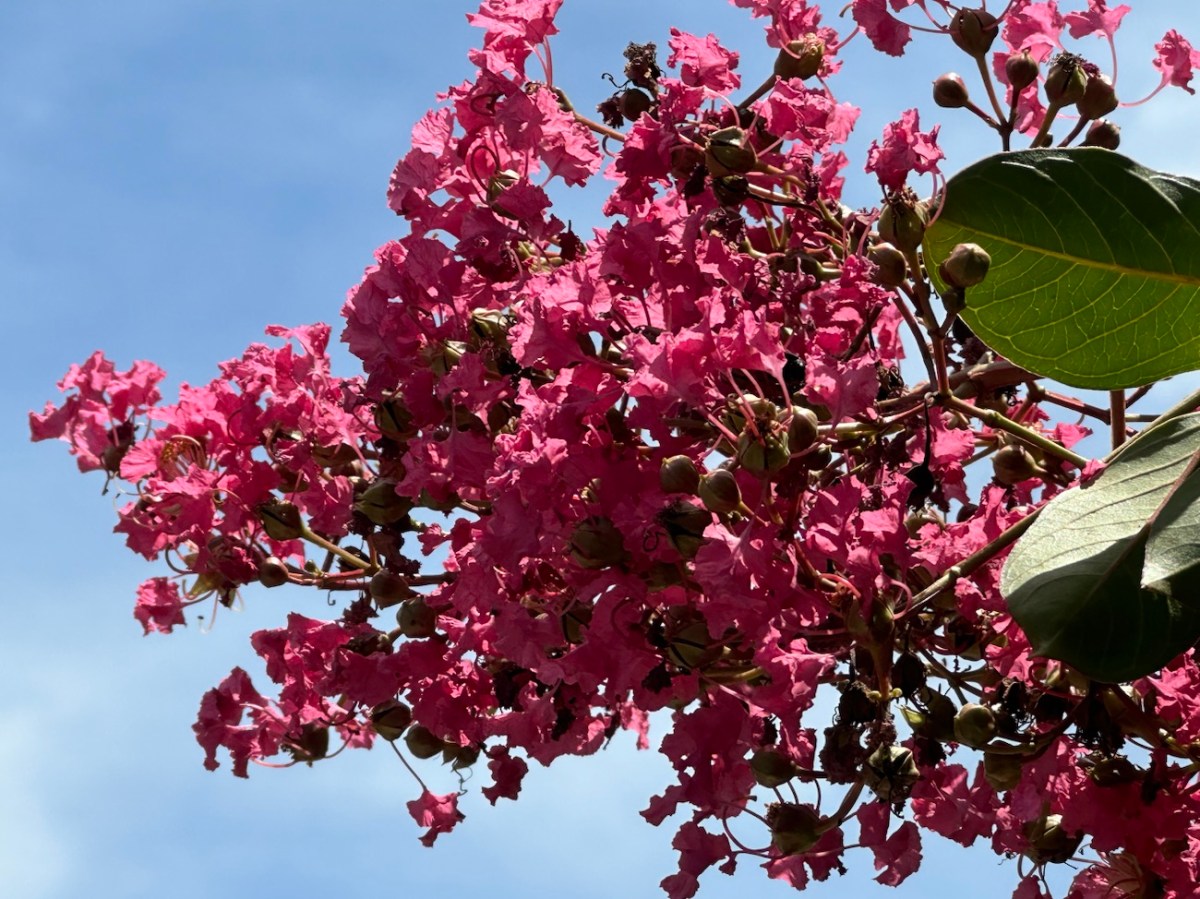
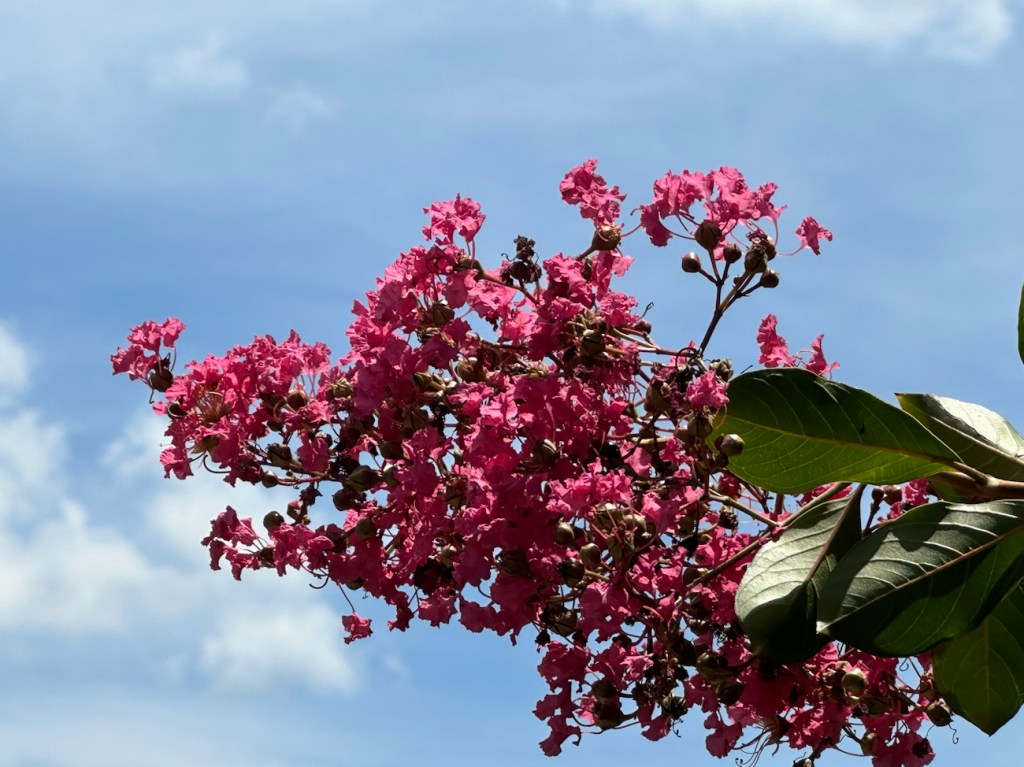
The Pink Velour Crape Myrtle is a type of Lagerstroemia indica crape myrtle tree. The flower colouring changes with the season. In the summer its blooms are a bright Hot Pink changing to a burgundy in the fall.
One can find the Lagerstroemia all across the Southern Atlantic States. Similar to the southern Magnolia, the crape Myrtle has come to symbolize the American South due to its extensive planting and ability to thrive in hot, humid summer climates with regular precipitation. It has brilliant color in late summer and autumn unlike other trees/shrubs which have already exhausted their blooms.
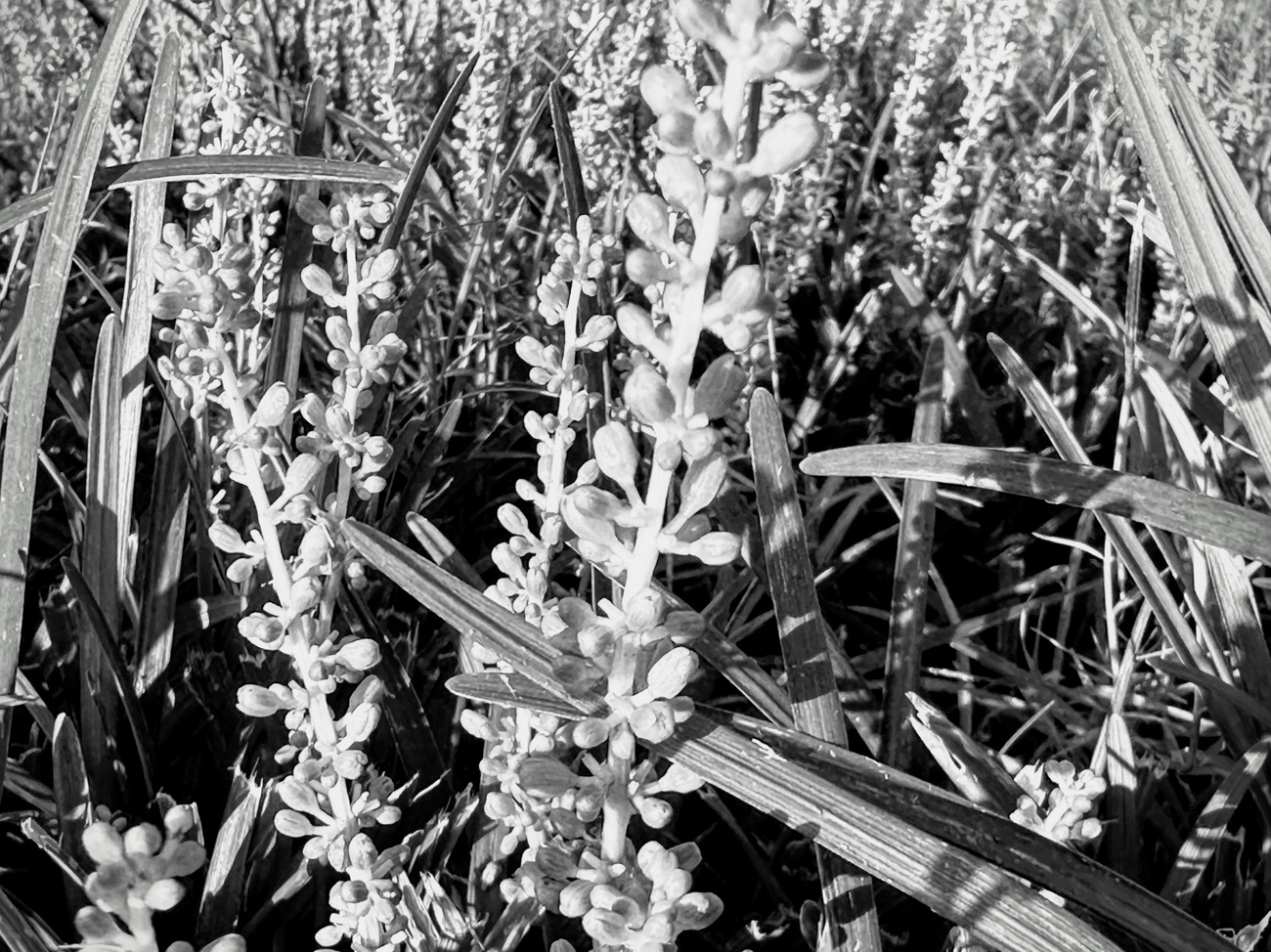
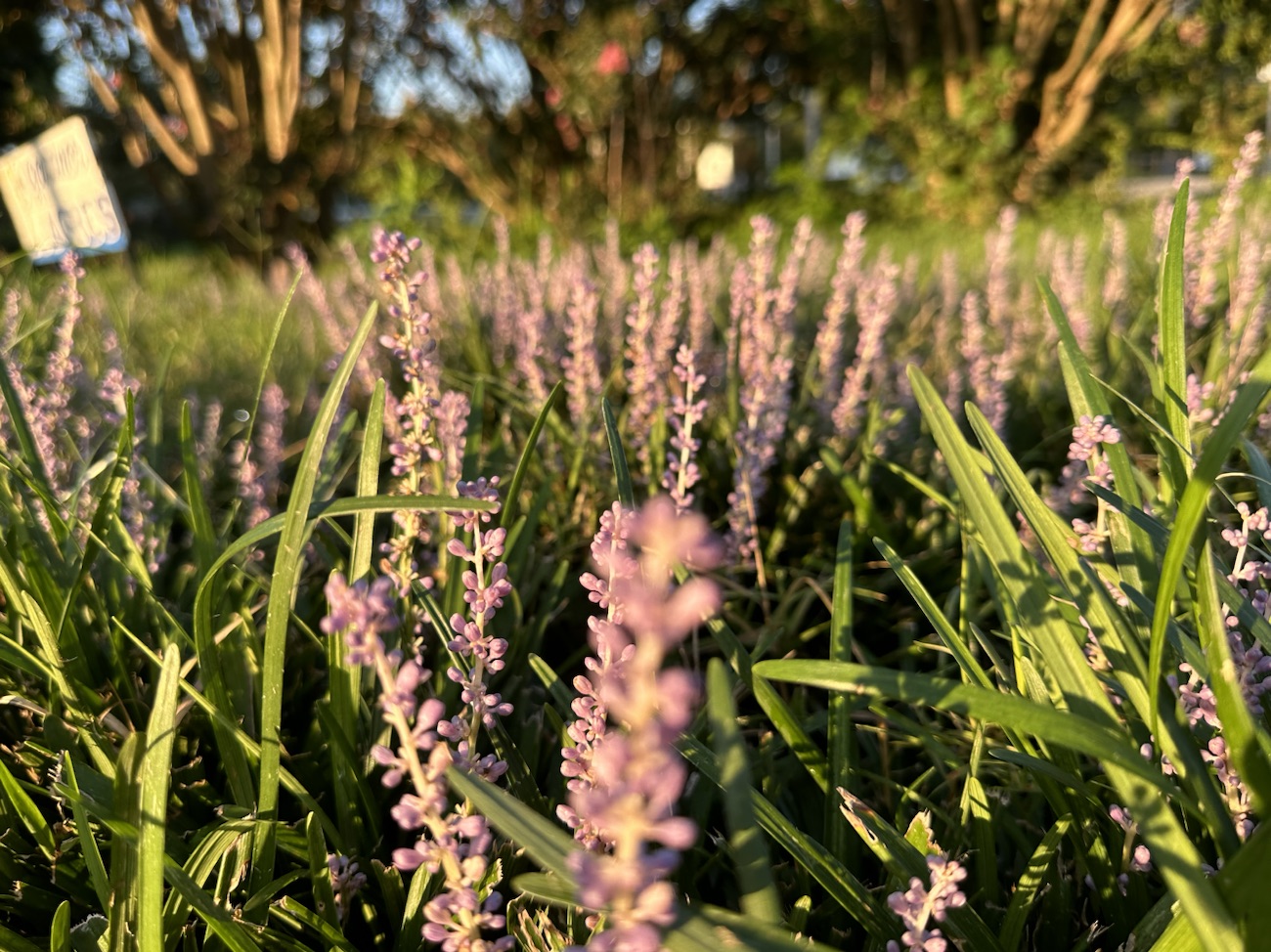
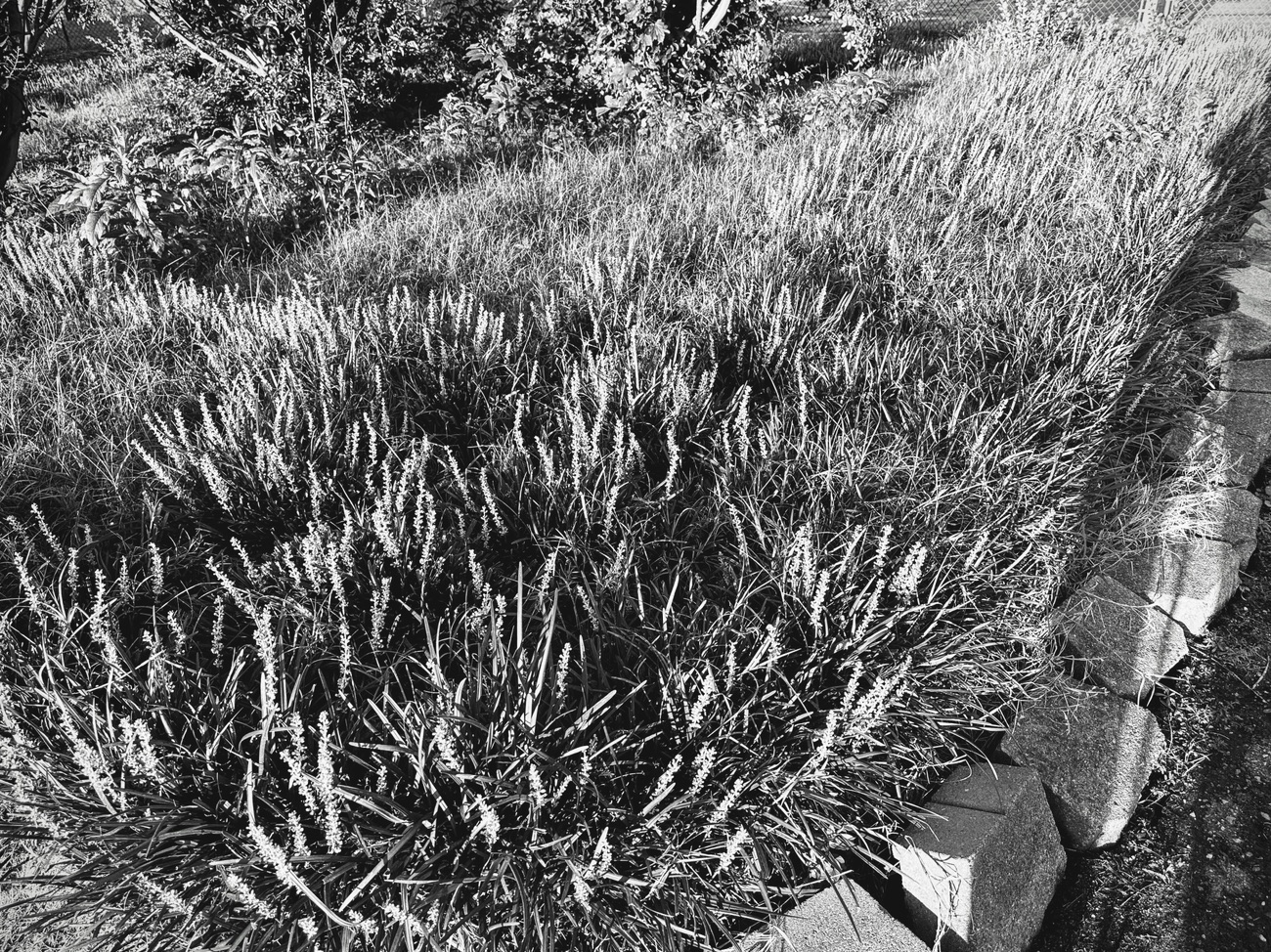
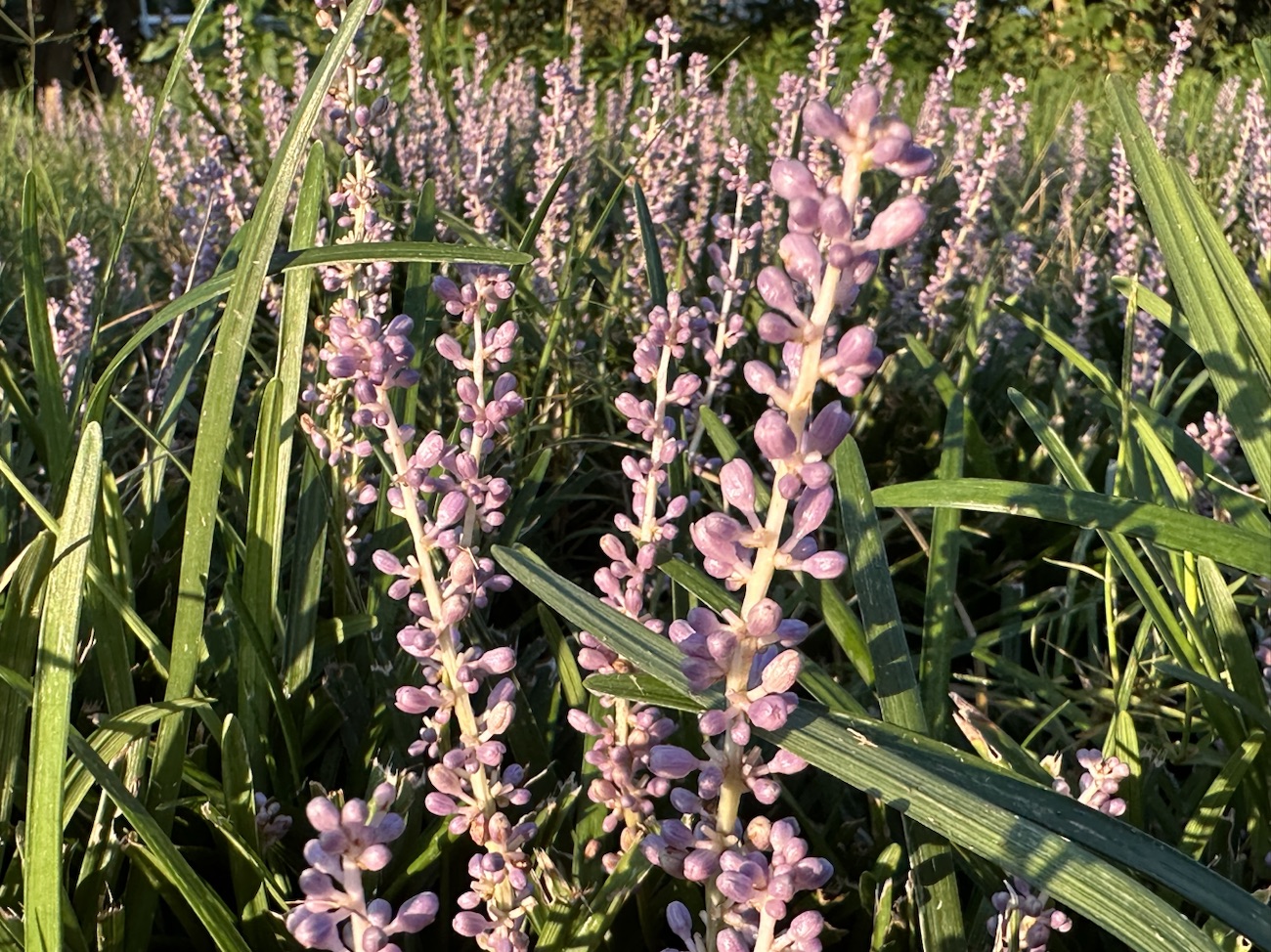
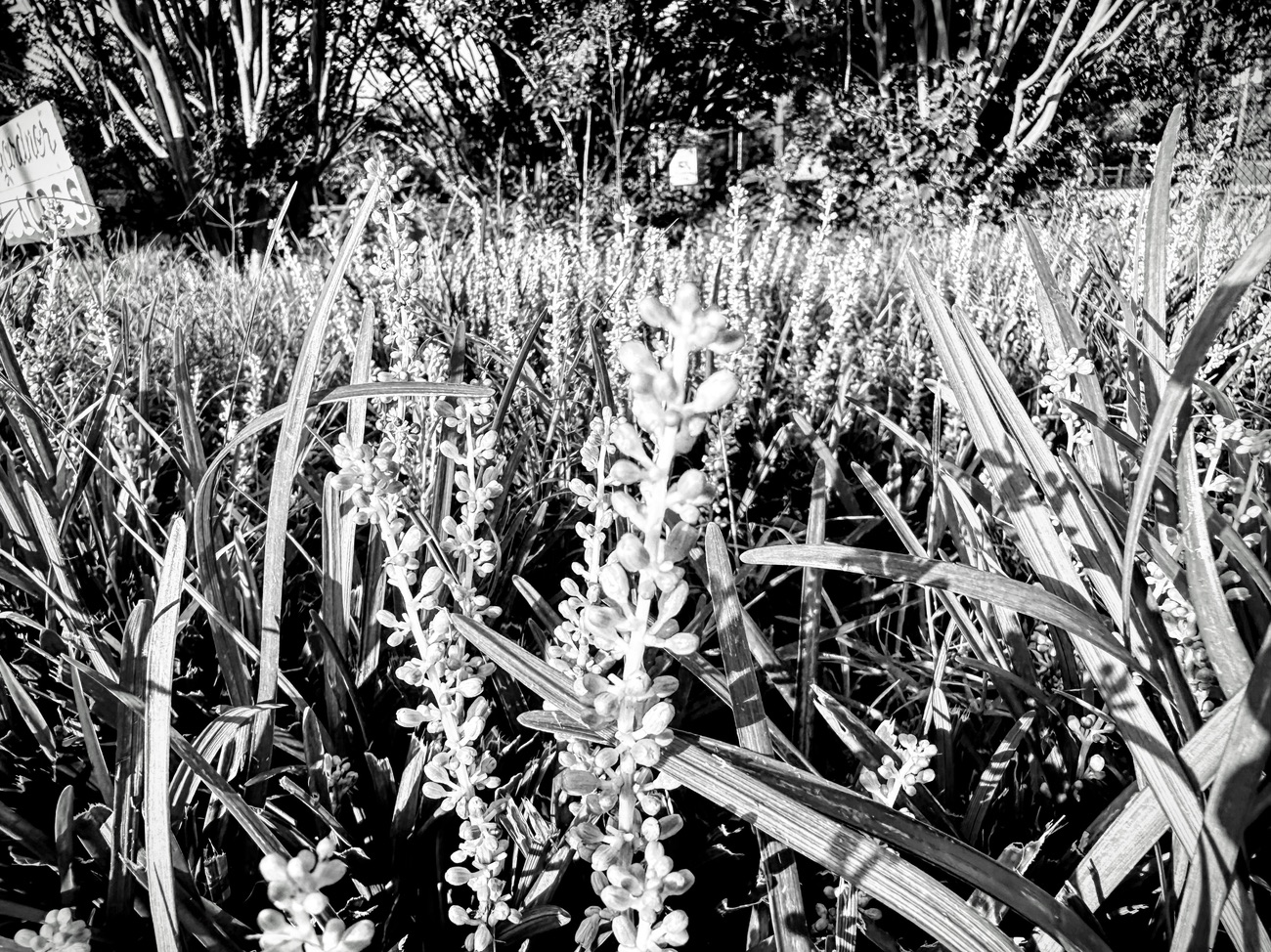
Liriope muscari is commonly referred to as big blue lilyturf, lilyturf, border grass, and monkey grass. It has grass-like evergreen foliage and lilac-purple flowers which produce single-seeded berries on a spike in the fall.
It is late summer here, however, these Big Blue Lilyturf can be spotted around all over the city in landscape manicured gardens. They are one of the few plants in bloom right now besides the varieties of Crape Myrtle.
Being an easy plant to grow, landscapers tend to use the Liriope muscari as groundcover for borders along sidewalks, trails, driveways, shrubbery, and trees. It is one of the most popular groundcovers in the southeastern United States.
The majority of beaches are more than three hours away from where we live except for around the lakes. It has been awhile since I’ve been to any beaches, so I combed through my archives to see what I could sea.
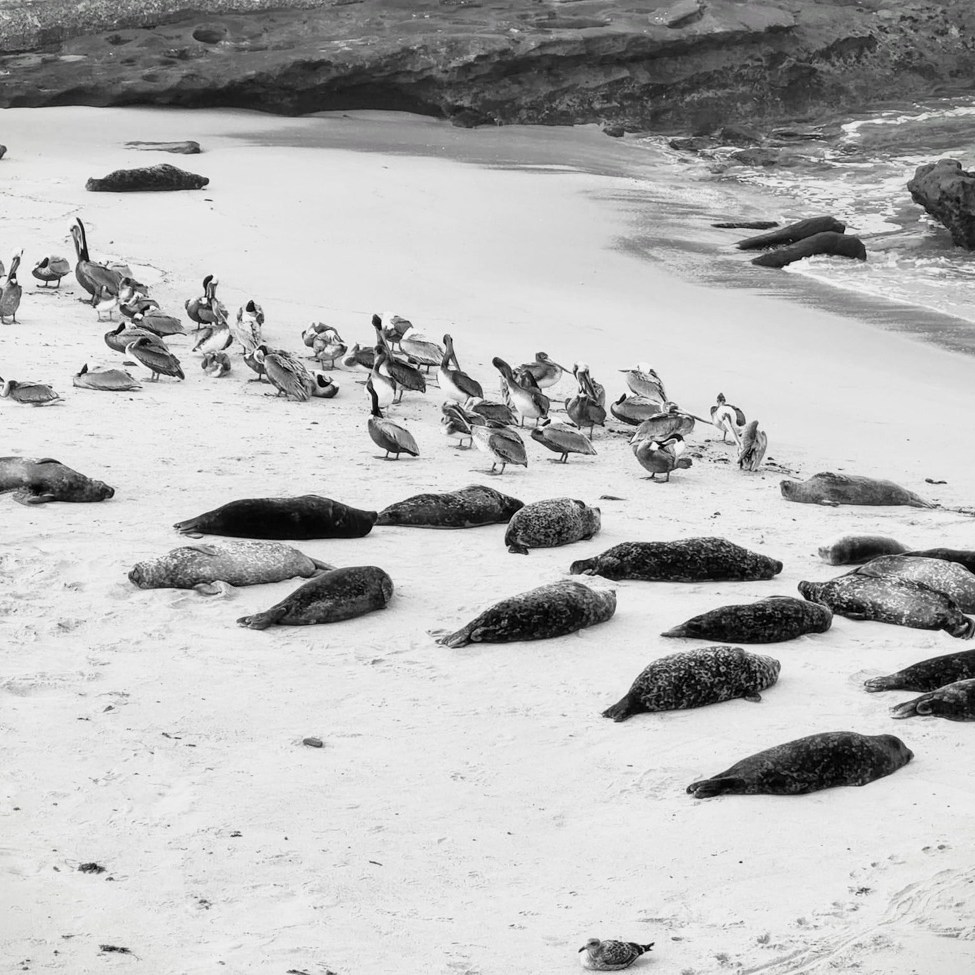
Here are my findings from out along the WEST Coast and Pacific Northwest Coast.
Moving back to the East Coast, we can Sea these beautiful and interesting beach finds.
Good Day y’all! For this week’s challenge I dug into my archives to see what Lime or Lemon colours I could find to fit the theme. Hope y’all enjoy the selections I found.
God Bless. Thank you for visiting. Have a wonderful week and enjoy the flowers. Thank you for sharing your time and thoughts with me. I appreciate y’all very much.
To play along, go to your photos file and type that number into the search bar. Then post a selection of the photos you find under that number and include a link to your blog in myNumbers Game blog of the day. If instead of numbers, you have changed the identifiers of all your photos into words, pick a word or words to use instead, and show us a variety of photos that contain that word in the title.
Here are my 156 & variation contributions for this week of Judy’s Numbers Game #35-156 (Hope the numbers right—I got in a hurry, sorry).
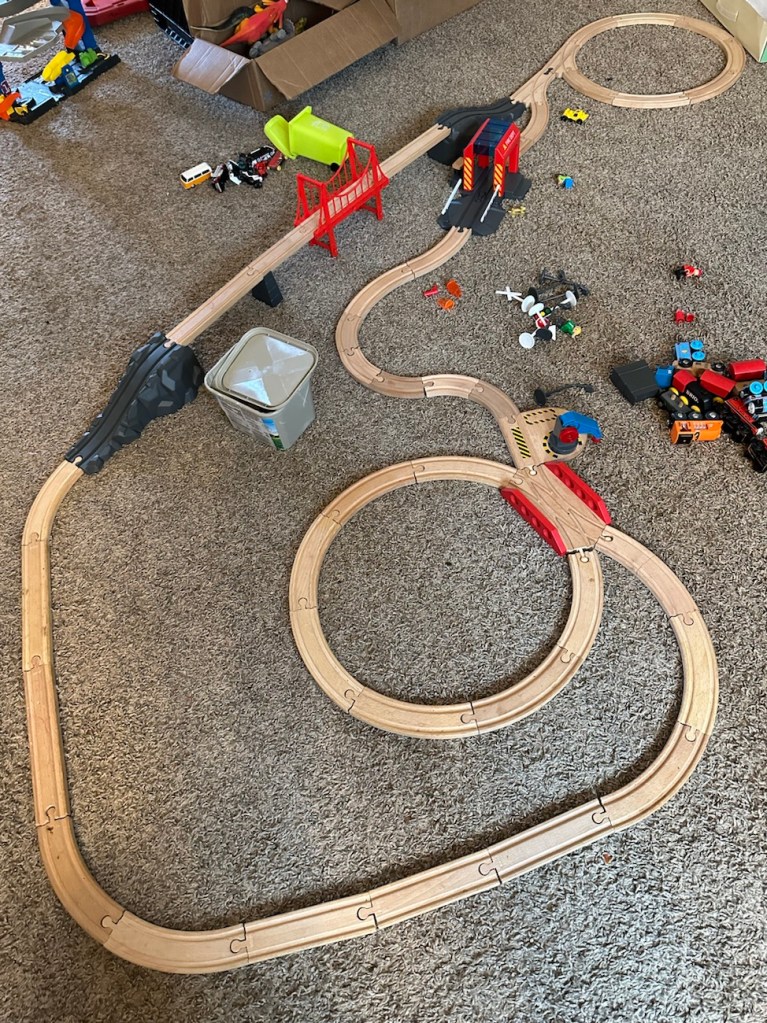
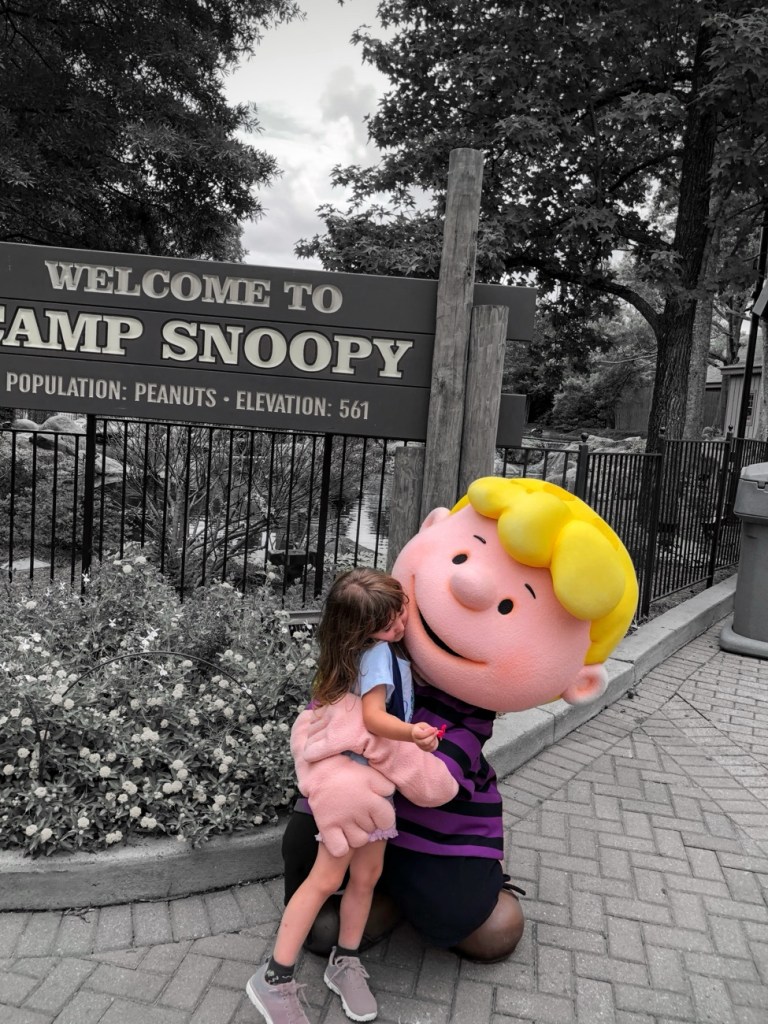
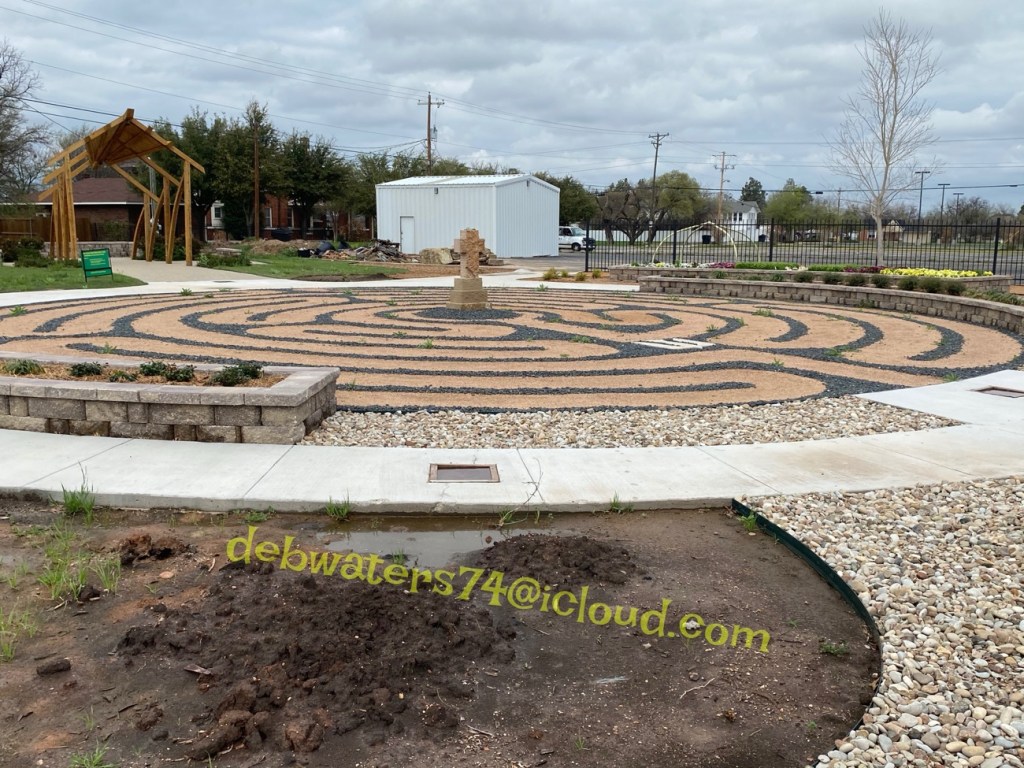
Coleman Warlick YMCANorth Carolina Transportation Museum Alona & Linus Carowinds Labyrinth Abilene, TexasLarry D. Waters my brother Coleman Miracle ParkHorse Anne Springs Close Greenway Coleman & his train setKristie Wilson Coleman’s cousin Lake Haigler Anne Springs Close Greenway
Clare from Clare’s Cosmos is asking all of us once again to share our desktops. All you need to do is share the photo (not your actual desktop) you have set as your wallpaper. Provide whatever information you desire about the photo. Use a pingback, or post a link to her blog hereso she knows you’ve joined in on the fun. Then, enjoy sharing the fun around.
Come on along and join the fun. Share one or more, it doesn’t matter whether the photos are from your desktop, laptop, tablet, or your smartphone wallpaper(s).
God Bless. Thank you for visiting and sharing your time and thoughts with us. Looking forward to seeing y’all’s desktop photos. Have a wonderful week. I appreciate y’all very much.
The House Sparrow is a common to abundant resident throughout the Carolinas. These birds can be found nesting almost everywhere people live. They are often strongly associated with man-made habitats. They are found in the Piedmont region year-round in good numbers with counts sometimes as high as 300 in a single day.
Passer domesticus Seen at Martha Rivers Park Gastonia, North Carolina was
The House Sparrow is a small bird with a typical length of merely 16 centimeters (6.3 inches). Females and young birds are colored pale brown and grey. The males have brighter black, white, and brown markings.
The House Sparrow feed on almost any type of seed or grain, and also enjoy eating insects. Even though insects are considered highly nutritional being rich in protein calcium, and low in carbohydrates; I think I will pass.
South Carolina Ornithologists consider the House Sparrow to be noisy, quarrelsome, and aggressive. I have not noticed them being aggressive. I have seen them flighty and a little noisy, but then I like hearing the variety of sounds from different birds.
The House Sparrow, having originally been native to Eurasia, has adapted to and thrived within man-made environments throughout the world for hundreds of years.
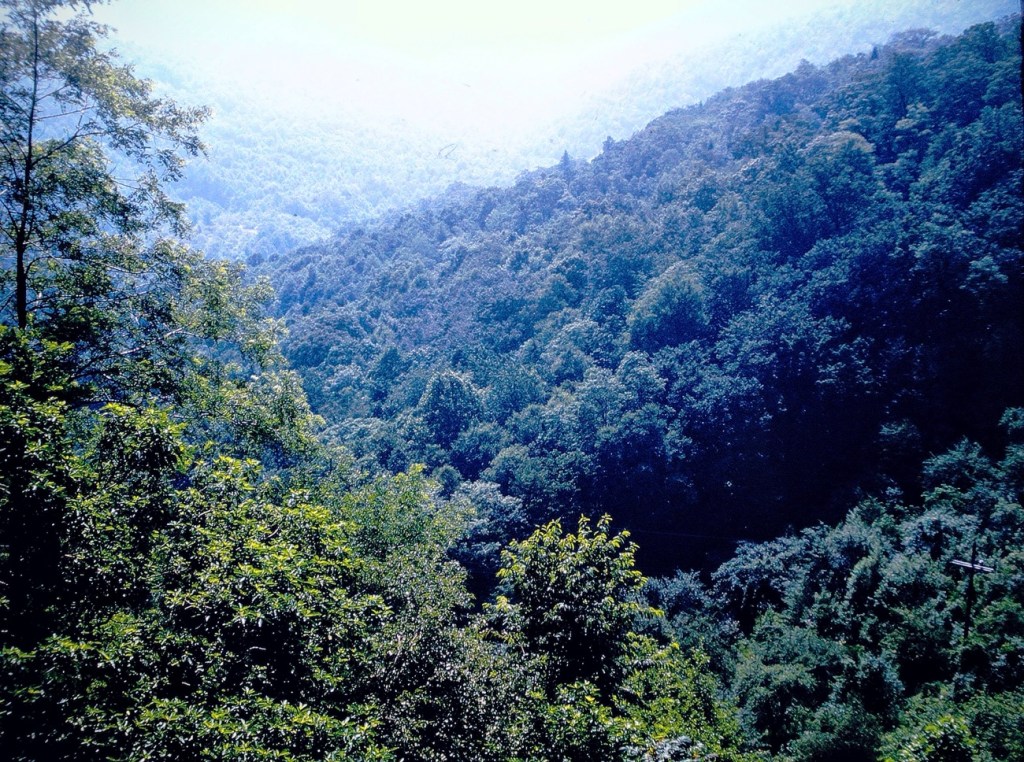
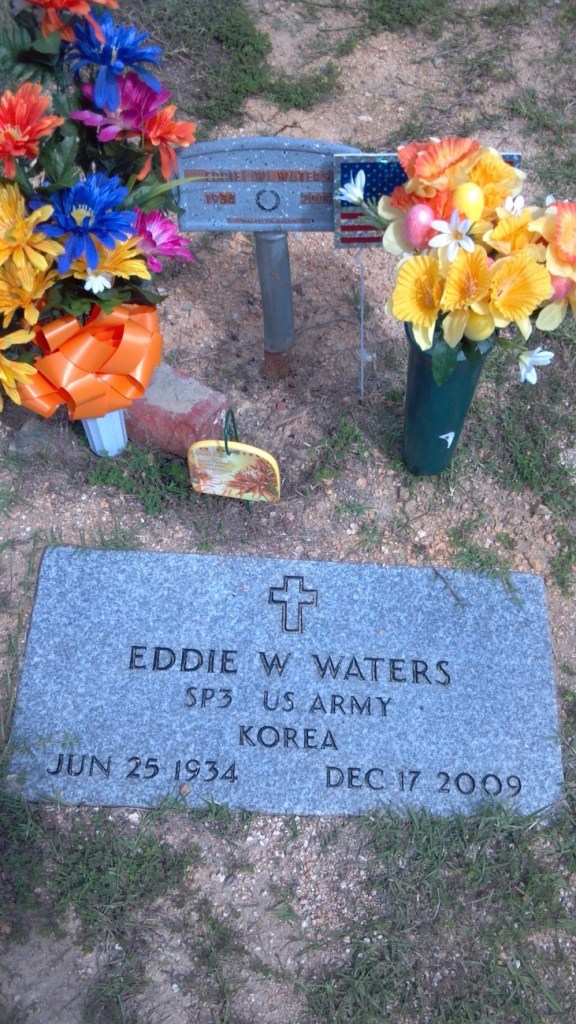
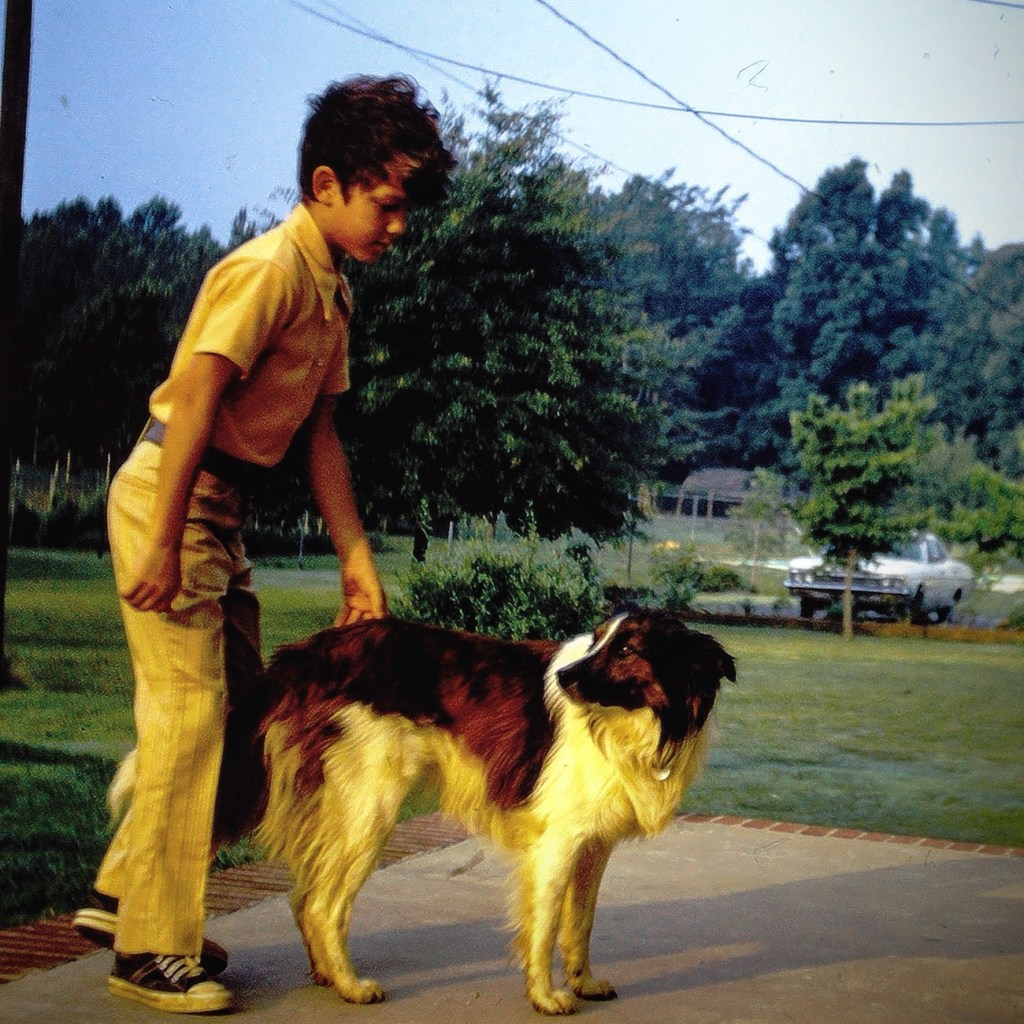
Blue Ridge Mountains North Carolina, USAFountain at Central Ohio Technical College Newark, Ohio License Plates Display NC Transportation Museum Spencer, North Carolina Business Garden Gastonia, North Carolina Grave Marker for Eddie W. Waters ( my Paternal Uncle) Great Falls, South Carolina
A Hodgepodge of Coleman
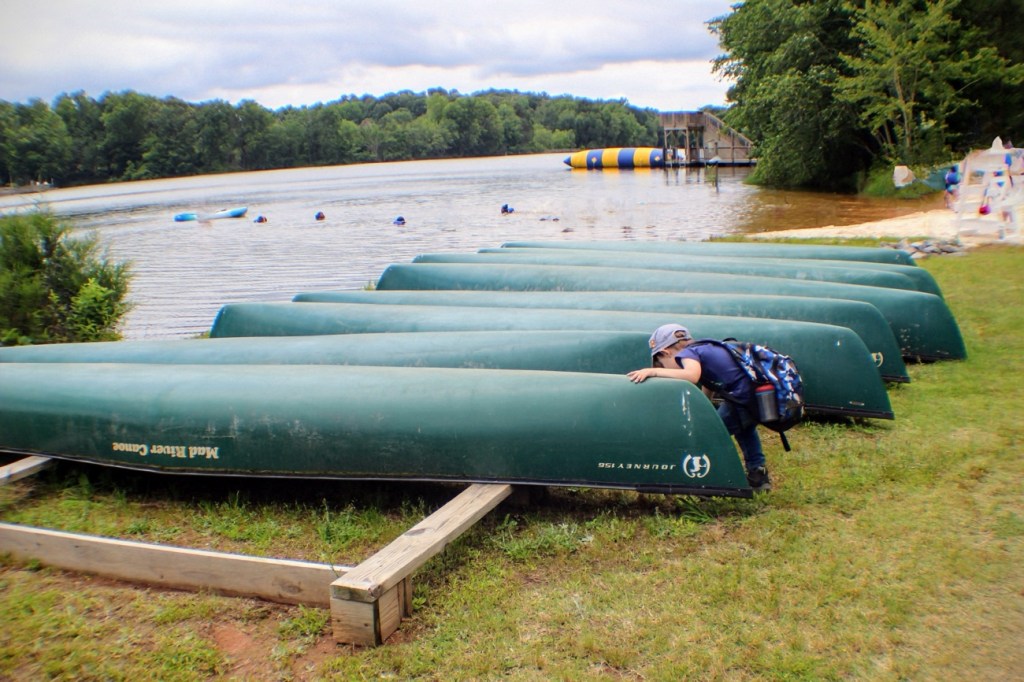
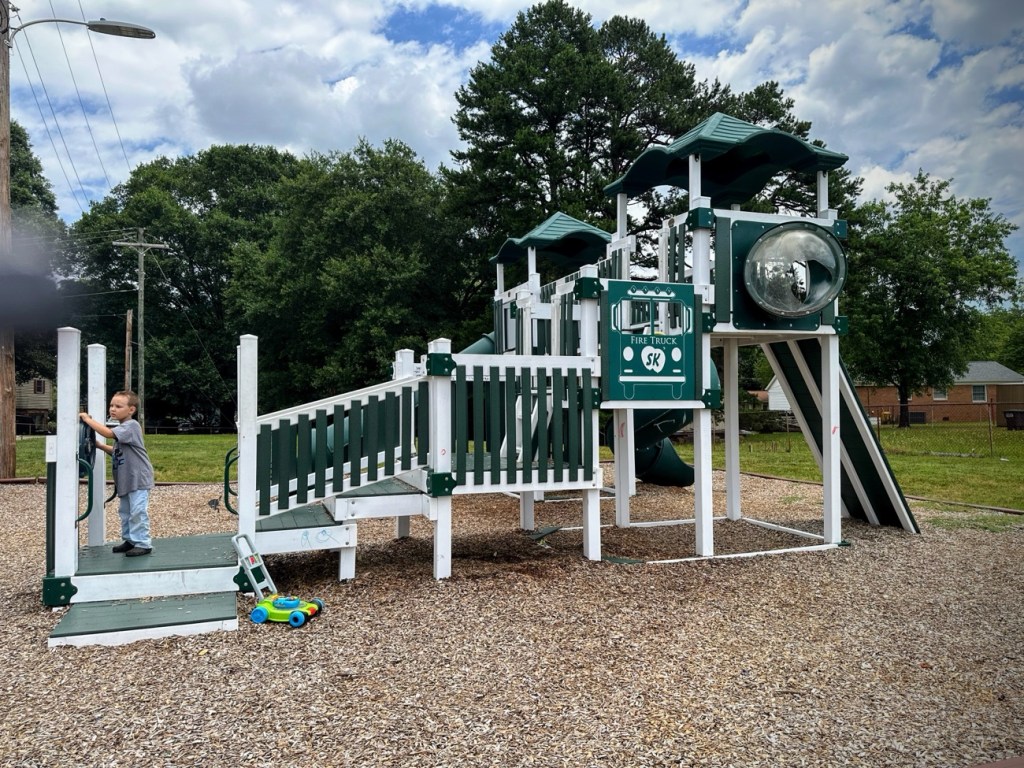
At the Fort Mill DamAt The Schiele Museum of Natural History At Gardner Park Elementary Playground At Neighborhood Playground
God Bless. Thank you for visiting and sharing your time and thoughts with us. I look forward to seeing y’all’s pictures for Judy’s Numbers Game. I appreciate y’all very much.
Crows are arguably the most familiar birds in America. Interestingly, what you might it realize is that in much of the eastern part of the U.S., including the South Carolina Lowcountry, there are actually two different species of crows, and they look alike.
One of these is the ubiquitous American Crow (Corvus brachyrhynchos), found across most of North America. The American Crow is the crow most often seen and recognized. It is a large, clever, black bird with a harsh voice and a big personality.
The second type of Crow the Fish Crow (Corvus ossifragus), which occurs along the Atlantic coast from southern Maine to Florida, and along the Gulf. The American Crow and the Fish Crow are members of the family Corvidae, which includes many familiar and intelligent birds, including rooks, jays, and ravens.
Here we are concentrating on the American Crow. The American Crow (formerly named the Common Crow) is an iridescent black crow is common throughout the Carolinas and is known for its “caw-caw” call. The are permanent residents with migratory movements. They are especially abundant throughout the winter season.
American Crows are known for being smart, adaptable, and resourceful, and can use tools to find food. They preferably nest in mixed pine and hardwood forests. They forage in open areas such as croplands, pastures and landfills. In urban areas, it is possible for them to use parks and tree-lined streets as roosting and nesting locations.
Crows represent change and transformation which in some cultures are seen as a “bad” omen if you see their appearance. The appearance of one or a flock of crows may indicate temporary and unexpected changes are coming. In Native American culture, crows are signs of knowledge and law. Seeing one of these black creatures is often a mark of good luck, justice, or wisdom.
Camera: Canon EOS Rebel T3i with Canon EF-S55-250mm lens
Location: The Schiele Museum of Natural History; Gastonia, North Carolina, USA
God Bless. Glad you are home and joining in when able with Chris’ help. Thank you Chris for taking good care of our friend. Thank you for sharing your time and thoughts with me. I appreciate y’all very much.
Huntersville Oaks is a short-term nursing and rehabilitation facility located in Huntersville, North Carolina. Huntersville is in northern Mecklenburg County just north of Charlotte, North Carolina.
My paternal grandfather stayed here receiving short-term medical care during the summer of 1980. When he was released, my dad took him back to his home in Great Falls, South Carolina.
Judy’s Numbers Game can bring about interesting results and insights from those who choose to participate. The challenge is alive, let’s join the fun. In searching for the #149 and its variations the results that popped are displayed below in this post.
This week we are discussing a different yet unique bird in the Cardinal family. Last week I talked about the Northern Cardinals; this week we’re going to discover the distinct qualities of the Indigo Bunting.
Indigo Bunting
Passerina cyanea, also known as Indigo Bunting is a small seed-eating bird in the Cardinal family. It is a migratory bird, ranging from southern Canada to northern Florida during the breeding season, and from southern Florida to northern South America during the winter.
It often migrates by night, using the stars to navigate. Its habitat is farmland, brush areas, and open woodland. The indigo bunting is closely related to the lazuli bunting and interbreeds with the species where their ranges overlap.
The indigo bunting is a small bird, with a length of 11.5–13 cm (4.5–5.1 in). The male is vibrant blue in the summer, with brightly colored plumage during the breeding season to attract a mate. Unlike summer, the male is brown during the winter months. Contrastingly enough the female is brown year-round. The females are solely responsible for the nest-building and incubation of their offspring.
The diet of the indigo bunting consists primarily of insects during the summer months and seeds during the winter months.
The Habitats for the Indigo Bunting are brushy pastures and bushy wood edges. For nesting favors roadsides, old fields growing up to bushes, edges of woodlands, and other edge habitats such as along rights-of-way for powerlines or railroads. Also in clearings within deciduous woods, edges of swamps
God Bless. Thank you for visiting. Have a wonderful week and enjoy the Outdoors. Thank you for sharing your time and thoughts with me. I appreciate y’all very much.
Cool cats like to keep cool by hiding in the underbrush in shady areas. Can you spot me?
Maybe if I move a little bit you’ll be able to see me. However, I would appreciate it if you keep the dog away from me. I prefer to stay where I am at and not get in an entanglement.
Enjoy your day! I’m just gonna stay here and relax for a while longer.
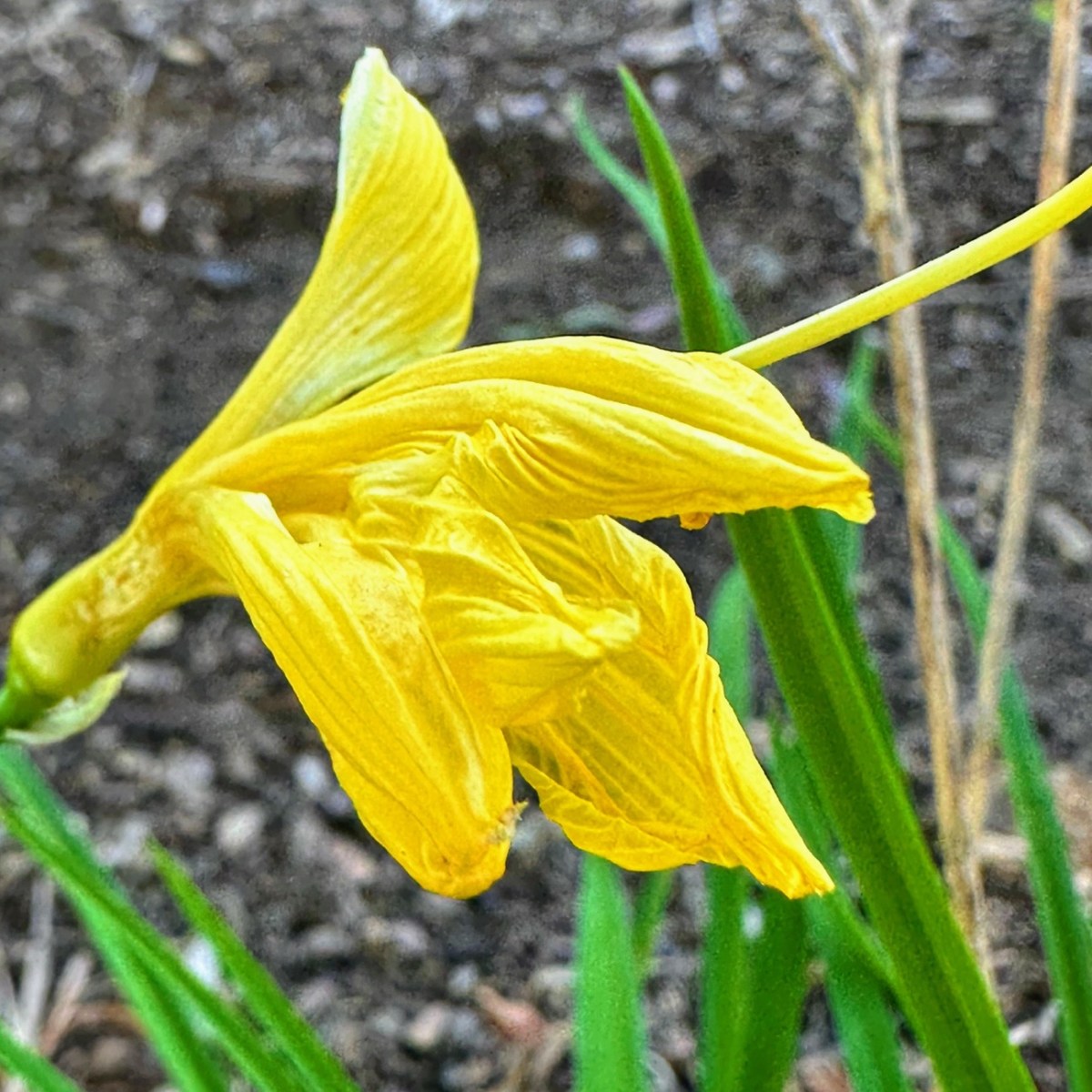
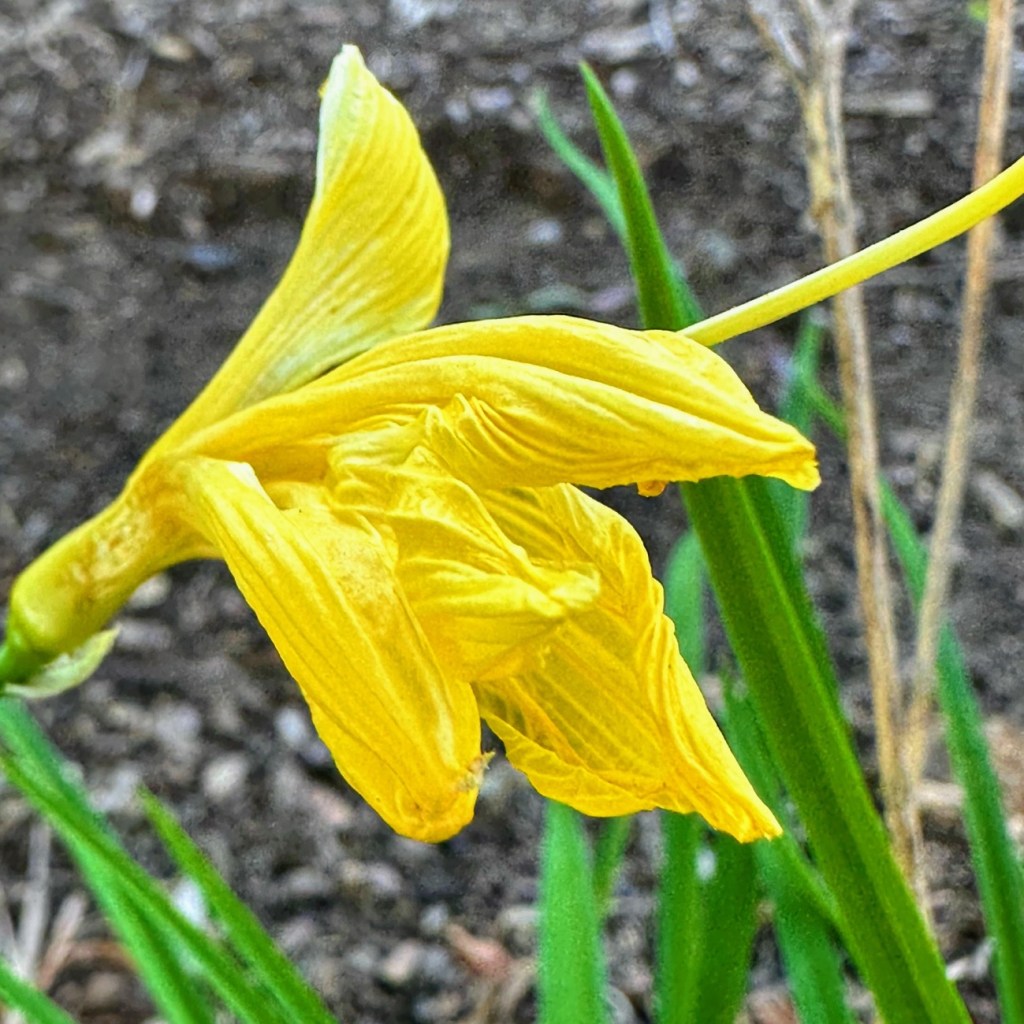
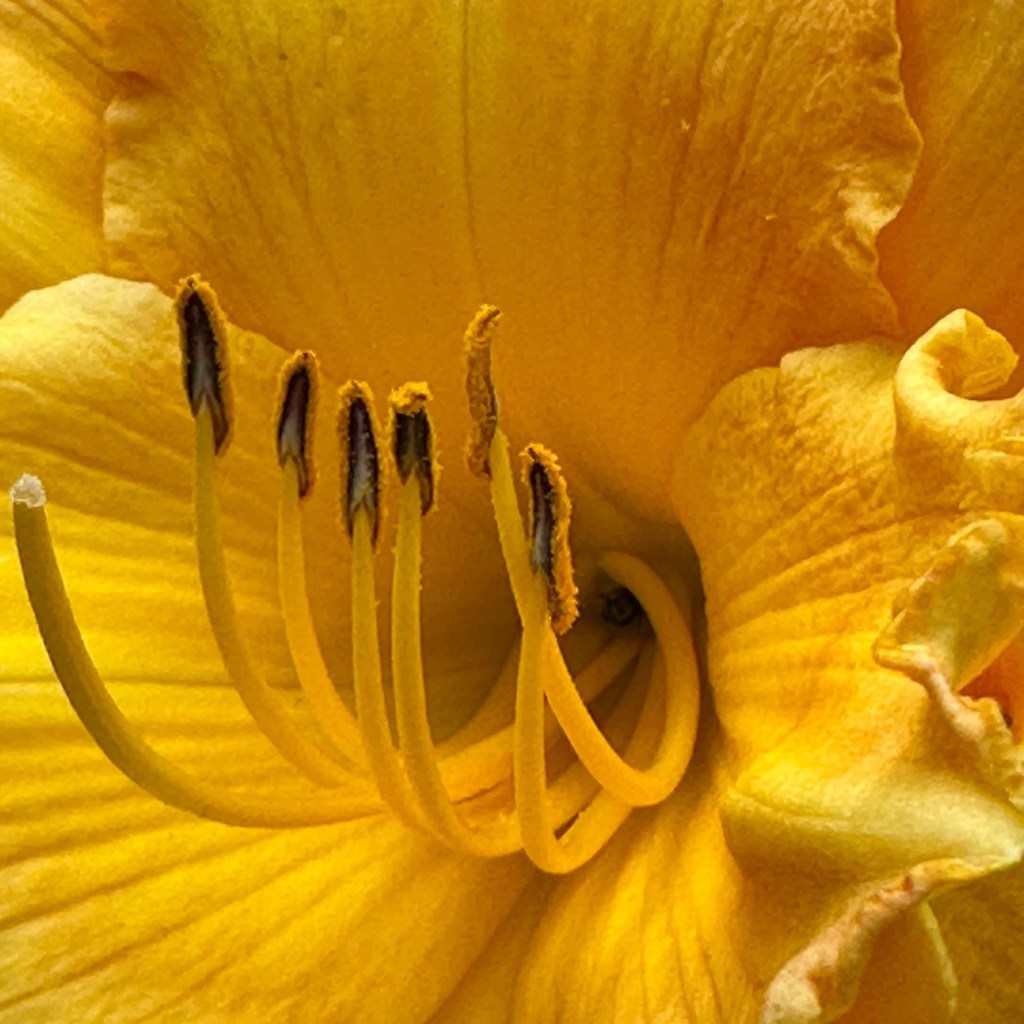
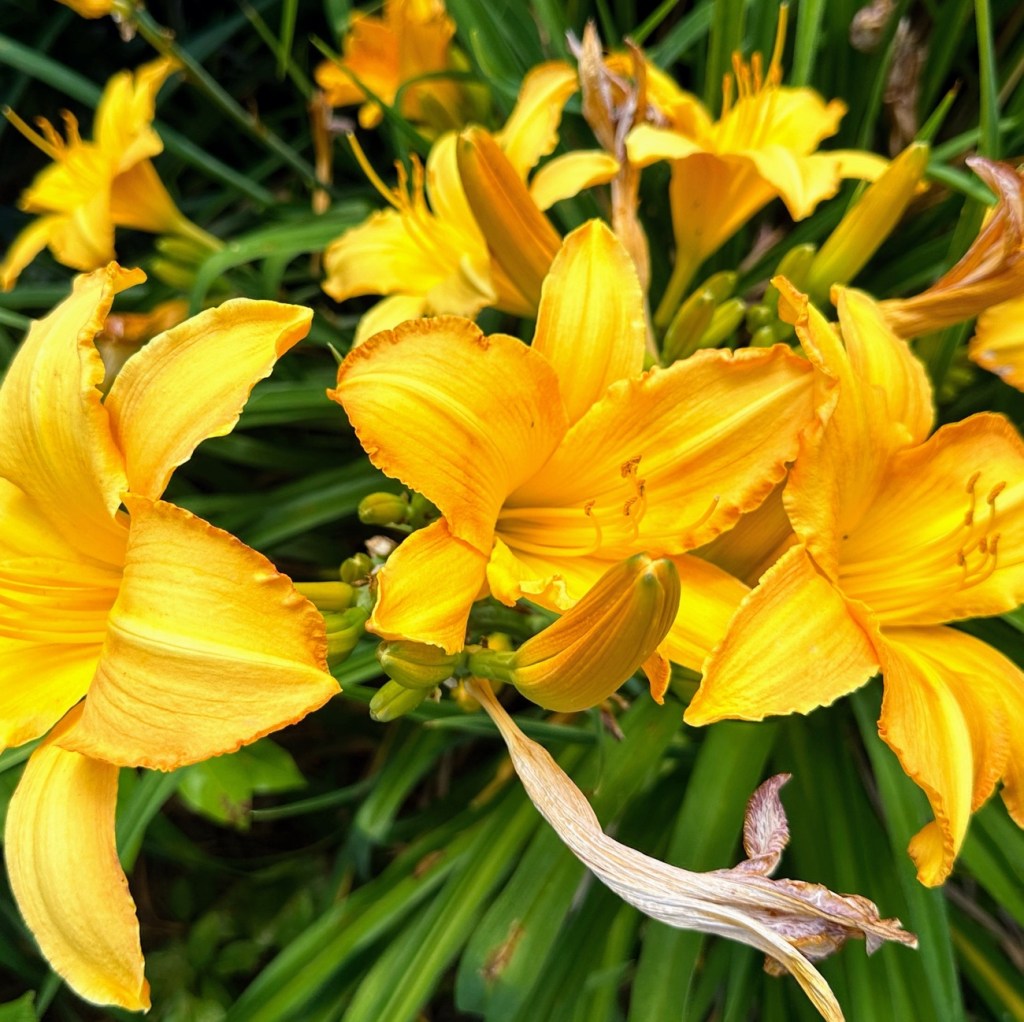
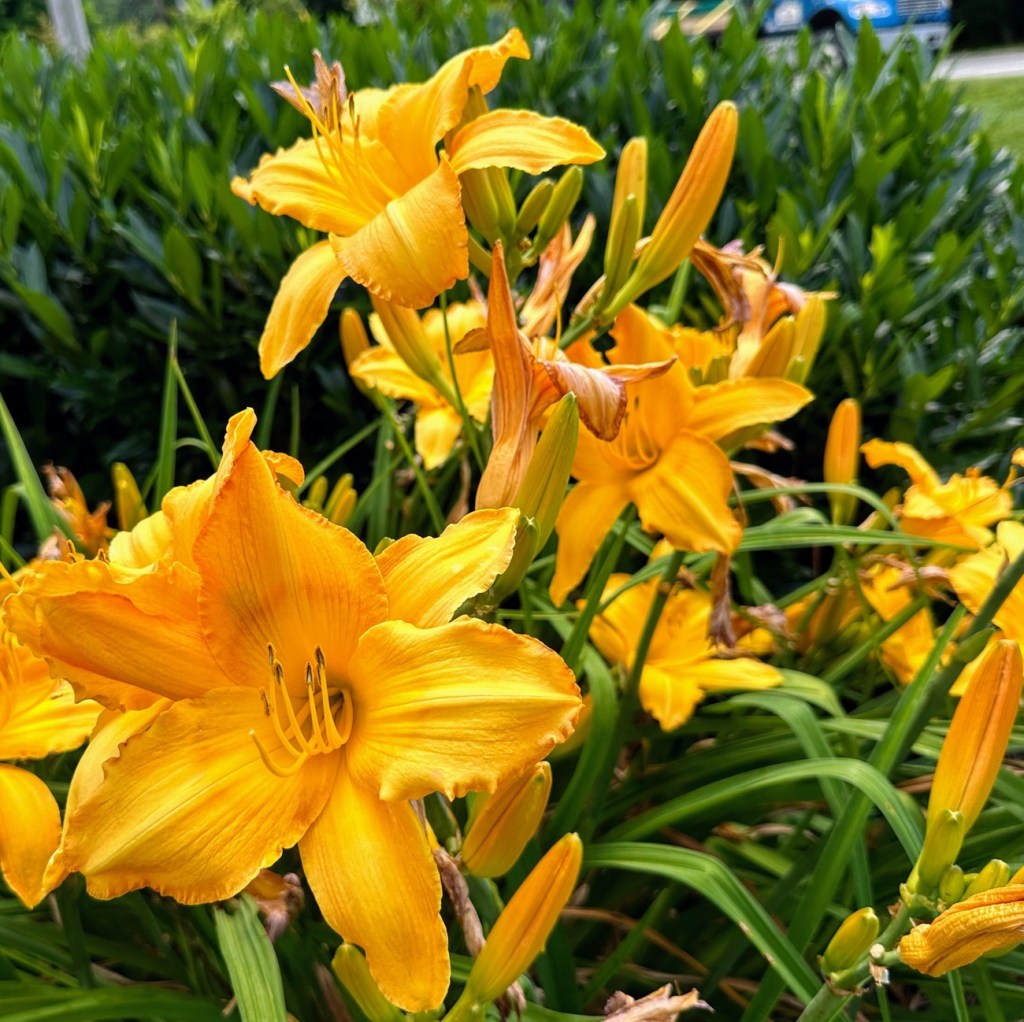
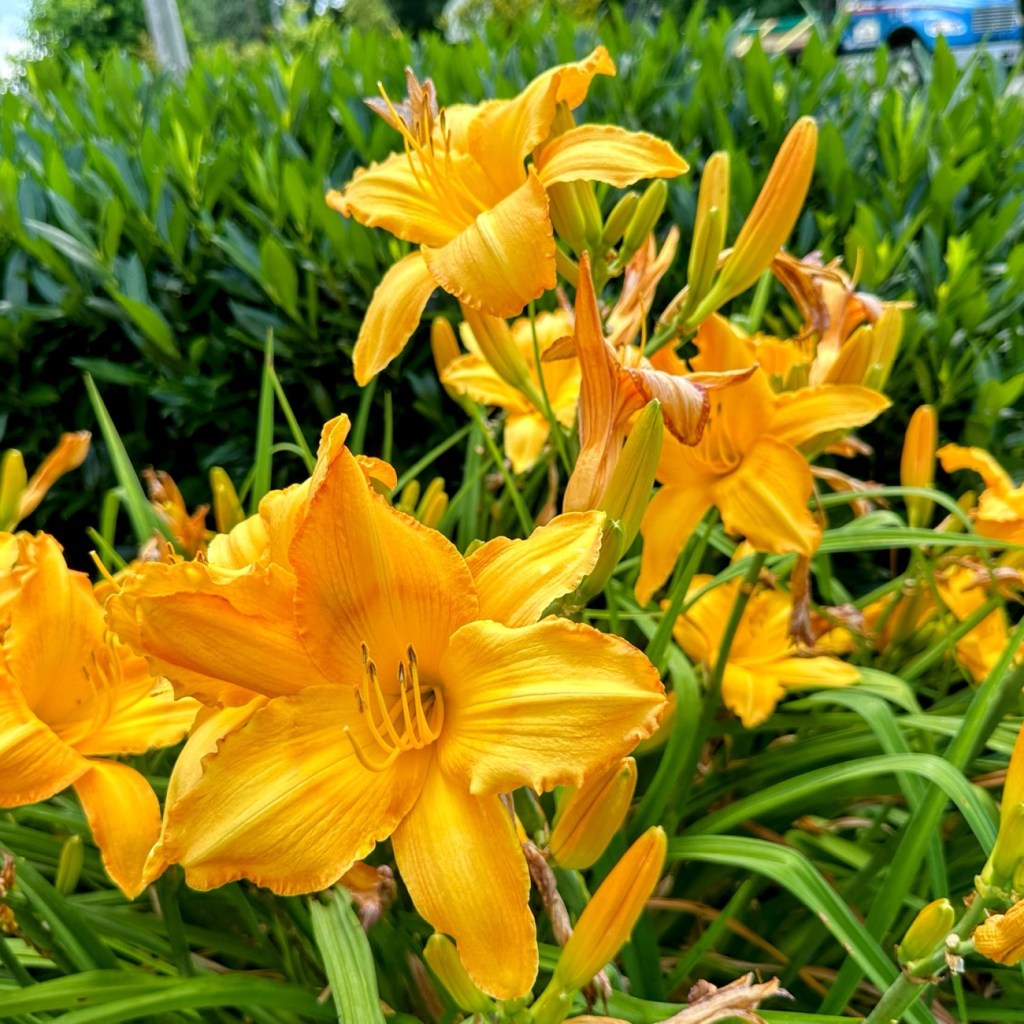
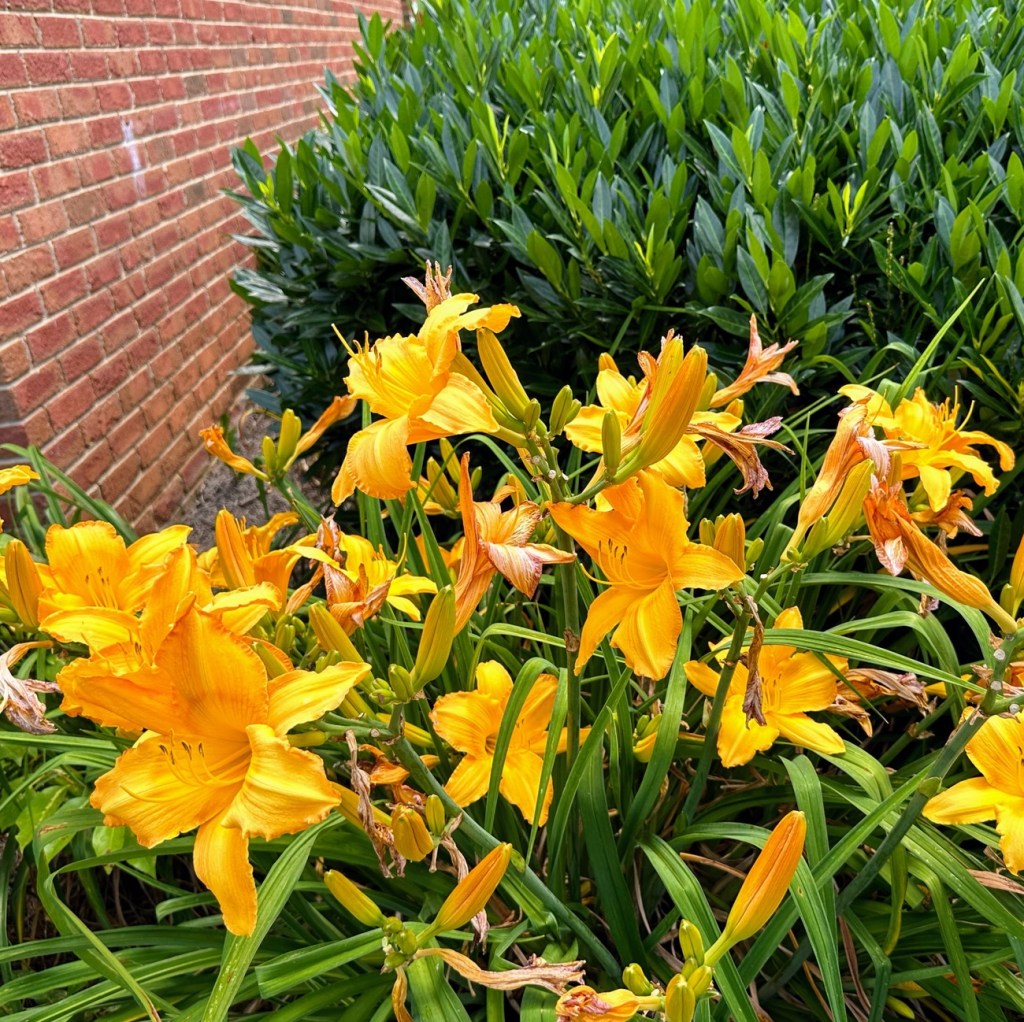
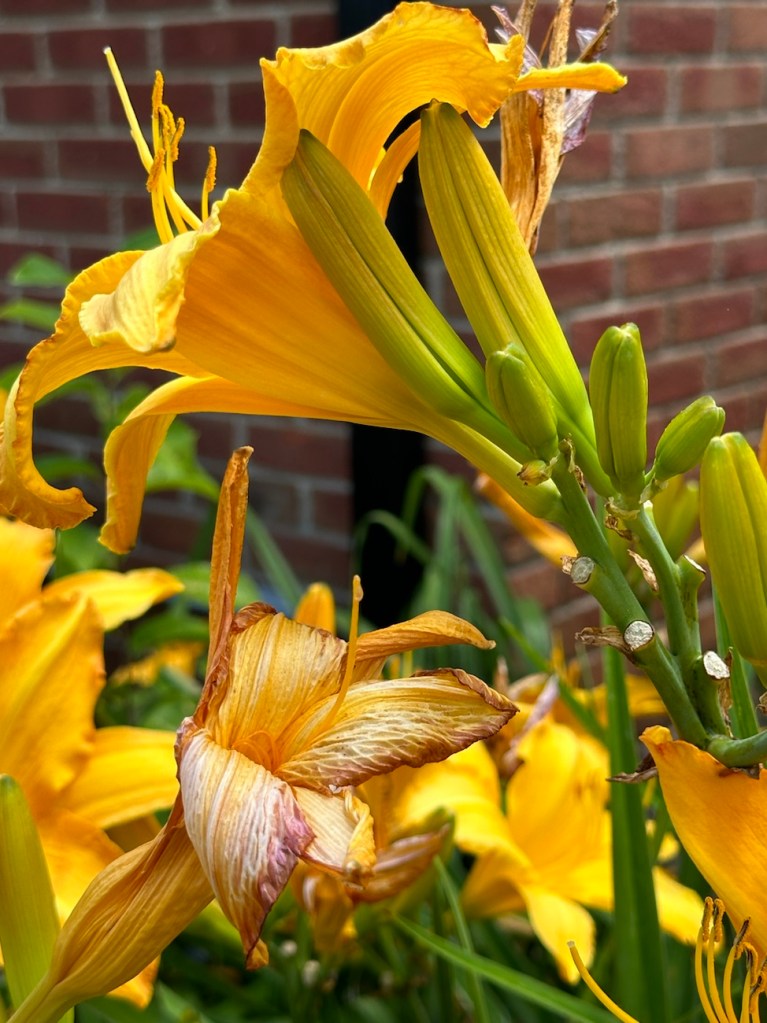
Lemon daylilyYellow daylilyHemerocallis lilioasphodelus grows in big, spreading clumps, and its leaves grow to 75 cm (30 in) long. Its scapes each bear from 3 through 9 sweetly fragrant, lemon-yellow flowers.
Location: New Hope Acres; Gastonia, North Carolina, USA
God Bless. Thank you for visiting and sharing your time and thoughts with me. Enjoy the beauty all around you. Take time to admire nature’s wonderful creations. I appreciate y’all very much.
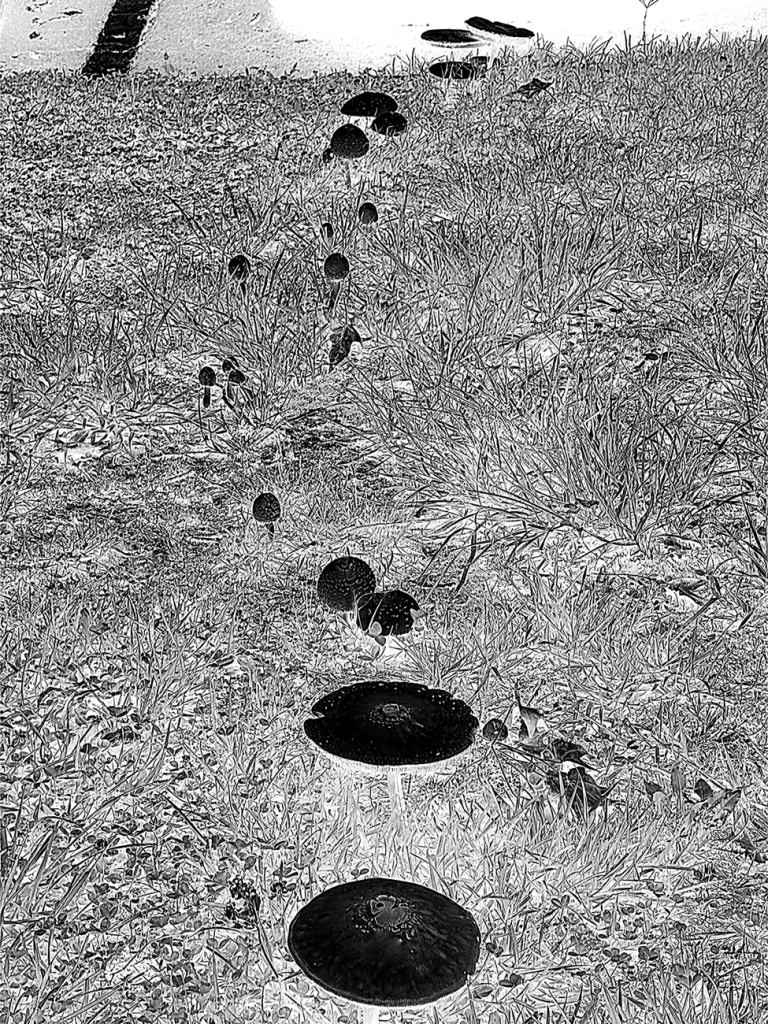
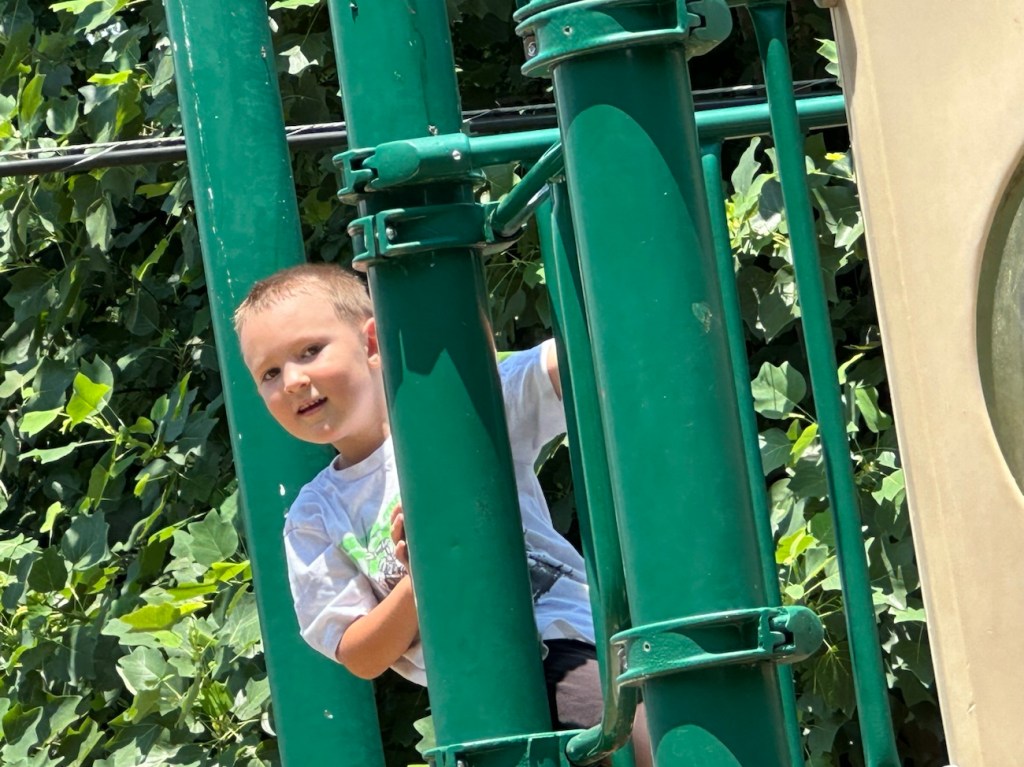
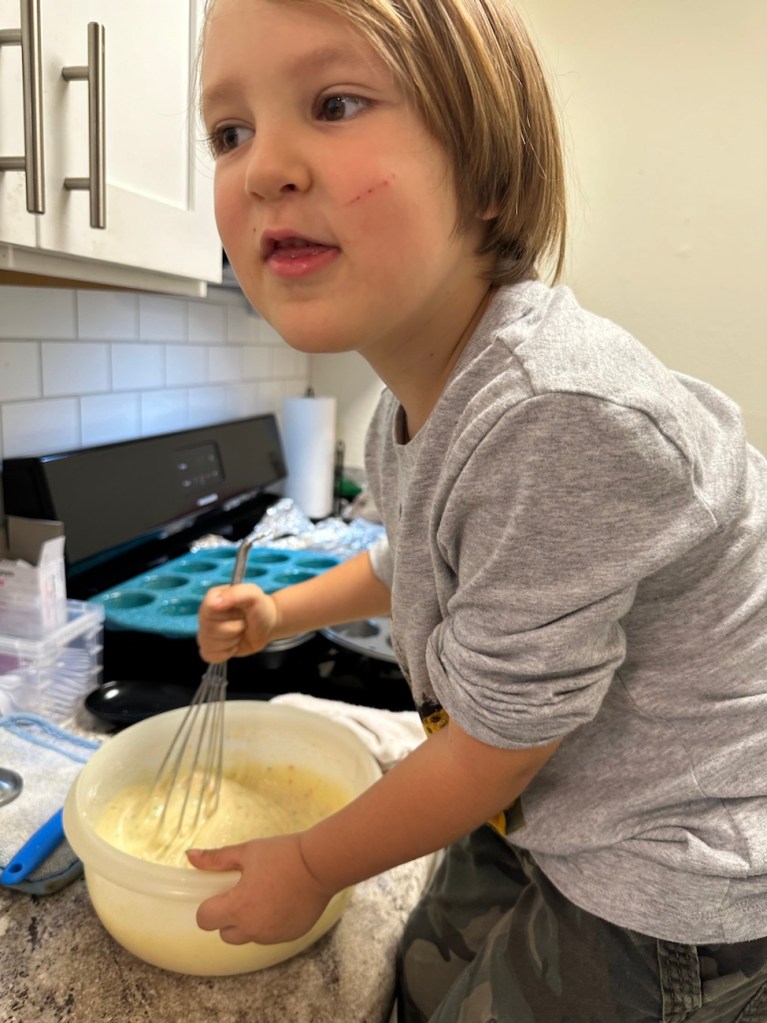
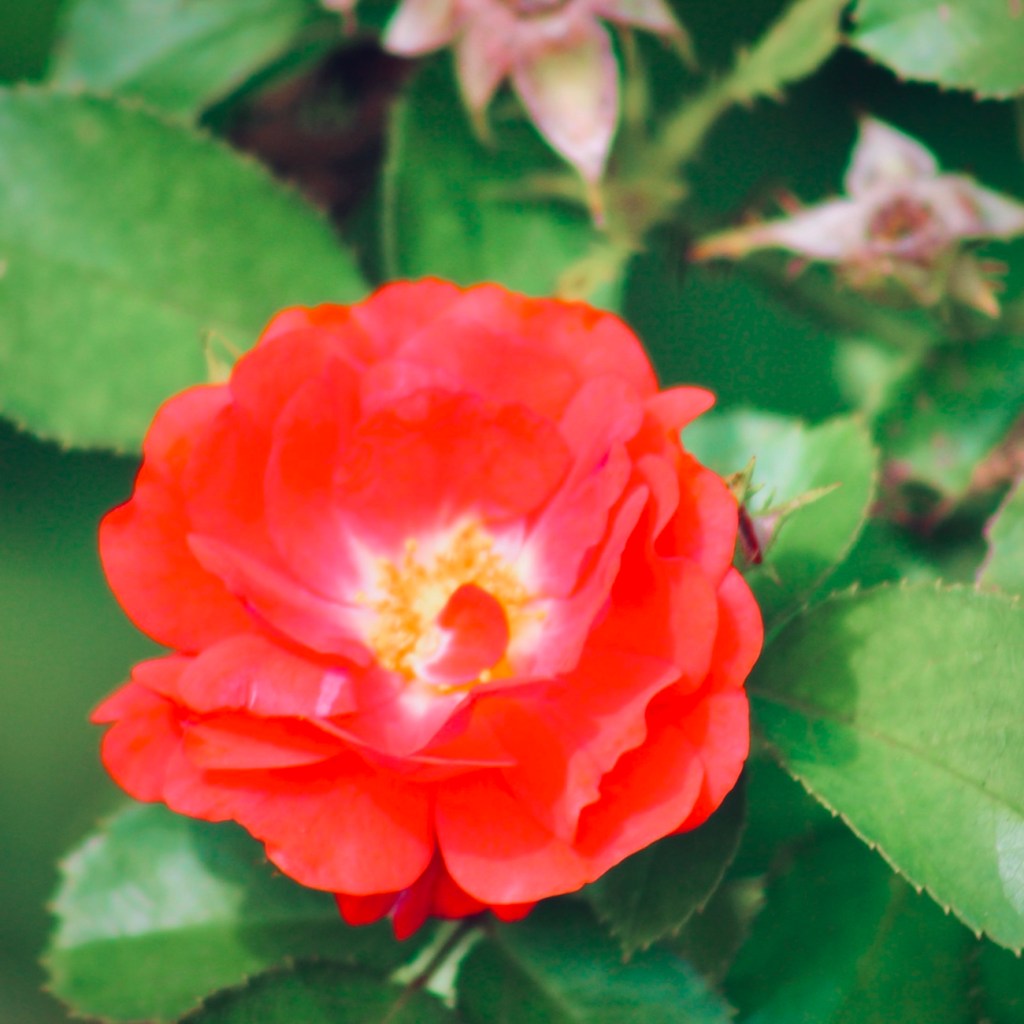
Pixlr is a photo editing app available for smartphones and PC’s. It has several different editing apps available including background removal, a great number of filters and effects to try to enhance your creativity. What you see here is just my playing around with the Pixlr camera and a few effects. I was not doing anything except discovering what the effects might look like and exploring their effect on my photo of Coleman. I am not sure that I would use all of these effects, but I might try some more at a later time.









































































 Gfpacificbee’s Insights & photography