Location: Centennial Center; Downtown Cramerton; Cramerton, North Carolina, USA
God Bless. May you have a Gardenof Love, Friendship, and Joy. Thank you for visiting and sharing your time and thoughts with us. I appreciate y’all very much.
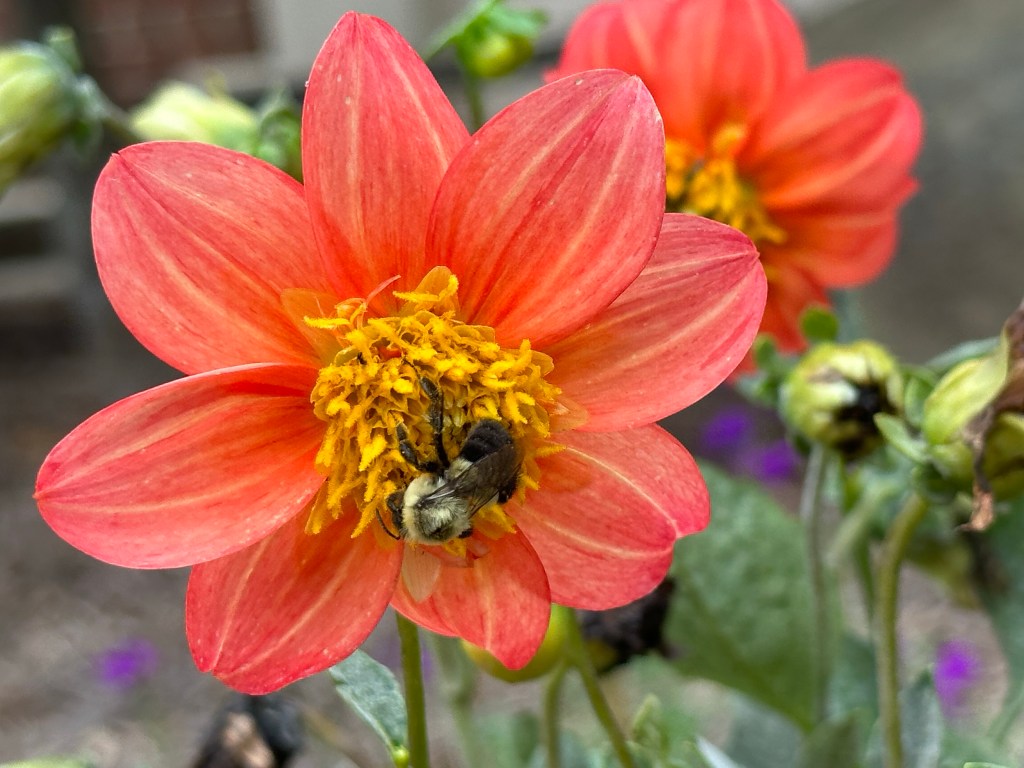
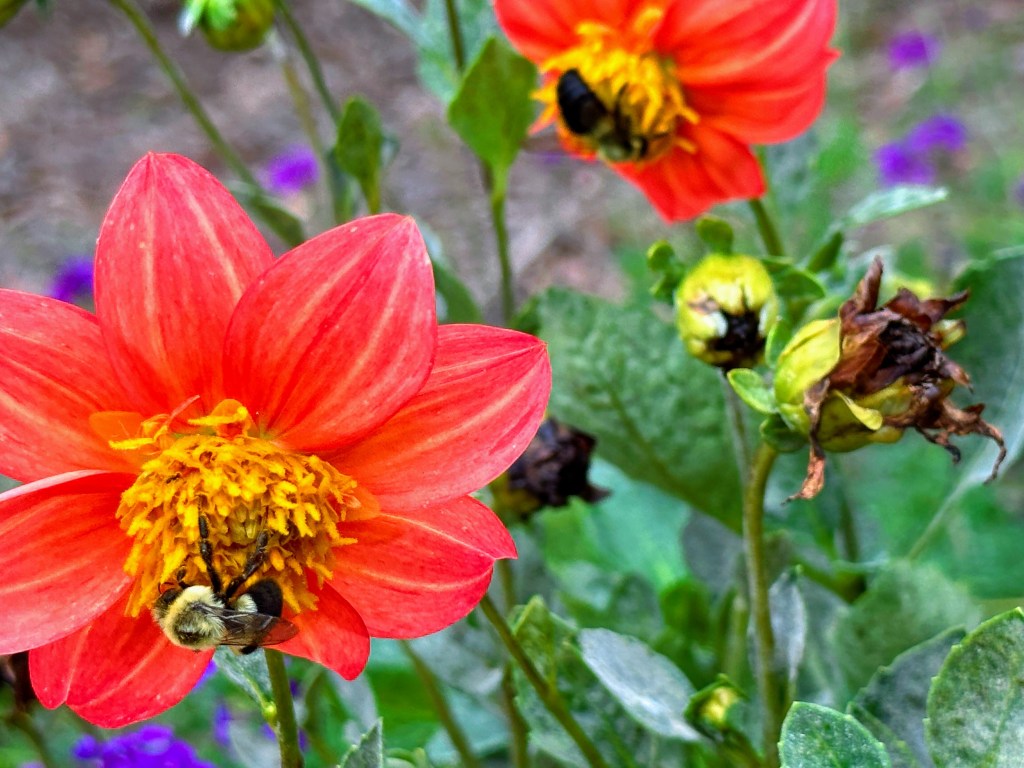
Its common name is red dahlia, although the flowers can be orange or occasionally yellow, as well as the more common red. Common Eastern Bumblebee feasting on its nectar. Dahlia coccinea
Zinnias are subtropical and tropical upright annual flowering plants in the Asteraceae family which boast an abundance of daisy-like flowers. They are native to North and South America.
Original Peruvian Zinnias
These and other Zinnias are grown in the Memorial Wildlife Garden contained within The Farm at The Schiele Museum of Natural History in Gastonia, North Carolina. The Farm is located to the left as you enter the Nature Trail area outside the Museum walls.
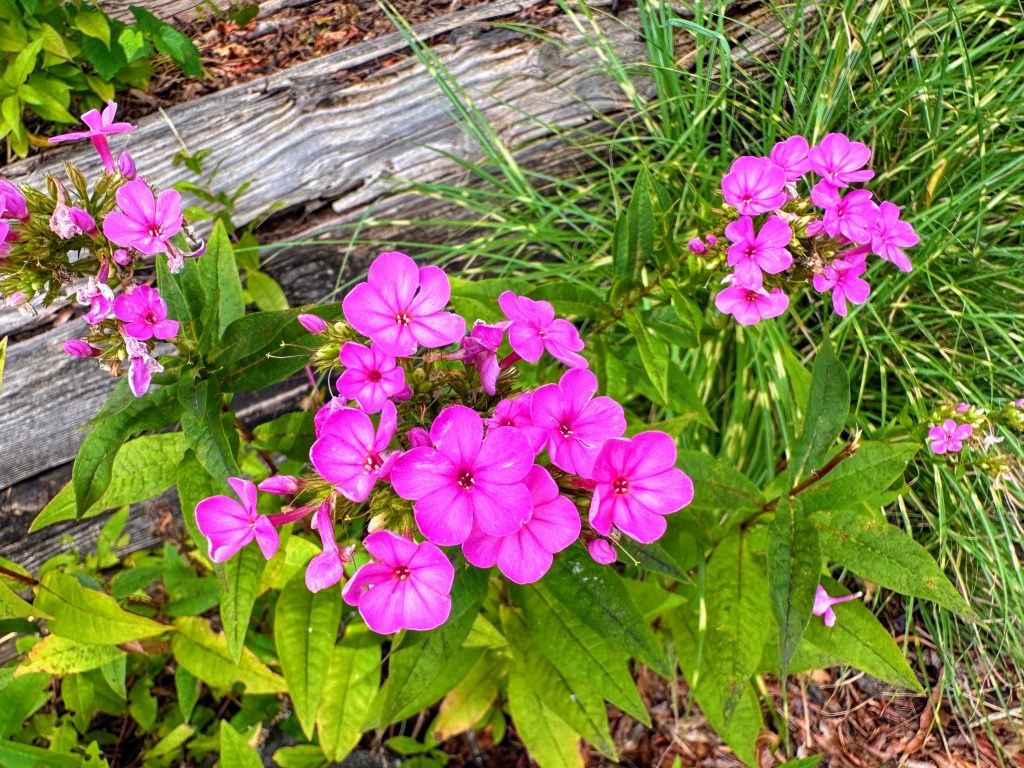
Carolina Phlox is a lovely long-flowering native with clusters of purple-pink flowers.Phlox carolina, the thickleaf phlox, is a species of flowering plant in the family Polemoniaceae.
The specific epithet carolina refers to its native habitat in the eastern United States. It grows in woodland edges and openings. Flowers attract bees, hummingbirds, and butterflies.
Ipomoea pandurata (eep-oh-MEE-uh pand-yoor-RAY-tuh, shaped like a fiddle) is native to Florida and the eastern half of North America. It has a large root that can be eaten if cubed and boiled in at least two changes of water. Never eat it raw.
These are also known as Indian Potato, Man-of-the-Earth, Manroot, Morning Glory, Wild Potato Vine, Wild Sweet potato, Wild Sweet potato Vine.
Venus Fly TrapThe Venus flytrap (Dionaea muscipula) is a carnivorousplant native to subtropical wetlands on the East Coast of the United States in North Carolina and South Carolina.The English botanist John Ellis, who gave the plant its scientific name in 1768, wrote that the plant name tippitywichit was an indigenous word from either Cherokee or Catawba.
These particular Venus Fly Trap plants are on display in an aquarium in The Schiele Museum of Natural History and Planetarium in Gastonia, North Carolina.
Lagerstroemia indicathe crape myrtle (also crepe myrtle, crêpe myrtle, or crepeflower)It is a species of flowering plant in the genus Lagerstroemia of the family Lythraceae. It is an often multi-stemmed, deciduous tree with a wide spreading, flat topped, rounded, or even spike shaped open habit. The tree is a popular nesting shrub for songbirds and wrens.
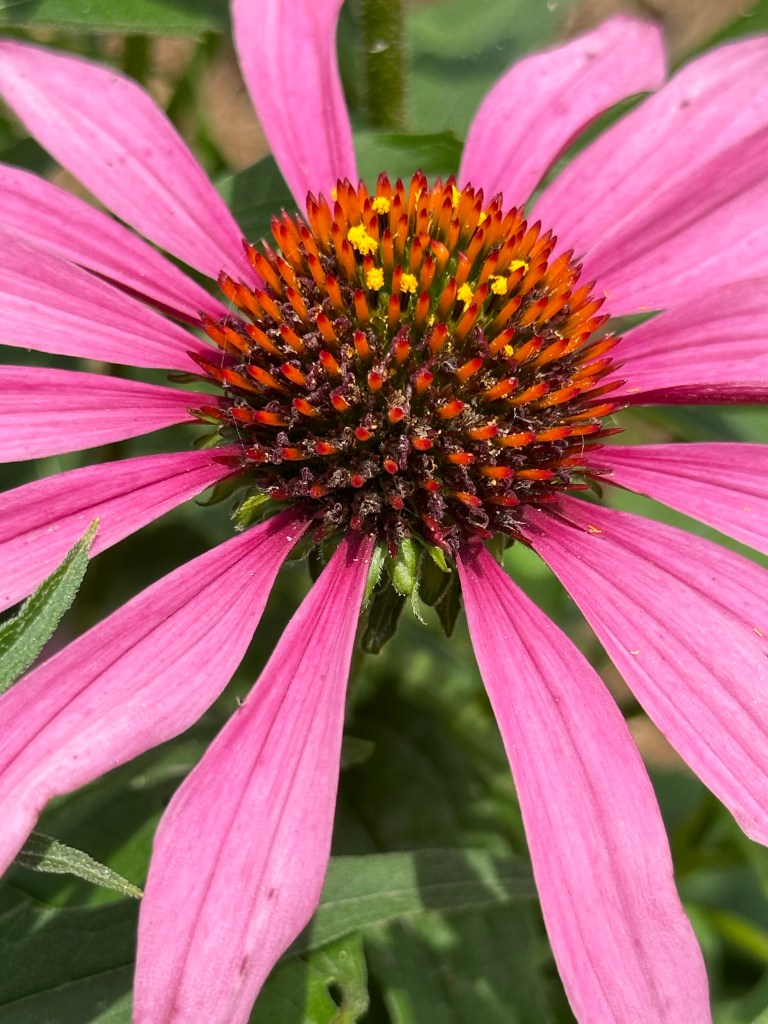
Echinacea purpurea is recognisable by its purple cone-shaped flowers. It is native to eastern North America and present to some extent in the wild in much of the eastern, southeastern and midwest United States. It is often known as the purple coneflower.
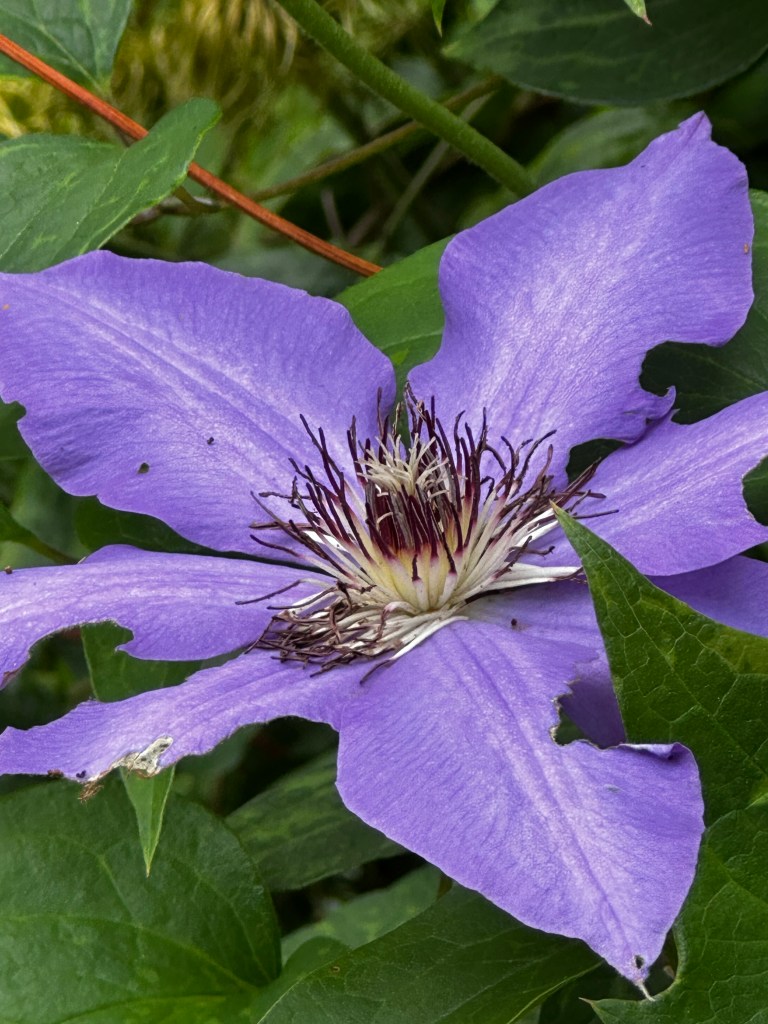
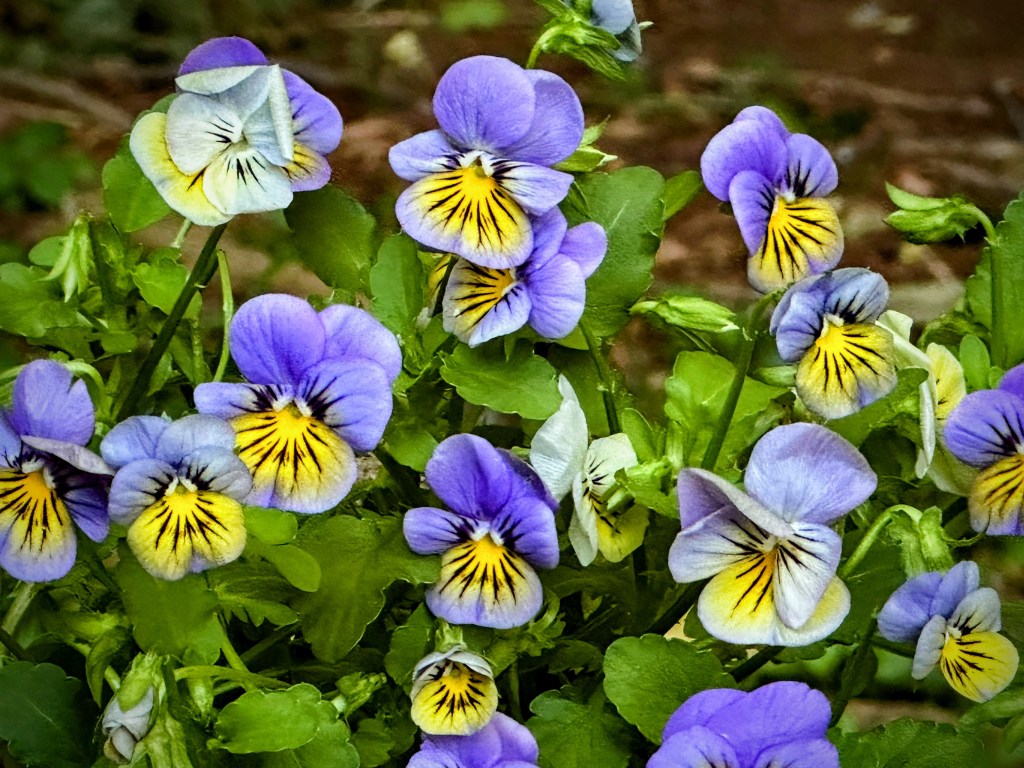
Clematis viticella, the Italian leather flower, purple clematis, or Virgin’s bower, is a species of flowering plant in the buttercup family Ranunculaceae, native to EuropeShades of Purple in a Garden PlanterSalvia officinalis, the common sage or just sage, is a perennial, with blue to purplish flowers. Sisyrinchium angustifolium, commonly known as narrow-leaf blue-eyed-grass Viola × williamsii, known as hybrid horned pansy, tufted pansy, or just horned pansy
Lavender & Meadow SageMeadow Sage Salvia x sylvestrisLavender ‘May Night’ Sage
These Lavender & Sage plants and flowers are within the Memorial Garden which you can find along the Nature Trail at The Schiele Museum located in Gastonia, North Carolina.
Glencairn Gardens is located in Rock Hill, South Carolina. It was started by David & Hazel Bigger in their backyard. It is now an 11 acre paradise located in the heart of Rock Hill. It is beautifully landscaped with walkways, lawns, fountains, as well as various plants and flowers. Mrs. Bigger deeded the garden to the city of Rock Hill after her husband’s passing in 1958.
Come See Me Festival Fountain
The Garden was the original inspiration for Rock Hill’s annual Come See Me Festival. The festival has developed into a ten day event which is held each spring at Glencairn Gardens and various other sites throughout Rock Hill.
The Garden boasts a variety of blooms year round. They vary from Dogwoods and Wisteria to Azaleas and Camellias along with a variety of hardwood trees to be adorned by visitors strolling throughout the Gardens.
Circle of Friends
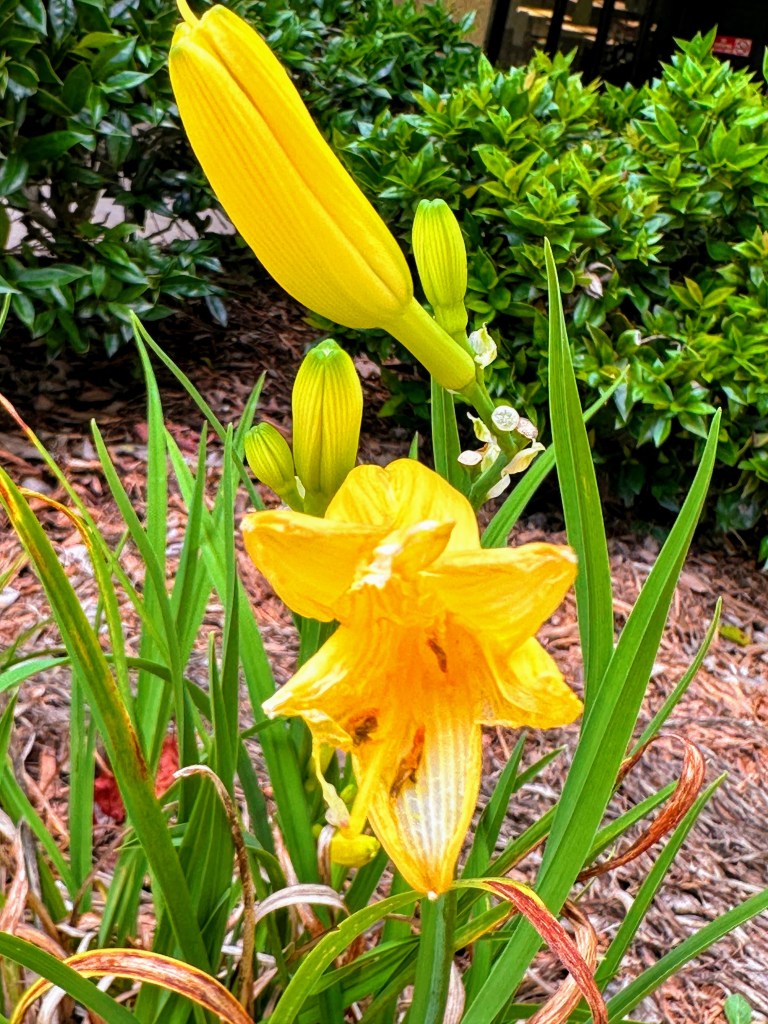
The peak blooming season is from late March to early April. With such a small window to observe and admire the various spectacular colors & the many different types of flowers in bloom — you wouldn’t want to miss visiting it. Don’t worry if you can’t make it during peak season, there is always something special to see year round. Some of which are the Crepe Myrtles and Day Lilies during the Summer, the changing of leave’s colors in Autumn. And lest you forget, there’s the daffodils and camellias, and the smell of honeysuckle to entice your senses throughout the winter.
Within Glencairn Gardens is also a Veterans Garden. The American Legion Post 34 and the Veterans of Foreign Wars Post 2889 partnered with the City of Rock Hill to create this hard that honors men and women from the past, present, and future who serve in the armed forces of the United States of America.
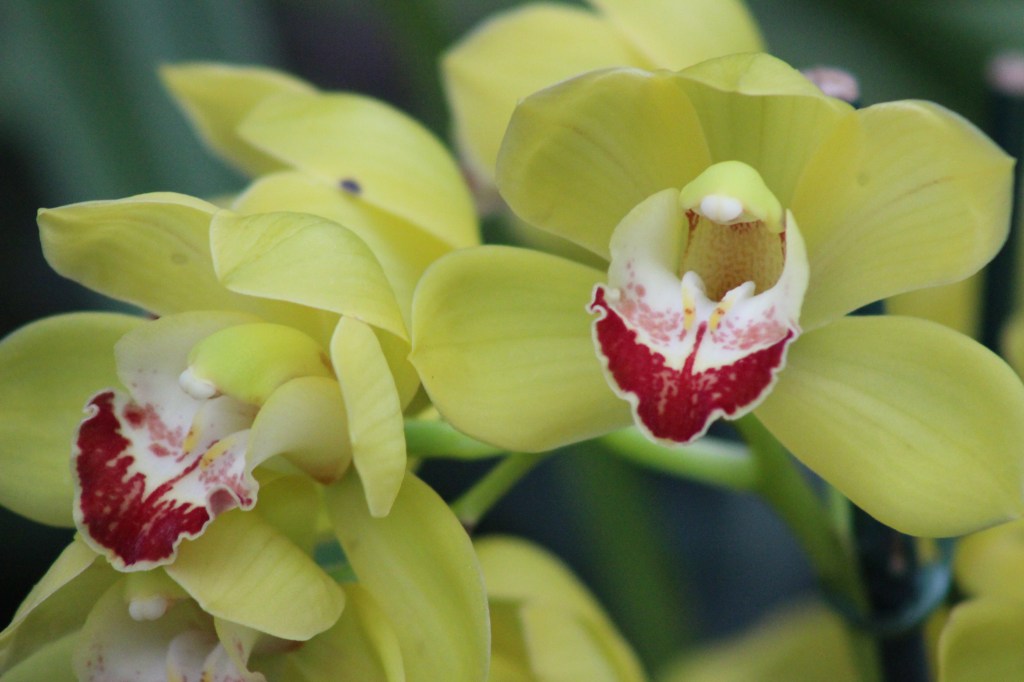
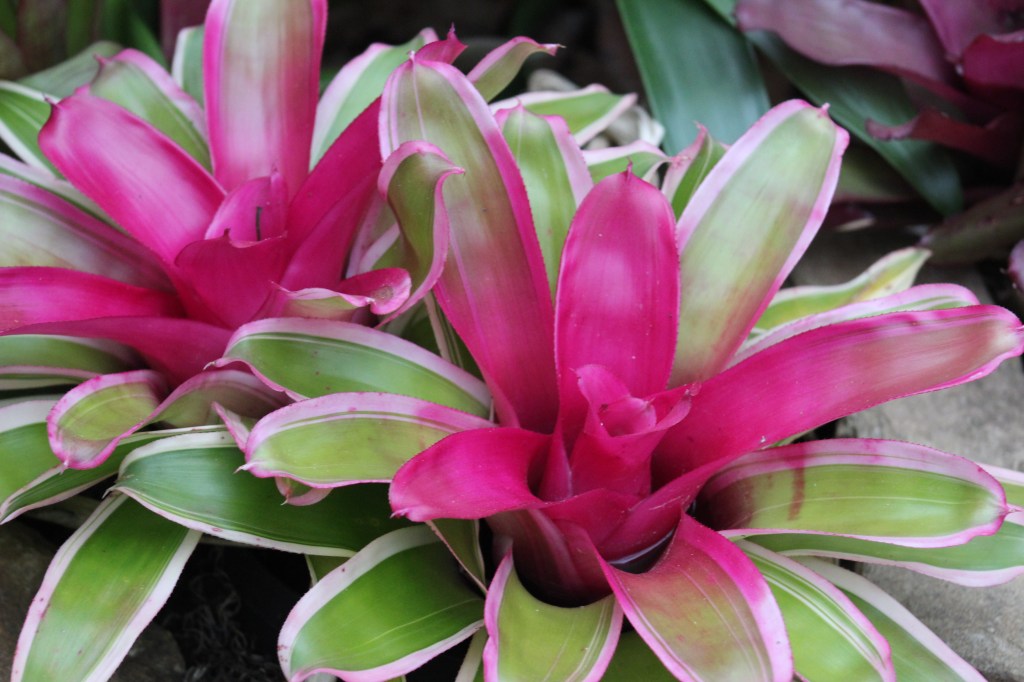
Phalaenopsis – Moth Orchid – Double Spike Orchid (Cymbidium) Neoregelia carolinae, the blushing bromeliad, is a species of flowering plant in the genus Neoregelia.Orchid Cambria Odontoglossum ‘Francine’ Pink
Pink Carnations Loropetalum chinense is commonly known loropetalum, Chinese Fringe Flower and Strap FlowerFlowers on an Eastern Redbud (Cercis canadensis) Pink RosePink for Breast Cancer No one should FIGHT ALONE Til Valhalla Project No Hero Left Behind
Floral Arrangements Arthel “Doc” Watson Statue Boone, North Carolina
Arthel “Doc” Watson (1923-2012), an 8-time Grammy winner, was born down the road in Deep Gap and always remained “Just One of The People,” as this sculpture states. [As a side note: “Doc” is my maternal 4th cousin.]
Doc became part of the Folk Revival and is known worldwide for his flat-picking style of guitar playing. The Town of Boone celebrates Doc Watson Day every year with a concert at the Jones House. This bronze statue of Doc Watson was dedicated on June 24, 2011, and sculpted by Alexander M. Hallmark.
Sitting by my cousin, Arthel “Doc” Watson’s Bronze Statue Boone, North Carolina
Spotted this plant by the checkout counter at our local Aldi’s.
Christmas Kalanchoe
The Kalanchoe is a group of exotic succulents prized for their unusual foliage and flowers. The scientific name is Kalanchoe blossfeldiana. It is a herbaceous and is commonly cultivated as a house plant of the genus Kalanchoe native to Madagascar. A few of the English common names are flaming Katy, Christmas kalanchoe, florist kalanchoe and Madagascar widow’s thrill.
The weather this week has been cold and rainy, so this is a floral photo from mine and Coleman’s hike last week at Baxter Village Trailhead which is a part of the Carolina Thread Trail.
Baccharis halimifolia is a North American species of shrubs in the family Asteraceae.



















 Gfpacificbee’s Insights & photography