The Yucca gloriosa species is known by the common names moundlily yucca and soft-tipped yucca. The Yucca gloriosa is also known as Roman candle, candle yucca, palm lily, and Spanish needle.
Close-up of the Yucca Flowers
Yucca gloriosa is caulescent, usually with several stems arising from the base, the base thickening in adult specimens. The leaves are long narrow, straight and very stiff. [The tips of the leaves are extremely sharp to the touch.]
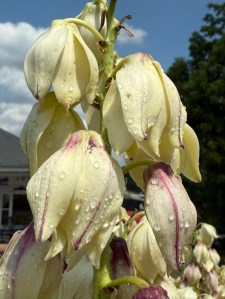
Yucca gloriosa with Raindrops
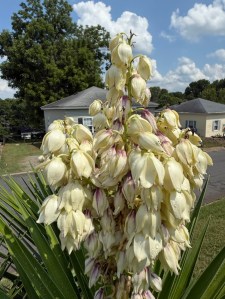
The inflorescence is a panicle up to 2.5 m (8 ft) long, of bell-shaped white flowers, sometimes tinged purple or red. The fruit is a leathery, elongate berry up to 8 cm (3 in) long. [We have not seen or noticed the berries on the Yucca plant as of yet.]
Moundlily Yucca and Soft-tipped Yucca
The habitat for Yucca gloriosa is normally on exposed sand dunes along the coast and barrier islands of the lower East Coast of the United States. [There are two (2) of the Yucca gloriosa grown as ornament plants on our front lawn.]
Yucca gloriosa has been known to cause skin irritation and even allergic reactions upon contact. The leaf points are even sharp enough to break the skin.
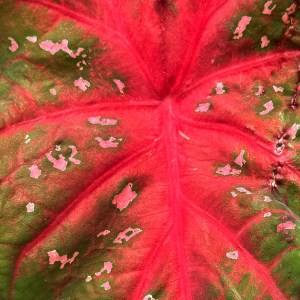
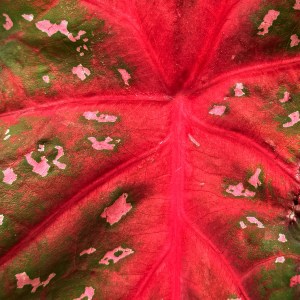
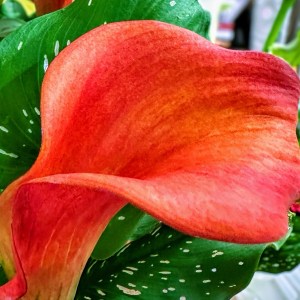
The Caladium bicolor(AkaHeart of Jesus) is typically grown as a houseplant for its large, heart or lance-shaped leaves with striking green, white, pink, and red blotching. [These Plants were planted in large landscape planters in and around Centennial Center in Downtown Cramerton.] It is alright to plant it outside in USDAHardiness Zone 10 as an ornamental.
The Caladium bicolor, called the Heart of Jesus, is named such as a nod to the Sacred Heart of Jesus, a symbol of divine love in Christian tradition. The plant’s heart-shaped leaves echo the symbol of the Sacred Heart, making it a living embodiment of this spiritual icon.
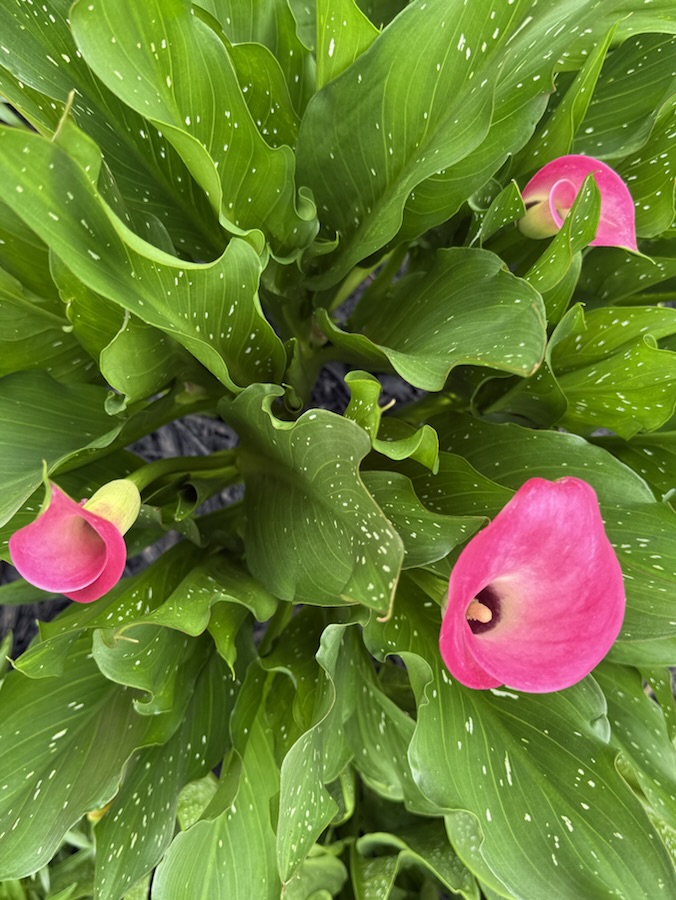
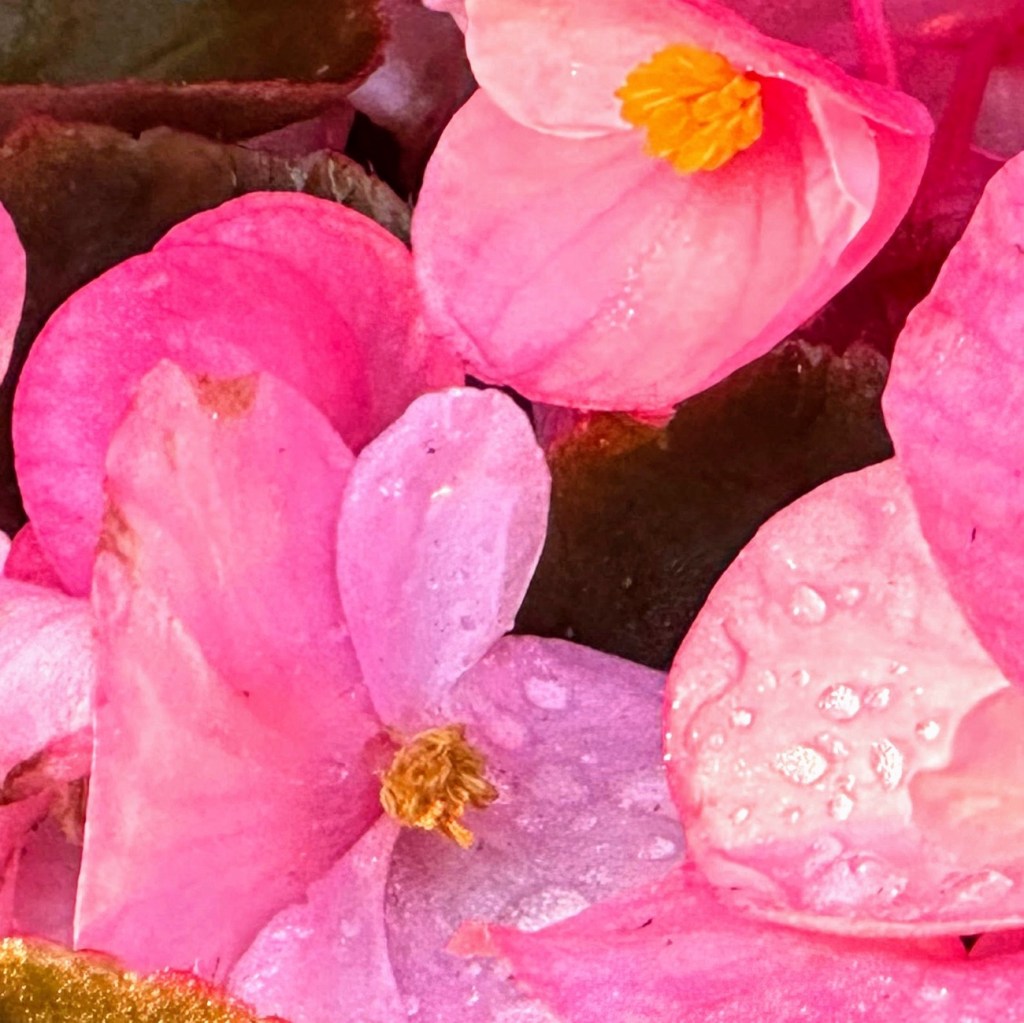
Caladium x hortulanum (fancy-leaved caladium)
Caution: Caladium bicolor contains calcium oxalate crystals, making all parts of the plant poisonous to humans, livestock, and pets. If its sap comes in contact with the skin it may cause skin irritation. Ingestion of this plant may cause burning and swelling of the lips, mouth, and tongue, as well as nausea, vomiting, and diarrhea. Be aware that if your pet consumes caladium your pet may exhibit vomiting. Other symptoms a pet may exhibit are drooling, pawing at mouth or face, and decreased appetite.
Caladium bicolor (Heart of Jesus) is pretty to look at, but it is extremely toxic if chewed or swallowed.
Camera: Canon EOS Rebel T3i with Canon EF-S18-55mm lens
Location: Daniel Stowe Botanical Garden; Belmont, North Carolina, USA
God Bless. Breathe. Stop and Smell the Flowers. Enjoy Nature’s Beauty. Thank you for visiting and sharing your time and thoughts with us. I appreciate y’all very much.
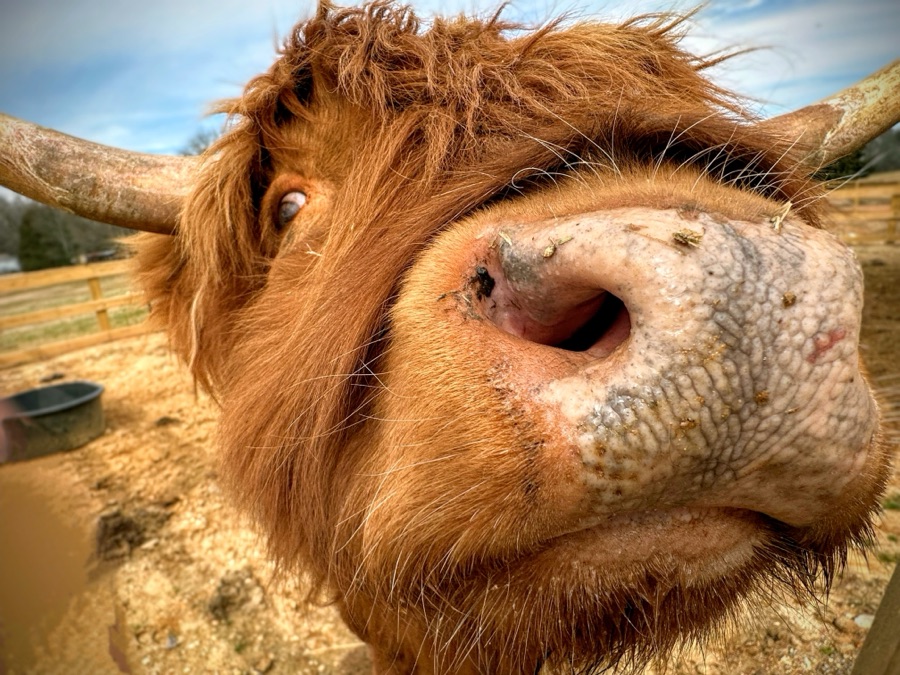
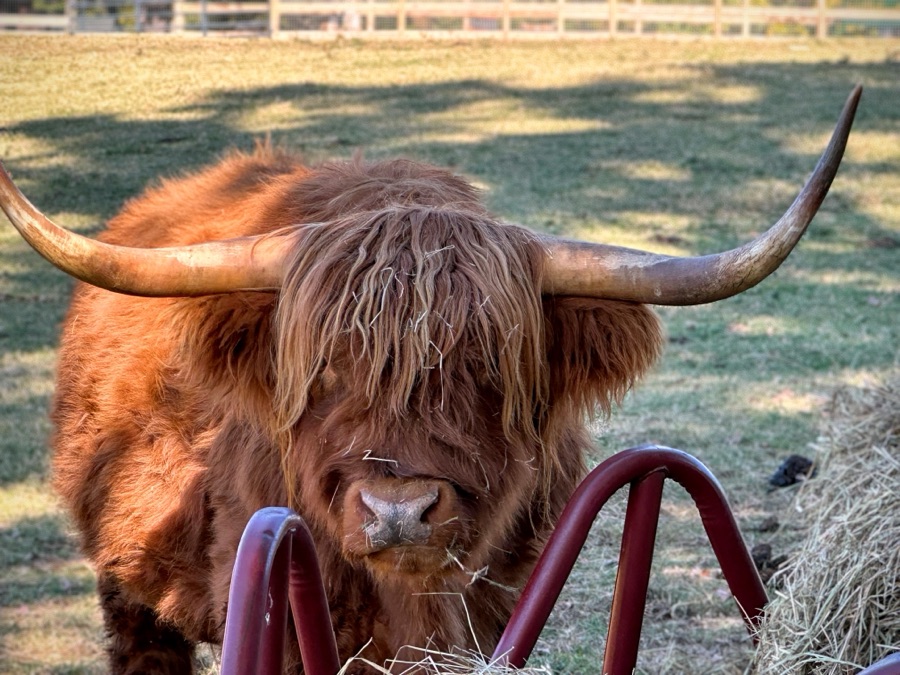
Location: Crandall Bowles Children’s Farm; Greenway Stables Entrance; Anne Springs Close Greenway; Fort Mill, South Carolina, USA
God Bless. Enjoy the Outdoors. Ready for Spring yet? I am. Thank you for visiting and sharing your time and thoughts with us. I appreciate y’all very much.
Location: The Schiele Museum of Natural History; Gastonia, North Carolina, USA
God Bless. Pray for Florida, South Carolina, North Carolina & Tennessee as they try to recovery from Hurricane Helene. Thank you for sharing your time and thoughts with me. I appreciate y’all very much.
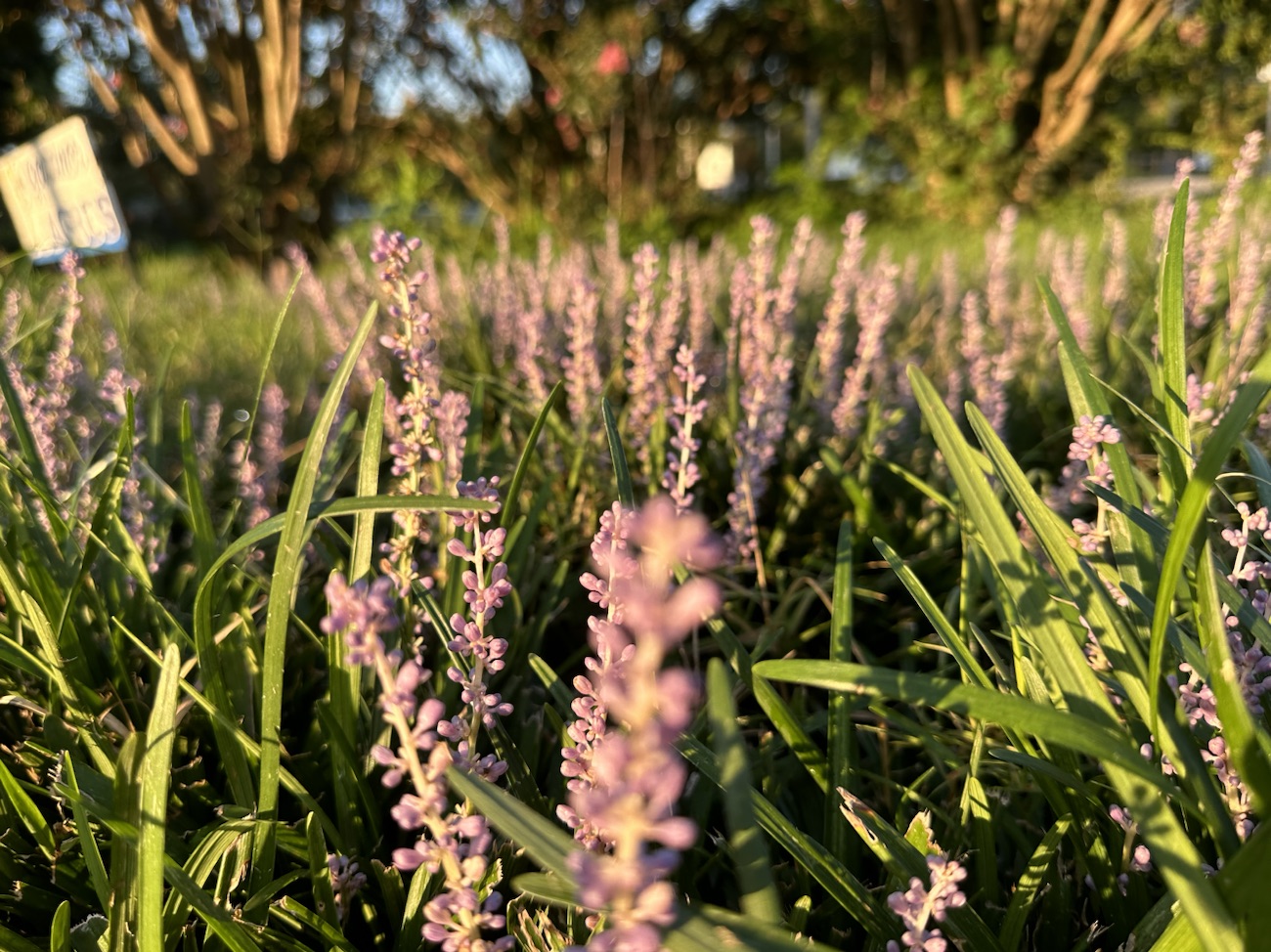
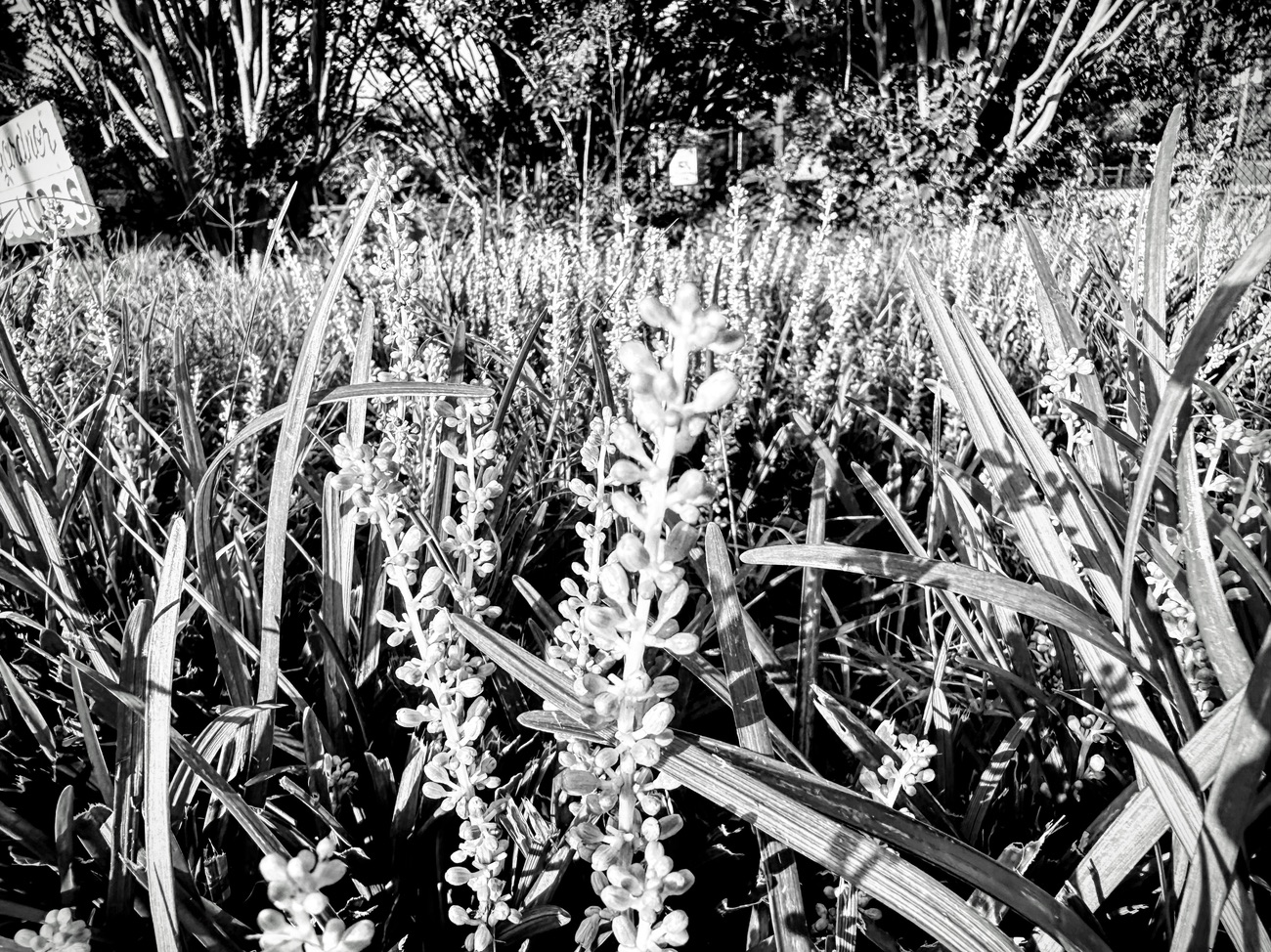
Liriope muscari is commonly referred to as big blue lilyturf, lilyturf, border grass, and monkey grass. It has grass-like evergreen foliage and lilac-purple flowers which produce single-seeded berries on a spike in the fall.
It is late summer here, however, these Big Blue Lilyturf can be spotted around all over the city in landscape manicured gardens. They are one of the few plants in bloom right now besides the varieties of Crape Myrtle.
Being an easy plant to grow, landscapers tend to use the Liriope muscari as groundcover for borders along sidewalks, trails, driveways, shrubbery, and trees. It is one of the most popular groundcovers in the southeastern United States.
The Apotheosis of Washington is located in the eye of the U.S. Capital Building’s Rotunda in Washington D.C.. It was painted by Constantino Brumidi in 1865. The painting depicts George Washington rising to the heavens in glory, flanked by female figures representing Liberty and Victory/Fame and surrounded by six groups of figures.
The Apotheosis of Washington was painted in the true fresco technique. Constantino Brumidi was born and trained in Rome; having already painted in the Vatican and Roman palaces prior to emigrating to the United States in 1852. He was a master of creating the illusion of three-dimensional forms and figures on flat walls. He painted frescoes and murals throughout the Capitol from 1855 until his death.
The Apotheosis of Washington, was painted in eleven (11) months at the end of the civil war. A rainbow arches at George Washington’s feet and thirteen maidens symbolizing the original states flank the three central figures.
George Washington, The United States of America’s first president, had a substantial impact on the nation. He never actually graced the halls of the United States Capital, however, his presence, influence, and his likeness is everywhere. There are approximately thirty-five (35) pieces of art which include Washington’s likeness in the U.S. Capitol.
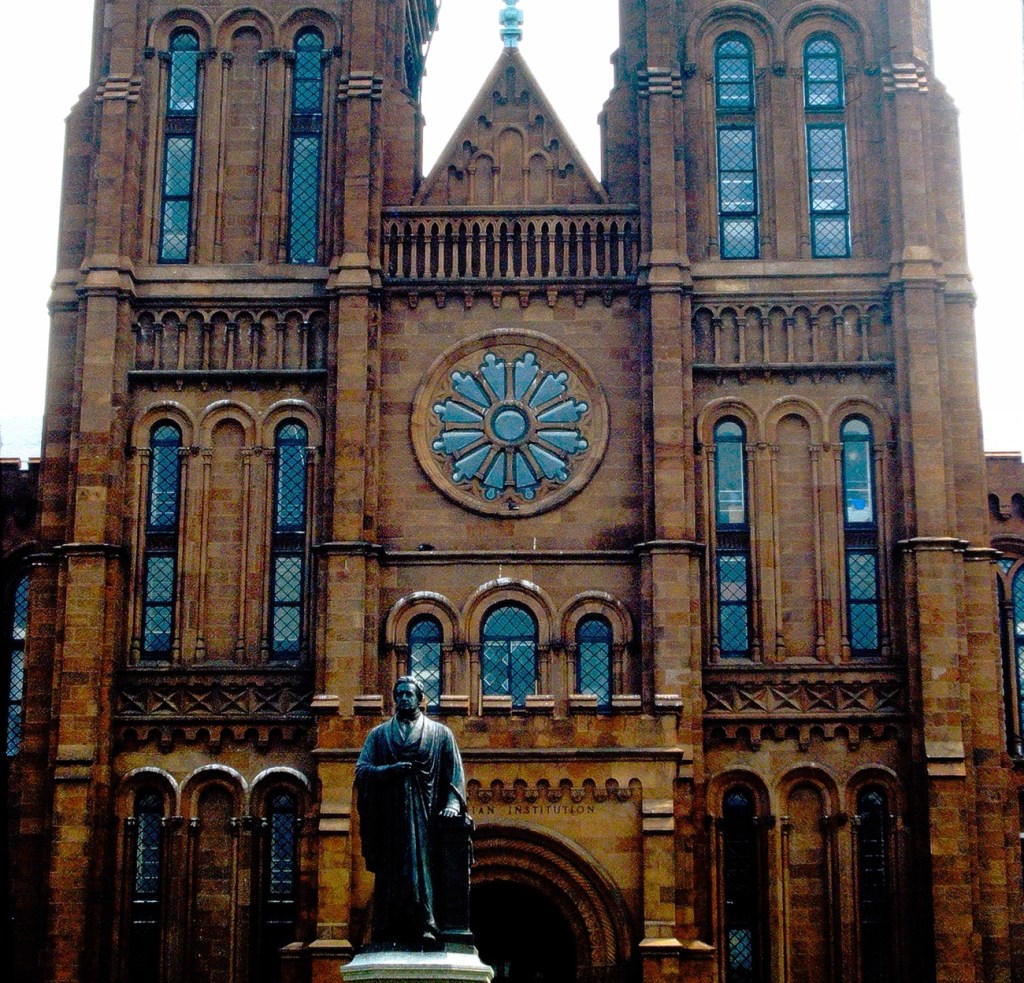
This was one of the many stops on my parents cross country vacation during the summer of 1985. They visited The Smithsonian Institution Building on their Washington D. C. Tour.
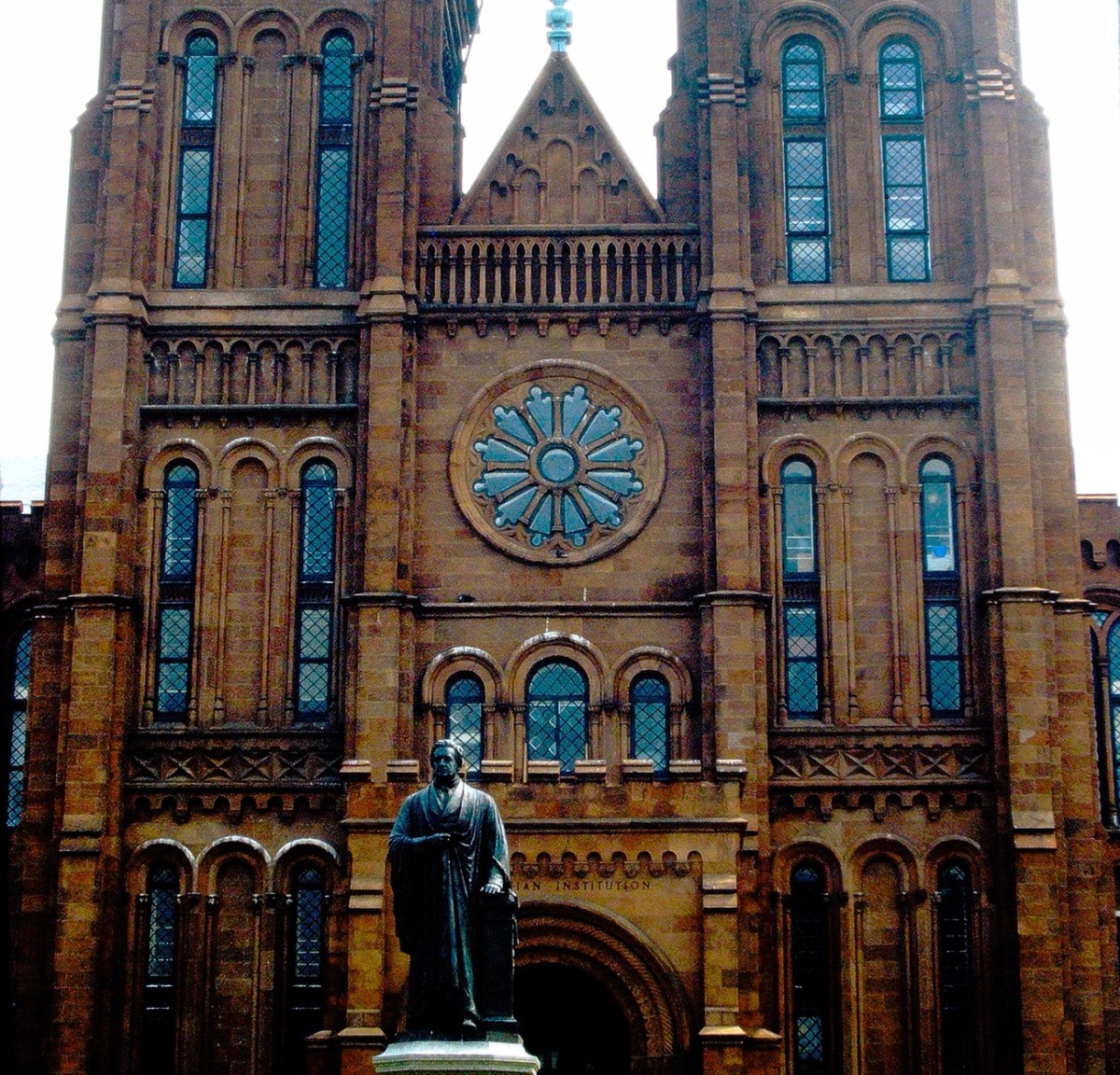
The Smithsonian Institution Building is Aka Smithsonian Castle, The Castle
The Castle was the first Smithsonian Building. It was designed by architect James Renwick Jr. and built between 1847 and 1855 to house the Smithsonian Institution, which was established by Congress in 1846. It was designed in the Norman Revival style, which combines late Romanesque and early Gothic motifs. It is made up of Seneca red sandstone from the Seneca Quarry in Montgomery County, Maryland.
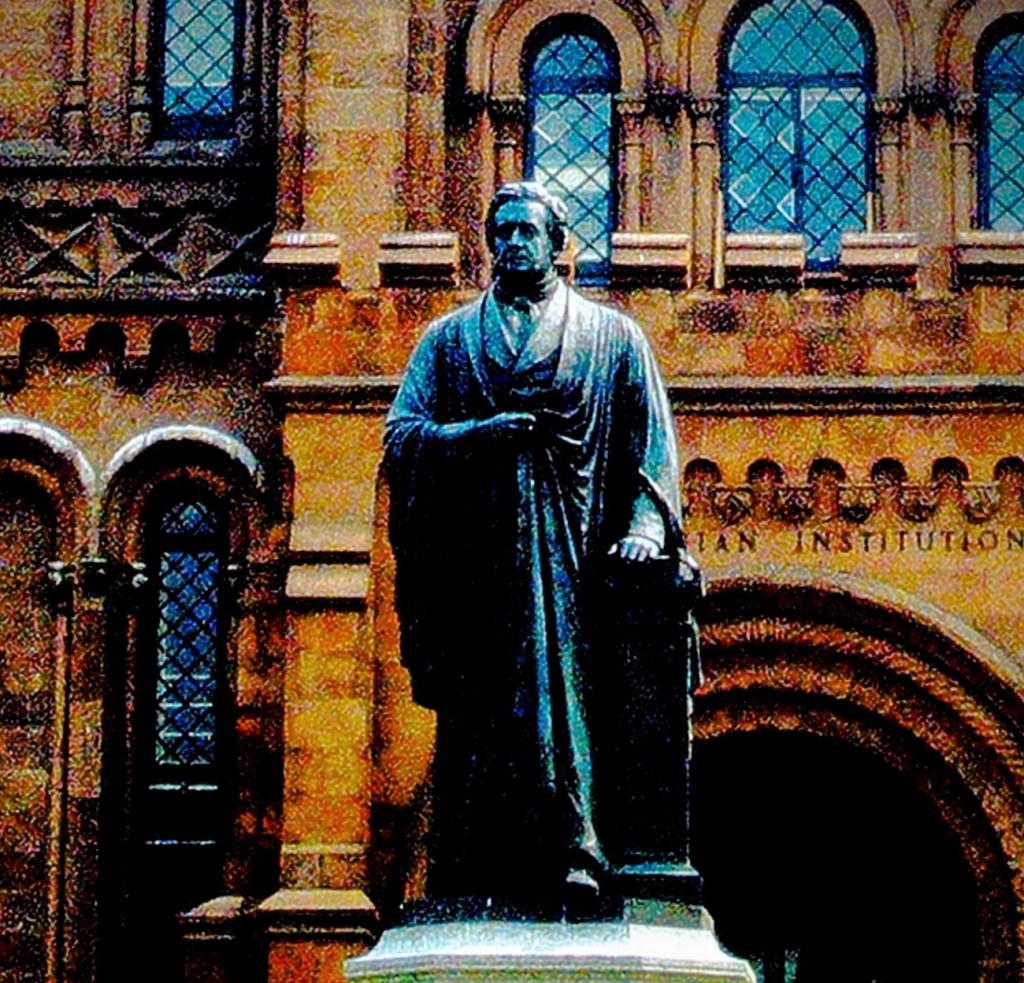
Close Up of Joseph Henry Statue
The Joseph Henry Statue is located at the entrance of the Smithsonian Institution Building, or “Castle.” Joseph Henry was the first secretary of the Smithsonian Institution from 1846 to 1878. The bronze statue of him was commissioned in 1880 and installed in 1883. At its installation it faced the Smithsonian Building (The Castle.) In 1965, the bronze statue was turned to face the National Mall.
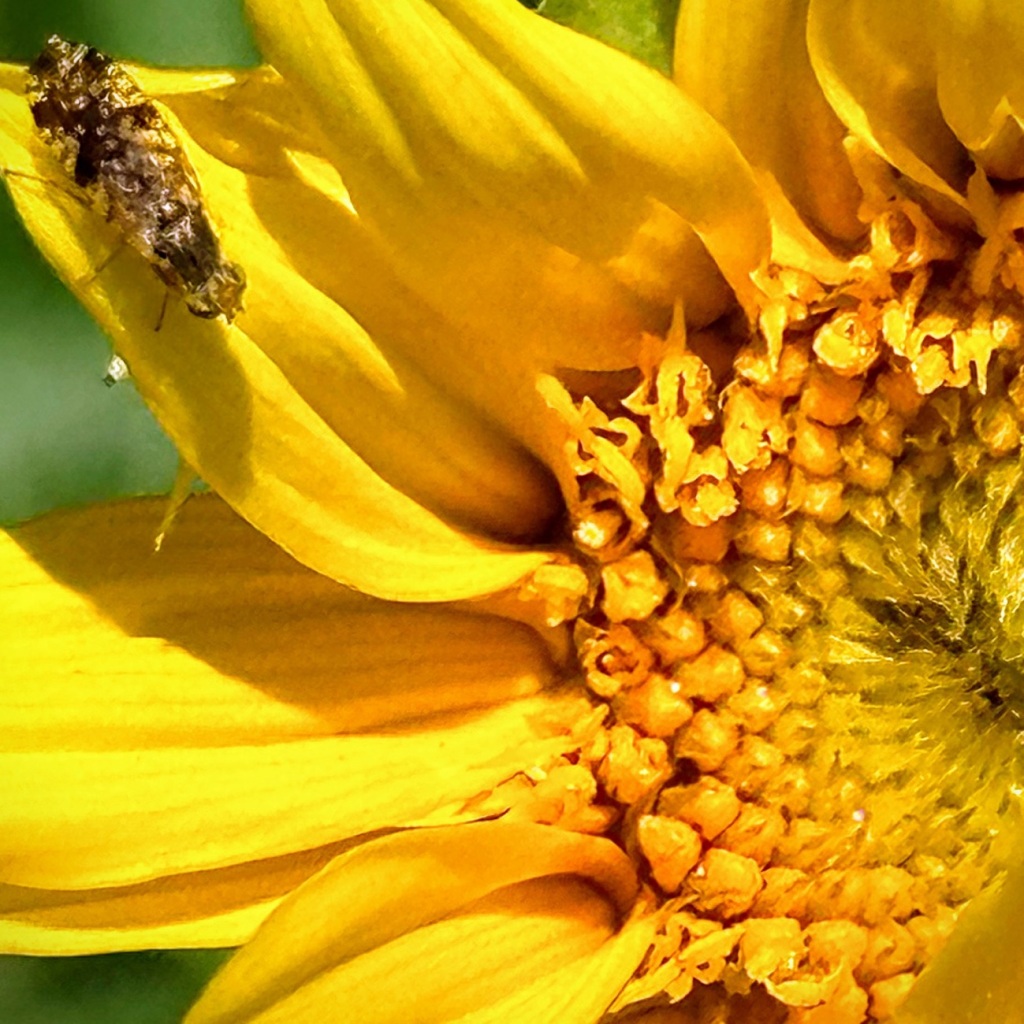
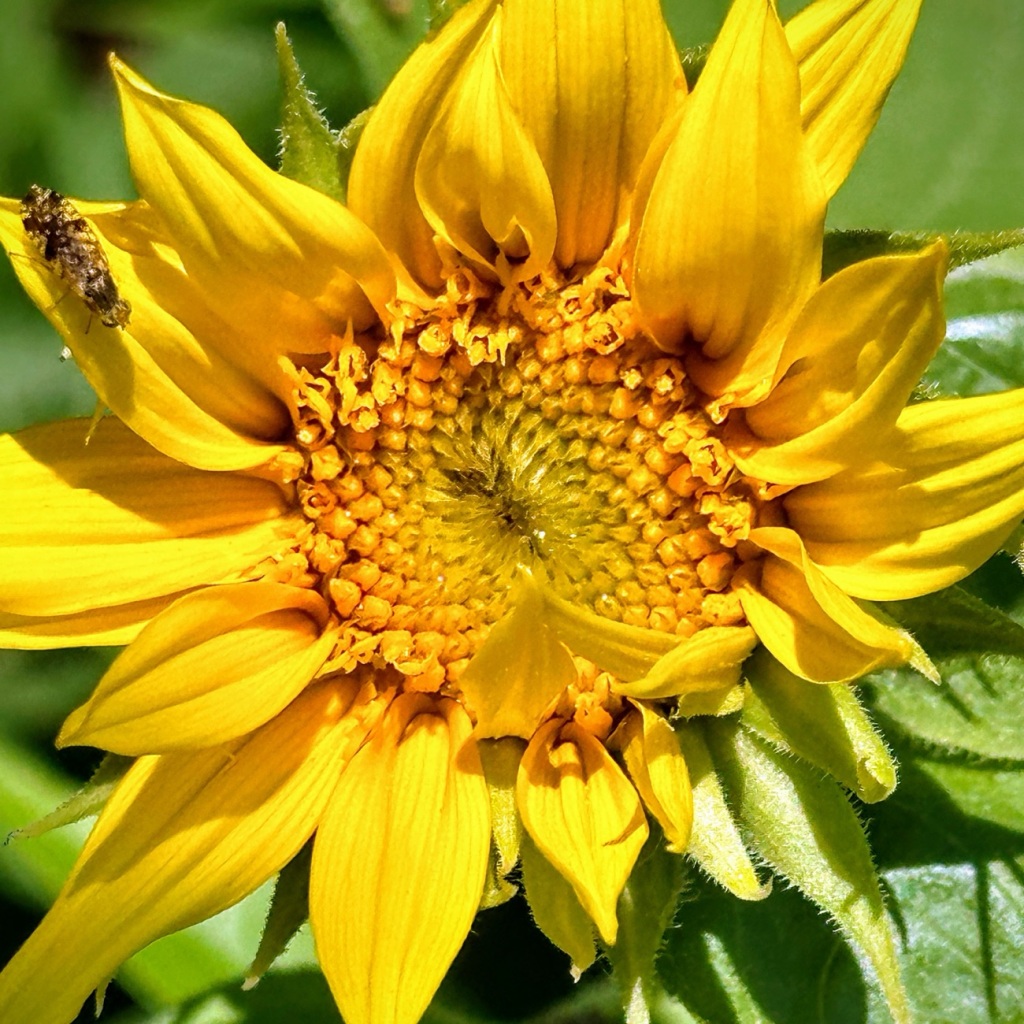
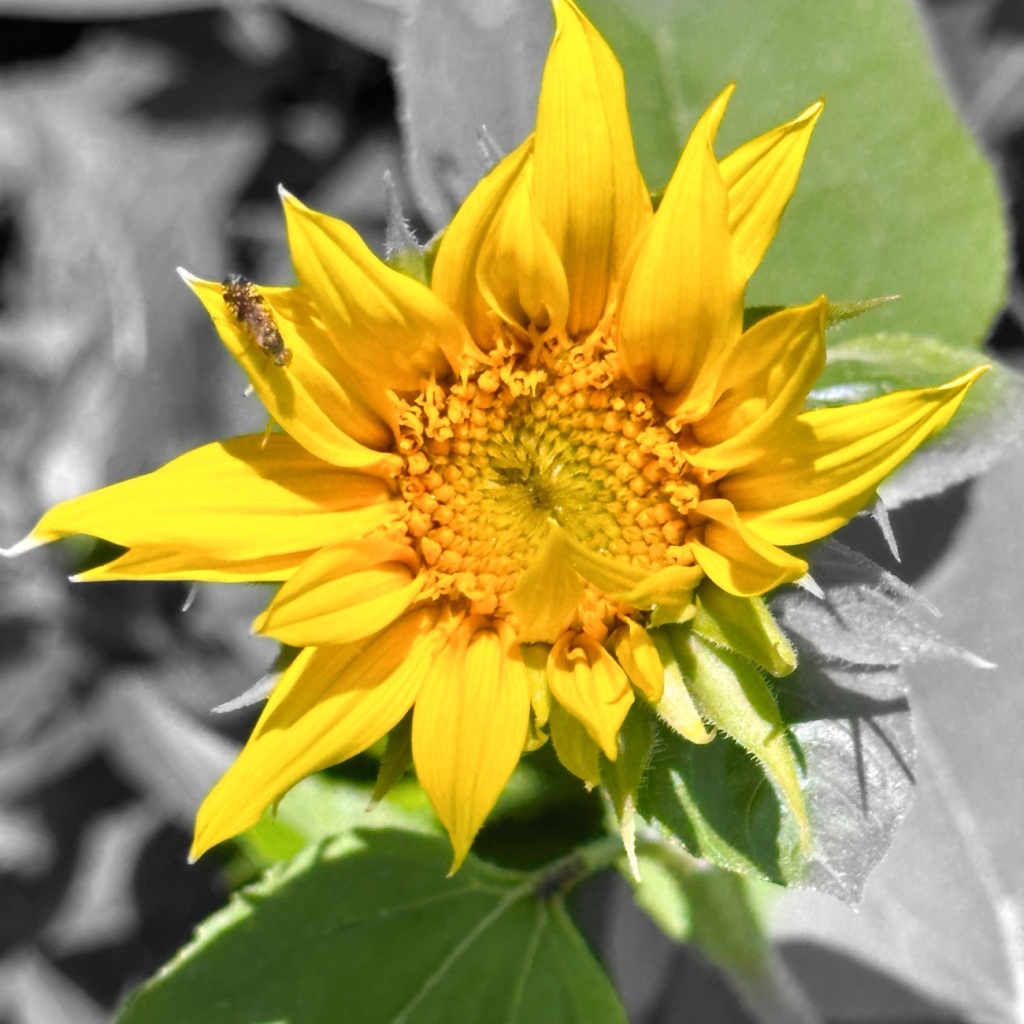
Girasol Anne Springs Close Greenway Fort Mill, South Carolina
The ‘Titan’ sunflower, as the name suggests, is a giant annual sunflower variety with an extra thick stem, supporting huge, alternating leaves, and a massive flower head that can reach 16-22 inches across! Plus Titan sunflowers can grow to heights of 12-14 feet! Blooms from July to September. Sunflowers attract a myriad of pollinators including bees, birds, butterflies and many others as well.
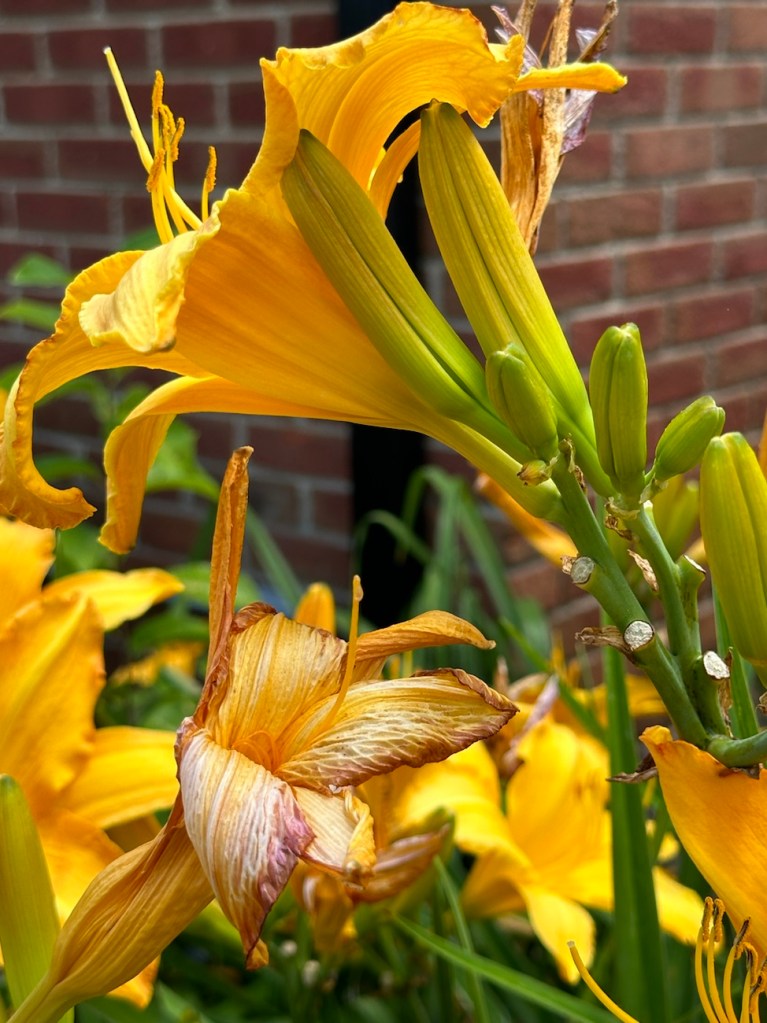
Lemon daylilyYellow daylilyHemerocallis lilioasphodelus grows in big, spreading clumps, and its leaves grow to 75 cm (30 in) long. Its scapes each bear from 3 through 9 sweetly fragrant, lemon-yellow flowers.
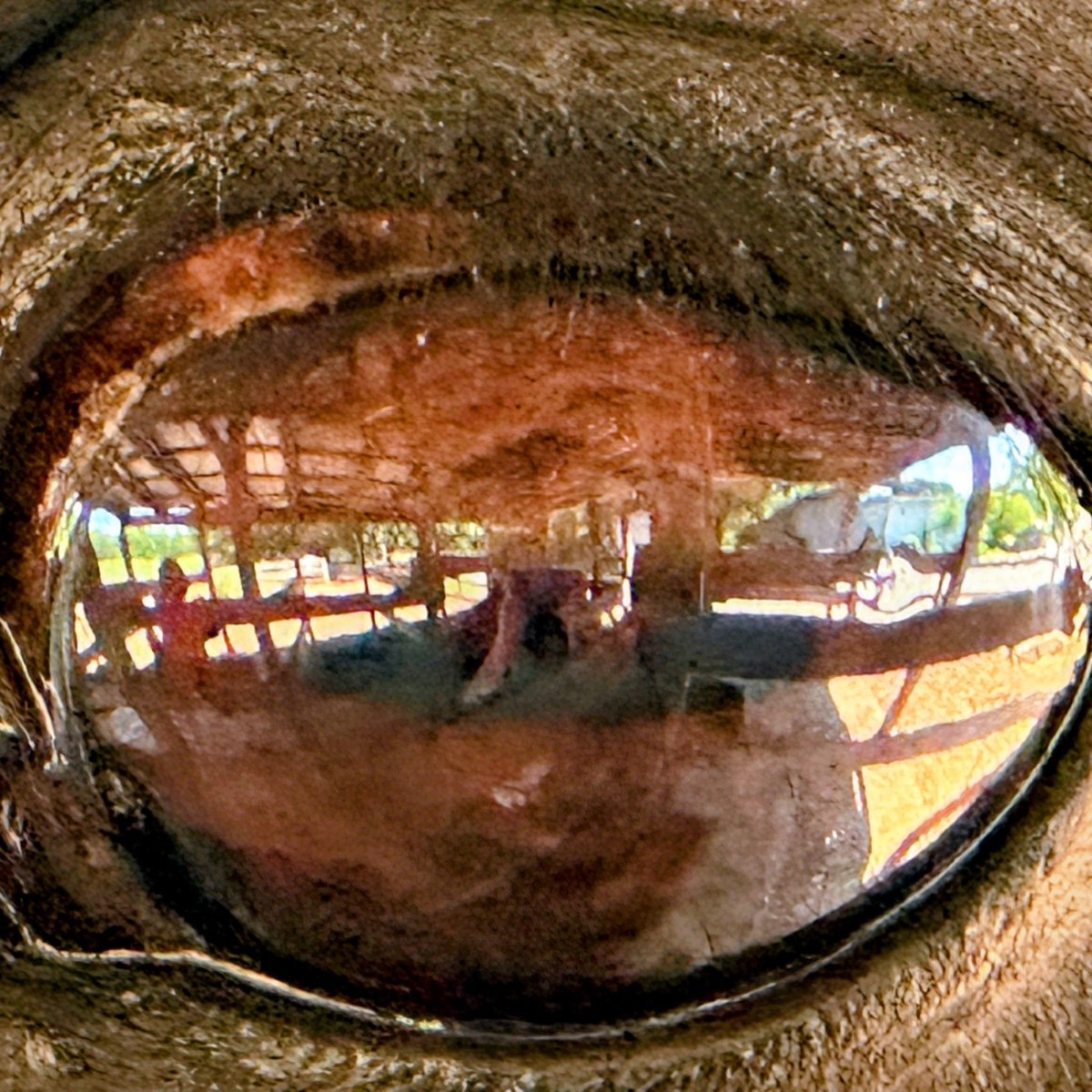
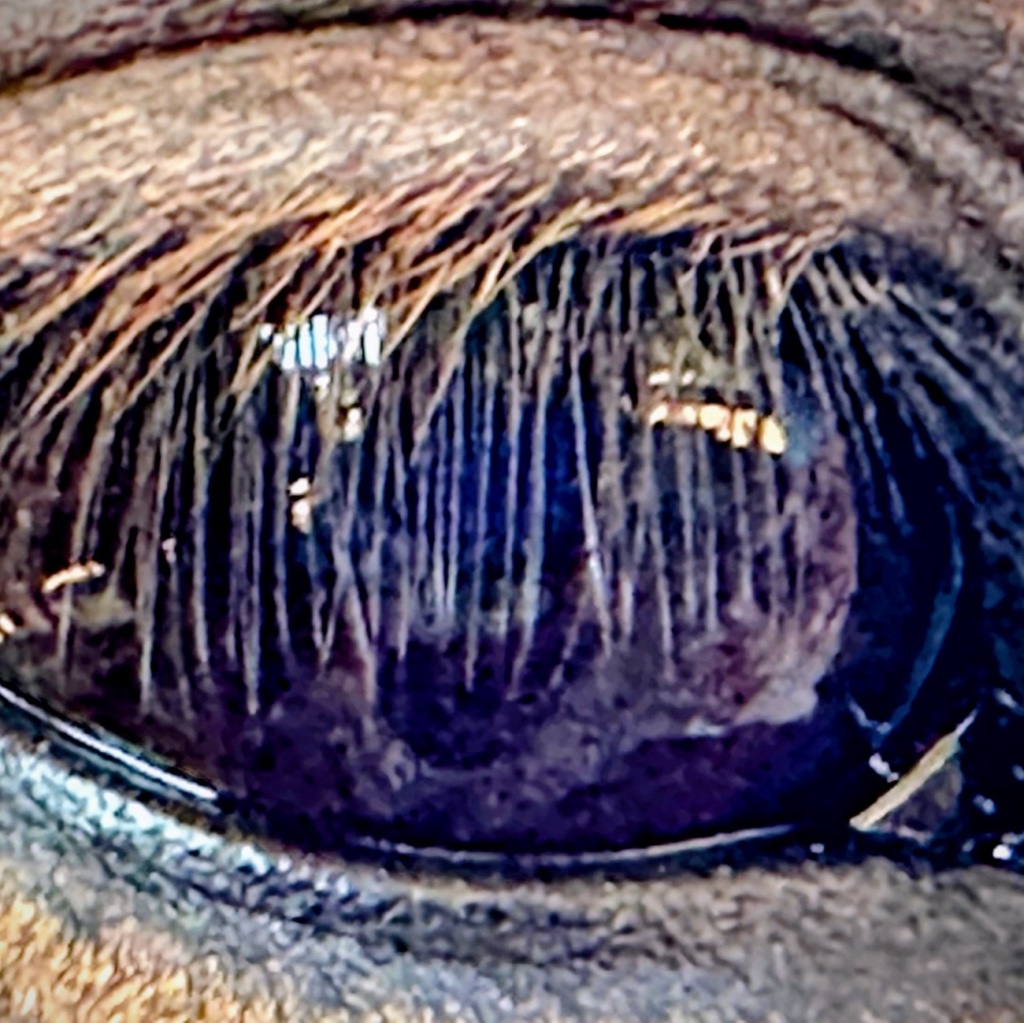
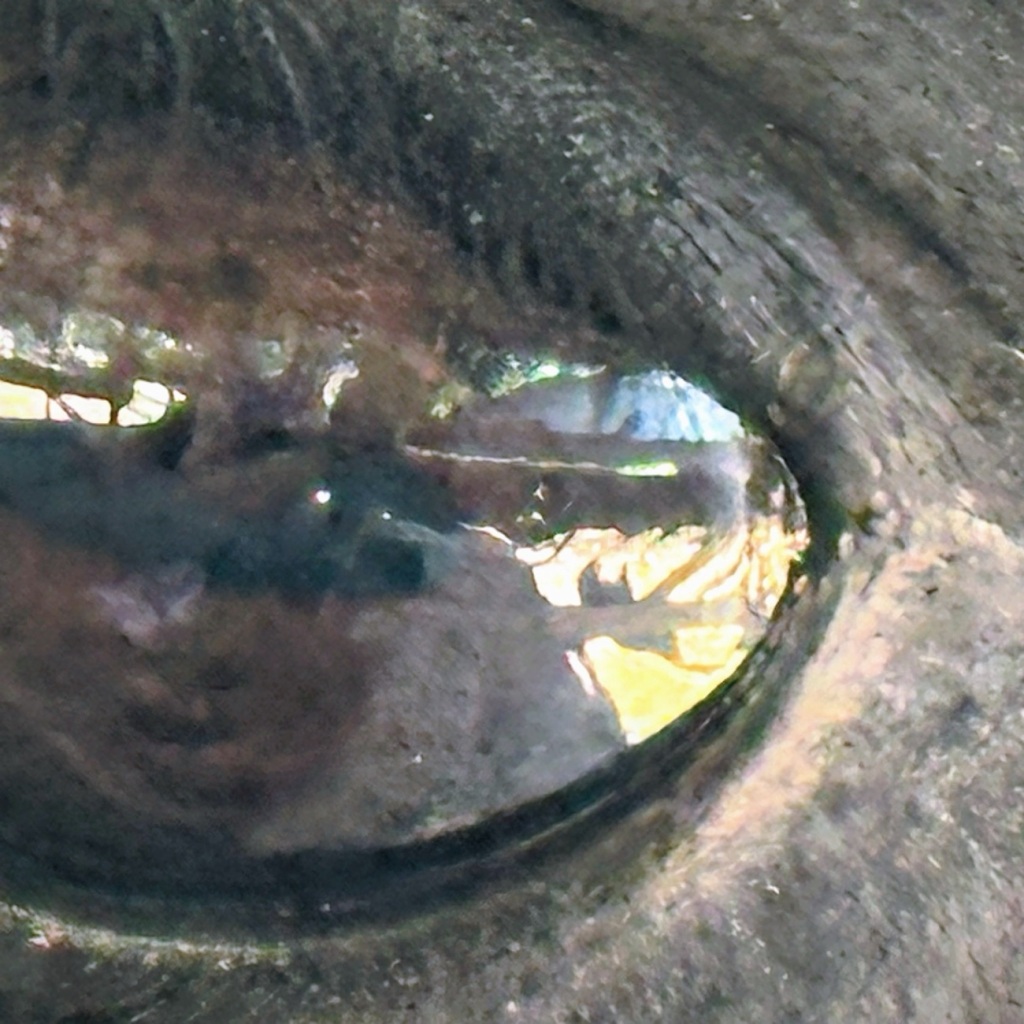
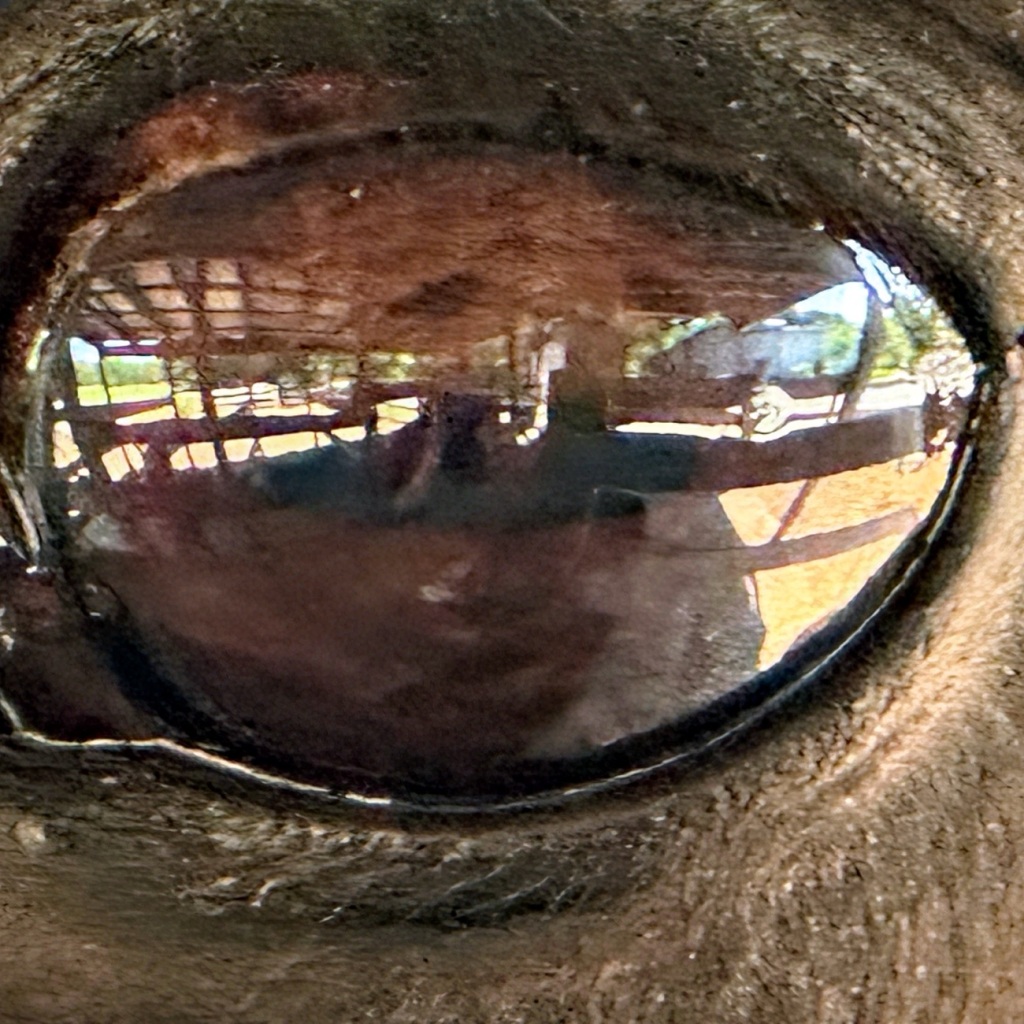
Do you think the eyes being the windows to the soul are only for humans? Have you ever really looked into a horse’s eyes? What do you see? One can tell a lot about a horse by looking into the eyes. You can see his/her strength, calmness, his playfulness, gentleness, and/or her steadfast heartbeat.
Do you see yourself in the horse’s eyes? Does the horse see you as playful, gentle, generous, knowledgeable. and a kind calm steadfast friend?
Horses can sense the type of person you are. They can tell whether you are frustrated, stressed, or irritable. They can also tell whether you are relaxed, calm, trusting, playful, and/or friendly. Horses can sense your mood and respond accordingly.
“The eyes are the mirror of the soul and reflect everything that seems to be hidden; and like a mirror, they also reflect the person looking into them.”
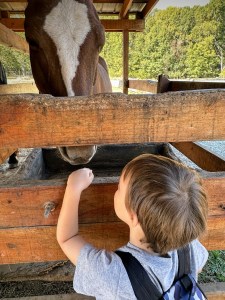
The horses my grandson, Cole, and I visit at the Greenway can sense our love for them. They respond to his friendliness and calm loving manners. Sometimes they approach much closer than we expect, knowing they will receive gentle loving attention and affection.
I see their strength, their gentleness, their trusting spirit, and their responsiveness to our hearts and our touch. I also see the reflections of the beauty surrounding them within the Greenway. I can also see the reflection of myself in their eyes.
Location: Greenway Stables Entrance; Anne Springs Close Greenway; Fort Mill, South Carolina, USA
God Bless. Sending y’all my birthday wishes of happiness, good health, peace, and an abundance of love throughout 2024 and beyond. Thank you for visiting and sharing your time and thoughts with me. I appreciate y’all very much.



































 Gfpacificbee’s Insights & photography