We didn’t do anything different on the 20th than we would normally do on any other day. Coleman and I enjoy being outdoors and wander through the woods whenever we possibly can. Right now in our area the weather is in the mid to high 90’s, much too hot to be out in the sun for any length of time.
With the heat advisory regarding the extreme heat temperatures, we only go out for short periods at a time. In those short periods Coleman likes to check to see what new blossoms have started blooming. These are some of what we have seen within the past week till now.
These are Collard Green Plants grown at The Gardens in The Farm at The Schiele Museum of Natural History in Gastonia, North Carolina. Many people in the South eat Collard Greens on a regular basis. Personally, I did not grow up as a child eating Collard Greens even though I was born in the South. My mom never fixed them. Now we ate plenty of Spinach and other types of greens just not Collards. What are your thoughts on eating Collard Greens?
Sorghum is a cereal grain plant that belongs to the grass family Poaceae. It is thought to be native to Africa and is widely grown in Africa, Asia, and the Americas. Sorghum has numerous varieties, including grain sorghums, used for food; grass sorghums, grown for hay and fodder; and broomcorn, used in making brooms. Sorghum grain is a nutritious food rich in protein, dietary fiber, B vitamins, and minerals.
For human consumption, the gluten-free grain is usually ground into a meal that is made into porridge, flatbreads, and cakes. The characteristic strong flavour can be reduced by processing. The grain is also used in making edible oil, starch, dextrose (a sugar), paste, and alcoholic beverages.
The Sorghum plants pictured here are located in The Farm at The Schiele Museum of Natural History and Planetarium in Gastonia, North Carolina. These plants as well as other plants grown in the Garden are grown and given to the animals for feed.
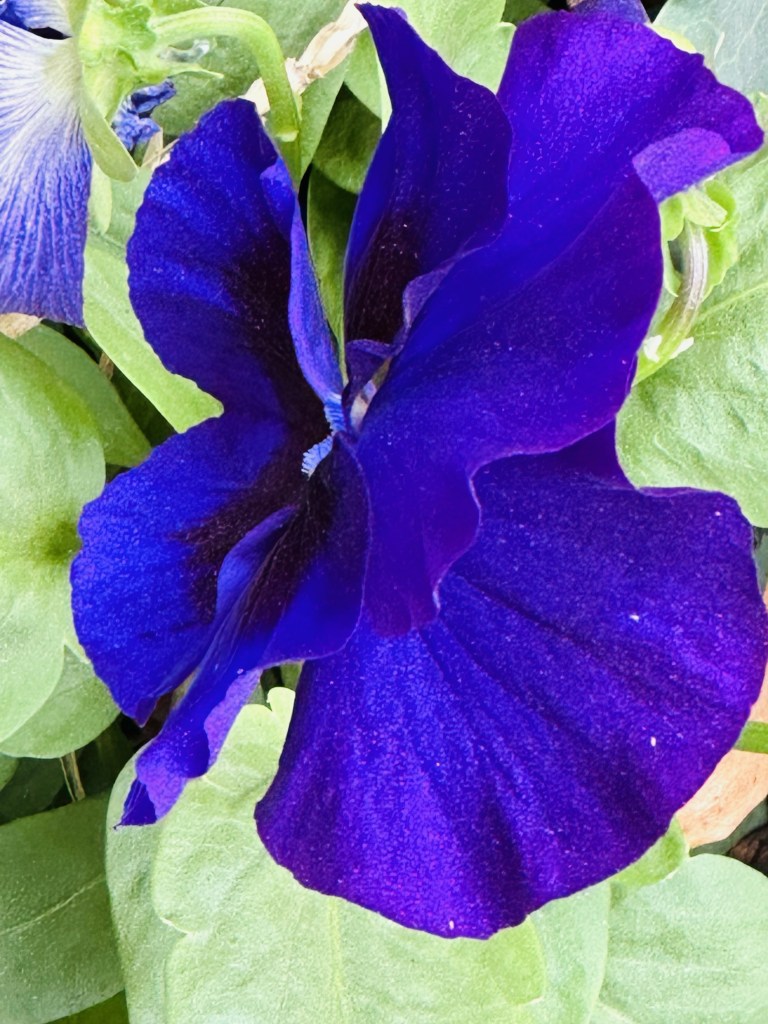
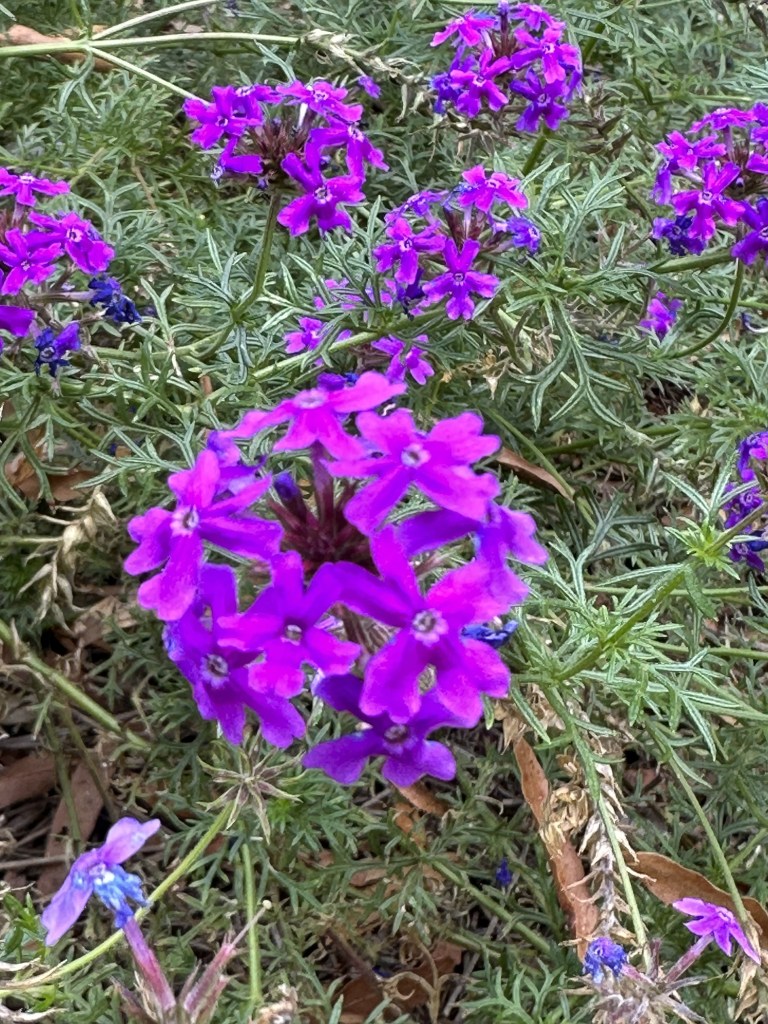
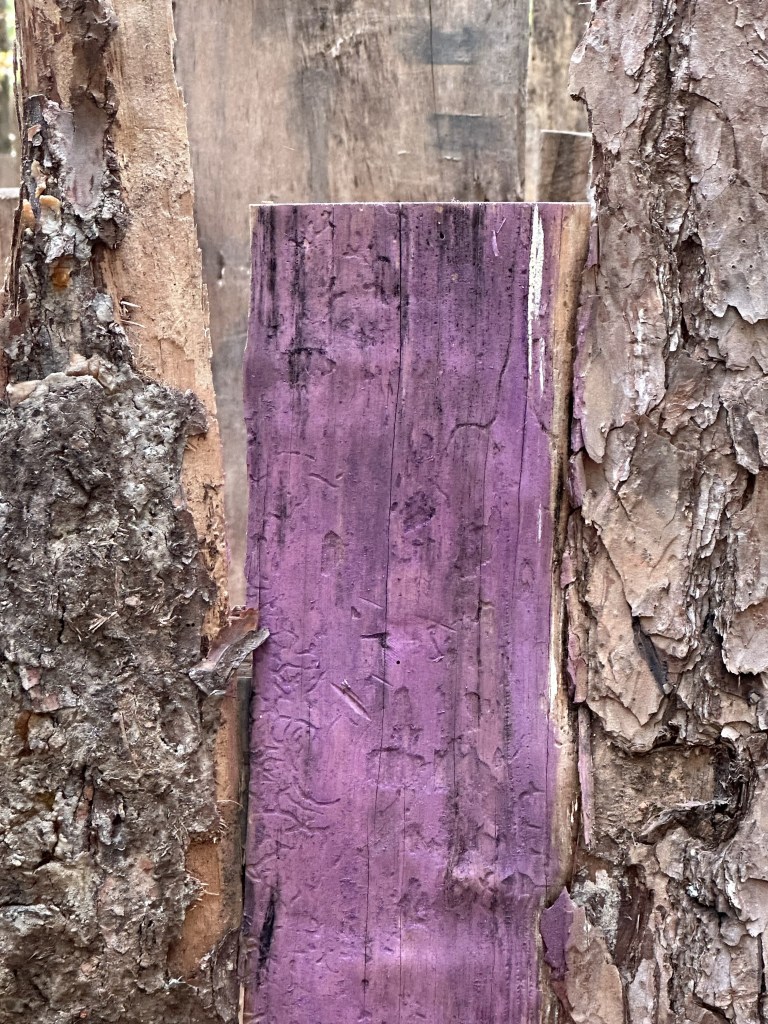
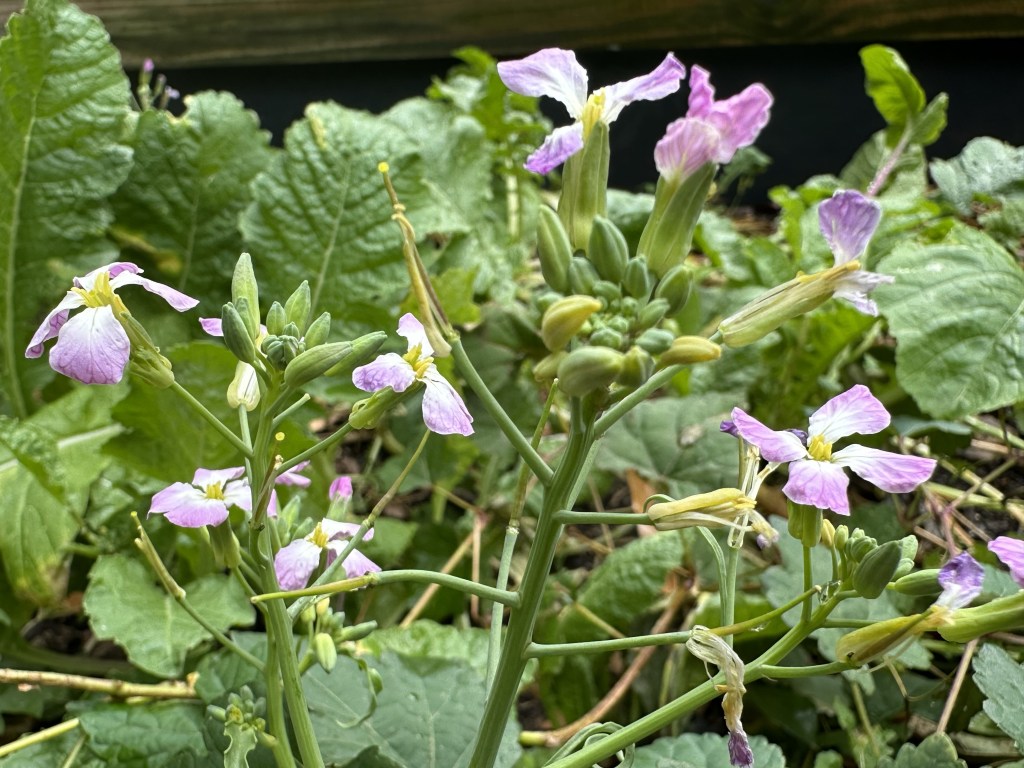
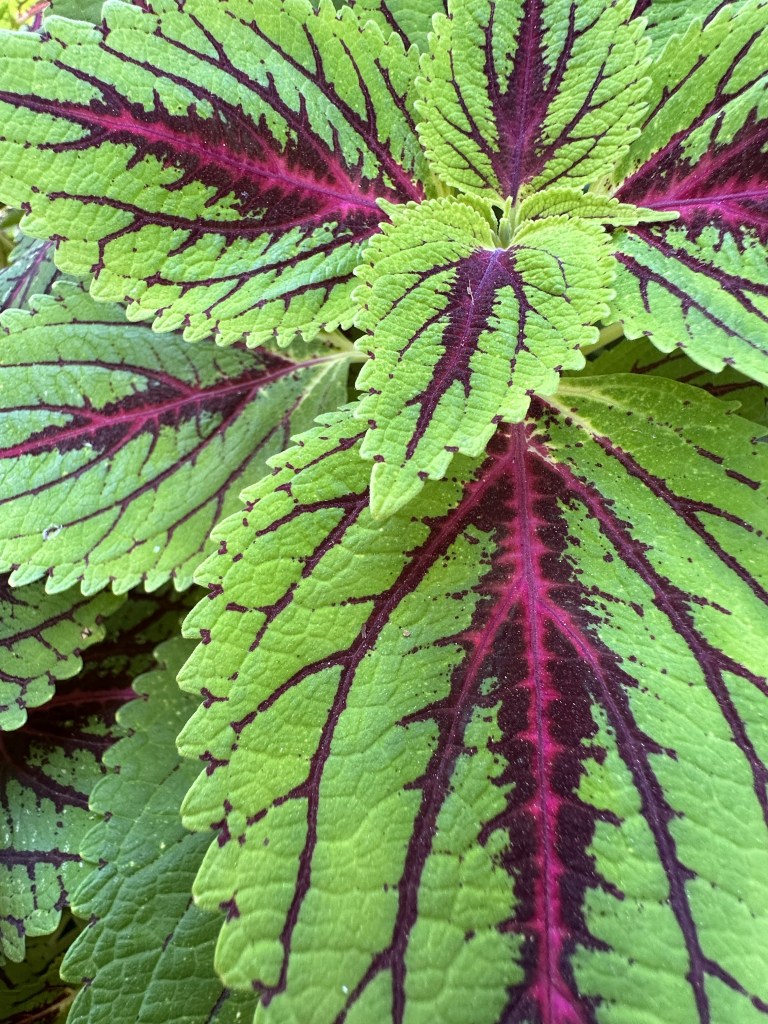
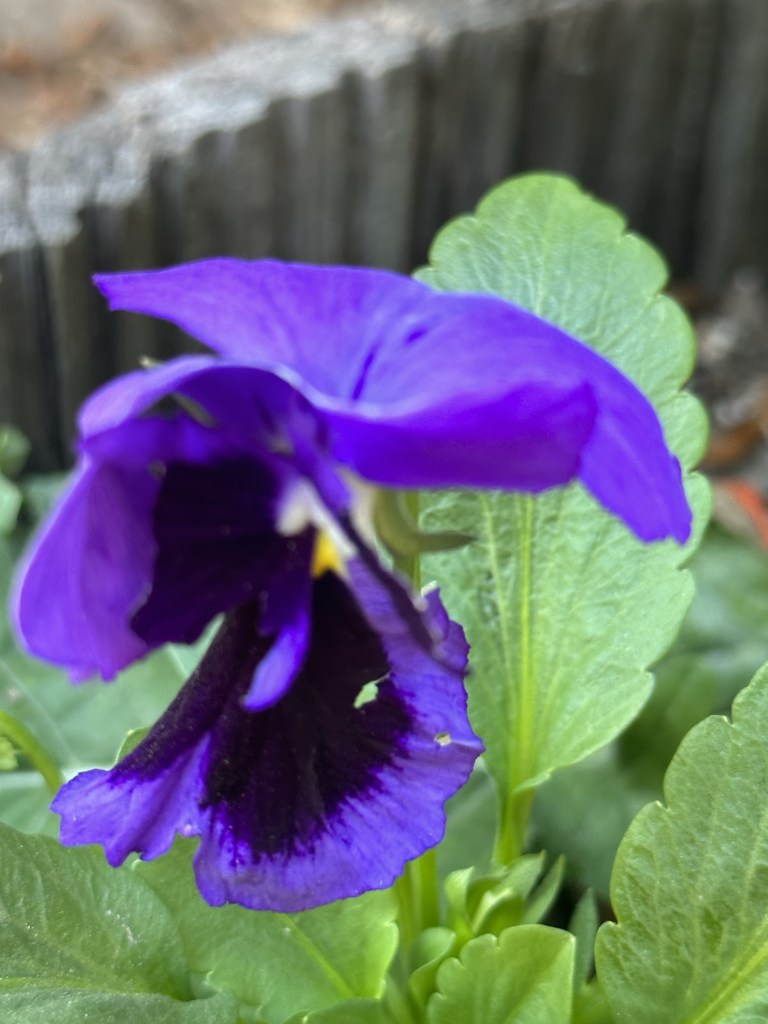
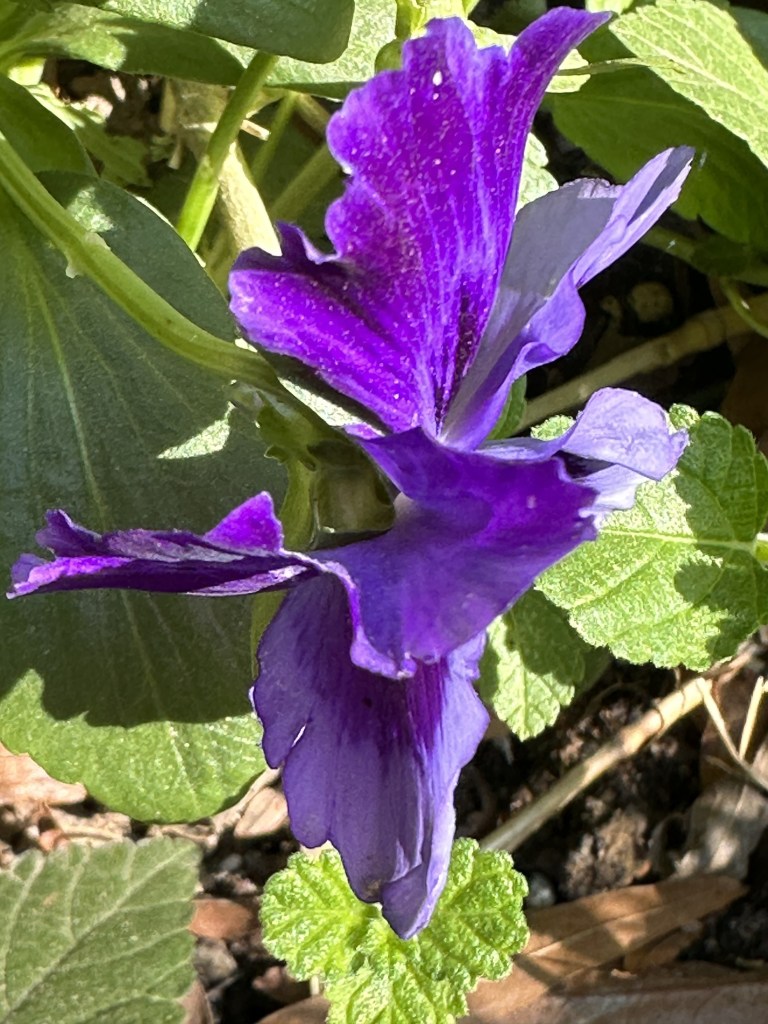
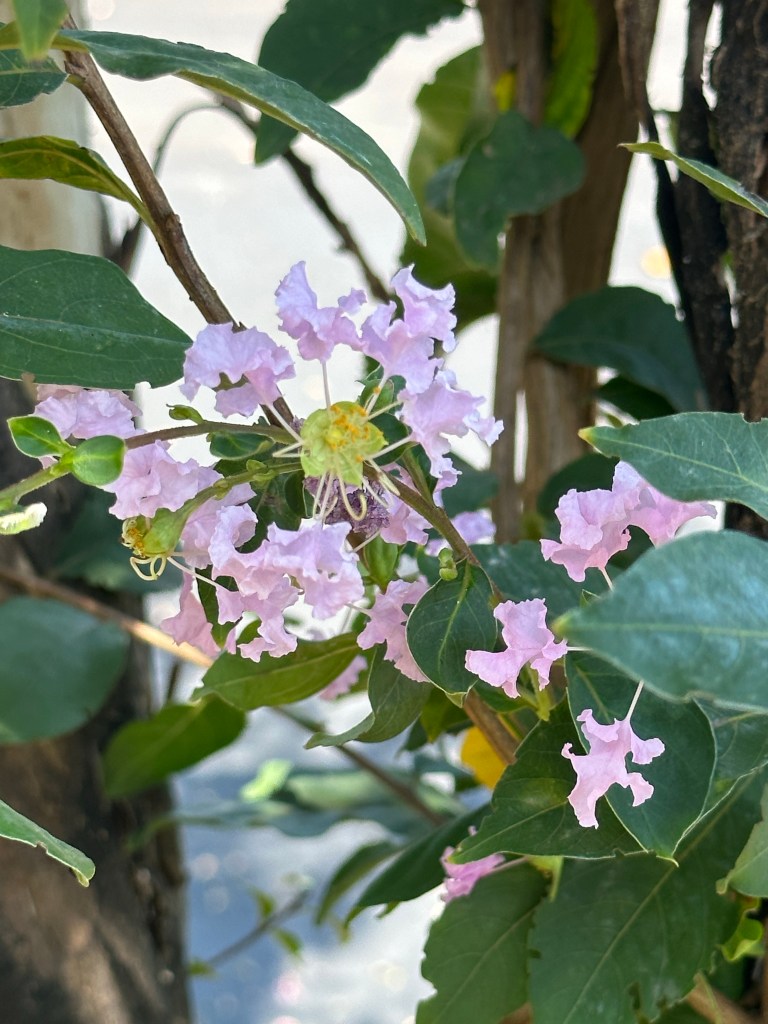
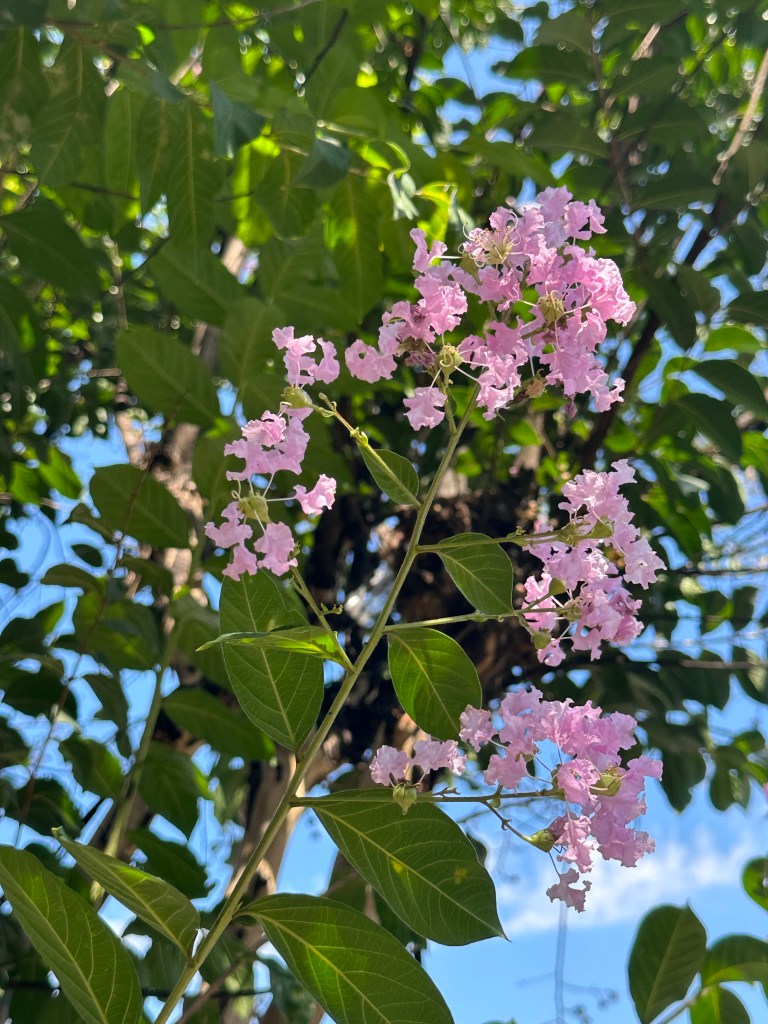
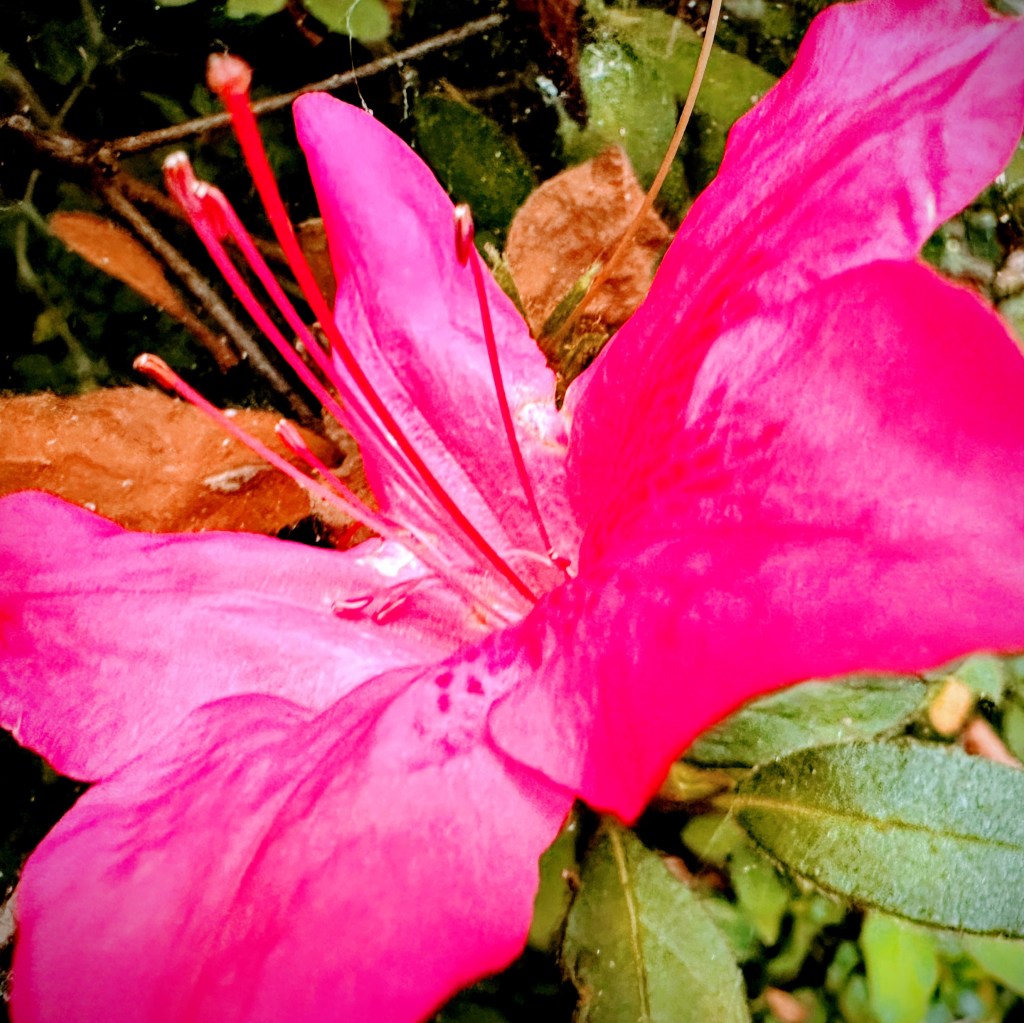
For this Cee’s CMMC this week I thought I would show you some of the Plum (purple) Coleman and I have seen this week on our hiking adventures at The Schiele Museum of Natural History and along trails at the Warlick Family YMCA. They range from purple colored wood on the maze to purple canoes and plenty of purplish flowers. Hope y’all will enjoy the slideshow.
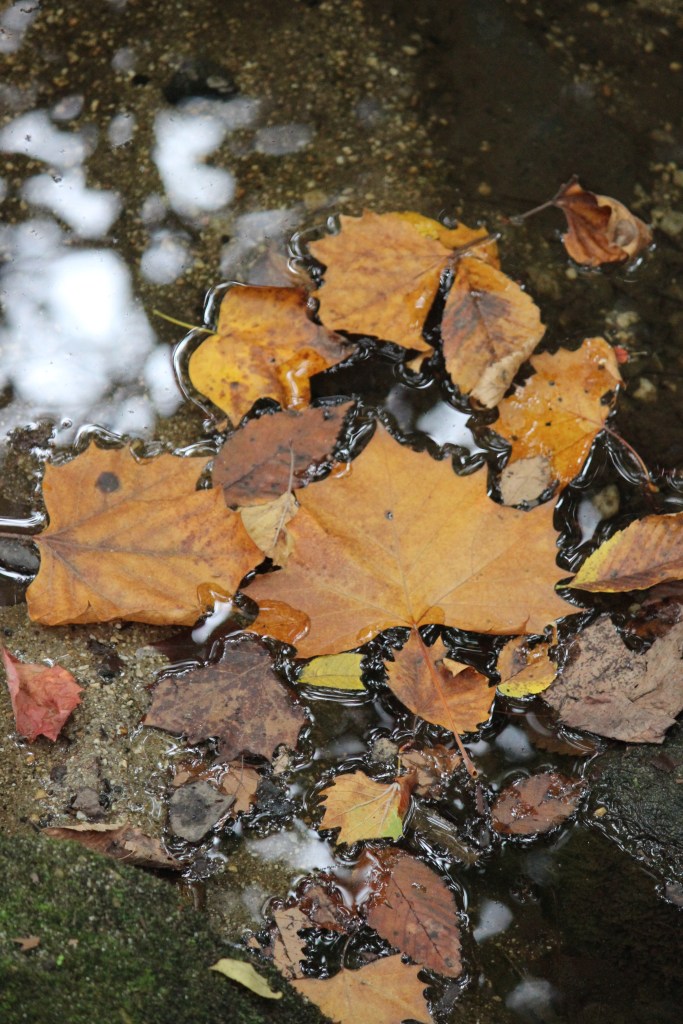
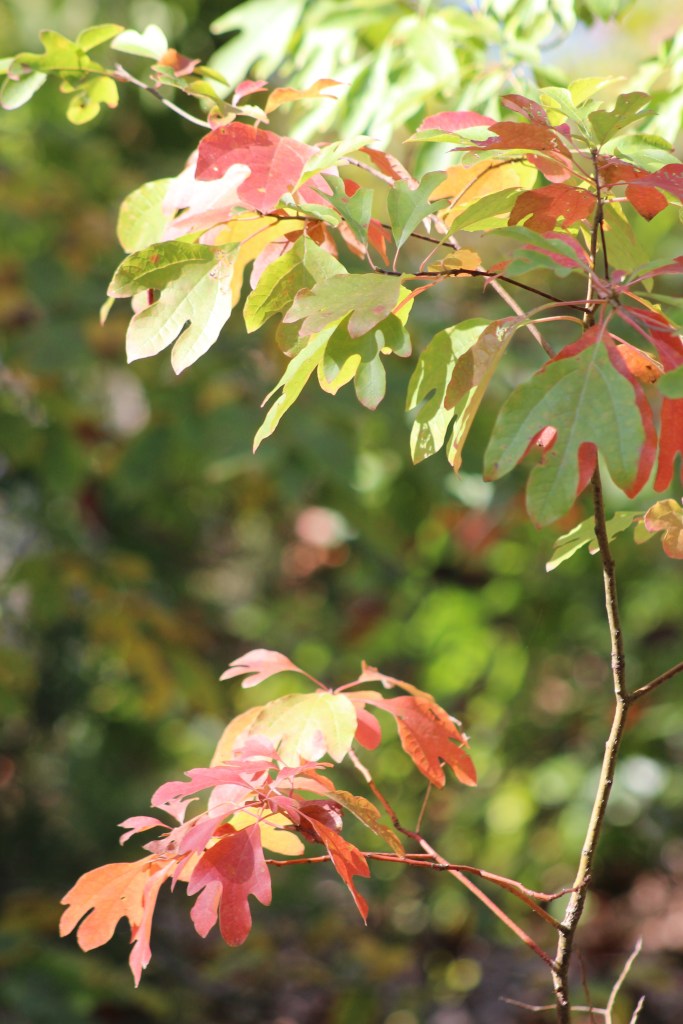
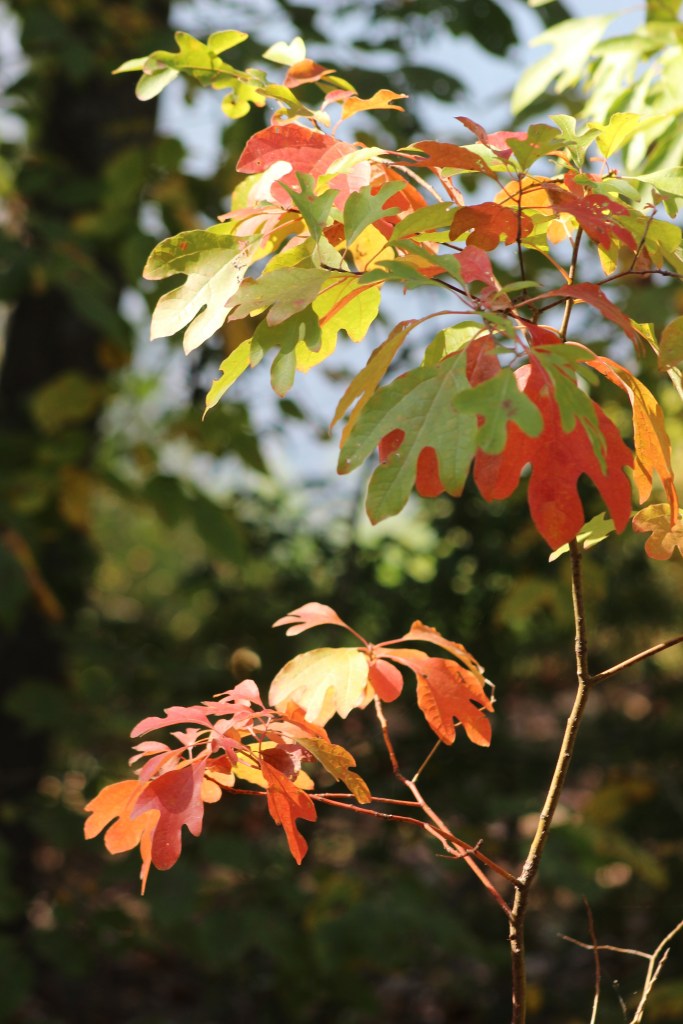
Leaves are often seen along hiking trails. Sometimes we notice the beautiful Autumn foliage in their full glory upon their tress and at other times we notice leaves of various shades upon the ground or in the nearby water.
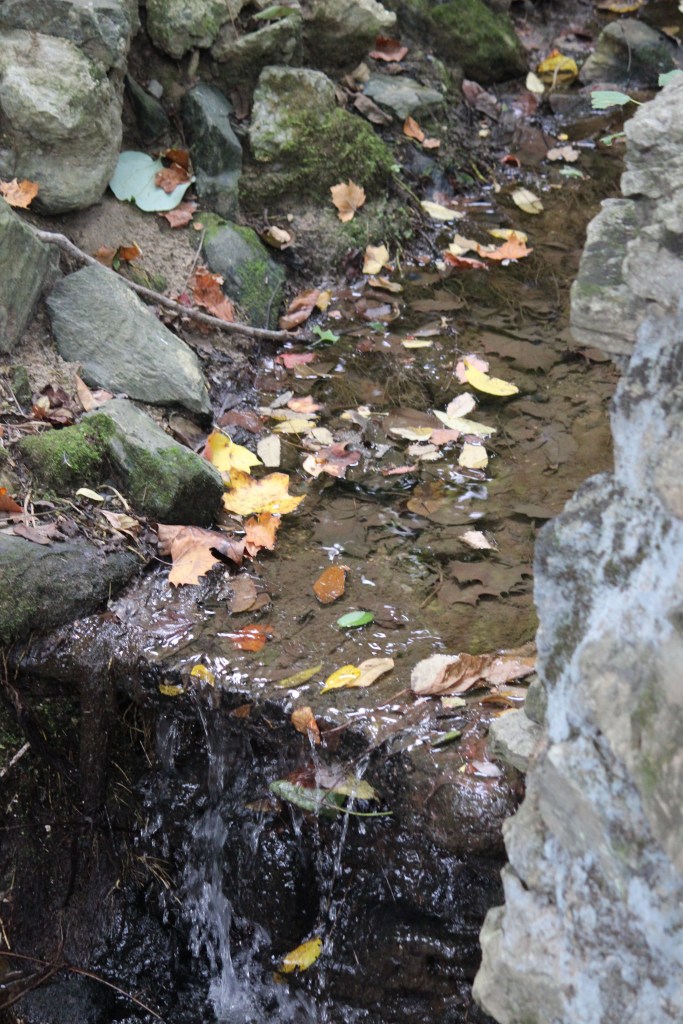
The first two photos were seen in and around the creek at The Schiele Museum of Natural History’s nature trail. This is a place Coleman loves to visit at least twice per week. The only problem (depends on perspective) is keeping him out of the water.
The last two photos were captured as we were hiking along the Green Trail on the grounds of the Gaston County Warlick Family YMCA. These beautiful Autumn 🍂 leaves were located on the banks of the Robinwood Lake. The sunlight seemed to enhance their colourful loveliness.
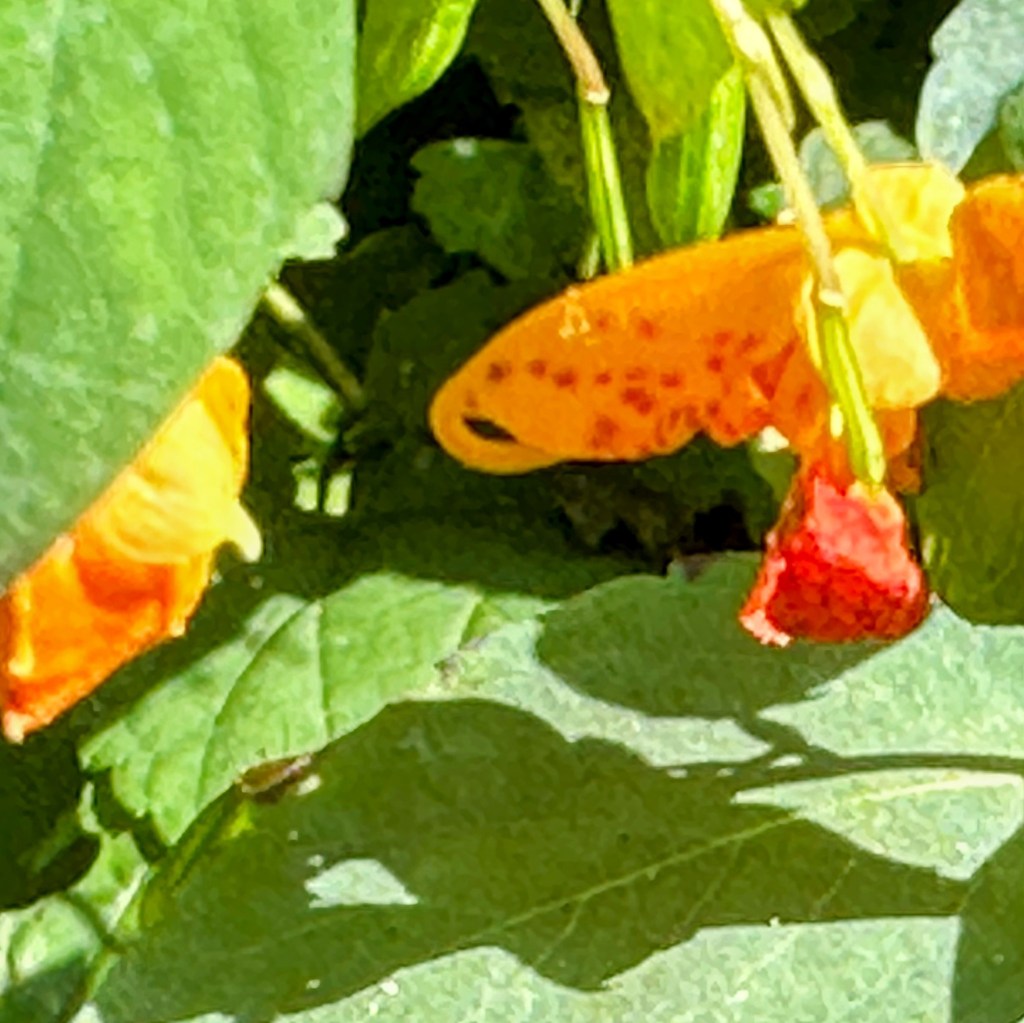
Spotted touch-me-notImpatiens capensis, the orange jewelweed, common jewelweed, spotted jewelweed, jewelweed, spotted touch-me-not, or orange balsam
Impatiens capensis, also known as, Jewelweed has a long history of use in Native American medicine. When applied topically, sap from the stem and leaves is said to relieve itching and pain from a variety of ailments, including hives, poison ivy, stinging nettle, and other skin sores and irritations.
Jewelweeds are found in locations all over the Piedmont region and other areas of the Carolinas. As you can see from the top picture the flowers are rather small. They feature 1″ long, rear-spurred, cornucopia-shaped, orange to orange-yellow flowers with reddish-brown spotting.
The flowers bloom from June to frost. Each flower dangles from a leaf axil on its own slender stalk. It is a herbaceous annual that may grow 3 to 5 feet tall. It can be naturally found in areas of moist soil including forests, streambanks, and bogs.
These particular Spotted touch-me-nots are located along a dense moist trail behind an unused soccer field. The dirt trail winds around and contains many elevated manholes which are accessible to city or county utility officials.
We have seen Jewelweeds in other areas we have hiked but until searching for more information I had not known the many medicinal applications it contains. They are attractive to hummingbirds for their nectar from June until early frost.
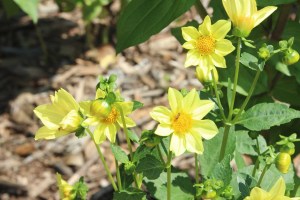
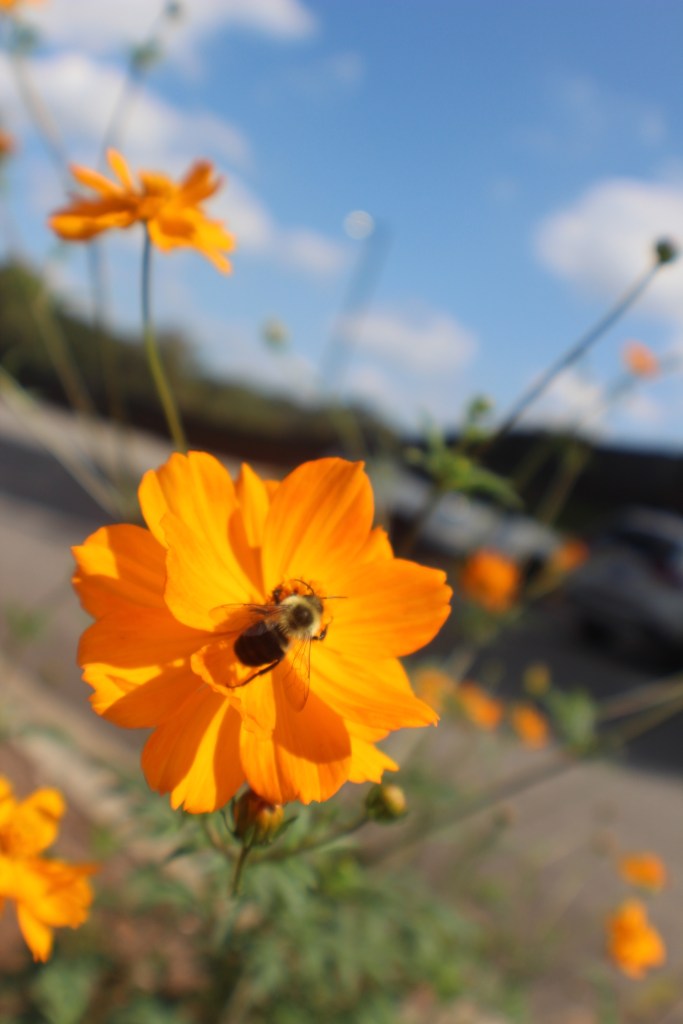
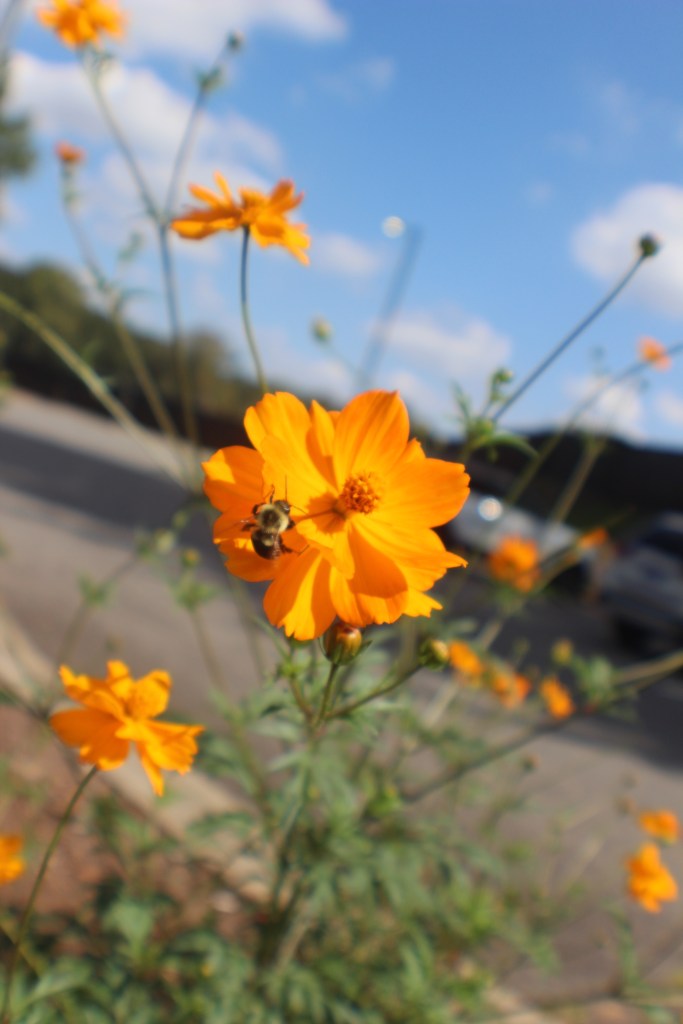
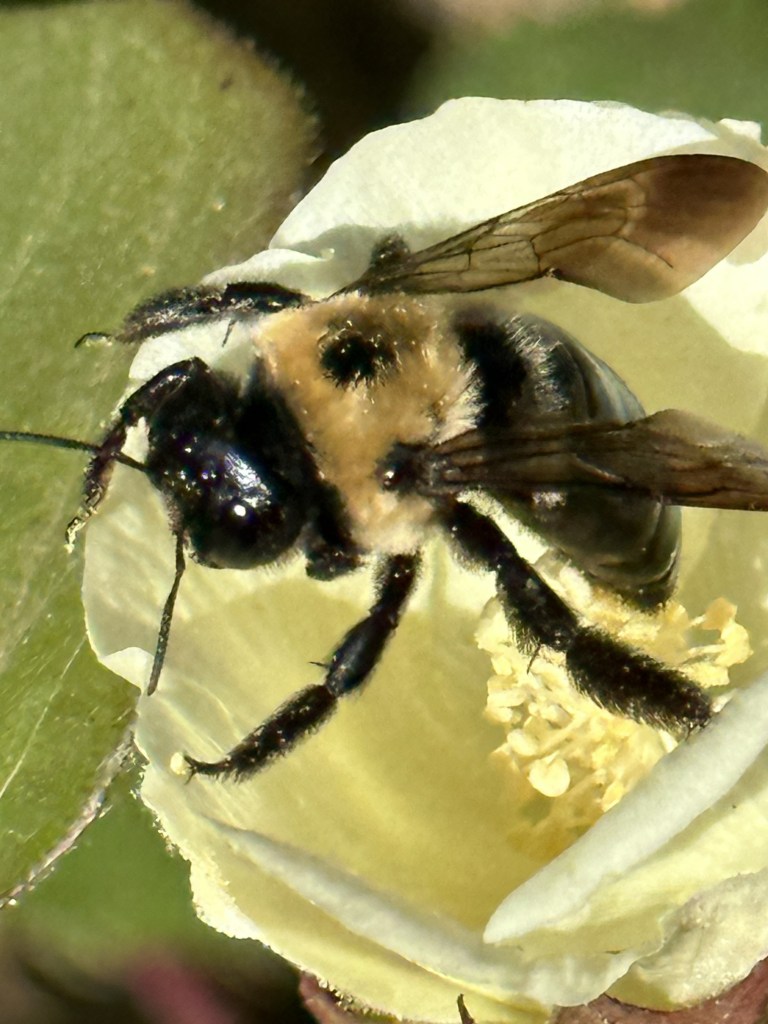
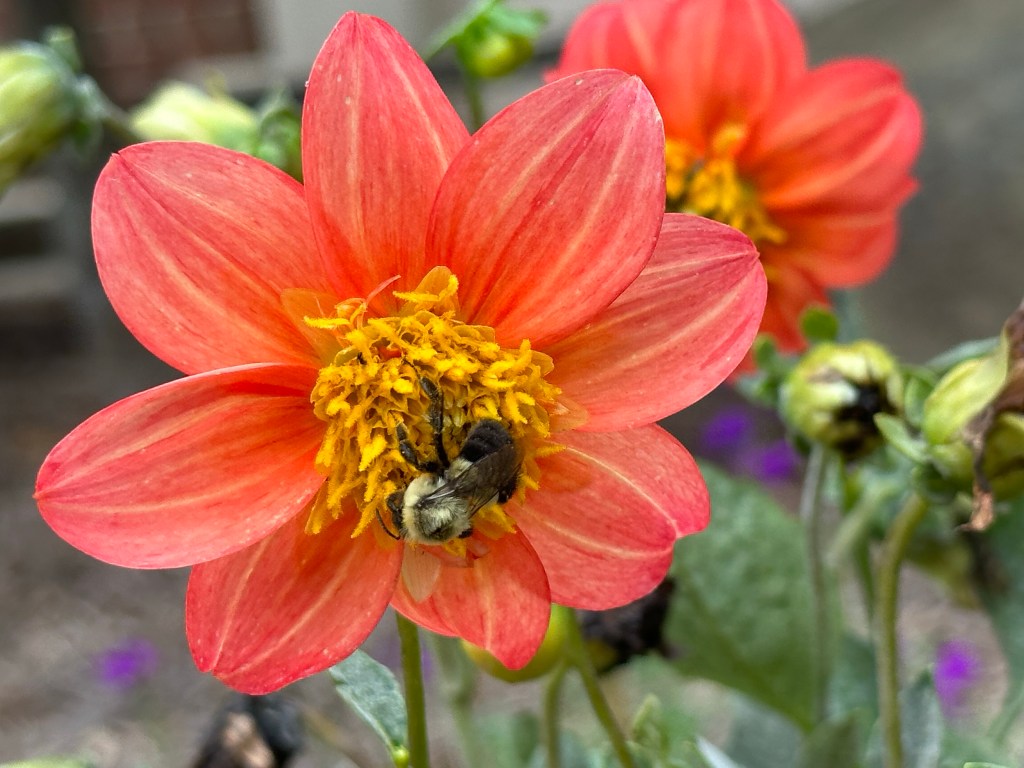
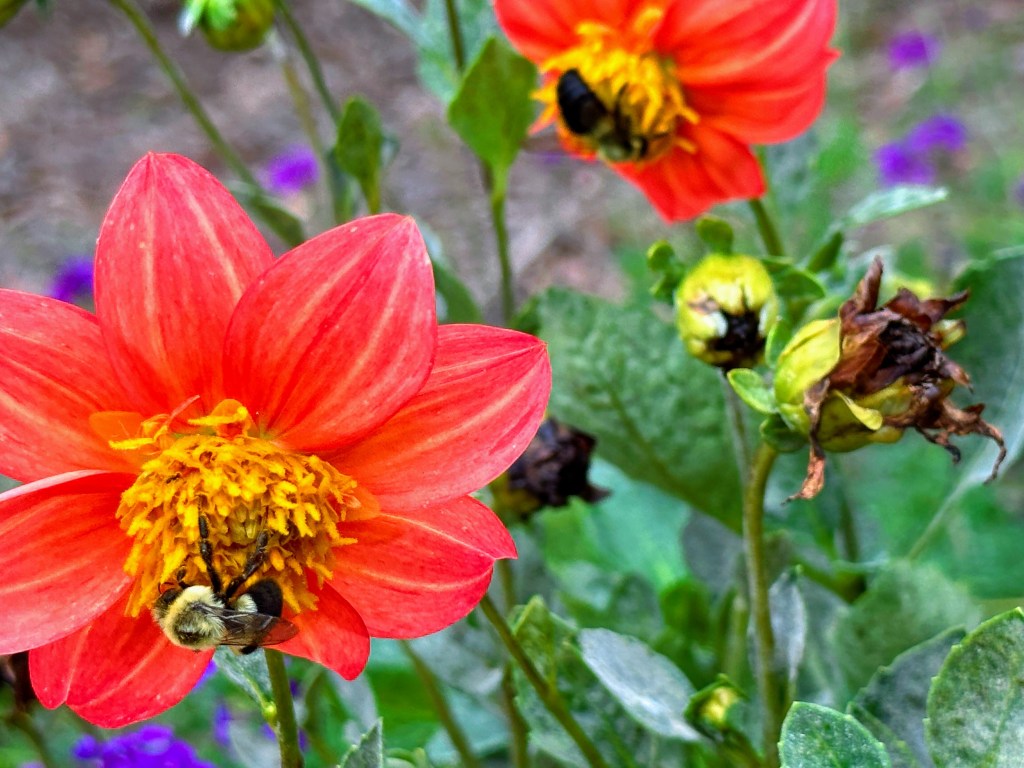
Its common name is red dahlia, although the flowers can be orange or occasionally yellow, as well as the more common red. Common Eastern Bumblebee feasting on its nectar. Dahlia coccinea
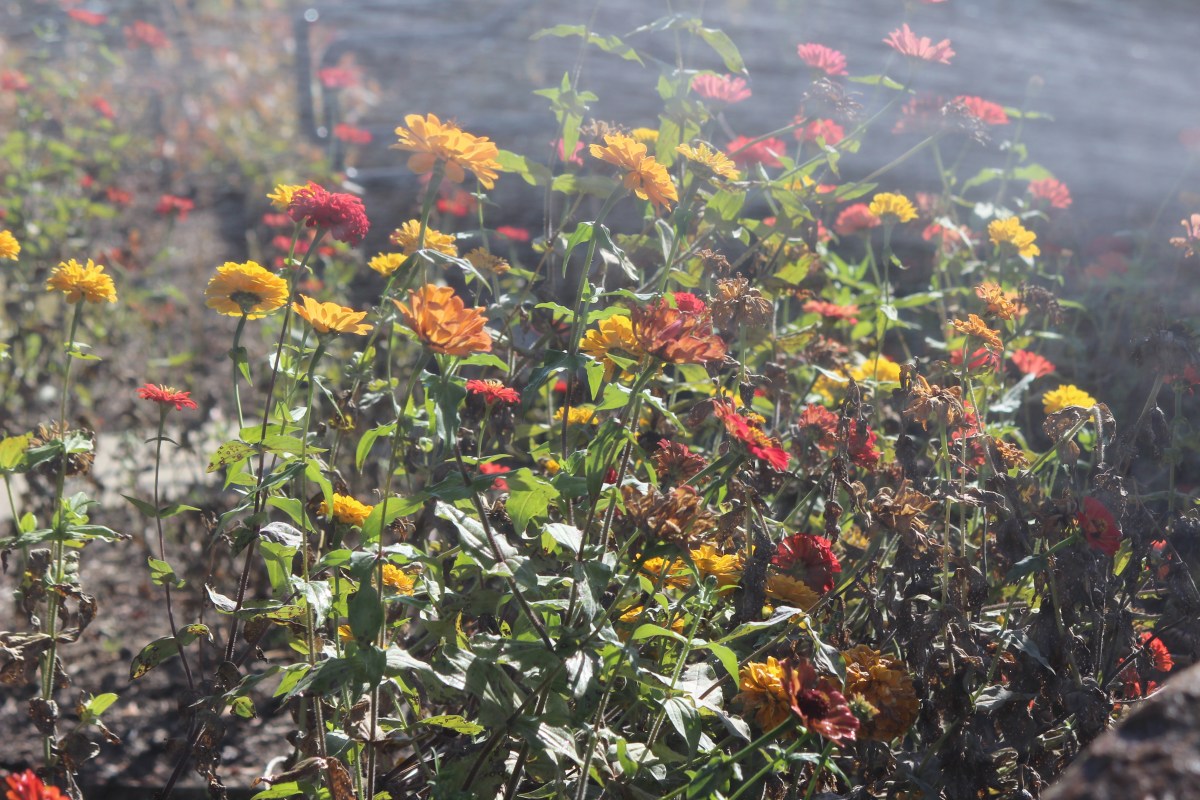
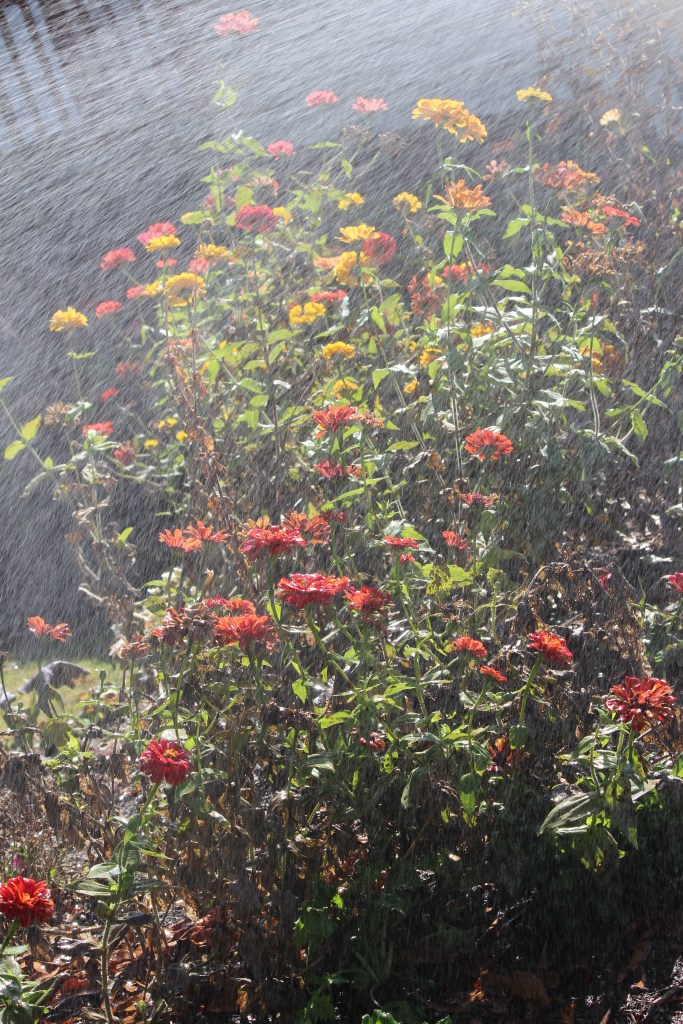
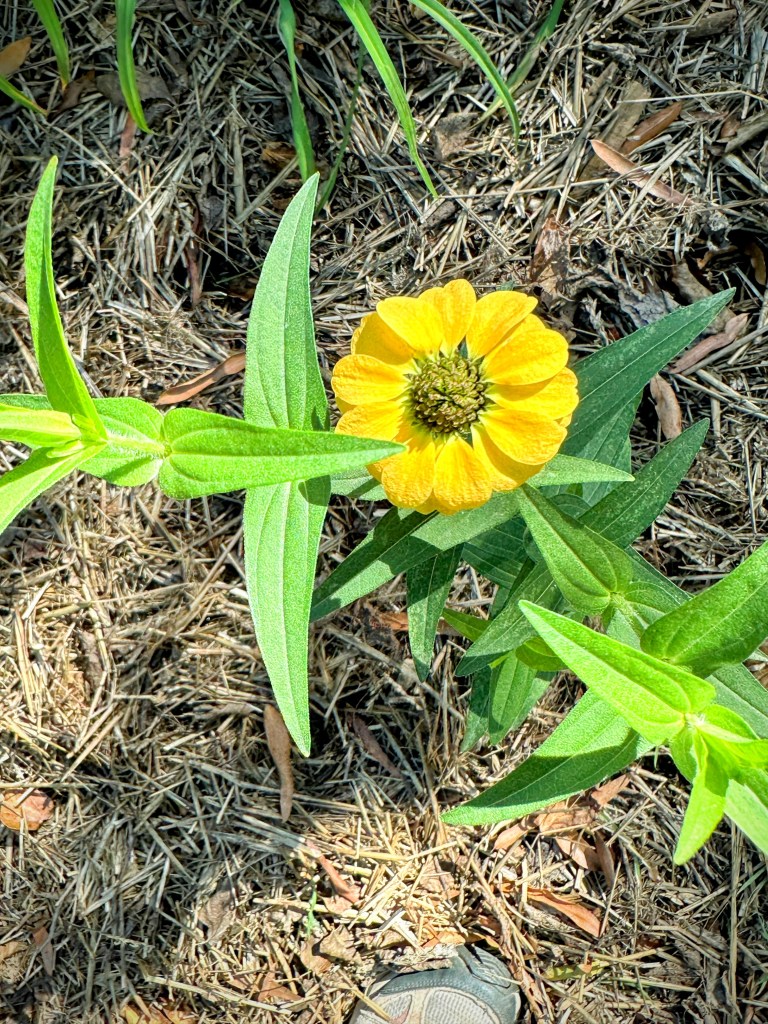
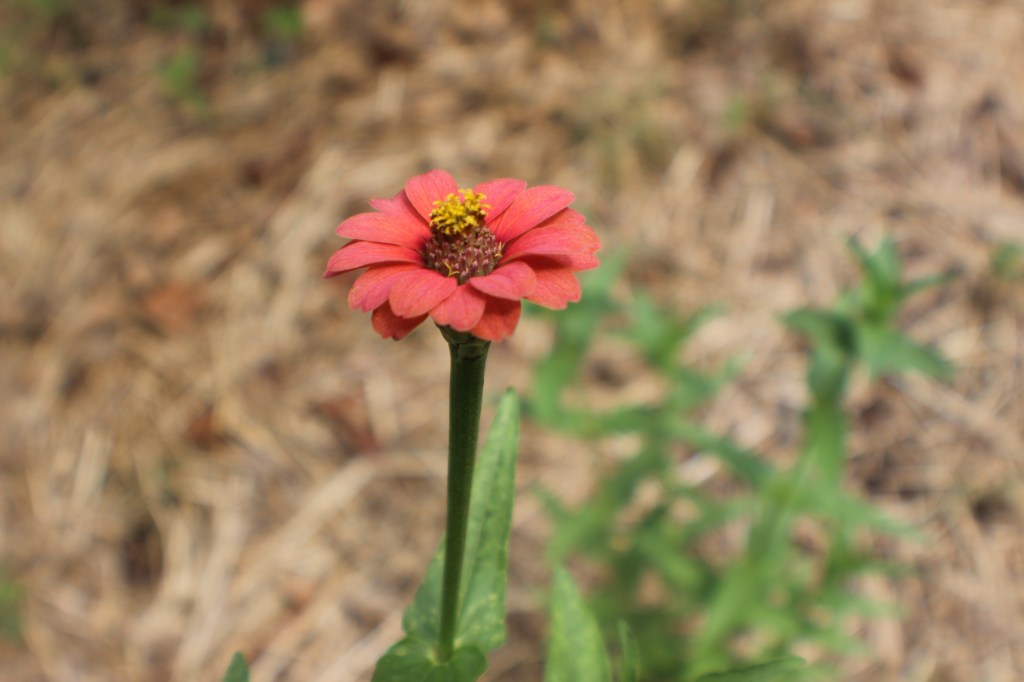
Zinnias are subtropical and tropical upright annual flowering plants in the Asteraceae family which boast an abundance of daisy-like flowers. They are native to North and South America.
Original Peruvian Zinnias
These and other Zinnias are grown in the Memorial Wildlife Garden contained within The Farm at The Schiele Museum of Natural History in Gastonia, North Carolina. The Farm is located to the left as you enter the Nature Trail area outside the Museum walls.
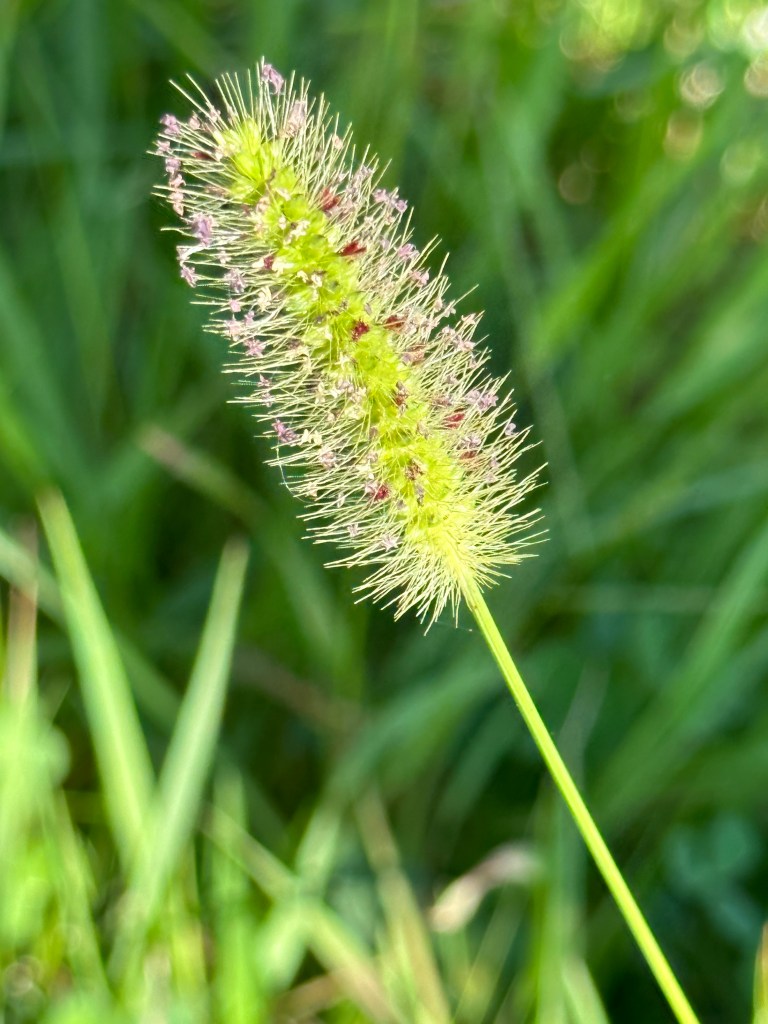
Setaria pumila is a species of grass known by many common names, including yellow foxtail, yellow bristle-grass, pigeon grass, and cattail grass. It is native to Europe, but it is known throughout the world as a common weed. It grows in lawns, sidewalks, roadsides, cultivated fields, and many other places.
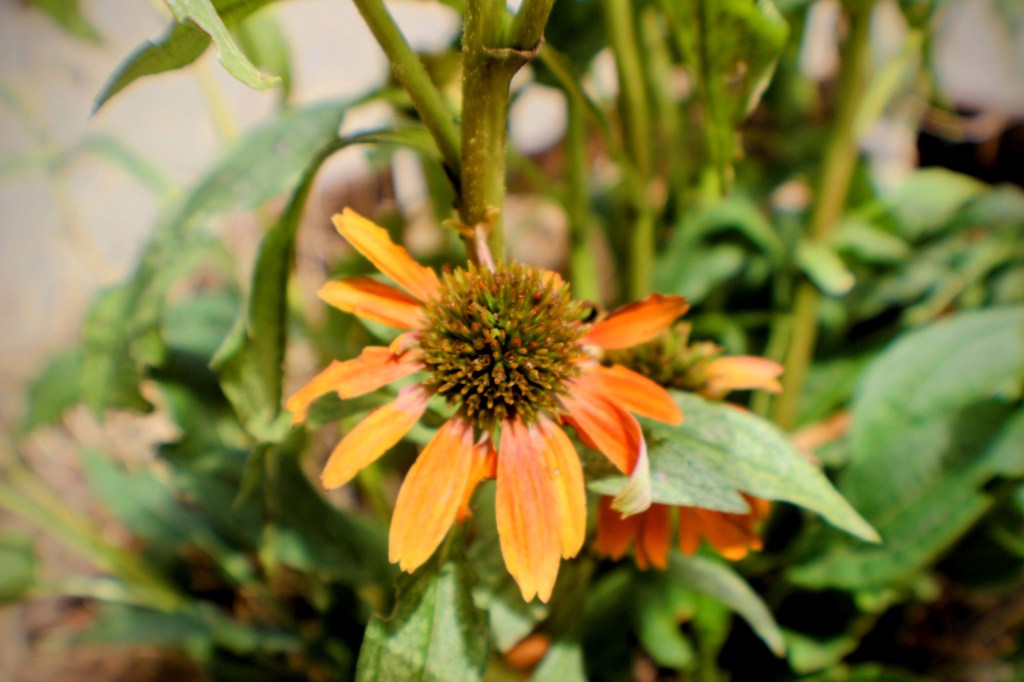
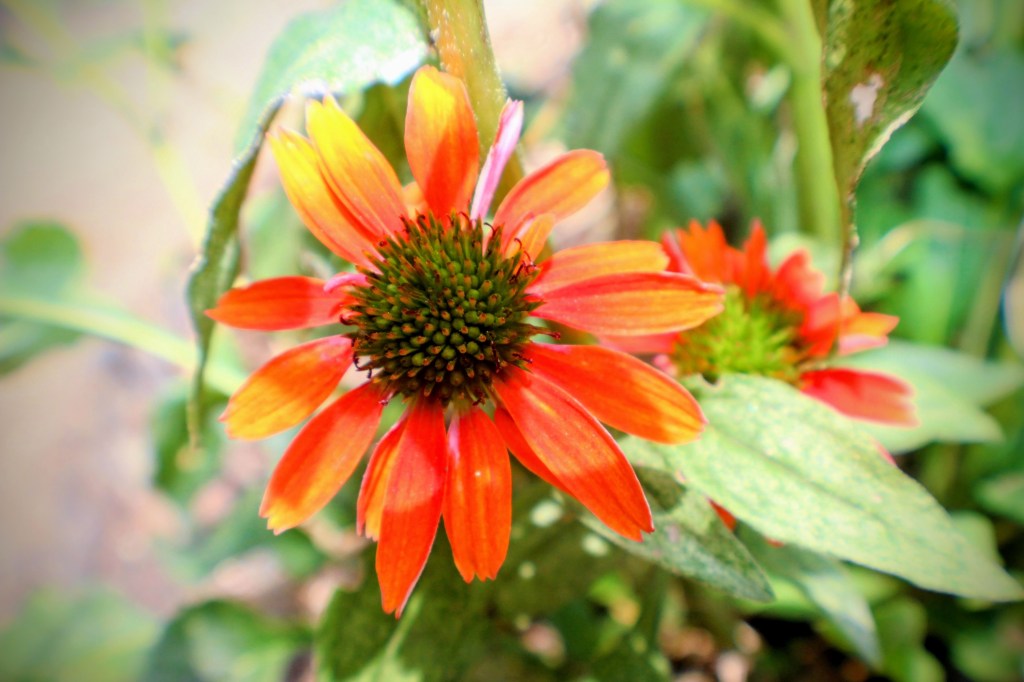
Ark of the Covenant The Discovery Center Abilene, TexasGold outfit & headdress The Discovery Center Abilene, TexasSecond Temple Jerusalem Replica The Discovery Center Abilene, TexasJupiter as seen via Schiele Museum Planetarium Showing Gastonia, North Carolina Echinacea Coneflowers
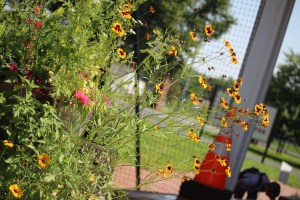
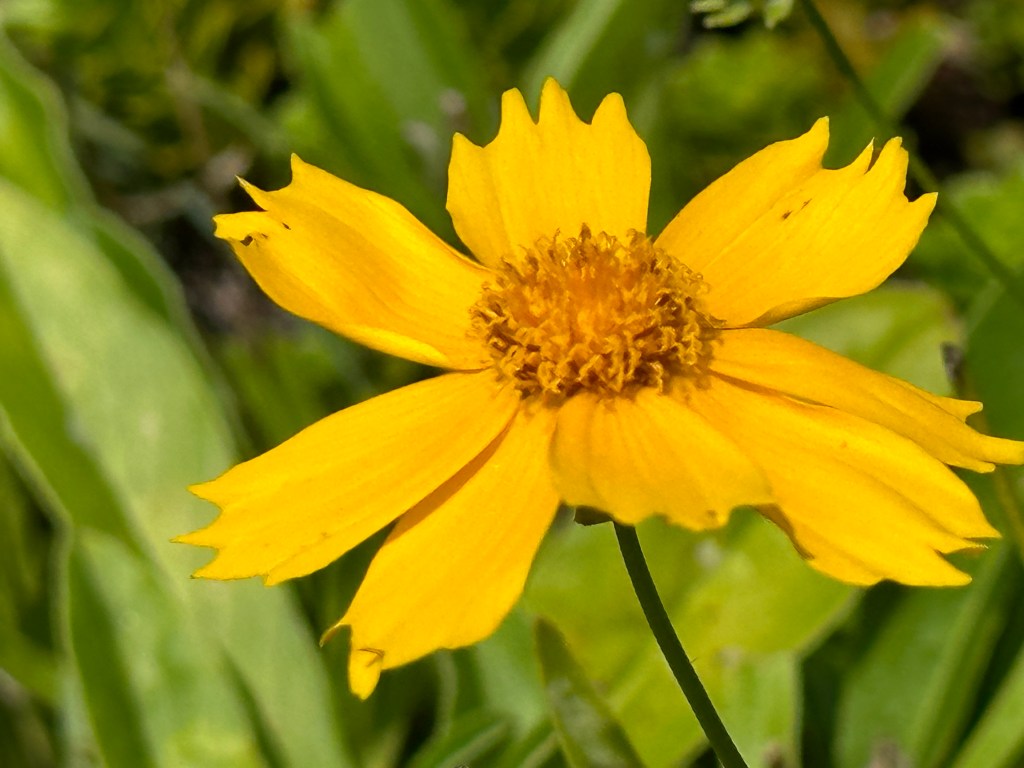
Coreopsis lanceolata is a North Americanspecies of tickseed in the family Asteraceae. It is native to the Eastern and Central parts of the United States, naturalized in Canada, the Western United States, Mesoamerica, South America, South Africa and Eastern Australia. It is found in open woodlands, prairies, plains, glades, meadows and savannas.
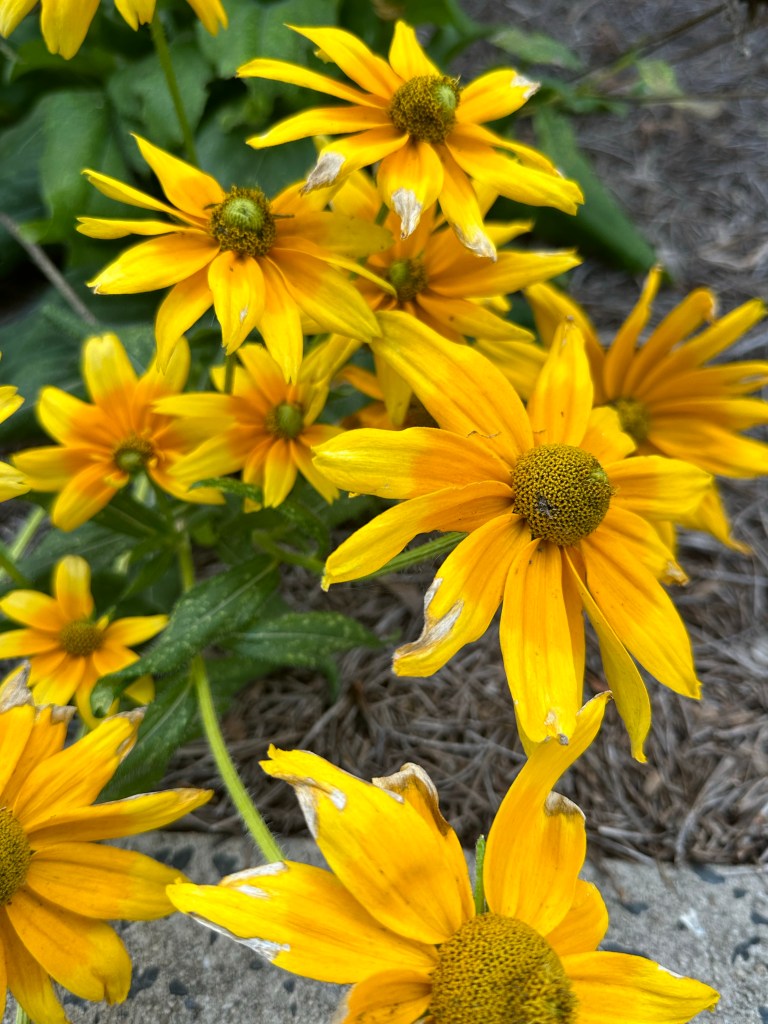
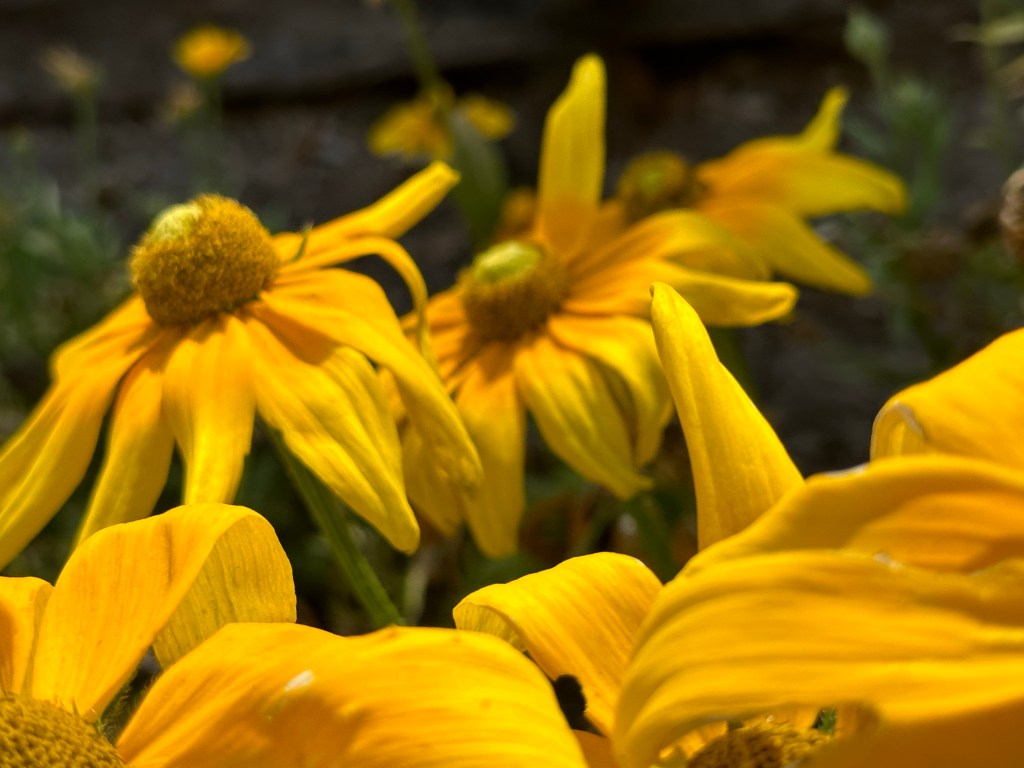
Rudbeckia hirta is a short-lived perennial that should be treated as an annual. It may likely endure few winters, but will often self-seed prolifically. The flowers are showier than other Rudbeckia species and have been widely hybridized. (Clemson.edu)


































 Gfpacificbee’s Insights & photography