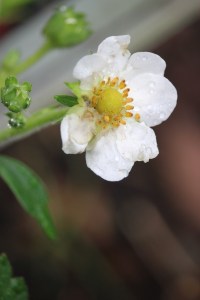
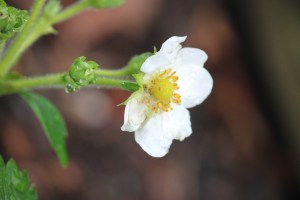
The Fragaria virginiana, is also known Scarlett Strawberry and Wild Strawberry. It is a flowering perennial that produces edible fruit. It spreads by runners making it an easy choice for use as groundcover. It can also be used as erosion control holding soil on slopes.
Fragaria virginiana
Wild Strawberries are native to North America, from Newfoundland and Alberta in Canada , south down Georgia, Tennessee, and Oklahoma as well as the states in between like North and South Carolina. The plant produces small white flowers in the Spring with tiny, highly flavorful red berries following in late spring and early summer. They are primarily pollinated by a diverse mix of native bees, hoverflies, and small butterflies.
North Carolina’s native Wild Strawberry
These Scarlett Strawberries (Fragaria virginiana) are grown in the garden in The Farm at The Schiele Museum of Natural History in Gastonia, North Carolina. The Garden also contains several bee hives providing the bees which pollinate many of the flowers grown here.
Camera: Canon EOS Rebel T7 (2000D) with Canon EF-S55-250mm lens and Altura UV Filter attachment.
Location: The Garden; The Farm; The Schiele Museum of Natural History; Gastonia, North Carolina, USA
God Bless. Take time to Enjoy Nature’s Beauty. Smell the amazing fragrance of flowers. Thank you for visiting and sharing your time and thoughts with us. I appreciate y’all very much.
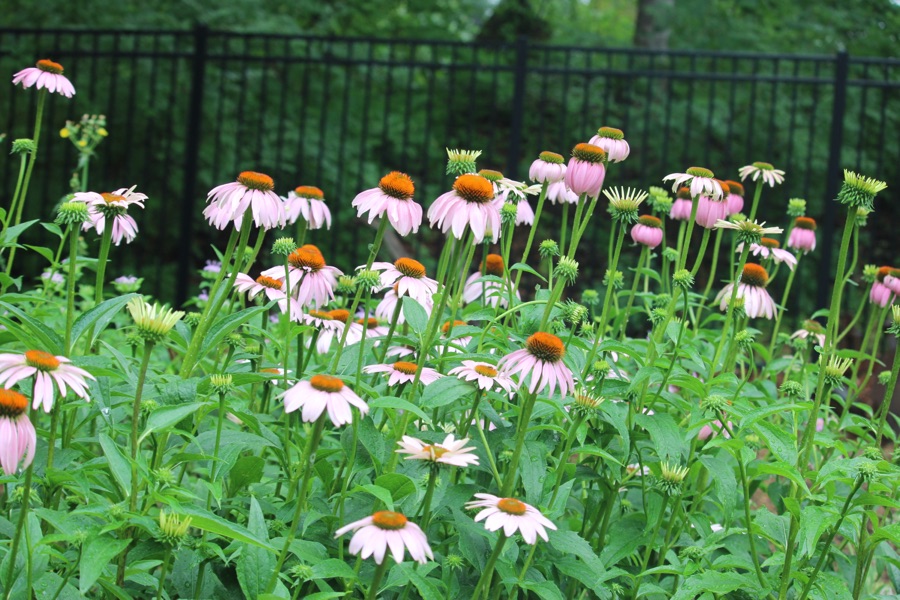
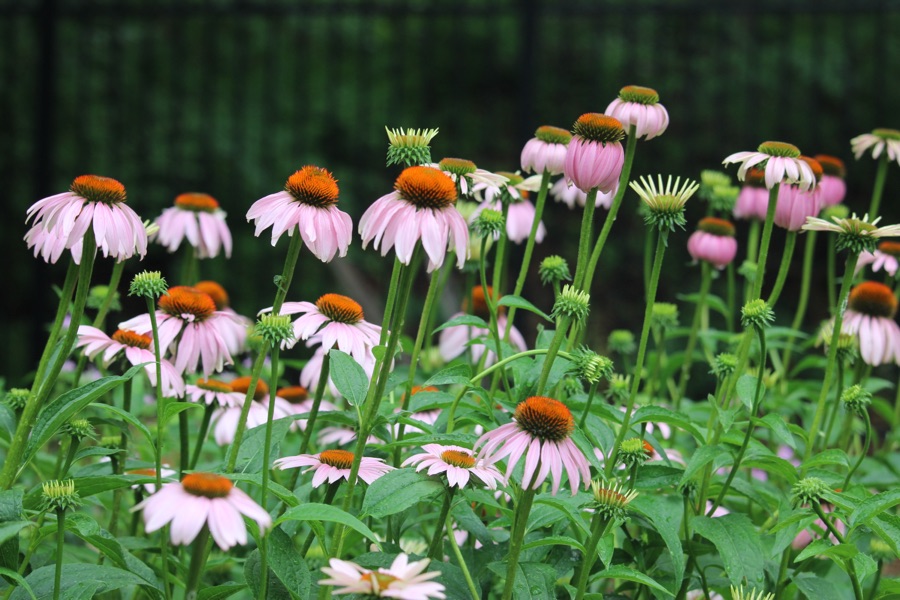
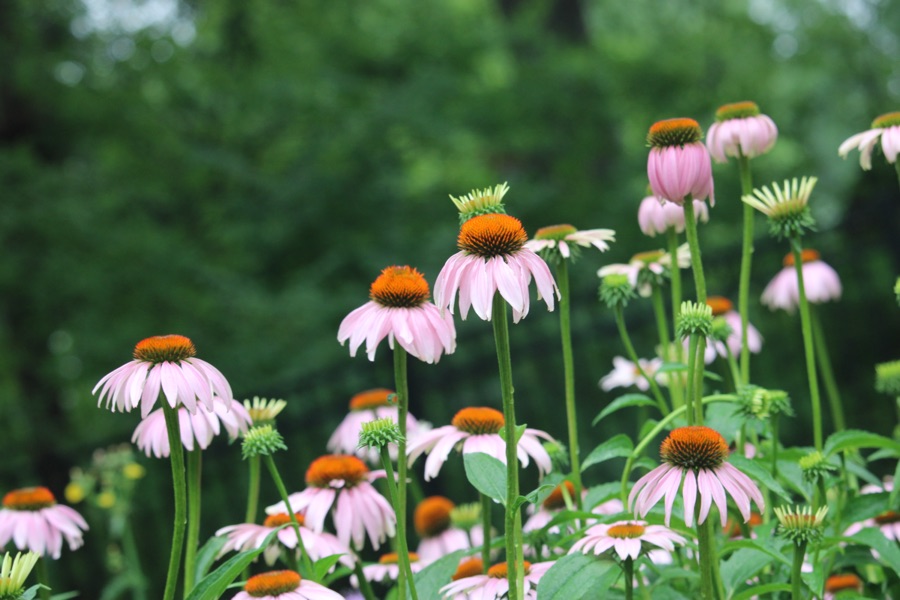
Unlike Terri or Brian, I have not seen any dogwood trees lately. I have, however, recently visited the Garden inside The Farm at The Schiele Museum of Natural History with a lovely variety of plants and flowers. I am focusing on the beautiful Echinacea purpurea, more commonly known as Purple Coneflower or Eastern Purple Coneflower.
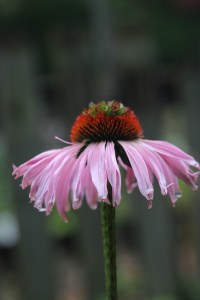
One Purple Coneflower
Coneflowers are a popular native floral in a number of gardens (both private and commercial) in our part of the Eastern United States. They are a drought-tolerant perennial with daisy-like flowers. (It is a good thing these plants are drought tolerant since we are currently under water restrictions due to insufficient rainfall (even though it has rained here all week).
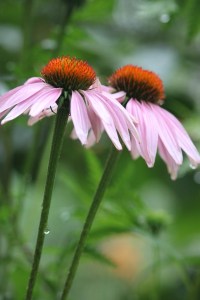
Two Purple Coneflowers
The coneflowers thrive in full sunlight and well-drained soil. All the plants and flowers in this garden are well cultivated and cared for. They have a long lasting blooming season from Summer throughout Autumn. Even though it is still Spring in our area, we have had summer-like weather and the coneflowers and other plants are thriving.
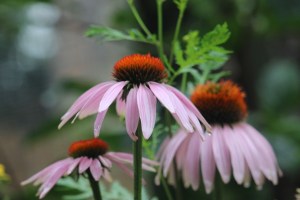
A Trio of Purple Coneflower
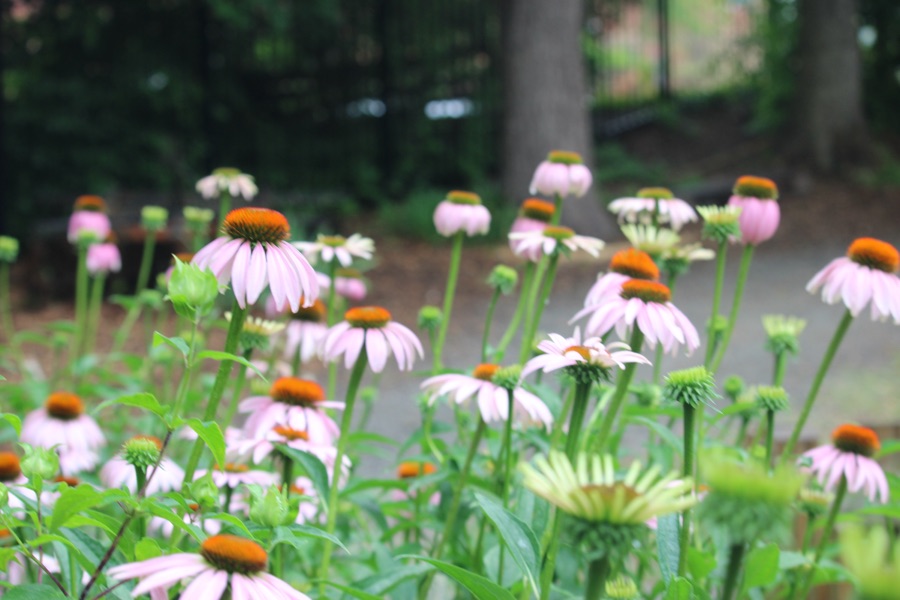
This year the garden’s Purple Coneflowers are in abundance and are a delightful attraction for pollinators (like butterflies & the bees in residence at the Farm) and provide seeds for birds. Coneflowers classic colour is purple, however, they also come in a variety of shades of pink, yellow, white, and orange.
A Gallery of Purple Coneflowers in a Garden
An interesting fact about the coneflowers is that every part of the plant is edible. Now I have not tried eating them as of yet, but the vibrant petals are said to have a mild, sweet , floral flavour. They make a colourful garnish for salads, desserts, or charcuterie boards. The young. tender leaves can be eaten raw in salads or cooked similarly to spinach. While the coneflowers are considered safe and nontoxic for humans and pets, you would want to avoid high doses due to the fact it is possible for them to cause upset stomachs. For further information about its culinary and medicinal uses check out Eat the Planet.
Camera: Canon EOS Rebel T7 (2000D) with Canon EF-S55-250 mm lens and Altura UV Filter attachment.
Location: The Garden; In The Farm; The Schiele Museum of Natural History; Gastonia, North Carolina, USA
God Bless. Admire the Flowers and the beauty found in nature. Have a fantastic week. Thank you for visiting and sharing your time and thoughts with us. I appreciate y’all very much.
Common Salsify Aka Vegetable oyster, Purple Goat’s beard, Jack go to bed
The Common Salsify (Tragopogon porrifolius), is a biennial root vegetable which can be grown alongside parsnips and carrots. The plant produces grass-like leaves and thin, carrot-shaped taproots that are typically 8-9 inches long. True Salsify features purple flowers that white roots.
Its white taproot yields a delicate savory flavour that is often compared to cooked oysters, asparagus, or artichokes. While we’re talking about flavour, when it’s cooked it has an earthy nutty taste which makes it highly prized by chefs for use in soups, stews, and purées. You may cook them in a variety of ways from boiling, steaming, roasting, or mashing them. Besides cooking them, the young, tender roots can be sliced or grated for salads. The young shoots, leaves, and even the flower buds can also be eaten raw. If you choose to eat them raw, do not overeat them since they may lead to gas or bloating.
Camera: Canon EOS Rebel T7 (2000D) with Canon EF-S55-250 mm lens and Altura UV Filter attachment.
Location: The Garden; in The Farm; The Schiele Museum of Natural History; Gastonia, North Carolina, USA
God Bless. Admire the Flowers and the beauty found in nature. Have a fantastic week. Thank you for visiting and sharing your time and thoughts with us. I appreciate y’all very much.
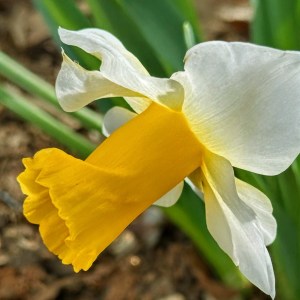
For the Lenten Season which began on February 18th, I decided what better selection than the Narcissus pseudonarcissus to post. The Narcissus pseudonarcissus, is commonly referred to as the wild daffodil or Lent Lily.
Lent Lily
I captured this Lent Lily with my iPhone in February of 2024 (during the Lenten season) at The Schiele Museum of Natural History. It was growing in The Farm area near one of the historic cabins.
Location: The Farm; The Schiele Museum of Natural History; Gastonia, North Carolina, USA
God Bless. Take time to observe the Flowers and nature’s beauty. Thank you for visiting and sharing your time and thoughts with us. I appreciate y’all very much.
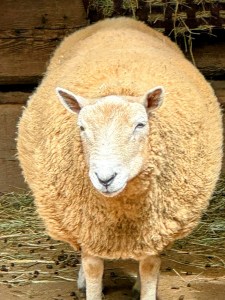
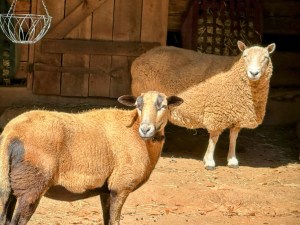
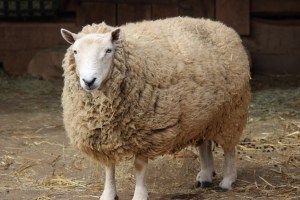
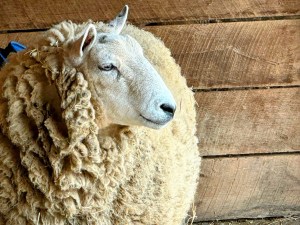
Honestly, I would just like to show you some lovely Lanose creatures which can be seen at The Farm at The Schiele Museum of Natural History in Gastonia, North Carolina.
Do you like my Lanose?
My friends Lanose are different shades than mine.
Mine is lighter, more fluffier than theirs ↖️.
Bet you’d love to run your fingers through my Lanose.
You know what? I’m not gonna come close enough for you to even try. You may look 👀 all you want, but you’re not gonna touch.
Camera: Apple iPhone 14 Pro Max and Canon EOS Rebel T3i
Location: The Farm; The Schiele Museum of Natural History and Planetarium; Gastonia, North Carolina, USA
God Bless. Have a wonderful weekend. Take time for yourself and relax. Thank you for visiting and sharing your time and thoughts with us. I appreciate y’all very much.
Sorghum is a cereal grain plant that belongs to the grass family Poaceae. It is thought to be native to Africa and is widely grown in Africa, Asia, and the Americas. Sorghum has numerous varieties, including grain sorghums, used for food; grass sorghums, grown for hay and fodder; and broomcorn, used in making brooms. Sorghum grain is a nutritious food rich in protein, dietary fiber, B vitamins, and minerals.
For human consumption, the gluten-free grain is usually ground into a meal that is made into porridge, flatbreads, and cakes. The characteristic strong flavour can be reduced by processing. The grain is also used in making edible oil, starch, dextrose (a sugar), paste, and alcoholic beverages.
The Sorghum plants pictured here are located in The Farm at The Schiele Museum of Natural History and Planetarium in Gastonia, North Carolina. These plants as well as other plants grown in the Garden are grown and given to the animals for feed.