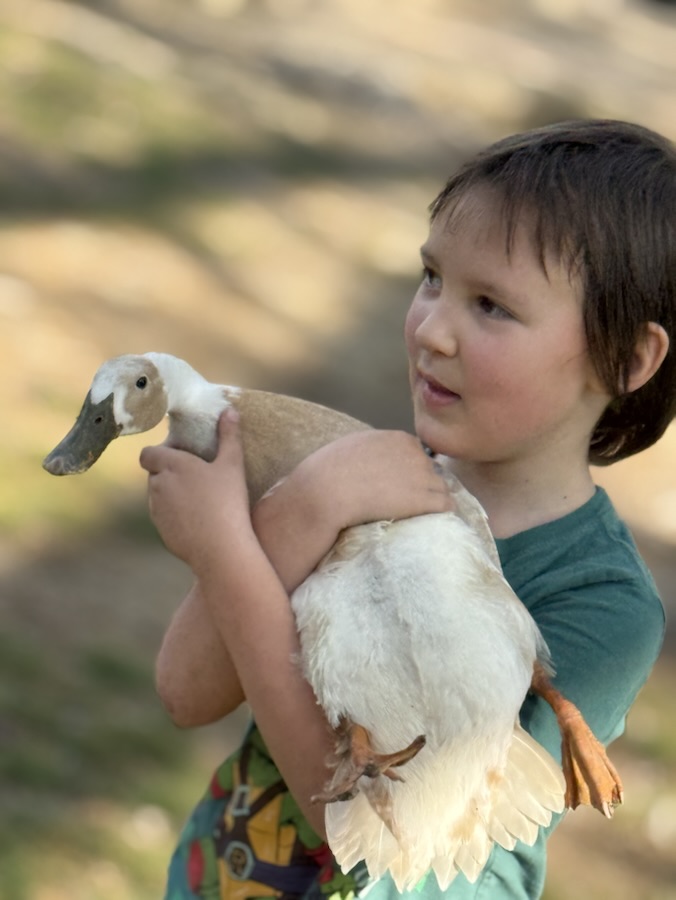
Im not sure if all these are purely minimalistic or not, but these are what I have added recently in my photography journal. Most of these images are portraits I have recently taken of my newest granddaughter, Sophia Ruthann. In part of them I am holding her while taking her photo with my iPhone.
Sophia Ruthann
Here is a one at Myrtle Beach …
Trisha (Coleman & Sophia’s mom) with Coleman & Sophia Ruthann
And now for a couple of non-family images …
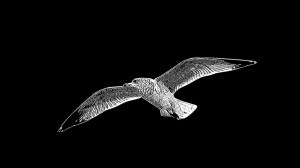
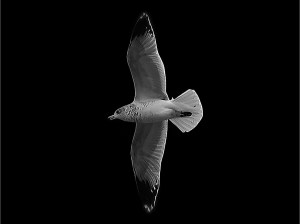
Ring-Billed Gulls soaring over the Atlantic Ocean at Myrtle Beach, South Carolina
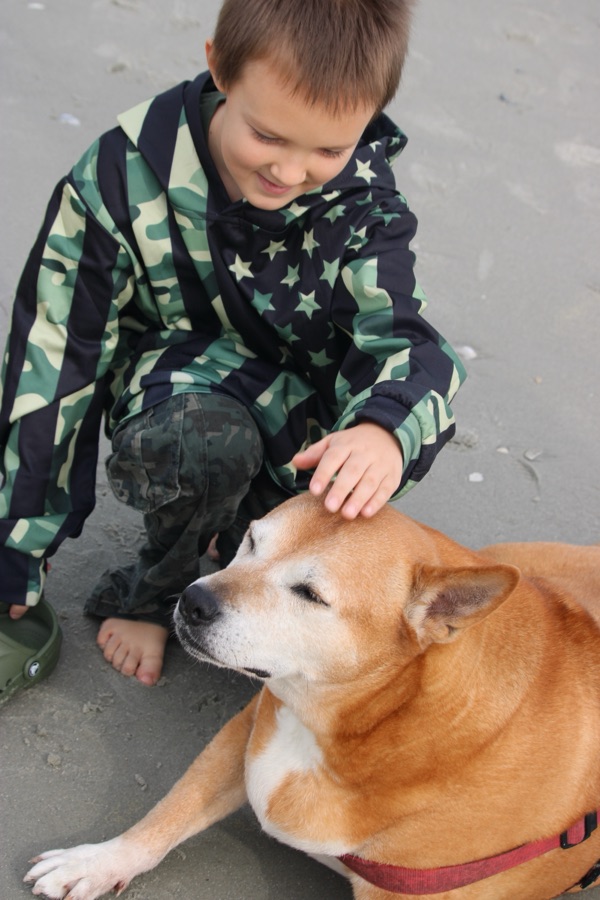
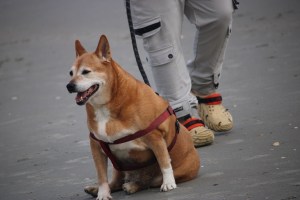
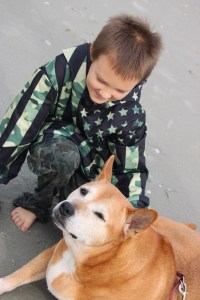
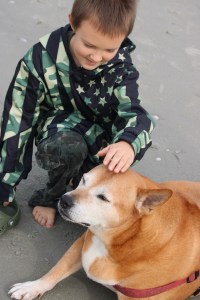
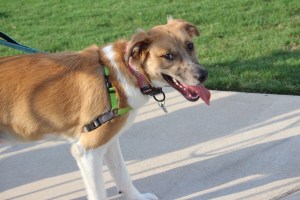
This Shiba Inu dog was visiting Myrtle Beach from New Jersey. Before Coleman greets or pets any dog he asks permission from its owner.
Shiba Inu
The Shiba Inu was a very friendly older dog that was all too happy to have a rest and take pleasure in a bit of petting attention from Coleman.
Coleman & dog
The Shiba Inu is a small-to-medium, fox-like hunting dog breed from Japan. They are known for their loyalty, good nature, and charming appearance.
It is considered to be an alert, affectionate, and independent breed with high intelligence. It can also be somewhat stubborn and strong-willed. (We saw no evidence of stubbornness, only very affectionate and even tempered)
Photo Credit: 2026 Deb L. Waters … All Rights Reserved.
Camera: Canon EOS Rebel T7 (2000D) with Canon EF-S55-250mm lens and Altura UV Filter attachment.
Location: Near the 2nd Avenue Pier; Myrtle Beach, South Carolina, USA
God Bless. Get Outdoors. Enjoy a walk/hike out in nature. Thank you for visiting and sharing your time and thoughts with us. I appreciate y’all very much.
We are in our first week of 2026; what a week it has been. We spent the week in Myrtle Beach relaxing, “sightseeing,”visiting various attractions, and enjoying time on the beach. [More about those activities to come in future posts].
For the first Monday Portrait of 2026, let’s check out the Southern Stingrays At Ripley’s Aquarium in Myrtle Beach, South Carolina. This was Coleman’s first trip to the beach, he was extremely excited about being at the beach, as well as seeing the many different species of “fish” at Ripley’s Aquarium.
Let’s take a look now at the fascinating Southern Stingrays …
Southern Stingrays
The Southern Stingray (Hypanus americanus) is a whiptail stingray which is typically foundin tropical and subtropical waters of the western Atlantic Ocean, from as far north as New Jersey all the way down to southern Brazil.
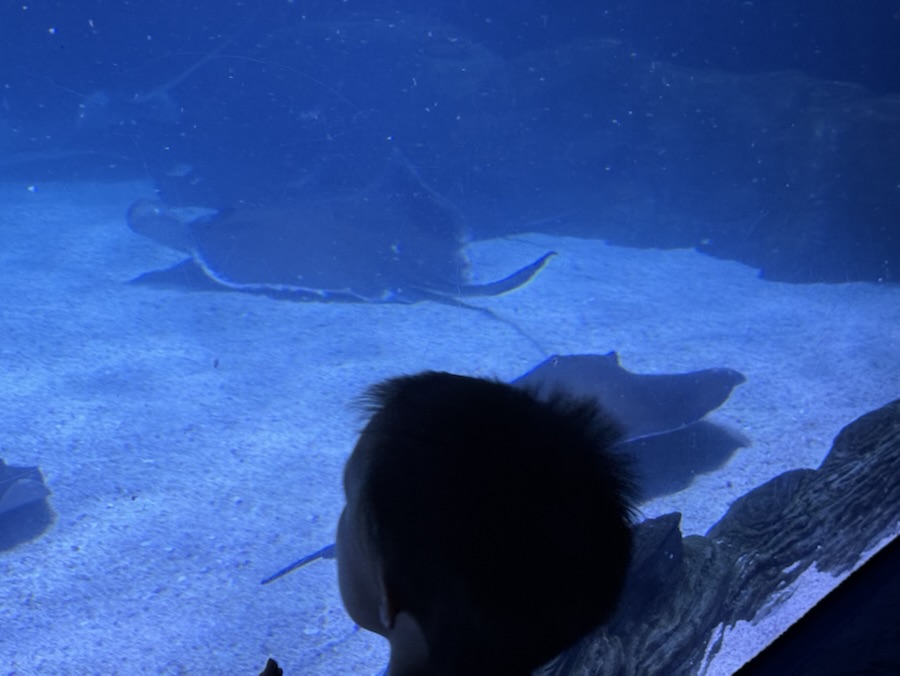
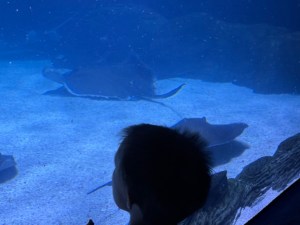
Even though we didn’t actually see them in the Atlantic Ocean, we (especially Coleman) were thrilled to see & pet them at Ripley’s Aquarium.
Coleman viewing the Southern Stingrays
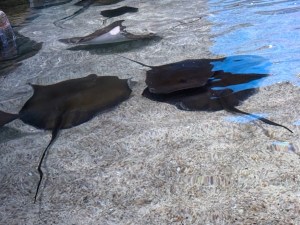
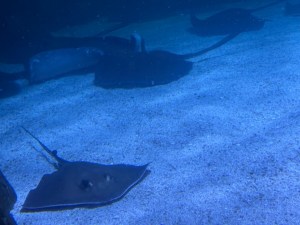
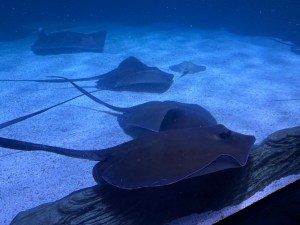
It is adapted for life on the sea bed, as you can see here they swim very close to the bottom most of the time, but not always.
Southern Stingrays lying on the sea bed
Southern Stingrays are nocturnal predators, they spray water from their mouths or flap their fins vigorously to disturb the surface in order to expose hidden prey.
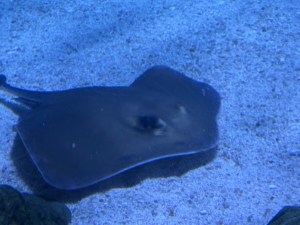
A Southern Stingray on the Aquarium sea bed.
Hypanus americanus exhibit wave-like locomotion using their pectoral fins. The wave-like locomotion allowed them to escape predators, forage efficiently, and generally maneuver quickly.
The Southern Stingrays were exciting and interesting to watch swimming and foraging in the aquarium at Ripley’s Aquarium.
Location: Ripley’s Aquarium; Myrtle Beach, South Carolina, USA.
God Bless. Have a funtastic week. May you have many exciting and memorable adventures. Thank you for visiting and sharing your time and thoughts with us. I appreciate y’all very much.
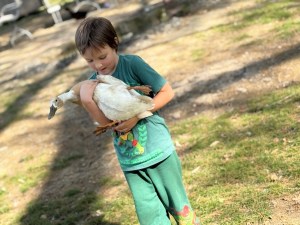
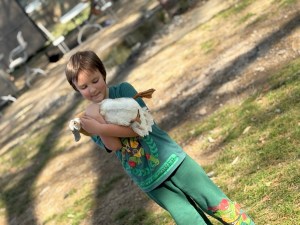
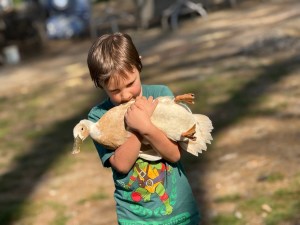
Embden (Emden) Geese are a German breed of domestic geese recognized primarily for their pure white plumage and striking bright blue eyes. ( I know it’s hard to see their blue eyes from the picture, but they are blue) The Embden is one of the oldest and most popular breeds around the world.
These Embden Geese reside at the Crandall Bowles Children’s Farm at the Anne Springs Close Greenway. Children of all ages are welcome to come visit them, but trying to pet them or pick them up is not recommended. Feed for them can be purchased at an extra cost to the entrance fee.
Camera: Canon EOS 2000D ( Rebel T7) with Canon EF-S55-250mm lens and Altura UV Filter attachment.
Settings: f/5.6 • 1/100s • 70mm • ISO100
Location: Crandall Bowles Children’s Farm; Greenway Stables and Farm Entrance; Anne Springs Close Greenway; Fort Mill, South Carolina, USA
God Bless. Have a wonderful Christmas holiday week. Merry Christmas! Thank you for visiting and sharing your time and thoughts with us. I appreciate y’all very much.
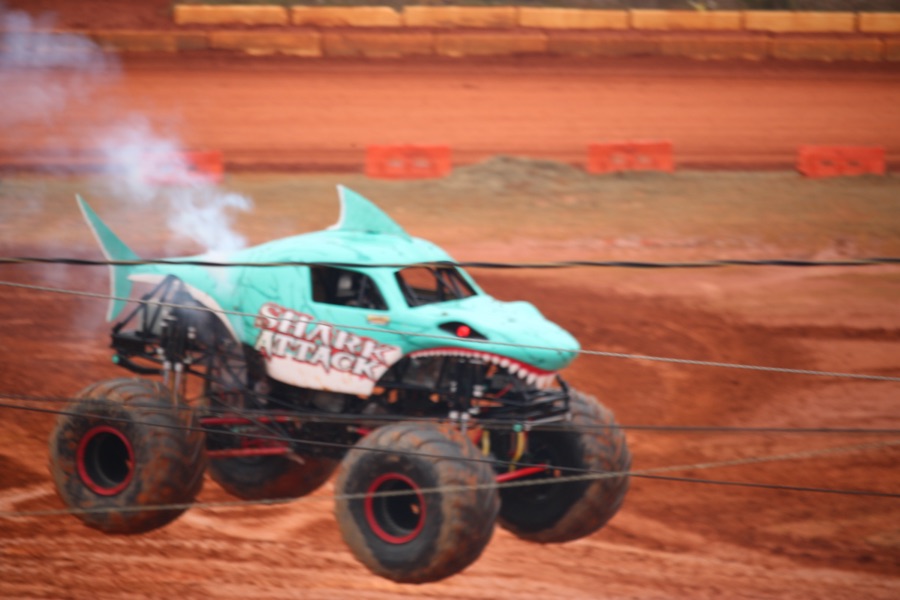
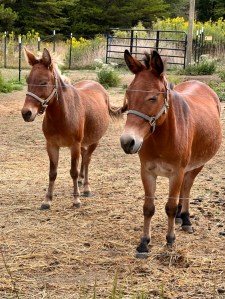
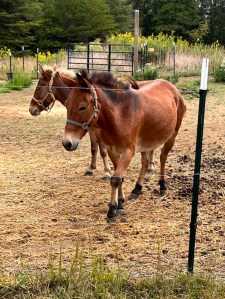
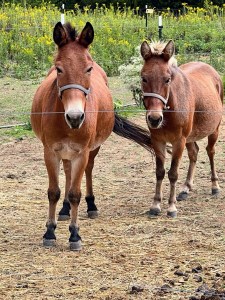
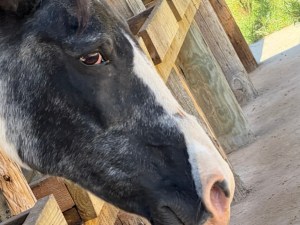
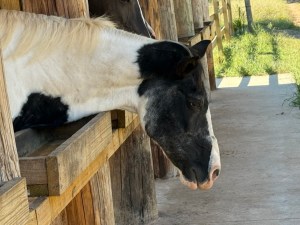
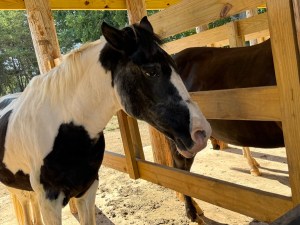
Equus is a genus of mammals that includes Horses, Donkeys, Asses, and Zebras.
These Jackasses were introduced to us by our former landlord. He brought to a portion of his land adjacent to our rental property to raise with the assistance of his daughters.
A Jackass is an adult male donkey, females are called Jenny. Jacks or Jackasses (male donkeys) are often mated with female horses to produce mules. At one time the more common term for the donkey was Ass.
From the 18th century, donkey gradually replacedassand jenny replaced she-ass, which is now considered archaic.
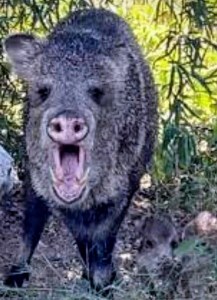
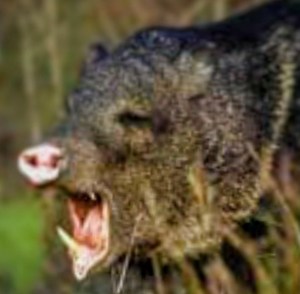
My longtime friend had an unexpected and seemingly unusual visitor around her garbage cans the other night. A visitor she had not witnessed before in her neighbourhood, nor had any of her neighbours.
Aka Javelina
What was this unusual visitor you might ask? It was the creature pictured here known by many as the Javelina. In Arizona the Collared Peccaries are known by their Spanish name Javelina. What are Collared Peccaries or Javelinas? You might think they are some type of pig looking at their stout and pig-like bodies, but they are not pigs.
In fact, they are wild, pig-like mammals common in Arizona deserts, woodlands, and grasslands. Javelinas are known for their social behaviour and adaptation to urban environments. Even though they are primarily herbivores, feeding on prickly pear cactus, mesquite beans, and other desert plants, they will also eat insects and are known for raiding garbage cans for easy food access.
Javelina in Arizona neighbourhood
Javelinas have sharp teeth and can be aggressive if they feel threatened. It’s best to keep dogs (pets) away from areas that Javelinas might wander. They can be an enormous nuisance to homeowners due to their attraction to garbage and gardens. Make sure to never feed a Javelina. Javelinas are most active during the twilight hours, specifically between dusk and dawn.
Javelinas can be found in Arizona, New Mexico, Texas, through Mexico and south all the way down to Argentina. Javelina live in desert washes, saguaro and palo verde forests, oak woodlands and grasslands. Houses that are close to washes will likely have javelina in the neighborhood and are a usual sighting in Tucson, Arizona. [My friend lives in Maricopa, Pinal County, Arizona which is located within the Sonoran Desert a short distance south of Phoenix.]