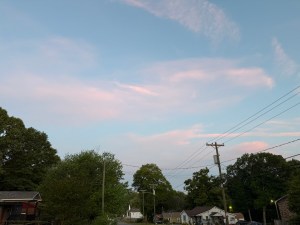
Brian from Bushboys Worldhosts a monthly challenge called Last On the Card. His rules are simple to follow if you’re interested in participating.
Here are The rules:
1. Post the last photo on your SD card or last photo on your phone for the 30th or whenever your last photo was taken.
2. No editing – who cares if it is out of focus, not framed as you would like or the subject matter didn’t cooperate.
3. You don’t have to have any explanations, just the photo will do
4. Create a Pingback to this post or link in the comments
5. Use the tags The Last Photo and #LastOnTheCard
Here are my contributions …
From my Canon EOS T7 (2000D):
Gastonia burgei, skeleton of an herbivorous ankylosaurian dinosaur at The Schiele Museum of Natural History Gastonia, NC
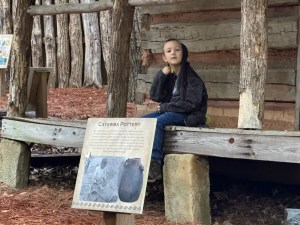
The Cave Bear is an extinct species which lived in Europe and Asia approximately 27,000 years ago. It is an early relative to many bears living in North America. Cave Bears are a type of ursine bear.
The Ursine group includes the brown, grizzly, Kodiak, polar, and black bears. All these bears originally lived in Europe and Asia before traveling across a land bridge during the Pliocene time period.
Ursus spelaeus The Cave Bear
A Cave Bear’s weight possibly ranged from 880 to 2,200 pounds. The largest of these would be comparable in size to today’s polar bears.
The Cave Bear skeleton in The Schiele Museum of Natural History comes quite a distance from the Ural Mountains in Russia. If you ever get the opportunity to visit The Schiele Museum come and say hello to The Cave Bear … don’t worry he won’t bite you.
As the months pass by it seems like there’s another plant deciding to bloom sharing its exquisitely alluring beauty for all to see and admire.
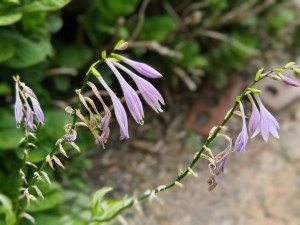
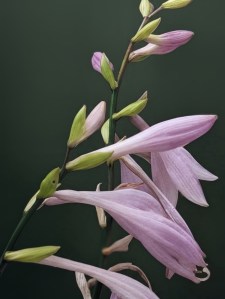
Hosta ‘Fragrant Bouquet’ (aka the Plantain Lily)
This variegated foliage plant, I had thought was just an ornamental landscaping element (to me) surprisingly blossomed recently. Coleman said to me, “Take a picture.” So I complied with his request and am sharing a couple with y’all.
Plantain Lilies
The Hosta ‘Fragrant Bouquet’ also referred to as Plantain Lily is a fast growing perennial with variegated foliage and is highly aromatic with its summer blooms. It forms a lush, open mound of heart-shaped, apple-green leaves highlighted by creamy-yellow margins.
It has large trumpet-shaped flowers that range in colour from near-white to pale lilac. The sweet fragrance is said to attract hummingbirds and butterflies, however, I have not seen evidence of that on this plant.
First stage of Blooming Plantain Lily
It is planted next to a hydrangea bush and almost covering it completely as if hidden from view until it began to increase in growth and its blossoms became evident in the summer breeze.
Location: Unity Community; Gastonia, North Carolina, USA
God Bless. Stop and smell the flowers. Admire them and the beauty found in nature. Have a fantastic week. Thank you for visiting and sharing your time and thoughts with us. I appreciate y’all very much.
God Bless. Take time to Enjoy Nature’s Beauty. Smell the amazing fragrance of flowers. Thank you for visiting and sharing your time and thoughts with us. I appreciate y’all very much.
Dan from No Facilitieshosts the Fun Foto Challenge at and this week he is asking for our The Crayola Box of 8 – Blue . I have gone into my recent and archive files to see what I could locate to best represent this week’s theme. I will also be sharing Blue Along Trails as part of Friday’s CWWC post (Stay tuned to more Blue and feel free to share your blue with Cee’s Which Way Challenge as well as Dan’s CFFC challenge this week.
Here are my entries …
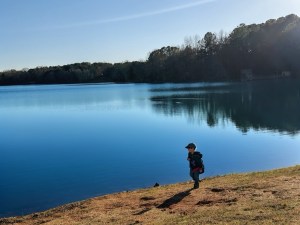
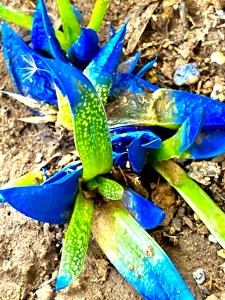
Robinwood Lake Warlick YMCA Gastonia, NCColeman Trekker Loop Anne Springs Close Greenway Fort Mill, SCBlue Mask 2020 Abilene, TxBlue American Agave Plant Abilene, TXBlue Glove made into a Balloon The Schiele Museum of Natural History Gastonia. NCThe Schiele Museum of Natural History and Planetarium Gastonia, NCBlue Leisure Suit My dad and Pawpaw Great Falls, South Carolina
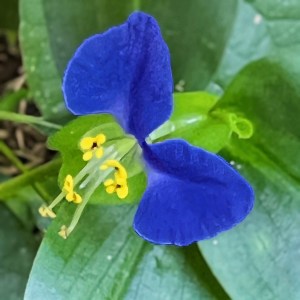
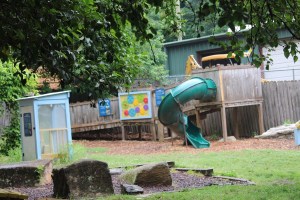
American Airlines Flying through the Blue Skies Robinwood Lake Warlick YMCA Gastonia, NCEarly Explorers The Schiele Museum of Natural History Gastonia. NCColeman on Trail Warlick YMCA Gastonia, NCColeman playing in sand Warlick YMCA Gastonia, NCColeman sliding at Warlick YMCA Gastonia, NCColeman on Trail Warlick YMCA Gastonia, NCLake Crandall AnneSprings Close Greenway Fort Mill, SCCommelina communis, aka Asiatic dayflowerThe Schiele Museum of Natural History and Planetarium Gastonia, NCCee’s Fun Foto Challenge Dan’s CFFC -Blue
God Bless. Enjoy your week. May it be filled with love, joy, laughter, and lots of fun. Thank you for visiting and sharing your time and thoughts with us. I appreciate y’all very much.
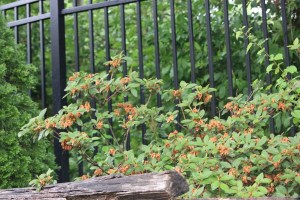
The Mexican Fire Bush (Hamelia patens) is grown as an annual in Gastonia, North Carolina. It is a vibrant, fast-growing tropical shrub known for its fiery orange-red tubular flowers. It is highly prized for attracting pollinators like hummingbirds and butterflies. It typically grows 2 to 4 feettall in a single season. Sinc North Carolina winters are too cold for it to remain evergreen, the plant will experience dieback, but it serves as an exceptional summer filler for local gardens.
The gardens at The Schiele Museum of Natural History are supported and maintained by the Master Gardener Group of Gaston County. This is not your traditional private garden club, but instead it is an organization that is a specialized volunteer network extension of theNC State Extension Master Gardener Program. The certified Extension Master Gardener Volunteers manage and improve the specialized flora spaces at The Schiele Museum which include The Farm and Along the entrance and nature trail. The Garden in the Farm at The Schiele Museum showcases Piedmont-native agricultural crops and plant varieties.
Camera: Canon EOS Rebel T7 (2000D) with Canon EF-S55-250mm lens and Altura UV Filter Attachment.
Location: Entrance Gardens; The Schiele Museum of Natural History; Gastonia, North Carolina, USA
God Bless. Take Care. Help those in need. Spread Love and Kindness all around you. Thank you for visiting and sharing your time and thoughts with us. I appreciate y’all very much.
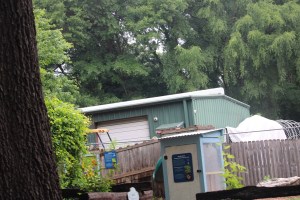
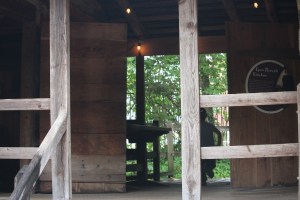
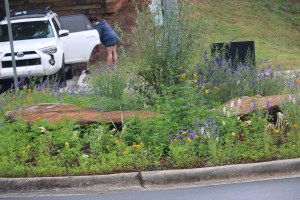
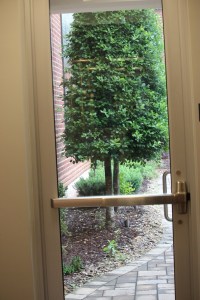
Sometimes when Coleman and I are out and about hiking or visiting a museum like The Schiele Museum of Natural History I will try to capture objects, like doors, the majority of people wouldn’t ordinarily think to capture with their cameras. These I’m sharing today are ones more obscure than others you might expect to see.
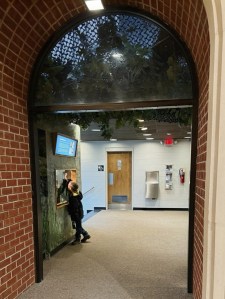
Outbuilding door & a “Little Library”Looking in through one door and out through anotherWait just a minute, I’ve got something to show you in the car. Side Exit not Used by mostWonder how many children use the Little Library Door?Sometimes used, sometimes not. Obscure or Not Doors at The Schiele Museum of Natural History
Cameras: Canon EOS Rebel 2000D with Canon EF-S55-250mm lens and Altura UV Filter attachment; Apple iPhone 16 Pro Max
Location: The Schiele Museum of Natural History; Gastonia, North Carolina, USA
God Bless. Take Care. May your week by filled with love, laughter, and happiness. Thank you for visiting and sharing your time and thoughts with us. I appreciate y’all very much.
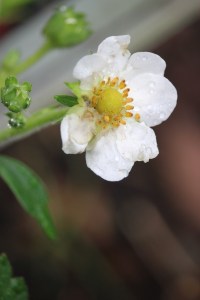
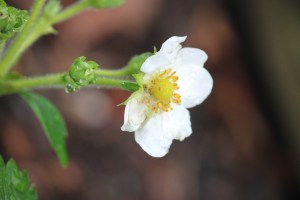
The Fragaria virginiana, is also known Scarlett Strawberry and Wild Strawberry. It is a flowering perennial that produces edible fruit. It spreads by runners making it an easy choice for use as groundcover. It can also be used as erosion control holding soil on slopes.
Fragaria virginiana
Wild Strawberries are native to North America, from Newfoundland and Alberta in Canada , south down Georgia, Tennessee, and Oklahoma as well as the states in between like North and South Carolina. The plant produces small white flowers in the Spring with tiny, highly flavorful red berries following in late spring and early summer. They are primarily pollinated by a diverse mix of native bees, hoverflies, and small butterflies.
North Carolina’s native Wild Strawberry
These Scarlett Strawberries (Fragaria virginiana) are grown in the garden in The Farm at The Schiele Museum of Natural History in Gastonia, North Carolina. The Garden also contains several bee hives providing the bees which pollinate many of the flowers grown here.
Camera: Canon EOS Rebel T7 (2000D) with Canon EF-S55-250mm lens and Altura UV Filter attachment.
Location: The Garden; The Farm; The Schiele Museum of Natural History; Gastonia, North Carolina, USA
God Bless. Take time to Enjoy Nature’s Beauty. Smell the amazing fragrance of flowers. Thank you for visiting and sharing your time and thoughts with us. I appreciate y’all very much.
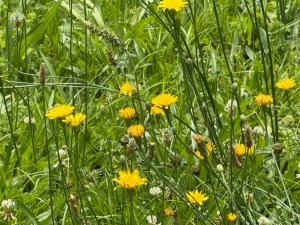
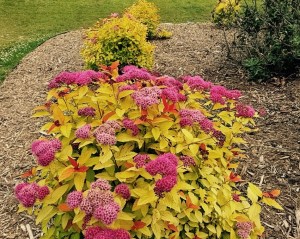
Dan from No Facilitieshosts the Fun Foto Challenge at and this week he is asking for our The Crayola Box of 8 -Yellow. I have gone into my recent files to see what I could locate to best represent this week’s theme. I am also linking this Friday’s CWWC with Dan’s CFFC for a Which Way Challenge theme of Any Which Way with Yellow along a Trail, Path, or Road.
Here are my entries …
Cee’s Fun Foto Challenge Crayola Box of 8 – Yellow
Location: Unity Community; Gastonia, North Carolina, USA
God Bless. Enjoy your week. May it be filled with love, joy, laughter, and lots of fun. Thank you for visiting and sharing your time and thoughts with us. I appreciate y’all very much.
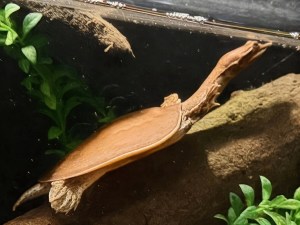
Patrick is an Eastern Spiny Softshell Turtle residing in an aquarium at The Schiele Museum of Natural History and Planetarium in Gastonia, North Carolina.
Patrick
Spiny Softshell turtles are found in the Piedmont region of North Carolina. The state of North Carolina considers these species of turtles to be of Special Concern. Patrick, like other Spiny Softshell turtles, does not have a hard shell covered in scutes. He is covered in leathery skin instead.
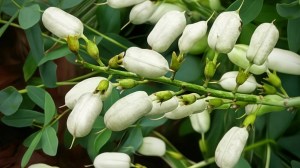
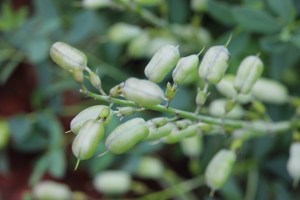
Baptisia alba, aka White Wild Indigo, or White False Indigo is a native herbaceous perennial plant in the bean family Fabaceae.
It is native to central and eastern North America and is typically found in open woodland areas prairies with tall grasslands. However, in this case the plant is grown in the landscape and garden areas of The Schiele Museum of Natural History in Gastonia, North Carolina.
Camera: Canon EOS Rebel T7 (2000D) with Canon EF-S55-250mm lens and Altura UV Filter attachment.
Location: The Garden in The Farm; The Schiele Museum of Natural History; Gastonia, North Carolina, USA
God Bless. May your day be filled with love, peace, happiness and an abundance of laughter. Thank you for visiting and sharing your time and thoughts with us. I appreciate y’all very much.
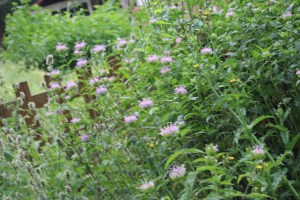
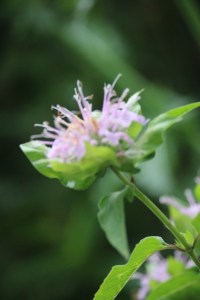
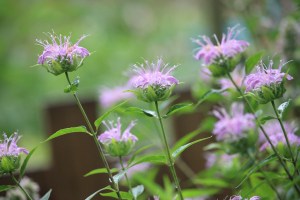
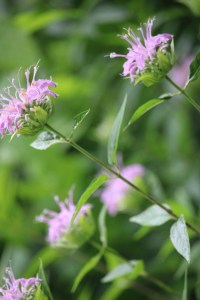
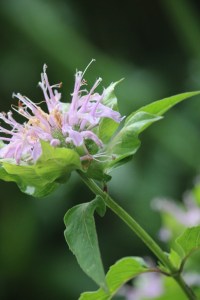
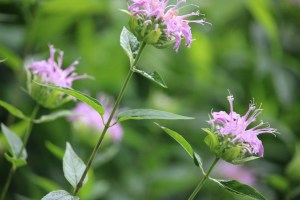
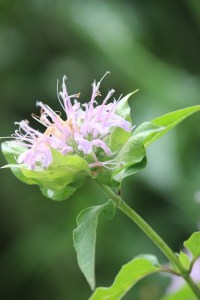
Monarda fistulosa (Wild Bergamot) is also referred to as wild bee balm, Appalachian Bergamot, Eastern Bergamot. It is a hardy, perennial wildflower native to North America and is in the mint genus family. It has distinctive lavender-pink blossoms, aromatic foliage which has an exceptional ability to attract pollinators and historically has been used for medicinal purposes.
It serves as a pollinator magnet drawing an enormous amount of bumblebees, native bees, predatory wasps, and butterflies. [The Garden where these are planted also has a section of four beehives with plenty of bees to help pollinate the flowers grown therein.]
For those interested in expanding their palates, you might want to try tasting its edible leaves and flowers. They add a spicy, citrusy, oregano-like kick to salads, jellies, and meat dishes. Also may note that historically the leaves have been used, by indigenous peoples, to brew teas to treat colds, flus, and digestive issues.
Wild bergamot (Monarda fistulosa) Terri’s The #Flower Hour
Camera: Canon EOS Rebel T7 (2000D) with Canon EF-S55-250 mm lens and Altura UV Filter attachment.
Location: The Garden; In The Farm; The Schiele Museum of Natural History; Gastonia, North Carolina, USA
God Bless. Admire the Flowers and the beauty found in nature. Have a fantastic week. Thank you for visiting and sharing your time and thoughts with us. I appreciate y’all very much.
Brian from Bushboys Worldhosts a monthly challenge called Last On the Card. His rules are simple to follow if you’re interested in participating.
Here are The rules:
1. Post the last photo on your SD card or last photo on your phone for the 30th or whenever your last photo was taken.
2. No editing – who cares if it is out of focus, not framed as you would like or the subject matter didn’t cooperate.
3. You don’t have to have any explanations, just the photo will do
4. Create a Pingback to this post or link in the comments
5. Use the tags The Last Photo and #LastOnTheCard
Here are my contributions …
From my Canon EOS T7 (2000D):
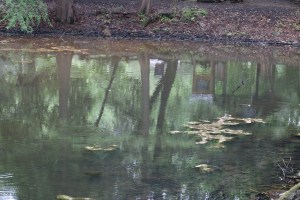
The Pond The Schiele Museum of Natural History Gastonia, NC
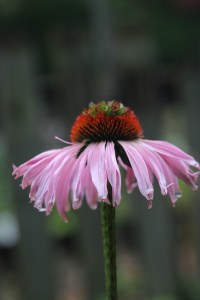
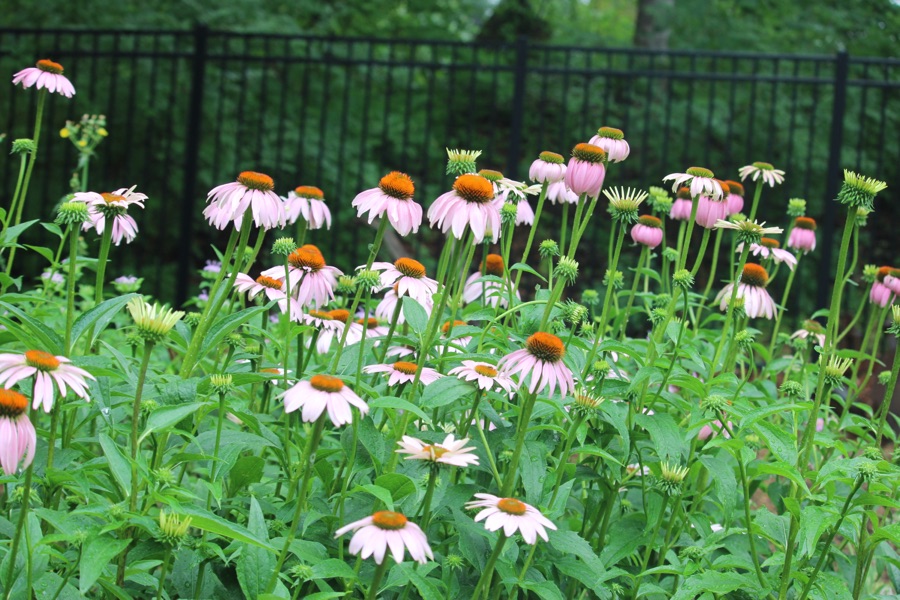
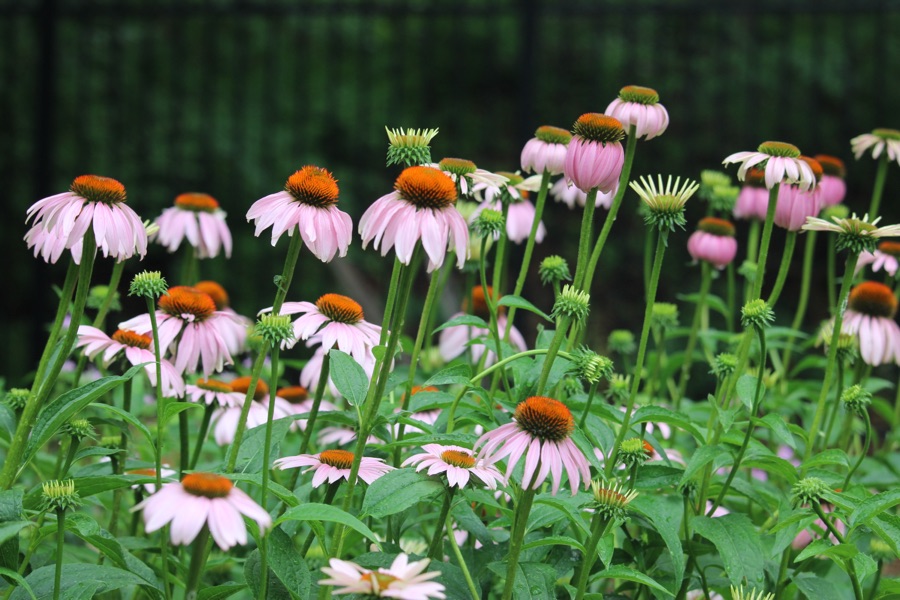
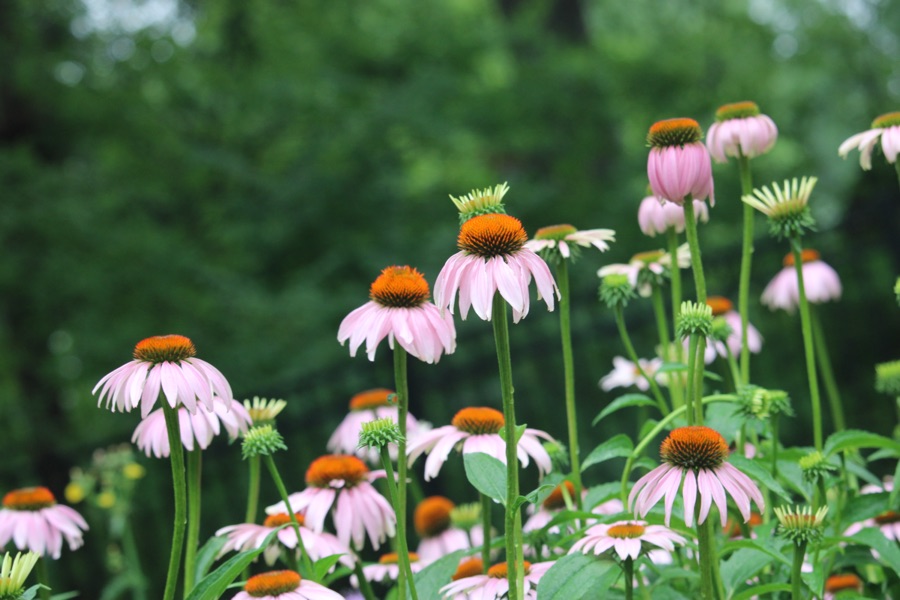
Unlike Terri or Brian, I have not seen any dogwood trees lately. I have, however, recently visited the Garden inside The Farm at The Schiele Museum of Natural History with a lovely variety of plants and flowers. I am focusing on the beautiful Echinacea purpurea, more commonly known as Purple Coneflower or Eastern Purple Coneflower.
One Purple Coneflower
Coneflowers are a popular native floral in a number of gardens (both private and commercial) in our part of the Eastern United States. They are a drought-tolerant perennial with daisy-like flowers. (It is a good thing these plants are drought tolerant since we are currently under water restrictions due to insufficient rainfall (even though it has rained here all week).
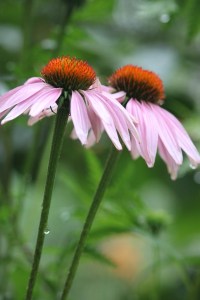
Two Purple Coneflowers
The coneflowers thrive in full sunlight and well-drained soil. All the plants and flowers in this garden are well cultivated and cared for. They have a long lasting blooming season from Summer throughout Autumn. Even though it is still Spring in our area, we have had summer-like weather and the coneflowers and other plants are thriving.
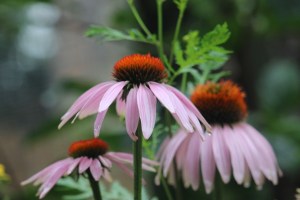
A Trio of Purple Coneflower
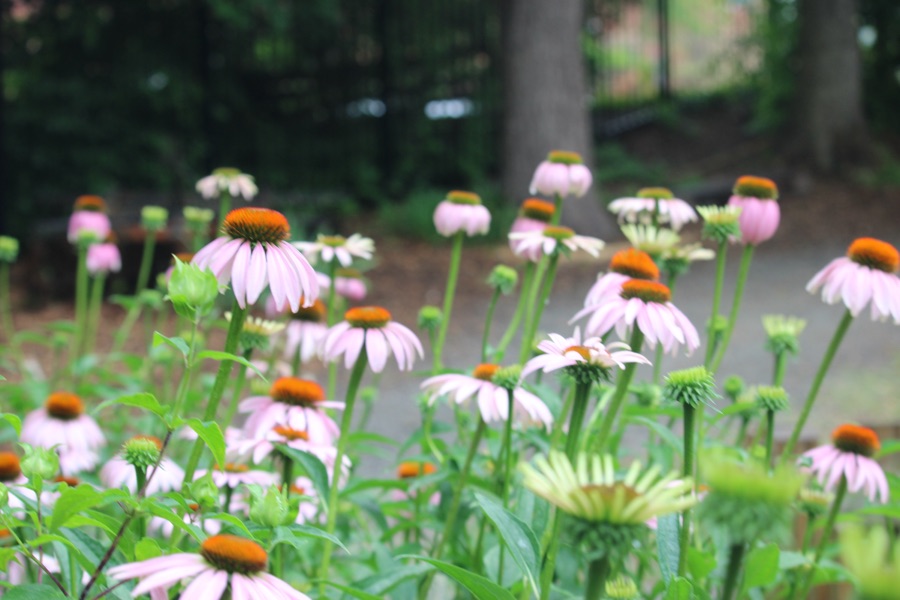
This year the garden’s Purple Coneflowers are in abundance and are a delightful attraction for pollinators (like butterflies & the bees in residence at the Farm) and provide seeds for birds. Coneflowers classic colour is purple, however, they also come in a variety of shades of pink, yellow, white, and orange.
A Gallery of Purple Coneflowers in a Garden
An interesting fact about the coneflowers is that every part of the plant is edible. Now I have not tried eating them as of yet, but the vibrant petals are said to have a mild, sweet , floral flavour. They make a colourful garnish for salads, desserts, or charcuterie boards. The young. tender leaves can be eaten raw in salads or cooked similarly to spinach. While the coneflowers are considered safe and nontoxic for humans and pets, you would want to avoid high doses due to the fact it is possible for them to cause upset stomachs. For further information about its culinary and medicinal uses check out Eat the Planet.
Camera: Canon EOS Rebel T7 (2000D) with Canon EF-S55-250 mm lens and Altura UV Filter attachment.
Location: The Garden; In The Farm; The Schiele Museum of Natural History; Gastonia, North Carolina, USA
God Bless. Admire the Flowers and the beauty found in nature. Have a fantastic week. Thank you for visiting and sharing your time and thoughts with us. I appreciate y’all very much.
Common Salsify Aka Vegetable oyster, Purple Goat’s beard, Jack go to bed
The Common Salsify (Tragopogon porrifolius), is a biennial root vegetable which can be grown alongside parsnips and carrots. The plant produces grass-like leaves and thin, carrot-shaped taproots that are typically 8-9 inches long. True Salsify features purple flowers that white roots.
Its white taproot yields a delicate savory flavour that is often compared to cooked oysters, asparagus, or artichokes. While we’re talking about flavour, when it’s cooked it has an earthy nutty taste which makes it highly prized by chefs for use in soups, stews, and purées. You may cook them in a variety of ways from boiling, steaming, roasting, or mashing them. Besides cooking them, the young, tender roots can be sliced or grated for salads. The young shoots, leaves, and even the flower buds can also be eaten raw. If you choose to eat them raw, do not overeat them since they may lead to gas or bloating.
Camera: Canon EOS Rebel T7 (2000D) with Canon EF-S55-250 mm lens and Altura UV Filter attachment.
Location: The Garden; in The Farm; The Schiele Museum of Natural History; Gastonia, North Carolina, USA
God Bless. Admire the Flowers and the beauty found in nature. Have a fantastic week. Thank you for visiting and sharing your time and thoughts with us. I appreciate y’all very much.
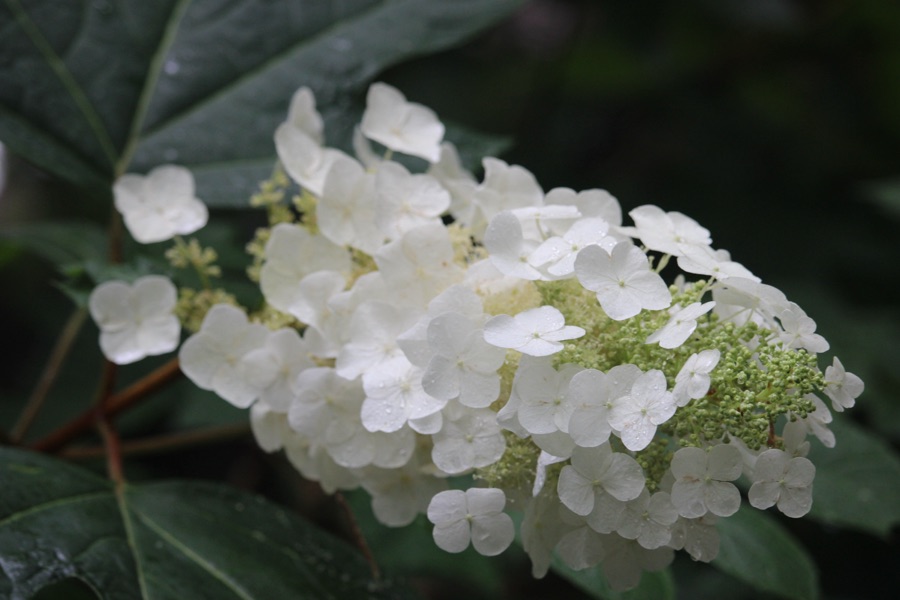
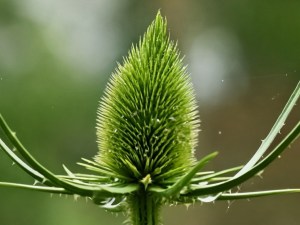
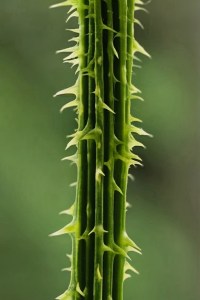
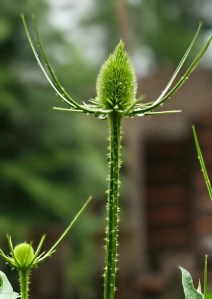
The Teasel pictured here are grown in a garden at The Farm at The Schiele Museum of Natural History. The Garden also has purple coneflowers, Oakleaf hydrangeas, Roses, Wild Bergamot, Lettuce, Cabbage, and many more varieties some of which will be featured in later posts.
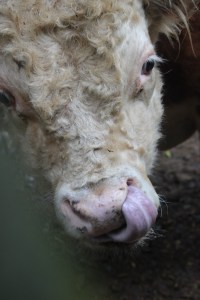
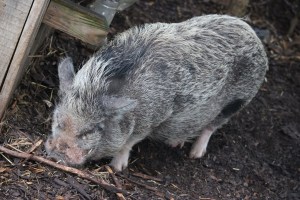
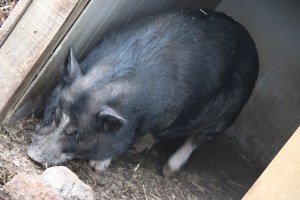
A adult female pig who has given birth is referred to as a Sow. Not sure if either of these pigs are female or have given birth, but maybe you’ll enjoy the pigs anyway.
Camera: Canon EOS Rebel T7 (2000D) with Canon EF-S55-250 mm lens
Location: The Farm; The Schiele Museum of Natural History; Gastonia, North Carolina, USA
God Bless. Happy Blessed Passover! Happy Easter! Have a wonderful day and week. Thank you for visiting and sharing your time and thoughts with us. I appreciate y’all very much.
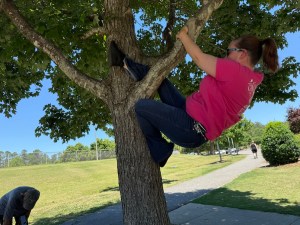
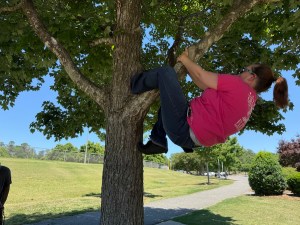
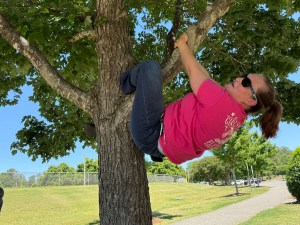
While at Martha Rivers Park, my daughter (Coleman’s mom), decided she wanted to see if she could still climb a tree and hang upside down. Here is the progression …
Location: Martha Rivers Park; Gastonia, North Carolina, USA
God Bless. May you have a lovely week filled with love, joy, and laughter. Thank you for visiting and sharing your time and thoughts with us. I appreciate y’all very much.
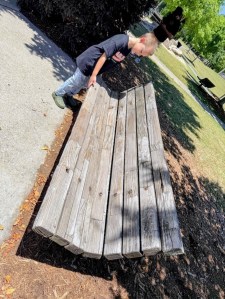
After Coleman’s end of year program on Tuesday afternoon we went to Martha Rivers Park, a city park in Gastonia, North Carolina, to allow him to run around and burn off steam and energy. It was a super hot day, so sweat was definitely happening. He did have tons of fun and other kids were enjoying the park for the afternoon as well.
As you may or may not have noticed, Coleman’s selections for Pulling Up a Seat are not always one’s typical seating choices for most people. The following are his choices on this day …
Pull Up a Seat 2026 – Week 21 Martha Rivers Park with Coleman
Location: Martha Rivers Park; Gastonia, North Carolina, USA
God Bless. Get Outdoors. Take a Walk/Hike. Enjoy Nature. Thank you for visiting and sharing your time and thoughts with us. I appreciate y’all very much.
Location: Martha Rivers Park; Gastonia, North Carolina, USA
God Bless. Have a sunshiny day. Observe Nature. Thankful for local wildlife. Thank you for visiting and sharing your time and thoughts with us. I appreciate y’all very much.
Location: Unity Community; Gastonia, North Carolina, USA
God Bless. Have a funtastic weekend. Enjoy the Spring Florals. Thank you for visiting and sharing your time and thoughts with us. I appreciate y’all very much.
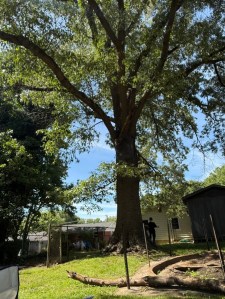
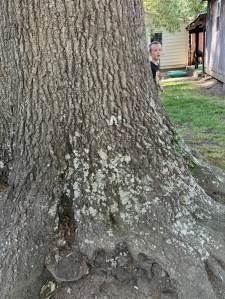
This Quercus pagoda (Cherrybark Oak) tree is a an old Oak tree which is native to the Carolinas and the Southeastern United States of America. It is a fast-growing, long-lived deciduous tree. These trees are capable of reaching a height between 100-130 feet tall having a 40-70 foot spread. (I included a couple images of the base of the tree so you can get the idea of its spread.)
The Cherrybark Oak trees thrive in moist well-drained bottomland soils in full sun. This Oak tree provides an enormous amount of shade providing protection from the harsh sun. (If you look closely, you’ll be able to view Coleman playing under the Canopy of this Old Oak Tree.
Location: Unity Community; Gastonia, North Carolina, USA
God Bless. May you rest Under the Canopy of God’s Love and Protection. Thank you for visiting and sharing your time and thoughts with us. I appreciate y’all very much.
Location: T. Jeffers Center and Park; Gastonia, North Carolina, USA
God Bless. Get Outdoors. Take a Walk/Hike. Enjoy Nature. Thank you for visiting and sharing your time and thoughts with us. I appreciate y’all very much.
Location: Unity Community; Gastonia, North Carolina, USA
God Bless. Have a sunshiny day. Observe Nature. Thankful for local wildlife. Thank you for visiting and sharing your time and thoughts with us. I appreciate y’all very much.
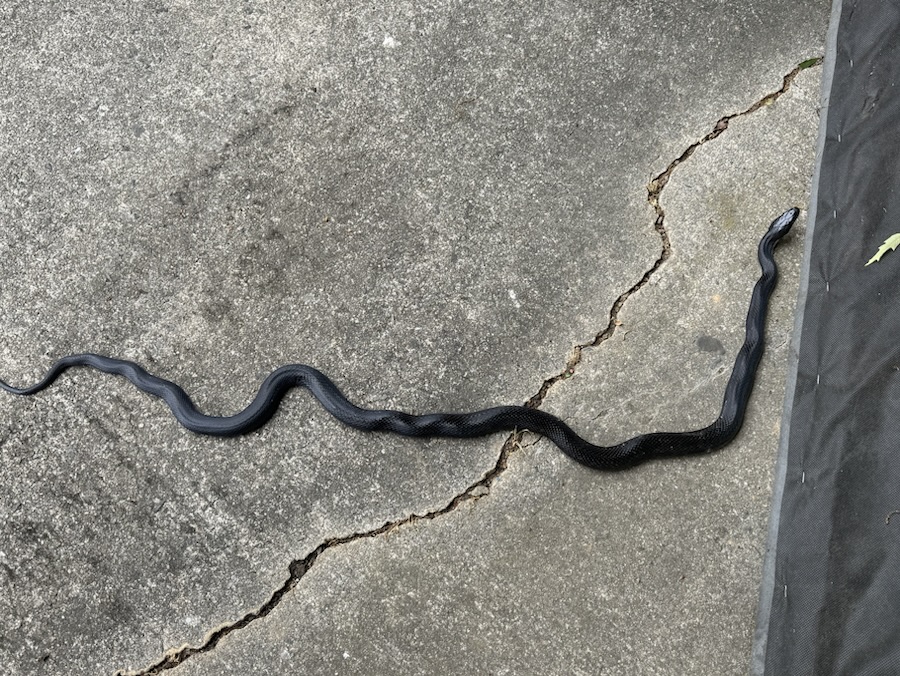
We looked out our sliding glass door the other day. We were surprised (maybe startled would be more like it) to see along black snake not too far from the door. Snakes are fine anywhere but in our yard. (Our last place we also found a long black snake.) What’s up with that? You’d think we’d attract them somehow. However, we’d prefer them to slither through the woods, or anywhere else but here.
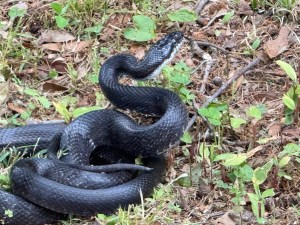
My daughter was brave (she did ask what kind it was first). She picked up the long black snake and escorted it off the property. Just so you know, the long black snake (our unwanted and unwelcome visitor is an Eastern ratsnake (Pantherophis alleghaniensis). It is a large, non-venomous constrictor which is commonly found in the eastern United States of America. It is known for its shiny black colouration with a black and white checkered belly.
Even though we prefer them not to be around, they are beneficial for controlling rodent populations. When they are threatened, they will vibrate their tail and strike. They will also stick their tongue out and hiss out anyone they think will harm them.
Location: Unity Community; Gastonia, North Carolina, USA
God Bless. Look up. Count you many blessings. Have a wonderful week. Thank you for visiting and sharing your time and thoughts with us. I appreciate y’all very much.
Location: T. Jeffers Center and Park; Gastonia, North Carolina, USA
God Bless. Get Outdoors. Take a Walk/Hike. Enjoy Nature. Thank you for visiting and sharing your time and thoughts with us. I appreciate y’all very much.
Location: Near Tennis Courts; T. Jeffers Center and Park; Gastonia, North Carolina, USA
God Bless. Admire the Flowers and the beauty found in nature. Have a fantastic week. Thank you for visiting and sharing your time and thoughts with us. I appreciate y’all very much.
Location: City of Gastonia Fire Headquarters (Shot from across the street); Gastonia, North Carolina, USA
God Bless. Have an adventurous week filled with love and happiness. Thank you for visiting and sharing your time and thoughts with us. I appreciate y’all very much.
Location: T. Jeffers Center and Park; Gastonia, North Carolina, USA
God Bless. Enjoy the Spring-like weather. Ours is bouncing back and forth from the low 60°’s to the low 80°’s. Thank you for visiting and sharing your time and thoughts with us. I appreciate y’all very much.
Location: Unity Community; Gastonia, North Carolina, USA
God Bless. Look up. Count you many blessings. Have a wonderful week. Thank you for visiting and sharing your time and thoughts with us. I appreciate y’all very much.
Location: Unity Community; Gastonia, North Carolina, USA
God Bless. Have a funtastic weekend. Enjoy the Spring Florals. Thank you for visiting and sharing your time and thoughts with us. I appreciate y’all very much.
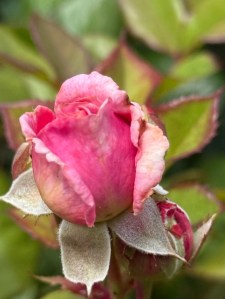
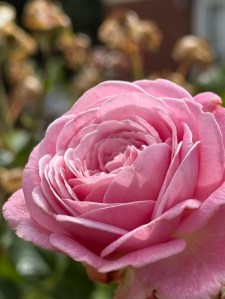
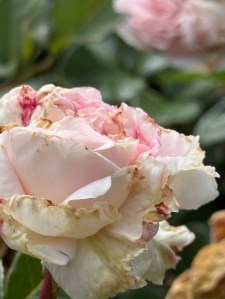
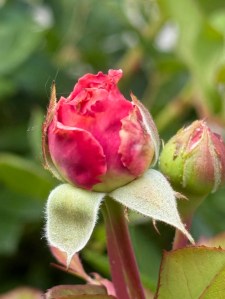
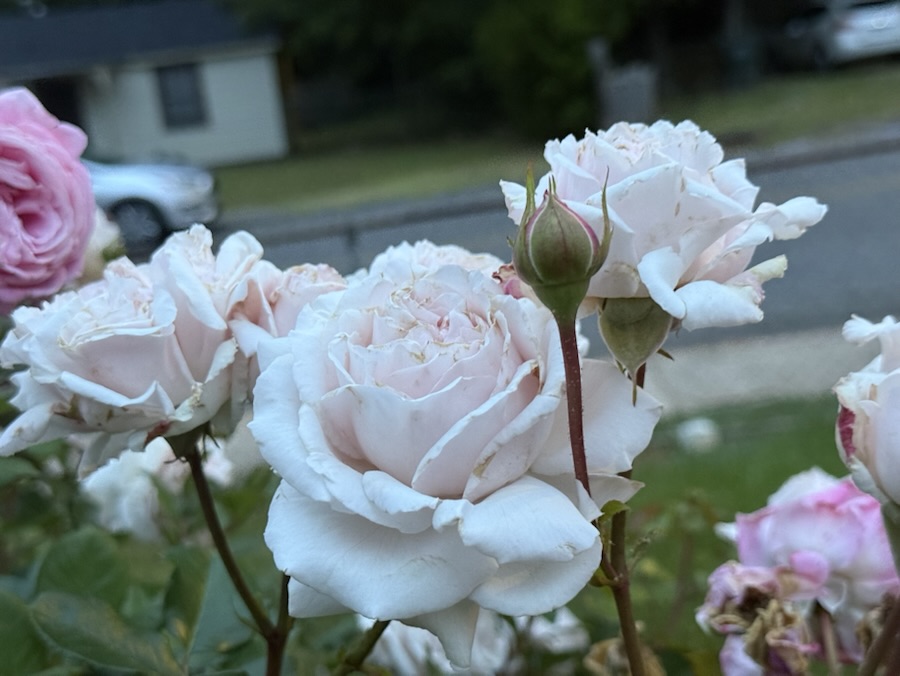
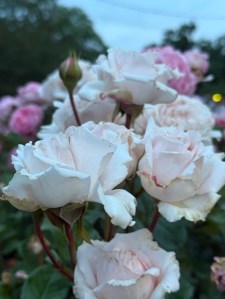
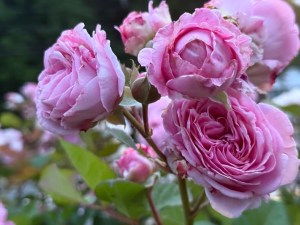
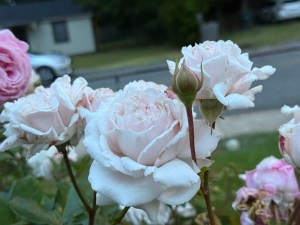
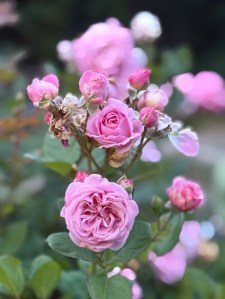
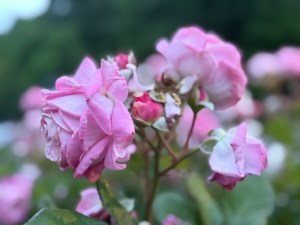
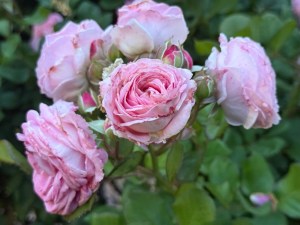
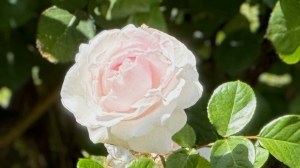
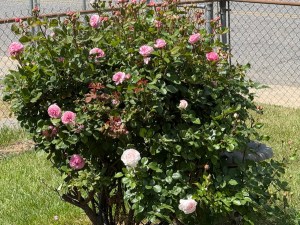
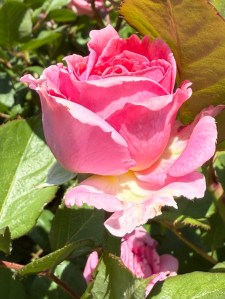
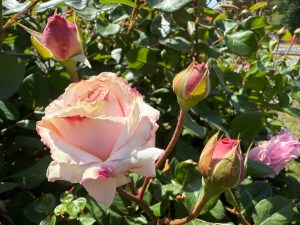
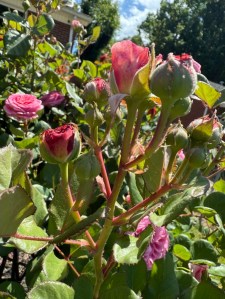
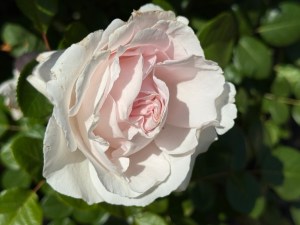
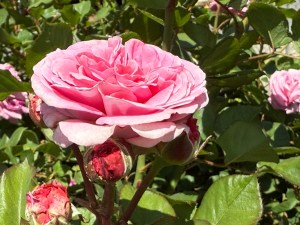
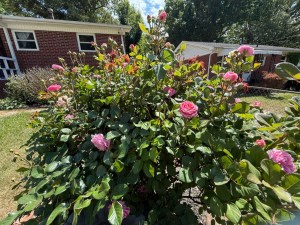
Last week I shared a pink rose peeking out of garden bush. Ordinarily I don’t share from the same plant two weeks in a row, but I am fascinated with the variety of colours and shades on this rose bush.
As the week has progressed more and more buds have been blossoming. What’s surprising to me is the vast variety of shades on the same plant. The blooms vary from whitish with pinkish centre’s to varying shades of pink and even what appears to be reddish or dark pink buds. I do not recall seeing such a variegated colour scheme on one plant before. For comparison you may check out last week’s roses by clicking here.
Location: Unity Community; Gastonia, North Carolina, USA
God Bless. Admire the Flowers and the beauty found in nature. Have a fantastic week. Thank you for visiting and sharing your time and thoughts with us. I appreciate y’all very much.
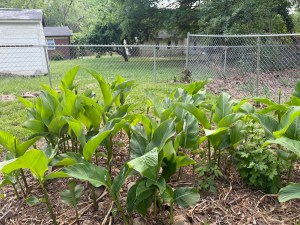
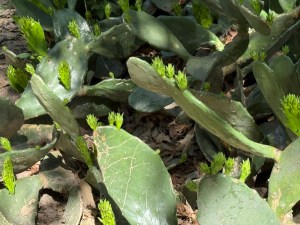
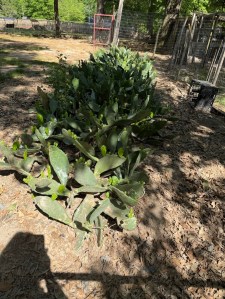
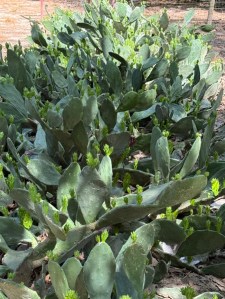
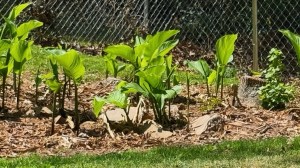
Dale, the host of the Cosmic Photo Challenge has asked the question “How does your garden grow?”. We haven’t lived in our current location long enough to plant a garden, but nonetheless, a small garden does exist on the property. I have shown a few pictures in other challenges, however, I show other pictures not previously posted.
These are some of the Eastern Skunk Cabbage growing in the garden …
Location: Home Gardens; Gastonia, North Carolina, USA
God Bless. May you be blessed with new adventures, new friendships, and an abundance of happiness. Thank you for visiting and sharing your time and thoughts with us. I appreciate y’all very much.
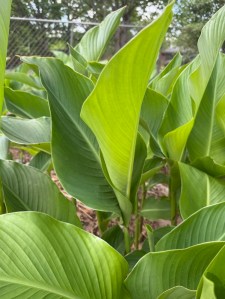
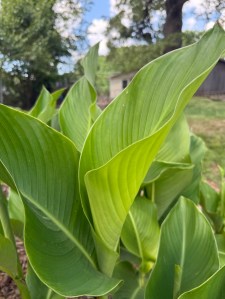
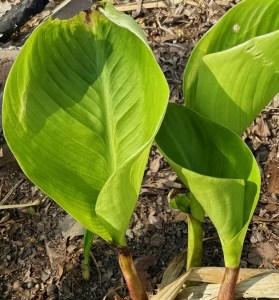
The Symplocarpus foetidus, aka Eastern skunk cabbage, is growing in a small garden of our rental home. When I first saw the plants in the small garden I wasn’t sure what type of plant they were.
Aka Eastern Skunk Cabbage
The Eastern Skunk Cabbage is a native North American wildflower. It is known for being among the first plants to emerge in late winter.
Close-up view
It is a low-growing plant that grows in wetlands (Why here, I’m not sure. We definitely don’t live in a wetland area. We did have snow and ice storms this winter though.) and moist hill slopes (the area it’s planted in is more or less flat) of eastern North America.
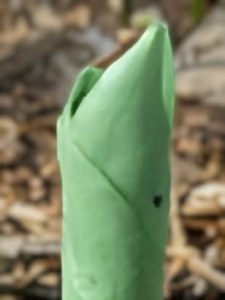
A single unopened plant
We moved here evidently after the plants had already bloomed. When in blooming season, the plant produces a foul-smelling, maroon-and-green mottled spathe (hood) that covers its flowers, attracting pollinators like flies and beetles with its heat and odour. Its foul-smelling odour is the main reason it is called “Skunk Cabbage.”
Once the Eastern Skunk Cabbage flowers, then large, cabbage-like leaves unfurl, and the plant is toxic if ingested raw, causing burning and swelling.
Location: Backyard Garden; Gastonia, North Carolina, USA
God Bless. Have a funtastic weekend. Enjoy the Spring Florals. Thank you for visiting and sharing your time and thoughts with us. I appreciate y’all very much.