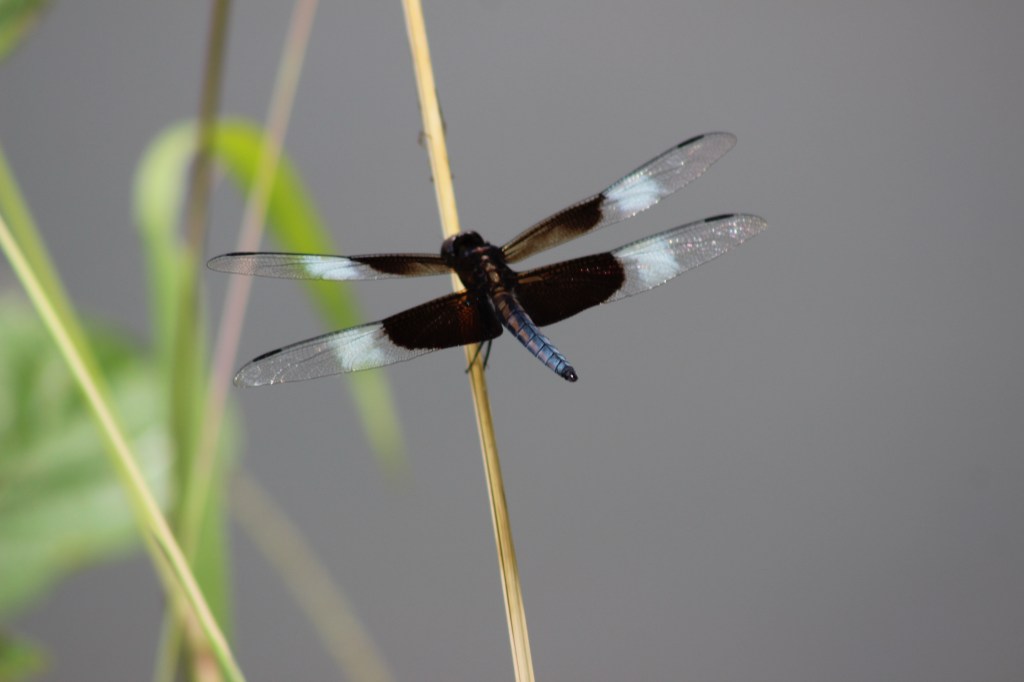
Pachydiplax longipennis Blue dasher Species of dragonfly
Blue dashers live near still, calm bodies of water, such as ponds, marshes, slow-moving waterways, and ditches, in warm areas typically at low elevations. The adults roost in trees at night.
The blue dasher hunts by keeping still and waiting for suitable prey to come within range. When it does, they dart from their position to catch it.
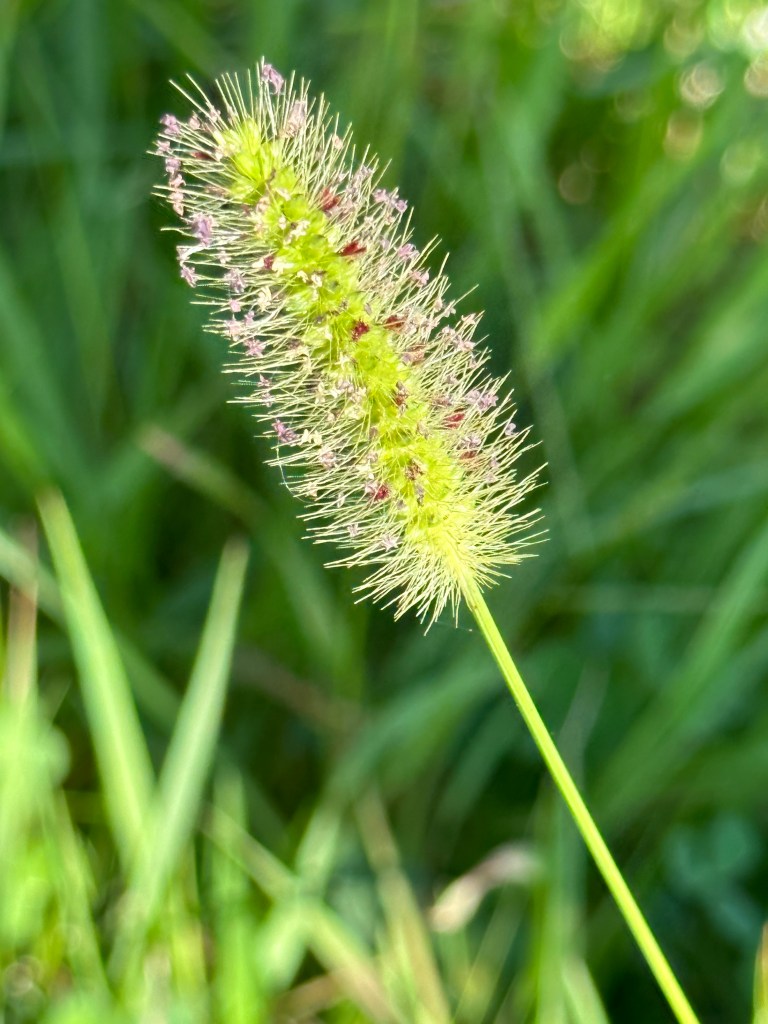
Setaria pumila is a species of grass known by many common names, including yellow foxtail, yellow bristle-grass, pigeon grass, and cattail grass. It is native to Europe, but it is known throughout the world as a common weed. It grows in lawns, sidewalks, roadsides, cultivated fields, and many other places.
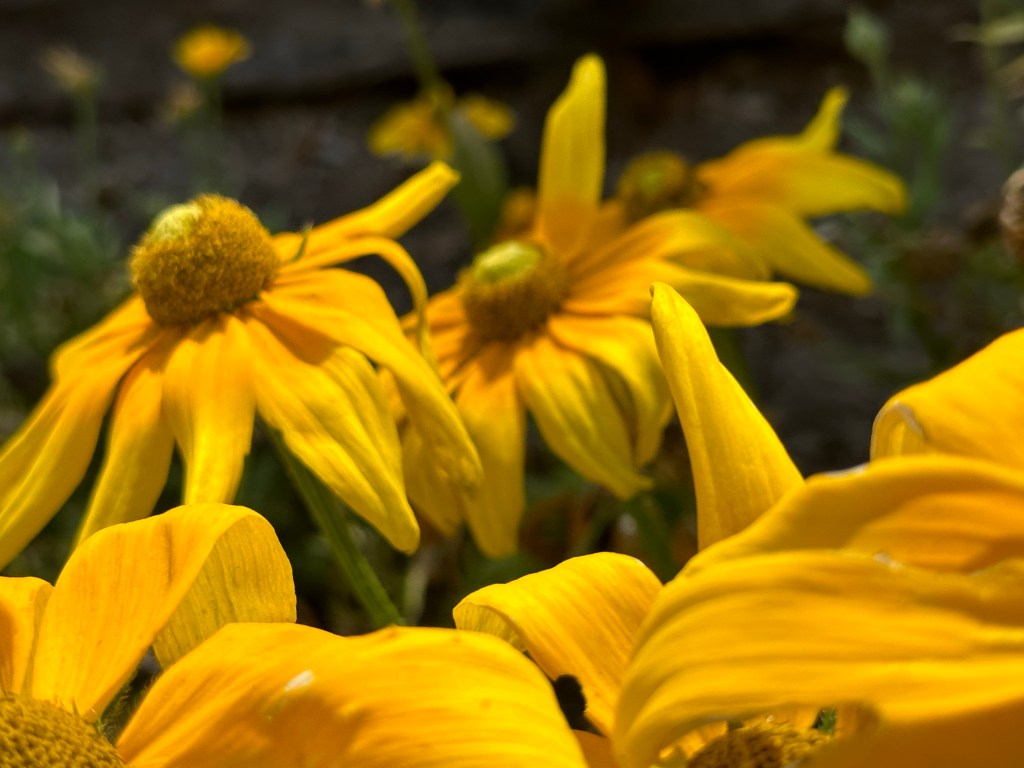
Rudbeckia hirta is a short-lived perennial that should be treated as an annual. It may likely endure few winters, but will often self-seed prolifically. The flowers are showier than other Rudbeckia species and have been widely hybridized. (Clemson.edu)
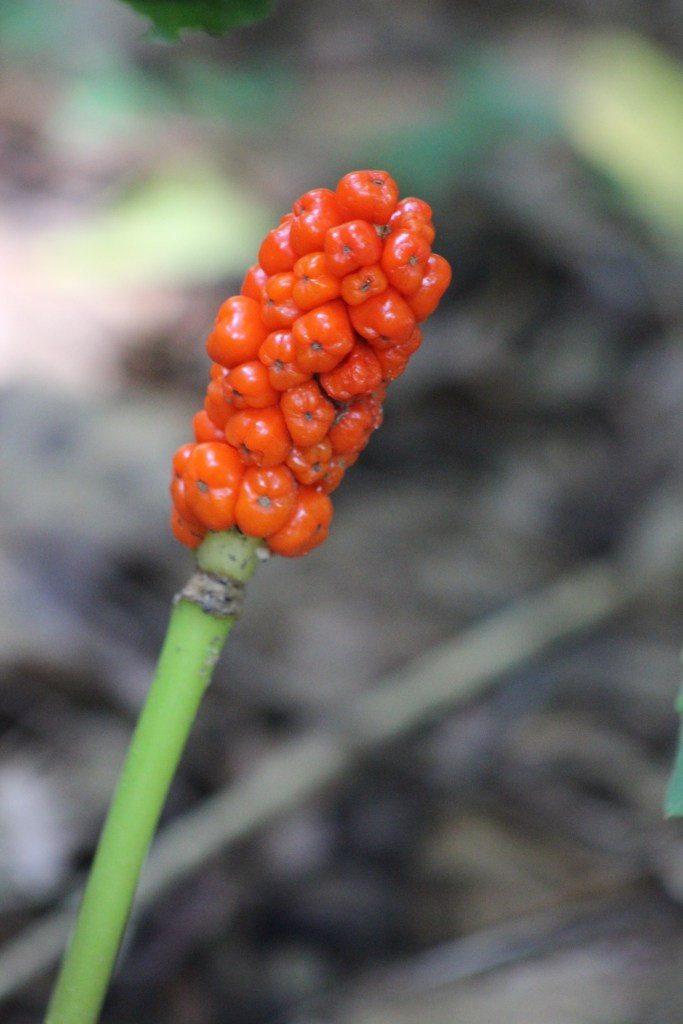
Common Name(s): Cuckoo’s Pint Italian Arum Italian Lily Italian Lords and Ladies Orange Candle Flower Previously known as: Arisarum italicumItalian Arum is a herbaceous perennial and member of the Araceae family. It was originally planted as an ornamental groundcover. It is now considered invasive in some parts of the United States because it is difficult to control and spreads rapidly. All parts of this plant are poisonous to humans and wildlife. The plant can cause skin irritation and illness. North Carolina Extension Gardener Plant Toolbox
I never know how many photos I will have to delete whenever Coleman gets ahold oh my phone. This time it was over > 100 photos. Luckily I caught it in time before the backup to the cloud was initiated.
Some of the other photos were similar to these and others were of the rug, parts of his train tracks, or nothing at all. Hope you are not bothered too much by the open with food it mouth shots. It just turned four (4) so his pictures can be interesting at times.
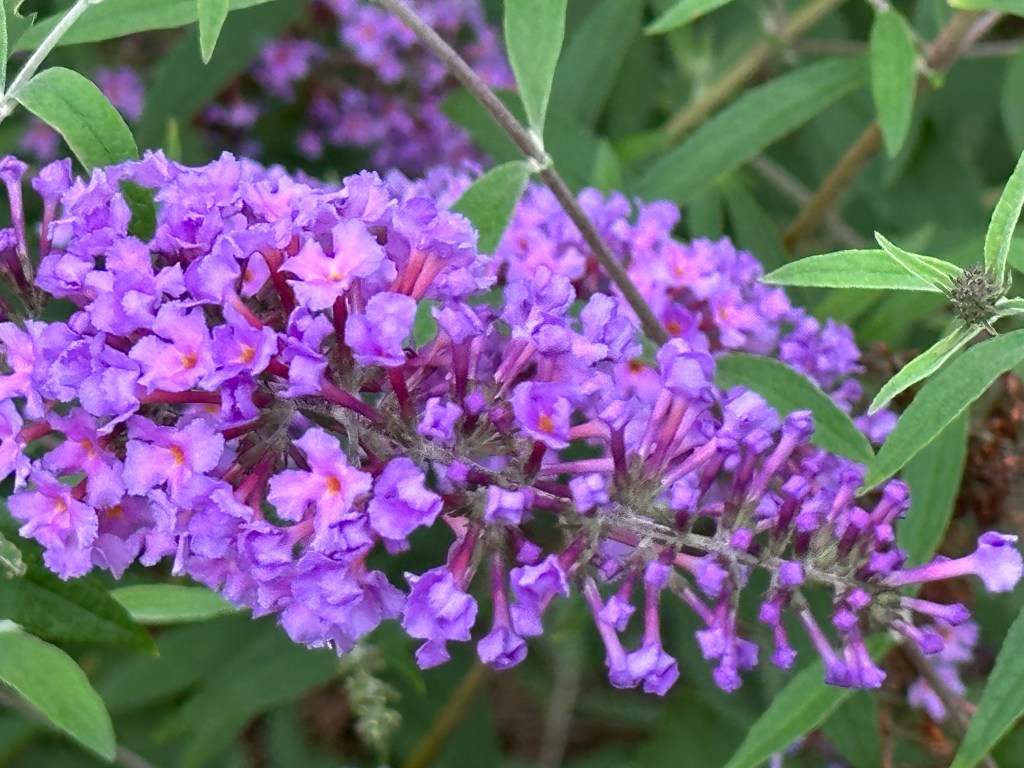
These flowers are really small herbaceous perennial. They have grass-like evergreen foliage and lilac-purple flowers which produce single-seeded berries on a spike in the fall.
The widow skimmer (Libellula luctuosa) is one of the group of dragonflies known as king skimmers. This species is found commonly in muddy substrates, or still bodies of waters such as ponds, lakes, streams, and creeks. They are predators that prey on other insects such as mosquitoes. They catch their prey using their legs and use their fangs to bring prey into their mouth.
Trifolium pratense, red clover, is a herbaceous species of flowering plant in the bean family Fabaceae, native to Europe, Western Asia, and northwest Africa, but planted and naturalized in many other regions.
Interesting Facts:
Red clover is a good pollen and nectar source for bumblebees.
Red clover’s flowers and leaves are edible, and can be added as garnishes to any dish.They can be ground into a flour.
The flowers often are used to make jelly and tisanes, and are used in essiac recipes. Their essential oil may be extracted and its unique scent used in aromatherapy.
It is widely grown as a fodder crop, valued for its nitrogen fixation, which increases soil fertility. For these reasons, it is used as a green manure crop.
Petunia axillaris, the large white petunia, AKA: wild white petunia or white moon petunia, is an annual herbaceous plant in the family Solanaceae, genus Petunia.
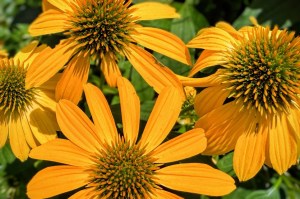
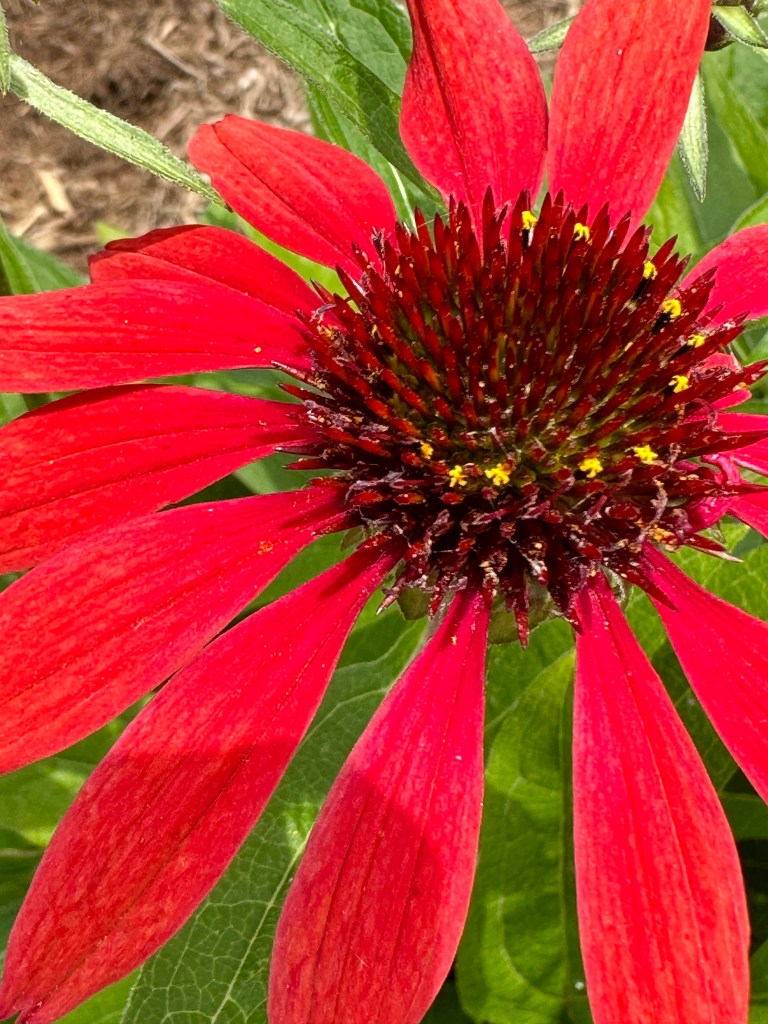
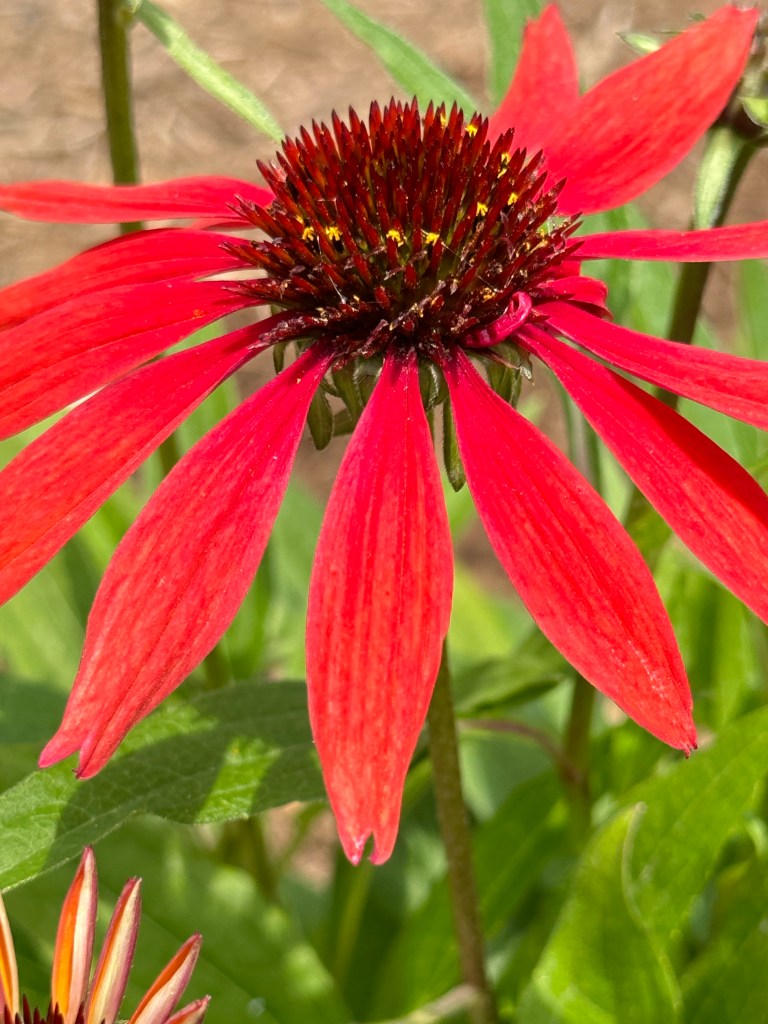
Echinacea Sombrero Salsa Red displays single rows of drooping, deep orange-red ray petals around a sombrero-shaped, orange-brown cone. The lightly fragrant flowers attract butterflies! They provide long lasting color in the garden.
Echinacea Sombrero Salsa Red Coneflower
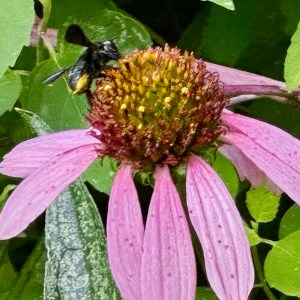
These are reded daisy-like flowers with dark cones and are produced on strong, well branched stems. Echinacea is well known for its large, daisy-like flowers. It is a bold, sturdy perennial sporting flowers with a large cone-shaped center, hence its common name of Coneflower.
These were take at Glencairn Gardens in Rock Hill, South Carolina. Most of the plants and flowers are not in bloom. It appeared as if the had been trimmed way down for winter. Best time to visit the Gardens is in the springtime.
The next entry isn’t a flower and is added just for kicks. The photo was taken with my iPhone by my three year old grandson. All other photos were taken by me with my Canon Rebel EOS T3i.