God Bless. Admire the Flowers and the beauty found in nature. Have a fantastic week. Thank you for visiting and sharing your time and thoughts with us. I appreciate y’all very much.
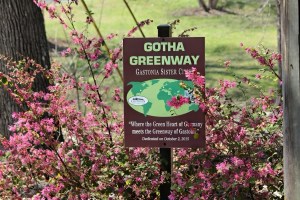
Welcome back to another Which Way Challenge (CWWC). This week I have chosen for thetheme – Any Which Way with Spring or Autumn Which Ways (Will Run for Two (2) Weeks [03.27-04.03.2026]) for this week’s theme. The Which Way can be any Dirt trail, road, pathway, sidewalk as long as the Which Way is clearly discernible. As always signs are always welcome.
For further information regarding the Which Way Challenge (CWWC) feel free to check out the home page here.
Here are my entries …
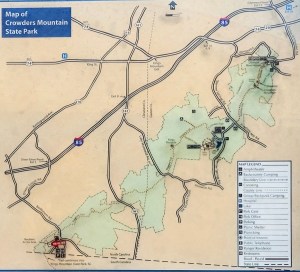
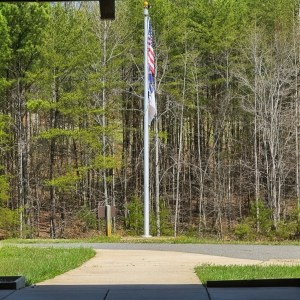
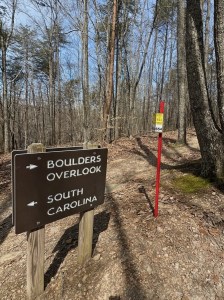
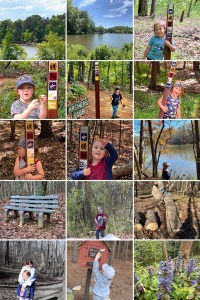
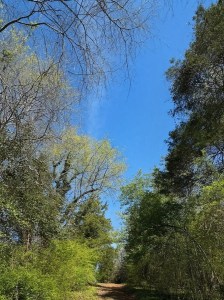
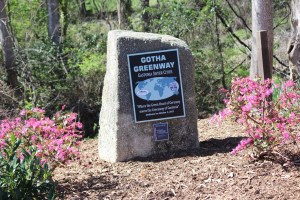
I’m starting off with a Springtime hike at Crowders Mountain State Park in Kings Mountain, North Carolina. We entered Crowders Mountain State Park from the Boulders Access Point. After parking and gathering our backpacks with our water and snacks we checkered out the trail map.
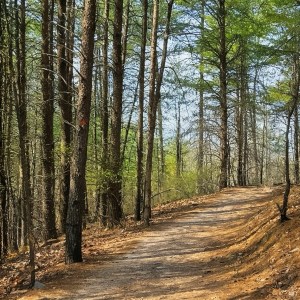
We decided to hike the Ridgeline Trail. The Ridgeline Trail connects three parks, namely Crowders Mountain State Park, Kings Mountain State Park, and Kings Mountain National Military Park. The total length of the trail if you hike to all three is 15.1 miles with an elevation gain of 2,411 feet. The Crowders Mountain State Park section of the Ridgeline Trail is 6.2 miles long.
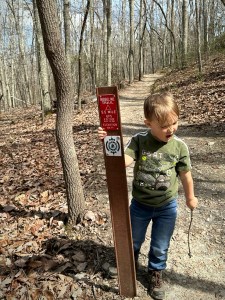
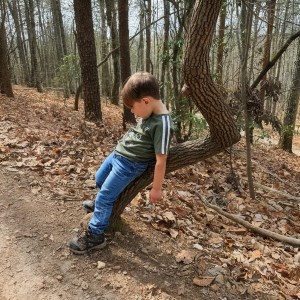
Coleman and I only hiked the Crowders Mountain State Park section of the Ridgeline Trail and then hiked back to the Boulders Access Point parking area.
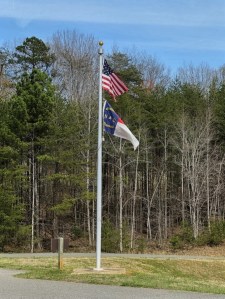
Ridgeline Trail Boulders Access Point Crowders Mountain State Park Kings Mountain, North Carolina
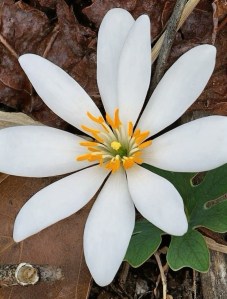
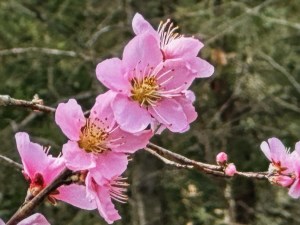
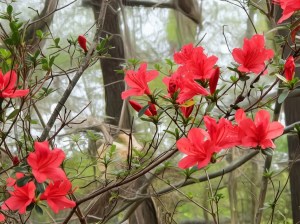
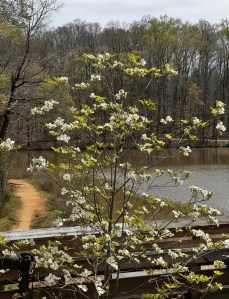
Now that we’ve seen one of our Springtime hikes, let’s take a look at a variety of Spring Florals seen while hiking on various hiking trails.
Spring Florals on Trails
Click on each image to enlarge.
Thank you to those who have participated and supported the Which Ways Challenge. I appreciate y’all sharing your Which Ways with us.
For an idea of other’s Which Ways from this past week’s challenge, be sure to click on the following links below.
God Bless. Enjoy a stroll in the vast outdoors. Have a funtastic weekend. Thank you for visiting and sharing your time and thoughts with us. I appreciate y’all very much.
Note: The theme for the next will be a continuation of CWWC: Any Which Way with Spring or Autumn Which Ways ( Will Run for Two (2)Weeks [03.27-04.03.2026]
God Bless. Admire the Flowers and the beauty found in nature. Have a fantastic week. Thank you for visiting and sharing your time and thoughts with us. I appreciate y’all very much.
Camera: Canon EOS Rebel T3i with Canon EF-S55-250mm lens
Location: The Rooftop Garden; The Schiele Museum of Natural History; Gastonia, North Carolina, USA
God Bless. Admire the Flowers and the beauty found in nature. Thank you for visiting and sharing your time and thoughts with us. I appreciate y’all very much.
Location: The Garden in the Farm; The Schiele Museum of Natural History; Gastonia, North Carolina, USA
God Bless. Admire the Flowers and the beauty found in nature. Thank you for visiting and sharing your time and thoughts with us. I appreciate y’all very much.
Location: Cramerton Drugstore Landscape; Cramerton, North Carolina. USA
God Bless. Get Outdoors. Enjoy Nature. Have a wonderful week. Thank you for visiting and sharing your time and thoughts with us. I appreciate y’all very much.
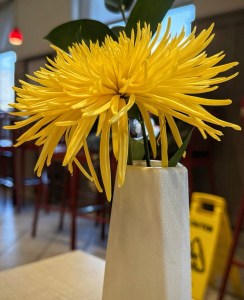
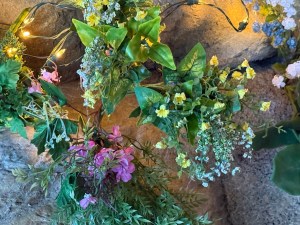
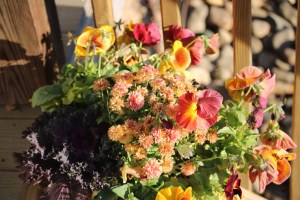
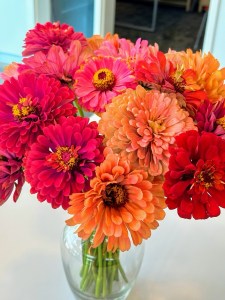
Location: Inside Chick-Fil-A; Gastonia, North Carolina, USA
God Bless. Stop and smell the Flowers. Bring a Ray of Sunshine’s Beauty inside. Thank you for visiting and sharing your time and thoughts with us. I appreciate y’all very much.
Lost Hollow is a section in Daniel Stowe Botanical Garden specifically designed for children. It is also known as The Kimbrell Children’s Garden.
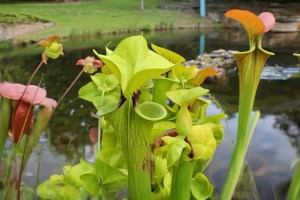
Trumpet pitcher Sarracenia
The garden incorporates nature-inspired play spaces that encourage exploration and interaction with the surrounding environment. The Lost Hollow features an amphitheater, sunken pond, Moonkeep, play spaces and more for the imagination. This garden has been expanded since we last visited. It now includes a 0.4 mile Adventure Trail and Prairie Castle Playground for children to explore and enjoy.
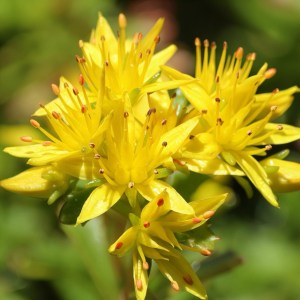
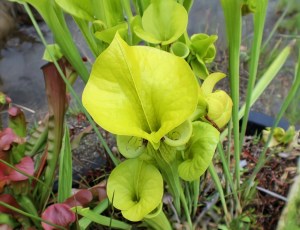
Sarracenia flava
Sarracenia (Trumpet pitchers) are carnivorous North American plants with hollow, trumpet-shaped leaves that trap and digest insects. They lure prey with nectar and bright colours by using slippery, downward-pointing hairs and digestive fluids to capture and absorb nutrients which helps to supplement their diet in low- nitrogen environments.
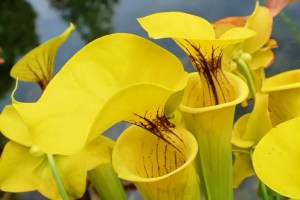
Yellow Trumpet
The Yellow Trumpets (Sarracenia flava) have tall yellow-green pitchers with red veins which can reach up to thirty (30) inches. Their colouring often changes from yellow-green to a bright yellow in the Springtime. These particular Yellow Trumpets grow near the pond in Lost Hollow.
Camera: Canon EOS Rebel T3i with Canon EF-S18-55mm lens
Location: Lost Hollow; Kimbrell Children’s Garden; Daniel Stowe Botanical Garden; Belmont, North Carolina, USA
God Bless. Admire the Flowers and the beauty found in nature. Thank you for visiting and sharing your time and thoughts with us. I appreciate y’all very much.
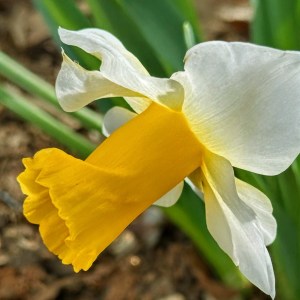
For the Lenten Season which began on February 18th, I decided what better selection than the Narcissus pseudonarcissus to post. The Narcissus pseudonarcissus, is commonly referred to as the wild daffodil or Lent Lily.
Lent Lily
I captured this Lent Lily with my iPhone in February of 2024 (during the Lenten season) at The Schiele Museum of Natural History. It was growing in The Farm area near one of the historic cabins.
Location: The Farm; The Schiele Museum of Natural History; Gastonia, North Carolina, USA
God Bless. Take time to observe the Flowers and nature’s beauty. Thank you for visiting and sharing your time and thoughts with us. I appreciate y’all very much.
Camera: Canon EOS Rebel T3i with Canon EF75-300mm lens
Location: Glencairn Garden; Rock Hill, South Carolina, USA
God Bless. Admire the Flowers and the beauty found in nature. Thank you for visiting and sharing your time and thoughts with us. I appreciate y’all very much.
God Bless. Admire the Flowers and the beauty found in nature. Thank you for visiting and sharing your time and thoughts with us. I appreciate y’all very much.
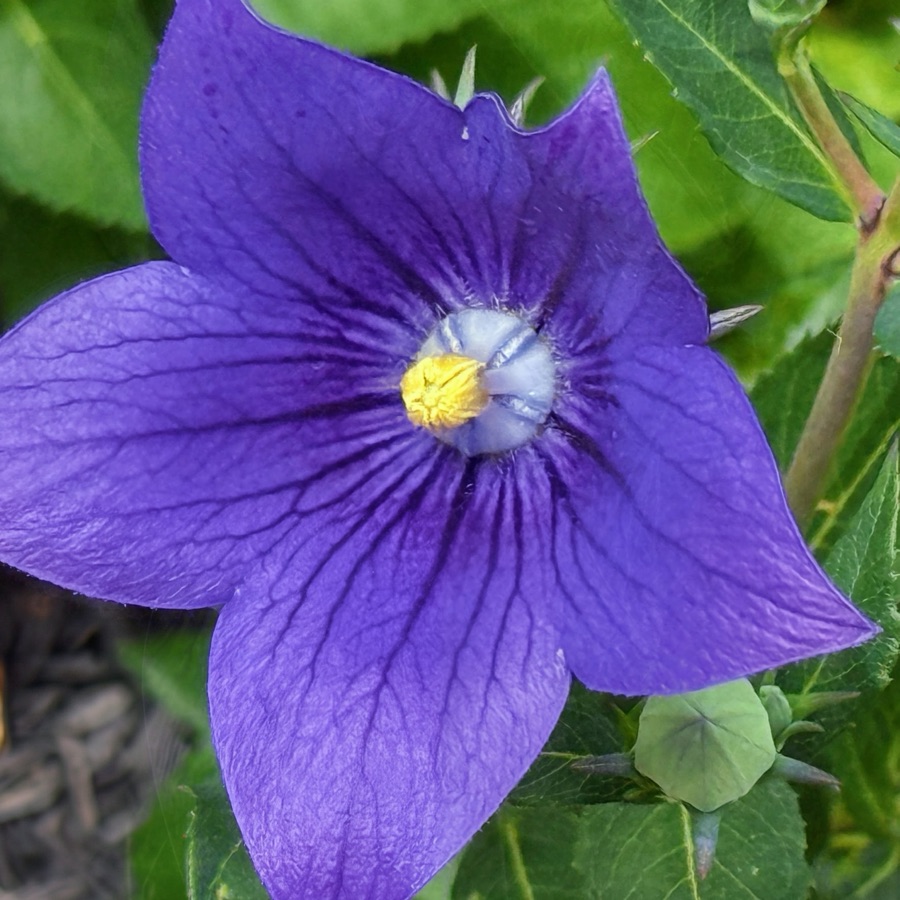
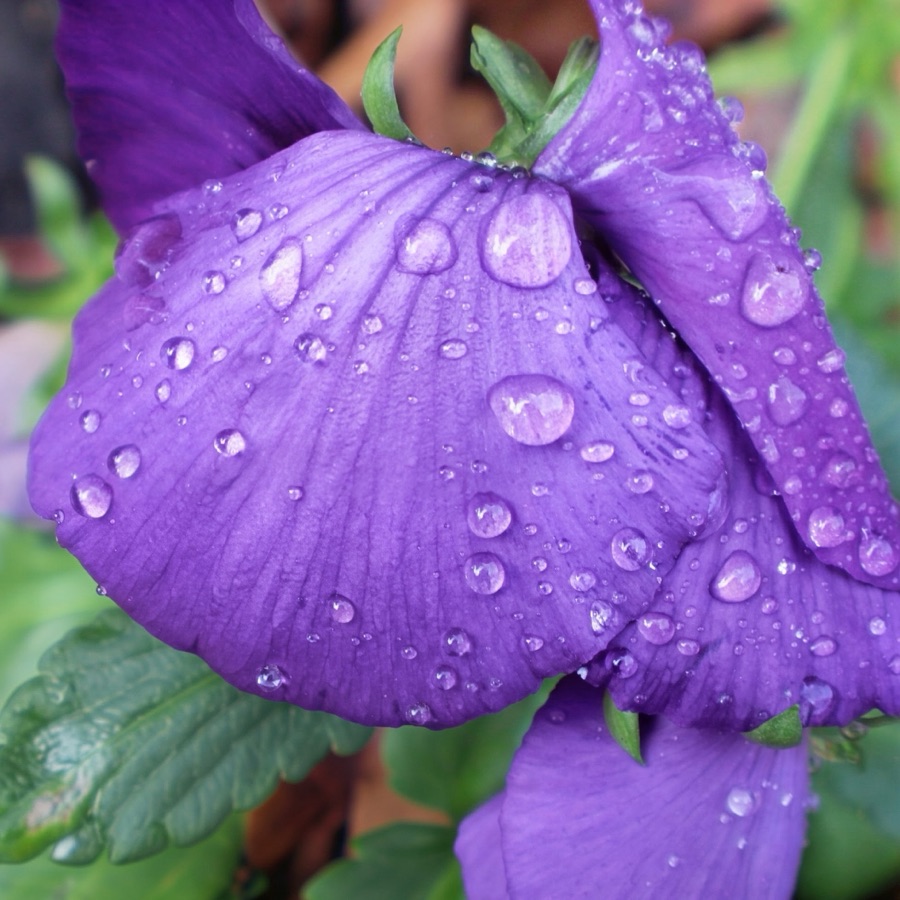
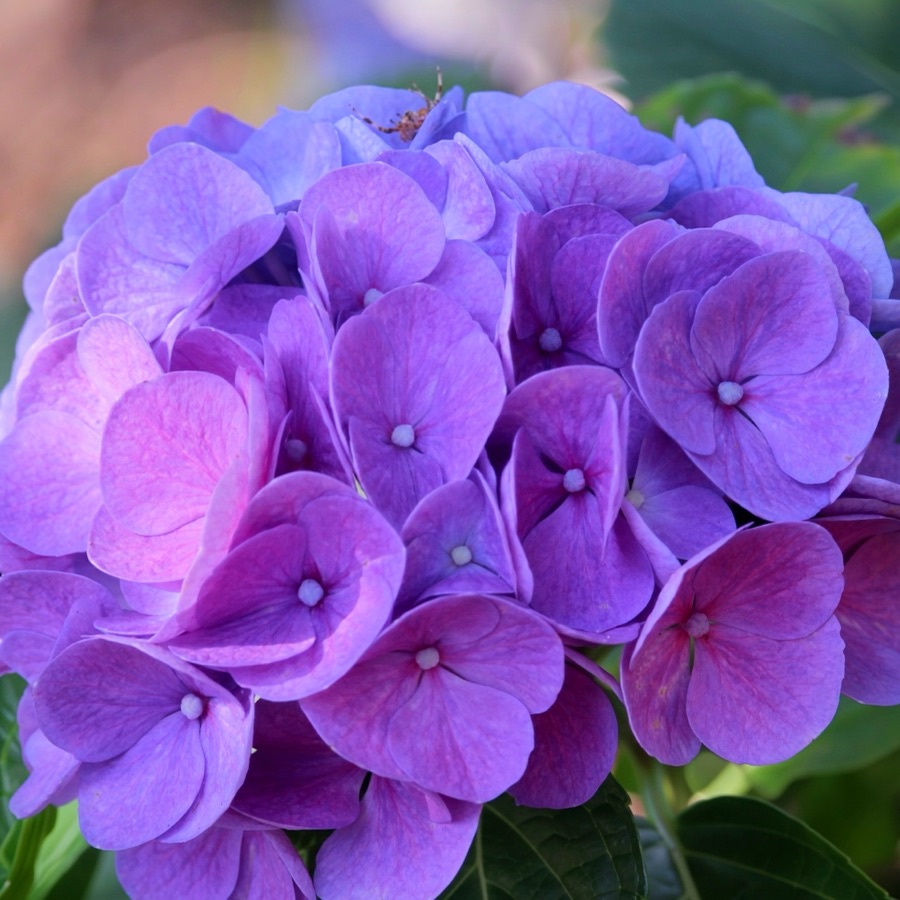
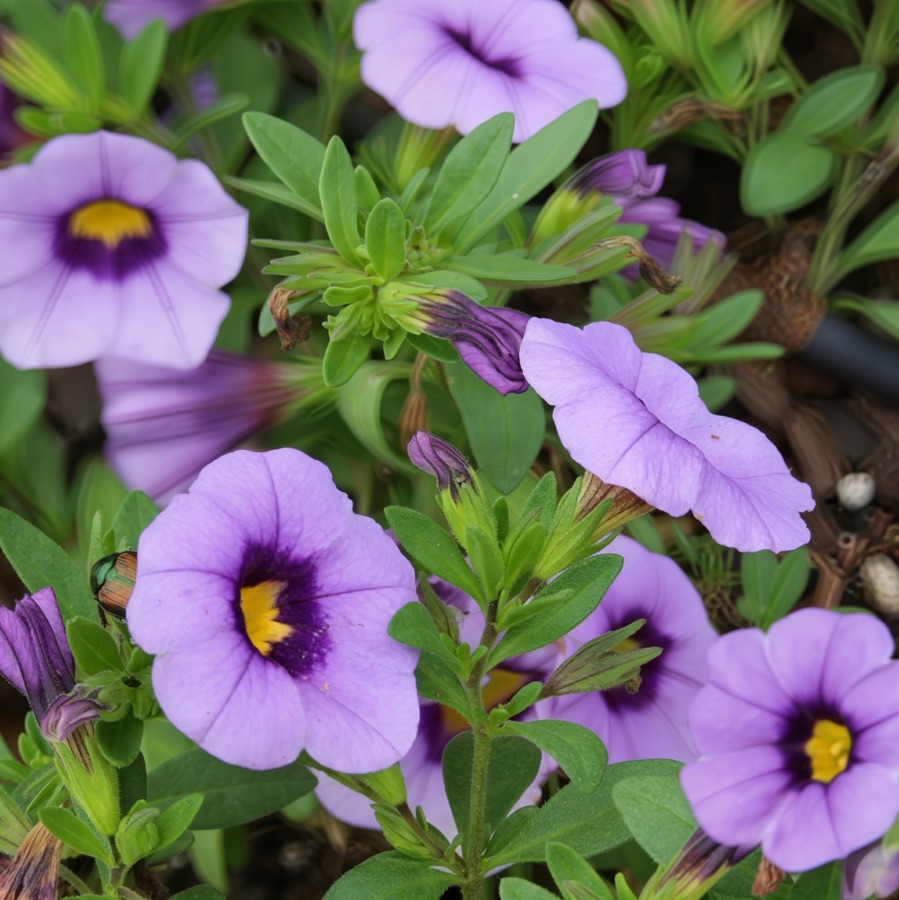
This week Terri WebsterSchrandt of Second Wind Leisure Perspectivescombines her Sunday Stills Challenge with her Sunday Stills Monthly Color Challenge for a theme of Amethyst. She has also created her The #Flower Hour post using shades of Amethyst flowers.
Spring has not yet sprung in our area as of yet, therefore, I perused my photo archives to find appropriate images to use for all three challenges in one.
Here are my contributions …
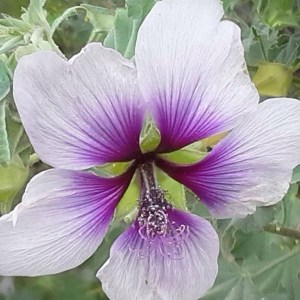
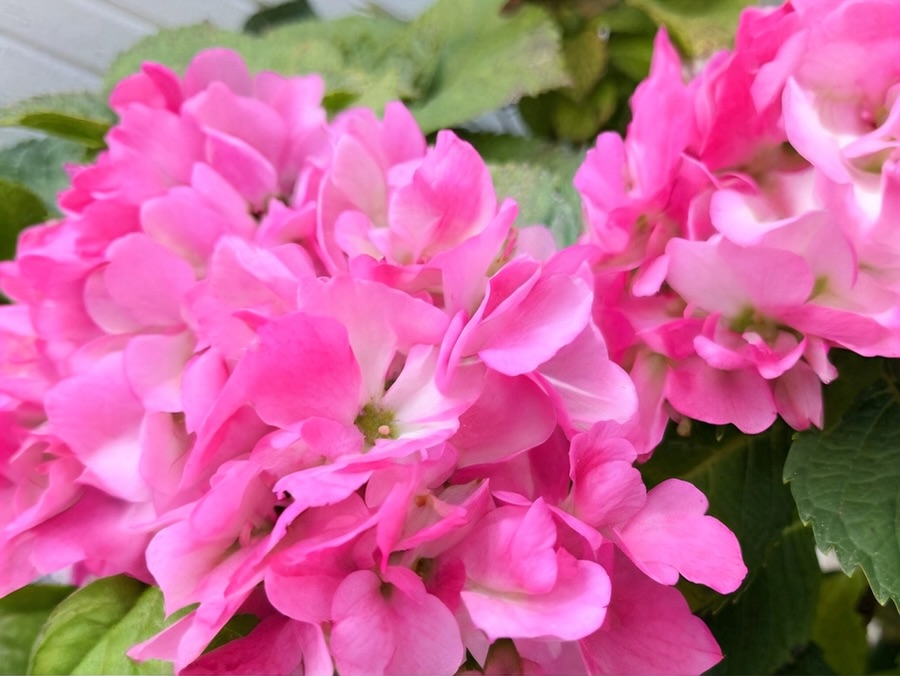
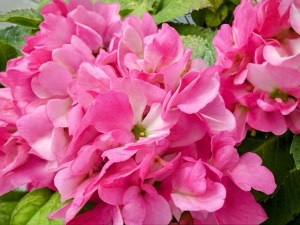
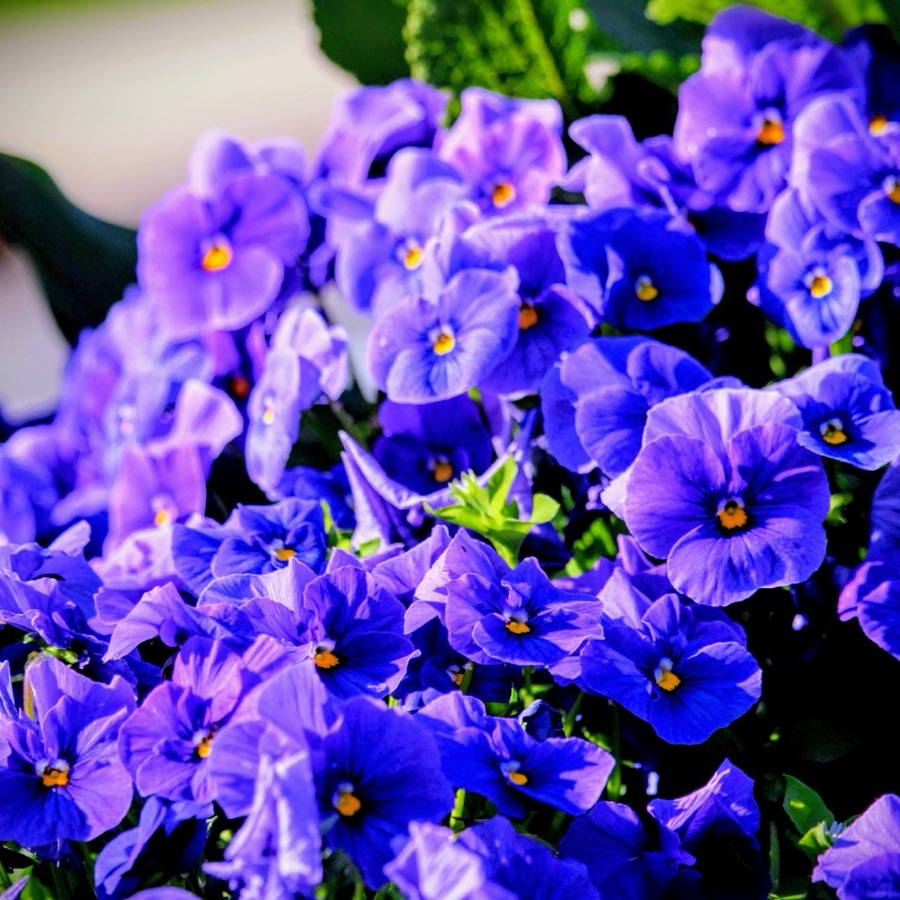
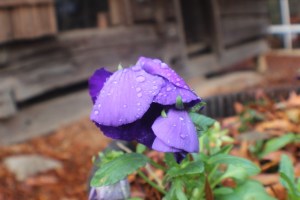
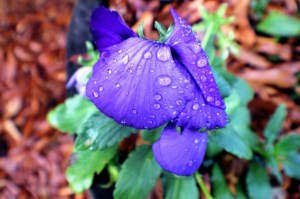
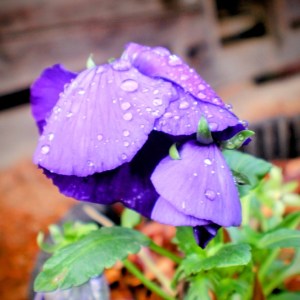
Platycodon grandiflorus; a species of herbaceous, Aka balloon flowerPurple PansyHydrangeaSeaside PetuniasViola bertolonii aka Bertoloni’s pansy
God Bless. Have a lovely week. Take time to observe nature’s beauty. Thank you for visiting and sharing your time and thoughts with us. I appreciate y’all very much.
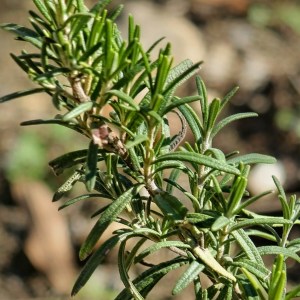
Rosemary is a fragrant herb from the mint family grown in The Farm at The Schiele Museum of Natural History in Gastonia, North Carolina.
Rosemary grown in the Garden in the Farm has several qualities that are beneficial for the Garden and the Livestock living in the Farm.
A Natural Pest Repellent to keep mosquitoes and cabbage moths away
Boosts health in crops like sage and cabbage
An aromatic, woody, low-maintenance drought-tolerant evergreen hedging
The aromatic stalks can be used in chicken coops to reduce insects
The leaves can be fed to livestock in small quantities to boost immune systems
It invites beauty and life into the garden by being a magnet for pollinators. It attracts bees, honeybees, bumblebees, butterflies, and hummingbirds.
It can be added to feed for cows, goats, sheep, and pigs as a natural phytogenic feed additive.
How do you like to use rosemary? Do you plant it in your garden? There are many benefits of rosemary not only the health of farm animals, garden plants, and it has benefits for your health as well.
Looking back to February 2024, I took several shot of flowers in the garden at The Schiele Museum of Natural History in Gastonia, North Carolina.
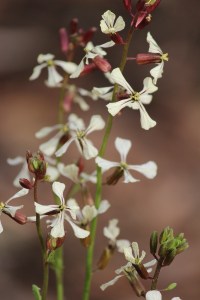
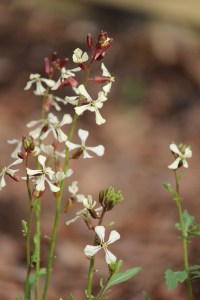
Aka Rocket
The Garden in the Farm at The Schiele Museum is filled with vegetables and flowers each year. New plants are planted from starters at the home of the Farm Caretaker and planted into the garden beds at the Farm. The vegetable plants and flowers are a beautiful sight to behold. The flowers are pollinated from the bees from the hives in the Farm located adjacent to the flower beds.
Aka Arugula
Before researching this plant, Eruca vesicaria, I had no idea that it had multiple common names including Rocket, and Arugula. I knew that Arugula is a green often used in salads, which when eaten has a slightly bitter taste. Arugula is a herb from the mustard family (not a lettuce even though I previously thought it was).
God Bless. Admire the Flowers and the beauty found in nature. Thank you for visiting and sharing your time and thoughts with us. I appreciate y’all very much.
Our area is currently under a Winter Storm Watch, probability is more likely for a severe ice storm rather than receiving much in the form of snow even though some is possible. Hence, I have chosen to share from my archives. Dreaming of Spring and the warmer weather it will bring and the blooming of Spring flowers.
These are from a hike in April of 2022 at Landsford Canal State Park. I captured these on the way to a spectacular lookout point for Spider Lilies.
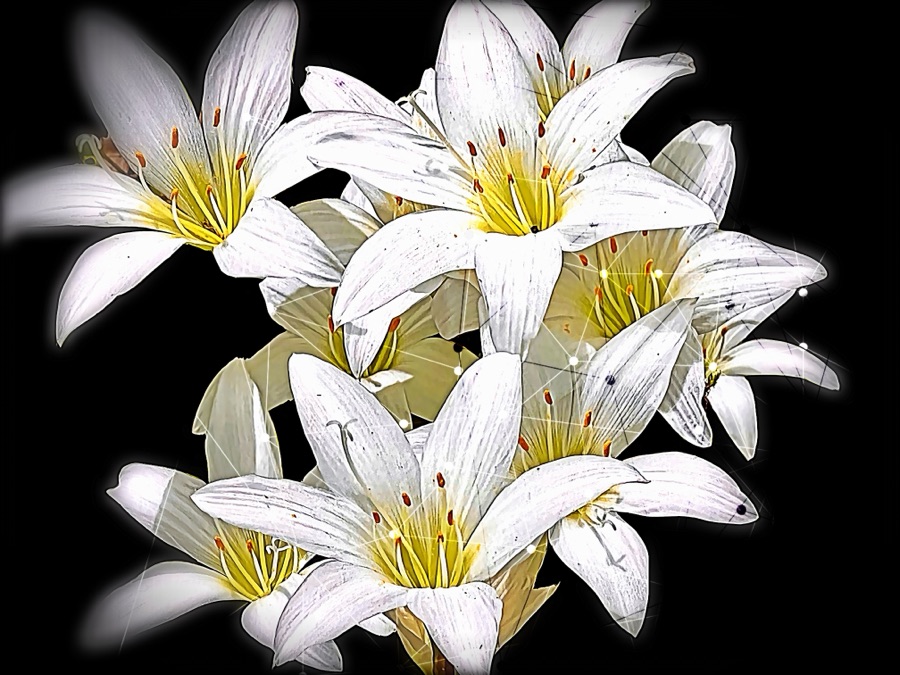
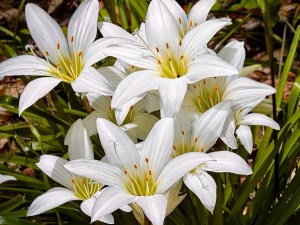
The scientific name for this species was originally placed, by Carl Linnaeus, in the genus Amaryllis using the epithet “Atamasca” in 1753. In the second edition of Species Plantarum, Linnaeuschanged the spelling to “Atamasco,” the Native American name for the species. The most recognized name for these flowers is Zephyranthes atamasca.
Zephyranthes atamasca
The Zephyranthes atamasca is native to the Southern United States of America. It tends to grow in swampy forests, and coastal prairies. Its blooming season begins in March or April. The blooms pictured grow along the shores of the Catawba River in Landsford Canal State Park. They can be seen while hiking along the Canal Trail.
God Bless. Admire the Flowers and the beauty found in nature. Thank you for visiting and sharing your time and thoughts with us. I appreciate y’all very much.
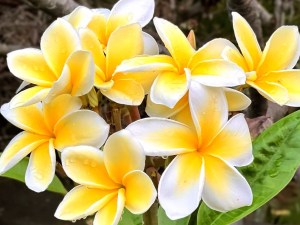
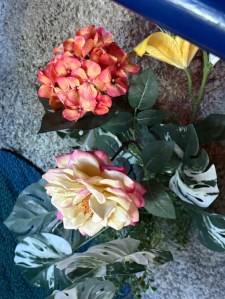
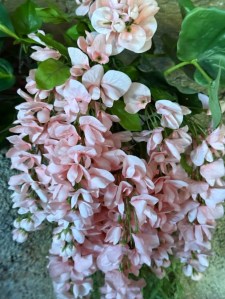
The Plumeria is the perfect example of the finest quality of flowers one can find in Hawaii. They are often used in making leis. They come in a variety of colours and shades including white, yellow, pink, and red. The flowers sweet fragrance and delicate beauty are characteristics that make it a favourite among the locals and tourists alike.
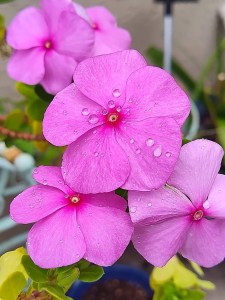
Madagascar Periwinkle is a flowering perennial that has glossy leaves and flowers similar to phlox flowers.
Aka Catharanthus roseus
Interesting Note: Catharanthus roseus, aka Madagascar Periwinkle contains vital medicinal properties which are used in treating diabetes, kidney, liver, cardiovascular, and other life-threatening diseases. Its potent anticancer compounds are used in chemotherapy, alongside traditional uses for diabetes, hypertension, microbial infections, inflammation, and wound healing.
God Bless. Admire the Flowers and the beauty found in nature. Thank you for visiting and sharing your time and thoughts with us. I appreciate y’all very much.
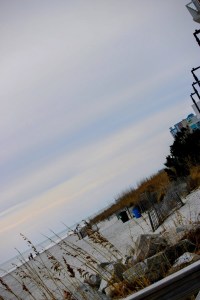
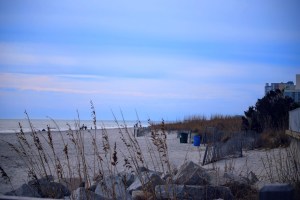
Uniola paniculata, aka sea oats, seaside oats, araña, and arroz de costa, is a tall subtropical grass which is an important component of coastal sand dune and beach plant communities in the southeastern United States of America, eastern Mexico, and some Caribbean Islands. The Sea Oats help protect beaches and property from damage due to high winds, storm surges, and tides. Interestingly, it provides food and habitat for birds, small animals, and insects.
Sea Oats are a crucial component of the area’s hurricane defense strategy. They have helped to thwart damage from tropical storms. (Tropical storms and hurricanes typically hit the Myrtle Beach area before or more so than in our area of the Carolinas.)
Sea Oats are a protected grass in several states along the southeastern Atlantic coast. Think twice before picking or disturbing Sea Oats, that action is punishable by fine in Georgia, South Carolina, and Northern Carolina.
Cameras: 1) Apple iPhone 16 Pro Max; 2-3) Canon EOS Rebel 2000D with Canon EF-S55-250mm lens & Altura UV Filter attachment.
Location: 1) Crazy Sister Marina; Murrells Inlet, South Carolina; 2-3) Myrtle Beach, South Carolina, USA
God Bless. Wishing y’all the best life filled with love, peace, and joy in 2026. Thank you for visiting and sharing your time and thoughts with us. I appreciate y’all very much.
Terri from Second Wind Leisure Perspective is the host for The #Flower Hour. I am posting my last 2025 Floral images (December 31,2025) as my first Flower Hour post for 2026.
Location: By Dinopark; Broadway at the Beach; Myrtle Beach, South Carolina, USA
God Bless. Wishing y’all the best life filled with love, peace, and joy in 2026. Thank you for visiting and sharing your time and thoughts with us. I appreciate y’all very much.
The Wild Potato Vine is a perennial, deciduous, tenacious flowering vine similar to Morning Glory and Sweet potato vine. It is native to North America and grows primarily in South East Canada to Central and Eastern United States of America. It is showy with large heart-shaped leaves, purple stems, and white flowers with pink to purple centers.
An interesting fact is that the Wild Potato Vine roots are used by Native Americans for poultices, infusions, read for treatment of a variety of medical problems. The roots can be eaten cooked, but raw, are a purgative. (A purgative has a strong laxative effect.)
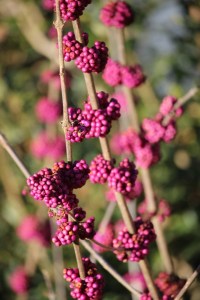
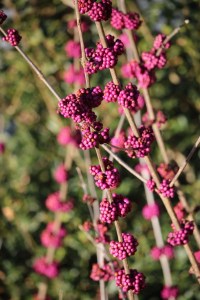
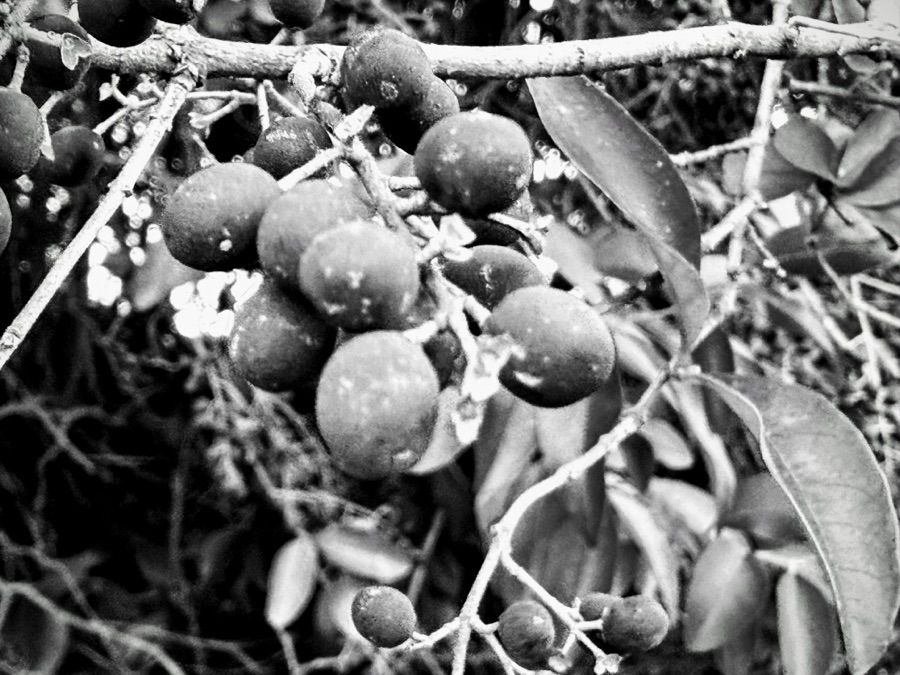
American Beautyberry is a woody deciduous, perennial shrub native to the southeastern United States including the Carolinas.
Clusters of small flowers bloom on the late spring and early summer. However, what you are seeing here are clusters of vibrant purple berries in the Carolinas that peak in late summer through autumn (August to November). The vibrant berries often persist into early winter providing significant food for birds and wildlife, making it a quintessential fall shrub for the region. The colors vary; most common is the vivid purple, though white and pink varieties exist.
American Beautyberry
The American Beautyberry offers many ecological services. How might you ask does it work? Its seeds and berries provide an important food source for a tremendous amount of songbirds of America. Some of those include American robin, brown thrasher, northern bobwhite, purple finch and eastern towhee. It is also a nectar source for butterflies and has fragrant foliage.
What I found interesting is that the American Beautyberry has been used by farmers successfully since at least the early 20th century to repel biting bugs from mules and horses by rubbing it on their coats and under harnesses. Why did I found this information so fascinating? The location of this particular American Beautyberry shrub is located near the horse stables at Anne Springs Close Greenway.
Photo Credit: 2024 Deb L. Waters … All Rights Reserved.
Camera: Apple iPhone 14 Pro Max
Location: Goat Island Park and Greenway; Cramerton, North Carolina, USA
God Bless. Take time to admire Nature’s beautiful bounty. Have a great weekend. Thank you for visiting and sharing your time and thoughts with us. I appreciate y’all very much.
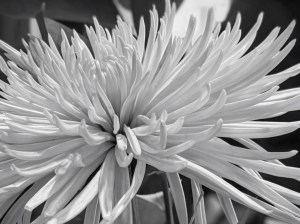
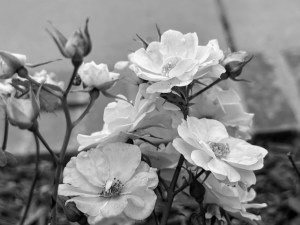
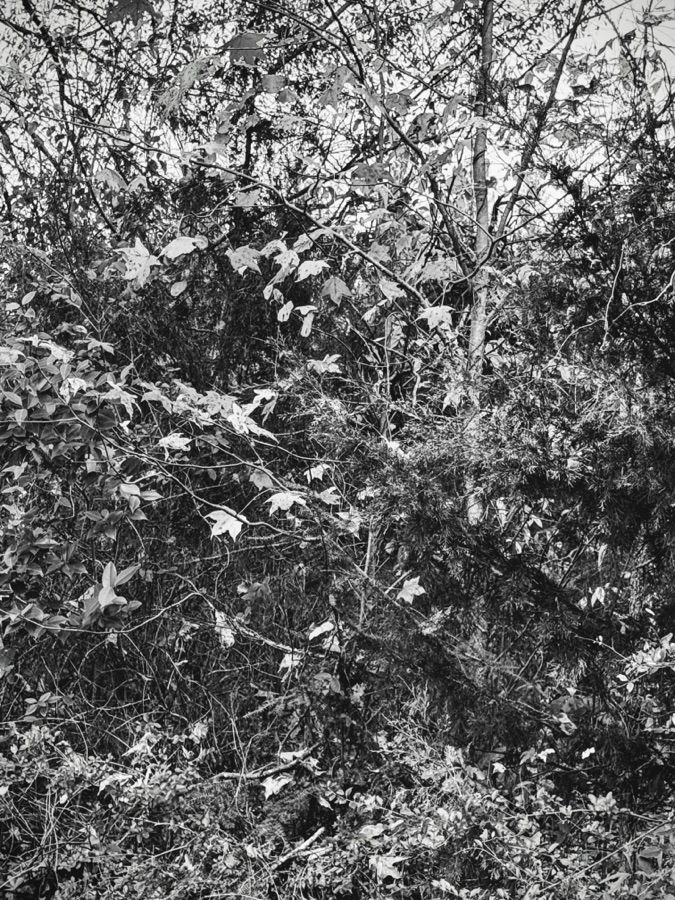
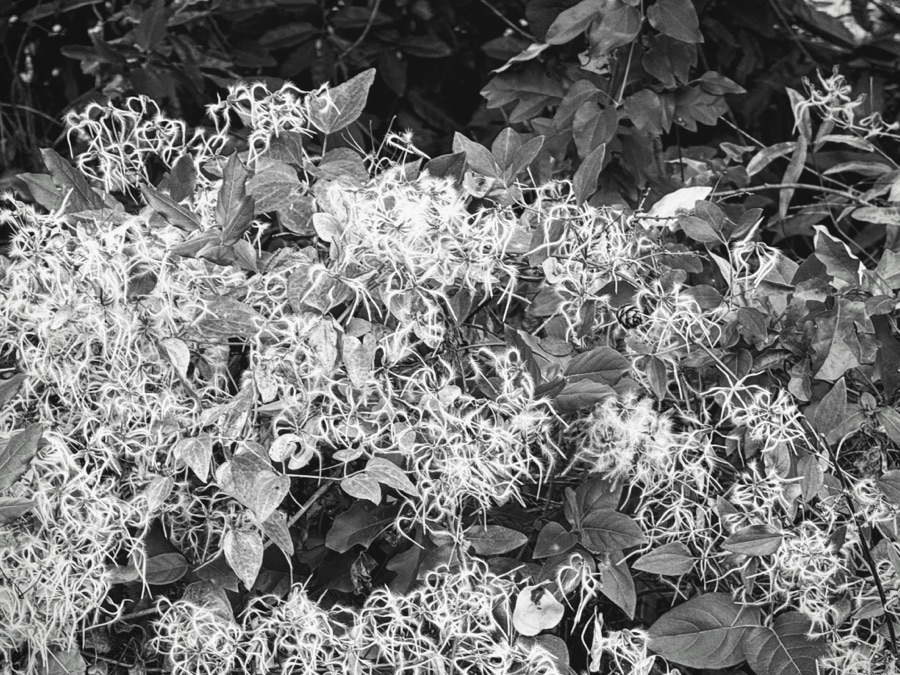
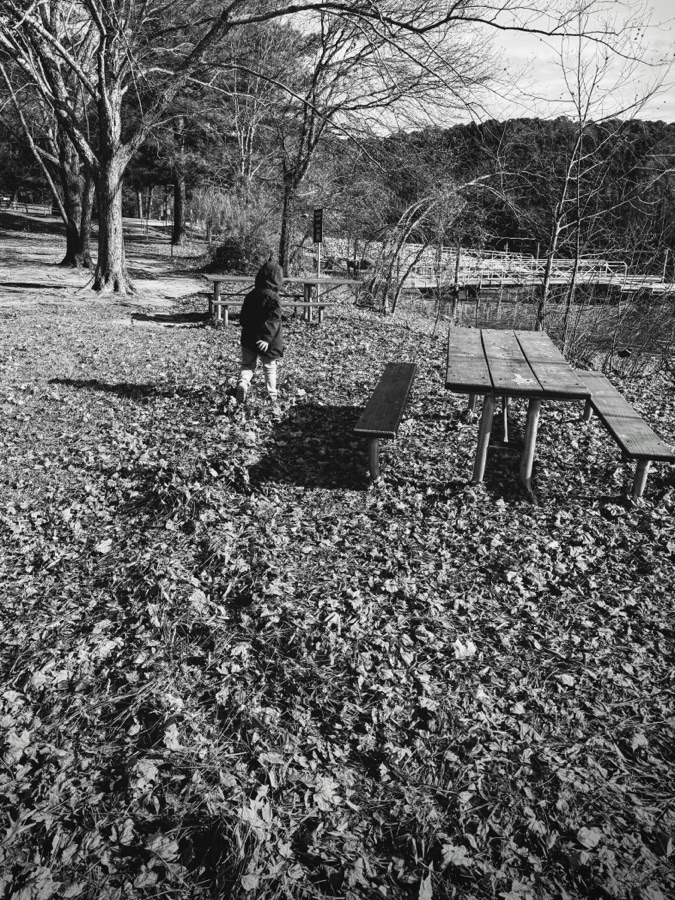
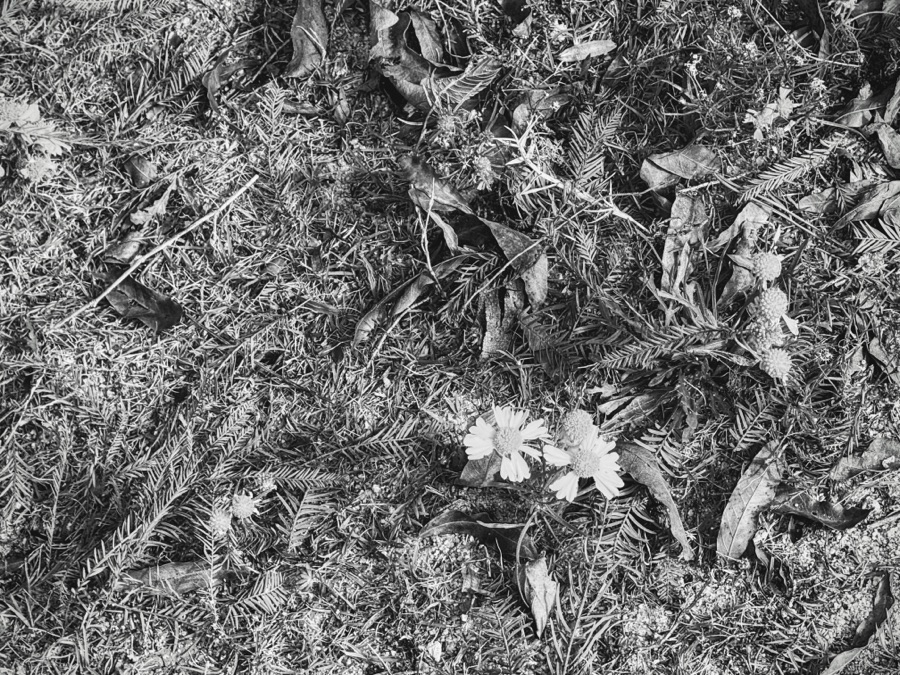
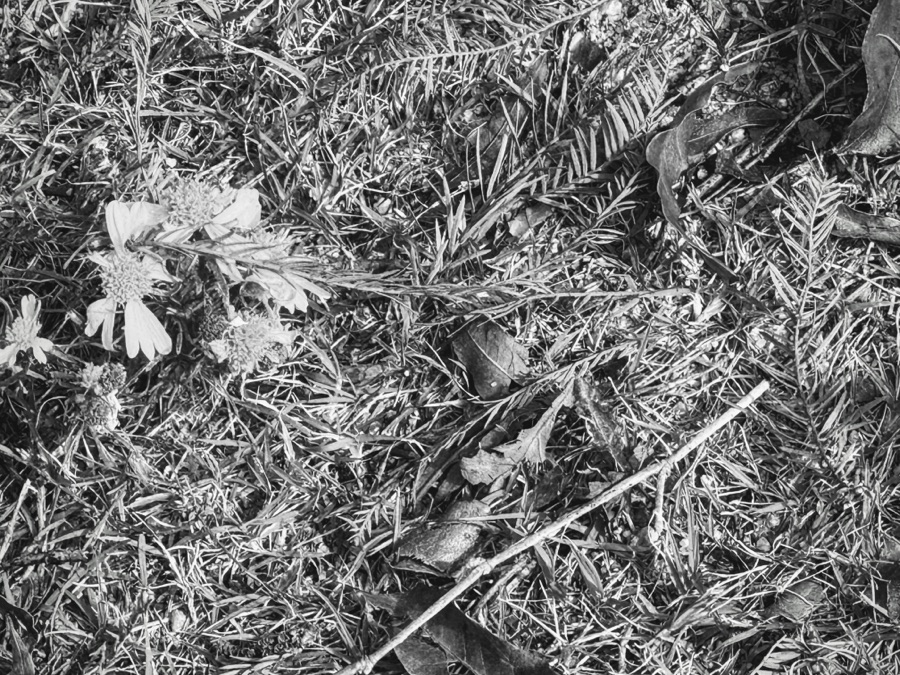
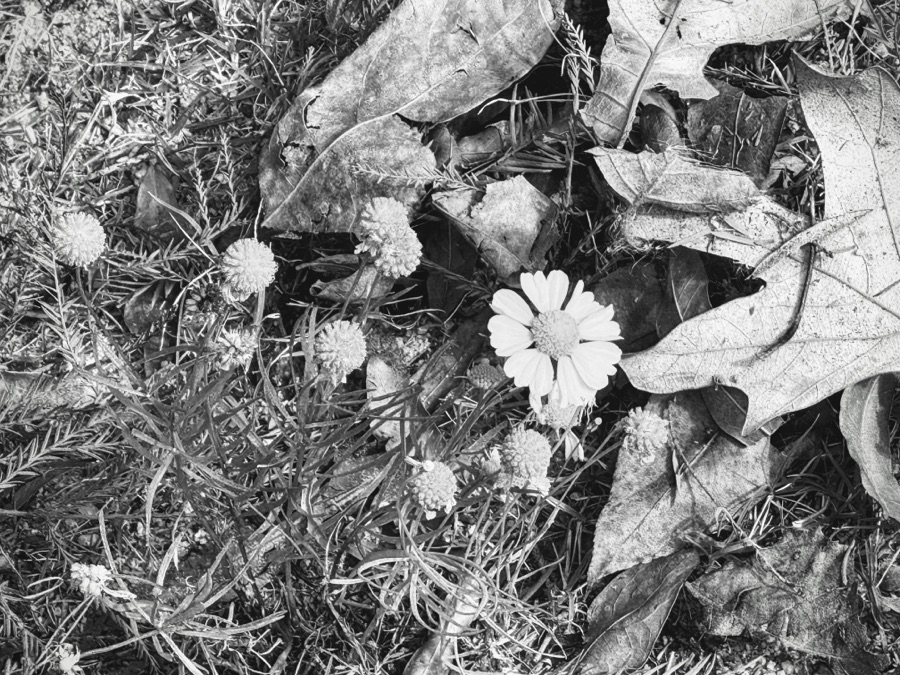
Dawn from The Day Afteris hosting this week’s Monochrome Madness; she has chosen a theme of Leaves and Petals. A few of the leaves are from here in Cramerton and the rest are from an outing we took on Thanksgiving Day to do a little bit of hiking.
Location: Greenway Stables Entrance; Anne Springs Close Greenway; Fort Mill, South Carolina, USA
God Bless. Admire Nature’s Beautiful Flowers. Have a great weekend. Thank you for visiting and sharing your time and thoughts with us. I appreciate y’all very much.
I know I’m a day late, but still wanted to share these trios with y’all.
Autumn Leaves
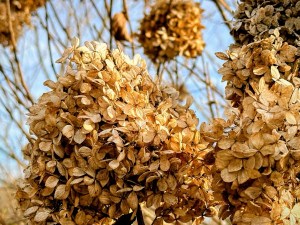
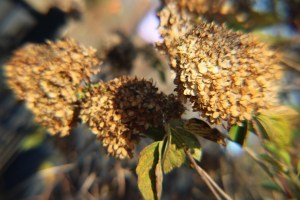
Hydrangea paniculata
These Hydrangeas change colors from seasonally, They change from white to limelight to brown tones in late autumn through winter. They are beautiful regardless of the colours they are displaying.
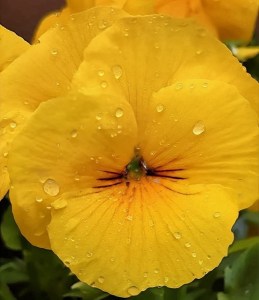
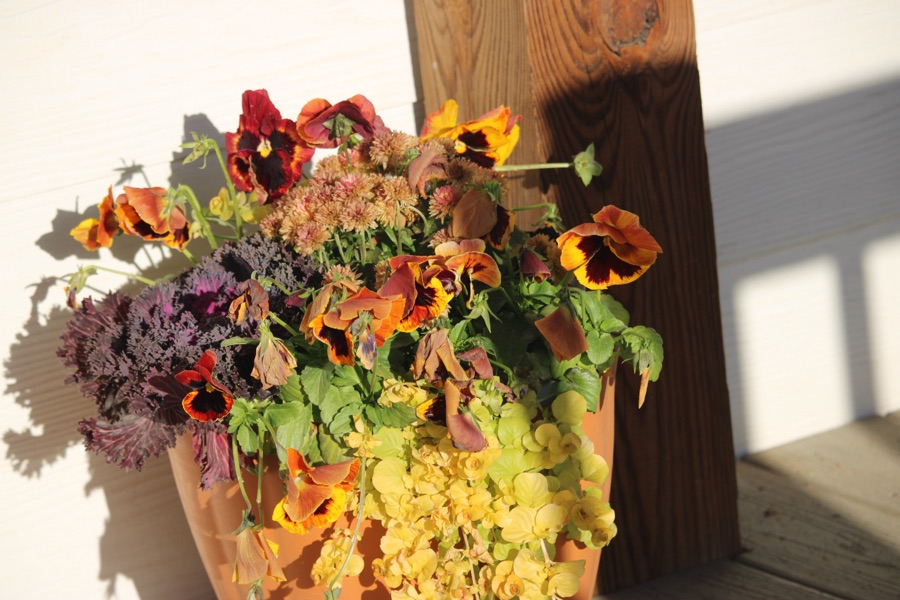
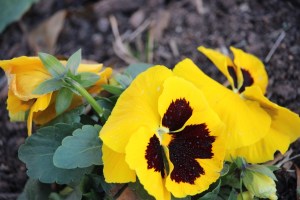
Interesting fact: Pansy flowers are edible and have a mild, slightly sweet flavor. They can be used as a garnish, in salads, or to decorate cakes and desserts. Care for a taste?
God Bless. Admire Nature’s Beautiful Flowers. Have a great weekend. Thank you for visiting and sharing your time and thoughts with us. I appreciate y’all very much.


![Which Way Challenge (CWWC) 2026 — Any Which Way with Spring or Autumn Which Ways (Will Run for Two (2) Weeks [03.27-04.03.2026])](https://gfpacificbeeintrospection.com/wp-content/uploads/2025/04/img_1225-1.png?w=506)
































 Gfpacificbee’s Insights & photography