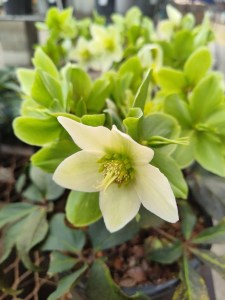
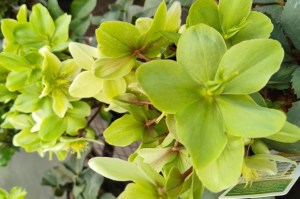
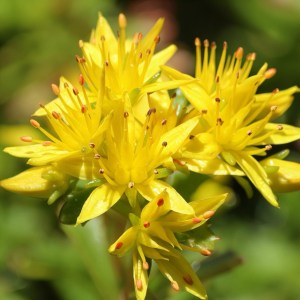
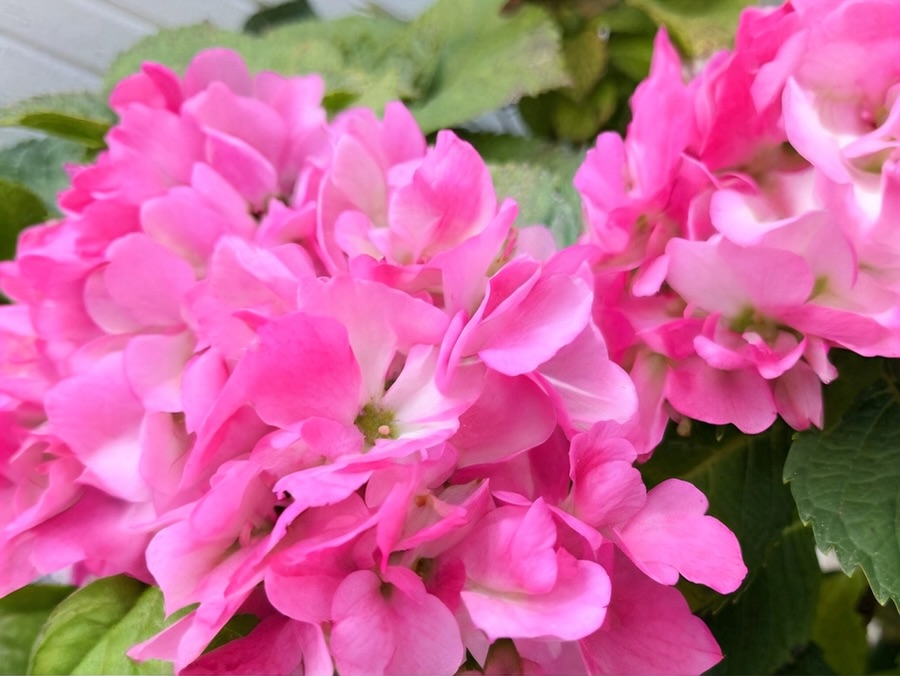
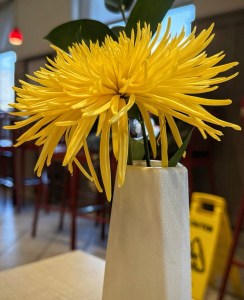
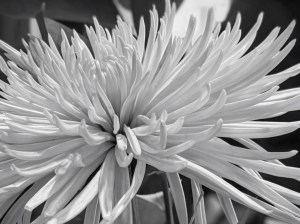
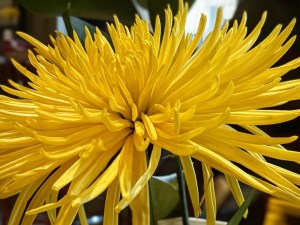
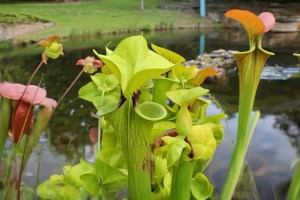
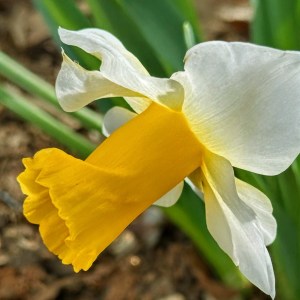
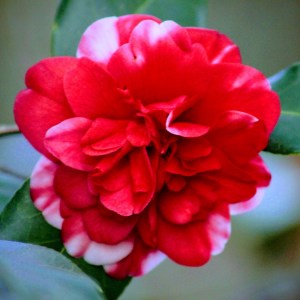
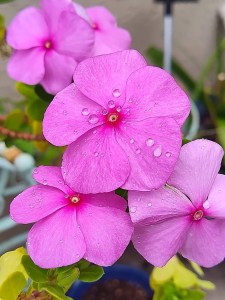
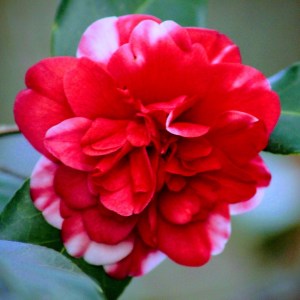
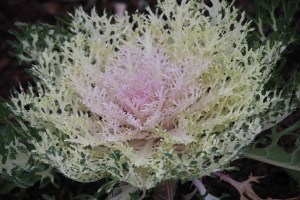
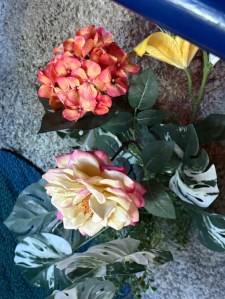
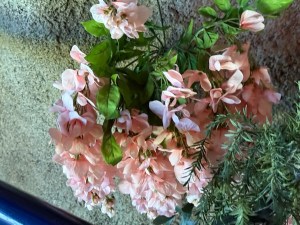
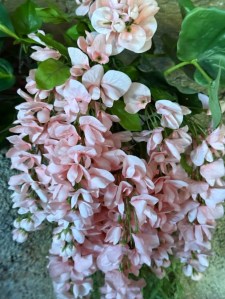
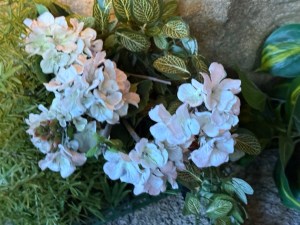
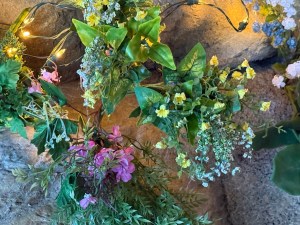
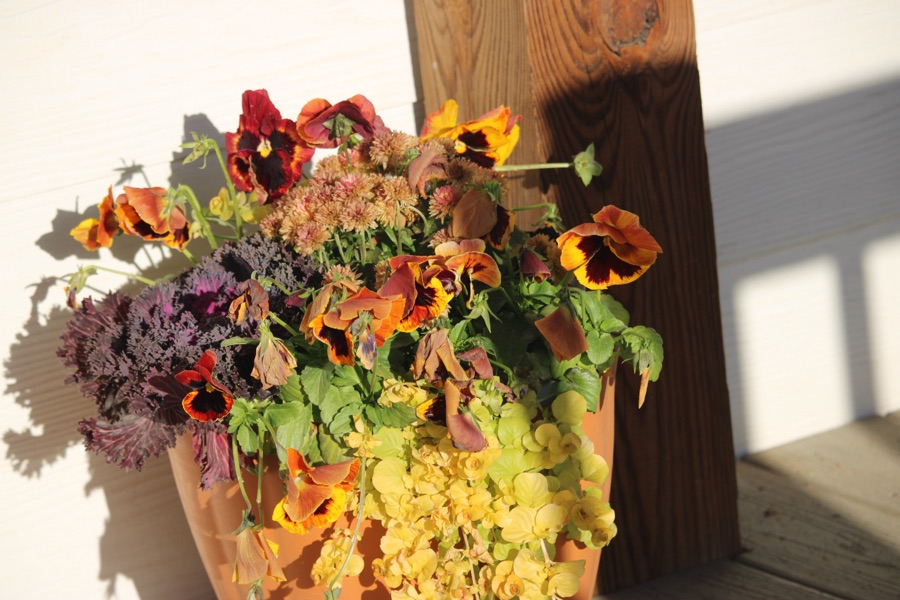
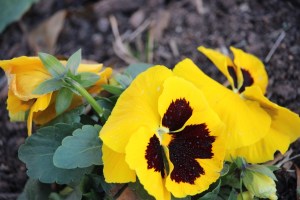
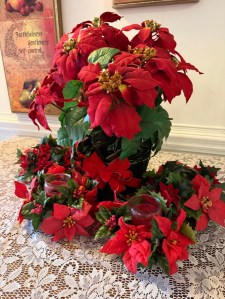
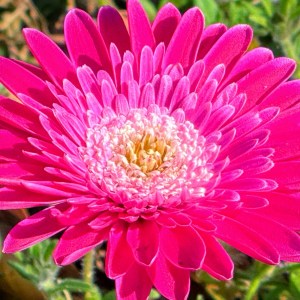
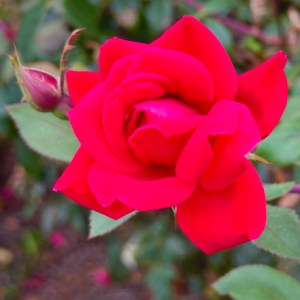
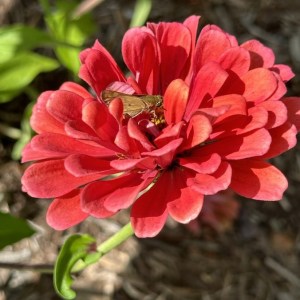
Terri from Second Wind Leisure Perspective is the host for The #Flower Hour. I am posting my last 2025 Floral images (December 31,2025) as my first Flower Hour post for 2026.
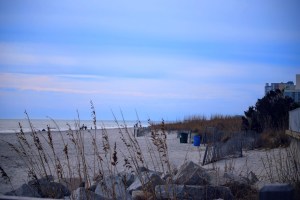
Location: By Dinopark; Broadway at the Beach; Myrtle Beach, South Carolina, USA
God Bless. Wishing y’all the best life filled with love, peace, and joy in 2026. Thank you for visiting and sharing your time and thoughts with us. I appreciate y’all very much.
The Wild Potato Vine is a perennial, deciduous, tenacious flowering vine similar to Morning Glory and Sweet potato vine. It is native to North America and grows primarily in South East Canada to Central and Eastern United States of America. It is showy with large heart-shaped leaves, purple stems, and white flowers with pink to purple centers.
An interesting fact is that the Wild Potato Vine roots are used by Native Americans for poultices, infusions, read for treatment of a variety of medical problems. The roots can be eaten cooked, but raw, are a purgative. (A purgative has a strong laxative effect.)
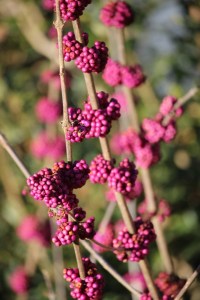
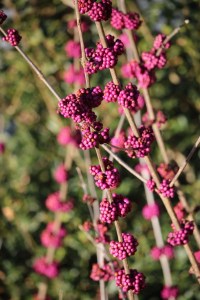
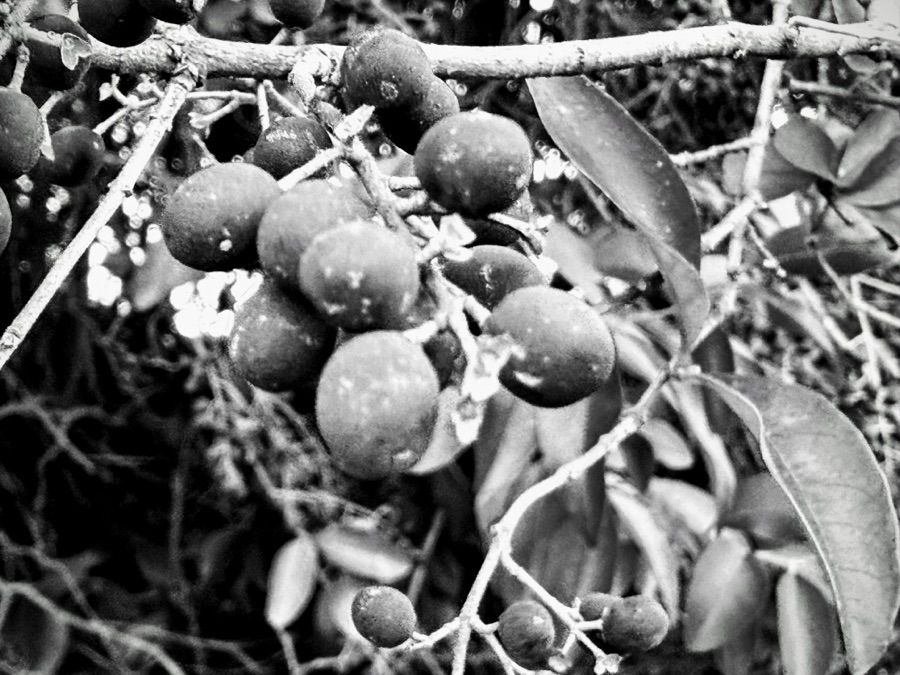
American Beautyberry is a woody deciduous, perennial shrub native to the southeastern United States including the Carolinas.
Clusters of small flowers bloom on the late spring and early summer. However, what you are seeing here are clusters of vibrant purple berries in the Carolinas that peak in late summer through autumn (August to November). The vibrant berries often persist into early winter providing significant food for birds and wildlife, making it a quintessential fall shrub for the region. The colors vary; most common is the vivid purple, though white and pink varieties exist.
American Beautyberry
The American Beautyberry offers many ecological services. How might you ask does it work? Its seeds and berries provide an important food source for a tremendous amount of songbirds of America. Some of those include American robin, brown thrasher, northern bobwhite, purple finch and eastern towhee. It is also a nectar source for butterflies and has fragrant foliage.
What I found interesting is that the American Beautyberry has been used by farmers successfully since at least the early 20th century to repel biting bugs from mules and horses by rubbing it on their coats and under harnesses. Why did I found this information so fascinating? The location of this particular American Beautyberry shrub is located near the horse stables at Anne Springs Close Greenway.
Photo Credit: 2024 Deb L. Waters … All Rights Reserved.
Camera: Apple iPhone 14 Pro Max
Location: Goat Island Park and Greenway; Cramerton, North Carolina, USA
God Bless. Take time to admire Nature’s beautiful bounty. Have a great weekend. Thank you for visiting and sharing your time and thoughts with us. I appreciate y’all very much.
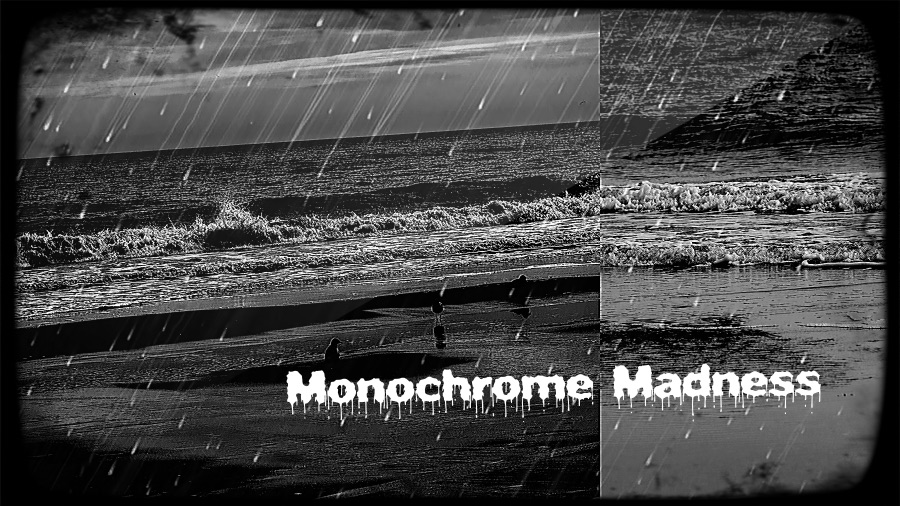
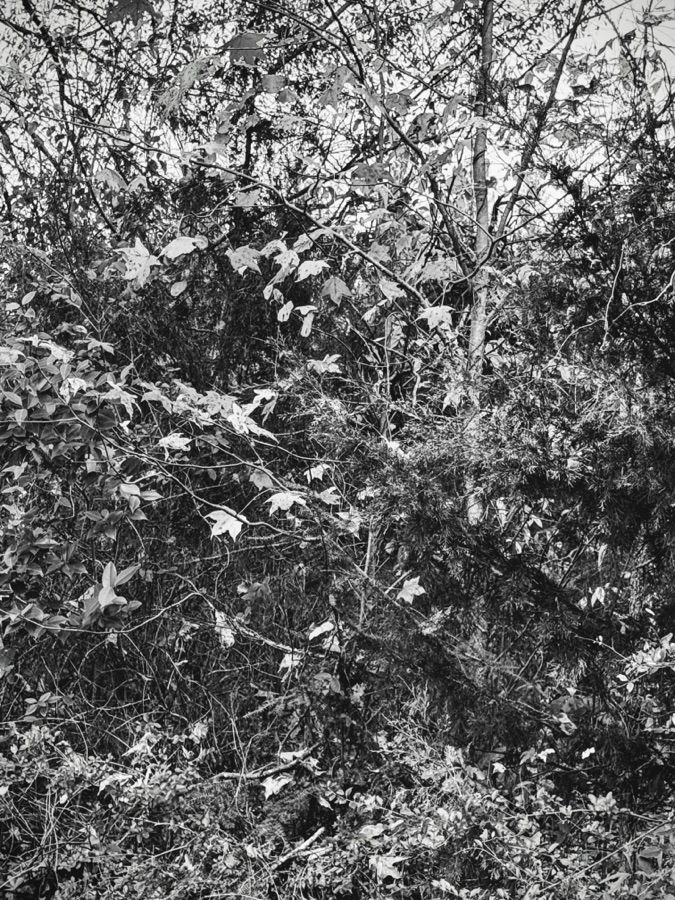
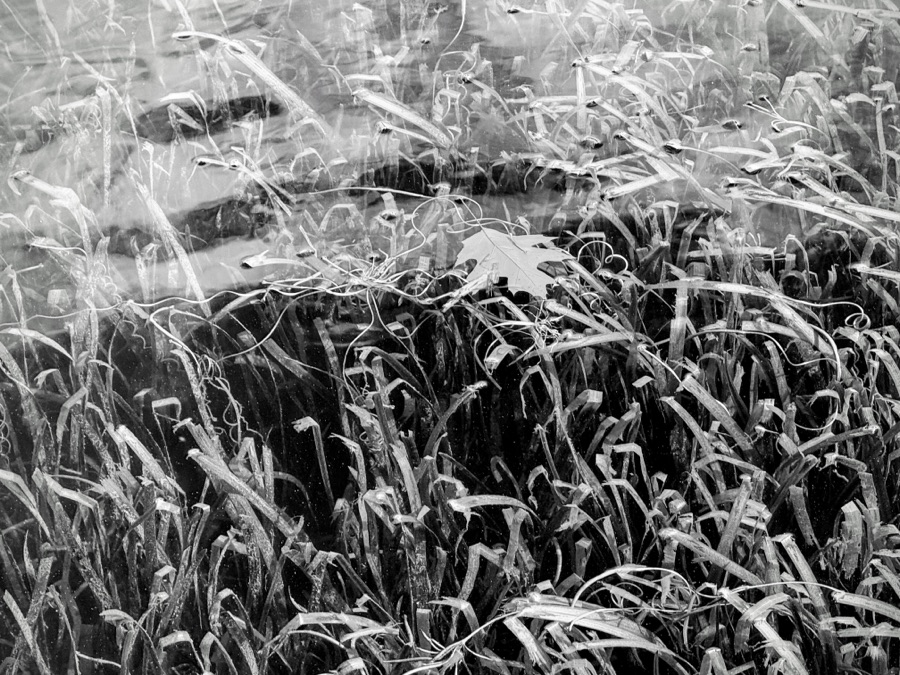
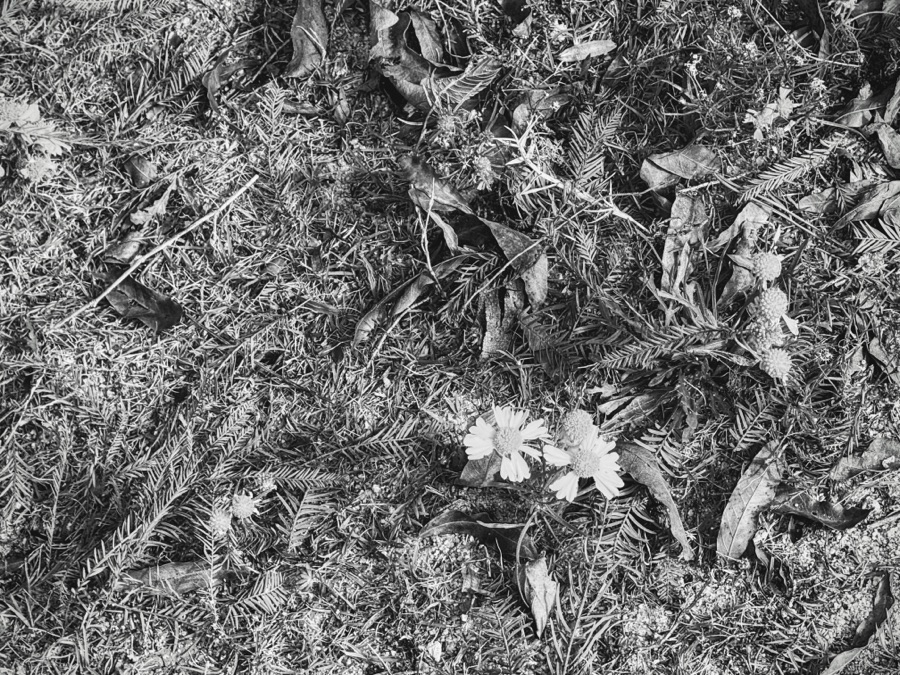
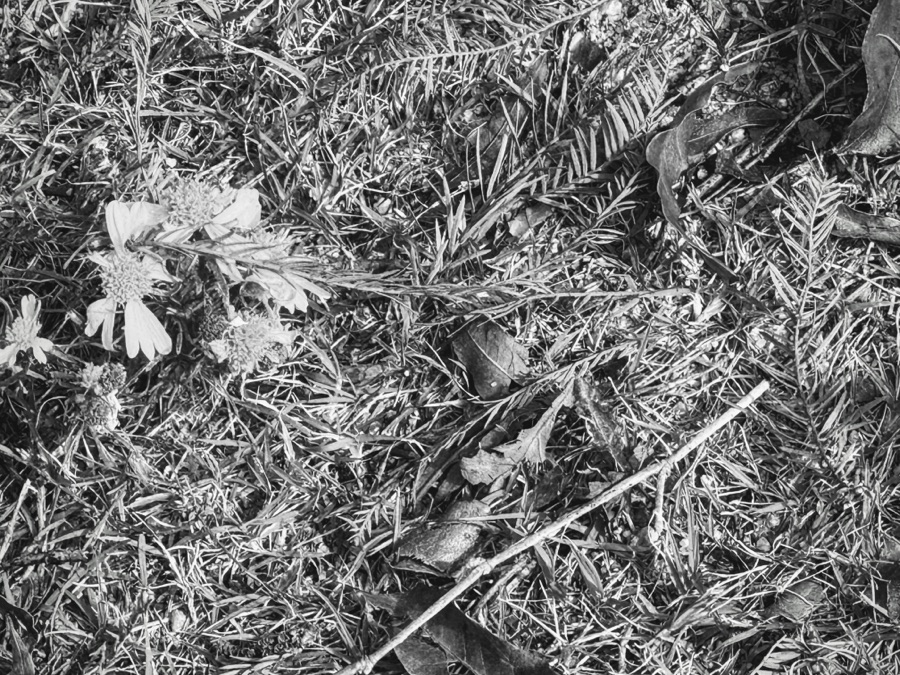
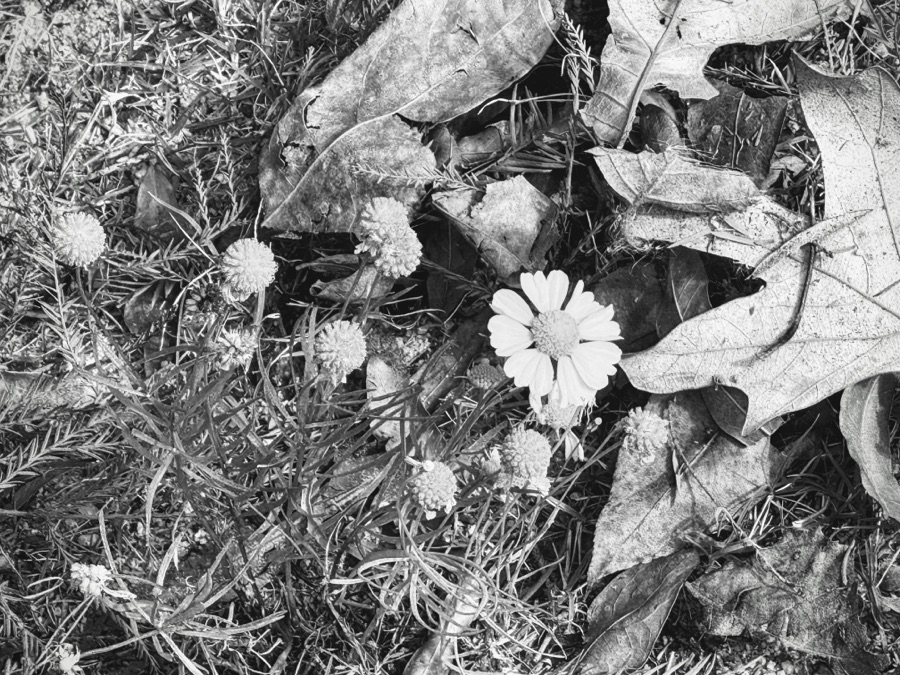
Dawn from The Day Afteris hosting this week’s Monochrome Madness; she has chosen a theme of Leaves and Petals. A few of the leaves are from here in Cramerton and the rest are from an outing we took on Thanksgiving Day to do a little bit of hiking.
Location: Greenway Stables Entrance; Anne Springs Close Greenway; Fort Mill, South Carolina, USA
God Bless. Admire Nature’s Beautiful Flowers. Have a great weekend. Thank you for visiting and sharing your time and thoughts with us. I appreciate y’all very much.
I know I’m a day late, but still wanted to share these trios with y’all.
Autumn Leaves
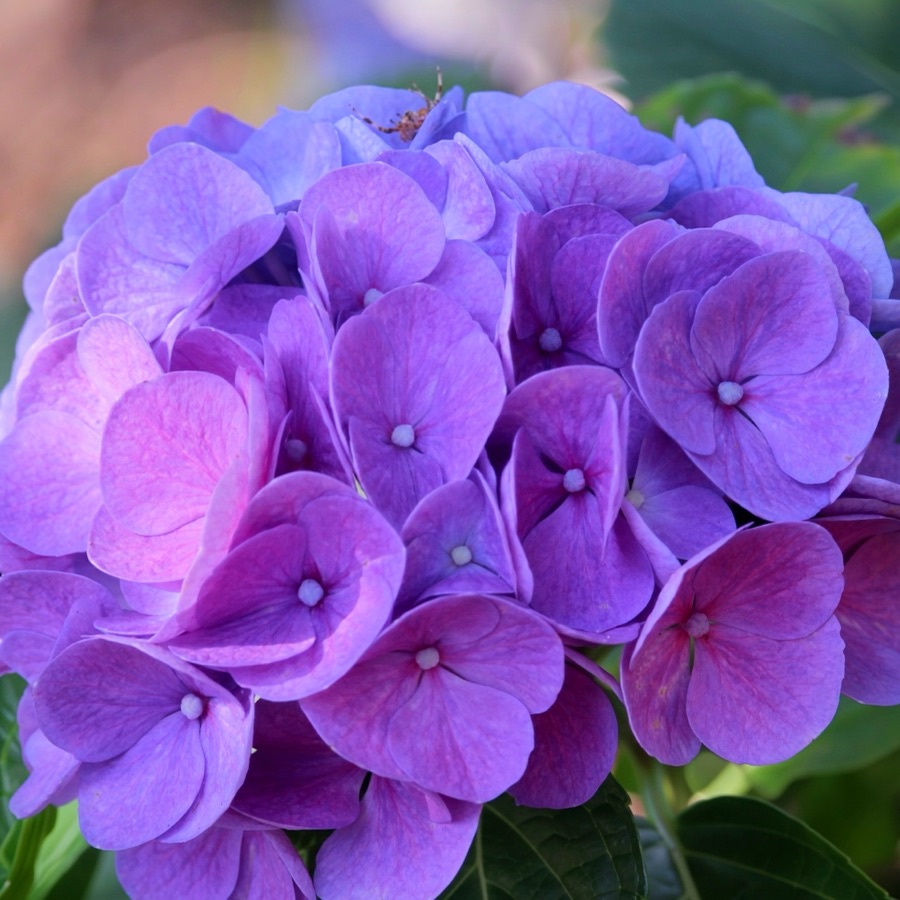
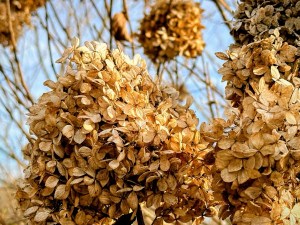
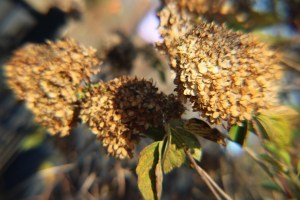
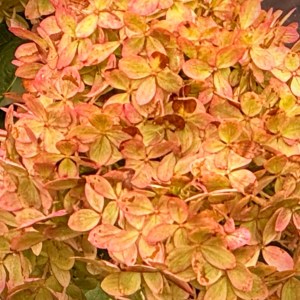
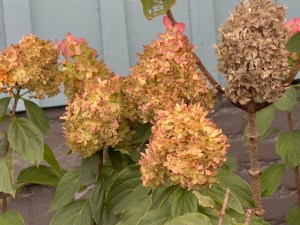
Hydrangea paniculata
These Hydrangeas change colors from seasonally, They change from white to limelight to brown tones in late autumn through winter. They are beautiful regardless of the colours they are displaying.
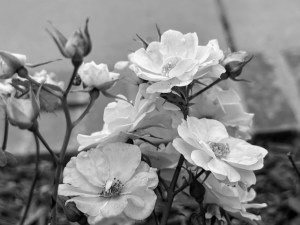
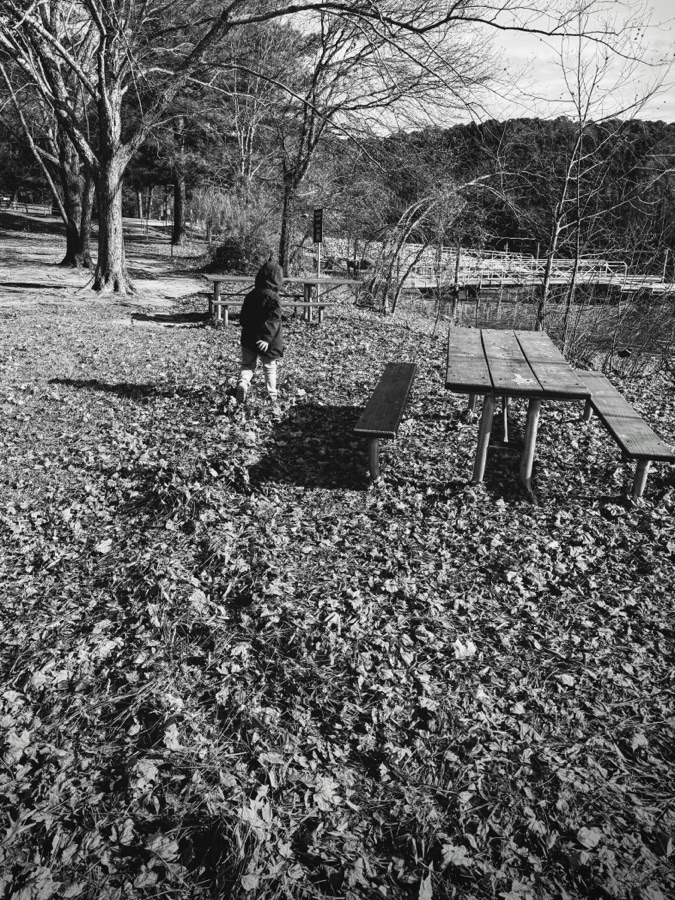
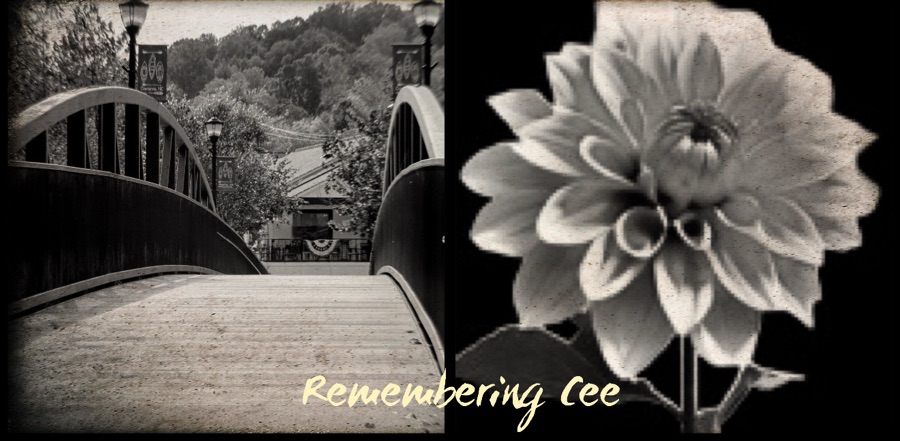
This week I’m doing something a little different. I am joining Dan withNo Facilities and Marsha from the alwayswrite.blogin posting black and white photos (may include flowers) in memory of Cee Neuner. Cee hosted several challenges over her blogging career and as many know we lost a good friend and mentor earlier this year in March. Cee is missed tremendously, she is in our hearts, our thoughts, and her legacy lives on.
Dan Antion is continuing her Fun Foto Challenge and I’m continuing her Which Way Challenge. We are celebrating her birthday with black and white photos, with our memories, with flowers to remember Cee. I will continue the Which Way Challenge with the Any Which Way in Black and White for two (2) weeks to give anyone who wishes to join us in remembering Cee to participate.
For this Friday, November 7th I am posting One Day/One Photo in memory of Cee.
A collage for Cee
The Black and White photos for the Which Way Challenge can be Any Which Way, but remember Cee loved bridges and old barns. As you might recall Cee loved photographing Flowers so you may include flowers in your which ways or anywhere in your posts.
Cee Neuner, Friend and Legacy Blogger
Click on each image to enlarge.
Thank you to all who have supported and contributed to the Which Way Challenge this past week or at any time. Be sure to check out other Which Ways by clicking on the links below.
God Bless. Get Outdoors. Enjoy a hike/walk in Nature. Admire Nature’s Beauty. Thank you for visiting and sharing your time and thoughts with us. I appreciate y’all very much.
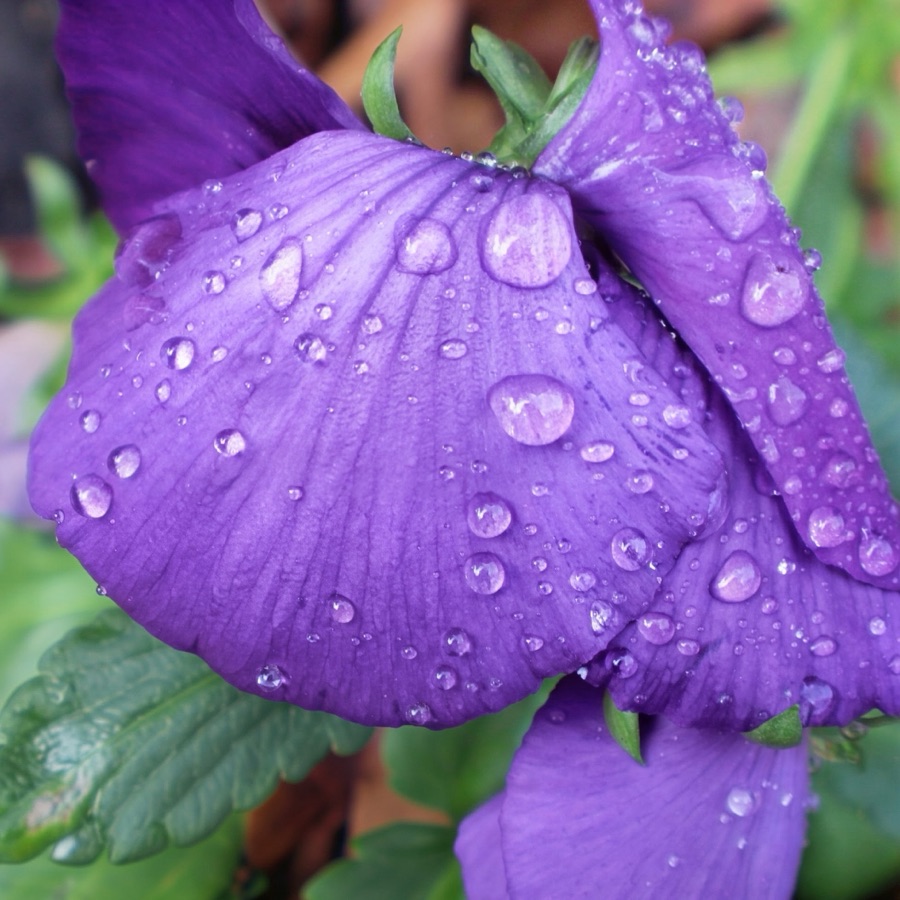
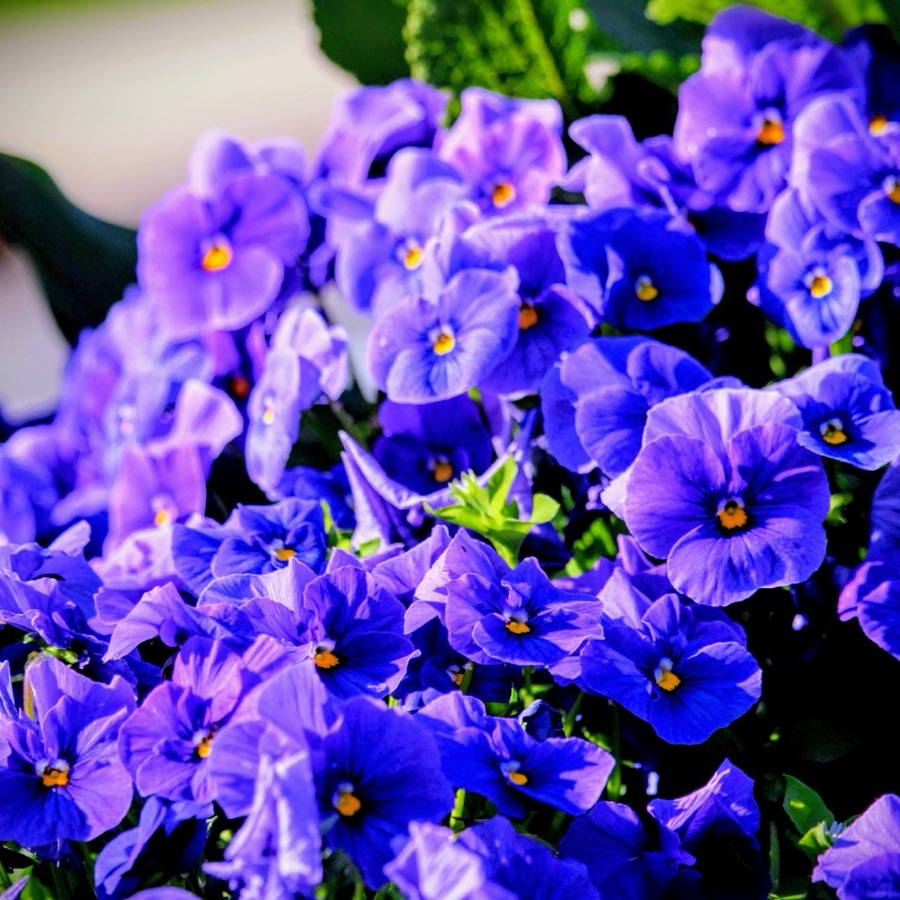
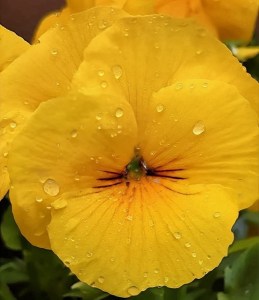
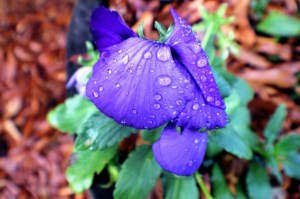
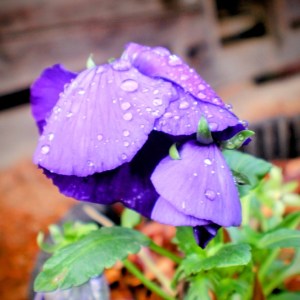
Interesting fact: Pansy flowers are edible and have a mild, slightly sweet flavor. They can be used as a garnish, in salads, or to decorate cakes and desserts. Care for a taste?
God Bless. Admire Nature’s Beautiful Flowers. Have a great weekend. Thank you for visiting and sharing your time and thoughts with us. I appreciate y’all very much.
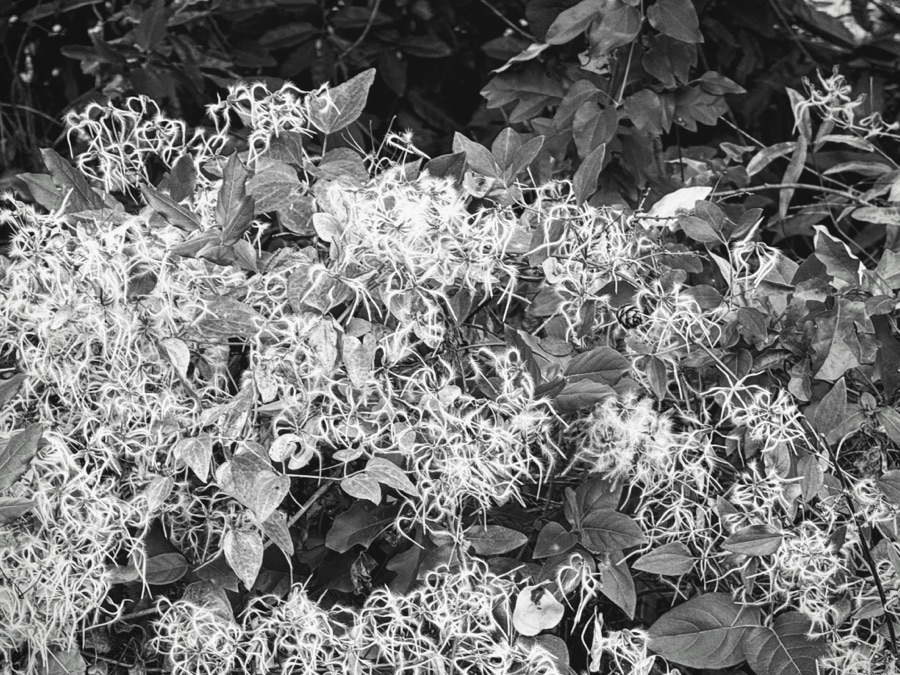
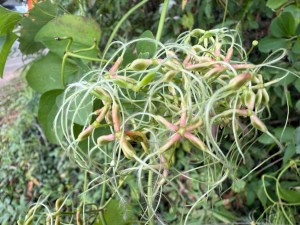
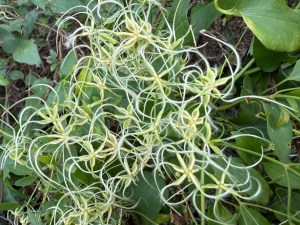
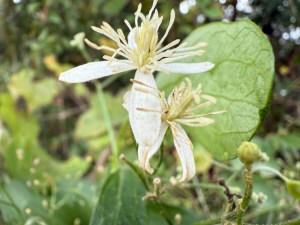
Clematis terniflora, also known as Japanese clematis is a weedy, twining perennial vine in the buttercup family Ranunculaceae that is native to Japan, Korea and central and southern China.
Aka Japanese Clematis, Japanese virgin’s-bower
Japanese Clematis, even though it may look beautiful, it is a vigorous grower in full sun or partial shade and spreads by self-seeding, layering, and runners.
It has escaped cultivation to invade forest edges, right-of-ways, and areas along streams and roads. It climbs other vegetation, forming dense blankets that block sunlight to the plants underneath. The showy white flowers appear in late summer. It is considered an invasive species in some states in the eastern US.
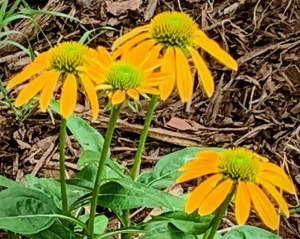
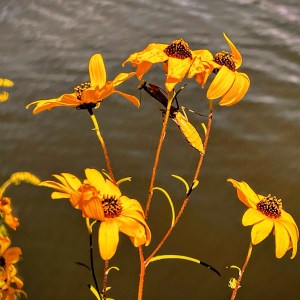
Seen on our walk through Goat Island Park and Greenway after church on Sunday. Beautiful yellow flowers popping out calling attention to their lovely blossoms.
Aka Small Yellow Crownbeard, Southern Crownbeard, Stick Weed Yellow Crownbeard
Camera: Canon EOS 2000D with Canon EF-S55-250mm lens
Settings: f/5.6 • 1/250s • 152mm • ISO250
Location: Goat Island Park and Greenway; Cramerton, North Carolina, USA
God Bless. Admire Nature’s Beautiful Flowers. Have a great weekend. Thank you for visiting and sharing your time and thoughts with us. I appreciate y’all very much.
Conoclinium coelestinum also known as Blue Mistflower is a native perennial wildflower. It has fuzzy blue or violet flowers that bloom from late summer to frost. [These just recently popped up in the last week after lots of rain and thunderstorms.]

It is a member of the Asteraceae family. It was formerly classified in the genus Eupatorium, but phylogeneticanalyses in the late 20th century research indicated that that genus should be split, and the species was reclassified in Conoclinium.
The Blue Mistflower is native to the eastern part of the United States of America from New York down to Florida and west to Nebraska and Texas. It can grow up to three (3) feet tall and spreads quickly to form dense groundcover.
This species prefers moist soils and can be found in wood edges, sandy woodlands and clearings, wet meadows and stream banks. It can thrive in a variety of light conditions ranging from shade to full sun. [With the tropical storms and thunderstorms we’ve been experiencing the ground is extremely wet making the conditions viable for the growth of the Blue Mistflower.]

Camera: Canon EOS Rebel T3i with Canon EF-S55-250mm lens
Location: The Garden in the Farm; The Schiele Museum of Natural History; Gastonia, North Carolina, USA
God Bless. Enjoy your Sunday and have a wonderful week. Thank you for visiting and sharing your time and thoughts with us. I appreciate y’all very much.
Location: Centennial Center; Downtown Cramerton; Cramerton, North Carolina, USA
God Bless. May you have a Gardenof Love, Friendship, and Joy. Thank you for visiting and sharing your time and thoughts with us. I appreciate y’all very much.
God Bless. Admire Nature’s Beautiful Flowers. Have a great weekend. Thank you for visiting and sharing your time and thoughts with us. I appreciate y’all very much.
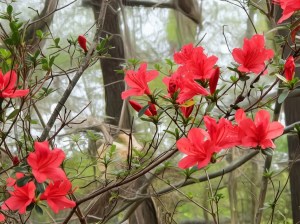
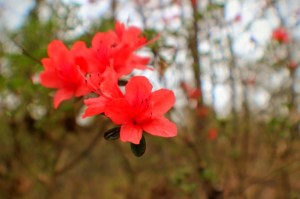
Azaleas are part of the Rhododendron family, which includes over 1,000 species.
Azaleas symbolize Beauty, Resilience, and Renewal.
Their Vibrant flowers signify the cycle of life, death, and rebirth.
Azaleas inspire embracing change, letting go of the past, and welcoming new opportunities in each new season.
Pink Azaleas represent love, romance , and femininity.
They convey affection and tenderness
Over a dozen different cities in the United States hold festivals during blooming season.
Azalea meaning encapsulated an array of artistic interpretation in art, literature, and horticulture, with many cultivars named after famous individuals or places.
Azaleas remind us of the beauty of nature and the promise of new beginnings that each season brings.
Location: The Nature Trail; The Schiele Museum of Natural History; Gastonia, North Carolina. USA
God Bless. Have a fantastic weekend. Enjoy Nature’s Beauty. Embrace Change and New Beginnings as Autumn is almost here. Thank you for sharing your time and thoughts. I appreciate y’all very much.
Location: Greenway Stables Entrance; Anne Springs Close Greenway; Fort Mill, South Carolina, USA
God Bless. May you have a Gardenof Love, Friendship, and Joy. Thank you for visiting and sharing your time and thoughts with us. I appreciate y’all very much.
Sweet Autumn Clematis is a fast growing deciduous perennial vine which is adored for its masses of small, fragrant white flowers in late summer and fall. The Sweet Autumn Clematis plants are in abundance everywhere around here.
While being appreciated for their beautiful flowers which grow vigorously and abundantly, they are considered an invasive plant species in many parts of the Eastern and Midwestern United States. The plants aggressive self-seeding and rapid growth can lead to it escaping cultivation and outcompeting native vegetation.
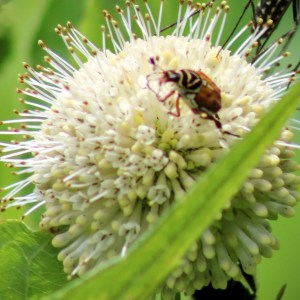
Sweet autumn clematis Clematis terniflora with Eremnophila aureonotatawasp
The Clematis terniflora (Sweet autumn clematis) flowers are excellent magnets for attracting pollinators like bees, butterflies, and hummingbirds. As you can see from the images it also attracts wasps like the Eremnophila aureonotata, aka the gold-marked thread-waisted wasp. The Eremnophila aureonotata are in the family Sphecidae (“thread-waisted wasps”) which belong to the order of Hymenoptera (“ants, bees, wasps and sawflies”).
Location: Old Town; Riverside Community; Cramerton, North Carolina, USA
God Bless. Stop and smell the flowers. Capture their beauty. Enjoy Nature. Thank you for visiting and sharing your time and thoughts with us. I appreciate y’all very much.
Location: The Garden; The Schiele Museum of Natural History; Gastonia, North Carolina, USA
God Bless. Stop and smell the flowers. Admire their beauty. Thank you for visiting and sharing your time and thoughts with us. I appreciate y’all very much.