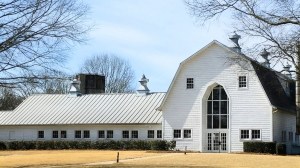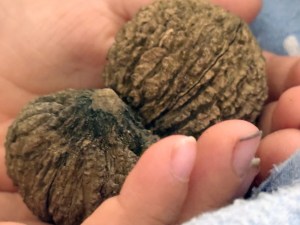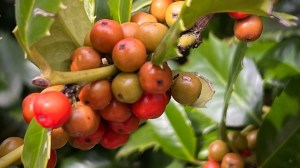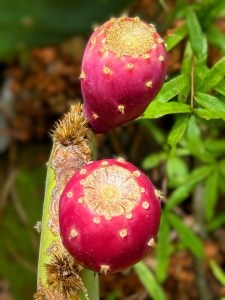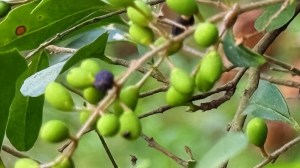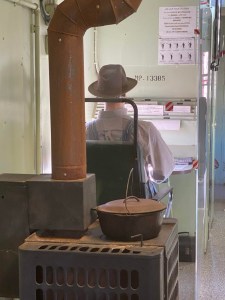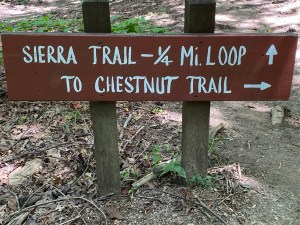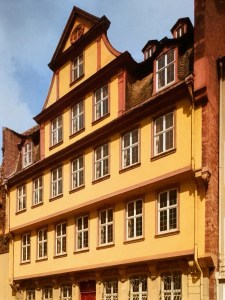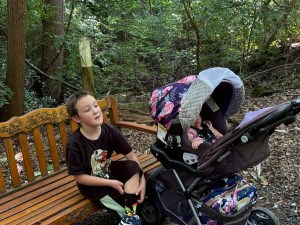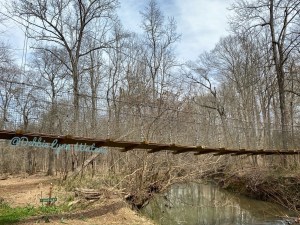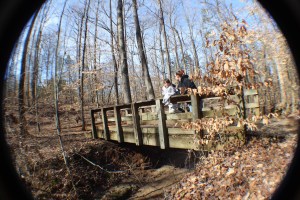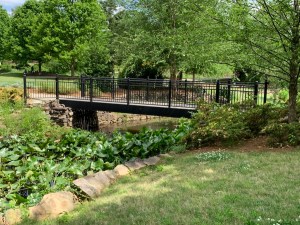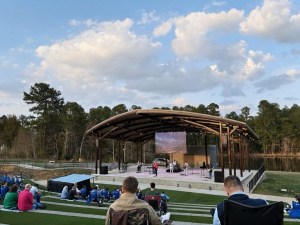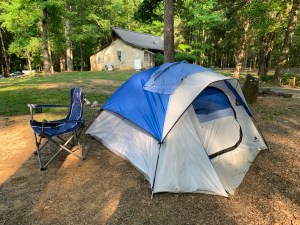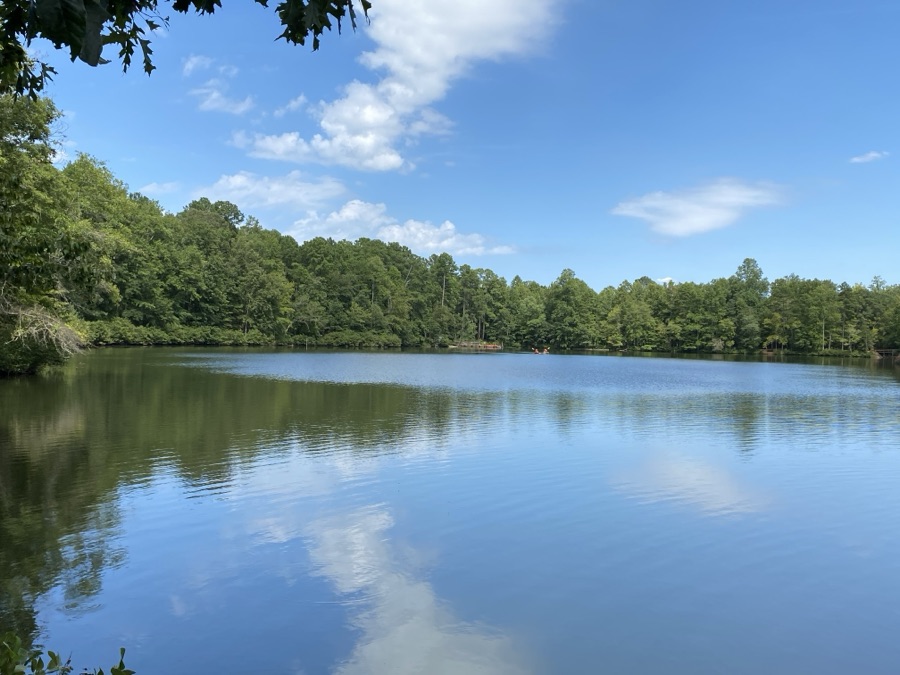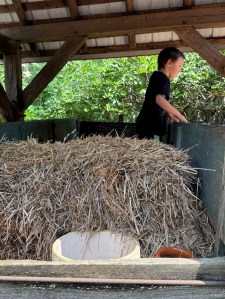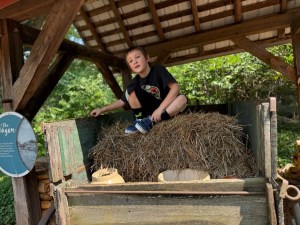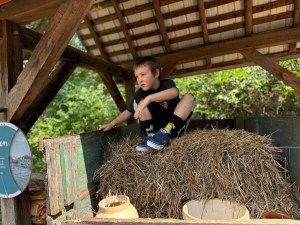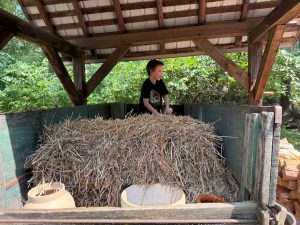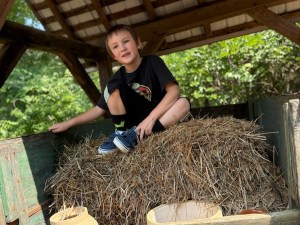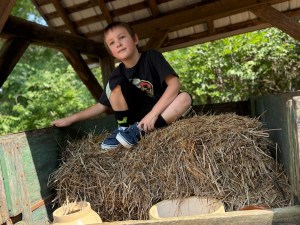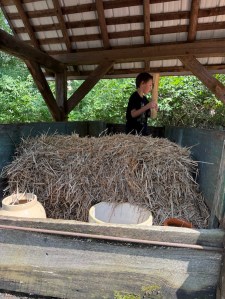

Location: The Schiele Museum of Natural History; Gastonia, North Carolina, USA
God Bless. Have a lovely weekend filled with love, joy, and laughter. Thank you for visiting and sharing your time and thoughts with us. I appreciate y’all very much.
Dan with No Facilities, the host of Cee’s Fun Foto Challengehas started a new series of themes for the Fun Foto Challenge dealing with Where/What/When we do different things. The first week in this new series features Where/What/When We Read.
Here are my selections for this week’s CFFC …
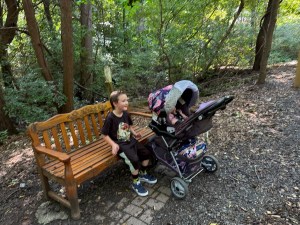
Coleman at Early Explorers at The Schiele Museum My Mom Reading her Bible in San Diego, CACramerton Trilogy by Dixie Abernathy & Warren CramerMy Brother in his home office with his Books behind him. Coleman during Early Explorers Story-time My son, John, Reading a Trail Map along the Blue Ridge Parkway Coleman Reading a Trail Map for Rocky Branch Trail Books in my iBooks Library to be Read Coleman reading a Trail Map for ASCGIn my Glose Digital Library yet to be Read Coleman Reading a Storybook Board in Cramerton, NCRemember Reading an actual Phone Book to locate a Phone Number? Recognize this Author Dan? Quiet Reading on the Balcony of a Cruise Ship Coleman participating in a Story Time Session at the Gastonia Public Library Coleman “reading” at Confluence in Cramerton, NCColeman at Fort Mill’s Scarecrow Crawl Coleman at Confluence Children’s AreaCee’s Fun Foto Challenge Dan’s CFFC Where/What/When We Read
God Bless. Have a lovely week. Enjoy a walk/hike if possible. Keep Cool. Thank you for visiting and sharing your time and thoughts with us. I appreciate y’all very much.
As we rode the Safari Wagon at the Lazy 5 Ranch many of the animals which reside on the property roam freely and tend to follow the Wagons as they bring visitors along the dirt road. It seems like all the animals know that the Safari Wagons have feed buckets aboard for the guests to feed them.
Hey there, I’m here.
This Black Llama sure made its presence known to us (my family). The Black Llama was trying every possible means to get my daughter’s attention to be able to be handed feed from her feed bucket.
This is me trying to get your attention …
The Llama was first domesticated by the Indians of Peru around 4,000 years ago. The Llama is known for its surefooted travels in high mountain areas. It’s docile by nature, but can also be stubborn. When upset, a Llama may spit a foul smelling liquid.
Maybe if I turn this way you’ll notice me …
Let me assure you that at The Lazy 5 Ranch if they want feed, they are more than likely to receive it. Llamas are used as pack animals and can carry loads up to 130 pounds for up to 10-20 miles a day over rugged slopes in high altitudes, but they are not ridden. When weary or overloaded Llamas just lie down and refuse to move. The Llama is often referred to as the “South American Camel.” Its long, coarse wool is used in the weaving of textiles.
Finally, that’s exactly what I wanted.
Llamas are herbivores with a three-chambered stomach for digesting fibrous plants. They primarily graze on grasses and plants. Llamas are also very social animals, preferring to live in herds, and are known for being quite gentle and intelligent. You might hear their soft humming, which they use to communicate a range of emotions – from contentment to concern – they also have unique warning calls, like a high-pitched alarm, if they sense danger.
Location: The Farm; The Schiele Museum of Natural History; Gastonia, North Carolina, USA
God Bless. Take time to enjoy nature. Have a funtastic week. Thank you for visiting and sharing your time and thoughts with us. I appreciate y’all very much.
Welcome back to the Which Way Challenge (previously hosted by Cee Neuner). This week we are exploring Outdoor Steps or Stairs. You may not ordinarily think about photographing Outdoor Steps or Stairs, I usually do. So many places Coleman and I hike have Outdoor Steps or Stairs along trails which we climb to get to our intended destination before completing our journey.
These are some of the Outdoor Steps or Stairs we have climbed … at The Schiele Museum of Natural History in Gastonia, North Carolina.
CWWC Cee’s Which Way Challenge Deb’s Which Way Challenge
Click on each image to enlarge.
Thank you to those who have participated and supported the Which Ways Challenge. I appreciate y’all sharing your Which Ways with us.
For an idea of other’s Which Ways from this past week’s challenge, be sure to click on the following links below.
Photo Credit: 2026 Deb L. Waters … All Rights Reserved.
Camera: Apple iPhone 16 Pro Max
Location: The Farm and Nature Trail; The Schiele Museum of Natural History; Gastonia, North Carolina, USA
God Bless. Happy Adventures. Enjoy Nature. Thank you for visiting and sharing your time and thoughts with us. I appreciate y’all very much.
Next Week we will be moving from Outside/Outdoor to Inside/Indoors for a theme of: CWWC 2026: Any Which Way with Indoor Steps and/or Stairs [08.21.2026]
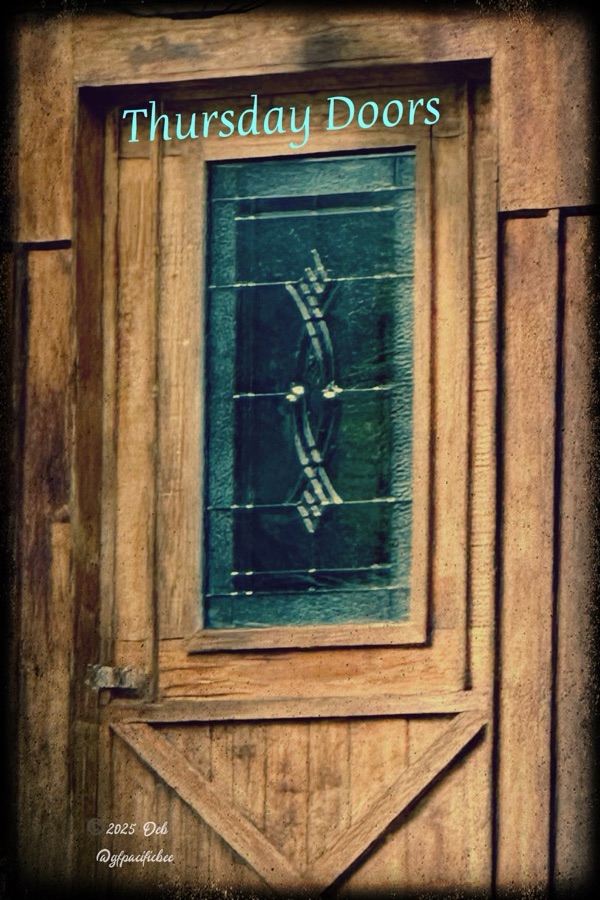
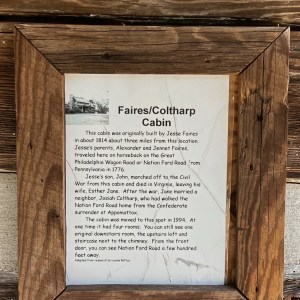
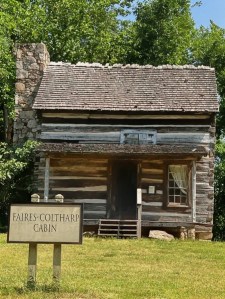
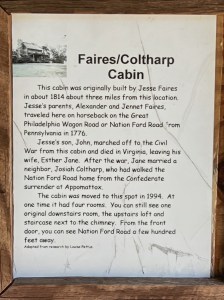
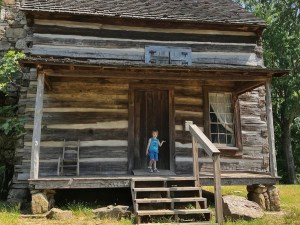
Visiting the Schiele Museum of Natural History on Duke Energy’s free Tuesday gave Coleman and I an opportunity to visit The Farm. It was extremely hot and humid so we didn’t stay too long outside before roaming around inside the museum. Below are a few doors we noticed while walking around the Farm.
Doors in the Sheep areaDoor in the Cow Section (Look closely & you might see them) Doors in the Sheep areaColeman checks out the “Cow” DoorDoors in the Historic CabinDoors in the Historic CabinDoor? It lifts up like a door. Doors in the Historic CabinDoors in the Historic CabinDoors in the Sheep areaDan’s Thursday Doors
Location: The Farm; The Schiele Museum of Natural History; Gastonia, North Carolina, USA
God Bless. Have a funtastic rest of your week and weekend ahead. Thank you for visiting and sharing your time and thoughts with w. I appreciate y’all very much.
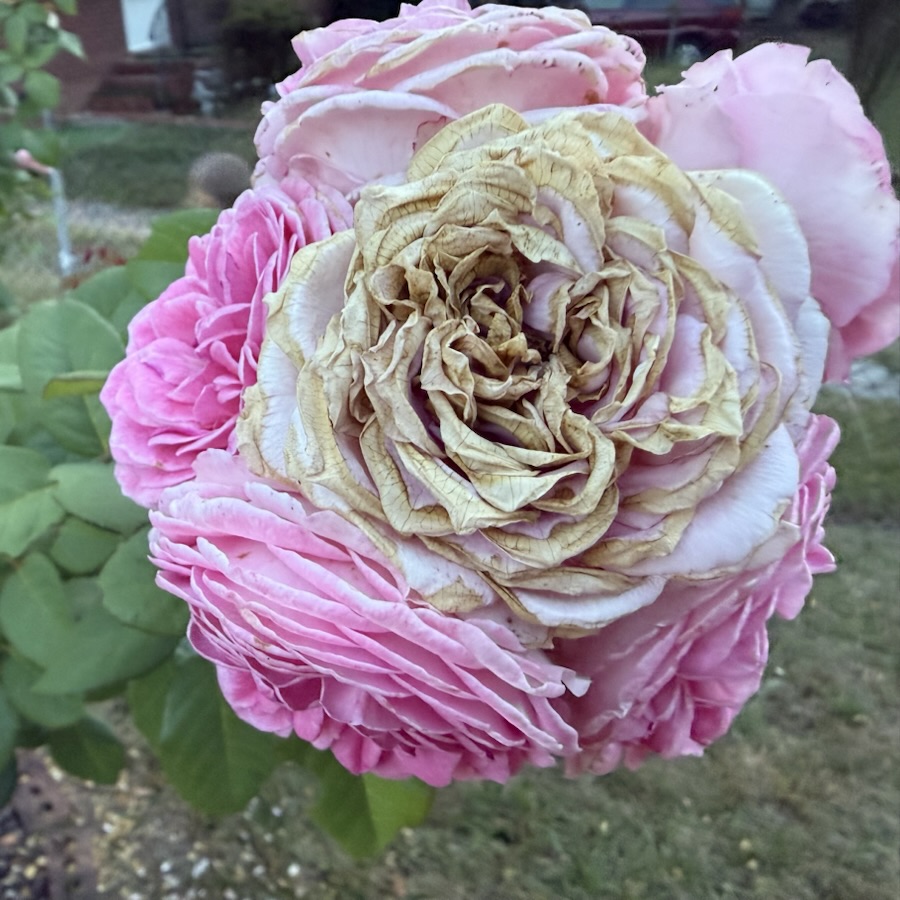
Isaiah 40:8: “The grass withers, the flower fades, but the word of our God will stand forever.” KJV
Terri’s The #Flower Hour Cee’s Flower of the Day
“For all flesh is as grass, and all the glory of man as the flower of grass. The grass withereth, and the flower thereof falleth away:” I Peter 1:24 KJV
God Bless. Admire the Flowers and the beauty found in nature. Thank you for visiting and sharing your time and thoughts with us. I appreciate y’all very much.
Let’s take a look at what #Yellow’s I have found …
First, here are some water reflections with #Yellow …
Yellow Water Reflections in Lake Crandall Anne Springs Close Greenway
And a few tress with yellow leaves reflected in Lake Haigler at Anne Springs Close Greenway in Fort Mill, South Carolina.
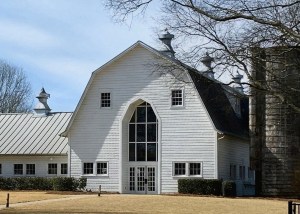
Yellow Tree Reflections in Lake Haigler
Moving right along in nature we spot a solitary yellow tree and a few yellow Bromeliad Guzmania.
Golden Larch Daniel Stowe Botanical Garden
Yellow Bromeliad Guzmania William H. Williamson III Orchid Conservatory Daniel Stowe Botanical Garden Belmont, North Carolina
Now we’ll take a last look at yellow with images of yellow vehicles …
2022 John Deere 700L LGP Crawler Dozer1954 Ford F150 Pickup Truck used by Evans Shell on display at the NC Transportation Museum 1931 Ford Model A 5 window coupe.1934 Packard North Carolina School bus for Sadler Elementary #Yellow Vehicles Sunday Stills Monthly Color Challenge
At last, but not least, Coleman wearing a yellow shirt …
God Bless. Admire the beautiful Flowers. Enjoy Nature. Thank you for visiting and sharing your time and thoughts with me. I appreciate y’all very much.
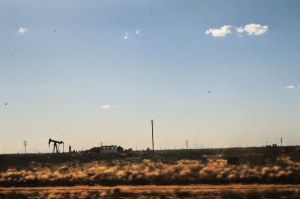
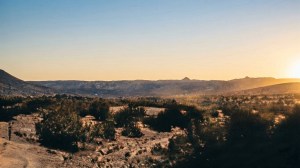
The Ocotillo (Fouquieria splendens), the tall plant to the right of the rock, is a striking desert plant native to the Southwestern United States. This is located near Ocotillo Wells and Borrego Springs, California.
Location:Between Ocotillo Wells and Borrego Springs, California, USA
God Bless. Take time to enjoy the flowers. Get Outdoors and commune with nature. Thank you for visiting and sharing your time and thoughts with us. I appreciate y’all very much.
Last week I said I would share where we went via the transit system and what we saw along the trails. To visit last week’s post as Coleman and I traveled on the transit network for our Which Way click here.
Now to let you know where we traveled to on the Gastonia Transit system (aka the bus) to go hiking. Our destination to the Warlick Family YMCA here in Gastonia for a bit of hiking and communing with nature. Here are a few images showing the trails we hiked and what we saw along the way.
CWWC Cee’s Which Way Challenge Deb’s Which Way Challenge
Click on each image to enlarge.
Thank you to those who have participated and supported the Which Ways Challenge. I appreciate y’all sharing your Which Ways with us.
For an idea of other’s Which Ways from this past week’s challenge, be sure to click on the following links below.
According to Google, a Hummock is a small, low rounded hill, knoll, or a raised mound of earth. Today, I am sharing two different types of Hummock’s from my archives.
The first is a Burial Mound located at The Schiele Museum of Natural History in Gastonia, North Carolina.
Burial Mound
Many stone age peoples around the world buried their dead in mounds of earth or stone. This single-chambered tomb replicates mounds from the British Isles roughly 5,000 years ago. The interior chamber measures just over 7 ft. long and could fit either one individual or the cremated remains of an entire family or clan. It took over 16,000 pounds of earth to build this mound by hand.
The second is a small hill my ancestors was gathered and sat upon enjoying the afternoon and each other’s company.
A Hummock where my ancestors chose to relax and visit with one another.
The Springs Block was built by Colonel Leroy Springs in 1905. It was constructed with red stretcher and common bond brick. It has been home to many of Lancaster’s prominent businesses over the years. Sadly, in 1936, a fire destroyed its southern end, including the Hotel Royale and Lancaster Mercantile.
“Lancaster’s Historic Springs Block”
In August of 1984, the Springs Block was officially placed on the National Register of Historic Places. It underwent restoration in 1986 as part of Lancaster’s Main Street Revitalization program.
The Historic Springs Block Lancaster, South Carolina
For many decades the Springs Block was a thriving business district within Lancaster’s downtown neighborhood. The businesses were bustling with people who were excited to come visit, shop, and mingle in the vibrant, community-focused atmosphere. People would come to a then lively downtown hub to do their errands, meet neighbours, and find everything from groceries to clothing to household goods. Shopkeepers once knew their count name and tailored their unique selections to meet the personal needs of their customers.
The Historic Springs Block Lancaster, South Carolina Thursday Doors Monochrome Madness
It saddens me to see the once vital and thriving downtown community in such a dilapidated state of destruction. These are recent photos of Lancaster’s Historic Springs Block in downtown Lancaster, South Carolina. My daughter and I once roamed the streets of downtown Lancaster’s Springs Block, shopping, having a bite to eat, meeting friends, and watching parades (or in her case in them) and all in all having a grand ‘ole time.
Location: The Springs Block; Downtown Lancaster; Lancaster, South Carolina, USA
God Bless. Have a funtastic rest of your week and weekend ahead. Thank you for visiting and sharing your time and thoughts with w. I appreciate y’all very much.
Sometime when I open Google Photos it displays memories that it thinks I would be interested in seeing. That was the case this past weekend when it wanted me to see the black and white image shown in the second photograph.
Colorized version of a 1960’s photo
In seeing this photo it reminded me of my parents anniversary, they would have been married for seventy-five (75) years on Friday if they’d still been alive. They were married forty-five (45) years when my dad passed in 1996. My mom is also gone now and only memories remain alive.
Original image uploaded to files via Wolverine Digital Converter
This is the first house I can remember living in even though it wasn’t the first house my family called home. We moved into this house about 1961. The front window you see would have been the window in my parent’s bedroom. The bedrooms were all on the right side of the house. Mine was in the middle between their’s and my brother’s bedroom.
I lived in this house during my entire childhood elementary school days (Kindergarten through Sixth Grade). It holds so many memories, to many to share. When we walked past the windows behind my mom and dad we’d enter the living room. To me in was a large area we gathered to watch programs on our black and white console television. The kitchen and dining rooms were to the left of the entrance with a door in between that led to the garage. We always sat at the dining table as a family for our meals.
Even the windows of an ordinary house can bring fond memories of happy times of love, laughter, and togetherness.
We had a really fantastic time the other week when the family visited the Lazy 5 Ranch. With over 700 exotic animals there were plenty to capture. I in no way captured them all with my camera (not that I didn’t try), but there were too many to adequately capture while riding on the guided Wagon Safari ride.
With this week’s Weekly Prompts Colour Challenge colour theme being Brown, I decided I would combine it with the Monday Portrait challenge and show y’all one of the many Brown exotic animals which reside at the Lazy 5 Ranch. Which exotic animal is featured here today? … The exotic animals featured in this post are Nilgai.
The Nilgai (Boselaphus tragocamelus), also called Blueback, is the largest antelope in its native land of India. The name Nilgai comes from the Hindustani word nil, which means blue referring to the slate blue (blue-gray coloration of the adult male Nilgai and the Persian word gaw, which means cow. The females and juveniles are orange to a tawny Brown in their coloration. These shown here are female Nilgai.
It is a large horse-like antelope with sloping back which is found in grasslands and scrublands. Nilgai are herbivores that primarily eat grass, but also browse on leaves and fruits.
They are known for their shy nature and keen senses. Hindus regard the Nilgai as a close relative of the sacred cow. In an era of endangered species, an animal that is protected by religious is considered lucky.
Nilgai cows and calves tend to live in small herds while males live alone except during rut (their mating season). All males have short smooth horns and occasionally females grow horns. Females commonly give birth to two (2) offspring. When being chased a Nilgai can run up to twenty-nine (29) miles per hour (mph).
Camera: Canon EOS Rebel T7 (2000D) with Canon EF-S55-250mm lens and Altura IV Filter attachment.
Location: Lazy 5 Ranch; Mooresville , North Carolina, USA
God Bless. Stay Cool. Stay Hydrated. Have a funtastic week. Thank you for visiting and sharing your time and thoughts with us. I appreciate y’all very much.
The Swamp Water Buffalo (Bubalus bubalis) is also referred to as Asian Water Buffalo. It is the second largest member of the bovid family. It has great strength and high fat milk content which has led to its domestication throughout the world. These buffalo spend most of the day submerged, sometimes up to their nostrils, in the water of rivers or swamps. Did you know there is a reason for this? It serves two (2) major purposes.
) These Buffalo do NOT possess adequate sweat glands to keep themselves cool through sweat evaporation along, so remaining submersible allows them to regulate their temperature in the hot , humid Southeast Asia climate.
) The water protects the buffalo from all manners of biting insects that also inhabit the jungle. Their hooves developed as widely splayed in order to prevent them from sinking into the thick mud of swamps and river bottoms.
Swamp Buffalo Lazy 5 Ranch
Water Buffalo eat grass, herbs shrubs, tree bark and other available greens. They are exclusively herbivores. At the Lazy 5 Ranch, as well as similar facilities, the Swamp Water Buffalos are fed free-choice, low-protein, high-fiber forage. They also rely heavily on coastal Bermuda grass, orchard grass, or Timothy hay. They provide freshly cut pasture grasses, sorghum, or maize fodder to simulate natural grazing. One other thing they do to guarantee they receive complete nutrition, the supplement the roughage with scientifically formulated pellets from exotic animal feed manufacturers like Mazuri Exotic Animal Nutrition or Zeigler Feed Manufacturing.
The visitors to the Ranch who desire to feed their swamp exotic animals during their tour are given buckets of compressed fiber pellets. The Swamp Buffalos love treats and will come up to the Wagons during a Safari tour to beg for handouts from the “treat” buckets. That is exactly what this particular Swamp Water Buffalo is doing, begging my daughter for treats from the feed bucket near her.
Camera: Canon EOS Rebel T7 (2000D) with Canon EF-S55-250 mm lens and Altura UV Filter attachment.
Location: Lazy 5 Ranch; Mooresville, North Carolina, USA
God Bless. Take time to enjoy nature. Have a funtastic week. Thank you for visiting and sharing your time and thoughts with us. I appreciate y’all very much.
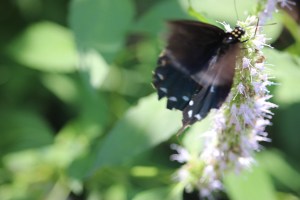
Camera: Canon EOS Rebel T7 (2000D) with Canon EF-S55-250mm lens and Altura UV Filter attachment.
Location: Lazy 5 Ranch; Mooresville, North Carolina, USA
God Bless. Take time to enjoy the flowers. Get Outdoors and commune with nature. Thank you for visiting and sharing your time and thoughts with us. I appreciate y’all very much.
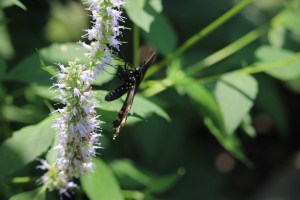
Coleman and I found the Wagon Ride at the Lazy 5 Ranch to be very interesting and I’d say educational. Coleman enjoyed seeing the many different types of exotic animals including the Red Sindhi cow which followed the Wagon for quite a ways as if it wanted to have an exciting adventure as well.
Red Sindhi
Red Sindhi belong to the heat-tolerant Bosindicus (Zebu) lineage. It is a specialized dairy breed originating from Pakistan.
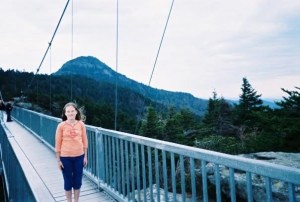
Bos Indicus
The Red Sindhi yield substantial volumes of milk (averaging 4.5%-5% fat) even under extreme heat and stress (like we’ve been experiencing) and low quality forage. At the Ranch they are well fed and maintained.

Zebu aka Red Sindhi belong
The Red Sindhi are compact, smaller and rounder in comparison to the Red Brahma. The hump is well developed in bulls, but much smaller in cows.
Red Sindhi female
Its colouring is a Deep Red, ranging from yellowish-brown to dark brown; males are typically darker than females especially on the head, feet, and tail.
These images were all taken while looking out the back of the Wagon; noticing the Red Sindhi and other animals following behind and eventually alongside the Wagon. They really were delighted when the Wagon stopped off and on during the Safari ride. They knew whenever the Wagon stopped they could get feed from the Lazy 5 Ranch guests.
While traveling on the wagon Ride around the Lazy 5 Ranch we spotted Vietnamese Pot-bellied pigs in groups of three. Imagine that, how nice of them to group themselves as trios for my photographic adventures.
The Vietnamese Pot-bellied Pigs (Sus scrofa domestica) at the Lazy 5 Ranch were originally from the jungles of China and Vietnam. They were introduced into the United States as pets around 1985. Their backbone is bent like a saddle, which causes the abdomen to nearly drag on the ground. It is due to this effect why they received the pot-bellied name. At birth piglets normally weigh approximately one (1) pound (lb). They grow to a height of 10-12 inches (in) and a weight of about 125 pounds (lbs).
Vietnamese Pot-bellied Pigs Thursday Trios
Pot-Bellied Pigs are intelligent and can be taught to do simple tricks and to walk around on a leash. However, at the Lazy 5 Ranch they are free to roam around the pastures, pathways and around the many, many other exotic animals at the ranch. At the Ranch they are not taught any tricks, they do enjoy the feed. While on the Wagon ride you are allowed to feed the animals roaming about, some even approach alongside the Wagon begging for handouts (they know the visitors have feed buckets which they’ll gladly make disappear).
Camera: Canon EOS Rebel T7 (2000D) with Canon EF-S55-250mm lens and Altura UV Filter attachment.
Location: Lazy 5 Ranch; Mooresville, North Carolina, USA
God Bless. Get Outdoors. Take a Walk/Hike. Enjoy Nature’s Beauty. Thank you for visiting and sharing your time and thoughts with us. I appreciate y’all very much.